EP2098246B1 - Procédé de criblage des substances que favorisent une réponse immunitaire grâce à l'inhibition d'une fonction cd22 dans les lymphocytes b - Google Patents
Procédé de criblage des substances que favorisent une réponse immunitaire grâce à l'inhibition d'une fonction cd22 dans les lymphocytes b Download PDFInfo
- Publication number
- EP2098246B1 EP2098246B1 EP07851040.1A EP07851040A EP2098246B1 EP 2098246 B1 EP2098246 B1 EP 2098246B1 EP 07851040 A EP07851040 A EP 07851040A EP 2098246 B1 EP2098246 B1 EP 2098246B1
- Authority
- EP
- European Patent Office
- Prior art keywords
- cells
- immune response
- gene
- igm
- inhibition
- Prior art date
- Legal status (The legal status is an assumption and is not a legal conclusion. Google has not performed a legal analysis and makes no representation as to the accuracy of the status listed.)
- Not-in-force
Links
Images




Classifications
-
- C—CHEMISTRY; METALLURGY
- C12—BIOCHEMISTRY; BEER; SPIRITS; WINE; VINEGAR; MICROBIOLOGY; ENZYMOLOGY; MUTATION OR GENETIC ENGINEERING
- C12N—MICROORGANISMS OR ENZYMES; COMPOSITIONS THEREOF; PROPAGATING, PRESERVING, OR MAINTAINING MICROORGANISMS; MUTATION OR GENETIC ENGINEERING; CULTURE MEDIA
- C12N5/00—Undifferentiated human, animal or plant cells, e.g. cell lines; Tissues; Cultivation or maintenance thereof; Culture media therefor
- C12N5/06—Animal cells or tissues; Human cells or tissues
- C12N5/0602—Vertebrate cells
- C12N5/0634—Cells from the blood or the immune system
- C12N5/0635—B lymphocytes
-
- A—HUMAN NECESSITIES
- A61—MEDICAL OR VETERINARY SCIENCE; HYGIENE
- A61K—PREPARATIONS FOR MEDICAL, DENTAL OR TOILETRY PURPOSES
- A61K40/00—Cellular immunotherapy
- A61K40/10—Cellular immunotherapy characterised by the cell type used
- A61K40/13—B-cells
-
- A—HUMAN NECESSITIES
- A61—MEDICAL OR VETERINARY SCIENCE; HYGIENE
- A61K—PREPARATIONS FOR MEDICAL, DENTAL OR TOILETRY PURPOSES
- A61K40/00—Cellular immunotherapy
- A61K40/20—Cellular immunotherapy characterised by the effect or the function of the cells
- A61K40/24—Antigen-presenting cells [APC]
-
- A—HUMAN NECESSITIES
- A61—MEDICAL OR VETERINARY SCIENCE; HYGIENE
- A61K—PREPARATIONS FOR MEDICAL, DENTAL OR TOILETRY PURPOSES
- A61K40/00—Cellular immunotherapy
- A61K40/40—Cellular immunotherapy characterised by antigens that are targeted or presented by cells of the immune system
- A61K40/41—Vertebrate antigens
- A61K40/42—Cancer antigens
- A61K40/4202—Receptors, cell surface antigens or cell surface determinants
- A61K40/421—Immunoglobulin superfamily
- A61K40/4212—CD22, BL-CAM, siglec-2 or sialic acid binding Ig-related lectin 2
-
- A—HUMAN NECESSITIES
- A61—MEDICAL OR VETERINARY SCIENCE; HYGIENE
- A61P—SPECIFIC THERAPEUTIC ACTIVITY OF CHEMICAL COMPOUNDS OR MEDICINAL PREPARATIONS
- A61P37/00—Drugs for immunological or allergic disorders
- A61P37/02—Immunomodulators
- A61P37/04—Immunostimulants
-
- G—PHYSICS
- G01—MEASURING; TESTING
- G01N—INVESTIGATING OR ANALYSING MATERIALS BY DETERMINING THEIR CHEMICAL OR PHYSICAL PROPERTIES
- G01N33/00—Investigating or analysing materials by specific methods not covered by groups G01N1/00 - G01N31/00
- G01N33/48—Biological material, e.g. blood, urine; Haemocytometers
- G01N33/50—Chemical analysis of biological material, e.g. blood, urine; Testing involving biospecific ligand binding methods; Immunological testing
- G01N33/5005—Chemical analysis of biological material, e.g. blood, urine; Testing involving biospecific ligand binding methods; Immunological testing involving human or animal cells
- G01N33/5008—Chemical analysis of biological material, e.g. blood, urine; Testing involving biospecific ligand binding methods; Immunological testing involving human or animal cells for testing or evaluating the effect of chemical or biological compounds, e.g. drugs, cosmetics
- G01N33/5044—Chemical analysis of biological material, e.g. blood, urine; Testing involving biospecific ligand binding methods; Immunological testing involving human or animal cells for testing or evaluating the effect of chemical or biological compounds, e.g. drugs, cosmetics involving specific cell types
- G01N33/5047—Cells of the immune system
- G01N33/5052—Cells of the immune system involving B-cells
-
- A—HUMAN NECESSITIES
- A61—MEDICAL OR VETERINARY SCIENCE; HYGIENE
- A61K—PREPARATIONS FOR MEDICAL, DENTAL OR TOILETRY PURPOSES
- A61K2239/00—Indexing codes associated with cellular immunotherapy of group A61K40/00
- A61K2239/31—Indexing codes associated with cellular immunotherapy of group A61K40/00 characterized by the route of administration
-
- A—HUMAN NECESSITIES
- A61—MEDICAL OR VETERINARY SCIENCE; HYGIENE
- A61K—PREPARATIONS FOR MEDICAL, DENTAL OR TOILETRY PURPOSES
- A61K2239/00—Indexing codes associated with cellular immunotherapy of group A61K40/00
- A61K2239/38—Indexing codes associated with cellular immunotherapy of group A61K40/00 characterised by the dose, timing or administration schedule
-
- G—PHYSICS
- G01—MEASURING; TESTING
- G01N—INVESTIGATING OR ANALYSING MATERIALS BY DETERMINING THEIR CHEMICAL OR PHYSICAL PROPERTIES
- G01N2333/00—Assays involving biological materials from specific organisms or of a specific nature
- G01N2333/435—Assays involving biological materials from specific organisms or of a specific nature from animals; from humans
- G01N2333/705—Assays involving receptors, cell surface antigens or cell surface determinants
- G01N2333/70503—Immunoglobulin superfamily, e.g. VCAMs, PECAM, LFA-3
Definitions
- the present invention relates to a method for screening a substance capable of increasing proliferation and survival of B cells in an early stage of the immune response.
- IgM and IgD-positive naive B cells which reacted with a normal T cell-dependent antigen, will move to splenic red pulp and bridging channel and proliferate there to form extrafollicular foci in an early stage of immune response.
- Plasmablasts will proliferate in the extrafollicular foci and undergo differentiation into antibody-producing cells so as to eliminate an antigen.
- Most of the antibody-producing cells generated in the early stage will have a short life span, while a part of them will induce class-switching into IgG class and the like.
- a part of B cells that has reacted with an antigen will proliferate in follicle and form a germinal center.
- B cells will accumulate point mutations in their immunoglobulin V-region during the germinal center reaction so as to increase their affinity for the antigen. Most of B cells in the germinal center will induce the class-switching. The antibody-producing cells that have gone through the above germinal center reaction will bear the production of antibodies thereafter. A part of B and T lymphocytes that were activated by antigen-stimulation in a first immune response will grow into memory lymphocytes. Memory B cells will be generated from a part of the germinal center B cells. The memory lymphocyts will survive for a long period of time.
- the memory lymphocyte When being exposed to the same antigen, the memory lymphocyte will proliferates more rapidly proliferate than the naive B cells and form a huge foci of plasmablasts and plasma cells in the splenic red pulp and bridging channel, resulting in a rapid and large-scale production of antibodies.
- Vaccine will defend against infection by inducing immune memory.
- B cell antigen-receptor consists of a membrane-type immunoglobulin and signal component Ig ⁇ /Ig ⁇ molecules. Upon the reaction with the antigen, BCR will intracellularly transduce a signal through the Ig ⁇ /Ig ⁇ molecules (class II antigen).
- Coreceptors of BCR such as CD19, CD22, CD72 and Fc ⁇ R2B modulate an appropriate threshold for signaling by positively or negatively regulating BCR signal transduction (signaling), so that they will have an influence on determination of the fate of B cells such as proliferation, differentiation into the antibody-producing cells, non-response or apoptosis.
- CD22 is known as a molecule that will downmodulate the BCR signaling.
- ITIM immune receptor tyrosine-based inhibition motifs
- the memory B cells will be generated through the differentiation mainly from cells that have been class-switched into IgG, and express the membrane-type IgG as the BCR.
- IgG-BCR will transduce a signal through the Ig ⁇ /Ig ⁇ molecules like IgM-BCR and IgD-BCR expressed by the naive B cells.
- IgG-BCR is involved in the rapid response of the memory B cells ( Wakabayashi, C., et al., Science, 2002, 298(5602): p.2392-5 ). Goodnow et al.
- the present inventors found that while the IgM-BCR or IgD-BCR were negatively regulated by CD22, the IgG-BCR would not be regulated by CD22 so that it could induce an effective signaling ( Wakabayashi, C., et al., Science, 2002. 298(5602): p.2392-5 ).
- the present inventors analyzed in detail kinetics in vivo of NP (nitrophenol)-reactive and CD22-deficient B cells in immune response, which cells were obtained by breeding a CD22-deficient mouse with a QM mouse most of whose B cells were reactive with a hapten, NP.
- NP nitrophenol
- the immune response can be promoted by inhibiting or repressing the CD22 function in the B cells. And, such a strong proliferation of clones and a mass production of the antibody-producing cells as those seen in the memory immune response can be effected even in the naive B cells expressing IgM-BCR and IgD-BCR, by inhibiting the CD22 function.
- the promotion of the immune response was effected by inhibiting (or, repressing) the CD22 function in the B cells.
- B cells usually means IgM and IgD positive na ⁇ ve B cells (mature B cells), it is not limited to these types and comprises B cells that potentially have capability of differentiating into antibody-producing cells in response to the T antigen-dependent antigen.
- various kinds of cells including the B cells and the CD22 (gene) may be derived from any animal cells known for those skilled in the art, including mammals such as human and mouse.
- the promotion of the immune response comprises any reaction known for those skilled in the art, for example, the increase in proliferation and survival of the B cells in an early stage of the immune response, especially, the increase of in the proliferation, division and/or survival of the B cells, such as the increase in numbers of the IgG1 + B cells, the IgM + B cells and the germinal center B cells by a factor of two to three compared to the CD22 +/+ B cells, the class switching of the B cells into the IgG1 + positive cells, and/or differentiation in an earlier stage into, for example, the antibody-producing cells or the germinal center B cells, the increase in a number of cells producing antibodies such as IgG and/or IgM in immune organs such as spleen, and in an amount of the antibodies produced in serum (about three to five times more than that of CD22 +/+ B cells), and/or the production of these antibodies in an earlier stage, and the promotion of signal transduction through the B cell receptor.
- the "early stage in an immune response” usually means few days such as from the third to the fifth days after the immunization (stimulation or sensitization by an antigen), with a variation of about one or two days depending on the kind of an antigen used as an immunogen, aspects in the promotion of the immune response and the like.
- the inhibition of the CD22 function in the B cells may be carried out by any genetic (genomic) engineering technique or method known for those skilled in the art. As long as the immune response is significantly promoted, it is not necessary to completely inhibit the CD22 function.
- the inhibition of the CD22 function may be caused by any action on the CD22 gene per se, such as by dysfunction due to deficiency or mutation of the CD22 gene.
- Such action on the gene per se may be effected by, for example, knockout of the CD22 gene by means of gene targeting technique known for those skilled in the art, or introduction of mutation into the gene by means of various methods for that so as to express CD22 variant not having a prescribed function.
- the inhibition of the CD22 function may be caused by repression of the expression of the CD22 gene, which may be done at any optional level such as a transcriptional level.
- the repression of the expression of the gene at the transcriptional level may be done gene by knockdown by means of a nucleic acid sequence inducing RNA interference (RNAi) against the CD22 gene (DNA or mRNA) (a single or double stranded RNA having a sequence specific for a partial sequence of said gene, such as siRNA antisense RNA; or various ribozymes.
- RNAi nucleic acid sequence inducing RNA interference
- DNA or mRNA a single or double stranded RNA having a sequence specific for a partial sequence of said gene, such as siRNA antisense RNA; or various ribozymes.
- the nucleic acid sequence inducing the RNA interference against the CD22 gene may be optionally designed and prepared by those skilled in the art, based on a base sequence of the CD22 gene registered in any known public database, such as accession No.L16928 GenBank/EMBL/DDBJ for mouse CD22 gene.
- the siRNA is a double strand RNA consisting of an oligonucleotide having 15-30, especially 21-23 bases and its complementary oligonucleotide, which comprises a continuous base sequence of a part of the CD22 gene.
- the siRNA may comprise one that will be intracellularly generated upon digestion by Dicer.
- the CD22 function may be inhibited in the B cells in vivo or in vitro. In vivo, such inhibition may be effected by producing a knock-out animal such mouse whose CD22 gene has been knocked out.
- the present disclosure also relates to B cells (population) whose The CD22 function is inhibited.
- Such cells may be prepared by isolating CD23 + follicle cells by means of any sorting technique known for those skilled in the art from the spleens cells derived from the above knock-out animal or mammal such as the knock-out mouse, or a mammal such as mouse that is genetically related to them (for example, animals such a QM mouse as described in Example in the present specification, which are obtained by being bred with other animals such as a mouse that will react with a particular antigen (hapten)).
- B cells is a spleen cell (IgH a , Ly5.2) of CD22 -/- QM mouse prepared in Example 1.
- B cells population
- B cells whose CD22 function is inhibited by knocking out the CD22 gene in various stem cells such as ES cell and differentiating them into B cells.
- the above B cells whose CD22 function is inhibited may be used not only in the method according to the present invention, but also utilized effectively in methods for the analysis of the immune response or for screening a substance capable of promoting an immune response.
- the present disclosure is also related to a method for the production of an antibody using any one of the above methods or the above B cells whose CD22 function is inhibited.
- the antibody may be prepared by using any method or technique known for those skilled in the art for any antigen such as a T cell-dependent antigen.
- the present invention relates to such a screening method as claimed in the claims.
- One example of the screening method according to the present disclosure comprises the following steps:
- the change (inhibition) of the CD22 function may be directly detected by determining a degree of inhibition of the expression of the CD22 gene at any stage such as transcription and translation with any method known for those skilled in the art.
- An amount of the expression of the CD22 gene may be determined by an amount of its mRNA in the above screening method.
- the determination of mRNA may be carried out by any methods known for those skilled in the art such as various quantitative PCR methods such as RT-PCR and micro array (DNA chip) using primers designed optionally based on a base sequence of the gene encoding CD22 protein.
- the change (inhibition) of the CD22 function may be indirectly detected by detecting various aspects involved in the promotion of the immune response by the inhibition of the CD22 function as already described.
- the cells such as the B cells and/or the CD22 or CD22 gene used in the screening method according to the present invention may be derived from any known animal including mammals such as a mouse and human.
- the screening may be carried out in vivo or in vitro.
- the B cells may be contacted with the substance to be screened by culturing the cells in the presence of said substance.
- the B cells may be contacted with the substance to be screened in a body by administrating said substance into a experiment animal with a suitable method.
- kits used in the screening method according to the present invention may be optionally constituted depending on specific mechanism on detection and determination of the CD22 function in B cells and the like.
- the kit may comprises, for example, an agent comprising an antibody specifically recognizing CD22 protein, primers for amplification of the CD22 gene and a probe for hybridization, which may have a suitable length, for example, of a base sequence having continuous 10 - 100 bases depending on their use.
- the above primers, probe and antibody comprised in the above kit as a constituent may be labeled with a suitable labeling substance such as a radioactive material, fluorescent material, pigment and the like.
- a suitable labeling substance such as a radioactive material, fluorescent material, pigment and the like.
- the kit may further comprise any other elements or components known for those skilled in the art such as various agents, enzymes, buffer, a reaction plate, etc. depending on its structure and purpose for use.
- the cells such as the B cells and/or the CD22 or CD22 in the present specification may be derived from any known animal including mammals such as a mouse and human.
- the information about these genes is known for those skilled in the art, and may be easily obtained from various public database (cf. GenBank/EMBL/DDBJ, accession No.X59350).
- DNAs (genomic DNA and cDNA) encoding CD22 include in addition to DNA having the above specific base sequence (nucleotide sequence) a DNA hybridizing under stringent conditions with a DNA consisting of a base sequence complementary with that of the above DNA, and a DNA consisting of a base sequence showing identity (homology) of about 80% or more, preferably about 95% or more with that of the above DNA, which encode a protein substantially having at least one of the CD22 functions.
- the hybridization may be performed in accordance with a method known in the art, for example, that described in Molecular cloning third ed. (Cold Spring Harbor Lab. Press 2001 ) or in Current protocols in molecular biology (edited by Frederick M. Ausubel et al., 1987 ). When a commercially available library is used, the hybridization may be done according to instructions attached to it.
- stringent conditions means in this specification, for example, those of sodium concentration of 15 ⁇ 900 mM, preferably 15 ⁇ 600 mM, more preferably 15 ⁇ 150 mM, pH of 6 ⁇ 8 at 60°C ⁇ 68°C.
- the DNA that may hybridize with DNA consisting of the base sequence complementary with that of the DNA consisting of the above base sequence may include, for example, a DNA comprising a base sequence having identity of about 80% or more, preferably of about 95% or more, and more preferably of about 99% or more on a total average with the whole base sequence of the DNA of interest.
- the above DNAs may be obtained by PCR, for example, using suitable primers prepared on the information about the base sequence disclosed in Non Patent Document 1 or in the present specification.
- the DNA according to the present disclosure may be also prepared by chemical synthesis.
- the CD22 protein according to the present disclosure may include a polypeptide having an amino acid sequence wherein one or a few amino acids are deleted, substituted or added with respect to an amino acid sequence encoded by the above base sequence, which substantially has at least one of the CD22 functions.
- sequences In order to determine the identity of sequences between two amino acid sequences or two nucleotide (base) sequences, the sequences will be pre-treated to become in an optimum condition for comparison. For example, gaps may be inserted into one of the sequences so that alignment with the other sequence will be optimized. After such pre-treatment, amino acid residues or bases in each region will be compared. When amino acid residues or bases located at a certain position in a first sequence are the same as those of a second sequence located at a position corresponding to the above position in the first sequence, these two sequences will be considered as the same at the position. Identity between the two sequences will be shown by percentage of the number of the amino acid residues or bases that are the same in the two sequences for the number of the whole amino acid residues or bases.
- identity between the two amino acid sequences or nucleotide sequences may be determined, for example, by algorithm of Karlin and Altschul (Proc. Natl. Acad. Sci. USA 87:2 264-2268, 1990 ; and Proc. Natl. Acad. Sci. USA 990:5873-5877, 1993 ).
- BLAST or FASTA programs based on the above algorithms may be used for searching a sequence having a high identity with a given sequence from database. Such programs are available at a Web site of National Center for Biotechnology Information on the Internet.
- the DNA showing the above identity in the amino acid sequence or nucleotide sequence may be obtained by resorting to the above hybridization, or may be easily found in public databases or a group of functionally unidentified DNAs obtained with analysis of genome sequences by means of methods conventionally used by those skilled in the art, for example, by searching with the above BLAST software.
- the CD22-deficient CM mouse (CD22 -/- QM mouse) was prepared by breeding the QM mouse, most of whose B cells will react with nitrophenol (NP), with the CD22-defficient mouse provided Duke University.
- NP nitrophenol
- follicle B cells are involved in the reaction against the T cell-dependent antigen. Accordingly, spleen cells (IgH a , Ly5.2) of the CD22 -/- QM mouse and the CD22 -/- QM (QM mouse without deficiency of CD22) were stained with PE-labeled anti-CD23 antibody (Cat No.
- the follicle B cells (4 x 10 5 per mouse) prepared in the above were administered by an intravenous injection into C57BL/6 Ly5.1 congenic mice (IgH b , Ly5.1) primed in advance with CGG (100 ⁇ g) and CFA adjuvant in order to activate helper T cells (Day -1).
- CGG 100 ⁇ g
- CFA adjuvant in order to activate helper T cells (Day -1).
- the mice were immunized with the T cell-dependent antigen, NP-CGG (50 ⁇ g) and alum adjuvant.
- the follicle B cells originated in the recipients were stained only with the anti-CD38 antibody, while the B cells derived from Donors were stained with the anti-IgM a antibody, the anti-IgG1 a antibody and the NIP-APC. Burst derived from the B cells of CD22 -/- Donor was found in the Bridging Channel (arrow) and splenic red pulp (arrowhead).
- CD22 -/- B cells In either the CD22 -/- B cells or the CD22 +/+ B cells, most of the B cells were found in the follicle B cells or the germinal center on the seventh day after the immunization, with only a few plasma cells in the splenic red pulp but no a cluster of such plasmablast as found on the fifth day after the immunization.
- the mechanism of the proliferation of a large amount of plasmablast found in the early stage of the immune response of CD22 -/- B cells was then studied. It was known that B cells that had reacted with a hapten NP during the immune response would induce class-switching from IgM mainly into IgG1, and that the germinal center B cells would be produced in response to the T cell-dependent antigen. Accordingly, after the CD22 -/- B cells and the CD22 +/+ B cells (4 x 10 5 cells each) were transplanted into the recipient mice, and the numbers of the total B cells, the IgM-positive B cells, the IgG1-positive B cells or the germinal center B cells, which were derived from the Donor, were counted with the flow cytometry.
- the number of the CD22 -/- QM B cells increased about twice or three times as much as that of the CD22 +/+ QM B cells with respect to all of the total B cells, the IgM-positive B cells, the IgG1-positive B cells and the germinal center B cells ( Fig.2E, F ).
- the number of the CD22 -/- QM B cells more drastically dropped on the seventh day after the immunization than that of the CD22 +/+ QM B cells did, down to the same level as the CD22 +/+ QM B cells.
- the CD22 -/- QM B cells increased more than the CD22 +/+ QM B cells did in the early stage of the immune response in each of the sub-populations of the IgM + B cells, the IgG1 + B cells and the germinal center B cells.
- CD23 positive CD22 +/+ QM B cells and CD22 -/- QM B cells were stained with CFSE, and C57BL/6Ly5.1 mice were transplanted with 4 x 10 6 cells of each group and immunized with NP-CGG.
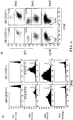
- the proliferation of the Donor B cells, the class-switching and differentiation into the germinal center B cells was observed with the flow cytometry ( Fig.3 ).
- the proliferation of Donor B cells was detected by a fluorescence intensity of CFSE of IgM + B cells (B220 + , Ly5.2 + , IgM + ) derived from the donor on the first, second and third days after the immunization.
- the class-switching was analyzed based on a fluorescence intensity of CFSE and IgG1 production of the B cells (B220 + , Ly5.2 + ) derived from the donor on the second and third days after the immunization.
- the differentiation into the germinal center B cells was analyzed based on a fluorescence intensity of CFSE and CD38 expression of the B cells (B220 + , Ly5.2 + ) derived from the donor on the third day after the immunization.
- the emergence of the IgG1-positive cells and differentiation into the germinal center B cells were analyzed together with the detection of CFSE fluorescence. It was found that the IgG1-positive cells started to show up in the third cell division stage in both the CD22 -/- B cells and the CD22 +/+ B cells. On the third day after the immunization, the IgG1-positive cells derived from the CD22 -/- B cells had increased about twice as much as that derived from the CD22 +/+ B cells.
- the germinal center B cells derived from the CD22 -/- B cells had increased about three times as much as that derived from the CD22 +/+ B cells ( Fig.3B ). No difference was found with respect to the number of cell division that is necessary for differentiation. It may be conceived that more IgG1-positive cells and germinal center B cells were generated from the CD22 -/- B cells than from the CD22 +/+ B cells since the cell division was increased in the CD22 -/- B cells.
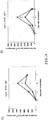
- NP-specific antibody derived from Donor B cells in serum was then determined ( Fig.4C,D ). Being related to the increase of the antibody-producing cells in spleen, a specific IgM antibody has been detected from the third day from the immunization in the mice transplanted with the CD22 -/- B cells, and about three times as many specific antibodies were detected in the fifth day from the immunization in said mice transplanted with the CD22 -/- B cells as those in the mice transplanted with the CD22 +/+ B cells.
Landscapes
- Health & Medical Sciences (AREA)
- Life Sciences & Earth Sciences (AREA)
- Immunology (AREA)
- Engineering & Computer Science (AREA)
- Biomedical Technology (AREA)
- General Health & Medical Sciences (AREA)
- Chemical & Material Sciences (AREA)
- Bioinformatics & Cheminformatics (AREA)
- Animal Behavior & Ethology (AREA)
- Public Health (AREA)
- Veterinary Medicine (AREA)
- Biotechnology (AREA)
- Hematology (AREA)
- Cell Biology (AREA)
- Epidemiology (AREA)
- Organic Chemistry (AREA)
- Microbiology (AREA)
- Urology & Nephrology (AREA)
- Zoology (AREA)
- Wood Science & Technology (AREA)
- Genetics & Genomics (AREA)
- Biochemistry (AREA)
- Molecular Biology (AREA)
- Medicinal Chemistry (AREA)
- General Physics & Mathematics (AREA)
- Tropical Medicine & Parasitology (AREA)
- Physics & Mathematics (AREA)
- Analytical Chemistry (AREA)
- General Engineering & Computer Science (AREA)
- Food Science & Technology (AREA)
- Pathology (AREA)
- Toxicology (AREA)
- Pharmacology & Pharmacy (AREA)
- Nuclear Medicine, Radiotherapy & Molecular Imaging (AREA)
- Chemical Kinetics & Catalysis (AREA)
- General Chemical & Material Sciences (AREA)
- Medicines Containing Antibodies Or Antigens For Use As Internal Diagnostic Agents (AREA)
- Peptides Or Proteins (AREA)
- Micro-Organisms Or Cultivation Processes Thereof (AREA)
- Medicines That Contain Protein Lipid Enzymes And Other Medicines (AREA)
Claims (10)
- Procédé de criblage in vitro pour cribler une substance capable d'augmenter la prolifération et la survie de cellules B à un stade précoce de la réponse immunitaire, dans lequel le procédé est basé sur la détermination du degré d'inhibition de l'expression du gène CD22 dans des cellules B naïves positives IgM et IgD, dans lequel ledit procédé comprend les étapes suivantes consistant à :(a) mettre en contact in vitro une substance à cribler avec des cellules B naïves positives IgM et IgD ;(b) détecter le degré d'inhibition de l'expression du gène CD22 dans lesdites cellules ; et(c) sélectionner une substance qui inhibe ladite expression,et dans lequel le stade précoce de la réponse immunitaire va du premier au septième jour après une immunisation.
- Procédé non thérapeutique pour cribler une substance capable d'augmenter la prolifération et la survie de cellules B à un stade précoce de la réponse immunitaire, dans lequel le procédé est basé sur la détermination du degré d'inhibition de l'expression du gène CD22 dans des cellules B naïves positives IgM et IgD, dans lequel ledit procédé comprend les étapes suivantes consistant à :(a) mettre en contact une substance à cribler avec des cellules B naïves positives IgM et IgD ;(b) détecter le degré d'inhibition de l'expression du gène CD22 dans lesdites cellules ; et(c) sélectionner une substance qui inhibe ladite expression,dans lequel le stade précoce de la réponse immunitaire va du premier au septième jour après une immunisation
et dans lequel, si ledit procédé est effectué in vivo, le sujet n'est pas humain. - Procédé selon la revendication 1 ou 2, dans lequel le stade précoce de la réponse immunitaire va du troisième au cinquième jour après une immunisation.
- Procédé selon la revendication 1, 2 ou 3, dans lequel l'augmentation de la prolifération et de la survie de cellules B comprend l'augmentation de la prolifération, de la division et/ou de la survie des cellules B au stade précoce de la réponse immunitaire.
- Procédé selon la revendication 4, dans lequel les cellules B prolifèrent et/ou se divisent en cellules B IgG1+, en cellules B IgM+ et en cellules B de centre germinatif.
- Procédé selon la revendication 1, 2 ou 3, dans lequel l'augmentation de la prolifération et de la survie de cellules B comprend une commutation de classe et/ou une différenciation des cellules B à un stade plus précoce.
- Procédé selon la revendication 6, dans lequel la commutation de classe est celle en cellules positives IgG1+ et/ou la différenciation est celle en cellules productrices d'anticorps ou en cellules B de centre germinatif.
- Procédé selon la revendication 1, 2 ou 3, dans lequel l'augmentation de la prolifération et de la survie des cellules B comprend une augmentation du nombre de cellules productrices d'anticorps et de la quantité d'anticorps produits et/ou de la production d'anticorps à un stade plus précoce.
- Procédé selon l'une quelconque des revendications 1 à 8, dans lequel l'expression du gène CD22 est répressée à un niveau transcriptionnel.
- Procédé selon l'une quelconque des revendications 1 à 8, dans lequel ladite inhibition se rapporte à la promotion de la transcription de signal d'un récepteur de cellules B.
Applications Claiming Priority (2)
| Application Number | Priority Date | Filing Date | Title |
|---|---|---|---|
| JP2006349458 | 2006-12-26 | ||
| PCT/JP2007/074634 WO2008078673A1 (fr) | 2006-12-26 | 2007-12-21 | Procédé de favorisation d'une réponse immunitaire comprenant l'inhibition d'une fonction cd22 dans les lymphocytes b |
Publications (3)
| Publication Number | Publication Date |
|---|---|
| EP2098246A1 EP2098246A1 (fr) | 2009-09-09 |
| EP2098246A4 EP2098246A4 (fr) | 2010-12-29 |
| EP2098246B1 true EP2098246B1 (fr) | 2017-06-28 |
Family
ID=39562463
Family Applications (1)
| Application Number | Title | Priority Date | Filing Date |
|---|---|---|---|
| EP07851040.1A Not-in-force EP2098246B1 (fr) | 2006-12-26 | 2007-12-21 | Procédé de criblage des substances que favorisent une réponse immunitaire grâce à l'inhibition d'une fonction cd22 dans les lymphocytes b |
Country Status (4)
| Country | Link |
|---|---|
| US (1) | US9018245B2 (fr) |
| EP (1) | EP2098246B1 (fr) |
| JP (1) | JP5243269B2 (fr) |
| WO (1) | WO2008078673A1 (fr) |
Families Citing this family (9)
| Publication number | Priority date | Publication date | Assignee | Title |
|---|---|---|---|---|
| KR101510065B1 (ko) | 2005-06-08 | 2015-04-07 | 다나-파버 캔서 인스티튜트 인크. | 예정 세포사 1(pd-1) 경로를 억제함으로써 지속 감염 및 암을 치료하기 위한 방법 및 조성물 |
| EP2370593B1 (fr) | 2008-11-28 | 2016-03-30 | Emory University | Procédés pour déterminer l'efficacité d'antagonistes de pd-1 |
| EP2554048A1 (fr) * | 2011-08-02 | 2013-02-06 | Friedrich-Alexander-Universität Erlangen-Nürnberg | CD22 humain à expression de rongeur modifié génétiquement |
| US20180271870A1 (en) * | 2014-12-31 | 2018-09-27 | Augusta University Research Institute, Inc. | Compositions and Methods for Immune Therapy |
| US11291719B2 (en) | 2016-01-15 | 2022-04-05 | Augusta University Research Institute, Inc. | Methods and compositions for modulating Akt3 |
| US10342868B2 (en) | 2016-01-15 | 2019-07-09 | Augusta University Research Institute, Inc. | Methods and compositions for inhibiting Akt3 |
| US10292978B2 (en) | 2016-01-15 | 2019-05-21 | Augusta University Research Institute, Inc. | Specific Akt3 inhibitor and uses thereof |
| MX2020002611A (es) | 2017-09-07 | 2020-07-13 | Univ Res Inst Inc Augusta | Activador especifico de akt3 y usos del mismo. |
| JP2021507689A (ja) * | 2017-12-05 | 2021-02-25 | スクイーズ バイオテクノロジーズ カンパニー | 抗体産生をモジュレートするための生体分子の細胞内送達 |
Family Cites Families (2)
| Publication number | Priority date | Publication date | Assignee | Title |
|---|---|---|---|---|
| CN100491389C (zh) * | 2001-06-19 | 2009-05-27 | 偌格·凯姆 | 唾液酸结合性免疫球蛋白样凝集素抑制剂 |
| DE60334364D1 (de) | 2002-02-21 | 2010-11-11 | Univ California | Behandlungsverfahren unter verwendung von anti-cd22-antikörpern |
-
2007
- 2007-12-21 EP EP07851040.1A patent/EP2098246B1/fr not_active Not-in-force
- 2007-12-21 JP JP2008551076A patent/JP5243269B2/ja not_active Expired - Fee Related
- 2007-12-21 US US12/516,134 patent/US9018245B2/en not_active Expired - Fee Related
- 2007-12-21 WO PCT/JP2007/074634 patent/WO2008078673A1/fr not_active Ceased
Non-Patent Citations (1)
| Title |
|---|
| None * |
Also Published As
| Publication number | Publication date |
|---|---|
| JP5243269B2 (ja) | 2013-07-24 |
| US9018245B2 (en) | 2015-04-28 |
| JPWO2008078673A1 (ja) | 2010-04-22 |
| EP2098246A1 (fr) | 2009-09-09 |
| WO2008078673A1 (fr) | 2008-07-03 |
| US20100063130A1 (en) | 2010-03-11 |
| EP2098246A4 (fr) | 2010-12-29 |
Similar Documents
| Publication | Publication Date | Title |
|---|---|---|
| US9018245B2 (en) | Method for promoting immune response comprising inhibiting CD22 function in B cells | |
| Ishiguro et al. | Activated M2 macrophages contribute to the pathogenesis of IgG4‐related disease via Toll‐like receptor 7/interleukin‐33 signaling | |
| JP5948337B2 (ja) | 脱毛症の治療方法 | |
| O’Connor et al. | Imprinting the fate of antigen-reactive B cells through the affinity of the B cell receptor | |
| Mielle et al. | B cells in Sjögren’s syndrome: from pathophysiology to therapeutic target | |
| Cavalcante et al. | The thymus in myasthenia gravis: site of “innate autoimmunity”? | |
| York et al. | A macrophage marker, Siglec‐1, is increased on circulating monocytes in patients with systemic sclerosis and induced by type I interferons and toll‐like receptor agonists | |
| Nguyen et al. | Peripheral γδ T cells regulate neutrophil expansion and recruitment in experimental psoriatic arthritis | |
| Xue et al. | The transcription factor GABP is a critical regulator of B lymphocyte development | |
| KR20060120048A (ko) | 세포 및/또는 조직 및/또는 질환 단계 특이적 의약품의제조 방법 | |
| US20200087368A1 (en) | Identification of a novel b cell cytokine | |
| Jia et al. | CCK 8 negatively regulates the TLR 9‐induced activation of human peripheral blood p DC s by targeting TRAF 6 signaling | |
| Soni et al. | Distinct and synergistic roles of FcγRIIB deficiency and 129 strain-derived SLAM family proteins in the development of spontaneous germinal centers and autoimmunity | |
| Quintavalla et al. | Chondrocyte cluster formation in agarose cultures as a functional assay to identify genes expressed in osteoarthritis | |
| Poyntz et al. | Genetic regulation of antibody responsiveness to immunization in substrains of BALB/c mice | |
| Sen et al. | Aberration of CCR7+ CD8+ memory T cells from patients with systemic lupus erythematosus: an inducer of T helper type 2 bias of CD4+ T cells | |
| Mandraju et al. | MyD88 signaling in T cells is critical for effector CD4 T cell differentiation following a transitional T follicular helper cell stage | |
| KR101577007B1 (ko) | 지방유래줄기세포의 분화능력 탐지 마커 및 이의 용도 | |
| Sato et al. | Improved protocol for the isolation of naïve follicular dendritic cells | |
| KR100822181B1 (ko) | Mln51 유전자 또는 단백질의 신규한 용도 | |
| JP7538045B2 (ja) | 免疫応答のモジュレート | |
| Zhu et al. | Lupus-associated innate receptors drive extrafollicular evolution of autoreactive B cells | |
| Guery et al. | Tlr7-biallelism defines a hyperfunctional state of female B lymphocytes | |
| Dang et al. | Distinct autoreactive CD19–plasma cell subsets accumulate in lupus-prone mice | |
| Polakova | Unraveling the immunopathogenesis of pemphigus with new research approaches: in-depth analysis of systemic and local T cell responses |
Legal Events
| Date | Code | Title | Description |
|---|---|---|---|
| PUAI | Public reference made under article 153(3) epc to a published international application that has entered the european phase |
Free format text: ORIGINAL CODE: 0009012 |
|
| 17P | Request for examination filed |
Effective date: 20090625 |
|
| AK | Designated contracting states |
Kind code of ref document: A1 Designated state(s): AT BE BG CH CY CZ DE DK EE ES FI FR GB GR HU IE IS IT LI LT LU LV MC MT NL PL PT RO SE SI SK TR |
|
| DAX | Request for extension of the european patent (deleted) | ||
| A4 | Supplementary search report drawn up and despatched |
Effective date: 20101130 |
|
| 17Q | First examination report despatched |
Effective date: 20110810 |
|
| GRAP | Despatch of communication of intention to grant a patent |
Free format text: ORIGINAL CODE: EPIDOSNIGR1 |
|
| INTG | Intention to grant announced |
Effective date: 20161103 |
|
| GRAJ | Information related to disapproval of communication of intention to grant by the applicant or resumption of examination proceedings by the epo deleted |
Free format text: ORIGINAL CODE: EPIDOSDIGR1 |
|
| GRAP | Despatch of communication of intention to grant a patent |
Free format text: ORIGINAL CODE: EPIDOSNIGR1 |
|
| INTC | Intention to grant announced (deleted) | ||
| INTG | Intention to grant announced |
Effective date: 20170201 |
|
| GRAS | Grant fee paid |
Free format text: ORIGINAL CODE: EPIDOSNIGR3 |
|
| GRAA | (expected) grant |
Free format text: ORIGINAL CODE: 0009210 |
|
| AK | Designated contracting states |
Kind code of ref document: B1 Designated state(s): AT BE BG CH CY CZ DE DK EE ES FI FR GB GR HU IE IS IT LI LT LU LV MC MT NL PL PT RO SE SI SK TR |
|
| REG | Reference to a national code |
Ref country code: GB Ref legal event code: FG4D |
|
| REG | Reference to a national code |
Ref country code: CH Ref legal event code: EP |
|
| REG | Reference to a national code |
Ref country code: AT Ref legal event code: REF Ref document number: 904294 Country of ref document: AT Kind code of ref document: T Effective date: 20170715 |
|
| REG | Reference to a national code |
Ref country code: IE Ref legal event code: FG4D |
|
| REG | Reference to a national code |
Ref country code: DE Ref legal event code: R096 Ref document number: 602007051503 Country of ref document: DE |
|
| PG25 | Lapsed in a contracting state [announced via postgrant information from national office to epo] |
Ref country code: LT Free format text: LAPSE BECAUSE OF FAILURE TO SUBMIT A TRANSLATION OF THE DESCRIPTION OR TO PAY THE FEE WITHIN THE PRESCRIBED TIME-LIMIT Effective date: 20170628 Ref country code: FI Free format text: LAPSE BECAUSE OF FAILURE TO SUBMIT A TRANSLATION OF THE DESCRIPTION OR TO PAY THE FEE WITHIN THE PRESCRIBED TIME-LIMIT Effective date: 20170628 Ref country code: GR Free format text: LAPSE BECAUSE OF FAILURE TO SUBMIT A TRANSLATION OF THE DESCRIPTION OR TO PAY THE FEE WITHIN THE PRESCRIBED TIME-LIMIT Effective date: 20170929 |
|
| REG | Reference to a national code |
Ref country code: NL Ref legal event code: MP Effective date: 20170628 |
|
| REG | Reference to a national code |
Ref country code: LT Ref legal event code: MG4D |
|
| REG | Reference to a national code |
Ref country code: AT Ref legal event code: MK05 Ref document number: 904294 Country of ref document: AT Kind code of ref document: T Effective date: 20170628 |
|
| PG25 | Lapsed in a contracting state [announced via postgrant information from national office to epo] |
Ref country code: SE Free format text: LAPSE BECAUSE OF FAILURE TO SUBMIT A TRANSLATION OF THE DESCRIPTION OR TO PAY THE FEE WITHIN THE PRESCRIBED TIME-LIMIT Effective date: 20170628 Ref country code: LV Free format text: LAPSE BECAUSE OF FAILURE TO SUBMIT A TRANSLATION OF THE DESCRIPTION OR TO PAY THE FEE WITHIN THE PRESCRIBED TIME-LIMIT Effective date: 20170628 Ref country code: NL Free format text: LAPSE BECAUSE OF FAILURE TO SUBMIT A TRANSLATION OF THE DESCRIPTION OR TO PAY THE FEE WITHIN THE PRESCRIBED TIME-LIMIT Effective date: 20170628 Ref country code: BG Free format text: LAPSE BECAUSE OF FAILURE TO SUBMIT A TRANSLATION OF THE DESCRIPTION OR TO PAY THE FEE WITHIN THE PRESCRIBED TIME-LIMIT Effective date: 20170928 |
|
| REG | Reference to a national code |
Ref country code: FR Ref legal event code: PLFP Year of fee payment: 11 |
|
| PG25 | Lapsed in a contracting state [announced via postgrant information from national office to epo] |
Ref country code: EE Free format text: LAPSE BECAUSE OF FAILURE TO SUBMIT A TRANSLATION OF THE DESCRIPTION OR TO PAY THE FEE WITHIN THE PRESCRIBED TIME-LIMIT Effective date: 20170628 Ref country code: RO Free format text: LAPSE BECAUSE OF FAILURE TO SUBMIT A TRANSLATION OF THE DESCRIPTION OR TO PAY THE FEE WITHIN THE PRESCRIBED TIME-LIMIT Effective date: 20170628 Ref country code: SK Free format text: LAPSE BECAUSE OF FAILURE TO SUBMIT A TRANSLATION OF THE DESCRIPTION OR TO PAY THE FEE WITHIN THE PRESCRIBED TIME-LIMIT Effective date: 20170628 Ref country code: CZ Free format text: LAPSE BECAUSE OF FAILURE TO SUBMIT A TRANSLATION OF THE DESCRIPTION OR TO PAY THE FEE WITHIN THE PRESCRIBED TIME-LIMIT Effective date: 20170628 Ref country code: AT Free format text: LAPSE BECAUSE OF FAILURE TO SUBMIT A TRANSLATION OF THE DESCRIPTION OR TO PAY THE FEE WITHIN THE PRESCRIBED TIME-LIMIT Effective date: 20170628 |
|
| PGFP | Annual fee paid to national office [announced via postgrant information from national office to epo] |
Ref country code: DE Payment date: 20171211 Year of fee payment: 11 Ref country code: FR Payment date: 20171221 Year of fee payment: 11 |
|
| PG25 | Lapsed in a contracting state [announced via postgrant information from national office to epo] |
Ref country code: PL Free format text: LAPSE BECAUSE OF FAILURE TO SUBMIT A TRANSLATION OF THE DESCRIPTION OR TO PAY THE FEE WITHIN THE PRESCRIBED TIME-LIMIT Effective date: 20170628 Ref country code: IS Free format text: LAPSE BECAUSE OF FAILURE TO SUBMIT A TRANSLATION OF THE DESCRIPTION OR TO PAY THE FEE WITHIN THE PRESCRIBED TIME-LIMIT Effective date: 20171028 Ref country code: IT Free format text: LAPSE BECAUSE OF FAILURE TO SUBMIT A TRANSLATION OF THE DESCRIPTION OR TO PAY THE FEE WITHIN THE PRESCRIBED TIME-LIMIT Effective date: 20170628 Ref country code: ES Free format text: LAPSE BECAUSE OF FAILURE TO SUBMIT A TRANSLATION OF THE DESCRIPTION OR TO PAY THE FEE WITHIN THE PRESCRIBED TIME-LIMIT Effective date: 20170628 |
|
| PGFP | Annual fee paid to national office [announced via postgrant information from national office to epo] |
Ref country code: GB Payment date: 20171221 Year of fee payment: 11 |
|
| REG | Reference to a national code |
Ref country code: DE Ref legal event code: R097 Ref document number: 602007051503 Country of ref document: DE |
|
| PG25 | Lapsed in a contracting state [announced via postgrant information from national office to epo] |
Ref country code: DK Free format text: LAPSE BECAUSE OF FAILURE TO SUBMIT A TRANSLATION OF THE DESCRIPTION OR TO PAY THE FEE WITHIN THE PRESCRIBED TIME-LIMIT Effective date: 20170628 |
|
| PLBE | No opposition filed within time limit |
Free format text: ORIGINAL CODE: 0009261 |
|
| STAA | Information on the status of an ep patent application or granted ep patent |
Free format text: STATUS: NO OPPOSITION FILED WITHIN TIME LIMIT |
|
| 26N | No opposition filed |
Effective date: 20180329 |
|
| REG | Reference to a national code |
Ref country code: CH Ref legal event code: PL |
|
| PG25 | Lapsed in a contracting state [announced via postgrant information from national office to epo] |
Ref country code: SI Free format text: LAPSE BECAUSE OF FAILURE TO SUBMIT A TRANSLATION OF THE DESCRIPTION OR TO PAY THE FEE WITHIN THE PRESCRIBED TIME-LIMIT Effective date: 20170628 |
|
| REG | Reference to a national code |
Ref country code: IE Ref legal event code: MM4A |
|
| PG25 | Lapsed in a contracting state [announced via postgrant information from national office to epo] |
Ref country code: MT Free format text: LAPSE BECAUSE OF NON-PAYMENT OF DUE FEES Effective date: 20171221 Ref country code: LU Free format text: LAPSE BECAUSE OF NON-PAYMENT OF DUE FEES Effective date: 20171221 |
|
| REG | Reference to a national code |
Ref country code: BE Ref legal event code: MM Effective date: 20171231 |
|
| PG25 | Lapsed in a contracting state [announced via postgrant information from national office to epo] |
Ref country code: IE Free format text: LAPSE BECAUSE OF NON-PAYMENT OF DUE FEES Effective date: 20171221 |
|
| PG25 | Lapsed in a contracting state [announced via postgrant information from national office to epo] |
Ref country code: BE Free format text: LAPSE BECAUSE OF NON-PAYMENT OF DUE FEES Effective date: 20171231 Ref country code: CH Free format text: LAPSE BECAUSE OF NON-PAYMENT OF DUE FEES Effective date: 20171231 Ref country code: LI Free format text: LAPSE BECAUSE OF NON-PAYMENT OF DUE FEES Effective date: 20171231 |
|
| PG25 | Lapsed in a contracting state [announced via postgrant information from national office to epo] |
Ref country code: HU Free format text: LAPSE BECAUSE OF FAILURE TO SUBMIT A TRANSLATION OF THE DESCRIPTION OR TO PAY THE FEE WITHIN THE PRESCRIBED TIME-LIMIT; INVALID AB INITIO Effective date: 20071221 Ref country code: MC Free format text: LAPSE BECAUSE OF FAILURE TO SUBMIT A TRANSLATION OF THE DESCRIPTION OR TO PAY THE FEE WITHIN THE PRESCRIBED TIME-LIMIT Effective date: 20170628 |
|
| REG | Reference to a national code |
Ref country code: DE Ref legal event code: R119 Ref document number: 602007051503 Country of ref document: DE |
|
| GBPC | Gb: european patent ceased through non-payment of renewal fee |
Effective date: 20181221 |
|
| PG25 | Lapsed in a contracting state [announced via postgrant information from national office to epo] |
Ref country code: FR Free format text: LAPSE BECAUSE OF NON-PAYMENT OF DUE FEES Effective date: 20181231 Ref country code: DE Free format text: LAPSE BECAUSE OF NON-PAYMENT OF DUE FEES Effective date: 20190702 Ref country code: CY Free format text: LAPSE BECAUSE OF NON-PAYMENT OF DUE FEES Effective date: 20170628 |
|
| PG25 | Lapsed in a contracting state [announced via postgrant information from national office to epo] |
Ref country code: GB Free format text: LAPSE BECAUSE OF NON-PAYMENT OF DUE FEES Effective date: 20181221 |
|
| PG25 | Lapsed in a contracting state [announced via postgrant information from national office to epo] |
Ref country code: TR Free format text: LAPSE BECAUSE OF FAILURE TO SUBMIT A TRANSLATION OF THE DESCRIPTION OR TO PAY THE FEE WITHIN THE PRESCRIBED TIME-LIMIT Effective date: 20170628 |
|
| PG25 | Lapsed in a contracting state [announced via postgrant information from national office to epo] |
Ref country code: PT Free format text: LAPSE BECAUSE OF FAILURE TO SUBMIT A TRANSLATION OF THE DESCRIPTION OR TO PAY THE FEE WITHIN THE PRESCRIBED TIME-LIMIT Effective date: 20170628 |