EP2103311A1 - Capteur STIM1 de calcium essentiel pour la formation d'un thrombus pathologique - Google Patents
Capteur STIM1 de calcium essentiel pour la formation d'un thrombus pathologique Download PDFInfo
- Publication number
- EP2103311A1 EP2103311A1 EP08005320A EP08005320A EP2103311A1 EP 2103311 A1 EP2103311 A1 EP 2103311A1 EP 08005320 A EP08005320 A EP 08005320A EP 08005320 A EP08005320 A EP 08005320A EP 2103311 A1 EP2103311 A1 EP 2103311A1
- Authority
- EP
- European Patent Office
- Prior art keywords
- stim1
- inhibitor
- thrombus formation
- molecule
- pharmaceutical composition
- Prior art date
- Legal status (The legal status is an assumption and is not a legal conclusion. Google has not performed a legal analysis and makes no representation as to the accuracy of the status listed.)
- Withdrawn
Links
Images



Classifications
-
- A—HUMAN NECESSITIES
- A61—MEDICAL OR VETERINARY SCIENCE; HYGIENE
- A61K—PREPARATIONS FOR MEDICAL, DENTAL OR TOILETRY PURPOSES
- A61K39/00—Medicinal preparations containing antigens or antibodies
- A61K39/395—Antibodies; Immunoglobulins; Immune serum, e.g. antilymphocytic serum
-
- A—HUMAN NECESSITIES
- A61—MEDICAL OR VETERINARY SCIENCE; HYGIENE
- A61P—SPECIFIC THERAPEUTIC ACTIVITY OF CHEMICAL COMPOUNDS OR MEDICINAL PREPARATIONS
- A61P7/00—Drugs for disorders of the blood or the extracellular fluid
- A61P7/02—Antithrombotic agents; Anticoagulants; Platelet aggregation inhibitors
-
- Y—GENERAL TAGGING OF NEW TECHNOLOGICAL DEVELOPMENTS; GENERAL TAGGING OF CROSS-SECTIONAL TECHNOLOGIES SPANNING OVER SEVERAL SECTIONS OF THE IPC; TECHNICAL SUBJECTS COVERED BY FORMER USPC CROSS-REFERENCE ART COLLECTIONS [XRACs] AND DIGESTS
- Y02—TECHNOLOGIES OR APPLICATIONS FOR MITIGATION OR ADAPTATION AGAINST CLIMATE CHANGE
- Y02A—TECHNOLOGIES FOR ADAPTATION TO CLIMATE CHANGE
- Y02A50/00—TECHNOLOGIES FOR ADAPTATION TO CLIMATE CHANGE in human health protection, e.g. against extreme weather
- Y02A50/30—Against vector-borne diseases, e.g. mosquito-borne, fly-borne, tick-borne or waterborne diseases whose impact is exacerbated by climate change
Definitions
- the present invention relates to a pharmaceutical composition
- a pharmaceutical composition comprising an inhibitor of stromal interaction molecule 1 (STIM1) or an inhibitor of an activator of STIM1 and optionally a pharmaceutically active carrier, excipient or diluent.
- the invention further relates to an inhibitor of stromal interaction molecule 1 (STIM1) or an inhibitor of an activator of STIM1 for treating or preventing a disorder related to venous or arterial thrombus formation.
- IP 3 inositol 1,4,5-triphosphate
- SOCE store-operated Ca 2+ entry
- Stromal interaction molecule 1 is an ER-resident protein necessary for detection of ER Ca 2+ -depletion and activation of store-operated Ca 2+ (SOC) channels in Jurkat T cells ( Roos, J. et al., 2005, J. Cell Biol. 169:435-445 ; Liou, J. et al., 2005, Curr. Biol. 15:1235-1241 ; Zhang, S.L. et al., 2005, Nature 437:902-905 ; Peinelt, C. et al., 2006, Nat. Cell Biol. 8:771-773 ) and mast cells ( Baba, Y. et al., 2007, Nat. Immunol ).
- CRACM transmembrane domain protein Orai1
- the four transmembrane domain protein Orai1 appears to be the predominant SOC channel ( Feske, S. et al., 2006, Nature 441:179-185 ; Vig, M. et al., 2006, Science 312:1220-1223 ), but the C-terminal region of STIM1 also interacts with other SOC channel candidates such as transient receptor potential channels TRPCs 1, 2 and 4 ( Huang, G.N. et al., 2006, Nat. Cell Biol. 8:1003-1010 ).
- TRPCs 1, 2 and 4 Huang, G.N. et al., 2006, Nat. Cell Biol. 8:1003-1010 .
- STIM1 is expressed at high levels ( Grosse, J. et al., 2007, J. Clin.
- mice expressing an activating EF-hand mutant of STIM1 have elevated [Ca 2+ ] i levels in platelets, macrothrombocytopenia and a bleeding disorder, indicating a role for STIM1-dependent SOCE in platelet function ( Grosse, J. et al., 2007, J. Clin. Invest 117:3540-3550 ).
- heparin heparin-induced thrombocytopenia, HIT
- GPIIb/IIIa blockers abciximab, ReoPro
- inhibitors such as aspirin or the P2Y 12 inhibitor clopidogrel
- many patients have been described as low or non-responders ( Papthanasiou et al., 2007, Hellenic J. Cardiol. 48:352-363 ).
- the technical problem underlying the present invention was to provide novel approaches for successfully targeting diseases based on thrombus formation that form the basis or may allow the development of more satisfactory medicaments for the treatment and/or prevention of the mentioned diseases.
- the present invention relates to a pharmaceutical composition
- a pharmaceutical composition comprising an inhibitor of stromal interaction molecule 1 (STIM1) or an inhibitor of an activator of STIM1 and optionally a pharmaceutically active carrier, excipient and/or diluent.
- STIM1 stromal interaction molecule 1
- a pharmaceutically active carrier excipient and/or diluent.
- composition as employed herein comprises at least one such as at least two, e.g. at least three, in further embodiments at least four such as at last five of the mentioned inhibitors.
- the invention also envisages mixtures of inhibitors of stromal interaction molecule 1 (STIM1) and inhibitors of an activator of STIM1.
- STIM1 stromal interaction molecule 1
- the composition may be in solid, liquid or gaseous form and may be, inter alia, in a form of (a) powder(s), (a) tablet(s), (a) solution(s) or (an) aerosol(s).
- said pharmaceutical composition comprises a pharmaceutically acceptable carrier, excipient and/or diluent.
- suitable pharmaceutical carriers, excipients and/or diluents are well known in the art and include phosphate buffered saline solutions, water, emulsions, such as oil/water emulsions, various types of wetting agents, sterile solutions etc.
- Compositions comprising such carriers can be formulated by well known conventional methods. These pharmaceutical compositions can be administered to the subject at a suitable dose. Administration of the suitable compositions may be effected by different ways, e.g., by intravenous, intraperitoneal, subcutaneous, intramuscular, topical, intradermal, intranasal or intrabronchial administration.
- compositions of the invention may also be administered directly to the target site, e.g., by biolistic delivery to an external or internal target site, like the brain.
- the dosage regimen will be determined by the attending physician and clinical factors. As is well known in the medical arts, dosages for any one patient depends upon many factors, including the patient's size, body surface area, age, the particular compound to be administered, sex, time and route of administration, general health, and other drugs being administered concurrently.
- Proteinaceous pharmaceutically active matter may be present in amounts between 1 ng and 10 mg/kg body weight per dose; however, doses below or above this exemplary range are envisioned, especially considering the aforementioned factors. If the regimen is a continuous infusion, it should also be in the range of 1 ⁇ g to 10 mg units per kilogram of body weight per minute.
- compositions of the invention may be administered locally or systemically.
- Preparations for parenteral administration include sterile aqueous or non-aqueous solutions, suspensions, and emulsions.
- non-aqueous solvents are propylene glycol, polyethylene glycol, vegetable oils such as olive oil, and injectable organic esters such as ethyl oleate.
- Aqueous carriers include water, alcoholic/aqueous solutions, emulsions or suspensions, including saline and buffered media.
- Parenteral vehicles include sodium chloride solution, Ringer's dextrose, dextrose and sodium chloride, lactated Ringer's, or fixed oils.
- Intravenous vehicles include fluid and nutrient replenishers, electrolyte replenishers (such as those based on Ringer's dextrose), and the like. Preservatives and other additives may also be present such as, for example, antimicrobials, anti-oxidants, chelating agents, and inert gases and the like. It is particularly preferred that said pharmaceutical composition comprises further agents known in the art to antagonize thrombus formation or to reduce thrombus size. Since the pharmaceutical preparation of the present invention relies on the above mentioned inhibitors, it is preferred that those mentioned further agents are only used as a supplement, i.e. at a reduced dose as compared to the recommended dose when used as the only drug, so as to e.g. reduce side effects conferred by the further agents. Conventional excipients include binding agents, fillers, lubricants and wetting agents.
- inhibitor of stromal interaction molecule 1 refers to an inhibitor that reduces the biological function of STIM1 to at least 50%, preferably to at least 75%, more preferred to at least 90% and even more preferred to at least 95% such as at least 98% or even at least 99%.
- Biological function denotes in particular any known biological function of STIM1 or any combination thereof including functions elucidated in accordance with the present invention.
- STIM1 to SOC channel candidates mentioned herein above such as transient receptor potential channels (TRPCs), the activation of store-operated Ca 2+ (SOC) channels including members of the Orai family of channels, in particular Orai1, the capability to adhere to collagen fibers, in particular under intermediate (e.g. 1000s -1 ) or high shear conditions (e.g. 1,700 s -1 ), the capability to efficiently degranulate, the contribution to the formation of thrombus formation such as three dimensional thrombus formation, in particular pathologic occlusive thrombus formation (platelet-rich thrombi), the contribution to normal hemostasis and the contribution to platelet activation.
- TRPCs transient receptor potential channels
- SOC store-operated Ca 2+
- Oraii1 members of the Orai family of channels
- intermediate e.g. 1000s -1
- high shear conditions e.g. 1,700 s -1
- thrombus formation such as three dimensional thrombus formation, in particular
- inhibitor of an activator of STIM1 refers to inhibitors that do not directly interact with STIM1 but with molecules that directly or indirectly activate one or more of the biological functions of STIM1 and preferably one or more of those functions referred to above or elsewhere in this specification. These include inhibitors of IP3-dependent Ca 2+ store-release, inhibitors of STIM1 associated proteins involved in intracellular motility of STIM1 or SOC channel activation.
- the inhibition values referred to above for inhibitors of STIM1 mutatis mutandis apply to inhibitors of an activator of STIM1.
- Stromal interaction molecule 1 (STIM1) has been identified as the long-sought calcium sensor that connects intracellular Ca 2+ store-depletion to the activation of plasma membrane SOC channels in immune cells.
- SOCE was considered in the art to be a major pathway of Ca 2+ entry in virtually all non-excitable cells, this has only been directly shown for T cells ( Roos, J. et al., 2005, J. Cell Biol. 169:435-445 ; Zhang, S.L. et al., 2005, Nature 437:902-905 ) and mast cells ( Baba, Y. et al., 2007, Nat. Immunol ).
- STIM1 is required for efficient platelet activation and thrombus formation.
- mice deficient in STIM1 were generated and their platelets analyzed. It was found that Ca 2+ responses to all major agonsists were defective resulting in impaired thrombus formation under flow in vitro and protection from arterial thrombosis and ischemic brain infaction in vivo.
- the ability of STIM1 - / - platelets to stabilize large thrombi under flow is impaired both in vitro and in vivo, demonstrating an important function of STIM1-dependent SOCE in thrombus formation under conditions of elevated shear.
- STIM1 - / - platelets aggregate in vitro and can contribute to hemostasis in vivo making STIM1-dependent SOCE an attractive target for the prevention or treatment of acute ischemic events.
- STIM1 is highly expressed in platelets ( Grosse, J. et al., 2007, J. Clin. Invest 117:3540-3550 ), the significance of SOCE for platelet function has been completely unknown because non-SOCE pathways have been described to exist in these cells ( Hassock, S.R. et al., 2002, Blood 100:2801-2811 ).
- the present inventors found largely defective Ca 2+ responses to all major agonists in STIM1 - /- platelets, clearly establishing SOCE as the major route of Ca 2+ entry in those cells and STIM1 as an essential mediator of this process.
- the residual Ca 2+ influx detected in STIM1 - / - platelets suggests that other molecules may regulate SOC influx, but only to a minor extent.
- STIM2 One candidate molecule is STIM2, which was originally reported to be an inhibitor of STIM1 ( Soboloff, J. et al., 2006, Curr. Biol. 16:1465-1470 ) but later shown by the same group to activate CRAC channels ( Parvez, S. et al., 2007, FASEB J ).
- the residual Ca 2+ entry could be mediated by store-independent mechanisms as DAG and some of its metabolites have been shown to induce non-SOCE ( Bird, G.S. et al., 2004, Mol. Med. 4:291-301 ).
- TrpC family Members of the TrpC family have been suggested as candidates mediating both, SOCE and non-SOCE ( Rosado, J.A. et al., 2005, J.
- GPVI ligation triggers tyrosine phosphorylation cascades downstream of the receptor-associated immunoreceptor tyrosine activation motif (ITAM) culminating in the activation of phospholipase (PL)C ⁇ 2(29) whereas soluble agonists such as thrombin, ADP and TxA 2 stimulate receptors that couple to heterotrimeric G proteins (Gq) and lead to activation of PLC ⁇ (30).
- ITAM receptor-associated immunoreceptor tyrosine activation motif
- ADP and TxA 2 stimulate receptors that couple to heterotrimeric G proteins (Gq) and lead to activation of PLC ⁇ (30).
- Gq heterotrimeric G proteins
- STIM1 as an essential mediator of platelet activation that is of pivotal importance during arterial thrombosis and ischemic brain infarction.
- STIM1 stromal interaction molecule 1
- the inhibitors will be useful as medicaments for a variety of diseases relating to thrombus formation which will be discussed in more detail herein below.
- the envisaged drugs will not only be highly effective but also safe antithrombotics.
- the invention relates to an inhibitor of stromal interaction molecule 1 (STIM1) or an inhibitor of an activator of STIM1 for treating or preventing a disorder related to venous or arterial thrombus formation.
- STIM1 stromal interaction molecule 1
- the mentioned inhibitor may be used as a lead compound for the development of a drug for treating or preventing a disorder related to venous or arterial thrombus formation.
- Those lead compounds will also allow for the development of novel, highly effective, yet safe antithrombotics.
- the inhibitor is an antibody, an aptamer, an siRNA, an shRNA, or a further molecule effecting RNAi, a ribozyme, an antisense nucleic acid molecule or a small molecule.
- the antibody in accordance with the present invention can be, for example, polyclonal or monoclonal.
- the term “antibody” also comprises derivatives or fragments thereof which still retain the binding specificity. Techniques for the production of antibodies are well known in the art and described, e.g. in Harlow and Lane “Antibodies, A Laboratory Manual”, Cold Spring Harbor Laboratory Press, 1988 and Harlow and Lane “Using Antibodies: A Laboratory Manual” Cold Spring Harbor Laboratory Press, 1999 .
- the antibody also includes embodiments such as chimeric (human constant domain, non-human variable domain), single chain and humanized (human antibody with the exception of non-human CDRs) antibodies, as well as antibody fragments, like, inter alia, Fab fragments.
- Antibody fragments or derivatives further comprise F(ab') 2 , Fv or scFv fragments; see, for example, Harlow and Lane (1988) and (1999), loc. cit..
- F(ab') 2 , Fv or scFv fragments see, for example, Harlow and Lane (1988) and (1999), loc. cit.
- Various procedures are known in the art and may be used for the production of such antibodies and/or fragments.
- the (antibody) derivatives can be produced by peptidomimetics.
- single chain antibodies can be adapted to produce single chain antibodies specific for polypeptide(s) and fusion proteins of this invention.
- transgenic animals may be used to express humanized antibodies specific for polypeptides and fusion proteins of this invention.
- the antibody is a monoclonal antibody, such as a human or humanized antibody.
- any technique which provides antibodies produced by continuous cell line cultures can be used.
- Examples for such techniques include the hybridoma technique ( Köhler and Milstein Nature 256 (1975), 495-497 ), the trioma technique, the human B-cell hybridoma technique ( Kozbor, Immunology Today 4 (1983), 72 ) and the EBV-hybridoma technique to produce human monoclonal antibodies ( Cole et al., Monoclonal Antibodies and Cancer Therapy, Alan R. Liss, Inc. (1985), 77-96 ).
- Surface plasmon resonance as employed in the BlAcore system can be used to increase the efficiency of phage antibodies which bind to an epitope of STIM1 of an activator of STIM1 ( Schier, Human Antibodies Hybridomas 7 (1996), 97-105 ; Malmborg, J.
- antibody comprises antibody constructs which may be expressed in cells, e.g. antibody constructs which may be transfected and/or transduced via, inter alia, viruses or plasmid vectors.
- Aptamers are oligonucleic acid or peptide molecules that bind a specific target molecule. Aptamers are usually created by selecting them from a large random sequence pool, but natural aptamers also exist in riboswitches. Aptamers can be used for both basic research and clinical purposes as macromolecular drugs. Aptamers can be combined with ribozymes to self-cleave in the presence of their target molecule. These compound molecules have additional research, industrial and clinical applications ( Osborne et. al. (1997), Current Opinion in Chemical Biology, 1:5-9 ; Stull & Szoka (1995), Pharmaceutical Research, 12, 4:465-483 ).
- aptamers can be classified as DNA or RNA aptamers or peptide aptamers. Whereas the former normally consist of (usually short) strands of oligonucleotides, the latter preferably consist of a short variable peptide domain, attached at both ends to a protein scaffold.
- Nucleic acid aptamers are nucleic acid species that, as a rule, have been engineered through repeated rounds of in vitro selection or equivalently, SELEX (systematic evolution of ligands by exponential enrichment) to bind to various molecular targets such as small molecules, proteins, nucleic acids, and even cells, tissues and organisms.
- SELEX systematic evolution of ligands by exponential enrichment
- Peptide aptamers usually are peptides or proteins that are designed to interfere with other protein interactions inside cells. They consist of a variable peptide loop attached at both ends to a protein scaffold. This double structural constraint greatly increases the binding affinity of the peptide aptamer to levels comparable to an antibody's (nanomolar range).
- the variable loop length is typically comprised of 10 to 20 amino acids, and the scaffold may be any protein which have good solubility properties.
- the bacterial protein Thioredoxin-A is the most used scaffold protein, the variable loop being inserted within the reducing active site, which is a - Cys-Gly-Pro-Cys- loop in the wild protein, the two cysteins lateral chains being able to form a disulfide bridge.
- Peptide aptamer selection can be made using different systems, but the most used is currently the yeast two-hybrid system.
- Aptamers offer the utility for biotechnological and therapeutic applications as they offer molecular recognition properties that rival those of the commonly used biomolecules, in particular antibodies. In addition to their discriminate recognition, aptamers offer advantages over antibodies as they can be engineered completely in a test tube, are readily produced by chemical synthesis, possess desirable storage properties, and elicit little or no immunogenicity in therapeutic applications.
- Non-modified aptamers are cleared rapidly from the bloodstream, with a half-life of minutes to hours, mainly due to nuclease degradation and clearance from the body by the kidneys, a result of the aptamer's inherently low molecular weight.
- Unmodified aptamer applications currently focus on treating transient conditions such as blood clotting, or treating organs such as the eye where local delivery is possible. This rapid clearance can be an advantage in applications such as in vivo diagnostic imaging.
- Several modifications, such as 2'-fluorine-substituted pyrimidines, polyethylene glycol (PEG) linkage, etc. are available to scientists with which the half-life of aptamers easily can be increased to the day or even week time scale.
- peptide as used herein describes a group of molecules consisting of up to 30 amino acids, as well as the group of polypeptides, whereas “proteins”consist of more than 30 amino acids. Peptides and proteins may further form dimers, trimers and higher oligomers, i.e. consisting of more than one molecule which may be identical or non-identical. The corresponding higher order structures are, consequently, termed homo- or heterodimers, homo- or heterotrimers etc.
- peptide and protein also refer to naturally modified peptides/proteins wherein the modification is effected e.g. by glycosylation, acetylation, phosphorylation and the like. Such modifications are well-known in the art.
- RNA inactivation by antisense molecules or by ribozymes is implementable. Both classes of compounds can be synthesized chemically or produced in conjunction with a promoter by biological expression in vitro or even in vivo.
- siRNA Small interfering RNA
- siRNA is a class of 18 to 30, preferably 20 to 25, most preferred 21 to 23 or 21 nucleotide-long double-stranded RNA molecules that play a variety of roles in biology.
- siRNA is involved in the RNA interference (RNAi) pathway where the siRNA interferes with the expression of a specific gene.
- RNAi RNA interference
- siRNAs also act in RNAi-related pathways, e.g. as an antiviral mechanism or in shaping the chromatin structure of a genome.
- Natural siRNAs have a well defined structure: a short double-strand of RNA (dsRNA) with 2-nt 3' overhangs on either end. Each strand has a 5' phosphate group and a 3' hydroxyl (-OH) group. This structure is the result of processing by dicer, an enzyme that converts either long dsRNAs or small hairpin RNAs into siRNAs. SiRNAs can also be exogenously (artificially) introduced into cells to bring about the specific knockdown of a gene of interest. Essentially any gene of which the sequence is known can thus be targeted based on sequence complementarity with an appropriately tailored siRNA.
- the double-stranded RNA molecule or a metabolic processing product thereof is capable of mediating target-specific nucleic acid modifications, particularly RNA interference and/or DNA methylation.
- at least one RNA strand has a 5'-and/or 3'-overhang.
- one end of the double-strand has a 3'-overhang from 1-5 nucleotides, more preferably from 1-3 nucleotides and most preferably 2 nucleotides.
- the other end may be blunt-ended or has up to 6 nucleotides 3'-overhang.
- any RNA molecule suitable to act as siRNA is envisioned in the present invention.
- siRNA duplexes composed of 21-nt sense and 21-nt antisense strands, paired in a manner to have a 2-nt 3'-overhang.
- the sequence of the 2-nt 3' overhang makes a small contribution to the specificity of target recognition restricted to the unpaired nucleotide adjacent to the first base pair (Elbashir et al. 2001).
- 2'-deoxynucleotides in the 3' overhangs are as efficient as ribonucleotides, but are often cheaper to synthesize and probably more nuclease resistant.
- shRNA short hairpin RNA
- RISC RNA-induced silencing complex
- Si/shRNAs to be used in the present invention are preferably chemically synthesized using appropriately protected ribonucleoside phosphoramidites and a conventional DNA/RNA synthesizer.
- Suppliers of RNA synthesis reagents are Proligo (Hamburg, Germany), Dharmacon Research (Lafayette, CO, USA), Pierce Chemical (part of Perbio Science, Rockford, IL , USA), Glen Research (Sterling, VA, USA), ChemGenes (Ashland, MA, USA), and Cruachem (Glasgow, UK).
- siRNAs or shRNAs are obtained from commercial RNA oligo synthesis suppliers, which sell RNA-synthesis products of different quality and costs.
- the RNAs applicable in the present invention are not too difficult to synthesize and are readily provided in a quality suitable for RNAi.
- RNAi RNA effecting RNAi
- Said RNA species are single-stranded RNA molecules which as endogenous RNA molecules regulate gene expression.
- Upon binding to a complementary mRNA transcript triggers the degradation of said mRNA transcript through a process similar to RNA interference.
- miRNAs may be employed to regulate the expression of SMT1.
- a ribozyme (from ribonucleic acid enzyme, also called RNA enzyme or catalytic RNA) is an RNA molecule that catalyzes a chemical reaction. Many natural ribozymes catalyze either their own cleavage or the cleavage of other RNAs, but they have also been found to catalyze the aminotransferase activity of the ribosome.
- RNAs examples include the hammerhead, hairpin, hepatitis delta virus, and in vitro-selected lead-dependent ribozymes.
- the organization of these small catalysts is contrasted to that of larger ribozymes, such as the group I intron.
- the principle of catalytic self-cleavage has become well established in the last 10 years.
- the hammerhead ribozymes are characterized best among the RNA molecules with ribozyme activity. Since it was shown that hammerhead structures can be integrated into heterologous RNA sequences and that ribozyme activity can thereby be transferred to these molecules, it appears that catalytic antisense sequences for almost any target sequence can be created, provided the target sequence contains a potential matching cleavage site.
- RNA which contains the GUC (or CUC) triplet
- GUC GUC
- CUC CUC
- Molecules of this type were synthesized for numerous target sequences. They showed catalytic activity in vitro and in some cases also in vivo. The best results are usually obtained with short ribozymes and target sequences.
- a recent development, also useful in accordance with the present invention, is the combination of an aptamer recognizing a small compound with a hammerhead ribozyme.
- the conformational change induced in the aptamer upon binding the target molecule is supposed to regulate the catalytic function of the ribozyme.
- antisense nucleic acid molecule refers to a nucleic acid which is complementary to a target nucleic acid.
- An antisense molecule according to the invention is capable of interacting with, more specifically hybridizing with the target nucleic acid. By formation of the hybrid, transcription of the target gene(s) and/or translation of the target mRNA is reduced or blocked. Standard methods relating to antisense technology have been described (see, e.g., Melani et al., Cancer Res. (1991) 51:2897-2901 ).
- a small molecule may be, for example, an organic molecule.
- Organic molecules relate or belong to the class of chemical compounds having a carbon basis, the carbon atoms linked together by carbon-carbon bonds.
- the original definition of the term organic related to the source of chemical compounds with organic compounds being those carbon-containing compounds obtained from plant or animal or microbial sources, whereas inorganic compounds were obtained from mineral sources.
- Organic compounds can be natural or synthetic.
- the compound may be an inorganic compound.
- Inorganic compounds are derived from mineral sources and include all compounds without carbon atoms (except carbon dioxide, carbon monoxide and carbonates).
- the small molecule has a molecular weight of less than about 2000 amu, or less than about 1000 amu such as 500 amu, and even less than about 250 amu.
- the size of a small molecule can be determined by methods well-known in the art, e.g., mass spectrometry.
- the small molecules may be designed, for example, based on the crystal structure of STIM1 where sites presumably responsible for the biological activity, can be identified and verified in in vivo assays such as in vivo HTS assays.
- High-throughput assays independently of being biochemical, cellular or other assays, generally may be performed in wells of microtiter plates, wherein each plate may contain 96, 384 or 1536 wells. Handling of the plates, including incubation at temperatures other than ambient temperature, and bringing into contact of test compounds with the assay mixture is preferably effected by one or more computer-controlled robotic systems including pipetting devices. In case large libraries of test compounds are to be screened and/or screening is to be effected within short time, mixtures of, for example 10, 20, 30, 40, 50 or 100 test compounds may be added to each well. In case a well exhibits biological activity, said mixture of test compounds may be de-convoluted to identify the one or more test compounds in said mixture giving rise to said activity.
- the determination of binding of potential inhibitors can be effected in, e.g., any binding assay, preferably biophysical binding assay, which may be used to identify binding test molecules prior to performing the functional/activity assay with the inhibitor.
- Suitable biophysical binding assays are known in the art and comprise fluorescence polarization (FP) assay, fluorescence resonance energy transfer (FRET) assay and surface plasmon resonance (SPR) assay.
- a further alternative method of identifying inhibitors it is tested for inhibition of function in a cell transfected with said polynucleotide encoding the inhibitor if the inhibitor is of proteinaceous nature.
- This embodiment relates to a cellular screen.
- inhibitors may be identified which exert their inhibitory activity by physically interacting with the target molecule, or alternatively (or additionally) by functionally interacting with said target molecule, i.e., by interfering with the pathway(s) present in the cells employed in the cellular assay.
- the activator of STIM1 is irreversibly inhibited by chemical modification or intracellular degradation.
- the preferred inhibitors of an activator of STIM1 include inhibitors of IP3-dependent Ca 2+ store-release, inhibitors of SOC channel activation or inhibitors of STIM1 associated proteins involved in intracellular motility of STIM1.
- composition of the invention may further comprise in the same or a separate container an antagonist of G-protein coupled receptors or signaling pathways, such as P2Y 1 inhibitors, P2Y 12 inhibitors, aspirin, inhibitors of PAR receptors.
- an antagonist of G-protein coupled receptors or signaling pathways such as P2Y 1 inhibitors, P2Y 12 inhibitors, aspirin, inhibitors of PAR receptors.
- the inhibitor of the invention preferably in the pharmaceutical composition may have admixed thereto other coagulants which are known in the art, described, for example, in W02006/066878 which is specifically incorporated herein in its entirety.
- the inhibitor of the invention may have admixed thereto or associated in a separate container an antagonist of G-protein coupled receptors or signalling pathways.
- the pharmaceutical composition or the inhibitor of the invention, the antagonist of G-protein coupled receptors or signaling pathways is an inhibitor of PAR receptors.
- the disorder related to venous or arterial thrombus formation is myocardial infarction, stroke, inflammation, complement activation, fibrinolysis, angiogenesis and/or diseases related to FXII-induced kinin formation such as hereditary angioedema, bacterial infection of the lung, trypanosome infection, hypotensitive shock, pancreatitis, chagas disease, thrombocytopenia or articular gout.
- a myocardial infarction as used in the present invention relates to medical condition generally referred to as "heart attack” and is characterized by interrupted blood supply to the heart.
- the resulting ischemia oxygen shortage
- myocardial infarct is due to the rupture of a vulnerable plaque that leads to a blockade of a vein or artery.
- stroke is well-known in the art and sometimes also referred to as cerebrovascular accident (CVA).
- CVA cerebrovascular accident
- a stroke is a medical condition that is medically defined by reduced blood supply to the brain resulting in loss of brain function, inter alia due to ischemia. Said reduction in blood supply can be caused, for example, by thrombosis or embolism, or due to hemorrhage.
- strokes are generally classified into two major categories, i.e., i) ischemic and ii) hemorrhagic strokes. Ischemia is due to an interruption in blood circulation and hemorrhage is due to a rupture of a blood vessel, both scenarios ultimately leading to a reduced blood supply of the brain.
- the prevalent form of stroke is the ischemic stroke accounting for about 80% of strokes.
- blood supply to part of the brain is decreased, leading to dysfunction and necrosis of the brain tissue in that area.
- embolism idem due to a blood clot from elsewhere in the body
- systemic hypoperfusion generally decrease in blood supply, e.g. in shock
- said stroke is therefore ischemic stroke.
- the invention relates to a combined pharmaceutical composition of an inhibitor of stromal interaction molecule 1 (STIM1) or an inhibitor of an activator of STIM1 and an antagonist of G-protein coupled receptors or signaling pathways for the simultaneous, separate or sequential use in therapy.
- This combined pharmaceutical composition can and optionally contain a pharmaceutically active carrier, excipient and/or diluent.
- the use in therapy for this combined pharmaceutical composition is the use in treating or preventing a disorder related to venous or arterial thrombus formation or as a lead compound for developing a drug for treating or preventing a disorder related to venous or arterial thrombus formation.
- FIG. 1 Defective SOCE in STIM1-deficient platelets.
- a Wild-type and STIM1 - / - littermates, 5 weeks old.
- b Body weights of wild-type (+/+) and STIM1 - / - (-/-) mice.
- c Western-blot analyses of platelet lysates. STIM1 was assessed using an antibody that can recognize the N-terminal region of the protein(14) (BD Transduction). An antibody to b3-integrin served as control.
- d Peripheral platelet counts in wild-type and STIM1 - / - mice.
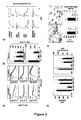
- FIG. 2 Defective agonist-induced Ca 2+ -signaling and aggregate formation under flow in STIM1 - / - platelets.
- Fura-2-loaded wild-type (black line) or STIM1 - / - (grey line) platelets were stimulated with thrombin (0.1 U/ml), ADP (10 ⁇ M) or CRP (10 ⁇ g/ml) in the presence of extracellular EGTA (1 mM) or Ca 2+ (0.5 mM), and [Ca 2+ ] ⁇ was monitored.
- Representative measurements a, and maximal ⁇ [Ca 2+ ] i ⁇ SD (n 4 per group) b, are shown.
- FIG 3 In vivo analysis of thrombosis and hemostasis.
- a-c Mesenteric arterioles were treated with FeCl 3 , and adhesion and thrombus formation of fluorescently-labeled platelets was monitored by in vivo video microscopy.
- Representative images ( a ), time to appearance of first thrombus > 20 ⁇ m ( b ), and time to vessel occlusion (c) are shown. Each symbol represents one individual.
- d e
- the abdominal aorta was mechanically injured and blood flow monitored for 30 min or until complete occlusion occurred (blood flow stopped > 1 min).
- d Representative cross-sections of the abdominal aorta of mice with wild-type or STIM1 - / - platelets 30 min after injury.
- e Time to vessel occlusion. Each symbol represents one individual.
- f Tail bleeding times in wild-type and STIM1 - / - chimeras. Each symbol represents one individual.
- FIG. 4 STIM1 -l- chimeras are protected from cerebral ischemia.
- a Left panel: Representative images of three corresponding coronal sections from control and STIM1 - / - chimeras mice stained with TCC 24 hrs after tMCAO. Infarcts in STIM1 -l- chimeras are restricted to the basal ganglia (white arrow).
- hypointense areas indicating intracerebral hemorrhage were not seen in STIM1 - / - chimeras, demonstrating that STIM1 deficiency does not increase the risk of hemorrhagic transformation, even at advanced stages of infarct development.
- e Hematoxylin and eosin stained sections of corresponding territories in the ischemic hemispheres of control and STIM1 - /- chimeras. Infarcts are restricted to the basal ganglia in STIM1 - / - chimeras but consistently include the cortex in controls. Magnification x 100-fold.
- STIM1 STIM1 gene was disrupted in mice by insertion of an intronic gene-trap cassette. Mice heterozygous for the STIM1-null mutation were normal, while a majority (-70%) of mice lacking STIM1 ( STIM1 - /- died within a few hours of birth. Marked cyanosis was noted before death, suggesting a cardio-pulmonary defect. Surviving STIM1 - / - mice exhibited marked growth retardation, achieving ⁇ 50% of the weight of wild-type littermates at 3 and 7 weeks of age ( Fig. 1a, b) . Western blot analyses confirmed the absence of STIM1 in platelets ( Fig. 1 c) and other tissues.
- Example 2 Defective SOC influx in STIM1 - / - platelets
- STIM1-dependent SOCE is a crucial component of the Ca 2+ signaling mechanism in platelets for all major agonists, and non-SOCE makes only a minor contribution, at least under the conditions tested.
- Example 3 STIM1 in platelet activation and thrombus formation
- STIM1 - / - platelets aggregated normally to the G-protein coupled agonists ADP, thrombin ( Fig. 2c ) and U46619 (not shown), but responses to collagen and CRP ( Fig. 2c ) and the strong GPVI agonist convulxin (CVX) were significantly diminished.
- the activation defect was confirmed by flow cytometric analysis of integrin ⁇ llb ⁇ 3 activation, using the JON/A-PE antibody ( Bergmeier, W. et al., 2002,. Cytometry 48:80-86 ) and of degranulation-dependent P-selectin surface exposure ( Fig. 2d ).
- Example 5 STIM1 is an essential mediator of ischemic brain infarction
- Ischemic stroke is the third leading cause of death and disability in industrialized countries ( Murray, C.J. and Lopez,A.D., 1997, Lancet 349:1269-1276 ). Although it is well established that microvascular integrity is disturbed during cerebral ischemia ( Zhang, Z.G. et al., 2001, Brain Res. 912:181-194 ), the signaling cascades involved in intravascular thrombus formation in the brain are poorly understood.
- Hyperintense ischemic infarcts on T2-w MRI in STIM1 - / - chimeras were ⁇ 10% of the size of infarcts in control chimeras 24 hrs after tMCAO (p ⁇ 0.0001, Fig. 4d ).
- infarct volume did not increase between day 1 and day 7, indicating a sustained protective effect for STIM1-deficiency.
- no intracranial hemorrhage was detected on T2-weighted gradient echo images, a highly sensitive MRI sequence for detection of blood ( Fig. 4d ), indicating that STIM1-deficiency in hematopoietic cells is not associated with an increase in bleeding complications in the brain.
- mice Animal studies were approved by the strictlyregierung of Unterfranken. Generation of STIM1 - / - mice was done as follows. A mouse ES cell line (RRS558) containing an insertional disruption in the STIM1 gene was obtained from BayGenomics. The identity of the trapped gene as STIM1 was confirmed by RT-PCR and Southern Blot analysis. Male chimeras from this ES cell line were bred to C57BI/6 females to generate STIM1 - / - mice, which were intercrossed to produce STIM1 - / - mice. Generation of bone marrow chimeras.
- RRS558 mouse ES cell line containing an insertional disruption in the STIM1 gene was obtained from BayGenomics. The identity of the trapped gene as STIM1 was confirmed by RT-PCR and Southern Blot analysis. Male chimeras from this ES cell line were bred to C57BI/6 females to generate STIM1 - / - mice, which were intercrossed to produce STIM1 -
- mice 5-6 weeks old C57BI/6 female mice were lethally irradiated with a single dose of 10 Gy, and bone marrow cells from 6 weeks old wild type or STIM1 - / - mice were injected intravenously into the irradiated mice (4 x 10 6 cells/mouse).
- platelet counts were determined and STIM1-deficiency confirmed by Western Blot. All recipient animals received acidified water containing 2g/l Neomycin sulphate for 6 weeks after transplantation.
- Anesthetic drugs medetomidine (Pfizer, Düsseldorf, Germany), midazolam (Roche Pharma AG, Grenzach-Wyhlen, Germany), fentanyl (Janssen-Cilag GmbH, Neuss, Germany) and antagonists: atipamezol (Pfizer, Düsseldorf, Germany), flumazenil and naloxon (both from Delta Select GmbH, Dreieich, Germany) were used according to the regulation of the local authorities.
- ADP Sigma, Deisenhofen, Germany
- U46619 Alexis Biochemicals, San Diego, USA
- thrombin Roche Diagnostics, Mannheim, Germany
- collagen Kerlagenreagent Horm, Nycomed, Kunststoff, Germany
- thapsigargin Molecular Probes
- Monoclonal antibodies conjugated to fluorescein isothiocyanate (FITC) or phycoerythrin (PE), or DyLight-488 were from Emfret Analytics (Würzburg, Germany).
- Anti-STIM1 antibodies were from BD Transduction and Abnova.
- Intracellular calcium measurements were performed as described ( Heemskerk, J.W. et al, 1991, Lett. 284:223-226 ). Briefly, platelets isolated from blood were washed, suspended in Tyrode's buffer without calcium, and loaded with fura-2/AM (5 ⁇ M) in the presence of Pluronic F-127 (0.2 ⁇ g/ml) (Molecular Probes) for 30 min at 37°C. After labeling, platelets were washed once and resuspended in Tyrode's buffer containing 0.5 mM Ca 2+ or 1 mM EGTA. Stirred platelets were activated with agonists, and fluorescence was measured with a PerkinElmer LS 55 fluorimeter. Excitation was alternated between 340 and 380 nm, and emission was measured at 509 nm. Each measurement was calibrated using Triton X-100 and EGTA.
- Platelet aggregometry Changes in light transmission of a suspension of washed platelets (200 ⁇ l with 0.5 x 10 6 platelets/ ⁇ l) was measured in the presence of 70 ⁇ g/ml human fibrinogen. Transmission was recorded on a Fibrintimer 4 channel aggregometer (APACT Labortechnik und Analysensysteme, Hamburg, Germany) over ten minutes, and was expressed in arbitrary units with buffer representing 100% transmission.
- Heparinized whole blood was diluted 1:20 with modified Tyrode-HEPES buffer (134 mM NaCl, 0.34 mM Na 2 HPO 4 , 2.9 mM KCI, 12 mM NaHCO 3 , 20 mM HEPES [ N -2-hydroxyethylpiperazine- N '-2-ethanesulfonic acid], pH 7.0) containing 5 mM glucose, 0.35% bovine serum albumin (BSA), and 1 mM CaCl 2 .
- modified Tyrode-HEPES buffer 134 mM NaCl, 0.34 mM Na 2 HPO 4 , 2.9 mM KCI, 12 mM NaHCO 3
- BSA bovine serum albumin
- Perfusion was carried out at RT using a pulse-free pump at medium (1000 s -1 ) or high (1700 s -1 ) shear rates.
- medium 1000 s -1
- high 1700 s -1
- microscopic phase-contrast images were recorded in real-time.
- the chambers were rinsed by a 10 min perfusion with Hepes buffer pH 7.45 at the same shear, and phase-contrast and fluorescent pictures were recorded from at least five different microscopic fields (40 x objectives).
- Image analysis was performed off-line using Metavue software (Visitron, Kunststoff, Germany). Thrombus formation was expressed as the mean percentage of total area covered by thrombi, and as the mean integrated fluorescence intensity per mm 2 .
- Intravital microscopy of thrombus formation in FeCl 3 injured mesenteric arterioles Four weeks after bone marrow transplantations, chimeras were anesthetized, and the mesentery was exteriorized through a midline abdominal incision. Arterioles (35-60 ⁇ m diameter) were visualized with a Zeiss Axiovert 200 inverted microscope (x10) equipped with a 100-W HBO fluorescent lamp source, a HBO fluorescent lamp source, and a CooISNAP-EZ camera (Visitron, Munich Germany). Digital images were recorded and analyzed off-line using Metavue software. Injury was induced by topical application of a 3 mm 2 filter paper saturated with FeCl 3 (20%) for 10 sec. Adhesion and aggregation of fluorescently labeled platelets (Dylight-488 conjugated anti-GPIX Ig derivative) in arterioles was monitored for 30 min or until complete occlusion occurred (blood flow stopped for > 1 min).
- Aorta occlusion model A longitudinal incision was used to open the abdominal cavity of anesthetized mice and expose the abdominal aorta. An ultrasonic flow probe was placed around the vessel and thrombosis was induced by a single firm compression with a forceps. Blood flow was monitored until complete occlusion occurred; or 30 minutes had elapsed.
- Murine stroke model Experiments were conducted on 10-12 wk-old STIM1 - / - or control chimeras according to published recommendations for research in mechanism-driven basic stroke studies ( Dirnagl, U., 2006, J. Cereb. Blood Flow Metab 26:1465-1478 ).
- Transient middle cerebral artery occlusion (tMCAO) was induced under inhalation anesthesia using the intraluminal filament (6021 PK10; Doccol Company) technique ( Kleinschnitz, C. et al., 2007, Circulation 115:2323-2330 ). After 60 min, the filament was withdrawn to allow reperfusion.
- mice were sacrificed 24 h after induction of tMCAO and brain sections were stained with 2% 2,3,5-triphenyltetrazolium chloride (TTC; Sigma-Aldrich, Germany). Brain infarct volumes were calculated and corrected for edema as described ( Kleinschnitz, C. et al., 2007, Circulation 115:2323-2330 ).
- Neurological testing Neurological function was assessed by two independent and blinded investigators 24 h after tMACO. Global neurological status was scored according to Bederson et al. ( Bederson, J.B. et al., 1986, Stroke 17:472-476 ). Motor function was graded using the grip test ( Moran, P.M. et al., 1995, Proc. Natl. Acad. Sci. U. S. A 92:5341-5345 ).
- MRI Magnetic resonance Imaging
- MRI was performed 24 h and 7 d after stroke on a 1.5 T unit (Vision; Siemens) under inhalation anesthesia.
- a custom made dual channel surface coil was used for all measurements (A063HACG; Rapid Biomedical).
- the MR protocol included a coronal T2-w sequence (slice thickness 2 mm), and a coronal T2-w gradient echo CISS sequence (Constructed Interference in Steady State; slice thickness1 mm).
- MR images were transferred to an external workstation (Leonardo; Siemens) for data processing. Visual analysis of infarct morphology and ICH was performed in a blinded manner. Infarct volumes were calculated by planimetry of hyperintense areas on high-resolution CISS images.
- Histology Formalin-fixed brains embedded in paraffin (Histolab Products AB) were cut into 4- ⁇ m thick sections and mounted. After removal of paraffin, tissues were stained with hematoxylin and eosin (Sigma-Aldrich).
- HCT hematocrit
- aPTT activated partial thromboplastin time
- PT prothrombin time
- TCT thrombin clotting time
Landscapes
- Health & Medical Sciences (AREA)
- Chemical & Material Sciences (AREA)
- Life Sciences & Earth Sciences (AREA)
- Medicinal Chemistry (AREA)
- Public Health (AREA)
- Pharmacology & Pharmacy (AREA)
- Veterinary Medicine (AREA)
- Engineering & Computer Science (AREA)
- General Health & Medical Sciences (AREA)
- Animal Behavior & Ethology (AREA)
- Bioinformatics & Cheminformatics (AREA)
- Nuclear Medicine, Radiotherapy & Molecular Imaging (AREA)
- Organic Chemistry (AREA)
- Hematology (AREA)
- Diabetes (AREA)
- General Chemical & Material Sciences (AREA)
- Chemical Kinetics & Catalysis (AREA)
- Immunology (AREA)
- Microbiology (AREA)
- Mycology (AREA)
- Epidemiology (AREA)
- Pharmaceuticals Containing Other Organic And Inorganic Compounds (AREA)
- Medicines That Contain Protein Lipid Enzymes And Other Medicines (AREA)
Priority Applications (8)
| Application Number | Priority Date | Filing Date | Title |
|---|---|---|---|
| EP08005320A EP2103311A1 (fr) | 2008-03-20 | 2008-03-20 | Capteur STIM1 de calcium essentiel pour la formation d'un thrombus pathologique |
| EP09721489A EP2262532A1 (fr) | 2008-03-20 | 2009-03-20 | Importance fondamentale du détecteur de calcium STIM1 et du canal SOC de plaquettes Orai1 (CRACM1) pour la formation d'un thrombus pathologique |
| PCT/EP2009/053330 WO2009115609A1 (fr) | 2008-03-20 | 2009-03-20 | Importance fondamentale du détecteur de calcium stim1 et du canal soc de plaquettes orai1 (cracm1) pour la formation d'un thrombus pathologique |
| AU2009227050A AU2009227050A1 (en) | 2008-03-20 | 2009-03-20 | The calcium sensor STIM1 and the platelet SOC channel Orai1 (CRACM1) are essential for pathological thrombus formation |
| US12/933,191 US20110305709A1 (en) | 2008-03-20 | 2009-03-20 | Calcium sensor stim1 and the platelet soc channel orai1 (cracm1) are essential for pathological thrombus formation |
| CA2718749A CA2718749A1 (fr) | 2008-03-20 | 2009-03-20 | Importance fondamentale du detecteur de calcium stim1 et du canal soc de plaquettes orai1 (cracm1) pour la formation d'un thrombus pathologique |
| KR1020107023204A KR20100129319A (ko) | 2008-03-20 | 2009-03-20 | 병리학적 혈전 형성에 중요한 칼슘 센서 STIM1 및 혈소판 SOC 채널 Orai1 (CRACM1) |
| JP2011500239A JP2011515376A (ja) | 2008-03-20 | 2009-03-20 | 病的血栓形成に必須であるカルシウムセンサSTIM1及び血小板SOCチャネルOrai1(CRACM1) |
Applications Claiming Priority (1)
| Application Number | Priority Date | Filing Date | Title |
|---|---|---|---|
| EP08005320A EP2103311A1 (fr) | 2008-03-20 | 2008-03-20 | Capteur STIM1 de calcium essentiel pour la formation d'un thrombus pathologique |
Publications (1)
| Publication Number | Publication Date |
|---|---|
| EP2103311A1 true EP2103311A1 (fr) | 2009-09-23 |
Family
ID=39529691
Family Applications (1)
| Application Number | Title | Priority Date | Filing Date |
|---|---|---|---|
| EP08005320A Withdrawn EP2103311A1 (fr) | 2008-03-20 | 2008-03-20 | Capteur STIM1 de calcium essentiel pour la formation d'un thrombus pathologique |
Country Status (1)
| Country | Link |
|---|---|
| EP (1) | EP2103311A1 (fr) |
Cited By (4)
| Publication number | Priority date | Publication date | Assignee | Title |
|---|---|---|---|---|
| WO2011063277A1 (fr) | 2009-11-20 | 2011-05-26 | Amgen Inc. | Protéines de liaison à un antigène anti-orai1 et leurs utilisations |
| EP2982982A1 (fr) * | 2014-08-06 | 2016-02-10 | Université de Bretagne Occidentale (U.B.O.) | Procédé de criblage de composés au moyen d'une membrane STIM1 |
| CN108562748A (zh) * | 2018-03-28 | 2018-09-21 | 深圳承启生物科技有限公司 | Orai1蛋白和/或STIM1蛋白作为脑卒中生物标志物的用途 |
| CN119104965A (zh) * | 2024-09-02 | 2024-12-10 | 中国医学科学院肿瘤医院 | 术前免疫治疗微环境重塑的监测系统及方法 |
Citations (3)
| Publication number | Priority date | Publication date | Assignee | Title |
|---|---|---|---|---|
| US4946778A (en) | 1987-09-21 | 1990-08-07 | Genex Corporation | Single polypeptide chain binding molecules |
| WO2006066878A1 (fr) | 2004-12-23 | 2006-06-29 | Csl Behring Gmbh | Prevention de la formation et/ou de la stabilisation des caillots de sang |
| US20060286605A1 (en) * | 2005-06-07 | 2006-12-21 | Jen Liou | Calcium biosensor polypeptides and methods of use |
-
2008
- 2008-03-20 EP EP08005320A patent/EP2103311A1/fr not_active Withdrawn
Patent Citations (3)
| Publication number | Priority date | Publication date | Assignee | Title |
|---|---|---|---|---|
| US4946778A (en) | 1987-09-21 | 1990-08-07 | Genex Corporation | Single polypeptide chain binding molecules |
| WO2006066878A1 (fr) | 2004-12-23 | 2006-06-29 | Csl Behring Gmbh | Prevention de la formation et/ou de la stabilisation des caillots de sang |
| US20060286605A1 (en) * | 2005-06-07 | 2006-12-21 | Jen Liou | Calcium biosensor polypeptides and methods of use |
Non-Patent Citations (58)
| Title |
|---|
| BABA, Y. ET AL., NAT. IMMUNOL, 2007 |
| BABA, Y. ET AL., NAT. IMMUNON., 2007 |
| BEDERSON, J.B. ET AL., STROKE, vol. 17, 1986, pages 472 - 476 |
| BERGMEIER, W. ET AL., CYTOMETRY, vol. 48, 2002, pages 80 - 86 |
| BERRIDGE, M.J. ET AL., NAT. REV. MOL. CELL BIOL., vol. 4, 2003, pages 517 - 529 |
| BHATT, D.L.; TOPOL,E.J., NAT. REV. DRUG DISCOV., vol. 2, 2003, pages 15 - 28 |
| BIRD, G.S. ET AL., MOL. MED., vol. 4, 2004, pages 291 - 301 |
| CAHALAN ET AL: "Molecular basis of the CRAC channel", CELL CALCIUM (EDINBURGH), CHURCHILL LIVINGSTONE MEDICAL JOURNALS, EDINBURGH, GB, vol. 42, no. 2, 10 July 2007 (2007-07-10), pages 133 - 144, XP022136164, ISSN: 0143-4160 * |
| CHOUDHRI, T.F. ET AL., J CLIN INVEST, vol. 102, 1998, pages 1301 - 1310 |
| DEL ZOPPO, G.J.; MABUCHI,T., J. CEREB. BLOOD FLOW METAB, vol. 23, 2003, pages 879 - 894 |
| DIRNAGL, U., J. CEREB. BLOOD FLOW METAB, vol. 26, 2006, pages 1465 - 1478 |
| FESKE, S. ET AL., NATURE, vol. 441, 2006, pages 179 - 185 |
| FESKE, S., NAT. REV. IMMUNOL., vol. 7, 2007, pages 690 - 702 |
| GEORGE, J.N. 2000, LANCET, vol. 355, pages 1531 - 1539 |
| GROSSE, J. ET AL., J. CLIN. INVEST, vol. 117, 2007, pages 3540 - 3550 |
| GRÜNER SABINE ET AL: "Anti-glycoprotein VI treatment severely compromises hemostasis in mice with reduced alpha2beta1 levels or concomitant aspirin therapy.", CIRCULATION 2 NOV 2004, vol. 110, no. 18, 2 November 2004 (2004-11-02), pages 2946 - 2951, XP002486447, ISSN: 1524-4539 * |
| H6CHTL, T., J. THROMB. THROMBOLYSIS, vol. 24, 2007, pages 59 - 64 |
| HARLOW; LANE: "Antibodies, A Laboratory Manual", 1988, COLD SPRING HARBOR LABORATORY PRESS |
| HARLOW; LANE: "Using Antibodies: A Laboratory Manual", 1999, COLD SPRING HARBOR LABORATORY PRESS |
| HASSAN, Y. ET AL., J. CLIN. PHARM. THER., vol. 32, 2007, pages 535 - 544 |
| HASSOCK, S.R. ET AL., BLOOD, vol. 100, 2002, pages 2801 - 2811 |
| HEEMSKERK, J.W. ET AL., LEFT., vol. 284, 1991, pages 223 - 226 |
| HOLZGRABE; BECHTOLD, DEUTSCHE APOTHEKER ZEITUNG, vol. 140, no. 8, 2000, pages 813 - 823 |
| HUANG, G.N. ET AL., NAT. CELL BIOL., vol. 8, 2006, pages 1003 - 1010 |
| JARDIN ET AL: "Functional relevance of the de novo coupling between hTRPC1 and type II IP3 receptor in store-operated Ca<2+> entry in human platelets", CELLULAR SIGNALLING, ELSEVIER SCIENCE LTD, GB, vol. 20, no. 4, 23 December 2007 (2007-12-23), pages 737 - 747, XP022486423, ISSN: 0898-6568 * |
| K6HLER; MILSTEIN, NATURE, vol. 256, 1975, pages 495 - 497 |
| KLEINSCHNITZ, C. ET AL., CIRCULATION, vol. 115, 2007, pages 2323 - 2330 |
| KOTTURI ET AL: "Roles of CRAC and CaV-like channels in T cells: more than one gatekeeper?", TRENDS IN PHARMACOLOGICAL SCIENCES, ELSEVIER, HAYWARTH, GB, vol. 27, no. 7, 1 July 2006 (2006-07-01), pages 360 - 367, XP005527174, ISSN: 0165-6147 * |
| KOZBOR, IMMUNOLOGY TODAY, vol. 4, 1983, pages 72 |
| KUBINYI: "Hausch- Analysis and Related Approaches", 1992, VCH VERLAG |
| LIOU, J. ET AL., CURR. BIOL., vol. 15, 2005, pages 1235 - 1241 |
| LÓPEZ JOSÉ J ET AL: "Interaction of STIM1 with endogenously expressed human canonical TRP1 upon depletion of intracellular Ca2+ stores.", THE JOURNAL OF BIOLOGICAL CHEMISTRY 22 SEP 2006, vol. 281, no. 38, 22 September 2006 (2006-09-22), pages 28254 - 28264, XP002486444, ISSN: 0021-9258 * |
| LOPEZ, J. ET AL., J. BIOL. CHEM., vol. 281, 2006, pages 28254 - 28264 |
| MALMBORG, J. IMMUNOL. METHODS, vol. 183, 1995, pages 7 - 13 |
| MELANI ET AL., CANCER RES., vol. 51, 1991, pages 2897 - 2901 |
| MINKE ET AL: "TRP channels and Ca<2+> signaling", CELL CALCIUM (EDINBURGH), CHURCHILL LIVINGSTONE MEDICAL JOURNALS, EDINBURGH, GB, vol. 40, no. 3, 1 September 2006 (2006-09-01), pages 261 - 275, XP005559758, ISSN: 0143-4160 * |
| MORAN, P.M. ET AL., PROC. NATL. ACAD. SCI. U. S. A, vol. 92, 1995, pages 5341 - 5345 |
| MUNNIX IMKE C A ET AL: "The glycoprotein VI-phospholipase Cgamma2 signaling pathway controls thrombus formation induced by collagen and tissue factor in vitro and in vivo.", ARTERIOSCLEROSIS, THROMBOSIS, AND VASCULAR BIOLOGY DEC 2005, vol. 25, no. 12, December 2005 (2005-12-01), pages 2673 - 2678, XP002486446, ISSN: 1524-4636 * |
| MURRAY, C.J.; LOPEZ,A.D., LANCET, vol. 349, 1997, pages 1269 - 1276 |
| NIESWANDT BERNHARD ET AL: "Long-term antithrombotic protection by in vivo depletion of platelet glycoprotein VI in mice", JOURNAL OF EXPERIMENTAL MEDICINE, TOKYO, JP, vol. 193, no. 4, 19 February 2001 (2001-02-19), pages 459 - 469, XP002174652, ISSN: 0022-1007 * |
| NIESWANDT, B. ET AL., EMBO J, vol. 20, 2001, pages 2120 - 2130 |
| OSBORNE, CURRENT OPINION IN CHEMICAL BIOLOGY, vol. 1, 1997, pages 5 - 9 |
| PAPTHANASIOU ET AL., HELLENIC J. CARDIOL., vol. 48, 2007, pages 352 - 363 |
| PARVEZ, S. ET AL., FASEB J, 2007 |
| PEINELT, C. ET AL., NAT. CELL BIOL., vol. 8, 2006, pages 771 - 773 |
| ROOS, J. ET AL., J. CELL BIOL., vol. 169, 2005, pages 435 - 445 |
| ROSADO, J.A. ET AL., J. CELL PHYSIOL, vol. 205, 2005, pages 262 - 269 |
| RUGGERI, Z.M., NAT MED, vol. 8, 2000, pages 1227 - 1234 |
| SACHS, U.J.; NIESWANDT,B., CIRC. RES., vol. 100, 2007, pages 979 - 991 |
| SCHIER, HUMAN ANTIBODIES HYBRIDOMAS, vol. 7, 1996, pages 97 - 105 |
| SCHULTE VALERIE ET AL: "Two-phase antithrombotic protection after anti-glycoprotein VI treatment in mice.", ARTERIOSCLEROSIS, THROMBOSIS, AND VASCULAR BIOLOGY JUL 2006, vol. 26, no. 7, July 2006 (2006-07-01), pages 1640 - 1647, XP002486445, ISSN: 1524-4636 * |
| SOBOLOFF ET AL: "STIM2 Is an Inhibitor of STIM1-Mediated Store-Operated Ca<2+> Entry", CURRENT BIOLOGY, CURRENT SCIENCE, GB, vol. 16, no. 14, 25 July 2006 (2006-07-25), pages 1465 - 1470, XP005564481, ISSN: 0960-9822 * |
| SOBOLOFF, J. ET AL., CURR. BIOL., vol. 16, 2006, pages 1465 - 1470 |
| STULL; SZOKA, PHARMACEUTICAL RESEARCH, vol. 12, no. 4, 1995, pages 465 - 483 |
| VARGA-SZABO D. ET AL: "The calcium sensor STIM1 is an essential mediator of arterial thrombosis and ischemic brain infarction", THE JOURNAL OF EXPERIMENTAL MEDICINE, vol. 205, no. 7, June 2008 (2008-06-01), pages 1583 - 1591, XP002486436 * |
| VIG, M. ET AL., SCIENCE, vol. 312, 2006, pages 1220 - 1223 |
| ZHANG, S.L. ET AL., NATURE, vol. 437, 2005, pages 902 - 905 |
| ZHANG, Z.G. ET AL., BRAIN RES., vol. 912, 2001, pages 181 - 194 |
Cited By (5)
| Publication number | Priority date | Publication date | Assignee | Title |
|---|---|---|---|---|
| WO2011063277A1 (fr) | 2009-11-20 | 2011-05-26 | Amgen Inc. | Protéines de liaison à un antigène anti-orai1 et leurs utilisations |
| EP2982982A1 (fr) * | 2014-08-06 | 2016-02-10 | Université de Bretagne Occidentale (U.B.O.) | Procédé de criblage de composés au moyen d'une membrane STIM1 |
| WO2016020274A1 (fr) * | 2014-08-06 | 2016-02-11 | Université De Bretagne Occidentale - Ubo | Procédé de criblage de composés au moyen de stim1 membranaire |
| CN108562748A (zh) * | 2018-03-28 | 2018-09-21 | 深圳承启生物科技有限公司 | Orai1蛋白和/或STIM1蛋白作为脑卒中生物标志物的用途 |
| CN119104965A (zh) * | 2024-09-02 | 2024-12-10 | 中国医学科学院肿瘤医院 | 术前免疫治疗微环境重塑的监测系统及方法 |
Similar Documents
| Publication | Publication Date | Title |
|---|---|---|
| US20110305709A1 (en) | Calcium sensor stim1 and the platelet soc channel orai1 (cracm1) are essential for pathological thrombus formation | |
| Varga-Szabo et al. | The calcium sensor STIM1 is an essential mediator of arterial thrombosis and ischemic brain infarction | |
| JP5576275B2 (ja) | 再灌流障害および組織損傷を処置するためのtlr−2拮抗薬の使用 | |
| EP2103311A1 (fr) | Capteur STIM1 de calcium essentiel pour la formation d'un thrombus pathologique | |
| AU2003206865A1 (en) | A novel target to inhibit angiogenesis | |
| WO2010149664A1 (fr) | Clec-2 est un récepteur essentiel de l'activation plaquettaire en cas d'hémostase et de thrombose | |
| US20120189613A1 (en) | Stim2-mediated capacitive calcium entry | |
| EP2145900A1 (fr) | Orai1 (CRACM1) qui est la chaîne d'un système sur puce de plaquettes et qui est essentiel pour la formation d'un thrombus pathologique | |
| EP1517703A1 (fr) | Facteur de croissance placentaire utilise comme cible dans le traitement de l'osteoporose | |
| US20250388639A1 (en) | Therapeutic applications based on the inhibition of G Protein-Coupled Receptor 182 (GPR182) | |
| WO2013139940A1 (fr) | Nouvelle cible thérapeutique pour la prévention de la métastase de tumeurs | |
| EP2272874A1 (fr) | Rôle de PLD1 dans la formation du thrombus et activation d'intégrine alpha llb béta 3 | |
| WO2010022139A1 (fr) | Régulation de l'expression de surface d'intégrine | |
| US10786509B2 (en) | Treatment and prevention of atherothrombosis by inhibition of bruton's tyrosine kinase (BTK) | |
| JP2010506921A (ja) | 炎症性疾患における4−1bbリガンド | |
| HK40006602A (en) | Treatment and prevention of atherothrombosis by inhibition of bruton’s tyrosine kinase (btk) | |
| KR20140021594A (ko) | 혈관 장벽 기능이 변경된 장애의 치료 | |
| NZ614203B2 (en) | Treatment of disorders with altered vascular barrier function |
Legal Events
| Date | Code | Title | Description |
|---|---|---|---|
| PUAI | Public reference made under article 153(3) epc to a published international application that has entered the european phase |
Free format text: ORIGINAL CODE: 0009012 |
|
| AK | Designated contracting states |
Kind code of ref document: A1 Designated state(s): AT BE BG CH CY CZ DE DK EE ES FI FR GB GR HR HU IE IS IT LI LT LU LV MC MT NL NO PL PT RO SE SI SK TR |
|
| AX | Request for extension of the european patent |
Extension state: AL BA MK RS |
|
| 17P | Request for examination filed |
Effective date: 20100323 |
|
| 17Q | First examination report despatched |
Effective date: 20100415 |
|
| AKX | Designation fees paid |
Designated state(s): AT BE BG CH CY CZ DE DK EE ES FI FR GB GR HR HU IE IS IT LI LT LU LV MC MT NL NO PL PT RO SE SI SK TR |
|
| STAA | Information on the status of an ep patent application or granted ep patent |
Free format text: STATUS: THE APPLICATION HAS BEEN WITHDRAWN |
|
| 18W | Application withdrawn |
Effective date: 20101104 |