EP2108707A2 - Identification moléculaire d'espèces d'Aspergillus - Google Patents
Identification moléculaire d'espèces d'Aspergillus Download PDFInfo
- Publication number
- EP2108707A2 EP2108707A2 EP09166867A EP09166867A EP2108707A2 EP 2108707 A2 EP2108707 A2 EP 2108707A2 EP 09166867 A EP09166867 A EP 09166867A EP 09166867 A EP09166867 A EP 09166867A EP 2108707 A2 EP2108707 A2 EP 2108707A2
- Authority
- EP
- European Patent Office
- Prior art keywords
- seq
- aspergillus
- nucleic acid
- its1
- sequence
- Prior art date
- Legal status (The legal status is an assumption and is not a legal conclusion. Google has not performed a legal analysis and makes no representation as to the accuracy of the status listed.)
- Withdrawn
Links
Images

Classifications
-
- C—CHEMISTRY; METALLURGY
- C12—BIOCHEMISTRY; BEER; SPIRITS; WINE; VINEGAR; MICROBIOLOGY; ENZYMOLOGY; MUTATION OR GENETIC ENGINEERING
- C12Q—MEASURING OR TESTING PROCESSES INVOLVING ENZYMES, NUCLEIC ACIDS OR MICROORGANISMS; COMPOSITIONS OR TEST PAPERS THEREFOR; PROCESSES OF PREPARING SUCH COMPOSITIONS; CONDITION-RESPONSIVE CONTROL IN MICROBIOLOGICAL OR ENZYMOLOGICAL PROCESSES
- C12Q1/00—Measuring or testing processes involving enzymes, nucleic acids or microorganisms; Compositions therefor; Processes of preparing such compositions
- C12Q1/68—Measuring or testing processes involving enzymes, nucleic acids or microorganisms; Compositions therefor; Processes of preparing such compositions involving nucleic acids
- C12Q1/6876—Nucleic acid products used in the analysis of nucleic acids, e.g. primers or probes
- C12Q1/6888—Nucleic acid products used in the analysis of nucleic acids, e.g. primers or probes for detection or identification of organisms
- C12Q1/6895—Nucleic acid products used in the analysis of nucleic acids, e.g. primers or probes for detection or identification of organisms for plants, fungi or algae
Definitions
- This invention relates to methods for the detection and species identification of Aspergillus, and specifically to the use of internal transcribed spacer 1 (ITS1) nucleic acid sequences to identify or detect an Aspergillus species or strain of a species.
- ITS1 internal transcribed spacer 1
- Aspergillus is one of the primary pathogens which cause systemic fungal infection treated in hospitals. It usually affects subjects who have had organ transplants, acute leukemias and bums, and can be rapidly fatal if not diagnosed quickly. There are over 150 species of Aspergillus present in the soil, air and water, hence accurate detection of important species of Aspergillus is often complex and difficult.
- Diagnosis of fungal infections is typically made by isolation of the infecting organism in culture, by serologic assays, or through histopathologic examination of tissue ( Hamilton, Med. Mycol. 36:351-64, 1998 ). Isolation of Aspergillus species in culture can require several days for adequate growth and sporulation to occur, delaying appropriate drug therapy, and a positive culture may represent benign colonization rather than true invasion or infection (de Repentigny, Clin. Infect. Dis. 14:S11-22, 1992 ). When histopathology is performed on tissue sections, the morphological similarities of the various Aspergillus species can make definitive species identification difficult.
- serological tests can be used to diagnose fungal infections, but most such tests lack the desired sensitivity and/or specificity for a confident diagnosis.
- Serologic tests on a single serum sample to detect circulating fungal antigens may be inconclusive, and antibody production in the immunocompromised patient population most at risk for invasive aspergillosis is often variable and an unreliable diagnostic indicator ( Morrison and Lindsley, Fungal Pathogenesis: Principles and Practice, Marcel Dekker, Inc., 667-716, 2001 ).
- PCR-based methods of detection which show promise as rapid techniques to diagnose infections, have been used in the identification of DNA from Candida and Aspergillus species. However, most of these tests are only genus specific, and are unable to specifically identify many clinically and environmentally important Aspergillus species.
- ITS2 Unique internal transcribed sequence 2
- the method takes advantage of the finding that the ITS1 of fungal ribosomal DNA is not well conserved across these species.
- the present inventors have found that different species of Aspergillus have much higher non-conserved regions of the rDNA ITS1 nucleic acid sequence than of the rDNA ITS2 region that has been used for species identification in the past.
- This surprising finding has permitted the development of a much more specific method of detecting different species of Aspergillus, by taking advantage of these sequence differences in ITS1.
- Particular Aspergillus species that can be detected with this method include, but are not limited to, A. clavatus, A. granulosus, A.
- an isolated nucleic acid molecule includes SEQ ID NO: 1 ( from A. clavatus ), SEQ ID NO: 2 and SEQ ID NO: 3 (from A. granulosus ), and SEQ ID NO: 4, SEQ ID NO: 5, SEQ ID NO: 6, SEQ ID NO: 7, SEQ ID NO: 8 and SEQ ID NO: 9 (from A. sydowii ), or a nucleotide sequence with at least 75% (for example at least 85% or at least 95%) sequence identity to the nucleotide sequence of SEQ ID NO: 1 ( from A. clavatus ), SEQ ID NO: 2 and SEQ ID NO: 3 (from A.
- nucleotide sequence is from a member of the genus Aspergillus, such as clavatus, granulosus , or sydowii species.
- an isolated nucleic acid molecule includes a nucleotide sequence set forth as SEQ ID NO: 10, 11 or 12 (from A. flavipes ) or a degenerate variant thereof, SEQ ID NO: 13 or 14 (from A. restrictus ) or a degenerate variant thereof, SEQ ID NO: 15, 16, 17 or 18 (from A. versicolor ) or a degenerate variant thereof, or SEQ ID NO: 19 (from A. wentii ) or a degenerate variant thereof, wherein the nucleotide sequence identifies a member of the genus Aspergillus as a member of flavipes, restrictus, versicolor , or wentii species.
- an isolated nucleic acid molecule includes a nucleotide sequence selected from the group consisting of at least 15 consecutive nucleotides of a nucleotide sequence with at least 75% (for example at least 85% or at least 95%) sequence identity to the nucleic acid sequence shown in SEQ ID NO: 1, at least 15 consecutive nucleotides of a nucleotide sequence with at least 75% (for example at least 85% or at least 95%) sequence identity to the nucleic acid sequence shown in SEQ ID NO: 2 or 3, and at least 15 consecutive nucleotides of a nucleotide sequence with at least 75% (for example at least 85% or at least 95%) sequence identity to the nucleic acid sequence shown in SEQ ID NO: 4, 5, 6, 7, 8 or 9.
- an isolated nucleic acid molecule includes a nucleotide sequence selected from the group consisting of at least 15 consecutive nucleotides of the nucleic acid sequence shown in SEQ ID NO: 10, 11 or 12 or a degenerate variant thereof, at least 15 consecutive nucleotides of the nucleic acid sequence shown in SEQ ID NO: 13 or 14 or a degenerate variant thereof, and at least 15 consecutive nucleotides of the nucleic acid sequence shown in SEQ ID NO: 15, 16, 17 or 18 or a degenerate variant thereof.
- a method for detecting the presence of an Aspergillus species in a biological sample, for example by distinguishing one species from another by detecting differences in the ITS1 region of the fungal rRNA. Since it has now been found that the ITS1 region is particularly poorly conserved across these different species, detection of sequence differences in this region is a particularly sensitive and specific approach to identifying the different species.
- the method includes detecting differences in two or more (for example at least three or all five) of ITS1-V1, ITS-V2, ITS-V3, ITS-V4, and ITS-V5 nucleic acid sequences of Aspergillus. The differences can be detected, for example, by sequencing the two or more nucleic acid sequences, or using nucleic acid probes specific for those sequences. The target sequences may be amplified prior to detecting the distinguishing nucleic acid sequences.
- the method distinguishing among Aspergillus granulosus, ustus, sydowii, versicolor and nidulans , and in addition can be used to distinguish among Aspergillusclavatus,flavipes, restrictus, wentii, and chevalieri .
- the variability of the ITS1 V1-5 regions even permits differentiation among strains of the species. For example, it is possible to distinguish between Aspergillus granulosus CBS 119.5A and NRRL 250, and among Aspergillus sydowi i NRRL , CUH1, CUH2, CUH7 and CUH8.
- ITS1-V1, ITS-V2, ITS-V3, ITS-V4, and ITS-V5 nucleotide sequences are examples of sequences that differentiate the species by distinguishing the ITS1-V1, ITS-V2, ITS-V3, ITS-V4, and ITS-V5 nucleotide sequences.
- the method involves amplifying an Aspergillus species ITS region including a region having a nucleotide sequence with at least 75% (for example at least 85% or at least 95%) sequence identity to SEQ ID NO: 1, a nucleotide sequence with at least 75% (for example at least 85% or at least 95%) sequence identity to SEQ ID NOs: 2 and 3, and/or a nucleotide sequence with at least 75% sequence identity to SEQ ID NOs: 4-9, and sequencing the ITS1 region, thereby determining the presence of the Aspergillus species.
- the method includes amplifying an Aspergillus species ITS1 region selected from the group consisting of SEQ ID NO: 1, SEQ ID NOs: 2 and 3, and/or SEQ ID NOs: 4-9, and sequencing the ITS1 region, thereby determining the presence of the Aspergillus species.
- a method for detecting the presence of an Aspergillus species in a biological sample, by amplifying an Aspergillus species ITS1 region selected from the group consisting of SEQ ID NO: 10, 11 and 12 or a degenerate variant thereof, SEQ ID NOs: 13 and 14 or a degenerate variant thereof, SEQ ID NOs: 15-18 or a degenerate variant thereof, SEQ ID NO: 19 or a degenerate variant thereof, and SEQ ID NOs: 20 and 21 or a degenerate variant thereof, and sequencing the ITS1 region, thereby determining the presence of the Aspergillus species.
- an Aspergillus species ITS1 region selected from the group consisting of SEQ ID NO: 10, 11 and 12 or a degenerate variant thereof, SEQ ID NOs: 13 and 14 or a degenerate variant thereof, SEQ ID NOs: 15-18 or a degenerate variant thereof, SEQ ID NO: 19 or a degenerate variant thereof, and SEQ
- a method for detecting the presence of an Aspergillus species in a biological sample, by amplifying an Aspergillus species ITS1 region using oligonucleotide primers comprising at least 15 consecutive nucleotides of an ITS1 region selected from the group consisting of SEQ ID NO: 1, SEQ ID NO: 2 and 3, SEQ ID NO: 4, 5, 6, 7, 8, and 9, SEQ ID NO: 10, 11 and 12, SEQ ID NO: 13 and 14, SEQ ID NO: 15, 16, 17 and 18, SEQ ID NO: 19, and SEQ ID NO: 20 and 21, and sequencing the ITS1 region, thereby determining the presence of the Aspergillus species.
- a method for detecting the presence of an Aspergillus species in a biological sample, by amplifying an Aspergillus species ITS1 region using universal fungal primers ITS5 (SEQ ID NO: 28), ITS1 (SEQ ID NO: 31), ITS2 (SEQ ID NO: 29), and ITS4 (SEQ ID NO: 30), followed by hybridization with oligonucleotide probes comprising at least 15 consecutive nucleotides of an ITS1 region selected from the group consisting of SEQ ID NO: 1, SEQ ID NO: 2 and 3, SEQ ID NO: 4, 5, 6, 7, 8 and 9, SEQ ID NO: 10, 11 and 12, SEQ ID NO: 13 and 14, SEQ ID NO: 15, 16, 17, 18, SEQ ID NO: 19, and SEQ ID NO: 20 and 21, with detection of hybridization indicating the presence of the Aspergillus species.
- ITS5 SEQ ID NO: 28
- ITS1 SEQ ID NO: 31
- ITS2 SEQ ID NO: 29
- ITS4 SEQ ID NO
- Kits for carrying out these methods are also disclosed.
- nucleic sequences listed in the accompanying sequence listing are shown using standard letter abbreviations for nucleotide bases, as defined in 37 C.F.R. 1.822. Only one strand of each nucleic acid sequence is shown, but the complementary strand and the corresponding RNA sequences of both strands are understood to be included by any reference to the displayed strand.
- This disclosure provides a simple, rapid, and useful method for differentiating species of Aspergillus from one another, and from other environmentally, clinically or medically important fungi.
- ITS1 nucleotide sequences of several clinically important species of Aspergillus can be amplified using primers, such as universal fungal primers (for example universal primers ITS1, ITS2, ITS3, ITS4, or ITS5).
- primers such as universal fungal primers (for example universal primers ITS1, ITS2, ITS3, ITS4, or ITS5).
- the different species of Aspergillus are then differentiated by taking advantage of the ITS1 sequence differences between these species and between different sequevars of a species.
- the amplified fungal DNA can be sequenced in a high speed sequencer, such that sequence differences between the different Aspergillus species are associated with a particular species of Aspergillus from which the sequence was obtained.
- ITS1 sequences of some Aspergillus species were previously known, the sequences of many others disclosed herein are novel sequences that were not previously available to distinguish different Aspergillus species from one another.
- the sequences (and the complement) of the sequences claimed in this disclosure, along with any modifications to these sequences, may be utilized in assays for the identification of fungi based on several existing methodologies, as well as future improvements and alterations of this technology. These techniques include, but are not limited to, assays based on hybridization, ligation, polymerization, depolymerization, sequencing, chemical degradation, enzymatic digestion, electrophoresis, chromatography and amplification.
- ITS1 sequences SEQ ID NOs: 1-27) of clinically important Aspergillus species and sequevars thereof, also provided are the sequences of several universal fungal primers (SEQ ID NOs: 28-32) that can be used to amplify the Aspergillus nucleic acid, prior to species or sequevars identification by the nucleic acid differences disclosed herein.
- sequences incorporating modifications of any of the moieties comprising the nucleic acid are functional equivalents of the sequence. These sequences (or subsequences thereof) can themselves serve as probes or primers.
- the disclosure provides isolated ITS1 nucleic acid molecules from Aspergillus species, which can be used for the detection and species identification of Aspergillus.
- the disclosure encompasses isolated ITS1 nucleic acid molecules from A. clavatus, A. granulosus, A. sydowii, A. flavipes, A. restrictus, A. versicolor, A. wentii, A. chevalieri , and A. ustus .
- Specific nucleic acid molecules include:
- nucleic acid sequences which as defined herein also includes the complementary sequence and corresponding RNA sequences
- the disclosure also encompasses the isolated ITS1 nucleic acid sequences from A. flavipes (SEQ ID NOs: 10-12), A. restrictus (SEQ ID NOs: 13 and 14), and A. versicolor (SEQ ID NOs: 15-18), or degenerate variants thereof.
- sequences can be used as probes or primers for the detection or amplification of target sequences.
- isolated oligonucleotides (which as defined herein also includes the complementary sequence and corresponding RNA sequences) including at least about 10 consecutive nucleotides, or at least about 15, 20 or 25 consecutive nucleotides, from the Aspergillus ITS1 sequences disclosed herein, including any nucleic acid sequences having at least 75% (for example at least 85%, 95% or 98%) sequence identity to the isolated ITS1 sequences from A. clavatus (SEQ ID NO: 1), A. granulosus (SEQ ID NOs: 2 and 3), and A. sydowii (SEQ ID NOs: 4-9).
- Isolated oligonucleotides can be of at least 10 consecutive nucleotides in length, or 15, 20 or 25 consecutive nucleotides in length, or longer.
- the oligonucleotides are from A. flavipes (SEQ ID NOs: 10-12), A. restrictus (SEQ ID NOs: 13 and 14), and A. versicolor (SEQ ID NOs: 15-18), or degenerate variants thereof.
- These oligonucleotides can be employed as effective DNA hybridization probes or primers useful for amplification. Such probes and primers are particularly useful in the detection and speciation of Aspergillus .
- any of the probes or primers disclosed herein is also of a maximum length, for example no more than 15, 25, 25, 40, 50, 75, 100, or 150 nucleotides in length.
- ITS1 nucleic acid sequences from A . ustus shown in SEQ ID NOs: 22-27 are also disclosed herein.
- any of the isolated nucleic acid sequences disclosed herein may consist or consist essentially of the disclosed sequences, or comprise nucleic acid molecules that have a maximum length of 15, 20, 25, 30, 35, 40, 45, 50, 55, 60, 65, 70, 75 or 80 contiguous nucleotides of the disclosed sequence.
- the disclosed contiguous sequences may also be joined at either end to other unrelated sequences.
- the presence of Aspergillus within a sample can be detected using the ITS1 sequences described herein.
- Aspergillus DNA can be directly detected or amplified prior to detection and identification of the Aspergillus species from which the DNA originated using these ITS1 sequences.
- the species of Aspergillus in a sample is determined by sequence analysis. The methods described herein can be used for any purpose where the detection of Aspergillus is desirable, including diagnostic and prognostic applications, such as in laboratory and clinical settings.
- the detection method includes the step of amplifying with a nucleic acid amplification method an Aspergillus ITS1 sequence in a sample of interest.
- amplification is by PCR, and the method utilizes two or more oligonucleotide primers from the ITS1 sequences, followed by sequence analysis for identification of the Aspergillus species.
- PCR is utilized for amplification.
- Appropriate samples include any conventional environmental or biological samples, including clinical samples obtained from a human or veterinary subject, for instance blood or blood-fractions (e . g ., serum), sputum, saliva, oral or washings, skin scrapes, biopsied tissue (for example bronchoscopy samples), bronchoalveolar lavage (BAL) washings, cerebrospinal fluid, or prostate fluid. Standard techniques for acquisition of such samples are available (see, e . g . Schluger et al., J. Exp. Med. 176:1327-33, 1992 ; Bigby et al., Am. Rev. Respir. Dis.
- the sample can be used directly or can be processed, such as by adding solvents, preservatives, buffers, or other compounds or substances.
- nucleic acids are isolated from the sample.
- DNA or RNA can be extracted using standard methods. For instance, rapid DNA preparation can be performed using a commercially available kit (e . g ., the Qiagen Tissue Kit, Qiagen, Inc., Valencia, CA). The DNA preparation technique can be chosen to yield a nucleotide preparation that is accessible to and amenable to nucleic acid amplification.
- universal fungal primers ITS5 SEQ ID NO: 28
- ITS2 SEQ ID NO: 29
- ITS4 SEQ ID NO: 30
- Figure 1 universal fungal primers ITS5 (SEQ ID NO: 28), ITS2 (SEQ ID NO: 29), and ITS4 (SEQ ID NO: 30) are used to amplify the identified sequences from A. clavatus (SEQ ID NO: 1), A. granulosus (SEQ ID NOs: 2 and 3), and A. sydowii (SEQ ID NOs: 4-9), or sequences 75%, 85%, 90%, or 95% identical, followed by sequence analysis to determine the presence of the Aspergillus species.
- the same universal primers are used to amplify the identified sequences from A.
- the Aspergillus ITS1 region is amplified using oligonucleotide primers of at least 15 consecutive nucleotides of the isolated ITS1 sequences from A. clavatus (SEQ ID NO: 1), A. granulosus (SEQ ID NOs: 2 and 3), A. sydowii (SEQ ID NOs: 4-9), A. flavipes (SEQ ID NOs: 10-12), A. restrictus (SEQ ID NOs: 13 and 14), A. versicolor (SEQ ID NOs: 15-18), A. wentii (SEQ ID NO: 19), and A.
- sequence differentiation for example sequence analysis
- Sequence analysis can include, for example, obtaining the sequence of the amplified ITS1 region, or using a probe to identify specific identifying sequences within the amplified ITS1 region.
- the probe or primer comprises at least 15 contiguous nucleotides, such as at least 18 contiguous nucleotides, for example 15-18 contiguous nucleotides, of the following sequences: A. granulosus A.
- nidXulans CAGGTCTGCCCCTGGCAG (SEQ ID NO: 33) TTTCATGCCTGAGAGTGA (SEQ ID NO: 50) GTCTGCCCCTGGCAGGCC (SEQ ID NO: 34) CATGCCTGAGAGTGATGC (SEQ ID NO: 51) TGCCCCTGGCAGGCCTAA (SEQ ID NO: 35) GCCTGAGAGTGATGCAGT (SEQ ID NO: 52) ACCGAACCTTCTTGTTTA (SEQ ID NO: 36) TGAGAGTGATGCAGTCTG (SEQ ID NO: 53) GAACCTTCTTGTTTAAGC (SEQ ID NO: 37) GAGTGATGCAGTCTGAGC (SEQ ID NO: 54) CCTTCTTGTTTAAGCCTG (SEQ ID NO: 38) TGATGCAGTCTGAGCCTG (SEQ ID NO: 55) TCTTGTTTAAGCCTGTTG (SEQ ID NO: 39) TGCAGTCTGAGCCTGAAT (SEQ ID NO: 56)
- GAGCTTGATAGCAAATCT (SEQ ID NO: 46) CTGTCTTTAGTGTTGTCT (SEQ ID NO: 61) CTTGATAGCAAATCTATTA (SEQ ID NO: 47) TCTTTAGTGTTGTCTGAG (SEQ ID NO: 62) TTGTTTAAGCCTGTTGTC (SEQ ID NO: 48) TTAGTGTTGTCTGAGCTT (SEQ ID NO: 63) TTTAAGCCTGTTGTCTGA (SEQ ID NO: 49) GTGTTGTCTGAGCTTGAT (SEQ ID NO: 64) TTGTCTGAGCTTGATAGC (SEQ ID NO: 65) GAGCTTGATAGCAAACCT (SEQ ID NO: 66) CTTGATAGCAAACCTATTA (SEQ ID NO: 67)
- the Aspergillus ITS1 region is amplified using universal fungal primers ITS5 (SEQ ID NO: 28), ITS1 (SEQ ID NO: 31), ITS2 (SEQ ID NO: 29), and ITS4 (SEQ ID NO: 30), followed by hybridization with oligonucleotide probes comprising at least 15 consecutive nucleotides (for example 15-18 nucleotides) of an ITS1 region of SEQ ID NO: 1, SEQ ID NOs: 2 or 3, SEQ ID NOs: 4, 5, 6, 7, 8 or 9, SEQ ID NOs: 10, 11 or 12, SEQ ID NOs: 13 or 14, SEQ ID NOs: 15, 16, 17 or 18, SEQ ID NO: 19, or SEQ ID NOs: 20 and 21 to determine the presence of the Aspergillus species.
- the probe comprises at least 15 contiguous nucleotides, such as at least 18 contiguous nucleotides, of the above listed probe sequences.
- the oligonucleotide primers disclosed herein can be supplied in the form of a kit for use in detection of Aspergillus .
- one or more of the oligonucleotide primers is provided in one or more containers.
- An oligonucleotide primer can be provided suspended in an aqueous solution, or as a freeze-dried or lyophilized powder.
- the container(s) in which the oligonucleotide(s) are supplied can be any conventional container that is capable of holding the supplied form; e . g ., microfuge tubes, ampoules, or bottles.
- pairs of primers can be provided in premeasured single use amounts in individual, typically disposable, tubes or equivalent containers. With such an arrangement, the sample to be tested for the presence of Aspergillus nucleic acids can be added to the individual tubes and amplification carried out directly, followed by sequence analysis.
- kits can also include the reagents necessary to carry out PCR amplification reactions, including DNA sample preparation reagents, appropriate buffers (e . g ., polymerase buffer), salts (e . g ., magnesium chloride), and deoxyribonucleotides (dNTPs).
- appropriate buffers e . g ., polymerase buffer
- salts e . g ., magnesium chloride
- dNTPs deoxyribonucleotides
- kits are supplied with instructions.
- the instructions are written instructions.
- the instructions are contained in a videocassette or in a CD.
- the instructions may, for example, instruct the user how to use the primers to amplify the nucleic acid sequences, and then differentiate the species (and/or strains) of Aspergillus using the ITS1 sequences disclosed herein.
- the instructions direct the user to sequence the amplified nucleic acid to detect sequence differences indicative of the different Aspergillus.
- probes may be used to detect the different sequences that are associated with each species or strain.
- Aspergillus isolates were grown on Czapek-Dox agar (Difco Laboratories, Detroit, MI) for 10 to 14 days at 25 °C and at 37 °C to confirm their purity, to identify species based on morphological and other traditional characteristics, and to generate fungal growth for DNA extraction.
- the crude extract was centrifuged at 22,870 x g for 10 minutes and the supernatant was transferred to a Falcon tube (Becton Dickinson, Franklin Lakes, NJ), and briefly vortex-mixed. DNA was then purified using Genomic-tip 20/G columns (Qiagen, Inc.) according to the manufacture's instructions.
- the eluted DNA was supplemented with 2.5 ⁇ l of glycogen solution (Gentra Systems, Minneapolis, MN), precipitated by standard methods (see Sambrook et al .), and resuspended in 60 ⁇ l of DNA rehydration buffer (PureGene kit, Gentra Systems).
- 1 ml of a biological sample was incubated with 1 ml of lysis solution (1 N NaOH, 0.2 M sodium citrate, 0.4 M N-acetylcysteine) on a shaker at room temperature for 30 minutes. The sample was then centrifuged at 12,000 rpm for 10 minutes in a microfuge. The supernatant was removed, 2 ml of lysis solution was added, and the pellet was resuspended by vortexing for 30 seconds. The sample was again centrifuged at 12,000 rpm for 10 minutes in a microfuge.
- lysis solution 1 N NaOH, 0.2 M sodium citrate, 0.4 M N-acetylcysteine
- the supernatant was removed and the pellet was resuspended in 2 ml of 20 mM Tris-HCl (pH 8.3), followed by centrifugation at 12,000 rpm for 10 minutes in a microfuge.
- the supernatant was removed, 300 ⁇ l of sorbitol buffer (1 M sorbitol, 100 mM EDTA), 10 ⁇ l of ⁇ -mercaptoethanol, and 200 units of zymolyase were added, and the pellet was resuspended by briefly vortexing several times.
- the mixture was incubated at 35°C for 1.5 hours on a shaker, followed by centrifugation at 6,000 rpm for 15 minutes in a microfuge.
- the supernatant was removed and the pellet resuspended in 2 ml of sorbitol buffer.
- the sample was again centrifuged at 6,000 rpm for 15 minutes in a microfuge.
- the supernatant was removed and the pellet was resuspended in 180 ⁇ l of ATL lysis buffer (Qiagen, Inc.).
- ATL lysis buffer Qiagen, Inc.
- the sample was incubated at 55°C for 1.5 hours on a shaker.
- the sample was then centrifuged at 8,000 rpm for 20 minutes in a microfuge.
- ITS3 a universal fungal sequence located in the 5.8S region of the fungal rDNA and contained within the region amplified by the ITS5 and ITS2 or ITS5 and ITS4 primers, was biotinylated at the 5' end by incorporating dimethyoxytrityl-biotin-carbon-6-phosphoramidite during its synthesis. This biotinylated probe (ITS3-B) was then purified by reverse phase liquid chromatography.
- Digoxigenin-labeled probes were synthesized with a 5'-terminal amine group using 5' Amino-Modifier C6 (Glen Research, Sterling, VA), mixed with a 10-fold molar excess of digoxigenin-3-O-methylcarbonyl- ⁇ -aminocaproic acid N-hydroxysuccinimide ester (Roche) in 0.1 M sodium carbonate buffer, pH 9.0, and incubated at ambient temperature overnight. The digoxigenin-labeled probes were then purified by reverse-phase high-pressure liquid chromatography, Becker, et al., J. Chromatogr. 326:293-299, 1985 .
- the PCR reaction mix consisted of 10 mM Tris-HCI buffer containing 50 mM KCI, pH 8.0 (Roche), 1.5 mM MgC1 2 (Roche), 0.2 mM dNTPs (Roche) and 1.25 U Taq polymerase (Roche).
- Primers ITS5 and ITS2, or ITS5 and ITS4 were added to a final concentration of 20 pM each.
- Template DNA was added at a final concentration of 1 ng per 50 ⁇ l reaction mix.
- at least one reaction tube received water in place of template DNA as a negative control.
- Amplification was performed in a GeneAmp PCR System 9700 (PE Applied Biosystems). Initial denaturation of template DNA was achieved by heating at 95 °C for 5 minutes.
- PCR products generated with either primer pairs ITS5 and ITS2, ITS5 and ITS4, ITS1 and ITS2, or ITS1 and ITS4, were purified using the QIAquick PCR purification kit (Qiagen, Inc.) according to the manufacture's protocol. Purified products were sequenced on both strands using the same primers as initially used for PCR amplification, and the BigDye Termination Cycle Sequencing Ready Reaction Kit (PE Applied Biosystems) as recommended by the manufacturer. Cycle sequencing on a GeneAmp PCR System 9700 consisted of an initial denaturation at 96 °C for 5 minutes, followed by 30 cycles of 96 °C for 10 seconds, 50 °C for 5 seconds, and 60 °C for 4 minutes.
- Sequencing products were purified using the Dye-Ex Spin Kit (Qiagen, Inc.), dried in a vacuum centrifuge, and resuspended in formamide. Sequencing products were analyzed on an automated capillary DNA sequencer (ABI Prism 310 Genetic Analyzer, PE Applied Biosystems) according to the manufacturer's instructions. GenBank searches and comparative sequence analysis were assisted by the BLAST search tools, the Genetics Computer Group software package (University of Wisconsin, Madison), and the Clustal W alignment program ( Thompson et al., Nucleic Acids Research 22:4673-80, 1994 ).
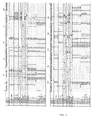
- ITS1 consensus sequences ranging in length from 142 nucleotides ( A. chevalieri ) to 187 nucleotides ( A. clavatus ) were compiled (Table I). Overall, 5 regions with significant interspecies variability in length and sequence were recognized ( Figure 2 ). These hypervariable regions were defined as follows: ITS1-V1, position 8-30 (12-21 nucleotides in length); ITS1-V2, position 50-67 (13-14 nucleotides in length); ITS1-V3, position 81-141 (12-54 nucleotides in length); ITS1-V4, position 151-181 (23-28 nucleotides in length); and ITS1-V5, position 192-215 (17-21 nucleotides in length).
- ITS1-V3 sequence of A. niger Compared to the ITS1-V3 sequence of A. niger (54 nucleotides), notably shorter corresponding sequences were found for A. chevalieri (12 nucleotides), A. granulosus (21 nucleotides), A. ustus (21-30 nucleotides), A. sydowii (22 nucleotides), A. versicolor (22 nucleotides), and A. nidulans (21-22 nucleotides). In general, intraspecies diversity was ⁇ 5 nucleotides and mainly present in the ITS1-V3 region, except for the very diverse A. ustus sequences.
- ITS1-V1, -V3, -V4, and -V5 regions differed from one another at a total of 33 positions within the ITS1-V1, -V3, -V4, and -V5 regions, thereby revealing two main types of A. ustus ITS1 sequences with characteristic nucleotides at positions 185, 202-204 and 215.
- ITS1 sequence diversity enabled discrimination between Aspergillus species disclosed herein as estimated from comparisons between A. nidulans and closely related species (Table II). Sequence similarities of ⁇ 77.3 %, ⁇ 80.5 %, ⁇ 95.4 %, and ⁇ 96.7 % were determined for A. nidulans in comparison to A. granulosus, A. ustus, A. sydowii , and A. versicolor, respectively. A. granulosus compared to A. ustus exhibited moderate similarity ( ⁇ 94.2 %) whereas a high value of ⁇ 98.1 % resulted for A. sydowii compared to A. versicolor.
- Species differentiation can be particularly efficiently performed by comparing or detecting sequence differences in the five hypervariable regions of ITS1.
- These hypervariable regions correspond to residues 8 to 31, 50 to 67, 81 to 141, 151 to 181, and 192 to 215 of the ITS1 alignment sequence shown in Figure 2 , where dots symbolize identical nucleotides compared to the A. niger I sequence, and dashes indicate alignment gaps.
- the first hypervariable region of the A is
- niger I sequence comprises the sequence C-GGG-----TCCTTTGG-----G; the second hypervariable region comprises the sequence TCTA--TTGT-ACCC--T; the third hypervariable region comprises the sequence - GCCCGCCGCTTGTC----GGCCGCCGGGGGGGCGCCTCT--GCCCCCCGGGCCCGTGCCC; the fourth hypervariable region comprises the sequence CCCAACAC--GAACACTGT--CTGAAAGCG-; and the fifth hypervariable region comprises the sequence GTT--GATTGAAT-GCAA-TCA-G.
- NRRL 3650 178 a ATCC, American Type Culture Collection, Manassas, Virg.; CBS, Centraalbureau voor Schimmelcultures, Utrecht, The Netherlands; CDC, Centers for Disease Control and Prevention, Atlanta, Ga.; NRRL, Agricultural Research Service (ARS) Culture Collection, Peoria, Ill. b Number of nucleotides determined by sequence analysis. c Clinical isolate, kindly provided by Dr. J. H. Shin, Department of Clinical Pathology, Chonnam University Medical School, Kwangju, South Korea. d Deposited in ATCC as A. flavus . TABLE II ITS1 sequence similarities for A.
- Enzyme immunoassay (EIA) identification of PCR products is performed as described in Elie et al., J. Clin. Microbiol. 36:3260-65, 1998 and Fujita et al., J. Clin. Microbiol. 33:962-67, 1995 , with minor modifications.
- tubes containing 10 ⁇ l of heat-denatured (5 min at 95 °C) PCR products are placed on ice, and 200 ⁇ l of hybridization buffer (4X SSC, pH 7.0, 0.02M HEPES, 0.002M EDTA, 0.15% Tween 20) containing 10 ng of ITS3-B and 10 ng of a digoxigenin-labeled specific probe is added. Samples are mixed and incubated at 37 °C for 1 hour.
- hybridization buffer 4X SSC, pH 7.0, 0.02M HEPES, 0.002M EDTA, 0.15% Tween 20
- 100 ⁇ l of the mixture is added in duplicate to each well of a streptavidin-coated (Roche), 96-well, microtiter plate and incubated at ambient temperature for I hour on a microtiter plate shaker (Labline Instruments, Melrose Park, IL) at ⁇ 350 rpm.
- Microtiter plates are washed 6 times with 0.01 M phosphate buffered saline, pH 7.2, containing 0.05% Tween 20 (PBST) before adding 100 ⁇ l of a 1:1000 dilution of horseradish peroxidase-labeled, anti-digoxigenin antibody (150 U/ml, Roche) per well.
- This example illustrates how DNA based sequence identification can be used to identify different species of Aspergillus.
- a biological sample is obtained from an infected subject, and the fungus is cultured under conditions suitable for the growth of Aspergillus, followed by isolation of fungal DNA as described in Example 1, Isolation of Fungal DNA .
- the fungal DNA can be extracted directly from the biological sample as described in Example 1, Extraction of aspergillus DNA from Biological Samples .
- the universal primer pairs ITS5 and ITS2, ITS5 and ITS4, ITS1 and ITS2, or ITS1 and ITS4 are added to the reaction mixture, as in Example 1, to amplify the fungal DNA present in the mixture, followed by sequence analysis as described in Example 1.
- the primer comprises at least 15 contiguous nucleotides, such as at least 18 contiguous nucleotides, of the primer sequences shown above (III. Method of Detecting Aspergillus ITS1 Sequences ). This sequence information is compared to the fungal DNA sequences disclosed herein (SEQ ID NOs: 1-27), and a sequence match will confirm the identity of the Aspergillus species.
- the primer comprises at least 15 contiguous nucleotides, such as at least 18 contiguous nucleotides, of the primer sequences shown above (III. Method of Detecting Aspergillus ITS1 Sequences ). This sequence information is compared to the fungal DNA sequences disclosed herein (SEQ ID NOs: 1-27), and a sequence match will confirm the identity of the Aspergillus species.
- This technique has utility in rapidly and reliably identifying a single species of Aspergillus on a culture plate, in clinical specimens, in food, pharmaceuticals, and in environmental or other samples.
- the information in this Example illustrates that the inventors have found that there is substantial diversity between Aspergillus species in the ITS1 region, compared to the ITS2 region. This greater diversity allows the DNA sequence information to provide a better identification of the species. For example, there are approximately 48 base pair differences between A. ustus and A. nidulans in the ITS I region, whereas there are only 6 base pair differences between these species in the ITS2 region.
- Table IV illustrates the surprisingly superior ability of the ITS1 region to be informative about the identification of the Aspergillus species.
- TABLE IV Base Pair Differences Between Given Species by ITS or D1/D2 Region Base pair differences between given species by ITS or D1/D2 region: Species ITS1 ITS2 D1/D2 ustus vs. nidulans 48 6 3 sydowii vs. nidulans 9 9 7 granulosus vs. nidulans 52 10 4 granulosus vs. ustus 6 5 1 sydowii vs. versicolor 3 4 2 versicolor vs.
Landscapes
- Chemical & Material Sciences (AREA)
- Life Sciences & Earth Sciences (AREA)
- Engineering & Computer Science (AREA)
- Analytical Chemistry (AREA)
- Proteomics, Peptides & Aminoacids (AREA)
- Organic Chemistry (AREA)
- Health & Medical Sciences (AREA)
- Biotechnology (AREA)
- Zoology (AREA)
- Wood Science & Technology (AREA)
- Microbiology (AREA)
- Biochemistry (AREA)
- Biophysics (AREA)
- Molecular Biology (AREA)
- Physics & Mathematics (AREA)
- Mycology (AREA)
- Botany (AREA)
- Immunology (AREA)
- Bioinformatics & Cheminformatics (AREA)
- General Engineering & Computer Science (AREA)
- General Health & Medical Sciences (AREA)
- Genetics & Genomics (AREA)
- Measuring Or Testing Involving Enzymes Or Micro-Organisms (AREA)
- Compounds Of Unknown Constitution (AREA)
- Medicines Containing Material From Animals Or Micro-Organisms (AREA)
- Preparation Of Compounds By Using Micro-Organisms (AREA)
Applications Claiming Priority (2)
| Application Number | Priority Date | Filing Date | Title |
|---|---|---|---|
| US38146302P | 2002-05-17 | 2002-05-17 | |
| EP03731308A EP1558758B1 (fr) | 2002-05-17 | 2003-05-16 | Identification moleculaire de l'espece aspergillus |
Related Parent Applications (2)
| Application Number | Title | Priority Date | Filing Date |
|---|---|---|---|
| EP03731308A Division EP1558758B1 (fr) | 2002-05-17 | 2003-05-16 | Identification moleculaire de l'espece aspergillus |
| EP03731308.7 Division | 2003-05-16 |
Publications (2)
| Publication Number | Publication Date |
|---|---|
| EP2108707A2 true EP2108707A2 (fr) | 2009-10-14 |
| EP2108707A3 EP2108707A3 (fr) | 2010-04-14 |
Family
ID=29550126
Family Applications (2)
| Application Number | Title | Priority Date | Filing Date |
|---|---|---|---|
| EP03731308A Expired - Lifetime EP1558758B1 (fr) | 2002-05-17 | 2003-05-16 | Identification moleculaire de l'espece aspergillus |
| EP09166867A Withdrawn EP2108707A3 (fr) | 2002-05-17 | 2003-05-16 | Identification moléculaire d'espèces d'Aspergillus |
Family Applications Before (1)
| Application Number | Title | Priority Date | Filing Date |
|---|---|---|---|
| EP03731308A Expired - Lifetime EP1558758B1 (fr) | 2002-05-17 | 2003-05-16 | Identification moleculaire de l'espece aspergillus |
Country Status (8)
| Country | Link |
|---|---|
| US (2) | US7384741B2 (fr) |
| EP (2) | EP1558758B1 (fr) |
| JP (1) | JP4377810B2 (fr) |
| AT (1) | ATE443776T1 (fr) |
| AU (1) | AU2003241562B9 (fr) |
| CA (1) | CA2484744C (fr) |
| DE (1) | DE60329411D1 (fr) |
| WO (1) | WO2003097815A2 (fr) |
Families Citing this family (12)
| Publication number | Priority date | Publication date | Assignee | Title |
|---|---|---|---|---|
| ATE443776T1 (de) | 2002-05-17 | 2009-10-15 | Us Gov Health & Human Serv | Molekulare identifizierung von aspergillus- spezies |
| DE10351315A1 (de) * | 2003-10-31 | 2005-06-16 | Aventis Pharma Deutschland Gmbh | 2-Phenyl-benzofuran-Derivate, Verfahren zur ihrer Herstellung und ihre Verwendung |
| US7148254B2 (en) | 2003-10-31 | 2006-12-12 | Sanofi-Aventis Deutschland Gmbh | 2-Phenylbenzofuran derivatives, a process for preparing them, and their use |
| WO2007101664A2 (fr) * | 2006-03-08 | 2007-09-13 | Fungus Bioscience Gmbh | Test d'aspergillose amélioré dans des essais cliniques |
| US7833716B2 (en) | 2006-06-06 | 2010-11-16 | Gen-Probe Incorporated | Tagged oligonucleotides and their use in nucleic acid amplification methods |
| JP5196848B2 (ja) * | 2007-05-14 | 2013-05-15 | キヤノン株式会社 | プローブセット、プローブ担体、検査方法及びdna検出用キット |
| JP5196859B2 (ja) * | 2007-05-14 | 2013-05-15 | キヤノン株式会社 | プローブセット、プローブ担体、検査方法及びdna検出用キット |
| IES20090464A2 (en) * | 2008-06-13 | 2010-03-03 | Nat Univ Ireland | SWI5 gene as a diagnostic target for the identification of fungal and yeast species |
| CN102971436B (zh) | 2010-02-15 | 2015-11-25 | 科学与工业研究委员会 | 用于检测真菌性病原体的方法 |
| CN115637297A (zh) * | 2021-12-21 | 2023-01-24 | 北华大学 | 一种快速鉴定真菌核酸胶体金试纸条的方法 |
| CN114214211A (zh) * | 2021-12-28 | 2022-03-22 | 云南农业大学 | 一株金花菌-谢瓦氏曲霉菌株及其制备方法和应用 |
| CN118600086B (zh) * | 2024-06-19 | 2025-08-22 | 中国医学科学院药用植物研究所 | 一种黄曲霉在物种水平的鉴定方法及应用 |
Citations (10)
| Publication number | Priority date | Publication date | Assignee | Title |
|---|---|---|---|---|
| EP0320308A2 (fr) | 1987-12-11 | 1989-06-14 | Abbott Laboratories | Procédé pour détecter une séquence cible d'acide nucléique |
| WO1990001069A1 (fr) | 1988-07-20 | 1990-02-08 | Segev Diagnostics, Inc. | Procede d'amplification et de detection de sequences d'acide nucleique |
| US5427930A (en) | 1990-01-26 | 1995-06-27 | Abbott Laboratories | Amplification of target nucleic acids using gap filling ligase chain reaction |
| US5744311A (en) | 1994-04-18 | 1998-04-28 | Becton, Dickinson And Company | Strand displacement amplification using thermophilic enzymes |
| US6025134A (en) | 1994-07-15 | 2000-02-15 | Akzo Nobel N.V. | Use of RNA polymerase to improve nucleic acid amplification process |
| US6033881A (en) | 1995-06-13 | 2000-03-07 | Himmler; Gottfried | Method for one step isothermal non-transcription based amplification of nucleic acids |
| WO2001016312A2 (fr) * | 1999-08-31 | 2001-03-08 | Ribozyme Pharmaceuticals, Inc. | Modulateurs d'expression genetique a base d'acide nucleique |
| WO2002010449A2 (fr) * | 2000-07-28 | 2002-02-07 | Compugen Inc. | Bibliotheque d'oligonucleotides destinee a detecter des transcrits d'arn et des variantes d'epissure qui garnissent un transcriptome |
| US6372430B1 (en) | 1997-05-02 | 2002-04-16 | The United States Of America As Represented By The Department Of Health And Human Services | Nucleic acids for detecting Aspergillus species and other filamentous fungi |
| WO2003097815A2 (fr) | 2002-05-17 | 2003-11-27 | The Government Of The United States Of America As Represented By The Secretary Of The Department Of Health And Human Services, Centers For Disease Control And Prevention | Identification moleculaire de l'espece aspergillus |
Family Cites Families (4)
| Publication number | Priority date | Publication date | Assignee | Title |
|---|---|---|---|---|
| US5827695A (en) | 1997-08-04 | 1998-10-27 | Novartis Finance Corporation | Detection of wheat fungal pathogens using the polymerase chain reaction |
| CA2374878C (fr) | 1999-05-28 | 2014-10-14 | Innogenetics N.V. | Sondes d'acide nucleique et methodes de detection de pathogenes fongiques cliniquement importants |
| US6287779B1 (en) * | 2000-01-20 | 2001-09-11 | E. & J. Gallo Winery | Detection of fermentation-related microorganisms |
| US6872523B1 (en) * | 2000-05-30 | 2005-03-29 | The Board Of Regents Of The University Of Nebraska | Materials and methods for molecular detection of clinically relevant pathogenic fungal species |
-
2003
- 2003-05-16 AT AT03731308T patent/ATE443776T1/de not_active IP Right Cessation
- 2003-05-16 EP EP03731308A patent/EP1558758B1/fr not_active Expired - Lifetime
- 2003-05-16 CA CA2484744A patent/CA2484744C/fr not_active Expired - Fee Related
- 2003-05-16 US US10/514,861 patent/US7384741B2/en not_active Expired - Fee Related
- 2003-05-16 AU AU2003241562A patent/AU2003241562B9/en not_active Ceased
- 2003-05-16 JP JP2004506474A patent/JP4377810B2/ja not_active Expired - Fee Related
- 2003-05-16 EP EP09166867A patent/EP2108707A3/fr not_active Withdrawn
- 2003-05-16 WO PCT/US2003/016076 patent/WO2003097815A2/fr not_active Ceased
- 2003-05-16 DE DE60329411T patent/DE60329411D1/de not_active Expired - Lifetime
-
2008
- 2008-05-05 US US12/115,493 patent/US7871779B2/en not_active Expired - Fee Related
Patent Citations (10)
| Publication number | Priority date | Publication date | Assignee | Title |
|---|---|---|---|---|
| EP0320308A2 (fr) | 1987-12-11 | 1989-06-14 | Abbott Laboratories | Procédé pour détecter une séquence cible d'acide nucléique |
| WO1990001069A1 (fr) | 1988-07-20 | 1990-02-08 | Segev Diagnostics, Inc. | Procede d'amplification et de detection de sequences d'acide nucleique |
| US5427930A (en) | 1990-01-26 | 1995-06-27 | Abbott Laboratories | Amplification of target nucleic acids using gap filling ligase chain reaction |
| US5744311A (en) | 1994-04-18 | 1998-04-28 | Becton, Dickinson And Company | Strand displacement amplification using thermophilic enzymes |
| US6025134A (en) | 1994-07-15 | 2000-02-15 | Akzo Nobel N.V. | Use of RNA polymerase to improve nucleic acid amplification process |
| US6033881A (en) | 1995-06-13 | 2000-03-07 | Himmler; Gottfried | Method for one step isothermal non-transcription based amplification of nucleic acids |
| US6372430B1 (en) | 1997-05-02 | 2002-04-16 | The United States Of America As Represented By The Department Of Health And Human Services | Nucleic acids for detecting Aspergillus species and other filamentous fungi |
| WO2001016312A2 (fr) * | 1999-08-31 | 2001-03-08 | Ribozyme Pharmaceuticals, Inc. | Modulateurs d'expression genetique a base d'acide nucleique |
| WO2002010449A2 (fr) * | 2000-07-28 | 2002-02-07 | Compugen Inc. | Bibliotheque d'oligonucleotides destinee a detecter des transcrits d'arn et des variantes d'epissure qui garnissent un transcriptome |
| WO2003097815A2 (fr) | 2002-05-17 | 2003-11-27 | The Government Of The United States Of America As Represented By The Secretary Of The Department Of Health And Human Services, Centers For Disease Control And Prevention | Identification moleculaire de l'espece aspergillus |
Non-Patent Citations (27)
| Title |
|---|
| "Molecular Biology and Biotechnology: a Comprehensive Desk Reference", 1995, VCH PUBLISHERS, INC. |
| "Short Protocols in Molecular Biology", 1999, JOHN WILEY AND SONS |
| "The Encyclopedia of Molecular Biology", 1994, BLACKWELL SCIENCE LTD. |
| ALTSCHUL ET AL., J. MOL. BIOL., vol. 215, 1990, pages 403 - 10 |
| BECKER ET AL., J. CHROMATOGR., vol. 326, 1985, pages 293 - 299 |
| BENJAMIN LEWIN: "Genes VII", 1999, OXFORD UNIVERSITY PRESS |
| BIGBY ET AL., AM. REV. RESPIR. DIS., vol. 133, 1986, pages 515 - 18 |
| DATABASE GENESEQ [online] 2 December 1999 (1999-12-02), "Oligonucleotide sequence PXUITS1a.", retrieved from EBI accession no. GSN:AAZ22483 Database accession no. AAZ22483 * |
| DENNING, CLIN. INFECT. DIS., vol. 23, 1996, pages 608 - 14 |
| EINSELE ET AL., J. CLIN. MICROBIOL., vol. 35, 1997, pages 1353 - 60 |
| ELIE ET AL., J. CLIN. MICROBIOL, vol. 36, 1998, pages 3260 - 65 |
| ELIE ET AL., J. CLIN. MICROBIOL., vol. 36, 1998, pages 3260 - 65 |
| FUJITA ET AL., J. CLIN. MICROBIOL., vol. 33, 1995, pages 962 - 67 |
| FUJITA ET AL., J.CLIN. MICROBIOL., vol. 33, 1995, pages 962 - 67 |
| HAMILTON, MED. MYCOL., vol. 36, 1998, pages 351 - 64 |
| INNIS ET AL.: "PCR Applications, Protocols for Functional Genomics", 1999, ACADEMIC PRESS, INC. |
| KOVACS ET AL., NEJM, vol. 318, 1988, pages 589 - 93 |
| LATGE, CLIN. MICROBIOL. REV., vol. 12, 1999, pages 310 - 50 |
| MCNEIL ET AL., CLIN. INFECT. DIS., vol. 33, 2001, pages 641 - 47 |
| MORRISON; LINDSLEY: "Fungal Pathogenesis: Principles and Practice", 2001, MARCEL DEKKER, INC., pages: 667 - 716 |
| OGNIBENE ET AL., AM. REV. RESPIR. DIS., vol. 129, 1984, pages 929 - 32 |
| REPENTIGNY, CLIN. INFECT. DIS., vol. 14, 1992, pages 11 - 22 |
| S PAZOUTOV ET AL: "Use of the 6-Methylsalicylic-Acid-Synthase Gene as a Discriminating Marker between Aspergillus terreus and Aspergillus flavipes", FOLIA MICROBIOL, 1 January 1999 (1999-01-01), pages 503 - 509, XP055116405, Retrieved from the Internet <URL:http://download.springer.com/static/pdf/804/art%3A10.1007%2FBF02816250.pdf?auth66=1399537969_187696a584d0e3abee5eb0eec822b739&ext=.pdf> [retrieved on 20140506] * |
| SAMBROOK ET AL.: "Molecular Cloning: A Laboratory Manual", 2001, COLD SPRING HARBOR LABORATORY PRESS |
| SCHLUGER ET AL., J. EXP. MED., vol. 176, 1992, pages 1327 - 33 |
| THOMPSON ET AL., NUCLEIC ACIDS RESEARCH, vol. 22, 1994, pages 4673 - 80 |
| TIJSSEN: "Laboratory Techniques in Biochemistry and Molecular Biology", 1993, ELSEVIER SCIENCE LTD., article "Hybridization With Nucleic Acid Probes, Part I: Theory and Nucleic Acid Preparation" |
Also Published As
| Publication number | Publication date |
|---|---|
| US20080227108A1 (en) | 2008-09-18 |
| US20050170358A1 (en) | 2005-08-04 |
| DE60329411D1 (de) | 2009-11-05 |
| CA2484744A1 (fr) | 2003-11-27 |
| AU2003241562B2 (en) | 2007-10-25 |
| ATE443776T1 (de) | 2009-10-15 |
| JP2005529594A (ja) | 2005-10-06 |
| AU2003241562B9 (en) | 2008-05-15 |
| WO2003097815A8 (fr) | 2005-01-13 |
| WO2003097815A2 (fr) | 2003-11-27 |
| CA2484744C (fr) | 2015-09-29 |
| EP1558758A2 (fr) | 2005-08-03 |
| EP2108707A3 (fr) | 2010-04-14 |
| US7871779B2 (en) | 2011-01-18 |
| JP4377810B2 (ja) | 2009-12-02 |
| AU2003241562A1 (en) | 2003-12-02 |
| EP1558758A4 (fr) | 2006-11-29 |
| EP1558758B1 (fr) | 2009-09-23 |
| US7384741B2 (en) | 2008-06-10 |
| WO2003097815A3 (fr) | 2005-06-09 |
Similar Documents
| Publication | Publication Date | Title |
|---|---|---|
| US7871779B2 (en) | Molecular identification of Aspergillus species | |
| US6372430B1 (en) | Nucleic acids for detecting Aspergillus species and other filamentous fungi | |
| JP3258658B2 (ja) | ユニバーサル ユーバクテリア核酸プローブ及び方法 | |
| JP4963765B2 (ja) | 臨床的に重要な真菌病原体を検出するための核酸プローブおよび方法 | |
| JP2002504817A (ja) | 真菌の検出および同定のための核酸プローブ | |
| EP1438429B1 (fr) | Acides nucleiques utilises dans l'identification de champignons et leurs procedes d'utilisation | |
| WO1995033074A1 (fr) | Detection d'un locus genetique codant la resistance a la rifampine | |
| CA2623736A1 (fr) | Compositions et methodes de detection d'une espece candidat | |
| SG176989A1 (en) | Method and/or primers for the detection of mycobacterium tuberculosis | |
| US20020172945A1 (en) | Materials and methods for detection of pathogenic guignardia citricarpa | |
| WO2002040663A1 (fr) | Acides nucleiques permettant de detecter des champignons et procede de detection de champignons a l'aide desdits acides nucleiques | |
| JPH0789960B2 (ja) | 黄色ブドウ球菌検出のためのオリゴヌクレオチドおよびそれを用いた検出法 | |
| WO2003031933A2 (fr) | Materiaux et procede permettant de detecter guignardia citricarpa pathogene |
Legal Events
| Date | Code | Title | Description |
|---|---|---|---|
| PUAI | Public reference made under article 153(3) epc to a published international application that has entered the european phase |
Free format text: ORIGINAL CODE: 0009012 |
|
| 17P | Request for examination filed |
Effective date: 20090730 |
|
| AC | Divisional application: reference to earlier application |
Ref document number: 1558758 Country of ref document: EP Kind code of ref document: P |
|
| AK | Designated contracting states |
Kind code of ref document: A2 Designated state(s): AT BE BG CH CY CZ DE DK EE ES FI FR GB GR HU IE IT LI LU MC NL PT RO SE SI SK TR |
|
| PUAL | Search report despatched |
Free format text: ORIGINAL CODE: 0009013 |
|
| AK | Designated contracting states |
Kind code of ref document: A3 Designated state(s): AT BE BG CH CY CZ DE DK EE ES FI FR GB GR HU IE IT LI LU MC NL PT RO SE SI SK TR |
|
| 17Q | First examination report despatched |
Effective date: 20100903 |
|
| STAA | Information on the status of an ep patent application or granted ep patent |
Free format text: STATUS: THE APPLICATION IS DEEMED TO BE WITHDRAWN |
|
| 18D | Application deemed to be withdrawn |
Effective date: 20150403 |