EP2113568A1 - Souris " knock-in" comme modèle pour le criblage les bloquants du TNF-alpha humain - Google Patents
Souris " knock-in" comme modèle pour le criblage les bloquants du TNF-alpha humain Download PDFInfo
- Publication number
- EP2113568A1 EP2113568A1 EP08103781A EP08103781A EP2113568A1 EP 2113568 A1 EP2113568 A1 EP 2113568A1 EP 08103781 A EP08103781 A EP 08103781A EP 08103781 A EP08103781 A EP 08103781A EP 2113568 A1 EP2113568 A1 EP 2113568A1
- Authority
- EP
- European Patent Office
- Prior art keywords
- tnfα
- mouse
- gene
- cells
- human
- Prior art date
- Legal status (The legal status is an assumption and is not a legal conclusion. Google has not performed a legal analysis and makes no representation as to the accuracy of the status listed.)
- Withdrawn
Links
- 101000611183 Homo sapiens Tumor necrosis factor Proteins 0.000 title claims description 49
- 102000057041 human TNF Human genes 0.000 title claims description 34
- 238000011830 transgenic mouse model Methods 0.000 claims abstract description 38
- 238000000034 method Methods 0.000 claims abstract description 35
- 150000001875 compounds Chemical class 0.000 claims abstract description 33
- 241001529936 Murinae Species 0.000 claims abstract description 30
- 238000012360 testing method Methods 0.000 claims abstract description 23
- 229940000406 drug candidate Drugs 0.000 claims abstract description 22
- 238000002560 therapeutic procedure Methods 0.000 claims abstract description 22
- 238000001727 in vivo Methods 0.000 claims abstract description 19
- 238000012216 screening Methods 0.000 claims abstract description 14
- 238000011144 upstream manufacturing Methods 0.000 claims abstract description 10
- 230000001105 regulatory effect Effects 0.000 claims abstract description 9
- 238000012217 deletion Methods 0.000 claims abstract description 8
- 230000037430 deletion Effects 0.000 claims abstract description 8
- 239000002773 nucleotide Substances 0.000 claims abstract description 7
- 125000003729 nucleotide group Chemical group 0.000 claims abstract description 7
- 238000007792 addition Methods 0.000 claims abstract description 4
- 238000006467 substitution reaction Methods 0.000 claims abstract description 4
- 210000004027 cell Anatomy 0.000 claims description 128
- 241000699666 Mus <mouse, genus> Species 0.000 claims description 78
- 108060008682 Tumor Necrosis Factor Proteins 0.000 claims description 65
- 108090000623 proteins and genes Proteins 0.000 claims description 62
- 102000000852 Tumor Necrosis Factor-alpha Human genes 0.000 claims description 58
- 241000699670 Mus sp. Species 0.000 claims description 53
- 239000003550 marker Substances 0.000 claims description 36
- 238000002744 homologous recombination Methods 0.000 claims description 20
- 230000006801 homologous recombination Effects 0.000 claims description 20
- 230000035772 mutation Effects 0.000 claims description 16
- 229960000598 infliximab Drugs 0.000 claims description 14
- 210000002459 blastocyst Anatomy 0.000 claims description 12
- 210000001671 embryonic stem cell Anatomy 0.000 claims description 12
- 108700028369 Alleles Proteins 0.000 claims description 10
- 238000013377 clone selection method Methods 0.000 claims description 10
- MZOFCQQQCNRIBI-VMXHOPILSA-N (3s)-4-[[(2s)-1-[[(2s)-1-[[(1s)-1-carboxy-2-hydroxyethyl]amino]-4-methyl-1-oxopentan-2-yl]amino]-5-(diaminomethylideneamino)-1-oxopentan-2-yl]amino]-3-[[2-[[(2s)-2,6-diaminohexanoyl]amino]acetyl]amino]-4-oxobutanoic acid Chemical group OC[C@@H](C(O)=O)NC(=O)[C@H](CC(C)C)NC(=O)[C@H](CCCN=C(N)N)NC(=O)[C@H](CC(O)=O)NC(=O)CNC(=O)[C@@H](N)CCCCN MZOFCQQQCNRIBI-VMXHOPILSA-N 0.000 claims description 9
- 108010008165 Etanercept Proteins 0.000 claims description 9
- 241001465754 Metazoa Species 0.000 claims description 9
- 238000000338 in vitro Methods 0.000 claims description 9
- 229960000403 etanercept Drugs 0.000 claims description 8
- 229960004927 neomycin Drugs 0.000 claims description 8
- 108020003175 receptors Proteins 0.000 claims description 8
- 230000009261 transgenic effect Effects 0.000 claims description 8
- 210000004602 germ cell Anatomy 0.000 claims description 7
- 239000003053 toxin Substances 0.000 claims description 7
- 231100000765 toxin Toxicity 0.000 claims description 7
- 229930193140 Neomycin Natural products 0.000 claims description 6
- 102000006601 Thymidine Kinase Human genes 0.000 claims description 6
- 108020004440 Thymidine kinase Proteins 0.000 claims description 6
- 230000000903 blocking effect Effects 0.000 claims description 6
- 230000001404 mediated effect Effects 0.000 claims description 6
- 229960002964 adalimumab Drugs 0.000 claims description 5
- 230000037037 animal physiology Effects 0.000 claims description 4
- 230000001939 inductive effect Effects 0.000 claims description 4
- 108010091086 Recombinases Proteins 0.000 claims description 3
- 102000018120 Recombinases Human genes 0.000 claims description 3
- 239000003242 anti bacterial agent Substances 0.000 claims description 3
- 230000003115 biocidal effect Effects 0.000 claims description 3
- 230000001717 pathogenic effect Effects 0.000 claims description 3
- 230000004044 response Effects 0.000 claims description 3
- 150000003384 small molecules Chemical class 0.000 claims description 3
- 230000000392 somatic effect Effects 0.000 claims description 3
- 239000013638 trimer Substances 0.000 claims description 3
- 239000002299 complementary DNA Substances 0.000 claims description 2
- 238000004519 manufacturing process Methods 0.000 claims description 2
- 230000004048 modification Effects 0.000 claims description 2
- 238000012986 modification Methods 0.000 claims description 2
- 230000036470 plasma concentration Effects 0.000 claims description 2
- 210000001082 somatic cell Anatomy 0.000 claims description 2
- 210000001519 tissue Anatomy 0.000 description 26
- 108020004414 DNA Proteins 0.000 description 21
- 241000699660 Mus musculus Species 0.000 description 19
- 239000003814 drug Substances 0.000 description 19
- 229940079593 drug Drugs 0.000 description 19
- 239000012634 fragment Substances 0.000 description 18
- 230000006798 recombination Effects 0.000 description 17
- 238000005215 recombination Methods 0.000 description 17
- 238000004520 electroporation Methods 0.000 description 13
- 230000000694 effects Effects 0.000 description 12
- 230000001154 acute effect Effects 0.000 description 11
- 238000003752 polymerase chain reaction Methods 0.000 description 11
- 238000010171 animal model Methods 0.000 description 10
- NWIBSHFKIJFRCO-WUDYKRTCSA-N Mytomycin Chemical compound C1N2C(C(C(C)=C(N)C3=O)=O)=C3[C@@H](COC(N)=O)[C@@]2(OC)[C@@H]2[C@H]1N2 NWIBSHFKIJFRCO-WUDYKRTCSA-N 0.000 description 9
- 238000002105 Southern blotting Methods 0.000 description 8
- WQZGKKKJIJFFOK-SVZMEOIVSA-N (+)-Galactose Chemical compound OC[C@H]1OC(O)[C@H](O)[C@@H](O)[C@H]1O WQZGKKKJIJFFOK-SVZMEOIVSA-N 0.000 description 7
- OZFAFGSSMRRTDW-UHFFFAOYSA-N (2,4-dichlorophenyl) benzenesulfonate Chemical compound ClC1=CC(Cl)=CC=C1OS(=O)(=O)C1=CC=CC=C1 OZFAFGSSMRRTDW-UHFFFAOYSA-N 0.000 description 7
- 239000012591 Dulbecco’s Phosphate Buffered Saline Substances 0.000 description 7
- 231100000304 hepatotoxicity Toxicity 0.000 description 7
- 230000007056 liver toxicity Effects 0.000 description 7
- KCXVZYZYPLLWCC-UHFFFAOYSA-N EDTA Chemical compound OC(=O)CN(CC(O)=O)CCN(CC(O)=O)CC(O)=O KCXVZYZYPLLWCC-UHFFFAOYSA-N 0.000 description 6
- LFQSCWFLJHTTHZ-UHFFFAOYSA-N Ethanol Chemical compound CCO LFQSCWFLJHTTHZ-UHFFFAOYSA-N 0.000 description 6
- 238000002474 experimental method Methods 0.000 description 6
- 238000012239 gene modification Methods 0.000 description 6
- 230000002068 genetic effect Effects 0.000 description 6
- 230000010354 integration Effects 0.000 description 6
- 238000002360 preparation method Methods 0.000 description 6
- 231100000331 toxic Toxicity 0.000 description 6
- 230000002588 toxic effect Effects 0.000 description 6
- 238000001890 transfection Methods 0.000 description 6
- 102000004190 Enzymes Human genes 0.000 description 5
- 108090000790 Enzymes Proteins 0.000 description 5
- FAPWRFPIFSIZLT-UHFFFAOYSA-M Sodium chloride Chemical compound [Na+].[Cl-] FAPWRFPIFSIZLT-UHFFFAOYSA-M 0.000 description 5
- 108090000631 Trypsin Proteins 0.000 description 5
- 102000004142 Trypsin Human genes 0.000 description 5
- 230000008901 benefit Effects 0.000 description 5
- 238000003198 gene knock in Methods 0.000 description 5
- 238000002347 injection Methods 0.000 description 5
- 239000007924 injection Substances 0.000 description 5
- 238000010369 molecular cloning Methods 0.000 description 5
- 239000012588 trypsin Substances 0.000 description 5
- 102000004127 Cytokines Human genes 0.000 description 4
- 108090000695 Cytokines Proteins 0.000 description 4
- 238000001712 DNA sequencing Methods 0.000 description 4
- 239000006144 Dulbecco’s modified Eagle's medium Substances 0.000 description 4
- 208000022559 Inflammatory bowel disease Diseases 0.000 description 4
- 101000648740 Mus musculus Tumor necrosis factor Proteins 0.000 description 4
- 201000010099 disease Diseases 0.000 description 4
- 208000037265 diseases, disorders, signs and symptoms Diseases 0.000 description 4
- 230000005017 genetic modification Effects 0.000 description 4
- 235000013617 genetically modified food Nutrition 0.000 description 4
- 238000003205 genotyping method Methods 0.000 description 4
- 238000009396 hybridization Methods 0.000 description 4
- 230000007246 mechanism Effects 0.000 description 4
- 102000004169 proteins and genes Human genes 0.000 description 4
- 206010039073 rheumatoid arthritis Diseases 0.000 description 4
- 239000000243 solution Substances 0.000 description 4
- 208000023275 Autoimmune disease Diseases 0.000 description 3
- 230000004543 DNA replication Effects 0.000 description 3
- IAZDPXIOMUYVGZ-UHFFFAOYSA-N Dimethylsulphoxide Chemical compound CS(C)=O IAZDPXIOMUYVGZ-UHFFFAOYSA-N 0.000 description 3
- 108091028043 Nucleic acid sequence Proteins 0.000 description 3
- 238000004458 analytical method Methods 0.000 description 3
- 238000010367 cloning Methods 0.000 description 3
- 230000007850 degeneration Effects 0.000 description 3
- 238000011161 development Methods 0.000 description 3
- 238000010363 gene targeting Methods 0.000 description 3
- 238000007912 intraperitoneal administration Methods 0.000 description 3
- 239000012528 membrane Substances 0.000 description 3
- 108091008146 restriction endonucleases Proteins 0.000 description 3
- 239000000523 sample Substances 0.000 description 3
- 239000000126 substance Substances 0.000 description 3
- DGVVWUTYPXICAM-UHFFFAOYSA-N β‐Mercaptoethanol Chemical compound OCCS DGVVWUTYPXICAM-UHFFFAOYSA-N 0.000 description 3
- HEDRZPFGACZZDS-UHFFFAOYSA-N Chloroform Chemical compound ClC(Cl)Cl HEDRZPFGACZZDS-UHFFFAOYSA-N 0.000 description 2
- 108010051219 Cre recombinase Proteins 0.000 description 2
- 208000011231 Crohn disease Diseases 0.000 description 2
- 108020003215 DNA Probes Proteins 0.000 description 2
- 239000003298 DNA probe Substances 0.000 description 2
- 108010067770 Endopeptidase K Proteins 0.000 description 2
- 241000588724 Escherichia coli Species 0.000 description 2
- 241000702191 Escherichia virus P1 Species 0.000 description 2
- KFZMGEQAYNKOFK-UHFFFAOYSA-N Isopropanol Chemical compound CC(C)O KFZMGEQAYNKOFK-UHFFFAOYSA-N 0.000 description 2
- 108090000542 Lymphotoxin-alpha Proteins 0.000 description 2
- 101000800763 Naja pallida Short neurotoxin 1 Proteins 0.000 description 2
- 206010028980 Neoplasm Diseases 0.000 description 2
- 108700019146 Transgenes Proteins 0.000 description 2
- 230000009471 action Effects 0.000 description 2
- 150000001413 amino acids Chemical group 0.000 description 2
- 230000003321 amplification Effects 0.000 description 2
- 230000027455 binding Effects 0.000 description 2
- 230000005540 biological transmission Effects 0.000 description 2
- 210000004979 bone marrow derived macrophage Anatomy 0.000 description 2
- 201000011510 cancer Diseases 0.000 description 2
- 230000015556 catabolic process Effects 0.000 description 2
- 230000008859 change Effects 0.000 description 2
- 238000006243 chemical reaction Methods 0.000 description 2
- 230000001684 chronic effect Effects 0.000 description 2
- 230000006378 damage Effects 0.000 description 2
- 238000006731 degradation reaction Methods 0.000 description 2
- 230000001419 dependent effect Effects 0.000 description 2
- 238000009826 distribution Methods 0.000 description 2
- 210000002950 fibroblast Anatomy 0.000 description 2
- IRSCQMHQWWYFCW-UHFFFAOYSA-N ganciclovir Chemical compound O=C1NC(N)=NC2=C1N=CN2COC(CO)CO IRSCQMHQWWYFCW-UHFFFAOYSA-N 0.000 description 2
- 229960002963 ganciclovir Drugs 0.000 description 2
- 230000001900 immune effect Effects 0.000 description 2
- 210000000987 immune system Anatomy 0.000 description 2
- 208000026278 immune system disease Diseases 0.000 description 2
- 238000011534 incubation Methods 0.000 description 2
- 230000028709 inflammatory response Effects 0.000 description 2
- 210000005210 lymphoid organ Anatomy 0.000 description 2
- 239000012139 lysis buffer Substances 0.000 description 2
- 210000002540 macrophage Anatomy 0.000 description 2
- 239000002609 medium Substances 0.000 description 2
- 238000000520 microinjection Methods 0.000 description 2
- 210000001616 monocyte Anatomy 0.000 description 2
- 238000003199 nucleic acid amplification method Methods 0.000 description 2
- 230000001575 pathological effect Effects 0.000 description 2
- 230000000144 pharmacologic effect Effects 0.000 description 2
- 108090000765 processed proteins & peptides Proteins 0.000 description 2
- 229940002612 prodrug Drugs 0.000 description 2
- 239000000651 prodrug Substances 0.000 description 2
- 210000002966 serum Anatomy 0.000 description 2
- 239000011780 sodium chloride Substances 0.000 description 2
- DAEPDZWVDSPTHF-UHFFFAOYSA-M sodium pyruvate Chemical compound [Na+].CC(=O)C([O-])=O DAEPDZWVDSPTHF-UHFFFAOYSA-M 0.000 description 2
- 125000006850 spacer group Chemical group 0.000 description 2
- UCSJYZPVAKXKNQ-HZYVHMACSA-N streptomycin Chemical compound CN[C@H]1[C@H](O)[C@@H](O)[C@H](CO)O[C@H]1O[C@@H]1[C@](C=O)(O)[C@H](C)O[C@H]1O[C@@H]1[C@@H](NC(N)=N)[C@H](O)[C@@H](NC(N)=N)[C@H](O)[C@H]1O UCSJYZPVAKXKNQ-HZYVHMACSA-N 0.000 description 2
- 238000012546 transfer Methods 0.000 description 2
- 238000002054 transplantation Methods 0.000 description 2
- XLYOFNOQVPJJNP-UHFFFAOYSA-N water Substances O XLYOFNOQVPJJNP-UHFFFAOYSA-N 0.000 description 2
- QKNYBSVHEMOAJP-UHFFFAOYSA-N 2-amino-2-(hydroxymethyl)propane-1,3-diol;hydron;chloride Chemical compound Cl.OCC(N)(CO)CO QKNYBSVHEMOAJP-UHFFFAOYSA-N 0.000 description 1
- 102000011767 Acute-Phase Proteins Human genes 0.000 description 1
- 108010062271 Acute-Phase Proteins Proteins 0.000 description 1
- 101710092462 Alpha-hemolysin Proteins 0.000 description 1
- 101710197219 Alpha-toxin Proteins 0.000 description 1
- 108030001720 Bontoxilysin Proteins 0.000 description 1
- 108091026890 Coding region Proteins 0.000 description 1
- 230000033616 DNA repair Effects 0.000 description 1
- 230000004568 DNA-binding Effects 0.000 description 1
- 241000196324 Embryophyta Species 0.000 description 1
- 241000702189 Escherichia virus Mu Species 0.000 description 1
- 241000287828 Gallus gallus Species 0.000 description 1
- 108010014458 Gin recombinase Proteins 0.000 description 1
- WQZGKKKJIJFFOK-GASJEMHNSA-N Glucose Natural products OC[C@H]1OC(O)[C@H](O)[C@@H](O)[C@@H]1O WQZGKKKJIJFFOK-GASJEMHNSA-N 0.000 description 1
- 206010018691 Granuloma Diseases 0.000 description 1
- 208000009889 Herpes Simplex Diseases 0.000 description 1
- 241000238631 Hexapoda Species 0.000 description 1
- 241000282412 Homo Species 0.000 description 1
- 108060003951 Immunoglobulin Proteins 0.000 description 1
- 208000003456 Juvenile Arthritis Diseases 0.000 description 1
- 206010059176 Juvenile idiopathic arthritis Diseases 0.000 description 1
- ZDXPYRJPNDTMRX-VKHMYHEASA-N L-glutamine Chemical compound OC(=O)[C@@H](N)CCC(N)=O ZDXPYRJPNDTMRX-VKHMYHEASA-N 0.000 description 1
- 229930182816 L-glutamine Natural products 0.000 description 1
- 102000004083 Lymphotoxin-alpha Human genes 0.000 description 1
- 102100026238 Lymphotoxin-alpha Human genes 0.000 description 1
- 108090000362 Lymphotoxin-beta Proteins 0.000 description 1
- 241000124008 Mammalia Species 0.000 description 1
- 101100046526 Mus musculus Tnf gene Proteins 0.000 description 1
- 241001045988 Neogene Species 0.000 description 1
- 239000000020 Nitrocellulose Substances 0.000 description 1
- 238000010222 PCR analysis Methods 0.000 description 1
- 101150101654 PSR1 gene Proteins 0.000 description 1
- 229930182555 Penicillin Natural products 0.000 description 1
- JGSARLDLIJGVTE-MBNYWOFBSA-N Penicillin G Chemical compound N([C@H]1[C@H]2SC([C@@H](N2C1=O)C(O)=O)(C)C)C(=O)CC1=CC=CC=C1 JGSARLDLIJGVTE-MBNYWOFBSA-N 0.000 description 1
- 101710124951 Phospholipase C Proteins 0.000 description 1
- 108010001267 Protein Subunits Proteins 0.000 description 1
- 102000002067 Protein Subunits Human genes 0.000 description 1
- 201000004681 Psoriasis Diseases 0.000 description 1
- 206010037660 Pyrexia Diseases 0.000 description 1
- 101710200251 Recombinase cre Proteins 0.000 description 1
- 240000004808 Saccharomyces cerevisiae Species 0.000 description 1
- 108010052160 Site-specific recombinase Proteins 0.000 description 1
- ZSJLQEPLLKMAKR-UHFFFAOYSA-N Streptozotocin Natural products O=NN(C)C(=O)NC1C(O)OC(CO)C(O)C1O ZSJLQEPLLKMAKR-UHFFFAOYSA-N 0.000 description 1
- 210000001744 T-lymphocyte Anatomy 0.000 description 1
- 239000007984 Tris EDTA buffer Substances 0.000 description 1
- 102100040247 Tumor necrosis factor Human genes 0.000 description 1
- 241000235033 Zygosaccharomyces rouxii Species 0.000 description 1
- 230000003213 activating effect Effects 0.000 description 1
- 230000007059 acute toxicity Effects 0.000 description 1
- 231100000403 acute toxicity Toxicity 0.000 description 1
- 239000011543 agarose gel Substances 0.000 description 1
- 239000002776 alpha toxin Substances 0.000 description 1
- 230000004075 alteration Effects 0.000 description 1
- 238000000137 annealing Methods 0.000 description 1
- 230000000844 anti-bacterial effect Effects 0.000 description 1
- 210000003719 b-lymphocyte Anatomy 0.000 description 1
- 230000009286 beneficial effect Effects 0.000 description 1
- 230000004071 biological effect Effects 0.000 description 1
- 230000033228 biological regulation Effects 0.000 description 1
- 229960000074 biopharmaceutical Drugs 0.000 description 1
- 210000004369 blood Anatomy 0.000 description 1
- 239000008280 blood Substances 0.000 description 1
- 229940053031 botulinum toxin Drugs 0.000 description 1
- 229910000389 calcium phosphate Inorganic materials 0.000 description 1
- 239000001506 calcium phosphate Substances 0.000 description 1
- 235000011010 calcium phosphates Nutrition 0.000 description 1
- 238000004113 cell culture Methods 0.000 description 1
- 230000022131 cell cycle Effects 0.000 description 1
- 230000030833 cell death Effects 0.000 description 1
- 230000032823 cell division Effects 0.000 description 1
- 230000006037 cell lysis Effects 0.000 description 1
- 230000010307 cell transformation Effects 0.000 description 1
- 238000012512 characterization method Methods 0.000 description 1
- 239000003795 chemical substances by application Substances 0.000 description 1
- YTRQFSDWAXHJCC-UHFFFAOYSA-N chloroform;phenol Chemical compound ClC(Cl)Cl.OC1=CC=CC=C1 YTRQFSDWAXHJCC-UHFFFAOYSA-N 0.000 description 1
- 210000000349 chromosome Anatomy 0.000 description 1
- 230000016396 cytokine production Effects 0.000 description 1
- 210000000172 cytosol Anatomy 0.000 description 1
- 230000003013 cytotoxicity Effects 0.000 description 1
- 231100000135 cytotoxicity Toxicity 0.000 description 1
- 230000007547 defect Effects 0.000 description 1
- 210000004443 dendritic cell Anatomy 0.000 description 1
- 238000009509 drug development Methods 0.000 description 1
- 238000001962 electrophoresis Methods 0.000 description 1
- 230000008030 elimination Effects 0.000 description 1
- 238000003379 elimination reaction Methods 0.000 description 1
- 210000002257 embryonic structure Anatomy 0.000 description 1
- 229940073621 enbrel Drugs 0.000 description 1
- 210000003038 endothelium Anatomy 0.000 description 1
- 210000003527 eukaryotic cell Anatomy 0.000 description 1
- 230000003203 everyday effect Effects 0.000 description 1
- 239000000284 extract Substances 0.000 description 1
- 230000004720 fertilization Effects 0.000 description 1
- 239000012595 freezing medium Substances 0.000 description 1
- 230000006870 function Effects 0.000 description 1
- 108020001507 fusion proteins Proteins 0.000 description 1
- 102000037865 fusion proteins Human genes 0.000 description 1
- 230000014509 gene expression Effects 0.000 description 1
- 231100000722 genetic damage Toxicity 0.000 description 1
- 238000010353 genetic engineering Methods 0.000 description 1
- 238000010362 genome editing Methods 0.000 description 1
- 239000008103 glucose Substances 0.000 description 1
- 210000003630 histaminocyte Anatomy 0.000 description 1
- 229940048921 humira Drugs 0.000 description 1
- 102000018358 immunoglobulin Human genes 0.000 description 1
- 238000002513 implantation Methods 0.000 description 1
- 238000010348 incorporation Methods 0.000 description 1
- 230000006698 induction Effects 0.000 description 1
- 208000015181 infectious disease Diseases 0.000 description 1
- 208000027866 inflammatory disease Diseases 0.000 description 1
- 230000005764 inhibitory process Effects 0.000 description 1
- 230000015788 innate immune response Effects 0.000 description 1
- 150000002484 inorganic compounds Chemical class 0.000 description 1
- 229910010272 inorganic material Inorganic materials 0.000 description 1
- 238000003780 insertion Methods 0.000 description 1
- 230000037431 insertion Effects 0.000 description 1
- 238000002955 isolation Methods 0.000 description 1
- 230000000366 juvenile effect Effects 0.000 description 1
- 238000011813 knockout mouse model Methods 0.000 description 1
- 238000001638 lipofection Methods 0.000 description 1
- 210000004185 liver Anatomy 0.000 description 1
- 210000003563 lymphoid tissue Anatomy 0.000 description 1
- 238000012423 maintenance Methods 0.000 description 1
- 210000001161 mammalian embryo Anatomy 0.000 description 1
- 229960004857 mitomycin Drugs 0.000 description 1
- 101150091879 neo gene Proteins 0.000 description 1
- 238000006386 neutralization reaction Methods 0.000 description 1
- 210000000440 neutrophil Anatomy 0.000 description 1
- 229920001220 nitrocellulos Polymers 0.000 description 1
- 230000001473 noxious effect Effects 0.000 description 1
- 238000010899 nucleation Methods 0.000 description 1
- 108020004707 nucleic acids Proteins 0.000 description 1
- 102000039446 nucleic acids Human genes 0.000 description 1
- 150000007523 nucleic acids Chemical class 0.000 description 1
- 150000002894 organic compounds Chemical class 0.000 description 1
- 230000008520 organization Effects 0.000 description 1
- 239000008188 pellet Substances 0.000 description 1
- 229940049954 penicillin Drugs 0.000 description 1
- 230000001766 physiological effect Effects 0.000 description 1
- 230000035790 physiological processes and functions Effects 0.000 description 1
- 239000002243 precursor Substances 0.000 description 1
- 102000004196 processed proteins & peptides Human genes 0.000 description 1
- 239000000047 product Substances 0.000 description 1
- 230000000770 proinflammatory effect Effects 0.000 description 1
- 230000035755 proliferation Effects 0.000 description 1
- 230000001737 promoting effect Effects 0.000 description 1
- 230000009993 protective function Effects 0.000 description 1
- 229940116176 remicade Drugs 0.000 description 1
- 230000008521 reorganization Effects 0.000 description 1
- 230000003252 repetitive effect Effects 0.000 description 1
- 238000011160 research Methods 0.000 description 1
- 230000008458 response to injury Effects 0.000 description 1
- 238000012552 review Methods 0.000 description 1
- 238000007790 scraping Methods 0.000 description 1
- 238000000926 separation method Methods 0.000 description 1
- 238000012163 sequencing technique Methods 0.000 description 1
- 230000035939 shock Effects 0.000 description 1
- 229940054269 sodium pyruvate Drugs 0.000 description 1
- 210000004988 splenocyte Anatomy 0.000 description 1
- 210000000130 stem cell Anatomy 0.000 description 1
- 229960005322 streptomycin Drugs 0.000 description 1
- ZSJLQEPLLKMAKR-GKHCUFPYSA-N streptozocin Chemical compound O=NN(C)C(=O)N[C@H]1[C@@H](O)O[C@H](CO)[C@@H](O)[C@@H]1O ZSJLQEPLLKMAKR-GKHCUFPYSA-N 0.000 description 1
- 229960001052 streptozocin Drugs 0.000 description 1
- 239000006228 supernatant Substances 0.000 description 1
- 230000004083 survival effect Effects 0.000 description 1
- 208000024891 symptom Diseases 0.000 description 1
- 210000000538 tail Anatomy 0.000 description 1
- 230000008685 targeting Effects 0.000 description 1
- 230000001225 therapeutic effect Effects 0.000 description 1
- 230000001131 transforming effect Effects 0.000 description 1
- QORWJWZARLRLPR-UHFFFAOYSA-H tricalcium bis(phosphate) Chemical compound [Ca+2].[Ca+2].[Ca+2].[O-]P([O-])([O-])=O.[O-]P([O-])([O-])=O QORWJWZARLRLPR-UHFFFAOYSA-H 0.000 description 1
- 230000006433 tumor necrosis factor production Effects 0.000 description 1
Images




Classifications
-
- C—CHEMISTRY; METALLURGY
- C12—BIOCHEMISTRY; BEER; SPIRITS; WINE; VINEGAR; MICROBIOLOGY; ENZYMOLOGY; MUTATION OR GENETIC ENGINEERING
- C12N—MICROORGANISMS OR ENZYMES; COMPOSITIONS THEREOF; PROPAGATING, PRESERVING, OR MAINTAINING MICROORGANISMS; MUTATION OR GENETIC ENGINEERING; CULTURE MEDIA
- C12N15/00—Mutation or genetic engineering; DNA or RNA concerning genetic engineering, vectors, e.g. plasmids, or their isolation, preparation or purification; Use of hosts therefor
- C12N15/09—Recombinant DNA-technology
- C12N15/63—Introduction of foreign genetic material using vectors; Vectors; Use of hosts therefor; Regulation of expression
- C12N15/79—Vectors or expression systems specially adapted for eukaryotic hosts
- C12N15/85—Vectors or expression systems specially adapted for eukaryotic hosts for animal cells
- C12N15/8509—Vectors or expression systems specially adapted for eukaryotic hosts for animal cells for producing genetically modified animals, e.g. transgenic
-
- A—HUMAN NECESSITIES
- A01—AGRICULTURE; FORESTRY; ANIMAL HUSBANDRY; HUNTING; TRAPPING; FISHING
- A01K—ANIMAL HUSBANDRY; AVICULTURE; APICULTURE; PISCICULTURE; FISHING; REARING OR BREEDING ANIMALS, NOT OTHERWISE PROVIDED FOR; NEW BREEDS OF ANIMALS
- A01K67/00—Rearing or breeding animals, not otherwise provided for; New or modified breeds of animals
- A01K67/027—New or modified breeds of vertebrates
- A01K67/0275—Genetically modified vertebrates, e.g. transgenic
- A01K67/0278—Knock-in vertebrates, e.g. humanised vertebrates
-
- C—CHEMISTRY; METALLURGY
- C07—ORGANIC CHEMISTRY
- C07K—PEPTIDES
- C07K14/00—Peptides having more than 20 amino acids; Gastrins; Somatostatins; Melanotropins; Derivatives thereof
- C07K14/435—Peptides having more than 20 amino acids; Gastrins; Somatostatins; Melanotropins; Derivatives thereof from animals; from humans
- C07K14/52—Cytokines; Lymphokines; Interferons
- C07K14/525—Tumour necrosis factor [TNF]
-
- A—HUMAN NECESSITIES
- A01—AGRICULTURE; FORESTRY; ANIMAL HUSBANDRY; HUNTING; TRAPPING; FISHING
- A01K—ANIMAL HUSBANDRY; AVICULTURE; APICULTURE; PISCICULTURE; FISHING; REARING OR BREEDING ANIMALS, NOT OTHERWISE PROVIDED FOR; NEW BREEDS OF ANIMALS
- A01K2207/00—Modified animals
- A01K2207/15—Humanized animals
-
- A—HUMAN NECESSITIES
- A01—AGRICULTURE; FORESTRY; ANIMAL HUSBANDRY; HUNTING; TRAPPING; FISHING
- A01K—ANIMAL HUSBANDRY; AVICULTURE; APICULTURE; PISCICULTURE; FISHING; REARING OR BREEDING ANIMALS, NOT OTHERWISE PROVIDED FOR; NEW BREEDS OF ANIMALS
- A01K2217/00—Genetically modified animals
-
- A—HUMAN NECESSITIES
- A01—AGRICULTURE; FORESTRY; ANIMAL HUSBANDRY; HUNTING; TRAPPING; FISHING
- A01K—ANIMAL HUSBANDRY; AVICULTURE; APICULTURE; PISCICULTURE; FISHING; REARING OR BREEDING ANIMALS, NOT OTHERWISE PROVIDED FOR; NEW BREEDS OF ANIMALS
- A01K2217/00—Genetically modified animals
- A01K2217/07—Animals genetically altered by homologous recombination
- A01K2217/072—Animals genetically altered by homologous recombination maintaining or altering function, i.e. knock in
-
- A—HUMAN NECESSITIES
- A01—AGRICULTURE; FORESTRY; ANIMAL HUSBANDRY; HUNTING; TRAPPING; FISHING
- A01K—ANIMAL HUSBANDRY; AVICULTURE; APICULTURE; PISCICULTURE; FISHING; REARING OR BREEDING ANIMALS, NOT OTHERWISE PROVIDED FOR; NEW BREEDS OF ANIMALS
- A01K2227/00—Animals characterised by species
- A01K2227/10—Mammal
- A01K2227/105—Murine
-
- A—HUMAN NECESSITIES
- A01—AGRICULTURE; FORESTRY; ANIMAL HUSBANDRY; HUNTING; TRAPPING; FISHING
- A01K—ANIMAL HUSBANDRY; AVICULTURE; APICULTURE; PISCICULTURE; FISHING; REARING OR BREEDING ANIMALS, NOT OTHERWISE PROVIDED FOR; NEW BREEDS OF ANIMALS
- A01K2267/00—Animals characterised by purpose
- A01K2267/03—Animal model, e.g. for test or diseases
-
- A—HUMAN NECESSITIES
- A01—AGRICULTURE; FORESTRY; ANIMAL HUSBANDRY; HUNTING; TRAPPING; FISHING
- A01K—ANIMAL HUSBANDRY; AVICULTURE; APICULTURE; PISCICULTURE; FISHING; REARING OR BREEDING ANIMALS, NOT OTHERWISE PROVIDED FOR; NEW BREEDS OF ANIMALS
- A01K2267/00—Animals characterised by purpose
- A01K2267/03—Animal model, e.g. for test or diseases
- A01K2267/035—Animal model for multifactorial diseases
- A01K2267/0368—Animal model for inflammation
Definitions
- the present invention relates to a transgenic mouse, in particular a knock-in mouse, tissues, cells and/or cell lines derived from said transgenic mouse and a recombinant vector intended for the generation of such a mouse wherein the endogenous murine TNF- ⁇ gene is replaced by the human homologue.
- the invention relates to stem cells, preferably murine embryonic stem cells comprising said recombinant vector as well as to a method for screening, investigating and/or preclinical testing of compounds and/or drug candidates for human anti-TNF- ⁇ therapy using said transgenic mouse and/or tissues, cells and/or cell lines derived thereof, as well as compounds discovered or developed using this method.
- TNF ⁇ exists as a soluble homotrimer of 17kD protein subunits ( Smith R.A. et al. 1987, J. Biol. Chem. 262: 6951-6954 ) and as a membrane bound 26kD precursor form ( Kriegler M. et al. 1988, Cell 53: 45-53 ).
- the major source of TNF ⁇ are the cells of the monocyte/ macrophage lineage, with T lymphocytes, B lymphocytes, neutrophils, mast cells and endothelium all contributing under different circumstances.
- TNF ⁇ is the most rapidly produced pro-inflammatory cytokine, with serum levels detectable in mice in 30 min ( Tracey K.J. et al. 1987, Nature 330: 662-4 ). TNF ⁇ is thought to coordinate the cytokine response to injury and to various infections activating receptors of innate immunity, and it acts as a fire alarm system in vivo.
- TNF ⁇ By promoting the inflammatory response TNF ⁇ can be seen as the master regulator of the activities of other cytokines. Thus, TNF ⁇ plays also a key role in autoimmune disorders such as rheumatoid arthritis (RA), ankylosing spondilitis (AS), inflammatory bowel disease (IBD), acute and chronic immune diseases associated with transplantation and others. Hence, the anti-TNF- ⁇ therapy has emerged as an efficient treatment of these autoimmune diseases in humans ( Feldmann M. et al. 2001, Annu. Rev. Immunol. 19: 163-196 ).
- RA rheumatoid arthritis
- AS ankylosing spondilitis
- IBD inflammatory bowel disease
- US Patent 6,258,562 shows the sequence of a fully human monoclonal antibody binding to TNF ⁇ , called Adalimumab (trade name: Humira).
- a drug based on the TNF ⁇ -receptor is for instance Etanercept (trade name Enbrel) which is a fusion protein comprising the TNF ⁇ -receptor and the F c component of human immunoglobulin G1 (IgG1) also disclosed in US patent 6,015,557 .
- anti-TNF ⁇ drugs are only tested by neutralization of TNF ⁇ activity in vitro by blocking TNF ⁇ -mediated killing of two cell lines L929 and WEHI-231 which are sensitive to TNF ⁇ . But in vitro testing cannot predict the reaction of a complex biological system.
- the object of the present invention to provide an appropriate animal model for screening, investigating and preclinical in vivo testing of anti-TNF ⁇ drugs and drug candidates. It is another object of the invention to provide a method for screening, investigating and preclinical in vivo testing of anti-TNF ⁇ drugs using the appropriate animal model.
- the solution to the above-mentioned problem is provided by generation of a transgenic mouse, preferably a knock-in mouse, wherein the complete endogenous murine TNF ⁇ -gene including its upstream regulatory sequences represented by SEQ ID No: 1 is replaced by the human homologous sequence represented by SEQ ID No: 2 or a mutant thereof, wherein the mutant is characterized by deletion, addition, substitution, and/or inversion of one or more nucleotides so that the functional properties of the modified human TNF ⁇ -gene are conserved.
- the invention relates to transgenic mice wherein the human TNF ⁇ gene is introduced in the genome instead of the murine gene.
- the sequence of the human TNF ⁇ gene is shown in SEQ ID No: 2.
- the invention further relates to any mutated sequence, wherein the DNA can be translated into a fully functional human TNF ⁇ protein. Mutation are for example every single base exchange which does not change the amino acid sequence due to degeneration of the genetic code, but also mutation which results in changes of the amino acid sequence, like deletion, addition or substitution are included, or any mutation in non-coding regions of the gene, which may change its regulation, provided that the TNF ⁇ protein retains its biochemical activity.
- mice according to the invention are incapable of expressing endogenous TNF ⁇ due to full replacement of the gene by its human homologue.
- the transgenic mice of the present invention are human TNF ⁇ -Knock-in mice.
- Such true knock-in mouse has many advantages for instance compared to a mouse where the human TNF ⁇ gene is put in an arbitrary place somewhere else in the genome and which would be easier to produce.
- the latter mouse may show obvious or hidden gene defects due to arbitrary integration of the human gene into the mouse genome with potential disruption of another gene or function. Further the endogenous TNF ⁇ gene had to be knocked out as well, if drugs to human TNF ⁇ induced diseases shall be tested effectively.
- the transgenic mutation is present in somatic and germ cells of the TNF ⁇ -Knock-in mouse according to the invention.
- Transgenic mice at every stage of development including embryonic, juvenile, adolescent and adult and their offspring are included in this invention.
- the transgenic mice according to the invention are further viable, fertile and capable of transmitting the transgenic modification, in particular the human TNF ⁇ -Knock-in, to its offspring.
- the transgenic mice are homozygous for the transgenic mutation. It is an advantage of the present invention to breed the transgenic mice as a homozygous line, where all mice show the desired genotype.
- the transgenic mouse is an established inbred strain of lab mice.
- the mouse is a C57BI6 mouse which is preferably used for experimental immunology in mice. These mice are very robust and easy to breed.
- the transgenic mice according to the invention are grossly normal and possessed apparently normal immune system and normal protective functions.
- the murine TNF ⁇ gene is completely knocked out in the homozygous transgenic mice the physiological and the pathogenic TNF- ⁇ functions are mediated completely by the genetically introduced human TNF- ⁇ .
- a "humanized" TNF ⁇ mouse can be engineered by the invention which can be used as in-vivo animal model to compare the efficacy of human anti-TNF ⁇ drugs and methods.
- Acute toxicity mediated by human TNF ⁇ in these mice for instance using the LPS-Dgal model, can be blocked by antibodies and drugs specific for human TNF ⁇ , but not by substances specific for murine TNF ⁇ .
- human TNF ⁇ knock-in mice are sacrified and cells and/or tissues are extracted according to standard protocols.
- Cells and/or tissues can be derived from somatic and/or from germ cells.
- Preferred examples for tissues and/or cells which are derived from human TNF ⁇ -Knock-in mouse according to the invention are lymphoid organs, tails, blood , mouse embryonic fibroblasts (MEF), bone marrow derived macrophages or dendritic cells, total splenocytes or other sorted cell populations.
- Cells and tissues are cultivated under appropriate culture conditions. Culture conditions are based on the tissue cells are derived from and the intended use.
- Several standard protocols are known in the art ( Current Protocols in Immunology; Copyright 2007 by John Wiley and Sons, Inc. ).
- Cell lines can be derived from the cultivated cells and/or tissues by transforming them to unlimited growing. Methods and protocols for cell transformation are known by the skilled person. In particular bone marrow derived macrophages can be transformed using the protocol of Cox GW et al., J Natl Cancer Inst. 1989, 81:1492-1496 . Thus, stable cell lines with macrophage/monocyte properties are obtained which is particularly useful for studying TNF ⁇ .
- the TNF ⁇ -Knock-in mouse according to the invention can be created by methods of gene targeting based on homologous recombination in embryonic stem cells.
- the recombinant vector is a vector for homologous recombination comprising at least, the target gene, marker genes for positive and/or negative selection and the sequences needed for homologous recombination.
- the recombinant vector can be transfected into murine ES cells using the standard protocols. After transfection the ES cell are cultured under selection culture conditions to amplify only the ES cell clones which has undergone correct homologous recombination.
- Amplified cells can be further characterized using molecular biology, such as genomic Southern blot analysis, polymerase chain reaction (PCR) and/or DNA sequencing.
- ES cells with the desired genetic modification are microinjected into murine blastocysts. Living embryos are transferred into a female pseudo pregnant recipient mouse. The offspring of the female recipient mouse is further analysed and mice which are positive for the transgenic mutation are intercrossed until the transgenic mutation is located in the germ line and homozygous human TNF ⁇ Knock-In mice are obtained.
- the genetic construct is based on the genomic clone of human TNF ⁇ which is shown by Nedospasov S.A. et al 1986; Nucleic Acid Res. 14(19):7713-7725 .
- any mutated human TNF ⁇ sequence including alterations in non-coding and regulatory elements can be used which can be translated into a fully functional human TNF ⁇ protein which retains its biochemical activity. Mutation can be introduced by the methods of molecular biology known to the skilled person or can appear according to natural mechanisms, for instance mistakes in DNA-replication and/or DNA-repair.
- the recombinant vector according to the invention comprises the following components in functional combination: the target gene comprising the genomic and/or cDNA sequence encoding the human TNF ⁇ -gene including its upstream regulatory sequences represented by SEQ ID No: 2 or a mutant thereof, at least one marker gene for positive clone selection, optionally two recognition sequences for a recombinase flanking the marker gene, two sequences for homologous recombination (homologous arms) flanking the marker gene and the target gene and optionally at least one marker gene for negative clone selection flanking the homologous arms.
- the target gene comprising the genomic and/or cDNA sequence encoding the human TNF ⁇ -gene including its upstream regulatory sequences represented by SEQ ID No: 2 or a mutant thereof, at least one marker gene for positive clone selection, optionally two recognition sequences for a recombinase flanking the marker gene, two sequences for homologous recombination (homologous arms) flank
- the selection marker is an antibiotic resistance gene, most preferred the gene is the neomycin resistance gene. Positive selection markers are needed to identify the ES cells which contain the recombinant vector.
- the selection marker is a gene coding for a toxin, for instance diphteria toxin, alpha-toxin, streptozotocin or botulinum toxin, preferably diphteria toxin.
- Further genes can be used as negative selection markers which stop the cell cycle under certain selective conditions. For instance by terminating the DNA replication using nucleotide base analogues due to thymidine kinase activity.
- Negative selection markers are used to select ES cells with the correct homologues recombination. Since both toxic genes are located outside the homologous arms, upon correct recombination they do not join the TNF- ⁇ containing segment of the mouse genome which is being replaced by the human part of the construct. Thus, the fragments containing the negative selection genes do not integrate into the genome and are quickly lost during cell division. To the contrary, when a non-homologous integration event occurs, the linearized vector usually integrates as a whole, together with the negative selection cassettes. In such case, toxic selection genes are transcribed and translated, which creates selective disadvantage for clones with non-homologous integration. Since non-homologous integration is much more likely than homologous recombination, negative selection is vital for success of a gene targeting experiment.
- thymidine kinase is used alone in gene targeting experiments in order to stop proliferation of ES cells with a non-homologous integration of the target gene. Theoretically, these cells would die and the ES cells with a homologous integration of the target gene would proliferate. In practice, many of them survive for various reasons.
- a second marker for negative selection can be used in the recombinant vector.
- the second marker codes for a protein which is toxic by itself.
- the negative selection marker is active without any special culture conditions. The proportion of clones with homologous recombination can be significantly increased using a second negative selection marker.
- the recombinant vector according to the invention is a vector, wherein the at least one marker gene for positive clone selection is an antibiotic resistance gene, preferably the gene coding for neomycin resistance and at least one marker gene for negative clone selection is a gene coding for a toxin, preferably for diphteria toxin or a gene coding for thymidine kinase.
- the at least one marker gene for positive clone selection is an antibiotic resistance gene, preferably the gene coding for neomycin resistance and at least one marker gene for negative clone selection is a gene coding for a toxin, preferably for diphteria toxin or a gene coding for thymidine kinase.
- any known recombinant vector can be used which is able to integrate the appropriate amount of base pairs.
- a pBluescriptKS(+) also known as pBSKS(+) vector is used for generation of a transgenic mouse according to the
- the two recognition sequences for a recombinase flanking the marker gene are preferably loxP sites.
- the Cre recombinase stems from the E. coli bacteriophage P1 and mediates the site-specific recombination between two identical loxp motives in an intramolecular or intermolecular manner.
- the recombinase Cre of the E. coli bacteriophage P1 is a site-specific recombinase mediating a DNA reorganization via its DNA target sequence, namely loxP.
- the loxP sequences consist of an 8 bp spacer region flanked by two 13 bp inverted repeats, which serve as recognition sequences for the DNA binding of Cre.
- the recombination event is only dependent on these two components and is conducted with absolute reliability. It was appreciated that the Cre-loxP system effectively catalyses recombination events in prokaryotic as well as in eukaryotic cells including those from yeast, plants, insects and mammals. Site-specific recombination systems are used to a large extent as tools for conditional genetic changes in single cells and animals. In the case of an excision the region of a DNA sequence between two loxP recognition sequences is cut out.
- the homologous arms for homologous recombination are located on both sides of the target gene and the positive selection marker on the recombinant vector.
- the sequences chosen for homologues recombination are located on both sides of the target gene in the mouse genome.
- the particular sequences for the left and right arms are chosen based on homology map between mouse and human TNF ⁇ loci to make sure that no insertion or duplication of homologous mouse sequences occurs when merging human TNF ⁇ gene into mouse genome.
- the genes located next to the TNF ⁇ gene, in particular the sequences of the murine lymphotoxin ⁇ and lymphotoxin ⁇ genes are used as left and right arms for homologous recombination.
- the human TNF ⁇ knock-in mouse of the invention does not have any genetic damage due to the genetic modification.
- homologous arms correspond to nucleotides 21523738-21528888 (left arm) and 21533435-21538973 (right arm) of Mus musculus chromosome 17 genomic contig, strain C57BL/6J, accession NT_039649.7, GI:149268951.
- the components of the vector were cloned into the vector backbone using the standard protocols of molecular biology known to the person skilled in the art ( T. Maniatis, J.F. Sambrook. Molecular Cloning: A Laboratory Manual. 1989, CSHL Press ). Thereby the position of the components and the orientation of the DNA fragments has to be considered. Correct orientation and position of the components were confirmed by digests with restriction enzymes and DNA sequencing. Digests and DNA sequencing can be done according to the known standard protocols ( T. Maniatis, J.F. Sambrook. Molecular Cloning: A Laboratory Manual. 1989, CSHL Press ).
- the recombinant vector can be linearized with an appropriate enzyme. Every enzyme can be used according to the invention which restriction site is located once on the recombinant vector and which leave the targeting insert intact and connected to both negative selection cassettes.
- the recombinant vector can be linearized using Clal.
- the linearized vector is transfected into the ES cells. Any known method of transfection, for instance calcium phosphate, lipofection, nucleofection, heat shock, electroporation, gene gun, microinjection or magnetofection can be used according to the invention.
- electroporation is used for transfection of the recombinant vector.
- Suitable ES cells according to the invention are any murine ES cells.
- murine ES cells are used which are robust and show high transfection and homologous recombination rates.
- murine ES cells are used which are of C57BI6 origin, most preferred Bruce 4 cells. This has an advantage for immunological research because the transgenic mice produced are immediately on the "clean" genetic background.
- the present invention further relates to embryonic stem cells, comprising a recombinant vector according to the invention.
- the ES cells have been transfected with a vector according to the invention, in particular transfected with a vector according to the invention.
- ES cells of the same genetic background, as the recipient mouse in particular Bruce 4 cells are used. That means that the ES cells and the recipient mice belong to the same mouse strain.
- a genetically modified mouse can be produced on a clean and preferred genetic background, such as C57BI6.
- the invention relates to murine ES cells wherein the target gene of the vector was introduced into the mouse genome due to homologous recombination.
- ES clones with correct homologous recombination were selected by combining the culture conditions specific for positive and negative selection. Positive ES cell clones were further characterized by genomic Southern analysis, PCR and DNA sequencing. Characterization experiments were carried out due to standard protocols known by the person skilled in the art ( T. Maniatis, J.F. Sambrook. Molecular Cloning: A Laboratory Manual. 1989, CSHL Press ).
- the ES cells containing the human TNF ⁇ gene at the correct position have to be injected into a blastocyst of a C57BI6 mouse (3 to 4 days after fertilization) in order to obtain chimerae.
- the blastocyst containing about 100 cells is implanted in pseudo-pregnant females. Blastocyst injection and implantation were done according to standard protocols known by the person skilled in the art. (For reference see for instance Tessarollo L., Manipulating mouse embryonic stem cells. Methods Mol Biol. 2001;158:47-63 or Bonin A., Reid SW, Tessarollo L. Isolation, microinjection, and transfer of mouse blastocysts.
- mice usually albino mice are used as recipient mice, if ES cells from black mice are implanted in order to identify the chimeric offspring by mixed colour.
- the blastocyst can be implanted in normal, i.e. black C57BI6 mice.
- the offspring is genotyped for the transgene to identify the chimeric animals.
- Embryonic stem cells of the mouse are capable of participating in all aspects of the development including the germ track. Therefore, the injected ES cells can also become germ cells, which then transmit the human TNF ⁇ gene.
- the developing mice are chimerae with respect to the changed gene, hence some of the tissues derive themselves from the injected ES cells, others from the normal blastocyst.
- the offspring of the mouse has to be PCR typed or analysed by Southern blotting for the expected recombination event, i.e. the human TNF ⁇ gene until the germline transmission of the complex genomic modification is achieved.
- PCR typing and Southern blotting can be done according to standard protocols known by the person skilled in the art ( T. Maniatis, J.F. Sambrook. Molecular Cloning: A Laboratory Manual. 1989, CSHL Press ).
- Neo selection marker which is absolutely needed at the ES stage has to be deleted, either in vitro or in vivo.
- the Neo selection marker is deleted in the correct ES clone after homologous recombination, for instance by transfecting the cells with another vector comprising the Cre recombinase.
- the Neo selection marker is deleted after successful germ-line transmission of the mutation by crossing the knock-in mice with a Cre-deleter transgenic mice in which Cre is expressed in many or most of cell types, in particular beta-globin-Cre transgenic mice can be used. After this procedure the Cre-transgene has to be removed itself.
- the human TNF ⁇ Knock-in mice are intercrossed until the Cre transgene is crossed-out and a clean homozygous human TNF ⁇ Knock-In mouse is obtained.
- mice according to the invention are used as an in-vivo animal model for screening, investigating and/or preclinical testing of compounds and/or drug candidates which are effective for human anti-TNF ⁇ therapy.
- Recent study Anolik, J.H. et al 2008;. J Immunol 180: 688-692 ) has clearly indicated that the consequences of TNF ⁇ blockage in patients with regard to organization of lymphoid tissues are the same as in mice, based on earlier knock-out and blockade studies ( Tracy D. et al. 2008, Pharmacol. Ther. 117: 244-479 ).
- a humanized TNF ⁇ Knock-In mouse is a good preclinical and clinical animal model to investigate the effects of anti-TNF ⁇ therapy.
- properties of human TNF ⁇ are any characteristics which belong to the TNF ⁇ physiological properties, for instance stability, biological activity, distribution in the organism, degradation or inhibition.
- compounds which are known to be effective or newly identified compounds in human anti-TNF ⁇ therapy can be compared with respect to their properties in order to make human anti-TNF ⁇ therapy more specific to distinct diseases and/or the individual needs of various types of patients.
- properties of the compounds are any characteristics which belong to the biophysical and/or pharmacological properties, for instance stability, degradation, distribution in the target organism, pharmacological kinetic, efficacy, therapeutic mechanism and/or alleviation or elimination of the symptoms.
- human anti-TNF ⁇ therapy means the treatment of autoimmune disorders such as rheumatoid arthritis (RA), ankylosing spondilitis (AS), inflammatory bowel disease (IBD), acute and chronic immune diseases associated with transplantation, psoriasis, juvenile arthritis, some forms of cancer and others.
- RA rheumatoid arthritis
- AS ankylosing spondilitis
- IBD inflammatory bowel disease
- acute and chronic immune diseases associated with transplantation psoriasis, juvenile arthritis, some forms of cancer and others.
- LPS-Dgal is injected into said mouse in step b).
- acute liver toxicity is induced in said mice.
- This is a very simple method to induce acute pathological TNF ⁇ activity in mice.
- every other method of inducing acute pathological TNF ⁇ activity can be used as well, for instance injection of SEB/Dgal or ConA.
- Untreated mice with acute liver toxicity become moribund within 6 - 10 hours.
- human TNF- ⁇ blocking compounds preferably Infliximab, Adalimumab, Etanercept, mutant TNF ⁇ capable of disrupting existing TNF ⁇ trimers, dominant negative mutants and/or small molecules which would interfere with TNF-TNF receptor are injected into a mouse according to the invention.
- Dominant negative mutants which can be injected as human TNF- ⁇ blocking compounds in step c) of said in-vivo method are described in Science 2003 301 (5641):1895-1898 .
- the TNF- ⁇ plasma levels are analysed and/or the mortality rate of the mice according to the invention is detected and/or compared to healthy control mice in step d).
- Further physiological parameters of the transgenic mice of the invention can be investigated, for instance damage to lymphoid organs, changes in gene expression, in particular of the TNF ⁇ gene and every other gene belonging to the immune system and/or any other physiological parameter referring to the inflammatory response, such as fever, local cytokine production, acute phase proteins or liver enzymes.
- the present invention further relates to a compound developed using a method according to the invention.
- the invention relates to compounds, drug candidates and/or prodrugs identified and/or developed using an in-vivo or in-vitro method based on the human TNF ⁇ Knock-In mouse according to the invention and/or cells, tissues and/or cell lines derived thereof.
- the compound, drug candidate and/or prodrug is not particularly limited, but examples thereof include peptides, proteins, in particular antibodies and/or protein receptors, non-peptide compounds, synthetic compounds, fermented products, cell extracts, inorganic compounds and/or organic compounds.
- TNF ⁇ animal model of the invention it is possible to compare the efficacy of various known and/or novel TNF ⁇ related drugs to each other, to understand the mechanisms of action of various TNF ⁇ related drugs which are in clinical use, for instance why Infliximab is active in Crohn's disease patients and Etanercept is not, minimizing the side effects of anti-TNF ⁇ therapy by sparing beneficial physiological functions of TNF ⁇ , such as maintenance of bactericidal granulomas in protection against Mycobacteria. It is further possible to understand the mechanisms of action of TNF ⁇ in TNF ⁇ related diseases.
- Tissue culture dishes for ES cell culture has to be prepared with feeder cells which provide a LIF enriched environment for the ES cells.
- the ES cells are grown on top of these feeder cells.
- Primary mouse embryo fibroblasts (PMEFs) are prepared directly before use from healthy C57BI6 mice ( Tessarollo L. Manipulating mouse embryonic stem cells. Methods Mol Biol. 2001;158:47-63 ); PMEFs that are treated with mitomycin C (MMC, Sigma # M0503) are called feeders or feeder layer.
- PMEFs Primary mouse embryo fibroblasts
- MMC mitomycin C
- 5ml DPBS Invitrogen # 14190-169 were added to the 2mg vial of MMC using a syringe.
- the 5ml were added to 195ml of DMEM [1000 ml bottle of DMEM (4.5g/L glucose, with L-Glutamine, without Sodium Pyruvate, Chemicon # SLM-121-A), 1ml 0.1M Betamercaptoethanol (BME; 70 ⁇ l of 14.3 M BME, Sigma # M7522, in 10mls of DPBS, filtered through a 0.2 ⁇ M filter and stored at 4°C), 5ml 10,000units Penicillin; 10mg/ml Streptomycin (Invitrogen # 15140-122)] + 10% FBS (Invitrogen # 10439-024) (D10%) or DMEM + 15 % FBS (D15%).
- the medium was filtered through 0.2 ⁇ M filter and transferred at 12 ml each to 15ml tubes and frozen at -20°C.
- a confluent 150mm PMEF dish was obtained.
- Medium was aspirated and cells were treated with 5-7 ml MMC solution for 2-4 hours at 37°C. After incubation the cells were washed with DPBS three times to remove all MMC.
- 5 ml trypsin/EDTA Trypsin/EDTA (Trypsin/EDTA (Invitrogen # 25200-056) + 1% sterile filtered chicken serum (Invitrogen # 16110-082) were added to the cells and the cells were incubated at room temperature until the PMEFs detach from bottom of the dish.
- 20mls of DMEM + 10 % FBS (D10%) were added to each dish and cells were collected into a 50ml tube.
- MTK-Neomycin 2 (Neo2) PMEFS are prepared equally to PMEFs from any neomycin-resistant source, for instance any classical KO mouse.
- MTK-Neomycin 2 (Neo2) PMEFS are made from classical LT-alpha knockout mouse ( De Togni et al, Science 1994, 264(5159):703-707 ).
- Neo2 PMEFs are treated equally to PMEFs and can be cultured up to passage number 5. D10% is used for PMEFs alone and D15% is used if ES cells are cultured on feeders.
- Bruce 4 cells (directly received from their author Colin Stewart, Singapore) are cultured in D15% on a feeder layer.
- One vial (about 3 million cells) are cultured in the 100mm feeder dish, in a total volume of 10ml D15%. They will be confluent in 3-4 days.
- ES cells need to be trypsinized within 4-6 days after seeding or when confluent, preferably within 1-2 days after confluency or they will begin to differentiate.
- trypsin/EDTA are used for trypsinyzing warm DPBS.
- Media in should be warmed to 37°C in water bath before use.
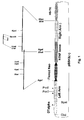
- the recombinant vector is shown in Fig 1 and is generated using standard cloning protocols ( T. Maniatis, J.F. Sambrook. Molecular Cloning: A Laboratory Manual. 1989, CSHL Press ).
- the recombinant vector is based on a pBSKS(+) backbone (Stratagene).
- the negative selection markers diphteria toxin alpha (DTalpha) and Herpes Simplex thymidine kinase (HS-TK) are located at both ends of the insert and outside the homologous recombination arms (left arm and right arm).
- the left arm Downstream to the DTalpha cassette (SEQ ID NO 12; 1.2 kb) the left arm (SEQ ID NO 3; 5.1 kb) is localised, followed by the positive selection marker, the neo cassette coding for a neomycin resistance (SEQ ID NO, 4; Floxed Neo, 2.2kb).
- the human TNF ⁇ gene SEQ ID NO 2; hTNF locus, 4.1kb
- the cloning of the insert is completed by adding the second negative marker the HS-TK cassette (SEQ ID NO 6; 2.9 kb).
- the vector can be linearized upstream of the DTalpha gene with the restriction enzyme Clal.
- the position of further restriction sites are marked together with the name of the appropriate digesting enzymes. These sites can be used for control digests of the recombinant vector.
- the final vector was fully sequenced using standard sequencing service.
- a 100mm dish of ES cells is grown until confluency as shown in example 2.
- six 60mm feeder dishes are prepared by MMC treatment, washed, trypsinized, counted and seeded with 8 x 10 5 feeders/dish in a total of 5ml D15% in six 60mm dishes as shown in example 1.
- the recombinant vector of example 3 is linearized with Clal (New England Biolabs # R0197).
- the linearized DNA is purified with phenolchloroform (Fluka # 77617), chloroform (Sigma # C2432), precipitated with NaCl (Carl Roth # 3957.2) and 100% ethanol (Carl Roth # 9065.2) and washed with 70% ethanol.
- Cleaned DNA is resuspended in TE (Part of Qiagen # 12362) or dH 2 O at a concentration of 1 ⁇ g/ ⁇ l.
- Each electroporation uses 30 ⁇ g DNA.
- the media from the six 60mm feeder dishes is aspirated and 4ml of D15% are added to each dish. Cells are re-incubated at 37°C.
- the media from the ES cells in the confluent 100mm dish is aspirated as well and cells are rinsed with DPBS. Afterwards 5ml of trypsin/EDTA are added and ES cells are incubated at room temperature until cells are detached from the bottom of the dish and individual ES cells can be detected. 25ml of D15% are added, cells are collected in a 50ml tube, counted with a hemocytometer and calculated as cells/ml. 1-3 x 10 7 ES cells are needed for one electroporation.
- the feeders do not have to be excluded in the cell counts because there are not enough feeder cells to make a difference.
- 1-3 x10 7 cells are added to one 15ml tube, centrifuged at 1000rpm for 5 minutes, rinsed with DPBS once and spinned again. The procedure is repeated for a total of three PBS washes. 6 x 10 6 cells are treated equally and resuspended in 1 ml of D15%. These cells are added to one of the 60mm feeder dishes and are used as control cells. They will be G418 sensitive.
- Example 5 Tissue culture under selection conditions
- Example 4 Media are aspirated the one day after electroporation and all six dishes of Example 4 are treated with D15% containing 350 ⁇ g/ml G418 (Invitrogen # 10131-019; 20 ml of 50 mg/ml solution). Only cells carrying the positive selection marker, in particular the neomycin resistance, will survive in the G418 media. The non-electroporated control cells shall die. Further the media contains 2 ⁇ M ganciclovir (Sigma # G2536-100MG) for negative selection using the thymidine kinase. In cells with non-homologous recombination the DNA replication will be terminated due to incorporation of ganciclovir.
- ganciclovir Sigma # G2536-100MG
- diphteria toxin alpha As the diphteria toxin alpha is toxic by itself no special culture conditions are needed for functional negative selection. Cells are re-feed in 48 to 72 hours later or when cells begin to die. Cells can be re-feed every day if desired. Positive targeted clones should be picked after 6-8 days.
- clone Using a dissecting microscope undifferentiated clones are picked with a pipet tip outfitted on a mouth pipette by scraping the clone up with the tip while drawing it into the tip using the mouth pipet. After picking a clone is expelled into one well of a 48 well feeders plate prepared as shown in example 1. Approximately 20 G418 resistant ES clones from each of the five 60mm dishes of example 4 cultured as shown in example 5 are picked.
- the clone can be trypsinized before adding to the 48 well by adding each clone to a well of a 96 well plate that has 100 ⁇ l of trypsin/EDTA added and incubating at room temperature for a few minutes.
- clones are broken up by triturating with a P-200 pipet.
- the dissociated clones are added to a well of the 48 well feeder plate.
- Single clones are grown to confluency as shown in example 2, used for DNA preparation or trypsinized and frozen by -80°C in 350 ⁇ l freezing media (D15% with a final concentration of 7% DMSO (Sigma # D4540)).
- lysis buffer 50mM Tris-HCl (Carl Roth # 4855.3 and # 9277.1 respectively); 100mM EDTA (Sigma # E5134), pH8; 100mM NaCl; 1% SDS (Sigma # L4390) with 420 ⁇ g/ml of proteinase K (Biodeal # CH1005,0200) are directly added to each well of a 48 well plate. Cells are incubated at 37°C overnight, shaking is not necessary. Lysed cells can be stored at this point by - 20°C.
- the lysed cells are transferred to 1.5 ml eppendorf tubes and mixed on an eppendorf shaker for 5 minutes to get to room temperature. All the following steps are done at room temperature. 200 ⁇ l of saturated NaCl (approximately 6M (Carl Roth # 3957.2) are added to each tube and mixed again for 5 minutes on the eppendorf shaker. Then the tubes are spun for 10 minutes in an eppendorf centrifuge at 14k rpm. The 600 ⁇ l supernatant are collected, transferred to a new tube and 500 ⁇ l of isopropanol (Sigma # I9516) are added to precipitate the DNA. The precipated DNA is spun at 14K rpm for 5 minutes, washed twice with 500 ⁇ l of 70% EtOH and dried. Pellets are resuspended in 100 ⁇ l TE buffer.
- a short piece of an ear or the tail are cut and transferred into an eppendorf vial containing 600 ⁇ l of lysis buffer (example 7) with 420 ⁇ g/ml of proteinase K.
- the tissue is incubated at 37°C overnight under continuous shaking. DNA preparation was done as shown in Example 7.
- Fig. 2 shows the stages of gene Knock-in before and after homologous recombination and deletion of the Neo cassette. Only one allele is shown.
- Bruce 4 cells contain two alleles with the murine TNF ⁇ gene as shown in Fig. 2b .
- the recombinant vector shown in Fig. 2a is localized in the cytosol in addition to the murine TNF ⁇ gene ( Fig. 2b) .
- the human TNF ⁇ gene replaces the murine homologous.
- the human TNF ⁇ KI is shown in Fig. 2c .
- the only trace of the gene modification is the loxP site located at the end of the human TNF ⁇ gene.
- a mouse having one allele shown in Fig. 2b and one allele shown in Fig. 2c would be heterozygous for the gene modification (Fig. 2d ). Such a mouse produces both the human and the murine TNF ⁇ .
- Example 10 Genotyping of the ES cells and the transgenic mice by Southern Blotting
- Fig. 3 shows the enzymes used and the expected DNA fragments using appropriate hybridization probes for identifying the different configurations of the TNF ⁇ -locus.
- Asp718I Roche
- a 15 kb fragment is expected for the wild type mouse TNF/LT locus.
- the size of the detected fragment is 11.8 kb and the size of the fragment after deletion of the neo cassette is 9.7 kb.
- Bam HI New England Biolabs
- a 7 kb fragment is expected for the human TNF ⁇ -KI after recombination and a 5 kb fragment is expected after deletion of the neo marker.
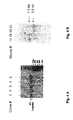
- Fig. 4A shows the results after hybridisation with human TNF ⁇ -KI-26/9 DNA probe.
- Clone 1 and 5 show a single band at 15 kb. This band is specific for the mouse TNF ⁇ wild type allele. In these clones the recombination event has not happened successfully.
- Clones 2, 3 and 4 show one band at 15 kb and one band at 11.8 kb. The shorter band is specific for the human TNF ⁇ KI after recombination.
- clones 2, 3 and 4 are heterozygous for the required mutation. They contain one allele with the mouse TNF ⁇ and one allele with the human TNF ⁇ . These clones are selected for blastocyst injection.
- mice #14, #15, #19 and #20 were extracted as shown in example 8 and genotyped according to example 10. Digest was performed with BamHI.
- Fig. 4B shows the results after hybridisation with hTNF ⁇ -KI-BamHI probe.
- Mouse #14 and #15 show a single band at 7.0 kb. This band is specific for mice that carry the human TNF ⁇ gene and still the neo-selection marker (neo+). After the Cre mediated recombination event the neo gene is cut out. Thus, the 7.0 kb band (neo+) is absent in mouse #19 and #20 and a shorter band of 5.0 kb (neo-) appeared.
- the mouse #19 and #20 show the genotype desired according to the invention.
- Example 12 Genotyping of the ES cells and the transgenic mice by PCR
- the genetic modification was confirmed by identifying the two junctions between mouse and human sequences that did not exist before the genetic modification. As shown in Example 9 the loxP site is still located at the end of the human TNF ⁇ gene after the effective gene knock-in. The sequence of the loxP site is shown in SEQ ID NO 7 and can be used as marker for effective gene knock-in using PCR.
- a human/mouse right junction fragment occurs upstream of the introduced human TNF ⁇ gene .
- This fragment is combined of human and mouse parts and several nucleotides of the cloning junction between the mouse and human parts The sequence is shown in SEQ ID NO 8.
- This fragment can be amplified by PCR as a marker for effective gene knock-in. As the fragment does not occur in nature the PCR does not work on either wild type mouse or wild type human DNA. PCR was done under following conditions. Initial degeneration for 3 min at 94°C, followed by 35 cycles of degeneration at 94°C for 30 sec, annealing at 60°C for 30 sec and amplification at 72°C for 30 sec; and final amplification for 5 min at 72°C.
- Primers 1 and 3 amplify a control mouse fragment of 472 bp which is absent in a mouse with a homozygous Knock-In mutation, while primers 1 and 2 amplify the unique human/mouse right junction fragment of 335 bp.
- both fragments are amplified.
- the 335 bp fragment can be amplified.
- Figure 5 shows the results. In the first and second lane both fragments appear. These mice are heterozygous for the mutation. Lane three shows only a single band by 335 bp identifying a homozygous genotyp. Lane four shows a molecular weight marker (Fermentas SM0322).
- Example 13 Test of the TNF ⁇ Knock-In mice as animal in vivo model for human anti-TNF ⁇ therapy
- mice For testing the efficacy of human anti-TNF ⁇ drugs, in particular Infliximab, acute liver toxicity was induced in mice by injecting intraperitoneal (i.p.) LPS (Sigma # L3024, 10mcg/mouse) and D-Gal (Sigma # G1639, 20mg/mouse). TNF ⁇ blockers (2mg/mouse) against human TNF ⁇ (Infliximab) or against mouse TNF ⁇ (anti-mTNF ⁇ antibody) were injected i.p. 30 min later. Survival rate was monitored during 48 hours after LPS/D-Gal injection as a marker for efficacy of the injected TNF ⁇ blocker. Moribund mice were humanely sacrificed. For control wild type (WT) mice and TNF ⁇ knock-out (TNF KO) mice were treated accordingly. Tests were performed with three mice per group.
- FIG. 6 shows the result of these tests.
- WT mice are injected with LPS/D-Gal alone, with LPS/D-Gal + anti-mTNF ⁇ antibody and with LPS/D-Gal + Infliximab. All animals died, if LPS/D-Gal is injected alone due to acute liver toxicity. Animals which were injected with the anti-mTNF ⁇ antibody survived because the TNF ⁇ activity was neutralized by the mouse antibody. Infliximab does not work in WT mice, so that all animals died. TNF KO mice were injected with LPS/D-Gal alone, but acute liver toxicity could not be induced due to the complete knock out of TNF ⁇ . Thus, all animals survived.
- Humanized knock-in mice according to the invention are injected as the WT mice. Mice treated with Infliximab survived and mice treated with the anti-mTNF ⁇ antibody died. It can be seen that Infliximab only works in "humanized” knock-in mice according to the invention and the anti-mTNF ⁇ antibody only works in wild-type mice and have no effect in humanized knockin mice. Thus, the humanized TNF ⁇ Knock- in mouse according to the invention can be used as an excellent animal model for testing of human anti TNF ⁇ therapy.
Landscapes
- Health & Medical Sciences (AREA)
- Life Sciences & Earth Sciences (AREA)
- Genetics & Genomics (AREA)
- Chemical & Material Sciences (AREA)
- Organic Chemistry (AREA)
- Engineering & Computer Science (AREA)
- Zoology (AREA)
- General Health & Medical Sciences (AREA)
- Biotechnology (AREA)
- Wood Science & Technology (AREA)
- Veterinary Medicine (AREA)
- Environmental Sciences (AREA)
- Bioinformatics & Cheminformatics (AREA)
- Molecular Biology (AREA)
- General Engineering & Computer Science (AREA)
- Biophysics (AREA)
- Biomedical Technology (AREA)
- Biochemistry (AREA)
- Animal Behavior & Ethology (AREA)
- Physics & Mathematics (AREA)
- Microbiology (AREA)
- Animal Husbandry (AREA)
- Biodiversity & Conservation Biology (AREA)
- Plant Pathology (AREA)
- Toxicology (AREA)
- Gastroenterology & Hepatology (AREA)
- Medicinal Chemistry (AREA)
- Proteomics, Peptides & Aminoacids (AREA)
- Micro-Organisms Or Cultivation Processes Thereof (AREA)
- Investigating Or Analysing Biological Materials (AREA)
Priority Applications (2)
| Application Number | Priority Date | Filing Date | Title |
|---|---|---|---|
| EP08103781A EP2113568A1 (fr) | 2008-04-30 | 2008-04-30 | Souris " knock-in" comme modèle pour le criblage les bloquants du TNF-alpha humain |
| PCT/EP2009/003356 WO2009132863A1 (fr) | 2008-04-30 | 2009-04-29 | Souris knock-in pour modéliser le blocage de tnf-alpha humain |
Applications Claiming Priority (1)
| Application Number | Priority Date | Filing Date | Title |
|---|---|---|---|
| EP08103781A EP2113568A1 (fr) | 2008-04-30 | 2008-04-30 | Souris " knock-in" comme modèle pour le criblage les bloquants du TNF-alpha humain |
Publications (1)
| Publication Number | Publication Date |
|---|---|
| EP2113568A1 true EP2113568A1 (fr) | 2009-11-04 |
Family
ID=39745459
Family Applications (1)
| Application Number | Title | Priority Date | Filing Date |
|---|---|---|---|
| EP08103781A Withdrawn EP2113568A1 (fr) | 2008-04-30 | 2008-04-30 | Souris " knock-in" comme modèle pour le criblage les bloquants du TNF-alpha humain |
Country Status (1)
| Country | Link |
|---|---|
| EP (1) | EP2113568A1 (fr) |
Citations (3)
| Publication number | Priority date | Publication date | Assignee | Title |
|---|---|---|---|---|
| WO1998041620A2 (fr) * | 1997-03-14 | 1998-09-24 | University Of Pittsburgh | SOURIS TRANSGENIQUES CONTENANT UN ACIDE NUCLEIQUE CODANT LE FACTEUR α NECROSANT DES TUMEURS SOUS LE CONTROLE D'UNE REGION REGULATRICE SPECIFIQUE CARDIAQUE |
| US6015557A (en) | 1999-02-24 | 2000-01-18 | Tobinick; Edward L. | Tumor necrosis factor antagonists for the treatment of neurological disorders |
| US6258562B1 (en) | 1996-02-09 | 2001-07-10 | Basf Aktiengesellschaft | Human antibodies that bind human TNFα |
-
2008
- 2008-04-30 EP EP08103781A patent/EP2113568A1/fr not_active Withdrawn
Patent Citations (3)
| Publication number | Priority date | Publication date | Assignee | Title |
|---|---|---|---|---|
| US6258562B1 (en) | 1996-02-09 | 2001-07-10 | Basf Aktiengesellschaft | Human antibodies that bind human TNFα |
| WO1998041620A2 (fr) * | 1997-03-14 | 1998-09-24 | University Of Pittsburgh | SOURIS TRANSGENIQUES CONTENANT UN ACIDE NUCLEIQUE CODANT LE FACTEUR α NECROSANT DES TUMEURS SOUS LE CONTROLE D'UNE REGION REGULATRICE SPECIFIQUE CARDIAQUE |
| US6015557A (en) | 1999-02-24 | 2000-01-18 | Tobinick; Edward L. | Tumor necrosis factor antagonists for the treatment of neurological disorders |
Non-Patent Citations (26)
| Title |
|---|
| "Current Protocols in Immunology", 2007, JOHN WILEY AND SONS, INC. |
| AGGRARWAL B.B. ET AL.: "The Cytokine Reference", 2000, ACADEMIC PRESS |
| ANOLIK, J.H. ET AL., J IMMUNOL, vol. 180, 2008, pages 688 - 692 |
| BESSIS N ET AL: "MODULATION OF PROINFLAMMATORY CYTOKINE PRODUCTION IN TUMOUR NECROSIS FACTOR-ALPHA (TNF-ALPHA)-TRANSGENIC MICE BY TREATMENT WITHCELLS ENGINEERED TO SECRETE IL-4, IL-10, OR IL-13", CLINICAL AND EXPERIMENTAL IMMUNOLOGY, WILEY-BLACKWELL PUBLISHING LTD, GB, vol. 111, no. 2, 1 February 1998 (1998-02-01), pages 391 - 396, XP000952993, ISSN: 0009-9104 * |
| BONIN A.; REID SW; TESSAROLLO L.: "Isolation, microinjection, and transfer of mouse blastocysts", METHODS MOL BIOL., vol. 158, 2001, pages 121 - 34 |
| BROWN T.: "Current Protocols in Molecular Biology", 1999, JOHN WILEY & SONS, INC, article "Analysis of DNA sequences by blotting and hybridization", pages: 291 - 2920 |
| CAPOCASALE RENOLD J; ET AL.: "Myelodysplasia and anemia of chronic disease in human tumor necrosis factor-alpha transgenic mice", CYTOMETRY, vol. 73a, February 2008 (2008-02-01), pages 148 - 159, XP002498124 * |
| COX GW ET AL., J NATL CANCER INST., vol. 81, 1989, pages 1492 - 1496 |
| DE TOGNI ET AL., SCIENCE, vol. 264, no. 5159, 1994, pages 703 - 707 |
| FELDMANN M. ET AL., ANNU. REV. IMMUNOL., vol. 19, 2001, pages 163 - 196 |
| HAYWARD MICHAEL D; ET AL.: "An extensive phenotypic characterization of the hTNF alpha transgenic mice", BMC PHYSIOLOGY, vol. 7, 10 December 2007 (2007-12-10), pages 13, XP002498123 * |
| KRIEGLER M. ET AL., CELL, vol. 53, 1988, pages 45 - 53 |
| NEDOSPASOV S.A. ET AL., NUCLEIC ACID RES., vol. 14, no. 19, 1986, pages 7713 - 7725 |
| OLD L.J., SCIENCE, vol. 230, 1985, pages 630 - 632 |
| PROBERT L ET AL: "TNF-ALPHA TRANSGENIC AND KNOCKOUT MODELS OF CNS INFLAMMATION AND DEGENERATION", JOURNAL OF NEUROIMMUNOLOGY, ELSEVIER SCIENCE PUBLISHERS BV, XX, vol. 72, no. 2, 1 January 1997 (1997-01-01), pages 137 - 141, XP000671595, ISSN: 0165-5728 * |
| SCIENCE, vol. 301, no. 5641, 2003, pages 1895 - 1898 |
| SHEALY D ET AL: "TNFALPHA-NEUTRALIZING ANTIBODY (CA2) MITIGATES POLYARTHRITIS IN TG197 AND TG5453 TRANSGENIC MICE", ARTHRITIS AND RHEUMATISM, LIPPINCOTT, PHILADELPHIA, US, vol. 38, 1 January 1995 (1995-01-01), pages S296, XP000990569, ISSN: 0004-3591 * |
| SHEALY DAVID J ET AL: "Anti-TNF-[alpha] antibody allows healing of joint damage in polyarthritic transgenic mice", ARTHRITIS RESEARCH, CURRENT SCIENCE, LONDON, GB, vol. 4, no. 5, 28 June 2002 (2002-06-28), pages R7, XP021011775, ISSN: 1465-9905 * |
| SMITH R.A. ET AL., J. BIOL. CHEM., vol. 262, 1987, pages 6951 - 6954 |
| T. MANIATIS; J.F. SAMBROOK: "Molecular Cloning: A Laboratory Manual", 1989, CSHL PRESS |
| TESSAROLLO L.: "Manipulating mouse embryonic stem cells", METHODS MOL BIOL., vol. 158, 2001, pages 47 - 63 |
| TRACEY K.J. ET AL., NATURE, vol. 330, 1987, pages 662 - 4 |
| TRACY D. ET AL., PHARMACOL. THER., vol. 117, 2008, pages 244 - 479 |
| VASSALLI P., ANNU. REV. IMMUNOL., vol. 10, 1992, pages 411 |
| WAJANT H. ET AL., CELL DEATH DIFFER., vol. 10, 2003, pages 45 - 65 |
| ZHAO ET AL: "TNF-alpha knockout and minocycline treatment attenuates blood-brain barrier leakage in MPTP-treated mice", NEUROBIOLOGY OF DISEASE, BLACKWELL SCIENTIFIC PUBLICATIONS, OXFORD, GB, vol. 26, no. 1, 22 March 2007 (2007-03-22), pages 36 - 46, XP005931177, ISSN: 0969-9961 * |
Similar Documents
| Publication | Publication Date | Title |
|---|---|---|
| US11503813B2 (en) | Humanized IL-15 animals | |
| US11279948B2 (en) | Genetically modified non-human animal with human or chimeric OX40 | |
| EP1573314B1 (fr) | Souris transgeniques exprimant le cd20 humain | |
| EP2493288B1 (fr) | Recombinaison homologue dans l'oocyte | |
| CN107815467B (zh) | 人源化基因改造动物模型的制备方法及应用 | |
| CN109136274B (zh) | 人源化cd40基因改造动物模型的制备方法及应用 | |
| CN107815465B (zh) | 人源化基因改造动物模型的制备方法及应用 | |
| CN109136261B (zh) | 人源化cd28基因改造动物模型的制备方法及应用 | |
| JPH04501510A (ja) | 普遍的なドナー細胞及びキメラ性哺乳類宿主のための相同性組換え | |
| JP2007252387A (ja) | 動物トランスジェニック幹細胞の単離、選択、および増殖 | |
| JP2016507228A (ja) | 無角家畜 | |
| KR102377189B1 (ko) | C9orf72 유전자좌에서 파괴를 갖는 비-인간 동물 | |
| KR20230037043A (ko) | 인간 선천적 면역 기능을 지원하는 트랜스제닉 마우스 모델 | |
| AU2020298458B2 (en) | Transgenic mammals and methods of use thereof | |
| JP2010516258A (ja) | C反応性タンパク質(crp)ノックアウトマウス | |
| CN108070613B (zh) | 人源化基因改造动物模型的制备方法及应用 | |
| CN107955817B (zh) | 人源化基因改造动物模型的制备方法及应用 | |
| CN112779284B (zh) | Thpo基因人源化的非人动物的构建方法及应用 | |
| US20060064769A1 (en) | Conditional disruption of Dicer1 in cell lines and non-human mammals | |
| CN117384960B (zh) | 一种tl1a基因人源化非人动物及其构建方法和应用 | |
| CN115997729B (zh) | Nkp46基因人源化非人动物及其构建方法和应用 | |
| WO2009132863A1 (fr) | Souris knock-in pour modéliser le blocage de tnf-alpha humain | |
| EP2113568A1 (fr) | Souris " knock-in" comme modèle pour le criblage les bloquants du TNF-alpha humain | |
| CN115011606A (zh) | Cd37基因人源化非人动物的构建方法及应用 | |
| CN116063450A (zh) | Il12基因人源化非人动物及其构建方法和应用 |
Legal Events
| Date | Code | Title | Description |
|---|---|---|---|
| PUAI | Public reference made under article 153(3) epc to a published international application that has entered the european phase |
Free format text: ORIGINAL CODE: 0009012 |
|
| AK | Designated contracting states |
Kind code of ref document: A1 Designated state(s): AT BE BG CH CY CZ DE DK EE ES FI FR GB GR HR HU IE IS IT LI LT LU LV MC MT NL NO PL PT RO SE SI SK TR |
|
| AX | Request for extension of the european patent |
Extension state: AL BA MK RS |
|
| AKX | Designation fees paid | ||
| STAA | Information on the status of an ep patent application or granted ep patent |
Free format text: STATUS: THE APPLICATION IS DEEMED TO BE WITHDRAWN |
|
| 18D | Application deemed to be withdrawn |
Effective date: 20100505 |
|
| REG | Reference to a national code |
Ref country code: DE Ref legal event code: 8566 |