EP2116257B1 - Parenterale Impfstoff-Formulierungen und deren Verwendung - Google Patents
Parenterale Impfstoff-Formulierungen und deren Verwendung Download PDFInfo
- Publication number
- EP2116257B1 EP2116257B1 EP09166586A EP09166586A EP2116257B1 EP 2116257 B1 EP2116257 B1 EP 2116257B1 EP 09166586 A EP09166586 A EP 09166586A EP 09166586 A EP09166586 A EP 09166586A EP 2116257 B1 EP2116257 B1 EP 2116257B1
- Authority
- EP
- European Patent Office
- Prior art keywords
- adjuvant
- vaccine formulation
- titanium dioxide
- parenteral
- formulation according
- Prior art date
- Legal status (The legal status is an assumption and is not a legal conclusion. Google has not performed a legal analysis and makes no representation as to the accuracy of the status listed.)
- Expired - Lifetime
Links
Images
Classifications
-
- A—HUMAN NECESSITIES
- A61—MEDICAL OR VETERINARY SCIENCE; HYGIENE
- A61K—PREPARATIONS FOR MEDICAL, DENTAL OR TOILETRY PURPOSES
- A61K39/00—Medicinal preparations containing antigens or antibodies
- A61K39/39—Medicinal preparations containing antigens or antibodies characterised by the immunostimulating additives, e.g. chemical adjuvants
-
- A—HUMAN NECESSITIES
- A61—MEDICAL OR VETERINARY SCIENCE; HYGIENE
- A61P—SPECIFIC THERAPEUTIC ACTIVITY OF CHEMICAL COMPOUNDS OR MEDICINAL PREPARATIONS
- A61P37/00—Drugs for immunological or allergic disorders
- A61P37/02—Immunomodulators
- A61P37/04—Immunostimulants
-
- A—HUMAN NECESSITIES
- A61—MEDICAL OR VETERINARY SCIENCE; HYGIENE
- A61P—SPECIFIC THERAPEUTIC ACTIVITY OF CHEMICAL COMPOUNDS OR MEDICINAL PREPARATIONS
- A61P43/00—Drugs for specific purposes, not provided for in groups A61P1/00-A61P41/00
-
- A—HUMAN NECESSITIES
- A61—MEDICAL OR VETERINARY SCIENCE; HYGIENE
- A61K—PREPARATIONS FOR MEDICAL, DENTAL OR TOILETRY PURPOSES
- A61K39/00—Medicinal preparations containing antigens or antibodies
- A61K2039/555—Medicinal preparations containing antigens or antibodies characterised by a specific combination antigen/adjuvant
- A61K2039/55505—Inorganic adjuvants
Definitions
- the present invention concerns the field of parenteral vaccine formulations and adjuvant compositions comprising certain salts as adjuvants.
- Such novel parenteral vaccine formulations are used for generating an immune response in a subject, including a vertebrate such as a human, following administration of the vaccine formulation.
- the invention further relates to the use of these salts as adjuvants in parenteral vaccine formulations and adjuvant compositions, and to vaccine adjuvants comprising such salts.
- Immunological adjuvants are substances that, when administered together with an antigen, have the capacity to augment the immune response to the antigen.
- the adjuvant improves the immunogenicity of the vaccine in the sense that it will enhance the immune response of the vaccinated subject, thereby reducing the amount of the vaccine component, or reducing the number of administrations needed to induce the desired immune response.
- the induced effector immune response may either be of a humoral nature, i.e. an antibody response, or of a cellular nature, i.e. a cytotoxic T-cell response, or the effector response may be a mixture of both. Both cellular and humoral immune responses require help from T helper lymphocytes. Adjuvants that cause inflammation or induce pro-inflammatory cytokines will induce a Type-1 T helper response (Th 1 ) involving production of IL-12, IL-2 and INF ⁇ . These cytokines support induction of cytotoxic T-lymphocyte (CTL) responses, neutrophil inflammation and Th 1 antibody responses, such as IgG1 and IgG3.
- CTL cytotoxic T-lymphocyte
- Non-inflammatory adjuvants are more likely to induce a Type-2 helper response (Th 2 ) involving production of the cytokines IL-4, IL-5 and IL-10. These cytokines can down-regulate Th 1 responses, and promote induction of Th 2 antibodies such as IgE and IgG4 as well as some cellular responses such as eosiniphilia.
- Th 2 Type-2 helper response
- Singh, M., and O'Hagan D. provides an overview on vaccine adjuvants and discloses aluminium hydroxide and calcium phosphate as adjuvants and indicate that they are administered by injection.
- Costagliola et al. discloses vaccine formulations for i.p. administration, comprising an immunogenic substance (MBP-ECD) and magnesium hydroxide and aluminium hydroxide as adjuvants.
- MBP-ECD immunogenic substance
- magnesium hydroxide and aluminium hydroxide as adjuvants.
- salts are particularly suited as adjuvants in vaccine formulations for parenteral administration. Such salts are further particularly suited as components of adjuvant compositions.
- the present invention concerns parenteral vaccine formulations comprising at least one immunogenic substance, and as an adjuvant titanium dioxide.
- the present invention concerns the use of titanium dioxide as an adjuvant as components of vaccine formulations for parenteral administration.
- the present invention also enables vaccination or treatment by administration of the vaccine formulation according to the invention.
- the present invention relates to a process for preparing the adjuvant compositions and parenteral vaccine formulations of the invention.
- adjuvants e.g. aluminium salts, PLG, ISCOMs, MF59, MPL, IFA (Freund's incomplete adjuvant), CFA (Freund's complete adjuvant), Quil A, and Qs-21
- aluminium salts aluminium hydroxide and aluminium phosphate
- Aluminium based vaccines are most commonly manufactured by mixing pre-formed aluminium phosphate or hydroxide gels with the antigen, resulting in adsorption of the antigen to the gel. Aluminium salts are believed to exert their effect as adjuvants by several mechanisms. It is believed that aluminium salts create a depot of antigen at the site of injection, and attract various cells of the immune system, thus creating a local inflammatory environment. Aluminium salts are most likely taken up by antigen presenting cells. Particles of a size of or less than 10 ⁇ m are effectively taken up by antigen presenting cells. The particle size of aluminium gels is 0.5-10 ⁇ m, making this plausible (see ref. 6).
- aluminium salts are relatively cheap and easy to manufacture and, in addition, have an excellent track record of safety and adjuvanticity, there are certain problems connected with the use of aluminium compounds. These include local reactions such as erythema, contact hypersensitivity, subcutaneous nodules, and granulomatous inflammation, augmentation of specific and total IgE antibody responses (an undesired antibody type in certain pathogenic conditions such as allergies) in both experimental animals and in humans.
- aluminium salts have been reported to be ineffective as adjuvants with some antigens, cf. Gupta et al. (ref. 1). A disturbing observation has further been reported. It has been suggested in some studies that aluminium can cause experimental degenerative disorders of the central nervous system, cf.
- magnesium hydroxide in combination with aluminium hydroxide has been studied. While magnesium hydroxide alone has a low adsorbent activity, it may enhance the activity of aluminium hydroxide as an adjuvant, cf. Stas et al (ref. 8).
- Beryllium being the lightest metal with an atomic weight of 4 and a molecular weight of 9 has been known to act as an antigen and further it has been shown to act as an adjuvant promoting the production of IFN- ⁇ and enhancing the properties of IL-12 in a study on Leishmania-susceptible mice, which are immunized with soluble leishmanial antigen.
- the ability of beryllium to synergize with IL-12 may be an important factor in the development of adjuvants. Accordingly, beryllium has been suggested potential for developement as a vaccine adjuvant, cf. Lee et al (ref. 7).
- PLG polymers were initially developed for use as biodegradable surgical sutures, and depot-formulation of various hormones.
- the characteristics of PLG biodegradability, documented safety in humans, and relatively easy manufacturing) made it an obvious vaccine delivery candidate.
- the system is based on encapsulation of the antigen, and, if necessary, other components in 1-100 ⁇ m microspheres. When the particle is degraded, the antigen is released. The kinetics of the release can be adjusted by altering the composition of the polymers. Smaller microspheres ( ⁇ 10 ⁇ m) will be taken up by antigen presenting cells, thus targeting the antigen to immunocompentent tissues.
- Oil in water emulsions such as MF59 (a squalene in water emulsion) are more liquid than water in oil emulsions, and are therefore not intended to form a depot of antigen at the site of injection. Rather, it is believed that the oil in water emulsions exert their adjuvant effect when droplets are taken up by antigen presenting cells, cf. O'Hagan et al. (ref. 5). The emulsion is prepared and subsequently the antigen added, thus making the technology suitable for fragile or labile antigens, or purposes where the retention of the three dimensional structure of the antigen is required, cf. Newman (ref. 4).
- the potency of MF59 vaccines is reportedly up to 50-fold higher than vaccines delivered as aluminium salt formulations, in a number of animal models, cf. O'Hagan et al. (ref. 5).
- the MF59 adjuvant reportedly induces an antibody response, rather than a cellular immune response, and is thus better suited for use in vaccines aiming at augmenting or inducing antibody responses, cf. Newman (ref. 4).
- Quil A is a crude preparation of more than 20 Quilaja saponins, and is currently used for veterinary vaccine technology.
- Quil A is not suitable for use in human vaccines. This lead to further purification of the individual saponins in Quil A.
- Experimental vaccine and toxicology studies led to the identification of the Qs-21 as the saponin best suited for use in human vaccines, cf. Newman (ref. 4).
- the present invention provides adjuvants which fulfil some or all of the above criteria. It has surprisingly been found that certain salts are capable of acting as adjuvants in parenteral vaccine formulations.
- the present invention relates to parenteral vaccine formulations comprising at least one immunogenic substance, and as an adjuvant titanium dioxide.
- the advantages of the adjuvant salts are numerous. It has surprisingly been found that these salts act as adjuvants when included in parenteral vaccine formulations, implying that it will in many cases be possible to reduce the amount of immunogenic substance needed to induce an immune response. Moreover, the adjuvanicity of these salts can in some cases induce an immune response with an earlier onset and/or prolonged persistence, when compared to a conventionally used adjuvant. Accordingly, the number of booster vaccinations to obtain and maintain the desired level of immunity may be reduced. Moreover, studies indicate that the use of the salts described herein in vaccine formulations for parenteral use will in some cases increase the magnitude of the immune response, even to greater extents than seen with the conventionally used aluminium hydroxide.
- the adjuvant salts exert their effect as adjuvants by creating a depot of the immunogenic substance, resulting in a slow and prolonged release of the immunogenic substance over time.
- the salts could also promote uptake of the immunogenic substance by antigen presenting cells. It should, however, be emphasised that this is a hypothesis, and should therefore have no limiting effect.
- the salts can be characterised by a number of physical-chemical properties. These properties are believed to influence the salt's ability to act as an adjuvant to a greater or lesser extent. For instance, the solubility constant, the lattice energy, the nature of binding (covalent binding contra ionic binding), the pH, the oxidation stage, the particle size, and the ability to adsorb the immunogenic substance could all be involved.
- the compounds listed in the Examples have a low solubility and high lattice energy.
- the vaccine formulations of the Examples are slightly alkaline. Thus, some of the characteristics may be important in connecting with adjuvanicity. However, it is to be understood that the above are hypothesises and therefore should have no limiting effect on the scope of the invention.
- salts falling within the definition above are known chemical compounds, and some are currently being applied in veterinary or human medicine as laxatives, antacids or in cosmetic applications, cf. the examples in the table below. None of the salts have previously been used in parenteral vaccine formulations as sole adjuvants.
- the term “adjuvant” refers to an immunological adjuvant. By this is meant a compound that is able to enhance the immune system's response to an immunogenic substance.
- immunogenic refers to a substance or active ingredient which when administered to a subject, either alone or with an adjuvant, induces an immune response in the subject.
- immuno response includes specific humoral, i.e. antibody, as well as cellular immune responses, the antibodies being serologic as well as secretory and pertaining to the subclasses IgM, IgD, IgG, IgA and IgE as well as all isotypes, allotypes, and subclasses thereof.
- the term is further intended to include other serum or tissue components.
- the cellular response includes Type-1 and Type-2 T-helper lymphocytes, cytotoxic T-cells as well as natural killer (NK) cells.
- the concept of vaccination/immunisation is based on two fundamental characteristics of the immune system, namely specificity and memory.
- the first vaccination/- immunisation will initiate a response specifically directed to the antigen with which the subject was challenged. Furthermore, a population of memory B and T lymphocytes will be induced.
- the immune system Upon re-exposure to the antigen or the pathogen it is derived from, the immune system will be primed to respond much faster and much more vigorously, thus endowing the vaccinated/immunised individual with immunological protection against the pathogen.
- immunogenic substances it lies within the scope of the present invention to use one or more immunogenic substances in the vaccine formulation.
- a case where the vaccine comprises more than one immunogenic substance is the so-called combination vaccines.
- immunogenic substances are antigens, allergens, allergoids, peptides, proteins, haptens, carbohydrates, peptide nucleic acids (PNAs, a sort of synthetic genetic mimic), and viral or bacterial material as well as analogues or derivatives thereof.
- analogues or derivatives is intended to include modified forms of the immunogenic substance.
- PEG polyethylene glycol
- biotinylation polyethylene glycol
- deamination polyethylene glycol
- maleination substitution of one or more amino acids
- cross-linking by glycosylation, or by other recombinant or synthetic technology.
- the term is also intended to include natural-occurring mutations, isoforms and
- immunogenic substances may be natural, recombinant or modified proteins or fragments thereof, antigens, allergens, allergoids, peptides, haptens conjugated on a suitable carrier like KLH (key hole limpet hemocyanin) or Tetanus toxoid , carbohydrates, optionally inactivated or attenuated bacteria or virus as well as components thereof, RNA, DNA, PNA, parasites or retroviruses, parasitic material, mycoplasma, or toxins, e.g. such derived from KLH (key hole limpet hemocyanin) or Tetanus toxoid , carbohydrates, optionally inactivated or attenuated bacteria or virus as well as components thereof, RNA, DNA, PNA, parasites or retroviruses, parasitic material, mycoplasma, or toxins, e.g. such derived from
- tuberculosis tuberculosis, M. bovis, M. africanum, M. microti, M. avium, M. intracellulare, M. kansasii, M. gordonae, M. paratuberculosis, and M. lepramurium, Borrelia spp. like B. burgdorferi, in particular B. burgdorferi sensu lato and B. burgdorferi sensu stricto, B. garinii, B. afzelii, B. duttoni and B. recurrentis, Bordetella pertussis (whooping cough), Salmonella spp. like S. typhimurium and S. typhi, Treponema spp. like T.
- immunogenic substances used in combination vaccines are immunogenic substances involved with Diphteria-Tetanus-Wooping cough-Polio, Measles-Parotitis-Rubella, and Hepatitis A and B.
- Non-limiting examples of allergens to be used in the parenteral vaccine of the invention include inhalation allergens originating i.a. from trees, grasses, herbs, fungi, house dust mites, storage mites, cockroaches and animal hair, feathers, and dandruff.
- Important pollen allergens from trees, grasses and herbs are such originating from the taxonomic orders of Fagales, Oleales and Pinales including i.a. birch ( Betula ), alder (Alnus), hazel (Corylus), hornbeam (Carpinus) and olive (Olea), the order of Poales including i.a.
- Important inhalation allergens from fungi are i.a. such originating from the genera Alternaria and Cladosporium.
- Other important inhalation allergens are those from house dust mites of the genus Dermatophagoides, storage mites from the genus Lepidoglyphys destructor, those from cockroaches and those from mammals such as cat, dog, horse, cow, and bird.
- allergens to be used may be derived from venom allergens including such originating from stinging or biting insects such as those from the taxonomic order of Hymenoptera including bees, wasps, and ants.
- the term derived from includes the naturally-occurring substance as well as isoforms thereof. Furthermore, the substance may be prepared by means of recombinant or synthetic techniques. Specific allergen components are known to the person skilled in the art and include e.g. Bet v 1 (B. verrucosa , birch), Aln g 1 (Alnus glutinosa, alder), Cor a 1 (Corylus avelana, hazel) and Car b 1 ( Carpinus betulus, hornbeam) of the Fagales order.
- Bet v 1 B. verrucosa , birch
- Aln g 1 Alnus glutinosa, alder
- Cor a 1 Corylus avelana, hazel
- Car b 1 Carpinus betulus, hornbeam
- the parenteral vaccine formulation according to the invention may further comprise an additional adjuvant.
- additional adjuvant is selected from conventionally used adjuvants.
- additional adjuvants include saponins such as Quil A and Qs-21, oil in water emulsions such as MF59, MPL, PLG, PLGA, aluminium salts, calcium phosphate, water in oil emulsions such as IFA (Freund's incomplete adjuvant) and CFA (Freund's complete adjuvant), interleukins such as IL-1 ⁇ , IL-2, IL-7, IL-12, and INF ⁇ , Adju-Phos ® , glucan, antigen formulation, Cholera Holotoxin, liposomes, DDE, DHEA, DMPC, DMPG, DOC/Alum Complex, ISCOMs ® , muramyl dipeptide, monophosphoryl lipid A, muramyl tripeptide, and phospatidylethanolamine (see
- the additional adjuvant is selected from saponins such as Quil A and Qs-21, MF59, MPL, PLG, PLGA, calcium phosphate, and aluminium salts.
- parenteral vaccine formulation of the invention may suitably comprise one or more pharmaceutically acceptable excipients and carriers.
- pharmaceutically acceptable excipients and carriers examples include diluents, buffers, suspending agents, wetting agents, solubilising agents, pH-adjusting agents, dispersing agents, preserving agents, and/or colorants.
- the vaccine formulation of the inventions is administered by a parenteral route.
- the parenteral route includes intravenous, intramuscular, intraarticular, subcutaneous, intradermal, epicutaneous/transdermal, and intra-peritoneal administration.
- the cation of the adjuvant salt is preferably present in the vaccine in an amount of from about 0.0004 to about 120 M, such as from about 0.004 to about 12 M, preferably from about 0.008 to about 6 M.
- the amount of the additional adjuvant depends on the adjuvant and the immunogenic substance in question, and will be the subject to optimisation. However, the person skilled in the art will readily know how to optimise the amount of such additional adjuvant having regard to the other constituents to be included in the formulation.
- the adjuvant is a combination of magnesium hydroxide and titanium dioxide, or magnesium carbonate hydroxide pentahydrate and titanium dioxide. In a still further embodiment, the adjuvant is a combination of magnesium hydroxide, magnesium carbonate hydroxide pentahydrate, and titanium oxide.
- Such parenteral vaccine formulations may also suitable comprise an additional adjuvant. Such additional adjuvants are selected from those indicated above. However, the additional adjuvant is preferably selected from saponins such as Quil A and Qs-21, MF59, MPL, PLG, PLG A, calcium phosphate, and aluminium salts.
- vaccine formulations having combined characteristics such as earlier onset, prolonged persistence, increased potency, Th 1 , Th 2 and/or cytotoxic response depending on the choice of adjuvants or combination of adjuvants.
- adjuvant schemes depending on the type of vaccination. For instance, an adjuvant providing an early onset may be used for the initial vaccination, and an adjuvant providing enhanced potency may be used for boosters.
- a combination of the adjuvants described herein may be very suitable.
- an additional adjuvant it may be possible to prepare vaccine formulations with further specific or enhanced properties. For instance, addition of MPL may result in a formulation that predominantly induces a Th 1 type immune response, whereas addition of saponins may result in a formulation that induces a Th 1 type immune response as well as a cytotoxic response. Furthermore, a combination of one or more adjuvant salts in the parenteral vaccine formulations of the invention and one or more additional adjuvants may enable an advantageous combined adjuvant effect, possibly enabling the modulation of Th 1 , Th 2 and/or cytotoxic response(s).
- the present invention relates to the use of titanium dioxide as an adjuvant in a vaccine formulation for parenteral administration.
- the salt to be used is selected from magnesium hydroxide, magnesium carbonate hydroxide pentahydrate, and titanium dioxide, or a combination of magnesium hydroxide and magnesium carbonate hydroxide pentahydrate, magnesium hydroxide and titanium dioxide, magnesium carbonate hydroxide pentahydrate and titanium dioxide, or magnesium hydroxide, magnesium carbonate hydroxide pentahydrate, and titanium dioxide.
- the present invention relates to the use of a vaccine formulation of the invention for the manufacture of a medicament for generating an immune response in a subject, which methods comprise administering to the subject.
- the present invention also enables the vaccination or treatment of a vertebrate including a human being comprising administering to the subject a vaccine formulation of the invention.
- the parenteral vaccine compositions of the present invention comprise at least one immunogenic substance.
- the amount of immunogenic substance(s) depends on the immunogenic substance or combination of immunogenic substances in question. However, it is contemplated that the amount of immunogenic substance required to induce an immune response can, in some cases, be reduced due to the beneficial effects of the adjuvant salts.
- the amount of each immunogenic substance will typically be in the range of from 0.0001 to 100000 ⁇ g/dose, such as from 0.01 to 10000 ⁇ g/dose, from 0.1 to 1000 ⁇ g/dose, or from 1 to 100 ⁇ g/dose.
- the administration of the vaccine formulation of the invention may be as single doses or as several doses. In certain cases, administration only once may be sufficient. In general, several doses should be given with intervals of a day, a week, two weeks, a month, or several months, etc. For example, a single dose may be given once, or a dose may be given as a primer, followed by one or more booster vaccinations, or a continuous vaccination regime like up to four doses per week, followed by one month without vaccinations, followed by up to four doses per week (optionally with increasing amount of immunogen), etc. Optionally different adjuvants or combination of adjuvants may be used in the different vaccinations. These are all examples, and the optimal vaccination regime depends on the immunogenic substance in question and several other factors. The person skilled in the art will readily know how to optimise this.
- the adjuvant compositions of the invention can be prepared by forming a suspension or gel of the adjuvant salts by adding liquid, optionally containing buffer, other salts, solvents or excipients, to a dry form of the salt, or, alternatively, adding liquid optionally containing buffer, other salts, excipients, to a pre-equilibrated pre-formed gel of the adjuvant salts.
- the adjuvant composition may then be formulated to a vaccine formulation with desired immunogenic substance(s) by mixing the adjuvant composition with the immunogenic substance(s), and, if necessary, leaving them to equilibrate before filling.
- the adjuvant composition and the immunogenic substance(s) may alternatively be mixed in a more concentrated form, thereby enabling later dilution.
- the present invention relates to a process for preparing a parenteral vaccine formulation according to the invention, which process comprises adding liquid to a dry form of or a pre-formed gel of the titanium dioxide thereby obtaining an adjuvant composition, and mixing said adjuvant composition with one or more immunogenic substances and optionally pharmaceutically acceptable carriers and/or excipients, thereby obtaining the parenteral vaccine formulation.
- the present invention relates to parenteral vaccine formulations obtainable by the process defined above.
- Containers for mixing and storage of the adjuvant compositions and vaccine formulations of the invention may be made of glass or various polymeric materials.
- the containers chosen should not adsorb the product stored.
- the containers may suitably be ampoules or capped vials for mono- or multidosage.
- Tetanus toxoid containing 3.0 mg protein/ml, (obtained from Statens Serum Institut, DK-2300 Copenhagen S, Denmark).
- Vaccine formulations containing aluminium hydroxide, as an adjuvant contained either 30 ⁇ g, 10 ⁇ g or 1 ⁇ g TT per dose (300 ⁇ g/ml, 100 ⁇ g/ml, and 10 ⁇ g/ml, respectively), and vaccine formulations of the invention containing magnesium hydroxide, magnesium carbonate hydroxide pentahydrate or titanium dioxide, as an adjuvant of the invention, and the adjuvant free vaccine formulation (termed "no adjuvant") all contained 1 ⁇ g TT per dose (10 ⁇ g/ml).
- Aluminium hydroxide Al(OH) 3 0.045-0.05 M Al 3+ (1.25 mg Al 3 + /ml). Prepared from Alhydrogel 1.3% ® (Superfos, DK-2950 Vedb ⁇ k, Denmark).
- Magnesium hydroxide, Mg(OH) 2 0.05 M Mg 2+ Prepared from Mg(OH) 2 gel(Reheis, USA).
- Titanium dioxide TiO 2 , 0.05 M Ti 4+ . Prepared from Titanium dioxide pigment (Kemira, Finland).
- the vaccine formulations were prepared as follows:
- TT was dissolved or diluted to a concentration 10 times that of the concentration in the final vaccine formulation.
- the adjuvant was dissolved or diluted to a concentration five times that of the concentration in the final vaccine formulation, with regard to the cation.
- 1 volume TT solution was slowly mixed with 2 volumes adjuvant, and left stirring over night at 4°C.
- Coca 0.0 buffer (0.25% sodium hydrogen carbonate and 0.5% sodium chloride) was slowly added.
- the adjuvant free vaccine was prepared as above, with the modification that the adjuvant was substituted with Coca 0.0 buffer.
- mice groups of 8 female BALB/Ca mice, 6-8 weeks of age, were given subcutaneous immunisations, inguinally, on days 0 and 14. Each immunisation consisted of 100 ⁇ l vaccine.
- Serum samples were analysed for the presence of TT-specific immune response by means of a direct e nzyme l inked i mmunosorbent a ssay (ELISA), measuring TT-specific antibodies of the IgG class. Briefly, immunosorbent plates (Nunc Maxisorp ® , Nunc, Denmark) were coated in a well known manner with TT, and free binding sites were blocked with bovine serum albumin. Serial dilutions of serum samples from the immunised mice were then added onto the plate, together with serial dilutions of a negative control serum pool from unimmunised BALB/Ca mice.
- ELISA direct e nzyme l inked i mmunosorbent a ssay
- a monoclonal TT-specific antibody (obtained from Statens Serum Institut, Copenhagen, Denmark), added in serial dilutions served both as a positive control, as well as an internal standard, used for determining the titre. All samples were added in duplicate.
- Bound antibodies were detected by serial incubations of the plate with a biotinylated, polyclonal antiserum to mouse IgG (obtained from Jackson Laboratories, Bar Harbour, ME, USA) followed by a streptavidine-horseradish peroxidase conjugate (obtained from DAKO A/S, Glostrup, Denmark).
- the plates were developed for 20 minutes with 100 ⁇ l readymade TMB substrate (Kem-En-Tech, Denmark) per well, and the reaction was stopped with an equal volume of 1M H 2 SO 4 .
- the developed colour reaction was measured as absorption at 450 nm.
- the absorption at 450 nm was plotted against the dilution of the serum, for each individual mouse, as well as the geometric mean for individual groups.
- the strength of the TT-specific antibody response in each serum sample was measured as an arbitrary titre, determined as the serum dilution giving an absorption signal equal to 50% of that obtained with a 3000 fold dilution of the TT-specific monoclonal antibody.
- Mice that did not respond i.e., whose responses were indistinguishable from those seen with the serum pool from unimmunised control mice, were assigned a titre of 10.
- Mice that responded, but with responses below the magnitude required to determine a titre were assigned a titre of 100.
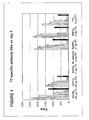
- One immunisation with vaccine formulations of the invention comprising either magnesium hydroxide, magnesium carbonate hydroxide pentahydrate, or titanium dioxide as an adjuvant
- the vaccines were prepared as described above, and the mice were immunised once on day 0 as described above. Blood was drawn on day 7, and serum was prepared and analysed as described above.
- vaccine formulations comprising either magnesium hydroxide, magnesium carbonate hydroxide pentahydrate (in short MgCO 3 ), or titanium dioxide as an adjuvant, were more potent at inducing TT-specific antibodies, than vaccine formulation containing Al(OH) 3 as an adjuvant.
- Induction of TT-specific antibodies using an Al(OH) 3 -containing vaccine formulations required 10-30 times as much immunogen (TT) as vaccine formulations comprising either magnesium hydroxide, magnesium carbonate hydroxide pentahydrate, or titanium dioxide as an adjuvant.
- TT immunogen
- vaccine formulations of the invention comprising either magnesium hydroxide, magnesium carbonate hydroxide pentahydrate, or titanium dioxide as an adjuvant
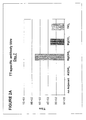
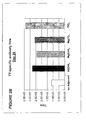
- the vaccine formulations were prepared as described above, and the mice were immunised on day 0 and 14 with 1 ⁇ g of TT as described above. Blood was drawn every 7 days from day 0 to 42, and serum was prepared and analysed as described above.
- results given as the geometric mean titre of the whole group, are shown for days 7 and 28 in Figure 2A and 2B .
- the adjuvant used is indicated below each group.
- vaccine formulations comprising either magnesium hydroxide, magnesium carbonate hydroxide pentahydrate (in short MgCO 3 ), or titanium dioxide as an adjuvant induce specific immune responses with an earlier onset than vaccine formulations containing Al(OH) 3 as an adjuvant.
- the adjuvant salts when included in parenteral vaccine formulations, a persistent, specific immune response is induced. Furthermore, an earlier onset is observed, and the magnitude of the immune response is comparable to that seen with vaccine formulations containing Al(OH) 3 as an adjuvant.
Landscapes
- Health & Medical Sciences (AREA)
- Immunology (AREA)
- Life Sciences & Earth Sciences (AREA)
- Chemical & Material Sciences (AREA)
- Veterinary Medicine (AREA)
- Animal Behavior & Ethology (AREA)
- Medicinal Chemistry (AREA)
- Pharmacology & Pharmacy (AREA)
- General Chemical & Material Sciences (AREA)
- Chemical Kinetics & Catalysis (AREA)
- General Health & Medical Sciences (AREA)
- Public Health (AREA)
- Bioinformatics & Cheminformatics (AREA)
- Organic Chemistry (AREA)
- Nuclear Medicine, Radiotherapy & Molecular Imaging (AREA)
- Engineering & Computer Science (AREA)
- Microbiology (AREA)
- Mycology (AREA)
- Epidemiology (AREA)
- Medicines Containing Antibodies Or Antigens For Use As Internal Diagnostic Agents (AREA)
- Medicinal Preparation (AREA)
Claims (15)
- Parenterale Impfstoff-Formulierung umfassend mindestens eine immunogene Substanz und Titandioxid als Hilfsstoff.
- Parenterale Impfstoff-Formulierung nach Anspruch 1, welche ferner einen zusätzlichen Hilfsstoff umfasst.
- Parenterale Impfstoff-Formulierung nach Anspruch 2, wobei der zusätzliche Hilfsstoff aus Saponinen, wie beispielsweise Quil A und Qs-21, MF59, MPL, PLG, PLGA, Calciumphosphat und Aluminiumsalzen, ausgewählt ist.
- Parenterale Impfstoff-Formulierung nach einem der Ansprüche 1 bis 3, welche ferner pharmazeutisch akzeptable Bindemittel und/oder Träger umfasst.
- Parenterale Impfstoff-Formulierung nach einem der Ansprüche 1 bis 4, welche ferner Verdünnungsmittel, Puffer, Suspensionsmittel, Solubilisierungsmittel, Säureregulatoren, Dispergiermittel und/oder Farbmittel umfasst.
- Parenterale Impfstoff-Formulierung nach einem der Ansprüche 1 bis 5 zur intravenösen, intramuskulären, intraartikulären, subkutanen, intradermalen, epikutanen und interperitonealen Verabreichung.
- Parenterale Impfstoff-Formulierung nach einem der Ansprüche 1 bis 6, wobei die Kation des Hilfsstoffes in einer Menge im Bereich von etwa 0,0004 bis etwa 120 M, wie beispielsweise im Bereich von etwa 0,004 bis etwa 12 M, oder in einer Menge im Bereich von etwa 0,008 bis etwa 6 M vorliegt.
- Parenterale Impfstoff-Formulierung nach einem der Ansprüche 1 bis 7, wobei der Hilfsstoff eine Kombination aus Magnesiumcarbonathydroxidpentahydrat und Titandioxid, Magnesiumhydroxid und Titandioxid oder Magnesiumhydroxid, Magnesiumcarbonathydroxidpentahydrat und Titandioxid darstellt.
- Verwendung von Titandioxid als Hilfsstoff für die Herstellung einer Impfstoff-Formulierung zur parenteralen Verabreichung.
- Verwendung nach Anspruch 9, wobei Magnesiumhydroxid mit Titandioxid kombiniert wird, Titandioxid mit Magnesiumcarbonathydroxidpentahydrat kombiniert wird, oder Magnesiumhydroxid, Magnesiumcarbonathydroxidpentahydrat und Titandioxid kombiniert werden.
- Verwendung nach den Ansprüchen 9 oder 10, wobei die Impfstoff-Formulierung mindestens eine immunogene Substanz enthält.
- Verwendung nach Anspruch 11, wobei die immunogene Substanz ein Allergen oder ein Allergoid ist.
- Verwendung einer Impfstoff-Formulierung nach einem der Ansprüche 1 bis 8 zur Herstellung eines Medikamentes zur Erzeugung einer Immunantwort in einem Individuum.
- Verfahren zur Herstellung einer parenteralen Impfstoff-Formulierung nach einem der Ansprüche 1 bis 8 umfassend die Zugabe von Flüssigkeit zu einem trockenförmigen oder vorgeformten Gel des Titandioxids, wodurch eine Hilfsstoffzusammensetzung erhalten wird, und Vermischen der Hilfsstoffzusammensetzung mit einer oder mehreren immunogen Substanzen und wahlweise mit pharmazeutisch akzeptablen Trägern und/oder Bindemitteln, wodurch die parenterale Impfstoff-Formulierung erhalten wird.
- Parenterale Impfstoff-Formulierung nach einem der Ansprüche 1 bis 8 umfassend ein Gel oder eine mit immunogener Substanz oder immunogenen Substanzen gemischte Suspension des Salzes oder der Salze des Hilfsstoffes.
Applications Claiming Priority (3)
| Application Number | Priority Date | Filing Date | Title |
|---|---|---|---|
| US22403700P | 2000-08-09 | 2000-08-09 | |
| DKPA200001194 | 2000-08-09 | ||
| EP01957778A EP1307223B1 (de) | 2000-08-09 | 2001-08-09 | Parenterale impfstoff-formulierungen und deren verwendung |
Related Parent Applications (2)
| Application Number | Title | Priority Date | Filing Date |
|---|---|---|---|
| EP01957778A Division EP1307223B1 (de) | 2000-08-09 | 2001-08-09 | Parenterale impfstoff-formulierungen und deren verwendung |
| EP01957778.2 Division | 2001-08-09 |
Publications (3)
| Publication Number | Publication Date |
|---|---|
| EP2116257A2 EP2116257A2 (de) | 2009-11-11 |
| EP2116257A3 EP2116257A3 (de) | 2010-01-06 |
| EP2116257B1 true EP2116257B1 (de) | 2012-10-31 |
Family
ID=26068857
Family Applications (2)
| Application Number | Title | Priority Date | Filing Date |
|---|---|---|---|
| EP01957778A Expired - Lifetime EP1307223B1 (de) | 2000-08-09 | 2001-08-09 | Parenterale impfstoff-formulierungen und deren verwendung |
| EP09166586A Expired - Lifetime EP2116257B1 (de) | 2000-08-09 | 2001-08-09 | Parenterale Impfstoff-Formulierungen und deren Verwendung |
Family Applications Before (1)
| Application Number | Title | Priority Date | Filing Date |
|---|---|---|---|
| EP01957778A Expired - Lifetime EP1307223B1 (de) | 2000-08-09 | 2001-08-09 | Parenterale impfstoff-formulierungen und deren verwendung |
Country Status (11)
| Country | Link |
|---|---|
| EP (2) | EP1307223B1 (de) |
| JP (1) | JP2004515468A (de) |
| CN (1) | CN1449294A (de) |
| AT (1) | ATE437651T1 (de) |
| AU (2) | AU7960101A (de) |
| CA (1) | CA2418353A1 (de) |
| DE (1) | DE60139404D1 (de) |
| DK (1) | DK1307223T3 (de) |
| ES (1) | ES2330507T3 (de) |
| HK (1) | HK1054199B (de) |
| WO (1) | WO2002011760A1 (de) |
Families Citing this family (5)
| Publication number | Priority date | Publication date | Assignee | Title |
|---|---|---|---|---|
| DE102010039489A1 (de) * | 2010-08-18 | 2012-02-23 | Fresenius Medical Care Deutschland Gmbh | Konzentrat |
| KR20120068647A (ko) * | 2010-12-18 | 2012-06-27 | 아이진 주식회사 | 개선된 면역반응을 유도하는 백신 |
| US20210353743A1 (en) * | 2020-05-15 | 2021-11-18 | Northeastern University Center for Research Innovation, Northeastern Univ. | Biomaterial-based covid-19 vaccine |
| CN115414476B (zh) * | 2022-08-15 | 2023-07-14 | 珠海暨创硒源纳米科技有限公司 | 一种改性氧化镁、含镁纳米颗粒水溶液及其制备方法与在制备佐剂中的应用 |
| CN115724449B (zh) * | 2022-11-22 | 2023-12-12 | 浙大城市学院 | 一种混合盐纳米铝佐剂及其制备方法和应用 |
Family Cites Families (2)
| Publication number | Priority date | Publication date | Assignee | Title |
|---|---|---|---|---|
| DE4007315A1 (de) * | 1990-03-08 | 1991-09-12 | Behringwerke Ag | Verwendung von zink-calciumhydroxid, lecithin und pao zur adjuvierung von antigenloesungen und auf diese weise adjuvierte antigenloesungen |
| CA2361377C (en) * | 1999-02-05 | 2009-02-03 | Alk-Abello A/S | Novel mucosal delivery system |
-
2001
- 2001-08-09 AU AU7960101A patent/AU7960101A/xx active Pending
- 2001-08-09 EP EP01957778A patent/EP1307223B1/de not_active Expired - Lifetime
- 2001-08-09 JP JP2002517094A patent/JP2004515468A/ja active Pending
- 2001-08-09 DE DE60139404T patent/DE60139404D1/de not_active Expired - Lifetime
- 2001-08-09 EP EP09166586A patent/EP2116257B1/de not_active Expired - Lifetime
- 2001-08-09 CN CN01814974A patent/CN1449294A/zh active Pending
- 2001-08-09 AU AU2001279601A patent/AU2001279601B2/en not_active Ceased
- 2001-08-09 WO PCT/DK2001/000532 patent/WO2002011760A1/en not_active Ceased
- 2001-08-09 DK DK01957778T patent/DK1307223T3/da active
- 2001-08-09 AT AT01957778T patent/ATE437651T1/de not_active IP Right Cessation
- 2001-08-09 CA CA002418353A patent/CA2418353A1/en not_active Abandoned
- 2001-08-09 ES ES01957778T patent/ES2330507T3/es not_active Expired - Lifetime
- 2001-08-09 HK HK03106501.6A patent/HK1054199B/en not_active IP Right Cessation
Also Published As
| Publication number | Publication date |
|---|---|
| AU7960101A (en) | 2002-02-18 |
| HK1054199A1 (en) | 2003-11-21 |
| DE60139404D1 (de) | 2009-09-10 |
| HK1054199B (en) | 2009-11-13 |
| EP2116257A2 (de) | 2009-11-11 |
| CA2418353A1 (en) | 2002-02-14 |
| ES2330507T3 (es) | 2009-12-11 |
| DK1307223T3 (da) | 2009-11-23 |
| ATE437651T1 (de) | 2009-08-15 |
| EP1307223B1 (de) | 2009-07-29 |
| WO2002011760A1 (en) | 2002-02-14 |
| JP2004515468A (ja) | 2004-05-27 |
| AU2001279601B2 (en) | 2005-06-09 |
| CN1449294A (zh) | 2003-10-15 |
| HK1138516A1 (en) | 2010-08-27 |
| EP1307223A1 (de) | 2003-05-07 |
| EP2116257A3 (de) | 2010-01-06 |
Similar Documents
| Publication | Publication Date | Title |
|---|---|---|
| US7785611B2 (en) | Parenteral vaccine formulations and uses thereof | |
| Edelman | Survey of human-use adjuvants | |
| Byars et al. | Adjuvant formulation for use in vaccines to elicit both cell-mediated and humoral immunity | |
| JP3485184B2 (ja) | インターロイキン含有安定ワクチン組成物 | |
| US20180369368A1 (en) | Quil a fraction with low toxicity and use thereof | |
| EP0191536B1 (de) | Synthetisches Immunogen | |
| EP1003551A2 (de) | System zur verabreichung von antigenen, das monoglyceride oder diglyceride als adjuvantien enthält | |
| KR20030015288A (ko) | 보조제 배합물로서의 큐에스-21 및 아이엘-12 | |
| CN114340665A (zh) | 用于对佐剂疫苗乳剂进行喷雾干燥的组合物和方法 | |
| Dalsgaard | Adjuvants | |
| CA2361377C (en) | Novel mucosal delivery system | |
| EP1307223B1 (de) | Parenterale impfstoff-formulierungen und deren verwendung | |
| AU2001279601A1 (en) | Parenteral vaccine formulations and uses thereof | |
| HK1138516B (en) | Parenteral vaccine formulations and uses thereof | |
| Leibl et al. | Humoral and cellular immunity induced by antigens adjuvanted with colloidal iron hydroxide | |
| Alshanqiti et al. | Adjuvants for Clostridium tetani and Clostridium diphtheriae vaccines updating | |
| Brey | Development of vaccines based on formulations containing nonionic block copolymers | |
| Newman | Vaccines adjuvants | |
| Ern et al. | Peptide Vaccine | |
| US6927235B2 (en) | Vaccine composition comprising iron phosphate as vaccine adjuvant | |
| AU687494B2 (en) | Vaccines | |
| Brey | Copolymer adjuvants | |
| Vushakola et al. | Role of Vaccine Adjuvant In Vaccine Development | |
| MXPA06011569A (en) | Microfluidized oil-in-water emulsions and vaccine compositions |
Legal Events
| Date | Code | Title | Description |
|---|---|---|---|
| PUAI | Public reference made under article 153(3) epc to a published international application that has entered the european phase |
Free format text: ORIGINAL CODE: 0009012 |
|
| 17P | Request for examination filed |
Effective date: 20090728 |
|
| AC | Divisional application: reference to earlier application |
Ref document number: 1307223 Country of ref document: EP Kind code of ref document: P |
|
| AK | Designated contracting states |
Kind code of ref document: A2 Designated state(s): AT BE CH CY DE DK ES FI FR GB GR IE IT LI LU MC NL PT SE TR |
|
| PUAL | Search report despatched |
Free format text: ORIGINAL CODE: 0009013 |
|
| AK | Designated contracting states |
Kind code of ref document: A3 Designated state(s): AT BE CH CY DE DK ES FI FR GB GR IE IT LI LU MC NL PT SE TR |
|
| 17Q | First examination report despatched |
Effective date: 20100604 |
|
| REG | Reference to a national code |
Ref country code: HK Ref legal event code: DE Ref document number: 1138516 Country of ref document: HK |
|
| GRAP | Despatch of communication of intention to grant a patent |
Free format text: ORIGINAL CODE: EPIDOSNIGR1 |
|
| GRAS | Grant fee paid |
Free format text: ORIGINAL CODE: EPIDOSNIGR3 |
|
| GRAA | (expected) grant |
Free format text: ORIGINAL CODE: 0009210 |
|
| AC | Divisional application: reference to earlier application |
Ref document number: 1307223 Country of ref document: EP Kind code of ref document: P |
|
| AK | Designated contracting states |
Kind code of ref document: B1 Designated state(s): AT BE CH CY DE DK ES FI FR GB GR IE IT LI LU MC NL PT SE TR |
|
| REG | Reference to a national code |
Ref country code: GB Ref legal event code: FG4D Ref country code: CH Ref legal event code: EP |
|
| REG | Reference to a national code |
Ref country code: AT Ref legal event code: REF Ref document number: 581628 Country of ref document: AT Kind code of ref document: T Effective date: 20121115 |
|
| REG | Reference to a national code |
Ref country code: IE Ref legal event code: FG4D |
|
| REG | Reference to a national code |
Ref country code: DE Ref legal event code: R096 Ref document number: 60147314 Country of ref document: DE Effective date: 20121227 |
|
| REG | Reference to a national code |
Ref country code: DK Ref legal event code: T3 |
|
| REG | Reference to a national code |
Ref country code: NL Ref legal event code: T3 |
|
| REG | Reference to a national code |
Ref country code: AT Ref legal event code: MK05 Ref document number: 581628 Country of ref document: AT Kind code of ref document: T Effective date: 20121031 |
|
| PG25 | Lapsed in a contracting state [announced via postgrant information from national office to epo] |
Ref country code: SE Free format text: LAPSE BECAUSE OF FAILURE TO SUBMIT A TRANSLATION OF THE DESCRIPTION OR TO PAY THE FEE WITHIN THE PRESCRIBED TIME-LIMIT Effective date: 20121031 Ref country code: FI Free format text: LAPSE BECAUSE OF FAILURE TO SUBMIT A TRANSLATION OF THE DESCRIPTION OR TO PAY THE FEE WITHIN THE PRESCRIBED TIME-LIMIT Effective date: 20121031 Ref country code: ES Free format text: LAPSE BECAUSE OF FAILURE TO SUBMIT A TRANSLATION OF THE DESCRIPTION OR TO PAY THE FEE WITHIN THE PRESCRIBED TIME-LIMIT Effective date: 20130211 |
|
| PG25 | Lapsed in a contracting state [announced via postgrant information from national office to epo] |
Ref country code: PT Free format text: LAPSE BECAUSE OF FAILURE TO SUBMIT A TRANSLATION OF THE DESCRIPTION OR TO PAY THE FEE WITHIN THE PRESCRIBED TIME-LIMIT Effective date: 20130228 Ref country code: GR Free format text: LAPSE BECAUSE OF FAILURE TO SUBMIT A TRANSLATION OF THE DESCRIPTION OR TO PAY THE FEE WITHIN THE PRESCRIBED TIME-LIMIT Effective date: 20130201 Ref country code: CY Free format text: LAPSE BECAUSE OF FAILURE TO SUBMIT A TRANSLATION OF THE DESCRIPTION OR TO PAY THE FEE WITHIN THE PRESCRIBED TIME-LIMIT Effective date: 20121031 Ref country code: BE Free format text: LAPSE BECAUSE OF FAILURE TO SUBMIT A TRANSLATION OF THE DESCRIPTION OR TO PAY THE FEE WITHIN THE PRESCRIBED TIME-LIMIT Effective date: 20121031 |
|
| PG25 | Lapsed in a contracting state [announced via postgrant information from national office to epo] |
Ref country code: AT Free format text: LAPSE BECAUSE OF FAILURE TO SUBMIT A TRANSLATION OF THE DESCRIPTION OR TO PAY THE FEE WITHIN THE PRESCRIBED TIME-LIMIT Effective date: 20121031 |
|
| REG | Reference to a national code |
Ref country code: HK Ref legal event code: GR Ref document number: 1138516 Country of ref document: HK |
|
| PG25 | Lapsed in a contracting state [announced via postgrant information from national office to epo] |
Ref country code: IT Free format text: LAPSE BECAUSE OF FAILURE TO SUBMIT A TRANSLATION OF THE DESCRIPTION OR TO PAY THE FEE WITHIN THE PRESCRIBED TIME-LIMIT Effective date: 20121031 |
|
| PLBE | No opposition filed within time limit |
Free format text: ORIGINAL CODE: 0009261 |
|
| STAA | Information on the status of an ep patent application or granted ep patent |
Free format text: STATUS: NO OPPOSITION FILED WITHIN TIME LIMIT |
|
| 26N | No opposition filed |
Effective date: 20130801 |
|
| REG | Reference to a national code |
Ref country code: DE Ref legal event code: R097 Ref document number: 60147314 Country of ref document: DE Effective date: 20130801 |
|
| REG | Reference to a national code |
Ref country code: NL Ref legal event code: V1 Effective date: 20140301 |
|
| REG | Reference to a national code |
Ref country code: CH Ref legal event code: PL Ref country code: DK Ref legal event code: EBP Effective date: 20130831 |
|
| GBPC | Gb: european patent ceased through non-payment of renewal fee |
Effective date: 20130809 |
|
| PG25 | Lapsed in a contracting state [announced via postgrant information from national office to epo] |
Ref country code: NL Free format text: LAPSE BECAUSE OF NON-PAYMENT OF DUE FEES Effective date: 20140301 Ref country code: DE Free format text: LAPSE BECAUSE OF NON-PAYMENT OF DUE FEES Effective date: 20140301 Ref country code: MC Free format text: LAPSE BECAUSE OF FAILURE TO SUBMIT A TRANSLATION OF THE DESCRIPTION OR TO PAY THE FEE WITHIN THE PRESCRIBED TIME-LIMIT Effective date: 20121031 Ref country code: CH Free format text: LAPSE BECAUSE OF NON-PAYMENT OF DUE FEES Effective date: 20130831 Ref country code: LI Free format text: LAPSE BECAUSE OF NON-PAYMENT OF DUE FEES Effective date: 20130831 |
|
| REG | Reference to a national code |
Ref country code: IE Ref legal event code: MM4A |
|
| REG | Reference to a national code |
Ref country code: DE Ref legal event code: R119 Ref document number: 60147314 Country of ref document: DE Effective date: 20140301 |
|
| REG | Reference to a national code |
Ref country code: FR Ref legal event code: ST Effective date: 20140430 |
|
| PG25 | Lapsed in a contracting state [announced via postgrant information from national office to epo] |
Ref country code: GB Free format text: LAPSE BECAUSE OF NON-PAYMENT OF DUE FEES Effective date: 20130809 Ref country code: IE Free format text: LAPSE BECAUSE OF NON-PAYMENT OF DUE FEES Effective date: 20130809 |
|
| PG25 | Lapsed in a contracting state [announced via postgrant information from national office to epo] |
Ref country code: FR Free format text: LAPSE BECAUSE OF NON-PAYMENT OF DUE FEES Effective date: 20130902 |
|
| PG25 | Lapsed in a contracting state [announced via postgrant information from national office to epo] |
Ref country code: DK Free format text: LAPSE BECAUSE OF NON-PAYMENT OF DUE FEES Effective date: 20130831 |
|
| PG25 | Lapsed in a contracting state [announced via postgrant information from national office to epo] |
Ref country code: TR Free format text: LAPSE BECAUSE OF FAILURE TO SUBMIT A TRANSLATION OF THE DESCRIPTION OR TO PAY THE FEE WITHIN THE PRESCRIBED TIME-LIMIT Effective date: 20121031 |
|
| PG25 | Lapsed in a contracting state [announced via postgrant information from national office to epo] |
Ref country code: LU Free format text: LAPSE BECAUSE OF NON-PAYMENT OF DUE FEES Effective date: 20130809 |