EP2128257A2 - Mutationen des parkin-gens, zusammensetzungen, verfahren und verwendungen - Google Patents
Mutationen des parkin-gens, zusammensetzungen, verfahren und verwendungen Download PDFInfo
- Publication number
- EP2128257A2 EP2128257A2 EP09167384A EP09167384A EP2128257A2 EP 2128257 A2 EP2128257 A2 EP 2128257A2 EP 09167384 A EP09167384 A EP 09167384A EP 09167384 A EP09167384 A EP 09167384A EP 2128257 A2 EP2128257 A2 EP 2128257A2
- Authority
- EP
- European Patent Office
- Prior art keywords
- exon
- nucleic acid
- mutation
- exons
- deletion
- Prior art date
- Legal status (The legal status is an assumption and is not a legal conclusion. Google has not performed a legal analysis and makes no representation as to the accuracy of the status listed.)
- Withdrawn
Links
Images


Classifications
-
- C—CHEMISTRY; METALLURGY
- C12—BIOCHEMISTRY; BEER; SPIRITS; WINE; VINEGAR; MICROBIOLOGY; ENZYMOLOGY; MUTATION OR GENETIC ENGINEERING
- C12Q—MEASURING OR TESTING PROCESSES INVOLVING ENZYMES, NUCLEIC ACIDS OR MICROORGANISMS; COMPOSITIONS OR TEST PAPERS THEREFOR; PROCESSES OF PREPARING SUCH COMPOSITIONS; CONDITION-RESPONSIVE CONTROL IN MICROBIOLOGICAL OR ENZYMOLOGICAL PROCESSES
- C12Q1/00—Measuring or testing processes involving enzymes, nucleic acids or microorganisms; Compositions therefor; Processes of preparing such compositions
- C12Q1/68—Measuring or testing processes involving enzymes, nucleic acids or microorganisms; Compositions therefor; Processes of preparing such compositions involving nucleic acids
- C12Q1/6876—Nucleic acid products used in the analysis of nucleic acids, e.g. primers or probes
- C12Q1/6883—Nucleic acid products used in the analysis of nucleic acids, e.g. primers or probes for diseases caused by alterations of genetic material
-
- A—HUMAN NECESSITIES
- A61—MEDICAL OR VETERINARY SCIENCE; HYGIENE
- A61P—SPECIFIC THERAPEUTIC ACTIVITY OF CHEMICAL COMPOUNDS OR MEDICINAL PREPARATIONS
- A61P25/00—Drugs for disorders of the nervous system
- A61P25/06—Antimigraine agents
-
- A—HUMAN NECESSITIES
- A61—MEDICAL OR VETERINARY SCIENCE; HYGIENE
- A61P—SPECIFIC THERAPEUTIC ACTIVITY OF CHEMICAL COMPOUNDS OR MEDICINAL PREPARATIONS
- A61P25/00—Drugs for disorders of the nervous system
- A61P25/14—Drugs for disorders of the nervous system for treating abnormal movements, e.g. chorea, dyskinesia
- A61P25/16—Anti-Parkinson drugs
-
- C—CHEMISTRY; METALLURGY
- C07—ORGANIC CHEMISTRY
- C07K—PEPTIDES
- C07K16/00—Immunoglobulins [IG], e.g. monoclonal or polyclonal antibodies
- C07K16/40—Immunoglobulins [IG], e.g. monoclonal or polyclonal antibodies against enzymes
-
- C—CHEMISTRY; METALLURGY
- C12—BIOCHEMISTRY; BEER; SPIRITS; WINE; VINEGAR; MICROBIOLOGY; ENZYMOLOGY; MUTATION OR GENETIC ENGINEERING
- C12N—MICROORGANISMS OR ENZYMES; COMPOSITIONS THEREOF; PROPAGATING, PRESERVING, OR MAINTAINING MICROORGANISMS; MUTATION OR GENETIC ENGINEERING; CULTURE MEDIA
- C12N9/00—Enzymes; Proenzymes; Compositions thereof; Processes for preparing, activating, inhibiting, separating or purifying enzymes
- C12N9/10—Transferases (2.)
- C12N9/1025—Acyltransferases (2.3)
- C12N9/104—Aminoacyltransferases (2.3.2)
-
- C—CHEMISTRY; METALLURGY
- C12—BIOCHEMISTRY; BEER; SPIRITS; WINE; VINEGAR; MICROBIOLOGY; ENZYMOLOGY; MUTATION OR GENETIC ENGINEERING
- C12N—MICROORGANISMS OR ENZYMES; COMPOSITIONS THEREOF; PROPAGATING, PRESERVING, OR MAINTAINING MICROORGANISMS; MUTATION OR GENETIC ENGINEERING; CULTURE MEDIA
- C12N9/00—Enzymes; Proenzymes; Compositions thereof; Processes for preparing, activating, inhibiting, separating or purifying enzymes
- C12N9/93—Ligases (6)
-
- C—CHEMISTRY; METALLURGY
- C12—BIOCHEMISTRY; BEER; SPIRITS; WINE; VINEGAR; MICROBIOLOGY; ENZYMOLOGY; MUTATION OR GENETIC ENGINEERING
- C12Q—MEASURING OR TESTING PROCESSES INVOLVING ENZYMES, NUCLEIC ACIDS OR MICROORGANISMS; COMPOSITIONS OR TEST PAPERS THEREFOR; PROCESSES OF PREPARING SUCH COMPOSITIONS; CONDITION-RESPONSIVE CONTROL IN MICROBIOLOGICAL OR ENZYMOLOGICAL PROCESSES
- C12Q2600/00—Oligonucleotides characterized by their use
- C12Q2600/156—Polymorphic or mutational markers
-
- C—CHEMISTRY; METALLURGY
- C12—BIOCHEMISTRY; BEER; SPIRITS; WINE; VINEGAR; MICROBIOLOGY; ENZYMOLOGY; MUTATION OR GENETIC ENGINEERING
- C12Q—MEASURING OR TESTING PROCESSES INVOLVING ENZYMES, NUCLEIC ACIDS OR MICROORGANISMS; COMPOSITIONS OR TEST PAPERS THEREFOR; PROCESSES OF PREPARING SUCH COMPOSITIONS; CONDITION-RESPONSIVE CONTROL IN MICROBIOLOGICAL OR ENZYMOLOGICAL PROCESSES
- C12Q2600/00—Oligonucleotides characterized by their use
- C12Q2600/158—Expression markers
-
- C—CHEMISTRY; METALLURGY
- C12—BIOCHEMISTRY; BEER; SPIRITS; WINE; VINEGAR; MICROBIOLOGY; ENZYMOLOGY; MUTATION OR GENETIC ENGINEERING
- C12Q—MEASURING OR TESTING PROCESSES INVOLVING ENZYMES, NUCLEIC ACIDS OR MICROORGANISMS; COMPOSITIONS OR TEST PAPERS THEREFOR; PROCESSES OF PREPARING SUCH COMPOSITIONS; CONDITION-RESPONSIVE CONTROL IN MICROBIOLOGICAL OR ENZYMOLOGICAL PROCESSES
- C12Q2600/00—Oligonucleotides characterized by their use
- C12Q2600/16—Primer sets for multiplex assays
-
- C—CHEMISTRY; METALLURGY
- C12—BIOCHEMISTRY; BEER; SPIRITS; WINE; VINEGAR; MICROBIOLOGY; ENZYMOLOGY; MUTATION OR GENETIC ENGINEERING
- C12Y—ENZYMES
- C12Y603/00—Ligases forming carbon-nitrogen bonds (6.3)
- C12Y603/02—Acid—amino-acid ligases (peptide synthases)(6.3.2)
- C12Y603/02019—Ubiquitin-protein ligase (6.3.2.19), i.e. ubiquitin-conjugating enzyme
Definitions
- the present invention relates to the field of genetics and, more particularly, to the identification of mutations in the parkin gene. It also relates to compositions and methods for identifying such mutations in samples, mutated, truncated or exon multiplied parkin forms, and their uses for diagnostic, screening or therapeutic purposes, for example.
- Parkinson's disease is a common neurodegenerative disorder with a prevalence of close to 2% after age 65 [de Rijk et al., 1997].
- the cardinal signs of the disease are rigidity, bradykinesia, rest tremor and terminal reactivity, at least initial levodopa.
- the disorders are due to a massive loss of dopaminergic neurons from the substantiva nigra.
- the causes of the disease remain unknown but the intervention of genetic susceptibility factors is strongly suspected [Wood, 1997]. Many family forms with dominant transmission have been reported.
- Parkinson's disease It manifests itself with the cardinal signs of Parkinson's disease with certain peculiarities: i) early onset, as a rule before the age of 40; ii) presence of dystonia, often in the lower limbs; iii) fluctuations during the day; and iv) slowly progressive but always associated with levodopa dyskinesia.
- the neuropathological examination reveals a massive loss of the neurons of the substantiva nigra pars compacta but without Lewy body, histopathological stigma of idiopathic Parkinson's disease [Yamamura et al., 1973; Takahashi et al., 1994].
- the present application now describes the detection and characterization, in 77 families and 102 isolated cases mainly European with Parkinson's syndrome of early onset, of the presence of new genetic alterations affecting the parkin gene.
- the present application shows that these genetic alterations are present not only in parkinsonian syndromes of early onset, but also in the later or atypical parkinsonian syndromes. These new alterations therefore offer new tools, both for the diagnosis and treatment of Parkinson's disease.
- nucleic acid refers to deoxyribonucleic (DNA) and ribonucleic (RNA) acids.
- DNA deoxyribonucleic
- RNA ribonucleic
- the nucleic acids of the invention may be of natural or synthetic origin. They are generally prepared by standard molecular biology techniques, including the screening of libraries, artificial synthesis, ligation, restriction, etc.
- the positions given in the present application are calculated with respect to the sequence of human parkin represented on the Figure 1 (SEQ ID NO: 1) This sequence represents the sequence of the cDNA encoding human parking. Compared with the sequence described by Kitada et al., It involves a modification at nucleotide 768 (C-> T).
- the genetic alterations defined above a) to e) are mainly exonic alterations, that is to say affecting the coding region of the human parking gene. However, it has also been demonstrated intronic alterations, that is to say in the non-coclante part of the gene.
- the human parkin gene comprises 12 exons, the nucleotide positions of which are given below: Exon 1: nucleotides 1 to 108 Exon 2: nucleotides 109,272; Exon 3: nucleotides 273 to 513 Exon 4: nucleotide 514 to 635 Exon 5: nucleotides 636 to 719 Exon 6: nucleotides 720 to 835 Exon 7: nucleotides 836 to 972 Exon 8: nucleotides 973-1034 Exon 9: nucleotides 1035 to 1184 Exon 10: nucleotides 1185 to 126 $ Exon 11: nucleotides 1269 to 1386 Exon 12: nucleotides 1387 to 2960 In a first mode of implementation, the invention relates to a nucleic acid coding for parkin, comprising deletions of one or more exons, in particular combinations of exon deletions.
- deletions affect exons 2 to 9 separately or in combination.
- Particular examples of such deletions and exon deletion combinations of the parkin gene are illustrated in Tables 2 and 4.
- these deletions may be homozygous ie affect both chromosomes simultaneously, or heterozygous. (impact on one chromosome only).
- the Applicant has in particular demonstrated the heterozygous deletion of exon 2 as well as combinations of deletions of this exon with other exons including exon 3 and exon 4.
- nine deletions or combinations of deletions were highlighted for the first time and in particular the following deletions: exons 2, 2 + 3, 2 + 3 + 4, 3 - 6, 3 - 9, 6, 6 + 7, 7 + 8 + 9 and 8.
- these depletions or combinations of deletions can be combined with one another in the case of composite heterozygotes.
- the Applicant has also demonstrated a number of homozygous deletions, alone or in combination, such as the deletions of exons 5 and 6.
- the invention relates to a nucleic acid coding for parkin, containing a deletion of exon 3. More particularly, this deletion affects nucleotides 273 to 51 on the Figure 1 .
- the invention relates to a nucleic acid coding for parkin, comprising a deletion of exons 8 and 9. More particularly, this deletion affects nucleotides 973 at in on the Figure 1
- the invention relates to a nucleic acid coding for parkin comprising a multiplication of exons, that is to say the repetition of one or more exons in the gene.
- the present application shows for the first time: either a homozygous and heterozygous duplication as illustrated in the examples by the duplication of exon 3, or a duplication of heterozygous type as illustrated by the duplication of exon 6, 7 or 11.
- the present application also shows for the first time a triplication of exons; either a homozygous triplication or a heterozygous triplication as is illustrated in the examples by the triplication of exon 2.
- the term multiplication of exons indicates the presence of 2 to 5 copies of or exons considered, preferably from 2 to 3 copies. Generally, each copy of exon is positioned in the sequence next to the original exon.
- the invention relates to a nucleic acid encoding parkin, comprising a point mutation, i.e. replacing one base pair with another.
- a point mutation i.e. replacing one base pair with another.
- the present application indeed shows the existence of point mutants of parkin and the causal nature of some of them in the appearance and development of Parkinson's syndrome.
- the point mutation (s) according to the invention. are nonsense or missense point mutations or leading to a shift in the reading frame.
- a nonsense mutation is a mutation introducing into the sequence a stop codon. Such a mutation leads to the premature termination of translation, and thus to the synthesis of a truncated protein. Such a mutation is therefore also referred to hereinafter as "truncating". More preferably, according to the present invention, the nucleic acid comprises a nonsense mutation located in a region corresponding to the N- or C-terminal domain of human parking. The present invention indeed shows that this type of mutation occurs in patients more frequently in the terminal regions of the gene (and therefore the protein). More preferably still, the present invention relates to a nucleic acid encoding for human parkin, comprising a truncated point mutation in a region corresponding to exons 2, 3, 1 or 12.
- the present invention relates to a nucleic acid coding for human parkin, comprising a truncating point mutation in exon 7.
- a nucleic acid coding for human parkin comprising a truncating point mutation in exon 7.
- point mutation T-> A on nucleotide 905, introducing a stop codon instead of the Cysteine 268 residue.
- missense mutation involves replacing a base pair in a codon, resulting in a codon coding for an amino acid different from the natural amino acid, without interrupting the sequence. Such an isolated mutation therefore leads to a protein having an unchanged number of residues, but one of whose residues differs from the wild-type protein.
- the present application has now shown that missal point mutants of parkin exist in subjects with Parkinson's syndromes, and that these mutants may be of a causal nature. More preferably, the invention relates to a nucleic acid coding for human parkin, comprising at least one localized missense point mutation, especially in a region corresponding to exons 4 to 12 and preferably to exons 4, 6, 7, 9, 11 and 12.
- a third type of missense specific missense mutations within the meaning of the invention includes mutations that affect a potential site of phosphorylation in the encoded protein.
- the present application shows that mutants of this type occur in certain subjects with Parkinson's disease, and therefore constitute events that contribute to the development of the pathology, because of the known biological functions of phosphorylation events.
- Particular mutations are therefore those which modify a phosphorylable amino acid into a non-phosphorylatable residue.
- the residues that may be phosphorylated are, for example, the serine, threonine and tyrosine residues.
- the present invention also relates to any nucleic acid comprising a deletion of one or more contiguous base pairs and causing a shift of the reading frame (see d).
- the present application demonstrates for the first time the existence of limited deletion mutants parkin, and their involvement in the onset and development of Parkinson's syndrome. More preferentially, the restricted deletions according to the invention lead, due to the shift of the reading frame, to the synthesis of proteins (i) truncated and (Ii) whose C-terminal sequence is different from the wild-type protein.
- the shift of the reading frame can lead either to the non-recognition of the intron if the mutation occurs at the exon-intron junction and the production of an aberrant protein, or to an incorrect folding of the intron thus preventing excision-splicing thereof, when the mutation occurs within the intron.
- this protein or the original domain is another object of the present application.
- the present invention also relates to a nucleic acid comprising one or more genetic alterations, such as in particular an insertion of one or more contiguous base pairs (see ex).
- the present application demonstrates for the first time the existence of parkin insertion mutants, and their involvement in the onset and development of Parkinson's disease. More preferably, the insertion according to the invention is such that it causes a shift of the reading frame. As a result, the insertion results in a change of residues located downstream (on the C-terininal side) of the mutation.
- this insertion generally leads to the creation of a premature stop codon, and therefore to the synthesis of a truncated protein (i) and (ii) whose C-terminal sequence is different from the wild-type protein.
- this protein or the original domain is another object of the present application, and can be used as a diagnostic or therapeutic tool.
- the invention relates to nucleic acids comprising an insertion of 1 to 5 contiguous base pairs, preferably 1 or 2.
- a nucleic acid comprising a GT insertion between nucleotides 321 and 322. This insertion introduces a change in the starting reading frame at amino acid residue 74 (Ttp-> Cys), ending with a stop codon (81). This protein is therefore truncated and comprises an original C-terminal region of 8 amino acids.
- the subject of the invention is also a nucleic acid coding for human parkin, characterized in that it comprises the sequence presented on the figure 1 (SEQ ID No: 1).
- This sequence comprises, with respect to the sequence isolated by Kitada et al, a T at position 768, in place of a C, resulting in a coded protein in a serine amino acid at position 223 instead of a proline.
- This nucleic acid encodes wild parkin found in European populations.
- the invention also relates to any vector comprising a nucleic acid as defined above. It can be a plasmid vector, a cosmid, a viral vector, episome, artificial chromosome, etc. In a particular embodiment, such a vector also comprises a promoter region permutating the expression of said nucleic acid.
- Such vectors can be used to produce in large quantities the nucleic acids of the invention, or to produce the corresponding polypeptides, in an appropriate cellular host (eg prokaryotic, eukaryotic, animal or plant cell).
- Preferred cell hosts include bacteria cells (eg E. coli) or yeast cells, or mammalian, animal or human cells.
- the invention also relates to any recombinant cell comprising a nucleic acid or a vector as defined above.
- the invention also relates to any mammalian cell, in particular a human cell, comprising a nucleic acid or a vector as defined above, replacing the wild-type parkin gene.
- the cells of the invention may be used in particular for studying the properties of parkin, as well as as models for the search for compounds capable of compensating genetic alterations of the parkin gene.
- the invention also relates to any non-human mammal comprising a nucleic acid as defined above in its cells.
- these mammals are obtained by "knock-in” of the alterations identified above, by homologous recombination, or also by “knock-out” of the wild-type gene, substituted by the altered version of the invention.
- Such mammals are particularly useful for studying the properties of parkin and the identification of compounds for therapeutic purposes, for example.
- the invention also relates to any polypeptide encoded by a nucleic acid as described above.
- These polypeptides are therefore human parkin, its variants polymorphs, and mutated and / or truncated variants and / or involving a multiplication of exons, involved in the onset and / or development of Parkinson's syndrome.
- the invention relates to truncated or aberrant variants of parkin as described above, or a portion thereof corresponding to the sequence created by the frame shift.
- Such polypeptides or fragments, or the corresponding nucleic acids are useful for identifying and / or studying compounds capable of restoring a normal phenotype to expressing cells.
- nucleic acids described above can be trausfered in appropriate host cells, preferably eukaryotic cells (mammalian, yeast for example), to be used in a screening test of compounds capable of counteracting their activity, that they are chemical, biochemical or genetic compounds.
- appropriate host cells preferably eukaryotic cells (mammalian, yeast for example)
- Such polypeptides or fragments can also be used as antigens for the preparation of specific antibodies that can be used for the detection of variants.
- the specific polypeptide regions of the truncated forms (in particular the ends) can be used for the preparation of antibodies, according to the standard techniques of immunology, which antibodies then constitute tools for detecting the presence of these forms in biological samples from subjects.
- Such antibodies may be polyclonal or monoclonal (prepared for example by fusion of spleen cells of immunized animals with the antigens, with myeloma cells, and then selection of clones producing monoclonal antibodies).
- the invention also relates to any antibody specific for a polypeptide as described above, or a specific region of such a polypeptide.
- the term "specific antibody” refers to an antibody having a particularly higher affinity for the given antigen, as compared to any other antigen.
- the invention further relates to any composition comprising a polypeptide or an antibody or a vector or a host cell transformed with the nucleic acid of the invention, as described above.
- compositions can be packaged in different types of medium (saline solutions, isotonic solutions, etc.) in stabilizers or preservatives, for example.
- medium saline solutions, isotonic solutions, etc.
- compositions can be kept cold or frozen, in any appropriate device (tube, box, flake, flask, bag, etc.).
- the invention also describes intronic genetic alterations of the parkin gene. These alterations do not induce a change in the sequence of the encoded protein, and essentially constitute polymorphic variants. These variants are more particularly described in Table 2.
- One of the applications of the invention lies in the detection of the presence of mutations in the parkin gene and their correlation with susceptibility to Parkinson's disease, for example.
- the invention also relates to various tools (probes, primer, antibodies, etc.), useful for the implementation of such detection methods.
- the invention relates to any probe or oligonucleotide hybridizing specifically with a nucleic acid as defined above.
- Specific probes or oligonucleotides of the invention generally comprise less than 500 bp, more preferably less than 300 bp.
- a specific oligonucleotide of the invention comprises from 5 to 100 bp, advantageously from 5 to 50 bp.
- the length of the oligonucleotide can of course be adjusted by those skilled in the art.
- the probes or oligonucleotides of the invention are moreover generally labeled, so as to allow their detection.
- Various types of markings known to those skilled in the art can be used (radioactive, fluorescent, enzymatic, chemical, terminal or internal labeling, etc.).
- the probes or oligonucleotides of the invention have the capacity to specifically hybridize with the nucleic acids as defined above, that is to say with the various altered forms of the parkin gene.
- the hybridization is said to be specific when the probe or the oligonucleotide hybridize, under conditions of high astringency, with the acid nucleic carrying the desired alteration, and not or little with the same nucleic acid not bearing said alteration. Hybridization is therefore specific when the specific signal / background noise differential is large enough to be detected.
- the probes or oligonucleotides of the invention are therefore generally complementary to at least one region of the parkin gene carrying the genetic alterations a) to d) described above.
- the complementarity is generally perfect, so as to ensure a better selectivity of hybridization.
- These probes or oligonucleotides can be synthesized by any technique known to those skilled in the art, for example by cleavage from the nucleic acids described above, or by artificial synthesis, or by combining these techniques. These probes or oligonucleotides can be used for the identification, on biological samples, of the presence of genetic alterations of the parkin gene.
- the primers of the invention are generally complementary to a region of the car park gene, and advantageously comprise less than 30 bp.
- the sample is a blood, tissue, plasma or cell culture sample from a subject, in particular from a mammal, in particular from a human.
- the sample is pre-treated to render the parkin gene, or a portion thereof, accessible for amplification. This pretreatment may include cell lysis, enzymatic treatment, denaturation, etc.
- the amplification is carried out using a pair of primers as described above or those described by Kitada et al. and included by reference.
- the demonstration of a genetic alteration as described above can be carried out by various techniques, and in particular by sequencing, PCR / ASO restriction, PAGE, by semi-quantitative PCR / multiplex, as detailed in the experimental part. Briefly, this method relies on the semi-quantitative and exponential PCR amplification of template DNA. According to this method the comparison of the relative level of template DNA is sufficient to demonstrate a loss of the amount of DNA (exon (s) deletion) or on the contrary an increase in the amount of DNA (multiplication of exon (s)).
- kits of the invention advantageously comprise the reagents suitable for an amplification and / or hybridization reaction, and possibly a carrier for such reactions (filters, membranes, chips, etc.).
- the present invention is particularly adapted to the diagnosis of a susceptibility to Parkinson's disease, by the search for a genetic alteration as described above in the parkin gene.
- the present invention also relates to the use of the tools described above (nucleic acids, probes, polypeptides, antibodies, cells, animals) for the identification of compounds capable of counteracting, at least in part, the effects of a genetic alteration of the parkin gene, in particular for a therapeutic purpose.
- tools described above nucleic acids, probes, polypeptides, antibodies, cells, animals
- such compounds can be demonstrated by contacting a test composition (or a product) in the presence of a cell or an animal as described above, and detecting an effect phenotypic or genotypic.
- the method of the invention may in particular allow the identification of compounds that may be used, alone or in combination with other products or treatment, for the treatment (ie: decrease) of Parkinson's disease.
- Such compounds constitute another object of the present invention.
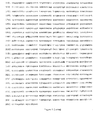
- Figure 1 Sequence of cDNA encoding human parking. The junctions between the exons are indicated. The initiator codon (atg) and the stop codon (tag) are in bold. Change C> T at position 768 is bold and underlined.
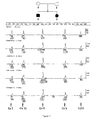
- Figure 2 Families with point mutations in the parkin gene. Complete cosegregation of the mutation with the disease is represented. The black (male) and round (female) squares represent affected individuals with the age of onset (in years) indicated under the patient symbol. The crossed out symbols indicate deceased patients. The number of unaffected, unanalyzed brothers and sisters is given as a diamond. For each mutation (amino acid change), the genotype of the family member is indicated (+ / + homozygous wild, + / heterozygous for the mutation, - / - homozygous for the mutation). Under each genotype, the detection results are given.
- PAGE electrophoregrams with the size of the allele in pb
- ASO autoradiograms of mutated and wild alleles
- PCR / restriction PCR products after digestion with the appropriate restriction enzymes. The length of the fragments in pb is given. Must: timed; nd: age of onset not determined, since patient is not aware of symptoms,
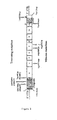
- Fleure 3 Representation and localization of point mutations of the parkin gene.
- the coding sequence of the gene, with its 12 exons, is represented (bar).
- the exons are numbered 1 to 12. 8 causal point mutations are positioned according to their effect on the protein (truncation vs. missense).
- the ubiquitin-like domain and the Ring Finger are hatched.
- UTR untranslated region.
- FIG. 4 Results of the detection of heterozygous exon deletions in a family with early onset parkinsonian syndrome (FPD-GRE-WAG-155) according to the semiquantitative PCR / multiplex method of the invention.
- the squares (male) and round (women) black represent the affected individuals.
- the peaks represent the exons produced by semi-quantitative PCR / multiplex.
- the numbers circled indicate the height of the peaks.
- Graduated ruler above electrophoresis indicates base pair size of PCR products
- Table 2 Summary of the mutations highlighted. The positions of the nucleotides are given according to the sequence of cDNA published in the Japanese DNA data bank (DDBJ; accession number AB009973) and are illustrated in FIG. figure 1 .
- PAGE polyacrylamide gel electrophoresis;
- ASO technique for detecting mutations using an oligonucleotide specific for an allele.
- Table 3 Clinical Characteristics of Patients by Type of Genetic Impairment Patients in the IT-020 family who are composite heterozygotes for a missense mutation and a truncating mutation are not included in Table a: p ⁇ 0.05 for comparison between patients with a homozygous deletion and patients with truncating mutations :
- Table 5 Ratio of the results obtained in the figure 4 .
- the height of the peaks is given for each exon in the left part of the table, the values of the double peaks having summed.
- Exon deletions were detected for the subjects FR 155 5 (exon 3), FR 155 6 (exon 2), FR 155 8 and FR 155 9 (exons 2 + 3). For these last two subjects, the value of the exon 3/2 ratio is normal since both exons were heterozygously deleted.
- Parkinson's syndrome reactive to levodopa ii) age of onset of at least 45 years for at least one of the affected members, and iii) transmission compatible with a Autosomal recessive inheritance.
- 77 families were selected according to the following criteria (as reported in Lücking et al., 1998, Abbas et al, 1999): i) presence of a parkinsonian syndrome with a good response to levodopa ( ⁇ 30% improvement) in at least two siblings (or only one if consanguinity); ii) absence of exclusion criteria such as Babinski's sign, ophthalmoplegia, dementia or autonomic dysfunction occurring before two years of evolution; iii) onset ⁇ 45 years of age in at least one affected person; iv) inheritance consistent with autosomal recessive inheritance (multiple patients in a single generation with or without inbreeding).
- the DNA of the 12 exons coding for the parkin gene was amplified by PCR from peripheral blood leukocytes, for each index case, according to the conditions described in Kitada et al. Briefly, the amplification was carried out on 100 ng of DNA, in the presence of 350 ⁇ M of each dNTP, 350 ⁇ M of each primer, and Taq poly-esterase. The amplification conditions are 35 cycles at 94 ° C for 30 seconds, 55-61 ° C for 30 seconds, and then at 68 ° C for 30 seconds. For exons 4 and 7, only the intronic primer pair was used.
- the sequence of the 12 vexons was performed on both strands with the primers used for PCR amplification, with the "Big Dye Terminator Cycle Sequencing Ready Reaction” sequencing kit (ABI PRISM) and analyzed after ABI 377 sequencer electrophoresis with the "Analysis Analysis 3.0" software (ABI PRISM).
- PCR / restriction with the appropriate restriction enzyme ASO technique ("Allele Specifies Oligonucleotide”)
- PAGE polyacrylamide gel electrophoresis
- the ASO technique This approach consists in hybridizing two oligonucleotide probes on an amplified sample (for example by PCR), the first specific for and covering a genetic alteration, the second specific for and covering the corresponding wild-type region.
- an amplified sample for example by PCR
- the first probe allows hybridization with the DNA fragment
- the second probe allows hybridization with the DNA fragment.
- hybridization is obtained with each of the probes.
- This technique can also be carried out concomitantly with the amplification, using two pairs of primers, the first comprising a primer specific for and covering the corresponding wild-type region:
- the first pair in the presence of a mutated gene, only the first pair allows the amplification of a DNA fragment, whereas in the presence of an unmutated gene, only the second pair of primer allows the amplification of a DNA fragment.
- an amplification product is obtained with each of the pairs of primers.
- oligonucleotides including the primers, in the case of simultaneous amplification
- dCTP32 labeled with dCTP32 using the Terminal Transferase Kit (Boehringer Mannheim)
- SSC Terminal Transferase Kit
- 5 X Denhardts 0.1% SDS.
- the membranes were then washed twice for 30 min in 2xSSC at 59 ° C and exposed to MP (Amersham) film for 3-6 hours.
- PCR / restriction technique This technique is based on the use of restriction enzymes whose digestion profile is modified by genetic alteration. Preferentially, this technique therefore uses restriction enzymes whose site is modified (strait or created) by genetic alteration. Thus, depending on the digestion profile of the nucleic acid (generally the amplification product), it is possible to distinguish the presence or absence of the desired genetic alteration. Of course, this technique is particularly suitable for the search for characterized genetic alterations, resulting in a modification in an enzymatic cleavage site. For its implementation, 15 .mu.l of amplification product is digested in the presence of or appropriate restriction enzymes, according to the manufacturer's recommendations. The particular enzymes used in the examples and the size of the expected restriction fragments are given in Table 2.
- PAGE Polyacrylamide gel electrophoresis technique
- the nucleotide numbering used in this application is given by reference to the sequence of the cDNA contained in DNA Data Bank of Japan (DDBJ; accession number: AB009973).
- the sequence is represented on the figure 1 .
- This sequence differs from the sequence described by Kitada et al. at nucleotide 768.
- the sequence presented on the figure 1 corresponds to the wild protein found in European populations.
- a semi-quantitative PCR which compares the relative level of template DNA is sufficient to determine if missing 50% of the template DNA for one or more exons or, conversely, in the case of a heterozygous or homozygous multiplication, if there is eg 50% (heterozygous duplication), 100% (homozygous duplication or heterozygous triplication) or 200% (homozygous triplication) of excess DNA for one or more exons.
- a homozygous deletion of an exon will be demonstrated by the absence of the corresponding peak. If an exon is deleted in the heterozygous state, the corresponding peak will be half its normal height, which will change the ratio between the exons deleted and not deleted by a factor 2 compared to a control (comparing the high value with the low value; figure 4 and Table 4 on figure 4 ). For exon duplications, the ratios change by a factor of 1.5 for heterozygotes and by a factor of 2 for homozygotes (always by comparing the high value with the low value). Thus, the factors for heterozygous or homozygous triplication are 2 or 3, respectively (always comparing the high value to the low value).
- a 328 base pair (C328) PCR product of a remotely located gene ( Transthyretin gene ) is amplified and served of external standard in one of the multiplex PCRs.
- Transthyretin gene a 328 base pair PCR product of a remotely located gene
- the PCR conditions were permanently adjusted (following in part the recommendations of Henegariu et al (Henegariu et al.
- hybridization and extension temperatures were decreased and MgCl 2 concentration and extension time were increased
- primer concentrations were adjusted from a standard concentration of 0.8 ⁇ M, depending on the amplification efficiency (primer concentrations were decreased for the exons which amplified well, and increased for the others).
- multiplex PCRs were performed at least in two parallel reactions for each individual.
- at least one positive control with a heterozygous deletion of known exons
- one negative control control individual
- Two additional controls were added which did not contain template DNA.
- 1.5 to 2.5 ⁇ l of the PCR product was mixed with 4 ⁇ l of loading buffer (including 0.3 ⁇ l of the Applied Biosystems TAMRA 500 XL size marker). 1.5 ⁇ l of this mixture was loaded onto a 4% denaturing polyacrylamide gel, containing 96 wells on an ABI 377 automatic sequencer.
- the gels were analyzed by GeneSean 3.1 and Genotyper 1.1.1 software (Applied Biosystems). Peak heights are measured as indicated in Genotyper. For double peaks with a difference base pair (caused by Taq polymerase steadily adding an A at each end), the two peak heights are summed. The reports of each peak combinations are calculated for each reaction, using the Excel 5.0 software (Table 5) and the average values are calculated for two reactions.
- ratio differences between the parallel reactions are discordant (for example, due to weak amplification in one of the PCRs)
- the ratios obtained with satisfactory amplification are taken into account provided that they are normal.
- a ratio change of 1.30-1.65 or> 1.75 is interpreted as heterozygous or homozygous duplication, respectively (comparing the high value with the low value).
- a ratio change of a factor of 1.6-2.4 or> 2.6 is interpreted as heterozygous or homozygous triplication, respectively (by comparing the high value with the low value).
- the sequence variants of Parkin were tested for their cosegregation in families (depending on the availability of other samples) and for their presence in a control population without Parkinson's syndrome (61 to 73 individuals). Because of the certainly pathogenic nature of the 1142-1143delGA mutation, controls were not tested for this mutation.
- PAGE polyacrylamide gel electrophoresis
- the primers are shown in the table below.
- Modified primers (not complementary to the wild-type sequence for a base) for PCR: Mutation Restriction enzyme Primer F Primer R Asp280Asn Alw I Ex 70 For 5'-GGCAGGGAGTAGCCAAGTTGAGG AT T-3 '(SEQ ID NO: 12) wild sequence G Arg334Cys BstU I Ex 9 For 5'-AGCCCCGCTCCACAGCCAG C GC-.3 '(SEQ ID NO: 13) wild sequence G The introduced base pair change is underlined by comparison to the wild-type sequence.
- microsatellite markers located near the locus were tested (D6S1579, D6S411, D6S1550 and D6S305) as described by Tassin et al (1998).
- the amplification of the exons revealed the presence of a deletion in the homozygous state in three families: deletion of exon 3 in a French family (SAL-024) and a Portuguese one (SAL-711), and exons 8 and 9 in an Amsterdam family (DEL-001). These deletions are transmitted with the disease because they are detected in each family in the homozygous state in all patients but not in healthy relatives ( figure 2 ).
- the variant 1239G> C (Val380Leu) is found in the heterozygous and homozygous state in 11 families (IT-014, IT-020, IT-058, SAL-017, GRE-029, SAL-038 , TOU-096, SAL-431, UK-006, UK-086, DE-022).
- the variant 1281G> A (Asp394Asn) is detected in the heterozygous state in the family UK-046 and 1345C> A (Thr415Asn) in the homozygous state, in the family IT-014.
- variant 768C> T (Pro223Ser) is not pathogenic because it is detected in the homozygous state, in all the sequenced individuals suggesting that it is a typographical error in the parkin sequence [ Kitada et al., 1998].
- the search for these variants in the control population reveals that three of them represent polymorphisms (Table 2): Ser167Asn, Val380Leu and Asp394Asn.
- the other variants are most likely causal mutations because they cause the synthesis of truncated parkin or non-conservative substitutions or substitutions on one of the amino acids may be phosphorylated. In addition, they segregate with the disease in families and are not detected in 90 control chromosomes,
- introns 2, 3, 6 and 7 are polymorphisms (Table 2). They are not localized near the splice sites and are detected in control chromosomes.
- exon duplication Five new types of exon duplication were detected: a duplication of exon 3 in the homozygous state (SPD-NIC-AIT-091) and a duplication of exon 3 in the heterozygous state (SAL 399 213 ).
- heterozygous duplications of exon 6 FPD-LIL-CHA-171
- exon 7 DE 4001
- exon 11 SAL 399 213
- Two types of triplication were detected: a triplication of exon 2 in the homozygous state (RM 347) and in the heterozygous state (RM 330).
- homozygous exon deletions were detected in 8 families, homozygous point mutations in 10 families, homozygous exon duplication in a family, and exon triplication.
- patients in 21 families were heterozygous composite for two different mutations (3 times for different point mutations, 6 times for point mutation and exon deletion, twice for point mutation and duplication, once). for exon triplication and deletion, once for two different exon duplications and 6 times for two different exon deletions, see example figure 4 ).
- the present invention relates to variants of the Parkin gene , their diagnostic and / or therapeutic use, as well as techniques for detection alterations (including heteronozygous exon deletions and exon multiplications) of the Parkin gene .
- deletions of exon 3 and exons 8-9 the loss of the exon is accompanied by a shift of the reading frame leading to the appearance of a premature termination codon. In the absence of alternative splicing, a truncated protein will result.
- Lys161Asp is associated with a truncating mutation on the other allele that reinforces the hypothesis of a pathogenic role.
- a false sense mutation is conservative (Thr415Asn), but affects a potential phosphorylation site.
- Three of the false sense mutations are present in the state heterozygous in patients whose other mutation has not been characterized. It is likely that these are deletions of one or more exons in the heterozygous state that can not be visualized with the techniques used for this study.
- the parkin gene abnormalities highlighted are varied and there is no hot spot of mutations. It should be noted that the truncated point mutations preferentially correspond to the N- and C-terminal regions of parkin (including in particular the ubiquitin-like and ring RING-finger motifs, respectively) whereas the false-sense type mutations affect the central region. Only two of the mutations described in this first study are found in several families. The homozygous deletion of exon 3 is detected in the French SAL-024 and Portuguese SAL-711 families. The 202-203delAG frameshift mutation (Gln34Arg (Stop37)) is displayed in the heterozygous state in Italian families IT-020 and UKL-086. The different origin of the families is in favor of the hypothesis of the independent occurrence of these mutations.
- the non-deleted exons serve as internal controls in PCR amplification, multiplexed in the same individual.
- Combinations of 4 or 5 axons were chosen so as not to contain more than 2 adjacent exons, since such exons can not serve as controls in the case of a deletion of both.
- the exon of a different gene (Transthyretin) has been co-amplified in one of three combinations to identify heterozygous deletions of the Parkin gene as a whole, This external control was indirectly represented in the other two combinations, which include exons from each other and from exon 9; the latter being tested with transthyretin.
- exonic primers were used, which dismantle the alteration of this exon when there is no PCR product.
- several juxtaposed exons were simultaneously deleted, which is an argument for a large genomic deletion. Heterozygous deletions or multiplications of the entire Parkin gene have not been observed. This is probably a rare event given the very large size (about 500 kb) of this gene (Kitada et al, 1998).
- the identification of 8 new point mutations (6 missense, 1 trafficker and 1 nonsense type) increases the diversity of point mutations in the Parkin gene .
- the mutations described are pathogenic, as shown by segregation with the disease, and are not detected in 122 to 147 chromosome controls (the 1142-1143delGA mutation not included). Even though the Cys289Gly change is conservative, this amino acid change can have significant deleterious consequences, if cysteine at position 289 is involved in a disulfide bridge important for protein function.
- heterozygous exon deletions or exon multiplications allowed us to identify composite heterozygous cases, in about 1/4 of the families (13 of 53) only one mutation was detected. These are 6 cases with a heterozygous point mutation and 7 with an exon deletion in the heterozygous state. The pathogenic role of these mutations is very likely because they cause a non-conservative amino acid change or a truncated protein.
- one of these missense mutations (Arg275Trp) is associated with another heterozygous point mutation (Gly430Asp) and heterozygous exon deletions (exon 3-6 or exon 5 + 6) carried by the another allele in three different families.
Landscapes
- Health & Medical Sciences (AREA)
- Chemical & Material Sciences (AREA)
- Life Sciences & Earth Sciences (AREA)
- Organic Chemistry (AREA)
- Engineering & Computer Science (AREA)
- Genetics & Genomics (AREA)
- Bioinformatics & Cheminformatics (AREA)
- Wood Science & Technology (AREA)
- Zoology (AREA)
- General Health & Medical Sciences (AREA)
- Proteomics, Peptides & Aminoacids (AREA)
- Molecular Biology (AREA)
- Biochemistry (AREA)
- Medicinal Chemistry (AREA)
- Biomedical Technology (AREA)
- Microbiology (AREA)
- General Engineering & Computer Science (AREA)
- Biotechnology (AREA)
- Analytical Chemistry (AREA)
- Immunology (AREA)
- Biophysics (AREA)
- Neurology (AREA)
- Neurosurgery (AREA)
- Pathology (AREA)
- Physics & Mathematics (AREA)
- Veterinary Medicine (AREA)
- Public Health (AREA)
- Animal Behavior & Ethology (AREA)
- Pharmacology & Pharmacy (AREA)
- Nuclear Medicine, Radiotherapy & Molecular Imaging (AREA)
- General Chemical & Material Sciences (AREA)
- Chemical Kinetics & Catalysis (AREA)
- Pain & Pain Management (AREA)
- Psychology (AREA)
- Measuring Or Testing Involving Enzymes Or Micro-Organisms (AREA)
- Peptides Or Proteins (AREA)
- Micro-Organisms Or Cultivation Processes Thereof (AREA)
- Medicines That Contain Protein Lipid Enzymes And Other Medicines (AREA)
- Medicines Containing Antibodies Or Antigens For Use As Internal Diagnostic Agents (AREA)
- Investigating Or Analysing Biological Materials (AREA)
Priority Applications (3)
| Application Number | Priority Date | Filing Date | Title |
|---|---|---|---|
| EP10184008A EP2345722A1 (de) | 1998-11-19 | 1999-11-18 | Mutations des Parkin-Gens, Zusammensetzungen, Vervahren und Anwendungen |
| EP10184027A EP2311954A1 (de) | 1998-11-19 | 1999-11-18 | Mutationen des Parkin-gens, Zusammensetzungen, Verfahren und Verwendungen |
| EP10184042A EP2305816A1 (de) | 1998-11-19 | 1999-11-18 | Mutationen des Parkin-Gens, Zusammensetzungen, Verfahren und Verwendungen |
Applications Claiming Priority (4)
| Application Number | Priority Date | Filing Date | Title |
|---|---|---|---|
| FR9814524A FR2786199B1 (fr) | 1998-11-19 | 1998-11-19 | Mutations du gene de la parkine, compositions, methodes et utilisations |
| US12423999P | 1999-03-12 | 1999-03-12 | |
| FR9910140A FR2797272B1 (fr) | 1999-08-04 | 1999-08-04 | Nouvelles mutations du gene de la parkine, compositions, methodes et utilisations |
| EP99956079A EP1131424B1 (de) | 1998-11-19 | 1999-11-18 | Mutationen des parkin-gens, zusammensetzungen, verfahren und verwendungen |
Related Parent Applications (2)
| Application Number | Title | Priority Date | Filing Date |
|---|---|---|---|
| EP99956079.0 Division | 1999-11-18 | ||
| EP99956079A Division EP1131424B1 (de) | 1998-11-19 | 1999-11-18 | Mutationen des parkin-gens, zusammensetzungen, verfahren und verwendungen |
Publications (2)
| Publication Number | Publication Date |
|---|---|
| EP2128257A2 true EP2128257A2 (de) | 2009-12-02 |
| EP2128257A3 EP2128257A3 (de) | 2010-03-03 |
Family
ID=27253486
Family Applications (5)
| Application Number | Title | Priority Date | Filing Date |
|---|---|---|---|
| EP10184008A Withdrawn EP2345722A1 (de) | 1998-11-19 | 1999-11-18 | Mutations des Parkin-Gens, Zusammensetzungen, Vervahren und Anwendungen |
| EP10184027A Withdrawn EP2311954A1 (de) | 1998-11-19 | 1999-11-18 | Mutationen des Parkin-gens, Zusammensetzungen, Verfahren und Verwendungen |
| EP10184042A Withdrawn EP2305816A1 (de) | 1998-11-19 | 1999-11-18 | Mutationen des Parkin-Gens, Zusammensetzungen, Verfahren und Verwendungen |
| EP99956079A Expired - Lifetime EP1131424B1 (de) | 1998-11-19 | 1999-11-18 | Mutationen des parkin-gens, zusammensetzungen, verfahren und verwendungen |
| EP09167384A Withdrawn EP2128257A3 (de) | 1998-11-19 | 1999-11-18 | Mutationen des parkin-gens, zusammensetzungen, verfahren und verwendungen |
Family Applications Before (4)
| Application Number | Title | Priority Date | Filing Date |
|---|---|---|---|
| EP10184008A Withdrawn EP2345722A1 (de) | 1998-11-19 | 1999-11-18 | Mutations des Parkin-Gens, Zusammensetzungen, Vervahren und Anwendungen |
| EP10184027A Withdrawn EP2311954A1 (de) | 1998-11-19 | 1999-11-18 | Mutationen des Parkin-gens, Zusammensetzungen, Verfahren und Verwendungen |
| EP10184042A Withdrawn EP2305816A1 (de) | 1998-11-19 | 1999-11-18 | Mutationen des Parkin-Gens, Zusammensetzungen, Verfahren und Verwendungen |
| EP99956079A Expired - Lifetime EP1131424B1 (de) | 1998-11-19 | 1999-11-18 | Mutationen des parkin-gens, zusammensetzungen, verfahren und verwendungen |
Country Status (15)
| Country | Link |
|---|---|
| US (3) | US8835618B2 (de) |
| EP (5) | EP2345722A1 (de) |
| JP (1) | JP5424519B2 (de) |
| AT (1) | ATE440138T1 (de) |
| AU (1) | AU778281B2 (de) |
| CA (1) | CA2351567C (de) |
| CY (1) | CY1110535T1 (de) |
| DE (1) | DE69941300D1 (de) |
| DK (1) | DK1131424T3 (de) |
| ES (1) | ES2330281T3 (de) |
| IL (3) | IL142755A0 (de) |
| NO (5) | NO330896B1 (de) |
| NZ (1) | NZ512313A (de) |
| PT (1) | PT1131424E (de) |
| WO (1) | WO2000031253A2 (de) |
Families Citing this family (7)
| Publication number | Priority date | Publication date | Assignee | Title |
|---|---|---|---|---|
| EP1081225A1 (de) * | 1999-08-30 | 2001-03-07 | Biofrontera Pharmaceuticals GmbH | Transgenes Tiermodel für neurodegenerative Erkrankungen |
| AU2001264950A1 (en) * | 2000-05-26 | 2001-12-11 | Duke University | Methods of screening for parkinson's disease |
| FR2845245A1 (fr) * | 2002-10-07 | 2004-04-09 | Aventis Pharma Sa | Modele animal de la maladie de parkinson |
| US7807465B2 (en) | 2004-10-27 | 2010-10-05 | Duke University | Methods for identifying an individual at increased risk of developing coronary artery disease |
| US7790390B2 (en) | 2004-10-27 | 2010-09-07 | Duke University | Methods for identifying an individual at increased risk of developing coronary artery disease |
| CN110295147A (zh) * | 2019-07-22 | 2019-10-01 | 新乡医学院 | 一种食管癌细胞系中功能基因敲除后增殖表型的快速鉴定方法及其应用 |
| JP2023526449A (ja) * | 2020-05-21 | 2023-06-21 | ニスノバイオ ジーティー,エルエルシー | パーキンソン病を治療するための、増加した活性を有するパーキン変異体の遺伝子治療送達 |
Family Cites Families (4)
| Publication number | Priority date | Publication date | Assignee | Title |
|---|---|---|---|---|
| WO1995009914A1 (en) * | 1993-10-05 | 1995-04-13 | Asahi Glass Company Ltd. | Multicloning vector, expression vector, and production of foreign protein with expression vector |
| ES2168472T3 (es) | 1995-06-06 | 2002-06-16 | Beth Israel Hospital | Procedimiento y aparato para ensayo diagnostico de adn. |
| ES2257029T3 (es) | 1998-02-09 | 2006-07-16 | Boehringer Ingelheim International Gmbh | Dnas o genes que participan en la enfermedad de parkinson. |
| CA2872581C (fr) * | 1998-11-19 | 2018-04-10 | Aventis Pharma S.A. | Mutations du gene de la parkine, compositions, methodes et utilisations |
-
1999
- 1999-11-18 EP EP10184008A patent/EP2345722A1/de not_active Withdrawn
- 1999-11-18 EP EP10184027A patent/EP2311954A1/de not_active Withdrawn
- 1999-11-18 CA CA2351567A patent/CA2351567C/fr not_active Expired - Lifetime
- 1999-11-18 ES ES99956079T patent/ES2330281T3/es not_active Expired - Lifetime
- 1999-11-18 DE DE69941300T patent/DE69941300D1/de not_active Expired - Lifetime
- 1999-11-18 PT PT99956079T patent/PT1131424E/pt unknown
- 1999-11-18 NZ NZ512313A patent/NZ512313A/en not_active IP Right Cessation
- 1999-11-18 AU AU12769/00A patent/AU778281B2/en not_active Ceased
- 1999-11-18 EP EP10184042A patent/EP2305816A1/de not_active Withdrawn
- 1999-11-18 EP EP99956079A patent/EP1131424B1/de not_active Expired - Lifetime
- 1999-11-18 IL IL14275599A patent/IL142755A0/xx unknown
- 1999-11-18 AT AT99956079T patent/ATE440138T1/de active
- 1999-11-18 EP EP09167384A patent/EP2128257A3/de not_active Withdrawn
- 1999-11-18 DK DK99956079T patent/DK1131424T3/da active
- 1999-11-18 WO PCT/FR1999/002833 patent/WO2000031253A2/fr not_active Ceased
- 1999-11-18 JP JP2000584062A patent/JP5424519B2/ja not_active Expired - Lifetime
-
2001
- 2001-04-23 IL IL142755A patent/IL142755A/en not_active IP Right Cessation
- 2001-05-11 NO NO20012342A patent/NO330896B1/no not_active IP Right Cessation
-
2007
- 2007-11-26 IL IL187652A patent/IL187652A/en not_active IP Right Cessation
-
2009
- 2009-11-11 CY CY20091101178T patent/CY1110535T1/el unknown
-
2011
- 2011-04-14 NO NO20110578A patent/NO332173B1/no not_active IP Right Cessation
- 2011-04-14 NO NO20110582A patent/NO333907B1/no not_active IP Right Cessation
- 2011-04-14 NO NO20110577A patent/NO332174B1/no not_active IP Right Cessation
- 2011-04-14 NO NO20110580A patent/NO333906B1/no not_active IP Right Cessation
- 2011-08-15 US US13/209,495 patent/US8835618B2/en not_active Expired - Fee Related
-
2014
- 2014-08-07 US US14/454,026 patent/US9540693B2/en not_active Expired - Fee Related
-
2016
- 2016-11-04 US US15/343,323 patent/US20170183736A1/en not_active Abandoned
Non-Patent Citations (9)
Also Published As
Similar Documents
| Publication | Publication Date | Title |
|---|---|---|
| US20170183736A1 (en) | Mutations of the parkin gene, compositions, methods and uses | |
| Bjerre et al. | Porcine parkin: molecular cloning of PARK2 cDNA, expression analysis, and identification of a splicing variant | |
| CA2872581C (fr) | Mutations du gene de la parkine, compositions, methodes et utilisations | |
| US20110245492A1 (en) | Novel allelic variant of cyp2c19 associated with drug metabolism | |
| NZ337351A (en) | Diagnosis of glaucoma by detecting a mutation in a human cytochrome P4501B1 gene | |
| EP1639139B1 (de) | Verfahren zur diagnose und prognose von morbus alzheimer | |
| EP1712643B9 (de) | Verhinderung der durch 5-Fluorouracil verursachten Toxizitäten | |
| FR2797272A1 (fr) | Nouvelles mutations du gene de la parkine, compositions, methodes et utilisations | |
| FR2786199A1 (fr) | Mutations du gene de la parkine, compositions, methodes et utilisations | |
| Anastasovska et al. | Intron 2 splice mutation at CYP21 gene in patients with congenital adrenal hyperplasia in the republic of Macedonia | |
| FR2832420A1 (fr) | Sequence d'adn associee au syndrome d'alstrom(alms1) | |
| EP1356102A2 (de) | Sequenzpolymorphismen des humanen gens abca1, deren verwendungen sowie methoden und kits zu deren nachweis | |
| WO2002046460A2 (fr) | Methode de detection d'un risque d'atherosclerose | |
| FR2815970A1 (fr) | Sequences polymorphes du gene humain abca1, leurs utilisations, les methodes et kits de detection |
Legal Events
| Date | Code | Title | Description |
|---|---|---|---|
| PUAI | Public reference made under article 153(3) epc to a published international application that has entered the european phase |
Free format text: ORIGINAL CODE: 0009012 |
|
| AC | Divisional application: reference to earlier application |
Ref document number: 1131424 Country of ref document: EP Kind code of ref document: P |
|
| AK | Designated contracting states |
Kind code of ref document: A2 Designated state(s): AT BE CH CY DE DK ES FI FR GB GR IE IT LI LU MC NL PT SE |
|
| PUAL | Search report despatched |
Free format text: ORIGINAL CODE: 0009013 |
|
| RIN1 | Information on inventor provided before grant (corrected) |
Inventor name: BOULEY, SANDRINE Inventor name: RICARD, SYLVAIN Inventor name: DENEFLE, PATRICE Inventor name: BRICE, ALEXIS Inventor name: LUCKING, CHRISTOPHE Inventor name: ABBAS, NACER, EDDINE |
|
| AK | Designated contracting states |
Kind code of ref document: A3 Designated state(s): AT BE CH CY DE DK ES FI FR GB GR IE IT LI LU MC NL PT SE |
|
| 17P | Request for examination filed |
Effective date: 20100903 |
|
| 17Q | First examination report despatched |
Effective date: 20101001 |
|
| STAA | Information on the status of an ep patent application or granted ep patent |
Free format text: STATUS: THE APPLICATION IS DEEMED TO BE WITHDRAWN |
|
| 18D | Application deemed to be withdrawn |
Effective date: 20150418 |