EP2129392B1 - Verfahren zur verabreichung eines impfstoffes - Google Patents
Verfahren zur verabreichung eines impfstoffes Download PDFInfo
- Publication number
- EP2129392B1 EP2129392B1 EP07825750.8A EP07825750A EP2129392B1 EP 2129392 B1 EP2129392 B1 EP 2129392B1 EP 07825750 A EP07825750 A EP 07825750A EP 2129392 B1 EP2129392 B1 EP 2129392B1
- Authority
- EP
- European Patent Office
- Prior art keywords
- tcid
- dose
- vaccine
- inclusive
- virus
- Prior art date
- Legal status (The legal status is an assumption and is not a legal conclusion. Google has not performed a legal analysis and makes no representation as to the accuracy of the status listed.)
- Revoked
Links
Images


Classifications
-
- A—HUMAN NECESSITIES
- A61—MEDICAL OR VETERINARY SCIENCE; HYGIENE
- A61K—PREPARATIONS FOR MEDICAL, DENTAL OR TOILETRY PURPOSES
- A61K39/00—Medicinal preparations containing antigens or antibodies
- A61K39/12—Viral antigens
- A61K39/235—Adenoviridae
-
- A—HUMAN NECESSITIES
- A61—MEDICAL OR VETERINARY SCIENCE; HYGIENE
- A61K—PREPARATIONS FOR MEDICAL, DENTAL OR TOILETRY PURPOSES
- A61K39/00—Medicinal preparations containing antigens or antibodies
- A61K39/12—Viral antigens
- A61K39/295—Polyvalent viral antigens; Mixtures of viral and bacterial antigens
-
- A—HUMAN NECESSITIES
- A61—MEDICAL OR VETERINARY SCIENCE; HYGIENE
- A61K—PREPARATIONS FOR MEDICAL, DENTAL OR TOILETRY PURPOSES
- A61K39/00—Medicinal preparations containing antigens or antibodies
- A61K39/02—Bacterial antigens
-
- A—HUMAN NECESSITIES
- A61—MEDICAL OR VETERINARY SCIENCE; HYGIENE
- A61K—PREPARATIONS FOR MEDICAL, DENTAL OR TOILETRY PURPOSES
- A61K39/00—Medicinal preparations containing antigens or antibodies
- A61K39/02—Bacterial antigens
- A61K39/0225—Spirochetes, e.g. Treponema, Leptospira, Borrelia
-
- A—HUMAN NECESSITIES
- A61—MEDICAL OR VETERINARY SCIENCE; HYGIENE
- A61K—PREPARATIONS FOR MEDICAL, DENTAL OR TOILETRY PURPOSES
- A61K39/00—Medicinal preparations containing antigens or antibodies
- A61K39/02—Bacterial antigens
- A61K39/099—Bordetella
-
- A—HUMAN NECESSITIES
- A61—MEDICAL OR VETERINARY SCIENCE; HYGIENE
- A61K—PREPARATIONS FOR MEDICAL, DENTAL OR TOILETRY PURPOSES
- A61K39/00—Medicinal preparations containing antigens or antibodies
- A61K39/12—Viral antigens
-
- A—HUMAN NECESSITIES
- A61—MEDICAL OR VETERINARY SCIENCE; HYGIENE
- A61K—PREPARATIONS FOR MEDICAL, DENTAL OR TOILETRY PURPOSES
- A61K39/00—Medicinal preparations containing antigens or antibodies
- A61K39/12—Viral antigens
- A61K39/155—Paramyxoviridae, e.g. parainfluenza virus
-
- A—HUMAN NECESSITIES
- A61—MEDICAL OR VETERINARY SCIENCE; HYGIENE
- A61K—PREPARATIONS FOR MEDICAL, DENTAL OR TOILETRY PURPOSES
- A61K39/00—Medicinal preparations containing antigens or antibodies
- A61K39/12—Viral antigens
- A61K39/155—Paramyxoviridae, e.g. parainfluenza virus
- A61K39/175—Canine distemper virus
-
- A—HUMAN NECESSITIES
- A61—MEDICAL OR VETERINARY SCIENCE; HYGIENE
- A61K—PREPARATIONS FOR MEDICAL, DENTAL OR TOILETRY PURPOSES
- A61K39/00—Medicinal preparations containing antigens or antibodies
- A61K39/12—Viral antigens
- A61K39/23—Parvoviridae, e.g. feline panleukopenia virus
-
- A—HUMAN NECESSITIES
- A61—MEDICAL OR VETERINARY SCIENCE; HYGIENE
- A61P—SPECIFIC THERAPEUTIC ACTIVITY OF CHEMICAL COMPOUNDS OR MEDICINAL PREPARATIONS
- A61P31/00—Antiinfectives, i.e. antibiotics, antiseptics, chemotherapeutics
- A61P31/04—Antibacterial agents
-
- A—HUMAN NECESSITIES
- A61—MEDICAL OR VETERINARY SCIENCE; HYGIENE
- A61P—SPECIFIC THERAPEUTIC ACTIVITY OF CHEMICAL COMPOUNDS OR MEDICINAL PREPARATIONS
- A61P31/00—Antiinfectives, i.e. antibiotics, antiseptics, chemotherapeutics
- A61P31/12—Antivirals
-
- A—HUMAN NECESSITIES
- A61—MEDICAL OR VETERINARY SCIENCE; HYGIENE
- A61P—SPECIFIC THERAPEUTIC ACTIVITY OF CHEMICAL COMPOUNDS OR MEDICINAL PREPARATIONS
- A61P37/00—Drugs for immunological or allergic disorders
- A61P37/02—Immunomodulators
- A61P37/04—Immunostimulants
-
- C—CHEMISTRY; METALLURGY
- C07—ORGANIC CHEMISTRY
- C07K—PEPTIDES
- C07K14/00—Peptides having more than 20 amino acids; Gastrins; Somatostatins; Melanotropins; Derivatives thereof
- C07K14/005—Peptides having more than 20 amino acids; Gastrins; Somatostatins; Melanotropins; Derivatives thereof from viruses
-
- C—CHEMISTRY; METALLURGY
- C12—BIOCHEMISTRY; BEER; SPIRITS; WINE; VINEGAR; MICROBIOLOGY; ENZYMOLOGY; MUTATION OR GENETIC ENGINEERING
- C12N—MICROORGANISMS OR ENZYMES; COMPOSITIONS THEREOF; PROPAGATING, PRESERVING, OR MAINTAINING MICROORGANISMS; MUTATION OR GENETIC ENGINEERING; CULTURE MEDIA
- C12N7/00—Viruses; Bacteriophages; Compositions thereof; Preparation or purification thereof
-
- A—HUMAN NECESSITIES
- A61—MEDICAL OR VETERINARY SCIENCE; HYGIENE
- A61K—PREPARATIONS FOR MEDICAL, DENTAL OR TOILETRY PURPOSES
- A61K39/00—Medicinal preparations containing antigens or antibodies
- A61K2039/51—Medicinal preparations containing antigens or antibodies comprising whole cells, viruses or DNA/RNA
- A61K2039/525—Virus
-
- A—HUMAN NECESSITIES
- A61—MEDICAL OR VETERINARY SCIENCE; HYGIENE
- A61K—PREPARATIONS FOR MEDICAL, DENTAL OR TOILETRY PURPOSES
- A61K39/00—Medicinal preparations containing antigens or antibodies
- A61K2039/51—Medicinal preparations containing antigens or antibodies comprising whole cells, viruses or DNA/RNA
- A61K2039/525—Virus
- A61K2039/5254—Virus avirulent or attenuated
-
- A—HUMAN NECESSITIES
- A61—MEDICAL OR VETERINARY SCIENCE; HYGIENE
- A61K—PREPARATIONS FOR MEDICAL, DENTAL OR TOILETRY PURPOSES
- A61K39/00—Medicinal preparations containing antigens or antibodies
- A61K2039/54—Medicinal preparations containing antigens or antibodies characterised by the route of administration
- A61K2039/541—Mucosal route
- A61K2039/542—Mucosal route oral/gastrointestinal
-
- A—HUMAN NECESSITIES
- A61—MEDICAL OR VETERINARY SCIENCE; HYGIENE
- A61K—PREPARATIONS FOR MEDICAL, DENTAL OR TOILETRY PURPOSES
- A61K39/00—Medicinal preparations containing antigens or antibodies
- A61K2039/545—Medicinal preparations containing antigens or antibodies characterised by the dose, timing or administration schedule
-
- A—HUMAN NECESSITIES
- A61—MEDICAL OR VETERINARY SCIENCE; HYGIENE
- A61K—PREPARATIONS FOR MEDICAL, DENTAL OR TOILETRY PURPOSES
- A61K39/00—Medicinal preparations containing antigens or antibodies
- A61K2039/55—Medicinal preparations containing antigens or antibodies characterised by the host/recipient, e.g. newborn with maternal antibodies
- A61K2039/552—Veterinary vaccine
-
- A—HUMAN NECESSITIES
- A61—MEDICAL OR VETERINARY SCIENCE; HYGIENE
- A61K—PREPARATIONS FOR MEDICAL, DENTAL OR TOILETRY PURPOSES
- A61K39/00—Medicinal preparations containing antigens or antibodies
- A61K2039/70—Multivalent vaccine
-
- A—HUMAN NECESSITIES
- A61—MEDICAL OR VETERINARY SCIENCE; HYGIENE
- A61K—PREPARATIONS FOR MEDICAL, DENTAL OR TOILETRY PURPOSES
- A61K39/00—Medicinal preparations containing antigens or antibodies
-
- C—CHEMISTRY; METALLURGY
- C12—BIOCHEMISTRY; BEER; SPIRITS; WINE; VINEGAR; MICROBIOLOGY; ENZYMOLOGY; MUTATION OR GENETIC ENGINEERING
- C12N—MICROORGANISMS OR ENZYMES; COMPOSITIONS THEREOF; PROPAGATING, PRESERVING, OR MAINTAINING MICROORGANISMS; MUTATION OR GENETIC ENGINEERING; CULTURE MEDIA
- C12N2710/00—MICROORGANISMS OR ENZYMES; COMPOSITIONS THEREOF; PROPAGATING, PRESERVING, OR MAINTAINING MICROORGANISMS; MUTATION OR GENETIC ENGINEERING; CULTURE MEDIA dsDNA viruses
- C12N2710/00011—Details
- C12N2710/10011—Adenoviridae
- C12N2710/10034—Use of virus or viral component as vaccine, e.g. live-attenuated or inactivated virus, VLP, viral protein
-
- C—CHEMISTRY; METALLURGY
- C12—BIOCHEMISTRY; BEER; SPIRITS; WINE; VINEGAR; MICROBIOLOGY; ENZYMOLOGY; MUTATION OR GENETIC ENGINEERING
- C12N—MICROORGANISMS OR ENZYMES; COMPOSITIONS THEREOF; PROPAGATING, PRESERVING, OR MAINTAINING MICROORGANISMS; MUTATION OR GENETIC ENGINEERING; CULTURE MEDIA
- C12N2710/00—MICROORGANISMS OR ENZYMES; COMPOSITIONS THEREOF; PROPAGATING, PRESERVING, OR MAINTAINING MICROORGANISMS; MUTATION OR GENETIC ENGINEERING; CULTURE MEDIA dsDNA viruses
- C12N2710/00011—Details
- C12N2710/10011—Adenoviridae
- C12N2710/10071—Demonstrated in vivo effect
-
- C—CHEMISTRY; METALLURGY
- C12—BIOCHEMISTRY; BEER; SPIRITS; WINE; VINEGAR; MICROBIOLOGY; ENZYMOLOGY; MUTATION OR GENETIC ENGINEERING
- C12N—MICROORGANISMS OR ENZYMES; COMPOSITIONS THEREOF; PROPAGATING, PRESERVING, OR MAINTAINING MICROORGANISMS; MUTATION OR GENETIC ENGINEERING; CULTURE MEDIA
- C12N2710/00—MICROORGANISMS OR ENZYMES; COMPOSITIONS THEREOF; PROPAGATING, PRESERVING, OR MAINTAINING MICROORGANISMS; MUTATION OR GENETIC ENGINEERING; CULTURE MEDIA dsDNA viruses
- C12N2710/00011—Details
- C12N2710/10011—Adenoviridae
- C12N2710/10311—Mastadenovirus, e.g. human or simian adenoviruses
- C12N2710/10334—Use of virus or viral component as vaccine, e.g. live-attenuated or inactivated virus, VLP, viral protein
-
- C—CHEMISTRY; METALLURGY
- C12—BIOCHEMISTRY; BEER; SPIRITS; WINE; VINEGAR; MICROBIOLOGY; ENZYMOLOGY; MUTATION OR GENETIC ENGINEERING
- C12N—MICROORGANISMS OR ENZYMES; COMPOSITIONS THEREOF; PROPAGATING, PRESERVING, OR MAINTAINING MICROORGANISMS; MUTATION OR GENETIC ENGINEERING; CULTURE MEDIA
- C12N2750/00—MICROORGANISMS OR ENZYMES; COMPOSITIONS THEREOF; PROPAGATING, PRESERVING, OR MAINTAINING MICROORGANISMS; MUTATION OR GENETIC ENGINEERING; CULTURE MEDIA ssDNA viruses
- C12N2750/00011—Details
- C12N2750/14011—Parvoviridae
- C12N2750/14034—Use of virus or viral component as vaccine, e.g. live-attenuated or inactivated virus, VLP, viral protein
-
- C—CHEMISTRY; METALLURGY
- C12—BIOCHEMISTRY; BEER; SPIRITS; WINE; VINEGAR; MICROBIOLOGY; ENZYMOLOGY; MUTATION OR GENETIC ENGINEERING
- C12N—MICROORGANISMS OR ENZYMES; COMPOSITIONS THEREOF; PROPAGATING, PRESERVING, OR MAINTAINING MICROORGANISMS; MUTATION OR GENETIC ENGINEERING; CULTURE MEDIA
- C12N2750/00—MICROORGANISMS OR ENZYMES; COMPOSITIONS THEREOF; PROPAGATING, PRESERVING, OR MAINTAINING MICROORGANISMS; MUTATION OR GENETIC ENGINEERING; CULTURE MEDIA ssDNA viruses
- C12N2750/00011—Details
- C12N2750/14011—Parvoviridae
- C12N2750/14071—Demonstrated in vivo effect
-
- C—CHEMISTRY; METALLURGY
- C12—BIOCHEMISTRY; BEER; SPIRITS; WINE; VINEGAR; MICROBIOLOGY; ENZYMOLOGY; MUTATION OR GENETIC ENGINEERING
- C12N—MICROORGANISMS OR ENZYMES; COMPOSITIONS THEREOF; PROPAGATING, PRESERVING, OR MAINTAINING MICROORGANISMS; MUTATION OR GENETIC ENGINEERING; CULTURE MEDIA
- C12N2750/00—MICROORGANISMS OR ENZYMES; COMPOSITIONS THEREOF; PROPAGATING, PRESERVING, OR MAINTAINING MICROORGANISMS; MUTATION OR GENETIC ENGINEERING; CULTURE MEDIA ssDNA viruses
- C12N2750/00011—Details
- C12N2750/14011—Parvoviridae
- C12N2750/14311—Parvovirus, e.g. minute virus of mice
- C12N2750/14334—Use of virus or viral component as vaccine, e.g. live-attenuated or inactivated virus, VLP, viral protein
-
- C—CHEMISTRY; METALLURGY
- C12—BIOCHEMISTRY; BEER; SPIRITS; WINE; VINEGAR; MICROBIOLOGY; ENZYMOLOGY; MUTATION OR GENETIC ENGINEERING
- C12N—MICROORGANISMS OR ENZYMES; COMPOSITIONS THEREOF; PROPAGATING, PRESERVING, OR MAINTAINING MICROORGANISMS; MUTATION OR GENETIC ENGINEERING; CULTURE MEDIA
- C12N2760/00—MICROORGANISMS OR ENZYMES; COMPOSITIONS THEREOF; PROPAGATING, PRESERVING, OR MAINTAINING MICROORGANISMS; MUTATION OR GENETIC ENGINEERING; CULTURE MEDIA ssRNA viruses negative-sense
- C12N2760/00011—Details
- C12N2760/18011—Paramyxoviridae
- C12N2760/18034—Use of virus or viral component as vaccine, e.g. live-attenuated or inactivated virus, VLP, viral protein
-
- C—CHEMISTRY; METALLURGY
- C12—BIOCHEMISTRY; BEER; SPIRITS; WINE; VINEGAR; MICROBIOLOGY; ENZYMOLOGY; MUTATION OR GENETIC ENGINEERING
- C12N—MICROORGANISMS OR ENZYMES; COMPOSITIONS THEREOF; PROPAGATING, PRESERVING, OR MAINTAINING MICROORGANISMS; MUTATION OR GENETIC ENGINEERING; CULTURE MEDIA
- C12N2760/00—MICROORGANISMS OR ENZYMES; COMPOSITIONS THEREOF; PROPAGATING, PRESERVING, OR MAINTAINING MICROORGANISMS; MUTATION OR GENETIC ENGINEERING; CULTURE MEDIA ssRNA viruses negative-sense
- C12N2760/00011—Details
- C12N2760/18011—Paramyxoviridae
- C12N2760/18071—Demonstrated in vivo effect
-
- C—CHEMISTRY; METALLURGY
- C12—BIOCHEMISTRY; BEER; SPIRITS; WINE; VINEGAR; MICROBIOLOGY; ENZYMOLOGY; MUTATION OR GENETIC ENGINEERING
- C12N—MICROORGANISMS OR ENZYMES; COMPOSITIONS THEREOF; PROPAGATING, PRESERVING, OR MAINTAINING MICROORGANISMS; MUTATION OR GENETIC ENGINEERING; CULTURE MEDIA
- C12N2760/00—MICROORGANISMS OR ENZYMES; COMPOSITIONS THEREOF; PROPAGATING, PRESERVING, OR MAINTAINING MICROORGANISMS; MUTATION OR GENETIC ENGINEERING; CULTURE MEDIA ssRNA viruses negative-sense
- C12N2760/00011—Details
- C12N2760/18011—Paramyxoviridae
- C12N2760/18411—Morbillivirus, e.g. Measles virus, canine distemper
- C12N2760/18434—Use of virus or viral component as vaccine, e.g. live-attenuated or inactivated virus, VLP, viral protein
-
- C—CHEMISTRY; METALLURGY
- C12—BIOCHEMISTRY; BEER; SPIRITS; WINE; VINEGAR; MICROBIOLOGY; ENZYMOLOGY; MUTATION OR GENETIC ENGINEERING
- C12N—MICROORGANISMS OR ENZYMES; COMPOSITIONS THEREOF; PROPAGATING, PRESERVING, OR MAINTAINING MICROORGANISMS; MUTATION OR GENETIC ENGINEERING; CULTURE MEDIA
- C12N2760/00—MICROORGANISMS OR ENZYMES; COMPOSITIONS THEREOF; PROPAGATING, PRESERVING, OR MAINTAINING MICROORGANISMS; MUTATION OR GENETIC ENGINEERING; CULTURE MEDIA ssRNA viruses negative-sense
- C12N2760/00011—Details
- C12N2760/18011—Paramyxoviridae
- C12N2760/18411—Morbillivirus, e.g. Measles virus, canine distemper
- C12N2760/18471—Demonstrated in vivo effect
-
- C—CHEMISTRY; METALLURGY
- C12—BIOCHEMISTRY; BEER; SPIRITS; WINE; VINEGAR; MICROBIOLOGY; ENZYMOLOGY; MUTATION OR GENETIC ENGINEERING
- C12N—MICROORGANISMS OR ENZYMES; COMPOSITIONS THEREOF; PROPAGATING, PRESERVING, OR MAINTAINING MICROORGANISMS; MUTATION OR GENETIC ENGINEERING; CULTURE MEDIA
- C12N2770/00—MICROORGANISMS OR ENZYMES; COMPOSITIONS THEREOF; PROPAGATING, PRESERVING, OR MAINTAINING MICROORGANISMS; MUTATION OR GENETIC ENGINEERING; CULTURE MEDIA ssRNA viruses positive-sense
- C12N2770/00011—Details
- C12N2770/20011—Coronaviridae
- C12N2770/20022—New viral proteins or individual genes, new structural or functional aspects of known viral proteins or genes
Definitions
- This invention relates to a method of treating a dog for canine diseases comprising administering to the dog therapeutically effective amounts of vaccine, wherein the vaccine comprises viral antigens, a bacterin, or both, and wherein the vaccine is administered subcutaneously or orally according to the schedules provided herein.
- Vaccines against major canine Infectious disease have been available for three to four decades, and they have greatly reduced the incidence of these infectious diseases in dogs ( Appel, MJ. 1999. Adv Vet Med. 41:309-324 ).
- Pfizer Animal Health sells several vaccines for prevention of diseases associated with various viral and bacterial diseases in dogs.
- the VANGUARD® line of vaccines is used for the vaccination of healthy dogs 6 weeks of age or older as an aid in preventing canine distemper (CD) caused by canine distemper (CD) virus, infectious canine hepatitis (ICH) caused by canine adenovirus type 1 (CAV-1), respiratory disease caused by canine adenovirus type 2 (CAV-2), canine parainfluenza (CPI) caused by canine parainfluenza (CPI) virus, and canine parvoviral enteritis caused by canine parvovirus (CPV) ( Mouzin DE, et al., 2004, JAVMA, 224: 55-60 ).
- CD is a high morbidity, high mortality viral disease occurring in unvaccinated dog populations worldwide. Approximately 50% of non-vaccinated, non-immune dogs infected with CDV develop clinical signs and approximately 90% of those dogs die ( Swango LJ. 1983. Norden News 58:4-10 ).
- ICH caused by CAV-1, is a universal, sometimes fatal, viral disease of dogs characterized by hepatic and generalized endothelial lesions.
- the respiratory disease caused by CAV-2 in severe cases, may include pneumonia and bronchopneumonia.
- CAV-2 vaccine has been shown to cross-protect against ICH caused by CAV-1 ( Bass EP, et al., 1980, JAVMA, 177:234-242 ).
- the upper respiratory disease caused by CPI virus may be mild or subclinical, with signs becoming more severe if concurrent infection with other respiratory pathogens exists.
- the enteric disease caused by CPV is characterized by sudden onset of vomiting and diarrhea, often hemorrhagic, and may be accompanied by leukopenia ( Appel MJ, et al., 1979, Vet Rec, 105:156-159 ).
- a canine vaccine that could be delivered easily would provide increased convenience of vaccine delivery to the pet, the veterinarian, and the pet owner, and allow for personnel untrained in parenteral administration techniques to deliver canine core vaccines to animals.
- the present invention provides a vaccine for use in a method for vaccinating a dog for canine diseases; wherein the vaccine comprises the following modified live viruses: 1) canine distemper (CD) virus, 2) canine adenovirus type 2 (CAV-2), 3) canine parainfluenza (CPI) virus, and 4) canine parvovirus (CPV), and characterized in that the vaccine is administered subcutaneously in a first dose, orally in a second dose administered from 7 to 35 days inclusive after the first dose, orally in an optional third dose from 7 to 35 days inclusive after the second dose, and orally one year, or one year plus or minus 36 days, after the first dose.
- CD canine distemper
- CAV-2 canine adenovirus type 2
- CAV-2 canine parainfluenza
- CPV canine parvovirus
- a method of treating a dog for canine diseases comprising administering to the dog therapeutically effective amounts of vaccine, wherein the vaccine comprises viral antigens, a bacterin, or both, and wherein the vaccine is administered subcutaneously or orally in a first dose, orally In a second dose, orally in an optional third dose, and orally in one or more annual doses.
- the viral antigens comprise one or more of 1) canine distemper (CD) virus, 2) canine adenovirus type 2 (CAV-2), 3) canine parainfluenza (CPI) virus, 4) canine parvovirus (CPV), 5) and canine coronavirus (CCV), and wherein the bacterin comprises one or more of Leptospira canico / a, L . grippotyphosa, L. icterohaemorrhagie, L. Pomona, L. bratislava, and Bordetella bronchiseptica; and any combination of viral antigens and bacterin thereof.
- Also provided herein is a method of treating a dog for canine diseases comprising administering to the dog therapeutically effective amounts of vaccine, wherein the vaccine comprises viral antigens, a bacterin, or both, and wherein the vaccine is administered subcutaneously in a first and in a second dose, and orally in a third dose, and orally in one or more annual doses.
- the viral antigens comprise one or more of 1) CD virus, 2) CAV-2, 3) CPI virus, 4) CPV, 5) and CCV
- the bacterin comprises one or more of Leptospira canicola, L. grippotyphosa, L. icterohaemorrhagiae, L. Pomona, L. bratislava, and Bordetella bronchiseptca; and any combination of viral antigens and bacterin thereof.
- the vaccine of the disclosure comprises one or more live viruses, one or more modified-live viruses, one or more inactivated viruses, or combinations thereof.
- the viral antigens are CD virus, CAV-2, CPI virus, and CPV.
- these four viral antigens are combined with a bacterin composed of Leptospira canicola, L. grippotyphosa, L . icterohaemorrhagiae, and L . pomona.
- these four viral antigens are combined with a bacterin composed of Bordetella bronchiseptica.
- these four viral antigens are combined with the CCV antigen and a bacterin composed of Leptospira canicola, L. grippotyphosa, L. icterohaemorrhagiae, and L. pomona.
- the treated canine diseases comprise one or more of the following: 1) CD caused by CD virus; 2) infectious canine hepatitis caused by CAV-1; 3) respiratory disease caused by CAV-2 or respiratory CCV; 4) CPI caused by CPI virus; 5) enteritis caused by CCV or CPV; 6) leptospirosis caused by Leptospira canicole, L . grippotyphosa, L. icterohaemorrhagiae, L. pomona, or L . Bratisiava, and 7) infectious tracheobronchitis ("kennel cough”) caused by Bordetella bronchiseptica.
- the second dose is administered from about 7 to about 35 days, inclusive, after the first dose. In a more specific embodiment, the second dose is administered about 3 weeks after the first dose. In another embodiment, the third dose is administered from about 7 to about 35 days, inclusive, after the second dose. In a more specific embodinent, the third dose is admintstered about 3 weeks after the second dose. In still another embodiment, the annual dose is administered about one year after the first dose. In yet another embodiment, annual doses administered after said annual dose are administered repeatedly about one year after the immediately prior annual dose.
- Adjuvanf means a pharmaceutically acceptable substance or composition that increases the Immune response to an antigen.
- Antibody refers to an immunoglobulin molecule that can bind to a specific antigen as the result of an immune response to that antigen.
- Immunoglobulins are serum proteins composed of "light” and “heavy” polypeptide chains having "constant” and “variable” regions and are divided into classes (e.g., IgA, IgD, IgE, IgG, and IgM) based on the composition of the constant regions.
- Antigen refers to a molecule that contains one or more epitopes (linear, conformational or both) that upon exposure to a subject will induce an immune response that is specific for that antigen.
- An epitope is the specific site of the antigen which binds to a T-cell receptor or specific antibody, and typically comprises about 3 amino acid residues to about 20 amino acid residues.
- antigen refers to killed, attenuated or inactivated bacteria or viruses.
- antigen also refers to antibodies, such as anti-idiotype antibodies or fragments thereof, and to synthetic peptide mimotopes that can mimic an antigen or antigenic determinant (epitope).
- Excipienr refers to any component of a vaccine that is not an antigen.
- Dose refers to a vaccines or immunogenic composition given to a subject.
- a “first dose” or “priming vaccine” réfers to the dose of such a composition given on Day 0.
- a “second dose” or “a third dose” or an “annual dose” refers to an amount of such composition given subsequent to the first dose, which may or may not be the same vaccines or immunogenic composition as the first dose.
- Immune response in a subject refers to the development of a humoral immune response, a cellular immune response, or a humoral and a cellular immune response to an antigen.
- a “humoral immune response” refers to one that is mediated by antibodies.
- a “cellular immune response” is one mediated by T-lymphocytes or other white blood cells or both, and includes the production of cytokines, chemokines and similar molecules produced by activated T-celle, white blood cells, or both. Immune responses can be determined using standard immunoassays and neutralization assays, which are known in the art.
- immunogenicly protective amount or "effective amount to produce an immune response" of an antigen Is an amount effective to induce an immunogenic response In the recipient
- the immunogenic response may be sufficient for diagnostic purposes or other testing, or may be adequate to prevent signs or symptoms of disease, including adverse health effects or complications thereof, caused by infection with a disease agent. Either humoral immunity or cell-mediated immunity or both may be induced.
- the immunogenic response of an animal to an immunogenic composition may be evaluated, e.g., indirectly through measurement of antibody titers, lymphocyte proliferation assays, or directly through monitoring signs and symptoms after challenge with wild type strain, whereas the protective immunity conferred by a vaccine can be evaluated by measuring, e.g., reduction in clinical signs such as mortality, morbidity, temperature number, overall physical condition, and overall health and performance of the subject.
- the immune response may comprise, without limitation, induction of cellular and/or humoral immunity.
- Immunogenic means evoking an immune response or antigenic.
- an immunogenic composition would be any composition that induces an immune response.
- Intranasal means within the nose.
- Intranasal administration refers to the introduction of a substance, such as a vaccine, into a subjects body through or by way of the nose, as would occur, for example, by placing one or more droplets In the nose. It involves transport of the substance primarily through the nasal and nasopharyngeal mucosa.
- N days “N” interval or period of time, or " M days” following an event refers, respectively, to any time on the N th or M th day after the event.
- vaccinating a subjectwith a second vaccine 21 days following administration of a first vaccine means that the second vaccine is administered at any time on the 21 st day after the first vaccine. This description is often applied to the interval between a first and second vacanation, or between a second and third vaccination.
- Oral or “peroral” administration refers to the introduction of a substance, such as a vaccines, into a subject's body through or by way of the mouth and involves swallowing or transport through the oral mucosa (e.g. sublingual or buccal absorption) or both.
- Oronasal administration refers to the introduction of a substance, such as a vaccine, into a subject's body through or by way of the nose and the mouth, as would occur, for example, by placing one or more droplets in the nose. Oronasal administration involves transport processes associated with oral and intranasal administration.
- Parenteral administration refers to the introduction of a substance, such as a vaccine, into a subject's body through or by way of a route that does not include the digestive tract.
- Parenteral administration includes subcutaneous administration, intramuscular administration, transcutaneous administration, intradermal administration, intraperitoneal administration, intraocular administration, and Intravenous administration.
- parenteral administration excludes administration routes that primarily involve transport of the substance through mucosal tissue In the mouth, nose, trachea, and lungs.
- “Pharmaceutically acceptable” refers to substances, which are within the scope of sound medical judgment, suitable for use in contact with the tissues of subjects without undue toxicity, irritation, allergic response, and the like, commensurate with a reasonable benefit-to-risk ratio, and-effective for their Intended use.
- Subject refers to a canine.
- TCID 50 refers to "tissue culture infective dose” and is defined as that dilution of a virus required to infect 50% of a given batch of inoculated cell cultures.
- Various methods known to one skilled in the art may be used to calculate TCID 50 , including the Spearman-Karber method which is utilized throughout this specification. For a description of the Spearman-Karber method, see B. W. Mahy & H. O. Kangro, virorology
- “Therapeutically effective amount,” in the context of this disclosure, refers to an amount of an antigen or vaccine that would induce an immune response in a subject receiving the antigen or vaccine which is adequate to prevent signs or symptoms of disease, including adverse health effects or complications thereof, caused by infection -with a pathogen, such as a virus or a bacterium.
- Humoral immunity or cell-mediated immunity or both humoral and-cell-mediated immunity may be induced.
- the immunogenic response of an animal to a vaccine may be evaluated, e.g. indirectly through measurement of antibody titers, lymphocyte proliferation assays, or directly through monitoring signs and symptoms after challenge with wild type strain.
- the protective immunity conferred by a vaccine can be evaluated by measuring, e.g.
- the amount of a vaccine that is therapeutically effective may vary depending on the particular virus used, or the condition of the subject and can be determined by a veterinary physician. used, or the condition of the subject, and can be determined by a veterinary physician.
- Treating refers to preventing a disorder, condition, or disease to which such term applies; or to preventing one or more symptoms of such disorder, condition, or disease; or to reversing, alleviating, or inhibiting the progress of such disorder, condition, or disease.
- Treatment refers to the act of "treating” as defined above.
- Vaccine refers to a composition that includes an antigen, as defined herein. Administration of the vaccine to a subject results In an immune response, generally against one or more specific diseases.
- the amount of a vaccine that is therapeutically effective may vary depending on the particular virus used, or the condition of the dog, and can be determined by a veterinary physician.
- the vaccine may be introduced directly Into the subject by the subcutaneous, oral, oronasal, or intranasal routes of administration.
- VANGUARD® Plus 5" is a commercially available vaccine which contains canine distemper (CD) virus, canine adenovirus type 2 (CAV-2), canine parainfluenza (CPI) virus, and canine parvovirus (CPV).
- VANGUARD® Plus 5 L4" is a commercially available vaccine which contains CD virus, CAV-2, CPI virus, CPV, and Leptospira canicola, L. grippotyphosa, L. icterohaemorrhagias, and L. pomona.
- VANGUARD® Plus 5 L4 CV is a commercially evailable vaccine which contains CD virus, CAV-2, CPI virus, CPV, canine coronavirus (CCV), and Leptospira canicola, L. grippotyphosa, L . icterohaemorrhagiae, and L. pomona.
- the name VANGUARD® is registered and owned by Pfizer, Inc. Description of the invention
- a vaccination regimen that reduces morbidity and mortality in animals, and provides increased ease of administration of vaccines for pets, - veterinarians, and animal owners. It is highly desirable to administer vaccines using methods that do not require injection when animals are older. Also oral vaccines are probably less likely to induce undesirable side effects that may be seen after parenteral vaccinations. Oral vaccines can be administered by individuals untrained in administering materials parenterally (i.e. via a needle and syringe), thereby increasing the probable frequency of vaccination and protection from disease.
- the invention provides methods of vaccinating a dog with vaccine or immunogenic composition as an aid in preventing or treating disease caused by virulent viral or bacterial strains, including but not limited to 1) canine distemper (CD) caused by canine distemper (CD) virus; 2) infectious canine hepatitis (ICH) caused by canine adenovirus type 1 (CAV-1); 3) respiratory disease caused by canine adenovirus type 2 (CAV-2); 4) canine parainfluenza caused by canine parainfluenza (CPI) virus, and 5) canine parvoviral enteritis caused by canine parvovirus CPV).
- CD canine distemper
- ICH infectious canine hepatitis
- CAV-1 canine adenovirus type 1
- CAV-2 canine adenovirus type 2
- canine parainfluenza caused by canine parainfluenza (CPI) virus
- CPI canine parainfluenza
- CPV canine parvoviral
- the methods comprise administering to the dog therapeutically effective amounts of a first dose, a second dose, and optionally, a third dose of a composition that is capable of inducing an immune response
- Administration is also given about a year after the first dose as an annual booster.
- the first dose may be administered subcutaneously.
- the second dose is administered orally about N days following administration of the first vaccine.
- N Is an integer from about 7 to about 35, inclusive, but is typically an integer from about 14 to about 28, inclusive.
- the interval between the first and second doses can also be from about 2 to about 4 weeks; with the preferred interval being about 3 weeks.
- the methods also include an optional third dose administered orally M days following administration of the second dose.
- M is an integer of about 7 to about 35, inclusive, but is typically an integer from about 14 to about 28, inclusive.
- the interval between the second and third doses can also be from about 2 to about 4 weeks, with the preferred interval being about 3 weeks.
- M would be an integer from about 28 to about 56, inclusive, but is typically an integer from about 35 to about 49, inclusive.
- the interval between the first and third doses can also be from about 5 to about 7 weeks, with the preferred interval being about 6 weeks.
- the methods also include an annual oral administration of a vaccine given about one year following administration of the first vaccine. Generally, this dose is given from about four weeks before to about four weeks after the one year anniversaryof the first vaccine.
- the attending veterinarian would determine the need for and frequency of any subsequent booster vaccines based on the animals lifestyle and risk of exposure.
- the methods may employ any vaccine that is capable of inducing an immune response in a dog.
- the route of administration for the vaccines includes subcutaneous, oral, oronasal, and intranasal.
- the first vaccine is adapted to be administered subcutaneously.
- the second, third, and annual doses are adapted to be administered orally.
- Any suitable device may be used to administer the vaccines, including syringes, droppers, needleless injection devices, and the like.
- a syringe fitted with a cannula may be used to place a dose of the vaccine in the dog's mouth.
- the method of the disclosure also encompass an administration schedule wherein a first dose is administered subcutaneously.
- a second dose is administered subcutaneously about N days following administration of the first vaccine.
- N is an Integer from about 7 to about 35, inclusive, but is typically an integer from about 14 to about 28, inclusive.
- the interval between the first and second doses can also be from about 2 to about 4 weeks, with the preferred interval being about 3 weeks.
- a third dose is administered orally M days following administration of the second dose.
- M is an integer of about 7 to about 35, inclusive, but Is typically an integer from about 14 to about 28, inclusive.
- the Interval between the second and third doses can also be from about 2 to about 4 weeks, with the preferred Interval being about 3 weeks.
- An annual oral administration of a vaccine is given about one year following administration of the first vaccine. Generally, this dose is given from about four weeks before to about four weeks after the one-year anniversary of the first vaccine. The attending veterinarian would determine the need for and frequency of any subsequent booster vaccines based on the animal's lifestyle and risk of exposure.
- the first and second doses are adapted to be administered subcutaneously.
- the third and annual doses are adapted to be administered orally.
- the first, second, third, and annual doses may be the same or a different vaccines or immunogenic composition and each comprises, independently, one or more antigens.
- the vaccines are based upon live or killed viruses and killed bacterial strains.
- Useful vaccine thus include live virus vaccine, modified-live virus vaccines, and inactivated virus vaccines, either alone or in combination thereof.
- Live and modfied-live vaccines contain strains that do not cause disease in dogs and have been isolated in non-virulent form or have been attenuated using methods well known in the art, including serial passage in a suitable cell line or exposure to ultraviolet light or a chemical mutagen.
- Inactivated or killed vaccines contain strains which have been inactivated by known methods, including treatment with formalin, betapropriolactone (BPL), binary ethyleneimine (BEI), or other methods known to those skilled in the art
- the vaccines can contain antigens for immunizing dogs to protect against or treat diseases, including but not limited to 1) canine distemper caused by canine distemper virus; 2) infectious canine hepatitis caused by canine adenovirus type 1; 3) respiratory disease caused by canine adenovirus type 2 or canine respiratory coronavirus; 4) canine parainfluenza caused by canine parainfluenza virus; 5) enteritis caused by canine coronavirus or canine parvovirus; 6) leptospirosis caused by Leptospira canicola , L. grippotyphosa, L. icterohsemorrhagia, L. pomona, or L .
- diseases including but not limited to 1) canine distemper caused by canine distemper virus; 2) infectious canine hepatitis caused by canine adenovirus type 1; 3) respiratory disease caused by canine adenovirus type 2 or canine respiratory coronavirus; 4) canine parain
- infectious tracheobronchitis (kennel cough") caused by Bordetella bronchiseptica.
- suitable vaccines include those in the VANGUARD® product line, including but not limited to VANGUARD® Plus 5, VANGUARD® Plus 5 L4, and VANGUARD® Plus 5 L4 CV.
- One vaccine may be combined with other vaccines to produce a polyvalent vaccine produce that can protect dogs against a wide variety of diseases caused by other pathogens.
- commercial manufacturers of canine vaccines, as well as end users prefer polyvalent vaccine products.
- a therapeutically effective dose generally ranges from about 10 2 TCID 50 to about 10 10 TCID 50 , inclusive.
- a therapeutically effective dose is generally in the following ranges: for CD virus, from about 10 2 TCID 50 to about 10 8 TCID 50 , inclusive; or from about 10 3 TCID 50 to about 10 6 TCID 50 , inclusive; or from about 10 4 TCID 50 to about 10 6 TCID 50 , inclusive; for CAV-2, from about 10 2 TCID 50 to about 10 8 TCID 50 , inclusive; or from about 10 3 TCID 50 to about 10 8 TCID 50 , inclusive; or from about 10 4 TCID 50 to about 10 5 TCID 50 , inclusive; for CPV, from about 10 3 TCID 50 to about 10 10 TCID 50 , inclusive; or from about 10 6 TCID 50 to about 10 9 TCID 50 , inclusive; or from about 10 7 TCID 50 , to about 10
- a therapeutically effective dose for each Leptospiral species in the vaccine generally is in the range from about 100 nephelometric units (NU) to about 3,500 NU per vaccine dose, and preferably in the range from about 200 NU to about 2,000 NU per dose.
- a therapeutically effective dose for Bordetella bronchiseptica in the vaccine generally is in the range from about 3 x 10 8 to about 3x10 11 cells inclusive; or from about 3 x 10 7 to about 3 x 10 10 cells inclusive; or from about 3 x 10 8 to about 3 x 10 9 cells inclusive.
- compositions may include pharmaceutically acceptable excipients, including carriers, solvents, and diluents, isotonic agents, buffering agents, stabilizers, preservatives, immunomodulatory agents (e.g., interleukins, interferons, and other cytokines), vaso-constrictive agents, antibacterial agents, antifungal agents, and the like.
- Typical carriers, solvents, and diluents include water, saline, dextrose, ethanol, glycerol, and the like.
- Representative isotonic agents include sodium chloride, dextrose, mannitol, sorbitol, lactose, and the like.
- Useful stabilizers include gelatin, albumin, and the like.
- a pharmaceutically acceptable carrier includes any and all solvents, dispersion media, coatings, adjuvants, stabilizing agents, diluents, preservatives, antibacterial and antifungal agents, isotonic agents, adsorption delaying agents, and the like.
- the carrier(s) must be "acceptable” in the sense of being compatible with the components of the Invention and not deleterious to the subject to be immunized.
- the carriers will be will be sterile and pyrogen-free, and selected based on the mode of administration to be used.
- the preferred formulations for the pharmaceutically accepted carrier which comprise the vaccines are those pharmaceutical carriers approved in the applicable regulations promulgated by the United States (US) Department of Agriculture, or equivalent government agency in a non-US country. Therefore, the pharmaceutically accepted carrier for commercial-production of the vaccines is a carrier that is already approved or will be approved by the appropriate government agency In the US or foreign country.
- the vaccine compositions optionally may include vaccine-compatible pharmaceutically acceptable (i.e ., sterile and non-toxic) liquid, semisolid, or solid diluents that serve as pharmaceutical vehicles, excipients, or media.
- Diluents can include water, saline, dextrose, ethanol, glycerol, and the like.
- Isotonic agents can include sodium chloride, dextrose, mannitol, sorbitol, and lactose, among others.
- Stabilizers include albumin, among others.
- the vaccines can further be mixed with one or more adjuvants that are pharmaceutically acceptable.
- adjuvants include oil based adjuvants, such as Freund's Complete Adjuvant, mycolate-based adjuvants (e.g., trehalose dimycolate.), bacterial lipopolysaccharides, peptidoglycans (i.e. mureins, mucopeptides, or glycoproteins such as N-Opaca, muramyl dipeptide or analogs thereof), proteoglycans (e.g. extracted from Klebsiella pneunmniae ), streptococcal preparations (e.g. OK432), BIOSTIM® (e.g.
- Iscoms e.g. see European Patent Application Nos. EP 109942 , EP 180564 and EP 231039
- aluminum hydroxide aluminum hydroxide
- saponin diethylaminoethyl (DEAE)-dextran
- neutral oils e.g., miglyol
- vegetable oils e.g., arachis oil
- liposomes PLURONIC® polyols.
- adjuvants include the RIBI adjuvant system, alum, aluminum hydroxide gel, cholesterol, oil-in-water emulsions, water-in-oil emulsions, block co-polymer (CytRx, Atlanta GA), SAF-M (Chiron, Emeryville CA), lecithin in oil (e.g., AMPHIGEN® adjuvant), saponin, Quil A, QS-21 (Cambridge Biotech Inc., Cambridge MA), GPI-0100 (Galenica Pharmaceuticals, Inc., Birmingham, AL) or other saponin fractions, monophosphoryl lipid A, Avridine lipid-amine adjuvant, heat-labile enterotoxin from Escherichia coli (recombinant or otherwise), cholera toxin, or muramyl dipeptide, among others.
- RIBI adjuvant system alum, aluminum hydroxide gel, cholesterol, oil-in-water emulsions, water-in-oil emulsion
- Dose sizes of the vaccines typically range from about one-tenth mL to about five mL, inclusive. Typically, a dose of about one mL is used for the oral vaccines. Each dose contains a therapeutically effective amount of the antigen or antigens that may vary depending on the age and-general condition of the dog, the route of administration, the nature of the antigen, and other factors. The amounts and concentrations of the other components of the vaccines may be adjusted to modify the physical and chemical properties of the vaccines, and can readily be determined by the skilled artisan.
- adjuvants typically comprises from about 25 ⁇ g to about 1000 ⁇ g, inclusive, of a one-mL dose.
- antibiotics typically comprise from about one ⁇ g to about 60 ⁇ g, inclusive, of a one-mL dose.
- the vaccines are provided sterile and pyrogen-free.
- the immunogenic compositions can be made in various forms depending upon the route of administration, storage requirements, and the like.
- the immunogenic compositions can be made in the form of sterile aqueous solutions or dispersions suitable for injectable use, or, made in lyophilized forms using freeze-drying techniques. Lyophilized immunogenic compositions can be reconstituted prior to use in a stabilizing solution, e,g. saline or/and HEPES, with or without adjuvant.
- the subjects suitable for vacccination would include dogs that are about four weeks of age or older.
- the first dose would be given to a dog at about four weeks of age, followed by subsequent doses according to the timetable given herein.
- Certain commercially prepared vaccines provide directions for the timing of administration and number of doses based on the potential. for maternal antibody interference.
- the product label for VANGUARD® Plus 5 L4 indicates that dogs receiving the first vaccine at less than 9 weeks of age should be administered a third orally administered one-ml dose at about three weeks after a second dose.
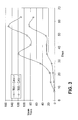
- Example 1 This study evaluated the ability of a modified live vaccine to cause seroconversion (e.g., going from a state of having no antibodies to a state of having relatively high concentrations of antibodies to specific antigens) when a vaccine was administered subcutaneously in a first dose, then orally In a second and third dose.
- seroconversion e.g., going from a state of having no antibodies to a state of having relatively high concentrations of antibodies to specific antigens
- Antigens of interest are Canine Adenovirus - Type 1 (CAV-1), Canine Parvovirus (CPV), and Canine Distemper Virus (CDV).
- CAV-1 Canine Adenovirus - Type 1
- CPV Canine Parvovirus
- CDV Canine Distemper Virus
- T02 and T03 The only difference between T02 and T03 was the amount of virus in the vaccines administered, with T02 receiving a relatively low dose, and T03 receiving a relatively high dose.
- Blood samples were taken weekly to measure concentrations (e.g., titers) of specific antibodies.
- Serum samples were analyzed for serum antibodies against CDV, CPV, and CAV1 according to standard procedures.
- Tables 1 and 2 are details of the experimental design and the Investigational Veterinary Product (IVP). Table 1.
- mice in T01 remained essentially free of antibodies to the antigens of interest, indicating that there was no environmental exposure to these viruses. Animals in T02 and T03 responded similarly to the vaccines, indicating that the dose did not significantly influence patterns of responses. Regardless of antigen, animals given experimental vaccine (groups T02 and T03) responded robustly to the first (subcutaneously administered) vaccine dose. For comparison and perspective, animals are considered protected from disease when they have antibody titers greater than or equal to 1:16 for CAV-1, 1:32 for CDV and 1:80 for CPV.
- Example 2 This study evaluated the ability of a modified live vaccine to cause seroconversion (e.g., going from a state of having no antibodies to a state of having relatively high concentrations of antibodies to specific antigens) when a vaccine was administered subcutaneously or orally In a first dose, then orally In a second and third dose.
- seroconversion e.g., going from a state of having no antibodies to a state of having relatively high concentrations of antibodies to specific antigens
- T03 Animals in treatment group T03 were subcutaneously given experimental vaccine on day 0, then the same vaccine orally three weeks (day 21) and six weeks (day 42) later. The only difference between T02 and T03 was that T02 received the first dose orally, and T03 received the first dose subcutaneously. Blood samples were taken weekly to measure concentrations (e.g., titers) of specific antibodies. Serum samples were analyzed for serum antibodies against CDV, CPV and CAV-1 according to standard procedures.
- Seroconversion Results Seroconversion Results Day of Study 21 42 63 CPV T01 0/13 0/13 0/13 T02 7/13 10/13 13/13 T03 13/13 13/13 13/13 CDV T01 0/13 0/13 0/13 T02 5/13 6/13 6/13 T03 13/13 13/13 CAV1 T01 5/13 11/13 10/13 T02 12/13 13/13 13/13 T03 6/13 13/13 13/13 13/13
- Example 3 This notional example describes the administration to dogs of a Canine Distemper-Adenovirus Type 2-Parainfluenza-Parvovirus Modified Live Virus Vaccine.
- a freeze-dried preparation of the vaccine is aseptically rehydrated with sterile diluent and shaken well, according to the label instructions.
- An example of such a vaccine is VANGUARD® Plus 5 (Pfizer Inc).
- This vaccine contains attenuated strains of CD virus (approximately 10 8 TCID 50 ), CAV-2 (approximately 10 4 TCID 50 ), CPI virus (approximately 10 8 TCID 50 ), and CPV (approximately 10 8 TCID 50 ) propagated on an established canine cell line.
- Healthy dogs at 4 weeks of age or older are administered a 1-ml first dose of the reconstituted vaccine either orally or subcutaneously.
- the dogs are orally given a 1-ml second dose about three weeks after the first vaccine, followed by a third orally administered 1-ml dose at about three weeks after the second dose.
- the dogs are given an annual orally administered 1-ml booster vaccine at about one year after the first vaccine.
- the attending veterinarian determines the need for and frequency of any subsequent booster vaccine based on the animal's lifestyle and risk of exposure.
- Example 4 This notional example describes the administration to dogs of a Canine Distemper-Adenovirus Type 2-Parainfluenza-Parvovirus Modified Live Virus Vaccine containing a Leptospira Canicola-Grippotyphosa-leterohaomorrhagiae-Pomona Bacterin.
- a freeze-dried preparation of the vaccine is aseptically rehydrated with sterile diluent and shaken well, according to the Label instructions.
- An example of such a vaccine is VANGUARD® Plus 5 L4 (Pfizer Inc).
- This vaccine is a freeze-dried preparation of attenuated strains of CD virus (approximately 10 5 TCID 50 ), CAV-2 (approximately 10 4 TCID 60 ), CPI virus (approximately 10 8 TCID 50 ), CPV (approximately 10 8 TCID 50 ), and inactivated whole cultures of L . canicola, L. grippotyphosa, L. icterohaemorrhegiae, and L . pomona.
- An adjuvanted sterile gel is used to rehydrate the freeze-dried component, which is packaged with inert gas in place of vacuum.
- Example 5 This notional example describes the administration to dogs of a Canine Distemper-Adenovirus Type 2-Coronavinis-Parainfluenza-Parvovirus Vaccine containing a Leptospira Canicola-Grippotyphosa-icterohaemorrhagiae-Pomona Bacterin.
- a freeze-dried Canine Distemper-Adenovirus Type 2- Parainfluenza-Pervovirus Modified Live Virus Vaccine containing a Leptospira Canicola-Grippotyphosa-Icterohaemorrhagiae-Pomona Bacterin (for example VANGUARD® Plus 5 L4, see Example 4) is aseptically rehydrated with a liquid coronavirus vaccine and shaken well, according to the Label instructions.
- An example of such a coronavirus vaccine is a liquid preparation of inactivated canine coronavirus (CCV) with an adjuvant.
- CCV inactivated canine coronavirus
- the combination of VANGUARD® Plus 5 L4 and a CCV vaccine is sold by Pfizer as VANGUARD® Plus 5 L4 CV.
- Healthy dogs at 4 weeks of age or older are administered a 1-ml first vaccine of the reconstituted vaccine either orally or subcutaneously.
- the dogs are orally given a 1-ml second dose of the combined vaccine about three weeks after the first vaccine.
- the dogs are orally given a 1-ml dose of only the coronavirus vaccine about three weeks after the second dose.
- Dogs receiving the first vaccine at less than 9 weeks of age receive a second orally administered 1-ml dose of the combined vaccine (in place of the coronavirus vaccine) at about three weeks after the second vaccine.
- the dogs are given an annual orally administered 1-ml booster of the combined vaccine at about one year after the priming vaccine.
- the attending veterinarian determines the need for and frequency of any subsequent booster vaccines based on the animal's lifestyle and risk of exposure.
- Example 6 This notional example describes the administration to dogs of a Canine Distemper-Adenovirus Type 2- Parainfluenza-Parvovirus Modified Live Virus Vaccine containing a Bordetella bronchiseptica Bacterin.
- a freeze-dried preparation of the vaccine is aseptically rehydrated with a liquid diluent containing inactivated whole cultures of B. bronchiseptica and shaken well, according to the Label instructions.
- An example of such a vaccine is VANGUARD® Plus 5 (see Example 4).
- An example of such a diluent is a liquid preparation of an inactivated culture of B. bronchiseptica.
- Healthy dogs at 4 weeks of age or older are administered a 1-ml first vaccine of the reconstituted vaccine either orally or subcutaneously.
- the dogs are orally given a 1-ml second dose of the vaccine from about two to about four weeks after the first vaccine.
- Dogs receiving the first vaccine at less than four months of age receive a third orally administered 1-ml dose of the vaccine at about four months of age.
- the dogs are given an annual orally administered 1-ml booster of the vaccine at about one year after the priming vaccine. Subsequent oral 1-ml booster vaccines are administered annually.
- an additional booster may be indicated or annual revaccination should be timed 2 to 4 weeks prior to these events.
Landscapes
- Health & Medical Sciences (AREA)
- Life Sciences & Earth Sciences (AREA)
- Chemical & Material Sciences (AREA)
- Virology (AREA)
- Medicinal Chemistry (AREA)
- General Health & Medical Sciences (AREA)
- Immunology (AREA)
- Pharmacology & Pharmacy (AREA)
- Animal Behavior & Ethology (AREA)
- Public Health (AREA)
- Veterinary Medicine (AREA)
- Microbiology (AREA)
- Mycology (AREA)
- Epidemiology (AREA)
- Organic Chemistry (AREA)
- Pulmonology (AREA)
- Genetics & Genomics (AREA)
- Bioinformatics & Cheminformatics (AREA)
- Engineering & Computer Science (AREA)
- Biochemistry (AREA)
- Chemical Kinetics & Catalysis (AREA)
- Nuclear Medicine, Radiotherapy & Molecular Imaging (AREA)
- General Chemical & Material Sciences (AREA)
- Zoology (AREA)
- Wood Science & Technology (AREA)
- Gastroenterology & Hepatology (AREA)
- Proteomics, Peptides & Aminoacids (AREA)
- Molecular Biology (AREA)
- Biophysics (AREA)
- Communicable Diseases (AREA)
- Oncology (AREA)
- Biotechnology (AREA)
- Biomedical Technology (AREA)
- General Engineering & Computer Science (AREA)
- Medicines Containing Antibodies Or Antigens For Use As Internal Diagnostic Agents (AREA)
- Medicines That Contain Protein Lipid Enzymes And Other Medicines (AREA)
- Medicinal Preparation (AREA)
- Medicines Containing Material From Animals Or Micro-Organisms (AREA)
Claims (10)
- Impfstoff zur Verwendung in einem Verfahren zum Impfen eines Hundes gegen Hundekrankheiten; wobei der Impfstoff die folgenden modifizierten lebenden Viren umfasst: 1) Hundestaupe (canine distemper, CD)-Virus, 2) Hundeadenovirus, Typ 2 (CAV-2), 3) Hundeparainfluenza (CPI)-Virus und 4) Hundeparvovirus (CPV), und dadurch gekennzeichnet ist, dass der Impfstoff in einer ersten Dosis subkutan verabreicht wird, in einer zweiten Dosis oral 7 bis 35 Tage, einschließlich, nach der ersten Dosis verabreicht wird, in einer optionalen dritten Dosis 7 bis 35 Tage, einschließlich, nach der zweiten Dosis oral verabreicht wird und ein Jahr oder ein Jahr plus oder minus 36 Tage nach der ersten Dosis oral verabreicht wird.
- Impfstoff, wie er in Anspruch 1 beansprucht ist, zur Verwendung, wie sie in Anspruch 1 beansprucht ist, wobei die jährlichen Dosen, die nach der genannten jährlichen Dosis verabreicht werden, wiederholt ein Jahr oder ein Jahr plus oder minus 36 Tage nach der unmittelbar vorherigen jährlichen Dosis verabreicht werden.
- Impfstoff, wie er in Anspruch 1 beansprucht ist, zur Verwendung, wie sie in Anspruch 1 beansprucht ist, wobei die dritte Dosis verabreicht wird.
- Impfstoff gemäß einem der vorangehenden Ansprüche zur Verwendung, wie sie in einem der vorangehenden Ansprüche beansprucht ist, wobei die Hundekrankheiten eine oder mehrere von 1) CD, verursacht durch CD-Virus; 2) infektiöser Hundehepatitis, verursacht durch CAV-1; 3) Respirationskrankheit, verursacht durch CAV-2; 4) CPI, verursacht durch CPI-Virus, und 5) Hundeparvovirusenteritis, verursacht durch CPV, umfassen.
- Impfstoff gemäß einem der vorangehenden Ansprüche zur Verwendung, wie sie in einem der vorangehenden Ansprüche beansprucht ist, wobei:(a) die viralen Antigene in den folgenden Mengenbereichen vorliegen: für CD-Virus 102 TCID50 bis 108 TCID50, einschließlich; für CAV-2 102 TCID50 bis 108 TCID50, einschließlich; für CPV 103 TCID50 bis 1010 TCID50, einschließlich; und für CPI-Virus 103 TCID50 bis 1010 TCID50, einschließlich;(b) die viralen Antigene in den folgenden Mengenbereichen vorliegen: für CD-Virus 103 TCID50 bis 106 TCID50, einschließlich; für CAV-2 103 TCID50 bis 106 TCID50, einschließlich; für CPV 106 TCID50 bis 109 TCID50, einschließlich; und für CPI-Virus 105 TCID50 bis 109 TCID50, einschließlich; oder(c) die viralen Antigene in den folgenden Mengenbereichen vorliegen: für CD-Virus 104 TCID50 bis 105 TCID50, einschließlich; für CAV-2 104 TCID50 bis 105 TCID50, einschließlich; für CPV 107 TCID50 bis 108 TCID50, einschließlich; und für CPI-Virus 106 TCID50 bis 108 TCID50, einschließlich;oder innerhalb von 10% des jeweiligen angegebenen Wertes.
- Impfstoff, wie er in Anspruch 5 beansprucht ist, zur Verwendung, wie sie in Anspruch 5 beansprucht ist, wobei der Impfstoff aus attenuierten Stämmen von 105 TCID50 CD-Virus, 104 TCID50 CAV-2-Virus, 108 TCID50 CPI-Virus, 108 TCID50 CPV oder innerhalb von 10% des jeweiligen angegebenen Wertes besteht und wobei der Impfstoff in einer ersten Dosis subkutan verabreicht wird, in einer zweiten Dosis 3 Wochen, einschließlich, nach der ersten Dosis oral verabreicht wird und in einer dritten Dosis 3 Wochen, einschließlich, nach der zweiten Dosis oral verabreicht wird.
- Impfstoff gemäß einem der vorangehenden Ansprüche zur Verwendung, wie sie in einem der vorangehenden Ansprüche beansprucht ist, wobei die zweite Dosis 17 bis 25 Tage nach der ersten Dosis verabreicht wird.
- Impfstoff gemäß einem der vorangehenden Ansprüche zur Verwendung, wie sie in einem der vorangehenden Ansprüche beansprucht ist, wobei die dritte Dosis 17 bis 25 Tage nach der zweiten Dosis verabreicht wird.
- Impfstoff gemäß einem der vorangehenden Ansprüche zur Verwendung, wie sie in einem der vorangehenden Ansprüche beansprucht ist, wobei jährliche Dosen nach der genannten jährlichen Dosis wiederholt ein Jahr oder ein Jahr plus oder minus 36 Tage nach der unmittelbar vorherigen jährlichen Dosis verabreicht werden.
- Impfstoff, wie er in einem vorangehenden Anspruch beansprucht ist, zur Verwendung, wie sie in einem der vorangehenden Ansprüche beansprucht ist, der außerdem ein Bakterin umfasst, wobei das Bakterin ein Bakterium oder mehrere Bakterien, ausgewählt aus der Gruppe, bestehend aus Leptospira canicola, L. grippotyphosa, L. icterohaemorragiae, L. pomona, L. bratislava und Bordatella bronchiseptica, umfasst.
Priority Applications (6)
| Application Number | Priority Date | Filing Date | Title |
|---|---|---|---|
| EP14166489.6A EP2762163B1 (de) | 2006-12-27 | 2007-11-23 | Verfahren zur verabreichung eines impfstoffes |
| EP13001536.5A EP2762162A1 (de) | 2006-12-27 | 2007-11-23 | Verfahren zur Verabreichung eines Impfstoffes |
| EP23178952.0A EP4233899A3 (de) | 2006-12-27 | 2007-11-23 | Verfahren zur verabreichung eines impfstoffes |
| EP17202017.4A EP3300743B1 (de) | 2006-12-27 | 2007-11-23 | Verfahren zur verabreichung eines impfstoffes |
| PL14166489T PL2762163T3 (pl) | 2006-12-27 | 2007-11-23 | Sposoby podawania szczepionki |
| CY20181100289T CY1120015T1 (el) | 2006-12-27 | 2018-03-09 | Μεθοδοι χορηγησης εμβολιων |
Applications Claiming Priority (2)
| Application Number | Priority Date | Filing Date | Title |
|---|---|---|---|
| US87732206P | 2006-12-27 | 2006-12-27 | |
| PCT/IB2007/003666 WO2008084294A2 (en) | 2006-12-27 | 2007-11-23 | Methods of vaccine administration |
Related Child Applications (5)
| Application Number | Title | Priority Date | Filing Date |
|---|---|---|---|
| EP17202017.4A Division EP3300743B1 (de) | 2006-12-27 | 2007-11-23 | Verfahren zur verabreichung eines impfstoffes |
| EP23178952.0A Division EP4233899A3 (de) | 2006-12-27 | 2007-11-23 | Verfahren zur verabreichung eines impfstoffes |
| EP13001536.5A Division EP2762162A1 (de) | 2006-12-27 | 2007-11-23 | Verfahren zur Verabreichung eines Impfstoffes |
| EP14166489.6A Division EP2762163B1 (de) | 2006-12-27 | 2007-11-23 | Verfahren zur verabreichung eines impfstoffes |
| EP13001536.5 Division-Into | 2013-03-25 |
Publications (2)
| Publication Number | Publication Date |
|---|---|
| EP2129392A2 EP2129392A2 (de) | 2009-12-09 |
| EP2129392B1 true EP2129392B1 (de) | 2013-07-31 |
Family
ID=39609100
Family Applications (5)
| Application Number | Title | Priority Date | Filing Date |
|---|---|---|---|
| EP13001536.5A Withdrawn EP2762162A1 (de) | 2006-12-27 | 2007-11-23 | Verfahren zur Verabreichung eines Impfstoffes |
| EP17202017.4A Active EP3300743B1 (de) | 2006-12-27 | 2007-11-23 | Verfahren zur verabreichung eines impfstoffes |
| EP23178952.0A Pending EP4233899A3 (de) | 2006-12-27 | 2007-11-23 | Verfahren zur verabreichung eines impfstoffes |
| EP07825750.8A Revoked EP2129392B1 (de) | 2006-12-27 | 2007-11-23 | Verfahren zur verabreichung eines impfstoffes |
| EP14166489.6A Active EP2762163B1 (de) | 2006-12-27 | 2007-11-23 | Verfahren zur verabreichung eines impfstoffes |
Family Applications Before (3)
| Application Number | Title | Priority Date | Filing Date |
|---|---|---|---|
| EP13001536.5A Withdrawn EP2762162A1 (de) | 2006-12-27 | 2007-11-23 | Verfahren zur Verabreichung eines Impfstoffes |
| EP17202017.4A Active EP3300743B1 (de) | 2006-12-27 | 2007-11-23 | Verfahren zur verabreichung eines impfstoffes |
| EP23178952.0A Pending EP4233899A3 (de) | 2006-12-27 | 2007-11-23 | Verfahren zur verabreichung eines impfstoffes |
Family Applications After (1)
| Application Number | Title | Priority Date | Filing Date |
|---|---|---|---|
| EP14166489.6A Active EP2762163B1 (de) | 2006-12-27 | 2007-11-23 | Verfahren zur verabreichung eines impfstoffes |
Country Status (25)
| Country | Link |
|---|---|
| US (4) | US20100028379A1 (de) |
| EP (5) | EP2762162A1 (de) |
| JP (1) | JP5762664B2 (de) |
| KR (1) | KR101099883B1 (de) |
| CN (1) | CN101573137B (de) |
| AR (1) | AR064530A1 (de) |
| AU (1) | AU2007343130C1 (de) |
| BR (1) | BRPI0720667A8 (de) |
| CA (1) | CA2674026C (de) |
| CY (1) | CY1120015T1 (de) |
| DK (2) | DK2762163T3 (de) |
| ES (2) | ES2660035T3 (de) |
| FI (1) | FI3300743T3 (de) |
| HK (1) | HK1200372A1 (de) |
| HU (2) | HUE062920T2 (de) |
| LT (1) | LT2762163T (de) |
| MX (1) | MX2009007087A (de) |
| NZ (1) | NZ577855A (de) |
| PL (2) | PL2762163T3 (de) |
| PT (1) | PT2762163T (de) |
| SI (1) | SI2762163T1 (de) |
| TR (1) | TR201802917T4 (de) |
| TW (1) | TW200833354A (de) |
| WO (1) | WO2008084294A2 (de) |
| ZA (1) | ZA200904756B (de) |
Families Citing this family (19)
| Publication number | Priority date | Publication date | Assignee | Title |
|---|---|---|---|---|
| US20050089533A1 (en) * | 2003-01-29 | 2005-04-28 | Joseph Frantz | Canine vaccines against Bordetella bronchiseptica |
| CA2674026C (en) * | 2006-12-27 | 2018-08-21 | Pfizer Products Inc. | Methods of vaccine administration |
| WO2009094006A2 (en) | 2007-10-25 | 2009-07-30 | Wake Forest University Health Sciences | Bordetella outer-membrane protein antigens and methods of making and using the same |
| BR112012000951A2 (pt) * | 2009-07-17 | 2016-03-15 | Univ Oklahoma State | método para imunizar um animal, formulação imunogênica, e, aplicador supralingual |
| US20110229516A1 (en) * | 2010-03-18 | 2011-09-22 | The Clorox Company | Adjuvant phase inversion concentrated nanoemulsion compositions |
| CN101914502B (zh) * | 2010-07-30 | 2012-01-11 | 中国农业科学院哈尔滨兽医研究所 | Ⅰ型犬腺病毒弱毒疫苗株及其应用 |
| US20120107354A1 (en) * | 2010-10-30 | 2012-05-03 | George Dacai Liu | Viral vaccine and process for preparing the same |
| MX349294B (es) | 2010-12-02 | 2017-07-21 | Oncolytics Biotech Inc | Formulaciones virales liofilizadas. |
| EP2646051A4 (de) * | 2010-12-02 | 2014-05-28 | Oncolytics Biotech Inc | Flüssige virale formulierungen |
| JP6078865B2 (ja) * | 2011-03-17 | 2017-02-15 | 国立大学法人三重大学 | 抗体の製造方法 |
| EP2854847B1 (de) * | 2012-05-31 | 2019-08-07 | Zoetis Services LLC | Impfung mit caninem respiratorischem coronavirus zum schutz vor infektionen von b. bronchiseptica |
| CZ307883B6 (cs) * | 2013-01-29 | 2019-07-24 | Bioveta, A.S. | Multivalentní vakcína k imunoprofylaxi infekčních onemocnění psů |
| CN107320720A (zh) * | 2016-04-29 | 2017-11-07 | 普莱柯生物工程股份有限公司 | 一种疫苗组合物、试剂盒及应用 |
| CN106591242B (zh) * | 2016-11-18 | 2019-08-30 | 北京世纪元亨动物防疫技术有限公司 | 一株犬细小病毒毒株cpv-yh及其应用 |
| AU2018219437B2 (en) | 2017-02-13 | 2023-03-02 | Boehringer lngelheim Vetmedica GMBH | Liquid applicator for delivering vaccines |
| GB201806460D0 (en) * | 2018-04-20 | 2018-06-06 | Secr Defence | Pharmaceutical compositions and associated kits |
| US20230012140A1 (en) * | 2019-12-18 | 2023-01-12 | Intervet Inc. | Oral respiratory vaccine |
| EP4630051A1 (de) | 2022-12-07 | 2025-10-15 | Intervet International B.V. | Impfstoff zur impfung von hunden |
| WO2025090476A1 (en) | 2023-10-24 | 2025-05-01 | Zoetis Services Llc | Canine oral vaccines and methods of administration |
Family Cites Families (25)
| Publication number | Priority date | Publication date | Assignee | Title |
|---|---|---|---|---|
| SE8205892D0 (sv) | 1982-10-18 | 1982-10-18 | Bror Morein | Immunogent membranproteinkomplex, sett for framstellning och anvendning derav som immunstimulerande medel och sasom vaccin |
| US5013663A (en) * | 1983-06-15 | 1991-05-07 | American Home Products Corporation | Canine corona virus vaccine |
| SE8405493D0 (sv) | 1984-11-01 | 1984-11-01 | Bror Morein | Immunogent komplex samt sett for framstellning derav och anvendning derav som immunstimulerande medel |
| DE3526809A1 (de) * | 1985-07-26 | 1987-04-02 | Behringwerke Ag | Tollwut-lebendimpfstoff |
| ATE71303T1 (de) | 1986-01-14 | 1992-01-15 | Nederlanden Staat | Verfahren zur herstellung immunologischer komplexe und diese enthaltende pharmazeutische zusammensetzung. |
| US5019388A (en) * | 1986-10-14 | 1991-05-28 | Norden Laboratories Inc. | Bordetella bronchiseptica vaccine |
| US5000951A (en) * | 1987-03-09 | 1991-03-19 | Diamond Scientific Company | Multivalent canine distemper virus vaccine |
| US4990367A (en) * | 1987-03-09 | 1991-02-05 | Diamond Scientific Company | Canine distemper virus vaccine |
| FR2652501B1 (fr) | 1989-10-02 | 1992-01-10 | Rhone Merieux | Elements therapeutiques pour l'administration orale d'un medicament aux animaux et procede de fabrication. |
| US5178862A (en) * | 1989-12-01 | 1993-01-12 | Parhelion Corporation | Canine distemper virus vaccine and method of preparation |
| US5757063A (en) * | 1994-03-25 | 1998-05-26 | Kabushiki Kaisha Toshiba | Semiconductor device having an extrinsic gettering film |
| CN1117081A (zh) * | 1995-03-16 | 1996-02-21 | 高云 | 犬瘟热狂犬病细小病毒三联活疫苗、毒种及制造方法 |
| CN1137347A (zh) * | 1995-06-22 | 1996-12-11 | 中国人民解放军第四军医大学 | 犬五联(犬狂犬、犬瘟热、犬细小病毒、犬腺病毒2型、犬副流感)活疫苗 |
| AU4133397A (en) * | 1996-10-28 | 1998-05-22 | Pfizer Inc. | Oral vaccines for young animals with an enteric coating |
| US5884583A (en) | 1997-03-28 | 1999-03-23 | Rhone Merieux, Inc. | Field bag boost vaccination delivery system |
| US6867353B2 (en) | 2000-02-12 | 2005-03-15 | Exploregen Inc. | Production method of recombinant rotavirus structural proteins and vaccine composition |
| MY128159A (en) | 2000-06-30 | 2007-01-31 | Wyeth Corp | Methods and composition for oral vaccination |
| US20030129161A1 (en) | 2001-09-17 | 2003-07-10 | Hsien-Jue Chu | Interleukin-12 as a veterinary vaccine adjuvant |
| MXPA05008051A (es) | 2003-01-29 | 2005-09-21 | Pfizer Prod Inc | Vacunas caninas contra bordetella bronchiseptica. |
| US20050089533A1 (en) * | 2003-01-29 | 2005-04-28 | Joseph Frantz | Canine vaccines against Bordetella bronchiseptica |
| CA2571316A1 (en) | 2004-06-21 | 2006-01-05 | Merial Limited | Vaccination of skunks and/or mongooses against rabies |
| US8821893B2 (en) | 2004-07-02 | 2014-09-02 | Bio Peptides, Corp. | Oral vaccine for Borrelia |
| WO2006106424A2 (en) * | 2005-04-07 | 2006-10-12 | Pharmacia & Upjohn Company Llc | Formulations and process for production of bordetella bronchiseptica p68 antigen and vaccines |
| ME00485B (me) * | 2005-10-07 | 2011-10-10 | Zoetis Services Llc | VAKCINE l METODE LIJEČENJA INFLUENCE KOD CANINA |
| CA2674026C (en) * | 2006-12-27 | 2018-08-21 | Pfizer Products Inc. | Methods of vaccine administration |
-
2007
- 2007-11-23 CA CA2674026A patent/CA2674026C/en active Active
- 2007-11-23 NZ NZ577855A patent/NZ577855A/en unknown
- 2007-11-23 US US12/521,148 patent/US20100028379A1/en not_active Abandoned
- 2007-11-23 DK DK14166489.6T patent/DK2762163T3/en active
- 2007-11-23 EP EP13001536.5A patent/EP2762162A1/de not_active Withdrawn
- 2007-11-23 EP EP17202017.4A patent/EP3300743B1/de active Active
- 2007-11-23 HU HUE17202017A patent/HUE062920T2/hu unknown
- 2007-11-23 CN CN200780048424.3A patent/CN101573137B/zh active Active
- 2007-11-23 EP EP23178952.0A patent/EP4233899A3/de active Pending
- 2007-11-23 EP EP07825750.8A patent/EP2129392B1/de not_active Revoked
- 2007-11-23 FI FIEP17202017.4T patent/FI3300743T3/fi active
- 2007-11-23 EP EP14166489.6A patent/EP2762163B1/de active Active
- 2007-11-23 DK DK17202017.4T patent/DK3300743T3/da active
- 2007-11-23 LT LTEP14166489.6T patent/LT2762163T/lt unknown
- 2007-11-23 BR BRPI0720667A patent/BRPI0720667A8/pt not_active Application Discontinuation
- 2007-11-23 MX MX2009007087A patent/MX2009007087A/es active IP Right Grant
- 2007-11-23 KR KR1020097015650A patent/KR101099883B1/ko not_active Expired - Fee Related
- 2007-11-23 ES ES14166489.6T patent/ES2660035T3/es active Active
- 2007-11-23 SI SI200732011T patent/SI2762163T1/en unknown
- 2007-11-23 PL PL14166489T patent/PL2762163T3/pl unknown
- 2007-11-23 PL PL17202017.4T patent/PL3300743T3/pl unknown
- 2007-11-23 ES ES17202017T patent/ES2951660T3/es active Active
- 2007-11-23 TR TR2018/02917T patent/TR201802917T4/tr unknown
- 2007-11-23 PT PT141664896T patent/PT2762163T/pt unknown
- 2007-11-23 AU AU2007343130A patent/AU2007343130C1/en not_active Ceased
- 2007-11-23 HU HUE14166489A patent/HUE036174T2/hu unknown
- 2007-11-23 WO PCT/IB2007/003666 patent/WO2008084294A2/en not_active Ceased
- 2007-12-19 JP JP2007326969A patent/JP5762664B2/ja active Active
- 2007-12-26 AR ARP070105897A patent/AR064530A1/es not_active Application Discontinuation
- 2007-12-26 TW TW096150374A patent/TW200833354A/zh unknown
-
2009
- 2009-07-07 ZA ZA200904756A patent/ZA200904756B/xx unknown
-
2014
- 2014-05-20 US US14/282,702 patent/US11524067B2/en active Active
-
2015
- 2015-02-03 HK HK15101144.6A patent/HK1200372A1/en unknown
-
2018
- 2018-03-09 CY CY20181100289T patent/CY1120015T1/el unknown
-
2020
- 2020-06-24 US US16/910,284 patent/US11524068B2/en active Active
-
2022
- 2022-11-14 US US17/986,286 patent/US12290559B2/en active Active
Non-Patent Citations (2)
| Title |
|---|
| COYNE M J ET AL: "Duration of immunity in dogs after vaccination or naturally acquired infection", VETERINARY RECORD, BRITISH VETERINARY ASSOCIATION, LONDON, GB, vol. 149, no. 17, 27 October 2001 (2001-10-27), pages 509 - 515, XP009158383, ISSN: 0042-4900, DOI: 10.1136/VR.149.17.509 * |
| WARNER, TREVOR: "A review of current international vaccination trends for dogs and cats. Are we up to date and in-line with contemporary thinking?", ISRAEL JOURNAL OF VET MEDICINE, vol. 59, no. 3, 2004 * |
Also Published As
Similar Documents
| Publication | Publication Date | Title |
|---|---|---|
| US12290559B2 (en) | Methods of vaccine administration | |
| KR20050103215A (ko) | 보르데텔라 브론키셉티카에 대한 개 백신 | |
| AU2021206905A1 (en) | Methods of vaccine administration | |
| BR112013019675B1 (pt) | Composições imunogênicas de bordetella bronchiseptica | |
| HK40090130A (en) | Methods of vaccine administration | |
| HK1249031B (en) | Methods of vaccine administration | |
| HK1200374B (en) | Methods of vaccine administration | |
| AU2013201732A1 (en) | Methods of vaccine administration | |
| HK1134243B (en) | A vaccine suitable for treating a dog for canine diseases | |
| HK40055448A (en) | Immunogenic bordetella bronchiseptica compositions |
Legal Events
| Date | Code | Title | Description |
|---|---|---|---|
| PUAI | Public reference made under article 153(3) epc to a published international application that has entered the european phase |
Free format text: ORIGINAL CODE: 0009012 |
|
| 17P | Request for examination filed |
Effective date: 20090727 |
|
| AK | Designated contracting states |
Kind code of ref document: A2 Designated state(s): AT BE BG CH CY CZ DE DK EE ES FI FR GB GR HU IE IS IT LI LT LU LV MC MT NL PL PT RO SE SI SK TR |
|
| DAX | Request for extension of the european patent (deleted) | ||
| 17Q | First examination report despatched |
Effective date: 20110325 |
|
| GRAP | Despatch of communication of intention to grant a patent |
Free format text: ORIGINAL CODE: EPIDOSNIGR1 |
|
| RAP1 | Party data changed (applicant data changed or rights of an application transferred) |
Owner name: PAH USA 15 LLC |
|
| GRAS | Grant fee paid |
Free format text: ORIGINAL CODE: EPIDOSNIGR3 |
|
| GRAA | (expected) grant |
Free format text: ORIGINAL CODE: 0009210 |
|
| RAP1 | Party data changed (applicant data changed or rights of an application transferred) |
Owner name: ZOETIS P LLC |
|
| AK | Designated contracting states |
Kind code of ref document: B1 Designated state(s): AT BE BG CH CY CZ DE DK EE ES FI FR GB GR HU IE IS IT LI LT LU LV MC MT NL PL PT RO SE SI SK TR |
|
| REG | Reference to a national code |
Ref country code: GB Ref legal event code: FG4D Ref country code: CH Ref legal event code: EP |
|
| REG | Reference to a national code |
Ref country code: AT Ref legal event code: REF Ref document number: 624227 Country of ref document: AT Kind code of ref document: T Effective date: 20130815 |
|
| REG | Reference to a national code |
Ref country code: IE Ref legal event code: FG4D |
|
| REG | Reference to a national code |
Ref country code: DE Ref legal event code: R096 Ref document number: 602007032026 Country of ref document: DE Effective date: 20130926 |
|
| REG | Reference to a national code |
Ref country code: AT Ref legal event code: MK05 Ref document number: 624227 Country of ref document: AT Kind code of ref document: T Effective date: 20130731 |
|
| REG | Reference to a national code |
Ref country code: NL Ref legal event code: VDEP Effective date: 20130731 |
|
| REG | Reference to a national code |
Ref country code: LT Ref legal event code: MG4D |
|
| PG25 | Lapsed in a contracting state [announced via postgrant information from national office to epo] |
Ref country code: SE Free format text: LAPSE BECAUSE OF FAILURE TO SUBMIT A TRANSLATION OF THE DESCRIPTION OR TO PAY THE FEE WITHIN THE PRESCRIBED TIME-LIMIT Effective date: 20130731 Ref country code: BE Free format text: LAPSE BECAUSE OF FAILURE TO SUBMIT A TRANSLATION OF THE DESCRIPTION OR TO PAY THE FEE WITHIN THE PRESCRIBED TIME-LIMIT Effective date: 20130731 Ref country code: AT Free format text: LAPSE BECAUSE OF FAILURE TO SUBMIT A TRANSLATION OF THE DESCRIPTION OR TO PAY THE FEE WITHIN THE PRESCRIBED TIME-LIMIT Effective date: 20130731 Ref country code: IS Free format text: LAPSE BECAUSE OF FAILURE TO SUBMIT A TRANSLATION OF THE DESCRIPTION OR TO PAY THE FEE WITHIN THE PRESCRIBED TIME-LIMIT Effective date: 20131130 Ref country code: CY Free format text: LAPSE BECAUSE OF FAILURE TO SUBMIT A TRANSLATION OF THE DESCRIPTION OR TO PAY THE FEE WITHIN THE PRESCRIBED TIME-LIMIT Effective date: 20130814 Ref country code: LT Free format text: LAPSE BECAUSE OF FAILURE TO SUBMIT A TRANSLATION OF THE DESCRIPTION OR TO PAY THE FEE WITHIN THE PRESCRIBED TIME-LIMIT Effective date: 20130731 Ref country code: PT Free format text: LAPSE BECAUSE OF FAILURE TO SUBMIT A TRANSLATION OF THE DESCRIPTION OR TO PAY THE FEE WITHIN THE PRESCRIBED TIME-LIMIT Effective date: 20131202 |
|
| PG25 | Lapsed in a contracting state [announced via postgrant information from national office to epo] |
Ref country code: PL Free format text: LAPSE BECAUSE OF FAILURE TO SUBMIT A TRANSLATION OF THE DESCRIPTION OR TO PAY THE FEE WITHIN THE PRESCRIBED TIME-LIMIT Effective date: 20130731 Ref country code: SI Free format text: LAPSE BECAUSE OF FAILURE TO SUBMIT A TRANSLATION OF THE DESCRIPTION OR TO PAY THE FEE WITHIN THE PRESCRIBED TIME-LIMIT Effective date: 20130731 Ref country code: FI Free format text: LAPSE BECAUSE OF FAILURE TO SUBMIT A TRANSLATION OF THE DESCRIPTION OR TO PAY THE FEE WITHIN THE PRESCRIBED TIME-LIMIT Effective date: 20130731 Ref country code: LV Free format text: LAPSE BECAUSE OF FAILURE TO SUBMIT A TRANSLATION OF THE DESCRIPTION OR TO PAY THE FEE WITHIN THE PRESCRIBED TIME-LIMIT Effective date: 20130731 Ref country code: GR Free format text: LAPSE BECAUSE OF FAILURE TO SUBMIT A TRANSLATION OF THE DESCRIPTION OR TO PAY THE FEE WITHIN THE PRESCRIBED TIME-LIMIT Effective date: 20131101 Ref country code: NL Free format text: LAPSE BECAUSE OF FAILURE TO SUBMIT A TRANSLATION OF THE DESCRIPTION OR TO PAY THE FEE WITHIN THE PRESCRIBED TIME-LIMIT Effective date: 20130731 Ref country code: ES Free format text: LAPSE BECAUSE OF FAILURE TO SUBMIT A TRANSLATION OF THE DESCRIPTION OR TO PAY THE FEE WITHIN THE PRESCRIBED TIME-LIMIT Effective date: 20130731 |
|
| PG25 | Lapsed in a contracting state [announced via postgrant information from national office to epo] |
Ref country code: CY Free format text: LAPSE BECAUSE OF FAILURE TO SUBMIT A TRANSLATION OF THE DESCRIPTION OR TO PAY THE FEE WITHIN THE PRESCRIBED TIME-LIMIT Effective date: 20130731 |
|
| PG25 | Lapsed in a contracting state [announced via postgrant information from national office to epo] |
Ref country code: SK Free format text: LAPSE BECAUSE OF FAILURE TO SUBMIT A TRANSLATION OF THE DESCRIPTION OR TO PAY THE FEE WITHIN THE PRESCRIBED TIME-LIMIT Effective date: 20130731 Ref country code: EE Free format text: LAPSE BECAUSE OF FAILURE TO SUBMIT A TRANSLATION OF THE DESCRIPTION OR TO PAY THE FEE WITHIN THE PRESCRIBED TIME-LIMIT Effective date: 20130731 Ref country code: RO Free format text: LAPSE BECAUSE OF FAILURE TO SUBMIT A TRANSLATION OF THE DESCRIPTION OR TO PAY THE FEE WITHIN THE PRESCRIBED TIME-LIMIT Effective date: 20130731 Ref country code: DK Free format text: LAPSE BECAUSE OF FAILURE TO SUBMIT A TRANSLATION OF THE DESCRIPTION OR TO PAY THE FEE WITHIN THE PRESCRIBED TIME-LIMIT Effective date: 20130731 Ref country code: CZ Free format text: LAPSE BECAUSE OF FAILURE TO SUBMIT A TRANSLATION OF THE DESCRIPTION OR TO PAY THE FEE WITHIN THE PRESCRIBED TIME-LIMIT Effective date: 20130731 |
|
| PLBI | Opposition filed |
Free format text: ORIGINAL CODE: 0009260 |
|
| PG25 | Lapsed in a contracting state [announced via postgrant information from national office to epo] |
Ref country code: IT Free format text: LAPSE BECAUSE OF FAILURE TO SUBMIT A TRANSLATION OF THE DESCRIPTION OR TO PAY THE FEE WITHIN THE PRESCRIBED TIME-LIMIT Effective date: 20130731 |
|
| 26 | Opposition filed |
Opponent name: MERIAL LTD. Effective date: 20140430 |
|
| PLAX | Notice of opposition and request to file observation + time limit sent |
Free format text: ORIGINAL CODE: EPIDOSNOBS2 |
|
| REG | Reference to a national code |
Ref country code: CH Ref legal event code: PL |
|
| REG | Reference to a national code |
Ref country code: DE Ref legal event code: R026 Ref document number: 602007032026 Country of ref document: DE Effective date: 20140430 |
|
| PG25 | Lapsed in a contracting state [announced via postgrant information from national office to epo] |
Ref country code: MC Free format text: LAPSE BECAUSE OF FAILURE TO SUBMIT A TRANSLATION OF THE DESCRIPTION OR TO PAY THE FEE WITHIN THE PRESCRIBED TIME-LIMIT Effective date: 20130731 Ref country code: CH Free format text: LAPSE BECAUSE OF NON-PAYMENT OF DUE FEES Effective date: 20131130 Ref country code: LI Free format text: LAPSE BECAUSE OF NON-PAYMENT OF DUE FEES Effective date: 20131130 |
|
| REG | Reference to a national code |
Ref country code: IE Ref legal event code: MM4A |
|
| PLAF | Information modified related to communication of a notice of opposition and request to file observations + time limit |
Free format text: ORIGINAL CODE: EPIDOSCOBS2 |
|
| PG25 | Lapsed in a contracting state [announced via postgrant information from national office to epo] |
Ref country code: IE Free format text: LAPSE BECAUSE OF NON-PAYMENT OF DUE FEES Effective date: 20131123 |
|
| PLBB | Reply of patent proprietor to notice(s) of opposition received |
Free format text: ORIGINAL CODE: EPIDOSNOBS3 |
|
| PG25 | Lapsed in a contracting state [announced via postgrant information from national office to epo] |
Ref country code: TR Free format text: LAPSE BECAUSE OF FAILURE TO SUBMIT A TRANSLATION OF THE DESCRIPTION OR TO PAY THE FEE WITHIN THE PRESCRIBED TIME-LIMIT Effective date: 20130731 |
|
| REG | Reference to a national code |
Ref country code: GB Ref legal event code: 732E Free format text: REGISTERED BETWEEN 20150611 AND 20150617 |
|
| PLAB | Opposition data, opponent's data or that of the opponent's representative modified |
Free format text: ORIGINAL CODE: 0009299OPPO |
|
| PG25 | Lapsed in a contracting state [announced via postgrant information from national office to epo] |
Ref country code: BG Free format text: LAPSE BECAUSE OF FAILURE TO SUBMIT A TRANSLATION OF THE DESCRIPTION OR TO PAY THE FEE WITHIN THE PRESCRIBED TIME-LIMIT Effective date: 20130731 Ref country code: HU Free format text: LAPSE BECAUSE OF FAILURE TO SUBMIT A TRANSLATION OF THE DESCRIPTION OR TO PAY THE FEE WITHIN THE PRESCRIBED TIME-LIMIT; INVALID AB INITIO Effective date: 20071123 Ref country code: LU Free format text: LAPSE BECAUSE OF NON-PAYMENT OF DUE FEES Effective date: 20131123 |
|
| PLAY | Examination report in opposition despatched + time limit |
Free format text: ORIGINAL CODE: EPIDOSNORE2 |
|
| REG | Reference to a national code |
Ref country code: DE Ref legal event code: R082 Ref document number: 602007032026 Country of ref document: DE Representative=s name: KRAUS & WEISERT PATENTANWAELTE PARTGMBB, DE Ref country code: DE Ref legal event code: R081 Ref document number: 602007032026 Country of ref document: DE Owner name: ZOETIS SERVICES LLC (N.D.GES.D.STAATES DELAWAR, US Free format text: FORMER OWNER: ZOETIS P LLC, FLORHAM PARK, N.J., US |
|
| PLAB | Opposition data, opponent's data or that of the opponent's representative modified |
Free format text: ORIGINAL CODE: 0009299OPPO |
|
| R26 | Opposition filed (corrected) |
Opponent name: MERIAL LTD. Effective date: 20140430 |
|
| PG25 | Lapsed in a contracting state [announced via postgrant information from national office to epo] |
Ref country code: MT Free format text: LAPSE BECAUSE OF FAILURE TO SUBMIT A TRANSLATION OF THE DESCRIPTION OR TO PAY THE FEE WITHIN THE PRESCRIBED TIME-LIMIT Effective date: 20130731 |
|
| R26 | Opposition filed (corrected) |
Opponent name: MERIAL, INC. Effective date: 20140430 |
|
| REG | Reference to a national code |
Ref country code: FR Ref legal event code: PLFP Year of fee payment: 9 |
|
| RAP2 | Party data changed (patent owner data changed or rights of a patent transferred) |
Owner name: ZOETIS SERVICES LLC |
|
| PLBC | Reply to examination report in opposition received |
Free format text: ORIGINAL CODE: EPIDOSNORE3 |
|
| REG | Reference to a national code |
Ref country code: FR Ref legal event code: TP Owner name: ZOETIS SERVICES LLC, US Effective date: 20160202 |
|
| PLAB | Opposition data, opponent's data or that of the opponent's representative modified |
Free format text: ORIGINAL CODE: 0009299OPPO |
|
| R26 | Opposition filed (corrected) |
Opponent name: MERIAL LIMITED Effective date: 20140430 |
|
| REG | Reference to a national code |
Ref country code: FR Ref legal event code: PLFP Year of fee payment: 10 |
|
| APBM | Appeal reference recorded |
Free format text: ORIGINAL CODE: EPIDOSNREFNO |
|
| APBP | Date of receipt of notice of appeal recorded |
Free format text: ORIGINAL CODE: EPIDOSNNOA2O |
|
| APAH | Appeal reference modified |
Free format text: ORIGINAL CODE: EPIDOSCREFNO |
|
| APAW | Appeal reference deleted |
Free format text: ORIGINAL CODE: EPIDOSDREFNO |
|
| APAY | Date of receipt of notice of appeal deleted |
Free format text: ORIGINAL CODE: EPIDOSDNOA2O |
|
| APBM | Appeal reference recorded |
Free format text: ORIGINAL CODE: EPIDOSNREFNO |
|
| APBP | Date of receipt of notice of appeal recorded |
Free format text: ORIGINAL CODE: EPIDOSNNOA2O |
|
| REG | Reference to a national code |
Ref country code: DE Ref legal event code: R082 Ref document number: 602007032026 Country of ref document: DE Representative=s name: KRAUS & WEISERT PATENTANWAELTE PARTGMBB, DE Ref country code: DE Ref legal event code: R081 Ref document number: 602007032026 Country of ref document: DE Owner name: ZOETIS SERVICES LLC (N.D.GES.D.STAATES DELAWAR, US Free format text: FORMER OWNER: ZOETIS SERVICES LLC (N.D.GES.D.STAATES DELAWARE), FLORHAM PARK, N.J., US |
|
| APBQ | Date of receipt of statement of grounds of appeal recorded |
Free format text: ORIGINAL CODE: EPIDOSNNOA3O |
|
| RAP2 | Party data changed (patent owner data changed or rights of a patent transferred) |
Owner name: ZOETIS SERVICES LLC |
|
| APBY | Invitation to file observations in appeal sent |
Free format text: ORIGINAL CODE: EPIDOSNOBA2O |
|
| APCA | Receipt of observations in appeal recorded |
Free format text: ORIGINAL CODE: EPIDOSNOBA4O |
|
| REG | Reference to a national code |
Ref country code: FR Ref legal event code: CA Effective date: 20170725 |
|
| REG | Reference to a national code |
Ref country code: FR Ref legal event code: PLFP Year of fee payment: 11 |
|
| REG | Reference to a national code |
Ref country code: FR Ref legal event code: PLFP Year of fee payment: 12 |
|
| PGFP | Annual fee paid to national office [announced via postgrant information from national office to epo] |
Ref country code: DE Payment date: 20191017 Year of fee payment: 13 |
|
| PGFP | Annual fee paid to national office [announced via postgrant information from national office to epo] |
Ref country code: FR Payment date: 20191029 Year of fee payment: 13 |
|
| APBU | Appeal procedure closed |
Free format text: ORIGINAL CODE: EPIDOSNNOA9O |
|
| REG | Reference to a national code |
Ref country code: DE Ref legal event code: R064 Ref document number: 602007032026 Country of ref document: DE Ref country code: DE Ref legal event code: R103 Ref document number: 602007032026 Country of ref document: DE |
|
| PGFP | Annual fee paid to national office [announced via postgrant information from national office to epo] |
Ref country code: GB Payment date: 20191029 Year of fee payment: 13 |
|
| RDAF | Communication despatched that patent is revoked |
Free format text: ORIGINAL CODE: EPIDOSNREV1 |
|
| STAA | Information on the status of an ep patent application or granted ep patent |
Free format text: STATUS: PATENT REVOKED |
|
| RDAG | Patent revoked |
Free format text: ORIGINAL CODE: 0009271 |
|
| REG | Reference to a national code |
Ref country code: FI Ref legal event code: MGE |
|
| 27W | Patent revoked |
Effective date: 20200404 |
|
| GBPR | Gb: patent revoked under art. 102 of the ep convention designating the uk as contracting state |
Effective date: 20200404 |