EP2129403B1 - Construction polypeptidique bispécifique au potentiel thérapeutique et diagnostique - Google Patents
Construction polypeptidique bispécifique au potentiel thérapeutique et diagnostique Download PDFInfo
- Publication number
- EP2129403B1 EP2129403B1 EP08715930.7A EP08715930A EP2129403B1 EP 2129403 B1 EP2129403 B1 EP 2129403B1 EP 08715930 A EP08715930 A EP 08715930A EP 2129403 B1 EP2129403 B1 EP 2129403B1
- Authority
- EP
- European Patent Office
- Prior art keywords
- construct
- gpvi
- polypeptide
- collagen
- cells
- Prior art date
- Legal status (The legal status is an assumption and is not a legal conclusion. Google has not performed a legal analysis and makes no representation as to the accuracy of the status listed.)
- Not-in-force
Links
Images


Classifications
-
- C—CHEMISTRY; METALLURGY
- C07—ORGANIC CHEMISTRY
- C07K—PEPTIDES
- C07K16/00—Immunoglobulins [IG], e.g. monoclonal or polyclonal antibodies
- C07K16/18—Immunoglobulins [IG], e.g. monoclonal or polyclonal antibodies against material from animals or humans
- C07K16/28—Immunoglobulins [IG], e.g. monoclonal or polyclonal antibodies against material from animals or humans against receptors, cell surface antigens or cell surface determinants
- C07K16/2896—Immunoglobulins [IG], e.g. monoclonal or polyclonal antibodies against material from animals or humans against receptors, cell surface antigens or cell surface determinants against molecules with a "CD"-designation, not provided for elsewhere
-
- A—HUMAN NECESSITIES
- A61—MEDICAL OR VETERINARY SCIENCE; HYGIENE
- A61K—PREPARATIONS FOR MEDICAL, DENTAL OR TOILETRY PURPOSES
- A61K47/00—Medicinal preparations characterised by the non-active ingredients used, e.g. carriers or inert additives; Targeting or modifying agents chemically bound to the active ingredient
- A61K47/50—Medicinal preparations characterised by the non-active ingredients used, e.g. carriers or inert additives; Targeting or modifying agents chemically bound to the active ingredient the non-active ingredient being chemically bound to the active ingredient, e.g. polymer-drug conjugates
- A61K47/51—Medicinal preparations characterised by the non-active ingredients used, e.g. carriers or inert additives; Targeting or modifying agents chemically bound to the active ingredient the non-active ingredient being chemically bound to the active ingredient, e.g. polymer-drug conjugates the non-active ingredient being a modifying agent
- A61K47/68—Medicinal preparations characterised by the non-active ingredients used, e.g. carriers or inert additives; Targeting or modifying agents chemically bound to the active ingredient the non-active ingredient being chemically bound to the active ingredient, e.g. polymer-drug conjugates the non-active ingredient being a modifying agent the modifying agent being an antibody, an immunoglobulin or a fragment thereof, e.g. an Fc-fragment
- A61K47/6801—Drug-antibody or immunoglobulin conjugates defined by the pharmacologically or therapeutically active agent
- A61K47/6803—Drugs conjugated to an antibody or immunoglobulin, e.g. cisplatin-antibody conjugates
- A61K47/6811—Drugs conjugated to an antibody or immunoglobulin, e.g. cisplatin-antibody conjugates the drug being a protein or peptide, e.g. transferrin or bleomycin
-
- A—HUMAN NECESSITIES
- A61—MEDICAL OR VETERINARY SCIENCE; HYGIENE
- A61K—PREPARATIONS FOR MEDICAL, DENTAL OR TOILETRY PURPOSES
- A61K47/00—Medicinal preparations characterised by the non-active ingredients used, e.g. carriers or inert additives; Targeting or modifying agents chemically bound to the active ingredient
- A61K47/50—Medicinal preparations characterised by the non-active ingredients used, e.g. carriers or inert additives; Targeting or modifying agents chemically bound to the active ingredient the non-active ingredient being chemically bound to the active ingredient, e.g. polymer-drug conjugates
- A61K47/51—Medicinal preparations characterised by the non-active ingredients used, e.g. carriers or inert additives; Targeting or modifying agents chemically bound to the active ingredient the non-active ingredient being chemically bound to the active ingredient, e.g. polymer-drug conjugates the non-active ingredient being a modifying agent
- A61K47/68—Medicinal preparations characterised by the non-active ingredients used, e.g. carriers or inert additives; Targeting or modifying agents chemically bound to the active ingredient the non-active ingredient being chemically bound to the active ingredient, e.g. polymer-drug conjugates the non-active ingredient being a modifying agent the modifying agent being an antibody, an immunoglobulin or a fragment thereof, e.g. an Fc-fragment
- A61K47/6835—Medicinal preparations characterised by the non-active ingredients used, e.g. carriers or inert additives; Targeting or modifying agents chemically bound to the active ingredient the non-active ingredient being chemically bound to the active ingredient, e.g. polymer-drug conjugates the non-active ingredient being a modifying agent the modifying agent being an antibody, an immunoglobulin or a fragment thereof, e.g. an Fc-fragment the modifying agent being an antibody or an immunoglobulin bearing at least one antigen-binding site
- A61K47/6849—Medicinal preparations characterised by the non-active ingredients used, e.g. carriers or inert additives; Targeting or modifying agents chemically bound to the active ingredient the non-active ingredient being chemically bound to the active ingredient, e.g. polymer-drug conjugates the non-active ingredient being a modifying agent the modifying agent being an antibody, an immunoglobulin or a fragment thereof, e.g. an Fc-fragment the modifying agent being an antibody or an immunoglobulin bearing at least one antigen-binding site the antibody targeting a receptor, a cell surface antigen or a cell surface determinant
-
- A—HUMAN NECESSITIES
- A61—MEDICAL OR VETERINARY SCIENCE; HYGIENE
- A61P—SPECIFIC THERAPEUTIC ACTIVITY OF CHEMICAL COMPOUNDS OR MEDICINAL PREPARATIONS
- A61P19/00—Drugs for skeletal disorders
- A61P19/08—Drugs for skeletal disorders for bone diseases, e.g. rachitism, Paget's disease
-
- A—HUMAN NECESSITIES
- A61—MEDICAL OR VETERINARY SCIENCE; HYGIENE
- A61P—SPECIFIC THERAPEUTIC ACTIVITY OF CHEMICAL COMPOUNDS OR MEDICINAL PREPARATIONS
- A61P9/00—Drugs for disorders of the cardiovascular system
-
- A—HUMAN NECESSITIES
- A61—MEDICAL OR VETERINARY SCIENCE; HYGIENE
- A61P—SPECIFIC THERAPEUTIC ACTIVITY OF CHEMICAL COMPOUNDS OR MEDICINAL PREPARATIONS
- A61P9/00—Drugs for disorders of the cardiovascular system
- A61P9/10—Drugs for disorders of the cardiovascular system for treating ischaemic or atherosclerotic diseases, e.g. antianginal drugs, coronary vasodilators, drugs for myocardial infarction, retinopathy, cerebrovascula insufficiency, renal arteriosclerosis
-
- A—HUMAN NECESSITIES
- A61—MEDICAL OR VETERINARY SCIENCE; HYGIENE
- A61P—SPECIFIC THERAPEUTIC ACTIVITY OF CHEMICAL COMPOUNDS OR MEDICINAL PREPARATIONS
- A61P9/00—Drugs for disorders of the cardiovascular system
- A61P9/14—Vasoprotectives; Antihaemorrhoidals; Drugs for varicose therapy; Capillary stabilisers
-
- C—CHEMISTRY; METALLURGY
- C07—ORGANIC CHEMISTRY
- C07K—PEPTIDES
- C07K14/00—Peptides having more than 20 amino acids; Gastrins; Somatostatins; Melanotropins; Derivatives thereof
- C07K14/435—Peptides having more than 20 amino acids; Gastrins; Somatostatins; Melanotropins; Derivatives thereof from animals; from humans
- C07K14/705—Receptors; Cell surface antigens; Cell surface determinants
-
- C—CHEMISTRY; METALLURGY
- C07—ORGANIC CHEMISTRY
- C07K—PEPTIDES
- C07K2319/00—Fusion polypeptide
- C07K2319/33—Fusion polypeptide fusions for targeting to specific cell types, e.g. tissue specific targeting, targeting of a bacterial subspecies
Definitions
- the invention relates to a bispecific construct or fusion protein with therapeutic and diagnostic potential for the treatment / diagnosis of lesions of vessels or tissues;
- the invention further relates to a nucleic acid molecule encoding this construct or fusion protein, to a pharmaceutical and diagnostic composition comprising the construct or fusion protein or nucleic acid molecule, and to the use of the construct or fusion protein or nucleic acid molecule for the preparation of a pharmaceutical composition for the treatment of lesions of vessels / Tissues and for the treatment of acute or chronic vascular disease.
- the blood circulates in a closed vascular system without stopping the flow of blood or the escape of blood into the surrounding tissue.
- damage to the vessel wall will cause the integrity of the vessel wall to be removed and subsequent bleeding into surrounding tissue.
- platelets in combination with soluble plasma components form a hemostatic thrombus, which seals the damage and causes hemostasis.
- the endothelium also plays a central role in arterial hemostasis by regulating the permeability to plasmalipoproteins, leukocyte adhesion and the secretion of pro- and antithrombotic factors as well as vasoactive substances.
- the endothelium forms the single-walled vessel wall lining that separates the bloodstream from the thrombogenic structures of the subendothelium.
- endothelial damage of the vascular wall and the now exposed thrombogenic subendothelial matrix occurs during hemostasis for the adhesion of resting, circulating in the blood platelets to now exposed collagen.
- This initial adhesion process is controlled by platelet membrane glycoprotein receptors, the integrins, resulting in a change in shape, platelet activation and release of the contents from the storage granule.
- the thrombocytic glycoprotein VI interacts directly with the exposed collagen and stabilizes the binding.
- GPVI the most important collagen receptor, not only mediates tighter binding directly to collagen, but also mediates the activation of other receptors required for adhesion. After adhesion, the next step in hemostasis is aggregation, which leads to an accumulation of thrombocytes in the thrombus.
- glycoprotein VI plays a crucial role as a collagen receptor on the platelet surface and is also a risk factor for myocardial infarction. Platelets without GPVI show no adhesion to collagen and the activability and aggregation is significantly reduced.
- the EP 1 314 780 A1 discloses hybrid proteins which, on the one hand, bind to collagen and, on the other hand, carry a functional polypeptide.
- the collagen-binding polypeptide is an amino acid sequence derived from human fibronectin, and the functional polypeptide may be, for example, VEGF.
- cardiovascular diseases such as angina or myocardial infarction
- angina or myocardial infarction currently account for about one third of all deaths worldwide.
- rapid reperfusion of ischemia-affected coronary arteries is of utmost importance to prevent injury to the myocardium.
- transluminal percutaneous angioplasty is currently used in conjunction with stent implantation to restore or treat the normal cardiovascular system.
- the vascular endothelium which is a barrier between the circulating blood cells and the subendothelial matrix under physiological conditions, is still damaged.
- platelet attachment and consequent thrombus formation and consequent acute myocardial infarction is a major complication after stenting.
- stents are also currently being used, which are coated with drugs which are released gradually after implantation, the released drugs also delay the re-endothelialization of the treated vessel, so that stent thrombosis represents a very critical complication of this procedure.
- a bispecific construct or fusion protein comprising (a) a first polypeptide that binds to collagen, and (b) a second polypeptide that binds to endothelial progenitor cells, wherein the first polypeptide is the collagen receptor platelet glycoprotein (GPVI), or functional fragments thereof, and wherein the second polypeptide is an antibody directed against CD133, or functional fragments thereof.
- GPVI collagen receptor platelet glycoprotein
- fusion protein is understood as meaning a hybrid protein or an artificial protein which can be produced in vitro as well as in vivo by molecular biological or chemical methods known in the art.
- Precursor (progenitor) cells are generally progeny of an adult stem cell and, on the one hand, have stem cell properties in terms of their ability to regenerate, but on the other hand, are committed to their future functional area, this "fixation” being still reversible. Accordingly, “circulating cells” are termed “endothelial progenitor cells” which have the ability to Differentiate endothelial cells. These endothelial progenitor cells carry specific cell surface proteins and, therefore, can in turn be captured via polypeptides that bind to these cell surface proteins.
- polypeptide is meant herein any chain of at least two interconnected amino acids;
- polypeptide therefore also encompasses proteins which, like polypeptides, consist of several interconnected amino acids.
- proteins sometimes only complete molecules in stable form are referred to as “protein”, whereas “polypeptides” or “peptides” are understood to mean shorter amino acid chains without a stable 3-dimensional structure. Since, however, no clear boundary between these terms is to be drawn, in the present case, by definition, proteins are also encompassed by the term “polypeptides”.
- the construct or fusion protein can be produced by conjugation of two (or more) polypeptides by means of one or more chemical reagents or by recombinant DNA technologies.
- it is possible to generate the fusion protein by using customary expression vectors which code for the fusion protein according to the invention. These expression vectors are introduced into a suitable cell, which then produces the fusion protein.
- the inventors of the present application were able to show in their own experiments that CD34 + stem cells can be recruited to exposed collagen surfaces using the fusion proteins according to the invention. Furthermore, the inventors of the present application were able to demonstrate that recruitment of the stem cells to the exposed collagen after a certain time allowed the stem cells to mature into mature endothelial cells, resulting in re-endothelialization of the injured tissue.
- the constructs or fusion proteins according to the invention it is then possible, in a simple and targeted manner, the re-endothelialization and the restoration of injured vessels or of any tissue which releases or exposes collagen to its surface through injury or other influences, can be treated by colonization with stem cells and their maturation in endothelial cells. This makes it possible to prevent the vessel-damaging reactions caused by a stent implantation or by chemical agents, or to treat them successfully after their occurrence.
- Collagens are composed of three identical or different alpha chains that are tightly wound around each other.
- Endothelial progenitor cells represent a circulating bone marrow-derived cell population of large non-leukocyte cells apparently involved in vascular repair and hemostasis.
- stem cells could be recruited to injured human tissue under flowing conditions.
- an advantage of the construct or fusion protein is further that the substance can be administered, for example, directly via a balloon catheter, or can be co-incubated with a stem cell population before these cells are administered, without the need for a difficult and expensive coating of the coronary stents.
- the present fusion protein is an extremely effective tool for recruiting stem cells to injured vascular lesions, and therefore represents an effective therapeutic concept for the treatment of atherosclerotic diseases.
- GPVI is the most important receptor of the platelets for collagen. GPVI makes possible the aggregation, secretion, change in shape and activation of the platelets.
- Human GPVI contains a 20 amino acid signal sequence, an extracellular domain of 247 amino acids, as well as a 21 amino acid transmembrane domain and a 51 amino acid long cytoplasmic tail.
- the construct according to the invention bwz. Fusion protein binds with the said receptor or receptor fragments as the first polypeptide to exposed collagen.
- endothelial progenitor cells that is to say certain stem cells, are recruited to the exposed collagen, in that the endothelial progenitor cells are bound by the surface antigen CD133 to the antigen-recognizing polypeptide of the fusion protein or fusion protein Bind construct.
- the recruited stem cells mature after a certain incubation time to endothelial cells and can thereby regenerate the injured tissue, whereby collagen is no longer exposed and therefore no longer thrombocytic.
- the first polypeptide has an extracellular portion of GPVI, or functional fragments thereof, linked to an immunoglobulin Fc domain.
- Soluble glycoprotein VI dimer inhibits platelet adhesion and aggregation to the injured vessel wall in vivo
- FASEB J. 2004; 18: 397-399 wherein reference is made explicitly to this publication for the preparation of soluble human GPVI.
- Soluble GPVI shows affinity for collagen only as a dimeric form in association with the immunoglobulin Fc domain. To generate this soluble GPVI, the extracellular portion of the human GPVI was cloned and joined to the human immunoglobulin Fc domain.
- This GPVI-Fc protein (hereinafter referred to as soluble GPVI-FC) can be expressed, for example, with the aid of adenoviruses via a human HeLa cell line. With this soluble GPVI-Fc, adhesion to collagen could be detected both in vitro and in vivo .
- the fusion protein does not necessarily have to be used for the complete or identical amino acid sequence of the soluble GPVI in order to fulfill the function according to the invention. Rather, the function of the fusion protein according to the invention is also fulfilled if the first polypeptide has a section or a sequence variant of the soluble GPVI, which, however, still exerts the binding function of GPVI in possibly attenuated form. It is known that the proteinogenic amino acids are divided into four groups, namely polar, non-polar, acidic and basic amino acids.
- the present invention also covers such a fusion protein which is the first polypeptide of a variant of soluble GPVI in which one or more amino acids of one of the said classes of amino acids has been exchanged for another amino acid of the same class.
- a sequence variant is preferably about 70%, more preferably about 80%, and most preferably about 90 to 95% homologous to the amino acid sequence of soluble GPVI.
- Fc stands for "fragment crystallizable”. This fragment results from papain cleavage of the IgG molecule next to the two Fab fragments.
- the Fc domain consists of the paired C H 2 and C H 3 domains, including the hinge region, and contains the portion of the immunoglobulin responsible for the dimerization function.
- commercially available human or mouse Fc DNA can be used, which can either be isolated from commercially available cDNA libraries by PCR, or which is already cloned into plasmids, which in turn can be purchased (for example, available from the company Invitrogen, San Diego, USA).
- a fragment or a variant of the Fc domain can also be used without adversely affecting the function of the first polypeptide according to the invention as long as the fragment or the variant still has the possibly diminished dimerization function of an antibody; see. above comments on the fragment or variant of GPVI that apply equally to the fragment or variant of Fc.
- a variant of the Fc domain or a synthetic Fc fragment is preferably used, which is mutated in the complement and Fc receptor binding area such that activation of the immune system is largely reduced and possibly even fails.
- an Fc fragment can be used in which by targeted mutagenesis at position 331 a proline exchanged for a serine and at the amino acid positions 234 to 237 the tetrapeptide Leu-Leu-Gly-Gly for Ala-Ala-Ala-Ala becomes.
- the first polypeptide has an amino acid sequence with SEQ ID NO: 3 from the attached sequence listing.
- SEQ ID NO. Figure 3 represents the extracellular domain of the human GPVI whose total sequence is shown in SEQ ID NO. 1 is reproduced.
- amino acid sequence SEQ ID NO. Figure 5 illustrates the extracellular domain of human DDR-1, the overall sequence of which is shown in SEQ ID NO. 4, the amino acid sequence SEQ ID NO: 6 represents the sequence of DDR-2 whose extracellular domain is shown in SEQ ID NO: 7.
- the fusion protein may comprise a first polypeptide encoded by a portion of the nucleic acid molecule comprising the nucleotide sequence of SEQ ID NO. 2 from the attached protocol.
- the nucleotide sequence SEQ ID NO. Figure 2 represents the nucleotide sequence encoding the human GPVI.
- nucleotide sequence of SEQ ID NO. 2 is suitable for producing the extracellular domains of the collagen receptors, but also variants thereof which code for the same polypeptide due to the degeneracy of the genetic code.
- the genetic code is degenerate because the number of possible codons is greater than the number of amino acids. For most amino acids, there is more than one codon, so that, for example, arginine, leucine and serine are encoded by up to six codons. As a rule, the third codon position is limited or completely exchangeable.
- such a fusion protein is also provided in which the first polypeptide is encoded by a nucleic acid molecule which, due to the degeneracy of the genetic code, is opposite to the nucleotide sequence of SEQ ID NO. 2 differs at individual nucleotide positions, but equally for the extracellular domains of GPVI coded.
- a variant to the nucleotide sequence of SEQ ID NO. 2 about 70% homology, more preferably about 80% homology and most preferably about 90 to 95% homology.
- the second polypeptide is an antibody directed against CD133, or functional fragments thereof.
- the antigen CD133 is expressed on hematopoietic and endothelial precursor stem cells as well as on some epithelial cells.
- the antigen thus represents a marker for these stem cells, and has been adequately described in the prior art (see, for example, US Pat. Yin et al., "CD133: A novel marker for human hematopoietic stem and progenitor cells", Blood (1997) 90: 5002-5012 ). Accordingly, by means of an antibody recognizing this antigen, the stem cells, which in turn have this antigen, can be recruited to the collagen by binding to the second polypeptide of the fusion protein.
- an anti-CD133 antibody or functional fragments thereof can be used which is currently commercially available, such as the CD133 antibody from Miltenyi Biotech (clone W6B3C1), Bergisch Gladbach, Germany, or the CD133 antibody from abcam Inc (32AT1672), Cambridge, United Kingdom.
- the antibody W6B3C1 was obtained by immunization of mice with the retinoblastoma cell line WERI-RB-1.
- any antibody or functional fragment thereof directed against CD133 can be used for the purpose of the present invention.
- it is using the techniques customary in the art (eg, the hybridoma technique, see Köhler and Milstein, "Continuous cultures of fused cells secreting antibodies of predefined specificity", Nature (1975) 256: 495-7 ) possible to generate further, new anti-CD133 antibodies.
- ком ⁇ онентs of an antibody means any antibody portions or moieties having the same function or binding specificity as the entire antibody from which they are derived.
- humanized antibodies are recombinant antibodies in which the hypervariable region (CDR) sequences in human immunoglobulin genes are exchanged for the CDR of murine immunoglobulin genes.
- CDR hypervariable region
- Such antibodies are also referred to as chimeric antibodies.
- the construct or fusion protein may be provided with another peptide element that binds the first polypeptide to the second polypeptide.
- This also makes it possible to connect the polypeptides via a bridge or a linker, at the same time preserving the functionality of the two polypeptides, that is to say the specific recognition of the respective binding sites.
- the invention further relates to a pharmaceutical and / or diagnostic composition which comprises a construct or fusion protein according to the invention, as well as optionally at least one pharmaceutically acceptable carrier and optionally further pharmaceutically and / or diagnostically active substances.
- Additives in accordance with the invention include any compound or composition which is advantageous for a diagnostic or therapeutic use of the composition, including salts, binders and other substances commonly used in connection with the formulation of medicaments.
- the invention further relates to the use of the construct or fusion protein in the treatment of lesions of vessels, wherein the vessels and / or tissue are selected from the group consisting of coronary vessels, vessels supplying him, extremity-supplying vessels, connective tissue, bone, and any vessel or tissue, having collagen.
- composition prepared according to the invention containing the construct or fusion protein according to the invention, an extremely effective tool is provided for the treatment of diseases caused by the lesion of vessels or tissues in which thrombogenic subendothelium is exposed, resulting in the formation of thrombi can lead.
- composition is prepared for administration via a balloon catheter.
- composition or construct or fusion protein is co-incubated with a stem cell solution prior to cell administration.
- the invention further relates to a method for producing a construct or fusion protein, comprising the following steps: (a) providing a soluble form of the glycoprotein VI (GPVI) and an antibody directed against CD133; (b) modifying the amino groups of GPVI and the antibody with a cross-linking agent; (c) reducing GPVI; and (d) conjugating the reduced GPVI with the antibody modified in step (b).
- GPVI glycoprotein VI
- the crosslinking agent SPDP is N-succinimidyl-3- (2-pyridyldithio) -propionate).
- any other known in the art crosslinking agent or coupling method can be used, such as the connection via thioether crosslinkers, or via the recombinant DNA technology.
- the method of the invention can provide a fusion protein suitable for a diagnostic / therapeutic purpose or use.
- Biocoll separation solution was purchased from Biochrom AG (Berlin, Germany), EBM as “BulletKit” (EGM) from Cambrex Bio Science (East Rutherford, New Jersey).
- Collagen I collagen III, laminin, vitronectin, fibrinogen and fibronectin were purchased from BD Sciences (Heidelberg, Germany), human VEGF from Pepro-Tech Inc. (Rocky Hill, NJ), the primary mouse antibody anti-vWF and the phalloidin.
- AlexaFluor 488 was purchased from Chemicon (Temecula, CA).
- DAPI Cy3-labeled secondary antibodies (goat anti-mouse) and the "Celltracker Vybrand DiD” were purchased from Molecular Probes / Invitrogen GmbH (Karlsruhe, Germany).
- Human CD34 + cells and CD133 + cells were isolated from human umbilical cord blood and as from Lang et al. ("Transplantation of a combination of CD133 + and CD34 + selected progenitor cells from alternative donors", British Journal of Haematology 2004; 124: 72-79 ), cultured. The donor cells were mobilized by administration of 1 x 10 ⁇ g / kg granulocyte stimulating factor (G-CSF) for 5 days and harvested by 1 to 3 leukapheresis procedures. Selection of progenitor cells with anti-CD34 + or anti-CD133 + coated microspheres was performed with the automated CLINIMACS device (Miltenyi Biotec, Bergisch Gladbach, Germany).
- FACS fluorescence-activated cell sorting devices
- a bispecific construct (fusion protein) was prepared.
- soluble GPVI-Fc and a monoclonal antibody against CD133 were used.
- Soluble GPVI became, as described above, see Massberg et al., supra, reference being made explicitly to this publication for the preparation of the soluble GPVI construct.
- Fc was amplified from a human heart cDNA library (Clontech, Palo Alto, CA, USA). The primer pairs and the conditions for the polymerase chain reaction can be found in the cited publication by Massberg et al.
- the PCR fragment was cloned via NotI / HindIII into the plasmid pADTrack CMV.
- total RNA was isolated from cultured megakaryocytes (RNeasy Mini Kit, Qiagen, Hilden, Germany). After a reverse transcription, 100 ng of the generated cDNA were used as template for the PCR amplification of the human GPVI (primer and PCR conditions see cited publication).
- the PCR fragment was cloned via BglII / NotI into the plasmid pADTrack CMV Fc to recover a plasmid containing the human extracellular domain of GPVI fused to the human Fc domain, including a specific hinge region.
- the CD133-reactive monoclonal antibody (mAb) W6B3C1 was generated by immunization of 6 week old female Balb / c mice (Charles River WIGA, Sulzfeld, Germany) with the retinoblastoma cell line WERI-RB-1.
- the specificity of the monoclonal antibody for CD133 was confirmed at the 7th International Leukocyte Conference in England (see Bendinging et al., "CD133 Cluster Report, In: Leucocyte Typing VII. White Cell Differentiation Antigens.” Mason D et al., (Eds.), Oxford University Press, Oxford, 20002, pp. 622-623 ).
- the heterobifunctional reagent SPDP N-succinimidyl-3- (2-pyridyldithio) -propionate
- SPDP N-succinimidyl-3- (2-pyridyldithio) -propionate
- DTT dithiothreitol
- FIG Fig. 1 A schematic representation of the thus obtained bispecific construct is shown in FIG Fig. 1 shown.
- the perfusion was performed with stem cells expressed in Tyrodes-HEPES buffer (HEPES 2.5 mmol / L; NaCl 150 mmol / L; KCl 1 mmol / L; NaHCO 3 2.5 mmol / L, NaH 2 PO 4 0.36 mmol / l; glucose 5.5 mmol / l, BSA 1 mg / ml, pH 7.4, supplemented with CaCl 2 1 mmol / l, MgCl 2 1 mmol / l, each from Sigma, Taufkirchen, Germany) with a shear rate of 2000 s-1. All experiments were recorded in real time on video and evaluated off-line.
- CD34 + progenitor cells were seeded on human collagen I under the following different conditions: with or without the addition of the GPVI-CD133 construct (10 ⁇ g / ml), both individual components of the construct (negative control), fibronectin (Becton Dickinson, Heidelberg, Germany) as a positive control.
- the cells were each incubated for several days in growth medium for MV2 endothelial cells with 5% heat-inactivated fetal calf serum, 5.0 ng / ml epidermal growth factor, 0.2 ⁇ g / ml hydrocortisone, 0.5 ⁇ g / ml vascular endothelial growth factor, 10 ng / ml basic fibroblast factor, 20 ng / ml R3 insulin-like growth factor-1, and 1 ⁇ g / ml ascorbic acid (PromoCell, Heidelberg, Germany). After 48 hours, the nonadherent cells were removed. Endothelial colony forming units were counted on day 4 (number of colonies / 10 6 cells).
- the cells were washed and resuspended in PBS, incubated for 15 min with polyglobin (Bayer Vital, Leverkusen, Germany), washed and then incubated with FITC-labeled antibodies to CD31 (clone 5.6, Beckman Coulter, Krefeld Germany) and CD164 (clone 128018; R & D Systems Wiesbaden, Germany) for 30 min at room temperature. After another washing step, the cells were analyzed with a FACSCanto flow cytometer (Becton Dickinson, Heidelberg, Germany).
- Endothelial progenitor cells (2 x 10 8 / ml) were incubated for eight days in culture medium MV 2 (PromoCell) in wells coated with the GPVI-CD133 + mAb. In addition, phase contrast controls were performed daily. Subsequently, the cells were fixed in Kamovsky's solution, post-fixed in osmium tetroxide and embedded in glycidyl ether before microscopy was performed.
- the cells were additionally incubated with fluorescently labeled antibodies. Between each incubation step, the cells were gently washed with PBS. The stem cells were dissolved in 2% formaldehyde solution Fixed for 20 minutes. Subsequently, the cells were washed with 3% glycine and incubated for 30 minutes with PBS containing a primary anti-vWF antibody (human, 5 ⁇ g / ml). Non-specific binding was prevented with bovine serum albumin (3%, one hour). Following this, a secondary antibody (goat anti-mouse, 5 ⁇ g / ml) was added for an additional 30 minutes.
- a primary anti-vWF antibody human, 5 ⁇ g / ml
- rhodamine phalloidin (5 ⁇ g / ml, cytoskeletal detection) and DAPI (5 ⁇ g / ml, detection of cell nucleus) were added for 30 minutes. The samples were analyzed by standard immunofluorescence microscopy.
- Wild-type C57BL6 / J mice (Charles River Laboratories) were identified by intraperitoneal injection with midazolam (5mg / kg body weight); Ratiopharm), medetomidine (0.5 mg / kg body weight, Pfizer) and Fentayl (0.05 mg / kg body weight, CuraMed / Pharam GmbH).
- Polyethylene catheters (Portex) were implanted in the right jugular vein and injected with fluorescent EPCs (5x10 5 / ml) intravenously. The right carotid artery was exposed and energetically ligated near the carotid fork for five minutes to induce vascular damage.
- Bound EPCs were defined as cells that made initial contact with the vessel wall constructions, followed by a slow surface translocation at a speed significantly slower than the mean velocity, or by a firm adhesion.
- the number of adherent EPCs was determined by counting the cells that did not move or detach from the endothelial surface within 10 seconds. Their number is given as cells / mm 2 endothelial surface.
- mice were sacrificed after intravital microscopy, the carotid arteries were carefully removed and washed with PBS, embedded in paraffin, and made into 4 ⁇ m sections. The sections were then stained and analyzed on a BioRad 2100MP using the Two-Photon Laser Scanning Microscopy (TPLSM) method.
- TPLSM Two-Photon Laser Scanning Microscopy
- the stem cells were labeled with Vybrant DiD for 20 minutes and resuspended in EBM medium.
- Human veins were placed in an ex vivo flow in which the vessel was surrounded by medium for nutritional purposes.
- the vessels were injured by means of a balloon catheter and then coated with the GPVI-CD133 mAb construct for 30 minutes.
- EPCs were passed through the veins for two hours to allow the cells to adhere to the injured vascular region.
- the veins were then thoroughly washed with EBM at a high shear rate for 24 hours at 37 ° C. Following this, the vessels were removed from the bioreactor, Fixed in 4% PFA for 24 hours, and analyzed cell recruitment by in situ hybridization.
- Wild-type C57BL6 / J mice were treated similarly to the protocol for in vivo adhesion testing (see above). EPCs (5x10 1 / ml) treated with the GPVI-CD133 construct (10 ⁇ g / ml 9 or both components of the construct together (10 ⁇ g / ml each) for 2 hours, closed the wounds of the right jugular vein; After two weeks, the animals were sacrificed and carotid artery samples were taken in.
- Regenerative endothelial cells were examined by hematoxylin-eosin (HE) staining and Elastica-von-Giesson staining was also performed To discriminate local regeneration mechanisms and the induction induced by the human EPCs, in situ hybridizations were performed using an alu sequence specific for human cells.
- HE hematoxylin-eosin
- Immunohistochemistry was performed using paraffin sections from mouse vessels.
- the slides with the sections were deparaffinized with xylene (Carl Roth GmbH, Düsseldorf, Germany) and rehydrated with decreasing ethanol concentrations: 100%, 90%, 70%, 50%. Subsequently, the slides were washed thoroughly with PBS. This was followed in each case by 20 minutes of permeabilization and blocking steps with PBS containing 0.1% Triton X-100 (Fluka Chemie, Buchs, Switzerland) and 1% BSA (bovine serum albumin) solution (Sigma Aldrich, St. Louis, USA).
- the slides were incubated with the primary antibody anti-vWF (2.5 ⁇ g / ml) (Chemicon, Temecula, USA) for 12 hours at 4 ° C. Thereafter, the secondary goat anti-rabbit antibody (5 ⁇ g / ml) (Molecular Probes / Invitrogen, Düsseldorf, Germany) and 0.1 ⁇ g / ml DAPI (Carl Roth GmbH, Düsseldorf Germany) were added for a further 120 min Room temperature added. The slides were washed thoroughly with PBS, rinsed with distilled water, dried and covered with Kaiser's gelatin (Merck, Darmstadt, Germany) and analyzed.
- the primary antibody anti-vWF 2.5 ⁇ g / ml
- the secondary goat anti-rabbit antibody 5 ⁇ g / ml
- 0.1 ⁇ g / ml DAPI Carl Roth GmbH, Düsseldorf Germany
- mice Male NOD / SCID mice were treated according to a protocol similar to that previously described (see “Carotid Ligature”). Instead of the carotid artery, an injury was induced by means of a wire. After injection of EPCs (5x10 5 / ml) previously treated for 30 min with the GPVI-CD-133 construct (10 ⁇ g / ml) or with both components of the construct together (10 ⁇ g / ml each time) the tail vein, the wounds were closed and the animals kept alive. After 14 or 21 days, the animals were sacrificed and carotid artery samples taken. These were embedded in paraffin blocks and cut from the proximal to the distal end in 5 ⁇ m sections.
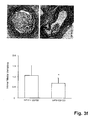
- Neointima formation was determined in cross-section using Imaging Analysis Software (Zeiss). The neointima was determined for each animal as the difference between the area bounded by the internal elastic lamina and the lumen area. Similarly, the media was determined as the difference between the area bounded by the internal elastic lamina and the external elastic lamina. The results are presented as neointima divided by media (intima / media ratio).
- the animals were anesthetized and the carotid arteries were examined by duplex sonography as described previously (see Massberg et al., "A critical role of platelet adhesion in the initiation of atherosclerotic lesion formation", J. Exp. Med. 196: 887-896 (2002 )).
- the maximum systolic flow rate V sys and the endodiastolic flow velocity V dia determined.
- the resistance index of the carotid artery was determined as the difference between V sys and V dia separated by Vsys.
- chemokine CXCL7 has been shown to significantly increase the chemotaxis and adhesion of EPCs to extracellular matrix components.
- the GPVI-CD133 construct can effect more effectively a recruitment of the EPCs to immobilized collagen than CXCL7 (see Fig. 2h ).
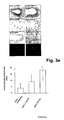
- porcine vessels were damaged with a balloon catheter for 2 hours prior to EPC use and after perfusion. Subsequently, the vessels were fixed and the recruitment of the cells was examined by in situ hybridization with a sequence specific for humans.
- the recruitment of the stem cells could be significantly increased by using the GPVI-CD133 construct, compared to uninjured vessels (approximately 50-fold, not shown), to injured vessels in which the construct was not used (approximately 25-fold ), or if the two components of the Construct alone (approximately 10-fold) ( Fig. 3d ). * means p ⁇ 0.001 compared to the two individual components of the construct.
- mice were sacrificed 14 days after injury to the carotid artery and after administration of cells.
- Intraluminal cells that showed positive staining were determined to be cells derived from human cells.
- EPCs ie CD34 + stem cells
- CD34 + stem cells CD34 + stem cells
- the fusion protein or variants derived therefrom for example, can be introduced into the corresponding vessels via a catheter, or else co-incubated with these prior to administration of stem cells.
- the results show that by means of the fusion protein according to the invention it is possible to capture circulating endothelial progenitor cells on collagen-rich vascular lesions, which could be demonstrated both by in vitro and by in vivo experiments.
- the fusion protein enhanced the differentiation of endothelial progenitor cells (EPCs) into endothelial cells and enhances reendothelialization of vascular lesions.
- EPCs endothelial progenitor cells
Landscapes
- Health & Medical Sciences (AREA)
- Life Sciences & Earth Sciences (AREA)
- Chemical & Material Sciences (AREA)
- Engineering & Computer Science (AREA)
- Bioinformatics & Cheminformatics (AREA)
- Medicinal Chemistry (AREA)
- Organic Chemistry (AREA)
- General Health & Medical Sciences (AREA)
- Immunology (AREA)
- Public Health (AREA)
- Animal Behavior & Ethology (AREA)
- Pharmacology & Pharmacy (AREA)
- Veterinary Medicine (AREA)
- Molecular Biology (AREA)
- Biochemistry (AREA)
- Nuclear Medicine, Radiotherapy & Molecular Imaging (AREA)
- Chemical Kinetics & Catalysis (AREA)
- Cell Biology (AREA)
- Epidemiology (AREA)
- Genetics & Genomics (AREA)
- Biophysics (AREA)
- Proteomics, Peptides & Aminoacids (AREA)
- General Chemical & Material Sciences (AREA)
- Heart & Thoracic Surgery (AREA)
- Cardiology (AREA)
- Zoology (AREA)
- Toxicology (AREA)
- Gastroenterology & Hepatology (AREA)
- Physical Education & Sports Medicine (AREA)
- Vascular Medicine (AREA)
- Urology & Nephrology (AREA)
- Orthopedic Medicine & Surgery (AREA)
- Rheumatology (AREA)
- Peptides Or Proteins (AREA)
- Medicines That Contain Protein Lipid Enzymes And Other Medicines (AREA)
- Preparation Of Compounds By Using Micro-Organisms (AREA)
- Medicines Containing Antibodies Or Antigens For Use As Internal Diagnostic Agents (AREA)
Claims (11)
- Construction bispécifique, comprenant :(a) un premier polypeptide, qui se lie au collagène, et(b) un deuxième polypeptide qui se lie aux cellules endothéliales précurseurs,caractérisée en ce que le premier polypeptide est la glycoprotéine plaquettaire (GPVI) récepteur du collagène, ou des fragments fonctionnels de cette dernière, et que le deuxième polypeptide est un anticorps qui est dirigé contre le CD133, ou des fragments fonctionnels de ce dernier.
- Construction selon la revendication 1, caractérisée en ce que le premier polypeptide comprend une portion extracellulaire du GPVI, ou des fragments fonctionnels de ce dernier, reliée à un polypeptide de dimérisation.
- Construction selon la revendication 2, caractérisée en ce que le polypeptide de dimérisation comprend un domaine Fc d'une immunoglobuline ou un fragment ou un variant de ce dernier, qui comprend la fonction de dimérisation du domaine Fc.
- Construction selon l'une des revendications 1 à 3, caractérisée en ce que le premier polypeptide présente la séquence d'acides aminés SEQ ID N° 3 de la liste de séquences ci-jointe.
- Molécule d'acide nucléique qui code pour une construction selon l'une des revendications 1 à 4.
- Composition pharmaceutique et/ou diagnostique, qui comprend une construction selon l'une des revendications 1 à 4, ainsi qu'éventuellement au moins un support pharmaceutiquement acceptable, ainsi qu'éventuellement des principes actifs supplémentaires, efficaces d'un point de vue pharmaceutique et/ou diagnostique.
- Construction selon l'une des revendications 1 à 4 pour utilisation dans le traitement de lésions de tissus et de vaisseaux dans lesquelles il y a exposition du collagène.
- Construction selon la revendication 7, caractérisée en ce qu'elle est utilisée pour la réendothélialisation de lésions vasculaires.
- Construction selon la revendication 7 ou 8, caractérisée en ce que les vaisseaux et/ou tissus sont choisis dans le groupe comprenant les vaisseaux coronariens, les vaisseaux coronariens, les vaisseaux alimentant le cerveau, les vaisseaux alimentant les extrémités, les tissus conjonctifs, les os, ainsi que tout vaisseau ou tissu qui comprend du collagène.
- Construction selon l'une des revendications 7 à 9, caractérisée en ce qu'elle est utilisé pour une administration par l'intermédiaire d'un cathéter à ballonnet.
- Procédé de fabrication d'une construction, comportant les étapes suivantes :(a) mise à disposition (i) d'un polypeptide qui est une forme soluble de la glycoprotéine VI (GPVI), et (ii) d'un anticorps dirigé contre le CD133 ;(b) modification des groupes amino du GPVI et de l'anticorps à l'aide d'un agent réticulant ;(c) réduction du GPVI ; et(d) conjugaison du GPVI réduit et de l'anticorps modifié dans l'étape (b).
Applications Claiming Priority (2)
| Application Number | Priority Date | Filing Date | Title |
|---|---|---|---|
| DE102007010306A DE102007010306A1 (de) | 2007-02-22 | 2007-02-22 | Bispezifisches Fusionsprotein mit therapeutischem und diagnostischem Potenzial |
| PCT/EP2008/001369 WO2008101700A2 (fr) | 2007-02-22 | 2008-02-21 | Protéine de fusion bispéciifique et protentiel diagnostic |
Publications (2)
| Publication Number | Publication Date |
|---|---|
| EP2129403A2 EP2129403A2 (fr) | 2009-12-09 |
| EP2129403B1 true EP2129403B1 (fr) | 2013-04-10 |
Family
ID=39588063
Family Applications (1)
| Application Number | Title | Priority Date | Filing Date |
|---|---|---|---|
| EP08715930.7A Not-in-force EP2129403B1 (fr) | 2007-02-22 | 2008-02-21 | Construction polypeptidique bispécifique au potentiel thérapeutique et diagnostique |
Country Status (8)
| Country | Link |
|---|---|
| US (1) | US20100068145A1 (fr) |
| EP (1) | EP2129403B1 (fr) |
| JP (1) | JP2010519234A (fr) |
| CN (1) | CN101646463A (fr) |
| AU (1) | AU2008217222A1 (fr) |
| CA (1) | CA2679199A1 (fr) |
| DE (1) | DE102007010306A1 (fr) |
| WO (1) | WO2008101700A2 (fr) |
Families Citing this family (4)
| Publication number | Priority date | Publication date | Assignee | Title |
|---|---|---|---|---|
| ES2829423T3 (es) * | 2009-04-20 | 2021-05-31 | Kyowa Kirin Co Ltd | Anticuerpo anti-CD40 que contiene IgG2 que presenta tres mutaciones de aminoácido introducidas en el mismo |
| DE102010013887A1 (de) | 2010-03-30 | 2011-10-06 | Eberhard-Karls-Universität Tübingen Universitätsklinikum | Fusionsprotein und dessen Verwendungen |
| EP2377888A1 (fr) * | 2010-04-07 | 2011-10-19 | Corimmun GmbH | Protéine de fusion |
| CN103013925A (zh) * | 2011-09-21 | 2013-04-03 | 北京勤邦生物技术有限公司 | 双特异性单克隆抗体及其制备方法与用途 |
Family Cites Families (4)
| Publication number | Priority date | Publication date | Assignee | Title |
|---|---|---|---|---|
| US6387663B1 (en) * | 1998-07-31 | 2002-05-14 | University Of Southern California | Targeting pharmaceutical agents to injured tissues |
| US20040053368A1 (en) * | 2000-08-15 | 2004-03-18 | Tetsuya Ishikawa | Collagen-binding hybrid polypeptide |
| AU2003217271A1 (en) * | 2002-01-29 | 2003-09-02 | A. Mark Colb | Endothelialization of vascular surfaces |
| US7531178B2 (en) * | 2002-06-07 | 2009-05-12 | Trigen Gmbh | Immunoadhesin comprising a glycoprotein VI domain |
-
2007
- 2007-02-22 DE DE102007010306A patent/DE102007010306A1/de not_active Withdrawn
-
2008
- 2008-02-21 CN CN200880005979A patent/CN101646463A/zh active Pending
- 2008-02-21 CA CA002679199A patent/CA2679199A1/fr not_active Abandoned
- 2008-02-21 EP EP08715930.7A patent/EP2129403B1/fr not_active Not-in-force
- 2008-02-21 WO PCT/EP2008/001369 patent/WO2008101700A2/fr not_active Ceased
- 2008-02-21 AU AU2008217222A patent/AU2008217222A1/en not_active Abandoned
- 2008-02-21 JP JP2009550243A patent/JP2010519234A/ja active Pending
-
2009
- 2009-08-20 US US12/583,506 patent/US20100068145A1/en not_active Abandoned
Also Published As
| Publication number | Publication date |
|---|---|
| EP2129403A2 (fr) | 2009-12-09 |
| WO2008101700A2 (fr) | 2008-08-28 |
| US20100068145A1 (en) | 2010-03-18 |
| DE102007010306A1 (de) | 2008-08-28 |
| WO2008101700A3 (fr) | 2009-07-30 |
| CA2679199A1 (fr) | 2008-08-28 |
| CN101646463A (zh) | 2010-02-10 |
| JP2010519234A (ja) | 2010-06-03 |
| AU2008217222A1 (en) | 2008-08-28 |
Similar Documents
| Publication | Publication Date | Title |
|---|---|---|
| DE60128451T2 (de) | Beschichtung welche ein anhaften von endothelzellen stimuliert | |
| DE69128253T2 (de) | Bispezifische antikörper, verfahren zu ihrer herstellung und deren verwendungen | |
| DE69226431T2 (de) | Zellrezeptor spezifische monoklonale antikörper gegen stammzell-faktor-rezeptor | |
| DE69333574T2 (de) | Gegen c-erb b-2 (her-2/neu) vewandte oberflächenantigene gerichtete immuntoxine | |
| DE69028739T2 (de) | Modifizierte PF4-Zusammensetzung und Methoden zu deren Verwendung | |
| DE69518919T2 (de) | Autoantikörper enthaltende zusammensetzung für tumorbehandlung und -vorbeugung | |
| DE69710911T2 (de) | Monoklonale Antikörper gegen Endoglin und ihre Verwendung in der anti-Angiogenese-Therapie | |
| DE69429092T2 (de) | Verfahren zur kontrolle von b-zellenpopulation | |
| DE69224496T2 (de) | Humaner monoklonaler Antikörper, spezifisch gegen ein Oberflächenantigen der Krebszell-Membran | |
| DE60223688T2 (de) | Verfahren zur behandlung von multiplem myelom | |
| WO2019008129A1 (fr) | Molécules de liaison biologiques | |
| EP2129403B1 (fr) | Construction polypeptidique bispécifique au potentiel thérapeutique et diagnostique | |
| EP0340604B1 (fr) | Anticorps monoclonal et son utilisation | |
| DE69929467T2 (de) | Modifizierte antikörper und antikörper-fragmente mit verlängerter aktivitätsdauer | |
| DE69226531T2 (de) | Hemmung von Gefässverengung unter Verwendung von anti-PADGEM Antikörpern. | |
| DE69427484T2 (de) | Angiotensin ii rezeptor typ i spezifische monoklonale antikörper und hybridoma | |
| DE69413009T2 (de) | Verwendung von antikörpern gegen pdgf-rezeptoren zur inhibierung von hyperplasie der intima | |
| DE102010013887A1 (de) | Fusionsprotein und dessen Verwendungen | |
| EP2600882B1 (fr) | ANTICORPS DIRIGÉS CONTRE DES CELLULES DENDRITIQUES HUMAINES 6-SULFO LacNAc-POSITIVES ET UTILISATION DE CEUX-CI | |
| EP1133311B1 (fr) | INFLUENCE SUR L'ANGIOGENESE PAR LA CD66a | |
| DE10056136A1 (de) | Verwendung von Schwangerschaftsproteinen, Liposomen, nativen Muzin-Fragmenten und Mimikry-Verbindungen zur Behandlung und Prophylaxe von entzündlichen Erkrankungen, zur Verhinderung der Metastasierung und zur Prophylaxe von Tumorerkrankungen | |
| DE69913508T2 (de) | Immunotoxinmischungen zur behandlung von immunkrankheiten. | |
| DE69814148T2 (de) | Zielspezifische abgabe zum nukleus mittels protein h von streptococcus | |
| DE4345200C2 (de) | Hybridomzellen, die Antikörper bilden, die als Wirkstoff in Arzneimitteln zur Behandlung von Immunreaktionen enthalten sind | |
| DE69429534T2 (de) | Monoklonale antikörper gegen schaumzellen und ihre pharmazeutische und diagnostische anwendung |
Legal Events
| Date | Code | Title | Description |
|---|---|---|---|
| PUAI | Public reference made under article 153(3) epc to a published international application that has entered the european phase |
Free format text: ORIGINAL CODE: 0009012 |
|
| 17P | Request for examination filed |
Effective date: 20090916 |
|
| AK | Designated contracting states |
Kind code of ref document: A2 Designated state(s): AT BE BG CH CY CZ DE DK EE ES FI FR GB GR HR HU IE IS IT LI LT LU LV MC MT NL NO PL PT RO SE SI SK TR |
|
| RIN1 | Information on inventor provided before grant (corrected) |
Inventor name: BUHRING, HANS-JORG Inventor name: SKUTELLA, THOMAS Inventor name: GAWAZ, MEINRAD Inventor name: JUNG, GUNDRAM Inventor name: LANGER, HARALD |
|
| 17Q | First examination report despatched |
Effective date: 20100205 |
|
| DAX | Request for extension of the european patent (deleted) | ||
| GRAP | Despatch of communication of intention to grant a patent |
Free format text: ORIGINAL CODE: EPIDOSNIGR1 |
|
| GRAS | Grant fee paid |
Free format text: ORIGINAL CODE: EPIDOSNIGR3 |
|
| GRAA | (expected) grant |
Free format text: ORIGINAL CODE: 0009210 |
|
| AK | Designated contracting states |
Kind code of ref document: B1 Designated state(s): AT BE BG CH CY CZ DE DK EE ES FI FR GB GR HR HU IE IS IT LI LT LU LV MC MT NL NO PL PT RO SE SI SK TR |
|
| REG | Reference to a national code |
Ref country code: GB Ref legal event code: FG4D Free format text: NOT ENGLISH |
|
| REG | Reference to a national code |
Ref country code: CH Ref legal event code: EP Ref country code: AT Ref legal event code: REF Ref document number: 605617 Country of ref document: AT Kind code of ref document: T Effective date: 20130415 |
|
| REG | Reference to a national code |
Ref country code: IE Ref legal event code: FG4D Free format text: LANGUAGE OF EP DOCUMENT: GERMAN |
|
| REG | Reference to a national code |
Ref country code: DE Ref legal event code: R096 Ref document number: 502008009683 Country of ref document: DE Effective date: 20130606 |
|
| PG25 | Lapsed in a contracting state [announced via postgrant information from national office to epo] |
Ref country code: SI Free format text: LAPSE BECAUSE OF FAILURE TO SUBMIT A TRANSLATION OF THE DESCRIPTION OR TO PAY THE FEE WITHIN THE PRESCRIBED TIME-LIMIT Effective date: 20130410 |
|
| REG | Reference to a national code |
Ref country code: LT Ref legal event code: MG4D Ref country code: NL Ref legal event code: VDEP Effective date: 20130410 |
|
| PG25 | Lapsed in a contracting state [announced via postgrant information from national office to epo] |
Ref country code: IS Free format text: LAPSE BECAUSE OF FAILURE TO SUBMIT A TRANSLATION OF THE DESCRIPTION OR TO PAY THE FEE WITHIN THE PRESCRIBED TIME-LIMIT Effective date: 20130810 Ref country code: SE Free format text: LAPSE BECAUSE OF FAILURE TO SUBMIT A TRANSLATION OF THE DESCRIPTION OR TO PAY THE FEE WITHIN THE PRESCRIBED TIME-LIMIT Effective date: 20130410 Ref country code: FI Free format text: LAPSE BECAUSE OF FAILURE TO SUBMIT A TRANSLATION OF THE DESCRIPTION OR TO PAY THE FEE WITHIN THE PRESCRIBED TIME-LIMIT Effective date: 20130410 Ref country code: PT Free format text: LAPSE BECAUSE OF FAILURE TO SUBMIT A TRANSLATION OF THE DESCRIPTION OR TO PAY THE FEE WITHIN THE PRESCRIBED TIME-LIMIT Effective date: 20130812 Ref country code: LT Free format text: LAPSE BECAUSE OF FAILURE TO SUBMIT A TRANSLATION OF THE DESCRIPTION OR TO PAY THE FEE WITHIN THE PRESCRIBED TIME-LIMIT Effective date: 20130410 Ref country code: NO Free format text: LAPSE BECAUSE OF FAILURE TO SUBMIT A TRANSLATION OF THE DESCRIPTION OR TO PAY THE FEE WITHIN THE PRESCRIBED TIME-LIMIT Effective date: 20130710 Ref country code: GR Free format text: LAPSE BECAUSE OF FAILURE TO SUBMIT A TRANSLATION OF THE DESCRIPTION OR TO PAY THE FEE WITHIN THE PRESCRIBED TIME-LIMIT Effective date: 20130711 Ref country code: NL Free format text: LAPSE BECAUSE OF FAILURE TO SUBMIT A TRANSLATION OF THE DESCRIPTION OR TO PAY THE FEE WITHIN THE PRESCRIBED TIME-LIMIT Effective date: 20130410 Ref country code: ES Free format text: LAPSE BECAUSE OF FAILURE TO SUBMIT A TRANSLATION OF THE DESCRIPTION OR TO PAY THE FEE WITHIN THE PRESCRIBED TIME-LIMIT Effective date: 20130721 |
|
| PG25 | Lapsed in a contracting state [announced via postgrant information from national office to epo] |
Ref country code: CY Free format text: LAPSE BECAUSE OF FAILURE TO SUBMIT A TRANSLATION OF THE DESCRIPTION OR TO PAY THE FEE WITHIN THE PRESCRIBED TIME-LIMIT Effective date: 20130410 Ref country code: LV Free format text: LAPSE BECAUSE OF FAILURE TO SUBMIT A TRANSLATION OF THE DESCRIPTION OR TO PAY THE FEE WITHIN THE PRESCRIBED TIME-LIMIT Effective date: 20130410 Ref country code: HR Free format text: LAPSE BECAUSE OF FAILURE TO SUBMIT A TRANSLATION OF THE DESCRIPTION OR TO PAY THE FEE WITHIN THE PRESCRIBED TIME-LIMIT Effective date: 20130410 Ref country code: PL Free format text: LAPSE BECAUSE OF FAILURE TO SUBMIT A TRANSLATION OF THE DESCRIPTION OR TO PAY THE FEE WITHIN THE PRESCRIBED TIME-LIMIT Effective date: 20130410 Ref country code: BG Free format text: LAPSE BECAUSE OF FAILURE TO SUBMIT A TRANSLATION OF THE DESCRIPTION OR TO PAY THE FEE WITHIN THE PRESCRIBED TIME-LIMIT Effective date: 20130710 |
|
| PG25 | Lapsed in a contracting state [announced via postgrant information from national office to epo] |
Ref country code: DK Free format text: LAPSE BECAUSE OF FAILURE TO SUBMIT A TRANSLATION OF THE DESCRIPTION OR TO PAY THE FEE WITHIN THE PRESCRIBED TIME-LIMIT Effective date: 20130410 Ref country code: EE Free format text: LAPSE BECAUSE OF FAILURE TO SUBMIT A TRANSLATION OF THE DESCRIPTION OR TO PAY THE FEE WITHIN THE PRESCRIBED TIME-LIMIT Effective date: 20130410 Ref country code: SK Free format text: LAPSE BECAUSE OF FAILURE TO SUBMIT A TRANSLATION OF THE DESCRIPTION OR TO PAY THE FEE WITHIN THE PRESCRIBED TIME-LIMIT Effective date: 20130410 Ref country code: CZ Free format text: LAPSE BECAUSE OF FAILURE TO SUBMIT A TRANSLATION OF THE DESCRIPTION OR TO PAY THE FEE WITHIN THE PRESCRIBED TIME-LIMIT Effective date: 20130410 |
|
| PLBE | No opposition filed within time limit |
Free format text: ORIGINAL CODE: 0009261 |
|
| STAA | Information on the status of an ep patent application or granted ep patent |
Free format text: STATUS: NO OPPOSITION FILED WITHIN TIME LIMIT |
|
| PG25 | Lapsed in a contracting state [announced via postgrant information from national office to epo] |
Ref country code: IT Free format text: LAPSE BECAUSE OF FAILURE TO SUBMIT A TRANSLATION OF THE DESCRIPTION OR TO PAY THE FEE WITHIN THE PRESCRIBED TIME-LIMIT Effective date: 20130410 Ref country code: RO Free format text: LAPSE BECAUSE OF FAILURE TO SUBMIT A TRANSLATION OF THE DESCRIPTION OR TO PAY THE FEE WITHIN THE PRESCRIBED TIME-LIMIT Effective date: 20130410 |
|
| 26N | No opposition filed |
Effective date: 20140113 |
|
| REG | Reference to a national code |
Ref country code: DE Ref legal event code: R097 Ref document number: 502008009683 Country of ref document: DE Effective date: 20140113 |
|
| BERE | Be: lapsed |
Owner name: EBERHARD-KARLS-UNIVERSITAT TUBINGEN Effective date: 20140228 |
|
| PG25 | Lapsed in a contracting state [announced via postgrant information from national office to epo] |
Ref country code: MC Free format text: LAPSE BECAUSE OF FAILURE TO SUBMIT A TRANSLATION OF THE DESCRIPTION OR TO PAY THE FEE WITHIN THE PRESCRIBED TIME-LIMIT Effective date: 20130410 Ref country code: LU Free format text: LAPSE BECAUSE OF FAILURE TO SUBMIT A TRANSLATION OF THE DESCRIPTION OR TO PAY THE FEE WITHIN THE PRESCRIBED TIME-LIMIT Effective date: 20140221 |
|
| REG | Reference to a national code |
Ref country code: CH Ref legal event code: PL |
|
| PG25 | Lapsed in a contracting state [announced via postgrant information from national office to epo] |
Ref country code: CH Free format text: LAPSE BECAUSE OF NON-PAYMENT OF DUE FEES Effective date: 20140228 Ref country code: LI Free format text: LAPSE BECAUSE OF NON-PAYMENT OF DUE FEES Effective date: 20140228 |
|
| REG | Reference to a national code |
Ref country code: IE Ref legal event code: MM4A |
|
| PG25 | Lapsed in a contracting state [announced via postgrant information from national office to epo] |
Ref country code: BE Free format text: LAPSE BECAUSE OF NON-PAYMENT OF DUE FEES Effective date: 20140228 Ref country code: IE Free format text: LAPSE BECAUSE OF NON-PAYMENT OF DUE FEES Effective date: 20140221 |
|
| REG | Reference to a national code |
Ref country code: FR Ref legal event code: PLFP Year of fee payment: 8 |
|
| REG | Reference to a national code |
Ref country code: AT Ref legal event code: MM01 Ref document number: 605617 Country of ref document: AT Kind code of ref document: T Effective date: 20140221 |
|
| PGFP | Annual fee paid to national office [announced via postgrant information from national office to epo] |
Ref country code: DE Payment date: 20150321 Year of fee payment: 8 |
|
| PG25 | Lapsed in a contracting state [announced via postgrant information from national office to epo] |
Ref country code: AT Free format text: LAPSE BECAUSE OF NON-PAYMENT OF DUE FEES Effective date: 20140221 |
|
| PGFP | Annual fee paid to national office [announced via postgrant information from national office to epo] |
Ref country code: GB Payment date: 20150218 Year of fee payment: 8 Ref country code: FR Payment date: 20150219 Year of fee payment: 8 |
|
| PG25 | Lapsed in a contracting state [announced via postgrant information from national office to epo] |
Ref country code: MT Free format text: LAPSE BECAUSE OF FAILURE TO SUBMIT A TRANSLATION OF THE DESCRIPTION OR TO PAY THE FEE WITHIN THE PRESCRIBED TIME-LIMIT Effective date: 20130410 |
|
| PG25 | Lapsed in a contracting state [announced via postgrant information from national office to epo] |
Ref country code: HU Free format text: LAPSE BECAUSE OF FAILURE TO SUBMIT A TRANSLATION OF THE DESCRIPTION OR TO PAY THE FEE WITHIN THE PRESCRIBED TIME-LIMIT; INVALID AB INITIO Effective date: 20080221 Ref country code: TR Free format text: LAPSE BECAUSE OF FAILURE TO SUBMIT A TRANSLATION OF THE DESCRIPTION OR TO PAY THE FEE WITHIN THE PRESCRIBED TIME-LIMIT Effective date: 20130410 |
|
| REG | Reference to a national code |
Ref country code: DE Ref legal event code: R119 Ref document number: 502008009683 Country of ref document: DE |
|
| GBPC | Gb: european patent ceased through non-payment of renewal fee |
Effective date: 20160221 |
|
| REG | Reference to a national code |
Ref country code: FR Ref legal event code: ST Effective date: 20161028 |
|
| PG25 | Lapsed in a contracting state [announced via postgrant information from national office to epo] |
Ref country code: GB Free format text: LAPSE BECAUSE OF NON-PAYMENT OF DUE FEES Effective date: 20160221 Ref country code: DE Free format text: LAPSE BECAUSE OF NON-PAYMENT OF DUE FEES Effective date: 20160901 Ref country code: FR Free format text: LAPSE BECAUSE OF NON-PAYMENT OF DUE FEES Effective date: 20160229 |