EP2135618A2 - Verwendung sekretierter Proteinprodukte zur Prävention und Behandlung von Erkrankungen der Bauchspeicheldrüse und/oder Adipositas und/oder des metabolischen Syndroms - Google Patents
Verwendung sekretierter Proteinprodukte zur Prävention und Behandlung von Erkrankungen der Bauchspeicheldrüse und/oder Adipositas und/oder des metabolischen Syndroms Download PDFInfo
- Publication number
- EP2135618A2 EP2135618A2 EP08016231A EP08016231A EP2135618A2 EP 2135618 A2 EP2135618 A2 EP 2135618A2 EP 08016231 A EP08016231 A EP 08016231A EP 08016231 A EP08016231 A EP 08016231A EP 2135618 A2 EP2135618 A2 EP 2135618A2
- Authority
- EP
- European Patent Office
- Prior art keywords
- nucleic acid
- polypeptide
- acid molecule
- cells
- fragment
- Prior art date
- Legal status (The legal status is an assumption and is not a legal conclusion. Google has not performed a legal analysis and makes no representation as to the accuracy of the status listed.)
- Granted
Links
Images






Classifications
-
- G—PHYSICS
- G01—MEASURING; TESTING
- G01N—INVESTIGATING OR ANALYSING MATERIALS BY DETERMINING THEIR CHEMICAL OR PHYSICAL PROPERTIES
- G01N33/00—Investigating or analysing materials by specific methods not covered by groups G01N1/00 - G01N31/00
- G01N33/48—Biological material, e.g. blood, urine; Haemocytometers
- G01N33/50—Chemical analysis of biological material, e.g. blood, urine; Testing involving biospecific ligand binding methods; Immunological testing
- G01N33/74—Chemical analysis of biological material, e.g. blood, urine; Testing involving biospecific ligand binding methods; Immunological testing involving hormones or other non-cytokine intercellular protein regulatory factors such as growth factors, including receptors to hormones and growth factors
-
- A—HUMAN NECESSITIES
- A61—MEDICAL OR VETERINARY SCIENCE; HYGIENE
- A61K—PREPARATIONS FOR MEDICAL, DENTAL OR TOILETRY PURPOSES
- A61K38/00—Medicinal preparations containing peptides
- A61K38/16—Peptides having more than 20 amino acids; Gastrins; Somatostatins; Melanotropins; Derivatives thereof
- A61K38/17—Peptides having more than 20 amino acids; Gastrins; Somatostatins; Melanotropins; Derivatives thereof from animals; from humans
- A61K38/1703—Peptides having more than 20 amino acids; Gastrins; Somatostatins; Melanotropins; Derivatives thereof from animals; from humans from vertebrates
- A61K38/1709—Peptides having more than 20 amino acids; Gastrins; Somatostatins; Melanotropins; Derivatives thereof from animals; from humans from vertebrates from mammals
-
- A—HUMAN NECESSITIES
- A61—MEDICAL OR VETERINARY SCIENCE; HYGIENE
- A61P—SPECIFIC THERAPEUTIC ACTIVITY OF CHEMICAL COMPOUNDS OR MEDICINAL PREPARATIONS
- A61P3/00—Drugs for disorders of the metabolism
-
- A—HUMAN NECESSITIES
- A01—AGRICULTURE; FORESTRY; ANIMAL HUSBANDRY; HUNTING; TRAPPING; FISHING
- A01K—ANIMAL HUSBANDRY; AVICULTURE; APICULTURE; PISCICULTURE; FISHING; REARING OR BREEDING ANIMALS, NOT OTHERWISE PROVIDED FOR; NEW BREEDS OF ANIMALS
- A01K2217/00—Genetically modified animals
- A01K2217/05—Animals comprising random inserted nucleic acids (transgenic)
-
- G—PHYSICS
- G01—MEASURING; TESTING
- G01N—INVESTIGATING OR ANALYSING MATERIALS BY DETERMINING THEIR CHEMICAL OR PHYSICAL PROPERTIES
- G01N2333/00—Assays involving biological materials from specific organisms or of a specific nature
- G01N2333/435—Assays involving biological materials from specific organisms or of a specific nature from animals; from humans
- G01N2333/475—Assays involving growth factors
-
- G—PHYSICS
- G01—MEASURING; TESTING
- G01N—INVESTIGATING OR ANALYSING MATERIALS BY DETERMINING THEIR CHEMICAL OR PHYSICAL PROPERTIES
- G01N2500/00—Screening for compounds of potential therapeutic value
Definitions
- This invention relates to the use of secreted SF1-SF8 proteins, to the use of polynucleotides encoding these, and to the use of effectors/modulators thereof in the diagnosis, study, prevention, and treatment of pancreatic diseases (e.g. diabetes mellitus), obesity and/or metabolic syndrome and to the use in regeneration of tissues such as pancreatic tissues and others.
- pancreatic diseases e.g. diabetes mellitus
- obesity and/or metabolic syndrome e.g. obesity and/or metabolic syndrome
- pancreatic development has been well studied in different species, including chicken, zebrafish, and mice (for a detailed review, see Kim & Hebrok, 2001, supra).
- the pancreas develops from distinct dorsal and ventral anlagen.
- Pancreas development requires specification of the pancreas strom along both anterior-posterior and dorsal-ventral axes.
- a number of transcription factors, which are critical for proper pancreatic development have been identified (see Kim & Hebrok, 2001, supra; Wilson M.E. et al., (2003) Mech Dev. 120: 65-80 ).
- beta-cell neogenesis does not appear to change in type II diabetics (Butler et al., 2003 supra), thus causing a reduction in total beta-cell mass over time. Eventually the application of exogenous insulin becomes necessary in type II diabetics.
- type I and type II diabetes as well as for latent autoimmune diabetes in adults (LADA) there is a strong need in the art to identify factors that induce regeneration of pancreatic insulin producing beta-cells. These factors could restore normal function of the endocrine pancreas once its function is impaired or event could prevent the development or progression of diabetes type I, diabetes type II, or LADA.
- the metabolic syndrome often precedes the development of type II diabetes and cardiovascular disease ( Lakka H.M. et al., (2002) JAMA 288: 2709-2716 ).
- the control of blood lipid levels and blood glucose levels is essential for the treatment of the metabolic syndrome (see, for example, Santomauro A.T. et al., (1999) Diabetes 48: 1836-1841 ).
- SF1 protein is structurally related to chitinases.
- the fly homologue of SF1 lost its enzymatic activity. It is expressed in the fat body of the Drosophila embryo and larva, and might act as a growth factor ( Kawamura K. et al., (1999) Development 126: 211-219 ).
- SF2 secreted protein
- ESTs expressed sequence tags of the SF2 mRNA are present, e.g. in pancreas and ES cells.
- the SF2 gene is highly conserved in mouse, rat, and humans.
- the extracellular matrix protein SF3 is involved in the growth and guidance of axons in the spinal cord and the PNS ( Klar A. et al., (1992) Cell. 69: 95-110 ).
- the human SF3 gene is located at the region of chromosome 11 (between markers D11S926 and D11S928); deletion of this region causes nesidioblastosis (hyperinsulinemia) in humans.
- SF3 was shown to affect the biological activities of vascular endothelial cells by inhibiting angiogenesis ( Terai Y. et al., (2001) J Cell Physiol. 188: 394-402 ).
- SF3 was shown to function as a contact-repellent molecule for embryonic motor neurons ( Tzarfati-Majar V. et al., (2001) Proc Natl Acad Sci U S A. 98: 4722-4727 ).
- SF4 belongs to a structural family of neuropeptides that are widely distributed in the body and function as neurotransmitters and neuromodulators ( Goto T. and Tanaka T., (2002) Microsc Res Tech. 58: 91-97 ). A regulatory role for SF4 in placental physiology and pre-eclampsia was described ( Page N.M. et al., (2001) Regul Pept. 98: 97-104 ).
- SF5 is a glycoprotein involved in cell anchorage and integrin signaling. SF5 is secreted from mammary gland and expressed in outer mesenchymal stromal region of the mouse fetal gonad ( Oshima K. et al., (1999) Biochem Biophys Res Commun. 254: 522-528 ; Kanai Y. et al., (2000) Mech Dev. 96: 223-227 ). A possible role of SF5 in the membrane vesicle secretion and exocytosis of endocytic multivesicular bodies was suggested ( Oshima K. et al., (2002) Eur J Biochem. 269: 1209-1218 ).
- SF6 is a secreted glycoprotein expressed in CNS, PNS, and subsets of mesenchymal cells ( Nelson B.R. et al., (2002) Gene Expr Patterns. 2: 7-15 ). SF6 contains a calcium ion binding domain.
- SF7 is a serine protease inhibitor, that regulates plasma levels of glucocorticoids. Moreover SF7 is the main carrier of glucocorticoids in mammals. The temporal and spatial changes in the localization of SF7 and its mRNA in the fetus are suggested to influence the effects of steroid hormones on developing tissues ( Scrocchi L.A. et al., (1993) Endocrinology. 132: 903-909 ). Furthermore it was suggested that during severe stress, SF7 might be important in regulating the amount of cortisol reaching target tissues ( Garrel D.R. (1996) Horm Res. 45: 245-251 ).
- SF8 is a cyclosporin A binding protein, which is expressed in a restricted subset of tissues including mouse ovary, testis, bone marrow, and kidney, and human kidney, pancreas, skeletal muscle, heart, lung, and liver ( Friedman J. et al., (1994) Am J Pathol. 144: 1247-1256 ; Schneider H. et al., (1994) Biochemistry. 33: 8218-8224 ). SF8 is involved in degradation of the genome during apoptosis ( Montague J.W. et al., (1997) J Biol Chem. 272: 6677-6684 ).
- the present invention relates to secreted proteins with novel functions in the human metabolism, regeneration, and pancreatic developmental processes.
- the present invention discloses specific genes and proteins encoded thereby and effectors/modulators thereof involved in the regulation of pancreatic function and metabolism, especially in pancreas diseases such as diabetes mellitus, e.g. insulin dependent diabetes mellitus and/or non insulin dependent diabetes mellitus, and/or LADA and/or metabolic syndrome, obesity, and/or related disorders such as coronary heart disease, eating disorder, cachexia, hypertension, hypercholesterolemia (dyslipidemia), liver fibrosis, and/or gallstones. Further, the present invention dislcoses specific genes and proteins encoded thereby and effectors/modulators thereof involved in the regeneration of pancreatic cells or tissues, e.g.
- cells having exocrinous functions such as acinar cells, centroacinar cells and/or ductal cells and/or cells having endocrinous functions, particularly cells in Langerhans islets such as alpha-, beta-, delta- and/or PP-cells, more particularly beta-cells.
- SF1-SF8 secreted factors expressed in developing mouse pancreas.
- the present invention describes mammalian SF1-SF8 proteins and the polynucleotides encoding these, in particular human SF1-SF8, as being involved in the conditions and processes mentioned above.
- the present invention relates to SF1, SF2, SF3, SF4, SF5, SF6, SF7 and/or SF8 (SF1-SF8) polynucleotides encoding polypeptides with novel functions in the development and regeneration of pancreatic tissues and thus in mammalian pancreatic diseases (e.g. diabetes), and also in body-weight regulation, energy homeostasis, and obesity, fragments of said polynucleotides, polypeptides encoded by said polynucleotides or fragments thereof.
- the invention also relates to vectors, host cells, and recombinant methods for producing the polypeptides and polynucleotides of the invention.
- the invention also relates to effectors/modulators of SF1-SF8 polynucleotides and/or polypeptides, e.g. antibodies, biologically active nucleic acids, such as antisense molecules, RNAi molecules or ribozymes, aptamers, peptides or low-molecular weight organic compounds recognizing said polynucleotides or polypeptides.
- effectors/modulators of SF1-SF8 polynucleotides and/or polypeptides e.g. antibodies, biologically active nucleic acids, such as antisense molecules, RNAi molecules or ribozymes, aptamers, peptides or low-molecular weight organic compounds recognizing said polynucleotides or polypeptides.
- SF1-SF8 homologous proteins and nucleic acid molecules coding therefore are obtainable from vertebrate species.
- nucleic acids encoding the human SF1-SF8 protein and variants thereof are particularly preferred.
- the invention particularly relates to a nucleic acid molecule encoding a polypeptide contributing to regulating the energy homeostasis and the mammalian metabolism, wherein said nucleic acid molecule comprises
- the function of the mammalian SF1-SF8 in mammalian metabolism was validated by analyzing the expression of the transcripts in different tissues and by analyzing the role in adipocyte differentiation (see Examples 3 and 4 for more detail).
- mice carrying gene knockouts in the leptin pathway for example, ob/ob (leptin) or db (leptin receptor/ligand) mice
- ob/ob (leptin) or db (leptin receptor/ligand) mice Such mice develop typical symptoms of diabetes, show hepatic lipid accumulation and frequently have increased plasma lipid levels (see Bruning J.C. et al., (1998) Mol. Cell. 2: 559-569 ).
- Expression of SF1-SF8 mRNA was also examined in susceptible wild type mice (for example, C57BI/6) that show symptoms of diabetes, lipid accumulation, and high plasma lipid levels, if fed a high fat diet. Further, expression of SF4 mRNA was also examined in Non-Obese-Diabetic (NOD) mice.
- NOD Non-Obese-Diabetic
- array technology can be used to explore the expression of a single polymorphic gene or the expression profile of a large number of related or unrelated genes.
- arrays are employed to detect the expression of a specific gene or its variants.
- arrays provide a platform for identifying genes that are tissue specific, are affected by a substance being tested in a toxicology assay, are part of a signaling cascade, carry out housekeeping functions, or are specifically related to a particular genetic predisposition, condition, disease, or disorder.
- Microarrays may be prepared, used, and analyzed using methods known in the art (see for example, Brennan T.M., (1995) U.S. Patent No. 5,474,796 ; Schena M. et al., (1996) Proc. Natl. Acad. Sci. USA 93:10614-10619 ; Baldeschwieler J.D. et al., (1995) PCT application WO 95/251116 ; Shalon T.D. and Brown P.O., (1995) PCT application WO 95/35505 ; Heller R.A. et al., (1997) Proc. Natl. Acad. Sci. USA 94: 2150-2155 ; Heller, M.J.
- Oligonucleotides or longer fragments derived from any of the polynucleotides described herein may be used as elements on a microarray.
- the microarray can be used in transcript imaging techniques, which monitor the relative expression levels of large numbers of genes simultaneously as described below.
- the microarray may also be used to identify genetic variants, mutations, and polymorphisms. This information may be used to determine gene function, to understand the genetic basis of a disorder, to diagnose a disorder, to monitor progression/regression of disease as a function of gene expression, and to develop and monitor the activities of therapeutic agents in the treatment of disease. In particular, this information may be used to develop a pharmacogenomic profile of a patient in order to select the most appropriate and effective treatment regimen for that patient. For example, therapeutic agents, which are highly effective and display the fewest side effects may be selected for a patient based on his/her pharmacogenomic profile.
- SF3 and SF5 show differential expression in human adipocytes.
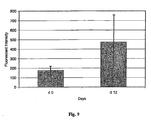
- a strong up-regulation is observed concerning the expression of SF3 during the human primary adipocyte differentiation (see Fig. 9 ).
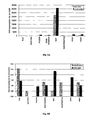
- a strong down-regulation is observed concerning the expression of SF5 during the human primary adipocyte differentiation (see Fig. 10A ) and human SGBS cell differentiation (see Fig. 10B ).
- the SF3 protein in preadipocyctes has the potential to enhance adipocyte differentiation at a very early stage, and the SF5 protein in preadipocyctes has the potential to inhibit adipocyte differentiation at a very early stage. Therefore, the SF3 and SF5 proteins might play an essential role in adipogenesis.
- SF3 and SF5 are strong candidates for the manufacture of pharmaceutical compositions and medicaments for the treatment of conditions related to human metabolism, such as diabetes, obesity, and/or metabolic syndrome.
- SF1 sectional in situ hybridizations of SF1 (see Example 5 and Fig. 11 ).
- the nucleic acid sequence encoding the mouse SF1 protein is expressed in the pancreas tissue (see Fig. 11 ).
- SF1 showed widespread expression in non-beta cell and non-duct cells.
- the distribution and shape of the expressing cells as well as co-staining with the exocrine marker amylase indicate that SF1 is expressed predominantly in exocrine cells in the developing pancreas.
- the invention also encompasses novel use of polynucleotides that encode the proteins of the invention. Accordingly, any nucleic acid sequence, which encodes the amino acid sequences of the proteins of the invention, can be used to generate recombinant molecules that express the proteins of the invention.
- the invention encompasses a nucleic acid encoding SF1-SF8. It will be appreciated by those skilled in the art that as a result of the degeneracy of the genetic code, a multitude of nucleotide sequences encoding the proteins, some bearing minimal homology to the nucleotide sequences of any known and naturally occurring gene, may be produced. The invention contemplates each and every possible variation of nucleotide sequence that can be made by selecting combinations based on possible codon choices.
- polynucleotide sequences that are capable of hybridizing to the claimed nucleotide sequences, and in particular, those of the polynucleotide encoding the proteins of the invention, under various conditions of stringency.
- Hybridization conditions are based on the melting temperature (Tm) of the nucleic acid binding complex or probe, as taught in Wahl G.M. et al., (1987; Methods Enzymol. 152: 399-407 ) and Kimmel A.R. (1987; Methods Enzymol. 152: 507-511 ), and may be used at a defined stringency.
- hybridization under stringent conditions means that after washing for 1 h with 1 x SSC and 0.1% SDS at 50°C, preferably at 55°C, more preferably at 62°C and most preferably at 65°C, particularly for 1 h in 0.2 x SSC and 0.1% SDS at 50°C, preferably at 55°C, more preferably at 62°C and most preferably at 65°C, a positive hybridization signal is observed.
- Altered nucleic acid sequences encoding the proteins which are encompassed by the invention include deletions, insertions or substitutions of different nucleotides resulting in a polynucleotide that encodes the same or a functionally equivalent protein.
- the encoded proteins may also contain deletions, insertions or substitutions of amino acid residues, which produce a silent change and result in functionally equivalent proteins. Deliberate amino acid substitutions may be made on the basis of similarity in polarity, charge, solubility, hydrophobicity, hydrophilicity, and/or the amphipathic nature of the residues as long as the biological activity of the protein is retained.
- the invention relates to peptide fragments of the proteins or derivatives thereof such as cyclic peptides, retro-inverso peptides or peptide mimetics having a length of at least 4, preferably at least 6 and up to 50 amino acids.
- an 'allele' or 'allelic sequence' is an alternative form of the gene, which may result from at least one mutation in the nucleic acid sequence. Alleles may result in altered mRNAs or polypeptides whose structures or function may or may not be altered. Any given gene may have none, one or many allelic forms. Common mutational changes, which give rise to alleles, are generally ascribed to natural deletions, additions or substitutions of nucleotides. Each of these types of changes may occur alone or in combination with the others, one or more times in a given sequence.
- nucleic acid sequences encoding SF1-SF8 may be extended utilizing a partial nucleotide sequence and employing various methods known in the art to detect upstream sequences such as promoters and regulatory elements.
- nucleotide sequences encoding the proteins or functional equivalents may be inserted into appropriate expression vectors, i.e., a vector which contains the necessary elements for the transcription and translation of the inserted coding sequence.
- appropriate expression vectors i.e., a vector which contains the necessary elements for the transcription and translation of the inserted coding sequence.
- Methods which are well known to those skilled in the art, may be used to construct expression vectors containing sequences encoding the proteins and the appropriate transcriptional and translational control elements.
- Regulatory elements include for example a promoter, an initiation codon, a stop codon, a mRNA stability regulatory element, and a polyadenylation signal.
- a polynucleotide can be assured by (i) constitutive promoters such as the Cytomegalovirus (CMV) promoter/enhancer region, (ii) tissue specific promoters such as the insulin promoter (see, Soria B. et al., (2000), Diabetes 49: 157-162 ), SOX2 gene promoter (see Li M. et al., (1998) Curr. Biol. 8: 971-974 ), Msi-1 promoter (see Sakakibara S. and Okano H., (1997) J. Neuroscience 17: 8300-8312 ), alpha-cardia myosin heavy chain promoter or human atrial natriuretic factor promoter ( Klug M.G.
- constitutive promoters such as the Cytomegalovirus (CMV) promoter/enhancer region
- tissue specific promoters such as the insulin promoter (see, Soria B. et al., (2000), Diabetes 49: 157-162 ), SOX2
- Expression vectors can also contain a selection agent or marker gene that confers antibiotic resistance such as the neomycin, hygromycin or puromycin resistance genes.
- selection agent or marker gene confers antibiotic resistance such as the neomycin, hygromycin or puromycin resistance genes.
- natural, modified or recombinant nucleic acid sequences encoding the proteins of the invention may be ligated to a heterologous sequence to encode a fusion protein.
- a variety of expression vector/host systems may be utilized to contain and express sequences encoding the proteins or fusion proteins.
- micro-organisms such as bacteria transformed with recombinant bacteriophage, plasmid or cosmid DNA expression vectors; yeast transformed with yeast expression vectors; insect cell systems infected with virus expression vectors (e.g., baculovirus, adenovirus, adeno-associated virus, lentiverus, retrovirus); plant cell systems transformed with virus expression vectors (e.g., cauliflower mosaic virus, CaMV; tobacco mosaic virus, TMV) or with bacterial expression vectors (e.g., Ti or PBR322 plasmids); or animal cell systems.
- virus expression vectors e.g., cauliflower mosaic virus, CaMV; tobacco mosaic virus, TMV
- bacterial expression vectors e.g., Ti or PBR322 plasmids
- polynucleotide sequences of the invention in a sample can be detected by DNA-DNA or DNA-RNA hybridization and/or amplification using probes or portions or fragments of said polynucleotides.
- Nucleic acid amplification based assays involve the use of oligonucleotides or oligomers based on the sequences specific for the gene to detect transformants containing DNA or RNA encoding the corresponding protein.
- 'oligonucleotides' or 'oligomers' refer to a nucleic acid sequence of at least about 10 nucleotides and as many as about 60 nucleotides, preferably about 15 to 30 nucleotides, and more preferably about 20-25 nucleotides, which can be used as a probe or amplimer.
- Means for producing labeled hybridization or PCR probes for detecting polynucleotide sequences include oligo-labeling, nick translation, end-labeling of RNA probes, PCR amplification using a labeled nucleotide, or enzymatic synthesis. These procedures may be conducted using a variety of commercially available kits (Pharmacia & Upjohn, (Kalamazoo, Mich.); Promega (Madison Wis.); and U.S. Biochemical Corp., (Cleveland, Ohio).
- the presence of SF1-SF8 in a sample can be determined by immunological methods or activity measurement.
- a variety of protocols for detecting and measuring the expression of proteins, using either polyclonal or monoclonal antibodies specific for the protein or reagents for determining protein activity are known in the art. Examples include enzyme-linked immunosorbent assay (ELISA), radioimmunoassay (RIA), and fluorescence activated cell sorting (FACS).
- ELISA enzyme-linked immunosorbent assay
- RIA radioimmunoassay
- FACS fluorescence activated cell sorting
- a two-site, monoclonal-based immunoassay utilizing monoclonal antibodies reactive to two non-interfering epitopes on the protein is preferred, but a competitive binding assay may be employed.
- Suitable reporter molecules or labels include radionuclides, enzymes, fluorescent, chemiluminescent or chromogenic agents as well as substrates, co-factors, inhibitors, magnetic particles, and the like.
- nucleic acids encoding the proteins of the invention can be used to generate transgenic animal or site specific gene modifications in cell lines.
- Transgenic animals may be made through homologous recombination, where the normal locus of the genes encoding the proteins of the invention is altered.
- a nucleic acid construct is randomly integrated into the genome.
- Vectors for stable integration include plasmids, retroviruses and other animal viruses, YACs, and the like.
- the modified cells or animal are useful in the study of the function and regulation of the proteins of the invention. For example, a series of small deletions and/or substitutions may be made in the genes that encode the proteins of the invention to determine the role of particular domains of the protein, functions in pancreatic differentiation, etc.
- Specific constructs of interest include anti-sense molecules, which will block the expression of the proteins of the invention, or expression of dominant negative mutations.
- a detectable marker such as for example lac-Z, may be introduced in the locus of the genes of the invention, where upregulation of expression of the genes of the invention will result in an easily detected change in phenotype.
- genes of the invention or variants thereof in cells or tissues where it is not normally expressed or at abnormal times of development.
- proteins of the invention in cells in which they are not normally produced, one can induce changes in cell behavior.
- DNA constructs for homologous recombination will comprise at least portions of the genes of the invention with the desired genetic modification, and will include regions of homology to the target locus.
- DNA constructs for random integration need not include regions of homology to mediate recombination. Conveniently, markers for positive and/or negative selection are included.
- Methods for generating cells having targeted gene modifications through homologous recombination are known in the art.
- ES non-humanembryonic stem
- an ES cell line may be employed, or embryonic cells may be obtained freshly from a host, e.g. mouse, rat, guinea pig etc. Such cells are grown on an appropriate fibroblast-feeder layer or grown in presence of leukemia inhibiting factor (LIF).
- LIF leukemia inhibiting factor
- the data disclosed in this invention show that the SF1-SF8 nucleic acids and proteins and effector/modulator molecules thereof are useful in diagnostic and therapeutic applications implicated, for example, but not limited to, pancreatic diseases (e.g. diabetes, such as insulin dependent diabetes mellitus and/or non insulin dependent diabetes mellitus and/or LADA), obesity, metabolic syndrome, eating disorder, cachexia, hypertension, coronary heart disease, hypercholesterolemia (dyslipidemia), and/or gallstones.
- pancreatic diseases e.g. diabetes, such as insulin dependent diabetes mellitus and/or non insulin dependent diabetes mellitus and/or LADA
- obesity e.g. diabetes, such as insulin dependent diabetes mellitus and/or non insulin dependent diabetes mellitus and/or LADA
- obesity e.g. diabetes, such as insulin dependent diabetes mellitus and/or non insulin dependent diabetes mellitus and/or LADA
- eating disorder e.g., eating disorder, cachexia, hypertension, coronary heart disease,
- cells having exocrinous functions such as acinar cells, centroacinar cells and/or ductal cells and/or cells having endocrinous functions, particularly cells in Langerhans islets such as alpha-, beta-, delta- and/or PP-cells, more particularly beta-cells.
- nucleic acids and proteins of the invention are, for example but not limited to, the following: (i) tissue regeneration in vitro and in vivo (regeneration for all these tissues and cell types composing these tissues and cell types derived from these tissues), (ii) small molecule drug target, (iii) antibody target (therapeutic, diagnostic, drug targeting/cytotoxic antibody), (iv) diagnostic and/or prognostic marker, (v) protein therapy, (vi) gene therapy (gene delivery/gene ablation), and / or (vii) research tools.
- compositions of the present invention will have efficacy for treatment of patients suffering from, for example, pancreatic diseases (e.g. diabetes), obesity, and/or metabolic syndrome as described above.
- administration of SF1-SF8 nucleic acids and proteins and/or effectors/modulators thereof in a pharmaceutical composition to a subject in need thereof, particularly a human patient leads to an at least partial regeneration of, for example, pancreas cells, e.g. endocrine cells and/or exocrine cells.
- pancreas cells e.g. endocrine cells and/or exocrine cells.
- the composition will then at least partially restore normal pancreatic function.
- these cells are beta cells of the islets or exocrine cells which will contribute to the improvement of a diabetic state.
- an increase in cell mass can be achieved. This effect upon the body reverses the condition of diabetes partially or completely.
- the dosage administered may be reduced in strength.
- compositions of the present invention will also have efficacy for treatment of patients with other pancreatic diseases such as pancreatic cancer, dysplasia, or pancreatitis.
- the SF1-SF8 nucleic acids and proteins and effectors/modulators thereof are useful in diagnostic and therapeutic applications implicated in various embodiments as described below.
- cDNAs encoding the proteins of the invention and particularly their human homologues may be useful in gene therapy, and the proteins of the invention and particularly their human homologues may be useful when administered to a subject in need thereof.
- the compositions of the present invention will have efficacy for treatment of patients suffering from, for example, pancreatic diseases (e.g. diabetes), obesity, and/or metabolic syndrome as described above.
- the SF1-SF8 nucleic acids and proteins and effectors/modulators thereof may be administered either as a monotherapy or as a combination therapy with other pharmaceutical agents.
- they may be administered together with other pharmaceutical agents suitable for the treatment or prevention of pancreatic diseases and/or obesity and/or metabolic syndrome.
- pharmaceutical agents which have an immunosuppressive activity e.g. antibodies, polypeptides and/or peptidic or non-peptidic low molecular weight substances.
- immunosuppressive agents are listed in the following Table 1.
- Table 1 Exemplary agents for immune suppression Names Mechanism 2-amino-1,3-propanediol derivatives Used for preventing or treating chronic rejection in a patient receiving an organ or tissue allo- or xenotransplant 2-amino-2[2-(4-octylphenyl)ethyl] propane-1,3-diol hydrochloride Immunosuppression, from accelerated lymphocyte homing 40-O-(2-hydroxyethyl)-rapamycin, SDZ-RAD, Everolimus Sirolimus (rapamycin) derivative, used for acute kidney rejection; reduces rejection and graft vasculopathy following heart transplantation by inhibiting cell proliferation 6-(3-dimethyl- aminopropionyl) forskolin Immunosuppressing action useful also for treating autoimmune disease 6-mercaptopurine (6-MP) Used to treat Crohn's disease, inflammatory bowel disease and for organ transplant therapy A-420983 Lck-inhibitor ABX-CBL (CBL-1) Mouse monoclo
- Monoclonal AB binds and inactivates human TNFalpha; used to treat Crohn's disease and rheumatoid arthritis Interferon Immunomodulatory properties ISAtx247 Used to treat autoimmune diseases such as rheumatoid arthritis and psoriasis isotretinoin Immunosuppressant, reduces ability of T cells to proliferate in response to immune challenge.
- the combination therapy may comprise coadministration of the medicaments during the treatment period and/or separate administration of single medicaments during different time intervals in the treatment period.
- nucleic acids of the invention or fragments thereof may further be useful in diagnostic applications, wherein the presence or amount of the nucleic acids or the proteins are to be assessed.
- Further antibodies that bind immunospecifically to the novel substances of the invention may be used in therapeutic or diagnostic methods.
- antibodies which are specific for a protein of the invention, may be used directly as an effector/modulator, e.g. an antagonist or an agonist or indirectly as a targeting or delivery mechanism for bringing a pharmaceutical agent to cells or tissue which express the protein.
- the antibodies may be generated using methods that are well known in the art.
- Such antibodies may include, but are not limited to, polyclonal, monoclonal, chimeric single chain, Fab fragments, and fragments produced by a Fab expression library.
- Neutralising antibodies i.e., those which inhibit dimer formation are especially preferred for therapeutic use.
- various hosts including goats, rabbits, rats, mice, humans, and others, may be immunized by injection with the protein or any fragment or oligopeptide thereof, which has immunogenic properties.
- various adjuvants may be used to increase immunological response. It is preferred that the peptides, fragments or oligopeptides used to induce antibodies to the protein have an amino acid sequence consisting of at least five amino acids, and more preferably at least 10 amino acids.
- Monoclonal antibodies to the proteins may be prepared using any technique that provides for the production of antibody molecules by continuous cell lines in culture. These include, but are not limited to, the hybridoma technique, the human B-cell hybridoma technique, and the EBV-hybridoma technique ( Köhler G. and Milstein C., (1975) Nature 256: 495-497 ; Kozbor D. et al., (1985) J. Immunol. Methods 81: 31-42 ; Cote R.J. et al., (1983) Proc. Natl. Acad. Sci. 80: 2026-2030 ; Cole S.P. et al., (1984) Mol. Cell Biol. 62: 109-120 ).
- Antibodies with related specificity, but of distinct idiotypic composition may be generated by chain shuffling from random combinatorial immunoglobulin libraries ( Kang A.S. et al., (1991) Proc. Natl. Acad. Sci. 88: 11120-11123 ). Antibodies may also be produced by inducing in vivo production in the lymphocyte population or by screening recombinant immunoglobulin libraries or panels of highly specific binding reagents as disclosed in the literature ( Orlandi R. et al., (1989) Proc. Natl. Acad. Sci. 86: 3833-3837 ; Winter G. and Milstein C., (1991) Nature 349: 293-299 ).
- Antibody fragments which contain specific binding sites for the proteins may also be generated.
- fragments include, but are not limited to, the F(ab') 2 fragments which can be produced by Pepsin digestion of the antibody molecule and the Fab fragments which can be generated by reducing the disulfide bridges of F(ab') 2 fragments.
- Fab expression libraries may be constructed to allow rapid and easy identification of monoclonal Fab fragments with the desired specificity ( Huse W.D. et al., (1989) Science 246: 1275-1281 ).
- immunoassays may be used for screening to identify antibodies having the desired specificity.
- Numerous protocols for competitive binding and immunoradiometric assays using either polyclonal or monoclonal antibodies with established specificities are well known in the art.
- Such immunoassays typically involve the measurement of complex formation between the protein and its specific antibody.
- a two-site, monoclonal-based immunoassay utilizing monoclonal antibodies reactive to two non-interfering protein epitopes is preferred, but a competitive binding assay may also be employed (Maddox, supra).
- the polynucleotides or fragments thereof or nucleic acid effector/modulator molecules such as antisense molecules, aptamers, RNAi molecules or ribozymes may be used for therapeutic purposes.
- nucleic acid effector/modulator molecules such as antisense molecules, aptamers, RNAi molecules or ribozymes
- aptamers i.e. nucleic acid molecules, which are capable of binding to a protein of the invention and modulating its activity, may be generated by a screening and selection procedure involving the use of combinatorial nucleic acid libraries.
- antisense molecules may be used in situations in which it would be desirable to block the transcription of the mRNA.
- cells may be transformed with sequences complementary to polynucleotides encoding SF1-SF8 or homologous proteins.
- antisense molecules may be used to modulate/effect protein activity or to achieve regulation of gene function.
- sense or antisense oligomers or larger fragments can be designed from various locations along the coding or control regions of sequences encoding the proteins.
- Expression vectors derived from retroviruses, adenovirus, herpes or vaccinia viruses or from various bacterial plasmids may be used for delivery of nucleotide sequences to the targeted organ, tissue or cell population. Methods, which are well known to those skilled in the art, can be used to construct recombinant vectors, which will express antisense molecules complementary to the polynucleotides of the genes encoding the proteins of the invention. These techniques are described both in Sambrook et al. (supra) and in Ausubel et al. (supra).
- Genes encoding the proteins of the invention can be turned off by transforming a cell or tissue with expression vectors, which express high levels of polynucleotides that encode the proteins of the invention or functional fragments thereof. Such constructs may be used to introduce untranslatable sense or antisense sequences into a cell. Even in the absence of integration into the DNA, such vectors may continue to transcribe RNA molecules until they are disabled by endogenous nucleases. Transient expression may last for a month or more with a non-replicating vector and even longer if appropriate replication elements are part of the vector system.
- antisense molecules e.g. DNA, RNA or nuclei acid analogues such as PNA
- Oligonucleotides derived from the transcription initiation site e.g., between positions -10 and +10 from the start site, are preferred.
- inhibition can be achieved using "triple helix" base-pairing methodology. Triple helix pairing is useful because it cause inhibition of the ability of the double helix to open sufficiently for the binding of polymerases, transcription factors or regulatory molecules.
- the antisense molecules may also be designed to block translation of mRNA by preventing the transcript from binding to ribosomes.
- Ribozymes enzymatic RNA molecules, may also be used to catalyze the specific cleavage of RNA.
- the mechanism of ribozyme action involves sequence-specific hybridization of the ribozyme molecule to complementary target RNA, followed by endonucleolytic cleavage. Examples, which may be used, include engineered hammerhead motif ribozyme molecules that can be specifically and efficiently catalyze endonucleolytic cleavage of sequences encoding the proteins of the invention.
- Specific ribozyme cleavage sites within any potential RNA target are initially identified by scanning the target molecule for ribozyme cleavage sites which include the following sequences: GUA, GUU, and GUC.
- RNA sequences of between 15 and 20 ribonucleotides corresponding to the region of the target gene containing the cleavage site may be evaluated for secondary structural features which may render the oligonucleotide inoperable.
- the suitability of candidate targets may also be evaluated by testing accessibility to hybridization with complementary oligonucleotides using ribonuclease protection assays.
- Nucleic acid effector/modulator molecules e.g. antisense molecules and ribozymes may be prepared by any method known in the art for the synthesis of nucleic acid molecules. These include techniques for chemically synthesizing oligonucleotides such as solid phase phosphoramidite chemical synthesis.
- RNA molecules may be generated by in vitro and in vivo transcription of DNA sequences. Such DNA sequences may be incorporated into a variety of vectors with suitable RNA polymerase promoters such as T7 or SP6.
- these cDNA constructs that synthesize antisense RNA constitutively or inducibly can be introduced into cell lines, cells or tissues. RNA molecules may be modified to increase intracellular stability and half-life.
- flanking sequences at the 5' and/or 3' ends of the molecule or modifications in the nucleobase, sugar and/or phosphate moieties, e.g. the use of phosphorothioate or 2' O-methyl rather than phosphodiesterase linkages within the backbone of the molecule.
- vectors may be introduced into stem cells taken from the patient and clonally propagated for autologous transplant back into that same patient. Delivery by transfection and by liposome injections may be achieved using methods, which are well known in the art. Any of the therapeutic methods described above may be applied to any suitable subject including, for example, mammals such as dogs, cats, cows, horses, rabbits, monkeys, and most preferably, humans.
- compositions may consist of SF1-SF8 nucleic acids or the proteins, antibodies to the proteins of the invention, mimetics, agonists, antagonists or inhibitors of the proteins of the invention or nucleic acids.
- the compositions may be administered alone or in combination with at least one other agent, such as stabilizing compound, which may be administered in any sterile, biocompatible pharmaceutical carrier, including, but not limited to, saline, buffered saline, dextrose, and water.
- the compositions may be administered to a patient alone or in combination with other agents, drugs or hormones.
- compositions utilized in this invention may be administered by any number of routes including, but not limited to, oral, intravenous, intramuscular, intra-arterial, intramedullary, intrathecal, intraventricular, transdermal, subcutaneous, intraperitoneal, intranasal, enteral, topical, sublingual or rectal means.
- these pharmaceutical compositions may contain suitable pharmaceutically-acceptable carriers comprising excipients and auxiliaries, which facilitate processing of the active compounds into preparations, which can be used pharmaceutically. Further details on techniques for formulation and administration may be found in the latest edition of Remington's Pharmaceutical Sciences (Maack Publishing Co., Easton, Pa .).
- compositions suitable for use in the invention include compositions wherein the active ingredients are contained in an effective amount to achieve the intended purpose.
- the determination of an effective dose is well within the capability of those skilled in the art.
- the therapeutically effective dose can be estimated initially either in cell culture assays, e.g., of preadipocyte cell lines or in animal models, usually mice, rabbits, dogs or pigs.
- the animal model may also be used to determine the appropriate concentration range and route of administration. Such information can then be used to determine useful doses and routes for administration in humans.
- a therapeutically effective dose refers to that amount of active ingredient, for example the SF1-SF8 nucleic acids or proteins or fragments thereof or antibodies, which is sufficient for treating a specific condition.
- Therapeutic efficacy and toxicity may be determined by standard pharmaceutical procedures in cell cultures or experimental animals, e.g., ED50 (the dose therapeutically effective in 50% of the population) and LD50 (the dose lethal to 50% of the population).
- the dose ratio between therapeutic and toxic effects is the therapeutic index, and it can be expressed as the ratio, LD50/ED50.
- Pharmaceutical compositions, which exhibit large therapeutic indices, are preferred.
- the data obtained from cell culture assays and animal studies is used in formulating a range of dosage for human use.
- the dosage contained in such compositions is preferably within a range of circulating concentrations that include the ED50 with little or no toxicity. The dosage varies within this range depending upon the dosage from employed, sensitivity of the patient, and the route of administration.
- Dosage and administration are adjusted to provide sufficient levels of the active moiety or to maintain the desired effect. Factors, which may be taken into account, include the severity of the disease state, general health of the subject, age, weight, and gender of the subject, diet, time and frequency of administration, drug combination(s), reaction sensitivities, and tolerance/response to therapy.
- Long-acting pharmaceutical compositions may be administered every 3 to 4 days, every week or once every two weeks depending on half-life and clearance rate of the particular formulation. Normal dosage amounts may vary from 0.1 to 100,000 microg, up to a total dose of about 1 g, depending upon the route of administration.
- antibodies which specifically bind to the proteins may be used for the diagnosis of conditions or diseases characterized by or associated with over- or under-expression of the proteins of the invention or in assays to monitor patients being treated with the proteins of the invention, or effectors/modulators thereof, e.g. agonists, antagonists, or inhibitors.
- Diagnostic assays include methods which utilize the antibody and a label to detect the protein in human body fluids or extracts of cells or tissues.
- the antibodies may be used with or without modification, and may be labeled by joining them, either covalently or non-covalently, with a reporter molecule.
- reporter molecules which are known in the art may be used several of which are described above.
- a variety of protocols including ELISA, RIA, and FACS for measuring proteins are known in the art and provide a basis for diagnosing altered or abnormal levels of gene expression.
- Normal or standard values for gene expression are established by combining body fluids or cell extracts taken from normal mammalian subjects, preferably human, with antibodies to the protein under conditions suitable for complex formation. The amount of standard complex formation may be quantified by various methods, but preferably by photometric means. Quantities of protein expressed in control and disease, samples e.g. from biopsied tissues are compared with the standard values. Deviation between standard and subject values establishes the parameters for diagnosing disease.
- the polynucleotides specific for the SF1-SF8 proteins may be used for diagnostic purposes.
- the polynucleotides, which may be used, include oligonucleotide sequences, antisense RNA and DNA molecules, and PNAs.
- the polynucleotides may be used to detect and quantitate gene expression in biopsied tissues in which gene expression may be correlated with disease.
- the diagnostic assay may be used to distinguish between absence, presence, and excess gene expression, and to monitor regulation of protein levels during therapeutic intervention.
- hybridization with probes which are capable of detecting polynucleotide sequences, including genomic sequences, encoding the proteins of the invention or closely related molecules may be used to identify nucleic acid sequences which encode the respective protein.
- the hybridization probes of the subject invention may be DNA or RNA and are preferably derived from the nucleotide sequence of the polynucleotide encoding the proteins of the invention or from a genomic sequence including promoter, enhancer elements, and introns of the naturally occurring gene.
- Hybridization probes may be labeled by a variety of reporter groups, for example, radionuclides such as 32 P or 35 S or enzymatic labels, such as alkaline phosphatase coupled to the probe via avidin/biotin coupling systems, and the like.
- reporter groups for example, radionuclides such as 32 P or 35 S or enzymatic labels, such as alkaline phosphatase coupled to the probe via avidin/biotin coupling systems, and the like.
- Polynucleotide sequences specific for SF1-SF8 proteins or homologous nucleic acids may be used for the diagnosis of conditions or diseases, which are associated with the expression of the proteins. Examples of such diseases include the pancreatic diseases (e.g. diabetes), obesity, metabolic syndrome, and/or others. Polynucleotide sequences specific for the SF1-SF8 proteins may also be used to monitor the progress of patients receiving treatment for pancreatic diseases (e.g. diabetes), obesity, and/or metabolic syndrome. The polynucleotide sequences may be used qualitative or quantitative assays, e.g. in Southern or Northern analysis, dot blot or other membrane-based technologies; in PCR technologies; or in dip stick, pin, ELISA or chip assays utilizing fluids or tissues from patient biopsies to detect altered gene expression.
- the polynucleotide sequences may be used qualitative or quantitative assays, e.g. in Southern or Northern analysis, dot blot or other membrane-based technologies; in PCR
- the SF1-SF8 nucleotide sequences may be useful in assays that detect activation or induction of various metabolic diseases or dysfunctions.
- the nucleotide sequences may be labeled by standard methods, and added to a fluid or tissue sample from a patient under conditions suitable for the formation of hybridization complexes. After a suitable incubation period, the sample is washed and the signal is quantitated and compared with a standard value. The presence of altered levels of nucleotide sequences encoding the proteins of the invention in the sample indicates the presence of the associated disease.
- Such assays may also be used to evaluate the efficacy of a particular therapeutic treatment regimen in animal studies, in clinical trials or in monitoring the treatment of an individual patient.
- a normal or standard profile for expression is established. This may be accomplished by combining body fluids or cell extracts taken from normal subjects, either animal or human, with a sequence or a fragment thereof, which is specific for the nucleic acids encoding the proteins of the invention, under conditions suitable for hybridization or amplification. Standard hybridization may be quantified by comparing the values obtained from normal subjects with those from an experiment where a known amount of a substantially purified polynucleotide is used. Standard values obtained from normal samples may be compared with values obtained from samples from patients who are symptomatic for disease. Deviation between standard and subject values is used to establish the presence of disease.
- hybridization assays may be repeated on a regular basis to evaluate whether the level of expression in the patient begins to approximate that, which is observed in the normal patient.
- the results obtained from successive assays may be used to show the efficacy of treatment over a period ranging from several days to months.
- pancreatic diseases e.g. diabetes
- obesity e.g. diabetes
- metabolic syndrome the presence of an unusual amount of transcript in biopsied tissue from an individual may indicate a predisposition for the development of the disease or may provide a means for detecting the disease prior to the appearance of actual clinical symptoms.
- a more definitive diagnosis of this type may allow health professionals to employ preventative measures or aggressive treatment earlier thereby preventing the development or further progression of the metabolic diseases and disorders.
- oligonucleotides designed from the sequences encoding the proteins of the invention may involve the use of PCR.
- Such oligomers may be chemically synthesized, generated enzymatically or produced from a recombinant source.
- Oligomers will preferably consist of two nucleotide sequences, one with sense orientation (5prime.fwdarw.3prime) and another with antisense (3prime.rarw.5prime), employed under optimized conditions for identification of a specific gene or condition.
- the same two oligomers, nested sets of oligomers or even a degenerate pool of oligomers may be employed under less stringent conditions for detection and/or quantification of closely related DNA or RNA sequences.
- the nucleic acid sequences may also be used to generate hybridization probes, which are useful for mapping the naturally occurring genomic sequence.
- the sequences may be mapped to a particular chromosome or to a specific region of the chromosome using well known techniques.
- Such techniques include FISH, FACS or artificial chromosome constructions, such as yeast artificial chromosomes, bacterial artificial chromosomes, bacterial P1 constructions or single chromosome cDNA libraries as reviewed in Price C.M., (1993) Blood Rev. 7: 127-134 , and Trask B.J., (1991) Trends Genet. 7: 149-154 .
- FISH as described in Verma R.S.
- the nucleotide sequences of the subject invention may be used to detect differences in gene sequences between normal, carrier or affected individuals. An analysis of polymorphisms, e.g. single nucleotide polymorphisms may be carried out. Further, in situ hybridization of chromosomal preparations and physical mapping techniques such as linkage analysis using established chromosomal markers may be used for extending genetic maps. Often the placement of a gene on the chromosome of another mammalian species, such as mouse, may reveal associated markers even if the number or arm of a particular human chromosome is not known. New sequences can be assigned to chromosomal arms or parts thereof, by physical mapping.
- any sequences mapping to that area may represent associated or regulatory genes for further investigation.
- the nucleotide sequences of the subject invention may also be used to detect differences in the chromosomal location due to translocation, inversion, etc. among normal, carrier or affected individuals.
- the proteins of the invention can be used for screening libraries of compounds in any of a variety of drug screening techniques.
- the protein or fragment thereof employed in such screening may be free in solution, affixed to a solid support, borne on a cell surface, or located intracellulary.
- the formation of binding complexes, between the SF1-SF8 proteins of the invention and the agent tested, may be measured. Agents could also, either directly or indirectly, influence the activity of the proteins of the invention.
- agents may also interfere with posttranslational modifications of the protein, such as phosphorylation and dephosphorylation, farnesylation, palmitoylation, acetylation, alkylation, ubiquitination, proteolytic processing, subcellular localization and degradation.
- agents could influence the dimerization or oligomerization of the proteins of the invention or, in a heterologous manner, of the proteins of the invention with other proteins, for example, but not exclusively, docking proteins, enzymes, receptors, or translation factors.
- Agents could also act on the physical interaction of the proteins of this invention with other proteins, which are required for protein function, for example, but not exclusively, their downstream signaling.
- binding of a fluorescently labeled peptide derived from the interacting protein to the SF1-SF8 protein of the invention could be detected by a change in polarisation.
- binding partners which can be either the full length proteins as well as one binding partner as the full length protein and the other just represented as a peptide are fluorescently labeled
- binding could be detected by fluorescence energy transfer (FRET) from one fluorophore to the other.
- FRET fluorescence energy transfer
- a variety of commercially available assay principles suitable for detection of protein-protein Interaction are well known In the art, for example but not exclusively AlphaScreen (PerkinElmer) or Scintillation Proximity Assays (SPA) by Amersham.
- the interaction of the SF1-SF8 proteins of the invention with cellular proteins could be the basis for a cell-based screening assay, in which both proteins are fluorescently labeled and interaction of both proteins is detected by analysing cotranslocation of both proteins with a cellular imaging reader, as has been developed for example, but not exclusively, by Cellomics or EvotecOAl.
- the two or more binding partners can be different proteins with one being the protein of the invention, or in case of dimerization and/or oligomerization the protein of the invention itself.
- agent as used herein describes any molecule, e.g. protein or pharmaceutical, with the capability of altering or mimicking the physiological function of one or more of the proteins of the invention.
- Candidate agents encompass numerous chemical classes, though typically they are organic molecules, preferably small organic compounds having a molecular weight of more than 50 and less than about 2,500 Daltons.
- Candidate agents comprise functional groups necessary for structural interaction with proteins, particularly hydrogen bonding, and typically include at least an amine, carbonyl, hydroxyl or carboxyl group, preferably at least two of the functional chemical groups.
- the candidate agents often comprise carbocyclic or heterocyclic structures and/or aromatic or polyaromatic structures substituted with one or more of the above functional groups.
- Candidate agents are also found among biomolecules including peptides, saccharides, fatty acids, steroids, purines, pyrimidines, nucleic acids and derivatives, structural analogs or combinations thereof.
- Candidate agents are obtained from a wide variety of sources including libraries of synthetic or natural compounds. For example, numerous means are available for random and directed synthesis of a wide variety of organic compounds and biomolecules, including expression of randomized oligonucleotides and oligopeptides.
- libraries of natural compounds in the form of bacterial, fungal, plant and animal extracts are available or readily produced.
- natural or synthetically produced libraries and compounds are readily modified through conventional chemical, physical and biochemical means, and may be used to produce combinatorial libraries.
- pharmacological agents may be subjected to directed or random chemical modifications, such as acylation, alkylation, esterification, amidification, etc. to produce structural analogs.
- the screening assay is a binding assay
- one or more of the molecules may be joined to a label, where the label can directly or indirectly provide a detectable signal.
- Another technique for drug screening provides for high throughput screening of compounds having suitable binding affinity to the protein of interest as described in published PCT application WO84/03564 .
- this method as applied to the proteins of the invention large numbers of different small test compounds, e.g. aptamers, peptides, low-molecular weight compounds etc., are provided or synthesized on a solid substrate, such as plastic pins or some other surface.
- the test compounds are reacted with the proteins or fragments thereof, and washed. Bound proteins are then detected by methods well known in the art. Purified proteins can also be coated directly onto plates for use in the aforementioned drug screening techniques.
- non-neutralizing antibodies can be used to capture the peptide and immobilize it on a solid support.
- Compounds that bind SF1-SF8 proteins are useful for the identification or enrichment of cells, which are positive for the expression of the proteins of the invention, from complex cell mixtures.
- Such cell populations are useful in transplantation, for experimental evaluation, and as source of lineage and cell specific products, including mRNA species useful in identifying genes specifically expressed in these cells, and as target for the identification of factors of molecules that can affect them.
- a medium throughput validation is carried out.
- the test compound is added to stem cells being cultivated and the insulin production is determined.
- an initial high throughput assay such as the cell based assay outlined above where for example a Pax4 promoter is used as marker for beta-cell regeneration
- the activity of candidate molecules to induce beta-cell differentiation is tested in a validation assay comprising adding said compounds to the culture media of the embryoid bodies. Differentiation into insulin-producing cells is then evaluated, e.g. by comparison to wild type and/or Pax4 expressing ES cells to assess the effectiveness of a compound.
- the nucleic acids encoding the SF1-SF8 proteins of the invention can be used to generate transgenic cell lines and animals. These transgenic non-human animals are useful in the study of the function and regulation of the proteins of the invention in vivo.
- Transgenic animals particularly mammalian transgenic animals, can serve as a model system for the investigation of many developmental and cellular processes common to humans.
- a variety of non-human models of metabolic disorders can be used to test modulators of the protein of the invention.
- Misexpression (for example, overexpression or lack of expression) of the protein of the invention, particular feeding conditions, and/or administration of biologically active compounds can create models of metabolic disorders.
- pancreatic bud During organogenesis, the pancreatic bud is surrounded and influenced by the associated mesenchyme. (see for example, Madsen O.D. et al., (1996) Eur. J. Biochem. 242: 435-445 and Slack, J.M., (1995) Development 121: 1569-1580 ). Recently, it was suggested, that white adipocytes origin directly from mesenchymal cells ( Atanossova P.K., (2003) Folia Med. 45: 41-45 ). During embryogenesis, the innervation and vascularization of the pancreas can be observed. Therefore, the tissue used in the screen might have contained besides pancreatic cells some adipocyte precursors, blood vessels, as well as neuronal cells.
- a mouse embryonic stage 9.5-15 pancreatic bud library was prepared in pCMVSPORT-6 vector using SUPERSCRIPT Plasmid System from Invitrogen according to the manufacturer's instructions.
- the non-amplified library was electroporated into MaxEff DH10B cells (Invitrogen).
- Table 2 Mammalian genes and proteins of the invention (SF1-SF8) Name Genbank Accession Numbers Mus musculus genes and proteins Homo sapiens genes and proteins cDNA Protein cDNA Protein SF1 NM 026522 NP 080798 NM 023947 NP 076436 SF2 NM 023625 NP 076114 NM 173542 NP 775813 SF3 AS 051390 BAB18461 NM 145584 NP 663559 SF4 NM 009312 NP 033338 NM 013251 NP 037383 SF5 AB025280 BAA76386 NM 005928 NP 005919 SF6 NM 016743 NP 058023 NM 006159 NP 006150 SF7 NM 007618 NP 031644 NM 001756 NP 001747 SF8 NM 008908 NP 032934 NM 000943 NP 000934
- Prime/probe pairs were used for the TaqMan analysis (GenBank Accession Number AB051390 (mouse) for the mouse SF3 sequence):
- RNA-expression is shown on the Y-axis.
- Fig. 1 2 , 3 , 4 , 5 , 6 , 7 , and 8 the tissues tested are given on the X-axis.
- WAT refers to white adipose tissue
- BAT' refers to brown adipose tissue.
- the panel of the wild type mice tissues comprises liver, pancreas, muscle, small intestine, WAT, hypothalamus, and heart
- the panel of the control diet-mice tissues comprises liver, muscle, small intestine, WAT, brain, and heart.
- SF4 is restricted to a few mammalian tissues, with highest expression levels in hypothalamus and brain of wild type mice.
- SF4 is expressed in spleen, white adipose tissue (WAT) and at lower levels in small intestine of wild type and control mice as depicted in Fig. 4A .
- WAT white adipose tissue
- Fig. 4A the expression of SF4 is significantly downregulated in metabolic active tissue (WAT) and upregulated in muscle of genetically induced obese mice ( ob / ob ) compared to wild type mice.
- WAT metabolic active tissue
- ob / ob genetically induced obese mice
- SF4 is significantly downregulated in spleen of starved wild type mice compared to wild type mice fed a standard diet (see Fig.
- SF4 is downregulated in WAT and small intestine, and upregulated in colon, spleen and brown adipose tissue (BAT), compared to mice fed a control diet, supporting that SF4 is involved in the regulation of mammalian metabolism (see Fig. 4B ).
- expression of SF4 mRNA was also examined Non-Obese-Diabetic (NOD) mice. In those mice, the expression of SF4 is significantly downregulated in WAT, and upregulated in spleen, lung, muscle, liver, and testis, supporting that SF4 is involved in the regulation of mammalian metabolism (see Fig. 4C ).
- NOD Non-Obese-Diabetic
- SF7 is expressed on a very low level in the small intestine of wild type mice but up-regulated to robust expression levels in the small intestine of ob/ob mice and HFD mice.
- the high expression level of SF7 in the liver of wild type and control mice as well as the regulation of gene expression in the mouse models for the metabolic syndrome as described above suggests that it might play a role in the regulation of energy homeostasis.
- SF8 is expressed in several mammalian tissues, showing highest level of expression in WAT, muscle, small intestine, heart, and pancreas. Furthermore SF8 is expressed on lower but still robust levels in the liver, hypothalamus, and brain as depicted in Fig. 8A .
- Fig. 8A we found, for example, that the expression of SF8 is down-regulated in the pancreas and small intestine, and up-regulated in the WAT and hypothalamus of ob/ob mice compared to wild type mice (see Fig. 8B ). In wild type mice fed a high fat diet, the expression of SF8 was not regulated.
- the expresssion of SF8 in metabolic active tissues of wild type and control mice as well as the regulation of gene expression in a mouse model for the metabolic syndrome as described above suggests that it might play a role in the regulation of energy homeostasis.
- RNA preparation from human primary adipose tissues was done as described in Example 3.
- the target preparation, hybridization, and scanning was performed as described in the manufactures manual (see Affymetrix Technical Manual, 2002, obtained from Affmetrix, Santa Clara, USA).
- SF1 is a protein which was isolated in a screen for secreted proteins expressed in the developing mouse pancreas during embryogenesis.
- the isolation of the corresponding cDNA from an embryonic mouse pancreas library demonstrates that the gene is expressed in this tissue at this time.
- in situ hybridization was performed on sections of embryonic mouse pancreas (day E17.5) according to standard protocols as known to those skilled in the art and as described previously (for example, Pelton, R.W. et al., (1990) Development 110: 609-620 ; Belo, J.A. et al., (1997) Mech. Dev. 68: 45-57 ), combined with antibody stainings for insulin (beta cell marker) or DBA lectin (duct cell marker).
- SF1 showed widespread expression in non-beta cell and non-duct cells.
- the distribution and shape of the expressing cells as well as co-staining with the exocrine marker amylase indicate that SF1 is expressed predominantly in exocrine cells in the developing pancreas.
Landscapes
- Health & Medical Sciences (AREA)
- Life Sciences & Earth Sciences (AREA)
- Engineering & Computer Science (AREA)
- Chemical & Material Sciences (AREA)
- Immunology (AREA)
- Molecular Biology (AREA)
- Hematology (AREA)
- Medicinal Chemistry (AREA)
- General Health & Medical Sciences (AREA)
- Biomedical Technology (AREA)
- Urology & Nephrology (AREA)
- Public Health (AREA)
- Veterinary Medicine (AREA)
- Pharmacology & Pharmacy (AREA)
- Bioinformatics & Cheminformatics (AREA)
- Animal Behavior & Ethology (AREA)
- Marine Sciences & Fisheries (AREA)
- Biotechnology (AREA)
- Pathology (AREA)
- Zoology (AREA)
- Gastroenterology & Hepatology (AREA)
- General Physics & Mathematics (AREA)
- Proteomics, Peptides & Aminoacids (AREA)
- Epidemiology (AREA)
- Endocrinology (AREA)
- Biochemistry (AREA)
- Analytical Chemistry (AREA)
- Physics & Mathematics (AREA)
- Cell Biology (AREA)
- Microbiology (AREA)
- Food Science & Technology (AREA)
- Diabetes (AREA)
- Organic Chemistry (AREA)
- Obesity (AREA)
- Chemical Kinetics & Catalysis (AREA)
- General Chemical & Material Sciences (AREA)
- Nuclear Medicine, Radiotherapy & Molecular Imaging (AREA)
- Medicines That Contain Protein Lipid Enzymes And Other Medicines (AREA)
- Pharmaceuticals Containing Other Organic And Inorganic Compounds (AREA)
Priority Applications (1)
| Application Number | Priority Date | Filing Date | Title |
|---|---|---|---|
| EP08016231.6A EP2135618B1 (de) | 2003-11-19 | 2004-11-19 | SF6 zur Verwendung zur Behandlung von Diabetes und/oder Fettleibigkeit, Screeningverfahren für Modulatoren und Kit |
Applications Claiming Priority (3)
| Application Number | Priority Date | Filing Date | Title |
|---|---|---|---|
| EP03026614 | 2003-11-19 | ||
| EP04803195A EP1694352A2 (de) | 2003-11-19 | 2004-11-19 | Verwendung von sezernierten proteinprodukten zur prävention und behandlung von pankreaserkrankungen und/oder fettsucht und/oder des metabolischen syndroms |
| EP08016231.6A EP2135618B1 (de) | 2003-11-19 | 2004-11-19 | SF6 zur Verwendung zur Behandlung von Diabetes und/oder Fettleibigkeit, Screeningverfahren für Modulatoren und Kit |
Related Parent Applications (1)
| Application Number | Title | Priority Date | Filing Date |
|---|---|---|---|
| EP04803195A Division EP1694352A2 (de) | 2003-11-19 | 2004-11-19 | Verwendung von sezernierten proteinprodukten zur prävention und behandlung von pankreaserkrankungen und/oder fettsucht und/oder des metabolischen syndroms |
Publications (3)
| Publication Number | Publication Date |
|---|---|
| EP2135618A2 true EP2135618A2 (de) | 2009-12-23 |
| EP2135618A3 EP2135618A3 (de) | 2010-01-20 |
| EP2135618B1 EP2135618B1 (de) | 2014-01-15 |
Family
ID=34610058
Family Applications (2)
| Application Number | Title | Priority Date | Filing Date |
|---|---|---|---|
| EP04803195A Withdrawn EP1694352A2 (de) | 2003-11-19 | 2004-11-19 | Verwendung von sezernierten proteinprodukten zur prävention und behandlung von pankreaserkrankungen und/oder fettsucht und/oder des metabolischen syndroms |
| EP08016231.6A Expired - Lifetime EP2135618B1 (de) | 2003-11-19 | 2004-11-19 | SF6 zur Verwendung zur Behandlung von Diabetes und/oder Fettleibigkeit, Screeningverfahren für Modulatoren und Kit |
Family Applications Before (1)
| Application Number | Title | Priority Date | Filing Date |
|---|---|---|---|
| EP04803195A Withdrawn EP1694352A2 (de) | 2003-11-19 | 2004-11-19 | Verwendung von sezernierten proteinprodukten zur prävention und behandlung von pankreaserkrankungen und/oder fettsucht und/oder des metabolischen syndroms |
Country Status (3)
| Country | Link |
|---|---|
| US (1) | US20070107073A1 (de) |
| EP (2) | EP1694352A2 (de) |
| WO (1) | WO2005049063A2 (de) |
Citations (5)
| Publication number | Priority date | Publication date | Assignee | Title |
|---|---|---|---|---|
| WO1984003564A1 (en) | 1983-03-08 | 1984-09-13 | Commw Serum Lab Commission | Method of determining antigenically active amino acid sequences |
| WO1995025116A1 (en) | 1994-03-16 | 1995-09-21 | California Institute Of Technology | Method and apparatus for performing multiple sequential reactions on a matrix |
| US5474796A (en) | 1991-09-04 | 1995-12-12 | Protogene Laboratories, Inc. | Method and apparatus for conducting an array of chemical reactions on a support surface |
| WO1995035505A1 (en) | 1994-06-17 | 1995-12-28 | The Board Of Trustees Of The Leland Stanford Junior University | Method and apparatus for fabricating microarrays of biological samples |
| US5605662A (en) | 1993-11-01 | 1997-02-25 | Nanogen, Inc. | Active programmable electronic devices for molecular biological analysis and diagnostics |
Family Cites Families (6)
| Publication number | Priority date | Publication date | Assignee | Title |
|---|---|---|---|---|
| US5279966A (en) * | 1992-04-02 | 1994-01-18 | The Trustees Of Columbia University In The City Of New York | Cloning, expression and uses of a novel secreted protein, F-spondin |
| US6005088A (en) * | 1996-03-19 | 1999-12-21 | Otsuka Pharmaceutical Co., Ltd. | Human NPIK gene |
| JP2001292778A (ja) * | 2000-04-11 | 2001-10-23 | Inst Of Physical & Chemical Res | トランケート型リーリンタンパク質およびそれをコードするdna |
| US6677500B2 (en) * | 2000-08-15 | 2004-01-13 | Board Of Trustees Of The University Of Illinois | Ungulates expressing exogenous IGF-I in their milk |
| DE602004032107D1 (de) * | 2003-02-07 | 2011-05-19 | Univ California | Nell-peptidexpressionssysteme und knochenbildende aktivität des nell-peptids |
| EP1608398A2 (de) * | 2003-03-31 | 2005-12-28 | DeveloGen Aktiengesellschaft für entwicklungsbiologische Forschung | Verwendung von dg931 protein für die behandlung von diabetes, fettsucht und metabolischem syndrom |
-
2004
- 2004-11-19 EP EP04803195A patent/EP1694352A2/de not_active Withdrawn
- 2004-11-19 WO PCT/EP2004/013175 patent/WO2005049063A2/en not_active Ceased
- 2004-11-19 EP EP08016231.6A patent/EP2135618B1/de not_active Expired - Lifetime
- 2004-11-19 US US10/579,744 patent/US20070107073A1/en not_active Abandoned
Patent Citations (5)
| Publication number | Priority date | Publication date | Assignee | Title |
|---|---|---|---|---|
| WO1984003564A1 (en) | 1983-03-08 | 1984-09-13 | Commw Serum Lab Commission | Method of determining antigenically active amino acid sequences |
| US5474796A (en) | 1991-09-04 | 1995-12-12 | Protogene Laboratories, Inc. | Method and apparatus for conducting an array of chemical reactions on a support surface |
| US5605662A (en) | 1993-11-01 | 1997-02-25 | Nanogen, Inc. | Active programmable electronic devices for molecular biological analysis and diagnostics |
| WO1995025116A1 (en) | 1994-03-16 | 1995-09-21 | California Institute Of Technology | Method and apparatus for performing multiple sequential reactions on a matrix |
| WO1995035505A1 (en) | 1994-06-17 | 1995-12-28 | The Board Of Trustees Of The Leland Stanford Junior University | Method and apparatus for fabricating microarrays of biological samples |
Non-Patent Citations (77)
| Title |
|---|
| "DNA Microarrays: A Practical Approach", 1999, OXFORD UNIVERSITY PRESS |
| "Remington's Pharmaceutical Sciences", MAACK PUBLISHING CO. |
| ALTSCHUL S.F. ET AL., NUCLEIC ACIDS RES., vol. 25, 1997, pages 3389 - 3402 |
| ATANOSSOVA P.K., FOLIA MED., vol. 45, 2003, pages 41 - 45 |
| AUSUBEL F.M. ET AL.: "Current Protocols in Molecular Biology", 1989, JOHN WILEY & SONS |
| BELO, J.A. ET AL., MECH. DEV., vol. 68, 1997, pages 45 - 57 |
| BENSON D.A. ET AL., NUCLEIC ACIDS RES., vol. 28, 2000, pages 15 - 18 |
| BONNER-WEIR S.; SHARMA A., J PATHOL., vol. 197, 2002, pages 519 - 526 |
| BOUWENS L.; PIPELEERS D.G., DIABETOLOGIA, vol. 41, 1998, pages 629 - 633 |
| BRUNING J.C. ET AL., MOL. CELL, vol. 2, 1998, pages 559 - 569 |
| BUTLER A.E. ET AL., DIABETES, vol. 52, 2003, pages 102 - 110 |
| CAMUS J.P., REV RHUM MAL OSTEOARTIC, vol. 33, 1966, pages 10 - 14 |
| CHATENOUD L. ET AL., NAT REV IMMUNOL., vol. 3, 2003, pages 123 - 132 |
| COLE S.P. ET AL., MOL. CELL BIOL., vol. 62, 1984, pages 109 - 120 |
| COTE R.J. ET AL., PROC. NATL. ACAD. SCI., vol. 80, 1983, pages 2026 - 2030 |
| FRIEDMAN J. ET AL., AM J PATHOL., vol. 144, 1994, pages 1247 - 1256 |
| GARREL D.R., HORM RES., vol. 45, 1996, pages 245 - 251 |
| GATTI R.A. ET AL., NATURE, vol. 336, 1988, pages 577 - 580 |
| GEE J.E. ET AL., GENE, vol. 149, 1994, pages 109 - 114 |
| GOTO T.; TANAKA T., MICROSC RES TECH., vol. 58, 2002, pages 91 - 97 |
| GU G. ET AL., MECH DEV., vol. 120, 2003, pages 35 - 43 |
| HAMPTON R. ET AL.: "Serological Methods, a Laboratory Manual", 1990, APS PRESS |
| HELLER R.A. ET AL., PROC. NATL. ACAD. SCI. USA, vol. 94, 1997, pages 2150 - 2155 |
| HUBER B.E.; CARR B.I.: "Molecular and Immunologic Approaches", 1994, FUTURA PUBLISHING CO. |
| HUSE W.D. ET AL., SCIENCE, vol. 246, 1989, pages 1275 - 1281 |
| KANAI Y. ET AL., MECH DEV., vol. 96, 2000, pages 223 - 227 |
| KANG A.S. ET AL., PROC. NATL. ACAD. SCI., vol. 88, 1991, pages 11120 - 11123 |
| KAWAMURA K. ET AL., DEVELOPMENT, vol. 126, 1999, pages 211 - 219 |
| KIM S.K.; HEBROK M., GENES DEV., vol. 15, 2001, pages 111 - 127 |
| KIMMEL A.R., METHODS ENZYMOL., vol. 152, 1987, pages 507 - 511 |
| KLAR A. ET AL., CELL, vol. 69, 1992, pages 95 - 110 |
| KLUG M.G. ET AL., J. CLIN. INVEST, vol. 98, 1996, pages 216 - 224 |
| KOHLER G.; MILSTEIN C., NATURE, vol. 256, 1975, pages 495 - 497 |
| KOPELMAN P.G., NATURE, vol. 404, 2000, pages 635 - 643 |
| KOZBOR D. ET AL., J. IMMUNOL. METHODS, vol. 81, 1985, pages 31 - 42 |
| LAKKA H.M. ET AL., JAMA, vol. 288, 2002, pages 2709 - 2716 |
| LAMMERT E ET AL., SCIENCE, vol. 294, 2001, pages 564 - 567 |
| LANUS A. ET AL., J CLIN INVEST., vol. 111, 2003, pages 843 - 850 |
| LI M. ET AL., CURR. BIOL., vol. 8, 1998, pages 971 - 974 |
| MADDOX D.E. ET AL., J. EXP. MED., vol. 158, 1983, pages 1211 - 1226 |
| MADSEN O.D. ET AL., EUR. J. BIOCHEM., vol. 242, 1996, pages 435 - 445 |
| MIZUNO ET AL., PROC NATL ACAD SCI U S A, vol. 93, no. 8, 16 April 1996 (1996-04-16), pages 3434 - 8 |
| MONTAGUE J.W. ET AL., J BIOL CHEM., vol. 272, 1997, pages 6677 - 6684 |
| MORRISON S.L. ET AL., PROC. NATL. ACAD. SCI., vol. 81, 1984, pages 6851 - 6855 |
| NELSON B.R. ET AL., GENE EXPR PATTERNS., vol. 2, 2002, pages 7 - 15 |
| NEUBERGER M.S. ET AL., NATURE, vol. 312, 1984, pages 604 - 608 |
| ORLANDI R. ET AL., PROC. NATL. ACAD. SCI., vol. 86, 1989, pages 3833 - 3837 |
| OSHIMA K. ET AL., BIOCHEM BIOPHYS RES COMMUN., vol. 254, 1999, pages 522 - 528 |
| OSHIMA K. ET AL., EUR J BIOCHEM., vol. 269, 2002, pages 1209 - 1218 |
| PAGE N.M. ET AL., REGUL PEPT., vol. 98, 2001, pages 97 - 104 |
| PELTON, R.W. ET AL., DEVELOPMENT, vol. 110, 1990, pages 609 - 620 |
| PERA E.M.; DE ROBERTIS E.M., MECH DEV, vol. 96, no. 2, 2000, pages 183 - 195 |
| POZZILLI; DI MARIO, DIABETES CARE., vol. 8, 2001, pages 1460 - 67 |
| PRICE C.M., BLOOD REV., vol. 7, 1993, pages 127 - 134 |
| RAZ ET AL., LANCET, vol. 358, 2001, pages 1749 - 1753 |
| REAVEN G., CIRCULATION, vol. 106, 2002, pages 286 - 288 |
| REAVEN G.M., DIABETES, vol. 37, 1988, pages 1595 - 1607 |
| SAKAKIBARA S.; OKANO H., J. NEUROSCIENCE, vol. 17, 1997, pages 8300 - 8312 |
| SAMBROOK J. ET AL.: "Molecular Cloning, A Laboratory Manual", 1989, COLD SPRING HARBOR PRESS |
| SANTOMAURO A.T. ET AL., DIABETES, vol. 48, 1999, pages 1836 - 1841 |
| SCHENA M. ET AL., PROC. NATL. ACAD. SCI. USA, vol. 93, 1996, pages 10614 - 10619 |
| SCHNEIDER H. ET AL., BIOCHEMISTRY, vol. 33, 1994, pages 8218 - 8224 |
| SCHNETZLER ET AL., J CLIN INVEST, vol. 92, no. 1, July 1993 (1993-07-01), pages 272 - 80 |
| SCROCCHI L.A. ET AL., ENDOCRINOLOGY., vol. 132, 1993, pages 903 - 909 |
| SLACK, J.M., DEVELOPMENT, vol. 121, 1995, pages 1569 - 1580 |
| SORIA B. ET AL., DIABETES, vol. 49, 2000, pages 157 - 162 |
| TAKEDA S. ET AL., NATURE, vol. 314, 1985, pages 452 - 454 |
| TERAI Y. ET AL., J CELL PHYSIOL., vol. 188, 2001, pages 394 - 402 |
| TRASK B.J., TRENDS GENET., vol. 7, 1991, pages 149 - 154 |
| TZARFATI-MAJAR V. ET AL., PROC NATL ACAD SCI U S A., vol. 98, 2001, pages 4722 - 4727 |
| VERMA R.S.; BABU A.: "Human Chromosomes: A Manual of Basic Techniques", 1989, PERGAMON PRESS |
| WAHL G.M. ET AL., METHODS ENZYMOL., vol. 152, 1987, pages 399 - 407 |
| WILSON M.E. ET AL., MECH DEV., vol. 120, 2003, pages 65 - 80 |
| WINTER G.; MILSTEIN C., NATURE, vol. 349, 1991, pages 293 - 299 |
| WU J. ET AL., J. BIOL. CHEM., vol. 264, 1989, pages 6472 - 6479 |
| YOON K.H. ET AL., J CLIN ENDOCRINOL METAB., vol. 88, 2003, pages 2300 - 2308 |
| ZULEWSKI H. ET AL., DIABETES, vol. 50, 2001, pages 521 - 533 |
Also Published As
| Publication number | Publication date |
|---|---|
| WO2005049063A2 (en) | 2005-06-02 |
| EP1694352A2 (de) | 2006-08-30 |
| EP2135618A3 (de) | 2010-01-20 |
| US20070107073A1 (en) | 2007-05-10 |
| EP2135618B1 (de) | 2014-01-15 |
| WO2005049063A3 (en) | 2005-11-17 |
Similar Documents
| Publication | Publication Date | Title |
|---|---|---|
| US20090298771A1 (en) | Use of secreted protein products for preventing and treating pancreatic diseases and/or obesity and/or metabolic syndrome | |
| EP2289908B1 (de) | Verwendung von DG177 sekretierter Proteinprodukte zur Prevention und Behandlung von Pankreaserkrankungen und/oder Fettleibigkeit und/oder metabolischem Syndrom | |
| EP1605965B1 (de) | Verwendung von mit saposin verwandten proteinen zur prävention und behandlung von adipositas, diabetes und/oder des metabolischen syndroms | |
| EP2135618B1 (de) | SF6 zur Verwendung zur Behandlung von Diabetes und/oder Fettleibigkeit, Screeningverfahren für Modulatoren und Kit | |
| US20070050856A1 (en) | Use of protein products for preventing and treating pancreatic diseases and/or obesity and/or metabolic syndrome | |
| US20060259988A1 (en) | Use of dg931 protein for treating diabetes, obesity and metabolic syndrome | |
| WO2004012758A1 (en) | Use of tgf beta ig-h3 for preventing and treating obesity, diabetes and/or metabolic syndrome | |
| EP1644027B1 (de) | Verwendung von pleiotrophin zur behandlung von bauchspeicheldrüsenkrankheiten, fettsucht und metabolischem syndrom | |
| US20060234930A1 (en) | Use of dg008,dg065,dg210 or dg239 secreted protein products for preventing and treating pancreatic diseases and/or obesity and/or metabolic syndrome | |
| US20080107639A1 (en) | Use of a Dg147 Protein Product for Preventing and Treating Metabolic Disorders | |
| US20060168667A1 (en) | Minibrain homologous proteins involved in the regulation of energy homeostasis | |
| JP2006519757A (ja) | エネルギー恒常性の調節に関与するタンパク質 | |
| WO2004064856A2 (en) | Proteins involved in the regulation of energy homeostasis | |
| WO2004047855A2 (en) | Proteins involved in the regulation of energy homeostasis | |
| WO2005025590A2 (en) | Use of a dg280 protein product for preventing and treating metabolic disorders | |
| EP1542713A2 (de) | Skrp, astray, string, vacm im zusammenhang mit kontrolle des metabolismus |
Legal Events
| Date | Code | Title | Description |
|---|---|---|---|
| PUAI | Public reference made under article 153(3) epc to a published international application that has entered the european phase |
Free format text: ORIGINAL CODE: 0009012 |
|
| PUAL | Search report despatched |
Free format text: ORIGINAL CODE: 0009013 |
|
| 17P | Request for examination filed |
Effective date: 20080915 |
|
| AC | Divisional application: reference to earlier application |
Ref document number: 1694352 Country of ref document: EP Kind code of ref document: P |
|
| AK | Designated contracting states |
Kind code of ref document: A2 Designated state(s): AT BE BG CH CY CZ DE DK EE ES FI FR GB GR HU IE IS IT LI LU MC NL PL PT RO SE SI SK TR |
|
| AK | Designated contracting states |
Kind code of ref document: A3 Designated state(s): AT BE BG CH CY CZ DE DK EE ES FI FR GB GR HU IE IS IT LI LU MC NL PL PT RO SE SI SK TR |
|
| 17Q | First examination report despatched |
Effective date: 20100820 |
|
| AKX | Designation fees paid |
Designated state(s): AT BE BG CH CY CZ DE DK EE ES FI FR GB GR HU IE IS IT LI LU MC NL PL PT RO SE SI SK TR |
|
| RAP1 | Party data changed (applicant data changed or rights of an application transferred) |
Owner name: EVOTEC INTERNATIONAL GMBH |
|
| GRAP | Despatch of communication of intention to grant a patent |
Free format text: ORIGINAL CODE: EPIDOSNIGR1 |
|
| INTG | Intention to grant announced |
Effective date: 20130618 |
|
| GRAS | Grant fee paid |
Free format text: ORIGINAL CODE: EPIDOSNIGR3 |
|
| GRAA | (expected) grant |
Free format text: ORIGINAL CODE: 0009210 |
|
| AC | Divisional application: reference to earlier application |
Ref document number: 1694352 Country of ref document: EP Kind code of ref document: P |
|
| AK | Designated contracting states |
Kind code of ref document: B1 Designated state(s): AT BE BG CH CY CZ DE DK EE ES FI FR GB GR HU IE IS IT LI LU MC NL PL PT RO SE SI SK TR |
|
| REG | Reference to a national code |
Ref country code: GB Ref legal event code: FG4D Ref country code: CH Ref legal event code: EP |
|
| REG | Reference to a national code |
Ref country code: AT Ref legal event code: REF Ref document number: 649478 Country of ref document: AT Kind code of ref document: T Effective date: 20140215 |
|
| REG | Reference to a national code |
Ref country code: DE Ref legal event code: R096 Ref document number: 602004044291 Country of ref document: DE Effective date: 20140220 |
|
| REG | Reference to a national code |
Ref country code: IE Ref legal event code: FG4D |
|
| REG | Reference to a national code |
Ref country code: CH Ref legal event code: NV Representative=s name: E. BLUM AND CO. AG PATENT- UND MARKENANWAELTE , CH |
|
| REG | Reference to a national code |
Ref country code: NL Ref legal event code: VDEP Effective date: 20140115 |
|
| REG | Reference to a national code |
Ref country code: AT Ref legal event code: MK05 Ref document number: 649478 Country of ref document: AT Kind code of ref document: T Effective date: 20140115 |
|
| PG25 | Lapsed in a contracting state [announced via postgrant information from national office to epo] |
Ref country code: IS Free format text: LAPSE BECAUSE OF FAILURE TO SUBMIT A TRANSLATION OF THE DESCRIPTION OR TO PAY THE FEE WITHIN THE PRESCRIBED TIME-LIMIT Effective date: 20140515 |
|
| PG25 | Lapsed in a contracting state [announced via postgrant information from national office to epo] |
Ref country code: PT Free format text: LAPSE BECAUSE OF FAILURE TO SUBMIT A TRANSLATION OF THE DESCRIPTION OR TO PAY THE FEE WITHIN THE PRESCRIBED TIME-LIMIT Effective date: 20140515 Ref country code: SE Free format text: LAPSE BECAUSE OF FAILURE TO SUBMIT A TRANSLATION OF THE DESCRIPTION OR TO PAY THE FEE WITHIN THE PRESCRIBED TIME-LIMIT Effective date: 20140115 Ref country code: FI Free format text: LAPSE BECAUSE OF FAILURE TO SUBMIT A TRANSLATION OF THE DESCRIPTION OR TO PAY THE FEE WITHIN THE PRESCRIBED TIME-LIMIT Effective date: 20140115 Ref country code: NL Free format text: LAPSE BECAUSE OF FAILURE TO SUBMIT A TRANSLATION OF THE DESCRIPTION OR TO PAY THE FEE WITHIN THE PRESCRIBED TIME-LIMIT Effective date: 20140115 Ref country code: CY Free format text: LAPSE BECAUSE OF FAILURE TO SUBMIT A TRANSLATION OF THE DESCRIPTION OR TO PAY THE FEE WITHIN THE PRESCRIBED TIME-LIMIT Effective date: 20140115 Ref country code: AT Free format text: LAPSE BECAUSE OF FAILURE TO SUBMIT A TRANSLATION OF THE DESCRIPTION OR TO PAY THE FEE WITHIN THE PRESCRIBED TIME-LIMIT Effective date: 20140115 Ref country code: ES Free format text: LAPSE BECAUSE OF FAILURE TO SUBMIT A TRANSLATION OF THE DESCRIPTION OR TO PAY THE FEE WITHIN THE PRESCRIBED TIME-LIMIT Effective date: 20140115 |
|
| PG25 | Lapsed in a contracting state [announced via postgrant information from national office to epo] |
Ref country code: BE Free format text: LAPSE BECAUSE OF FAILURE TO SUBMIT A TRANSLATION OF THE DESCRIPTION OR TO PAY THE FEE WITHIN THE PRESCRIBED TIME-LIMIT Effective date: 20140115 |
|
| REG | Reference to a national code |
Ref country code: DE Ref legal event code: R097 Ref document number: 602004044291 Country of ref document: DE |
|
| PG25 | Lapsed in a contracting state [announced via postgrant information from national office to epo] |
Ref country code: CZ Free format text: LAPSE BECAUSE OF FAILURE TO SUBMIT A TRANSLATION OF THE DESCRIPTION OR TO PAY THE FEE WITHIN THE PRESCRIBED TIME-LIMIT Effective date: 20140115 Ref country code: RO Free format text: LAPSE BECAUSE OF FAILURE TO SUBMIT A TRANSLATION OF THE DESCRIPTION OR TO PAY THE FEE WITHIN THE PRESCRIBED TIME-LIMIT Effective date: 20140115 Ref country code: DK Free format text: LAPSE BECAUSE OF FAILURE TO SUBMIT A TRANSLATION OF THE DESCRIPTION OR TO PAY THE FEE WITHIN THE PRESCRIBED TIME-LIMIT Effective date: 20140115 Ref country code: EE Free format text: LAPSE BECAUSE OF FAILURE TO SUBMIT A TRANSLATION OF THE DESCRIPTION OR TO PAY THE FEE WITHIN THE PRESCRIBED TIME-LIMIT Effective date: 20140115 |
|
| PLBE | No opposition filed within time limit |
Free format text: ORIGINAL CODE: 0009261 |
|
| STAA | Information on the status of an ep patent application or granted ep patent |
Free format text: STATUS: NO OPPOSITION FILED WITHIN TIME LIMIT |
|
| PG25 | Lapsed in a contracting state [announced via postgrant information from national office to epo] |
Ref country code: SK Free format text: LAPSE BECAUSE OF FAILURE TO SUBMIT A TRANSLATION OF THE DESCRIPTION OR TO PAY THE FEE WITHIN THE PRESCRIBED TIME-LIMIT Effective date: 20140115 Ref country code: PL Free format text: LAPSE BECAUSE OF FAILURE TO SUBMIT A TRANSLATION OF THE DESCRIPTION OR TO PAY THE FEE WITHIN THE PRESCRIBED TIME-LIMIT Effective date: 20140115 |
|
| 26N | No opposition filed |
Effective date: 20141016 |
|
| PGFP | Annual fee paid to national office [announced via postgrant information from national office to epo] |
Ref country code: GB Payment date: 20141119 Year of fee payment: 11 Ref country code: CH Payment date: 20141119 Year of fee payment: 11 Ref country code: FR Payment date: 20141119 Year of fee payment: 11 Ref country code: DE Payment date: 20141114 Year of fee payment: 11 |
|
| REG | Reference to a national code |
Ref country code: DE Ref legal event code: R097 Ref document number: 602004044291 Country of ref document: DE Effective date: 20141016 |
|
| PG25 | Lapsed in a contracting state [announced via postgrant information from national office to epo] |
Ref country code: SI Free format text: LAPSE BECAUSE OF FAILURE TO SUBMIT A TRANSLATION OF THE DESCRIPTION OR TO PAY THE FEE WITHIN THE PRESCRIBED TIME-LIMIT Effective date: 20140115 |
|
| PG25 | Lapsed in a contracting state [announced via postgrant information from national office to epo] |
Ref country code: MC Free format text: LAPSE BECAUSE OF FAILURE TO SUBMIT A TRANSLATION OF THE DESCRIPTION OR TO PAY THE FEE WITHIN THE PRESCRIBED TIME-LIMIT Effective date: 20140115 Ref country code: LU Free format text: LAPSE BECAUSE OF FAILURE TO SUBMIT A TRANSLATION OF THE DESCRIPTION OR TO PAY THE FEE WITHIN THE PRESCRIBED TIME-LIMIT Effective date: 20141119 |
|
| REG | Reference to a national code |
Ref country code: IE Ref legal event code: MM4A |
|
| PG25 | Lapsed in a contracting state [announced via postgrant information from national office to epo] |
Ref country code: IE Free format text: LAPSE BECAUSE OF NON-PAYMENT OF DUE FEES Effective date: 20141119 |
|
| PG25 | Lapsed in a contracting state [announced via postgrant information from national office to epo] |
Ref country code: BG Free format text: LAPSE BECAUSE OF FAILURE TO SUBMIT A TRANSLATION OF THE DESCRIPTION OR TO PAY THE FEE WITHIN THE PRESCRIBED TIME-LIMIT Effective date: 20140115 |
|
| REG | Reference to a national code |
Ref country code: DE Ref legal event code: R119 Ref document number: 602004044291 Country of ref document: DE |
|
| PG25 | Lapsed in a contracting state [announced via postgrant information from national office to epo] |
Ref country code: GR Free format text: LAPSE BECAUSE OF FAILURE TO SUBMIT A TRANSLATION OF THE DESCRIPTION OR TO PAY THE FEE WITHIN THE PRESCRIBED TIME-LIMIT Effective date: 20140416 Ref country code: IT Free format text: LAPSE BECAUSE OF FAILURE TO SUBMIT A TRANSLATION OF THE DESCRIPTION OR TO PAY THE FEE WITHIN THE PRESCRIBED TIME-LIMIT Effective date: 20140115 |
|
| REG | Reference to a national code |
Ref country code: CH Ref legal event code: PL |
|
| GBPC | Gb: european patent ceased through non-payment of renewal fee |
Effective date: 20151119 |
|
| PG25 | Lapsed in a contracting state [announced via postgrant information from national office to epo] |
Ref country code: CH Free format text: LAPSE BECAUSE OF NON-PAYMENT OF DUE FEES Effective date: 20151130 Ref country code: TR Free format text: LAPSE BECAUSE OF FAILURE TO SUBMIT A TRANSLATION OF THE DESCRIPTION OR TO PAY THE FEE WITHIN THE PRESCRIBED TIME-LIMIT Effective date: 20140115 Ref country code: HU Free format text: LAPSE BECAUSE OF FAILURE TO SUBMIT A TRANSLATION OF THE DESCRIPTION OR TO PAY THE FEE WITHIN THE PRESCRIBED TIME-LIMIT; INVALID AB INITIO Effective date: 20041119 Ref country code: LI Free format text: LAPSE BECAUSE OF NON-PAYMENT OF DUE FEES Effective date: 20151130 |
|
| REG | Reference to a national code |
Ref country code: FR Ref legal event code: ST Effective date: 20160729 |
|
| PG25 | Lapsed in a contracting state [announced via postgrant information from national office to epo] |
Ref country code: DE Free format text: LAPSE BECAUSE OF NON-PAYMENT OF DUE FEES Effective date: 20160601 Ref country code: GB Free format text: LAPSE BECAUSE OF NON-PAYMENT OF DUE FEES Effective date: 20151119 |
|
| PG25 | Lapsed in a contracting state [announced via postgrant information from national office to epo] |
Ref country code: FR Free format text: LAPSE BECAUSE OF NON-PAYMENT OF DUE FEES Effective date: 20151130 |