EP2141982B1 - Repulsif pour oiseaux a base de plantes herbacees - Google Patents
Repulsif pour oiseaux a base de plantes herbacees Download PDFInfo
- Publication number
- EP2141982B1 EP2141982B1 EP08753855.9A EP08753855A EP2141982B1 EP 2141982 B1 EP2141982 B1 EP 2141982B1 EP 08753855 A EP08753855 A EP 08753855A EP 2141982 B1 EP2141982 B1 EP 2141982B1
- Authority
- EP
- European Patent Office
- Prior art keywords
- endophyte
- combination
- cultivar
- grass
- ergovaline
- Prior art date
- Legal status (The legal status is an assumption and is not a legal conclusion. Google has not performed a legal analysis and makes no representation as to the accuracy of the status listed.)
- Not-in-force
Links
Images



Classifications
-
- A—HUMAN NECESSITIES
- A01—AGRICULTURE; FORESTRY; ANIMAL HUSBANDRY; HUNTING; TRAPPING; FISHING
- A01N—PRESERVATION OF BODIES OF HUMANS OR ANIMALS OR PLANTS OR PARTS THEREOF; BIOCIDES, e.g. AS DISINFECTANTS, AS PESTICIDES OR AS HERBICIDES; PEST REPELLANTS OR ATTRACTANTS; PLANT GROWTH REGULATORS
- A01N63/00—Biocides, pest repellants or attractants, or plant growth regulators containing microorganisms, viruses, microbial fungi, animals or substances produced by, or obtained from, microorganisms, viruses, microbial fungi or animals, e.g. enzymes or fermentates
- A01N63/30—Microbial fungi; Substances produced thereby or obtained therefrom
-
- A—HUMAN NECESSITIES
- A01—AGRICULTURE; FORESTRY; ANIMAL HUSBANDRY; HUNTING; TRAPPING; FISHING
- A01N—PRESERVATION OF BODIES OF HUMANS OR ANIMALS OR PLANTS OR PARTS THEREOF; BIOCIDES, e.g. AS DISINFECTANTS, AS PESTICIDES OR AS HERBICIDES; PEST REPELLANTS OR ATTRACTANTS; PLANT GROWTH REGULATORS
- A01N65/00—Biocides, pest repellants or attractants, or plant growth regulators containing material from algae, lichens, bryophyta, multi-cellular fungi or plants, or extracts thereof
- A01N65/40—Liliopsida [monocotyledons]
- A01N65/44—Poaceae or Gramineae [Grass family], e.g. bamboo, lemon grass or citronella grass
-
- Y—GENERAL TAGGING OF NEW TECHNOLOGICAL DEVELOPMENTS; GENERAL TAGGING OF CROSS-SECTIONAL TECHNOLOGIES SPANNING OVER SEVERAL SECTIONS OF THE IPC; TECHNICAL SUBJECTS COVERED BY FORMER USPC CROSS-REFERENCE ART COLLECTIONS [XRACs] AND DIGESTS
- Y10—TECHNICAL SUBJECTS COVERED BY FORMER USPC
- Y10T—TECHNICAL SUBJECTS COVERED BY FORMER US CLASSIFICATION
- Y10T436/00—Chemistry: analytical and immunological testing
- Y10T436/14—Heterocyclic carbon compound [i.e., O, S, N, Se, Te, as only ring hetero atom]
- Y10T436/145555—Hetero-N
Definitions
- This invention relates to a grass based avian deterrent. More specifically, the invention relates to a grass cultivar and endophyte combination that produces alkaloid toxins sufficient to deter avian species from the grass cultivar and endophyte combination.
- Avian populations can be undesirable in certain environments. Bird populations can have a devastating effect on horticultural and agricultural crops, cause severe damage to an aircraft in the event of a bird strike and can simply be an irritant, for example in recreational areas.
- bird populations can quickly destroy fruit crop(s) such as apricots, peaches, apples, kiwifruit and the like through feeding on the ripening fruit.
- birds can also significantly reduce the harvest of seed or grains from various cereal and grain crops (e.g., wheat production).
- primary deterrents include acoustical distress calls, gas guns, lights, lasers, dogs, falconry, kites and balloons which all work to frighten the birds from an area.
- Other methods such as sticky pastes, spikes, wires and netting may also be used.
- Secondary deterrents include a (UV) light product known as ultra violet anthraquinone, methyl anthranilate (MA), taste aversion sprays and poisons such as methiocarb carbamate (Mesurol 50 HBT).
- UV ultraviolet
- MA methyl anthranilate
- Methiocarb carbamate Methiocarb carbamate
- a further problem is that the above methods need to be carried out numerous times during a given period of time. For example, baits may need to be used on numerous occasions to achieve the deterrent effect and, later another cycle may need to be completed to deal with new populations of birds arriving.
- Pennell and Rolston (2003, Proceedings of the New Zealand Grassland Association 65:229-238 ) investigated the effect of feeding Canada geese with ryegrass herbage and seed infected with the endophyte Neotyphodium lolii. There was an 80% rejection of the seed containing the endophyte on day 2, compared to endophyte free seed. The rejection was still observed after a 3 month endophyte-free feeding period.
- the term 'endophyte' or grammatical variations thereof refer to fungi living within cultivated grasses or axenic culture medium.
- cultivar grasses' or 'cultivar' or grammatical variations thereof refer to varieties of grasses that have been created or selected intentionally and maintained through cultivation.
- the grass cultivar may also be a synthetic grass cultivar.
- the term synthetic grass cultivar' refers to the grass cultivar being produced through selective breeding techniques including selection and development from an uncultivated population.
- a synthetic grass cultivar refers to where -
- 'herbage' refers to the plant generally including the stems, pseudostems, leaves, flowers and seeds.
- 'pests' for the purpose of this invention refers to insects, birds or other animals that destroy or harm plants, crops, food, or even endanger or threaten human safety.
- the term 'low temperature' for the purpose of this invention include temperatures up to and including 7°C. While the term 'high temperature' for the purpose of this invention, include temperatures from 27°C and above.
- 'AR601, AR602, AR603, AR604, AR4, AR5, AR8 or AR94 endophyte' refers to an endophyte which can be distinguished from other endophytes through their particular microsatellite pattern.
- Example 14 below summarizes these endophytes and the simple sequence repeat sizes at various alleles. Also described is the methodology for achieving the microsatellite pattern.
- the endophyte strains have also been deposited at The National Measurement Institute (NMI) (1 Suakin Street, Pymble, NSW, Australia,) on 23 July 2007 and accorded with accession numbers: V07/029058, V07/029059, V07/029060, V07/029061, V07029054, V07/029055, V07/029056, V07/029057, respectively.
- NMI National Measurement Institute
- the present invention provides the use of an endophyte and grass cultivar combination to repel avian species from the grass combination.
- the grass combination is characterised as a combination that includes a level of at least one ergot-peptide alkaloid sufficient to deter the avian species from the grass combination.
- the inventors have found that by manipulating the properties of grass and endophyte combinations, endophyte and grass combinations can be produced and selected to repel avian species from the grass. This has significant advantages as the grass is a relatively permanent fixture and easy to maintain once it is sown. Therefore the deterrent can be used for minimal cost and labour.
- the present disclosure describes an endophyte and grass cultivar combination that repels avian species from the combination, characterised in that the endophyte in the combination produces ergovaline alkaloid compound sufficient to repel the avian species from the cultivar herbage and seeds produced therefrom.
- the present disclosure describes an endophyte and grass cultivar combination including an endophyte selected from the group consisting of: AR601, AR602, AR603, AR604, AR4, AR5, AR8 and AR94 (Deposit Nos.V07/029058, V07/029059, V07/029060, V07/029061, V07/029054, V07/029055, V07/029056 V07/029057, and combinations thereof; characterised in that avian species are repelled from the cultivar herbage and seeds produced therefrom.
- the endophyte may be from the genera Neotyphodium. More preferably, the endophyte may be from the Neotyphodium coenophialum species. More preferably, the endophyte may be selected from the group consisting of: AR601, AR602, AR603, AR604, AR4, AR5, AR8, AR94 (Deposit Nos. V07/029058, V07/029059, V07/029060, V07/029061, V07029054, V07/029055, V07/029056, V07/029057, and combinations thereof. For example, as noted above, a characteristic in determining repellent effect is the amount of ergovaline alkaloid.
- the ergovaline alkaloid compound or compounds are present in at least a portion of the cultivar herbage.
- the ergovaline alkaloid may be present in at least the pseudostem and/or seeds of the cultivar.
- the combinations as described above include repellent levels of ergovaline throughout the herbage of the plant including the pseudostem as well as the leaf, stems and seeds. Levels are provided with respect to the pseudostem to illustrate alkaloid spread through the herbage. It should be apparent to one of skill in the art that the ergovaline alkaloid (and other alkaloids) can be present in other parts of the grass cultivar herbage and that reference to the pseudostem should not be seen as being limiting.
- the invention also provides an endophyte and a Festuca grass cultivar combination, or grass cultivars exemplified by Festuca characteristics, that repels avian species from the combination, characterised in that the endophyte in the combination produces a level of at least 3ppm of ergovaline alkaloid compound within a portion of the cultivar herbage and seeds produced therefrom.
- the Festuca grass cultivar may be tall fescue (Festuca arundinacea , or its synonyms) meadow fescue ( F. pratensis ), chewing fescue ( F. rubra) , and the like or other Festuca grass cultivars with similar characteristics, or other grass species such as brown tops ( Agrostis tenuis ) and other Agrostis species.
- the endophytes for Festuca grass cultivar of the invention are endophytes selected from the group consisting of: AR601, AR602, AR603, AR604, (Deposit Nos.V07/029058, V07/029059, V07/029060, V07/029061) and combinations thereof.
- AR601, AR602, AR603, AR604 Deposit Nos.V07/029058, V07/029059, V07/029060, V07/029061
- other endophytes may be used together with other grass species which produce similar levels of ergovaline.
- the invention also provides an endophyte and a Lolium grass cultivar combination, or grass cultivars exemplified by Lolium characteristics, that repels avian species from the combination, characterised in that the endophyte in the combination produces a level of at least 3ppm of ergovaline alkaloid compound within a portion of the cultivar herbage and seeds produced therefrom.
- the grass may be perennial ryegrass or Lolium perenne.
- Lolium cultivars may be used including L. multiflorum, L. hybridum and hybrids thereof.
- the endophytes for Lolium grass cultivars of the invention are endophytes selected from the group consisting of: of AR4, AR5, AR8, AR94 (Deposit Nos. V07/029054, V07/029055, V07/029056, V07/029057 and combinations thereof.
- AR4, AR5, AR8, AR94 Deposit Nos. V07/029054, V07/029055, V07/029056, V07/029057 and combinations thereof.
- other endophytes and Lolium cultivars may be used which produce similar levels of ergovaline.
- the grass and endophyte combination repel avian species via a secondary deterrent effect.
- the repellent effect is a secondary effect resulting from a post digestive feedback (PDF) mechanism.
- the avian species may be birds including waterfowl such as geese, seabirds such as seagulls and city birds ( Passeriformes bird types) such as sparrows, and finches.
- the avian species can include Lapwings which can pose a problem around airports.
- the inventors have found that a level of at least 3 ppm of the ergovaline alkaloid compound is sufficient to cause a deterrent effect.
- the ergovaline may be present in a range from 3ppm to 100ppm.
- the endophyte may also confer resistance to the combination against biotic and abiotic stresses.
- Biotic stresses may include resistance to attack from insects and pests, including resistance to Grass Grub, ( Costelytra zealandica) Argentine Stem Weevil ( Listronotus bonariensis ) and sucking insects (for example aphids of the Rhopalosiphum padi species.
- Abiotic stresses may include resistance to drought or dry periods as well as resistance to high or low temperature climates.
- the grass cultivar may not only deter avian species, but also have a high tolerance to biotic and abiotic stresses. This is particularly advantageous in locations where the grass is subject to little care and attention and where the grass is not likely to be grazed by animals, such as grass adjacent an airport or other areas where birds are attracted to, for example areas where plant predatory insects are formed.
- the endophyte may also produce peramine alkaloids compounds within at least a portion of the cultivar herbage and seeds produced therefrom.
- the peramine alkaloid may be present in a range from 1ppm to 100ppm or more. More preferably, the peramine alkaloid may be present at level of at least 1 ppm.
- the endophyte may also produce loline alkaloids within at least a portion of the cultivar herbage and seeds produced therefrom.
- the loline alkaloid may be present in a range from 1ppm to 9500ppm or more. More preferably, the loline alkaloid may be present at level of at least 1500 ppm.
- the endophyte may also produce lolitrem alkaloids compounds within at least a portion of the cultivar herbage and seeds produced therefrom.
- the lolitrem alkaloid may be present in a range from 1ppm to 50 ppm or more. More preferably, the lolitrem alkaloid may be present at level of at least 1 ppm.
- the present disclosure describes the use of an endophyte and grass cultivar combination that repels avian species from the combination, characterised in that the endophyte in the combination produces ergovaline alkaloid compound sufficient to repel the avian species from the cultivar herbage and seeds produced therefrom.
- an endophyte and grass cultivar combination including an endophyte selected from the group consisting of: AR601, AR602, AR603, AR604, AR4, AR5, AR8 and AR94 (Deposit Nos.V07/029058, V07/029059, V07/029060, V07/029061, V07/029054, V07/029055, V07/029056, V07/029057, and combinations thereof; characterised in that avian species are repelled from the cultivar herbage and seeds produced therefrom.
- the present disclosure describes the use of an endophyte and a Festuca grass cultivar combination, or grass cultivars exemplified by Festuca characteristics, that repels avian species from the combination, characterised in that the endophyte in the combination produces a level of at least 3ppm of ergovaline alkaloid compound within a portion of the cultivar herbage and seeds produced therefrom.
- the present disclosure describes the use of an endophyte and a Lolium grass cultivar combination, or grass cultivars exemplified by Lolium characteristics, that repels avian species from the combination, characterised in that the endophyte in the combination produces a level of at least 3ppm of ergovaline alkaloid compound within a portion of the cultivar herbage and seeds produced therefrom.
- the present invention provides a method of repelling avian species from an area of land by planting an endophyte and grass cultivar of the invention on or adjacent the land from which the avian species are to be repelled from characterised in that the endophyte in the combination produces ergovaline alkaloid compound sufficient to repel the avian species from the cultivar herbage and seeds produced therefrom.
- the present disclosure describes a method of repelling avian species from an area of land by planting an endophyte and grass cultivar on or adjacent the land from which the avian species are to be repelled from characterised in that the endophyte and grass cultivar combination including an endophyte selected from the group consisting of: AR601, AR602, AR603, AR604, AR4, AR5, AR8, AR94 (Deposit Nos.V07/029058, V07/029059, V07/029060, V07/029061, V07/029054, V07/029055, V07/029056, V07/029057, and combinations thereof; characterised in that avian species are repelled from the cultivar herbage and seeds produced therefrom.
- the endophyte and grass cultivar combination including an endophyte selected from the group consisting of: AR601, AR602, AR603, AR604, AR4, AR5, AR8, AR94 (Deposit Nos.V07/029058, V
- the present disclosure describes a method of repelling avian species from an area of land by planting an endophyte and Festuca grass cultivar or grass cultivars exemplified by Festuca characteristics, on or adjacent to the land from which the avian species are to be repelled from characterised in that the endophyte in the combination produces a level of at least 3ppm of ergovaline alkaloid compound within a portion of the cultivar herbage and seeds produced therefrom.
- the present disclosure describes a method of repelling avian species from an area of land by planting an endophyte and Lolium grass cultivar or grass cultivars exemplified by Lolium characteristics, on or adjacent the land from which the avian species are to be repelled from characterised in that the endophyte in the combination produces a level of at least 3ppm of ergovaline alkaloid compound within a portion of the cultivar herbage and seeds produced therefrom.
- the present invention provides a method of screening an endophyte and grass cultivar combination of the invention, for the combinations ability to repel avian species by the steps of:
- the present disclosure describes a method of screening an endophyte and grass cultivar combination, for the combinations ability to repel avian species by the steps of:
- the present disclosure describes a method of screening an endophyte and Festuca grass cultivar combination, or grass cultivars exemplified by Festuca characteristics, for the combinations ability to repel avian species by the steps of:
- the present disclosure describes a method of screening an endophyte and Lolium grass cultivar combination, or grass cultivars exemplified by Lolium characteristics, for the combinations ability to repel avian species by the steps of:
- the invention not only provides identification of specific endophytes that confer repellent properties but also describes methods to select new endophytes for use as a repellent.
- the invention provides methods to overcome difficulties in previous studies which allude to an endophyte and grass combination having a repellent effect but which use wild type endophyte and do not provide any guidance on methods of selection and key characteristics needed in a commercial product.
- the present invention relates to a grass based avian deterrent. More specifically, the invention relates to a grass cultivar and endophyte combination that produces alkaloid toxins sufficient to deter avian species from the grass cultivar and endophyte combination.
- various primary and secondary deterrence methods have been attempted. However, a need exists for improved deterrence methods.
- PDF post digestion feed back
- Durham et al., 1998 describes the use of endophyte infected grass seeds to cause a repellent effect in rodents. Durham et al., 1998 showed that over a number of 'learning experiments', vole rodents avoid consuming the endophyte infected tissue.
- Neotyphodium endophytes of the genus Neotyphodium infect a number of temperate climate Pooideae grasses.
- the Neotyphodium endophytes can produce alkaloids such as ergovaline, peramine and lolines which are considered to confer degrees of pest and disease protection upon the plants in which they naturally occur.
- U.S. Patent 6,111,170 and U.S. Patent 6,072,107 provide further background on grass and endophyte combinations.
- the instant invention relates to controlling and selecting an endophyte and grass combination to maximise the deterrent effect, where the combination is also suitable for varying habitats and climates.
- the invention also relates to methods that can be used to develop a robust grass and endophyte combination that is well understood, and a selection method that can be used to select combinations that are useful in a variety of habitats and climates.
- Target Avian Species Canadian Geese ( Branta canadensis )
- geese Approximately 50 geese were obtained from the wild. The geese were wing clipped and contained in a fenced off area to become familiar with their surroundings with little human contact. No endophytic material, either in seed or forage, was fed to these geese for a period of three weeks. Body weights were maintained with feed of crushed barley and Timothy grass forage. The geese were then split into various groups, for the two trials assessing the PDF response to inoculated endophyte seed (Example 1) and inoculated endophyte herbage (Example 2).
- the inventors ran a series of cafeteria choice trials' where the gaggle of approximately 20 geese chose between (i) seed without endophyte infection (Nil-endophyte); or (ii) seed that had been inoculated with endophyte A; or (iii) seed that had been inoculated with endophyte B. This tested the PDF and learnt behaviour of post digestion feed back in geese in seed feeding trials.
- the seed was distributed in trays that were designed so only the head and necks of the geese could reach the food source. During the trials, the geese were feed a selection of 500g from each of the seed selections, as notes above in points (i) to (iii) above.
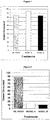
- the amount of test seed consumed during the trials was determined by weighting the trays and determining the amount of remaining seed after a two hour feeding period. At the end of this first run, the geese consumed the majority of the seed from each selection. No trends between each of the three selections were shown towards one type or another. As shown in Figure 1 , this group of naive geese consumed the majority of the seed from each feeding station.
- the inventors then conducted a further trial subsequent to Runs 1 and 2.
- the learned geese from the Runs 1 and 2 who had been exposed to endophyte and had displayed PDF behaviour were removed from the trial and fed on a high maintenance nil endophyte diet of timothy forage grass and crushed barley for three months.
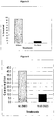
- the graph in Figure 3 shows the consumption rate of the learned geese from this run. As shown, the percentage of nil-endophyte infected seed consumed was approximately 95% whereas the percentage of endophyte infected seed consumed was only approximately 5%. Again, this Run showed that the grass and endophyte combination exhibited a repellent effect and that the geese retained the PDF learned behaviour over the 3 month time period. In practice, this illustrates that birds are not only repelled in the short term by the endophyte and grass combination but that the endophyte and grass combination also provide a longer term repellence solution.
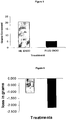
- the geese were exposed to a number of areas of the same approximate size as detailed above and were only moved when the grass levels where significantly reduced or fouled. After 10 days of geese exposure to the grass areas, the amount of herbage consumed was assessed. As shown in the graph of Figure 4 , the geese consumed approximately 40.0g of non-infected 'nil' endophyte grass herbage and approximately 10.0g of the endophyte infected grass. This shows that the geese had developed a grazing preference within this time period and developed PDF behaviour, even when exposed to a different portion of the plant. This also illustrates that the repellent effect results from alkaloid toxins throughout the herbage and not just from the seed.
- Example 2 A similar trial as described in Example 2 was conducted to assess the amount of herbage a gaggle of geese would consume when the geese were put onto a no-choice diet.
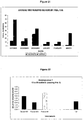
- the average amount of dry weight consumed per day of plant material containing nil endophyte was approximately 20g. This was in comparison to the 5g of plant martial consumed that was infected with endophyte. Also shown in Figure 6 , during the eight-day consumption period on the endophyte infected plant material, the geese experienced a weight loss of approximately 2.2g, while only approximately 1g of weight was lost during the consumption period on nil-endophyte infected grass.
- 'ryegrass' The four different perennial ryegrass cultivars and hybrids (now referred herein as 'ryegrass') (and control) that were tested include the following:
- Example 2 The trials were conducted in a similar manner as previously outlined above in Example 1. Here the feeding preferences of 20 naive geese of seed from 5 different grass cultivars and endophyte infection were assessed. The amount of seed consumed by the geese was assessed over a time period of three hours after distributing the seed. This trial ran for three days, with the seed being distributed once a day.
- the inventors conducted a further trial to assess the alkaloid concentrations of each grass cultivar to assess if there was a common alkaloid between the grass cultivars.
- Figure 8 shows the content of three alkaloids, ergovaline, lolitrem and peramine from the five different grass cultivars tested in Example 3. From these results, the combinations that exhibited the strongest PDF responses had high levels of the alkaloid ergovaline. As shown, of the cultivars that displayed the PDF responses, Airies had a 10 ppm concentration of ergovaline while Greenstone and Scientifice had a 20 ppm concentration. In comparison, the combinations that did not display the PDF response effect, specifically the 'nil' infected seed and Nui, had no ergovaline present.
- the inventors assessed the alkaloid, ergovaline, in different tall fescue grass cultivars infected with the same New Zealand wild endophyte strain.
- the inventors assessed the concentration of ergovaline throughout the total herbage of the plant, as well as throughout the leaf and pseudostem. The results of this assessment are shown in Figure 9 .
- ergovaline expression in New Zealand wild fescue was the highest of the grass cultivars tested.
- the inventors then assessed the percentage of leaf colonisation of three New Zealand wild tall fescue endophyte strains in four tall fescue cultivars. The results of this assessment are shown in Figure 10 .
- the grass cultivar Resolute showed a high percentage of leaf colonisation overall between all three endophyte strains and all the grass cultivars assessed.
- the alkaloid, peramine has been shown to have an increased effect in pest resistance, such as insects. Therefore, this is also a further preferred characteristic of a grass and endophyte combination.
- the majority of the endophytes displayed a peramine concentration level of approximately 20 ppm in both the leaf and the pseudostem.
- the combination with the Waiau endophyte displayed the highest peramine concentration of 35 ppm and 40 ppm in the leaf and pseudostem respectively.
- ergovaline is an important alkaloid in producing the PDF response displayed by the geese (Example 5). Therefore, it is preferable to have a high concentration of this alkaloid within the herbage of grass and endophyte combination.
- the inventors assessed the same endophyte strains as above (AR41, AR5, AR8, AR4 and AR9001 for the level of ergovaline concentration, in the same ryegrass cultivar.
- Figure 12 shows the ergovaline concentrations expressed within these ryegrass and endophyte combinations.
- endophytes AR4, AR5, and AR8 displayed the highest concentration of ergovaline expression. The expression was greatest throughout the pseudostem; however, ergovaline expression was also displayed throughout the leaf.
- endophytes AR5 and AR8 have high concentration levels of both the alkaloids ergovaline and peramine. Therefore, combinations with these endophytes can have high bird repellent properties as well as good resistance to biotic (insect) stresses. Endophyte AR4 can further provide a bird repelling cultivar, but as it expresses lower levels of peramine, is better suited to environments with fewer insect stresses.
- the inventors also assessed the degree of alkaloid expression (peramine, loline and ergovaline) throughout the leaf and pseudostem from four different tall fescue endophytes (AR601, AR602, AR603 and unknown endophyte) infected in the same tall fescue cultivar and from one endophyte strain, AR94 infected in a ryegrass cultivar.
- the tall fescue and AR602 combination also produced high peramine expression, as did the ryegrass and AR94 combination.
- Figure 14 shows the expression of loline alkaloid of the various endophyte and tall fescue/ryegrass cultivar combinations.
- tall fescue and AR601 combination showed a high expression of loline concentration.
- Other tall fescue and endophyte combinations also displayed moderate levels of loline expression.
- ryegrass and AR94 combination did not express any detectable loline alkaloids.
- Figure 15 shows the concentration of ergovaline expression of grass and endophyte combinations as discussed above.
- the tall fescue and AR601 combination exhibited a high level of ergovaline concentration throughout the plant.
- the ryegrass and AR94 combination exhibited high levels of ergovaline expression in the pseudostem but with only a small amount within the leaf.
- levels of the alkaloid ergovaline are assessed in different tall fescue grass cultivars infected with the same New Zealand wild endophyte strain.
- concentration of ergovaline is also assessed throughout the total herbage of the plant, as well as throughout the leaf and pseudostem.
- the alkaloid, peramine has been shown to have an increased effect in pest resistance, such as insects. Therefore, this is also a further preferred characteristic of a grass and endophyte combination.
- Combinations with these endophytes can have high bird repellent properties as well as good resistance to biotic (insect) stresses.
- the degree of alkaloid expression (peramine, lolitrem and ergovaline) throughout the leaf and pseudostem of different ryegrass endophytes (AR94, AR4, AR5, AR8) infected in the same ryegrass cultivar is assessed.
- Peramine expression of at least 15 ppm concentration is detected throughout the pseudostem of the cultivars.
- lolitrem alkaloid of the various endophyte and ryegrass cultivar combinations is evaluated. High expression of lolitrem concentration within the range of 1-50ppm is detected in the combinations.
- ergovaline concentration of at least 5 ppm, 10 ppm, or 15 ppm are detected throughout the plant in the various ryegrass and endophyte combinations. Comparatively high levels of ergovaline are found throughout the leaves and pseudostems of the combinations
- Biotic stresses include resistance to attack from insects and pests. Specific examples include resistance to Grass Grub, ( Costelytra zealandica) Argentine Stem Weevil ( Listronotus bonariensis ) and sucking insects such as, for example Rhopalosiphum padi.
- Abiotic stresses include resistance to drought or dry periods as well as resistance to high or low temperature climates. High temperatures include temperatures from 27°C and above. For example, temperatures may include 27°C, 30°C, 32 °C, 35°C or 40°C. While low temperatures include any temperatures below, and including, 7°C, 5°C, 3 °C or 0°C for example.
- the inventors assessed the further concentration of alkaloids in a tall fescue turf cultivar "Jackal" inoculated with AR601 & AR604 endophytes The alkaloid concentrations over a time period of approximately 1 year where assessed using the High Performance Liquid Chromatography (HPLC), methods described above.
- HPLC High Performance Liquid Chromatography
- Figures 16 and 17 show the results of the concentration analysis of the alkaloids lolines and ergovaline respectively from Jackal inoculated with either AR601 or AR604. Alkaloid measurements where taken from both the leaf and stem of the plants. As shown in the comparison, the stems of the plants had a higher alkaloid concentration. Additional seasonal variations can also be shown in the Figures. Table 1: Shows the average alkaloid concentration in pseudostems of Jackal tall fescue infected with AR601 or AR604. Ergovaline (ppm) Lolines (ppm) AR601 8.3 1816 AR604 7.7 1778
- the inventors conducted a further trial to determine the effect of introducing the repellent into an animal feed (pig feed) and determines the repellence effect on gulls (omnivorous birds).
- the gulls were fed 50 kg of untreated pig pellets per day in the mornings at one of these loitering areas. The gulls appeared to consume all that was offered to them. The area was fenced off from the pigs.
- the inventors in this trial assessed the PDF response of Finches and whether learned behaviour can be shown with a choice between nil-endophyte seed and endophyte containing seed.
- nil endophyte ryegrass seed was introduced into the bird seed mix at increasing percentages to condition the birds to this food source. This was conducted for a further six week period, and consumption of the nil endophyte ryegrass was recorded to ascertain how much of this grass seed the birds normally eat.
- the birds were fed only water for a period of four hours. Four randomly chosen birds were then captured and separated into individual enclosures. Each bird was then fed on endophyte containing ryegrass seed and later on nil endophyte ryegrass seed.
- FIGS 20 and 21 The results of the birds' eating behaviour of the nil endophyte seed and endophyte seed is shown in Figures 20 and 21 . These Figures show a marked decrease in consumption of feed that contained endophyte (10 to 20% of the normal feed consumed for endophyte seed versus 60 to 65% of the normal feed consumed for nil endophyte seed. The results show a genuine repellency by the finches towards endophyte containing seed. Therefore, these results also illustrate a Post Digestive Feed back response to the endophyte containing seed.
- Target Avian Species Wild birds, various species
- the existing vegetation on the control plots consists of plant species, including Hair grass ( Vulpia sp) and browntop ( Agrostis tenuis ), with small amounts of Buffalo fog ( Holcus lanatus ), Bromus species, Cocksfoot (Dactylis glomerata), Barley grass ( Hordeum sp), Couch ( Agropyron sp) and many broadleaf weeds including Wire weed (Polygonum sp), Storksbill ( Erodium sp), and. It was assumed that this vegetation did not contain endophytes.
- Tall fescue contained either AR601 or AR604 endophyte strains from the Neotyphodium coenophialum species.
- each plot was monitored daily, at the morning and evening for two minutes. During this time the bird species and numbers was assessed and recorded.
- Target Avian Species Wild birds, various species
- the plants were each divided into four ramets of the same approximate size to get four replicates. All plants were grown over the winter period and rimmed to the same relative size prior to transplanting the plants to the test area - a field at a sewage treatment plant in Rangiora, New Zealand, where wild herbivorous birds are known to frequent. The plants were placed in groups and identified by location using a grid mapping system.
- Treatments were placed in random blocks in the grazing area. Each treatment plant was placed so that the birds had the ability to select in a choice situation.
- each plant was inspected for grazing and assessed on a scale of 0 (no grazing) to 5 (severely grazed). Following scoring, plants were protected from further bird predation to allow sufficient re-growth. The plants were then trimmed off to the same level with a motor mower, watered and fertilised as necessary then fenced to allow for growth recovery. This recovery period was approximately one week depending on the seasonal rainfall.
- the area was then re-opened to birds and all plants were inspected every second day and scored when evidence of flock grazing had occurred.
- This example provides microsatellite data to enable a skilled person to identify and confirm whether they are in possession of an endophyte strain or a variation thereof.
- Genomic DNA was isolated from segments of fresh pseudostem material from endophyte-infected grass using the FastDNA® kit (Q-BIOgene, Irvine, California, USA) in conjunction with a FastPrep Cell Disruptor (Q-BIOgene). Genomic DNA is diluted 10x in sterile MilliQ water prior to preparation of polymerase chain reactions (PCR).
- PCR polymerase chain reactions
- SSR Simple sequence repeat
- the endophyte strains were characterized using primer pairs for SSR markers loci B10, B11, ans014, ans016, ans017, ans019, ans025, ans030, ans031, ans036 and ans042. Primer sequences for these loci are given in Table 12 below. Strain characterizations are conducted using primers synthesized commercially by Integrated DNA Technologies (Coralville, Iowa, USA). TABLE 12: Primer sequences for simple sequence repeat (SSR) loci used to characterize endophyte strains in planta.
- SSR simple sequence repeat
- PCR amplifications were conducted in a 10 ⁇ L reaction volume containing 2 ⁇ L of diluted genomic DNA, 1.5mM magnesium chloride, 1x PCR buffer (Invitrogen, Carlsbad, California, USA), 0.1 mM of each deoxynucleotide triphosphate (dATP, dGTP, dTTP and dCTP), 0.2 ⁇ M each of the forward and reverse primers, and 1 U of Platinum Taq DNA polymerase (Invitrogen).
- 6-FAMTM 6-carboxyfluorescein
- PCR was carried out with the following profile: (1) 94°C for 4:00 minutes, (2) 30 cycles of: 94°C for 30 seconds, 60°C for 30 seconds and 72°C for 30 seconds, (3) 72°C for 7 minutes with an iCycler thermocycler (BioRad, Hercules, California, USA).
- PCR amplifications use a three-primer system for fluorophore addition (Schuelke 2000).
- forward primers are synthesized with a 21 nucleotide M13 tail sequence at the 5'-terminus (sequence 5'-TGTAAAACGACGGCCAGT-3').
- the fluorophore used in the PCR reactions is 6-carboxyfluorescein (6-FAMTM), but alternative dyes may be used.
- Reverse primers are synthesized with the sequence 5'-GTTTCTT-3' at the 5'-terminus end, to promote non-templated adenylation at the 3'-terminus end of PCR product (Brownstein et al. 1996).
- PCR amplifications are conducted in a 10 ⁇ L reaction volume containing 2 ⁇ L of diluted genomic DNA, 2.5 mM magnesium chloride, 1x PCR buffer, 0.05 mM of each deoxynucleotide triphosphate (dATP, dGTP, dTTP and dCTP), 0.0375 ⁇ M forward primer, 0.15 ⁇ M reverse primer, 0.15 ⁇ M of fluorescent-labelled M13 primer and 0.5 U of Platinum Taq DNA polymerase.
- dATP deoxynucleotide triphosphate
- PCR is carried out with the following profile: (1) 94°C for 4:00 minutes, (2) 30 cycles of: 94°C for 30 seconds, 55°C for 30 seconds and 72°C for 30 seconds, (3) 8 cycles of: 94°C for 30 seconds, 53°C for 30 seconds and 72°C for 30 seconds, (4) 72°C for 30 minutes (Schuelke 2000) with an iCycler thermocycler.
- Genotypic analysis was conducted by capillary electrophoresis on an ABI 3100 Genetic Analyser (Applied Biosystems, Foster City, California, USA) used POP-7TM polymer (Applied Biosystems) and GeneScanTM 500 LIZTM (Applied Biosystems) as an internal size standard.
- a run module based on the default Genescan22_POP4DefaultModule is used, with the following changes: run current 200 ⁇ A, pre-run voltage 0 kV, pre-run time 1 second, injection voltage 3 kV, injection time 10 seconds, number of steps 1 nk, voltage step interval 1 second, run time 560 seconds. Electropherograms are analysed and PCR fragment size determined using ABI Prism GeneScan (v 3.7, Applied Biosystems). The Genotype data was scored using ABI Prism Genotyper (v 3.7, Applied Biosystems).
Landscapes
- Life Sciences & Earth Sciences (AREA)
- Health & Medical Sciences (AREA)
- General Health & Medical Sciences (AREA)
- Engineering & Computer Science (AREA)
- Zoology (AREA)
- Microbiology (AREA)
- Natural Medicines & Medicinal Plants (AREA)
- Environmental Sciences (AREA)
- Biotechnology (AREA)
- Agronomy & Crop Science (AREA)
- Mycology (AREA)
- Plant Pathology (AREA)
- Dentistry (AREA)
- Wood Science & Technology (AREA)
- Virology (AREA)
- Pest Control & Pesticides (AREA)
- Agricultural Chemicals And Associated Chemicals (AREA)
- Breeding Of Plants And Reproduction By Means Of Culturing (AREA)
- Pharmaceuticals Containing Other Organic And Inorganic Compounds (AREA)
- Medicines Containing Plant Substances (AREA)
- Physiology (AREA)
- Botany (AREA)
- Developmental Biology & Embryology (AREA)
- Organic Low-Molecular-Weight Compounds And Preparation Thereof (AREA)
- Acyclic And Carbocyclic Compounds In Medicinal Compositions (AREA)
Claims (16)
- Combinaison d'un endophyte et d'un cultivar de graminées qui repousse des espèces aviaires de la combinaison, caractérisée en ce que l'endophyte est choisi dans le groupe constitué par les : AR601, AR602, AR603, AR604, (déposés auprès du "National Measurement Institute (NMI) Australie, numéros d'ordre V07/029058, V07/029059, V07/029060 et V07/029061) ainsi que des combinaisons de ceux-ci.
- Combinaison d'un endophyte et d'un cultivar de graminées, tel que cela est revendiqué dans la revendication 1, caractérisée en ce que le cultivar de graminées est un cultivar de graminées de Festuca ou un cultivar de graminées exemplifié par des caractéristiques de Festuca, qui repousse des espèces aviaires de la combinaison, caractérisée en ce que l'endophyte dans la combinaison produit un taux d'au moins 3 ppm d'un composé alcaloïde d'ergovaline au sein d'une partie de l'herbe et des graines du cultivar produites à partir de là.
- Combinaison d'un endophyte et d'un cultivar de graminées, tel que cela est revendiqué dans la revendication 1 ou la revendication 2, caractérisée en ce que le cultivar de graminées est un cultivar de fétuque élevée (Festuca).
- Combinaison d'un endophyte et d'un cultivar de graminées, tel que cela est revendiqué dans l'une quelconque des revendications 1 à 3, caractérisée en ce que l'endophyte dans la combinaison produit des alcaloïdes de loline au sein d'au moins une partie de l'herbe et des graines du cultivar produites à partir de là.
- Combinaison d'un endophyte et d'un cultivar de graminées, tel que cela est revendiqué dans la revendication 4, caractérisée en ce que l'endophyte dans la combinaison produit des alcaloïdes de loline dans une gamme allant de 1 ppm à 9 500 ppm.
- Combinaison d'un endophyte et d'un cultivar de graminées qui repousse des espèces aviaires de la combinaison, caractérisée en ce que l'endophyte est choisi dans le groupe constitué par les : AR4, AR5, AR8 et AR94 (déposés auprès du "National Measurement Institute (NMI) Australie, numéros d'ordre V07/029054, V07/029055, V07/029056, V07/029057) ainsi que des combinaisons de ceux-ci.
- Combinaison d'un endophyte et d'un cultivar de graminées, tel que cela est revendiqué dans la revendication 6, caractérisée en ce que le cultivar de graminées est un cultivar de graminées de Lolium ou un cultivar de graminées exemplifié par des caractéristiques de Lolium, caractérisée en ce que l'endophyte dans la combinaison produit un taux d'au moins 3 ppm du composé alcaloïde d'ergovaline au sein d'une partie de l'herbe et des graines du cultivar produites à partir de là.
- Combinaison d'un endophyte et d'un cultivar de graminées, tel que cela est revendiqué dans la revendication 6 ou la revendication 7, caractérisée en ce que le cultivar de graminées est un cultivar d'ivraie vivace (Lolium perenne).
- Combinaison d'un endophyte et d'un cultivar de graminées, tel que cela est revendiqué dans l'une quelconque des revendications 1 à 8, caractérisée en ce que ces espèces aviaires sont repoussées des herbes et graines du cultivar produites à partir de là.
- Combinaison d'un endophyte et d'un cultivar de graminées, tel que cela est revendiqué dans l'une quelconque des revendications 1 à 9, caractérisée en ce que la combinaison d'un endophyte et d'un cultivar de graminées repousse des espèces aviaires via un effet dissuasif secondaire, qui comprend un mécanisme de rétroaction post-digestive (PDF).
- Combinaison d'un endophyte et d'un cultivar de graminées, tel que cela est revendiqué dans l'une quelconque des revendications 1 à 10, caractérisée en ce que l'endophyte dans la combinaison produit un taux d'au moins 3 ppm du composé alcaloïde d'ergovaline au sein d'une partie de l'herbe et des graines du cultivar produites à partir de là.
- Combinaison d'un endophyte et d'un cultivar de graminées, tel que cela est revendiqué dans la revendication 11, caractérisée en ce que :(a) la combinaison comprend un cultivar de graminées de synthèse, ou(b) les espèces aviaires sont des espèces d'oiseaux choisies dans le groupe constitué par les : oies, mouettes, moineaux, pinsons, vanneaux ainsi que des combinaisons de ceux-ci, ou(c) l'endophyte confère une résistance à la combinaison contre des stress biotiques et abiotiques, dans laquelle les stress biotiques comprennent la résistance à une attaque d'insectes et de ravageurs, et dans laquelle les stress abiotiques comprennent une résistance à la sécheresse ou à des périodes sèches, ainsi qu'une résistance à des climats à températures élevées ou basses, ou(d) l'endophyte dans la combinaison produit des composés alcaloïdes de péramine au sein d'au moins une partie de l'herbe et des graines du cultivar produites à partir de là, ou(e) l'endophyte dans la combinaison produit de la péramine, au sein d'au moins une partie de l'herbe et des graines du cultivar produites à partir de là, dans une gamme allant de 1 ppm à 100 ppm.
- Procédé de répulsion d'espèces aviaires d'une zone de terre par le biais de la plantation d'un endophyte et d'un cultivar de graminées, tel que cela est revendiqué dans l'une quelconque des revendications 1 à 12, ou bien adjacente à la terre de laquelle les espèces aviaires doivent être repoussées.
- Procédé de criblage d'une combinaison d'un endophyte et d'un cultivar de graminées, tel que cela est revendiqué dans l'une quelconque des revendications 1 à 12, en vue de la faculté de la combinaison à repousser des espèces aviaires, par le biais des étapes consistant à :(a) cultiver la combinaison ;(b) mesurer le taux d'un alcaloïde d'ergovaline dans la combinaison cultivée ; et(c) choisir la combinaison si le taux d'ergovaline est au-dessus d'au moins 3 ppm.
- Endophyte choisi dans le groupe constitué par les : AR601, AR602, AR603, AR604, (déposés auprès du "National Measurement Institute (NMI) Australie, numéros d'ordre V07/029058, V07/029059, V07/029060 et V07/029061) ainsi que des combinaisons de ceux-ci.
- Endophyte choisi dans le groupe constitué par les : AR4, AR5, AR8 et AR94 (déposés auprès du "National Measurement Institute (NMI) Australie, numéros d'ordre V07/029054, V07/029055, V07/029056, V07/029057) ainsi que des combinaisons de ceux-ci.
Applications Claiming Priority (2)
| Application Number | Priority Date | Filing Date | Title |
|---|---|---|---|
| US91465607P | 2007-04-27 | 2007-04-27 | |
| PCT/NZ2008/000094 WO2008133533A1 (fr) | 2007-04-27 | 2008-04-28 | Répulsif pour oiseaux à base de plantes herbacées |
Publications (3)
| Publication Number | Publication Date |
|---|---|
| EP2141982A1 EP2141982A1 (fr) | 2010-01-13 |
| EP2141982A4 EP2141982A4 (fr) | 2014-01-15 |
| EP2141982B1 true EP2141982B1 (fr) | 2018-09-12 |
Family
ID=39925889
Family Applications (1)
| Application Number | Title | Priority Date | Filing Date |
|---|---|---|---|
| EP08753855.9A Not-in-force EP2141982B1 (fr) | 2007-04-27 | 2008-04-28 | Repulsif pour oiseaux a base de plantes herbacees |
Country Status (8)
| Country | Link |
|---|---|
| US (2) | US8101400B2 (fr) |
| EP (1) | EP2141982B1 (fr) |
| AR (1) | AR066330A1 (fr) |
| AU (1) | AU2008244736B2 (fr) |
| DK (1) | DK2141982T3 (fr) |
| NZ (2) | NZ579801A (fr) |
| UY (1) | UY31054A1 (fr) |
| WO (1) | WO2008133533A1 (fr) |
Families Citing this family (7)
| Publication number | Priority date | Publication date | Assignee | Title |
|---|---|---|---|---|
| NZ553892A (en) | 2007-03-15 | 2008-07-31 | Grasslanz Technology Ltd | Pyrrolizidine or loline alkaloid based pesticidal composition |
| US8101400B2 (en) * | 2007-04-27 | 2012-01-24 | Grasslanz Technology Limited | Grass based avian deterrent |
| US20130104263A1 (en) | 2010-01-07 | 2013-04-25 | Agriculture Victoria Services Pty Ltd | Endophytes and related methods |
| US8594761B2 (en) | 2010-03-03 | 2013-11-26 | Pacesetter, Inc. | Crimp terminations for conductors in implantable medical lead and method of making same |
| AU2013203272C1 (en) * | 2012-06-01 | 2019-01-17 | Agriculture Victoria Services Pty Ltd | Novel organisms |
| CA2826456A1 (fr) * | 2013-09-10 | 2015-03-10 | 2345422 Ontario Inc. | Procede et appareil pour controler les populations aviaires herbivores |
| WO2022157556A1 (fr) * | 2021-01-19 | 2022-07-28 | Grasslanz Technology Limited | Endophyte epichloë |
Family Cites Families (32)
| Publication number | Priority date | Publication date | Assignee | Title |
|---|---|---|---|---|
| DE3807523A1 (de) | 1988-03-08 | 1989-09-28 | Boehringer Ingelheim Vetmed | Oral verabreichbares system zur kontrollierten freigabe von wirkstoffen |
| NZ233083A (en) | 1990-03-26 | 1991-12-23 | Nz Government | Pest-resistant, endophyte-infected plants |
| DK0551292T3 (da) | 1990-10-01 | 1995-11-27 | Upjohn Co | Farmaceutiske præparater til reguleret frigivelse med overtrukken sidekant |
| MX9200339A (es) | 1991-01-28 | 1992-08-01 | Hoechst Ag | Preparado para la liberacion controlada de sustancias activas, que son apropiadas como terapeuticos o para mejorar el crecimiento y el aprovechamiento de los piensos en rumiantes |
| US5185028A (en) | 1991-08-19 | 1993-02-09 | The United States Of America, As Represented By The Secretary Of Agriculture | N-acyl loline derivatives as insecticides and herbicides |
| EP0739198B1 (fr) | 1994-01-20 | 2003-09-17 | Agresearch Limited | Dispositif d'administration aux ruminants de substances utiles |
| NZ278977A (en) | 1994-01-20 | 1997-03-24 | Pastoral Agric Res Inst Nz Ltd | Sustained release bolus for ruminants |
| US5492902A (en) | 1994-12-02 | 1996-02-20 | The United States Of America As Represented By The Secretary Of Agriculture | Indole antiinsectan metabolites from the ascostromata of Eupenicillium shearii |
| US6328986B1 (en) | 1996-04-10 | 2001-12-11 | Arkion Life Sciences | Method of deterring birds from plant and structural surfaces |
| AU2441897A (en) | 1996-04-10 | 1997-10-29 | Bio-Technical Resources Lp | Method of deterring birds from grassy turf |
| US6111170A (en) | 1997-05-27 | 2000-08-29 | New Zealand Pastoral Agriculture Research Institute Limited | Tall fescue endophytes |
| US6072107A (en) | 1997-05-27 | 2000-06-06 | New Zealand Pastoral Agriculture Research Institute Limited | Ryegrass endophytes |
| GB9801142D0 (en) | 1998-01-21 | 1998-03-18 | Porter William L | Administration of beneficial substances to ruminant animals |
| WO2000062600A1 (fr) * | 1999-04-16 | 2000-10-26 | Advanta U.S.A., Inc. | Endophyte destine a ameliorer l'herbe |
| AU3874199A (en) | 1999-04-30 | 2000-11-17 | Dcv, Inc. | Method of deterring birds from grassy turf |
| CN1306750A (zh) | 2000-01-28 | 2001-08-08 | 武长安 | 草本植物杀虫剂 |
| NZ504631A (en) | 2000-05-18 | 2002-02-01 | Agres Ltd | Gastro-intestinal sustained release bolus delivery system containing Duddingtonia flagrans |
| US7465855B2 (en) | 2000-08-15 | 2008-12-16 | The Board Of Trustees Of The University Of Arkansas | Non-toxic endophytes, plants injected therewith and methods for injecting plants |
| AU2001284955B2 (en) * | 2000-08-15 | 2004-11-11 | The Board Of Trustees Of The University Of Arkansas | Plants infected with non-toxic endophytes |
| US7052708B2 (en) | 2000-12-12 | 2006-05-30 | The Corato Foundation | Compositions and methods of crop protection |
| RU2201678C2 (ru) | 2001-02-19 | 2003-04-10 | Байгузина Фаниля Абузаровна | Биопрепарат для защиты растений от грибных и бактериальных болезней |
| US20040141955A1 (en) | 2001-04-16 | 2004-07-22 | Strobel Gary A. | Compositions related to a novel endophytic fungi and methods of use |
| GB0111391D0 (en) | 2001-05-10 | 2001-07-04 | Porter William L | Pulse release bolus |
| US6416782B1 (en) | 2001-05-31 | 2002-07-09 | Pacific Trace Minerals, Inc. | Selenium bolus for ruminants |
| JP2003192516A (ja) | 2001-12-26 | 2003-07-09 | Eco Farm Okinawa Kk | 害虫忌避剤 |
| GB0205182D0 (en) | 2002-03-06 | 2002-04-17 | Molecularnature Ltd | Process for extracting polar phytochemicals |
| JP4313980B2 (ja) | 2002-04-10 | 2009-08-12 | 社団法人農林水産先端技術産業振興センター | 共生菌を用いたイネ科植物の病虫害防除方法、防除剤および防除剤を結合した種子 |
| NZ521653A (en) | 2002-09-27 | 2005-02-25 | Grasslanz Technology Ltd | Grass endophytes of the Neotyphodium coenophialum species |
| AU2003902794A0 (en) | 2003-06-03 | 2003-06-19 | Agresearch Limited | Improvements in grass endophytes |
| NZ541606A (en) * | 2005-08-16 | 2008-07-31 | Grasslanz Technology Ltd | Grass endophyte enhanced attributes |
| US7642424B2 (en) * | 2006-07-10 | 2010-01-05 | Barenbrug Usa, Inc. | Tall fescue endophyte E34 |
| US8101400B2 (en) * | 2007-04-27 | 2012-01-24 | Grasslanz Technology Limited | Grass based avian deterrent |
-
2008
- 2008-04-25 US US12/110,159 patent/US8101400B2/en not_active Expired - Fee Related
- 2008-04-28 EP EP08753855.9A patent/EP2141982B1/fr not_active Not-in-force
- 2008-04-28 DK DK08753855.9T patent/DK2141982T3/en active
- 2008-04-28 UY UY31054A patent/UY31054A1/es active IP Right Grant
- 2008-04-28 AR ARP080101793A patent/AR066330A1/es active IP Right Grant
- 2008-04-28 NZ NZ579801A patent/NZ579801A/en unknown
- 2008-04-28 AU AU2008244736A patent/AU2008244736B2/en active Active
- 2008-04-28 WO PCT/NZ2008/000094 patent/WO2008133533A1/fr not_active Ceased
- 2008-04-28 NZ NZ599741A patent/NZ599741A/xx unknown
-
2011
- 2011-12-01 US US13/308,939 patent/US9485952B2/en not_active Expired - Fee Related
Non-Patent Citations (1)
| Title |
|---|
| None * |
Also Published As
| Publication number | Publication date |
|---|---|
| US20080299144A1 (en) | 2008-12-04 |
| AR066330A1 (es) | 2009-08-12 |
| AU2008244736A1 (en) | 2008-11-06 |
| NZ579801A (en) | 2012-06-29 |
| US9485952B2 (en) | 2016-11-08 |
| EP2141982A1 (fr) | 2010-01-13 |
| UY31054A1 (es) | 2008-11-28 |
| US20120087897A1 (en) | 2012-04-12 |
| AU2008244736B2 (en) | 2013-10-24 |
| DK2141982T3 (en) | 2019-01-07 |
| EP2141982A4 (fr) | 2014-01-15 |
| WO2008133533A1 (fr) | 2008-11-06 |
| NZ599741A (en) | 2013-10-25 |
| US8101400B2 (en) | 2012-01-24 |
Similar Documents
| Publication | Publication Date | Title |
|---|---|---|
| Berzonsky et al. | Breeding wheat for resistance to insects | |
| Stiles | Animals as seed dispersers. | |
| Singleton et al. | Unwanted and unintended effects of culling: A case for ecologically‐based rodent management | |
| Dicke et al. | The most important corn insects | |
| Harrison et al. | Postdispersal predation of giant ragweed (Ambrosia trifida) seed in no-tillage corn | |
| DiTommaso et al. | The biology of invasive alien plants in Canada. 2. Cynanchum rossicum (Kleopow) Borhidi [= Vincetoxicum rossicum (Kleopow) Barbar.] and Cynanchum louiseae (L.) Kartesz & Gandhi [= Vincetoxicum nigrum (L.) Moench] | |
| Janzen | The natural history of mutualisms | |
| US9485952B2 (en) | Grass based avian deterrent | |
| Zhang et al. | Insect predation of seeds and plant population dynamics | |
| Reddy et al. | Biology, ecology, and management of the pea weevil (Coleoptera: Chrysomelidae) | |
| Vander Wall | Seed dispersal in pines (Pinus) | |
| Spennemann | The role of canids in the dispersal of commercial and ornamental palm species | |
| Kasso | Pest rodent species composition, level of damage and mechanism of control in Eastern Ethiopia | |
| Andrews et al. | Wireworm: biology and nonchemical management in potatoes in the Pacific Northwest | |
| Priya et al. | Role of birds in agroecosystem: A review on agricultural and economic ornithology | |
| Fayenuwo et al. | Comparative evaluation of vertebrate pest damage on some newly developed quality protein maize (QPM) varieties in south western Nigeria | |
| Czarnecka et al. | SEED DISPERSAL BY THE ROOK CORVUS FRUGILEGUS L. IN AGRICULTURAL LANDSCAPE- MECHANISMS AND ECOLOGICAL IMPORTANCE | |
| AU2013202311B2 (en) | Grass based avian deterrent | |
| Amusa et al. | The incidence of field diseases an d vertebrate pests on popcorn (Zea mays everta) Varieties cultivated in fores t Agro-ecologies in Nigeria | |
| Kaiser | Chemical repellents for reducing blackbird damage: the importance of plant structure and avian behavior in field applications | |
| Seymour | Effect of red imported fire ant (Solenopsis invicta buren) on the nesting success of Northern Bobwhite (Colinus virginianus l.) | |
| Koffi | Occurrence and distribution of fall armyworm, Spodoptera frugiperda (Lepidoptera: Noctuidae) and other moths on maize in Ghana | |
| Beavon | Pollination and dispersal of the noxious vine Passiflora mollissima | |
| Gervais et al. | Winter fruit removal in four plant species in Maine | |
| Castro Aviles | Identification of Quantitative Trait Loci (QTLs) for Resistance to Fusarium Head Blight (FHB) in Wheat Variety AGS 2060 and Evaluation of the Effect of Fhb1 Resistance Gene on FHB Reaction in a Louisiana Wheat Breeding Population |
Legal Events
| Date | Code | Title | Description |
|---|---|---|---|
| PUAI | Public reference made under article 153(3) epc to a published international application that has entered the european phase |
Free format text: ORIGINAL CODE: 0009012 |
|
| 17P | Request for examination filed |
Effective date: 20091120 |
|
| AK | Designated contracting states |
Kind code of ref document: A1 Designated state(s): AT BE BG CH CY CZ DE DK EE ES FI FR GB GR HR HU IE IS IT LI LT LU LV MC MT NL NO PL PT RO SE SI SK TR |
|
| DAX | Request for extension of the european patent (deleted) | ||
| REG | Reference to a national code |
Ref country code: DE Ref legal event code: R079 Ref document number: 602008056947 Country of ref document: DE Free format text: PREVIOUS MAIN CLASS: A01H0005000000 Ipc: A01N0063040000 |
|
| A4 | Supplementary search report drawn up and despatched |
Effective date: 20131212 |
|
| RIC1 | Information provided on ipc code assigned before grant |
Ipc: A01N 63/04 20060101AFI20131206BHEP Ipc: A01P 17/00 20060101ALI20131206BHEP Ipc: A01H 5/12 20060101ALI20131206BHEP Ipc: A01N 65/00 20090101ALI20131206BHEP Ipc: A01H 17/00 20060101ALI20131206BHEP |
|
| STAA | Information on the status of an ep patent application or granted ep patent |
Free format text: STATUS: EXAMINATION IS IN PROGRESS |
|
| 17Q | First examination report despatched |
Effective date: 20170503 |
|
| GRAP | Despatch of communication of intention to grant a patent |
Free format text: ORIGINAL CODE: EPIDOSNIGR1 |
|
| STAA | Information on the status of an ep patent application or granted ep patent |
Free format text: STATUS: GRANT OF PATENT IS INTENDED |
|
| INTG | Intention to grant announced |
Effective date: 20180517 |
|
| GRAS | Grant fee paid |
Free format text: ORIGINAL CODE: EPIDOSNIGR3 |
|
| GRAA | (expected) grant |
Free format text: ORIGINAL CODE: 0009210 |
|
| STAA | Information on the status of an ep patent application or granted ep patent |
Free format text: STATUS: THE PATENT HAS BEEN GRANTED |
|
| AK | Designated contracting states |
Kind code of ref document: B1 Designated state(s): AT BE BG CH CY CZ DE DK EE ES FI FR GB GR HR HU IE IS IT LI LT LU LV MC MT NL NO PL PT RO SE SI SK TR |
|
| REG | Reference to a national code |
Ref country code: GB Ref legal event code: FG4D |
|
| REG | Reference to a national code |
Ref country code: CH Ref legal event code: EP |
|
| REG | Reference to a national code |
Ref country code: IE Ref legal event code: FG4D |
|
| REG | Reference to a national code |
Ref country code: DE Ref legal event code: R096 Ref document number: 602008056947 Country of ref document: DE |
|
| REG | Reference to a national code |
Ref country code: AT Ref legal event code: REF Ref document number: 1039513 Country of ref document: AT Kind code of ref document: T Effective date: 20181015 |
|
| REG | Reference to a national code |
Ref country code: DK Ref legal event code: T3 Effective date: 20190103 |
|
| REG | Reference to a national code |
Ref country code: NL Ref legal event code: MP Effective date: 20180912 |
|
| REG | Reference to a national code |
Ref country code: LT Ref legal event code: MG4D |
|
| PG25 | Lapsed in a contracting state [announced via postgrant information from national office to epo] |
Ref country code: FI Free format text: LAPSE BECAUSE OF FAILURE TO SUBMIT A TRANSLATION OF THE DESCRIPTION OR TO PAY THE FEE WITHIN THE PRESCRIBED TIME-LIMIT Effective date: 20180912 Ref country code: NO Free format text: LAPSE BECAUSE OF FAILURE TO SUBMIT A TRANSLATION OF THE DESCRIPTION OR TO PAY THE FEE WITHIN THE PRESCRIBED TIME-LIMIT Effective date: 20181212 Ref country code: GR Free format text: LAPSE BECAUSE OF FAILURE TO SUBMIT A TRANSLATION OF THE DESCRIPTION OR TO PAY THE FEE WITHIN THE PRESCRIBED TIME-LIMIT Effective date: 20181213 Ref country code: BG Free format text: LAPSE BECAUSE OF FAILURE TO SUBMIT A TRANSLATION OF THE DESCRIPTION OR TO PAY THE FEE WITHIN THE PRESCRIBED TIME-LIMIT Effective date: 20181212 Ref country code: SE Free format text: LAPSE BECAUSE OF FAILURE TO SUBMIT A TRANSLATION OF THE DESCRIPTION OR TO PAY THE FEE WITHIN THE PRESCRIBED TIME-LIMIT Effective date: 20180912 Ref country code: LT Free format text: LAPSE BECAUSE OF FAILURE TO SUBMIT A TRANSLATION OF THE DESCRIPTION OR TO PAY THE FEE WITHIN THE PRESCRIBED TIME-LIMIT Effective date: 20180912 |
|
| PG25 | Lapsed in a contracting state [announced via postgrant information from national office to epo] |
Ref country code: HR Free format text: LAPSE BECAUSE OF FAILURE TO SUBMIT A TRANSLATION OF THE DESCRIPTION OR TO PAY THE FEE WITHIN THE PRESCRIBED TIME-LIMIT Effective date: 20180912 Ref country code: LV Free format text: LAPSE BECAUSE OF FAILURE TO SUBMIT A TRANSLATION OF THE DESCRIPTION OR TO PAY THE FEE WITHIN THE PRESCRIBED TIME-LIMIT Effective date: 20180912 Ref country code: ES Free format text: LAPSE BECAUSE OF FAILURE TO SUBMIT A TRANSLATION OF THE DESCRIPTION OR TO PAY THE FEE WITHIN THE PRESCRIBED TIME-LIMIT Effective date: 20180912 |
|
| REG | Reference to a national code |
Ref country code: AT Ref legal event code: MK05 Ref document number: 1039513 Country of ref document: AT Kind code of ref document: T Effective date: 20180912 |
|
| PG25 | Lapsed in a contracting state [announced via postgrant information from national office to epo] |
Ref country code: CZ Free format text: LAPSE BECAUSE OF FAILURE TO SUBMIT A TRANSLATION OF THE DESCRIPTION OR TO PAY THE FEE WITHIN THE PRESCRIBED TIME-LIMIT Effective date: 20180912 Ref country code: RO Free format text: LAPSE BECAUSE OF FAILURE TO SUBMIT A TRANSLATION OF THE DESCRIPTION OR TO PAY THE FEE WITHIN THE PRESCRIBED TIME-LIMIT Effective date: 20180912 Ref country code: IS Free format text: LAPSE BECAUSE OF FAILURE TO SUBMIT A TRANSLATION OF THE DESCRIPTION OR TO PAY THE FEE WITHIN THE PRESCRIBED TIME-LIMIT Effective date: 20190112 Ref country code: PL Free format text: LAPSE BECAUSE OF FAILURE TO SUBMIT A TRANSLATION OF THE DESCRIPTION OR TO PAY THE FEE WITHIN THE PRESCRIBED TIME-LIMIT Effective date: 20180912 Ref country code: EE Free format text: LAPSE BECAUSE OF FAILURE TO SUBMIT A TRANSLATION OF THE DESCRIPTION OR TO PAY THE FEE WITHIN THE PRESCRIBED TIME-LIMIT Effective date: 20180912 Ref country code: NL Free format text: LAPSE BECAUSE OF FAILURE TO SUBMIT A TRANSLATION OF THE DESCRIPTION OR TO PAY THE FEE WITHIN THE PRESCRIBED TIME-LIMIT Effective date: 20180912 Ref country code: AT Free format text: LAPSE BECAUSE OF FAILURE TO SUBMIT A TRANSLATION OF THE DESCRIPTION OR TO PAY THE FEE WITHIN THE PRESCRIBED TIME-LIMIT Effective date: 20180912 Ref country code: IT Free format text: LAPSE BECAUSE OF FAILURE TO SUBMIT A TRANSLATION OF THE DESCRIPTION OR TO PAY THE FEE WITHIN THE PRESCRIBED TIME-LIMIT Effective date: 20180912 |
|
| PG25 | Lapsed in a contracting state [announced via postgrant information from national office to epo] |
Ref country code: SK Free format text: LAPSE BECAUSE OF FAILURE TO SUBMIT A TRANSLATION OF THE DESCRIPTION OR TO PAY THE FEE WITHIN THE PRESCRIBED TIME-LIMIT Effective date: 20180912 Ref country code: PT Free format text: LAPSE BECAUSE OF FAILURE TO SUBMIT A TRANSLATION OF THE DESCRIPTION OR TO PAY THE FEE WITHIN THE PRESCRIBED TIME-LIMIT Effective date: 20190112 |
|
| REG | Reference to a national code |
Ref country code: DE Ref legal event code: R097 Ref document number: 602008056947 Country of ref document: DE |
|
| PLBE | No opposition filed within time limit |
Free format text: ORIGINAL CODE: 0009261 |
|
| STAA | Information on the status of an ep patent application or granted ep patent |
Free format text: STATUS: NO OPPOSITION FILED WITHIN TIME LIMIT |
|
| 26N | No opposition filed |
Effective date: 20190613 |
|
| PG25 | Lapsed in a contracting state [announced via postgrant information from national office to epo] |
Ref country code: SI Free format text: LAPSE BECAUSE OF FAILURE TO SUBMIT A TRANSLATION OF THE DESCRIPTION OR TO PAY THE FEE WITHIN THE PRESCRIBED TIME-LIMIT Effective date: 20180912 |
|
| REG | Reference to a national code |
Ref country code: DE Ref legal event code: R079 Ref document number: 602008056947 Country of ref document: DE Free format text: PREVIOUS MAIN CLASS: A01N0063040000 Ipc: A01N0063300000 |
|
| REG | Reference to a national code |
Ref country code: CH Ref legal event code: PL |
|
| REG | Reference to a national code |
Ref country code: BE Ref legal event code: MM Effective date: 20190430 |
|
| PG25 | Lapsed in a contracting state [announced via postgrant information from national office to epo] |
Ref country code: LU Free format text: LAPSE BECAUSE OF NON-PAYMENT OF DUE FEES Effective date: 20190428 Ref country code: MC Free format text: LAPSE BECAUSE OF FAILURE TO SUBMIT A TRANSLATION OF THE DESCRIPTION OR TO PAY THE FEE WITHIN THE PRESCRIBED TIME-LIMIT Effective date: 20180912 |
|
| PG25 | Lapsed in a contracting state [announced via postgrant information from national office to epo] |
Ref country code: LI Free format text: LAPSE BECAUSE OF NON-PAYMENT OF DUE FEES Effective date: 20190430 Ref country code: CH Free format text: LAPSE BECAUSE OF NON-PAYMENT OF DUE FEES Effective date: 20190430 |
|
| PG25 | Lapsed in a contracting state [announced via postgrant information from national office to epo] |
Ref country code: BE Free format text: LAPSE BECAUSE OF NON-PAYMENT OF DUE FEES Effective date: 20190430 |
|
| PG25 | Lapsed in a contracting state [announced via postgrant information from national office to epo] |
Ref country code: TR Free format text: LAPSE BECAUSE OF FAILURE TO SUBMIT A TRANSLATION OF THE DESCRIPTION OR TO PAY THE FEE WITHIN THE PRESCRIBED TIME-LIMIT Effective date: 20180912 |
|
| PGFP | Annual fee paid to national office [announced via postgrant information from national office to epo] |
Ref country code: IE Payment date: 20200304 Year of fee payment: 13 Ref country code: GB Payment date: 20200303 Year of fee payment: 13 |
|
| PGFP | Annual fee paid to national office [announced via postgrant information from national office to epo] |
Ref country code: FR Payment date: 20200310 Year of fee payment: 13 |
|
| PGFP | Annual fee paid to national office [announced via postgrant information from national office to epo] |
Ref country code: DK Payment date: 20200416 Year of fee payment: 13 Ref country code: DE Payment date: 20200430 Year of fee payment: 13 |
|
| PG25 | Lapsed in a contracting state [announced via postgrant information from national office to epo] |
Ref country code: CY Free format text: LAPSE BECAUSE OF FAILURE TO SUBMIT A TRANSLATION OF THE DESCRIPTION OR TO PAY THE FEE WITHIN THE PRESCRIBED TIME-LIMIT Effective date: 20180912 |
|
| PG25 | Lapsed in a contracting state [announced via postgrant information from national office to epo] |
Ref country code: MT Free format text: LAPSE BECAUSE OF FAILURE TO SUBMIT A TRANSLATION OF THE DESCRIPTION OR TO PAY THE FEE WITHIN THE PRESCRIBED TIME-LIMIT Effective date: 20180912 Ref country code: HU Free format text: LAPSE BECAUSE OF FAILURE TO SUBMIT A TRANSLATION OF THE DESCRIPTION OR TO PAY THE FEE WITHIN THE PRESCRIBED TIME-LIMIT; INVALID AB INITIO Effective date: 20080428 |
|
| REG | Reference to a national code |
Ref country code: DE Ref legal event code: R119 Ref document number: 602008056947 Country of ref document: DE |
|
| REG | Reference to a national code |
Ref country code: DK Ref legal event code: EBP Effective date: 20210430 |
|
| GBPC | Gb: european patent ceased through non-payment of renewal fee |
Effective date: 20210428 |
|
| PG25 | Lapsed in a contracting state [announced via postgrant information from national office to epo] |
Ref country code: GB Free format text: LAPSE BECAUSE OF NON-PAYMENT OF DUE FEES Effective date: 20210428 Ref country code: FR Free format text: LAPSE BECAUSE OF NON-PAYMENT OF DUE FEES Effective date: 20210430 Ref country code: DE Free format text: LAPSE BECAUSE OF NON-PAYMENT OF DUE FEES Effective date: 20211103 |
|
| PG25 | Lapsed in a contracting state [announced via postgrant information from national office to epo] |
Ref country code: IE Free format text: LAPSE BECAUSE OF NON-PAYMENT OF DUE FEES Effective date: 20210428 Ref country code: DK Free format text: LAPSE BECAUSE OF NON-PAYMENT OF DUE FEES Effective date: 20210430 |