EP2143796A2 - 1983-, 52881-, 2398-, 45449-, 50289- und 52872-G- Protein-gekoppelte Rezeptoren und Verwendungen davon - Google Patents
1983-, 52881-, 2398-, 45449-, 50289- und 52872-G- Protein-gekoppelte Rezeptoren und Verwendungen davon Download PDFInfo
- Publication number
- EP2143796A2 EP2143796A2 EP09160573A EP09160573A EP2143796A2 EP 2143796 A2 EP2143796 A2 EP 2143796A2 EP 09160573 A EP09160573 A EP 09160573A EP 09160573 A EP09160573 A EP 09160573A EP 2143796 A2 EP2143796 A2 EP 2143796A2
- Authority
- EP
- European Patent Office
- Prior art keywords
- seq
- polypeptide
- nucleic acid
- amino acid
- protein
- Prior art date
- Legal status (The legal status is an assumption and is not a legal conclusion. Google has not performed a legal analysis and makes no representation as to the accuracy of the status listed.)
- Withdrawn
Links
- 108090000045 G-Protein-Coupled Receptors Proteins 0.000 title abstract description 66
- 102000003688 G-Protein-Coupled Receptors Human genes 0.000 title abstract description 64
- 150000007523 nucleic acids Chemical class 0.000 claims abstract description 244
- 108090000765 processed proteins & peptides Proteins 0.000 claims abstract description 233
- 102000039446 nucleic acids Human genes 0.000 claims abstract description 219
- 108020004707 nucleic acids Proteins 0.000 claims abstract description 219
- 102000004196 processed proteins & peptides Human genes 0.000 claims abstract description 219
- 230000000692 anti-sense effect Effects 0.000 claims abstract description 40
- 150000001413 amino acids Chemical class 0.000 claims description 242
- 229920001184 polypeptide Polymers 0.000 claims description 213
- 125000003275 alpha amino acid group Chemical group 0.000 claims description 124
- 241000282414 Homo sapiens Species 0.000 claims description 119
- 125000003729 nucleotide group Chemical group 0.000 claims description 102
- 230000014509 gene expression Effects 0.000 claims description 101
- 230000000694 effects Effects 0.000 claims description 100
- 239000002773 nucleotide Substances 0.000 claims description 100
- 150000001875 compounds Chemical class 0.000 claims description 90
- 238000000034 method Methods 0.000 claims description 89
- 239000012634 fragment Substances 0.000 claims description 85
- 239000003795 chemical substances by application Substances 0.000 claims description 67
- 230000027455 binding Effects 0.000 claims description 59
- 238000009739 binding Methods 0.000 claims description 59
- 238000012360 testing method Methods 0.000 claims description 55
- 108020004999 messenger RNA Proteins 0.000 claims description 42
- 238000003556 assay Methods 0.000 claims description 38
- 239000000523 sample Substances 0.000 claims description 37
- 208000024172 Cardiovascular disease Diseases 0.000 claims description 20
- 230000000295 complement effect Effects 0.000 claims description 18
- 230000001404 mediated effect Effects 0.000 claims description 17
- 239000013598 vector Substances 0.000 claims description 16
- 238000004519 manufacturing process Methods 0.000 claims description 15
- 230000019491 signal transduction Effects 0.000 claims description 15
- 238000001514 detection method Methods 0.000 claims description 12
- 108090000994 Catalytic RNA Proteins 0.000 claims description 10
- 102000053642 Catalytic RNA Human genes 0.000 claims description 10
- 108091092562 ribozyme Proteins 0.000 claims description 10
- 150000003384 small molecules Chemical class 0.000 claims description 9
- 230000002526 effect on cardiovascular system Effects 0.000 claims description 7
- 108010001441 Phosphopeptides Proteins 0.000 claims description 6
- 238000012258 culturing Methods 0.000 claims description 2
- 108020004711 Nucleic Acid Probes Proteins 0.000 claims 3
- 239000002853 nucleic acid probe Substances 0.000 claims 3
- 238000000159 protein binding assay Methods 0.000 claims 1
- 108090000623 proteins and genes Proteins 0.000 abstract description 399
- 102000004169 proteins and genes Human genes 0.000 abstract description 322
- 239000013604 expression vector Substances 0.000 abstract description 28
- 102000037865 fusion proteins Human genes 0.000 abstract description 28
- 108020001507 fusion proteins Proteins 0.000 abstract description 28
- 241001465754 Metazoa Species 0.000 abstract description 26
- 230000009261 transgenic effect Effects 0.000 abstract description 14
- 238000003259 recombinant expression Methods 0.000 abstract description 10
- 239000000203 mixture Substances 0.000 abstract description 9
- 230000000890 antigenic effect Effects 0.000 abstract description 6
- 238000002405 diagnostic procedure Methods 0.000 abstract 1
- 235000018102 proteins Nutrition 0.000 description 314
- 235000001014 amino acid Nutrition 0.000 description 243
- 229940024606 amino acid Drugs 0.000 description 240
- 210000004027 cell Anatomy 0.000 description 161
- 125000000539 amino acid group Chemical group 0.000 description 86
- 208000037265 diseases, disorders, signs and symptoms Diseases 0.000 description 82
- 230000001086 cytosolic effect Effects 0.000 description 71
- 208000002193 Pain Diseases 0.000 description 63
- 230000036407 pain Effects 0.000 description 58
- 208000035475 disorder Diseases 0.000 description 57
- 210000001519 tissue Anatomy 0.000 description 48
- 108020004414 DNA Proteins 0.000 description 38
- 230000001105 regulatory effect Effects 0.000 description 36
- 108091026890 Coding region Proteins 0.000 description 34
- 108091028043 Nucleic acid sequence Proteins 0.000 description 33
- 210000004899 c-terminal region Anatomy 0.000 description 32
- 239000000047 product Substances 0.000 description 32
- 102000005962 receptors Human genes 0.000 description 30
- 108020003175 receptors Proteins 0.000 description 30
- NCYCYZXNIZJOKI-IOUUIBBYSA-N 11-cis-retinal Chemical compound O=C/C=C(\C)/C=C\C=C(/C)\C=C\C1=C(C)CCCC1(C)C NCYCYZXNIZJOKI-IOUUIBBYSA-N 0.000 description 29
- 102000004330 Rhodopsin Human genes 0.000 description 29
- 108090000820 Rhodopsin Proteins 0.000 description 29
- 201000010099 disease Diseases 0.000 description 25
- 239000002299 complementary DNA Substances 0.000 description 22
- 230000026731 phosphorylation Effects 0.000 description 22
- 238000006366 phosphorylation reaction Methods 0.000 description 22
- 206010028980 Neoplasm Diseases 0.000 description 21
- HVYWMOMLDIMFJA-DPAQBDIFSA-N cholesterol Chemical compound C1C=C2C[C@@H](O)CC[C@]2(C)[C@@H]2[C@@H]1[C@@H]1CC[C@H]([C@H](C)CCCC(C)C)[C@@]1(C)CC2 HVYWMOMLDIMFJA-DPAQBDIFSA-N 0.000 description 21
- 230000000875 corresponding effect Effects 0.000 description 21
- 238000009396 hybridization Methods 0.000 description 21
- 108020001756 ligand binding domains Proteins 0.000 description 20
- 238000011282 treatment Methods 0.000 description 20
- 230000001413 cellular effect Effects 0.000 description 19
- 230000003993 interaction Effects 0.000 description 19
- 239000013612 plasmid Substances 0.000 description 19
- 239000000758 substrate Substances 0.000 description 19
- 208000011580 syndromic disease Diseases 0.000 description 19
- 230000015572 biosynthetic process Effects 0.000 description 18
- 201000001320 Atherosclerosis Diseases 0.000 description 17
- 230000004071 biological effect Effects 0.000 description 16
- CNWINRVXAYPOMW-FCNJXWMTSA-N 1-stearoyl-2-arachidonoyl-sn-glycero-3-phospho-1D-myo-inositol 4,5-biphosphate Chemical compound CCCCC\C=C/C\C=C/C\C=C/C\C=C/CCCC(=O)O[C@H](COC(=O)CCCCCCCCCCCCCCCCC)COP(O)(=O)O[C@@H]1[C@H](O)[C@H](O)[C@@H](OP(O)(O)=O)[C@H](OP(O)(O)=O)[C@H]1O CNWINRVXAYPOMW-FCNJXWMTSA-N 0.000 description 15
- MMWCIQZXVOZEGG-HOZKJCLWSA-N [(1S,2R,3S,4S,5R,6S)-2,3,5-trihydroxy-4,6-diphosphonooxycyclohexyl] dihydrogen phosphate Chemical compound O[C@H]1[C@@H](O)[C@H](OP(O)(O)=O)[C@@H](OP(O)(O)=O)[C@H](O)[C@H]1OP(O)(O)=O MMWCIQZXVOZEGG-HOZKJCLWSA-N 0.000 description 15
- 239000003814 drug Substances 0.000 description 15
- 230000003834 intracellular effect Effects 0.000 description 15
- 230000004044 response Effects 0.000 description 15
- XUJNEKJLAYXESH-REOHCLBHSA-N L-Cysteine Chemical compound SC[C@H](N)C(O)=O XUJNEKJLAYXESH-REOHCLBHSA-N 0.000 description 14
- 108700019146 Transgenes Proteins 0.000 description 14
- 238000006243 chemical reaction Methods 0.000 description 14
- 210000000349 chromosome Anatomy 0.000 description 14
- 238000012217 deletion Methods 0.000 description 14
- 230000037430 deletion Effects 0.000 description 14
- 230000002209 hydrophobic effect Effects 0.000 description 14
- 239000003446 ligand Substances 0.000 description 14
- IVOMOUWHDPKRLL-KQYNXXCUSA-N Cyclic adenosine monophosphate Chemical compound C([C@H]1O2)OP(O)(=O)O[C@H]1[C@@H](O)[C@@H]2N1C(N=CN=C2N)=C2N=C1 IVOMOUWHDPKRLL-KQYNXXCUSA-N 0.000 description 13
- IVOMOUWHDPKRLL-UHFFFAOYSA-N UNPD107823 Natural products O1C2COP(O)(=O)OC2C(O)C1N1C(N=CN=C2N)=C2N=C1 IVOMOUWHDPKRLL-UHFFFAOYSA-N 0.000 description 13
- 230000033115 angiogenesis Effects 0.000 description 13
- 229940095074 cyclic amp Drugs 0.000 description 13
- 210000004185 liver Anatomy 0.000 description 13
- 239000000126 substance Substances 0.000 description 13
- 238000006467 substitution reaction Methods 0.000 description 13
- 230000002792 vascular Effects 0.000 description 13
- 102000012545 EGF-like domains Human genes 0.000 description 12
- 108050002150 EGF-like domains Proteins 0.000 description 12
- FFEARJCKVFRZRR-BYPYZUCNSA-N L-methionine Chemical compound CSCC[C@H](N)C(O)=O FFEARJCKVFRZRR-BYPYZUCNSA-N 0.000 description 12
- 108010086019 Secretin Proteins 0.000 description 12
- 102100037505 Secretin Human genes 0.000 description 12
- 201000011510 cancer Diseases 0.000 description 12
- 210000000170 cell membrane Anatomy 0.000 description 12
- 238000002169 hydrotherapy Methods 0.000 description 12
- 229930182817 methionine Natural products 0.000 description 12
- 235000006109 methionine Nutrition 0.000 description 12
- 229960002101 secretin Drugs 0.000 description 12
- OWMZNFCDEHGFEP-NFBCVYDUSA-N secretin human Chemical compound C([C@@H](C(=O)N[C@H](C(=O)N[C@@H](CO)C(=O)N[C@@H](CCC(O)=O)C(=O)N[C@@H](CC(C)C)C(=O)N[C@@H](CO)C(=O)N[C@@H](CCCNC(N)=N)C(=O)N[C@@H](CC(C)C)C(=O)N[C@@H](CCCNC(N)=N)C(=O)N[C@@H](CCC(O)=O)C(=O)NCC(=O)N[C@@H](C)C(=O)N[C@@H](CCCNC(N)=N)C(=O)N[C@@H](CC(C)C)C(=O)N[C@@H](CCC(N)=O)C(=O)N[C@@H](CCCNC(N)=N)C(=O)N[C@@H](CC(C)C)C(=O)N[C@@H](CC(C)C)C(=O)N[C@@H](CCC(N)=O)C(=O)NCC(=O)N[C@@H](CC(C)C)C(=O)N[C@@H](C(C)C)C(N)=O)[C@@H](C)O)NC(=O)[C@@H](NC(=O)CNC(=O)[C@H](CC(O)=O)NC(=O)[C@H](CO)NC(=O)[C@@H](N)CC=1NC=NC=1)[C@@H](C)O)C1=CC=CC=C1 OWMZNFCDEHGFEP-NFBCVYDUSA-N 0.000 description 12
- 241000894007 species Species 0.000 description 12
- 210000000278 spinal cord Anatomy 0.000 description 12
- 108091006027 G proteins Proteins 0.000 description 11
- 102000030782 GTP binding Human genes 0.000 description 11
- 108091000058 GTP-Binding Proteins 0.000 description 11
- 108091034117 Oligonucleotide Proteins 0.000 description 11
- 102000003923 Protein Kinase C Human genes 0.000 description 11
- 108090000315 Protein Kinase C Proteins 0.000 description 11
- 239000003529 anticholesteremic agent Substances 0.000 description 11
- 229940127226 anticholesterol agent Drugs 0.000 description 11
- 238000001727 in vivo Methods 0.000 description 11
- 230000035772 mutation Effects 0.000 description 11
- 238000012216 screening Methods 0.000 description 11
- 238000003786 synthesis reaction Methods 0.000 description 11
- 108091032973 (ribonucleotides)n+m Proteins 0.000 description 10
- PVNIIMVLHYAWGP-UHFFFAOYSA-N Niacin Chemical compound OC(=O)C1=CC=CN=C1 PVNIIMVLHYAWGP-UHFFFAOYSA-N 0.000 description 10
- 230000001594 aberrant effect Effects 0.000 description 10
- 239000003153 chemical reaction reagent Substances 0.000 description 10
- 230000001276 controlling effect Effects 0.000 description 10
- 230000006870 function Effects 0.000 description 10
- 230000002401 inhibitory effect Effects 0.000 description 10
- 208000014674 injury Diseases 0.000 description 10
- -1 inositol phosphates Chemical class 0.000 description 10
- 238000003780 insertion Methods 0.000 description 10
- 230000037431 insertion Effects 0.000 description 10
- 150000002632 lipids Chemical class 0.000 description 10
- 230000001225 therapeutic effect Effects 0.000 description 10
- 108010006835 Atrial Natriuretic Factor Receptors Proteins 0.000 description 9
- 102000000844 Cell Surface Receptors Human genes 0.000 description 9
- 108010001857 Cell Surface Receptors Proteins 0.000 description 9
- 102000004190 Enzymes Human genes 0.000 description 9
- 108090000790 Enzymes Proteins 0.000 description 9
- 102000007056 Recombinant Fusion Proteins Human genes 0.000 description 9
- 108010008281 Recombinant Fusion Proteins Proteins 0.000 description 9
- 210000004369 blood Anatomy 0.000 description 9
- 239000008280 blood Substances 0.000 description 9
- 235000012000 cholesterol Nutrition 0.000 description 9
- 230000001684 chronic effect Effects 0.000 description 9
- 229940088598 enzyme Drugs 0.000 description 9
- 238000000338 in vitro Methods 0.000 description 9
- 230000004054 inflammatory process Effects 0.000 description 9
- 239000003112 inhibitor Substances 0.000 description 9
- 102000035110 latrophilin Human genes 0.000 description 9
- 108091005543 latrophilin Proteins 0.000 description 9
- 238000002360 preparation method Methods 0.000 description 9
- 239000011541 reaction mixture Substances 0.000 description 9
- 210000003594 spinal ganglia Anatomy 0.000 description 9
- 229940124597 therapeutic agent Drugs 0.000 description 9
- 201000009030 Carcinoma Diseases 0.000 description 8
- 208000031226 Hyperlipidaemia Diseases 0.000 description 8
- 206010061218 Inflammation Diseases 0.000 description 8
- 230000004988 N-glycosylation Effects 0.000 description 8
- 125000000151 cysteine group Chemical group N[C@@H](CS)C(=O)* 0.000 description 8
- 230000004927 fusion Effects 0.000 description 8
- 230000013595 glycosylation Effects 0.000 description 8
- 238000006206 glycosylation reaction Methods 0.000 description 8
- 230000001965 increasing effect Effects 0.000 description 8
- 208000015181 infectious disease Diseases 0.000 description 8
- 239000000463 material Substances 0.000 description 8
- 208000004296 neuralgia Diseases 0.000 description 8
- 229960003512 nicotinic acid Drugs 0.000 description 8
- 239000011664 nicotinic acid Substances 0.000 description 8
- 206010019280 Heart failures Diseases 0.000 description 7
- 208000035150 Hypercholesterolemia Diseases 0.000 description 7
- 108091026898 Leader sequence (mRNA) Proteins 0.000 description 7
- 108090000189 Neuropeptides Proteins 0.000 description 7
- 108700026244 Open Reading Frames Proteins 0.000 description 7
- 108091036066 Three prime untranslated region Proteins 0.000 description 7
- 108091023040 Transcription factor Proteins 0.000 description 7
- 102000040945 Transcription factor Human genes 0.000 description 7
- 230000004913 activation Effects 0.000 description 7
- 238000010171 animal model Methods 0.000 description 7
- 239000012472 biological sample Substances 0.000 description 7
- 210000004556 brain Anatomy 0.000 description 7
- 230000024245 cell differentiation Effects 0.000 description 7
- 230000002759 chromosomal effect Effects 0.000 description 7
- 230000007423 decrease Effects 0.000 description 7
- 210000002216 heart Anatomy 0.000 description 7
- 125000001165 hydrophobic group Chemical group 0.000 description 7
- 238000002347 injection Methods 0.000 description 7
- 239000007924 injection Substances 0.000 description 7
- 239000011159 matrix material Substances 0.000 description 7
- 244000005700 microbiome Species 0.000 description 7
- 235000001968 nicotinic acid Nutrition 0.000 description 7
- 230000008569 process Effects 0.000 description 7
- 238000007423 screening assay Methods 0.000 description 7
- 238000013518 transcription Methods 0.000 description 7
- 230000035897 transcription Effects 0.000 description 7
- 230000008733 trauma Effects 0.000 description 7
- 230000007306 turnover Effects 0.000 description 7
- YBJHBAHKTGYVGT-ZKWXMUAHSA-N (+)-Biotin Chemical compound N1C(=O)N[C@@H]2[C@H](CCCCC(=O)O)SC[C@@H]21 YBJHBAHKTGYVGT-ZKWXMUAHSA-N 0.000 description 6
- 125000001433 C-terminal amino-acid group Chemical group 0.000 description 6
- 102000052052 Casein Kinase II Human genes 0.000 description 6
- 108010010919 Casein Kinase II Proteins 0.000 description 6
- 208000023890 Complex Regional Pain Syndromes Diseases 0.000 description 6
- 241000588724 Escherichia coli Species 0.000 description 6
- 101800002068 Galanin Proteins 0.000 description 6
- 102000019432 Galanin Human genes 0.000 description 6
- 108010070675 Glutathione transferase Proteins 0.000 description 6
- 102000005720 Glutathione transferase Human genes 0.000 description 6
- 229940121710 HMGCoA reductase inhibitor Drugs 0.000 description 6
- 206010020772 Hypertension Diseases 0.000 description 6
- 241000699666 Mus <mouse, genus> Species 0.000 description 6
- 102000003797 Neuropeptides Human genes 0.000 description 6
- 108020005038 Terminator Codon Proteins 0.000 description 6
- 108091023045 Untranslated Region Proteins 0.000 description 6
- 108010062497 VLDL Lipoproteins Proteins 0.000 description 6
- 206010048215 Xanthomatosis Diseases 0.000 description 6
- 108060000200 adenylate cyclase Proteins 0.000 description 6
- 102000030621 adenylate cyclase Human genes 0.000 description 6
- 230000008859 change Effects 0.000 description 6
- 231100000599 cytotoxic agent Toxicity 0.000 description 6
- SLPJGDQJLTYWCI-UHFFFAOYSA-N dimethyl-(4,5,6,7-tetrabromo-1h-benzoimidazol-2-yl)-amine Chemical compound BrC1=C(Br)C(Br)=C2NC(N(C)C)=NC2=C1Br SLPJGDQJLTYWCI-UHFFFAOYSA-N 0.000 description 6
- 239000012636 effector Substances 0.000 description 6
- 210000002889 endothelial cell Anatomy 0.000 description 6
- 230000002255 enzymatic effect Effects 0.000 description 6
- 239000002471 hydroxymethylglutaryl coenzyme A reductase inhibitor Substances 0.000 description 6
- 230000003463 hyperproliferative effect Effects 0.000 description 6
- 208000015210 hypertensive heart disease Diseases 0.000 description 6
- 239000002609 medium Substances 0.000 description 6
- 210000004379 membrane Anatomy 0.000 description 6
- 239000012528 membrane Substances 0.000 description 6
- 230000004060 metabolic process Effects 0.000 description 6
- SLZIZIJTGAYEKK-CIJSCKBQSA-N molport-023-220-247 Chemical compound C([C@@H](C(=O)N[C@@H](C)C(=O)N[C@@H]([C@@H](C)CC)C(=O)N[C@@H](CC(O)=O)C(=O)N[C@@H](CC(N)=O)C(=O)N[C@@H](CC=1N=CNC=1)C(=O)N[C@@H](CCCNC(N)=N)C(=O)N[C@@H](CO)C(=O)N[C@@H](CC=1C=CC=CC=1)C(=O)N[C@@H](CC=1N=CNC=1)C(=O)N[C@@H](CC(O)=O)C(=O)N[C@@H](CCCCN)C(=O)N[C@@H](CC=1C=CC(O)=CC=1)C(=O)NCC(=O)N[C@@H](CC(C)C)C(=O)N[C@@H](C)C(N)=O)NC(=O)[C@H]1N(CCC1)C(=O)CNC(=O)[C@H](CC(C)C)NC(=O)[C@H](CC(C)C)NC(=O)[C@H](CC=1C=CC(O)=CC=1)NC(=O)CNC(=O)[C@H](C)NC(=O)[C@H](CO)NC(=O)[C@H](CC(N)=O)NC(=O)[C@H](CC(C)C)NC(=O)[C@@H](NC(=O)[C@H](CC=1C2=CC=CC=C2NC=1)NC(=O)CN)[C@@H](C)O)C1=CNC=N1 SLZIZIJTGAYEKK-CIJSCKBQSA-N 0.000 description 6
- 230000028327 secretion Effects 0.000 description 6
- 230000011664 signaling Effects 0.000 description 6
- 239000007787 solid Substances 0.000 description 6
- 239000007790 solid phase Substances 0.000 description 6
- 230000004083 survival effect Effects 0.000 description 6
- 206010010356 Congenital anomaly Diseases 0.000 description 5
- 108010010234 HDL Lipoproteins Proteins 0.000 description 5
- 102000004895 Lipoproteins Human genes 0.000 description 5
- 108090001030 Lipoproteins Proteins 0.000 description 5
- 241000700159 Rattus Species 0.000 description 5
- 208000007536 Thrombosis Diseases 0.000 description 5
- 239000000556 agonist Substances 0.000 description 5
- 230000004075 alteration Effects 0.000 description 5
- 238000004458 analytical method Methods 0.000 description 5
- 238000002399 angioplasty Methods 0.000 description 5
- 239000000427 antigen Substances 0.000 description 5
- 108091007433 antigens Proteins 0.000 description 5
- 102000036639 antigens Human genes 0.000 description 5
- 238000013459 approach Methods 0.000 description 5
- 208000004670 arteriolosclerosis Diseases 0.000 description 5
- 208000006673 asthma Diseases 0.000 description 5
- 239000011324 bead Substances 0.000 description 5
- 210000004204 blood vessel Anatomy 0.000 description 5
- 230000004663 cell proliferation Effects 0.000 description 5
- 230000009918 complex formation Effects 0.000 description 5
- 210000000805 cytoplasm Anatomy 0.000 description 5
- 229940127089 cytotoxic agent Drugs 0.000 description 5
- 230000005714 functional activity Effects 0.000 description 5
- 210000003917 human chromosome Anatomy 0.000 description 5
- 208000006575 hypertriglyceridemia Diseases 0.000 description 5
- 230000001939 inductive effect Effects 0.000 description 5
- 210000003734 kidney Anatomy 0.000 description 5
- 210000004072 lung Anatomy 0.000 description 5
- 210000004962 mammalian cell Anatomy 0.000 description 5
- 238000013507 mapping Methods 0.000 description 5
- 230000001483 mobilizing effect Effects 0.000 description 5
- 238000002703 mutagenesis Methods 0.000 description 5
- 231100000350 mutagenesis Toxicity 0.000 description 5
- 208000010125 myocardial infarction Diseases 0.000 description 5
- 208000031225 myocardial ischemia Diseases 0.000 description 5
- 210000000056 organ Anatomy 0.000 description 5
- 230000001575 pathological effect Effects 0.000 description 5
- 210000003491 skin Anatomy 0.000 description 5
- 210000000813 small intestine Anatomy 0.000 description 5
- 238000002054 transplantation Methods 0.000 description 5
- ZOOGRGPOEVQQDX-UUOKFMHZSA-N 3',5'-cyclic GMP Chemical compound C([C@H]1O2)OP(O)(=O)O[C@H]1[C@@H](O)[C@@H]2N1C(N=C(NC2=O)N)=C2N=C1 ZOOGRGPOEVQQDX-UUOKFMHZSA-N 0.000 description 4
- 208000004998 Abdominal Pain Diseases 0.000 description 4
- 206010002383 Angina Pectoris Diseases 0.000 description 4
- 102000014914 Carrier Proteins Human genes 0.000 description 4
- 206010008479 Chest Pain Diseases 0.000 description 4
- 108020004705 Codon Proteins 0.000 description 4
- 208000013586 Complex regional pain syndrome type 1 Diseases 0.000 description 4
- 102000053602 DNA Human genes 0.000 description 4
- 201000004624 Dermatitis Diseases 0.000 description 4
- 102100036584 Galanin receptor type 2 Human genes 0.000 description 4
- 101710205586 Galanin receptor type 2 Proteins 0.000 description 4
- 241000238631 Hexapoda Species 0.000 description 4
- 108010007622 LDL Lipoproteins Proteins 0.000 description 4
- 102000007330 LDL Lipoproteins Human genes 0.000 description 4
- 241000124008 Mammalia Species 0.000 description 4
- 125000000729 N-terminal amino-acid group Chemical group 0.000 description 4
- 206010060862 Prostate cancer Diseases 0.000 description 4
- 102000004022 Protein-Tyrosine Kinases Human genes 0.000 description 4
- 108090000412 Protein-Tyrosine Kinases Proteins 0.000 description 4
- 201000001947 Reflex Sympathetic Dystrophy Diseases 0.000 description 4
- 241000283984 Rodentia Species 0.000 description 4
- 206010049418 Sudden Cardiac Death Diseases 0.000 description 4
- 239000005557 antagonist Substances 0.000 description 4
- 230000017531 blood circulation Effects 0.000 description 4
- 230000012292 cell migration Effects 0.000 description 4
- 210000003169 central nervous system Anatomy 0.000 description 4
- 210000004978 chinese hamster ovary cell Anatomy 0.000 description 4
- 238000003200 chromosome mapping Methods 0.000 description 4
- 238000003776 cleavage reaction Methods 0.000 description 4
- 210000004351 coronary vessel Anatomy 0.000 description 4
- 235000018417 cysteine Nutrition 0.000 description 4
- 239000002254 cytotoxic agent Substances 0.000 description 4
- 230000006378 damage Effects 0.000 description 4
- 230000003247 decreasing effect Effects 0.000 description 4
- 206010012601 diabetes mellitus Diseases 0.000 description 4
- 229940039227 diagnostic agent Drugs 0.000 description 4
- 239000000032 diagnostic agent Substances 0.000 description 4
- 229940079593 drug Drugs 0.000 description 4
- 208000010227 enterocolitis Diseases 0.000 description 4
- RWSXRVCMGQZWBV-WDSKDSINSA-N glutathione Chemical compound OC(=O)[C@@H](N)CCC(=O)N[C@@H](CS)C(=O)NCC(O)=O RWSXRVCMGQZWBV-WDSKDSINSA-N 0.000 description 4
- 210000005260 human cell Anatomy 0.000 description 4
- 238000007901 in situ hybridization Methods 0.000 description 4
- 208000027866 inflammatory disease Diseases 0.000 description 4
- 230000028709 inflammatory response Effects 0.000 description 4
- 238000002372 labelling Methods 0.000 description 4
- 230000003902 lesion Effects 0.000 description 4
- 239000007791 liquid phase Substances 0.000 description 4
- 208000019423 liver disease Diseases 0.000 description 4
- 230000004048 modification Effects 0.000 description 4
- 238000012986 modification Methods 0.000 description 4
- 230000001613 neoplastic effect Effects 0.000 description 4
- 210000002569 neuron Anatomy 0.000 description 4
- 208000021722 neuropathic pain Diseases 0.000 description 4
- 201000006651 patellofemoral pain syndrome Diseases 0.000 description 4
- 230000037361 pathway Effects 0.000 description 4
- 150000003905 phosphatidylinositols Chemical class 0.000 description 4
- 230000010287 polarization Effects 0.000 description 4
- 102000040430 polynucleotide Human genes 0.000 description 4
- 108091033319 polynucleotide Proteins 0.000 description 4
- 239000002157 polynucleotide Substances 0.000 description 4
- 230000035755 proliferation Effects 0.000 description 4
- 230000000069 prophylactic effect Effects 0.000 description 4
- 238000000746 purification Methods 0.000 description 4
- 229920005989 resin Polymers 0.000 description 4
- 239000011347 resin Substances 0.000 description 4
- 208000037803 restenosis Diseases 0.000 description 4
- 230000007017 scission Effects 0.000 description 4
- 238000001356 surgical procedure Methods 0.000 description 4
- 210000001550 testis Anatomy 0.000 description 4
- 208000004371 toothache Diseases 0.000 description 4
- 230000001960 triggered effect Effects 0.000 description 4
- 208000019553 vascular disease Diseases 0.000 description 4
- 230000006442 vascular tone Effects 0.000 description 4
- 208000003200 Adenoma Diseases 0.000 description 3
- 206010059313 Anogenital warts Diseases 0.000 description 3
- 241000894006 Bacteria Species 0.000 description 3
- 208000008439 Biliary Liver Cirrhosis Diseases 0.000 description 3
- 241000283690 Bos taurus Species 0.000 description 3
- 241000283707 Capra Species 0.000 description 3
- 108091006146 Channels Proteins 0.000 description 3
- 108091033380 Coding strand Proteins 0.000 description 3
- 208000015943 Coeliac disease Diseases 0.000 description 3
- 102000008130 Cyclic AMP-Dependent Protein Kinases Human genes 0.000 description 3
- 108010049894 Cyclic AMP-Dependent Protein Kinases Proteins 0.000 description 3
- 230000004568 DNA-binding Effects 0.000 description 3
- 241000196324 Embryophyta Species 0.000 description 3
- 206010014561 Emphysema Diseases 0.000 description 3
- LYCAIKOWRPUZTN-UHFFFAOYSA-N Ethylene glycol Chemical compound OCCO LYCAIKOWRPUZTN-UHFFFAOYSA-N 0.000 description 3
- 108010087819 Fc receptors Proteins 0.000 description 3
- 102000009109 Fc receptors Human genes 0.000 description 3
- HEMJJKBWTPKOJG-UHFFFAOYSA-N Gemfibrozil Chemical compound CC1=CC=C(C)C(OCCCC(C)(C)C(O)=O)=C1 HEMJJKBWTPKOJG-UHFFFAOYSA-N 0.000 description 3
- PEDCQBHIVMGVHV-UHFFFAOYSA-N Glycerine Chemical compound OCC(O)CO PEDCQBHIVMGVHV-UHFFFAOYSA-N 0.000 description 3
- UXDDRFCJKNROTO-UHFFFAOYSA-N Glycerol 1,2-diacetate Chemical compound CC(=O)OCC(CO)OC(C)=O UXDDRFCJKNROTO-UHFFFAOYSA-N 0.000 description 3
- 206010019799 Hepatitis viral Diseases 0.000 description 3
- 206010020751 Hypersensitivity Diseases 0.000 description 3
- 108060003951 Immunoglobulin Proteins 0.000 description 3
- CIPFCGZLFXVXBG-FTSGZOCFSA-N Inositol 1,3,4,5-tetraphosphate Chemical compound O[C@H]1C(OP(O)(O)=O)[C@H](O)[C@@H](OP(O)(O)=O)C(OP(O)(O)=O)[C@H]1OP(O)(O)=O CIPFCGZLFXVXBG-FTSGZOCFSA-N 0.000 description 3
- 208000001126 Keratosis Diseases 0.000 description 3
- 238000008214 LDL Cholesterol Methods 0.000 description 3
- 208000019693 Lung disease Diseases 0.000 description 3
- 108091092724 Noncoding DNA Proteins 0.000 description 3
- 208000008589 Obesity Diseases 0.000 description 3
- 241001494479 Pecora Species 0.000 description 3
- 108010043958 Peptoids Proteins 0.000 description 3
- 208000000236 Prostatic Neoplasms Diseases 0.000 description 3
- 108010076504 Protein Sorting Signals Proteins 0.000 description 3
- 240000004808 Saccharomyces cerevisiae Species 0.000 description 3
- 108010090804 Streptavidin Proteins 0.000 description 3
- 208000027418 Wounds and injury Diseases 0.000 description 3
- 208000009956 adenocarcinoma Diseases 0.000 description 3
- 208000026935 allergic disease Diseases 0.000 description 3
- 239000002246 antineoplastic agent Substances 0.000 description 3
- 239000000074 antisense oligonucleotide Substances 0.000 description 3
- 238000012230 antisense oligonucleotides Methods 0.000 description 3
- 230000033228 biological regulation Effects 0.000 description 3
- 229960002685 biotin Drugs 0.000 description 3
- 235000020958 biotin Nutrition 0.000 description 3
- 239000011616 biotin Substances 0.000 description 3
- 230000002308 calcification Effects 0.000 description 3
- 238000004422 calculation algorithm Methods 0.000 description 3
- 230000010261 cell growth Effects 0.000 description 3
- 239000012707 chemical precursor Substances 0.000 description 3
- 239000003184 complementary RNA Substances 0.000 description 3
- 230000008878 coupling Effects 0.000 description 3
- 238000010168 coupling process Methods 0.000 description 3
- 238000005859 coupling reaction Methods 0.000 description 3
- 238000011161 development Methods 0.000 description 3
- 230000018109 developmental process Effects 0.000 description 3
- 238000003745 diagnosis Methods 0.000 description 3
- 230000004069 differentiation Effects 0.000 description 3
- 238000005516 engineering process Methods 0.000 description 3
- 239000003623 enhancer Substances 0.000 description 3
- 239000003925 fat Substances 0.000 description 3
- 235000019197 fats Nutrition 0.000 description 3
- 230000004129 fatty acid metabolism Effects 0.000 description 3
- 229940125753 fibrate Drugs 0.000 description 3
- 229960003627 gemfibrozil Drugs 0.000 description 3
- 230000012010 growth Effects 0.000 description 3
- 239000001963 growth medium Substances 0.000 description 3
- 208000019622 heart disease Diseases 0.000 description 3
- 229940088597 hormone Drugs 0.000 description 3
- 239000005556 hormone Substances 0.000 description 3
- 102000018358 immunoglobulin Human genes 0.000 description 3
- 230000001771 impaired effect Effects 0.000 description 3
- 230000005764 inhibitory process Effects 0.000 description 3
- 230000002452 interceptive effect Effects 0.000 description 3
- 238000013152 interventional procedure Methods 0.000 description 3
- 230000000968 intestinal effect Effects 0.000 description 3
- 208000028867 ischemia Diseases 0.000 description 3
- 235000014705 isoleucine Nutrition 0.000 description 3
- 208000017169 kidney disease Diseases 0.000 description 3
- 230000036210 malignancy Effects 0.000 description 3
- 230000005012 migration Effects 0.000 description 3
- 238000013508 migration Methods 0.000 description 3
- 235000013336 milk Nutrition 0.000 description 3
- 239000008267 milk Substances 0.000 description 3
- 210000004080 milk Anatomy 0.000 description 3
- 238000012544 monitoring process Methods 0.000 description 3
- 230000003040 nociceptive effect Effects 0.000 description 3
- 235000020824 obesity Nutrition 0.000 description 3
- 208000008494 pericarditis Diseases 0.000 description 3
- 230000002093 peripheral effect Effects 0.000 description 3
- 238000007747 plating Methods 0.000 description 3
- 230000004481 post-translational protein modification Effects 0.000 description 3
- 230000004850 protein–protein interaction Effects 0.000 description 3
- 230000002285 radioactive effect Effects 0.000 description 3
- 238000011552 rat model Methods 0.000 description 3
- 239000000376 reactant Substances 0.000 description 3
- 230000010076 replication Effects 0.000 description 3
- 108091008146 restriction endonucleases Proteins 0.000 description 3
- 238000007894 restriction fragment length polymorphism technique Methods 0.000 description 3
- 239000000243 solution Substances 0.000 description 3
- 238000010561 standard procedure Methods 0.000 description 3
- 238000002198 surface plasmon resonance spectroscopy Methods 0.000 description 3
- 201000000596 systemic lupus erythematosus Diseases 0.000 description 3
- 230000008685 targeting Effects 0.000 description 3
- 238000001890 transfection Methods 0.000 description 3
- 238000012546 transfer Methods 0.000 description 3
- 238000013519 translation Methods 0.000 description 3
- 230000032258 transport Effects 0.000 description 3
- UFTFJSFQGQCHQW-UHFFFAOYSA-N triformin Chemical compound O=COCC(OC=O)COC=O UFTFJSFQGQCHQW-UHFFFAOYSA-N 0.000 description 3
- 235000002374 tyrosine Nutrition 0.000 description 3
- 201000001862 viral hepatitis Diseases 0.000 description 3
- 238000005406 washing Methods 0.000 description 3
- HSINOMROUCMIEA-FGVHQWLLSA-N (2s,4r)-4-[(3r,5s,6r,7r,8s,9s,10s,13r,14s,17r)-6-ethyl-3,7-dihydroxy-10,13-dimethyl-2,3,4,5,6,7,8,9,11,12,14,15,16,17-tetradecahydro-1h-cyclopenta[a]phenanthren-17-yl]-2-methylpentanoic acid Chemical compound C([C@@]12C)C[C@@H](O)C[C@H]1[C@@H](CC)[C@@H](O)[C@@H]1[C@@H]2CC[C@]2(C)[C@@H]([C@H](C)C[C@H](C)C(O)=O)CC[C@H]21 HSINOMROUCMIEA-FGVHQWLLSA-N 0.000 description 2
- ZGGHKIMDNBDHJB-NRFPMOEYSA-M (3R,5S)-fluvastatin sodium Chemical compound [Na+].C12=CC=CC=C2N(C(C)C)C(\C=C\[C@@H](O)C[C@@H](O)CC([O-])=O)=C1C1=CC=C(F)C=C1 ZGGHKIMDNBDHJB-NRFPMOEYSA-M 0.000 description 2
- ILPUOPPYSQEBNJ-UHFFFAOYSA-N 2-methyl-2-phenoxypropanoic acid Chemical class OC(=O)C(C)(C)OC1=CC=CC=C1 ILPUOPPYSQEBNJ-UHFFFAOYSA-N 0.000 description 2
- 102000002260 Alkaline Phosphatase Human genes 0.000 description 2
- 108020004774 Alkaline Phosphatase Proteins 0.000 description 2
- 206010002329 Aneurysm Diseases 0.000 description 2
- 108020005544 Antisense RNA Proteins 0.000 description 2
- 101710095342 Apolipoprotein B Proteins 0.000 description 2
- 102100040202 Apolipoprotein B-100 Human genes 0.000 description 2
- 108010083590 Apoproteins Proteins 0.000 description 2
- 102000006410 Apoproteins Human genes 0.000 description 2
- 208000006820 Arthralgia Diseases 0.000 description 2
- DCXYFEDJOCDNAF-UHFFFAOYSA-N Asparagine Natural products OC(=O)C(N)CC(N)=O DCXYFEDJOCDNAF-UHFFFAOYSA-N 0.000 description 2
- 208000008035 Back Pain Diseases 0.000 description 2
- 102100026189 Beta-galactosidase Human genes 0.000 description 2
- 208000033222 Biliary cirrhosis primary Diseases 0.000 description 2
- BPYKTIZUTYGOLE-IFADSCNNSA-N Bilirubin Chemical compound N1C(=O)C(C)=C(C=C)\C1=C\C1=C(C)C(CCC(O)=O)=C(CC2=C(C(C)=C(\C=C/3C(=C(C=C)C(=O)N\3)C)N2)CCC(O)=O)N1 BPYKTIZUTYGOLE-IFADSCNNSA-N 0.000 description 2
- 208000007257 Budd-Chiari syndrome Diseases 0.000 description 2
- OYPRJOBELJOOCE-UHFFFAOYSA-N Calcium Chemical compound [Ca] OYPRJOBELJOOCE-UHFFFAOYSA-N 0.000 description 2
- 241000282472 Canis lupus familiaris Species 0.000 description 2
- 206010007572 Cardiac hypertrophy Diseases 0.000 description 2
- 208000006029 Cardiomegaly Diseases 0.000 description 2
- 208000031229 Cardiomyopathies Diseases 0.000 description 2
- 206010051550 Carotidynia Diseases 0.000 description 2
- 108010078791 Carrier Proteins Proteins 0.000 description 2
- 208000001387 Causalgia Diseases 0.000 description 2
- 241000282693 Cercopithecidae Species 0.000 description 2
- 229920001268 Cholestyramine Polymers 0.000 description 2
- 208000000094 Chronic Pain Diseases 0.000 description 2
- 206010009657 Clostridium difficile colitis Diseases 0.000 description 2
- 229920002911 Colestipol Polymers 0.000 description 2
- 208000002881 Colic Diseases 0.000 description 2
- 206010009900 Colitis ulcerative Diseases 0.000 description 2
- 206010010539 Congenital megacolon Diseases 0.000 description 2
- 208000011231 Crohn disease Diseases 0.000 description 2
- 206010011703 Cyanosis Diseases 0.000 description 2
- 102000004654 Cyclic GMP-Dependent Protein Kinases Human genes 0.000 description 2
- 108010003591 Cyclic GMP-Dependent Protein Kinases Proteins 0.000 description 2
- 101710112752 Cytotoxin Proteins 0.000 description 2
- 206010012689 Diabetic retinopathy Diseases 0.000 description 2
- 206010013886 Dysaesthesia Diseases 0.000 description 2
- 108091029865 Exogenous DNA Proteins 0.000 description 2
- 241000287828 Gallus gallus Species 0.000 description 2
- 108010024636 Glutathione Proteins 0.000 description 2
- DHMQDGOQFOQNFH-UHFFFAOYSA-N Glycine Chemical compound NCC(O)=O DHMQDGOQFOQNFH-UHFFFAOYSA-N 0.000 description 2
- 229920002683 Glycosaminoglycan Polymers 0.000 description 2
- 208000009329 Graft vs Host Disease Diseases 0.000 description 2
- 206010072579 Granulomatosis with polyangiitis Diseases 0.000 description 2
- 206010019233 Headaches Diseases 0.000 description 2
- SQUHHTBVTRBESD-UHFFFAOYSA-N Hexa-Ac-myo-Inositol Natural products CC(=O)OC1C(OC(C)=O)C(OC(C)=O)C(OC(C)=O)C(OC(C)=O)C1OC(C)=O SQUHHTBVTRBESD-UHFFFAOYSA-N 0.000 description 2
- 208000004592 Hirschsprung disease Diseases 0.000 description 2
- 108010001336 Horseradish Peroxidase Proteins 0.000 description 2
- 206010020649 Hyperkeratosis Diseases 0.000 description 2
- 206010065390 Inflammatory pain Diseases 0.000 description 2
- DCXYFEDJOCDNAF-REOHCLBHSA-N L-asparagine Chemical compound OC(=O)[C@@H](N)CC(N)=O DCXYFEDJOCDNAF-REOHCLBHSA-N 0.000 description 2
- CKLJMWTZIZZHCS-REOHCLBHSA-N L-aspartic acid Chemical compound OC(=O)[C@@H](N)CC(O)=O CKLJMWTZIZZHCS-REOHCLBHSA-N 0.000 description 2
- HNDVDQJCIGZPNO-YFKPBYRVSA-N L-histidine Chemical compound OC(=O)[C@@H](N)CC1=CN=CN1 HNDVDQJCIGZPNO-YFKPBYRVSA-N 0.000 description 2
- AGPKZVBTJJNPAG-WHFBIAKZSA-N L-isoleucine Chemical compound CC[C@H](C)[C@H](N)C(O)=O AGPKZVBTJJNPAG-WHFBIAKZSA-N 0.000 description 2
- COLNVLDHVKWLRT-QMMMGPOBSA-N L-phenylalanine Chemical compound OC(=O)[C@@H](N)CC1=CC=CC=C1 COLNVLDHVKWLRT-QMMMGPOBSA-N 0.000 description 2
- AYFVYJQAPQTCCC-GBXIJSLDSA-N L-threonine Chemical compound C[C@@H](O)[C@H](N)C(O)=O AYFVYJQAPQTCCC-GBXIJSLDSA-N 0.000 description 2
- QIVBCDIJIAJPQS-VIFPVBQESA-N L-tryptophane Chemical compound C1=CC=C2C(C[C@H](N)C(O)=O)=CNC2=C1 QIVBCDIJIAJPQS-VIFPVBQESA-N 0.000 description 2
- OUYCCCASQSFEME-QMMMGPOBSA-N L-tyrosine Chemical compound OC(=O)[C@@H](N)CC1=CC=C(O)C=C1 OUYCCCASQSFEME-QMMMGPOBSA-N 0.000 description 2
- KZSNJWFQEVHDMF-BYPYZUCNSA-N L-valine Chemical compound CC(C)[C@H](N)C(O)=O KZSNJWFQEVHDMF-BYPYZUCNSA-N 0.000 description 2
- 108010028554 LDL Cholesterol Proteins 0.000 description 2
- 208000008930 Low Back Pain Diseases 0.000 description 2
- 108060001084 Luciferase Proteins 0.000 description 2
- 239000005089 Luciferase Substances 0.000 description 2
- PCZOHLXUXFIOCF-UHFFFAOYSA-N Monacolin X Natural products C12C(OC(=O)C(C)CC)CC(C)C=C2C=CC(C)C1CCC1CC(O)CC(=O)O1 PCZOHLXUXFIOCF-UHFFFAOYSA-N 0.000 description 2
- 241001529936 Murinae Species 0.000 description 2
- 208000023178 Musculoskeletal disease Diseases 0.000 description 2
- 208000030858 Myofascial Pain Syndromes Diseases 0.000 description 2
- 125000001429 N-terminal alpha-amino-acid group Chemical group 0.000 description 2
- 108020001621 Natriuretic Peptide Proteins 0.000 description 2
- 102000004571 Natriuretic peptide Human genes 0.000 description 2
- 206010029113 Neovascularisation Diseases 0.000 description 2
- 208000012902 Nervous system disease Diseases 0.000 description 2
- 241000283973 Oryctolagus cuniculus Species 0.000 description 2
- 108090000854 Oxidoreductases Proteins 0.000 description 2
- 102000004316 Oxidoreductases Human genes 0.000 description 2
- 108091093037 Peptide nucleic acid Proteins 0.000 description 2
- 208000005228 Pericardial Effusion Diseases 0.000 description 2
- 208000004983 Phantom Limb Diseases 0.000 description 2
- 206010056238 Phantom pain Diseases 0.000 description 2
- 108091000080 Phosphotransferase Proteins 0.000 description 2
- 102000004257 Potassium Channel Human genes 0.000 description 2
- 208000012654 Primary biliary cholangitis Diseases 0.000 description 2
- 208000003100 Pseudomembranous Enterocolitis Diseases 0.000 description 2
- 201000004681 Psoriasis Diseases 0.000 description 2
- 201000001263 Psoriatic Arthritis Diseases 0.000 description 2
- 208000036824 Psoriatic arthropathy Diseases 0.000 description 2
- 108700008625 Reporter Genes Proteins 0.000 description 2
- 208000017442 Retinal disease Diseases 0.000 description 2
- 206010038923 Retinopathy Diseases 0.000 description 2
- RYMZZMVNJRMUDD-UHFFFAOYSA-N SJ000286063 Natural products C12C(OC(=O)C(C)(C)CC)CC(C)C=C2C=CC(C)C1CCC1CC(O)CC(=O)O1 RYMZZMVNJRMUDD-UHFFFAOYSA-N 0.000 description 2
- 206010039491 Sarcoma Diseases 0.000 description 2
- FAPWRFPIFSIZLT-UHFFFAOYSA-M Sodium chloride Chemical compound [Na+].[Cl-] FAPWRFPIFSIZLT-UHFFFAOYSA-M 0.000 description 2
- 208000027520 Somatoform disease Diseases 0.000 description 2
- 208000024313 Testicular Neoplasms Diseases 0.000 description 2
- AYFVYJQAPQTCCC-UHFFFAOYSA-N Threonine Natural products CC(O)C(N)C(O)=O AYFVYJQAPQTCCC-UHFFFAOYSA-N 0.000 description 2
- 239000004473 Threonine Substances 0.000 description 2
- QIVBCDIJIAJPQS-UHFFFAOYSA-N Tryptophan Natural products C1=CC=C2C(CC(N)C(O)=O)=CNC2=C1 QIVBCDIJIAJPQS-UHFFFAOYSA-N 0.000 description 2
- 201000006704 Ulcerative Colitis Diseases 0.000 description 2
- KZSNJWFQEVHDMF-UHFFFAOYSA-N Valine Natural products CC(C)C(N)C(O)=O KZSNJWFQEVHDMF-UHFFFAOYSA-N 0.000 description 2
- 206010047115 Vasculitis Diseases 0.000 description 2
- 241000700605 Viruses Species 0.000 description 2
- 208000000260 Warts Diseases 0.000 description 2
- 239000012190 activator Substances 0.000 description 2
- 230000001154 acute effect Effects 0.000 description 2
- 239000002671 adjuvant Substances 0.000 description 2
- 238000001042 affinity chromatography Methods 0.000 description 2
- 230000007815 allergy Effects 0.000 description 2
- 230000009435 amidation Effects 0.000 description 2
- 238000007112 amidation reaction Methods 0.000 description 2
- 238000002266 amputation Methods 0.000 description 2
- 239000002269 analeptic agent Substances 0.000 description 2
- 229940041181 antineoplastic drug Drugs 0.000 description 2
- 206010003230 arteritis Diseases 0.000 description 2
- 230000002917 arthritic effect Effects 0.000 description 2
- 206010003246 arthritis Diseases 0.000 description 2
- 235000009582 asparagine Nutrition 0.000 description 2
- 229960001230 asparagine Drugs 0.000 description 2
- 235000003704 aspartic acid Nutrition 0.000 description 2
- 208000010668 atopic eczema Diseases 0.000 description 2
- 230000001580 bacterial effect Effects 0.000 description 2
- 108010005774 beta-Galactosidase Proteins 0.000 description 2
- OQFSQFPPLPISGP-UHFFFAOYSA-N beta-carboxyaspartic acid Natural products OC(=O)C(N)C(C(O)=O)C(O)=O OQFSQFPPLPISGP-UHFFFAOYSA-N 0.000 description 2
- 239000003613 bile acid Substances 0.000 description 2
- 108091008324 binding proteins Proteins 0.000 description 2
- 239000012620 biological material Substances 0.000 description 2
- 238000010322 bone marrow transplantation Methods 0.000 description 2
- 210000000481 breast Anatomy 0.000 description 2
- 239000011575 calcium Substances 0.000 description 2
- 229910052791 calcium Inorganic materials 0.000 description 2
- 230000000747 cardiac effect Effects 0.000 description 2
- 238000000423 cell based assay Methods 0.000 description 2
- 230000005754 cellular signaling Effects 0.000 description 2
- 239000007795 chemical reaction product Substances 0.000 description 2
- 235000013330 chicken meat Nutrition 0.000 description 2
- 238000004587 chromatography analysis Methods 0.000 description 2
- 230000007882 cirrhosis Effects 0.000 description 2
- 208000019425 cirrhosis of liver Diseases 0.000 description 2
- 229960001214 clofibrate Drugs 0.000 description 2
- KNHUKKLJHYUCFP-UHFFFAOYSA-N clofibrate Chemical compound CCOC(=O)C(C)(C)OC1=CC=C(Cl)C=C1 KNHUKKLJHYUCFP-UHFFFAOYSA-N 0.000 description 2
- 238000010367 cloning Methods 0.000 description 2
- 229960002577 colestipol hydrochloride Drugs 0.000 description 2
- 210000001072 colon Anatomy 0.000 description 2
- 238000002648 combination therapy Methods 0.000 description 2
- 208000014439 complex regional pain syndrome type 2 Diseases 0.000 description 2
- 230000021615 conjugation Effects 0.000 description 2
- 230000002596 correlated effect Effects 0.000 description 2
- 210000004748 cultured cell Anatomy 0.000 description 2
- XUJNEKJLAYXESH-UHFFFAOYSA-N cysteine Natural products SCC(N)C(O)=O XUJNEKJLAYXESH-UHFFFAOYSA-N 0.000 description 2
- 150000001945 cysteines Chemical class 0.000 description 2
- 239000002619 cytotoxin Substances 0.000 description 2
- 230000034994 death Effects 0.000 description 2
- 230000007812 deficiency Effects 0.000 description 2
- 230000007850 degeneration Effects 0.000 description 2
- 230000001419 dependent effect Effects 0.000 description 2
- 231100000676 disease causative agent Toxicity 0.000 description 2
- 230000004064 dysfunction Effects 0.000 description 2
- 235000013601 eggs Nutrition 0.000 description 2
- 206010014665 endocarditis Diseases 0.000 description 2
- 210000000750 endocrine system Anatomy 0.000 description 2
- 230000007613 environmental effect Effects 0.000 description 2
- 201000010063 epididymitis Diseases 0.000 description 2
- 150000002148 esters Chemical class 0.000 description 2
- 210000003527 eukaryotic cell Anatomy 0.000 description 2
- 238000011156 evaluation Methods 0.000 description 2
- 230000002964 excitative effect Effects 0.000 description 2
- 210000003414 extremity Anatomy 0.000 description 2
- 229960002297 fenofibrate Drugs 0.000 description 2
- YMTINGFKWWXKFG-UHFFFAOYSA-N fenofibrate Chemical compound C1=CC(OC(C)(C)C(=O)OC(C)C)=CC=C1C(=O)C1=CC=C(Cl)C=C1 YMTINGFKWWXKFG-UHFFFAOYSA-N 0.000 description 2
- 235000021323 fish oil Nutrition 0.000 description 2
- 239000012530 fluid Substances 0.000 description 2
- GNBHRKFJIUUOQI-UHFFFAOYSA-N fluorescein Chemical compound O1C(=O)C2=CC=CC=C2C21C1=CC=C(O)C=C1OC1=CC(O)=CC=C21 GNBHRKFJIUUOQI-UHFFFAOYSA-N 0.000 description 2
- 229960000868 fluvastatin sodium Drugs 0.000 description 2
- 238000001415 gene therapy Methods 0.000 description 2
- 230000004077 genetic alteration Effects 0.000 description 2
- 231100000118 genetic alteration Toxicity 0.000 description 2
- 230000002068 genetic effect Effects 0.000 description 2
- 230000000762 glandular Effects 0.000 description 2
- 229960003180 glutathione Drugs 0.000 description 2
- 208000024908 graft versus host disease Diseases 0.000 description 2
- UYTPUPDQBNUYGX-UHFFFAOYSA-N guanine Chemical class O=C1NC(N)=NC2=C1N=CN2 UYTPUPDQBNUYGX-UHFFFAOYSA-N 0.000 description 2
- 231100000869 headache Toxicity 0.000 description 2
- 201000011066 hemangioma Diseases 0.000 description 2
- 230000002440 hepatic effect Effects 0.000 description 2
- 208000006454 hepatitis Diseases 0.000 description 2
- 231100000283 hepatitis Toxicity 0.000 description 2
- HNDVDQJCIGZPNO-UHFFFAOYSA-N histidine Natural products OC(=O)C(N)CC1=CN=CN1 HNDVDQJCIGZPNO-UHFFFAOYSA-N 0.000 description 2
- 230000006801 homologous recombination Effects 0.000 description 2
- 238000002744 homologous recombination Methods 0.000 description 2
- 210000004754 hybrid cell Anatomy 0.000 description 2
- 230000002163 immunogen Effects 0.000 description 2
- 238000001114 immunoprecipitation Methods 0.000 description 2
- 230000002458 infectious effect Effects 0.000 description 2
- 229960000367 inositol Drugs 0.000 description 2
- 230000019948 ion homeostasis Effects 0.000 description 2
- 208000002551 irritable bowel syndrome Diseases 0.000 description 2
- AGPKZVBTJJNPAG-UHFFFAOYSA-N isoleucine Natural products CCC(C)C(N)C(O)=O AGPKZVBTJJNPAG-UHFFFAOYSA-N 0.000 description 2
- 229960000310 isoleucine Drugs 0.000 description 2
- 206010023332 keratitis Diseases 0.000 description 2
- 235000005772 leucine Nutrition 0.000 description 2
- 201000011486 lichen planus Diseases 0.000 description 2
- 210000005229 liver cell Anatomy 0.000 description 2
- PCZOHLXUXFIOCF-BXMDZJJMSA-N lovastatin Chemical compound C([C@H]1[C@@H](C)C=CC2=C[C@H](C)C[C@@H]([C@H]12)OC(=O)[C@@H](C)CC)C[C@@H]1C[C@@H](O)CC(=O)O1 PCZOHLXUXFIOCF-BXMDZJJMSA-N 0.000 description 2
- 229960004844 lovastatin Drugs 0.000 description 2
- QLJODMDSTUBWDW-UHFFFAOYSA-N lovastatin hydroxy acid Natural products C1=CC(C)C(CCC(O)CC(O)CC(O)=O)C2C(OC(=O)C(C)CC)CC(C)C=C21 QLJODMDSTUBWDW-UHFFFAOYSA-N 0.000 description 2
- 229920002521 macromolecule Polymers 0.000 description 2
- 230000014759 maintenance of location Effects 0.000 description 2
- 210000005075 mammary gland Anatomy 0.000 description 2
- 229910021645 metal ion Inorganic materials 0.000 description 2
- 206010061289 metastatic neoplasm Diseases 0.000 description 2
- MYWUZJCMWCOHBA-VIFPVBQESA-N methamphetamine Chemical compound CN[C@@H](C)CC1=CC=CC=C1 MYWUZJCMWCOHBA-VIFPVBQESA-N 0.000 description 2
- 230000003278 mimic effect Effects 0.000 description 2
- GACQNVJDWUAPFY-UHFFFAOYSA-N n'-[2-[2-(2-aminoethylamino)ethylamino]ethyl]ethane-1,2-diamine;hydrochloride Chemical compound Cl.NCCNCCNCCNCCN GACQNVJDWUAPFY-UHFFFAOYSA-N 0.000 description 2
- 239000000692 natriuretic peptide Substances 0.000 description 2
- 230000001537 neural effect Effects 0.000 description 2
- 230000007935 neutral effect Effects 0.000 description 2
- 201000005737 orchitis Diseases 0.000 description 2
- 208000027753 pain disease Diseases 0.000 description 2
- 208000035824 paresthesia Diseases 0.000 description 2
- 230000036961 partial effect Effects 0.000 description 2
- 230000007170 pathology Effects 0.000 description 2
- 210000001428 peripheral nervous system Anatomy 0.000 description 2
- COLNVLDHVKWLRT-UHFFFAOYSA-N phenylalanine Natural products OC(=O)C(N)CC1=CC=CC=C1 COLNVLDHVKWLRT-UHFFFAOYSA-N 0.000 description 2
- 235000008729 phenylalanine Nutrition 0.000 description 2
- 102000020233 phosphotransferase Human genes 0.000 description 2
- 210000002826 placenta Anatomy 0.000 description 2
- 210000002381 plasma Anatomy 0.000 description 2
- 230000008488 polyadenylation Effects 0.000 description 2
- 102000054765 polymorphisms of proteins Human genes 0.000 description 2
- 108020001213 potassium channel Proteins 0.000 description 2
- 229960001495 pravastatin sodium Drugs 0.000 description 2
- VWBQYTRBTXKKOG-IYNICTALSA-M pravastatin sodium Chemical compound [Na+].C1=C[C@H](C)[C@H](CC[C@@H](O)C[C@@H](O)CC([O-])=O)[C@H]2[C@@H](OC(=O)[C@@H](C)CC)C[C@H](O)C=C21 VWBQYTRBTXKKOG-IYNICTALSA-M 0.000 description 2
- FYPMFJGVHOHGLL-UHFFFAOYSA-N probucol Chemical compound C=1C(C(C)(C)C)=C(O)C(C(C)(C)C)=CC=1SC(C)(C)SC1=CC(C(C)(C)C)=C(O)C(C(C)(C)C)=C1 FYPMFJGVHOHGLL-UHFFFAOYSA-N 0.000 description 2
- 229960003912 probucol Drugs 0.000 description 2
- 238000012545 processing Methods 0.000 description 2
- 210000001236 prokaryotic cell Anatomy 0.000 description 2
- 210000002307 prostate Anatomy 0.000 description 2
- 235000004252 protein component Nutrition 0.000 description 2
- 239000012857 radioactive material Substances 0.000 description 2
- 238000010188 recombinant method Methods 0.000 description 2
- 230000000306 recurrent effect Effects 0.000 description 2
- 230000002829 reductive effect Effects 0.000 description 2
- 230000002207 retinal effect Effects 0.000 description 2
- 238000012552 review Methods 0.000 description 2
- 206010039073 rheumatoid arthritis Diseases 0.000 description 2
- 210000003497 sciatic nerve Anatomy 0.000 description 2
- CDAISMWEOUEBRE-UHFFFAOYSA-N scyllo-inosotol Natural products OC1C(O)C(O)C(O)C(O)C1O CDAISMWEOUEBRE-UHFFFAOYSA-N 0.000 description 2
- 238000000926 separation method Methods 0.000 description 2
- 229960002855 simvastatin Drugs 0.000 description 2
- RYMZZMVNJRMUDD-HGQWONQESA-N simvastatin Chemical compound C([C@H]1[C@@H](C)C=CC2=C[C@H](C)C[C@@H]([C@H]12)OC(=O)C(C)(C)CC)C[C@@H]1C[C@@H](O)CC(=O)O1 RYMZZMVNJRMUDD-HGQWONQESA-N 0.000 description 2
- 208000017520 skin disease Diseases 0.000 description 2
- 201000010153 skin papilloma Diseases 0.000 description 2
- 239000002904 solvent Substances 0.000 description 2
- 239000003270 steroid hormone Substances 0.000 description 2
- 230000004936 stimulating effect Effects 0.000 description 2
- 230000000638 stimulation Effects 0.000 description 2
- 238000002560 therapeutic procedure Methods 0.000 description 2
- 235000008521 threonine Nutrition 0.000 description 2
- 210000001541 thymus gland Anatomy 0.000 description 2
- 208000037816 tissue injury Diseases 0.000 description 2
- 239000003053 toxin Substances 0.000 description 2
- 231100000765 toxin Toxicity 0.000 description 2
- 108700012359 toxins Proteins 0.000 description 2
- 238000010361 transduction Methods 0.000 description 2
- 230000026683 transduction Effects 0.000 description 2
- 230000009466 transformation Effects 0.000 description 2
- 150000003626 triacylglycerols Chemical class 0.000 description 2
- GPRLSGONYQIRFK-MNYXATJNSA-N triton Chemical compound [3H+] GPRLSGONYQIRFK-MNYXATJNSA-N 0.000 description 2
- GXPHKUHSUJUWKP-NTKDMRAZSA-N troglitazone Natural products C([C@@]1(OC=2C(C)=C(C(=C(C)C=2CC1)O)C)C)OC(C=C1)=CC=C1C[C@H]1SC(=O)NC1=O GXPHKUHSUJUWKP-NTKDMRAZSA-N 0.000 description 2
- GXPHKUHSUJUWKP-UHFFFAOYSA-N troglitazone Chemical compound C1CC=2C(C)=C(O)C(C)=C(C)C=2OC1(C)COC(C=C1)=CC=C1CC1SC(=O)NC1=O GXPHKUHSUJUWKP-UHFFFAOYSA-N 0.000 description 2
- 229960001641 troglitazone Drugs 0.000 description 2
- 125000000430 tryptophan group Chemical group [H]N([H])C(C(=O)O*)C([H])([H])C1=C([H])N([H])C2=C([H])C([H])=C([H])C([H])=C12 0.000 description 2
- 230000004614 tumor growth Effects 0.000 description 2
- 238000010396 two-hybrid screening Methods 0.000 description 2
- OUYCCCASQSFEME-UHFFFAOYSA-N tyrosine Natural products OC(=O)C(N)CC1=CC=C(O)C=C1 OUYCCCASQSFEME-UHFFFAOYSA-N 0.000 description 2
- 241000701447 unidentified baculovirus Species 0.000 description 2
- 230000003827 upregulation Effects 0.000 description 2
- 239000004474 valine Substances 0.000 description 2
- 235000014393 valine Nutrition 0.000 description 2
- 239000013603 viral vector Substances 0.000 description 2
- 230000003612 virological effect Effects 0.000 description 2
- 210000005253 yeast cell Anatomy 0.000 description 2
- YMXHPSHLTSZXKH-RVBZMBCESA-N (2,5-dioxopyrrolidin-1-yl) 5-[(3as,4s,6ar)-2-oxo-1,3,3a,4,6,6a-hexahydrothieno[3,4-d]imidazol-4-yl]pentanoate Chemical compound C([C@H]1[C@H]2NC(=O)N[C@H]2CS1)CCCC(=O)ON1C(=O)CCC1=O YMXHPSHLTSZXKH-RVBZMBCESA-N 0.000 description 1
- MTCFGRXMJLQNBG-REOHCLBHSA-N (2S)-2-Amino-3-hydroxypropansäure Chemical compound OC[C@H](N)C(O)=O MTCFGRXMJLQNBG-REOHCLBHSA-N 0.000 description 1
- NLEBIOOXCVAHBD-YHBSTRCHSA-N (2r,3r,4s,5s,6r)-2-[(2r,3s,4r,5r,6s)-6-dodecoxy-4,5-dihydroxy-2-(hydroxymethyl)oxan-3-yl]oxy-6-(hydroxymethyl)oxane-3,4,5-triol Chemical compound O[C@@H]1[C@@H](O)[C@@H](OCCCCCCCCCCCC)O[C@H](CO)[C@H]1O[C@@H]1[C@H](O)[C@@H](O)[C@H](O)[C@@H](CO)O1 NLEBIOOXCVAHBD-YHBSTRCHSA-N 0.000 description 1
- CABVTRNMFUVUDM-VRHQGPGLSA-N (3S)-3-hydroxy-3-methylglutaryl-CoA Chemical compound O[C@@H]1[C@H](OP(O)(O)=O)[C@@H](COP(O)(=O)OP(O)(=O)OCC(C)(C)[C@@H](O)C(=O)NCCC(=O)NCCSC(=O)C[C@@](O)(CC(O)=O)C)O[C@H]1N1C2=NC=NC(N)=C2N=C1 CABVTRNMFUVUDM-VRHQGPGLSA-N 0.000 description 1
- OWEGMIWEEQEYGQ-UHFFFAOYSA-N 100676-05-9 Natural products OC1C(O)C(O)C(CO)OC1OCC1C(O)C(O)C(O)C(OC2C(OC(O)C(O)C2O)CO)O1 OWEGMIWEEQEYGQ-UHFFFAOYSA-N 0.000 description 1
- NCYCYZXNIZJOKI-HPNHMNAASA-N 11Z-retinal Natural products CC(=C/C=O)C=C/C=C(C)/C=C/C1=C(C)CCCC1(C)C NCYCYZXNIZJOKI-HPNHMNAASA-N 0.000 description 1
- GYJNVSAUBGJVLV-UHFFFAOYSA-N 3-(dimethylazaniumyl)propane-1-sulfonate Chemical compound CN(C)CCCS(O)(=O)=O GYJNVSAUBGJVLV-UHFFFAOYSA-N 0.000 description 1
- UMCMPZBLKLEWAF-BCTGSCMUSA-N 3-[(3-cholamidopropyl)dimethylammonio]propane-1-sulfonate Chemical compound C([C@H]1C[C@H]2O)[C@H](O)CC[C@]1(C)[C@@H]1[C@@H]2[C@@H]2CC[C@H]([C@@H](CCC(=O)NCCC[N+](C)(C)CCCS([O-])(=O)=O)C)[C@@]2(C)[C@@H](O)C1 UMCMPZBLKLEWAF-BCTGSCMUSA-N 0.000 description 1
- GUQQBLRVXOUDTN-XOHPMCGNSA-N 3-[dimethyl-[3-[[(4r)-4-[(3r,5s,7r,8r,9s,10s,12s,13r,14s,17r)-3,7,12-trihydroxy-10,13-dimethyl-2,3,4,5,6,7,8,9,11,12,14,15,16,17-tetradecahydro-1h-cyclopenta[a]phenanthren-17-yl]pentanoyl]amino]propyl]azaniumyl]-2-hydroxypropane-1-sulfonate Chemical compound C([C@H]1C[C@H]2O)[C@H](O)CC[C@]1(C)[C@@H]1[C@@H]2[C@@H]2CC[C@H]([C@@H](CCC(=O)NCCC[N+](C)(C)CC(O)CS([O-])(=O)=O)C)[C@@]2(C)[C@@H](O)C1 GUQQBLRVXOUDTN-XOHPMCGNSA-N 0.000 description 1
- KKJUPNGICOCCDW-UHFFFAOYSA-N 7-N,N-Dimethylamino-1,2,3,4,5-pentathiocyclooctane Chemical compound CN(C)C1CSSSSSC1 KKJUPNGICOCCDW-UHFFFAOYSA-N 0.000 description 1
- CJIJXIFQYOPWTF-UHFFFAOYSA-N 7-hydroxycoumarin Natural products O1C(=O)C=CC2=CC(O)=CC=C21 CJIJXIFQYOPWTF-UHFFFAOYSA-N 0.000 description 1
- 208000030507 AIDS Diseases 0.000 description 1
- 101150037123 APOE gene Proteins 0.000 description 1
- 108010022752 Acetylcholinesterase Proteins 0.000 description 1
- 102000012440 Acetylcholinesterase Human genes 0.000 description 1
- 208000002874 Acne Vulgaris Diseases 0.000 description 1
- 108010000239 Aequorin Proteins 0.000 description 1
- 206010049589 Afterbirth pain Diseases 0.000 description 1
- 108010088751 Albumins Proteins 0.000 description 1
- 102000009027 Albumins Human genes 0.000 description 1
- 208000022309 Alcoholic Liver disease Diseases 0.000 description 1
- 108700028369 Alleles Proteins 0.000 description 1
- 102100023635 Alpha-fetoprotein Human genes 0.000 description 1
- 201000003076 Angiosarcoma Diseases 0.000 description 1
- 206010058079 Anomalous pulmonary venous connection Diseases 0.000 description 1
- 208000006179 Aortic Coarctation Diseases 0.000 description 1
- 208000032467 Aplastic anaemia Diseases 0.000 description 1
- 108010071619 Apolipoproteins Proteins 0.000 description 1
- 102000007592 Apolipoproteins Human genes 0.000 description 1
- 239000004475 Arginine Substances 0.000 description 1
- 206010003226 Arteriovenous fistula Diseases 0.000 description 1
- 206010003445 Ascites Diseases 0.000 description 1
- 208000031504 Asymptomatic Infections Diseases 0.000 description 1
- 208000037260 Atherosclerotic Plaque Diseases 0.000 description 1
- 206010003645 Atopy Diseases 0.000 description 1
- 206010063836 Atrioventricular septal defect Diseases 0.000 description 1
- 206010003694 Atrophy Diseases 0.000 description 1
- 208000032116 Autoimmune Experimental Encephalomyelitis Diseases 0.000 description 1
- 208000023275 Autoimmune disease Diseases 0.000 description 1
- 206010003827 Autoimmune hepatitis Diseases 0.000 description 1
- 108090001008 Avidin Proteins 0.000 description 1
- 208000004597 Bacillary angiomatosis Diseases 0.000 description 1
- 208000023328 Basedow disease Diseases 0.000 description 1
- 102100039705 Beta-2 adrenergic receptor Human genes 0.000 description 1
- 206010004552 Bicuspid aortic valve Diseases 0.000 description 1
- 208000015163 Biliary Tract disease Diseases 0.000 description 1
- 102000004506 Blood Proteins Human genes 0.000 description 1
- 108010017384 Blood Proteins Proteins 0.000 description 1
- 206010005949 Bone cancer Diseases 0.000 description 1
- 208000018084 Bone neoplasm Diseases 0.000 description 1
- 208000003174 Brain Neoplasms Diseases 0.000 description 1
- 208000014644 Brain disease Diseases 0.000 description 1
- 208000026310 Breast neoplasm Diseases 0.000 description 1
- 208000033386 Buerger disease Diseases 0.000 description 1
- 208000034598 Caecitis Diseases 0.000 description 1
- 102000055006 Calcitonin Human genes 0.000 description 1
- 108010001789 Calcitonin Receptors Proteins 0.000 description 1
- 102000003922 Calcium Channels Human genes 0.000 description 1
- 108090000312 Calcium Channels Proteins 0.000 description 1
- BHPQYMZQTOCNFJ-UHFFFAOYSA-N Calcium cation Chemical compound [Ca+2] BHPQYMZQTOCNFJ-UHFFFAOYSA-N 0.000 description 1
- UXVMQQNJUSDDNG-UHFFFAOYSA-L Calcium chloride Chemical compound [Cl-].[Cl-].[Ca+2] UXVMQQNJUSDDNG-UHFFFAOYSA-L 0.000 description 1
- 102000005701 Calcium-Binding Proteins Human genes 0.000 description 1
- 108010045403 Calcium-Binding Proteins Proteins 0.000 description 1
- 240000001432 Calendula officinalis Species 0.000 description 1
- 235000005881 Calendula officinalis Nutrition 0.000 description 1
- 241000272173 Calidris Species 0.000 description 1
- 208000017897 Carcinoma of esophagus Diseases 0.000 description 1
- 201000000274 Carcinosarcoma Diseases 0.000 description 1
- 208000021565 Cardiac Papillary Fibroelastoma Diseases 0.000 description 1
- 206010007559 Cardiac failure congestive Diseases 0.000 description 1
- 241000700199 Cavia porcellus Species 0.000 description 1
- 206010008609 Cholangitis sclerosing Diseases 0.000 description 1
- 206010008635 Cholestasis Diseases 0.000 description 1
- 206010049055 Cholestasis of pregnancy Diseases 0.000 description 1
- 208000006332 Choriocarcinoma Diseases 0.000 description 1
- 206010008909 Chronic Hepatitis Diseases 0.000 description 1
- 206010009807 Coarctation of the aorta Diseases 0.000 description 1
- 206010056979 Colitis microscopic Diseases 0.000 description 1
- 206010009944 Colon cancer Diseases 0.000 description 1
- 208000001333 Colorectal Neoplasms Diseases 0.000 description 1
- 108020004635 Complementary DNA Proteins 0.000 description 1
- 108020004394 Complementary RNA Proteins 0.000 description 1
- 208000000907 Condylomata Acuminata Diseases 0.000 description 1
- 208000002330 Congenital Heart Defects Diseases 0.000 description 1
- 206010056370 Congestive cardiomyopathy Diseases 0.000 description 1
- 206010010741 Conjunctivitis Diseases 0.000 description 1
- 102000012437 Copper-Transporting ATPases Human genes 0.000 description 1
- 241000938605 Crocodylia Species 0.000 description 1
- 206010011498 Cryptorchism Diseases 0.000 description 1
- 108700020473 Cyclic AMP Receptor Proteins 0.000 description 1
- 108010037462 Cyclooxygenase 2 Proteins 0.000 description 1
- 241000701022 Cytomegalovirus Species 0.000 description 1
- IGXWBGJHJZYPQS-SSDOTTSWSA-N D-Luciferin Chemical compound OC(=O)[C@H]1CSC(C=2SC3=CC=C(O)C=C3N=2)=N1 IGXWBGJHJZYPQS-SSDOTTSWSA-N 0.000 description 1
- 101710177611 DNA polymerase II large subunit Proteins 0.000 description 1
- 101710184669 DNA polymerase II small subunit Proteins 0.000 description 1
- 238000001712 DNA sequencing Methods 0.000 description 1
- 230000006820 DNA synthesis Effects 0.000 description 1
- 229920004934 Dacron® Polymers 0.000 description 1
- 101100216294 Danio rerio apoeb gene Proteins 0.000 description 1
- XPDXVDYUQZHFPV-UHFFFAOYSA-N Dansyl Chloride Chemical compound C1=CC=C2C(N(C)C)=CC=CC2=C1S(Cl)(=O)=O XPDXVDYUQZHFPV-UHFFFAOYSA-N 0.000 description 1
- 208000002506 Darier Disease Diseases 0.000 description 1
- 206010011891 Deafness neurosensory Diseases 0.000 description 1
- CYCGRDQQIOGCKX-UHFFFAOYSA-N Dehydro-luciferin Natural products OC(=O)C1=CSC(C=2SC3=CC(O)=CC=C3N=2)=N1 CYCGRDQQIOGCKX-UHFFFAOYSA-N 0.000 description 1
- 241000702421 Dependoparvovirus Species 0.000 description 1
- 206010012438 Dermatitis atopic Diseases 0.000 description 1
- 229920002307 Dextran Polymers 0.000 description 1
- 206010012735 Diarrhoea Diseases 0.000 description 1
- 241000168726 Dictyostelium discoideum Species 0.000 description 1
- 201000010046 Dilated cardiomyopathy Diseases 0.000 description 1
- 241000551547 Dione <red algae> Species 0.000 description 1
- 108010001394 Disaccharidases Proteins 0.000 description 1
- 208000002251 Dissecting Aneurysm Diseases 0.000 description 1
- 208000019872 Drug Eruptions Diseases 0.000 description 1
- 208000030453 Drug-Related Side Effects and Adverse reaction Diseases 0.000 description 1
- 201000009051 Embryonal Carcinoma Diseases 0.000 description 1
- 208000032274 Encephalopathy Diseases 0.000 description 1
- 206010062608 Endocarditis noninfective Diseases 0.000 description 1
- 206010048554 Endothelial dysfunction Diseases 0.000 description 1
- 102400000686 Endothelin-1 Human genes 0.000 description 1
- 101800004490 Endothelin-1 Proteins 0.000 description 1
- 108010092674 Enkephalins Proteins 0.000 description 1
- 108010013369 Enteropeptidase Proteins 0.000 description 1
- 102100029727 Enteropeptidase Human genes 0.000 description 1
- 208000000461 Esophageal Neoplasms Diseases 0.000 description 1
- 108010074860 Factor Xa Proteins 0.000 description 1
- 208000023281 Fallot tetralogy Diseases 0.000 description 1
- 241000282326 Felis catus Species 0.000 description 1
- 206010016654 Fibrosis Diseases 0.000 description 1
- BJGNCJDXODQBOB-UHFFFAOYSA-N Fivefly Luciferin Natural products OC(=O)C1CSC(C=2SC3=CC(O)=CC=C3N=2)=N1 BJGNCJDXODQBOB-UHFFFAOYSA-N 0.000 description 1
- 102000005915 GABA Receptors Human genes 0.000 description 1
- 108010005551 GABA Receptors Proteins 0.000 description 1
- 102000027582 GPCRs class B Human genes 0.000 description 1
- 108091008883 GPCRs class B Proteins 0.000 description 1
- 108091008881 GPCRs class D Proteins 0.000 description 1
- 108010001515 Galectin 4 Proteins 0.000 description 1
- 102100039556 Galectin-4 Human genes 0.000 description 1
- 206010017918 Gastroenteritis viral Diseases 0.000 description 1
- 201000005618 Glomus Tumor Diseases 0.000 description 1
- 206010018381 Glomus tumour Diseases 0.000 description 1
- WHUUTDBJXJRKMK-UHFFFAOYSA-N Glutamic acid Natural products OC(=O)C(N)CCC(O)=O WHUUTDBJXJRKMK-UHFFFAOYSA-N 0.000 description 1
- 239000004471 Glycine Substances 0.000 description 1
- 108010001483 Glycogen Synthase Proteins 0.000 description 1
- 206010018612 Gonorrhoea Diseases 0.000 description 1
- 208000015023 Graves' disease Diseases 0.000 description 1
- 241000288105 Grus Species 0.000 description 1
- 206010018852 Haematoma Diseases 0.000 description 1
- 208000030836 Hashimoto thyroiditis Diseases 0.000 description 1
- 208000006050 Hemangiopericytoma Diseases 0.000 description 1
- 208000001258 Hemangiosarcoma Diseases 0.000 description 1
- 208000018565 Hemochromatosis Diseases 0.000 description 1
- 206010019663 Hepatic failure Diseases 0.000 description 1
- 206010019713 Hepatic vein thrombosis Diseases 0.000 description 1
- 206010019755 Hepatitis chronic active Diseases 0.000 description 1
- 208000002972 Hepatolenticular Degeneration Diseases 0.000 description 1
- 241000282412 Homo Species 0.000 description 1
- 101001072780 Homo sapiens Galanin receptor type 2 Proteins 0.000 description 1
- 102000008100 Human Serum Albumin Human genes 0.000 description 1
- 108091006905 Human Serum Albumin Proteins 0.000 description 1
- 241000701109 Human adenovirus 2 Species 0.000 description 1
- 102000004286 Hydroxymethylglutaryl CoA Reductases Human genes 0.000 description 1
- 108090000895 Hydroxymethylglutaryl CoA Reductases Proteins 0.000 description 1
- 208000004454 Hyperalgesia Diseases 0.000 description 1
- 208000035154 Hyperesthesia Diseases 0.000 description 1
- 206010062767 Hypophysitis Diseases 0.000 description 1
- 206010021245 Idiopathic thrombocytopenic purpura Diseases 0.000 description 1
- 208000001019 Inborn Errors Metabolism Diseases 0.000 description 1
- 208000026350 Inborn Genetic disease Diseases 0.000 description 1
- 206010070911 Inferior vena cava syndrome Diseases 0.000 description 1
- 208000022559 Inflammatory bowel disease Diseases 0.000 description 1
- 206010022489 Insulin Resistance Diseases 0.000 description 1
- 208000035478 Interatrial communication Diseases 0.000 description 1
- 208000005615 Interstitial Cystitis Diseases 0.000 description 1
- 208000029523 Interstitial Lung disease Diseases 0.000 description 1
- 108091092195 Intron Proteins 0.000 description 1
- 102000004310 Ion Channels Human genes 0.000 description 1
- 108090000862 Ion Channels Proteins 0.000 description 1
- 206010023126 Jaundice Diseases 0.000 description 1
- 208000003456 Juvenile Arthritis Diseases 0.000 description 1
- 206010059176 Juvenile idiopathic arthritis Diseases 0.000 description 1
- 208000007766 Kaposi sarcoma Diseases 0.000 description 1
- 208000011200 Kawasaki disease Diseases 0.000 description 1
- 208000002260 Keloid Diseases 0.000 description 1
- ONIBWKKTOPOVIA-BYPYZUCNSA-N L-Proline Chemical compound OC(=O)[C@@H]1CCCN1 ONIBWKKTOPOVIA-BYPYZUCNSA-N 0.000 description 1
- QNAYBMKLOCPYGJ-REOHCLBHSA-N L-alanine Chemical compound C[C@H](N)C(O)=O QNAYBMKLOCPYGJ-REOHCLBHSA-N 0.000 description 1
- ODKSFYDXXFIFQN-BYPYZUCNSA-P L-argininium(2+) Chemical compound NC(=[NH2+])NCCC[C@H]([NH3+])C(O)=O ODKSFYDXXFIFQN-BYPYZUCNSA-P 0.000 description 1
- WHUUTDBJXJRKMK-VKHMYHEASA-N L-glutamic acid Chemical compound OC(=O)[C@@H](N)CCC(O)=O WHUUTDBJXJRKMK-VKHMYHEASA-N 0.000 description 1
- ZDXPYRJPNDTMRX-VKHMYHEASA-N L-glutamine Chemical compound OC(=O)[C@@H](N)CCC(N)=O ZDXPYRJPNDTMRX-VKHMYHEASA-N 0.000 description 1
- ROHFNLRQFUQHCH-YFKPBYRVSA-N L-leucine Chemical compound CC(C)C[C@H](N)C(O)=O ROHFNLRQFUQHCH-YFKPBYRVSA-N 0.000 description 1
- KDXKERNSBIXSRK-YFKPBYRVSA-N L-lysine Chemical compound NCCCC[C@H](N)C(O)=O KDXKERNSBIXSRK-YFKPBYRVSA-N 0.000 description 1
- 108010059881 Lactase Proteins 0.000 description 1
- 101000945995 Latrodectus hasselti Alpha-latrotoxin-Lh1a Proteins 0.000 description 1
- 101000945994 Latrodectus hesperus Alpha-latrotoxin-Lhe1a Proteins 0.000 description 1
- 101000945997 Latrodectus mactans Alpha-latrotoxin-Lm1a Proteins 0.000 description 1
- 101000945996 Latrodectus tredecimguttatus Alpha-latrotoxin-Lt1a Proteins 0.000 description 1
- 206010024229 Leprosy Diseases 0.000 description 1
- URLZCHNOLZSCCA-VABKMULXSA-N Leu-enkephalin Chemical class C([C@@H](C(=O)N[C@@H](CC(C)C)C(O)=O)NC(=O)CNC(=O)CNC(=O)[C@@H](N)CC=1C=CC(O)=CC=1)C1=CC=CC=C1 URLZCHNOLZSCCA-VABKMULXSA-N 0.000 description 1
- ROHFNLRQFUQHCH-UHFFFAOYSA-N Leucine Natural products CC(C)CC(N)C(O)=O ROHFNLRQFUQHCH-UHFFFAOYSA-N 0.000 description 1
- 208000024369 Libman-Sacks endocarditis Diseases 0.000 description 1
- 206010024612 Lipoma Diseases 0.000 description 1
- DDWFXDSYGUXRAY-UHFFFAOYSA-N Luciferin Natural products CCc1c(C)c(CC2NC(=O)C(=C2C=C)C)[nH]c1Cc3[nH]c4C(=C5/NC(CC(=O)O)C(C)C5CC(=O)O)CC(=O)c4c3C DDWFXDSYGUXRAY-UHFFFAOYSA-N 0.000 description 1
- 206010025219 Lymphangioma Diseases 0.000 description 1
- 206010025282 Lymphoedema Diseases 0.000 description 1
- KDXKERNSBIXSRK-UHFFFAOYSA-N Lysine Natural products NCCCCC(N)C(O)=O KDXKERNSBIXSRK-UHFFFAOYSA-N 0.000 description 1
- 239000004472 Lysine Substances 0.000 description 1
- 241000829100 Macaca mulatta polyomavirus 1 Species 0.000 description 1
- 208000004155 Malabsorption Syndromes Diseases 0.000 description 1
- 208000035771 Malignant Sertoli-Leydig cell tumor of the ovary Diseases 0.000 description 1
- GUBGYTABKSRVRQ-PICCSMPSSA-N Maltose Natural products O[C@@H]1[C@@H](O)[C@H](O)[C@@H](CO)O[C@@H]1O[C@@H]1[C@@H](CO)OC(O)[C@H](O)[C@H]1O GUBGYTABKSRVRQ-PICCSMPSSA-N 0.000 description 1
- 208000001940 Massive Hepatic Necrosis Diseases 0.000 description 1
- 208000010728 Meckel diverticulum Diseases 0.000 description 1
- 102000016193 Metabotropic glutamate receptors Human genes 0.000 description 1
- 108010010914 Metabotropic glutamate receptors Proteins 0.000 description 1
- 208000003430 Mitral Valve Prolapse Diseases 0.000 description 1
- 108090000143 Mouse Proteins Proteins 0.000 description 1
- 208000005647 Mumps Diseases 0.000 description 1
- 101100018717 Mus musculus Il1rl1 gene Proteins 0.000 description 1
- 241000699670 Mus sp. Species 0.000 description 1
- 108010021466 Mutant Proteins Proteins 0.000 description 1
- 102000008300 Mutant Proteins Human genes 0.000 description 1
- 208000021908 Myocardial disease Diseases 0.000 description 1
- 208000009525 Myocarditis Diseases 0.000 description 1
- NQTADLQHYWFPDB-UHFFFAOYSA-N N-Hydroxysuccinimide Chemical compound ON1C(=O)CCC1=O NQTADLQHYWFPDB-UHFFFAOYSA-N 0.000 description 1
- 108010057466 NF-kappa B Proteins 0.000 description 1
- 102000003945 NF-kappa B Human genes 0.000 description 1
- 206010028851 Necrosis Diseases 0.000 description 1
- 206010051606 Necrotising colitis Diseases 0.000 description 1
- 208000034176 Neoplasms, Germ Cell and Embryonal Diseases 0.000 description 1
- 206010029240 Neuritis Diseases 0.000 description 1
- 108010088373 Neurofilament Proteins Proteins 0.000 description 1
- 102000008763 Neurofilament Proteins Human genes 0.000 description 1
- 208000025966 Neurological disease Diseases 0.000 description 1
- 108070000018 Neuropeptide receptor Proteins 0.000 description 1
- 102000028517 Neuropeptide receptor Human genes 0.000 description 1
- 101710138657 Neurotoxin Proteins 0.000 description 1
- 206010062959 Neutropenic colitis Diseases 0.000 description 1
- 208000007256 Nevus Diseases 0.000 description 1
- 101710163270 Nuclease Proteins 0.000 description 1
- 108091005461 Nucleic proteins Chemical group 0.000 description 1
- 206010061876 Obstruction Diseases 0.000 description 1
- 108700020796 Oncogene Proteins 0.000 description 1
- 102000010175 Opsin Human genes 0.000 description 1
- 108050001704 Opsin Proteins 0.000 description 1
- 229910019142 PO4 Inorganic materials 0.000 description 1
- 102000003982 Parathyroid hormone Human genes 0.000 description 1
- 108090000445 Parathyroid hormone Proteins 0.000 description 1
- 208000031481 Pathologic Constriction Diseases 0.000 description 1
- 201000004602 Peliosis Hepatis Diseases 0.000 description 1
- 102000057297 Pepsin A Human genes 0.000 description 1
- 108090000284 Pepsin A Proteins 0.000 description 1
- 108010033276 Peptide Fragments Proteins 0.000 description 1
- 102000007079 Peptide Fragments Human genes 0.000 description 1
- 102000015731 Peptide Hormones Human genes 0.000 description 1
- 108010038988 Peptide Hormones Proteins 0.000 description 1
- 108010067902 Peptide Library Proteins 0.000 description 1
- 208000025584 Pericardial disease Diseases 0.000 description 1
- 206010034476 Pericardial haemorrhage Diseases 0.000 description 1
- 208000010886 Peripheral nerve injury Diseases 0.000 description 1
- 208000004605 Persistent Truncus Arteriosus Diseases 0.000 description 1
- 108010004729 Phycoerythrin Proteins 0.000 description 1
- 206010065159 Polychondritis Diseases 0.000 description 1
- 206010058989 Portal vein occlusion Diseases 0.000 description 1
- 201000009454 Portal vein thrombosis Diseases 0.000 description 1
- ZLMJMSJWJFRBEC-UHFFFAOYSA-N Potassium Chemical compound [K] ZLMJMSJWJFRBEC-UHFFFAOYSA-N 0.000 description 1
- 241000288906 Primates Species 0.000 description 1
- 206010036774 Proctitis Diseases 0.000 description 1
- ONIBWKKTOPOVIA-UHFFFAOYSA-N Proline Natural products OC(=O)C1CCCN1 ONIBWKKTOPOVIA-UHFFFAOYSA-N 0.000 description 1
- 102100038280 Prostaglandin G/H synthase 2 Human genes 0.000 description 1
- 206010037128 Pseudomembranous colitis Diseases 0.000 description 1
- 208000008640 Pulmonary Atresia Diseases 0.000 description 1
- 208000034541 Rare lymphatic malformation Diseases 0.000 description 1
- 108090000244 Rat Proteins Proteins 0.000 description 1
- 208000003782 Raynaud disease Diseases 0.000 description 1
- 208000012322 Raynaud phenomenon Diseases 0.000 description 1
- 108020004511 Recombinant DNA Proteins 0.000 description 1
- 208000006265 Renal cell carcinoma Diseases 0.000 description 1
- 206010063837 Reperfusion injury Diseases 0.000 description 1
- 206010038748 Restrictive cardiomyopathy Diseases 0.000 description 1
- 208000005678 Rhabdomyoma Diseases 0.000 description 1
- 102000006382 Ribonucleases Human genes 0.000 description 1
- 108010083644 Ribonucleases Proteins 0.000 description 1
- 101150006985 STE2 gene Proteins 0.000 description 1
- 206010039710 Scleroderma Diseases 0.000 description 1
- 206010039793 Seborrhoeic dermatitis Diseases 0.000 description 1
- 206010039796 Seborrhoeic keratosis Diseases 0.000 description 1
- 201000010208 Seminoma Diseases 0.000 description 1
- 208000009966 Sensorineural Hearing Loss Diseases 0.000 description 1
- 229920002684 Sepharose Polymers 0.000 description 1
- MTCFGRXMJLQNBG-UHFFFAOYSA-N Serine Natural products OCC(N)C(O)=O MTCFGRXMJLQNBG-UHFFFAOYSA-N 0.000 description 1
- 208000003274 Sertoli cell tumor Diseases 0.000 description 1
- 208000000097 Sertoli-Leydig cell tumor Diseases 0.000 description 1
- 208000021386 Sjogren Syndrome Diseases 0.000 description 1
- 206010041303 Solar dermatitis Diseases 0.000 description 1
- 238000002105 Southern blotting Methods 0.000 description 1
- 206010073118 Spermatocytic seminoma Diseases 0.000 description 1
- 206010041660 Splenomegaly Diseases 0.000 description 1
- 206010042033 Stevens-Johnson syndrome Diseases 0.000 description 1
- 231100000168 Stevens-Johnson syndrome Toxicity 0.000 description 1
- 241000282887 Suidae Species 0.000 description 1
- 208000001122 Superior Vena Cava Syndrome Diseases 0.000 description 1
- 241000282898 Sus scrofa Species 0.000 description 1
- 108091008874 T cell receptors Proteins 0.000 description 1
- 102000016266 T-Cell Antigen Receptors Human genes 0.000 description 1
- 208000001106 Takayasu Arteritis Diseases 0.000 description 1
- 206010043276 Teratoma Diseases 0.000 description 1
- 241000223892 Tetrahymena Species 0.000 description 1
- 201000003005 Tetralogy of Fallot Diseases 0.000 description 1
- RYYWUUFWQRZTIU-UHFFFAOYSA-N Thiophosphoric acid Chemical group OP(O)(S)=O RYYWUUFWQRZTIU-UHFFFAOYSA-N 0.000 description 1
- 108090000190 Thrombin Proteins 0.000 description 1
- 206010043540 Thromboangiitis obliterans Diseases 0.000 description 1
- 206010070863 Toxicity to various agents Diseases 0.000 description 1
- 208000002148 Transposition of Great Vessels Diseases 0.000 description 1
- 208000037258 Truncus arteriosus Diseases 0.000 description 1
- 206010070517 Type 2 lepra reaction Diseases 0.000 description 1
- 102000014384 Type C Phospholipases Human genes 0.000 description 1
- 108010079194 Type C Phospholipases Proteins 0.000 description 1
- 208000004387 Typhlitis Diseases 0.000 description 1
- 206010046851 Uveitis Diseases 0.000 description 1
- 108010069201 VLDL Cholesterol Proteins 0.000 description 1
- 206010046914 Vaginal infection Diseases 0.000 description 1
- 201000008100 Vaginitis Diseases 0.000 description 1
- 206010046996 Varicose vein Diseases 0.000 description 1
- 102000005789 Vascular Endothelial Growth Factors Human genes 0.000 description 1
- 108010019530 Vascular Endothelial Growth Factors Proteins 0.000 description 1
- 206010054880 Vascular insufficiency Diseases 0.000 description 1
- 206010072810 Vascular wall hypertrophy Diseases 0.000 description 1
- 206010047112 Vasculitides Diseases 0.000 description 1
- 206010047139 Vasoconstriction Diseases 0.000 description 1
- 208000012346 Venoocclusive disease Diseases 0.000 description 1
- 206010047249 Venous thrombosis Diseases 0.000 description 1
- 208000001910 Ventricular Heart Septal Defects Diseases 0.000 description 1
- 241000934136 Verruca Species 0.000 description 1
- 241000251539 Vertebrata <Metazoa> Species 0.000 description 1
- ZVNYJIZDIRKMBF-UHFFFAOYSA-N Vesnarinone Chemical compound C1=C(OC)C(OC)=CC=C1C(=O)N1CCN(C=2C=C3CCC(=O)NC3=CC=2)CC1 ZVNYJIZDIRKMBF-UHFFFAOYSA-N 0.000 description 1
- 206010066969 Vitello-intestinal duct remnant Diseases 0.000 description 1
- 102000003734 Voltage-Gated Potassium Channels Human genes 0.000 description 1
- 108090000013 Voltage-Gated Potassium Channels Proteins 0.000 description 1
- 239000005862 Whey Substances 0.000 description 1
- 102000007544 Whey Proteins Human genes 0.000 description 1
- 108010046377 Whey Proteins Proteins 0.000 description 1
- 208000027207 Whipple disease Diseases 0.000 description 1
- 208000018839 Wilson disease Diseases 0.000 description 1
- 208000012018 Yolk sac tumor Diseases 0.000 description 1
- MMWCIQZXVOZEGG-NCGNNJKGSA-N [(1r,2s,3s,4r,5r,6r)-2,3,5-trihydroxy-4,6-diphosphonooxycyclohexyl] dihydrogen phosphate Chemical compound O[C@H]1[C@H](O)[C@@H](OP(O)(O)=O)[C@H](OP(O)(O)=O)[C@H](O)[C@@H]1OP(O)(O)=O MMWCIQZXVOZEGG-NCGNNJKGSA-N 0.000 description 1
- JLCPHMBAVCMARE-UHFFFAOYSA-N [3-[[3-[[3-[[3-[[3-[[3-[[3-[[3-[[3-[[3-[[3-[[5-(2-amino-6-oxo-1H-purin-9-yl)-3-[[3-[[3-[[3-[[3-[[3-[[5-(2-amino-6-oxo-1H-purin-9-yl)-3-[[5-(2-amino-6-oxo-1H-purin-9-yl)-3-hydroxyoxolan-2-yl]methoxy-hydroxyphosphoryl]oxyoxolan-2-yl]methoxy-hydroxyphosphoryl]oxy-5-(5-methyl-2,4-dioxopyrimidin-1-yl)oxolan-2-yl]methoxy-hydroxyphosphoryl]oxy-5-(6-aminopurin-9-yl)oxolan-2-yl]methoxy-hydroxyphosphoryl]oxy-5-(6-aminopurin-9-yl)oxolan-2-yl]methoxy-hydroxyphosphoryl]oxy-5-(6-aminopurin-9-yl)oxolan-2-yl]methoxy-hydroxyphosphoryl]oxy-5-(6-aminopurin-9-yl)oxolan-2-yl]methoxy-hydroxyphosphoryl]oxyoxolan-2-yl]methoxy-hydroxyphosphoryl]oxy-5-(5-methyl-2,4-dioxopyrimidin-1-yl)oxolan-2-yl]methoxy-hydroxyphosphoryl]oxy-5-(4-amino-2-oxopyrimidin-1-yl)oxolan-2-yl]methoxy-hydroxyphosphoryl]oxy-5-(5-methyl-2,4-dioxopyrimidin-1-yl)oxolan-2-yl]methoxy-hydroxyphosphoryl]oxy-5-(5-methyl-2,4-dioxopyrimidin-1-yl)oxolan-2-yl]methoxy-hydroxyphosphoryl]oxy-5-(6-aminopurin-9-yl)oxolan-2-yl]methoxy-hydroxyphosphoryl]oxy-5-(6-aminopurin-9-yl)oxolan-2-yl]methoxy-hydroxyphosphoryl]oxy-5-(4-amino-2-oxopyrimidin-1-yl)oxolan-2-yl]methoxy-hydroxyphosphoryl]oxy-5-(4-amino-2-oxopyrimidin-1-yl)oxolan-2-yl]methoxy-hydroxyphosphoryl]oxy-5-(4-amino-2-oxopyrimidin-1-yl)oxolan-2-yl]methoxy-hydroxyphosphoryl]oxy-5-(6-aminopurin-9-yl)oxolan-2-yl]methoxy-hydroxyphosphoryl]oxy-5-(4-amino-2-oxopyrimidin-1-yl)oxolan-2-yl]methyl [5-(6-aminopurin-9-yl)-2-(hydroxymethyl)oxolan-3-yl] hydrogen phosphate Polymers Cc1cn(C2CC(OP(O)(=O)OCC3OC(CC3OP(O)(=O)OCC3OC(CC3O)n3cnc4c3nc(N)[nH]c4=O)n3cnc4c3nc(N)[nH]c4=O)C(COP(O)(=O)OC3CC(OC3COP(O)(=O)OC3CC(OC3COP(O)(=O)OC3CC(OC3COP(O)(=O)OC3CC(OC3COP(O)(=O)OC3CC(OC3COP(O)(=O)OC3CC(OC3COP(O)(=O)OC3CC(OC3COP(O)(=O)OC3CC(OC3COP(O)(=O)OC3CC(OC3COP(O)(=O)OC3CC(OC3COP(O)(=O)OC3CC(OC3COP(O)(=O)OC3CC(OC3COP(O)(=O)OC3CC(OC3COP(O)(=O)OC3CC(OC3COP(O)(=O)OC3CC(OC3COP(O)(=O)OC3CC(OC3COP(O)(=O)OC3CC(OC3CO)n3cnc4c(N)ncnc34)n3ccc(N)nc3=O)n3cnc4c(N)ncnc34)n3ccc(N)nc3=O)n3ccc(N)nc3=O)n3ccc(N)nc3=O)n3cnc4c(N)ncnc34)n3cnc4c(N)ncnc34)n3cc(C)c(=O)[nH]c3=O)n3cc(C)c(=O)[nH]c3=O)n3ccc(N)nc3=O)n3cc(C)c(=O)[nH]c3=O)n3cnc4c3nc(N)[nH]c4=O)n3cnc4c(N)ncnc34)n3cnc4c(N)ncnc34)n3cnc4c(N)ncnc34)n3cnc4c(N)ncnc34)O2)c(=O)[nH]c1=O JLCPHMBAVCMARE-UHFFFAOYSA-N 0.000 description 1
- 208000002223 abdominal aortic aneurysm Diseases 0.000 description 1
- 208000004622 abetalipoproteinemia Diseases 0.000 description 1
- 230000002159 abnormal effect Effects 0.000 description 1
- 229940022698 acetylcholinesterase Drugs 0.000 description 1
- 239000002253 acid Substances 0.000 description 1
- 230000002378 acidificating effect Effects 0.000 description 1
- 206010000496 acne Diseases 0.000 description 1
- 125000000641 acridinyl group Chemical group C1(=CC=CC2=NC3=CC=CC=C3C=C12)* 0.000 description 1
- 208000009621 actinic keratosis Diseases 0.000 description 1
- 230000036982 action potential Effects 0.000 description 1
- 208000005652 acute fatty liver of pregnancy Diseases 0.000 description 1
- 210000004100 adrenal gland Anatomy 0.000 description 1
- 230000010386 affect regulation Effects 0.000 description 1
- 238000001261 affinity purification Methods 0.000 description 1
- 235000004279 alanine Nutrition 0.000 description 1
- 108700023471 alginate-polylysine-alginate Proteins 0.000 description 1
- 201000009961 allergic asthma Diseases 0.000 description 1
- 108010026331 alpha-Fetoproteins Proteins 0.000 description 1
- 230000003321 amplification Effects 0.000 description 1
- 230000000202 analgesic effect Effects 0.000 description 1
- 230000003872 anastomosis Effects 0.000 description 1
- 238000004873 anchoring Methods 0.000 description 1
- 208000007502 anemia Diseases 0.000 description 1
- 230000002491 angiogenic effect Effects 0.000 description 1
- 210000004102 animal cell Anatomy 0.000 description 1
- 239000003242 anti bacterial agent Substances 0.000 description 1
- 229940121363 anti-inflammatory agent Drugs 0.000 description 1
- 239000002260 anti-inflammatory agent Substances 0.000 description 1
- 206010002895 aortic dissection Diseases 0.000 description 1
- 206010002906 aortic stenosis Diseases 0.000 description 1
- 201000006800 aortic valve disease 1 Diseases 0.000 description 1
- 208000002399 aphthous stomatitis Diseases 0.000 description 1
- ODKSFYDXXFIFQN-UHFFFAOYSA-N arginine Natural products OC(=O)C(N)CCCNC(N)=N ODKSFYDXXFIFQN-UHFFFAOYSA-N 0.000 description 1
- 206010003119 arrhythmia Diseases 0.000 description 1
- 210000001367 artery Anatomy 0.000 description 1
- 125000003118 aryl group Chemical group 0.000 description 1
- 230000003143 atherosclerotic effect Effects 0.000 description 1
- 201000008937 atopic dermatitis Diseases 0.000 description 1
- 208000013914 atrial heart septal defect Diseases 0.000 description 1
- 206010003664 atrial septal defect Diseases 0.000 description 1
- 230000037444 atrophy Effects 0.000 description 1
- 230000002238 attenuated effect Effects 0.000 description 1
- 230000001363 autoimmune Effects 0.000 description 1
- 201000003710 autoimmune thrombocytopenic purpura Diseases 0.000 description 1
- 201000004982 autoimmune uveitis Diseases 0.000 description 1
- 210000003050 axon Anatomy 0.000 description 1
- 230000008901 benefit Effects 0.000 description 1
- DZBUGLKDJFMEHC-UHFFFAOYSA-N benzoquinolinylidene Chemical group C1=CC=CC2=CC3=CC=CC=C3N=C21 DZBUGLKDJFMEHC-UHFFFAOYSA-N 0.000 description 1
- 108010014499 beta-2 Adrenergic Receptors Proteins 0.000 description 1
- 208000021654 bicuspid aortic valve disease Diseases 0.000 description 1
- 230000002146 bilateral effect Effects 0.000 description 1
- 210000000941 bile Anatomy 0.000 description 1
- 229920000080 bile acid sequestrant Polymers 0.000 description 1
- 210000003445 biliary tract Anatomy 0.000 description 1
- 230000000975 bioactive effect Effects 0.000 description 1
- 238000004166 bioassay Methods 0.000 description 1
- 230000003115 biocidal effect Effects 0.000 description 1
- 239000000560 biocompatible material Substances 0.000 description 1
- 229920002988 biodegradable polymer Polymers 0.000 description 1
- 239000004621 biodegradable polymer Substances 0.000 description 1
- 230000008827 biological function Effects 0.000 description 1
- 230000031018 biological processes and functions Effects 0.000 description 1
- 230000005540 biological transmission Effects 0.000 description 1
- 238000001574 biopsy Methods 0.000 description 1
- 230000006287 biotinylation Effects 0.000 description 1
- 238000007413 biotinylation Methods 0.000 description 1
- 230000008499 blood brain barrier function Effects 0.000 description 1
- 210000001772 blood platelet Anatomy 0.000 description 1
- 230000036770 blood supply Effects 0.000 description 1
- 210000001218 blood-brain barrier Anatomy 0.000 description 1
- 210000001124 body fluid Anatomy 0.000 description 1
- 239000010839 body fluid Substances 0.000 description 1
- 210000002798 bone marrow cell Anatomy 0.000 description 1
- 230000011496 cAMP-mediated signaling Effects 0.000 description 1
- BBBFJLBPOGFECG-VJVYQDLKSA-N calcitonin Chemical compound N([C@H](C(=O)N[C@@H](CC(C)C)C(=O)NCC(=O)N[C@@H](CCCCN)C(=O)N[C@@H](CC(C)C)C(=O)N[C@@H](CO)C(=O)N[C@@H](CCC(N)=O)C(=O)N[C@@H](CCC(O)=O)C(=O)N[C@@H](CC(C)C)C(=O)N[C@@H](CC=1NC=NC=1)C(=O)N[C@@H](CCCCN)C(=O)N[C@@H](CC(C)C)C(=O)N[C@@H](CCC(N)=O)C(=O)N[C@@H]([C@@H](C)O)C(=O)N[C@@H](CC=1C=CC(O)=CC=1)C(=O)N1[C@@H](CCC1)C(=O)N[C@@H](CCCNC(N)=N)C(=O)N[C@@H]([C@@H](C)O)C(=O)N[C@@H](CC(N)=O)C(=O)N[C@@H]([C@@H](C)O)C(=O)NCC(=O)N[C@@H](CO)C(=O)NCC(=O)N[C@@H]([C@@H](C)O)C(=O)N1[C@@H](CCC1)C(N)=O)C(C)C)C(=O)[C@@H]1CSSC[C@H](N)C(=O)N[C@@H](CO)C(=O)N[C@@H](CC(N)=O)C(=O)N[C@@H](CC(C)C)C(=O)N[C@@H](CO)C(=O)N[C@@H]([C@@H](C)O)C(=O)N1 BBBFJLBPOGFECG-VJVYQDLKSA-N 0.000 description 1
- 229960004015 calcitonin Drugs 0.000 description 1
- 239000001110 calcium chloride Substances 0.000 description 1
- 229910001628 calcium chloride Inorganic materials 0.000 description 1
- 229910001424 calcium ion Inorganic materials 0.000 description 1
- 239000001506 calcium phosphate Substances 0.000 description 1
- 229910000389 calcium phosphate Inorganic materials 0.000 description 1
- 235000011010 calcium phosphates Nutrition 0.000 description 1
- 230000003185 calcium uptake Effects 0.000 description 1
- 238000004364 calculation method Methods 0.000 description 1
- 208000020670 canker sore Diseases 0.000 description 1
- 208000005761 carcinoid heart disease Diseases 0.000 description 1
- 230000015556 catabolic process Effects 0.000 description 1
- 230000003197 catalytic effect Effects 0.000 description 1
- 230000021164 cell adhesion Effects 0.000 description 1
- 230000033026 cell fate determination Effects 0.000 description 1
- 230000003915 cell function Effects 0.000 description 1
- 210000004671 cell-free system Anatomy 0.000 description 1
- 230000033077 cellular process Effects 0.000 description 1
- 230000036755 cellular response Effects 0.000 description 1
- 210000003679 cervix uteri Anatomy 0.000 description 1
- 230000035605 chemotaxis Effects 0.000 description 1
- 231100000359 cholestasis Toxicity 0.000 description 1
- 230000007870 cholestasis Effects 0.000 description 1
- 239000013611 chromosomal DNA Substances 0.000 description 1
- 208000019069 chronic childhood arthritis Diseases 0.000 description 1
- 230000004087 circulation Effects 0.000 description 1
- 238000000975 co-precipitation Methods 0.000 description 1
- 208000008609 collagenous colitis Diseases 0.000 description 1
- 208000029742 colonic neoplasm Diseases 0.000 description 1
- 230000004732 colorectal carcinogenesis Effects 0.000 description 1
- 201000010989 colorectal carcinoma Diseases 0.000 description 1
- 208000016576 colorectal neuroendocrine tumor G1 Diseases 0.000 description 1
- 229940000425 combination drug Drugs 0.000 description 1
- 238000002742 combinatorial mutagenesis Methods 0.000 description 1
- 238000004891 communication Methods 0.000 description 1
- 238000012875 competitive assay Methods 0.000 description 1
- 208000028831 congenital heart disease Diseases 0.000 description 1
- 238000011109 contamination Methods 0.000 description 1
- 208000029078 coronary artery disease Diseases 0.000 description 1
- 239000013601 cosmid vector Substances 0.000 description 1
- 239000003431 cross linking reagent Substances 0.000 description 1
- 201000000160 cryptorchidism Diseases 0.000 description 1
- 208000004921 cutaneous lupus erythematosus Diseases 0.000 description 1
- 238000005520 cutting process Methods 0.000 description 1
- 210000005220 cytoplasmic tail Anatomy 0.000 description 1
- 230000002950 deficient Effects 0.000 description 1
- 238000009795 derivation Methods 0.000 description 1
- 238000013461 design Methods 0.000 description 1
- 239000003599 detergent Substances 0.000 description 1
- 150000001982 diacylglycerols Chemical class 0.000 description 1
- 235000014113 dietary fatty acids Nutrition 0.000 description 1
- 238000001085 differential centrifugation Methods 0.000 description 1
- 208000018554 digestive system carcinoma Diseases 0.000 description 1
- 238000002224 dissection Methods 0.000 description 1
- 201000008243 diversion colitis Diseases 0.000 description 1
- 239000000890 drug combination Substances 0.000 description 1
- 238000007877 drug screening Methods 0.000 description 1
- 238000002651 drug therapy Methods 0.000 description 1
- 208000001848 dysentery Diseases 0.000 description 1
- 201000006549 dyspepsia Diseases 0.000 description 1
- 208000002296 eclampsia Diseases 0.000 description 1
- 238000001962 electrophoresis Methods 0.000 description 1
- 238000004520 electroporation Methods 0.000 description 1
- 210000002308 embryonic cell Anatomy 0.000 description 1
- 201000002491 encephalomyelitis Diseases 0.000 description 1
- 230000002124 endocrine Effects 0.000 description 1
- 208000001991 endodermal sinus tumor Diseases 0.000 description 1
- 210000002472 endoplasmic reticulum Anatomy 0.000 description 1
- 230000008694 endothelial dysfunction Effects 0.000 description 1
- 230000003511 endothelial effect Effects 0.000 description 1
- 230000002708 enhancing effect Effects 0.000 description 1
- 230000007515 enzymatic degradation Effects 0.000 description 1
- 210000000918 epididymis Anatomy 0.000 description 1
- RTZKZFJDLAIYFH-UHFFFAOYSA-N ether Substances CCOCC RTZKZFJDLAIYFH-UHFFFAOYSA-N 0.000 description 1
- 201000005577 familial hyperlipidemia Diseases 0.000 description 1
- 229930195729 fatty acid Natural products 0.000 description 1
- 239000000194 fatty acid Substances 0.000 description 1
- 150000004665 fatty acids Chemical class 0.000 description 1
- 230000002349 favourable effect Effects 0.000 description 1
- 210000002950 fibroblast Anatomy 0.000 description 1
- MHMNJMPURVTYEJ-UHFFFAOYSA-N fluorescein-5-isothiocyanate Chemical compound O1C(=O)C2=CC(N=C=S)=CC=C2C21C1=CC=C(O)C=C1OC1=CC(O)=CC=C21 MHMNJMPURVTYEJ-UHFFFAOYSA-N 0.000 description 1
- 239000007850 fluorescent dye Substances 0.000 description 1
- 210000000497 foam cell Anatomy 0.000 description 1
- 239000003205 fragrance Substances 0.000 description 1
- 230000037433 frameshift Effects 0.000 description 1
- 230000002496 gastric effect Effects 0.000 description 1
- 238000001641 gel filtration chromatography Methods 0.000 description 1
- 238000012252 genetic analysis Methods 0.000 description 1
- 208000016361 genetic disease Diseases 0.000 description 1
- 201000005626 glomangioma Diseases 0.000 description 1
- 235000013922 glutamic acid Nutrition 0.000 description 1
- 239000004220 glutamic acid Substances 0.000 description 1
- ZDXPYRJPNDTMRX-UHFFFAOYSA-N glutamine Natural products OC(=O)C(N)CCC(N)=O ZDXPYRJPNDTMRX-UHFFFAOYSA-N 0.000 description 1
- 235000004554 glutamine Nutrition 0.000 description 1
- 235000011187 glycerol Nutrition 0.000 description 1
- 150000002333 glycines Chemical class 0.000 description 1
- 208000001786 gonorrhea Diseases 0.000 description 1
- 210000003714 granulocyte Anatomy 0.000 description 1
- 239000003102 growth factor Substances 0.000 description 1
- 238000001631 haemodialysis Methods 0.000 description 1
- 230000003394 haemopoietic effect Effects 0.000 description 1
- 210000004209 hair Anatomy 0.000 description 1
- 210000003128 head Anatomy 0.000 description 1
- 210000002064 heart cell Anatomy 0.000 description 1
- 208000024348 heart neoplasm Diseases 0.000 description 1
- 210000003709 heart valve Anatomy 0.000 description 1
- 208000018578 heart valve disease Diseases 0.000 description 1
- 210000003958 hematopoietic stem cell Anatomy 0.000 description 1
- 230000000322 hemodialysis Effects 0.000 description 1
- 201000002303 hemopericardium Diseases 0.000 description 1
- 230000002008 hemorrhagic effect Effects 0.000 description 1
- 210000002767 hepatic artery Anatomy 0.000 description 1
- 231100000753 hepatic injury Toxicity 0.000 description 1
- 210000002989 hepatic vein Anatomy 0.000 description 1
- 208000005252 hepatitis A Diseases 0.000 description 1
- 102000034345 heterotrimeric G proteins Human genes 0.000 description 1
- 108091006093 heterotrimeric G proteins Proteins 0.000 description 1
- 210000001320 hippocampus Anatomy 0.000 description 1
- 230000003118 histopathologic effect Effects 0.000 description 1
- 210000004408 hybridoma Anatomy 0.000 description 1
- 230000007062 hydrolysis Effects 0.000 description 1
- 238000006460 hydrolysis reaction Methods 0.000 description 1
- 230000033444 hydroxylation Effects 0.000 description 1
- 238000005805 hydroxylation reaction Methods 0.000 description 1
- 206010020718 hyperplasia Diseases 0.000 description 1
- 230000009610 hypersensitivity Effects 0.000 description 1
- 230000001631 hypertensive effect Effects 0.000 description 1
- 206010020871 hypertrophic cardiomyopathy Diseases 0.000 description 1
- 210000003016 hypothalamus Anatomy 0.000 description 1
- 239000012216 imaging agent Substances 0.000 description 1
- 230000003100 immobilizing effect Effects 0.000 description 1
- 208000026278 immune system disease Diseases 0.000 description 1
- 238000003018 immunoassay Methods 0.000 description 1
- 230000016784 immunoglobulin production Effects 0.000 description 1
- 229940072221 immunoglobulins Drugs 0.000 description 1
- 238000011065 in-situ storage Methods 0.000 description 1
- 208000016245 inborn errors of metabolism Diseases 0.000 description 1
- 238000011534 incubation Methods 0.000 description 1
- 201000007119 infective endocarditis Diseases 0.000 description 1
- 208000015978 inherited metabolic disease Diseases 0.000 description 1
- CDAISMWEOUEBRE-GPIVLXJGSA-N inositol Chemical compound O[C@H]1[C@H](O)[C@@H](O)[C@H](O)[C@H](O)[C@@H]1O CDAISMWEOUEBRE-GPIVLXJGSA-N 0.000 description 1
- 238000012482 interaction analysis Methods 0.000 description 1
- 239000000138 intercalating agent Substances 0.000 description 1
- 208000037817 intestinal injury Diseases 0.000 description 1
- 210000000936 intestine Anatomy 0.000 description 1
- 230000031146 intracellular signal transduction Effects 0.000 description 1
- 238000004255 ion exchange chromatography Methods 0.000 description 1
- 201000004614 iritis Diseases 0.000 description 1
- 150000002520 isoleucines Chemical class 0.000 description 1
- 238000006317 isomerization reaction Methods 0.000 description 1
- 210000000281 joint capsule Anatomy 0.000 description 1
- 201000002215 juvenile rheumatoid arthritis Diseases 0.000 description 1
- 210000001117 keloid Anatomy 0.000 description 1
- 208000011379 keloid formation Diseases 0.000 description 1
- 201000010666 keratoconjunctivitis Diseases 0.000 description 1
- 201000004607 keratosis follicularis Diseases 0.000 description 1
- 101150066555 lacZ gene Proteins 0.000 description 1
- 229940116108 lactase Drugs 0.000 description 1
- 238000013147 laser angioplasty Methods 0.000 description 1
- 150000002614 leucines Chemical class 0.000 description 1
- 208000002741 leukoplakia Diseases 0.000 description 1
- 230000031700 light absorption Effects 0.000 description 1
- 230000006372 lipid accumulation Effects 0.000 description 1
- 238000001638 lipofection Methods 0.000 description 1
- 208000007903 liver failure Diseases 0.000 description 1
- 231100000835 liver failure Toxicity 0.000 description 1
- 210000003141 lower extremity Anatomy 0.000 description 1
- HWYHZTIRURJOHG-UHFFFAOYSA-N luminol Chemical compound O=C1NNC(=O)C2=C1C(N)=CC=C2 HWYHZTIRURJOHG-UHFFFAOYSA-N 0.000 description 1
- 206010025135 lupus erythematosus Diseases 0.000 description 1
- 210000002751 lymph Anatomy 0.000 description 1
- 206010025226 lymphangitis Diseases 0.000 description 1
- 230000001926 lymphatic effect Effects 0.000 description 1
- 208000002502 lymphedema Diseases 0.000 description 1
- 208000004341 lymphocytic colitis Diseases 0.000 description 1
- 239000006166 lysate Substances 0.000 description 1
- 208000002780 macular degeneration Diseases 0.000 description 1
- 230000003211 malignant effect Effects 0.000 description 1
- 201000007261 marantic endocarditis Diseases 0.000 description 1
- 239000003550 marker Substances 0.000 description 1
- 108010082117 matrigel Proteins 0.000 description 1
- 230000010534 mechanism of action Effects 0.000 description 1
- 210000002954 meckel diverticulum Anatomy 0.000 description 1
- 201000001441 melanoma Diseases 0.000 description 1
- 230000028161 membrane depolarization Effects 0.000 description 1
- 239000002207 metabolite Substances 0.000 description 1
- 230000031864 metaphase Effects 0.000 description 1
- 230000001394 metastastic effect Effects 0.000 description 1
- 230000000813 microbial effect Effects 0.000 description 1
- 206010063344 microscopic polyangiitis Diseases 0.000 description 1
- 210000004115 mitral valve Anatomy 0.000 description 1
- 201000010225 mixed cell type cancer Diseases 0.000 description 1
- 208000029638 mixed neoplasm Diseases 0.000 description 1
- 208000001725 mucocutaneous lymph node syndrome Diseases 0.000 description 1
- 201000006417 multiple sclerosis Diseases 0.000 description 1
- 208000010805 mumps infectious disease Diseases 0.000 description 1
- 210000003205 muscle Anatomy 0.000 description 1
- 210000000663 muscle cell Anatomy 0.000 description 1
- 206010028417 myasthenia gravis Diseases 0.000 description 1
- 208000009091 myxoma Diseases 0.000 description 1
- ZTLGJPIZUOVDMT-UHFFFAOYSA-N n,n-dichlorotriazin-4-amine Chemical compound ClN(Cl)C1=CC=NN=N1 ZTLGJPIZUOVDMT-UHFFFAOYSA-N 0.000 description 1
- UMWKZHPREXJQGR-XOSAIJSUSA-N n-methyl-n-[(2s,3r,4r,5r)-2,3,4,5,6-pentahydroxyhexyl]decanamide Chemical compound CCCCCCCCCC(=O)N(C)C[C@H](O)[C@@H](O)[C@H](O)[C@H](O)CO UMWKZHPREXJQGR-XOSAIJSUSA-N 0.000 description 1
- SBWGZAXBCCNRTM-CTHBEMJXSA-N n-methyl-n-[(2s,3r,4r,5r)-2,3,4,5,6-pentahydroxyhexyl]octanamide Chemical compound CCCCCCCC(=O)N(C)C[C@H](O)[C@@H](O)[C@H](O)[C@H](O)CO SBWGZAXBCCNRTM-CTHBEMJXSA-N 0.000 description 1
- 229930014626 natural product Natural products 0.000 description 1
- 210000003739 neck Anatomy 0.000 description 1
- 230000017074 necrotic cell death Effects 0.000 description 1
- 230000002956 necrotizing effect Effects 0.000 description 1
- 208000004995 necrotizing enterocolitis Diseases 0.000 description 1
- 208000012108 neoplastic polyp Diseases 0.000 description 1
- 210000003061 neural cell Anatomy 0.000 description 1
- 210000005044 neurofilament Anatomy 0.000 description 1
- 239000002581 neurotoxin Substances 0.000 description 1
- 231100000618 neurotoxin Toxicity 0.000 description 1
- 239000002858 neurotransmitter agent Substances 0.000 description 1
- 208000002154 non-small cell lung carcinoma Diseases 0.000 description 1
- 208000016135 nonbacterial thrombotic endocarditis Diseases 0.000 description 1
- 230000002560 nonimmunologic effect Effects 0.000 description 1
- 238000003199 nucleic acid amplification method Methods 0.000 description 1
- 230000000414 obstructive effect Effects 0.000 description 1
- HEGSGKPQLMEBJL-RKQHYHRCSA-N octyl beta-D-glucopyranoside Chemical compound CCCCCCCCO[C@@H]1O[C@H](CO)[C@@H](O)[C@H](O)[C@H]1O HEGSGKPQLMEBJL-RKQHYHRCSA-N 0.000 description 1
- 231100000590 oncogenic Toxicity 0.000 description 1
- 230000002246 oncogenic effect Effects 0.000 description 1
- 230000003287 optical effect Effects 0.000 description 1
- 210000004789 organ system Anatomy 0.000 description 1
- 201000008482 osteoarthritis Diseases 0.000 description 1
- 208000012221 ovarian Sertoli-Leydig cell tumor Diseases 0.000 description 1
- 210000001672 ovary Anatomy 0.000 description 1
- 230000002018 overexpression Effects 0.000 description 1
- 108010071584 oxidized low density lipoprotein Proteins 0.000 description 1
- 230000020477 pH reduction Effects 0.000 description 1
- 210000000496 pancreas Anatomy 0.000 description 1
- 230000002023 papillomaviral effect Effects 0.000 description 1
- 244000045947 parasite Species 0.000 description 1
- 239000000199 parathyroid hormone Substances 0.000 description 1
- 229960001319 parathyroid hormone Drugs 0.000 description 1
- 230000032696 parturition Effects 0.000 description 1
- 208000003278 patent ductus arteriosus Diseases 0.000 description 1
- 229940111202 pepsin Drugs 0.000 description 1
- 239000000813 peptide hormone Substances 0.000 description 1
- 238000010647 peptide synthesis reaction Methods 0.000 description 1
- 239000000816 peptidomimetic Substances 0.000 description 1
- 210000002509 periaqueductal gray Anatomy 0.000 description 1
- 201000006195 perinatal necrotizing enterocolitis Diseases 0.000 description 1
- 208000033808 peripheral neuropathy Diseases 0.000 description 1
- 239000008194 pharmaceutical composition Substances 0.000 description 1
- 230000002974 pharmacogenomic effect Effects 0.000 description 1
- 239000012071 phase Substances 0.000 description 1
- 235000021317 phosphate Nutrition 0.000 description 1
- 125000002467 phosphate group Chemical group [H]OP(=O)(O[H])O[*] 0.000 description 1
- 150000003904 phospholipids Chemical class 0.000 description 1
- 210000000608 photoreceptor cell Anatomy 0.000 description 1
- 230000004962 physiological condition Effects 0.000 description 1
- 230000035790 physiological processes and functions Effects 0.000 description 1
- 230000001817 pituitary effect Effects 0.000 description 1
- 210000003635 pituitary gland Anatomy 0.000 description 1
- 239000000902 placebo Substances 0.000 description 1
- 229940068196 placebo Drugs 0.000 description 1
- 229940096701 plain lipid modifying drug hmg coa reductase inhibitors Drugs 0.000 description 1
- 230000007505 plaque formation Effects 0.000 description 1
- 239000013600 plasmid vector Substances 0.000 description 1
- 239000004033 plastic Substances 0.000 description 1
- 229920003023 plastic Polymers 0.000 description 1
- 201000006292 polyarteritis nodosa Diseases 0.000 description 1
- 239000005020 polyethylene terephthalate Substances 0.000 description 1
- 239000004810 polytetrafluoroethylene Substances 0.000 description 1
- 229920001343 polytetrafluoroethylene Polymers 0.000 description 1
- 208000007232 portal hypertension Diseases 0.000 description 1
- 210000004044 posterior horn cell Anatomy 0.000 description 1
- 230000001323 posttranslational effect Effects 0.000 description 1
- 239000011591 potassium Substances 0.000 description 1
- 229910052700 potassium Inorganic materials 0.000 description 1
- 230000003389 potentiating effect Effects 0.000 description 1
- 201000011461 pre-eclampsia Diseases 0.000 description 1
- 230000035935 pregnancy Effects 0.000 description 1
- 230000002028 premature Effects 0.000 description 1
- 125000002924 primary amino group Chemical group [H]N([H])* 0.000 description 1
- 201000000742 primary sclerosing cholangitis Diseases 0.000 description 1
- 230000000750 progressive effect Effects 0.000 description 1
- 230000002062 proliferating effect Effects 0.000 description 1
- 235000013930 proline Nutrition 0.000 description 1
- 230000002035 prolonged effect Effects 0.000 description 1
- 230000001737 promoting effect Effects 0.000 description 1
- 238000011321 prophylaxis Methods 0.000 description 1
- 238000001742 protein purification Methods 0.000 description 1
- 230000006337 proteolytic cleavage Effects 0.000 description 1
- 230000002685 pulmonary effect Effects 0.000 description 1
- 208000009138 pulmonary valve stenosis Diseases 0.000 description 1
- 208000030390 pulmonic stenosis Diseases 0.000 description 1
- 150000003212 purines Chemical class 0.000 description 1
- 150000003230 pyrimidines Chemical class 0.000 description 1
- 230000005855 radiation Effects 0.000 description 1
- 230000008707 rearrangement Effects 0.000 description 1
- 230000001373 regressive effect Effects 0.000 description 1
- 230000014493 regulation of gene expression Effects 0.000 description 1
- 238000009256 replacement therapy Methods 0.000 description 1
- 210000002345 respiratory system Anatomy 0.000 description 1
- 230000000717 retained effect Effects 0.000 description 1
- 230000001177 retroviral effect Effects 0.000 description 1
- 201000003068 rheumatic fever Diseases 0.000 description 1
- 208000004124 rheumatic heart disease Diseases 0.000 description 1
- PYWVYCXTNDRMGF-UHFFFAOYSA-N rhodamine B Chemical compound [Cl-].C=12C=CC(=[N+](CC)CC)C=C2OC2=CC(N(CC)CC)=CC=C2C=1C1=CC=CC=C1C(O)=O PYWVYCXTNDRMGF-UHFFFAOYSA-N 0.000 description 1
- 210000003296 saliva Anatomy 0.000 description 1
- 150000003839 salts Chemical class 0.000 description 1
- 210000003752 saphenous vein Anatomy 0.000 description 1
- 201000000306 sarcoidosis Diseases 0.000 description 1
- 238000003345 scintillation counting Methods 0.000 description 1
- 208000010157 sclerosing cholangitis Diseases 0.000 description 1
- 208000008742 seborrheic dermatitis Diseases 0.000 description 1
- 201000003385 seborrheic keratosis Diseases 0.000 description 1
- 210000000582 semen Anatomy 0.000 description 1
- 230000035945 sensitivity Effects 0.000 description 1
- 231100000879 sensorineural hearing loss Toxicity 0.000 description 1
- 208000023573 sensorineural hearing loss disease Diseases 0.000 description 1
- 230000001953 sensory effect Effects 0.000 description 1
- 210000001044 sensory neuron Anatomy 0.000 description 1
- 230000020341 sensory perception of pain Effects 0.000 description 1
- 238000012163 sequencing technique Methods 0.000 description 1
- 235000004400 serine Nutrition 0.000 description 1
- 210000002966 serum Anatomy 0.000 description 1
- 206010040882 skin lesion Diseases 0.000 description 1
- 231100000444 skin lesion Toxicity 0.000 description 1
- 239000011780 sodium chloride Substances 0.000 description 1
- 239000001509 sodium citrate Substances 0.000 description 1
- NLJMYIDDQXHKNR-UHFFFAOYSA-K sodium citrate Chemical compound O.O.[Na+].[Na+].[Na+].[O-]C(=O)CC(O)(CC([O-])=O)C([O-])=O NLJMYIDDQXHKNR-UHFFFAOYSA-K 0.000 description 1
- 239000001488 sodium phosphate Substances 0.000 description 1
- 229910000162 sodium phosphate Inorganic materials 0.000 description 1
- 239000006104 solid solution Substances 0.000 description 1
- 201000009686 spermatocytoma Diseases 0.000 description 1
- 210000000952 spleen Anatomy 0.000 description 1
- 230000036262 stenosis Effects 0.000 description 1
- 208000037804 stenosis Diseases 0.000 description 1
- 108020003113 steroid hormone receptors Proteins 0.000 description 1
- 102000005969 steroid hormone receptors Human genes 0.000 description 1
- 210000002784 stomach Anatomy 0.000 description 1
- 210000001055 substantia gelatinosa Anatomy 0.000 description 1
- 235000000346 sugar Nutrition 0.000 description 1
- 230000002483 superagonistic effect Effects 0.000 description 1
- 239000006228 supernatant Substances 0.000 description 1
- 230000008961 swelling Effects 0.000 description 1
- 229920002994 synthetic fiber Polymers 0.000 description 1
- 239000012622 synthetic inhibitor Substances 0.000 description 1
- 208000006379 syphilis Diseases 0.000 description 1
- 238000007910 systemic administration Methods 0.000 description 1
- 230000009885 systemic effect Effects 0.000 description 1
- 230000002123 temporal effect Effects 0.000 description 1
- 230000002381 testicular Effects 0.000 description 1
- 201000002814 testicular lymphoma Diseases 0.000 description 1
- 238000012956 testing procedure Methods 0.000 description 1
- 210000001103 thalamus Anatomy 0.000 description 1
- 238000003161 three-hybrid assay Methods 0.000 description 1
- 238000013151 thrombectomy Methods 0.000 description 1
- 229960004072 thrombin Drugs 0.000 description 1
- 201000005060 thrombophlebitis Diseases 0.000 description 1
- 210000001685 thyroid gland Anatomy 0.000 description 1
- 230000017423 tissue regeneration Effects 0.000 description 1
- 230000001988 toxicity Effects 0.000 description 1
- 231100000419 toxicity Toxicity 0.000 description 1
- 210000003437 trachea Anatomy 0.000 description 1
- 230000002103 transcriptional effect Effects 0.000 description 1
- 230000002463 transducing effect Effects 0.000 description 1
- 230000005945 translocation Effects 0.000 description 1
- 238000011269 treatment regimen Methods 0.000 description 1
- QORWJWZARLRLPR-UHFFFAOYSA-H tricalcium bis(phosphate) Chemical compound [Ca+2].[Ca+2].[Ca+2].[O-]P([O-])([O-])=O.[O-]P([O-])([O-])=O QORWJWZARLRLPR-UHFFFAOYSA-H 0.000 description 1
- 208000007340 tricuspid atresia Diseases 0.000 description 1
- RYFMWSXOAZQYPI-UHFFFAOYSA-K trisodium phosphate Chemical compound [Na+].[Na+].[Na+].[O-]P([O-])([O-])=O RYFMWSXOAZQYPI-UHFFFAOYSA-K 0.000 description 1
- 206010044697 tropical sprue Diseases 0.000 description 1
- 239000002753 trypsin inhibitor Substances 0.000 description 1
- 201000008827 tuberculosis Diseases 0.000 description 1
- 210000004881 tumor cell Anatomy 0.000 description 1
- 238000003160 two-hybrid assay Methods 0.000 description 1
- 150000003668 tyrosines Chemical class 0.000 description 1
- ORHBXUUXSCNDEV-UHFFFAOYSA-N umbelliferone Chemical compound C1=CC(=O)OC2=CC(O)=CC=C21 ORHBXUUXSCNDEV-UHFFFAOYSA-N 0.000 description 1
- HFTAFOQKODTIJY-UHFFFAOYSA-N umbelliferone Natural products Cc1cc2C=CC(=O)Oc2cc1OCC=CC(C)(C)O HFTAFOQKODTIJY-UHFFFAOYSA-N 0.000 description 1
- 210000003606 umbilical vein Anatomy 0.000 description 1
- 230000009452 underexpressoin Effects 0.000 description 1
- 241000701161 unidentified adenovirus Species 0.000 description 1
- 241001430294 unidentified retrovirus Species 0.000 description 1
- 210000002229 urogenital system Anatomy 0.000 description 1
- 210000004291 uterus Anatomy 0.000 description 1
- 208000027185 varicose disease Diseases 0.000 description 1
- 210000005167 vascular cell Anatomy 0.000 description 1
- 208000026875 vascular ectasia Diseases 0.000 description 1
- 208000023577 vascular insufficiency disease Diseases 0.000 description 1
- 230000006439 vascular pathology Effects 0.000 description 1
- 238000007631 vascular surgery Methods 0.000 description 1
- 210000005166 vasculature Anatomy 0.000 description 1
- 230000025033 vasoconstriction Effects 0.000 description 1
- 210000003462 vein Anatomy 0.000 description 1
- 210000001631 vena cava inferior Anatomy 0.000 description 1
- 210000002620 vena cava superior Anatomy 0.000 description 1
- 201000003130 ventricular septal defect Diseases 0.000 description 1
- 230000029663 wound healing Effects 0.000 description 1
- 230000037314 wound repair Effects 0.000 description 1
Images


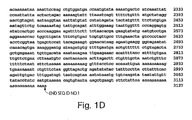


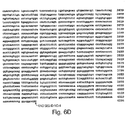


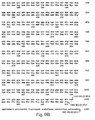

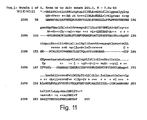


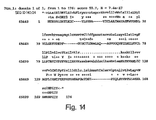


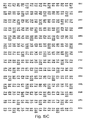

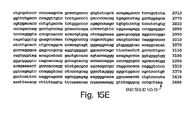
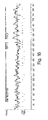
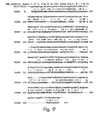
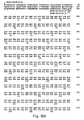

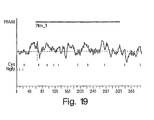
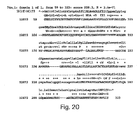
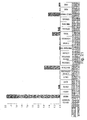

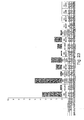
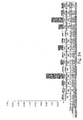
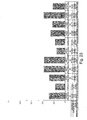







Classifications
-
- C—CHEMISTRY; METALLURGY
- C07—ORGANIC CHEMISTRY
- C07K—PEPTIDES
- C07K14/00—Peptides having more than 20 amino acids; Gastrins; Somatostatins; Melanotropins; Derivatives thereof
- C07K14/435—Peptides having more than 20 amino acids; Gastrins; Somatostatins; Melanotropins; Derivatives thereof from animals; from humans
- C07K14/705—Receptors; Cell surface antigens; Cell surface determinants
Definitions
- G-protein coupled receptors are seven transmembrane domain proteins that mediate signal transduction of a diverse number of ligands through heterotrimeric G proteins ( Strader, C. D. et al. (1994) Annu. Rev. Biochem. 63: 101-132 ).
- G protein-coupled receptors GPCRs
- G-proteins and effector proteins e.g., intracellular enzymes and channels
- GPCRs G protein-coupled receptors
- GPCRs G protein-coupled receptors
- effector proteins e.g., intracellular enzymes and channels
- GutlGind, J.S. (1998) J. Biol. Chem. 273: 1839-1842 ; Selbie, L.A. and Hill, S.J. (1998) Trends Pharmacol. Sci. 19:87-93 ).
- G proteins represent a family of heterotrimeric proteins composed of ⁇ , ⁇ and ⁇ subunits, which bind guanine nucleotides. These proteins are usually linked to cell surface receptors (e.g., a GPCR). Following ligand binding to a GPCR, a conformational change is transmitted to the G protein, which causes the ⁇ -subunit to exchange a bound GDP molecule for a GTP molecule and to dissociate from the ⁇ -subunits.
- cell surface receptors e.g., a GPCR
- the GTP-bound form of the ⁇ -subunit typically functions as an effector-modulating moiety, leading to the production of second messengers, such as cyclic AMP (e.g., by activation of adenylate cyclase), diacylglycerol or inositol phosphates.
- second messengers such as cyclic AMP (e.g., by activation of adenylate cyclase), diacylglycerol or inositol phosphates.
- ⁇ -subunits Over 20 different types of ⁇ -subunits are known in man, which associate with a smaller pool of ⁇ and ⁇ subunits. Examples of mammalian G proteins include G i , G o , G q , G s and G t ( Lodish H. et al. Molecular Cell Biology, Scientific American Books Inc., New York, N.Y., 1995 ).
- rhodopsin One subfamily of seven transmembrane receptors is the rhodopsin family. Proteins of this family can be expressed in photoreceptor cells. They generally contain a prosthetic group, 11-cis-retinal. Absorption of light by retinal causes an isomerization in the molecule and consequently a conformational change in the rhodopsin protein. This structural change is transmitted to a signaling cascade by means of the coupled G protein.
- GPCRs are of critical importance to several systems including the endocrine system, the central nervous system and peripheral physiological processes.
- the GPCR genes and gene-products are also believed to be causative agents of disease ( Spiegel et al. (1993) J. Clin. Invest. 92:1119-1125 ); McKusick and Amberger (1993) J. Med. Genet. 30:1-26 ).
- Given the important biological roles and properties of GPCRs there exists a need for the identification of novel genes encoding such proteins as well as for the discovery of modulators of such molecules for use in regulating a variety of normal and/or pathological cellular processes.
- the present invention is based, in part, on the discovery of novel G - p rotein coupled receptors and nucleic acids encoding these receptors, referred to herein collectively as "GPCRs," or by the individual clone name "1983, 52881, 2398, 45449, 50289, and 52872.”
- GPCRs novel G - p rotein coupled receptors and nucleic acids encoding these receptors
- SEQ ID NO:1 The nucleotide sequence of a cDNA encoding 1983 is shown in SEQ ID NO:1, and the amino acid sequence of a 1983 polypeptide is shown in SEQ ID NO:2.
- SEQ ID NO:3 amino acid sequence of a 1983 polypeptide is shown in SEQ ID NO:3.
- the nucleotide sequence of a cDNA encoding a 52881 polypeptide is shown in SEQ ID NO:4, and the amino acid sequence of a 52881 polypeptide is shown in SEQ ID NO:5.
- the nucleotide sequence of the coding region of a 52881 polypeptide is depicted in SEQ ID NO:6.
- the nucleotide sequence of a cDNA encoding 2398 polypeptide is shown in SEQ ID NO:7, and the amino acid sequence of a 2398 polypeptide is shown in SEQ ID NO:8.
- the nucleotide sequence of the coding region of a 2398 polypeptide is depicted in SEQ ID NO:9.
- the nucleotide sequence of a cDNA encoding a 45449 polypeptide is shown in SEQ ID NO:10, and the amino acid sequence of a 45449 polypeptide is shown in SEQ ID NO:11.
- the nucleotide sequence of the coding region of a 45449 polypeptide is depicted in SEQ ID NO:12.
- the nucleotide sequence of a cDNA encoding a 50289 polypeptide is shown in SEQ ID NO:13, and the amino acid sequence of a 50289 polypeptide is shown in SEQ ID NO:14.
- the nucleotide sequence of the coding region of a 50289 polypeptide is depicted in SEQ ID NO:15.
- nucleotide sequence of a cDNA encoding a 52872 polypeptide is shown in SEQ ID NO:16, and the amino acid sequence of a 52872 polypeptide is shown in SEQ ID NO:17.
- nucleotide sequence of the coding region of a 52872 polypeptide is depicted in SEQ ID NO:18.
- the invention features a nucleic acid molecule which encodes a 1983, 52881, 2398, 45449, 50289, or 52872 protein or polypeptide, e.g., a biologically active portion of the 1983, 52881, 2398, 45449, 50289, or 52872 protein.
- the isolated nucleic acid molecule encodes a polypeptide having the amino acid sequence of SEQ ID NO:2, SEQ ID NO:5, SEQ ID NO:8, SEQ ID NO: 11, SEQ ID NO:14, SEQ ID NO:17.
- the invention provides isolated 1983, 52881, 2398, 45449, 50289, or 52872 nucleic acid molecules having the nucleotide sequence shown in SEQ ID NO:1, SEQ ID NO:3, SEQ ID NO:4, SEQ ID NO:6, SEQ ID NO:7, SEQ ID NO:9, SEQ ID NO:10, SEQ ID NO:12, SEQ ID NO:13, SEQ ID NO:15, SEQ ID NO:16, SEQ ID NO:18, or the sequence of the DNA insert of the plasmid deposited with ATCC Accession Number _, ATCC Accession Number _, ATCC Accession Number _, ATCC Accession Number _, ATCC Accession Number _, or ATCC Accession Number _.
- the invention provides nucleic acid molecules that are substantially identical (e.g., naturally occurring allelic variants) to the nucleotide sequence shown in SEQ ID NO:1, SEQ ID NO:3, SEQ ID NO:4, SEQ ID NO:6, SEQ ID NO:7, SEQ ID NO:9, SEQ ID NO:10, SEQ ID NO:12, SEQ ID NO:13, SEQ ID NO:15, SEQ ID NO:16, SEQ ID NO:18, or the sequence of the DNA insert of the plasmid deposited with ATCC Accession Number _, ATCC Accession Number _, ATCC Accession Number _, ATCC Accession Number _, ATCC Accession Number _, or ATCC Accession Number _.
- the invention provides a nucleic acid molecule which hybridizes under a stringent hybridization condition described herein to a nucleic acid molecule comprising the nucleotide sequence of SEQ ID NO:1, SEQ ID NO:3, SEQ ID NO:4, SEQ ID NO:6, SEQ ID NO:7, SEQ ID NO:9, SEQ ID NO:10, SEQ ID NO:12, SEQ ID NO: 13, SEQ ID NO:15, SEQ ID NO:16, SEQ ID NO:18, or the sequence of the DNA insert of the plasmid deposited with ATCC Accession Number _, ATCC Accession Number _, ATCC Accession Number _, ATCC Accession Number _, ATCC Accession Number _, or ATCC Accession Number _, wherein the nucleic acid encodes a full length 1983, 52881, 2398, 45449, 50289, or 52872 protein or an active fragment thereof.
- the 1983, 52881, 2398, 45449, 50289, or 52872 nucleic acid has a nucleotide sequence identical to, or substantially identical to, SEQ ID NO:1, SEQ ID NO:3, SEQ ID NO:4, SEQ ID NO:6, SEQ ID NO:7, SEQ ID NO:9, SEQ ID NO:10, SEQ ID NO:12, SEQ ID NO:13, SEQ ID NO:15, SEQ ID NO:16, SEQ ID NO:18, or the sequence of the DNA insert of the plasmid deposited with ATCC Accession Number _, ATCC Accession Number _, ATCC Accession Number _, ATCC Accession Number _, ATCC Accession Number _, or ATCC Accession Number _.
- the 1983, 52881, 2398, 45449, 50289, or 52872 nucleic acid is a fragment of at least 50, 100, 150, 200, 250, 300, 350, 400, 450, 500, 600, 700, 800, 900 or more contiguous nucleotides of SEQ ID NO:1, SEQ ID NO:3, SEQ ID NO:4, SEQ ID NO:6, SEQ ID NO:7, SEQ ID NO:9, SEQ ID NO:10, SEQ ID NO:12, SEQ ID NO:13, SEQ ID NO:15, SEQ ID NO: 16, SEQ ID NO:18, or the sequence of the DNA insert of the plasmid deposited with ATCC Accession Number _, ATCC Accession Number _, ATCC Accession Number _, ATCC Accession Number _, ATCC Accession Number _, or ATCC Accession Number _.
- the invention further provides nucleic acid constructs which include a 1983, 52881, 2398, 45449, 50289, or 52872 nucleic acid molecule described herein.
- the nucleic acid molecules of the invention are operatively linked to native or heterologous regulatory sequences.
- vectors and host cells containing the 1983, 52881, 2398, 45449, 50289, or 52872 nucleic acid molecules of the invention e.g., vectors and host cells suitable for producing 1983, 52881, 2398, 45449, 50289, or 52872 nucleic acid molecules and polypeptides.
- the invention provides nucleic acid fragments suitable as primers or hybridization probes for the detection of 1983, 52881, 2398, 45449, 50289, or 52872-encoding nucleic acids.
- isolated nucleic acid molecules that are antisense to a 1983, 52881, 2398, 45449, 50289, or 52872 encoding nucleic acid molecule are provided.
- the invention features, 1983, 52881, 2398, 45449, 50289, or 52872 polypeptides, and biologically active or antigenic fragments thereof that are useful, e.g., as reagents or targets in assays applicable to treatment and diagnosis of 1983, 52881, 2398, 45449, 50289, or 52872-mediated or 1983, 52881, 2398, 45449, 50289, or 52872-related disorders.
- the invention provides 1983, 52881, 2398, 45449, 50289, or 52872 polypeptides having a 1983, 52881, 2398, 45449, 50289, or 52872 activity.
- Preferred polypeptides are 1983, 52881, 2398, 45449, 50289, or 52872 proteins including at least one seven transmembrane domain domain or at least one ANF receptor ligand binding domain, and, preferably, having a 1983, 52881, 2398, 45449, 50289, or 52872 activity, e.g., a 1983, 52881, 2398, 45449, 50289, or 52872 activity as described herein.
- the invention provides 1983, 52881, 2398, 45449, 50289, or 52872 polypeptides, e.g., a 1983, 52881, 2398, 45449, 50289, or 52872 polypeptide having the amino acid sequence shown in SEQ ID NO:2, SEQ ID NO:5, SEQ ID NO:8, SEQ ID NO:11, SEQ ID NO:14, SEQ ID NO:17, or an amino acid sequence encoded by the cDNA insert of the plasmid deposited with ATCC Accession Number ATCC Accession Number _, ATCC Accession Number _, ATCC Accession Number _, ATCC Accession Number _, or ATCC Accession Number _; an amino acid sequence that is substantially identical to the amino acid sequence shown in SEQ ID NO:2, SEQ ID NO:5, SEQ ID NO:8, SEQ ID NO:11, SEQ ID NO:14, SEQ ID NO:17, or an amino acid sequence encoded by the cDNA insert of the plasmid deposited with ATCC Accession Number
- the 1983, 52881, 2398, 45449, 50289, or 52872 polypeptide has an amino acid sequence identical to, or substantially identical to, SEQ ID NO:2, SEQ ID NO:5, SEQ ID NO:8, SEQ ID NO:11, SEQ ID NO:14, SEQ ID NO:17; or an amino acid sequence encoded by the cDNA insert of the plasmid deposited with ATCC Accession Number _, ATCC Accession Number _, ATCC Accession Number _, ATCC Accession Number _, ATCC Accession Number _, or ATCC Accession Number _.
- the 1983, 52881, 2398, 45449, 50289, or 52872 polypeptide is a fragment of at least 15, 20, 50, 100, 150, 200, 250, 300 or more contiguous amino acids of SEQ ID NO:2, SEQ ID NO:5, SEQ ID NO:8, SEQ ID NO:11, SEQ ID NO:14, SEQ ID NO:17; or an amino acid sequence encoded by the cDNA insert of the plasmid deposited with ATCC Accession Number _, ATCC Accession Number _, ATCC Accession Number _, ATCC Accession Number _, ATCC Accession Number _, or ATCC Accession Number _.
- the invention further provides nucleic acid constructs which include a 1983, 52881, 2398, 45449, 50289, or 52872 nucleic acid molecule described herein.
- the invention provides 1983, 52881, 2398, 45449, 50289, or 52872 polypeptides or fragments operatively linked to non-52881 polypeptides to form fusion proteins.
- the invention features antibodies and antigen-binding fragments thereof, that react with, or more preferably specifically bind 1983, 52881, 2398, 45449, 50289, or 52872 polypeptides.
- the invention provides methods of screening for compounds that modulate the expression or activity of the 1983, 52881, 2398, 45449, 50289, or 52872 polypeptides or nucleic acids.
- the invention provides a process for modulating 1983, 52881, 2398, 45449, 50289, or 52872 polypeptide or nucleic acid expression or activity, e.g. using the screened Compounds.
- the methods involve treatment of conditions related to activity or expression of the 1983, 52881, 2398, 45449, 50289, or 52872 polypeptides or nucleic acids, such as cardiovascular disorders, angiogenesis-related disorders, neural disorders, conditions involving pain response, aberrant or altered pain responses, pain related disorders, or inflammatory responses.
- cardiovascular disorders include e.g., atherosclerosis, thrombosis, heart failure, ischemic heart disease, angina pectoris, myocardial infarction, sudden cardiac death, hypertensive heart disease; non-coronary vessel disease, such as arteriolosclerosis, small vessel disease, nephropathy, hypertriglyceridemia, hypercholesterolemia, hyperlipidemia, xanthomatosis, asthma, hypertension, emphysema and chronic pulmonary disease; or a cardiovascular condition associated with interventional procedures (“procedural vascular trauma"), such as restenosis following angioplasty, placement of a shunt, stet, stent, synthetic or natural excision grafts, indwelling catheter, valve or other implantable devices.
- interventional procedures such as restenosis following angioplasty, placement of a shunt, stet, stent, synthetic or natural excision grafts, indwelling catheter, valve or other implantable devices.
- the cardiovascular disorder is caused by aberrant fatty acid metabolism.
- disorders involving aberrant fatty acid metabolism include, but are not limited to, atherosclerosis, arteriolosclerosis, hypertriglyceridemia, obesity, diabetes, hypercholesterolemia, xanthomatosis, and hyperlipidemia. Most preferable, the disorder is atherosclerosis.
- an agent is administered alone or in combination with a cholesterol-lowering agent.
- cholesterol lowering agents include bile acid sequestering resins (e.g. colestipol hydrochloride or cholestyramine), fibric acid derivatives (e.g. clofibrate, fenofibrate, or gemfibrozil), thiazolidenediones (e.g. troglitazone), or hydroxymethylglutaryl coenzyme A reductase (HMG-CoA reductase) inhibitors (e.g.
- statins such as fluvastatin sodium, lovastatin, pravastatin sodium, or simvastatin
- an ApoAII-lowering agent such as fluvastatin sodium, lovastatin, pravastatin sodium, or simvastatin
- VLDL lowering agent such as a VLDL lowering agent
- ApoAI-stimulating agent such as a VLDL lowering agent
- inhibitors of, nicotinic acid, niacin, or probucol a preferred cholesterol lowering agents include inhibitors of IIMG-CoA reductase (e.g., statins), nicotinic acid, and niacin.
- the cholesterol-lowering agent can be administered prior to, at the same time, or after administration of the agent, in single or multiple administration schedules.
- the cholesterol lowering agent and the agents of the invention can be administered continually over a preselected period of time, or administered in a series of spaced doses, i.e., intermittently, for a period of time.
- the agent alone or in combination with, the cholesterol lowering agent, inhibit (block or reduce) atherosclerotic lesion formation or development, e.g., so as to inhibit lipid accumulation, increase plaque stability or promote lesion regression.
- the agent administered alone or in combination with the cholesterol lowering agent, results in a favorable plasma lipid profile (e.g., increased HDL and/or reduced LDL).
- the agent modulates (e.g., decreases or increases) the activity or expression of a 1983, 52881, 2398, 45449, 50289, or 52872 polypeptide or nucleic acid.
- the agent modulates (e.g., increases or decreases) expression of the 1983, 52881, 2398, 45449, 50289, or 52872 nucleic acid by, e.g., modulating transcription, mRNA stability, etc.
- the agent is a peptide, a phosphopeptide, a small molecule, e.g., a member of a combinatorial or natural product library, or an antibody, or any combination thereof.
- the agent is an antisense, a ribozyme, or a triple helix molecule, or a 1983, 52881, 2398, 45449, 50289, or 52872 nucleic acid or a fragment thereof, or any combination thereof.
- the subject is a patient undergoing a therapeutic or prophylactic protocol.
- the subject is a human suffering from, or at risk of a cardiovascular disease, e.g., atherosclerosis, thrombosis, heart failure, ischemic heart disease, angina pectoris, myocardial infarction, sudden cardiac death, hypertensive heart disease; non-coronary vessel disease, such as arteriolosclerosis, small vessel disease, nephropathy, hypertriglyceridemia, obesity, diabetes, hypercholesterolemia, hyperlipidemia, xanthomatosis, asthma, hypertension, emphysema and chronic pulmonary disease; or a cardiovascular condition associated with interventional procedures ("procedural vascular trauma"), such as restenosis following angioplasty, placement of a shunt, stet, stent, synthetic or natural excision grafts, indwelling catheter, valve or other implantable devices.
- a cardiovascular disease e.g., atherosclerosis, thrombosis, heart
- the subject is a human suffering from, or at risk of a disorder involving aberrant fatty acid metabolism.
- disorders include, but are not limited to, atherosclerosis, arteriolosclerosis, hypertriglyceridemia, obesity, diabetes, hypercholesterolemia, xanthomatosis and hyperlipidemia.
- the disorder is atherosclerosis.
- the subject is a non-human animal, e.g., an experimental animal.
- the invention features a method of treating or preventing a cardiovascular disorder (e.g., atherosclerosis), in a subject.
- the method includes administering to the subject an agent that modulates the activity or expression of a 1983, 52881, 2398, or 45449 polypeptide or nucleic acid, in an amount effective to treat or prevent the cardiovascular disorder.
- the invention features a method of treating or preventing a disease related to angiogenesis or neovascularization in a subject.
- the method includes administering to the subject an agent that modulates the activity or expression of a 1983, 52881, 2398, or 45449, 50289, or 52872 polypeptide or nucleic acid, in an amount effective to treat or prevent the disorder.
- Diseases in which angiogenesis or neovascularization play a role include neoplastic disease, retinopathy (e.g., diabetic retinopathy), and macular degeneration.
- the invention also features a method of diagnosing a disorder, e.g., a cardiovascular disorder (e.g., atherosclerosis) or angiogenesis-related disorder, in a subject.
- the method includes evaluating the expression or activity of a 1983, 52881, 2398, 45449, 50289, or 52872 nucleic acid or a 1983, 52881, 2398, 45449, 50289, or 52872 polypeptide, such that, a difference in the level of 1983, 52881, 2398, 45449, 50289, or 52872 nucleic acid or 1983, 52881, 2398, 45449, 50289, or 52872 polypeptide relative to a normal subject or a cohort of normal subjects is indicative of the disorder.
- the subject is a human.
- the evaluating step occurs in vitro or ex vivo .
- a sample e.g., a blood sample, is obtained from the subject.
- the evaluating step occurs in vivo .
- a detectably labeled agent that interacts with the 1983, 52881, 2398, 4544.9, 50289, or 52872 nucleic acid or polypeptide, such that a signal is generated relative to the level of activity or expression of the 1983, 52881, 2398, 45449, 50289, or 52872 nucleic acid or polypeptide.
- the disorder is a cardiovascular disorder, e.g., a cardiovascular disorder as described herein.
- the disorder is atherosclerosis.
- the invention also provides assays for determining the activity of or the presence or absence of 1983, 52881, 2398, 45449, 50289, or 52872 polypeptides or nucleic acid molecules in a biological sample, including for disease diagnosis.
- the invention provides assays for determining the presence or absence of a genetic alteration in a 1983, 52881, 2398, 45449, 50289, or 52872 polypeptide or nucleic acid molecule, including for disease diagnosis.
- the invention features a method for identifying an agent, e.g., a compound, which modulates the activity of a 1983, 52881, 2398, 45449, 50289, or 52872 polypeptide, e.g., a 1983, 52881, 2398, 45449, 50289, or 52872 polypeptide as described herein, or the expression of a 1983, 52881, 2398, 45449, 50289, or 52872 nucleic acid, e.g., a 1983, 52881, 2398, 45449, 50289, or 52872 nucleic acid as described herein, including contacting the 1983, 52881, 2398, 45449, 50289, or 52872 polypeptide or nucleic acid with a test agent (e.g., a test compound); and determining the effect of the test compound on the activity of the polypeptide or nucleic acid to thereby identify a compound which modulates the activity of the polypeptide or nucleic acid
- the contacting step occurs in vitro or ex vivo .
- a sample e.g., a blood sample, is obtained from the subject.
- the contacting step occurs in vivo .
- a detectably labeled agent that interacts with the 1983, 52881, 2398, 45449, 50289, or 52872 nucleic acid or polypeptide, such that a signal is generated relative to the level of activity or expression of the 1983, 52881, 2398, 45449, 50289, or 52872 nucleic acid or polypeptide.
- the agent is an inhibitor (partial or complete inhibitor) of 1983, 52881, 2398, 45449, 50289, or 52872 polypeptide activity or expression.
- inhibiting 1983, 52881, 2398, 45449, 50289, or 52872 expression and/or activity may promote the growth of blood vessels through the process of angiogenesis.
- the agent is an agonist of 1983, 52881, 2398, 45449, 50289, or 52872 polypeptide activity or expression.
- increasing 1983, 52881, 2398, 45449, 50289, or 52872 expression and/or activity may inhibit the process of angiogenesis.
- Such an agent would be particularly useful in inhibiting unwanted angiogenesis, e.g., angiogenesis associated with tumor growth.
- the agent is a peptide, a phosphopeptide, a small molecule, e.g., a member of a combinatorial library, or an antibody, or any combination thereof.
- the agent is an antisense, a ribozyme, a triple helix molecule, or a 1983, 52881, 2398, 45449, 50289, or 52872 nucleic acid, or any combination thereof.
- the invention features a method of modulating (e.g., enhancing or inhibiting) a pain response or an inflammatory response.
- the method includes contacting a cell with an agent that modulates the activity or expression of a 1983, 52881, 2398, 45449, 50289, or 52872 polypeptide or nucleic acid, in an amount effective to modulate the pain response or inflammatory response.
- the agent modulates (e.g., increases or decreases) signaling through a pain associated receptor, e.g., a 1983, 52881, 2398, 45449, 50289, or 52872 polypeptide described herein.
- a pain associated receptor e.g., a 1983, 52881, 2398, 45449, 50289, or 52872 polypeptide described herein.
- the agent modulates (e.g., increases or decreases) expression of the 1983, 52881, 2398, 45449, 50289, or 52872 nucleic acid by, e.g., modulating transcription, mRNA stability, etc.
- the agent is a peptide, a phosphopeptide, a small molecule, e.g., a member of a combinatorial library, or an antibody, or any combination thereof.
- the antibody can be conjugated to a therapeutic moiety selected from the group consisting of a cytotoxin, a cytotoxic agent and a radioactive metal ion.
- the agent is an antisense molecule, a ribozyme, a triple helix molecule, or a 1983, 52881, 2398, 45449, 50289, or 52872 nucleic acid, or any combination thereof.
- the agent is administered in combination with a cytotoxic agent.
- the cell e.g., the 1983, 52881, 2398, 45449, 50289, or 52872-expressing cell
- a neural cell e.g., central or peripheral nervous system cell (e.g., a cell in an area involved in pain control, e.g., a cell in the substantia gelatinosa of the spinal cord, or a cell in the periaqueductal gray matter).
- the agent and the 1983, 52881, 2398, 45449, 50289, or 52872-polypeptide or nucleic acid are contacted in vitro or ex vivo .
- the contacting step is effected in vivo in a subject, e.g., as part of a therapeutic or prophylactic protocol.
- the subject is a human, e.g., a patient with pain or a pain-associated disorder disclosed herein.
- the subject can be a patient with pain elicited from tissue injury, e.g., inflammation, infection, ischemia; pain associated with musculoskeletal disorders, e.g., joint pain; tooth pain; headaches, e.g., migrane; pain associated with surgery; pain related to inflammation, e.g., irritable bowel syndrome; or chest pain.
- the subject can be a patient with complex regional pain syndrome (CRPS), reflex sympathetic dystrophy (RSD), causalgia, neuralgia, central pain and dysesthesia syndrome, carotidynia, neurogenic pain, refractory cervicobrachial pain syndrome, myofascial pain syndrome, craniomandibular pain dysfunction syndrome, chronic idiopathic pain syndrome, Costen's pain-dysfunction, acute chest pain syndrome, gynecologic pain syndrome, patellofemoral pain syndrome, anterior knee pain syndrome, recurrent abdominal pain in children, colic, low back pain syndrome, neuropathic pain, phantom pain from amputation, phantom tooth pain, or pain asymbolia.
- CRPS complex regional pain syndrome
- RSD reflex sympathetic dystrophy
- causalgia neuralgia
- central pain and dysesthesia syndrome carotidynia
- neurogenic pain refractory cervicobrachial pain syndrome
- the subject can be a cancer patient, e.g., a patient with brain cancer, bone cancer, or prostate cancer.
- the subject is a non-human animal, e.g., an experimental animal, e.g., an arthritic rat model of chronic pain, a chronic constriction injury (CCI) rat model of neuropathic pain, or a rat model of unilateral inflammatory pain by intraplantar injection of complete Freund's adjuvant (CFA).
- CCI chronic constriction injury
- CFA complete Freund's adjuvant
- the contacting step(s) can be repeated.
- the agent is a peptide, a phosphopeptide, a small molecule, e.g., a member of a combinatorial library, or an antibody, or any combination thereof.
- the antibody can be conjugated to a therapeutic moiety selected from the group consisting of a cytotoxin, a cytotoxic agent and a radioactive metal ion.
- the agent is an antisense, a ribozyme, or a triple helix molecule, or a 1983, 52881, 2398, 45449, 50289, or 52872 nucleic acid, or any combination thereof.
- the agent is administered in combination with a cytotoxic agent.
- the administration of the agent and/or protein can be repeated.
- the invention features a method for evaluating the efficacy of a treatment of a disorder, e.g., a disorder disclosed herein, in a subject.
- the method includes treating a subject with a protocol under evaluation; assessing the expression of a 1983, 52881, 2398, 45449, 50289, or 52872 nucleic acid or 1983, 52881, 2398, 45449, 50289, or 52872 polypeptide, such that a change in the level of 1983, 52881, 2398, 45449, 50289, or 52872 nucleic acid or 1983, 52881, 2398, 45449, 50289, or 52872 polypeptide after treatment, relative to the level before treatment, is indicative of the efficacy of the treatment of the disorder.
- the disorder is pain or a pain related disorder.
- the subject is a human.
- the invention also features a method of diagnosing a disorder, e.g., a disorder disclosed herein, in a subject.
- the method includes evaluating the expression or activity of a 1983, 52881, 2398, 45449, 50289, or 52872 nucleic acid or a 1983, 52881, 2398, 45449, 50289, or 52872 polypeptide, such that, a difference in the level of 1983, 52881, 2398, 45449, 50289, or 52872 nucleic acid or 1983, 52881, 2398, 45449, 50289, or 52872 polypeptide relative to a normal subject or a cohort of normal subjects is indicative of the disorder.
- the disorder is a neurological disorder.
- the disorder is pain or a pain related disorder.
- the subject is a human.
- the evaluating step occurs in vitro or ex vivo .
- a sample e.g., a blood sample, is obtained from the subject.
- the evaluating step occurs in vivo .
- a detectably labeled agent that interacts with the 1983, 52881, 2398, 45449, 50289, or 52872 nucleic acid or polypeptide, such that a signal is generated relative to the level of activity or expression of the 1983, 52881, 2398, 45449, 50289, or 52872 nucleic acid or polypeptide.
- the invention features a two dimensional array having a plurality of addresses, each address of the plurality being positionally distinguishable from each other address of the plurality, and each address of the plurality having a unique capture probe, e.g., a nucleic acid or peptide sequence.
- At least one address of the plurality has a capture probe that recognizes a 1983, 52881, 2398, 45449, 50289, or 52872 molecule.
- the capture probe is a nucleic acid, e.g., a probe complementary to a 1983, 52881, 2398, 45449, 50289, or 52872 nucleic acid sequence.
- the capture probe is a polypeptide, e.g., an antibody specific for 1983, 52881, 2398, 45449, 50289, or 52872 polypeptides. Also featured is a method of analyzing a sample by contacting the sample to the aforementioned array and detecting binding of the sample to the array.
- the human 1983 nucleotide sequence ( Figures 1A-1D ; SEQ ID NO:1), which is approximately 3127 nucleotides long including untranslated regions, contains a predicted methionine-initiated coding sequence of about 1938 nucleotides, including the termination codon (nucleotides indicated as coding of SEQ ID NO:1 in Figures 1A-1D ; SEQ ID NO:3).
- the coding sequence encodes a 645 amino acid protein ( Figure 2 ; SEQ ID NO:2).
- the human 1983 protein contains a predicted seven transmembrane (7TM) domain located at about amino acids 379 to 626 of SEQ ID NO:2 ( Figure 3 ).
- Human 1983 additionally includes a predicted extracellular domain which extends from about amino acid 1 to about amino acid 387 of SEQ ID NO:2.
- the extracellular domain of the 1983 protein includes an EGF-like domain located at about amino acids 17-54 of SEQ ID NO:2 ( Figure 4 ).
- the extracellular domain of the 1983 protein additionally includes a latrophilin CL-1-like GPS domain located at about amino acids 321-373 of SEQ ID NO:2 ( Figure 5 ).
- the seven transmembrane domain of the 1983 protein shows homology to members of the secretin family.
- Predicted transmembrane domains extend from about amino acid 388 (extracellular end) to about amino acid 407 (cytoplasmic end) of SEQ ID NO:2; from about amino acid 420 (cytoplasmic end) to about amino acid 436 (extracellular end) of SEQ ID NO:2; from about amino acid 455 (extracellular end) to about amino acid 479 (cytoplasmic end) of SEQ ID NO:2; from about amino acid 488 (cytoplasmic end) to about amino acid 508 (extracellular end) of SEQ ID NO:2; from about amino acid 525 (extracellular end) to about amino acid 549 (cytoplasmic end) of SEQ ID NO:2; from about amino acid 574 (cytoplasmic end) to about amino acid 591 (extracellular end) of SEQ ID NO:2; and from about amino acid 598 (extracellular end) to about amino acid 622 (cytoplasmic end) of SEQ ID NO:2;
- the 1983 receptor protein additionally contains one predicted EF-hand calcium binding domain (PS00018) from about amino acids 108-120 of SEQ ID NO:2; ten predicted protein kinase C phosphorylation sites (PS00005) from about amino acids 90-92, 136-138, 188-190, 313-315, 318-320, 355-357, 412-414, 440-442, 513-515, and 623-625 of SEQ ID NO:2; fifteen predicted casein kinase II phosphorylation sites (PS00006) from about amino acids acids 9-12, 23-26, 31-34, 49-52, 90-93, 105-108, 110-113, 116-119, 136-139, 145-148, 199-202, 265-268, 280-283, 301-304, and 563-566 of SEQ ID NO:2; seven predicted N-myristoylation sites (PS00008) from about amino acids 5-10, 35-40, 337-342, 343-348, 389-394, 435-440,
- a plasmid containing the nucleotide sequence encoding human 1983 was deposited with American Type Culture Collection (ATCC), 10801 University Boulevard, Manassas, VA 20110-2209, on _ and assigned Accession Number _. This deposit will be maintained under the terms of the Budapest Treaty on the International Recognition of the Deposit of Microorganisms for the Purposes of Patent Procedure. This deposit was made merely as a convenience for those of skill in the art and is not an admission that a deposit is required under 35 U.S.C. ⁇ 112.
- the human 52881 sequence ( Figures 6A-6D ; SEQ ID NO:4), which is approximately 4238 nucleotides long including untranslated regions, contains a predicted methionine-initiated coding sequence of about 1830 nucleotides, including the termination codon (nucleotides indicated as coding of SEQ ID NO:4 in Figures 6A-6D ; SEQ ID NO:6).
- the coding sequence encodes a 609 amino acid protein ( Figure 7 ; SEQ ID NO:5).
- the 52881 protein contains a predicted seven transmembrane (7TM) domain located at about amino acids 80 to 154 of SEQ ID NO:5 ( Figure 8 ).
- the seven transmembrane domain shows homology to members of the rhodopsin family.
- Predicted transmembrane domains extend from about amino acids 11-34, 44-67, 85-106, 127-149, 172-196, and 245-269 of SEQ ID NO:5 ( Figure 2 ).
- Predicted non-transmembrane domains extend from about amino acids 1-10, 35-43, 68-84, 107-126, 150-171, 197-244, and 270-609 of SEQ ID NO:5.
- the 52881 protein additionally contains: four predicted cAMP/cGMP phosporylation sites (PS00004) located at about amino acids 225-228, 393-396, 436-439, and 453-456 of SEQ ID NO:5; six predicted protein kinase C phosphorylation sites (PS00005) located at about amino acids 153-155, 268-270, 392-394, 462-464, 482-484, and 560-562 of SEQ ID NO:5; 10 predicted casein kinase II phosphorylation sites (PS00006) located at about amino acids 228-231, 324-327, 328-331, 364-367, 396-399, 417-420, 466-469, 506-509, 568-571, and 590-593 of SEQ ID NO:5; one predicted tyrosine kinase phosphorylation site (PS00007) located at about amino acids 342-348 of SEQ ID NO:5; 10 predicted N-myristoylation sites (PS00008) located at about amino acids 9
- a plasmid containing the nucleotide sequence encoding human 52881 (clone Fbh52881FL) was deposited with American Type Culture Collection (ATCC), 10801 University Boulevard, Manassas, VA 20110-2209, on _ and assigned Accession Number _. This deposit will be maintained under the terms of the Budapest Treaty on the International Recognition of the Deposit of Microorganisms for the Purposes of Patent Procedure. This deposit was made merely as a convenience for those of skill in the art and is not an admission that a deposit is required under 35 U.S.C. ⁇ 112.
- the human 2398 nucleotide sequence ( Figures 9A-9B ; SEQ ID NO:7), which is approximately 1113 nucleotides long including untranslated regions, contains a predicted methionine-initiated coding sequence of about 1053 nucleotides, including the termination codon (nucleotides indicated as coding of SEQ ID NO:7 in Figures 9A-9B ; SEQ ID NO:9).
- the coding sequence encodes a 350 amino acid protein ( Figure 10 ; SEQ ID NO:8).
- the 2398 protein contains a G-protein receptor signature (PS00237) located at about amino acids 125-141 of SEQ ID NO:8.
- the 2398 protein also includes a predicted seven transmembrane (7TM) domain located at about amino acids 58 to 303 of SEQ ID NO:8 ( Figure 11 ).
- the seven transmembrane domain shows homology to members of the rhodopsin family.
- An extracellular domain extends from about amino acids 1-41 of SEQ ID NO:8.
- Predicted transmembrane domains extend from about amino acid 42 (extracellular end) to about amino acid 66 (cytoplasmic end) of SEQ ID NO:8; from about amino acid 78 (cytoplasmic end) to about amino acid 99 (extracellular end) of SEQ ID NO:8; from about amino acid 114 (extracellular end) to about amino acid 135 (cytoplasmic end) of SEQ ID NO:8; from about amino acid 154 (cytoplasmic end) to about amino acid 176 (extracellular end) of SEQ ID NO:8; from about amino acid 202 (extracellular end) to about amino acid 224 (cytoplasmic end) of SEQ ID NO:8; from about amino acid 241 (cytoplasmic end) to about amino acid 259 (extracellular end) of SEQ ID NO:8; and from about amino acid 291 (extracellular end) to about amino acid 310 (cytoplasmic end) of SEQ ID NO:8; three cytoplasmic loops are located at about amino acids 67-77, 136-153,
- the 2398 receptor protein additionally contains five predicted protein kinase C phosphorylation sites (PS00005) from about amino acids 195-197, 223-225, 278-280, 309-311 and 323-325 of SEQ ID NO:8; four predicted casein kinase II phosphorylation sites (PS00006) from about amino acids 25-28, 74-77, 177-180, and 330-333 of SEQ ID NO:8; one predicted glycosaminoglycan attachment site (PS00002) located at about amino acids 148-151 of SEQ ID NO:8; one predicted N-myristoylation site (PS00008) from about amino acids 55-60 of SEQ ID NO:8; and one tyrosine kinase phosphorylation site (PS00007) located at about amino acid 263-269 of SEQ ID NO:8.
- PS00005 predicted protein kinase C phosphorylation sites
- PS00006 predicted casein kinase II phosphorylation sites
- PS00002 one predicted glycosa
- a plasmid containing the nucleotide sequence encoding human 2398 was deposited with American Type Culture Collection (ATCC), 10801 University Boulevard, Manassas, VA 20110-2209, on _ and assigned Accession Number _. This deposit will be maintained under the terms of the Budapest Treaty on the International Recognition of the Deposit of Microorganisms for the Purposes of Patent Procedure. This deposit was made merely as a convenience for those of skill in the art and is not an admission that a deposit is required under 35 U.S.C. ⁇ 112.
- the human 45449 nucleotide sequence ( Figures 12A-12B ; SEQ ID NO:10), which is approximately 1109 nucleotides long including untranslated regions, contains a predicted methionine-initiated coding sequence of about 672 nucleotides, including the termination codon (nucleotides indicated as coding of SEQ ID NO:10 in Figures 12A-12B ; SEQ ID NO:12).
- the coding sequence encodes a 223 amino acid protein ( Figure 13 ; SEQ ID NO:11).
- the 45449 protein contains a predicted seven transmembrane (7TM) domain located at about amino acids 1 to 176 of SEQ ID NO:1 I ( Figure 14 ).
- the seven transmembrane domain shows homology to members of the rhodopsin family.
- An N-terminal domain extends from about amino acids 1-11 of SEQ ID NO:11.
- Predicted transmembrane domains ( Figure 13 ) extend from about amino acid 12-33, 68-90, and 123-147 of SEQ ID NO:11.
- Predicted non-transmembrane domains extend from about amino acids 91-122 and 34-67 of SEQ ID NO:11.
- a C-terminal domain is located at about amino acid residues 148-324 of SEQ ID NO:11.
- the 45449 receptor protein additionally contains: one predicted opsin retinal binding site located at about amino acids 165-183 of SEQ ID NO:11; three predicted protein kinase C phosphorylation sites (PS00005) from about amino acids 99-101, 194-196, and 209-211 of SEQ ID NO:11; one predicted casein kinase II phosphorylation sites (PS00006) from about amino acid 99-102 of SEQ ID NO:11; two predicted N-myristoylation sites (PS00008) from about amino acids 50-55 and 189-194 of SEQ ID NO:11; and two predicted cAMP/cGMP dependent protein kinase phosphorylation site located at about amino acids 195-198 and 211-214 of SEQ ID NO:11.
- a plasmid containing the nucleotide sequence encoding human 45449 was deposited with American Type Culture Collection (ATCC), 10801 University Boulevard, Manassas, VA 20110-2209, on_____ and assigned Accession Number ______. This deposit will be maintained under the terms of the Budapest Treaty on the International Recognition of the Deposit of Microorganisms for the Purposes of Patent Procedure. This deposit was made merely as a convenience for those of skill in the art and is not an admission that a deposit is required under 35 U.S.C. ⁇ 112.
- the human 50289 nucleotide sequence ( Figures 15A-15E ; SEQ ID NO:13), which is approximately 3489 nucleotides long including untranslated regions, contains a predicted methionine-initiated coding sequence of about 2559 nucleotides, including the termination codon (nucleotides indicated as coding of SEQ ID NO:13 in Figures 15A-15E ; SEQ ID NO:15).
- the coding sequence encodes a 852 amino acid protein ( Figure 16 ; SEQ ID NO:14).
- the mature protein is approximately 832 amino acid residues in length (from about amino acid 21 to amino acid 852 of SEQ ID NO:14).
- the mature 50289 protein contains a natriuretic peptide (ANF) ligand binding domain located at about amino acids 61 to 470 of SEQ ID NO:14 ( Figure 17 ).
- the ANF domain is located at the extracellular domain of the human 50289, which extends from about amino acid 1-546 of SEQ ID NO:14.
- Predicted transmembrane domains extend from about amino acid 567 (extracellular end) to about amino acid 590 (cytoplasmic end) of SEQ ID NO:14; from about amino acid 600 (cytoplasmic end) to about amino acid 623 (extracellular end) of SEQ ID NO:14; from about amino acid 641 (extracellular end) to about amino acid 659 (cytoplasmic end) of SEQ ID NO:14; from about amino acid 679 (cytoplasmic end) to about amino acid 702 (extracellular end) of SEQ ID NO:14; from about amino acid 726 (extracellular end) to about amino acid 750 (cytoplasmic end) of SEQ ID NO:14; from about amino acid 762 (cytoplasmic end) to about amino acid 782 (extracellular end) of SEQ ID NO:14; and from about amino acid 799 (extracellular end) to about amino acid 810 (cytoplasmic end) of SEQ ID NO:14; three extracellular loops located at about amino acids 624-640, 703-678, and 751
- the 50289 receptor protein additionally contains: one GPCR family 3 signature 2 domain located at about amino acids 516-540 of SEQ ID NO:14; nine predicted glycosylation sites located at about amino acids 85-88, 130-133, 264-267, 285-288, 380-383, 411-414, 432-435, 474-478, and 736-739 of SEQ ID NO:14; nine predicted protein kinase C phosphorylation sites (PS00005) from about amino acids 153-155, 175-177, 189-191, 289-291, 293-295, 477-479, 480-482, 527-529 and 550-552 of SEQ ID NO:14; three predicted casein kinase II phosphorylation sites (PS00006) from about amino acid 102-105, 175-178, and 214-217 of SEQ ID NO:14; fourteen predicted N-myristoylation sites (PS00008) from about amino acids 20-25, 69-74, 92-97, 234-239, 319-324, 476-4
- a plasmid containing the nucleotide sequence encoding human 50289 (clone Fbh50289FL) was deposited with American Type Culture Collection (ATCC), 10801 University Boulevard, Manassas, VA 20110-2209, on _____ and assigned Accession Number _____. This deposit will be maintained under the terms of the Budapest Treaty on the International Recognition of the Deposit of Microorganisms for the Purposes of Patent Procedure. This deposit was made merely as a convenience for those of skill in the art and is not an admission that a deposit is required under 35 U.S.C. ⁇ 112.
- the human 52872 sequence ( Figures 18A-18B ; SEQ ID NO:16), which is approximately 1609 nucleotides long including untranslated regions, contains a predicted methionine-initiated coding sequence of about 1197 nucleotides, including the termination codon (nucleotides indicated as coding of SEQ ID NO:16 in Figures 18A-18B ; SEQ ID NO:18).
- the coding sequence encodes a 398 amino acid protein ( Figure 19 ; SEQ ID NO:17).
- the 52872 protein contains a predicted seven transmembrane (7TM) domain (PFAM Accession Number PF00001) located at about amino acids 59 to 323 of SEQ ID NO:17 ( Figure 20 ).
- the seven transmembrane domain shows homology to members of the rhodopsin family.
- An extracellular domain extends from about amino acids 1-42 of SEQ ID NO:17.
- Predicted transmembrane domains extend from about amino acid 43 (extracellular end) to about amino acid 67 (cytoplasmic end) of SEQ ID NO:17; from about amino acid 76 (cytoplasmic end) to about amino acid 110 (extracellular end) of SEQ ID NO:17; from about amino acid 117 (extracellular end) to about amino acid 136 (cytoplasmic end) of SEQ ID NO:17; from about amino acid 158 (cytoplasmic end) to about amino acid 180 (extracellular end) of SEQ ID NO:17; from about amino acid 204 (extracellular end) to about amino acid 228 (cytoplasmic end) of SEQ ID NO:17; from about amino acid 264 (cytoplasmic end) to about amino acid 285 (extracellular end) of SEQ ID NO:17; and from about amino acid 310 (extracellular end) to about amino acid 326 (cytoplasmic end) of SEQ ID NO:17; three cytoplasmic loops at about amino acids 68-75, 137-157, and 229-263 of S
- the 52872 receptor protein additionally contains: three predicted N-glycosylation sites (PS00001) from about amino acids 10-13, 18-21, and 28-31 of SEQ ID NO:17; two predicted Protein Kinase C phosphorylation sites (PS00005) at about amino acids 36-38 and 155-157 of SEQ ID NO:17; and five predicted N-myristylation sites (PS00008) from about 14-19, 21-26, 56-61, 247-252, and 255-260 of SEQ ID NO:17.
- PS00001 predicted N-glycosylation sites
- PS00005 predicted Protein Kinase C phosphorylation sites
- PS00008 five predicted N-myristylation sites
- a plasmid containing the nucleotide sequence encoding human 52872 (clone Fbh52872PL) was deposited with American Type Culture Collection (ATCC), 10801 University Boulevard, Manassas, VA 20110-2209, on _____ and assigned Accession Number _____. This deposit will be maintained under the terms of the Budapest Treaty on the International Recognition of the Deposit of Microorganisms for the Purposes of Patent Procedure. This deposit was made merely as a convenience for those of skill in the art and is not an admission that a deposit is required under 35 U.S.C. ⁇ 112.
- the 1983, 52881, 2398, 45449, 50289, and 52872 proteins contains a significant number of structural characteristics in common with members of the G protein-coupled receptor family.
- family when referring to the protein and nucleic acid molecules of the invention means two or more proteins or nucleic acid molecules having a common structural domain or motif and having sufficient amino acid or nucleotide sequence homology as defined herein.
- family members can be naturally or non-naturally occurring and can be from either the same or different species.
- a family can contain a first protein of human origin as well as other distinct proteins of human origin, or alternatively, can contain homologues of non-human origin, e.g., rat or mouse proteins.
- Members of a family can also have common functional characteristics.
- the G-protein coupled receptor family of proteins is an extensive group of proteins, which transduce extracellular signals triggered by, e.g., hormones, neurotransmitters, odorants and light, by interaction with guanine nucleotide-binding (G) proteins.
- G-protein coupled receptors typically have seven hydrophobic membrane spanning regions. The N-terminus of a G-protein coupled receptor is typically located on the extracellular side of the membrane and is often glycosylated, while the C-terminus is cytoplasmic and generally phosphorylated. Three extracellular loops alternate with three intracellular loops to link the seven transmembrane regions. Some G-protein coupled receptors possess a signal peptide.
- G-protein coupled receptors are the transmembrane regions and the first two cytoplasmic loops.
- a conserved acidic-arginine-aromatic triplet is present in the N-terminal extremity of the second cytoplasmic loop and may be implicated in the interaction with G proteins.
- An alignment of the transmembrane domains of 44 representative GPCRs can be found at ⁇ http://mgdkk1.nidll.nih.gov:8000/extended.htm1>.
- Subfamily I which comprises receptors typified by rhodopsin and the beta2-adrenergic receptor and currently contains over 200 unique members (reviewed by Dohlman et al. (1991) Annu. Rev. Biochem. 60:653-688 );
- Subfamily II which includes the parathyroid hormone/calcitonin/secretin receptor family ( Juppner et al. (1991) Science 254:1024-1026 ; Lin et al. (1991) Science 254:1022-1024 );
- Subfamily III which includes the metabotropic glutamate receptor family in mammals, such as the GABA receptors ( Nakanishi et al.
- Subfamily IV which includes the cAMP receptor family that is known to mediate the chemotaxis and development of D. discoideum
- Subfamily V which includes the fungal mating pheromone receptors such as STE2 (reviewed by Kurjan I et al. (1992) Annu. Rev. Biochem. 61:1097-1129 ).
- STE2 fungal mating pheromone receptors
- HMMER Version 2.1.1 Based upon the results of the HMM analysis (HMMER Version 2.1.1), the 52881, 2398, 45449, and 52872 polypeptides appear to belong to the rhodopsin subfamily of GPCRs (Subfamily I). 1983 appears to belong to the secretin subfamily of GPCRs (Subfamily II).
- a 52881, 2398, 45449 or 52872 polypeptide can include a "rhodopsin-related seven transmembrane receptor domain" or regions homologous with a “rhodopsin-related seven transmembrane receptor domain”.
- the term "rhodopsin-related seven transmembrane receptor domain” includes an amino acid sequence of about 40-300 amino acid residues in length and having a bit score for the alignment of the sequence to the rhodopsin-related seven transmembrane receptor domain (HMM) of at least 15 or greater.
- the rhodopsin-related seven transmembrane receptor domain includes an amino acid sequence which is about 50-280 amino acids, more preferably about 70-270 amino acids in length, and has a bit score for the alignment of the sequence to the rhodopsin-related seven transmembrane receptor domain (HMM) of at least 20 or greater, preferably 30 or greater.
- a 52881 protein preferably contains an amino acid sequence of about 75 amino acid residues in length, having a bit score for the alignment of the sequence to the rhodopsin-related seven transmembrane receptor domain at least 30.
- a 2398 protein preferably contains an amino acid sequence of about 246 amino acid residues in length, having a bit score for the alignment of the sequence to the rhodopsin-related seven transmembrane receptor domain at least 260.
- a 45449 protein preferably contains an amino acid sequence of about 176 amino acid residues in length, having a bit score for the alignment of the sequence to the rhodopsin-related seven transmembrane receptor domain at least 50.
- a 52872 protein preferably contains an amino acid sequence of about 265 amino acid residues in length, having a bit score for the alignment of the sequence to the rhodopsin-related seven transmembrane receptor domain at least 220.
- the rhodopsin-related seven transmembrane receptor domain has been assigned the PFAM Accession Number PF00001 (http;//genome.wustl.edu/Pfam/.html).
- An alignment of the rhodopsin-related seven transmembrane receptor domain (amino acids 80 to 154 of SEQ ID NO:5) of human 52881 with a consensus amino acid sequence (SEQ ID NO:22) derived from a hidden Markov model is depicted in Figure 8 .
- FIG. 11 An alignment of the rhodopsin-related seven transmembrane receptor domain (amino acids 5 8 to 303 of SEQ ID NO:8) of human 2398 with a consensus amino acid sequence (SEQ ID NO:23) derived from a hidden Markov model is depicted in Figure 11 .
- An alignment of the rhodopsin-related seven transmembrane receptor domain (amino acids 1 to 176 of SEQ ID NO:11) of human 45449 with a consensus amino acid sequence (SEQ ID NO:24) derived from a hidden Markov model is depicted in Figure 14 .
- a 52881, 2398, 45449 or 52872 polypeptide or protein has a "rhodopsin-related seven transmembrane receptor domain" or a region which includes at least about 40-300 amino acid residues in length, preferably about 50-280 amino acids, more preferably about 70-270 amino acids and has at least about 50%, 60%, 70% 80% 90% 95%, 99%, or 100% homology with a "rhodopsin-related seven transmembrane receptor domain," e.g., the rhodopsin-related seven transmembrane receptor domain of human 52881, 2398, 45449 or 52872 (e.g., amino acids 80 to 154 of SEQ ID NO:5, amino acids 58 to 303 of SEQ ID NO:8, amino acids 1 to 176 of SEQ ID NO:11, or amino acids 59 to 323 of SEQ ID NO:17).
- the amino acid sequence of the protein can be searched against a database of HMMs (e.g., the Pfam database, release 2.1) using the default parameters (http://www.sanger.ac.uk/Software/Pfam/HMM_search).
- HMMs e.g., the Pfam database, release 2.1
- the default parameters http://www.sanger.ac.uk/Software/Pfam/HMM_search.
- the hmmsf program which is available as part of the HMMBR package of search programs, is a family specific default program for MILPAT0063 and a score of 15 is the default threshold score for determining a hit.
- the threshold score for determining a hit can be lowered (e.g., to 8 bits).
- a description of the Pfam database can be found in Sonhammer et al. (1997) Proteins 28(3):405-420 and a detailed description of HMMs can be found, for example, in Gribskov et al.(1990) Meth. Enzymol. 183:146-159 ; Gribskov et al.(1987) Proc. Natl. Acad. Sci. USA 84:4355-4358 ; Krogh et al.(1994) J. Mol. Biol. 235:1501-1531 ; and Stultz et al.(1993) Protein Sci.
- a 1983 polypeptide can include a "secretin-related seven transmembrane receptor domain” or regions homologous with a “rhodopsin-related seven transmembrane receptor domain”.
- secretin-related seven transmembrane receptor domain includes an amino acid sequence of about 50-300 amino acid residues in length, preferably about 100-280 amino acids, preferably about 150-260 amino acids, more preferably about 248 amino acids and having a bit score for the alignment of the sequence to the secretin-related seven transmembrane receptor domain (HMM) of at least 200 or greater, preferably 250 or greater.
- HMM secretin-related seven transmembrane receptor domain
- the secretin-related seven transmembrane receptor domain has been assigned the PFAM Accession Number PF00002.
- An alignment of the secretin-related seven transmembrane receptor domain (amino acids 379 to 626 of SEQ ID NO:2) of human 1983 with a consensus amino acid sequence (SEQ ID NO:19) derived from a hidden Markov model is depicted in Figure 3 .
- a 1983 polypeptide or protein has a "secretin-related seven transmembrane receptor domain" or a region which includes at least about 40-300 amino acid residues, preferably about 50-300 amino acids, preferably about 100-280 amino acids, preferably about 150-260 amino acids and has at least about 50%, 60%, 70% 80% 90% 95%, 99%, or 100% homology with a "secretin-related seven transmembrane receptor domain,” e.g., the secretin-related seven transmembrane receptor domain of human 1983 (e.g., amino acids 379 to 626 of SEQ ID NO:2).
- the amino acid sequence of the protein can be searched against a database of HMMs (e.g., the Pfam database, release 2.1) using the default parameters (http://www.sanger.ac.uk/Software/Pfam/HMM_search).
- HMMs e.g., the Pfam database, release 2.1
- the default parameters http://www.sanger.ac.uk/Software/Pfam/HMM_search.
- the hmmsf program which is available as part of the HMMER package of search programs, is a family specific default program for MILPAT0063 and a score of 15 is the default threshold score for determining a hit.
- the threshold score for determining a hit can be lowered (e.g., to 8 bits).
- a description of the Pfam database can be found in Sonhammer et al. (1997) Proteins 28(3):405-420 and a detailed description of HMMs can be found, for example, in Gribskov et al.(1990) Meth. Enzynol. 183:146-159 ; Gribskov et al.(1987) Proc. Natl. Acad. Sci. USA 84:4355-4358 ; Krogh et al.(1994) J. Mol. Biol. 235:1501-1531 ; and Stultz et al.(1993) Protein Sci.
- a 1983 protein includes at least one at least one EGF-like domains.
- the EGF-like domain is found in the extracellular domain of a 1983 protein.
- an "EGF-like domain” refers to an amino acid sequence of about 25 to 50, preferably about 30 to 45, and more preferably 30 to 40 amino acid residues in length.
- An EGF domain further contains at least about 2 to 10, preferably, 3 to 9, 4 to 8, or 6 to 7 conserved cysteine residues.
- a consensus EGF-like domain sequence includes six cysteines, all of which are thought to be involved in disulfide bonds having the following amino acid aequence: Xaa(4)-Cys-Xaa(0, 48)-Cys-Xaa(3, 12)-Cys-Xaa(1, 70)-Cys-Xaa(1, 6)-Cys-Xaa(2)-Gly-Aro-Xaa(0, 21)-Gly-Xaa(2)-Cys-Xaa, where Xaa is any amino acid and Aro is any aromatic amino acid.
- the region between the fifth and the sixth cysteine typically contains two conserved glycines of which at least one is present in most EGF-like domains.
- Proteins having such domains may play a role in mediating protein-protein interactions, and thus can influence a wide variety of biological processes, including cell surface recognition; modulation of cell-cell contact; modulation of cell fate determination; and modulation of wound healing and tissue repair.
- the EGF-like domain (HMM) has been assigned the PFAM Accession Number PF00008.
- a 1983 polypeptide or protein has at least one EGF-like domain of about 25 to 50, preferably about 30 to 45, and more preferably 30 to 40 amino acid residues in length, and has at least about 60%, 70% 80% 90% 95%, 99%, or 100% homology with an "EGF-like domain,” e.g., at least one EGF-like domain of human 1983 (e.g., residues13-63 of SEQ ID NO:2; Figure 4 ).
- a 1983 protein includes at least one latrophilin CL-1-like GPS domain.
- a "latrophilin CL-1-like GPS” domain refers to an amino acid sequence of about 25-120 amino acids, preferably about 40-80, and most preferably, about 50 amino acids which is capable of binding alpha-Latrotoxin, a potent excitatory neurotoxin.
- the latrophilin CL-1-like GPS domain (HMM) has been assigned the PFAM Accession Number PF01825.
- a 1983 polypeptide or protein has at least one latrophilin CL-1-like GPS domain of about 25-120 amino acids, preferably about 40-80, and most preferably, about 50 amino acid residues in length, and has at least about 60%, 70% 80% 90% 95%, 99%, or 100% homology with an " latrophilin CL-1-like GPS domain," e.g., at least one latrophilin CL-1-like GPS domain of human 1983 (e.g., residues 321 to 373 of SEQ ID NO:2; Figure 5 ).
- a 50289 protein includes at least one at least one ANF ligand binding domain.
- the ANF ligand binding domain is found in the extracellular domain of a 50289 protein.
- an "ANF ligand binding domain” refers to an amino acid sequence of about 100 to 600, preferably, 200-500, more preferably, 300-450, and most preferably, about 409 amino acids which is preferably located outside a cell or extracellularly.
- the ANF ligand binding domain interacts (e.g., binds to) a natriuretic peptide (i.e., a hormone involved in the regulation of fluid and electrolyte homeostasis).
- ANF ligand binding domains mediate the intracellular production of a second messenger, e.g., cGMP, thereby transducing an extracellular signal.
- Preferred ANF ligand binding domain are involved in modulating a cellular activity, e.g., the regulation of fluid and electrolyte homeostasis.
- the ANF ligand binding domain (HMM) has been assigned the PFAM Accession Number PF01094.
- a 50289 polypeptide or protein has at least one ANF ligand binding domain of about 100 to 600, preferably, 200-500, more preferably, 300-450, and most preferably, about 409 amino acid residues in length, and has at least about 60%, 70% 80% 90% 95%, 99%, or 100% homology with an "ANF ligand binding domain,” e.g., at least one ANF ligand binding domain of human 50289 (e.g., residues 61 to 470 of SEQ ID NO:14; Figure 17 ).
- ANF ligand binding domain e.g., at least one ANF ligand binding domain of human 50289 (e.g., residues 61 to 470 of SEQ ID NO:14; Figure 17 ).
- a 1983, 52881, 2398, 45449, 50289 or 52872 protein includes at least one, two, three, four, five, six, or preferably, seven transmembrane domains.
- transmembrane domain includes an amino acid sequence of about 15 amino acid residues in length which spans the plasma membrane. More preferably, a transmembrane domain includes about at least 16, 18, 20, 25, 30, 35 or 40 amino acid residues and spans the plasma membrane. Transmembrane domains are rich in hydrophobic residues, and typically have an ⁇ -helical structure.
- At least 50%, 60%, 70%, 80%, 90%, 95% or more of the amino acids of a transmembrane domain are hydrophobic, e.g., leucines, isoleucines, tyrosines, or tryptophans.
- a 1983, 52881, 2398, 45449, 50289 or 52872 polypeptide or protein has at least one transmembrane domain or a region which includes at least 16, 18, 20, 25 30, 35 or 40 amino acid residues and has at least about 60%, 70% 80% 90% 95%, 99%, or 100% homology with a "transmembrane domain," e.g., at least one transmembrane domain of human 1983, 52881, 2398, 45449, 50289 or 52872 (e.g., amino acid residues 388-407, 420-436, 455-479, 488-508, 525-549, 574-591, and 598-622 of SEQ ID NO:2; amino acid residues 11-34, 44-67, 85-106, 127-149, 172-196, and 245-269 of SEQ ID NO:5; amino acid residues 42-66, 78-99, 114-135, 154-176, 202-224, 241-259, 291-310 of SEQ
- a 1983, 2398, 50289, or 52872 protein includes at least one extracellular domain.
- the extracellular domain When located at the N-terminal domain the extracellular domain is referred to herein as an "N-terminal extracellular domain", or as an N-terminal extracellular loop in the amino acid sequence of the protein.
- an "N-terminal extracellular domain” includes an amino acid sequence having about 1-600, preferably about 1-500, preferably about 1-400, preferably about 1-300, preferably about 1-100, more preferably about 1-70, more preferably about 1-60, more preferably about 1-50, or even more preferably about 1-45 amino acid residues in length and is located outside of a cell or extracellularly.
- N-terminal extracellular domain is adjacent to an N-terminal amino acid residue of a transmembrane domain in a naturally-occurring 1983, 2398, 50289, or 52872, or 1983, 2398, 50289, or 52872-like protein.
- an N-terminal cytoplasmic domain is located at about amino acid residues 1-387 of SEQ ID NO:2,1-41 of SEQ ID NO:8, 1-546 of SEQ ID NO:14, and 1-42 of SEQ ID NO:17.
- a 1983, 2398, 50289, or 52872 polypeptide or protein has an "N-terminal extracellular domain" or a region which includes at least about 1-600, preferably about 1-500, preferably about 1-400, preferably about 1-300, preferably about 1-100, more preferably about 1-70, more preferably about 1-60, more preferably about 1-50, or even more preferably about 1-45 amino acid residues and has at least about 60%, 70% 80% 90% 95%, 99%, or 100% homology with an "N-terminal extracellular domain," e.g., the N-terminal extracellular domain of human 1983, 2398, 50289, or 52872 (e.g., residues 1-387 of SEQ ID NO:2, 1-41 of SEQ ID NO:8, 1-546 of SEQ ID NO:14, and 1-42 of SEQ ID NO:17).
- the N-terminal extracellular domain is capable of interacting (e.g., binding to) with an extracellular signal, for example, a ligand or a cell surface receptor.
- an extracellular signal for example, a ligand or a cell surface receptor.
- the N-terminal extracellular domain mediates protein-protein interactions, signal transduction and/or cell adhesion.
- an EGF-like domain of a 1983 polypeptide may mediate protein-protein interactions.
- an ANF binding domain of a 50289 receptor may mediate ligand binding and/or transduction of an extracellular signal.
- a 1983, 2398, 50289 or 52872 protein include at least one extracellular loop.
- loop includes an amino acid sequence having a length of at least about 4, preferably about 5-10, and more preferably about 10-20 amino acid residues, and has an amino acid sequence that connects two transmembrane domains within a protein or polypeptide.
- the N-terminal amino acid of a loop is adjacent to a C-terminal amino acid of a transmembrane domain in a naturally-occurring a 1983, 2398, 50289 or 52872, or a 1983, 2398, 50289 or 52872-like molecule
- the C-terminal amino acid of a loop is adjacent to an N-terminal amino acid of a transmembrane domain in a naturally-occurring 1983, 2398, 50289 or 52872, or a 1983, 2398, 50289 or 52872-like molecule.
- an "extracellular loop" includes an amino acid sequence located outside of a cell, or extracellularly.
- an extracellular loop can be found at about amino acids 437-454, 509-524 and 590-597 of SEQ ID NO:2; at about amino acids 100-113, 177-201, and 260-290 of SEQ ID NO:8; at about amino acids 624-640, 703-678, and 751-761 of SEQ ID NO:14; and at about amino acids 111-116, 181-203, and 286-309 of SEQ ID NO:17.
- a 1983, 2398, 50289 or 52872 polypeptide or protein has at least one extracellular loop or a region which includes at least about 4, preferably about 5-10, preferably about 10-20, and more preferably about 20-30 amino acid residues and has at least about 60%, 70% 80% 90% 95%, 99%, or 100% homology with an "extracellular loop," e.g., at least one extracellular loop of human 1983, 2398, 50289 or 52872 (e.g., residues 437-454, 509-524 and 590-597 of SEQ ID NO:2; residues 100-113, 177-201, and 260-290 of SEQ ID NO:8; residues 624-640, 703-678, and 751-761 of SEQ ID NO:14; and residues 111-116, 181-203, and 286-309 of SEQ ID NO:17).
- an extracellular loop e.g., at least one extracellular loop of human 1983, 2398, 50289 or 52872 (e.g., residue
- a 1983, 2398, 50289 or 52872 protein includes at least one cytoplasmic loop, also referred to herein as a cytoplasmic domain.
- a "cytoplasmic loop” includes an amino acid sequence having a length of at least about 5, preferably about 5-10, and more preferably about 10-20 amino acid residues located within a cell or within the cytoplasm of a cell.
- a cytoplasmic loop is found at about amino acids 408-419, 480-487 and 550-573 of SEQ ID NO:2; at about amino acids 67-77, 136-153, and 225-240 of SEQ ID NO:8; at about amino acids 591-599, 660-678, and 703-725 of SEQ ID NO:14; and at about amino acids 68-75, 137-157, and 229-263 of SEQ ID NO:17.
- a 1983, 2398, 50289 or 52872 polypeptide or protein has at least one cytoplasmic loop or a region which includes at least about 5, preferably about 5-10, and more preferably about 10-20 amino acid residues and has at least about 60%, 70% 80% 90% 95%, 99%, or 100% homology with an "cytoplasmic loop," e.g., at least one cytoplasmic loop of human 1983, 2398, 50289 or 52872 (e.g., residues 408-419, 480-487 and 550-573 of SEQ ID NO:2; residues 67-77, 136-153, and 225-240 of SEQ ID NO:8; residues 591-599, 660-678, and 703-725 of SEQ ID NO:14; or residues 68-75, 137-157, and 229-263 of SEQ ID NO:17).
- cytoplasmic loop e.g., at least one cytoplasmic loop of human 1983, 2398, 50289 or 52872 (
- a 1983, 2398, 50289 or 52872 protein includes a "C-terminal cytoplasmic domain", also referred to herein as a C-terminal cytoplasmic tail, in the sequence of the protein.
- a "C-terminal cytoplasmic domain” includes an amino acid sequence having a length of at least about 50, preferably about 50-100, more preferably about 70-93 amino acid residues and is located within a cell or within the cytoplasm of a cell.
- the N-terminal amino acid residue of a "C-terminal cytoplasmic domain” is adjacent to a C-terminal amino acid residue of a transmembrane domain in a naturally-occurring 1983, 2398, 50289 or 52872 or 1983, 2398, 50289 or 52872-like protein.
- a C-terminal cytoplasmic domain is found at about amino acid residues 623-645 of SEQ ID NO:2; at about amino acid residues 311-350 of SEQ ID NO:8; at about amino acid residues 811-851 of SEQ ID NO:14; and at about amino acid residues 327-398 of SEQ ID NO:17.
- a 1983, 2398, 50289 or 52872 polypeptide or protein has a C-terminal cytoplasmic domain or a region which includes at least about 50, preferably about 50-100, more preferably about 70-93 amino acid residues and has at least about 60%, 70% 80% 90% 95%, 99%, or 100% homology with an "C-terminal cytoplasmic domain," e.g., the C-terminal cytoplasmic domain of human 1983, 2398, 50289 or 52872 (e.g., residues 623-645 of SEQ ID NO:2; residues 311-350 of SEQ ID NO:8; residues 811-851 of SEQ ID NO:14; or residues 327-398 of SEQ ID NO:17).
- an "C-terminal cytoplasmic domain e.g., the C-terminal cytoplasmic domain of human 1983, 2398, 50289 or 52872 (e.g., residues 623-645 of SEQ ID NO:2; residues 311-350
- a 52881 or 45449 protein includes at least one N-terminal domain.
- an "N-terminal domain” includes an amino acid sequence having about 1-50 or more preferably about 1-10 amino acids, located at the N-terminus of the protein.
- the C-terminal amino acid residue of a "N-terminal domain” is adjacent to an N-terminal amino acid residue of a transmembrane domain in a naturally-occurring 52881 or 45449-like protein.
- an N-terminal domain is located at about amino acid residues 1-10 of SEQ ID NO:5 and amino acid residues 1-11 of SEQ ID NO:11.
- a 52881 or 45449 polypeptide or protein has an "N-terminal domain" or a region which includes at least about 1-50, or 1-10 amino acid residues and has at least about 60%, 70% 80% 90% 95%, 99%, or 100% homology with an "N-terminal domain,” e.g., the N-terminal domain of human 52881 or 45449 (e.g., residues 1-10 of SEQ ID NO:5 or residues 1-11 of SEQ ID NO:11).
- a 52881 or 45449 protein includes a "C-terminal domain", also referred to herein as a C-terminal tail, in the sequence of the protein.
- a "C-terminal domain” includes an amino acid sequence having a length of at least about 50, preferably about 100-500, more preferably about 200-450, most preferably about 403 amino acid residues. Accordingly, the N-terminal amino acid residue of a "C-terminal domain” is adjacent to a C-terminal amino acid residue of a transmembrane domain in a naturally-occurring 52881 or 45449-like protein.
- a C-terminal domain is found at about amino acid residues 270-609 of SEQ ID NO:5 and 148-324 of SEQ ID NO:11.
- a 52881 or 45449 polypeptide or protein has a C-terminal domain or a region which includes at least about 50, preferably about 100-500, more preferably about 200-450 amino acid residues and has at least about 60%, 70% 80% 90% 95%, 99%, or 100% homology with an "C-terminal domain," e.g., the C-terminal domain of human 52881 or 45449 (e.g., residues 270-609 of SEQ ID NO:2 or residues 148-324 of SEQ ID NO:11).
- a 52881 or 45449 protein include at least one non-transmembrane loop.
- loop includes an amino acid sequence having a length of at least about 4, preferably about 5-100, and more preferably about 9-50 amino acid residues, and has an amino acid sequence that connects two transmembrane domains within a protein or polypeptide.
- a 52881 or 45449 polypeptide or protein has at least one non-transmembrane loop or a region which includes at least about 4, preferably about 5-100, preferably about 9-50, and has at least about 60%, 70% 80% 90% 95%, 99%, or 100% homology with a "non-transmembrane loop," e.g., at least one non-transmembrane loop of human 52881 or 45449 (e.g., residues 35-43, 68-84, 107-126, 150-171, or 197-244 of SEQ ID NO:5 or residues 91-122 or 34-67 of SEQ ID NO:11).
- a non-transmembrane loop e.g., at least one non-transmembrane loop of human 52881 or 45449 (e.g., residues 35-43, 68-84, 107-126, 150-171, or 197-244 of SEQ ID NO:5 or residues 91-122 or 34-67 of SEQ
- a 1983 polypeptide includes at least one, and preferably six or seven, transmembrane domains and/or at least one cytoplasmic loop, and/or at least one extracellular loop. In another embodiment, a 1983 polypeptide further includes an N-terminal extracellular domain and/or a C-terminal cytoplasmic domain. In another embodiment, a 1983 polypeptide can include seven transmembrane domains, three cytoplasmic loops, three extracellular loops and can further include an N-terminal extracellular domain and/or a C-terminal cytoplasmic domain.
- a 52881 protein includes at least one, and preferably two, three, four, five, or six transmembrane domains and/or at least one, and preferably two, three, four, or five non-transmembrane loops.
- the 52881 protein further includes an N-terminal domain and/or a C-terminal domain.
- the 52881 molecules of the present invention can further include at least one, two, three, and preferably four cAMP/cGMP phosporylation sites.
- the 52881 molecules can additionally include at least one, two, three, four, five, and preferably six protein kinase C phosphorylation sites.
- the 52881 molecules can additionally include at least one, two, three, four, five, six, seven, eight, nine, and preferably 10 casein kinase II phosphorylation sites.
- the 52881 molecules can additionally include at least one tyrosine kinase phosphorylation site.
- the 52881 molecules can additionally include at least one, two, three, four, five, six, seven, eight, nine, and preferably 10 N-myristoylation sites.
- the 52881 molecules can further include at least one amidation site.
- a 2398 polypeptide includes at least one, and preferably six or seven, transmembrane domains and/or at least one cytoplasmic loop, and/or at least one extracellular loop. In another embodiment, a 2398 polypeptide further includes an N-terminal extracellular domain and/or a C-terminal cytoplasmic domain. In another embodiment, a 2398 polypeptide can include seven transmembrane domains, three cytoplasmic loops, three extracellular loops and can further include an N-terininal extracellular domain and/or a C-terminal cytoplasmic domain.
- a 45449 protein includes at least one, and preferably two, or three transmembrane domains and/or at least one, and preferably two non-transmembrane loops. In another embodiment, the 45449 protein further includes an N-terminal domain and/or a C-terminal domain.
- a 50289 polypeptide includes at least one, and preferably six or seven, transmembrane domains and/or at least one cytoplasmic loop, and/or at least one extracellular loop.
- a 50289 polypeptide further includes an N-terminal extracellular domain and/or a C-terminal cytoplasmic domain.
- a 50289 polypeptide can include seven transmembrane domains, three cytoplasmic loops, three extracellular loops and can further include an N-terminal extracellular domain and/or a C-terminal cytoplasmic domain.
- a 52872 polypeptide includes at least one, and preferably six or seven, transmembrane domains and/or at least one cytoplasmic loop, and/or at least one extracellular loop. In another embodiment, a 52872 polypeptide further includes an N-terminal extracellular domain and/or a C-terminal cytoplasmic domain. In another embodiment, a 52872 polypeptide can include seven transmembrane domains, three cytoplasmic loops, three extracellular loops and can further include an N-terminal extracellular domain and/or a C-terminal cytoplasmic domain.
- the 52872 molecules of the present invention can further include at least one, two, and preferably three N-glycosylation sites. The 52872 molecules can additionally include at least one, preferably two protein kinase C phosphorylation sites. The 52872 molecules can further include at least one, two, three, four and preferably five N-myristylation sites.
- the 1983, 52881, 2398, 45449, 50289, and 52872molecules of the present invention are predicted to have similar biological activities as members of the GPCR family.
- the response mediated by a 1983, 52881, 2398, 45449, 50289, or 52872 receptor protein can depend on the type of cell. For example, in some cells, binding of a ligand to the receptor protein may stimulate an activity such as release of compounds, gating of a channel, cellular adhesion, migration, differentiation, etc., through phosphatidylinositol or cyclic AMP metabolism and turnover while in other cells, the binding of the ligand can produce a different result.
- the protein is a GPCR and interacts with G proteins to produce one or more secondary signals, in a variety of intracellular signal transduction pathways, e.g., through phosphatidylinositol or cyclic AMP metabolism and turnover, in a cell.
- a “signaling transduction pathway” refers to the modulation (e.g., stimulation or inhibition) of a cellular function/activity upon the binding of a ligand to the GPCR (52872 protein).
- Examples of such functions include mobilization of intracellular molecules that participate in a signal transduction pathway, e.g., phosphatidylinositol 4,5-bisphosphate (PIP 2 ), inositol 1,4,5-triphosphate (IP 3 ) and adenylate cyclase.
- PIP 2 phosphatidylinositol 4,5-bisphosphate
- IP 3 inositol 1,4,5-triphosphate
- adenylate cyclase e.g., mobilization of intracellular molecules that participate in a signal transduction pathway, e.g., phosphatidylinositol 4,5-bisphosphate (PIP 2 ), inositol 1,4,5-triphosphate (IP 3 ) and adenylate cyclase.
- phosphatidylinositol turnover and metabolism refers to the molecules involved in the turnover and metabolism of phosphatidylinositol 4,5-bisphosphate (PIP 2 ) as well as to the activities of these molecules.
- PIP 2 is a phospholipid found in the cytosolic leaflet of the plasma membrane. Binding of ligand to the receptor activates, in some cells, the plasma-membrane enzyme phospholipase C that in turn can hydrolyze PIP 2 to produce 1,2-diacylglycerol (DAG) and inositol 1,4,5-triphosphate (IP 3 ).
- DAG 1,2-diacylglycerol
- IP 3 inositol 1,4,5-triphosphate
- IP 3 can diffuse to the endoplasmic reticulum surface where it can bind an IP 3 receptor, e.g., a calcium channel protein containing an IP 3 binding site. IP 3 binding can induce opening of the channel, allowing calcium ions to be released into the cytoplasm. IP 3 can also be phosphorylated by a specific kinase to form inositol 1,3,4,5-tetraphosphate (IP 4 ), a molecule which can cause calcium entry into the cytoplasm from the extracellular medium. IP 3 and IP 4 can subsequently be hydrolyzed very rapidly to the inactive products inositol 1,4-biphosphate (IP 2 ) and inositol 1,3,4-triphosphate, respectively.
- IP 2 inositol 1,4-biphosphate
- IP 2 inositol 1,3,4-triphosphate
- the other second messenger produced by the hydrolysis of PIP 2 namely 1,2-diacylglycerol (DAG)
- DAG 1,2-diacylglycerol
- Protein kinase C is usually found soluble in the cytoplasm of the cell, but upon an increase in the intracellular calcium concentration, this enzyme can move to the plasma membrane where it may be activated by DAG.
- the activation of protein kinase C in different cells results in various cellular responses such as the phosphorylation of glycogen synthase, or the phosphorylation of various transcription factors, e.g., NF- ⁇ B.
- phosphatidylinositol activity refers to an activity of PIP 2 or one of its metabolites.
- Cyclic AMP is a second messenger produced in response to ligand-induced stimulation of certain G protein coupled receptors.
- binding of a ligand to a GPCR can lead to the activation of the enzyme adenyl cyclase, which catalyzes the synthesis of cAMP.
- the newly synthesized cAMP can in turn activate a cAMP-dependent protein kinase.
- This activated kinase can phosphorylate a voltage-gated potassium channel protein, or an associated protein, and lead to the inability of the potassium channel to open during an action potential.
- the inability of the potassium channel to open results in a decrease in the outward flow of potassium, which normally repolarizes the membrane of a neuron, leading to prolonged membrane depolarization.
- 52872 is highly expressed in the central and peripheral nervous system.
- Figures 21-23 show that 52872 mRNA is expressed at high levels, relative to other tissues tested, in the human brain and spinal cord. Expression was also detected in placenta, testes, thymus, and dorsal root ganglion (DRG). In the monkey, high level 52872 expression was detected in the cortex and the spinal cord ( Figure 23 ). In situ hybridization showed expression of 52872 in the brain cortex, stratum, thalamus, spinal cord, and dorsal horni. Low levels of expression were detected in a small population of medium size DRG neurons.
- Animal models of pain response include, but are not limited to: axotomy, the cutting or severing of an axon ( Gustafsson et al. (2000) Neuroreport 11:3345-48 ); chronic constriction injury (CCI), also known as the Bennett model, a model of neuropathic pain which involves ligation of the sciatic nerve in rodents, e.g., rats ( Eaton et al. (2000) Cell Transplant. 9:637-56 ); or intraplantar complete Freund's adjuvant (CFA) injection as a model of arthritic pain ( Fraser et al. (2000) Br. J. Pharmacol. 129:1668-72 ).
- CFA complete Freund's adjuvant
- 52872 expression was shown to be regulated in three different pain response models. Specifically, the upregulation of 52872 expression was detected in DRG following CFA injection (28 days), axotomy (7 days), and CCI (7 days) ( Figure 24 ). The upregulation of 52872 expression was also detected in the spinal cord following CFA injection (28 days), axotomy (1-7 days), and CCI (1-14 days) ( Figure 25 ).
- GAL2-R human galanin receptor type 2
- GAL2-R is expressed abundantly within the central nervous system in both the hypothalamus and hippocampus.
- GAL2-R is a receptor for the hormone galanin, a 29 amino acid neoropeptide that is present in sensory and spinal dorsal horn neurons.
- Conditions associated with chronic pain such as peripheral nerve injury and inflammation are associated with upregulated synthesis of galanin, e.g., in sensory neurons and spinal cord neurons.
- Endogenous galanin has been proposed to function as a modulator of nociceptive input, e.g., at the spinal level.
- 52872 Based upon the expression patterns of 52872, the regulated expression in pain models, and its homology to the galanin receptor type 2, 52872 is likely a receptor for a neuropeptide, e.g., a neuropeptide involved in nociception.
- 52872 associated disorders can detrimentally affect regulation and modulation of the pain response, vasoconstriction, inflammatory response and pain therefrom.
- disorders in which the 52872 molecules of the invention may be directly or indirectly involved include pain, pain syndromes, and inflammatory disorders, including inflammatory pain as described in more detail below.
- 52881 mRNA is expressed in cultured endothelial cells and its expression is downregulated during the formation of vascular tube-like structures ( Figure 26 ).
- This regulation of 52881 expression suggests that the 52881 protein may inhibit vascular tube formation, a process thought to be similar to angiogenesis.
- 52881 may participate in atherosclerosis and/or the control of vascular tone, as endothelial cell phenotype plays an important role in both of these processes.
- the expression of cyclooxygenase-2 and endothelin-1 two genes with established relevance to atherosclerosis and the control of vascular tone, have been shown to be regulated in models similar to those described in Figure 26 .
- the polypeptides of the invention may be useful for developing novel diagnostic and therapeutic agents for 52881-mediated or related disorders, e.g., cardiovascular disorders and angiogenesis-related disorders.
- cardiovascular tissues e.g., the heart and endothelial cells
- hyperproliferative vascular diseases e.g., hypertension, vascular restenosis and atherosclerosis, ischaemia reperfusion injury, cardiac hypertrophy, coronary artery disease, myocardial infarction, arrythmia, cardiomyopathies, and congestive heart failure
- the 1983 molecules of the invention may be involved in skin disorders, such as hyperproliferative skin disorder (e.g., psoriasis; eczema; lupus associated skin lesions; psoriatic arthritis; rheumatoid arthritis that involves hyperproliferation and inflammation of epithelial-related cells lining the joint capsule; dermatitides such as seborrheic dermatitis and solar dermatitis; keratoses such as seborrheic keratosis, senile keratosis, actinic keratosis, photo-induced keratosis, and keratosis follicularis; acne vulgaris; keloids and prophylaxis against keloid formation; nevi; warts including verruca, condyloma or condyloma acuminatum, and human papilloma viral (HPV) infections such as venereal warts; leukoplakia
- 1983 molecules are expressed liver cells, e.g., hemangiomas, and thus may be involved in mediating liver disorders (as described in more detail below). Accordingly, 1983 molecules can act as novel diagnostic targets and therapeutic agents for controlling disorders involving aberrant activities of these cells.
- expression of 52872, 1983, 2398, 45449 and 50289 is detected in the neural tissues, e.g., the brain. Accordingly, these molecules can act as novel diagnostic targets and therapeutic agents for controlling neurological disorders.
- 50289 mRNA expression is also detected in the testis, small intestine and the pituitary.
- 45449 mRNA expression is also detected in granulocytes and liver cells. Thus, it is likely that 50289 and 45449 molecules are involved in disorders involving aberrant activities of these cells.
- polypeptides of the invention may modulate 1983, 52881, 2398, 45449, 50289, or 52872-mediated activities, they may be useful as of for developing novel diagnostic and therapeutic agents for 1983, 52881, 2398, 45449, 50289, or 52872-mediated or related disorders, as described below.
- a"1983, 52881,2398, 45449, 50289, or 52872 activity refers to an activity exerted by a 1983, 52881, 2398, 45449, 50289, or 52872 protein, polypeptide or nucleic acid molecule on e.g., a 1983, 52881, 2398, 45449, 50289, or 52872-responsive cell or on a 1983, 52881, 2398, 45449, 50289, or 52872 substrate, e.g., a protein substrate, as determined in vivo or in vitro.
- a 1983, 52881, 2398, 45449, 50289, or 52872 activity is a direct activity, such as an association with a 52872 target molecule.
- a "target molecule” or “binding partner” is a molecule with which a 1983, 52881,2398, 45449, 50289, or 52872 protein binds or interacts in nature.
- 1983, 52881, 2398, 45449, 50289, or 52872 is a receptor, e.g., a receptor for a neuropeptide.
- a 1983, 52881, 2398, 45449, 50289, or 52872 activity can also be an indirect activity, e.g., a cellular signaling activity mediated by interaction of the 1983, 52881, 2398, 45449, 50289, or 52872 protein with a 1983, 52881, 2398, 45449, 50289, or 52872 receptor.
- the 1983, 52881, 2398, 45449, 50289, or 52872 molecules of the present invention are predicted to have similar biological activities as G protein-coupled receptor family members, e.g., neuropeptide receptors.
- the 1983, 52881, 2398, 45449, 50289, or 52872 proteins of the present invention can have one or more of the following activities: (1) regulating, sensing and/or transmitting an extracellular signal into a cell, for example, transmitting a pain related signal from a neuropeptide; (2) signaling to G proteins; (3) modulating a pain or inflammation response; (4) modulating angiogenesis and/or the control of vascular tone; (5) interacting with (e.g., binding to) an extracellular signal, e.g., a neuropeptide, or a cell surface receptor; (6) mobilizing an intracellular molecule that participates in a signal transduction pathway (e.g., adenylate cyclase or phosphatidylinositol 4,5-bisphosphate (PIP 2 ), inositol 1,4,5-triphosphate (IP 3 )); (7) controlling production or secretion of molecules; (8) altering the structure of a cellular component; (9) modulating cell proliferation
- polypeptides of the invention may modulate 1983, 52881, 2398, 45449, 50289, or 52872 -mediated activities, they may be useful for developing novel diagnostic and therapeutic agents for 1983, 52881, 2398, 45449, 50289, or 52872-mediated or related disorders.
- the 1983, 52881, 2398, 45449, 50289, or 52872 molecules can act as novel diagnostic targets and therapeutic agents controlling cardiovascular disorders.
- cardiovascular disorders or diseases include e.g., atherosclerosis, thrombosis, heart failure, ischemic heart disease, angina pectoris, myocardial infarction, sudden cardiac death, hypertensive heart disease; non-coronary vessel disease, such as arteriolosclerosis, small vessel disease, nephropathy, hypertriglyceridemia, hypercholesterolemia, hyperlipidemia, asthma, hypertension, emphysema and chronic pulmonary disease; or a cardiovascular condition associated with interventional procedures ("procedural vascular trauma"), such as restenosis following angioplasty, placement of a shunt, stet, stint, synthetic or natural excision grafts, indwelling catheter, valve or other implantable devices.
- interventional procedures such as restenosis following angioplasty, placement of a shunt, stet, stint, synthetic or natural excision grafts, indwelling catheter, valve or other implantable devices.
- cardiovascular disorders or “disease” includes heart disorders, as well as disorders of the blood vessels of the circulation system caused by, e.g., abnormally high concentrations of lipids in the blood vessels.
- disorders involving the heart include but are not limited to, heart failure, including but not limited to, cardiac hypertrophy, left-sided heart failure, and right-sided heart failure; ischemic heart disease, including but not limited to angina pectoris, myocardial infarction, chronic ischemic heart disease, and sudden cardiac death; hypertensive heart disease, including but not limited to, systemic (left-sided) hypertensive heart disease and pulmonary (right-sided) hypertensive heart disease; valvular heart disease, including but not limited to, valvular degeneration caused by calcification, such as calcific aortic stenosis, calcification of a congenitally bicuspid aortic valve, and mitral annular calcification, and myxomatous degeneration of the mitral valve (mitral valve prolapse), rheumatic fever and rheumatic heart disease, infective endocarditis, and noninfected vegetations, such as nonbacterial thrombotic endocarditis and endo
- vascular diseases involving blood vessels include, but are not limited to, responses of vascular cell walls to injury, such as endothelial dysfunction and endothelial activation and intimal thickening; vascular diseases including, but not limited to, congenital anomalies, such as arteriovenous fistula, atherosclerosis, and hypertensive vascular disease, such as hypertension; inflammatory disease--the vasculitides, such as giant cell (temporal) arteritis, Takayasu arteritis, polyarteritis nodosa (classic), Kawasaki syndrome (mucocutaneous lymph node syndrome), microscopic polyanglitis (microscopic polyarteritis, hypersensitivity or leukocytoclastic anglitis), Wegener granulomatosis, thromboanglitis obliterans (Buerger disease), vasculitis associated with other disorders, and infectious arteritis; Raynaud disease; aneurysms and dissection, such as abdominal aortic aneury
- plaques As used herein, the term "atherosclerosis” is intended to have its clinical meaning. This term refers to a cardiovascular condition occurring as a result of narrowing down of the arterial walls. The narrowing is due to the formation of plaques (raised patches) or streaks in the inner lining of the arteries. These plaques consist of foam cells of low-density lipoproteins, oxidized-LDL, decaying muscle cells, fibrous tissue, clumps of blood platelets, cholesterol, and sometimes calcium. They tend to form in regions of turbulent blood flow and are found most often in people with high concentrations of cholesterol in the bloodstream. The number and thickness of plaques increase with age, causing loss of the smooth lining of the blood vessels and encouraging the formation of thrombi (blood clots).
- Atherosclerosis sometimes fragments of thrombi break off and form emboli, which travel through the bloodstream and block smaller vessels.
- the blood supply is restricted to the heart, eventually forming a blood clot leading to death.
- the major causes of atherosclerosis are hypercholesterolemia (and low HDL), hypoalphoproteinemia, and hyperlipidemia marked by high circulating cholesterol and high lipids like LDL-cholesterol and triglycerides in the blood. These lipids are deposited in the arterial walls, obstructing the blood flow and forming atherosclerotic plaques leading to death.
- hypocholesterolemia is a condition with elevated levels of circulating total cholesterol, LDL-cholesterol and VLDL-cholesterol as per the guidelines of the Expert Panel Report of the National Cholesterol Educational Program (NCEP) of Detection, Evaluation of Treatment of high cholesterol in adults (see, Arch. Int. Med. (1988) 148, 36-39 ).
- NCEP National Cholesterol Educational Program
- hypolipidemia or “hyperlipemia” is a condition where the blood lipid parameters are elevated in the blood. This condition manifests an abnormally high concentration of fats.
- the lipid fractions in the circulating blood are, total cholesterol, low density lipoproteins, very low density lipoproteins and triglycerides.
- lipoprotein such as VLDL, LDL and HDL
- VLDL VLDL
- LDL LDL
- HDL low density lipoprotein
- triglyceride means a lipid or neutral fat consisting of glycerol combined with three fatty acid molecules.
- xanthomatosis is a disease evidenced by a yellowish swelling or plaques in the skin resulting from deposits of fat. The presence of xanthomas are usually accompanied by raised blood cholesterol levels.
- apolipoprotein B or "apoprotein B” or “Apo B” refers to the protein component of the LDL cholesterol transport proteins. Cholesterol synthesized de novo is transported from the liver and intestine to peripheral tissues in the form of lipoproteins. Most of the apolipoprotein B is secreted into the circulatory system as VLDL.
- apolipoprotein A or "apoprotein A” or “Apo A” refers to the protein component of the HDL cholesterol transport proteins.
- Procedural vascular trauma includes the effects of surgical/medical-mechanical interventions into mammalian vasculature, but does not include vascular trauma due to the organic vascular pathologies listed hereinabove, or to unintended traumas, such as due to an accident.
- procedural vascular traumas within the scope of the present treatment method include (1) organ grafting or transplantation, such as transplantation and grafting of heart, kidney, liver and the like, e.g., involving vessel anastomosis; (2) vascular surgery, such as coronary bypass surgery, biopsy, heart valve replacement, atheroectomy, thrombectomy, and the like; (3) transcatheter vascular therapies (TVT) including angioplasty, e.g., laser angioplasty and PTCA procedures discussed hereinbelow, employing balloon catheters, or indwelling catheters; (4) vascular grafting using natural or synthetic materials, such as in saphenous vein coronary bypass grafts, dacron and venous grafts used for peripheral arterial reconstruction, etc.; (5) placement of a mechanical shunt, such as a PTFE hemodialysis shunt used for arteriovenous communications; and (6) placement of an intravascular stent, which may be metallic, plastic or a biodegradable polymer.
- Small vessel disease includes, but is not limited to, vascular insufficiency in the limbs, peripheral neuropathy and retinopathy, e.g., diabetic retinopathy.
- the therapeutic and prophylactic uses of the compositions of the invention further include the administration of cholesterol lowering agents as a combination drug therapies.
- combination therapy refers to the administration to a subject (concurrently or sequentially) of two or more cholesterol lowering agents.
- Current combination therapy therapies using combinations of niacin and statins are being used with positive results to treat hyperlipidemia ( Guyton, JR. (1999) Curr Cardiol Rep. 1(3):244-250 ; Otto, C. et al. (1999) Internist (Berl) 40(12):1338-45 ).
- cholesterol lowering agents include agents which are useful for lowering serum cholesterol such as for example bile acid sequestering resins (e.g. colestipol hydrochloride or cholestyramine), fish oil, stanol esters, an ApoAII-lowering agent, a VLDL lowering agent, an ApoAI-stimulating agent, fibric acid derivatives (e.g. clofibrate, fenofibrate, or gemfibrozil), thiazolidenediones (e.g. troglitazone), or HMG-CoA reductase inhibitors (e.g.
- VLDL-lowering agent includes an agent which decreases the hepatic synthesis of triglyceride-rich lipoproteins or increases the catabolism of triglyceride-rich lipoproteins, e.g., fibrates such as gemfibrozil, or the statins, increases the expression of the apoE-mediated clearance pathway, or improves insulin sensitivity in diabetics, e.g., the thiazolidene diones.
- polypeptides of the invention may modulate 1983, 52881, 2398, 45449, 50289, or 52872-mediated activities, they may be useful for developing novel diagnostic and therapeutic agents for 1983, 52881, 2398, 45449, 50289, or 52872-mediated or related disorders.
- the 1983, 52881, 2398, 45449, 50289, or 52872 molecules can act as novel diagnostic targets and therapeutic agents controlling pain, pain disorders, and inflammatory disorders.
- a 1983, 52881, 2398, 45449, 50289, or 52872 inhibitor can be useful in the treatment of pain, as 1983, 52881, 2398, 45449, 50289, or 52872 inhibition could increase the endogenous levels of enkephalins and thereby increase the associated analgesic response.
- pain conditions include, but are not limited to, pain elicited during various forms of tissue injury, e.g., inflammation, infection, and ischemia; pain associated with musculoskeletal disorders, e.g., joint pain, or arthritis; tooth pain; headaches, e.g., migrane; pain associated with surgery; pain related to inflammation, e.g., irritable bowel syndrome; chest pain; or hyperalgesia, e.g., excessive sensitivity to pain (described in, for example, Fields (1987) Pain, New York:McGraw-Hill ).
- pain disorders or pain syndromes include, but are not limited to, complex regional pain syndrome (CRPS), reflex sympathetic dystrophy (RSD), causalgia, neuralgia, central pain and dysesthesia syndrome, carotidynia, neurogenic pain, refractory cervicobrachial pain syndrome, myofascial pain syndrome, craniomandibular pain dysfunction syndrome, chronic idiopathic pain syndrome, Costen's pain-dysfunction, acute chest pain syndrome, nonulcer dyspepsia, interstitial cystitis, gynecologic pain syndrome, patellofemoral pain syndrome, anterior knee pain syndrome, recurrent abdominal pain in children, colic, low back pain syndrome, neuropathic pain, phantom pain from amputation, phantom tooth pain, or pain asymbolia (the inability to feel pain).
- Other examples of pain conditions include pain induced by parturition, or post partum pain.
- Agents that modulate 1983, 52881, 2398, 45449, 50289, or 52872 polypeptide or nucleic acid activity or expression can be used to treat pain elicited by any medical condition.
- a subject receiving the treatment can be additionally treated with a second agent, e.g., an anti-inflammatory agent, an antibiotic, or a chemotherapeutic agent, to further ameliorate the condition.
- the 1983, 52881, 2398, 45449, 50289, or 52872 molecules can also act as novel diagnostic targets and therapeutic agents controlling pain caused by other disorders, e.g., cancer, e.g., prostate cancer.
- cancer refers to cells having the capacity for autonomous growth, i.e., an abnormal state or condition characterized by rapidly proliferating cell growth.
- hyperproliferative and neoplastic disease states may be categorized as pathologic, i.e., characterizing or constituting a disease state, or may be categorized as non-pathologic, i.e., a deviation from normal but not associated with a disease state.
- pathologic i.e., characterizing or constituting a disease state
- non-pathologic i.e., a deviation from normal but not associated with a disease state.
- the term is meant to include all types of cancerous growths or oncogenic processes, metastatic tissues or malignantly transformed cells, tissues, or organs, irrespective of histopathologic type or stage of invasiveness.
- “Pathologic hyperproliferative” cells occur in disease states characterized by malignant tumor growth. Examples of non-pathologic hyperproliferative cells include proliferation of cells associated with wound repair.
- cancer or “neoplasms” include malignancies of the various organ systems, such as those affecting lung, breast, thyroid, lymphoid, gastrointestinal, and the genito-urinary tract.
- cancer or “neoplasms” also includes adenocarcinomas that include malignancies such as most colon cancers, renal-cell carcinoma, prostate cancer and/or testicular tumors, non-small cell carcinoma of the lung, cancer of the small intestine, and cancer of the esophagus.
- carcinoma is art recognized and refers to malignancies of epithelial or endocrine tissues including respiratory system carcinomas, gastrointestinal system carcinomas, genitourinary system carcinomas, testicular carcinomas, breast carcinomas, prostatic carcinomas, endocrine system carcinomas, and melanomas.
- Exemplary carcinomas include those forming from tissue of the cervix, lung, prostate, breast, head and neck, colon, and ovary.
- carcinosarcomas e.g., malignant tumors composed of carcinomatous and sarcomatous tissues.
- An "adenocarcinoma” refers to a carcinoma derived from glandular tissue or in which the tumor cells form recognizable glandular structures.
- sarcoma is art recognized and refers to malignant tumors of mesenchymal derivation.
- intestinal (e.g., small intestinal) disorders include, but are not limited to, congenital anomalies, such as atresia and stenosis, Meckel diverticulum, congenital aganglionic megacolon-Hirschsprung disease; enterocolitis, such as diarrhea and dysentery, infectious enterocolitis, including viral gastroenteritis, bacterial enterocolitis, necrotizing enterocolitis, antibiotic-associated colitis (pseudomembranous colitis), and collagenous and lymphocytic colitis, miscellaneous intestinal inflammatory disorders, including parasites and protozoa, acquired immunodeficiency syndrome, transplantation, drug-induced intestinal injury, radiation enterocolitis, neutropenic colitis (typhlitis), and diversion colitis; idiopathic inflammatory bowel disease, such as Crohn disease and ulcerative colitis; tumors of the colon, such as non-neoplastic polyps, adenomas, familial syndromes, colorectal carcinogenesis, color
- disorders involving the small intestine include the malabsorption syndromes such as, celiac sprue, tropical sprue (postinfectious sprue), whipple disease, disaccharidase (lactase) deficiency, abetalipoproteinemia, and tumors of the small intestine including adenomas and adenocarcinoma.
- malabsorption syndromes such as, celiac sprue, tropical sprue (postinfectious sprue), whipple disease, disaccharidase (lactase) deficiency, abetalipoproteinemia, and tumors of the small intestine including adenomas and adenocarcinoma.
- disorders involving the liver include, but are not limited to, hepatic injury; jaundice and cholestasis, such as bilirubin and bile formation; hepatic failure and cirrhosis, such as cirrhosis, portal hypertension, including ascites, portosystemic shunts, and splenomegaly; infectious disorders, such as viral hepatitis, including hepatitis A-E infection and infection by other hepatitis viruses, clinicopathologic syndromes, such as the carrier state, asymptomatic infection, acute viral hepatitis, chronic viral hepatitis, and fulminant hepatitis; autoimmune hepatitis; drug- and toxin-induced liver disease, such as alcoholic liver disease; inborn errors of metabolism and pediatric liver disease, such as hemochromatosis, Wilson disease, a 1 -antitrypsin deficiency, and neonatal hepatitis; intrahepatic biliary tract disease, such as secondary
- Testicular tumors including germ cell tumors that include, but are not limited to, seminoma, spermatocytic seminoma, embryonal carcinoma, yolk sac tumor choriocarcinoma, teratoma, and mixed tumors, tumore of sex cord-gonadal stroma including, but not limited to, Leydig (interstitial) cell tumors and sertoli cell tumors (androblastoma), and testicular lymphoma, and miscellaneous lesions of tunica vaginalis.
- immune disorders include, but are not limited to, autoimmune diseases (including, for example, diabetes mellitus, arthritis (including rheumatoid arthritis, juvenile rheumatoid arthritis, osteoarthritis, psoriatic arthritis), multiple sclerosis, encephalomyelitis, myasthenia gravis, systemic lupus erythematosis, autoimmune thyroiditis, dermatitis (including atopic dermatitis and eczematous dermatitis), psoriasis, Sjögren's Syndrome, Crohn's disease, aphthous ulcer, ulceris, conjunctivitis, keratoconjunctivitis, ulcerative colitis, asthma, allergic asthma, cutaneous lupus erythematosus, scleroderma, vaginitis, proctitis, drug eruptions, leprosy reversal reactions, erythema nodosum leprosum, autoimmune uveit
- polypeptides or proteins of the invention are collectively referred to as "polypeptides or proteins of the invention" or "1983, 52881, 2398, 45449, 50289, or 52872 polypeptides or proteins".
- Nucleic acid molecules encoding such polypeptides or proteins are collectively referred to as "nucleic acids of the invention” or "1983, 52881, 2398, 45449, 50289, or 52872 nucleic acids.”
- 1983, 52881, 2398, 45449, 50289, or 52872 molecules refer to 1983, 52881, 2398, 45449, 50289, or 52872 nucleic acids, polypeptides, and antibodies.
- nucleic acid molecule includes DNA molecules (e.g., a cDNA or genomic DNA) and RNA molecules (e.g., an mRNA) and analogs of the DNA or RNA generated, e.g., by the use of nucleotide analogs.
- the nucleic acid molecule can be single-stranded or double-stranded, but preferably is double-stranded DNA.
- isolated or purified nucleic acid molecule includes nucleic acid molecules which are separated from other nucleic acid molecules which are present in the natural source of the nucleic acid.
- isolated includes nucleic acid molecules which are separated from the chromosome with which the genomic DNA is naturally associated.
- an "isolated" nucleic acid is free of sequences which naturally flank the nucleic acid (i.e., sequences located at the 5' and/or 3' ends of the nucleic acid) in the genomic DNA of the organism from which the nucleic acid is derived.
- the isolated nucleic acid molecule can contain less than about 5 kb, 4 kb, 3 kb, 2 kb, 1 kb, 0.5 kb or 0.1 kb of 5' and/or 3' nucleotide sequences which naturally flank the nucleic acid molecule in genomic DNA of the cell from which the nucleic acid is derived.
- an "isolated" nucleic acid molecule such as a cDNA molecule, can be substantially free of other cellular material, or culture medium when produced by recombinant techniques, or substantially free of chemical precursors or other chemicals when chemically synthesized.
- hybridizes under low stringency, medium stringency, high stringency, or very high stringency conditions describes conditions for hybridization and washing.
- Guidance for performing hybridization reactions can be found in Current Protocols in Molecular Biology, John Wiley & Sons, N.Y. (1989), 6.3.1-6.3.6 , which is incorporated by reference. Aqueous and nonaqueous methods are described in that reference and either can be used.
- Specific hybridization conditions referred to herein are as follows: 1) low stringency hybridization conditions in 6X sodium chloride/sodium citrate (SSC) at about 45°C, followed by two washes in 0.2X SSC, 0.1% SDS at least at 50 °C (the temperature of the washes can be increased to 55°C for low stringency conditions); 2) medium stringency hybridization conditions in 6X SSC at about 45°C, followed by one or more washes in 0.2X SSC, 0.1% SDS at 60°C; 3) high stringency hybridization conditions in 6X SSC at about 45°C, followed by one or more washes in 0.2X SSC, 0.1% SDS at 65°C; and preferably 4) very high stringency hybridization conditions are 0.5M sodium phosphate, 7% SDS at 65°C, followed by one or more washes at 0.2X SSC, 1% SDS at 65°C. Very high stringency conditions (4) are the preferred conditions and the ones that should be used unless otherwise specified.
- an isolated nucleic acid molecule of the invention that hybridizes under stringent conditions to the sequence of SEQ ID NO:1, SEQ ID NO:3, SEQ ID NO:4, SEQ ID NO:6, SEQ ID NO:7, SEQ ID NO:9, SEQ ID NO:10, SEQ ID NO:12, SEQ ID NO:13, SEQ ID NO:15, SEQ ID NO:16, or SEQ ID NO:18, corresponds to a naturally-occurring nucleic acid molecule.
- a "naturally-occurring" nucleic acid molecule refers to an RNA or DNA molecule having a nucleotide sequence that occurs in nature (e.g., encodes a natural protein).
- gene and “recombinant gene” refer to nucleic acid molecules which include an open reading frame encoding a 1983, 52881, 2398, 45449, 50289, or 52872 protein, preferably a mammalian 1983, 52881, 2398, 45449, 50289, or 52872 protein, and can further include non-coding regulatory sequences, and introns.
- an “isolated” or “purified” polypeptide or protein is substantially free of cellular material or other contaminating proteins from the cell or tissue source from which the protein is derived, or substantially free from chemical precursors or other chemicals when chemically synthesized.
- the language “substantially free” means preparation of 1983, 52881, 2398, 45449, 50289, or 52872 protein having less than about 30%, 20%, 10% and more preferably 5% (by dry weight), of non-1983, 52881, 2398, 45449, 50289, or 52872 protein (also referred to herein as a "contaminating protein"), or of chemical precursors or non-1983, 52881, 2398, 45449, 50289, or 52872 chemicals.
- culture medium represents less than about 20%, more preferably less than about 10%, and most preferably less than about 5% of the volume of the protein preparation.
- the invention includes isolated or purified preparations of at least 0.01, 0.1, 1.0, and 10 milligrams in dry weight.
- a "non-essential" amino acid residue is a residue that can be altered from the wild-type sequence of 1983, 52881, 2398, 45449, 50289, or 52872 (e.g., the sequence of SEQ ID NO:1, SEQ ID NO:3, SEQ ID NO:4, SEQ ID NO:6, SEQ ID NO:7, SEQ ID NO:9, SEQ ID NO:10, SEQ ID NO:12, SEQ ID NO:13, SEQ ID NO:15, SEQ ID NO:16, or SEQ ID NO:18 without abolishing or more preferably, without substantially altering a biological activity, whereas an "essential" amino acid residue results in such a change.
- amino acid residues that are conserved among the polypeptides of the present invention e.g., those present in a seven transmembrane domain, are predicted to be particularly unamenable to alteration.
- a “conservative amino acid substitution” is one in which the amino acid residue is replaced with an amino acid residue having a similar side chain.
- Families of amino acid residues having similar side chains have been defined in the art. These families include amino acids with basic side chains (e.g., lysine, arginine, histidine), acidic side chains (e.g., aspartic acid, glutamic acid), uncharged polar side chains (e.g., glycine, asparagine, glutamine, serine, threonine, tyrosine, cysteine), nonpolar side chains (e.g., alanine, valine, leucine, isoleucine, proline, phenylalanine, methionine, tryptophan), beta-branched side chains (e.g., threonine, valine, isoleucine) and aromatic side chains (e.g., tyrosine, phenylalanine, tryptophan, histidine).
- a predicted nonessential amino acid residue in a 1983, 52881, 2398, 45449, 50289, or 52872 protein is preferably replaced with another amino acid residue from the same side chain family.
- mutations can be introduced randomly along all or part of a 1983, 52881, 2398, 45449, 50289, or 52872 coding sequence, such as by saturation mutagenesis, and the resultant mutants can be screened for 1983, 52881, 2398, 45449, 50289, or 52872 biological activity to identify mutants that retain activity.
- the encoded protein can be expressed recombinantly and the activity of the protein can be determined.
- a "biologically active portion" of a 1983, 52881, 2398, 45449, 50289, or 52872 protein includes a fragment of a 1983, 52881, 2398, 45449, 50289, or 52872 protein which participates in an interaction between a 1983, 52881, 2398, 45449, 50289, or 52872 molecule and a non-1983, 52881, 2398, 45449, 50289, or 52872 molecule.
- Biologically active portions of a 1983, 52881, 2398, 45449, 50289, or 52872 protein include peptides comprising amino acid sequences sufficiently homologous to or derived from the amino acid sequence of the 1983, 52881, 2398, 45449, 50289, or 52872 protein, e.g., the amino acid sequence shown in SEQ ID NO:2, SEQ ID NO:5, SEQ ID NO:8, SEQ ID NO:11, SEQ ID NO:14, or SEQ ID NO:17, which include less amino acids than the full length 1983, 52881, 2398, 45449, 50289, or 52872 proteins, and exhibit at least one activity of a 1983, 52881, 2398, 45449, 50289, or 52872 protein.
- biologically active portions comprise a domain or motif with at least one activity of the 1983, 52881, 2398, 45449, 50289, or 52872 protein, e.g., a domain or motif capable of regulating, sensing and/or transmitting an extracellular signal into a cell, for example, an endothelial cell; a domain or motif capable of interacting with (e.g., binding to) an extracellular signal or a cell surface receptor; a domain or motif capable of mobilizing an intracellular molecule that participates in a signal transduction pathway (e.g., adenylate cyclase or phosphatidylinositol 4,5-bisphosphate (PIP 2 ), inositol 1,4,5-triphosphate (IP 3 )); a domain or motif capable of regulating polarization of the plasma membrane; a domain or motif capable of controlling production or secretion of molecules; a domain or motif capable of altering the structure of a cellular component; a domain or motif capable of
- a biologically active portion of a 1983, 52881, 2398, 45449, 50289, or 52872 protein can be a polypeptide which is, for example, 10, 25, 50, 100, 200 or more amino acids in length.
- Biologically active portions of a 1983, 52881, 2398, 45449, 50289, or 52872 protein can be used as targets for developing agents which modulate a 1983, 52881, 2398, 45449, 50289, or 52872 mediated activity, e.g., a biological activity described herein.
- sequences are aligned for optimal comparison purposes (e.g., gaps can be introduced in one or both of a first and a second amino acid or nucleic acid sequence for optimal alignment and non-homologous sequences can be disregarded for comparison purposes).
- the length of a reference sequence aligned for comparison purposes is at least 30%, preferably at least 40%, more preferably at least 50%, even more preferably at least 60%, and even more preferably at least 70%, 80%, 90%, 100% of the length of the reference sequence (e.g., when aligning a second sequence to the 52881 amino acid sequence of SEQ ID NO:5 having 75 amino acid residues, at least 22, preferably at least 30, more preferably at least 37, even more preferably at least 45, and even more preferably at least 52, 60, or 67 amino acid residues are aligned).
- the amino acid residues or nucleotides at corresponding amino acid positions or nucleotide positions are then compared.
- amino acid or nucleic acid “identity” is equivalent to amino acid or nucleic acid "homology”).
- the percent identity between the two sequences is a function of the number of identical positions shared by the sequences, taking into account the number of gaps, and the length of each gap, which need to be introduced for optimal alignment of the two sequences.
- the comparison of sequences and determination of percent identity between two sequences can be accomplished using a mathematical algorithm.
- the percent identity between two amino acid sequences is determined using the Needleman and Wunsch ((1970) J. Mol. Biol. 48:444-453 ) algorithm which has been incorporated into the GAP program in the GCG software package (available at http://www.gcg.com), using either a Blossum 62 matrix or a PAM250 matrix, and a gap weight of 16, 14, 12, 10, 8, 6, or 4 and a length weight of 1, 2, 3, 4, 5, or 6.
- the percent identity between two nucleotide sequences is determined using the GAP program in the GCG software package (available at http://www.gcg.com), using a NWSgapdna.CMP matrix and a gap weight of 40, 50, 60, 70, or 80 and a length weight of 1, 2, 3, 4, 5, or 6.
- a particularly preferred set of parameters are a Blossum 62 scoring matrix with a gap penalty of 12, a gap extend penalty of 4, and a frameshift gap penalty of 5.
- the percent identity between two amino acid or nucleotide sequences can be determined using the algorithm of E. Meyers and W. Miller ((1989) CABIOS, 4:11-17 ) which has been incorporated into the ALIGN program (version 2.0), using a PAM120 weight residue table, a gap length penalty of 12 and a gap penalty of 4.
- nucleic acid and protein sequences described herein can be used as a "query sequence" to perform a search against public databases to, for example, identify other family members or related sequences.
- search can be performed using the NBLAST and XBLAST programs (version 2.0) of Altschul, et al. (1990) J. Mol. Biol. 215:403-10 .
- Gapped BLAST can be utilized as described in Altschul et al., (1997) Nucleic Acids Res. 25:3389-3402 .
- the default parameters of the respective programs e.g., XBLAST and NBLAST
- polypeptides of the present invention have an amino acid sequence sufficiently identical to the amino acid sequence of SEQ ID NO:2, SEQ ID NO:5, SEQ ID NO:8, SEQ ID NO:11, SEQ ID NO:14, or SEQ ID NO:17.
- amino acid sequence the term "substantially identical" is used herein to refer to a first amino acid that contains a sufficient or minimum number of amino acid residues that are i) identical to, or ii) conservative substitutions of aligned amino acid residues in a second amino acid sequence such that the first and second amino acid sequences can have a common structural domain and/or common functional activity.
- nucleotide sequence in the context of nucleotide sequence, the term "substantially identical" is used herein to refer to a first nucleic acid sequence that contains a sufficient or minimum number of nucleotides that are identical to aligned nucleotides in a second nucleic acid sequence such that the first and second nucleotide sequences encode a polypeptide having common functional activity, or encode a common structural polypeptide domain or a common functional polypeptide activity.
- nucleotide sequences having at least about 60%, or 65% identity, likely 75% identity, more likely 85%, 90%, 91%, 92%, 93%, 94%, 95%, 96%, 97%, 98% or 99% identity to SEQ ID NO:1, SEQ ID NO:3, SEQ ID NO:4, SEQ ID NO:6, SEQ ID NO:7, SEQ ID NO:9, SEQ ID NO:10, SEQ ID NO:12, SEQ ID NO:13, SEQ ID NO:15, SEQ ID NO:16, or SEQ ID NO:18 are termed substantially identical.
- “Misexpression or aberrant expression”, as used herein, refers to a non-wild type pattern of gene expression, at the RNA or protein level. It includes: expression at non-wild type levels, i.e., over or under expression; a pattern of expression that differs from wild type in terms of the time or stage at which the gene is expressed, e.g., increased or decreased expression (as compared with wild type) at a predetermined developmental period or stage; a pattern of expression that differs from wild type in terms of decreased expression (as compared with wild type) in a predetermined cell type or tissue type; a pattern of expression that differs from wild type in terms of the splicing size, amino acid sequence, post-transitional modification, or biological activity of the expressed polypeptide; a pattern of expression that differs from wild type in terms of the effect of an environmental stimulus or extracellular stimulus on expression of the gene, e.g., a pattern of increased or decreased expression (as compared with wild type) in the presence of an increase or decrease in the strength
- Subject refers to human and non-human animals.
- non-human animals of the invention includes all vertebrates, e.g., mammals, such as non-human primates (particularly higher primates), sheep, dog, rodent (e.g., mouse or rat), guinea pig, goat, pig, cat, rabbits, cow, and non-mammals, such as chickens, amphibians, reptiles, etc.
- the subject is a human.
- the subject is an experimental animal or animal suitable as a disease model.
- a “purified preparation of cells”, as used herein, refers to, in the case of plant or animal cells, an in vitro preparation of cells and not an entire intact plant or animal. In the case of cultured cells or microbial cells, it consists of a preparation of at least 10% and more preferably 50% of the subject cells.
- the invention provides, an isolated or purified, nucleic acid molecule that encodes a 1983, 52881, 2398, 45449, 50289, or 52872 polypeptide described herein, e.g., a full length 1983, 52881, 2398, 45449, 50289, or 52872 protein or a fragment thereof, e.g., a biologically active portion of 1983, 52881, 2398, 45449, 50289, or 52872 protein.
- nucleic acid fragment suitable for use as a hybridization probe which can be used, e.g., to identify a nucleic acid molecule encoding a polypeptide of the invention, 1983, 52881, 2398, 45449, 50289, or 52872 mRNA, and fragments suitable for use as primers, e.g., PCR primers for the amplification or mutation of nucleic acid molecules.
- an isolated nucleic acid molecule of the invention includes the nucleotide sequence shown in SEQ ID NO:1, SEQ ID NO:4, SEQ ID NO:7, SEQ ID NO:10, SEQ ID NO:13, or SEQ ID NO:16, or a portion of any of these nucleotide sequences.
- the nucleic acid molecule includes sequences encoding the human 1983, 52881, 2398, 45449, 50289, or 52872 protein (i.e., "the coding region" of SEQ ID NO:1, SEQ ID NO:4, SEQ ID NO:7, SEQ ID NO:10, SEQ ID NO:13, or SEQ ID NO:16, as shown in SEQ ID NO:3, SEQ ID NO:6, SEQ ID NO:9, SEQ ID NO:12, SEQ ID NO:15, or SEQ ID NO:18), as well as 5' untranslated sequences.
- sequences encoding the human 1983, 52881, 2398, 45449, 50289, or 52872 protein i.e., "the coding region" of SEQ ID NO:1, SEQ ID NO:4, SEQ ID NO:7, SEQ ID NO:10, SEQ ID NO:13, or SEQ ID NO:16, as shown in SEQ ID NO:3, SEQ ID NO:6, SEQ ID NO:9, SEQ ID
- the nucleic acid molecule can include only the coding region of SEQ ID NO:1, SEQ ID NO:4, SEQ ID NO:7, SEQ ID NO:10, SEQ ID NO:13, or SEQ ID NO:16 (e.g., SEQ ID NO:3, SEQ ID NO:6, SEQ ID NO:9, SEQ ID NO:12, SEQ ID NO:15, or SEQ ID NO:18) and, e.g., no flanking sequences which normally accompany the subject sequence.
- the nucleic acid molecule encodes a sequence corresponding to a fragment of the protein from about amino acids 379 to 626 of SEQ ID NO:2, amino acids 80 to 154 of SEQ ID NO:5, amino acids 58 to 303 of SEQ ID NO:8, amino acids 1 to 176 of SEQ ID NO:11, amino acids 59 to 323 of SEQ ID NO:17, or amino acids 61 to 470 of SEQ ID NO:14.
- an isolated nucleic acid molecule of the invention includes a nucleic acid molecule which is a complement of the nucleotide sequence shown in SEQ ID NO:1, SEQ ID NO:3, SEQ ID NO:4, SEQ ID NO:6, SEQ ID NO:7, SEQ ID NO:9, SEQ ID NO:10, SEQ ID NO:12, SEQ ID NO:13, SEQ ID NO:15, SEQ ID NO:16, or SEQ ID NO:18, or a portion of any of these nucleotide sequences.
- the nucleic acid molecule of the invention is sufficiently complementary to the nucleotide sequence shown in SEQ ID NO:1, SEQ ID NO:3, SEQ ID NO:4, SEQ ID NO:6, SEQ ID NO:7, SEQ ID NO:9, SEQ ID NO:10, SEQ ID NO:12, SEQ ID NO:13, SEQ ID NO:15, SEQ ID NO:16, or SEQ ID NO:18, such that it can hybridize to the nucleotide sequence shown in SEQ ID NO:1, SEQ ID NO:3, SEQ ID NO:4, SEQ ID NO:6, SEQ ID NO:7, SEQ ID NO:9, SEQ ID NO:10, SEQ ID NO:12, SEQ ID NO:13, SEQ ID NO:15, SEQ ID NO:16, or SEQ ID NO:18, thereby forming a stable duplex.
- an isolated nucleic acid molecule of the present invention includes a nucleotide sequence which is at least about: 60%, 65%, 70%, 75%, 80%, 85%, 90%, 91%, 92%, 93%, 94%, 95%, 96%, 97%, 98%, 99%, or more homologous to the entire length of the nucleotide sequence shown in SEQ ID NO:1, SEQ ID NO:3, SEQ ID NO:4, SEQ ID NO:6, SEQ ID NO:7, SEQ ID NO:9, SEQ ID NO:10, SEQ ID NO:12, SEQ ID NO:13, SEQ ID NO:15, SEQ ID NO:16, or SEQ ID NO:18, or a portion, preferably of the same length, of any of these nucleotide sequences.
- a nucleic acid molecule of the invention can include only a portion of the nucleic acid sequence of SEQ ID NO:1, SEQ ID NO:3, SEQ ID NO:4, SEQ ID NO:6, SEQ ID NO:7, SEQ ID NO:9, SEQ ID NO:10, SEQ ID NO:12, SEQ ID NO:13, SEQ ID NO:15, SEQ ID NO:16, or SEQ ID NO:18.
- such a nucleic acid molecule can include a fragment which can be used as a probe or primer or a fragment encoding a portion of a 1983, 52881, 2398, 45449, 50289, or 52872 protein, e.g., an immunogenic or biologically active portion of a 1983, 52881, 2398, 45449, 50289, or 52872 protein.
- a fragment can comprise those nucleotides of SEQ ID NO:1, SEQ ID NO:4, SEQ ID NO:7, SEQ ID NO:10, SEQ ID NO:13, or SEQ ID NO:16 which encode a domain described herein, e.g., a seven transmembrane domain or an ANF receptor ligand binding domain.
- nucleotide sequence determined from the cloning of the 1983, 52881, 2398, 45449, 50289, or 52872 gene allows for the generation of probes and primers designed for use in identifying and/or cloning other 1983, 52881, 2398, 45449, 50289, or 52872 family members, or fragments thereof, as well as 1983, 52881, 2398, 45449, 50289, or 52872 homologues, or fragments thereof, from other species.
- a nucleic acid in another embodiment, includes a nucleotide sequence that includes part, or all, of the coding region and extends into either (or both) the 5' or 3' noncoding region.
- Other embodiments include a fragment which includes a nucleotide sequence encoding an amino acid fragment described herein.
- Nucleic acid fragments can encode a specific domain or site described herein or fragments thereof, particularly fragments thereof which are at least 100, preferably 150, 200, 250, or 300 amino acids in length. Fragments also include nucleic acid sequences corresponding to specific amino acid sequences described above or fragments thereof. Nucleic acid fragments should not to be construed as encompassing those fragments that may have been disclosed prior to the invention.
- a nucleic acid fragment can include a sequence corresponding to a domain, region, or functional site described herein.
- a nucleic acid fragment can also include one or more domain, region, or functional site described herein.
- a 1983, 52881, 2398, 45449, 50289, or 52872 nucleic acid fragment can include a sequence corresponding to a seven transmembrane domain or an ANF receptor ligand binding domain.
- a probe/primer is an isolated or purified oligonucleotide.
- the oligonucleotide typically includes a region of nucleotide sequence that hybridizes under stringent conditions to at least about 7, 12 or 15, preferably about 20 or 25, more preferably about 30, 35, 40, 45, 50, 55, 60, 65, or 75 consecutive nucleotides of a sense or antisense sequence of SEQ ID NO:1, SEQ ID NO:3, SEQ ID NO:4, SEQ ID NO:6, SEQ ID NO:7, SEQ ID NO:9, SEQ ID NO:10, SEQ ID NO:12, SEQ ID NO:13, SEQ ID NO:15, SEQ ID NO:16, or SEQ ID NO:18, or of a naturally occurring allelic variant or mutant of SEQ ID NO:1, SEQ ID NO:3, SEQ ID NO:4, SEQ ID NO:6, SEQ ID NO:7, SEQ ID NO:9, SEQ ID NO:10, SEQ ID
- the nucleic acid is a probe which is at least 5 or 10, and less than 200, more preferably less than 100, or less than 50, base pairs in length. It should be identical, or differ by 1, or less than in 5 or 10 bases, from a sequence disclosed herein. If alignment is needed for this comparison the sequences should be aligned for maximum homology. "Looped" out sequences from deletions or insertions, or mismatches, are considered differences.
- a probe or primer can be derived from the sense or anti-sense strand of a nucleic acid which encodes: a seven transmembrane domain which extends from about amino acids 379 to 626 of SEQ ID NO:2, amino acids 80 to 154 of SEQ ID NO:5, amino acids 58 to 303 of SEQ ID NO:8, amino acids 1 to 176 of SEQ ID NO:11, or amino acids 59 to 323 of SEQ ID NO:17; an ANF receptor ligand binding domain which extends from about amino acids 61 to 470 of SEQ ID NO:14; or a transmembrane domain which extends from about amino acid residues 388-407, 420-436, 455-479, 488-508, 525-549, 574-591, or 598-622 of SEQ ID NO:2; amino acid residues 11-34, 44-67, 85-106, 127-149, 172-196, or 245-269 of SEQ ID NO:5; amino acid residues 42-66, 78-99,
- a set of primers is provided, e.g., primers suitable for use in a PCR, which can be used to amplify a selected region of a 1983, 52881, 2398, 45449, 50289, or 52872 sequence, e.g., a domain, region, site or other sequence described herein.
- the primers should be at least 5, 10, or 50 base pairs in length and less than 100, or less than 200, base pairs in length.
- the primers should be identical, or differs by one base from a sequence disclosed herein or from a naturally occurring variant.
- primers suitable for amplifying all or a portion of any of the following regions are provided: a seven transmembrane domain; an ANF receptor ligand binding domain; a transmembrane domain; and a non-transmembrane domain.
- a nucleic acid fragment can encode an epitope bearing region of a polypeptide described herein.
- a nucleic acid fragment encoding a "biologically active portion of a 1983, 52881, 2398, 45449, 50289, or 52872 polypeptide" can be prepared by isolating a portion of the nucleotide sequence of SEQ ID NO:1, SEQ ID NO:3, SEQ ID NO:4, SEQ ID NO:6, SEQ ID NO:7, SEQ ID NO:9, SEQ ID NO:10, SEQ ID NO:12, SEQ ID NO:13, SEQ ID NO:15, SEQ ID NO:16, or SEQ ID NO:18, which encodes a polypeptide having a 1983, 52881, 2398, 45449, 50289, or 52872 biological activity (e.g., the biological activities of the 1983, 52881, 2398, 45449, 50289, or 52872 proteins are described herein), expressing the encoded portion of the 1983, 52881, 2398, 45449, 50289, or 52872 protein (e.g., by recomb
- a nucleic acid fragment encoding a biologically active portion of 52881 includes seven transmembrane domain or an ANF receptor ligand binding domain, e.g., amino acids 379 to 626 of SEQ ID NO:2, amino acids 80 to 154 of SEQ ID NO:5, amino acids 58 to 303 of SEQ ID NO:8, amino acids 1 to 176 of SEQ ID NO:11, amino acids 59 to 323 of SEQ ID NO:17, or amino acids 61 to 470 of SEQ ID NO:14.
- a nucleic acid fragment encoding a biologically active portion of a 1983, 52881, 2398, 45449, 50289, or 52872 polypeptide may comprise a nucleotide sequence which is greater than 300, 400, 500, or more nucleotides in length.
- a nucleic acid includes a nucleotide sequence which is about 300, 400, 500, 600, 700, 800, 900, 1000, 1100, 1200, 1300 or more nucleotides in length and hybridizes under stringent hybridization conditions to a nucleic acid molecule of SEQ ID NO:1, SEQ ID NO:3, SEQ ID NO:4, SEQ ID NO:6, SEQ ID NO:7, SEQ ID NO:9, SEQ ID NO:10, SEQ ID NO:12, SEQ ID NO:13, SEQ ID NO:15, SEQ ID NO:16, or SEQ ID NO:18.
- the invention further encompasses nucleic acid molecules that differ from the nucleotide sequence shown in SEQ ID NO:1, SEQ ID NO:3, SEQ ID NO:4, SEQ ID NO:6, SEQ ID NO:7, SEQ ID NO:9, SEQ ID NO:10, SEQ ID NO:12, SEQ ID NO:13, SEQ ID NO:15, SEQ ID NO:16, or SEQ ID NO:18.
- Such differences can be due to degeneracy of the genetic code (and result in a nucleic acid which encodes the same 1983, 52881, 2398, 45449, 50289, or 52872 proteins as those encoded by the nucleotide sequence disclosed herein.
- an isolated nucleic acid molecule of the invention has a nucleotide sequence encoding a protein having an amino acid sequence which differs, by at least 1, but less than 5, 10, 20, 50, or 100 amino acid residues that shown in SEQ ID NO:2, SEQ ID NO:5, SEQ ID NO:8, SEQ ID NO:11, SEQ ID NO:14, or SEQ ID NO:17. If alignment is needed for this comparison the sequences should be aligned for maximum homology. "Looped" out sequences from deletions or insertions, or mismatches, are considered differences.
- Nucleic acids of the inventor can be chosen for having codons, which are preferred, or non preferred, for a particular expression system.
- the nucleic acid can be one in which at least one codon, at preferably at least 10%, or 20% of the codons has been altered such that the sequence is optimized for expression in E. coli , yeast, human, insect, or CHO cells.
- Nucleic acid variants can be naturally occurring, such as allelic variants (same locus), homologs (different locus), and orthologs (different organism) or can be non naturally occurring.
- Non-naturally occurring variants can be made by mutagenesis techniques, including those applied to polynucleotides, cells, or organisms.
- the variants can contain nucleotide substitutions, deletions, inversions and insertions. Variation can occur in either or both the coding and non-coding regions. The variations can produce both conservative and non-conservative amino acid substitutions (as compared in the encoded product).
- the nucleic acid differs from that of SEQ ID NO:1, SEQ ID NO:3, SEQ ID NO:4, SEQ ID NO:6, SEQ ID NO:7, SEQ ID NO:9, SEQ ID NO:10, SEQ ID NO:12, SEQ ID NO:13, SEQ ID NO:15, SEQ ID NO:16, or SEQ ID NO:18, e.g., as follows: by at least one but less than 10, 20, 30, or 40 nucleotides; at least one but less than 1%, 5%, 10% or 20% of the nucleotides in the subject nucleic acid. If necessary for this analysis the sequences should be aligned for maximum homology. "Looped" out sequences from deletions or insertions, or mismatches, are considered differences.
- Orthologs, homologs, and allelic variants can be identified using methods known in the art. These variants comprise a nucleotide sequence encoding a polypeptide that is 50%, at least about 55%, typically at least about 70-75%, more typically at least about 80-85%, and most typically at least about 90-95% or more identical to the nucleotide sequence shown in SEQ ID NO:2, SEQ ID NO:5, SEQ ID NO:8, SEQ ID NO:11, SEQ ID NO:14, or SEQ ID NO:17 or a fragment of this sequence. Such nucleic acid molecules can readily be identified as being able to hybridize under stringent conditions, to the nucleotide sequence shown in SEQ ID NO 2 or a fragment of the sequence.
- Nucleic acid molecules corresponding to orthologs, homologs, and allelic variants of the 1983, 52881, 2398, 45449, 50289, or 52872 cDNAs of the invention can further be isolated by mapping to the same chromosome or locus as the 1983, 52881, 2398, 45449, 50289, or 52872 gene.
- Preferred variants include those that are correlated with any of the 1983, 52881, 2398, 45449, 50289, or 52872 biological activities described herein, e.g., regulating, sensing and/or transmitting an extracellular signal into a cell; interacting with (e.g., binding to) an extracellular signal or a cell surface receptor; mobilizing an intracellular molecule that participates in a signal transduction pathway; regulating polarization of the plasma membrane; controlling production or secretion of molecules; altering the structure of a cellular component; modulating cell proliferation, e.g., synthesis of DNA; and modulating cell migration, cell differentiation and cell survival.
- any of the 1983, 52881, 2398, 45449, 50289, or 52872 biological activities described herein e.g., regulating, sensing and/or transmitting an extracellular signal into a cell; interacting with (e.g., binding to) an extracellular signal or a cell surface receptor; mobilizing an intracellular molecule that participates in
- Functional allelic variants are naturally occurring amino acid sequence variants of the 1983, 52881, 2398, 45449, 50289, or 52872 protein within a population that maintain any of the 1983, 52881, 2398, 45449, 50289, or 52872biological activities described herein, e.g., regulating, sensing and/or transmitting an extracellular signal into a cell; interacting with (e.g., binding to) an extracellular signal or a cell surface receptor; mobilizing an intracellular molecule that participates in a signal transduction pathway; regulating polarization of the plasma membrane; controlling production or secretion of molecules; altering the structure of a cellular component; modulating cell proliferation, e.g., synthesis of DNA; and modulating cell migration, cell differentiation
- Functional allelic variants will typically contain only conservative substitution of one or more amino acids of SEQ ID NO:2, SEQ ID NO:5, SEQ ID NO:8, SEQ ID NO:11, SEQ ID NO:14, or SEQ ID NO:17, or substitution, deletion or insertion of non-critical residues in non-critical regions of the protein.
- Non-functional allelic variants are naturally-occurring amino acid sequence variants of the 1983, 52881, 2398, 45449, 50289, or 52872, e.g., human 1983, 52881, 2398, 45449, 50289, or 52872, protein within a population that do not have any of the 1983, 52881,2398, 45449, 50289, or 52872 biological activities described herein, e.g., regulating, sensing and/or transmitting an extracellular signal into a cell; interacting with (e.g., binding to) an extracellular signal or a cell surface receptor; mobilizing an intracellular molecule that participates in a signal transduction pathway; regulating polarization of the plasma membrane; controlling production or secretion of molecules; altering the structure of a cellular component; modulating cell proliferation, e.g., synthesis of DNA; and modulating cell migration, cell differentiation and cell survival.
- human 1983, 52881, 2398, 45449, 50289, or 52872 protein within
- Non-functional allelic variants will typically contain a non-conservative substitution, a deletion, or insertion, or premature truncation of the amino acid sequence of SEQ ID NO:2, SEQ ID NO:5, SEQ ID NO:8, SEQ ID NO:11, SEQ ID NO:14, or SEQ ID NO:17, or a substitution, insertion, or deletion in critical residues or critical regions of the protein.
- nucleic acid molecules encoding other 1983, 52881, 2398, 45449, 50289, or 52872 family members and, thus, which have a nucleotide sequence which differs from the 1983, 52881, 2398, 45449, 50289, or 52872 sequences of SEQ ID NO:1, SEQ ID NO:3, SEQ ID NO:4, SEQ ID NO:6, SEQ ID NO:7, SEQ ID NO:9, SEQ ID NO:10, SEQ ID NO:12, SEQ ID NO:13, SEQ ID NO:15, SEQ ID NO:16, or SEQ ID NO:18 are intended to be within the scope of the invention.
- the invention features, an isolated nucleic acid molecule which is antisense to 1983, 52881, 2398, 45449, 50289, or 52872.
- An "antisense” nucleic acid can include a nucleotide sequence which is complementary to a "sense" nucleic acid encoding a protein, e.g., complementary to the coding strand of a double-stranded cDNA molecule or complementary to an mRNA sequence.
- the antisense nucleic acid can be complementary to an entire 1983, 52881, 2398, 45449, 50289, or 52872 coding strand, or to only a portion thereof (e.g., the coding region of human 1983, 52881, 2398, 45449, 50289, or 52872 corresponding to SEQ ID NO:3).
- the antisense nucleic acid molecule is antisense to a "noncoding region" of the coding strand of a nucleotide sequence encoding 1983, 52881, 2398, 45449, 50289, or 52872 (e.g., the 5' and 3' untranslated regions).
- An antisense nucleic acid can be designed such that it is complementary to the entire coding region of 1983, 52881, 2398, 45449, 50289, or 52872 mRNA, but more preferably is an oligonucleotide which is antisense to only a portion of the coding or noncoding region of 1983, 52881, 2398, 45449, 50289, or 52872 mRNA.
- the antisense oligonucleotide can be complementary to the region surrounding the translation start site of 1983, 52881, 2398, 45449, 50289, or 52872 mRNA, e.g., between the -10 and +10 regions of the target gene nucleotide sequence of interest.
- An antisense oligonucleotide can be, for example, about 7, 10, 15, 20, 25, 30, 35, 40, 45, 50, 55, 60, 65, 70, 75, 80, or more nucleotides in length.
- an antisense nucleic acid of the invention can be constructed using chemical synthesis and enzymatic ligation reactions using procedures known in the art.
- an antisense nucleic acid e.g., an antisense oligonucleotide
- an antisense nucleic acid can be chemically synthesized using naturally occurring nucleotides or variously modified nucleotides designed to increase the biological stability of the molecules or to increase the physical stability of the duplex formed between the antisense and sense nucleic acids, e.g., phosphorothioate derivatives and acridine substituted nucleotides can be used.
- the antisense nucleic acid also can be produced biologically using an expression vector into which a nucleic acid has been subcloned in an antisense orientation (i.e., RNA transcribed from the inserted nucleic acid will be of an antisense orientation to a target nucleic acid of interest, described further in the following subsection).
- the antisense nucleic acid molecules of the invention are typically administered to a subject (e.g., by direct injection at a tissue site), or generated in situ such that they hybridize with or bind to cellular mRNA and/or genomic DNA encoding a 1983, 52881, 2398, 45449, 50289, or 52872 protein to thereby inhibit expression of the protein, e.g., by inhibiting transcription and/or translation.
- antisense nucleic acid molecules can be modified to target selected cells and then administered systemically.
- antisense molecules can be modified such that they specifically bind to receptors or antigens expressed on a selected cell surface, e.g., by linking the antisense nucleic acid molecules to peptides or antibodies which bind to cell surface receptors or antigens.
- the antisense nucleic acid molecules can also be delivered to cells using the vectors described herein.
- vector constructs in which the antisense nucleic acid molecule is placed under the control of a strong pol II or pol III promoter are preferred.
- the antisense nucleic acid molecule of the invention is an ⁇ -anomeric nucleic acid molecule.
- An ⁇ -anomeric nucleic acid molecule forms specific double-stranded hybrids with complementary RNA in which, contrary to the usual ⁇ -units, the strands run parallel to each other ( Gaultier et al. (1987) Nucleic Acids. Res. 15:6625-6641 ).
- the antisense nucleic acid molecule can also comprise a 2'-o-methylribonucleotide ( Inoue et al. (1987) Nucleic Acids Res. 15:6131-6148 ) or a chimeric RNA-DNA analogue ( Inoue et al. (1987) FEBS Lett. 215:327-330 ).
- an antisense nucleic acid of the invention is a ribozyme.
- a ribozyme having specificity for a 1983, 52881, 2398, 45449, 50289, or 52872-encoding nucleic acid can include one or more sequences complementary to the nucleotide sequence of a 1983, 52881, 2398, 45449, 50289, or 52872 cDNA disclosed herein (i.e., SEQ ID NO:1, SEQ ID NO:3, SEQ ID NO:4, SEQ ID NO:6, SEQ ID NO:7, SEQ ID NO:9, SEQ ID NO:10, SEQ ID NO:12, SEQ ID NO:13, SEQ ID NO:15, SEQ ID NO:16, or SEQ ID NO:18), and a sequence having known catalytic sequence responsible for mRNA cleavage (see U.S.
- a derivative of a Tetrahymena L-19 IVS RNA can be constructed in which the nucleotide sequence of the active site is complementary to the nucleotide sequence to be cleaved in a 1983, 52881, 2398, 45449, 50289, or 52872-encoding mRNA. See, e.g., Cech et al. U.S. Patent No. 4,987,071 ; and Cech et al. U.S. Patent No. 5,116,742 .
- RNA can be used to select a catalytic RNA having a specific ribonuclease activity from a pool of RNA molecules. See, e.g., Bartel, D. and Szostak, J.W. (1993) Science 261:1411-1418 .
- 1983, 52881, 2398, 45449, 50289, or 52872 gene expression can be inhibited by targeting nucleotide sequences complementary to the regulatory region of the 1983, 52881, 2398, 45449, 50289, or 52872 (e.g., the 1983, 52881, 2398, 45449, 50289, or 52872 promoter and/or enhancers) to form triple helical structures that prevent transcription of the 1983, 52881, 2398, 45449, 50289, or 52872 gene in target cells.
- nucleotide sequences complementary to the regulatory region of the 1983, 52881, 2398, 45449, 50289, or 52872 e.g., the 1983, 52881, 2398, 45449, 50289, or 52872 promoter and/or enhancers
- Switchback molecules are synthesized in an alternating 5'-3', 3'-5' manner, such that they base pair with first one strand of a duplex and then the other, eliminating the necessity for a sizeable stretch of either purines or pyrimidines to be present on one strand of a duplex.
- the invention also provides detectably labeled oligonucleotide primer and probe molecules.
- detectably labeled oligonucleotide primer and probe molecules are chemiluminescent, fluorescent, radioactive, or colorimetric.
- a 1983, 52881, 2398, 45449, 50289, or 52872 nucleic acid molecule can be modified at the base moiety, sugar moiety or phosphate backbone to improve, e.g., the stability, hybridization, or solubility of the molecule.
- the deoxyribose phosphate backbone of the nucleic acid molecules can be modified to generate peptide nucleic acids (see Hyrup B. et al. (1996) Bioorganic & Medicinal Chemistry 4: 5-23 ).
- peptide nucleic acid refers to a nucleic acid mimic, e.g., a DNA mimic, in which the deoxyribose phosphate backbone is replaced by a pseudopeptide backbone and only the four natural nucleobases are retained.
- the neutral backbone of a PNA can allow for specific hybridization to DNA and RNA under conditions of low ionic strength.
- the synthesis of PNA oligomers can be performed using standard solid phase peptide synthesis protocols as described in Hyrup B. et al. (1996) supra ; Perry-O'Keefe et al. Proc. Natl. Acad. Sci. 93: 14670-675 .
- PNAs of 1983, 52881, 2398, 45449, 50289, or 52872 nucleic acid molecules can be used in therapeutic and diagnostic applications.
- PNAs can be used as antisense or antigene agents for sequence-specific modulation of gene expression by, for example, inducing transcription or translation arrest or inhibiting replication.
- PNAs of 1983, 52881, 2398, 45449, 50289, or 52872 nucleic acid molecules can also be used in the analysis of single base pair mutations in a gene, (e.g., by PNA-directed PCR clamping); as 'artificial restriction enzymes' when used in combination with other enzymes, (e.g., S1 nucleases (Hyrup B. et al. (1996) supra )); or as probes or primers for DNA sequencing or hybridization (Hyrup B. et al. (1996) supra ; Perry-O'Keefe supra ).
- the oligonucleotide may include other appended groups such as peptides (e.g., for targeting host cell receptors in vivo ), or agents facilitating transport across the cell membrane (see, e.g., Letsinger et al. (1989) Proc. Natl. Acad. Sci. USA 86:6553-6556 ; Lemaitre et al. (1987) Proc. Natl. Acad. Sci. USA 84:648-652 ; PCT Publication No. W088/09810 ) or the blood-brain barrier (see, e.g., PCT Publication No. W089/10134 ).
- peptides e.g., for targeting host cell receptors in vivo
- agents facilitating transport across the cell membrane see, e.g., Letsinger et al. (1989) Proc. Natl. Acad. Sci. USA 86:6553-6556 ; Lemaitre et al. (1987) Pro
- oligonucleotides can be modified with hybridization-triggered cleavage agents (see, e.g., Krol et al, (1988) Bio-Techniques 6:958-976 ) or intercalating agents. (see, e.g., Zon (1988) Pharm. Res. 5:539-549 ).
- the oligonucleotide may be conjugated to another molecule, (e.g., a peptide, hybridization triggered crosslinking agent, transport agent, or hybridization-triggered cleavage agent).
- the invention also includes molecular beacon oligonucleotide primer and probe molecules having at least one region which is complementary to a 1983, 52881, 2398, 45449, 50289, or 52872 nucleic acid of the invention, two complementary regions one having a fluorophore and one a quencher such that the molecular beacon is useful for quantitating the presence of the 1983, 52881, 2398, 45449, 50289, or 52872 nucleic acid of the invention in a sample.
- Molecular beacon nucleic acids are described, for example, in Lizardi et al., U.S. Patent No. 5,854,033 ; Nazarenko et al., U.S. Patent No. 5,866,336 , and Livak et al., U.S. Patent 5,876,930 .
- the invention features, an isolated 1983, 52881, 2398, 45449, 50289, or 52872 protein, or fragment, e.g., a biologically active portion, for use as immunogens or antigens to raise or test (or more generally to bind) anti-1983, 52881, 2398, 45449, 50289, or 52872 antibodies.
- 1983, 52881, 2398, 45449, 50289, or 52872 protein can be isolated from cells or tissue sources using standard protein purification techniques.
- 1983, 52881, 2398, 45449, 50289, or 52872 protein or fragments thereof can be produced by recombinant DNA techniques or synthesized chemically.
- Polypeptides of the invention include those which arise as a result of the existence of multiple genes, alternative transcription events, alternative RNA splicing events, and alternative translational and post-translational events.
- the polypeptide can be expressed in systems, e.g., cultured cells, which result in substantially the same post-trauslational modifications present when expressed the polypeptide is expressed in a native cell, or in systems which result in the alteration or omission of post-translational modifications, e.g., glycosylation or cleavage, present when expressed in a native cell.
- a 1983, 52881, 2398, 45449, 50289, or 52872 polypeptide has one or more of the following characteristics:
- the 1983, 52881, 2398, 45449, 50289, or 52872 protein, or fragment thereof differs from the corresponding sequence in SEQ ID NO:2, SEQ ID NO:5, SEQ ID NO:8, SEQ ID NO:11, SEQ ID NO:14, or SEQ ID NO:17. In one embodiment it differs by at least one but by less than 15, 10 or 5 amino acid residues.
- SEQ ID NO:2 differs from the corresponding sequence in SEQ ID NO:2, SEQ ID NO:5, SEQ ID NO: 8, SEQ ID NO:11, SEQ ID NO:14, or SEQ ID NO:17 by at least one residue but less than 20%, 15%, 10% or 5% of the residues in it differ from the corresponding sequence in SEQ ID NO:2, SEQ ID NO:5, SEQ ID NO:8, SEQ ID NO:11, SEQ ID NO:14, or SEQ ID NO:17. (If this comparison requires alignment the sequences should be aligned for maximum homology. "Looped" out sequences from deletions or insertions, or mismatches, are considered differences.) The differences are, preferably, differences or changes at a non essential residue or a conservative substitution.
- the differences are not in residues amino acids 379 to 626 of SEQ ID NO:2, amino acids 80 to 154 of SEQ ID NO:5, amino acids 58 to 303 of SEQ ID NO:8, amino acids 1 to 176 of SEQ ID NO:11, amino acids 59 to 323 of SEQ ID NO:17, or amino acids 61 to 470 of SEQ ID NO:14.
- Other embodiments include a protein that contain one or more changes in amino acid sequence, e.g., a change in an amino acid residue which is not essential for activity.
- Such 1983, 52881, 2398, 45449, 50289, or 52872 proteins differ in amino acid sequence from SEQ ID NO:2, SEQ ID NO:5, SEQ ID NO:8, SEQ ID NO:11, SEQ ID NO:14, or SEQ ID NO:17, yet retain biological activity.
- the protein includes an amino acid sequence at least about 60%, 65%, 70%, 75%, 80%, 85%, 90%, 95%, 98%, 99%, or more homologous to SEQ ID NO:2, SEQ ID NO:5, SEQ ID NO:8, SEQ ID NO:11, SEQ ID NO:14, or SEQ ID NO:17.
- a 1983, 52881, 2398, 45449, 50289, or 52872 protein or fragment is provided which varies from the sequence of SEQ ID NO:2 in regions defined by amino acids 379 to 626 of SEQ ID NO:2, amino acids 80 to 154 of SEQ ID NO:5, amino acids 58 to 303 of SEQ ID NO:8, amino acids 1 to 176 of SEQ ID NO:11, amino acids 59 to 323 of SEQ ID NO:17, or amino acids 61 to 470 of SEQ ID NO:14 by at least one but by less than 15, 10 or 5 amino acid residues in the protein or fragment but which does not differ from SEQ ID NO:2, SEQ ID NO:5, SEQ ID NO:8, SEQ ID NO:11, SEQ ID NO:14, or SEQ ID NO:17 in regions outside of those listed above.
- the difference is at a non essential residue or is a conservative substitution, while in others the difference is at an essential residue or is a non conservative substitution.
- a biologically active portion of a 1983, 52881, 2398, 45449, 50289, or 52872 protein includes a 1983, 52881, 2398, 45449, 50289, or 52872 transmembrane domain.
- other biologically active portions, in which other regions of the protein are deleted can be prepared by recombinant techniques and evaluated for one or more of the functional activities of a native 1983, 52881, 2398, 45449, 50289, or 52872 protein.
- the 1983, 52881, 2398, 45449, 50289, or 52872 protein has an amino acid sequence shown in SEQ ID NO:2, SEQ ID NO:5, SEQ ID NO:8, SEQ ID NO:11, SEQ ID NO:14, or SEQ ID NO:17.
- the 1983, 52881, 2398, 45449, 50289, or 52872 protein is substantially identical to SEQ ID NO:2, SEQ ID NO:5, SEQ ID NO:8, SEQ ID NO:11, SEQ ID NO:14, or SEQ ID NO:17.
- the 1983, 52881, 2398, 45449, 50289, or 52872 protein is substantially identical to SEQ ID NO:2, SEQ ID NO:5, SEQ ID NO:8, SEQ ID N0:11, SEQ ID NO:14, or SEQ ID NO:17 and retains the functional activity of the protein of SEQ ID NO:2, SEQ ID NO:5, SEQ ID NO:8, SEQ ID NO:11, SEQ, ID NO:14, or SEQ ID NO:17, as described in detail in the subsections above.
- the invention provides 1983, 52881, 2398, 45449, 50289, or 52872 chimeric or fusion proteins.
- a 1983, 52881, 2398, 45449, 50289, or 52872 "chimeric protein" or “fusion protein” includes a 1983, 52881, 2398, 45449, 50289, or 52872 polypeptide linked to a non-1983, 52881, 2398, 45449, 50289, or 52872 polypeptide.
- a “non-1983, 52881, 2398, 45449, 50289, or 52872 polypeptide” refers to a polypeptide having an amino acid sequence corresponding to a protein which is not substantially homologous to the 1983, 52881, 2398, 45449, 50289, or 52872 protein, e.g., a protein which is different from the 1983, 52881, 2398, 45449, 50289, or 52872 protein and which is derived from the same or a different organism.
- the 1983, 52881, 2398, 45449, 50289, or 52872 polypeptide of the fusion protein can correspond to all or a portion e.g., a fragment described herein of a 1983, 52881, 2398, 45449, 50289, or 52872 amino acid sequence.
- a 1983, 52881, 2398, 45449, 50289, or 52872 fusion protein includes at least one (or two) biologically active portion of a 1983, 52881, 2398, 45449, 50289, or 52872 protein.
- the non-1983, 52881, 2398, 45449, 50289, or 52872 polypeptide can be fused to the N-terminus or C-terminus of the 1983, 52881, 2398, 45449, 50289, or 52872 polypeptide.
- the fusion protein can include a moiety which has a high affinity for a ligand.
- the fusion protein can be a GST-1983, 52881, 2398, 45449, 50289, or 52872 fusion protein in which the 1983, 52881, 2398, 45449, 50289, or 52872 sequences are fused to the C-terminus of the GST sequences.
- Such fusion proteins can facilitate the purification of recombinant 1983, 52881, 2398, 45449, 50289, or 52872.
- the fusion protein can be a 1983, 52881, 2398, 45449, 50289, or 52872 protein containing a heterologous signal sequence at its N-terminus.
- expression and/or secretion of 1983, 52881, 2398, 45449, 50289, or 52872 can be increased through use of a heterologous signal sequence.
- Fusion proteins can include all or a part of a serum protein, e.g., an IgG constant region, or human serum albumin.
- the 1983, 52881, 2398, 45449, 50289, or 52872 fusion proteins of the invention can be incorporated into pharmaceutical compositions and administered to a subject in vivo .
- the 1983, 52881, 2398, 45449, 50289, or 52872 fusion proteins can be used to affect the bioavailability of a 1983, 52881, 2398, 45449, 50289, or 52872 substrate.
- 1983, 52881, 2398, 45449, 50289, or 52872 fusion proteins may be useful therapeutically for the treatment of disorders caused by, for example, (i) aberrant modification or mutation of a gene encoding a 1983, 52881, 2398, 45449, 50289, or 52872 protein; (ii) mis-regulation of the 1983, 52881, 2398, 45449, 50289, or 52872 gene; and (iii) aberrant post-translational modification of a 1983, 52881, 2398, 45449, 50289, or 52872 protein.
- the 1983, 52881, 2398, 45449, 50289, or 52872-fusion proteins of the invention can be used as immunogens to produce anti-1983, 52881, 2398, 45449, 50289, or 52872 antibodies in a subject, to purify 1983, 52881, 2398, 45449, 50289, or 52872 ligands and in screening assays to identify molecules which inhibit the interaction of 1983, 52881, 2398, 45449, 50289, or 52872 with a 1983, 52881, 2398, 45449, 50289, or 52872 substrate.
- Expression vectors are commercially available that already encode a fusion moiety (e.g., a GST polypeptide).
- a 1983, 52881, 2398, 45449, 50289, or 52872-encoding nucleic acid can be cloned into such an expression vector such that the fusion moiety is linked in-frame to the 1983, 52881, 2398, 45449, 50289, or 52872 protein.
- the invention also features a variant of a 1983, 52881, 2398, 45449, 50289, or 52872 polypeptide, e.g., which functions as an agonist (mimetics) or as an antagonist.
- Variants of the 1983, 52881, 2398, 45449, 50289, or 52872 proteins can be generated by mutagenesis, e.g., discrete point mutation, the insertion or deletion of sequences or the truncation of a 1983, 52881, 2398, 45449, 50289, or 52872 protein.
- An agonist of the 1983, 52881, 2398, 45449, 50289, or 52872 proteins can retain substantially the same, or a subset, of the biological activities of the naturally occurring form of a 1983, 52881, 2398, 45449, 50289, or 52872 protein.
- An antagonist of a 1983, 52881, 2398, 45449, 50289, or 52872 protein can inhibit one or more of the activities of the naturally occurring form of the 1983, 52881, 2398, 45449, 50289, or 52872 protein by, for example, competitively modulating a 1983, 52881, 2398, 45449, 50289, or 52872-mediated activity of a 1983, 52881, 2398, 45449, 50289, or 52872 protein.
- treatment of a subject with a variant having a subset of the biological activities of the naturally occurring form of the protein has fewer side effects in a subject relative to treatment with the naturally occurring form of the 1983, 52881, 2398, 45449, 50289, or 52872 protein.
- Variants of a 1983, 52881, 2398, 45449, 50289, or 52872 protein can be identified by screening combinatorial libraries of mutants, e.g., truncation mutants, of a 1983, 52881, 2398, 45449, 50289, or 52872 protein for agonist or antagonist activity.
- Libraries of fragments e.g., N terminal, C terminal, or internal fragments, of a 1983, 52881, 2398, 45449, 50289, or 52872 protein coding sequence can be used to generate a variegated population of fragments for screening and subsequent selection of variants of a 1983, 52881, 2398, 45449, 50289, or 52872 protein.
- Variants in which a cysteine residues is added or deleted or in which a residue which is glycosylated is added or deleted are particularly preferred.
- Cell based assays can be exploited to analyze a variegated 1983, 52881, 2398, 45449, 50289, or 52872 library.
- a library of expression vectors can be transfected into a cell line, e.g., a cell line, which ordinarily responds to 1983, 52881, 2398, 45449, 50289, or 52872 in a substrate-dependent manner.
- the transfected cells are then contacted with 1983, 52881, 2398, 45449, 50289, or 52872 and the effect of the expression of the mutant on signaling by the 1983, 52881, 2398, 45449, 50289, or 52872 substrate can be detected, e.g., by measuring changes in cell growth, differentiation, and/or enzymatic activity. Plasmid DNA can then be recovered from the cells which score for inhibition, or alternatively, potentiation of signaling by the 1983, 52881, 2398, 45449, 50289, or 52872 substrate, and the individual clones further characterized.
- the invention features a method of making a 1983, 52881, 2398, 45449, 50289, or 52872 polypeptide, e.g., a peptide having a non-wild type activity, e.g., an antagonist, agonist, or super agonist of a naturally occurring 1983, 52881, 2398, 45449, 50289, or 52872 polypeptide, e.g., a naturally occurring 1983, 52881, 2398, 45449, 50289, or 52872 polypeptide.
- a naturally occurring 1983, 52881, 2398, 45449, 50289, or 52872 polypeptide e.g., a naturally occurring 1983, 52881, 2398, 45449, 50289, or 52872 polypeptide.
- the method includes: altering the sequence of a 1983, 52881, 2398, 45449, 50289, or 52872 polypeptide, e.g., altering the sequence , e.g., by substitution or deletion of one or more residues of a non-conserved region, a domain or residue disclosed herein, and testing the altered polypeptide for the desired activity.
- the invention features a method of making a fragment or analog of a 1983, 52881, 2398, 45449, 50289, or 52872 polypeptide a biological activity of a naturally occurring 1983, 52881, 2398, 45449, 50289, or 52872 polypeptide.
- the method includes: altering the sequence, e.g., by substitution or deletion of one or more residues, of a 1983, 52881, 2398, 45449, 50289, or 52872 polypeptide, e.g., altering the sequence of a non-conserved region, or a domain or residue described herein, and testing the altered polypeptide for the desired activity.
- the invention provides an anti-1983, 52881, 2398, 45449, 50289, or 52872 antibody.
- antibody refers to an immunoglobulin molecule or immunologically active portion thereof, i.e., an antigen-binding portion.
- immunologically active portions of immunoglobulin molecules include F(ab) and F(ab') 2 fragments which can be generated by treating the antibody with an enzyme such as pepsin.
- the antibody can be a polyclonal, monoclonal, recombinant, e.g., a chimeric or humanized, fully human, non-human, e.g., murine, or single chain antibody. In a preferred embodiment it has effector function and can fix complement.
- the antibody can be coupled to a toxin or imaging agent.
- a full-length 1983, 52881, 2398, 45449, 50289, or 52872 protein or, antigenic peptide fragment of 1983, 52881,2398, 45449, 50289, or 52872 can be used as an immunogen or can be used to identify anti-1983, 52881, 2398, 45449, 50289, or 52872 antibodies made with other immunogens, e.g., cells, membrane preparations, and the like.
- the antigenic peptide of 1983, 52881, 2398, 45449, 50289, or 52872 should include at least 8 amino acid residues of the amino acid sequence shown in SEQ ID NO:2, SEQ ID NO:5, SEQ ID NO:8, SEQ ID NO:11, SEQ ID NO:14, or SEQ ID NO:17 and encompasses an epitope of 1983, 52881, 2398, 45449, 50289, or 52872.
- the antigenic peptide includes at least 10 amino acid residues, more preferably at least 15 amino acid residues, even more preferably at least 20 amino acid residues, and most preferably at least 30 amino acid residues.
- Fragments of 1983 which include residues from about 15-35, from about 195-205, or from about 275-285 of SEQ ID NO:2 can be used to make, e.g., used as immunogens or used to characterize the specificity of an antibody, antibodies against hydrophilic regions of the 1983 protein.
- fragments of 1983 which include residues from about 210-220, from about 290-300, or from about 365-375 of SEQ ID NO:2 can be used to make an antibody against a hydrophobic region of the 1983 protein.
- Fragments of 1983 which include residues from about amino acid residues 388-407, 420-436, 455-479, 488-508, 525-549, 574-591, or 598-622 of SEQ ID NO:2 can be used to make an antibody against a transmembrane domain of the 1983 protein.
- a fragment of 1983 which include residues from about 379 to 626 of SEQ ID NO:2 can be used to make an antibody against the seven transmembrane domain of the 1983 protein.
- Fragments of 52881 which include residues from about 225-240, from about 475-490, or from about 540-555 of SEQ ID NO:5 can be used to make, e.g., used as immunogens or used to characterize the specificity of an antibody, antibodies against hydrophilic regions of the 52881 protein.
- fragments of 52881 which include residues from about 280-300, from about 420-430, or from about 495-505 of SEQ ID NO:5 can be used to make an antibody against a hydrophobic region of the 52881 protein.
- Fragments of 52881 which include residues from about 11-34, 44-67, 85-106, 127-149, 172-196, or 245-269 of SEQ ID NO:5 can be used to make an antibody against a transmembrane domain of the 52881 protein.
- a fragment of 52881 which include residues from about 80 to 154 of SEQ ID NO:5 can be used to make an antibody against the seven transmembrane domain of the 52881 protein.
- Fragments of 2398 which include residues from about 1-25, from about 70-80, or from about 320-330 of SEQ ID NO:8 can be used to make, e.g., used as immunogens or used to characterize the specificity of an antibody, antibodies against hydrophilic regions of the 2398 protein.
- fragments of 2398 which include residues from about 265-275 or from about 285-295 of SEQ ID NO:8 can be used to make an antibody against a hydrophobic region of the 2398 protein.
- Fragments of 2398 which include residues from about amino acid residues 42-66, 78-99, 114-135, 154-176, 202-224, 241-259, or 291-310 of SEQ ID NO:8 can be used to make an antibody against a transmembrane domain of the 2398 protein.
- a fragment of 2398 which include residues from about 58 to 303 of SEQ ID NO:8 can be used to make an antibody against the seven transmembrane domain of the 2398 protein.
- Fragments of 45449 which include residues from about 100-110 or from about 195-205 of SEQ ID NO:11 can be used to make, e.g., used as immunogens or used to characterize the specificity of an antibody, antibodies against hydrophilic regions of the 45449 protein.
- fragments of 45449 which include residues from about 160-170 of SEQ ID NO:11 can be used to make an antibody against a hydrophobic region of the 45449 protein.
- Fragments of 45449 which include residues from about amino acid residues 12-33, 68-90, and 123-147 of SEQ ID NO:1 can be used to make an antibody against a transmembrane domain of the 45449 protein
- a fragment of 45449 which include residues from about 1 to 176 of SEQ ID NO:11 can be used to make an antibody against the seven transmembrane domain of the 45449 protein.
- Fragments of 50289 which include residues from about 50-60, from about 480-510, or from about 545-560 of SEQ ID NO:14 can be used to make, e.g., used as immunogens or used to characterize the specificity of an antibody, antibodies against hydrophilic regions of the 50289 protein.
- fragments of 50289 which include residues from about 70-80, from about 150-165, or from about 220-240 of SEQ ID NO:14 can be used to make an antibody against a hydrophobic region of the 50289 protein.
- Fragments of 50289 which include from about amino acid residues 567-590, 600-623, 641-659, 679-702, 726-750, 762-782, or 799-810 of SEQ ID NO:14 can be used to make an antibody against a transmembrane domain of the 50289 protein.
- a fragment of 50289 which include residues from about 61 to 470 of SEQ ID NO:14 can be used to make an antibody against the ANF receptor ligand binding domain of the 50289 protein.
- Fragments of 52872 which include residues about 295-300, about 345-360, or about 370-380 of SEQ ID NO:17 can be used to make, e.g., used as immunogens or used to characterize the specificity of an antibody, antibodies against hydrophilic regions of the 52872 protein.
- fragments of 52872 which include residues about 45-65, about 165-180, or about 210-225 of SEQ ID NO:17 can be used to make an antibody against a hydrophobic region of the 52872 protein.
- Fragments of 52872 which include residues about 1-42, about 111-116, about 181-203, or about 286-309 of SEQ ID NO:17 can be used to make an antibody against an extracellular region of the 52872 protein. Fragments of 52872 which include residues about 68-75, about 137-157, about 229-263, or about 327-398 of SEQ ID NO:17 can be used to make an antibody against an intracellular region of the 52872 protein.
- Fragments of 52872 which include residues about 43-67, about 76-110, about 117-136, about 158-180, about 204-228, about 264-285, or about 310-326 of SEQ ID NO:17 can be used to make an antibody against a transmembrane segment of the 52872 protein.
- a fragment of 52872 which include residues from about 59 to 323 of SEQ ID NO:17 can be used to make an antibody against the seven transmembrane domain of the 52872 protein.
- Antibodies reactive with, or specific for, any of these regions, or other regions or domains described herein are provided.
- Preferred epitopes encompassed by the antigenic peptide are regions of 1983, 52881, 2398, 45449, 50289, or 52872 are located on the surface of the protein, e.g., hydrophilic regions, as well as regions with high antigenicity.
- an Emini surface probability analysis of the human 1983, 52881, 2398, 45449, 50289, or 52872 protein sequence can be used to indicate the regions that have a particularly high probability of being localized to the surface of the 1983, 52881, 2398, 45449, 50289, or 52872 protein and are thus likely to constitute surface residues useful for targeting antibody production.
- the antibody can bind to the extracellular portion of the 1983, 52881, 2398, 45449, 50289, or 52872 protein, e.g., it can bind to a whole cell which expresses the 1983, 52881, 2398, 45449, 50289, or 52872 protein. In another embodiment, the antibody binds an intracellular portion of the 1983, 52881, 2398, 45449, 50289, or 52872 protein.
- the antibody binds an epitope on any domain or region on 1983, 52881, 2398, 45449, 50289, or 52872 proteins described herein.
- Antibodies which bind only native 1983, 52881, 2398, 45449, 50289, or 52872 protein, only denatured or otherwise non-native 1983, 52881, 2398, 45449, 50289, or 52872 protein, or which bind both, are with in the invention.
- Antibodies with linear or conformational epitopes are within the invention. Conformational epitopes can sometimes be identified by identifying antibodies which bind to native but not denatured 1983, 52881, 2398, 45449, 50289, or 52872 protein.
- Chimeric, humanized, but most preferably, completely human antibodies are desirable for applications which include repeated administration, e.g., therapeutic treatment (and some diagnostic applications) of human patients.
- the anti-1983, 52881, 2398, 45449, 50289, or 52872 antibody can be a single chain antibody.
- a single-chain antibody (scFV) may be engineered (see, for example, Colcher, D. et al. (1999) Ann N Y Acad Sci 880:263-80 ; and Reiter, Y. (1996) Clin Cancer Res 2:245-52 ).
- the single chain antibody can be dimerized or multimerized to generate multivalent antibodies having specificities for different epitopes of the same target 1983, 52881, 2398, 45449, 50289, or 52872 protein.
- the antibody has reduced or no ability to bind an Fc receptor.
- it is a isotype or subtype, fragment or other mutant, which does not support binding to an Fc receptor, e.g., it has a mutagenized or deleted Fc receptor bind ing region.
- An anti-1983, 52881, 2398, 45449, 50289, or 52872 antibody (e.g., monoclonal antibody) can be used to isolate 1983, 52881, 2398, 45449, 50289, or 52872 by standard techniques, such as affinity chromatography or immunoprecipitation.
- an anti-1983, 52881, 2398, 45449, 50289, or 52872 antibody can be used to detect 1983, 52881, 23 98, 45449, 50289, or 52872 protein (e.g., in a cellular lysate or cell supernatant) in order to evaluate the abundance and pattern of expression of the protein.
- Anti-1983, 52881, 2398, 45449, 50289, or 52872 antibodies can be used diagnostically to monitor protein levels in tissue as part of a clinical testing procedure, e.g., to determine the efficacy of a given treatment regimen. Detection can be facilitated by coupling (i.e., physically linking) the antibody to a detectable substance (i.e., antibody labelling). Examples of detectable substances include various enzymes, prosthetic groups, fluorescent materials, luminescent materials, bioluminescent materials, and radioactive materials.
- suitable enzymes include horseradish peroxidase, alkaline phosphatase, ⁇ -galactosidase, or acetylcholinesterase;
- suitable prosthetic group complexes include streptavidin/biotin and avidin/biotin;
- suitable fluorescent materials include umbelliferone, fluorescein, fluorescein isothiocyanate, rhodamine, dichlorotriazinylamine fluorescein, dansyl chloride or phycoerythrin;
- an example of a luminescent material includes luminol;
- examples of bioluminescent materials include luciferase, luciferin, and aequorin, and examples of suitable radioactive material include 125 I , 131 I , 35 S or 3 H .
- the invention also includes a nucleic acid which encodes an anti-1983, 52881, 2398, 45449, 50289, or 52872 antibody, e.g., an anti-1983, 52881, 2398, 45449, 50289, or 52872 antibody described herein. Also included are vectors which include the nucleic acid and cells transformed with the nucleic acid, particularly cells which are useful for producing an antibody, e.g., mammalian cells, e.g. CHO or lymphatic cells.
- the invention also includes cell lines, e.g., hybridomas, which make an anti-1983, 52881, 2398, 45449, 50289, or 52872 antibody, e.g., and antibody described herein, and method of using said cells to make a 1983, 52881, 2398, 45449, 50289, or 52872 antibody.
- cell lines e.g., hybridomas, which make an anti-1983, 52881, 2398, 45449, 50289, or 52872 antibody, e.g., and antibody described herein, and method of using said cells to make a 1983, 52881, 2398, 45449, 50289, or 52872 antibody.
- the invention includes, vectors, preferably expression vectors, containing a nucleic acid encoding a polypeptide described herein.
- vector refers to a nucleic acid molecule capable of transporting another nucleic acid to which it has been linked and can include a plasmid, cosmid or viral vector.
- the vector can be capable of autonomous replication or it can integrate into a host DNA.
- Viral vectors include, e.g., replication defective retroviruses, adenoviruses and adeno-associated viruses.
- a vector can include a 1983, 52881, 2398, 45449, 50289, or 52872 nucleic acid in a form suitable for expression of the nucleic acid in a host cell.
- the recombinant expression vector includes one or more regulatory sequences operatively linked to the nucleic acid sequence to be expressed.
- the term "regulatory sequence” includes promoters, enhancers and other expression control elements (e.g., polyadenylation signals). Regulatory sequences include those which direct constitutive expression of a nucleotide sequence, as well as tissue-specific regulatory and/or inducible sequences.
- the design of the expression vector can depend on such factors as the choice of the host cell to be transformed, the level of expression of protein desired, and the like.
- the expression vectors of the invention can be introduced into host cells to thereby produce proteins or polypeptides, including fusion proteins or polypeptides, encoded by nucleic acids as described herein (e.g., 1983, 52881, 2398, 45449, 50289, or 52872 proteins, mutant forms of 1983, 52881, 2398, 45449, 50289, or 52872 proteins, fusion proteins, and the like).
- the recombinant expression vectors of the invention can be designed for expression of 1983, 52881, 2398, 45449, 50289, or 52872 proteins in prokaryotic or eukaryotic cells.
- polypeptides of the invention can be expressed in E. coli , insect cells (e.g., using baculovirus expression vectors), yeast cells or mammalian cells. Suitable host cells are discussed further in Goeddel, (1990) Gene Expression Technology: Methods in Enzymology 185, Academic Press, San Diego, CA .
- the recombinant expression vector can be transcribed and translated in vitro, for example using T7 promoter regulatory sequences and T7 polymerase.
- Fusion vectors add a number of amino acids to a protein encoded therein, usually to the amino terminus of the recombinant protein.
- Such fusion vectors typically serve three purposes: 1) to increase expression of recombinant protein; 2) to increase the solubility of the recombinant protein; and 3) to aid in the purification of the recombinant protein by acting as a ligand in affinity purification.
- a proteolytic cleavage site is introduced at the junction of the fusion moiety and the recombinant protein to enable separation of the recombinant protein from the fusion moiety subsequent to purification of the fusion protein.
- enzymes include Factor Xa, thrombin and enterokinase.
- Typical fusion expression vectors include pGEX (Pharmacia Biotech Inc; Smith, D.B. and Johnson, K.S.
- GST glutathione S-transferase
- Purified fusion proteins can be used in 1983, 52881, 2398, 45449, 50289, or 52872 activity assays, (e.g., direct assays or competitive assays described in detail below), or to generate antibodies specific for 1983, 52881, 2398, 45449, 50289, or 52872 proteins.
- a fusion protein expressed in a retroviral expression vector of the present invention can be used to infect bone marrow cells which are subsequently transplanted into irradiated recipients. The pathology of the subject recipient is then examined after sufficient time has passed (e.g., six weeks).
- the 1983, 52881, 2398, 45449, 50289, or 52872 expression vector can be a yeast expression vector, a vector for expression in insect cells, e.g., a baculovirus expression vector or a vector suitable for expression in mammalian cells.
- the expression vector's control functions are often provided by viral regulatory elements.
- viral regulatory elements For example, commonly used promoters are derived from polyoma, Adenovirus 2, cytomegalovirus and Simian Virus 40.
- the promoter is an inducible promoter, e.g., a promoter regulated by a steroid hormone, by a polypeptide hormone (e.g., by means of a signal transduction pathway), or by a heterologous polypeptide (e.g., the tetracycline-inducible systems, "Tet-On” and "Tet-Off”; see, e.g., Clontech Inc., CA, Gossen and Bujard (1992) Proc. Natl. Acad. Sci. USA 89:5547 , and Paillard (1989) Human Gene Therapy 9:983 ).
- a promoter regulated by a steroid hormone e.g., by means of a signal transduction pathway
- a heterologous polypeptide e.g., the tetracycline-inducible systems, "Tet-On” and "Tet-Off”; see, e.g., Clontech Inc., CA, Gossen and Bu
- the recombinant mammalian expression vector is capable of directing expression of the nucleic acid preferentially in a particular cell type (e.g., tissue-specific regulatory elements are used to express the nucleic acid).
- tissue-specific regulatory elements include the albumin promoter (liver-specific; Pinkert et al. (1987) Genes Dev. 1:268-277 ), lymphoid-specific promoters ( Calame and Eaton (1988) Adv. Immunol. 43:235-275 ), in particular promoters of T cell receptors ( Winoto and Baltimore (1989) EMBO J. 8:729-733 ) and immunoglobulins ( Banerji et al.
- neuron-specific promoters e.g., the neurofilament promoter; Byrne and Ruddle (1989) Proc. Natl. Acad. Sci. USA 86:5473-5477
- pancreas-specific promoters Edlund et al. (1985) Science 230:912-916
- mammary gland-specific promoters e.g., milk whey promoter; U.S. Patent No. 4,873,316 and European Application Publication No. 264,166 ).
- promoters are also encompassed, for example, the murine hox promoters ( Kessel and Gruss (1990) Science 249:374-379 ) and the ⁇ -fetoprotein promoter ( Campes and Tilghman (1989) Genes Dev. 3:537-546 ).
- the invention further provides a recombinant expression vector comprising a DNA molecule of the invention cloned into the expression vector in an antisense orientation.
- Regulatory sequences e.g., viral promoters and/or enhancers
- the antisense expression vector can be in the form of a recombinant plasmid, phagemid or attenuated virus.
- a host cell which includes a nucleic acid molecule described herein, e.g., a 1983, 52881, 2398, 45449, 50289, or 52872 nucleic acid molecule within a recombinant expression vector or a 1983, 52881, 2398, 45449, 50289, or 52872 nucleic acid molecule containing sequences which allow it to homologously recombine into a specific site of the host cell's genome.
- the terms "host cell” and "recombinant host cell” are used interchangeably herein. Such terms refer not only to the particular subject cell but to the progeny or potential progeny of such a cell. Because certain modifications may occur in succeeding generations due to either mutation or environmental influences, such progeny may not, in fact, be identical to the parent cell, but are still included within the scope of the term as used herein.
- a host cell can be any prokaryotic or eukaryotic cell.
- a 1983, 52881, 2398, 45449, 50289, or 52872 protein can be expressed in bacterial cells such as E. coli , insect cells, yeast or mammalian cells (such as Chinese hamster ovary cells (CHO) or COS cells).
- bacterial cells such as E. coli
- insect cells such as E. coli
- yeast or mammalian cells such as Chinese hamster ovary cells (CHO) or COS cells.
- Other suitable host cells are known to those skilled in the art.
- Vector DNA can be introduced into host cells via conventional transformation or transfection techniques.
- transformation and “transfection” are intended to refer to a variety of art-recognized techniques for introducing foreign nucleic acid (e.g., DNA) into a host cell, including calcium phosphate or calcium chloride coprecipitation, DEAE-dextran-mediated transfection, lipofection, or electroporation.
- a host cell of the invention can be used to produce (i.e., express) a 1983, 52881, 2398, 45449, 50289, or 52872 protein. Accordingly, the invention further provides methods for producing a 1983, 52881,2398, 45449, 50289, or 52872 protein using the host cells of the invention.
- the method includes culturing the host cell of the invention (into which a recombinant expression vector encoding a 1983, 52881, 2398, 45449, 50289, or 52872 protein has been introduced) in a suitable medium such that a 1983, 52881, 2398, 45449, 50289, or 52872 protein is produced.
- the method further includes isolating a 1983, 52881, 2398, 45449, 50289, or 52872 protein from the medium or the host cell.
- the invention features, a cell or purified preparation of cells which include a 1983, 52881, 2398, 45449, 50289, or 52872 transgene, or which otherwise misexpress 1983, 52881, 2398, 45449, 50289, or 52872.
- the cell preparation can consist of human or non human cells, e.g., rodent cells, e.g., mouse or rat cells, rabbit cells, or pig cells.
- the cell or cells include a 1983, 52881, 2398, 45449, 50289, or 52872 transgene, e.g., a heterologous form of a 1983, 52881, 2398, 45449, 50289, or 52872, e.g., a gene derived from humans (in the case of a non-human cell).
- the 1983, 52881, 2398, 45449, 50289, or 52872 transgene can be misexpressed, e.g., overexpressed or underexpressed.
- the cell or cells include a gene which misexpress an endogenous 1983, 52881, 2398, 45449, 50289, or 52872, e.g., a gene the expression of which is disrupted, e.g., a knockout.
- Such cells can serve as a model for studying disorders which are related to mutated or mis-expressed 1983, 52881, 2398, 45449, 50289, or 52872 alleles or for use in drug screening.
- the invention features, a human cell, e.g., a hematopoietic stem cell, transformed with nucleic acid which encodes a subject 1983, 52881, 2398, 45449, 50289, or 52872 polypeptide.
- cells preferably human cells, e.g., human hematopoietic or fibroblast cells, in which an endogenous 1983, 52881, 2398, 45449, 50289, or 52872 is under the control of a regulatory sequence that does not normally control the expression of the endogenous 1983, 52881, 2398, 45449, 50289, or 52872 gene.
- the expression characteristics of an endogenous gene within a cell e.g., a cell line or microorganism, can be modified by inserting a heterologous DNA regulatory element into the genome of the cell such that the inserted regulatory element is operably linked to the endogenous 1983, 52881, 2398, 45449, 50289, or 52872 gene.
- an endogenous 1983, 52881, 2398, 45449, 50289, or 52872 gene which is "transcriptionally silent,” e.g., not normally expressed, or expressed only at very low levels, may be activated by inserting a regulatory element which is capable of promoting the expression of a normally expressed gene product in that cell.
- Techniques such as targeted homologous recombinations, can be used to insert the heterologous DNA as described in, e.g., Chappel, US 5,272,071 ; WO 91/06667, published in May 16, 1991 .
- recombinant cells described herein can be used for replacement therapy in a subject.
- a nucleic acid encoding a 1983, 52881, 2398, 45449, 50289, or 52872 polypeptide operably linked to an inducible promoter e.g., a steroid hormone receptor-regulated promoter
- an inducible promoter e.g., a steroid hormone receptor-regulated promoter
- the cell is cultivated and encapsulated in a biocompatible material, such as poly-lysine alginate, and subsequently implanted into the subject. See, e.g., Lanza (1996) Nat. Biotechnol.
- Production of 1983, 52881, 2398, 45449, 50289, or 52872 polypeptide can be regulated in the subject by administering an agent (e.g., a steroid hormone) to the subject.
- an agent e.g., a steroid hormone
- the implanted recombinant cells express and secrete an antibody specific for a 1983, 52881, 2398, 45449, 50289, or 52872 polypeptide.
- the antibody can be any antibody or any antibody derivative described herein.
- the invention provides non-human transgenic animals. Such animals are useful for studying the function and/or activity of a 1983, 52881, 2398, 45449, 50289, or 52872 protein and for identifying and/or evaluating modulators of 1983, 52881, 2398, 45449, 50289, or 52872 activity.
- a "transgenic animal” is a non-human animal, preferably a mammal, more preferably a rodent such as a rat or mouse, in which one or more of the cells of the animal includes a transgene.
- Other examples of transgenic animals include non-human primates, sheep, dogs, cows, goats, chickens, aulphibians, and the like.
- a transgene is exogenous DNA or a rearrangement, e.g., a deletion of endogenous chromosomal DNA, which preferably is integrated into or occurs in the genome of the cells of a transgenic animal.
- a transgene can direct the expression of an encoded gene product in one or more cell types or tissues of the transgenic animal, other transgenes, e.g., a knockout, reduce expression.
- a transgenic animal can be one in which an endogenous 1983, 52881, 2398, 45449, 50289, or 52872 gene has been altered by, e.g., by homologous recombination between the endogenous gene and an exogenous DNA molecule introduced into a cell of the animal, e.g., an embryonic cell of the animal, prior to development of the animal.
- Intronic sequences and polyadenylation signals can also be included in the transgene to increase the efficiency of expression of the transgene.
- a tissue-specific regulatory sequence(s) can be operably linked to a transgene of the invention to direct expression of a 1983, 52881, 2398, 45449, 50289, or 52872 protein to particular cells.
- a transgenic founder animal can be identified based upon the presence of a 1983, 52881, 2398, 45449, 50289, or 52872 transgene in its genome and/or expression of 1983, 52881, 2398, 45449, 50289, or 52872 mRNA in tissues or cells of the animals.
- a transgenic founder animal can then be used to breed additional animals carrying the transgene.
- transgenic animals carrying a transgene encoding a 1983, 52881, 2398, 45449, 50289, or 52872 protein can further be bred to other transgenic animals carrying other transgenes.
- proteins or polypeptides can be expressed in transgenic animals or plants, e.g., a nucleic acid encoding the protein or polypeptide can be introduced into the genome of an animal.
- the nucleic acid is placed under the control of a tissue specific promoter, e.g., a milk or egg specific promoter, and recovered from the milk or eggs produced by the animal.
- tissue specific promoter e.g., a milk or egg specific promoter
- the invention also includes a population of cells from a transgenic animal, as discussed, e.g., below.
- nucleic acid molecules, proteins, protein homologues, and antibodies described herein can be used in one or more of the following methods: a) screening assays; b) predictive medicine (e.g., diagnostic assays, prognostic assays, monitoring clinical trials, and pharmacogenetics); and c) methods of treatment (e.g., therapeutic and prophylactic).
- the isolated nucleic acid molecules of the invention can be used, for example, to express a 1983, 52881, 2398, 45449, 50289, or 52872 protein (e.g., via a recombinant expression vector in a host cell in gene therapy applications), to detect a 1983, 52881, 2398, 45449, 50289, or 52872 mRNA (e.g., in a biological sample) or a genetic alteration in a 1983, 52881, 2398, 45449, 50289, or 52872 gene, and to modulate 1983, 52881, 2398, 45449, 50289, or 52872 activity, as described further below.
- a 1983, 52881, 2398, 45449, 50289, or 52872 protein e.g., via a recombinant expression vector in a host cell in gene therapy applications
- detect a 1983, 52881, 2398, 45449, 50289, or 52872 mRNA e.g., in
- the 1983, 52881, 2398, 45449, 50289, or 52872 proteins can be used to treat disorders characterized by insufficient or excessive production of a 1983, 52881, 2398, 45449, 50289, or 52872 substrate or production of 1983, 52881, 2398, 45449, 50289, or 52872 inhibitors.
- the 1983, 52881, 2398, 45449, 50289, or 52872 proteins can be used to screen for naturally occurring 1983, 52881, 2398, 45449, 50289, or 52872 substrates, to screen for drugs or compounds which modulate 1983, 52881, 2398, 45449, 50289, or 52872 activity, as well as to treat disorders characterized by insufficient or excessive production of 1983, 52881, 2398, 45449, 50289, or 52872 protein or production of 1983, 52881, 2398, 45449, 50289, or 52872 protein forms which have decreased, aberrant or unwanted activity compared to 1983, 52881, 2398, 45449, 50289, or 52872 wild type protein (e.g., a cardiovascular disorder or a pain related disorder).
- a cardiovascular disorder or a pain related disorder e.g., a cardiovascular disorder or a pain related disorder
- the anti-1983, 52881, 2398, 45449, 50289, or 52872 antibodies of the invention can be used to detect and isolate 1983, 52881, 2398, 45449, 50289, or 52872 proteins, regulate the bioavailability of 1983, 52881, 2398, 45449, 50289, or 52872 proteins, and modulate 1983, 52881, 2398, 45449, 50289, or 52872 activity.
- a method of evaluating a compound for the ability to interact with, e.g., bind, a subject 1983, 52881, 2398, 45449, 50289, or 52872 polypeptide includes: contacting the compound with the subject 1983, 52881, 2398, 45449, 50289, or 52872 polypeptide; and evaluating ability of the compound to interact with, e.g., to bind or form a complex with the subject 1983, 52881, 2398, 45449, 50289, or 52872 polypeptide.
- This method can be performed in vitro, e.g., in a cell free system, or in vivo, e.g., in a two-hybrid interaction trap assay.
- This method can be used to identify naturally occurring molecules which interact with subject 1983, 52881, 2398, 45449, 50289, or 52872 polypeptide. It can also be used to find natural or synthetic inhibitors of subject 1983, 52881, 2398, 45449, 50289, or 52872 polypeptide. Screening methods are discussed in more detail below.
- the invention provides methods (also referred to herein as "screening assays") for identifying modulators, i.e., candidate or test compounds or agents (e.g., proteins, peptides, peptidomimetics, peptoids, small molecules or other drugs) which bind to 1983, 52881, 2398, 45449, 50289, or 52872 proteins, have a stimulatory or inhibitory effect on, for example, 1983, 52881, 2398, 45449, 50289, or 52872 expression or 1983, 52881, 2398, 45449, 50289, or 52872 activity, or have a stimulatory or inhibitory effect on, for example, the expression or activity of a 1983, 52881, 2398, 45449, 50289, or 52872 substrate.
- modulators i.e., candidate or test compounds or agents (e.g., proteins, peptides, peptidomimetics, peptoids, small molecules or other drugs) which bind to 1983, 52881, 2398
- Target gene products e.g., 1983, 52881, 2398, 45449, 50289, or 52872 genes
- Target gene products e.g., 1983, 52881, 2398, 45449, 50289, or 52872 genes
- the invention provides assays for screening candidate or test compounds which are substrates of a 1983, 52881, 2398, 45449, 50289, or 52872 protein or polypeptide or a biologically active portion thereof. In another embodiment, the invention provides assays for screening candidate or test compounds which bind to or modulate the activity of a 1983, 52881, 2398, 45449, 50289, or 52872 protein or polypeptide or a biologically active portion thereof.
- test compounds of the present invention can be obtained using any of the numerous approaches in combinatorial library methods known in the art, including: biological libraries; peptoid libraries (libraries of molecules having the functionalities of peptides, but with a novel, non-peptide backbone which are resistant to enzymatic degradation but which nevertheless remain bioactive; see, e.g., Zuckermann, R.N. et al. (1994) J. Med. Chem. 37:2678-85 ); spatially addressable parallel solid phase or solution phase libraries; synthetic library methods requiring deconvolution; the 'one-bead one-compound' library method; and synthetic library methods using affinity chromatography selection.
- the biological library and peptoid library approaches are limited to peptide libraries, while the other four approaches are applicable to peptide, non-peptide oligomer or small molecule libraries of compounds ( Lam, K.S. (1997) Anticancer Drug Des. 12:145 ).
- an assay is a cell-based assay in which a cell which expresses a 1983, 52881, 2398, 45449, 50289, or 52872 protein or biologically active portion thereof is contacted with a test compound, and the ability of the test compound to modulate 1983, 52881, 2398, 45449, 50289, or 52872 activity is determined. Determining the ability of the test compound to modulate 1983, 52881, 2398, 45449, 50289, or 52872 activity can be accomplished by monitoring, for example, cell signaling, cell growth, or cell differentiation.
- the cell for example, can be of mammalian origin, e.g., human.
- test compound to modulate 1983, 52881, 2398, 45449, 50289, or 52872 binding to a compound, e.g., a 1983, 52881, 2398, 45449, 50289, or 52872 substrate, or to bind to 1983, 52881, 2398, 45449, 50289, or 52872 can also be evaluated.
- a radioisotope or enzymatic label such that binding of the compound, e.g., the substrate, to 1983, 52881, 2398, 45449, 50289, or 52872 can be determined by detecting the labeled compound, e.g., substrate, in a complex.
- 1983, 52881, 2398, 45449, 50289, or 52872 could be coupled with a radioisotope or enzymatic label to monitor the ability of a test compound to modulate 1983, 52881, 2398, 45449, 50289, or 52872 binding to a 1983, 52881, 2398, 45449, 50289, or 52872 substrate in a complex.
- compounds e.g., 1983, 52881, 2398, 45449, 50289, or 52872 substrates
- compounds can be enzymatically labeled with, for example, horseradish peroxidase, alkaline phosphatase, or luciferase, and the enzymatic label detected by determination of conversion of an appropriate substrate to product.
- a compound e.g., a 1983, 52881, 2398, 45449, 50289, or 52872 substrate
- a microphysiometer can be used to detect the interaction of a compound with 1983, 52881, 2398, 45449, 50289, or 52872 without the labeling of either the compound or the 1983, 52881, 2398, 45449, 50289, or 52872. McConnell, H. M. et al. (1992) Science 257:1906-1912 .
- a “microphysiometer” e.g., Cytosensor
- LAPS light-addressable potentiometric sensor
- a cell-free assay in which a 1983, 52881, 2398, 45449, 50289, or 52872 protein or biologically active portion thereof is contacted with a test compound and the ability of the test compound to bind to the 1983, 52881, 2398, 45449, 50289, or 52872 protein or biologically active portion thereof is evaluated.
- Preferred biologically active portions of the 1983, 52881, 2398, 45449, 50289, or 52872 proteins to be used in assays of the present invention include fragments which participate in interactions with non-1983, 52881, 2398, 45449, 50289, or 52872 molecules, e.g., fragments with high surface probability scores.
- Soluble and/or membrane-bound forms of isolated proteins can be used in the cell-free assays of the invention.
- membrane-bound forms of the protein it may be desirable to utilize a solubilizing agent.
- non-ionic detergents such as n-octyl
- Cell-free assays involve preparing a reaction mixture of the target gene protein and the test compound under conditions and for a time sufficient to allow the two components to interact and bind, thus forming a complex that can be removed and/or detected.
- the interaction between two molecules can also be detected, e.g., using fluorescence energy transfer (FET) (see, for example, Lakowicz et al., U.S. Patent No. 5,631,169 ; Stavrianopoulos, et al., U.S. Patent No. 4,868,103 ).
- FET fluorescence energy transfer
- a fluorophore label on the first, 'donor' molecule is selected such that its emitted fluorescent energy will be absorbed by a fluorescent label on a second, 'acceptor' molecule, which in turn is able to fluoresce due to the absorbed energy.
- the 'donor' protein molecule may simply utilize the natural fluorescent energy of tryptophan residues.
- Labels are chosen that emit different wavelengths of light, such that the 'acceptor' molecule label may be differentiated from that of the 'donor'. Since the efficiency of energy transfer between the labels is related to the distance separating the molecules, the spatial relationship between the molecules can be assessed. In a situation in which binding occurs between the molecules, the fluorescent emission of the 'acceptor' molecule label in the assay should be maximal.
- An FET binding event can be conveniently measured through standard fluorometric detection means well known in the art (e.g., using a fluorimeter).
- determining the ability of the 1983, 52881, 2398, 45449, 50289, or 52872 protein to bind to a target molecule can be accomplished using real-time Biomolecular Interaction Analysis (BIA) (see, e.g., Sjolander, S. and Urbaniczky, C. (1991) Anal. Chem. 63:2338-2345 and Szabo et al. (1995) Curr. Opin. Struct. Biol. 5:699-705 ).
- Biomolecular Interaction Analysis see, e.g., Sjolander, S. and Urbaniczky, C. (1991) Anal. Chem. 63:2338-2345 and Szabo et al. (1995) Curr. Opin. Struct. Biol. 5:699-705 ).
- "Surface plasmon resonance" or "BIA" detects biospecific interactions in real time, without labeling any of the interactants (e.g., BIAcore).
- the target gene product or the test substance is anchored onto a solid phase.
- the target gene product/test compound complexes anchored on the solid phase can be detected at the end of the reaction.
- the target gene product can be anchored onto a solid surface, and the test compound, (which is not anchored), can be labeled, either directly or indirectly, with detectable labels discussed herein.
- Binding of a test compound to a 1983, 52881, 2398, 45449, 50289, or 52872 protein, or interaction of a 1983, 52881, 2398, 45449, 50289, or 52872 protein with a target molecule in the presence and absence of a candidate compound can be accomplished in any vessel suitable for containing the reactants.
- a fusion protein can be provided which adds a domain that allows one or both of the proteins to be bound to a matrix.
- glutathione-S-transferase/1983, 52881, 2398, 45449, 50289, or 52872 fusion proteins or glutathione-S-transferase/target fusion proteins can be adsorbed onto glutathione sepharose beads (Sigma Chemical, St.
- the test compound or the test compound and either the non-adsorbed target protein or 1983, 52881, 2398, 45449, 50289, or 52872 protein, and the mixture incubated under conditions conducive to complex formation (e.g., at physiological conditions for salt and pH).
- the beads or microtiter plate wells are washed to remove any unbound components, the matrix immobilized in the case of beads, complex determined either directly or indirectly, for example, as described above.
- the complexes can be dissociated from the matrix, and the level of 1983, 52881, 2398, 45449, 50289, or 52872 binding or activity determined using standard techniques.
- Biotinylated 1983, 52881, 2398, 45449, 50289, or 52872 protein or target molecules can be prepared from biotin-NHS (N-hydroxy-succinimide) using techniques known in the art (e.g., biotinylation kit, Pierce Chemicals, Rockford, IL), and immobilized in the wells of streptavidin-coated 96 well plates (Pierce Chemical).
- the non-immobilized component is added to the coated surface containing the anchored component. After the reaction is complete, unreacted components are removed (e.g., by washing) under conditions such that any complexes formed will remain immobilized on the solid surface.
- the detection of complexes anchored on the solid surface can be accomplished in a number of ways. Where the previously non-immobilized component is pre-labeled, the detection of label immobilized on the surface indicates that complexes were formed.
- an indirect label can be used to detect complexes anchored on the surface; e.g., using a labeled antibody specific for the immobilized component (the antibody, in turn, can be directly labeled or indirectly labeled with, e.g., a labeled anti-Ig antibody).
- this assay is performed utilizing antibodies reactive with 1983, 52881, 2398, 45449, 50289, or 52872 protein or target molecules but which do not interfere with binding of the 1983, 52881, 2398, 45449, 50289, or 52872 protein to its target molecule.
- Such antibodies can be derivatized to the wells of the plate, and unbound target or 1983, 52881, 2398, 45449, 50289, or 52872 protein trapped in the wells by antibody conjugation.
- Methods for detecting such complexes include immunodetection of complexes using antibodies reactive with the 1983, 52881, 2398, 45449, 50289, or 52872 protein or target molecule, as well as enzyme-linked assays which rely on detecting an enzymatic activity associated with the 1983, 52881, 2398, 45449, 50289, or 52872 protein or target molecule.
- cell free assays can be conducted in a liquid phase.
- the reaction products are separated from unreacted components, by any of a number of standard techniques, including but not limited to: differential centrifugation (see, for example, Rivas, G., and Minton, A.P., (1993) Trends Biochem Sci 18:284-7 ); chromatography (gel filtration chromatography, ion-exchange chromatography); electrophoresis (see, e.g., Ausubel, F. et al., eds. Current Protocols in Molecular Biology 1999, J. Wiley: New York .); and immunoprecipitation (see, for example, Ausubel, F. et al., eds.
- the assay includes contacting the 1983, 52881, 2398, 45449, 50289, or 52872 protein or biologically active portion thereof with a known compound which binds 1983, 52881, 2398, 45449, 50289, or 52872 to form an assay mixture, contacting the assay mixture with a test compound, and determining the ability of the test compound to interact with a 1983, 52881, 2398, 45449, 50289, or 52872 protein, wherein determining the ability of the test compound to interact with a 1983, 52881, 2398, 45449, 50289, or 52872 protein includes determining the ability of the test compound to preferentially bind to 1983, 52881, 2398, 45449, 50289, or 52872 or biologically active portion thereof, or to modulate the activity of a target molecule, as compared to the known compound.
- the target gene products of the invention can, in vivo , interact with one or more cellular or extracellular macromolecules, such as proteins.
- cellular and extracellular macromolecules are referred to herein as "binding partners.”
- binding partners Compounds that disrupt such interactions can be useful in regulating the activity of the target gene product.
- Such compounds can include, but are not limited to molecules such as antibodies, peptides, and small molecules.
- the preferred target genes/products for use in this embodiment are the 1983, 52881, 2398, 45449, 50289, or 52872 genes herein identified.
- the invention provides methods for determining the ability of the test compound to modulate the activity of a 1983, 52881, 2398, 45449, 50289, or 52872 protein through modulation of the activity of a downstream effector of a 1983, 52881, 2398, 45449, 50289, or 52872 target molecule.
- the activity of the effector molecule on an appropriate target can be determined, or the binding of the effector to an appropriate target can be determined, as previously described.
- a reaction mixture containing the target gene product and the binding partner is prepared, under conditions and for a time sufficient, to allow the two products to form complex.
- the reaction mixture is provided in the presence and absence of the test compound.
- the test compound can be initially included in the reaction mixture, or can be added at a time subsequent to the addition of the target gene and its cellular or extracellular binding partner. Control reaction mixtures are incubated without the test compound or with a placebo. The formation of any complexes between the target gene product and the cellular or extracellular binding partner is then detected.
- complex formation within reaction mixtures containing the test compound and normal target gene product can also be compared to complex formation within reaction mixtures containing the test compound and mutant target gene product. This comparison can be important in those cases wherein it is desirable to identify compounds that disrupt interactions of mutant but not normal target gene products.
- heterogeneous assays can be conducted in a heterogeneous or homogeneous format.
- Heterogeneous assays involve anchoring either the target gene product or the binding partner onto a solid phase, and detecting complexes anchored on the solid phase at the end of the reaction.
- homogeneous assays the entire reaction is carried out in a liquid phase.
- the order of addition of reactants can be varied to obtain different information about the compounds being tested. For example, test compounds that interfere with the interaction between the target gene products and the binding partners, e.g., by competition, can be identified by conducting the reaction in the presence of the test substance.
- test compounds that disrupt preformed complexes e.g., compounds with higher binding constants that displace one of the components from the complex
- test compounds that disrupt preformed complexes e.g., compounds with higher binding constants that displace one of the components from the complex
- either the target gene product or the interactive cellular or extracellular binding partner is anchored onto a solid surface (e.g., a microtiter plate), while the non-anchored species is labeled, either directly or indirectly.
- the anchored species can be immobilized by non-covalent or covalent attachments.
- an immobilized antibody specific for the species to be anchored can be used to anchor the species to the solid surface.
- the partner of the immobilized species is exposed to the coated surface with or without the test compound. After the reaction is complete, unreacted components are removed (e.g., by washing) and any complexes formed will remain immobilized on the solid surface.
- the detection of label immobilized on the surface indicates that complexes were formed.
- an indirect label can be used to detect complexes anchored on the surface; e.g., using a labeled antibody specific for the initially non-immobilized species (the antibody, in turn, can be directly labeled or indirectly labeled with, e.g., a labeled anti-Ig antibody).
- test compounds that inhibit complex formation or that disrupt preformed complexes can be detected.
- the reaction can be conducted in a liquid phase in the presence or absence of the test compound, the reaction products separated from unreacted components, and complexes detected; e.g., using an immobilized antibody specific for one of the binding components to anchor any complexes formed in solution, and a labeled antibody specific for the other partner to detect anchored complexes.
- test compounds that inhibit complex or that disrupt preformed complexes can be identified.
- a homogeneous assay can be used.
- a preformed complex of the target gene product and the interactive cellular or extracellular binding partner product is prepared in that either the target gene products or their binding partners are labeled, but the signal generated by the label is quenched due to complex formation (see, e.g., U.S. Patent No. 4,109,496 that utilizes this approach for immunoassays).
- the addition of a test substance that competes with and displaces one of the species from the preformed complex will result in the generation of a signal above background. In this way, test substances that disrupt target gene product-binding partner interaction can be identified.
- the 1983, 52881, 2398, 45449, 50289, or 52872 proteins can be used as "bait proteins" in a two-hybrid assay or three-hybrid assay (see, e.g., U.S. Patent No. 5,283,317 ; Zervos et al. (1993) Cell 72:223-232 ; Madura et al. (1993) J. Biol. Chem. 268:12046-12054 ; Bartel et al. (1993) Biotechniques 14:920-924 ; Iwabuchi et al.
- Such 1983, 52881, 2398, 45449, 50289, or 52872-bps can be activators or inhibitors of signals by the 1983, 52881, 2398, 45449, 50289, or 52872 proteins or 1983, 52881, 2398, 45449, 50289, or 52872 targets as, for example, downstream elements of a 1983, 52881, 2398, 45449, 50289, or 52872-mediated signaling pathway.
- the two-hybrid system is based on the modular nature of most transcription factors, which consist of separable DNA-binding and activation domains.
- the assay utilizes two different DNA constructs.
- the gene that codes for a 1983, 52881, 2398, 45449, 50289, or 52872 protein is fused to a gene encoding the DNA binding domain of a known transcription factor (e.g., GAL-4).
- a DNA sequence, from a library of DNA sequences, that encodes an unidentified protein (“prey" or "sample”) is fused to a gene that codes for the activation domain of the known transcription factor.
- the DNA-binding and activation domains of the transcription factor are brought into close proximity. This proximity allows transcription of a reporter gene (e.g., lacZ) which is operably linked to a transcriptional regulatory site responsive to the transcription factor. Expression of the reporter gene can be detected and cell colonies containing the functional transcription factor can be isolated and used to obtain the cloned gene which encodes the protein which interacts with the 1983, 52881, 2398, 45449, 50289, or 52872 protein.
- a reporter gene e.g., lacZ
- modulators of 1983, 52881, 2398, 45449, 50289, or 52872 expression are identified.
- a cell or cell free mixture is contacted with a candidate compound and the expression of 1983, 52881, 2398, 45449, 50289, or 52872 mRNA or protein evaluated relative to the level of expression of 1983, 52881, 2398, 45449, 50289, or 52872 mRNA or protein in the absence of the candidate compound.
- the candidate compound When expression of 1983, 52881, 2398, 45449, 50289, or 52872 mRNA or protein is greater in the presence of the candidate compound than in its absence, the candidate compound is identified as a stimulator of 1983, 52881, 2398, 45449, 50289, or 52872 mRNA or protein expression. Alternatively, when expression of 1983, 52881, 2398, 45449, 50289, or 52872 RNA or protein is less (statistically significantly less) in the presence of the candidate compound than in its absence, the candidate compound is identified as an inhibitor of 1983, 52881, 2398, 45449, 50289, or 52872 mRNA or protein expression.
- the level of 1983, 52881, 2398, 45449, 50289, or 52872 mRNA or protein expression can be determined by methods described herein for detecting 1983, 52881, 2398, 45449, 50289, or 52872 mRNA or protein.
- the invention pertains to a combination of two or more of the assays described herein.
- a modulating agent can be identified using a cell-based or a cell free assay, and the ability of the agent to modulate the activity of a 1983, 52881, 2398, 45449, 50289, or 52872 protein can be confirmed in vivo , e.g., in an animal model.
- This invention further pertains to novel agents identified by the above-described screening assays. Accordingly, it is within the scope of this invention to further use an agent identified as described herein (e.g., a 1983, 52881, 2398, 45449, 50289, or 52872 modulating agent, an antisense 1983, 52881, 2398, 45449, 50289, or 52872 nucleic acid molecule, a 1983, 52881, 2398, 45449, 50289, or 52872-specific antibody, or a 1983, 52881, 2398, 45449, 50289, or 52872-binding partner) in an appropriate animal model to determine the efficacy, toxicity, side effects, or mechanism of action, of treatment with such an agent. Furthermore, novel agents identified by the above-described screening assays can be used for treatments as described herein.
- an agent identified as described herein e.g., a 1983, 52881, 2398, 45449, 50289, or 52872 modulating agent, an anti
- nucleic acid sequences identified herein can be used as polynucleotide reagents.
- these sequences can be used to: (i) map their respective genes on a chromosome e.g., to locate gene regions associated with genetic disease or to associate 1983, 52881, 2398, 45449, 50289, or 52872 with a disease; (ii) identify an individual from a minute biological sample (tissue typing); and (iii) aid in forensic identification of a biological sample.
- the 1983, 52881, 2398, 45449, 50289, or 52872 nucleotide sequences or portions thereof can be used to map the location of the 1983, 52881, 2398, 45449, 50289, or 52872 genes on a chromosome. This process is called chromosome mapping. Chromosome mapping is useful in correlating the 1983, 52881, 2398, 45449, 50289, or 52872 sequences with genes associated with disease.
- 1983, 52881, 2398, 45449, 50289, or 52872 genes can be mapped to chromosomes by preparing PCR primers (preferably 15-25 bp in length) from the 1983, 52881, 2398, 45449, 50289, or 52872 nucleotide sequences. These primers can then be used for PCR screening of somatic cell hybrids containing individual human chromosomes. Only those hybrids containing the human gene corresponding to the 1983, 52881, 2398, 45449, 50289, or 52872 sequences will yield an amplified fragment.
- a panel of somatic cell hybrids in which each cell line contains either a single human chromosome or a small number of human chromosomes, and a full set of mouse chromosomes, can allow easy mapping of individual genes to specific human chromosomes.
- mapping strategies e.g., in situ hybridization (described in Fan, Y. et al. (1990) Proc. Natl. Acad. Sci. USA, 87:6223-27 ), pre-screening with labeled flow-sorted chromosomes, and pre-selection by hybridization to chromosome specific cDNA libraries can be used to map 1983, 52881, 2398, 45449, 50289, or 52872 to a chromosomal location.
- Fluorescence in situ hybridization (FISH) of a DNA sequence to a metaphase chromosomal spread can further be used to provide a precise chromosomal location in one step.
- the FISH technique can be used with a DNA sequence as short as 500 or 600 bases. However, clones larger than 1,000 bases have a higher likelihood of binding to a unique chromosomal location with sufficient signal intensity for simple detection. Preferably 1,000 bases, and more preferably 2,000 bases will suffice to get good results at a reasonable amount of time.
- Reagents for chromosome mapping can be used individually to mark a single chromosome or a single site on that chromosome, or panels of reagents can be used for marking multiple sites and/or multiple chromosomes. Reagents corresponding to noncoding regions of the genes actually are preferred for mapping purposes. Coding sequences are more likely to be conserved within gene families, thus increasing the chance of cross hybridizations during chromosomal mapping.
- differences in the DNA sequences between individuals affected and unaffected with a disease associated with the 1983, 52881, 2398, 45449, 50289, or 52872 gene can be determined. If a mutation is observed in some or all of the affected individuals but not in any unaffected individuals, then the mutation is likely to be the causative agent of the particular disease. Comparison of affected and unaffected individuals generally involves first looking for structural alterations in the chromosomes, such as deletions or translocations that are visible from chromosome spreads or detectable using PCR based on that DNA sequence. Ultimately, complete sequencing of genes from several individuals can be performed to confirm the presence of a mutation and to distinguish mutations from polymorphisms.
- RFLP restriction fragment length polymorphism
- sequences of the present invention can also be used to determine the actual base-by-base DNA sequence of selected portions of an individual's genome.
- the 1983, 52881, 2398, 45449, 50289, or 52872 nucleotide sequences described herein can be used to prepare two PCR primers from the 5' and 3' ends of the sequences. These primers can then be used to amplify an individual's DNA and subsequently sequence it. Panels of corresponding DNA sequences from individuals, prepared in this manner, can provide unique individual identifications, as each individual will have a unique set of such DNA sequences due to allelic differences.
- Allelic variation occurs to some degree in the coding regions of these sequences, and to a greater degree in the noncoding regions.
- Each of the sequences described herein can, to some degree, be used as a standard against which DNA from an individual can be compared for identification purposes. Because greater numbers of polymorphisms occur in the noncoding regions, fewer sequences are necessary to differentiate individuals.
- the noncoding sequences of SEQ ID NO:1, SEQ ID NO:4, SEQ ID NO:7, SEQ ID NO:10, SEQ ID NO:13, or SEQ ID NO:16 can provide positive individual identification with a panel of perhaps 10 to 1,000 primers which each yield a noncoding amplified sequence of 100 bases. If predicted coding sequences, such as those in SEQ ID NO:3 are used, a more appropriate number of primers for positive individual identification would be 500-2,000.
- a panel of reagents from 1983, 52881, 2398, 45449, 50289, or 52872 nucleotide sequences described herein is used to generate a unique identification database for an individual, those same reagents can later be used to identify tissue from that individual.
- Using the unique identification database positive identification of the individual, living or dead, can be made from extremely small tissue samples.
- DNA-based identification techniques can also be used in forensic biology.
- PCR technology can be used to amplify DNA sequences taken from very small biological samples such as tissues, e.g., hair or skin, or body fluids, e.g., blood, saliva, or semen found at a crime scene.
- the amplified sequence can then be compared to a standard, thereby allowing identification of the origin of the biological sample.
- sequences of the present invention can be used to provide polynucleotide reagents, e.g., PCR primers, targeted to specific loci in the human genome, which can enhance the reliability of DNA-based forensic identifications by, for example, providing another "identification marker" (i.e. another DNA sequence that is unique to a particular individual).
- another "identification marker” i.e. another DNA sequence that is unique to a particular individual.
- actual base sequence information can be used for identification as an accurate alternative to patterns formed by restriction enzyme generated fragments.
- Sequences targeted to noncoding regions of SEQ ID NO:1, SEQ ID NO:4, SEQ ID NO:7, SEQ ID NO:10, SEQ ID NO:13, or SEQ ID NO:16 are particularly appropriate for this use.
- the 1983, 52881, 2398, 45449, 50289, or 52872 nucleotide sequences described herein can further be used to provide polynucleotide reagents, e.g., labeled or labelable probes which can be used in, for example, an in situ hybridization technique, to identify a specific tissue. This can be very useful in cases where a forensic pathologist is presented with a tissue of unknown origin. Panels of such 1983, 52881, 2398, 45449, 50289, or 52872 probes can be used to identify tissue by species and/or by organ type.
- these reagents e.g., 1983, 52881, 2398, 45449, 50289, or 52872 primers or probes can be used to screen tissue culture for contamination (i.e. screen for the presence of a mixture of different types of cells in a culture).
- the present invention also pertains to the field of predictive medicine in which diagnostic assays, prognostic assays, and monitoring clinical trials are used for prognostic (predictive) purposes to thereby treat an individual.
- the invention provides, a method of determining if a subject is at risk for a disorder related to a lesion in or the misexpression of a gene which encodes 1983, 52881, 2398, 45449, 50289, or 52872.
- Such disorders include, e.g., a disorder associated with the misexpression of 1983, 52881, 2398, 45449, 50289, or 52872 gene, e.g., cardiovascular disorders, pain, pain related disorders, and inflammatory disorders.
- the method includes one or more of the following:
- the method includes: ascertaining the existence of at least one of: a deletion of one or more nucleotides from the 1983, 52881, 2398, 45449, 50289, or 52872 gene; an insertion of one or more nucleotides into the gene, a point mutation, e.g., a substitution of one or more nucleotides of the gene, a gross chromosomal rearrangement of the gene, e.g., a translocation, inversion, or deletion.
- detecting the genetic lesion can include: (i) providing a probe/primer including an oligonucleotide containing a region of nucleotide sequence which hybridizes to a sense or antisense sequence from SEQ ID NO:1, SEQ ID NO:4, SEQ ID NO:7, SEQ ID NO:10, SEQ ID NO:13, or SEQ ID NO:16, or naturally occurring mutants thereof or 5' or 3' flanking sequences naturally associated with the 1983, 52881, 2398, 45449, 50289, or 52872 gene; (ii) exposing the probe/primer to nucleic acid of the tissue; and detecting, by hybridization, e.g., in situ hybridization, of the probe/primer to the nucleic acid, the presence or absence of the genetic lesion.
- a probe/primer including an oligonucleotide containing a region of nucleotide sequence which hybridizes to a sense or antisense sequence from SEQ ID NO:1, SEQ ID NO
- detecting the misexpression includes ascertaining the existence of at least one of: an alteration in the level of a messenger RNA transcript of the 1983, 52881, 2398, 45449, 50289, or 52872 gene; the presence of a non-wild type splicing pattern of a messenger RNA transcript of the gene; or a non-wild type level of 1983, 52881, 2398, 45449, 50289, or 52872.
- Methods of the invention can be used prenatally or to determine if a subject's offspring will be at risk for a disorder.
- the method includes determining the structure of a 1983, 52881, 2398, 45449, 50289, or 52872 gene, an abnormal structure being indicative of risk for the disorder.
- the method includes contacting a sample from the subject with an antibody to the 1983, 52881, 2398, 45449, 50289, or 52872 protein or a nucleic acid, which hybridizes specifically with the gene.
- an antibody to the 1983, 52881, 2398, 45449, 50289, or 52872 protein or a nucleic acid which hybridizes specifically with the gene.
- Diagnostic and prognostic assays of the invention include method for assessing the expression level of 1983, 52881, 2398, 45449, 50289 and 52872 molecules and for identifying variations and mutations in the sequence of 1983, 52881, 2398, 45449, 50289 and 52872 molecules.
- the presence, level, or absence of a 1983, 52881, 2398, 45449, 50289 or 52872 protein or nucleic acid in a biological sample can be evaluated by obtaining a biological sample from a test subject and contacting the biological sample with a compound or an agent capable of detecting 1983, 52881, 2398, 45449, 50289 and 52872 protein or nucleic acid (e.g., mRNA, genomic DNA) that encodes 1983, 52881, 2398, 45449, 50289 and 52872 protein such that the presence of 1983, 52881, 2398, 45449, 50289 and 52872 protein or nucleic acid is detected in the biological sample.
- a compound or an agent capable of detecting 1983, 52881, 2398, 45449, 50289 and 52872 protein or nucleic acid e.g., mRNA, genomic DNA
- biological sample includes tissues, cells and biological fluids isolated from a subject, as well as tissues, cells and fluids present within a subject.
- a preferred biological sample is serum.
- the level of expression ofthe 1983, 52881, 2398, 45449, 50289 and 52872 gene can be measured in a number of ways, including, but not limited to: measuring the mRNA encoded by the 1983, 52881, 2398, 45449, 50289 and 52872 genes; measuring the amount of protein encoded by the 1983, 52881, 2398, 45449, 50289 and 52872 genes; or measuring the activity of the protein encoded by the 1983, 52881, 2398, 45449, 50289 and 52872 genes.
- the level of mRNA corresponding to the 1983, 52881, 2398, 45449, 50289 and 52872 gene in a cell can be determined both by in situ and by in vitro formats.
- the isolated mRNA can be used in hybridization or amplification assays that include, but are not limited to, Southern or Northern analyses, polymerase chain reaction analyses and probe arrays.
- One preferred diagnostic method for the detection of mRNA levels involves contacting the isolated mRNA with a nucleic acid molecule (probe) that can hybridize to the mRNA encoded by the gene being detected.
- the nucleic acid probe can be, for example, a full-length 1983, 52881, 2398, 45449, 50289 and 52872 nucleic acid, such as the nucleic acid of SEQ ID NO:1, 4 or 7, or a portion thereof, such as an oligonucleotide of at least 7, 15, 30, 50, 100, 250 or 500 nucleotides in length and sufficient to specifically hybridize under stringent conditions to 1983, 52881, 2398, 45449, 50289 and 52872 mRNA or genomic DNA.
- Other suitable probes for use in the diagnostic assays are described herein.
- mRNA (or cDNA) is immobilized on a surface and contacted with the probes, for example by running the isolated mRNA on an agarose gel and transferring the mRNA from the gel to a membrane, such as nitrocellulose.
- the probes are immobilized on a surface and the mRNA (or cDNA) is contacted with the probes, for example, in a two-dimensional gene chip array described below.
- the probe can be disposed on an address of an array, e.g., an array described below.
- a skilled artisan can adapt known mRNA detection methods for use in detecting the level of mRNA encoded by the 1983, 52881, 2398, 45449, 50289 and 52872 genes.
- the level of mRNA in a sample that is encoded by one of 1983, 52881, 2398, 45449, 50289 and 52872 can be evaluated with nucleic acid amplification, e.g., by rtPCR (Mullis, 1987, U.S. Patent No. 4,683,202 ), ligase chain reaction ( Barany, 1991, Proc. Natl. Acad. Sci. USA 88:189-193 ), self sustained sequence replication ( Guatelli et al., 1990, Proc. Natl. Acad. Sci. USA 87:1874-1878 ), transcriptional amplification system ( Kwoh et al., 1989, Proc. Natl. Acad. Sci.
- amplification primers are defined as being a pair of nucleic acid molecules that can anneal to 5' or 3' regions of a gene (plus and minus strands, respectively, or vice-versa) and contain a short region in between.
- amplification primers are from about 10 to 30 nucleotides in length and flank a region from about 50 to 200 nucleotides in length. Under appropriate conditions and with appropriate reagents, such primers permit the amplification of a nucleic acid molecule comprising the nucleotide sequence flanked by the primers.
- a cell or tissue sample can be prepared/processed and immobilized on a support, typically a glass slide, and then contacted with a probe that can hybridize to mRNA that encodes the 1983, 52881, 2398, 45449, 50289 or 52872 gene being analyzed.
- the methods further contacting a control sample with a compound or agent capable of detecting 1983, 52881, 2398, 45449, 50289 and 52872 mRNA, or genomic DNA, and comparing the presence of 1983, 52881, 2398, 45449, 50289 and 52872 mRNA or genomic DNA in the control sample with the presence of 1983, 52881, 2398, 45449, 50289 and 52872 mRNA or genomic DNA in the test sample.
- a variety of methods can be used to determine the level of protein encoded by 1983, 52881, 2398, 45449, 50289 and 52872.
- these methods include contacting an agent that selectively binds to the protein, such as an antibody with a sample, to evaluate the level of protein in the sample.
- the antibody bears a detectable label.
- Antibodies can be polyclonal, or more preferably, monoclonal. An intact antibody, or a fragment thereof (e.g., Fab or F(ab') 2 ) can be used.
- labeling with regard to the probe or antibody, is intended to encompass direct labeling of the probe or antibody by coupling (i.e., physically linking) a detectable substance to the probe or antibody, as well as indirect labeling of the probe or antibody by reactivity with a detectable substance. Examples of detectable substances are provided herein.
- the detection methods can be used to detect 1983, 52881, 2398, 45449, 50289 and 52872 protein in a biological sample in vitro as well as in vivo .
- In vitro techniques for detection of 1983, 52881, 2398, 45449, 50289 and 52872 protein include enzyme linked immunosorbent assays (ELISAs), immunoprecipitations, immunofluorescence, enzyme immunoassay (EIA), radioimmunoassay (RIA), and Western blot analysis.
- In vivo techniques for detection of 1983, 52881, 2398, 45449, 50289 and 52872 protein include introducing into a subject a labeled anti-1983, 52881, 2398, 45449, 50289 and 52872 antibody.
- the antibody can be labeled with a radioactive marker whose presence and location in a subject can be detected by standard imaging techniques.
- the sample is labeled, e.g., biotinylated and then contacted to the antibody, e.g., an anti-1983, 52881, 2398, 45449, 50289 or 52872 antibody positioned on an antibody array (as described below).
- the sample can be detected, e.g., with avidin coupled to a fluorescent label.
- the methods further include contacting the control sample with a compound or agent capable of detecting 1983, 52881, 2398, 45449, 50289 or 52872 protein, and comparing the presence of 1983, 52881, 2398, 45449, 50289 or 52872 protein in the control sample with the presence of 1983, 52881, 2398, 45449, 50289 or 52872 protein in the test sample.
- kits for detecting the presence of 1983, 52881, 2398, 45449, 50289 and 52872 in a biological sample can include a compound or agent capable of detecting 1983, 52881, 2398, 45449, 50289 or 52872 protein or mRNA in a biological sample; and a standard.
- the compound or agent can be packaged in a suitable container.
- the kit can further comprise instructions for using the kit to detect 1983, 52881, 2398, 45449, 50289 or 52872 protein or nucleic acid.
- the kit can include: (1) a first antibody (e.g., attached to a solid support) which binds to a polypeptide corresponding to a marker of the invention; and, optionally, (2) a second, different antibody which binds to either the polypeptide or the first antibody and is conjugated to a detectable agent.
- a first antibody e.g., attached to a solid support
- a second, different antibody which binds to either the polypeptide or the first antibody and is conjugated to a detectable agent.
- the kit can include: (1) an oligonucleotide, e.g., a detectably labeled oligonucleotide, which hybridizes to a nucleic acid sequence encoding a polypeptide corresponding to a marker of the invention or (2) a pair of primers useful for amplifying a nucleic acid molecule corresponding to a marker of the invention.
- the kit can also includes a buffering agent, a preservative, or a protein stabilizing agent.
- the kit can also includes components necessary for detecting the detectable agent (e.g., an enzyme or a substrate).
- the kit can also contain a control sample or a series of control samples which can be assayed and compared to the test sample contained.
- Each component of the kit can be enclosed within an individual container and all of the various containers can be within a single package, along with instructions for interpreting the results of the assays performed using the kit.
- the diagnostic methods described herein can identify subjects having, or at risk of developing, a disease or disorder associated with misexpressed or aberrant or unwanted 1983, 52881, 2398, 45449, 50289 and 52872 expression or activity.
- the term "unwanted” includes an unwanted phenomenon involved in a biological response such as pain or deregulated cell proliferation.
- a disease or disorder associated with aberrant or unwanted 1983, 52881, 2398, 45449, 50289 and 52872 expression or activity is identified.
- a test sample is obtained from a subject and 1983, 52881, 2398, 45449, 50289 and 52872 protein or nucleic acid (e.g., mRNA or genomic DNA) is evaluated, wherein the level, e.g., the presence or absence, of 1983, 52881, 2398, 45449, 50289 and 52872 protein or nucleic acid is diagnostic for a subject having or at risk of developing a disease or disorder associated with aberrant or unwanted 1983, 52881, 2398, 45449, 50289 and 52872 expression or activity.
- a test sample refers to a biological sample obtained from a subject of interest, including a biological fluid (e.g., serum), cell sample, or tissue.
- the prognostic assays described herein can be used to determine whether a subject can be administered an agent (e.g., an agonist, antagonist, peptidomimetic, protein, peptide, nucleic acid, small molecule, or other drug candidate) to treat a disease or disorder associated with aberrant or unwanted 1983, 52881, 2398, 45449, 50289 and 52872 expression or activity.
- an agent e.g., an agonist, antagonist, peptidomimetic, protein, peptide, nucleic acid, small molecule, or other drug candidate
- an agent e.g., an agonist, antagonist, peptidomimetic, protein, peptide, nucleic acid, small molecule, or other drug candidate
- an agent e.g., an agonist, antagonist, peptidomimetic, protein, peptide, nucleic acid, small molecule, or other drug candidate
- such methods can be used to determine whether a subject can be effectively treated with an agent that modulates 1983, 52881,
- the invention features a computer medium having a plurality of digitally encoded data records.
- Each data record includes a value representing the level of expression of 1983, 52881, 2398, 45449, 50289 and 52872 in a sample, and a descriptor of the sample.
- the descriptor of the sample can be an identifier of the sample, a subject from which the sample was derived (e.g., a patient), a diagnosis, or a treatment (e.g., a preferred treatment).
- the data record further includes values representing the level of expression of genes other than 1983, 52881, 2398, 45449, 50289 and 52872 (e.g., other genes associated with a 1983, 52881, 2398, 45449, 50289 and 52872-disorder, or other genes on an array).
- the data record can be structured as a table, e.g., a table that is part of a database such as a relational database (e.g., a SQL database of the Oracle or Sybase database environments).
- the method includes providing a sample, e.g., from the subject, and determining a gene expression profile of the sample, wherein the profile includes a value representing the level of 1983, 52881, 2398, 45449, 50289 and 52872 expression.
- the method can further include comparing the value or the profile (i.e., multiple values) to a reference value or reference profile.
- the gene expression profile of the sample can be obtained by any of the methods described herein (e.g., by providing a nucleic acid from the sample and contacting the nucleic acid to an array).
- the method can be used to diagnose a DISORDERA disorder in a subject wherein an increase in 1983, 52881, 2398, 45449, 50289 and 52872 expression is an indication that the subject has or is disposed to having a disorders as described herein.
- the method can be used to monitor a treatment for such disorders in a subject.
- the gene expression profile can be determined for a sample from a subject undergoing treatment. The profile can be compared to a reference profile or to a profile obtained from the subject prior to treatment or prior to onset of the disorder (see, e.g., Golub et al . (1999) Science 286:531).
- the invention features a method of evaluating a test compound (see also, "Screening Assays", above).
- the method includes providing a cell and a test compound; contacting the test compound to the cell; obtaining a subject expression profile for the contacted cell; and comparing the subject expression profile to one or more reference profiles.
- the profiles include a value representing the level of 1983, 52881, 2398, 45449, 50289 and 52872 expression.
- the subject expression profile is compared to a target profile, e.g., a profile for a normal cell or for desired condition of a cell.
- the test compound is evaluated favorably if the subject expression profile is more similar to the target profile than an expression profile obtained from an un-contacted cell.
- the invention features a method of evaluating a subject.
- the method includes: a) obtaining a sample from a subject, e.g., from a caregiver, e.g., a caregiver who obtains the sample from the subject; b) determining a subject expression profile for the sample.
- the method further includes either or both of steps: c) comparing the subject expression profile to one or more reference expression profiles; and d) selecting the reference profile most similar to the subject reference profile.
- the subject expression profile and the reference profiles include a value representing the level of 1983, 52881, 2398, 45449, 50289 or 52872 expression.
- a variety of routine statistical measures can be used to compare two reference profiles. One possible metric is the length of the distance vector that is the difference between the two profiles.
- Each of the subject and reference profile is represented as a multi-dimensional vector, wherein each dimension is a value in the profile.
- the method can further include transmitting a result to a caregiver.
- the result can be the subject expression profile, a result of a comparison of the subject expression profile with another profile, a most similar reference profile, or a descriptor of any of the aforementioned.
- the result can be transmitted across a computer network, e.g., the result can be in the form of a computer transmission, e.g., a computer data signal embedded in a carrier wave.
- a computer medium having executable code for effecting the following steps: receive a subject expression profile; access a database of reference expression profiles; and either i) select a matching reference profile most similar to the subject expression profile or ii) determine at least one comparison score for the similarity of the subject expression profile to at least one reference profile.
- the subject expression profile, and the reference expression profiles each include a value representing the level of 1983, 52881, 2398, 45449, 50289 or 52872 expression.
- the invention features an array that includes a substrate having a plurality of addresses. At least one address of the plurality includes a capture probe that binds specifically to a 1983, 52881, 2398, 45449, 50289 or 52872 molecule (e.g., a 1983, 52881, 2398, 45449, 50289 or 52872 nucleic acid or a 1983, 52881, 2398, 45449, 50289 or 52872 polypeptide).
- the array can have a density of at least than 10, 50, 100, 200, 500, 1,000, 2,000, or 10,000 or more addresses/cm 2 , and ranges between.
- the plurality of addresses includes at least 10, 100, 500, 1,000, 5,000, 10,000, 50,000 addresses.
- the plurality of addresses includes equal to or less than 10, 100, 500, 1,000, 5,000, 10,000, or 50,000 addresses.
- the substrate can be a two-dimensional substrate such as a glass slide, a wafer (e.g., silica or plastic), a mass spectroscopy plate, or a three-dimensional substrate such as a gel pad. Addresses in addition to address of the plurality can be disposed on the array.
- At least one address of the plurality includes a nucleic acid capture probe that hybridizes specifically to a 1983, 52881, 2398, 45449, 50289 or 52872 nucleic acid, e.g., the sense or anti-sense strand.
- a subset of addresses of the plurality of addresses has a nucleic acid capture probe for 1983, 52881, 2398, 45449, 50289 or 52872.
- Each address of the subset can include a capture probe that hybridizes to a different region of a 1983, 52881, 2398, 45449, 50289 and 52872 nucleic acid.
- addresses of the subset include a capture probe for a 1983, 52881, 2398, 45449, 50289 and 52872 nucleic acid.
- Each address of the subset is unique, overlapping, and complementary to a different variant of 1983, 52881, 2398, 45449, 50289 or 52872 (e.g., an allelic variant, or all possible hypothetical variants).
- the array can be used to sequence 1983, 52881, 2398, 45449, 50289 or 52872 by hybridization (see, e.g., U.S. Patent No. 5,695,940 ).
- An array can be generated by various methods, e.g., by photolithographic methods (see, e.g., U.S. Patent Nos. 5,143,854 ; 5,510,270 ; and 5,527,681 ), mechanical methods (e.g., directed-flow methods as described in U.S. Patent No. 5,384,261 ), pin-based methods (e.g., as described in U.S. Pat. No. 5,288,514 ), and bead-based techniques (e.g., as described in PCT US/93/04145 ).
- photolithographic methods see, e.g., U.S. Patent Nos. 5,143,854 ; 5,510,270 ; and 5,527,681
- mechanical methods e.g., directed-flow methods as described in U.S. Patent No. 5,384,261
- pin-based methods e.g., as described in U.S. Pat. No. 5,288,514
- bead-based techniques e.g.,
- At least one address of the plurality includes a polypeptide capture probe that binds specifically to a 1983, 52881, 2398, 45449, 50289 or 52872 polypeptide or fragment thereof.
- the polypeptide can be a naturally-occurring interaction partner of 1983, 52881, 2398, 45449, 50289 or 52872 polypeptide.
- the polypeptide is an antibody, e.g., an antibody described herein (see “Anti-1983, 52881, 2398, 45449, 50289 and 52872 Antibodies,” above), such as a monoclonal antibody or a single-chain antibody.
- the invention features a method of analyzing the expression of 1983, 52881, 2398, 45449, 50289 or 52872.
- the method includes providing an array as described above; contacting the array with a sample and detecting binding of a 1983, 52881, 2398, 45449, 50289 or 52872-molecule (e.g., nucleic acid or polypeptide) to the array.
- a 1983, 52881, 2398, 45449, 50289 or 52872-molecule e.g., nucleic acid or polypeptide
- the array is a nucleic acid array.
- the method further includes amplifying nucleic acid from the sample prior or during contact with the array.
- the array can be used to assay gene expression in a tissue to ascertain tissue specificity of genes in the array, particularly the expression of 1983, 52881, 2398, 45449, 50289 or 52872. If a sufficient number of diverse samples is analyzed, clustering (e.g., hierarchical clustering, k-means clustering, Bayesian clustering and the like) can be used to identify other genes which are co-regulated with 1983, 52881, 2398, 45449, 50289 or 52872. For example, the array can be used for the quantitation of the expression of multiple genes. Thus, not only tissue specificity, but also the level of expression of a battery of genes in the tissue is ascertained. Quantitative data can be used to group (e.g., cluster) genes on the basis of their tissue expression per se and level of expression in that tissue.
- group e.g., cluster
- array analysis of gene expression can be used to assess the effect of cell-cell interactions on 1983, 52881, 2398, 45449, 50289 or 52872 expression.
- a first tissue can be perturbed and nucleic acid from a second tissue that interacts with the first tissue can be analyzed.
- the effect of one cell type on another cell type in response to a biological stimulus can be determined, e.g., to monitor the effect of cell-cell interaction at the level of gene expression.
- cells are contacted with a therapeutic agent.
- the expression profile of the cells is determined using the array, and the expression profile is compared to the profile of like cells not contacted with the agent.
- the assay can be used to determine or analyze the molecular basis of an undesirable effect of the therapeutic agent. If an agent is administered therapeutically to treat one cell type but has an undesirable effect on another cell type, the invention provides an assay to determine the molecular basis of the undesirable effect and thus provides the opportunity to co-administer a counteracting agent or otherwise treat the undesired effect. Similarly, even within a single cell type, undesirable biological effects can be determined at the molecular level. Thus, the effects of an agent on expression of other than the target gene can be ascertained and counteracted.
- the array can be used to monitor expression of one or more genes in the array with respect to time. For example, samples obtained from different time points can be probed with the array.
- Such analysis can identify and/or characterize the development of a 1983, 52881, 2398, 45449, 50289 or 52872-associated disease or disorder; and processes, such as a cellular transformation associated with a 1983, 52881, 2398, 45449, 50289 or 52872-associated disease or disorder.
- the method can also evaluate the treatment and/or progression of a 1983, 52881, 2398, 45449, 50289 or 52872-associated disease or disorder
- the array is also useful for ascertaining differential expression patterns of one or more genes in normal and abnormal cells. This provides a battery of genes (e . g ., including 1983, 52881, 2398, 45449, 50289 and 52872) that could serve as a molecular target for diagnosis or therapeutic intervention.
- the invention features an array having a plurality of addresses.
- Each address of the plurality includes a unique polypeptide.
- At least one address of the plurality has disposed thereon a 1983, 52881, 2398, 45449, 50289 or 52872 polypeptide or fragment thereof.
- Methods of producing polypeptide arrays are described in the art, e.g., in De Wildt et al. (2000). Nature Biotech. 18, 989-994 ; Lueking et al. (1999). Anal. Biochem. 270, 103-111 ; Ge, H. (2000). Nucleic Acids Res. 28, e3, I-VII ; MacBeath, G., and Schreiber, S.L. (2000).
- each addresses of the plurality has disposed thereon a polypeptide at least 60, 70, 80, 85, 90, 95 or 99 % identical to a 1983, 52881, 2398, 45449, 50289 or 52872 polypeptide or fragment thereof.
- a 1983, 52881, 2398, 45449, 50289 and 52872 polypeptide e.g., encoded by allelic variants, site-directed mutants, random mutants, or combinatorial mutants
- Addresses in addition to the address of the plurality can be disposed on the array.
- the polypeptide array can be used to detect a 1983, 52881, 2398, 45449, 50289 or 52872 binding compound, e.g., an antibody in a sample from a subject with specificity for a 1983, 52881, 2398, 45449, 50289 and 52872 polypeptide or the presence of a 1983, 52881, 2398, 45449, 50289 or 52872-binding protein or ligand.
- a 1983, 52881, 2398, 45449, 50289 or 52872 binding compound e.g., an antibody in a sample from a subject with specificity for a 1983, 52881, 2398, 45449, 50289 and 52872 polypeptide or the presence of a 1983, 52881, 2398, 45449, 50289 or 52872-binding protein or ligand.
- the array is also useful for ascertaining the effect of the expression of a gene on the expression of other genes in the same cell or in different cells (e.g., ascertaining the effect of 1983, 52881, 2398, 45449, 50289 or 52872 expression on the expression of other genes). This provides, for example, for a selection of alternate molecular targets for therapeutic intervention if the ultimate or downstream target cannot be regulated.
- the invention features a method of analyzing a plurality of probes.
- the method is useful, e.g., for analyzing gene expression.
- the method includes: providing a two dimensional array having a plurality of addresses, each address of the plurality being positionally distinguishable from each other address of the plurality having a unique capture probe, e.g., wherein the capture probes are from a cell or subject which express 1983, 52881, 2398, 45449, 50289 or 52872 or from a cell or subject in which a 1983, 52881, 2398, 45449, 50289 or 52872 mediated response has been elicited, e.g., by contact of the cell with 1983, 52881, 2398, 45449, 50289 or 52872 nucleic acid or protein, or administration to the cell or subject 1983, 52881, 2398, 45449, 50289 or 52872 nucleic acid or protein; providing a two dimensional array having a plurality of addresses, each address of the
- Binding e.g., in the case of a nucleic acid, hybridization with a capture probe at an address of the plurality, is detected, e.g., by signal generated from a label attached to the nucleic acid, polypeptide, or antibody.
- the invention features a method of analyzing a plurality of probes or a sample.
- the method is useful, e.g., for analyzing gene expression.
- the method includes: providing a two dimensional array having a plurality of addresses, each address of the plurality being positionally distinguishable from each other address of the plurality having a unique capture probe, contacting the array with a first sample from a cell or subject which express or mis-express 1983, 52881,2398, 45449, 50289 or 52872 or from a cell or subject in which a 1983, 52881, 2398, 45449, 50289 or 52872-mediated response has been elicited, e.g., by contact of the cell with 1983, 52881, 2398, 45449, 50289 or 52872 nucleic acid or protein, or administration to the cell or subject 1983, 52881, 2398, 45449, 50289 or 52872 nucleic acid or protein; providing a two dimensional array having a plurality of addresses,
- Binding e.g., in the case of a nucleic acid, hybridization with a capture probe at an address of the plurality, is detected, e.g., by signal generated from a label attached to the nucleic acid, polypeptide, or antibody.
- the same array can be used for both samples or different arrays can be used. If different arrays are used the plurality of addresses with capture probes should be present on both arrays.
- the invention features a method of analyzing 1983, 52881, 2398, 45449, 50289 or 52872, e.g., analyzing structure, function, or relatedness to other nucleic acid or amino acid sequences.
- the method includes: providing a 1983, 52881, 2398, 45449, 50289 or 52872 nucleic acid or amino acid sequence; comparing the 1983, 52881, 2398, 45449, 50289 or 52872 sequence with one or more preferably a plurality of sequences from a collection of sequences, e.g., a nucleic acid or protein sequence database; to thereby analyze 1983, 52881, 2398, 45449, 50289 or 52872.
- the methods of the invention can also be used to detect genetic alterations in a 1983, 52881, 2398, 45449, 50289 or 52872 gene, thereby determining if a subject with the altered gene is at risk for a disorder characterized by mis-regulation in 1983, 52881, 2398, 45449, 50289 or 52872 protein activity or nucleic acid expression, such as an immune disorder, a neurodegenerative disorder, or a cardiovascular disorder.
- the methods include detecting, in a sample from the subject, the presence or absence of a genetic alteration characterized by at least one of an alteration affecting the integrity of a gene encoding a 1983, 52881, 2398, 45449, 50289 or 52872-protein, or the mis-expression of the 1983, 52881, 2398, 45449, 50289 or 52872 gene.
- such genetic alterations can be detected by ascertaining the existence of at least one of 1) a deletion of one or more nucleotides from a 1983, 52881, 2398, 45449, 50289 or 52872 gene; 2) an addition of one or more nucleotides to a 1983, 52881, 2398, 45449, 50289 or 52872 gene; 3) a substitution of one or more nucleotides of a 1983, 52881, 2398, 45449, 50289 or 52872 gene, 4) a chromosomal rearrangement of a 1983, 52881, 2398, 45449, 50289 or 52872 gene; 5) an alteration in the level of a messenger RNA transcript of a 1983, 52881, 2398, 45449, 50289 or 52872 gene, 6) aberrant modification of a 1983, 52881, 2398, 45449, 50289 or 52872 gene, such as of the methylation pattern of the genomic DNA, 7) the presence of
- An alteration can be detected without a probe/primer in a polymerase chain reaction, such as anchor PCR or RACE PCR, or, alternatively, in a ligation chain reaction (LCR), the latter of which can be particularly useful for detecting point mutations in the 1983, 52881, 2398, 45449, 50289 or 52872-gene.
- a polymerase chain reaction such as anchor PCR or RACE PCR
- LCR ligation chain reaction
- This method can include the steps of collecting a sample of cells from a subject, isolating nucleic acid (e.g., genomic, mRNA or both) from the sample, contacting the nucleic acid sample with one or more primers which specifically hybridize to a 1983, 52881, 2398; 45449, 50289 or 52872 gene under conditions such that hybridization and amplification of the 1983, 52881, 2398, 45449, 50289 or 52872-gene (if present) occurs, and detecting the presence or absence of an amplification product, or detecting the size of the amplification product and comparing the length to a control sample. It is anticipated that PCR and/or LCR may be desirable to use as a preliminary amplification step in conjunction with any of the techniques used for detecting mutations described herein.
- nucleic acid e.g., genomic, mRNA or both
- Alternative amplification methods include: self sustained sequence replication ( Guatelli, J.C. et al., (1990) Proc. Natl. Acad. Sci. USA 87:1874-1878 ), transcriptional amplification system ( Kwoh, D.Y. et al., (1989) Proc. Natl. Acad. Sci. USA 86:1173-1177 ), Q-Beta Replicase ( Lizardi, P.M. et al. (1988) Bio-Technology 6:1197 ), or other nucleic acid amplification methods, followed by the detection of the amplified molecules using techniques known to those of skill in the art.
- mutations in a 1983, 52881, 2398, 45449, 50289 or 52872 gene from a sample cell can be identified by detecting alterations in restriction enzyme cleavage patterns.
- sample and control DNA is isolated, amplified (optionally), digested with one or more restriction endonucleases, and fragment length sizes are determined, e.g., by gel electrophoresis and compared. Differences in fragment length sizes between sample and control DNA indicates mutations in the sample DNA.
- sequence specific ribozymes see, for example, U.S. Patent No. 5,498,531 ) can be used to score for the presence of specific mutations by development or loss of a ribozyme cleavage site.
- genetic mutations in 1983, 52881, 2398, 45449, 50289 or 52872 can be identified by hybridizing a sample and control nucleic acids, e.g., DNA or RNA, two- dimensional arrays, e.g., chip based arrays.
- arrays include a plurality of addresses, each of which is positionally distinguishable from the other. A different probe is located at each address of the plurality.
- the arrays can have a high density of addresses, e.g., can contain hundreds or thousands of oligonucleotides probes ( Cronin, M.T. et al. (1996) Human Mutation 7: 244-255 ; Kozal, M.J. et al.
- genetic mutations in 1983, 52881, 2398, 45449, 50289 and 52872 can be identified in two dimensional arrays containing light-generated DNA probes as described in Cronin, M.T. et al . supra .
- a first hybridization array of probes can be used to scan through long stretches of DNA in a sample and control to identify base changes between the sequences by making linear arrays of sequential overlapping probes. This step allows the identification of point mutations.
- This step is followed by a second hybridization array that allows the characterization of specific mutations by using smaller, specialized probe arrays complementary to all variants or mutations detected.
- Each mutation array is composed of parallel probe sets, one complementary to the wild-type gene and the other complementary to the mutant gene.
- any of a variety of sequencing reactions known in the art can be used to directly sequence the 1983, 52881, 2398, 45449, 50289 or 52872 gene and detect mutations by comparing the sequence of the sample 1983, 52881, 2398, 45449, 50289 or 52872 with the corresponding wild-type (control) sequence.
- Automated sequencing procedures can be utilized when performing the diagnostic assays (( 1995) Biotechniques 19:448 ), including sequencing by mass spectrometry.
- RNA/RNA or RNA/DNA heteroduplexes Other methods for detecting mutations in the 1983, 52881, 2398, 45449, 50289 or 52872 gene include methods in which protection from cleavage agents is used to detect mismatched bases in RNA/RNA or RNA/DNA heteroduplexes ( Myers et al. (1985) Science 230:1242 ; Cotton et al. (1988) Pro. Natl Acad Sci USA 85:4397 ; Saleeba et al. (1992) Methods Enzymol. 217:286-295 ).
- the mismatch cleavage reaction employs one or more proteins that recognize mismatched base pairs in double-stranded DNA (so called "DNA mismatch repair" enzymes) in defined systems for detecting and mapping point mutations in 1983, 52881, 2398, 45449, 50289 and 52872 cDNAs obtained from samples of cells.
- DNA mismatch repair enzymes
- the mutY enzyme of E. coli cleaves A at G/A mismatches and the thymidine DNA glycosylase from HeLa cells cleaves T at G/T mismatches ( Hsu et al. (1994) Carcinogenesis 15:1657-1662 ; U.S. Patent No. 5,459,039 ).
- alterations in electrophoretic mobility will be used to identify mutations in 1983, 52881, 2398, 45449, 50289 or 52872 genes.
- SSCP single strand conformation polymorphism
- Orita et al. (1989) Proc Natl. Acad. Sci USA: 86:2766 see also Cotton (1993) Mutat. Res. 285:125-144 ; and Hayashi (1992) Genet. Anal. Tech. Appl. 9:73-79 ).
- Single-stranded DNA fragments of sample and control 1983, 52881, 2398, 45449, 50289 and 52872 nucleic acids will be denatured and allowed to renature.
- the secondary structure of single-stranded nucleic acids varies according to sequence, the resulting alteration in electrophoretic mobility enables the detection of even a single base change.
- the DNA fragments may be labeled or detected with labeled probes.
- the sensitivity of the assay may be enhanced by using RNA (rather than DNA), in which the secondary structure is more sensitive to a change in sequence.
- the subject method utilizes heteroduplex analysis to separate double stranded heteroduplex molecules on the basis of changes in electrophoretic mobility ( Keen et al. (1991) Trends Genet 7:5 ).
- the movement of mutant or wild-type fragments in polyacrylamide gels containing a gradient of denaturant is assayed using denaturing gradient gel electrophoresis (DGGE) ( Myers et al. (1985) Nature 313:495 ).
- DGGE denaturing gradient gel electrophoresis
- DNA will be modified to insure that it does not completely denature, for example by adding a GC clamp of approximately 40 bp of high-melting GC-rich DNA by PCR.
- a temperature gradient is used in place of a denaturing gradient to identify differences in the mobility of control and sample DNA ( Rosenbaum and Reissner (1987) Biophys Chem 265:12753 ).
- Examples of other techniques for detecting point mutations include, but are not limited to, selective oligonucleotide hybridization, selective amplification, or selective primer extension ( Saiki et al. (1986) Nature 324:163 ); Saiki et al. (1989) Proc. Notl Acad. Sci USA 86:6230 ).
- a further method of detecting point mutations is the chemical ligation of oligonucleotides as described in Xu et al. ((2001) Nature Biotechnol. 19:148 ).
- Adjacent oligonucleotides are ligated together if the nucleotide at the query site of the sample nucleic acid is complementary to the query oligonucleotide; ligation can be monitored, e.g., by fluorescent dyes coupled to the oligonucleotides.
- Oligonucleotides used as primers for specific amplification may carry the mutation of interest in the center of the molecule (so that amplification depends on differential hybridization) ( Gibbs et al. (1989) Nucleic Acids Res. 17:2437-2448 ) or at the extreme 3' end of one primer where, under appropriate conditions, mismatch can prevent, or reduce polymerase extension ( Prossner (1993) Tibtech 11:238 ).
- amplification may also be performed using Taq ligase for amplification ( Barany (1991) Proc. Natl. Acad. Sci USA 88:189 ). In such cases, ligation will occur only if there is a perfect match at the 3' end of the 5' sequence making it possible to detect the presence of a known mutation at a specific site by looking for the presence or absence of amplification.
- the invention features a set of oligonucleotides.
- the set includes a plurality of oligonucleotides, each of which is at least partially complementary (e.g., at least 50%, 60%, 70%, 80%, 90%, 92%, 95%, 97%, 98%, or 99% complementary) to a 1983, 52881, 2398, 45449, 50289 or 52872 nucleic acid.
- the set includes a first and a second oligonucleotide.
- the first and second oligonucleotide can hybridize to the same or to different locations of SEQ ID NO: 1, 3, 4, 6, 7 or 9, or the complement of SEQ ID NO:1, 3, 4, 6, 7 or 9. Different locations can be different but overlapping or or nonoverlapping on the same strand.
- the first and second oligonucleotide can hybridize to sites on the same or on different strands.
- each oligonucleotide of the set has a different nucleotide at an interrogation position.
- the set includes two oligonucleotides, each complementary to a different allele at a locus, e.g., a biallelic or polymorphic, locus.
- the set includes four oligonucleotides, each having a different nucleotide (e.g., adenine, guanine, cytosine, or thymidine) at the interrogation position.
- the interrogation position can be a SNP or the site of a mutation.
- the oligonucleotides of the plurality are identical in sequence to one another (except for differences in length).
- the oligonucleotides can be provided with differential labels, such that an oligonucleotide that hybridizes to one allele provides a signal that is distinguishable from an oligonucleotide that hybridizes to a second allele.
- At least one of the oligonucleotides of the set has a nucleotide change at a position in addition to a query position, e.g., a destabilizing mutation to decrease the T m of the oligonucleotide.
- at least one oligonucleotide of the set has a non-natural nucleotide, e.g., inosine.
- the oligonucleotides are attached to a solid support, e.g., to different addresses of an array or to different beads or nanoparticles.
- the set of oligo nucleotides can be used to specifically amplify, e.g., by PCR, or detect, a 1983, 52881, 2398, 45449, 50289 or 52872 nucleic acid.
- the methods described herein may be performed, for example, by utilizing prepackaged diagnostic kits comprising at least one probe nucleic acid or antibody reagent described herein, which may be conveniently used, e.g., in clinical settings to diagnose patients exhibiting symptoms or family history of a disease or illness involving a 1983, 52881, 2398, 45449, 50289 or 52872 gene.
- the 1983, 52881, 2398, 45449, 50289, or 52872 molecules of the invention are also useful as markers of disorders or disease states, as markers for precursors of disease states, as markers for predisposition of disease states, as markers of drug activity, or as markers of the pharmacogenomic profile of a subject.
- the presence, absence and/or quantity ofthe 1983, 52881, 2398, 45449, 50289, or 52872 molecules of the invention may be detected, and may be correlated with one or more biological states in vivo.
- the 1983, 52881, 2398, 45449, 50289, or 52872 molecules of the invention may serve as surrogate markers for one or more disorders or disease states or for conditions leading up to disease states.
- a "surrogate marker” is an objective biochemical marker which correlates with the absence or presence of a disease or disorder, or with the progression of a disease or disorder (e.g., with the presence or absence of a tumor). The presence or quantity of such markers is independent of the disease. Therefore, these markers may serve to indicate whether a particular course of treatment is effective in lessening a disease state or disorder.
- Surrogate markers are of particular use when the presence or extent of a disease state or disorder is difficult to assess through standard methodologies (e.g., early stage tumors), or when an assessment of disease progression is desired before a potentially dangerous clinical endpoint is reached (e.g., an assessment of cardiovascular disease may be made using cholesterol levels as a surrogate marker, and an analysis of HIV infection may be made using HIV RNA levels as a surrogate marker, well in advance of the undesirable clinical outcomes of myocardial infarction or fully-developed AIDS). Examples of the use of surrogate markers in the art include: Koomen et al. (2000) J. Mass. Spectrom. 35: 258-264 ; and James (1994) AIDS Treatment News Archive 209 .
- a "pharmacodynamic marker” is an objective biochemical marker which correlates specifically with drug effects.
- the presence or quantity of a pharmacodynamic marker is not related to the disease state or disorder for which the drug is being administered; therefore, the presence or quantity of the marker is indicative of the presence or activity of the drug in a subject.
- a pharmacodynamic marker may be indicative of the concentration of the drug in a biological tissue, in that the marker is either expressed or transcribed or not expressed or transcribed in that tissue in relationship to the level of the drug.
- the distribution or uptake of the drug may be monitored by the pharmacodynamic marker.
- the presence or quantity of the pharmacodynamic marker may be related to the presence or quantity of the metabolic product of a drug, such that the presence or quantity of the marker is indicative of the relative breakdown rate of the drug in vivo.
- Pharmacodynamic markers are of particular use in increasing the sensitivity of detection of drug effects, particularly when the drug is administered in low doses. Since even a small amount of a drug may be sufficient to activate multiple rounds of marker (e.g., a 1983, 52881, 2398, 45449, 50289, or 52872 marker) transcription or expression, the amplified marker may be in a quantity which is more readily detectable than the drug itself.
- the marker may be more easily detected due to the nature of the marker itself; for example, using the methods described herein, anti-1983, 52881, 2398, 45449, 50289, or 52872 antibodies may be employed in an immune-based detection system for a 1983, 52881, 2398, 45449, 50289, or 52872 protein marker, or 1983, 52881, 2398, 45449, 50289, or 52872-specific radiolabeled probes may be used to detect a 1983, 52881, 2398, 45449, 50289, or 52872 mRNA marker.
- the use of a pharmacodynamic marker may offer mechanism-based prediction of risk due to drug treatment beyond the range of possible direct observations.
- Examples of the use of pharmacodynamic markers in the art include: Matsuda et al. US 6,033,862 ; Hattis et al. (1991) Env. Health Perspect. 90: 229-238 ; Schentag (1999) Am. J. Health-Syst. Pharm. 56 Suppl. 3: S21-S24 ; and Nicolau (1999) Am, J. Health-Syst. Pharm. 56 Suppl. 3: S 16-S20 .
- a "pharmacogenomic marker” is an objective biochemical marker which correlates with a specific clinical drug response or susceptibility in a subject (see, e.g., McLeod et al. (1999) Eur. J. Cancer 35:1650-1652 ). The presence or quantity of the pharmacogenomic marker is related to the predicted response of the subject to a specific drug or class of drugs prior to administration of the drug.
- a drug therapy which is most appropriate for the subject, or which is predicted to have a greater degree of success, may be selected. For example, based on the presence or quantity of RNA, or protein (e.g., 1983, 52881, 2398, 45449, 50289, or 52872 protein or RNA) for specific tumor markers in a subject, a drug or course of treatment may be selected that is optimized for the treatment of the specific tumor likely to be present in the subject.
- RNA, or protein e.g., 1983, 52881, 2398, 45449, 50289, or 52872 protein or RNA
- the presence or absence of a specific sequence mutation in 1983, 52881, 2398, 45449, 50289, or 52872 DNA may correlate 1983, 52881, 2398, 45449, 50289, or 52872 drug response.
- the use of pharmacogenomic markers therefore permits the application of the most appropriate treatment for each subject without having to administer the therapy.
- compositions typically include the nucleic acid molecule, protein, or antibody and a pharmaceutically acceptable carrier.
- pharmaceutically acceptable carrier includes solvents, dispersion media, coatings, antibacterial and antifungal agents, isotonic and absorption delaying agents, and the like, compatible with pharmaceutical administration. Supplementary active compounds can also be incorporated into the compositions.
- a pharmaceutical composition is formulated to be compatible with its intended route of administration.
- routes of administration include parenteral, e.g., intravenous, intradermal, subcutaneous, oral (e.g., inhalation), transdermal (topical), transmucosal, and rectal administration.
- Solutions or suspensions used for parenteral, intradermal, or subcutaneous application can include the following components: a sterile diluent such as water for injection, saline solution, fixed oils, polyethylene glycols, glycerine, propylene glycol or other synthetic solvents; antibacterial agents such as benzyl alcohol or methyl parabens; antioxidants such as ascorbic acid or sodium bisulfite; chelating agents such as ethylenediaminetetraacetic acid; buffers such as acetates, citrates or phosphates and agents for the adjustment of tonicity such as sodium chloride or dextrose. pH can be adjusted with acids or bases, such as hydrochloric acid or sodium hydroxide.
- the parenteral preparation can be enclosed in ampoules, disposable syringes or multiple dose vials made of glass or plastic.
- compositions suitable for injectable use include sterile aqueous solutions (where water soluble) or dispersions and sterile powders for the extemporaneous preparation of sterile injectable solutions or dispersion.
- suitable carriers include physiological saline, bacteriostatic water, Cremophor ELTM (BASF, Parsippany, NJ) or phosphate buffered saline (PBS).
- the composition must be sterile and should be fluid to the extent that easy syringability exists. It should be stable under the conditions of manufacture and storage and must be preserved against the contaminating action of microorganisms such as bacteria and fungi.
- the carrier can be a solvent or dispersion medium containing, for example, water, ethanol, polyol (for example, glycerol, propylene glycol, and liquid polyetheylene glycol, and the like), and suitable mixtures thereof.
- the proper fluidity can be maintained, for example, by the use of a coating such as lecithin, by the maintenance of the required particle size in the case of dispersion and by the use of surfactants.
- Prevention of the action of microorganisms can be achieved by various antibacterial and antifungal agents, for example, parabens, chlorobutanol, phenol, ascorbic acid, thimerosal, and the like.
- isotonic agents for example, sugars, polyalcohols such as manitol, sorbitol, sodium chloride in the composition.
- Prolonged absorption of the injectable compositions can be brought about by including in the composition an agent which delays absorption, for example, aluminum monostearate and gelatin.
- Sterile injectable solutions can be prepared by incorporating the active compound in the required amount in an appropriate solvent with one or a combination of ingredients enumerated above, as required, followed by filtered sterilization.
- dispersions are prepared by incorporating the active compound into a sterile vehicle which contains a basic dispersion medium and the required other ingredients from those enumerated above.
- the preferred methods of preparation are vacuum drying and freeze-drying which yields a powder of the active ingredient plus any additional desired ingredient from a previously sterile-filtered solution thereof.
- Oral compositions generally include an inert diluent or an edible carrier.
- the active compound can be incorporated with excipients and used in the form of tablets, troches, or capsules, e.g., gelatin capsules.
- Oral compositions can also be prepared using a fluid carrier for use as a mouthwash.
- Pharmaceutically compatible binding agents, and/or adjuvant materials can be included as part of the composition.
- the tablets, pills, capsules, troches and the like can contain any of the following ingredients, or compounds of a similar nature: a binder such as microcrystalline cellulose, gum tragacanth or gelatin; an excipient such as starch or lactose, a disintegrating agent such as alginic acid, Primogel, or corn starch; a lubricant such as magnesium stearate or Sterotes; a glidant such as colloidal silicon dioxide; a sweetening agent such as sucrose or saccharin; or a flavoring agent such as peppermint, methyl salicylate, or orange flavoring.
- a binder such as microcrystalline cellulose, gum tragacanth or gelatin
- an excipient such as starch or lactose, a disintegrating agent such as alginic acid, Primogel, or corn starch
- a lubricant such as magnesium stearate or Sterotes
- a glidant such as colloidal silicon dioxide
- the compounds are delivered in the form of an aerosol spray from pressured container or dispenser which contains a suitable propellant, e.g., a gas such as carbon dioxide, or a nebulizer.
- a suitable propellant e.g., a gas such as carbon dioxide, or a nebulizer.
- Systemic administration can also be by transmucosal or transdermal means.
- penetrants appropriate to the barrier to be permeated are used in the formulation.
- penetrants are generally known in the art, and include, for example, for transmucosal administration, detergents, bile salts, and fusidic acid derivatives.
- Transmucosal administration can be accomplished through the use of nasal sprays or suppositories.
- the active compounds are formulated into ointments, salves, gels, or creams as generally known in the art.
- the compounds can also be prepared in the form of suppositories (e.g., with conventional suppository bases such as cocoa butter and other glycerides) or retention enemas for rectal delivery.
- suppositories e.g., with conventional suppository bases such as cocoa butter and other glycerides
- retention enemas for rectal delivery.
- the active compounds are prepared with carriers that will protect the compound against rapid elimination from the body, such as a controlled release formulation, including implants and microencapsulated delivery systems.
- a controlled release formulation including implants and microencapsulated delivery systems.
- Biodegradable, biocompatible polymers can be used, such as ethylene vinyl acetate, polyanhydrides, polyglycolic acid, collagen, polyorthoesters, and polylactic acid. Methods for preparation of such formulations will be apparent to those skilled in the art.
- the materials can also be obtained commercially from Alza Corporation and Nova Pharmaceuticals, Inc.
- Liposomal suspensions (including liposomes targeted to infected cells with monoclonal antibodies to viral antigens) can also be used as pharmaceutically acceptable carriers. These can be prepared according to methods known to those skilled in the art, for example, as described in U.S. Patent No. 4,522,811 .
- Dosage unit form refers to physically discrete units suited as unitary dosages for the subject to be treated; each unit containing a predetermined quantity of active compound calculated to produce the desired therapeutic effect in association with the required pharmaceutical carrier.
- Toxicity and therapeutic efficacy of such compounds can be determined by standard pharmaceutical procedures in cell cultures or experimental animals, e.g., for determining the LD50 (the dose lethal to 50% of the population) and the ED50 (the dose therapeutically effective in 50% of the population).
- the dose ratio between toxic and therapeutic effects is the therapeutic index and it can be expressed as the ratio LD50/ED50.
- Compounds which exhibit high therapeutic indices are preferred. While compounds that exhibit toxic side effects may be used, care should be taken to design a delivery system that targets such compounds to the site of affected tissue in order to minimize potential damage to uninfected cells and, thereby, reduce side effects.
- the data obtained from the cell culture assays and animal studies can be used in formulating a range of dosage for use in humans.
- the dosage of such compounds lies preferably within a range of circulating concentrations that include the ED50 with little or no toxicity.
- the dosage may vary within this range depending upon the dosage form employed and the route of administration utilized.
- the therapeutically effective dose can be estimated initially from cell culture assays.
- a dose may be formulated in animal models to achieve a circulating plasma concentration range that includes the IC50 (i.e., the concentration of the test compound which achieves a half-maximal inhibition of symptoms) as determined in cell culture.
- IC50 i.e., the concentration of the test compound which achieves a half-maximal inhibition of symptoms
- levels in plasma may be measured, for example, by high performance liquid chromatography.
- a therapeutically effective amount of protein or polypeptide ranges from about 0.001 to 30 mg/kg body weight, preferably about 0.01 to 25 mg/kg body weight, more preferably about 0.1 to 20 mg/kg body weight, and even more preferably about 1 to 10 mg/kg, 2 to 9 mg/kg, 3 to 8 mg/kg, 4 to 7 mg/kg, or 5 to 6 mg/kg body weight.
- the protein or polypeptide can be administered one time per week for between about 1 to 10 weeks, preferably between 2 to 8 weeks, more preferably between about 3 to 7 weeks, and even more preferably for about 4, 5, or 6 weeks.
- treatment of a subject with a therapeutically effective amount of a protein, polypeptide, or antibody can include a single treatment or, preferably, can include a series of treatments.
- the preferred dosage is 0.1 mg/kg of body weight (generally 10 mg/kg to 20 mg/kg). If the antibody is to act in the brain, a dosage of 50 mg/kg to 100 mg/kg is usually appropriate. Generally, partially human antibodies and fully human antibodies have a longer half-life within the human body than other antibodies. Accordingly, lower dosages and less frequent administration is often possible. Modifications such as lipidation can be used to stabilize antibodies and to enhance uptake and tissue penetration (e.g., into the brain). A method for lipidation of antibodies is described by Cruikshank et al. ((1997) J. Acquired Immune Deficiency Syndromes and Human Retrovirology 14:193 ).
- An agent may, for example, be a small molecule.
- small molecules include, but are not limited to, peptides, peptidomimetics (e.g., peptoids), amino acids, amino acid analogs, polynucleotides, polynucleotide analogs, nucleotides, nucleotide analogs, organic or inorganic compounds (i.e.,.
- heteroorganic and organometallic compounds having a molecular weight less than about 10,000 grams per mole, organic or inorganic compounds having a molecular weight less than about 5,000 grams per mole, organic or inorganic compounds having a molecular weight less than about 1,000 grams per mole, organic or inorganic compounds having a molecular weight less than about 500 grams per mole, and salts, esters, and other pharmaceutically acceptable forms of such compounds.
- Exemplary doses include milligram or microgram amounts of the small molecule per kilogram of subject or sample weight (e.g., about 1 microgram per kilogram to about 500 milligrams per kilogram, about 100 micrograms per kilogram to about 5 milligrams per kilogram, or about 1 microgram per kilogram to about 50 micrograms per kilogram. It is furthermore understood that appropriate doses of a small molecule depend upon the potency of the small molecule with respect to the expression or activity to be modulated.
- a physician, veterinarian, or researcher may, for example, prescribe a relatively low dose at first, subsequently increasing the dose until an appropriate response is obtained.
- the specific dose level for any particular animal subject will depend upon a variety of factors including the activity of the specific compound employed, the age, body weight, general health, gender, and diet ofthe subject, the time of administration, the route of administration, the rate of excretion, any drug combination, and the degree of expression or activity to be modulated.
- An antibody may be conjugated to a therapeutic moiety such as a cytotoxin, a therapeutic agent or a radioactive metal ion.
- a cytotoxin or cytotoxic agent includes any agent that is detrimental to cells. Examples include taxol, cytochalasin B, gramicidin D, ethidium bromide, emetine, mitomycin, etoposide, tenoposide, vincristine, vinblastine, colchicin, doxorubicin, daunorubicin, dihydroxy anthracin dione, mitoxantrone, mithramycin, actinomycin D, 1-delrydrotestosterone, glucocorticoids, procaine, tetracaine, lidocaine, propranolol, and puromycin and analogs or homologs thereof.
- Therapeutic agents include, but are not limited to, antimetabolites (e.g., methotrexate, 6-mercaptopurine, 6-thioguanine, cytarabine, 5-fluorouracil decarbazine), alkylating agents (e.g., mechlorethamine, thioepa chlorambucil, melphalan, carmustine (BSNU) and lomustine (CCNU), cyclothosphamide, busulfan, dibromomannitol, streptozotocin, mitomycin C, and cis-dichlorodiamine platinum (II) (DDP) cisplatin), anthracyclines (e.g., daunorubicin (formerly daunomycin) and doxorubicin), antibiotics (e.g., dactinomycin (formerly actinomycin), bleomycin, mithramycin, and anthramycin (AMC)), and anti-mitotic agents (e.g.
- the drug moiety can be used for modifying a given biological response, the drug moiety is not to be construed as limited to classical chemical therapeutic agents.
- the drug moiety may be a protein or polypeptide possessing a desired biological activity.
- proteins may include, for example, a toxin such as abrin, ricin A, pseudomonas exotoxin, or diphtheria toxin; a protein such as tumor necrosis factor, ⁇ -interferon, ⁇ -interferon, nerve growth factor, platelet derived growth factor, tissue plasminogen activator; or, biological response modifiers such as, for example, lymphokines, interleukin-1 ("IL-1"), interleukin-2 (“IL-2”), interleukin-6 (“IL-6”), granulocyte macrophase colony stimulating factor (“GM-CSF”), granulocyte colony stimulating factor (“G-CSF”), or other growth factors.
- IL-1 interleukin-1
- IL-2 interleukin-2
- an antibody can be conjugated to a second antibody to form an antibody heteroconjugate as described by Segal in U.S. Patent No. 4,676,980 .
- the nucleic acid molecules of the invention can be inserted into vectors and used as gene therapy vectors.
- Gene therapy vectors can be delivered to a subject by, for example, intravenous injection, local administration (see U.S. Patent 5,328,470 ) or by stereotactic injection (see e.g., Chen et al. (1994) Proc. Natl. Acad. Sci. USA 91:3054-3057 ).
- the pharmaceutical preparation of the gene therapy vector can include the gene therapy vector in an acceptable diluent, or can comprise a slow release matrix in which the gene delivery vehicle is imbedded.
- the pharmaceutical preparation can include one or more cells which produce the gene delivery system.
- compositions can be included in a container, pack, or dispenser together with instructions for administration.
- the present invention provides for both prophylactic and therapeutic methods of treating a subject at risk of (or susceptible to) a disorder or having a disorder associated with aberrant or unwanted 1983, 52881, 2398, 45449, 50289, or 52872 expression or activity.
- treatment is defined as the application or administration of a therapeutic agent to a patient, or application or administration of a therapeutic agent to an isolated tissue or cell line from a patient, who has a disease, a symptom of disease or a predisposition toward a disease, with the purpose to cure, heal, alleviate, relieve, alter, remedy, ameliorate, improve or affect the disease, the symptoms of disease or the predisposition toward disease.
- a therapeutic agent includes, but is not limited to, small molecules, peptides, antibodies, ribozymes and antisense oligonucleotides.
- “Pharmacogenomics” refers to the application of genomics technologies such as gene sequencing, statistical genetics, and gene expression analysis to drugs in clinical development and on the market.
- the term refers the study of how a patient's genes determine his or her response to a drug (e.g., a patient's "drug response phenotype", or "drug response genotype”.)
- a drug response genotype e.g., a patient's "drug response phenotype", or "drug response genotype”.
- another aspect of the invention provides methods for tailoring an individual's prophylactic or therapeutic treatment with either the 1983, 52881, 2398, 45449, 50289, or 52872 molecules of the present invention or 1983, 52881, 2398, 45449, 50289, or 52872 modulators according to that individual's drug response genotype.
- Pharmacogenomics allows a clinician or physician to target prophylactic or therapeutic treatments to patients who will most benefit from the treatment and to avoid treatment of patients who will experience toxic drug-related side effects.
- the invention provides a method for preventing in a subject, a disease or condition associated with an aberrant or unwanted 1983, 52881, 2398, 45449, 50289, or 52872 expression or activity, by administering to the subject a 1983, 52881, 2398, 45449, 50289, or 52872 or an agent which modulates 1983, 52881, 2398, 45449, 50289, or 52872 expression or at least one 1983, 52881, 2398, 45449, 50289, or 52872 activity.
- Subjects at risk for a disease which is caused or contributed to by aberrant or unwanted 1983, 52881, 2398, 45449, 50289, or 52872 expression or activity can be identified by, for example, any or a combination of diagnostic or prognostic assays as described herein. Administration of a prophylactic agent can occur prior to the manifestation of symptoms characteristic of the 1983, 52881, 2398, 45449, 50289, or 52872 aberrance, such that a disease or disorder is prevented or, alternatively, delayed in its progression.
- a 1983, 52881,2398, 45449, 50289, or 52872 aberrance for example, a 1983, 52881, 2398, 45449, 50289, or 52872, 1983, 52881, 2398, 45449, 50289, or 52872 agonist or 1983, 52881, 2398, 45449, 50289, or 52872 antagonist agent can be used for treating the subject.
- the appropriate agent can be determined based on screening assays described herein.
- successful treatment of 1983, 52881, 2398, 45449, 50289, or 52872 disorders can be brought about by techniques that serve to inhibit the expression or activity of target gene products.
- compounds e.g., an agent identified using an assays described above, that proves to exhibit negative modulatory activity, can be used in accordance with the invention to prevent and/or ameliorate symptoms of 1983, 52881, 2398, 45449, 50289, or 52872 disorders.
- Such molecules can include, but are not limited to peptides, phosphopeptides, small organic or inorganic molecules, or antibodies (including, for example, polyclonal, monoclonal, humanized, anti-idiotypic, chimeric or single chain antibodies, and Fab, F(ab') 2 and Fab expression library fragments, scFV molecules, and epitope-binding fragments thereof.
- antisense and ribozyme molecules that inhibit expression of the target gene can also be used in accordance with the invention to reduce the level of target gene expression, thus effectively reducing the level of target gene activity.
- triple helix molecules can be utilized in reducing the level of target gene activity. Antisense, ribozyme and triple helix molecules are discussed above.
- antisense, ribozyme, and/or triple helix molecules to reduce or inhibit mutant gene expression can also reduce or inhibit the transcription (triple helix) and/or translation (antisense, ribozyme) of mRNA produced by normal target gene alleles, such that the concentration of normal target gene product present can be lower than is necessary for a normal phenotype.
- nucleic acid molecules that encode and express target gene polypeptides exhibiting normal target gene activity can be introduced into cells via gene therapy method.
- it can be preferable to co-administer normal target gene protein into the cell or tissue in order to maintain the requisite level of cellular or tissue target gene activity.
- nucleic acid molecules may be utilized in treating or preventing a disease characterized by 1983, 52881, 2398, 45449, 50289, or 52872 expression.
- Aptamers are nucleic acid molecules having a tertiary structure which permits them to specifically bind to protein ligands (see, e.g., Osborne, et al. (1997) Curr. Opin. Chem Biol. 1: 5-9 ; and Patel, D.J. (1997) Curr Opin Chem Biol 1:32-46 ).
- nucleic acid molecules may in many cases be more conveniently introduced into target cells than therapeutic protein molecules may be, aptamers offer a method by which 1983, 52881, 2398, 45449, 50289, or 52872 protein activity may be specifically decreased without the introduction of drugs or other molecules which may have pluripotent effects.
- Antibodies can be generated that are both specific for target gene product and that reduce target gene product activity. Such antibodies may, therefore, by administered in instances whereby negative modulatory techniques are appropriate for the treatment of 1983, 52881, 2398, 45449, 50289, or 52872 disorders. For a description of antibodies, see the Antibody section above.
- an anti-idiotypic antibody If introduced into a mammal or human subject, it should stimulate the production of anti-anti-idiotypic antibodies, which should be specific to the 1983, 52881, 2398, 45449, 50289, or 52872 protein. Vaccines directed to a disease characterized by 1983, 52881, 2398, 45449, 50289, or 52872 expression may also be generated in this fashion.
- Lipofectin or liposomes can be used to deliver the antibody or a fragment of the Fab region that binds to the target antigen into cells. Where fragments of the antibody are used, the smallest inhibitory fragment that binds to the target antigen is preferred. For example, peptides having an amino acid sequence corresponding to the Fv region of the antibody can be used.
- single chain neutralizing antibodies that bind to intracellular target antigens can also be administered. Such single chain antibodies can be administered, for example, by expressing nucleotide sequences encoding single-chain antibodies within the target cell population (see e.g., Marasco et al. (1993) Proc. Natl. Acad. Sci. USA 90:7889-7893 ).
- the identified compounds that inhibit target gene expression, synthesis and/or activity can be administered to a patient at therapeutically effective doses to prevent, treat or ameliorate 1983, 52881, 2398, 45449, 50289, or 52872 disorders.
- a therapeutically effective dose refers to that amount of the compound sufficient to result in amelioration of symptoms of the disorders. Toxicity and therapeutic efficacy of such compounds can be determined by standard pharmaceutical procedures as described above.
- the data obtained from the cell culture assays and animal studies can be used in formulating a range of dosage for use in humans.
- the dosage of such compounds lies preferably within a range of circulating concentrations that include the ED 50 with little or no toxicity.
- the dosage can vary within this range depending upon the dosage form employed and the route of administration utilized.
- the therapeutically effective dose can be estimated initially from cell culture assays.
- a dose can be formulated in animal models to achieve a circulating plasma concentration range that includes the IC 50 (i.e., the concentration of the test compound that achieves a half-maximal inhibition of symptoms) as determined in cell culture.
- IC 50 i.e., the concentration of the test compound that achieves a half-maximal inhibition of symptoms
- levels in plasma can be measured, for example, by high performance liquid chromatography.
- Another example of determination of effective dose for an individual is the ability to directly assay levels of "free" and "bound” compound in the serum of the test subject.
- Such assays may utilize antibody mimics and/or "biosensors” that have been created through molecular imprinting techniques.
- the compound which is able to modulate 1983, 52881, 2398, 45449, 50289, or 52872 activity is used as a template, or "imprinting molecule", to spatially organize polymerizable monomers prior to their polymerization with catalytic reagents.
- the subsequent removal of the imprinted molecule leaves a polymer matrix which contains a repeated "negative image" of the compound and is able to selectively rebind the molecule under biological assay conditions.
- Such "imprinted" affinity matrixes can also be designed to include fluorescent groups whose photon-emitting properties measurably change upon local and selective binding of target compound. These changes can be readily assayed in real time using appropriate fiberoptic devices, in turn allowing the dose in a test subject to be quickly optimized based on its individual IC 50 .
- An rudimentary example of such a "biosensor” is discussed in Kriz, D. et al (1995) Analytical Chemistry 67:2142-2144 .
- the modulatory method of the invention involves contacting a cell with a 1983, 52881, 2398, 45449, 50289, or 52872 or agent that modulates one or more of the activities of 1983, 52881, 2398, 45449, 50289, or 52872 protein activity associated with the cell.
- An agent that modulates 1983, 52881, 2398, 45449, 50289, or 52872 protein activity can be an agent as described herein, such as a nucleic acid or a protein, a naturally-occurring target molecule of a 1983, 52881, 2398, 45449, 50289, or 52872 protein (e.g., a 1983, 52881, 2398, 45449, 50289, or 52872 substrate or receptor), a 1983, 52881, 2398, 45449, 50289, or 52872 antibody, a 1983, 52881, 2398, 45449, 50289, or 52872 agonist or antagonist, a peptidomimetic of a 1983, 52881, 2398, 45449, 50289, or 52872 agonist or antagonist, or other small molecule.
- a nucleic acid or a protein e.g., a 1983, 52881, 2398, 45449, 50289, or 52872 protein
- the agent stimulates one or 1983, 52881, 2398, 45449, 50289, or 52872 activities.
- stimulatory agents include active 1983, 52881, 2398, 45449, 50289, or 52872 protein and a nucleic acid molecule encoding 1983, 52881, 2398, 45449, 50289, or 52872.
- the agent inhibits one or more 1983, 52881, 2398, 45449, 50289, or 52872 activities.
- inhibitory agents include antisense 1983, 52881, 2398, 45449, 50289, or 52872 nucleic acid molecules, anti1983, 52881, 2398, 45449, 50289, or 52872 antibodies, and 1983, 52881, 2398, 45449, 50289, or 52872 inhibitors.
- modulatory methods can be performed in vitro (e.g., by culturing the cell with the agent) or, alternatively, in vivo (e.g., by administering the agent to a subject).
- the present invention provides methods of treating an individual afflicted with a disease or disorder characterized by aberrant or unwanted expression or activity of a 1983, 52881, 2398, 45449, 50289, or 52872 protein or nucleic acid molecule.
- the method involves administering an agent (e.g., an agent identified by a screening assay described herein), or combination of agents that modulates (e.g., up regulates or down regulates) 1983, 52881, 2398, 45449, 50289, or 52872 expression or activity.
- an agent e.g., an agent identified by a screening assay described herein
- agents that modulates e.g., up regulates or down regulates
- the method involves administering a 1983, 52881, 2398, 45449, 50289, or 52872 protein or nucleic acid molecule as therapy to compensate for reduced, aberrant, or unwanted 1983, 52881, 2398, 45449, 50289, or 52872 expression or activity.
- Stimulation of 1983, 52881, 2398, 45449, 50289, or 52872 activity is desirable in situations in which 1983, 52881, 2398, 45449, 50289, or 52872 is abnormally downregulated and/or in which increased 1983, 52881, 2398, 45449, 50289, or 52872 activity is likely to have a beneficial effect.
- stimulation of 1983, 52881, 2398, 45449, 50289, or 52872 activity is desirable in situations in which a 1983, 52881, 2398, 45449, 50289, or 52872 is downregulated and/or in which increased 1983, 52881, 2398, 45449, 50289, or 52872 activity is likely to have a beneficial effect.
- inhibition of 1983, 52881, 2398, 45449, 50289, or 52872 activity is desirable in situations in which 1983, 52881, 2398, 45449, 50289, or 52872 is abnormally upregulated and/or in which decreased 1983, 52881, 2398, 45449, 50289, or 52872 activity is likely to have a beneficial effect.
- the 1983, 52881, 2398, 45449, 50289, or 52872 molecules of the present invention, as well as agents, or modulators which have a stimulatory or inhibitory effect on 1983, 52881, 2398, 45449, 50289, or 52872 activity e.g., 1983, 52881, 2398, 45449, 50289, or 52872 gene expression
- 1983, 52881, 2398, 45449, 50289, or 52872 gene expression as identified by a screening assay described herein
- pharmacogenomics i.e., the study of the relationship between an individual's genotype and that individual's response to a foreign compound or drug
- Differences in metabolism of therapeutics can lead to severe toxicity or therapeutic failure by altering the relation between dose and blood concentration of the pharmacologically active drug.
- a physician or clinician may consider applying knowledge obtained in relevant pharmacogenomics studies in determining whether to administer a 1983, 52881, 2398, 45449, 50289, or 52872 molecule or 1983, 52881, 2398, 45449, 50289, or 52872 modulator as well as tailoring the dosage and/or therapeutic regimen of treatment with a 1983, 52881, 2398, 45449, 50289, or 52872 molecule or 1983, 52881, 2398, 45449, 50289, or 52872 modulator.
- Pharmacogenomics deals with clinically significant hereditary variations in the response to drugs due to altered drug disposition and abnormal action in affected persons. See, for example, Eichelbaum, M. et al. (1996) Clin. Exp. Pharmacol. Physiol. 23:983-985 and Linder, M.W. et al. (1997) Clim. Chem. 43:254-266 .
- two types of pharmacogenetic conditions can be differentiated. Genetic conditions transmitted as a single factor altering the way drugs act on the body (altered drug action) or genetic conditions transmitted as single factors altering the way the body acts on drugs (altered drug metabolism). These pharmacogenetic conditions can occur either as rare genetic defects or as naturally-occurring polymorphisms.
- G6PD glucose-6-phosphate dehydrogenase deficiency
- oxidant drugs anti-malarials, sulfonamides, analgesics, nitrofurans
- a genome-wide association relies primarily on a high-resolution map of the human genome consisting of already known gene-related markers (e.g., a "bi-allelic” gene marker map which consists of 60,000-100,000 polymorphic or variable sites on the human genome, each of which has two variants.)
- gene-related markers e.g., a "bi-allelic” gene marker map which consists of 60,000-100,000 polymorphic or variable sites on the human genome, each of which has two variants.
- Such a high-resolution genetic map can be compared to a map of the genome of each of a statistically significant number of patients taking part in a Phase II/III drug trial to identify markers associated with a particular observed drug response or side effect.
- such a high resolution map can be generated from a combination of some ten-million known single nucleotide polymorphisms (SNPs) in the human genome.
- SNP single nucleotide polymorphisms
- a "SNP" is a common alteration that occurs in a single nucleotide base in a stretch of DNA. For example, a SNP may occur once per every 1000 bases of DNA.
- a SNP may be involved in a disease process, however, the vast majority may not be disease-associated.
- individuals Given a genetic map based on the occurrence of such SNPs, individuals can be grouped into genetic categories depending on a particular pattern of SNPs in their individual genome. In such a manner, treatment regimens can be tailored to groups of genetically similar individual, taking into account traits that may be common among such genetically similar individuals.
- a method termed the "candidate gene approach” can be utilized to identify genes that predict drug response.
- a gene that encodes a drug's target e.g., a 1983, 52881, 2398, 45449, 50289, or 52872 protein of the present invention
- all common variants of that gene can be fairly easily identified in the population and it can be determined if having one version of the gene versus another is associated with a particular drug response.
- a method termed the "gene expression profiling” can be utilized to identify genes that predict drug response.
- a drug e.g., a 1983, 52881, 2398, 45449, 50289, or 52872 molecule or 1983, 52881, 2398, 45449, 50289, or 52872 modulator of the present invention
- a drug e.g., a 1983, 52881, 2398, 45449, 50289, or 52872 molecule or 1983, 52881, 2398, 45449, 50289, or 52872 modulator of the present invention
- Information generated from more than one of the above pharmacogenomics approaches can be used to determine appropriate dosage and treatment regimens for prophylactic or therapeutic treatment of an individual.
- This knowledge when applied to dosing or drug selection, can avoid adverse reactions or therapeutic failure and thus enhance therapeutic or prophylactic efficiency when treating a subject with a 1983, 52881, 2398, 45449, 50289, or 52872 molecule or 1983, 52881, 2398, 45449, 50289, or 52872 modulator, such as a modulator identified by one of the exemplary screening assays described herein.
- the present invention further provides methods for identifying new agents, or combinations, that are based on identifying agents that modulate the activity of one or more of the gene products encoded by one or more ofthe 1983, 52881, 2398, 45449, 50289, or 52872 genes of the present invention, wherein these products may be associated with resistance of the cells to a therapeutic agent.
- the activity of the proteins encoded by the 1983, 52881, 2398, 45449, 50289, or 52872 genes of the present invention can be used as a basis for identifying agents for overcoming agent resistance.
- target cells e.g., human cells, will become sensitive to treatment with an agent that the unmodified target cells were resistant to.
- Monitoring the influence of agents (e.g., drugs) on the expression or activity of a 1983, 52881, 2398, 45449, 50289, or 52872 protein can be applied in clinical trials.
- agents e.g., drugs
- the effectiveness of an agent determined by a screening assay as described herein to increase 1983, 52881, 2398, 45449, 50289, or 52872 gene expression, protein levels, or upregulate 1983, 52881, 2398, 45449, 50289, or 52872 activity can be monitored in clinical trials of subjects exhibiting decreased 1983, 52881, 2398, 45449, 50289, or 52872 gene expression, protein levels, or downregulated 1983, 52881, 2398, 45449, 50289, or 52872 activity.
- the effectiveness of an agent determined by a screening assay to decrease 1983, 52881, 2398, 45449, 50289, or 52872 gene expression, protein levels, or downregulate 1983, 52881, 2398, 45449, 50289, or 52872 activity can be monitored in clinical trials of subjects exhibiting increased 1983, 52881, 2398, 45449, 50289, or 52872 gene expression, protein levels, or upregulated 1983, 52881, 2398, 45449, 50289, or 52872 activity.
- the expression or activity of a 1983, 52881, 2398, 45449, 50289, or 52872 gene, and preferably, other genes that have been implicated in, for example, a 1983, 52881, 2398, 45449, 50289, or 52872-associated disorder can be used as a "read out" or markers of the phenotype of a particular cell.
- sequence of a 1983, 52881, 2398, 45449, 50289 or 52872 molecule is provided in a variety of media to facilitate use thereof.
- a sequence can be provided as a manufacture, other than an isolated nucleic acid or amino acid molecule, which contains a 1983, 52881, 2398, 45449, 50289 or 52872.
- Such a manufacture can provide a nucleotide or amino acid sequence, e.g., an open reading frame, in a form which allows examination of the manufacture using means not directly applicable to examining the nucleotide or amino acid sequences, or a subset thereof, as they exists in nature or in purified form.
- the sequence information can include, but is not limited to, 1983, 52881,2398, 45449, 50289 or 52872 full-length nucleotide and/or amino acid sequences, partial nucleotide and/or amino acid sequences, polymorphic sequences including single nucleotide polymorphisms (SNPs), epitope sequence, and the like.
- the manufacture is a machine-readable medium, e.g., a magnetic, optical, chemical or mechanical information storage device.
- machine-readable media refers to any medium that can be read and accessed directly by a machine, e.g., a digital computer or analogue computer.
- Non-limiting examples of a computer include a desktop PC, laptop, mainframe, server (e.g., a web server, network server, or server farm), handheld digital assistant, pager, mobile telephone, and the like.
- the computer can be stand-alone or connected to a communications network, e.g., a local area network (such as a VPN or intranet), a wide area network (e.g., an Extranet or the Internet), or a telephone network (e.g., a wireless, DSL, or ISDN network).
- a communications network e.g., a local area network (such as a VPN or intranet), a wide area network (e.g., an Extranet or the Internet), or a telephone network (e.g., a wireless, DSL, or ISDN network).
- Machine-readable media include, but are not limited to: magnetic storage media, such as floppy discs, hard disc storage medium, and magnetic tape; optical storage media such as CD-ROM; electrical storage media such as RAM, ROM, EPROM, EEPROM, flash memory, and the like; and hybrids of these categories such as magnetic/optical storage media.
- a variety of data storage structures are available to a skilled artisan for creating a machine-readable medium having recorded thereon a nucleotide or amino acid sequence of the present invention.
- the choice of the data storage structure will generally be based on the means chosen to access the stored information.
- a variety of data processor programs and formats can be used to store the nucleotide sequence information of the present invention on computer readable medium.
- the sequence information can be represented in a word processing text file, formatted in commercially-available software such as WordPerfect and Microsoft Word, or represented in the form of an ASCII file, stored in a database application, such as DB2, Sybase, Oracle, or the like.
- the skilled artisan can readily adapt any number of data processor structuring formats (e.g., text file or database) in order to obtain computer readable medium having recorded thereon the nucleotide sequence information of the present invention.
- the sequence information is stored in a relational database (such as Sybase or Oracle).
- the database can have a first table for storing sequence (nucleic acid and/or amino acid sequence) information.
- the sequence information can be stored in one field (e.g., a first column) of a table row and an identifier for the sequence can be store in another field (e.g., a second column) of the table row.
- the database can have a second table, e.g., storing annotations.
- the second table can have a field for the sequence identifier, a field for a descriptor or annotation text (e.g., the descriptor can refer to a functionality of the sequence, a field for the initial position in the sequence to which the annotation refers, and a field for the ultimate position in the sequence to which the annotation refers.
- annotation to nucleic acid sequences include polymorphisms (e.g., SNP's) translational regulatory sites and splice junctions.
- annotations to amino acid sequence include polypeptide domains, e.g., a domain described herein; active sites and other functional amino acids; and modification sites.
- nucleotide or amino acid sequences of the invention can routinely access the sequence information for a variety of purposes.
- one skilled in the art can use the nucleotide or amino acid sequences of the invention in computer readable form to compare a target sequence or target structural motif with the sequence information stored within the data storage means.
- a search is used to identify fragments or regions of the sequences of the invention which match a particular target sequence or target motif.
- the search can be a BLAST search or other routine sequence comparison, e.g., a search described herein.
- the invention features a method of analyzing 1983, 52881, 2398, 45449, 50289 or 52872, e.g., analyzing structure, function, or relatedness to one or more other nucleic acid or amino acid sequences.
- the method includes: providing a 1983, 52881, 2398, 45449, 50289 or 52872 nucleic acid or amino acid sequence; comparing the 1983, 52881, 2398, 45449, 50289 or 52872 sequence with a second sequence, e.g., one or more preferably a plurality of sequences from a collection of sequences, e.g., a nucleic acid or protein sequence database to thereby analyze 1983, 52881, 2398, 45449, 50289 or 52872.
- the method can be performed in a machine, e.g., a computer, or manually by a skilled artisan.
- the method can include evaluating the sequence identity between a 1983, 52881, 2398, 45449, 50289 or 52872 sequence and a database sequence.
- the method can be performed by accessing the database at a second site, e.g., over the Internet.
- a "target sequence” can be any DNA or amino acid sequence of six or more nucleotides or two or more amino acids.
- a skilled artisan can readily recognize that the longer a target sequence is, the less likely a target sequence will be present as a random occurrence in the database.
- Typical sequence lengths of a target sequence are from about 10 to 100 amino acids or from about 30 to 300 nucleotide residues.
- commercially important fragments such as sequence fragments involved in gene expression and protein processing, may be of shorter length.
- Computer software is publicly available which allows a skilled artisan to access sequence information provided in a computer readable medium for analysis and comparison to other sequences.
- a variety of known algorithms are disclosed publicly and a variety of commercially available software for conducting search means are and can be used in the computer-based systems of the present invention. Examples of such software include, but are not limited to, MacPattern (EMBL), BLASTN and BLASTX (NCBI).
- the invention features a method of making a computer readable record of a sequence of a 1983, 52881, 2398, 45449, 50289 or 52872 sequence which includes recording the sequence on a computer readable matrix.
- the record includes one or more of the following: identification of an ORF; identification of a domain, region, or site; identification of the start of transcription; identification of the transcription terminator; the full length amino acid sequence of the protein, or a mature form thereof; the 5' end of the translated region.
- the invention features a method of analyzing a sequence.
- the method includes: providing a 1983, 52881, 2398, 45449, 50289 or 52872 sequence, or record, in machine-readable form; comparing a second sequence to the 1983, 52881, 2398, 45449, 50289 or 52872 sequence; thereby analyzing a sequence.
- Comparison can include comparing to sequences for sequence identity or determining if one sequence is included within the other, e.g., determining if the 1983, 52881, 2398, 45449, 50289 or 52872 sequence includes a sequence being compared.
- the 1983, 52881, 2398, 45449, 50289 or 52872 or second sequence is stored on a first computer, e.g., at a first site and the comparison is performed, read, or recorded on a second computer, e.g., at a second site.
- the 1983, 52881, 2398, 45449, 50289 or 52872 or second sequence can be stored in a public or proprietary database in one computer, and the results of the comparison performed, read, or recorded on a second computer.
- the record includes one or more of the following: identification of an ORF; identification of a domain, region, or site; identification of the start of transcription; identification of the transcription terminator; the full length amino acid sequence of the protein, or a mature form thereof; the 5' end of the translated region.
- the invention provides a machine-readable medium for holding instructions for performing a method for determining whether a subject has a 1983, 52881, 2398, 45449, 50289 or 52872-associated disease or disorder or a pre-disposition to a 1983, 52881, 2398, 45449, 50289 or 52872-associated disease or disorder, wherein the method comprises the steps of determining 1983, 52881, 2398, 45449, 50289 or 52872 sequence information associated with the subject and based on the 1983, 52881, 2398, 45449, 50289 or 52872 sequence information, determining whether the subject has a 1983, 52881, 2398, 45449, 50289 or 52872-associated disease or disorder or a pre-disposition to a 1983, 52881, 2398, 45449, 50289 or 52872-associated disease or disorder and/or recommending a particular treatment for the disease, disorder or pre-disease condition.
- the invention further provides in an electronic system and/or in a network, a method for determining whether a subject has a 1983, 52881, 2398, 45449, 50289 or 52872-associated disease or disorder or a pre-disposition to a disease associated with a 1983, 52881, 2398, 45449, 50289 or 52872 wherein the method comprises the steps of determining 1983, 52881, 2398, 45449, 50289 or 52872 sequence information associated with the subject, and based on the 1983, 52881, 2398, 45449, 50289 or 52872 sequence information, determining whether the subject has a 1983, 52881, 2398, 45449, 50289 or 52872-associated disease or disorder or a pre-disposition to a 1983, 52881, 2398, 45449, 50289 or 52872-associated disease or disorder, and/or recommending a particular treatment for the disease, disorder or pre-disease condition.
- the method further includes the step of receiving information, e.g., phenotypic or genotypic information, associated with the subject and/or acquiring from a network phenotypic information associated with the subject.
- information e.g., phenotypic or genotypic information
- the information can be stored in a database, e.g., a relational database.
- the method further includes accessing the database, e.g., for records relating to other subjects, comparing the 1983, 52881, 2398, 45449, 50289 or 52872 sequence of the subject to the 1983, 52881, 2398, 45449, 50289 or 52872 sequences in the database to thereby determine whether the subject as a 1983, 52881, 2398, 45449, 50289 or 52872-associated disease or disorder, or a pre-disposition for such.
- the present invention also provides in a network, a method for determining whether a subject has a 1983, 52881, 2398, 45449, 50289 or 52872 associated disease or disorder or a pre-disposition to a 1983, 52881, 2398, 45449, 50289 or 52872-associated disease or disorder associated with 1983, 52881, 2398, 45449, 50289 or 52872, said method comprising the steps of receiving 1983, 52881, 2398, 45449, 50289 or 52872 sequence information from the subject and/or information related thereto, receiving phenotypic information associated with the subject, acquiring information from the network corresponding to 1983, 52881, 2398, 45449, 50289 or 52872 and/or corresponding to a 1983, 52881, 2398, 45449, 50289 or 52872-associated disease or disorder (e.g., a 1983, 52881, 2398, 45449, 50289 or 52872- mediated disorder as described herein), and based on one or more
- the method may further comprise the step of recommending a particular treatment for the disease, disorder or pre-disease condition.
- the present invention also provides a method for determining whether a subject has a 1983, 52881, 2398, 45449, 50289 or 52872 -associated disease or disorder or a pre-disposition to a 1983, 52881, 2398, 45449, 50289 or 52872-associated disease or disorder, said method comprising the steps of receiving information related to 1983, 52881, 2398, 45449, 50289 or 52872 (e.g., sequence information and/or information related thereto), receiving phenotypic information associated with the subject, acquiring information from the network related to 1983, 52881, 2398, 45449, 50289 or 52872 and/or related to a 1983, 52881, 2398, 45449, 50289 or 52872-associated disease or disorder, and based on one or more of the phenotypic information, the 1983, 52881, 2398, 45449, 50289 or 52872 information, and the acquired information, determining whether the subject has a 1983, 52881, 2398, 4
- the human 1983 nucleotide sequence ( Figures 1A-1D ; SEQ ID NO:1), which is approximately 3127 nucleotides long including untranslated regions, contains a predicted methionine-initiated coding sequence of about 1938 nucleotides, including the termination codon (nucleotides indicated as coding of SEQ ID NO:1 in Figures 1A-1D ; SEQ ID NO:3).
- the coding sequence encodes a 645 amino acid protein ( Figure 2 ; SEQ ID NO:2).
- the human 52881 sequence ( Figures 6A-6D ; SEQ ID NO:4), which is approximately 4238 nucleotides long including untranslated regions, contains a predicted methionine-initiated coding sequence of about 1830 nucleotides, including the termination codon (nucleotides indicated as coding of SEQ ID NO:4 in Figures 6A-6D ; SEQ ID NO:6).
- the coding sequence encodes a 609 amino acid protein ( Figure 7 ; SEQ ID NO:5).
- the human 2398 nucleotide sequence ( Figures 9A-9B ; SEQ ID NO:7), which is approximately 1113 nucleotides long including untranslated regions, contains a predicted methionine-initiated coding sequence of about 1053 nucleotides, including the termination codon (nucleotides indicated as coding of SEQ ID NO:7 in Figures 9A-9B ; SEQ ID NO:9).
- the coding sequence encodes a 350 amino acid protein ( Figure 10 ; SEQ ID NO:8).
- the human 45449 nucleotide sequence ( Figures 12A-12B ; SEQ ID NO:10), which is approximately 1109 nucleotides long including untranslated regions, contains a predicted methionine-initiated coding sequence of about 672 nucleotides, including the termination codon (nucleotides indicated as coding of SEQ ID NO:10 in Figures 12A-12B ; SEQ ID NO:12).
- the coding sequence encodes a 223 amino acid protein ( Figure 13 ; SEQ ID NO:11).
- the human 50289 nucleotide sequence ( Figures 15A-15E ; SEQ ID NO:13), which is approximately 3489 nucleotides long including untranslated regions, contains a predicted methionine-initiated coding sequence of about 2559 nucleotides, including the termination codon (nucleotides indicated as coding of SEQ ID NO:13 in Figures 15A-15E ; SEQ ID NO:15).
- the coding sequence encodes a 852 amino acid protein ( Figure 16 ; SEQ ID NO:14).
- the human 52872 sequence ( Figures 18A-18B ; SEQ ID NO:16), which is approximately 1609 nucleotides long including untranslated regions, contains a predicted methionine-initiated coding sequence of about 1197 nucleotides, including the termination codon (nucleotides indicated as coding of SEQ ID NO:16 in Figures 18A-18B ; SEQ ID NO:18).
- the coding sequence encodes a 398 amino acid protein ( Figure 19 ; SEQ ID NO:17).
- Endogenous human 52872 gene expression was determined using the Perkin-Elmer/ABI 7700 Sequence Detection System which employs TaqMan technology. Briefly, TaqMan technology relies on standard RT-PCR with the addition of a third gene-specific oligonucleotide (referred to as a probe) which has a fluorescent dye coupled to its 5' end (typically 6-FAM) and a quenching dye at the 3' end (typically TAMRA). When the fluorescently tagged oligonucleotide is intact, the fluorescent signal from the 5' dye is quenched.
- a probe a third gene-specific oligonucleotide
- TAMRA quenching dye
- PCR As PCR proceeds, the 5' to 3' nucleolytic activity of Taq polymerase digests the labeled primer, producing a free nucleotide labeled with 6-FAM, which is now detected as a fluorescent signal.
- the PCR cycle where fluorescence is first released and detected is directly proportional to the starting amount of the gene of interest in the test sample, thus providing a way of quantitating the initial template concentration.
- Samples can be internally controlled by the addition of a second set of primers/probe specific for a housekeeping gene such as GAPDH which has been labeled with a different fluorophore on the 5' end (typically VIC).
- RNA was prepared from a series of human tissues using an RNeasy kit from Qiagen.
- First strand cDNA was prepared from 1 ⁇ g total RNA using an oligo-dT primer and Superscript II reverse transcriptase (Gibco/BRL).
- cDNA obtained from approximately 50 ng total RNA was used per TaqMan reaction. 52872 mRNA levels were analyzed in a variety of samples of human tissues, and in rodent models of pain response.
- Figure 21 shows relative 52872 expression in mRNA derived from human tissue samples.
- the samples are derived from human adrenal gland, brain, heart, kidney, liver, lung, mammary gland, placenta, prostate, pituitary gland, muscle, small intestine, spleen, stomach, testes, thymus, trachea, uterus, spinal cord, skin, and dorsal root ganglion (DRG).
- DRG dorsal root ganglion
- Figure 22 shows relative 52872 expression in mRNA derived from human tissue samples.
- the samples are derived from human brain, spinal cord, heart, kidney, liver, lung, DRG, spinal cord, and skin. The highest 52872 mRNA expression was observed in brain and spinal cord.
- In situ hybridization showed expression of 52872 in the brain cortex, striatum, thalamus, spinal cord, and dorsal horni. Low level expression was detected in a small population of medium size DRG neurons.
- Figure 23 shows relative 52872 expression in mRNA derived from monkey and human tissue samples.
- the monkey samples were derived from cortex, DRG, spinal cord, sciatic nerve, kidney, hairy skin, heart, and liver.
- the human samples were derived from brain, spinal cord, heart, kidney, liver, and lung. Highest expression in monkey tissues was detected in cortex and spinal cord. Highest expression in human tissues was detected in brain.
- FIG 24 shows the upregulation of 52872 expression in DRG following CFA injection (28 days), axotomy (7 days), and CCI (7 days).
- Figure 25 shows the upregulation of 52872 expression in the spinal cord following CFA injection (28 days), axotomy (1-7 days), and CCI (1-14 days).
- Human umbilical vein endothelial cells were gown under a variety of conditions and the levels of 52881 expression were determined by ( Figure 26 ). The relative levels of 52881 mRNA in endothelial cells was determined by microarray hybridization.
- HUVEC were cultured on plastic tissue culture plates. The cells were treated as follows: no added growth factor (lane 2); IL-1 ⁇ added (lane 3); and VEGF added (lane 4).
- lanes 5-7 HUVEC were plated and grown on Matrigel (Becton Dickinson). 52881 expression levels were determined at various time points following the plating, each of which represents a stage of vascular-like tube formation that occurs when endothelial cells are cultured on Matrigel: 2 hours after plating (lane 5; early stage of active tube formation); 6 hours after plating (lane 6; active tube formation); and 16 hours after plating (lane 7; late stage of active tube formation).
- 52881 is expressed in 293 cells (non-endothelial) in lane 1. As shown in Figure 26 , 52881 is expressed in cultured endothelial cells and is down-regulated during the formation of vascular tube-like structures that are induced by plating on Matrigel.
- Example 4 Tissue Distribution of 1983, 2398, 45449, and 50289 mRNA
- the 1983 mRNA was expressed in the heart, e.g., the diseased heart (e.g., heart tissue from humans with cardiac myopathy, or congestive heart failure) ( Figure 27 ).
- the 1983 mRNA was also expressed in blood vessels, e.g., aorta, veins, human umbilical cord vein-derived endothelial cells (HUVEC), human microvascular endothelial cells (HMVEC), and endothelial cells, as well as in the skin ( Figure 28 and 29 ).
- the diseased heart e.g., heart tissue from humans with cardiac myopathy, or congestive heart failure
- HMVEC human umbilical cord vein-derived endothelial cells
- HMVEC human microvascular endothelial cells
- the tissues examined in Figure 29 are as follows, from left to right: (1) normal aorta; (2) normal fetal heart; (3) normal heart; (4) heart/CHF; (5) normal vein; (6) SMC (aortic); (7) normal spinal cord; (8) normal brain cortex; (9) normal brain hypothalamus; (10) glial cells (astrocytes); (11) brain/glioblastoma; (12) normal breast; (13) breast tumor (IDC); (14) normal ovary; (15) ovary tumor; (16) pancreas; (17) normal prostate; (18) tumor prostate; (19) normal colon; (20) colon tumor; (21) colon (IBD); (22) normal kidney; (23) normal liver; (24) liver fibrosis; (25) normal fetal liver; (26) normal lung; (27) lung tumor; (28) lung (COPD); (29) normal spleen; (30) normal tonsil; (31) normal lymph node; (32) normal thymus; (33) epithelial cells (prostate); (34) endothelial cells (aortic
- the 2398 gene expression was evaluated using TaqMan technology as described herein.
- the 2398 mRNA was expressed in vessels, e.g., static HUVEC, shear HUVEC, as well as in the brain and dermal cells ( Figure 33 ).
- the tissues examined in Figure 33 are as follows, from left to right: (1) normal artery; (2) normal vein; (3) aortic SMC (early); (4) coronary SMC; (5) static HUVEC; (6) shear HUVEC; (7) normal heart; (8) heart CHF; (9) kidney; (10) skeletal muscle; (11) normal adipose; (12) pancreas; (13) primary osteoblasts; (14) differentiated osteoclasts; (15) normal skin; (16) normal spinal cord; (17) normal brain cortex; (18) brain hypothalamus; (19) nerve; (20) dorsal root ganglion (DRG); (21) resting PBMC; (22) glioblastoma; (23) normal breast; (24) breast tumor; (25) normal ovary; (2
- Human 45449 gene expression was evaluated using TaqMan technology as described herein.
- the 45449 mRNA was expressed in heart and brain, as well as in HepG2-A cells ( Figure 35 ).
- the tissues examined in Figure 35 are as follows, from left to right: (1) lung; (2) kidney; (3) brain; (4) granulocytes; (5) heart; (6) spleen; (7) fetal liver; (8) pooled liver; (9) NHDF resting; (10) NHLF/CTN 48 hours; (11) NHLF/TGF 48 hours; (12) NHLH resting; (13) NHLF/TGF 48 hours; (14) passage stellates; (15) LF/NDR 190; (16) LF/NDR 191; (17) LF/NDR 194; (18) LF/NDR 113; (19) lymph nodes; (20) tonsils; (21) TH1 24 hours; (22) TH2 24 hours; (23) TH1 24 hours; (24) TH2 24 hours; (25) CD4; (26) CD8;
- Human 50289 gene expression was evaluated using TaqMan technology as described herein.
- the 50289 mRNA was expressed at elevated levels in, e.g., testes, small intestine, and the pituitary gland ( Figures 36-38 ).
- Example 5 Tissue Distribution of 1983, 52881, 2398, 45449, 50289, or 52872 mRNA
- Northern blot hybridizations with various RNA samples can be performed under standard conditions and washed under stringent conditions, i.e., 0.2xSSC at 65°C.
- a DNA probe corresponding to all or a portion of the 1983, 52881, 2398, 45449, 50289, or 52872 cDNA (SEQ ID NO:1) can be used.
- the DNA was radioactively labeled with 32 P-dCTP using the Prime-It Kit (Stratagene, La Jolla, CA) according to the instructions of the supplier.
- Filters containing mRNA from mouse hematopoietic and endocrine tissues, and cancer cell lines can be probed in ExpressHyb hybridization solution (Clontech) and washed at high stringency according to manufacturer's recommendations.
- 1983, 52881, 2398, 45449, 50289, or 52872 is expressed as a recombinant glutathione-S-transferase (GST) fusion polypeptide in E. coli and the fusion polypeptide is isolated and characterized.
- GST glutathione-S-transferase
- 1983, 52881, 2398, 45449, 50289, or 52872 is fused to GST and this fusion polypeptide is expressed in E. coli , e.g., strain PEB199.
- Expression ofthe GST-1983, 52881, 2398, 45449, 50289, or 52872 fusion protein in PEB 199 is induced with IPTG.
- the recombinant fusion polypeptide is purified from crude bacterial lysates of the induced PEB 199 strain by affinity chromatography on glutathione beads. Using polyacrylamide gel electrophoretic analysis of the polypeptide purified from the bacterial lysates, the molecular weight of the resultant fusion polypeptide is determined.
- the pcDNA/Amp vector by Invitrogen Corporation (San Diego, CA) is used. This vector contains an SV40 origin of replication, an ampicillin resistance gene, an E. coli replication origin, a CMV promoter followed by a polylinker region, and an SV40 intron and polyadenylation site.
- This DNA fragment encoding the entire 1983, 52881, 2398, 45449, 50289, or 52872 protein and an HA tag Wilson et al.
- the 1983, 52881, 2398, 45449, 50289, or 52872 DNA sequence is amplified by PCR using two primers.
- the 5' primer contains the restriction site of interest followed by approximately twenty nucleotides of the 1983, 52881, 2398, 45449, 50289, or 52872 coding sequence starting from the initiation codon; the 3' end sequence contains complementary sequences to the other restriction site of interest, a translation stop codon, the HA tag or FLAG tag and the last 20 nucleotides of the 1983, 52881, 2398, 45449, 50289, or 52872 coding sequence.
- the PCR amplified fragment and the pCDNA/Amp vector are digested with the appropriate restriction enzymes and the vector is dephosphorylated using the CIAP enzyme (New England Biolabs, Beverly, MA).
- the two restriction sites chosen are different so that the 1983, 52881, 2398, 45449, 50289, or 52872_gene is inserted in the correct orientation.
- the ligation mixture is transformed into E. coli cells (strains HB101, DH5 ⁇ , SURE, available from Stratagene Cloning Systems, La Jolla, CA, can be used), the transformed culture is plated on ampicillin media plates, and resistant colonies are selected. Plasmid DNA is isolated from transformants and examined by restriction analysis for the presence of the correct fragment.
- COS cells are subsequently transfected with the 1983, 52881, 2398, 45449, 50289, or 52872-pcDNA/Amp plasmid DNA using the calcium phosphate or calcium chloride coprecipitation methods, DEAE-dextran-mediated transfection, lipofection, or electroporation.
- Other suitable methods for transfecting host cells can be found in Sambrook, J., Fritsh, E. F., and Maniatis, T. (1989) Molecular Cloning: A Laboratory Manual. 2nd, ed., Cold Spring Harbor Laboratory, Cold Spring Harbor Laboratory Press, Cold Spring Harbor, NY .
- the expression of the 1983, 52881, 2398, 45449, 50289, or 52872 polypeptide is detected by radiolabelling ( 35 S-methionine or 35 S-cysteine available from NEN, Boston, MA, can be used) and immunoprecipitation ( Harlow, E. and Lane, D. (1988) Antibodies: A Laboratory Manual, Cold Spring Harbor Laboratory Press, Cold Spring Harbor, NY ) using an HA specific monoclonal antibody. Briefly, the cells are labeled for 8 hours with 35 S-methionine (or 35 S-cysteine).
- the culture media are then collected and the cells are lysed using detergents (RIPA buffer, 150 mM NaCl, 1% NP-40, 0.1% SDS, 0.5% DOC, 50 mM Tris, pH 7.5). Both the cell lysate and the culture media are precipitated with an HA specific monoclonal antibody. Precipitated polypeptides are then analyzed by SDS-PAGE.
- detergents 150 mM NaCl, 1% NP-40, 0.1% SDS, 0.5% DOC, 50 mM Tris, pH 7.5.
- DNA containing the 1983, 52881,2398, 45449, 50289, or 52872 coding sequence is cloned directly into the polylinker of the pCDNA/Amp vector using the appropriate restriction sites.
- the resulting plasmid is transfected into COS cells in the manner described above, and the expression of the 1983, 52881, 2398, 45449, 50289, or 52872 polypeptide is detected by radiolabelling and immunoprecipitation using a 1983, 52881, 2398, 45449, 50289, or 52872 specific monoclonal antibody.
Landscapes
- Health & Medical Sciences (AREA)
- Life Sciences & Earth Sciences (AREA)
- Chemical & Material Sciences (AREA)
- Organic Chemistry (AREA)
- Zoology (AREA)
- Molecular Biology (AREA)
- Gastroenterology & Hepatology (AREA)
- Immunology (AREA)
- Biochemistry (AREA)
- Biophysics (AREA)
- General Health & Medical Sciences (AREA)
- Genetics & Genomics (AREA)
- Medicinal Chemistry (AREA)
- Toxicology (AREA)
- Proteomics, Peptides & Aminoacids (AREA)
- Cell Biology (AREA)
- Peptides Or Proteins (AREA)
- Medicines Containing Antibodies Or Antigens For Use As Internal Diagnostic Agents (AREA)
- Micro-Organisms Or Cultivation Processes Thereof (AREA)
- Measuring Or Testing Involving Enzymes Or Micro-Organisms (AREA)
- Medicines That Contain Protein Lipid Enzymes And Other Medicines (AREA)
Applications Claiming Priority (2)
| Application Number | Priority Date | Filing Date | Title |
|---|---|---|---|
| US18605900P | 2000-02-29 | 2000-02-29 | |
| EP01916306A EP1254230A2 (de) | 2000-02-29 | 2001-02-28 | 1983, 52881, 2398, 45449, 50289, and 52872, g-protein-gekoppelte rezeptoren und deren anwendungen |
Related Parent Applications (2)
| Application Number | Title | Priority Date | Filing Date |
|---|---|---|---|
| EP01916306.2 Division | 2001-02-28 | ||
| EP01916306A Division EP1254230A2 (de) | 2000-02-29 | 2001-02-28 | 1983, 52881, 2398, 45449, 50289, and 52872, g-protein-gekoppelte rezeptoren und deren anwendungen |
Publications (2)
| Publication Number | Publication Date |
|---|---|
| EP2143796A2 true EP2143796A2 (de) | 2010-01-13 |
| EP2143796A3 EP2143796A3 (de) | 2010-03-17 |
Family
ID=22683494
Family Applications (2)
| Application Number | Title | Priority Date | Filing Date |
|---|---|---|---|
| EP09160573A Withdrawn EP2143796A3 (de) | 2000-02-29 | 2001-02-28 | 1983-, 52881-, 2398-, 45449-, 50289- und 52872-G- Protein-gekoppelte Rezeptoren und Verwendungen davon |
| EP01916306A Ceased EP1254230A2 (de) | 2000-02-29 | 2001-02-28 | 1983, 52881, 2398, 45449, 50289, and 52872, g-protein-gekoppelte rezeptoren und deren anwendungen |
Family Applications After (1)
| Application Number | Title | Priority Date | Filing Date |
|---|---|---|---|
| EP01916306A Ceased EP1254230A2 (de) | 2000-02-29 | 2001-02-28 | 1983, 52881, 2398, 45449, 50289, and 52872, g-protein-gekoppelte rezeptoren und deren anwendungen |
Country Status (4)
| Country | Link |
|---|---|
| US (2) | US20020061522A1 (de) |
| EP (2) | EP2143796A3 (de) |
| AU (1) | AU2001243345A1 (de) |
| WO (1) | WO2001064882A2 (de) |
Families Citing this family (30)
| Publication number | Priority date | Publication date | Assignee | Title |
|---|---|---|---|---|
| US7402400B2 (en) | 2001-07-03 | 2008-07-22 | Regents Of The University Of California | Mammalian sweet taste receptors |
| TW201006846A (en) | 2000-03-07 | 2010-02-16 | Senomyx Inc | T1R taste receptor and genes encidung same |
| EP1268780A2 (de) * | 2000-03-24 | 2003-01-02 | Bayer Aktiengesellschaft | Regulierung des menschlichen opsin-verwandten g protein-gekoppelten rezeptors |
| AU2001259240A1 (en) * | 2000-04-28 | 2001-11-12 | Millennium Pharmaceuticals, Inc. | Novel stmst protein and nucleic acid mocecules and uses therefor |
| CA2406999A1 (en) * | 2000-04-28 | 2001-11-08 | Warner-Lambert Company | Gene and sequence variation associated with sensing carbohydrate compounds and other sweeteners |
| GB2364058A (en) * | 2000-05-05 | 2002-01-16 | Smithkline Beecham Corp | AXOR79, a G-protein coupled receptor |
| CA2408140A1 (en) * | 2000-05-22 | 2001-11-29 | Incyte Genomics, Inc. | G-protein coupled receptors |
| EP2093293A3 (de) * | 2000-06-16 | 2010-07-07 | Incyte Corporation | G-Protein-gekoppelte Rezeptoren |
| GB2367823A (en) * | 2000-07-24 | 2002-04-17 | Smithkline Beecham Corp | AXOR28 polypeptides and polynucleotides |
| US20040039170A1 (en) * | 2000-09-25 | 2004-02-26 | Sophia Kossida | Regulation of human g protein-coupled receptor |
| CA2424821A1 (en) * | 2000-10-10 | 2002-04-18 | Pe Corporation (Ny) | Gene encoding a human g-protein coupled receptor and its use |
| TW201022287A (en) | 2001-01-03 | 2010-06-16 | Senomyx Inc | T1R taste receptors and genes encoding same |
| US7309577B2 (en) | 2001-03-07 | 2007-12-18 | Senomyx, Inc. | Binding assays that use the T1R1/T1R3 (umami) taste receptor to identify compounds that elicit or modulate umami taste |
| US7368285B2 (en) | 2001-03-07 | 2008-05-06 | Senomyx, Inc. | Heteromeric umami T1R1/T1R3 taste receptors and isolated cells that express same |
| US7301009B2 (en) | 2001-06-26 | 2007-11-27 | Senomyx, Inc. | Isolated (T1R1/T1R3) umami taste receptors that respond to umami taste stimuli |
| US20080244761A1 (en) | 2001-03-07 | 2008-10-02 | Senomyx, Inc. | T1r hetero-oligomeric taste receptors and cell lines that express said receptors and use thereof for identification of taste compounds |
| US7763431B1 (en) | 2001-03-07 | 2010-07-27 | Senomyx, Inc. | Binding assays that use the T1R2/T1R3 (sweet) taste receptor to identify compounds that elicit or modulate sweet taste |
| US7803982B2 (en) | 2001-04-20 | 2010-09-28 | The Mount Sinai School Of Medicine Of New York University | T1R3 transgenic animals, cells and related methods |
| EP1572871A4 (de) * | 2001-04-20 | 2007-11-14 | Sinai School Medicine | T1r3, ein neuer geschmacksrezeptor |
| DK2327985T3 (en) | 2001-06-26 | 2016-09-05 | Senomyx Inc | H1 Oligomeric T1R Taste Receptors and Cell Lines Expressing the Receptors, and Their Use to Identify Taste Compounds |
| WO2003004992A2 (en) | 2001-07-03 | 2003-01-16 | The Regents Of The University Of California | Mammalian sweet and amino acid heterodimeric taste receptors |
| DE60238143D1 (de) | 2001-09-18 | 2010-12-09 | Genentech Inc | Zusammensetzungen und verfahren für die diagnose von tumoren |
| WO2003104279A1 (en) * | 2002-06-10 | 2003-12-18 | Bayer Healthcare Ag | Regulation of a human g protein-coupled receptor |
| EP1578373A4 (de) * | 2002-09-11 | 2007-10-24 | Genentech Inc | Neue zusammensetzungen und verfahren zur behandlung von erkrankungen des immunsystems |
| EP1618384A2 (de) * | 2003-04-28 | 2006-01-25 | Wyeth | Auf g-protein gekopplter rezeptor 54 basierende methoden |
| US20050106571A1 (en) | 2003-10-02 | 2005-05-19 | The Regents Of The University Of California | Mammalian T1R3 sweet taste receptors |
| US20050176073A1 (en) * | 2004-02-06 | 2005-08-11 | Chemocentryx, Inc. | Cell proliferation associated with CCX CKR expression |
| US7541158B2 (en) * | 2004-04-14 | 2009-06-02 | Monell Chemical Senses Center | Taste receptors of the T1R family from domestic dog |
| US8796441B2 (en) | 2005-04-13 | 2014-08-05 | The United States Of America As Represented By The Secretary Of The Department Of Health And Human Services | Human sweet and umami taste receptor variants |
| US9804157B1 (en) | 2013-03-15 | 2017-10-31 | Senomyx, Inc. | Screening assays to identify compounds which modulate T1R associated taste modalities which eliminate false positives |
Citations (27)
| Publication number | Priority date | Publication date | Assignee | Title |
|---|---|---|---|---|
| US4109496A (en) | 1977-12-20 | 1978-08-29 | Norris Industries | Trapped key mechanism |
| US4522811A (en) | 1982-07-08 | 1985-06-11 | Syntex (U.S.A.) Inc. | Serial injection of muramyldipeptides and liposomes enhances the anti-infective activity of muramyldipeptides |
| US4676980A (en) | 1985-09-23 | 1987-06-30 | The United States Of America As Represented By The Secretary Of The Department Of Health And Human Services | Target specific cross-linked heteroantibodies |
| US4683202A (en) | 1985-03-28 | 1987-07-28 | Cetus Corporation | Process for amplifying nucleic acid sequences |
| EP0264166A1 (de) | 1986-04-09 | 1988-04-20 | Genzyme Corporation | Genetisch transformierte Tiere, die ein gewünschtes Protein in Milch absondern |
| WO1988009810A1 (en) | 1987-06-11 | 1988-12-15 | Synthetic Genetics | Novel amphiphilic nucleic acid conjugates |
| US4868103A (en) | 1986-02-19 | 1989-09-19 | Enzo Biochem, Inc. | Analyte detection by means of energy transfer |
| US4873316A (en) | 1987-06-23 | 1989-10-10 | Biogen, Inc. | Isolation of exogenous recombinant proteins from the milk of transgenic mammals |
| WO1989010134A1 (en) | 1988-04-25 | 1989-11-02 | The Regents Of The University Of California | Chimeric peptides for neuropeptide delivery through the blood-brain barrier |
| US4987071A (en) | 1986-12-03 | 1991-01-22 | University Patents, Inc. | RNA ribozyme polymerases, dephosphorylases, restriction endoribonucleases and methods |
| WO1991006667A1 (en) | 1989-11-06 | 1991-05-16 | Cell Genesys, Inc. | Production of proteins using homologous recombination |
| US5116742A (en) | 1986-12-03 | 1992-05-26 | University Patents, Inc. | RNA ribozyme restriction endoribonucleases and methods |
| US5223409A (en) | 1988-09-02 | 1993-06-29 | Protein Engineering Corp. | Directed evolution of novel binding proteins |
| US5272071A (en) | 1989-12-22 | 1993-12-21 | Applied Research Systems Ars Holding N.V. | Method for the modification of the expression characteristics of an endogenous gene of a given cell line |
| US5272057A (en) | 1988-10-14 | 1993-12-21 | Georgetown University | Method of detecting a predisposition to cancer by the use of restriction fragment length polymorphism of the gene for human poly (ADP-ribose) polymerase |
| US5283317A (en) | 1987-08-03 | 1994-02-01 | Ddi Pharmaceuticals, Inc. | Intermediates for conjugation of polypeptides with high molecular weight polyalkylene glycols |
| WO1994010300A1 (en) | 1992-10-30 | 1994-05-11 | The General Hospital Corporation | Interaction trap system for isolating novel proteins |
| US5328470A (en) | 1989-03-31 | 1994-07-12 | The Regents Of The University Of Michigan | Treatment of diseases by site-specific instillation of cells or site-specific transformation of cells and kits therefor |
| US5459039A (en) | 1989-05-12 | 1995-10-17 | Duke University | Methods for mapping genetic mutations |
| US5498531A (en) | 1993-09-10 | 1996-03-12 | President And Fellows Of Harvard College | Intron-mediated recombinant techniques and reagents |
| US5631169A (en) | 1992-01-17 | 1997-05-20 | Joseph R. Lakowicz | Fluorescent energy transfer immunoassay |
| US5854033A (en) | 1995-11-21 | 1998-12-29 | Yale University | Rolling circle replication reporter systems |
| US5866336A (en) | 1996-07-16 | 1999-02-02 | Oncor, Inc. | Nucleic acid amplification oligonucleotides with molecular energy transfer labels and methods based thereon |
| US5876930A (en) | 1994-11-16 | 1999-03-02 | Perkin-Elmer Corporation | Hybridization assay using self-quenching fluorescence probe |
| US5876742A (en) | 1994-01-24 | 1999-03-02 | The Regents Of The University Of California | Biological tissue transplant coated with stabilized multilayer alginate coating suitable for transplantation and method of preparation thereof |
| WO1999051773A1 (en) | 1998-04-03 | 1999-10-14 | Phylos, Inc. | Addressable protein arrays |
| US6033862A (en) | 1996-10-30 | 2000-03-07 | Tokuyama Corporation | Marker and immunological reagent for dialysis-related amyloidosis, diabetes mellitus and diabetes mellitus complications |
Family Cites Families (7)
| Publication number | Priority date | Publication date | Assignee | Title |
|---|---|---|---|---|
| EP0941327A1 (de) * | 1996-12-02 | 1999-09-15 | Human Genome Sciences, Inc. | Menschlicher g-protein rezeptor hcegh45, ein pacap-ähnlicher [g-protein adenylatzyklase aktivierender polypeptid-ähnlich, aus hypophyse] rezeptor] |
| US5994097A (en) * | 1997-08-28 | 1999-11-30 | Incyte Pharmaceuticals, Inc. | Polynucleotide encoding human G-protein coupled receptor |
| NZ503343A (en) * | 1997-09-17 | 2002-09-27 | Genentech Inc | Secreted and transmembrane polypeptides and use to induce apoptosis of tumour cells |
| WO1999061463A1 (en) * | 1998-05-29 | 1999-12-02 | Millennium Pharmaceuticals, Inc. | Novel secreted and membrane-associated proteins and uses therefor |
| EP1084241A1 (de) * | 1998-06-02 | 2001-03-21 | Millennium Pharmaceuticals, Inc. | G-protein-gekoppelter rezeptor, rezeptor 2871 genannt |
| WO2000018923A2 (en) * | 1998-09-30 | 2000-04-06 | Millennium Pharmaceuticals, Inc. | Slgp protein and nucleic acid molecule and uses therefor |
| WO2001048189A1 (fr) * | 1999-12-28 | 2001-07-05 | Helix Research Institute | Nouveaux recepteurs couples a une proteine de liaison au guanosine triphosphate, genes de ces derniers, et production et utilisation de ces derniers |
-
2001
- 2001-02-28 WO PCT/US2001/006543 patent/WO2001064882A2/en not_active Ceased
- 2001-02-28 EP EP09160573A patent/EP2143796A3/de not_active Withdrawn
- 2001-02-28 EP EP01916306A patent/EP1254230A2/de not_active Ceased
- 2001-02-28 AU AU2001243345A patent/AU2001243345A1/en not_active Abandoned
- 2001-02-28 US US09/796,338 patent/US20020061522A1/en not_active Abandoned
-
2002
- 2002-10-29 US US10/282,837 patent/US20030082738A1/en not_active Abandoned
Patent Citations (29)
| Publication number | Priority date | Publication date | Assignee | Title |
|---|---|---|---|---|
| US4109496A (en) | 1977-12-20 | 1978-08-29 | Norris Industries | Trapped key mechanism |
| US4522811A (en) | 1982-07-08 | 1985-06-11 | Syntex (U.S.A.) Inc. | Serial injection of muramyldipeptides and liposomes enhances the anti-infective activity of muramyldipeptides |
| US4683202B1 (de) | 1985-03-28 | 1990-11-27 | Cetus Corp | |
| US4683202A (en) | 1985-03-28 | 1987-07-28 | Cetus Corporation | Process for amplifying nucleic acid sequences |
| US4676980A (en) | 1985-09-23 | 1987-06-30 | The United States Of America As Represented By The Secretary Of The Department Of Health And Human Services | Target specific cross-linked heteroantibodies |
| US4868103A (en) | 1986-02-19 | 1989-09-19 | Enzo Biochem, Inc. | Analyte detection by means of energy transfer |
| EP0264166A1 (de) | 1986-04-09 | 1988-04-20 | Genzyme Corporation | Genetisch transformierte Tiere, die ein gewünschtes Protein in Milch absondern |
| US4987071A (en) | 1986-12-03 | 1991-01-22 | University Patents, Inc. | RNA ribozyme polymerases, dephosphorylases, restriction endoribonucleases and methods |
| US5093246A (en) | 1986-12-03 | 1992-03-03 | University Patents, Inc. | Rna ribozyme polymerases, dephosphorylases, restriction endoribo-nucleases and methods |
| US5116742A (en) | 1986-12-03 | 1992-05-26 | University Patents, Inc. | RNA ribozyme restriction endoribonucleases and methods |
| WO1988009810A1 (en) | 1987-06-11 | 1988-12-15 | Synthetic Genetics | Novel amphiphilic nucleic acid conjugates |
| US4873316A (en) | 1987-06-23 | 1989-10-10 | Biogen, Inc. | Isolation of exogenous recombinant proteins from the milk of transgenic mammals |
| US5283317A (en) | 1987-08-03 | 1994-02-01 | Ddi Pharmaceuticals, Inc. | Intermediates for conjugation of polypeptides with high molecular weight polyalkylene glycols |
| WO1989010134A1 (en) | 1988-04-25 | 1989-11-02 | The Regents Of The University Of California | Chimeric peptides for neuropeptide delivery through the blood-brain barrier |
| US5223409A (en) | 1988-09-02 | 1993-06-29 | Protein Engineering Corp. | Directed evolution of novel binding proteins |
| US5272057A (en) | 1988-10-14 | 1993-12-21 | Georgetown University | Method of detecting a predisposition to cancer by the use of restriction fragment length polymorphism of the gene for human poly (ADP-ribose) polymerase |
| US5328470A (en) | 1989-03-31 | 1994-07-12 | The Regents Of The University Of Michigan | Treatment of diseases by site-specific instillation of cells or site-specific transformation of cells and kits therefor |
| US5459039A (en) | 1989-05-12 | 1995-10-17 | Duke University | Methods for mapping genetic mutations |
| WO1991006667A1 (en) | 1989-11-06 | 1991-05-16 | Cell Genesys, Inc. | Production of proteins using homologous recombination |
| US5272071A (en) | 1989-12-22 | 1993-12-21 | Applied Research Systems Ars Holding N.V. | Method for the modification of the expression characteristics of an endogenous gene of a given cell line |
| US5631169A (en) | 1992-01-17 | 1997-05-20 | Joseph R. Lakowicz | Fluorescent energy transfer immunoassay |
| WO1994010300A1 (en) | 1992-10-30 | 1994-05-11 | The General Hospital Corporation | Interaction trap system for isolating novel proteins |
| US5498531A (en) | 1993-09-10 | 1996-03-12 | President And Fellows Of Harvard College | Intron-mediated recombinant techniques and reagents |
| US5876742A (en) | 1994-01-24 | 1999-03-02 | The Regents Of The University Of California | Biological tissue transplant coated with stabilized multilayer alginate coating suitable for transplantation and method of preparation thereof |
| US5876930A (en) | 1994-11-16 | 1999-03-02 | Perkin-Elmer Corporation | Hybridization assay using self-quenching fluorescence probe |
| US5854033A (en) | 1995-11-21 | 1998-12-29 | Yale University | Rolling circle replication reporter systems |
| US5866336A (en) | 1996-07-16 | 1999-02-02 | Oncor, Inc. | Nucleic acid amplification oligonucleotides with molecular energy transfer labels and methods based thereon |
| US6033862A (en) | 1996-10-30 | 2000-03-07 | Tokuyama Corporation | Marker and immunological reagent for dialysis-related amyloidosis, diabetes mellitus and diabetes mellitus complications |
| WO1999051773A1 (en) | 1998-04-03 | 1999-10-14 | Phylos, Inc. | Addressable protein arrays |
Non-Patent Citations (156)
| Title |
|---|
| "Current Protocols in Molecular Biology", 1989, JOHN WILEY & SONS, pages: 6.3.1 - 6.3.6 |
| ALTSCHUL ET AL., J. MOL. BIOL., vol. 215, 1990, pages 403 - 10 |
| ALTSCHUL ET AL., NUCLEIC ACIDS RES., vol. 25, no. 33, 1997, pages 89 - 3402 |
| ANSELL, R. J. ET AL., CURRENT OPINION IN BIOTECHNOLOGY, vol. 7, 1996, pages 89 - 94 |
| ARCH. INT. MED., vol. 148, 1988, pages 36 - 39 |
| AUSUBEL, F. ET AL.: "Current Protocols in Molecular Biology", 1999, J. WILEY |
| BANEIJI ET AL., CELL, vol. 33, 1983, pages 729 - 740 |
| BARANY, PROC. NATL. ACAD SCI USA, vol. 88, 1991, pages 189 |
| BARANY, PROC. NATL. ACAD. SCI. USA, vol. 88, 1991, pages 189 - 193 |
| BARTEL ET AL., BIOTECHNIQUES, vol. 14, 1993, pages 920 - 924 |
| BARTEL, D.; SZOSTAK, J.W., SCIENCE, vol. 261, 1993, pages 1411 - 1418 |
| BHATTACHARYA-CHATTELJEE, M.; FOON, K.A., CANCER TREAT RES., vol. 94, 1998, pages 51 - 68 |
| BYRNE; RUDDLE: "the neurofilament promoter", PROC. NATL. ACAD. SCI. USA, vol. 86, 1989, pages 5473 - 5477 |
| CALAME; EATON, ADV. IMMUNOL., vol. 43, 1988, pages 235 - 275 |
| CAMPES; TILGHMAN, GENES DEV., vol. 3, 1989, pages 537 - 546 |
| CARELL ET AL., ANGEW. CHEM. INT. ED. ENGL., vol. 33, 1994, pages 2061 |
| CARRELL ET AL., ANGEW. CHEM. INT. ED. ENGL., vol. 33, 1994, pages 2059 |
| CHEN ET AL., PROC. NATL. ACAD. SCI., vol. 9I, 1994, pages 3054 - 3057 |
| CHO ET AL., SCIENCE, vol. 261, 1993, pages 1303 |
| COTTON ET AL., PROC. NATL ACAD SCI USA, vol. 85, 1988, pages 4397 |
| COTTON, MUTAT. RES., vol. 285, 1993, pages 125 - 144 |
| CRONIN, M.T. ET AL., HUMAN MUTATION, vol. 7, 1996, pages 244 - 255 |
| CRUIKSHANK ET AL., J. ACQUIRED IMMUNE DEFICIENCY SYNDROMES AND HUMAN RETROVIROLOGY, vol. 14, 1997, pages 193 |
| CULL ET AL., PROC NATL ACAD SCI USA, vol. 89, 1992, pages 1865 - 1869 |
| CWIRLA ET AL., PROC. NATL. ACAD. SCI., vol. 87, 1990, pages 6378 - 6382 |
| D'EUSTACHIO P. ET AL., SCIENCE, vol. 220, 1983, pages 919 - 924 |
| DEVLIN, SCIENCE, vol. 249, 1990, pages 404 - 406 |
| DEWITT ET AL., PROC. NATL. ACAD. SCI. U.S.A., vol. 90, 1993, pages 6909 |
| DOHLMAN ET AL., ANNU. REV. BIOCHEM., vol. 60, 1991, pages 653 - 688 |
| EATON ET AL., CELL TRANSPLANT., vol. 9, 2000, pages 637 - 56 |
| EDLUND ET AL., SCIENCE, vol. 230, 1985, pages 912 - 916 |
| EGELAND, J. ET AL., NATURE, vol. 325, 1987, pages 783 - 787 |
| EICHELBAUM, M. ET AL., CLIN. EXP. PHARMACOL. PHYSIOL., vol. 23, 1996, pages 983 - 985 |
| ERB ET AL., PROC. NATL. ACAD. SCI. USA, vol. 91, 1994, pages 11422 |
| FAN, Y. ET AL., PROC. NATL. ACAD. SCI., vol. 87, 1990, pages 6223 - 27 |
| FELICI, J. MOL. BIOL., vol. 222, 1991, pages 301 - 310 |
| FIELDS: "Pain", 1987, MCGRAW-HILL |
| FODOR, NATURE, vol. 364, 1993, pages 555 - 556 |
| FRASER ET AL., BR. J. PHARMACOL., vol. 129, 2000, pages 1668 - 72 |
| GALLOP ET AL., J. MED. CHEM., vol. 37, 1994, pages 1233 |
| GASPARINI ET AL., CELL PROBES, vol. 6, 1992, pages 1 |
| GE, H., NUCLEIC ACIDS RES., vol. 28, 2000, pages E3 |
| GIBBS ET AL., NUCLEIC ACIDS RES., vol. 17, 1989, pages 2437 - 2448 |
| GOLDBERG, A. ET AL., AM J CARDIOL, vol. 85, no. 9, 2000, pages 1100 - 5 |
| GOLDBERG, AC, AM J CARDIOL, vol. 82, no. 12A, 1998, pages 35U - 41U |
| GOLUB ET AL., SCIENCE, vol. 286, 1999, pages 531 |
| GOSSEN; BUJARD, PROC. NATL. ACAD. SCI. USA, vol. 89, 1992, pages 5547 |
| GOTTESMAN, S.: "Gene Expression Technology: Methods in Enzymology 185", 1990, ACADEMIC PRESS, pages: 119 - 128 |
| GRIBSKOV ET AL., METH. ENZYMOL., vol. 183, 1990, pages 146 - 159 |
| GRIBSKOV ET AL., PROC. NATL. ACAD. SCI. USA, vol. 84, 1987, pages 4355 - 4358 |
| GRIBSKOV ET AL., PROC. NATL. ACAD. SCI., 1987 |
| GUATELLI ET AL., PROC. NATL. ACAD. SCI. USA, vol. 87, 1990, pages 1874 - 1878 |
| GUATELLI, J.C. ET AL., PROC. NATL. ACAD. SCI. USA, vol. 87, 1990, pages 1874 - 1878 |
| GUSTAFSSON ET AL., NEUROREPORT, vol. 11, 2000, pages 3345 - 48 |
| GUTKIND, J.S., J. BIOL. CHEM., vol. 273, 1998, pages 1839 - 1842 |
| GUYTON, JR ET AL., AM J CARDIOL, vol. 82, no. 12A, 1998, pages 82U - 86U |
| GUYTON, JR ET AL., AM J CARDIOL., vol. 82, no. 6, 1998, pages 737 - 43 |
| GUYTON, JR., CURR CARDIOL REP., vol. 1, no. 3, 1999, pages 244 - 250 |
| H. KAMBIC ET AL.: "Biomaterials in Artificial Organs", CHEM. ENG. NEWS, vol. 30, 14 April 1986 (1986-04-14) |
| HAGE, D.S.; TWEED, S.A., J CHROMATOGR B BIOINED SCI APPL., vol. 699, 1997, pages 499 - 525 |
| HARLOW, E.; LANE, D.: "Antibodies: A Laboratory Manual", 1988, COLD SPRING HARBOR LABORATORY PRESS |
| HASELHOFF; GERLACH, NATURE, vol. 334, 1988, pages 585 - 591 |
| HATTIS ET AL., ENV. HEALTH PERSPECT., vol. 90, 1991, pages 229 - 238 |
| HAYASHI, GENET. ANAL. TECH. APPL., vol. 9, 1992, pages 73 - 79 |
| HEEGAARD, N.H., J MOL RECOGNIT, vol. 11, 1998, pages 141 - 8 |
| HELENE, C., ANN. N.Y. ACAD. SCI., vol. 660, 1992, pages 27 - 36 |
| HELENE, C., ANTICANCER DRUG DES., vol. 6, 1991, pages 569 |
| HERLYN, D., ANN MED, vol. 31, 1999, pages 66 - 78 |
| HOUGHTEN, BIOTECHNIQUES, vol. 13, 1992, pages 412 - 421 |
| HSU ET AL., CARCINOGENESIS, vol. 15, no. 165, 1994, pages 7 - 1662 |
| HYRUP B. ET AL., BIOORGANIC & MEDICINAL CHEMISTRY, vol. 4, 1996, pages 5 - 23 |
| ILAR, JOURNAL, vol. 40, no. 3, 1999 |
| IWABUCHI ET AL., ONCOGENE, vol. 8, 1993, pages 1693 - 1696 |
| JAMES, AIDS TREATMENT NEWSS ARCHIVE, vol. 209, 1994 |
| JOKI ET AL., NAT, BIOTECHNOL., vol. 19, 2001, pages 35 |
| JUPPNER ET AL., SCIENCE, vol. 254, 1991, pages 1024 - 1026 |
| KEEN ET AL., TRENDS GENET, vol. 7, 1991, pages 5 |
| KERR ET AL., EUR. J. NEUROSCI, vol. 12, 2000, pages 793 - 802 |
| KESSEL; GRUSS, SCIENCE, vol. 249, 1990, pages 374 - 379 |
| KLEIN ET AL., SCIENCE, vol. 241, 1988, pages 1467 - 1472 |
| KOOMEN ET AL., J. MASS. SPECTROM., vol. 35, 2000, pages 258 - 264 |
| KOZAL, M.J. ET AL., NATURE MEDICINE, vol. 2, 1996, pages 753 - 759 |
| KRIZ, D. ET AL., ANALYTICAL CHEMISTRY, vol. 67, 1995, pages 2142 - 2144 |
| KROGH E, J. MOL. BIOL., vol. 235, 1994, pages 1501 - 1531 |
| KROGH ET AL., J. MOL. BIOL., vol. 235, 1994, pages 1501 - 1531 |
| KROL ET AL., BIO-TECHNIQUES, vol. 6, 1988, pages 958 - 976 |
| KURJAN I ET AL., ANNU. REV. BIOCHEM., vol. 61, 1992, pages 1097 - 1129 |
| KWOH ET AL., PROC. NATL. ACAD. SCI. USA, vol. 86, 1989, pages 1173 - 1177 |
| KWOH, D.Y. ET AL., POC. NATL. ACAD. SCI., 1989 |
| LAM, K.S., ANTICANCER DRUG DES., vol. 12, 1997, pages 145 |
| LAM, NATURE, vol. 354, 1991, pages 82 - 84 |
| LANZA, NAT. BIOTECHNOL., vol. 14, 1996, pages 1107 |
| LEMAITRE ET AL., POC. NATL. ACAD. SCI., vol. 84, 1987, pages 648 - 652 |
| LETSINGER ET AL., POC. NATL. ACAD. SCI., 1989 |
| LIN ET AL., SCIENCE, vol. 254, 1991, pages 1022 - 1024 |
| LINDER, M.W. ET AL., CLIN. CHEM., vol. 43, 1997, pages 254 - 266 |
| LIU ET AL., BRAIN RES., vol. 886, 2000, pages 67 - 72 |
| LIZARDI ET AL., BIO/TECHNOLOGY, vol. 6, 1988, pages 1197 |
| LIZARDI, P.M. ET AL., BIO-TECHNOLOGY, vol. 6, 1988, pages 1197 |
| LODISH H. ET AL.: "Molecular Cell Biology", 1995, SCIENTIFIC AMERICAN BOOKS INC. |
| LUEKING ET AL., ANAL. BIOCHEM., vol. 270, 1999, pages 103 - 111 |
| MACBEATH, G.; SCHREIBER, S.L., SCIENCE, vol. 289, 2000, pages 1760 - 1763 |
| MADURA ET AL., J. BIOL. CHEM., vol. 268, 1993, pages 12046 - 12054 |
| MAHER, L.J., BIOASSAYS, vol. 14, 1992, pages 807 - 15 |
| MARASCO ET AL., PROC. NATL. ACAD. SCI., vol. 90, 1993, pages 7889 - 7893 |
| MCCONNELL, H. M ET AL., SCIENCE, vol. 257, 1992, pages 1906 - 1912 |
| MCKUSICK; AMBERGER, J. MED. GENET., vol. 30, 1993, pages 1 - 26 |
| MCLEOD ET AL., EUR. J. CANCER, vol. 35, 1999, pages 1650 - 1652 |
| MEYERS; W. MILLER, CABIOS, vol. 4, 1989, pages 11 - 17 |
| MORGAN, JM ET AL., J CARDIOVASC. PHARMAC. THER., vol. 1, no. 3, 1996, pages 195 - 202 |
| MYERS ET AL., NATURE, vol. 313, 1985, pages 495 |
| MYERS ET AL., SCIENCE, vol. 230, 1985, pages 1242 |
| NAKAMURA, H. ET AL., NIPPON RINSHO, vol. 51, no. 8, 1993, pages 2101 - 7 |
| NAKANISHI ET AL., SCIENCE, vol. 258, 1992, pages 597 - 603 |
| NEEDLEMAN; WUNSCH, J. MOL. BIOL., vol. 48, 1970, pages 444 - 453 |
| NICOLAU, AM, J. HEALTH-SYST. PHARM., vol. 56, no. 3, 1999, pages 16 - 520 |
| ORITA ET AL., PROC NATL. ACAD. SCI USA, vol. 86, 1989, pages 2766 |
| OSBORNE ET AL., C OPIN. CHEM BIOL., vol. 1, 1997, pages 5 - 9 |
| OTTO, C. ET AL., INTERNIST (BERL), vol. 40, no. 12, 1999, pages 1338 - 45 |
| PAILLARD, HUMAN GENE THERAPY, vol. 9, 1989, pages 983 |
| PATEL, D.J., CURR OPIN CHEM BIOL 1, 1997, pages 32 - 46 |
| PERRY-O'KEEFE ET AL., PROC. NATL. ACAD. SCI., vol. 93, pages 14670 - 675 |
| PINKERT ET AL., GENES DEV., vol. 1, 1987, pages 268 - 277 |
| PROSSNER, TIBTECH, vol. 11, 1993, pages 238 |
| QUEEN; BALTIMORE, CELL, vol. 33, 1983, pages 741 - 748 |
| RIVAS, G.; MINTON, A.P., TRENDS BIOCHEM SCI, vol. 18, 1993, pages 284 - 7 |
| SALEEBA ET AL., METHODS ENZYMOL., vol. 217, 1992, pages 286 - 295 |
| SAMBROOK, J.; FRITSH, E. F.; MANIATIS, T.: "Molecular Cloning: A Laboratory Manual.", 1989, COLD SPRING HARBOR LABORATORY PRESS |
| SCHECTMAN, G., ANN INTERN MED., vol. 125, no. 12, 1996, pages 990 - 1000 |
| SCHENTAG, AM. J. HEALTH-SYST. PHARM., vol. 56, no. 3, 1999, pages S21 - S24 |
| SCOTT; SMITH, SCIENCE, vol. 249, 1990, pages 386 - 390 |
| SELBIE, L.A.; HILL, S.J., TRENDS PHARMACOL. SCI., vol. 19, 1998, pages 87 - 93 |
| SHEA, K.J., TRENDS IN POLYMER SCIENCE, vol. 2, 1994, pages 166 - 173 |
| SJOLANDER, S.; URBANICZLCY, C., ANAL. CHEM., vol. 63, 1991, pages 2338 - 2345 |
| SMITH, D.B.; JOHNSON, K.S.: "Gene", vol. 67, 1988, PHARMACIA BIOTECH INC, pages: 31 - 40 |
| SONHAMMER ET AL., PROTEINS, vol. 28, no. 3, 1997, pages 405 - 420 |
| SPIEGEL ET AL., J. CLIN. INVEST., vol. 92, 1993, pages 1119 - 1125 |
| STEIN, EA ET AL., J CARDIOVASC PHARMACOL THER, vol. 1, no. 2, 1996, pages 107 - 116 |
| STRADER, C. D. ET AL., ANNU. REV. BIOCHEM., vol. 63, 1994, pages 101 - 132 |
| STULTZ ET AL., PROTEIN SCI., vol. 2, 1993, pages 305 - 314 |
| SZABO ET AL., CURR. OPIN. STRUCT. BIOL., vol. 5, 1995, pages 699 - 705 |
| VEGA, GL ET AL., AM J. CARDIOL., vol. 81, no. 4A, 1998, pages 36B - 42B |
| VERMA ET AL.: "Human Chromosomes: A Manual of Basic Techniques", 1988, PERGAMON |
| VLATAKIS, G. ET AL., NATURE, vol. 361, 1993, pages 645 - 647 |
| WADA ET AL., NUCLEIC ACIDS RES., vol. 20, 1992, pages 2111 - 2118 |
| WEINTRAUB, H. ET AL.: "Antisense RNA as a molecular tool for genetic analysis", REVIEWS - TRENCH IN GENETICS, vol. 1, 1986, pages 1 |
| WILDT ET AL., NATURE BIOTECH., vol. 18, 2000, pages 989 - 994 |
| WILSON ET AL., CELL, vol. 37, 1984, pages 767 |
| WINOTO; BALTIMORE, EMBO J., vol. 8, 1989, pages 729 - 733 |
| XU ET AL., NATURE BIOTECHNOL., vol. 19, 2001, pages 148 |
| XU ET AL., NEUROPEPTIDES, vol. 34, 2000, pages 137 - 47 |
| ZAGOTTA W.N. ET AL., ANNUAL REV. NEURONSCI., vol. 19, 1996, pages 235 - 63 |
| ZERVOS ET AL., CELL, vol. 72, 1993, pages 223 - 232 |
| ZON, PHARM. RES., vol. 5, 1988, pages 539 - 549 |
| ZUCKERMANN ET AL., J. MED. CHEM., vol. 37, 1994, pages 2678 |
| ZUCKERMANN, R.N. ET AL., J. MED. CHEM., vol. 37, 1994, pages 2678 - 85 |
Also Published As
| Publication number | Publication date |
|---|---|
| WO2001064882A2 (en) | 2001-09-07 |
| EP1254230A2 (de) | 2002-11-06 |
| AU2001243345A1 (en) | 2001-09-12 |
| US20020061522A1 (en) | 2002-05-23 |
| WO2001064882A9 (en) | 2003-01-16 |
| EP2143796A3 (de) | 2010-03-17 |
| US20030082738A1 (en) | 2003-05-01 |
| WO2001064882A3 (en) | 2002-05-02 |
Similar Documents
| Publication | Publication Date | Title |
|---|---|---|
| EP2143796A2 (de) | 1983-, 52881-, 2398-, 45449-, 50289- und 52872-G- Protein-gekoppelte Rezeptoren und Verwendungen davon | |
| US20030148281A1 (en) | 65499 and 58875, novel seven transmembrane receptors and uses thereof | |
| US20110165147A1 (en) | Novel 18636, 2466, 43238, 1983, 52881, 2398, 45449, 50289, 52872 and 26908 molecules and uses therefor | |
| US20030109044A1 (en) | Methods of using 279, a human G protein-coupled protein receptor | |
| US20030087249A1 (en) | 93870, a human G-protein coupled receptor and uses therefor | |
| US20020119493A1 (en) | 65494, a novel human G-protein-coupled receptor family member and uses thereof | |
| US20060035362A1 (en) | Novel human hydrolase family members and uses thereof | |
| WO2002016589A2 (en) | Human abc transporter family member and uses thereof | |
| US20030124670A1 (en) | 43238, a novel G protein-coupled receptor and uses therefor | |
| US20040086921A1 (en) | 57242, a novel human G protein-coupled receptor family member and uses therefor | |
| US20020127567A1 (en) | 52991, a novel human transporter and uses therefor | |
| US20020164705A1 (en) | 39362, a novel human CUB domain-containing protein family member and uses thereof | |
| US20020039762A1 (en) | 26908 novel G protein-coupled receptors and uses therefor | |
| WO2001090145A2 (en) | 57805, a human cadherin family member and uses thereof | |
| US20030138890A1 (en) | Novel G protein-coupled receptor family members, human thioredoxin family members, human leucine-rich repeat family members, and human ringfinger family member | |
| US20020172996A1 (en) | 58199, a novel membrane-associated protein and uses therefor | |
| US20060275866A1 (en) | Novel nucleic acid sequences encoding G-protein coupled receptors | |
| US20020123454A1 (en) | NT69, a novel nucleoside transporter family member and uses therefor | |
| WO2001062926A2 (en) | 44576, a novel g-protein coupled receptor and uses therefor | |
| US20030064399A1 (en) | 2466 receptor, a human G-protein-coupled receptor (GPCR) family member and uses therefor | |
| US20030087281A1 (en) | 18636 receptor, a human G-protein-coupled receptor (GPCR) family member, and uses therefor | |
| US20020034801A1 (en) | 22105, a novel human thioredoxin family member and uses thereof | |
| US20070048784A1 (en) | Novel human hydrolase family members and uses thereof | |
| WO2002079427A2 (en) | 84226, a novel human cation transporter family member and uses thereof | |
| WO2001079295A2 (en) | 20716, a g-protein coupled receptor and uses therefor |
Legal Events
| Date | Code | Title | Description |
|---|---|---|---|
| PUAI | Public reference made under article 153(3) epc to a published international application that has entered the european phase |
Free format text: ORIGINAL CODE: 0009012 |
|
| 17P | Request for examination filed |
Effective date: 20090519 |
|
| AC | Divisional application: reference to earlier application |
Ref document number: 1254230 Country of ref document: EP Kind code of ref document: P |
|
| AK | Designated contracting states |
Kind code of ref document: A2 Designated state(s): AT BE CH CY DE DK ES FI FR GB GR IE IT LI LU MC NL PT SE TR |
|
| PUAL | Search report despatched |
Free format text: ORIGINAL CODE: 0009013 |
|
| AK | Designated contracting states |
Kind code of ref document: A3 Designated state(s): AT BE CH CY DE DK ES FI FR GB GR IE IT LI LU MC NL PT SE TR |
|
| AX | Request for extension of the european patent |
Extension state: AL LT LV MK RO SI |
|
| 17Q | First examination report despatched |
Effective date: 20110107 |
|
| STAA | Information on the status of an ep patent application or granted ep patent |
Free format text: STATUS: THE APPLICATION IS DEEMED TO BE WITHDRAWN |
|
| 18D | Application deemed to be withdrawn |
Effective date: 20110518 |