EP2145181B1 - Verfahren für die diagnose und das risikomanagement von plasmalogenmangelbedingten alterserkrankungen - Google Patents
Verfahren für die diagnose und das risikomanagement von plasmalogenmangelbedingten alterserkrankungen Download PDFInfo
- Publication number
- EP2145181B1 EP2145181B1 EP08748108A EP08748108A EP2145181B1 EP 2145181 B1 EP2145181 B1 EP 2145181B1 EP 08748108 A EP08748108 A EP 08748108A EP 08748108 A EP08748108 A EP 08748108A EP 2145181 B1 EP2145181 B1 EP 2145181B1
- Authority
- EP
- European Patent Office
- Prior art keywords
- plasmenyl
- plasmanyl
- metabolite
- plasmalogen
- cancer
- Prior art date
- Legal status (The legal status is an assumption and is not a legal conclusion. Google has not performed a legal analysis and makes no representation as to the accuracy of the status listed.)
- Active
Links
Images



Classifications
-
- G—PHYSICS
- G01—MEASURING; TESTING
- G01N—INVESTIGATING OR ANALYSING MATERIALS BY DETERMINING THEIR CHEMICAL OR PHYSICAL PROPERTIES
- G01N33/00—Investigating or analysing materials by specific methods not covered by groups G01N1/00 - G01N31/00
- G01N33/48—Biological material, e.g. blood, urine; Haemocytometers
- G01N33/483—Physical analysis of biological material
- G01N33/487—Physical analysis of biological material of liquid biological material
- G01N33/49—Blood
-
- G—PHYSICS
- G01—MEASURING; TESTING
- G01N—INVESTIGATING OR ANALYSING MATERIALS BY DETERMINING THEIR CHEMICAL OR PHYSICAL PROPERTIES
- G01N33/00—Investigating or analysing materials by specific methods not covered by groups G01N1/00 - G01N31/00
- G01N33/48—Biological material, e.g. blood, urine; Haemocytometers
- G01N33/50—Chemical analysis of biological material, e.g. blood, urine; Testing involving biospecific ligand binding methods; Immunological testing
- G01N33/53—Immunoassay; Biospecific binding assay; Materials therefor
- G01N33/575—Immunoassay; Biospecific binding assay; Materials therefor for cancer
- G01N33/5758—Immunoassay; Biospecific binding assay; Materials therefor for cancer involving compounds serving as markers for tumours, cancers or neoplasias, e.g. cellular determinants, receptors, heat shock/stress proteins, A-protein, oligosaccharides or metabolites
-
- G—PHYSICS
- G01—MEASURING; TESTING
- G01N—INVESTIGATING OR ANALYSING MATERIALS BY DETERMINING THEIR CHEMICAL OR PHYSICAL PROPERTIES
- G01N33/00—Investigating or analysing materials by specific methods not covered by groups G01N1/00 - G01N31/00
- G01N33/48—Biological material, e.g. blood, urine; Haemocytometers
- G01N33/50—Chemical analysis of biological material, e.g. blood, urine; Testing involving biospecific ligand binding methods; Immunological testing
- G01N33/68—Chemical analysis of biological material, e.g. blood, urine; Testing involving biospecific ligand binding methods; Immunological testing involving proteins, peptides or amino acids
- G01N33/6893—Chemical analysis of biological material, e.g. blood, urine; Testing involving biospecific ligand binding methods; Immunological testing involving proteins, peptides or amino acids related to diseases not provided for elsewhere
- G01N33/6896—Neurological disorders, e.g. Alzheimer's disease
-
- G—PHYSICS
- G01—MEASURING; TESTING
- G01N—INVESTIGATING OR ANALYSING MATERIALS BY DETERMINING THEIR CHEMICAL OR PHYSICAL PROPERTIES
- G01N33/00—Investigating or analysing materials by specific methods not covered by groups G01N1/00 - G01N31/00
- G01N33/48—Biological material, e.g. blood, urine; Haemocytometers
- G01N33/50—Chemical analysis of biological material, e.g. blood, urine; Testing involving biospecific ligand binding methods; Immunological testing
- G01N33/92—Chemical analysis of biological material, e.g. blood, urine; Testing involving biospecific ligand binding methods; Immunological testing involving lipids, e.g. cholesterol, lipoproteins, or their receptors
-
- H—ELECTRICITY
- H01—ELECTRIC ELEMENTS
- H01J—ELECTRIC DISCHARGE TUBES OR DISCHARGE LAMPS
- H01J49/00—Particle spectrometers or separator tubes
- H01J49/0027—Methods for using particle spectrometers
- H01J49/0031—Step by step routines describing the use of the apparatus
-
- H—ELECTRICITY
- H01—ELECTRIC ELEMENTS
- H01J—ELECTRIC DISCHARGE TUBES OR DISCHARGE LAMPS
- H01J49/00—Particle spectrometers or separator tubes
- H01J49/26—Mass spectrometers or separator tubes
- H01J49/34—Dynamic spectrometers
- H01J49/36—Radio frequency spectrometers, e.g. Bennett-type spectrometers, Redhead-type spectrometers
- H01J49/38—Omegatrons ; using ion cyclotron resonance
-
- G—PHYSICS
- G01—MEASURING; TESTING
- G01N—INVESTIGATING OR ANALYSING MATERIALS BY DETERMINING THEIR CHEMICAL OR PHYSICAL PROPERTIES
- G01N2560/00—Chemical aspects of mass spectrometric analysis of biological material
-
- G—PHYSICS
- G01—MEASURING; TESTING
- G01N—INVESTIGATING OR ANALYSING MATERIALS BY DETERMINING THEIR CHEMICAL OR PHYSICAL PROPERTIES
- G01N2800/00—Detection or diagnosis of diseases
- G01N2800/50—Determining the risk of developing a disease
-
- G—PHYSICS
- G01—MEASURING; TESTING
- G01N—INVESTIGATING OR ANALYSING MATERIALS BY DETERMINING THEIR CHEMICAL OR PHYSICAL PROPERTIES
- G01N2800/00—Detection or diagnosis of diseases
- G01N2800/70—Mechanisms involved in disease identification
- G01N2800/7042—Aging, e.g. cellular aging
Definitions
- the present invention relates to methods for the diagnosis of plasmalogen deficiency mediated diseases of aging.
- the present invention describes the relationship between plasmalogen biosynthesis dysfunction and the biochemical and clinical manifestations of age related disorders. Specifically the present invention describes an increased prevalence of colon cancer, prostate cancer, lung cancer, breast cancer, ovarian cancer, kidney cancer, cognitive impairment and dementia in subjects with decreased levels of plasmalogens.
- the present application describes the discovery of a late or adult onset form of peroxisomal dysfunction in humans.
- the disease manifests in subjects of all ages but the incidence increases with increasing age after age 50 and peaks in 60-69 year olds and decreases thereafter.
- Subjects suffering from age related plasmalogen deficiencies have abnormally low levels of circulating plasmalogens in their serum and an increased prevalence of colon cancer, prostate cancer, lung cancer, breast cancer, ovary cancer, kidney cancer, cognitive impairment and dementia relative to subjects without age related plasmalogen deficiencies.
- the biosynthesis of plasmalogens has been recently reviewed in detail 1 .
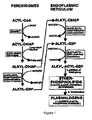
- the first two steps in the plasmalogen biosynthesis pathway are carried out exclusively in peroxisomes (see Figures 1 and 22 for the full pathway).
- the free hydroxyl group of dihydroxyacetone phosphate (DHAP) is first acetylated by DHAP acyltransferase (DHAP-AT).
- the ether bond (plasmanyl) is then created by replacing the sn-1 acyl group with a fatty alcohol by alkyl-DHAP synthase. Loss of function of either of these two enzymes through point mutations, impaired peroxisomal targeting or due to general peroxisomal dysfunction results in a severe plasmalogen deficiency.
- the remaining key synthetic processes occur in the endoplasmic reticulum (ER) where the sn -2 position is acylated and phosphoethanolamine is added to the sn-3 position to create plasmanyl glycerlyphosphoethanolamine (GPE).
- the final step involves a plasmanyl-specific enzyme that desaturates the 1-O-alkyl ether to form the vinyl ether (plasmenyl) GPE species, commonly referred to as PlsEtn or plasmenylethanolamine, also commonly known as ethanolamine plasmalogens. All cells in the body are capable of synthesizing these molecules.
- Peroxisomes were first discovered in the late 1960's by de Duve 2 . Since that time over 50 different biochemical pathways have been described to be performed by peroxisomes 3 . The nine primary biochemical systems are listed in Table 1. The first peroxisomal disease of humans (cerebro-hepato-renal syndrome of Zellweger) was clinically described in 1964 by Bowen et al 4 . In 1973, it was discovered that these patients had disturbed mitochondrial function and no functional peroxisomes 5 . Currently, there are seventeen human diseases that are characterized as peroxisomal in origin (reviewed by Wanders 6 , Table 2). The peroxisomal disorders are not uniform. Different disorders present vastly different biochemical abnormalities with some of these abnormalities overlapping. Accordingly, the diseases can be characterized as being either a disorder of peroxisomal biogenesis in which there is a general, overall peroxisomal deficit or a disorder of a particular peroxisomal protein or enzyme system (Table 3).
- Rhizomelic Chondrodysplasia Punctata RCDP
- the RDCP disorders are further grouped into type I, II, or III. All three RDCP types exhibit decreased levels of plasmalogens in the plasma and a decreased de novo synthesis capacity of plasmalogens in the liver. Peroxisomal function in these subjects is believed to be otherwise normal, except for decreased ⁇ -oxidation of phytanic acid in type I RCDP.
- Subject suffering from RCDP exhibit severe mental retardation and dysplasias of the bone which result in stunted growth among other abnormalities.
- Subjects with RCDP show numerous neurological abnormalities, the most striking of which is delayed myelination 7,8 , which is believed to be a direct result of decreased plasmalogen synthesis.
- Most subjects with RCDP do not live more than two years from birth.
- Dysplasia is an abnormality in the appearance of cells indicative of an early step towards transformation into a neoplasia.
- Dysplasia is a pre-neoplastic state of a cell. This abnormal growth is restricted to the originating system or location, for example, a dysplasia in the epithelial layer will not invade into the deeper tissue, or a dysplasia solely in a red blood cell line (refractory anaemia) will stay within the bone marrow and cardiovascular systems.
- the best known form of dysplasia is the precursor lesions to cervical cancer, called cervical intraepithelial neoplasia (CIN). This lesion is usually caused by an infection with the human papilloma virus (HPV).
- Dysplasia of the cervix is almost always unsuspected by the woman. It is usually discovered by a screening test, the pap smear. The purpose of this test is to diagnose the disease early, while it is still in the dysplasia phase and easy to cure.
- Dysplasia is the earliest form of pre-cancerous lesion in which a cell begins to change away from its normal form to an abnormal, less differentiated form.
- Carcinoma in situ meaning 'cancer in place', represents a final transformation of a dysplasic cell to cancer, though the cancer remains local and has not moved out of the original site. Dysplasia is not cancer.
- Cancer is a state where the cells have lost their tissue identity and have reverted back to a primitive cell form that grows rapidly and without regulation. Invasive carcinoma is the final step in this sequence. It is a cancer which has invaded beyond the original tissue layer and is also able to spread to other parts of the body (metastasize), starting growth of the cancer there and destroying the affected organs. It can be treated, but not always successfully. However, if left untreated it is almost always fatal.
- ACE Acetylcholinesterase
- Statins act by reducing cholesterol levels 10 .
- Amyloid lowering drugs are currently in development and clinical trials for removing the accumulation or to reduce the production of amyloid plaques. Therefore, the direct findings presented above, strongly implicate plasmalogen biosynthesis impairment in the etiology of dementia and cognitive impairment.
- cancer cells can utilize both respiration and glycolysis for energy.
- much work is now focused on developing drugs that inhibit the glycolysis pathway.
- One of the defining features of aerobic glycolysis in cancer is an enhanced mitochondrial citrate export and the use of cytosolic citrate to form acetyl-CoA. Therefore, the direct findings presented above, that an impairment in plasmalogen biosynthesis result in both increased membrane cholesterol levels and increased cytosolic acetyl-CoA utilization, strongly implicate plasmalogen biosynthesis impairment in cancer etiology.
- Tp the normal stability of the cell membrane bilayer depends on its lipid composition being appropriate to the ambient (physiological) temperature, Tp.
- Membrane lipid composition may be altered by disease such that the bilayer is only stable at a new critical temperature, T*, which may differ from Tp.
- T* critical temperature
- a defect of lipid composition has previously been identified, namely, a decrease in the ratio of plasmalogen to nonplasmalogen ethanolamine glycerophospholipids.
- T* « Tp a finding confirmed in the present study in a larger series than previously, using a new method for obtaining T*.
- CDR 0.5 a correlation of the deficiency in gray matter plasmalogen content with the AD CDR (i.e. approximately 10 mol% of deficiency at CDR 0.5 (very mild dementia) to approximately 30 mol% of deficiency at CDR 3 (severe dementia); (3) an absence of alterations of plasmalogen content and molecular species in cerebellar gray matter at any CDR despite dramatic alterations of plasmalogen content in cerebellar white matter. Alterations of ethanolamine plasmalogen content in two mouse models of AD, APP(V717F) and APPsw, were also examined by ESI/MS.
- a plasmalogen deficiency was present (up to 10 mol% of total plasmalogen at the age of 18 months) in cerebral cortices, but was absent in cerebella from both animal models. These results suggest plasmalogen deficiency may play an important role in the AD pathogenesis, particularly in the white matter, and suggest that altered plasmalogen content may contribute to neurodegeneration, synapse loss and synaptic dysfunction in AD.
- Plasmalogens impaired intracellular cholesterol distribution affecting plasma membrane functions and structural changes of ER and Golgi cisternae. Based on these phenotypic anomalies that were accurately described conclusions were drawn on putative functions of plasmalogens. These functions were related to cell-cell or cell-extracellular matrix interactions, formation of lipid raft microdomains and intracellular cholesterol homeostasis.
- PPE ethanolamine plasmalogen
- This lipid defect showed anatomic specificity, being more marked at a site of neurodegeneration in AD brain than in a region relatively spared by the disease (mid-temporal cortex vs. cerebellum) and disease specificity for AD: it was not observed at the primary site of neurodegeneration in Huntington's disease (caudate nucleus) nor Parkinson's disease (substantia nigra).
- PPE deficiency parallels an inherent tendency towards membrane bilayer instability previously detected in AD brain which is necessarily due to a change in membrane lipid composition, and which may contribute to AD pathogenesis.
- Maeba, R. et al., J. Atheroscler Thromb, 2007 Feb;14(1):12-8 discloses a study to propose plasmalogens as a beneficial factor in human plasma by showing a highly positive correlation with high-density lipoprotein (HDL) and a significant reduction with aging.
- HDL high-density lipoprotein
- CAD coronary artery disease
- Plasmalogens positively correlate with HDL-related values, particularly apolipoprotein A-I (apo A-I), and that the molar ratio of choline plasmalogen (ChoPlas) to ethanolamine plasmalogen (EtnPlas) correlates positively with low-density lipoprotein (LDL) particle size, and negatively with apo A-II and fasting triglyceride (TG) levels.
- apo A-I apolipoprotein A-I
- TG fasting triglyceride
- plasmalogens (1-O-alk-1'-enyl-2-acyl glycerophospholipids) constitute a special class of phospholipids characterized by the presence of a vinyl-ether bond at the sn-1 position.
- plasmalogens are involved in different human diseases. This review summarizes the enzymatic synthesis of plasmalogens, the characteristic topology of the enzymes involved and the biological roles that have been assigned to plasmalogens.
- DPG diphosphatidylglycerol
- PtdA phosphatidic acid
- the findings are present in 3/3 as well as 3/4 and 4/4 apolipoprotein E (apoE) genotypes.
- the AD findings do not appear to reflect non-specific neurodegeneration or the presence of gliosis.
- the present findings could possibly contribute to an abnormal membrane repair in AD brains which ultimately results in synaptic loss and the aggregation of A beta peptide.
- the present application describes a subset of adult humans (>age 40) who have abnormally low levels of plasmalogens in their serum. This deficiency has been determined to be due to decreased plasmalogen synthesis and not due to increased oxidative stress. Subjects with this disorder have an increased prevalence of cognitive impairment, dementia and cancer. The early diagnosis of these diseases, or the assessment of risk in subjects before they get these diseases will result in a tremendous improvement on the long-term quality of life of these subjects as well as have a tremendous long-term cost saving to existing health care systems.
- the present invention discloses a method of diagnosing adult onset plasmalogen biosynthesis disorder in a subject comprising the steps of: a) analyzing a blood sample from said subject to obtain quantifying data for one or more than one metabolite marker selected from the group consisting of: plasmanyl glycerylphosphoethanolamines and plasmenyl glycerylphosphoethanolamines; b) comparing said quantifying data for said one or more than one metabolite marker to corresponding data obtained from one or more than one reference sample to identify a decrease in the level of said one or more than one metabolite marker in said blood sample; and c) using said decrease in the level of said one or more than one metabolite marker in said blood sample to determine the presence of adult onset plasmalogen biosynthesis disorder in said subject.
- the method further comprising monitoring of the subject for a change in or risk of a plasmalogen deficiency-related human health disorder in said subject.
- subject is older than twenty years of age.
- the method further comprises: analyzing a blood sample from said subject to obtain quantifying data for one or more than one internal control metabolite; obtaining a ratio for each of the one or more than one metabolite markers to the level obtained for the one or more than one internal control metabolite; wherein the comparing step (b) comprises comparing each ratio to corresponding ratios obtained for the one or more than one reference sample.
- the one or more than one metabolite marker is selected from the group consisting of: plasmanyl 16:0/18:1, plasmanyl 16:0/18:2, plasmanyl 16:0/20:4, plasmanyl 16:0/22:4, plasmanyl 16:0/22:6, plasmanyl 18:0/18:1, plasmanyl 18:0/18:2, plasmanyl 18:0/20:4, plasmanyl 18:0/22:4, plasmanyl 18:0/22:6, plasmenyl 16:0/18:1, plasmenyl 16:0/18:2, plasmenyl 16:0/20:4, plasmenyl 16:0/22:4, plasmenyl 16:0/22:4, plasmenyl 16:0/22:6, plasmenyl 18:0/18:1, plasmenyl 18:0/18:2, plasmenyl 16:0/20:4, plasmenyl 16:0/22:4, plasmenyl 16:0/22:6, plasmeny
- FIG. 1 shows the biosynthesis pathway for plasmalogens.
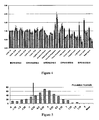
- Figure 2 shows the average ratio of plasmenyl 16:0/22:6 to diacyl 16:0/18:0 across different diseases.
- Figure 3 shows the average ratio of plasmenyl 16:0/18:2 to diacyl 16:0/18:0 across different diseases.
- Figure 4 shows the mean +/-SEM of diacyl 16:0/18:0 (M01), plasmanyl 16:0/18:2 (M11), plasmenyl 16:0/18:2 (M16), plasmanyl 16:0/22:6 (M09), and plasmenyl 16:0/22:6 (M19).
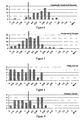
- Figure 5 shows the distribution of plasmalogen concentrations in population normals.
- Figure 6 shows the distribution of plasmalogen concentrations in cognitive confirmed normals.
- Figure 7 shows the distribution of plasmalogen effrations in probable AD patients.
- Figure 8 shows the distribution of plasmalogen concentrations in renal cancer patients.
- Figure 9 shows the distribution of plasmalogen concentrations in prostate cancer patients.
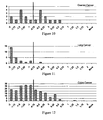
- Figure 10 shows the distribution ofplasmalogen concentrations in ovarian cancer patients.
- Figure 11 shows the distribution of plasmalogen concentrations in lung cancer patients.
- Figure 12 shows the distribution of plasmalogen concentrations in colon cancer patients.
- Figure 13 shows the distribution of plasmalogen concentrations in breast cancer patients.
- Figure 14 shows the percentage of subjects with serum plasmalogen levels less than 50% of normal levels.
- Figure 15 shows the effect of dementia severity and SDAT pathology on serum PlsEtn levels.
- Fig 15A Mono and di-unsaturated PlsEtn.
- Fig 15B Polyunsaturated PlsEtn and free DHA (22:6).
- PlsEtn abbreviations: (fatty acid carbons : double bonds, not including the vinyl ether double bond) and position on glycerol backbone (sn-1/sn-2). 22:6 represents free DHA. Values are expressed as mean ⁇ SEM (n 19-112).
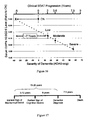
- Figure 16 shows the linear regression analysis of disease severity and serum PlsEtn 16:0/22:6 levels in 256 SDAT subjects.
- Figure 17 shows the etiology of dementia.
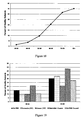
- Figure 18 shows the percentage of healthy subjects predicted to get cancer in the next 15 years.
- Figure 19 shows the percentage of healthy 50-59 and 60-69 year-olds with age-related plasmalogen dificiency, predicted to get dementia within 20 years or cancer within 15 years, and the percentage of those cases predicted to be attributed to age-related plasmalogen dificiency.
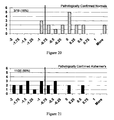
- Figure 20 shows the distribution of plasmenyl 16:0/22:6 in autopsy-confirmed non-Alzheimer's subjects.
- Figure 21 shows the distribution of plasmenyl 16:0/22:6 in autopsy-confirmed Alzheimer's subjects.
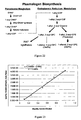
- Figure 22 shows the biosynthetic pathway of plasmalogens in mammals.
- Figure 23 shows the Q-Trap flow injection analysis standard curve of PlsEtn 16:0/22:6 in healthy human serum.
- the present invention describes the discovery of a late or adult onset form of peroxisomal dysfunction in humans.
- the disease manifests in subjects of all ages but the incidence increases with increasing age after age 50 and peaks in 60-69 year olds and decreases thereafter.
- Subjects suffering from age related plasmalogen deficiencies have abnormally low levels of circulating plasmalogens in their serum and an increased prevalence of colon cancer, prostate cancer, lung cancer, breast cancer, ovary cancer, kidney cancer, cognitive impairment and dementia relative to subjects without age related plasmalogen deficiencies.
- age-related plasmalogen deficiency or adult onset plasmalogen biosysnthesis disorder, or AO-PBD have been used throughout this application to describe this disorder. impairment or dementia, other age-related plasmalogen deficiency disorders can be diagnosed, or the risk of acquiring said disorders can be assessed according to the present invention.
- the diagnostic method of the present invention is minimally invasive and is indicative of AO-PBD. Translation of the method into a clinical assay compatible with current clinical chemistry laboratory hardware is commercially acceptable and effective. Furthermore, the method of the present invention does not require highly trained personnel to perform and interpret the test.
- the biological samples originate from blood (serum/plasma). While the term "serum” is used herein, those skilled in the art will recognize that plasma or whole blood or a sub-fraction of whole blood may be used.
- a blood sample When a blood sample is drawn from a patient there are several ways in which the sample can be processed.
- the range of processing can be as little as none (i.e. frozen whole blood) or as complex as the isolation of a particular cell type.
- the most common and routine procedures involve the preparation of either serum or plasma from whole blood. All blood sample processing methods, including spotting ofblood samples onto solid-phase supports, such as filter paper or other immobile materials, are also contemplated by the invention.
- the processed blood sample described above is then further processed to make it compatible with the methodical analysis technique to be employed in the detection and measurement of the biochemicals contained within the processed serum sample.
- the types of processing can range from as little as no further processing to as complex as differential extraction and chemical derivatization.
- Extraction methods could include sonication, soxhlet extraction, microwave assisted extraction (MAE), supercritical fluid extraction (SFE), accelerated solvent extraction (ASE), pressurized liquid extraction (PLE), pressurized hot water extraction (PHWE) and/or surfactant assisted extraction (PHWE) in common solvents such as methanol, ethanol, mixtures of alcohols and water, or organic solvents such as ethyl acetate or hexane.
- the preferred method of extracting metabolites for HTS analysis is to perform a liquid/liquid extraction whereby non-polar metabolites dissolve in an organic solvent and polar metabolites dissolve in an aqueous solvent.
- One embodiment of the present invention detects and measures a panel of metabolites in which a subset were found to have statistically significantly differential abundances between AO-PBD and normal serum.
- the step of analyzing the sample may comprise analyzing the sample using a mass spectrometer (MS).
- MS mass spectrometer
- such mass spectrometer could be of the FTMS, orbitrap, time of flight (TOF) or quadrupole types.
- the mass spectrometer could be equipped with an additional pre-detector mass filter.
- Q-FTMS quadrupole-FTMS
- Q-TOF quadrupole -TOF
- TQ or QQQ triple quadrupole
- MSn refers to the situation where the parent ion is fragmented by collision induced dissociation (CID) or other fragmentation procedures to create fragment ions, and then one or more than one of said fragments are detected by the mass spectrometer. Such fragments can then be further fragmented to create further fragments.
- the sample could be introduced into the mass spectrometer using a liquid or gas chromatographic system or by direct injection.
- the extracted samples may be analyzed using any suitable method know in the art.
- extracts of biological samples are amenable to analysis on essentially any mass spectrometry platform, either by direct injection or following chromatographic separation.
- Typical mass spectrometers are comprised of a source which ionizes molecules within the sample, and a detector for detecting the ionized molecules or fragments of molecules.
- Non-limiting examples of common sources include electron impact, electrospray ionization (ESI), atmospheric pressure chemical ionization (APCI), atmospheric pressure photo ionization (APPI), matrix assisted laser desorption ionization (MALDI), surface enhanced laser desorption ionization (SELDI), and derivations thereof.
- Common mass separation and detection systems can include quadrupole, quadrupole ion trap, linear ion trap, time-of-flight (TOF), magnetic sector, ion cyclotron (FTMS), Orbitrap, and derivations and combinations thereof.
- TOF time-of-flight
- FTMS ion cyclotron
- Orbitrap derivations and combinations thereof.
- the advantage of FTMS over other MS-based platforms is its high resolving capability that allows for the separation of metabolites differing by only hundredths of a Dalton, many which would be missed by lower resolution instruments.
- metabolic it is meant specific small molecules, the levels or intensities of which are measured in a sample, and that may be used as markers to diagnose a disease state. These small molecules may also be referred to herein as “metabolite marker”, “metabolite component”, “biomarker”, or “biochemical marker”.
- the metabolites are generally characterized by their accurate mass, as measured by mass spectormetry technique used in the above method.
- the accurate mass may also be referred to as "accurate neutral mass” or “neutral mass”.
- the accurate mass of a metabolite is given herein in Daltons (Da), or a mass substantially equivalent thereto. By “substantially equivalent thereto”, it is meant that a +/- 5 ppm difference in the accurate mass would indicate the same metabolite, as would be recognized by a person of skill in the art.
- the accurate mass is given as the mass of the neutral metabolite.
- the ionization of the metabolites which occurs during analysis of the sample, the metabolite will cause either a loss or gain of one or more hydrogen atoms and a loss or gain of an electron.
- This changes the accurate mass to the "ionized mass” which differs from the accurate mass by the mass of hydrogens (or other adducts such as sodium, potassium, ammonia, and others known in the art) and electrons lost or gained during ionization.
- the accurate neutral mass will be referred to herein.
- the molecular formula of the neutral metabolite will be given.
- the molecular formula of the ionized metabolite will differ from the neutral molecular formula by the number of hydrogens (or other adducts such as sodium, potassium, ammonia, and others known in the art) lost or gained during ionization.
- Data is collected during analysis and quantifying data for one or more than one metabolite is obtained.
- Quantifying data is obtained by measuring the levels or intensities of specific metabolites present in a sample.
- the quantifying data is compared to correponding data from one or more than one reference sample.
- the "reference sample” is any suitable reference sample for the particular disease state.
- the reference sample may be a sample from a non-AO-PBD control individual, i.e., a person not suffering from any age-related plasmalogen deficiency disease (also refered to herein as a " 'normal' counterpart").
- a non-AO-PBD control individual i.e., a person not suffering from any age-related plasmalogen deficiency disease (also refered to herein as a " 'normal' counterpart").
- more than one reference sample may be used for comparison to the quantifying data.
- the present invention discloses a method of diagnosing adult onset plasmalogen biosynthesis disorder in a subject comprising the steps of: a) analyzing a blood sample from said subject to obtain quantifying data for one or more than one metabolite marker selected from the group consisting of: plasmanyl glycerylphosphoethanolamines and plasmenyl glycerylphosphoethanolamines; b) comparing said quantifying data for said one or more than one metabolite marker to corresponding data obtained from one or more than one reference sample to identify a decrease in the level of said one or more than one metabolite marker in said blood sample; and c) using said decrease in the level of said one or more than one metabolite marker in said blood sample to determine the presence of adult onset plasmalogen biosynthesis disorder in said subject.
- the method further comprises: analyzing a blood sample from said subject to obtain quantifying data for one or more than one internal control metabolite; obtaining a ratio for each of the one or more than one metabolite markers to the level obtained for the one or more than one internal control metabolite; wherein the comparing step (b) comprises comparing each ratio to corresponding ratios obtained for the one or more than one reference sample.
- the step of analyzing the sample can be as described above.
- the one or more than one reference sample may be a first reference sample obtained from a non-AO-PBD control individual.
- the "internal control metabolite" refers to an endogenous metabolite naturally present in the patient. Any suitable endogenous metabolite that does not vary over the disease states can be used as the internal control metabolite.
- the internal control metabolite may be phosphatidylethanolamine 16:0/18:0 (PtdEtn 16:0/18:0, MOl), as shown in Table 5; this internal control metabolite has a molecular formula of C 39 H 78 NO 8 P, and a structure characterized as
- the present invention also provides high throughput methods for diagnosis of AO-PBD.
- the method involves fragmentation of the parent molecule; in a non-limiting example, this may be accomplished by a Q-TrapTM system.
- Detection of the metabolites may be performed using one of various assay platforms, including colorimetric chemical assays (UV, or other wavelength), antibody-based enzyme-linked immunosorbant assays (ELISAs), chip-based and polymerase-chain reaction for nucleic acid detection assays, bead-based nucleic-acid detection methods, dipstick chemical assays or other chemical reaction, image analysis such as magnetic resonance imaging (MRI), positron emission tomography (PET) scan, computerized tomography (CT) scan, nuclear magnetic resonance (NMR), and various mass spectrometry-based systems.
- the preferred method is a high throughput screening assay.
- High throughput screening was performed with a linear ion trap mass spectrometer (Q-trap 4000, Applied Biosystem) coupled with Agilent 1100 LC system.
- Sample was prepared by adding 15uL of internal standard (5 ⁇ g/mL of (24-13C)-Cholic Acid in methanol) to 120uL ethyl acetate fraction of each sample. 100 ul sample was injected by flow injection analysis (FIA), and monitored under negative APCI mode. The method was based on multiple reaction monitoring (MRM) scan mode of one parent/daughter transition for each metabolite and one internal standard. Each transition was scanned for 70 ms for a total cycle time of 2.475 sec.
- MRM multiple reaction monitoring
- the isocratic 10% EtOAc in MeOH elution was performed with a flow rate at 360 ⁇ l/min for 1min.
- the source parameters were set as follows: CUR: 10.0, CAD: 8, NC: -4.0, TEM: 400, GS1:30,GS2: 50, interface heater on.
- the compound parameters were set as follows: DP: -120.0, EP: - 10, NC: -4.0, CE: -40, CXP: -15.
- Figure 23 illustrates a representative standard curve for this method for PlsEtn 16:0/22:6 generated by diluting a normal serum sample while maintaining a constant concentration of internal standard (24-13C)-Cholic Acid).
- Figures 2 and 3 display the average and SEM of two prototypical plasmenyl GPEs (16:0/18:2 and 16:0/22:6 respectively).
- Plasmenyl 16:0/18:2 is a prototypical white matter plasmalogen containing a simple di-unsaturated fatty acid at sn-2 (linoleic acid) and plasmenyl 16:0/22:6 is a prototypical gray matter plasmalogen containing a polyunsaturated fatty acid at sn-2 (DHA).
- DHA polyunsaturated fatty acid
- Plasmenyl 16:0/18:2 and 16:0/22:6 are significantly lower in all of the cancers and in probable Alzheimer's, but not in any of the multiple sclerosis groups. In fact, plasmenyl 16:0/22:6 is actually statistically elevated in secondary progressive and primary progressive MS. The other important observation from these two graphs is that there is a significant decrease in plasmalogens in the age 60-69 age group versus the age 50-59 group.
- the final step in plasmalogen synthesis occurs in the ER and involves the desaturation of the 1-O-ether to the 1-O-vinyl ether.
- This 1-O-vinyl ether is critical to many of the properties of plasmalogens, especially their antioxidant capacity. Any situation that results in an increase in oxidative stress remote from the synthesis would preferentially deplete the plasmenyl species.
- the plasmanyl/plasmenyl pairs for 16:0/18:2 and 16:0/22:6 were measured ( Figure 4 ). What we observed was that in the diseases that showed a decrease in serum plasmalogen levels, both the plasmanyl and plasmenyl species decreased together. This indicates that the decreased levels of plasmalogens in cancer and dementia are not due to increased oxidative stress in these diseases.
- MMSE ⁇ 28 cognitively confirmed non-demented subjects
- ADAS-cog cognitive sub-set 6-70, MMSE 0-26
- AO-PBD Alzheimer's Disease
- serum samples collected from 20 subjects (10 male and 10 female) pathologically confirmed to have AD and 19 subjects pathologically confirmed not to have AD.
- AO-PBD is present in only 55% of the AD cases and in 16% of the controls. This means that in 45% of AD subjects, the underlying cause is something other than AO-PBD.
- AD Alzheimer's Disease
- AO-PBD shows a separate and distinct etiology from both cancer and dementia. Whereas the prevalence of cancer and dementia continue to increase with increasing age to at least age 90, the prevalence of AO-PBD peaks at age 60-69 and then decreases from age 70 onward. Furthermore although AO-PBD exhibits a similar biochemical profile to RCDP, it should not be confused with RCDP. The three forms of RDCP are all genetic disorders that affect children. Although, the underlying cause of AO-PBD is at this time unknown, it is certainly not an inborn error of metabolism.
- EXAMPLE 2 IDENTIFICATION OF SUBJECTS THAT HAVE AO-PBD USING SERUM LEVELS OF METABOLITES
- the mean ⁇ SEM serum levels for all or a subset of all of the metabolites listed in Table 5 were measured for a plurality of cognitively normal, cancer-free subjects. This can be done for males and females separately or combined. The mean value for each metabolite so measured becomes the normal reference value.
- the ratio of the serum level of the test subject to average serum level of the normal population was then determined and this ratio was compared to a cut-off value (for example, but not meant to be limiting, a value of 0.5 was used throughout this application). Subjects with a ratio of less than 0.5 are deemed to have AO-PBD.
- EXAMPLE 3 IDENTIFICATION OF SUBJECTS THAT HAVE AO-PBD USING A MATHEMATICALLY DETERMINED PLASMALOGEN SCORE OF THE RATIO OF SERUM LEVELS OF METABOLITES LISTED IN TABLE 5 TO AN ENDOGENOUS REFERENCE METABOLITE
- the mean ⁇ SEM serum levels for all or a subset of all of the metabolites listed in Table 5 for a plurality of cognitively normal, cancer-free subjects was determined. This can be done for males and females separately or combined.
- the ratio of these metabolites to the corresponding average from the cognitively normal or known dementia cohort was determined.
- the data was transformed to log 2, as described in Example 1.
- the lowest log2 score of M16 and M19 was selected.
- the log2 score was then compared to a cut-off value (-1.0 is used in this application) to determine if a subject has AO-PBD.
- EXAMPLE 4 IDENTIFICATION OF AO-PBD SUBJECTS BY COMPARING THE RATIO OF ONE OR MORE THAN ONE METABOLITE TO AN ENDOGENOUS REFERENCE METABOLITE FROM A TEST SUBJECT TO THE AVERAGE SUCH RATIO FROM A NORMAL REFERENCE POPULATION
- an endogenous metabolite that does not change significantly between the variables being tested can be used.
- M01 could be used as it does not change significantly in AO-PBD.
- the ratio of all or a subset of all of the metabolites listed in Table 5 was calculated.
- the mean ⁇ SEM serum ratio levels for each of these metabolites for a plurality of normal subjects was also calculated. This can be done for males and females separately or combined.
- the serum ratio levels of one or more than one of the metabolites listed in Table 5 for a subject of unknown AO-PBD status was also determined.
- the ratio of one or more than one these metabolites to the corresponding average normal concentration was calculated and compared to a cut-off value. This comparison was used to determine if said subject has AO-PBD.
- Neonatal adrenoleukodystrophy (NALD) Generalized 3. Infantile Refsum disease (IRD) Generalized 4. Hyperpipecolic acidemia (HPA) Generalized 5.
- RCDP Type 1 (PTS2-receptor defect) Multiple 6.
- RCDP Type 2 (DHAPAT-deficiency) DHAPAT 7.
- RCDP Type 3 AlkylDHAP-synthase deficiency) AlkylDHAP-synthase 8. Zellweger-like syndrome Multiple 9 .
- X-linked adrenoleukodystrophy (XALD) ALDp 10.
- Acyl-CoA oxidase deficiency (pseudo-NALD) Acyl-CoA oxidase 11. Bifunctional protein deficiency D-Bifunctional protein 12. Peroxisomal thiolase (I) deficiency Thiolase (peroxisomal) 13. Hyperoxaluria Type 1 (alanine glyoxylate aminotransferase deficiency) AGT 14. Refsum disease (classic form) (phytanoyl-CoA hydroxylase deficiency) Phytanoyl-CoA hydroxylase 15. Glutaric aciduria Type 3 Glutaryl-CoA oxidase 16.
- Mevalonate kinase deficiency Mevalonate kinase 17.
- Group 1 (Biogenosis defects) • Zellweger syndrome • Neonatal adrenoleukodystrophy • Infantile Refsum disease • Hyperpipecolic acidemia • Rhizomelic chondrodysplasia punctata (RCDP) Type 1 • Zellweger-like syndrome* Group 2 (Single Enzyme (Protein) deficiencies): • X-linked adrenoleukodystrophy • Acyl-CoA oxidase deficiency • Bifunctional protein deficiency • Peroxisomal thiolase deficiency • Rhizomelic chondrodysplasia punctata Type 2 (DHAPAT-deficiency) • Rhizomelic chondrodysplasia punctata Type 3 (alkylDHAP synthase deficiency) • Refsum disease (Classic type) (phytanoyl-CoA hydroxylase deficiency) • Glutamic aciduria Type 3 (glutaryl-CoA oxid
Landscapes
- Health & Medical Sciences (AREA)
- Life Sciences & Earth Sciences (AREA)
- Engineering & Computer Science (AREA)
- Biomedical Technology (AREA)
- Chemical & Material Sciences (AREA)
- Hematology (AREA)
- Molecular Biology (AREA)
- Immunology (AREA)
- Urology & Nephrology (AREA)
- Analytical Chemistry (AREA)
- Physics & Mathematics (AREA)
- General Physics & Mathematics (AREA)
- Food Science & Technology (AREA)
- Medicinal Chemistry (AREA)
- Pathology (AREA)
- Biochemistry (AREA)
- General Health & Medical Sciences (AREA)
- Cell Biology (AREA)
- Biotechnology (AREA)
- Microbiology (AREA)
- Biophysics (AREA)
- Ecology (AREA)
- Endocrinology (AREA)
- Neurology (AREA)
- Neurosurgery (AREA)
- Proteomics, Peptides & Aminoacids (AREA)
- Investigating Or Analysing Biological Materials (AREA)
- Other Investigation Or Analysis Of Materials By Electrical Means (AREA)
- Measuring Or Testing Involving Enzymes Or Micro-Organisms (AREA)
Claims (15)
- Verfahren zum Diagnostizieren von Plasmalogenbiosynthesestörung mit adultem Ausbruch bei einem Subjekt, umfassend die Schritte:a) Analysieren einer Blutprobe aus dem Subjekt, um quantifizierende Daten für einen oder mehr als einen Metabolitmarker, ausgewählt aus der Gruppe bestehend aus: Plasmanylglycerylphosphoethanolaminen und Plasmenylglycerylphosphoethanolaminen, zu erhalten;b) Vergleichen der quantifizierenden Daten für den einen oder die mehr als einen Metabolitmarker mit entsprechenden Daten, die von einer oder mehr als einer Referenzprobe erhalten werden, um eine Verringerung des Spiegels des einen oder der mehr als einen Metabolitmarker in der Blutprobe zu identifizieren; undc) Verwenden der Verringerung des Spiegels des einen oder der mehr als einen Metabolitmarker in der Blutprobe zum Bestimmen des Vorhandenseins von Plasmalogenbiosynthesestörung mit adultem Ausbruch in dem Subjekt.
- Verfahren gemäß Anspruch 1, ferner umfassend das Überwachen des Subjekts auf eine Veränderung oder ein Risiko einer plasmalogendefizienzverbundenen menschlichen Gesundheitsstörung in dem Subjekt.
- Verfahren gemäß Anspruch 2, wobei das Subjekt älter als zwanzig Jahre ist.
- Verfahren gemäß einem der Ansprüche 1 bis 3, ferner umfassend:Analysieren einer Blutprobe aus dem Subjekt, um quantifizierende Daten für einen oder mehr als einen internen Kontrollmetabolit zu erhalten;Erhalten eines Verhältnisses für jeden von dem einen oder der mehr als einen Metabolitmarkern zu dem für den einen oder die mehr als einen internen Kontrollmetaboliten erhaltenen Spiegel;wobei der vergleichende Schritt (b) das Vergleichen jedes Verhältnisses mit entsprechenden Verhältnissen, erhalten für die eine oder mehr als eine Referenzprobe, umfasst.
- Verfahren gemäß einem der Ansprüche 1 bis 4, wobei der eine oder mehr als eine Metabolitmarker ausgewählt ist aus der Gruppe bestehend aus: Plasmanyl 16:0/18:1, Plasmanyl 16:0/18:2, Plasmanyl 16:0/20:4, Plasmanyl 16:0/22:4, Plasmanyl 16:0/22:6, Plasmanyl 18:0/18:1, Plasmanyl 18:0/18:2, Plasmanyl 18:0/20:4, Plasmanyl 18:0/22:4, Plasmanyl 18:0/22:6, Plasmenyl 16:0/18:1, Plasmenyl 16:0/18:2, Plasmenyl 16:0/20:4, Plasmenyl 16:0/22:4, Plasmenyl 16:0/22:6, Plasmenyl 18:0/18:1, Plasmenyl 18:0/18:2, Plasmenyl 18:0/20:4, Plasmenyl 18:0/22:4 und Plasmenyl 18:0/22:6.
- Verfahren gemäß einem der Ansprüche 1 bis 5, wobei die quantifizierenden Daten unter Verwendung eines Fouriertransformations-, Flugzeit-, Orbitrap-, Quadrupol- oder Tripel-Quadrupol-Massenspektrometers erhalten werden.
- Verfahren gemäß einem der Ansprüche 1 bis 5, wobei die quantifizierenden Daten unter Verwendung eines Ionenzyklotron-Fouriertransformations-Massenspektrometers erhalten werden.
- Verfahren gemäß Anspruch 6 oder 7, wobei das Massenspektrometer mit einem Chromatographiesystem ausgestattet ist.
- Verfahren gemäß einem der Ansprüche 1 bis 8, wobei die Blutprobe eine Blutserumprobe ist.
- Verfahren gemäß einem der Ansprüche 1 bis 9, wobei an der Blutprobe eine Flüssig/flüssig-Extraktion durchgeführt wird, wodurch nichtpolare Metaboliten in einem organischen Lösungsmittel gelöst werden und polare Metaboliten in einem wässrigen Lösungsmittel gelöst werden.
- Verfahren gemäß Anspruch 10, wobei die extrahierten Proben durch Elektrospray-Ionisation oder chemische Ionisation bei Atmosphärendruck analysiert werden.
- Verfahren gemäß einem der Ansprüche 1 bis 11, wobei die Proben durch MS/MS-Übergang analysiert werden.
- Verfahren gemäß Anspruch 12, wobei die MS/MS-Übergänge für die in Anspruch 5 definierten Plasmanylglycerylphosphoethanolamine Folgendes sind: 702,0/281,0, 700,0/279,0, 724,0/303,0, 752, 0/331, 0, 748,0/327,0, 730, 0/281, 0, 728, 0/279, 0, 752, 0/303, 0, 780, 0/331, 0 bzw. 776,0/327,0, oder
wobei die MS/MS-Übergänge für die in Anspruch 5 definierten Plasmenylglycerylphosphoethanolamine Folgendes sind: 700,0/281,0, 698,0/279,0, 722,0/303,0, 750,0/331,0, 746,0/327,0, 728,0/281,0, 726,0/279,0, 750,6/303,2, 778,0/331,0 bzw. 774,0/327,0. - Verfahren gemäß Anspruch 4, wobei der eine oder mehr als eine interne Kontrollmetabolit PtdEtn 16:0/18:0 mit der folgenden Struktur ist:

- Verfahren gemäß Anspruch 14, wobei die Proben durch MS/MS-Übergang analysiert werden und der MS/MS-Übergang für das PtdEtn 16:0/18:0 718,0/255,0 ist.
Applications Claiming Priority (2)
| Application Number | Priority Date | Filing Date | Title |
|---|---|---|---|
| US91154807P | 2007-04-13 | 2007-04-13 | |
| PCT/CA2008/000659 WO2008124916A1 (en) | 2007-04-13 | 2008-04-09 | Methods for the diagnosis and risk assessment of plasmalogen deficiency mediated diseases of aging |
Publications (3)
| Publication Number | Publication Date |
|---|---|
| EP2145181A1 EP2145181A1 (de) | 2010-01-20 |
| EP2145181A4 EP2145181A4 (de) | 2011-01-12 |
| EP2145181B1 true EP2145181B1 (de) | 2012-12-26 |
Family
ID=39863191
Family Applications (1)
| Application Number | Title | Priority Date | Filing Date |
|---|---|---|---|
| EP08748108A Active EP2145181B1 (de) | 2007-04-13 | 2008-04-09 | Verfahren für die diagnose und das risikomanagement von plasmalogenmangelbedingten alterserkrankungen |
Country Status (7)
| Country | Link |
|---|---|
| US (2) | US20100105101A1 (de) |
| EP (1) | EP2145181B1 (de) |
| JP (1) | JP5220842B2 (de) |
| CN (1) | CN101675337A (de) |
| AU (1) | AU2008238553B2 (de) |
| CA (1) | CA2680748C (de) |
| WO (1) | WO2008124916A1 (de) |
Families Citing this family (9)
| Publication number | Priority date | Publication date | Assignee | Title |
|---|---|---|---|---|
| TWI475989B (zh) | 2008-12-22 | 2015-03-11 | Phenomenome Discoveries Inc | 縮醛磷脂類化合物,含彼之醫藥組成物以及治療老化疾病的方法 |
| EP2373161A4 (de) * | 2009-01-02 | 2012-05-30 | Nestec Sa | Verfahren zur erhöhung der endogenen plasmalogenkonzentration |
| WO2010100060A2 (en) | 2009-03-04 | 2010-09-10 | Nestec S.A. | Method for increasing endogenous plasmalogen levels in mammals |
| EP3124980A1 (de) | 2009-10-01 | 2017-02-01 | Phenomenome Discoveries Inc. | Mass-spectrophotometrische methode zur diagnose pancreatischem krebs |
| WO2012090625A1 (ja) * | 2010-12-28 | 2012-07-05 | 医療法人社団ブックス | 認知症を血液サンプルで判定するための検査方法 |
| US20140051105A1 (en) * | 2011-01-17 | 2014-02-20 | The Johns Hopkins University | Mutant Proteins as Cancer-Specific Biomarkers |
| SG11201908364YA (en) * | 2017-04-17 | 2019-11-28 | Med Life Discoveries Lp | Cyclic plasmenylethanolamines |
| JP7033263B1 (ja) * | 2020-04-28 | 2022-03-10 | 株式会社 レオロジー機能食品研究所 | 免疫機能亢進用組成物 |
| CN113244246B (zh) * | 2021-05-11 | 2022-05-06 | 江南大学 | 一种微生物源缩醛磷脂在治疗结肠癌中的应用 |
Family Cites Families (12)
| Publication number | Priority date | Publication date | Assignee | Title |
|---|---|---|---|---|
| WO1994009371A1 (en) * | 1992-10-09 | 1994-04-28 | Massachusetts Institute Of Technology | Antemortem diagnostic test for alzheimer's disease |
| US5731354A (en) * | 1996-05-06 | 1998-03-24 | Clarion Pharmaceuticals Inc. | Treatment for the inhibition of neuro-degenerative disease states |
| DE19836617C2 (de) * | 1998-08-12 | 2001-02-08 | Ulrich Frei | In vitro Verfahren zur Erkennung und Diagnostik akuter koronarer Syndrome |
| US6177476B1 (en) * | 1998-08-27 | 2001-01-23 | Clarion Pharmaceuticals Inc. | Nutritional supplements for replenishing plasmalogens |
| JP2003524394A (ja) * | 1999-02-11 | 2003-08-19 | マキシジェン, インコーポレイテッド | ハイスループット質量分析法 |
| CA2298181C (en) * | 2000-02-02 | 2006-09-19 | Dayan Burke Goodnough | Non-targeted complex sample analysis |
| CA2299210A1 (en) * | 2000-02-17 | 2001-08-17 | Gregory R. Wade | A method of assessing the biological status of cancer development |
| WO2005085838A2 (en) | 2004-03-02 | 2005-09-15 | Vanderbilt University | Computational analysis of mass spectroscopic lipid data |
| JP4176749B2 (ja) * | 2005-07-29 | 2008-11-05 | 学校法人帝京大学 | 疾病検査法 |
| US7491504B2 (en) * | 2005-11-22 | 2009-02-17 | Frantz Biomarkers, Llc | Method for detecting ovarian cancer |
| US20080020472A1 (en) * | 2005-11-22 | 2008-01-24 | Frantz Biomarkers, Llc | Method for detecting an inflammatory disease or cancer |
| CA2689848A1 (en) * | 2006-02-28 | 2007-09-07 | Phenomenome Discoveries Inc. | Methods for the diagnosis of dementia and other neurological disorders |
-
2008
- 2008-04-09 CA CA2680748A patent/CA2680748C/en active Active
- 2008-04-09 AU AU2008238553A patent/AU2008238553B2/en active Active
- 2008-04-09 WO PCT/CA2008/000659 patent/WO2008124916A1/en not_active Ceased
- 2008-04-09 CN CN200880011949A patent/CN101675337A/zh active Pending
- 2008-04-09 JP JP2010502394A patent/JP5220842B2/ja active Active
- 2008-04-09 US US12/595,178 patent/US20100105101A1/en not_active Abandoned
- 2008-04-09 EP EP08748108A patent/EP2145181B1/de active Active
-
2016
- 2016-04-29 US US15/143,064 patent/US10302624B2/en active Active
Also Published As
| Publication number | Publication date |
|---|---|
| JP2010523986A (ja) | 2010-07-15 |
| EP2145181A4 (de) | 2011-01-12 |
| CA2680748A1 (en) | 2008-10-23 |
| EP2145181A1 (de) | 2010-01-20 |
| AU2008238553A1 (en) | 2008-10-23 |
| US20100105101A1 (en) | 2010-04-29 |
| US10302624B2 (en) | 2019-05-28 |
| CN101675337A (zh) | 2010-03-17 |
| CA2680748C (en) | 2012-08-28 |
| AU2008238553B2 (en) | 2014-06-19 |
| US20160320366A1 (en) | 2016-11-03 |
| JP5220842B2 (ja) | 2013-06-26 |
| HK1134136A1 (en) | 2010-04-16 |
| WO2008124916A1 (en) | 2008-10-23 |
| WO2008124916A8 (en) | 2009-01-15 |
Similar Documents
| Publication | Publication Date | Title |
|---|---|---|
| EP2145181B1 (de) | Verfahren für die diagnose und das risikomanagement von plasmalogenmangelbedingten alterserkrankungen | |
| Setchell et al. | Liver disease caused by failure to racemize trihydroxycholestanoic acid: gene mutation and effect of bile acid therapy | |
| Dawson | Measuring brain lipids | |
| EP1922325B1 (de) | Methoden für die diagnose von demenz und anderen neurologischen erkrankungen | |
| Lobasso et al. | Lipid profiling of parkin‐mutant human skin fibroblasts | |
| Rampanelli et al. | Excessive dietary lipid intake provokes an acquired form of lysosomal lipid storage disease in the kidney | |
| US8273575B2 (en) | Methods for the diagnosis, risk assessment, and monitoring of autism spectrum disorders | |
| CN104271130A (zh) | 用作为治疗剂、保护剂和疾病风险的生物标记物的吲哚-3-丙酸 | |
| Zengi et al. | Urinary 8-hydroxy-2′-deoxyguanosine level and plasma paraoxonase 1 activity with Alzheimer’s disease | |
| Li et al. | Comparative evaluation of the extraction and analysis of urinary phospholipids and lysophospholipids using MALDI-TOF/MS | |
| Ventura et al. | Phospholipidomics of peripheral blood mononuclear cells (PBMCs): the tricky case of children with autism spectrum disorder (ASD) and their healthy siblings | |
| US20240124936A1 (en) | Protein and metabolite blood biomarkers for the diagnosis of brugada syndrome | |
| Vaz et al. | Discovery of novel diagnostic biomarkers for Sjögren-Larsson syndrome by untargeted lipidomics | |
| Inoue et al. | Impact of APOE on cerebrovascular lipid profile in Alzheimer’s disease | |
| HK1134136B (en) | Methods for the diagnosis and risk assessment of plasmalogen deficiency mediated diseases of aging | |
| Öztaş et al. | An Introduction to Lipidomics: From Laboratory to Clinic | |
| WO2016078762A1 (en) | Method for the diagnosis of niemann-pick disease using a biomarker | |
| Joshi et al. | Mitochondrial dysfunction and lipid dysregulation in yeast lacking phosphatidylserine | |
| US20250180508A1 (en) | Quantitative lipidomic analysis, methods and uses thereof | |
| Wang | Rapid differentiation of the plasma samples from ischemic stroke patients and health control group and investigation of the effects of hypoxia on vesicular lipid trafficking | |
| EP4653872A1 (de) | Satz von biomarkern und in-vitro-verfahren zur diagnose von metaboler dysfunktion assoziierter steatohepatitis (msh) | |
| Gönel et al. | Determination of the Carnitine and Acylcarnitine Profile in Patients with Lipoid Proteinosis | |
| Rampanelli et al. | BONTHRON EDITED–ORIGINAL ARTICLE | |
| Lemonde | A study using tandem mass spectrometry and molecular biological techniques to facilitate the diagnosis of inborn errors of bile acid synthesis, with particular reference to [delta] 4-3-oxosteroid 5 [beta]-reductase deficiency | |
| AU2015200060A1 (en) | Methods for the diagnosis, risk assessment, and monitoring of autism spectrum disorders |
Legal Events
| Date | Code | Title | Description |
|---|---|---|---|
| PUAI | Public reference made under article 153(3) epc to a published international application that has entered the european phase |
Free format text: ORIGINAL CODE: 0009012 |
|
| 17P | Request for examination filed |
Effective date: 20091111 |
|
| AK | Designated contracting states |
Kind code of ref document: A1 Designated state(s): AT BE BG CH CY CZ DE DK EE ES FI FR GB GR HR HU IE IS IT LI LT LU LV MC MT NL NO PL PT RO SE SI SK TR |
|
| AX | Request for extension of the european patent |
Extension state: AL BA MK RS |
|
| RIN1 | Information on inventor provided before grant (corrected) |
Inventor name: GOODENOWE, DAYAN |
|
| REG | Reference to a national code |
Ref country code: HK Ref legal event code: DE Ref document number: 1134136 Country of ref document: HK |
|
| DAX | Request for extension of the european patent (deleted) | ||
| A4 | Supplementary search report drawn up and despatched |
Effective date: 20101213 |
|
| 17Q | First examination report despatched |
Effective date: 20111109 |
|
| REG | Reference to a national code |
Ref country code: DE Ref legal event code: R079 Ref document number: 602008021150 Country of ref document: DE Free format text: PREVIOUS MAIN CLASS: G01N0033480000 Ipc: G01N0033574000 |
|
| GRAP | Despatch of communication of intention to grant a patent |
Free format text: ORIGINAL CODE: EPIDOSNIGR1 |
|
| RIC1 | Information provided on ipc code assigned before grant |
Ipc: G01N 33/92 20060101ALI20120702BHEP Ipc: G01N 33/574 20060101AFI20120702BHEP Ipc: G01N 33/68 20060101ALI20120702BHEP |
|
| GRAS | Grant fee paid |
Free format text: ORIGINAL CODE: EPIDOSNIGR3 |
|
| GRAA | (expected) grant |
Free format text: ORIGINAL CODE: 0009210 |
|
| AK | Designated contracting states |
Kind code of ref document: B1 Designated state(s): AT BE BG CH CY CZ DE DK EE ES FI FR GB GR HR HU IE IS IT LI LT LU LV MC MT NL NO PL PT RO SE SI SK TR |
|
| REG | Reference to a national code |
Ref country code: GB Ref legal event code: FG4D |
|
| REG | Reference to a national code |
Ref country code: CH Ref legal event code: EP |
|
| REG | Reference to a national code |
Ref country code: AT Ref legal event code: REF Ref document number: 590742 Country of ref document: AT Kind code of ref document: T Effective date: 20130115 |
|
| REG | Reference to a national code |
Ref country code: DE Ref legal event code: R096 Ref document number: 602008021150 Country of ref document: DE Effective date: 20130307 |
|
| REG | Reference to a national code |
Ref country code: SE Ref legal event code: TRGR |
|
| PG25 | Lapsed in a contracting state [announced via postgrant information from national office to epo] |
Ref country code: FI Free format text: LAPSE BECAUSE OF FAILURE TO SUBMIT A TRANSLATION OF THE DESCRIPTION OR TO PAY THE FEE WITHIN THE PRESCRIBED TIME-LIMIT Effective date: 20121226 Ref country code: LT Free format text: LAPSE BECAUSE OF FAILURE TO SUBMIT A TRANSLATION OF THE DESCRIPTION OR TO PAY THE FEE WITHIN THE PRESCRIBED TIME-LIMIT Effective date: 20121226 Ref country code: NO Free format text: LAPSE BECAUSE OF FAILURE TO SUBMIT A TRANSLATION OF THE DESCRIPTION OR TO PAY THE FEE WITHIN THE PRESCRIBED TIME-LIMIT Effective date: 20130326 Ref country code: HR Free format text: LAPSE BECAUSE OF FAILURE TO SUBMIT A TRANSLATION OF THE DESCRIPTION OR TO PAY THE FEE WITHIN THE PRESCRIBED TIME-LIMIT Effective date: 20121226 |
|
| REG | Reference to a national code |
Ref country code: HK Ref legal event code: GR Ref document number: 1134136 Country of ref document: HK |
|
| REG | Reference to a national code |
Ref country code: NL Ref legal event code: T3 |
|
| REG | Reference to a national code |
Ref country code: AT Ref legal event code: MK05 Ref document number: 590742 Country of ref document: AT Kind code of ref document: T Effective date: 20121226 |
|
| REG | Reference to a national code |
Ref country code: LT Ref legal event code: MG4D |
|
| PG25 | Lapsed in a contracting state [announced via postgrant information from national office to epo] |
Ref country code: SI Free format text: LAPSE BECAUSE OF FAILURE TO SUBMIT A TRANSLATION OF THE DESCRIPTION OR TO PAY THE FEE WITHIN THE PRESCRIBED TIME-LIMIT Effective date: 20121226 Ref country code: LV Free format text: LAPSE BECAUSE OF FAILURE TO SUBMIT A TRANSLATION OF THE DESCRIPTION OR TO PAY THE FEE WITHIN THE PRESCRIBED TIME-LIMIT Effective date: 20121226 Ref country code: GR Free format text: LAPSE BECAUSE OF FAILURE TO SUBMIT A TRANSLATION OF THE DESCRIPTION OR TO PAY THE FEE WITHIN THE PRESCRIBED TIME-LIMIT Effective date: 20130327 |
|
| PG25 | Lapsed in a contracting state [announced via postgrant information from national office to epo] |
Ref country code: BE Free format text: LAPSE BECAUSE OF FAILURE TO SUBMIT A TRANSLATION OF THE DESCRIPTION OR TO PAY THE FEE WITHIN THE PRESCRIBED TIME-LIMIT Effective date: 20121226 Ref country code: EE Free format text: LAPSE BECAUSE OF FAILURE TO SUBMIT A TRANSLATION OF THE DESCRIPTION OR TO PAY THE FEE WITHIN THE PRESCRIBED TIME-LIMIT Effective date: 20121226 Ref country code: ES Free format text: LAPSE BECAUSE OF FAILURE TO SUBMIT A TRANSLATION OF THE DESCRIPTION OR TO PAY THE FEE WITHIN THE PRESCRIBED TIME-LIMIT Effective date: 20130406 Ref country code: CZ Free format text: LAPSE BECAUSE OF FAILURE TO SUBMIT A TRANSLATION OF THE DESCRIPTION OR TO PAY THE FEE WITHIN THE PRESCRIBED TIME-LIMIT Effective date: 20121226 Ref country code: SK Free format text: LAPSE BECAUSE OF FAILURE TO SUBMIT A TRANSLATION OF THE DESCRIPTION OR TO PAY THE FEE WITHIN THE PRESCRIBED TIME-LIMIT Effective date: 20121226 Ref country code: IS Free format text: LAPSE BECAUSE OF FAILURE TO SUBMIT A TRANSLATION OF THE DESCRIPTION OR TO PAY THE FEE WITHIN THE PRESCRIBED TIME-LIMIT Effective date: 20130426 Ref country code: BG Free format text: LAPSE BECAUSE OF FAILURE TO SUBMIT A TRANSLATION OF THE DESCRIPTION OR TO PAY THE FEE WITHIN THE PRESCRIBED TIME-LIMIT Effective date: 20130326 Ref country code: AT Free format text: LAPSE BECAUSE OF FAILURE TO SUBMIT A TRANSLATION OF THE DESCRIPTION OR TO PAY THE FEE WITHIN THE PRESCRIBED TIME-LIMIT Effective date: 20121226 |
|
| PG25 | Lapsed in a contracting state [announced via postgrant information from national office to epo] |
Ref country code: PT Free format text: LAPSE BECAUSE OF FAILURE TO SUBMIT A TRANSLATION OF THE DESCRIPTION OR TO PAY THE FEE WITHIN THE PRESCRIBED TIME-LIMIT Effective date: 20130426 Ref country code: RO Free format text: LAPSE BECAUSE OF FAILURE TO SUBMIT A TRANSLATION OF THE DESCRIPTION OR TO PAY THE FEE WITHIN THE PRESCRIBED TIME-LIMIT Effective date: 20121226 Ref country code: PL Free format text: LAPSE BECAUSE OF FAILURE TO SUBMIT A TRANSLATION OF THE DESCRIPTION OR TO PAY THE FEE WITHIN THE PRESCRIBED TIME-LIMIT Effective date: 20121226 |
|
| PG25 | Lapsed in a contracting state [announced via postgrant information from national office to epo] |
Ref country code: DK Free format text: LAPSE BECAUSE OF FAILURE TO SUBMIT A TRANSLATION OF THE DESCRIPTION OR TO PAY THE FEE WITHIN THE PRESCRIBED TIME-LIMIT Effective date: 20121226 |
|
| PLBE | No opposition filed within time limit |
Free format text: ORIGINAL CODE: 0009261 |
|
| STAA | Information on the status of an ep patent application or granted ep patent |
Free format text: STATUS: NO OPPOSITION FILED WITHIN TIME LIMIT |
|
| PG25 | Lapsed in a contracting state [announced via postgrant information from national office to epo] |
Ref country code: MC Free format text: LAPSE BECAUSE OF FAILURE TO SUBMIT A TRANSLATION OF THE DESCRIPTION OR TO PAY THE FEE WITHIN THE PRESCRIBED TIME-LIMIT Effective date: 20121226 Ref country code: CY Free format text: LAPSE BECAUSE OF FAILURE TO SUBMIT A TRANSLATION OF THE DESCRIPTION OR TO PAY THE FEE WITHIN THE PRESCRIBED TIME-LIMIT Effective date: 20121226 |
|
| 26N | No opposition filed |
Effective date: 20130927 |
|
| PG25 | Lapsed in a contracting state [announced via postgrant information from national office to epo] |
Ref country code: IT Free format text: LAPSE BECAUSE OF FAILURE TO SUBMIT A TRANSLATION OF THE DESCRIPTION OR TO PAY THE FEE WITHIN THE PRESCRIBED TIME-LIMIT Effective date: 20121226 |
|
| REG | Reference to a national code |
Ref country code: DE Ref legal event code: R097 Ref document number: 602008021150 Country of ref document: DE Effective date: 20130927 |
|
| REG | Reference to a national code |
Ref country code: IE Ref legal event code: MM4A |
|
| PG25 | Lapsed in a contracting state [announced via postgrant information from national office to epo] |
Ref country code: IE Free format text: LAPSE BECAUSE OF NON-PAYMENT OF DUE FEES Effective date: 20130409 |
|
| PG25 | Lapsed in a contracting state [announced via postgrant information from national office to epo] |
Ref country code: MT Free format text: LAPSE BECAUSE OF FAILURE TO SUBMIT A TRANSLATION OF THE DESCRIPTION OR TO PAY THE FEE WITHIN THE PRESCRIBED TIME-LIMIT Effective date: 20121226 |
|
| PG25 | Lapsed in a contracting state [announced via postgrant information from national office to epo] |
Ref country code: TR Free format text: LAPSE BECAUSE OF FAILURE TO SUBMIT A TRANSLATION OF THE DESCRIPTION OR TO PAY THE FEE WITHIN THE PRESCRIBED TIME-LIMIT Effective date: 20121226 |
|
| PG25 | Lapsed in a contracting state [announced via postgrant information from national office to epo] |
Ref country code: HU Free format text: LAPSE BECAUSE OF FAILURE TO SUBMIT A TRANSLATION OF THE DESCRIPTION OR TO PAY THE FEE WITHIN THE PRESCRIBED TIME-LIMIT; INVALID AB INITIO Effective date: 20080409 Ref country code: LU Free format text: LAPSE BECAUSE OF NON-PAYMENT OF DUE FEES Effective date: 20130409 |
|
| REG | Reference to a national code |
Ref country code: FR Ref legal event code: PLFP Year of fee payment: 9 |
|
| REG | Reference to a national code |
Ref country code: FR Ref legal event code: PLFP Year of fee payment: 10 |
|
| REG | Reference to a national code |
Ref country code: FR Ref legal event code: PLFP Year of fee payment: 11 |
|
| REG | Reference to a national code |
Ref country code: DE Ref legal event code: R082 Ref document number: 602008021150 Country of ref document: DE Representative=s name: D YOUNG & CO LLP, DE |
|
| P01 | Opt-out of the competence of the unified patent court (upc) registered |
Effective date: 20230515 |
|
| PGFP | Annual fee paid to national office [announced via postgrant information from national office to epo] |
Ref country code: DE Payment date: 20250214 Year of fee payment: 18 |
|
| PGFP | Annual fee paid to national office [announced via postgrant information from national office to epo] |
Ref country code: CH Payment date: 20250501 Year of fee payment: 18 |
|
| REG | Reference to a national code |
Ref country code: DE Ref legal event code: R079 Ref document number: 602008021150 Country of ref document: DE Free format text: PREVIOUS MAIN CLASS: G01N0033574000 Ipc: G01N0033575000 |
|
| PGFP | Annual fee paid to national office [announced via postgrant information from national office to epo] |
Ref country code: NL Payment date: 20260227 Year of fee payment: 19 |
|
| PGFP | Annual fee paid to national office [announced via postgrant information from national office to epo] |
Ref country code: SE Payment date: 20260227 Year of fee payment: 19 |
|
| PGFP | Annual fee paid to national office [announced via postgrant information from national office to epo] |
Ref country code: GB Payment date: 20260223 Year of fee payment: 19 |
|
| PGFP | Annual fee paid to national office [announced via postgrant information from national office to epo] |
Ref country code: FR Payment date: 20260223 Year of fee payment: 19 |