EP2147119B1 - mRNA-QUANTIFIZIERUNG EINER EINZELZELLE MITTELS ECHTZEIT-RT-PCR - Google Patents
mRNA-QUANTIFIZIERUNG EINER EINZELZELLE MITTELS ECHTZEIT-RT-PCR Download PDFInfo
- Publication number
- EP2147119B1 EP2147119B1 EP08749213A EP08749213A EP2147119B1 EP 2147119 B1 EP2147119 B1 EP 2147119B1 EP 08749213 A EP08749213 A EP 08749213A EP 08749213 A EP08749213 A EP 08749213A EP 2147119 B1 EP2147119 B1 EP 2147119B1
- Authority
- EP
- European Patent Office
- Prior art keywords
- primers
- cells
- pcr
- sample
- lysis
- Prior art date
- Legal status (The legal status is an assumption and is not a legal conclusion. Google has not performed a legal analysis and makes no representation as to the accuracy of the status listed.)
- Active
Links
Images


Classifications
-
- C—CHEMISTRY; METALLURGY
- C12—BIOCHEMISTRY; BEER; SPIRITS; WINE; VINEGAR; MICROBIOLOGY; ENZYMOLOGY; MUTATION OR GENETIC ENGINEERING
- C12Q—MEASURING OR TESTING PROCESSES INVOLVING ENZYMES, NUCLEIC ACIDS OR MICROORGANISMS; COMPOSITIONS OR TEST PAPERS THEREFOR; PROCESSES OF PREPARING SUCH COMPOSITIONS; CONDITION-RESPONSIVE CONTROL IN MICROBIOLOGICAL OR ENZYMOLOGICAL PROCESSES
- C12Q1/00—Measuring or testing processes involving enzymes, nucleic acids or microorganisms; Compositions therefor; Processes of preparing such compositions
- C12Q1/68—Measuring or testing processes involving enzymes, nucleic acids or microorganisms; Compositions therefor; Processes of preparing such compositions involving nucleic acids
- C12Q1/6844—Nucleic acid amplification reactions
- C12Q1/6851—Quantitative amplification
-
- C—CHEMISTRY; METALLURGY
- C12—BIOCHEMISTRY; BEER; SPIRITS; WINE; VINEGAR; MICROBIOLOGY; ENZYMOLOGY; MUTATION OR GENETIC ENGINEERING
- C12Q—MEASURING OR TESTING PROCESSES INVOLVING ENZYMES, NUCLEIC ACIDS OR MICROORGANISMS; COMPOSITIONS OR TEST PAPERS THEREFOR; PROCESSES OF PREPARING SUCH COMPOSITIONS; CONDITION-RESPONSIVE CONTROL IN MICROBIOLOGICAL OR ENZYMOLOGICAL PROCESSES
- C12Q1/00—Measuring or testing processes involving enzymes, nucleic acids or microorganisms; Compositions therefor; Processes of preparing such compositions
- C12Q1/68—Measuring or testing processes involving enzymes, nucleic acids or microorganisms; Compositions therefor; Processes of preparing such compositions involving nucleic acids
- C12Q1/6806—Preparing nucleic acids for analysis, e.g. for polymerase chain reaction [PCR] assay
-
- C—CHEMISTRY; METALLURGY
- C12—BIOCHEMISTRY; BEER; SPIRITS; WINE; VINEGAR; MICROBIOLOGY; ENZYMOLOGY; MUTATION OR GENETIC ENGINEERING
- C12Q—MEASURING OR TESTING PROCESSES INVOLVING ENZYMES, NUCLEIC ACIDS OR MICROORGANISMS; COMPOSITIONS OR TEST PAPERS THEREFOR; PROCESSES OF PREPARING SUCH COMPOSITIONS; CONDITION-RESPONSIVE CONTROL IN MICROBIOLOGICAL OR ENZYMOLOGICAL PROCESSES
- C12Q1/00—Measuring or testing processes involving enzymes, nucleic acids or microorganisms; Compositions therefor; Processes of preparing such compositions
- C12Q1/68—Measuring or testing processes involving enzymes, nucleic acids or microorganisms; Compositions therefor; Processes of preparing such compositions involving nucleic acids
- C12Q1/6844—Nucleic acid amplification reactions
- C12Q1/686—Polymerase chain reaction [PCR]
Definitions
- the present invention provides a method for mRNA measurements in single mammalian cells. Using quantitative PCR, together with optimized procedures for cell collection, lysis and reverse transcription, the method allows the study of transcript numbers, distributions, correlations, and gene induction at the single cell level.
- Cells in a population are in many aspects unique in their characteristics, even in a seemingly homogenous culture or tissue. Gene expression levels show large cell-cell variations, due to external (extrinsic) and internal (intrinsic) sources of factors [1]. Likewise, when exposed to identical stimuli, cells often behave stochastically [1-7]. This means that data obtained from a population of cells can not be assumed to reflect the behavior of the individual cell. It has been suggested that cells can respond to stimuli by bursts in transcriptional activity and operate as a binary switch [4-9]; that is in an all-or-none fashion.
- transcription analysis at the level of the individual cell is required.
- important information is lost. For example, it is not possible to discriminate between a small change in gene transcription occurring in every cell as opposed to major changes in only a few cells.
- cell heterogeneity is tissues makes cell-type specific analysis difficult. These issues are resolved by measurements in individual cells.
- a typical eukaryotic cell contains about 25 pg of RNA of which less than 2 % is mRNA [10]. This corresponds to a few hundred thousands of transcripts of the ⁇ 10,000 genes that are expressed in each cell at any particular point in time.
- Imaging techniques such as multiplex fluorescent in situ-hybridization (FISH) can monitor gene transcriptional activity spatially within a single cell by labelling of specific mRNAs [3-4] and may be applied to living cells to provide temporally resolved glimpses of the complexity of the transcription machinery. Protein levels in single cells have been measured quantitatively in bacteria [1,7] and yeast [6] using fluorescent reporter proteins.
- FISH multiplex fluorescent in situ-hybridization
- RT-PCR reverse transcription polymerase chain reaction
- qRT-PCR quantitative real-time RT-PCR
- the present invention is directed to a method for performing an RT-PCR for amplifying a target RNA comprising the steps of
- This method is typically applicable if the sample comprises only a limited number of cells, i.e. not more that 100 cells, and preferably less than 10 cells. In particular, the method is applicable even if the sample comprises only a single cell.
- step a) is performed for at least 5 minutes at a temperature between about 75°C to 85 °C
- said chaotropic agent is Guanidine Thiocyanate.
- said chaotropic agent may be come selected from a group consisting of Guanine Hydrochloride, Potassium Cyanate and Ammonium Sulphate.
- said biological sample consist of not more than 100 cells or preferably not more than 10 cells. In one specific important embodiment, said biological sample is a single cell.
- the lysis buffer comprises between about 0.2 and 0.5 M Chaotropic agent.
- Chaotropic agent is present in a concentration of about 10-60 mM, more preferably between 30 and 50 mM and most preferably about 40 mM.
- the reverse transcriptase reaction may be performed in the presence of 0.5 to 2 % NP 40.
- step a) at a temperature between about 75 °C to 85 °C may in some cases be performed in the presence of proteinase K at concentrations as described below.
- the sample is freezed at temperatures between about - 20°C and -80°C between steps a) and b).
- said mixture of cDNA synthesis primers comprises both: primers hybridizing to a poly-A sequence as well as random primers.
- the random primer is usually a random hexamer primer.
- the primers hybridizing to a poly-A sequence are usually oligo-dT primers or Oligo-dU primers.
- said primers hybridizing to a poly-A sequence and random primers are present in equal amounts.
- said primers hybridizing to a poly-A sequence and random primers are present in concentrations between 1 ⁇ M and 5 ⁇ M each. Highly preferred are concentrations of about 2.5 mM each.
- the method according the present invention comprises the steps of
- the method according the present invention comprises the steps of
- the method according to the present invention permits gene expression profiling in only a few cells and even in a single cell. Species of mRNA in single cells or a few cells are quantified by qRT-PCR. At a cell population scale, gene expression levels are commonly normalized to reference genes [15]. The stochastic nature of single cells makes this approach invalid, leaving absolute quantification as the best option to compare transcript levels within and between cells. In order to improve the experimental protocols to optimize cell lysis and mRNA accessibility, the mRNA yield in the reverse transcription reaction and quality assessment were thus systematically analyzed. The method was demonstrated on single cells from the pancreatic islets of Langerhans in mouse, revealing transcript copy numbers, coregulation of gene expression, and distribution of transcript expression levels.
- Dispersed cells were collected with a glass capillary, emptied in lysis buffer and analyzed with qRT-PCR.
- Figure 1 outlines the experimental procedure.
- an artificial RNA molecule based on the cyclophilin E (Ppie) gene was generated by in vitro transcription.
- An equal amount of Ppie RNA was added together with lysis buffer to all reaction tubes before the single cell was deposited into the tube.
- the RNA could reduce the adsorption of the cell itself or single cell mRNAs to surfaces.
- Samples with deviant cycle of threshold (Ct) values for the Ppie RNA spike may result from degradation by RNases. These samples were re-analyzed and, if the problem remained, excluded from further analysis. The presence of inhibitors may reduce the cDNA yield.
- Ct threshold
- the purpose of the lysis buffer is to make the mRNA accessible for the RT enzyme.
- Two detergents were chosen for this task, a weak, non-chaotropic (Igepal CA-630, a.k.a. NP-40) and a strong, chaotropic (guanidine thiocyanate, GTC).
- the lysis efficiency and potential influence on the downstream RT reaction was evaluated.
- Five different lysis conditions were evaluated in terms of their ability to lyse one pancreatic islet ( Figure 2A ).
- NP-40 had no effect compared to control (water) when used at concentrations of 0.5 % or 4 %.
- Proteinase K had no effect when added in the presence of 0.5 % NP-40.
- GTC based lysis buffer provided efficient lysis of the islet using a concentration of 0.5 M and increased the RNA yield 600-fold; an effect that was strongly diminished at 4 M.
- RT reverse transcription
- RT-priming with gene-specific primers was tested.
- concentration dependent formation of non-specific products in the downstream PCR was observed. This effect was pronounced when using a mixture of different GSPs.
- GSPs were added directly to the PCR. A total concentration >0.4 ⁇ M GSPs in the PCR resulted in formation of erroneous PCR products.
- dilution of cDNA reverse transcribed with GSP did only partly remove the formation of unspecific products.
- high concentrations of GSPs affect both RT and PCR reactions negatively.
- RT and qPCR The technical reproducibility of RT and qPCR is presented in Figure 4A .
- the reproducibility of the RT and qPCR reaction represented here by standard deviation in Ct values (SDRT and SDqPCR respectively), are shown for a range of different initial copy numbers
- SDqPCR was calculated from dilution of purified PCR-product. There is no difference between SDqPCR from cDNA or PCR-product, indicating that the technical reproducibility is intrinsic of the qPCR reaction itself and not due to interfering factors from upstream reactions. All reactions are highly reproducible down to ⁇ 1000 copies (approx. Ct 28-30), and acceptable down to ⁇ 100 copies. At ⁇ 100 copies the variability in the RT and PCR reactions is a considerable obstacle for accurate quantification of mRNA.
- Figure 4B shows the technical variation in context of the biological, cell-to-cell variation.
- Single cells from the islets of Langerhans in mice were collected and analyzed in triplicate RT reactions and duplicate qPCR reactions.
- the technical variation is on par with the one observed in Figure 4A .
- the cell-to-cell variation for the collected ⁇ -cells was relatively small, the technical variation is smaller, and allows absolute quantification with sufficient accuracy in the range of 100-200 molecules.
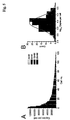
- Ins1, Ins2, glucagon ( Gcg ), Rps29 and chromogranin B ( Chgb ) were measured in 158 cells collected from four incubations with different glucose concentrations (3, 6, 10 and 20 mM).
- Islets of Langerhans in the pancreas are heterogeneous and contains 1000-3000 cells comprising at least four endocrine cell types, where insulin-secreting ⁇ -cells and glucagon-producing ⁇ -cells are the most abundant [18]. Based on presence of insulin or glucagon transcripts, these cells were distinguished as ⁇ -cells (126 cells, 83 %), ⁇ -cells (25 cells, 16 %) or unknown
- GTC is a strong chaotropic detergent.
- the positive effect of GTC may act by reducing secondary structures, thus allowing greater access to the mRNA for primers and reverse transcriptase.
- RNA quantification Priming of RT by gene-specific primers (GSP) is occasionally used in mRNA quantification.
- GSP gene-specific primers
- the total primer concentration in the cDNA used in the PCR can reach levels approaching that of the PCR primers. This could interfere with the amplification and generate unspecific products.
- GSPs bind largely unspecific to the mRNA [16].
- the resulting cDNA will be similar to that of random hexamer priming, but with the GSP primer in the 3' end.
- the reproducibility of results obtained with single cell preparations in NP40 in milliQ water was compared with preparations in 0.3 M GTC by means of calculating the standard deviations of 6 RT-PCR reactions each.
- each cell was divided into three RT replicates and each of these were later divided into PCR duplicates.
- the standard deviation (SD) was based on six samples.
- the results showed that the standard deviation was is substantially lower (and therefore reproducibility higher) for cells prepared in 0.3 M GTC.
- the cells are deposited in the strong detergent guanidine thiocyanate, optionally together with an RNA spike for quality assessment. 30 to 50 mM concentration of guanidine thiocyanate is a potent reverse transcription reaction enhancer.
- a combination of random hexamer and oligo(dT) priming ensures a high cDNA yield.
- Pancreatic islets were prepared from healthy female National Maritime Research Institute (NMRI) mice aged 3-4 months (Bomholtgaard, Ry, Denmark) and fed a normal diet ad libitum. The mice were sacrificed by cervical dislocation, and pancreatic islets were isolated by collagenase P digestion (Roche, Basel, Switzerland) followed by manual collection of islets. All experimental procedures involving animals were approved by the ethical committee of Lund University. To prepare dispersed single cells the collected islets were gently shaken at low extracellular Ca 2+ concentration to dissolve the structure of the islet [21].
- NMRI National Maritime Research Institute
- Dispersed cells were plated on plastic 35 mm Petri dishes (Nunc, Roskilde, Denmark) in RPMI 1640 medium (SVA, Uppsala, Sweden) supplemented with 10 % FCS, 100 U mL -1 penicillin, and 10 ⁇ gmL -1 streptomycin (all from Invitrogen, Carlsbad, CA, USA) in the presence of various concentrations of glucose (Sigma-Aldrich, St. Louis, MO, USA). The cells were maintained in culture 18-24 hours for the glucose stimulation experiment and for 2-6 hours for other experiments.
- MIN6 cells were cultured in 5 mM glucose as previously described [2].
- Attached dispersed cells were washed twice with a buffer containing 138 mM NaCl, 5.6 mM KCl, 1.2 mM MgCl 2 , 2.6 mM CaCl 2 , 5 mM HEPES (pH 7.4 with NaOH) and 3-20 mM glucose (same glucose concentration as in culture) to remove dead and loose debris for cell collection with patch-clamp pipettes.
- the dish containing adhered cells and approximately 1 mL buffer, was mounted in a standard inverted light-microscope (Zeiss Axiovert 135, Oberkochen, Germany).
- Borosilicate glass capillaries (Hilgenberg GmbH, Malsfeld, Germany) with outer diameter of 1.6 mm and wall thickness of 0.16 mm were pulled to pipettes using a patch-clamp pipette puller (Heka PIP5, Lambrecht, Germany).
- the diameter of the tip was approximately 10 ⁇ m on average, substantially wider than standard patch-clamp pipettes and large enough to allow passage of an intact cell.
- the glass pipette was mounted on a hydraulic micromanipulator (Narishige, Tokyo, Japan) on the microscope. By controlling the pressure inside the pipette it was possible to collect intact or nearly intact cells with minimum volume of extracellular solution.
- Islet lysis Single pancreatic islets of roughly the same size were placed in 10 ⁇ l of various lysis buffers. The detergents Nonidet P-40 (NP-40, a.k.a. Igepal CA-630, Sigma-Aldrich) and guanidine thiocyanate (GTC, Sigma-Aldrich) were used. Samples were incubated at 60 °C or 80 °C for 15 minutes (60 °C for samples containing 0.4 mg/ml proteinase K (Invitrogen)) followed by 5 min incubation at 95 °C and frozen at -25 °C for subsequent analysis. Samples were diluted 1:20 prior reverse transcription to minimize possible inhibitory effects.
- NP-40 Nonidet P-40
- GTC guanidine thiocyanate
- Single cell lysis In single cell experiments, the glass pipettes were emptied in 0.2 ml plastic tubes containing 2 ⁇ l of lysis solution. The emptying required a custom-made device, consisting of a tube holder lined up with a coarse micromanipulator on which the pipette was mounted. The glass pipette was carefully flushed with lysis buffer a few times to make sure the cell entered the tube. In most cases, the tip of the pipette was gently broken in the tube thereby facilitating the flushing of the pipette. Tubes were then immediately placed on a heating block with heated lid at 80 °C for 5 minutes. Several compositions of the lysis buffers, containing either NP-40 or GTC, were evaluated.
- the detergents were diluted in mQ purified water, but occasionally in a buffer containing 50 mM Tris-Cl pH 8.0, 140 mM NaCl, 1.5 mM MgCl 2 (all Sigma) was used. Following the heat treatment, the samples were immediately frozen on dry ice (-78 °C) and stored at-80 °C for subsequent reverse transcription.
- Total RNA extraction Some optimization experiments were performed with total RNA from larger cell populations. Total RNA was purified with GenElute Mammalian Total RNA Kit (Sigma-Aldrich) and concentrations were measured with a NanoDrop ND-1000 spectrophotometer (Nanodrop Technologies, Wilmington, DE, USA).
- RNA Polymerase in vitro transcription system T7 RNA Polymerase in vitro transcription system
- a PCR assay for cyclophilin E Ppie
- the PCR product was generated using the same setup as for the real-time PCR assays, except that all fluorophores were excluded.
- the PCR product was purified using PCR purification kit (Qiagen, Hilden, Germany) and then amplified again in a new PCR reaction with an extended forward PCR primer where the promoter sequence for T7 RNA Polymerase was added.
- the final PCR product was purified as above and used in the in vitro transcription reaction, according to the manufacturer's instruction.
- the 20 ⁇ L reaction mix contained: 40 mM Tris-HCl (pH 8.0), 8 mM MgCl 2 , 2 mM spermidine, 5 mM dithiothreitol (all Takara), 2 mM NTP (Invitrogen), 20 U RNaseOut (Invitrogen) and ⁇ 40 ng template DNA.
- the reaction was incubated at 42 °C for 1 h.
- the reverse transcriptase SuperScript III (Invitrogen) was used throughout the study [17]. 6.5 ⁇ L containing total RNA or lysed single cells, 0.5 mM dNTP (Sigma-Aldrich), 2.5 ⁇ M oligo(dT) (Invitrogen), 2.5 ⁇ M random hexamers (Invitrogen) and if indicated 0.5 ⁇ M of each gene specific primer (identical to reverse PCR primer, Invitrogen or MWG-Biotech, Ebersberg, Germany) were incubated at 65 °C for 5 min. Various combinations of RT-primers were used in this work and alternative strategies are described in the results.
- PCR measurements were carried out on the ABI PRISM 7900HT Sequence Detection System (Applied Biosystems, Foster City, CA, USA) in 10 och 20 ⁇ L reactions.
- the PCR mix contained: 10 mM Tris (pH 8.3), 50 mM KCl 3 mM MgCl2, 0.3 mM dNTP, 1 U JumpStart Taq polymerase (all Sigma-Aldrich), 0.5 x SYBR Green I (Invitrogen), 1 x Reference Dye (Sigma-Aldrich) and 400 nM of each primer (MWG-Biotech). Formation of expected PCR products was confirmed by agarose gel electrophoresis (2 %) for all assays, and melting curve analysis for all samples.
- Ct Cycle of threshold
- GSP gene specific RT-primer
- qRT-PCR quantitative reverse transcription polymerase chain reaction
- RT reverse transcription
- SD standard deviation
Landscapes
- Chemical & Material Sciences (AREA)
- Organic Chemistry (AREA)
- Life Sciences & Earth Sciences (AREA)
- Zoology (AREA)
- Proteomics, Peptides & Aminoacids (AREA)
- Health & Medical Sciences (AREA)
- Engineering & Computer Science (AREA)
- Wood Science & Technology (AREA)
- Analytical Chemistry (AREA)
- Chemical Kinetics & Catalysis (AREA)
- Biophysics (AREA)
- Microbiology (AREA)
- Molecular Biology (AREA)
- Immunology (AREA)
- Biotechnology (AREA)
- Physics & Mathematics (AREA)
- Biochemistry (AREA)
- Bioinformatics & Cheminformatics (AREA)
- General Engineering & Computer Science (AREA)
- General Health & Medical Sciences (AREA)
- Genetics & Genomics (AREA)
- Measuring Or Testing Involving Enzymes Or Micro-Organisms (AREA)
Claims (11)
- Verfahren zur Durchführung einer RT-PCR zur Amplifikation einer Ziel-RNA, mit den folgenden Schritten:a) Lyse einer biologischen Probe, von der vermutet wird, dass sie die Ziel-RNA enthält, mit einem Lysepuffer, der zwischen 0,05 M und 1 M Guanidinthiocyanat enthält;b) Verdünnen der Probe in solchem Maße, dass Guanidinthiocyanat während Schritt c) in einer Konzentration von etwa 10 bis 60 mM vorliegt;c) ohne einen dazwischenliegenden Aufreinigungsschritt reverse Transkription der Ziel-RNA in Gegenwart eines Gemischs von Erststrang-cDNA-Synthese-Primern, wobei das Gemisch aus an eine Poly-A-Sequenz hybridisierenden Primern und/oder Zufallsprimern besteht;d) Ausführen mehrerer Zyklen eines Temperaturzyklusprotokolls mit der Probe und Verfolgen der Amplifikation der Erststrang-cDNA in Echtzeit;wobei die biologische Probe aus höchstens 100 Zellen, vorzugsweise aus höchstens 10 Zellen und am stärksten bevorzugt aus einer einzelnen Zelle besteht.
- Verfahren nach Anspruch 1, wobei der Lysepuffer zwischen etwa 0,2 und 0,5 M Guanidinthiocyanat enthält.
- Verfahren nach Anspruch 1-2, wobei Guanidinthiocyanat während Schritt c) in einer Konzentration von etwa 30 bis 50 mM und vorzugsweise von etwa 40 mM vorliegt.
- Verfahren nach Anspruch 1-3, wobei Schritt c) in Gegenwart von 0,5 bis 2% NP 40 durchgeführt wird.
- Verfahren nach Anspruch 1-4, wobei Schritt a) wenigstens 5 Minuten lang bei einer Temperatur zwischen etwa 75 °C und 85 °C durchgeführt wird.
- Verfahren nach Anspruch 1-5, wobei die Inkubation in Schritt a) bei einer Temperatur zwischen etwa 75 °C und 85 °C in Gegenwart von Proteinase K durchgeführt wird.
- Verfahren nach Anspruch 1-6, wobei die Probe zwischen Schritt a) und Schritt b) bei Temperaturen zwischen etwa -20 °C und -80 °C eingefroren wird.
- Verfahren nach Anspruch 1-7, wobei das cDNA-Synthesegemisch an eine Poly-A-Sequenz hybridisierende Primer und Zufallsprimer umfasst.
- Verfahren nach Anspruch 8, wobei an eine Poly-A-Sequenz hybridisierende Primer und Zufallsprimer in im Wesentlichen gleichen Molmengen vorliegen.
- Verfahren nach Anspruch 8-9, wobei die an eine Poly-A-Sequenz hybridisierenden Primer und die Zufallsprimer jeweils in Konzentrationen zwischen 1 µM und 5 µM vorliegen.
- Verfahren nach Anspruch 9, wobei die an eine Poly-A-Sequenz hybridisierenden Primer und die Zufallsprimer jeweils in Konzentrationen von etwa 2,5 µM vorliegen.
Priority Applications (1)
| Application Number | Priority Date | Filing Date | Title |
|---|---|---|---|
| EP08749213A EP2147119B1 (de) | 2007-05-03 | 2008-04-29 | mRNA-QUANTIFIZIERUNG EINER EINZELZELLE MITTELS ECHTZEIT-RT-PCR |
Applications Claiming Priority (3)
| Application Number | Priority Date | Filing Date | Title |
|---|---|---|---|
| EP07008961 | 2007-05-03 | ||
| PCT/EP2008/003451 WO2008135196A1 (en) | 2007-05-03 | 2008-04-29 | SINGLE-CELL mRNA QUANTIFICATION WITH REAL-TIME RT-PCR |
| EP08749213A EP2147119B1 (de) | 2007-05-03 | 2008-04-29 | mRNA-QUANTIFIZIERUNG EINER EINZELZELLE MITTELS ECHTZEIT-RT-PCR |
Publications (2)
| Publication Number | Publication Date |
|---|---|
| EP2147119A1 EP2147119A1 (de) | 2010-01-27 |
| EP2147119B1 true EP2147119B1 (de) | 2011-05-25 |
Family
ID=38050036
Family Applications (2)
| Application Number | Title | Priority Date | Filing Date |
|---|---|---|---|
| EP08749213A Active EP2147119B1 (de) | 2007-05-03 | 2008-04-29 | mRNA-QUANTIFIZIERUNG EINER EINZELZELLE MITTELS ECHTZEIT-RT-PCR |
| EP08749214.6A Not-in-force EP2147120B1 (de) | 2007-05-03 | 2008-04-29 | VERBESSERTE LYSIS UND REVERSE TRANSKRIPTION ZUR mRNA-QUANTIFIZIERUNG |
Family Applications After (1)
| Application Number | Title | Priority Date | Filing Date |
|---|---|---|---|
| EP08749214.6A Not-in-force EP2147120B1 (de) | 2007-05-03 | 2008-04-29 | VERBESSERTE LYSIS UND REVERSE TRANSKRIPTION ZUR mRNA-QUANTIFIZIERUNG |
Country Status (5)
| Country | Link |
|---|---|
| US (3) | US8642266B2 (de) |
| EP (2) | EP2147119B1 (de) |
| AT (1) | ATE510932T1 (de) |
| ES (2) | ES2365447T3 (de) |
| WO (2) | WO2008135196A1 (de) |
Families Citing this family (19)
| Publication number | Priority date | Publication date | Assignee | Title |
|---|---|---|---|---|
| EP2147119B1 (de) * | 2007-05-03 | 2011-05-25 | Roche Diagnostics GmbH | mRNA-QUANTIFIZIERUNG EINER EINZELZELLE MITTELS ECHTZEIT-RT-PCR |
| ES2539856T3 (es) * | 2008-08-01 | 2015-07-06 | F. Hoffmann-La Roche Ag | Lisis mejorada y transcripción reversa para la cuantificación de mRNA |
| JP5675638B2 (ja) | 2008-12-04 | 2015-02-25 | マサチューセッツ インスティテュート オブ テクノロジー | アレルギー反応を診断するための方法 |
| US9404924B2 (en) * | 2008-12-04 | 2016-08-02 | Massachusetts Institute Of Technology | Method of performing one-step, single cell RT-PCR |
| WO2010131645A1 (ja) * | 2009-05-14 | 2010-11-18 | 和光純薬工業株式会社 | Rnaに対応する二本鎖dnaの合成方法及び増幅方法 |
| US9486803B2 (en) | 2010-01-22 | 2016-11-08 | Biotix, Inc. | Pipette tips |
| WO2011104032A1 (en) * | 2010-02-26 | 2011-09-01 | Qiagen Gmbh | Method for isolating rna from a rna and dna containing sample |
| KR101420094B1 (ko) * | 2010-10-27 | 2014-07-17 | (주)바이오니아 | 다양한 생체시료분석을 위한 전자동실시간정량증폭장비, 다양한 생체시료분석을 위한 자동정제 및 반응준비 장치, 전자동 핵산정제 및 실시간 정량 유전자증폭 방법, 전자동 핵산정제방법, 실시간정량pcr을 이용한 병원균의 전자동 생균수검사방법, 정량면역pcr을 이용한 전자동 항원농도획득방법 및 타겟항원에 라벨링된 부착용 타겟핵산의 정제방법 |
| US8795606B2 (en) | 2012-05-30 | 2014-08-05 | Biotix, Inc. | Integrated pipette tip devices |
| WO2014043365A1 (en) | 2012-09-13 | 2014-03-20 | President And Felllows Of Harvard College | Methods for multiplex analytical measurements in single cells of solid tissues |
| AU2013333763A1 (en) * | 2012-10-20 | 2015-05-14 | Selfdiagnostics Ou | Method and its compositions for detection of nucleic acid target from biological samples and body fluids |
| DE102015017080B3 (de) | 2014-02-28 | 2024-01-04 | Gen-Probe Incorporated | Verfahren zur Isolierung von Nukleinsäure von zytologischen Proben in flüssigen Konservierungsmitteln, die Formaldehyd enthalten |
| US10975371B2 (en) * | 2014-04-29 | 2021-04-13 | Illumina, Inc. | Nucleic acid sequence analysis from single cells |
| WO2016077750A1 (en) | 2014-11-14 | 2016-05-19 | Athena Diagnostics, Inc. | Methods to detect a silent carrier genotype |
| JP2017209036A (ja) * | 2016-05-24 | 2017-11-30 | 東洋紡株式会社 | 改良されたウイルス検出方法 |
| WO2018213196A1 (en) | 2017-05-17 | 2018-11-22 | Biotix, Inc. | Ergonomic pipette tips |
| GB201803654D0 (en) | 2018-03-07 | 2018-04-25 | Arcticzymes As | Thermolabile proteinases |
| US20220154180A1 (en) * | 2019-03-13 | 2022-05-19 | Toyobo Co., Ltd. | Production and amplification of nucleic acids |
| EP4144863A4 (de) * | 2020-04-30 | 2024-07-31 | Takara Bio Inc. | Verfahren zum nachweis von rna-viren |
Family Cites Families (22)
| Publication number | Priority date | Publication date | Assignee | Title |
|---|---|---|---|---|
| GB9315448D0 (en) * | 1993-07-26 | 1993-09-08 | Rank Xerox Ltd | Recording and retrieval of information relevant to the activities of a user |
| US5637687A (en) * | 1993-08-31 | 1997-06-10 | Wiggins; James C. | Methods and compositions for isolating nucleic acids |
| US6248535B1 (en) * | 1999-12-20 | 2001-06-19 | University Of Southern California | Method for isolation of RNA from formalin-fixed paraffin-embedded tissue specimens |
| US7034864B2 (en) * | 2000-05-19 | 2006-04-25 | Canon Kabushiki Kaisha | Image display apparatus, image display system, and image display method |
| US7277414B2 (en) * | 2001-08-03 | 2007-10-02 | Honeywell International Inc. | Energy aware network management |
| US7004401B2 (en) * | 2001-08-10 | 2006-02-28 | Cerys Systems, Inc. | System and method for regulating agriculture storage facilities in order to promote uniformity among separate storage facilities |
| EP1476573B1 (de) * | 2002-01-28 | 2010-01-06 | Ambion, Inc. | Für den nachweis von nukleinsäuren kompetente biologische rohderivate |
| US20040139110A1 (en) * | 2002-12-31 | 2004-07-15 | Lamarca Anthony G. | Sensor network control and calibration system |
| US20040144849A1 (en) * | 2003-01-28 | 2004-07-29 | Osman Ahmed | Building control system using integrated MEMS devices |
| DE602004030785D1 (de) * | 2003-05-19 | 2011-02-10 | Univ Brandeis | Verfahren, kits und vorrichtungen zur prozessierung von nukleinsäuren |
| US9626862B2 (en) * | 2003-07-07 | 2017-04-18 | Industrial Technology Research Institute | Methods and systems for operating a logical sensor network |
| JP3714940B2 (ja) * | 2003-11-07 | 2005-11-09 | 株式会社日立ハイテクノロジーズ | Rna抽出方法、および生体材料の分析方法 |
| US20050208501A1 (en) * | 2004-03-16 | 2005-09-22 | Ambion, Inc. | Process and reagents for extraction of RNA from fractionated blood leukocytes |
| DE102004026744A1 (de) * | 2004-05-28 | 2005-12-29 | Philipps-Universität Marburg | Erfindung betreffend cDNA-Herstellung aus Zellen nach Laser-Mikrodissektion |
| US20070214133A1 (en) * | 2004-06-23 | 2007-09-13 | Edo Liberty | Methods for filtering data and filling in missing data using nonlinear inference |
| US20060286557A1 (en) * | 2005-06-15 | 2006-12-21 | Basehore Lee S | Combined lysis and PCR buffer |
| US20080003575A1 (en) * | 2006-06-28 | 2008-01-03 | Sigma-Aldrich Co. | Methods and composition for RNA extraction |
| EP2147119B1 (de) * | 2007-05-03 | 2011-05-25 | Roche Diagnostics GmbH | mRNA-QUANTIFIZIERUNG EINER EINZELZELLE MITTELS ECHTZEIT-RT-PCR |
| US9848058B2 (en) * | 2007-08-31 | 2017-12-19 | Cardiac Pacemakers, Inc. | Medical data transport over wireless life critical network employing dynamic communication link mapping |
| US20090195401A1 (en) * | 2008-01-31 | 2009-08-06 | Andrew Maroney | Apparatus and method for surveillance system using sensor arrays |
| ES2539856T3 (es) * | 2008-08-01 | 2015-07-06 | F. Hoffmann-La Roche Ag | Lisis mejorada y transcripción reversa para la cuantificación de mRNA |
| JP5134527B2 (ja) * | 2008-12-25 | 2013-01-30 | 川崎重工業株式会社 | 自動二輪車のバンク角検知装置およびヘッドランプ装置 |
-
2008
- 2008-04-29 EP EP08749213A patent/EP2147119B1/de active Active
- 2008-04-29 ES ES08749213T patent/ES2365447T3/es active Active
- 2008-04-29 EP EP08749214.6A patent/EP2147120B1/de not_active Not-in-force
- 2008-04-29 WO PCT/EP2008/003451 patent/WO2008135196A1/en not_active Ceased
- 2008-04-29 WO PCT/EP2008/003452 patent/WO2008135197A1/en not_active Ceased
- 2008-04-29 AT AT08749213T patent/ATE510932T1/de not_active IP Right Cessation
- 2008-04-29 ES ES08749214.6T patent/ES2472765T3/es active Active
-
2009
- 2009-10-22 US US12/603,648 patent/US8642266B2/en active Active
-
2010
- 2010-06-10 US US12/797,878 patent/US9200313B2/en not_active Expired - Fee Related
-
2014
- 2014-10-23 US US14/521,698 patent/US20160168631A1/en not_active Abandoned
Also Published As
| Publication number | Publication date |
|---|---|
| US20160168631A1 (en) | 2016-06-16 |
| WO2008135196A1 (en) | 2008-11-13 |
| US20100216194A1 (en) | 2010-08-26 |
| ES2365447T3 (es) | 2011-10-05 |
| ES2472765T3 (es) | 2014-07-03 |
| EP2147120B1 (de) | 2014-04-02 |
| EP2147120A1 (de) | 2010-01-27 |
| ATE510932T1 (de) | 2011-06-15 |
| ES2365447T8 (es) | 2011-11-21 |
| WO2008135197A1 (en) | 2008-11-13 |
| US20110136180A1 (en) | 2011-06-09 |
| EP2147119A1 (de) | 2010-01-27 |
| US9200313B2 (en) | 2015-12-01 |
| US8642266B2 (en) | 2014-02-04 |
Similar Documents
| Publication | Publication Date | Title |
|---|---|---|
| EP2147119B1 (de) | mRNA-QUANTIFIZIERUNG EINER EINZELZELLE MITTELS ECHTZEIT-RT-PCR | |
| Žumer et al. | Two distinct mechanisms of RNA polymerase II elongation stimulation in vivo | |
| Ståhlberg et al. | Single-cell gene expression profiling using reverse transcription quantitative real-time PCR | |
| EP2310527B1 (de) | Verbesserte lysis und reverse transkription zur mrna-quantifizierung | |
| Song et al. | Developed and evaluated a multiplex mRNA profiling system for body fluid identification in Chinese Han population | |
| US9617606B2 (en) | Oligonucleotide for HIV detection, HIV detection kit, and HIV detection method | |
| Günnigmann et al. | Selective ribosome profiling as a tool to study interactions of translating ribosomes in mammalian cells | |
| US20210254181A1 (en) | Multi-copy reference assay | |
| WO2022015513A2 (en) | Systems and methods to assess rna stability | |
| Gilbert et al. | Real-time monitoring of aRNA production during T7 amplification to prevent the loss of sample representation during microarray hybridization sample preparation | |
| EP2206779B1 (de) | Rückübertragungs-Primer und Verfahren zu deren Entwurf | |
| Lewis et al. | Quantitative profiling of human translation initiation reveals regulatory elements that potently affect endogenous and therapeutically modified mRNAs | |
| US20110269137A1 (en) | Rapid and efficient assay to assess the sequence and size of 3' ends of polynucleotides | |
| Begley et al. | Xrn1 influences RNA pol II-dependent transcription elongation rates across the yeast genome and this control is particularly relevant for late elongation of regulatory genes | |
| Lu et al. | High-throughput approaches for miRNA expression analysis | |
| Mercier et al. | Translation-dependent and independent mRNA decay occur through mutually exclusive pathways that are defined by ribosome density during T Cell activation | |
| Sidekli et al. | Kantitatif RT-PCR (RT-qPCR) ile MikroRNA (miRNA) Ekspresyon Profillemesi | |
| Potemkin et al. | A workflow for simultaneous detection of coding and non-coding transcripts by ribosomal RNA-depleted RNA-Seq | |
| Steckel et al. | Rapid development of real-time RT-PCR assays using Universal ProbeLibrary: Applications for dissecting signaling pathways by RNA interference | |
| Sun et al. | Nascent RNA profiling reveals regulation of gene transcription through productive reiterative initiation in bacteria | |
| US20160244821A1 (en) | Quantification of rna | |
| WO2024190788A1 (ja) | Rna鋳型rna増幅を利用したdnaライブラリの作成方法 | |
| Brickey | Expression Profiling to Identify Candidate Genes Associated with Allergic Phenotypes | |
| Chastellier et al. | Revealing the dynamics of gene expression during Embryonic Genome Activation and first differentiation in the rabbit embryo 2 using a dedicated array screening. 3 | |
| Celotto et al. | Exon-Specific RNA Interference |
Legal Events
| Date | Code | Title | Description |
|---|---|---|---|
| PUAI | Public reference made under article 153(3) epc to a published international application that has entered the european phase |
Free format text: ORIGINAL CODE: 0009012 |
|
| 17P | Request for examination filed |
Effective date: 20091203 |
|
| AK | Designated contracting states |
Kind code of ref document: A1 Designated state(s): AT BE BG CH CY CZ DE DK EE ES FI FR GB GR HR HU IE IS IT LI LT LU LV MC MT NL NO PL PT RO SE SI SK TR |
|
| AX | Request for extension of the european patent |
Extension state: AL BA MK RS |
|
| RIN1 | Information on inventor provided before grant (corrected) |
Inventor name: STAHLBERG, ANDERS Inventor name: BENGTSSON, MARTIN Inventor name: KUBISTA, MICHAEL Inventor name: STROEMBOM, LINDA |
|
| DAX | Request for extension of the european patent (deleted) | ||
| 17Q | First examination report despatched |
Effective date: 20100727 |
|
| GRAP | Despatch of communication of intention to grant a patent |
Free format text: ORIGINAL CODE: EPIDOSNIGR1 |
|
| GRAS | Grant fee paid |
Free format text: ORIGINAL CODE: EPIDOSNIGR3 |
|
| GRAA | (expected) grant |
Free format text: ORIGINAL CODE: 0009210 |
|
| AK | Designated contracting states |
Kind code of ref document: B1 Designated state(s): AT BE BG CH CY CZ DE DK EE ES FI FR GB GR HR HU IE IS IT LI LT LU LV MC MT NL NO PL PT RO SE SI SK TR |
|
| REG | Reference to a national code |
Ref country code: GB Ref legal event code: FG4D |
|
| REG | Reference to a national code |
Ref country code: CH Ref legal event code: EP |
|
| REG | Reference to a national code |
Ref country code: IE Ref legal event code: FG4D |
|
| REG | Reference to a national code |
Ref country code: DE Ref legal event code: R096 Ref document number: 602008007214 Country of ref document: DE Effective date: 20110707 |
|
| REG | Reference to a national code |
Ref country code: NL Ref legal event code: VDEP Effective date: 20110525 |
|
| REG | Reference to a national code |
Ref country code: ES Ref legal event code: FG2A Ref document number: 2365447 Country of ref document: ES Kind code of ref document: T3 Effective date: 20111005 |
|
| PG25 | Lapsed in a contracting state [announced via postgrant information from national office to epo] |
Ref country code: HR Free format text: LAPSE BECAUSE OF FAILURE TO SUBMIT A TRANSLATION OF THE DESCRIPTION OR TO PAY THE FEE WITHIN THE PRESCRIBED TIME-LIMIT Effective date: 20110525 Ref country code: LT Free format text: LAPSE BECAUSE OF FAILURE TO SUBMIT A TRANSLATION OF THE DESCRIPTION OR TO PAY THE FEE WITHIN THE PRESCRIBED TIME-LIMIT Effective date: 20110525 Ref country code: PT Free format text: LAPSE BECAUSE OF FAILURE TO SUBMIT A TRANSLATION OF THE DESCRIPTION OR TO PAY THE FEE WITHIN THE PRESCRIBED TIME-LIMIT Effective date: 20110926 Ref country code: SE Free format text: LAPSE BECAUSE OF FAILURE TO SUBMIT A TRANSLATION OF THE DESCRIPTION OR TO PAY THE FEE WITHIN THE PRESCRIBED TIME-LIMIT Effective date: 20110525 Ref country code: NO Free format text: LAPSE BECAUSE OF FAILURE TO SUBMIT A TRANSLATION OF THE DESCRIPTION OR TO PAY THE FEE WITHIN THE PRESCRIBED TIME-LIMIT Effective date: 20110825 |
|
| PG25 | Lapsed in a contracting state [announced via postgrant information from national office to epo] |
Ref country code: CY Free format text: LAPSE BECAUSE OF FAILURE TO SUBMIT A TRANSLATION OF THE DESCRIPTION OR TO PAY THE FEE WITHIN THE PRESCRIBED TIME-LIMIT Effective date: 20110525 Ref country code: BE Free format text: LAPSE BECAUSE OF FAILURE TO SUBMIT A TRANSLATION OF THE DESCRIPTION OR TO PAY THE FEE WITHIN THE PRESCRIBED TIME-LIMIT Effective date: 20110525 Ref country code: IS Free format text: LAPSE BECAUSE OF FAILURE TO SUBMIT A TRANSLATION OF THE DESCRIPTION OR TO PAY THE FEE WITHIN THE PRESCRIBED TIME-LIMIT Effective date: 20110925 Ref country code: LV Free format text: LAPSE BECAUSE OF FAILURE TO SUBMIT A TRANSLATION OF THE DESCRIPTION OR TO PAY THE FEE WITHIN THE PRESCRIBED TIME-LIMIT Effective date: 20110525 Ref country code: GR Free format text: LAPSE BECAUSE OF FAILURE TO SUBMIT A TRANSLATION OF THE DESCRIPTION OR TO PAY THE FEE WITHIN THE PRESCRIBED TIME-LIMIT Effective date: 20110826 Ref country code: AT Free format text: LAPSE BECAUSE OF FAILURE TO SUBMIT A TRANSLATION OF THE DESCRIPTION OR TO PAY THE FEE WITHIN THE PRESCRIBED TIME-LIMIT Effective date: 20110525 Ref country code: SI Free format text: LAPSE BECAUSE OF FAILURE TO SUBMIT A TRANSLATION OF THE DESCRIPTION OR TO PAY THE FEE WITHIN THE PRESCRIBED TIME-LIMIT Effective date: 20110525 Ref country code: FI Free format text: LAPSE BECAUSE OF FAILURE TO SUBMIT A TRANSLATION OF THE DESCRIPTION OR TO PAY THE FEE WITHIN THE PRESCRIBED TIME-LIMIT Effective date: 20110525 |
|
| PG25 | Lapsed in a contracting state [announced via postgrant information from national office to epo] |
Ref country code: EE Free format text: LAPSE BECAUSE OF FAILURE TO SUBMIT A TRANSLATION OF THE DESCRIPTION OR TO PAY THE FEE WITHIN THE PRESCRIBED TIME-LIMIT Effective date: 20110525 Ref country code: CZ Free format text: LAPSE BECAUSE OF FAILURE TO SUBMIT A TRANSLATION OF THE DESCRIPTION OR TO PAY THE FEE WITHIN THE PRESCRIBED TIME-LIMIT Effective date: 20110525 |
|
| REG | Reference to a national code |
Ref country code: NL Ref legal event code: T3 |
|
| PG25 | Lapsed in a contracting state [announced via postgrant information from national office to epo] |
Ref country code: RO Free format text: LAPSE BECAUSE OF FAILURE TO SUBMIT A TRANSLATION OF THE DESCRIPTION OR TO PAY THE FEE WITHIN THE PRESCRIBED TIME-LIMIT Effective date: 20110525 Ref country code: DK Free format text: LAPSE BECAUSE OF FAILURE TO SUBMIT A TRANSLATION OF THE DESCRIPTION OR TO PAY THE FEE WITHIN THE PRESCRIBED TIME-LIMIT Effective date: 20110525 Ref country code: SK Free format text: LAPSE BECAUSE OF FAILURE TO SUBMIT A TRANSLATION OF THE DESCRIPTION OR TO PAY THE FEE WITHIN THE PRESCRIBED TIME-LIMIT Effective date: 20110525 Ref country code: PL Free format text: LAPSE BECAUSE OF FAILURE TO SUBMIT A TRANSLATION OF THE DESCRIPTION OR TO PAY THE FEE WITHIN THE PRESCRIBED TIME-LIMIT Effective date: 20110525 |
|
| PLBE | No opposition filed within time limit |
Free format text: ORIGINAL CODE: 0009261 |
|
| STAA | Information on the status of an ep patent application or granted ep patent |
Free format text: STATUS: NO OPPOSITION FILED WITHIN TIME LIMIT |
|
| 26N | No opposition filed |
Effective date: 20120228 |
|
| REG | Reference to a national code |
Ref country code: DE Ref legal event code: R097 Ref document number: 602008007214 Country of ref document: DE Effective date: 20120228 |
|
| PG25 | Lapsed in a contracting state [announced via postgrant information from national office to epo] |
Ref country code: MC Free format text: LAPSE BECAUSE OF NON-PAYMENT OF DUE FEES Effective date: 20120430 |
|
| REG | Reference to a national code |
Ref country code: CH Ref legal event code: PL |
|
| PG25 | Lapsed in a contracting state [announced via postgrant information from national office to epo] |
Ref country code: LI Free format text: LAPSE BECAUSE OF NON-PAYMENT OF DUE FEES Effective date: 20120430 Ref country code: CH Free format text: LAPSE BECAUSE OF NON-PAYMENT OF DUE FEES Effective date: 20120430 |
|
| PG25 | Lapsed in a contracting state [announced via postgrant information from national office to epo] |
Ref country code: IE Free format text: LAPSE BECAUSE OF NON-PAYMENT OF DUE FEES Effective date: 20120429 |
|
| PG25 | Lapsed in a contracting state [announced via postgrant information from national office to epo] |
Ref country code: BG Free format text: LAPSE BECAUSE OF FAILURE TO SUBMIT A TRANSLATION OF THE DESCRIPTION OR TO PAY THE FEE WITHIN THE PRESCRIBED TIME-LIMIT Effective date: 20110825 |
|
| PG25 | Lapsed in a contracting state [announced via postgrant information from national office to epo] |
Ref country code: MT Free format text: LAPSE BECAUSE OF FAILURE TO SUBMIT A TRANSLATION OF THE DESCRIPTION OR TO PAY THE FEE WITHIN THE PRESCRIBED TIME-LIMIT Effective date: 20110525 |
|
| PG25 | Lapsed in a contracting state [announced via postgrant information from national office to epo] |
Ref country code: TR Free format text: LAPSE BECAUSE OF FAILURE TO SUBMIT A TRANSLATION OF THE DESCRIPTION OR TO PAY THE FEE WITHIN THE PRESCRIBED TIME-LIMIT Effective date: 20110525 |
|
| PG25 | Lapsed in a contracting state [announced via postgrant information from national office to epo] |
Ref country code: LU Free format text: LAPSE BECAUSE OF NON-PAYMENT OF DUE FEES Effective date: 20120429 |
|
| PG25 | Lapsed in a contracting state [announced via postgrant information from national office to epo] |
Ref country code: HU Free format text: LAPSE BECAUSE OF FAILURE TO SUBMIT A TRANSLATION OF THE DESCRIPTION OR TO PAY THE FEE WITHIN THE PRESCRIBED TIME-LIMIT Effective date: 20080429 |
|
| REG | Reference to a national code |
Ref country code: FR Ref legal event code: PLFP Year of fee payment: 9 |
|
| REG | Reference to a national code |
Ref country code: FR Ref legal event code: PLFP Year of fee payment: 10 |
|
| REG | Reference to a national code |
Ref country code: FR Ref legal event code: PLFP Year of fee payment: 11 |
|
| PGFP | Annual fee paid to national office [announced via postgrant information from national office to epo] |
Ref country code: DE Payment date: 20250319 Year of fee payment: 18 |
|
| PGFP | Annual fee paid to national office [announced via postgrant information from national office to epo] |
Ref country code: ES Payment date: 20250502 Year of fee payment: 18 |
|
| PGFP | Annual fee paid to national office [announced via postgrant information from national office to epo] |
Ref country code: GB Payment date: 20260319 Year of fee payment: 19 |
|
| PGFP | Annual fee paid to national office [announced via postgrant information from national office to epo] |
Ref country code: IT Payment date: 20260319 Year of fee payment: 19 |
|
| PGFP | Annual fee paid to national office [announced via postgrant information from national office to epo] |
Ref country code: NL Payment date: 20260319 Year of fee payment: 19 |
|
| PGFP | Annual fee paid to national office [announced via postgrant information from national office to epo] |
Ref country code: FR Payment date: 20260319 Year of fee payment: 19 |