EP2149372A1 - Utilisation d'opioïdes ou mimétiques opioïdes pour le traitement des patients atteints d'un cancer résistant - Google Patents
Utilisation d'opioïdes ou mimétiques opioïdes pour le traitement des patients atteints d'un cancer résistant Download PDFInfo
- Publication number
- EP2149372A1 EP2149372A1 EP08013741A EP08013741A EP2149372A1 EP 2149372 A1 EP2149372 A1 EP 2149372A1 EP 08013741 A EP08013741 A EP 08013741A EP 08013741 A EP08013741 A EP 08013741A EP 2149372 A1 EP2149372 A1 EP 2149372A1
- Authority
- EP
- European Patent Office
- Prior art keywords
- cells
- cancer
- resistance
- methadone
- opioid
- Prior art date
- Legal status (The legal status is an assumption and is not a legal conclusion. Google has not performed a legal analysis and makes no representation as to the accuracy of the status listed.)
- Granted
Links
Images



Classifications
-
- A—HUMAN NECESSITIES
- A61—MEDICAL OR VETERINARY SCIENCE; HYGIENE
- A61K—PREPARATIONS FOR MEDICAL, DENTAL OR TOILETRY PURPOSES
- A61K31/00—Medicinal preparations containing organic active ingredients
- A61K31/33—Heterocyclic compounds
- A61K31/395—Heterocyclic compounds having nitrogen as a ring hetero atom, e.g. guanethidine or rifamycins
- A61K31/435—Heterocyclic compounds having nitrogen as a ring hetero atom, e.g. guanethidine or rifamycins having six-membered rings with one nitrogen as the only ring hetero atom
- A61K31/47—Quinolines; Isoquinolines
- A61K31/485—Morphinan derivatives, e.g. morphine, codeine
-
- A—HUMAN NECESSITIES
- A61—MEDICAL OR VETERINARY SCIENCE; HYGIENE
- A61K—PREPARATIONS FOR MEDICAL, DENTAL OR TOILETRY PURPOSES
- A61K31/00—Medicinal preparations containing organic active ingredients
- A61K31/13—Amines
- A61K31/135—Amines having aromatic rings, e.g. ketamine, nortriptyline
- A61K31/137—Arylalkylamines, e.g. amphetamine, epinephrine, salbutamol, ephedrine or methadone
-
- A—HUMAN NECESSITIES
- A61—MEDICAL OR VETERINARY SCIENCE; HYGIENE
- A61K—PREPARATIONS FOR MEDICAL, DENTAL OR TOILETRY PURPOSES
- A61K31/00—Medicinal preparations containing organic active ingredients
- A61K31/33—Heterocyclic compounds
- A61K31/395—Heterocyclic compounds having nitrogen as a ring hetero atom, e.g. guanethidine or rifamycins
- A61K31/435—Heterocyclic compounds having nitrogen as a ring hetero atom, e.g. guanethidine or rifamycins having six-membered rings with one nitrogen as the only ring hetero atom
- A61K31/47—Quinolines; Isoquinolines
- A61K31/475—Quinolines; Isoquinolines having an indole ring, e.g. yohimbine, reserpine, strychnine, vinblastine
-
- A—HUMAN NECESSITIES
- A61—MEDICAL OR VETERINARY SCIENCE; HYGIENE
- A61K—PREPARATIONS FOR MEDICAL, DENTAL OR TOILETRY PURPOSES
- A61K31/00—Medicinal preparations containing organic active ingredients
- A61K31/33—Heterocyclic compounds
- A61K31/395—Heterocyclic compounds having nitrogen as a ring hetero atom, e.g. guanethidine or rifamycins
- A61K31/495—Heterocyclic compounds having nitrogen as a ring hetero atom, e.g. guanethidine or rifamycins having six-membered rings with two or more nitrogen atoms as the only ring heteroatoms, e.g. piperazine or tetrazines
- A61K31/505—Pyrimidines; Hydrogenated pyrimidines, e.g. trimethoprim
- A61K31/519—Pyrimidines; Hydrogenated pyrimidines, e.g. trimethoprim ortho- or peri-condensed with heterocyclic rings
-
- A—HUMAN NECESSITIES
- A61—MEDICAL OR VETERINARY SCIENCE; HYGIENE
- A61K—PREPARATIONS FOR MEDICAL, DENTAL OR TOILETRY PURPOSES
- A61K31/00—Medicinal preparations containing organic active ingredients
- A61K31/70—Carbohydrates; Sugars; Derivatives thereof
- A61K31/7028—Compounds having saccharide radicals attached to non-saccharide compounds by glycosidic linkages
- A61K31/7034—Compounds having saccharide radicals attached to non-saccharide compounds by glycosidic linkages attached to a carbocyclic compound, e.g. phloridzin
- A61K31/704—Compounds having saccharide radicals attached to non-saccharide compounds by glycosidic linkages attached to a carbocyclic compound, e.g. phloridzin attached to a condensed carbocyclic ring system, e.g. sennosides, thiocolchicosides, escin, daunorubicin
-
- A—HUMAN NECESSITIES
- A61—MEDICAL OR VETERINARY SCIENCE; HYGIENE
- A61K—PREPARATIONS FOR MEDICAL, DENTAL OR TOILETRY PURPOSES
- A61K31/00—Medicinal preparations containing organic active ingredients
- A61K31/70—Carbohydrates; Sugars; Derivatives thereof
- A61K31/7042—Compounds having saccharide radicals and heterocyclic rings
- A61K31/7052—Compounds having saccharide radicals and heterocyclic rings having nitrogen as a ring hetero atom, e.g. nucleosides, nucleotides
- A61K31/706—Compounds having saccharide radicals and heterocyclic rings having nitrogen as a ring hetero atom, e.g. nucleosides, nucleotides containing six-membered rings with nitrogen as a ring hetero atom
- A61K31/7064—Compounds having saccharide radicals and heterocyclic rings having nitrogen as a ring hetero atom, e.g. nucleosides, nucleotides containing six-membered rings with nitrogen as a ring hetero atom containing condensed or non-condensed pyrimidines
- A61K31/7068—Compounds having saccharide radicals and heterocyclic rings having nitrogen as a ring hetero atom, e.g. nucleosides, nucleotides containing six-membered rings with nitrogen as a ring hetero atom containing condensed or non-condensed pyrimidines having oxo groups directly attached to the pyrimidine ring, e.g. cytidine, cytidylic acid
-
- A—HUMAN NECESSITIES
- A61—MEDICAL OR VETERINARY SCIENCE; HYGIENE
- A61K—PREPARATIONS FOR MEDICAL, DENTAL OR TOILETRY PURPOSES
- A61K33/00—Medicinal preparations containing inorganic active ingredients
- A61K33/24—Heavy metals; Compounds thereof
- A61K33/243—Platinum; Compounds thereof
-
- A—HUMAN NECESSITIES
- A61—MEDICAL OR VETERINARY SCIENCE; HYGIENE
- A61K—PREPARATIONS FOR MEDICAL, DENTAL OR TOILETRY PURPOSES
- A61K41/00—Medicinal preparations obtained by treating materials with wave energy or particle radiation ; Therapies using these preparations
-
- A—HUMAN NECESSITIES
- A61—MEDICAL OR VETERINARY SCIENCE; HYGIENE
- A61K—PREPARATIONS FOR MEDICAL, DENTAL OR TOILETRY PURPOSES
- A61K45/00—Medicinal preparations containing active ingredients not provided for in groups A61K31/00 - A61K41/00
- A61K45/06—Mixtures of active ingredients without chemical characterisation, e.g. antiphlogistics and cardiaca
-
- A—HUMAN NECESSITIES
- A61—MEDICAL OR VETERINARY SCIENCE; HYGIENE
- A61P—SPECIFIC THERAPEUTIC ACTIVITY OF CHEMICAL COMPOUNDS OR MEDICINAL PREPARATIONS
- A61P35/00—Antineoplastic agents
-
- A—HUMAN NECESSITIES
- A61—MEDICAL OR VETERINARY SCIENCE; HYGIENE
- A61P—SPECIFIC THERAPEUTIC ACTIVITY OF CHEMICAL COMPOUNDS OR MEDICINAL PREPARATIONS
- A61P35/00—Antineoplastic agents
- A61P35/02—Antineoplastic agents specific for leukemia
-
- A—HUMAN NECESSITIES
- A61—MEDICAL OR VETERINARY SCIENCE; HYGIENE
- A61P—SPECIFIC THERAPEUTIC ACTIVITY OF CHEMICAL COMPOUNDS OR MEDICINAL PREPARATIONS
- A61P43/00—Drugs for specific purposes, not provided for in groups A61P1/00-A61P41/00
Definitions
- the invention relates to novel strategies for the treatment of resistant cancer patients.
- Anti-cancer therapies are frequently ineffective due to resistance of the tumor cells to radio-and/or chemotherapy.
- the resistance When the resistance is acquired during therapy, it often manifests either in a diminished amount of tumor regression for the same dose (either of the radiation or the cytotoxic substance) or an increased dose which is necessary for an equal amount of tumor regression.
- the resistance When the resistance is intrinsic, i.e. not acquired or induced due to the anti-cancer treatment, the tumor cells already originally lack sensitivity to one or more anticancer drugs or ionizing radiation.
- chemosensitivity of cancer cells often vary on an individual basis. For pancreas carcinoma e.g. it is known, that only approximately 25% of all patients benefit from the anticancer drug gemcitabine. The other 75% are intrinsically resistant to this chemotherapy. Further examples for tumor cells with intrinsic chemo- and radioresistance are glioblastoma or melanoma cells.
- the intrinsic or acquired resistance (or non-response) of tumor cells to radio- and/or chemotherapy can have multiple reasons and can - as exemplified above - vary on an individual basis. Despite intensive research the exact mechanisms still remain elusive. However, it is known that either a single mutation, e.g. at the drug substance binding site or within the cellular detoxification process, can be responsible for the lack of or reduced chemosensitivity. Also the manifestation of cross-resistances to several anticancer drugs often limits the efficacy of anticancer treatments.
- MDR multi-drug resistance
- ABSC ATP binding cassette
- MRP multi-drug resistance associated proteins
- Resistances are not limited to chemotherapeutics or anticancer drugs; cancer patients can also exhibit either an intrinsic or acquired resistance to ionising irradiation applied in radiotherapy.
- An intrinsic radioresistance is known e.g. from melanoma and glioblastoma cells.
- Radioresistance may also be induced by exposure to small or fractionated doses of ionizing radiation.
- ionizing radiation Several studies have documented this effect in vitro even in human cells as well as in several animal models. Different cellular radioprotection mechanisms may be involved, such as alterations in the levels of some cytoplasmatic and nuclear proteins, increased gene expression or DNA repair processes.
- opioids or opioid mimetics in the treatment of radiotherapy and/or chemotherapy resistant cancer patients, since now it was found that opioids capable of inhibiting the cell proliferation and or growth of cancer cells can overcome resistances in these cancer cells. Therefore these opioids provide novel strategies for treating patients, who so far are considered to be non-treatable or not effectively treatable by conventional therapeutic anticancer approaches.
- This group of alleged non-treatable cancer patients can also be called “non-responders”, “poor-responder” or “non-chemosensitive” or “non-radiosensitive” cancer patients.
- opioids and opioid mimetics can overcome apoptosis resistance of cancer cells, and thus can effectively be clinically applied as anticancer substances.
- opioids - in particular methadone - were as effective as the conventional chemotherapy (e.g. doxorubicin) and radiation treatments against non-resistant (i.e, sensitive) leukaemia cells, and that normal peripheral blood lymphocytes survived after this treatment.
- opioids are also effective in killing tumor cells, but do not substantially affect normal healthy cells of the patient.
- opioid is defined as a chemical heterogeneous group of natural, synthetic or semi-synthetic substances, working agonistic or antagonistic which all can bind to the well known opioid receptors, preferably to the ⁇ opioid receptor and which are capable of arresting cancer cell proliferation.
- the group of opioids includes natural opiates such as alkaloids like morphine, dihydrocodein, codeine and thebaine, as well as semi-synthetic opiates, derived from the natural opiates (e.g.
- hydromorphone hydrocodone, oxycodone, oxymorphone, desomorphine, diacetylmorphine (Heroin), nicomorphine, dipropanoylmorphine, benzylmorphine and ethylmorphine), or fully synthetic opioids, such as fentanyl, pethidine and methadone, tramadol or propoxyphene. It also includes endogenous opioid peptides, which may be produced naturally in the body as endorphins, dynorphins or enkephalins but which can also be synthesized.
- Opioids are known for their use as analgetics.
- opioid receptors especially ⁇ opioid receptors are involved in the activation of signalling pathways leading to apoptosis.
- opioids can promote apoptosis (Hatsukari et al. 2003).
- opioids it was further discussed to use opioids for the induction of apoptosis in small lung cancer cells (Heusch & Maneckjee 1999).
- the underlying mechanisms were not unrevealed, nor do those results suggest employing opioids for overcoming resistances to conventional anticancer treatments.
- the opioid is capable of inhibiting cancer cell proliferation and/or growth.
- This activity can include e.g. cytostatic or cytotoxic activity as well arresting growth of cells and/or tumors.
- Cancer cell proliferation is the result of the inhibition of cell division.
- opioids or opioid mimetics induce cell death in tumors.
- Cell death in the context of the invention includes all types of cells death. This can include necrotic as well as apoptotic cell death or autophagy.
- the cell death is induced by the activation of the caspases-dependent or caspases-independent pathway.
- opioids can induce cell death via various pathways.
- opioids induce apoptosis in cancer cells.
- the "death receptor pathway” (or extrinsic pathway) includes the TNF-receptor-induced (tumor necrosis factor) model and the Fas-receptor-induced model (the Fas-receptor is also known as Apo-1 or CD95). Bindings to these receptors result in the formation of death-inducing signalling pathways in the cell, including the activation of caspases-8.
- the "mitochondrial pathway” (or intrinsic pathway) involves the release of cytochrom c from mitochondria, binding of Apaf-1 and activation of procaspase-9.
- Several regulators are known to activate or deactivate the apoptosis pathways, such as the pro-apoptotic proteins Bax and Bak or the anti-apoptotic proteins Bcl-2, Bcl XL or XIAP.
- opioid mimetics is defined as a substance, which either indirectly or directly is capable to induce within the cancer cells substantially the same effect as opioids, in particular in view of the effects of opioids' binding to the opioid receptor (e.g. ⁇ receptor) and/or the induction of cell death, in particular apoptosis via the mitochondrial pathway.
- opioid receptor e.g. ⁇ receptor
- opioid mimetics also includes substance, which lead to the over expression of opioid receptors, such as e.g. cocaine, and therewith indirectly induce cell death.
- the opioid is a member of the methadone group, comprising D-/L-methadone, levomethadone, levacetylmethadol and piritramide. All these opioids can be used as salts.
- the racemic form of D-/L-methadone is preferably provided in form of a hydrochloride.
- the opioid methadone induces apoptosis in cancer cells via the mitochondrial pathway.
- the terms “resistance”, “radioresistance” or “chemoresistance” are defined as a reduced sensitivity of a cancer cell to at least one conventional cancer therapy, i.e. either an anticancer drug or radiotherapy.
- a patient suffering from such a cancer is determined as a "resistant” cancer patient. Since the resistance can be intrinsic or acquired the observed reduction in sensitivity is either compared to fully sensitive "normal” cancer cells, which are responsive to the therapeutically effective dosage of the applied anticancer drug and/or radiation compared to the original sensitivity upon therapy onset. In the later case the resistance manifests either in a diminished amount of tumour regression for the same dose (either of the radiation or the anticancer drug) or an increased dose which is necessary for an equal amount of tumor regression.
- a “resistance” can either be total or partly; in other words, the patients considered treatable according to the invention can exhibit a reduced sensitivity or even a full lack of sensitivity to conventional anticancer treatments. These patients can also be determined as “non-responders” or “poor-responders”.
- a further synonym for a "resistant” cancer or tumor is a "refractory” type of cancer, which can also be either completely or partly refractory. Intrinsic resistance can thus also be determined as a "primary refractory cancer".
- a particular form of refractory or resistant cancer cells ar the so called “kinetically refractory cells”; a phenomenon known e.g. from leukaemia cells, when the cells are at first killed, but reproduce fast that an effective treatment is hardly possible.
- the term "conventional” treatment or therapy refers to the currently accepted and widely used therapeutic treatment of a certain type of cancer, based on the results of past researches and/or regulatory approval.
- Conventional anticancer drugs include cytotoxic and cytostatic agents, which kill the cancer cells or reduce and/or stop their growth or proliferation.
- the modes of action of these anticancer drugs can vary; examples are antimetabolites (e.g. cytarabine, methotrexate, mercaptopurine or clofarabine), DNA cross-linking agents (e.g. cisplatine and its derivates), DNA intercalating substances (e.g. doxorubicin), Topoisomerase poisons (e.g. etoposide), kinase inhibitors (e.g. cetuximab), steroids (e.g. dexamethasone) or mitotic inhibitors (e.g. vincristine).
- antimetabolites e.g. cytarabine, methotrexate, mercaptopurine or clofarabine
- DNA cross-linking agents e.g. cisplatine and its derivates
- DNA intercalating substances e.
- the conventional radiotherapy can also include radiation therapy, which means the use of high-energy radiation from x-rays, alpha, beta and gamma rays, Auger electrons, Ultraviolet rays, neutrons, protons, and other sources to kill cancer cells and shrink tumors.
- Radiation may originate from an outside the body device (external-beam radiation therapy), or it may originate from radioactive sources placed in the body in the vicinity of the cancer cells (internal radiation therapy).
- Systemic radiation therapy uses a radioactive substance, such as a radiolabeled monoclonal antibody, that travels in the blood stream to the target tissue. Radioresistant cancer cells do not or only partly respond to these treatments.
- opioids or the opioid mimetics are applied for overcoming or "breaking" the intrinsic or acquired resistance of cancer cells to conventional anticancer treatments and/or radiation treatment or apoptosis resistance.
- cancer cells considered treatable according to the invention express an opioid receptor, in particular the the ⁇ opioid receptor
- the group of cancers include, but is not limited to leukaemia, breast cancer, glioblastoma, prostate cancer, lung cancer, non-small cell lung cancer (NSCLC), brain cancer, colon cancer, colorectal cancer.
- NSCLC non-small cell lung cancer
- Examples for cancer types, considered to be treatable according to the inventin, with intrinsic resistance to irradiation are glioblastoma, melanoma or pancreas cancer cells.
- Breast cancer, bladder cancer or leukaemia are often resistant to chemotherapeutics.
- Examples of cancer types which often acquire resistance are melanoma, colon carcinoma, brain tumors glioblastoma, brain cancer, pancreatic cancer, liver cancer, ovarian cancer, cancer of mamma, lung cancer, chronic leukaemia or osteosarkoma.
- the opioids or opioid mimetics can be used in combination - i.e. as a composite - with conventional anticancer substances or treatments, e.g. cytostatic or cytotoxic substances or radiotherapy.
- the opioids or opioid mimetics can be combined for example with natural and/or synthetic anticancer substances, natural and/or synthetic cytotoxic substances, antibiotics, cytotoxic antibodies, hormones, psychopharmaca, naturally or genetically modified organisms and substances from organisms (e.g. plants, microorganisms, fruits), substances for pain, and/or different sorts of radiation unbound or bound to substances (e.g. antibodies).
- the patient can either be resistant or not resistant to this treatment.
- a “composite” means a pharmaceutical preparation comprising a therapeutically effective amount of any of the opioids or opioid mimetics (component A) as defined according to the invention and at least one further anticancer substance (component B).
- This "composite” can constitute a single composition or at least two compositions, which can be administered to the patients either concomitantly or subsequently.
- the above mentioned substances are preferably combined with methadone.
- the composite of the invention can be advantageous for the effective treatment of cancer cells, since it can exhibit synergistic effects compared to the single compositions.
- composite with methadone as component A and one of the agents as component B as follows is possible: methotrexate, cytarabine, cisplatine, etoposide, vincristine.
- combinatorial treatment also comprising irradiation treatments is possible.
- opioids are used to treat either resistant or sensitive non-solid cancers, i.e. all haematological malignancies affecting blood, bone marrow and lymph nodes, including acute lymphoblastic leukaemia, acute myeloid leukaemia, chronic myeloid leukaemia, chronic lymphocytic leukaemia and all pro-forms of leukaemias, hairy cell leukaemia, Hodgkin's disease, Non-Hodgkin lymphoma and multiple myeloma.
- resistant or sensitive non-solid cancers i.e. all haematological malignancies affecting blood, bone marrow and lymph nodes, including acute lymphoblastic leukaemia, acute myeloid leukaemia, chronic myeloid leukaemia, chronic lymphocytic leukaemia and all pro-forms of leukaemias, hairy cell leukaemia, Hodgkin's disease, Non-Hodgkin lymphoma and multiple myeloma.
- Example 1 Use of methadone for the treatment of leukaemia cells and especially for the treatment of leukaemia cells, which anticancer drugs commonly used in conventional therapies failed to kill.
- the human myeloid leukaemia cell line HL-60 and the human lymphoblastic leukaemia T-cell line CEM were grown in RPMI 1640 (GIBCO, Invitrogen, Düsseldorf, Germany) containing 10% fetal calf serum (Blochrom, Berlin, Germany), 10 mM HEPES, pH 7.3 (Biochrom), 100 U/mL penicillin (GIBCO), 100 ⁇ g/mL streptomycin (GIBCO) and 2 mM L-glutamine (Biochrom) at 37°C and 5% CO 2 .
- CEM CD95R are resistant to 1 ⁇ g/mL anti-CD95 (Friesen et al.
- CEM CD95R is apoptosis-resistant and multi-drug resistant.
- CEM CD95R is cross-resistant to several anticancer drugs such as methotrexate, cytarabine, cisplatine, etoposide, vincristine and to gamma- and beta-irradiation (Friesen et al. 1996, Los et al. 1997, Friesen et al. 2007). All cell lines used in this study were mycoplasma free.
- Leukaemia cells (1 x 10 5 cells/mL) were treated with 30, 20, 15, 10 ⁇ M methadone in 150 mL flasks or 96 well plates. After 24h and 48h, quantification of apoptosis was measured by flow cytometry as described (Carbonari et al. 1994, Friesen et al. 2003). In brief, to determine apoptosis, cells were lysed with Nicoletti-buffer containing 0.1 % sodium citrate plus 0.1 % Triton X-100 and propidium iodide 50 ⁇ g/mL as described by Nicoletti et al. (1991).
- the percentage of apoptotic cells was measured by hypodiploid DNA (subG1) or FSC/SSC analysis (Nicoletti et al. 1991, Carbonari et al. 1994). Propidium iodide (PI) stained nuclei or forward scatter/side scatter (FSC/SSC) profiles of cells were analyzed by flow cytometry (FACSCalibur, Becton Dickinson, Heidelberg, Germany).
- PBLs Peripheral blood lymphocytes
- Peroxidase-conjugated goat-antimouse IgG or peroxidase-conjugated goat-anti-rabbit IgG (1:5000, Santa-Cruz) as secondary antibody were used for the enhanced chemoluminescence system (ECL, Amersham-Pharmacia, Freiburg, Germany). Equal protein loading was controlled by ⁇ -actin detection.
- PBLs peripheral blood lymphocytes
- Fig. 1 C Isolated PBLs were incubated with different concentrations of methadone (30, 20, 15, 10 ⁇ M). 24h and 48h after methadone treatment it was found that methadone could not kill PBLs at comparable concentrations using for the treatment of leukaemia cells such as CEM ( Fig. 1C ). This demonstrates that methadone induces apoptosis in leukaemia cells with non-toxic effects on non-leukaemic PBLs.
- Methadone breaks doxorubicin-resistance, CD95-resistance, and multidrug-resistance in leukemia cells
- methadone exhibits a potent anti-leukaemic activity and efficiently kills leukaemia cells. Therefore it was analyzed if methadone can also induce cell death in doxorubicin-resistant leukaemia cells, which were apoptosis-resistant.
- Doxorubicin-resistant CEM leukaemia cells (CEMD DoxoR ) were treated with different concentrations of methadone (30, 20, 15, 10 ⁇ M). 24h and 48h after methadone treatment, cell death was measured by flow cytometry.
- CD95-resistant leukaemia cells CEM CD95R which were resistant to several anticancer drugs such as etoposide, cisplatine, methotrexate, cytarabine, doxorubicin, vincristine, were treated with different concentrations of methadone (30, 20, 15, 10 ⁇ M). After treatment with 30, 20, 15 ⁇ M methadone, a strong induction of apoptosis in CD95-resistant leukaemia cells CEM CD95R was measured after 24h and 48h, which was similar to that in sensitive leukaemia cells CEM ( Fig. 2 ).
- methadone induces not only a strong induction of apoptosis in sensitive leukaemia cells, but it also kills doxorubicin- and CD95-resistant leukaemia cells, which commonly used anticancer drugs failed to kill (Friesen et al. 1996, Los et al. 1997).
- Methadone induces caspases-dependent cell death and activates mitochondria in sensitive, doxorubicin-resistant, CD95-resistant, and multidrug-resistant leukemia cells
- Methadone induces apoptosis in sensitive and in resistant leukaemia cells with unknowing molecular mechanisms. Therefore, the mechanism and effector molecules which may be altered by methadone-triggered cell death in leukaemia cells were to be examined.
- Caspases play a critical role in apoptosis induction by anticancer drugs (Kaufmann & Earnshow 2000, Hengartner 2000).
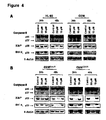
- a strong cleavage (37 kDa fragment) of caspase-9 and a strong down regulation of the caspases inhibiting protein XIAP (X-linked inhibitory-of-apoptosis protein) was found in HL-60 and CEM leukaemia cells ( Fig. 4A ) as well as in doxorubicin-resistant leukaemia cells CEM DoxoR and in CD95-resistant leukaemia cells CEM CD95R ( Fig. 4B ), which were multidrug- and apoptosis-resistant. Mitochondrial changes are regulated by pro- and anti-apoptotic Bcl-2 family members.
- Example 2 Methadone induces apoptosis in glioblastoma cells
- Glioblastoma is the most aggressive and the most common type of primary brain tumours. Glioblastoma cells are known to be highly resistant to chemotherapeutics and irradiation. Treatment may involve chemotherapy and radiotherapy but these are only palliative measures and do not provide a cure. Moreover, many drugs cannot cross the blood brain barrier and are therefore useless in the treatment of glioblastoma. Methadone is able to cross the blood-brain barrier. The effect of methadone on glioblastoma cells was examined. Furthermore, the effect of methadone in combination with therapeutical concentrations of doxorubicin on glioblastoma cells was tested.
- the human glioblastoma cell line A172 was grown in DMEN (Invitrogen, Düsseldorf, Germany) containing 10% fetal calf serum (Biochrom, Berlin, Germany), 10 mM HEPES, pH 7,3 (Biochrom), 100 U/mL penicillin (Invitrogen), 100 ⁇ g/mL streptomycin (Invitrogen) and 2mM L-glutamine (Biochrom) at 37°C and 5% CO 2 . Before methadone treatment, glioblastoma cells were seeded in a density of 7000 cells/cm 2 and treatment was performed 24h after cell seeding.
- Glioblastoma cells A172 (7000 cells/cm 2 ) were treated with 30, 20 ⁇ g/mL methadone in 75 cm 2 flasks. After 120h, 144h and 168h quantification of apoptosis was measured by flow cytometry. To determine apoptosis, cells were lysed with Nicoletti buffer containing 0,1 % sodium citrate plus 0,1% Triton X-100 and propidium iodide 50 ⁇ g/mL. Propidium iodide (PI) stained nuclei were analysed by flow cytometry (FACSCalibur, Becton Dickinson, Heidelberg, Germany).
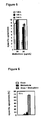
- Glioblastoma cells A172 (7000 cells/cm 2 ) were treated with a therapeutical concentration of 0.1 ⁇ g/mL doxorubicin (Doxo, white columns), with a low concentration of 1 ⁇ g/mL methadone (Methadone, black columns), and with 0.1 ⁇ g/mL doxorubicin in addition of 1 ⁇ g/mL methadone (Doxo + Methadone, hatched columns). After 72h quantification of apoptosis was measured by flow cytometry.
- Example 4 Induction of apoptosis in leukaemia cells using cocaine
- CEM white column
- HL-60 black column
- CEM white column
- HL-60 black column
- the percentages of apoptotic cells were measured by hypodiploid DNA analysis.
- the percentage of specific cell death was calculated as follows: 100 x (experimental dead cells (%) - spontaneous dead cells in medium (%))/(100% - spontaneous dead cells in medium (%)).
- Data are given as mean of triplicates with a standard deviation (SD) of less than 10 %. Similar results were obtained in three independent experiments.
Landscapes
- Health & Medical Sciences (AREA)
- Life Sciences & Earth Sciences (AREA)
- General Health & Medical Sciences (AREA)
- Veterinary Medicine (AREA)
- Chemical & Material Sciences (AREA)
- Animal Behavior & Ethology (AREA)
- Medicinal Chemistry (AREA)
- Pharmacology & Pharmacy (AREA)
- Public Health (AREA)
- Epidemiology (AREA)
- Emergency Medicine (AREA)
- Molecular Biology (AREA)
- General Chemical & Material Sciences (AREA)
- Chemical Kinetics & Catalysis (AREA)
- Organic Chemistry (AREA)
- Nuclear Medicine, Radiotherapy & Molecular Imaging (AREA)
- Inorganic Chemistry (AREA)
- Engineering & Computer Science (AREA)
- Oncology (AREA)
- Hematology (AREA)
- Bioinformatics & Cheminformatics (AREA)
- Pharmaceuticals Containing Other Organic And Inorganic Compounds (AREA)
- Medicines That Contain Protein Lipid Enzymes And Other Medicines (AREA)
- Acyclic And Carbocyclic Compounds In Medicinal Compositions (AREA)
- Hydrogenated Pyridines (AREA)
- Nitrogen Condensed Heterocyclic Rings (AREA)
Priority Applications (18)
| Application Number | Priority Date | Filing Date | Title |
|---|---|---|---|
| PT80137417T PT2149372E (pt) | 2008-07-31 | 2008-07-31 | Utilização de opióides do grupo da metadona para o tratamento de pacientes com cancros resistentes |
| PL08013741T PL2149372T3 (pl) | 2008-07-31 | 2008-07-31 | Zastosowanie opioidów z grupy metadonu w leczeniu opornych pacjentów onkologicznych |
| ES08013741.7T ES2482168T3 (es) | 2008-07-31 | 2008-07-31 | Uso de opioides del grupo de la metadona para el tratamiento de pacientes con cáncer resistente |
| EP08013741.7A EP2149372B1 (fr) | 2008-07-31 | 2008-07-31 | Utilisation d'opioïdes du groupe de la méthadone pour le traitement des patients atteints d'un cancer résistant |
| DK08013741.7T DK2149372T3 (da) | 2008-07-31 | 2008-07-31 | Anvendelse af opioider af metadongruppen til behandling af patienter med resistent cancer |
| US13/056,918 US8901175B2 (en) | 2008-07-31 | 2009-01-29 | Use of opioids or opioid mimetics for the treatment of resistant cancer patients |
| EP09776348.6A EP2320900B1 (fr) | 2008-07-31 | 2009-01-29 | Opioïdes pour leur utilisation dans le traitement de patients atteints d'un cancer résistant |
| DK09776348.6T DK2320900T3 (en) | 2008-07-31 | 2009-01-29 | Opioids for use in the treatment of patients with refractory cancers |
| ES09776348.6T ES2596363T3 (es) | 2008-07-31 | 2009-01-29 | Opioides para su uso en el tratamiento de pacientes con cáncer resistente |
| PT97763486T PT2320900T (pt) | 2008-07-31 | 2009-01-29 | Utilização de opioides ou miméticos de opioides para o tratamento de pacientes com cancros resistentes |
| CA2732497A CA2732497C (fr) | 2008-07-31 | 2009-01-29 | Utilisation d'opioides ou de mimetiques des opioides pour le traitement de patients atteints d'un cancer resistant |
| PL09776348T PL2320900T3 (pl) | 2008-07-31 | 2009-01-29 | Opioidy do zastosowania w leczeniu opornych pacjentów onkologicznych |
| RU2011107280/15A RU2520636C2 (ru) | 2008-07-31 | 2009-01-29 | Применение опиоидов или миметиков опиоидов для лечения пациентов с устойчивой злокачественной опухолью |
| PCT/EP2009/000584 WO2010012319A1 (fr) | 2008-07-31 | 2009-01-29 | Utilisation d'opioïdes ou de mimétiques des opioïdes pour le traitement de patients atteints d'un cancer résistant |
| BRPI0916555-0A BRPI0916555B1 (pt) | 2008-07-31 | 2009-01-29 | Usos de opioides ou miméticos de opioides para tratamento de pacientes com câncer resistente, e combinação farmacêutica |
| JP2011520333A JP5804945B2 (ja) | 2008-07-31 | 2009-01-29 | 抵抗性がん患者の処置のためのオピオイドまたはオピオイドミメティクスの使用 |
| HUE09776348A HUE031337T2 (hu) | 2008-07-31 | 2009-01-29 | Opioidok rezisztens rákos betegek kezelésében történõ alkalmazásra |
| CN200980136278.9A CN102159212B (zh) | 2008-07-31 | 2009-01-29 | 阿片样物质或阿片样物质模拟物在治疗抗性癌症患者中的用途 |
Applications Claiming Priority (1)
| Application Number | Priority Date | Filing Date | Title |
|---|---|---|---|
| EP08013741.7A EP2149372B1 (fr) | 2008-07-31 | 2008-07-31 | Utilisation d'opioïdes du groupe de la méthadone pour le traitement des patients atteints d'un cancer résistant |
Publications (2)
| Publication Number | Publication Date |
|---|---|
| EP2149372A1 true EP2149372A1 (fr) | 2010-02-03 |
| EP2149372B1 EP2149372B1 (fr) | 2014-04-02 |
Family
ID=40011012
Family Applications (2)
| Application Number | Title | Priority Date | Filing Date |
|---|---|---|---|
| EP08013741.7A Active EP2149372B1 (fr) | 2008-07-31 | 2008-07-31 | Utilisation d'opioïdes du groupe de la méthadone pour le traitement des patients atteints d'un cancer résistant |
| EP09776348.6A Active EP2320900B1 (fr) | 2008-07-31 | 2009-01-29 | Opioïdes pour leur utilisation dans le traitement de patients atteints d'un cancer résistant |
Family Applications After (1)
| Application Number | Title | Priority Date | Filing Date |
|---|---|---|---|
| EP09776348.6A Active EP2320900B1 (fr) | 2008-07-31 | 2009-01-29 | Opioïdes pour leur utilisation dans le traitement de patients atteints d'un cancer résistant |
Country Status (13)
| Country | Link |
|---|---|
| US (1) | US8901175B2 (fr) |
| EP (2) | EP2149372B1 (fr) |
| JP (1) | JP5804945B2 (fr) |
| CN (1) | CN102159212B (fr) |
| BR (1) | BRPI0916555B1 (fr) |
| CA (1) | CA2732497C (fr) |
| DK (2) | DK2149372T3 (fr) |
| ES (2) | ES2482168T3 (fr) |
| HU (1) | HUE031337T2 (fr) |
| PL (2) | PL2149372T3 (fr) |
| PT (2) | PT2149372E (fr) |
| RU (1) | RU2520636C2 (fr) |
| WO (1) | WO2010012319A1 (fr) |
Cited By (4)
| Publication number | Priority date | Publication date | Assignee | Title |
|---|---|---|---|---|
| WO2011009020A3 (fr) * | 2009-07-16 | 2011-03-10 | Mallinckrodt Inc. | Composés et compositions pour une utilisation en photothérapie et dans le traitement d'une maladie néovasculaire oculaire et de cancers |
| EP2716291A1 (fr) * | 2012-10-08 | 2014-04-09 | Universität Ulm | Combinaison d'opioïdes et médicaments anticancéreux pour le traitement du cancer |
| WO2019197015A1 (fr) | 2018-04-09 | 2019-10-17 | Peter Truog | Composition comprenant des dérivés d'acide 4-phénylbutyrique et des opioïdes |
| WO2020239948A1 (fr) | 2019-05-28 | 2020-12-03 | Isanas Ag | Agoniste du récepteur μ-opioïde à action centrale en association avec un curcuminoïde s'utilisant dans le traitement d'une tumeur du système nerveux central |
Families Citing this family (4)
| Publication number | Priority date | Publication date | Assignee | Title |
|---|---|---|---|---|
| CA3075292A1 (fr) * | 2017-10-20 | 2019-04-25 | Purdue Pharma L.P. | Formes posologiques pharmaceutiques |
| CN110090303B (zh) * | 2019-05-07 | 2022-09-16 | 浙江大学 | 阿片受体激动剂在制造用于治疗恶性肿瘤的药物中的用途 |
| CN115844869B (zh) * | 2022-12-19 | 2024-08-16 | 新乡医学院 | 莱菔硫烷在逆转耐阿糖胞苷白血病细胞耐药性中的应用和药物组合物 |
| CN116173212B (zh) * | 2023-02-07 | 2025-02-14 | 杭州添帆生物科技有限公司 | 阿片类药物在制备黑色素瘤治疗药物中的应用 |
Citations (1)
| Publication number | Priority date | Publication date | Assignee | Title |
|---|---|---|---|---|
| WO2006124413A2 (fr) * | 2005-05-13 | 2006-11-23 | Novartis Ag | Procedes pour traiter un cancer pharmacoresistant |
Family Cites Families (1)
| Publication number | Priority date | Publication date | Assignee | Title |
|---|---|---|---|---|
| US5173486A (en) * | 1991-08-26 | 1992-12-22 | Bristol-Myers Squibb Company | Dibenz[b,f][1,4]oxazepin-11(10H)-ones for multidrug resistance reversing agents |
-
2008
- 2008-07-31 PL PL08013741T patent/PL2149372T3/pl unknown
- 2008-07-31 EP EP08013741.7A patent/EP2149372B1/fr active Active
- 2008-07-31 ES ES08013741.7T patent/ES2482168T3/es active Active
- 2008-07-31 DK DK08013741.7T patent/DK2149372T3/da active
- 2008-07-31 PT PT80137417T patent/PT2149372E/pt unknown
-
2009
- 2009-01-29 ES ES09776348.6T patent/ES2596363T3/es active Active
- 2009-01-29 WO PCT/EP2009/000584 patent/WO2010012319A1/fr not_active Ceased
- 2009-01-29 CA CA2732497A patent/CA2732497C/fr active Active
- 2009-01-29 JP JP2011520333A patent/JP5804945B2/ja active Active
- 2009-01-29 CN CN200980136278.9A patent/CN102159212B/zh active Active
- 2009-01-29 US US13/056,918 patent/US8901175B2/en active Active
- 2009-01-29 BR BRPI0916555-0A patent/BRPI0916555B1/pt active IP Right Grant
- 2009-01-29 HU HUE09776348A patent/HUE031337T2/hu unknown
- 2009-01-29 RU RU2011107280/15A patent/RU2520636C2/ru active
- 2009-01-29 EP EP09776348.6A patent/EP2320900B1/fr active Active
- 2009-01-29 PT PT97763486T patent/PT2320900T/pt unknown
- 2009-01-29 PL PL09776348T patent/PL2320900T3/pl unknown
- 2009-01-29 DK DK09776348.6T patent/DK2320900T3/en active
Patent Citations (1)
| Publication number | Priority date | Publication date | Assignee | Title |
|---|---|---|---|---|
| WO2006124413A2 (fr) * | 2005-05-13 | 2006-11-23 | Novartis Ag | Procedes pour traiter un cancer pharmacoresistant |
Non-Patent Citations (20)
| Title |
|---|
| BERGMANN JP; HARRIS D: "Radioresistance, chemoresistance and apoptosis resistance", RADIATION ONCOLOGY, vol. 27, 1997, pages 47 - 57 |
| CARBONARI M; CIBATI M; CHERCHI M ET AL.: "Detection and characterization of apoptotic peripheral blood lymphocytes in human immunodeficiency virus-infection and cancer chemotherapy by a novel flow immunocytometric method", BLOOD, vol. 83, 1994, pages 1268 - 77 |
| FRIESEN C; GLATTING G; KOOP B ET AL.: "Breaking chemo- and radioresistance with [213 Bi]anti- CD45 antibodies in leukaemia cells", CANCER RES, vol. 67, no. 5, 2007, pages 1950 - 8 |
| FRIESEN C; HERR I; KRAMMER PH; DEBATIN KM: "Involvement of the CD95 (APO-1/FAS) receptor/ligand system in drug-induced apoptosis in leukaemia cells", NAT MED, vol. 2, no. 5, 1996, pages 574 - 7 |
| FRIESEN C; KIESS Y; DEBATIN KM: "A critical role of glutathione in determining apoptosis sensitivity and resistance in leukaemia cells", CELL DEATH DIFFER, vol. 11, no. 1, 2004, pages 73 - 85 |
| FRIESEN C; LUBATSCHOFSKI A; KOTZERKE J; BUCHMANN I; RESKE SN; DEBATIN KM: "Beta- irradiation used for systemic radioimmunotherapy induces apoptosis and activates apoptosis pathways in leukaemia cells", EUR J NUCL MED, vol. 30, 2003, pages 1251 - 61 |
| HASSAN HAZEM E ET AL: "Oxycodone induces overexpression of P-glycoprotein (ABCB1) and affects paclitaxel's tissue distribution in Sprague Dawley rats.", JOURNAL OF PHARMACEUTICAL SCIENCES SEP 2007, vol. 96, no. 9, September 2007 (2007-09-01), pages 2494 - 2506, XP002506209, ISSN: 0022-3549 * |
| HASSAN HE; MYERS AL; LEE IJ; COOP A; EDDINGTON ND: "Oxycodone induces overexpression of P-glycoprotein (ABCB-1) and affects paclitaxel's tissue distribution in Sprague Dawley rats", J. PHARM SCI., vol. 96, 2007, pages 2494 - 2506 |
| HATSUKARI I; HITOSUGI N; MATSUMOTO; NAGASAKA H; SAKAGAMI H: "Induction of early apoptosis marker by morphine in human lung and breast carcinoma cell lines", ANTICANCER RES., vol. 23, no. 3B, May 2003 (2003-05-01), pages 2413 - 7 |
| HENGARTNER MO: "The biochemistry of apoptosis", NATURE, vol. 407, no. 6805, 2000, pages 770 - 6 |
| HEUSCH WL; MANECKJEE R: "Effects of bombesin on methadone-induced apoptosis in lung cancer cells", CANCER LETT, vol. 136, 1999, pages 177 - 85 |
| KAUFMANN SH; EARNSHAW WC: "Induction of apoptosis by cancer therapy", EXPERIMENTAL CELL RESEARCH, vol. 256, 2000, pages 42 - 9 |
| LOS M; HERR; FRIESEN C; FULDA S; SCHULZE-OSTHOFF K; DEBATIN K-M: "Cross-resistance of CD95- and drug-induced apoptosis as a consequence of deficient activation of caspases (ICE/Ced-3 proteases", BLOOD, vol. 90, no. 8, 1997, pages 3118 - 29 |
| LOVEKAMP T ET AL: "INHIBITION OF HUMAN MULTIDRUG RESISTANCE P-GLYCOPROTEIN 1 BY ANALOGUES OF A POTENT DELTA-OPIOID ANTAGONIST", BRAIN RESEARCH, ELSEVIER, AMSTERDAM, NL, vol. 902, no. 1, 1 January 2001 (2001-01-01), pages 131 - 134, XP001121403, ISSN: 0006-8993 * |
| LOVEKAMP T; COOPER PS; HARDISON J; BRYANT SD; GUERRINI R; BALBONI G; SALVADORI S; LAZARUS LH: "Inhibition of human multidrug reistance P-glycoprotein 1 by analogues of a potent delta-opioid antagonist", BRAIN RES., vol. 902, 2001, pages 131 - 134 |
| MILAS L; RAJU U; LIAO Z; AJANI J: "Targeting molecular determinants of tumour chemo- radioresistance", SEMIN ONCOL, vol. 32, 2005, pages 78 - 81 |
| NICOLETTI; MIGLIORATI G; PAGLIACCI MC; GRIGNANI F; RICCARDI C: "A rapid and simple method for measuring thymocyte apoptosis by propidium iodide staining and flow cytometry", J IMMUNOL METH, vol. 139, 1991, pages 271 - 9 |
| NOTAS ET AL: "The inhibitory effect of opioids on HepG2 cells is mediated via interaction with somatostatin receptors", EUROPEAN JOURNAL OF PHARMACOLOGY, ELSEVIER BV, NL, vol. 555, no. 1, 29 December 2006 (2006-12-29), pages 1 - 7, XP005818506, ISSN: 0014-2999 * |
| NOTAS G; KAMPA M; NIFLI A-P; XIDAKIS K; PAPASAVA D; THERMOS K; KOUROMALIS E; CASTANAS E: "The inhibitory effect of opioids on HepG2 cells is mediated via interaction with somatostatin receptors", EUR. J. PHAM., vol. 555, 2007, pages 1 - 7 |
| POLAKIEWICZ RD; SCHIEFERL SM; GINGRAS AC; SONENBERG N; COMB MJ: "Mu-Opioid receptor activates signalling pathways implicated in cell survival and translational control", J BIOL CHEM., vol. 273, no. 36, 4 September 1998 (1998-09-04), pages 23534 - 41 |
Cited By (6)
| Publication number | Priority date | Publication date | Assignee | Title |
|---|---|---|---|---|
| WO2011009020A3 (fr) * | 2009-07-16 | 2011-03-10 | Mallinckrodt Inc. | Composés et compositions pour une utilisation en photothérapie et dans le traitement d'une maladie néovasculaire oculaire et de cancers |
| EP2716291A1 (fr) * | 2012-10-08 | 2014-04-09 | Universität Ulm | Combinaison d'opioïdes et médicaments anticancéreux pour le traitement du cancer |
| WO2014056897A1 (fr) * | 2012-10-08 | 2014-04-17 | Universität Ulm | Combinaison d'opioïdes et d'anticancéreux pour le traitement du cancer |
| US11052082B2 (en) | 2012-10-08 | 2021-07-06 | Universität Ulm | Combination of opioids and anticancer drugs for cancer treatment |
| WO2019197015A1 (fr) | 2018-04-09 | 2019-10-17 | Peter Truog | Composition comprenant des dérivés d'acide 4-phénylbutyrique et des opioïdes |
| WO2020239948A1 (fr) | 2019-05-28 | 2020-12-03 | Isanas Ag | Agoniste du récepteur μ-opioïde à action centrale en association avec un curcuminoïde s'utilisant dans le traitement d'une tumeur du système nerveux central |
Also Published As
| Publication number | Publication date |
|---|---|
| EP2320900B1 (fr) | 2016-07-06 |
| PT2149372E (pt) | 2014-07-25 |
| DK2320900T3 (en) | 2016-10-24 |
| PL2320900T3 (pl) | 2017-01-31 |
| RU2520636C2 (ru) | 2014-06-27 |
| EP2320900A1 (fr) | 2011-05-18 |
| JP5804945B2 (ja) | 2015-11-04 |
| US8901175B2 (en) | 2014-12-02 |
| PL2149372T3 (pl) | 2015-03-31 |
| CA2732497A1 (fr) | 2010-02-04 |
| EP2149372B1 (fr) | 2014-04-02 |
| WO2010012319A1 (fr) | 2010-02-04 |
| ES2482168T3 (es) | 2014-08-01 |
| RU2011107280A (ru) | 2012-09-10 |
| CA2732497C (fr) | 2017-01-17 |
| CN102159212A (zh) | 2011-08-17 |
| PT2320900T (pt) | 2016-10-13 |
| BRPI0916555B1 (pt) | 2021-06-29 |
| US20110270011A1 (en) | 2011-11-03 |
| DK2149372T3 (da) | 2014-07-07 |
| HUE031337T2 (hu) | 2017-07-28 |
| BRPI0916555A2 (pt) | 2015-11-10 |
| ES2596363T3 (es) | 2017-01-09 |
| CN102159212B (zh) | 2015-09-16 |
| JP2011529454A (ja) | 2011-12-08 |
Similar Documents
| Publication | Publication Date | Title |
|---|---|---|
| US11052082B2 (en) | Combination of opioids and anticancer drugs for cancer treatment | |
| EP2320900B1 (fr) | Opioïdes pour leur utilisation dans le traitement de patients atteints d'un cancer résistant | |
| Friesen et al. | Cell death sensitization of leukemia cells by opioid receptor activation | |
| ArulJothi et al. | Implications of reactive oxygen species in lung cancer and exploiting it for therapeutic interventions | |
| Pesakhov et al. | Cancer-selective cytotoxic Ca2+ overload in acute myeloid leukemia cells and attenuation of disease progression in mice by synergistically acting polyphenols curcumin and carnosic acid | |
| Amaresan et al. | Cell surface GRP78: a potential mechanism of therapeutic resistant tumors | |
| Berger et al. | NF-κB is required for Smac mimetic-mediated sensitization of glioblastoma Cells for γ-irradiation–induced apoptosis | |
| Mena et al. | Bcl-2 and glutathione depletion sensitizes B16 melanoma to combination therapy and eliminates metastatic disease | |
| Guo et al. | Brusatol modulates diverse cancer hallmarks and signaling pathways as a potential cancer therapeutic | |
| ODonnell et al. | 621 a phase I dose-escalation study of MFGR1877S, a human monoclonal anti-fibroblast growth factor receptor 3 (FGFR3) antibody, in patients (pts) with advanced solid tumors | |
| Lu et al. | Proteasome inhibitor Bortezomib induces cell-cycle arrest and apoptosis in cell lines derived from Ewing’s sarcoma family of tumors and synergizes with TRAIL | |
| Stehle et al. | Eribulin synergizes with Polo-like kinase 1 inhibitors to induce apoptosis in rhabdomyosarcoma | |
| Shi et al. | Synergistic anticancer effect of cisplatin and Chal-24 combination through IAP and c-FLIPL degradation, Ripoptosome formation and autophagy-mediated apoptosis | |
| WO2008033440A2 (fr) | Traitement de maladies hyperprolifératives à l'aide d'anthraquinones | |
| Zheng et al. | Targeting Cullin-RING E3 ligases for radiosensitization: from NEDDylation inhibition to PROTACs | |
| Elia et al. | Combined chemotherapy or biotherapy with jasmonates: targeting energy metabolism for cancer treatment | |
| Chugh | Experimental therapies and clinical trials in bone sarcoma | |
| Cui | therapeutic application in prostate | |
| Manouchehri | RhTRAIL with Sensitizing Agents for Breast Carcinoma Treatment | |
| Ihnen et al. | 515 Therapeutic advantage of chemotherapy drugs in combination with PARP inhibitor PF-01367338 (AG-014699) in human ovarian cancer cells | |
| Fairbrother et al. | 82 Pharmacokinetic–pharmacodynamic modeling of the effect of GDC-0152, a selective antagonist of the inhibitor of apoptosis (IAP) proteins, on monocyte chemotactic protein-1 (MCP-1) indicates species differences in MCP-1 response | |
| Ortíz-Ruíz et al. | 83 Effect of TG02, a kinase inhibitor targeting Erk5, on triple negative breast cancer cells | |
| Ono et al. | 81 Potential clinical application of a novel Heat Shock Protein 90 inhibitor CH5164840: preclinical efficacy in mono therapy and combination therapy | |
| Viertl et al. | The SMAC-mimetic Debio 1143 efficiently enhanced radiotherapy in head and neck squamous cell carcinoma models | |
| TW201125868A (en) | Method of treating cancer using combination of a bifunctional alkylating agent and DNA repair inhibitors |
Legal Events
| Date | Code | Title | Description |
|---|---|---|---|
| PUAI | Public reference made under article 153(3) epc to a published international application that has entered the european phase |
Free format text: ORIGINAL CODE: 0009012 |
|
| AK | Designated contracting states |
Kind code of ref document: A1 Designated state(s): AT BE BG CH CY CZ DE DK EE ES FI FR GB GR HR HU IE IS IT LI LT LU LV MC MT NL NO PL PT RO SE SI SK TR |
|
| AX | Request for extension of the european patent |
Extension state: AL BA MK RS |
|
| 17P | Request for examination filed |
Effective date: 20100730 |
|
| 17Q | First examination report despatched |
Effective date: 20100901 |
|
| AKX | Designation fees paid |
Designated state(s): AT BE BG CH CY CZ DE DK EE ES FI FR GB GR HR HU IE IS IT LI LT LU LV MC MT NL NO PL PT RO SE SI SK TR |
|
| RIC1 | Information provided on ipc code assigned before grant |
Ipc: A61K 31/519 20060101ALI20130705BHEP Ipc: A61K 31/485 20060101ALI20130705BHEP Ipc: A61K 45/06 20060101ALI20130705BHEP Ipc: A61K 31/137 20060101ALI20130705BHEP Ipc: A61K 33/24 20060101AFI20130705BHEP Ipc: A61K 31/7068 20060101ALI20130705BHEP Ipc: A61K 31/475 20060101ALI20130705BHEP Ipc: A61K 31/704 20060101ALI20130705BHEP Ipc: A61K 41/00 20060101ALI20130705BHEP |
|
| REG | Reference to a national code |
Ref country code: DE Ref legal event code: R079 Ref document number: 602008031213 Country of ref document: DE Free format text: PREVIOUS MAIN CLASS: A61K0031485000 Ipc: A61P0035000000 |
|
| GRAJ | Information related to disapproval of communication of intention to grant by the applicant or resumption of examination proceedings by the epo deleted |
Free format text: ORIGINAL CODE: EPIDOSDIGR1 |
|
| GRAP | Despatch of communication of intention to grant a patent |
Free format text: ORIGINAL CODE: EPIDOSNIGR1 |
|
| RIC1 | Information provided on ipc code assigned before grant |
Ipc: A61K 45/06 20060101ALI20130903BHEP Ipc: A61K 31/137 20060101ALI20130903BHEP Ipc: A61K 41/00 20060101ALI20130903BHEP Ipc: A61P 35/00 20060101AFI20130903BHEP Ipc: A61K 33/24 20060101ALI20130903BHEP Ipc: A61K 31/704 20060101ALI20130903BHEP Ipc: A61K 31/7068 20060101ALI20130903BHEP Ipc: A61K 31/475 20060101ALI20130903BHEP Ipc: A61K 31/485 20060101ALI20130903BHEP Ipc: A61K 31/519 20060101ALI20130903BHEP |
|
| GRAP | Despatch of communication of intention to grant a patent |
Free format text: ORIGINAL CODE: EPIDOSNIGR1 |
|
| INTG | Intention to grant announced |
Effective date: 20131002 |
|
| INTG | Intention to grant announced |
Effective date: 20131011 |
|
| GRAS | Grant fee paid |
Free format text: ORIGINAL CODE: EPIDOSNIGR3 |
|
| GRAA | (expected) grant |
Free format text: ORIGINAL CODE: 0009210 |
|
| AK | Designated contracting states |
Kind code of ref document: B1 Designated state(s): AT BE BG CH CY CZ DE DK EE ES FI FR GB GR HR HU IE IS IT LI LT LU LV MC MT NL NO PL PT RO SE SI SK TR |
|
| REG | Reference to a national code |
Ref country code: GB Ref legal event code: FG4D |
|
| REG | Reference to a national code |
Ref country code: AT Ref legal event code: REF Ref document number: 659709 Country of ref document: AT Kind code of ref document: T Effective date: 20140415 Ref country code: CH Ref legal event code: EP |
|
| REG | Reference to a national code |
Ref country code: IE Ref legal event code: FG4D |
|
| REG | Reference to a national code |
Ref country code: DE Ref legal event code: R096 Ref document number: 602008031213 Country of ref document: DE Effective date: 20140508 |
|
| REG | Reference to a national code |
Ref country code: DK Ref legal event code: T3 Effective date: 20140703 |
|
| REG | Reference to a national code |
Ref country code: NL Ref legal event code: T3 |
|
| REG | Reference to a national code |
Ref country code: CH Ref legal event code: NV Representative=s name: R. A. EGLI AND CO. PATENTANWAELTE, CH |
|
| REG | Reference to a national code |
Ref country code: SE Ref legal event code: TRGR |
|
| REG | Reference to a national code |
Ref country code: PT Ref legal event code: SC4A Free format text: AVAILABILITY OF NATIONAL TRANSLATION Effective date: 20140716 |
|
| REG | Reference to a national code |
Ref country code: ES Ref legal event code: FG2A Ref document number: 2482168 Country of ref document: ES Kind code of ref document: T3 Effective date: 20140801 |
|
| REG | Reference to a national code |
Ref country code: LT Ref legal event code: MG4D |
|
| REG | Reference to a national code |
Ref country code: GR Ref legal event code: EP Ref document number: 20140401292 Country of ref document: GR Effective date: 20140901 |
|
| PG25 | Lapsed in a contracting state [announced via postgrant information from national office to epo] |
Ref country code: BG Free format text: LAPSE BECAUSE OF FAILURE TO SUBMIT A TRANSLATION OF THE DESCRIPTION OR TO PAY THE FEE WITHIN THE PRESCRIBED TIME-LIMIT Effective date: 20140702 Ref country code: CY Free format text: LAPSE BECAUSE OF FAILURE TO SUBMIT A TRANSLATION OF THE DESCRIPTION OR TO PAY THE FEE WITHIN THE PRESCRIBED TIME-LIMIT Effective date: 20140402 Ref country code: IS Free format text: LAPSE BECAUSE OF FAILURE TO SUBMIT A TRANSLATION OF THE DESCRIPTION OR TO PAY THE FEE WITHIN THE PRESCRIBED TIME-LIMIT Effective date: 20140802 Ref country code: LT Free format text: LAPSE BECAUSE OF FAILURE TO SUBMIT A TRANSLATION OF THE DESCRIPTION OR TO PAY THE FEE WITHIN THE PRESCRIBED TIME-LIMIT Effective date: 20140402 Ref country code: NO Free format text: LAPSE BECAUSE OF FAILURE TO SUBMIT A TRANSLATION OF THE DESCRIPTION OR TO PAY THE FEE WITHIN THE PRESCRIBED TIME-LIMIT Effective date: 20140702 Ref country code: CZ Free format text: LAPSE BECAUSE OF FAILURE TO SUBMIT A TRANSLATION OF THE DESCRIPTION OR TO PAY THE FEE WITHIN THE PRESCRIBED TIME-LIMIT Effective date: 20140402 |
|
| PG25 | Lapsed in a contracting state [announced via postgrant information from national office to epo] |
Ref country code: LV Free format text: LAPSE BECAUSE OF FAILURE TO SUBMIT A TRANSLATION OF THE DESCRIPTION OR TO PAY THE FEE WITHIN THE PRESCRIBED TIME-LIMIT Effective date: 20140402 Ref country code: HR Free format text: LAPSE BECAUSE OF FAILURE TO SUBMIT A TRANSLATION OF THE DESCRIPTION OR TO PAY THE FEE WITHIN THE PRESCRIBED TIME-LIMIT Effective date: 20140402 |
|
| REG | Reference to a national code |
Ref country code: HU Ref legal event code: AG4A Ref document number: E021104 Country of ref document: HU |
|
| REG | Reference to a national code |
Ref country code: DE Ref legal event code: R097 Ref document number: 602008031213 Country of ref document: DE |
|
| PG25 | Lapsed in a contracting state [announced via postgrant information from national office to epo] |
Ref country code: EE Free format text: LAPSE BECAUSE OF FAILURE TO SUBMIT A TRANSLATION OF THE DESCRIPTION OR TO PAY THE FEE WITHIN THE PRESCRIBED TIME-LIMIT Effective date: 20140402 Ref country code: RO Free format text: LAPSE BECAUSE OF FAILURE TO SUBMIT A TRANSLATION OF THE DESCRIPTION OR TO PAY THE FEE WITHIN THE PRESCRIBED TIME-LIMIT Effective date: 20140402 Ref country code: SK Free format text: LAPSE BECAUSE OF FAILURE TO SUBMIT A TRANSLATION OF THE DESCRIPTION OR TO PAY THE FEE WITHIN THE PRESCRIBED TIME-LIMIT Effective date: 20140402 |
|
| PLBE | No opposition filed within time limit |
Free format text: ORIGINAL CODE: 0009261 |
|
| STAA | Information on the status of an ep patent application or granted ep patent |
Free format text: STATUS: NO OPPOSITION FILED WITHIN TIME LIMIT |
|
| 26N | No opposition filed |
Effective date: 20150106 |
|
| REG | Reference to a national code |
Ref country code: PL Ref legal event code: T3 |
|
| REG | Reference to a national code |
Ref country code: DE Ref legal event code: R097 Ref document number: 602008031213 Country of ref document: DE Effective date: 20150106 |
|
| PG25 | Lapsed in a contracting state [announced via postgrant information from national office to epo] |
Ref country code: SI Free format text: LAPSE BECAUSE OF FAILURE TO SUBMIT A TRANSLATION OF THE DESCRIPTION OR TO PAY THE FEE WITHIN THE PRESCRIBED TIME-LIMIT Effective date: 20140402 |
|
| PG25 | Lapsed in a contracting state [announced via postgrant information from national office to epo] |
Ref country code: MT Free format text: LAPSE BECAUSE OF FAILURE TO SUBMIT A TRANSLATION OF THE DESCRIPTION OR TO PAY THE FEE WITHIN THE PRESCRIBED TIME-LIMIT Effective date: 20140402 |
|
| REG | Reference to a national code |
Ref country code: FR Ref legal event code: PLFP Year of fee payment: 9 |
|
| REG | Reference to a national code |
Ref country code: FR Ref legal event code: PLFP Year of fee payment: 10 |
|
| REG | Reference to a national code |
Ref country code: FR Ref legal event code: PLFP Year of fee payment: 11 |
|
| REG | Reference to a national code |
Ref country code: DE Ref legal event code: R082 Ref document number: 602008031213 Country of ref document: DE Representative=s name: FARAGO PATENTANWALTSGESELLSCHAFT MBH, DE Ref country code: DE Ref legal event code: R082 Ref document number: 602008031213 Country of ref document: DE Representative=s name: FARAGO PATENTANWALTS- UND RECHTSANWALTSGESELLS, DE Ref country code: DE Ref legal event code: R082 Ref document number: 602008031213 Country of ref document: DE Representative=s name: FARAGO PATENTANWAELTE, DE |
|
| REG | Reference to a national code |
Ref country code: DE Ref legal event code: R082 Ref document number: 602008031213 Country of ref document: DE Representative=s name: FARAGO PATENTANWAELTE GMBH, DE Ref country code: DE Ref legal event code: R082 Ref document number: 602008031213 Country of ref document: DE Representative=s name: FARAGO PATENTANWALTSGESELLSCHAFT MBH, DE |
|
| PGFP | Annual fee paid to national office [announced via postgrant information from national office to epo] |
Ref country code: PT Payment date: 20250630 Year of fee payment: 18 |
|
| PGFP | Annual fee paid to national office [announced via postgrant information from national office to epo] |
Ref country code: LU Payment date: 20250722 Year of fee payment: 18 Ref country code: NL Payment date: 20250723 Year of fee payment: 18 |
|
| PGFP | Annual fee paid to national office [announced via postgrant information from national office to epo] |
Ref country code: HU Payment date: 20250728 Year of fee payment: 18 |
|
| PGFP | Annual fee paid to national office [announced via postgrant information from national office to epo] |
Ref country code: ES Payment date: 20250819 Year of fee payment: 18 Ref country code: FI Payment date: 20250722 Year of fee payment: 18 |
|
| PGFP | Annual fee paid to national office [announced via postgrant information from national office to epo] |
Ref country code: DK Payment date: 20250723 Year of fee payment: 18 Ref country code: DE Payment date: 20250722 Year of fee payment: 18 |
|
| PGFP | Annual fee paid to national office [announced via postgrant information from national office to epo] |
Ref country code: MC Payment date: 20250722 Year of fee payment: 18 Ref country code: GR Payment date: 20250721 Year of fee payment: 18 |
|
| PGFP | Annual fee paid to national office [announced via postgrant information from national office to epo] |
Ref country code: PL Payment date: 20250718 Year of fee payment: 18 Ref country code: TR Payment date: 20250728 Year of fee payment: 18 Ref country code: IT Payment date: 20250731 Year of fee payment: 18 |
|
| PGFP | Annual fee paid to national office [announced via postgrant information from national office to epo] |
Ref country code: BE Payment date: 20250722 Year of fee payment: 18 Ref country code: GB Payment date: 20250724 Year of fee payment: 18 |
|
| PGFP | Annual fee paid to national office [announced via postgrant information from national office to epo] |
Ref country code: FR Payment date: 20250723 Year of fee payment: 18 Ref country code: AT Payment date: 20250721 Year of fee payment: 18 |
|
| PGFP | Annual fee paid to national office [announced via postgrant information from national office to epo] |
Ref country code: SE Payment date: 20250723 Year of fee payment: 18 Ref country code: CH Payment date: 20250801 Year of fee payment: 18 |
|
| PGFP | Annual fee paid to national office [announced via postgrant information from national office to epo] |
Ref country code: IE Payment date: 20250723 Year of fee payment: 18 |
|
| REG | Reference to a national code |
Ref country code: CH Ref legal event code: U11 Free format text: ST27 STATUS EVENT CODE: U-0-0-U10-U11 (AS PROVIDED BY THE NATIONAL OFFICE) Effective date: 20260801 |