EP2149381A2 - Verfahren zur Behandlung von Malignitäten durch Induktion von Blutimmunantworten - Google Patents
Verfahren zur Behandlung von Malignitäten durch Induktion von Blutimmunantworten Download PDFInfo
- Publication number
- EP2149381A2 EP2149381A2 EP09013068A EP09013068A EP2149381A2 EP 2149381 A2 EP2149381 A2 EP 2149381A2 EP 09013068 A EP09013068 A EP 09013068A EP 09013068 A EP09013068 A EP 09013068A EP 2149381 A2 EP2149381 A2 EP 2149381A2
- Authority
- EP
- European Patent Office
- Prior art keywords
- cells
- vaccine
- antigens
- immunization
- tumor
- Prior art date
- Legal status (The legal status is an assumption and is not a legal conclusion. Google has not performed a legal analysis and makes no representation as to the accuracy of the status listed.)
- Withdrawn
Links
- 206010028980 Neoplasm Diseases 0.000 title claims abstract description 184
- 238000000034 method Methods 0.000 title claims abstract description 88
- 230000036210 malignancy Effects 0.000 title claims abstract description 31
- 210000004369 blood Anatomy 0.000 title abstract description 27
- 239000008280 blood Substances 0.000 title abstract description 27
- 230000028993 immune response Effects 0.000 title description 59
- 230000006698 induction Effects 0.000 title description 19
- 108091007433 antigens Proteins 0.000 claims abstract description 257
- 102000036639 antigens Human genes 0.000 claims abstract description 256
- 239000000427 antigen Substances 0.000 claims abstract description 255
- 229960005486 vaccine Drugs 0.000 claims abstract description 161
- 108090000765 processed proteins & peptides Proteins 0.000 claims abstract description 103
- 210000000612 antigen-presenting cell Anatomy 0.000 claims abstract description 82
- 102000004196 processed proteins & peptides Human genes 0.000 claims abstract description 68
- 239000003795 chemical substances by application Substances 0.000 claims abstract description 50
- 238000011282 treatment Methods 0.000 claims abstract description 20
- 230000005917 in vivo anti-tumor Effects 0.000 claims abstract description 19
- 230000002265 prevention Effects 0.000 claims abstract 2
- 210000004027 cell Anatomy 0.000 claims description 137
- 210000004443 dendritic cell Anatomy 0.000 claims description 116
- 230000004044 response Effects 0.000 claims description 105
- 230000003053 immunization Effects 0.000 claims description 93
- 108010045069 keyhole-limpet hemocyanin Proteins 0.000 claims description 78
- 238000002649 immunization Methods 0.000 claims description 76
- 230000002516 postimmunization Effects 0.000 claims description 74
- 230000035755 proliferation Effects 0.000 claims description 72
- 102100031573 Hematopoietic progenitor cell antigen CD34 Human genes 0.000 claims description 70
- 101000777663 Homo sapiens Hematopoietic progenitor cell antigen CD34 Proteins 0.000 claims description 70
- 210000003819 peripheral blood mononuclear cell Anatomy 0.000 claims description 67
- 210000002966 serum Anatomy 0.000 claims description 56
- 241000124008 Mammalia Species 0.000 claims description 48
- 230000003394 haemopoietic effect Effects 0.000 claims description 47
- 108010071463 Melanoma-Specific Antigens Proteins 0.000 claims description 43
- 102000007557 Melanoma-Specific Antigens Human genes 0.000 claims description 43
- 201000001441 melanoma Diseases 0.000 claims description 41
- 238000012258 culturing Methods 0.000 claims description 37
- 201000011510 cancer Diseases 0.000 claims description 32
- 101000578784 Homo sapiens Melanoma antigen recognized by T-cells 1 Proteins 0.000 claims description 30
- 102100028389 Melanoma antigen recognized by T-cells 1 Human genes 0.000 claims description 30
- 230000001900 immune effect Effects 0.000 claims description 21
- 230000000259 anti-tumor effect Effects 0.000 claims description 19
- 230000002062 proliferating effect Effects 0.000 claims description 14
- 102100022430 Melanocyte protein PMEL Human genes 0.000 claims description 12
- 101800001271 Surface protein Proteins 0.000 claims description 12
- 102000003425 Tyrosinase Human genes 0.000 claims description 11
- 108060008724 Tyrosinase Proteins 0.000 claims description 11
- 239000011159 matrix material Substances 0.000 claims description 8
- 238000002360 preparation method Methods 0.000 claims description 7
- 230000003612 virological effect Effects 0.000 claims description 2
- 238000011156 evaluation Methods 0.000 abstract description 8
- 230000005924 vaccine-induced immune response Effects 0.000 abstract description 2
- 238000002255 vaccination Methods 0.000 description 136
- 239000013598 vector Substances 0.000 description 83
- 210000001519 tissue Anatomy 0.000 description 57
- 238000003556 assay Methods 0.000 description 35
- 210000001744 T-lymphocyte Anatomy 0.000 description 32
- 230000036039 immunity Effects 0.000 description 32
- 102100037850 Interferon gamma Human genes 0.000 description 20
- 108010074328 Interferon-gamma Proteins 0.000 description 20
- 201000010099 disease Diseases 0.000 description 20
- 208000037265 diseases, disorders, signs and symptoms Diseases 0.000 description 20
- 238000002347 injection Methods 0.000 description 20
- 239000007924 injection Substances 0.000 description 20
- 230000002269 spontaneous effect Effects 0.000 description 19
- 206010022000 influenza Diseases 0.000 description 18
- 229940029030 dendritic cell vaccine Drugs 0.000 description 17
- 206010027480 Metastatic malignant melanoma Diseases 0.000 description 14
- 238000003114 enzyme-linked immunosorbent spot assay Methods 0.000 description 14
- 208000021039 metastatic melanoma Diseases 0.000 description 14
- 238000004458 analytical method Methods 0.000 description 13
- 230000003902 lesion Effects 0.000 description 12
- 230000004083 survival effect Effects 0.000 description 12
- IQFYYKKMVGJFEH-XLPZGREQSA-N Thymidine Chemical compound O=C1NC(=O)C(C)=CN1[C@@H]1O[C@H](CO)[C@@H](O)C1 IQFYYKKMVGJFEH-XLPZGREQSA-N 0.000 description 10
- 208000037821 progressive disease Diseases 0.000 description 10
- 230000000750 progressive effect Effects 0.000 description 10
- 238000013459 approach Methods 0.000 description 8
- 206010061818 Disease progression Diseases 0.000 description 7
- 239000012636 effector Substances 0.000 description 7
- 238000010348 incorporation Methods 0.000 description 7
- 210000001821 langerhans cell Anatomy 0.000 description 7
- 210000003071 memory t lymphocyte Anatomy 0.000 description 7
- 108010010995 MART-1 Antigen Proteins 0.000 description 6
- 102000016200 MART-1 Antigen Human genes 0.000 description 6
- 206010061309 Neoplasm progression Diseases 0.000 description 6
- 230000005750 disease progression Effects 0.000 description 6
- 238000009169 immunotherapy Methods 0.000 description 6
- 210000001616 monocyte Anatomy 0.000 description 6
- 230000009696 proliferative response Effects 0.000 description 6
- 230000001681 protective effect Effects 0.000 description 6
- 238000004808 supercritical fluid chromatography Methods 0.000 description 6
- 238000002560 therapeutic procedure Methods 0.000 description 6
- 230000005751 tumor progression Effects 0.000 description 6
- DWRXFEITVBNRMK-UHFFFAOYSA-N Beta-D-1-Arabinofuranosylthymine Natural products O=C1NC(=O)C(C)=CN1C1C(O)C(O)C(CO)O1 DWRXFEITVBNRMK-UHFFFAOYSA-N 0.000 description 5
- 238000011510 Elispot assay Methods 0.000 description 5
- 238000000692 Student's t-test Methods 0.000 description 5
- 230000005867 T cell response Effects 0.000 description 5
- 230000005809 anti-tumor immunity Effects 0.000 description 5
- IQFYYKKMVGJFEH-UHFFFAOYSA-N beta-L-thymidine Natural products O=C1NC(=O)C(C)=CN1C1OC(CO)C(O)C1 IQFYYKKMVGJFEH-UHFFFAOYSA-N 0.000 description 5
- 210000003068 cdc Anatomy 0.000 description 5
- 210000003169 central nervous system Anatomy 0.000 description 5
- 230000002596 correlated effect Effects 0.000 description 5
- 210000003162 effector t lymphocyte Anatomy 0.000 description 5
- 238000012353 t test Methods 0.000 description 5
- 229940104230 thymidine Drugs 0.000 description 5
- 102100041003 Glutamate carboxypeptidase 2 Human genes 0.000 description 4
- 108010017213 Granulocyte-Macrophage Colony-Stimulating Factor Proteins 0.000 description 4
- 102100039620 Granulocyte-macrophage colony-stimulating factor Human genes 0.000 description 4
- 101000892862 Homo sapiens Glutamate carboxypeptidase 2 Proteins 0.000 description 4
- 206010053613 Type IV hypersensitivity reaction Diseases 0.000 description 4
- 210000001151 cytotoxic T lymphocyte Anatomy 0.000 description 4
- 238000013461 design Methods 0.000 description 4
- 238000003745 diagnosis Methods 0.000 description 4
- 238000000338 in vitro Methods 0.000 description 4
- 238000001727 in vivo Methods 0.000 description 4
- 230000003248 secreting effect Effects 0.000 description 4
- 230000005951 type IV hypersensitivity Effects 0.000 description 4
- 208000027930 type IV hypersensitivity disease Diseases 0.000 description 4
- 102000004127 Cytokines Human genes 0.000 description 3
- 108090000695 Cytokines Proteins 0.000 description 3
- 108010017080 Granulocyte Colony-Stimulating Factor Proteins 0.000 description 3
- 102000004269 Granulocyte Colony-Stimulating Factor Human genes 0.000 description 3
- 241000282412 Homo Species 0.000 description 3
- 101000946889 Homo sapiens Monocyte differentiation antigen CD14 Proteins 0.000 description 3
- 206010027476 Metastases Diseases 0.000 description 3
- 102100035877 Monocyte differentiation antigen CD14 Human genes 0.000 description 3
- FAPWRFPIFSIZLT-UHFFFAOYSA-M Sodium chloride Chemical compound [Na+].[Cl-] FAPWRFPIFSIZLT-UHFFFAOYSA-M 0.000 description 3
- 230000006052 T cell proliferation Effects 0.000 description 3
- 108060008682 Tumor Necrosis Factor Proteins 0.000 description 3
- 102000000852 Tumor Necrosis Factor-alpha Human genes 0.000 description 3
- 206010047642 Vitiligo Diseases 0.000 description 3
- 238000002619 cancer immunotherapy Methods 0.000 description 3
- 238000002512 chemotherapy Methods 0.000 description 3
- 238000007596 consolidation process Methods 0.000 description 3
- 238000005259 measurement Methods 0.000 description 3
- 238000012737 microarray-based gene expression Methods 0.000 description 3
- 238000012243 multiplex automated genomic engineering Methods 0.000 description 3
- 230000003389 potentiating effect Effects 0.000 description 3
- 108090000623 proteins and genes Proteins 0.000 description 3
- 238000001629 sign test Methods 0.000 description 3
- 239000011780 sodium chloride Substances 0.000 description 3
- 210000000130 stem cell Anatomy 0.000 description 3
- 238000007920 subcutaneous administration Methods 0.000 description 3
- 230000008685 targeting Effects 0.000 description 3
- 239000003104 tissue culture media Substances 0.000 description 3
- MZOFCQQQCNRIBI-VMXHOPILSA-N (3s)-4-[[(2s)-1-[[(2s)-1-[[(1s)-1-carboxy-2-hydroxyethyl]amino]-4-methyl-1-oxopentan-2-yl]amino]-5-(diaminomethylideneamino)-1-oxopentan-2-yl]amino]-3-[[2-[[(2s)-2,6-diaminohexanoyl]amino]acetyl]amino]-4-oxobutanoic acid Chemical compound OC[C@@H](C(O)=O)NC(=O)[C@H](CC(C)C)NC(=O)[C@H](CCCN=C(N)N)NC(=O)[C@H](CC(O)=O)NC(=O)CNC(=O)[C@@H](N)CCCCN MZOFCQQQCNRIBI-VMXHOPILSA-N 0.000 description 2
- WOVKYSAHUYNSMH-RRKCRQDMSA-N 5-bromodeoxyuridine Chemical compound C1[C@H](O)[C@@H](CO)O[C@H]1N1C(=O)NC(=O)C(Br)=C1 WOVKYSAHUYNSMH-RRKCRQDMSA-N 0.000 description 2
- 238000012935 Averaging Methods 0.000 description 2
- 108091003079 Bovine Serum Albumin Proteins 0.000 description 2
- 102100028681 C-type lectin domain family 4 member K Human genes 0.000 description 2
- 101710183165 C-type lectin domain family 4 member K Proteins 0.000 description 2
- 101100315624 Caenorhabditis elegans tyr-1 gene Proteins 0.000 description 2
- 238000000729 Fisher's exact test Methods 0.000 description 2
- 108010088729 HLA-A*02:01 antigen Proteins 0.000 description 2
- 206010020751 Hypersensitivity Diseases 0.000 description 2
- 241001529936 Murinae Species 0.000 description 2
- 101100383903 Mus musculus Cisd3 gene Proteins 0.000 description 2
- 101100519086 Mus musculus Pcgf2 gene Proteins 0.000 description 2
- 101000892301 Phomopsis amygdali Geranylgeranyl diphosphate synthase Proteins 0.000 description 2
- DPXJVFZANSGRMM-UHFFFAOYSA-N acetic acid;2,3,4,5,6-pentahydroxyhexanal;sodium Chemical compound [Na].CC(O)=O.OCC(O)C(O)C(O)C(O)C=O DPXJVFZANSGRMM-UHFFFAOYSA-N 0.000 description 2
- 239000002671 adjuvant Substances 0.000 description 2
- 230000002411 adverse Effects 0.000 description 2
- 210000003719 b-lymphocyte Anatomy 0.000 description 2
- 238000001574 biopsy Methods 0.000 description 2
- 210000001185 bone marrow Anatomy 0.000 description 2
- 238000009566 cancer vaccine Methods 0.000 description 2
- 229940022399 cancer vaccine Drugs 0.000 description 2
- 238000001516 cell proliferation assay Methods 0.000 description 2
- 238000011161 development Methods 0.000 description 2
- 229940079593 drug Drugs 0.000 description 2
- 239000003814 drug Substances 0.000 description 2
- 230000002349 favourable effect Effects 0.000 description 2
- 239000012091 fetal bovine serum Substances 0.000 description 2
- 238000000684 flow cytometry Methods 0.000 description 2
- 210000001165 lymph node Anatomy 0.000 description 2
- 206010061289 metastatic neoplasm Diseases 0.000 description 2
- ZAHQPTJLOCWVPG-UHFFFAOYSA-N mitoxantrone dihydrochloride Chemical compound Cl.Cl.O=C1C2=C(O)C=CC(O)=C2C(=O)C2=C1C(NCCNCCO)=CC=C2NCCNCCO ZAHQPTJLOCWVPG-UHFFFAOYSA-N 0.000 description 2
- 238000012544 monitoring process Methods 0.000 description 2
- 239000013641 positive control Substances 0.000 description 2
- 238000009021 pre-vaccination Methods 0.000 description 2
- 238000011321 prophylaxis Methods 0.000 description 2
- 230000006641 stabilisation Effects 0.000 description 2
- 238000011105 stabilization Methods 0.000 description 2
- 238000010186 staining Methods 0.000 description 2
- 230000000638 stimulation Effects 0.000 description 2
- 238000012360 testing method Methods 0.000 description 2
- 229960000814 tetanus toxoid Drugs 0.000 description 2
- 230000001225 therapeutic effect Effects 0.000 description 2
- FDKXTQMXEQVLRF-ZHACJKMWSA-N (E)-dacarbazine Chemical compound CN(C)\N=N\c1[nH]cnc1C(N)=O FDKXTQMXEQVLRF-ZHACJKMWSA-N 0.000 description 1
- 208000023275 Autoimmune disease Diseases 0.000 description 1
- 208000003950 B-cell lymphoma Diseases 0.000 description 1
- 102100024222 B-lymphocyte antigen CD19 Human genes 0.000 description 1
- 102000003930 C-Type Lectins Human genes 0.000 description 1
- 108090000342 C-Type Lectins Proteins 0.000 description 1
- 101100315627 Caenorhabditis elegans tyr-3 gene Proteins 0.000 description 1
- 206010007559 Cardiac failure congestive Diseases 0.000 description 1
- 108010041986 DNA Vaccines Proteins 0.000 description 1
- 229940021995 DNA vaccine Drugs 0.000 description 1
- 108010029961 Filgrastim Proteins 0.000 description 1
- 238000003794 Gram staining Methods 0.000 description 1
- 108010074032 HLA-A2 Antigen Proteins 0.000 description 1
- 102000025850 HLA-A2 Antigen Human genes 0.000 description 1
- 102000006354 HLA-DR Antigens Human genes 0.000 description 1
- 108010058597 HLA-DR Antigens Proteins 0.000 description 1
- 206010019280 Heart failures Diseases 0.000 description 1
- 206010019799 Hepatitis viral Diseases 0.000 description 1
- 201000002563 Histoplasmosis Diseases 0.000 description 1
- 101000980825 Homo sapiens B-lymphocyte antigen CD19 Proteins 0.000 description 1
- 101000914484 Homo sapiens T-lymphocyte activation antigen CD80 Proteins 0.000 description 1
- 108060003951 Immunoglobulin Proteins 0.000 description 1
- 241000371980 Influenza B virus (B/Shanghai/361/2002) Species 0.000 description 1
- 102000004388 Interleukin-4 Human genes 0.000 description 1
- 108090000978 Interleukin-4 Proteins 0.000 description 1
- ZDXPYRJPNDTMRX-VKHMYHEASA-N L-glutamine Chemical compound OC(=O)[C@@H](N)CCC(N)=O ZDXPYRJPNDTMRX-VKHMYHEASA-N 0.000 description 1
- 229930182816 L-glutamine Natural products 0.000 description 1
- 206010025323 Lymphomas Diseases 0.000 description 1
- -1 MAGE-3 Proteins 0.000 description 1
- 102000043129 MHC class I family Human genes 0.000 description 1
- 108091054437 MHC class I family Proteins 0.000 description 1
- 102000007651 Macrophage Colony-Stimulating Factor Human genes 0.000 description 1
- 108010046938 Macrophage Colony-Stimulating Factor Proteins 0.000 description 1
- 206010027458 Metastases to lung Diseases 0.000 description 1
- 208000005647 Mumps Diseases 0.000 description 1
- 241000699670 Mus sp. Species 0.000 description 1
- 206010060862 Prostate cancer Diseases 0.000 description 1
- 208000000236 Prostatic Neoplasms Diseases 0.000 description 1
- 108010023197 Streptokinase Proteins 0.000 description 1
- 102100027222 T-lymphocyte activation antigen CD80 Human genes 0.000 description 1
- 102100040247 Tumor necrosis factor Human genes 0.000 description 1
- 206010047249 Venous thrombosis Diseases 0.000 description 1
- 230000004913 activation Effects 0.000 description 1
- 208000026935 allergic disease Diseases 0.000 description 1
- 230000007815 allergy Effects 0.000 description 1
- 230000000735 allogeneic effect Effects 0.000 description 1
- 238000010171 animal model Methods 0.000 description 1
- 230000006023 anti-tumor response Effects 0.000 description 1
- 208000006673 asthma Diseases 0.000 description 1
- 230000001580 bacterial effect Effects 0.000 description 1
- 230000008901 benefit Effects 0.000 description 1
- 229960000074 biopharmaceutical Drugs 0.000 description 1
- 230000015572 biosynthetic process Effects 0.000 description 1
- 238000001815 biotherapy Methods 0.000 description 1
- 210000000988 bone and bone Anatomy 0.000 description 1
- 210000004556 brain Anatomy 0.000 description 1
- 230000003915 cell function Effects 0.000 description 1
- 238000002659 cell therapy Methods 0.000 description 1
- 230000003833 cell viability Effects 0.000 description 1
- 238000006243 chemical reaction Methods 0.000 description 1
- 231100000026 common toxicity Toxicity 0.000 description 1
- 239000002299 complementary DNA Substances 0.000 description 1
- 238000004624 confocal microscopy Methods 0.000 description 1
- 230000000875 corresponding effect Effects 0.000 description 1
- 239000003246 corticosteroid Substances 0.000 description 1
- 230000004940 costimulation Effects 0.000 description 1
- 230000001461 cytolytic effect Effects 0.000 description 1
- 229940026692 decadron Drugs 0.000 description 1
- 230000001419 dependent effect Effects 0.000 description 1
- 238000001514 detection method Methods 0.000 description 1
- UREBDLICKHMUKA-CXSFZGCWSA-N dexamethasone Chemical compound C1CC2=CC(=O)C=C[C@]2(C)[C@]2(F)[C@@H]1[C@@H]1C[C@@H](C)[C@@](C(=O)CO)(O)[C@@]1(C)C[C@@H]2O UREBDLICKHMUKA-CXSFZGCWSA-N 0.000 description 1
- 230000008034 disappearance Effects 0.000 description 1
- 230000000694 effects Effects 0.000 description 1
- 230000002121 endocytic effect Effects 0.000 description 1
- 238000005516 engineering process Methods 0.000 description 1
- 231100000655 enterotoxin Toxicity 0.000 description 1
- 230000007717 exclusion Effects 0.000 description 1
- 238000002474 experimental method Methods 0.000 description 1
- 210000003414 extremity Anatomy 0.000 description 1
- 108700014844 flt3 ligand Proteins 0.000 description 1
- MHMNJMPURVTYEJ-UHFFFAOYSA-N fluorescein-5-isothiocyanate Chemical compound O1C(=O)C2=CC(N=C=S)=CC=C2C21C1=CC=C(O)C=C1OC1=CC(O)=CC=C21 MHMNJMPURVTYEJ-UHFFFAOYSA-N 0.000 description 1
- 239000011521 glass Substances 0.000 description 1
- 239000008187 granular material Substances 0.000 description 1
- 210000003714 granulocyte Anatomy 0.000 description 1
- 239000001963 growth medium Substances 0.000 description 1
- 238000003306 harvesting Methods 0.000 description 1
- 210000002443 helper t lymphocyte Anatomy 0.000 description 1
- 230000002440 hepatic effect Effects 0.000 description 1
- 238000011502 immune monitoring Methods 0.000 description 1
- 210000000987 immune system Anatomy 0.000 description 1
- 230000005847 immunogenicity Effects 0.000 description 1
- 102000018358 immunoglobulin Human genes 0.000 description 1
- 238000011501 immunologic monitoring Methods 0.000 description 1
- 238000002650 immunosuppressive therapy Methods 0.000 description 1
- 238000011065 in-situ storage Methods 0.000 description 1
- 238000011534 incubation Methods 0.000 description 1
- 239000000411 inducer Substances 0.000 description 1
- 208000015181 infectious disease Diseases 0.000 description 1
- 229940028885 interleukin-4 Drugs 0.000 description 1
- 210000003535 interstitial dendritic cell Anatomy 0.000 description 1
- 239000000463 material Substances 0.000 description 1
- 230000001404 mediated effect Effects 0.000 description 1
- 230000001394 metastastic effect Effects 0.000 description 1
- 238000007799 mixed lymphocyte reaction assay Methods 0.000 description 1
- 239000000203 mixture Substances 0.000 description 1
- 208000010805 mumps infectious disease Diseases 0.000 description 1
- 239000013642 negative control Substances 0.000 description 1
- 229940029345 neupogen Drugs 0.000 description 1
- 210000000056 organ Anatomy 0.000 description 1
- 210000005259 peripheral blood Anatomy 0.000 description 1
- 239000011886 peripheral blood Substances 0.000 description 1
- 239000002243 precursor Substances 0.000 description 1
- 230000035935 pregnancy Effects 0.000 description 1
- 230000037452 priming Effects 0.000 description 1
- 210000002307 prostate Anatomy 0.000 description 1
- 102000004169 proteins and genes Human genes 0.000 description 1
- 238000012372 quality testing Methods 0.000 description 1
- 230000005855 radiation Effects 0.000 description 1
- 230000009257 reactivity Effects 0.000 description 1
- 238000011084 recovery Methods 0.000 description 1
- 230000009467 reduction Effects 0.000 description 1
- 238000012552 review Methods 0.000 description 1
- 210000003491 skin Anatomy 0.000 description 1
- 210000000278 spinal cord Anatomy 0.000 description 1
- 230000007480 spreading Effects 0.000 description 1
- 238000007619 statistical method Methods 0.000 description 1
- 230000004936 stimulating effect Effects 0.000 description 1
- 229960005202 streptokinase Drugs 0.000 description 1
- 238000001356 surgical procedure Methods 0.000 description 1
- 210000004881 tumor cell Anatomy 0.000 description 1
- 241000701161 unidentified adenovirus Species 0.000 description 1
- 241000712461 unidentified influenza virus Species 0.000 description 1
- 210000000689 upper leg Anatomy 0.000 description 1
- JXLYSJRDGCGARV-CFWMRBGOSA-N vinblastine Chemical compound C([C@H](C[C@]1(C(=O)OC)C=2C(=CC3=C([C@]45[C@H]([C@@]([C@H](OC(C)=O)[C@]6(CC)C=CCN([C@H]56)CC4)(O)C(=O)OC)N3C)C=2)OC)C[C@@](C2)(O)CC)N2CCC2=C1NC1=CC=CC=C21 JXLYSJRDGCGARV-CFWMRBGOSA-N 0.000 description 1
- 201000001862 viral hepatitis Diseases 0.000 description 1
- 239000013603 viral vector Substances 0.000 description 1
Images









Classifications
-
- G—PHYSICS
- G01—MEASURING; TESTING
- G01N—INVESTIGATING OR ANALYSING MATERIALS BY DETERMINING THEIR CHEMICAL OR PHYSICAL PROPERTIES
- G01N33/00—Investigating or analysing materials by specific methods not covered by groups G01N1/00 - G01N31/00
- G01N33/48—Biological material, e.g. blood, urine; Haemocytometers
- G01N33/50—Chemical analysis of biological material, e.g. blood, urine; Testing involving biospecific ligand binding methods; Immunological testing
- G01N33/5005—Chemical analysis of biological material, e.g. blood, urine; Testing involving biospecific ligand binding methods; Immunological testing involving human or animal cells
- G01N33/5008—Chemical analysis of biological material, e.g. blood, urine; Testing involving biospecific ligand binding methods; Immunological testing involving human or animal cells for testing or evaluating the effect of chemical or biological compounds, e.g. drugs, cosmetics
- G01N33/5011—Chemical analysis of biological material, e.g. blood, urine; Testing involving biospecific ligand binding methods; Immunological testing involving human or animal cells for testing or evaluating the effect of chemical or biological compounds, e.g. drugs, cosmetics for testing antineoplastic activity
-
- A—HUMAN NECESSITIES
- A61—MEDICAL OR VETERINARY SCIENCE; HYGIENE
- A61K—PREPARATIONS FOR MEDICAL, DENTAL OR TOILETRY PURPOSES
- A61K40/00—Cellular immunotherapy
- A61K40/10—Cellular immunotherapy characterised by the cell type used
- A61K40/19—Dendritic cells
-
- A—HUMAN NECESSITIES
- A61—MEDICAL OR VETERINARY SCIENCE; HYGIENE
- A61K—PREPARATIONS FOR MEDICAL, DENTAL OR TOILETRY PURPOSES
- A61K40/00—Cellular immunotherapy
- A61K40/20—Cellular immunotherapy characterised by the effect or the function of the cells
- A61K40/24—Antigen-presenting cells [APC]
-
- A—HUMAN NECESSITIES
- A61—MEDICAL OR VETERINARY SCIENCE; HYGIENE
- A61K—PREPARATIONS FOR MEDICAL, DENTAL OR TOILETRY PURPOSES
- A61K40/00—Cellular immunotherapy
- A61K40/30—Cellular immunotherapy characterised by the recombinant expression of specific molecules in the cells of the immune system
- A61K40/35—Cytokines
-
- A—HUMAN NECESSITIES
- A61—MEDICAL OR VETERINARY SCIENCE; HYGIENE
- A61K—PREPARATIONS FOR MEDICAL, DENTAL OR TOILETRY PURPOSES
- A61K40/00—Cellular immunotherapy
- A61K40/40—Cellular immunotherapy characterised by antigens that are targeted or presented by cells of the immune system
- A61K40/41—Vertebrate antigens
- A61K40/42—Cancer antigens
-
- A—HUMAN NECESSITIES
- A61—MEDICAL OR VETERINARY SCIENCE; HYGIENE
- A61K—PREPARATIONS FOR MEDICAL, DENTAL OR TOILETRY PURPOSES
- A61K40/00—Cellular immunotherapy
- A61K40/40—Cellular immunotherapy characterised by antigens that are targeted or presented by cells of the immune system
- A61K40/41—Vertebrate antigens
- A61K40/42—Cancer antigens
- A61K40/4202—Receptors, cell surface antigens or cell surface determinants
-
- A—HUMAN NECESSITIES
- A61—MEDICAL OR VETERINARY SCIENCE; HYGIENE
- A61K—PREPARATIONS FOR MEDICAL, DENTAL OR TOILETRY PURPOSES
- A61K40/00—Cellular immunotherapy
- A61K40/40—Cellular immunotherapy characterised by antigens that are targeted or presented by cells of the immune system
- A61K40/41—Vertebrate antigens
- A61K40/42—Cancer antigens
- A61K40/4244—Enzymes
- A61K40/4245—Tyrosinase or tyrosinase related proteinases [TRP-1 or TRP-2]
-
- A—HUMAN NECESSITIES
- A61—MEDICAL OR VETERINARY SCIENCE; HYGIENE
- A61K—PREPARATIONS FOR MEDICAL, DENTAL OR TOILETRY PURPOSES
- A61K40/00—Cellular immunotherapy
- A61K40/40—Cellular immunotherapy characterised by antigens that are targeted or presented by cells of the immune system
- A61K40/41—Vertebrate antigens
- A61K40/42—Cancer antigens
- A61K40/4267—Cancer testis antigens, e.g. SSX, BAGE, GAGE or SAGE
- A61K40/4268—MAGE
-
- A—HUMAN NECESSITIES
- A61—MEDICAL OR VETERINARY SCIENCE; HYGIENE
- A61K—PREPARATIONS FOR MEDICAL, DENTAL OR TOILETRY PURPOSES
- A61K40/00—Cellular immunotherapy
- A61K40/40—Cellular immunotherapy characterised by antigens that are targeted or presented by cells of the immune system
- A61K40/41—Vertebrate antigens
- A61K40/42—Cancer antigens
- A61K40/4271—Melanoma antigens
-
- A—HUMAN NECESSITIES
- A61—MEDICAL OR VETERINARY SCIENCE; HYGIENE
- A61K—PREPARATIONS FOR MEDICAL, DENTAL OR TOILETRY PURPOSES
- A61K40/00—Cellular immunotherapy
- A61K40/40—Cellular immunotherapy characterised by antigens that are targeted or presented by cells of the immune system
- A61K40/41—Vertebrate antigens
- A61K40/42—Cancer antigens
- A61K40/4271—Melanoma antigens
- A61K40/4272—Melan-A/MART
-
- A—HUMAN NECESSITIES
- A61—MEDICAL OR VETERINARY SCIENCE; HYGIENE
- A61K—PREPARATIONS FOR MEDICAL, DENTAL OR TOILETRY PURPOSES
- A61K40/00—Cellular immunotherapy
- A61K40/40—Cellular immunotherapy characterised by antigens that are targeted or presented by cells of the immune system
- A61K40/41—Vertebrate antigens
- A61K40/42—Cancer antigens
- A61K40/4271—Melanoma antigens
- A61K40/4273—Glycoprotein 100 [Gp100]
-
- A—HUMAN NECESSITIES
- A61—MEDICAL OR VETERINARY SCIENCE; HYGIENE
- A61K—PREPARATIONS FOR MEDICAL, DENTAL OR TOILETRY PURPOSES
- A61K40/00—Cellular immunotherapy
- A61K40/40—Cellular immunotherapy characterised by antigens that are targeted or presented by cells of the immune system
- A61K40/46—Viral antigens
-
- A—HUMAN NECESSITIES
- A61—MEDICAL OR VETERINARY SCIENCE; HYGIENE
- A61P—SPECIFIC THERAPEUTIC ACTIVITY OF CHEMICAL COMPOUNDS OR MEDICINAL PREPARATIONS
- A61P35/00—Antineoplastic agents
-
- G—PHYSICS
- G01—MEASURING; TESTING
- G01N—INVESTIGATING OR ANALYSING MATERIALS BY DETERMINING THEIR CHEMICAL OR PHYSICAL PROPERTIES
- G01N33/00—Investigating or analysing materials by specific methods not covered by groups G01N1/00 - G01N31/00
- G01N33/48—Biological material, e.g. blood, urine; Haemocytometers
- G01N33/50—Chemical analysis of biological material, e.g. blood, urine; Testing involving biospecific ligand binding methods; Immunological testing
- G01N33/5005—Chemical analysis of biological material, e.g. blood, urine; Testing involving biospecific ligand binding methods; Immunological testing involving human or animal cells
- G01N33/5008—Chemical analysis of biological material, e.g. blood, urine; Testing involving biospecific ligand binding methods; Immunological testing involving human or animal cells for testing or evaluating the effect of chemical or biological compounds, e.g. drugs, cosmetics
- G01N33/5044—Chemical analysis of biological material, e.g. blood, urine; Testing involving biospecific ligand binding methods; Immunological testing involving human or animal cells for testing or evaluating the effect of chemical or biological compounds, e.g. drugs, cosmetics involving specific cell types
- G01N33/5047—Cells of the immune system
-
- A—HUMAN NECESSITIES
- A61—MEDICAL OR VETERINARY SCIENCE; HYGIENE
- A61K—PREPARATIONS FOR MEDICAL, DENTAL OR TOILETRY PURPOSES
- A61K2239/00—Indexing codes associated with cellular immunotherapy of group A61K40/00
- A61K2239/31—Indexing codes associated with cellular immunotherapy of group A61K40/00 characterized by the route of administration
-
- A—HUMAN NECESSITIES
- A61—MEDICAL OR VETERINARY SCIENCE; HYGIENE
- A61K—PREPARATIONS FOR MEDICAL, DENTAL OR TOILETRY PURPOSES
- A61K2239/00—Indexing codes associated with cellular immunotherapy of group A61K40/00
- A61K2239/46—Indexing codes associated with cellular immunotherapy of group A61K40/00 characterised by the cancer treated
- A61K2239/57—Skin; melanoma
Definitions
- This invention relates to the elicitation of blood immune responses including vaccine specific ones as a way to treat malignancies.
- Dendritic cells are antigen-presenting cells specialized to initiate and regulate immune responses ( Steinman, R. M. 1991. "The dendritic cell system and its role in immunogenicity,” Annu Rev Immunol 9:271-296 ; and Banchereau, et al. 2000. "Immunobiology of dendritic cells,” Ann Rev Immunol 18:767 ). Their clinical use as adjuvants has been aided by the development of methodologies to generate large numbers of these cells in culture from blood monocytes ( Romani, et al. 1994. "Proliferating dendritic cell progenitors in human blood,” J Exp Med 180:83-93 ; and Sallusto, F. and Lanzavecchia, A. 1994.
- vaccine efficacy constitutes one of the most difficult parameters in immunotherapy protocols. While the ultimate efficacy should be measured by the rate of tumor regression, duration of disease-free survival, or, at least, time-to-disease progression, these end-points require sufficiently long follow-up. Thus, several years of clinical studies based on these efficacy requirements are necessary to conclude whether a given immunotherapy approach is relevant Hence, there is an ongoing search for so called "surrogate markers" that would permit early measurements and be predictive of clinical outcome. As of today, in vitro measurements of tumor- and/or vaccine-specific immune responses have not proven successful as surrogate markers (reviewed in Srivastava, P. 2000.
- a method has now been found to treat malignancy based on the relationship of the elicitation of blood immune responses, including vaccine-specific immune responses, to clinical response. Measuring a patient's overall tumor immunity score over time provides a means for timely predicting efficacy of treatment and monitoring the patient's clinical outcome.
- the present invention is a method for treating malignancy in a mammal comprising administering to the mammal in need of such treatment an effective amount of a vector for vaccination comprising antigen-presenting cells loaded with at least two or more agents selected from the group consisting of tumor antigens and tumor antigen derived peptides.
- the antigen-presenting cells are dendritic cells, preferably dendritic cells derived from CD34+ hematopoietic progenitors.
- the dendritic cells can be generated by culturing CD34 hematopoietic progenitors in a tissue culture in the absence of any foreign serum component.
- the dendritic cells can also be generated by culturing CD34 hematopoietic progenitors in a tissue culture in the presence of autologous serum, the autologous serum not being heat inactivated before addition to the tissue culture.
- the vector for vaccination can also further comprise antigen-presenting cells loaded with control antigens.
- the present invention is a method for treating malignancy in a mammal comprising administering to the mammal in need of such treatment an effective amount of a vector for vaccination comprising at least two or more tumor antigens or tumor antigen derived peptides, wherein the vaccine targets antigen-presenting cells in the mammal.
- the vector for vaccination can also further comprise antigen-presenting cells loaded with control antigens.
- the present invention is a method for treating malignancy in a mammal comprising administering to the mammal in need of such treatment an effective amount of two or more vectors for vaccination wherein each vector comprises antigen-presenting cells loaded with one unique agent selected from the group consisting of tumor antigens and tumor antigen derived peptides.
- the antigen-presenting cells are dendritic cells, preferably dendritic cells derived from CD34+ hematopoietic progenitors.
- the dendritic cells can be generated by culturing CD34 hematopoietic progenitors in a tissue culture in the absence of any foreign serum component.
- the dendritic cells can also be generated by culturing CD34 hematopoietic progenitors in a tissue culture in the presence of autologous serum, the autologous serum not being heat inactivated before addition to the tissue culture.
- the vector for vaccination can also further comprise antigen-presenting cells loaded with control antigens.
- the present invention is a method for treating malignancy in a mammal comprising administering to the mammal in need of such treatment an effective amount of two or more vectors for vaccination wherein each vector comprises one unique agent selected from the group consisting of tumor antigens and tumor antigen derived peptides, and wherein the vector targets antigen-presenting cells in the mammal.
- the vector for vaccination can also further comprise antigen-presenting cells loaded with control antigens.
- the present invention is a method for preventing malignancy in a mammal comprising administering to the mammal an effective amount of a vector for vaccination comprising antigen-presenting cells loaded with at least two tumor antigens or tumor antigen derived peptides.
- the antigen-presenting cells are dendritic cells, preferably dendritic cells derived from CD34+ hematopoietic progenitors.
- the dendritic cells can be generated by culturing CD34 hematopoietic progenitors in a tissue culture in the absence of any foreign serum component.
- the dendritic cells can also be generated by culturing CD34 hematopoietic progenitors in a tissue culture in the presence of autologous serum, the autologous serum not being heat inactivated before addition to the tissue culture.
- the vector for vaccination can also further comprise antigen-presenting cells loaded with control antigens.
- the present invention is a method for preventing malignancy in a mammal comprising administering to the mammal an effective amount of a vector for vaccination comprising at least two or more tumor antigens or tumor antigen derived peptides, wherein the vector targets antigen-presenting cells in the mammal.
- the vector for vaccination can also further comprise antigen-presenting cells loaded with control antigens.
- the present invention is a method for preventing malignancy in a mammal comprising administering to the mammal an effective amount of two or more vectors for vaccination wherein each vector comprises antigen-presenting cells loaded with one unique agent selected from the group consisting of tumor antigens and tumor antigen derived peptides.
- the antigen-presenting cells are dendritic cells, preferably dendritic cells derived from CD34+ hematopoietic progenitors.
- the dendritic cells can be generated by culturing CD34 hematopoietic progenitors in a tissue culture in the absence of any foreign serum component.
- the dendritic cells can also be generated by culturing CD34 hematopoietic progenitors in a tissue culture in the presence of autologous serum, the autologous serum not being heat inactivated before addition to the tissue culture.
- the vector for vaccination can also further comprise antigen-presenting cells loaded with control antigens.
- the present invention is a method for preventing malignancy in a mammal comprising administering to the mammal an effective amount of two or more vectors for vaccination wherein each vector comprises one unique agent selected from the group consisting of tumor antigens and tumor antigen derived peptides, wherein the vector targets antigen-presenting cells in the mammal.
- the vector for vaccination can also further comprise antigen-presenting cells loaded with control antigens.
- the present invention is a method for predicting the in vivo anti-tumor efficacy of a vaccine, the vaccine comprising antigen-presenting cells loaded with at least two or more tumor antigens, tumor antigen derived peptides or control antigens, comprising isolating at a first time point a first sample of peripheral blood mononuclear cells from a patient before administering the vaccine to form pre-immunization cells; storing the pre-immunization cells under conditions that preserve the proliferative integrity of the pre-immunization cells; immunizing the patient with the vaccine; isolating at at least one subsequent time point a post-immunization sample of peripheral blood mononuclear cells from the patient to form post-immunization cells; separately and simultaneously culturing the pre-immunization and post-immunization cells in the absence of exogenous antigens; measuring the amount of proliferation of the pre-immunization cells and the post-immunization cells; comparing the amount of
- the antigen-presenting cells are dendritic cells, preferably dendritic cells derived from CD34+ hematopoietic progenitors.
- the dendritic cells can be generated by culturing CD34 hematopoietic progenitors in a tissue culture in the absence of any foreign serum component.
- the dendritic cells can also be generated by culturing CD34 hematopoietic progenitors in a tissue culture in the presence of autologous serum, the autologous serum not being heat inactivated before addition to the tissue culture.
- the present invention is a method for predicting the in vivo anti-tumor efficacy of a vaccine, the vaccine comprising two or more vectors wherein each vector comprises antigen-presenting cells loaded with one unique agent selected from the group consisting of tumor antigens, tumor antigen derived peptides and control antigens, comprising isolating at a first time point a first sample of peripheral blood mononuclear cells from a patient before administering the vaccine to form pre-immunization cells; storing the pre-immunization cells under conditions that preserve the proliferative integrity of the pre-immunization cells; immunizing the patient with the vaccine; isolating at at least one subsequent time point a post-immunization sample of peripheral blood mononuclear cells from the patient to form post-immunization cells; separately and simultaneously culturing the pre-immunization and post-immunization cells in the absence of exogenous antigens; measuring the amount of proliferation of the pre-immunization cells
- the antigen-presenting cells are dendritic cells, preferably dendritic cells derived from CD34+ hematopoietic progenitors.
- the dendritic cells can be generated by culturing CD34 hematopoietic progenitors in a tissue culture in the absence of any foreign serum component.
- the dendritic cells can also be generated by culturing CD34 hematopoietic progenitors in a tissue culture in the presence of autologous serum, the autologous serum not being heat inactivated before addition to the tissue culture.
- the present invention is a method for predicting the in vivo anti-tumor efficacy of a vaccine, the vaccine comprising at least two or more vectors of vaccination wherein each vector comprises one unique agent selected from the group consisting of tumor antigens, tumor antigen derived peptides and control antigens, wherein the vectors target antigen-presenting cells in the mammal, comprising isolating at a first time point a first sample of peripheral blood mononuclear cells from a patient before administering the vaccine to form pre-immunization cells; storing the pre-immunization cells under conditions that preserve the proliferative integrity of the pre-immunization cells; immunizing the patient with the vaccine; isolating at at least one subsequent time point a post-immunization sample of peripheral blood mononuclear cells from the patient to form post-immunization cells; separately and simultaneously culturing the pre-immunization and post-immunization cells in the absence of exogenous antigens;
- the present invention is a method for predicting the in vivo anti-tumor efficacy of a vaccine, the vaccine comprising a vector for vaccination comprising at least two or more tumor antigens, tumor antigen derived peptides or control antigens, wherein the vector targets antigen-presenting cells in the mammal, comprising isolating at a first time point a first sample of peripheral blood mononuclear cells from a patient before administering the vaccine to form pre-immunization cells; storing the pre-immunization cells under conditions that preserve the proliferative integrity of the pre-immunization cells; immunizing the patient with the vaccine; isolating at at least one subsequent time point a post-immunization sample of peripheral blood mononuclear cells from the patient to form post-immunization cells; separately and simultaneously culturing the pre-immunization and post-immunization cells in the absence of exogenous antigens; measuring the amount of proliferation of the pre-immunization
- the present invention is a method for predicting the in vivo anti-tumor efficacy of a vaccine, the vaccine comprising antigen-presenting cells loaded with at least two or more agents selected from the group consisting of tumor antigens, tumor antigen derived peptides and control antigens, comprising immunizing at a first time point a patient with the vaccine; measuring at at least one post-immunization time point the patient's immunologic response to the agents; wherein a positive immunologic response to at least two agents is positively predictive of effective anti-tumor activity of the vaccine in the patient.
- the antigen-presenting cells are dendritic cells, preferably dendritic cells derived from CD34+ hematopoietic progenitors.
- the dendritic cells can be generated by culturing CD34 hematopoietic progenitors in a tissue culture in the absence of any foreign serum component.
- the dendritic cells can also be generated by culturing CD34 hematopoietic progenitors in a tissue culture in the presence of autologous serum, the autologous serum not being heat inactivated before addition to the tissue culture.
- the present invention is a method for predicting the in vivo anti-tumor efficacy of a vaccine, the vaccine comprising two or more vectors wherein each vector comprises antigen-presenting cells loaded with one unique agent selected from the group consisting of tumor antigens, tumor antigen derived peptides and control antigens, comprising immunizing at a first time point a patient with the vaccine; measuring at at least one post-immunization time point the patient's immunologic response to the agents; wherein a positive immunologic response to at least two agents is positively predictive of effective anti-tumor activity of the vaccine in the patient.
- the antigen-presenting cells are dendritic cells, preferably dendritic cells derived from CD34+ hematopoietic progenitors.
- the dendritic cells can be generated by culturing CD34 hematopoietic progenitors in a tissue culture in the absence of any foreign serum component.
- the dendritic cells can also be generated by culturing CD34 hematopoietic progenitors in a tissue culture in the presence of autologous serum, the autologous serum not being heat inactivated before addition to the tissue culture.
- the present invention is a method for predicting the in vivo anti-tumor efficacy of a vaccine, the vaccine comprising a vector for vaccination comprising at least two or more agents selected from the group consisting of tumor antigens, tumor antigen derived peptides and control antigens, comprising immunizing at a first time point a patient with the vaccine; measuring at at least one post-immunization time point the patient's immunologic response to the agents, wherein a positive immunologic response to at least two agents is positively predictive of effective anti-tumor activity of the vaccine in the patient.
- the present invention is a method for predicting the in vivo anti-tumor efficacy of a vaccine, the vaccine comprising two or more vectors wherein each vector one unique agent selected from the group consisting of tumor antigens, tumor antigen derived peptides and control antigens, comprising immunizing a patient with the vaccine; measuring at at least one post-immunization time point the patient's immunologic response to the agents, wherein a positive immunologic response to at least two agents is positively predictive of effective anti-tumor activity of the vaccine in the patient.
- the present invention is a method for predicting a subject's clinical outcome from two or more immune responses, comprising identifying the subject as a separate group to be compared with previously treated subjects grouped by their clinical response; partially ordering all profiles by determining for all pairs of profiles the order of a first profile compared to a second profile as superior, inferior, equal, or undecided, wherein a partial ordering comprises the first profile superior if for each variable the first profile is superior or equal, and for at least one variable, the first profile is superior; computing all rankings compatible with all pairwise partial orderings, wherein among two ordered subjects the subject being superior is assigned the higher rank; generating a score for each profile by averaging across the rankings; and predicting the clinical outcome by selecting the group whose average score most closely resembles the score of the subject's profile.
- the present invention is a method for generating CD34 dendritic cells, comprising culturing CD34 hematopoietic progenitors in a tissue culture in the absence of any foreign serum component.
- the present invention is a method for generating CD34 dendritic cells, comprising culturing CD34 hematopoietic progenitors in a tissue culture in the presence of autologous serum, the autologous serum not being heat inactivated before addition to the tissue culture.
- the present invention is a vaccine comprising antigen-presenting cells loaded with at least two or more agents selected from the group consisting of tumor antigens, tumor antigen derived peptides and control antigens, wherein the antigen-presenting cells are CD34 dendritic cells isolated from a tissue culture of CD34 hematopoietic progenitors wherein the a tissue culture lacks any foreign serum component.
- the present invention is a vaccine comprising antigen-presenting cells loaded with at least two or more agents selected from the group consisting of tumor antigens, tumor antigen derived peptides and control antigens, wherein the antigen-presenting cells are CD34 dendritic cells isolated from a tissue culture of CD34 hematopoietic progenitors wherein the tissue culture comprises autologous serum, the autologous serum not being heat inactivated before addition to the tissue culture.
- the invention is a vaccine comprising two or more vectors for vaccination wherein each vector comprises antigen-presenting cells loaded with one unique agent selected from the group consisting of tumor antigens, tumor antigen derived peptides and control antigens, wherein the antigen-presenting cells are CD34 dendritic cells isolated from a tissue culture of CD34 hematopoietic progenitors wherein the tissue culture lacks any foreign serum component
- the present invention is a vaccine comprising two or more vectors for vaccination wherein each vector comprises antigen-presenting cells loaded with one unique agent selected from the group consisting of tumor antigens, tumor antigen derived peptides and control antigens, wherein the antigen-presenting cells are CD34 dendritic cells isolated from a tissue culture of CD34 hematopoietic progenitors wherein the tissue culture comprises autologous serum, the autologous serum not being heat inactivated before addition to the tissue culture.
- the present invention is a vaccine comprising at least two or more vectors selected from the group consisting of tumor antigens, tumor antigen derived peptides and control antigens targeting antigen-presenting cells in a mammal.
- This invention is directed to method of treating malignancies through induction of immune responses.
- the elicitation of blood immune responses including vaccine-specific ones, relates to clinical response in the treatment of malignancies.
- the evaluation of vaccine-induced immune responses in blood provides a predictive factor for treatment efficacy.
- An important aspect of the present invention is a novel and unifying concept of a multi-pronged approach to treating malignancies through induction of immune responses.
- This novel approach incorporates at least two of the following four key factors: 1) an appropriate mode or vector for vaccination, e.g., using dendritic cells, 2) the use of multiple tumor-associated antigens, 3) the use of control antigens, and 4) comprehensive evaluation of the elicited immune responses using multiple but simple assays.
- vaccines are administered to patients diagnosed with malignancies to effect a reduction in disease progression. Furthermore, vaccines of the present invention can be administered prophylactically to reduce the probability of an individual developing a malignancy.
- a patient with tumor disease including but not limited to, metastatic melanoma is injected subcutaneously with an appropriate vector for vaccination, including but not limited to autologous DCs derived from CD34+ progenitors.
- the vector for vaccination contains multiple tumor antigens, for example peptides derived from multiple melanoma antigens (e.g., MelanA/MART-1, tyrosinase, MAGE-3, and gp100).
- the vector for vaccination can also include other antigens including but not limited to control antigens, for example influenza matrix peptide (Flu-MP); or keyhole limpet hemocyanin (KLH).
- Flu-MP influenza matrix peptide
- KLH keyhole limpet hemocyanin
- a single vector for vaccination contains multiple antigens including but not limited to tumor antigens, and optionally control antigens.
- antigens can be delivered by administration of multiple vectors each containing a single antigen. A similar protocol would be followed for prophylactic treatment.
- the vector for vaccination used in the present invention includes but is not limited to dendritic cells generated from CD34 hematopoietic progenitors, for example, including but not limited to Langerhans cells and interstitial dendritic cells.
- the vector used for vaccination may be composed of dendritic cells or other antigen-presenting cells, or the vaccine may target dendritic cells or other antigen-presenting cells when delivered to patient.
- dendritic cells are generated from CD34 hematopoietic progenitors by culturing these in a tissue culture medium that is not supplemented by any foreign serum components such as fetal bovine serum. This tissue culture medium does not contain any serum components or is supplemented with autologous serum.
- autologous serum is not heat inactivated and can be used at 5% or 10% (v/v).
- CD34 hematopoietic progenitors are cultured preferably for 9 days. All cells that form in tissue cultures of the present invention are considered as a vector for vaccination.
- the vaccine used in the present invention may be any composition which induces blood immune responses.
- the vaccine is composed of several antigens including several tumor antigens.
- Exemplary tumor antigens include those representing the four melanoma antigens: Melan A/MART-1, tyrosinase, gp100, and MAGE-3.
- Other exemplary antigens include control antigens, for example, viral antigens, flu matrix peptide, or protein antigens (e.g., KLH).
- immune responses against control antigens indicate patient's immune competence and are predictive of the immune responses against tumor antigens.
- the lack of responses against control antigens, including but not limited to KLH and flu matrix peptide, is predictive of the lack of responses to tumor antigens and of early disease progression.
- the vaccine leads to induction of immune responses against unidentified antigens, for example, "spontaneous" proliferation.
- unidentified antigens may be present in the vaccine preparation or induced in the course of vaccination.
- immune responses against such antigens indicate a patient's immune competence and are predictive of the patient's immune responses against tumor antigens.
- the immune responses against such antigens including but not limited to unidentified antigens present either in the vaccine preparation or induced in the course of vaccination, are also predictive of the clinical response.
- the route of vaccine administration in the present invention includes but is not limited to subcutaneous, intracutaneous or intradermal injection.
- patients should be vaccinated for a life-time or until progression of malignancy.
- the vaccine should be modified, including but not limited to the use of novel antigens. Similar protocol would be followed for prophylactic treatment.
- the vaccine treatment consists of at least two phases including but not limited to induction phase and consolidation phase.
- the vaccine is administered at shorter intervals, preferably but not limited to every other week.
- the vaccine is administered at longer intervals, preferably but not limited to on a monthly basis.
- the consolidation phase may be followed by boost immunizations, preferably but not limited to every 3-6 months.
- the comprehensive evaluation of elicited immunity against control antigens and tumor antigens can be determined by any means known in the art.
- a PBMC proliferation assay can be used, wherein PBMCs obtained from the patient before and after immunization are cultured without adding exogenous antigen or in the presence of the antigen and T cell proliferation is subsequently determined.
- ELISPOT is used to determine the presence of functional T cells specific for tumor antigens, including but not limited to circulating effector T cells (overnight assay) and blood memory T cells (simple recall assay), which is predictive of early clinical outcome in a vaccination trial.
- the elicited immune responses to melanoma antigens are determined at two levels: 1) circulating effector T cells in an overnight assay, and 2) memory T cells in a 1-week recall assay with single ex vivo T cell stimulation.
- the frequency of vaccine administration can be individualized based on evaluating blood immune responses after the first vaccination, preferably at Day 5 and at Day 14.
- the presence of immune responses at such an early stage identifies patients that require less frequent vaccination in the induction phase, for example on a monthly basis.
- the absence of immune responses at this stage identifies patients that require more frequent vaccination in the induction phase, preferably every other week.
- the evaluation of the overall tumor immunity score for a patient is associated with early clinical outcome.
- Overall immunologic effects of treatment are preferably assessed by one or both of the following methods: 1) comparing response profiles using marginal likelihood scores, and/or 2) classifying patients according to observed results, including but not limited to the presence or absence of the induction of spontaneous PBMC proliferation (i.e., without adding exogenous antigen); presence or absence of the induction of immune responses to control antigens; presence or absence of the induction of immune responses to melanoma antigens ("MelAgs”) in any of the assays; and/or presence or absence of induction of immune responses to more than two melanoma antigens.
- the induction of spontaneous PBMC proliferation is predictive of early favorable clinical outcome in vaccination trial.
- Absence of spontaneous PBMC proliferation is predictive of early disease progression in the vaccination trial.
- the induction of immune response against at least two tumor antigens in any of the assays including but not limited to circulating effector T cells (overnight assay) and blood memory T cells (simple recall assay), is predictive of early favorable clinical outcome in the vaccination trial.
- the presence of immune response against less than two tumor antigens in any of the assays including but not limited to circulating effector T cells (overnight assay) and blood memory T cells (simple recall assay), is predictive of early disease progression in the vaccination trial.
- the elicited immune responses were determined using a PBMC proliferation assay for KLH and ELISPOT assay for flu-MP and melanoma antigens (MelAgs). Melanoma-specific responses were evaluated at two levels: 1) circulating effector T cells in an overnight assay, and 2) memory T cells in a 1-week recall assay with single ex vivo T cell stimulation. Overall immunologic effects of treatment were assessed by two methods: 1) comparing response profiles using marginal likelihood scores, and 2) classifying patients according to observed results regarding the induction of responses to control antigens, a MelAg in any assay, and more than two MelAgs.
- DCs induced an immune response to control antigens KLH, Flu-MP
- KLH control antigens
- An enhanced immune response to one or more melanoma antigens was seen in these same 16 patients, including 10 patients who responded to > 2 MelAg.
- 6 of 7 patients who responded to 0, 1, or 2 melanoma antigens had progressive disease upon restaging 10 weeks after study entry.
- Inclusion criteria were biopsy proven AJCC stage IV metastatic melanoma; age ⁇ 18 years; Karnofsky performance status >80%; HLA-A*0201 phenotype; intradermal skin test positivity to mumps, histoplasmosis, or streptokinase antigen; normal blood CD4 and CD8 T-cell numbers by flow cytometry; and normal quantitative immunoglobulin levels.
- Exclusion criteria were: prior chemotherapy or biologicals ⁇ 4 weeks before trial entry; untreated CNS lesions; bulky hepatic metastatic lesions; pregnancy; or concurrent corticosteroid and/or immunosuppressive therapy.
- G-CSF Neurogen
- CD34-DCs were generated from CD34 + HPC by culture at a concentration of 0.5 x 10 6 /ml culture medium (X-VIVO-15, BioWhittaker, Walkersville, MD) supplemented with autologous serum, 10 -5 M 2- ⁇ -mercaptoethanol and 1% L-glutamine.
- Remaining cells were pulsed overnight with KLH (2 ⁇ g/ml) and with 4 HLA-A201 restricted peptides (2.5 ⁇ g/ml) derived from melanoma antigens (MelanA/MART-1 27-35 : AAGIGILTV, gp100g 209-2M : IMDQVPFSV, Tyrosinase 368-376 : YMDGTMSQV, MAGE-3 271-279 : FLWGPRALV). All peptides were GMP quality and were either obtained from the NCI (MelanA/MART-1, gp100 and tyrosinase) or purchased (Flu-MP and MAGE-3, MultiPeptide Systems, San Diego, CA).
- CD34-DCs were washed three times with sterile saline, counted and resuspended in 10 ml of sterile saline containing melanoma peptides (1 ⁇ g/ml). After two hours incubation at 22°C, the cells were centrifuged, and resuspended in 9 ml of sterile saline for injection.
- Vaccine release criteria included: 1) negative bacterial culture 48 hours prior to DC injection, 2) negative Gram-staining after antigen pulsing, 3) dendritic cell morphology on Giemsa stained cytospins performed two hours before DC administration, 4) cell viability > 80%, and 5) a minimum of 20% DC (CD1a+ and CD14+) in cell preparation as determined by phenotypic analysis. Further quality testing of each DC batch included 1) reactivity with a panel of monoclonal antibodies; and 2) determination of their stimulatory capacity in mixed lymphocyte reactions.
- Vaccination was administered intracutaneously in three injection sites (both thighs / upper arm). Limbs where draining lymph nodes had been surgically removed and/or irradiated, were not injected. DCs were injected using a long spinal-cord needle and spread over a 6-8 cm distance.
- Adverse events were graded according to the NCI Common Toxicity Criteria. All patients underwent assessment of tumor status at baseline and 4 weeks after the fourth DC vaccination (10 weeks from trial entry). Disease progression was defined as > 25% increase in target lesions and/or the appearance of new lesions.
- PBMC samples were harvested and frozen from at least 2 time points before vaccination, as well as 5 and/or 14 days after each vaccination, and 14 or 28 days after the 4 th vaccination. Pre- and post-immunization PBMCs were frozen in aliquots, coded, thawed and assayed together in a blinded fashion.
- PBMCs (10 5 cells/well) were cultured in triplicate wells in the absence or presence of graded doses of KLH at 1-10 ⁇ g/ml, and as a positive control, staphylococcal enterotoxin A (SEA). Assays were pulsed overnight with 3 H thymidine on Day 3 (SEA) or 5 (KLH) of culture and harvested 16 hours later.
- SEA staphylococcal enterotoxin A
- ELISPOT assay for the detection of antigen specific IFN- ⁇ producing T cells was performed as previously described ( Dhodapkar, et al.1999. "Rapid generation of broad T-cell immunity in humans after a single injection of mature dendritic cells," J Clin Invest 104:173-180 ; and Dhodapkar, et al. 2000. "Mature dendritic cells boost functionally superior CD8(+) T-cell in humans without foreign helper epitopes," J Clin Invest 105:R9-R14 ).
- PBMCs (2 x 10 5 cells/well) were added to plates precoated with 10 ⁇ g/ml of a primary anti-IFN- ⁇ mab (Mabtech, Sweden) in the presence or absence of 10 ⁇ g/ml peptide antigens.
- the antigens were the same HLA A*0201 restricted peptides (4 melanoma peptides and Flu-MP) used in the DC vaccine.
- HLA A*0201 restricted gag peptide was used as a negative control, and SEA as a positive control for T cell function.
- influenza virus infected PBMCs MOI 2 were utilized as APCs.
- Antigen specific SFCs were calculated after subtracting the background with control peptide. Immune responses were scored as positive if the post-immunization measurements for antigen specific spot forming cells were > 2-fold higher than the baseline and > 10 SFC/2 x 10 5 cells.
- PBMC pre-and post-immunization PBMC were thawed together and co-cultured (2 x 10 5 cells / well) for 7 days with autologous mature DCs (PBMC:DC ratio 30:1) pulsed with 1 ⁇ g/ml peptides. After 7 days, cells were transferred to an ELISPOT plate and cultured overnight with (T: APC ratio 20:1) irradiated (3000 rads) T2 cells with or without specific antigen. Antigen-specific SFCs were calculated after subtracting the background with unpulsed T2 cells.
- DTH Delayed Type Hypersensitivity
- Table I gives patient characteristics and disease status on entry and post-DC vaccine.
- Chemotherapy included DTIC, Cisplatinum and Velban; all CNS lesions were surgically removed or irradiated before trial entry.
- LN lymph nodes(s)
- CE clinical examination
- PD progressive disease.
- Patients #4 and #8 had mild pre-existing vitiligo that progressed during DC vaccination.
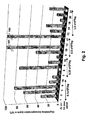
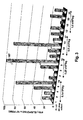
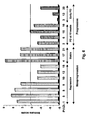
- Eighteen HLA-A201 + patients with metastatic melanoma were injected with CD34-DCs ( Fig. 1 and Table I).
- Fresh DCs were generated from G-CSF mobilized blood CD34 + BPC for each vaccination. Frozen/thawed CD34 + HPC cultured for 9 days with GM-CSF, TNF- ⁇ and FLT3 ligand yielded MHC class I + , HLA-DR + , CD80 + , CD86 low and CD83 low DCs (data not shown).
- the DCs included CD1a + CD14 - Langerhans cells (LC) as well as CD1a ⁇ CD14 + interstitial DC precursors (intDC). The LC phenotype was confirmed by confocal microscopy revealing Langerin staining in CD1a + DCs (data not shown) ( Valladeau, et al. 2000.
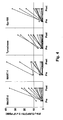
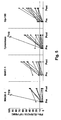
- Data shown are for circulating effectors (direct; SFC /2 x 10 5 cells) and after ex vivo expansion with antigen-pulsed DCs (recall; SFC/10 5 cells).
- Data are shown as pre-/post-4 th vaccine, except for Patients #3, #13 and #20, all of whom experienced early progression. Patients #3 and #20 completed four vaccines, but the blood samples after the 4 th vaccine were not available (responses after three vaccines are shown).
- Patient #13 had CNS progression after two vaccines, was treated with CNS irradiation and Decadron, and completed the following vaccines outside the protocol (responses after two vaccines are shown).
- ND represents samples not assayed due to low cell yields.
- PD progressive disease
- NP no progression
- NE not evaluable for response.
- PD progressive disease
- NP no progression
- vaccination with melanoma-peptide pulsed CD34-DCs leads to enhanced immunity to several MelAg peptides in melanoma patients.
- Table IV summarizes the correlation between the immune responses in blood and clinical outcome.
- E XAMPLE 2 Vaccination with antigen-loaded dendritic cells leads to rapid induction of immune responses in vivo
- Table VI depicts numbers of Flu-MP peptide-specific IFN- ⁇ ELISPOST/10 5 PBMC at each time point during the course of vaccination, circulating effectors (i.e. 16 hours assay).
- Table VII depicts numbers of melanoma peptide-specific IFN- ⁇ ELISPOST/10 5 PBMC at each time point during the course of vaccination, circulating effectors (i.e., 16 hours assay). As shown in Table VII, seven patients had detectable increase in the frequency of melanoma antigen(s)-specific T cells already after a single DC injection.
- vaccination with antigen(s) pulsed CD34-DCs permits rapid induction of immune responses to antigens presented on the vaccine, both control antigens and melanoma antigens.
- the immune responses correlate with clinical responses and patients who experienced disease progression do not mount melanoma-specific immune responses detectable in the blood.
- EXAMPLE 3 Repeated vaccination with antigen-loaded dendritic cells permits clinical responses.
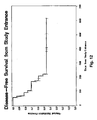
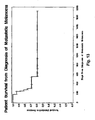
- Fig. 11-14 show Kaplan Meier survival curves including disease-free survival from the diagnosis of metastatic melanoma ( Fig. 11 ) and from study entrance ( Fig. 12 ) as well as patient survival from the diagnosis of metastatic melanoma ( Fig. 13 ) and from study entrance ( Fig. 14 ).
- PBMC pre-and post-immunization PBMC were thawed together and co-cultured (2 x 10 5 cells / well) for 7 days with autologous mature DCs (PBMC:DC ratio 30:1) pulsed with 1 ⁇ g/ml peptides. After 7 days, cells were transferred to an ELISPOT plate and cultured overnight with (T: APC ratio 20:1) irradiated (3000 rads) T2 cells with or without specific antigen. Antigen-specific SFCs were calculated after subtracting the background with unpulsed T2 cells.
- the peptides used in this evaluation included the four peptides that were present on the DC vaccine (vaccine antigens) and two peptides representing tumor antigens (ESO-1 and TERT) that were not presented on the vaccine.
- DC vaccine vaccine antigens
- ESO-1 and TERT tumor antigens
- Table VIII 4 out of 7 melanoma patients who had T cells with specificity for more than two melanoma antigens presented on the vaccine had also detectable T cells specific for other tumor antigens suggesting spreading of the immune response.
- These four patients are in a complete remission (CR) (Patient #9, #10, #18 and #21).
- CR complete remission
- 2 patients experienced initial disease stabilization (SD) followed by progression (PD).
- EXAMPLE 4 Correlation of spontaneous proliferative PBMC responses and clinical responses.
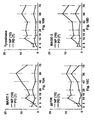
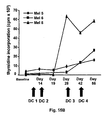
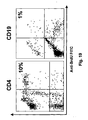
- the proliferating cells are CD4+ T cells ( Fig. 19 ). Furthermore, the activation of the immune system induced by DC vaccination could be best illustrated by the increase in proliferative responses to Tetanus Toxoid as shown in Table X for pre and post-vaccination samples.
- DC vaccine was not loaded with TT, yet in 10 out of 14 evaluated, patients' TT responses were higher in the post-immunization samples (range of fold-increase: 1.6 to 82, median 1.7 fold.
- PBMC are cultured for 5 days, and proliferation is measured by thymidine incorporation (cpm).
- c At various time points after the 4 th DC vaccine d
- NP no progression
- PD progressive melanoma
- NE non-evaluable for clinical response
- Table X Proliferation to Tetanus Toxoid before and after DC vaccination in patients with metastatic melanoma a Pre-DCs b Post-DCs c Fold increase Clinical response d MEL 01 1145 272 0.24 NP MEL 04 7374 80909 11 NP MEL 05 20630 58232 2.8 NP MEL 06 36543 3618 0.09 PD MEL 08 19997 34160 1.7 NP MEL 09 9250 12934 1.4 NP MEL 10 55104 206755 3.7 NP MEL 12 18209 31482 1.7 NP MEL 13 2143 694 0.32 PD MEL 16 1074 796 0.74 PD MEL 17 27166 50547
- PBMC are cultured for 5 days and proliferation is measured by thymidine incorporation (cpm).
- c At various time points after the 4 th DC vaccine.
- d At 10 weeks after study entry: NP, no progression; PD, progressive melanoma; NE, non-evaluable.
Landscapes
- Health & Medical Sciences (AREA)
- Life Sciences & Earth Sciences (AREA)
- General Health & Medical Sciences (AREA)
- Veterinary Medicine (AREA)
- Animal Behavior & Ethology (AREA)
- Public Health (AREA)
- Epidemiology (AREA)
- Engineering & Computer Science (AREA)
- Immunology (AREA)
- Biomedical Technology (AREA)
- Chemical & Material Sciences (AREA)
- Molecular Biology (AREA)
- Hematology (AREA)
- Urology & Nephrology (AREA)
- Cell Biology (AREA)
- Medicinal Chemistry (AREA)
- Toxicology (AREA)
- Analytical Chemistry (AREA)
- Pathology (AREA)
- Tropical Medicine & Parasitology (AREA)
- Biotechnology (AREA)
- General Physics & Mathematics (AREA)
- Microbiology (AREA)
- Biochemistry (AREA)
- Bioinformatics & Cheminformatics (AREA)
- Food Science & Technology (AREA)
- Physics & Mathematics (AREA)
- General Chemical & Material Sciences (AREA)
- Nuclear Medicine, Radiotherapy & Molecular Imaging (AREA)
- Organic Chemistry (AREA)
- Pharmacology & Pharmacy (AREA)
- Chemical Kinetics & Catalysis (AREA)
- Medicines Containing Antibodies Or Antigens For Use As Internal Diagnostic Agents (AREA)
- Medicines Containing Material From Animals Or Micro-Organisms (AREA)
- Medicines That Contain Protein Lipid Enzymes And Other Medicines (AREA)
- Measuring Or Testing Involving Enzymes Or Micro-Organisms (AREA)
- Micro-Organisms Or Cultivation Processes Thereof (AREA)
- Peptides Or Proteins (AREA)
Applications Claiming Priority (2)
| Application Number | Priority Date | Filing Date | Title |
|---|---|---|---|
| US27467901P | 2001-03-09 | 2001-03-09 | |
| EP02721331A EP1390064A4 (de) | 2001-03-09 | 2002-03-11 | Verfahren zur behandlung von bösartigen erkrankungen durch auslösung von blutimmunantworten |
Related Parent Applications (2)
| Application Number | Title | Priority Date | Filing Date |
|---|---|---|---|
| EP02721331A Division EP1390064A4 (de) | 2001-03-09 | 2002-03-11 | Verfahren zur behandlung von bösartigen erkrankungen durch auslösung von blutimmunantworten |
| EP02721331.3 Division | 2002-03-11 |
Publications (2)
| Publication Number | Publication Date |
|---|---|
| EP2149381A2 true EP2149381A2 (de) | 2010-02-03 |
| EP2149381A3 EP2149381A3 (de) | 2010-05-05 |
Family
ID=23049182
Family Applications (3)
| Application Number | Title | Priority Date | Filing Date |
|---|---|---|---|
| EP09013068A Withdrawn EP2149381A3 (de) | 2001-03-09 | 2002-03-11 | Verfahren zur Behandlung von Malignitäten durch Induktion von Blutimmunantworten |
| EP10013107A Withdrawn EP2338507A1 (de) | 2001-03-09 | 2002-03-11 | Verfahren zur Behandlung von Tumoren mittels Induktion von Blutimmunantworten |
| EP02721331A Ceased EP1390064A4 (de) | 2001-03-09 | 2002-03-11 | Verfahren zur behandlung von bösartigen erkrankungen durch auslösung von blutimmunantworten |
Family Applications After (2)
| Application Number | Title | Priority Date | Filing Date |
|---|---|---|---|
| EP10013107A Withdrawn EP2338507A1 (de) | 2001-03-09 | 2002-03-11 | Verfahren zur Behandlung von Tumoren mittels Induktion von Blutimmunantworten |
| EP02721331A Ceased EP1390064A4 (de) | 2001-03-09 | 2002-03-11 | Verfahren zur behandlung von bösartigen erkrankungen durch auslösung von blutimmunantworten |
Country Status (6)
| Country | Link |
|---|---|
| US (1) | US20040087532A1 (de) |
| EP (3) | EP2149381A3 (de) |
| JP (1) | JP2004536787A (de) |
| AU (2) | AU2002252268B2 (de) |
| CA (1) | CA2440229A1 (de) |
| WO (1) | WO2002072013A2 (de) |
Families Citing this family (8)
| Publication number | Priority date | Publication date | Assignee | Title |
|---|---|---|---|---|
| US7072794B2 (en) * | 2001-08-28 | 2006-07-04 | Rockefeller University | Statistical methods for multivariate ordinal data which are used for data base driven decision support |
| DK1448229T3 (da) * | 2001-11-29 | 2010-03-08 | Dandrit Biotech As | Farmaceutisk sammensætning til at inducere et immunrespons hos et menneske eller et dyr |
| CN1446583A (zh) * | 2002-11-29 | 2003-10-08 | 帕弗瑞生物技术(北京)有限公司 | 一种肿瘤免疫治疗及预防性疫苗的组成、制备、应用方案 |
| WO2004050855A2 (en) | 2002-12-04 | 2004-06-17 | Baylor Research Institute | Rapid one-step method for generation of antigen loaded dendritic cell vaccine from precursors |
| AR060424A1 (es) * | 2007-04-11 | 2008-06-18 | Consejo Nac Invest Cient Tec | Lineas celulares , composiciones para el tratamiento de melanomas que las comprenden procedimientos para preparar las composiciones y metodos de tratamiento |
| KR101503341B1 (ko) | 2014-03-12 | 2015-03-18 | 국립암센터 | 자가암항원 특이적 cd8+ t 세포의 분리 및 증식방법 |
| US10023841B2 (en) * | 2014-05-23 | 2018-07-17 | Baylor Research Institute | Methods and compositions for treating breast cancer with dendritic cell vaccines |
| JP6609724B1 (ja) | 2017-01-06 | 2019-11-20 | ユーティレックス カンパニー リミテッド | 抗ヒト4−1bb抗体およびその使用 |
Citations (1)
| Publication number | Priority date | Publication date | Assignee | Title |
|---|---|---|---|---|
| US6004807A (en) | 1992-03-30 | 1999-12-21 | Schering Corporation | In vitro generation of human dendritic cells |
Family Cites Families (2)
| Publication number | Priority date | Publication date | Assignee | Title |
|---|---|---|---|---|
| US4753963A (en) * | 1985-09-26 | 1988-06-28 | The Procter & Gamble Company | Nutritional fat suitable for enteral and parenteral products |
| IL125608A0 (en) * | 1998-07-30 | 1999-03-12 | Yeda Res & Dev | Tumor associated antigen peptides and use of same as anti-tumor vaccines |
-
2002
- 2002-03-11 US US10/471,119 patent/US20040087532A1/en not_active Abandoned
- 2002-03-11 JP JP2002570973A patent/JP2004536787A/ja active Pending
- 2002-03-11 EP EP09013068A patent/EP2149381A3/de not_active Withdrawn
- 2002-03-11 AU AU2002252268A patent/AU2002252268B2/en not_active Revoked
- 2002-03-11 CA CA002440229A patent/CA2440229A1/en not_active Abandoned
- 2002-03-11 WO PCT/US2002/007232 patent/WO2002072013A2/en not_active Ceased
- 2002-03-11 EP EP10013107A patent/EP2338507A1/de not_active Withdrawn
- 2002-03-11 EP EP02721331A patent/EP1390064A4/de not_active Ceased
-
2010
- 2010-10-19 AU AU2010235902A patent/AU2010235902B2/en not_active Ceased
Patent Citations (1)
| Publication number | Priority date | Publication date | Assignee | Title |
|---|---|---|---|---|
| US6004807A (en) | 1992-03-30 | 1999-12-21 | Schering Corporation | In vitro generation of human dendritic cells |
Non-Patent Citations (44)
Also Published As
| Publication number | Publication date |
|---|---|
| WO2002072013A3 (en) | 2003-12-11 |
| CA2440229A1 (en) | 2002-09-19 |
| EP2149381A3 (de) | 2010-05-05 |
| EP1390064A2 (de) | 2004-02-25 |
| AU2010235902A1 (en) | 2010-11-11 |
| US20040087532A1 (en) | 2004-05-06 |
| AU2010235902B2 (en) | 2012-01-19 |
| AU2002252268B2 (en) | 2007-01-18 |
| EP1390064A4 (de) | 2006-10-18 |
| WO2002072013A8 (en) | 2005-04-28 |
| EP2338507A1 (de) | 2011-06-29 |
| JP2004536787A (ja) | 2004-12-09 |
| WO2002072013A2 (en) | 2002-09-19 |
Similar Documents
| Publication | Publication Date | Title |
|---|---|---|
| Banchereau et al. | Immune and clinical responses in patients with metastatic melanoma to CD34+ progenitor-derived dendritic cell vaccine | |
| AU2010235902B2 (en) | Method of treating malignancies through induction of blood immune responses | |
| Palucka et al. | Dendritic cells loaded with killed allogeneic melanoma cells can induce objective clinical responses and MART-1 specific CD8+ T-cell immunity | |
| Hernando et al. | Vaccination with autologous tumour antigen-pulsed dendritic cells in advanced gynaecological malignancies: clinical and immunological evaluation of a phase I trial | |
| Slingluff Jr et al. | Clinical and immunologic results of a randomized phase II trial of vaccination using four melanoma peptides either administered in granulocyte-macrophage colony-stimulating factor in adjuvant or pulsed on dendritic cells | |
| Kim et al. | Phase I/II study of immunotherapy using autologous tumor lysate-pulsed dendritic cells in patients with metastatic renal cell carcinoma | |
| Schadendorf et al. | Dacarbazine (DTIC) versus vaccination with autologous peptide-pulsed dendritic cells (DC) in first-line treatment of patients with metastatic melanoma: a randomized phase III trial of the DC study group of the DeCOG | |
| Märten et al. | Therapeutic vaccination against metastatic renal cell carcinoma by autologous dendritic cells: preclinical results and outcome of a first clinical phase I/II trial | |
| Becker et al. | DNA vaccine encoding prostatic acid phosphatase (PAP) elicits long-term T-cell responses in patients with recurrent prostate cancer | |
| US6699483B1 (en) | Cancer treatments | |
| EP1448229B1 (de) | Pharmazeutische zusammensetzung zur auslösung einer immunantwort bei einem menschen oder einem tier | |
| Linette et al. | Immunization using autologous dendritic cells pulsed with the melanoma-associated antigen gp100-derived G280-9V peptide elicits CD8+ immunity | |
| US20120164099A1 (en) | Use of human prostate cell lines in cancer treatment | |
| AU2002252268A1 (en) | Method of treating malignancies through induction of blood immune responses | |
| Ebstein et al. | Cytotoxic T cell responses against mesothelioma by apoptotic cell-pulsed dendritic cells | |
| AU2007201699B2 (en) | Method of treating malignancies through induction of blood immune responses | |
| HK1134787A (en) | Method of treating malignancies through induction of blood immune responses | |
| AU2011203298A1 (en) | Method of treating malignancies through induction of blood immune responses | |
| Coley | Dedicated to |
Legal Events
| Date | Code | Title | Description |
|---|---|---|---|
| PUAI | Public reference made under article 153(3) epc to a published international application that has entered the european phase |
Free format text: ORIGINAL CODE: 0009012 |
|
| 17P | Request for examination filed |
Effective date: 20091015 |
|
| AC | Divisional application: reference to earlier application |
Ref document number: 1390064 Country of ref document: EP Kind code of ref document: P |
|
| AK | Designated contracting states |
Kind code of ref document: A2 Designated state(s): AT BE CH CY DE DK ES FI FR GB GR IE IT LI LU MC NL PT SE TR |
|
| RIN1 | Information on inventor provided before grant (corrected) |
Inventor name: DHODAPKAR, MADHAV Inventor name: PALUCKA, ANNA KAROLINA Inventor name: WITTKOWSKI, KNUT M. Inventor name: FAY, JOSEPH Inventor name: BANCHEREAU, JAQUES F. Inventor name: STEINMAN, RALPH |
|
| PUAL | Search report despatched |
Free format text: ORIGINAL CODE: 0009013 |
|
| AK | Designated contracting states |
Kind code of ref document: A3 Designated state(s): AT BE CH CY DE DK ES FI FR GB GR IE IT LI LU MC NL PT SE TR |
|
| REG | Reference to a national code |
Ref country code: HK Ref legal event code: DE Ref document number: 1134787 Country of ref document: HK |
|
| RIN1 | Information on inventor provided before grant (corrected) |
Inventor name: WITTKOWSKI, KNUT M. Inventor name: BANCHEREAU, JAQUES F. Inventor name: FAY, JOSEPH Inventor name: DHODAPKAR, MADHAV Inventor name: PALUCKA, ANNA KAROLINA Inventor name: STEINMAN, RALPH |
|
| 17Q | First examination report despatched |
Effective date: 20100921 |
|
| STAA | Information on the status of an ep patent application or granted ep patent |
Free format text: STATUS: THE APPLICATION IS DEEMED TO BE WITHDRAWN |
|
| 18D | Application deemed to be withdrawn |
Effective date: 20121204 |
|
| REG | Reference to a national code |
Ref country code: HK Ref legal event code: WD Ref document number: 1134787 Country of ref document: HK |