EP2150277B1 - Combinaisons adjuvantes d'un activateur de nkt, d'un agoniste des cd40 et d'un antigène facultatif, utilisation par l'induction d'une immunité cellulaire synergique - Google Patents
Combinaisons adjuvantes d'un activateur de nkt, d'un agoniste des cd40 et d'un antigène facultatif, utilisation par l'induction d'une immunité cellulaire synergique Download PDFInfo
- Publication number
- EP2150277B1 EP2150277B1 EP08767428A EP08767428A EP2150277B1 EP 2150277 B1 EP2150277 B1 EP 2150277B1 EP 08767428 A EP08767428 A EP 08767428A EP 08767428 A EP08767428 A EP 08767428A EP 2150277 B1 EP2150277 B1 EP 2150277B1
- Authority
- EP
- European Patent Office
- Prior art keywords
- antigen
- cancer
- cells
- virus
- antibody
- Prior art date
- Legal status (The legal status is an assumption and is not a legal conclusion. Google has not performed a legal analysis and makes no representation as to the accuracy of the status listed.)
- Not-in-force
Links
Images


Classifications
-
- A—HUMAN NECESSITIES
- A61—MEDICAL OR VETERINARY SCIENCE; HYGIENE
- A61K—PREPARATIONS FOR MEDICAL, DENTAL OR TOILETRY PURPOSES
- A61K39/00—Medicinal preparations containing antigens or antibodies
- A61K39/39—Medicinal preparations containing antigens or antibodies characterised by the immunostimulating additives, e.g. chemical adjuvants
-
- A—HUMAN NECESSITIES
- A61—MEDICAL OR VETERINARY SCIENCE; HYGIENE
- A61K—PREPARATIONS FOR MEDICAL, DENTAL OR TOILETRY PURPOSES
- A61K31/00—Medicinal preparations containing organic active ingredients
- A61K31/70—Carbohydrates; Sugars; Derivatives thereof
- A61K31/7028—Compounds having saccharide radicals attached to non-saccharide compounds by glycosidic linkages
- A61K31/7032—Compounds having saccharide radicals attached to non-saccharide compounds by glycosidic linkages attached to a polyol, i.e. compounds having two or more free or esterified hydroxy groups, including the hydroxy group involved in the glycosidic linkage, e.g. monoglucosyldiacylglycerides, lactobionic acid, gangliosides
-
- A—HUMAN NECESSITIES
- A61—MEDICAL OR VETERINARY SCIENCE; HYGIENE
- A61K—PREPARATIONS FOR MEDICAL, DENTAL OR TOILETRY PURPOSES
- A61K39/00—Medicinal preparations containing antigens or antibodies
- A61K39/12—Viral antigens
- A61K39/29—Hepatitis virus
-
- A—HUMAN NECESSITIES
- A61—MEDICAL OR VETERINARY SCIENCE; HYGIENE
- A61K—PREPARATIONS FOR MEDICAL, DENTAL OR TOILETRY PURPOSES
- A61K39/00—Medicinal preparations containing antigens or antibodies
- A61K39/38—Antigens from snakes
-
- A—HUMAN NECESSITIES
- A61—MEDICAL OR VETERINARY SCIENCE; HYGIENE
- A61K—PREPARATIONS FOR MEDICAL, DENTAL OR TOILETRY PURPOSES
- A61K39/00—Medicinal preparations containing antigens or antibodies
- A61K39/395—Antibodies; Immunoglobulins; Immune serum, e.g. antilymphocytic serum
- A61K39/39533—Antibodies; Immunoglobulins; Immune serum, e.g. antilymphocytic serum against materials from animals
- A61K39/39541—Antibodies; Immunoglobulins; Immune serum, e.g. antilymphocytic serum against materials from animals against normal tissues, cells
-
- A—HUMAN NECESSITIES
- A61—MEDICAL OR VETERINARY SCIENCE; HYGIENE
- A61K—PREPARATIONS FOR MEDICAL, DENTAL OR TOILETRY PURPOSES
- A61K39/00—Medicinal preparations containing antigens or antibodies
- A61K39/395—Antibodies; Immunoglobulins; Immune serum, e.g. antilymphocytic serum
- A61K39/39533—Antibodies; Immunoglobulins; Immune serum, e.g. antilymphocytic serum against materials from animals
- A61K39/3955—Antibodies; Immunoglobulins; Immune serum, e.g. antilymphocytic serum against materials from animals against proteinaceous materials, e.g. enzymes, hormones, lymphokines
-
- A—HUMAN NECESSITIES
- A61—MEDICAL OR VETERINARY SCIENCE; HYGIENE
- A61K—PREPARATIONS FOR MEDICAL, DENTAL OR TOILETRY PURPOSES
- A61K45/00—Medicinal preparations containing active ingredients not provided for in groups A61K31/00 - A61K41/00
-
- A—HUMAN NECESSITIES
- A61—MEDICAL OR VETERINARY SCIENCE; HYGIENE
- A61K—PREPARATIONS FOR MEDICAL, DENTAL OR TOILETRY PURPOSES
- A61K45/00—Medicinal preparations containing active ingredients not provided for in groups A61K31/00 - A61K41/00
- A61K45/06—Mixtures of active ingredients without chemical characterisation, e.g. antiphlogistics and cardiaca
-
- A—HUMAN NECESSITIES
- A61—MEDICAL OR VETERINARY SCIENCE; HYGIENE
- A61P—SPECIFIC THERAPEUTIC ACTIVITY OF CHEMICAL COMPOUNDS OR MEDICINAL PREPARATIONS
- A61P35/00—Antineoplastic agents
-
- A—HUMAN NECESSITIES
- A61—MEDICAL OR VETERINARY SCIENCE; HYGIENE
- A61P—SPECIFIC THERAPEUTIC ACTIVITY OF CHEMICAL COMPOUNDS OR MEDICINAL PREPARATIONS
- A61P35/00—Antineoplastic agents
- A61P35/02—Antineoplastic agents specific for leukemia
-
- A—HUMAN NECESSITIES
- A61—MEDICAL OR VETERINARY SCIENCE; HYGIENE
- A61P—SPECIFIC THERAPEUTIC ACTIVITY OF CHEMICAL COMPOUNDS OR MEDICINAL PREPARATIONS
- A61P37/00—Drugs for immunological or allergic disorders
- A61P37/02—Immunomodulators
- A61P37/04—Immunostimulants
-
- C—CHEMISTRY; METALLURGY
- C07—ORGANIC CHEMISTRY
- C07K—PEPTIDES
- C07K16/00—Immunoglobulins [IG], e.g. monoclonal or polyclonal antibodies
- C07K16/18—Immunoglobulins [IG], e.g. monoclonal or polyclonal antibodies against material from animals or humans
- C07K16/28—Immunoglobulins [IG], e.g. monoclonal or polyclonal antibodies against material from animals or humans against receptors, cell surface antigens or cell surface determinants
- C07K16/2878—Immunoglobulins [IG], e.g. monoclonal or polyclonal antibodies against material from animals or humans against receptors, cell surface antigens or cell surface determinants against the NGF-receptor/TNF-receptor superfamily, e.g. CD27, CD30, CD40, CD95
-
- C—CHEMISTRY; METALLURGY
- C07—ORGANIC CHEMISTRY
- C07K—PEPTIDES
- C07K16/00—Immunoglobulins [IG], e.g. monoclonal or polyclonal antibodies
- C07K16/46—Hybrid immunoglobulins
- C07K16/468—Immunoglobulins having two or more different antigen binding sites, e.g. multifunctional antibodies
-
- A—HUMAN NECESSITIES
- A61—MEDICAL OR VETERINARY SCIENCE; HYGIENE
- A61K—PREPARATIONS FOR MEDICAL, DENTAL OR TOILETRY PURPOSES
- A61K39/00—Medicinal preparations containing antigens or antibodies
- A61K2039/505—Medicinal preparations containing antigens or antibodies comprising antibodies
-
- A—HUMAN NECESSITIES
- A61—MEDICAL OR VETERINARY SCIENCE; HYGIENE
- A61K—PREPARATIONS FOR MEDICAL, DENTAL OR TOILETRY PURPOSES
- A61K39/00—Medicinal preparations containing antigens or antibodies
- A61K2039/555—Medicinal preparations containing antigens or antibodies characterised by a specific combination antigen/adjuvant
- A61K2039/55511—Organic adjuvants
-
- A—HUMAN NECESSITIES
- A61—MEDICAL OR VETERINARY SCIENCE; HYGIENE
- A61K—PREPARATIONS FOR MEDICAL, DENTAL OR TOILETRY PURPOSES
- A61K39/00—Medicinal preparations containing antigens or antibodies
- A61K2039/555—Medicinal preparations containing antigens or antibodies characterised by a specific combination antigen/adjuvant
- A61K2039/55511—Organic adjuvants
- A61K2039/55516—Proteins; Peptides
-
- A—HUMAN NECESSITIES
- A61—MEDICAL OR VETERINARY SCIENCE; HYGIENE
- A61K—PREPARATIONS FOR MEDICAL, DENTAL OR TOILETRY PURPOSES
- A61K39/00—Medicinal preparations containing antigens or antibodies
- A61K2039/57—Medicinal preparations containing antigens or antibodies characterised by the type of response, e.g. Th1, Th2
-
- C—CHEMISTRY; METALLURGY
- C07—ORGANIC CHEMISTRY
- C07K—PEPTIDES
- C07K2317/00—Immunoglobulins specific features
- C07K2317/20—Immunoglobulins specific features characterized by taxonomic origin
- C07K2317/21—Immunoglobulins specific features characterized by taxonomic origin from primates, e.g. man
-
- C—CHEMISTRY; METALLURGY
- C07—ORGANIC CHEMISTRY
- C07K—PEPTIDES
- C07K2317/00—Immunoglobulins specific features
- C07K2317/20—Immunoglobulins specific features characterized by taxonomic origin
- C07K2317/24—Immunoglobulins specific features characterized by taxonomic origin containing regions, domains or residues from different species, e.g. chimeric, humanized or veneered
-
- C—CHEMISTRY; METALLURGY
- C07—ORGANIC CHEMISTRY
- C07K—PEPTIDES
- C07K2317/00—Immunoglobulins specific features
- C07K2317/30—Immunoglobulins specific features characterized by aspects of specificity or valency
- C07K2317/31—Immunoglobulins specific features characterized by aspects of specificity or valency multispecific
-
- C—CHEMISTRY; METALLURGY
- C07—ORGANIC CHEMISTRY
- C07K—PEPTIDES
- C07K2317/00—Immunoglobulins specific features
- C07K2317/70—Immunoglobulins specific features characterized by effect upon binding to a cell or to an antigen
- C07K2317/74—Inducing cell proliferation
-
- C—CHEMISTRY; METALLURGY
- C07—ORGANIC CHEMISTRY
- C07K—PEPTIDES
- C07K2317/00—Immunoglobulins specific features
- C07K2317/70—Immunoglobulins specific features characterized by effect upon binding to a cell or to an antigen
- C07K2317/75—Agonist effect on antigen
-
- C—CHEMISTRY; METALLURGY
- C07—ORGANIC CHEMISTRY
- C07K—PEPTIDES
- C07K2317/00—Immunoglobulins specific features
- C07K2317/70—Immunoglobulins specific features characterized by effect upon binding to a cell or to an antigen
- C07K2317/76—Antagonist effect on antigen, e.g. neutralization or inhibition of binding
Definitions
- the invention generally relates to synergistic adjuvant combinations which upregulate CD70 expression on immune cells and promote antigen specific cellular immunity. More particularly, the invention relates to a specific synergistic combination comprising a Natural Killer T cell (NKT) activator, e.g., alpha-galactosylceramide ( ⁇ -Gal-Cer) or iGb3, and a CD40 agonist, e.g., an agonistic anti-CD40 antibody or a CD40L polypeptide or conjugate, and optionally further including a target antigen. Still further the invention provides novel immune therapies comprising the administration of such synergistic adjuvant combinations or protein conjugates to enhance antigen specific cellular immunity, i.e., CD8+ immunity. Specifically, the use of compositions comprising these adjuvant combinations and/or or polypeptide conjugates as immune adjuvants for treating various chronic diseases including cancer, infectious diseases, autoimmune diseases, allergic and inflammatory diseases is also taught.
- the body's defense system against microbes as well as the body's defense against other chronic diseases such as those affecting cell proliferation is mediated by early reactions of the innate immune system and by later responses of the adaptive immune system.
- Innate immunity involves mechanisms that recognize structures which are for example characteristic of the microbial pathogens and that are not present on mammalian cells. Examples of such structures include bacterial liposaccharides (LPS), viral double stranded DNA, and unmethylated CpG DNA nucleotides.
- LPS bacterial liposaccharides
- the effector cells of the innate immune response system comprise neutrophils, macrophages, and natural killer cells (NK cells).
- lymphocytes In addition to innate immunity, vertebrates, including mammals, have evolved immunological defense systems that are stimulated by exposure to infectious agents and that increase in magnitude and effectiveness with each successive exposure to a particular antigen. Due to its capacity to adapt to a specific infection or antigenic insult, this immune defense mechanism has been described as adaptive immunity. There are two types of adaptive immune responses, called humoral immunity, involving antibodies produced by B lymphocytes, and cell-mediated immunity, mediated by T lymphocytes.
- CD8+ cytotoxic lymphocytes CTLs
- CD4 helper cells Th cells
- CD8+ T cells are effector cells that, via the T cell receptor (TCR), recognize foreign antigens presented by class I MHC molecules on, for instance, virally or bacterially infected cells.
- TCR T cell receptor
- CD8+ cells Upon recognition of foreign antigens, CD8+ cells undergo an activation, maturation and proliferation process. This differentiation process results in CTL clones which have the capacity of destroying the target cells displaying foreign antigens.
- T helper cells on the other hand are involved in both humoral and cell-mediated forms of effector immune responses. With respect to the humoral, or antibody immune response, antibodies are produced by B lymphocytes through interactions with Th cells.
- extracellular antigens such as circulating microbes
- APCs antigen-presenting cells
- MHC major histocompatibility complex
- Th cells activate B lymphocytes, resulting in antibody production.
- the cell-mediated, or cellular, immune response functions to neutralize microbes which inhabit intracellular locations, such as after successful infection of a target cell.
- Foreign antigens such as for example, microbial antigens, are synthesized within infected cells and resented on the surfaces of such cells in association with Class I MHC molecules.
- Th cells are composed of at least two distinct subpopulations, termed Th1 and Th2 cells.
- the Th1 and Th2 subtypes represent polarized populations of Th cells which differentiate from common precursors after exposure to antigen.
- Th1 cells secrete high amounts of cytokines such as interferon (IFN) gamma, tumor necrosis factor-alpha (TNF-alpha), interleukin-2 (IL-2), and IL-12, and low amounts of IL-4.
- Th1 associated cytokines promote CD8+ cytotoxic T lymphocyte T lymphocyte (CTL) activity and are most frequently associated with cell-mediated immune responses against intracellular pathogens.
- CTL cytotoxic T lymphocyte T lymphocyte
- Th2 cells secrete high amounts of cytokines such as IL-4, IL-13, and IL-10, but low IFN-gamma, and promote antibody responses. Th2 responses are particularly relevant for humoral responses, such as protection from anthrax and for the elimination of helminthic infections.
- Th1 or Th2-driven Whether a resulting immune response is Th1 or Th2-driven largely depends on the pathogen involved and on factors in the cellular environment, such as cytokines. Failure to activate a T helper response, or the correct T helper subset, can result not only in the inability to mount a sufficient response to combat a particular pathogen, but also in the generation of poor immunity against reinfection. Many infectious agents are intracellular pathogens in which cell-mediated responses, as exemplified by Th1 immunity, would be expected to play an important role in protection and/or therapy. Moreover, for many of these infections it has been shown that the induction of inappropriate Th2 responses negatively affects disease outcome. Examples include M tuberculosis, S. mansoni, and also counterproductive Th2-like dominated immune responses.
- Lepromatous leprosy also appears to feature a prevalent, but inappropriate, Th2-like response. HIV infection represents another example. There, it has been suggested that a drop in the ratio of Th1-like cells to other Th cell populations can play a critical role in the progression toward disease symptoms.
- Vaccination protocols against infectious pathogens are often hampered by poor vaccine immunogenicity, an inappropriate type of response (antibody versus cell-mediated immunity), a lack of ability to elicit long-term immunological memory, and/or failure to generate immunity against different serotypes of a given pathogen.
- Current vaccination strategies target the elicitation of antibodies specific for a given serotype and for many common pathogens, for example, viral serotypes or pathogens. Efforts must be made on a recurring basis to monitor which serotypes are prevalent around the world. An example of this is the annual monitoring of emerging influenza A serotypes that are anticipated to be the major infectious strains.
- adjuvants that would support the generation of immune responses against specific infectious diseases further have been developed.
- aluminum salts have been used as a relatively safe and effective vaccine adjuvants to enhance antibody responses to certain pathogens.
- One of the disadvantages of such adjuvants is that they are relatively ineffective at stimulating a cell-mediated immune response and produce an immune response that is largely Th2 biased.
- CD40 A naturally occurring molecule known to regulate adaptive immunity is CD40.
- CD40 is a member of the TNF receptor superfamily and is essential for a spectrum of cell-mediated immune responses and required for the development of T cell dependent humoral immunity ( Aruffo et al., Cell 72:291 (1993 ); Farrington et al., Proc Natl Acad Sci., USA 91:1099 (1994 ); Renshaw et al., J Exp Med 180:1889 (1994 )).
- CD40-ligand expressed on CD4+ T cells interacts with CD40 expressed on DCs or B cells, promoting increased activation of the APC and, concomitantly, further activation of the T cell ( Liu et al Semin Immunol 9:235 (1994 ); Bishop et al., Cytokine Growth Factor Rev 14:297 (2003 )).
- CD40 ligation classically leads to a response similar to stimulation through TLRs such as activation marker upregulation and inflammatory cytokine production ( Quezada et al. Annu Rev Immunol 22:307 (2004 ); O'Sullivan B and Thomas R Crit Rev Immunol 22:83 (2003 )).
- CD8 responses Its importance in CD8 responses was demonstrated by studies showing that stimulation of APCs through CD40 rescued CD4-dependent CD8+ T cell responses in the absence of CD4 cells ( Lefrancois et al., J Immunol. 164:725 (2000 ); Bennett et al., Nature 393:478 (1998 ); Ridge et al., Nature 393:474 (1998 ); Schoenberger et al., Nature 393:474 (1998 ). This finding sparked much speculation that CD40 agonists alone could potentially rescue failing CD8+ T cell responses in some disease settings.
- soluble trimerized CD40 ligand has been used n the clinic as an agonist for the CD40 pathway and what little has been reported is consistent with the conclusion that stimulation of CD40 alone fails to reconstitute all necessary signals for long term CD8+ T cell immunity ( Vonderheide et al., J Clin Oncol 19:3280 (2001 )).
- Antigen specific CD8+ T cells elicited by combined TLR/CD40 agonist immunization demonstrate lytic function, gamma interferon production, and enhanced secondary responses to antigenic challenge.
- Synergistic activity with anti-CD40 in the induction of CD8+ T cell expansion has been shown with agonists of TLR1/6, 2/6, 3, 4, 5, 7 and 9. This suggests that combined TLR/CD40 agonist immunization can reconstitute all of the signals required to elicit profound acquired cell-mediated immunity.
- NKT cells are immunoregulatory T-lymphocytes that express a T cell receptor which is restricted by the non-polymorphic CD1d antigen presenting molecule.
- NKT cells recognize the CDId-presented glycolipid, alpha-galactosylceramide ( ⁇ -Gal-Cer).
- ⁇ -Gal-Cer alpha-galactosylceramide
- NKT cells Upon recognition of ⁇ -Gal-Cer, NKT cells become activated and produce cytokines including IL-4, IL-10, IL-13 and IFN- ⁇ , and as such, they can either upregulate or downregulate immune responses by promoting the secretion of immune regulatory cytokines.
- mice which are devoid of NKT cells are more susceptible to bacterial infections and resistance to some tumors, demonstrating an important role for NKT cells in host defense. It has also been shown that activation of NKT cells by the administration of ⁇ -Gal-Cer, as a monotherapy, to mice can enhance the immunity to tumors with limited success ( Matsuyoshi, H., S. Hirata, Y. Yoshitake, Y. Motomura, D. Fukuma, A. Kurisaki, T. Nakatsura, Y. Nishimura, and S. Senju. 2005.
- novel synergistic adjuvants comprising the combination of a toll like receptor (TLR) agonist and a CD40 agonist. These agonists in combination elicit a synergistic effect on cellular immunity.
- TLR toll like receptor
- WO2006042177 discloses a method for preparing mature dendritic cells by treating the isolated immature dendritic cells first with a IFN- ⁇ -agonist and second with a CD40 agonist.
- the immature dendritic cells are additionally treated with a NKT activator such as galactosylceramides.
- This invention relates to the discovery of another synergistic adjuvant combination and the use thereof as a therapeutic or prophylactic immune potentiating combination.
- This invention relates to synergistic immune adjuvants comprising the combination of (i) at least one NKT activator, e.g., alpha-galactosylceramide ( ⁇ -GalCer) or iGb3; and (ii) at least one CD40 agonist such as a CD40 agonistic antibody or fragment thereof or a CD40L polypeptide such as a monomeric or multimeric (trimeric) CD40L protein, CD40L protein fragment, or conjugate containing CD40L and (iii) optionally an antigen against which a cellular immune response is desirably elicited.
- the present invention further relates to the use of such combinations as immune adjuvants and for treating conditions wherein T cell immunity is desirably enhanced.
- these immune combinations may be administered to a host in need of such treatment as a means of:
- immune adjuvant combinations which optionally may further include an antigen may be used in treating any disease or condition wherein the above-identified enhanced cellular immune responses are therapeutically desirable, especially infectious diseases, proliferative disorders such as cancer, allergy, autoimmune disorders, inflammatory disorders, and other chronic diseases wherein enhanced cellular immunity is a desired therapeutic outcome.
- Preferred applications of the invention include especially the treatment of a chronic disease such as cancer.
- Figure 1 contains an experiment showing the effect of combined administration of anti-CD40 and ⁇ -GalCer and that such administration synergistically enhances the expansion of antigen-specific T cells in vivo.
- Figure 2 contains an experiment that quantifies immune responses as a result of immunization with combined anti-CD40 and ⁇ -GalCer.
- Figure 3 contains an experiment in mice immunized with melanoma cells showing that CD40/TLR* vaccination therapeutically intervenes in systemic melanoma.
- Figure 4 contains an experiment showing that anti-CD40 and ⁇ -GalCer administration induces CD70 expression on DCs in vivo.
- mice were injected with combinations of the following: 2ug ⁇ -GalCer, 50ug polyIC, and/or 50ug anti-CD40 i.p. Spleens were taken at 18-20 hours post injection).
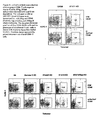
- Figure 5 contains an experiment showing that ⁇ -GalCer/CD40 immunization elicits a potent CD8+ T cell response that is STAT4, IFN ⁇ and IFNab independent but is STAT1 and T-bet independent.
- the present invention relates to the use of a synergistic immune adjuvant combination
- a synergistic immune adjuvant combination comprising synergistically effective amounts of (i) at least one natural killer- T cell (NKT) activating agent such as alpha-galactosylceramide ( ⁇ -GalCer) or another NKT cell activating agent; (ii) at least one CD40 agonist and (ii) optionally at least one antigen.
- NKT natural killer- T cell
- ⁇ -GalCer alpha-galactosylceramide
- CD40 agonist optionally at least one antigen.
- synergistic adjuvants can be used prophylactically and therapeutically to treat subjects having conditions wherein enhanced cellular immunity is desired such as cancer and other proliferative disorders, viral and other infections, autoimmunity, inflammatory diseases and allergic disorders.
- the subject synergistic adjuvants may be used vaccine adjuvant.
- the basic components of such a vaccine adjuvant would therefore be an NKT cell activator, a CD40 agonist and the addition of a tumor or infectious disease antigen, if warranted.
- Such an invention would be useful in any situation where one would like to enhance immune responses, like cancer or infectious disease, or modify immune responses like in autoimmunity.
- the present invention provides a novel synergistic agonistic combination comprising an NKT activator, e.g., alpha-galactosylceramide ( ⁇ -Gal-Cer) or iGb3 and a CD40 agonist (for example a CD40L protein or fragment or derivative or multimeric therof or an agonistic antibody or antibody fragment that binds CD40, preferably human CD40) and optionally an antigen.
- NKT activator e.g., alpha-galactosylceramide ( ⁇ -Gal-Cer) or iGb3
- CD40 agonist for example a CD40L protein or fragment or derivative or multimeric therof or an agonistic antibody or antibody fragment that binds CD40, preferably human CD40
- an antigen for example a CD40L protein or fragment or derivative or multimeric therof or an agonistic antibody or antibody fragment that binds CD40, preferably human CD40
- CD40 agonist for example a CD40L protein or fragment or
- the NKT activator is alpha-galactosylceramide ( ⁇ -Gal-Cer), isoglobotrihexosylceramide (iGb3) or any other molecules which can stimulate NKT such as, for example, other glycolipids presented by CDId antigen-presenting molecules.
- the invention provides methods of using said synergistic adjuvant combinations and vehicles containing to a host in which an antigen specific immune response is desirably elicited, for example a person with a chronic disease such as cancer or an infectious or allergic disorder producing said composition.
- compositions comprising said novel synergistic NKT activator/CD40 agonist combinations which are suitable for administration to a host in order to elicit an enhanced antigen-specific cellular immune response.
- the invention provides novel methods of immunotherapy comprising the administration of said novel synergistic adjuvant combination to a host in need of such treatment in order to elicit an enhanced antigen specific cellular immune response.
- these compositions and conjugates will be administered to a subject with or at risk of developing a cancer, an infection, particularly a chronic infectious diseases e.g., involving a virus, bacteria or parasite; or an autoimmune, inflammatory or allergic condition.
- the invention may be used to elicit antigen specific cellular immune responses against melanoma.
- this invention provides for the development of potent vaccines against cancer and other proliferative diseases such as autoimmune diseases, allergic disorders, and inflammatory diseases as well as chronic infectious diseases involving viruses, bacteria, fungi or parasites, where effective treatment requires the quantity and quality of cellular immunity that combined NKT activator/CD40 agonist immunization is capable of generating.
- the invention provides novel adjuvant combinations comprising at least one NKT activator, at least one CD40 agonist and optionally an antigen.
- the invention embraces the use of any antigen in combination with the subject NKT activators and CD40 agonists against which an enhanced cellular immune response is therapeutically desirable.
- the antigen may be administered separate from the NKT activator, or the host may be naturally exposed to the antigen.
- all three moieties, i.e., the CD40 agonist such as anti-CD40 antibody, the NKT activator and the antigen, may be administered concurrently.
- all three moieties i.e., the CD40 agonist such as anti-CD40 antibody, the NKT activator and the antigen, may be co-administered as separate discrete entities.
- the CD40 agonist such as anti-CD40 antibody
- the NKT activator and the antigen may be co-administered as separate discrete entities.
- all these moieties are administered substantially concurrently in order to achieve the desired synergistic enhancement in cellular immunity.
- These moieties may be administered in any order.
- antigens include but are not limited to bacterial, viral, parasitic, allergens, autoantigens and tumor associated antigens.
- the antigen can include protein antigens, peptides, whole inactivated organisms, and the like.
- antigens that can be used in the invention include antigens from hepatits A, B, C or D, influenza virus, Listeria, Clostridium botulinum, tuberculosis, tularemia, Variola major (smallpox), viral hemorrhagic fevers, Yersinia pestis (plague), HIV, herpes, pappilloma virus, and other antigens associated with infectious agents.
- Other antigens include antigens associated with a tumor cell, antigens associated with autoimmune conditions, allergy and asthma. Administration of such an antigen in conjunction with the subject agonist combination flagellin and an anti-CD40 antibody can be used in a therapeutic or prophylactic vaccine for conferring immunity against such disease conditions.
- the methods and compositions can be used to treat an individual at risk of having an infection or has an infection by including an antigen from the infectious agent.
- An infection refers to a disease or condition attributable to the presence in the host of a foreign organism or an agent which reproduce within the host.
- a subject at risk of having an infection is a subject that is predisposed to develop an infection.
- Such an individual can include for example a subject with a known or suspected exposure to an infectious organism or agent.
- a subject at risk of having an infection can also include a subject with a condition associated with impaired ability to mount an immune response to an infectious agent or organism, for example a subject with a congenital or acquired immunodeficiency, a subject undergoing radiation or chemotherapy, a subject with a burn injury, a subject with a traumatic injury, a subject undergoing surgery, or other invasive medical or dental procedure, or similarly immunocompromised individual.
- a subject with a condition associated with impaired ability to mount an immune response to an infectious agent or organism for example a subject with a congenital or acquired immunodeficiency, a subject undergoing radiation or chemotherapy, a subject with a burn injury, a subject with a traumatic injury, a subject undergoing surgery, or other invasive medical or dental procedure, or similarly immunocompromised individual.
- Infections which may be treated or prevented with the vaccine compositions of this invention include bacterial, viral, fungal, and parasitic.
- Other less common types of infection also include are rickettsiae, mycoplasms, and agents causing scrapie, bovine spongiform encephalopathy (BSE), and prion diseases (for example kuru and Creutzfeldt-Jacob disease).
- BSE bovine spongiform encephalopathy
- prion diseases for example kuru and Creutzfeldt-Jacob disease.
- An infection may be acute, subacute, chronic or latent and it may be localized or systemic.
- the infection can be predominantly intracellular or extracellular during at least one phase of the infectious organism's agent's life cycle in the host.
- Bacteria infections against which the subject vaccines and methods may be used include both Gram negative and Gram positive bacteria.
- Gram positive bacteria include but are not limited to Pasteurella species, Staphylococci species, and Streptococci species.
- Gram negative bacteria include but are not limited to Escherichia coli, Pseudomonas species, and Salmonella species.
- infectious bacteria include but are not limited to Heliobacter pyloris, Borrelia burgdorferi, Legionella pneumophilia, Mycobacteria spp. (for example M. tuberculosis, M. avium, M. intracellilare, M. kansaii, M.
- Streptococcus pyogenes (group A Streptococcus), Streptococcus agalactiae(Group B Streptococcus), Streptococcus (viridans group), Streptococcus faecalis, streptococcus bovis, Streptococcus (aenorobic spp.), Streptococcus pneumoniae, pathogenic Campylobacter spp., Enterococcus spp., Haemophilus influenzae, Bacillus anthracis, Corynebacterium diptheriae, Corynebacterium spp., Erysipelothrix rhusiopathie, Clostridium perfringens, Clostridium tetani, Enterobacter aerogen
- Retroviridae for example human deficiency viruses, such as HIV-1 (also referred to as HTLV-III), HIV-II, LAC or IDLV-III/LAV or HIV-III and other isolates such as HIV-LP
- Picornaviridae for example poliovirus, hepatitis A, enteroviruses, human Coxsackie viruses, rhinoviruses, echoviruses
- Calciviridae for example strains that cause gastroenteritis
- Togaviridae for example equine encephalitis viruses, rubella viruses
- Flaviviridae for example dengue viruses, encephalitis viruses, yellow fever viruses
- Coronaviridae for example coronaviruses
- Rhabdoviridae for example vesicular stomata viruses, rabies viruses
- Filoviridae for example Ebola viruses
- Paramyxoviridae for example parainfluenza viruses
- fungi examples include Aspergillus spp., Coccidoides immitis, Cryptococcus neoformans, Candida albicans and other Candida spp., Blastomyces dermatidis, Histoplasma capsulatum, Chlamydia trachomatis, Nocardia spp., and Pneumocytis carinii.
- Parasites include but are not limited to blood-borne and/or tissue parasites such as Babesia microti, Babesi divergans, Entomoeba histolytica, Giarda lamblia, Leishmania tropica, Leishmania spp., Leishmania braziliensis, Leishmania donovdni, Plasmodium falciparum, Plasmodium malariae, Plasmodium ovale, Plasmodium vivax, Toxoplasma gondii, Trypanosoma gambiense and Trypanosoma rhodesiense (African sleeping sickness), Trypanosoma cruzi (Chagus' disease) and Toxoplasma gondii, flat worms, and round worms.
- tissue parasites such as Babesia microti, Babesi divergans, Entomoeba histolytica, Giarda lamblia, Leishmania tropica, Leishmania s
- cancer is a condition of uncontrolled growth of cells which interferes with the normal functioning of bodily organs and systems.
- a subject that has a cancer is a subject having objectively measurable cancer cells present in the subject's body.
- a subject at risk of developing cancer is a subject predisposed to develop a cancer, for example based on family history, genetic predisposition, subject exposed to radiation or other cancer-causing agent. Cancers which migrate from their original location and seed vital organs can eventually lead to the death of the subject through the functional deterioration of the affected organ.
- Hematopoietic cancers such as leukemia, are able to out-compete the normal hematopoietic compartments in a subject thereby leading to hematopoietic failure (in the form of anemia, thrombocytopenia and neutropenia), ultimately causing death.
- a metastasis is a region of cancer cells, distinct from the primary tumor location, resulting from the dissemination of cancer cells from the primary tumor to other parts of the body.
- the subject may be monitored for the presence of metastases. Metastases are often detected through the sole or combined use of magnetic resonance imaging (MRI), computed tomography (CT), scans, blood and platelet counts, liver function studies, chest -X-rays and bone scans in addition to the monitoring of specific symptoms.
- MRI magnetic resonance imaging
- CT computed tomography
- the adjuvant combinations and compositions containing according to the invention can be used to treat a variety of cancers or subjects at risk of developing cancer, by the inclusion of a tumor-associated-antigen (TAA), or DNA encoding.
- TAA tumor-associated-antigen
- This is an antigen expressed in a tumor cell.
- cancers include breast, prostate, colon, blood cancers such as leukemia, chronic lymphocytic leukemia, and the like.
- the vaccination methods of the invention can be used to stimulate an immune response to treat a tumor by inhibiting or slowing the growth of the tumor or decreasing the size of the tumor.
- a tumor associated antigen can also be an antigen expressed predominantly by tumor cells but not exclusively.
- Additional cancers include but are not limited to basal cell carcinoma, biliary tract cancer, bladder cancer, bone cancer, brain and central nervous system (CNS) cancer, cervical cancer, choriocarcinoma, colorectal cancers, connective tissue cancer, cancer of the digestive system, endometrial cancer, esophageal cancer, eye cancer, head and neck cancer, gastric cancer, intraepithelial neoplasm, kidney cancer, larynx cancer, liver cancer, lung cancer (small cell, large cell), lymphoma including Hodgkin's lymphoma and non-Hodgkin's lymphoma; neuroblastoma; oral cavity cancer(for example lip, tongue, mouth and pharynx); ovarian cancer; pancreatic cancer; retinoblastoma; rhabdomyosarcoma; rectal cancer; cancer of the respiratory system; sarcoma; skin cancer; stomach cancer; testicular cancer; thyroid cancer; uterine cancer; cancer of the urinary system; as well as
- the adjuvant combinations and compositions containing according to the invention can also be used to treat autoimmune diseases such as multiple sclerosis, rheumatoid arthritis, type 1 diabetes, psoriasis or other autoimmune disorders.
- Other autoimmune disease which potentially may be treated with the vaccines and immune adjuvants of the invention include Crohn's disease and other inflammatory bowel diseases such as ulcerative colitis, systemic lupus eythematosus (SLE), autoimmune encephalomyelitis, myasthenia gravis (MG), Hashimoto's thyroiditis, Goodpasture's syndrome, pemphigus, Graves disease, autoimmune hemolytic anemia, autoimmune thrombocytopenic purpura, scleroderma with anti-collagen antibodies, mixed connective tissue disease, polypyositis, pernicious anemia, idiopathic Addison's disease, autoimmune associated infertility, glomerulonephritis (for example crescentic glomer
- the adjuvant combinations and compositions containing according to the invention can also be used to treat asthma and allergic and inflammatory diseases.
- Asthma is a disorder of the respiratory system characterized by inflammation and narrowing of the airways and increased reactivity of the airways to inhaled agents. Asthma is frequently although not exclusively associated with atopic or allergic symptoms. Allergy is acquired hypersensitivity to a substance (allergen). Allergic conditions include eczema, allergic rhinitis, or coryza, hay fever, bronchial asthma, urticaria, and food allergies and other atopic conditions.
- An allergen is a substance that can induce an allergic or asthmatic response in a susceptible subject. There are numerous allergens including pollens, insect venoms, animal dander, dust, fungal spores, and drugs.
- Examples of natural and plant allergens include proteins specific to the following genera: Canine, Dermatophagoides, Felis, Ambrosia, Lotium, Cryptomeria, Alternaria, Alder, Alinus, Betula, Quercus, Olea, Artemisia, Plantago, Parietaria, Blatella, Apis, Cupressus, Juniperus, Thuya, Chamaecyparis, Periplanet, Agopyron, Secale, Triticum, Dactylis, Festuca, Poa, Avena, Holcus, Anthoxanthum, Arrhenatherum, Agrostis, Phleum, Phalaris, Paspalum, Sorghum, and Bromis.
- adjuvant combinations and compositions containing according to the invention can be combined with other therapies for treating the specific condition, e.g., infectious disease, cancer or autoimmune condition.
- the inventive methods may be combined with chemotherapy or radiotherapy.
- compositions as vaccines are well known to those skilled in the art.
- the effective amounts of the NKT activator, CD40 agonist and optionally an antigen can be determined empirically, but can be based on immunologically effective amounts in animal models. Factors to be considered include the antigenicity, the formulation, the route of administration, the number of immunizing doses to be administered, the physical condition, weight, and age of the individual, and the like. Such factors are well known to those skilled in the art and can be determined by those skilled in the art (see for example Paoletti and McInnes, eds., Vaccines, from Concept to Clinic: A Guide to the Development and Clinical Testing of Vaccines for Human Use CRC Press (1999 )). As disclosed herein it is understood that the subject DNAs or protein conjugates can be administered alone or in conjunction with other adjuvants.
- the adjuvants of the invention can be administered locally or systemically by any method known in the art including but not limited to intramuscular, intravenous, intradermal, subcutaneous, intraperitoneal, intranasal, oral or other mucosal routes. Additional routes include intracranial (for example intracisternal, or intraventricular), intraorbital, ophthalmic, intracapsular, intraspinal, and topical administration.
- the adjuvants and vaccine compositions of the invention can be administered in a suitable, nontoxic pharmaceutical carrier, or can be formulated in microcapsules or a sustained release implant.
- the immunogenic compositions of the invention can be administered multiple times, if desired, in order o sustain the desired cellular immune response.
- the appropriate route, formulation, and immunization schedule can be determined by one skilled in the art.
- the antigen and a NKT activator/CD40 agonist conjugate may be administered separately or combined in the same formulation. In some instances it may be useful to include several antigens. These compositions may be administered separately or in combination in any order that achieve the desired synergistic enhancement of cellular immunity. Typically, these compositions are administered within a short time of one another, i.e. within about several hours of one another, more preferably within about a half hour. In some embodiments they may be co-administered within about 24-48 hours of one another.
- tags may be removable by cleavage.
- tags include poly-histidine tags, hemagglutinin tags, maltase binding protein, lectins, glutathione-S transferase, avidin and the like.
- Other suitable affinity tags include FLAG, green fluorescent protein (GFP), myc, and the like.
- the subject adjuvant combinations can be administered with a physiologically acceptable carrier such as physiological saline.
- the composition may also include another carrier or excipient such as buffers, such as citrate, phosphate, acetate, and bicarbonate, amino acids, urea, alcohols, ascorbic acid, phospholipids, proteins such as serum albumin, ethylenediamine tetraacetic acid, sodium chloride or other salts, liposomes, mannitol, sorbitol, glycerol and the like.
- the adjuvants of the invention can be formulated in various ways, according to the corresponding route of administration. For example, liquid formulations can be made for ingestion or injection, gels or procedures can be made for ingestion, inhalation, or topical application. Methods for making such formulations are well known and can be found in for example, " Remington's Pharmaceutical Sciences," 18th Ed., Mack Publishing Company, Easton Pa .
- the invention also embraces DNA based vaccines. These DNAs which may encode a desired antigen and/or CD40 adjuvant may be administered as naked DNAs, or may be comprised in an expression vector. Furthermore, the subject nucleic acid sequences may be introduced into a cell of a graft prior to transplantation of the graft. This DNA preferably will be humanized to facilitate expression in a human subject.
- the subject adjuvant combinations may further include a "marker” or “reporter.”
- marker or reporter molecules include beta lactamase, chloramphenicol acetyltransferase, adenosine deaminase, aminoglycoside phosphotransferase, dihydrofolate reductase, hygromycin B-phosphotransferase, thymidine kinase, lacZ, and xanthine guanine phosphoribosyltransferase et al.
- Prokaryotic and eukaryotic cells that can be used to facilitate expression of the subject adjuvants or antigens include by way of example microbia, plant and animal cells, e.g., prokaryotes such as Escherichia coli, Bacillus subtilis, and the like, insect cells such as Sf21 cells, yeast cells such as Saccharomyces, Candida, Kluyveromyces, Schizzosaccharomyces, and Pichia, and mammalian cells such as COS, HEK293, CHO, BHK, NIH 3T3, HeLa, and the like.
- prokaryotes such as Escherichia coli, Bacillus subtilis, and the like
- insect cells such as Sf21 cells
- yeast cells such as Saccharomyces, Candida, Kluyveromyces, Schizzosaccharomyces, and Pichia
- mammalian cells such as COS, HEK293, CHO, BHK, NIH 3T3, HeLa, and the
- the cells can be administered either by an implantation procedure or with a catheter-mediated injection procedure through the blood vessel wall.
- the cells may be administered by release into the vasculature, from which the cells subsequently are distributed by the blood stream and/or migrate into the surrounding tissue.
- NKT activators or agonists useful in the invention include all activators or agonists of NKT cells generally known in the art.
- NKT activators r agonists include for example the ceramide and other glycolipid compounds disclosed inn US20060211856 and US20060052316 , both of which published patent applications are incorporated by reference in their entirety herein.
- this includes alpha-galactosyl ceramide, alpha-glucosyl ceramide, phosphatidylinisitol and glycosylphosphatidylinisitol and the various other glycolipid compounds and derivatives disclosed in the cited patents as NKT activators and known in the art.. See also Parekh et al., Crit. Rev. Immunol. 25)3):183-213 (2005 ); and Parekh et al., J Immunol. 173(1):3693-706 (2006 ).
- CD40 agonists useful in the invention as noted preferably comprise an agonistic anti-CD40 antibody or fragment thereof that specifically binds CD40, preferably murine or human CD40 or a CD40L protein, derivative, multimer such as a trimeric CD40L conjugate .
- antibody is used in its broadest sense to include polyclonal and monoclonal antibodies, as well as antigen binding fragments thereof. This includes Fab, F(ab')2, Fd and Fv fragments.
- antibody includes naturally antibodies as well as non-naturally occurring antibodies such as single chain antibodies, chimeric antibodies, bifunctional and humanized antibodies. Preferred for use in the invention are chimeric, humanized and fully human antibodies. Methods for synthesis of chimeric, humanized, CDR-grafted, single chain and bifunctional antibodies are well known to those skilled in the art. In addition, antibodies specific to CD40 are widely known and available and can be made by immunization of a suitable host with a CD40 antigen, preferably human CD40.
- NKT alpha-galactosylceramide synergizes with anti-CD40 antibodies in expanding CD8 cells with lytic function, similar to what has been previously observed with TLR agonists.
- Combined administration of a CD40 agonist and ⁇ -GalCer induced high levels of cell-mediated immunity.
- mice were administered 500 ug Ovalbumin, 100 ug anti-CD40, 100 ug S-27609 (TLR7 agonist), 4 ug ⁇ -GalCer, i.v. in the combinations noted in the figure.
- mice were administered 500 ug Ovalbumin, 100 ug anti-CD40, 100 ug S-27609 (TLR7 agonist), 4 ug ⁇ -GalCer, i.v. in the combinations noted in the figure.
- standard CTL assay with Siinfekl pulsed targets was performed, as previously described.
- the number of OVA-specific, CD8 + T cells was determined by tetramer staining, as previously described as well as the number of antigen-specific CD8 + T cells producing IFN ⁇ after restimulation in vitro.
- Tyrosinase-related protein-2 (TRP-2) is a protein involved in melanin synthesis and has been used as a melanoma-associated antigen for immunotherapy. TRP-2 is expressed in normal melanocytes and melanomas and has been identified as a human tumor antigen recognized by CTLs and subsequently identified as a tumor rejection antigen for B16 melanoma. CD8 + T cell peptide epitopes have been described both for human and mouse.
- mice which were given B16 melanoma were immunized i.p with 50 ug of a heterocyclic version of TRP-2 ( ⁇ V peptide; TRP-2 (SVYDFFVWL), anti-CD40 and TLR7* or anti-CD40 and ⁇ -GalCer (and monotherapies of each).
- the in vivo killing assay also suggests that combination therapy (OVA/anti-CD40/ ⁇ -GalCer) is also more effective then any monotherapy (anti-CD40/OVA or ⁇ -GalCer /OVA or TLR/OVA) tested (see Figure 2 ).
- CD40/TLR* vaccination therapeutically intervenes in systemic melanoma .
- This example relates to the experiment contained in Figure 3 .
- B6 mice (4/group) were immunized four days after the i.v. injection of 100K B16-F10 tumor cells.
- mice were immunized with the combination of agents noted: Anti-CD40 (100 ug/mouse, i.p.), S27609 (TLR7*) 100 ug), ⁇ V-peptide (100 ug), or ⁇ -GalCer (4 ug), i.v. Twenty days after administration of tumor (using a Day +4 intervention scheme) lungs were removed (see representative photo; top in Figure 3 ) and the number of lung metastases quantified by visual counting (see bottom panel of Figure 3 ).
- Anti-CD40 Antibody and ⁇ -GalCer induces CD70 expression on DCs in vivo.
- mice were injected with combinations of the following: 2 ug ⁇ -GalCer, 50 ug polyIC, and/or 50 ug anti-CD40 i.p. Afterward, spleens were taken at 18-20 hours post injection. The spleens were collagenase digested, stained for CD11c+ and analyzed by CD8+ and CD8- (CD11b+) DCs.
- the present inventors have previously reported that only when both anti-CD40 and TLR agonists are administered in combination that there is an increase in CD70 expression on the surface of dendritic cells in vivo. In addition, we have shown that expression of CD70 is essential for the subsequent expansion of antigen-specific CD8 + T cells.
- ⁇ -GalCer/CD40 immunization elicits a potent CD8+ T cell response that is STAT4, IFN ⁇ and IFNab independent but is STAT1 and Tbet dependent.
- STAT1 The Signal Transducers and Activator of Transcription (STAT) proteins regulate many aspects of cell growth.
- STAT1 is involved in upregulating genes due to a signal by either type I or type II interferons.
- IFN- ⁇ stimulation In response to IFN- ⁇ stimulation, STAT1 forms homodimers or heterodimers with STAT3 that bind to the GAS (Interferon-Gamma Activated Sequence) promoter element; in response to either IFN- ⁇ or IFN- ⁇ stimulation, STAT1 forms a heterodimer with STAT2 that can bind the ISRE (Interferon Stimulated Response Element) promoter element.
- GAS Interferon-Gamma Activated Sequence
- STAT1 In response to either IFN- ⁇ or IFN- ⁇ stimulation, STAT1 forms a heterodimer with STAT2 that can bind the ISRE (Interferon Stimulated Response Element) promoter element.
- the role of IL-12 in cellular immunity is
- T-bet is a member of the T-box family of transcription factors that regulates lineage commitment in CD4 (TH) lymphocytes. This is done part by activating IFN- ⁇ . T-bet is required for control of IFN- production in CD4 and NK cells, but not in CD8 cells.
- mice wtB6 or wtB6/129F1's and KO mice were immunized I.V. with 50ug ant-CD40 (FGK45), 2ug ⁇ -GalCer, and 200ug of whole ovalbumin. Seven days later, the mice were sacrificed and PBLs and spleen cells isolated and stained with Kb/ova MHC tetramers to identify ova-specific CD8+ T cells as previously described ( Sanchez et al. 2007 Journal of Immunology ). The dot plots shown are gated on all live, CD8+ B220- cells and the phenotype of the tetramer + and - cells is shown with respect to the surface marker KLRG1.
- the combined administration of a CD40 agonist, together with antigen and an agonist that triggers NK-T cells induces immunity that is heightened over any of these agonists alone (elicits a synergistic effect on immunity).
- the combination of CD40 agonist and ⁇ -GalCer results in higher frequencies of antigen-specific CD8 + T cells, higher numbers of antigen-specific CD8 + T cells and enhance anti-tumor immunity when compared to any agonist alone with or without antigen.
- a CD40 agonist and a NK-T cell activator like ⁇ -GalCer, will serve as a potent vaccine platform in eliciting protective cell-mediated immune responses to tumors and infectious disease.
Landscapes
- Health & Medical Sciences (AREA)
- Chemical & Material Sciences (AREA)
- Life Sciences & Earth Sciences (AREA)
- Medicinal Chemistry (AREA)
- General Health & Medical Sciences (AREA)
- Immunology (AREA)
- Veterinary Medicine (AREA)
- Pharmacology & Pharmacy (AREA)
- Animal Behavior & Ethology (AREA)
- Public Health (AREA)
- Epidemiology (AREA)
- Organic Chemistry (AREA)
- Microbiology (AREA)
- Mycology (AREA)
- Engineering & Computer Science (AREA)
- General Chemical & Material Sciences (AREA)
- Chemical Kinetics & Catalysis (AREA)
- Molecular Biology (AREA)
- Bioinformatics & Cheminformatics (AREA)
- Biophysics (AREA)
- Genetics & Genomics (AREA)
- Proteomics, Peptides & Aminoacids (AREA)
- Biochemistry (AREA)
- Nuclear Medicine, Radiotherapy & Molecular Imaging (AREA)
- Virology (AREA)
- Biomedical Technology (AREA)
- Endocrinology (AREA)
- Communicable Diseases (AREA)
- Oncology (AREA)
- Hematology (AREA)
- Medicines Containing Antibodies Or Antigens For Use As Internal Diagnostic Agents (AREA)
- Medicines That Contain Protein Lipid Enzymes And Other Medicines (AREA)
- Micro-Organisms Or Cultivation Processes Thereof (AREA)
- Peptides Or Proteins (AREA)
Claims (20)
- Utilisation de(a) au moins un agoniste de CD40 comprenant soit un anticorps anti-CD40 soit un fragment d'anticorps anti-CD40 soit un polypeptide de CD40L, un fragment de CD40L, un multimère de CD40L ou un conjugué comprenant l'un quelconque des précédents,(b) au moins un activateur de cellules T tueuses naturelles (NKT) qui est un composé céramide ou glycolipide qui active les cellules NKT,(a) et (b) étant présents en des quantités synergiques, et éventuellement(c) au moins un antigène d'agent infectieux ou antigène associé à une tumeur ;
dans la fabrication d'un ou plusieurs médicaments destinés à être utilisés dans un procédé in vivo pour déclencher une réponse immunitaire d'agent anti-infectieux ou antitumoral prophylactique ou thérapeutique chez un sujet humain en ayant besoin, ledit procédé ayant pour résultat une ou plusieurs parmi : (i) une augmentation synergique du nombre de cellules T CD8+ spécifiques d'un antigène et/ou (ii) des réponses amplifiées de cellules T CD8+ primaires et à mémoire, et/ou (iii) l'induction de l'expression de CD70 sur des cellules dendritiques. - Utilisation selon la revendication 1, dans laquelle l'activateur de NKT est l'α-galactosylcéramide (α-GalCer), l'α-glucosylcéramide, le phosphatidylinositol et le glycosylphosphatidylinositol ou l'isoglobotri-hexosylcéramide (iGb3).
- Utilisation selon la revendication 1, dans laquelle ledit agoniste de CD40 est un anticorps ou fragment d'anticorps anti-CD40.
- Utilisation selon la revendication 1, dans laquelle ledit anticorps anti-CD40 est un anticorps, un fragment d'anticorps ou un anticorps à une seule chaîne, humanisé, humain ou chimère.
- Utilisation selon la revendication 1, comprenant un antigène d'agent infectieux ou tumoral.
- Utilisation selon la revendication 5, qui comprend un antigène d'agent infectieux qui est un antigène viral, bactérien, fongique, ou parasitaire.
- Utilisation selon la revendication 5, dans laquelle l'antigène tumoral est spécifique d'un antigène tumoral humain.
- Utilisation selon la revendication 6, dans laquelle ledit antigène viral est spécifique d'un virus choisi dans le groupe constitué par le HTV, un herpèsvirus, un papillomavirus, le virus Ebola, un picornavirus, en entérovirus, le virus de la rougeole, le virus des oreillons, le virus de la grippe aviaire, le virus de la rage, le VSV, le virus de la dengue, le virus de l'hépatite, un rhinovirus, le virus de la fièvre jaune, le virus Bunga, le virus du polyome, un coronavirus, le virus de la rubéole, un échovirus, un poxvirus, le virus de la varicelle et du zona, le virus de la fièvre porcine d'Afrique, le virus de la grippe et le virus paragrippal.
- Utilisation selon la revendication 6, dans laquelle ledit antigène bactérien est dérivé d'une bactérie choisie dans le groupe constitué par Salmonella, Escherichia, Pseudomonas, Bacillus, Vibrio, Campylobacter, Heliobacter, Erwinia, Borrelia, Pelobacter, Clostridium, Serratia, Xanthomonas, Yersinia, Burkholdia, Listeria, Shigella, Pasteurella, Enterobacter, Corynebacterium et Streptococcus.
- Utilisation selon la revendication 6, dans laquelle ledit antigène parasitaire est dérivé d'un parasite choisi parmi Babesia, Entamoeba, Leishmania, Plasmodium, Trypanosoma, Toxoplasma, Giarda, les vers plats et les vers ronds.
- Utilisation selon la revendication 6, dans laquelle ledit antigène fongique est dérivé d'un champignon choisi dans le groupe constitué par Aspergillus, Coccidoides, Cryptococcus, Candida Nocardia, Pneumocystis, et Chlamydia.
- Utilisation selon la revendication 5, dans lequel l'antigène tumoral est un antigène associé à un cancer exprimé par un cancer humain choisi dans le groupe constitué par le cancer de la prostate, le cancer du pancréas, le cancer du cerveau, le cancer du poumon (à petites ou grandes cellules), le cancer des os, le cancer de l'estomac, le cancer du foie, le cancer du sein, le cancer de l'ovaire, le cancer des testicules, le cancer de la peau, un lymphome, une leucémie, le cancer du côlon, un mélanome, le cancer de la thyroïde, le cancer du col, le cancer de la tête et du cou, un sarcome, un cancer à cellules gliales, et le cancer de la vésicule biliaire.
- Utilisation selon la revendication 1, dans laquelle le procédé in vivo est destiné à la prophylaxie ou au traitement d'un mélanome.
- Utilisation selon la revendication 5, dans laquelle l'antigène est un antigène de VIH.
- Utilisation selon la revendication 13, dans laquelle le procédé in vivo comprend l'administration d'un médicament comprenant un antigène exprimé par un mélanome.
- Composition ou compositions comprenant :(a) au moins un agoniste de CD40 comprenant soit un anticorps anti-CD40 soit un fragment d'anticorps anti-CD40 soit un polypeptide de CD40L, un fragment de CD40L, un multimère de CD40L ou un conjugué comprenant l'un quelconque des précédents,(b) au moins un activateur de cellules T tueuses naturelles (NKT) qui est un composé céramide ou glycolipide qui active les cellules NKT,(a) et (b) étant présents en des quantités synergiques, et éventuellement(c) au moins un antigène d'agent infectieux ou antigène associé à une tumeur ;
pour utilisation dans le déclenchement d'une réponse immunitaire d'agent anti-infectieux ou antitumoral prophylactique ou thérapeutique. - Composition ou compositions pour utilisation selon la revendication 16, dans lesquelles ledit agoniste de CD40 est un anticorps anti-CD40 ou un fragment d'anticorps anti-CD40, de préférence dans lesquelles ledit anticorps anti-CD40 ou fragment d'anticorps anti-CD40 est un anticorps, un fragment d'anticorps ou un anticorps à une seule chaîne, humanisé, humain ou chimère.
- Composition ou compositions pour utilisation selon la revendication 16, dans lesquelles l'activateur de NKT est l'α-galactosylcéramide (α-GalCer), l'α-glucosyl-céramide, le phosphatidylinositol et le glycosylphosphatidylinositol ou l'isoglobotrihexosylcéramide (iGb3) .
- Composition ou compositions pour utilisation selon la revendication 16, qui comprennent un antigène tumoral, ou un antigène d'agent infectieux.
- Composition ou compositions pour utilisation selon l'une quelconque des revendications 16 à 19, dans lesquelles la réponse immunitaire prophylactique ou thérapeutique concernea) un antigène viral, bactérien, fongique ou parasitaire,b) un antigène tumoral humain,c) l'un quelconque des virus, bactéries, parasites et champignons tels que définis dans les revendications 8 à 11,d) l'un quelconque des cancers identifiés dans la revendication 12,e) un mélanome, ouf) le VIH.
Applications Claiming Priority (2)
| Application Number | Priority Date | Filing Date | Title |
|---|---|---|---|
| US90797607P | 2007-04-25 | 2007-04-25 | |
| PCT/US2008/005341 WO2008133983A1 (fr) | 2007-04-25 | 2008-04-25 | Combinaisons adjuvantes d'un activateur de nkt, d'un agoniste des cd40 et d'un antigène facultatif, utilisation par l'induction d'une immunité cellulaire synergique |
Publications (3)
| Publication Number | Publication Date |
|---|---|
| EP2150277A1 EP2150277A1 (fr) | 2010-02-10 |
| EP2150277A4 EP2150277A4 (fr) | 2011-02-16 |
| EP2150277B1 true EP2150277B1 (fr) | 2013-02-27 |
Family
ID=39925993
Family Applications (1)
| Application Number | Title | Priority Date | Filing Date |
|---|---|---|---|
| EP08767428A Not-in-force EP2150277B1 (fr) | 2007-04-25 | 2008-04-25 | Combinaisons adjuvantes d'un activateur de nkt, d'un agoniste des cd40 et d'un antigène facultatif, utilisation par l'induction d'une immunité cellulaire synergique |
Country Status (9)
| Country | Link |
|---|---|
| US (3) | US8802098B2 (fr) |
| EP (1) | EP2150277B1 (fr) |
| JP (1) | JP5331100B2 (fr) |
| KR (1) | KR20100025514A (fr) |
| CN (1) | CN101730546B (fr) |
| AU (1) | AU2008246149B2 (fr) |
| CA (1) | CA2685125A1 (fr) |
| MX (1) | MX2009011384A (fr) |
| WO (1) | WO2008133983A1 (fr) |
Families Citing this family (8)
| Publication number | Priority date | Publication date | Assignee | Title |
|---|---|---|---|---|
| CA2950109C (fr) | 2000-10-27 | 2019-02-19 | John W. Hadden | Immunotherapie vaccinale pour patients immunodeprimes |
| US20070025958A1 (en) | 2000-10-27 | 2007-02-01 | Hadden John W | Vaccine immunotherapy |
| US8802098B2 (en) * | 2007-04-25 | 2014-08-12 | Immurx, Inc. | Methods of promoting antitumor immunity by administering CD40 agonists and alpha-galactosyl ceramide |
| MX2011012147A (es) * | 2009-05-15 | 2012-06-19 | Irx Therapeutics Inc | Inmunoterapia de vacuna. |
| CN103097543A (zh) | 2009-12-08 | 2013-05-08 | 伊尔克斯治疗有限公司 | 逆转朗格汉斯细胞免疫抑制的方法 |
| JP6456306B2 (ja) * | 2013-02-20 | 2019-01-23 | アンスティチュ ナショナル ドゥ ラ サンテ エ ドゥ ラ ルシェルシュ メディカル | iNKT細胞の活性化 |
| JP6121597B1 (ja) * | 2016-06-09 | 2017-04-26 | 株式会社スリービー | 免疫応答活性化サイトカイン産生促進剤およびTh17細胞分化促進剤 |
| CN113209302B (zh) * | 2020-01-20 | 2022-11-18 | 成都医学院 | 一种具有抗肿瘤作用的药物组合物 |
Family Cites Families (17)
| Publication number | Priority date | Publication date | Assignee | Title |
|---|---|---|---|---|
| US5981724A (en) * | 1991-10-25 | 1999-11-09 | Immunex Corporation | DNA encoding CD40 ligand, a cytokine that binds CD40 |
| US20040258688A1 (en) * | 1995-01-31 | 2004-12-23 | Daniel Hawiger | Enhanced antigen delivery and modulation of the immune response therefrom |
| US20020136722A1 (en) * | 1997-06-18 | 2002-09-26 | Heath Andrew William | Vaccination method |
| WO2003092624A2 (fr) | 2002-05-02 | 2003-11-13 | University Of Connecticut Health Center | Utilisation de proteines du stress en vue d'ameliorer l'efficacite de la therapeutique anticorps |
| AU2003300184B8 (en) * | 2002-12-30 | 2009-12-03 | 3M Innovative Properties Company | Immunostimulatory combinations |
| WO2004073319A2 (fr) * | 2003-02-14 | 2004-08-26 | Anosys, Inc. | Methodes et composes pour le prelevement d'anticorps et le criblage de repertoires d'anticorps |
| WO2005020912A2 (fr) * | 2003-08-25 | 2005-03-10 | 3M Innovative Properties Company | Administration de composes modificateurs de la reponse immunitaire |
| BRPI0417266B8 (pt) * | 2003-12-25 | 2021-05-25 | Kyowa Hakko Kirin Co Ltd | anticorpo monoclonal, seu uso e composição farmacêutica |
| CA2577009C (fr) * | 2004-08-27 | 2017-05-02 | Albert Einstein College Of Medicine, Inc. | Derives de ceramides utilises comme modulateur d'immunite et d'auto-immunite |
| JP5005541B2 (ja) * | 2004-09-03 | 2012-08-22 | ザ ユニヴァーシティー オヴ シカゴ | Nkt細胞の活性化方法 |
| ATE489455T1 (de) | 2004-10-07 | 2010-12-15 | Argos Therapeutics Inc | Zusammensetzungen reifer dendritischer zellen und verfahren zu deren kultivierung |
| JP5090928B2 (ja) * | 2004-12-28 | 2012-12-05 | ザ ロックフェラー ユニバーシティ | Nkt細胞に対する抗原としての糖脂質及びその類似体 |
| US7868159B2 (en) * | 2005-06-23 | 2011-01-11 | Baylor College Of Medicine | Modulation of negative immune regulators and applications for immunotherapy |
| KR100764678B1 (ko) * | 2005-07-13 | 2007-10-09 | 재단법인서울대학교산학협력재단 | 알파-갈락토실세라마이드를 아쥬반트로 포함하는 비강투여용 백신 조성물 |
| US7421888B2 (en) * | 2005-12-12 | 2008-09-09 | Southwest Research Institute | Regenerative system for testing torque converters and other transmission coupling devices |
| US20070269406A1 (en) | 2005-12-14 | 2007-11-22 | Ichim Thomas E | Transcatheter tumor immunoembolization |
| US8802098B2 (en) * | 2007-04-25 | 2014-08-12 | Immurx, Inc. | Methods of promoting antitumor immunity by administering CD40 agonists and alpha-galactosyl ceramide |
-
2008
- 2008-04-25 US US12/597,615 patent/US8802098B2/en not_active Expired - Fee Related
- 2008-04-25 EP EP08767428A patent/EP2150277B1/fr not_active Not-in-force
- 2008-04-25 KR KR1020097024551A patent/KR20100025514A/ko not_active Ceased
- 2008-04-25 JP JP2010506275A patent/JP5331100B2/ja not_active Expired - Fee Related
- 2008-04-25 MX MX2009011384A patent/MX2009011384A/es active IP Right Grant
- 2008-04-25 AU AU2008246149A patent/AU2008246149B2/en not_active Ceased
- 2008-04-25 CA CA002685125A patent/CA2685125A1/fr not_active Abandoned
- 2008-04-25 CN CN2008800132338A patent/CN101730546B/zh not_active Expired - Fee Related
- 2008-04-25 WO PCT/US2008/005341 patent/WO2008133983A1/fr not_active Ceased
-
2014
- 2014-07-07 US US14/324,700 patent/US9238067B2/en not_active Expired - Fee Related
-
2015
- 2015-12-09 US US14/963,946 patent/US10463731B2/en not_active Expired - Fee Related
Also Published As
| Publication number | Publication date |
|---|---|
| AU2008246149A1 (en) | 2008-11-06 |
| US10463731B2 (en) | 2019-11-05 |
| MX2009011384A (es) | 2010-03-18 |
| US20100247537A1 (en) | 2010-09-30 |
| CA2685125A1 (fr) | 2008-11-06 |
| JP5331100B2 (ja) | 2013-10-30 |
| KR20100025514A (ko) | 2010-03-09 |
| AU2008246149B2 (en) | 2013-09-12 |
| US8802098B2 (en) | 2014-08-12 |
| JP2010525065A (ja) | 2010-07-22 |
| HK1140959A1 (en) | 2010-10-29 |
| EP2150277A4 (fr) | 2011-02-16 |
| CN101730546B (zh) | 2013-04-24 |
| EP2150277A1 (fr) | 2010-02-10 |
| WO2008133983A1 (fr) | 2008-11-06 |
| CN101730546A (zh) | 2010-06-09 |
| US20150004163A1 (en) | 2015-01-01 |
| US20160158348A1 (en) | 2016-06-09 |
| US9238067B2 (en) | 2016-01-19 |
Similar Documents
| Publication | Publication Date | Title |
|---|---|---|
| US10329338B2 (en) | Nucleic acid construct encoding an agonistic anti-CD40 antibody and a type I interferon | |
| US10463731B2 (en) | Adjuvant combinations comprising alpha-galactosylceramide or iGb3, CD40 agonists and antigen | |
| US20080241139A1 (en) | Adjuvant combinations comprising a microbial tlr agonist, a cd40 or 4-1bb agonist, and optionally an antigen and the use thereof for inducing a synergistic enhancement in cellular immunity | |
| US20100291109A1 (en) | Tlr agonist (flagellin)/cd40 agonist/antigen protein and dna conjugates and use thereof for inducing synergistic enhancement in immunity | |
| JP5745577B2 (ja) | Cd40アゴニスト抗体/i型インターフェロン相乗性アジュバントの結合体、それを含む複合体、および細胞性免疫を強化する治療としてのその使用 | |
| HK1140959B (en) | Adjuvant combinations of nkt activator, cd40 agonist, and optional antigen, the use through inducing synergistic cellular immunity |
Legal Events
| Date | Code | Title | Description |
|---|---|---|---|
| PUAI | Public reference made under article 153(3) epc to a published international application that has entered the european phase |
Free format text: ORIGINAL CODE: 0009012 |
|
| 17P | Request for examination filed |
Effective date: 20091119 |
|
| AK | Designated contracting states |
Kind code of ref document: A1 Designated state(s): AT BE BG CH CY CZ DE DK EE ES FI FR GB GR HR HU IE IS IT LI LT LU LV MC MT NL NO PL PT RO SE SI SK TR |
|
| AX | Request for extension of the european patent |
Extension state: AL BA MK RS |
|
| DAX | Request for extension of the european patent (deleted) | ||
| REG | Reference to a national code |
Ref country code: HK Ref legal event code: DE Ref document number: 1140959 Country of ref document: HK |
|
| A4 | Supplementary search report drawn up and despatched |
Effective date: 20110119 |
|
| GRAP | Despatch of communication of intention to grant a patent |
Free format text: ORIGINAL CODE: EPIDOSNIGR1 |
|
| GRAS | Grant fee paid |
Free format text: ORIGINAL CODE: EPIDOSNIGR3 |
|
| GRAA | (expected) grant |
Free format text: ORIGINAL CODE: 0009210 |
|
| AK | Designated contracting states |
Kind code of ref document: B1 Designated state(s): AT BE BG CH CY CZ DE DK EE ES FI FR GB GR HR HU IE IS IT LI LT LU LV MC MT NL NO PL PT RO SE SI SK TR |
|
| REG | Reference to a national code |
Ref country code: GB Ref legal event code: FG4D |
|
| REG | Reference to a national code |
Ref country code: CH Ref legal event code: EP |
|
| REG | Reference to a national code |
Ref country code: AT Ref legal event code: REF Ref document number: 598143 Country of ref document: AT Kind code of ref document: T Effective date: 20130315 |
|
| REG | Reference to a national code |
Ref country code: IE Ref legal event code: FG4D |
|
| REG | Reference to a national code |
Ref country code: DE Ref legal event code: R096 Ref document number: 602008022540 Country of ref document: DE Effective date: 20130425 |
|
| RAP2 | Party data changed (patent owner data changed or rights of a patent transferred) |
Owner name: IMMURX, INC. |
|
| REG | Reference to a national code |
Ref country code: CH Ref legal event code: NV Representative=s name: KIRKER AND CIE S.A., CH |
|
| REG | Reference to a national code |
Ref country code: AT Ref legal event code: MK05 Ref document number: 598143 Country of ref document: AT Kind code of ref document: T Effective date: 20130227 |
|
| REG | Reference to a national code |
Ref country code: LT Ref legal event code: MG4D |
|
| REG | Reference to a national code |
Ref country code: HK Ref legal event code: GR Ref document number: 1140959 Country of ref document: HK |
|
| PG25 | Lapsed in a contracting state [announced via postgrant information from national office to epo] |
Ref country code: IS Free format text: LAPSE BECAUSE OF FAILURE TO SUBMIT A TRANSLATION OF THE DESCRIPTION OR TO PAY THE FEE WITHIN THE PRESCRIBED TIME-LIMIT Effective date: 20130627 Ref country code: BG Free format text: LAPSE BECAUSE OF FAILURE TO SUBMIT A TRANSLATION OF THE DESCRIPTION OR TO PAY THE FEE WITHIN THE PRESCRIBED TIME-LIMIT Effective date: 20130527 Ref country code: ES Free format text: LAPSE BECAUSE OF FAILURE TO SUBMIT A TRANSLATION OF THE DESCRIPTION OR TO PAY THE FEE WITHIN THE PRESCRIBED TIME-LIMIT Effective date: 20130607 Ref country code: SE Free format text: LAPSE BECAUSE OF FAILURE TO SUBMIT A TRANSLATION OF THE DESCRIPTION OR TO PAY THE FEE WITHIN THE PRESCRIBED TIME-LIMIT Effective date: 20130227 Ref country code: NO Free format text: LAPSE BECAUSE OF FAILURE TO SUBMIT A TRANSLATION OF THE DESCRIPTION OR TO PAY THE FEE WITHIN THE PRESCRIBED TIME-LIMIT Effective date: 20130527 Ref country code: AT Free format text: LAPSE BECAUSE OF FAILURE TO SUBMIT A TRANSLATION OF THE DESCRIPTION OR TO PAY THE FEE WITHIN THE PRESCRIBED TIME-LIMIT Effective date: 20130227 Ref country code: LT Free format text: LAPSE BECAUSE OF FAILURE TO SUBMIT A TRANSLATION OF THE DESCRIPTION OR TO PAY THE FEE WITHIN THE PRESCRIBED TIME-LIMIT Effective date: 20130227 |
|
| REG | Reference to a national code |
Ref country code: NL Ref legal event code: VDEP Effective date: 20130227 |
|
| PG25 | Lapsed in a contracting state [announced via postgrant information from national office to epo] |
Ref country code: SI Free format text: LAPSE BECAUSE OF FAILURE TO SUBMIT A TRANSLATION OF THE DESCRIPTION OR TO PAY THE FEE WITHIN THE PRESCRIBED TIME-LIMIT Effective date: 20130227 Ref country code: PL Free format text: LAPSE BECAUSE OF FAILURE TO SUBMIT A TRANSLATION OF THE DESCRIPTION OR TO PAY THE FEE WITHIN THE PRESCRIBED TIME-LIMIT Effective date: 20130227 Ref country code: GR Free format text: LAPSE BECAUSE OF FAILURE TO SUBMIT A TRANSLATION OF THE DESCRIPTION OR TO PAY THE FEE WITHIN THE PRESCRIBED TIME-LIMIT Effective date: 20130528 Ref country code: PT Free format text: LAPSE BECAUSE OF FAILURE TO SUBMIT A TRANSLATION OF THE DESCRIPTION OR TO PAY THE FEE WITHIN THE PRESCRIBED TIME-LIMIT Effective date: 20130627 Ref country code: FI Free format text: LAPSE BECAUSE OF FAILURE TO SUBMIT A TRANSLATION OF THE DESCRIPTION OR TO PAY THE FEE WITHIN THE PRESCRIBED TIME-LIMIT Effective date: 20130227 Ref country code: BE Free format text: LAPSE BECAUSE OF FAILURE TO SUBMIT A TRANSLATION OF THE DESCRIPTION OR TO PAY THE FEE WITHIN THE PRESCRIBED TIME-LIMIT Effective date: 20130227 Ref country code: LV Free format text: LAPSE BECAUSE OF FAILURE TO SUBMIT A TRANSLATION OF THE DESCRIPTION OR TO PAY THE FEE WITHIN THE PRESCRIBED TIME-LIMIT Effective date: 20130227 |
|
| PG25 | Lapsed in a contracting state [announced via postgrant information from national office to epo] |
Ref country code: HR Free format text: LAPSE BECAUSE OF FAILURE TO SUBMIT A TRANSLATION OF THE DESCRIPTION OR TO PAY THE FEE WITHIN THE PRESCRIBED TIME-LIMIT Effective date: 20130227 |
|
| PG25 | Lapsed in a contracting state [announced via postgrant information from national office to epo] |
Ref country code: NL Free format text: LAPSE BECAUSE OF FAILURE TO SUBMIT A TRANSLATION OF THE DESCRIPTION OR TO PAY THE FEE WITHIN THE PRESCRIBED TIME-LIMIT Effective date: 20130227 Ref country code: RO Free format text: LAPSE BECAUSE OF FAILURE TO SUBMIT A TRANSLATION OF THE DESCRIPTION OR TO PAY THE FEE WITHIN THE PRESCRIBED TIME-LIMIT Effective date: 20130227 Ref country code: EE Free format text: LAPSE BECAUSE OF FAILURE TO SUBMIT A TRANSLATION OF THE DESCRIPTION OR TO PAY THE FEE WITHIN THE PRESCRIBED TIME-LIMIT Effective date: 20130227 Ref country code: SK Free format text: LAPSE BECAUSE OF FAILURE TO SUBMIT A TRANSLATION OF THE DESCRIPTION OR TO PAY THE FEE WITHIN THE PRESCRIBED TIME-LIMIT Effective date: 20130227 Ref country code: DK Free format text: LAPSE BECAUSE OF FAILURE TO SUBMIT A TRANSLATION OF THE DESCRIPTION OR TO PAY THE FEE WITHIN THE PRESCRIBED TIME-LIMIT Effective date: 20130227 Ref country code: CZ Free format text: LAPSE BECAUSE OF FAILURE TO SUBMIT A TRANSLATION OF THE DESCRIPTION OR TO PAY THE FEE WITHIN THE PRESCRIBED TIME-LIMIT Effective date: 20130227 |
|
| PG25 | Lapsed in a contracting state [announced via postgrant information from national office to epo] |
Ref country code: CY Free format text: LAPSE BECAUSE OF FAILURE TO SUBMIT A TRANSLATION OF THE DESCRIPTION OR TO PAY THE FEE WITHIN THE PRESCRIBED TIME-LIMIT Effective date: 20130227 |
|
| PG25 | Lapsed in a contracting state [announced via postgrant information from national office to epo] |
Ref country code: IT Free format text: LAPSE BECAUSE OF FAILURE TO SUBMIT A TRANSLATION OF THE DESCRIPTION OR TO PAY THE FEE WITHIN THE PRESCRIBED TIME-LIMIT Effective date: 20130227 |
|
| PLBE | No opposition filed within time limit |
Free format text: ORIGINAL CODE: 0009261 |
|
| STAA | Information on the status of an ep patent application or granted ep patent |
Free format text: STATUS: NO OPPOSITION FILED WITHIN TIME LIMIT |
|
| 26N | No opposition filed |
Effective date: 20131128 |
|
| REG | Reference to a national code |
Ref country code: DE Ref legal event code: R097 Ref document number: 602008022540 Country of ref document: DE Effective date: 20131128 |
|
| PGFP | Annual fee paid to national office [announced via postgrant information from national office to epo] |
Ref country code: LU Payment date: 20140430 Year of fee payment: 7 |
|
| PGFP | Annual fee paid to national office [announced via postgrant information from national office to epo] |
Ref country code: MC Payment date: 20140414 Year of fee payment: 7 Ref country code: IE Payment date: 20140428 Year of fee payment: 7 |
|
| PGFP | Annual fee paid to national office [announced via postgrant information from national office to epo] |
Ref country code: CH Payment date: 20140418 Year of fee payment: 7 |
|
| PG25 | Lapsed in a contracting state [announced via postgrant information from national office to epo] |
Ref country code: MT Free format text: LAPSE BECAUSE OF FAILURE TO SUBMIT A TRANSLATION OF THE DESCRIPTION OR TO PAY THE FEE WITHIN THE PRESCRIBED TIME-LIMIT Effective date: 20130227 |
|
| PG25 | Lapsed in a contracting state [announced via postgrant information from national office to epo] |
Ref country code: TR Free format text: LAPSE BECAUSE OF FAILURE TO SUBMIT A TRANSLATION OF THE DESCRIPTION OR TO PAY THE FEE WITHIN THE PRESCRIBED TIME-LIMIT Effective date: 20130227 |
|
| PG25 | Lapsed in a contracting state [announced via postgrant information from national office to epo] |
Ref country code: HU Free format text: LAPSE BECAUSE OF FAILURE TO SUBMIT A TRANSLATION OF THE DESCRIPTION OR TO PAY THE FEE WITHIN THE PRESCRIBED TIME-LIMIT; INVALID AB INITIO Effective date: 20080425 |
|
| PG25 | Lapsed in a contracting state [announced via postgrant information from national office to epo] |
Ref country code: MC Free format text: LAPSE BECAUSE OF NON-PAYMENT OF DUE FEES Effective date: 20150430 Ref country code: LU Free format text: LAPSE BECAUSE OF NON-PAYMENT OF DUE FEES Effective date: 20150425 |
|
| REG | Reference to a national code |
Ref country code: CH Ref legal event code: PL |
|
| REG | Reference to a national code |
Ref country code: IE Ref legal event code: MM4A |
|
| PG25 | Lapsed in a contracting state [announced via postgrant information from national office to epo] |
Ref country code: LI Free format text: LAPSE BECAUSE OF NON-PAYMENT OF DUE FEES Effective date: 20150430 Ref country code: CH Free format text: LAPSE BECAUSE OF NON-PAYMENT OF DUE FEES Effective date: 20150430 |
|
| REG | Reference to a national code |
Ref country code: FR Ref legal event code: PLFP Year of fee payment: 9 |
|
| PG25 | Lapsed in a contracting state [announced via postgrant information from national office to epo] |
Ref country code: IE Free format text: LAPSE BECAUSE OF NON-PAYMENT OF DUE FEES Effective date: 20150425 |
|
| REG | Reference to a national code |
Ref country code: FR Ref legal event code: PLFP Year of fee payment: 10 |
|
| REG | Reference to a national code |
Ref country code: FR Ref legal event code: PLFP Year of fee payment: 11 |
|
| PGFP | Annual fee paid to national office [announced via postgrant information from national office to epo] |
Ref country code: DE Payment date: 20210420 Year of fee payment: 14 Ref country code: FR Payment date: 20210423 Year of fee payment: 14 |
|
| PGFP | Annual fee paid to national office [announced via postgrant information from national office to epo] |
Ref country code: GB Payment date: 20210421 Year of fee payment: 14 |
|
| REG | Reference to a national code |
Ref country code: DE Ref legal event code: R119 Ref document number: 602008022540 Country of ref document: DE |
|
| GBPC | Gb: european patent ceased through non-payment of renewal fee |
Effective date: 20220425 |
|
| PG25 | Lapsed in a contracting state [announced via postgrant information from national office to epo] |
Ref country code: GB Free format text: LAPSE BECAUSE OF NON-PAYMENT OF DUE FEES Effective date: 20220425 Ref country code: FR Free format text: LAPSE BECAUSE OF NON-PAYMENT OF DUE FEES Effective date: 20220430 Ref country code: DE Free format text: LAPSE BECAUSE OF NON-PAYMENT OF DUE FEES Effective date: 20221103 |