EP2151497A2 - Chimäre U2 snRNA-Moleküle, die Antisense-Sequenzen gegen die Spleißstellen des Dystrophin-Gens tragen, und deren therapeutische Anwendungen - Google Patents
Chimäre U2 snRNA-Moleküle, die Antisense-Sequenzen gegen die Spleißstellen des Dystrophin-Gens tragen, und deren therapeutische Anwendungen Download PDFInfo
- Publication number
- EP2151497A2 EP2151497A2 EP09176221A EP09176221A EP2151497A2 EP 2151497 A2 EP2151497 A2 EP 2151497A2 EP 09176221 A EP09176221 A EP 09176221A EP 09176221 A EP09176221 A EP 09176221A EP 2151497 A2 EP2151497 A2 EP 2151497A2
- Authority
- EP
- European Patent Office
- Prior art keywords
- exon
- gene
- snrna
- antisense
- dystrophin
- Prior art date
- Legal status (The legal status is an assumption and is not a legal conclusion. Google has not performed a legal analysis and makes no representation as to the accuracy of the status listed.)
- Granted
Links
- 230000000692 anti-sense effect Effects 0.000 title claims abstract description 57
- 230000001225 therapeutic effect Effects 0.000 title claims abstract description 22
- 108010069091 Dystrophin Proteins 0.000 title claims description 47
- 108091026828 U2 spliceosomal RNA Proteins 0.000 title claims description 15
- 108090000623 proteins and genes Proteins 0.000 claims abstract description 85
- 108020004999 messenger RNA Proteins 0.000 claims abstract description 37
- 239000013598 vector Substances 0.000 claims abstract description 32
- 102000004169 proteins and genes Human genes 0.000 claims abstract description 31
- 102000039471 Small Nuclear RNA Human genes 0.000 claims abstract description 30
- 108020004688 Small Nuclear RNA Proteins 0.000 claims abstract description 29
- 230000000295 complement effect Effects 0.000 claims abstract description 27
- 238000000034 method Methods 0.000 claims abstract description 16
- 108700024394 Exon Proteins 0.000 claims abstract description 13
- 230000008569 process Effects 0.000 claims abstract description 10
- 108091027974 Mature messenger RNA Proteins 0.000 claims abstract description 8
- 102000001039 Dystrophin Human genes 0.000 claims description 42
- 210000004027 cell Anatomy 0.000 claims description 37
- 108091032973 (ribonucleotides)n+m Proteins 0.000 claims description 32
- 230000014509 gene expression Effects 0.000 claims description 21
- 230000001177 retroviral effect Effects 0.000 claims description 12
- 108091026822 U6 spliceosomal RNA Proteins 0.000 claims description 10
- 108091092328 cellular RNA Proteins 0.000 claims description 9
- 108091026838 U1 spliceosomal RNA Proteins 0.000 claims description 8
- 230000004048 modification Effects 0.000 claims description 8
- 238000012986 modification Methods 0.000 claims description 8
- 238000004519 manufacturing process Methods 0.000 claims description 7
- 230000007717 exclusion Effects 0.000 claims description 6
- 108020004705 Codon Proteins 0.000 claims description 5
- 230000035800 maturation Effects 0.000 claims description 5
- 230000002028 premature Effects 0.000 claims description 4
- 238000012546 transfer Methods 0.000 claims description 4
- 238000013519 translation Methods 0.000 claims description 4
- 230000004807 localization Effects 0.000 claims description 3
- 210000000663 muscle cell Anatomy 0.000 claims description 3
- 210000000130 stem cell Anatomy 0.000 claims description 3
- 239000013603 viral vector Substances 0.000 claims 1
- 206010013801 Duchenne Muscular Dystrophy Diseases 0.000 abstract description 15
- 208000037265 diseases, disorders, signs and symptoms Diseases 0.000 abstract description 4
- 238000001415 gene therapy Methods 0.000 abstract description 4
- 238000011282 treatment Methods 0.000 abstract description 3
- 201000010099 disease Diseases 0.000 abstract description 2
- 239000000047 product Substances 0.000 description 16
- 238000004458 analytical method Methods 0.000 description 14
- 108091034117 Oligonucleotide Proteins 0.000 description 13
- 239000002773 nucleotide Substances 0.000 description 13
- 108020005544 Antisense RNA Proteins 0.000 description 12
- 239000000499 gel Substances 0.000 description 12
- 125000003729 nucleotide group Chemical group 0.000 description 12
- 230000015572 biosynthetic process Effects 0.000 description 10
- 210000000287 oocyte Anatomy 0.000 description 10
- 239000013612 plasmid Substances 0.000 description 10
- 238000003757 reverse transcription PCR Methods 0.000 description 10
- 102000040650 (ribonucleotides)n+m Human genes 0.000 description 9
- 230000003321 amplification Effects 0.000 description 8
- 238000012217 deletion Methods 0.000 description 8
- 230000037430 deletion Effects 0.000 description 8
- 230000000694 effects Effects 0.000 description 8
- 239000012634 fragment Substances 0.000 description 8
- 238000003199 nucleic acid amplification method Methods 0.000 description 8
- RXWNCPJZOCPEPQ-NVWDDTSBSA-N puromycin Chemical compound C1=CC(OC)=CC=C1C[C@H](N)C(=O)N[C@H]1[C@@H](O)[C@H](N2C3=NC=NC(=C3N=C2)N(C)C)O[C@@H]1CO RXWNCPJZOCPEPQ-NVWDDTSBSA-N 0.000 description 8
- 239000003623 enhancer Substances 0.000 description 7
- 238000003786 synthesis reaction Methods 0.000 description 7
- 108020004414 DNA Proteins 0.000 description 6
- XSQUKJJJFZCRTK-UHFFFAOYSA-N Urea Chemical compound NC(N)=O XSQUKJJJFZCRTK-UHFFFAOYSA-N 0.000 description 6
- JLCPHMBAVCMARE-UHFFFAOYSA-N [3-[[3-[[3-[[3-[[3-[[3-[[3-[[3-[[3-[[3-[[3-[[5-(2-amino-6-oxo-1H-purin-9-yl)-3-[[3-[[3-[[3-[[3-[[3-[[5-(2-amino-6-oxo-1H-purin-9-yl)-3-[[5-(2-amino-6-oxo-1H-purin-9-yl)-3-hydroxyoxolan-2-yl]methoxy-hydroxyphosphoryl]oxyoxolan-2-yl]methoxy-hydroxyphosphoryl]oxy-5-(5-methyl-2,4-dioxopyrimidin-1-yl)oxolan-2-yl]methoxy-hydroxyphosphoryl]oxy-5-(6-aminopurin-9-yl)oxolan-2-yl]methoxy-hydroxyphosphoryl]oxy-5-(6-aminopurin-9-yl)oxolan-2-yl]methoxy-hydroxyphosphoryl]oxy-5-(6-aminopurin-9-yl)oxolan-2-yl]methoxy-hydroxyphosphoryl]oxy-5-(6-aminopurin-9-yl)oxolan-2-yl]methoxy-hydroxyphosphoryl]oxyoxolan-2-yl]methoxy-hydroxyphosphoryl]oxy-5-(5-methyl-2,4-dioxopyrimidin-1-yl)oxolan-2-yl]methoxy-hydroxyphosphoryl]oxy-5-(4-amino-2-oxopyrimidin-1-yl)oxolan-2-yl]methoxy-hydroxyphosphoryl]oxy-5-(5-methyl-2,4-dioxopyrimidin-1-yl)oxolan-2-yl]methoxy-hydroxyphosphoryl]oxy-5-(5-methyl-2,4-dioxopyrimidin-1-yl)oxolan-2-yl]methoxy-hydroxyphosphoryl]oxy-5-(6-aminopurin-9-yl)oxolan-2-yl]methoxy-hydroxyphosphoryl]oxy-5-(6-aminopurin-9-yl)oxolan-2-yl]methoxy-hydroxyphosphoryl]oxy-5-(4-amino-2-oxopyrimidin-1-yl)oxolan-2-yl]methoxy-hydroxyphosphoryl]oxy-5-(4-amino-2-oxopyrimidin-1-yl)oxolan-2-yl]methoxy-hydroxyphosphoryl]oxy-5-(4-amino-2-oxopyrimidin-1-yl)oxolan-2-yl]methoxy-hydroxyphosphoryl]oxy-5-(6-aminopurin-9-yl)oxolan-2-yl]methoxy-hydroxyphosphoryl]oxy-5-(4-amino-2-oxopyrimidin-1-yl)oxolan-2-yl]methyl [5-(6-aminopurin-9-yl)-2-(hydroxymethyl)oxolan-3-yl] hydrogen phosphate Polymers Cc1cn(C2CC(OP(O)(=O)OCC3OC(CC3OP(O)(=O)OCC3OC(CC3O)n3cnc4c3nc(N)[nH]c4=O)n3cnc4c3nc(N)[nH]c4=O)C(COP(O)(=O)OC3CC(OC3COP(O)(=O)OC3CC(OC3COP(O)(=O)OC3CC(OC3COP(O)(=O)OC3CC(OC3COP(O)(=O)OC3CC(OC3COP(O)(=O)OC3CC(OC3COP(O)(=O)OC3CC(OC3COP(O)(=O)OC3CC(OC3COP(O)(=O)OC3CC(OC3COP(O)(=O)OC3CC(OC3COP(O)(=O)OC3CC(OC3COP(O)(=O)OC3CC(OC3COP(O)(=O)OC3CC(OC3COP(O)(=O)OC3CC(OC3COP(O)(=O)OC3CC(OC3COP(O)(=O)OC3CC(OC3COP(O)(=O)OC3CC(OC3CO)n3cnc4c(N)ncnc34)n3ccc(N)nc3=O)n3cnc4c(N)ncnc34)n3ccc(N)nc3=O)n3ccc(N)nc3=O)n3ccc(N)nc3=O)n3cnc4c(N)ncnc34)n3cnc4c(N)ncnc34)n3cc(C)c(=O)[nH]c3=O)n3cc(C)c(=O)[nH]c3=O)n3ccc(N)nc3=O)n3cc(C)c(=O)[nH]c3=O)n3cnc4c3nc(N)[nH]c4=O)n3cnc4c(N)ncnc34)n3cnc4c(N)ncnc34)n3cnc4c(N)ncnc34)n3cnc4c(N)ncnc34)O2)c(=O)[nH]c1=O JLCPHMBAVCMARE-UHFFFAOYSA-N 0.000 description 6
- 238000001727 in vivo Methods 0.000 description 6
- 230000035772 mutation Effects 0.000 description 6
- 210000004940 nucleus Anatomy 0.000 description 6
- 229920002401 polyacrylamide Polymers 0.000 description 6
- 108091092236 Chimeric RNA Proteins 0.000 description 5
- 230000001413 cellular effect Effects 0.000 description 5
- 238000006243 chemical reaction Methods 0.000 description 5
- 238000001262 western blot Methods 0.000 description 5
- 238000013459 approach Methods 0.000 description 4
- 239000004202 carbamide Substances 0.000 description 4
- 238000003776 cleavage reaction Methods 0.000 description 4
- 239000003184 complementary RNA Substances 0.000 description 4
- 208000015181 infectious disease Diseases 0.000 description 4
- 230000003993 interaction Effects 0.000 description 4
- 238000007852 inverse PCR Methods 0.000 description 4
- 239000002245 particle Substances 0.000 description 4
- 229950010131 puromycin Drugs 0.000 description 4
- 239000000523 sample Substances 0.000 description 4
- 230000007017 scission Effects 0.000 description 4
- PEDCQBHIVMGVHV-UHFFFAOYSA-N Glycerine Chemical compound OCC(O)CO PEDCQBHIVMGVHV-UHFFFAOYSA-N 0.000 description 3
- 238000000636 Northern blotting Methods 0.000 description 3
- 241000233805 Phoenix Species 0.000 description 3
- 108020005067 RNA Splice Sites Proteins 0.000 description 3
- FAPWRFPIFSIZLT-UHFFFAOYSA-M Sodium chloride Chemical compound [Na+].[Cl-] FAPWRFPIFSIZLT-UHFFFAOYSA-M 0.000 description 3
- 241000269368 Xenopus laevis Species 0.000 description 3
- 239000000872 buffer Substances 0.000 description 3
- 238000009396 hybridization Methods 0.000 description 3
- 230000010354 integration Effects 0.000 description 3
- 230000000873 masking effect Effects 0.000 description 3
- 239000000463 material Substances 0.000 description 3
- 239000012528 membrane Substances 0.000 description 3
- 210000003098 myoblast Anatomy 0.000 description 3
- 238000007857 nested PCR Methods 0.000 description 3
- 238000004806 packaging method and process Methods 0.000 description 3
- 210000002363 skeletal muscle cell Anatomy 0.000 description 3
- 239000000758 substrate Substances 0.000 description 3
- QKNYBSVHEMOAJP-UHFFFAOYSA-N 2-amino-2-(hydroxymethyl)propane-1,3-diol;hydron;chloride Chemical compound Cl.OCC(N)(CO)CO QKNYBSVHEMOAJP-UHFFFAOYSA-N 0.000 description 2
- 108020000948 Antisense Oligonucleotides Proteins 0.000 description 2
- 201000006935 Becker muscular dystrophy Diseases 0.000 description 2
- 108091026890 Coding region Proteins 0.000 description 2
- 102000008186 Collagen Human genes 0.000 description 2
- 108010035532 Collagen Proteins 0.000 description 2
- 108091092195 Intron Proteins 0.000 description 2
- TWRXJAOTZQYOKJ-UHFFFAOYSA-L Magnesium chloride Chemical compound [Mg+2].[Cl-].[Cl-] TWRXJAOTZQYOKJ-UHFFFAOYSA-L 0.000 description 2
- 108091028043 Nucleic acid sequence Proteins 0.000 description 2
- 238000012300 Sequence Analysis Methods 0.000 description 2
- 101150031910 U1 gene Proteins 0.000 description 2
- 108091026823 U7 small nuclear RNA Proteins 0.000 description 2
- 239000011543 agarose gel Substances 0.000 description 2
- 150000001413 amino acids Chemical class 0.000 description 2
- 239000000074 antisense oligonucleotide Substances 0.000 description 2
- 238000012230 antisense oligonucleotides Methods 0.000 description 2
- 238000010367 cloning Methods 0.000 description 2
- 230000008045 co-localization Effects 0.000 description 2
- 229920001436 collagen Polymers 0.000 description 2
- 208000035475 disorder Diseases 0.000 description 2
- 238000011534 incubation Methods 0.000 description 2
- 239000003550 marker Substances 0.000 description 2
- 230000007246 mechanism Effects 0.000 description 2
- 230000001404 mediated effect Effects 0.000 description 2
- 239000002609 medium Substances 0.000 description 2
- 238000000520 microinjection Methods 0.000 description 2
- 238000013508 migration Methods 0.000 description 2
- 230000005012 migration Effects 0.000 description 2
- 210000003205 muscle Anatomy 0.000 description 2
- 210000001087 myotubule Anatomy 0.000 description 2
- 230000002018 overexpression Effects 0.000 description 2
- YBYRMVIVWMBXKQ-UHFFFAOYSA-N phenylmethanesulfonyl fluoride Chemical compound FS(=O)(=O)CC1=CC=CC=C1 YBYRMVIVWMBXKQ-UHFFFAOYSA-N 0.000 description 2
- 230000008488 polyadenylation Effects 0.000 description 2
- 239000011780 sodium chloride Substances 0.000 description 2
- 210000001324 spliceosome Anatomy 0.000 description 2
- 229960005322 streptomycin Drugs 0.000 description 2
- 230000004960 subcellular localization Effects 0.000 description 2
- 238000006467 substitution reaction Methods 0.000 description 2
- 230000008685 targeting Effects 0.000 description 2
- 241000701161 unidentified adenovirus Species 0.000 description 2
- 238000011144 upstream manufacturing Methods 0.000 description 2
- 230000003612 virological effect Effects 0.000 description 2
- 108020005345 3' Untranslated Regions Proteins 0.000 description 1
- 102000006410 Apoproteins Human genes 0.000 description 1
- 108010083590 Apoproteins Proteins 0.000 description 1
- 239000004475 Arginine Substances 0.000 description 1
- 101000583086 Bunodosoma granuliferum Delta-actitoxin-Bgr2b Proteins 0.000 description 1
- 238000001712 DNA sequencing Methods 0.000 description 1
- 239000006144 Dulbecco’s modified Eagle's medium Substances 0.000 description 1
- 108091005904 Hemoglobin subunit beta Proteins 0.000 description 1
- 108010001336 Horseradish Peroxidase Proteins 0.000 description 1
- 101710128836 Large T antigen Proteins 0.000 description 1
- 241000713666 Lentivirus Species 0.000 description 1
- GDBQQVLCIARPGH-UHFFFAOYSA-N Leupeptin Natural products CC(C)CC(NC(C)=O)C(=O)NC(CC(C)C)C(=O)NC(C=O)CCCN=C(N)N GDBQQVLCIARPGH-UHFFFAOYSA-N 0.000 description 1
- 208000021642 Muscular disease Diseases 0.000 description 1
- 201000009623 Myopathy Diseases 0.000 description 1
- 108020004485 Nonsense Codon Proteins 0.000 description 1
- 239000004677 Nylon Substances 0.000 description 1
- 229910019142 PO4 Inorganic materials 0.000 description 1
- 239000002033 PVDF binder Substances 0.000 description 1
- 102000001708 Protein Isoforms Human genes 0.000 description 1
- 108010029485 Protein Isoforms Proteins 0.000 description 1
- 238000010357 RNA editing Methods 0.000 description 1
- 238000002123 RNA extraction Methods 0.000 description 1
- 230000026279 RNA modification Effects 0.000 description 1
- 239000006146 Roswell Park Memorial Institute medium Substances 0.000 description 1
- MTCFGRXMJLQNBG-UHFFFAOYSA-N Serine Natural products OCC(N)C(O)=O MTCFGRXMJLQNBG-UHFFFAOYSA-N 0.000 description 1
- 101100289792 Squirrel monkey polyomavirus large T gene Proteins 0.000 description 1
- 229920004890 Triton X-100 Polymers 0.000 description 1
- 239000013504 Triton X-100 Substances 0.000 description 1
- 230000004913 activation Effects 0.000 description 1
- ODKSFYDXXFIFQN-UHFFFAOYSA-N arginine Natural products OC(=O)C(N)CCCNC(N)=N ODKSFYDXXFIFQN-UHFFFAOYSA-N 0.000 description 1
- 238000000376 autoradiography Methods 0.000 description 1
- 230000008901 benefit Effects 0.000 description 1
- 230000003115 biocidal effect Effects 0.000 description 1
- 238000001574 biopsy Methods 0.000 description 1
- 230000003197 catalytic effect Effects 0.000 description 1
- 238000004113 cell culture Methods 0.000 description 1
- 230000003915 cell function Effects 0.000 description 1
- 238000005119 centrifugation Methods 0.000 description 1
- 238000004891 communication Methods 0.000 description 1
- 239000002299 complementary DNA Substances 0.000 description 1
- 108091036078 conserved sequence Proteins 0.000 description 1
- 238000010276 construction Methods 0.000 description 1
- 238000012937 correction Methods 0.000 description 1
- 238000009223 counseling Methods 0.000 description 1
- 210000004748 cultured cell Anatomy 0.000 description 1
- 210000000805 cytoplasm Anatomy 0.000 description 1
- 230000003436 cytoskeletal effect Effects 0.000 description 1
- 239000007857 degradation product Substances 0.000 description 1
- 230000003413 degradative effect Effects 0.000 description 1
- 230000001419 dependent effect Effects 0.000 description 1
- 238000013461 design Methods 0.000 description 1
- 238000001514 detection method Methods 0.000 description 1
- 230000006866 deterioration Effects 0.000 description 1
- 238000011161 development Methods 0.000 description 1
- 229940042399 direct acting antivirals protease inhibitors Drugs 0.000 description 1
- DEFVIWRASFVYLL-UHFFFAOYSA-N ethylene glycol bis(2-aminoethyl)tetraacetic acid Chemical compound OC(=O)CN(CC(O)=O)CCOCCOCCN(CC(O)=O)CC(O)=O DEFVIWRASFVYLL-UHFFFAOYSA-N 0.000 description 1
- 238000002474 experimental method Methods 0.000 description 1
- 238000000605 extraction Methods 0.000 description 1
- 235000013861 fat-free Nutrition 0.000 description 1
- 230000004927 fusion Effects 0.000 description 1
- 238000007429 general method Methods 0.000 description 1
- 238000010448 genetic screening Methods 0.000 description 1
- 108060003196 globin Proteins 0.000 description 1
- ZDXPYRJPNDTMRX-UHFFFAOYSA-N glutamine Natural products OC(=O)C(N)CCC(N)=O ZDXPYRJPNDTMRX-UHFFFAOYSA-N 0.000 description 1
- 230000028993 immune response Effects 0.000 description 1
- 238000000338 in vitro Methods 0.000 description 1
- 230000001939 inductive effect Effects 0.000 description 1
- GDBQQVLCIARPGH-ULQDDVLXSA-N leupeptin Chemical compound CC(C)C[C@H](NC(C)=O)C(=O)N[C@@H](CC(C)C)C(=O)N[C@H](C=O)CCCN=C(N)N GDBQQVLCIARPGH-ULQDDVLXSA-N 0.000 description 1
- 108010052968 leupeptin Proteins 0.000 description 1
- 229910001629 magnesium chloride Inorganic materials 0.000 description 1
- 239000008267 milk Substances 0.000 description 1
- 210000004080 milk Anatomy 0.000 description 1
- 235000013336 milk Nutrition 0.000 description 1
- 229940126619 mouse monoclonal antibody Drugs 0.000 description 1
- 238000001964 muscle biopsy Methods 0.000 description 1
- 229920001778 nylon Polymers 0.000 description 1
- 230000037361 pathway Effects 0.000 description 1
- 239000000137 peptide hydrolase inhibitor Substances 0.000 description 1
- 230000000737 periodic effect Effects 0.000 description 1
- NBIIXXVUZAFLBC-UHFFFAOYSA-K phosphate Chemical compound [O-]P([O-])([O-])=O NBIIXXVUZAFLBC-UHFFFAOYSA-K 0.000 description 1
- 239000010452 phosphate Substances 0.000 description 1
- 229920000136 polysorbate Polymers 0.000 description 1
- 229920002981 polyvinylidene fluoride Polymers 0.000 description 1
- 230000001124 posttranscriptional effect Effects 0.000 description 1
- 239000002243 precursor Substances 0.000 description 1
- 238000002360 preparation method Methods 0.000 description 1
- 230000000750 progressive effect Effects 0.000 description 1
- 230000000644 propagated effect Effects 0.000 description 1
- 238000002731 protein assay Methods 0.000 description 1
- 230000009467 reduction Effects 0.000 description 1
- 230000004044 response Effects 0.000 description 1
- 238000012163 sequencing technique Methods 0.000 description 1
- 108091069025 single-strand RNA Proteins 0.000 description 1
- 108091029842 small nuclear ribonucleic acid Proteins 0.000 description 1
- 239000006228 supernatant Substances 0.000 description 1
- 208000024891 symptom Diseases 0.000 description 1
- 210000001519 tissue Anatomy 0.000 description 1
- 238000013518 transcription Methods 0.000 description 1
- 230000035897 transcription Effects 0.000 description 1
- 230000002463 transducing effect Effects 0.000 description 1
- 238000010361 transduction Methods 0.000 description 1
- 230000026683 transduction Effects 0.000 description 1
- 238000002054 transplantation Methods 0.000 description 1
- 238000011269 treatment regimen Methods 0.000 description 1
- 239000003656 tris buffered saline Substances 0.000 description 1
- 241001430294 unidentified retrovirus Species 0.000 description 1
Images



Classifications
-
- C—CHEMISTRY; METALLURGY
- C12—BIOCHEMISTRY; BEER; SPIRITS; WINE; VINEGAR; MICROBIOLOGY; ENZYMOLOGY; MUTATION OR GENETIC ENGINEERING
- C12N—MICROORGANISMS OR ENZYMES; COMPOSITIONS THEREOF; PROPAGATING, PRESERVING, OR MAINTAINING MICROORGANISMS; MUTATION OR GENETIC ENGINEERING; CULTURE MEDIA
- C12N15/00—Mutation or genetic engineering; DNA or RNA concerning genetic engineering, vectors, e.g. plasmids, or their isolation, preparation or purification; Use of hosts therefor
- C12N15/09—Recombinant DNA-technology
- C12N15/11—DNA or RNA fragments; Modified forms thereof; Non-coding nucleic acids having a biological activity
- C12N15/113—Non-coding nucleic acids modulating the expression of genes, e.g. antisense oligonucleotides; Antisense DNA or RNA; Triplex- forming oligonucleotides; Catalytic nucleic acids, e.g. ribozymes; Nucleic acids used in co-suppression or gene silencing
-
- A—HUMAN NECESSITIES
- A61—MEDICAL OR VETERINARY SCIENCE; HYGIENE
- A61K—PREPARATIONS FOR MEDICAL, DENTAL OR TOILETRY PURPOSES
- A61K38/00—Medicinal preparations containing peptides
-
- A—HUMAN NECESSITIES
- A61—MEDICAL OR VETERINARY SCIENCE; HYGIENE
- A61K—PREPARATIONS FOR MEDICAL, DENTAL OR TOILETRY PURPOSES
- A61K48/00—Medicinal preparations containing genetic material which is inserted into cells of the living body to treat genetic diseases; Gene therapy
-
- C—CHEMISTRY; METALLURGY
- C07—ORGANIC CHEMISTRY
- C07K—PEPTIDES
- C07K2319/00—Fusion polypeptide
-
- C—CHEMISTRY; METALLURGY
- C12—BIOCHEMISTRY; BEER; SPIRITS; WINE; VINEGAR; MICROBIOLOGY; ENZYMOLOGY; MUTATION OR GENETIC ENGINEERING
- C12N—MICROORGANISMS OR ENZYMES; COMPOSITIONS THEREOF; PROPAGATING, PRESERVING, OR MAINTAINING MICROORGANISMS; MUTATION OR GENETIC ENGINEERING; CULTURE MEDIA
- C12N2310/00—Structure or type of the nucleic acid
- C12N2310/10—Type of nucleic acid
- C12N2310/11—Antisense
- C12N2310/111—Antisense spanning the whole gene, or a large part of it
Definitions
- the present invention concerns chimeric snRNA molecules carrying antisense sequences against the splice junctions of the dystrophin gene and their therapeutic applications.
- the invention concerns chimeric molecules able to mask the splice junctions of mutated exons thus inducing their skipping from the mature mRNA. The resulting transcript will then produce a shorter but functional dystrophin protein.
- DMD Duchenne Muscular Dystrophy
- DMD is an X-linked recessive disorder which affects 1 in every 3500 males. It is characterized by the absence of the cytoskeletal dystrophin (427 KDa protein) that in turn produces a severe and progressive muscle deterioration. Most DMD mutations consist of deletions and point mutations in the 2.5 Mb dystrophin gene which introduce stop codons and consequently premature translation termination. In a milder form of myopathy, Becker Muscular Dystrophy (BMD), deletions inside the gene produce in-frame mRNAs and consequently shorter but semi-functional dystrophin proteins (1). Since a third of DMD cases result from de novo mutation (2,3), the disease can never be eradicated through genetic screening and counseling. The need to develop treatment strategies for this disorder is evident.
- BMD Becker Muscular Dystrophy
- Another approach of gene therapy is based on the fact that internal in-frame deletions in the protein produce only mild myopathic symptoms; therefore, it should be possible, by preventing the inclusion of specific mutated exon(s) in the mature dystrophin mRNA, to restore a partially corrected phenotype. In this respect, it is interesting to note that restoration of dystrophin levels as low as 30% are sufficient for substantial therapeutic benefit (10).
- Exon-specific skipping has been accomplished by the extracellular delivery of synthetic 2'-O-methyl antisense oligonucleotides raised against specific splicing junctions (11-13) or exonic enhancers (10).
- the interaction of the antisense RNA with the corresponding target sequence should mask the utilization of specific splice sites or prevent the binding of enhancer factors during the splicing reaction and determine the skipping of the neighboring mutated exon(s) so as to produce an in-frame dystrophin mRNA, the ultimate effect being the production of a shorter but functional dystrophin protein.
- a significant drawback to the synthetic oligonucleotide approach is that it would require periodic administrations.
- the antisense sequences cloned in snRNA vectors can be designed to pair with any region of a cellular transcript. In principle, if there are sequences that have to be recognized by specific cellular machineries their masking by antisense RNAs should interfere with specific processes. Since snRNAs are localized in the nucleus, they can affect only nuclear processes.
- Antisense RNAs can affect splicing by interacting with two types of sequences:
- Targeting of splice sites or exonic enhancers can be applied in all those cases where the skipping of a specific mutated exon can restore the functionality of the mRNA (such as in the case of dystrophin mutations).
- RNAs against specific splicing junctions can control the type of alternative spliced mRNA produced and of the corresponding protein.
- Antisense RNAs can be also applied to interfere with the following processes:
- RNA editing is a post-transcriptional nuclear process consisting in the site-specific modification of the mRNA. Specific factors, which interact with the RNA, are responsible for such modifications. Also in this case masking of the substrate should prevent editing to occur thus altering the coding capacity of the mRNA.
- RNA molecules In order to obtain effective "therapeutic" RNA molecules in vivo , several important parameters were considered. Not only must the genes for these RNAs be cloned under efficient promoters producing high levels of expression but, in addition, the RNA context in which the therapeutic RNA is embedded should provide stability and specific subcellular localization. The last point is a crucial one since in the cell RNAs are sorted to specific cellular locations (nucleus, nucleolus, cytoplasm, free and polysomebound RNPs, etc.) and efficient activity of the therapeutic molecule can be obtained only if co-localization with the target is ensured (15,33,34).
- Small cellular RNAs have been advantageously used as vectors since they are normally transcribed from strong promoters (poIII or poIIII) and because they allow the delivery of the chimeric constructs into specific cellular compartments (15,26,30,32,33).
- RNAs and their corresponding genes in order to express in the nucleus chimeric molecules carrying antisense sequences complementary to exon 51 splice junctions and they have tested their activity in myoblasts from DMD patients with a deletion of exons 48-50.
- Splice junction is a region across the splice site and comprises the sequences upstream and downstream from the site. The results obtained showed that the combination of antisense molecules against the 5' and 3' splice junctions induced efficient skipping of exon 51 and partial rescue of dystrophin synthesis.
- the choice of the carrier RNAs was dictated by the possibility of co-localizing the antisense molecules with their target RNA.
- RNAs Two of the selected RNAs, U1 and U2, are known to participate in the splicing reaction, thus increasing the probability that the antisense molecule is delivered to the compartment where the dystrophin pre-mRNA is localized.
- the nucleoplasmic U7 snRNA was previously utilized to express antisense molecules in vivo and to direct exon skipping of a mutant beta-globin gene (32).
- the U7 snRNA gene promoter is known to be less active (17,35,36).
- the authors of the invention have selected U1 and U2 RNAs instead, because they direct antisense molecules specifically and selectively in the splicing compartment, thus improving co-localization with the target molecule.
- the vectors of the invention hit both the 5' and 3' splicing sites.
- the globin gene represents a system of expression and synthesis that differs from that of dystrophin.
- RNA RNA modified so that it contains an antisense sequence complementary to a target sequence of a cellular RNA, wherein said target sequence is involved in the maturation or modification of said cellular RNA.
- the maturation or modification of RNA includes splicing, 3'-end formation, editing etc.
- the cellular RNA encodes for a protein of therapeutic interest.
- the antisense sequence is complementary to at least one of the two splice junctions are 5' and/or 3' of one of the exons encoding for a protein of therapeutic interest, so that the exon sequence is excluded from the maturation process from pre-mRNA to mature mRNA.
- the gene encodes for a modified snRNA in order to have a splicing-specific localization, more preferably the gene encodes for U1 and/or U2 snRNA.
- the snRNA is U1
- it is modified such that the U1 5' gene fragment transcribing the single-strand RNA sequence is replaced by an antisense sequence complementary to at least one of the two splice junctions of the exon to be excluded.
- the snRNA is U2, it is modified such that the U2 region complementary to the intron branch site is replaced by an antisense sequence complementary to at least one of the two splice junctions of the exon to be excluded.
- U1 is further modified such that the U1 gene fragment transcribing the RNA sequence interacting to the U1 associated 70K protein is deleted.
- U2 is further modified such that it does not interact with U6 snRNA or with pre-mRNA, but maintains its secondary and tertiary structures.
- the antisense sequence is complementary to both the 5' and the 3' splice junctions of the exon to be excluded.
- the protein of therapeutic interest containing an exon to be deleted is dystrophin.
- the exclusion of the mutated exon leads to the production of a functional dystrophin protein.
- It is another object of the invention a vector for stable and efficient expression in target cells expressing a protein of therapeutic interest comprising at least one gene encoding for the modified snRNA according to the invention.
- the gene encoding for the modified snRNA is able to produce the exclusion from mRNA mature for dystrophin of at least one exon mutated so as to contain or to determine the production of stop codons of premature translation.
- the vector is suitable for transfer to stem cells or to satellite muscle cells.
- the vector segments able to ensure the stable and efficient expression of the gene for the snRNA modified according to the invention method will be selected by a field expert according to the target cell. If muscle fiber cells are the target, they comprise retroviral, adenoviral adeno-associated, lentiviral, etc. portions.
- the skipping of the mutated exon and the restoration of dystrophin synthesis are characteristics that the transduced cells acquire permanently, thus avoiding the need for continuous administration to achieve a therapeutic effect.
- the vectors of the invention therefore represent a tool for the development of strategies for the in vivo delivery of therapeutic RNAs, by engineering the antisense RNA within the vectors that efficiently transduce in muscle fiber cells, like, for example, the vectors derived from retroviruses, such as lentiviruses, adenoviruses or adeno-associates.
- Clone U1-5' was obtained by inverse PCR on plasmid pHU1-ID, containing the entire U1 RNA human gene, with the oligos:
- the U1 expression cassette was constructed by inverse PCR, with oligonucleotides:
- the U1 snRNA coding region (from nt 3 to161) was replaced with the KpnI, StuI and Xho restriction sites.
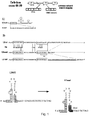
- the human U2snRNA gene ( Fig. 1 B) , including the promoter and the 3' downstream sequences, was used to generate by inverse PCR the U2mod construct with oligonucleotides:
- the U2BP construct was derived from U2mod by inverse PCR with oligonucleotides:
- U2BP was amplified by direct PCR using oligonucleotides:
- the resulting fragments were cloned in the forward orientation into the Nhel site of the pBabe puro retroviral vector (23).
- the BamHI fragments containing the entire chimeric construct U1-5' were inserted in the pBabe Nhel site modified with BgIII adaptors.
- the 5'/BP construct was made by cloning the BamHI fragment containing the U1-5'coding region inside the U2BP plasmid. This construct was amplified with oligos U2cas up and U1cas down and cloned in the Nhel site of the pBabe vector.
- the Phoenix packaging cell line (http//www.stanford.edu/nolan) was cultured in Dulbecco's modified Eagle's medium supplemented with 10% FCS and 1% penicillin-streptomycin (GIBCO/BRL). Retroviral particles were collected from Phoenix cells transiently transfected with 4 g of the various pBabe constructs using LipofectAmine plus (GIBCO/BRL) and were used to transduce the cell line of the patient with DMD.
- Dulbecco's modified Eagle's medium supplemented with 10% FCS and 1% penicillin-streptomycin
- the Duchenne derived biopsy (491A) was put in culture and maintained in RPMI supplemented with 15% FCS, 1% penicillin-streptomycin and 1% glutamine (GIBCO/BRL). Cells were propagated by standard trypsinization and seeded directly in a collagen coated dish (Rat tail collagen Type 1, BD). Infection of the cells was carried out in the absence of any antibiotic. One day before infection cells were plated at a density of approximately 5X10 5 cells per 100mm dish. Two rounds of infections were performed with the different viral supernatants; 48 h after infection the cells were divided and puromycin was added at the final concentration of 1 mg/ml (Sigma).
- RNA Total cellular RNA was prepared using the Ultraspec RNA isolation system (BIOTECX Laboratories, INC.) according to the manufacturer's protocol.
- Ultraspec RNA isolation system BIOTECX Laboratories, INC.
- 8 g of total RNA was loaded on 6% polyacrylamide -7M urea gels blotted and hybridized with the following antisense specific probes:
- RT-PCR was carried out with 200ng of total RNA for 40 cycles of amplification using Access RT-PCR system (Promega). The first amplification was performed with primers:
- the nested PCR was carried out for 30 cycles. Nested products were analyzed on 2.5% agarose gel and specific bands purified for sequence analysis using the QlAquick Gel extraction Kit (Qiagen). DNA sequencing was carried out by M-medical using the BigDye Terminator Cycle Sequencing Ready Reaction kit (PE Applied Biosystems) and analyzed on an ABI Prism 377 Sequencer (PE Applied Biosystems).
- the AdMI pre-RNA is 253 nucleotides lone and comprises a part of the late principle transcript of the Adenovirus. It is obtained by in vitro transcription of the pAdML-Di1 plasmid digested with Sca I (38). The RNAs of 32 P-labelled AdML and U6 (1.5x10 6 and 0.4x10 6 cpm/ ⁇ l, respectively) were co-injected in oocytes that had received the previous night the U2-BP or U2h plasmids (4 ng/oocyte). After incubation for 1 h, the RNA was extracted and analyzed on 6% polyacrylamide-urea gel.
- Cultured cells were washed twice with ice-cold phosphate saline buffer (PBS) and then lysed for 40'at 4°C in a buffer containing 500 mM Tris-HCl pH 8, 150 mM NaCl, 100 mM NaF, 1 mM EGTA, 1.5mM MgCl 2 , 1% Triton X-100, 10% glycerol and supplemented with various protease inhibitors (leupeptin, PMSF, apoprotein). After clearing by centrifugation at 15.300 rpm for 10', protein content was quantified by BIO-RAD Protein Assay (BIO-RAD).
- BIO-RAD Protein Assay BIO-RAD Protein Assay
- the U1 snRNA was engineered so as to substitute 8 nucleotides at its 5' terminus with a 24 nucleotide-long sequence complementary to the corresponding region across the splice junction of exon/intron 51 (construct U1-5'; Fig. 1A ). This choice was dictated by the fact that the 5' terminal region of U1 snRNA is normally in a single stranded conformation and is involved in the recognition of the 5' splice junction of pre-mRNAs (14). The expression of the chimeric RNA is directed by the polymerase II-dependent promoter of the U1 snRNA gene which was previously shown to drive high levels of transcripts (15).
- RNA vector used is the U2 snRNA.
- This RNA is normally involved in the splicing reaction since it recognizes the intronic branch site sequence and directs the entry, in the spliceosome, of the catalytic U6 snRNA (21,22). Both the recognition of U2 snRNA for the branch site and its interaction with U6 snRNA are mediated by base pair interactions.
- U2mod U2 derivative
- U2 mod was subsequently modified so that the branch site pairing region was substituted with 28 nucleotides complementary to the branch site and 3' region of intron 50, giving rise to construct U2-BP ( Fig. 1 B) .
- the cells from a muscle biopsy of the 491A DMD patient were put in culture and immortalized by retroviral-mediated integration of a wild-type SV40 large-T antigen (24).
- the immortalized cells were infected with recombinant retroviral particles and stable integrations were selected in puromycin-containing medium.
- Figure 3A shows that no reduction in the splicing efficiency is observed when the construct with the antisense U2 molecule is overexpressed in the nuclei compared with the overexpression of the wild-type U2h snRNA.
- Northern blot analysis was also performed on the oocytes to verify the expression of the injected DNAs.
- Panel B) shows the expression of U2-BP
- Panel C) the expression of control U2h snRNA.
- the U2h-specific expression is revealed by the presence of a pre-U2 snRNA that accumulates specifically in the oocytes (37). Therefore, the overexpression of U2-BP does not interfere with the efficiency of the splicing mechanism.
- FIG. 4 shows the gel analysis of the RT-PCR products obtained with specific couples of oligos as specified at the top of each panel. Of the first series of cells tested, only U1-5' gave a faint band corresponding to the size of a product in which exon 51 was skipped. If compared with the amount of the unskipped product, it appears that less than 10% of the mRNA was deprived of exon 51.
- Fig.5B shows that head-to-tail cloning does not interfere with efficient expression of both chimeric RNAs.
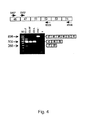
- Immortalized 491A cells transduced with the double antisense constructs were analyzed for dystrophin synthesis by Western analysis. One hundred micrograms of total proteins were run on a 6% polyacrylamide gel and, after blotting, were reacted with dystrophin specific antibodies. In comparison to untreated DMD (lane 491A), the cells expressing the antisense constructs show rescue of dystrophin synthesis ( Fig. 6 ). The levels of dystrophin are fairly good if compared with those present in the control of skeletal muscle cells (lane SMC). The faster migration band (indicated by a dot) should represent a specific degradation product of dystrophin.
Landscapes
- Health & Medical Sciences (AREA)
- Life Sciences & Earth Sciences (AREA)
- Engineering & Computer Science (AREA)
- Genetics & Genomics (AREA)
- Biomedical Technology (AREA)
- Chemical & Material Sciences (AREA)
- Organic Chemistry (AREA)
- Molecular Biology (AREA)
- Biotechnology (AREA)
- General Engineering & Computer Science (AREA)
- Zoology (AREA)
- Bioinformatics & Cheminformatics (AREA)
- Wood Science & Technology (AREA)
- Microbiology (AREA)
- Plant Pathology (AREA)
- Biophysics (AREA)
- Biochemistry (AREA)
- General Health & Medical Sciences (AREA)
- Physics & Mathematics (AREA)
- Medicines That Contain Protein Lipid Enzymes And Other Medicines (AREA)
- Pharmaceuticals Containing Other Organic And Inorganic Compounds (AREA)
- Preparation Of Compounds By Using Micro-Organisms (AREA)
- Acyclic And Carbocyclic Compounds In Medicinal Compositions (AREA)
Applications Claiming Priority (2)
| Application Number | Priority Date | Filing Date | Title |
|---|---|---|---|
| IT2002RM000253A ITRM20020253A1 (it) | 2002-05-08 | 2002-05-08 | Molecole chimeriche di snrna con sequenze antisenso per le giunzioni di splicing del gene della distrofina e applicazioni terapeutiche. |
| EP03749984A EP1501931B1 (de) | 2002-05-08 | 2003-05-06 | Chimäre snrna moleküle mit antisense-sequenzen gegen die "splice junctions" des dystrophin-gens und ihre therapeutischen verwendungen |
Related Parent Applications (2)
| Application Number | Title | Priority Date | Filing Date |
|---|---|---|---|
| EP03749984.5 Division | 2003-05-06 | ||
| EP03749984A Division EP1501931B1 (de) | 2002-05-08 | 2003-05-06 | Chimäre snrna moleküle mit antisense-sequenzen gegen die "splice junctions" des dystrophin-gens und ihre therapeutischen verwendungen |
Publications (3)
| Publication Number | Publication Date |
|---|---|
| EP2151497A2 true EP2151497A2 (de) | 2010-02-10 |
| EP2151497A3 EP2151497A3 (de) | 2010-03-10 |
| EP2151497B1 EP2151497B1 (de) | 2014-01-08 |
Family
ID=11456291
Family Applications (2)
| Application Number | Title | Priority Date | Filing Date |
|---|---|---|---|
| EP03749984A Expired - Lifetime EP1501931B1 (de) | 2002-05-08 | 2003-05-06 | Chimäre snrna moleküle mit antisense-sequenzen gegen die "splice junctions" des dystrophin-gens und ihre therapeutischen verwendungen |
| EP09176221.1A Expired - Lifetime EP2151497B1 (de) | 2002-05-08 | 2003-05-06 | Chimäre U1 und U2 snRNA-Moleküle, die Antisense-Sequenzen gegen die Spleißstellen des Dystrophin-Gens tragen, und deren therapeutische Anwendungen |
Family Applications Before (1)
| Application Number | Title | Priority Date | Filing Date |
|---|---|---|---|
| EP03749984A Expired - Lifetime EP1501931B1 (de) | 2002-05-08 | 2003-05-06 | Chimäre snrna moleküle mit antisense-sequenzen gegen die "splice junctions" des dystrophin-gens und ihre therapeutischen verwendungen |
Country Status (11)
| Country | Link |
|---|---|
| EP (2) | EP1501931B1 (de) |
| AT (1) | ATE449170T1 (de) |
| AU (1) | AU2003231928A1 (de) |
| CY (1) | CY1109746T1 (de) |
| DE (1) | DE60330136D1 (de) |
| DK (1) | DK1501931T3 (de) |
| ES (1) | ES2336909T3 (de) |
| IT (1) | ITRM20020253A1 (de) |
| PT (1) | PT1501931E (de) |
| SI (1) | SI1501931T1 (de) |
| WO (1) | WO2003095647A2 (de) |
Cited By (1)
| Publication number | Priority date | Publication date | Assignee | Title |
|---|---|---|---|---|
| WO2023192904A1 (en) * | 2022-03-30 | 2023-10-05 | Biomarin Pharmaceutical Inc. | Dystrophin exon skipping oligonucleotides |
Families Citing this family (63)
| Publication number | Priority date | Publication date | Assignee | Title |
|---|---|---|---|---|
| AUPP249298A0 (en) | 1998-03-20 | 1998-04-23 | Ag-Gene Australia Limited | Synthetic genes and genetic constructs comprising same I |
| BRPI9908967B1 (pt) | 1998-03-20 | 2017-05-30 | Benitec Australia Ltd | processos para reprimir, retardar ou de outro modo reduzir a expressão de um gene alvo em uma célula de planta |
| US6423885B1 (en) | 1999-08-13 | 2002-07-23 | Commonwealth Scientific And Industrial Research Organization (Csiro) | Methods for obtaining modified phenotypes in plant cells |
| AUPR621501A0 (en) | 2001-07-06 | 2001-08-02 | Commonwealth Scientific And Industrial Research Organisation | Delivery of ds rna |
| AU2004272629A1 (en) * | 2003-09-12 | 2005-03-24 | Commonwealth Scientific And Industrial Research Organisation | Modified gene-silencing nucleic acid molecules and uses thereof |
| FR2874384B1 (fr) | 2004-08-17 | 2010-07-30 | Genethon | Vecteur viral adeno-associe pour realiser du saut d'exons dans un gene codant une proteine a domaines dispensables |
| WO2007123391A1 (en) | 2006-04-20 | 2007-11-01 | Academisch Ziekenhuis Leiden | Therapeutic intervention in a genetic disease in an individual by modifying expression of an aberrantly expressed gene. |
| EP1857548A1 (de) | 2006-05-19 | 2007-11-21 | Academisch Ziekenhuis Leiden | Mittel und Verfahren zur Induktion von Exon-skipping |
| JP6047270B2 (ja) | 2006-08-11 | 2016-12-21 | バイオマリン テクノロジーズ ベー.フェー. | Dnaリピートの不安定性に関連した遺伝的障害を治療するための方法及び手段 |
| WO2008113773A2 (en) * | 2007-03-16 | 2008-09-25 | Biorigen S.R.L. | Gene expression regulation technology and noncoding rnas for diagnosis and therapy |
| WO2008121963A2 (en) * | 2007-03-30 | 2008-10-09 | Rutgers, The State University Of New Jersey | Compositions and methods for gene silencing |
| US8343941B2 (en) | 2007-03-30 | 2013-01-01 | Rutgers, The State University Of New Jersey | Compositions and methods for gene silencing |
| US9441221B2 (en) | 2007-03-30 | 2016-09-13 | Rutgers, The State University Of New Jersey | Compositions and methods for gene silencing |
| US8907075B2 (en) | 2007-03-30 | 2014-12-09 | Samuel Ian Gunderson | Compositions and methods for gene silencing |
| CA2693742A1 (en) | 2007-07-12 | 2009-01-15 | Prosensa Technologies B.V. | Molecules for targeting compounds to various selected organs, tissues or tumor cells |
| CN103212085A (zh) | 2007-07-12 | 2013-07-24 | 普罗森那技术公司 | 用于使化合物靶向多种选定器官或组织的分子 |
| EP2203173B1 (de) | 2007-10-26 | 2015-12-23 | Academisch Ziekenhuis Leiden | Mittel und verfahren zur bekämpfung von muskelleiden |
| USRE48468E1 (en) | 2007-10-26 | 2021-03-16 | Biomarin Technologies B.V. | Means and methods for counteracting muscle disorders |
| WO2009099326A1 (en) | 2008-02-08 | 2009-08-13 | Prosensa Holding Bv | Methods and means for treating dna repeat instability associated genetic disorders |
| EP2119783A1 (de) | 2008-05-14 | 2009-11-18 | Prosensa Technologies B.V. | Verfahren für effizientes Exon (44)-Skipping bei Duchenne-Muskeldystrophie und entsprechende Mittel |
| US8889641B2 (en) | 2009-02-11 | 2014-11-18 | The University Of North Carolina At Chapel Hill | Modified virus vectors and methods of making and using the same |
| EP2421971B1 (de) | 2009-04-24 | 2016-07-06 | BioMarin Technologies B.V. | Oligonukleotid mit einem inosin zur behandlung von dmd |
| EP2258863A1 (de) * | 2009-05-25 | 2010-12-08 | Universita'Degli Studi di Roma "La Sapienza" | miRNA biomarkers für die Diagnose und Weiterentwicklung der Duchenne Dystrophie, für die Überwachung therapeutischer Interventionen und als Therapeutik |
| EP2516647B1 (de) | 2009-12-24 | 2016-12-14 | BioMarin Technologies B.V. | Molekül zur Behandlung einer entzündlichen Erkrankung |
| ES2683695T3 (es) | 2010-01-12 | 2018-09-27 | The University Of North Carolina At Chapel Hill | Repeticiones terminales invertidas restrictivas para vectores virales |
| TWI541024B (zh) | 2010-09-01 | 2016-07-11 | 日本新藥股份有限公司 | 反義核酸 |
| US9409953B2 (en) | 2011-02-10 | 2016-08-09 | The University Of North Carolina At Chapel Hill | Viral vectors with modified transduction profiles and methods of making and using the same |
| WO2012138846A2 (en) * | 2011-04-05 | 2012-10-11 | The Regents Of The University Of California | Method and compositions comprising small rna agonist and antagonists to modulate inflammation |
| CN118581086A (zh) | 2012-01-27 | 2024-09-03 | 比奥马林技术公司 | 用于治疗杜兴型肌营养不良症和贝克型肌营养不良症的具有改善特性的rna调节性寡核苷酸 |
| PL2900686T3 (pl) | 2012-09-28 | 2021-01-25 | The University Of North Carolina At Chapel Hill | Wektory aav ukierunkowane na oligodendrocyty |
| EP3517612A1 (de) | 2013-03-15 | 2019-07-31 | The University of North Carolina At Chapel Hill | Synthetische adenoassoziierte virusinvertierte endwiederholungssequenzen |
| AU2014227766B2 (en) | 2013-03-15 | 2018-10-04 | The University Of North Carolina At Chapel Hill | Methods and compositions for dual glycan binding AAV vectors |
| EP4344741A3 (de) | 2014-11-21 | 2024-08-28 | The University of North Carolina at Chapel Hill | Auf das zentrale nervensystem gerichtete aav-vektoren |
| AU2016206624B2 (en) | 2015-01-14 | 2020-08-06 | The University Of North Carolina At Chapel Hill | Methods and compositions for targeted gene transfer |
| MX2017010698A (es) | 2015-02-20 | 2018-04-30 | Univ Texas | Metodos y composiciones para chlamydia atenuada como vacuna y vector. |
| IL314171A (en) | 2015-09-28 | 2024-09-01 | Univ Florida | Methods and compositions for antibody-evading virus vectors |
| BR112018011881A2 (pt) | 2015-12-14 | 2018-12-04 | The University Of North Carolina At Chapel Hill | proteínas capsidiais modificadas para liberação aumentada de vetores de parvovírus |
| IL316259A (en) | 2017-03-15 | 2024-12-01 | Univ North Carolina Chapel Hill | Polyploid gland associated with virus vectors and methods for preparing and using the same. |
| MX2020002872A (es) | 2017-09-15 | 2020-10-05 | Commw Scient Ind Res Org | Moléculas de arn. |
| CA3092107A1 (en) | 2018-02-28 | 2019-09-06 | The University Of North Carolina At Chapel Hill | Methods and compositions for antibody-evading virus vectors |
| WO2019195444A1 (en) | 2018-04-03 | 2019-10-10 | Stridebio, Inc. | Antibody-evading virus vectors |
| JP7406677B2 (ja) | 2018-04-03 | 2023-12-28 | ギンコ バイオワークス インコーポレイテッド | 抗体を回避するウイルスベクター |
| WO2019195423A1 (en) | 2018-04-03 | 2019-10-10 | Stridebio, Inc. | Virus vectors for targeting ophthalmic tissues |
| US12410441B2 (en) | 2018-06-12 | 2025-09-09 | The University Of North Carolina At Chapel Hill | Synthetic liver-tropic adeno-associated virus capsids and uses thereof |
| CA3104113A1 (en) | 2018-06-22 | 2019-12-26 | Asklepios Biopharmaceutical, Inc. | Vectors for gene delivery that persist within cells |
| AR118465A1 (es) | 2019-03-21 | 2021-10-06 | Stridebio Inc | Vectores de virus adenoasociados recombinantes |
| US20220194992A1 (en) | 2019-04-26 | 2022-06-23 | The University Of North Carolina At Chapel Hill | Methods and compositions for dual glycan binding aav2.5 vector |
| KR20220083708A (ko) | 2019-10-17 | 2022-06-20 | 스트라이드바이오 인코포레이티드 | Aav 전달 카세트 |
| AU2020367532A1 (en) | 2019-10-17 | 2022-05-12 | Ginkgo Bioworks, Inc. | Adeno-associated viral vectors for treatment of Niemann-Pick disease type C |
| AU2021216593A1 (en) | 2020-02-04 | 2022-08-25 | Duke University | Compositions and methods for circular RNA expression |
| MX2022013819A (es) | 2020-05-05 | 2023-01-30 | Univ North Carolina Chapel Hill | Capsides de virus adeno-asociado 5 modificado y usos del mismo. |
| MX2023002016A (es) | 2020-08-19 | 2023-06-26 | Sarepta Therapeutics Inc | Vectores de virus adenoasociados para el tratamiento del sindrome de rett. |
| AU2021369480B2 (en) | 2020-10-28 | 2025-05-22 | The University Of North Carolina At Chapel Hill | Methods and compositions for dual glycan binding AAV2.5 vector |
| WO2022093769A1 (en) | 2020-10-28 | 2022-05-05 | The University Of North Carolina At Chapel Hill | Methods and compositions for dual glycan binding aav2.5 vector |
| TW202242124A (zh) | 2021-01-14 | 2022-11-01 | 美商史崔德生物公司 | 靶向t細胞之aav載體 |
| AU2022208480A1 (en) | 2021-01-15 | 2023-08-17 | Outpace Bio, Inc. | Small molecule-regulated gene expression system |
| CA3216491A1 (en) | 2021-04-16 | 2022-10-20 | Asklepios Biopharmaceutical, Inc. | Rational polyploid aav virions that cross the blood brain barrier and elicit reduced humoral response |
| TW202342759A (zh) | 2022-02-04 | 2023-11-01 | 美商史崔德生物公司 | 重組腺相關病毒載體及其使用方法 |
| CN119137273A (zh) | 2022-03-04 | 2024-12-13 | 洛卡纳生物股份有限公司 | 包括工程化核内小RNA(snRNA)的组合物和方法 |
| EP4603585A1 (de) * | 2022-10-11 | 2025-08-20 | Guangzhou Reforgene Medicine Co., Ltd. | Snra-nukleinsäuremolekül und anwendung davon |
| CN115806984B (zh) * | 2022-10-18 | 2023-10-10 | 昆明理工大学 | 环状rna及载体和载体的应用 |
| WO2024124019A2 (en) | 2022-12-07 | 2024-06-13 | Ginkgo Bioworks, Inc. | Aav vectors targeting hematopoietic stem cells |
| WO2025079025A1 (en) | 2023-10-13 | 2025-04-17 | Takeda Pharmaceutical Company Limited | Ides-rapamycin conjugate in aav gene therapy |
Family Cites Families (1)
| Publication number | Priority date | Publication date | Assignee | Title |
|---|---|---|---|---|
| EP1191097A1 (de) * | 2000-09-21 | 2002-03-27 | Leids Universitair Medisch Centrum | Induktion von "exon-skipping" in eukaryotischen Zellen |
-
2002
- 2002-05-08 IT IT2002RM000253A patent/ITRM20020253A1/it unknown
-
2003
- 2003-05-06 PT PT03749984T patent/PT1501931E/pt unknown
- 2003-05-06 EP EP03749984A patent/EP1501931B1/de not_active Expired - Lifetime
- 2003-05-06 WO PCT/IT2003/000273 patent/WO2003095647A2/en not_active Ceased
- 2003-05-06 SI SI200331749T patent/SI1501931T1/sl unknown
- 2003-05-06 AT AT03749984T patent/ATE449170T1/de active
- 2003-05-06 EP EP09176221.1A patent/EP2151497B1/de not_active Expired - Lifetime
- 2003-05-06 AU AU2003231928A patent/AU2003231928A1/en not_active Abandoned
- 2003-05-06 ES ES03749984T patent/ES2336909T3/es not_active Expired - Lifetime
- 2003-05-06 DK DK03749984.5T patent/DK1501931T3/da active
- 2003-05-06 DE DE60330136T patent/DE60330136D1/de not_active Expired - Lifetime
-
2010
- 2010-02-03 CY CY20101100102T patent/CY1109746T1/el unknown
Non-Patent Citations (37)
| Title |
|---|
| BASERGA, S.J.; STEITZ J. A.: "The RNA world", 1993, COLD SPRING HARBOR PRESS, pages: 359 - 381 |
| BERGHELLA, L. ET AL., HUM GENE THER., vol. 10, 1999, pages 1607 - 1617 |
| BERTRAND, E. ET AL., RNA, vol. 3, 1997, pages 75 - 88 |
| BIRNSTIEL, M. L.; SCHAUFELE, F.: "Structure and function of major and minor small nuclear ribonucleoprotein particles", 1988, SPRINGER, pages: 155 - 182 |
| BOND, U. M.; YARIO, T. A.; STEITZ, J.A., GENES DEV., vol. 5, 1991, pages 1709 - 1722 |
| BUONOMO, S.B. ET AL., RNA, vol. 5, 1999, pages 993 - 1002 |
| CAMPEAU, P. ET AL., GENE THER., vol. 8, 2001, pages 1387 - 1394 |
| CECH, T. R., BIOCHEM INT., vol. 18, 1989, pages 7 - 14 |
| CHEN, H. H. ET AL., PROC NATL ACAD SCI USA, vol. 94, 1997, pages 1645 - 50 |
| CHO, W. K. ET AL., HUM GENE THER, vol. 11, 2000, pages 701 - 14 |
| CROOKE, S. T., ANTISENSE NUCLEIC ACID DRUG DEV., vol. 8, 1998, pages 133 - 134 |
| DATTA, B.; WEINER, A.M., NATURE, vol. 352, 1991, pages 821 - 824 |
| DUNCKLEY, M. G. ET AL., HUM MOL GENET., vol. 7, 1998, pages 1083 - 1090 |
| FRAGAPANE P. ET AL., MOL. CELL. BIOL., vol. 12, 1992, pages 1117 - 1125 |
| GALLI, G. ET AL., CELL, vol. 34, 1983, pages 823 - 828 |
| GORMAN, L. ET AL., PROC NATL ACAD SCI U S A., vol. 95, 1998, pages 4929 - 4934 |
| GORMAN, L.; MERCATANTE, D. R.; KOLE, R., J BIOL CHEM, vol. 275, 2000, pages 35914 - 35919 |
| GRIMM, C.; STEFANOVIC, B.; SCHUMPERLI, D., EMBO J., vol. 12, 1993, pages 1229 - 1238 |
| GUSSONI, E.; BLAU, H. M.; KUNKEL, L. M., NAT MED., vol. 3, 1997, pages 970 - 977 |
| HODGSON, S.V.; BOBROW, M., BR MED BULL., vol. 45, 1989, pages 719 - 744 |
| KOENIG, M. ET AL., AM J HUM GENET., vol. 45, 1989, pages 498 - 506 |
| KOLE, R.; SAZANI, P., CURR OPIN MOL THER, vol. 3, 2001, pages 229 - 234 |
| MANN, C. J. ET AL., PROC NATL ACAD SCI U S A., vol. 98, 2001, pages 42 - 47 |
| MICHIENZI, A. ET AL., PROC NATL ACAD SCI USA., vol. 97, 2000, pages 8955 - 8960 |
| MICHIENZI, A.; PRISLEI, S.; BOZZONI, I., PROC NATL ACAD SCI U S A., vol. 93, 1996, pages 7219 - 7224 |
| MORGESTERN, J. P; LAND, H., NUCLEIC ACIDS RES., vol. 18, 1990, pages 3587 - 3596 |
| PARTRIDGE, T.A. ET AL., NATURE, vol. 337, 1989, pages 176 - 9 |
| SIERAKOWSKA, H. ET AL., PROC NATL ACAD SCI U S A, vol. 93, 1996, pages 12840 - 12844 |
| SPYCHER, C. ET AL., NUCLEIC ACIDS RES., vol. 22, 1994, pages 4023 - 4030 |
| SULLENGER, B. A.; CECH, T. R., SCIENCE, vol. 262, 1993, pages 1566 - 1569 |
| SUN, J.S.; MANLEY, J.L., GENES DEV., vol. 9, 1995, pages 843 - 854 |
| SUTER, D. ET AL., HUM MOL GENET., vol. 8, 1999, pages 2415 - 2423 |
| VAN DEUTEKOM, J. C. ET AL., HUM MOL GENET., vol. 10, 2001, pages 1547 - 1554 |
| WANG, B.; LI, J.; XIAO, X., PROC NATL ACAD SCI U S A, vol. 97, 2000, pages 13714 - 13719 |
| WILTON, S. D. ET AL., NEUROMUSCUL DISORD., vol. 9, 1999, pages 330 - 338 |
| YOU, C-H; ARES, M JR; WEINER, A M, CELL, vol. 42, 1985, pages 193 - 202 |
| ZHUANG, Y.; WEINER, A. M., CELL, vol. 46, 1986, pages 827 - 835 |
Cited By (1)
| Publication number | Priority date | Publication date | Assignee | Title |
|---|---|---|---|---|
| WO2023192904A1 (en) * | 2022-03-30 | 2023-10-05 | Biomarin Pharmaceutical Inc. | Dystrophin exon skipping oligonucleotides |
Also Published As
| Publication number | Publication date |
|---|---|
| EP1501931A2 (de) | 2005-02-02 |
| PT1501931E (pt) | 2010-02-23 |
| CY1109746T1 (el) | 2014-09-10 |
| EP1501931B1 (de) | 2009-11-18 |
| AU2003231928A1 (en) | 2003-11-11 |
| ITRM20020253A0 (it) | 2002-05-08 |
| DE60330136D1 (de) | 2009-12-31 |
| ES2336909T3 (es) | 2010-04-19 |
| AU2003231928A8 (en) | 2003-11-11 |
| WO2003095647A2 (en) | 2003-11-20 |
| SI1501931T1 (sl) | 2010-03-31 |
| ATE449170T1 (de) | 2009-12-15 |
| EP2151497B1 (de) | 2014-01-08 |
| DK1501931T3 (da) | 2010-03-29 |
| ITRM20020253A1 (it) | 2003-11-10 |
| WO2003095647A3 (en) | 2004-02-19 |
| EP2151497A3 (de) | 2010-03-10 |
Similar Documents
| Publication | Publication Date | Title |
|---|---|---|
| EP2151497B1 (de) | Chimäre U1 und U2 snRNA-Moleküle, die Antisense-Sequenzen gegen die Spleißstellen des Dystrophin-Gens tragen, und deren therapeutische Anwendungen | |
| US8546346B2 (en) | Methods to reprogram splice site selection in pre-messenger RNAs | |
| US8361977B2 (en) | Compositions and methods for modulation of SMN2 splicing | |
| Dunckley et al. | Modification of splicing in the dystrophin gene in cultured Mdx muscle cells by antisense oligoribonucleotides | |
| US5624803A (en) | In vivo oligonucleotide generator, and methods of testing the binding affinity of triplex forming oligonucleotides derived therefrom | |
| EP2516647B1 (de) | Molekül zur Behandlung einer entzündlichen Erkrankung | |
| HK1247103A1 (en) | Compositions and methods for modulation of smn2 splicing | |
| WO2015042581A1 (en) | Allele-specific rna silencing for the treatment of hypertrophic cardiomyopathy | |
| EP2435583B1 (de) | Mir-31 bei der therapie von duchenne-muskeldystrophie | |
| Kole et al. | Modification of alternative splicing by antisense therapeutics | |
| Graham et al. | Towards a therapeutic inhibition of dystrophin exon 23 splicing in mdx mouse muscle induced by antisense oligoribonucleotides (splicomers): target sequence optimisation using oligonucleotide arrays | |
| US5994124A (en) | Ribozyme-snRNA chimeric molecules having a catalytic activity for nuclear RNAs | |
| US20030148352A1 (en) | Intracellular generation of single-stranded DNA | |
| Liu et al. | Efficient and isoform-selective inhibition of cellular gene expression by peptide nucleic acids | |
| US20060079471A1 (en) | Snornai-small nucleolar rna degradation by rna interference in trypanosomatids | |
| US20040018622A1 (en) | Spliceosome mediated RNA trans-splicing for correction of skin disorders | |
| US20040126774A1 (en) | Correction of factor VIII genetic defects using spliceosome mediated RNA trans splicing | |
| WO2007113784A2 (en) | Methods for modulating the levels and effects of thyrotropin-releasing hormone (trh) and trh-related petides |
Legal Events
| Date | Code | Title | Description |
|---|---|---|---|
| PUAI | Public reference made under article 153(3) epc to a published international application that has entered the european phase |
Free format text: ORIGINAL CODE: 0009012 |
|
| PUAL | Search report despatched |
Free format text: ORIGINAL CODE: 0009013 |
|
| AC | Divisional application: reference to earlier application |
Ref document number: 1501931 Country of ref document: EP Kind code of ref document: P |
|
| AK | Designated contracting states |
Kind code of ref document: A2 Designated state(s): AT BE BG CH CY CZ DE DK EE ES FI FR GB GR HU IE IT LI LU MC NL PT RO SE SI SK TR |
|
| AK | Designated contracting states |
Kind code of ref document: A3 Designated state(s): AT BE BG CH CY CZ DE DK EE ES FI FR GB GR HU IE IT LI LU MC NL PT RO SE SI SK TR |
|
| 17P | Request for examination filed |
Effective date: 20100910 |
|
| 17Q | First examination report despatched |
Effective date: 20101011 |
|
| RIC1 | Information provided on ipc code assigned before grant |
Ipc: C12N 15/11 20060101AFI20130522BHEP Ipc: A61K 31/7105 20060101ALI20130522BHEP |
|
| GRAP | Despatch of communication of intention to grant a patent |
Free format text: ORIGINAL CODE: EPIDOSNIGR1 |
|
| INTG | Intention to grant announced |
Effective date: 20130725 |
|
| GRAS | Grant fee paid |
Free format text: ORIGINAL CODE: EPIDOSNIGR3 |
|
| GRAA | (expected) grant |
Free format text: ORIGINAL CODE: 0009210 |
|
| AC | Divisional application: reference to earlier application |
Ref document number: 1501931 Country of ref document: EP Kind code of ref document: P |
|
| AK | Designated contracting states |
Kind code of ref document: B1 Designated state(s): AT BE BG CH CY CZ DE DK EE ES FI FR GB GR HU IE IT LI LU MC NL PT RO SE SI SK TR |
|
| REG | Reference to a national code |
Ref country code: GB Ref legal event code: FG4D |
|
| REG | Reference to a national code |
Ref country code: CH Ref legal event code: EP |
|
| REG | Reference to a national code |
Ref country code: IE Ref legal event code: FG4D |
|
| REG | Reference to a national code |
Ref country code: AT Ref legal event code: REF Ref document number: 648779 Country of ref document: AT Kind code of ref document: T Effective date: 20140215 |
|
| REG | Reference to a national code |
Ref country code: DE Ref legal event code: R096 Ref document number: 60345600 Country of ref document: DE Effective date: 20140220 |
|
| REG | Reference to a national code |
Ref country code: AT Ref legal event code: MK05 Ref document number: 648779 Country of ref document: AT Kind code of ref document: T Effective date: 20140108 |
|
| REG | Reference to a national code |
Ref country code: NL Ref legal event code: VDEP Effective date: 20140108 |
|
| PG25 | Lapsed in a contracting state [announced via postgrant information from national office to epo] |
Ref country code: AT Free format text: LAPSE BECAUSE OF FAILURE TO SUBMIT A TRANSLATION OF THE DESCRIPTION OR TO PAY THE FEE WITHIN THE PRESCRIBED TIME-LIMIT Effective date: 20140108 Ref country code: PT Free format text: LAPSE BECAUSE OF FAILURE TO SUBMIT A TRANSLATION OF THE DESCRIPTION OR TO PAY THE FEE WITHIN THE PRESCRIBED TIME-LIMIT Effective date: 20140508 Ref country code: CY Free format text: LAPSE BECAUSE OF FAILURE TO SUBMIT A TRANSLATION OF THE DESCRIPTION OR TO PAY THE FEE WITHIN THE PRESCRIBED TIME-LIMIT Effective date: 20140108 Ref country code: ES Free format text: LAPSE BECAUSE OF FAILURE TO SUBMIT A TRANSLATION OF THE DESCRIPTION OR TO PAY THE FEE WITHIN THE PRESCRIBED TIME-LIMIT Effective date: 20140108 Ref country code: FI Free format text: LAPSE BECAUSE OF FAILURE TO SUBMIT A TRANSLATION OF THE DESCRIPTION OR TO PAY THE FEE WITHIN THE PRESCRIBED TIME-LIMIT Effective date: 20140108 Ref country code: SE Free format text: LAPSE BECAUSE OF FAILURE TO SUBMIT A TRANSLATION OF THE DESCRIPTION OR TO PAY THE FEE WITHIN THE PRESCRIBED TIME-LIMIT Effective date: 20140108 Ref country code: NL Free format text: LAPSE BECAUSE OF FAILURE TO SUBMIT A TRANSLATION OF THE DESCRIPTION OR TO PAY THE FEE WITHIN THE PRESCRIBED TIME-LIMIT Effective date: 20140108 |
|
| PG25 | Lapsed in a contracting state [announced via postgrant information from national office to epo] |
Ref country code: BE Free format text: LAPSE BECAUSE OF FAILURE TO SUBMIT A TRANSLATION OF THE DESCRIPTION OR TO PAY THE FEE WITHIN THE PRESCRIBED TIME-LIMIT Effective date: 20140108 |
|
| REG | Reference to a national code |
Ref country code: DE Ref legal event code: R097 Ref document number: 60345600 Country of ref document: DE |
|
| PG25 | Lapsed in a contracting state [announced via postgrant information from national office to epo] |
Ref country code: DK Free format text: LAPSE BECAUSE OF FAILURE TO SUBMIT A TRANSLATION OF THE DESCRIPTION OR TO PAY THE FEE WITHIN THE PRESCRIBED TIME-LIMIT Effective date: 20140108 Ref country code: EE Free format text: LAPSE BECAUSE OF FAILURE TO SUBMIT A TRANSLATION OF THE DESCRIPTION OR TO PAY THE FEE WITHIN THE PRESCRIBED TIME-LIMIT Effective date: 20140108 Ref country code: RO Free format text: LAPSE BECAUSE OF FAILURE TO SUBMIT A TRANSLATION OF THE DESCRIPTION OR TO PAY THE FEE WITHIN THE PRESCRIBED TIME-LIMIT Effective date: 20140108 Ref country code: CZ Free format text: LAPSE BECAUSE OF FAILURE TO SUBMIT A TRANSLATION OF THE DESCRIPTION OR TO PAY THE FEE WITHIN THE PRESCRIBED TIME-LIMIT Effective date: 20140108 |
|
| PLBE | No opposition filed within time limit |
Free format text: ORIGINAL CODE: 0009261 |
|
| STAA | Information on the status of an ep patent application or granted ep patent |
Free format text: STATUS: NO OPPOSITION FILED WITHIN TIME LIMIT |
|
| PG25 | Lapsed in a contracting state [announced via postgrant information from national office to epo] |
Ref country code: SK Free format text: LAPSE BECAUSE OF FAILURE TO SUBMIT A TRANSLATION OF THE DESCRIPTION OR TO PAY THE FEE WITHIN THE PRESCRIBED TIME-LIMIT Effective date: 20140108 |
|
| REG | Reference to a national code |
Ref country code: DE Ref legal event code: R119 Ref document number: 60345600 Country of ref document: DE |
|
| 26N | No opposition filed |
Effective date: 20141009 |
|
| PG25 | Lapsed in a contracting state [announced via postgrant information from national office to epo] |
Ref country code: LU Free format text: LAPSE BECAUSE OF FAILURE TO SUBMIT A TRANSLATION OF THE DESCRIPTION OR TO PAY THE FEE WITHIN THE PRESCRIBED TIME-LIMIT Effective date: 20140506 |
|
| REG | Reference to a national code |
Ref country code: CH Ref legal event code: PL |
|
| REG | Reference to a national code |
Ref country code: DE Ref legal event code: R097 Ref document number: 60345600 Country of ref document: DE Effective date: 20141009 |
|
| GBPC | Gb: european patent ceased through non-payment of renewal fee |
Effective date: 20140506 |
|
| PG25 | Lapsed in a contracting state [announced via postgrant information from national office to epo] |
Ref country code: CH Free format text: LAPSE BECAUSE OF NON-PAYMENT OF DUE FEES Effective date: 20140531 Ref country code: LI Free format text: LAPSE BECAUSE OF NON-PAYMENT OF DUE FEES Effective date: 20140531 Ref country code: MC Free format text: LAPSE BECAUSE OF FAILURE TO SUBMIT A TRANSLATION OF THE DESCRIPTION OR TO PAY THE FEE WITHIN THE PRESCRIBED TIME-LIMIT Effective date: 20140108 |
|
| REG | Reference to a national code |
Ref country code: IE Ref legal event code: MM4A |
|
| REG | Reference to a national code |
Ref country code: DE Ref legal event code: R119 Ref document number: 60345600 Country of ref document: DE Effective date: 20141202 |
|
| REG | Reference to a national code |
Ref country code: FR Ref legal event code: ST Effective date: 20150130 |
|
| PG25 | Lapsed in a contracting state [announced via postgrant information from national office to epo] |
Ref country code: DE Free format text: LAPSE BECAUSE OF NON-PAYMENT OF DUE FEES Effective date: 20141202 Ref country code: IE Free format text: LAPSE BECAUSE OF NON-PAYMENT OF DUE FEES Effective date: 20140506 |
|
| PG25 | Lapsed in a contracting state [announced via postgrant information from national office to epo] |
Ref country code: SI Free format text: LAPSE BECAUSE OF FAILURE TO SUBMIT A TRANSLATION OF THE DESCRIPTION OR TO PAY THE FEE WITHIN THE PRESCRIBED TIME-LIMIT Effective date: 20140108 Ref country code: FR Free format text: LAPSE BECAUSE OF NON-PAYMENT OF DUE FEES Effective date: 20140602 Ref country code: GB Free format text: LAPSE BECAUSE OF NON-PAYMENT OF DUE FEES Effective date: 20140506 |
|
| PG25 | Lapsed in a contracting state [announced via postgrant information from national office to epo] |
Ref country code: BG Free format text: LAPSE BECAUSE OF FAILURE TO SUBMIT A TRANSLATION OF THE DESCRIPTION OR TO PAY THE FEE WITHIN THE PRESCRIBED TIME-LIMIT Effective date: 20140108 |
|
| PG25 | Lapsed in a contracting state [announced via postgrant information from national office to epo] |
Ref country code: IT Free format text: LAPSE BECAUSE OF FAILURE TO SUBMIT A TRANSLATION OF THE DESCRIPTION OR TO PAY THE FEE WITHIN THE PRESCRIBED TIME-LIMIT Effective date: 20140108 Ref country code: GR Free format text: LAPSE BECAUSE OF FAILURE TO SUBMIT A TRANSLATION OF THE DESCRIPTION OR TO PAY THE FEE WITHIN THE PRESCRIBED TIME-LIMIT Effective date: 20140409 |
|
| PG25 | Lapsed in a contracting state [announced via postgrant information from national office to epo] |
Ref country code: HU Free format text: LAPSE BECAUSE OF FAILURE TO SUBMIT A TRANSLATION OF THE DESCRIPTION OR TO PAY THE FEE WITHIN THE PRESCRIBED TIME-LIMIT; INVALID AB INITIO Effective date: 20030506 Ref country code: TR Free format text: LAPSE BECAUSE OF FAILURE TO SUBMIT A TRANSLATION OF THE DESCRIPTION OR TO PAY THE FEE WITHIN THE PRESCRIBED TIME-LIMIT Effective date: 20140108 |