EP2157190B1 - Verfahren zur messung der aktivität eines lipidmodifizierenden enzyms - Google Patents
Verfahren zur messung der aktivität eines lipidmodifizierenden enzyms Download PDFInfo
- Publication number
- EP2157190B1 EP2157190B1 EP08752790.9A EP08752790A EP2157190B1 EP 2157190 B1 EP2157190 B1 EP 2157190B1 EP 08752790 A EP08752790 A EP 08752790A EP 2157190 B1 EP2157190 B1 EP 2157190B1
- Authority
- EP
- European Patent Office
- Prior art keywords
- lipid
- modifying enzyme
- activity
- substrate
- assay
- Prior art date
- Legal status (The legal status is an assumption and is not a legal conclusion. Google has not performed a legal analysis and makes no representation as to the accuracy of the status listed.)
- Active
Links
Images


Classifications
-
- G—PHYSICS
- G01—MEASURING; TESTING
- G01N—INVESTIGATING OR ANALYSING MATERIALS BY DETERMINING THEIR CHEMICAL OR PHYSICAL PROPERTIES
- G01N33/00—Investigating or analysing materials by specific methods not covered by groups G01N1/00 - G01N31/00
- G01N33/48—Biological material, e.g. blood, urine; Haemocytometers
- G01N33/50—Chemical analysis of biological material, e.g. blood, urine; Testing involving biospecific ligand binding methods; Immunological testing
- G01N33/53—Immunoassay; Biospecific binding assay; Materials therefor
- G01N33/573—Immunoassay; Biospecific binding assay; Materials therefor for enzymes or isoenzymes
-
- C—CHEMISTRY; METALLURGY
- C12—BIOCHEMISTRY; BEER; SPIRITS; WINE; VINEGAR; MICROBIOLOGY; ENZYMOLOGY; MUTATION OR GENETIC ENGINEERING
- C12Q—MEASURING OR TESTING PROCESSES INVOLVING ENZYMES, NUCLEIC ACIDS OR MICROORGANISMS; COMPOSITIONS OR TEST PAPERS THEREFOR; PROCESSES OF PREPARING SUCH COMPOSITIONS; CONDITION-RESPONSIVE CONTROL IN MICROBIOLOGICAL OR ENZYMOLOGICAL PROCESSES
- C12Q1/00—Measuring or testing processes involving enzymes, nucleic acids or microorganisms; Compositions therefor; Processes of preparing such compositions
- C12Q1/34—Measuring or testing processes involving enzymes, nucleic acids or microorganisms; Compositions therefor; Processes of preparing such compositions involving hydrolase
-
- C—CHEMISTRY; METALLURGY
- C12—BIOCHEMISTRY; BEER; SPIRITS; WINE; VINEGAR; MICROBIOLOGY; ENZYMOLOGY; MUTATION OR GENETIC ENGINEERING
- C12Q—MEASURING OR TESTING PROCESSES INVOLVING ENZYMES, NUCLEIC ACIDS OR MICROORGANISMS; COMPOSITIONS OR TEST PAPERS THEREFOR; PROCESSES OF PREPARING SUCH COMPOSITIONS; CONDITION-RESPONSIVE CONTROL IN MICROBIOLOGICAL OR ENZYMOLOGICAL PROCESSES
- C12Q1/00—Measuring or testing processes involving enzymes, nucleic acids or microorganisms; Compositions therefor; Processes of preparing such compositions
- C12Q1/34—Measuring or testing processes involving enzymes, nucleic acids or microorganisms; Compositions therefor; Processes of preparing such compositions involving hydrolase
- C12Q1/42—Measuring or testing processes involving enzymes, nucleic acids or microorganisms; Compositions therefor; Processes of preparing such compositions involving hydrolase involving phosphatase
-
- C—CHEMISTRY; METALLURGY
- C12—BIOCHEMISTRY; BEER; SPIRITS; WINE; VINEGAR; MICROBIOLOGY; ENZYMOLOGY; MUTATION OR GENETIC ENGINEERING
- C12Q—MEASURING OR TESTING PROCESSES INVOLVING ENZYMES, NUCLEIC ACIDS OR MICROORGANISMS; COMPOSITIONS OR TEST PAPERS THEREFOR; PROCESSES OF PREPARING SUCH COMPOSITIONS; CONDITION-RESPONSIVE CONTROL IN MICROBIOLOGICAL OR ENZYMOLOGICAL PROCESSES
- C12Q1/00—Measuring or testing processes involving enzymes, nucleic acids or microorganisms; Compositions therefor; Processes of preparing such compositions
- C12Q1/34—Measuring or testing processes involving enzymes, nucleic acids or microorganisms; Compositions therefor; Processes of preparing such compositions involving hydrolase
- C12Q1/44—Measuring or testing processes involving enzymes, nucleic acids or microorganisms; Compositions therefor; Processes of preparing such compositions involving hydrolase involving esterase
-
- C—CHEMISTRY; METALLURGY
- C12—BIOCHEMISTRY; BEER; SPIRITS; WINE; VINEGAR; MICROBIOLOGY; ENZYMOLOGY; MUTATION OR GENETIC ENGINEERING
- C12Q—MEASURING OR TESTING PROCESSES INVOLVING ENZYMES, NUCLEIC ACIDS OR MICROORGANISMS; COMPOSITIONS OR TEST PAPERS THEREFOR; PROCESSES OF PREPARING SUCH COMPOSITIONS; CONDITION-RESPONSIVE CONTROL IN MICROBIOLOGICAL OR ENZYMOLOGICAL PROCESSES
- C12Q1/00—Measuring or testing processes involving enzymes, nucleic acids or microorganisms; Compositions therefor; Processes of preparing such compositions
- C12Q1/48—Measuring or testing processes involving enzymes, nucleic acids or microorganisms; Compositions therefor; Processes of preparing such compositions involving transferase
-
- G—PHYSICS
- G01—MEASURING; TESTING
- G01N—INVESTIGATING OR ANALYSING MATERIALS BY DETERMINING THEIR CHEMICAL OR PHYSICAL PROPERTIES
- G01N33/00—Investigating or analysing materials by specific methods not covered by groups G01N1/00 - G01N31/00
- G01N33/48—Biological material, e.g. blood, urine; Haemocytometers
- G01N33/50—Chemical analysis of biological material, e.g. blood, urine; Testing involving biospecific ligand binding methods; Immunological testing
- G01N33/53—Immunoassay; Biospecific binding assay; Materials therefor
- G01N33/543—Immunoassay; Biospecific binding assay; Materials therefor with an insoluble carrier for immobilising immunochemicals
- G01N33/54313—Immunoassay; Biospecific binding assay; Materials therefor with an insoluble carrier for immobilising immunochemicals the carrier being characterised by its particulate form
- G01N33/5432—Liposomes or microcapsules
-
- G—PHYSICS
- G01—MEASURING; TESTING
- G01N—INVESTIGATING OR ANALYSING MATERIALS BY DETERMINING THEIR CHEMICAL OR PHYSICAL PROPERTIES
- G01N2500/00—Screening for compounds of potential therapeutic value
Definitions
- the present invention relates to a method of assaying the activity of a lipid-modifying enzyme.
- Lipid-modifying enzymes such as phosphoinositide kinases, phosphoinositide phosphatases, phospholipases, etc., which induce structural changes (modifications) of lipid molecules on cell membranes, are enzymes involved in cell signaling and evoke diverse cellular responses due to the changes in actions of these lipid-modifying enzymes accompanied by stimulation to the cells.
- These lipid-modifying enzymes are targeted by various therapeutic drugs, and screening studies have been widely conducted especially on inhibitors/activators.
- phosphoinositide 3-kinase ⁇ which is one of phosphoinositide kinases, has been extensively studied as a target molecule for an anti-inflammatory drug (e.g., Non-Patent Literature 1: T. powderle et al., Nat. Rev. Drug Discovery, 5, 903 (2006 )).
- Non-Patent Literature 2 U. Maier et al., JBC, 274, 29311 (1999 )
- Non-Patent Literature 3 Ref: E. Buck and R. R. Iyengar, J. Biol. Chem., 276, 36014 (2001 )
- Non-Patent Literature 4 N. Wittschureck and S. Offermanns, Physiol. Rev., 85, 1159 (2005 )).
- lipid-modifying enzymes and controlling cell membrane proteins Lipid-Modifying Enzyme Controlling Cell Membrane Protein Phosphoinositide-3-kinase ⁇ Tyr-phosphorylated receptor Phosphoinositide-3-kinase ⁇ Tyr-phosphorylated proteins, G-protein ⁇ subunits Phosphoinositide-3-kinase ⁇ G-protein ⁇ subunits Phosphoinositide-3-kinase ⁇ Tyr-phosphorylated proteins Phospholipase C ⁇ G-protein ⁇ q subunits, G-protein ⁇ subunits Phospholipase C ⁇ Tyr-phosphorylated proteins
- drugs to treat diseases by controlling the activities of these lipid-modifying enzymes can directly target their modifying reactions (namely, target the interactions between lipid substrates, ATP, etc. and enzymes) and additionally can target the interactions between these enzymes and cell membrane proteins which control the enzymes.
- modifying reactions namely, target the interactions between lipid substrates, ATP, etc. and enzymes
- drugs have little been developed so far. Extensive development of drugs is ongoing in, for example, the phosphoinositide 3-kinase ⁇ described above, which act on the enzyme to exhibit an anti-inflammatory action, but these drugs basically bind to the ATP-binding site and directly inhibit the modifying reactions (cf., Non-Patent Literature 1).
- Non-Patent Literature 5 T. M.
- Non-Patent Literature 6 U. Maier et al., J. Biol. Chem., 274, 29311 (1999 ) and Non-Patent Literature 7: C. A. Parish et al., Biochemistry, 34, 7722 (1995 )).
- Non-Patent Literature 8 A. Gray et al., Anal. Biochem., 313, 234 (2003 )
- Patent Literature 1 B. E. Drees et al., US Patent 7,067,269
- Patent Literature 2 B. E. Drees et al., US Patent 2005/0009124
- the substrate is soluble PIP2.
- Non-Patent Literature 9 PerkinElmer Inc., Scientific Poster #H78394
- SPA sintillation proximity assay
- Non-Patent Literature 11 B. Yoe-Sik et al., Mol. Pharm., 63, 1043 (2003).
- an assay kit is put in practical use for a simple assay method, which involves preparing lipid micelles containing [ 3 H]-PIP2 having a biotinyl group in the molecule, carrying out the reaction with phospholipase, adding streptavidin-coated SPA beads and determining the level of 3 H remained on the lipid micelles without solvent extraction (e.g., Non-Patent Literature 12: GE Healthcare Inc., Product No. TRKQ7040, protocol attached).
- This method using the compound containing in its molecule the biotin residue and the substrate residue susceptible to the actions of lipid-modifying enzyme might be used for measurement of the activities of other lipid-modifying enzymes than phospholipase, if the substrate residue part is changed. For this purpose, however, it is necessary to synthesize, for each enzyme, a compound with a biotin residue introduced in the molecule, not a readily available substrate for lipid-modifying enzyme, which makes any simple measurement difficult.
- Non-Patent Literature 13 J. Musti et al., Biochemistry, 40, 14869 (2001 )
- the micelles bind to a carrier, where biotin binding proteins such as streptavidin, etc. are immobilized (e.g., Non-Patent Literature 14: B. Peker et al., Biotechnol. Prog., 20, 262 (2004 )).
- Non-Patent Literature 15 W. S. Davidson et al., J. Lipid Res., 47, 440 (2006 )
- US 6,066,446 describes an interactive material which is covalently linked to a support body by a linker material and which can be used as part of an assay.
- the support body can be a scintillator material.
- WO 03/047575 describes therapeutic banzamide derivatives and uses of these in in vitro and in vivo assays.
- a simple method for assaying the activity of a lipid-modifying enzyme and a simple method for screening a substance (inhibitor or promotor) capable of controlling the activity of the lipid-modifying enzyme have been desired for a wide range of lipid-modifying enzymes.
- a simple screening method using a lipid micelle as a substrate has been desired in order to evaluate lipid-modifying enzymes including the interactions between cell membrane-associated proteins controlling activities of these lipid-modifying enzymes and the lipid-modifying enzymes.
- the present inventor has made extensive investigations in the model assay system using phosphoinositide 3-kinase as the lipid-modifying enzyme, biotinyl phosphatidylethanolamine as the biotinylated lipid and phosphatidylinositol [4,5]-diphosphate (PIP2) as the lipid-modifying enzyme substrate.
- PIP2 phosphatidylinositol [4,5]-diphosphate
- the present invention provides a method of assaying the activity of a lipid-modifying enzyme as defined in claim 1 and described below.
- a method of screening a substance which inhibits or promotes the activity of the lipid-modifying enzyme, and so on, are also described.
- a novel assay method which can simply determine the activity of the lipid-modifying enzyme. Also described herein is a method of efficiently screening a substance which inhibits or promotes the activity of the lipid-modifying enzyme, using this assay method. Furthermore there is described the lipid micelle containing a biotinylated lipid and a substrate for the lipid-modifying enzyme which can be used in these methods.
- the activity of the lipid-modifying enzyme can be assayed in the co-presence of a protein controlling the activity of the lipid-modifying enzyme (controlling protein). Accordingly, not only a substance which directly inhibits or promotes the activity of the lipid-modifying enzyme but also a compound which affects the interactions between the enzyme and the controlling protein can also be screened.
- a first embodiment of the present invention relates to a method of assaying the activity of the lipid-modifying enzyme which comprises the steps as defined in claim 1.
- biotinylated lipid refers to any compound having a biotin moiety covalently bonded to a lipid molecule.
- examples of the biotinylated lipid include N-biotinyl phosphatidylethanolamine, N-biotinyl phosphatidylserine, N-biotinyl phosphatidylcholine, N-biotinyl sphingomyelin, N-biotinyl diacylglycerol, N-biotinyl triacylglycerol, a biotinylated fatty acid, a biotinylated alkyl, etc.
- the biotinylated lipid may also be a compound as far as it is basically a compound having a lipophilic moiety such as an alkyl of more than C 4 , etc. and binds to lipid micelles or forms lipid micelles together with other lipid compound.
- the term "substrate for the lipid-modifying enzyme” means a compound whose structural changes are substantially induced by the lipid-modifying enzyme.
- Specific examples of the substrate for the lipid-modifying enzyme include but are not limited to the compounds below.
- the substrate for the lipid-modifying enzyme which is used in the present invention is a compound with the hydroxyl groups of inositol to be phosphorylated and examples of the substrate include phosphatidylinositol (PI), phosphatidylinositol monophosphate (PIP), phosphatidylinositol diphosphate (PIP2), phosphatidylinositol triphosphate (PIP3), etc for phosphoinositide kinase.
- Other compounds may also be used as long as they undergo substantial structural changes by phosphoinositide kinase.
- the lipid-modifying enzyme substrate for phosphoinositide phosphatase includes a compound that phosphate moieties on the inositol residue are dephosphorylated and examples are phosphatidylinositol monophosphate (PIP), phosphatidylinositol diphosphate (PIP2), phosphatidylinositol triphosphate (PIP3), etc. Other compounds may also be used as long as they undergo substantial structural changes by phosphoinositide phosphatase.
- the substrate further includes compounds having radioisotopes in the molecule.
- the lipid-modifying enzyme substrate for phospholipase is a compound which produces inositol triphosphate, a fatty acid, etc. by cleavage and examples include phosphatidylinositol (PI), phosphatidylinositol monophosphate (PIP), phosphatidylinositol diphosphate (PIP2), phosphatidylcholine, phosphatidylethanolamine, phosphatidylserine, etc. Other compounds may also be used as long as they undergo substantial structural changes by phospholipase.
- the substrate further includes compounds having radioisotopes in the molecule.
- lipid-modifying enzyme means an enzyme that imposes structural changes on a lipid compound by the enzyme action.
- specific examples of the lipid-modifying enzyme include phosphoinositide kinase, phosphoinositide phosphatase, phospholipase, lipase, sphingomyelinase, lipid transfer enzyme, etc. More specific examples of the phosphoinositide kinase include but are not limited to phosphoinositide 3-kinase, phosphoinositide 4-kinase, phosphoinositide 5-kinase, etc.
- phosphoinositide 3-kinase examples include but are not limited to phosphoinositide 3-kinase ⁇ , phosphoinositide 3-kinase ⁇ , phosphoinositide 3-kinase ⁇ , phosphoinositide 3-kinase ⁇ , etc.
- the lipid micelle containing the biotinylated lipid and the substrate for the lipid-modifying enzyme is prepared at the step (I).
- lipid micelle refers to a micelle made up mainly of an assembly of lipids and generally an assembly formed by orienting the hydrophilic portions of lipids toward the aqueous phase and the hydrophobic portions toward the interior.
- the lipid micelle also includes those micelles having lipids forming monolayer and bilayer membranes.
- the shape of the lipid micelle is not particularly limited and includes, for example, spherical and planar shape, but preferably the lipid bilayer membrane forms closed vesicles.
- the lipid micelle can be prepared through subjecting a buffer, etc. containing more than a certain concentration of lipids to a physical treatment such as ultrasonication, homogenization, agitation, shaking, freezing and thawing, spraying, etc.
- the lipid micelle may also be prepared through surfactant treatment, etc.
- Lipids which form the lipid micelle are amphoteric lipids having hydrophilic and hydrophobic groups in the lipid molecules. Specific examples include but are not limited to phospholipids, simple lipids (triacylglycerols, diacylglycerols, etc.), glycolipids, glyceroglycolipids, sphingolipids, etc. In addition to these lipids, the lipid micelle may sometimes include fatty acids, fatty acid esters, sphingosine, sterols such as cholesterol, etc. or their esters, and the like.
- the kind of lipid is appropriately chosen.
- the lipid micelle is prepared through modifications of known methods for preparing lipid micelles (e.g., Ref: U. Maier et al., J. Biol. Chem., 274, 29311 (1999 )), for example, using biotinyl phosphatidylethanolamine as the biotinylated lipid and phosphatidylinositol diphosphate (PIP2) as the substrate for the lipid-modifying enzyme.
- PIP2 phosphatidylinositol diphosphate
- phosphatidylethanolamine can be biotinylated by reacting with a biotinylation reagent reactive with the amino group or a biotinylation reagent containing a linker and linking the biotin moiety to the ethanolamine residue.
- phosphatidylethanolserine, phosphatidylethanolcholine, etc. can be biotinylated, for example, by replacing the fatty acid moiety with a fatty acid having a biotin residue.
- biotinylated lipids are described in, e.g., Catalog (2007 January) by Avanti Polar Lipids, Inc. and commercially available.
- a representative is biotinyl phosphatidylethanolamine which is listed in Catalog Nos. 870282, 870273, 870285, 870277, etc., and other representative biotinylated lipids are listed in Catalog Nos. 860560, 860566, etc., but these compounds are by way of examples and not limited thereto.
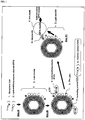
- FIG. 1 a schematic view of the assay method is shown in FIG. 1 , taking as an example the activity assay for phosphoinositide kinase using SPA.
- the biotinylated lipid 1 and the lipid-modifying enzyme substrate 2 e.g., PIP2
- the lipid micelle 3 is prepared.
- Each one of the biotinylated lipid 1 and the lipid-modifying enzyme substrate 2 are shown in FIG. 1 for brevity but actually a plurality of biotinylated lipids 1 are mixed with a plurality of the lipid-modifying enzyme substrates 2.
- Lipid micelle 3 thus prepared has, on its surface, the biotinyl group from biotinylated lipid 1 and the phosphorylation site from the lipid-modifying enzyme substrate 2.
- Step (II) the lipid micelle prepared in Step (I) is brought into contact with the lipid-modifying enzyme to react the lipid-modifying enzyme substrate in the lipid micelle with the lipid-modifying enzyme.
- Step (II) of FIG. 1 the lipid-modifying enzyme (PI3K) 4 is reacted with the lipid micelle 3 containing the lipid-modifying enzyme substrate 2 (PIP2) in the presence of ATP with 33 P-label 5; when PI3K is in an activated state, PIP2 is phosphorylated and converted into PIP3 with 33 P-label (5).
- This contact step (reaction step) is performed generally in the presence of Mg 2+ ions at 0 to 50°C, preferably 10 to 40°C in a buffer of pH 4 to 11, preferably 6 to 8, for 1 second to 1 day, preferably 1 to 300 minutes (cf., Ref: U. Maier et al., J. Biol. Chem., 274, 29311 (1999 ), etc.).
- Step (III) the product obtained in Step (II) is evaluated for the activity of the lipid-modifying enzyme using the proximity effect-based evaluation method.
- the evaluation method for the activity of the lipid-modifying enzyme using the proximity effect is a method for evaluating the activity of the lipid-modifying enzyme using the proximity effect, including SPA (scintillation proximity assay) method, FRET (fluorescence resonance energy transfer) method, TR-FRET (time-resolved fluorescence resonance energy transfer) method, AlphaScreen method, etc.
- SPA sintillation proximity assay
- FRET fluorescence resonance energy transfer
- TR-FRET time-resolved fluorescence resonance energy transfer
- AlphaScreen method etc.
- the term "proximity effect” refers to an effect that a signal (e.g., luminescence, fluorescence, etc.) is obtained if X and Y are in close proximity in distance, for the substance (X) binding to the biotin residue contained in the lipid micelle and the radioisotope (Y1) taken up into the substrate for the lipid-modifying enzyme by the lipid-modifying enzyme (or released from the substrate), or for the substance (Y2) having an affinity to the substrate for the lipid-modifying enzyme converted by the lipid-modifying enzyme, or for the substance (Y3) having an affinity to the substrate for the lipid-modifying enzyme before converted by the lipid-modifying enzyme. Therefore, as long as it is a method using the proximity effect, any method can be used in the present invention.
- a signal e.g., luminescence, fluorescence, etc.
- proteins containing the pleckstrin homology (PH) domains in the molecule can be used to detect phosphatidylinositol which is the substrate or product of phosphoinositide kinase or phosphoinositide phosphatase as the lipid-modifying enzyme, or its phosphorylated forms ( A. Saxena et al., J. Biol. Chem., 277, 49935-49944 (2002 )). More specifically, partial proteins containing the PH domains of GRP1 can be used to detect phosphoinositol triphosphate (PIP3).
- PIP3 phosphoinositol triphosphate
- the SPA assay means the scintillation proximity assay technology (Ref: P. B. Fernandes et al., Curr. Opin. Chem. Biol., 1998, 597 (1998 )) and is based on the principle that ⁇ rays or electron rays emitted from a radioisotope collide with nearby SPA beads and light generated by the collision is measured.
- SPA beads coated with biotin-binding proteins such as streptavidin, etc., imaging beads, FlashPlate, etc. can be used as X described above.
- X described above is streptavidin-coated SPA beads and one of Y1 to Y3 is a radioisotope-labeled substance.
- binding of radioisotope-labeled molecules onto the lipid micelle by enzyme reaction of the lipid-modifying enzyme, or release of radioisotope-labeled molecules from a substrate to which the radioisotope-labeled molecules are bound can be used for Y1 described above.
- radioisotope-labeled proteins or antibodies, which specifically bind to a substrate molecule changed after enzyme reaction or to a substrate molecule before changes are induced by enzyme reaction can be used.
- Step (III) when streptavidin 8a-coated SPA beads 8 are brought in contact with the lipid micelle 3, biotin in the biotinylated lipid 1 binds to streptavidin 8a by the affinity, resulting in binding of SPA beads 8 to the lipid micelle 3.
- P-labeled PIP3 which is the product from PIP2
- SPA beads emit light. By detecting this light emission, the conversion of PIP2 into PIP3, namely, the activation of PI3K can be detected.
- the method of the present invention for evaluating the activity using the SPA method is described below in more detail, by way of an example.
- enzyme reaction by phosphoinositide 3-kinase is performed in the presence of non-radioactive ATP, using streptavidin-immobilized SPA beads and a mixture of the lipid micelle containing biotinylated phosphatidylethanolamine and PIP2 as substrate.
- 125 I-labeled GRP-PH domain which is known to specifically bind to PIP3 produced from PIP2 by the enzyme reaction (Ref: J. K. Klarlund et al., Science, 275, 1927 (1997 ), Ref: M. P. Czech et al., US Patent 6,221,841 , Ref: B. E.
- Drees et al. US Patent 7,067,269 , B. E. Drees et al., US Patent 2005/0009124 ), is reacted and then counted in a scintillation counter. The enzyme activity can thus be assayed.
- the FRET assay method refers to a method using fluorescence resonance energy transfer from a fluorescent donor to a fluorescent acceptor that is generated when two fluorescent substances, fluorescent proteins, etc. are spatially in proximity, and for, e.g., Y2 and Y3 described above, fluorescence-labeled proteins or antibodies, which specifically bind to a substrate molecule changed after enzyme reaction or to a substrate molecule before changes are induced by enzyme reaction, can be used.
- Fluorescent substances, such as fluorescent proteins, or the like, which are connected with biotin-binding moieties such as proteins, etc., such as streptavidin, etc., can be used as X.
- fluorescent donor and fluorescent acceptor examples include but are not limited to the combinations of fluorescein and tetramethylrhodamine, tetramethylrhodamine and Texas Red, Eu chelate and Cy5, allophycocyanine or AlexaFluor 647, Tb chelate and fluorescein, rhodamine, BODIPY-TMR or BODIPY-FL, etc.
- the TR-FRET assay method refers to a specific method in the FRET assay method above, which uses time-resolved fluorescence and an example is a method of those described above using a lanthanoid ion chelate such as Eu, Tb, Sm, etc.
- a fluorescent donor and a fluorescent acceptor includes but are not limited to Eu chelate and Cy5, allophycocyanine or AlexaFluor 647, Tb chelate and fluorescein, rhodamine, BODIPY-TMR or BODIPY-FL, etc.
- the method of the present invention for evaluating the activity using the TR-FRET assay method is described below but not limited thereto.
- enzyme reaction by phosphoinositide 3-kinase is performed in the presence of non-radioactive ATP.
- Eu chelate-labeled GRP-PH and biotin-binding streptavidin-labeled allophycocyanine are further added, followed by exposure to light at 340 nm.
- the enzyme activity can be assayed by measuring the ratio of fluorescence intensity at 665 nm/615 nm.
- the AlphaScreen method refers to an assay method, in which singlet oxygen released from donor beads upon exposure to light reaches acceptor beads to generate luminescence due to the proximity effect between the two types of beads (donor and acceptor beads) (Ref: A. Von Leoprechting et al., J. Biomol. Screen., 9, 719 (2004 )).
- donor and acceptor beads two types of beads
- proteins or antibodies labeled with a label other than biotin which specifically bind to a substrate molecule changed after enzyme reaction or to a substrate molecule before changes are induced by enzyme reaction, can be used.
- the label either the donor or acceptor beads are bound to the proteins or antibodies.
- the beads can be bound using the antibodies or the beads bound directly can also be used.
- the other bead to which biotin-binding proteins such as streptavidin, etc. is bound can be used as X.
- One of the two types of beads described above may be a donor bead and the other may be an acceptor bead.
- the method of the present invention for evaluating the activity by the AlphaScreen assay is described below but is not limited to this embodiment.
- lipid micelle containing biotinyl phosphatidylethanolamine and PIP2 as a substrate, enzyme reaction by phosphoinositide 3-kinase is performed in the presence of non-radioactive ATP. After the reaction, GRP-PH (tagged with glutathione S-transferase: GST), anti-GST antibody-bound acceptor beads and streptavidin-coated donor beads are added, followed by the measurement according to the AlphaScreen assay, whereby the enzyme activity can be assayed.
- GRP-PH tagged with glutathione S-transferase: GST
- anti-GST antibody-bound acceptor beads and streptavidin-coated donor beads are added, followed by the measurement according to the AlphaScreen assay, whereby the enzyme activity can be assayed.
- upregulation of the enzyme activity by G protein ⁇ subunits known to upregulate the activity of phosphoinositide 3-kinase in the presence of the lipid micelle can be detected.
- Also described herein is a method of screening a substance inhibiting or promoting the activity of the lipid-modifying enzyme, which comprises the steps (a) to (c) below:
- the screening method provides a method of screening a substance inhibiting or promoting the activity of the lipid-modifying enzyme, using the assay method in accordance with the first embodiment of the present invention described above. Specifically, the reaction of the lipid micelle to the lipid-modifying enzyme in above-described Step (II) is performed in the presence or absence of an analyte in Step (a). Subsequently, the activity of the lipid-modifying enzyme is evaluated as in Step (III) by applying the evaluation method using the proximity effect.
- the activity of the lipid-modifying enzyme in the presence of the analyte is compared with the activity of the lipid-modifying enzyme in the absence of the analyte to determine that the analyte is a compound inhibiting the activity of the lipid-modifying enzyme or a compound promoting the activity of the lipid-modifying enzyme.
- analyte examples include a peptide, protein, antibody, non-peptide compound, synthetic compound, fermentation product, cell extract, plant extract, animal cell extract, etc.
- the lipid membrane-bound protein having a controlling function to the activity of the lipid-modifying enzyme to be analyzed (hereinafter also referred to as "controlling protein”) can be bound to the lipid micelle in the screening method, which enables to assay the inhibiting or promoting activity of the analyte to the enzymes in the presence of such a lipid membrane-bound protein.
- the controlling protein used in the present invention is a controlling protein in response to the intended lipid-modifying enzyme and specific examples include Tyr-phosphorylated receptor, Tyr-phosphorylated proteins, G protein ⁇ subunit, etc. listed in TABLE 1. These proteins are given by way of example but not limited thereto. In addition to these controlling proteins, there may be additional proteins which control the interactions between the controlling protein and the lipid-modifying enzyme, for example, a protein called an adapter protein or its partial peptide (Ref: T. Pawson and J. D. Scott, Science, 278, 2075 (1997 )).
- the controlling protein may be a full-length protein or a partial peptide containing a part of its sequence.
- the partial peptide include Cys-Gly-Gly-Tyr(P)-Met-Asp-Met-Ser-Lys-Asp-Glu-Ser-Val-Asp-Tyr(P)-Val-Pro-M et-Leu-Asp-Met (SEQ ID NO: 9: cf., Non-Patent Literature 6) having a part of the intracellular sequence region of PDGF (platelet-derived growth factor) receptor, Asn-Gly-Asp-Tyr(P)-Met-Pro-Met-Ser-Pro-Lys-Ser (SEQ ID NO: 10: cf., Ref: H.
- PDGF platelet-derived growth factor
- IRS-1 insulin receptor substrate-1
- proteins having naturally occurring amino acid sequences can be used as the controlling proteins and those with modified amino acids can also be used as long as they retain their substantial activity.
- Proteins with amino acids deleted, substituted or added can be used as well in the present invention.
- proteins having the reported amino acid sequences which are acquired by means of genetic engineering can be used as they are. Even if the amino acid sequences are appropriately altered by genetic engineering, the resulting proteins can also be used so long as their activities are substantially retained.
- proteins which have amino acid sequences to facilitate the detection or purification at the amino terminus or the carboxy terminus or in the middle of the sequence of the protein may also be used.
- these amino acid sequences include histidine residue or its consecutive sequence (Poly-His), c-Myc partial peptide (Myc-tag), hemagglutinin partial peptide (HA-tag), Flag partial peptide (Flag-tag), glutathione-S-transferase (GST), maltose-binding protein (MBP), etc.
- the controlling protein e.g., trimeric GTP-binding protein ⁇ subunit, etc.
- the protein can be produced by introducing the corresponding gene into a vector bearing an appropriate promoter using cells such as animal cells, insect cells, bacteria such as Escherichia coli, etc., transfecting the cells with the vector and incubating the cells.
- a cell-free protein expression system using the extract from Escherichia coli, wheat germ extract, etc. may also be used.
- a synthetic peptide may be used as well.
- controlling protein is a protein (G ⁇ 1 ⁇ 2-His) obtained by co-expression of G protein ⁇ 1 subunit (SEQ ID NO: 4) and G protein ⁇ 2 subunit (SEQ ID NO: 8), etc.
- the analyte affects the interactions between the lipid membrane-bound protein and the lipid-modifying enzyme and as a result, it can be determined if the analyte is a compound which inhibits the activity of the lipid-modifying enzyme or a compound which promotes the activity of the lipid-modifying enzyme.
- the lipid micelle containing the biotinylated lipid and the substrate for the lipid-modifying enzyme which can be used in the method for assaying the activity of the lipid-modifying enzyme and the screening method described above.
- biotinyl phosphatidylethanolamine and biotinyl phosphatidylserine are preferred as the biotinylated lipid and phosphatidylinositol diphosphate (PIP2) is preferred as the substrate for the lipid-modifying enzyme.
- PIP2 phosphatidylinositol diphosphate
- the lipid micelle containing PIP2 (PIP2 micelle) in the same manner as above and the lipid micelle containing both PIP2 and the biotinylated lipid to verify the effects by adding the biotinylated lipid in the present invention were prepared, respectively.
- PIP2 micelle the lipid micelle containing both PIP2 and the biotinylated lipid to verify the effects by adding the biotinylated lipid in the present invention was prepared, respectively.
- streptavidin SPA beads it was studied if the 33 P signal was detected by the reaction of PI3-kinase using 33 P-ATP.
- influences on the PI3-kinase activity were also studied under the respective conditions when G protein ⁇ was further added.
- PIP2 micelles a mixture of phosphatidylethanolamine (0.13 ⁇ mol), phosphatidylserine (0.12 ⁇ mol), phosphatidylcholine (0.056 ⁇ mol), sphingomyelins (0.048 ⁇ mol) and phosphatidylinositol [4,5]-diphosphate (0.016 ⁇ mol), or PIP2/Biotin-PE micelles: a mixture of PIP2 with 1,2-dipalmitoyl-sn-glycerol-3-phosphoethanolamine-N-(cap biotinyl) (0.10 ⁇ mol) (Avanti Polar Lipids, Inc., Product No. 870277P) were placed in a glass tube dried under argon gas.
- PI3K buffer (40 mM HEPES-Na (pH7.4), 120 mM NaCl, 1 mM EGTA, 1 mM dithiothreitol, 1 mM ⁇ glycerophosphoric acid, 10 mM MgCl 2 and 0.1% BSA).
- a G ⁇ 1 expression system using insect cells was constructed as follows. Using synthetic DNAs of SEQ ID NOS: 1 and 2 as primers, PCR was performed in a conventional manner using cDNA clone containing the full-length protein coding region of human G ⁇ 1 as a template. After the resulting DNA of 1051 bp was subcloned into vector pCR4Blunt-TOPO (Invitrogen, Inc., Cat. No. K2875), the nucleotide sequence represented by SEQ ID NO: 3 (SEQ ID NO: 4 shows the amino acid sequence) was confirmed, followed by further cleavage with restriction enzymes EcoRI and XhoI.
- bacmid DNA was prepared from the culture of transfected Escherichia coli DH10Bac strain. This bacmid DNA was transfected into insect cells Sf-21 by the lipofection method to acquire the recombinant virus expressing G ⁇ 1 protein. Following the manual, the virus was further infected to Sf-21 cells to increase the virus titer sufficient to obtain the required level of the recombinant protein. Expression of the target recombinant protein from the virus infected cell extract was confirmed by western blotting using a specific antibody.
- a 6xHis-G ⁇ 2 expression system using insect cells was constructed as follows. Using synthetic DNAs of SEQ ID NOS: 5 and 6 as primers, PCR was performed in a conventional manner with cDNA clone containing the full-length protein coding region of human G ⁇ 2 as a template. After the resulting DNA of 0.3 kbp was subcloned into vector pCR4Blunt-TOPO (Invitrogen, Inc., Catalog No. K2875), the nucleotide sequence represented by SEQ ID NO: 7 (SEQ ID NO: 8 shows the amino acid sequence) was confirmed, followed by cleavage with restriction enzymes EcoRI and XhoI.
- bacmid DNA was prepared from the culture of transfected Escherichia coli DH10Bac strain. This bacmid DNA was transfected to silkworm cells Sf-21 by the lipofection method to acquire the recombinant virus expressing 6xHis-G ⁇ 2 protein. Following the manual, the virus was further infected to Sf-21 cells to increase the virus titer sufficient to obtain the required level of the recombinant protein. Expression of the target recombinant protein from the virus infected cell lysate was confirmed by western blotting using a 6xHis tag sequence-specific antibody.
- G ⁇ 1 ⁇ 2-His Production of G ⁇ 1 ⁇ 2-His using insect cells was performed as follows. The expression and production of G ⁇ 1 ⁇ 2-His protein using insect cells Sf21 were carried out using the above-described bacmid DNA bearing G ⁇ 1 and G ⁇ 1-His gene, respectively, in accordance with the process described in the instruction manual attached to the Bac-to-Bac Baculovirus Protein Expression System (Invitrogen, Inc., Catalog No. 10359-016).
- baculovirus bearing G ⁇ 1 and G ⁇ 1-His gene were charged at MOI of 2 or more in 250 ml volume of Erlenmeyer flask and shake-cultured for 65 hours at 28°C with 10 8 cells/100 ml of SF900IISFM medium (Invitrogen, Inc., Catalog No. 10902-096). After culturing, the cells were recovered by centrifugation (1000 rpm, 5 minutes) and washed with insect cell PBS (7.3 mM NaH 2 PO 4 (pH 6.2), 58 mM KCl, 47 mM NaCl and 5 mM CaCl 2 ). By further centrifugation (1000 rpm, 5 minutes), the cells were recovered, frozen and stored.
- insect cell PBS 7. mM NaH 2 PO 4 (pH 6.2), 58 mM KCl, 47 mM NaCl and 5 mM CaCl 2 .
- G ⁇ 1 ⁇ 2-His was prepared as follows. The cells of 2.5 x 10 8 obtained as described above were suspended in 10 ml of lysis buffer (20 mM HEPES (pH8.0), 150 mM NaCl, 5 mM 2-mercaptoethanol, Protease Inhibitor Cocktail (Roche Diagnostics, Inc., 11-697-498-001), 1 mM EDTA) The suspension was ultrasonicated and then centrifuged at 2600G for 10 minutes to obtain 12 ml of the supernatant. To the supernatant 3 ml of 5% Lubrol was added to make 1% Lubrol. The mixture was stirred at 4°C for an hour and then centrifuged at 100000G for 20 minutes.
- lysis buffer 20 mM HEPES (pH8.0), 150 mM NaCl, 5 mM 2-mercaptoethanol, Protease Inhibitor Cocktail (Roche Diagnostics, Inc., 11-697-498-001), 1 mM EDTA
- the supernatant was obtained as the extract (15 ml).
- the extract was passed through a column of 500 ⁇ l of Ni-NTA agarose (QIAGEN, Inc., Product No. 30210). The column was washed with 1 ml of lysis buffer containing 1% Lubrol and then 2ml of wash buffer 1 (20mM HEPES (pH 8.0), 0.4M NaCl, 5 mM 2-mercaptoethanol, 0.5% Lubrol, 0.15% sodium cholate, 10mM imidazole), 2ml of wash buffer 2 (20 mM HEPES (pH 8.0), 0.1M NaCl, 5mM 2-mercaptoethanol, 0.25% Lubrol, 0.3% sodium cholate, 10mM imidazole) and finally 1ml of wash buffer 3 (20mM HEPES (pH 8.0), 0.1M NaCl, 5mM 2-mercaptoethanol, 0.5% sodium cholate, 10 mM imidazole), followed by elution with 1ml of
- G ⁇ 1 ⁇ 2-His solution This eluate was named the G ⁇ 1 ⁇ 2-His solution.
- concentration of G ⁇ 1 ⁇ 2-His protein was determined by western blotting by comparing with commercially available G ⁇ sample (purified protein from bovine brain, Calbiochem, Inc., Product No. 371768) and adjusted to about 100 ⁇ g/ml.
- this protein is referred to as purified G ⁇ 1 ⁇ 2-His.
- streptavidin SPA sintillation proximity assay
- the reaction was carried out at room temperature for 40 minutes. After SPA beads were washed, the SPA beads were suspended in 100 ⁇ l of PI3K buffer and 33 P was counted on a white 96-well plate using TopCount (Packard Instrument Co.).
- results reveal that the activity of PI3-kinase ⁇ and upregulation of the activity by G ⁇ can be assayed by the method using the lipid micelle containing the biotinylated lipid and PIP2. At the same time, the results also reveal that the detectability was obviously improved as compared to the known method (GE Healthcare Life Sciences, Inc., Scientific Poster #132).
- GRP-PH is a protein, which does not bind to phosphatidylinositol [4,5]-diphosphate (PIP2) and selectively binds to phosphatidylinositol-[3,4,5] triphosphate (PIP3) produced from PIP2 by phosphoinositide 3-kinase (PI3-kinase), and can be used to detect the reaction of PI3-kinase (Ref: J. K. Klarlund et al., Science, 275, 1927 (1997 ), Ref: M. P. Czech et al., US Patent 6,221,841 , Ref: B. E.
- reaction mixture was passed through a PD10 column (GE Healthcare Life Sciences, Inc., Product No. 17-0851-01), which had been blocked with TBS solution containing 10% BSA (bovine serum albumin) and thoroughly washed with TBS. After washing the column with 3 ml of TBS, 1 ml of the subsequent eluate was fractionated, frozen and stored as the 125 I-labeled GRP-PH solution.
- PIP2/Biotin-PE micelles were prepared by the same procedure as described in EXAMPLE 1, except that the amount of PI3K buffer used for the suspension was changed to 400 ⁇ l.
- a 40 mg/ml suspension of streptavidin SPA beads (GE Healthcare Life Sciences, Inc., Product No. RPNQ0009) was added in an equal volume to the micelle solution to prepare the lipid/SPA solution mixture.
- PI3-kinase ⁇ PI3 Kinase (p110 ⁇ /p85 ⁇ ), active, Upstate, Inc., Product No.
- PIP2/Biotin-PE micelles were prepared by the same procedure as described in EXAMPLE 1, except that the amount of PI3K buffer used for the suspension was changed to 360 ⁇ l.
- 49 ⁇ l of the micelle solution 49 ⁇ l of PI3K buffer (the BSA concentration was changed to 0.01 %) was added, and 1 ⁇ l of PI3-kinase ⁇ (200 ⁇ g/ml) (PI3 Kinase (p110 ⁇ /p85 ⁇ ), active, Upstate, Inc., Product No. 14-602) (or a solution containing no PI3-kinase ⁇ ) and 1 ⁇ l of 40 mM ATP were further added sequentially to the mixture.
- PI3K buffer 11 ⁇ l containing 100 ⁇ M wortmannin and 1% BSA was added to stop the reaction.
- 5 ⁇ l of 0.1% BSA-containing PI3K buffer solution of GRP-PH (10 nM) (Cell Biolabs, Inc., Product No. STA-200) and 10 ⁇ l of the reaction solution serially diluted with 0.1% BSA-containing PI3K buffer were loaded onto a white 384-well plate. The mixture was allowed to stand at room temperature for 30 minutes.
- reaction was carried out with the addition of PI3-kinase ⁇ (final concentration of 2 ⁇ g/ml) or without the addition of the enzyme and the reactant dilutions were prepared in the same way.
- Detection Mixture of PI3-Kinase (human) HTRF Assay Kit (Upstate Biotechnology, Inc., Product No. 33-016), which contains a fluorescent donor binding to biotinylated PIP3 and PIP3 (PIP3-binding protein (GST tagged), Eu chelate-labeled anti-GST antibody) and a fluorescent acceptor (streptavidin-labeled APC) and enables detection of PIP3 by the TR-FRET method was prepared according to the protocol attached to the kit.
- the composition of the PI3K buffer is as follows: PI3K buffer (40 mM HEPES-Na (pH7.4), 120 mM NaCl, 1 mM EGTA, 1 mM dithiothreitol, 1 mM ⁇ glycerophosphoric acid, 10 mM MgCl 2 and 0.01% BSA).
- the above PIP2/Biotin-PE micelle solution was diluted to 100-fold in PI3K buffer, and G ⁇ 1 ⁇ 2-His (final concentrations of 0, 0.25 and 1 ⁇ g/ml) purified by the same procedure as described in EXAMPLE 1 and PI3-kinase ⁇ (final concentrations of 0, 1 and 2 ⁇ g/ml) (PI3 Kinase (p110 ⁇ /p85 ⁇ ), active, Upstate Inc., Product No. 14-603) were added to the dilution. To 20 ⁇ l of the resulting solution, 5 ⁇ l of 2.4 mM ATP was added, and the mixture was then reacted at room temperature for an hour.
- the activity of PI3-kinase ⁇ was observed as the signal value due to PIP3, which was produced in the reaction, and upregulation of the PI3-kinase ⁇ activity dependent on the level of G ⁇ added was seen. It was revealed that upregulation of the activity of PI3-kinase ⁇ relative to G ⁇ can be assayed by using this method, indicating that a compound affecting (promoting or inhibiting) the interactions of PI3-kinase ⁇ /G ⁇ can be screened using this method.
- Screening of the inhibitor or promotor for the activity of the lipid-modifying enzyme can be performed, for example, by evaluating the activity of the lipid-modifying enzyme in the presence or absence of an analyte, by modifications of the procedures described in EXAMPLES 1 to 5 above.
- the substance which affects the interactions between the lipid membrane-bound protein and the lipid-modifying enzyme can be screened, for example, as in EXAMPLE 5, by evaluating an analyte for the function of inhibiting/promoting the activity of the lipid-modifying enzyme in the presence or absence of the lipid membrane-bound protein having a controlling function to the activity of the lipid-modifying enzyme.
- the inhibitor or promotor for the lipid-modifying enzyme can be obtained.
- the inhibitor for phosphoinositide kinase can be used as an anti-inflammatory agent, an anti-cancer agent, etc. and the promotor can be used as a drug for the treatment of diabetes mellitus.
Landscapes
- Life Sciences & Earth Sciences (AREA)
- Chemical & Material Sciences (AREA)
- Health & Medical Sciences (AREA)
- Engineering & Computer Science (AREA)
- Organic Chemistry (AREA)
- Immunology (AREA)
- Zoology (AREA)
- Proteomics, Peptides & Aminoacids (AREA)
- Molecular Biology (AREA)
- Wood Science & Technology (AREA)
- Biotechnology (AREA)
- General Health & Medical Sciences (AREA)
- Microbiology (AREA)
- Analytical Chemistry (AREA)
- Physics & Mathematics (AREA)
- Biochemistry (AREA)
- General Engineering & Computer Science (AREA)
- Bioinformatics & Cheminformatics (AREA)
- Biophysics (AREA)
- Genetics & Genomics (AREA)
- Biomedical Technology (AREA)
- Hematology (AREA)
- Urology & Nephrology (AREA)
- Cell Biology (AREA)
- Food Science & Technology (AREA)
- Medicinal Chemistry (AREA)
- General Physics & Mathematics (AREA)
- Pathology (AREA)
- Measuring Or Testing Involving Enzymes Or Micro-Organisms (AREA)
Claims (9)
- Verfahren zum Testen einer Aktivität eines lipidmodifizierenden Enzyms, wobei das Verfahren Folgendes umfasst:(i) Kontaktieren eines lipidmodifizierenden Enzyms, ausgewählt aus einer Phosphoinositidkinase, einer Phosphoinositidphosphatase, einer Phospholipase, einer Lipase, einer Sphingomyelinase und einem Lipidtransferenzym, mit einer Lipidmizelle, die ein biotinyliertes Lipid und ein Substrat für das lipidmodifizierende Enzym enthält;(ii) Bereitstellen einer ersten Substanz X und einer zweiten Substanz Y in einem Abstand von großer Nähe, worin X und Y wechselwirken, um ein Signal zu produzieren, wenn sie in einem Abstand von großer Nähe sind, und Erhalten eines Signals durch die Verwendung eines aus der aus einem SPA- (Szintillationsnähenachweis-) Test, einem FRET- (Fluoreszenz-Resonanzenergietransfer-) Test, einem TR-FRET- (zeitaufgelösten Fluoreszenz-Resonanzenergietransfer-) Test und einem homogenen amplifizierten lumineszierenden Nähetest bestehenden Gruppe ausgewählten Tests,
worin sich die Substanz X an den in der Lipidmizelle enthaltenen Biotinrest bindet und worin die Substanz Y aus den Folgenden ausgewählt ist:einem Radioisotop (Y1), das für das lipidmodifizierende Enzym durch das lipidmodifizierende Enzym in das Substrat aufgenommen oder von dem Substrat freigesetzt wird; odereiner Substanz (Y2), die sich spezifisch an ein Substrat nach der Modifikation durch das lipidmodifizierende Enzym bindet; odereiner Substanz (Y3), die sich spezifisch an das unmodifizierte Substrat bindet,und worin: unter Verwendung des SPA-Tests X ein SPA-Kügelchen ist, beschichtet mit dem biotinbindenden Protein, und Y Y1, Y2 oder Y3 ist, das ein radioisotop-markiertes/r Protein oder Antikörper ist, und unter Verwendung des FRET- oder TR-FRET-Tests X eines aus einem fluoreszierenden Donor und einem fluoreszierenden Akzeptor umfasst und Y den anderen davon umfasst und Y Y2 oder Y3 ist und unter Verwendung des homogenen amplifizierten lumineszierenden Nähetests X ein biotinbindendes Protein ist, das an ein aus einem Donorkügelchen, das bei Lichtexposition Singulett-Sauerstoff freisetzt, und einem Akzeptorkügelchen, das bei Kontakt mit Singulett-Sauerstoff Lumineszenz erzeugt, gebunden ist, und Y das andere davon umfasst und Y2 oder Y3 ist; und(iii) Evaluieren der Aktivität des lipidmodifizierenden Enzyms durch das Nahheitswirkungssignal, das in Schritt (ii) erhalten wurde. - Verfahren nach Anspruch 1, das weiters Folgendes umfasst: (I) Herstellen der Lipidmizelle, die ein biotinyliertes Lipid und ein Substrat für das lipidmodifizierende Enzym enthält.
- Verfahren nach Anspruch 1, worin Schritt (i) in Gegenwart oder Abwesenheit eines Analyten durchgeführt wird und das Verfahren weiters Folgendes umfasst:(iv) Vergleichen der Aktivität des lipidmodifizierenden Enzyms in Gegenwart des Analyten mit der Aktivität des lipidmodifizierenden Enzyms in Abwesenheit des Analyten, um zu bestimmen, ob der Analyt eine Substanz ist, die die Aktivität des lipidmodifizierenden Enzyms hemmt, oder eine Substanz ist, die die Aktivität des lipidmodifizierenden Enzyms fördert.
- Verfahren nach einem der Ansprüche 1 bis 3, worin die Aktivität des Hemmens oder Förderns der Enzymaktivität des Analyten in Gegenwart eines lipidmembrangebundenen Proteins mit einer Kontrollfunktion auf die Aktivität des zu analysierenden lipidmodifizierenden Enzyms getestet wird.
- Verfahren nach Anspruch 4, worin das lipidmembrangebundene Protein eine G-Protein-βγ-Subeinheit ist.
- Verfahren nach einem der Ansprüche 1 bis 5, worin das biotinylierte Lipid biotinyliertes Phosphatidylethanolamin ist.
- Verfahren nach einem der Ansprüche 1 bis 6, worin das Substrat für das lipidmodifizierende Enzym aus der aus Phosphatidylinosit (PI), Phosphatidylinositmonophosphat (PIP), Phosphatidylinositdiphosphat (PIP2), Phosphatidylinosittriphosphat (PIP3), Phosphatidylcholin, Phosphatidylethanolamin und Phosphatidylserin bestehenden Gruppe ausgewählt ist.
- Verfahren nach einem der Ansprüche 1 bis 7, worin das biotinbindende Protein oder die biotinbindende Gruppierung Streptavidin ist.
- Verfahren nach Anspruch 8, worin der SPA-Test ein Verfahren ist, das streptavidingebundene SPA-Kügelchen verwendet.
Applications Claiming Priority (2)
| Application Number | Priority Date | Filing Date | Title |
|---|---|---|---|
| JP2007132169 | 2007-05-17 | ||
| PCT/JP2008/058930 WO2008143127A1 (ja) | 2007-05-17 | 2008-05-15 | 脂質修飾酵素の活性測定法 |
Publications (3)
| Publication Number | Publication Date |
|---|---|
| EP2157190A1 EP2157190A1 (de) | 2010-02-24 |
| EP2157190A4 EP2157190A4 (de) | 2010-05-26 |
| EP2157190B1 true EP2157190B1 (de) | 2017-05-03 |
Family
ID=40031835
Family Applications (1)
| Application Number | Title | Priority Date | Filing Date |
|---|---|---|---|
| EP08752790.9A Active EP2157190B1 (de) | 2007-05-17 | 2008-05-15 | Verfahren zur messung der aktivität eines lipidmodifizierenden enzyms |
Country Status (4)
| Country | Link |
|---|---|
| US (1) | US8318449B2 (de) |
| EP (1) | EP2157190B1 (de) |
| JP (1) | JP5644106B2 (de) |
| WO (1) | WO2008143127A1 (de) |
Families Citing this family (3)
| Publication number | Priority date | Publication date | Assignee | Title |
|---|---|---|---|---|
| WO2018008986A1 (ko) | 2016-07-06 | 2018-01-11 | 주식회사 삼양바이오팜 | 수난용성 약물을 포함하는 고분자 미셀 제제의 시험관 내 방출시험 및 평가 방법 |
| US11740235B2 (en) | 2019-08-22 | 2023-08-29 | Regents Of The University Of Minnesota | Model-membrane-based lipid transfer assays and methods |
| WO2025038511A2 (en) * | 2023-08-15 | 2025-02-20 | Merck Sharp & Dohme Llc | Lipolytic activity assay |
Family Cites Families (8)
| Publication number | Priority date | Publication date | Assignee | Title |
|---|---|---|---|---|
| US6221841B1 (en) * | 1996-10-07 | 2001-04-24 | University Of Massachusetts Medical Center | General receptors for phosphoinositides and uses related thereto |
| US6066446A (en) * | 1997-12-19 | 2000-05-23 | Nen Life Science Products, Inc. | Assay member and method for its manufacture |
| US5972595A (en) * | 1997-12-19 | 1999-10-26 | Nen Life Science Products, Inc. | Enzyme assay using a solid phase substrate |
| GB0109287D0 (en) * | 2001-04-12 | 2001-05-30 | Glaxo Group Ltd | Therapeutic benzamide derivatives |
| US7067269B2 (en) | 2001-11-26 | 2006-06-27 | Echelon Biosciences, Inc. | Assaying apparatus, kit, and method for lipids and associated enzymes |
| US20050009124A1 (en) | 2001-11-26 | 2005-01-13 | Echelon Biosciences Incorporated | Assays for detection of phosphoinositide kinase and phosphatase activity |
| GB0129013D0 (en) * | 2001-12-04 | 2002-01-23 | Glaxo Group Ltd | Compounds |
| EA200700119A1 (ru) * | 2004-06-24 | 2007-10-26 | Эли Лилли Энд Компани | Соединения и способы лечения дислипидемии |
-
2008
- 2008-05-15 EP EP08752790.9A patent/EP2157190B1/de active Active
- 2008-05-15 JP JP2009515185A patent/JP5644106B2/ja not_active Expired - Fee Related
- 2008-05-15 WO PCT/JP2008/058930 patent/WO2008143127A1/ja not_active Ceased
-
2009
- 2009-11-16 US US12/619,457 patent/US8318449B2/en not_active Expired - Fee Related
Non-Patent Citations (1)
| Title |
|---|
| BOTTOMLEY M J ET AL: "Phospholipid-binding protein domains", BIOCHIMICA AND BIOPHYSICA ACTA. MOLECULAR AND CELL BIOLOGY OF LIPIDS, ELSEVIER, AMSTERDAM, NL, vol. 1436, no. 1-2, 8 December 1998 (1998-12-08), pages 165 - 183, XP004277224, ISSN: 1388-1981, DOI: 10.1016/S0005-2760(98)00141-6 * |
Also Published As
| Publication number | Publication date |
|---|---|
| EP2157190A1 (de) | 2010-02-24 |
| JP5644106B2 (ja) | 2014-12-24 |
| US20100136578A1 (en) | 2010-06-03 |
| EP2157190A4 (de) | 2010-05-26 |
| JPWO2008143127A1 (ja) | 2010-08-05 |
| WO2008143127A1 (ja) | 2008-11-27 |
| US8318449B2 (en) | 2012-11-27 |
Similar Documents
| Publication | Publication Date | Title |
|---|---|---|
| CA2642201C (en) | Kinase and phosphatase assays conducted by elemental analysis | |
| Platre et al. | Guidelines for the use of protein domains in acidic phospholipid imaging | |
| Yamada et al. | Characterization of α‐synuclein N‐terminal domain as a novel cellular phosphatidic acid sensor | |
| EP2157190B1 (de) | Verfahren zur messung der aktivität eines lipidmodifizierenden enzyms | |
| Pokorny et al. | In vitro reconstitution of Sgk3 activation by phosphatidylinositol 3-phosphate | |
| EP1497453B1 (de) | Verfahren zum messen von protein kinase und phosphatase aktivität | |
| JP4381801B2 (ja) | アミノグリコシド結合分子(ABMs)の新規な閃光近接アッセイ | |
| AU2002345801A1 (en) | Scintillation proximity assays for aminoglycoside binding molecules | |
| JP2008104356A (ja) | リン酸化−脱リン酸化反応検出用基質群およびそれを用いた検出方法 | |
| RU2395813C2 (ru) | Применение биотинилированного полипептида для определения активности белок-фосфорилирующих ферментов | |
| US20040253656A1 (en) | Method for measuring inositol triphosphate | |
| JP2007040719A (ja) | 脂質又は酵素活性の定量方法、定量キット、及び病態の評価方法 | |
| Muniz Correa | THE OPTIMIZATION OF A TIME-RESOLVED, VESICLE-BASED FLUORESCENCE ASSAY FOR THE ACTIVITY OF THE LIPID KINASE PI4K-IIIBETA AND THE EFFECT OF LIPID TRANSFER PROTEINS ON ENZYME ACTIVITY | |
| HK1068374A (en) | Novel scintillation proximity assays for aminoglycoside binding molecules (abms) | |
| JP2005130853A (ja) | リン脂質の特異的検出方法および検出のための分子プローブ並びにタンパク質、それをコードする遺伝子 | |
| Xia | The localisation and regulation of phosphatidylinositol-4-phosphate 5-Kinase gamma splice variants and the discovery of a new mammalian splice variant, PIP5KIγ_v6 |
Legal Events
| Date | Code | Title | Description |
|---|---|---|---|
| PUAI | Public reference made under article 153(3) epc to a published international application that has entered the european phase |
Free format text: ORIGINAL CODE: 0009012 |
|
| 17P | Request for examination filed |
Effective date: 20091204 |
|
| AK | Designated contracting states |
Kind code of ref document: A1 Designated state(s): AT BE BG CH CY CZ DE DK EE ES FI FR GB GR HR HU IE IS IT LI LT LU LV MC MT NL NO PL PT RO SE SI SK TR |
|
| AX | Request for extension of the european patent |
Extension state: AL BA MK RS |
|
| A4 | Supplementary search report drawn up and despatched |
Effective date: 20100428 |
|
| 17Q | First examination report despatched |
Effective date: 20110202 |
|
| RAP1 | Party data changed (applicant data changed or rights of an application transferred) |
Owner name: EA PHARMA CO., LTD. |
|
| REG | Reference to a national code |
Ref country code: DE Ref legal event code: R079 Ref document number: 602008050068 Country of ref document: DE Free format text: PREVIOUS MAIN CLASS: C12Q0001480000 Ipc: C12Q0001340000 |
|
| RIC1 | Information provided on ipc code assigned before grant |
Ipc: C12Q 1/34 20060101AFI20161018BHEP Ipc: C12Q 1/42 20060101ALI20161018BHEP Ipc: C12Q 1/44 20060101ALI20161018BHEP Ipc: G01N 33/573 20060101ALI20161018BHEP Ipc: G01N 33/543 20060101ALI20161018BHEP Ipc: C12Q 1/48 20060101ALI20161018BHEP |
|
| GRAP | Despatch of communication of intention to grant a patent |
Free format text: ORIGINAL CODE: EPIDOSNIGR1 |
|
| INTG | Intention to grant announced |
Effective date: 20161202 |
|
| GRAS | Grant fee paid |
Free format text: ORIGINAL CODE: EPIDOSNIGR3 |
|
| GRAA | (expected) grant |
Free format text: ORIGINAL CODE: 0009210 |
|
| AK | Designated contracting states |
Kind code of ref document: B1 Designated state(s): AT BE BG CH CY CZ DE DK EE ES FI FR GB GR HR HU IE IS IT LI LT LU LV MC MT NL NO PL PT RO SE SI SK TR |
|
| AX | Request for extension of the european patent |
Extension state: AL BA MK RS |
|
| REG | Reference to a national code |
Ref country code: GB Ref legal event code: FG4D |
|
| REG | Reference to a national code |
Ref country code: AT Ref legal event code: REF Ref document number: 890038 Country of ref document: AT Kind code of ref document: T Effective date: 20170515 Ref country code: CH Ref legal event code: EP |
|
| REG | Reference to a national code |
Ref country code: IE Ref legal event code: FG4D |
|
| REG | Reference to a national code |
Ref country code: FR Ref legal event code: PLFP Year of fee payment: 10 |
|
| REG | Reference to a national code |
Ref country code: DE Ref legal event code: R096 Ref document number: 602008050068 Country of ref document: DE |
|
| REG | Reference to a national code |
Ref country code: NL Ref legal event code: MP Effective date: 20170503 |
|
| REG | Reference to a national code |
Ref country code: AT Ref legal event code: MK05 Ref document number: 890038 Country of ref document: AT Kind code of ref document: T Effective date: 20170503 |
|
| REG | Reference to a national code |
Ref country code: LT Ref legal event code: MG4D |
|
| PG25 | Lapsed in a contracting state [announced via postgrant information from national office to epo] |
Ref country code: FI Free format text: LAPSE BECAUSE OF FAILURE TO SUBMIT A TRANSLATION OF THE DESCRIPTION OR TO PAY THE FEE WITHIN THE PRESCRIBED TIME-LIMIT Effective date: 20170503 Ref country code: ES Free format text: LAPSE BECAUSE OF FAILURE TO SUBMIT A TRANSLATION OF THE DESCRIPTION OR TO PAY THE FEE WITHIN THE PRESCRIBED TIME-LIMIT Effective date: 20170503 Ref country code: NO Free format text: LAPSE BECAUSE OF FAILURE TO SUBMIT A TRANSLATION OF THE DESCRIPTION OR TO PAY THE FEE WITHIN THE PRESCRIBED TIME-LIMIT Effective date: 20170803 Ref country code: AT Free format text: LAPSE BECAUSE OF FAILURE TO SUBMIT A TRANSLATION OF THE DESCRIPTION OR TO PAY THE FEE WITHIN THE PRESCRIBED TIME-LIMIT Effective date: 20170503 Ref country code: LT Free format text: LAPSE BECAUSE OF FAILURE TO SUBMIT A TRANSLATION OF THE DESCRIPTION OR TO PAY THE FEE WITHIN THE PRESCRIBED TIME-LIMIT Effective date: 20170503 Ref country code: GR Free format text: LAPSE BECAUSE OF FAILURE TO SUBMIT A TRANSLATION OF THE DESCRIPTION OR TO PAY THE FEE WITHIN THE PRESCRIBED TIME-LIMIT Effective date: 20170804 Ref country code: HR Free format text: LAPSE BECAUSE OF FAILURE TO SUBMIT A TRANSLATION OF THE DESCRIPTION OR TO PAY THE FEE WITHIN THE PRESCRIBED TIME-LIMIT Effective date: 20170503 |
|
| PG25 | Lapsed in a contracting state [announced via postgrant information from national office to epo] |
Ref country code: PL Free format text: LAPSE BECAUSE OF FAILURE TO SUBMIT A TRANSLATION OF THE DESCRIPTION OR TO PAY THE FEE WITHIN THE PRESCRIBED TIME-LIMIT Effective date: 20170503 Ref country code: SE Free format text: LAPSE BECAUSE OF FAILURE TO SUBMIT A TRANSLATION OF THE DESCRIPTION OR TO PAY THE FEE WITHIN THE PRESCRIBED TIME-LIMIT Effective date: 20170503 Ref country code: BG Free format text: LAPSE BECAUSE OF FAILURE TO SUBMIT A TRANSLATION OF THE DESCRIPTION OR TO PAY THE FEE WITHIN THE PRESCRIBED TIME-LIMIT Effective date: 20170803 Ref country code: IS Free format text: LAPSE BECAUSE OF FAILURE TO SUBMIT A TRANSLATION OF THE DESCRIPTION OR TO PAY THE FEE WITHIN THE PRESCRIBED TIME-LIMIT Effective date: 20170903 Ref country code: LV Free format text: LAPSE BECAUSE OF FAILURE TO SUBMIT A TRANSLATION OF THE DESCRIPTION OR TO PAY THE FEE WITHIN THE PRESCRIBED TIME-LIMIT Effective date: 20170503 Ref country code: NL Free format text: LAPSE BECAUSE OF FAILURE TO SUBMIT A TRANSLATION OF THE DESCRIPTION OR TO PAY THE FEE WITHIN THE PRESCRIBED TIME-LIMIT Effective date: 20170503 |
|
| PG25 | Lapsed in a contracting state [announced via postgrant information from national office to epo] |
Ref country code: EE Free format text: LAPSE BECAUSE OF FAILURE TO SUBMIT A TRANSLATION OF THE DESCRIPTION OR TO PAY THE FEE WITHIN THE PRESCRIBED TIME-LIMIT Effective date: 20170503 Ref country code: RO Free format text: LAPSE BECAUSE OF FAILURE TO SUBMIT A TRANSLATION OF THE DESCRIPTION OR TO PAY THE FEE WITHIN THE PRESCRIBED TIME-LIMIT Effective date: 20170503 Ref country code: SK Free format text: LAPSE BECAUSE OF FAILURE TO SUBMIT A TRANSLATION OF THE DESCRIPTION OR TO PAY THE FEE WITHIN THE PRESCRIBED TIME-LIMIT Effective date: 20170503 Ref country code: DK Free format text: LAPSE BECAUSE OF FAILURE TO SUBMIT A TRANSLATION OF THE DESCRIPTION OR TO PAY THE FEE WITHIN THE PRESCRIBED TIME-LIMIT Effective date: 20170503 Ref country code: CZ Free format text: LAPSE BECAUSE OF FAILURE TO SUBMIT A TRANSLATION OF THE DESCRIPTION OR TO PAY THE FEE WITHIN THE PRESCRIBED TIME-LIMIT Effective date: 20170503 |
|
| REG | Reference to a national code |
Ref country code: DE Ref legal event code: R097 Ref document number: 602008050068 Country of ref document: DE |
|
| REG | Reference to a national code |
Ref country code: IE Ref legal event code: MM4A |
|
| PG25 | Lapsed in a contracting state [announced via postgrant information from national office to epo] |
Ref country code: IT Free format text: LAPSE BECAUSE OF FAILURE TO SUBMIT A TRANSLATION OF THE DESCRIPTION OR TO PAY THE FEE WITHIN THE PRESCRIBED TIME-LIMIT Effective date: 20170503 |
|
| PLBE | No opposition filed within time limit |
Free format text: ORIGINAL CODE: 0009261 |
|
| STAA | Information on the status of an ep patent application or granted ep patent |
Free format text: STATUS: NO OPPOSITION FILED WITHIN TIME LIMIT |
|
| PG25 | Lapsed in a contracting state [announced via postgrant information from national office to epo] |
Ref country code: LU Free format text: LAPSE BECAUSE OF NON-PAYMENT OF DUE FEES Effective date: 20170515 |
|
| 26N | No opposition filed |
Effective date: 20180206 |
|
| REG | Reference to a national code |
Ref country code: FR Ref legal event code: PLFP Year of fee payment: 11 |
|
| REG | Reference to a national code |
Ref country code: BE Ref legal event code: MM Effective date: 20170531 |
|
| PG25 | Lapsed in a contracting state [announced via postgrant information from national office to epo] |
Ref country code: IE Free format text: LAPSE BECAUSE OF NON-PAYMENT OF DUE FEES Effective date: 20170515 |
|
| PGFP | Annual fee paid to national office [announced via postgrant information from national office to epo] |
Ref country code: GB Payment date: 20180329 Year of fee payment: 11 |
|
| PG25 | Lapsed in a contracting state [announced via postgrant information from national office to epo] |
Ref country code: SI Free format text: LAPSE BECAUSE OF FAILURE TO SUBMIT A TRANSLATION OF THE DESCRIPTION OR TO PAY THE FEE WITHIN THE PRESCRIBED TIME-LIMIT Effective date: 20170503 |
|
| PGFP | Annual fee paid to national office [announced via postgrant information from national office to epo] |
Ref country code: DE Payment date: 20180502 Year of fee payment: 11 Ref country code: CH Payment date: 20180516 Year of fee payment: 11 |
|
| PG25 | Lapsed in a contracting state [announced via postgrant information from national office to epo] |
Ref country code: BE Free format text: LAPSE BECAUSE OF NON-PAYMENT OF DUE FEES Effective date: 20170531 |
|
| PGFP | Annual fee paid to national office [announced via postgrant information from national office to epo] |
Ref country code: FR Payment date: 20180412 Year of fee payment: 11 |
|
| PG25 | Lapsed in a contracting state [announced via postgrant information from national office to epo] |
Ref country code: MT Free format text: LAPSE BECAUSE OF NON-PAYMENT OF DUE FEES Effective date: 20170515 |
|
| PG25 | Lapsed in a contracting state [announced via postgrant information from national office to epo] |
Ref country code: MC Free format text: LAPSE BECAUSE OF FAILURE TO SUBMIT A TRANSLATION OF THE DESCRIPTION OR TO PAY THE FEE WITHIN THE PRESCRIBED TIME-LIMIT Effective date: 20170503 Ref country code: HU Free format text: LAPSE BECAUSE OF FAILURE TO SUBMIT A TRANSLATION OF THE DESCRIPTION OR TO PAY THE FEE WITHIN THE PRESCRIBED TIME-LIMIT; INVALID AB INITIO Effective date: 20080515 |
|
| PG25 | Lapsed in a contracting state [announced via postgrant information from national office to epo] |
Ref country code: CY Free format text: LAPSE BECAUSE OF NON-PAYMENT OF DUE FEES Effective date: 20170503 |
|
| REG | Reference to a national code |
Ref country code: DE Ref legal event code: R119 Ref document number: 602008050068 Country of ref document: DE |
|
| REG | Reference to a national code |
Ref country code: CH Ref legal event code: PL |
|
| GBPC | Gb: european patent ceased through non-payment of renewal fee |
Effective date: 20190515 |
|
| PG25 | Lapsed in a contracting state [announced via postgrant information from national office to epo] |
Ref country code: LI Free format text: LAPSE BECAUSE OF NON-PAYMENT OF DUE FEES Effective date: 20190531 Ref country code: CH Free format text: LAPSE BECAUSE OF NON-PAYMENT OF DUE FEES Effective date: 20190531 |
|
| PG25 | Lapsed in a contracting state [announced via postgrant information from national office to epo] |
Ref country code: TR Free format text: LAPSE BECAUSE OF FAILURE TO SUBMIT A TRANSLATION OF THE DESCRIPTION OR TO PAY THE FEE WITHIN THE PRESCRIBED TIME-LIMIT Effective date: 20170503 |
|
| PG25 | Lapsed in a contracting state [announced via postgrant information from national office to epo] |
Ref country code: GB Free format text: LAPSE BECAUSE OF NON-PAYMENT OF DUE FEES Effective date: 20190515 Ref country code: DE Free format text: LAPSE BECAUSE OF NON-PAYMENT OF DUE FEES Effective date: 20191203 |
|
| PG25 | Lapsed in a contracting state [announced via postgrant information from national office to epo] |
Ref country code: PT Free format text: LAPSE BECAUSE OF FAILURE TO SUBMIT A TRANSLATION OF THE DESCRIPTION OR TO PAY THE FEE WITHIN THE PRESCRIBED TIME-LIMIT Effective date: 20170503 |
|
| PG25 | Lapsed in a contracting state [announced via postgrant information from national office to epo] |
Ref country code: FR Free format text: LAPSE BECAUSE OF NON-PAYMENT OF DUE FEES Effective date: 20190531 |