EP2174812A1 - Dispositif d'ouverture sécurisé d'un ouvrant de véhicule - Google Patents
Dispositif d'ouverture sécurisé d'un ouvrant de véhicule Download PDFInfo
- Publication number
- EP2174812A1 EP2174812A1 EP09171436A EP09171436A EP2174812A1 EP 2174812 A1 EP2174812 A1 EP 2174812A1 EP 09171436 A EP09171436 A EP 09171436A EP 09171436 A EP09171436 A EP 09171436A EP 2174812 A1 EP2174812 A1 EP 2174812A1
- Authority
- EP
- European Patent Office
- Prior art keywords
- opening
- skin
- cable
- stop
- vehicle
- Prior art date
- Legal status (The legal status is an assumption and is not a legal conclusion. Google has not performed a legal analysis and makes no representation as to the accuracy of the status listed.)
- Granted
Links
Images

Classifications
-
- B—PERFORMING OPERATIONS; TRANSPORTING
- B60—VEHICLES IN GENERAL
- B60J—WINDOWS, WINDSCREENS, NON-FIXED ROOFS, DOORS, OR SIMILAR DEVICES FOR VEHICLES; REMOVABLE EXTERNAL PROTECTIVE COVERINGS SPECIALLY ADAPTED FOR VEHICLES
- B60J5/00—Doors
- B60J5/04—Doors arranged at the vehicle sides
- B60J5/042—Reinforcement elements
- B60J5/0422—Elongated type elements, e.g. beams, cables, belts or wires
- B60J5/0423—Elongated type elements, e.g. beams, cables, belts or wires characterised by position in the lower door structure
- B60J5/0433—Elongated type elements, e.g. beams, cables, belts or wires characterised by position in the lower door structure the elements being arranged at the lock area
-
- E—FIXED CONSTRUCTIONS
- E05—LOCKS; KEYS; WINDOW OR DOOR FITTINGS; SAFES
- E05B—LOCKS; ACCESSORIES THEREFOR; HANDCUFFS
- E05B77/00—Vehicle locks characterised by special functions or purposes
- E05B77/02—Vehicle locks characterised by special functions or purposes for accident situations
- E05B77/04—Preventing unwanted lock actuation, e.g. unlatching, at the moment of collision
Definitions
- the technical field of the invention relates to the opening devices secured opening of vehicles, to neutralize the opening handles of said opening, in case of impact on them, so as to prevent their inadvertent opening may lead to increased damage to passengers and the environment.
- the opening devices according to the invention are particularly adapted to the rear side doors of motor vehicles.
- the opening devices of a motor vehicle opening security enhanced exist and have already been patented.
- the various elements constituting the opening device have different shapes and rigidities, and in case of impact on the opening, undergo more or less marked deformations.
- This heterogeneous reaction causes acceleration and deceleration phenomena offset in time, which may lead to an unlocking of the device, and therefore to the unwanted opening of the opening.
- the opening devices described in this patent have a mechanical locking member, tightly locking the opening mechanism of the opening.
- the vehicle opening devices according to the invention are designed to prevent inadvertent jamming of the cable connecting a control member outside the lock, during an impact on the opening, and thus to prevent said opening from opening. open during said shock.
- this external control member which can be likened to a handle, is connected to the lock of the opening by means of a cable, so that the actuation of the handle generates the tension of the cable, which exerts then a traction force at said lock, triggering its unlocking mechanism.
- the portion of the cable between the handle and the lock is unprotected, and can therefore become wedged between the outer skin of the opening, which has moved under the effect of the shock, and a part serving as a support for the lock. on the opening.
- the opening devices according to the invention are provided with a protective member provided to prevent the jamming of this cable, and thus prevent unintentional opening of the opening during the impact.
- the present invention relates to a device for opening a vehicle door, comprising an external opening control element, a cable and a lock, these three elements being integral with the door, and said opening comprising a skin exterior.
- the main characteristic of a device according to the invention is that a stop is interposed between the skin and the cable, so as to stop the movement of the skin upstream of the cable, during an impact on the opening.
- the concept of "upstream" must be interpreted in relation to the direction of propagation of the shock in the vehicle. Indeed, following an accidental external impact, it is common for the outer skin of the opening thus hit, migrates to the inside of the vehicle, then pinches the actuating cable of the lock, exerting on the latter an effort traction.
- the lock is inadvertently unlocked, causing the opening of the opening.
- the purpose of the stop is to stop the running of the skin, before it pinches the cable.
- this stop is solid and rigid, and does not deform under the effect of the impact of the skin of the opening.
- the outer opening control element can be likened to a traditional door handle.
- the stop is secured to the opening.
- This embodiment is the simplest to implement because it requires no intervention on the vehicle structure, to implement this stop.
- integrated means that the stop is fixed closely to the opening, directly or indirectly by means of a buffer.
- the lock is located on the opening by means of a support part fixed to the opening, and the stop is secured to said support part.
- the abutment and the support piece are in one piece.
- the manufacturing operation of the abutment is coincident with that of the manufacture of the support piece, obviously simplifying the process of implementation of this abutment.
- the support pieces thus have a dual function, on the one hand, the support of the lock on the opening, and, secondly, abutment for the skin in case of accidental shock.
- the opening is constituted by a rear side door of a motor vehicle.
- the devices according to the invention are, in fact, particularly suitable for motor vehicles with rear side doors.
- the rear door is swinging.
- the cable connecting the handle to the lock is contained in a substantially vertical plane, and the stop extends towards the skin, in a direction substantially perpendicular to said skin.
- the outer skin defines a vertical plane, oriented in a longitudinal direction of the vehicle, and the stop extends in a transverse direction of said vehicle. Indeed, the shock occurring on a vehicle side door, the displacement of the skin will be in a transverse direction of the vehicle. To be effective, the stop must extend so that the cable is set back from said stop, relative to the outer skin of the opening.
- the abutment is flat and thin, and extends the support part to the skin, and said abutment has a flange substantially parallel to the two planes, and which is interposed between the skin and the cable.
- the stop being thin, is of a minimum size.
- the rim by its arrangement in space, acts as a protective casing for the actuating cable of the lock, vis-à-vis a potential displacement of the skin of the opening.
- the invention also relates to an opening having a secure device according to the invention.
- the invention also covers a vehicle comprising at least one opening according to the invention.
- the secure devices according to the invention have the advantage of being of simple geometry, and therefore of being easy to machine. They serve to fulfill a safety function of foreground, which is that of preventing the unexpected opening of an opening in the event of impact on said opening, and this, while remaining of a small footprint.
- the combination of the two previous advantages makes these devices reliable because they are designed to never interfere with the opening mechanism of the door, in normal living situation.
- a secure opening device 1 according to the invention is particularly suitable for motor vehicles, with rear doors 2 side.
- each side door 2 has an outer skin 3 made of sheet metal laterally delimiting said vehicle.
- this outer skin 3 is not shown on the rear door 2, in order to allow a good visualization of the device 1 according to the invention.
- the actual positioning of this skin 3, with respect to this device 1 according to the invention, is clearly defined in the following paragraph, devoted to the description of the figure 4 . Nevertheless, one can imagine that this skin 3 would prolong that of the front door 4, represented at figure 1 , and cover the rear door 2 by masking the secure device 1.
- a secure opening device 1 of a rear door 2 of the vehicle comprises an external opening control element 5, or handle, a cable 6 and a lock 7, these three elements 5, 6, 7, being secured to the rear door 2.
- the rear door 2 may be schematically delimited by an outer skin 3, an inner liner, these two elements being inscribed in two vertical and substantially parallel planes, oriented substantially in a longitudinal direction of the vehicle. These two planes are interconnected at their periphery by a flange 8 extending in a transverse direction of the motor vehicle.
- the lock 7 is located on the rear door 2, at the inner face of the flange 8 connecting the outer skin to the lining, by means of a support piece 9 flat and thin.
- the handle 5 is embodied by a lever, able to move in a substantially horizontal plane, said handle 5 being designed to unlock the lock 7 by means of the cable 6.
- the portion of the cable 6 connecting the external opening control 5 to the lock 7, is in the open air, without special protection, and can therefore suffer any type of damage from a component of the door 2, and in particular from the outer skin 3, in case of accidental shock.
- This portion of cable 6 is contained in a substantially vertical plane.
- said outer skin 3 is not shown, to avoid obscuring the secure device according to the invention. If it were present in this figure, it would be materialized by a substantially vertical plane, passing through the contact surface referenced with the index 10.
- a support piece 19 of traditional lock 7, known from the state of the art, has a rectangular openwork face 11, having a relatively regular contour, with the exception of a flared notch 12 provided for securing the piece 9 on the door 2 of the vehicle.
- a support piece 9 lock 7 implemented in a safety device according to the invention has a protrusion 13 L-shaped.
- this protrusion 13 has a flat portion 14 of substantially rectangular, extending the surface plane 11 of the support member 9, this flat portion 14 ending in a plane flange, which is perpendicular thereto.
- the support part 9, and the protrusion 13 form a one-piece assembly.
- the support part 9 is positioned on the inner face of the rim 8 of the door 2, connecting the outer skin 3 to the inner lining of the door 2, so that its protrusion 13 extends towards the outside of the vehicle, in other words towards the outer skin 3 of the door 2, and so that the plane rim 15 of the support part 9 is interposed between the vertical plane in which the cable 6 is contained and the outer skin 3.
- This flat edge 15 is comparable to a protective casing for the cable 6, vis-à-vis the outer skin 3.
Landscapes
- Engineering & Computer Science (AREA)
- Mechanical Engineering (AREA)
- Lock And Its Accessories (AREA)
Abstract
Description
- Le domaine technique de l'invention concerne les dispositifs d'ouverture sécurisés d'ouvrants de véhicules, visant à neutraliser les poignées d'ouverture desdits ouvrants, en cas de choc sur ceux-ci, de manière à éviter leur ouverture intempestive pouvant conduire à des dommages accrus sur les passagers et sur l'environnement. Les dispositifs d'ouverture selon l'invention, sont particulièrement adaptés aux portes arrière latérales de véhicules automobiles.
- Les dispositifs d'ouverture d'un ouvrant de véhicule automobile à sécurité renforcée existent et ont déjà fait l'objet de brevet. On peut, par exemple, citer le brevet
FR2869937 - Les dispositifs d'ouverture d'ouvrant de véhicule selon l'invention, sont conçus pour éviter un coincement intempestif du câble reliant un organe de commande extérieur à la serrure, lors d'un choc sur l'ouvrant, et ainsi empêcher ledit ouvrant de s'ouvrir lors dudit choc. En effet, cet organe de commande extérieur, qui peut être assimilé à une poignée, est relié à la serrure de l'ouvrant au moyen d'un câble, de sorte que l'actionnement de la poignée engendre la tension du câble, qui exerce alors un effort de traction au niveau de ladite serrure, déclenchant son mécanisme de déverrouillage. La partie du câble située entre la poignée et la serrure est non protégée, et peut donc se coincer entre la peau extérieure de l'ouvrant, qui s'est déplacée sous l'effet du choc, et une pièce servant de support à la serrure sur l'ouvrant. Ce coincement circonstanciel, peut provoquer une traction du câble, et peut donc entrainer le déverrouillage de la serrure. Les dispositifs d'ouverture selon l'invention, sont dotés d'un organe de protection prévu pour empêcher le coincement de ce câble, et ainsi éviter une ouverture inopinée de l'ouvrant durant le choc.
- La présente invention a pour objet un dispositif d'ouverture d'un ouvrant de véhicule, comprenant un élément de commande d'ouverture extérieure, un câble et une serrure, ces trois éléments étant solidaires de l'ouvrant, et ledit ouvrant comportant une peau extérieure. La principale caractéristique d'un dispositif selon l'invention, est qu'une butée est interposée entre la peau et le câble, de manière à stopper le déplacement de la peau en amont du câble, lors d'un choc sur l'ouvrant. La notion d' « amont », doit être interprétée par rapport au sens de propagation du choc dans le véhicule. En effet, suite à un impact externe accidentel, il est fréquent que la peau extérieure de l'ouvrant ainsi percuté, migre vers l'intérieur du véhicule, puis pince le câble d'actionnement de la serrure, en exerçant sur ce dernier un effort de traction. La serrure se retrouve involontairement déverrouillée, provoquant l'ouverture inopinée de l'ouvrant. La butée a pour objectif de stopper la course de la peau, avant qu'elle ne pince le câble. De façon préférentielle, cette butée est solide et rigide, et ne se déforme pas sous l'effet de l'impact de la peau de l'ouvrant. L'élément de commande d'ouverture extérieure peut être assimilé à une poignée de porte traditionnelle.
- Avantageusement, la butée est solidaire de l'ouvrant. Ce mode de réalisation, est le plus simple à mettre en oeuvre, car il ne nécessite aucune intervention sur la structure du véhicule, pour implanter cette butée. Le terme « solidaire » signifie que la butée est fixée étroitement à l'ouvrant, de manière directe, ou indirecte au moyen d'une pièce tampon.
- Préférentiellement, la serrure est implantée sur l'ouvrant au moyen d'une pièce support fixée à l'ouvrant, et la butée est solidaire de ladite pièce support.
- De façon avantageuse, la butée et la pièce support sont monobloc. De cette manière, l'opération de fabrication de la butée est confondue avec celle de la fabrication de la pièce support, simplifiant, de façon évidente, le processus de mise en oeuvre de cette butée. Les pièces support ont donc une double fonction, d'une part, de support de la serrure sur l'ouvrant, et, d'autre part, de butée pour la peau en cas de choc accidentel.
- De façon préférentielle, l'ouvrant est constitué par une porte latérale arrière d'un véhicule automobile. Les dispositifs selon l'invention sont, en effet, particulièrement adaptés aux véhicules automobiles dotés de portes arrières latérales. De façon préférentielle, la porte arrière est battante.
- Avantageusement, le câble reliant la poignée à la serrure, est contenu dans un plan sensiblement vertical, et la butée s'étend vers la peau, selon une direction sensiblement perpendiculaire à ladite peau.
- Selon un mode de réalisation préféré de l'invention, la peau extérieure définit un plan vertical, orienté selon une direction longitudinale du véhicule, et la butée s'étend selon une direction transversale dudit véhicule. En effet, le choc se produisant sur une porte latérale de véhicule, le déplacement de la peau s'effectuera selon une direction transversale du véhicule. Pour être efficace, la butée doit s'étendre de manière à ce que le câble se retrouve en retrait de ladite butée, par rapport à la peau extérieure de l'ouvrant.
- Préférentiellement, la butée est plane et de faible épaisseur, et prolonge la pièce support vers la peau, et ladite butée possède un rebord sensiblement parallèle aux deux plans, et qui est interposé entre la peau et le câble. Ainsi, la butée, en étant de faible épaisseur, est d'un encombrement minimum. Le rebord, de par son agencement dans l'espace, joue le rôle d'un carter de protection pour le câble d'actionnement de la serrure, vis-à-vis d'un déplacement potentiel de la peau de l'ouvrant.
- L'invention se rapporte également à un ouvrant possédant un dispositif sécurisé selon l'invention.
- l'invention couvre aussi un véhicule comprenant au moins un ouvrant selon l'invention.
- Les dispositifs sécurisés selon l'invention, présentent l'avantage d'être de géométrie simple, et donc d'être faciles à usiner. Ils permettent de remplir une fonction sécuritaire de premier plan, qui est celle d'empêcher l'ouverture inopinée d'un ouvrant en cas de choc sur ledit ouvrant, et ce, en demeurant d'un encombrement réduit. La conjonction des deux avantages précédents, fait que ces dispositifs sont fiables, car ils sont conçus pour ne jamais entraver le mécanisme d'ouverture de l'ouvrant, en situation de vie normale.
- On donne ci-après une description détaillée d'un mode de réalisation préféré d'un dispositif d'ouverture sécurisé selon l'invention, en se référant aux
figures 1 à 4 . - La
figure 1 est une vue schématisée partielle, d'une partie latérale de structure de véhicule automobile, permettant de localiser le dispositif selon l'invention. - la
figure 2 est une vue de face d'une pièce de support de serrure, connue de l'état de la technique. - la
figure 3 est une vue de face d'une pièce de support de serrure, mise en oeuvre dans un dispositif selon l'invention. - La
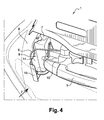
figure 4 est une vue agrandie de la zone arrondie, en pointillés, de lafigure 1 , matérialisant un dispositif d'ouverture selon l'invention. - Il est à préciser, que les pièces de support montrées aux
figures 2 et 3 , correspondent à un coté du véhicule, et que les vues présentées auxfigures 1 et4 correspondent à l'autre coté. - En se référant à la
figure 1 , un dispositif d'ouverture sécurisé 1 selon l'invention, est particulièrement adapté aux véhicules automobiles, dotés de portes arrières 2 latérales. Sur un véhicule automobile, il est implicite que chaque porte latérale 2 comporte une peau extérieure 3 en tôle, délimitant latéralement ledit véhicule. Afin de bien comprendre l'invention ainsi que les figures qui l'illustrent, cette peau extérieure 3 n'est pas montrée sur la porte arrière 2, pour permettre de bien visualiser le dispositif 1 selon l'invention. Le positionnement réel de cette peau 3, par rapport à ce dispositif 1 selon l'invention, est clairement défini au paragraphe suivant, consacré à la description de lafigure 4 . Néanmoins, on peut imaginer que cette peau 3 prolongerait celle de la porte avant 4, représentée à lafigure 1 , et recouvrirait la porte arrière 2 en masquant le dispositif sécurisé 1. - En se référant à la
figure 4 , un dispositif d'ouverture 1 sécurisé d'une porte arrière 2 de véhicule selon l'invention, comprend un élément de commande 5 d'ouverture extérieure, ou poignée, un câble 6 et une serrure 7, ces trois éléments 5,6,7 étant solidaires de la porte arrière 2. Plus précisément, la porte arrière 2 peut être schématiquement délimitée par une peau extérieure 3, une doublure intérieure, ces deux éléments étant inscrits dans deux plans verticaux et sensiblement parallèles, orientés sensiblement selon une direction longitudinale du véhicule. Ces deux plans sont reliés entre eux, au niveau de leur périphérie, par un rebord 8 s'étendant selon une direction transversale du véhicule automobile. La serrure 7 est implantée sur la porte arrière 2, au niveau de la face interne du rebord 8 reliant la peau extérieure à la doublure, au moyen d'une pièce support 9 plane et de faible épaisseur. La poignée 5 est matérialisée par un levier, apte à se déplacer dans un plan sensiblement horizontal, ladite poignée 5 étant conçue pour déverrouiller la serrure 7 par l'intermédiaire du câble 6. La partie du câble 6 reliant la commande d'ouverture extérieure 5 à la serrure 7, est à l'air libre, sans protection particulière, et peut donc subir tout type d'endommagement de la part d'une pièce constitutive de la porte 2, et en particulier de la part de la peau extérieure 3, en cas de choc accidentel. Cette partie de câble 6 est contenue dans un plan sensiblement vertical. Au niveau de lafigure 4 , ladite peau extérieure 3 n'est pas représentée, pour éviter de masquer le dispositif sécurisé selon l'invention. Si elle était présente sur cette figure, elle serait matérialisée par un plan sensiblement vertical, passant par la surface de contact référencée avec l'indice 10. - En se référant à la
figure 2 , une pièce support 19 de serrure 7 traditionnelle, connue de l'état de la technique, possède une face rectangulaire 11 ajourée, ayant un contour relativement régulier, à l'exception d'une encoche évasée 12 prévue pour arrimer cette pièce 9 sur la porte 2 du véhicule. - En se référant à la
figure 3 , une pièce de support 9 de serrure 7 mise en oeuvre dans un dispositif de sécurité selon l'invention, présente une excroissance 13 en forme de L. En effet, cette excroissance 13 présente une partie plane 14 de forme sensiblement rectangulaire, prolongeant le plan de surface 11 de la pièce support 9, cette partie plane 14 se terminant par un rebord 15 plan, qui lui est perpendiculaire. La pièce support 9, et l'excroissance 13 forment un ensemble monobloc. - En se référant à la
figure 4 , la pièce support 9 est positionnée sur la face interne du rebord 8 de la porte 2, reliant la peau extérieure 3 à la doublure intérieure de porte 2, de sorte que son excroissance 13 s'étende vers l'extérieur du véhicule, autrement dit vers la peau extérieure 3 de la porte 2, et de sorte que le rebord plan 15, de la pièce support 9, soit interposé entre le plan vertical dans lequel est contenu le câble 6, et la peau extérieure 3. Ce rebord plan 15 est assimilable à un carter de protection pour le câble 6, vis-à-vis de la peau extérieure 3. - Ainsi, une porte latérale 2 de véhicule automobile subissant un choc latéral suivant la direction F, va se déformer en déplaçant sa peau extérieure 3 vers l'intérieur du véhicule. Cette peau 3 va se déplacer jusqu'à venir en contact du rebord 15 de la pièce support 9, qui va alors jouer le rôle d'une butée d'arrêt. Le câble 6 n'étant pas impacté par ladite peau extérieure 3, se retrouve préservé, sans risque de déverrouiller accidentellement la serrure 7.
Claims (10)
- Dispositif d'ouverture (1) d'un ouvrant (2) de véhicule, comprenant un élément de commande (5) d'ouverture extérieure, un câble (6) et une serrure (7), ces trois éléments (5,6,7) étant solidaires de l'ouvrant (2), et ledit ouvrant (2) comportant une peau extérieure (3), caractérisé en ce qu' une butée (13) est interposée entre la peau (3) et le câble (6), de manière à stopper le déplacement de la peau (3) en amont du câble (6), lors d'un choc sur l'ouvrant (2).
- Dispositif selon la revendication 1, caractérisé en ce que la butée (13) est solidaire de l'ouvrant (2).
- Dispositif selon la revendication 2, caractérisé en ce que la serrure (7) est implantée sur l'ouvrant (2) au moyen d'une pièce support (9) fixée à l'ouvrant (2), et en ce que la butée (13) est solidaire de ladite pièce support (9).
- Dispositif selon la revendication 3, caractérisé en ce que la butée (13) et la pièce support (13) sont monobloc.
- Dispositif selon l'une quelconque des revendications précédentes, caractérisé en ce que l'ouvrant est constitué par une porte latérale arrière (2) d'un véhicule automobile.
- Dispositif selon la revendication 5, caractérisé en ce que le câble (6) reliant la poignée (5) à la serrure (7), est contenu dans un plan sensiblement vertical, et en ce que la butée (13) s'étend vers la peau (3), selon une direction sensiblement perpendiculaire à ladite peau (3).
- Dispositif selon la revendication 6, caractérisé en ce que la peau extérieure (3) définit un plan vertical, orienté selon une direction longitudinale du véhicule, et en ce que la butée (13) s'étend selon une direction transversale dudit véhicule.
- Dispositif selon la revendication 7, caractérisé en ce que la butée (13) est plane et de faible épaisseur, et prolonge la pièce support (9) vers la peau (3), et en ce qu'elle possède un rebord (15) sensiblement parallèle aux deux plans, et interposé entre la peau (3) et le câble (6).
- Ouvrant (2) de véhicule, caractérisé en ce qu'il comporte un dispositif d'ouverture (1) selon l'une quelconque des revendications 1 à 8.
- Véhicule automobile, caractérisé en qu'il comprend au moins un ouvrant (2) selon la revendication 9.
Applications Claiming Priority (1)
| Application Number | Priority Date | Filing Date | Title |
|---|---|---|---|
| FR0856806A FR2936832B1 (fr) | 2008-10-08 | 2008-10-08 | Dispositif d'ouverture securise d'un ouvrant de vehicule |
Publications (2)
| Publication Number | Publication Date |
|---|---|
| EP2174812A1 true EP2174812A1 (fr) | 2010-04-14 |
| EP2174812B1 EP2174812B1 (fr) | 2014-05-07 |
Family
ID=40627210
Family Applications (1)
| Application Number | Title | Priority Date | Filing Date |
|---|---|---|---|
| EP20090171436 Not-in-force EP2174812B1 (fr) | 2008-10-08 | 2009-09-28 | Dispositif d'ouverture sécurisé d'un ouvrant de véhicule |
Country Status (3)
| Country | Link |
|---|---|
| EP (1) | EP2174812B1 (fr) |
| ES (1) | ES2471446T3 (fr) |
| FR (1) | FR2936832B1 (fr) |
Cited By (4)
| Publication number | Priority date | Publication date | Assignee | Title |
|---|---|---|---|---|
| FR3016556A1 (fr) * | 2014-01-21 | 2015-07-24 | Peugeot Citroen Automobiles Sa | Dispositif pour empecher l’ouverture d’une porte laterale de vehicule automobile en cas de choc lateral |
| FR3135660A1 (fr) * | 2022-05-19 | 2023-11-24 | Psa Automobiles Sa | Porte latérale de véhicule automobile et véhicule comportant une telle porte |
| FR3145118A1 (fr) * | 2023-01-24 | 2024-07-26 | Psa Automobiles Sa | Renfort de serrure en escargot pour une porte de vehicule automobile |
| FR3148053A1 (fr) * | 2023-04-20 | 2024-10-25 | Psa Automobiles Sa | Renfort de serrure pour une porte de véhicule automobile |
Families Citing this family (2)
| Publication number | Priority date | Publication date | Assignee | Title |
|---|---|---|---|---|
| US11608659B2 (en) | 2020-01-31 | 2023-03-21 | Nissan North America, Inc. | Vehicle door assembly |
| US12172501B2 (en) | 2022-04-22 | 2024-12-24 | Nissan North America, Inc. | Vehicle door assembly |
Citations (5)
| Publication number | Priority date | Publication date | Assignee | Title |
|---|---|---|---|---|
| US5752346A (en) * | 1995-03-28 | 1998-05-19 | Kiekert Ag | Motor-vehicle door |
| DE10016243A1 (de) * | 2000-03-31 | 2001-10-04 | Volkswagen Ag | Betätigungsanordnung für ein Schloß, insbesondere ein Kraftfahrzeug-Türschloß, mit einem schwenkbar gelagerten Zuggriff |
| FR2817583A1 (fr) * | 2000-12-06 | 2002-06-07 | Peugeot Citroen Automobiles Sa | Dispositif de commande de l'ouverture d'une serrure d'un ouvrant d'un vehicule automobile |
| FR2869937A1 (fr) | 2004-05-05 | 2005-11-11 | Peugeot Citroen Automobiles Sa | Dispositif d'ouverture d'un ouvrant de vehicule automobile a securite renforcee en cas de choc, et procede de montage du dispositif sur l'ouvrant |
| US20070029835A1 (en) * | 2005-08-02 | 2007-02-08 | Ford Global Technologies, Llc | Door latch system for automotive vehicle |
-
2008
- 2008-10-08 FR FR0856806A patent/FR2936832B1/fr not_active Expired - Fee Related
-
2009
- 2009-09-28 EP EP20090171436 patent/EP2174812B1/fr not_active Not-in-force
- 2009-09-28 ES ES09171436.0T patent/ES2471446T3/es active Active
Patent Citations (5)
| Publication number | Priority date | Publication date | Assignee | Title |
|---|---|---|---|---|
| US5752346A (en) * | 1995-03-28 | 1998-05-19 | Kiekert Ag | Motor-vehicle door |
| DE10016243A1 (de) * | 2000-03-31 | 2001-10-04 | Volkswagen Ag | Betätigungsanordnung für ein Schloß, insbesondere ein Kraftfahrzeug-Türschloß, mit einem schwenkbar gelagerten Zuggriff |
| FR2817583A1 (fr) * | 2000-12-06 | 2002-06-07 | Peugeot Citroen Automobiles Sa | Dispositif de commande de l'ouverture d'une serrure d'un ouvrant d'un vehicule automobile |
| FR2869937A1 (fr) | 2004-05-05 | 2005-11-11 | Peugeot Citroen Automobiles Sa | Dispositif d'ouverture d'un ouvrant de vehicule automobile a securite renforcee en cas de choc, et procede de montage du dispositif sur l'ouvrant |
| US20070029835A1 (en) * | 2005-08-02 | 2007-02-08 | Ford Global Technologies, Llc | Door latch system for automotive vehicle |
Cited By (4)
| Publication number | Priority date | Publication date | Assignee | Title |
|---|---|---|---|---|
| FR3016556A1 (fr) * | 2014-01-21 | 2015-07-24 | Peugeot Citroen Automobiles Sa | Dispositif pour empecher l’ouverture d’une porte laterale de vehicule automobile en cas de choc lateral |
| FR3135660A1 (fr) * | 2022-05-19 | 2023-11-24 | Psa Automobiles Sa | Porte latérale de véhicule automobile et véhicule comportant une telle porte |
| FR3145118A1 (fr) * | 2023-01-24 | 2024-07-26 | Psa Automobiles Sa | Renfort de serrure en escargot pour une porte de vehicule automobile |
| FR3148053A1 (fr) * | 2023-04-20 | 2024-10-25 | Psa Automobiles Sa | Renfort de serrure pour une porte de véhicule automobile |
Also Published As
| Publication number | Publication date |
|---|---|
| ES2471446T3 (es) | 2014-06-26 |
| EP2174812B1 (fr) | 2014-05-07 |
| FR2936832B1 (fr) | 2010-10-15 |
| FR2936832A1 (fr) | 2010-04-09 |
Similar Documents
| Publication | Publication Date | Title |
|---|---|---|
| EP2174812B1 (fr) | Dispositif d'ouverture sécurisé d'un ouvrant de véhicule | |
| EP2611656B1 (fr) | Antivol de direction pour vehicule automobile | |
| EP3447218B1 (fr) | Système de verrouillage équipé d'une poignée et d'un système inertiel déporté | |
| EP3795416B1 (fr) | Appui-tête de siège de véhicule automobile | |
| FR2937670A1 (fr) | Systeme de trappe. | |
| FR3005088A1 (fr) | Structure de porte comprenant un element de verrouillage empechant le deverrouillage de la porte | |
| EP2834436B1 (fr) | Renfort de serrure contrevente pour une porte de véhicule automobile, porte équipée d'un tel renfort et véhicule équipe d'une telle porte | |
| FR2970680A1 (fr) | Porte laterale de vehicule equipee d'un mecanisme de fermeture | |
| EP3016812A2 (fr) | Porte laterale equipee d'un renfort auquel est fixe le dormant d'une vitre fixe ou le guide de coulisse de la vitre mobile | |
| EP3317145A1 (fr) | Projecteur avant de véhicule automobile muni d'un boîtier comportant un élément d'ancrage inférieur | |
| FR2925420A1 (fr) | Dispositif de liberation de l'espace de chargement des bagages d'un vehicule automobile | |
| EP1849664B1 (fr) | Dispositif de sécurité passif en cas de choc piéton avant d'un véhicule automobile et véhicule comprenant un tel dispositif | |
| FR2980505A3 (fr) | Element de fixation pour montage d'une poignee d'ouverture d'un ouvrant de vehicule | |
| EP3600974A1 (fr) | Dispositif de coussin de sécurité gonflable pour élément d'habillage intérieur de véhicule automobile. | |
| EP2897830B1 (fr) | Dispositif pour trappe de véhicule automobile à ouverture automatique, agencement incluant le dispositif et véhicule automobile incluant l'agencement | |
| WO2013011219A1 (fr) | Vehicule automobile a portiere coulissante | |
| EP3581739B1 (fr) | Dispositif de protection pour mécanisme de déverrouillage d'une serrure de porte du type à poignée affleurante | |
| FR3012775A1 (fr) | Agencement interieur d'un vehicule automobile comportant un module de rangement amovible | |
| FR2946077A1 (fr) | Dispositif de commande de l'ouverture d'un ouvrant d'un vehicule automobile comportant un moyen pour empecher cette ouverture, en cas de choc lateral, ouvrant ainsi equipe et vehicule comportant un tel ouvrant. | |
| FR3077836A1 (fr) | Systeme de prevention contre l’ouverture non intentionnelle d’un dispositif de rangement en cas de choc. | |
| EP0080386B1 (fr) | Dispositif de commande à distance d'un organe de verrouillage sur un véhicule automobile | |
| FR3148054A1 (fr) | Support de guide coulisse pour une structure de porte de véhicule automobile | |
| FR3008653A1 (fr) | Ensemble boitier de trappe a carburant pour vehicule automobile et vehicule ainsi equipe | |
| EP2462300A1 (fr) | Dispositif d'assemblage d'une poignee exterieure sur une porte de vehicule | |
| EP1966453B1 (fr) | Dispositif de protection de verrou de porte |
Legal Events
| Date | Code | Title | Description |
|---|---|---|---|
| PUAI | Public reference made under article 153(3) epc to a published international application that has entered the european phase |
Free format text: ORIGINAL CODE: 0009012 |
|
| AK | Designated contracting states |
Kind code of ref document: A1 Designated state(s): AT BE BG CH CY CZ DE DK EE ES FI FR GB GR HR HU IE IS IT LI LT LU LV MC MK MT NL NO PL PT RO SE SI SK SM TR |
|
| AX | Request for extension of the european patent |
Extension state: AL BA RS |
|
| 17P | Request for examination filed |
Effective date: 20100709 |
|
| GRAP | Despatch of communication of intention to grant a patent |
Free format text: ORIGINAL CODE: EPIDOSNIGR1 |
|
| INTG | Intention to grant announced |
Effective date: 20131216 |
|
| GRAS | Grant fee paid |
Free format text: ORIGINAL CODE: EPIDOSNIGR3 |
|
| GRAA | (expected) grant |
Free format text: ORIGINAL CODE: 0009210 |
|
| AK | Designated contracting states |
Kind code of ref document: B1 Designated state(s): AT BE BG CH CY CZ DE DK EE ES FI FR GB GR HR HU IE IS IT LI LT LU LV MC MK MT NL NO PL PT RO SE SI SK SM TR |
|
| REG | Reference to a national code |
Ref country code: GB Ref legal event code: FG4D Free format text: NOT ENGLISH |
|
| RIC1 | Information provided on ipc code assigned before grant |
Ipc: B60J 5/04 20060101AFI20140402BHEP Ipc: E05B 77/04 20140101ALI20140402BHEP |
|
| REG | Reference to a national code |
Ref country code: AT Ref legal event code: REF Ref document number: 666342 Country of ref document: AT Kind code of ref document: T Effective date: 20140515 |
|
| REG | Reference to a national code |
Ref country code: IE Ref legal event code: FG4D Free format text: LANGUAGE OF EP DOCUMENT: FRENCH |
|
| REG | Reference to a national code |
Ref country code: DE Ref legal event code: R096 Ref document number: 602009023818 Country of ref document: DE Effective date: 20140618 |
|
| REG | Reference to a national code |
Ref country code: ES Ref legal event code: FG2A Ref document number: 2471446 Country of ref document: ES Kind code of ref document: T3 Effective date: 20140626 |
|
| REG | Reference to a national code |
Ref country code: AT Ref legal event code: MK05 Ref document number: 666342 Country of ref document: AT Kind code of ref document: T Effective date: 20140507 |
|
| REG | Reference to a national code |
Ref country code: NL Ref legal event code: VDEP Effective date: 20140507 |
|
| REG | Reference to a national code |
Ref country code: LT Ref legal event code: MG4D |
|
| PG25 | Lapsed in a contracting state [announced via postgrant information from national office to epo] |
Ref country code: FI Free format text: LAPSE BECAUSE OF FAILURE TO SUBMIT A TRANSLATION OF THE DESCRIPTION OR TO PAY THE FEE WITHIN THE PRESCRIBED TIME-LIMIT Effective date: 20140507 Ref country code: LT Free format text: LAPSE BECAUSE OF FAILURE TO SUBMIT A TRANSLATION OF THE DESCRIPTION OR TO PAY THE FEE WITHIN THE PRESCRIBED TIME-LIMIT Effective date: 20140507 Ref country code: CY Free format text: LAPSE BECAUSE OF FAILURE TO SUBMIT A TRANSLATION OF THE DESCRIPTION OR TO PAY THE FEE WITHIN THE PRESCRIBED TIME-LIMIT Effective date: 20140507 Ref country code: NO Free format text: LAPSE BECAUSE OF FAILURE TO SUBMIT A TRANSLATION OF THE DESCRIPTION OR TO PAY THE FEE WITHIN THE PRESCRIBED TIME-LIMIT Effective date: 20140807 Ref country code: GR Free format text: LAPSE BECAUSE OF FAILURE TO SUBMIT A TRANSLATION OF THE DESCRIPTION OR TO PAY THE FEE WITHIN THE PRESCRIBED TIME-LIMIT Effective date: 20140808 Ref country code: IS Free format text: LAPSE BECAUSE OF FAILURE TO SUBMIT A TRANSLATION OF THE DESCRIPTION OR TO PAY THE FEE WITHIN THE PRESCRIBED TIME-LIMIT Effective date: 20140907 |
|
| PG25 | Lapsed in a contracting state [announced via postgrant information from national office to epo] |
Ref country code: PL Free format text: LAPSE BECAUSE OF FAILURE TO SUBMIT A TRANSLATION OF THE DESCRIPTION OR TO PAY THE FEE WITHIN THE PRESCRIBED TIME-LIMIT Effective date: 20140507 Ref country code: HR Free format text: LAPSE BECAUSE OF FAILURE TO SUBMIT A TRANSLATION OF THE DESCRIPTION OR TO PAY THE FEE WITHIN THE PRESCRIBED TIME-LIMIT Effective date: 20140507 Ref country code: SE Free format text: LAPSE BECAUSE OF FAILURE TO SUBMIT A TRANSLATION OF THE DESCRIPTION OR TO PAY THE FEE WITHIN THE PRESCRIBED TIME-LIMIT Effective date: 20140507 Ref country code: LV Free format text: LAPSE BECAUSE OF FAILURE TO SUBMIT A TRANSLATION OF THE DESCRIPTION OR TO PAY THE FEE WITHIN THE PRESCRIBED TIME-LIMIT Effective date: 20140507 Ref country code: AT Free format text: LAPSE BECAUSE OF FAILURE TO SUBMIT A TRANSLATION OF THE DESCRIPTION OR TO PAY THE FEE WITHIN THE PRESCRIBED TIME-LIMIT Effective date: 20140507 |
|
| PG25 | Lapsed in a contracting state [announced via postgrant information from national office to epo] |
Ref country code: PT Free format text: LAPSE BECAUSE OF FAILURE TO SUBMIT A TRANSLATION OF THE DESCRIPTION OR TO PAY THE FEE WITHIN THE PRESCRIBED TIME-LIMIT Effective date: 20140908 |
|
| PG25 | Lapsed in a contracting state [announced via postgrant information from national office to epo] |
Ref country code: SK Free format text: LAPSE BECAUSE OF FAILURE TO SUBMIT A TRANSLATION OF THE DESCRIPTION OR TO PAY THE FEE WITHIN THE PRESCRIBED TIME-LIMIT Effective date: 20140507 Ref country code: EE Free format text: LAPSE BECAUSE OF FAILURE TO SUBMIT A TRANSLATION OF THE DESCRIPTION OR TO PAY THE FEE WITHIN THE PRESCRIBED TIME-LIMIT Effective date: 20140507 Ref country code: RO Free format text: LAPSE BECAUSE OF FAILURE TO SUBMIT A TRANSLATION OF THE DESCRIPTION OR TO PAY THE FEE WITHIN THE PRESCRIBED TIME-LIMIT Effective date: 20140507 Ref country code: CZ Free format text: LAPSE BECAUSE OF FAILURE TO SUBMIT A TRANSLATION OF THE DESCRIPTION OR TO PAY THE FEE WITHIN THE PRESCRIBED TIME-LIMIT Effective date: 20140507 Ref country code: DK Free format text: LAPSE BECAUSE OF FAILURE TO SUBMIT A TRANSLATION OF THE DESCRIPTION OR TO PAY THE FEE WITHIN THE PRESCRIBED TIME-LIMIT Effective date: 20140507 |
|
| REG | Reference to a national code |
Ref country code: DE Ref legal event code: R097 Ref document number: 602009023818 Country of ref document: DE |
|
| PG25 | Lapsed in a contracting state [announced via postgrant information from national office to epo] |
Ref country code: NL Free format text: LAPSE BECAUSE OF FAILURE TO SUBMIT A TRANSLATION OF THE DESCRIPTION OR TO PAY THE FEE WITHIN THE PRESCRIBED TIME-LIMIT Effective date: 20140507 |
|
| REG | Reference to a national code |
Ref country code: DE Ref legal event code: R084 Ref document number: 602009023818 Country of ref document: DE |
|
| PLBE | No opposition filed within time limit |
Free format text: ORIGINAL CODE: 0009261 |
|
| STAA | Information on the status of an ep patent application or granted ep patent |
Free format text: STATUS: NO OPPOSITION FILED WITHIN TIME LIMIT |
|
| REG | Reference to a national code |
Ref country code: ES Ref legal event code: GC2A Effective date: 20150317 |
|
| 26N | No opposition filed |
Effective date: 20150210 |
|
| REG | Reference to a national code |
Ref country code: GB Ref legal event code: 746 Effective date: 20150330 |
|
| REG | Reference to a national code |
Ref country code: DE Ref legal event code: R084 Ref document number: 602009023818 Country of ref document: DE Effective date: 20150307 |
|
| PG25 | Lapsed in a contracting state [announced via postgrant information from national office to epo] |
Ref country code: LU Free format text: LAPSE BECAUSE OF FAILURE TO SUBMIT A TRANSLATION OF THE DESCRIPTION OR TO PAY THE FEE WITHIN THE PRESCRIBED TIME-LIMIT Effective date: 20140928 Ref country code: IT Free format text: LAPSE BECAUSE OF FAILURE TO SUBMIT A TRANSLATION OF THE DESCRIPTION OR TO PAY THE FEE WITHIN THE PRESCRIBED TIME-LIMIT Effective date: 20140507 Ref country code: MC Free format text: LAPSE BECAUSE OF FAILURE TO SUBMIT A TRANSLATION OF THE DESCRIPTION OR TO PAY THE FEE WITHIN THE PRESCRIBED TIME-LIMIT Effective date: 20140507 |
|
| REG | Reference to a national code |
Ref country code: CH Ref legal event code: PL |
|
| REG | Reference to a national code |
Ref country code: DE Ref legal event code: R097 Ref document number: 602009023818 Country of ref document: DE Effective date: 20150210 |
|
| PG25 | Lapsed in a contracting state [announced via postgrant information from national office to epo] |
Ref country code: BE Free format text: LAPSE BECAUSE OF NON-PAYMENT OF DUE FEES Effective date: 20140930 |
|
| REG | Reference to a national code |
Ref country code: IE Ref legal event code: MM4A |
|
| PG25 | Lapsed in a contracting state [announced via postgrant information from national office to epo] |
Ref country code: LI Free format text: LAPSE BECAUSE OF NON-PAYMENT OF DUE FEES Effective date: 20140930 Ref country code: SI Free format text: LAPSE BECAUSE OF FAILURE TO SUBMIT A TRANSLATION OF THE DESCRIPTION OR TO PAY THE FEE WITHIN THE PRESCRIBED TIME-LIMIT Effective date: 20140507 Ref country code: CH Free format text: LAPSE BECAUSE OF NON-PAYMENT OF DUE FEES Effective date: 20140930 |
|
| PG25 | Lapsed in a contracting state [announced via postgrant information from national office to epo] |
Ref country code: IE Free format text: LAPSE BECAUSE OF NON-PAYMENT OF DUE FEES Effective date: 20140928 |
|
| REG | Reference to a national code |
Ref country code: ES Ref legal event code: GC2A Effective date: 20160112 |
|
| PG25 | Lapsed in a contracting state [announced via postgrant information from national office to epo] |
Ref country code: SM Free format text: LAPSE BECAUSE OF FAILURE TO SUBMIT A TRANSLATION OF THE DESCRIPTION OR TO PAY THE FEE WITHIN THE PRESCRIBED TIME-LIMIT Effective date: 20140507 |
|
| PG25 | Lapsed in a contracting state [announced via postgrant information from national office to epo] |
Ref country code: BG Free format text: LAPSE BECAUSE OF FAILURE TO SUBMIT A TRANSLATION OF THE DESCRIPTION OR TO PAY THE FEE WITHIN THE PRESCRIBED TIME-LIMIT Effective date: 20140507 Ref country code: MT Free format text: LAPSE BECAUSE OF FAILURE TO SUBMIT A TRANSLATION OF THE DESCRIPTION OR TO PAY THE FEE WITHIN THE PRESCRIBED TIME-LIMIT Effective date: 20140507 |
|
| PG25 | Lapsed in a contracting state [announced via postgrant information from national office to epo] |
Ref country code: HU Free format text: LAPSE BECAUSE OF FAILURE TO SUBMIT A TRANSLATION OF THE DESCRIPTION OR TO PAY THE FEE WITHIN THE PRESCRIBED TIME-LIMIT; INVALID AB INITIO Effective date: 20090928 Ref country code: TR Free format text: LAPSE BECAUSE OF FAILURE TO SUBMIT A TRANSLATION OF THE DESCRIPTION OR TO PAY THE FEE WITHIN THE PRESCRIBED TIME-LIMIT Effective date: 20140507 |
|
| REG | Reference to a national code |
Ref country code: FR Ref legal event code: PLFP Year of fee payment: 8 |
|
| REG | Reference to a national code |
Ref country code: FR Ref legal event code: PLFP Year of fee payment: 9 |
|
| PG25 | Lapsed in a contracting state [announced via postgrant information from national office to epo] |
Ref country code: MK Free format text: LAPSE BECAUSE OF FAILURE TO SUBMIT A TRANSLATION OF THE DESCRIPTION OR TO PAY THE FEE WITHIN THE PRESCRIBED TIME-LIMIT Effective date: 20140507 |
|
| REG | Reference to a national code |
Ref country code: FR Ref legal event code: CA Effective date: 20180312 Ref country code: FR Ref legal event code: CD Owner name: PEUGEOT CITROEN AUTOMOBILES SA, FR Effective date: 20180312 |
|
| REG | Reference to a national code |
Ref country code: FR Ref legal event code: PLFP Year of fee payment: 10 |
|
| PGFP | Annual fee paid to national office [announced via postgrant information from national office to epo] |
Ref country code: GB Payment date: 20220819 Year of fee payment: 14 Ref country code: DE Payment date: 20220616 Year of fee payment: 14 |
|
| PGFP | Annual fee paid to national office [announced via postgrant information from national office to epo] |
Ref country code: FR Payment date: 20220818 Year of fee payment: 14 |
|
| PGFP | Annual fee paid to national office [announced via postgrant information from national office to epo] |
Ref country code: ES Payment date: 20231002 Year of fee payment: 15 |
|
| REG | Reference to a national code |
Ref country code: DE Ref legal event code: R119 Ref document number: 602009023818 Country of ref document: DE |
|
| GBPC | Gb: european patent ceased through non-payment of renewal fee |
Effective date: 20230928 |
|
| PG25 | Lapsed in a contracting state [announced via postgrant information from national office to epo] |
Ref country code: GB Free format text: LAPSE BECAUSE OF NON-PAYMENT OF DUE FEES Effective date: 20230928 |
|
| PG25 | Lapsed in a contracting state [announced via postgrant information from national office to epo] |
Ref country code: GB Free format text: LAPSE BECAUSE OF NON-PAYMENT OF DUE FEES Effective date: 20230928 Ref country code: FR Free format text: LAPSE BECAUSE OF NON-PAYMENT OF DUE FEES Effective date: 20230930 Ref country code: DE Free format text: LAPSE BECAUSE OF NON-PAYMENT OF DUE FEES Effective date: 20240403 |
|
| REG | Reference to a national code |
Ref country code: ES Ref legal event code: FD2A Effective date: 20251031 |
|
| PG25 | Lapsed in a contracting state [announced via postgrant information from national office to epo] |
Ref country code: ES Free format text: LAPSE BECAUSE OF NON-PAYMENT OF DUE FEES Effective date: 20240929 |