EP2178270B1 - Verfahren und Vorrichtungen zur Verwendung eines Caches für ausgehende Paketidentifikatoren zur Wiederherstellung nach einem Protokollfehler in GTP-U - Google Patents
Verfahren und Vorrichtungen zur Verwendung eines Caches für ausgehende Paketidentifikatoren zur Wiederherstellung nach einem Protokollfehler in GTP-U Download PDFInfo
- Publication number
- EP2178270B1 EP2178270B1 EP09173179A EP09173179A EP2178270B1 EP 2178270 B1 EP2178270 B1 EP 2178270B1 EP 09173179 A EP09173179 A EP 09173179A EP 09173179 A EP09173179 A EP 09173179A EP 2178270 B1 EP2178270 B1 EP 2178270B1
- Authority
- EP
- European Patent Office
- Prior art keywords
- node
- identifier
- receive
- cache
- transmit
- Prior art date
- Legal status (The legal status is an assumption and is not a legal conclusion. Google has not performed a legal analysis and makes no representation as to the accuracy of the status listed.)
- Active
Links
- 238000000034 method Methods 0.000 title claims abstract description 50
- 230000005540 biological transmission Effects 0.000 description 33
- 230000005641 tunneling Effects 0.000 description 10
- 238000012423 maintenance Methods 0.000 description 3
- 230000007257 malfunction Effects 0.000 description 2
- 238000012545 processing Methods 0.000 description 2
- 239000011800 void material Substances 0.000 description 2
- 238000004891 communication Methods 0.000 description 1
- 238000010276 construction Methods 0.000 description 1
- 238000007796 conventional method Methods 0.000 description 1
- 230000001419 dependent effect Effects 0.000 description 1
- 238000011161 development Methods 0.000 description 1
- 230000018109 developmental process Effects 0.000 description 1
- 230000006870 function Effects 0.000 description 1
- 238000013507 mapping Methods 0.000 description 1
- 238000012986 modification Methods 0.000 description 1
- 230000004048 modification Effects 0.000 description 1
- 238000005457 optimization Methods 0.000 description 1
- 238000011084 recovery Methods 0.000 description 1
- 230000001960 triggered effect Effects 0.000 description 1
- 239000002699 waste material Substances 0.000 description 1
Images



Classifications
-
- H—ELECTRICITY
- H04—ELECTRIC COMMUNICATION TECHNIQUE
- H04L—TRANSMISSION OF DIGITAL INFORMATION, e.g. TELEGRAPHIC COMMUNICATION
- H04L69/00—Network arrangements, protocols or services independent of the application payload and not provided for in the other groups of this subclass
- H04L69/40—Network arrangements, protocols or services independent of the application payload and not provided for in the other groups of this subclass for recovering from a failure of a protocol instance or entity, e.g. service redundancy protocols, protocol state redundancy or protocol service redirection
-
- H—ELECTRICITY
- H04—ELECTRIC COMMUNICATION TECHNIQUE
- H04W—WIRELESS COMMUNICATION NETWORKS
- H04W76/00—Connection management
- H04W76/10—Connection setup
-
- H—ELECTRICITY
- H04—ELECTRIC COMMUNICATION TECHNIQUE
- H04W—WIRELESS COMMUNICATION NETWORKS
- H04W80/00—Wireless network protocols or protocol adaptations to wireless operation
- H04W80/04—Network layer protocols, e.g. mobile IP [Internet Protocol]
Definitions
- the invention relates to recovery of protocol errors in a tunneling protocol such as GTP-u.
- a tunneling protocol is a network protocol which encapsulates a payload protocol, while acting as a payload protocol.
- a tunneling protocol may be used for various reasons, including carrying a payload over an incompatible delivery network, or to provide a secure path through an untrusted network.
- 3rd Generation Partnership Project;Technical Specification Group Core Network and Terminals;General Packet Radio Service (GPRS);GPRS Tunnelling Protocol (GTP)across the Gn and Gp interface (Release 8) 3GPP DRAFT; TS 29.060 V8.2.0, is related to the second version of GTP used on the Gn and Gp interfaces of the General Packet Radio Service (GPRS), the Iu, Gn and Gp interfaces of the UMTS system.
- GPRS General Packet Radio Service
- a typical user plane data traffic tunneling mechanism involves three phases: constructing the tunnel, maintaining the tunnel and gracefully bringing the tunnel drown. Normally there are two network nodes involved the tunnel endpoints.
- the tunnel endpoints may be constructed by, for example, network gateways. Both of the network gateways involved in building the tunnel need to create a data entity for maintaining the tunnel. This entity, which is known as a PDP Context in GPRS Tunneling Protocol (GTP), contains information about, for example, user mobility, charging, authentication, Quality of Service, etc. Each user plane data packet that arrives through the tunnel into the tunnel endpoint node needs to be associated with one such entity. Each tunnel protocol packet contains an identifier, called a Tunnel Endpoint Identifier (TEID) to make that possible. The TEID helps the tunnel endpoint node detect the correct User Entity associated with the stream of data packets belonging to one particular user.
- GTP GPRS Tunneling Protocol
- One network tunnel endpoint node may hold millions of tunnel endpoints at any given time. Every incoming user plane data packet needs to be quickly associated with a correct User Entity. To that end, tunneling protocols often involve a tunneling initialization stage in which each of the tunnel endpoint nodes allocate an identifier for each user traffic stream. Each of the tunnel endpoint nodes then instructs the other endpoint node to include that identifier in every data packet related to a particular user plane data packet stream.
- the composition of the TEID may be implementation specific.
- the TEID may be comprised of, for example, a processing blade number or a position of a User Entity in a table of User Entities.
- a processing blade number As shown in Fig. 1 , for example, user k, which is in position 2 (reference 20) of a User Entities Database (DB) 16 at Node A (reference 12), is assigned a TEID of 2 (reference 18) by Node A (reference 12).
- DB User Entities Database
- user k is assigned a TEID equal to its processing plate number, or 1001 (hex) (reference 24), by Node B (reference 1).
- An identifier allocated to a traffic stream by one of the network nodes is just an arbitrary number to the other network node. If each of the tunnel end nods includes the identifier allocated by the tunnel end node in each and every data packet, however, both of the tunnel end nodes will be able to associate a user plane packet with its owner quickly.
- Node A stores the TEID of 1001 (hex) (reference 28) assigned to user k by Node B (reference 14).
- Node B similarly, stores the TEID of 2 (reference 30) assigned to the user k by Node A (reference 12).
- the User Plane Packet (reference 32) sent by Node A (reference 12) to Node B (reference 14) may be seen to include the TEID of 1001 (hex), which was assigned to user k by Node B (reference 14). Consequently, when the User Plane Packet 32 reaches Node (reference 14), Node B (reference 14) will be able,to associate the User Plane Packet 32 with user k quickly and easily.
- Tunnel Endpoint Node A now having lost user k from its database, recognizes a problem in the tunnel protocol and informs Node B about the failure.
- Node A notifies Node B by sending an error message - known as Error Indication in GTP-u protocol - to Node B informing Node B of a protocol problem related to the tunnel endpoint identifier TEIDk[A].
- Node B should remove the User Entity it still has involving the User k.
- Node B has no direct mapping of TEIDk[A] to the User Entity Database entry being affected. So far it has relied on Node A using TEIDk[B] in all communication involving user k, but Node A has lost that identifier along with all other information about user k.
- a User Entity database Entry contains among other things the address of the other endpoint of the tunnel and the Tunnel Endpoint Identifier the other peer has allocated a particular user.
- Node B can scan through its User Entity database for an entry with a combination of tunnel endpoint node address A / tunnel endpoint identifier TEIDk[A]. This is a linear search and can be fairly time consuming.
- the tunnel endpoint node may maintain a search tree or a hash table in which the key would be a tuple of a tunnel endpoints node address and the remotely allocated TEID.
- This search structure may become very large and if not carefully maintained may become corrupted over time. Furthermore, there is no inherent self-fixing mechanism for this search structure.
- a method of using a cache of outgoing packet identifiers to recover from a protocol error includes assigning a first identifier associated with a user entity to a traffic stream at a first node, forwarding the first identifier to a second node, instructing the second node to associate the first identifier with a first plurality of data packets of the traffic stream, storing the first node identifier, the second node identifier, and the address of the first node in a second cache at the second node for each of the first plurality of data packets, sending the first plurality of data packets from the second node to the first node, assigning a second identifier associated with the user entity to the traffic stream at the second node, sending the second identifier to the first node, instructing the first node to associate the second identifier with a second plurality of data packets of the traffic stream, storing the first node identifier, the second node identifier, and the address of the second no
- a method of using a cache of outgoing packet identifiers to recover from a protocol error includes assigning a receive identifier associated with a user entity to a traffic stream at a receive node, sending the receive identifier to a transmit node, instructing the transmit node to associate the receive identifier with a receive plurality of data packets of the traffic stream, assigning a transmit identifier associated with the user entity to the traffic stream at the transmit node, storing the transmit node identifier, the receive node identifier, and the address of the receive node in a transmit cache at the transmit node for each of the receive plurality of data packets, sending the receive plurality of data packets from the transmit node to the receive node, receiving an error message at the transmit node from the receive node, indicating that the receive identifier was not recognized, searching the transmit cache for the transmit node identifier using the receive node identifier and the address of the receive node, identifying the usher entity associated with the transmit
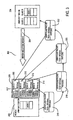
- a tunneling process 300 in which a cache 306 of outgoing packet identifiers is used to recover from a protocol error.
- a tunnel endpoint node 302 is forwarding a plurality of user plane data packets 316, 318, 320, and 322 to a tunnel endpoint node 304.
- the plurality of user plane data packets 316, 318, 320, and 322 may belong to, for example, a user k. While only one direction of user plane data packet transmission is shown in Fig. 3 for purposes of clarity, a substantially symmetrical process may be conducted at the tunnel endpoints node 304 for user plane data packets being forwarded to the tunnel endpoint node 302.
- a transmission information set is created for each of the user plane data packets 316, 318, 320, and 322 as they are being transmitted.
- the transmission information set would then be cached into the cache 306, a limited length, first-in-first-out queue of similar information sets.
- the cache 306 is associated with the tunnel endpoint node 302.
- the cache 306 is dedicated to the traffic stream being sent to the tunnel endpoint node 304.
- the cache 306 is shared by several tunnel endpoint nodes, each of which is receiving user plane data packets from the tunnel endpoint node 302.
- a cache hit ratio could be further improved by introducing a separate cache for each tunneling peer.
- the cache 306 is a first-in-first out cache. In one embodiment, the length of the cache 306, or number of storage places within the cache 306, is optimized to reduce cache miss errors.
- the cache 306 shown in Fig. 3 for example, has four storage places, but the cache 306 may have more or less storage spaces.
- the transmission information set 308 contains the address of the tunnel endpoint node 304 to which user plane data packet 322 is being transmitted, the tunnel endpoint identifier allocated for user k by the tunnel endpoint node 304, i.e., TEIDk[B], and the local identifier for user k, i.e. TEIDk[A].
- the transmission information set 308 was cached in the first position of the cache 306, since, in Fig. 3 , the user plane data packet 322 was the first user plane data packet to be transmitted. When the cache 306 becomes full, the transmission information set 308 will be removed to make room for a new transmission information set.
- a transmission information set 310 was created for a user plane data packet 320 when it was transmitted.
- the transmission information set 310 contains the address of the tunnel endpoint node 304 to which user plane data packet 320 is being transmitted, the tunnel endpoint identifier allocated for user k by the tunnel endpoint node 304, i.e., TEIDk[B], and the local identifier for user k, i.e. TEIDk[A].
- the transmission information set 310 was cached in the second position of the cache 306, since, in Fig. 3 , the user plane data packet 320 was the second user plane data packet to be transmitted. When the cache 306 becomes full, and the transmission information set 308 is removed to make room for a new transmission information set, the transmission information set 310 will move into the first position of the cache 306.
- the transmission information set 312 contain the address of the tunnel endpoint node 304 to which user plane data packet 318 is being transmitted, the tunnel endpoint identifier allocated for user k by the tunnel endpoint node 304, i.e., TEIDk[B], and the local identifier for user k, i.e. TEIDk[A].
- the transmission information set 312 was cached in the third position of the cache 306, since, in Fig. 3 , the user plane data packet 318 was the third user plane data packet to be transmitted. When the cache 306 becomes full, and the transmission information set 308 is removed to make room for a new transmission information set, the transmission information set 312 will move into the second position of the cache 306.
- the transmission information set 314 contains the address of the tunnel endpoint node 304 to which user plane data packet 316 is being transmitted, the tunnel endpoint identifier allocated for user k by the tunnel endpoint node 304, i.e., TEIDk[B], and the local identifier for user k, i.e. TEIDk[A].
- the transmission information set 314 was cached in the fourth position of the cache 306, since, in Fig. 3 , the user plane data packet 316 was the fourth user plane data packet to be transmitted. When the cache 306 becomes full, and the transmission information set 308 is removed to make room for a new transmission information set, the transmission information set 314 will move into the third position of the cache 306.
- the tunnel endpoint node 304 If the tunnel endpoint node 304 loses the contents of its User Entity database due to, for example software or hardware malfunction, the tunnel endpoint node 302 must react by removing all the user plane data tunnel endpoints associated with the broken tunnel endpoint node. If the tunnel endpoint node 304 reboots, for example, and loses the tunnel endpoint identifier allocated for user k by the tunnel endpoint node 304, i.e., TEIDk[B], the user plane data packets may not be able to be associated with the user k. In this case, the tunnel endpoint node 304 may send an Error Indication Message 324 to the tunnel endpoint node 302 immediately upon reception of, for example, the user plane data packet 322. The Error Indication Message 324 informs the tunnel endpoint node 302 that the tunnel endpoint identifier associated with the user plane data packet is unrecognized.
- the tunnel endpoint node 302 that sent the user plane data packet 322 still has the transmission information set 308 concerning the user plane data packet 322 in the cache 306.
- Doing an exhaustive search in the transmission data set cache 306 may find an entry containing a combination of the address of the tunnel endpoint node 304 and the tunnel endpoint identifier allocated for user k by the tunnel endpoint node 304, i.e., TEIDk[F3].
- this combination is unique by protocol definition so the third member of the transmission information set, the local identifier for user k, i.e. TEIDk[A], will locate the offending User Entity so it can be removed.
- the tunnel endpoint node 302 may still have to do an exhaustive search in the User Entity database after all. Still, it is a matter network node optimization to find a reasonable value - memory and search time consumption wise - for the transmission information set cache 306.
- Fig. 4 a process 400 in which a cache of outgoing packet identifiers is used to recover from a protocol error.
- the process 400 begins with a first operation 402 in which a first identifier associated with a user entity is assigned to a traffic stream at a first node. From the first operation 402 the process moves to a second operation 404, in which the first identifier is forwarded to a second node.
- the process moves to a third operation 406, in which the second node is instructed to associate the first identifier with a first plurality of data packets of the traffic stream.
- the process moves to a fourth operation 408, in which the first node identifier, the second node identifier, and the address of the first node are stored in a second cache at the second node for each of the first plurality of data packets.
- the process moves to a fifth operation 410, in which the first plurality of data packets are sent from the second node to the first node. From the fifth operation 410, the process moves to a sixth operation 412, in which a second identifier associated with the user entity is assigned to the traffic stream at the second node. From the sixth operation 412, the process moves to a seventh operation 414, in which the second identifier is sent to the first node.
- the process moves to an eighth operation 416, in which the first node is instructed to associate the second identifier with a second plurality of data packets of the traffic stream.
- the process moves to a ninth operation 418, in which the first node identifier, the second node identifier, and the address of the second node are stored in a first cache at the first node for each of the second plurality of data packets.
- the process moves to a 10th operation 420, in which the second plurality of data packets is sent from the first node to the second node.
- the process moves to an 11th operation 422, in which an error message from the second node is received at the first node, indicating that the second identifier was not recognized.
- the process moves to a 12 th operation 424, in which the first cache is searched for the first node identifier using the second node identifier and the address of the second node.
- the process moves to a 13 th operation 426, in which the user entity associated with the first node identifier is identified.
- the process moves to a 14 th operation 428, in which the user entity is removed.
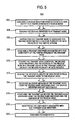
- Fig. 5 a process 500 in which a cache of outgoing packet identifiers is used to recover from a protocol error.
- the process 500 begins with a first operation 502, in which a receive identifier associated with a user entity is assigned to a traffic stream at a receive node. From the first operation 502, the process moves to a second operation 504, in which the receive identifier is sent to a transmit node.
- the process moves to a third operation 506, in which the transmit node is instructed to associate the receive identifier with a receive plurality of data packets of the traffic stream.
- the process moves to a fourth operation 508, in which a transmit identifier associated with the user entity of the traffic stream is assigned at the transmit node.
- the process moves to a fifth operation 510, in which the transmit node identifier, the receive node identifier, and the address of the receive node are stored in a transmit cache at the transmit node for each of the receive plurality of data packets.
- the process moves to a sixth operation 512, in which the receive plurality of data packets are sent from the transmit node to the receive node. From the sixth operation 512, the process moves to a seventh operation 514, in which an error message is received at the transmit node from the receive node, indicating that the receive identifier was not recognized. From the seventh operation 514, the process moves to an eighth operation 516, in which the transmit cache is searched for the transmit node identifier using the receive node identifier and the address of the receive node.
- the process moves to a ninth operation 518, in which the user entity associated with the transmit node identifier is identified. From the ninth operation 518, the process moves to a 10 th operation 520, in which the user entity is removed.
- the solution suggested here is very simple: avoiding the memory waste of big data structures and maintenance complexities of search trees or hash tables that aim to the same goal - avoiding exhaustive searches in User Entity Database for a malfunctioning User Entity. While a hit in the cache is not always guaranteed, adjusting the cache size to a value that doesn't take too long to search through but provides a good hit ratio should provide a reasonable compromise.
- a process of using a cache of outgoing packet identifiers to recover from a protocol error includes assigning a receive identifier associated with a user entity to a traffic stream at a receive node.
- the receive identifier is sent to a transmit node.
- the transmit node is instructed to associate the receive identifier with a receive plurality of data packets of the traffic stream.
- the transmit identifier associated with the user entity is assigned to the traffic stream at the transmit node.
- the transmit node identifier, the receive node identifier, and the address of the receive node are stored in a transmit cache at the transmit node for each of the receive plurality of data packets.
- the receive plurality of data packets is sent from the transmit node to the receive node.
- An error message is received at the transmit node from the receive node, indicating that the receive identifier was not recognized.
- the transmit cache is searched for the transmit node identifier using the receive node identifier and the address of the receive node.
- the user entity associated with the transmit node identifier is identified, and the user entity is removed.
Landscapes
- Engineering & Computer Science (AREA)
- Computer Security & Cryptography (AREA)
- Computer Networks & Wireless Communication (AREA)
- Signal Processing (AREA)
- Data Exchanges In Wide-Area Networks (AREA)
- Mobile Radio Communication Systems (AREA)
Claims (13)
- Verfahren zur Verwendung eines Cache-Speichers (306) für abgehende Paketkennungen zur Folgenbehebung nach einem Protokollfehler, umfassend:Zuweisen (402) einer ersten, einer Benutzerinstanz zugeordneten Kennung zu einem Verkehrsstrom an einem ersten Knoten;Weiterleiten (404) der ersten Kennung zu einem zweiten Knoten;Anweisen (406) des zweiten Knotens, die erste Kennung einer ersten Vielzahl von Datenpaketen des Verkehrsstroms zuzuordnen;Speichern (408) der ersten Knotenkennung, der zweiten Knotenkennung und der Adresse des ersten Knotens in einem zweiten Cache-Speicher am zweiten Knoten für jedes der ersten Vielzahl von Datenpaketen;Senden (410) der ersten Vielzahl von Datenpaketen vom zweiten Knoten zum ersten Knoten;Zuweisen (412) einer zweiten, der Benutzerinstanz zugeordneten Kennung zu dem Verkehrsstrom am zweiten Knoten;Senden (414) der zweiten Kennung zum ersten Knoten;Anweisen (416) des ersten Knotens, die zweite Kennung einer zweiten Vielzahl von Datenpaketen des Verkehrsstroms zuzuordnen;Speichern (418) der ersten Knotenkennung, der zweiten Knotenkennung und der Adresse des zweiten Knotens in einem ersten Cache-Speicher am ersten Knoten für jedes der zweiten Vielzahl von Datenpaketen;Senden (420) der zweiten Vielzahl von Datenpaketen vom ersten Knoten zum zweiten Knoten;Empfangen (422) einer Fehlernachricht vom zweiten Knoten am ersten Knoten, die anzeigt, dass die zweite Kennung nicht erkannt wurde;Durchsuchen (424) des ersten Cache-Speichers nach der ersten Knotenkennung unter Verwendung der zweiten Knotenkennung undder Adresse des zweiten Knotens;Identifizieren (426) der der ersten Knotenkennung zugeordneten Benutzerinstanz; undEntfernen (428) der Benutzerinstanz.
- Verfahren nach Anspruch 1, wobei der erste Cache-Speicher für den dem ersten Knoten zugesandten Verkehrsstrom bestimmt ist.
- Verfahren nach Anspruch 1 oder 2, wobei der zweite Cache-Speicher für den dem zweiten Knoten zugesandten Verkehrsstrom bestimmt ist.
- Verfahren nach einem beliebigen der Ansprüche 1 bis 3, wobei der erste Cache-Speicher oder der zweite Cache-Speicher von einer Vielzahl Knoten geteilt wird.
- Verfahren nach einem beliebigen der Ansprüche 1 bis 3, wobei jeder einer Vielzahl von Knoten einen getrennten Cache-Speicher aufweist.
- Verfahren nach einem beliebigen der Ansprüche 1 bis 5, wobei der erste Cache-Speicher oder der zweite Cache-Speicher ein Durchlauf-Cache-Speicher ist.
- Verfahren zur Verwendung eines Cache-Speichers (306) für abgehende Paketkennungen zur Folgenbehebung nach einem Protokollfehler, umfassend:Zuweisen (502) einer einer Benutzerinstanz eines Verkehrsstroms an einem Empfangsknoten zugeordneten Empfangskennung;Senden (504) der Empfangskennung zu einem Sendeknoten;Anweisen (506) des Sendeknotens, die Empfangskennung einer Empfangsvielzahl von Datenpaketen des Verkehrsstroms zuzuordnen;Zuweisen (508) einer der Benutzerinstanz zugeordneten Sendekennung zu dem Verkehrsstrom am Sendeknoten;Speichern (510) der Sendeknotenkennung, der Empfangsknotenkennung und der Adresse des Empfangsknotens in einem Sende-Cache-Speicher am Sendeknoten für jedes der Empfangsvielzahl von Datenpaketen;Senden (512) der Empfangsvielzahl von Datenpaketen vom Sendeknoten zum Empfangsknoten;Empfangen (514) einer Fehlernachricht am Sendeknoten vom Empfangsknoten, die anzeigt, dass die Empfangskennung nicht erkannt wurde;Durchsuchen (516) des Sende-Cache-Speichers nach der Sendeknotenkennung unter Verwendung der Empfangsknotenkennung und der Adresse des Empfangsknotens;Identifizieren (518) der der Sendeknotenkennung zugeordneten Benutzerinstanz; undEntfernen (520) der Benutzerinstanz.
- Verfahren nach Anspruch 7, wobei der Sende-Cache-Speicher für den dem Sendeknoten zugesandten Verkehrsstrom bestimmt ist.
- Verfahren nach Anspruch 7 oder 8, wobei der Sende-Cache-Speicher von einer Vielzahl von Knoten geteilt wird.
- Verfahren nach Anspruch 8 oder 9, wobei jeder der Vielzahl von Knoten einen getrennten Cache-Speicher aufweist.
- Verfahren nach einem beliebigen der Ansprüche 7 bis 10, wobei der Sende-Cache-Speicher ein Durchlauf-Cache-Speicher ist.
- Vorrichtung zur Verwendung eines Cache-Speichers (306) für abgehende Paketkennungen zur Folgenbehebung nach einem Protokollfehler, umfassend:einen ersten Knoten; undeinen zweiten Knoten,wobei der erste Knoten eingerichtet ist zum:Zuweisen (402) einer ersten, einer Benutzerinstanz zugeordneten Kennung zu einem Verkehrsstrom;Weiterleiten (404) der ersten Kennung zu einem zweiten Knoten; undAnweisen (406) des zweiten Knotens, die erste Kennung einer ersten Vielzahl von Datenpaketen des Verkehrsstroms zuzuordnen,wobei der zweite Knoten eingerichtet ist zum:Speichern (408) der ersten Knotenkennung, der zweiten Knotenkennung, und der Adresse des ersten Knotens in einem zweiten Cache-Speicher am zweiten Knoten für jedes der ersten Vielzahl von Datenpaketen;Senden (410) der ersten Vielzahl von Datenpaketen zum ersten Knoten;Zuweisen (412) einer zweiten, der Benutzerinstanz zugeordneten Kennung zum Verkehrstrom;Senden (414) der zweiten Kennung zum ersten Knoten; undAnweisen (416) des ersten Knotens, die zweite Kennung einer zweiten Vielzahl von Datenpaketen des Verkehrsstroms zuzuordnen, undwobei der erste Knoten weiterhin eingerichtet ist zum:Speichern (418) der ersten Knotenkennung, der zweiten Knotenkennung und der Adresse des zweiten Knotens in einem ersten Cache-Speicher am ersten Knoten für jedes der zweiten Vielzahl von Datenpaketen;Senden (420) der zweiten Vielzahl von Datenpaketen zum zweiten Knoten;Empfangen (422) einer Fehlernachricht vom zweiten Knoten, die anzeigt, dass die zweite Kennung nicht erkannt wurde;Durchsuchen (424) des ersten Cache-Speichers nach der ersten Knotenkennung unter Verwendung der zweiten Knotenkennung undder Adresse des zweiten Knotens;Identifizieren (426) der der ersten Knotenkennung zugeordneten Benutzerinstanz; undEntfernen (428) der Benutzerinstanz.
- Vorrichtung zur Verwendung eines Cache-Speichers (306) für abgehende Paketkennungen zur Folgenbehebung nach einem Protokollfehler, umfassend:einen Empfangsknoten; undeinen Sendeknoten mit einem Sende-Cache-Speicher,wobei der Empfangsknoten eingerichtet ist zum:Zuweisen (502) einer einer Benutzerinstanz eines Verkehrsstroms zugeordneten Empfangskennung und Senden (504) der Empfangskennung zu dem Sendeknoten; undAnweisen (506) des Sendeknotens, die Empfangskennung einer Empfangsvielzahl von Datenpaketen des Verkehrsstroms zuzuordnen, undwobei der Sendeknoten eingerichtet ist zum:Zuweisen (508) einer der Benutzerinstanz zugeordneten Sendekennung zum Verkehrsstrom;Speichern (510) der Sendeknotenkennung, der Empfangsknotenkennung und der Adresse des Empfangsknotens im Sende-Cache-Speicher für jedes der Empfangsvielzahl von Datenpaketen;Senden (512) der Empfangsvielzahl von Datenpaketen zum Empfangsknoten;Empfangen (514) einer Fehlernachricht vom Empfangsknoten, die anzeigt, dass die Empfangskennung nicht erkannt wurde;Durchsuchen (516) des Sende-Cache-Speichers nach der Sendeknotenkennung unter Verwendung der Empfangsknotenkennung und der Adresse des Empfangsknotens;Identifizieren (518) der der Sendeknotenkennung zugeordneten Benutzerinstanz; undEntfernen (520) der Benutzerinstanz aus dem Sende-Cache-Speicher.
Applications Claiming Priority (1)
| Application Number | Priority Date | Filing Date | Title |
|---|---|---|---|
| US10551108P | 2008-10-15 | 2008-10-15 |
Publications (2)
| Publication Number | Publication Date |
|---|---|
| EP2178270A1 EP2178270A1 (de) | 2010-04-21 |
| EP2178270B1 true EP2178270B1 (de) | 2011-05-25 |
Family
ID=41609809
Family Applications (1)
| Application Number | Title | Priority Date | Filing Date |
|---|---|---|---|
| EP09173179A Active EP2178270B1 (de) | 2008-10-15 | 2009-10-15 | Verfahren und Vorrichtungen zur Verwendung eines Caches für ausgehende Paketidentifikatoren zur Wiederherstellung nach einem Protokollfehler in GTP-U |
Country Status (3)
| Country | Link |
|---|---|
| US (1) | US8031714B2 (de) |
| EP (1) | EP2178270B1 (de) |
| AT (1) | ATE511300T1 (de) |
Families Citing this family (5)
| Publication number | Priority date | Publication date | Assignee | Title |
|---|---|---|---|---|
| JP5454266B2 (ja) * | 2010-03-18 | 2014-03-26 | 富士通株式会社 | ノード、通信プログラムおよび通信方法 |
| US8767728B2 (en) * | 2011-03-01 | 2014-07-01 | Telefonaktiebolaget Lm Ericsson (Publ) | Tunnel gateway managed caching architecture |
| CN102164364B (zh) * | 2011-05-10 | 2014-01-08 | 电信科学技术研究院 | 一种gtp-u隧道错误处理方法及装置 |
| US8937903B2 (en) * | 2011-06-14 | 2015-01-20 | At&T Intellectual Property I, L.P. | System and method for providing a content delivery network via a motor vehicle |
| US9398625B2 (en) * | 2013-05-16 | 2016-07-19 | Vasona Networks Inc. | Triggering a signaling event from the data plane |
Family Cites Families (8)
| Publication number | Priority date | Publication date | Assignee | Title |
|---|---|---|---|---|
| US20040246962A1 (en) * | 2003-06-06 | 2004-12-09 | Kopeikin Roy A. | Dynamically assignable resource class system to directly map 3GPP subscriber communications to a MPLS-based protocol |
| DE602004016396D1 (de) * | 2004-05-10 | 2008-10-16 | Telecom Italia Spa | Verfahren und system zur effizienten verteilung von multicast-diensten in einem mobilen netzwerk |
| CN101180828B (zh) * | 2005-05-16 | 2012-12-05 | 艾利森电话股份有限公司 | 用于在综合网络中加密和传输数据的装置与方法 |
| WO2008080717A1 (en) * | 2006-12-29 | 2008-07-10 | Nokia Corporation | Direct tunnel error handling |
| WO2008084318A2 (en) * | 2007-01-08 | 2008-07-17 | Nokia Corporation | Removing gtp-u path management in ugan |
| FI20075062A0 (fi) * | 2007-02-01 | 2007-02-01 | Nokia Corp | Menetelmä, laite, järjestelmä, tietokoneohjelmatuote ja tietokoneohjelman jakeluväline |
| US8483174B2 (en) * | 2007-04-20 | 2013-07-09 | Qualcomm Incorporated | Method and apparatus for providing gateway relocation |
| US8036230B2 (en) * | 2007-11-05 | 2011-10-11 | Cisco Technology, Inc. | System and method for providing single IP tunnel |
-
2009
- 2009-07-29 US US12/511,673 patent/US8031714B2/en not_active Expired - Fee Related
- 2009-10-15 AT AT09173179T patent/ATE511300T1/de not_active IP Right Cessation
- 2009-10-15 EP EP09173179A patent/EP2178270B1/de active Active
Also Published As
| Publication number | Publication date |
|---|---|
| EP2178270A1 (de) | 2010-04-21 |
| US8031714B2 (en) | 2011-10-04 |
| US20100103935A1 (en) | 2010-04-29 |
| ATE511300T1 (de) | 2011-06-15 |
Similar Documents
| Publication | Publication Date | Title |
|---|---|---|
| US8009683B2 (en) | IP network system | |
| US9178818B2 (en) | Communication apparatus | |
| KR102033999B1 (ko) | 컨텐트 중심 네트워크에서의 통신 방법 및 장치 | |
| CN100583828C (zh) | 分片报文处理方法与装置 | |
| CN103023808B (zh) | 基于块状链表结构的6lowpan数据包重装缓存方法 | |
| EP1346285B1 (de) | Verfahren und system zum antworten auf dateisystemanforderungen | |
| US20080239947A1 (en) | Method and apparatus for failure resilient forwarding of data over a computer network | |
| US20050243834A1 (en) | Packet transfer method and device | |
| US7991006B2 (en) | Filtering redundant packets in computer network equipments | |
| EP2088717A1 (de) | Ein verfahren zur übertragung einer aufspaltungsnachricht, ein system zur kommunikation und ein tunnelgerät | |
| US20150207746A1 (en) | Performing path-oriented systems management | |
| MXPA03003787A (es) | Metodo para sincronizar y cargar una conexion de pila de red descargada con una pila de la red. | |
| US8031714B2 (en) | Using a cache of outgoing packet identifiers to recover from a protocol error in GTP-u | |
| CN106576108A (zh) | 通信系统中的通信方法和设备及系统 | |
| CN104980355A (zh) | 一种sdn环境下的源端可控组播数据传输方法及系统 | |
| US8484375B2 (en) | Systems and methods for removing stale mapping entries for network element | |
| CN109951388B (zh) | 路由不间断方法和主控板 | |
| WO2017128901A1 (zh) | 一种转发控制方法及设备 | |
| US7877490B1 (en) | Method and apparatus for efficient TCP connection handoff | |
| US20190166225A1 (en) | Server device and transfer device for content distribution system | |
| JP3911273B2 (ja) | パケット分配装置およびその分配方法 | |
| US6542503B1 (en) | Multicast echo removal | |
| KR100793349B1 (ko) | Ppp 멀티링크를 지원하는 시스템에서의 멀티캐스트트래픽 포워딩 장치 및 제어방법 | |
| US7822056B2 (en) | LCR switch with header compression | |
| CN114449051B (zh) | 一种数据包的传输方法以及通信设备 |
Legal Events
| Date | Code | Title | Description |
|---|---|---|---|
| PUAI | Public reference made under article 153(3) epc to a published international application that has entered the european phase |
Free format text: ORIGINAL CODE: 0009012 |
|
| AK | Designated contracting states |
Kind code of ref document: A1 Designated state(s): AT BE BG CH CY CZ DE DK EE ES FI FR GB GR HR HU IE IS IT LI LT LU LV MC MK MT NL NO PL PT RO SE SI SK SM TR |
|
| AX | Request for extension of the european patent |
Extension state: AL BA RS |
|
| 17P | Request for examination filed |
Effective date: 20101021 |
|
| GRAP | Despatch of communication of intention to grant a patent |
Free format text: ORIGINAL CODE: EPIDOSNIGR1 |
|
| GRAS | Grant fee paid |
Free format text: ORIGINAL CODE: EPIDOSNIGR3 |
|
| GRAA | (expected) grant |
Free format text: ORIGINAL CODE: 0009210 |
|
| AK | Designated contracting states |
Kind code of ref document: B1 Designated state(s): AT BE BG CH CY CZ DE DK EE ES FI FR GB GR HR HU IE IS IT LI LT LU LV MC MK MT NL NO PL PT RO SE SI SK SM TR |
|
| REG | Reference to a national code |
Ref country code: GB Ref legal event code: FG4D |
|
| REG | Reference to a national code |
Ref country code: CH Ref legal event code: EP |
|
| REG | Reference to a national code |
Ref country code: IE Ref legal event code: FG4D |
|
| REG | Reference to a national code |
Ref country code: DE Ref legal event code: R096 Ref document number: 602009001366 Country of ref document: DE Effective date: 20110707 |
|
| REG | Reference to a national code |
Ref country code: NL Ref legal event code: VDEP Effective date: 20110525 |
|
| PG25 | Lapsed in a contracting state [announced via postgrant information from national office to epo] |
Ref country code: NO Free format text: LAPSE BECAUSE OF FAILURE TO SUBMIT A TRANSLATION OF THE DESCRIPTION OR TO PAY THE FEE WITHIN THE PRESCRIBED TIME-LIMIT Effective date: 20110825 Ref country code: HR Free format text: LAPSE BECAUSE OF FAILURE TO SUBMIT A TRANSLATION OF THE DESCRIPTION OR TO PAY THE FEE WITHIN THE PRESCRIBED TIME-LIMIT Effective date: 20110525 Ref country code: LT Free format text: LAPSE BECAUSE OF FAILURE TO SUBMIT A TRANSLATION OF THE DESCRIPTION OR TO PAY THE FEE WITHIN THE PRESCRIBED TIME-LIMIT Effective date: 20110525 Ref country code: PT Free format text: LAPSE BECAUSE OF FAILURE TO SUBMIT A TRANSLATION OF THE DESCRIPTION OR TO PAY THE FEE WITHIN THE PRESCRIBED TIME-LIMIT Effective date: 20110926 Ref country code: SE Free format text: LAPSE BECAUSE OF FAILURE TO SUBMIT A TRANSLATION OF THE DESCRIPTION OR TO PAY THE FEE WITHIN THE PRESCRIBED TIME-LIMIT Effective date: 20110525 |
|
| PG25 | Lapsed in a contracting state [announced via postgrant information from national office to epo] |
Ref country code: BE Free format text: LAPSE BECAUSE OF FAILURE TO SUBMIT A TRANSLATION OF THE DESCRIPTION OR TO PAY THE FEE WITHIN THE PRESCRIBED TIME-LIMIT Effective date: 20110525 Ref country code: IS Free format text: LAPSE BECAUSE OF FAILURE TO SUBMIT A TRANSLATION OF THE DESCRIPTION OR TO PAY THE FEE WITHIN THE PRESCRIBED TIME-LIMIT Effective date: 20110925 Ref country code: LV Free format text: LAPSE BECAUSE OF FAILURE TO SUBMIT A TRANSLATION OF THE DESCRIPTION OR TO PAY THE FEE WITHIN THE PRESCRIBED TIME-LIMIT Effective date: 20110525 Ref country code: SI Free format text: LAPSE BECAUSE OF FAILURE TO SUBMIT A TRANSLATION OF THE DESCRIPTION OR TO PAY THE FEE WITHIN THE PRESCRIBED TIME-LIMIT Effective date: 20110525 Ref country code: AT Free format text: LAPSE BECAUSE OF FAILURE TO SUBMIT A TRANSLATION OF THE DESCRIPTION OR TO PAY THE FEE WITHIN THE PRESCRIBED TIME-LIMIT Effective date: 20110525 Ref country code: ES Free format text: LAPSE BECAUSE OF FAILURE TO SUBMIT A TRANSLATION OF THE DESCRIPTION OR TO PAY THE FEE WITHIN THE PRESCRIBED TIME-LIMIT Effective date: 20110905 Ref country code: GR Free format text: LAPSE BECAUSE OF FAILURE TO SUBMIT A TRANSLATION OF THE DESCRIPTION OR TO PAY THE FEE WITHIN THE PRESCRIBED TIME-LIMIT Effective date: 20110826 Ref country code: CY Free format text: LAPSE BECAUSE OF FAILURE TO SUBMIT A TRANSLATION OF THE DESCRIPTION OR TO PAY THE FEE WITHIN THE PRESCRIBED TIME-LIMIT Effective date: 20110525 |
|
| PG25 | Lapsed in a contracting state [announced via postgrant information from national office to epo] |
Ref country code: NL Free format text: LAPSE BECAUSE OF FAILURE TO SUBMIT A TRANSLATION OF THE DESCRIPTION OR TO PAY THE FEE WITHIN THE PRESCRIBED TIME-LIMIT Effective date: 20110525 |
|
| PG25 | Lapsed in a contracting state [announced via postgrant information from national office to epo] |
Ref country code: CZ Free format text: LAPSE BECAUSE OF FAILURE TO SUBMIT A TRANSLATION OF THE DESCRIPTION OR TO PAY THE FEE WITHIN THE PRESCRIBED TIME-LIMIT Effective date: 20110525 Ref country code: EE Free format text: LAPSE BECAUSE OF FAILURE TO SUBMIT A TRANSLATION OF THE DESCRIPTION OR TO PAY THE FEE WITHIN THE PRESCRIBED TIME-LIMIT Effective date: 20110525 |
|
| PG25 | Lapsed in a contracting state [announced via postgrant information from national office to epo] |
Ref country code: PL Free format text: LAPSE BECAUSE OF FAILURE TO SUBMIT A TRANSLATION OF THE DESCRIPTION OR TO PAY THE FEE WITHIN THE PRESCRIBED TIME-LIMIT Effective date: 20110525 Ref country code: SK Free format text: LAPSE BECAUSE OF FAILURE TO SUBMIT A TRANSLATION OF THE DESCRIPTION OR TO PAY THE FEE WITHIN THE PRESCRIBED TIME-LIMIT Effective date: 20110525 |
|
| PLBE | No opposition filed within time limit |
Free format text: ORIGINAL CODE: 0009261 |
|
| STAA | Information on the status of an ep patent application or granted ep patent |
Free format text: STATUS: NO OPPOSITION FILED WITHIN TIME LIMIT |
|
| 26N | No opposition filed |
Effective date: 20120228 |
|
| PG25 | Lapsed in a contracting state [announced via postgrant information from national office to epo] |
Ref country code: IT Free format text: LAPSE BECAUSE OF FAILURE TO SUBMIT A TRANSLATION OF THE DESCRIPTION OR TO PAY THE FEE WITHIN THE PRESCRIBED TIME-LIMIT Effective date: 20110525 Ref country code: MC Free format text: LAPSE BECAUSE OF NON-PAYMENT OF DUE FEES Effective date: 20111031 |
|
| REG | Reference to a national code |
Ref country code: DE Ref legal event code: R097 Ref document number: 602009001366 Country of ref document: DE Effective date: 20120228 |
|
| REG | Reference to a national code |
Ref country code: IE Ref legal event code: MM4A |
|
| PG25 | Lapsed in a contracting state [announced via postgrant information from national office to epo] |
Ref country code: IE Free format text: LAPSE BECAUSE OF NON-PAYMENT OF DUE FEES Effective date: 20111015 |
|
| PGFP | Annual fee paid to national office [announced via postgrant information from national office to epo] |
Ref country code: FR Payment date: 20121031 Year of fee payment: 4 Ref country code: FI Payment date: 20121011 Year of fee payment: 4 |
|
| PG25 | Lapsed in a contracting state [announced via postgrant information from national office to epo] |
Ref country code: MT Free format text: LAPSE BECAUSE OF FAILURE TO SUBMIT A TRANSLATION OF THE DESCRIPTION OR TO PAY THE FEE WITHIN THE PRESCRIBED TIME-LIMIT Effective date: 20110525 Ref country code: MK Free format text: LAPSE BECAUSE OF FAILURE TO SUBMIT A TRANSLATION OF THE DESCRIPTION OR TO PAY THE FEE WITHIN THE PRESCRIBED TIME-LIMIT Effective date: 20110525 |
|
| PG25 | Lapsed in a contracting state [announced via postgrant information from national office to epo] |
Ref country code: SM Free format text: LAPSE BECAUSE OF FAILURE TO SUBMIT A TRANSLATION OF THE DESCRIPTION OR TO PAY THE FEE WITHIN THE PRESCRIBED TIME-LIMIT Effective date: 20110525 |
|
| PG25 | Lapsed in a contracting state [announced via postgrant information from national office to epo] |
Ref country code: LU Free format text: LAPSE BECAUSE OF NON-PAYMENT OF DUE FEES Effective date: 20111015 |
|
| PG25 | Lapsed in a contracting state [announced via postgrant information from national office to epo] |
Ref country code: BG Free format text: LAPSE BECAUSE OF FAILURE TO SUBMIT A TRANSLATION OF THE DESCRIPTION OR TO PAY THE FEE WITHIN THE PRESCRIBED TIME-LIMIT Effective date: 20110825 |
|
| PG25 | Lapsed in a contracting state [announced via postgrant information from national office to epo] |
Ref country code: TR Free format text: LAPSE BECAUSE OF FAILURE TO SUBMIT A TRANSLATION OF THE DESCRIPTION OR TO PAY THE FEE WITHIN THE PRESCRIBED TIME-LIMIT Effective date: 20110525 |
|
| PG25 | Lapsed in a contracting state [announced via postgrant information from national office to epo] |
Ref country code: HU Free format text: LAPSE BECAUSE OF FAILURE TO SUBMIT A TRANSLATION OF THE DESCRIPTION OR TO PAY THE FEE WITHIN THE PRESCRIBED TIME-LIMIT Effective date: 20110525 |
|
| REG | Reference to a national code |
Ref country code: CH Ref legal event code: PL |
|
| GBPC | Gb: european patent ceased through non-payment of renewal fee |
Effective date: 20131015 |
|
| REG | Reference to a national code |
Ref country code: DE Ref legal event code: R081 Ref document number: 602009001366 Country of ref document: DE Owner name: NOKIA SOLUTIONS AND NETWORKS OY, FI Free format text: FORMER OWNER: NOKIA SIEMENS NETWORKS OY, ESPOO, FI Effective date: 20140521 |
|
| PG25 | Lapsed in a contracting state [announced via postgrant information from national office to epo] |
Ref country code: GB Free format text: LAPSE BECAUSE OF NON-PAYMENT OF DUE FEES Effective date: 20131015 Ref country code: CH Free format text: LAPSE BECAUSE OF NON-PAYMENT OF DUE FEES Effective date: 20131031 Ref country code: LI Free format text: LAPSE BECAUSE OF NON-PAYMENT OF DUE FEES Effective date: 20131031 |
|
| REG | Reference to a national code |
Ref country code: FR Ref legal event code: ST Effective date: 20140630 |
|
| PG25 | Lapsed in a contracting state [announced via postgrant information from national office to epo] |
Ref country code: FI Free format text: LAPSE BECAUSE OF NON-PAYMENT OF DUE FEES Effective date: 20131015 Ref country code: FR Free format text: LAPSE BECAUSE OF NON-PAYMENT OF DUE FEES Effective date: 20131031 |
|
| PGFP | Annual fee paid to national office [announced via postgrant information from national office to epo] |
Ref country code: DE Payment date: 20171019 Year of fee payment: 9 |
|
| REG | Reference to a national code |
Ref country code: DE Ref legal event code: R081 Ref document number: 602009001366 Country of ref document: DE Owner name: PROVENANCE ASSET GROUP LLC, PITTSFORD, US Free format text: FORMER OWNER: NOKIA SOLUTIONS AND NETWORKS OY, ESPOO, FI |
|
| REG | Reference to a national code |
Ref country code: DE Ref legal event code: R119 Ref document number: 602009001366 Country of ref document: DE |
|
| PG25 | Lapsed in a contracting state [announced via postgrant information from national office to epo] |
Ref country code: DE Free format text: LAPSE BECAUSE OF NON-PAYMENT OF DUE FEES Effective date: 20190501 |