EP2190155A1 - Verfahren, Vorrichtung und System zum Übertragen von Benachrichtigungen - Google Patents
Verfahren, Vorrichtung und System zum Übertragen von Benachrichtigungen Download PDFInfo
- Publication number
- EP2190155A1 EP2190155A1 EP09176069A EP09176069A EP2190155A1 EP 2190155 A1 EP2190155 A1 EP 2190155A1 EP 09176069 A EP09176069 A EP 09176069A EP 09176069 A EP09176069 A EP 09176069A EP 2190155 A1 EP2190155 A1 EP 2190155A1
- Authority
- EP
- European Patent Office
- Prior art keywords
- network service
- service entity
- mobile terminal
- message
- called user
- Prior art date
- Legal status (The legal status is an assumption and is not a legal conclusion. Google has not performed a legal analysis and makes no representation as to the accuracy of the status listed.)
- Granted
Links
- 238000000034 method Methods 0.000 title claims abstract description 41
- 238000012544 monitoring process Methods 0.000 claims description 14
- 238000004891 communication Methods 0.000 description 13
- 238000010586 diagram Methods 0.000 description 9
- 238000013459 approach Methods 0.000 description 5
- 230000008569 process Effects 0.000 description 5
- 230000004044 response Effects 0.000 description 5
- 238000010295 mobile communication Methods 0.000 description 3
- 230000001737 promoting effect Effects 0.000 description 3
- 238000013507 mapping Methods 0.000 description 1
- 238000012986 modification Methods 0.000 description 1
- 230000004048 modification Effects 0.000 description 1
Images



Classifications
-
- H—ELECTRICITY
- H04—ELECTRIC COMMUNICATION TECHNIQUE
- H04W—WIRELESS COMMUNICATION NETWORKS
- H04W4/00—Services specially adapted for wireless communication networks; Facilities therefor
- H04W4/12—Messaging; Mailboxes; Announcements
-
- H—ELECTRICITY
- H04—ELECTRIC COMMUNICATION TECHNIQUE
- H04L—TRANSMISSION OF DIGITAL INFORMATION, e.g. TELEGRAPHIC COMMUNICATION
- H04L51/00—User-to-user messaging in packet-switching networks, transmitted according to store-and-forward or real-time protocols, e.g. e-mail
- H04L51/21—Monitoring or handling of messages
- H04L51/214—Monitoring or handling of messages using selective forwarding
-
- H—ELECTRICITY
- H04—ELECTRIC COMMUNICATION TECHNIQUE
- H04L—TRANSMISSION OF DIGITAL INFORMATION, e.g. TELEGRAPHIC COMMUNICATION
- H04L51/00—User-to-user messaging in packet-switching networks, transmitted according to store-and-forward or real-time protocols, e.g. e-mail
- H04L51/48—Message addressing, e.g. address format or anonymous messages, aliases
-
- H—ELECTRICITY
- H04—ELECTRIC COMMUNICATION TECHNIQUE
- H04L—TRANSMISSION OF DIGITAL INFORMATION, e.g. TELEGRAPHIC COMMUNICATION
- H04L51/00—User-to-user messaging in packet-switching networks, transmitted according to store-and-forward or real-time protocols, e.g. e-mail
- H04L51/58—Message adaptation for wireless communication
-
- H—ELECTRICITY
- H04—ELECTRIC COMMUNICATION TECHNIQUE
- H04W—WIRELESS COMMUNICATION NETWORKS
- H04W8/00—Network data management
- H04W8/26—Network addressing or numbering for mobility support
Definitions
- the disclosure relates to communication field, particularly to a method, device and system for transmitting messages.
- a network service entity (such as, website, QQ, and so on) generally accesses a mobile communication network as a Service Provider (SP).
- SP Service Provider
- a calling party has to carry an SP access preamble in the message.
- the mobile communication network assigns an SP access code to the network service entity.
- calling number of the message displayed on the called mobile terminal is the SP access code and a session identification.
- the called mobile terminal may reply the message.
- the inventor finds that since the called mobile terminal can not identify the real identity of the calling user according to the calling number and the addition of the preamble makes the called mobile terminal precautionary, the called mobile terminal is unwilling to reply this kind of message.
- the calling user when the calling user actively transmits a message to the network service entity via a mobile terminal, the calling user can not input the called mobile terminal identification (such as a mobile telephone number) to be used for transmitting, which makes the calling user feel inconvenient to transmit messages to a client of the network service entity via the mobile terminal and obstructs the deployment and popularization of this type of service.
- the called mobile terminal identification such as a mobile telephone number
- the problem to be solved by embodiments of the disclosure is to allow a calling user to transmit a message on a mobile terminal to a network service entity of a called user with a mobile terminal identification of the called user.
- an embodiment of the disclosure provides a method for transmitting messages, including: receiving a message, wherein the receipt identification of the message is a mobile terminal identification of a called user; acquiring network service entity information corresponding to the mobile terminal identification of the called user recorded in a status recording device; and transmitting the message to a network service entity server according to the network service entity information.
- An embodiment of the disclosure provides a status recording device, including: a recording unit, configured to receive a mobile terminal identification of a user transmitted by a network service entity server and record a correspondence relation between the mobile terminal identification of the user and the network service entity server; and a providing unit, configured to receive a request for acquiring network service entity information corresponding to a mobile terminal identification of a called user and provide the network service entity information corresponding to the mobile terminal identification of the called user according to the request.
- An embodiment of the disclosure provides a message center, including: a message receiving unit, configured to receive a message, wherein the receipt identification of the message is a mobile terminal identification of a called user; an acquiring unit, configured to acquire network service entity information corresponding to the mobile terminal identification of the called user recorded in a status recording device; and a first message transmitting unit, configured to transmit the message to a network service entity server according to the network service entity information.
- An embodiment of the disclosure provides a system for transmitting messages, including: a message center, configured to receive a message with a mobile terminal identification of a called user as a receipt identification, acquire network service entity information corresponding to the mobile terminal identification of the called user recorded in a status recording device, and transmit the message to a network service entity server according to the network service entity information; and the status recording device, configured to receive a mobile terminal identification of a user transmitted by the network service entity server and record the correspondence relation between the mobile terminal identification of the user and the network service entity server.
- network service entity information corresponding to a mobile terminal identification of a called user recorded in a status recording device is acquired.
- a calling user is allowed to transmit a message to a network service entity server corresponding to the mobile terminal identification of the called user by inputting the real mobile terminal identification of the called user on the mobile terminal.
- Fig.1 is a flow chart of a method for transmitting messages according to an embodiment of the disclosure
- Fig.2 is a schematic structure diagram of a status recording device according to an embodiment of the disclosure.
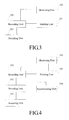
- Fig.3 is a schematic structure diagram of a status recording device according to another embodiment of the disclosure.
- Fig.4 is a schematic structure diagram of a status recording device according to another embodiment of the disclosure.
- Fig.5 is a schematic structure diagram of a message center according to an embodiment of the disclosure.
- Fig.6 is a schematic structure diagram of a message center according to another embodiment of the disclosure.
- Fig.7 is a schematic structure diagram of a system for transmitting messages according to an embodiment of the disclosure.
- Fig.8 is a flow chart of a method for transmitting messages according to an embodiment of the disclosure, in which a calling user and a called user belong to the same message center;
- Fig.9 is a flow chart of a method for transmitting messages according to an embodiment of the disclosure, in which a calling user and a called user belong to different message centers;
- Fig.10 is a flow chart of a method for transmitting messages according to an embodiment of the disclosure, in which a calling user and a called user belong to different message centers and locate in a communication network to which the calling user belongs;
- Fig.11 is a flow chart of a method for transmitting messages according to another embodiment of the disclosure, in which a calling user and a called user belong to different message centers and locate in a communication network to which the calling user belongs;
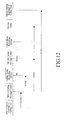
- Fig.12 is a flow chart of a method for transmitting messages according to another embodiment of the disclosure, in which a calling user and a called user belong to different message centers and locate in a communication network to which the calling user belongs.
- Fig.1 is a flow chart of a method for transmitting messages according to an embodiment of the disclosure, which includes the following steps.
- S101 A message is received, where a receipt identification of the message is a mobile terminal identification of a called user.
- a message center receives the message transmitted from a calling user A to a called user B.
- the receipt identification of the message is the mobile terminal identification (such as a mobile telephone number) of the called user B.
- the calling user A may actively transmit the message to the called user B or reply the message to the called user B after receiving a message transmitted by the called user B.
- the called user B may transmit the message from a network service entity to the calling user A where the calling identification of the message is the real mobile terminal identification of the called user B (such as the real mobile telephone number of the called user B), or the called user B may transmit a short message on a mobile terminal.
- the network service entity may be an instant messaging tool (such as QQ), a website with message transmitting and receiving function, or a communicating tool with message transmitting and receiving function in a local area network.
- QQ instant messaging tool
- a website with message transmitting and receiving function or a communicating tool with message transmitting and receiving function in a local area network.
- the network service entity server transmits the mobile terminal identification of the called user associated with an identification of a network service entity client of the called user to the status recording device.
- the status recording device records a correspondence relation between the mobile terminal identification and the network service entity information.
- the network service entity information may be an identification of the network service entity (such as the name of the network service entity) or an IP address of the network service entity server.
- the mobile terminal identification of the called user is provided to the network service entity server by the called user, which corresponds to the identification of the network service entity client of the called user (such as a mobile telephone number corresponding to a bound QQ number).
- the message center After receiving the message that the receipt identification of the message is the mobile terminal identification of the called user, the message center requests to acquire the network service entity information corresponding to the mobile terminal identification of the called user from the status recording device according to the mobile terminal identification of the called user.
- the status recording device looks up corresponding network service entity information according to the correspondence relation between the recorded mobile terminal identification and the network service entity.
- S103 The message is transmitted to the network service entity server according to the network service entity information.
- the message center After the message center acquires the network service entity information corresponding to the mobile terminal identification of the called user recorded in the status recording device successfully, the message center transmits the message to the network service entity server according to the network service entity information. If the message center fails to acquire the network service entity information corresponding to the mobile terminal identification of the called user recorded in the status recording device, the message center transmits the message to the mobile terminal of the called user according to the mobile terminal identification of the called user.
- the message center may record a correspondence relation between the identification of the network service entity server and the IP address of the network service entity server.
- the message center obtains the corresponding IP address by the correspondence relation between the identification of the network service entity server and the IP address of the network service entity server and transmits the message to the network service entity server according to the IP address of the network service entity server.
- the calling user is allowed to transmit the message to the network service entity server associated with the called mobile terminal identification by inputting the called mobile terminal identification on a mobile terminal.
- on-line status of a user on a certain network service entity may also be represented by data in the status recording device, thus enabling selecting a transmitting mode according to the on-line status of the called user on the network service entity.
- the status recording device receives the mobile terminal identification of the called user transmitted by the network service entity server and records the correspondence relation between the mobile terminal identification and the network service entity server.
- the status recording device deletes the recorded correspondence relation between the mobile terminal identification and the network service entity server.
- the message center may acquire the network service entity information corresponding to the mobile terminal identification of the called user recorded in the status recording device successfully, and thus S103 may be performed.
- the message center When the message center fails to acquire the network service entity information corresponding to the mobile terminal identification of the called user recorded in the status recording device, the message center transmits the message to the mobile terminal of the called user according to the mobile terminal identification of the called user.
- the message center may transmit the message according to the on-line status of the called user on the network service entity server. That is, when the user is on-line on a certain network service entity server, the messages is transmitted to the network service entity server which in turn delivers the message to a client. And when the user is off-line, the message is delivered to the mobile terminal of the called user.
- correspondence relations between the mobile terminal identification of the user and each piece of network service entity information may be recorded in the status recording device when the user is on-line on multiple network service entity servers.
- the status recording device may select any network service entity information from multiple correspondence relations to provide the network service entity information to the message center, or may also provide all the network service entity information indicating the called user is on-line to the message center which further selects one of them for delivering.
- the message center acquires the network service entity information corresponding to the mobile terminal identification of the called user from the status recording device of the called party. If the acquisition of the network service entity information is successful, S103 is performed, and if the acquisition of the network service entity information fails, the message center transmits the message to the mobile terminal of the called user B.
- a calling message center MC(A) transmits the message to a called message center MC(B).
- the MC(B) acquires the network service entity information corresponding to the mobile terminal identification of the called user from the status recording device of the called party. If the acquisition of the network service entity information is successful, S103 is performed, and if the acquisition of the network service entity information fails, the MC(B) transmits the message to the mobile terminal of the called user B.
- CDMA Code Division Multiple Access
- GSM Global System for Mobile Communications
- the MC(A) acquires the network service entity information corresponding to the mobile terminal identification of the called user from the status recording device of the called party through the MC(B). If the acquisition of the network service entity information is successful, the message is transmitted to the MC(B) which will perform S103. If the corresponding network service entity also communicates with the MC(A), the MC(A) may also perform S103 by itself. If the acquisition of the network service entity information fails, the MC(A) transmits the message to the mobile terminal of the called user B.
- the calling party also corresponds to a status recording device.
- the MC(A) acquires the network service entity information corresponding to the mobile terminal identification of the called user from the status recording device of the called party through the status recording device. If the acquisition of the network service entity information is successful, the message is transmitted to the MC(B) which will perform S103. If the corresponding network service entity also communicates with the MC(A), the MC(A) may also perform S103 by itself. If the acquisition of the network service entity information fails, the MC(A) transmits the message to the mobile terminal of the called user B.
- the acquired network service entity information may include the identification of the network service entity server or the IP address of the network service entity server.
- the IP address of the network service entity server is recorded by the message center when the network service entity server communicates with the message center.
- the message center obtains the IP address of the corresponding network service entity server according to the received identification of the network service entity server and transmits the message to the network service entity server according to the IP address of the network service entity server.
- the message center may not record the IP address of the network service entity server by itself, but acquires the IP address of the network service entity server from the status recording device by use of the mobile terminal identification of the called user. However, in this case, it is required that the server of the network service entity for transmitting messages to the status recording device and the server of the network service entity for receiving messages transmitted from the message center are of the same IP address.
- the QQ server Since the message center needs to communicate with the QQ server, the QQ server needs to communicate with the message center and then the message center records the IP address corresponding to the QQ server.
- the message center acquires network service entity information from the status recording device by use of the called mobile telephone number 13888888888, if the QQ number 8888 is on-line, what is acquired is that the service entity corresponding to 13888888888 is the QQ server. Then the message center of the called party obtains the corresponding IP address according to previously recorded IP of the QQ server and transmits a message to the QQ server. If the QQ number 8888 is not on-line, the acquisition of the network service entity information fails. Since the status recording device now record no mapping relation between the mobile telephone number 13888888888 and the QQ server, the message center transmits the message to the mobile terminal corresponding to the mobile telephone number 13888888888 of the called user after receiving the message.
- the method for transmitting messages according to the present embodiment is illustrated in terms of the case in which the calling user A and the called user B belong to the same message center, the method for transmitting messages provided in the present embodiment is not limited to the case in which the calling user A and the called user B belong to the same message center, but also applicable to the case in which the calling user A and the called user B belong to different message centers, which will be described in detail in the following embodiment.
- the calling user may input the mobile terminal identification of the called user (such as a mobile telephone number) on a mobile terminal so as to transmit the message to the network service entity server with which the called user has been registered, such that the network service entity server may transmit the message to the network service entity client of the called user.
- the mobile terminal identification of the called user such as a mobile telephone number
- the method provided in the present embodiment makes the transmitting of messages to the network service entity server via the mobile terminal more convenient and simpler, and makes the user feel that the operation is as easy as transmitting short messages between mobile terminals, thus improving the user's experiences and promoting the popularization of this kind of service.
- the message center is allowed to determine the receiving party of the message according to the on-line status of the called user on the network service entity server, thus improving the pertinence and timeliness of message delivering and guaranteeing that the called user may receive the message in time.
- Fig.2 is a schematic structure diagram of a status recording device according to an embodiment of the disclosure, which includes the following units.
- a recording unit 202 is configured to receive the mobile terminal identification of the user transmitted by the network service entity server and record the correspondence relation between the mobile terminal identification of the user and the network service entity server.
- the network service entity server transmits the mobile terminal identification corresponding to the network service entity client of the called user to the status recording device.
- the recording unit 202 records the correspondence relation between the mobile terminal identification of the user and the network service entity server after receiving the mobile terminal identification of the user transmitted by the network service entity server. What the recording unit 202 records may be the correspondence relation between the mobile terminal identification of the user and the identification of the network service entity server, or the correspondence relation between the mobile terminal identification of the called user and the IP address of the network service entity server.
- a providing unit 203 is configured to receive a request for acquiring the network service entity information corresponding to the mobile terminal identification of the called user and provide the network service entity information corresponding to the mobile terminal identification of the user according to the request.
- the network service entity information may be provided to the message center or another status recording device.
- the provided network service entity information may be the identification of the network service entity server or the address of the network service entity server.
- the status recording device provided in the present embodiment may communicate with the network service entity, the message center or another status recording device through any private protocol or extensions of the existing protocol specifications of the carrier, such as the extension of the Data Center for Short Message Service (DCS) specification of the China Mobile Communication Co. Ltd.
- DCS Data Center for Short Message Service
- the status recording device provided in the present embodiment records the correspondence relation between the mobile terminal identification of the called user and the network service entity and provides the network service entity information, thus allowing the message center to transmit the message to the corresponding network service entity server according to the mobile terminal identification of the called user.
- the status recording device may further include a monitoring unit 201 and a deleting unit 204.
- the monitoring unit 201 is configured to monitor the on-line status of the called user on the network service entity server.
- the called user needs to provide his/her mobile terminal identification (such as a mobile telephone number, or a mobile telephone number bound with a QQ number) corresponding to the identification of the network service entity client to the network service entity with which the called user is registered.
- the network service entity stores the correspondence relation between the identification of the network service entity client and the mobile terminal identification in the server.
- the monitoring unit 201 keeps real-time updating with the network service entity server corresponding to the mobile terminal identification of the called user, and thus the monitoring unit 201 may acknowledge whether the called user logs on the network service entity server currently. This may be implemented by the following two approaches.
- the network service entity server When the called user logs on the network service entity server (that is, when the called user is on-line), the network service entity server transmits an on-line status notification of the called user to the monitoring unit 201. When the called user is off-line, the network service entity server transmits an off-line notification of the called user immediately to the monitoring unit 201. Then the monitoring unit 201 transmits the off-line notification of the called user to the deleting unit 204.
- the network service entity server does not transmit an off-line notification of the called user to the monitoring unit.
- the network service entity server transmits an on-line status notification of the called user to the monitoring unit 201 in real-time. If the monitoring unit 201 fails to receive any more on-line status notification of the called user in a certain period (such as 30 seconds) after receiving the on-line status notification of the called user, the monitoring unit 201 determines that the called user is already off-line and thus transmits an off-line notification of the called user to the deleting unit 204.
- the deleting unit 204 is configured to receive the off-line notification of the called user transmitted by the monitoring unit and delete the correspondence relation between the mobile terminal identification of the called user and the network service entity server recorded in the recording unit according to the off-line notification.
- the status recording device records the correspondence relation between the mobile terminal identification of the called user and the network service entity server when the user logs on the network service entity server and remains the on-line status, thus allowing the message center to determine the receiving party of the message according to the on-line status of the called user on the network service entity server, and thus improving the pertinence and timeliness of message delivering and guaranteeing that the called user may receive the message in time.
- the status recording device may further include an acquiring unit 205 and/or a synchronizing unit 206.
- the acquiring unit 205 is configured to acquire the network service entity information corresponding to the mobile terminal identification of the called user from another status recording device.
- the providing unit 203 When receiving a request for acquiring the network service entity information corresponding to the mobile terminal identification of the called user, the providing unit 203 firstly checks whether the correspondence relation between the mobile terminal identification of the called user and the network service entity server is recorded in the recording unit. If the correspondence relation is recorded, the providing unit 203 acquires the correspondence relation and then provides it to the requester.
- the providing unit 203 instructs the acquiring unit 205 to acquire the network service entity information corresponding to the mobile terminal identification of the called user from the another status recording device according to the request. After obtaining the instruction, the acquiring unit 205 acquires the network service entity information corresponding to the mobile terminal identification of the called user from the another status recording device.
- the synchronizing unit 206 is configured to synchronously update the correspondence relation between the mobile terminal identification of the called user and the network service entity server to the another status recording device.
- the calling message center may acquire, through the status recording device of the calling party, the correspondence relation between the mobile terminal identification of the called user and the network service entity server from the status recording device of the called party.
- the status recording device of the calling party may actively acquire the correspondence relation from the status recording device of the called party, where the status recording device of the calling party includes the acquiring unit 205.
- the status recording device of the called party may also actively update the correspondence relation between the mobile terminal identification of the called user and the network service entity server synchronously to the status recording device of the calling party, where the status recording device of the called party includes the synchronizing unit 206.
- the message center of the calling party may acquire the correspondence relation between the mobile terminal identification of the called user and the network service entity server locally, thus enabling a faster and more convenient acquisition of the correspondence relation between the mobile terminal identification of the called user and the network service entity server by the message center of the calling party.
- Fig.5 is a schematic structure diagram of a message center according to an embodiment of the disclosure, which includes the following units.
- a message receiving unit 501 is configured to receive a message, where the receipt identification of the message is the mobile terminal identification of the called user.
- the message receiving unit 501 may receive messages transmitted by the calling user, and may also receive messages forwarded by another message center, for example, a called message center may receive messages forwarded by a calling message center.
- the message takes the mobile terminal identification of the called user as the receipt identification, which means that when transmitting a message, the calling user needs to transmit the message to the mobile terminal of the called user in a way of transmitting a short message to a mobile terminal.
- An acquiring unit 502 is configured to acquire the network service entity information corresponding to the mobile terminal identification of the called user recorded in the status recording device.
- the acquiring unit 502 may acquire the network service entity information from the status recording device which records the network service entity information corresponding to the mobile terminal identification of the called user. It is also possible that another status recording device firstly acquires the network service entity information from the status recording device, and then the acquiring unit 502 of the message center acquires the network service entity information from the another status recording device (e.g. the calling message center acquires, through the status recording device of the calling party, the network service entity information from the status recording device of the called party). It is also possible that the acquiring unit 502 acquires the network service entity information corresponding to the mobile terminal identification of the called user recorded in the status recording device through another message center (e.g. the acquiring unit 502 of the calling message center acquires the network service entity information from the status recording device of the called party through the called message center).
- another status recording device firstly acquires the network service entity information from the status recording device, and then the acquiring unit 502 of the message center acquires the network service entity information from the another status recording device (e.g. the calling message
- the acquired network service entity information may be the identification of the network service entity server or the IP address of the network service entity server.
- a first message transmitting unit 503 is configured to transmit the message to the network service entity server according to the network service entity information.
- the message center may further include a recording unit 504.
- the recording unit 504 is configured to record the correspondence relation between the identification of the network service entity server and the IP address of the network service entity server.
- the IP address of the network service entity server is recorded by the recording unit 504 when the network service entity server communicates with the message center.
- the first message transmitting unit 503 is specifically configured to inquire the IP address of the network service entity server from the recording unit 504 according to the identification of the network service entity server and transmit the message to the network service entity server according to the inquired IP address of the network service entity server.
- the message center may further include a second message transmitting unit 505 configured to transmit the message to the mobile terminal of the called user according to the mobile terminal identification of the called user when the acquiring unit 502 fails to acquire the network service entity information corresponding to the mobile terminal identification of the called user.
- a second message transmitting unit 505 configured to transmit the message to the mobile terminal of the called user according to the mobile terminal identification of the called user when the acquiring unit 502 fails to acquire the network service entity information corresponding to the mobile terminal identification of the called user.
- the message center provided in the present embodiment facilitates to transmit the message of the calling user with the mobile terminal identification of the called user as the receipt identification to the network service entity server corresponding to the mobile terminal identification of the called user with which the called user is registered, such that the called user may receive the message at the service entity client.
- the present embodiment makes the transmitting of messages to the network service entity server via the mobile terminal more convenient and simpler, and makes the user feel that the operation is as easy as transmitting short messages between mobile terminals, thus improving the user's experiences and promoting the popularization of this kind of service.
- the message center provided in the present embodiment may also determine the receiving party of the message according to the on-line status of the network service entity client of the called user. If the called user is on-line, the receiving party of the message is the network service entity server with which the called user is registered, and if the called user is off-line, the receiving party of the message is the mobile terminal of the user, thus guaranteeing that the called user may receive the message in time.
- Fig.7 is a schematic structure diagram of a system for transmitting messages according to an embodiment of the disclosure.
- the system includes a message center 701 configured to transmit and receive a message in which the receipt identification of the message is a mobile terminal identification of a called user, acquire network service entity information corresponding to the mobile terminal identification of the called user recorded in a status recording device, and transmit the message to a network service entity server according to the network service entity information.
- the message center 701 may be a message center MC to which a calling user and a called user commonly belong, a message center MC(A) to which the calling user belongs or a message center MC(B) to which the called user belongs.
- the message center MC to which the calling user and the called user commonly belong After receiving the message transmitted from the calling user, the message center MC to which the calling user and the called user commonly belong acquires the network service entity information corresponding to the mobile terminal identification of the called user from the corresponding status recording device.
- the MC(B) acquires the network service entity information corresponding to the mobile terminal identification of the called user from the corresponding status recording device of the called party.
- the MC(A) may acquire, through the MC(B), the network service entity information corresponding to the mobile terminal identification of the called user from the status recording device corresponding to the called party, and may also acquire, through the status recording device of the calling party corresponding to the MC(A), the network service entity information from the status recording device corresponding to the called party.
- the message center 701 may be further configured to store a correspondence relation between an identification of the network service entity server and an IP address of the network service entity server, and inquire the IP address of the network service entity server corresponding to the server according to the acquired identification of the network service entity server so as to transmit the message according to the IP address of the network service entity server.
- a status recording device 702 is configured to receive a mobile terminal identification of a user transmitted by the network service entity server and record a correspondence relation between the mobile terminal identification of the user and the network service entity server.
- the status recording device keeps in real-time communication with the network service entity server, monitors an on-line status of the network service entity user bound with a mobile terminal identification, receives the mobile terminal identification corresponding to a network service entity client of the user transmitted by the network service entity server, and records the correspondence relation between the mobile terminal identification of the user and the network service entity server when the user is on-line.
- the called party has one status recording device and the calling party may also have one status recording device.
- the status recording device of the calling party when the MC(A) acquires, through the status recording device of the calling party, the network service entity information corresponding to the mobile terminal identification of the called user from the status recording device of the called party, the status recording device of the calling party needs to communicate with the status recording device of the called party to acquire the network service entity information corresponding to the mobile terminal identification of the called user recorded in the status recording device of the called party.
- the communication between the status recording device of the calling party and the status recording device of the called party may be realized by the following two approaches.
- the status recording device of the calling party when obtaining a instruction of the MC(A), the status recording device of the calling party actively transmits a request for acquiring the corresponding network service entity information to the status recording device of the called party to acquire the information and then returns the information to the MC(A).
- the status recording device of the called party synchronously updates the correspondence relation between the mobile terminal identification of the called user and the network service entity server recorded locally to the status recording device of the calling party.
- the MC(A) may inquire in the local status recording device to acquire the network service entity information corresponding to the mobile terminal identification of the called user.
- the status recording device 702 may be an independent network element in the system or a module in the message center 701.
- the system for transmitting messages provided in the present embodiment may be applied in different networks, such as a network in which the calling user and the called user belong to the same message center or a network in which the calling user and the called user belong to different message centers (including the delivering network to which the calling user belongs and the network to which the called user belongs).
- the system facilitates to transmit the message of the calling user with the mobile terminal identification of the called user as the receipt identification to the network service entity server corresponding to the mobile terminal identification of the called user with which the called user is registered, such that the called user may receive the message at the service entity client.
- the present embodiment makes the transmitting of messages to the network service entity server via the mobile terminal more convenient and simpler, and makes the user feel that the operation is as easy as transmitting short messages between mobile terminals, thus improving the user's experiences and promoting the popularization of this kind of service.
- the system for transmitting messages may further include a network service entity server 703 configured to transmit the mobile terminal identification associated with the network service entity client of the user to the status recording device 702 when the user logs on the network service entity server.
- the status recording device 702 is further configured to delete the correspondence relation between the mobile terminal identification of the user and the network service entity server recorded locally when the user is off-line on the network service entity server.
- the status recording device 702 may record the correspondence relation between the mobile terminal identification of the user and the network service entity server, and the message center may acquire the network service entity information corresponding to the mobile terminal identification of the called user from the status recording device 702. Then the message center may determine whether the message is transmitted to the network service entity server or the mobile terminal of the called user according to whether the acquisition of the network service entity information is successful.
- Fig.8 is a flow chart of a method for transmitting messages according to an embodiment of the disclosure, in which a calling user and a called user belong to the same message center.
- a calling user A transmits a message to a called user B via a mobile terminal and the message is firstly received by a message center.
- the receipt identification of the message is a mobile terminal identification of the called user B.
- the called user B needs to provide the mobile terminal identification associated with an identification of a network service entity client with which the called user B is registered to the network service entity, and the network service entity transmits the mobile terminal identification to a status recording device.
- the status recording device records that the mobile terminal identification corresponds to the network service entity.
- the service entity needs to notify an on-line status of the called user B to the status recording device, specific process of which has been described in the previous embodiment of the status recording device and thus will not be described further here.
- the calling user A may transmit the message to the called user B via the mobile terminal actively, or may reply after receiving a message transmitted to the mobile terminal of the calling user A by the called user B on the network service entity.
- the transmitting identification of the message of the called user B received by the calling user A is a real mobile terminal identification of the called user B (such as a mobile telephone number of the called user B without any access code and other characters).
- the process for the called user B to transmit a message to the mobile terminal of the calling user A on the network service entity is as follows.
- the called user B logs on the network service entity and transmits the message to the mobile terminal of the calling user A (the called user B has already provided the mobile terminal identification associated with an identification of its network service entity client to the network service entity).
- the message is firstly received by the network service entity server.
- the service entity server parses the message, obtains the associated mobile terminal identification according to the identification of the network service entity client of the called user B, sets a calling number in the message as the mobile terminal identification and transmits the message to the message center to which the calling user A belongs.
- the message center transmits the message to the mobile terminal of the calling user A.
- the calling number displayed on the mobile terminal of the calling user A is the mobile terminal identification of the called user B, and thus the calling user A may reply by use of the mobile terminal identification as a called number.
- the message center acquires the network service entity information corresponding to the mobile terminal identification of the called user B from the corresponding status recording device.
- the network service entity server information acquired by the message center from the status recording device may be an identification of the network service entity server or an IP address of the network service entity server. If the identification of the network service entity server is acquired, the message center further needs to obtain the IP address of the network service entity server stored locally according to the identification of the network service entity server so as to transmit the message to the network service entity server according to the address. In order to communicate with the message center, the network service entity server needs to communicates with the message center which stores the IP address of the network service entity server.
- the message center transmits the message to the network service entity server according to the address.
- some limitations may be imposed on the network service entity. It is required that the network service entity server for transmitting messages to a status managing device and the network service entity server for receiving messages transmitted from the message center are the same server.
- a successful acquisition means that the called user B logs on the network service entity server currently, and thus the message center transmits the message to the network service entity server on which the called user B logs such that the called user B may receive the message in time.
- a failed acquisition means that the called user B has not logged on the network service entity server currently. Since the status recording device monitors the on-line status of the called user B on the network service entity in real-time, if the called user B is found off-line, the status recording device would delete the correspondence relation between the network service entity server and the mobile terminal identification of the called user B recorded in it. Refer to the embodiment of the status recording device for specific implementation process.
- the calling user when the calling user and the called user belong to the same message center, the calling user may input the mobile terminal identification of the called user for transmitting a message to the network service entity.
- the receiving party of the message may be selected automatically according to the on-line status of the user, thus ensuring that the user can receive the message in time.
- Fig.9 is a flow chart of a method for transmitting messages according to an embodiment of the disclosure, in which a calling user and a called user belong to different message centers.
- the calling user and the called user belong to different message centers, and locate in a communication network to which the called user belongs (such as a CDMA network).
- S901 The calling user A transmits a message to the called user B via a mobile terminal, and the message is firstly received by a message center MC(A) to which the calling user belongs.
- the receipt identification of the message is the mobile terminal identification of the called user B.
- the details of this step may be referred to those in S801 except that the message center is the message center MC(A) to which the calling user belongs.
- the MC(A) After receiving the message, the MC(A) forwards the message to a message center MC(B) to which the called user belongs.
- the MC(B) After receiving the message, the MC(B) acquires network service entity information corresponding to a mobile terminal identification the called user B from its corresponding status recording device.
- the details of this step may be referred to those in S802 except that the message center is the message center MC(B) to which the called user belongs.
- the details of this step may be referred to those in S803 except that the message center is the message center MC(B) to which the called user belongs.
- the details of this step may be referred to those in S804 except that the message center is the message center MC(B) to which the called user belongs.
- the calling user may input the mobile terminal identification of the called user for transmitting a message to the network service entity.
- the receiving party of the message may be selected automatically according to the on-line status of the user, thus ensuring that the user can receive the message in time.
- Fig.10 is a flow chart of a method for transmitting messages according to an embodiment of the disclosure, in which a calling user and a called user belong to different message centers and locate in a communication network to which the calling user belongs.
- the calling user and the called user belong to different message centers, and locate in a communication network to which the calling user belongs (such as a CDMA network).
- a communication network to which the calling user belongs such as a CDMA network
- the calling user A transmits a message to the called user B via a mobile terminal, and the message is firstly received by a message center MC(A) to which the calling user belongs.
- the receipt identification of the message is a mobile terminal identification of the called user B.
- the details of this step may be referred to those in S801 except that the message center is the message center MC(A) to which the calling user belongs.
- the MC(A) After receiving the message, the MC(A) transmits a request for acquiring the network service entity information corresponding to the mobile terminal identification of the called user B to the MC(B).
- the MC(B) After receiving the request, the MC(B) requests a corresponding status recording device of the called party to acquire the network service entity information corresponding to the mobile terminal identification of the called user B.
- This step may be referred to S903.
- the MC(B) If the acquisition of the network service entity information is successful, the MC(B) returns the network service entity information corresponding to the mobile terminal identification of the called user B to the MC(A).
- the MC(B) If the acquisition of the network service entity information fails, the MC(B) returns a failure message to the MC(A).
- the MC(A) receives the network service entity information corresponding to the mobile terminal identification of the called user B and transmits the message to the MC(B).
- the MC(B) transmits the message to a network service entity server.
- the MC(B) looks for an IP address of the network service entity server stored locally according to the identification. The message is transmitted to the network service entity server according to the IP address.
- the message center to which the calling user belongs may acquire, through the message center of the called user, the network service entity information corresponding to the mobile terminal identification of the called user B from the corresponding status recording device, and the calling user may input the mobile terminal identification of the called user for transmitting a message to the network service entity.
- the receiving party of the message may be selected automatically according to the on-line status of the user, thus ensuring that the user can receive the message in time.
- Fig.11 is a flow chart of a method for transmitting messages according to another embodiment of the disclosure, in which a calling user and a called user belong to different message centers and locate in a communication network to which the calling user belongs.
- the calling user A transmits a message to the called user B via a mobile terminal, and the message is firstly received by a message center MC(A) to which the calling user belongs.
- the receipt identification of the message is a mobile terminal identification of the called user B.
- the details of this step may be referred to those in S801 except that the message center is the message center MC(A) to which the calling user belongs.
- the MC(A) After receiving the message, the MC(A) transmits a request for acquiring the network service entity information corresponding to the mobile terminal identification of the called user B to a status recording device of the calling party corresponding to the MC(A).
- the status recording device of the calling party After receiving the request, the status recording device of the calling party requests a status recording device of the called party to acquire the network service entity information corresponding to the mobile terminal identification of the called user B.
- the status recording device of the calling party corresponding to the MC(A) may communicate with the status recording device of the called party through any private protocol or extensions of the existing protocol specifications of the carrier (such as the extension of the DCS specification of the China Mobile Communication Co. Ltd, the EMP specification of the China United Telecommunications Co. Ltd, the MSP specification of the China Telecommunications Corporation, and so on).
- any private protocol or extensions of the existing protocol specifications of the carrier such as the extension of the DCS specification of the China Mobile Communication Co. Ltd, the EMP specification of the China United Telecommunications Co. Ltd, the MSP specification of the China Telecommunications Corporation, and so on).
- What the status recording device of the calling party acquires may be an identification or an IP address of the network service entity server corresponding to the mobile terminal identification of the called user B.
- S 1104 The status recording device of the calling party transmits an acquisition response to the MC(A).
- the network service entity information corresponding to the mobile terminal identification of the called user B is returned to the MC(A).
- the message carries the network service entity information corresponding to the mobile terminal identification of the called user B.
- the MC(B) transmits the message to the network service entity server according to the carried network service entity information corresponding to the mobile terminal identification of the called user B.
- the MC(B) obtains the corresponding IP address of the network service entity server according to the identification and transmits the message to the network service entity server.
- the MC(A) may firstly inquire locally whether there is a network service entity server corresponding to the information in the network service entity servers communicating with the MC(A). If there is a network service entity server corresponding to the information, the message may also be transmitted to this network service entity server.
- S 1106 The MC(A) receives a response of acquisition failure and delivers the message to the mobile terminal of the called user B.
- the message center to which the calling user belongs acquires, through its corresponding message center, the network service entity information corresponding to the mobile terminal identification of the called user from the status recording device corresponding to the called message center, and thus the calling user may input the mobile terminal identification of the called user for transmitting a message to the network service entity.
- the receiving party of the message may be selected automatically according to the on-line status of the user, thus ensuring that the user can receive the message in time.
- Fig.12 is a flow chart of a method for transmitting messages according to another embodiment of the disclosure, in which a calling user and a called user belong to different message centers and locate in a communication network to which the calling user belongs.
- a status recording device of the called party synchronously updates a recorded mobile terminal identification of the called party and its corresponding network service entity information to a status recording device of the calling party.
- the status recording device of the called party may obtain the status recording device of the calling party and perform this step.
- the status recording device of the called party may also synchronously update all other status recording devices in the network.
- S1202 The calling user A transmits a message to the called user B via a mobile terminal, and the message is firstly received by the message center MC(A) to which the calling user belongs.
- the receipt identification of the message is the mobile terminal identification of the called user B.
- the details of this step may be referred to those in S801 except that the message center is a message center MC(A) to which the calling user belongs.
- the MC(A) acquires network service entity information corresponding to the mobile terminal identification of the called user B from its corresponding status recording device of the calling party.
- the MC(A) may acquire the information locally. This step may be referred to S802.
- the MC(A) After receiving the network service entity information corresponding to the mobile terminal identification of the called user B, the MC(A) transmits the message to the MC(B) which further transmits the message to a network service entity server.
- This step may be referred to S 1105.
- S1205 The MC(A) receives a response of acquisition failure and delivers the message to a mobile terminal of the called user B.
- the message center to which the calling user belongs may acquire the network service entity information corresponding to the mobile terminal identification of the called user from the local status recording device, and thus the calling user may input the mobile terminal identification of the called user for transmitting a message to the network service entity.
- the receiving party of the message may be selected automatically according to the on-line status of the user, thus ensuring that the user can receive the message in time.
- the embodiments of the disclosure may be implemented by software and necessary general purpose hardware platform without the need of introduction of independent functional components. Based on such understanding, the essence or the content contributing to the related art of the technical solution of the embodiments of the disclosure may be embodied in form of computer software product.
- the computer software product is stored in a storage medium and includes several instructions for implementing the methods described in the embodiments of the disclosure.
- the storage medium mentioned here is, for example, ROM/RAM, magnetic disk, compact disk, and so on.
Landscapes
- Engineering & Computer Science (AREA)
- Computer Networks & Wireless Communication (AREA)
- Signal Processing (AREA)
- Mobile Radio Communication Systems (AREA)
- Telephonic Communication Services (AREA)
- Computer And Data Communications (AREA)
- Information Transfer Between Computers (AREA)
Applications Claiming Priority (1)
| Application Number | Priority Date | Filing Date | Title |
|---|---|---|---|
| CN200810217490.5A CN101742431B (zh) | 2008-11-19 | 2008-11-19 | 一种消息发送方法,装置及系统 |
Publications (2)
| Publication Number | Publication Date |
|---|---|
| EP2190155A1 true EP2190155A1 (de) | 2010-05-26 |
| EP2190155B1 EP2190155B1 (de) | 2011-02-09 |
Family
ID=41426271
Family Applications (1)
| Application Number | Title | Priority Date | Filing Date |
|---|---|---|---|
| EP09176069A Not-in-force EP2190155B1 (de) | 2008-11-19 | 2009-11-16 | Verfahren, Vorrichtung und System zum Übertragen von Benachrichtigungen |
Country Status (8)
| Country | Link |
|---|---|
| EP (1) | EP2190155B1 (de) |
| CN (1) | CN101742431B (de) |
| AR (1) | AR074380A1 (de) |
| AT (1) | ATE498265T1 (de) |
| BR (1) | BRPI0904542B1 (de) |
| DE (1) | DE602009000720D1 (de) |
| ES (1) | ES2359955T3 (de) |
| MX (1) | MX2009012460A (de) |
Families Citing this family (1)
| Publication number | Priority date | Publication date | Assignee | Title |
|---|---|---|---|---|
| CN109167801A (zh) * | 2018-11-08 | 2019-01-08 | 蓝信移动(北京)科技有限公司 | 数据通讯加密系统 |
Citations (4)
| Publication number | Priority date | Publication date | Assignee | Title |
|---|---|---|---|---|
| US20030120805A1 (en) * | 2001-12-21 | 2003-06-26 | Couts Jeffrey David | System and method for automatically forwarding a communication message |
| WO2006060340A2 (en) * | 2004-12-01 | 2006-06-08 | Aol Llc | Automatically enabling the forwarding of instant messages |
| EP1793543A1 (de) * | 2005-12-02 | 2007-06-06 | Microsoft Corporation | Nachrichtendienst |
| WO2008119883A1 (en) * | 2007-03-30 | 2008-10-09 | Teliasonera Ab | Compatibility of instant messaging in communications system |
Family Cites Families (1)
| Publication number | Priority date | Publication date | Assignee | Title |
|---|---|---|---|---|
| CN101102583A (zh) * | 2006-07-05 | 2008-01-09 | 华为技术有限公司 | 用户终端标识的使用方法及装置 |
-
2008
- 2008-11-19 CN CN200810217490.5A patent/CN101742431B/zh not_active Expired - Fee Related
-
2009
- 2009-11-16 AT AT09176069T patent/ATE498265T1/de not_active IP Right Cessation
- 2009-11-16 EP EP09176069A patent/EP2190155B1/de not_active Not-in-force
- 2009-11-16 DE DE602009000720T patent/DE602009000720D1/de active Active
- 2009-11-16 ES ES09176069T patent/ES2359955T3/es active Active
- 2009-11-18 MX MX2009012460A patent/MX2009012460A/es active IP Right Grant
- 2009-11-19 AR ARP090104469A patent/AR074380A1/es active IP Right Grant
- 2009-11-19 BR BRPI0904542A patent/BRPI0904542B1/pt not_active IP Right Cessation
Patent Citations (4)
| Publication number | Priority date | Publication date | Assignee | Title |
|---|---|---|---|---|
| US20030120805A1 (en) * | 2001-12-21 | 2003-06-26 | Couts Jeffrey David | System and method for automatically forwarding a communication message |
| WO2006060340A2 (en) * | 2004-12-01 | 2006-06-08 | Aol Llc | Automatically enabling the forwarding of instant messages |
| EP1793543A1 (de) * | 2005-12-02 | 2007-06-06 | Microsoft Corporation | Nachrichtendienst |
| WO2008119883A1 (en) * | 2007-03-30 | 2008-10-09 | Teliasonera Ab | Compatibility of instant messaging in communications system |
Also Published As
| Publication number | Publication date |
|---|---|
| EP2190155B1 (de) | 2011-02-09 |
| BRPI0904542A2 (pt) | 2011-02-08 |
| ATE498265T1 (de) | 2011-02-15 |
| DE602009000720D1 (de) | 2011-03-24 |
| BRPI0904542B1 (pt) | 2019-01-15 |
| ES2359955T3 (es) | 2011-05-30 |
| MX2009012460A (es) | 2010-05-24 |
| CN101742431A (zh) | 2010-06-16 |
| CN101742431B (zh) | 2014-04-02 |
| AR074380A1 (es) | 2011-01-12 |
Similar Documents
| Publication | Publication Date | Title |
|---|---|---|
| US8494520B2 (en) | Systems and methods for providing centralized subscriber session state information | |
| US20040156487A1 (en) | Messaging system | |
| CN113965463B (zh) | 网络切片切换方法和终端、存储介质及电子装置 | |
| US20090030917A1 (en) | Multimedia messaging service-based database synchronization | |
| CN100556005C (zh) | 一种即时通信会话转接方法及系统 | |
| WO2005096592A1 (en) | Method, web service gateway (wsg) for presence, and presence server for presence information filtering and retrieval | |
| EP3544243A1 (de) | Verfahren und vorrichtungen zum an- und abmelden des empfangs von a2p-nachrichten | |
| US20140032493A1 (en) | Method, apparatus and system for synchronizing contact information | |
| US20060135200A1 (en) | Method for transmitting massive data effectively on multi-mode terminal | |
| CN121037498A (zh) | 消息通信装置以及程序产品 | |
| CN107888787B (zh) | 一种媒体接入请求的处理方法及装置 | |
| EP2974159B1 (de) | Verfahren, vorrichtung und system für sprachkommunikation | |
| US8001234B2 (en) | Method and server for coordination of telecommunication services | |
| EP2190155B1 (de) | Verfahren, Vorrichtung und System zum Übertragen von Benachrichtigungen | |
| KR19990060754A (ko) | Pcs에서의 sms 부가 서비스 처리방법 | |
| KR20040008189A (ko) | 통신 시스템에서의 요구들 | |
| CN101378383A (zh) | 透明数据处理方法、系统和装置 | |
| CN118842777A (zh) | 专网聊天机器人Chatbot的5G消息访问方法及系统 | |
| CN117336346A (zh) | 一种ippbx与pms对接状态转换方法、终端设备及介质 | |
| KR20030067319A (ko) | 무선 인터넷 기반의 인스턴트 메시지 시스템에서단문전송서비스를 이용한 실시간 사용자 상태정보 관리 방법 | |
| CN119011649B (zh) | 服务转接方法、装置、系统及介质 | |
| CN116017326B (zh) | 一种短信托管方法以及短信托管平台 | |
| US20240357015A1 (en) | Method and system for creating user accounts and establishing a communication link between two users | |
| EP4492844A1 (de) | System und methode zur aktivierung eines profils eines verbundenen gerätes | |
| US20250337839A1 (en) | Multiple routing systems |
Legal Events
| Date | Code | Title | Description |
|---|---|---|---|
| PUAI | Public reference made under article 153(3) epc to a published international application that has entered the european phase |
Free format text: ORIGINAL CODE: 0009012 |
|
| 17P | Request for examination filed |
Effective date: 20091116 |
|
| AK | Designated contracting states |
Kind code of ref document: A1 Designated state(s): AT BE BG CH CY CZ DE DK EE ES FI FR GB GR HR HU IE IS IT LI LT LU LV MC MK MT NL NO PL PT RO SE SI SK SM TR |
|
| AX | Request for extension of the european patent |
Extension state: AL BA RS |
|
| GRAP | Despatch of communication of intention to grant a patent |
Free format text: ORIGINAL CODE: EPIDOSNIGR1 |
|
| GRAS | Grant fee paid |
Free format text: ORIGINAL CODE: EPIDOSNIGR3 |
|
| GRAA | (expected) grant |
Free format text: ORIGINAL CODE: 0009210 |
|
| AK | Designated contracting states |
Kind code of ref document: B1 Designated state(s): AT BE BG CH CY CZ DE DK EE ES FI FR GB GR HR HU IE IS IT LI LT LU LV MC MK MT NL NO PL PT RO SE SI SK SM TR |
|
| REG | Reference to a national code |
Ref country code: GB Ref legal event code: FG4D |
|
| REG | Reference to a national code |
Ref country code: CH Ref legal event code: EP |
|
| REG | Reference to a national code |
Ref country code: IE Ref legal event code: FG4D |
|
| REF | Corresponds to: |
Ref document number: 602009000720 Country of ref document: DE Date of ref document: 20110324 Kind code of ref document: P |
|
| REG | Reference to a national code |
Ref country code: DE Ref legal event code: R096 Ref document number: 602009000720 Country of ref document: DE Effective date: 20110324 |
|
| REG | Reference to a national code |
Ref country code: SE Ref legal event code: TRGR |
|
| REG | Reference to a national code |
Ref country code: ES Ref legal event code: FG2A Ref document number: 2359955 Country of ref document: ES Kind code of ref document: T3 Effective date: 20110530 |
|
| REG | Reference to a national code |
Ref country code: NL Ref legal event code: VDEP Effective date: 20110209 |
|
| LTIE | Lt: invalidation of european patent or patent extension |
Effective date: 20110209 |
|
| PG25 | Lapsed in a contracting state [announced via postgrant information from national office to epo] |
Ref country code: PT Free format text: LAPSE BECAUSE OF FAILURE TO SUBMIT A TRANSLATION OF THE DESCRIPTION OR TO PAY THE FEE WITHIN THE PRESCRIBED TIME-LIMIT Effective date: 20110609 Ref country code: LT Free format text: LAPSE BECAUSE OF FAILURE TO SUBMIT A TRANSLATION OF THE DESCRIPTION OR TO PAY THE FEE WITHIN THE PRESCRIBED TIME-LIMIT Effective date: 20110209 Ref country code: NO Free format text: LAPSE BECAUSE OF FAILURE TO SUBMIT A TRANSLATION OF THE DESCRIPTION OR TO PAY THE FEE WITHIN THE PRESCRIBED TIME-LIMIT Effective date: 20110509 Ref country code: HR Free format text: LAPSE BECAUSE OF FAILURE TO SUBMIT A TRANSLATION OF THE DESCRIPTION OR TO PAY THE FEE WITHIN THE PRESCRIBED TIME-LIMIT Effective date: 20110209 Ref country code: GR Free format text: LAPSE BECAUSE OF FAILURE TO SUBMIT A TRANSLATION OF THE DESCRIPTION OR TO PAY THE FEE WITHIN THE PRESCRIBED TIME-LIMIT Effective date: 20110510 Ref country code: LV Free format text: LAPSE BECAUSE OF FAILURE TO SUBMIT A TRANSLATION OF THE DESCRIPTION OR TO PAY THE FEE WITHIN THE PRESCRIBED TIME-LIMIT Effective date: 20110209 |
|
| PG25 | Lapsed in a contracting state [announced via postgrant information from national office to epo] |
Ref country code: PL Free format text: LAPSE BECAUSE OF FAILURE TO SUBMIT A TRANSLATION OF THE DESCRIPTION OR TO PAY THE FEE WITHIN THE PRESCRIBED TIME-LIMIT Effective date: 20110209 Ref country code: NL Free format text: LAPSE BECAUSE OF FAILURE TO SUBMIT A TRANSLATION OF THE DESCRIPTION OR TO PAY THE FEE WITHIN THE PRESCRIBED TIME-LIMIT Effective date: 20110209 Ref country code: BE Free format text: LAPSE BECAUSE OF FAILURE TO SUBMIT A TRANSLATION OF THE DESCRIPTION OR TO PAY THE FEE WITHIN THE PRESCRIBED TIME-LIMIT Effective date: 20110209 Ref country code: CY Free format text: LAPSE BECAUSE OF FAILURE TO SUBMIT A TRANSLATION OF THE DESCRIPTION OR TO PAY THE FEE WITHIN THE PRESCRIBED TIME-LIMIT Effective date: 20110209 Ref country code: SI Free format text: LAPSE BECAUSE OF FAILURE TO SUBMIT A TRANSLATION OF THE DESCRIPTION OR TO PAY THE FEE WITHIN THE PRESCRIBED TIME-LIMIT Effective date: 20110209 Ref country code: AT Free format text: LAPSE BECAUSE OF FAILURE TO SUBMIT A TRANSLATION OF THE DESCRIPTION OR TO PAY THE FEE WITHIN THE PRESCRIBED TIME-LIMIT Effective date: 20110209 Ref country code: BG Free format text: LAPSE BECAUSE OF FAILURE TO SUBMIT A TRANSLATION OF THE DESCRIPTION OR TO PAY THE FEE WITHIN THE PRESCRIBED TIME-LIMIT Effective date: 20110509 |
|
| PG25 | Lapsed in a contracting state [announced via postgrant information from national office to epo] |
Ref country code: DK Free format text: LAPSE BECAUSE OF FAILURE TO SUBMIT A TRANSLATION OF THE DESCRIPTION OR TO PAY THE FEE WITHIN THE PRESCRIBED TIME-LIMIT Effective date: 20110209 Ref country code: EE Free format text: LAPSE BECAUSE OF FAILURE TO SUBMIT A TRANSLATION OF THE DESCRIPTION OR TO PAY THE FEE WITHIN THE PRESCRIBED TIME-LIMIT Effective date: 20110209 |
|
| PG25 | Lapsed in a contracting state [announced via postgrant information from national office to epo] |
Ref country code: CZ Free format text: LAPSE BECAUSE OF FAILURE TO SUBMIT A TRANSLATION OF THE DESCRIPTION OR TO PAY THE FEE WITHIN THE PRESCRIBED TIME-LIMIT Effective date: 20110209 Ref country code: SK Free format text: LAPSE BECAUSE OF FAILURE TO SUBMIT A TRANSLATION OF THE DESCRIPTION OR TO PAY THE FEE WITHIN THE PRESCRIBED TIME-LIMIT Effective date: 20110209 Ref country code: RO Free format text: LAPSE BECAUSE OF FAILURE TO SUBMIT A TRANSLATION OF THE DESCRIPTION OR TO PAY THE FEE WITHIN THE PRESCRIBED TIME-LIMIT Effective date: 20110209 |
|
| PLBE | No opposition filed within time limit |
Free format text: ORIGINAL CODE: 0009261 |
|
| STAA | Information on the status of an ep patent application or granted ep patent |
Free format text: STATUS: NO OPPOSITION FILED WITHIN TIME LIMIT |
|
| 26N | No opposition filed |
Effective date: 20111110 |
|
| REG | Reference to a national code |
Ref country code: DE Ref legal event code: R097 Ref document number: 602009000720 Country of ref document: DE Effective date: 20111110 |
|
| PG25 | Lapsed in a contracting state [announced via postgrant information from national office to epo] |
Ref country code: IT Free format text: LAPSE BECAUSE OF FAILURE TO SUBMIT A TRANSLATION OF THE DESCRIPTION OR TO PAY THE FEE WITHIN THE PRESCRIBED TIME-LIMIT Effective date: 20110209 |
|
| PG25 | Lapsed in a contracting state [announced via postgrant information from national office to epo] |
Ref country code: MC Free format text: LAPSE BECAUSE OF NON-PAYMENT OF DUE FEES Effective date: 20111130 |
|
| REG | Reference to a national code |
Ref country code: IE Ref legal event code: MM4A |
|
| PG25 | Lapsed in a contracting state [announced via postgrant information from national office to epo] |
Ref country code: IE Free format text: LAPSE BECAUSE OF NON-PAYMENT OF DUE FEES Effective date: 20111116 |
|
| PG25 | Lapsed in a contracting state [announced via postgrant information from national office to epo] |
Ref country code: MK Free format text: LAPSE BECAUSE OF FAILURE TO SUBMIT A TRANSLATION OF THE DESCRIPTION OR TO PAY THE FEE WITHIN THE PRESCRIBED TIME-LIMIT Effective date: 20110209 Ref country code: MT Free format text: LAPSE BECAUSE OF FAILURE TO SUBMIT A TRANSLATION OF THE DESCRIPTION OR TO PAY THE FEE WITHIN THE PRESCRIBED TIME-LIMIT Effective date: 20110209 |
|
| PG25 | Lapsed in a contracting state [announced via postgrant information from national office to epo] |
Ref country code: SM Free format text: LAPSE BECAUSE OF FAILURE TO SUBMIT A TRANSLATION OF THE DESCRIPTION OR TO PAY THE FEE WITHIN THE PRESCRIBED TIME-LIMIT Effective date: 20110209 |
|
| PG25 | Lapsed in a contracting state [announced via postgrant information from national office to epo] |
Ref country code: LU Free format text: LAPSE BECAUSE OF NON-PAYMENT OF DUE FEES Effective date: 20111116 |
|
| PG25 | Lapsed in a contracting state [announced via postgrant information from national office to epo] |
Ref country code: IS Free format text: LAPSE BECAUSE OF FAILURE TO SUBMIT A TRANSLATION OF THE DESCRIPTION OR TO PAY THE FEE WITHIN THE PRESCRIBED TIME-LIMIT Effective date: 20110209 |
|
| PG25 | Lapsed in a contracting state [announced via postgrant information from national office to epo] |
Ref country code: TR Free format text: LAPSE BECAUSE OF FAILURE TO SUBMIT A TRANSLATION OF THE DESCRIPTION OR TO PAY THE FEE WITHIN THE PRESCRIBED TIME-LIMIT Effective date: 20110209 |
|
| PG25 | Lapsed in a contracting state [announced via postgrant information from national office to epo] |
Ref country code: HU Free format text: LAPSE BECAUSE OF FAILURE TO SUBMIT A TRANSLATION OF THE DESCRIPTION OR TO PAY THE FEE WITHIN THE PRESCRIBED TIME-LIMIT Effective date: 20110209 |
|
| REG | Reference to a national code |
Ref country code: CH Ref legal event code: PL |
|
| PG25 | Lapsed in a contracting state [announced via postgrant information from national office to epo] |
Ref country code: CH Free format text: LAPSE BECAUSE OF NON-PAYMENT OF DUE FEES Effective date: 20131130 Ref country code: LI Free format text: LAPSE BECAUSE OF NON-PAYMENT OF DUE FEES Effective date: 20131130 |
|
| REG | Reference to a national code |
Ref country code: FR Ref legal event code: PLFP Year of fee payment: 7 |
|
| REG | Reference to a national code |
Ref country code: FR Ref legal event code: PLFP Year of fee payment: 8 |
|
| REG | Reference to a national code |
Ref country code: FR Ref legal event code: PLFP Year of fee payment: 9 |
|
| REG | Reference to a national code |
Ref country code: FR Ref legal event code: PLFP Year of fee payment: 10 |
|
| REG | Reference to a national code |
Ref country code: DE Ref legal event code: R079 Ref document number: 602009000720 Country of ref document: DE Free format text: PREVIOUS MAIN CLASS: H04L0012580000 Ipc: H04L0051000000 |
|
| PGFP | Annual fee paid to national office [announced via postgrant information from national office to epo] |
Ref country code: GB Payment date: 20210930 Year of fee payment: 13 |
|
| PGFP | Annual fee paid to national office [announced via postgrant information from national office to epo] |
Ref country code: FI Payment date: 20211109 Year of fee payment: 13 Ref country code: ES Payment date: 20211207 Year of fee payment: 13 Ref country code: SE Payment date: 20211012 Year of fee payment: 13 |
|
| PGFP | Annual fee paid to national office [announced via postgrant information from national office to epo] |
Ref country code: FR Payment date: 20211018 Year of fee payment: 13 |
|
| PGFP | Annual fee paid to national office [announced via postgrant information from national office to epo] |
Ref country code: DE Payment date: 20220621 Year of fee payment: 14 |
|
| REG | Reference to a national code |
Ref country code: SE Ref legal event code: EUG |
|
| GBPC | Gb: european patent ceased through non-payment of renewal fee |
Effective date: 20221116 |
|
| PG25 | Lapsed in a contracting state [announced via postgrant information from national office to epo] |
Ref country code: SE Free format text: LAPSE BECAUSE OF NON-PAYMENT OF DUE FEES Effective date: 20221117 |
|
| PG25 | Lapsed in a contracting state [announced via postgrant information from national office to epo] |
Ref country code: GB Free format text: LAPSE BECAUSE OF NON-PAYMENT OF DUE FEES Effective date: 20221116 |
|
| PG25 | Lapsed in a contracting state [announced via postgrant information from national office to epo] |
Ref country code: FR Free format text: LAPSE BECAUSE OF NON-PAYMENT OF DUE FEES Effective date: 20221130 |
|
| REG | Reference to a national code |
Ref country code: ES Ref legal event code: FD2A Effective date: 20240102 |
|
| PG25 | Lapsed in a contracting state [announced via postgrant information from national office to epo] |
Ref country code: ES Free format text: LAPSE BECAUSE OF NON-PAYMENT OF DUE FEES Effective date: 20221117 |
|
| PG25 | Lapsed in a contracting state [announced via postgrant information from national office to epo] |
Ref country code: ES Free format text: LAPSE BECAUSE OF NON-PAYMENT OF DUE FEES Effective date: 20221117 |
|
| PG25 | Lapsed in a contracting state [announced via postgrant information from national office to epo] |
Ref country code: FI Free format text: LAPSE BECAUSE OF NON-PAYMENT OF DUE FEES Effective date: 20221116 |
|
| REG | Reference to a national code |
Ref country code: DE Ref legal event code: R119 Ref document number: 602009000720 Country of ref document: DE |
|
| PG25 | Lapsed in a contracting state [announced via postgrant information from national office to epo] |
Ref country code: DE Free format text: LAPSE BECAUSE OF NON-PAYMENT OF DUE FEES Effective date: 20240601 |
|
| PG25 | Lapsed in a contracting state [announced via postgrant information from national office to epo] |
Ref country code: DE Free format text: LAPSE BECAUSE OF NON-PAYMENT OF DUE FEES Effective date: 20240601 |