EP2199793A1 - Verfahren zur bewertung menschlicher dendritischer zellen und menschliche-zelle-immuntherapeutikum - Google Patents
Verfahren zur bewertung menschlicher dendritischer zellen und menschliche-zelle-immuntherapeutikum Download PDFInfo
- Publication number
- EP2199793A1 EP2199793A1 EP08830949A EP08830949A EP2199793A1 EP 2199793 A1 EP2199793 A1 EP 2199793A1 EP 08830949 A EP08830949 A EP 08830949A EP 08830949 A EP08830949 A EP 08830949A EP 2199793 A1 EP2199793 A1 EP 2199793A1
- Authority
- EP
- European Patent Office
- Prior art keywords
- cells
- human
- nkt
- hdc
- nkt cells
- Prior art date
- Legal status (The legal status is an assumption and is not a legal conclusion. Google has not performed a legal analysis and makes no representation as to the accuracy of the status listed.)
- Withdrawn
Links
Images



Classifications
-
- G—PHYSICS
- G01—MEASURING; TESTING
- G01N—INVESTIGATING OR ANALYSING MATERIALS BY DETERMINING THEIR CHEMICAL OR PHYSICAL PROPERTIES
- G01N33/00—Investigating or analysing materials by specific methods not covered by groups G01N1/00 - G01N31/00
- G01N33/48—Biological material, e.g. blood, urine; Haemocytometers
- G01N33/50—Chemical analysis of biological material, e.g. blood, urine; Testing involving biospecific ligand binding methods; Immunological testing
- G01N33/5005—Chemical analysis of biological material, e.g. blood, urine; Testing involving biospecific ligand binding methods; Immunological testing involving human or animal cells
- G01N33/5008—Chemical analysis of biological material, e.g. blood, urine; Testing involving biospecific ligand binding methods; Immunological testing involving human or animal cells for testing or evaluating the effect of chemical or biological compounds, e.g. drugs, cosmetics
- G01N33/5044—Chemical analysis of biological material, e.g. blood, urine; Testing involving biospecific ligand binding methods; Immunological testing involving human or animal cells for testing or evaluating the effect of chemical or biological compounds, e.g. drugs, cosmetics involving specific cell types
- G01N33/5047—Cells of the immune system
-
- A—HUMAN NECESSITIES
- A61—MEDICAL OR VETERINARY SCIENCE; HYGIENE
- A61K—PREPARATIONS FOR MEDICAL, DENTAL OR TOILETRY PURPOSES
- A61K40/00—Cellular immunotherapy
- A61K40/10—Cellular immunotherapy characterised by the cell type used
- A61K40/15—Natural-killer [NK] cells; Natural-killer T [NKT] cells
-
- A—HUMAN NECESSITIES
- A61—MEDICAL OR VETERINARY SCIENCE; HYGIENE
- A61K—PREPARATIONS FOR MEDICAL, DENTAL OR TOILETRY PURPOSES
- A61K40/00—Cellular immunotherapy
- A61K40/10—Cellular immunotherapy characterised by the cell type used
- A61K40/19—Dendritic cells
-
- A—HUMAN NECESSITIES
- A61—MEDICAL OR VETERINARY SCIENCE; HYGIENE
- A61K—PREPARATIONS FOR MEDICAL, DENTAL OR TOILETRY PURPOSES
- A61K40/00—Cellular immunotherapy
- A61K40/20—Cellular immunotherapy characterised by the effect or the function of the cells
- A61K40/24—Antigen-presenting cells [APC]
-
- A—HUMAN NECESSITIES
- A61—MEDICAL OR VETERINARY SCIENCE; HYGIENE
- A61K—PREPARATIONS FOR MEDICAL, DENTAL OR TOILETRY PURPOSES
- A61K40/00—Cellular immunotherapy
- A61K40/40—Cellular immunotherapy characterised by antigens that are targeted or presented by cells of the immune system
- A61K40/41—Vertebrate antigens
- A61K40/42—Cancer antigens
-
- A—HUMAN NECESSITIES
- A61—MEDICAL OR VETERINARY SCIENCE; HYGIENE
- A61P—SPECIFIC THERAPEUTIC ACTIVITY OF CHEMICAL COMPOUNDS OR MEDICINAL PREPARATIONS
- A61P35/00—Antineoplastic agents
-
- A—HUMAN NECESSITIES
- A61—MEDICAL OR VETERINARY SCIENCE; HYGIENE
- A61P—SPECIFIC THERAPEUTIC ACTIVITY OF CHEMICAL COMPOUNDS OR MEDICINAL PREPARATIONS
- A61P37/00—Drugs for immunological or allergic disorders
-
- A—HUMAN NECESSITIES
- A61—MEDICAL OR VETERINARY SCIENCE; HYGIENE
- A61P—SPECIFIC THERAPEUTIC ACTIVITY OF CHEMICAL COMPOUNDS OR MEDICINAL PREPARATIONS
- A61P37/00—Drugs for immunological or allergic disorders
- A61P37/02—Immunomodulators
-
- A—HUMAN NECESSITIES
- A61—MEDICAL OR VETERINARY SCIENCE; HYGIENE
- A61K—PREPARATIONS FOR MEDICAL, DENTAL OR TOILETRY PURPOSES
- A61K2239/00—Indexing codes associated with cellular immunotherapy of group A61K40/00
- A61K2239/38—Indexing codes associated with cellular immunotherapy of group A61K40/00 characterised by the dose, timing or administration schedule
Definitions
- the present invention relates to an assay method enabling an evaluation of the efficacy of human dendritic cells used in human NKT cell immunotherapy, an agent for human NKT cell immunotherapy, and the like.
- NKT cells may mediate the regulatory control of immune reactions as self-reactive T cells, and also be involved in the immunosurveillance of cancer cells to have an anti-tumor effect.
- NKT cells are known to recognize a class I-like molecule called CD1d, which is not linked to MHC, and to react to glycolipid ligands. Therefore, when stimulated specifically, NKT cells are expected to attack cancer cells without dependence on MHC.
- CD1d class I-like molecule
- ⁇ -Galactosylceramides are synthetic glycolipid ligands that bind to CD1d molecules on dendritic cell surfaces to activate NKT cells specifically. Supplies of ⁇ -galactosylceramides meeting a drug reference value for human administration (GMP grade) are available.
- GMP grade human administration
- the dendritic cells are isolated from the cancer-bearing patient himself or herself, the dendritic cells used in the immunotherapy as they can have abnormalities, and the pulse conditions sufficient to load ⁇ -galactosylceramides cannot always be common among different supplies of dendritic cells.
- a human NKT cell line can be established by culturing human primary NKT cells in the presence of ⁇ -galactosylceramide and interleukin-2 (Non-patent Document 2).
- Non-patent Document 2 established human NKT cell lines exhibit much higher affinity for the ligand than do human primary NKT cells, so the cell lines are thought to differ in properties from the human NKT cells existing in peripheral blood. Therefore, the results obtained using a human NKT cell line are unlikely to reflect the in vivo activation function purely.
- human NKT cell lines are not stable for long times. For these reasons, it is not always appropriate to use a human NKT cell line to evaluate the antigen presentation potential of human dendritic cells.
- NKT cells occur only in extremely small amounts in the blood, usually at 0.1% or less of peripheral blood lymphocytes, so a large amount of peripheral blood is required if a number of NKT cells sufficient for the evaluation is to be obtained.
- Non-patent Document 4 Cancer Res.59, 5102-5105, 1999
- Non-patent Document 2 J. Immunol. Meth. 272, 147-159, 2003
- Non-patent Document 3 J. Immunol. 177, 3484-3492, 2006
- Non-patent Document 4 Immunogenetics 50, 146-151, 1999
- the present invention is directed to providing a new method of quantitatively evaluating the efficacy of the antigen presentation potential of human dendritic cells used in human NKT cell immunotherapy, and to providing an agent for human NKT cell immunotherapy and the like.
- the present inventors conducted extensive investigations with the aim of accomplishing the above-described objects, and found that when ⁇ -galactosylceramide-pulsed human dendritic cells are administered to mice, mouse NKT cells are unexpectedly activated. Additionally, it was shown that this activation of mouse NKT cells by human dendritic cells correlates with the activation of mouse NKT cells by mouse dendritic cells, and has a quantitative nature. Using this method, it is possible to determine whether or not the dendritic cells to be used in NKT cell immunotherapy are dendritic cells capable of activating NKT cells, and to sort the dendritic cells before being administered to humans. Based on these results, the present inventors have completed the present invention.
- the present invention relates to the following.
- the method of the present invention it is possible to sort human dendritic cells to be used in human NKT cell immunotherapy, and it is also possible to evaluate the degree of the antigen presentation capability.
- the method of the present invention can also be used for efficacy monitoring in patients undergoing human NKT cell immunotherapy.
- the method of the present invention is also useful as a method of screening for a novel ligand.
- the agent of the present invention is useful in efficiently causing cancer regression.
- the present invention provides a method of evaluating the antigen presentation potential of human dendritic cells (hereinafter, also referred to as "hDC”) (hereinafter, also referred to as “the method of evaluation of the present invention”).
- the antigen presentation potential is used to mean not only the potential for loading a ligand capable of activating NKT cells onto CD1d molecule on dendritic cell surfaces, for example, an ⁇ -galactosylceramide (hereinafter, also referred to as " ⁇ GC”), but also the potential of ligand-loaded hDC for activating NKT cells.
- the test subject hDC is not particularly limited, as far as it is a human-derived dendritic cell capable of activating NKT cells via ⁇ GC; it may be any of myeloid dendritic cells (DC1) and lymphoid dendritic cells (DC2), and is preferably DC1.
- DC1 myeloid dendritic cells
- DC2 lymphoid dendritic cells
- the hDC may be prepared by any method known per se; although it can be separated from the human epidermis, T-cell region of lymphatic tissue, peripheral non-lymphatic tissue, afferent lymph, dermis and the like, it is preferably prepared by, for example, separating monocytes, myelocytes and the like from human peripheral blood and the like by density gradient centrifugation and the like, and culturing them in the presence of GM-CSF and IL-4 for about 7 to about 10 days.
- the ⁇ GC used to pulse the hDC includes not only ⁇ -galactosylceramides, salts thereof, esters thereof and the like, but also all glycolipid derivatives such as CD1d-binding ⁇ -C-GalCer, and, as far as they are capable of activating dendritic cells and being antigen-presented to NKT cells, optionally chosen derivatives thereof (for example, synthetic lipids with shortened aliphatic chains, such as OCH, and the like). These can be synthesized by a method known per se. When the hDC is intended for administration to humans, it is desirable that the ⁇ GC used be of GMP grade.
- Pulsation of hDC with ⁇ GC can be performed by an obvious commonly used technique; for example, the pulsation can be performed by culturing the hDC in a medium containing ⁇ GC at a concentration of about 100 to about 200 ng/ml (for example, RPMI-1640 medium and the like) for about 12 to about 48 hours. Pulsation with ⁇ GC may be performed by adding the ⁇ GC to the medium in the process of culturing and maturing the above-described immature hDC in the presence of GM-CSF and IL-4.
- a medium containing ⁇ GC at a concentration of about 100 to about 200 ng/ml (for example, RPMI-1640 medium and the like) for about 12 to about 48 hours.
- Pulsation with ⁇ GC may be performed by adding the ⁇ GC to the medium in the process of culturing and maturing the above-described immature hDC in the presence of GM-CSF and IL-4.
- mice The non-human mammal to which ⁇ GC-pulsed hDC is administered is not particularly limited; mice, rats, dogs, monkeys and the like are preferable, with greater preference given to mice.
- mice there is no particular limitation on the line; as preferable examples, C57BL/6, DBA/2, BALB/c mice and the like can be mentioned.
- sex and age are also not subject to limitations, it is preferable, in the case of mice, for example, to use ones at about 6 to about 8 weeks of age.
- mice of SPF grade or higher be used.
- the hDC may be administered to the recipient non-human mammal just after being pulsed with ⁇ GC, and may also be stored under freezing by a method in common use for freeze-storage of dendritic cells (for example, storage in liquid nitrogen), and used by being thawed before use.
- the route and dosage for administration of the hDC are not particularly limited, as far as the NKT cells of the recipient non-human mammal can be activated; for example, in the case of mice, it is preferable that about 10 6 to about 2 ⁇ 10 6 cells be administered by intravenous administration, intraperitoneal administration and the like.
- the non-human mammal After administration of hDC, the non-human mammal is reared under ordinary rearing conditions for a time sufficient to activate the NKT cells, after which a sample containing NKT cells is collected from the animal.
- the sample containing NKT cells is not particularly limited; for example, the sample is derived from a spleen, liver, or peripheral blood, and is preferably derived from a spleen or liver.
- a sample derived from a mouse spleen when a sample derived from a mouse spleen is used, one prepared by resecting the spleen from a mouse about 2 to about 4 days after administration of hDC, and releasing the cells, can be used in the subsequent step for detecting the activation of NKT cells.
- NKT cells may be sorted in advance using a specific ligand such as ⁇ GC.
- the presence or absence of activation of NKT cells and the degree thereof can also be measured by any method known per se; for example, the activation of NKT cells can be evaluated with the amount of cytokine produced by the activated NKT cells as an index.
- the cytokine produced by the activated NKT cells IFN- ⁇ , IL-4, GM-CSF, IL-10 and the like can be mentioned.
- the cytokine is IFN- ⁇ or IL-4.
- only one kind of cytokine may be measured, or two kinds or more may be measured, it is desirable that at least one kind be IFN- ⁇ or IL-4.
- Cytokine production in NKT cells can be measured using, for example, an antibody against the cytokine.
- the activation of NKT cells can be evaluated by an immunoassay in common use such as RIA, FIA or EIA using a cell culture supernatant; however, in a preferred mode of embodiment, a method is used wherein a sample containing NKT cells is brought into contact with a solid phase on which an anti-cytokine antibody is immobilized, the solid and liquid are separated, and thereafter the cytokine bound to the solid phase is detected and counted by a sandwich technique using a labeled anti-cytokine antibody.
- labeling agents enzymes, fluorescent substances, luminescent substances, dyes, radioisotopes and the like can be mentioned.
- a biotinylated anti-cytokine antibody and a (strept)avidin coupled with a labeling agent may be used.
- An assay system using an enzyme such as alkaline phosphatase as the labeling agent is known under the name ELISPOT for detection of cytokine-producing cells.
- the NKT cells are re-stimulated with ⁇ GC.
- cytokine production be measured also on NKT cells not re-stimulated with ⁇ GC, this measurement can be skipped, when using as the index a cytokine whose production without re-stimulation with ⁇ GC is known to be under the limit of detection.
- the test subject hDC can be assessed as those possessing an antigen presentation potential for NKT cells.
- NKT cells are activated with dependency on the dose of hDC, so not only a qualitative evaluation, but also a quantitative evaluation, of hDC is possible.
- non-human mammal NKT cells by hDC also correlates with the activation of NKT cells by recipient-derived DC with a good quantifiability, so it is also possible to correct the variation in evaluation due to individual differences in the recipient animal.
- the method of evaluation of the present invention enables a determination of the presence or absence of the antigen presentation potential of hDC and the degree thereof without actual administration to a human, so it can be used to sort out hDC to be used in NKT cell immunotherapy.
- hDC that exhibits only a poor ⁇ GC loading rate even when pulsed with ⁇ GC under common conditions, or hDC incapable of activating NKT cells even with a good ⁇ GC loading rate, so not all the pulsed hDC efficiently presents antigen to NKT cells. Therefore, it is preferable that before performing NKT cell immunotherapy, effective hDC be sorted out in advance.
- the method of evaluation of the present invention is performed on DC isolated from peripheral blood and the like of a patient who is a subject of application of NKT cell immunotherapy by the same technique as the above, and as a result, the patient's DC is assessed as those possessing a sufficient antigen presentation potential for NKT cells, it can be assessed that NKT cell immunotherapy by autotransplantation can be chosen, or is preferably chosen; if the DC is assessed as those which do not possess a sufficient antigen presentation potential for NKT cells, it can be assessed that allogeneic transplantation or a therapy other than NKT cell immunotherapy should be chosen, or is preferably chosen.
- the method of evaluation of the present invention is quantitative, so it can be used to evaluate the degree of the potential of hDC for activating NKT cells. For example, when allogeneic transplantation is chosen, hDC with a higher potential for activating NKT cells can be sorted out using the method of evaluation of the present invention. Also, it is possible to determine the number of hDC administered, on the basis of individual hDC potential values. Furthermore, when hDC in long storage under freezing is used by being thawed before use, it can be used to confirm the maintenance of the NKT cell activation potential for the purpose of implementing quality control of the hDC before administration.
- the method of evaluation of the present invention can also be used to perform monitoring of the efficacy of a treatment in a patient undergoing NKT cell immunotherapy. For example, by evaluating and comparing the NKT cell activation potentials of patient-derived hDC obtained before and after the start of the immunotherapy, it is possible to determine whether or not the NKT cell immunotherapy is effective on the patient.
- an evaluation of hDC can be performed at each time of isolation from the patient, and an evaluation of antigen presentation potential can be performed on hDC isolated before the start of the treatment, and stored under freezing, simultaneously with an evaluation on hDC isolated after the start of the treatment.
- cancers As examples of diseases for which NKT cell immunotherapy is indicated, cancers, diabetes (type I diabetes), allergic diseases, rheumatoid arthritis, autoimmune diseases such as collagen disease, bronchial asthma and the like can be mentioned, but these are not limiting, as far as they are diseases in which symptoms can be modified by activation of NKT cells by hDC.
- the cancers all kinds of primary cancers can be mentioned, and all states of cancers, including early cancers and advanced cancers possessing a metastatic or infiltration potential, can be mentioned.
- the present invention also provides an agent for human NKT cell immunotherapy, comprising hDC assessed as those possessing an antigen presentation potential by the method of evaluation of the present invention as an active ingredient.
- an agent for human NKT cell immunotherapy means a pharmaceutical capable of activating NKT cells in the body of the human subject of administration as a result of administration of the agent.
- the agent for human NKT cell immunotherapy of the present invention (hereinafter, also referred to as "the agent of the present invention”) is useful in, for example, prevention/treatment of the above-described various diseases in humans.
- the agent of the present invention can be produced as an oral/parenteral preparation by blending an effective amount of the above-described ⁇ GC-pulsed hDC with a pharmaceutically acceptable carrier and the like by a conventional method.
- the hDC may be one that is newly isolated from a human from whom hDC assessed as those possessing an antigen presentation potential by the method of evaluation of the present invention is derived, cultured in the same manner as the above, and pulsed with ⁇ GC, or ⁇ GC-pulsed hDC may be partially used in the above-described method of evaluation, and the remaining may be stored under freezing and used by being thawed before use.
- the agent of the present invention is usually produced as a parenteral preparation such as an injection, suspension, or drip infusion.
- a parenteral preparation such as an injection, suspension, or drip infusion.
- pharmaceutically acceptable carriers that can be contained in the parenteral preparation, aqueous liquids for injection, such as physiological saline and isotonic solutions containing glucose and other auxiliary drugs (for example, D-sorbitol, D-mannitol, sodium chloride and the like) can be mentioned.
- the agent of the present invention may be formulated with, for example, a buffering agent (for example, phosphate buffer solution, sodium acetate buffer solution), a soothing agent (for example, benzalkonium chloride, procaine hydrochloride and the like), a stabilizer (for example, human serum albumin, polyethylene glycol and the like), a preservative, an anti-oxidant and the like.
- a buffering agent for example, phosphate buffer solution, sodium acetate buffer solution
- a soothing agent for example, benzalkonium chloride, procaine hydrochloride and the like
- a stabilizer for example, human serum albumin, polyethylene glycol and the like
- a preservative for example, an anti-oxidant and the like.
- ⁇ GC-pulsed hDC is suspended in the above-described aqueous liquid to obtain a cell density of about 5 ⁇ 10 6 to about 1 ⁇ 10 7 cells/ml.
- the preparation thus obtained is safe and less toxic, it can be safely administered to humans.
- the subject of administration be the patient from which the hDC is derived (i.e., autotransplantation)
- the subject of administration is not limited thereto, as far as it is a human expected to be compatible with the hDC administered.
- the method of administration is not particularly limited; the agent of the present invention can be administered orally or parenterally, preferably by injection or drip infusion; intravenous administration, subcutaneous administration, intradermal administration, intramuscular administration, intraperitoneal administration, direct administration to the affected site and the like can be mentioned.
- the dose of the agent of the present invention varies depending on the subject of administration, target organ, symptoms, method of administration and the like; usually in an adult patient (assuming a 60 kg body weight), in the case of parenteral administration, for example, it is convenient to administer the preparation usually in an amount of about 6 ⁇ 10 5 to about 1 ⁇ 10 7 cells, based on the amount of hDC per dose, at intervals of about 1 to about 2 weeks, about 4 to about 8 times.
- the present invention also provides a method of screening for a substance capable of activating human NKT cells, or capable of regulating (inhibiting and enhancing) the activation by ⁇ GC.
- the method comprises the following steps.
- the test substance used in screening in the step (a) of the method of screening of the present invention can be an optionally chosen publicly known compound, a novel compound, or a library of such compounds.
- proteins oligopeptides, polypepetides and the like
- sugar chains bacterial polysaccharides and the like
- glycolipids blood group substances and the like
- glycoproteins lipids
- nucleic acids DNA, RNA and the like
- simple chemical substances low-molecular chemical substances and the like
- the test substances used for the screening can be simultaneously pulsed singly or in combination of a plurality thereof (2 to 1000 test substances and the like).
- a final candidate test substance can be identified.
- ⁇ GC is pulsed to hDC along with a test substance.
- the hDC used in the step (a) is desirably one that has previously been confirmed as being capable of activating NKT cells when pulsed with ⁇ GC.
- the steps (a) to (c) be performed in the same manner using ⁇ GC in place of the test substance.
- the steps (a) to (c) can be performed in the same ways as with the above-described method of evaluation of the present invention.
- the activation of NKT cells present in the sample containing NKT cells is performed using an anti-cytokine antibody with a cytokine produced by activated NKT cells as an index in the step (c)
- the NKT cells are re-stimulated with a single or a plurality of pulsed test substances before being brought into contact with the anti-cytokine antibody, or while in contact with the anti-cytokine antibody. It is desirable that for control, cytokine production be also measured for NKT cells not stimulated with the test substance.
- the test substance can be assessed as that is capable of acting as a ligand that activates NKT cells.
- the degree of the potential of the test substance for activating NKT cells can be evaluated quantitatively.
- the test substance can be assessed as that is capable of regulating the activation of NKT cells by ⁇ GC.
- test substance is loaded onto CD1d competitively with ⁇ GC, or alters the ⁇ GC loading rate or the potential of loaded ⁇ GC for activating NKT cells, on the basis of whether or not the hDC is capable of activating NKT cells when pulsed with the test substance alone.
- a ligand compound capable of activating NKT cells, or a compound capable of enhancing the potential of ⁇ GC for activating the cells, obtained by the above-described method of screening, in place of ⁇ GC, or along therewith, can be used in the method of evaluation of the present invention.
- hDC pulsed with the compound, or with the compound and ⁇ GC can be formulated as an active ingredient in the above-described agent for human NKT cell immunotherapy.
- PBMC Peripheral blood mononuclear cells
- mice Sterile female C57BL/6, DBA/2 and BALB/c mice at 6 to 8 weeks of age were purchased from CLEA Japan (Tokyo). These mice and J ⁇ 18 -/- mice were reared and maintained under SPF conditions, and research was conducted in accordance with the institutes' guidelines.
- ⁇ GC was synthesized at RIKEN. ⁇ GC and a vehicle (0.4% DMSO) were diluted in PBS.
- Human recombinant (r) GM-CSF and IL-4 were purchased from R&D systems (Minneapolis, MN).
- An anti-mouse-CD19 monoclonal antibody (1D3), anti-TCR ⁇ monoclonal antibody (H57-597) and mouse IgG1 (A85-1) were purchased from BD PharMingen (San Diego, CA).
- the recombinant soluble dimer mouse CD1d:Ig (BD PharMingen)-PE and an FITC-labeled anti-mouse CD19 antibody were used.
- the FACS Calibur TM apparatus and CELLQuest TM were used.
- CD14 + monocytes were purified from the PBMCs, and cultured in the presence of 500 U/ml human IL-4 and 100 ng/ml human GM-CSF for 7 days.
- the ⁇ GC (100 ng/ml) or an equivalent quantity of the vehicle was added to the hDC on day 6, and the cells were further cultured for 24 hours.
- Mouse bone marrow-derived DC was proliferated from a bone marrow precursor in an RPMI-1640 containing 5% FCS and mouse GM-CSF, as reported previously ( J. Exp. Med. 176, 1693-1702, 1992 ).
- ⁇ GC 100 ng/ml
- the ⁇ GC-pulsed DC (DC/Gal) was collected on day 8.
- a 96-well titer plate (Millipore, Bedford, MA) was coated with an anti-mouse IFN- ⁇ monoclonal antibody or anti-mouse IL-4 monoclonal antibody (both 10 ⁇ g/ml, BD PharMingen). After immunization with the human DC/Gal for 2 days, splenocytes (3 ⁇ 10 5 cells /well) were cultured along with either the vehicle or ⁇ GC (100 ng/ml) for 16 hours.
- the plate was washed, and incubated with biotinylated anti-mouse IFN- ⁇ monoclonal antibody or anti-mouse IL-4 monoclonal antibody (both 1 ⁇ g/ml, BD PharMingen). IFN- ⁇ or IL-4 spot-forming cells (SFC) were counted under a microscope.
- Example 2 Dose dependence of activation of mouse NKT cells by administration of hDC/Gal
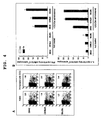
- NKT cell reactions to hDC/Gal were tested in various lines of mice. Two days after administration of hDC/Gal, splenocytes derived from C57BL/6, DBA/2 and BALB/c mice were collected, and FACS analysis was performed. It was revealed that in all mouse lines, the NKT cell count had increased 2 folds or more ( Figure 4A ). It was also found that in all the mice of the tested lines, cells producing IFN- ⁇ and IL-4 had increased similarly ( Figure 4B ). From these results, it was shown that the success of the experiments was not attributable solely to the specific genetic background of the mice, that is, C57BL/6, but many lines of wild-type mice could be used in evaluating the efficacy of hDC using this method.
- mice receiving hDC pulsed with ⁇ GC for 0.5 hours exhibited nearly zero activity
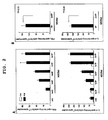
- mice receiving hDC pulsed with ⁇ GC for 2 hours exhibited an activity roughly half the level in mice receiving hDC pulsed with ⁇ GC for 24 hours ( Figure 5A ).
- the method of the present invention it is possible to sort out human dendritic cells to be used in human NKT cell immunotherapy, and it is also possible to evaluate the degree of the antigen presentation potential.
- the method of the present invention can also be used for efficacy monitoring in patients undergoing human NKT cell immunotherapy.
- the method of the present invention is also useful as a method of screening for a novel ligand.
- the agent of the present invention is useful in efficiently degenerating cancers.
Landscapes
- Health & Medical Sciences (AREA)
- Life Sciences & Earth Sciences (AREA)
- General Health & Medical Sciences (AREA)
- Immunology (AREA)
- Veterinary Medicine (AREA)
- Public Health (AREA)
- Animal Behavior & Ethology (AREA)
- Engineering & Computer Science (AREA)
- Epidemiology (AREA)
- Chemical & Material Sciences (AREA)
- Biomedical Technology (AREA)
- Medicinal Chemistry (AREA)
- Urology & Nephrology (AREA)
- Hematology (AREA)
- Molecular Biology (AREA)
- Bioinformatics & Cheminformatics (AREA)
- Cell Biology (AREA)
- Chemical Kinetics & Catalysis (AREA)
- Pharmacology & Pharmacy (AREA)
- Organic Chemistry (AREA)
- Nuclear Medicine, Radiotherapy & Molecular Imaging (AREA)
- General Chemical & Material Sciences (AREA)
- Toxicology (AREA)
- General Physics & Mathematics (AREA)
- Biotechnology (AREA)
- Food Science & Technology (AREA)
- Physics & Mathematics (AREA)
- Analytical Chemistry (AREA)
- Biochemistry (AREA)
- Microbiology (AREA)
- Pathology (AREA)
- Tropical Medicine & Parasitology (AREA)
- Measuring Or Testing Involving Enzymes Or Micro-Organisms (AREA)
- Micro-Organisms Or Cultivation Processes Thereof (AREA)
- Investigating Or Analysing Biological Materials (AREA)
- Medicines Containing Material From Animals Or Micro-Organisms (AREA)
Applications Claiming Priority (2)
| Application Number | Priority Date | Filing Date | Title |
|---|---|---|---|
| JP2007234734 | 2007-09-10 | ||
| PCT/JP2008/066210 WO2009034961A1 (ja) | 2007-09-10 | 2008-09-09 | ヒト樹状細胞の評価方法およびヒト細胞免疫療法剤 |
Publications (2)
| Publication Number | Publication Date |
|---|---|
| EP2199793A1 true EP2199793A1 (de) | 2010-06-23 |
| EP2199793A4 EP2199793A4 (de) | 2012-01-11 |
Family
ID=40451968
Family Applications (1)
| Application Number | Title | Priority Date | Filing Date |
|---|---|---|---|
| EP08830949A Withdrawn EP2199793A4 (de) | 2007-09-10 | 2008-09-09 | Verfahren zur bewertung menschlicher dendritischer zellen und menschliche-zelle-immuntherapeutikum |
Country Status (4)
| Country | Link |
|---|---|
| US (1) | US20100330057A1 (de) |
| EP (1) | EP2199793A4 (de) |
| JP (1) | JP5382529B2 (de) |
| WO (1) | WO2009034961A1 (de) |
Cited By (1)
| Publication number | Priority date | Publication date | Assignee | Title |
|---|---|---|---|---|
| RU2749610C2 (ru) * | 2015-09-15 | 2021-06-16 | Нортвест Байотерапьютикс, Инк. | Способы, относящиеся к композициям активированных дендритных клеток и к иммунотерапевтическому лечению индивидуумов с прогрессирующим раком |
Families Citing this family (3)
| Publication number | Priority date | Publication date | Assignee | Title |
|---|---|---|---|---|
| US20090233323A1 (en) * | 2005-06-17 | 2009-09-17 | Riken | Method for analysis of nkt cell function |
| BRPI1009892A2 (pt) * | 2009-03-24 | 2016-03-15 | Transgène S A | método ex-vivo para avaliar a eficácia de um tratamento em um paciente, e, kit para testar se um paciente está respondendo terapeuticamente a um método de tratamento compreendendo administração de uma composição imunogênica |
| US20190241871A1 (en) * | 2016-09-01 | 2019-08-08 | Riken Immune Regenerative Medicine Inc. | Method for manufacturing natural killer t (nkt) cell - stimulating dendritic cell, method for manufacturing cell composition containing the nkt cell stimulating dendritic cell and nkt cell, and cell composition containing thereof |
Family Cites Families (8)
| Publication number | Priority date | Publication date | Assignee | Title |
|---|---|---|---|---|
| JP3678129B2 (ja) * | 2000-09-26 | 2005-08-03 | 三菱住友シリコン株式会社 | 結晶成長方法 |
| US20070184058A1 (en) * | 2003-02-27 | 2007-08-09 | Yaron Ilan | Glucocerebroside treatment of pulmonary or respiratory diseases or disorders |
| US7837990B2 (en) * | 2005-03-28 | 2010-11-23 | The Rockefeller University | In vivo expanded NKT cells and methods of use thereof |
| US20090233323A1 (en) * | 2005-06-17 | 2009-09-17 | Riken | Method for analysis of nkt cell function |
| JPWO2007043630A1 (ja) * | 2005-10-06 | 2009-04-16 | 独立行政法人理化学研究所 | 上気道粘膜下に投与されるnkt細胞刺激剤 |
| EP2441468B1 (de) * | 2006-02-22 | 2020-01-08 | Riken | Immuntherapie mithilfe einer mit einem CD1d-Liganden gepulsten Zelle zur Co-Expression eines Ziel-Antigens und von CD1d |
| JP2007234734A (ja) | 2006-02-28 | 2007-09-13 | Fujikura Ltd | フレキシブル配線板及びその製造方法 |
| JP5288183B2 (ja) * | 2006-09-25 | 2013-09-11 | 独立行政法人理化学研究所 | 遺伝子再構成後の遺伝子型を有する幹細胞からのリンパ球のインビトロ分化誘導 |
-
2008
- 2008-09-09 EP EP08830949A patent/EP2199793A4/de not_active Withdrawn
- 2008-09-09 JP JP2009532182A patent/JP5382529B2/ja not_active Expired - Fee Related
- 2008-09-09 WO PCT/JP2008/066210 patent/WO2009034961A1/ja not_active Ceased
- 2008-09-09 US US12/677,453 patent/US20100330057A1/en not_active Abandoned
Cited By (1)
| Publication number | Priority date | Publication date | Assignee | Title |
|---|---|---|---|---|
| RU2749610C2 (ru) * | 2015-09-15 | 2021-06-16 | Нортвест Байотерапьютикс, Инк. | Способы, относящиеся к композициям активированных дендритных клеток и к иммунотерапевтическому лечению индивидуумов с прогрессирующим раком |
Also Published As
| Publication number | Publication date |
|---|---|
| US20100330057A1 (en) | 2010-12-30 |
| JPWO2009034961A1 (ja) | 2010-12-24 |
| WO2009034961A1 (ja) | 2009-03-19 |
| EP2199793A4 (de) | 2012-01-11 |
| JP5382529B2 (ja) | 2014-01-08 |
Similar Documents
| Publication | Publication Date | Title |
|---|---|---|
| Yoneyama et al. | Evidence for recruitment of plasmacytoid dendritic cell precursors to inflamed lymph nodes through high endothelial venules | |
| Siegmund et al. | Migration matters: regulatory T-cell compartmentalization determines suppressive activity in vivo | |
| JP2022531474A (ja) | T細胞製造組成物および方法 | |
| US20110300119A1 (en) | Methods of enriching and using regulatory t cells | |
| Medina et al. | Oncogenic kinase inhibition limits Batf3-dependent dendritic cell development and antitumor immunity | |
| TW201718852A (zh) | 具有病患衍生之異種移植物之非hla配對的人源化nsg小鼠模式 | |
| EP2950095B1 (de) | Zellenbasierte Test- und Screeningverfahren auf Modulatoren von p75NTR-Signalisierung | |
| Naito et al. | Differential effects of GM-CSF and G-CSF on infiltration of dendritic cells during early left ventricular remodeling after myocardial infarction | |
| Moshkani et al. | CD23+ CD21highCD1dhigh B cells in inflamed lymph nodes are a locally differentiated population with increased antigen capture and activation potential | |
| US20240207322A1 (en) | Methods of cell therapies | |
| US20090317407A1 (en) | Augmentation of immune response to cancer vaccine | |
| US20260115288A1 (en) | T cell manufacturing compositions and methods | |
| Sarkar et al. | The plasticity of immune cell response complicates dissecting the underlying pathology of multiple sclerosis | |
| JP2013035859A (ja) | 自己免疫疾患および変性疾患を治療する方法 | |
| JP6764790B2 (ja) | 視神経脊髄炎の治療に対する高可溶性アクアポリン−4細胞外ループペプチド免疫化 | |
| US20040229785A1 (en) | Screening methods to identify treatments for autoimmune disease | |
| US20100330057A1 (en) | Method of evaluating human dentritic cells and human cell immunotherapeutic agent | |
| Garay et al. | Crosstalk between PKA and Epac regulates the phenotypic maturation and function of human dendritic cells | |
| EP2016414B1 (de) | T-zell vakzin | |
| Deng et al. | Activated STING in the thymic epithelium alters T cell development and selection leading to autoimmunity | |
| US20070269847A1 (en) | Methods, pharmaceutical formulations and kits for identification of subjects at risk for cancer | |
| US20220010275A1 (en) | Compositions and methods for modulating an immune response | |
| JP2025003730A (ja) | 癌患者への免疫チェックポイント阻害薬の投与の有効性を予測するためのデータを収集する方法 | |
| US12442820B2 (en) | Peripheral blood biomarker for evaluating anti-tumor immune effect of radiation therapy | |
| CN114051409A (zh) | 用于产生调节性cd4+t细胞的鞘脂 |
Legal Events
| Date | Code | Title | Description |
|---|---|---|---|
| PUAI | Public reference made under article 153(3) epc to a published international application that has entered the european phase |
Free format text: ORIGINAL CODE: 0009012 |
|
| 17P | Request for examination filed |
Effective date: 20100330 |
|
| AK | Designated contracting states |
Kind code of ref document: A1 Designated state(s): AT BE BG CH CY CZ DE DK EE ES FI FR GB GR HR HU IE IS IT LI LT LU LV MC MT NL NO PL PT RO SE SI SK TR |
|
| AX | Request for extension of the european patent |
Extension state: AL BA MK RS |
|
| DAX | Request for extension of the european patent (deleted) | ||
| A4 | Supplementary search report drawn up and despatched |
Effective date: 20111214 |
|
| RIC1 | Information provided on ipc code assigned before grant |
Ipc: G01N 33/53 20060101ALI20111207BHEP Ipc: G01N 33/15 20060101ALI20111207BHEP Ipc: C12Q 1/02 20060101ALI20111207BHEP Ipc: C12N 5/10 20060101ALI20111207BHEP Ipc: A61P 37/02 20060101ALI20111207BHEP Ipc: A61P 35/00 20060101ALI20111207BHEP Ipc: A61K 35/12 20060101ALI20111207BHEP Ipc: G01N 33/50 20060101AFI20111207BHEP |
|
| 17Q | First examination report despatched |
Effective date: 20140910 |
|
| STAA | Information on the status of an ep patent application or granted ep patent |
Free format text: STATUS: THE APPLICATION IS DEEMED TO BE WITHDRAWN |
|
| 18D | Application deemed to be withdrawn |
Effective date: 20151201 |