EP2201082B1 - Additifs lubrifiants pour fluides de forage - Google Patents
Additifs lubrifiants pour fluides de forage Download PDFInfo
- Publication number
- EP2201082B1 EP2201082B1 EP08804160.3A EP08804160A EP2201082B1 EP 2201082 B1 EP2201082 B1 EP 2201082B1 EP 08804160 A EP08804160 A EP 08804160A EP 2201082 B1 EP2201082 B1 EP 2201082B1
- Authority
- EP
- European Patent Office
- Prior art keywords
- fatty acids
- acid
- oil
- esters
- fatty
- Prior art date
- Legal status (The legal status is an assumption and is not a legal conclusion. Google has not performed a legal analysis and makes no representation as to the accuracy of the status listed.)
- Active
Links
Images

Classifications
-
- C—CHEMISTRY; METALLURGY
- C09—DYES; PAINTS; POLISHES; NATURAL RESINS; ADHESIVES; COMPOSITIONS NOT OTHERWISE PROVIDED FOR; APPLICATIONS OF MATERIALS NOT OTHERWISE PROVIDED FOR
- C09K—MATERIALS FOR MISCELLANEOUS APPLICATIONS, NOT PROVIDED FOR ELSEWHERE
- C09K8/00—Compositions for drilling of boreholes or wells; Compositions for treating boreholes or wells, e.g. for completion or for remedial operations
- C09K8/02—Well-drilling compositions
- C09K8/32—Non-aqueous well-drilling compositions, e.g. oil-based
-
- C—CHEMISTRY; METALLURGY
- C09—DYES; PAINTS; POLISHES; NATURAL RESINS; ADHESIVES; COMPOSITIONS NOT OTHERWISE PROVIDED FOR; APPLICATIONS OF MATERIALS NOT OTHERWISE PROVIDED FOR
- C09K—MATERIALS FOR MISCELLANEOUS APPLICATIONS, NOT PROVIDED FOR ELSEWHERE
- C09K8/00—Compositions for drilling of boreholes or wells; Compositions for treating boreholes or wells, e.g. for completion or for remedial operations
- C09K8/02—Well-drilling compositions
- C09K8/32—Non-aqueous well-drilling compositions, e.g. oil-based
- C09K8/36—Water-in-oil emulsions
-
- Y—GENERAL TAGGING OF NEW TECHNOLOGICAL DEVELOPMENTS; GENERAL TAGGING OF CROSS-SECTIONAL TECHNOLOGIES SPANNING OVER SEVERAL SECTIONS OF THE IPC; TECHNICAL SUBJECTS COVERED BY FORMER USPC CROSS-REFERENCE ART COLLECTIONS [XRACs] AND DIGESTS
- Y10—TECHNICAL SUBJECTS COVERED BY FORMER USPC
- Y10S—TECHNICAL SUBJECTS COVERED BY FORMER USPC CROSS-REFERENCE ART COLLECTIONS [XRACs] AND DIGESTS
- Y10S507/00—Earth boring, well treating, and oil field chemistry
- Y10S507/904—Process of making fluids or additives therefor
Definitions
- the present application understood the use of certain esters as an additive in oil-based drilling fluids, as well as drilling fluids containing these additives.
- the additives according to the invention serve in particular to improve the lubricating effect of the drilling fluids.
- Bohr Hughesillonkeiten and built Bohr Hughesschlämmen or drilling fluids which can be used both in land-based as well as in seaborne boreholes are of particular importance.
- water-based drilling fluids containing about 1 to 50% emulsified oil phase - in addition to the other conventional auxiliaries such a drilling fluid - which are also referred to as O / W emulsion rinses.
- oil-based scavenging systems are in widespread use in practice in which the oil forms the flowable phase or at least a substantial portion of the flowable phase as a closed oil phase.
- invert drilling muds which contain a disperse aqueous phase in the closed oil phase on the basis of W / O emulsions.
- the content of the dispersed aqueous phase is usually in the range of at least about 5 to 10% by weight to about 50 to 60% by weight.
- true oil muds are known whose liquid phase is almost exclusively formed from a closed oil phase, the most small amounts - usually not more than about 5 to 10 wt .-% - Contain dispersed in aqueous phase.
- the non-aqueous phase of such purge systems is formed by the so-called carrier fluid.
- Constant problems in the formulation of such oil-based drilling fluids include insufficient lubrication of the agent, but this can be improved by the addition of additives. This problem particularly occurs in rinses whose oil phase contains short-chain and branched paraffins, but also in oil phases containing linear alpha-olefins or internal olefins e.g. with the C chain length C14 to C18. In the now offshore usual deflected holes also an increased lubricating effect is also required in oil-based mud systems.
- the invention relates to the use of Oligoglycerinfettklaestern, prepared from (a) an acid component selected from (a1) fatty acids of general formula (I) R-COOH (I) in the R for a saturated or unsaturated, branched or linear alkyl or Alkenyl radical having 7 to 21 C atoms, and / or (a2) dicarboxylic acids, (a3) dimer fatty acids and / or (a4) oligomer fatty acids and / or (a5) hydroxy fatty acids with (b) a polyol component selected from oligoglycerols or alkoxylates of oligoglycerols, as a lubricant additive in oil-based drilling fluids.
- an acid component selected from (a1) fatty acids of general formula (I) R-COOH (I) in the R for a saturated or unsaturated, branched or linear alkyl or Alkenyl radical having 7 to 21 C atoms, and / or (a2) dicarbox
- the oligoglycerol esters according to the invention are compounds which are known per se and can be obtained, for example, by acid or base-catalyzed esterification directly from oligoglycerol with the fatty acids.
- the EP 064 697 A1 describes various oligoglycerol esters as lubricants for PVC. In this writing will also described the preparation of Oligolycerinester by basic catalysis of fatty acids and poly- or oligoglycerols.
- oligoglycerol esters within the meaning of the invention are, as a rule, liquids which are liquid at room temperature and consist of a mixture of different oligoglycerol esters, wherein starting materials, in particular glycerol, may also be present.
- technical oligoglycerols that can be used to prepare the oligoglycerol esters of the present invention include mixtures of di- and triglycerin as well as tetra- and pentaglycerols, as well as glycerin.
- these may contain between 20 and 45% by weight of glycerol, between 20 and 40% by weight of diglycerol, between 10 and 20% by weight of triglycerol and between 1 and 10% by weight of tetraglycerol and between Contain 0.5 to 5 wt .-% of pentaglycerol.
- invert drilling mud systems that is to say means which comprise a water and oil phase in the form of emulsified side by side, exclusively as a water-in-oil emulsion, the oil phase being continuous and the water phase being the discontinuous phase, this inverting Systems must contain either fatty acid esters of di- or triglycerol or esters of polyglycerols, each with fatty acids of section C10-C20 as emulsifiers.
- esters of this document are necessarily diesters of these C10-C20 fatty acids with di- or triglycerol or polyglycerols, wherein in particular only the polyglycerol-2-diisostearate and polyglycerol-3-diisostearate are disclosed. These esters are used according to the teachings of US 2003/0114316 as emulsifiers to produce the desired invert emulsion. A suitability as a lubricant is not apparent from this document.
- DE 41 02 908 A1 concerns the use of selected emulsifiers with increased ecological compatibility.
- WO 2003/014253 discloses a drilling fluid comprising an oily continuous phase and a non-oily discontinuous phase.
- DE 102 52 973 A1 discloses an additive for improving the lubricity of fuel oils.
- Suitable acid components (a) of the esters according to the invention are, in particular, the fatty acids of the type (a1) which follow the formula (I).
- oligoglycerol esters in which the fatty acid component (a1) is selected from mono- or polyunsaturated, preferably linear, fatty acids and preferably the linear unsaturated monocarboxylic acids, the oleic acid, even in technical qualities, being particularly preferred.
- oligoglycerol esters whose component (a1) is selected from tall oil fatty acids.
- Tall oil fatty acids contain in particular mixtures of linoleic acid and conjugated C18 fatty acids (45-65% by weight), oleic acid (25-45% by weight), octadeca-5,9,12-trienoic acid (5-12% by weight) and saturated fatty acids (1-3% by weight).
- dicarboxylic acids (a2), dimer fatty acids or oligomeric fatty acids of type (a3) or (a4) are also suitable.
- suitable acid components are the dicarboxylic acids (a2). These are those carboxylic acids which contain two -COOH functions in the molecule, with the saturated dicarboxylic acids in particular being preferred.
- the dicarboxylic acids (a2) preferably contain between 4 and 22 C atoms, in particular between 6 and 18 C atoms. Examples which may be mentioned are the oxalic, malonic, succinic, glutaric, adipic, pimelinic, suberic, azealic or sebacic acid. Also unsaturated dicarboxylic acids are possible, e.g. fumaric or maleic acids.
- the dicarboxylic acids of group (a2) do not include the dimer fatty acids according to group (a3).
- dimer fatty acids (a3) are liquid, oxidation-stabilized dicarboxylic acids at room temperature (21 ° C.), for example by catalytic dimerization of unsaturated fatty acids, for example oleic acid, ricinene fatty acid or tall oil fatty acid be obtained under exclusion of oxygen.
- unsaturated fatty acids for example oleic acid, ricinene fatty acid or tall oil fatty acid be obtained under exclusion of oxygen.
- the linkage gives rise to linear, monocyclic or aromatic structures. The reaction proceeds with isomerization of isolated double bonds predominantly after addition of the Diels-Alder type.
- dimerized fatty acids are worked up by distillation and consist of a mixture which, in addition to small amounts of linear and branched C 18 monocarboxylic acids (monomer fatty acid) predominantly C 36 dicarboxylic acids and depending on the complexity of the workup different levels of C 54 tricarboxylic acid (trimer fatty acid) in addition Contains traces of higher polymer fatty acids.
- monocarboxylic acids predominantly C 36 dicarboxylic acids and depending on the complexity of the workup different levels of C 54 tricarboxylic acid (trimer fatty acid) in addition Contains traces of higher polymer fatty acids.
- trimer fatty acids with> 97 wt .-% dicarboxylic acid content and hydrogenated, completely non-yellowing types are industrially produced.
- Oligomeric fatty acids (a4) represent reaction products of unsaturated fatty acids with one another, with more than 2 and a maximum of 5 fatty acid molecules having to react with one another. This acid component likewise represents a mixture of different oligomers with one another.
- mixtures of oligoglycerol esters prepared in antartic different fatty acid sources or obtained by mixing are preferred as the polyol component for the esterification.
- hydroxy fatty acids may be used as component (a5), e.g. the ricinoleic acid and more preferably the hydroxystearic acid are representatives of this class of fatty acids.
- the component (b), ie the oligoglycerols in the sense of the present teaching contain between 2 and 10 glycerol monomers in the molecule, depending on the preparation process (eg the reaction temperature or time or the catalysts used) mixtures of different oligomers coexist. Molecules with more than 10 monomers of glycerol are called polyglycerols.
- the polyol component (b) of the esters according to the invention ie the oligoglycerols, can preferably be described by the following general formula (II): where n is a number between 2 and 10.
- oligoglycerols can be used as the polyol component (b), which contain predominantly between 2 and 8 and preferably between 4 and 8 glycerol monomers.
- esters then preferably follow the general formula (III): in which n represents numbers between 2 and 10 and R represents either a hydrogen atom or a radical CO-R ', where R' then represents a saturated or unsaturated alkyl or alkenyl radical having 7 to 21 C atoms, at least one OH radical Function of the oligoglycerol must be esterified.
- these may contain between 20 and 45% by weight of glycerol, between 20 and 40% by weight of diglycerol, between 10 and 20% by weight of triglycerol and between 1 and 10% by weight of tetraglycerol and between Contain 0.5 to 5 wt .-% of pentaglycerol.
- the formula (III) shown above represents oligoglycerol ester with the acid component (a1). If hydroxyfatty acids (a4) are used for the esterification, the radicals R may of course also contain alkyl or alkenyl radicals, the one or more free hydroxyl functions.
- oligoglycerols their alkoxylates, ie reaction products of oligoglycerols with ethylene oxide and / or oligomers of alkoxylated glycerol with ethylene oxide and / or propylene oxide, can also be used as the alcohol component for the esters according to the invention.
- dimer fatty acids (a2) or the oligomeric fatty acids (a3) are used as the fatty acid component, the range of fatty acid to oligoglycerol of from 1: 1 to 1: 2 is particularly preferred.
- the number of carboxyl groups is the sum of the carboxyl groups of all acid components. If mixtures of several polyol components are used, the number of hydroxyl groups is the sum of the hydroxyl groups of all polyol components.
- full esters or mixtures of the different partial esters if appropriate in admixture with full esters, can be present next to one another.
- the Oligogylcerinester in the context of the present technical teaching are predominantly partial esters, with Oligoglycerintriester and / or tetra- and / or pentaester are preferred.
- the oligoglycerol esters of the invention are used in oil-based drilling fluids as a lubricant additive.
- a lubricant additive is defined so that the friction of the mud, e.g. with the drill pipe and / or the formation - is measurably reduced by adding the agent.
- Another object of the invention therefore relates to the use of Oligoglycerinfett720er invention as a lubricant for oil-based Bohr mecanicstoff.
- oil-based drilling fluids oil based mud
- OBM oil based mud
- the present teachings preferably include the use of the oligoglycerides as a lubricant additive in rinses forming emulsions, either water-in-oil (W / O) or oil-in-water (O / W), the W / O systems also referred to as invert rinses are particularly preferred.
- Oil-based mud systems are generally those in which the oil forms the flowable phase or at least a substantial portion of the flowable phase as a closed oil phase.
- invert drilling muds which contain a disperse aqueous phase in the closed oil phase on the basis of W / O emulsions.
- the content of the dispersed aqueous phase is usually in the range of at least about 5 to 10% by weight to about 50 to 60% by weight.
- oligoglycerol esters described above can either be used alone or in admixture with other, preferably oil-soluble components in drilling fluids as a lubricant additive, especially for lubricating, wherein the friction of the mud, e.g. with the drill pipe and / or the formation - is reduced measurably by addition of the agent used.
- Suitable and preferred are hydrocarbons, fatty acid esters, fatty acids, fatty alcohols, surfactants, glycerol, triglycerides or glycols or any mixtures of these compounds.
- Surfactants are also suitable admixing components for the oligoglycerol esters.
- all types of surfactants whether anionic, nonionic, zwitterionic or cationic surfactants, can be used.
- anionic surfactants are soaps, alkylbenzenesulfonates, alkanesulfonates, olefinsulfonates, alkyl ether sulfonates, glycerol ether sulfonates, methyl ester sulfonates, sulfo fatty acids, alkyl sulfates, fatty alcohol ether sulfates, glycerol ether sulfates, fatty acid ether sulfates, mixed hydroxy ether sulfates, monoglyceride (ether) sulfates, fatty acid amide (ether) sulfates, mono- and Dialkyl sulfosuccinates, mono- and dialkyl sulfosuccinamates, sulfotriglycerides, amide soaps, ether carboxylic acids and their salts.
- nonionic surfactants are fatty alcohol polyglycol ethers, alkylphenol polyglycol ethers, fatty acid polyglycol esters, fatty acid amide polyglycol ethers, fatty amine polyglycol ethers, alkoxylated triglycerides, mixed ethers, optionally partially oxidized alk (en) yloligoglycosides or glucuronic acid derivatives, fatty acid N-alkylglucamides, polyol fatty acid esters, sugar esters, Sorbitan esters, polysorbates and amine oxides.
- nonionic surfactants contain polyglycol ether chains, these may have a conventional, but preferably a narrow homolog distribution.
- the surfactants are an optional ingredient in the additives. They are preferably used in amounts of from 1 to 15% by weight, in particular from 2 to 15 and preferably from 3 to 9% by weight, in each case based on the product mixture.
- the oligoglycerol esters and the other components are preferably combined in weight ratios of from 10: 1 to 1: 1, preferably from 8: 1 to 6: 1, and more preferably from 5: 1 to 1: 1 used.
- the additives are preferably used in the meaning of the invention in amounts of from 10 to 0.1% by weight, based on the total weight of the rinse. Advantageous ranges are 5 to 1 wt .-%, and in particular 3 to 1.5 wt .-%.
- the present technical teaching therefore also includes a method for improving the lubricity of oil-based drilling fluids wherein the rinses oligoglycerides in amounts of 0.1 to 10 wt .-% are added.
- the oil phases of the systems according to the invention contain the components a) to e) alone or the components a), b), d) or e) together in admixture with esters c and optionally in admixture with other suitable oil phases. There are also any mixtures of the oil phases a) to e) with each other possible.
- Another object of the present invention relates to the use of the above Oligoglycerinfett720ester as a lubricant additive, preferably in the above-described borehole treatment agents.
- the friction of the mud e.g. with the drill string and / or the formation - is measurably reduced by addition of the agent with respect to the rinse without the Oligoglycerinfettklareester invention.
- This is often accompanied by a reduction in the viscosity of the rinse by adding the Oligoglycerinfettklaers invention.
- linear or branched paraffins having 5 to 22 carbon atoms are used according to the invention.
- Paraffins - more correctly referred to as alkanes - are known to be saturated hydrocarbons that are linear or branched Representatives of the general empirical formula C n H 2n + 1 follow.
- the cyclic alkanes follow the general empirical formula C n H 2n .
- Particularly preferred are the linear and branched paraffins, whereas cyclic paraffins are less preferred.
- branched paraffins are particularly preferred which are liquid at room temperature, ie those having 5 to 16 carbon atoms per molecule.
- paraffins with 17 to 22 C atoms, which have a waxy consistency.
- mixtures of the different paraffins and it is particularly preferred if these mixtures are still liquid at 21 ° C.
- Such mixtures can be formed, for example, from paraffins having 10 to 21 carbon atoms.
- Paraffins are particularly preferred oil phases - alone or as a mixture component with further oil phases - in drilling fluids - preferably those of the invert type, in which the oligoglycerol esters according to the invention are used as thickeners.
- IO internal olefins
- IOs are also compounds known per se, which can be prepared by all methods known to the person skilled in the art.
- the EP 0 787 706 A1 describes, for example, a process for the synthesis of IOs by isomerization of alpha-olefins to sulfonic or persulfonic acids. Characteristically, the IOs so obtained are linear and contain at least one olefinic double bond that is not in the alpha position of the alkyl chain.
- such IO or IO mixtures are used which contain IO having 12 to 30 C atoms in the molecule, preferably having 14 to 24 C atoms and in particular having up to 20 C atoms in the molecule.
- esters of the general formula R-COO-R 'in which R is a linear or branched, saturated or unsaturated alkyl radical having 15 to 25 carbon atoms and R' is a saturated, linear or branched alkyl radical with 6 to 22 carbon atoms part of the oil phases according to the invention.
- esters are known chemical compounds. Their principal use in drilling fluids is the subject of the EP 0 374 672 A1 or the EP 0 374 671 A1 , Particularly preferred is the use of such esters whose radical R is a saturated or unsaturated alkyl radical having 15 to 25 and R 'is a saturated alkyl radical having 3 to 10 carbon atoms.
- the saturated compounds are particularly preferred.
- Mineral oils are a collective term for the liquid distillation products obtained from mineral raw materials (petroleum, lignite and coal, wood or peat), which consist essentially of mixtures of saturated hydrocarbons.
- the mineral oils contain only small amounts of aromatic hydrocarbons, preferably less than 3 wt .-%. Preference is given at 21 ° C liquid mineral oils based on petroleum.
- the mineral oils preferably have boiling points of 180 to 300 ° C.
- Linear alpha-olefins are unbranched in 1-position ("alpha-C-atom") unsaturated hydrocarbons. They can be based on natural substances, but are also obtained synthetically, in particular on a large scale. Natural-based LAOs are obtained by dehydration of natural-based fatty alcohols as linear products with a straight-chain carbon number. Synthetically obtained LAOs, produced by the oligomerization of ethylene, often contain straight-chain carbon numbers in the chain, but processes for the production of nonradiomeric alpha-olefins are also known today. For the purposes of the definition according to the invention, owing to their volatility, as a rule at least 10, preferably at least 12 to 14 C atoms in the molecule are present.
- the upper limit of the flowable at room temperature LAO is in the range of C18-20.
- this upper limit is not restrictive for the usability of this class of substance in the context of the invention.
- suitable LAO compounds for use in the teaching according to the invention thus lies well above the aforementioned limit of C18-20 and can reach, for example, C30.
- carbonates are understood as meaning carbonic acid esters of fatty alcohols having 8 to 22 carbon atoms, preferably the diesters of carbonic acid.
- Such compounds and their use as oil phase for drilling fluid are described in the DE 4018228 A1 ,
- the drilling fluids if they are of the emulsion type, emulsifiers. When selecting them, it is crucial to the type of conditioner.
- Emulsifiers useful in practice for the formation of W / O emulsions are, in particular, selected oleophilic fatty acid salts, for example those based on amidoamine compounds. Examples of this are in the US 4,374,737 and the literature cited therein.
- the emulsifiers for forming the drilling fluid may be identical or different from those used in the additives according to the invention itself.
- Suitable emulsifiers are preferably nonionic emulsifiers which are in particular assigned to one of the following classes of substances: (oligo) alkoxylates - especially lower alkoxylates, ethoxylates and / or propoxylates being of particular importance here - base molecules containing lipophilic groups and capable of alkoxylation natural and / or synthetic origin.
- alkoxylates of the type indicated are nonionic emulsifiers as such-that is, with a terminal free hydroxyl group on the alkoxylate radical-but the corresponding compounds may also be end-capped, for example by esterification and / or etherification.
- nonionic emulsifiers for the purposes of the invention are partial esters and / or partial ethers of polyfunctional alcohols having in particular 2 to 6 C atoms and 2 to 6 OH groups and / or their oligomers containing acids and / or alcohols containing lipophilic radicals.
- Particularly suitable compounds of this type are those which additionally contain (oligo-) alkoxy radicals and in particular corresponding oligoethoxy radicals in their molecular structure.
- the polyfunctional alcohols having 2 to 6 OH groups in the base molecule or the oligomers derived therefrom may in particular be diols and / or triols or their oligomerization products, wherein the glycol and the glycerol or their oligomers may be of particular importance.
- the range of partial ethers Polyfunctional alcohols are also associated with known nonionic emulsifiers of the type of ethylene oxide / propylene oxide / butylene oxide block polymers.
- Another example of corresponding emulsifier components are alkyl (poly) glycosides of long-chain alcohols as well as the already mentioned fatty alcohols of natural and / or synthetic origin or alkylolamides, amine oxides and lecithins.
- alkyl (poly) glycoside compounds APG compounds
- APG compounds alkyl glycoside compounds
- emulsifier components may be of particular interest, inter alia, because it is an emulsifier class of particularly pronounced ecocompatibility.
- suitable emulsifier components listed here: (oligo) alkoxylates of fatty alcohols, fatty acids, fatty amines, fatty amides, fatty acid and / or fatty alcohol esters and / or ethers, alkanolamides, alkylphenols and / or or their reaction products with formaldehyde and other reaction products of lipophilic radical-containing carrier molecules with lower alkoxides.
- reaction products may also be at least partially end-capped.
- partial esters and / or partial ethers of polyfunctional alcohols are in particular the corresponding partial esters with fatty acids, for example of the type of glycerol mono- and / or diesters, glycol monoesters, corresponding partial esters of oligomerized polyfunctional alcohols, sorbitan partial esters and the like and corresponding compounds having ether groups.
- difatty acid esters of polyglycerols in particular of polyglycerol-2 or -3 distearate or difatty acid esters of di- and / or triglycerol with C 10 -C 20 fatty acids in invert drilling fluids as described above.
- the oil phases of the compositions according to the invention preferably have pour points below 0 ° C., preferably below -5 ° C. (measured in accordance with DIN ISO 3016: 1982-10).
- the Brookfield viscosity of the oil phases at 0 ° C is at most 50 mPas.
- the borehole treatment agents of the present invention when formed as oil-based drilling mud of the W / O type, have a plastic viscosity (PV) in the range of 10 to 70 mPas and Yield Point YP of 5 to 60 lb / 100 ft 2 , each determined at 50 ° C, on.
- the kinematic viscosity of the oil phase measured according to Ubbelohde at 20 ° C should preferably be at most 12 mm 2 / sec.
- the aqueous phase of the compositions according to the invention preferably has a pH in the range from 7.5 to 12, preferably from 7.5 to 11 and in particular from 8 to 10.
- compositions according to the invention also contain additives, for example weighting agents, fluid-loss additives, further viscosity-regulating additives, wetting agents, salts, biocides, corrosion inhibitors, and / or an alkali reserve and, above all, emulsifiers.
- additives for example weighting agents, fluid-loss additives, further viscosity-regulating additives, wetting agents, salts, biocides, corrosion inhibitors, and / or an alkali reserve and, above all, emulsifiers.
- weighting agents for example weighting agents, fluid-loss additives, further viscosity-regulating additives, wetting agents, salts, biocides, corrosion inhibitors, and / or an alkali reserve and, above all, emulsifiers.
- the additives may be water-soluble, oil-soluble and / or water or oil-dispersible.
- Classic additives may be: fluid-loss additives, intrinsic viscosity-forming soluble and / or insoluble substances, alkali reserves, means for inhibiting unwanted water exchange between drilled formations - e.g. B water swellable clays and / or salt layers - and the z. B. water-based rinsing liquid, wetting agent for better absorption of the emulsified oil phase on solid surfaces, eg. B. to improve the lubricity, but also to improve the oleophilic closure exposed rock formations, or rock surfaces, biocides, for example, for inhibiting the bacterial infestation of O / W emulsions and the like. Only excerpts are quoted accordingly: Fine dispersants to increase the mud density: Widely used is the barium sulfate (barite), but also calcium carbonate (calcite) or the mixed carbonate of calcium and magnesium (dolomite) are used.
- Bentonite or hydrophobized bentonite should be mentioned here in the first place.
- Attapulgite and sepiolite are of considerable importance in practice.
- organic polymer compounds of natural and / or synthetic origin may also be of considerable importance in this context.
- starch or chemically modified starches cellulose derivatives such as carboxymethylcellulose, guar gum, synthangum or purely synthetic water-soluble and / or water-dispersible polymer compounds, in particular of the type of high molecular weight polyacrylamide compounds with or without anionic or cationic modification.
- Thinner for viscosity control The so-called thinners can be of organic or inorganic nature, examples of organic thinners are tannins and / or Qcbracho extract. Further examples of these are lignite and lignite derivatives, in particular lignosulfonates.
- oligoglycerol esters were prepared analogously: Additive no. fatty acid Molar ratio of fatty acid: oligoglycerol (1) oleic acid 4: 1 (2) oleic acid 3: 1 (3) oleic acid 2: 1 (4) oleic acid 1.5: 1 (5) tall oil fatty acid 4: 1
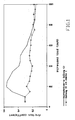
- Figure 2 relates to Conditioner (II) but additive (1) was added in amounts of 10.5 g, 17.5 g and 30.0 g compared to a non-additive rinse. Again, one recognizes the lubrication of the rinse improving influence of the oligoglycerides of the invention.
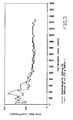
- Figure 3 relates to the rinse III, which in turn has been measured with the additive (1) and without an additive 1. It can be seen that the system with the oligoglycerol ester (1) withstands much more pressure than the unadditivated rinse.
Landscapes
- Chemical & Material Sciences (AREA)
- Oil, Petroleum & Natural Gas (AREA)
- Life Sciences & Earth Sciences (AREA)
- General Life Sciences & Earth Sciences (AREA)
- Engineering & Computer Science (AREA)
- Materials Engineering (AREA)
- Organic Chemistry (AREA)
- Lubricants (AREA)
- Organic Low-Molecular-Weight Compounds And Preparation Thereof (AREA)
Claims (9)
- Utilisation d'esters d'acides gras avec des oligoglycérols, préparés à partir(a) d'un composant acide, choisi parmi(a1) des acides gras de formule générale (I)
R-COOH (I)
dans laquelle R représente un radical alkyle ou alcényle linéaire ou ramifié, saturé ou insaturé, ayant de 7 à 21 atomes de carbone, et/ou(a5) des acides gras hydroxylés(b) un composant polyol, qui est choisi parmi des oligoglycérols ou des produits d'alcoxylation d'oligoglycérols,en tant qu'additif lubrifiant dans des fluides de forage à base huileuse. - Utilisation selon la revendication 1, caractérisée en ce que les acides gras de formule (I) sont choisis parmi des acides gras linéaires insaturés.
- Utilisation selon au moins l'une quelconque des revendications 1 et 2, caractérisée en ce qu'on choisit des acides gras avec des oligoglycérols qui ont été préparés par mise en réaction d'oligoglycérols de formule (II)

- Utilisation selon au moins l'une quelconque des revendications 1 à 3, caractérisée en ce qu'on utilise des tri-, tétra- et/ou pentaesters des oligoglycérols.
- Utilisation selon au moins l'une quelconque des revendications 1 à 4, caractérisée en ce qu'on choisit comme acide gras pour l'estérification l'acide oléique ou les acides gras de tallöl ou des mélanges de ceux-ci.
- Utilisation selon au moins l'une quelconque des revendications 1 à 5, caractérisée en ce que dans l'estérification le rapport molaire des acides gras à l'oligoglycérol se situe dans la plage allant de 5 : 1 à 1 : 1, de préférence de 4 : 1 à 1 : 1 et en particulier de 4 : 1 à 1,5 : 1.
- Utilisation selon au moins l'une quelconque des revendications 1 à 6, caractérisée en ce que dans l'estérification le rapport molaire des acides gras dimères ou des acides gras oligomères à l'oligoglycérol se situe dans la plage de 1 : 1 à 1 : 2.
- Utilisation selon au moins l'une quelconque des revendications 1 à 7, caractérisée en ce qu'on utilise les esters d'oligoglycérols comme additif en mélange avec des tensioactifs, des hydrocarbures, des alcools gras, des esters d'acides gras et/ou des acides gras ou du glycérol, du triglycéride et/ou des glycols.
- Procédé pour l'amélioration de l'action lubrifiante de fluides de forage à base huileuse, de préférence de fluides de forage inverses, dans lequel on ajoute aux fluides de forage des oligoglycérides selon la description dans la revendication 1, en des quantités de 0,1 à 10 % en poids.
Priority Applications (1)
| Application Number | Priority Date | Filing Date | Title |
|---|---|---|---|
| EP08804160.3A EP2201082B1 (fr) | 2007-09-14 | 2008-09-12 | Additifs lubrifiants pour fluides de forage |
Applications Claiming Priority (3)
| Application Number | Priority Date | Filing Date | Title |
|---|---|---|---|
| EP07018087A EP2036963A1 (fr) | 2007-09-14 | 2007-09-14 | Lubrifiants pour fluides de forage |
| EP08804160.3A EP2201082B1 (fr) | 2007-09-14 | 2008-09-12 | Additifs lubrifiants pour fluides de forage |
| PCT/EP2008/062199 WO2009037211A1 (fr) | 2007-09-14 | 2008-09-12 | Additifs lubrifiants pour fluides de forage |
Publications (2)
| Publication Number | Publication Date |
|---|---|
| EP2201082A1 EP2201082A1 (fr) | 2010-06-30 |
| EP2201082B1 true EP2201082B1 (fr) | 2014-04-16 |
Family
ID=39027628
Family Applications (2)
| Application Number | Title | Priority Date | Filing Date |
|---|---|---|---|
| EP07018087A Withdrawn EP2036963A1 (fr) | 2007-09-14 | 2007-09-14 | Lubrifiants pour fluides de forage |
| EP08804160.3A Active EP2201082B1 (fr) | 2007-09-14 | 2008-09-12 | Additifs lubrifiants pour fluides de forage |
Family Applications Before (1)
| Application Number | Title | Priority Date | Filing Date |
|---|---|---|---|
| EP07018087A Withdrawn EP2036963A1 (fr) | 2007-09-14 | 2007-09-14 | Lubrifiants pour fluides de forage |
Country Status (7)
| Country | Link |
|---|---|
| US (1) | US8236735B2 (fr) |
| EP (2) | EP2036963A1 (fr) |
| CN (1) | CN101855313A (fr) |
| AU (1) | AU2008300598B2 (fr) |
| CA (1) | CA2699364A1 (fr) |
| MY (1) | MY160115A (fr) |
| WO (1) | WO2009037211A1 (fr) |
Families Citing this family (29)
| Publication number | Priority date | Publication date | Assignee | Title |
|---|---|---|---|---|
| EP2036964A1 (fr) * | 2007-09-14 | 2009-03-18 | Cognis Oleochemicals GmbH | Epaissisant pour fluides de forage à base d'huile |
| EP2036962A1 (fr) * | 2007-09-14 | 2009-03-18 | Cognis Oleochemicals GmbH | Additifs pour fluides de forage à base d'eau |
| EP2053111B1 (fr) | 2007-10-24 | 2016-12-07 | Emery Oleochemicals GmbH | Composition de forage, procédé de préparation et ses applications |
| EP2212376A2 (fr) * | 2007-11-20 | 2010-08-04 | Emery Oleochemicals GmbH | Procédé de production d'une composition organique comprenant un n-nonylester |
| DE102010050917A1 (de) | 2010-11-11 | 2012-05-16 | Emery Oleochemicals Gmbh | Verfahren zur Herstellung von Carbonsäureestern während eines Transports |
| CN102703051B (zh) * | 2012-05-11 | 2013-09-25 | 厦门大学 | 一种蒸汽驱添加剂 |
| MX2015001181A (es) | 2012-07-26 | 2015-11-13 | Amril Ag | Esteres para emulsiones de perforacion y fluidos de trabajo de metales. |
| US9115556B2 (en) | 2012-11-20 | 2015-08-25 | Chevron U.S.A. Inc. | Method of using biologically-derived monoesters as drilling fluids |
| US9115326B2 (en) | 2012-11-20 | 2015-08-25 | Chevron U.S.A. Inc. | Monoester-based lubricants and methods of making same |
| US9238783B2 (en) | 2012-11-20 | 2016-01-19 | Chevron U.S.A. Inc. | Monoester-based lubricants and methods of making same |
| US9115303B2 (en) | 2012-11-20 | 2015-08-25 | Chevron U.S.A. Inc. | Biologically-derived monoesters as drilling fluids |
| CN103013464B (zh) * | 2012-12-27 | 2015-07-01 | 河北华运鸿业化工有限公司 | 一种钻井液用低荧光润滑剂及其制备方法 |
| US10253236B2 (en) | 2013-10-31 | 2019-04-09 | Amril Ag | Environmental friendly well treatment fluids comprising an ester |
| US10557335B2 (en) | 2014-01-24 | 2020-02-11 | Schlumberger Technology Corporation | Gas fracturing method and system |
| US9834718B2 (en) | 2014-05-06 | 2017-12-05 | Saudi Arabian Oil Company | Ecofriendly lubricating additives for water-based wellbore drilling fluids |
| US9528040B2 (en) | 2014-07-03 | 2016-12-27 | ViChem Speciality Products LLC | Additives for boosting performance of water-based drilling fluids, drilling fluids including same, and methods of making and using same |
| US10208540B2 (en) * | 2014-10-30 | 2019-02-19 | Chevron U.S.A. Inc. | Non-toxic, inexpensive, low viscosity mineral oil based drilling fluid |
| WO2016110323A1 (fr) | 2015-01-07 | 2016-07-14 | Amril Ag | Acides carboxyliques d'éther hydrophiles en tant que lubrifiant pour systèmes de forage à base de sel |
| MX2017007238A (es) * | 2015-01-07 | 2018-02-16 | Emery Oleochemicals Gmbh | Nuevos aditivos para aplicaciones en campos petroleros e industrial. |
| US10662364B2 (en) | 2015-03-20 | 2020-05-26 | Resinate Materials Group, Inc. | Drilling fluids containing polyester polyols |
| WO2017016825A1 (fr) * | 2015-07-24 | 2017-02-02 | Evonik Oil Additives Gmbh | Utilisation d'esters de polyclycérine en tant que modificateurs de frottement dans des formulations de lubrifiants |
| CA3043973A1 (fr) | 2016-11-30 | 2018-06-07 | Saudi Arabian Oil Company | Fluides de forage a emulsion inverse comprenant des modificateurs de rheologie acides gras et diols gras |
| GB201803610D0 (en) * | 2018-03-07 | 2018-04-18 | Croda Int Plc | Drilling fluid |
| US11319473B2 (en) | 2018-07-13 | 2022-05-03 | Emery Oleochemicals Gmbh | Environmentally friendly ester-structures as viscosifier for oil based drilling fluids |
| CN111518526A (zh) * | 2019-02-01 | 2020-08-11 | 中国石油天然气股份有限公司 | 钻井液及其制备方法 |
| US11021644B2 (en) * | 2019-09-11 | 2021-06-01 | Saudi Arabian Oil Company | Drilling fluids and methods of making thereof |
| CN111100613B (zh) * | 2019-12-19 | 2022-09-06 | 中国海洋石油集团有限公司 | 一种钻井液用润滑剂及其应用 |
| US11352545B2 (en) | 2020-08-12 | 2022-06-07 | Saudi Arabian Oil Company | Lost circulation material for reservoir section |
| US11760920B1 (en) | 2022-04-06 | 2023-09-19 | Halliburton Energy Services, Inc. | Lubricant for monovalent and divalent brines |
Family Cites Families (41)
| Publication number | Priority date | Publication date | Assignee | Title |
|---|---|---|---|---|
| US4374737A (en) | 1980-01-14 | 1983-02-22 | Dana E. Larson | Nonpolluting drilling fluid composition |
| DE3118417A1 (de) | 1981-05-09 | 1982-11-25 | Basf Ag, 6700 Ludwigshafen | Gleitmittel fuer die formgebende verarbeitung von polyvinylchlorid, die veresterte oligomere mehrwertige alkohole enthalten |
| DE3622826A1 (de) | 1986-07-08 | 1988-01-21 | Henkel Kgaa | Pulverfoermige schmiermittel-additive fuer bohrspuelungen auf wasserbasis |
| US5232910A (en) | 1988-12-19 | 1993-08-03 | Henkel Kommanditgesellschaft Auf Aktien | Use of selected ester oils in drilling fluids and muds |
| DE3842703A1 (de) | 1988-12-19 | 1990-06-21 | Henkel Kgaa | Verwendung ausgewaehlter esteroele in bohrspuelungen insbesondere zur off-shore-erschliessung von erdoel- bzw. erdgasvorkommen (ii) |
| DE3842659A1 (de) | 1988-12-19 | 1990-06-28 | Henkel Kgaa | Verwendung ausgewaehlter esteroele in bohrspuelungen insbesondere zur off-shore-erschliessung von erdoel- bzw. erdgasvorkommen (i) |
| USRE36066E (en) | 1988-12-19 | 1999-01-26 | Henkel Kgaa | Use of selected ester oils in drilling fluids and muds |
| US5252554A (en) | 1988-12-19 | 1993-10-12 | Henkel Kommanditgesellschaft Auf Aktien | Drilling fluids and muds containing selected ester oils |
| US5254531A (en) | 1989-02-09 | 1993-10-19 | Henkel Kommanditgesellschaft Auf Aktien | Oleophilic basic amine compounds as an additive for invert drilling muds |
| DE3907392A1 (de) | 1989-03-08 | 1990-09-13 | Henkel Kgaa | Ester von carbonsaeuren mittlerer kettenlaenge als bestnadteil der oelphase in invert-bohrspuelschlaemmen |
| US5318954A (en) | 1989-03-08 | 1994-06-07 | Henkel Kommanditgesellschaft Auf Aktien | Use of selected ester oils of low carboxylic acids in drilling fluids |
| DE3911238A1 (de) | 1989-04-07 | 1990-10-11 | Henkel Kgaa | Oleophile alkohole als bestandteil von invert-bohrspuelungen |
| US5318956A (en) | 1989-05-16 | 1994-06-07 | Henkel Kommanditgesellschaft Auf Aktien | Use of selected ester oils in water-based drilling fluids of the O/W emulsion type and corresponding drilling fluids with improved ecological acceptability |
| DE4018228A1 (de) | 1990-06-07 | 1991-12-12 | Henkel Kgaa | Fliessfaehige bohrlochbehandlungsmittel auf basis von kohlensaeurediestern |
| DE4019266A1 (de) | 1990-06-16 | 1992-01-23 | Henkel Kgaa | Fliessfaehige bohrlochbehandlungsmittel auf basis von polycarbonsaeureestern |
| DE4102908A1 (de) * | 1991-01-31 | 1992-08-06 | Henkel Kgaa | Verwendung oberflaechenaktiver carbonsaeure-komplexester als emulgatoren in oel-basierten bohrspuelungen und anderen bohrlochbehandlungsmitteln |
| DE4200502A1 (de) | 1992-01-13 | 1993-07-15 | Henkel Kgaa | Verbesserte entsorgung von kontaminiertem bohrklein aus geologischen bohrungen mit mineraloel-enthaltenden bohrspuelsystemen |
| DE4224537A1 (de) | 1992-07-27 | 1994-02-03 | Henkel Kgaa | Mineralische Additive zur Einstellung und/oder Regelung der Rheologie und Gelstruktur wässriger Flüssigphasen und ihre Verwendung |
| DE4324474A1 (de) | 1993-07-21 | 1995-01-26 | Henkel Kgaa | Verwendung ausgewählter Polyvinylacetat-Dispersionen für die Oberflächenverfestigung von Sand und/oder Erdreich |
| DE4420455A1 (de) | 1994-06-13 | 1995-12-14 | Henkel Kgaa | Lineare alpha-Olefine enthaltende fließfähige Bohrlochbehandlungsmittel insbesondere entsprechende Bohrspülungen |
| DE19548314A1 (de) | 1995-12-22 | 1997-06-26 | Henkel Kgaa | Verbessertes Verfahren zur Intensivierung der Oberflächenverfestigung erosionsgefährdeten Erdreichs durch Eintrag wasserbasierter und haftvermittelnder Bindemittell auf Basis von Polyvinylalkohol-Estern |
| DE19614722A1 (de) * | 1996-04-15 | 1997-10-16 | Henkel Kgaa | Kältestabiles Schmier- und Kraftstoffadditiv |
| DE19643857A1 (de) | 1996-10-30 | 1998-05-07 | Henkel Kgaa | Verwendung biologisch abbaubarer Alkoxylierungsprodukte zum Reinigen von Bohrlöchern, Bohrgeräten oder Bohrklein |
| TW354352B (en) | 1996-10-30 | 1999-03-11 | Henkel Kgaa | A process for easier cleaning on the basis of water/oil inversion emulifier |
| US6022833A (en) | 1996-10-30 | 2000-02-08 | Henkel Kommanditgesellschaft Auf Aktien | Multicomponent mixtures for use in geological exploration |
| DE19647598A1 (de) | 1996-11-18 | 1998-05-20 | Henkel Kgaa | Verwendung ausgewählter Fettalkohole und ihrer Abmischungen mit Carbonsäureestern als Schmiermittelkomponente in wasserbasierten Bohrspülsystem zum Erdreichaufschluß |
| DE19701127A1 (de) | 1997-01-15 | 1998-07-16 | Henkel Kgaa | Schaumarme Tensidkonzentrate für den Einsatz im Bereich der Förderung des Pflanzenwachstums |
| DE19852971A1 (de) | 1998-11-17 | 2000-05-18 | Cognis Deutschland Gmbh | Schmiermittel für Bohrspülungen |
| US6828279B2 (en) * | 2001-08-10 | 2004-12-07 | M-I Llc | Biodegradable surfactant for invert emulsion drilling fluid |
| ES2464840T3 (es) | 2002-07-09 | 2014-06-04 | Clariant Produkte (Deutschland) Gmbh | Uso de líquidos oleosos para mejorar la estabilidad frente a la oxidación de aceites combustibles |
| KR100990625B1 (ko) | 2002-07-09 | 2010-10-29 | 클라리안트 프로두크테 (도이칠란트) 게엠베하 | 식물성 또는 동물성 기원의 연료 오일용 냉류 개선제 |
| US20040010965A1 (en) | 2002-07-09 | 2004-01-22 | Clariant Gmbh | Oxidation-stabilized lubricant additives for highly desulfurized fuel oils |
| DE10252973A1 (de) * | 2002-11-14 | 2004-05-27 | Clariant Gmbh | Oxidationsstabilisierte Schmieradditive für hochentschwefelte Brennstofföle |
| DE10243312A1 (de) | 2002-09-18 | 2004-04-01 | Cognis Deutschland Gmbh & Co. Kg | Bohrlochbehandlungsmittel mit niedrig-toxischer Ölphase |
| US6884762B2 (en) * | 2002-10-28 | 2005-04-26 | Newpark Drilling Fluids, L.L.C. | Ester-containing downhole drilling lubricating composition and processes therefor and therewith |
| US7147067B2 (en) * | 2002-12-10 | 2006-12-12 | Halliburton Energy Services, Inc. | Zeolite-containing drilling fluids |
| DE10334441A1 (de) | 2003-07-29 | 2005-02-17 | Cognis Deutschland Gmbh & Co. Kg | Bohrlochbehandlungsmittel, enthaltend Ethercarbonsäuren |
| DE10349808A1 (de) | 2003-10-24 | 2005-05-25 | Cognis Deutschland Gmbh & Co. Kg | Emulgatoren für Bohrspülmittel |
| DE10349807A1 (de) | 2003-10-24 | 2005-05-25 | Cognis Deutschland Gmbh & Co. Kg | Emulgatoren für Bohrspülmittel |
| DE102004034141A1 (de) | 2004-07-15 | 2006-02-09 | Cognis Ip Management Gmbh | Verwendung von Lithiumsalzen von Fettalkoholsulfaten zum Reinigen von Bohrlöchern, Bohrgeräten oder Bohrklein |
| EP2036964A1 (fr) * | 2007-09-14 | 2009-03-18 | Cognis Oleochemicals GmbH | Epaissisant pour fluides de forage à base d'huile |
-
2007
- 2007-09-14 EP EP07018087A patent/EP2036963A1/fr not_active Withdrawn
-
2008
- 2008-09-12 AU AU2008300598A patent/AU2008300598B2/en not_active Ceased
- 2008-09-12 WO PCT/EP2008/062199 patent/WO2009037211A1/fr not_active Ceased
- 2008-09-12 MY MYPI2010001101A patent/MY160115A/en unknown
- 2008-09-12 CN CN200880115961A patent/CN101855313A/zh active Pending
- 2008-09-12 CA CA2699364A patent/CA2699364A1/fr not_active Abandoned
- 2008-09-12 US US12/677,845 patent/US8236735B2/en active Active
- 2008-09-12 EP EP08804160.3A patent/EP2201082B1/fr active Active
Also Published As
| Publication number | Publication date |
|---|---|
| CN101855313A (zh) | 2010-10-06 |
| US8236735B2 (en) | 2012-08-07 |
| EP2201082A1 (fr) | 2010-06-30 |
| AU2008300598B2 (en) | 2014-02-27 |
| EP2036963A1 (fr) | 2009-03-18 |
| AU2008300598A1 (en) | 2009-03-26 |
| US20100298176A1 (en) | 2010-11-25 |
| CA2699364A1 (fr) | 2009-03-26 |
| WO2009037211A1 (fr) | 2009-03-26 |
| MY160115A (en) | 2017-02-28 |
Similar Documents
| Publication | Publication Date | Title |
|---|---|---|
| EP2201082B1 (fr) | Additifs lubrifiants pour fluides de forage | |
| EP2201083B1 (fr) | Épaississants pour fluides de forage à base d'huile | |
| EP2201081B1 (fr) | Additifs pour fluides de forage à base d'eau | |
| EP2240531B1 (fr) | Esters de glycérine ou d'oligoglycérine réticulés et leur utilisation comme additifs dans des agents de nettoyage de forage | |
| EP0535074B1 (fr) | Agents de traitement fluides pour trous de forage a base d'esters d'acides polycarboxyliques | |
| EP1546282B1 (fr) | Produit de traitement de trous de forage contenant une phase huileuse a faible toxicite | |
| EP0765368B1 (fr) | Produits fluides de traitement de puits, notamment des produits de lavage de puits, contenant des alpha-olefines lineaires | |
| EP1137736B1 (fr) | Lubrifiant destine a des liquides de forage | |
| EP2411483B1 (fr) | Composition nettoyante à base d'une émulsion pour des applications sur les champs pétroliers | |
| EP1654337A1 (fr) | Agent de traitement de trous de sondage contenant des acides carboxyliques d'ether | |
| EP1675928B1 (fr) | Emulsifiants pour fluides de forage | |
| WO2007137709A1 (fr) | Solutions de curage à toxicité réduite | |
| WO2008046554A1 (fr) | Esters de propylalkyles en tant que phase huileuse dans des agents de traitement de puits de forage | |
| DE4024658A1 (de) | Verwendung oberflaechenaktiver alkylglycosidverbindungen in wasser- und oel-basierten bohrspuelungen und anderen bohrlochbehandlungsmitteln | |
| EP1802387A1 (fr) | Utilisation d'amidoamines ethoxylees comme emulsifiants dans des boues de forage | |
| EP0542808B1 (fr) | Utilisation de sels tensio-actifs de sulfonate d'ester dans des solutions de curage et dans d'autres agents de traitement de puits de forage a base d'eau et d'huile | |
| WO2007068404A1 (fr) | Acides ethercarboxyliques en tant qu’additifs pour l’amelioration du pouvoir lubrifiant de solutions de curage a base d’eau | |
| DE102008009369A1 (de) | Verfahren zur Herstellung einer organischen Zusammensetzung beinhaltend einen N-Nonylester | |
| EP0541605A1 (fr) | Utilisation de disels d'acides gras alpha-sulfoniques tensio-actifs dans des solutions de curage et d'autres agents de traitement de puits de forage a base d'eau et d'huile. | |
| DE102008009368A1 (de) | Verfahren zur Herstellung einer organischen Zusammensetzung beinhaltend einen N-Nonylether |
Legal Events
| Date | Code | Title | Description |
|---|---|---|---|
| PUAI | Public reference made under article 153(3) epc to a published international application that has entered the european phase |
Free format text: ORIGINAL CODE: 0009012 |
|
| 17P | Request for examination filed |
Effective date: 20100413 |
|
| AK | Designated contracting states |
Kind code of ref document: A1 Designated state(s): AT BE BG CH CY CZ DE DK EE ES FI FR GB GR HR HU IE IS IT LI LT LU LV MC MT NL NO PL PT RO SE SI SK TR |
|
| AX | Request for extension of the european patent |
Extension state: AL BA MK RS |
|
| DAX | Request for extension of the european patent (deleted) | ||
| 17Q | First examination report despatched |
Effective date: 20100923 |
|
| GRAP | Despatch of communication of intention to grant a patent |
Free format text: ORIGINAL CODE: EPIDOSNIGR1 |
|
| INTG | Intention to grant announced |
Effective date: 20131209 |
|
| GRAS | Grant fee paid |
Free format text: ORIGINAL CODE: EPIDOSNIGR3 |
|
| GRAA | (expected) grant |
Free format text: ORIGINAL CODE: 0009210 |
|
| AK | Designated contracting states |
Kind code of ref document: B1 Designated state(s): AT BE BG CH CY CZ DE DK EE ES FI FR GB GR HR HU IE IS IT LI LT LU LV MC MT NL NO PL PT RO SE SI SK TR |
|
| REG | Reference to a national code |
Ref country code: GB Ref legal event code: FG4D Free format text: NOT ENGLISH |
|
| RIN1 | Information on inventor provided before grant (corrected) |
Inventor name: MAEKER, DIANA Inventor name: MUELLER, HEINZ |
|
| REG | Reference to a national code |
Ref country code: CH Ref legal event code: EP |
|
| REG | Reference to a national code |
Ref country code: AT Ref legal event code: REF Ref document number: 662583 Country of ref document: AT Kind code of ref document: T Effective date: 20140515 |
|
| REG | Reference to a national code |
Ref country code: IE Ref legal event code: FG4D Free format text: LANGUAGE OF EP DOCUMENT: GERMAN |
|
| REG | Reference to a national code |
Ref country code: DE Ref legal event code: R096 Ref document number: 502008011628 Country of ref document: DE Effective date: 20140528 |
|
| REG | Reference to a national code |
Ref country code: NL Ref legal event code: T3 |
|
| REG | Reference to a national code |
Ref country code: NO Ref legal event code: T2 Effective date: 20140416 |
|
| REG | Reference to a national code |
Ref country code: LT Ref legal event code: MG4D |
|
| PG25 | Lapsed in a contracting state [announced via postgrant information from national office to epo] |
Ref country code: BG Free format text: LAPSE BECAUSE OF FAILURE TO SUBMIT A TRANSLATION OF THE DESCRIPTION OR TO PAY THE FEE WITHIN THE PRESCRIBED TIME-LIMIT Effective date: 20140716 Ref country code: GR Free format text: LAPSE BECAUSE OF FAILURE TO SUBMIT A TRANSLATION OF THE DESCRIPTION OR TO PAY THE FEE WITHIN THE PRESCRIBED TIME-LIMIT Effective date: 20140717 Ref country code: IS Free format text: LAPSE BECAUSE OF FAILURE TO SUBMIT A TRANSLATION OF THE DESCRIPTION OR TO PAY THE FEE WITHIN THE PRESCRIBED TIME-LIMIT Effective date: 20140816 Ref country code: LT Free format text: LAPSE BECAUSE OF FAILURE TO SUBMIT A TRANSLATION OF THE DESCRIPTION OR TO PAY THE FEE WITHIN THE PRESCRIBED TIME-LIMIT Effective date: 20140416 Ref country code: CY Free format text: LAPSE BECAUSE OF FAILURE TO SUBMIT A TRANSLATION OF THE DESCRIPTION OR TO PAY THE FEE WITHIN THE PRESCRIBED TIME-LIMIT Effective date: 20140416 Ref country code: FI Free format text: LAPSE BECAUSE OF FAILURE TO SUBMIT A TRANSLATION OF THE DESCRIPTION OR TO PAY THE FEE WITHIN THE PRESCRIBED TIME-LIMIT Effective date: 20140416 |
|
| PG25 | Lapsed in a contracting state [announced via postgrant information from national office to epo] |
Ref country code: ES Free format text: LAPSE BECAUSE OF FAILURE TO SUBMIT A TRANSLATION OF THE DESCRIPTION OR TO PAY THE FEE WITHIN THE PRESCRIBED TIME-LIMIT Effective date: 20140416 Ref country code: SE Free format text: LAPSE BECAUSE OF FAILURE TO SUBMIT A TRANSLATION OF THE DESCRIPTION OR TO PAY THE FEE WITHIN THE PRESCRIBED TIME-LIMIT Effective date: 20140416 Ref country code: LV Free format text: LAPSE BECAUSE OF FAILURE TO SUBMIT A TRANSLATION OF THE DESCRIPTION OR TO PAY THE FEE WITHIN THE PRESCRIBED TIME-LIMIT Effective date: 20140416 Ref country code: PL Free format text: LAPSE BECAUSE OF FAILURE TO SUBMIT A TRANSLATION OF THE DESCRIPTION OR TO PAY THE FEE WITHIN THE PRESCRIBED TIME-LIMIT Effective date: 20140416 Ref country code: HR Free format text: LAPSE BECAUSE OF FAILURE TO SUBMIT A TRANSLATION OF THE DESCRIPTION OR TO PAY THE FEE WITHIN THE PRESCRIBED TIME-LIMIT Effective date: 20140416 |
|
| PG25 | Lapsed in a contracting state [announced via postgrant information from national office to epo] |
Ref country code: PT Free format text: LAPSE BECAUSE OF FAILURE TO SUBMIT A TRANSLATION OF THE DESCRIPTION OR TO PAY THE FEE WITHIN THE PRESCRIBED TIME-LIMIT Effective date: 20140818 |
|
| REG | Reference to a national code |
Ref country code: DE Ref legal event code: R097 Ref document number: 502008011628 Country of ref document: DE |
|
| PG25 | Lapsed in a contracting state [announced via postgrant information from national office to epo] |
Ref country code: DK Free format text: LAPSE BECAUSE OF FAILURE TO SUBMIT A TRANSLATION OF THE DESCRIPTION OR TO PAY THE FEE WITHIN THE PRESCRIBED TIME-LIMIT Effective date: 20140416 Ref country code: EE Free format text: LAPSE BECAUSE OF FAILURE TO SUBMIT A TRANSLATION OF THE DESCRIPTION OR TO PAY THE FEE WITHIN THE PRESCRIBED TIME-LIMIT Effective date: 20140416 Ref country code: SK Free format text: LAPSE BECAUSE OF FAILURE TO SUBMIT A TRANSLATION OF THE DESCRIPTION OR TO PAY THE FEE WITHIN THE PRESCRIBED TIME-LIMIT Effective date: 20140416 Ref country code: CZ Free format text: LAPSE BECAUSE OF FAILURE TO SUBMIT A TRANSLATION OF THE DESCRIPTION OR TO PAY THE FEE WITHIN THE PRESCRIBED TIME-LIMIT Effective date: 20140416 Ref country code: RO Free format text: LAPSE BECAUSE OF FAILURE TO SUBMIT A TRANSLATION OF THE DESCRIPTION OR TO PAY THE FEE WITHIN THE PRESCRIBED TIME-LIMIT Effective date: 20140416 |
|
| PLBE | No opposition filed within time limit |
Free format text: ORIGINAL CODE: 0009261 |
|
| STAA | Information on the status of an ep patent application or granted ep patent |
Free format text: STATUS: NO OPPOSITION FILED WITHIN TIME LIMIT |
|
| 26N | No opposition filed |
Effective date: 20150119 |
|
| PG25 | Lapsed in a contracting state [announced via postgrant information from national office to epo] |
Ref country code: LU Free format text: LAPSE BECAUSE OF FAILURE TO SUBMIT A TRANSLATION OF THE DESCRIPTION OR TO PAY THE FEE WITHIN THE PRESCRIBED TIME-LIMIT Effective date: 20140912 Ref country code: MC Free format text: LAPSE BECAUSE OF FAILURE TO SUBMIT A TRANSLATION OF THE DESCRIPTION OR TO PAY THE FEE WITHIN THE PRESCRIBED TIME-LIMIT Effective date: 20140416 |
|
| REG | Reference to a national code |
Ref country code: DE Ref legal event code: R097 Ref document number: 502008011628 Country of ref document: DE Effective date: 20150119 Ref country code: CH Ref legal event code: PL |
|
| REG | Reference to a national code |
Ref country code: IE Ref legal event code: MM4A |
|
| REG | Reference to a national code |
Ref country code: FR Ref legal event code: ST Effective date: 20150529 |
|
| PG25 | Lapsed in a contracting state [announced via postgrant information from national office to epo] |
Ref country code: BE Free format text: LAPSE BECAUSE OF NON-PAYMENT OF DUE FEES Effective date: 20140930 |
|
| PG25 | Lapsed in a contracting state [announced via postgrant information from national office to epo] |
Ref country code: SI Free format text: LAPSE BECAUSE OF FAILURE TO SUBMIT A TRANSLATION OF THE DESCRIPTION OR TO PAY THE FEE WITHIN THE PRESCRIBED TIME-LIMIT Effective date: 20140416 Ref country code: CH Free format text: LAPSE BECAUSE OF NON-PAYMENT OF DUE FEES Effective date: 20140930 Ref country code: LI Free format text: LAPSE BECAUSE OF NON-PAYMENT OF DUE FEES Effective date: 20140930 |
|
| PG25 | Lapsed in a contracting state [announced via postgrant information from national office to epo] |
Ref country code: IE Free format text: LAPSE BECAUSE OF NON-PAYMENT OF DUE FEES Effective date: 20140912 Ref country code: FR Free format text: LAPSE BECAUSE OF NON-PAYMENT OF DUE FEES Effective date: 20140930 |
|
| REG | Reference to a national code |
Ref country code: AT Ref legal event code: MM01 Ref document number: 662583 Country of ref document: AT Kind code of ref document: T Effective date: 20140912 |
|
| PG25 | Lapsed in a contracting state [announced via postgrant information from national office to epo] |
Ref country code: AT Free format text: LAPSE BECAUSE OF NON-PAYMENT OF DUE FEES Effective date: 20140912 |
|
| PG25 | Lapsed in a contracting state [announced via postgrant information from national office to epo] |
Ref country code: MT Free format text: LAPSE BECAUSE OF FAILURE TO SUBMIT A TRANSLATION OF THE DESCRIPTION OR TO PAY THE FEE WITHIN THE PRESCRIBED TIME-LIMIT Effective date: 20140416 |
|
| PG25 | Lapsed in a contracting state [announced via postgrant information from national office to epo] |
Ref country code: TR Free format text: LAPSE BECAUSE OF FAILURE TO SUBMIT A TRANSLATION OF THE DESCRIPTION OR TO PAY THE FEE WITHIN THE PRESCRIBED TIME-LIMIT Effective date: 20140416 Ref country code: HU Free format text: LAPSE BECAUSE OF FAILURE TO SUBMIT A TRANSLATION OF THE DESCRIPTION OR TO PAY THE FEE WITHIN THE PRESCRIBED TIME-LIMIT; INVALID AB INITIO Effective date: 20080912 |
|
| PGFP | Annual fee paid to national office [announced via postgrant information from national office to epo] |
Ref country code: CZ Payment date: 20171002 Year of fee payment: 9 |
|
| PGFP | Annual fee paid to national office [announced via postgrant information from national office to epo] |
Ref country code: NL Payment date: 20170925 Year of fee payment: 10 |
|
| REG | Reference to a national code |
Ref country code: NL Ref legal event code: MM Effective date: 20181001 |
|
| PG25 | Lapsed in a contracting state [announced via postgrant information from national office to epo] |
Ref country code: NL Free format text: LAPSE BECAUSE OF NON-PAYMENT OF DUE FEES Effective date: 20181001 |
|
| PG25 | Lapsed in a contracting state [announced via postgrant information from national office to epo] |
Ref country code: IT Free format text: LAPSE BECAUSE OF NON-PAYMENT OF DUE FEES Effective date: 20180912 |
|
| P01 | Opt-out of the competence of the unified patent court (upc) registered |
Effective date: 20230512 |
|
| REG | Reference to a national code |
Ref country code: GB Ref legal event code: 732E Free format text: REGISTERED BETWEEN 20231026 AND 20231101 |
|
| PGFP | Annual fee paid to national office [announced via postgrant information from national office to epo] |
Ref country code: DE Payment date: 20250919 Year of fee payment: 18 |
|
| PGFP | Annual fee paid to national office [announced via postgrant information from national office to epo] |
Ref country code: NO Payment date: 20250919 Year of fee payment: 18 |
|
| PGFP | Annual fee paid to national office [announced via postgrant information from national office to epo] |
Ref country code: GB Payment date: 20250923 Year of fee payment: 18 |