EP2207885B1 - Animal non humain quadruplement transgénique - Google Patents
Animal non humain quadruplement transgénique Download PDFInfo
- Publication number
- EP2207885B1 EP2207885B1 EP08843771.0A EP08843771A EP2207885B1 EP 2207885 B1 EP2207885 B1 EP 2207885B1 EP 08843771 A EP08843771 A EP 08843771A EP 2207885 B1 EP2207885 B1 EP 2207885B1
- Authority
- EP
- European Patent Office
- Prior art keywords
- transgenic
- promoter
- dna sequence
- antibody
- human
- Prior art date
- Legal status (The legal status is an assumption and is not a legal conclusion. Google has not performed a legal analysis and makes no representation as to the accuracy of the status listed.)
- Active
Links
Images






Classifications
-
- C—CHEMISTRY; METALLURGY
- C12—BIOCHEMISTRY; BEER; SPIRITS; WINE; VINEGAR; MICROBIOLOGY; ENZYMOLOGY; MUTATION OR GENETIC ENGINEERING
- C12N—MICROORGANISMS OR ENZYMES; COMPOSITIONS THEREOF; PROPAGATING, PRESERVING, OR MAINTAINING MICROORGANISMS; MUTATION OR GENETIC ENGINEERING; CULTURE MEDIA
- C12N15/00—Mutation or genetic engineering; DNA or RNA concerning genetic engineering, vectors, e.g. plasmids, or their isolation, preparation or purification; Use of hosts therefor
- C12N15/09—Recombinant DNA-technology
- C12N15/63—Introduction of foreign genetic material using vectors; Vectors; Use of hosts therefor; Regulation of expression
- C12N15/79—Vectors or expression systems specially adapted for eukaryotic hosts
- C12N15/85—Vectors or expression systems specially adapted for eukaryotic hosts for animal cells
- C12N15/8509—Vectors or expression systems specially adapted for eukaryotic hosts for animal cells for producing genetically modified animals, e.g. transgenic
-
- A—HUMAN NECESSITIES
- A01—AGRICULTURE; FORESTRY; ANIMAL HUSBANDRY; HUNTING; TRAPPING; FISHING
- A01K—ANIMAL HUSBANDRY; AVICULTURE; APICULTURE; PISCICULTURE; FISHING; REARING OR BREEDING ANIMALS, NOT OTHERWISE PROVIDED FOR; NEW BREEDS OF ANIMALS
- A01K67/00—Rearing or breeding animals, not otherwise provided for; New or modified breeds of animals
- A01K67/027—New or modified breeds of vertebrates
- A01K67/0275—Genetically modified vertebrates, e.g. transgenic
-
- C—CHEMISTRY; METALLURGY
- C07—ORGANIC CHEMISTRY
- C07K—PEPTIDES
- C07K14/00—Peptides having more than 20 amino acids; Gastrins; Somatostatins; Melanotropins; Derivatives thereof
- C07K14/435—Peptides having more than 20 amino acids; Gastrins; Somatostatins; Melanotropins; Derivatives thereof from animals; from humans
- C07K14/46—Peptides having more than 20 amino acids; Gastrins; Somatostatins; Melanotropins; Derivatives thereof from animals; from humans from vertebrates
- C07K14/47—Peptides having more than 20 amino acids; Gastrins; Somatostatins; Melanotropins; Derivatives thereof from animals; from humans from vertebrates from mammals
- C07K14/4701—Peptides having more than 20 amino acids; Gastrins; Somatostatins; Melanotropins; Derivatives thereof from animals; from humans from vertebrates from mammals not used
- C07K14/4711—Alzheimer's disease; Amyloid plaque core protein
-
- C—CHEMISTRY; METALLURGY
- C07—ORGANIC CHEMISTRY
- C07K—PEPTIDES
- C07K16/00—Immunoglobulins [IG], e.g. monoclonal or polyclonal antibodies
- C07K16/18—Immunoglobulins [IG], e.g. monoclonal or polyclonal antibodies against material from animals or humans
-
- A—HUMAN NECESSITIES
- A01—AGRICULTURE; FORESTRY; ANIMAL HUSBANDRY; HUNTING; TRAPPING; FISHING
- A01K—ANIMAL HUSBANDRY; AVICULTURE; APICULTURE; PISCICULTURE; FISHING; REARING OR BREEDING ANIMALS, NOT OTHERWISE PROVIDED FOR; NEW BREEDS OF ANIMALS
- A01K2217/00—Genetically modified animals
- A01K2217/05—Animals comprising random inserted nucleic acids (transgenic)
- A01K2217/052—Animals comprising random inserted nucleic acids (transgenic) inducing gain of function
-
- A—HUMAN NECESSITIES
- A01—AGRICULTURE; FORESTRY; ANIMAL HUSBANDRY; HUNTING; TRAPPING; FISHING
- A01K—ANIMAL HUSBANDRY; AVICULTURE; APICULTURE; PISCICULTURE; FISHING; REARING OR BREEDING ANIMALS, NOT OTHERWISE PROVIDED FOR; NEW BREEDS OF ANIMALS
- A01K2217/00—Genetically modified animals
- A01K2217/15—Animals comprising multiple alterations of the genome, by transgenesis or homologous recombination, e.g. obtained by cross-breeding
-
- A—HUMAN NECESSITIES
- A01—AGRICULTURE; FORESTRY; ANIMAL HUSBANDRY; HUNTING; TRAPPING; FISHING
- A01K—ANIMAL HUSBANDRY; AVICULTURE; APICULTURE; PISCICULTURE; FISHING; REARING OR BREEDING ANIMALS, NOT OTHERWISE PROVIDED FOR; NEW BREEDS OF ANIMALS
- A01K2217/00—Genetically modified animals
- A01K2217/20—Animal model comprising regulated expression system
- A01K2217/206—Animal model comprising tissue-specific expression system, e.g. tissue specific expression of transgene, of Cre recombinase
-
- A—HUMAN NECESSITIES
- A01—AGRICULTURE; FORESTRY; ANIMAL HUSBANDRY; HUNTING; TRAPPING; FISHING
- A01K—ANIMAL HUSBANDRY; AVICULTURE; APICULTURE; PISCICULTURE; FISHING; REARING OR BREEDING ANIMALS, NOT OTHERWISE PROVIDED FOR; NEW BREEDS OF ANIMALS
- A01K2227/00—Animals characterised by species
- A01K2227/10—Mammal
- A01K2227/105—Murine
-
- A—HUMAN NECESSITIES
- A01—AGRICULTURE; FORESTRY; ANIMAL HUSBANDRY; HUNTING; TRAPPING; FISHING
- A01K—ANIMAL HUSBANDRY; AVICULTURE; APICULTURE; PISCICULTURE; FISHING; REARING OR BREEDING ANIMALS, NOT OTHERWISE PROVIDED FOR; NEW BREEDS OF ANIMALS
- A01K2267/00—Animals characterised by purpose
- A01K2267/03—Animal model, e.g. for test or diseases
- A01K2267/0306—Animal model for genetic diseases
- A01K2267/0312—Animal model for Alzheimer's disease
Definitions
- AD Alzheimer's disease
- A-beta amyloid-beta
- SFAD Swedish Mutation
- K670+N and M671+L the London mutation which affects codon 717 of APP. All these mutations affect the proteolytic processing of APP yielding more amyloidogenic peptides.
- APP can be processed by at least 3 secretases: alpha-, beta-, and gamma-secretases.
- Beta-secretase initiates A-beta peptide generation by cleaving APP after Methionine 671 (APP770 numbering) leading to a 12kd retained membrane carboxyterminal fragment. The 12kd fragment may then undergo gamma-secretase cleavage within the hydrophobic transmembrane domain to release the 40, 42, or 43 residue A-beta peptides ( Seubert P, Vigo-Pelfrey C, Esch F, Lee M, Dovey H, Davis D, Sinha S, Schlossmacher M, Whaley J, Swindlehurst C. Isolation and quantification of soluble Alzheimer's beta-peptide from biological fluids. Nature. 1992. 359: 325-7 ).
- AD Alzheimer's disease
- disease modifying agents that slow the course of the disease and prevent or delay the disease in susceptible individuals.
- the development of such agents requires, among others, progress in the understanding of the molecular basis of the disease and in the development of animal models.
- transgenic lines overexpressing proteins relating with AD are known, for example double transgenic mice overexpressing APP London and beta secretase.
- the present invention provides a transgenic mouse whose genome comprises
- AD pathology refers to pathological changes in AD patients such as for example loss of neuronal synaptic density and synapse number, decreased cognitive ability, and memory loss. They also include diffuse and neuritic plaques in the brain, which are predominantly composed of amyloid beta peptide, neuronal and/or glial inclusions or insoluble deposits that stain positively with anti-Abeta antibodies.
- the present invention provides a transgenic mouse whose genome comprises
- APP means amyloid precursor protein.
- a number of cDNA forms of APP have been identified, encoding among others the three most abundant isoforms APP695, APP751, and APP770. These forms arise from a single precursor RNA by alternate splicing.
- the gene spans more than 175 kb with 18 exons ( Yoshikai S, Sasaki H, Doh-ura K, Furuya H, Sakaki Y. Genomic organization of the human amyloid beta-protein precursor gene. Gene. 1990. 87(2):257-63 ).
- APP contains an extracellular domain, a transmembrane region and a cytoplasmic domain.
- A-beta consists of up to 28 amino acids just outside the hydrophobic transmembrane domain and up to 15 residues of this transmembrane domain.
- A-beta is a cleavage product derived from APP which is normally found in brain and other tissues such as heart, kidney and spleen. However, A-beta deposits are usually found in abundance only in the brain.
- the larger alternate forms of APP consist of APP695 plus one or two additional domains.
- APP751 consists of all 695 amino acids of APP695 plus an additional 56 amino acids which has homology to the Kunitz family of serine protease inhibitors (KPI) ( Tanzi RE, McClatchey AI, Lamperti ED, Villa- Komaroff L, Gusella JF, Neve RL. Protease inhibitors domain encoded by an amyloid protein precursor mRNA associated with Alzheimer's disease. Nature. 1988. 331:528-30 ; Weidemann A, Konig G, Burke D, Fischer P, Salbaum JM, Masters CL, Beyreuther K. Identification, biogenesis, and localization of precursors of Alzheimer's disease A4 amyloid protein. Cell. 1989 Apr 7; 57(1):115-26 .
- KPI serine protease inhibitors
- APP770 contains all 751 amino acids of APP751 and an additional 19 amino acid domain homologous to the neuron cell surface antigen OX-2 (Weidemann et al. 1989; Kitaguchi et al. 1988). Unless otherwise noted, the amino acid positions referred to herein are the positions as they appear in APP770. The amino acid number of equivalent positions in APP695 and APP751 differ in some cases due to the absence of the OX-2 and KPI domains. By convention, the amino acid positions of all forms of APP are referenced by the equivalent positions in the APP770 form. Unless otherwise noted, this convention is followed herein.
- APP APP amino acid sequence
- APP is post-translationally modified by the removal of the leader sequence and by the addition of sulfate and sugar groups.
- the term "APP" includes also mutant APP, such for example as APPswedish and APP London.
- a human APP protein comprising a mutation associated with Alzheimer's disease (AD) or AD-type pathology is preferably APPswedish and APPlondon.
- APP Swedish refers an APP isoform as defined above comprising a K670N/M671L substitution.
- the human APP Swedish is encoded by SEQ. ID NO: 1.
- APP London refers to an APP isoform as defined above containing one or more of the either natural or artificial mutations which affect the production of amyloid peptides towards a specific increased production of A-beta 42 peptide.
- Preferred are natural APP mutations around the gamma-secretase cleavage site with pathological relevance including
- human APP London is human APP London containing the natural V717F mutation. Most preferably the human APP London is encoded by SEQ ID NO: 3.
- the first transgenic DNA sequence encodes human APPswedish.
- Presenilin 2 is a protein of the gamma-secretase complex.
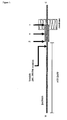
- the gamma-secretase is involved in the processing of the APP (see Figure 1 ).
- DNA sequence encoding Presenilin 2 or "PS2 gene” as used herein refers to the mammalian gene first disclosed and described in U.S. Application Ser. No. 08/496,841, filed on June 28, 1995 , and later described in Rogaev et al. (Nature. 1995; 376(6543):775-8 ) and Levy Lahad et al. (Ann Neurol. 1995; 38(4):678-80 ), including any allelic variants and heterospecific mammalian homologues.
- hPS2 human presenilin-2 cDNA sequence is disclosed herein as SEQ ID NO: 9.
- Presenilin-2 gene or "PS2 gene” primarily relates to a coding sequence, but can also include some or all of the flanking regulatory regions and/or introns.
- PS2 gene specifically includes artificial or recombinant genes created from cDNA or genomic DNA, including recombinant genes based upon splice variants.
- the presenilin-2 gene has also been referred to as the E5-1 gene.
- a human Presenilin 2 protein comprising a mutation associated with Alzheimer's disease (AD) or AD-type pathology is preferably a human PS2 with N141I, T122P, M239V or M239I substitution ( Shen et al., PNAS, 2007, 104(2):403-409 ). More preferable, the human Presenilin 2 protein comprising a mutation associated with Alzheimer's disease (AD) or AD-type pathology is a human PS2 with N141I substitution.
- the second transgenic DNA sequence preferably encodes a human PS2 with a N141I substitution. Most preferred is the DNA sequence encoding SEQ. ID NO: 19
- An antibody is a "Y"-shaped molecule and consists of two heavy chains and two light chains. There are different types and subtypes of both, the heavy chains and the light chains. Each heavy chain and each light chain has a constant region and a variable region, whereby the size of constant regions is bigger for the heavy chain.
- constant region refers to a region of an antibody molecule that is nearly identical with the corresponding regions of antibodies of different specificities produced by organisms of the same species.
- the constant part is invariable within the same antibody class (isotype) and is responsible for the effector functions of a particular Immunoglobulin subclass.
- An Fc fragment is a fragment of an antibody generated by the cleavage of an antibody with the enzyme papain and comprising the most part of the constant regions.
- variable region refers to a region of an antibody molecule which binds to specific antigens. It is composed of the combination of the antigen-binding sites of the heavy and of the light chain. It differs between immunoglobulins of different B cells, but is the same for all immunoglobulins produced by the same B cell.
- the variable region is generated somatically via a gene recombination process taking place during maturation of B-cells. It is this process of rearrangement that creates the enormous diversity needed to bind any given antigen, and that thus enables the immune system to recognize and neutralize the innumerable antigenic burdens posed by foreign and pathogenic structures.
- the antibody pool is composed of immunoglobulins bearing a large repertoire of different V regions, while sharing the same Fc portions.
- fragment binding antigen or "Fab fragment” is an antibody fragment that includes the variable, antigen-binding region, and which is generated by the cleavage of an antibody with the enzyme papain.
- idiotypic region refers to the part of the variable region of an antibody that is unique for each antibody type.
- the third transgenic nucleotide sequence encodes the light chain of antibody directed against the beta-amyloid peptide.
- said antibody is a human, humanized or chimeric antibody. More preferably, said antibody is an immunoglobulin gamma (IgG). Most preferably, said antibody is the therapeutic antibody Mab11 ( WO 03/070760 ).
- the forth transgenic nucleotide sequence encodes the heavy chain of an antibody directed against the beta-amyloid peptide.
- said antibody is a human, humanized or chimeric antibody. More preferably, said antibody is an immunoglobulin gamma (IgG). Most preferably, said antibody is the therapeutic antibody Mab11 ( WO 03/070760 ).
- beta-amyloid peptide or "A-beta” refers to a peptide produced by cleavage of APP by beta-secretase and gamma-secretase.
- the peptide has 39-43 amino acids. It is the main constituent of amyloid plaques in the brains of Alzheimer's disease patients.
- the beta-amyloid peptide is a human beta-amyloid peptide.
- the forth transgenic nucleotide sequence encode for the heavy chain of a secreted antibody.
- Such a preferred DNA sequence lack sequences encoding a transmembrane domain.
- the third and forth transgenic DNA sequences may be operably linked with one promoter (i.e. with the third promoter) or they may be operably linked each with a separate promoter (i.e. the third transgenic DNA sequence is operably linked with the third promoter and the forth DNA sequence is operably linked with the forth promoter).
- operably linked means that a DNA sequence and a regulatory sequence are connected in a way as to permit gene expression when the appropriate transcriptional activator proteins are bound to the regulatory sequence.
- regulatory sequence refers to is a nucleotide sequence which is a binding site for proteins controlling the protein expression.
- a regulatory sequence may for example a promoter or an enhancer.
- promoter refers region of gene that binds RNA polymerase and transcription factors to initiate transcription.
- pellet refers to a nucleotide sequence that increases the rate of genetic transcription by increasing the activity of the nearest promoter on the same DNA molecule
- the first promoter may be any promoter which expresses the operably linked DNA in the neurons.
- the first promoter may be an ubiquitary promoter.
- the first promoter is a neuronal promoter. More preferably, the first promoter is a brain- specific promoter.
- tissue-specific promoter refers to a promoter, which controls and directs expression of a gene in a tissue-specific manner, e.g., in brain tissue, in muscle tissue, in liver tissue, in kidney tissue, etc.
- a brain-specific promoter is a promoter which controls ad directs expression of a gene in brain tissue.
- first promoter is a promoter of a prion gene.
- the first promoter may also be a controllable promoter.
- a controllable promoter may be any promoter, which controls the expression of a transgene in a regulatable and/or inducible fashion, e.g., by addition of specific inducer or repressor substances.
- the second promoter may be any promoter which expresses the operably linked DNA in the neurons.
- the first promoter may be an ubiquitary promoter.
- the second promoter is a neuronal promoter. More preferably, the second promoter is a brain-specific promoter.
- tissue-specific promoter refers to a promoter, which controls and directs expression of a gene in a tissue-specific manner, e.g., in brain tissue, in muscle tissue, in liver tissue, in kidney tissue, etc.
- a brain-specific promoter is a promoter which controls ad directs expression of a gene in brain tissue.
- the second promoter is a Thy1.2 glycoprotein promoter.
- the second promoter may also be a controllable promoter.
- a controllable promoter may be any promoter, which controls the expression of a transgene in a regulatable and/or inducible fashion, e.g., by addition of specific inducer or repressor substances.
- the third promoter may an ubiquitary promoter or a lymphoid-tissue specific promoter.
- the third promoter is a promoter of the MHC class I gene.
- the third transgenic DNA sequence is operably linked with an enhancer. More preferably, the enhancer is an IgH enhancer.
- the third promoter may also be a controllable promoter.
- a controllable promoter may be any promoter, which controls the expression of a transgene in a regulatable and/or inducible fashion, e.g., by addition of specific inducer or repressor substances.
- the forth promoter may an ubiquitary promoter or a lymphoid-tissue specific promoter.
- the forth promoter is a promoter of the MHC class I gene.
- the fourth transgenic DNA sequences is operably coupled with an enhancer. More preferably, the enhancer is an IgH enhancer.
- the fourth promoter may also be a controllable promoter.
- a controllable promoter may be any promoter, which controls the expression of a transgene in a regulatable and/or inducible fashion, e.g., by addition of specific inducer or repressor substances.
- the human heavy and light chains may be mixed up with the endogenous heavy and light chains to form a mixed endogenous/transgenic antibody.
- mixed mouse/human antibodies may be formed. If the human heavy and light chains are produce outside the lymphoid tissue, no endogenous heavy and light chains will be present and therefore pure transgenic antibodies will be formed. Therefore, the promoter(s) operably linked to the third and fourth transgenic DNA sequence is preferably a promoter expressed in both, lymphoid and non-lymphoid tissue.
- the transgenic DNA sequences are integrated in all or a portion of the animals cells, especially in the germ cells.
- the integration into the genome may be transient or stable.
- the integration is stable.
- the transgenic mouse may be heterozygous or homozygous for the first, second, third and forth transgenic DNA sequences.
- the transgenic mouse may be heterozygous for some of the transgenic DNA sequences, for example for the first and second transgenic DNA sequences, and homozygous for the other, for example for the third and fourth DNA sequences.
- the transgenic mouse is homozygous for at least one of the transgenic DNA sequences.
- transgenic non-human animal Methods for producing a transgenic non-human animal are well known in the art. Suitable methods are described i.e. in Hogan B., Beddington R., Costantini F. & Lacy E. Manipulating the mouse embryo. A laboratory manual. 2nd Edition (1994). Cold Spring Harbor Laboratory Press .
- the transgenic proteins may be ubiquitary expressed.
- the proteins encoded by the first and second transgenic DNA sequence are expressed in the neurons. More preferably, the proteins encoded by the first and second transgenic DNA sequence are expressed in brain-tissue.
- the proteins encoded by the third and forth transgenic DNA sequences are expressed in lymphoid tissue. More preferably, the proteins encoded by the third and fourth transgenic DNA sequences are expressed in both, lymphoid and non-lymphoid tissue.
- transgenic non-human mice described above may be analyzed genetically, molecularly and behaviorally.
- the quadruple transgenic mouse as described above can be used as a model for treatment of the Alzheimer's disease or as model for preventing AD. It allows to investigate the effect of an human anti-A ⁇ antibody on the onset and process of A ⁇ amyloidosis in a murine AD model. Since the transgenic animal is immunotolerant for the transgenic human mAb11 antibody, the effect of chronic treatment with a therapeutic antibody such as for example Mab 11 can be determined. Also, the effect on soluble A ⁇ levels and the process and kinetics of vascular amyloidosis can be followed.
- the quadruple transgenic mouse as described above is an interesting tool for determining the effectiveness and effect of a preventive treatment of Alzheimer's disease with a human antibody.
- APPSwe construct The cDNA encoding human ⁇ APP751 was donated by Prof. D.Goldgaber. The Swedish familial AD double mutation (SFAD, K670N, M671L substitution) was introduced by site-directed mutagenesis.
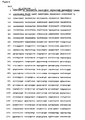
- the Thy1.2-hu ⁇ APP751SFAD transgene was generated by insertion of the approximately 2.4kbp hu ⁇ APP751 SFAD cDNA fragment (SEQ. ID NO: 1: nucleotides 32-2369 of AC: X06989) into the XhoI site of an expression vector containing mouse Thy-1.2 glycoprotein gene and promoter (SEQ. ID NO:2, AC:M 12379).
- This expression vector has a 6.8kbp NotI fragment comprising mouse Thy1.2 gene ( Andra K, et al., (1996) Expression of APP in transgenic mice: a comparison of neuron-specific promoters. Neurobiol Aging 17:183-190 ; Vidal M, et al., (1990) Tissue-specific control elements of the Thy-1 gene. EMBO J 9:833-840 ) in which the 1.5kbp BamI-XhoI fragment located on exons 2 and 4 was replaced by the XhoI cloning site. Partial sequence of the construct is given in SEQ.
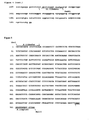
- ID NO: 4 Nucleotides 1-2602, MMTHYGP, AC:M12379 (as of 27.4.1993), mouse Thy-1.2 glycoprotein gene (XbaI-BanI),Nucleotides 2603-4982, h ⁇ APP751 SFAD (SmaI/HindIII-Blunted, 2400 bp), AC:X06989 (as of 09.01.2003), (nt:32-2400) with K670N,M671L, Nucleotides 4983-6112, MMTHYGP, AC:M12379 (as of 27.4.1993), XhoI-PolyA site (exon IV)
- PSEN2mut construct The FAD mutation N141I was introduced into a human PSEN2 cDNA (SEQ. ID NO: 9, AC: L43964).
- a vector based on the mouse prion gene was used (pPrPHG) (Fischer et al., 1996; Borchelt et al., 1996).
- the presenilin 2 coding sequence was inserted by blunt-end ligation and verified by sequencing of the insertion sites.
- Mab11 construct A cDNA encoding an immunoglobulin (Ig) heavy chain (H) of the isotype ⁇ 1 (SEQ. ID. NO: 10) and a cDNA encoding a light chain (L) of the isotype ⁇ (SEQ. ID. NO: 11) and with specificity for human Ab peptide were used [Bardroff, M.et.al., Anti-Amyloid beta antibodies and their use. W003070760 ]. The cDNAs were amplified in a PCR reaction using the primers in Table 1.
- the 5' primers contain a SalI (or compatible XhoI) site and the 5' primers contain a BamHI (or compatible BglII) site for directed insertion into the pHSE3' vector [ Pircher, H., et al., T cell tolerance to Mlsa encoded antigens in T cell receptor V beta 8.1 chain transgenic mice. Embo J, 1989. 8(3): p. 719-27 .].
- the PCR-amplified cDNAs were first enzymatically cut with both restriction enzymes SalI and BamHI, and then individually inserted into the corresponding sites of the vector pHSE3'.
- the expression of the Ig cDNAs in pHSE3' is driven by the murine promoter of the MHC class I gene H-2k and enhanced by the murine Ig H gene enhancer located 3' of the cloned genes [ Pircher, H., et al., T cell tolerance to Mlsa encoded antigens in T cell receptor V beta 8.1 chain transgenic mice. Embo J, 1989. 8(3): p. 719-27 .].
- This expression vector ensures high levels of production of the corresponding inserted gene products in T and B lymphocytes of the transgenic mice ([ Pircher, H., et al., T cell tolerance to Mlsa encoded antigens in T cell receptor V beta 8.1 chain transgenic mice. Embo J, 1989.
- the entire expression cassette including (from 5' to 3'): the H-2k promoter, the inserted cDNA, the poly-A and splice sites and the Ig H gene enhancer element, was then excised from the vector by means of restriction enzyme cut with XhoI and agarose gel purification, and prepared in an adequate concentration for microinjection into fertilized mouse oocytes (2 ⁇ g/ml in 10 mM TrisHCl/0.1 mM EDTA, pH 7). The coding potential of the cDNA was confirmed by sequencing the entire cDNAs encoding the anti-A ⁇ Ig H and L genes. Table 1. Sequences of cloning primers.
- B6.PS2APP transgenic mice line B6.152: Transgenic animals were generated essentially as described previously ( Hogan CF, and Lyacy E. 1995. Manipulating the mouse embryo: a laboratory manual. Ed 2. Plainview, NY: Cold Spring Harbor Laboratory ). Vector free linear fragments, carrying Thy-1-huAPP751SFAD or Prp-huPsen2(N141I) constructs were mixed in a 1:1 ratio and microinjected into male pronuclei of C57B1/6 zygotes. After microinjection, viable zygotes were implanted into the oviducts of pseudopregnant B6CBAF1 foster mothers.
- B6Mab11 anti-A ⁇ IgG1 transgenic mice
- the transgenic animals were generated as described previously in EP-A-1748294 .
- Fertilized oocytes obtained from C57BL/6 female donors were microinjected with a 1:1 mixture of the purified XhoI fragments encoding for the IgH and L genes described in the previous section (Mab11 construct) to obtain the B6.Mab11 animals.
- viable zygotes were implanted into the oviducts of pseudopregnant B6CBAF1 foster mothers. Integration of the transgenes in the germline was tested in the F1 progeny by detection of the transgenes by PCR.
- B6.Mab11.PS2APP transgenic mice Line 86.Mab11.152: Tansgenic mice having both the transgenes for Mab11 and the human PSEN2mut and APPSw transgenes were generated by crossing males heterozygotes for the Mab11 transgenes with females homozygotes for huPSEN2mut and huAPPSw transgenes. The resulting progeny is either heterozygote for all transgenes or heterozygote for huAPPSw and huPSEN2 only.
- transgenes The presence of the transgenes is detected by PCR analysis using genomic DNA isolated from tissue biopsies taken on 10 days old mice. The fragments amplified are specific for the transgenes and do not cross-react with endogenous DNA sequences.
- B6.PS2APP mice (APPswedish-PS2mut double transgenic mice):
- the primers 5'-AAG TAT GTC CGC GCA GAA CAG AAG G-3' (SEQ. ID NO: 5) and 5'-CTG AGA TAT TTG AAG GAC TTG GGG AG-3' (SEQ. ID NO: 6) are used to amplify a 932bp fragment overlapping huAPP and muThy1 sequences.
- the primers 5'-TCA TTG GCT TGT GTC TGA CCC T-3' (SEQ. ID NO: 7) and 5'-GCT TTC AAC GTC AGT AGG ACA A-3' (SEQ.
- PCR reaction was performed using 1 ⁇ l (about 100 ng) of total DNA obtained from toe clipping tissue, in PCR reaction with the following conditions: 3 min at 95°, 35x [30 sec at 95°, 1 min at 60°, 1 min at 72°], 5 min at 72°.
- the PCR-amplified DNA fragments of 932 bp for the huAPP trabsgene and of 327bp for the huPS2 transgene were visualized in 1.8 % agarose gels.
- B6.Mab11 mice Pups born from these microinjected embryos were screened for the presence of the transgenes by amplifying genomic DNA prepared from tail biopsies with specific primers.
- the primers used are indicated in Table 2.
- the PCR reaction was performed using 1 ⁇ l (about 100 ng) of total DNA obtained from the tail biopsy, in PCR reaction with the following conditions: 1 min at 90°, 30x [10 sec at 94°, 30 sec at 64°, 90 sec at 72°], 7 min at 72°.
- the PCR-amplified DNA fragments of about 1270 bp and 660 bp respectively were finally visualized in 1.5 % agarose gels separately for the transgenic IgH and L genes. Table 2.
- MAB11.PS2APP mice ( Figure 2 ): The primers 5'- ATG AAT TCA CAG TTT CAC TTC TGC ACC-3' (SEQ. ID NO: 16) specific to the MHC promoter regions and the primers 5'- TGT ACT CCT TGC CAT TCA GC-3' (SEQ. ID NO: 17) and 5'-GCT CAT CAG ATG GCG GGA AG-3' (SEQ. ID NO: 18) specific to the gamma chain and kappa chain, respectively, are added to the huPSEN2 primers (SEQ. ID NO: 7 and 8) in a multiplex PCR reaction.
- 3 PCR products of different sizes are amplified: 327bp, 600bp and of 1200 bp for the huPSEN2, the hu Ig heavy chain and the hu Ig light chain transgenes, respectively.
- PCR reaction was performed using 1.5 ⁇ l (about 150 ng) of total DNA obtained from toe clipping tissue, in PCR reaction with the following conditions: 1 min at 95°, 30x [30 sec at 95°, 40 sec at 62°, 80 sec at 72°], 7 min at 72°.
- PCR-amplified DNA fragments of 327bp, of about 660 bp and 1200 bp were visualized in 1.5 % agarose gels for the huPS2, IgH and L transgenes, respectively.
- Fluothane R -anesthetised 8 months old mice (Wildtype mouse (C57B1/6), Mab11 transgenic mouse, PS2(N141I)/APPsw double transgenic mouse and PS2(N141I)/APPsw/Mab11 quadruple transgenic mouse) were decapitated brains halved and snap frozen in dry ice.
- Parasagittal cryostat sections between lateral ⁇ 1.92 and 1.2 mm according to Paxinos and Franklin were cut at a nominal thickness of 20 micrometer at -18°C using a Leica CM3050 S cryostat and mounted on Superfrost Plus TM slides and stored at -20°C.
- Staining of amyloid plaques was done by state of the art immunofluorescent staining protocols or staining with Thioflavin-S, a dye specific for amyloid plaques. Briefly, sections were hydrated in PBS and treated with 100% acetone precooled at -20°C for 2 min. Washing with PBS was done twice for two minutes followed by blocking of unspecific binding sites by incubation in 2% bovine serum albumin and 2 % ovalbumin in PBS for 15 min followed by an PBS wash and incubation with a high affinity murine monoclonal antibody (BAP-2), which was conjugated to Alexa488 fluorophore (Molecular Probes)w and incubated at 0.5 mg /ml for 1 hour at room temperature.
- BAP-2 high affinity murine monoclonal antibody
- tissue slides from cortex and near hippocampus from B6.MAB 11.152 (20month old) mice and B6.152 mice (20month old) were prepared as described above for the 8 month old animals.
- the tissue slides were stained as follows:
- the slides were stained for 5 minutes with DAPI, then rinsed 2x with DakoCytomation Wash buffer, then incubate for 30 minutes with 4 mM CuS04.5H2O in 50 mM CH3COONH4 pH 5.0. After rinsing the slides in bidistilled water glass coverslips were mounted using fluorescence mounting medium (S3023, DAKO).
- Results are shown in Figure 14 to 15 .
- B6.152 mice at the same age showed no no vascular amyloid around cortical capillaries.
- One brain hemisphere was homogenized in 10 volumes (w/v) of 9M Urea, ,50mM Tris-HCl pH 7.4 containing a cocktail of protease inhibitors (Complete TM , Roche Diagnostics GmbH, Mannheim-Germany). Cellular debris were removed by centrifugation at 4°C for 5 min at 1500 g. The protein concentration in the supernatant was measured using the BCA protein Assay (Pierce, USA).
- a ⁇ 40 and A ⁇ 42 levels in brain homogenates were determined using liquid phase electrochemiluminescence (LPECL) as described in Czech et al. (J Neurochem, 2007. 101(4): 929-36 ). Briefly, M-280 paramagnetic beads (Bioveris) were diluted with assay buffer (50 mM Tris, 60 mM NaCl, 0.5% BSA, 1% Tween 20, pH 7.4).
- ECL was quantified using an M-Series M8 analyzer (Bioveris). Different dilutions of brain homogenates with assay buffer were measured to assure linear signal response and compared against synthetic standard A ⁇ 1-40 and A ⁇ 1-42 peptides (Bachem).
- a ⁇ peptides were solubilized in DMSO at a concentration of 1 mg/ml, aliquoted and stored frozen at -80°C. Results are expressed as ng/mg of brain homogenate referring to the standard curves of A ⁇ 1-40 and A ⁇ 1-42, respectively. Measurements were done in duplicate for each sample dilution and repeated at least two times.
- Spleenocytes were isolated from minced whole spleens by passing through a 70 ⁇ M cell strainer and serially diluted for RNS extraction. Brain samples were taken with laser microdissections from cortex, cerebellum and subiculum were provided collected into RNAlater®. RNA was extracted using the RNAeasy kit from Qiagen. PCR were performed with the QuantiTect Probe RT-PCR Kit (Qiagen). The TaqMan® Assay (Applied Biosystems Inc) was performed according to the instruction of the manufacturer.
- PCR was run on the LC480 (Roche Diagnostics).
- the relative quantitation of the target RNAs were performed by ⁇ Ct method. Brain microdissections from non-trangenic mice gave no positive signal for the Mab11 IgH and IgK RNAs. Results for B6.mab11.152 mice are given in table 3 and 5.
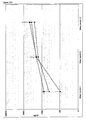
- Table 3 Expression of huIgH and hulgK in brain of B6.mab11.152 mice ave ⁇ Cp SD ⁇ % of APP dlgHCX 4.17 1.32 0.055 5.5 dlgKCx 2.41 0.58 0.188 18.8 dlgHCb 4.23 0.75 0.053 5.3 dlgKCb 2.93 0.69 0.131 13.1 dlgHSub 4.32 1.12 0.050 5.0 dlgKSub 2.71 1.32 0.153 15.3
Landscapes
- Health & Medical Sciences (AREA)
- Life Sciences & Earth Sciences (AREA)
- Chemical & Material Sciences (AREA)
- Genetics & Genomics (AREA)
- Organic Chemistry (AREA)
- Engineering & Computer Science (AREA)
- Zoology (AREA)
- General Health & Medical Sciences (AREA)
- Biomedical Technology (AREA)
- Molecular Biology (AREA)
- Biochemistry (AREA)
- Biotechnology (AREA)
- Biophysics (AREA)
- Proteomics, Peptides & Aminoacids (AREA)
- Veterinary Medicine (AREA)
- Environmental Sciences (AREA)
- Medicinal Chemistry (AREA)
- Wood Science & Technology (AREA)
- General Engineering & Computer Science (AREA)
- Bioinformatics & Cheminformatics (AREA)
- Plant Pathology (AREA)
- Microbiology (AREA)
- Immunology (AREA)
- Animal Behavior & Ethology (AREA)
- Animal Husbandry (AREA)
- Biodiversity & Conservation Biology (AREA)
- Physics & Mathematics (AREA)
- Neurology (AREA)
- Toxicology (AREA)
- Gastroenterology & Hepatology (AREA)
- Micro-Organisms Or Cultivation Processes Thereof (AREA)
Claims (9)
- Souris transgénique le génome comprend :a) une première séquence d'ADN transgénique codant pour une protéine APP Swedish humaine ou une protéine APP London humaine, la première séquence d'ADN transgénique étant liée de manière fonctionnelle à un premier promoteur ;b) une deuxième séquence d'ADN transgénique codant pour une protéine Préséniline 2 humaine comprenant une substitution N141I, ladite deuxième séquence d'ADN transgénique étant liée de manière fonctionnelle à un promoteur ;c) une troisième séquence d'ADN transgénique codant pour une chaîne légère d'un anticorps dirigé contre le peptide bêta-amyloïde, ladite troisième séquence d'ADN transgénique étant liée de manière fonctionnelle à un troisième promoteur ; etd) une quatrième séquence d'ADN transgénique codant pour une chaîne lourde dudit anticorps, ledit quatrième ADN transgénique étant lié de manière fonctionnelle au troisième promoteur ou à un quatrième promoteur.
- Souris transgénique suivant la revendication 1, dans laquelle les troisième et quatrième séquences d'ADN transgéniques codent pour la chaîne légère et la chaîne lourde de l'anticorps Mab11 anti-Abéta.
- Souris transgénique suivant la revendication 1 ou 2, dans laquelle les premier et deuxième promoteurs sont des promoteurs neuronaux.
- Souris transgénique suivant la revendication 1 ou 2, dans laquelle les premier et deuxième promoteurs sont des promoteurs spécifiques du cerveau.
- Souris transgénique suivant l'une quelconque des revendications 1 à 4, dans laquelle les troisième et/ou quatrième promoteurs sont un promoteur du gène de MHC de classe 1.
- Souris transgénique suivant l'une quelconque des revendications 1 à 5, dans laquelle les troisième et/ou quatrième promoteurs sont combinés avec un activateur de IgH.
- Souris transgénique suivant l'une quelconque des revendications 1 à 6, ladite souris étant homozygote pour au moins une des séquences d'ADN transgénique.
- Utilisation de la souris transgénique quadruple suivant l'une quelconque des revendications 1 à 7 comme modèle pour le traitement de la maladie d'Alzheimer.
- Utilisation de la souris transgénique quadruple suivant l'une quelconque des revendications 1 à 7 comme modèle pour la prévention de la maladie d'Alzheimer.
Priority Applications (1)
| Application Number | Priority Date | Filing Date | Title |
|---|---|---|---|
| EP08843771.0A EP2207885B1 (fr) | 2007-11-01 | 2008-10-23 | Animal non humain quadruplement transgénique |
Applications Claiming Priority (3)
| Application Number | Priority Date | Filing Date | Title |
|---|---|---|---|
| EP07119837 | 2007-11-01 | ||
| PCT/EP2008/008971 WO2009056257A1 (fr) | 2007-11-01 | 2008-10-23 | Animal non humain quadruplement transgénique |
| EP08843771.0A EP2207885B1 (fr) | 2007-11-01 | 2008-10-23 | Animal non humain quadruplement transgénique |
Publications (2)
| Publication Number | Publication Date |
|---|---|
| EP2207885A1 EP2207885A1 (fr) | 2010-07-21 |
| EP2207885B1 true EP2207885B1 (fr) | 2013-11-20 |
Family
ID=40247196
Family Applications (1)
| Application Number | Title | Priority Date | Filing Date |
|---|---|---|---|
| EP08843771.0A Active EP2207885B1 (fr) | 2007-11-01 | 2008-10-23 | Animal non humain quadruplement transgénique |
Country Status (7)
| Country | Link |
|---|---|
| US (1) | US20100306868A1 (fr) |
| EP (1) | EP2207885B1 (fr) |
| JP (1) | JP5213962B2 (fr) |
| CN (1) | CN101918564A (fr) |
| CA (1) | CA2703727A1 (fr) |
| ES (1) | ES2445446T3 (fr) |
| WO (1) | WO2009056257A1 (fr) |
Cited By (3)
| Publication number | Priority date | Publication date | Assignee | Title |
|---|---|---|---|---|
| US12227567B2 (en) | 2017-07-25 | 2025-02-18 | Truebinding, Inc. | Treating cancer by blocking the interaction of TIM-3 and its ligand |
| US12281166B2 (en) | 2020-05-26 | 2025-04-22 | Truebinding, Inc. | Methods of treating inflammatory diseases by blocking Galectin-3 |
| US12497458B2 (en) | 2019-01-30 | 2025-12-16 | Truebinding, Inc. | Anti-GAL3 antibodies and uses thereof |
Families Citing this family (1)
| Publication number | Priority date | Publication date | Assignee | Title |
|---|---|---|---|---|
| CA3249218A1 (en) * | 2013-03-11 | 2026-03-02 | Regeneron Pharmaceuticals, Inc. | Transgenic mice expressing chimeric major histocompatibility complex (mhc) class ii molecules |
Family Cites Families (5)
| Publication number | Priority date | Publication date | Assignee | Title |
|---|---|---|---|---|
| EP1292187B1 (fr) * | 2000-06-20 | 2006-04-19 | The Governing Council Of The University Of Toronto | Modele d'animal transgenique presentant des troubles de neurodegenerescence |
| WO2002005634A2 (fr) * | 2000-07-13 | 2002-01-24 | University Of South Florida | Animal transgenique et methodes |
| AR038568A1 (es) | 2002-02-20 | 2005-01-19 | Hoffmann La Roche | Anticuerpos anti-a beta y su uso |
| EP1748294A3 (fr) | 2005-06-30 | 2008-03-12 | F. Hoffmann-La Roche Ag | Modèle in vivo d'immunocomparabilité |
| EP1917854A1 (fr) * | 2006-11-06 | 2008-05-07 | F. Hoffmann-La Roche Ag | Procédé pour la fabrication d'anticorps anti-idiotypiques |
-
2008
- 2008-10-23 CN CN2008801139283A patent/CN101918564A/zh active Pending
- 2008-10-23 JP JP2010531447A patent/JP5213962B2/ja not_active Expired - Fee Related
- 2008-10-23 CA CA2703727A patent/CA2703727A1/fr not_active Abandoned
- 2008-10-23 EP EP08843771.0A patent/EP2207885B1/fr active Active
- 2008-10-23 ES ES08843771.0T patent/ES2445446T3/es active Active
- 2008-10-23 US US12/740,112 patent/US20100306868A1/en not_active Abandoned
- 2008-10-23 WO PCT/EP2008/008971 patent/WO2009056257A1/fr not_active Ceased
Cited By (3)
| Publication number | Priority date | Publication date | Assignee | Title |
|---|---|---|---|---|
| US12227567B2 (en) | 2017-07-25 | 2025-02-18 | Truebinding, Inc. | Treating cancer by blocking the interaction of TIM-3 and its ligand |
| US12497458B2 (en) | 2019-01-30 | 2025-12-16 | Truebinding, Inc. | Anti-GAL3 antibodies and uses thereof |
| US12281166B2 (en) | 2020-05-26 | 2025-04-22 | Truebinding, Inc. | Methods of treating inflammatory diseases by blocking Galectin-3 |
Also Published As
| Publication number | Publication date |
|---|---|
| JP5213962B2 (ja) | 2013-06-19 |
| CA2703727A1 (fr) | 2009-05-07 |
| US20100306868A1 (en) | 2010-12-02 |
| CN101918564A (zh) | 2010-12-15 |
| WO2009056257A1 (fr) | 2009-05-07 |
| EP2207885A1 (fr) | 2010-07-21 |
| ES2445446T3 (es) | 2014-03-03 |
| JP2011501955A (ja) | 2011-01-20 |
Similar Documents
| Publication | Publication Date | Title |
|---|---|---|
| Wirths et al. | Intraneuronal APP/Aβ trafficking and plaque formation in β‐amyloid precursor protein and presenilin‐1 transgenic mice | |
| AU2003246664B2 (en) | Transgenic animal expressing Alzheimer's tau protein | |
| US7179953B2 (en) | Monitoring APP cleavage in transgenic rodents comprising an APP-Swedish mutation | |
| US7186881B2 (en) | Testing compounds for effects on synaptophysin in transgenic mice expressing an Alzheimer's disease FAD DNA sequence | |
| US5612486A (en) | Transgenic animals harboring APP allele having swedish mutation | |
| US6818448B2 (en) | Isolated cell comprising HAPP 670/671 DNAS sequences | |
| JP2000513929A (ja) | 進行性神経疾患を有するトランスジェニック非ヒト哺乳動物 | |
| JP2004261187A (ja) | アルツハイマー病に関するモデル | |
| US20020104108A1 (en) | Transgenic animals and cell lines for screening drugs effective for the treatment or prevention of alzheimer's disease | |
| US20020010947A1 (en) | Transgenic mouse model of human neurodegenerative disease | |
| JP5213962B2 (ja) | 四重トランスジェニック非ヒト動物 | |
| JP5070236B2 (ja) | 神経変性性障害のトランスジェニック動物モデル | |
| US7709695B1 (en) | Transgenic mouse expressing arctic mutation E693G | |
| JP4824902B2 (ja) | アルツハイマー病の二重トランスジェニック動物 | |
| US20130133090A1 (en) | Transgenic mammalls modified in bri protein expression | |
| Czech et al. | Alzheimer’s disease and transgenic mice |
Legal Events
| Date | Code | Title | Description |
|---|---|---|---|
| PUAI | Public reference made under article 153(3) epc to a published international application that has entered the european phase |
Free format text: ORIGINAL CODE: 0009012 |
|
| 17P | Request for examination filed |
Effective date: 20100601 |
|
| AK | Designated contracting states |
Kind code of ref document: A1 Designated state(s): AT BE BG CH CY CZ DE DK EE ES FI FR GB GR HR HU IE IS IT LI LT LU LV MC MT NL NO PL PT RO SE SI SK TR |
|
| AX | Request for extension of the european patent |
Extension state: AL BA MK RS |
|
| 17Q | First examination report despatched |
Effective date: 20101015 |
|
| DAX | Request for extension of the european patent (deleted) | ||
| REG | Reference to a national code |
Ref country code: DE Ref legal event code: R079 Ref document number: 602008028904 Country of ref document: DE Free format text: PREVIOUS MAIN CLASS: C12N0015850000 Ipc: C07K0014470000 |
|
| RIC1 | Information provided on ipc code assigned before grant |
Ipc: C07K 14/47 20060101AFI20130416BHEP Ipc: C07K 16/18 20060101ALI20130416BHEP Ipc: C12N 15/85 20060101ALI20130416BHEP Ipc: A01K 67/027 20060101ALI20130416BHEP |
|
| GRAP | Despatch of communication of intention to grant a patent |
Free format text: ORIGINAL CODE: EPIDOSNIGR1 |
|
| GRAJ | Information related to disapproval of communication of intention to grant by the applicant or resumption of examination proceedings by the epo deleted |
Free format text: ORIGINAL CODE: EPIDOSDIGR1 |
|
| GRAP | Despatch of communication of intention to grant a patent |
Free format text: ORIGINAL CODE: EPIDOSNIGR1 |
|
| INTG | Intention to grant announced |
Effective date: 20130617 |
|
| INTG | Intention to grant announced |
Effective date: 20130703 |
|
| GRAS | Grant fee paid |
Free format text: ORIGINAL CODE: EPIDOSNIGR3 |
|
| GRAA | (expected) grant |
Free format text: ORIGINAL CODE: 0009210 |
|
| AK | Designated contracting states |
Kind code of ref document: B1 Designated state(s): AT BE BG CH CY CZ DE DK EE ES FI FR GB GR HR HU IE IS IT LI LT LU LV MC MT NL NO PL PT RO SE SI SK TR |
|
| REG | Reference to a national code |
Ref country code: GB Ref legal event code: FG4D |
|
| REG | Reference to a national code |
Ref country code: CH Ref legal event code: EP |
|
| REG | Reference to a national code |
Ref country code: AT Ref legal event code: REF Ref document number: 641593 Country of ref document: AT Kind code of ref document: T Effective date: 20131215 |
|
| REG | Reference to a national code |
Ref country code: IE Ref legal event code: FG4D |
|
| REG | Reference to a national code |
Ref country code: DE Ref legal event code: R096 Ref document number: 602008028904 Country of ref document: DE Effective date: 20140116 |
|
| REG | Reference to a national code |
Ref country code: ES Ref legal event code: FG2A Ref document number: 2445446 Country of ref document: ES Kind code of ref document: T3 Effective date: 20140303 |
|
| REG | Reference to a national code |
Ref country code: NL Ref legal event code: VDEP Effective date: 20131120 |
|
| REG | Reference to a national code |
Ref country code: AT Ref legal event code: MK05 Ref document number: 641593 Country of ref document: AT Kind code of ref document: T Effective date: 20131120 |
|
| REG | Reference to a national code |
Ref country code: LT Ref legal event code: MG4D |
|
| PG25 | Lapsed in a contracting state [announced via postgrant information from national office to epo] |
Ref country code: HR Free format text: LAPSE BECAUSE OF FAILURE TO SUBMIT A TRANSLATION OF THE DESCRIPTION OR TO PAY THE FEE WITHIN THE PRESCRIBED TIME-LIMIT Effective date: 20131120 Ref country code: NL Free format text: LAPSE BECAUSE OF FAILURE TO SUBMIT A TRANSLATION OF THE DESCRIPTION OR TO PAY THE FEE WITHIN THE PRESCRIBED TIME-LIMIT Effective date: 20131120 Ref country code: IS Free format text: LAPSE BECAUSE OF FAILURE TO SUBMIT A TRANSLATION OF THE DESCRIPTION OR TO PAY THE FEE WITHIN THE PRESCRIBED TIME-LIMIT Effective date: 20140320 Ref country code: NO Free format text: LAPSE BECAUSE OF FAILURE TO SUBMIT A TRANSLATION OF THE DESCRIPTION OR TO PAY THE FEE WITHIN THE PRESCRIBED TIME-LIMIT Effective date: 20140220 Ref country code: SE Free format text: LAPSE BECAUSE OF FAILURE TO SUBMIT A TRANSLATION OF THE DESCRIPTION OR TO PAY THE FEE WITHIN THE PRESCRIBED TIME-LIMIT Effective date: 20131120 Ref country code: FI Free format text: LAPSE BECAUSE OF FAILURE TO SUBMIT A TRANSLATION OF THE DESCRIPTION OR TO PAY THE FEE WITHIN THE PRESCRIBED TIME-LIMIT Effective date: 20131120 Ref country code: LT Free format text: LAPSE BECAUSE OF FAILURE TO SUBMIT A TRANSLATION OF THE DESCRIPTION OR TO PAY THE FEE WITHIN THE PRESCRIBED TIME-LIMIT Effective date: 20131120 |
|
| PG25 | Lapsed in a contracting state [announced via postgrant information from national office to epo] |
Ref country code: LV Free format text: LAPSE BECAUSE OF FAILURE TO SUBMIT A TRANSLATION OF THE DESCRIPTION OR TO PAY THE FEE WITHIN THE PRESCRIBED TIME-LIMIT Effective date: 20131120 Ref country code: BE Free format text: LAPSE BECAUSE OF FAILURE TO SUBMIT A TRANSLATION OF THE DESCRIPTION OR TO PAY THE FEE WITHIN THE PRESCRIBED TIME-LIMIT Effective date: 20131120 Ref country code: AT Free format text: LAPSE BECAUSE OF FAILURE TO SUBMIT A TRANSLATION OF THE DESCRIPTION OR TO PAY THE FEE WITHIN THE PRESCRIBED TIME-LIMIT Effective date: 20131120 |
|
| PG25 | Lapsed in a contracting state [announced via postgrant information from national office to epo] |
Ref country code: PT Free format text: LAPSE BECAUSE OF FAILURE TO SUBMIT A TRANSLATION OF THE DESCRIPTION OR TO PAY THE FEE WITHIN THE PRESCRIBED TIME-LIMIT Effective date: 20140320 |
|
| PG25 | Lapsed in a contracting state [announced via postgrant information from national office to epo] |
Ref country code: EE Free format text: LAPSE BECAUSE OF FAILURE TO SUBMIT A TRANSLATION OF THE DESCRIPTION OR TO PAY THE FEE WITHIN THE PRESCRIBED TIME-LIMIT Effective date: 20131120 |
|
| REG | Reference to a national code |
Ref country code: DE Ref legal event code: R097 Ref document number: 602008028904 Country of ref document: DE |
|
| PG25 | Lapsed in a contracting state [announced via postgrant information from national office to epo] |
Ref country code: CZ Free format text: LAPSE BECAUSE OF FAILURE TO SUBMIT A TRANSLATION OF THE DESCRIPTION OR TO PAY THE FEE WITHIN THE PRESCRIBED TIME-LIMIT Effective date: 20131120 Ref country code: RO Free format text: LAPSE BECAUSE OF FAILURE TO SUBMIT A TRANSLATION OF THE DESCRIPTION OR TO PAY THE FEE WITHIN THE PRESCRIBED TIME-LIMIT Effective date: 20131120 Ref country code: PL Free format text: LAPSE BECAUSE OF FAILURE TO SUBMIT A TRANSLATION OF THE DESCRIPTION OR TO PAY THE FEE WITHIN THE PRESCRIBED TIME-LIMIT Effective date: 20131120 Ref country code: SK Free format text: LAPSE BECAUSE OF FAILURE TO SUBMIT A TRANSLATION OF THE DESCRIPTION OR TO PAY THE FEE WITHIN THE PRESCRIBED TIME-LIMIT Effective date: 20131120 |
|
| PLBE | No opposition filed within time limit |
Free format text: ORIGINAL CODE: 0009261 |
|
| STAA | Information on the status of an ep patent application or granted ep patent |
Free format text: STATUS: NO OPPOSITION FILED WITHIN TIME LIMIT |
|
| PG25 | Lapsed in a contracting state [announced via postgrant information from national office to epo] |
Ref country code: DK Free format text: LAPSE BECAUSE OF FAILURE TO SUBMIT A TRANSLATION OF THE DESCRIPTION OR TO PAY THE FEE WITHIN THE PRESCRIBED TIME-LIMIT Effective date: 20131120 |
|
| 26N | No opposition filed |
Effective date: 20140821 |
|
| REG | Reference to a national code |
Ref country code: DE Ref legal event code: R097 Ref document number: 602008028904 Country of ref document: DE Effective date: 20140821 |
|
| PG25 | Lapsed in a contracting state [announced via postgrant information from national office to epo] |
Ref country code: SI Free format text: LAPSE BECAUSE OF FAILURE TO SUBMIT A TRANSLATION OF THE DESCRIPTION OR TO PAY THE FEE WITHIN THE PRESCRIBED TIME-LIMIT Effective date: 20131120 |
|
| PG25 | Lapsed in a contracting state [announced via postgrant information from national office to epo] |
Ref country code: LU Free format text: LAPSE BECAUSE OF FAILURE TO SUBMIT A TRANSLATION OF THE DESCRIPTION OR TO PAY THE FEE WITHIN THE PRESCRIBED TIME-LIMIT Effective date: 20141023 Ref country code: MC Free format text: LAPSE BECAUSE OF FAILURE TO SUBMIT A TRANSLATION OF THE DESCRIPTION OR TO PAY THE FEE WITHIN THE PRESCRIBED TIME-LIMIT Effective date: 20131120 |
|
| REG | Reference to a national code |
Ref country code: IE Ref legal event code: MM4A |
|
| PG25 | Lapsed in a contracting state [announced via postgrant information from national office to epo] |
Ref country code: IE Free format text: LAPSE BECAUSE OF NON-PAYMENT OF DUE FEES Effective date: 20141023 |
|
| PG25 | Lapsed in a contracting state [announced via postgrant information from national office to epo] |
Ref country code: BG Free format text: LAPSE BECAUSE OF FAILURE TO SUBMIT A TRANSLATION OF THE DESCRIPTION OR TO PAY THE FEE WITHIN THE PRESCRIBED TIME-LIMIT Effective date: 20131120 |
|
| PG25 | Lapsed in a contracting state [announced via postgrant information from national office to epo] |
Ref country code: GR Free format text: LAPSE BECAUSE OF FAILURE TO SUBMIT A TRANSLATION OF THE DESCRIPTION OR TO PAY THE FEE WITHIN THE PRESCRIBED TIME-LIMIT Effective date: 20140221 Ref country code: CY Free format text: LAPSE BECAUSE OF FAILURE TO SUBMIT A TRANSLATION OF THE DESCRIPTION OR TO PAY THE FEE WITHIN THE PRESCRIBED TIME-LIMIT Effective date: 20131120 |
|
| PG25 | Lapsed in a contracting state [announced via postgrant information from national office to epo] |
Ref country code: MT Free format text: LAPSE BECAUSE OF FAILURE TO SUBMIT A TRANSLATION OF THE DESCRIPTION OR TO PAY THE FEE WITHIN THE PRESCRIBED TIME-LIMIT Effective date: 20131120 Ref country code: HU Free format text: LAPSE BECAUSE OF FAILURE TO SUBMIT A TRANSLATION OF THE DESCRIPTION OR TO PAY THE FEE WITHIN THE PRESCRIBED TIME-LIMIT; INVALID AB INITIO Effective date: 20081023 Ref country code: TR Free format text: LAPSE BECAUSE OF FAILURE TO SUBMIT A TRANSLATION OF THE DESCRIPTION OR TO PAY THE FEE WITHIN THE PRESCRIBED TIME-LIMIT Effective date: 20131120 |
|
| REG | Reference to a national code |
Ref country code: FR Ref legal event code: PLFP Year of fee payment: 9 |
|
| REG | Reference to a national code |
Ref country code: FR Ref legal event code: PLFP Year of fee payment: 10 |
|
| REG | Reference to a national code |
Ref country code: FR Ref legal event code: PLFP Year of fee payment: 11 |
|
| PGFP | Annual fee paid to national office [announced via postgrant information from national office to epo] |
Ref country code: IT Payment date: 20230920 Year of fee payment: 16 Ref country code: GB Payment date: 20230920 Year of fee payment: 16 |
|
| PGFP | Annual fee paid to national office [announced via postgrant information from national office to epo] |
Ref country code: FR Payment date: 20230920 Year of fee payment: 16 |
|
| PGFP | Annual fee paid to national office [announced via postgrant information from national office to epo] |
Ref country code: ES Payment date: 20231102 Year of fee payment: 16 |
|
| PGFP | Annual fee paid to national office [announced via postgrant information from national office to epo] |
Ref country code: DE Payment date: 20230920 Year of fee payment: 16 Ref country code: CH Payment date: 20231102 Year of fee payment: 16 |
|
| REG | Reference to a national code |
Ref country code: DE Ref legal event code: R119 Ref document number: 602008028904 Country of ref document: DE |
|
| REG | Reference to a national code |
Ref country code: CH Ref legal event code: PL |
|
| GBPC | Gb: european patent ceased through non-payment of renewal fee |
Effective date: 20241023 |
|
| PG25 | Lapsed in a contracting state [announced via postgrant information from national office to epo] |
Ref country code: DE Free format text: LAPSE BECAUSE OF NON-PAYMENT OF DUE FEES Effective date: 20250501 |
|
| PG25 | Lapsed in a contracting state [announced via postgrant information from national office to epo] |
Ref country code: GB Free format text: LAPSE BECAUSE OF NON-PAYMENT OF DUE FEES Effective date: 20241023 |
|
| PG25 | Lapsed in a contracting state [announced via postgrant information from national office to epo] |
Ref country code: FR Free format text: LAPSE BECAUSE OF NON-PAYMENT OF DUE FEES Effective date: 20241031 |
|
| PG25 | Lapsed in a contracting state [announced via postgrant information from national office to epo] |
Ref country code: CH Free format text: LAPSE BECAUSE OF NON-PAYMENT OF DUE FEES Effective date: 20241031 |
|
| PG25 | Lapsed in a contracting state [announced via postgrant information from national office to epo] |
Ref country code: IT Free format text: LAPSE BECAUSE OF NON-PAYMENT OF DUE FEES Effective date: 20241023 |
|
| REG | Reference to a national code |
Ref country code: ES Ref legal event code: FD2A Effective date: 20251201 |
|
| PG25 | Lapsed in a contracting state [announced via postgrant information from national office to epo] |
Ref country code: ES Free format text: LAPSE BECAUSE OF NON-PAYMENT OF DUE FEES Effective date: 20241024 |