EP2233496A1 - Fluoreszenzproteine - Google Patents
Fluoreszenzproteine Download PDFInfo
- Publication number
- EP2233496A1 EP2233496A1 EP09156324A EP09156324A EP2233496A1 EP 2233496 A1 EP2233496 A1 EP 2233496A1 EP 09156324 A EP09156324 A EP 09156324A EP 09156324 A EP09156324 A EP 09156324A EP 2233496 A1 EP2233496 A1 EP 2233496A1
- Authority
- EP
- European Patent Office
- Prior art keywords
- polypeptide
- nucleic acid
- sequence
- fluorescent
- protein
- Prior art date
- Legal status (The legal status is an assumption and is not a legal conclusion. Google has not performed a legal analysis and makes no representation as to the accuracy of the status listed.)
- Withdrawn
Links
Images
Classifications
-
- C—CHEMISTRY; METALLURGY
- C07—ORGANIC CHEMISTRY
- C07K—PEPTIDES
- C07K14/00—Peptides having more than 20 amino acids; Gastrins; Somatostatins; Melanotropins; Derivatives thereof
- C07K14/005—Peptides having more than 20 amino acids; Gastrins; Somatostatins; Melanotropins; Derivatives thereof from viruses
-
- A—HUMAN NECESSITIES
- A61—MEDICAL OR VETERINARY SCIENCE; HYGIENE
- A61K—PREPARATIONS FOR MEDICAL, DENTAL OR TOILETRY PURPOSES
- A61K49/00—Preparations for testing in vivo
- A61K49/001—Preparation for luminescence or biological staining
- A61K49/0013—Luminescence
- A61K49/0017—Fluorescence in vivo
- A61K49/0019—Fluorescence in vivo characterised by the fluorescent group, e.g. oligomeric, polymeric or dendritic molecules
- A61K49/0021—Fluorescence in vivo characterised by the fluorescent group, e.g. oligomeric, polymeric or dendritic molecules the fluorescent group being a small organic molecule
- A61K49/0036—Porphyrins
-
- A—HUMAN NECESSITIES
- A61—MEDICAL OR VETERINARY SCIENCE; HYGIENE
- A61K—PREPARATIONS FOR MEDICAL, DENTAL OR TOILETRY PURPOSES
- A61K49/00—Preparations for testing in vivo
- A61K49/001—Preparation for luminescence or biological staining
- A61K49/0013—Luminescence
- A61K49/0017—Fluorescence in vivo
- A61K49/005—Fluorescence in vivo characterised by the carrier molecule carrying the fluorescent agent
- A61K49/0056—Peptides, proteins, polyamino acids
-
- C—CHEMISTRY; METALLURGY
- C12—BIOCHEMISTRY; BEER; SPIRITS; WINE; VINEGAR; MICROBIOLOGY; ENZYMOLOGY; MUTATION OR GENETIC ENGINEERING
- C12N—MICROORGANISMS OR ENZYMES; COMPOSITIONS THEREOF; PROPAGATING, PRESERVING, OR MAINTAINING MICROORGANISMS; MUTATION OR GENETIC ENGINEERING; CULTURE MEDIA
- C12N9/00—Enzymes; Proenzymes; Compositions thereof; Processes for preparing, activating, inhibiting, separating or purifying enzymes
- C12N9/88—Lyases (4.)
-
- C—CHEMISTRY; METALLURGY
- C12—BIOCHEMISTRY; BEER; SPIRITS; WINE; VINEGAR; MICROBIOLOGY; ENZYMOLOGY; MUTATION OR GENETIC ENGINEERING
- C12N—MICROORGANISMS OR ENZYMES; COMPOSITIONS THEREOF; PROPAGATING, PRESERVING, OR MAINTAINING MICROORGANISMS; MUTATION OR GENETIC ENGINEERING; CULTURE MEDIA
- C12N2795/00—Bacteriophages
- C12N2795/00011—Details
- C12N2795/10011—Details dsDNA Bacteriophages
- C12N2795/10111—Myoviridae
- C12N2795/10122—New viral proteins or individual genes, new structural or functional aspects of known viral proteins or genes
Definitions
- the present invention relates to fluorescent proteins composed of a viral phycobiliprotein lyase apoprotein and a tetrapyrrole chromophore and their use as fluorescence markers as well as nucleic acids encoding these proteins and methods for their production.
- Phycobilisomes are the major light-harvesting complexes of cyanobacteria, rhodophytes and cryptophytes. These photosynthetic antenna proteins efficiently harvest light in the 'green gap' where chlorophylls absorb only poorly ( Sidler, W.A., Phycobilisome and phycobiliprotein structures, in The Molecular Biology of Cyanobacteria. , B. D.A., Editor. 1994, Dordrecht: Kluwer. p. 139-216 ). This is achieved via open-chain (linear) tetrapyrrole chromophores, known as bilins that are covalently bound via thioether bonds to specific cysteine residues of the apoproteins.
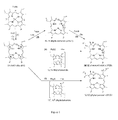
- Bilins are derived from heme, which is converted to the first open-chain product biliverdin IX ⁇ (BV IX ⁇ ) by ferredoxin-dependent heme oxygenases ( Frankenberg-Dinkel, N. and J.C. Lagarias, Biosynthesis and biological functions of bilins, in The porphyrin handbook, K.M. Kadish, K.M. Smith, and R. Guilard, Editors. 2003, Academic press: Amsderdam. p. 211-236 ; Dammeyer, T. and N. Frankenberg-Dinkel, Function and distribution of bilin biosynthesis enzymes in photosynthetic organisms. Photochem Photobiol Sci, 2008. 7(10): p. 1121-30 ).
- cyanobacteria BV IX ⁇ is further metabolized by enzymes of the ferredoxin-dependent bilin reductase (FDBR) family.
- FDBR ferredoxin-dependent bilin reductase
- PebA and PebB Two sequential two-electron reductions catalyzed by PebA and PebB yield phycoerythrobilin (PEB) ( Dammeyer, T. and N. Frankenberg-Dinkel, Insights into phycoerythrobilin biosynthesis point toward metabolic channeling. J Biol Chem, 2006. 281(37): p. 27081-9 ).
- PCB phycocyanobilin
- cyanophages carry homologs of phycobilisome pigment biosynthesis genes ( Dammeyer, T., et al., Efficient phage-mediated pigment biosynthesis in oceanic cyanobacteria. Curr Biol, 2008. 18(6): p. 442-8 ).
- pebS is coding for a Phycoerythrobilin synthase.
- PebS is exclusive to phages and catalyzes a unique four-electron reduction of BV IX ⁇ to PEB ( Dammeyer, T. and N. Frankenberg-Dinkel, Function and distribution of bilin biosynthesis enzymes in photosynthetic organisms. Photochem Photobiol Sci, 2008. 7(10): p. 1121-30 ).
- E/F-type lyases catalyze chromophore addition to the cysteine ⁇ -84 of phycocyanins and phycoerythrocyanins and can have an additional isomerase activity.
- T-type lyases serve the cysteine ⁇ -155 binding site in phycocyanins and phycoerythrocyanins.
- the S/U-type in contrast acts as near-universal lyase for cysteine-84 binding sites in cyanobacterial phycobiliproteins.
- Fluorescent proteins are widely used for analysis of cells and molecules in numerous fluorescence-based assays and technologies and therefore fundamental tools in bioanalytic and clinical diagnostics ( Shaner, N.C., P.A. Steinbach, and R.Y. Tsien, A guide to choosing fluorescent proteins. Nat Methods, 2005. 2(12): p. 905-9 ; Chudakov, D.M., S. Lukyanov, and K.A. Lukyanov, Fluorescent proteins as a toolkit for in vivo imaging. Trends Biotechnol, 2005. 23(12): p. 605-13 ; Shaner, N.C., G.H. Patterson, and M.W. Davidson, Advances in fluorescent protein technology. J Cell Sci, 2007.
- the optical window for the visualization of proteins in living cells is limited by the autoabsorption and autofluorescence of the cell components.
- fluorescent protein markers with excitation and emission maxima in the red and near infrared region of the spectrum are highly desirable.
- GFP Aequorea Victoria green fluorescent protein
- their usefulness as fluorescent labels is limited due to their tendency to oligomerize, their high molecular weight and/or their weak fluorescence if recombinantly expressed.
- the fluorescent proteins of the present invention satisfy this long-felt need in the field.
- the present invention is based on the inventors' finding that putative phycobiliprotein lyases from cyanophages, in particular the T-type phycobiliprotein lyase CpeT from the marine cyanophage Syn9, form stable, highly fluorescent complexes with tetrapyrrole chromophores, such as PEB.
- the present invention relates to an isolated polypeptide comprising, consisting essentially of or consisting of the amino acid sequence set forth in any one of SEQ ID Nos. 7-12 and mutants, variants and fragments thereof.
- the present invention is directed to a fluorescent protein or fluorescent adduct comprising the isolated polypeptide of the invention and a chromophore moiety.
- the invention relates to a hybrid molecule comprising the polypeptide or the fluorescent protein of invention linked or coupled to a biomolecule.
- the invention relates to an isolated or synthesized nucleic acid molecule selected from the group consisting of:
- the invention encompasses a vector comprising the nucleic acid molecule of the invention.
- the invention also relates to a nucleic acid comprising:
- the invention is also directed to a host cell comprising the nucleic acid or the vector according to the invention.
- the invention relates to a method for preparing a recombinant polypeptide, comprising expressing the nucleic acid according to the invention in a host cell and obtaining therefrom the polypeptide.
- the invention also features a method for the generation of a fluorescent protein, comprising contacting a polypeptide of the invention with a chromophore.
- polypeptide or the fluorescent protein according to the invention as a detectable label or as a reporter for gene expression in cells.
- Such uses may include use of the polypeptide or fluorescent protein as a molecular switch or as a FRET reporter.
- the invention is also directed to a method of detecting the presence of an analyte in a sample, comprising:
- the present invention also relates to a detection reagent that comprises a polypeptide or fluorescent protein according to the invention.
- kits that comprise one or more of the group consisting of the polypeptides, fluorescent adducts, hybrid molecules, nucleic acids, vectors, host cells and detection reagents of the invention.
- Oligonucleotide refers to polynucleotides of between 5 and about 100 nucleotides of single- or double-stranded nucleic acid, typically DNA. Oligonucleotides are also known as oligomers or oligos and may be isolated from genes, or chemically synthesized by methods known in the art.
- a “primer” refers to an oligonucleotide, usually single-stranded, that provides a 3'-hydroxyl end for the initiation of enzyme-mediated nucleic acid synthesis.
- isolated in reference to nucleic acid is meant a polymer of nucleotides conjugated to each other, including DNA and RNA, that is isolated from a natural source or that is synthesized.
- the isolated nucleic acids of the present invention are not found in a pure or separated state in nature.
- Use of the term “isolated” indicates that a naturally occurring sequence has been removed from its normal cellular ( i . e ., chromosomal) environment. Thus, the sequence may be in a cell-free solution or placed in a different cellular environment.
- sequence is the only nucleotide chain present, but that it is essentially free (about 90 - 95% pure at least) of non-nucleotide material naturally associated with it, and thus is distinguished from isolated chromosomes.
- nucleotide sequence be present in purified form.
- purified in reference to nucleic acid does not require absolute purity (such as a homogeneous preparation). Instead, it represents an indication that the sequence is relatively more pure than in the natural environment (compared to the natural level this level should be at least 2-5 fold greater, e.g ., in terms of mg/ml).
- Individual clones isolated from a cDNA library may be purified to electrophoretic homogeneity. The claimed DNA molecules obtained from these clones could be obtained directly from total DNA or from total RNA.
- the cDNA clones are not naturally occurring, but rather are preferably obtained via manipulation of a partially purified naturally occurring substance (messenger RNA).
- a cDNA library from mRNA involves the creation of a synthetic substance (cDNA) and pure individual cDNA clones can be isolated from the synthetic library by clonal selection of the cells carrying the cDNA library.
- cDNA synthetic substance
- the process which includes the construction of a cDNA library from mRNA and isolation of distinct cDNA clones yields an approximately 10 6 -fold purification of the native message.
- purification of at least one order of magnitude, preferably two or three orders, and more preferably four or five orders of magnitude is expressly contemplated.
- nucleotide sequence is the complement of another nucleotide sequence if all of the nucleotides of the first sequence are complementary to all of the nucleotides of the second sequence.
- substantially complementary refers to the fact that a given nucleic acid molecule is at least 90, at least 95, or 99 or 100% complementary to another nucleic acid.
- vector relates to a single or double-stranded circular nucleic acid molecule that can be transfected into cells and replicated within or independently of a cell genome.
- a circular double-stranded nucleic acid molecule can be cut and thereby linearized upon treatment with restriction enzymes.
- restriction enzymes An assortment of nucleic acid vectors, restriction enzymes, and the knowledge of the nucleotide sequences cut by restriction enzymes are readily available to those skilled in the art.
- a nucleic acid molecule encoding a polypeptide of the invention can be inserted into a vector by cutting the vector with restriction enzymes and ligating the two pieces together.
- promoter refers to nucleic acid sequence needed for gene sequence expression. Promoter regions vary from organism to organism, but are well known to persons skilled in the art for different organisms. For example, in prokaryotes, the promoter region contains both the promoter (which directs the initiation of RNA transcription) as well as the DNA sequences which, when transcribed into RNA, will signal synthesis initiation. Such regions will normally include those 5'-non-coding sequences involved with initiation of transcription and translation, such as the TATA box, capping sequence, CAAT sequence, and the like.
- exogenous in reference to a promoter, it is meant that the respective promoter is not normally coupled in vivo transcriptionally to the coding sequence for the polypeptide of interest.
- a nucleic acid molecule such as DNA, is said to be "capable of expressing" a polypeptide if it contains nucleotide sequences which contain transcriptional and translational regulatory information and such sequences are “operably linked” to nucleotide sequences which encode the polypeptide.
- An operable linkage is a linkage in which the regulatory DNA sequences and the DNA sequence sought to be expressed are connected in such a way as to permit gene sequence expression.
- the precise nature of the regulatory regions needed for gene sequence expression may vary from organism to organism, but shall in general include a promoter region which, in prokaryotes, contains both the promoter (which directs the initiation of RNA transcription) as well as the DNA sequences which, when transcribed into RNA, will signal synthesis initiation. Such regions will normally include those 5'-non-coding sequences involved with initiation of transcription and translation, such as the TATA box, capping sequence, CAAT sequence, and the like.
- Two DNA sequences are said to be operably linked if the nature of the linkage between the two DNA sequences does not (1) result in the introduction of a frame-shift mutation, (2) interfere with the ability of the promoter region sequence to direct the transcription of a gene sequence encoding the polypeptide, or (3) interfere with the ability of the gene sequence of a polypeptide to be transcribed by the promoter region sequence.
- Protein generally refers to a short chain of amino acids linked by peptide bonds. Typically peptides comprise amino acid chains of about 2-20 amino acids. “Polypeptide” generally refers to individual straight or branched chain sequences of amino acids that are typically longer than peptides. “Polypeptides” usually comprise at least about 30 to 1000 amino acids in length, more typically at least about 50 to 600 amino acids, and frequently at least about 100 to about 500 amino acids. “Proteins” include single polypeptides as well as complexes of multiple polypeptide chains, which may be the same or different.
- Multiple chains in a protein may be characterized by secondary, tertiary and quaternary structure as well as the primary amino acid sequence structure, may be held together, for example, by disulfide bonds, and may include post-synthetic modifications such as, without limitation, glycosylation, phosphorylation, truncations or other processing.
- isolated in reference to a polypeptide is meant a polymer of amino acids (2 or more amino acids) conjugated to each other, including polypeptides that are isolated from a natural source or that are synthesized.
- the isolated polypeptides of the present invention are unique in the sense that they are not found in a pure or separated state in nature.
- Use of the term “isolated” indicates that a naturally occurring sequence has been removed from its normal cellular environment. Thus, the sequence may be in a cell-free solution or placed in a different cellular environment. The term does not imply that the sequence is the only amino acid chain present, but that it is essentially free (about 90 - 95% pure at least) of non-amino acid material naturally associated with it.
- enriched in reference to a polypeptide is meant that the specific amino acid sequence constitutes a significantly higher fraction (2 - 5 fold) of the total amino acid sequences present in the cells or solution of interest than in normal or diseased cells or in the cells from which the sequence was taken. This could be caused by preferential reduction in the amount of other amino acid sequences present, or by a preferential increase in the amount of the specific amino acid sequence of interest, or by a combination of the two. However, it should be noted that enriched does not imply that there are no other amino acid sequences present, just that the relative amount of the sequence of interest has been significantly increased.
- the term significant here is used to indicate that the level of increase is useful to the person making such an increase, and generally means an increase relative to other amino acid sequences of about at least 2-fold, more preferably at least 5- to 10-fold or even more.
- the term also does not imply that there is no amino acid sequence from other sources.
- the other source of amino acid sequences may, for example, comprise amino acid sequence encoded by a yeast or bacterial genome, or a cloning vector. The term is meant to cover only those situations in which man has intervened to increase the proportion of the desired amino acid sequence.
- an amino acid sequence be in purified form.
- purified in reference to a polypeptide does not require absolute purity (such as a homogeneous preparation); instead, it represents an indication that the sequence is relatively purer than in the natural environment. Compared to the natural level this level should be at least 2-5 fold greater ( e.g ., in terms of mg/ml). Purification of at least one order of magnitude, preferably two or three orders, and more preferably four or five orders of magnitude is expressly contemplated. The substance is preferably free of contamination at a functionally significant level, for example 90%, 95%, or 99% pure.
- fragment in reference to a polypeptide is meant any amino acid sequence present in a polypeptide, as long as it is shorter than the full length sequence.
- recombinant polypeptide is meant a polypeptide produced by recombinant DNA techniques such that it is distinct from a naturally occurring polypeptide either in its location (e.g ., present in a different cell or tissue than found in nature), purity or structure. Generally, such a recombinant polypeptide will be present in a cell in an amount different from that normally observed in nature.
- mutated or mutant in reference to a nucleic acid or a polypeptide refers to the exchange, deletion, or insertion of one or more nucleotides or amino acids, respectively, compared to the naturally occurring nucleic acid or polypeptide.
- altered or “variant” in reference to a nucleic acid or polypeptide refers to polymorphisms, i.e. the exchange, deletion, or insertion of one or more nucleotides or amino acids, respectively, compared to the predominant form of the respective nucleic acid or polypeptide. Such an alteration may include single nucleotide polymorphisms (SNPs).
- SNPs single nucleotide polymorphisms
- adduct as used herein relates to a product of a direct addition of two or more distinct molecules, resulting in a single reaction product containing all atoms of all components.
- the polypeptide of the invention is bound to or complexed with a chromophore. This binding can be covalent or non-covalent.
- Fluorescent protein or “fluorescent adduct” as used interchangeably herein relates to the polypeptide of the invention complexed with or bound to a chromophore moiety.
- this chromophore is a bilin, for example a phycobilin, such as PEB, and the binding may be covalent or non-covalent.
- identity is meant a property of sequences that measures their similarity or relationship. Identity is measured by dividing the number of identical residues by the total number of residues and gaps and multiplying the product by 100.
- Gaps are spaces in an alignment that are the result of additions or deletions of amino acids or nucleotides. Thus, two copies of exactly the same sequence have 100% identity, but sequences that are less highly conserved, and have deletions, additions, or replacements, may have a lower degree of identity.
- Blast Altschul, et al. (1997) Nucleic Acids Res. 25:3389-3402
- Blast2 Altschul, et al. (1990) J. mol. biol. 215:403-410
- Smith-Waterman Smith, et al. (1981) J. Mol. Biol. 147:195-197 ).
- mammal refers to any mammal, for example species such as mice, rats, rabbits, guinea pigs, sheep, and goats, cats, dogs, monkeys, apes, and humans.
- complex refers to an assembly of at least two molecules bound to one another.
- expressing refers to the production of a polypeptide from a nucleic acid vector containing a nucleic acid sequence encoding the polypeptide within a cell.
- the nucleic acid vector is transfected into cells using well-known techniques in the art as described herein.
- transfecting defines a number of methods to insert a nucleic acid vector or other nucleic acid molecules into a cellular organism. These methods involve a variety of techniques, such as treating the cells with high concentrations of salt, elevated temperature, an electric field, detergent, or DMSO to render the outer membrane or wall of the cells permeable to nucleic acid molecules of interest or use of various viral transduction strategies.
- contacting or “incubating” as used interchangeably herein refer generally to providing access of one component, reagent, analyte or sample to another.
- detecting refers to any method of verifying the presence of a given molecule.
- analyte refers to any substance that can be detected in an assay by binding to a detection reagent, and which may be present in a sample. Therefore, the analyte can be, without limitation, any substance for which there exists a naturally occurring antibody or for which an antibody can be prepared.
- the analyte may, for example, be a protein, a polypeptide, a hapten, a carbohydrate, a nucleic acid, a lipid, a cell or any other of a wide variety of biological or non-biological molecules, complexes or combinations thereof.
- the analyte will be a protein, peptide, carbohydrate, nucleic acid or lipid derived from a biological source such as bacterial, fungal, viral, plant or animal samples. Additionally, however, the target may also be a smaller organic compound such as a drug, drug-metabolite, dye or other small molecule present in the sample.
- sample refers to an aliquot of material, frequently biological matrices, an aqueous solution or an aqueous suspension derived from biological material.
- Samples to be assayed for the presence of an analyte by the methods of the present invention include, for example, cells, tissues, homogenates, lysates, extracts, and purified or partially purified proteins and other biological molecules and mixtures thereof.
- samples typically used include human and animal body fluids such as whole blood, serum, plasma, cerebrospinal fluid, sputum, bronchial washing, bronchial aspirates, urine, semen, lymph fluids and various external secretions of the respiratory, intestinal and genitourinary tracts, tears, saliva, milk, white blood cells, myelomas and the like; biological fluids such as cell culture supernatants; tissue specimens which may or may not be fixed; and cell specimens which may or may not be fixed.
- the samples used in the methods of the present invention will vary based on the assay format and the nature of the tissues, cells, extracts or other materials, especially biological materials, to be assayed. Methods for preparing protein extracts from cells or samples are well known in the art and can be readily adapted in order to obtain a sample that is compatible with the methods of the invention
- binding molecule binds to the analyte based on specific recognition of a binding region or epitope on the analyte.
- the binding molecule preferably recognizes and binds to the target molecule with a higher binding affinity than it binds to other components present in the sample.
- binding may mean that an antibody or other biological molecule, binds to a target molecule with at least about a 10 6 -fold greater affinity, preferably at least about a 10 7 -fold greater affinity, more preferably at least about a 10 8 -fold greater affinity, and most preferably at least about a 10 9 -fold greater affinity than it binds molecules unrelated to the target molecule.
- specific binding refers to affinities in the range of about 10 6 -fold to about 10 9 -fold greater than non-specific binding.
- specific binding may be characterized by affinities greater than 10 9 -fold over non-specific binding.
- the binding molecule uniquely recognizes and binds to the target molecule.
- antibody is used herein in the broadest sense and specifically covers monoclonal and polyclonal antibodies as well as antibody fragments (e.g., Fab, F(ab') 2 , scFv, Fv diabodies and linear antibodies), so long as they exhibit the desired binding activity.
- antibody fragments e.g., Fab, F(ab') 2 , scFv, Fv diabodies and linear antibodies.
- polyclonal refers to antibodies that are heterogenous populations of antibody molecules derived from the sera of animals immunized with an antigen or an antigenic functional derivative thereof.
- various host animals may be immunized by injection with the antigen.
- Various adjuvants may be used to increase the immunological response, depending on the host species.
- Monoclonal antibodies are substantially homogenous populations of antibodies to a particular antigen. They may be obtained by any technique which provides for the production of antibody molecules by continuous cell lines in culture. Monoclonal antibodies may be obtained by methods well known to those skilled in the art (see for example, Köhler et al., Nature 256:495-497, 1975 , and U.S. Patent No. 4,376,110 ).
- Chrophore as used herein relates to a moiety or molecule that absorbs certain wavelengths of light, usually visible light, and transmits or reflects others, so that the molecule has a color. These characteristics may also be imparted or influenced by the binding of the chromophore to another molecule.
- the chromophore may be fluorescent in that it absorbs a certain wavelength of light and emits another wavelength of light.
- Non-limiting examples for chromophores are bilirubin, heme, chlorophyll, phycoerythrobilin, phycocyanobilin, phytochromobilin, phycourobilin, phycoviolobilin, dihydrobiliverdin, biliverdin.
- Derivative in reference to a chromophore relates to a compound that is formed from a similar known chromophore by replacing one atom or a group of atoms of the original structure with another atom or group of atoms. Such a modification can, for example, be obtained by means of organic chemistry known to the person skilled in the art.
- Biomolecule relates to molecules that belong to a class of naturally occurring molecules, such as proteins, polypeptides, peptides, carbohydrates, lipids or nucleic acids.
- the present invention is directed to isolated polypeptides comprising, consisting essentially of or consisting of the amino acid sequence set forth in any one of SEQ ID Nos. 7-12.
- fragments of the polypeptides having any one of the amino acid sequences set forth in SEQ ID Nos. 7-12 are fragments of the polypeptides having any one of the amino acid sequences set forth in SEQ ID Nos. 7-12.
- the fragments may, for example, be N-terminally and/or C-terminally truncated polypeptides of SEQ ID Nos. 7-12.
- the fragments comprise, consist essentially of or consist of at least 30, 35, 40, 45, 50, 60, 70, 80, 90, 100, 120, or 150 contiguous amino acids of SEQ ID Nos. 7-12.
- the above fragments retain their ability to bind a chromophore.
- the present invention is thus directed to polypeptides comprising, consisting essentially of or consisting of about 15-150, 20-120, 30-100 or 40-80 amino acids of the amino acid sequence set forth in any one of SEQ ID Nos. 7-12 and mutants, variants and fragments thereof.
- variants of any one of the amino acid sequences set forth in SEQ ID Nos. 7-12 and fragments thereof are also encompassed by the present invention.
- Such fragments of variant polypeptides may have a length of at least 30, 35, 40, 45, 50, 60, 70, 80, 90, 100, 120, or 150 amino acids.
- the variants retain their ability to bind a chromophore.
- splice variants of the above polypeptides are also intended to fall within the scope of the present invention.
- Said splice variants may significantly differ from the above amino acid sequences, however, the functional domain architecture is retained in such variants.
- Such splice variants may lead to isoforms of the polypeptides of the invention and may differ from the known form, for example, by an extended or shortened C- or N-terminus or the insertion or deletion of an amino acid sequence stretch.
- sequence homology and sequence identity between the splice variants/isoforms is sufficiently high so that the skilled person is readily aware that the polypeptide in question is a mere isoform and not another protein of the same family.
- the present invention also includes mutants of the above polypeptides.
- the mutation may be a deletion, insertion or substitution of one or more, for example 1, 2, 3, 4 or 5 amino acids.
- the mutants also retain their ability to bind a chromophore.
- the present invention thus also relates to polypeptides comprising an amino acid sequence that is about 60, about 70, about 80, about 90, about 95, about 97, about 98, or about 99 % identical to the amino acid sequences set forth in any one of SEQ ID Nos. 7-12.
- the polypeptides according to the invention may be derived from a cyanophage, i.e. a virus infecting cyanobacteria, preferably marine cyanobacteria.
- the phage is selected from the group consisting of cyanophage Syn9, cyanophage Syn1, cyanophage Syn19, cyanophage S-PM2, cyanophage S-SSM5 and cyanophage P-RSM4.
- the polypeptides have sequence homology to phycobiliprotein lyases, are putative phycobiliprotein lyases or actually have phycobiliprotein lyase activity.
- the polypeptides are (putative) T-type phycobiliprotein lyases, for example CpeT.
- polypeptides of the inventions may be apoproteins, i.e. the protein component of an enzyme that includes a cofactor, i.e. a non-proteinaceous chemical compound.
- the cofactor may be a chromophore.
- the present invention also includes adducts that comprise the polypeptides of the invention and a chromophore moiety.
- the chromophore moiety is a tetrapyrrole, for example an open chain tetrapyrrole.
- the chromophore is a bilin, for example a phycobilin.
- the chromophore may be selected from the group consisting of phycoerythrobilin, phycocyanobilin, phytochromobilin, phycourobilin, phycoviolobilin, dihydrobiliverdin, biliverdin, bilirubin and derivatives thereof.
- the chromophore may be covalently or non-covalently bound to the polypeptide. If non-covalently bound, the binding may be facilitated by hydrogen bonding, ion pairing and/or van der Waals forces.
- the fluorescent proteins may absorb light with a wavelength in the visible spectrum, for example between about 350 and about 700 nm.
- the fluorescent adducts of the invention emit light of a wavelength between about 350 and about 700 nm.
- the fluorescent adducts have excitation and/or emission spectrum maxima in the red or near infrared region of the spectrum, i.e. between about 600 and about 700 nm.
- the fluorescent adduct has an excitation spectrum maximum at about 610 - 615 nm and/or an emission spectrum maximum at about 620 - 625 nm.
- the polypeptides and fluorescent adducts of the invention may be linked to another molecule, for example a biomolecule, such as a protein, polypeptide, peptide, carbohydrate, lipid or nucleic acid.
- a biomolecule such as a protein, polypeptide, peptide, carbohydrate, lipid or nucleic acid.
- the biomolecule is a polypeptide or protein selected from the group consisting of a signalling protein, a cell-surface receptor, an enzyme, an antibody, an antibody fragment or an antibody-like molecule.
- the biomolecule may be a nucleic acid, such as an oligonucleotide (probe).
- the present invention also encompasses hybrid molecules comprising a polypeptide or fluorescent adduct of the invention linked or fused to a biomolecule, as defined above.
- the linkage may be a covalent bond, for example a peptide bond.
- the hybrid molecule may be a hybrid protein or a fusion protein. If the hybrid molecule is a hybrid protein, the coupling may be achieved by recombinantly expressing a nucleic acid construct encoding the complete hybrid protein/fusion protein. Alternatively, the coupling of the polypeptides/fluorescent adducts of the invention with any of the above mentioned molecules may be achieved by organic chemistry.
- the hybrid molecule is a fusion protein
- the polypeptides or fluorescent adducts of the invention may be fused N- or C-terminally to the protein of interest.
- Such recombinant fusion proteins may be generated by expressing a specifically designed nucleic acid construct that encodes the fusion protein in a host cell and isolating the thus generated recombinant protein.
- the present invention is also directed to an isolated or synthesized nucleic acid molecule selected from the group consisting of:
- nucleic acids that comprise:
- the first coding sequence preferentially encodes a polypeptide according to the invention, whereas the second coding sequence encodes a polypeptide different from those of the present invention.
- the second polypeptide may be any polypeptide or protein, for example an antibody or cell signalling molecule, a cell surface receptor, or a peptide or protein tag that facilitates purification of the polypeptide of the invention, for example streptavidin or a streptavidin fragment, glutathione-S-transferase, a 6x His tag etc.
- nucleic acids Methods for selection and preparation of nucleic acids are diverse and well described in standard biomolecular protocols. A typical way would be preparative PCR and chromatographic purification starting from existing template DNAs or stepwise synthesis of artificial nucleic acids.
- the nucleic acids according to the invention may be isolated from a natural source by cDNA cloning or subtractive hybridization or other routine techniques known to a person skilled in the art.
- the natural source may be any organism, but is preferably of viral or bacterial origin.
- the nucleic acids of the invention may also be synthetic, meaning being synthesized by the triester method or by using an automated DNA synthesizer.
- nucleic acid molecules include those that include the functional equivalents of the herein-described isolated nucleic acid molecules.
- the degeneracy of the genetic code permits substitution of certain codons by other codons that specify the same amino acid and hence would give rise to the same protein.
- the nucleic acid sequence can vary substantially since, with the exception of methionine and tryptophane, the known amino acids can be coded for by more than one codon.
- portions or all of the polypeptide genes of the invention could be synthesized to give a nucleic acid sequence significantly different from that shown in SEQ ID Nos. 1-6. The encoded amino acid sequence thereof would, however, be preserved.
- nucleic acid sequence may comprise a nucleotide sequence which results from the addition, deletion or substitution of at least one nucleotide to the 5'-end and/or the 3'-end of the nucleic acid sequence set forth in any one of SEQ ID Nos. 1-6 or a derivative thereof.
- Any nucleotide or polynucleotide may be used in this regard, provided that its addition, deletion or substitution does not alter the amino acid sequence encoded by the nucleotide sequence.
- the present invention is intended to include any nucleic acid sequence resulting from the addition of ATG as an initiation codon at the 5'-end of the inventive nucleic acid sequence or its derivative, or from the addition of TTA, TAG or TGA as a termination codon at the 3'-end of the inventive nucleotide sequence or its derivative.
- the nucleic acid molecule of the present invention may, as necessary, have restriction endonuclease recognition sites added to its 5'-end and/or 3'-end.
- nucleic acid sequence Such functional alterations of a given nucleic acid sequence afford an opportunity to promote secretion and/or processing of heterologous proteins encoded by foreign nucleic acid sequences fused thereto. All variations of the nucleotide sequence of the polypeptide genes of the invention and fragments thereof permitted by the genetic code are, therefore, included in this invention.
- the two polypeptides are functionally equivalent, as are the two nucleic acid molecules that give rise to their production, even though the differences between the nucleic acid molecules are not related to the degeneracy of the genetic code.
- the instant invention is intended to also encompass nucleic acids of recombinant origin, preferably in a cell or an organism.
- the present invention also relates to a recombinant DNA molecule comprising, 5' to 3', a promoter effective to initiate transcription in a host cell and the above-described nucleic acid molecules.
- the present invention relates to a recombinant DNA molecule comprising a vector and an above-described nucleic acid molecule.
- the recombinant nucleic acid can contain a transcriptional initiation region functional in a cell, a sequence complementary to an RNA sequence encoding a polypeptide of the invention and a transcriptional termination region functional in a cell.
- the above-described molecules may be isolated and/or purified DNA molecules.
- the above nucleic acid molecules of the invention may be comprised within a vector.
- a vector may comprise a promoter.
- the promoter is preferably operably linked to the nucleic acid molecule and/or effective to initiate transcription in a host cell.
- a promoter region is operably linked to a DNA sequence if the promoter is capable of effecting transcription of that DNA sequence.
- transcriptional and translational signals recognized by an appropriate host are necessary.
- the invention further describes a recombinant cell or tissue comprising a nucleic acid molecule according to the invention, as detailed above.
- the nucleic acid may be under the control of the genomic regulatory elements, or may be under the control of exogenous regulatory elements including an exogenous promoter.
- the present invention further relates to a host cell or organism that contains an above-described nucleic acid molecule or vector and thereby is capable of expressing a polypeptide.
- the polypeptide may be purified from cells which have been altered to express the polypeptide.
- a cell is said to be "altered to express a desired polypeptide" when the cell, through genetic manipulation, is made to produce a protein which it normally does not produce or which the cell normally produces at lower levels.
- One skilled in the art can readily adapt procedures for introducing and expressing either genomic, cDNA, or synthetic sequences into either eukaryotic or prokaryotic cells.
- the present invention encompasses the expression of a gene encoding polypeptide of the invention (or a functional derivative thereof) in either prokaryotic or eukaryotic cells.
- Prokaryotic hosts are, generally, very efficient and convenient for the production of recombinant proteins and are, therefore, one type of preferred expression system for polypeptides of the invention. Prokaryotes most frequently are represented by various strains of E. coli. Other recognized prokaryotic hosts include bacteria such as Bacillus, Streptomyces, Pseudomonas, Salmonella, Serratia , and the like. The prokaryotic host must be compatible with the replicon and control sequences in the expression plasmid.
- the host cell is Escherichia coli or Bacillus subtilis.
- prokaryotic vectors that contain replication sites and control sequences derived from a species compatible with the host may be used.
- exemplary prokaryotic vectors include plasmids such as those capable of replication in E. coli (such as, for example, pBR322, ColEl, pSC101, pACYC 184, ⁇ VX; " Molecular Cloning: A Laboratory Manual", 1989 , supra).
- Bacillus plasmids include pC194, pC221, pT127, and the like ( Gryczan, In: The Molecular Biology of the Bacilli, Academic Press, NY, pp. 307-329, 1982 ).
- Suitable Streptomyces plasmids include p1J101 ( Kendall et al., J. Bacteriol. 169:4177-4183, 1987 ), and streptomyces bacteriophages such as ⁇ C31 ( Chater et al., In: Sixth International Symposium on Actinomycetales Biology, Akademiai Kaido, Budapest, Hungary, pp. 45-54, 1986 ). Pseudomonas plasmids are reviewed by John et al. (Rev. Infect. Dis. 8:693-704, 1986 ), and Izaki (Jpn. J. Bacteriol. 33:729-742, 1978 ).
- Suitable phage or bacteriophage vectors may include ⁇ gt10, ⁇ gt11 and the like; and suitable virus vectors may include pMAM-neo, pKRC and the like.
- the selected vector of the present invention has the capacity to replicate in the selected host cell.
- the vector used is pASKIBA45+ (IBA GmbH, Goettingen, Germany).
- a polypeptide of the invention (or a functional derivative thereof) in a prokaryotic cell, it is necessary to operably link the sequence encoding the polypeptide of the invention to a functional prokaryotic promoter.
- Such promoters may be either constitutive or, more preferably, regulatable ( i . e ., inducible or derepressible).
- constitutive promoters include the int promoter of bacteriophage ⁇ , the bla promoter of the ⁇ -lactamase gene sequence of pBR322, and the cat promoter of the chloramphenicol acetyl transferase gene sequence of pPR325, and the like.
- inducible prokaryotic promoters examples include the major right and left promoters of bacteriophage ⁇ (P L and P R ), the trp , recA, lacZ, lacI , and gal promoters of E. coli , the ⁇ -amylase ( Ulmanen et al., J. Bacteriol. 162:176-182, 1985 ) and the sigma-28-specific promoters of B.
- subtilis Gilman et al., Gene Sequence 32:11-20, 1984
- the promoters of the bacteriophages of Bacillus Gryczan, In: The Molecular Biology of the Bacilli, Academic Press, Inc., NY, 1982
- Streptomyces promoters Ward et al., Mol. Gen. Genet. 203:468-478, 1986
- Prokaryotic promoters are reviewed by Glick (Ind. Microbiol. 1:277-282, 1987 ), Cenatiempo (Biochimie 68:505-516, 1986 ), and Gottesman (Ann. Rev. Genet. 18:415-442, 1984 ).
- progeny Proper expression in a prokaryotic cell also requires the presence of a ribosome-binding site upstream of the gene sequence-encoding sequence.
- ribosome-binding sites are disclosed, for example, by Gold et al. (Ann. Rev. Microbiol. 35:365-404, 1981 ).
- the selection of control sequences, expression vectors, transformation methods, and the like, are dependent on the type of host cell used to express the gene.
- “cell”, “cell line”, and “cell culture” may be used interchangeably and all such designations include progeny.
- the words “transformants” or “transformed cells” include the primary subject cell and cultures derived therefrom, without regard to the number of transfers. It is also understood that all progeny may not be precisely identical in DNA content, due to deliberate or inadvertent mutations. However, as defined, mutant progeny have the same functionality as that of the originally transformed cell.
- Host cells which may be used in the expression systems of the present invention are not strictly limited, provided that they are suitable for use in the expression of the polypeptide of interest. Suitable hosts may also include eukaryotic cells. Preferred eukaryotic hosts include, for example, yeast, fungi, plant cells, algae cells, insect cells, mammalian cells either in vivo , or in tissue culture.
- Another host is an insect cell, for example the Drosophila larvae.
- insect cells the Drosophila alcohol dehydrogenase promoter can be used ( Rubin, Science 240:1453-1459, 1988 ).
- baculovirus vectors can be engineered to express large amounts of polypeptide of the invention in insect cells ( Jasny, Science 238:1653, 1987 ; Miller et al., In: Genetic Engineering, Vol. 8, Plenum, Setlow et al., eds., pp. 277-297, 1986 ).
- Any of a series of yeast expression systems can be utilized which incorporate promoter and termination elements from the actively expressed sequences coding for glycolytic enzymes that are produced in large quantities when yeast are grown in mediums rich in glucose.
- Known glycolytic gene sequences can also provide very efficient transcriptional control signals.
- a number of recombinant DNA strategies exist utilizing strong promoter sequences and high copy number plasmids, which can be utilized for production of the desired proteins in yeast.
- Several possible vector systems are available for the expression in a mammalian host.
- the eukaryotic host cells are yeast cells, such as Saccharomyces cerevisiae .
- the host cells are algae cells, for example Chlamydomonas reinhardtii cells.
- Preferred eukaryotic plasmids include, for example, BPV, vaccinia, SV40, 2-micron circle, and the like, or their derivatives.
- Such plasmids are well known in the art ( Botstein et al., Miami Wntr. Symp. 19:265-274, 1982 ; Broach, In: "The Molecular Biology of the Yeast Saccharomyces: Life Cycle and Inheritance", Cold Spring Harbor Laboratory, Cold Spring Harbor, NY, p. 445-470, 1981 ; Broach, Cell 28:203-204, 1982 ; Bollon et al., J. Clin. Hematol. Oncol. 10:39-48, 1980 ; Maniatis, In: Cell Biology: A Comprehensive Treatise, Vol. 3, Gene Sequence Expression, Academic Press, NY, pp. 563-608, 1980 ).
- transcriptional and translational regulatory sequences may be employed, depending upon the nature of the host.
- the transcriptional and translational regulatory signals may be derived from viral sources, such as adenovirus, bovine papilloma virus, cytomegalovirus, simian virus, or the like, where the regulatory signals are associated with a particular gene sequence which has a high level of expression.
- promoters from mammalian expression products such as actin, collagen, myosin, and the like, may be employed.
- Transcriptional initiation regulatory signals may be selected which allow for repression or activation, so that expression of the gene sequences can be modulated.
- regulatory signals which are temperature-sensitive so that by varying the temperature, expression can be repressed or initiated, or are subject to chemical (such as metabolite) regulation.
- Eukaryotic promoters include, for example, the promoter of the mouse metallothionein I gene sequence ( Hamer et al., J. Mol. Appl. Gen. 1:273-288, 1982 ); the TK promoter of Herpes virus ( McKnight, Cell 31:355-365, 1982 ); the SV40 early promoter ( Benoist et al., Nature (London) 290:304-31, 1981 ); and the yeast gal4 gene sequence promoter ( Johnston et al., Proc. Natl. Acad. Sci. (USA) 79:6971-6975, 1982 ; Silver et al., Proc. Natl. Acad. Sci. (USA) 81:5951-5955, 1984 ).
- eukaryotic mRNA Translation of eukaryotic mRNA is initiated at the codon which encodes the first methionine. For this reason, it is preferable to ensure that the linkage between a eukaryotic promoter and a DNA sequence which encodes a polypeptide of the invention (or a functional derivative thereof) does not contain any intervening codons which are capable of encoding a methionine ( i . e ., AUG). The presence of such codons results either in the formation of a fusion protein (if the AUG codon is in the same reading frame as the polypeptide of the invention coding sequence) or a frame-shift mutation (if the AUG codon is not in the same reading frame as the polypeptide of the invention coding sequence).
- a nucleic acid molecule encoding a polypeptide of the invention and an operably linked promoter may be introduced into a recipient prokaryotic or eukaryotic cell either as a non-replicating DNA or RNA molecule, which may either be a linear molecule or, more preferably, a closed covalent circular molecule. Since such molecules are incapable of autonomous replication, the expression of the gene may occur through the transient expression of the introduced sequence. Alternatively, permanent expression may occur through the integration of the introduced DNA sequence into the host chromosome.
- a vector may be employed which is capable of integrating the desired gene sequences into the host cell chromosome.
- Cells which have stably integrated the introduced DNA into their chromosomes can be selected by also introducing one or more markers which allow for selection of host cells which contain the expression vector.
- the marker may provide for prototrophy to an auxotrophic host, biocide resistance, e.g ., antibiotics, or heavy metals, such as copper, or the like.
- the selectable marker gene sequence can either be directly linked to the DNA gene sequences to be expressed, or introduced into the same cell by co-transfection. Additional elements may also be needed for optimal synthesis of mRNA. These elements may include splice signals, as well as transcription promoters, enhancers, and termination signals.
- cDNA expression vectors incorporating such elements include those described by Okayama (Mol. Cell. Biol. 3:280, 1983 ).
- the introduced nucleic acid molecule can be incorporated into a plasmid or viral vector capable of autonomous replication in the recipient host. Any of a wide variety of vectors may be employed for this purpose. Factors of importance in selecting a particular plasmid or viral vector include: the ease with which recipient cells that contain the vector may be recognized and selected from those recipient cells which do not contain the vector; the number of copies of the vector which are desired in a particular host; and whether it is desirable to be able to "shuttle" the vector between host cells of different species.
- the DNA construct(s) may be introduced into an appropriate host cell by any of a variety of suitable means, i . e ., transformation, transfection, conjugation, protoplast fusion, electroporation, particle gun technology, calcium phosphate-precipitation, direct microinjection, and the like.
- recipient cells are grown in a selective medium, which selects for the growth of vector-containing cells.
- Expression of the cloned gene(s) results in the production of a polypeptide of the invention, or fragments thereof. This can take place in the transformed cells as such, or following the induction of these cells to differentiate.
- a variety of incubation conditions can be used to form the peptide of the present invention. The most preferred conditions are those which mimic physiological conditions.
- polypeptides of the present invention may be purified from tissues or cells that naturally produce the polypeptides.
- isolated nucleic acid fragments could be used to express the recombinant polypeptides of the invention in any organism.
- the invention is therefore directed to a method for preparing a polypeptide, comprising recombinantly expressing a nucleic acid molecule or vector according to the invention in a host cell and obtaining therefrom the polypeptide.
- This method may include the cultivation of a host cell containing the nucleic acid or vector of the invention.
- the cultivation of the host cell may be done in the presence of a chromophore to yield the fluorescent adduct of the invention.
- the host cell is capable of synthesizing the chromophore or the chromophore has been added to the growth medium.
- the synthesis of the chromophore may be achieved by co-transfecting the cells with nucleic acid molecules that encode enzymes necessary for chromophore synthesis.
- the host cell is capable of synthesizing tetrapyrrole chromophores, such as heme.
- polypeptides of the invention may be synthesized using an automated polypeptide synthesizer.
- the invention further features a method for the preparation of a fluorescent adduct, comprising contacting a polypeptide according to the invention with a chromophore.
- the chromophore may be a bilin, for example selected from the group consisting of phycoerythrobilin, phycocyanobilin, phytochromobilin, phycourobilin, phycoviolobilin, dihydrobiliverdin, biliverdin, bilirubin and derivatives thereof.
- the present invention also relates to the use of the invented polypeptides and fluorescent adducts as fluorescence markers. This use encompasses in vivo as well as in vitro marker.
- Possible in vivo uses include the use as a reporter for gene expression in cells.
- the present invention may be used to study promoter activity.
- the polypeptides and fluorescent proteins/adducts of the present invention may function as molecular switches, i.e. molecules that cycle between two stable states depending on the presence or absence of the chromophore ligand. In specific embodiments, the two states are clearly distinguishable, for example in that one state is fluorescent, whereas the other shows no fluorescence.
- Escherichia coli Bacillus subtilis , Saccharomyces cerevisiae and mammalian cells that express the polypeptides of the invention and, optionally, are also capable of synthesizing the chromophore, for example PEB, may be used.
- kits that comprise an expression plasmid for the polypeptides of the invention optionally including a multiple cloning site in order to allow the practitioner the generation of N-terminal or C-terminal fusion proteins.
- the kits may further contain cells or strains that are capable of synthesizing a chromophore that is bound by the polypeptide to yield a fluorescent adduct.
- the in vitro use of the polypeptide or the fluorescent adduct according to the invention includes the use as a detectable label.
- the polypeptide or the fluorescent adduct according to the invention may be coupled to a primary or secondary antibody or other binding molecules, such as avidin, streptavidin and neutravidin. Suitable methods for the coupling are known in the art.
- polypeptide or the fluorescent adduct according to the invention can also be used to visualize protein-protein interactions, protein-ligand interactions and protein trafficking.
- Detection molecules that comprise the polypeptide or the fluorescent adduct according to the invention may further be used for analyte detection, for example in a sample.
- the present invention thus also includes detection molecules, detection reagents or conjugates that comprise the polypeptide(s) or fluorescent proteins/adducts of the invention as well as kits comprising these molecules, reagents or conjugates.
- the invention thus also covers a method for detecting the presence of an analyte in a sample, the method comprising:
- the method may include additional washing steps to remove unbound detection reagent prior to the detection step.
- the method may also be carried out in a sandwich format, where the analyte or detection reagent:analyte complex is immobilized on a solid support by using a capture molecule that specifically binds the analyte without impairing the ability of the detection reagent to bind the analyte.
- the method includes an immunoassay.
- the detection reagent may comprise an antibody, antibody fragment or antibody-like molecule.
- the light used for excitation of the fluorescent protein/adduct may have an excitation wavelength of about 610-615 nm and/or the emitted light may have a wavelength of about 620-625 nm.
- the invented methods thus include exposing the sample to light of a wavelength that excites the fluorescent protein/adduct of the invention, for example light of a wavelength of 610-615 nm, and/or detecting light emitted by the fluorescent protein/adduct after excitation, wherein the detected/emitted light may, for example, have a wavelength of about 620-625 nm.
- kits that provide the polypeptides, fluorescent adducts, hybrid molecules, fusion proteins, detection reagents, nucleic acids, vectors and/or host cells of the invention in a ready-to-use format.
- kits may for example include the polypeptides or fluorescent adducts of the invention linked to a binding molecule that allows the versatile coupling to detection reagents of choice.
- the binding molecule may be avidin, streptavidin or neutravidin as well as biotin-binding fragments thereof that allow conjugation of the polypeptides or fluorescent adducts of the invention to biotinylated detection reagents, for example antibodies or nucleic acid probes.
- kits include a conjugate of a polypeptide or fluorescent adduct of the invention and a (secondary) antibody.
- the secondary antibody may have specificity for the IgG molecules of a certain species, such as human, mouse, sheep, goat, rabbit etc. and thus allow detection in a conventional immunoassay utilizing an analyte specific primary antibody and a detectable secondary antibody specific for the primary antibody.
- the kits of the invention may comprise a nucleic acid of the invention, for example ligated into an expression vector, and, optionally, a host cell strain that is suitable for the expression of the polypeptides encoded by the nucleic acids.
- kits allow the practitioner to clone a gene of choice into the MCS of the vector and then express the polypeptide encoded by the gene of choice as a fusion protein with the fluorescent polypeptide of the invention, optionally, in the host cells comprised within the kit.
- Example 1 PEB isolation from Porphyridium cruentum
- P. cruentum cells were grown in liquid culture under light and shaking at 18°C.
- the cell pellet was extracted with acetone until the supernatant no longer looked colored to the eye. Subsequently, the pellet was resuspended in methanol containing 2 mg/ml HgCl 2 .
- the mixture was stirred at 45 °C for 16 hours and kept under in dark to minimize photodamage to pigments.
- Cell debris was separated from the bilin containing supernatant with a sintered glass filter. HgCl 2 was removed by adding 2-mercaptoethanol (2 ⁇ l/ml) to the filtrate.
- the solvent system used was 50:50 Acetone:20 mM formic acid with a flow rate of 2 ml/min.
- Eluted PEB was monitored at 380 nm and 560 nm, concentrated via Sep-pak as described above and dried in a speed vac. Before use, PEB was dissolved in dimethyl sulfoxide to a concentration of about 2 mM.
- the extinction coefficient of 25,200 M -1 cm -1 at 591 nm for 3E-PEB in 5% HCl/95% MeOH was used to estimate the concentration spectrophotometrically.
- the cpeT gene coding for a T-type phycobiliprotein lyase was identified in the genome of the cyanophage Syn9 ( Weigele, P.R., et al., Genomic and structural analysis of Syn9, a cyanophage infecting marine Prochlorococcus and Synechococcus. Environ Microbiol, 2007. 9(7): p. 1675-95 ).
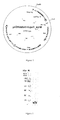
- the cpeT coding region (SEQ ID NO:1) was PCR-amplified from Syn9 phage lysate with primers encompassing recognition sites for EcoRI (5'-ggaattcgcatatgaacctggagccccagag-3'; SEQ ID NO:13) and XhoI (5'-ccgctcgagctattcgccctctcggac-3'; SEQ ID NO:14). Subsequently, the EcoRI-XhoI- cpeT fragment was cloned into expression vector pASKIBA45+ (IBA GmbH, Goettingen, Germany) ( Fig. 3 ).
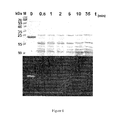
- CpeT was recombinant produced in E. coli BL21(DE3) with an N-terminal Strep -tag® and purified via affinity chromatography performed according to the protocol supplied by the manufacturer. Migration of the purified protein during SDS-PAGE was in agreement with its calculated molecular masses of about 21 kDa ( Strep CpeT) ( Fig. 4 ).
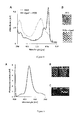
- CpeT and PEB were incubated in a 1:1 ratio in buffer A (50 mM Na-phosphate, 100 mM NaCl pH 7) at room temperature. Incubation of CpeT with the pinkish, not fluorescent linear tetrapyrrole PEB resulted nearly immediately in a complex with an absorption maximum at 612 nm and a blue color ( Fig. 5 ). The CpeT:PEB complex exhibited a fluorescence emission maximum at 621 nm when excitated in a range from 550 nm to 612 nm ( Fig. 6 ). After incubation of CpeT with PEB a second affinity chromatography was performed to remove the free chromophor.
- CpeT The advantageous excitation and emission maxima and the small size of CpeT render the fluorescent complex highly useful as a fluorescence marker.
- the non-covalent binding of the chromophore allows to use CpeT:PEB as a molecular switch. Possible application strategies have been described above.
- a chromopeptide of about 12 kDA was generated as detected by zinc-induced red fluorescence of the chromophore, indicating that truncated versions of CpeT are still capable of binding PEB, resulting in a fluorescent complex.
Landscapes
- Health & Medical Sciences (AREA)
- Life Sciences & Earth Sciences (AREA)
- Chemical & Material Sciences (AREA)
- Organic Chemistry (AREA)
- Engineering & Computer Science (AREA)
- General Health & Medical Sciences (AREA)
- Biomedical Technology (AREA)
- Genetics & Genomics (AREA)
- Medicinal Chemistry (AREA)
- Molecular Biology (AREA)
- Biochemistry (AREA)
- Public Health (AREA)
- Animal Behavior & Ethology (AREA)
- Bioinformatics & Cheminformatics (AREA)
- Veterinary Medicine (AREA)
- Epidemiology (AREA)
- Proteomics, Peptides & Aminoacids (AREA)
- Wood Science & Technology (AREA)
- Zoology (AREA)
- Biotechnology (AREA)
- General Engineering & Computer Science (AREA)
- Microbiology (AREA)
- Virology (AREA)
- Gastroenterology & Hepatology (AREA)
- Biophysics (AREA)
- Micro-Organisms Or Cultivation Processes Thereof (AREA)
- Peptides Or Proteins (AREA)
Priority Applications (1)
| Application Number | Priority Date | Filing Date | Title |
|---|---|---|---|
| EP09156324A EP2233496A1 (de) | 2009-03-26 | 2009-03-26 | Fluoreszenzproteine |
Applications Claiming Priority (1)
| Application Number | Priority Date | Filing Date | Title |
|---|---|---|---|
| EP09156324A EP2233496A1 (de) | 2009-03-26 | 2009-03-26 | Fluoreszenzproteine |
Publications (1)
| Publication Number | Publication Date |
|---|---|
| EP2233496A1 true EP2233496A1 (de) | 2010-09-29 |
Family
ID=40996764
Family Applications (1)
| Application Number | Title | Priority Date | Filing Date |
|---|---|---|---|
| EP09156324A Withdrawn EP2233496A1 (de) | 2009-03-26 | 2009-03-26 | Fluoreszenzproteine |
Country Status (1)
| Country | Link |
|---|---|
| EP (1) | EP2233496A1 (de) |
Cited By (1)
| Publication number | Priority date | Publication date | Assignee | Title |
|---|---|---|---|---|
| CN115583707A (zh) * | 2022-10-28 | 2023-01-10 | 武汉理工大学 | 一种复合絮凝剂及其制备方法和应用 |
Citations (4)
| Publication number | Priority date | Publication date | Assignee | Title |
|---|---|---|---|---|
| US4376110A (en) | 1980-08-04 | 1983-03-08 | Hybritech, Incorporated | Immunometric assays using monoclonal antibodies |
| EP0404097A2 (de) | 1989-06-22 | 1990-12-27 | BEHRINGWERKE Aktiengesellschaft | Bispezifische und oligospezifische, mono- und oligovalente Rezeptoren, ihre Herstellung und Verwendung |
| WO1993011161A1 (en) | 1991-11-25 | 1993-06-10 | Enzon, Inc. | Multivalent antigen-binding proteins |
| WO2003012448A1 (en) * | 2001-07-31 | 2003-02-13 | The Regents Of The University Of California | Engineering of living cells for the expression of holo-phycobiliprotein-based constructs |
-
2009
- 2009-03-26 EP EP09156324A patent/EP2233496A1/de not_active Withdrawn
Patent Citations (4)
| Publication number | Priority date | Publication date | Assignee | Title |
|---|---|---|---|---|
| US4376110A (en) | 1980-08-04 | 1983-03-08 | Hybritech, Incorporated | Immunometric assays using monoclonal antibodies |
| EP0404097A2 (de) | 1989-06-22 | 1990-12-27 | BEHRINGWERKE Aktiengesellschaft | Bispezifische und oligospezifische, mono- und oligovalente Rezeptoren, ihre Herstellung und Verwendung |
| WO1993011161A1 (en) | 1991-11-25 | 1993-06-10 | Enzon, Inc. | Multivalent antigen-binding proteins |
| WO2003012448A1 (en) * | 2001-07-31 | 2003-02-13 | The Regents Of The University Of California | Engineering of living cells for the expression of holo-phycobiliprotein-based constructs |
Non-Patent Citations (56)
| Title |
|---|
| "Molecular Cloning: A Laboratory Manual", 1989 |
| ALTSCHUL ET AL., J. MOL. BIOL., vol. 215, 1990, pages 403 - 410 |
| ALTSCHUL ET AL., NUCLEIC ACIDS RES., vol. 25, 1997, pages 3389 - 3402 |
| ANN. REV. GENET., vol. 18, 1984, pages 415 - 442 |
| BENOIST ET AL., NATURE (LONDON), vol. 290, 1981, pages 304 - 31 |
| BIOCHIMIE, vol. 68, 1986, pages 505 - 516 |
| BOLLON ET AL., J. CLIN. HEMATOL. ONCOL., vol. 10, 1980, pages 39 - 48 |
| BOTSTEIN ET AL., MIAMI WNTR. SYMP., vol. 19, 1982, pages 265 - 274 |
| BROACH, CELL, vol. 28, 1982, pages 203 - 204 |
| BROACH: "The Molecular Biology of the Yeast Saccharomyces: Life Cycle and Inheritance", 1981, COLD SPRING HARBOR LABORATORY, pages: 445 - 470 |
| CHATER ET AL.: "Akademiai Kaido", 1986, article "In: Sixth International Symposium on Actinomycetales Biology", pages: 45 - 54 |
| CHUDAKOV, D.M.; S. LUKYANOV; K.A. LULCYANOV: "Fluorescent proteins as a toolkit for in vivo imaging", TRENDS BIOTECHNOL, vol. 23, no. 12, 2005, pages 605 - 13 |
| CLOKIE MARTHA R J ET AL: "Marine cyanophages and light.", ENVIRONMENTAL MICROBIOLOGY DEC 2006, vol. 8, no. 12, December 2006 (2006-12-01), pages 2074 - 2082, XP002543854, ISSN: 1462-2912 * |
| DAMMEYER, T. ET AL.: "Efficient phage-mediated pigment biosynthesis in oceanic cyanobacteria", CURR BIOL, vol. 18, no. 6, 2008, pages 442 - 8 |
| DAMMEYER, T.; N. FRANKENBERG-DINKEL: "Function and distribution of bilin biosynthesis enzymes in photosynthetic organisms", PHOTOCHEM PHOTOBIOL SCI, vol. 7, no. 10, 2008, pages 1121 - 30 |
| DAMMEYER, T.; N. FRANKENBERG-DINKEL: "Insights into Phycoerythrobiin biosynthesis point toward metabolic channeling", J BIOL CHEM, vol. 281, no. 37, 2006, pages 27081 - 9 |
| DATABASE EMBL SEQUENCE DATABASE [online] EBI, HINXTON, UK; 19 December 2007 (2007-12-19), MANN N.H. ET AL.: "The genome of S-PM2, a 'photosynthetic' T4-type bacteriophage that infects marine Synechococcus strains", XP002544029, Database accession no. NC_006820 * |
| DATABASE EMBL SEQUENCE DATABASE [online] EBI, Hinxton, UK; 9 October 2008 (2008-10-09), XP002544028, retrieved from EMBL Database accession no. NC_008296 * |
| FRANKENBERG-DINLCEL, N.; J.C. LAGARIAS: "The porphyrin handbook", 2003, ACADEMIC PRESS, article "Biosynthesis and biological fimctions of bilins", pages: 211 - 236 |
| GILMAN ET AL., GENE SEQUENCE, vol. 32, 1984, pages 11 - 20 |
| GLICK, IND. MICROBIOL., vol. 1, 1987, pages 277 - 282 |
| GOLD ET AL., ANN. REV. MICROBIOL., vol. 35, 1981, pages 365 - 404 |
| GRYCZAN: "The Molecular Biology of the Bacilli", 1982, ACADEMIC PRESS, INC. |
| GRYCZAN: "The Molecular Biology of the Bacilli", 1982, ACADEMIC PRESS, pages: 307 - 329 |
| HAMER ET AL., J. MOL. APPL. GEN., vol. 1, 1982, pages 273 - 288 |
| HOLLINGER ET AL., PROC. NATL. ACAD. SCI. USA, vol. 90, 1993, pages 6444 - 6448 |
| JASNY, SCIENCE, vol. 238, 1987, pages 1653 |
| JOHN ET AL., REV. INFECT. DIS., vol. 8, 1986, pages 693 - 704 |
| JOHNSTON ET AL., PROC. NATL. ACAD. SCI. (USA), vol. 79, 1982, pages 6971 - 6975 |
| JPN. J. BACTERIOL., vol. 33, 1978, pages 729 - 742 |
| JUNG LINDA J ET AL: "Candidate genes for the phycoerythrocyanin alpha subunit lyase: Biochemical analysis of pecE and pecF interposon mutants", JOURNAL OF BIOLOGICAL CHEMISTRY, vol. 270, no. 21, 1995, pages 12877 - 12884, XP002544027, ISSN: 0021-9258 * |
| KENDALL ET AL., J. BACTERIOL., vol. 169, 1987, pages 4177 - 4183 |
| KOHLER ET AL., NATURE, vol. 256, 1975, pages 495 - 497 |
| KRONICK ET AL: "The use of phycobiliproteins as fluorescent labels in immunoassay", JOURNAL OF IMMUNOLOGICAL METHODS, ELSEVIER SCIENCE PUBLISHERS B.V.,AMSTERDAM, NL, vol. 92, no. 1, 21 August 1986 (1986-08-21), pages 1 - 13, XP023891684, ISSN: 0022-1759, [retrieved on 19860821] * |
| MANIATIS: "Gene Sequence Expression", vol. 3, 1980, ACADEMIC PRESS, article "Cell Biology: A Comprehensive Treatise", pages: 563 - 608 |
| MANN NICHOLAS H ET AL: "The genome of S-PM2, a "photosynthetic" T4-type bacteriophage that infects marine Synechococcus strains.", JOURNAL OF BACTERIOLOGY MAY 2005, vol. 187, no. 9, May 2005 (2005-05-01), pages 3188 - 3200, XP002543853, ISSN: 0021-9193 * |
| MCKNIGHT, CELL, vol. 31, 1982, pages 355 - 365 |
| MILLER ET AL.: "Genetic Engineering", vol. 8, 1986, PLENUM, pages: 277 - 297 |
| OKAYAMA, MOL. CELL. BIOL., vol. 3, 1983, pages 280 |
| PLUCKTHUN: "The Pharmacology of Monoclonal Antibodies", vol. 113, 1994, SPRINGER-VERLAG, pages: 269 - 315 |
| ROST B: "Enzyme Function Less Conserved than Anticipated", JOURNAL OF MOLECULAR BIOLOGY, LONDON, GB, vol. 318, no. 2, 26 April 2002 (2002-04-26), pages 595 - 608, XP004449547, ISSN: 0022-2836 * |
| RUBIN, SCIENCE, vol. 240, 1988, pages 1453 - 1459 |
| SCHEER, H.; K.H. ZHAO: "Biliprotein maturation: the chromophore attachment", MOL MICROBIOL, vol. 68, no. 2, 2008, pages 263 - 76 |
| SHANER, N.C.; G.H. PATTERSON; M.W. DAVIDSON: "Advances in fluorescent protein lechnology", J CELL SCI, vol. 120, no. 24, 2007, pages 4247 - 60 |
| SHANER, N.C.; P.A. STEINBACH; R.Y. TSIEN: "A guide to choosing fluorescent proteins", NAT METHODS, vol. 2, no. 12, 2005, pages 905 - 9 |
| SHEN GAOZHONG ET AL: "Identification and characterization of a new class of bilin lyase: the cpcT gene encodes a bilin lyase responsible for attachment of phycocyanobilin to Cys-153 on the beta-subunit of phycocyanin in Synechococcus sp. PCC 7002.", THE JOURNAL OF BIOLOGICAL CHEMISTRY 30 JUN 2006, vol. 281, no. 26, 30 June 2006 (2006-06-30), pages 17768 - 17778, XP002543856, ISSN: 0021-9258 * |
| SHU-HSING WU ET AL: "Defining the Bilin Lyase Domain: Lessons from the Extended Phytochrome Superfamily +", BIOCHEMISTRY, vol. 39, no. 44, 1 November 2000 (2000-11-01), pages 13487 - 13495, XP055091380, ISSN: 0006-2960, DOI: 10.1021/bi001123z * |
| SIDLER, W.A.: "The Molecular Biology of Cyanobacteria", 1994, KLUWER, article "Phycobilisome and phycobiliprotein structures", pages: 139 - 216 |
| SILVER ET AL., PROC. NATL. ACAD. SCI. (USA), vol. 8L, 1984, pages 5951 - 5955 |
| SMITH ET AL., J. MOL. BIOL., vol. 147, 1981, pages 195 - 197 |
| TU JUN-MING ET AL: "Intermediate binding of phycocyanobilin to the lyase, CpeS1, and transfer to apoprotein", PHOTOSYNTHESIS RESEARCH, vol. 95, no. 2-3, February 2008 (2008-02-01), pages 163 - 168, XP002544026, ISSN: 0166-8595 * |
| ULMANEN ET AL., J. BACTERIOL., vol. 162, 1985, pages 176 - 182 |
| WARD ET AL., MOL. GEN. GENET., vol. 203, 1986, pages 468 - 478 |
| WEIGELE PETER R ET AL: "Genomic and structural analysis of Syn9, a cyanophage infecting marine Prochlorococcus and Synechococcus.", ENVIRONMENTAL MICROBIOLOGY JUL 2007, vol. 9, no. 7, July 2007 (2007-07-01), pages 1675 - 1695, XP002543852, ISSN: 1462-2912 * |
| WEIGELE, P.R. ET AL.: "Genoroic and structural analysis of Syn9, a cyanophage injecting marine Prochlorococcus and Synechococcus", ENVIRON MICROBIOL, vol. 9, no. 7, 2007, pages 1675 - 95 |
| ZAPATA ET AL., PROTEIN ENG., vol. 8, no. 10, 1995, pages 1057 - 1062 |
Cited By (2)
| Publication number | Priority date | Publication date | Assignee | Title |
|---|---|---|---|---|
| CN115583707A (zh) * | 2022-10-28 | 2023-01-10 | 武汉理工大学 | 一种复合絮凝剂及其制备方法和应用 |
| CN115583707B (zh) * | 2022-10-28 | 2024-05-07 | 武汉理工大学 | 一种复合絮凝剂及其制备方法和应用 |
Similar Documents
| Publication | Publication Date | Title |
|---|---|---|
| KR102594240B1 (ko) | 신규한 루시퍼라제 및 이를 이용하는 방법 | |
| EP3778650B1 (de) | Fluoreszenzsonde für verzweigtkettige aminosäuren und deren verwendung | |
| CN102344494A (zh) | 烟酰胺腺嘌呤二核苷酸基因编码荧光探针及其制备方法和应用 | |
| JP2019065012A (ja) | 蛍光特性を示す新規なポリペプチド、およびその利用 | |
| CN110386977B (zh) | 一种近红外光荧光蛋白及其融合蛋白 | |
| CN115161296B (zh) | 一种刺虾荧光素酶Nluc的突变体及其应用 | |
| US20130171677A1 (en) | Recombinant phycobiliproteins with enhanced fluorescence and photochemical properties | |
| CN109134644B (zh) | 远红光荧光蛋白及其融合蛋白 | |
| CZ20014344A3 (cs) | Konstrukt DNA | |
| CN104403003B (zh) | 基因编码的烟酰胺腺嘌呤二核苷酸荧光探针及其制备方法和应用 | |
| CN104211811A (zh) | 铜银离子荧光蛋白探针及其制备方法和应用 | |
| EP2118304A1 (de) | Homogene in-vitro-fec-testverfahren und komponenten | |
| JP2013231037A (ja) | カルシウム結合発光蛋白質、それをコードする遺伝子およびその用途 | |
| CN109265523B (zh) | 源自bdfp近红外光荧光蛋白的新型荧光标记物及其融合蛋白 | |
| JP2023515926A (ja) | アルギニン蛍光プローブ及びその製造方法並びに使用 | |
| CN110577593B (zh) | 一种小分子近红外光荧光蛋白及其融合蛋白 | |
| CN104277120B (zh) | 氧化型烟酰胺腺嘌呤二核苷酸基因编码荧光探针及其制备方法和应用 | |
| JP4193499B2 (ja) | 組換え発光蛋白質およびその複合体 | |
| CN106977590B (zh) | 突变的菜豆根瘤菌亲和素蛋白及其应用 | |
| US6759524B2 (en) | Photoprotein derived from okinawan squid and gene encoding the photoprotein | |
| KR102314100B1 (ko) | 신규한 개 아데노바이러스 2형 항원 및 이의 용도 | |
| JP2008531025A (ja) | Pde11モジュレーターの同定方法 | |
| US12630817B1 (en) | Fluorescent proteins and split fluorescent proteins from corynactis californica and methods of use | |
| RU2822532C2 (ru) | Поликетидсинтазы III типа и их применение | |
| RU2809367C2 (ru) | Гиспидин-синтазы и их применение |
Legal Events
| Date | Code | Title | Description |
|---|---|---|---|
| PUAI | Public reference made under article 153(3) epc to a published international application that has entered the european phase |
Free format text: ORIGINAL CODE: 0009012 |
|
| AK | Designated contracting states |
Kind code of ref document: A1 Designated state(s): AT BE BG CH CY CZ DE DK EE ES FI FR GB GR HR HU IE IS IT LI LT LU LV MC MK MT NL NO PL PT RO SE SI SK TR |
|
| AX | Request for extension of the european patent |
Extension state: AL BA RS |
|
| 17P | Request for examination filed |
Effective date: 20100928 |
|
| 17Q | First examination report despatched |
Effective date: 20101028 |
|
| AKX | Designation fees paid |
Designated state(s): AT BE BG CH CY CZ DE DK EE ES FI FR GB GR HR HU IE IS IT LI LT LU LV MC MK MT NL NO PL PT RO SE SI SK TR |
|
| STAA | Information on the status of an ep patent application or granted ep patent |
Free format text: STATUS: THE APPLICATION IS DEEMED TO BE WITHDRAWN |
|
| 18D | Application deemed to be withdrawn |
Effective date: 20140423 |