EP2236620A2 - Compositions and methods for detecting and treating HIV infection - Google Patents
Compositions and methods for detecting and treating HIV infection Download PDFInfo
- Publication number
- EP2236620A2 EP2236620A2 EP10006417A EP10006417A EP2236620A2 EP 2236620 A2 EP2236620 A2 EP 2236620A2 EP 10006417 A EP10006417 A EP 10006417A EP 10006417 A EP10006417 A EP 10006417A EP 2236620 A2 EP2236620 A2 EP 2236620A2
- Authority
- EP
- European Patent Office
- Prior art keywords
- actin
- cells
- hiv
- cofilin
- agent
- Prior art date
- Legal status (The legal status is an assumption and is not a legal conclusion. Google has not performed a legal analysis and makes no representation as to the accuracy of the status listed.)
- Withdrawn
Links
- 208000031886 HIV Infections Diseases 0.000 title claims abstract description 48
- 208000037357 HIV infectious disease Diseases 0.000 title claims abstract description 37
- 208000033519 human immunodeficiency virus infectious disease Diseases 0.000 title claims abstract description 37
- 238000000034 method Methods 0.000 title claims description 20
- 239000000203 mixture Substances 0.000 title claims description 4
- 102000015693 Actin Depolymerizing Factors Human genes 0.000 claims abstract description 143
- 108010038798 Actin Depolymerizing Factors Proteins 0.000 claims abstract description 143
- 230000019491 signal transduction Effects 0.000 claims abstract description 20
- 102000007469 Actins Human genes 0.000 claims description 162
- 108010085238 Actins Proteins 0.000 claims description 161
- 239000003795 chemical substances by application Substances 0.000 claims description 50
- 230000000694 effects Effects 0.000 claims description 47
- GQWYWHOHRVVHAP-UHFFFAOYSA-N jasplakinolide Natural products C1C(=O)OC(C)CC(C)C=C(C)CC(C)C(=O)NC(C)C(=O)N(C)C(CC=2C3=CC=CC=C3NC=2Br)C(=O)NC1C1=CC=C(O)C=C1 GQWYWHOHRVVHAP-UHFFFAOYSA-N 0.000 claims description 47
- 102100031650 C-X-C chemokine receptor type 4 Human genes 0.000 claims description 38
- 101000922348 Homo sapiens C-X-C chemokine receptor type 4 Proteins 0.000 claims description 38
- -1 PD59 Chemical compound 0.000 claims description 18
- NISPVUDLMHQFRQ-ILFSFOJUSA-N cucurbitacin I Natural products CC(C)(O)C=CC(=O)[C@](C)(O)[C@H]1[C@H](O)C[C@@]2(C)[C@@H]3CC=C4[C@@H](C=C(O)C(=O)C4(C)C)[C@]3(C)C(=O)C[C@]12C NISPVUDLMHQFRQ-ILFSFOJUSA-N 0.000 claims description 18
- NISPVUDLMHQFRQ-MKIKIEMVSA-N cucurbitacin I Chemical compound C([C@H]1[C@]2(C)C[C@@H](O)[C@@H]([C@]2(CC(=O)[C@]11C)C)[C@@](C)(O)C(=O)/C=C/C(C)(O)C)C=C2[C@H]1C=C(O)C(=O)C2(C)C NISPVUDLMHQFRQ-MKIKIEMVSA-N 0.000 claims description 18
- 230000011664 signaling Effects 0.000 claims description 18
- QFWCYNPOPKQOKV-UHFFFAOYSA-N 2-(2-amino-3-methoxyphenyl)chromen-4-one Chemical compound COC1=CC=CC(C=2OC3=CC=CC=C3C(=O)C=2)=C1N QFWCYNPOPKQOKV-UHFFFAOYSA-N 0.000 claims description 13
- IHTCCHVMPGDDSL-ZJNDIJRCSA-N Cucurbitacin A Natural products O=C([C@@](O)(C)[C@H]1[C@@H](O)C[C@]2(C)[C@]1(C)CC(=O)[C@]1(CO)[C@H]2CC=C2C(C)(C)C(=O)[C@H](O)C[C@@H]12)/C=C/C(OC(=O)C)(C)C IHTCCHVMPGDDSL-ZJNDIJRCSA-N 0.000 claims description 12
- 238000006116 polymerization reaction Methods 0.000 claims description 12
- FKAWLXNLHHIHLA-YCBIHMBMSA-N [(2r,3r,5r,7r,8s,9s)-2-[(1s,3s,4s,5r,6r,7e,9e,11e,13z)-14-cyano-3,5-dihydroxy-1-methoxy-4,6,8,9,13-pentamethyltetradeca-7,9,11,13-tetraenyl]-9-[(e)-3-[2-[(2s)-4-[[(2s,3s,4s)-4-(dimethylamino)-2,3-dihydroxy-5-methoxypentanoyl]amino]butan-2-yl]-1,3-oxazol-4 Chemical compound O1C([C@@H](C)CCNC(=O)[C@@H](O)[C@@H](O)[C@H](COC)N(C)C)=NC(\C=C\C[C@H]2[C@H]([C@H](O)C[C@]3(O2)C([C@@H](OP(O)(O)=O)[C@@H]([C@H](C[C@H](O)[C@H](C)[C@H](O)[C@H](C)\C=C(/C)\C(\C)=C\C=C\C(\C)=C/C#N)OC)O3)(C)C)C)=C1 FKAWLXNLHHIHLA-YCBIHMBMSA-N 0.000 claims description 11
- GQWYWHOHRVVHAP-DHKPLNAMSA-N jaspamide Chemical compound C1([C@@H]2NC(=O)[C@@H](CC=3C4=CC=CC=C4NC=3Br)N(C)C(=O)[C@H](C)NC(=O)[C@@H](C)C/C(C)=C/[C@H](C)C[C@@H](OC(=O)C2)C)=CC=C(O)C=C1 GQWYWHOHRVVHAP-DHKPLNAMSA-N 0.000 claims description 11
- 108010052440 jasplakinolide Proteins 0.000 claims description 11
- 101000741929 Caenorhabditis elegans Serine/threonine-protein phosphatase 2A catalytic subunit Proteins 0.000 claims description 10
- AMRJKAQTDDKMCE-UHFFFAOYSA-N dolastatin Chemical compound CC(C)C(N(C)C)C(=O)NC(C(C)C)C(=O)N(C)C(C(C)C)C(OC)CC(=O)N1CCCC1C(OC)C(C)C(=O)NC(C=1SC=CN=1)CC1=CC=CC=C1 AMRJKAQTDDKMCE-UHFFFAOYSA-N 0.000 claims description 10
- 229930188854 dolastatin Natural products 0.000 claims description 10
- TZBJGXHYKVUXJN-UHFFFAOYSA-N genistein Natural products C1=CC(O)=CC=C1C1=COC2=CC(O)=CC(O)=C2C1=O TZBJGXHYKVUXJN-UHFFFAOYSA-N 0.000 claims description 10
- 210000003632 microfilament Anatomy 0.000 claims description 10
- 229940121358 tyrosine kinase inhibitor Drugs 0.000 claims description 10
- 108010040581 (4-hydroxy-3-(2-(2-propenyl)-4-quinoline)benzoyl)-(3-chloro-4-hydroxyarginyl)-(3-hydroxy-3-methylprolyl)-dehydrovaline Proteins 0.000 claims description 9
- ZMQRJWIYMXZORG-GZIFKOAOSA-N [(1e,3r,4r,6r,7z,9z,11e)-3,6,13-trihydroxy-3-methyl-1-[(2s)-6-oxo-2,3-dihydropyran-2-yl]trideca-1,7,9,11-tetraen-4-yl] dihydrogen phosphate Chemical compound OC/C=C/C=C\C=C/[C@H](O)C[C@@H](OP(O)(O)=O)[C@@](O)(C)\C=C\[C@@H]1CC=CC(=O)O1 ZMQRJWIYMXZORG-GZIFKOAOSA-N 0.000 claims description 9
- 229950010404 fostriecin Drugs 0.000 claims description 9
- DHZBEENLJMYSHQ-XCVPVQRUSA-N cantharidin Chemical compound C([C@@H]1O2)C[C@@H]2[C@]2(C)[C@@]1(C)C(=O)OC2=O DHZBEENLJMYSHQ-XCVPVQRUSA-N 0.000 claims description 8
- 229940095758 cantharidin Drugs 0.000 claims description 8
- 229930008397 cantharidin Natural products 0.000 claims description 8
- DHZBEENLJMYSHQ-UHFFFAOYSA-N cantharidine Natural products O1C2CCC1C1(C)C2(C)C(=O)OC1=O DHZBEENLJMYSHQ-UHFFFAOYSA-N 0.000 claims description 8
- 229940045109 genistein Drugs 0.000 claims description 8
- 235000006539 genistein Nutrition 0.000 claims description 8
- ZCOLJUOHXJRHDI-CMWLGVBASA-N genistein 7-O-beta-D-glucoside Chemical compound O[C@@H]1[C@@H](O)[C@H](O)[C@@H](CO)O[C@H]1OC1=CC(O)=C2C(=O)C(C=3C=CC(O)=CC=3)=COC2=C1 ZCOLJUOHXJRHDI-CMWLGVBASA-N 0.000 claims description 8
- QNDVLZJODHBUFM-WFXQOWMNSA-N okadaic acid Chemical compound C([C@H](O1)[C@H](C)/C=C/[C@H]2CC[C@@]3(CC[C@H]4O[C@@H](C([C@@H](O)[C@@H]4O3)=C)[C@@H](O)C[C@H](C)[C@@H]3[C@@H](CC[C@@]4(OCCCC4)O3)C)O2)C(C)=C[C@]21O[C@H](C[C@@](C)(O)C(O)=O)CC[C@H]2O QNDVLZJODHBUFM-WFXQOWMNSA-N 0.000 claims description 8
- VEFJHAYOIAAXEU-UHFFFAOYSA-N okadaic acid Natural products CC(CC(O)C1OC2CCC3(CCC(O3)C=CC(C)C4CC(=CC5(OC(CC(C)(O)C(=O)O)CCC5O)O4)C)OC2C(O)C1C)C6OC7(CCCCO7)CCC6C VEFJHAYOIAAXEU-UHFFFAOYSA-N 0.000 claims description 8
- 230000003405 preventing effect Effects 0.000 claims description 8
- 229940124647 MEK inhibitor Drugs 0.000 claims description 7
- NQWVSMVXKMHKTF-JKSUJKDBSA-N (-)-Arctigenin Chemical compound C1=C(OC)C(OC)=CC=C1C[C@@H]1[C@@H](CC=2C=C(OC)C(O)=CC=2)C(=O)OC1 NQWVSMVXKMHKTF-JKSUJKDBSA-N 0.000 claims description 6
- NDYMQXYDSVBNLL-LAMASETHSA-N (23E)-25-acetyloxy-2,16alpha,20-trihydroxy-9beta-methyl-19-nor-10alpha-lanosta-1,5,23-triene-3,11,22-trione Chemical compound C([C@H]1[C@]2(C)C[C@@H](O)[C@@H]([C@]2(CC(=O)[C@]11C)C)[C@@](C)(O)C(=O)C=CC(C)(C)OC(=O)C)C=C2[C@H]1C=C(O)C(=O)C2(C)C NDYMQXYDSVBNLL-LAMASETHSA-N 0.000 claims description 6
- SRPHMISUTWFFKJ-VOKXYEOFSA-N (23E)-2beta,16alpha,20,25- tetrahydroxy-9beta-methyl-19-nor-10alpha-lanosta-5,23-diene-3,11,22-trione Chemical compound C([C@H]1[C@]2(C)C[C@@H](O)[C@@H]([C@]2(CC(=O)[C@]11C)C)[C@@](C)(O)C(=O)C=CC(C)(O)C)C=C2[C@H]1C[C@H](O)C(=O)C2(C)C SRPHMISUTWFFKJ-VOKXYEOFSA-N 0.000 claims description 6
- ITMUUFDDBRYVNJ-VOKXYEOFSA-N (2S,4R)-2,16,20,25-tetrahydroxy-9beta,10,14-trimethyl-4,9-cyclo-9,10-seco-16alpha-cholest-5-ene-1,11,22-trione Chemical compound C([C@H]1[C@]2(C)C[C@@H](O)[C@@H]([C@]2(CC(=O)[C@]11C)C)[C@@](C)(O)C(=O)CCC(C)(O)C)C=C2[C@H]1C[C@H](O)C(=O)C2(C)C ITMUUFDDBRYVNJ-VOKXYEOFSA-N 0.000 claims description 6
- IXQKXEUSCPEQRD-NRNCYQGDSA-N (2S,4R,23E)-2,16beta,20-trihydroxy-9beta,10,14-trimethyl-1,11,22-trioxo-4,9-cyclo-9,10-secocholesta-5,23-dien-25-yl acetate Chemical compound C([C@H]1[C@]2(C)C[C@@H](O)[C@@H]([C@]2(CC(=O)[C@]11C)C)[C@@](C)(O)C(=O)C=CC(C)(C)OC(=O)C)C=C2[C@H]1C[C@H](O)C(=O)C2(C)C IXQKXEUSCPEQRD-NRNCYQGDSA-N 0.000 claims description 6
- XOSLDLHSPLPVME-FKLVWXFWSA-N (2s,8s,14s,17s,20s,25s,28r,29s)-2-[(2s)-butan-2-yl]-28-ethyl-17-[(4-methoxyphenyl)methyl]-7,13,16,20,22,22,25,29-octamethyl-8-(2-methylpropyl)-14-propan-2-yl-1-oxa-4,7,10,13,16,19,24,27-octazacyclotriacontane-3,6,9,12,15,18,21,23,26,30-decone Chemical compound CN1C(=O)[C@H](C(C)C)N(C)C(=O)CNC(=O)[C@H](CC(C)C)N(C)C(=O)CNC(=O)[C@H]([C@@H](C)CC)OC(=O)[C@@H](C)[C@@H](CC)NC(=O)[C@H](C)NC(=O)C(C)(C)C(=O)[C@H](C)NC(=O)[C@@H]1CC1=CC=C(OC)C=C1 XOSLDLHSPLPVME-FKLVWXFWSA-N 0.000 claims description 6
- NDYMQXYDSVBNLL-UHFFFAOYSA-N (9beta,10alpha,16alpha,23E)-25-(acetyloxy)-2,16,20-trihydroxy-9-methyl-19-norlanosta-1,5,23-triene-3,11,22-trione Natural products CC12C(=O)CC3(C)C(C(C)(O)C(=O)C=CC(C)(C)OC(=O)C)C(O)CC3(C)C1CC=C1C2C=C(O)C(=O)C1(C)C NDYMQXYDSVBNLL-UHFFFAOYSA-N 0.000 claims description 6
- SRPHMISUTWFFKJ-UHFFFAOYSA-N (E)-2beta,16alpha,20,25-tetrahydroxy-9-methyl-19-nor-9beta,10alpha-lanosta-5,23-diene-3,11,22-trione Natural products CC12C(=O)CC3(C)C(C(C)(O)C(=O)C=CC(C)(O)C)C(O)CC3(C)C1CC=C1C2CC(O)C(=O)C1(C)C SRPHMISUTWFFKJ-UHFFFAOYSA-N 0.000 claims description 6
- JLOXTZFYJNCPIS-FYWRMAATSA-N (z)-3-amino-3-(4-aminophenyl)sulfanyl-2-[2-(trifluoromethyl)phenyl]prop-2-enenitrile Chemical compound C=1C=CC=C(C(F)(F)F)C=1C(\C#N)=C(/N)SC1=CC=C(N)C=C1 JLOXTZFYJNCPIS-FYWRMAATSA-N 0.000 claims description 6
- PTCAIPUXGKZZBJ-UHFFFAOYSA-N 11-deoxocucurbitacin I Natural products CC12CCC3(C)C(C(C)(O)C(=O)C=CC(C)(O)C)C(O)CC3(C)C1CC=C1C2C=C(O)C(=O)C1(C)C PTCAIPUXGKZZBJ-UHFFFAOYSA-N 0.000 claims description 6
- IQHSSYROJYPFDV-UHFFFAOYSA-N 2-bromo-1,3-dichloro-5-(trifluoromethyl)benzene Chemical group FC(F)(F)C1=CC(Cl)=C(Br)C(Cl)=C1 IQHSSYROJYPFDV-UHFFFAOYSA-N 0.000 claims description 6
- CBIAKDAYHRWZCU-UHFFFAOYSA-N 2-bromo-4-[(6,7-dimethoxyquinazolin-4-yl)amino]phenol Chemical compound C=12C=C(OC)C(OC)=CC2=NC=NC=1NC1=CC=C(O)C(Br)=C1 CBIAKDAYHRWZCU-UHFFFAOYSA-N 0.000 claims description 6
- WHSIXKUPQCKWBY-IOSLPCCCSA-N 5-iodotubercidin Chemical compound C1=C(I)C=2C(N)=NC=NC=2N1[C@@H]1O[C@H](CO)[C@@H](O)[C@H]1O WHSIXKUPQCKWBY-IOSLPCCCSA-N 0.000 claims description 6
- YYGRXNOXOVZIKE-UHFFFAOYSA-N Arctigenin Natural products COC1CCC(CC2COC(=O)C2CC3CCC(O)C(C3)OC)CC1OC YYGRXNOXOVZIKE-UHFFFAOYSA-N 0.000 claims description 6
- IHTCCHVMPGDDSL-IVNGUWCNSA-N Cucurbitacin A Chemical compound C([C@H]1[C@]2(C)C[C@@H](O)[C@@H]([C@]2(CC(=O)[C@]11CO)C)[C@@](C)(O)C(=O)/C=C/C(C)(C)OC(=O)C)C=C2[C@H]1C[C@H](O)C(=O)C2(C)C IHTCCHVMPGDDSL-IVNGUWCNSA-N 0.000 claims description 6
- CVKKIVYBGGDJCR-SXDZHWHFSA-N Cucurbitacin B Natural products CC(=O)OC(C)(C)C=CC(=O)[C@@](C)(O)[C@@H]1[C@@H](O)C[C@]2(C)C3=CC[C@@H]4C(C)(C)C(=O)[C@H](O)C[C@@]4(C)[C@@H]3CC(=O)[C@@]12C CVKKIVYBGGDJCR-SXDZHWHFSA-N 0.000 claims description 6
- QZJJDOYZVRUEDY-UHFFFAOYSA-N Dihydrocucurbitacin B Natural products CC12C(=O)CC3(C)C(C(C)(O)C(=O)CCC(C)(C)OC(=O)C)C(O)CC3(C)C1CC=C1C2CC(O)C(=O)C1(C)C QZJJDOYZVRUEDY-UHFFFAOYSA-N 0.000 claims description 6
- AGOHOFZYIJTTKY-UHFFFAOYSA-N Doliculide Natural products O=C1OC(C(C)C)CC(O)C(C)CC(C)CC(C)C(=O)NCC(=O)N(C)C1CC1=CC=C(O)C(I)=C1 AGOHOFZYIJTTKY-UHFFFAOYSA-N 0.000 claims description 6
- OIFFJDGSLVHPCW-UHFFFAOYSA-N Guayarol Natural products COc1ccc(CC2C(Cc3ccc(O)c(O)c3)COC2=O)cc1OC OIFFJDGSLVHPCW-UHFFFAOYSA-N 0.000 claims description 6
- NQWVSMVXKMHKTF-UHFFFAOYSA-N L-Arctigenin Natural products C1=C(OC)C(OC)=CC=C1CC1C(CC=2C=C(OC)C(O)=CC=2)C(=O)OC1 NQWVSMVXKMHKTF-UHFFFAOYSA-N 0.000 claims description 6
- ITMUUFDDBRYVNJ-UHFFFAOYSA-N Tetrahydrocucurbitacin I Natural products CC12C(=O)CC3(C)C(C(C)(O)C(=O)CCC(C)(O)C)C(O)CC3(C)C1CC=C1C2CC(O)C(=O)C1(C)C ITMUUFDDBRYVNJ-UHFFFAOYSA-N 0.000 claims description 6
- 125000003785 benzimidazolyl group Chemical class N1=C(NC2=C1C=CC=C2)* 0.000 claims description 6
- 229930189543 chondramide Natural products 0.000 claims description 6
- 108010057471 chondramide A Proteins 0.000 claims description 6
- IEKCRWAFVYJECW-UHFFFAOYSA-N chondramide A Natural products N1C(=O)C(CC=2C3=CC=CC=C3NC=2)N(C)C(=O)C(C)NC(=O)C(C)CC(C)=CC(C)C(C)OC(=O)C(OC)C1C1=CC=C(O)C=C1 IEKCRWAFVYJECW-UHFFFAOYSA-N 0.000 claims description 6
- IEKCRWAFVYJECW-XYDQKOHOSA-N chondramide A Chemical compound C1([C@H]2[C@@H](C(O[C@H](C)[C@H](C)/C=C(C)/C[C@H](C)C(=O)N[C@@H](C)C(=O)N(C)[C@H](CC=3C4=CC=CC=C4NC=3)C(=O)N2)=O)OC)=CC=C(O)C=C1 IEKCRWAFVYJECW-XYDQKOHOSA-N 0.000 claims description 6
- 108010057462 chondramide B Proteins 0.000 claims description 6
- SRZJEPUYAKAFIE-UHFFFAOYSA-N chondramide B Natural products N1C(=O)C(CC=2C3=CC=CC=C3NC=2Cl)N(C)C(=O)C(C)NC(=O)C(C)CC(C)=CC(C)C(C)OC(=O)C(OC)C1C1=CC=C(O)C=C1 SRZJEPUYAKAFIE-UHFFFAOYSA-N 0.000 claims description 6
- SRZJEPUYAKAFIE-KCQCJHCESA-N chondramide B Chemical compound C1([C@H]2[C@@H](C(O[C@H](C)[C@H](C)/C=C(C)/C[C@H](C)C(=O)N[C@@H](C)C(=O)N(C)[C@H](CC=3C4=CC=CC=C4NC=3Cl)C(=O)N2)=O)OC)=CC=C(O)C=C1 SRZJEPUYAKAFIE-KCQCJHCESA-N 0.000 claims description 6
- 108010057510 chondramide C Proteins 0.000 claims description 6
- NCRSWJPOFRASIF-UHFFFAOYSA-N chondramide C Natural products N1C(=O)C(CC=2C3=CC=CC=C3NC=2)N(C)C(=O)C(C)NC(=O)C(C)CC(C)=CC(C)C(C)OC(=O)CC1C1=CC=C(O)C=C1 NCRSWJPOFRASIF-UHFFFAOYSA-N 0.000 claims description 6
- NCRSWJPOFRASIF-HPUNWYTPSA-N chondramide C Chemical compound C1([C@H]2CC(=O)O[C@@H]([C@@H](/C=C(C)/C[C@H](C)C(=O)N[C@@H](C)C(=O)N(C)[C@H](CC=3C4=CC=CC=C4NC=3)C(=O)N2)C)C)=CC=C(O)C=C1 NCRSWJPOFRASIF-HPUNWYTPSA-N 0.000 claims description 6
- 108010057556 chondramide D Proteins 0.000 claims description 6
- IWARTZQXZZVCBY-UHFFFAOYSA-N chondramide D Natural products N1C(=O)C(CC=2C3=CC=CC=C3NC=2Cl)N(C)C(=O)C(C)NC(=O)C(C)CC(C)=CC(C)C(C)OC(=O)CC1C1=CC=C(O)C=C1 IWARTZQXZZVCBY-UHFFFAOYSA-N 0.000 claims description 6
- IWARTZQXZZVCBY-AJVIBBBTSA-N chondramide D Chemical compound C1([C@H]2CC(=O)O[C@@H]([C@@H](/C=C(C)/C[C@H](C)C(=O)N[C@@H](C)C(=O)N(C)[C@H](CC=3C4=CC=CC=C4NC=3Cl)C(=O)N2)C)C)=CC=C(O)C=C1 IWARTZQXZZVCBY-AJVIBBBTSA-N 0.000 claims description 6
- JTPLNLNCNOCZIB-UHFFFAOYSA-N cucurbitacin D Natural products CC(C)(O)C=CC(=O)C(C)(O)C1C(O)CC2C3CC=C4C(C)(C)C(=O)C(O)CC4(C)C3C(=O)CC12C JTPLNLNCNOCZIB-UHFFFAOYSA-N 0.000 claims description 6
- IVGSDBLLLAUYTL-UHFFFAOYSA-N cucurbitacin E Natural products CC(=O)OC(C)(C)C=CC(=O)C(C)(O)C1C(O)CC2(C)C3CC=C4C(C=C(O)C(=O)C4(C)C)C3(C)CCC12C IVGSDBLLLAUYTL-UHFFFAOYSA-N 0.000 claims description 6
- 108010045526 dolastatin 11 Proteins 0.000 claims description 6
- XOSLDLHSPLPVME-UHFFFAOYSA-N ibu-epidolastatin 11 Natural products CN1C(=O)C(C(C)C)N(C)C(=O)CNC(=O)C(CC(C)C)N(C)C(=O)CNC(=O)C(C(C)CC)OC(=O)C(C)C(CC)NC(=O)C(C)NC(=O)C(C)(C)C(=O)C(C)NC(=O)C1CC1=CC=C(OC)C=C1 XOSLDLHSPLPVME-UHFFFAOYSA-N 0.000 claims description 6
- VDBNYAPERZTOOF-UHFFFAOYSA-N isoquinolin-1(2H)-one Chemical class C1=CC=C2C(=O)NC=CC2=C1 VDBNYAPERZTOOF-UHFFFAOYSA-N 0.000 claims description 6
- NWFYESYCEQICQP-UHFFFAOYSA-N methylmatairesinol Natural products C1=C(OC)C(OC)=CC=C1CC1C(=O)OCC1CC1=CC=C(O)C(OC)=C1 NWFYESYCEQICQP-UHFFFAOYSA-N 0.000 claims description 6
- QAMBBWKIAJFFRF-UHFFFAOYSA-N n-hydroxy-2-(4-iodoanilino)benzamide Chemical class ONC(=O)C1=CC=CC=C1NC1=CC=C(I)C=C1 QAMBBWKIAJFFRF-UHFFFAOYSA-N 0.000 claims description 6
- GTVPOLSIJWJJNY-UHFFFAOYSA-N olomoucine Chemical compound N1=C(NCCO)N=C2N(C)C=NC2=C1NCC1=CC=CC=C1 GTVPOLSIJWJJNY-UHFFFAOYSA-N 0.000 claims description 6
- 229910052697 platinum Inorganic materials 0.000 claims description 6
- BASFCYQUMIYNBI-UHFFFAOYSA-N platinum Substances [Pt] BASFCYQUMIYNBI-UHFFFAOYSA-N 0.000 claims description 6
- 102000005962 receptors Human genes 0.000 claims description 6
- 108020003175 receptors Proteins 0.000 claims description 6
- JAABVEXCGCXWRR-FBXFSONDSA-N rel-norcantharidin Chemical compound C1C[C@H]2[C@@H]3C(=O)OC(=O)[C@@H]3[C@@H]1O2 JAABVEXCGCXWRR-FBXFSONDSA-N 0.000 claims description 6
- 108700019535 Phosphoprotein Phosphatases Proteins 0.000 claims description 5
- 102000045595 Phosphoprotein Phosphatases Human genes 0.000 claims description 5
- 102000004022 Protein-Tyrosine Kinases Human genes 0.000 claims description 5
- 108090000412 Protein-Tyrosine Kinases Proteins 0.000 claims description 5
- 229940124522 antiretrovirals Drugs 0.000 claims description 5
- 239000003903 antiretrovirus agent Substances 0.000 claims description 5
- 239000002829 mitogen activated protein kinase inhibitor Substances 0.000 claims description 5
- 150000004943 pyrrolo[2,3-d]pyrimidines Chemical class 0.000 claims description 5
- 239000000546 pharmaceutical excipient Substances 0.000 claims description 4
- QDLHCMPXEPAAMD-QAIWCSMKSA-N wortmannin Chemical compound C1([C@]2(C)C3=C(C4=O)OC=C3C(=O)O[C@@H]2COC)=C4[C@@H]2CCC(=O)[C@@]2(C)C[C@H]1OC(C)=O QDLHCMPXEPAAMD-QAIWCSMKSA-N 0.000 claims description 4
- QDLHCMPXEPAAMD-UHFFFAOYSA-N wortmannin Natural products COCC1OC(=O)C2=COC(C3=O)=C2C1(C)C1=C3C2CCC(=O)C2(C)CC1OC(C)=O QDLHCMPXEPAAMD-UHFFFAOYSA-N 0.000 claims description 4
- 101710173261 Kelch-like protein 17 Proteins 0.000 claims description 3
- 229940122907 Phosphatase inhibitor Drugs 0.000 claims description 2
- YQNRVGJCPCNMKT-LFVJCYFKSA-N 2-[(e)-[[2-(4-benzylpiperazin-1-ium-1-yl)acetyl]hydrazinylidene]methyl]-6-prop-2-enylphenolate Chemical compound [O-]C1=C(CC=C)C=CC=C1\C=N\NC(=O)C[NH+]1CCN(CC=2C=CC=CC=2)CC1 YQNRVGJCPCNMKT-LFVJCYFKSA-N 0.000 claims 1
- 101100462537 Caenorhabditis elegans pac-1 gene Proteins 0.000 claims 1
- 101100117764 Mus musculus Dusp2 gene Proteins 0.000 claims 1
- 230000026731 phosphorylation Effects 0.000 abstract description 28
- 238000006366 phosphorylation reaction Methods 0.000 abstract description 28
- 208000015181 infectious disease Diseases 0.000 abstract description 25
- 102000003668 Destrin Human genes 0.000 abstract description 7
- 108090000082 Destrin Proteins 0.000 abstract description 7
- 108090001064 Gelsolin Proteins 0.000 abstract description 7
- 210000001744 T-lymphocyte Anatomy 0.000 description 126
- 210000004027 cell Anatomy 0.000 description 107
- 230000000284 resting effect Effects 0.000 description 90
- 241000725303 Human immunodeficiency virus Species 0.000 description 83
- 230000004913 activation Effects 0.000 description 56
- 241000713772 Human immunodeficiency virus 1 Species 0.000 description 47
- 239000003112 inhibitor Substances 0.000 description 40
- HKSZLNNOFSGOKW-UHFFFAOYSA-N ent-staurosporine Natural products C12=C3N4C5=CC=CC=C5C3=C3CNC(=O)C3=C2C2=CC=CC=C2N1C1CC(NC)C(OC)C4(C)O1 HKSZLNNOFSGOKW-UHFFFAOYSA-N 0.000 description 31
- HKSZLNNOFSGOKW-FYTWVXJKSA-N staurosporine Chemical compound C12=C3N4C5=CC=CC=C5C3=C3CNC(=O)C3=C2C2=CC=CC=C2N1[C@H]1C[C@@H](NC)[C@@H](OC)[C@]4(C)O1 HKSZLNNOFSGOKW-FYTWVXJKSA-N 0.000 description 31
- CGPUWJWCVCFERF-UHFFFAOYSA-N staurosporine Natural products C12=C3N4C5=CC=CC=C5C3=C3CNC(=O)C3=C2C2=CC=CC=C2N1C1CC(NC)C(OC)C4(OC)O1 CGPUWJWCVCFERF-UHFFFAOYSA-N 0.000 description 30
- 108090000765 processed proteins & peptides Proteins 0.000 description 24
- 239000011324 bead Substances 0.000 description 21
- 230000005764 inhibitory process Effects 0.000 description 21
- 230000010076 replication Effects 0.000 description 20
- 230000029812 viral genome replication Effects 0.000 description 19
- KPKZJLCSROULON-QKGLWVMZSA-N Phalloidin Chemical compound N1C(=O)[C@@H]([C@@H](O)C)NC(=O)[C@H](C)NC(=O)[C@H](C[C@@](C)(O)CO)NC(=O)[C@H](C2)NC(=O)[C@H](C)NC(=O)[C@@H]3C[C@H](O)CN3C(=O)[C@@H]1CSC1=C2C2=CC=CC=C2N1 KPKZJLCSROULON-QKGLWVMZSA-N 0.000 description 18
- 230000003612 virological effect Effects 0.000 description 18
- 241000700605 Viruses Species 0.000 description 17
- 101001005128 Homo sapiens LIM domain kinase 1 Proteins 0.000 description 15
- 102100026023 LIM domain kinase 1 Human genes 0.000 description 15
- 238000010186 staining Methods 0.000 description 15
- 230000001404 mediated effect Effects 0.000 description 14
- 230000000638 stimulation Effects 0.000 description 14
- 210000004292 cytoskeleton Anatomy 0.000 description 13
- 239000003814 drug Substances 0.000 description 13
- 241000282414 Homo sapiens Species 0.000 description 12
- 230000001054 cortical effect Effects 0.000 description 12
- 101710147327 Calcineurin B homologous protein 1 Proteins 0.000 description 11
- 101710205625 Capsid protein p24 Proteins 0.000 description 11
- 208000032420 Latent Infection Diseases 0.000 description 11
- 101710177166 Phosphoprotein Proteins 0.000 description 11
- 101710149279 Small delta antigen Proteins 0.000 description 11
- 102100022563 Tubulin polymerization-promoting protein Human genes 0.000 description 11
- 208000037771 disease arising from reactivation of latent virus Diseases 0.000 description 11
- 238000001262 western blot Methods 0.000 description 11
- 101000914514 Homo sapiens T-cell-specific surface glycoprotein CD28 Proteins 0.000 description 10
- 108010002350 Interleukin-2 Proteins 0.000 description 10
- 102100020873 Interleukin-2 Human genes 0.000 description 10
- 102100021669 Stromal cell-derived factor 1 Human genes 0.000 description 10
- 101710088580 Stromal cell-derived factor 1 Proteins 0.000 description 10
- 102100027213 T-cell-specific surface glycoprotein CD28 Human genes 0.000 description 10
- 239000002245 particle Substances 0.000 description 10
- 108010009711 Phalloidine Proteins 0.000 description 9
- 230000006044 T cell activation Effects 0.000 description 9
- 230000027455 binding Effects 0.000 description 9
- 102000004196 processed proteins & peptides Human genes 0.000 description 9
- 150000001875 compounds Chemical class 0.000 description 8
- 230000001419 dependent effect Effects 0.000 description 8
- 229940079593 drug Drugs 0.000 description 8
- 238000000338 in vitro Methods 0.000 description 8
- 230000002401 inhibitory effect Effects 0.000 description 8
- 102000004160 Phosphoric Monoester Hydrolases Human genes 0.000 description 7
- 108090000608 Phosphoric Monoester Hydrolases Proteins 0.000 description 7
- 230000000903 blocking effect Effects 0.000 description 7
- 230000030609 dephosphorylation Effects 0.000 description 7
- 238000006209 dephosphorylation reaction Methods 0.000 description 7
- 238000012360 testing method Methods 0.000 description 7
- PEDCQBHIVMGVHV-UHFFFAOYSA-N Glycerine Chemical compound OCC(O)CO PEDCQBHIVMGVHV-UHFFFAOYSA-N 0.000 description 6
- 102100025390 Integrin beta-2 Human genes 0.000 description 6
- 108010064548 Lymphocyte Function-Associated Antigen-1 Proteins 0.000 description 6
- 238000003556 assay Methods 0.000 description 6
- 238000004624 confocal microscopy Methods 0.000 description 6
- 239000000758 substrate Substances 0.000 description 6
- 239000006228 supernatant Substances 0.000 description 6
- 102100034349 Integrase Human genes 0.000 description 5
- 102000029749 Microtubule Human genes 0.000 description 5
- 108091022875 Microtubule Proteins 0.000 description 5
- 241000283973 Oryctolagus cuniculus Species 0.000 description 5
- 101150058540 RAC1 gene Proteins 0.000 description 5
- 102100022122 Ras-related C3 botulinum toxin substrate 1 Human genes 0.000 description 5
- 230000004888 barrier function Effects 0.000 description 5
- 230000015572 biosynthetic process Effects 0.000 description 5
- 239000000872 buffer Substances 0.000 description 5
- 230000005754 cellular signaling Effects 0.000 description 5
- 230000008859 change Effects 0.000 description 5
- 230000003436 cytoskeletal effect Effects 0.000 description 5
- 238000010790 dilution Methods 0.000 description 5
- 239000012895 dilution Substances 0.000 description 5
- 230000003834 intracellular effect Effects 0.000 description 5
- 229940043355 kinase inhibitor Drugs 0.000 description 5
- 238000004519 manufacturing process Methods 0.000 description 5
- 239000002609 medium Substances 0.000 description 5
- 210000004688 microtubule Anatomy 0.000 description 5
- 229920001184 polypeptide Polymers 0.000 description 5
- 230000008569 process Effects 0.000 description 5
- 102000004169 proteins and genes Human genes 0.000 description 5
- 108090000623 proteins and genes Proteins 0.000 description 5
- 238000002415 sodium dodecyl sulfate polyacrylamide gel electrophoresis Methods 0.000 description 5
- 229940124597 therapeutic agent Drugs 0.000 description 5
- 238000002560 therapeutic procedure Methods 0.000 description 5
- 230000032258 transport Effects 0.000 description 5
- YBJHBAHKTGYVGT-ZKWXMUAHSA-N (+)-Biotin Chemical compound N1C(=O)N[C@@H]2[C@H](CCCCC(=O)O)SC[C@@H]21 YBJHBAHKTGYVGT-ZKWXMUAHSA-N 0.000 description 4
- 108010041397 CD4 Antigens Proteins 0.000 description 4
- 108091006146 Channels Proteins 0.000 description 4
- 238000002965 ELISA Methods 0.000 description 4
- 101000997832 Homo sapiens Tyrosine-protein kinase JAK2 Proteins 0.000 description 4
- 241000713311 Simian immunodeficiency virus Species 0.000 description 4
- 102100033444 Tyrosine-protein kinase JAK2 Human genes 0.000 description 4
- 230000022131 cell cycle Effects 0.000 description 4
- 230000001413 cellular effect Effects 0.000 description 4
- SDZRWUKZFQQKKV-JHADDHBZSA-N cytochalasin D Chemical compound C([C@H]1[C@@H]2[C@@H](C([C@@H](O)[C@H]\3[C@]2([C@@H](/C=C/[C@@](C)(O)C(=O)[C@@H](C)C/C=C/3)OC(C)=O)C(=O)N1)=C)C)C1=CC=CC=C1 SDZRWUKZFQQKKV-JHADDHBZSA-N 0.000 description 4
- 238000009826 distribution Methods 0.000 description 4
- MHMNJMPURVTYEJ-UHFFFAOYSA-N fluorescein-5-isothiocyanate Chemical compound O1C(=O)C2=CC(N=C=S)=CC=C2C21C1=CC=C(O)C=C1OC1=CC(O)=CC=C21 MHMNJMPURVTYEJ-UHFFFAOYSA-N 0.000 description 4
- 238000000021 kinase assay Methods 0.000 description 4
- 239000012528 membrane Substances 0.000 description 4
- 239000013642 negative control Substances 0.000 description 4
- NQDJXKOVJZTUJA-UHFFFAOYSA-N nevirapine Chemical compound C12=NC=CC=C2C(=O)NC=2C(C)=CC=NC=2N1C1CC1 NQDJXKOVJZTUJA-UHFFFAOYSA-N 0.000 description 4
- 102000002574 p38 Mitogen-Activated Protein Kinases Human genes 0.000 description 4
- 108010068338 p38 Mitogen-Activated Protein Kinases Proteins 0.000 description 4
- 239000003757 phosphotransferase inhibitor Substances 0.000 description 4
- 230000001603 reducing effect Effects 0.000 description 4
- 239000012723 sample buffer Substances 0.000 description 4
- UCSJYZPVAKXKNQ-HZYVHMACSA-N streptomycin Chemical compound CN[C@H]1[C@H](O)[C@@H](O)[C@H](CO)O[C@H]1O[C@@H]1[C@](C=O)(O)[C@H](C)O[C@H]1O[C@@H]1[C@@H](NC(N)=N)[C@H](O)[C@@H](NC(N)=N)[C@H](O)[C@H]1O UCSJYZPVAKXKNQ-HZYVHMACSA-N 0.000 description 4
- 208000024891 symptom Diseases 0.000 description 4
- 239000005483 tyrosine kinase inhibitor Substances 0.000 description 4
- 102000017734 ADF/Cofilin Human genes 0.000 description 3
- 108050005951 ADF/Cofilin Proteins 0.000 description 3
- 102100035875 C-C chemokine receptor type 5 Human genes 0.000 description 3
- 101710149870 C-C chemokine receptor type 5 Proteins 0.000 description 3
- 102000009410 Chemokine receptor Human genes 0.000 description 3
- 108050000299 Chemokine receptor Proteins 0.000 description 3
- 108020004414 DNA Proteins 0.000 description 3
- 101710091045 Envelope protein Proteins 0.000 description 3
- 241000713800 Feline immunodeficiency virus Species 0.000 description 3
- 108090000744 Mitogen-Activated Protein Kinase Kinases Proteins 0.000 description 3
- 102000004232 Mitogen-Activated Protein Kinase Kinases Human genes 0.000 description 3
- 239000000020 Nitrocellulose Substances 0.000 description 3
- 108091008606 PDGF receptors Proteins 0.000 description 3
- 102000011653 Platelet-Derived Growth Factor Receptors Human genes 0.000 description 3
- 102000002727 Protein Tyrosine Phosphatase Human genes 0.000 description 3
- 101710188315 Protein X Proteins 0.000 description 3
- MTCFGRXMJLQNBG-UHFFFAOYSA-N Serine Natural products OCC(N)C(O)=O MTCFGRXMJLQNBG-UHFFFAOYSA-N 0.000 description 3
- 230000009471 action Effects 0.000 description 3
- 238000006243 chemical reaction Methods 0.000 description 3
- 230000021615 conjugation Effects 0.000 description 3
- 238000001514 detection method Methods 0.000 description 3
- 229940121647 egfr inhibitor Drugs 0.000 description 3
- 238000000684 flow cytometry Methods 0.000 description 3
- 238000005194 fractionation Methods 0.000 description 3
- 230000036541 health Effects 0.000 description 3
- 238000005259 measurement Methods 0.000 description 3
- 229920001220 nitrocellulos Polymers 0.000 description 3
- 239000002777 nucleoside Substances 0.000 description 3
- 150000003833 nucleoside derivatives Chemical class 0.000 description 3
- 239000008188 pellet Substances 0.000 description 3
- 210000003819 peripheral blood mononuclear cell Anatomy 0.000 description 3
- 238000002203 pretreatment Methods 0.000 description 3
- 108020000494 protein-tyrosine phosphatase Proteins 0.000 description 3
- 230000008707 rearrangement Effects 0.000 description 3
- 230000002829 reductive effect Effects 0.000 description 3
- 230000001105 regulatory effect Effects 0.000 description 3
- 238000012216 screening Methods 0.000 description 3
- 230000028327 secretion Effects 0.000 description 3
- 150000004917 tyrosine kinase inhibitor derivatives Chemical class 0.000 description 3
- DGVVWUTYPXICAM-UHFFFAOYSA-N β‐Mercaptoethanol Chemical compound OCCS DGVVWUTYPXICAM-UHFFFAOYSA-N 0.000 description 3
- IAKHMKGGTNLKSZ-INIZCTEOSA-N (S)-colchicine Chemical compound C1([C@@H](NC(C)=O)CC2)=CC(=O)C(OC)=CC=C1C1=C2C=C(OC)C(OC)=C1OC IAKHMKGGTNLKSZ-INIZCTEOSA-N 0.000 description 2
- 108091003079 Bovine Serum Albumin Proteins 0.000 description 2
- 241000713704 Bovine immunodeficiency virus Species 0.000 description 2
- 210000004366 CD4-positive T-lymphocyte Anatomy 0.000 description 2
- QAGYKUNXZHXKMR-UHFFFAOYSA-N CPD000469186 Natural products CC1=C(O)C=CC=C1C(=O)NC(C(O)CN1C(CC2CCCCC2C1)C(=O)NC(C)(C)C)CSC1=CC=CC=C1 QAGYKUNXZHXKMR-UHFFFAOYSA-N 0.000 description 2
- 108010061299 CXCR4 Receptors Proteins 0.000 description 2
- 102000012000 CXCR4 Receptors Human genes 0.000 description 2
- 102000004631 Calcineurin Human genes 0.000 description 2
- 108010042955 Calcineurin Proteins 0.000 description 2
- 241000283707 Capra Species 0.000 description 2
- 101800001318 Capsid protein VP4 Proteins 0.000 description 2
- 102000019034 Chemokines Human genes 0.000 description 2
- 108010012236 Chemokines Proteins 0.000 description 2
- 102100031480 Dual specificity mitogen-activated protein kinase kinase 1 Human genes 0.000 description 2
- 101710146526 Dual specificity mitogen-activated protein kinase kinase 1 Proteins 0.000 description 2
- 102100023266 Dual specificity mitogen-activated protein kinase kinase 2 Human genes 0.000 description 2
- 101710146529 Dual specificity mitogen-activated protein kinase kinase 2 Proteins 0.000 description 2
- KCXVZYZYPLLWCC-UHFFFAOYSA-N EDTA Chemical compound OC(=O)CN(CC(O)=O)CCN(CC(O)=O)CC(O)=O KCXVZYZYPLLWCC-UHFFFAOYSA-N 0.000 description 2
- 241000282326 Felis catus Species 0.000 description 2
- 108091006027 G proteins Proteins 0.000 description 2
- 102000030782 GTP binding Human genes 0.000 description 2
- 108091000058 GTP-Binding Proteins 0.000 description 2
- 241000282412 Homo Species 0.000 description 2
- 101000599852 Homo sapiens Intercellular adhesion molecule 1 Proteins 0.000 description 2
- 101000997835 Homo sapiens Tyrosine-protein kinase JAK1 Proteins 0.000 description 2
- 108010055717 JNK Mitogen-Activated Protein Kinases Proteins 0.000 description 2
- 239000012825 JNK inhibitor Substances 0.000 description 2
- 229940118135 JNK inhibitor Drugs 0.000 description 2
- GDBQQVLCIARPGH-UHFFFAOYSA-N Leupeptin Natural products CC(C)CC(NC(C)=O)C(=O)NC(CC(C)C)C(=O)NC(C=O)CCCN=C(N)N GDBQQVLCIARPGH-UHFFFAOYSA-N 0.000 description 2
- 241000699666 Mus <mouse, genus> Species 0.000 description 2
- 206010028980 Neoplasm Diseases 0.000 description 2
- 239000012828 PI3K inhibitor Substances 0.000 description 2
- 229930040373 Paraformaldehyde Natural products 0.000 description 2
- 229930182555 Penicillin Natural products 0.000 description 2
- JGSARLDLIJGVTE-MBNYWOFBSA-N Penicillin G Chemical compound N([C@H]1[C@H]2SC([C@@H](N2C1=O)C(O)=O)(C)C)C(=O)CC1=CC=CC=C1 JGSARLDLIJGVTE-MBNYWOFBSA-N 0.000 description 2
- 108010081690 Pertussis Toxin Proteins 0.000 description 2
- 102000003993 Phosphatidylinositol 3-kinases Human genes 0.000 description 2
- 108090000430 Phosphatidylinositol 3-kinases Proteins 0.000 description 2
- 108091000080 Phosphotransferase Proteins 0.000 description 2
- 102000001253 Protein Kinase Human genes 0.000 description 2
- 101150094745 Ptk2b gene Proteins 0.000 description 2
- 108010092799 RNA-directed DNA polymerase Proteins 0.000 description 2
- 102100027609 Rho-related GTP-binding protein RhoD Human genes 0.000 description 2
- 239000006146 Roswell Park Memorial Institute medium Substances 0.000 description 2
- VYPSYNLAJGMNEJ-UHFFFAOYSA-N Silicium dioxide Chemical compound O=[Si]=O VYPSYNLAJGMNEJ-UHFFFAOYSA-N 0.000 description 2
- 108010090804 Streptavidin Proteins 0.000 description 2
- 239000006180 TBST buffer Substances 0.000 description 2
- SUJUHGSWHZTSEU-UHFFFAOYSA-N Tipranavir Natural products C1C(O)=C(C(CC)C=2C=C(NS(=O)(=O)C=3N=CC(=CC=3)C(F)(F)F)C=CC=2)C(=O)OC1(CCC)CCC1=CC=CC=C1 SUJUHGSWHZTSEU-UHFFFAOYSA-N 0.000 description 2
- 102100033438 Tyrosine-protein kinase JAK1 Human genes 0.000 description 2
- SXEHKFHPFVVDIR-UHFFFAOYSA-N [4-(4-hydrazinylphenyl)phenyl]hydrazine Chemical compound C1=CC(NN)=CC=C1C1=CC=C(NN)C=C1 SXEHKFHPFVVDIR-UHFFFAOYSA-N 0.000 description 2
- 230000003213 activating effect Effects 0.000 description 2
- 238000004458 analytical method Methods 0.000 description 2
- 230000008901 benefit Effects 0.000 description 2
- 229960002685 biotin Drugs 0.000 description 2
- 235000020958 biotin Nutrition 0.000 description 2
- 239000011616 biotin Substances 0.000 description 2
- 201000011510 cancer Diseases 0.000 description 2
- 238000004113 cell culture Methods 0.000 description 2
- 230000012292 cell migration Effects 0.000 description 2
- 108091092356 cellular DNA Proteins 0.000 description 2
- 238000005119 centrifugation Methods 0.000 description 2
- 230000006957 competitive inhibition Effects 0.000 description 2
- 230000001086 cytosolic effect Effects 0.000 description 2
- WHBIGIKBNXZKFE-UHFFFAOYSA-N delavirdine Chemical compound CC(C)NC1=CC=CN=C1N1CCN(C(=O)C=2NC3=CC=C(NS(C)(=O)=O)C=C3C=2)CC1 WHBIGIKBNXZKFE-UHFFFAOYSA-N 0.000 description 2
- 238000012217 deletion Methods 0.000 description 2
- 230000037430 deletion Effects 0.000 description 2
- 230000003467 diminishing effect Effects 0.000 description 2
- 229940042399 direct acting antivirals protease inhibitors Drugs 0.000 description 2
- 231100000673 dose–response relationship Toxicity 0.000 description 2
- 239000012091 fetal bovine serum Substances 0.000 description 2
- 230000006870 function Effects 0.000 description 2
- 239000000499 gel Substances 0.000 description 2
- 102000043559 human ICAM1 Human genes 0.000 description 2
- 238000003384 imaging method Methods 0.000 description 2
- 238000011534 incubation Methods 0.000 description 2
- 230000006698 induction Effects 0.000 description 2
- 230000002458 infectious effect Effects 0.000 description 2
- 230000000977 initiatory effect Effects 0.000 description 2
- DDVBPZROPPMBLW-ZJBINBEQSA-N latrunculin a Chemical compound C([C@H]1[C@@]2(O)C[C@H]3C[C@H](O2)CC[C@@H](/C=C\C=C/CC\C(C)=C/C(=O)O3)C)SC(=O)N1 DDVBPZROPPMBLW-ZJBINBEQSA-N 0.000 description 2
- DDVBPZROPPMBLW-UHFFFAOYSA-N latrunculin-A Natural products O1C(=O)C=C(C)CCC=CC=CC(C)CCC(O2)CC1CC2(O)C1CSC(=O)N1 DDVBPZROPPMBLW-UHFFFAOYSA-N 0.000 description 2
- GDBQQVLCIARPGH-ULQDDVLXSA-N leupeptin Chemical compound CC(C)C[C@H](NC(C)=O)C(=O)N[C@@H](CC(C)C)C(=O)N[C@H](C=O)CCCN=C(N)N GDBQQVLCIARPGH-ULQDDVLXSA-N 0.000 description 2
- 108010052968 leupeptin Proteins 0.000 description 2
- 239000003446 ligand Substances 0.000 description 2
- 239000006166 lysate Substances 0.000 description 2
- 239000003550 marker Substances 0.000 description 2
- 230000004048 modification Effects 0.000 description 2
- 238000012986 modification Methods 0.000 description 2
- 230000004899 motility Effects 0.000 description 2
- 230000020402 negative regulation of interleukin-2 secretion Effects 0.000 description 2
- 229960000884 nelfinavir Drugs 0.000 description 2
- QAGYKUNXZHXKMR-HKWSIXNMSA-N nelfinavir Chemical compound CC1=C(O)C=CC=C1C(=O)N[C@H]([C@H](O)CN1[C@@H](C[C@@H]2CCCC[C@@H]2C1)C(=O)NC(C)(C)C)CSC1=CC=CC=C1 QAGYKUNXZHXKMR-HKWSIXNMSA-N 0.000 description 2
- 229960000689 nevirapine Drugs 0.000 description 2
- 229920002866 paraformaldehyde Polymers 0.000 description 2
- 230000036961 partial effect Effects 0.000 description 2
- 230000037361 pathway Effects 0.000 description 2
- 229940049954 penicillin Drugs 0.000 description 2
- 239000000137 peptide hydrolase inhibitor Substances 0.000 description 2
- 239000008194 pharmaceutical composition Substances 0.000 description 2
- 229940043441 phosphoinositide 3-kinase inhibitor Drugs 0.000 description 2
- 102000020233 phosphotransferase Human genes 0.000 description 2
- 210000004986 primary T-cell Anatomy 0.000 description 2
- 108060006633 protein kinase Proteins 0.000 description 2
- 230000007420 reactivation Effects 0.000 description 2
- 238000010839 reverse transcription Methods 0.000 description 2
- 239000003419 rna directed dna polymerase inhibitor Substances 0.000 description 2
- 239000011435 rock Substances 0.000 description 2
- 239000000523 sample Substances 0.000 description 2
- 230000035945 sensitivity Effects 0.000 description 2
- ZEDAGFBWUVYFQU-UHFFFAOYSA-M sodium;3-morpholin-4-ylpropane-1-sulfonate;hydrate Chemical compound [OH-].[Na+].OS(=O)(=O)CCCN1CCOCC1 ZEDAGFBWUVYFQU-UHFFFAOYSA-M 0.000 description 2
- 239000000243 solution Substances 0.000 description 2
- 229960005322 streptomycin Drugs 0.000 description 2
- 229960000838 tipranavir Drugs 0.000 description 2
- SUJUHGSWHZTSEU-FYBSXPHGSA-N tipranavir Chemical compound C([C@@]1(CCC)OC(=O)C([C@H](CC)C=2C=C(NS(=O)(=O)C=3N=CC(=CC=3)C(F)(F)F)C=CC=2)=C(O)C1)CC1=CC=CC=C1 SUJUHGSWHZTSEU-FYBSXPHGSA-N 0.000 description 2
- 229960005486 vaccine Drugs 0.000 description 2
- 230000007502 viral entry Effects 0.000 description 2
- MTCFGRXMJLQNBG-REOHCLBHSA-N (2S)-2-Amino-3-hydroxypropansäure Chemical compound OC[C@H](N)C(O)=O MTCFGRXMJLQNBG-REOHCLBHSA-N 0.000 description 1
- ZTENZJJCFACIAK-ADWVOTLJSA-N (2r)-2-[[(1r,3s,4s)-3-[[4-(5-benzyl-2-ethylpyrazol-3-yl)piperidin-1-yl]methyl]-4-(3-fluorophenyl)cyclopentyl]-methylamino]-3-methylbutanoic acid Chemical compound C1=C(C2CCN(C[C@@H]3[C@H](C[C@H](C3)N(C)[C@H](C(C)C)C(O)=O)C=3C=C(F)C=CC=3)CC2)N(CC)N=C1CC1=CC=CC=C1 ZTENZJJCFACIAK-ADWVOTLJSA-N 0.000 description 1
- KDZUJZSBNBCYEK-URQIXXPJSA-N (2s,8s,14s,17s,20s,25s,28r,29s)-2,8-bis[(2s)-butan-2-yl]-28-ethyl-17-[(4-methoxyphenyl)methyl]-7,13,16,20,22,22,25,29-octamethyl-14-propan-2-yl-1-oxa-4,7,10,13,16,19,24,27-octazacyclotriacontane-3,6,9,12,15,18,21,23,26,30-decone Chemical class CN1C(=O)[C@H](C(C)C)N(C)C(=O)CNC(=O)[C@H]([C@@H](C)CC)N(C)C(=O)CNC(=O)[C@H]([C@@H](C)CC)OC(=O)[C@@H](C)[C@@H](CC)NC(=O)[C@H](C)NC(=O)C(C)(C)C(=O)[C@H](C)NC(=O)[C@@H]1CC1=CC=C(OC)C=C1 KDZUJZSBNBCYEK-URQIXXPJSA-N 0.000 description 1
- CNPVJJQCETWNEU-CYFREDJKSA-N (4,6-dimethyl-5-pyrimidinyl)-[4-[(3S)-4-[(1R)-2-methoxy-1-[4-(trifluoromethyl)phenyl]ethyl]-3-methyl-1-piperazinyl]-4-methyl-1-piperidinyl]methanone Chemical compound N([C@@H](COC)C=1C=CC(=CC=1)C(F)(F)F)([C@H](C1)C)CCN1C(CC1)(C)CCN1C(=O)C1=C(C)N=CN=C1C CNPVJJQCETWNEU-CYFREDJKSA-N 0.000 description 1
- 108091032973 (ribonucleotides)n+m Proteins 0.000 description 1
- ZVWHURINXJWEER-UHFFFAOYSA-N 1,1,3,3-tetraphenylurea Chemical compound C=1C=CC=CC=1N(C=1C=CC=CC=1)C(=O)N(C=1C=CC=CC=1)C1=CC=CC=C1 ZVWHURINXJWEER-UHFFFAOYSA-N 0.000 description 1
- QFQZKISCBJKVHI-UHFFFAOYSA-N 1,2,3,4,5,6-hexabromocyclohexane Chemical compound BrC1C(Br)C(Br)C(Br)C(Br)C1Br QFQZKISCBJKVHI-UHFFFAOYSA-N 0.000 description 1
- DBPMWRYLTBNCCE-UHFFFAOYSA-N 1-(4-benzoylpiperazin-1-yl)-2-(4,7-dimethoxy-1h-pyrrolo[2,3-c]pyridin-3-yl)ethane-1,2-dione Chemical compound C1=2C(OC)=CN=C(OC)C=2NC=C1C(=O)C(=O)N(CC1)CCN1C(=O)C1=CC=CC=C1 DBPMWRYLTBNCCE-UHFFFAOYSA-N 0.000 description 1
- OZOMQRBLCMDCEG-CHHVJCJISA-N 1-[(z)-[5-(4-nitrophenyl)furan-2-yl]methylideneamino]imidazolidine-2,4-dione Chemical compound C1=CC([N+](=O)[O-])=CC=C1C(O1)=CC=C1\C=N/N1C(=O)NC(=O)C1 OZOMQRBLCMDCEG-CHHVJCJISA-N 0.000 description 1
- GBOKNHVRVRMECW-UHFFFAOYSA-N 1-pyridin-4-yl-3-(2,4,6-trichlorophenyl)urea Chemical compound ClC1=CC(Cl)=CC(Cl)=C1NC(=O)NC1=CC=NC=C1 GBOKNHVRVRMECW-UHFFFAOYSA-N 0.000 description 1
- IHPYMWDTONKSCO-UHFFFAOYSA-N 2,2'-piperazine-1,4-diylbisethanesulfonic acid Chemical compound OS(=O)(=O)CCN1CCN(CCS(O)(=O)=O)CC1 IHPYMWDTONKSCO-UHFFFAOYSA-N 0.000 description 1
- BHNQPLPANNDEGL-UHFFFAOYSA-N 2-(4-octylphenoxy)ethanol Chemical compound CCCCCCCCC1=CC=C(OCCO)C=C1 BHNQPLPANNDEGL-UHFFFAOYSA-N 0.000 description 1
- IEQAICDLOKRSRL-UHFFFAOYSA-N 2-[2-[2-[2-[2-[2-[2-[2-[2-[2-[2-[2-[2-[2-[2-[2-[2-[2-[2-[2-[2-[2-(2-dodecoxyethoxy)ethoxy]ethoxy]ethoxy]ethoxy]ethoxy]ethoxy]ethoxy]ethoxy]ethoxy]ethoxy]ethoxy]ethoxy]ethoxy]ethoxy]ethoxy]ethoxy]ethoxy]ethoxy]ethoxy]ethoxy]ethoxy]ethanol Chemical compound CCCCCCCCCCCCOCCOCCOCCOCCOCCOCCOCCOCCOCCOCCOCCOCCOCCOCCOCCOCCOCCOCCOCCOCCOCCOCCOCCO IEQAICDLOKRSRL-UHFFFAOYSA-N 0.000 description 1
- YRNWIFYIFSBPAU-UHFFFAOYSA-N 4-[4-(dimethylamino)phenyl]-n,n-dimethylaniline Chemical compound C1=CC(N(C)C)=CC=C1C1=CC=C(N(C)C)C=C1 YRNWIFYIFSBPAU-UHFFFAOYSA-N 0.000 description 1
- 208000030507 AIDS Diseases 0.000 description 1
- 229940122937 Actin inhibitor Drugs 0.000 description 1
- 239000012110 Alexa Fluor 594 Substances 0.000 description 1
- 108010039627 Aprotinin Proteins 0.000 description 1
- 240000003291 Armoracia rusticana Species 0.000 description 1
- 235000011330 Armoracia rusticana Nutrition 0.000 description 1
- AXRYRYVKAWYZBR-UHFFFAOYSA-N Atazanavir Natural products C=1C=C(C=2N=CC=CC=2)C=CC=1CN(NC(=O)C(NC(=O)OC)C(C)(C)C)CC(O)C(NC(=O)C(NC(=O)OC)C(C)(C)C)CC1=CC=CC=C1 AXRYRYVKAWYZBR-UHFFFAOYSA-N 0.000 description 1
- 108010019625 Atazanavir Sulfate Proteins 0.000 description 1
- 108010005721 B 581 Proteins 0.000 description 1
- KHBQMWCZKVMBLN-UHFFFAOYSA-N Benzenesulfonamide Chemical class NS(=O)(=O)C1=CC=CC=C1 KHBQMWCZKVMBLN-UHFFFAOYSA-N 0.000 description 1
- 210000003771 C cell Anatomy 0.000 description 1
- 101100386910 Caenorhabditis elegans laf-1 gene Proteins 0.000 description 1
- 101100421200 Caenorhabditis elegans sep-1 gene Proteins 0.000 description 1
- 229940122739 Calcineurin inhibitor Drugs 0.000 description 1
- 101710192106 Calcineurin-binding protein cabin-1 Proteins 0.000 description 1
- 102100024123 Calcineurin-binding protein cabin-1 Human genes 0.000 description 1
- 241000282472 Canis lupus familiaris Species 0.000 description 1
- 101100507655 Canis lupus familiaris HSPA1 gene Proteins 0.000 description 1
- 101710103210 Capsid protein F Proteins 0.000 description 1
- 241000282693 Cercopithecidae Species 0.000 description 1
- 102100030289 Chronophin Human genes 0.000 description 1
- 101710200500 Chronophin Proteins 0.000 description 1
- 229920002261 Corn starch Polymers 0.000 description 1
- FBPFZTCFMRRESA-FSIIMWSLSA-N D-Glucitol Natural products OC[C@H](O)[C@H](O)[C@@H](O)[C@H](O)CO FBPFZTCFMRRESA-FSIIMWSLSA-N 0.000 description 1
- FBPFZTCFMRRESA-KVTDHHQDSA-N D-Mannitol Chemical compound OC[C@@H](O)[C@@H](O)[C@H](O)[C@H](O)CO FBPFZTCFMRRESA-KVTDHHQDSA-N 0.000 description 1
- FBPFZTCFMRRESA-JGWLITMVSA-N D-glucitol Chemical compound OC[C@H](O)[C@@H](O)[C@H](O)[C@H](O)CO FBPFZTCFMRRESA-JGWLITMVSA-N 0.000 description 1
- 206010011968 Decreased immune responsiveness Diseases 0.000 description 1
- 206010061818 Disease progression Diseases 0.000 description 1
- 102000039201 DnaJ family Human genes 0.000 description 1
- 108091066263 DnaJ family Proteins 0.000 description 1
- 102000001301 EGF receptor Human genes 0.000 description 1
- 108060006698 EGF receptor Proteins 0.000 description 1
- 108010032976 Enfuvirtide Proteins 0.000 description 1
- WSFSSNUMVMOOMR-UHFFFAOYSA-N Formaldehyde Chemical compound O=C WSFSSNUMVMOOMR-UHFFFAOYSA-N 0.000 description 1
- 102000013446 GTP Phosphohydrolases Human genes 0.000 description 1
- 108091006109 GTPases Proteins 0.000 description 1
- 241000282575 Gorilla Species 0.000 description 1
- 108010039334 HIV Envelope Protein gp120 Proteins 0.000 description 1
- 108010010369 HIV Protease Proteins 0.000 description 1
- 229940033330 HIV vaccine Drugs 0.000 description 1
- 241001272567 Hominoidea Species 0.000 description 1
- 101000725583 Homo sapiens Cofilin-1 Proteins 0.000 description 1
- 101001002657 Homo sapiens Interleukin-2 Proteins 0.000 description 1
- 101000595252 Homo sapiens Serine/threonine-protein phosphatase PP1-alpha catalytic subunit Proteins 0.000 description 1
- 101000934996 Homo sapiens Tyrosine-protein kinase JAK3 Proteins 0.000 description 1
- 108010001336 Horseradish Peroxidase Proteins 0.000 description 1
- 241000714260 Human T-lymphotropic virus 1 Species 0.000 description 1
- 241000714259 Human T-lymphotropic virus 2 Species 0.000 description 1
- 241000713340 Human immunodeficiency virus 2 Species 0.000 description 1
- 206010061598 Immunodeficiency Diseases 0.000 description 1
- 208000029462 Immunodeficiency disease Diseases 0.000 description 1
- 102000015271 Intercellular Adhesion Molecule-1 Human genes 0.000 description 1
- 108010064593 Intercellular Adhesion Molecule-1 Proteins 0.000 description 1
- PHNAXDMXCYGYGB-UHFFFAOYSA-N Isohalichondramide Natural products N=1C2=COC=1C(N=1)=COC=1C=CCCC(C)C(CC(OC)C(C)CCC(=O)C(C)C(CC=CN(C)C=O)OC)OC(=O)CC(O)CC=CC(=O)C(C)C(OC)C1=COC2=N1 PHNAXDMXCYGYGB-UHFFFAOYSA-N 0.000 description 1
- 102000042838 JAK family Human genes 0.000 description 1
- 108091082332 JAK family Proteins 0.000 description 1
- 229940121730 Janus kinase 2 inhibitor Drugs 0.000 description 1
- KJHKTHWMRKYKJE-SUGCFTRWSA-N Kaletra Chemical compound N1([C@@H](C(C)C)C(=O)N[C@H](C[C@H](O)[C@H](CC=2C=CC=CC=2)NC(=O)COC=2C(=CC=CC=2C)C)CC=2C=CC=CC=2)CCCNC1=O KJHKTHWMRKYKJE-SUGCFTRWSA-N 0.000 description 1
- 102000018706 Kv1.3 Potassium Channel Human genes 0.000 description 1
- 108010027296 Kv1.3 Potassium Channel Proteins 0.000 description 1
- AYFVYJQAPQTCCC-GBXIJSLDSA-N L-threonine Chemical compound C[C@@H](O)[C@H](N)C(O)=O AYFVYJQAPQTCCC-GBXIJSLDSA-N 0.000 description 1
- GUBGYTABKSRVRQ-QKKXKWKRSA-N Lactose Natural products OC[C@H]1O[C@@H](O[C@H]2[C@H](O)[C@@H](O)C(O)O[C@@H]2CO)[C@H](O)[C@@H](O)[C@H]1O GUBGYTABKSRVRQ-QKKXKWKRSA-N 0.000 description 1
- 108010089704 Lim Kinases Proteins 0.000 description 1
- 102000008020 Lim Kinases Human genes 0.000 description 1
- 241000186781 Listeria Species 0.000 description 1
- 239000004472 Lysine Substances 0.000 description 1
- KDXKERNSBIXSRK-UHFFFAOYSA-N Lysine Natural products NCCCCC(N)C(O)=O KDXKERNSBIXSRK-UHFFFAOYSA-N 0.000 description 1
- 241000124008 Mammalia Species 0.000 description 1
- 229930195725 Mannitol Natural products 0.000 description 1
- 229920000168 Microcrystalline cellulose Polymers 0.000 description 1
- 229920000881 Modified starch Polymers 0.000 description 1
- 102000005431 Molecular Chaperones Human genes 0.000 description 1
- 108010006519 Molecular Chaperones Proteins 0.000 description 1
- QZTGAWRWGLYJLH-UHFFFAOYSA-N Motuporamine C Natural products NCCCNCCCN1CCCCCCCCC=CCCCC1 QZTGAWRWGLYJLH-UHFFFAOYSA-N 0.000 description 1
- 241000699670 Mus sp. Species 0.000 description 1
- DEFBCZWQLILOJF-UHFFFAOYSA-N NSC 23766 Chemical compound CCN(CC)CCCC(C)NC1=NC(C)=CC(NC=2C=C3C(N)=CC(C)=NC3=CC=2)=N1 DEFBCZWQLILOJF-UHFFFAOYSA-N 0.000 description 1
- KYRVNWMVYQXFEU-UHFFFAOYSA-N Nocodazole Chemical compound C1=C2NC(NC(=O)OC)=NC2=CC=C1C(=O)C1=CC=CS1 KYRVNWMVYQXFEU-UHFFFAOYSA-N 0.000 description 1
- 229940122313 Nucleoside reverse transcriptase inhibitor Drugs 0.000 description 1
- 108091034117 Oligonucleotide Proteins 0.000 description 1
- 108700020796 Oncogene Proteins 0.000 description 1
- 108010058765 Oncogene Protein pp60(v-src) Proteins 0.000 description 1
- 101700056750 PAK1 Proteins 0.000 description 1
- 238000012408 PCR amplification Methods 0.000 description 1
- 102100029181 PDZ and LIM domain protein 5 Human genes 0.000 description 1
- 239000007990 PIPES buffer Substances 0.000 description 1
- 229930012538 Paclitaxel Natural products 0.000 description 1
- 241000282579 Pan Species 0.000 description 1
- PTKFEDGHUVZLPL-LLUYWJARSA-N Pectenotoxin 2 Chemical compound O[C@@H]1[C@H](C)CCO[C@]1(O)[C@H]1O[C@@H]2/C=C/C(/C)=C/[C@H](C)C[C@](C)(O3)CC[C@@H]3[C@](O3)(O4)CC[C@@]3(C)C[C@@H]4[C@@H](O3)C(=O)C[C@]3(C)[C@@H](O)[C@@H](O3)CC[C@@]3(O3)CCC[C@H]3[C@@H](C)C(=O)O[C@@H]2C1 PTKFEDGHUVZLPL-LLUYWJARSA-N 0.000 description 1
- PTKFEDGHUVZLPL-UHFFFAOYSA-N Pectenotoxin 2 Natural products OC1C(C)CCOC1(O)C1OC2C=CC(C)=CC(C)CC(C)(O3)CCC3C(O3)(O4)CCC3(C)CC4C(O3)C(=O)CC3(C)C(O)C(O3)CCC3(O3)CCCC3C(C)C(=O)OC2C1 PTKFEDGHUVZLPL-UHFFFAOYSA-N 0.000 description 1
- 229920001213 Polysorbate 20 Polymers 0.000 description 1
- 238000010802 RNA extraction kit Methods 0.000 description 1
- 241000700159 Rattus Species 0.000 description 1
- 101800000684 Ribonuclease H Proteins 0.000 description 1
- NCDNCNXCDXHOMX-UHFFFAOYSA-N Ritonavir Natural products C=1C=CC=CC=1CC(NC(=O)OCC=1SC=NC=1)C(O)CC(CC=1C=CC=CC=1)NC(=O)C(C(C)C)NC(=O)N(C)CC1=CSC(C(C)C)=N1 NCDNCNXCDXHOMX-UHFFFAOYSA-N 0.000 description 1
- 230000018199 S phase Effects 0.000 description 1
- YWEGXZZAORIRQR-UHFFFAOYSA-N SCH51344 Chemical compound OCCOCCNC1=C2C=C(OC)C=CC2=NC2=NNC(C)=C21 YWEGXZZAORIRQR-UHFFFAOYSA-N 0.000 description 1
- 108010044012 STAT1 Transcription Factor Proteins 0.000 description 1
- 108010017324 STAT3 Transcription Factor Proteins 0.000 description 1
- 102000005886 STAT4 Transcription Factor Human genes 0.000 description 1
- 108010019992 STAT4 Transcription Factor Proteins 0.000 description 1
- 102000001712 STAT5 Transcription Factor Human genes 0.000 description 1
- 108010029477 STAT5 Transcription Factor Proteins 0.000 description 1
- 240000004808 Saccharomyces cerevisiae Species 0.000 description 1
- 229940121742 Serine/threonine kinase inhibitor Drugs 0.000 description 1
- 102100031206 Serine/threonine-protein kinase N1 Human genes 0.000 description 1
- 102100036033 Serine/threonine-protein phosphatase PP1-alpha catalytic subunit Human genes 0.000 description 1
- 108010034546 Serratia marcescens nuclease Proteins 0.000 description 1
- 102100029904 Signal transducer and activator of transcription 1-alpha/beta Human genes 0.000 description 1
- 102100024040 Signal transducer and activator of transcription 3 Human genes 0.000 description 1
- XNKLLVCARDGLGL-JGVFFNPUSA-N Stavudine Chemical compound O=C1NC(=O)C(C)=CN1[C@H]1C=C[C@@H](CO)O1 XNKLLVCARDGLGL-JGVFFNPUSA-N 0.000 description 1
- 230000009809 T cell chemotaxis Effects 0.000 description 1
- FKMJXALNHKIDOD-LBPRGKRZSA-N TAMe Chemical compound NC(=N)NCCC[C@@H](C(=O)OC)NS(=O)(=O)C1=CC=C(C)C=C1 FKMJXALNHKIDOD-LBPRGKRZSA-N 0.000 description 1
- HATRDXDCPOXQJX-UHFFFAOYSA-N Thapsigargin Natural products CCCCCCCC(=O)OC1C(OC(O)C(=C/C)C)C(=C2C3OC(=O)C(C)(O)C3(O)C(CC(C)(OC(=O)C)C12)OC(=O)CCC)C HATRDXDCPOXQJX-UHFFFAOYSA-N 0.000 description 1
- AYFVYJQAPQTCCC-UHFFFAOYSA-N Threonine Natural products CC(O)C(N)C(O)=O AYFVYJQAPQTCCC-UHFFFAOYSA-N 0.000 description 1
- 239000004473 Threonine Substances 0.000 description 1
- FTGOWEQDZZMPNJ-GUMZKTDUSA-N Tolytoxin Chemical compound C([C@@]12[C@@H](OC)C[C@H]3O[C@@H](C=CC3)C[C@H]([C@@H](O)/C=C(\C)/C=C/C(=O)O[C@@H]([C@H]([C@H](OC)C[C@@H]2OC)C)[C@@H](C)[C@@H](O)[C@@H](C)CCC(=O)[C@H](C)[C@@H]([C@H](C)\C=C\N(C)C=O)OC)OC)O1 FTGOWEQDZZMPNJ-GUMZKTDUSA-N 0.000 description 1
- 239000007983 Tris buffer Substances 0.000 description 1
- 239000013504 Triton X-100 Substances 0.000 description 1
- 229920004890 Triton X-100 Polymers 0.000 description 1
- 102100025387 Tyrosine-protein kinase JAK3 Human genes 0.000 description 1
- 102100021657 Tyrosine-protein phosphatase non-receptor type 6 Human genes 0.000 description 1
- 101710128901 Tyrosine-protein phosphatase non-receptor type 6 Proteins 0.000 description 1
- 229940127174 UCHT1 Drugs 0.000 description 1
- GBOGMAARMMDZGR-UHFFFAOYSA-N UNPD149280 Natural products N1C(=O)C23OC(=O)C=CC(O)CCCC(C)CC=CC3C(O)C(=C)C(C)C2C1CC1=CC=CC=C1 GBOGMAARMMDZGR-UHFFFAOYSA-N 0.000 description 1
- JXLYSJRDGCGARV-WWYNWVTFSA-N Vinblastine Natural products O=C(O[C@H]1[C@](O)(C(=O)OC)[C@@H]2N(C)c3c(cc(c(OC)c3)[C@]3(C(=O)OC)c4[nH]c5c(c4CCN4C[C@](O)(CC)C[C@H](C3)C4)cccc5)[C@@]32[C@H]2[C@@]1(CC)C=CCN2CC3)C JXLYSJRDGCGARV-WWYNWVTFSA-N 0.000 description 1
- 108020005202 Viral DNA Proteins 0.000 description 1
- 108020000999 Viral RNA Proteins 0.000 description 1
- RLAHNGKRJJEIJL-RFZPGFLSSA-N [(2r,4r)-4-(2,6-diaminopurin-9-yl)-1,3-dioxolan-2-yl]methanol Chemical compound C12=NC(N)=NC(N)=C2N=CN1[C@H]1CO[C@@H](CO)O1 RLAHNGKRJJEIJL-RFZPGFLSSA-N 0.000 description 1
- JLCPHMBAVCMARE-UHFFFAOYSA-N [3-[[3-[[3-[[3-[[3-[[3-[[3-[[3-[[3-[[3-[[3-[[5-(2-amino-6-oxo-1H-purin-9-yl)-3-[[3-[[3-[[3-[[3-[[3-[[5-(2-amino-6-oxo-1H-purin-9-yl)-3-[[5-(2-amino-6-oxo-1H-purin-9-yl)-3-hydroxyoxolan-2-yl]methoxy-hydroxyphosphoryl]oxyoxolan-2-yl]methoxy-hydroxyphosphoryl]oxy-5-(5-methyl-2,4-dioxopyrimidin-1-yl)oxolan-2-yl]methoxy-hydroxyphosphoryl]oxy-5-(6-aminopurin-9-yl)oxolan-2-yl]methoxy-hydroxyphosphoryl]oxy-5-(6-aminopurin-9-yl)oxolan-2-yl]methoxy-hydroxyphosphoryl]oxy-5-(6-aminopurin-9-yl)oxolan-2-yl]methoxy-hydroxyphosphoryl]oxy-5-(6-aminopurin-9-yl)oxolan-2-yl]methoxy-hydroxyphosphoryl]oxyoxolan-2-yl]methoxy-hydroxyphosphoryl]oxy-5-(5-methyl-2,4-dioxopyrimidin-1-yl)oxolan-2-yl]methoxy-hydroxyphosphoryl]oxy-5-(4-amino-2-oxopyrimidin-1-yl)oxolan-2-yl]methoxy-hydroxyphosphoryl]oxy-5-(5-methyl-2,4-dioxopyrimidin-1-yl)oxolan-2-yl]methoxy-hydroxyphosphoryl]oxy-5-(5-methyl-2,4-dioxopyrimidin-1-yl)oxolan-2-yl]methoxy-hydroxyphosphoryl]oxy-5-(6-aminopurin-9-yl)oxolan-2-yl]methoxy-hydroxyphosphoryl]oxy-5-(6-aminopurin-9-yl)oxolan-2-yl]methoxy-hydroxyphosphoryl]oxy-5-(4-amino-2-oxopyrimidin-1-yl)oxolan-2-yl]methoxy-hydroxyphosphoryl]oxy-5-(4-amino-2-oxopyrimidin-1-yl)oxolan-2-yl]methoxy-hydroxyphosphoryl]oxy-5-(4-amino-2-oxopyrimidin-1-yl)oxolan-2-yl]methoxy-hydroxyphosphoryl]oxy-5-(6-aminopurin-9-yl)oxolan-2-yl]methoxy-hydroxyphosphoryl]oxy-5-(4-amino-2-oxopyrimidin-1-yl)oxolan-2-yl]methyl [5-(6-aminopurin-9-yl)-2-(hydroxymethyl)oxolan-3-yl] hydrogen phosphate Polymers Cc1cn(C2CC(OP(O)(=O)OCC3OC(CC3OP(O)(=O)OCC3OC(CC3O)n3cnc4c3nc(N)[nH]c4=O)n3cnc4c3nc(N)[nH]c4=O)C(COP(O)(=O)OC3CC(OC3COP(O)(=O)OC3CC(OC3COP(O)(=O)OC3CC(OC3COP(O)(=O)OC3CC(OC3COP(O)(=O)OC3CC(OC3COP(O)(=O)OC3CC(OC3COP(O)(=O)OC3CC(OC3COP(O)(=O)OC3CC(OC3COP(O)(=O)OC3CC(OC3COP(O)(=O)OC3CC(OC3COP(O)(=O)OC3CC(OC3COP(O)(=O)OC3CC(OC3COP(O)(=O)OC3CC(OC3COP(O)(=O)OC3CC(OC3COP(O)(=O)OC3CC(OC3COP(O)(=O)OC3CC(OC3COP(O)(=O)OC3CC(OC3CO)n3cnc4c(N)ncnc34)n3ccc(N)nc3=O)n3cnc4c(N)ncnc34)n3ccc(N)nc3=O)n3ccc(N)nc3=O)n3ccc(N)nc3=O)n3cnc4c(N)ncnc34)n3cnc4c(N)ncnc34)n3cc(C)c(=O)[nH]c3=O)n3cc(C)c(=O)[nH]c3=O)n3ccc(N)nc3=O)n3cc(C)c(=O)[nH]c3=O)n3cnc4c3nc(N)[nH]c4=O)n3cnc4c(N)ncnc34)n3cnc4c(N)ncnc34)n3cnc4c(N)ncnc34)n3cnc4c(N)ncnc34)O2)c(=O)[nH]c1=O JLCPHMBAVCMARE-UHFFFAOYSA-N 0.000 description 1
- 229960004748 abacavir Drugs 0.000 description 1
- MCGSCOLBFJQGHM-SCZZXKLOSA-N abacavir Chemical compound C=12N=CN([C@H]3C=C[C@@H](CO)C3)C2=NC(N)=NC=1NC1CC1 MCGSCOLBFJQGHM-SCZZXKLOSA-N 0.000 description 1
- 239000002253 acid Substances 0.000 description 1
- 150000007513 acids Chemical class 0.000 description 1
- 231100000764 actin inhibitor Toxicity 0.000 description 1
- 239000013543 active substance Substances 0.000 description 1
- 239000000443 aerosol Substances 0.000 description 1
- 238000013019 agitation Methods 0.000 description 1
- 229950005846 amdoxovir Drugs 0.000 description 1
- 150000001413 amino acids Chemical class 0.000 description 1
- 230000003321 amplification Effects 0.000 description 1
- 229960001830 amprenavir Drugs 0.000 description 1
- YMARZQAQMVYCKC-OEMFJLHTSA-N amprenavir Chemical compound C([C@@H]([C@H](O)CN(CC(C)C)S(=O)(=O)C=1C=CC(N)=CC=1)NC(=O)O[C@@H]1COCC1)C1=CC=CC=C1 YMARZQAQMVYCKC-OEMFJLHTSA-N 0.000 description 1
- 239000005557 antagonist Substances 0.000 description 1
- 230000000840 anti-viral effect Effects 0.000 description 1
- 239000002518 antifoaming agent Substances 0.000 description 1
- 229940058303 antinematodal benzimidazole derivative Drugs 0.000 description 1
- 239000002246 antineoplastic agent Substances 0.000 description 1
- JMXMEKJLQWJRHY-UHFFFAOYSA-N aplyronine A Natural products COCC(N(C)C)C(=O)OC1CC=CC=CC(=O)OC(C(C)C(O)C(C)CCC(OC(=O)C(C)N(C)C)C(C)C(OC(C)=O)C(C)C=CN(C)C=O)CC=CC(OC)CC(C)CC=C(C)C(OC)CCC(C)C(O)C1C JMXMEKJLQWJRHY-UHFFFAOYSA-N 0.000 description 1
- JMXMEKJLQWJRHY-GDEZZODWSA-N aplyronine a Chemical compound COC[C@H](N(C)C)C(=O)O[C@@H]1C\C=C\C=C\C(=O)O[C@H]([C@@H](C)[C@@H](O)[C@@H](C)CC[C@@H](OC(=O)[C@H](C)N(C)C)[C@H](C)[C@H](OC(C)=O)[C@H](C)\C=C\N(C)C=O)C\C=C\[C@H](OC)C[C@H](C)C\C=C(C)\[C@@H](OC)CC[C@@H](C)[C@@H](O)[C@@H]1C JMXMEKJLQWJRHY-GDEZZODWSA-N 0.000 description 1
- 230000006907 apoptotic process Effects 0.000 description 1
- 238000013459 approach Methods 0.000 description 1
- 229960004405 aprotinin Drugs 0.000 description 1
- 238000003149 assay kit Methods 0.000 description 1
- 229960003277 atazanavir Drugs 0.000 description 1
- AXRYRYVKAWYZBR-GASGPIRDSA-N atazanavir Chemical compound C([C@H](NC(=O)[C@@H](NC(=O)OC)C(C)(C)C)[C@@H](O)CN(CC=1C=CC(=CC=1)C=1N=CC=CC=1)NC(=O)[C@@H](NC(=O)OC)C(C)(C)C)C1=CC=CC=C1 AXRYRYVKAWYZBR-GASGPIRDSA-N 0.000 description 1
- PXXJHWLDUBFPOL-UHFFFAOYSA-N benzamidine Chemical compound NC(=N)C1=CC=CC=C1 PXXJHWLDUBFPOL-UHFFFAOYSA-N 0.000 description 1
- 125000002619 bicyclic group Chemical group 0.000 description 1
- 239000011230 binding agent Substances 0.000 description 1
- 230000037396 body weight Effects 0.000 description 1
- 230000000981 bystander Effects 0.000 description 1
- 230000001275 ca(2+)-mobilization Effects 0.000 description 1
- YQXCVAGCMNFUMQ-UHFFFAOYSA-N capravirine Chemical compound C=1C(Cl)=CC(Cl)=CC=1SC1=C(C(C)C)N=C(COC(N)=O)N1CC1=CC=NC=C1 YQXCVAGCMNFUMQ-UHFFFAOYSA-N 0.000 description 1
- 229950008230 capravirine Drugs 0.000 description 1
- 230000003197 catalytic effect Effects 0.000 description 1
- 230000034303 cell budding Effects 0.000 description 1
- 230000025084 cell cycle arrest Effects 0.000 description 1
- 230000003915 cell function Effects 0.000 description 1
- 230000007910 cell fusion Effects 0.000 description 1
- 230000033077 cellular process Effects 0.000 description 1
- 230000036755 cellular response Effects 0.000 description 1
- PNDKCRDVVKJPKG-WHERJAGFSA-N cenicriviroc Chemical compound C1=CC(OCCOCCCC)=CC=C1C1=CC=C(N(CC(C)C)CCC\C(=C/2)C(=O)NC=3C=CC(=CC=3)[S@@](=O)CC=3N(C=NC=3)CCC)C\2=C1 PNDKCRDVVKJPKG-WHERJAGFSA-N 0.000 description 1
- BHONFOAYRQZPKZ-LCLOTLQISA-N chembl269478 Chemical compound C([C@H](NC(=O)[C@H](CC=1C2=CC=CC=C2NC=1)NC(=O)[C@H]([C@@H](C)CC)NC(=O)[C@H](CCCCN)NC(=O)[C@@H](NC(=O)[C@H](CCC(N)=O)NC(=O)[C@@H](N)CCCNC(N)=N)[C@@H](C)CC)C(=O)N[C@@H](CCC(N)=O)C(=O)N[C@@H](CC(N)=O)C(=O)N[C@@H](CCCNC(N)=N)C(=O)N[C@@H](CCCNC(N)=N)C(=O)N[C@@H](CCSC)C(=O)N[C@@H](CCCCN)C(=O)N[C@@H](CC=1C2=CC=CC=C2NC=1)C(=O)N[C@@H](CCCCN)C(=O)N[C@@H](CCCCN)C(O)=O)C1=CC=CC=C1 BHONFOAYRQZPKZ-LCLOTLQISA-N 0.000 description 1
- 239000007795 chemical reaction product Substances 0.000 description 1
- 239000011248 coating agent Substances 0.000 description 1
- 238000000576 coating method Methods 0.000 description 1
- 229960001338 colchicine Drugs 0.000 description 1
- 239000003086 colorant Substances 0.000 description 1
- 230000002301 combined effect Effects 0.000 description 1
- 230000009137 competitive binding Effects 0.000 description 1
- 230000006552 constitutive activation Effects 0.000 description 1
- 238000011109 contamination Methods 0.000 description 1
- 239000008120 corn starch Substances 0.000 description 1
- 239000012228 culture supernatant Substances 0.000 description 1
- GBOGMAARMMDZGR-JREHFAHYSA-N cytochalasin B Natural products C[C@H]1CCC[C@@H](O)C=CC(=O)O[C@@]23[C@H](C=CC1)[C@H](O)C(=C)[C@@H](C)[C@@H]2[C@H](Cc4ccccc4)NC3=O GBOGMAARMMDZGR-JREHFAHYSA-N 0.000 description 1
- GBOGMAARMMDZGR-TYHYBEHESA-N cytochalasin B Chemical compound C([C@H]1[C@@H]2[C@@H](C([C@@H](O)[C@@H]3/C=C/C[C@H](C)CCC[C@@H](O)/C=C/C(=O)O[C@@]23C(=O)N1)=C)C)C1=CC=CC=C1 GBOGMAARMMDZGR-TYHYBEHESA-N 0.000 description 1
- 229960001987 dantrolene Drugs 0.000 description 1
- 229960005107 darunavir Drugs 0.000 description 1
- CJBJHOAVZSMMDJ-HEXNFIEUSA-N darunavir Chemical compound C([C@@H]([C@H](O)CN(CC(C)C)S(=O)(=O)C=1C=CC(N)=CC=1)NC(=O)O[C@@H]1[C@@H]2CCO[C@@H]2OC1)C1=CC=CC=C1 CJBJHOAVZSMMDJ-HEXNFIEUSA-N 0.000 description 1
- 230000003247 decreasing effect Effects 0.000 description 1
- 229960005319 delavirdine Drugs 0.000 description 1
- 238000001739 density measurement Methods 0.000 description 1
- 238000011161 development Methods 0.000 description 1
- 235000005911 diet Nutrition 0.000 description 1
- 230000037213 diet Effects 0.000 description 1
- 239000003085 diluting agent Substances 0.000 description 1
- 239000013024 dilution buffer Substances 0.000 description 1
- 230000003292 diminished effect Effects 0.000 description 1
- 201000010099 disease Diseases 0.000 description 1
- 230000005750 disease progression Effects 0.000 description 1
- 208000037265 diseases, disorders, signs and symptoms Diseases 0.000 description 1
- 239000007884 disintegrant Substances 0.000 description 1
- 230000008482 dysregulation Effects 0.000 description 1
- 239000012636 effector Substances 0.000 description 1
- 238000001493 electron microscopy Methods 0.000 description 1
- PEASPLKKXBYDKL-FXEVSJAOSA-N enfuvirtide Chemical compound C([C@@H](C(=O)N[C@@H](CO)C(=O)N[C@@H](CC(C)C)C(=O)N[C@@H]([C@@H](C)CC)C(=O)N[C@@H](CCC(O)=O)C(=O)N[C@@H](CCC(O)=O)C(=O)N[C@@H](CO)C(=O)N[C@@H](CCC(N)=O)C(=O)N[C@@H](CC(N)=O)C(=O)N[C@@H](CCC(N)=O)C(=O)N[C@@H](CCC(N)=O)C(=O)N[C@@H](CCC(O)=O)C(=O)N[C@@H](CCCCN)C(=O)N[C@@H](CC(N)=O)C(=O)N[C@@H](CCC(O)=O)C(=O)N[C@@H](CCC(N)=O)C(=O)N[C@@H](CCC(O)=O)C(=O)N[C@@H](CC(C)C)C(=O)N[C@@H](CC(C)C)C(=O)N[C@@H](CCC(O)=O)C(=O)N[C@@H](CC(C)C)C(=O)N[C@@H](CC(O)=O)C(=O)N[C@@H](CCCCN)C(=O)N[C@@H](CC=1C2=CC=CC=C2NC=1)C(=O)N[C@@H](C)C(=O)N[C@@H](CO)C(=O)N[C@@H](CC(C)C)C(=O)N[C@@H](CC=1C2=CC=CC=C2NC=1)C(=O)N[C@@H](CC(N)=O)C(=O)N[C@@H](CC=1C2=CC=CC=C2NC=1)C(=O)N[C@@H](CC=1C=CC=CC=1)C(N)=O)NC(=O)[C@@H](NC(=O)[C@H](CC(C)C)NC(=O)[C@H](CO)NC(=O)[C@@H](NC(=O)[C@H](CC=1C=CC(O)=CC=1)NC(C)=O)[C@@H](C)O)[C@@H](C)CC)C1=CN=CN1 PEASPLKKXBYDKL-FXEVSJAOSA-N 0.000 description 1
- 229960002062 enfuvirtide Drugs 0.000 description 1
- 238000005516 engineering process Methods 0.000 description 1
- 230000002708 enhancing effect Effects 0.000 description 1
- YQGOJNYOYNNSMM-UHFFFAOYSA-N eosin Chemical compound [Na+].OC(=O)C1=CC=CC=C1C1=C2C=C(Br)C(=O)C(Br)=C2OC2=C(Br)C(O)=C(Br)C=C21 YQGOJNYOYNNSMM-UHFFFAOYSA-N 0.000 description 1
- 230000008029 eradication Effects 0.000 description 1
- 230000034964 establishment of cell polarity Effects 0.000 description 1
- 230000001076 estrogenic effect Effects 0.000 description 1
- DEFVIWRASFVYLL-UHFFFAOYSA-N ethylene glycol bis(2-aminoethyl)tetraacetic acid Chemical compound OC(=O)CN(CC(O)=O)CCOCCOCCN(CC(O)=O)CC(O)=O DEFVIWRASFVYLL-UHFFFAOYSA-N 0.000 description 1
- 210000003527 eukaryotic cell Anatomy 0.000 description 1
- 238000011156 evaluation Methods 0.000 description 1
- 230000029142 excretion Effects 0.000 description 1
- 239000000834 fixative Substances 0.000 description 1
- 229960003142 fosamprenavir Drugs 0.000 description 1
- MLBVMOWEQCZNCC-OEMFJLHTSA-N fosamprenavir Chemical compound C([C@@H]([C@H](OP(O)(O)=O)CN(CC(C)C)S(=O)(=O)C=1C=CC(N)=CC=1)NC(=O)O[C@@H]1COCC1)C1=CC=CC=C1 MLBVMOWEQCZNCC-OEMFJLHTSA-N 0.000 description 1
- 230000004927 fusion Effects 0.000 description 1
- 230000002068 genetic effect Effects 0.000 description 1
- ZDXPYRJPNDTMRX-UHFFFAOYSA-N glutamine Natural products OC(=O)C(N)CCC(N)=O ZDXPYRJPNDTMRX-UHFFFAOYSA-N 0.000 description 1
- 239000001963 growth medium Substances 0.000 description 1
- SCMLRESZJCKCTC-KMYQRJGFSA-N gtpl8173 Chemical compound C12=CC=C(CSCC)C=C2C2=C(CNC3=O)C3=C3C4=CC(CSCC)=CC=C4N4C3=C2N1[C@]1(C)[C@@](O)(C(=O)OC)C[C@H]4O1 SCMLRESZJCKCTC-KMYQRJGFSA-N 0.000 description 1
- PHNAXDMXCYGYGB-CCBJRTSDSA-N halichondramide Chemical compound N=1C2=COC=1C(N=1)=COC=1\C=C/CCC(C)C(CC(OC)C(C)CCC(=O)C(C)C(C\C=C\N(C)C=O)OC)OC(=O)CC(O)C\C=C\C(=O)C(C)C(OC)C1=COC2=N1 PHNAXDMXCYGYGB-CCBJRTSDSA-N 0.000 description 1
- USXIYWCPCGVOKF-NOENWEJRSA-N hectochlorin Chemical compound CC([C@@H]1OC(C)=O)(C)OC(=O)C(N=2)=CSC=2[C@H](C(C)(C)O)OC(=O)[C@@H](C)[C@H](CCCC(C)(Cl)Cl)OC(=O)C2=CSC1=N2 USXIYWCPCGVOKF-NOENWEJRSA-N 0.000 description 1
- USXIYWCPCGVOKF-UHFFFAOYSA-N hectochlorin Natural products CC(=O)OC1C(C)(C)OC(=O)C(N=2)=CSC=2C(C(C)(C)O)OC(=O)C(C)C(CCCC(C)(Cl)Cl)OC(=O)C2=CSC1=N2 USXIYWCPCGVOKF-UHFFFAOYSA-N 0.000 description 1
- 238000012615 high-resolution technique Methods 0.000 description 1
- 229950010245 ibalizumab Drugs 0.000 description 1
- 210000000987 immune system Anatomy 0.000 description 1
- 238000003018 immunoassay Methods 0.000 description 1
- 230000007813 immunodeficiency Effects 0.000 description 1
- 230000001771 impaired effect Effects 0.000 description 1
- 230000006872 improvement Effects 0.000 description 1
- 238000001727 in vivo Methods 0.000 description 1
- 238000005462 in vivo assay Methods 0.000 description 1
- 229960001936 indinavir Drugs 0.000 description 1
- CBVCZFGXHXORBI-PXQQMZJSSA-N indinavir Chemical compound C([C@H](N(CC1)C[C@@H](O)C[C@@H](CC=2C=CC=CC=2)C(=O)N[C@H]2C3=CC=CC=C3C[C@H]2O)C(=O)NC(C)(C)C)N1CC1=CC=CN=C1 CBVCZFGXHXORBI-PXQQMZJSSA-N 0.000 description 1
- 239000004615 ingredient Substances 0.000 description 1
- ZPNFWUPYTFPOJU-LPYSRVMUSA-N iniprol Chemical compound C([C@H]1C(=O)NCC(=O)NCC(=O)N[C@H]2CSSC[C@H]3C(=O)N[C@@H](CCCCN)C(=O)N[C@@H](C)C(=O)N[C@@H](CCCNC(N)=N)C(=O)N[C@H](C(N[C@H](C(=O)N[C@@H](CCCNC(N)=N)C(=O)N[C@@H](CC=4C=CC(O)=CC=4)C(=O)N[C@@H](CC=4C=CC=CC=4)C(=O)N[C@@H](CC=4C=CC(O)=CC=4)C(=O)N[C@@H](CC(N)=O)C(=O)N[C@@H](C)C(=O)N[C@@H](CCCCN)C(=O)N[C@@H](C)C(=O)NCC(=O)N[C@@H](CC(C)C)C(=O)N[C@@H](CSSC[C@H](NC(=O)[C@H](CC(O)=O)NC(=O)[C@H](CCC(O)=O)NC(=O)[C@H](C)NC(=O)[C@H](CO)NC(=O)[C@H](CCCCN)NC(=O)[C@H](CC=4C=CC=CC=4)NC(=O)[C@H](CC(N)=O)NC(=O)[C@H](CC(N)=O)NC(=O)[C@H](CCCNC(N)=N)NC(=O)[C@H](CCCCN)NC(=O)[C@H](C)NC(=O)[C@H](CCCNC(N)=N)NC2=O)C(=O)N[C@@H](CCSC)C(=O)N[C@@H](CCCNC(N)=N)C(=O)N[C@@H]([C@@H](C)O)C(=O)N[C@@H](CSSC[C@H](NC(=O)[C@H](CC=2C=CC=CC=2)NC(=O)[C@H](CC(O)=O)NC(=O)[C@H]2N(CCC2)C(=O)[C@@H](N)CCCNC(N)=N)C(=O)N[C@@H](CC(C)C)C(=O)N[C@@H](CCC(O)=O)C(=O)N2[C@@H](CCC2)C(=O)N2[C@@H](CCC2)C(=O)N[C@@H](CC=2C=CC(O)=CC=2)C(=O)N[C@@H]([C@@H](C)O)C(=O)NCC(=O)N2[C@@H](CCC2)C(=O)N3)C(=O)NCC(=O)NCC(=O)N[C@@H](C)C(O)=O)C(=O)N[C@@H](CCC(N)=O)C(=O)N[C@H](C(=O)N[C@@H](CC=2C=CC=CC=2)C(=O)N[C@H](C(=O)N1)C(C)C)[C@@H](C)O)[C@@H](C)CC)=O)[C@@H](C)CC)C1=CC=C(O)C=C1 ZPNFWUPYTFPOJU-LPYSRVMUSA-N 0.000 description 1
- 229940124524 integrase inhibitor Drugs 0.000 description 1
- 239000002850 integrase inhibitor Substances 0.000 description 1
- 230000010354 integration Effects 0.000 description 1
- 230000003993 interaction Effects 0.000 description 1
- 238000001361 intraarterial administration Methods 0.000 description 1
- 230000010189 intracellular transport Effects 0.000 description 1
- 238000007918 intramuscular administration Methods 0.000 description 1
- 238000007912 intraperitoneal administration Methods 0.000 description 1
- 238000007913 intrathecal administration Methods 0.000 description 1
- 238000001990 intravenous administration Methods 0.000 description 1
- 230000002427 irreversible effect Effects 0.000 description 1
- 238000002955 isolation Methods 0.000 description 1
- 230000009916 joint effect Effects 0.000 description 1
- 238000002372 labelling Methods 0.000 description 1
- 239000008101 lactose Substances 0.000 description 1
- 238000011068 loading method Methods 0.000 description 1
- 229960004525 lopinavir Drugs 0.000 description 1
- 239000000314 lubricant Substances 0.000 description 1
- 239000012139 lysis buffer Substances 0.000 description 1
- UEGPKNKPLBYCNK-UHFFFAOYSA-L magnesium acetate Chemical compound [Mg+2].CC([O-])=O.CC([O-])=O UEGPKNKPLBYCNK-UHFFFAOYSA-L 0.000 description 1
- 239000011654 magnesium acetate Substances 0.000 description 1
- 229940069446 magnesium acetate Drugs 0.000 description 1
- 235000011285 magnesium acetate Nutrition 0.000 description 1
- 239000006249 magnetic particle Substances 0.000 description 1
- 229930185026 majusculamide Natural products 0.000 description 1
- 238000007726 management method Methods 0.000 description 1
- 239000000594 mannitol Substances 0.000 description 1
- 235000010355 mannitol Nutrition 0.000 description 1
- 238000004949 mass spectrometry Methods 0.000 description 1
- 239000000463 material Substances 0.000 description 1
- 230000035800 maturation Effects 0.000 description 1
- 230000007246 mechanism Effects 0.000 description 1
- 230000034217 membrane fusion Effects 0.000 description 1
- 108020004999 messenger RNA Proteins 0.000 description 1
- 230000002503 metabolic effect Effects 0.000 description 1
- 239000008108 microcrystalline cellulose Substances 0.000 description 1
- 235000019813 microcrystalline cellulose Nutrition 0.000 description 1
- 229940016286 microcrystalline cellulose Drugs 0.000 description 1
- 238000000386 microscopy Methods 0.000 description 1
- OGYMUMAKGYYNHV-UHFFFAOYSA-N migrastatin Natural products CC1=CC(C)C(O)C(OC)C=CCCC=CC(=O)OC1C(C)C(=O)CCCC1CC(=O)NC(=O)C1 OGYMUMAKGYYNHV-UHFFFAOYSA-N 0.000 description 1
- 230000005012 migration Effects 0.000 description 1
- 238000013508 migration Methods 0.000 description 1
- CNXAVQHYRALFDY-VIPNGKGCSA-N misakinolide a Chemical compound C1[C@H](OC)C[C@H](C)O[C@H]1CC[C@H](C)[C@H](O)[C@H](C)[C@@H]1[C@@H](C)[C@H](O)C[C@H](O)[C@H](C)[C@@H](OC)C[C@H](CC=C2)O[C@@H]2C[C@@H](O)C/C=C(C)/C(=O)O[C@H]([C@@H](C)[C@@H](O)[C@@H](C)CC[C@@H]2O[C@@H](C)C[C@H](C2)OC)[C@@H](C)[C@H](O)C[C@H](O)[C@H](C)[C@@H](OC)C[C@H](CC=C2)O[C@@H]2C[C@@H](O)C/C=C(C)/C(=O)O1 CNXAVQHYRALFDY-VIPNGKGCSA-N 0.000 description 1
- KOMVIEGHPLWKNT-UHFFFAOYSA-N misakinolide-A Natural products C1C(OC)CC(C)OC1CCC(C)C(O)C(C)C1C(C)C(O)CC(O)C(C)C(OC)CC(CC=C2)OC2CC(O)CC=C(C)C(=O)O1 KOMVIEGHPLWKNT-UHFFFAOYSA-N 0.000 description 1
- 238000010369 molecular cloning Methods 0.000 description 1
- 239000003068 molecular probe Substances 0.000 description 1
- 238000012544 monitoring process Methods 0.000 description 1
- 239000000178 monomer Substances 0.000 description 1
- 230000035772 mutation Effects 0.000 description 1
- ZYDMLFOHENLMIN-IEUMCZPDSA-N mycalolide b Chemical compound N=1C2=COC=1C(N=1)=COC=1\C=C\C[C@H](OC)[C@@H](C)[C@H](C[C@H]([C@@H](C)CC[C@@H](OC(=O)[C@H](OC)COC)[C@H](C)[C@H](OC(C)=O)[C@H](C)\C=C\N(C)C=O)OC)OC(=O)C[C@@H](O)C\C=C\C(=O)[C@H](C)[C@H](OC)C1=COC2=N1 ZYDMLFOHENLMIN-IEUMCZPDSA-N 0.000 description 1
- ZYDMLFOHENLMIN-UHFFFAOYSA-N mycalolides B Natural products N=1C2=COC=1C(N=1)=COC=1C=CCC(OC)C(C)C(CC(C(C)CCC(OC(=O)C(OC)COC)C(C)C(OC(C)=O)C(C)C=CN(C)C=O)OC)OC(=O)CC(O)CC=CC(=O)C(C)C(OC)C1=COC2=N1 ZYDMLFOHENLMIN-UHFFFAOYSA-N 0.000 description 1
- 230000007896 negative regulation of T cell activation Effects 0.000 description 1
- 229950006344 nocodazole Drugs 0.000 description 1
- 229940042402 non-nucleoside reverse transcriptase inhibitor Drugs 0.000 description 1
- 239000002726 nonnucleoside reverse transcriptase inhibitor Substances 0.000 description 1
- 238000003199 nucleic acid amplification method Methods 0.000 description 1
- 239000002773 nucleotide Substances 0.000 description 1
- 125000003729 nucleotide group Chemical group 0.000 description 1
- 239000003921 oil Substances 0.000 description 1
- 230000003647 oxidation Effects 0.000 description 1
- 238000007254 oxidation reaction Methods 0.000 description 1
- 229960001592 paclitaxel Drugs 0.000 description 1
- 244000052769 pathogen Species 0.000 description 1
- 230000001717 pathogenic effect Effects 0.000 description 1
- 239000013610 patient sample Substances 0.000 description 1
- 108010043655 penetratin Proteins 0.000 description 1
- 108010091212 pepstatin Proteins 0.000 description 1
- FAXGPCHRFPCXOO-LXTPJMTPSA-N pepstatin A Chemical compound OC(=O)C[C@H](O)[C@H](CC(C)C)NC(=O)[C@H](C)NC(=O)C[C@H](O)[C@H](CC(C)C)NC(=O)[C@H](C(C)C)NC(=O)[C@H](C(C)C)NC(=O)CC(C)C FAXGPCHRFPCXOO-LXTPJMTPSA-N 0.000 description 1
- 230000000737 periodic effect Effects 0.000 description 1
- 210000005259 peripheral blood Anatomy 0.000 description 1
- 239000011886 peripheral blood Substances 0.000 description 1
- 239000008191 permeabilizing agent Substances 0.000 description 1
- 230000002688 persistence Effects 0.000 description 1
- 230000003094 perturbing effect Effects 0.000 description 1
- 125000002467 phosphate group Chemical group [H]OP(=O)(O[H])O[*] 0.000 description 1
- 238000007539 photo-oxidation reaction Methods 0.000 description 1
- 230000035790 physiological processes and functions Effects 0.000 description 1
- 239000013612 plasmid Substances 0.000 description 1
- YIQPUIGJQJDJOS-UHFFFAOYSA-N plerixafor Chemical compound C=1C=C(CN2CCNCCCNCCNCCC2)C=CC=1CN1CCCNCCNCCCNCC1 YIQPUIGJQJDJOS-UHFFFAOYSA-N 0.000 description 1
- 229960002169 plerixafor Drugs 0.000 description 1
- 102000040430 polynucleotide Human genes 0.000 description 1
- 108091033319 polynucleotide Proteins 0.000 description 1
- 239000002157 polynucleotide Substances 0.000 description 1
- 239000000256 polyoxyethylene sorbitan monolaurate Substances 0.000 description 1
- 235000010486 polyoxyethylene sorbitan monolaurate Nutrition 0.000 description 1
- 238000002360 preparation method Methods 0.000 description 1
- 230000001566 pro-viral effect Effects 0.000 description 1
- 239000000047 product Substances 0.000 description 1
- 230000001737 promoting effect Effects 0.000 description 1
- 239000003909 protein kinase inhibitor Substances 0.000 description 1
- 230000009822 protein phosphorylation Effects 0.000 description 1
- 238000011002 quantification Methods 0.000 description 1
- 150000003246 quinazolines Chemical class 0.000 description 1
- 239000011535 reaction buffer Substances 0.000 description 1
- 238000003753 real-time PCR Methods 0.000 description 1
- 238000007634 remodeling Methods 0.000 description 1
- 238000009877 rendering Methods 0.000 description 1
- 238000011160 research Methods 0.000 description 1
- 230000004044 response Effects 0.000 description 1
- 230000002441 reversible effect Effects 0.000 description 1
- 239000003590 rho kinase inhibitor Substances 0.000 description 1
- YIBOMRUWOWDFLG-ONEGZZNKSA-N rilpivirine Chemical compound CC1=CC(\C=C\C#N)=CC(C)=C1NC1=CC=NC(NC=2C=CC(=CC=2)C#N)=N1 YIBOMRUWOWDFLG-ONEGZZNKSA-N 0.000 description 1
- 229960000311 ritonavir Drugs 0.000 description 1
- NCDNCNXCDXHOMX-XGKFQTDJSA-N ritonavir Chemical compound N([C@@H](C(C)C)C(=O)N[C@H](C[C@H](O)[C@H](CC=1C=CC=CC=1)NC(=O)OCC=1SC=NC=1)CC=1C=CC=CC=1)C(=O)N(C)CC1=CSC(C(C)C)=N1 NCDNCNXCDXHOMX-XGKFQTDJSA-N 0.000 description 1
- 229960001852 saquinavir Drugs 0.000 description 1
- QWAXKHKRTORLEM-UGJKXSETSA-N saquinavir Chemical compound C([C@@H]([C@H](O)CN1C[C@H]2CCCC[C@H]2C[C@H]1C(=O)NC(C)(C)C)NC(=O)[C@H](CC(N)=O)NC(=O)C=1N=C2C=CC=CC2=CC=1)C1=CC=CC=C1 QWAXKHKRTORLEM-UGJKXSETSA-N 0.000 description 1
- 210000001908 sarcoplasmic reticulum Anatomy 0.000 description 1
- 239000000377 silicon dioxide Substances 0.000 description 1
- 235000012239 silicon dioxide Nutrition 0.000 description 1
- 238000000527 sonication Methods 0.000 description 1
- 239000000600 sorbitol Substances 0.000 description 1
- 235000010356 sorbitol Nutrition 0.000 description 1
- 239000007921 spray Substances 0.000 description 1
- 108010087686 src-Family Kinases Proteins 0.000 description 1
- 102000009076 src-Family Kinases Human genes 0.000 description 1
- 230000006641 stabilisation Effects 0.000 description 1
- 238000011105 stabilization Methods 0.000 description 1
- 239000003381 stabilizer Substances 0.000 description 1
- 230000000087 stabilizing effect Effects 0.000 description 1
- 230000004936 stimulating effect Effects 0.000 description 1
- 238000007920 subcutaneous administration Methods 0.000 description 1
- 208000010648 susceptibility to HIV infection Diseases 0.000 description 1
- RJVBVECTCMRNFG-ANKJNSLFSA-N swinholide a Chemical compound C1[C@H](OC)C[C@H](C)O[C@H]1CC[C@H](C)[C@H](O)[C@H](C)[C@@H]1[C@@H](C)[C@H](O)C[C@H](O)[C@H](C)[C@@H](OC)C[C@H](CC=C2)O[C@@H]2C[C@@H](O)C/C=C(\C)/C=C/C(=O)O[C@H]([C@@H](C)[C@@H](O)[C@@H](C)CC[C@@H]2O[C@@H](C)C[C@H](C2)OC)[C@@H](C)[C@H](O)C[C@H](O)[C@H](C)[C@@H](OC)C[C@H](CC=C2)O[C@@H]2C[C@@H](O)C/C=C(\C)/C=C/C(=O)O1 RJVBVECTCMRNFG-ANKJNSLFSA-N 0.000 description 1
- GDACDJNQZCXLNU-UHFFFAOYSA-N swinholide-A Natural products C1C(OC)CC(C)OC1CCC(C)C(O)C(C)C1C(C)C(O)CC(O)C(C)C(OC)CC(CC=C2)OC2CC(O)CC=C(C)C=CC(=O)O1 GDACDJNQZCXLNU-UHFFFAOYSA-N 0.000 description 1
- 230000002195 synergetic effect Effects 0.000 description 1
- RCINICONZNJXQF-MZXODVADSA-N taxol Chemical compound O([C@@H]1[C@@]2(C[C@@H](C(C)=C(C2(C)C)[C@H](C([C@]2(C)[C@@H](O)C[C@H]3OC[C@]3([C@H]21)OC(C)=O)=O)OC(=O)C)OC(=O)[C@H](O)[C@@H](NC(=O)C=1C=CC=CC=1)C=1C=CC=CC=1)O)C(=O)C1=CC=CC=C1 RCINICONZNJXQF-MZXODVADSA-N 0.000 description 1
- 229960004556 tenofovir Drugs 0.000 description 1
- VCMJCVGFSROFHV-WZGZYPNHSA-N tenofovir disoproxil fumarate Chemical compound OC(=O)\C=C\C(O)=O.N1=CN=C2N(C[C@@H](C)OCP(=O)(OCOC(=O)OC(C)C)OCOC(=O)OC(C)C)C=NC2=C1N VCMJCVGFSROFHV-WZGZYPNHSA-N 0.000 description 1
- IXFPJGBNCFXKPI-FSIHEZPISA-N thapsigargin Chemical compound CCCC(=O)O[C@H]1C[C@](C)(OC(C)=O)[C@H]2[C@H](OC(=O)CCCCCCC)[C@@H](OC(=O)C(\C)=C/C)C(C)=C2[C@@H]2OC(=O)[C@@](C)(O)[C@]21O IXFPJGBNCFXKPI-FSIHEZPISA-N 0.000 description 1
- 230000036962 time dependent Effects 0.000 description 1
- 230000000699 topical effect Effects 0.000 description 1
- 239000003053 toxin Substances 0.000 description 1
- 231100000765 toxin Toxicity 0.000 description 1
- 238000001890 transfection Methods 0.000 description 1
- 230000001960 triggered effect Effects 0.000 description 1
- LENZDBCJOHFCAS-UHFFFAOYSA-N tris Chemical compound OCC(N)(CO)CO LENZDBCJOHFCAS-UHFFFAOYSA-N 0.000 description 1
- GPRLSGONYQIRFK-MNYXATJNSA-N triton Chemical compound [3H+] GPRLSGONYQIRFK-MNYXATJNSA-N 0.000 description 1
- 230000007306 turnover Effects 0.000 description 1
- 239000004108 vegetable carbon Substances 0.000 description 1
- 229960003048 vinblastine Drugs 0.000 description 1
- JXLYSJRDGCGARV-XQKSVPLYSA-N vincaleukoblastine Chemical compound C([C@@H](C[C@]1(C(=O)OC)C=2C(=CC3=C([C@]45[C@H]([C@@]([C@H](OC(C)=O)[C@]6(CC)C=CCN([C@H]56)CC4)(O)C(=O)OC)N3C)C=2)OC)C[C@@](C2)(O)CC)N2CCC2=C1NC1=CC=CC=C21 JXLYSJRDGCGARV-XQKSVPLYSA-N 0.000 description 1
- 238000005406 washing Methods 0.000 description 1
- HBOMLICNUCNMMY-XLPZGREQSA-N zidovudine Chemical compound O=C1NC(=O)C(C)=CN1[C@@H]1O[C@H](CO)[C@@H](N=[N+]=[N-])C1 HBOMLICNUCNMMY-XLPZGREQSA-N 0.000 description 1
Images
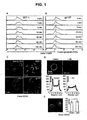
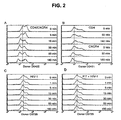
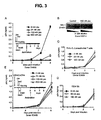
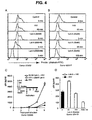
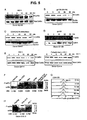

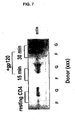
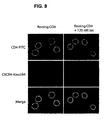
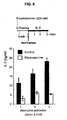
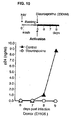
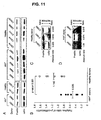

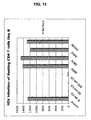
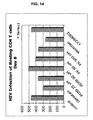

Classifications
-
- G—PHYSICS
- G01—MEASURING; TESTING
- G01N—INVESTIGATING OR ANALYSING MATERIALS BY DETERMINING THEIR CHEMICAL OR PHYSICAL PROPERTIES
- G01N33/00—Investigating or analysing materials by specific methods not covered by groups G01N1/00 - G01N31/00
- G01N33/48—Biological material, e.g. blood, urine; Haemocytometers
- G01N33/50—Chemical analysis of biological material, e.g. blood, urine; Testing involving biospecific ligand binding methods; Immunological testing
- G01N33/53—Immunoassay; Biospecific binding assay; Materials therefor
- G01N33/569—Immunoassay; Biospecific binding assay; Materials therefor for microorganisms, e.g. protozoa, bacteria, viruses
- G01N33/56983—Viruses
- G01N33/56988—HIV or HTLV
-
- A—HUMAN NECESSITIES
- A61—MEDICAL OR VETERINARY SCIENCE; HYGIENE
- A61K—PREPARATIONS FOR MEDICAL, DENTAL OR TOILETRY PURPOSES
- A61K31/00—Medicinal preparations containing organic active ingredients
- A61K31/33—Heterocyclic compounds
- A61K31/395—Heterocyclic compounds having nitrogen as a ring hetero atom, e.g. guanethidine or rifamycins
- A61K31/55—Heterocyclic compounds having nitrogen as a ring hetero atom, e.g. guanethidine or rifamycins having seven-membered rings, e.g. azelastine, pentylenetetrazole
- A61K31/553—Heterocyclic compounds having nitrogen as a ring hetero atom, e.g. guanethidine or rifamycins having seven-membered rings, e.g. azelastine, pentylenetetrazole having at least one nitrogen and one oxygen as ring hetero atoms, e.g. loxapine, staurosporine
-
- A—HUMAN NECESSITIES
- A61—MEDICAL OR VETERINARY SCIENCE; HYGIENE
- A61K—PREPARATIONS FOR MEDICAL, DENTAL OR TOILETRY PURPOSES
- A61K38/00—Medicinal preparations containing peptides
- A61K38/16—Peptides having more than 20 amino acids; Gastrins; Somatostatins; Melanotropins; Derivatives thereof
- A61K38/17—Peptides having more than 20 amino acids; Gastrins; Somatostatins; Melanotropins; Derivatives thereof from animals; from humans
- A61K38/1703—Peptides having more than 20 amino acids; Gastrins; Somatostatins; Melanotropins; Derivatives thereof from animals; from humans from vertebrates
- A61K38/1709—Peptides having more than 20 amino acids; Gastrins; Somatostatins; Melanotropins; Derivatives thereof from animals; from humans from vertebrates from mammals
-
- A—HUMAN NECESSITIES
- A61—MEDICAL OR VETERINARY SCIENCE; HYGIENE
- A61P—SPECIFIC THERAPEUTIC ACTIVITY OF CHEMICAL COMPOUNDS OR MEDICINAL PREPARATIONS
- A61P31/00—Antiinfectives, i.e. antibiotics, antiseptics, chemotherapeutics
- A61P31/12—Antivirals
- A61P31/14—Antivirals for RNA viruses
- A61P31/18—Antivirals for RNA viruses for HIV
-
- C—CHEMISTRY; METALLURGY
- C12—BIOCHEMISTRY; BEER; SPIRITS; WINE; VINEGAR; MICROBIOLOGY; ENZYMOLOGY; MUTATION OR GENETIC ENGINEERING
- C12Q—MEASURING OR TESTING PROCESSES INVOLVING ENZYMES, NUCLEIC ACIDS OR MICROORGANISMS; COMPOSITIONS OR TEST PAPERS THEREFOR; PROCESSES OF PREPARING SUCH COMPOSITIONS; CONDITION-RESPONSIVE CONTROL IN MICROBIOLOGICAL OR ENZYMOLOGICAL PROCESSES
- C12Q1/00—Measuring or testing processes involving enzymes, nucleic acids or microorganisms; Compositions therefor; Processes of preparing such compositions
- C12Q1/34—Measuring or testing processes involving enzymes, nucleic acids or microorganisms; Compositions therefor; Processes of preparing such compositions involving hydrolase
- C12Q1/42—Measuring or testing processes involving enzymes, nucleic acids or microorganisms; Compositions therefor; Processes of preparing such compositions involving hydrolase involving phosphatase
-
- C—CHEMISTRY; METALLURGY
- C12—BIOCHEMISTRY; BEER; SPIRITS; WINE; VINEGAR; MICROBIOLOGY; ENZYMOLOGY; MUTATION OR GENETIC ENGINEERING
- C12Q—MEASURING OR TESTING PROCESSES INVOLVING ENZYMES, NUCLEIC ACIDS OR MICROORGANISMS; COMPOSITIONS OR TEST PAPERS THEREFOR; PROCESSES OF PREPARING SUCH COMPOSITIONS; CONDITION-RESPONSIVE CONTROL IN MICROBIOLOGICAL OR ENZYMOLOGICAL PROCESSES
- C12Q1/00—Measuring or testing processes involving enzymes, nucleic acids or microorganisms; Compositions therefor; Processes of preparing such compositions
- C12Q1/48—Measuring or testing processes involving enzymes, nucleic acids or microorganisms; Compositions therefor; Processes of preparing such compositions involving transferase
-
- G—PHYSICS
- G01—MEASURING; TESTING
- G01N—INVESTIGATING OR ANALYSING MATERIALS BY DETERMINING THEIR CHEMICAL OR PHYSICAL PROPERTIES
- G01N2333/00—Assays involving biological materials from specific organisms or of a specific nature
- G01N2333/005—Assays involving biological materials from specific organisms or of a specific nature from viruses
- G01N2333/08—RNA viruses
- G01N2333/15—Retroviridae, e.g. bovine leukaemia virus, feline leukaemia virus, feline leukaemia virus, human T-cell leukaemia-lymphoma virus
- G01N2333/155—Lentiviridae, e.g. visna-maedi virus, equine infectious virus, FIV, SIV
- G01N2333/16—HIV-1, HIV-2
-
- G—PHYSICS
- G01—MEASURING; TESTING
- G01N—INVESTIGATING OR ANALYSING MATERIALS BY DETERMINING THEIR CHEMICAL OR PHYSICAL PROPERTIES
- G01N2500/00—Screening for compounds of potential therapeutic value
- G01N2500/02—Screening involving studying the effect of compounds C on the interaction between interacting molecules A and B (e.g. A = enzyme and B = substrate for A, or A = receptor and B = ligand for the receptor)
Definitions
- HIV infection of susceptible cells is mediated by the interaction of CD4 and a cell surface chemokine co-receptor with the gp120 envelope protein.
- the HIV viral particle initially binds via its gp 120 envelope protein to the CD4 receptor of the target cell.
- a conformational change occurs in gp120 that results in its subsequent binding to a chemokine receptor, such as CCR5.
- chemokine receptor such as CCR5. See, e.g., Wyatt et al., Science, 280:1884-1888 (1998 ). HIV-1 isolates arising subsequently in the infection bind to the CXCR4 chemokine receptor.
- HIV does not immediately replicate in all infected cells, but instead can progress to a state of latent infection, where the HIV is dormant.
- the "dormant" HIV virus Upon activation of a latent infected cell, for example by engaging T-cell surface CD3 and CD28, the "dormant" HIV virus can become activated, initiating the process of viral replication. HIV replication results in the production of infectious HIV particles, facilitating the spread of the infection throughout the subject cells.
- the pool of latently infected cells in the resting CD4+ T-cell compartment is considered one of the major impediments to HIV eradication.
- resting T-cells become reactivated, viral particles released during the reactivation process can spread to and infect resting T-cells, as well as activated CD4+ T-cells.
- This reactivation process can facilitate the continual replenishment of the CD4+ T-cell reservoir, offsetting the benefits of antiviral therapy, such as HAART, and contributing to the persistence of HIV and initiation of new infection cycles. See, e.g., Chun et al., J. Clin. Invest. 115:3250-3255, 2005 .
- a method for detecting HIV infection in a patient comprising measuring the phosphorylation level of cofilin in a sample from the patient.
- the phosphorylation level is measured for serine-3.
- the measuring is conducted by detecting a phosphorylation-driven conformational change on electron transport.
- a method for treating and/or preventing HIV infection in a patient comprising: administering to said patient an agent that inhibits HIV trigger receptor signaling; inhibits actin depolymerization; enhances the assembly of actin; stabilizes actin filaments; induces polymerization of monomeric actin; binds to F-actin or cofilin; or inhibits actin and cofilin activity.
- the agent is selected from the group consisting of jasplakinolide, PP2A, PP1, slingshot phosphatases, FR225659 , fostriecin, calyculin A, cautharidin, jasplakinolide; phaloidin; chondramides, chondramide A, B, C, and D; (-)-doliculide; dolastatin-11; dolastatin 3-Nor; Majusculamid; dolastatin Hmp; alpha-cyano-3,4-dihydroxy-N-benzylcinnamide (AG490); 1,2,3,4,5,6-; JSI-124; benzylidenemalonitriles ("tyrphostins"); WHI-P154; WHI-P151; pyrrolo[2,3-d]-pyrimidines; benzimisazo[4,5-f]isoquinolinone derivatives; AG1801; WP1034; WP1050; WP1015
- the agent inhibits the JAC2 signaling pathway, the tyrosine kinase signaling pathway, the Rac/Pacl/Lmk signaling pathway, or the signal transduction activity of CXCR4.
- the agent is a phosphatase inhibitor.
- a method for identifying compounds that inhibit HIV infection comprising evaluating a compound's ability to alter the phosphorylation state of a protein of the ADF/cofilin family.
- the evaluation comprises determining whether the compound can inhibit the dephophorylation of serine-3 residue of cofilin.
- composition comprising: (a) an effective amount of a compound selected from the group consisting of: jasplakinolide; phaloidin; chondramides, chondramide A, B, C, and D; (-)-doliculide; dolastatin-11; dolastatin 3-Nor, Majusculamid; dolastatin Hmp; alpha-cyano-3,4-dihydroxy-N-benzylcinnamide (AG490); 1,2,3,4,5,6-; JSI-124; benzylidenemalonitriles ("tyrphostins"); WHI-P154; WHI-P151; pyrrolo[2,3-d]-pyimidines; benzimisazo[4,5-f]isoquinolinone derivatives; AG1801; WP1034; WP1050; WP1015; WP1-1066; WP1129; WP1130; WP1119; WP1026; W
- FIGURE 1 HIV-1 gp120 mediates depolymerization of cortical actin in resting CD4 T cells.
- FIGURE 2 HIV gp120-CXCR4 signaling triggers P.T-sensitive actin depolymerization.
- FIGURE 3 Inhibition of HIV-1 latent infection by Jas.
- A Effects of Jas on LFA-1 activation.
- FIGURE 4 Effects ofLat-A on actin depolymerization and HIV-1 replication in resting CD4 T cells.
- FIGURE 5 HIV gp120-CXCR4 signaling triggers P.T-sensitive activation of cofilin.
- FIGURE 6 Induction of active cofilin promotes viral latent infection of resting T cells.
- FIGURE 7 Cytoskeletal actin fractionation of resting CD4 T cells treated with gp120.
- FIGURE 8 Confocal microscopy of CD4 and CXCR4 distribution on resting CD4 T cells treated with 120 nM Jas.
- FIGURE 9 Inhibition of IL-2 secretion by staurosporine.
- FIGURE 10 Inhibition of T cell activation and viral replication by staurosporine.
- FIGURE 11 Activation of Cofilin in HIV positive patients.
- FIGURE 12 Signaling Pathway for Cofilin Activation.
- FIGURE 13 Screening of HIV inhibitors.
- JNK inhibitor II inhibits C-jun-N-terminal Kinase.
- CA stands for Calyculin A, an inhibitor for the phosphatase PP1a and PP2A.
- SB90 stands for SB 202190, an inhibitor for p38 Mapkinase.
- SB74 stands for SB 202474, a negative control for SB 90.
- FK 506 inhibits PP2B/Calcineurin. Control is cell infected with HIV with no drugs.
- FIGURE 14 Screening of HIV inhibitors.
- Genistein is a tyrosine kinase inhibitor.
- PD59 is a MAP kinase kinase inhibitor.
- FK506 is a calcineurin inhibitor.
- Wortmannin is a PI3K inhibitor.
- LY294002 is a PI3K inhibitor. Control is cell infected with HIV with no drugs.
- FIGURE 15 Screening of HIV inhibitors.
- PP2 is a Src family tyrosine kinase inhibitor.
- PP3 is a negative control for PP2.
- AG1478 is a EGFR Kinase Inhibitor.
- AG1296 is a PDGF receptor kinase. Control is cell infected with HIV with no drugs.
- HIV infection can be detected by measuring signal transduction cascade events, such as evaluating phosphorylation levels of actin-depolymerizing factor (ADF)/cofilin family members. For example, HIV infection of resting T-cells results in cofilin activation by dephosphorylation at serine-3. Thus, monitoring the phosphorylation state of cofilin can be used to detect HIV in patient samples and to monitor disease progression. Moreover, inhibitors of phosphorylation of actin-depolymerizing factor (ADF)/cofilin family members can be used to treat HIV infection.
- ADF actin-depolymerizing factor
- Cofilin refers to a protein sequence that reversibly controls actin polymerization and depolymerizaion in a pH-sensitive manner. Cofilin has the ability to bind G- and F-actin in a 1:1 ratio of cofilin to actin. As used herein, cofilin refers to the functionally active cofilin molecule which is not phosphorylated and which is capable of perturbing the cell cytoskeleton. Exemplary cofilin polynucleotide and polypeptide sequences are set forth in SEQ ID NO: 1 and 2, respectively.
- an “effective amount” is the amount of an agent (or combination of agents) that is successful in achieving the desired purpose, for example, treating HIV infection; inhibiting replication of HIV in latently infected cells; inhibiting HIV infection; etc.
- the specific dose level and frequency of dosage may vary, and can depend upon a variety of factors, including the activity of the specific active agents, their metabolic stability and length of action, rate of excretion, mode and time of administration, and the age, body weight, general health, gender, diet, severity of the disease, viral load, clinical course of HIV infection, CD4+ T-cell count, of the particular subject who is undergoing therapy.
- the combination of agents can be synergistic, i.e., where the joint action of the agents is such that the combined effect is greater than the algebraic sum of their individual effects.
- the "HIV co-receptor pathway” includes the HIV co-receptors (e.g., CXCR4, CCR5, etc) that are used for virus entry into cells, and downstream members of its signaling pathway.
- members include but are not limited to, for example, G-proteins; JAK1, JAK2, JAK3; tyrosine kinases, such as MEK1 and/or MEK2; Rac1/PAK1/LIMK; cofilin; phosphatases, such as PP1, PP2A, hSSH, and/or Chronophin; etc.
- a member of co-receptor signaling pathway can also be described as an effector of co-receptor stimulation, i . e ., that is modulated upon co-receptor stimulation by HIV envelope protein.
- Preventing HIV infection indicates that a subject's susceptibility to HIV infection upon exposure to the virus is reduced or diminished as a result of the administration of an agent of the present invention. Any amount of reduced susceptibility (i.e., resistance) is useful, for example, about 2-fold less, about 5-fold less, about 10-fold less, and any other such improvements can be regarded as preventative.
- treat is used conventionally to mean, for example, the management or care of a subject for the purpose of combating, alleviating, reducing, relieving, improving, eliminating, etc., one or more signs or symptoms associated with HIV infection.
- Treatment includes delaying the progression of HIV and its associated symptoms, thereby extending the life expectancy of an infected subject, and/or delaying or reducing the onset of symptoms associated with HIV infection. Treating can involve inhibiting, reducing, diminishing, blocking, etc., HIV replication, especially in latently infected cells; reducing, decreasing, diminishing, etc. HIV viral load in infected subjects; preventing, inhibiting, blocking establishment of HIV latent infection; as well as modulating other events in the life cycle of the HIV virus.
- the actin filament network is involved in a diverse number of cellular processes, including control of cell polarization, orientation, intracellular trafficking, membrane fusion, and motility.
- Proteins of the actin-depolymerizing factor (ADF)/cofilin (AC) family dynamically regulate these cytoskeletal arrangements by increasing the turnover of actin.
- Cofilin activity is regulated by phosphorylation at serine 3 which prevents its association with actin, whereas dephosphorylation by phosphatases such as PP1, PP2A or Slingshot (SSH) activates cofilin and promotes its association with actin and increase actin dynamics.
- cofilin In eukaryotic cells, the most important physiological function of cofilin is to sever and depolymerize actin filaments promoting actin dynamics. In vitro, ADF/cofilin directly binds to both G- and F-actin and depolymerizes F-actin by changing the twist of actin filaments or stabilizing a preexisting tilted conformation of actin subunits. In vivo, cofilin has been shown to be the primary regulator of cortical actin in yeast, and is among the minimal set of proteins in the actin tail required for the motility of the intracellular pathogen Listeria.
- cofilin has been implicated in sustaining T cell activation.
- co-stimulation activates cofilin and promotes its direct association with F-actin to increase actin dynamics.
- Cofilin activity is regulated by phosphorylation at serine-3, which prevents its association with actin, whereas dephosphorylation by phosphatases activates cofilin. Because HIV infection of resting T cells in vitro results in cofilin activation, the phosphorylation state of cofilin serine-3 may be used as a diagnostic marker for HIV infection.
- proteins can be isolated for western analysis using a rabbit anti-cofilin antibody and a rabbit anti-phospho-cofilin (ser3) antibody.
- a phosphorylation state can be determined by measuring a phosphorylation-driven conformational change on electron transport. Work by others has demonstrated that helix unfolding impacts the rate of electron transport in a dichromomorphic peptide model, resulting in an order of magnitude difference in electron transport. Fox et al., J. Am. Chem. Soc., 119:5277-5285 (1997 ).
- a 10-fold difference, for example, in electron transport resulting from the addition of the phosphate group onto the surface of the peptide is likely attributable to a conformational shift within the secondary structure of the peptide.
- phosphorylation may increase the space between atoms within a peptide, and as a result the entire length of a peptide may increase.
- Cofilin phosphorylation also can be measured by mass spectrometry.
- HIV infection can be treated and/or prevented by administering an agent that modulates the HIV co-receptor signaling pathway stimulated by HIV envelope protein gp120.
- an agent that modulates the HIV co-receptor signaling pathway stimulated by HIV envelope protein gp120.
- such an agent can inhibit HIV trigger receptor signaling, actin depolymerization; enhance the assembly of actin; stabilize actin filaments; induce polymerization of monomeric actin; bind to F-actin or cofilin; and/or inhibit actin and cofilin activity.
- the effect of a compound on the cell's cytoskeleton can be determined routinely accordingly to any suitable method, including methods commonly known in the art. See, for example, Bubb et al., J. Biol. Chem., 276(7):5163-5170 (2000 ).
- Illustrative agents that stabilize or inhibit depolymerization of the actin cytoskeleton include but are not limited to jasplakinolide, phaloidin, chondramides, such as chondramide A, B, C, and D (e.g., Sasse et al., Journal of the National Cancer Institute, 90(20), 1559-1563, 1998 ); (-)-doliculide (e.g., Bai et al., J Biol. Chem., 277 (35), 32165-32171, 2002 ; Ishiwata et al., J. Org. Chem. 59, 4710-4711, 1994 ; Ishiwata et al., J. Org. Chem.
- Useful agents include those which have the same or similar activity to jasplakinolide; inhibit actin depolymerization; enhance the assembly of purified actin; stabilize actin filaments in vitro; induce polymerization of monomeric actin; and/or bind to F-actin.
- Cofilin inhibitors include but are not limited to agents that increase the amount of phosphorylated cofilin (inactive); and/or decrease the amount of functionally active cofilin (i.e., not phosphorylated). Such agents, for example, promote phosphorylation of cofilin; provide peptide derivatives of cofilin which inhibit cofilin phosphatases, such as hSSH inhibitors. Agents which activate pathways such as Rac1/PAK1,2, Rho/Rock that lead to activation of LIMK and actin polymerization can inhibit cofilin activity (increase phosphorylation) and inhibit HIV infection of resting CD4 T cells.
- JAK/Stat Signaling Pathway inhibitors can be used to treat and/or prevent HIV infection.
- Illustrative inhibitors include but are not limited to JAK1, JAK2, STATS (e.g., STAT1, STAT3 (T-cell sub-type), STAT4, and STAT5), hTid1 (member of the DnaJ family of chaperones), Hsp70, TAT inhibitor oligonucleotides ( U.S. Pat. No.
- JSI-124 cucurbitacin I, cucurbitacin A, cucurbitacin B, cucurbitacin D, cucurbitacin E, and tetrahydro- cucurbitacin I, and derivatives thereof (e.g., see, U.S. Pub. Appl. No. 2004/0138189 ), Jalpha-cyano-3,4-dihydroxy-N-benzylcinnamide (AG490); 1,2,3,4,5,6-hexabromocyclohexane ( Sandberg et al., J Med Chem. 2005 Apr 7;48(7):2526-33 ); JSI-124 ( Nefedova et al., Cancer Res.
- tyrphostins benzylidenemalonitriles
- quinazolines WHI-P154, and WHI-P151
- pyrrolo[2,3-d]-pyrimidines benzimisazo[4,5-f]isoquinolinone derivatives
- a tyrosine kinase inhibitor can be used to treat and/or prevent HIV infection.
- exemplary inhibitors include but are not limited to MEK inhibitors, such as PD98059 (2'-amino-3'-methoxyflavone), UO126 SL327, olomoucine, 5-iodotubercidin, arctigenin, etc.
- MEK inhibitors are disclosed in U.S. Pub. App. Nos. 20060052608 (e.g.
- EGF receptor and pp60 v-src kinase inhibitors also can be utilized, including, e.g., genistein (4',5,7-trihydroxyisoflavone) and derivatives thereof (e.g., U.S. Pub. Pat. App. 20030212009 ), e.g., which have activity on serine and threonine-dependent protein kinases.
- Genistein also inhibits kv1.3 potassium channels on T-cells (See Teisseyre et al., Membr Biol. 2005 May;205(2):71-9 ), and has estrogenic activity.
- Phosphatase inhibitors also can be used to treat and/or prevent HIV infection.
- Phosphatase inhibitors such as PP1 and PP2A, can inhibit cofilin by dephosphorylation of cofilin. They also may inhibit cofilin activation through acting on LMK1,2, thereby increasing phospho-LIMK1,2.
- Other phosphatases examples include, but are not limited to, FR225659 (inhibits catalytic subunits of PP1and PP2A; Hatori et al. J. Antibiot. (Tokyo), 2004 July; 57(7):456-461 ); fostriecin (e.g., Lewy et al., Curr Med Chem.
- Rac signaling pathway inhibitors also can be used to treat and/or prevent HIV infection.
- examples include, but are not limited to, Rac GTPase inhibitors such as NSC-23766 ( Gao et al. PNAS USA, 101: 7618-7623, 2004 ), SCH-51344 ( Walsh et al. Oncogene, 5, 2553-2560, 1997 ); Rho Kinase inhibitors such as HA 1077 ( Shirotani et al. J. Pharmacol. Exp. Ther. 259, page 738, 1991 ), N-(4-Pyridyl)-N'-(2,4,6-trichlorophenyl)urea ( Takami et al. Bioorg. Med. Chem.
- a dominant-negative Rac1 can directly inhibit Rac1 ( Qiu et al., Nature, 374, pages: 457-459, 1995 ) and introducing p57/Kip2 can inhibit LIMK ( Yokoo et al. J. Biol. Chem. 278, pages: 52919-52923, 2003 ).
- Table 1 provides a list of inhibitors and there putative sites of action.
- Table 1 Inhibitor Site of Action PD98059 Map Kinase Kinase (MEK) SB203580 p38 Map Kinase U0126 MEK1 and MEK2 Thapsigargin induces release of Ca (C 24 H 35 N 7 3HCl 0.5 H 2 O) Rac1 Dantrolene blocks Ca release from the sarcoplasmic reticulum SB202190 inhibitor of p38 MapKinase JNK Inhibitor II inhibits c-Jun-N-terminal kinase tyrphostin A9 tyrosine kinase inhibitor, PDGF receptor and Pyk2 C3-exoenzyme Rho inhibitor Y-27632 ROCK inhibitor PTP Inhibitor 1 inhibits SHP-1 SB202190 p38 MAP Kinase SB202474 negative control for SB202190 Okadaic Acid PP1alpha, PP2A Staur
- Therapeutic agents can be administered in any form by any effective route, including but not limited to oral, parenteral, enteral, intraperitoneal, topical, transdermal (e.g., using any standard patch), ophthalmic, nasally, local, non-oral, such as aerosol, spray, inhalation, percutaneous (epidermal), subcutaneous, intravenous, intramuscular, buccal, sublingual, rectal, vaginal, intra-arterial, mucosal, and intrathecal.
- the agent can be administered alone, or in combination with any ingredient(s), active or inactive.
- Any subject can be administered a therapeutic agent, including subjects who have been exposed to HIV, but have not yet developed HIV infection, as well as subjects who have progressed to one or more of the clinical symptoms of HIV infection (e.g., AIDS).
- agents can be used to treat other organisms (e.g., non-human primates, cats, etc.) infected with HIV, or HIV-related viruses, such as SIV, SHIV, or FIV.
- subjects who can be treated include, e.g., mammals, humans, monkeys, apes, chimpanzees, gorillas, cats, dogs, mice, rats, etc.
- a therapeutic agent can be used to treat and/or prevent infection caused by any HIV virus type, including, but is no limited to, HIV-1 (e.g., clades A, B, C, D, and G, R5 and R5X4 viruses, etc.), HIV-2 (e.g., R5 and R5X4 viruses, etc.), simian immunodeficiency virus (SIV), simian/human immunodeficiency virus (SHIV), feline immunodeficiency virus (FIV), bovine immunodeficiency virus (BIV) ( Wright et al., Vet. Res. Commun., 26:239-50, 2002 ), HTLV-1, HTLV-2, etc.
- HIV-1 e.g., clades A, B, C, D, and G, R5 and R5X4 viruses, etc.
- HIV-2 e.g., R5 and R5X4 viruses, etc.
- SIV simian immunodeficiency virus
- SHIV simian/human
- HIV infection can be treated and/or prevented by administering an effective amount of an agent selected from the group consisting of jasplakinolide; phaloidin; chondramides, chondramide A, B, C, and D; (-)-doliculide; dolastatin-11; dolastatin 3-Nor; Majusculamid; dolastatin Hmp; alpha-cyano-3,4-dihydroxy-N-benzylcinnamide (AG490); 1,2,3,4,5,6-; JSI-124; benzylidenemalonitriles ("tyrphostins"); WHI-P154; WHI-P151; pyrrolo[2,3-d]-pyrimidines; benzimisazo[4,5-f]isoquinolinone derivatives; AG1801; WP1034; WP1050; WP1015; WP1-1066; WP1129; WP1130; WP1119; WP1026; WP1127
- Therapeutic agents also can be combined with other agents, especially agents which are utilized to treat HIV.
- drugs which can be combined with an agent of the present invention include but are not limited to protease inhibitors, reverse transcriptase inhibitors (includes nucleoside/nucleotide drugs and non-nucleoside inhibitors), integrase inhibitors, attachment inhibitors, chemokine receptor inhibitors, RNAase H inhibitors, entry inhibitors; assembly and budding inhibitors; etc.
- Classes of HIV drugs include but are not limited to attachment inhibitors (TNX-355, BMS-488043), CCR5 coreceptor antagonists (SCH-D, UK-427857, GW 873140) and a maturation inhibitor (PA-457). See, McNicholl and McNicholl, Curr Pharm Des. 12(9):1091-103 .
- HIV drugs which can be combined with agents include, but are not limited to, abacavir, saquinavir, ritonavir, indinavir, nelfinavir, amprenavir, lopinavir, atazanavir, fosamprenavir, tipranavir, enfuvirtide, tenofovir, entricitabine, AZT, ddI, ddC, ddT, 3TC, d4T, ZDV, nevirapine, delavirdine, etc.
- drugs also include, e.g., BMS-48804; UK427,857 ; TAK-652; GW 871340; CMPD 167; AMD3100; Amdoxovir; TMC278; BILR 355BS; Capravirine; KMMP05; L-870810; FZ41; Tipranavir; TMC114; UIC-020301; GW640385; AG-001859; PA-457; etc.
- Agents of the present invention also can be combined with vaccines and other preventative measures. See, e.g., U.S. Pat. No. 6,962,900
- Suitable excipients for use in a pharmaceutical composition include, but are not limited to, a lubricant, glidant, diluent, binder, disintegrant, carrier, colorant, or coating material.
- pharmaceutically acceptable excipients include, but are not limited to, lactose, sugar, corn starch, modified corn starch, mannitol, sorbitol, silicon dioxide, and microcrystalline cellulose.
- Anti-retroviral agents attempt to treat HIV infections by inhibiting replication of the HIV virus by blocking the reverse transcriptase or by blocking the HIV protease.
- Three categories of anti-retroviral agents in clinical use are nucleoside analogs (such as AZT), protease inhibitors (such as nelfinavir), and the recently introduced non-nucleoside reverse transcriptase inhibitors (NNI) such as nevirapine. Any anti-retroviral agent may be used in a pharmaceutical composition.
- HIV vaccines for treating and/or preventing HIV infection can comprise a gp120 polypeptide in which the chemokine signaling domain is deleted or mutated to eliminate or reduce its ability to stimulate the cell signaling activity of its cognate chemokine receptor.
- a gp120 polypeptide can contain one or more of the following mutations: V1/V2 D133; V1/V2 K135; V1/V2 D137; V1/V2 S143; V1/V2 R146; V1/V2 E153 V1/V2 R166; V1/V2 K168; V1/V2 Q170; V3 R296; V3 S304; V3 R309; V3 R313; V3 F315; V3 V316; V3 Q326; V3 R325; ⁇ 19 I418; ⁇ 19 K419; ⁇ 19 Q420; deletions involving V1/V2, V3; and/or ⁇ 19 (including complete or partial deletions. See, e.g., Kwong et al
- Compounds inhibiting HIV infection can be identified by contacting a T-cell with a test agent, contacting the T-cell with infectious HIV under conditions effective for said HIV to latently infect said T-cell, activating the latently infected T-cell to produce an activated T-cell, and determining the amount of HIV produced from the activated T-cell, wherein the amount indicates whether the agent inhibits HIV infection; determining the amount of HIV produced from latently infected and activated T-cells which have been pre-treated with a test agent.
- the presence of HIV particles can be determined routinely, for example, by measuring polypeptides or RNA, such as p24, reverse transcriptase activity; viral RNA, etc. Such measurements can be made using immunoassays, PCR, etc.
- the cell cytoskeleton can be used as an indicator of test agent efficiency.
- phalloidin can be utilized to investigate the distribution of F-actin in cells by labeling phalloidin with fluorescent analogs and using them to stain actin filaments.
- a high-resolution technique can be used to detect F-actin at the light and electron microscopic levels with phalloidin conjugated to the fluorophore eosin which acts as the fluorescent tag. See, Capani et al., J Histochem Cytochem. 2001 Nov;49(11):1351-61 .
- fluorescent molecules can be utilized to drive the oxidation of diaminobenzidine (DAB) to create a reaction product that can be rendered electron dense and detectable by light and electron microscopy.
- DAB diaminobenzidine
- the state of actin cytoskeleton also can be assayed using FITC-phalloidin, or other detectable phalloidin conjugates.
- cells such as primary T-cells
- a suitable permeabilizing agent e.g., triton
- the cells can be washed and then contacted with FITC-phalloidin under conditions suitable for the phalloidin to bind to the actin filaments.
- the labeled cells can be fixed in paraformaldehye, or other suitable fixative, and then visualized, e.g., using microscopy or flow cytometry.
- Pre-treatment of primary T-cells with HIV (or gp120 alone) results in less intense staining, indicating the actin network has been reduced, for example, by depolymerization, etc.
- PBMC Peripheral blood mononuclear cells
- GMU George Mason University
- VA Fairfax
- GMU IRB Herman Health Center
- Resting CD4 T cells were purified by two rounds of negative selection as previously described in Wu and Marsh, Science 293(5534), 1503-6 (2001 ). Purified cells were cultured in RPMI 1604 medium supplemented with 10% heat-inactivated fetal bovine serum (Invitrogen, Carlsbad, CA), penicillin (50 U/ml) and streptomycin (50 ⁇ g/ml). Cells were rested overnight before infection or treatment.
- Virus stocks of the HIV-1 NL4-3 ( Adachi et al. J Virol 59(2), 284-91 (1986 )) were prepared by transfection of HeLa cells with cloned proviral DNA as described in Wu and Marsh (2001). Supernatant was harvested at 48 hours, and filtered through a 0.45 ⁇ m nitrocellulose membrane. Virus titer (TCID50) was measured by infection of a Rev-CEM indicator cell line which was constructed through stable integration of a Rev-dependent GFP expression lentiviral vector into CEM-SS. This Rev-CEM cell line has no background GPF expression and gives titers close to those by using PBMC.
- viruses were first titrated to determine minimal levels detectable by p24 ELISA in replication assays described below. Unless specified, for most replication assays, 10 3.5 to 10 4.5 TCID50 units of HIV-1 were used to infect 10 6 cells.
- CD4 T cells were incubated with the virus for 2 hours, then washed twice with medium to remove unbound virus. Infected cells were resuspended into fresh RPMI 1604 medium supplemented with 10% heat-inactivated fetal bovine serum, penicillin (50 U/ml) and streptomycin (50 ⁇ g/ml) at a density of 10 6 per ml and incubated for 5 days without stimulation.
- Cells were activated at day 5 with anti-CD3/CD28 magnetic beads at 4 beads per cells.
- 10% of infected cells were taken at 1, 3, 5, 6, 7, 8, 9 days post infection.
- Cells were pelleted and the supernatant was saved for p24 ELISA.
- Levels of p24 in the supernatant were measured by using Coulter HIV-1 p24 Assay Kit (Beckman Coulter, Inc. Miami, FL). Plates were kinetically read using ELx808 automatic microplate reader (Bio-Tek Instruments, Inc. Winooski, Vt) at 630 nm.
- CD4 T cells were treated with pertussis toxin (Sigma, St. Louis, MO) at a final concentration of 100 ng/ml for 2 hours, then infected with HIV-1. Following infection, cells were washed 2 to 3 times to remove cell-free virus and the inhibitor. Cells were treated with Jasplakinolide (Molecular Probes, Eugene, OR) for 1 to 2 hours or Latrunculin A (Biomol, Plymouth Meeting, PA) for 5 minutes at various concentrations, washed twice with medium, then infected with HIV-1. Following infection, cells were washed twice to remove cell free virus. Cells were treated with 200 nM of Staurosporine (Biomol, Plymouth Meeting, PA) for 2 hours, then infected with HIV-1. Following infection, cells were washed twice to remove cell-free virus and the inhibitor.
- pertussis toxin Sigma, St. Louis, MO
- Synthetic peptide S3 (MASGVAVSDGVIKVFN) was derived from the N-terminal 16 amino acids of human cofilin and control peptide Q104 (WAPESAPLQSQM) was derived from human cofilin residues 104 to 115 with lysine 112 and 114 mutated to glutamine. Both peptides were synthesized by Celtek Peptides (Nashville, TN) and conjugated to a penetratin peptide (RQIKIWFQNRRMKWKK) for intracellular delivery. Resting CD4 T cells were treated with S3 or Q104 for 1 to 2 hours, then infected with HIV-1. Following infection, cells were washed 2 to 3 times to remove cell-free virus and the peptides.
- Monoclonal antibodies again Human CD3 (clone UCHT1), CD28 (clone CD28.2), CD4 (clone PRA-T4) and CXCR4 (clone 12G5) were from BD Pharmingen (BD Biosciences, San Diego, CA).
- the anti-CD4, CXCR4 antibodies were selected for their shared epitopes with gp120.
- the CD4 antibody, clone RPA-T4 binds to the D1 domain of the CD4 antigen and is capable of blocking gp120 binding to CD4 ( Dalgleish et al., Nature 312(5996), 763-7 (1984 )), whereas the anti-CXCR4 antibody, clone 12G5, interacts with the CXCR4 extracellular loop 1 and 2 which partially overlap domains for the HIV-1 coreceptor function. Lu et al., Proc Natl Acad Sci USA 94(12), 6426-31 (1997 ).
- the 12G5 antibody also has been shown to block HIV-1 mediated cell fusion ( Hesselgesser et al., J Immunol 160(2), 877-83 (1998 )) and CD4-independent HIV-2 infection. Endres et al., Cell 87: 745-756 (1996 ).
- 10 ⁇ g of antibodies were conjugated with 4 x 10 8 Dynal beads (Invitrogen, Carlsbad, CA) for 30 min at room temperature. Free antibodies were washed away with PBS-0.5% BSA and magnetic beads were resuspended in 1 ml of PBS-0.5% BSA.
- CD4 T cells For stimulation of resting CD4 T cells, antibody conjugated beads were washed twice, then added to cell culture and rocked for 5 min. Conjugation of anti-CD4, CXCR4 antibodies with Streptavidin-labeled BD IMag particles (BD Biosciences, San Diego, CA) was carried out by using 25 ⁇ l of washed particles and 125 ⁇ l of biotin-labeled anti-CD4, CXCR4 antibodies (BD Biosciences, San Diego, CA). The mixture were incubated for 30 min at room temperature with gentle shaking, and washed three times and resuspended into 250 ⁇ l of PBS-0.1% BSA. Resting CD4 T cells were treated at 10 ⁇ l particles per 10 6 cells.
- FITC-labeled phalloidin (Sigma, St. Louis, MO) was carried out according to the manufacture's recommendation with minor modifications. Briefly, each staining was carried out by using 10 6 cells. Cells were pelleted, fixed and permeabilized with cytoperm/cytofix (BD biosciences, San Diego, CA) for 20 min on ice, followed by stained with 5 ⁇ l of 0.3uM FITC-labeled phalloidin for 30 min at 4°C. After wash, cells were resuspended in 1% paraformaldehyde and analyzed on FACSCalibur (BD Biosciences, San Jose, CA)
- CD4 T cells in 500 ⁇ l culture medium were treated with 5 ⁇ l of human IgG (Jackson Immuno Research, West Grove, PA) to block non-specific staining.
- Cells were stained with 10 ⁇ l (50 ⁇ g/ml) of human ICAM-1 Fc chimera (R&D System, Minneapolis, MN) for 20 min at 4°C.
- Cells were washed and blocked by 5 ⁇ l of mouse IgG (Jackson ImmunoResearch, West Grove, PA), followed by the addition of 10 ⁇ l of FITC labeled mouse anti-human Fc (Jackson ImmunoResearch, West Grove, PA), and incubated for 20 min at 4°C.
- Cells were finally washed and resuspended in 500 ⁇ l of 1% paraformaldehyde for flow cytometry.
- Stained cells were imaged using a Zeiss Laser Scanning Microscope (Thornwood, NY), LSM 510 META, with a 40 NA 1.3 or 60 NA 1.4 oil Dic Plan-Neofluar objective.
- Samples were excited with two laser lines, 488 nm for GFP and 543 nm for Alexa 594. Images were simultaneously recorded in three channels: channel one: fluorescent emissions from 505 to 530 nm for GFP (green); channel two: emissions from 580 to 650 nm for Alexa 594 (red); channel three: DIC. Images were processed and analyzed by the LSM 510 META software.
- Fig. 8 illustrates confocal microscopy of CD4 and CXCR4 distribution on resting CD4 T cells treated with 120 nM Jas.
- Resting CD4 T cells were treated with 120 nM of Jas for 2 hours, then fixed and stained with a FITC-labeled anti-human CD4 monoclonal antibody and a biotin-labeled anti-human CXCR4 monoclonal antibody followed by Alexa Fluor-594 labeled streptavidin (right panel).
- Untreated resting CD4 T cells were used as a control (left panel).
- viral stock was treated with Benzonase (Novagen, Madison, WI) (250 U/ml) at 37°C for 15 min before infection.
- Total cellular DNA were purified using SV total RNA isolation kit as recommended by the manufacture (Promega, Madison, WI).
- forward primer HIV/Tat-Rev-5' (5' GGTTAGACCAGATCTGAGCCTG 3')
- reverse primer LTR-gag2 5' TTAATACCGACGCTCTCGCACC 3'
- PCR was carried out in 1 x Ambion PCR buffer, 125 ⁇ M dNTP, 50 pmol each primer, 1U SuperTaq Plus (Ambion Inc.
- CD4 T cells were lysed in NuPAGE LDS Sample Buffer (Invitrogen, Carlsbad, CA) followed by sonication. Samples were heated at 70°C for 10 minutes before loading, then separated by SDS-PAGE and transferred onto nitrocellulose membranes (Invitrogen, Carlsbad, CA). The membranes were washed in TBS for 5 minutes and then blocked for 30 minutes at room temperature with Starting Block blocking buffer (Pierce, Rockford, IL).
- the blots were incubated with either a rabbit anti-cofilin antibody (1:1000 dilution) (Cell Signaling, Danvers, MA) or a rabbit anti-phospho-cofilin (ser3) antibody (1:1000 dilution) (Cell Signaling, Danvers, MA) diluted in 5% BSA-TBST and rocked at room temperature for 1 hour.
- the blots were washed three times for 15 minutes each and then incubated with a goat anti-rabbit horseradish peroxidase-conjugated antibodies (KPL, Inc. Gaithersburg, MD) diluted in 2.5% skim milk-TBST (1:1000) for 1 hour.
- the blots were washed again three times for 15 minutes each and then developed with SuperSignal west femto maximum sensitivity substrate (Pierce, Rockford, IL). Images were captured with a CCD camera (FluorChem 9900 Imaging Systems) (Alpha Innotech, San Leandro, CA) and analyzed and processed by NIH-Image Version 163.
- CCD camera FluorChem 9900 Imaging Systems
- G-actin/F-actin cellular fractions were prepared using the G-actin/F-actin in vivo assay Kit (Cytoskeleton, Inc, Denver, Co). Briefly, 2 million resting CD4 T cells per sample were treated with 500 pM gp120 from 5 minutes to 1 hour.
- the cells were harvested by centrifugation at 2,000 g for 1 minute at 37°C and then resuspended in 1.5 ml lysis buffer (50 mM PIPES pH6.9, 50 mM KCl, 5 mM MgC12, 5 mM EGTA, 5% (v/v) Glycerol, 0.1% Nonidet P40, 0.1% Triton X-100, 0.1% Tween 20, 0.1% 2-mercapto-ethanol, 0.001 % Antifoam C and 4 uM Tosyl arginine methyl ester, 15 uM Leupeptin, 10 uM Pepstatin A, 10 mM Benzamidine and 1 uM ATP).
- lysis buffer 50 mM PIPES pH6.9, 50 mM KCl, 5 mM MgC12, 5 mM EGTA, 5% (v/v) Glycerol, 0.1% Nonidet P40, 0.1% Triton X-100
- the lysates were homogenized with a 200 ⁇ l fine orifice pipette and then placed at 37°C for 10 minutes. The lysates were then centrifuged at 420 g for 5 minutes to remove cell debris and the supernatant was collected and centrifuged at 100,000 g at 37°C for 1 hour. Following centrifugation, the supernatant containing G-actin was saved and the pellet containing F-actin was resuspended in F-actin depolymerizing solution (10 ⁇ M cytochalasin D) and incubated on ice for 1 hour with occasional pipetting. Equal volumes of the supernatant and the pellet factions were used for SDS PAGE and western blotting for actin. For the F-actin/cofilin cosedimentation assay, the F-actin pellet was directly resuspended in 1 x LDS sample buffer for SDS-PAGE and western blotting for cofilin and actin.
- TKM buffer 50 mM Tris pH 7.6,25 mM KCL, 5 mM MgCL 2 , 1mM Na-Vandate, 5 mM NaF, 20 ug/ml Leupeptin, 20 ug/ml Aprotinin, 0.3 uM okadaic acid containing 0.5-1% NP-40
- Postnuclear fraction was collected and used for the detection of cofilin.
- NEPHGE were performed with 6%-focusing slab gel with 5% Ampholines pH 3 to 10 (Invitrogen, Carlsbad, CA). The gels were run for 1 hour at 100V, 2 hours at 250V and 2 hours at 300V, then transferred onto nitrocellulose membrane (Invitrogen, Carlsbad, CA) and incubated with 1:1000 dilution of a rabbit anti-cofilin antibody (Cell Signaling, Danvers, MA), followed by incubation with 1: 1000 dilution of a goat anti-rabbit antibody conjugated with horseradish preoxidase (KPL, Gaithersburg, MD).
- KPL horseradish preoxidase
- LIMK1 Kinase assays were performed using purified LIMK1 and GST-tagged recombinant human cofiilin (Upstate Biotechnologies, Lake Placid, NY) according to the manufacture's recommendation with minor modifications. Briefly, 18 ⁇ g of recombinant cofilin was incubated in 1x Kinase reaction buffer (800 nM MOPS-NaOH, pH7.0, 200 ⁇ M EDTA) in the presence or absence of Staurosporine (200 nM) or the S3, Q104 peptides.
- 1x Kinase reaction buffer 800 nM MOPS-NaOH, pH7.0, 200 ⁇ M EDTA
- LIMK1 was serially diluted in dilution buffer (20 mM MOPS-NaOH pH 7.0, 1 mM EDTA, 0.01% Brij-35, 5% glycerol, 0.1% 2-ME, 1 mg/ml BSA), then added into the reaction along with the ATP buffer (10 mM Magnesium Acetate, 100 ⁇ M ATP). The reaction was incubated for 15 minutes at 30°C with constant agitation. The reaction was stopped by adding 25% (V/V) of 4 x LDS sample buffer for SDS-PAGE and heated for 10 minutes at 70°C. Cofilin phosphorylation was analyzed by SDS-PAGE and western blotting using a rabbi anti-phospho-cofilin (ser3) antibody (Cell Signaling, Danvers, MA) as described in Example 10.
- ATP buffer 10 mM Magnesium Acetate, 100 ⁇ M ATP
- IL-2 release into cell culture supernatant was detected by a human IL-2 ELISA development kit (PeproTech, Rocky Hill, NJ) according to the manufacture's instruction. Briefly, each well of a plate was coated with 100 ⁇ l of capture antibody (1 ⁇ g/ml) and incubated overnight at room temperature, then washed and blocked with 300 ⁇ l of blocking solution for one hour at room temperature. Samples in plates were incubated for 1 hour at 37°C, then washed and incubated with 100 ⁇ l of detection antibody (0.5 ⁇ g/ml) for 1 hour at 37°C.
- filamentous actin (F-actin) change was compared following treating resting T cells with SDF-1, the natural ligand for CXCR4, or with gp120.
- SDF-1 treated cells rapid actin polymerization (Fig. 1A ) was observed with a characteristic of highly polarized cortical actin (12) ( Fig. 1C ).
- actin depolymerization started at 5 mm and became more pronounced at 1 to 3 hours ( Fig. 1B ). Depolymerization was consistently observed in multiple donors and across a range of gp120 concentrations below 50 nM.
- HIV-1 gp120 mediates depolymerization of cortical actin in resting CD4 T cells.
- Fig. 1A shows actin depolymerization by gp120.
- Cells were treated with gp120IIIB (50 nM) and stained with FITC-phalloidin and analyzed by flow cytometer. Shown is histogram.
- Fig. 1B shows actin polymerization by SDF-1. Cells were treated with SDF-1 (50 ng/ml) and stained with FITC-phalloidin.
- Fig. 1A shows actin depolymerization by gp120. Cells were treated with gp120IIIB (50 nM) and stained with FITC-phalloidin and analyzed by flow cytometer. Shown is histogram.
- Fig. 1B shows actin polymerization by SDF-1. Cells were treated with SDF-1 (50 ng/ml) and stained with FITC-phalloidin.
- FIG. 1C shows confocal microscopy of resting T cells treated with SDF-1 (50 ng/ml), HIV-1 (ng of p24) or gp120 (50 nM), respectively and stained with FITC-phallodin. Images were acquired in identical condition. Red arrows indicate localized actin polymerization induced by SDF-1 or gp120.
- 1E shows cytosolic (non-cortical) F-actin staining between HIV-1 treated and untreated cells detected no difference.
- Example 17 CD4 and CXCR4 in gp120 Mediated Actin Depolymerization
- FIG. 2 illustrates that HIV gp 120-CXCR4 signaling triggers P.T-sensitive actin depolymerization.
- A Actin depolymerization by anti-CD4/CXCR4 antibodies conjugated to BD IMag particles.
- B Actin depolymerization by anti-CXCR4 but not anti-CD4 BD IMag particles.
- C HIV-1 mediated actin depolymerization was dependent on P.T-sensitive signaling. Cells were not treated (left panel) or treated with P.T (right panel), followed by HIV-1 infection (ng of p24 per 10 6 cells) and staining with FITC-phallodin for F-actin.
- Figure 2A shows actin depolymerization following antibody stimulation.
- actin depolymerization occurred only with CXCR4 stimulation, while CD4 stimulation slightly enhanced actin polymerization ( Fig. 2B ).
- CXCR4 is sufficient to mediate actin depolymerization.
- the ability of these antibodies to induce actin depolymerization correlates with their ability to enhance viral replication.
- Actin polymerization induced by SDF-1 is regulated through binding to CXCR4 and subsequent activation of the G proteins ( M. P. Crump et al., Embo J 16, 6996 (1997 ); X. Huang et al., Biophys J 84. 171 (2003 )), particularly pertussis toxin (P.T) sensitive Gai (Y. Sotsios, et al., Journal of Immunology 163, 5954 (1999)).
- P.T pertussis toxin
- Jas Jas binds to F-actm irreversibly and stabilizes actin filaments M. R. Bubb, et al., J Biol Chem 275, 5163 (2000 ). Given that the actin cytoskeleton also is involved in T cell activation, Jas may affect HIV replication indirectly by affecting T cell activity.
- the actin cytoskeleton is known to be the driving force for receptor clustering and the formation of the supramolecular activation cluster (SMAC) during T cell activation.
- SMAC supramolecular activation cluster
- FIG. 3 illustrates inhibition of HIV-1 latent infection by Jas.
- Fig. 3A shows the effects of Jas on LFA-1 activation. Jas treated or untreated resting T cells were activated by anti-CD3/CD28 bead and stained with human ICAM-1/Fc chimera and analyzed by flow cytometer.
- Fig. 3B the effects of Jas on IL-2 secretion are demonstrated. Cells were treated with Jas and activated as in Fig 3A.
- Fig. 3C shows the effects of Jas on HIV-1 latent infection of resting T cells.
- Fig. 3D shows the effects of Jas on viral entry. Following infection, cellular DNA was PCR amplified for viral late DNA and ⁇ -actin pseudogene. The effects of Jas on HIV-1 infection of pre-activated T cells are shown in Fig. 3E . Cells were pre-activated with PHA plus IL-2, then treated and infected as in Fig. 3C . Fig. 3F shows the effects of Jas on HIV-1 infection of transformed cells. CEM-SS cell were treated and infected as in Fig. 3C .
- Fig. 3G Effects of Jas on HIV-1 infection of resting T cells pre-stimulated with anti-CD4/CXCR4 bead (2 beads/cell) are shown in Fig. 3G. Pre-stimulated cells were treated and infected as in Fig. 3C .
- Jas concentration below 120 nM could be used to test its effects on HIV replication.
- Jas retains the characteristics of irreversible binding to F-actin and significantly inhibited the subsequent competitive binding of phalloidin (data not shown).
- Jas was used to treat resting T cells for 2 hours, then cells were infected.
- Complete inhibition of HIV replication was observed at 600 and 120 nM and partial inhibition at 24 nM ( Fig. 3C ).
- Jas inhibition was observed in multiple donors (data not shown) and the inhibition was not due to inhibition of gp120 mediated CD4/CXCR4 receptor clustering which has been suggested to be actin dependent. S.
- Latraculin A Latraculin A
- Lat-A does not directly interact with F-actin to promote actin disassembly (Ayscough (1997)), rather it binds to G-actin reversibly and inhibits its assembly into filamentous actin. Spector (1983); Ayscough (1997).
- Lat-A was titrated at various dosages from 2.5 ⁇ M to 2.5 ⁇ M, and actin depolymerization was examined in resting CD4 T cells.
- Fig. 4 shows the effects of Lat-A on actin depolymerization and HIV-1 replication in resting CD4 T cells.
- Fig. 4A shows dose-dependent actin depolymerization by Lat-A. Cells were treated with Lat-A for 5 min, then stained for F-actin and analyzed by flow cytometer. Untreated and HIV-1 treated cells were used as controls.
- Fig. 4B displays time-dependent actin depolymerization by Lat-A. Cells were treated with 25 nM Lat-A for various times, stained and analyzed as in Fig. 4A . Enhancement of HIV-1 latent infection by Lat-A is shown in Fig. 4C .
- Fig. 4D shows dose-dependent enhancement of viral replication by Lat-A. Resting CD4 T cells were treated with different dosages of Lat-A for 5 minutes, then infected and activated as in Fig. 4C .
- Lat-A induced dramatic actin depolymerization, whereas at a lower dose (25 nM) it induced actin depolymerization to an extent similar to that induced by HIV-1 ( Fig. 4A ).
- resting T cells were pre-treated with 25 nM Lat-A, then infected with HIV-1.
- Enhanced HIV replication by 25 nM Lat-A was observed in all donors examined ( Fig. 4B ).
- actin cytoskeleton represents a barrier that needs to be dynamically reorganized to some extent and that HIV-1 exploits the CXCR4 signaling pathway to fulfill this requirement.
- Fig. 5 shows that HIV gp120-CXCR4 signaling triggers P.T-sensitive activation of cofilin.
- Western blots of HIV-1 treated cells were probed for P-cofilin, then stripped and reprobed for total cofilin ( Fig. 5A).
- Fig. 5B shows activation of cofilin by gp120.
- Activation of cofilin by anti-CD4/CXCR4 bead (two beads/cell) is shown in Fig. 5C.
- Fig. 5D shows activation of cofilin by gp120 promotes its association with actin cytoskeleton.
- F-actin fractions were prepared from gp120 treated resting T cells and immunoblotted for actin (upper band) and cofilin (lower band).
- Fig. 5E shows P.T-sensitive activation of cofilin by HIV-1.
- Cells were not treated (left panel) or treated (right panel) with P.T then infected and analyzed as in Fig. 5A.
- Fig. 5F shows constitutive activation of cofilin in transformed cell lines.
- P-cofilin (upper band) and active cofilin (lower band) was separated by NEPHGE-western blotting and the relative ratio of P-cofilin to active cofilin was indicated at the bottom.
- Resting CD4 T cells were used as a control at the right end.
- F-actin staining of CEM-SS cells infected with HIV-1 is shown in Fig. 5G .
- Cofilin activation induced by PHA plus IL-2 and HIV-1 treatment of resting CD4 T cells is displayed in Fig. 5H
- cofilin activation is from the G ⁇ i dependent CXCR4 signaling
- resting CD4 T cells were pretreated with P.T and then infected with HIV-1.
- Complete inhibition of cofilin activation was observed by peltussis toxin ( Fig. 5E ). This is consistent with P.T inhibition of actin depolymerization by HIV-1.
- HIV envelope binding to CXCR4 triggers P.T sensitive activation of cofilin and its association with F-actin to promote actin dynamics.
- transformed T cells do not require CXCR4 signaling to support viral replication.
- binding of gp120 to CXCR4 does trigger signaling cascades resulting in Ca 2+ mobilization ( B. J. Doranz et al., J Virol 73, 2752 (Apr, 1999 ) and activation of signaling molecules such as Pyk2 in cell lines.
- CXCR4 signaling also leads to the activation of cofilin in these cells.
- Fig. 6 illustrates that induction of active cofilin promotes viral latent infection of resting T cells.
- Fig. 6A illustrates cofilin specific S3 peptide activates cofilin through competitive inhibition of cofilin phosphorylation by LIMK1.
- a recombinant human cofilin was used as the substrate in the in vitro LIMK1 kinase assay.
- Q104 was used as a control peptide.
- Fig. 6B illustrates dosage dependent enhancement of viral replication by S3. Cells were treated with S3 or Q104 for 2 hours, then infected, washed and cultured for 5 days and activated by anti-CD3/CD28 bead. Shown is p24 release at day 8.
- Fig. 6A illustrates cofilin specific S3 peptide activates cofilin through competitive inhibition of cofilin phosphorylation by LIMK1.
- a recombinant human cofilin was used as the substrate in the in vitro LIMK1 kinase as
- FIG. 6C shows viral replication course in cells similarly treated and infected as in Fig. 6B.
- Fig. 6D illustrates that staurosporine induces cofilin activation in resting T cells. Cells were treated with Staurosporine and immunoblotted for P-cofilin and total cofilin.
- Fig. 6E illustrates that staurosporine induces actin depolymerization in resting T cells. Staurosporine induces cofilin activation by direct inhibition of LIMK1, as shown in Figure 6F .
- the in vitro LIMK1 kinase assay was performed as described above for Fig. 6A , in the presence or absence of Staurosporine.
- Figure 6G shows enhancement of viral replication by Staurosporine.
- Figure 6H shows a model of gp120-CXCR4 signaling in mediating cofilin activation.
- kinase inhibitors were screened for their ability to affect cofilin phosphorylation in resting T cells.
- staurosporine a general serine/threonine kinase inhibitor ( T. Tamaoki et al., Biochem Biophys Res Commun 135, 397 (1986 )
- staurosporine had a dramatic inhibition on cofilin phosphorylation.
- staurosporine acts on cofilin phosphorylation directly, the effect of staurosporine on the kinase activity of LIMKI in vitro using purified human cofilin-1 as the substrate was assayed as described above.
- staurosporine directly inhibited the phosphorylation of cofilin by LIMK1 ( Fig. 6F ). This inhibition was much stronger than the competitive inhibition by the S3 peptide ( Fig. 6A ).
- staurosporine induces cofilin activation through direct inhibition on LIMK1.
- staurosporine would facilitate viral replication.
- treatment of resting CD4 T cells with 200 nM staurosporine briefly before infection led to a dramatic enhancement in HIV replication ( Fig. 6G ). This enhancement was not due to enhancement on T cell activity by staurosporine.
- the ratio of P-cofilin to cofilin in each donor was calculated by taking density measurements of the bands from the western blot using NIH imager software.
- the ratio of P-cofilin to cofilin was significantly lower, with an average of 0.535 compared to 1.142 in healthy donors (p-value 0.001).
- Example 26 Inhibition of HIV-1 infection of resting CD4 T cells.
Landscapes
- Health & Medical Sciences (AREA)
- Life Sciences & Earth Sciences (AREA)
- Chemical & Material Sciences (AREA)
- Engineering & Computer Science (AREA)
- Organic Chemistry (AREA)
- Immunology (AREA)
- General Health & Medical Sciences (AREA)
- Zoology (AREA)
- Proteomics, Peptides & Aminoacids (AREA)
- Molecular Biology (AREA)
- Wood Science & Technology (AREA)
- Medicinal Chemistry (AREA)
- Bioinformatics & Cheminformatics (AREA)
- Microbiology (AREA)
- Analytical Chemistry (AREA)
- Biotechnology (AREA)
- Physics & Mathematics (AREA)
- Biochemistry (AREA)
- Virology (AREA)
- Pharmacology & Pharmacy (AREA)
- Veterinary Medicine (AREA)
- Public Health (AREA)
- Animal Behavior & Ethology (AREA)
- Biophysics (AREA)
- Epidemiology (AREA)
- Genetics & Genomics (AREA)
- Urology & Nephrology (AREA)
- General Engineering & Computer Science (AREA)
- Biomedical Technology (AREA)
- Hematology (AREA)
- Tropical Medicine & Parasitology (AREA)
- AIDS & HIV (AREA)
- Gastroenterology & Hepatology (AREA)
- Pathology (AREA)
- General Physics & Mathematics (AREA)
- Marine Sciences & Fisheries (AREA)
- Food Science & Technology (AREA)
- Cell Biology (AREA)
- Oncology (AREA)
- Communicable Diseases (AREA)
Abstract
Description
- This application claims the priority benefit of
U.S. Provisional Application No. 60/797,745 filed on May 5, 2006 U.S. Provisional Application No. 60/894,150 filed on March 9, 2007 - HIV infection of susceptible cells, such as CD4+ T-cells, is mediated by the interaction of CD4 and a cell surface chemokine co-receptor with the gp120 envelope protein. The HIV viral particle initially binds via its
gp 120 envelope protein to the CD4 receptor of the target cell. A conformational change occurs in gp120 that results in its subsequent binding to a chemokine receptor, such as CCR5. See, e.g., Wyatt et al., Science, 280:1884-1888 (1998). HIV-1 isolates arising subsequently in the infection bind to the CXCR4 chemokine receptor. - HIV does not immediately replicate in all infected cells, but instead can progress to a state of latent infection, where the HIV is dormant. Upon activation of a latent infected cell, for example by engaging T-cell surface CD3 and CD28, the "dormant" HIV virus can become activated, initiating the process of viral replication. HIV replication results in the production of infectious HIV particles, facilitating the spread of the infection throughout the subject cells.
- The pool of latently infected cells in the resting CD4+ T-cell compartment is considered one of the major impediments to HIV eradication. When latently infected, resting T-cells become reactivated, viral particles released during the reactivation process can spread to and infect resting T-cells, as well as activated CD4+ T-cells. This reactivation process can facilitate the continual replenishment of the CD4+ T-cell reservoir, offsetting the benefits of antiviral therapy, such as HAART, and contributing to the persistence of HIV and initiation of new infection cycles. See, e.g., Chun et al., J. Clin. Invest. 115:3250-3255, 2005.
- Accordingly, methods capable of detecting and treating HIV infection during its latent phase are needed.
- In one aspect, there is provided a method for detecting HIV infection in a patient, comprising measuring the phosphorylation level of cofilin in a sample from the patient In one embodiment, the phosphorylation level is measured for serine-3. In another embodiment, the measuring is conducted by detecting a phosphorylation-driven conformational change on electron transport.
- In another aspect, there is provided a method for treating and/or preventing HIV infection in a patient, comprising: administering to said patient an agent that inhibits HIV trigger receptor signaling; inhibits actin depolymerization; enhances the assembly of actin; stabilizes actin filaments; induces polymerization of monomeric actin; binds to F-actin or cofilin; or inhibits actin and cofilin activity.
- In one embodiment, the agent is selected from the group consisting of jasplakinolide, PP2A, PP1, slingshot phosphatases,
FR225659 FR225659 - In another embodiment, the agent inhibits the JAC2 signaling pathway, the tyrosine kinase signaling pathway, the Rac/Pacl/Lmk signaling pathway, or the signal transduction activity of CXCR4. In another embodiment, the agent is a phosphatase inhibitor.
- In another aspect, there is provided a method for identifying compounds that inhibit HIV infection, comprising evaluating a compound's ability to alter the phosphorylation state of a protein of the ADF/cofilin family. In one embodiment, the evaluation comprises determining whether the compound can inhibit the dephophorylation of serine-3 residue of cofilin.
- In another aspect, there is provided a composition comprising: (a) an effective amount of a compound selected from the group consisting of: jasplakinolide; phaloidin; chondramides, chondramide A, B, C, and D; (-)-doliculide; dolastatin-11; dolastatin 3-Nor, Majusculamid; dolastatin Hmp; alpha-cyano-3,4-dihydroxy-N-benzylcinnamide (AG490); 1,2,3,4,5,6-; JSI-124; benzylidenemalonitriles ("tyrphostins"); WHI-P154; WHI-P151; pyrrolo[2,3-d]-pyimidines; benzimisazo[4,5-f]isoquinolinone derivatives; AG1801; WP1034; WP1050; WP1015; WP1-1066; WP1129; WP1130; WP1119; WP1026; WP1127; JSI-124; cucurbitacin I; cucurbitacin A; cucurbitacin B; cucurbitacin D; cucurbitacin E; tetrahydro-cucurbitacin I; PD98059 (2'-amino-3'-methoxyflavone); UO126; SL327; olomoucine; 5-iodotubercidin; arctigenin; 4-bromo or 4-iodo phenylamino benzhydroxamic acid derivatives; N3 alkylated benzimidazole derivatives;
FR225659 -
FIGURE 1 : HIV-1 gp120 mediates depolymerization of cortical actin in resting CD4 T cells. -
FIGURE 2 : HIV gp120-CXCR4 signaling triggers P.T-sensitive actin depolymerization. -
FIGURE 3 : Inhibition of HIV-1 latent infection by Jas. (A) Effects of Jas on LFA-1 activation. -
FIGURE 4 : Effects ofLat-A on actin depolymerization and HIV-1 replication in resting CD4 T cells. -
FIGURE 5 : HIV gp120-CXCR4 signaling triggers P.T-sensitive activation of cofilin. -
FIGURE 6 : Induction of active cofilin promotes viral latent infection of resting T cells. -
FIGURE 7 : Cytoskeletal actin fractionation of resting CD4 T cells treated with gp120. -
FIGURE 8 : Confocal microscopy of CD4 and CXCR4 distribution on resting CD4 T cells treated with 120 nM Jas. -
FIGURE 9 : Inhibition of IL-2 secretion by staurosporine. -
FIGURE 10 : Inhibition of T cell activation and viral replication by staurosporine. -
FIGURE 11 : Activation of Cofilin in HIV positive patients. -
FIGURE 12 : Signaling Pathway for Cofilin Activation. -
FIGURE 13 : Screening of HIV inhibitors. JNK inhibitor II inhibits C-jun-N-terminal Kinase. CA stands for Calyculin A, an inhibitor for the phosphatase PP1a and PP2A. SB90 stands for SB 202190, an inhibitor for p38 Mapkinase. SB74 stands for SB 202474, a negative control for SB 90. FK 506 inhibits PP2B/Calcineurin. Control is cell infected with HIV with no drugs. -
FIGURE 14 : Screening of HIV inhibitors. Genistein is a tyrosine kinase inhibitor. PD59 is a MAP kinase kinase inhibitor. FK506 is a calcineurin inhibitor. Wortmannin is a PI3K inhibitor. LY294002 is a PI3K inhibitor. Control is cell infected with HIV with no drugs. -
FIGURE 15 : Screening of HIV inhibitors. PP2 is a Src family tyrosine kinase inhibitor. PP3 is a negative control for PP2. AG1478 is a EGFR Kinase Inhibitor. AG1296 is a PDGF receptor kinase. Control is cell infected with HIV with no drugs. - HIV infection can be detected by measuring signal transduction cascade events, such as evaluating phosphorylation levels of actin-depolymerizing factor (ADF)/cofilin family members. For example, HIV infection of resting T-cells results in cofilin activation by dephosphorylation at serine-3. Thus, monitoring the phosphorylation state of cofilin can be used to detect HIV in patient samples and to monitor disease progression. Moreover, inhibitors of phosphorylation of actin-depolymerizing factor (ADF)/cofilin family members can be used to treat HIV infection.
- All technical terms in this description are commonly used in biochemistry, molecular biology and immunology, respectively, and can be understood by those skilled in the field of this invention. Those technical terms can be found in: MOLECULAR CLONING: A LABORATORY MANUAL, 3rd ed., vol. 1-3, ed. Sambrook and Russel, Cold Spring Harbor Laboratory Press, Cold Spring Harbor, N.Y., 2001; CURRENT PROTOCOLS IN MOLECULAR BIOLOGY, ed. Ausubel et al., Greene Publishing Associates and Wiley-Interscience, New York, 1988 (with periodic updates); SHORT PROTOCOLS IN MOLECULAR BIOLOGY: A COMPENDIUM OF METHODS FROM CURRENT PROTOCOLS IN MOLECULAR BIOLOGY, 5th ed., vol. 1-2, ed. Ausubel et al., John Wiley & Sons, Inc., 2002; GENOME ANALYSIS: A LABORATORY MANUAL, vol. 1-2, ed. Green et al., Cold Spring Harbor Laboratory Press, Cold Spring Harbor, N.Y., 1997; CELLULAR AND MOLECULAR IMMUNOLOGY, 4th ed. Abbas et al., WB Saunders, 1994.
- Cofilin refers to a protein sequence that reversibly controls actin polymerization and depolymerizaion in a pH-sensitive manner. Cofilin has the ability to bind G- and F-actin in a 1:1 ratio of cofilin to actin. As used herein, cofilin refers to the functionally active cofilin molecule which is not phosphorylated and which is capable of perturbing the cell cytoskeleton. Exemplary cofilin polynucleotide and polypeptide sequences are set forth in SEQ ID NO: 1 and 2, respectively.
- An "effective amount" is the amount of an agent (or combination of agents) that is successful in achieving the desired purpose, for example, treating HIV infection; inhibiting replication of HIV in latently infected cells; inhibiting HIV infection; etc. The specific dose level and frequency of dosage may vary, and can depend upon a variety of factors, including the activity of the specific active agents, their metabolic stability and length of action, rate of excretion, mode and time of administration, and the age, body weight, general health, gender, diet, severity of the disease, viral load, clinical course of HIV infection, CD4+ T-cell count, of the particular subject who is undergoing therapy. The combination of agents can be synergistic, i.e., where the joint action of the agents is such that the combined effect is greater than the algebraic sum of their individual effects.
- The "HIV co-receptor pathway" includes the HIV co-receptors (e.g., CXCR4, CCR5, etc) that are used for virus entry into cells, and downstream members of its signaling pathway. Such members include but are not limited to, for example, G-proteins; JAK1, JAK2, JAK3; tyrosine kinases, such as MEK1 and/or MEK2; Rac1/PAK1/LIMK; cofilin; phosphatases, such as PP1, PP2A, hSSH, and/or Chronophin; etc. A member of co-receptor signaling pathway can also be described as an effector of co-receptor stimulation, i.e., that is modulated upon co-receptor stimulation by HIV envelope protein.
- "Preventing" HIV infection indicates that a subject's susceptibility to HIV infection upon exposure to the virus is reduced or diminished as a result of the administration of an agent of the present invention. Any amount of reduced susceptibility (i.e., resistance) is useful, for example, about 2-fold less, about 5-fold less, about 10-fold less, and any other such improvements can be regarded as preventative.
- The term "treat" is used conventionally to mean, for example, the management or care of a subject for the purpose of combating, alleviating, reducing, relieving, improving, eliminating, etc., one or more signs or symptoms associated with HIV infection. Treatment includes delaying the progression of HIV and its associated symptoms, thereby extending the life expectancy of an infected subject, and/or delaying or reducing the onset of symptoms associated with HIV infection. Treating can involve inhibiting, reducing, diminishing, blocking, etc., HIV replication, especially in latently infected cells; reducing, decreasing, diminishing, etc. HIV viral load in infected subjects; preventing, inhibiting, blocking establishment of HIV latent infection; as well as modulating other events in the life cycle of the HIV virus.
- The actin filament network is involved in a diverse number of cellular processes, including control of cell polarization, orientation, intracellular trafficking, membrane fusion, and motility. Proteins of the actin-depolymerizing factor (ADF)/cofilin (AC) family dynamically regulate these cytoskeletal arrangements by increasing the turnover of actin. Cofilin activity is regulated by phosphorylation at
serine 3 which prevents its association with actin, whereas dephosphorylation by phosphatases such as PP1, PP2A or Slingshot (SSH) activates cofilin and promotes its association with actin and increase actin dynamics. - In eukaryotic cells, the most important physiological function of cofilin is to sever and depolymerize actin filaments promoting actin dynamics. In vitro, ADF/cofilin directly binds to both G- and F-actin and depolymerizes F-actin by changing the twist of actin filaments or stabilizing a preexisting tilted conformation of actin subunits. In vivo, cofilin has been shown to be the primary regulator of cortical actin in yeast, and is among the minimal set of proteins in the actin tail required for the motility of the intracellular pathogen Listeria.
- In the human immune system, cofilin has been implicated in sustaining T cell activation. In particular, co-stimulation activates cofilin and promotes its direct association with F-actin to increase actin dynamics. Cofilin activity is regulated by phosphorylation at serine-3, which prevents its association with actin, whereas dephosphorylation by phosphatases activates cofilin. Because HIV infection of resting T cells in vitro results in cofilin activation, the phosphorylation state of cofilin serine-3 may be used as a diagnostic marker for HIV infection.
- A variety of methods for analyzing protein phosphorylation states are known in the art. For example, proteins can be isolated for western analysis using a rabbit anti-cofilin antibody and a rabbit anti-phospho-cofilin (ser3) antibody. In another example, a phosphorylation state can be determined by measuring a phosphorylation-driven conformational change on electron transport. Work by others has demonstrated that helix unfolding impacts the rate of electron transport in a dichromomorphic peptide model, resulting in an order of magnitude difference in electron transport. Fox et al., J. Am. Chem. Soc., 119:5277-5285 (1997). A 10-fold difference, for example, in electron transport resulting from the addition of the phosphate group onto the surface of the peptide is likely attributable to a conformational shift within the secondary structure of the peptide. Additionally, phosphorylation may increase the space between atoms within a peptide, and as a result the entire length of a peptide may increase. Cofilin phosphorylation also can be measured by mass spectrometry.
- HIV infection can be treated and/or prevented by administering an agent that modulates the HIV co-receptor signaling pathway stimulated by HIV envelope protein gp120. In some embodiments, such an agent can inhibit HIV trigger receptor signaling, actin depolymerization; enhance the assembly of actin; stabilize actin filaments; induce polymerization of monomeric actin; bind to F-actin or cofilin; and/or inhibit actin and cofilin activity.
- The effect of a compound on the cell's cytoskeleton can be determined routinely accordingly to any suitable method, including methods commonly known in the art. See, for example, Bubb et al., J. Biol. Chem., 276(7):5163-5170 (2000).
- Illustrative agents that stabilize or inhibit depolymerization of the actin cytoskeleton include but are not limited to jasplakinolide, phaloidin, chondramides, such as chondramide A, B, C, and D (e.g., Sasse et al., Journal of the National Cancer Institute, 90(20), 1559-1563, 1998); (-)-doliculide (e.g., Bai et al., J Biol. Chem., 277 (35), 32165-32171, 2002; Ishiwata et al., J. Org. Chem. 59, 4710-4711, 1994; Ishiwata et al., J. Org. Chem. 59, 4712-4713, 1994); dolastatin-11 and derivatives thereof, such as 3-Nor, Majusculamide, and Hmp derivatives (e.g., Ali et al., Bioorgan. Med. Chem., 13: 3138-4152, 2005). Useful agents include those which have the same or similar activity to jasplakinolide; inhibit actin depolymerization; enhance the assembly of purified actin; stabilize actin filaments in vitro; induce polymerization of monomeric actin; and/or bind to F-actin.
- Cofilin inhibitors include but are not limited to agents that increase the amount of phosphorylated cofilin (inactive); and/or decrease the amount of functionally active cofilin (i.e., not phosphorylated). Such agents, for example, promote phosphorylation of cofilin; provide peptide derivatives of cofilin which inhibit cofilin phosphatases, such as hSSH inhibitors. Agents which activate pathways such as Rac1/PAK1,2, Rho/Rock that lead to activation of LIMK and actin polymerization can inhibit cofilin activity (increase phosphorylation) and inhibit HIV infection of resting CD4 T cells.
- JAK/Stat Signaling Pathway inhibitors can be used to treat and/or prevent HIV infection. Illustrative inhibitors include but are not limited to JAK1, JAK2, STATS (e.g., STAT1, STAT3 (T-cell sub-type), STAT4, and STAT5), hTid1 (member of the DnaJ family of chaperones), Hsp70, TAT inhibitor oligonucleotides (
U.S. Pat. No. 7,002,003 ); JSI-124, cucurbitacin I, cucurbitacin A, cucurbitacin B, cucurbitacin D, cucurbitacin E, and tetrahydro- cucurbitacin I, and derivatives thereof (e.g., see,U.S. Pub. Appl. No. 2004/0138189 ), Jalpha-cyano-3,4-dihydroxy-N-benzylcinnamide (AG490); 1,2,3,4,5,6-hexabromocyclohexane (Sandberg et al., J Med Chem. 2005 ); JSI-124 (Nefedova et al., Cancer Res. 2005 ); benzylidenemalonitriles ("tyrphostins") (see, also,U.S. Pat. No. 6,433,018 ;U.S. Pub. Pat App. No. 2003/0013748 ); quinazolines (WHI-P154, and WHI-P151); pyrrolo[2,3-d]-pyrimidines; benzimisazo[4,5-f]isoquinolinone derivatives (e.g.,U.S. Pat. No. 6,852,727 ); AG1801, WP1034, WP1050, WP1015, WP1-1066, WP1129, WP1130, WP1119, WP1026, WP1127, and derivatives thereof, as well as other compounds and derivatives thereof (such as WP1002-WP1127), e.g., disclosed inU.S. Patent Application Publication No. 2005/0277680 . - A tyrosine kinase inhibitor can be used to treat and/or prevent HIV infection. Exemplary inhibitors include but are not limited to MEK inhibitors, such as PD98059 (2'-amino-3'-methoxyflavone), UO126 SL327, olomoucine, 5-iodotubercidin, arctigenin, etc. Other examples of MEK inhibitors are disclosed in
U.S. Pub. App. Nos. 20060052608 (e.g. 4-bromo or 4-iodo phenylamino benzhydroxamic acid derivatives); 20050267012; 20050256123; 20050143438 (N3 alkylated benzimidazole derivatives); 20050130976 (bicyclic inhibitors); 20050059710 (diphenylaminoketone); 20050004186; 20040087583 (amino-thio-acrylonitriles); 20030092748 (benzenesulfonamide derivatives); 20030045521 (sulfohydroxaminic acids and sulfohydroxamates). EGF receptor and pp60 v-src kinase inhibitors also can be utilized, including, e.g., genistein (4',5,7-trihydroxyisoflavone) and derivatives thereof (e.g.,U.S. Pub. Pat. App. 20030212009 ), e.g., which have activity on serine and threonine-dependent protein kinases. Genistein also inhibits kv1.3 potassium channels on T-cells (See Teisseyre et al., Membr Biol. 2005 May;205(2):71-9), and has estrogenic activity. - Phosphatase inhibitors also can be used to treat and/or prevent HIV infection. Phosphatase inhibitors, such as PP1 and PP2A, can inhibit cofilin by dephosphorylation of cofilin. They also may inhibit cofilin activation through acting on LMK1,2, thereby increasing phospho-LIMK1,2. Other phosphatases examples include, but are not limited to,
FR225659 - Rac signaling pathway inhibitors also can be used to treat and/or prevent HIV infection. Examples include, but are not limited to, Rac GTPase inhibitors such as NSC-23766 (Gao et al. PNAS USA, 101: 7618-7623, 2004), SCH-51344 (Walsh et al. Oncogene, 5, 2553-2560, 1997); Rho Kinase inhibitors such as HA 1077 (Shirotani et al. J. Pharmacol. Exp. Ther. 259, page 738, 1991), N-(4-Pyridyl)-N'-(2,4,6-trichlorophenyl)urea (Takami et al. Bioorg. Med. Chem. 12, page: 2115, 2004), Y-27632 (Maekawa, et al., Science, 285, page: 895, 1999); and PAK inhibitors such as K562a and its derivatives such as CEP-1347 (Nheu et al. Cancer J., 8, pages: 328-36, 2002), and WR-PAK18 (Nheu et al. Cell Cycle, 3, pages: 71-74, 2004). Additionally, genetic approaches also can be used to inhibit the Rac Signal Pathway. For example, a dominant-negative Rac1 can directly inhibit Rac1 (Qiu et al., Nature, 374, pages: 457-459, 1995) and introducing p57/Kip2 can inhibit LIMK (Yokoo et al. J. Biol. Chem. 278, pages: 52919-52923, 2003).
- Table 1 provides a list of inhibitors and there putative sites of action.
Table 1. Inhibitor Site of Action PD98059 Map Kinase Kinase (MEK) SB203580 p38 Map Kinase U0126 MEK1 and MEK2 Thapsigargin induces release of Ca (C24H35N7 3HCl 0.5 H2O) Rac1 Dantrolene blocks Ca release from the sarcoplasmic reticulum SB202190 inhibitor of p38 MapKinase JNK Inhibitor II inhibits c-Jun-N-terminal kinase tyrphostin A9 tyrosine kinase inhibitor, PDGF receptor and Pyk2 C3-exoenzyme Rho inhibitor Y-27632 ROCK inhibitor PTP Inhibitor 1 inhibits SHP-1 SB202190 p38 MAP Kinase SB202474 negative control for SB202190 Okadaic Acid PP1alpha, PP2A Staurosporine General Protein Kinase Inhibitor (PKC) Calyculin A PP1 alpha, PP2A FK506 calcineurin/PP2B B581 Ras LY-294002 PI3Kinase Wortmannin PI3Kinase Vinblastine Microtubule Formation Colchicine Microtubule Formation Nocodazole Microtubule Formation Taxol Microtubule Formation Genistein Protein tyrosine kinase PP2 Src family of tyrosine kinase PP3 Negative control for PP2 Inhibitor AG1478 EGFR kinase inhibitor AG1296 PDGF receptor kinase JAK2 Inhibitor II JAK2 AG490 EGFR kinase inhibitor/JAK2 4-hydroxyphenacyl Br protein tyrosine phosphatase (PTP) Cytochalasin B actin Cytochalasin D actin Latrunculin A actin Swinholide A actin Misakinolide A actin Tolytoxin actin Mycalolide B actin Halichondramide actin Aplyronine A actin Pectenotoxin 2 actin Phalloidin actin Jasplakinolide actin Dolastatin 11 actin Hectochlorin actin Doliculide Actin Migrastatin cell migration Motuporamine C cell migration - Therapeutic agents can be administered in any form by any effective route, including but not limited to oral, parenteral, enteral, intraperitoneal, topical, transdermal (e.g., using any standard patch), ophthalmic, nasally, local, non-oral, such as aerosol, spray, inhalation, percutaneous (epidermal), subcutaneous, intravenous, intramuscular, buccal, sublingual, rectal, vaginal, intra-arterial, mucosal, and intrathecal. The agent can be administered alone, or in combination with any ingredient(s), active or inactive.
- Any subject can be administered a therapeutic agent, including subjects who have been exposed to HIV, but have not yet developed HIV infection, as well as subjects who have progressed to one or more of the clinical symptoms of HIV infection (e.g., AIDS). In addition to treating and/or preventing HIV infection in humans, agents can be used to treat other organisms (e.g., non-human primates, cats, etc.) infected with HIV, or HIV-related viruses, such as SIV, SHIV, or FIV. Thus, subjects who can be treated include, e.g., mammals, humans, monkeys, apes, chimpanzees, gorillas, cats, dogs, mice, rats, etc.
- A therapeutic agent can be used to treat and/or prevent infection caused by any HIV virus type, including, but is no limited to, HIV-1 (e.g., clades A, B, C, D, and G, R5 and R5X4 viruses, etc.), HIV-2 (e.g., R5 and R5X4 viruses, etc.), simian immunodeficiency virus (SIV), simian/human immunodeficiency virus (SHIV), feline immunodeficiency virus (FIV), bovine immunodeficiency virus (BIV) (Wright et al., Vet. Res. Commun., 26:239-50, 2002), HTLV-1, HTLV-2, etc.
- In one example, HIV infection can be treated and/or prevented by administering an effective amount of an agent selected from the group consisting of jasplakinolide; phaloidin; chondramides, chondramide A, B, C, and D; (-)-doliculide; dolastatin-11; dolastatin 3-Nor; Majusculamid; dolastatin Hmp; alpha-cyano-3,4-dihydroxy-N-benzylcinnamide (AG490); 1,2,3,4,5,6-; JSI-124; benzylidenemalonitriles ("tyrphostins"); WHI-P154; WHI-P151; pyrrolo[2,3-d]-pyrimidines; benzimisazo[4,5-f]isoquinolinone derivatives; AG1801; WP1034; WP1050; WP1015; WP1-1066; WP1129; WP1130; WP1119; WP1026; WP1127; JSI-124; cucurbitacin I; cucurbitacin A; cucurbitacin B; cucurbitacin D; cucurbitacin E; tetrahydro-cucurbitacin I; PD98059 (2'-amino-3'-methoxyflavone); UO126; SL327; olomoucine; 5-iodotubercidin; arctigenin; 4-bromo or 4-iodo phenylamino benzhydroxamic acid derivatives; N3 alkylated benzimidazole derivatives;
FR225659 - Therapeutic agents also can be combined with other agents, especially agents which are utilized to treat HIV. Examples of drugs which can be combined with an agent of the present invention include but are not limited to protease inhibitors, reverse transcriptase inhibitors (includes nucleoside/nucleotide drugs and non-nucleoside inhibitors), integrase inhibitors, attachment inhibitors, chemokine receptor inhibitors, RNAase H inhibitors, entry inhibitors; assembly and budding inhibitors; etc. Classes of HIV drugs include but are not limited to attachment inhibitors (TNX-355, BMS-488043), CCR5 coreceptor antagonists (SCH-D, UK-427857, GW 873140) and a maturation inhibitor (PA-457). See, McNicholl and McNicholl, Curr Pharm Des. 12(9):1091-103.
- Examples of HIV drugs which can be combined with agents include, but are not limited to, abacavir, saquinavir, ritonavir, indinavir, nelfinavir, amprenavir, lopinavir, atazanavir, fosamprenavir, tipranavir, enfuvirtide, tenofovir, entricitabine, AZT, ddI, ddC, ddT, 3TC, d4T, ZDV, nevirapine, delavirdine, etc. In addition, drugs also include, e.g., BMS-48804;
UK427,857 U.S. Pat. No. 6,962,900 - Suitable excipients for use in a pharmaceutical composition include, but are not limited to, a lubricant, glidant, diluent, binder, disintegrant, carrier, colorant, or coating material. Examples of pharmaceutically acceptable excipients include, but are not limited to, lactose, sugar, corn starch, modified corn starch, mannitol, sorbitol, silicon dioxide, and microcrystalline cellulose.
- Anti-retroviral agents attempt to treat HIV infections by inhibiting replication of the HIV virus by blocking the reverse transcriptase or by blocking the HIV protease. Three categories of anti-retroviral agents in clinical use are nucleoside analogs (such as AZT), protease inhibitors (such as nelfinavir), and the recently introduced non-nucleoside reverse transcriptase inhibitors (NNI) such as nevirapine. Any anti-retroviral agent may be used in a pharmaceutical composition.
- HIV vaccines for treating and/or preventing HIV infection can comprise a gp120 polypeptide in which the chemokine signaling domain is deleted or mutated to eliminate or reduce its ability to stimulate the cell signaling activity of its cognate chemokine receptor. Such a gp120 polypeptide can contain one or more of the following mutations: V1/V2 D133; V1/V2 K135; V1/V2 D137; V1/V2 S143; V1/V2 R146; V1/V2 E153 V1/V2 R166; V1/V2 K168; V1/V2 Q170; V3 R296; V3 S304; V3 R309; V3 R313; V3 F315; V3 V316; V3 Q326; V3 R325; β19 I418; β19 K419; β19 Q420; deletions involving V1/V2, V3; and/or β19 (including complete or partial deletions. See, e.g., Kwong et al., Nature, 393:649-659,1998. Polypeptides can be produced routinely using suitable recombinant technologies.
- Compounds inhibiting HIV infection can be identified by contacting a T-cell with a test agent, contacting the T-cell with infectious HIV under conditions effective for said HIV to latently infect said T-cell, activating the latently infected T-cell to produce an activated T-cell, and determining the amount of HIV produced from the activated T-cell, wherein the amount indicates whether the agent inhibits HIV infection; determining the amount of HIV produced from latently infected and activated T-cells which have been pre-treated with a test agent. The presence of HIV particles can be determined routinely, for example, by measuring polypeptides or RNA, such as p24, reverse transcriptase activity; viral RNA, etc. Such measurements can be made using immunoassays, PCR, etc.
- The cell cytoskeleton can be used as an indicator of test agent efficiency. For example, phalloidin can be utilized to investigate the distribution of F-actin in cells by labeling phalloidin with fluorescent analogs and using them to stain actin filaments. A high-resolution technique can be used to detect F-actin at the light and electron microscopic levels with phalloidin conjugated to the fluorophore eosin which acts as the fluorescent tag. See, Capani et al., J Histochem Cytochem. 2001 Nov;49(11):1351-61. In this method, known as fluorescence photo-oxidation, fluorescent molecules can be utilized to drive the oxidation of diaminobenzidine (DAB) to create a reaction product that can be rendered electron dense and detectable by light and electron microscopy.
- The state of actin cytoskeleton also can be assayed using FITC-phalloidin, or other detectable phalloidin conjugates. Briefly, cells (such as primary T-cells) can be contacted with a suitable permeabilizing agent (e.g., triton). The cells can be washed and then contacted with FITC-phalloidin under conditions suitable for the phalloidin to bind to the actin filaments. The labeled cells can be fixed in paraformaldehye, or other suitable fixative, and then visualized, e.g., using microscopy or flow cytometry. Pre-treatment of primary T-cells with HIV (or gp120 alone) results in less intense staining, indicating the actin network has been reduced, for example, by depolymerization, etc.
- Specific examples are presented below of methods for detecting and treating and/or preventing HIV. They are meant to illustrate and not to limit the present invention.
- Peripheral blood mononuclear cells (PBMC) were obtained from healthy donors at the Student Health Center, George Mason University (GMU), Fairfax, VA. All protocols involving human subjects were reviewed and approved by the GMU IRB. Resting CD4 T cells were purified by two rounds of negative selection as previously described in Wu and Marsh, Science 293(5534), 1503-6 (2001). Purified cells were cultured in RPMI 1604 medium supplemented with 10% heat-inactivated fetal bovine serum (Invitrogen, Carlsbad, CA), penicillin (50 U/ml) and streptomycin (50 µg/ml). Cells were rested overnight before infection or treatment.
- Virus stocks of the HIV-1NL4-3 (Adachi et al. J Virol 59(2), 284-91 (1986))were prepared by transfection of HeLa cells with cloned proviral DNA as described in Wu and Marsh (2001). Supernatant was harvested at 48 hours, and filtered through a 0.45 µm nitrocellulose membrane. Virus titer (TCID50) was measured by infection of a Rev-CEM indicator cell line which was constructed through stable integration of a Rev-dependent GFP expression lentiviral vector into CEM-SS. This Rev-CEM cell line has no background GPF expression and gives titers close to those by using PBMC. For infection of resting CD4 T cells, viruses were first titrated to determine minimal levels detectable by p24 ELISA in replication assays described below. Unless specified, for most replication assays, 103.5 to 104.5 TCID50 units of HIV-1 were used to infect 106 cells. For infection procedure, CD4 T cells were incubated with the virus for 2 hours, then washed twice with medium to remove unbound virus. Infected cells were resuspended into fresh RPMI 1604 medium supplemented with 10% heat-inactivated fetal bovine serum, penicillin (50 U/ml) and streptomycin (50 µg/ml) at a density of 106 per ml and incubated for 5 days without stimulation. Cells were activated at
day 5 with anti-CD3/CD28 magnetic beads at 4 beads per cells. For viral replication assay, 10% of infected cells were taken at 1, 3, 5, 6, 7, 8, 9 days post infection. Cells were pelleted and the supernatant was saved for p24 ELISA. Levels of p24 in the supernatant were measured by using Coulter HIV-1 p24 Assay Kit (Beckman Coulter, Inc. Miami, FL). Plates were kinetically read using ELx808 automatic microplate reader (Bio-Tek Instruments, Inc. Winooski, Vt) at 630 nm. - Resting CD4 T cells were treated with pertussis toxin (Sigma, St. Louis, MO) at a final concentration of 100 ng/ml for 2 hours, then infected with HIV-1. Following infection, cells were washed 2 to 3 times to remove cell-free virus and the inhibitor. Cells were treated with Jasplakinolide (Molecular Probes, Eugene, OR) for 1 to 2 hours or Latrunculin A (Biomol, Plymouth Meeting, PA) for 5 minutes at various concentrations, washed twice with medium, then infected with HIV-1. Following infection, cells were washed twice to remove cell free virus. Cells were treated with 200 nM of Staurosporine (Biomol, Plymouth Meeting, PA) for 2 hours, then infected with HIV-1. Following infection, cells were washed twice to remove cell-free virus and the inhibitor.
- To detect effects of Staurosporine on cofilin activation and actin depolymerization, cells were treated with 200 nM of Staurosporine for various times, then pelleted and lysed in NuPAGE LDS Sample Buffer (Invitrogen, Carlsbad, CA) for western blotting, or directly fixed and permeabilized for F-actin staining. For activation of resting CD4 T cells with PHA (3µg/ml) (Sigma, St. Louis, MO) plus IL-2 (100U/ml) (Roche Applied Science, Indianapolis, IN), cells were cultured in the presence of these agents for 1 day.
- Synthetic peptide S3 (MASGVAVSDGVIKVFN) was derived from the N-terminal 16 amino acids of human cofilin and control peptide Q104 (WAPESAPLQSQM) was derived from human cofilin residues 104 to 115 with lysine 112 and 114 mutated to glutamine. Both peptides were synthesized by Celtek Peptides (Nashville, TN) and conjugated to a penetratin peptide (RQIKIWFQNRRMKWKK) for intracellular delivery. Resting CD4 T cells were treated with S3 or Q104 for 1 to 2 hours, then infected with HIV-1. Following infection, cells were washed 2 to 3 times to remove cell-free virus and the peptides.
- Monoclonal antibodies again Human CD3 (clone UCHT1), CD28 (clone CD28.2), CD4 (clone PRA-T4) and CXCR4 (clone 12G5) were from BD Pharmingen (BD Biosciences, San Diego, CA). The anti-CD4, CXCR4 antibodies were selected for their shared epitopes with gp120. The CD4 antibody, clone RPA-T4, binds to the D1 domain of the CD4 antigen and is capable of blocking gp120 binding to CD4 (Dalgleish et al., Nature 312(5996), 763-7 (1984)), whereas the anti-CXCR4 antibody, clone 12G5, interacts with the CXCR4
extracellular loop - For stimulation of resting CD4 T cells, antibody conjugated beads were washed twice, then added to cell culture and rocked for 5 min. Conjugation of anti-CD4, CXCR4 antibodies with Streptavidin-labeled BD IMag particles (BD Biosciences, San Diego, CA) was carried out by using 25 µl of washed particles and 125 µl of biotin-labeled anti-CD4, CXCR4 antibodies (BD Biosciences, San Diego, CA). The mixture were incubated for 30 min at room temperature with gentle shaking, and washed three times and resuspended into 250 µl of PBS-0.1% BSA. Resting CD4 T cells were treated at 10 µl particles per 106 cells.
- Cells were stimulated with HIV-1 or gp120 IIIB (Microbix Biosystems Inc. Toronto, Ontario). F-actin staining using FITC-labeled phalloidin (Sigma, St. Louis, MO) was carried out according to the manufacture's recommendation with minor modifications. Briefly, each staining was carried out by using 106 cells. Cells were pelleted, fixed and permeabilized with cytoperm/cytofix (BD biosciences, San Diego, CA) for 20 min on ice, followed by stained with 5 µl of 0.3uM FITC-labeled phalloidin for 30 min at 4°C. After wash, cells were resuspended in 1% paraformaldehyde and analyzed on FACSCalibur (BD Biosciences, San Jose, CA)
- Half million CD4 T cells in 500 µl culture medium were treated with 5 µl of human IgG (Jackson Immuno Research, West Grove, PA) to block non-specific staining. Cells were stained with 10 µl (50 µg/ml) of human ICAM-1 Fc chimera (R&D System, Minneapolis, MN) for 20 min at 4°C. Cells were washed and blocked by 5 µl of mouse IgG (Jackson ImmunoResearch, West Grove, PA), followed by the addition of 10 µl of FITC labeled mouse anti-human Fc (Jackson ImmunoResearch, West Grove, PA), and incubated for 20 min at 4°C. Cells were finally washed and resuspended in 500 µl of 1% paraformaldehyde for flow cytometry.
- Stained cells were imaged using a Zeiss Laser Scanning Microscope (Thornwood, NY), LSM 510 META, with a 40 NA 1.3 or 60 NA 1.4 oil Dic Plan-Neofluar objective. Samples were excited with two laser lines, 488 nm for GFP and 543 nm for Alexa 594. Images were simultaneously recorded in three channels: channel one: fluorescent emissions from 505 to 530 nm for GFP (green); channel two: emissions from 580 to 650 nm for Alexa 594 (red); channel three: DIC. Images were processed and analyzed by the LSM 510 META software.
-
Fig. 8 illustrates confocal microscopy of CD4 and CXCR4 distribution on resting CD4 T cells treated with 120 nM Jas. Resting CD4 T cells were treated with 120 nM of Jas for 2 hours, then fixed and stained with a FITC-labeled anti-human CD4 monoclonal antibody and a biotin-labeled anti-human CXCR4 monoclonal antibody followed by Alexa Fluor-594 labeled streptavidin (right panel). Untreated resting CD4 T cells were used as a control (left panel).. - To remove plasmid DNA contamination, viral stock was treated with Benzonase (Novagen, Madison, WI) (250 U/ml) at 37°C for 15 min before infection. Total cellular DNA were purified using SV total RNA isolation kit as recommended by the manufacture (Promega, Madison, WI). For detection of viral late reverse transcription products by PCR, forward primer HIV/Tat-Rev-5' (5' GGTTAGACCAGATCTGAGCCTG 3') and reverse primer LTR-gag2 (5' TTAATACCGACGCTCTCGCACC 3') were used. PCR was carried out in 1 x Ambion PCR buffer, 125 µM dNTP, 50 pmol each primer, 1U SuperTaq Plus (Ambion Inc. Austin, TX) with 30 cycles at 94°C for 20 seconds, 68°C for 60 seconds. For relative quantification, the cellular-actin pseudogene were co-amplified using QuantumRNA-actin Internal Standards (Ambion Inc. Austin, TX), with a ratio from 5/5 to 1/9 for actin primer/competitor.
- Briefly, 106 of CD4 T cells were lysed in NuPAGE LDS Sample Buffer (Invitrogen, Carlsbad, CA) followed by sonication. Samples were heated at 70°C for 10 minutes before loading, then separated by SDS-PAGE and transferred onto nitrocellulose membranes (Invitrogen, Carlsbad, CA). The membranes were washed in TBS for 5 minutes and then blocked for 30 minutes at room temperature with Starting Block blocking buffer (Pierce, Rockford, IL). The blots were incubated with either a rabbit anti-cofilin antibody (1:1000 dilution) (Cell Signaling, Danvers, MA) or a rabbit anti-phospho-cofilin (ser3) antibody (1:1000 dilution) (Cell Signaling, Danvers, MA) diluted in 5% BSA-TBST and rocked at room temperature for 1 hour. The blots were washed three times for 15 minutes each and then incubated with a goat anti-rabbit horseradish peroxidase-conjugated antibodies (KPL, Inc. Gaithersburg, MD) diluted in 2.5% skim milk-TBST (1:1000) for 1 hour. The blots were washed again three times for 15 minutes each and then developed with SuperSignal west femto maximum sensitivity substrate (Pierce, Rockford, IL). Images were captured with a CCD camera (FluorChem 9900 Imaging Systems) (Alpha Innotech, San Leandro, CA) and analyzed and processed by NIH-Image Version 163.
- G-actin/F-actin cellular fractions were prepared using the G-actin/F-actin in vivo assay Kit (Cytoskeleton, Inc, Denver, Co). Briefly, 2 million resting CD4 T cells per sample were treated with 500 pM gp120 from 5 minutes to 1 hour. The cells were harvested by centrifugation at 2,000 g for 1 minute at 37°C and then resuspended in 1.5 ml lysis buffer (50 mM PIPES pH6.9, 50 mM KCl, 5 mM MgC12, 5 mM EGTA, 5% (v/v) Glycerol, 0.1% Nonidet P40, 0.1% Triton X-100, 0.1
% Tween 20, 0.1% 2-mercapto-ethanol, 0.001 % Antifoam C and 4 uM Tosyl arginine methyl ester, 15 uM Leupeptin, 10 uM Pepstatin A, 10 mM Benzamidine and 1 uM ATP). The lysates were homogenized with a 200 µl fine orifice pipette and then placed at 37°C for 10 minutes. The lysates were then centrifuged at 420 g for 5 minutes to remove cell debris and the supernatant was collected and centrifuged at 100,000 g at 37°C for 1 hour. Following centrifugation, the supernatant containing G-actin was saved and the pellet containing F-actin was resuspended in F-actin depolymerizing solution (10 µM cytochalasin D) and incubated on ice for 1 hour with occasional pipetting. Equal volumes of the supernatant and the pellet factions were used for SDS PAGE and western blotting for actin. For the F-actin/cofilin cosedimentation assay, the F-actin pellet was directly resuspended in 1 x LDS sample buffer for SDS-PAGE and western blotting for cofilin and actin. - One-dimensional NEPHGE was performed as previously described in Nebl et al. Cell Signal 16(2), 235-43 (2004)). Briefly, resting T cells were lysed in TKM buffer (50 mM Tris pH 7.6,25 mM KCL, 5 mM MgCL2, 1mM Na-Vandate, 5 mM NaF, 20 ug/ml Leupeptin, 20 ug/ml Aprotinin, 0.3 uM okadaic acid containing 0.5-1% NP-40) and sedimented at 20,800 g for 10 minutes at 4°C. Postnuclear fraction was collected and used for the detection of cofilin. NEPHGE were performed with 6%-focusing slab gel with 5
% Ampholines pH 3 to 10 (Invitrogen, Carlsbad, CA). The gels were run for 1 hour at 100V, 2 hours at 250V and 2 hours at 300V, then transferred onto nitrocellulose membrane (Invitrogen, Carlsbad, CA) and incubated with 1:1000 dilution of a rabbit anti-cofilin antibody (Cell Signaling, Danvers, MA), followed by incubation with 1: 1000 dilution of a goat anti-rabbit antibody conjugated with horseradish preoxidase (KPL, Gaithersburg, MD). Signals were acquired by using SuperSignal west femto maximum sensitivity substrate (Pierce, Rockford, IL) and a CCD camera (FluorChem 9900 Imaging Systems) (Alpha Innotech, San Leandro, CA). Images were analyzed and quantified using NIH-Image Version 163 as suggested by the software developer. - LIMK1 Kinase assays were performed using purified LIMK1 and GST-tagged recombinant human cofiilin (Upstate Biotechnologies, Lake Placid, NY) according to the manufacture's recommendation with minor modifications. Briefly, 18 µg of recombinant cofilin was incubated in 1x Kinase reaction buffer (800 nM MOPS-NaOH, pH7.0, 200 µM EDTA) in the presence or absence of Staurosporine (200 nM) or the S3, Q104 peptides. LIMK1 was serially diluted in dilution buffer (20 mM MOPS-NaOH pH 7.0, 1 mM EDTA, 0.01% Brij-35, 5% glycerol, 0.1% 2-ME, 1 mg/ml BSA), then added into the reaction along with the ATP buffer (10 mM Magnesium Acetate, 100 µM ATP). The reaction was incubated for 15 minutes at 30°C with constant agitation. The reaction was stopped by adding 25% (V/V) of 4 x LDS sample buffer for SDS-PAGE and heated for 10 minutes at 70°C. Cofilin phosphorylation was analyzed by SDS-PAGE and western blotting using a rabbi anti-phospho-cofilin (ser3) antibody (Cell Signaling, Danvers, MA) as described in Example 10.
- IL-2 release into cell culture supernatant was detected by a human IL-2 ELISA development kit (PeproTech, Rocky Hill, NJ) according to the manufacture's instruction. Briefly, each well of a plate was coated with 100 µl of capture antibody (1 µg/ml) and incubated overnight at room temperature, then washed and blocked with 300 µl of blocking solution for one hour at room temperature. Samples in plates were incubated for 1 hour at 37°C, then washed and incubated with 100 µl of detection antibody (0.5 µg/ml) for 1 hour at 37°C. Plates were washed and incubated with 100 µl of the avidin-peroxidase conjugate (1:2000 dilution) for 30 minutes at room temperature followed by washing and incubation with 100 µl of Tetramethylbenzidine (TMB) substrate buffer. Plates were kinetically read using ELx808 automatic microplate reader (Bio-Tek Instruments, Inc. Winooski, Vt) at 630 nm.
- To determine the nature of the cytoskeletal rearrangement induced by gp120, filamentous actin (F-actin) change was compared following treating resting T cells with SDF-1, the natural ligand for CXCR4, or with gp120. In SDF-1 treated cells rapid actin polymerization (
Fig. 1A ) was observed with a characteristic of highly polarized cortical actin (12) (Fig. 1C ). Conversely, in gp120 treated cells, actin depolymerization started at 5 mm and became more pronounced at 1 to 3 hours (Fig. 1B ). Depolymerization was consistently observed in multiple donors and across a range of gp120 concentrations below 50 nM. - As shown in
Fig. 1 , HIV-1 gp120 mediates depolymerization of cortical actin in resting CD4 T cells.Fig. 1A shows actin depolymerization by gp120. Cells were treated with gp120IIIB (50 nM) and stained with FITC-phalloidin and analyzed by flow cytometer. Shown is histogram.Fig. 1B shows actin polymerization by SDF-1. Cells were treated with SDF-1 (50 ng/ml) and stained with FITC-phalloidin.Fig. 1C shows confocal microscopy of resting T cells treated with SDF-1 (50 ng/ml), HIV-1 (ng of p24) or gp120 (50 nM), respectively and stained with FITC-phallodin. Images were acquired in identical condition. Red arrows indicate localized actin polymerization induced by SDF-1 or gp120.Fig. 1D shows HIV-1 mediated cortical actin depolymerization. The bright resting T cell (untreated control) and the dime cell (HIV-1 treated) were selected and compared. The relative intensity of F-actin staining was measured along the red arrow lines (n = 1,000 measurements per line) and plotted at the bottom. The major difference detected was in the cortical actin region.Fig. 1E shows cytosolic (non-cortical) F-actin staining between HIV-1 treated and untreated cells detected no difference. The intensity of cytosolic F-actin staining in randomly selected cells (equal number of infected versus uninfected) was measured along the folded red lines (n = 1,000 measurements per line) and shown as the mean ± SD on the right (P > 0.117, n = 20,000). - These data suggest distinct differences between SDF-1 and
gp 120 in stimulating cellular responses, despite their shared similarities in CXCR4 binding. K. Balabanian et al., J Immunol 173, 7150 (2004). While SDF-1 triggers physiological responses,gp 120 likely mediates aberrant signaling with potential pathogenic consequences. Additionally, unlike SDF-1, gp120 engages both CXCR4 and CD4. - To further confirm actin depolymerization by
gp 120, cellular fractionation was performed to measure changes in the ratio of F-actin to globular actin monomer (G-actin) in response togp 120 treatment. There was a significant increase in the G/F actinratio following gp 120 treatment, consistent with the data from FITC-phalloidin staining (Fig. 7 ). Finally, confocal microscopy revealed that the actin depolymerization in HIV treated cells mainly occurred in the cortical actin region in resting CD4 T cells (Fig. 1D ). No significant difference was observed in the intracellular F-actin staining beyond the cortical actin between treated and untreated cells (Fig. 1 E) . Thus, HIV- 1 gp120 largely depolymerizes the cortical actin in resting T cells. - To define specific roles of CD4 and CXCR4 in gp120 mediated actin depolymerization, resting T cells were stimulated with magnetic particles coated with antibodies against both receptors.
Fig. 2 . illustrates that HIV gp 120-CXCR4 signaling triggers P.T-sensitive actin depolymerization. (A) Actin depolymerization by anti-CD4/CXCR4 antibodies conjugated to BD IMag particles. (B) Actin depolymerization by anti-CXCR4 but not anti-CD4 BD IMag particles. (C) HIV-1 mediated actin depolymerization was dependent on P.T-sensitive signaling. Cells were not treated (left panel) or treated with P.T (right panel), followed by HIV-1 infection (ng of p24 per 106 cells) and staining with FITC-phallodin for F-actin. -
Figure 2A shows actin depolymerization following antibody stimulation. When cells were stimulated with either anti-CD4 or anti-CXCR4 particles, actin depolymerization occurred only with CXCR4 stimulation, while CD4 stimulation slightly enhanced actin polymerization (Fig. 2B ). Thus, CXCR4 is sufficient to mediate actin depolymerization. Notably, the ability of these antibodies to induce actin depolymerization correlates with their ability to enhance viral replication. - Actin polymerization induced by SDF-1 is regulated through binding to CXCR4 and subsequent activation of the G proteins (M. P. Crump et al., Embo J 16, 6996 (1997); X. Huang et al., Biophys J 84. 171 (2003)), particularly pertussis toxin (P.T) sensitive Gai (Y. Sotsios, et al., Journal of Immunology 163, 5954 (1999)). To determine whether the depolymerization induced by
gp 120 is likewise mediated through Gai, resting T cells were treated with P.T and found that P.T completely inhibited viral induced actin depolymerization (Fig. 2C ), suggesting that the depolymerization also is mediated through CXCR4 and the Gcd protein. While the same receptor mediates both actin polymerization and depolymerization, SDF-1 has been reported to both attract and repel T cells depending on dosages. M. C. Poznansky et al., ). The fact that P.T inhibited viral replication as well as actin depolymerization suggests that the depolymerization could be one of the essential functions of gp 120-CXCR4 signaling in priming viral latent infection of resting T cells. - To test whether cortical actin in resting T cells is a barrier that needs to be depolymerized, a F-actin stabilizing agent's, jasplakinolid (Jas), ability to interfere with HIV envelope-induced actin depolymerization was evaluated. Similar to phalloidin, Jas binds to F-actm irreversibly and stabilizes actin filaments M. R. Bubb, et al., J Biol Chem 275, 5163 (2000). Given that the actin cytoskeleton also is involved in T cell activation, Jas may affect HIV replication indirectly by affecting T cell activity. For instance, the actin cytoskeleton is known to be the driving force for receptor clustering and the formation of the supramolecular activation cluster (SMAC) during T cell activation. C. Wulfing and Davis, M. M., Science 282, 2266 (1998). This process involves the actin-dependent activation of LFA-1 (Y. van Kooyk, et al., J Biol Chem 274,26869 (1999); M. L. Dustin and T. A. Springer, Nature 341, 619 (1989)), which is required for sustained signaling to reach full T cell activation. C. Wulfing, et al., Proc Natl Acad Sci USA 95, 6302 (1998).
- Thus, the effect of Jas on T cell activity was determined.
Fig. 3 illustrates inhibition of HIV-1 latent infection by Jas.Fig. 3A shows the effects of Jas on LFA-1 activation. Jas treated or untreated resting T cells were activated by anti-CD3/CD28 bead and stained with human ICAM-1/Fc chimera and analyzed by flow cytometer. InFig. 3B , the effects of Jas on IL-2 secretion are demonstrated. Cells were treated with Jas and activated as inFig 3A. Fig. 3C shows the effects of Jas on HIV-1 latent infection of resting T cells. Cells were treated with Jas for 2 hours, washed, infected with HIV-1 for 5 days, then activated by anti-CD3/CD28 bead.Fig. 3D shows the effects of Jas on viral entry. Following infection, cellular DNA was PCR amplified for viral late DNA and β-actin pseudogene. The effects of Jas on HIV-1 infection of pre-activated T cells are shown inFig. 3E . Cells were pre-activated with PHA plus IL-2, then treated and infected as inFig. 3C . Fig. 3F shows the effects of Jas on HIV-1 infection of transformed cells. CEM-SS cell were treated and infected as inFig. 3C . Effects of Jas on HIV-1 infection of resting T cells pre-stimulated with anti-CD4/CXCR4 bead (2 beads/cell) are shown in Fig. 3G. Pre-stimulated cells were treated and infected as inFig. 3C . - Staining of resting T cells with ICAM-1, the ligand for active LFA-1, confirmed that T cell activation induced LFA-1 activation (
Fig. 3A ). However, treatment of T cells with 3 µM Jas greatly inhibited LFA-1 activation. Therefore, Jas was titrated to lower dosages. It was found that at 120 nM and below, Jas has no detectable inhibition on LFA-1 activation (Fig. 3A ). Using secretion of IL-2 as a second indicator for T cell activity, it was confirmed that at 120 nM and below, Jas had no significant effect on IL-2 secretion although at 600 nM and above it inhibited IL-2 expression following T cell activation (Fig. 3B ). Effects of Jas on T cell activity were further tested by cell cycle analysis. At 3 µM, Jas arrested cells in S phase, whereas at 120 nM, no cell cycle arrest was observed (data not shown). - From these results, it was determined that a Jas concentration below 120 nM could be used to test its effects on HIV replication. At 120 nM, Jas retains the characteristics of irreversible binding to F-actin and significantly inhibited the subsequent competitive binding of phalloidin (data not shown). Given its minimal impact on T cell activity at lower dosages, Jas was used to treat resting T cells for 2 hours, then cells were infected. Complete inhibition of HIV replication was observed at 600 and 120 nM and partial inhibition at 24 nM (
Fig. 3C ). Jas inhibition was observed in multiple donors (data not shown) and the inhibition was not due to inhibition of gp120 mediated CD4/CXCR4 receptor clustering which has been suggested to be actin dependent. S. Iyengar, et al., J Virol 72, 5251 (1998). Confocal microscopy did not reveal any significant difference in CD4/CXCR4 distribution on the surface between 120 nM Jas treated and untreated cells (Fig. 8 ). Neither was the inhibition due to effects on viral-cell fusion which also has been suggested to be actin dependent. S. E. Pontow, et al., Journal of Virology 78, 7138 (2004). Quantitative PCR amplification of intracellular viral DNA did not detect any difference between 120 nM Jas treated and untreated cells, suggesting that the inhibition was not at the entry level (Fig. 3D ). - These results show that actin rearrangement mediated by the HIV envelope is critical for a post entry process, such as uncoating or intracellular migration. Contrary to resting CD4 T cells, similar Jas treatment of transformed CEM-SS or pre-activated T cells had no inhibition on HIV replication (
Fig. 3 , E and F). It is likely that at 120 nM, Jas has no inhibition on actin remodeling mediated by cell cycle. At a higher dosage (3 µM), however, when cell cycle was arrested, Jas did inhibit HIV replication in CEM-SS (data not shown). These data also confirm that at 120 nM, Jas does not affect viral entry or reverse transcription (Fig. 3D ). Also, pre-stimulation of resting T cells with CD4/CXCR4also completely abolished the inhibition by 120 nM Jas, suggesting that the actin cytoskeleton in resting T cells may no longer be a barrier once reorganized by the CD4/CXCR4 pre-stimulation (Fig. 3G). - To further confirm that the cortical actin cytoskeleton constitutes a restriction in resting T cells, another actin inhibitor, Latraculin A (Lat-A) was investigated, which has been shown to specifically induce actin depolymerization without affecting microtubules. I. Spector, et al., Science 219, 493 (1983); M. Coue, et al., FEBS Lett 213, 316 (1987); and K. R. Ayscough et al., J Cell Biol 137, 399 (1997). Unlike Jas, Lat-A does not directly interact with F-actin to promote actin disassembly (Ayscough (1997)), rather it binds to G-actin reversibly and inhibits its assembly into filamentous actin. Spector (1983); Ayscough (1997).
- It was speculated that artificial induction of actin depolymerization by Lat-A may enhance HIV replication if cytoskeletal actin serves as a barrier. To test this, Lat-A was titrated at various dosages from 2.5 µM to 2.5 µM, and actin depolymerization was examined in resting CD4 T cells.
-
Fig. 4 . shows the effects of Lat-A on actin depolymerization and HIV-1 replication in resting CD4 T cells.Fig. 4A shows dose-dependent actin depolymerization by Lat-A. Cells were treated with Lat-A for 5 min, then stained for F-actin and analyzed by flow cytometer. Untreated and HIV-1 treated cells were used as controls.Fig. 4B displays time-dependent actin depolymerization by Lat-A. Cells were treated with 25 nM Lat-A for various times, stained and analyzed as inFig. 4A . Enhancement of HIV-1 latent infection by Lat-A is shown inFig. 4C . Cells were treated with 25 nM Lat-A for 5 minutes, washed, infected with HIV-1 for 5 days, then activated with anti-CD3/CD28 bead. As a control, cells were also treated with Lat-A for 5 minutes after infection.Fig. 4D shows dose-dependent enhancement of viral replication by Lat-A. Resting CD4 T cells were treated with different dosages of Lat-A for 5 minutes, then infected and activated as inFig. 4C . - At high doses (2.5 µM to 250 µM), Lat-A induced dramatic actin depolymerization, whereas at a lower dose (25 nM) it induced actin depolymerization to an extent similar to that induced by HIV-1 (
Fig. 4A ). Thus, resting T cells were pre-treated with 25 nM Lat-A, then infected with HIV-1. Enhanced HIV replication by 25 nM Lat-A was observed in all donors examined (Fig. 4B ). - Importantly, this enhancement was seen only in cells pretreated with Lat-A prior to infection (
Fig. 4B ). These results demonstrate that artificial depolymerization before infection enhances HIV infection. The effects of Lat-A at higher dosages were also tested where Lat-A induced actin depolymerization was much greater than the physiological depolymerization induced by HIV-1 (Fig. 4A ). Interestingly, at 250 nM, donor-dependent variations from enhancement to inhibition occurred (data not shown). At 2.5 µM, however, Lat-A inhibited viral replication in all donors (Fig. 4C ). These results show that excessive, non-physiological depolymerization can affect T cell function. Thus, besides being a barrier, the cytoskeleton may actively participate in post entry processes. Thus excessive depolymerization can affect viral function. - Thus, the stabilization of actin by Jas inhibits HIV replication, whereas depolymerization of actin by Lat-A or CD4/CXCR4 beads enhances viral replication. Collectively, these findings show that in resting CD4 T cells, actin cytoskeleton represents a barrier that needs to be dynamically reorganized to some extent and that HIV-1 exploits the CXCR4 signaling pathway to fulfill this requirement.
- Given that HIV-1 envelope-CXCR4 signaling mediates actin depolymerization, cofilin activity was compared in resting CD4 T cells and cells infected with HIV-1.
-
Fig. 5 . shows that HIV gp120-CXCR4 signaling triggers P.T-sensitive activation of cofilin. Western blots of HIV-1 treated cells were probed for P-cofilin, then stripped and reprobed for total cofilin (Fig. 5A). Fig. 5B shows activation of cofilin by gp120. Activation of cofilin by anti-CD4/CXCR4 bead (two beads/cell) is shown inFig. 5C. Fig. 5D shows activation of cofilin by gp120 promotes its association with actin cytoskeleton. F-actin fractions were prepared from gp120 treated resting T cells and immunoblotted for actin (upper band) and cofilin (lower band).Fig. 5E shows P.T-sensitive activation of cofilin by HIV-1. Cells were not treated (left panel) or treated (right panel) with P.T then infected and analyzed as inFig. 5A. Fig. 5F shows constitutive activation of cofilin in transformed cell lines. P-cofilin (upper band) and active cofilin (lower band) was separated by NEPHGE-western blotting and the relative ratio of P-cofilin to active cofilin was indicated at the bottom. Resting CD4 T cells were used as a control at the right end. F-actin staining of CEM-SS cells infected with HIV-1 is shown inFig. 5G . Cofilin activation induced by PHA plus IL-2 and HIV-1 treatment of resting CD4 T cells is displayed inFig. 5H - In resting CD4 T cells, cofilin was largely inactivated by phosphorylation, and upon HIV infection, was activated by dephosphorylation within minutes (
Fig. 5A ). HIV-induced cofilin activation was seen in all donors examined. The kinetics correlate well with HIV- 1 induced actin depolymerization, with strong cofilin activation and actin depolymerization occurring between 1 to 2 hours (Fig. 2C ). - To confirm that cofilin activation was triggered by HIV envelope binding, resting CD4 T cells were treated with gp120. Again, cofilin was activated by gp120 (
Fig. 5B ). Furthermore, anti-CD4/CXCR4 magnetic bead stimulation of resting CD4 T cells results in cofilin activation (Fig. 5D ). These data demonstrated that HIV-1 envelope engagement of the CD4/CXCR4 receptors is sufficient to activate cofilin in resting T cells. To demonstrate the association of active cofilin with F-actin in gp120 stimulated resting T cells, F-actin was fractionated before and after gp120 treatment. Low level cosedimentation of cofilin with F-actin was observed in resting T cells (Fig. 5D ). Upon gp120 stimulation, there was a significant increase in cofilin association with F-actin, followed by a decrease in F-actin at 1 hour (Fig. 5D ). These data confirm that activation of cofilin by gp120 promotes its association with F-action and subsequent actin depolymerization. - To determine whether cofilin activation is from the Gαi dependent CXCR4 signaling, resting CD4 T cells were pretreated with P.T and then infected with HIV-1. Complete inhibition of cofilin activation was observed by peltussis toxin (
Fig. 5E ). This is consistent with P.T inhibition of actin depolymerization by HIV-1. Thus, HIV envelope binding to CXCR4 triggers P.T sensitive activation of cofilin and its association with F-actin to promote actin dynamics. - Contrary to resting CD4 T cells, transformed T cells do not require CXCR4 signaling to support viral replication. However, binding of gp120 to CXCR4 does trigger signaling cascades resulting in Ca2+ mobilization (B. J. Doranz et al., J Virol 73, 2752 (Apr, 1999) and activation of signaling molecules such as Pyk2 in cell lines. C. B. Davis et al., Journal of Experimental Medicine 186, 1793 (1997). Thus, it was investigated if CXCR4 signaling also leads to the activation of cofilin in these cells.
- Using nonequilibrium pH gel electrophoresis (NEPHGE) (P. Z. O'Farrell, et al., Cell 12, 1133 (1977)), basal levels of active cofilin were measured in transformed cells. In great contrast to resting CD4 T cells in which cofilin is largely in the inactive form, transformed T cells predominately carry active cofilin (
Fig. 5F ). These results show that in transformed cells, cofilin is constitutively active (Y. Samstag et al., Proc Natl Acad Sci USA 91, 4494 (1994)) and that activation through CXCR4 is no longer needed for the virus. Consistently, treatment of transformed CEMSS T cells with HIV-1 did not induce further actin depolymerization (Fig. 5G ). - These findings explain previous observations of an unnecessary role of CXCR4 signaling in HIV-1 infection of transformed cell lines. For example, treatment of CXCR4 transfected U87-MG cells with P.T did not affect viral replication (B. J. Doranz et al., J Virol 73, 2752 (Apr, 1999)). Similarly, several CXCR4 mutants (2333b, 2442, 4442 and CXCR4-QAA) that were not capable of binding SDF-1 or mediating signaling still supported HIV replication in U87-MG cells (Doranz et al., (1999)). Thus, the requirement for cofilin activation is a unique feature only seen in resting T cells and not in transformed cell lines. It also was observed that stimulation of resting CD4 T cells with PHA plus IL-2 activated cofilin similarly to that of HIV-1 (
Fig. 5H ). These data confirmed that T cell activation can lead to cofilin activation rendering CXCR4 signaling unnecessary for HIV replication. - In resting CD4 T cells, cofilin is inhibited by phosphorlyation at serine-3. The inhibition is maintained through the basal activity of the LIM family protein kinases for which ADF/cofilin proteins are the only known substrates (S. Arber et al., Nature 393, 805 (1998); N. Yang et al., Nature 393, 809 (1998)). To date, there is no known specific inhibitor for LIM kinases.
- To demonstrate that activation of cofilin is directly involved in viral latent infection, a synthetic peptide was used to compete with cofilin for LIMK1 to inhibit cofilin phosphorylation. This peptide, S3, carries the N-terminal 16
residues including serine 3 of human cofilin. M. Nishita et al. Molecular & Cellular Biology 22, 774 (2002). To demonstrate competitive inhibition of cofilin phosphorylation by S3, an in vitro LIMK1 kinase assay was performed using a GST-tagged recombinant human cofilin-1 as the substrate. -
Fig. 6 illustrates that induction of active cofilin promotes viral latent infection of resting T cells.Fig. 6A illustrates cofilin specific S3 peptide activates cofilin through competitive inhibition of cofilin phosphorylation by LIMK1. A recombinant human cofilin was used as the substrate in the in vitro LIMK1 kinase assay. Q104 was used as a control peptide.Fig. 6B illustrates dosage dependent enhancement of viral replication by S3. Cells were treated with S3 or Q104 for 2 hours, then infected, washed and cultured for 5 days and activated by anti-CD3/CD28 bead. Shown is p24 release atday 8.Fig. 6C shows viral replication course in cells similarly treated and infected as inFig. 6B. Fig. 6D illustrates that staurosporine induces cofilin activation in resting T cells. Cells were treated with Staurosporine and immunoblotted for P-cofilin and total cofilin.Fig. 6E illustrates that staurosporine induces actin depolymerization in resting T cells. Staurosporine induces cofilin activation by direct inhibition of LIMK1, as shown inFigure 6F . The in vitro LIMK1 kinase assay was performed as described above forFig. 6A , in the presence or absence of Staurosporine.Figure 6G shows enhancement of viral replication by Staurosporine. Resting cells were treated with Staurosporine for 2 hours, infected, washed and incubated for 5 days, then activated with anti-CD3/CD28 bead.Figure 6H shows a model of gp120-CXCR4 signaling in mediating cofilin activation. - Because it was observed that S3 inhibited cofilin phosphorylation by LIMK1 (
Fig. 6A ), tests were performed to determine whether activation of cofilin by S3 would enhance viral replication. Resting CD4 T cells were pre-treated with S3 or a control peptide, Q104, then infected with HIV. S3 enhanced viral replication (Fig. 3 , B and C) and this enhancement was consistently observed in multiple donors (data not shown). Thus, increasing cofilin activity directly enhances HIV-1 latent infection of resting CD4 T cells. - Given the importance of cofilin for viral latent infection as demonstrated above, kinase inhibitors were screened for their ability to affect cofilin phosphorylation in resting T cells. Unexpectedly, it was discovered that staurosporine, a general serine/threonine kinase inhibitor (T. Tamaoki et al., Biochem Biophys Res Commun 135, 397 (1986), had a dramatic inhibition on cofilin phosphorylation. Brief treatment of resting CD4 T cells with 200 nM staurosporine led to gradual dephosphorylation and activation of cofilin in the absence of any stimulation (
Fig. 6D ). With the activation of cofilin, actin depolymerization also was observed in staurosporine treated cells (Fig. 6E ). These results agree with data demonstrating that activation of cofilin leads to actin depolymerization in resting CD4 T cells (Fig. 5D ). - To determine whether staurosporine acts on cofilin phosphorylation directly, the effect of staurosporine on the kinase activity of LIMKI in vitro using purified human cofilin-1 as the substrate was assayed as described above. At 200 nM, staurosporine directly inhibited the phosphorylation of cofilin by LIMK1 (
Fig. 6F ). This inhibition was much stronger than the competitive inhibition by the S3 peptide (Fig. 6A ). Thus, staurosporine induces cofilin activation through direct inhibition on LIMK1. Based on these results, it was further tested whether staurosporine would facilitate viral replication. Remarkably, treatment of resting CD4 T cells with 200 nM staurosporine briefly before infection led to a dramatic enhancement in HIV replication (Fig. 6G ). This enhancement was not due to enhancement on T cell activity by staurosporine. - When resting T cells were similarly treated with staurosporine, incubated and activated, there was a slight inhibition of IL-2 secretion by staurosporine (
Fig. 9-10 ), consistent with previous demonstration of broad inhibitory effects of staurosporine on T cell activity. As shown inFig. 10 , resting CD4 T cells were infected with HIV-1, washed, then cultured for 5 days. Atday 5, cells were activated by anti-CD3/CD28 bead (4 beads per cell) in the presence of 200 nM staurosporine. Viral p24 release was measured. Control cells were identically infected with HIV and activated in the absence of staurosporin. - Additionally, when staurosporine was added during T cell activation at
day 5, it inhibited T cell activation and completely abolished HIV-1 replication. - Thus, given that staurosporine can cripple a large part of the signaling pathways critical for T cell activity while simultaneously activating cofilin and greatly enhancing viral replication, activation of cofilin is one of the most critical steps in HIV latent infection of resting T cells.
- The phosphorylation state of cofilin in resting T-cells isolated from HIV patients was compared with that of healthy donors. As shown in
Fig. 11 , the ratio of active cofilin versus inactive cofilin shifts towards the dephosphorylated active form in resting T cells from HIV patients. This is the first report of cofilin dysregulation in a T-cell mediated immunodeficiency. - Resting CD4 T cells from five HIV patients on HAART therapy and five healthy donors were purified by negative depletion and then lysed and subsequently immunoblotted for P-cofilin (Ser3) or cofilin. (
Fig. 11A ). As illustrated inFig. 11 , activation of cofilin occurs in HIV positive patients. The relative ratio of P-cofilin to cofilin is plottted inFig 11B . HIV positive donors have statistically significant lower levels of P-cofilin/cofilin (p = 0.001) suggesting higher levels of active cofilin. The results were confirmed by NEPHEGE western blotting using an anti-cofilin antibody. Shown are the absolute ratios of P-cofilin to active cofilin in three health donors (Fig. 11 C) and three HIV infected donors (Fig 11D ). - To control for slight differences in cell number the ratio of P-cofilin to cofilin in each donor was calculated by taking density measurements of the bands from the western blot using NIH imager software. In HIV patients, the ratio of P-cofilin to cofilin was significantly lower, with an average of 0.535 compared to 1.142 in healthy donors (p-value 0.001). These results suggest that in HIV patients there is a shift towards activated cofilin compared to healthy donors.
- Large scale activation of cofilin in HIV patients is remarkable given the fact that a previous report found that there is only 0.2-16.4 HIV latently infected T cells per 106 resting T cells in patients on HAART therapy. Despite this very minimal viral load, global cofilin activation in all the resting T cells purified from HIV patients on HAART therapy was observed. These finding suggest that cofilin activation could not occur simply as a result of direct HIV infection but is the result of indirect mechanisms perhaps through either viral or cellular gp120 shedding. In fact, it's been previously shown that gp120 treatment of resting CD4 T cells in vitro at concentrations below 50 nM result in cofilin dephosphorylation and subsequent activation.
- The implications of cofilin activation in resting T cells in HTV patients are numerous. Currently, the only diagnostic markers for HIV disease progression are viral load numbers as calculated by PCR and total CD4 T cell count. It is widely accepted that there is a bystander effect of HIV-1 infected T cells on other non-infected cells, giving rise to apoptosis, anergy, and impaired T cell homing. However, there is no current way to quantify this T-cell change: The fact that cofilin plays a critical role in T cell activation, chemotaxis and, appears to be dysregulated in HIV patients, means cofilin activation could serve as a clinical marker of HIV disease progression.
- We treated resting CD4 T cells with a variety of inhibitors for 2 hours before infection, then infected them with HIV-1 for 2 hours. After infection, cells were washed twice to remove the inhibitors and the cell-free virus. We incubated infected cells for 5 days, then activated the cells by adding anti-CD3/CD28 antibody coated magnetic beads (4 beads per cells). Then, we monitored viral replication daily from
day 5 to 9. The results are depicted inFigures 13-15 , which shows viral replication atday 8. The Y-axes show viral replication judged by release of viral p24 protein into the medium (pg / ml in p24 concentration).Table 2. SEQ ID NO: Source Sequence 1 Homo sapiens mRNA for cofilin, complete cds; GenBank gi:219544 

2 Homo sapiens cofilin protein sequence GenBank gi:219545 
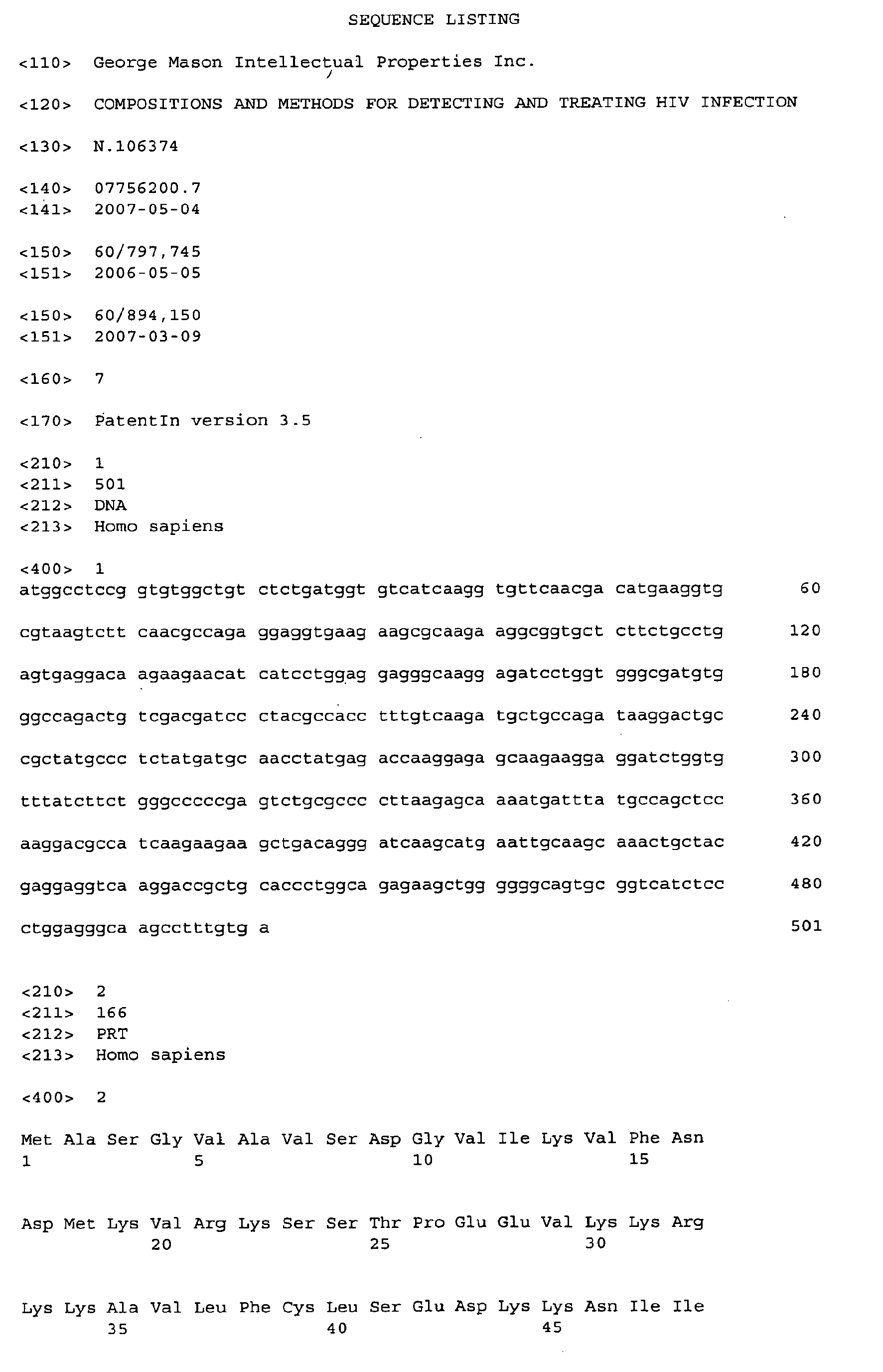


Claims (8)
- An agent that inhibits HIV trigger receptor signaling, inhibits actin depolymerization; enhances the assembly of actin; stabilizes actin filaments; induces polymerization of monomeric actin; binds to F-actin or cofilin; or inhibits actin and cofilin activity for use in a method for treating and/or preventing HIV infection in a patient, said method comprising: administering the agent to said patient.
- The agent of claim 1, wherein said agent is selected from:jasplakinolide, PD59, FK506; wortmannin, LY294002, PP2, PP2A, PP1, AG1478, AG1296; slingshot phosphatases, FR225659, fostriecin, calyculin A, cantharidin, jasplakinolide; phaloidin; chondramides, chondramide A, B, C, and D; (-)-doliculide; dolastatin-11; dolastatin 3-Nor; Majusculamid; dolastatin Hmp; alpha-cyano-3,4-dihydroxy-N-benzylcinnamide (AG490); 1,2,3,4,5,6-; JSI-124; benzylidenemalonitriles ("tyrphostins"); WHI-P154; WHI-P151; pyrrolo[2,3-d]-pyrimidines; benzimisazo[4,5-f]isoquinolinone derivatives; AG1801; WP1034; WP1050; WP1015; WP1-1066; WP1129; WP1130; WP1119; WP1026; WP1127; JSI-124; cucurbitacin I; cucurbitacin A; cucurbitacin B; cucurbitacin D; cucurbitacin E; tetrahydro-cucurbitacin I; PD98059 (2'-amino-3'-methoxyflavone); DO126; SL327; olomoucine; 5-iodotubercidin; arctigenin; 4-bromo or 4-iodo phenylamino benzhydroxamic acid derivatives; N3 alkylated benzimidazole derivatives; FR225659; fostriecin; Calyculin A; okadaic acid; cantharidin; TCM-platinum agents containing demethylcantharidin; genistein; MEK inhibitor, and derivatives thereof.
- The agent of claim 1 or 2, wherein said agent inhibits the JAC2 signaling pathway.
- The agent of claim 1 or 2, wherein said agent inhibits the tyrosine kinase signaling pathway.
- The agent of claim 1 or 2, wherein said agent is a phosphatase inhibitor.
- The agent of claim 1 or 2, wherein said agent inhibits the Rac/Pac1/Lmk signaling pathway.
- The agent of claim 1 or 2, wherein said agent inhibits the signal transduction activity of CXCR4.
- The agent of claim 1 wherein the method comprises administering to said patient a composition comprising:a) an effective amount of an agent selected from: jasplakinolide, PD59, FK506; wortmannin, LY294002, PP2, PP2A, PP1, AG1478, AG1296; slingshot phosphatases, FR225659, fostriecin, calyculin A, cantharidin, jasplakinolide; phaloidin; chondramides, chondramide A, B, C, and D; (-)-doliculide; dolastatin-11; dolastatin 3-Nor; Majusculamid; dolastatin Hmp; alpha-cyano-3,4-dihydroxy-N-benzylcinnamide (AG490); 1,2,3,4,5,6-; JSI-124; benzylidenemalonitriles ("tyrphostins"); WHI-P154; WHI-P151; pyrrolo[2,3-d]-pyrimidines; benzimisazo[4,5-f]isoquinolinone derivatives; AG1801; WP1034; WP1050; WP1015; WP1-1066; WP1129; WP1130; WP1119; WP1026; WP1127; JSI-124; cucurbitacin I; cucurbitacin A; cucurbitacin B; cucurbitacin D; cucurbitacin E; tetrahydro-cucurbitacin I; PD98059 (2'-amino-3'-methoxyflavone); UO126; SL327; olomoucine; 5-iodotubercidin; arctigenin; 4-bromo or 4-iodo phenylamino benzhydroxamic acid derivatives; N3 alkylated benzimidazole derivatives; FR225659; fostriecin; Calyculin A; okadaic acid; cantharidin; TCM-platinum agents containing demethylcantharidin; genistein; MEK inhibitor, and derivatives thereof;b) an effective amount of an anti-retroviral agent; andc) a pharmaceutically acceptable excipient.
Applications Claiming Priority (3)
| Application Number | Priority Date | Filing Date | Title |
|---|---|---|---|
| US79774506P | 2006-05-05 | 2006-05-05 | |
| US89415007P | 2007-03-09 | 2007-03-09 | |
| EP07756200A EP2021496B1 (en) | 2006-05-05 | 2007-05-04 | Methods for detecting hiv infection |
Related Parent Applications (1)
| Application Number | Title | Priority Date | Filing Date |
|---|---|---|---|
| EP07756200.7 Division | 2007-05-04 |
Publications (2)
| Publication Number | Publication Date |
|---|---|
| EP2236620A2 true EP2236620A2 (en) | 2010-10-06 |
| EP2236620A3 EP2236620A3 (en) | 2011-05-25 |
Family
ID=38624429
Family Applications (2)
| Application Number | Title | Priority Date | Filing Date |
|---|---|---|---|
| EP07756200A Not-in-force EP2021496B1 (en) | 2006-05-05 | 2007-05-04 | Methods for detecting hiv infection |
| EP10006417A Withdrawn EP2236620A3 (en) | 2006-05-05 | 2007-05-04 | Compositions for treating HIV infection |
Family Applications Before (1)
| Application Number | Title | Priority Date | Filing Date |
|---|---|---|---|
| EP07756200A Not-in-force EP2021496B1 (en) | 2006-05-05 | 2007-05-04 | Methods for detecting hiv infection |
Country Status (6)
| Country | Link |
|---|---|
| US (2) | US7662547B2 (en) |
| EP (2) | EP2021496B1 (en) |
| AT (1) | ATE477331T1 (en) |
| CA (1) | CA2651317A1 (en) |
| DE (1) | DE602007008398D1 (en) |
| WO (1) | WO2007130523A2 (en) |
Families Citing this family (13)
| Publication number | Priority date | Publication date | Assignee | Title |
|---|---|---|---|---|
| JP5675606B2 (en) | 2008-07-08 | 2015-02-25 | ボード・オブ・リージエンツ,ザ・ユニバーシテイ・オブ・テキサス・システム | Novel inhibitor of signal transduction transcription factor (STAT) proliferation and activation |
| US8450337B2 (en) | 2008-09-30 | 2013-05-28 | Moleculin, Llc | Methods of treating skin disorders with caffeic acid analogs |
| AU2009324894B2 (en) | 2008-11-25 | 2015-04-09 | University Of Rochester | MLK inhibitors and methods of use |
| US20130109687A1 (en) * | 2010-04-30 | 2013-05-02 | Gary J. Nabel | Methods of treating hiv infection: inhibition of dna dependent protein kinase |
| US20150104442A1 (en) * | 2011-08-15 | 2015-04-16 | King's College London | Phosphocofilin: cofilin co-localization intensity as a predictor of metastatic recurrence |
| US10821111B2 (en) | 2011-11-30 | 2020-11-03 | Emory University | Antiviral JAK inhibitors useful in treating or preventing retroviral and other viral infections |
| CN104884059B (en) | 2012-11-30 | 2018-08-10 | 罗切斯特大学 | Mixing pedigree kinase inhibitor for HIV/AIDS treatments |
| TWI629720B (en) * | 2015-09-30 | 2018-07-11 | Tokyo Electron Limited | Method and apparatus for dynamic control of temperature of wet etching process |
| CN106074567A (en) * | 2016-07-05 | 2016-11-09 | 湖北医药学院 | Cucurbitacin B application in preparing the carcinous inhibitory factor inhibitors of PP2A |
| EP3570824A4 (en) * | 2017-01-17 | 2020-10-07 | Bar-Ilan University | COMPOSITIONS AND PROCEDURES FOR CONTROLLING THE ACTIVATION AND FUNCTION OF NATURAL KILLER CELLS |
| CN112055715A (en) * | 2018-01-23 | 2020-12-08 | 富荣吉有限责任公司 | Quantitative detection of CD4 T cell injury and prediction of CD4 T cell recovery after antiretroviral therapy using COFILIN phosphorylation |
| CN110194793B (en) * | 2018-02-26 | 2020-12-01 | 中国科学院武汉病毒研究所 | A kind of polypeptide and application of inhibiting actin recombination |
| CN118389605A (en) * | 2023-11-13 | 2024-07-26 | 艾斯克纳公司 | Compounds and methods for enhancing transfection of lipid nanoparticle cells with polypeptides |
Family Cites Families (6)
| Publication number | Priority date | Publication date | Assignee | Title |
|---|---|---|---|---|
| US5932221A (en) * | 1997-10-30 | 1999-08-03 | Day; Charles E. | Genistin-enriched fraction from soy meal |
| US7052676B2 (en) * | 2000-09-26 | 2006-05-30 | The Regents Of The University Of Michigan | Methods for inhibition of HIV replication using a small molecule inhibitor |
| CN1100564C (en) * | 2001-08-29 | 2003-02-05 | 周根发 | Medicine for treating HIV infection, its composition and its use |
| US7582674B2 (en) * | 2003-05-27 | 2009-09-01 | Dsm Ip Assets B.V. | Nutraceutical compositions and use thereof |
| EP1542016A1 (en) * | 2003-12-11 | 2005-06-15 | Institut Gustave Roussy | PUMA, phosphorylated p53 and p38 map kinase as markers for HIV-1-induced apoptosis in circulating T cells of infected patient |
| WO2005103654A2 (en) * | 2004-04-09 | 2005-11-03 | Bioalliance Pharma | Method for identification of compounds active in hiv virus replication |
-
2007
- 2007-05-04 US US11/744,776 patent/US7662547B2/en not_active Expired - Fee Related
- 2007-05-04 DE DE602007008398T patent/DE602007008398D1/en active Active
- 2007-05-04 CA CA002651317A patent/CA2651317A1/en not_active Abandoned
- 2007-05-04 AT AT07756200T patent/ATE477331T1/en not_active IP Right Cessation
- 2007-05-04 EP EP07756200A patent/EP2021496B1/en not_active Not-in-force
- 2007-05-04 EP EP10006417A patent/EP2236620A3/en not_active Withdrawn
- 2007-05-04 WO PCT/US2007/010750 patent/WO2007130523A2/en not_active Ceased
-
2009
- 2009-12-16 US US12/639,751 patent/US20100292181A1/en not_active Abandoned
Non-Patent Citations (1)
| Title |
|---|
| None |
Also Published As
| Publication number | Publication date |
|---|---|
| DE602007008398D1 (en) | 2010-09-23 |
| EP2021496B1 (en) | 2010-08-11 |
| CA2651317A1 (en) | 2007-11-15 |
| US20100292181A1 (en) | 2010-11-18 |
| EP2236620A3 (en) | 2011-05-25 |
| US7662547B2 (en) | 2010-02-16 |
| WO2007130523A3 (en) | 2008-06-19 |
| EP2021496A2 (en) | 2009-02-11 |
| ATE477331T1 (en) | 2010-08-15 |
| WO2007130523A2 (en) | 2007-11-15 |
| US20080064026A1 (en) | 2008-03-13 |
Similar Documents
| Publication | Publication Date | Title |
|---|---|---|
| US7662547B2 (en) | Compositions and methods for detecting and treating HIV infections | |
| Efferth et al. | Antiviral activity of artesunate towards wild-type, recombinant, and ganciclovir-resistant human cytomegaloviruses | |
| Liu et al. | HIV gp41 C-terminal heptad repeat contains multifunctional domains: relation to mechanisms of action of anti-HIV peptides | |
| Comandini et al. | Molecular mechanisms involved in HIV-1-Tat mediated inhibition of telomerase activity in human CD4+ T lymphocytes | |
| US8603766B2 (en) | Monitoring and inhibiting human immunodeficiency virus infection by modulating HMGB1 dependent triggering of HIV-1 replication and persistence | |
| AU2004255564A1 (en) | Methods for treating lentivirus infections | |
| Zhao et al. | XTT formazan widely used to detect cell viability inhibits HIV type 1 infection in vitro by targeting gp41 | |
| Narayanan et al. | Use of ATP analogs to inhibit HIV-1 transcription | |
| Blaak et al. | In vitro replication capacity of HIV-2 variants from long-term aviremic individuals | |
| Bernier et al. | Mycobacterium tuberculosis mannose-capped lipoarabinomannan can induce NF-kappaB-dependent activation of human immunodeficiency virus type 1 long terminal repeat in T cells | |
| Richard et al. | Viral protein R upregulates expression of ULBP2 on uninfected bystander cells during HIV-1 infection of primary CD4+ T lymphocytes | |
| Liu et al. | Mechanisms involved in phosphatidylinositol 3-kinase pathway mediated up-regulation of the mu opioid receptor in lymphocytes | |
| CA2629822A1 (en) | Methods and compositions for inhibiting hiv infection | |
| Kim et al. | Identification of a novel type of small molecule inhibitor against HIV-1 | |
| ES2350147T3 (en) | PROCEDURES FOR DETECTING HIV INFECTION. | |
| Lv et al. | Therapeutic effect of (5R)-5-hydroxytriptolide (LLDT-8) in SIV infected rhesus monkeys | |
| Demeter et al. | Phase I study of atevirdine mesylate (U-87201E) monotherapy in HIV-1-infected patients | |
| Lal et al. | A concise review of existing therapies and recent advances in the management of HIV infection | |
| EP1542016A1 (en) | PUMA, phosphorylated p53 and p38 map kinase as markers for HIV-1-induced apoptosis in circulating T cells of infected patient | |
| Varin et al. | tuning of AKt-pathway by Nef and its blockade by protease inhibitors results in limited recovery in latently HIV infected t-cell line | |
| US20060052326A1 (en) | Werner's syndrome helicase as a target for anti -HIV/AIDS therapy | |
| EP2403517B1 (en) | Novel antiviral agent | |
| Strasner | The relationship between T cell signals and HIV-1: The positives and the negatives | |
| US20100041732A1 (en) | Methods for identifying compounds that inhibit hiv infection | |
| Phimsouay | Soy Dietary Intervention in HIV+ ART-treated Individuals-Preliminary In-vitro HIV-Uninfected Conditions |
Legal Events
| Date | Code | Title | Description |
|---|---|---|---|
| PUAI | Public reference made under article 153(3) epc to a published international application that has entered the european phase |
Free format text: ORIGINAL CODE: 0009012 |
|
| AC | Divisional application: reference to earlier application |
Ref document number: 2021496 Country of ref document: EP Kind code of ref document: P |
|
| AK | Designated contracting states |
Kind code of ref document: A2 Designated state(s): AT BE BG CH CY CZ DE DK EE ES FI FR GB GR HU IE IS IT LI LT LU LV MC MT NL PL PT RO SE SI SK TR |
|
| RTI1 | Title (correction) |
Free format text: COMPOSITIONS FOR TREATING HIV INFECTION |
|
| RIN1 | Information on inventor provided before grant (corrected) |
Inventor name: YU, DONGYANG Inventor name: WU, YUNTAO Inventor name: YODER, REBECCA ALYSON CROOK Inventor name: KELLY, JEREMY |
|
| PUAL | Search report despatched |
Free format text: ORIGINAL CODE: 0009013 |
|
| AK | Designated contracting states |
Kind code of ref document: A3 Designated state(s): AT BE BG CH CY CZ DE DK EE ES FI FR GB GR HU IE IS IT LI LT LU LV MC MT NL PL PT RO SE SI SK TR |
|
| STAA | Information on the status of an ep patent application or granted ep patent |
Free format text: STATUS: THE APPLICATION IS DEEMED TO BE WITHDRAWN |
|
| 18D | Application deemed to be withdrawn |
Effective date: 20111126 |