EP2241038B1 - Système extensible et procédé pour ponter des dispositifs sip et upnp - Google Patents
Système extensible et procédé pour ponter des dispositifs sip et upnp Download PDFInfo
- Publication number
- EP2241038B1 EP2241038B1 EP08869321.3A EP08869321A EP2241038B1 EP 2241038 B1 EP2241038 B1 EP 2241038B1 EP 08869321 A EP08869321 A EP 08869321A EP 2241038 B1 EP2241038 B1 EP 2241038B1
- Authority
- EP
- European Patent Office
- Prior art keywords
- universal plug
- session initiation
- initiation protocol
- play
- upnp
- Prior art date
- Legal status (The legal status is an assumption and is not a legal conclusion. Google has not performed a legal analysis and makes no representation as to the accuracy of the status listed.)
- Active
Links
Images


Classifications
-
- H—ELECTRICITY
- H04—ELECTRIC COMMUNICATION TECHNIQUE
- H04L—TRANSMISSION OF DIGITAL INFORMATION, e.g. TELEGRAPHIC COMMUNICATION
- H04L65/00—Network arrangements, protocols or services for supporting real-time applications in data packet communication
- H04L65/10—Architectures or entities
- H04L65/102—Gateways
-
- H—ELECTRICITY
- H04—ELECTRIC COMMUNICATION TECHNIQUE
- H04L—TRANSMISSION OF DIGITAL INFORMATION, e.g. TELEGRAPHIC COMMUNICATION
- H04L12/00—Data switching networks
- H04L12/28—Data switching networks characterised by path configuration, e.g. LAN [Local Area Networks] or WAN [Wide Area Networks]
- H04L12/2803—Home automation networks
- H04L12/283—Processing of data at an internetworking point of a home automation network
- H04L12/2832—Interconnection of the control functionalities between home networks
-
- H—ELECTRICITY
- H04—ELECTRIC COMMUNICATION TECHNIQUE
- H04L—TRANSMISSION OF DIGITAL INFORMATION, e.g. TELEGRAPHIC COMMUNICATION
- H04L65/00—Network arrangements, protocols or services for supporting real-time applications in data packet communication
- H04L65/10—Architectures or entities
- H04L65/1045—Proxies, e.g. for session initiation protocol [SIP]
-
- H—ELECTRICITY
- H04—ELECTRIC COMMUNICATION TECHNIQUE
- H04L—TRANSMISSION OF DIGITAL INFORMATION, e.g. TELEGRAPHIC COMMUNICATION
- H04L67/00—Network arrangements or protocols for supporting network services or applications
- H04L67/50—Network services
- H04L67/51—Discovery or management thereof, e.g. service location protocol [SLP] or web services
-
- H—ELECTRICITY
- H04—ELECTRIC COMMUNICATION TECHNIQUE
- H04L—TRANSMISSION OF DIGITAL INFORMATION, e.g. TELEGRAPHIC COMMUNICATION
- H04L67/00—Network arrangements or protocols for supporting network services or applications
- H04L67/50—Network services
- H04L67/56—Provisioning of proxy services
-
- H—ELECTRICITY
- H04—ELECTRIC COMMUNICATION TECHNIQUE
- H04L—TRANSMISSION OF DIGITAL INFORMATION, e.g. TELEGRAPHIC COMMUNICATION
- H04L67/00—Network arrangements or protocols for supporting network services or applications
- H04L67/50—Network services
- H04L67/56—Provisioning of proxy services
- H04L67/59—Providing operational support to end devices by off-loading in the network or by emulation, e.g. when they are unavailable
-
- H—ELECTRICITY
- H04—ELECTRIC COMMUNICATION TECHNIQUE
- H04L—TRANSMISSION OF DIGITAL INFORMATION, e.g. TELEGRAPHIC COMMUNICATION
- H04L12/00—Data switching networks
- H04L12/28—Data switching networks characterised by path configuration, e.g. LAN [Local Area Networks] or WAN [Wide Area Networks]
- H04L12/2803—Home automation networks
- H04L12/2807—Exchanging configuration information on appliance services in a home automation network
- H04L12/2809—Exchanging configuration information on appliance services in a home automation network indicating that an appliance service is present in a home automation network
-
- H—ELECTRICITY
- H04—ELECTRIC COMMUNICATION TECHNIQUE
- H04L—TRANSMISSION OF DIGITAL INFORMATION, e.g. TELEGRAPHIC COMMUNICATION
- H04L12/00—Data switching networks
- H04L12/28—Data switching networks characterised by path configuration, e.g. LAN [Local Area Networks] or WAN [Wide Area Networks]
- H04L12/2803—Home automation networks
- H04L12/2816—Controlling appliance services of a home automation network by calling their functionalities
- H04L12/282—Controlling appliance services of a home automation network by calling their functionalities based on user interaction within the home
Definitions
- the present invention generally relates to home and mobile networking applications, and more particularly relates to Session Initiation Protocol and Universal Plug and Play technologies.
- Session Initiation Protocol SIP
- UPF Universal Plug and Play
- FIG. 1 is a schematic diagram illustrating a system 100 in which an exemplary UPnP device 102 (e.g., an audio/visual server) and an exemplary SIP device 104 (e.g. , a cordless phone) are attempting to communicate.
- an exemplary UPnP device 102 e.g., an audio/visual server
- an exemplary SIP device 104 e.g. , a cordless phone
- SIP extensions e.g ., Session Initiation Protocol for Instant Messaging and Presence Leveraging Extensions, or SIMPLE
- SIMPLE Session Initiation Protocol for Instant Messaging and Presence Leveraging Extensions
- a second approach requires either a UPnP stack on the SIP device 104, or a SIP stack on the UPnP device 102.
- a legacy SIP device is a single-mode device that only supports the Internet Engineering Task Force (IETF) Request for Comments (RFC) 3261 SIP features.
- a legacy UPnP device is a single-mode device that only supports UPnP capabilities as specified by Digital Living Network Alliance (DLNA) 1.0 guidelines.
- FIG. 2 is a schematic diagram illustrating one embodiment of a system 200 for bridging Session Initiation Protocol and Universal Plug and Play devices.
- a legacy UPnP device 202 e.g ., an audio/visual server
- a legacy SIP device 204 e.g. , a cordless phone
- communicate via a software bridge 206 for example embodied in a personal computer, a residential gateway, a cellular telephone, or in a dedicated, standalone device ( e.g ., a set top box).
- the software bridge 206 operates transparently.
- the software bridge 206 makes the legacy SIP device 204 look transparent to the legacy UPnP device 202, and vice versa, so that the legacy SIP device 204 and the legacy UPnP device 202 operate as they normally would.
- the legacy SIP device 204 and the legacy UPnP device 202 may communicate directly or communicate using the software bridge 206 as an intermediary.
- the software bridge 206 relies on overloading the features of RFC 3261 SIP and on common applications. No additional protocol features, changes to the SIP specification or new application features are required for the software bridge 206 to successfully allow the legacy UPnP device 202 and the legacy SIP device 204 to communicate. As also discussed further below, the software bridge 206 enables the legacy UPnP device 202 to access session services by relaying session services offered by the legacy SIP device 204 to the UPnP network, thus facilitating bidirectional internetworking.
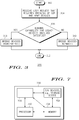
- FIG. 3 is a flow diagram illustrating one embodiment of a method 300 for bridging Session Initiation Protocol and Universal Plug and Play devices.
- the method 300 thus illustrates the functionality of the transparent software bridge 206 illustrated in FIG. 2 , and may therefore be implemented, for example, at a residential gateway or at a standalone accessory to an SIP device.
- the method 300 is initialized at step 302 and proceeds to step 304, where the software bridge receives a user request that requires the bridging of at least one SIP device and at least one UPnP device.
- the user may want to stream music from a UPnP-based home media server to an SIP cordless phone.
- the software bridge determines whether the minimal capability for legacy devices involved in the requested action in the request action is satisfied.
- a legacy SIP device is a single-mode device that only supports RFC3261 SIP features
- a legacy UPnP device is a single-mode device that only supports UPnP capabilities as specified by DLNA 1.0 guidelines.
- step 306 If the software bridge concludes in step 306 that the minimal capability for the legacy devices involved in the requested action is not satisfied, the method 300 proceeds to step 310, and the software bridge bridges the devices normally (e.g ., via a home gateway, SIP stack on UPnP device or UPnP stack on SIP device) before terminating in step 312.
- the software bridge bridges the devices normally (e.g ., via a home gateway, SIP stack on UPnP device or UPnP stack on SIP device) before terminating in step 312.
- step 306 the software bridge concludes in step 306 that the minimal capability for the legacy devices involved in the requested action is satisfied
- the method 300 proceeds to step 308, and the software bridge bridges the devices transparently (i.e ., substantially without impact to the operation, behavior or configuration of the bridged devices) before the method 300 terminates in step 312.
- FIG. 4 is a flow diagram illustrating a more detailed embodiment of a method 400 for bridging Session Initiation Protocol and Universal Plug and Play devices.
- the method 400 may be implemented in a software bridge embodied, for example, in a residential gateway or at a standalone accessory to an SIP device.
- the method 400 is specifically directed to enabling an SIP device to access UPnP services.
- the method 400 may be implemented by a user in order to stream music from a UPnP-based home media server to an SIP cordless phone.
- the method 400 is initialized at step 402 and proceeds to step 404, where the software bridge discovers UPnP devices and their services. Following discovery, the method 400 proceeds to step 406, and the software bridge associates a User Service Request Address (USRA) with each discovered UPnP device and the UPnP device's services.
- USRA User Service Request Address
- the USRA is a novel address format that reuses the format of the SIP Uniform Resource Identifier (URI), which enables standard RFC3261 SIP procedures to be used without making changes to the SIP or UPnP devices.
- URI Uniform Resource Identifier
- the USRA is used to address services offered by a bridge.
- the USRA comprises a domain (e.g ., the SIP domain "JohnsHome.net”), a device ID (e.g ., "JohnPC”) and a service ID (e.g ., "StreamMusic").
- a domain e.g ., the SIP domain "JohnsHome.net”
- a device ID e.g ., "JohnPC”
- a service ID e.g ., "StreamMusic”
- the software bridge registers, locates and, invokes at least one UPnP service, using the semantics of the SIP-URI.
- Registering UPnP services e.g ., by making connections between UPnP services and SIP URIs
- UPnP services e.g ., by making connections between UPnP services and SIP URIs
- SIP ID's e.g ., SIP URIs
- Registration also enables locating UPnP services (e.g ., by determining where/to which domain to route commands), which in turn enables access to services.
- Invoking UPnP services involves determining which UPnP service a command is requesting and generating a set of actions to be carried out by the UPnP device hosting the UPnP service to be accessed.
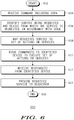
- One embodiment of a method for registering, locating and invoking a UPnP service is illustrated in FIG. 6 .
- the SIP-URI is used to register and locate UPnP services, rather than to register and locate users.
- the "To" field of an RFC3261 SIP header is used in a REGISTER method, in order to allow the software bridge to specify a UPnP service that needs to be registered in the SIP domain.
- usage of the "To" field is "overloaded” to address or register a service offered by a bridge, by including a USRA referring to the service.
- the "To" field in a RFC3261 SIP header is used to address or register users, as described above.
- the "To" field of an RFC3261 SIP header is used in an INVITE method, in order to allow an SIP device to locate a UPnP service.
- This also allows the software bridge to implement the UPnP service in terms of the UPnP actions.
- an SIP INVITE message with the "To" field set as described above is generated (e.g ., "To: JohnPC.StreamMusic@JohnsHome.net” or “To: DVR.StreamVideo@JohnsHome.net”).
- the "To” field is used by the software bridge to determined and invoke the service.
- the software bridge will recognize the UPnP domain (e.g ., "JohnsHome.net”) as a place to communicate with SIP devices.
- the "To" field of an RFC3261 SIP header is used in an INVITE method message, in order to allow an SIP device to call media items or to receive particular files or services.
- This also allows system elements of the software bridge to understand the methods to use, determined by the media resource attributes. For example, if a .cal extension calendar resource were called, the software bridge would create a rendered image of the calendar, to be streamed to the SIP device. As another example, if a .wav extension resource, the software bridge would stream the music to the SIP device.
- the "StreamVideo" portion of the exemplary USRA is used by the software bridge to select streaming video from the UPnP device to be sent to the SIP device.
- the method 400 then terminates in step 410.
- the method 400 thus relies on the re-use (overloading) of existing RFC3261 SIP and UPnP communication messages and on common applications (e.g ., an existing contact book application, an RFC2833-compliant dual-tone multi-frequency (DTMF) application on an SIP communication device or the like) to configure a USRA on a SIP device.
- common applications e.g ., an existing contact book application, an RFC2833-compliant dual-tone multi-frequency (DTMF) application on an SIP communication device or the like
- DTMF dual-tone multi-frequency
- the invention is extensible to legacy SIP and UPnP devices.
- UPnP applications are now accessible using SIP devices.
- the invention enables a UPnP device to access the session services, thus facilitating bidirectional internetworking.
- FIG. 6 is a flow diagram illustrating one embodiment of a method 600 for registering, locating and invoking a UPnP service (e.g ., in accordance with step 408 of the method 400).
- the method 600 is initialized at step 602 and proceeds to step 604, where the software bridge receives a command including a USRA from a SIP device.
- the command may be a SIP REGISTER command with the "To" field of the RFC3261 SIP header set as "To: JohnPC.StreamMusic@JohnsHome.net”.
- step 606 the software bridge identifies the service being requested by the command (e.g ., StreamMusic in the above example) and the UPnP device from which the service is requested (e.g ., JohnPC in the above example), in accordance with the USRA.
- the domain specified in the USRA tells the software bridge where to route the command.
- the software bridge maps the requested service to a set (i.e ., one or more) of actions or services.
- a set i.e ., one or more
- the StreamMusic service requested by the command might map to a series of actions including: (1) "browse” (e.g ., browse the music available at the UPnP device); (2) “select” ( e.g ., select an item from the available music); and (3) “play” (e.g ., play the selected item).
- step 610 the software bridge issues one or more commands (in UPnP format) to the identified UPnP device to execute the set of actions or services.
- the software bridge then receives a response from the identified UPnP device in step 612. For instance, if the software bridge issued a command to the UPnP device to "browse" in step 610, the UPnP device might respond in step 612 with a list of available music.
- the software bridge provides the requested service to the requestor/SIP device.
- the software bridge might provide the list of songs available from the identified UPnP device, so that the requestor may browse the list and make a selection.
- the method 600 terminates in step 616.
- FIG. 5 is a flow diagram illustrating a more detailed embodiment of a method 500 for bridging Session Initiation Protocol and Universal Plug and Play devices.
- the method 500 may be implemented at a software bridge, for example embodied in a residential gateway or at a standalone accessory to an SIP device.
- the method 500 is specifically directed to enabling a UPnP device to access session-based services offered by an SIP device.
- the method 500 may be implemented by a user in order to stream video from a UPnP media server onto an SIP cordless phone, using a UPnP enabled television remote control.
- the method 500 may be implemented by a user in order to use a SIP device to retrieve content stored on a UPnP media server and stream the retrieved content onto the SIP device.
- the method 500 is initialized at step 502 and proceeds to step 504, where the software bridge represents the SIP device to the UPnP network as a "virtual" UPnP audio/visual (AV) renderer device, hosted by the software bridge. That is, the software bridge appears as a UPnP device to the UPnP network.
- the "virtual" UPnP renderer is an alias for the SIP device, which represents the SIP device in the UPnP domain (whereas a "real" UPnP device has UPnP software and a UPnP identifier and communicates with the rest of the UPnP network using UPnP protocol).
- the software bridge is configured by determining which SIP devices are available to provide services and creating proxies (virtual UPnP devices) for each available SIP device.
- the "virtual" UPnP renderer advertises its presence on the UPnP network, so that the "virtual" UPnP renderer device is discoverable by legacy UPnP control points.
- the legacy UPnP control points may involve the "virtual" UPnP renderer device in a session with a legacy UPnP media server.
- the software bridge maps the UPnP AV renderer operations to SIP messages. For instance, upon discovery by a legacy UPnP control point, the software bridge may map UPnP signaling messages related to session establishment to SIP signaling messages. In further embodiments ( e.g ., involving UPnP control point initiated sessions), the UPnP AVT Play message is mapped to a SIP INVITE message, such that a SIP/UPnP session manager component of a bridge may take inputs from the "virtual" UPnP renderer in order to perform mapping operations.
- a SIP INVITE message is mapped to a set of UPnP actions (e.g ., UPnP CDS Browse, UPnP AVT SetTransport URI, UPnP AVT Play or the like), and the SIP/UPnP session manager component of the software bridge performs the mapping operations.
- UPnP actions e.g ., UPnP CDS Browse, UPnP AVT SetTransport URI, UPnP AVT Play or the like
- the SIP/UPnP session manager component of the software bridge performs the mapping operations.
- a SIP session is initiated once the "virtual" UPnP renderer completes a download of the media session over hypertext transport protocol (HTTP).
- HTTP hypertext transport protocol
- a UPnP Content Directory Service could be used by using a GetProtocolInfo() message in order to obtain a protocol/format list for an SIP device.
- the "virtual" UPnP renderer has SIP to UPnP protocol mapping functionality. In a further embodiment still, the "virtual" UPnP renderer has media transcoding functionality.
- the method 500 terminates in step 508.
- the method 500 therefore allows devices that cannot normally interact directly (e.g ., UPnP media servers/control points and SIP devices) to interact via a "virtual" UPnP renderer acting on behalf of the SIP device.
- the "virtual" UPnP renderer may be placed on the media path. Such placement may support valuable applications, such as the ability to perform real-time transcoding when there is a mismatch in codec abilities between a UPnP media server and a SIP device.
- FIG. 7 is a high level block diagram of the present software bridge that is implemented using a general purpose computing device 700, such as a personal computer, a set top box, a residential gateway, a mobile telephone, a personal digital assistant or the like.
- a general purpose computing device 700 comprises a processor 702, a memory 704, a bridge module 705 and various input/output (I/O) devices 706 such as a display, a keyboard, a mouse, a modem, a network connection and the like.
- I/O device is a storage device (e.g ., a disk drive, an optical disk drive, a floppy disk drive).
- the bridge module 705 can be implemented as a physical device or subsystem that is coupled to a processor through a communication channel.
- the bridge module 705 can be represented by one or more software applications (or even a combination of software and hardware, e.g ., using Application Specific Integrated Circuits (ASIC)), where the software is loaded from a storage medium (e.g ., I/O devices 706) and operated by the processor 702 in the memory 704 of the general purpose computing device 700. Additionally, the software may run in a distributed or partitioned fashion on two or more computing devices similar to the general purpose computing device 700.
- the bridge module 705 for bridging SIP and UPnP devices described herein with reference to the preceding figures can be stored on a computer readable medium or carrier (e.g ., RAM, magnetic or optical drive or diskette, and the like).
- the present invention represents a significant advancement in the field of home and mobile networking applications.
- Embodiments of the invention rely on overloading the features of RFC 3261 SIP and on common applications. No additional protocol features, changes to the SIP specification or new application features are needed.
- the invention is extensible to legacy SIP and UPnP devices.
- the invention enables a UPnP device to access the session services, thus facilitating bidirectional internetworking.
Landscapes
- Engineering & Computer Science (AREA)
- Computer Networks & Wireless Communication (AREA)
- Signal Processing (AREA)
- Automation & Control Theory (AREA)
- Multimedia (AREA)
- Computing Systems (AREA)
- Telephonic Communication Services (AREA)
- Stored Programmes (AREA)
Claims (20)
- Procédé pour le pontage d'un dispositif à protocole d'ouverture de session (204) et un dispositif universel prêt à l'emploi (202), le procédé comprenant :la détection qu'à la fois le dispositif à protocole d'ouverture de session et le dispositif universel prêt à l'emploi sont des dispositifs autorisés, le dispositif à protocole d'ouverture de session étant un dispositif à mode unique qui supporte uniquement des caractéristiques de protocole d'initiation de session tel que décrit dans la Demande de Commentaires 3261 et le dispositif universel prêt à l'emploi étant un dispositif à mode unique qui supporte uniquement des capacités universelles de prêt à l'emploi tel qu'il est spécifié dans les Directives 1.0 de l'Alliance de Réseau Vivant Numérique ; etle pontage du dispositif à protocole d'ouverture de session et du dispositif universel prêt à l'emploi en utilisant une passerelle, le pontage comprenant :pour permettre au dispositif à protocole d'ouverture de session d'accéder à un service universel prêt à l'emploi du dispositif universel prêt à l'emploi, l'association d'une adresse de demande de service d'utilisateur au service universel prêt à l'emploi du dispositif universel prêt à l'emploi, l'adresse de demande de service d'utilisateur réutilisant le format d'un identifiant de ressource uniforme de protocole d'initiation de session, et l'enregistrement, dans un domaine de protocole d'initiation de session, grâce à la passerelle, de l'adresse de demande de service d'utilisateur ; etpour permettre au dispositif universel prêt à l'emploi d'accéder au dispositif à protocole d'ouverture de session, la représentation du dispositif à protocole d'ouverture de session comme un dispositif de restitution audio/visuel virtuel universel prêt à l'emploi.
- Procédé selon la revendication 1, dans lequel le pontage comprend en outre :la découverte d'au moins un dispositif universel prêt à l'emploi, incluant un ou plusieurs services associés à l'au moins un dispositif universel prêt à l'emploi ; etl'association d'une adresse de demande de service d'utilisateur à chaque dispositif découvert universel prêt à l'emploi et aux services associés du dispositif découvert universel prêt à l'emploi, dans lequel chaque adresse de demande de service d'utilisateur est un format d'adresse qui réutilise un format d'un identifiant d'un dispositif à protocole d'ouverture de session.
- Procédé selon la revendication 2, dans lequel chaque adresse de demande de service d'utilisateur réutilise un format d'un champ de protocole d'initiation de session tel que décrit dans la Demande de Commentaires 3261.
- Procédé selon la revendication 3, dans lequel l'adresse de demande de service d'utilisateur réutilise un champ d'identifiant de ressource uniforme.
- Procédé selon la revendication 3, dans lequel le pontage comprend en outre :l'enregistrement d'au moins un service universel prêt à l'emploi à l'aide de sémantiques d'un identifiant de ressource uniforme de protocole d'initiation de session.
- Procédé selon la revendication 5, dans lequel un champ "To" d'une en-tête de protocole d'initiation de session de la Demande de Commentaires 3261 est utilisé dans un procédé d'ENREGISTREMENT afin de spécifier un service universel prêt à l'emploi pour l'enregistrement dans un domaine de protocole d'initiation de session.
- Procédé selon la revendication 5, dans lequel le pontage comprend en outre :la localisation d'au moins un service universel prêt à l'emploi à l'aide des sémantiques de l'identifiant de ressource uniforme de protocole d'initiation de session.
- Procédé selon la revendication 7, dans lequel un champ "To" d'une en-tête de protocole d'initiation de session de la Demande de Commentaires 3261 est utilisé dans un procédé INVITE pour permettre au dispositif à protocole d'ouverture de session de localiser l'au moins un service universel prêt à l'emploi.
- Procédé selon la revendication 7, dans lequel le pontage comprend en outre : l'invocation d'au moins un service universel prêt à l'emploi à l'aide des sémantiques de l'identifiant de ressource uniforme de protocole d'initiation de session.
- Procédé selon la revendication 9, dans lequel un champ "To" d'une en-tête de protocole d'initiation de session de la Demande de Commentaires 3261 est utilisé dans un procédé INVITE pour permettre au dispositif à protocole d'ouverture de session d'appeler au moins un élément multimédia.
- Procédé selon la revendication 9, dans lequel l'invocation comprend :la génération d'un ensemble d'une ou plusieurs actions pour permettre à l'au moins un dispositif universel prêt à l'emploi de fonctionner.
- Procédé selon la revendication 1, dans lequel le pontage comprend en outre :le mappage d'au moins une opération du dispositif universel prêt à l'emploi à au moins un message de protocole d'initiation de session.
- Procédé selon la revendication 12, dans lequel un message universel prêt à l'emploi "GetProtocolInfo()" est utilisé pour obtenir une liste de protocole/format du dispositif à protocole d'ouverture de session.
- Support lisible par ordinateur contenant un programme exécutable pour le pontage d'un dispositif à protocole d'ouverture de session et d'un dispositif universel prêt à l'emploi, où le programme exécutable comprend des instructions pour :la détection qu'à la fois le dispositif à protocole d'ouverture de session et le dispositif universel prêt à l'emploi sont des dispositifs autorisés, le dispositif à protocole d'ouverture de session étant un dispositif à mode unique qui supporte uniquement des caractéristiques de protocole d'initiation de session tel que décrit dans la Demande de Commentaires 3261 et le dispositif universel prêt à l'emploi étant un dispositif à mode unique qui supporte uniquement des capacités universelles de prêt à l'emploi tel qu'il est spécifié dans les Directives 1.0 de l'Alliance de Réseau Vivant Numérique ; etle pontage du dispositif à protocole d'ouverture de session et du dispositif universel prêt à l'emploi en utilisant une passerelle, le pontage comprenant :pour permettre au dispositif à protocole d'ouverture de session d'accéder à un service universel prêt à l'emploi du dispositif universel prêt à l'emploi, l'association d'une adresse de demande de service d'utilisateur au service universel prêt à l'emploi du dispositif universel prêt à l'emploi, l'adresse de demande de service d'utilisateur réutilisant le format d'un identifiant de ressource uniforme de protocole d'initiation de session, et l'enregistrement, dans un domaine de protocole d'initiation de session, grâce à la passerelle, de l'adresse de demande de service d'utilisateur ; etpour permettre au dispositif universel prêt à l'emploi d'accéder au dispositif à protocole d'ouverture de session, la représentation du dispositif à protocole d'ouverture de session comme un dispositif de restitution audio/visuel virtuel universel prêt à l'emploi.
- Support lisible par ordinateur selon la revendication 14, dans lequel le pontage permet au dispositif à protocole d'ouverture de session d'accéder à au moins un service universel prêt à l'emploi.
- Support lisible par ordinateur selon la revendication 15, dans lequel le pontage comprend en outre :la découverte d'au moins un dispositif universel prêt à l'emploi, incluant un ou plusieurs services associés à l'au moins un dispositif universel prêt à l'emploi ; etl'association d'une adresse de demande de service d'utilisateur à chaque dispositif découvert universel prêt à l'emploi et aux services associés du dispositif découvert universel prêt à l'emploi, dans lequel chaque adresse de demande de service d'utilisateur est un format d'adresse qui réutilise un format d'un identifiant d'un dispositif à protocole d'ouverture de session.
- Support lisible par ordinateur selon la revendication 16, dans lequel chaque adresse de demande de service d'utilisateur réutilise un format d'un champ de protocole d'initiation de session tel que décrit dans la Demande de Commentaires 3261.
- Support lisible par ordinateur selon la revendication 17, dans lequel le pontage comprend en outre :l'enregistrement d'au moins un service universel prêt à l'emploi à l'aide de sémantiques d'un identifiant de ressource uniforme de protocole d'initiation de session ;la localisation de l'au moins un service universel prêt à l'emploi à l'aide des sémantiques de l'identifiant de ressource uniforme de protocole d'initiation de session ; etl'invocation d'au moins un service universel prêt à l'emploi à l'aide des sémantiques de l'identifiant de ressource uniforme de protocole d'initiation de session.
- Support lisible par ordinateur selon la revendication 14, dans lequel le pontage permet au dispositif universel prêt à l'emploi d'accéder au moins à un service basé sur une session offert par le dispositif à protocole d'ouverture de session.
- Système comprenant :un dispositif à protocole d'ouverture de session (204), le dispositif à protocole d'ouverture de session étant un dispositif à mode unique qui supporte uniquement des caractéristiques de protocole d'initiation de session tel que décrit dans la Demande de Commentaires 3261 ;un dispositif universel prêt à l'emploi (202), le dispositif universel prêt à l'emploi étant un dispositif à mode unique qui supporte uniquement des capacités universelles de prêt à l'emploi tel qu'il est spécifié dans les Directives 1.0 de l'Alliance de Réseau Vivant Numérique, et une passerelle (206) adaptée pour réaliser le pontage ensemble du dispositif à protocole d'ouverture de session et du dispositif universel prêt à l'emploi, la passerelle étant adaptée pour :pour permettre au dispositif à protocole d'ouverture de session d'accéder à un service universel prêt à l'emploi du dispositif universel prêt à l'emploi, l'association d'une adresse de demande de service d'utilisateur au service universel prêt à l'emploi du dispositif universel prêt à l'emploi, l'adresse de demande de service d'utilisateur réutilisant le format d'un identifiant de ressource uniforme de protocole d'initiation de session, et l'enregistrement, dans un domaine de protocole d'initiation de session, grâce à la passerelle, de l'adresse de demande de service d'utilisateur ; etpour permettre au dispositif universel prêt à l'emploi d'accéder au dispositif à protocole d'ouverture de session, la représentation du dispositif à protocole d'ouverture de session comme un dispositif de restitution audio/visuel virtuel universel prêt à l'emploi.
Applications Claiming Priority (2)
| Application Number | Priority Date | Filing Date | Title |
|---|---|---|---|
| US11/969,648 US8873570B2 (en) | 2008-01-04 | 2008-01-04 | Extensible system and method to bridge SIP and UPnP devices |
| PCT/US2008/087926 WO2009088728A2 (fr) | 2008-01-04 | 2008-12-22 | Système extensible et procédé pour ponter des dispositifs sip et upnp |
Publications (2)
| Publication Number | Publication Date |
|---|---|
| EP2241038A2 EP2241038A2 (fr) | 2010-10-20 |
| EP2241038B1 true EP2241038B1 (fr) | 2018-02-21 |
Family
ID=40801948
Family Applications (1)
| Application Number | Title | Priority Date | Filing Date |
|---|---|---|---|
| EP08869321.3A Active EP2241038B1 (fr) | 2008-01-04 | 2008-12-22 | Système extensible et procédé pour ponter des dispositifs sip et upnp |
Country Status (3)
| Country | Link |
|---|---|
| US (1) | US8873570B2 (fr) |
| EP (1) | EP2241038B1 (fr) |
| WO (1) | WO2009088728A2 (fr) |
Families Citing this family (12)
| Publication number | Priority date | Publication date | Assignee | Title |
|---|---|---|---|---|
| KR101512321B1 (ko) * | 2007-08-22 | 2015-04-16 | 삼성전자주식회사 | 복수의 서비스 제공자의 서비스를 제공/수신하기 위한 방법및 장치 |
| WO2009120030A2 (fr) * | 2008-03-28 | 2009-10-01 | 삼성전자 주식회사 | Procédé et dispositif de réception de données pour des applications fournissant un service de communications de télévision par ip |
| US9054891B2 (en) * | 2008-03-31 | 2015-06-09 | Google Technology Holdings LLC | Distributing session initiation protocol content to universal plug and play devices in a local network |
| US8151108B1 (en) | 2008-07-02 | 2012-04-03 | Digital Keystone, Inc. | Methods for establishing a secure channel of communications to enable switched video service on a host media server |
| US8010983B1 (en) * | 2008-07-02 | 2011-08-30 | Digital Keystone, Inc. | Method and apparatus for enabling switched video service on a host media server |
| US20110116540A1 (en) * | 2009-11-18 | 2011-05-19 | General Instrument Corporation | Multimedia Content Handling in a Home-Network System |
| CN102238136B (zh) | 2010-04-26 | 2014-05-21 | 华为终端有限公司 | 传输媒体资源的方法及装置 |
| US20110283276A1 (en) * | 2010-05-11 | 2011-11-17 | Carlton Andrews | System and Method for Automated Information Handling System Network Device Discovery and Support |
| KR101698354B1 (ko) * | 2010-07-16 | 2017-01-23 | 삼성전자주식회사 | 홈 네트워크에서 멀티캐스트 메시지를 이용하여 복수 개의 원격 사용자 인터페이스 서버들을 제어하기 위한 장치 및 방법 |
| US9728083B2 (en) * | 2011-01-17 | 2017-08-08 | Lg Electronics Inc. | Control apparatus, control target apparatus, and alarm-setting method using the apparatuses |
| US8873750B2 (en) | 2013-03-14 | 2014-10-28 | International Business Machines Corporation | Instruction for performing a pseudorandom number generate operation |
| EP3496357A1 (fr) * | 2017-12-08 | 2019-06-12 | Cork Institute Of Technology | Procédé et dispositif pour permettre l'interopérabilité entre des dispositifs iot dans des réseaux hétérogènes |
Citations (1)
| Publication number | Priority date | Publication date | Assignee | Title |
|---|---|---|---|---|
| US20060133392A1 (en) * | 2004-11-24 | 2006-06-22 | Kabushiki Kaisha Toshiba | Gateway device, network system, communication program, and communication method |
Family Cites Families (8)
| Publication number | Priority date | Publication date | Assignee | Title |
|---|---|---|---|---|
| US20020103898A1 (en) * | 2001-01-31 | 2002-08-01 | Moyer Stanley L. | System and method for using session initiation protocol (SIP) to communicate with networked appliances |
| US7761571B2 (en) * | 2003-11-25 | 2010-07-20 | Panasonic Corporation | SIP service for home network device and service mobility |
| US20060153072A1 (en) * | 2004-12-28 | 2006-07-13 | Matsushita Electric Industrial Co., Ltd. | Extending universal plug and play messaging beyond a local area network |
| US20060140199A1 (en) * | 2004-12-28 | 2006-06-29 | Matsushita Electric Industrial Co., Ltd. | SIP/UPnP bridging middleware architecture for a service gateway framework |
| EP1964351A1 (fr) * | 2005-12-19 | 2008-09-03 | Telefonaktiebolaget L M Ericsson (Publ) | Procede et appareil permettant la decouverte dans un reseau local |
| ITTO20060083A1 (it) * | 2006-02-07 | 2007-08-08 | St Microelectronics Srl | Dispositivo "plug-and-play" per applicazioni video-voce su reti a commutazione di pacchetto |
| US9559861B2 (en) * | 2007-06-29 | 2017-01-31 | Telecom Italia S.P.A. | Method and system for the provision of communication session control in a local area network |
| EP2061216A1 (fr) * | 2007-11-16 | 2009-05-20 | Nederlandse Organisatie voor toegepast-natuurwetenschappelijk Onderzoek TNO | Échange de codes de commande entre des éléments de réseau SIP/IMS et UPnP |
-
2008
- 2008-01-04 US US11/969,648 patent/US8873570B2/en active Active
- 2008-12-22 WO PCT/US2008/087926 patent/WO2009088728A2/fr not_active Ceased
- 2008-12-22 EP EP08869321.3A patent/EP2241038B1/fr active Active
Patent Citations (1)
| Publication number | Priority date | Publication date | Assignee | Title |
|---|---|---|---|---|
| US20060133392A1 (en) * | 2004-11-24 | 2006-06-22 | Kabushiki Kaisha Toshiba | Gateway device, network system, communication program, and communication method |
Also Published As
| Publication number | Publication date |
|---|---|
| EP2241038A2 (fr) | 2010-10-20 |
| US8873570B2 (en) | 2014-10-28 |
| WO2009088728A2 (fr) | 2009-07-16 |
| US20090175296A1 (en) | 2009-07-09 |
| WO2009088728A3 (fr) | 2009-09-03 |
Similar Documents
| Publication | Publication Date | Title |
|---|---|---|
| EP2241038B1 (fr) | Système extensible et procédé pour ponter des dispositifs sip et upnp | |
| US7783771B2 (en) | Network communication device for universal plug and play and internet multimedia subsystems networks | |
| US8194681B2 (en) | Bridging between AD HOC local networks and internet-based peer-to-peer networks | |
| US8356083B2 (en) | System and method for transmitting and receiving a call on a home network | |
| US9742851B2 (en) | Method and arrangement for remotely controlling multimedia communication across local networks | |
| CN101536451B (zh) | 使能与专用网络的多媒体通信的方法和设备 | |
| US20070143488A1 (en) | Virtual universal plug and play control point | |
| US20090092109A1 (en) | Method and Apparatus for Enabling Discovery Within a Home Network | |
| CN101379791A (zh) | 用于在不同的协议域之间提供互操作性的技术 | |
| US8787267B2 (en) | Technique for providing access to a media resource attached to a network-registered device | |
| JP2013225941A (ja) | サービス制御装置、サービス制御システム及び方法 | |
| CN101095135A (zh) | 在通用即插即用网络中支持组合设备的设备信息 | |
| JP4044551B2 (ja) | ゲートウェイ装置、コンテンツ提供サーバ、通信プログラムおよび通信方法 | |
| EP2144398A1 (fr) | Procédé et appareil de suivi et d'enregistrement des sessions de communication dans un réseau domestique | |
| Brown et al. | A SIP-based OSGi device communication service for mobile personal area networks. | |
| US20090292807A1 (en) | Multimedia data transferring method and system thereof | |
| JP5191878B2 (ja) | ホームネットワーク内の端末から広域ネットワークへコンテンツを送信するコンテンツ転送方法及びシステム |
Legal Events
| Date | Code | Title | Description |
|---|---|---|---|
| PUAI | Public reference made under article 153(3) epc to a published international application that has entered the european phase |
Free format text: ORIGINAL CODE: 0009012 |
|
| 17P | Request for examination filed |
Effective date: 20100804 |
|
| AK | Designated contracting states |
Kind code of ref document: A2 Designated state(s): AT BE BG CH CY CZ DE DK EE ES FI FR GB GR HR HU IE IS IT LI LT LU LV MC MT NL NO PL PT RO SE SI SK TR |
|
| AX | Request for extension of the european patent |
Extension state: AL BA MK RS |
|
| DAX | Request for extension of the european patent (deleted) | ||
| 17Q | First examination report despatched |
Effective date: 20130118 |
|
| RAP1 | Party data changed (applicant data changed or rights of an application transferred) |
Owner name: MOTOROLA MOBILITY LLC |
|
| RAP1 | Party data changed (applicant data changed or rights of an application transferred) |
Owner name: GOOGLE TECHNOLOGY HOLDINGS LLC |
|
| REG | Reference to a national code |
Ref country code: DE Ref legal event code: R079 Ref document number: 602008054148 Country of ref document: DE Free format text: PREVIOUS MAIN CLASS: H04J0003220000 Ipc: H04L0029080000 |
|
| GRAP | Despatch of communication of intention to grant a patent |
Free format text: ORIGINAL CODE: EPIDOSNIGR1 |
|
| RIC1 | Information provided on ipc code assigned before grant |
Ipc: H04L 29/06 20060101ALI20170905BHEP Ipc: H04L 29/08 20060101AFI20170905BHEP Ipc: H04L 12/28 20060101ALI20170905BHEP |
|
| INTG | Intention to grant announced |
Effective date: 20170925 |
|
| GRAS | Grant fee paid |
Free format text: ORIGINAL CODE: EPIDOSNIGR3 |
|
| GRAA | (expected) grant |
Free format text: ORIGINAL CODE: 0009210 |
|
| AK | Designated contracting states |
Kind code of ref document: B1 Designated state(s): AT BE BG CH CY CZ DE DK EE ES FI FR GB GR HR HU IE IS IT LI LT LU LV MC MT NL NO PL PT RO SE SI SK TR |
|
| REG | Reference to a national code |
Ref country code: GB Ref legal event code: FG4D |
|
| REG | Reference to a national code |
Ref country code: CH Ref legal event code: EP |
|
| REG | Reference to a national code |
Ref country code: AT Ref legal event code: REF Ref document number: 972897 Country of ref document: AT Kind code of ref document: T Effective date: 20180315 |
|
| REG | Reference to a national code |
Ref country code: IE Ref legal event code: FG4D |
|
| REG | Reference to a national code |
Ref country code: DE Ref legal event code: R096 Ref document number: 602008054148 Country of ref document: DE |
|
| REG | Reference to a national code |
Ref country code: NL Ref legal event code: MP Effective date: 20180221 |
|
| REG | Reference to a national code |
Ref country code: LT Ref legal event code: MG4D |
|
| REG | Reference to a national code |
Ref country code: AT Ref legal event code: MK05 Ref document number: 972897 Country of ref document: AT Kind code of ref document: T Effective date: 20180221 |
|
| PG25 | Lapsed in a contracting state [announced via postgrant information from national office to epo] |
Ref country code: CY Free format text: LAPSE BECAUSE OF FAILURE TO SUBMIT A TRANSLATION OF THE DESCRIPTION OR TO PAY THE FEE WITHIN THE PRESCRIBED TIME-LIMIT Effective date: 20180221 Ref country code: LT Free format text: LAPSE BECAUSE OF FAILURE TO SUBMIT A TRANSLATION OF THE DESCRIPTION OR TO PAY THE FEE WITHIN THE PRESCRIBED TIME-LIMIT Effective date: 20180221 Ref country code: HR Free format text: LAPSE BECAUSE OF FAILURE TO SUBMIT A TRANSLATION OF THE DESCRIPTION OR TO PAY THE FEE WITHIN THE PRESCRIBED TIME-LIMIT Effective date: 20180221 Ref country code: ES Free format text: LAPSE BECAUSE OF FAILURE TO SUBMIT A TRANSLATION OF THE DESCRIPTION OR TO PAY THE FEE WITHIN THE PRESCRIBED TIME-LIMIT Effective date: 20180221 Ref country code: NL Free format text: LAPSE BECAUSE OF FAILURE TO SUBMIT A TRANSLATION OF THE DESCRIPTION OR TO PAY THE FEE WITHIN THE PRESCRIBED TIME-LIMIT Effective date: 20180221 Ref country code: FI Free format text: LAPSE BECAUSE OF FAILURE TO SUBMIT A TRANSLATION OF THE DESCRIPTION OR TO PAY THE FEE WITHIN THE PRESCRIBED TIME-LIMIT Effective date: 20180221 Ref country code: NO Free format text: LAPSE BECAUSE OF FAILURE TO SUBMIT A TRANSLATION OF THE DESCRIPTION OR TO PAY THE FEE WITHIN THE PRESCRIBED TIME-LIMIT Effective date: 20180521 |
|
| PG25 | Lapsed in a contracting state [announced via postgrant information from national office to epo] |
Ref country code: AT Free format text: LAPSE BECAUSE OF FAILURE TO SUBMIT A TRANSLATION OF THE DESCRIPTION OR TO PAY THE FEE WITHIN THE PRESCRIBED TIME-LIMIT Effective date: 20180221 Ref country code: BG Free format text: LAPSE BECAUSE OF FAILURE TO SUBMIT A TRANSLATION OF THE DESCRIPTION OR TO PAY THE FEE WITHIN THE PRESCRIBED TIME-LIMIT Effective date: 20180521 Ref country code: GR Free format text: LAPSE BECAUSE OF FAILURE TO SUBMIT A TRANSLATION OF THE DESCRIPTION OR TO PAY THE FEE WITHIN THE PRESCRIBED TIME-LIMIT Effective date: 20180522 Ref country code: LV Free format text: LAPSE BECAUSE OF FAILURE TO SUBMIT A TRANSLATION OF THE DESCRIPTION OR TO PAY THE FEE WITHIN THE PRESCRIBED TIME-LIMIT Effective date: 20180221 Ref country code: SE Free format text: LAPSE BECAUSE OF FAILURE TO SUBMIT A TRANSLATION OF THE DESCRIPTION OR TO PAY THE FEE WITHIN THE PRESCRIBED TIME-LIMIT Effective date: 20180221 |
|
| PG25 | Lapsed in a contracting state [announced via postgrant information from national office to epo] |
Ref country code: PL Free format text: LAPSE BECAUSE OF FAILURE TO SUBMIT A TRANSLATION OF THE DESCRIPTION OR TO PAY THE FEE WITHIN THE PRESCRIBED TIME-LIMIT Effective date: 20180221 Ref country code: RO Free format text: LAPSE BECAUSE OF FAILURE TO SUBMIT A TRANSLATION OF THE DESCRIPTION OR TO PAY THE FEE WITHIN THE PRESCRIBED TIME-LIMIT Effective date: 20180221 Ref country code: EE Free format text: LAPSE BECAUSE OF FAILURE TO SUBMIT A TRANSLATION OF THE DESCRIPTION OR TO PAY THE FEE WITHIN THE PRESCRIBED TIME-LIMIT Effective date: 20180221 Ref country code: IT Free format text: LAPSE BECAUSE OF FAILURE TO SUBMIT A TRANSLATION OF THE DESCRIPTION OR TO PAY THE FEE WITHIN THE PRESCRIBED TIME-LIMIT Effective date: 20180221 |
|
| REG | Reference to a national code |
Ref country code: DE Ref legal event code: R097 Ref document number: 602008054148 Country of ref document: DE |
|
| PG25 | Lapsed in a contracting state [announced via postgrant information from national office to epo] |
Ref country code: SK Free format text: LAPSE BECAUSE OF FAILURE TO SUBMIT A TRANSLATION OF THE DESCRIPTION OR TO PAY THE FEE WITHIN THE PRESCRIBED TIME-LIMIT Effective date: 20180221 Ref country code: CZ Free format text: LAPSE BECAUSE OF FAILURE TO SUBMIT A TRANSLATION OF THE DESCRIPTION OR TO PAY THE FEE WITHIN THE PRESCRIBED TIME-LIMIT Effective date: 20180221 Ref country code: DK Free format text: LAPSE BECAUSE OF FAILURE TO SUBMIT A TRANSLATION OF THE DESCRIPTION OR TO PAY THE FEE WITHIN THE PRESCRIBED TIME-LIMIT Effective date: 20180221 |
|
| PLBE | No opposition filed within time limit |
Free format text: ORIGINAL CODE: 0009261 |
|
| STAA | Information on the status of an ep patent application or granted ep patent |
Free format text: STATUS: NO OPPOSITION FILED WITHIN TIME LIMIT |
|
| 26N | No opposition filed |
Effective date: 20181122 |
|
| PG25 | Lapsed in a contracting state [announced via postgrant information from national office to epo] |
Ref country code: SI Free format text: LAPSE BECAUSE OF FAILURE TO SUBMIT A TRANSLATION OF THE DESCRIPTION OR TO PAY THE FEE WITHIN THE PRESCRIBED TIME-LIMIT Effective date: 20180221 |
|
| PGFP | Annual fee paid to national office [announced via postgrant information from national office to epo] |
Ref country code: GB Payment date: 20181227 Year of fee payment: 11 |
|
| REG | Reference to a national code |
Ref country code: CH Ref legal event code: PL |
|
| PG25 | Lapsed in a contracting state [announced via postgrant information from national office to epo] |
Ref country code: LU Free format text: LAPSE BECAUSE OF NON-PAYMENT OF DUE FEES Effective date: 20181222 Ref country code: MC Free format text: LAPSE BECAUSE OF FAILURE TO SUBMIT A TRANSLATION OF THE DESCRIPTION OR TO PAY THE FEE WITHIN THE PRESCRIBED TIME-LIMIT Effective date: 20180221 |
|
| REG | Reference to a national code |
Ref country code: IE Ref legal event code: MM4A |
|
| REG | Reference to a national code |
Ref country code: BE Ref legal event code: MM Effective date: 20181231 |
|
| PG25 | Lapsed in a contracting state [announced via postgrant information from national office to epo] |
Ref country code: IE Free format text: LAPSE BECAUSE OF NON-PAYMENT OF DUE FEES Effective date: 20181222 Ref country code: FR Free format text: LAPSE BECAUSE OF NON-PAYMENT OF DUE FEES Effective date: 20181231 |
|
| PG25 | Lapsed in a contracting state [announced via postgrant information from national office to epo] |
Ref country code: BE Free format text: LAPSE BECAUSE OF NON-PAYMENT OF DUE FEES Effective date: 20181231 |
|
| PG25 | Lapsed in a contracting state [announced via postgrant information from national office to epo] |
Ref country code: LI Free format text: LAPSE BECAUSE OF NON-PAYMENT OF DUE FEES Effective date: 20181231 Ref country code: CH Free format text: LAPSE BECAUSE OF NON-PAYMENT OF DUE FEES Effective date: 20181231 |
|
| PG25 | Lapsed in a contracting state [announced via postgrant information from national office to epo] |
Ref country code: MT Free format text: LAPSE BECAUSE OF NON-PAYMENT OF DUE FEES Effective date: 20181222 |
|
| PG25 | Lapsed in a contracting state [announced via postgrant information from national office to epo] |
Ref country code: TR Free format text: LAPSE BECAUSE OF FAILURE TO SUBMIT A TRANSLATION OF THE DESCRIPTION OR TO PAY THE FEE WITHIN THE PRESCRIBED TIME-LIMIT Effective date: 20180221 |
|
| PG25 | Lapsed in a contracting state [announced via postgrant information from national office to epo] |
Ref country code: PT Free format text: LAPSE BECAUSE OF FAILURE TO SUBMIT A TRANSLATION OF THE DESCRIPTION OR TO PAY THE FEE WITHIN THE PRESCRIBED TIME-LIMIT Effective date: 20180221 |
|
| PG25 | Lapsed in a contracting state [announced via postgrant information from national office to epo] |
Ref country code: HU Free format text: LAPSE BECAUSE OF FAILURE TO SUBMIT A TRANSLATION OF THE DESCRIPTION OR TO PAY THE FEE WITHIN THE PRESCRIBED TIME-LIMIT; INVALID AB INITIO Effective date: 20081222 |
|
| PG25 | Lapsed in a contracting state [announced via postgrant information from national office to epo] |
Ref country code: IS Free format text: LAPSE BECAUSE OF FAILURE TO SUBMIT A TRANSLATION OF THE DESCRIPTION OR TO PAY THE FEE WITHIN THE PRESCRIBED TIME-LIMIT Effective date: 20180621 |
|
| GBPC | Gb: european patent ceased through non-payment of renewal fee |
Effective date: 20191222 |
|
| PG25 | Lapsed in a contracting state [announced via postgrant information from national office to epo] |
Ref country code: GB Free format text: LAPSE BECAUSE OF NON-PAYMENT OF DUE FEES Effective date: 20191222 |
|
| REG | Reference to a national code |
Ref country code: DE Ref legal event code: R079 Ref document number: 602008054148 Country of ref document: DE Free format text: PREVIOUS MAIN CLASS: H04L0029080000 Ipc: H04L0065000000 |
|
| P01 | Opt-out of the competence of the unified patent court (upc) registered |
Effective date: 20230524 |
|
| REG | Reference to a national code |
Ref country code: DE Ref legal event code: R082 Ref document number: 602008054148 Country of ref document: DE Representative=s name: KASTEL PATENTANWAELTE PARTG MBB, DE |
|
| PGFP | Annual fee paid to national office [announced via postgrant information from national office to epo] |
Ref country code: DE Payment date: 20241227 Year of fee payment: 17 |