EP2241565A1 - Aurora-Kinase-Inhibitor-Verbindungen - Google Patents
Aurora-Kinase-Inhibitor-Verbindungen Download PDFInfo
- Publication number
- EP2241565A1 EP2241565A1 EP09382002A EP09382002A EP2241565A1 EP 2241565 A1 EP2241565 A1 EP 2241565A1 EP 09382002 A EP09382002 A EP 09382002A EP 09382002 A EP09382002 A EP 09382002A EP 2241565 A1 EP2241565 A1 EP 2241565A1
- Authority
- EP
- European Patent Office
- Prior art keywords
- alkyl
- branched
- group
- linear
- hydrogen
- Prior art date
- Legal status (The legal status is an assumption and is not a legal conclusion. Google has not performed a legal analysis and makes no representation as to the accuracy of the status listed.)
- Withdrawn
Links
- YRMRAAWSJCTUBC-UHFFFAOYSA-N NC(c(cc(cc1)I)c1NC(c1ccc[o]1)=O)=O Chemical compound NC(c(cc(cc1)I)c1NC(c1ccc[o]1)=O)=O YRMRAAWSJCTUBC-UHFFFAOYSA-N 0.000 description 1
Images




Classifications
-
- C—CHEMISTRY; METALLURGY
- C07—ORGANIC CHEMISTRY
- C07D—HETEROCYCLIC COMPOUNDS
- C07D405/00—Heterocyclic compounds containing both one or more hetero rings having oxygen atoms as the only ring hetero atoms, and one or more rings having nitrogen as the only ring hetero atom
- C07D405/02—Heterocyclic compounds containing both one or more hetero rings having oxygen atoms as the only ring hetero atoms, and one or more rings having nitrogen as the only ring hetero atom containing two hetero rings
- C07D405/04—Heterocyclic compounds containing both one or more hetero rings having oxygen atoms as the only ring hetero atoms, and one or more rings having nitrogen as the only ring hetero atom containing two hetero rings directly linked by a ring-member-to-ring-member bond
-
- A—HUMAN NECESSITIES
- A61—MEDICAL OR VETERINARY SCIENCE; HYGIENE
- A61P—SPECIFIC THERAPEUTIC ACTIVITY OF CHEMICAL COMPOUNDS OR MEDICINAL PREPARATIONS
- A61P35/00—Antineoplastic agents
Definitions
- the present invention relates to the fields of chemistry and molecular pathology. More particularly, the present invention refers to novel compounds that inhibit cell proliferation, in particular by inhibiting Aurora A kinase activity and uses of these compounds for treating, ameliorating or preventing diseases, conditions or disorders benefiting from the inhibition of aurora activity, in particular hyperproliferative diseases.
- the formation of many tumors is related to overexpression of different phosphate-transferring enzymes, the kinases. For this reason the design of selective inhibitors became more important.
- One scaffold for this is the quinazoline, a flat aromatic molecule with two sp2-hybridized nitrogen-atoms in the ring being able to act as hydrogen bond acceptors and making the quinazoline an interesting lead structure for the search of ATP-analogue compounds. These compounds bind to the ATP-binding pocket of the kinases and avoid the binding of the phosphate-donor ATP. In this way the phosphorylation of different substrates can be avoided.
- the cell cycle is essential for the proliferation of complex cell systems and includes four phases: G1 is the phase of cell growth, the S phase includes the identical replication of the DNA, the G2 phase prepares the cell for the fourth phase, the M phase or mitosis. In each phase different checkpoints control the system for possible damages and ensure that a phase doesn't begin before the previous has finished.
- the mitosis is also divided into different phases which are related to microscopically visible states of the cell.
- the prophase includes the movement of the centrosomes to the opposite cell poles and the chromosome condensation. In the prometaphase the nuclear envelope breakdown occurs. Microtubules capture the chromosomes and, throught the activity of motor proteins, move them towards the spindle equator.
- the sister chromatides show to opposite cell poles.
- the microtubules are attached to the kinetochores of the chromatides.
- the following anaphase is the phase of chromatide separation to the spindle poles.
- the telophases the decondensation of the chromosomes occurs and a new nuclear envelope is formed. A contractile ring of actin filaments is formed and leads to the separation of the two daughter cells, the cytokinesis.
- Aurora kinases are a family of serine/threonine kinases containing three members, Aurora A, B and C. They are highly conserved in the C-terminal region, where the kinase domain is located, and show sequence differences in the N-terminal domain ( Nat. Rev. Cancer, 2005, 5, 42-49 ). Aurora B is expressed between the late G2-phase and telophase.
- Aurora C shows high sequence homologies with Aurora B and has functions in the meiosis.
- Aurora A kinase increases during G2-phase, peaking in the late G2-phaseand at the beginning of M-phase.
- the enzyme is located at the centrosomes, and after nuclear envelope breakdown it can also be observed on the mitotic spindle apparatus.
- phosphorylation of three different positions is necessary: Ser51, Thr288 and Ser342.
- the binding of the protein TPX2 increases its catalytic activity and at the same time it protects the enzyme against dephosphorylation of Thr288 and the related deactivation. It also decreases the accessibility of the enzyme for some inhibitors.
- Aurora A is involved in different cellular processes i.a.
- Aurora A is also involved in the entrance of the cell to mitosis.
- Aurora A activates the phosphatase Cdc25 which dephosphorylates the kinases Cdk1 afterwards.
- This dephosphorylation is essential for the activation of the complex Cdk1/Cyclin B which is pivotal for the entrance of the cell to mitosis.
- Aurora A is overexpressed in different tumor types e.g. of the bladder, breast, cervical, esophageal, gastric, kidney, laryngeal, prostate, pancreatic and leukemia.
- Aurora A overexpression occurs in early states of tumor development.
- Aurora A-overexpressing HeLa cells show chromosomes without correct order and free kinetochores in the metaphase. The start of the anaphase occurs despite the checkpoint of spindle formation is activated and leads to tetraploidy without cytokinesis. In cells showing also p53-deficiency the cell cycle goes on leading to aneuploidy which is one of the main origins of tumor formation.
- Aurora A phosphorylates the tumor suppressor protein p53. This phosphorylation increases the degradation of p53, so Aurora A overexpression can lead to increased p53-degradation. It was also shown that Aurora A-overexpression can lead to Taxol-resistance in HeLa cells.
- Aurora A inhibitors belongs the compound MLN8054, which is in phase I clinical trials but in one study it showed also Aurora B specific inhibition profiles when higher concentrations were administered.
- Another Aurora A inhibitor is MK-0457 (VX-680). It inhibits also Aurora B and Flt-3, and is therefore not Aurora A specific.
- Another Aurora A inhibitor, SU6668 shows low selectivity and inhibits other enzyme classes beside the Aurora kinases. After the results of the phase I studies it won't enter phase II studies.
- a known inhibitor based on the quinazoline scaffold is ZM447439 (hereinafter ZM1).
- WO 01/21597 WO 96/09294 , WO 96/15118 and WO 99/06378 describe the use of certain quinazoline compounds as receptor tyrosine kinase inhibitors, which may be useful in the treatment of proliferative disease
- WO 00/21955 discloses certain quinazoline derivatives as inhibitors of the effects of VEGF.
- EP 1147093 relates to 4-aminoquinazoline derivatives wherein no substitution in 2-position of the quinazoline moiety is present.
- the compounds described in EP 1147093 show certain activity as inhibitors of erbB family of protein kinases, such as EGFR, erbB2, HER3 or HER4.
- EP 0579496 relates to 4-aminoquinazoline derivatives as inhibitors of cyclic guanosine-3',5'-monophosphate phosphodiesterase and simultaneously of thromboxane A2 synthetase.
- the compounds therein described are claimed to be particularly useful for the prevention and/or treatment of diseases induced by platelet aggregation, e.g. angina pectoris, heart failure, pulmonary hypertension and renal diseases. No reference is made to the use of the compounds therein described in the treatment of any kind of cancer.
- EP 0579496 is cited the following compound: (6-ethynyl-2-(1H-imidazol-1-yl)-N-(2-methoxyethyl)quinazolin-4-amine).
- JP 07188214 is described the following compound: (2-(2-(2-(1H-imidazol-1-yl)-6-(prop-1-ynyl)quinazolin-4-ylamino)-ethoxy)ethanol).
- the applicants have been successful in finding a novel series of compounds which inhibit the effects of the Aurora A kinase and which have certain properties that make them particularly useful in formulating medicaments for the treatment of disease.
- the compounds are useful in the treatment of proliferative diseases such as cancer.
- the compounds are specially useful in treating either solid or haematological tumours where Aurora kinases are known to be active, and especially in diseases such as colorectal, breast, lung, prostate, pancreatic or bladder and renal cancer as well as leukemias and lymphomas.
- the compounds of formula (I) allow to reduce or block the oncogenic activity of the protein and, additionally, improve the survival of oncologic patients with resistance to the above mentioned drugs.
- the compounds of formula (I) that specifically inhibit Aurora A and not B or C or other unrelated (at least not significantly) may be useful as a research tool, since these would allow a better understanding of the pathways and processes in that this protein is involved, as well as the consequences of its inactivation. Additionally, the existence of a Aurora A kinase inhibitor which shows a significant selectivity against other Aurora kinases and/or other protein kinases can be useful in screening of new chemotherapeutic agents.
- the inventors of the present invention have found that the compounds of formula (I) of the present invention show a remarkable inhibitor activity against Aurora A kinase.
- the compounds of the invention can optimally interact with the target protein. Owing to their optimal design the compounds of the invention can improve the affinity against the target protein, being possible avoiding the undesired side-effects related to other known Aurora kinase inhibitors. For instance, the dose needed to achieve the therapeutic effect compared with the doses used for other compounds of the state of the art can be reduced either reducing the frequency of administration or the dosage amount, making more comfortable to the patient the therapeutic regimen.
- one aspect of the present invention relates to a compound of general formula (I), wherein:
- the kinase domain of the three Aurora kinases shows high sequence similarities and a lot of similarities with this of other kinases. It is believed that the compounds of the invention are able to bind selectively to the so-called fluorophenyl pocket of the ATP binding site of the catalytic domain of Aurora A to inhibit the kinase function, owing to the proper combination of the different radicals R 1 -R 3 on the quinazoline moiety, and their three-dimensional disposition. Regarding the chemical nature of the susbtituents R 1 , R 2 and R 3 , it has been found that the selectivity of the compounds is affected especially by the R 1 position which may affect the binding affinity, and hence the activity.
- a second aspect of the invention is a pharmaceutical composition
- a pharmaceutical composition comprising a therapeutically effective amount of a compound of formula (I) according to the first aspect of the invention, together with the appropriate amounts of pharmaceutically acceptable excipients, carriers, or mixtures thereof.
- a third aspect of the invention provides a compound according to the first aspect of the invention for use as a medicament.
- a fourth aspect of the invention is the use of a compound of formula (I), including 6-ethynyl-2-(1H-imidazol-1-yl)-N-(2-methoxyethyl)quinazolin-4-amine or 2-(2-(2-(1H-imidazol-1-yl)-6-(prop-1-ynyl)quinazolin-4-ylamino)ethoxy)ethanol , for the manufacture of a medicament for the treatment of a disease mediated by Aurora A kinase.
- This aspect of the invention can also be formulated as compound of formula (I) as defined in the fourth aspect of the invention for use in the treatment of a disease mediated by a Aurora A kinases.
- the ring system when the ring system is formed by "isolated" rings means that the ring system is formed by two, three or four rings and said rings are bound via a bond from the atom of one ring to the atom of the other ring.
- isolated also embraces the embodiment in which the ring system has only one ring.
- Illustrative non-limitative examples of known ring systems consisting of one ring are those selected from: cyclopropyl, cyclobutyl, cyclopentyl, cyclohexyl, cycloheptyl, cyclopropenyl, cyclobutenyl, cyclopentenyl, phenyl, cycloheptenyl, aziridinyl, oxirenyl, thiiranyl, azetidinyl, oxetanyl, pyrrolyl, furanyl, thiophenyl, pyrazolyl, imidazolyl, triazolyl, tetrazolyl, oxazolyl, isoxazolyl, thiazolyl, isothiazolyl, dithiolanyl, pyridinyl, pyranyl, pyridazinyl
- the ring system when the ring system has rings "totally fused", means that the ring system is formed by two rings in which two or more atoms are common to two adjoining rings.
- Illustrative non-limitative examples of known ring systems consisting of two rings totally fused are those selected from benzofuran, isobenzofuran, indole, isoindole, indolizine, indoline, isoindoline, purine (e.g., adenine, guanine), benzimidazole, indazole, benzoxazole, benzisoxazole, benzodioxole, benzofurazan, benzotriazole, benzothiofuran, benzothiazole, benzothiadiazole, heterocyclic chromene, isochromene, chroman, isochroman, benzodioxan, quinoline, isoquinoline, quinolizine, benzoxazine, benzodia
- the ring system when the ring system is "partially fused" it means that the ring system is formed by three or four rings, being at least two of said rings totally fused (i.e. two or more atoms being common to the two adjoining rings) and the remaining ring(s) being bound via a bond from the atom of one ring to the atom of one of the fused rings.
- the compound of formula (I) is one wherein:
- the compound of formula (I) is one wherein:
- the compound of formula (I) is one wherein:
- R 1 is a radical selected from 2-furyl, 3-furyl, 2-thiophenyl, and 3-thiophenyl; being the radical optionally substituted by at least one radical selected from the group consisting of: halogen, nitro, cyano, linear or branched (C 1 -C 6 )alkyl, halo-(C 1 -C 6 )alkyl, linear or branched (C 2 -C 6 )alkenyl, -OR 6 , -COR 6 , -COOR 6 , -OC(O)R 6 , -C(O)NR 4 R 5 , -NR 4 R 5 , -R 7 NHR 8 , -SR 6 , -SO-R 6 , and -SO 2 -R 6 ; R 4 , R 5 , R 6 , and R 8 are radicals, same or different, independently selected from the group consisting of hydrogen, and linear or branched (C 1 -C 6 )alkyl,
- the compound of formula (I) is one wherein the substituents of R 1 , if present, are selected from the group consisting of: fluorine, chlorine, bromine, iodine, methyl, ethyl, propyl, isopropyl, trifluoromethyl, and -OH.
- the compound of formula (I) is one wherein:
- the compound is one wherein:
- R 2 is a -NHR 9 ; being R 9 a radical selected from the group consisting of:
- R 15 , R 16 and R 17 are radicals, same or different, independently selected from the group consisting of hydrogen, and linear or branched (C 1 -C 4 )alkyl.
- the compound of formula (I) is one wherein:
- the compound of formula (I) is one wherein:
- the compound of formula (I) is one wherein:
- the compound of formula (I) is one wherein:
- the compound of formula (I) is one wherein:
- Particularly preferred compounds of the present invention are:
- the present invention provides a process for the preparation of compounds of the formula (I), or its pharmaceutically acceptable salts, which process comprises the reaction of a anthranilic acid amide (II) with carbonic acid chloride followed by ring closure to obtain quinazolinones of general formula (III):
- Gp is a suitable leaving group; preferably Gp is an halogen (fluorine, chlorine, iodine, bromine); and R 2 is as defined above.
- compounds of formula (I) can be obtained as it is illustrated in Scheme I. i) carbonic acid chloride, Et 3 N, THF, rt; ii) NaOH, EtOH, reflux; iii) POCl 3 , reflux or SOCl 2 , DMF (cat.), reflux; iv) aliphatic amine, i-PrOH, 35 °C or aniline, HCl (cat.), i-PrOH, reflux; v) boronic acid, K 2 CO 3 or Cs 2 CO 3 , Pd(PPh 3 ) 4 or Pd(OAc) 2 (cat.), dioxane/water 3:1, reflux; vi) alkene, Et 3 N, Pd(OAc) 2 (cat.), (o-Tol) 3 P (cat.), acetonitrile, 100 °C; vii) alkyne, Et 3 N, Pd(PPh 3 ) 2 Cl 2 (cat.), dppf
- the synthesis starts with anthranilic acid amide (1).
- the formation of an amide bond with different carbonic acid chlorides followed by ring closure under basic conditions leads to quinazolinones with general formula (2). They can be chlorinated in 4-position using phosphoryl trichloride or thionyl chloride with catalytic amounts of DMF to generate structures of the general formula (3) which are converted to different 4-amino or 4-anilinoquinazolines of general structure (4) by established aromatic substitution reactions.
- salts refers to salts derived from organic and inorganic acids.
- the compound of the general formula (I) may be converted into its pharmaceutically acceptable salts, or its pharmaceutically acceptable solvates by conventional methods.
- such salts may be prepared by treating one or more of the compounds with an aqueous solution of the desired pharmaceutically acceptable metallic hydroxide or other metallic base and evaporating the resulting solution to dryness, preferably under reduced pressure in a nitrogen atmosphere.
- a solution of the compound of formula (I) may be mixed with an alkoxide of the desired metal, and the solution subsequently evaporated to dryness.
- the pharmaceutically acceptable hydroxides, bases, and alloxides include those worth cations for this purpose, including (but not limited to), potassium, sodium, ammonium, calcium, and magnesium.
- Other representative pharmaceutically acceptable salts include hydrochloride, hydrobromide, sulphate, bisulphate, lactate, phosphate, tosylate, citrate, maleate, fumarate, succinate, tartrate, acetate, oxalate, propionate, nitrate, methanesulfonate, benzoate and similarly known acceptable acids.
- (C 1 -C 4 )alkyl refers to a saturated branched or linear hydrocarbon chain with 1 to 4 hydrocarbon atoms.
- (C 1 -C 4 )alkyl is an unsubstituted group selected from methyl, ethyl, propyl, isopropyl, butyl, isobutyl, s-butyl and t-butyl.
- (C 1 -C 6 )-alkoxy refers to a saturated branched or linear hydrocarbon chain with 1 to 6 hydrocarbon atoms (i.e. (C 1 -C 6 )alkyl groups as defined above) linked to an oxygen, thus (C 1 -C 6 )alkyl-O.
- (C 1 -C 6 )-alkoxy is an unsubstituted group selected from methoxy, ethoxy, propoxy, isopropoxy, butoxy, isobutoxy, s-butoxy, and t-butoxy.
- halogen is meant to include fluorine, chlorine, bromine and iodine.
- Certain compounds of the present invention can exist in unsolvated forms as well as in solvated forms, including hydrated forms, and are intended to be encompassed within the scope of the present invention. Certain compounds of the present invention may exist in multiple crystalline or amorphous forms. In general, all physical forms are equivalent for the uses contemplated by the present invention and are intended to be within the scope of the present invention.
- the pharmaceutical composition may comprise a therapeutically effective amount of the compound of formula (I), as defined above, together with one or more pharmaceutically acceptable excipients or carriers such as adjuvants, diluents, fillers, buffers, stabilisers, preservatives, lubricants.
- pharmaceutically acceptable excipients or carriers such as adjuvants, diluents, fillers, buffers, stabilisers, preservatives, lubricants.
- pharmaceutically acceptable refers to compounds, materials, compositions, and/or dosage forms which are, within the scope of sound medical judgment, suitable for use in contact with the tissues of a subject (e. g. human) without excessive toxicity, irritation, allergic response, or other problem or complication, commensurate with a reasonable benefit/risk ratio.
- a subject e. g. human
- Each carrier, excipient, etc. must also be “acceptable” in the sense of being compatible with the other ingredients of the formulation.
- Suitable carriers, excipients, etc. can be found in standard pharmaceutical texts, for example, Remington's Pharmaceutical Sciences, 18th edition, Mack Publishing Company, Easton, Pa., 1990 .
- terapéuticaally effective amount refers to that amount of an active compound, or a material, composition or dosage form comprising an active compound, which is effective for producing some desired therapeutic effect.
- the present invention provides compounds which are in a prodrug form.
- Prodrugs of the compounds described herein are those compounds that readily undergo chemical changes under physiological conditions to provide a compound of formula (I).
- a prodrug is a pharmacologically active or inactive compound that is modified chemically through in vivo physiological action, such as hydrolysis, metabolism and the like, into a compound of this invention following administration of the prodrug to a patient.
- prodrugs can be converted to the compounds of the present invention by chemical or biochemical methods in an ex vivo environment. For example, prodrugs can be slowly converted to the compounds of the present invention when placed in a transdermal patch reservoir with a suitable enzyme.
- a masked carboxylate anion examples include a variety of esters, such as alkyl (for example, methyl, ethyl), cycloalkyl (for example, cyclohexyl), arylalkyl (for example, benzyl, p-methoxybenzyl), and alkylcarbonyloxyalkyl (for example, pivaloyloxymethyl).
- esters such as alkyl (for example, methyl, ethyl), cycloalkyl (for example, cyclohexyl), arylalkyl (for example, benzyl, p-methoxybenzyl), and alkylcarbonyloxyalkyl (for example, pivaloyloxymethyl).
- Amines have been masked as arylcarbonyloxymethyl substituted derivatives which are cleaved by esterases in vivo releasing the free drug and formaldehyde.
- drugs containing an acidic NH group such as imi
- the compounds of the present invention are Aurora A inhibitors, being useful in the treatment of a disease mediated by Aurora A.
- a disease mediated by Aurora A kinase refers to a condition in which Aurora A and/or the action of Aurora A is important or necessary, e.g., for the onset, progress, expression, etc. of that condition.
- aurora kinases are known to have a central role in the cell cycle and in particular Aurora A kinase shows an elevated expression in more than 50% of colorectal, ovarian and gastric cancers and in more than 95% of invasive adenocarcinomas in a preferred embodiment of the present invention
- the diseases, conditions and/or disorders, which can be prevented, ameliorated or treated with the compounds of the present invention are hyperproliferative diseases.
- a disease is considered to benefit from reduced aurora kinase, in particular Aurora A kinase activity, if a reduction of Aurora kinase activity of at least 10%, preferably of at least 20%, preferably of at least 30%, leads to an improvement of at least one clinical indicator of that disease.
- Examples of such indicators are proliferation rate, which is preferably reduced, cellular differentiation, which is preferably induced etc.
- the hyperproliferative diseases are selected from the group consisting of precancerosis; dysplasia; metaplasia; carcinomas of the gastrointestinal or colorectal tract, liver, pancreas, kidney, bladder, prostate, endometrium, ovary, testes, melanoma, dysplastic oral mucosa, invasive oral cancers, small cell and non-small cell lung carcinomas, hormone-dependent breast cancers, hormone-independent breast cancers, transitional and squamous cell cancers, neurological malignancies including neuroblastoma, gliomas, astrocytomas, osteosarcomas, soft tissue sarcomas, hemangioamas, endocrinological tumors, hematologic neoplasias including leukemias, lymphomas, and other myeloproliferative and lymphoproliferative diseases, carcinomas in situ, hyperplastic lesions, adenomas, fibromas, histiocytosis, chronic
- the precancerosis treatable with the compounds of the present invention are preferably selected from the group consisting of precancerosis of the skin, in particular actinic keratosis, cutaneaous horn, actinic cheilitis, tar keratosis, arsenic keratosis, x-ray keratosis, Bowen's disease, bowenoid papulosis, lentigo maligna, lichen sclerosus, and lichen rubber mucosae; precancerosis of the digestive tract, in particular erythroplakia, leukoplakia, Barrett's esophagus, Plummer-Vinson syndrome, crural ulcer, gastropathia hypertrophica gigantea, borderline carcinoma, neoplastic intestinal polyp, rectal polyp, porcelain gallbladder; gynaecological precancerosis, in particular carcinoma ductale in situ (CDIS), cervical intraepithelial ne
- Dysplasia is frequently a precursor of cancer, and is found mainly in the epithelia; it is the most disorderly form of non-neoplastic cell growth, involving a loss in individual cell uniformity and in the architectural orientation of cells. Dysplastic cells often have abnormally large, deeply stained nuclei, and exhibit pleomorphism. Dysplasia characteristically occurs where there exists chronic irritation or inflammation.
- Dysplastic disorders which can be treated with the compounds of the present invention include, but are not limited to, anhidrotic ectodermal dysplasia, anterofacial dysplasia, asphyxiating thoracic dysplasia, atriodigital dysplasia, bronchopulmonary dysplasia, cerebral dysplasia, cervical dysplasia, chondroectodermal dysplasia, cleidocranial dysplasia, congenital ectodermal dysplasia, craniodiaphysial dysplasia, craniocarpotarsal dysplasia, craniometaphysial dysplasia, dentin dysplasia, diaphysial dysplasia, ectodermal dysplasia, enamel dysplasia, encephalo-ophthalmic dysplasia, dysplasia epiphysialis heminelia, dysplasia epiphysialis multiplex, dysplasia epiphysali
- Metaplasia is a form of controlled cell growth in which one type of adult or fully differentiated cell substitutes for another type of adult cell.
- Metaplastic disorders which are treatable are preferably selected from the group consisting of agnogenic myeloid metaplasia, apocrine metaplasia, atypical metaplasia, autoparenchymatous metaplasia, connective tissue metaplasia, epithelial metaplasia, intestinal metaplasia, metaplastic anemia, metaplastic ossification, metaplastic polyps, myeloid metaplasia, primary myeloid metaplasia, secondary myeloid metaplasia, squamous metaplasia, squamous metaplasia of amnion, symptomatic myeloid metaplasia and regenerative metaplasia.
- keratinocytes and/or T cells are characterized by hyperproliferation of keratinocytes and/or T cells.
- diseases which are treatable with the compounds of the present invention comprise without limitations psoriasis in particular psoriasis vulgaris, psoriasis capitis, psoriasis guttata, psoriasis inversa; neurodermatitis; ichtyosises; alopecia areata; alopecia totalis; alopecia subtotalis; alopecia universalis; alopecia diffusa; atopic dermatitis; lupus erythematodes of the skin; dermatomyositis of the skin; atopic eczema; morphea; scleroderma; alopecia areata Ophiasis type; androgenic alopecia; allergic contact dermatitis; irritative contact dermatitis; contact dermatitis;
- the hyperproliferative disorders which are treatable by the Aurora kinase inhibitors of the present invention are those which benefit from a reduced estrogen receptor signalling. It is known that an increased activity of genes controlled by estrogen receptor is responsible or contributes to various hyperproliferative diseases.
- preferred diseases, conditions and/or disorders which can be treated with the compounds of the present invention are selected from the group consisting of mammary tumors, endometrial tumors and tumors of the uterus. The ability of the compounds of the present invention to inhibit estrogen receptor signalling can be confirmed with any of a number of art known methods involving, e.g.
- ER recognition sequences upstream of reporter genes e.g. CAT, luciferase etc.
- reporter genes e.g. CAT, luciferase etc.
- someone of skill in the art is capable of assessing whether a given hyperproliferative disease involves increased estrogen receptor signalling by determining the expression level of an ER controlled gene, e.g. cathepsin D, lactoferrin, or IGF-I etc.
- antiproliferative agent refers to a compound which treats a proliferative condition (i.e., a compound which is useful in the treatment of a proliferative condition).
- cell proliferation means proliferation of excessive or abnormal cells which is undesired, such as, neoplastic or hyperplastic growth, whether in vitro or in vivo.
- proliferative conditions include, but are not limited to, benign, pre-malignant, and malignant cellular proliferation, including but not limited to, neoplasms and tumors (e.g., histocytoma, glioma, astrocyoma, osteoma), cancers (e.g., lung cancer, small cell lung cancer, gastrointestinal cancer, bowel cancer, colon cancer, breast carcinoma, ovarian carcinoma, prostate cancer, testicular cancer, liver cancer, kidney cancer, bladder cancer, pancreas cancer, brain cancer, sarcoma, osteosarcoma, Kaposi's sarcoma, melanoma), leukemias, psoriasis, bone diseases, fibroproliferative disorders (e.g., of connective tissues), and atherosclerosis.
- neoplasms and tumors e.g., histocytoma, glioma, astrocyoma, osteoma
- cancers e.g., lung cancer,
- treatment refers generally to treatment and therapy, whether of a human or an animal (e.g., in veterinary applications), in which some desired therapeutic effect is achieved, for example, the inhibition of the progress of the condition, and includes a reduction in the rate of progress, a halt in the rate of progress, amelioration of the condition, and cure of the condition.
- Treatment as a prophylactic measure e.g., prophylaxis
- treatment includes combination treatments and therapies, in which two or more treatments or therapies are combined, for example, sequentially or simultaneously.
- treatments and therapies include, but are not limited to, chemotherapy (the administration of active agents, including, e.g., drugs, antibodies (e.g., as in immunotherapy), prodrugs (e.g., as in photodynamic therapy, GDEPT, ADEPT, etc.); surgery; radiation therapy; and gene therapy.
- active agents including, e.g., drugs, antibodies (e.g., as in immunotherapy), prodrugs (e.g., as in photodynamic therapy, GDEPT, ADEPT, etc.); surgery; radiation therapy; and gene therapy.
- the active compound or pharmaceutical composition comprising the active compound may be administered to a subject by any convenient route of administration, whether systemically/ peripherally or at the site of desired action, including but not limited to, oral (e.g. by ingestion); topical (including e.g. transdermal, intranasal, ocular, buccal, and sublingual); pulmonary (e.g. by inhalation or insufflation therapy using, e.g. an aerosol, e.g.
- vaginal parenteral, for example, by injection, including subcutaneous, intradermal, intramuscular, intravenous, intraarterial, intracardiac, intrathecal, intraspinal, intracapsular, subcapsular, intraorbital, intraperitoneal, intratracheal, subcuticular, intraarticular, subarachnoid, and intrasternal by implant of a depot, for example, subcutaneously or intramuscularly.
- the subject may be a eukaryote, an animal, a vertebrate animal, a mammal, a rodent (e.g. a guinea pig, a hamster, a rat, a mouse), murine (e.g. a mouse), canine (e.g. a dog), feline (e.g. a cat), equine (e.g. a horse), a primate, simian (e.g. a monkey or ape), a monkey (e.g. marmoset, baboon), an ape (e.g. gorilla, chimpanzee, orangutang, gibbon), or a human.
- the present invention covers all possible combinations of particular and preferred groups described hereinabove.
- Adherent HeLa cells were routinely passaged and maintained in D-MEM medium supplemented with 10% Fetal Bovine Serum (FBS), 1% Penicillin/Streptomycin and 2 mM L-Glutamine. The cells were cultured at 37 °C; 5% CO 2 . hTERT-RPE1 cells were grown in DMEM with 10% fetal bovine serum.
- HeLa cells constitutively expressing green fluorescent protein-conjugated Histone H2B and mRed fluorescent protein-conjugated ⁇ -tubulin were maintained in D-MEM medium supplemented with 10% Fetal Bovine Serum (FBS), 1% Penicillin/Streptomycin, 2 mM L-Glutamine and 0.5 ⁇ g/mL Puromycin and cultured at 37 °C; 5% CO2.
- FBS Fetal Bovine Serum
- Penicillin/Streptomycin 2 mM L-Glutamine
- Compounds (A), (C) and ZM1 were resuspended in DMSO 20 mM stocks and added to the cell culture medium at the final concentrations indicated in the text.
- HeLa cells were arrested with 2 mM thymidine for 18 h, released into fresh medium for 6 h, and blocked with 2 ⁇ M nocodazole for 16 h.
- DMSO or the different compounds were added 1 h after thymidine release.
- Mitotic cells were shaken off and lysed in 50 mM Tris pH 6,8- 2% SDS. Samples were sonicated and boiled.
- H2B-GFP/mRFP- ⁇ Tubulin HeLa cells were treated with DMSO or 2 ⁇ M ZM1 or 40 ⁇ M (A) or (C).
- living cells were added to a humidified chamber at 37 °C with 5% CO 2 attached to a Carl Zeiss microscope (SN:3834000366) equipped with a Hamamatsu EM-CCD digital camera, controlled by AxioVision 4.6 software. Cells were imaged every 3 or 4.5 min (depending on the number of fields filmed) for over 16 h-24 h. Images were taken with the AxioCam MRm 426205 objective and processed using AxioVision software.
- HeLa or H2B-GFP/mRFP- ⁇ Tubulin HeLa cells were grown on glass coverslips and treated as described above. Cells were fixed in ice cold methanol and mounted in Mowiol. Alternatively, non fluorescent HeLa were treated and subjected to immunofluorescence with anti-tubulin antibodies (Sigma, DM1A) and Hoechst to stain the DNA. Cells were observed on a Leica DM16000B microscope with the HCX PL APO CS 63x 1.4 objective. Images were taken with a Leica DFC 350FX camera, controlled by Leica Application Suit (LAS-AF 6000) software and processed with Adobe Photoshop.
- LAS-AF 6000 Leica Application Suit
- FACS analysis was performed on a BD FACSCanto TM Flow Cytometer (Cat.No. 335860 BD Biosciences) using FACSDiva Software. Cells were trypsinized, washed wish PBS and fixed overnight in EtOH (-20°C). After washing with PBS, cells were stained with a propidium iodide solution (PI; 15 ⁇ g/mL)/ RNase A (30 ⁇ g/mL) for 30 min at 37 °C. RNase was added to avoid signals caused by the binding of PI to RNA.
- PI propidium iodide solution
- RNase A 30 ⁇ g/mL
- the IC 50 for the different compounds was determined with Invitrogen Z'-Iyte kinase assay kit Ser/Thr 1 peptide PV3174 following the manufacturer's instructions.
- concentrations of the kinases at the reported K M app ATP concentrations (Aurora A: 10 ⁇ M ATP, Aurora B: 64 ⁇ M ATP) were first optimized using 10-point dose-response curves giving a protein concentration that resulted in approximately 30% phosphorylation. This amount was then used in subsequent assay steps.
- the final 5 ⁇ l reaction volume consisted of 4 nM Aurora A or 20 nM Aurora B, 2 ⁇ M Ser/Thr 1 peptide, 50 mM HEPES pH 7.5, 0.01 % BRIJ-35, 10 mM MgCl 2 , and 1 mM EGTA, in addition to 10 ⁇ M or 64 ⁇ M ATP (for Aurora A and Aurora B, respectively).
- buffer was added instead of the ATP solution, while in the 0% inhibition wells compound was replaced by 4% DMSO solution. The plates were then spun down at 1000 rpm for 1 min, followed by incubation at rt for 1 h.
- Percentage phosphorylation was calculated using 0% and 100% phosphorylation controls.
- the former wells contained 1.25 ⁇ l DMSO (4%), 1.25 ⁇ l buffer (as above), and 2.5 ⁇ l of a 4 ⁇ M Ser/Thr 1 peptide solution (without kinase), while in the latter the peptide solution was replaced by a 4 ⁇ M solution of a supplied phosphopeptide.
- the action of the development reagent was assessed using protease controls (standard wells with and without development solution added in step two).
- a white 96 wells microplate was incubated overnight with 100 ⁇ l/well of the substrate solution (poly-Glu-Tyr diluted with PBS to 100 ⁇ g/ml) at 4 °C. The solution was removed and the plate was washed twice for 2 min with PBS-T. Afterwards the kinase solution (50 ⁇ l/well)( KDR (VEGFR2), 5 ng; Flt4 (VEGFR3), 20 ng; EGFR, 5 ng; IGFR, 15 ng; FGFR, 10 ng and Tie2, 20 ng) and the inhibitor solution (25 ⁇ l/well) were added to each well.
- the plate was washed with PBS-T (3x5 min) and provided with the chemiluminescence substrate (50 ⁇ l/well). After 3 min the occurring luminescence was measured using a luminometer. A positive control was measured without inhibitor to determine the activity of the kinase, a negative control without inhibitor and ATP to abstract the background signal from the results. For determination of IC 50 values, the relative luminescence units per second (RLU/s) were blotted against the inhibitor concentrations. In doing so each concentration measurement was done triplicate and at least 5 different inhibitor concentrations were used to determine IC 50 value.
- RLU/s relative luminescence units per second
- Cilia assembly and disassembly assays were performed as described in Pugacheva et al., Cell 2007, 129, 1351-1363 . Briefly, to study cilia assembly hTRET-RPE1 cells were plated at 30% confluence in plates containing glass cover slips, and starved for 48 h (in Opti-MEM) to induce cilia formation in the presence of ZM1, (C) or DMSO (vehicle). For analysis of cilia disassembly, cilia were assembled by 48 h starvation in Opti-MEM, and disassembled by incubation in DMEM-10% serum. Cells were fixed after 2 and 4 h.
- ZM1, (C) or DMSO vehicle were added to hTERT-RPE1 cells 2 h prior to the initiation of cilia disassembly.
- DMSO vehicle
- hTERT-RPE1 cells 2 h prior to the initiation of cilia disassembly.
- fixed cells were immunostained with anti- ⁇ -tubulin (Sigma GTU88) and anti-acetylated-tubulin (Sigma), and DNA was stained with Hoechst.
- This assay is based on the ELISA-principle using kinases from Biomol (N-terminally fused to GST), POD-coupled antibody from Calbiochem (PY20) and BM chemiluminescence ELISA substrate from Roche.
- kinase polypeptide substrate containing glutamate and tyrosine.
- the substrate was incubated with a kinase, a defined inhibitor concentration and ATP. After kinase inhibitor depending phosphorylation of the substrate a POD-coupled antibody was added that selectively binds to phosphorylated tyrosine. Finally, a chemiluminescence reagent was added and light emission measured using an Orion Microplate Luminometer (Berthold).
- the detected counts correlate directly with the amount of phosphorylated tyrosine and indirectly with the activity of the inhibitor.
- a positive control was measured without inhibitor to determine the activity of the kinase, a negative control without inhibitor and ATP to abstract the background signal from the results.
- the relative luminescence units per second (RLU/s) were blotted against the inhibitor concentrations. In doing so each concentration measurement was done triplicate and at least 5 different inhibitor concentrations were used to determine IC50 value.
- a white 96 well microplate was incubated overnight with 100 ⁇ l/well of the substrate solution at 4°C. The solution was removed and the plate was washed twice for 2 minutes with PBST. Afterwards the kinase solution (50 ⁇ l/well) and the inhibitor solution (25 ⁇ l/well) were added to each well. To perform positive and negative control, 5% aqueous DMSO (25 ⁇ l/well) were used instead of inhibitor solution. Addition of ATP solution (25 ⁇ l/well) started the reaction, whereas 40mM MnCl2 solution (25 ⁇ l/well) was added to the negative control instead of ATP.
- the plate was washed with PBST (3 x 2min) and subsequently incubated with antibody solution (100 ⁇ l/well) for 1 hour again while shaking. In the end the plate was washed with PBST (3x5min) and provided with the chemiluminescence substrate (50 ⁇ l/well). After 3 minutes the occurring luminescence was measured using a luminometer.
- the described compounds were also used for cellular investigations. Their effect to HeLa-cells, a cancer cell line, was investigated. Therefore they were observed by time-lapse video microscopy. Cells transfected with (C) showed an increased amount of 4n DNA. The entrance of the cells to mitosis was investigated. Only 28.8% of the (C)-transfected cells entered mitosis. They were unable to align their chromosomes and died without entering a new interphase. Transfection with (A) lead to an increased cell death rate. The (C)-induced effects indicate Aurora A-inhibition. With an immunofluorescence assay the chromosomes and microtubules were visualized. The (C)-transfected cells showed increased formation of multipolar spindles and other abnormal mitotic structures. These results demonstrate that (C) has strong effects to mitotic progression with phenotypes related to Aurora A-inhibition.
- the described derivatives are highly active in the isolated enzyme as well as in cellular systems. Their effects in cellular test systems correlate with inhibition of Aurora A. For the known inhibitors this is not the case, they all show phenotypes of Aurora B-inhibition.
- Compound (C) delays G2/M progression in human tissue culture cells
- the increase in the proportion of cells with more than 2n DNA content could be due to several causes: several cycles of DNA replication or cytokinesis errors as shown for cells treated with other Aurora inhibitors.
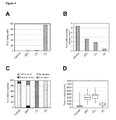
- To determine the primary cause for the phenotype produced by (C) and examine whether (A) may interfere with mitosis we examined live cells by time-lapse video microscopy.
- To visualize DNA and microtubules we used a HeLa stable cell line expressing H2B-GFP and mRFP- ⁇ Tubulin. Cells were placed in medium containing 2 ⁇ M ZM1 or 40 ⁇ M of any of our three compounds and imaged every 3 or 4.5 min for 16 h-24 h ( Figure 3 ).
- the resulting time-lapse images were used to determine the following parameters: (1) the percentage of cell death among non dividing cells ( Figure 4A ), (2) the percentage of cells entering mitosis ( Figure 4B ), (3) the outcome of mitosis: normal division (cell division), return to interphase without chromatin segregation and without dividing (no division), cytokinesis failure (division errors), cell death without resolving mitosis (cell death) ( Figure 4C), and (4 ) the length of time spent in mitosis (TIM), defined as the interval between DNA condensation and anaphase resolution ( Figure 4D ).
- Control cells plated in medium containing DMSO, were healthy throughout the observation time. An average of 5.4 % of the cells entered mitosis per hour ( Figure 4B ) and almost all of them (90.3%) were able to divide successfully with an average TIM of 39 min (median) ( Figure 4D ). Treatment with ZM1 decreased by half the number of cells entering mitosis. In agreement with published data, it also increased the TIM to 306 min. During their time in mitosis, cells had problems in reaching metaphase, and 76% of them de-condensed their DNA and went back to interphase without chromosome segregation.
- Compound (A) had a strong effect on cell viability independent of mitosis, without showing other defects that could suggest an inhibition of Aurora kinases.
- cells treated with (C) showed a large proportion of abnormal mitotic spindles (defined as those that did not display canonical bipolar spindle formation: monopolar, multipolar and other aberrant structures).
- (C) has a strong effect on mitotic progression and induces phenotypes that are compatible with Aurora A inhibition.
- hTERT-RPE1 cells were plated at 50% confluence in medium without serum. After 48 h more than 80% of the cells had a clearly visible cilia as detected by immunofluorescence with an anti acetylated ⁇ -tubulin antibody. As previously described changing the culture medium to one containing 10% fetal bovine serum caused cilia disassembly in the first two hours after serum stimulation ( Figure 6 ). Pretreatment of cells with ZM1 1-2 ⁇ M did not have any effect on cilia disassembly. By contrast it was strongly inhibited in cells pretreated with 40 ⁇ M (C) ( Figure 6 ).
Landscapes
- Chemical & Material Sciences (AREA)
- Organic Chemistry (AREA)
- Health & Medical Sciences (AREA)
- General Chemical & Material Sciences (AREA)
- Medicinal Chemistry (AREA)
- Nuclear Medicine, Radiotherapy & Molecular Imaging (AREA)
- Chemical Kinetics & Catalysis (AREA)
- Pharmacology & Pharmacy (AREA)
- Life Sciences & Earth Sciences (AREA)
- Animal Behavior & Ethology (AREA)
- General Health & Medical Sciences (AREA)
- Public Health (AREA)
- Veterinary Medicine (AREA)
- Pharmaceuticals Containing Other Organic And Inorganic Compounds (AREA)
Priority Applications (2)
| Application Number | Priority Date | Filing Date | Title |
|---|---|---|---|
| EP09382002A EP2241565A1 (de) | 2009-01-15 | 2009-01-15 | Aurora-Kinase-Inhibitor-Verbindungen |
| PCT/EP2010/050463 WO2010081881A1 (en) | 2009-01-15 | 2010-01-15 | Aurora kinase inhibitors compounds. |
Applications Claiming Priority (1)
| Application Number | Priority Date | Filing Date | Title |
|---|---|---|---|
| EP09382002A EP2241565A1 (de) | 2009-01-15 | 2009-01-15 | Aurora-Kinase-Inhibitor-Verbindungen |
Publications (1)
| Publication Number | Publication Date |
|---|---|
| EP2241565A1 true EP2241565A1 (de) | 2010-10-20 |
Family
ID=40565215
Family Applications (1)
| Application Number | Title | Priority Date | Filing Date |
|---|---|---|---|
| EP09382002A Withdrawn EP2241565A1 (de) | 2009-01-15 | 2009-01-15 | Aurora-Kinase-Inhibitor-Verbindungen |
Country Status (2)
| Country | Link |
|---|---|
| EP (1) | EP2241565A1 (de) |
| WO (1) | WO2010081881A1 (de) |
Families Citing this family (27)
| Publication number | Priority date | Publication date | Assignee | Title |
|---|---|---|---|---|
| PL3089971T3 (pl) | 2014-01-01 | 2021-01-25 | Medivation Technologies Llc | Związki i sposoby ich zastosowania |
| WO2022033420A1 (zh) * | 2020-08-14 | 2022-02-17 | 成都海博为药业有限公司 | 一种作为pak4激酶抑制剂的化合物及其制备方法和应用 |
| CN114075175B (zh) * | 2020-08-14 | 2026-06-26 | 成都海博为药业有限公司 | 一种作为pak4激酶抑制剂的化合物及其制备方法和应用 |
| KR102695540B1 (ko) * | 2020-09-21 | 2024-08-14 | 재단법인 아산사회복지재단 | 퀴나졸린-2,4-다이아민 유도체 및 이를 유효성분으로 함유하는 암의 예방 또는 치료용 약학적 조성물 |
| TWI896831B (zh) * | 2020-12-31 | 2025-09-11 | 大陸商成都海博為藥業有限公司 | 一種作為pak4激酶抑制劑的化合物及其製備方法和應用 |
| KR20260019479A (ko) | 2023-05-04 | 2026-02-10 | 레볼루션 메디슨즈, 인크. | Ras 관련 질환 또는 장애를 위한 병용 요법 |
| CN121889155A (zh) | 2023-08-07 | 2026-04-17 | 锐新医药公司 | 用于治疗ras蛋白相关疾病或病症的rmc-6291 |
| AU2024360465A1 (en) | 2023-10-12 | 2026-04-09 | Revolution Medicines, Inc. | Macrocyclic ras inhibitors |
| WO2025171296A1 (en) | 2024-02-09 | 2025-08-14 | Revolution Medicines, Inc. | Ras inhibitors |
| WO2025240847A1 (en) | 2024-05-17 | 2025-11-20 | Revolution Medicines, Inc. | Ras inhibitors |
| US20250375445A1 (en) | 2024-06-07 | 2025-12-11 | Revolution Medicines, Inc. | Methods of treating a ras protein-related disease or disorder |
| WO2025265060A1 (en) | 2024-06-21 | 2025-12-26 | Revolution Medicines, Inc. | Therapeutic compositions and methods for managing treatment-related effects |
| WO2026006747A1 (en) | 2024-06-28 | 2026-01-02 | Revolution Medicines, Inc. | Ras inhibitors |
| WO2026015801A1 (en) | 2024-07-12 | 2026-01-15 | Revolution Medicines, Inc. | Methods of treating a ras related disease or disorder |
| WO2026015825A1 (en) | 2024-07-12 | 2026-01-15 | Revolution Medicines, Inc. | Use of ras inhibitor for treating pancreatic cancer |
| WO2026015790A1 (en) | 2024-07-12 | 2026-01-15 | Revolution Medicines, Inc. | Methods of treating a ras related disease or disorder |
| WO2026015796A1 (en) | 2024-07-12 | 2026-01-15 | Revolution Medicines, Inc. | Methods of treating a ras related disease or disorder |
| WO2026050446A1 (en) | 2024-08-29 | 2026-03-05 | Revolution Medicines, Inc. | Ras inhibitors |
| WO2026072904A2 (en) | 2024-09-26 | 2026-04-02 | Revolution Medicines, Inc. | Compositions and methods for treating lung cancer |
| WO2026090116A2 (en) | 2024-10-21 | 2026-04-30 | Revolution Medicines, Inc. | Ras inhibitors |
| US20260108528A1 (en) | 2024-10-22 | 2026-04-23 | Revolution Medicines, Inc. | Methods of treating a ras protein-related disease or disorder |
| WO2026090245A1 (en) | 2024-10-22 | 2026-04-30 | Revolution Medicines, Inc. | Use of ras inhibitors for treating cancer |
| WO2026106912A1 (en) | 2024-11-12 | 2026-05-21 | Revolution Medicines, Inc. | Ras inhibitors |
| WO2026112260A1 (en) | 2024-11-21 | 2026-05-28 | Revolution Medicines, Inc. | Ras inhibitors |
| WO2026122764A2 (en) | 2024-12-06 | 2026-06-11 | Revolution Medicines, Inc. | Ras inhibitors |
| WO2026128688A2 (en) | 2024-12-13 | 2026-06-18 | Revolution Medicines, Inc. | Ras inhibitors |
| WO2026161839A1 (en) | 2025-01-27 | 2026-07-30 | Revolution Medicines, Inc. | Ras inhibitors |
Citations (12)
| Publication number | Priority date | Publication date | Assignee | Title |
|---|---|---|---|---|
| EP0579496A1 (de) | 1992-07-15 | 1994-01-19 | Ono Pharmaceutical Co., Ltd. | 4-Aminochinazolin-Derivate, deren Verwendung als Heilmittel |
| JPH07188214A (ja) | 1993-12-24 | 1995-07-25 | Ono Pharmaceut Co Ltd | 4−アミノキナゾリン誘導体、その製造方法およびそれを含有する医薬品 |
| WO1996009294A1 (en) | 1994-09-19 | 1996-03-28 | The Wellcome Foundation Limited | Substituted heteroaromatic compounds and their use in medicine |
| WO1996015118A1 (en) | 1994-11-12 | 1996-05-23 | Zeneca Limited | Aniline derivatives |
| WO1999006378A1 (en) | 1997-07-29 | 1999-02-11 | Warner-Lambert Company | Irreversible inhibitors of tyrosine kinases |
| WO2000021955A1 (en) | 1998-10-08 | 2000-04-20 | Astrazeneca Ab | Quinazoline derivatives |
| WO2001021597A1 (en) | 1999-09-21 | 2001-03-29 | Astrazeneca Ab | Therapeutic quinazoline derivatives |
| EP1147093A1 (de) | 1999-01-27 | 2001-10-24 | Pfizer Products Inc. | Substituierte bizyclische derivate verwendbar als antitumor mittel |
| US20020025968A1 (en) * | 1998-04-15 | 2002-02-28 | Rifat Pamukcu | Method for inhibiting neoplastic cells and related conditions by exposure to 4-aminoquinazoline derivatives |
| WO2003048152A2 (en) * | 2001-12-05 | 2003-06-12 | Tularik Inc. | Inflammation modulators |
| WO2004030671A2 (en) | 2002-10-02 | 2004-04-15 | Merck Patent Gmbh | Use of 4-amino-quinazolines as anti cancer agents |
| WO2004030672A1 (en) * | 2002-10-02 | 2004-04-15 | Merck Patent Gmbh | Use of 4 amino-quinazolines as anti cancer agents |
-
2009
- 2009-01-15 EP EP09382002A patent/EP2241565A1/de not_active Withdrawn
-
2010
- 2010-01-15 WO PCT/EP2010/050463 patent/WO2010081881A1/en not_active Ceased
Patent Citations (12)
| Publication number | Priority date | Publication date | Assignee | Title |
|---|---|---|---|---|
| EP0579496A1 (de) | 1992-07-15 | 1994-01-19 | Ono Pharmaceutical Co., Ltd. | 4-Aminochinazolin-Derivate, deren Verwendung als Heilmittel |
| JPH07188214A (ja) | 1993-12-24 | 1995-07-25 | Ono Pharmaceut Co Ltd | 4−アミノキナゾリン誘導体、その製造方法およびそれを含有する医薬品 |
| WO1996009294A1 (en) | 1994-09-19 | 1996-03-28 | The Wellcome Foundation Limited | Substituted heteroaromatic compounds and their use in medicine |
| WO1996015118A1 (en) | 1994-11-12 | 1996-05-23 | Zeneca Limited | Aniline derivatives |
| WO1999006378A1 (en) | 1997-07-29 | 1999-02-11 | Warner-Lambert Company | Irreversible inhibitors of tyrosine kinases |
| US20020025968A1 (en) * | 1998-04-15 | 2002-02-28 | Rifat Pamukcu | Method for inhibiting neoplastic cells and related conditions by exposure to 4-aminoquinazoline derivatives |
| WO2000021955A1 (en) | 1998-10-08 | 2000-04-20 | Astrazeneca Ab | Quinazoline derivatives |
| EP1147093A1 (de) | 1999-01-27 | 2001-10-24 | Pfizer Products Inc. | Substituierte bizyclische derivate verwendbar als antitumor mittel |
| WO2001021597A1 (en) | 1999-09-21 | 2001-03-29 | Astrazeneca Ab | Therapeutic quinazoline derivatives |
| WO2003048152A2 (en) * | 2001-12-05 | 2003-06-12 | Tularik Inc. | Inflammation modulators |
| WO2004030671A2 (en) | 2002-10-02 | 2004-04-15 | Merck Patent Gmbh | Use of 4-amino-quinazolines as anti cancer agents |
| WO2004030672A1 (en) * | 2002-10-02 | 2004-04-15 | Merck Patent Gmbh | Use of 4 amino-quinazolines as anti cancer agents |
Non-Patent Citations (10)
| Title |
|---|
| "Remington's Pharmaceutical Sciences", 1990, MACK PUBLISHING COMPANY |
| BIOORG. MED. CHEM., vol. 14, 2006, pages 3307 - 3319 |
| GIRDLER ET AL., J. CELL SCI., vol. 119, 2006, pages 3664 - 3675 |
| J. MED. CHEM., vol. 38, 1995, pages 2763 - 2773 |
| J. MED. CHEM., vol. 50, 2007, pages 2297 - 2300 |
| LEE S J ET AL: "Discovery of Potent Cyclic GMP Phosphodiesterase inhibitors. 2-Pyridyl- and 2-Imidazolylquinazolines Possessing Cyclic GMP Phosphodiesterase and Thromboxane Synthesis Inhibitory Activities", JOURNAL OF MEDICINAL CHEMISTRY, AMERICAN CHEMICAL SOCIETY, WASHINGTON., US, vol. 38, no. 18, 1 January 1995 (1995-01-01), pages 3547 - 3557, XP003014001, ISSN: 0022-2623 * |
| NAT. REV. CANCER, vol. 5, 2005, pages 42 - 49 |
| PIAZZA G A ET AL: "EXISULIND, A NOVEL PROAPOPTOTIC DRUG, INHIBITS RAT URINARY BLADDER TUMORIGENESIS", CANCER RESEARCH, AMERICAN ASSOCIATION FOR CANCER RESEARCH, BALTIMORE, MD.; US, vol. 61, no. 10, 15 May 2001 (2001-05-15), pages 3961 - 3968, XP001104534, ISSN: 0008-5472 * |
| PUGACHEVA ET AL., CELL, vol. 129, 2007, pages 1351 - 1363 |
| TETRAHEDRON LETT., vol. 47, 2006, pages 8251 - 8254 |
Also Published As
| Publication number | Publication date |
|---|---|
| WO2010081881A1 (en) | 2010-07-22 |
Similar Documents
| Publication | Publication Date | Title |
|---|---|---|
| WO2010081881A1 (en) | Aurora kinase inhibitors compounds. | |
| JP7383652B2 (ja) | B-rafキナーゼのマレイン酸塩、結晶形、調整方法、及びその使用 | |
| TWI767858B (zh) | (S)-N-(5-((R)-2-(2,5-二氟苯基)-吡咯啶-1-基)-吡唑并[1,5-a]嘧啶-3-基)-3-羥基吡咯啶-1-甲醯胺硫酸氫鹽結晶型 | |
| JP6473828B2 (ja) | キナゾリン複素環式化合物、その製造方法及び癌を治療する上皮成長因子受容体阻害剤としての応用 | |
| CN107382879B (zh) | 一种嘧啶类化合物、egfr抑制剂及其应用 | |
| JP6087954B2 (ja) | キノリン類およびシンノリン類化合物、およびその使用 | |
| JP6802194B2 (ja) | Nadphオキシダーゼ4阻害剤 | |
| CN114008033A (zh) | 胰高血糖素样肽1受体激动剂 | |
| WO2010139180A1 (zh) | 作为蛋白激酶抑制剂和组蛋白去乙酰化酶抑制剂的萘酰胺衍生物、其制备方法及应用 | |
| CA3172987A1 (en) | Small molecule inhibitors of oncogenic chd1l with preclinical activity against colorectal cancer | |
| EP2509974A1 (de) | Pyrazolderivate als modulatoren des calcium-release-aktivierten calciumkanals und verfahren zur behandlung von nicht-kleinzelligem bronchialkarzinom | |
| KR20200130868A (ko) | O-아미노헤테로아릴알키닐기를 함유한 화합물 및 이의 제조 방법과 용도 | |
| KR102286526B1 (ko) | 헤테로시클릭-이미다졸계 화합물, 그 약물 조성물 및 그 제조방법과 용도 | |
| CN117956996A (zh) | 用于yap/tead调节的化合物和方法及其适应证 | |
| WO2021238007A1 (zh) | 可诱导prc2蛋白复合物核心亚基降解的双功能化合物和药物组合物及应用 | |
| EP4255910A1 (de) | Alc1-inhibitoren und synergie mit parpi | |
| JP2025509404A (ja) | Prmt5のmta協働阻害剤としての4-(アミノメチル)-6-(1-メチル-1h-ピラゾール-4-イル)イソキノリン-1(2h)-オン誘導体 | |
| JP6916562B2 (ja) | 化合物、その薬学的に許容される塩、溶媒和物、立体異性体及び互変異性体、並びに薬物組成物、過剰増殖性障害治療剤、過剰増殖性障害予防剤、薬物、癌治療剤、癌予防剤、及びキナーゼシグナル伝達調節剤 | |
| JP2022524914A (ja) | アデノシン受容体アンタゴニストとしてのチアゾロピリジン誘導体 | |
| WO2019170088A1 (zh) | 一种噁嗪并喹唑啉与噁嗪并喹啉类化合物及其制备方法和应用 | |
| CN112010789A (zh) | 乙烯基磺酰胺或乙烯基酰胺类化合物及其制备方法和用途 | |
| CN109553617B (zh) | Wnt和Hedgehog信号通路双抑制剂及其应用 | |
| JP2021527071A (ja) | Epac阻害剤としてのチエノ[2,3−b]ピリジン誘導体及びその医薬用途 | |
| WO2019154133A1 (zh) | 二噁烷并喹啉类化合物及其制备方法与应用 | |
| WO2020205991A1 (en) | TOPOISOMERASE II-alpha INHIBITORS AND METHODS OF TREATING CANCER USING THE SAME |
Legal Events
| Date | Code | Title | Description |
|---|---|---|---|
| PUAI | Public reference made under article 153(3) epc to a published international application that has entered the european phase |
Free format text: ORIGINAL CODE: 0009012 |
|
| AK | Designated contracting states |
Kind code of ref document: A1 Designated state(s): AT BE BG CH CY CZ DE DK EE ES FI FR GB GR HR HU IE IS IT LI LT LU LV MC MK MT NL NO PL PT RO SE SI SK TR |
|
| AX | Request for extension of the european patent |
Extension state: AL BA RS |
|
| REG | Reference to a national code |
Ref country code: DE Ref legal event code: R108 |
|
| AKY | No designation fees paid | ||
| REG | Reference to a national code |
Ref country code: DE Ref legal event code: R108 Effective date: 20110623 |
|
| STAA | Information on the status of an ep patent application or granted ep patent |
Free format text: STATUS: THE APPLICATION IS DEEMED TO BE WITHDRAWN |
|
| 18D | Application deemed to be withdrawn |
Effective date: 20110421 |