EP2244430B1 - Mobiles Endgerät und Chatverfahren in einem mobilen Endgerät mithilfe eines Sofortnachrichtendienstes - Google Patents
Mobiles Endgerät und Chatverfahren in einem mobilen Endgerät mithilfe eines Sofortnachrichtendienstes Download PDFInfo
- Publication number
- EP2244430B1 EP2244430B1 EP10159400.0A EP10159400A EP2244430B1 EP 2244430 B1 EP2244430 B1 EP 2244430B1 EP 10159400 A EP10159400 A EP 10159400A EP 2244430 B1 EP2244430 B1 EP 2244430B1
- Authority
- EP
- European Patent Office
- Prior art keywords
- chat
- party
- content
- mobile terminal
- previous
- Prior art date
- Legal status (The legal status is an assumption and is not a legal conclusion. Google has not performed a legal analysis and makes no representation as to the accuracy of the status listed.)
- Active
Links
Images












Classifications
-
- H—ELECTRICITY
- H04—ELECTRIC COMMUNICATION TECHNIQUE
- H04L—TRANSMISSION OF DIGITAL INFORMATION, e.g. TELEGRAPHIC COMMUNICATION
- H04L51/00—User-to-user messaging in packet-switching networks, transmitted according to store-and-forward or real-time protocols, e.g. e-mail
- H04L51/04—Real-time or near real-time messaging, e.g. instant messaging [IM]
-
- H—ELECTRICITY
- H04—ELECTRIC COMMUNICATION TECHNIQUE
- H04B—TRANSMISSION
- H04B1/00—Details of transmission systems, not covered by a single one of groups H04B3/00 - H04B13/00; Details of transmission systems not characterised by the medium used for transmission
- H04B1/38—Transceivers, i.e. devices in which transmitter and receiver form a structural unit and in which at least one part is used for functions of transmitting and receiving
- H04B1/40—Circuits
-
- H—ELECTRICITY
- H04—ELECTRIC COMMUNICATION TECHNIQUE
- H04L—TRANSMISSION OF DIGITAL INFORMATION, e.g. TELEGRAPHIC COMMUNICATION
- H04L12/00—Data switching networks
- H04L12/02—Details
- H04L12/16—Arrangements for providing special services to substations
- H04L12/18—Arrangements for providing special services to substations for broadcast or conference, e.g. multicast
- H04L12/1813—Arrangements for providing special services to substations for broadcast or conference, e.g. multicast for computer conferences, e.g. chat rooms
- H04L12/1822—Conducting the conference, e.g. admission, detection, selection or grouping of participants, correlating users to one or more conference sessions, prioritising transmission
-
- H—ELECTRICITY
- H04—ELECTRIC COMMUNICATION TECHNIQUE
- H04W—WIRELESS COMMUNICATION NETWORKS
- H04W4/00—Services specially adapted for wireless communication networks; Facilities therefor
- H04W4/12—Messaging; Mailboxes; Announcements
-
- H—ELECTRICITY
- H04—ELECTRIC COMMUNICATION TECHNIQUE
- H04L—TRANSMISSION OF DIGITAL INFORMATION, e.g. TELEGRAPHIC COMMUNICATION
- H04L12/00—Data switching networks
- H04L12/02—Details
- H04L12/16—Arrangements for providing special services to substations
- H04L12/18—Arrangements for providing special services to substations for broadcast or conference, e.g. multicast
- H04L12/1813—Arrangements for providing special services to substations for broadcast or conference, e.g. multicast for computer conferences, e.g. chat rooms
- H04L12/1831—Tracking arrangements for later retrieval, e.g. recording contents, participants activities or behavior, network status
-
- H—ELECTRICITY
- H04—ELECTRIC COMMUNICATION TECHNIQUE
- H04L—TRANSMISSION OF DIGITAL INFORMATION, e.g. TELEGRAPHIC COMMUNICATION
- H04L12/00—Data switching networks
- H04L12/02—Details
- H04L12/16—Arrangements for providing special services to substations
- H04L12/18—Arrangements for providing special services to substations for broadcast or conference, e.g. multicast
- H04L12/189—Arrangements for providing special services to substations for broadcast or conference, e.g. multicast in combination with wireless systems
Definitions
- a terminal is a device which may be configured to perform various functions. Examples of such functions include data and voice communications, capturing images and video via a camera, recording audio, playing music files via a speaker system, and displaying images and video on a display. Some terminals include additional functionality that supports game playing, while other terminals are configured as multimedia players. More recently, terminals have been configured to receive broadcast and multicast signals that permit viewing of content such as videos and television programs.
- EP 1 746 790 A1 relates to a method and also to a mobile terminal operable with a programme module for sharing message history developed during an Instant Messaging (IM) communication session.
- IM Instant Messaging
- a mobile terminal for performing a chat using an instant messaging service as defined in claim 1 is provided.
- Embodiments are further defined in claims 2-13.
- a method for performing a chat in a mobile terminal using an instant messaging service is provided as indicated in claim 14.
- the method further includes deleting the at least one specific message transmitted during the chat with the first chat party from the chat content input region when at least one new text message is input in the chat content input region or editing the at least one specific message transmitted during the chat with the first chat part that is displayed in the chat content input region when an editing function is selected. It is further contemplated that the method further includes displaying identification information on the display of at least one party that may be selected as the at least one chat party and processing a selection of the second chat party using the displayed identification information.
- the method further includes displaying a second chat window including a chat content display region and a chat content input region on the display while the chat with the second chat party is ongoing and displaying the content of the at least one specific previous chat with the first chat party in the chat content input region of the second chat window. It is further contemplated that the method further includes displaying the content of the at least one specific previous chat with the first chat party in the chat content input region of the second chat window such that it is distinguishable from a content of the chat with the second chat party.
- the method further includes processing an external signal to add a chat party to receive the content of the at least one specific previous chat with the first chat party and transmitting the content of the at least one specific previous chat with the first chat party to the added chat party. It is further contemplated that the method further includes inputting the content of a specific one of a plurality of previous chats with the first chat party that also included at least one additional chat party as the content of the chat with the second chat party.
- the method further includes receiving an input via a direction key manipulation and a selection of at least one specific previous chat content from a list of previous chat contents with at least one chat party and inputting the selected at least one specific previous chat content as a content of a chat with each of the first and second chat parties according to the input received via the direction key manipulation. It is further contemplated that the method further includes storing a content of the chat with the first and second chat parties.
- the broadcast managing server refers generally to a system that transmits a broadcast signal and/or broadcast associated information.
- broadcast associated information include information associated with a broadcast channel, a broadcast program, and a broadcast service provider.
- the broadcast associated information may include an electronic program guide (EPG) of digital multimedia broadcasting (DMB) and electronic service guide (ESG) of digital video broadcast-handheld (DVB-H).
- EPG electronic program guide
- ESG electronic service guide
- Receiving multicast signals is also possible.
- Data received by the broadcast receiving module 111 may be stored in a suitable device, such as the memory 160.
- the mobile communication module 112 communicates wireless signals with one or more network entities, such as base station or Node-B.
- Such signals may represent, for example, audio, video, multimedia, control signaling, or data.
- the wireless Internet module 113 supports Internet access for the mobile terminal 100.
- the wireless Internet module 113 may be internally or externally coupled to the mobile terminal 100.
- the wireless Internet technology can include, for example, WLAN (Wireless LAN) (Wi-Fi), Wibro (Wireless broadband), Wimax (World Interoperability for Microwave Access), or HSDPA (High Speed Downlink Packet Access).
- the short-range communication module 114 facilitates relatively short-range communications.
- Suitable technologies for short-range communication may include, but are not limited to, radio frequency identification (RFID), infrared data association (IrDA), ultra-wideband (UWB), as well at the networking technologies commonly referred to as Bluetooth® and ZigBee®.
- RFID radio frequency identification
- IrDA infrared data association
- UWB ultra-wideband
- the position-location module 115 identifies or otherwise obtains the location of the mobile terminal 100.
- the position-location module 115 may be implemented using global positioning system (GPS) components that cooperate with associated satellites, network components, and combinations thereof.
- GPS global positioning system
- the microphone 122 receives an external audio signal while the mobile terminal 100 is in a particular mode, such as phone call mode, recording mode or voice recognition mode. This audio signal is processed and converted into digital data.
- the mobile terminal 100, and specifically the AN input unit 120, may include assorted noise removing algorithms to remove noise generated in the course of receiving the external audio signal.
- Data generated by the AN input unit 120 may be stored in the memory 160, utilized by the output unit 150, or transmitted via one or more modules of the communication unit 110. If desired, two or more cameras 121 or microphones 122 may be provided.
- the user input unit 130 generates input data responsive to user manipulation of an associated input device or devices.
- Examples of such devices include a keypad, a dome switch, a touchpad such as static pressure/capacitance, a jog wheel and a jog switch.
- the sensing unit 140 provides status measurements of various aspects of the mobile terminal 100.
- the sensing unit 140 may detect an open/close status of the mobile terminal 100, the relative positioning of components such as a display and keypad, a change of position of the mobile terminal or a component of the mobile terminal, a presence or absence of user contact with the mobile terminal, or orientation or acceleration/deceleration of the mobile terminal.
- the mobile terminal 100 may be configured as a slide-type mobile terminal and the sensing unit 140 may sense whether a sliding portion of the mobile terminal is open or closed.
- the sensing unit 140 may also sense the presence or absence of power provided by the power supply 190 or the presence or absence of a coupling or other connection between the interface unit 170 and an external device.
- the output unit 150 generates outputs relevant to the senses such as sight, hearing, and touch.
- the output unit 150 is illustrated in FIG. 1 as having a display 151, an audio output module 152, an alarm unit 153, a haptic module 154, and a projector module 155.
- the display 151 is typically implemented to visually display (output) information associated with the mobile terminal 100. For example, if the mobile terminal 100 is operating in a phone call mode, the display 151 will generally provide a user interface (Ul) or graphical user interface (GUI) that includes information associated with placing, conducting, and terminating a phone call. If the mobile terminal 100 is in a video call mode or a photographing mode, the display 151 may additionally or alternatively display images which are associated with these modes, the UI or the GUI.
- Ul user interface
- GUI graphical user interface
- the display 151 may be implemented using known display technologies including a liquid crystal display (LCD), a thin film transistor-liquid crystal display (TFT-LCD), an organic light-emitting diode display (OLED), a flexible display and a three-dimensional display.
- the mobile terminal 100 may include one or more displays 151.
- Some of the displays 151 can be implemented as a transparent or optical transmittive type, which can be called a transparent display.
- the transparent display may be a TOLED (transparent OLED).
- a rear configuration of the display 151 can be implemented as an optical transmittive type as well. In this configuration, a user is able to see an object at the rear of the terminal body via the area occupied by the display 151.
- At least two displays 151 can be provided in accordance with the implemented configuration of the mobile terminal 100.
- a plurality of displays 151 can be arranged on a single face of the mobile terminal 100 such that they are spaced apart from each other or built in one body.
- a plurality of displays 151 can be arranged on different faces of the mobile terminal 100.
- a touch input is made to the touch sensor, signal(s) corresponding to the touch are transferred to a touch controller (not shown).
- the touch controller processes the signal(s) and then transfers the processed signal(s) to the controller 180.
- the controller 180 is able to determine whether a specific portion of the display 151 is touched.
- a proximity sensor (not shown) can be provided at an internal area of the mobile terminal 100 enclosed by the touch screen or around the touch screen.
- the proximity sensor is a sensor that detects a presence or non-presence of an object approaching a specific detecting surface or an object existing around the proximity sensor using an electromagnetic field strength or infrared ray without mechanical contact. Therefore, the proximity sensor is more durable than a contact type sensor and also provides wider utility than a contact type sensor.
- the proximity sensor may include a transmittive photoelectric sensor, a direct reflective photoelectric sensor, a mirror reflective photoelectric sensor, a radio frequency oscillation proximity sensor, an electrostatic capacity proximity sensor, a magnetic proximity sensor, an infrared proximity sensor or similar sensors. If the touch screen includes an electrostatic capacity proximity sensor, it is configured to detect the proximity of a pointer using a variation of electric field according to the proximity of the pointer. In this case, the touch screen (touch sensor) can be classified as the proximity sensor.
- the proximity sensor detects a proximity touch and a proximity touch pattern (e.g., a proximity touch distance, a proximity touch duration, a proximity touch position, or a proximity touch shift state). Information corresponding to the detected proximity touch and the detected proximity touch pattern can be output to the touch screen.
- a proximity touch pattern e.g., a proximity touch distance, a proximity touch duration, a proximity touch position, or a proximity touch shift state.
- the audio output module 152 functions in various modes such as call-receiving mode, call-placing mode, recording mode, voice recognition mode and broadcast reception mode.
- the audio output module 152 outputs audio relating to a particular function or status, such as call received, message received, or errors.
- the alarm unit 153 may signal or otherwise identify the occurrence of a particular event associated with the mobile terminal 100. Typical events include call received, message received and user input received.
- the alarm unit 153 outputs a signal for announcing the event occurrence via vibration as well as via video or audio signal.
- the video or audio signal can be output via the display 151 or the audio output unit 152. Therefore, the display 151 or the audio output module 152 can be regarded as a part of the alarm unit 153.
- the haptic module 154 is able to generate various tactile effects as well as vibration.
- the haptic module 154 may generate the effect of an arrangement of pins vertically moving against a contact skin surface, the effect of an injection/suction power of air though an injection/suction hole, the effect of skimming over a skin surface, the effect of contact with an electrode, the effect of electrostatic force, or the effect of hold/cold using an endothermic or exothermic device.
- the haptic module 154 can be implemented to enable a user to sense the tactile effect through a muscle sense of a finger, an arm or other body part as well as to transfer the tactile effect through a direct contact. At least two haptic modules 154 can be provided in the mobile terminal 100 in accordance with the corresponding configuration of the mobile terminal.
- the projector module 155 is an element for performing an image projector function using the mobile terminal 100.
- the projector module 155 may display an image, which is identical to or partially different from the image displayed on the display 151, on an external screen or wall according to a control signal from the controller 180.
- the projector module 155 may include a light source (not shown) such as a laser for projecting an image externally, an image producing means for producing an image to output externally using the light generated from the light source, and a lens for enlarging the externally output image in a predetermined focus distance.
- the projector module 155 can further include a device for adjusting an image projected direction by mechanically moving the lens or the entire projector module.
- the projector module 155 can be classified as a CRT (cathode ray tube) module, an LCD (liquid crystal display) module, or a DLP (digital light processing) module according to a type of display means.
- the DLP module is operated by enabling the light generated from the light source to reflect on a DMD (digital micro-mirror device) chip and can be advantageous for limiting the size of the projector module 155.
- the memory 160 may be implemented using any type or combination of suitable volatile and non-volatile memory or storage devices. Examples of memory types are random access memory (RAM), static random access memory (SRAM), electrically erasable programmable read-only memory (EEPROM), erasable programmable read-only memory (EPROM), programmable read-only memory (PROM), read-only memory (ROM), magnetic memory, flash memory, magnetic or optical disk memory, card-type memory, and other similar memory or data storage devices.
- RAM random access memory
- SRAM static random access memory
- EEPROM electrically erasable programmable read-only memory
- EPROM erasable programmable read-only memory
- PROM programmable read-only memory
- ROM read-only memory
- magnetic memory flash memory
- flash memory magnetic or optical disk memory
- card-type memory card-type memory
- the interface unit 170 is often implemented to couple the mobile terminal 100 with external devices.
- the interface unit 170 receives data from the external devices or is supplied with power and then transfers the data or power to the respective elements of the mobile terminal 100 or enables data within the mobile terminal 100 to be transferred to the external devices.
- the interface unit 170 may be configured using a wired/wireless headset port, an external charger port, a wired/wireless data port, a memory card port, a port for coupling to a device having an identity module, audio input/output ports, video input/output ports, or an earphone port.
- the identity module is a chip for storing various kinds of information for authenticating a user's authority to use the mobile terminal 100 and can include a User Identify Module (UIM), a Subscriber Identify Module (SIM), or a Universal Subscriber Identity Module (USIM).
- a device having the identity module (hereinafter called 'identity device') can be manufactured as a smart card. Therefore, the identity device is connectible to the mobile terminal 100 via a corresponding port.
- the interface unit 170 When the mobile terminal 110 is connected to an external cradle, the interface unit 170 provides a passage for supplying the mobile terminal 100 with power from the cradle or a passage for delivering various command signals to the mobile terminal 100 that are input from the cradle by a user.
- Each of the various command signals input from the cradle or the power can operate as a signal enabling the mobile terminal 100 to determine that it is correctly loaded in the cradle.
- the controller 180 typically controls the overall operations of the mobile terminal 100. For example, the controller 180 performs the control and processing associated with voice calls, data communications, instant message communication, video calls, camera operations and recording operations. Furthermore, the controller 180 may perform a pattern recognizing process for recognizing a writing input and a picture drawing input performed on the touch screen as characters or images.
- the controller 180 may include a multimedia module 181 that provides multimedia playback.
- the multimedia module 181 may be configured as part of the controller 180 or implemented as a separate component.
- the power supply 190 provides power required by the various components for the mobile terminal 100.
- the power may be internal power, external power, or combinations thereof.
- the embodiments described may be implemented within one or more application specific integrated circuits (ASICs), digital signal processors (DSPs), digital signal processing devices (DSPDs), programmable logic devices (PLDs), field programmable gate arrays (FPGAs), processors, controllers, micro-controllers, microprocessors, other electronic units designed to perform the functions described herein, or a combination of these devices.
- ASICs application specific integrated circuits
- DSPs digital signal processors
- DSPDs digital signal processing devices
- PLDs programmable logic devices
- FPGAs field programmable gate arrays
- processors controllers, micro-controllers, microprocessors, other electronic units designed to perform the functions described herein, or a combination of these devices.
- the controller 180 may also implement such embodiments.
- the embodiments described herein may be implemented with separate software modules, such as procedures and functions, each of which perform one or more of the functions and operations described herein.
- the software codes can be implemented with a software application written in any suitable programming language and may be stored in memory, such as the memory 160, and executed by a controller or processor, such as the controller 180.
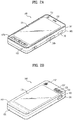
- the mobile terminal 100 includes a case (casing, housing, cover, etc.) configuring an exterior of the mobile terminal.
- the case can be divided into a front case 101 and a rear 102 case.
- Various electric/electronic parts are located in a space between the front 101 and rear 102 cases.
- at least one middle case can be provided between the front 101 and rear 102 cases.
- the cases 101 and 102 may be formed by injection molding synthetic resin.
- the cases 101 and 102 may also be formed of a metal substance such as stainless steel (STS) or titanium (Ti).
- STS stainless steel
- Ti titanium
- the display 151, audio output unit 152, camera 121, manipulating units 130a and 130b, microphone 122, and interface unit 170 can be provided on the terminal body, specifically on the front case 101.
- the display 151 occupies most of a main face of the front case 101.
- the audio output unit 152 and the camera 121 are provided on an area adjacent to one of the end portions of the display 151, while one manipulating input unit 130a and the microphone 122 are provided on another area adjacent to the other end portion of the display.
- the other manipulating unit 130b and the interface unit 170 can be provided on lateral sides of the front and rear cases 101 and 102.
- Content input via the first or second manipulating unit 130a or 130b can be diversely set.
- a command such as start, end, or scroll is input via the first manipulating unit 130a and a command for a volume adjustment of sound output from the audio output unit 152 or a command for switching to a touch recognizing mode of the display 151 can be input via the second manipulating unit 130b.
- an additional camera 121' can be provided on a rear side of the terminal body, specifically on the rear case 102.
- the camera 121' has a photographing direction that is substantially opposite to that of the camera 121 illustrated in FIG. 2A and may have pixels differing from those of the camera 121.
- the camera 121 illustrated in FIG. 2A has pixels low enough to capture and transmit a picture of user's face for a video call, while the camera 121' has high pixels for capturing a general subject for photography without transmitting the captured subject.
- Each of the cameras 121 and 121' can be installed such that they can be rotated or popped up.
- An additional audio output unit 152' can be provided on the rear side of the terminal body.
- the additional audio output unit 152' may implement a stereo function together with the audio output unit 152 illustrated in FIG. 2A and may be used for implementation of a speakerphone mode while talking.
- a broadcast signal receiving antenna 124 can be provided on the lateral side of the terminal body as well as an antenna for communication.
- the antenna 124 comprising a portion of the broadcast receiving module 111 illustrated in FIG. 1 can be retractably provided on the terminal body.
- a power supply unit 190 for supplying power to the terminal 100 is provided.
- the power supply unit 190 can be configured to be located within the terminal body. Alternatively, the power supply unit 190 can be configured to be detachably connected to the terminal body.
- the display 151 is configured to output visual information from both its faces, it possible to recognize the visual information via the touchpad 135 as well.
- the information output from both faces of the display 151 can be entirely controlled by the touchpad 135.
- a display may be provided on the touchpad 135 so that a touchscreen can be provided on the rear case 102 as well.
- the touchpad 135 is activated by interconnecting with the display 151 of the front case 101.
- the touchpad 135 can be provided at the rear of the display 151 in parallel.
- the touchpad 135 can have a size equal to or smaller than the size of the display 151.
- FIG. 3 is a conceptional diagram illustrating a proximity depth of the proximity sensor 141.
- FIG. 3 illustrates a cross-section of the touchscreen provided with a proximity sensor 141 having three proximity depths. It is understood that a proximity sensor 141 having less than proximity depths or 4 or more proximity depths is possible.
- a contact touch is recognized. If the pointer is located such that it is spaced apart from the touchscreen by a distance less than d1, a proximity touch to a first proximity depth is recognized. If the pointer is located such that it is spaced apart from the touchscreen by a distance between d1 and d2, a proximity touch to a second proximity depth is recognized. If the pointer is located such that it is spaced apart from the touchscreen by a distance less than d3 or equal to or greater than d2, a proximity touch to a third proximity depth is recognized. If the pointer is located such that it is spaced apart from the touchscreen by a distance equal to or greater than d3, a released proximity touch is recognized.
- the controller 180 recognizes the proximity touch as one of various input signals according to the proximity depth and position of the pointer.
- the controller 180 performs various operation controls according to the various input signals.
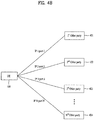
- FIG. 4A illustrates a method of setting an IM session with one other party
- FIG. 4B illustrates a method of setting IM sessions with a plurality of other parties.
- the IMS server 410 receives the response message from the other party's terminal 420 and then transmits the received response message to the mobile terminal 100 [S404].
- the response message can include address information of a server that will receive this data.
- a chatting operation or a file transceiving operation can be performed via the IM session.
- FIG. 4B it is possible to set up IM sessions with a plurality of other parties 421-424 by performing the above process described with reference to FIG. 4A with the plurality of other parties.
- a chat via IMS can include a speech chat, a video chat, file transceiving or a text chat.
- the chat via IMS for is limited to the text chat with file transceiving included in the text chat.
- the chat via IMS includes a con-on-one chat or a chat with a plurality of other users.
- the chat is limited to the one-on-one chat.
- chat content according to this disclosure can be stored in the memory 160 under the control of the controller 180.
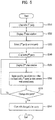
- the mobile terminal 100 When performing the first chat [S510], the mobile terminal 100 receives status information of current chat-available parties from the IMS managing server and then displays the received status information in list form. If a first party is selected as a chat party from the list by a user, the mobile terminal 100 executes the first chat [S510].
- the chat content transceived when performing the first chat [S510] can be stored in the memory 160 under the control of the controller 180.
- the IMS managing server may be an Internet component that transceives status information of each mobile terminal or a user of the corresponding mobile terminal or transceives chat content or a file according to an IM session setting when performing an IMS among a plurality of mobile terminals.
- the status information is information related to a status of a terminal or a user of the terminal subscribed for the IMS and can include on/off, absence, in-meeting, at-table, very-busy, calling, or on-duty.
- the mobile terminal 100 When performing a chat with the first party [S510], the mobile terminal 100 displays a first chat window via the display 151 under the control of the controller 180 [S520].
- the first chat window can include a chat content display region for displaying a chat content transceived with the first party and a chat content input region for displaying a chat content input for transmission to the first party.
- the user is able to input chat content for transmission to the first party by manipulating the user input unit 130, such as a keypad.
- a process for displaying a last transmitted chat content on a chat content input region of a first chat window is explained in detail with reference to the accompanying drawings. For clarity, it is assumed that a name of the first party is 'Chul Soo'.
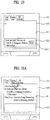
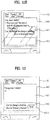
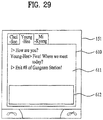
- a first chat window on the display 151 can include a chat content display region 611 and a chat content input region 612. Chat content transceived with Chul Soo can be displayed on the chat content display region 611 and chat content input for transmission to Chul Soo can be displayed on the chat content input region 612.
- the mobile terminal 100 transmits an input chat content (e.g., 'How are you? See you at Exit #8 of Gangnam Station, 7 PM today!') to Chul Soo's terminal via an IMS managing server.
- the input chat content is displayed on the chat content display region 611.
- the mobile terminal 100 still displays the last chat content on the chat content input region 612. If a 'delete' region 612-2 is selected by the user, the mobile terminal 100 deletes the last chat content from the chat content input region 612, receives an input of a new chat content from the user, and then displays the received input on the chat content input region 612.
- the mobile terminal 100 deletes the last chat content from the chat content input region 612 and then displays the newly input chat content on the chat content input region 612.
- the mobile terminal 100 transmits the last chat content to Chul Soo, the mobile terminal 100 no longer displays the last chat content on the chat content input region 612. However, if a menu item, key or key region corresponding to a previous chat content display is selected by the user, the last chat content or a previous chat content can be displayed on the chat content input region 612.
- the mobile terminal 100 displays identification information of a party selectable as a chat party on a portion of a screen.
- the identification information is information registered in the IMS to identify each terminal or a terminal user when performing the IMS and can include a nickname, a title, contact information, and/or image information (icon, symbol, photo, animation, or flash).
- the identification information is displayed in a tag format of the first chat window, displayed on a separate display region, or displayed in a list form.
- the party selectable as the chat party can include a party currently connected to an IMS, a party in a chat state according to a current IM session setting, a party belonging to the same group as the first party, or a party having chatted within a predetermined period of time.
- the party selectable as the chat party is a terminal or a terminal user mutually registered to transceive data with the mobile terminal 100 using the IMS.
- FIGS. 9A , 10 , 11A and 13A illustrate a case where Young Hee is selected as a chat party if a region (hereinafter 'second identification region') is selected by a user on which identification information of Young Hee is displayed. If a touch screen is provided, when a second identification region is touched by a user, Young Hee is selected as a chat party.
- a region hereinafter 'second identification region'
- a touch and drag direction is in a right direction or a down direction
- a party located in order after Chul Soo is selected as a chat party.
- a touch and drag distance is in a left direction or an up direction
- a party located in order before Chul Soo is selected as a chat party.
- the mobile terminal 100 performs a second chat with the second party selected as the chat party [S530] using an IMS via the wireless communication unit 110 under the control of the controller 180 [S540].
- the mobile terminal 100 displays a second chat window via the display 151 under the control of the controller 180 for the chat with the second party [S550].
- the mobile terminal 100 inputs a specific chat content from the previous first chat with the first party as a chat content (hereinafter 'second chat content') with the second party under the control of the controller 180 [S560].
- the specific previous chat content input as the second chat content with the second party can be displayed on a chat content input region of the second chat window.
- the second chat window can be displayed on the same region of the screen of the first chat window. Therefore, when the second party is selected as the chat party, the first chat is switched to the second chat, and the mobile terminal 100 changes the first chat window to the second chat window for display on the same region under the control of the controller 180. Alternately, the first chat window and the second chat window can be displayed by discriminating display regions from each other.
- the previous chat contents can include a previous chat content transmitted by the mobile terminal 100, a previous chat content transmitted by the first party, or a file transceived by the mobile terminal 100 or the first party.
- the specific previous chat content can include the chat content last transceived with the first party among the above described previous chat contents.
- the mobile terminal 100 inputs a previous chat content (e.g., 'How are you? See you at Exit #8 of Gangnam Station!'), which was last transmitted to Chul Soo by the mobile terminal 100 in the first chat, as a second chat content.
- the mobile terminal 100 displays the input second chat content on a chat content input region 612.
- the mobile terminal 100 inputs a file (e.g., 'outlinemap.jpg'), which was last transmitted to Chul Soo by the mobile terminal 100 in the first chat, as a second chat content.
- the mobile terminal 100 displays the input second chat content on a chat content input region 612.
- the first party can include at least one previous chat party having chatted prior to the second chat with the second party.
- the first party can include a party of a chat performed immediately before selection of the second party as the chat party.
- the first party can include at least one party from all previous chats performed within a predetermined period of time, all parties of a previous chat among currently connected parties or parties designated by a user.
- a specific previous chat content from the previous chat with a specific one of a plurality of previous chat parties can be input as the chat content with the second party [S560].
- a previous chat content with the first party or a specific previous chat content from all previous chat contents with a plurality of previous chat parties can be input as the second chat content with the second party [S560].
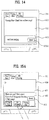
- FIG. 15A if a previous chat content with Chul Soo among previous chat parties is input as the second chat content, identification information of Chul Soo can be distinguishably displayed in order to announce that the previous chat content with Chul Soo is input as the second chat content.
- FIG. 15B shows a case where a previous chat content with Mi Kyung among previous chat parties is input as the second chat content.
- a region for announcing the parties to a chat which corresponds to a previous chat content selected as the second chat content, can be provided separate from the identification information.
- a specific previous chat content can be distinguishably displayed such that it can be distinguished from a normally input chat content.
- the specific previous chat content can be distinguishably displayed using text color, background color, font size, font type, or bold.
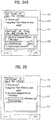
- FIG. 16 illustrates distinguishably displaying a specific previous chat content, which is input as a second chat content, within a chat content input region 612 of a second chat window 610 by adjusting opacity (color density) of the specific previous chat content.
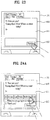
- a process for editing a previous chat content input as a second chat content is explained in detail with reference to the accompanying drawings. If a specific previous chat content, such as a chat content last transceived in the first chat, is input as the second chat content, the mobile terminal 100 can perform an operation to edit the input specific previous chat content prior its transmission, as illustrated in FIG. 17A .
- the mobile terminal 100 displays a specific previous chat content input as the second chat content on a chat content input region 612 and displays each region (hereinafter 'editing region') for receiving at least one editing command for the input second chat content.
- the editing region can include a 'send' region 612-3 for receiving a transmit command for the second chat content, a 'delete' region 612-4 for receiving a delete command for the second chat content and an 'edit' region 612-5 for receiving an amend/add command for the second chat content.
- the mobile terminal 100 transmits the input second chat content to Young Hee.
- the mobile terminal 100 also displays the transmitted second chat content on a chat content display region 611.
- the mobile terminal 100 deletes the specific previous chat content input as the second chat content, transmits a new chat content input by a user to Young Hee, and displays the transmitted new chat content on the chat content display region 611, as illustrated in FIG. 17C . If a new chat content is directly input by the user instead of selecting the specific editing region in FIG. 17A , the status shown in FIG. 17C can be configured.
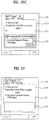
- the mobile terminal 100 before transmitting the specific previous chat content input as the second chat content [S560] to the second party, the mobile terminal 100 adds a receiving party to which the specific previous chat content is transmitted or additionally inputs the specific previous chat content. Specifically, at least one of the previous chat contents transmitted to the second party in the second chat [S580] is transmittable to an additional other party.
- the mobile terminal 100 displays a specific previous chat content, such as a chat content last transceived in a first chat, which is input as a second chat content on a chat content input region 612 of a second chat window 610.
- a 'send' region 612-6 for receiving a command for transmitting the second chat content to Young Hee, an 'add party' region 612-7 for receiving a command for adding a receiving party and an 'add previous content' region 612-8 for receiving a command for adding a previous chat content can be displayed on the second chatting window 610.
- the mobile terminal 100 transmits the input second chat content to Young Hee and displays the transmitted second chat content on a chat content display region 611.
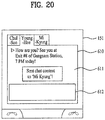
- the case where the 'add correspondent party' region 612-7 is selected in FIG. 18 is illustrated in FIGS. 19A to 20 .
- the mobile terminal 100 transmits the specific previous chat content input as the second chat content to the additional party. If an IM session is in process with the additional party, the transmitted specific previous chat content is displayed on a chat window for a chat with the additional party. If an IM session is not in process with the additional party, an IM session is started with the additional party and the specific previous chat content is transmitted to the additional party.
- the mobile terminal 100 displays a list of addible parties on the screen and then transmits the specific previous chat content input as the second chat content to the additional parties selected from the list. If an additional party (e.g., 'Mi Kyung') is selected in FIG. 19A or FIG. 19B , the mobile terminal 100 displays additional notification information (e.g., identification information display) of the additional party.
- additional notification information e.g., identification information display
- the mobile terminal 100 transmits the specific previous chat content input as the second chat content to both the second party and the additional party and then informs the additional party that the second chat content has been transmitted, as illustrated in FIG. 20 .
- the mobile terminal 100 sequentially displays previous chat contents with reference to a predetermined order, such as an input time order in a previous chat according to a manipulation of a direction key. If an 'OK' region is selected, the mobile terminal 100 selects a currently displayed previous chat content as an additional previous chat content. As illustrated in FIG. 21A or FIG. 21B , a specific previous chat content previously input as a second chat content is displayed on a predetermined portion of a chat content input region 612 in addition to displaying the additional previous chat content selecting process.
- the mobile terminal 100 displays a plurality of previous chat contents input as a second chat content on each chat content input region 612. If 'send' 612-1 is selected, the mobile terminal 100 transmits a plurality of the displayed previous chat contents to the second party. A plurality of the transmitted previous chat contents are displayed on the chat content display region 611 for a plurality of chat contents or for a single chat content.
- the mobile terminal 100 may use a previous chat content list, a direction key manipulation or an initial character input in order to input a previous chat content as a chat content of a currently ongoing chat.
- the previous chat content includes a chat content or file(s) transceived in the previous chat with a random correspondent party as well as the currently ongoing chat.
- a process for inputting a previous chat content as a chat content of a currently ongoing chat using a previous chat content list is explained in detail with reference to the accompanying drawings.
- the mobile terminal 100 may receive a signal (hereinafter 'previous chat content input signal') for inputting a previous chat content as a chat content of a currently ongoing chat, as illustrated in FIG. 23 .
- a signal hereinafter 'previous chat content input signal'
- selecting a menu item, a key or a key region ('previous') corresponding to a previous chat content may be utilized.
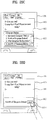
- the mobile terminal 100 displays a previous chat content list including previous chat contents, as illustrated in FIG. 24A .
- the mobile terminal 100 displays a list including entire previous chat contents, a list including a previous chat content with a current chat party or a list including previous chat contents of all parties currently connected to the IM sessions.
- the mobile terminal 100 provides a user with a selectable list constructing condition and then displays a previous chat content list corresponding to a list constructing condition selected by the user. This is explained in detail with reference to FIGS. 24A to 25 .
- FIG. 24A illustrates a screen configuration in which a plurality of selectable list constructing conditions are provided in a tag format.
- a previous chat content list is constructed with previous chat contents with all parties if 'all' is selected and a previous chat content list is constructed with previous chat contents with a currently IMS-accessed party or a currently OMS-connected party if 'access' is selected. If 'last' is selected, a previous chat content list is constructed with previous chat contents in a chat performed immediately before a currently ongoing chat. If 'predetermined period' is selected, a previous chat content list is constructed with previous chat contents of all chat performed for the predetermined period. If 'file' is selected, a previous chat content list is constructed with identification information of a file transceived in a previous chat.
- the previous chat content list includes previous chat contents with a party selected by a user if the 'user-selected party' list constructing condition is selected. If the 'user-selected chat' list constructing condition is selected, the previous chat content list includes previous chat contents transceived in the chat selected by the user.
- the mobile terminal 100 displays identification information for each selectable previous chat party.
- the mobile terminal 100 displays a previous chat content list constructed with a previous chat content with a party corresponding to identification information selected by a user, as illustrated in FIG. 24B .
- a process for inputting a previous chat content as a chat content of a currently ongoing chat using a direction key is explained in detail with reference to the accompanying drawings. If a previous chat content input signal is input in FIG. 23 , the mobile terminal 100 displays a direction key for receiving a command signal for shifting to a first previous chat content and a previous chat content located before or after the first previous chat content on a chat content input region 612, as illustrated in FIG. 26A .
- the direction key can be provided as a virtual key on the touch screen shown in FIG. 23 .
- the direction key can include a direction key provided on a keypad of the mobile terminal 100 or a side key for inputting a direction.
- the first previous chat content can include one of all previous chat contents, a previous chat content of a current chat party or a previous chat content of all parties currently connected to IM sessions.
- the mobile terminal 100 provides settable previous chat content conditions to a user and then displays a previous chat content corresponding to a previous chat content condition selected by the user. This is explained in detail with reference to FIGS. 26A to 27 .
- the previous chat content conditions can include a 'user-selected party' or a 'user-selected chat'.
- the first previous chat content can include one of previous chat contents with a party selected by a user. If the 'user-selected chat' is selected, the first previous chat content can include one of previous chat contents transceived in the chat selected by the user.
Landscapes
- Engineering & Computer Science (AREA)
- Computer Networks & Wireless Communication (AREA)
- Signal Processing (AREA)
- General Engineering & Computer Science (AREA)
- Multimedia (AREA)
- Telephone Function (AREA)
Claims (15)
- Mobiles Endgerät (100) zum Ausführen eines Chats unter Verwendung eines Sofortnachrichtendienstes, wobei das mobile Endgerät (100) aufweist:eine Drahtloskommunikationseinheit (110), die dafür ausgelegt ist, den Chat mit wenigstens einer Chat-Partei unter Verwendung des Sofortnachrichtendienstes auszuführen,eine Anzeigeeinheit (151), die dafür ausgelegt ist, wenigstens ein Chat-Fenster, das einen Chat-Inhaltsanzeigebereich und einen Chat-Inhaltseingabebereich aufweist, anzuzeigen, während der Chat mit der wenigstens einen Chat-Partei abläuft, wobei der Chat-Inhaltsanzeigebereich wenigstens eine Nachricht anzeigt, die zuvor zu der wenigstens einen Chat-Partei gesendet wurde, und der Chat-Inhaltseingabebereich wenigstens eine neue Nachricht anzeigt, die zu der wenigstens einen Chat-Partei zu senden ist, undeine Steuereinrichtung (180), die dafür ausgelegt ist, Folgendes auszuführen:Steuern der Drahtloskommunikationseinheit (110), um den Chat mit einer ersten Chat-Partei auszuführen und die Anzeigeeinheit (151) zu steuern, um ein erstes Chat-Fenster anzuzeigen, wenn die erste Chat-Partei ausgewählt wird, undSteuern der Drahtloskommunikationseinheit (110), um den Chat mit einer zweiten Chat-Partei auszuführen, wenn die zweite Chat-Partei ausgewählt wird, und Steuern der Anzeigeeinheit (151), um wenigstens eine spezifische Nachricht, die während des Chats mit der ersten Chat-Partei gesendet wird, im Chat-Inhaltseingabebereich anzuzeigen,wobei die Steuereinrichtung (180) ferner dafür ausgelegt ist, die Anzeigeeinheit (151) zu steuern, um die wenigstens eine während des Chats mit der ersten Chat-Partei gesendete spezifische Nachricht, die im Chat-Inhaltseingabebereich angezeigt wird, zu editieren, wenn eine Editierfunktion ausgewählt wird.
- Mobiles Endgerät nach Anspruch 1, wobei die Steuereinrichtung (180) ferner dafür ausgelegt ist, die Anzeigeeinheit (151) zu steuern, um die wenigstens eine während des Chats mit der ersten Chat-Partei gesendete spezifische Nachricht, die im Chat-Inhaltseingabebereich angezeigt wird, zu löschen, wenn wenigstens eine neue Textnachricht in den Chat-Inhaltseingabebereich eingegeben wird.
- Mobiles Endgerät nach einem der Ansprüche 1 und 2, wobei:die Anzeigeeinheit (151) ferner dafür ausgelegt ist, Identifikationsinformationen wenigstens einer Partei, die als die wenigstens eine Chat-Partei ausgewählt werden kann, unter der Steuerung durch die Steuereinrichtung (180) anzuzeigen, unddie Steuereinrichtung (180) ferner dafür ausgelegt ist, eine Auswahl der zweiten Chat-Partei auf der Anzeigeeinheit (151) unter Verwendung der angezeigten Identifikationsinformationen zu verarbeiten.
- Mobiles Endgerät nach einem der Ansprüche 1 bis 3, wobei die Anzeigeeinheit (151) ferner dafür ausgelegt ist zum
Anzeigen eines zweiten Chat-Fensters, das einen Chat-Inhaltsanzeigebereich und einen Chat-Inhaltseingabebereich aufweist, unter der Steuerung durch die Steuereinrichtung (180), während der Chat mit der zweiten Chat-Partei abläuft, und
Anzeigen des Inhalts des wenigstens einen spezifischen vorhergehenden Chats mit der ersten Chat-Partei im Chat-Inhaltseingabebereich des zweiten Chat-Fensters. - Mobiles Endgerät nach Anspruch 4, wobei die Anzeigeeinheit (151) ferner dafür ausgelegt ist, den Inhalt des wenigstens einen spezifischen vorhergehenden Chats mit der ersten Chat-Partei im Chat-Inhaltseingabebereich des zweiten Chat-Fensters anzuzeigen, so dass er von einem Inhalt des Chats mit der zweiten Chat-Partei unterscheidbar ist.
- Mobiles Endgerät nach einem der Ansprüche 4 und 5, wobei die Steuereinrichtung (180) ferner dafür ausgelegt ist, die Anzeigeeinheit (151) zu steuern, um das erste Chat-Fenster zum zweiten Chat-Fenster im selben Bereich der Anzeigeeinheit (151) zu schalten, falls die zweite Chat-Partei ausgewählt wird, während der Chat mit der ersten Chat-Partei abläuft.
- Mobiles Endgerät nach einem der Ansprüche 4 bis 6, wobei die Drahtloskommunikationseinheit (110) ferner dafür ausgelegt ist zum
Senden des Inhalts des wenigstens einen spezifischen vorhergehenden Chats mit der ersten Chat-Partei zur zweiten Chat-Partei unter der Steuerung durch die Steuereinrichtung (180),
Empfangen einer Eingabe eines neuen Chat-Inhalts, Löschen des Inhalts des wenigstens einen spezifischen vorhergehenden Chats mit der ersten Chat-Partei und Senden des neuen Chat-Inhalts zur zweiten Chat-Partei unter der Steuerung durch die Steuereinrichtung (180) oder
Editieren des Inhalts des wenigstens einen spezifischen vorhergehenden Chats mit der ersten Chat-Partei und Senden des editierten Chat-Inhalts zur zweiten Chat-Partei unter der Steuerung durch die Steuereinrichtung (180). - Mobiles Endgerät nach Anspruch 7, wobei die Anzeigeeinheit (151) ferner dafür ausgelegt ist, den gesendeten Inhalt des wenigstens einen spezifischen vorhergehenden Chats mit der ersten Chat-Partei, den gesendeten neuen Chat-Inhalt oder den gesendeten editierten Chat-Inhalt unter der Steuerung durch die Steuereinrichtung (180) auf dem Chat-Inhaltsanzeigebereich des zweiten Chat-Fensters anzuzeigen.
- Mobiles Endgerät nach einem der Ansprüche 1 bis 8, wobei die Steuereinrichtung (180) ferner dafür ausgelegt ist, den Inhalt des letzten von mehreren vorhergehenden Chats mit der ersten Chat-Partei als Inhalt des Chats mit der zweiten Chat-Partei einzugeben.
- Mobiles Endgerät nach einem der Ansprüche 1 bis 9, wobei die Steuereinrichtung (180) ferner dafür ausgelegt ist zum
Verarbeiten eines externen Signals zum Hinzufügen einer Chat-Partei, um den Inhalt des wenigstens einen spezifischen vorhergehenden Chats mit der ersten Chat-Partei zu empfangen, und
Steuern der Drahtloskommunikationseinheit (110), um den Inhalt des wenigstens einen spezifischen vorhergehenden Chats mit der ersten Chat-Partei zur hinzugefügten Chat-Partei zu senden. - Mobiles Endgerät nach einem der Ansprüche 1 bis 10, wobei die Steuereinrichtung (180) ferner dafür ausgelegt ist, den Inhalt eines spezifischen von mehreren vorhergehenden Chats mit der ersten Chat-Partei, der auch zumindest eine zusätzliche Chat-Partei aufwies, als Inhalt des Chats mit der zweiten Chat-Partei einzugeben.
- Mobiles Endgerät nach einem der Ansprüche 1 bis 11, welches ferner eine Benutzereingabeeinheit (130) aufweist, die dafür ausgelegt ist, eine Eingabe über eine Richtungstastenmanipulation und eine Auswahl wenigstens eines spezifischen vorhergehenden Chat-Inhalts aus einer Liste vorhergehender Chat-Inhalte mit wenigstens einer Chat-Partei zu empfangen, und wobei die Steuereinrichtung (180) ferner dafür ausgelegt ist, den ausgewählten wenigstens einen spezifischen vorhergehenden Chat-Inhalt als Inhalt eines Chats mit jeder von der ersten und der zweiten Chat-Partei entsprechend der durch die Richtungstastenmanipulation empfangenen Eingabe einzugeben.
- Mobiles Endgerät nach einem der Ansprüche 1 bis 12, welches ferner einen Speicher (160) aufweist, der dafür ausgelegt ist, einen Inhalt des Chats mit der ersten und der zweiten Chat-Partei zu speichern.
- Verfahren zum Ausführen eines Chats in einem mobilen Endgerät (100) unter Verwendung eines Sofortnachrichtendienstes, wobei das Verfahren aufweist:Anzeigen wenigstens eines Chat-Fensters, das einen Chat-Inhaltsanzeigebereich und einen Chat-Inhaltseingabebereich aufweist, auf einer Anzeige, während ein Chat mit wenigstens einer Chat-Partei abläuft, wobei der Chat-Inhaltsanzeigebereich wenigstens eine Nachricht anzeigt, die zuvor zu der wenigstens einen Chat-Partei gesendet wurde, und der Chat-Inhaltseingabebereich wenigstens eine neue Nachricht anzeigt, die zu der wenigstens einen Chat-Partei zu senden ist, undAusführen des Chats mit einer ersten Chat-Partei und Anzeigen eines ersten Chat-Fensters auf der Anzeigeeinheit (151), wenn die erste Chat-Partei ausgewählt wird,Ausführen des Chats mit einer zweiten Chat-Partei, wenn die zweite Chat-Partei ausgewählt wird, und Anzeigen wenigstens einer spezifischen Nachricht, die während des Chats mit der ersten Chat-Partei gesendet wurde, im Chat-Inhaltseingabebereich undEditieren der wenigstens einen während des Chats mit der ersten Chat-Partei gesendeten spezifischen Nachricht, die im Chat-Inhaltseingabebereich angezeigt wird, in der Anzeigeeinheit (151) unter der Steuerung durch eine Steuereinrichtung (180), wenn eine Editierfunktion ausgewählt wird.
- Verfahren nach Anspruch 14, welches ferner aufweist:Anzeigen eines zweiten Chat-Fensters, das einen Chat-Inhaltsanzeigebereich und einen Chat-Inhaltseingabebereich aufweist, auf der Anzeige, während der Chat mit der zweiten Chat-Partei abläuft,Anzeigen des Inhalts des wenigstens einen spezifischen vorhergehenden Chats mit der ersten Chat-Partei im Chat-Inhaltseingabebereich des zweiten Chat-Fensters,Senden des Inhalts des wenigstens einen spezifischen vorhergehenden Chats mit der ersten Chat-Partei zur zweiten Chat-Partei undAnzeigen des gesendeten Inhalts des wenigstens einen spezifischen vorhergehenden Chats auf dem Chat-Inhaltsanzeigebereich des zweiten Chat-Fensters.
Priority Applications (1)
| Application Number | Priority Date | Filing Date | Title |
|---|---|---|---|
| EP18169705.3A EP3376715B1 (de) | 2009-04-21 | 2010-04-08 | Mobiles endgerät und chatverfahren in einem mobilen endgerät mithilfe eines sofortnachrichtendienstes |
Applications Claiming Priority (1)
| Application Number | Priority Date | Filing Date | Title |
|---|---|---|---|
| KR1020090034541A KR101588730B1 (ko) | 2009-04-21 | 2009-04-21 | 이동 단말기 및 이것의 인스턴트 메시징 서비스를 이용한 대화 방법 |
Related Child Applications (2)
| Application Number | Title | Priority Date | Filing Date |
|---|---|---|---|
| EP18169705.3A Division EP3376715B1 (de) | 2009-04-21 | 2010-04-08 | Mobiles endgerät und chatverfahren in einem mobilen endgerät mithilfe eines sofortnachrichtendienstes |
| EP18169705.3A Division-Into EP3376715B1 (de) | 2009-04-21 | 2010-04-08 | Mobiles endgerät und chatverfahren in einem mobilen endgerät mithilfe eines sofortnachrichtendienstes |
Publications (2)
| Publication Number | Publication Date |
|---|---|
| EP2244430A1 EP2244430A1 (de) | 2010-10-27 |
| EP2244430B1 true EP2244430B1 (de) | 2019-01-23 |
Family
ID=42340677
Family Applications (2)
| Application Number | Title | Priority Date | Filing Date |
|---|---|---|---|
| EP18169705.3A Active EP3376715B1 (de) | 2009-04-21 | 2010-04-08 | Mobiles endgerät und chatverfahren in einem mobilen endgerät mithilfe eines sofortnachrichtendienstes |
| EP10159400.0A Active EP2244430B1 (de) | 2009-04-21 | 2010-04-08 | Mobiles Endgerät und Chatverfahren in einem mobilen Endgerät mithilfe eines Sofortnachrichtendienstes |
Family Applications Before (1)
| Application Number | Title | Priority Date | Filing Date |
|---|---|---|---|
| EP18169705.3A Active EP3376715B1 (de) | 2009-04-21 | 2010-04-08 | Mobiles endgerät und chatverfahren in einem mobilen endgerät mithilfe eines sofortnachrichtendienstes |
Country Status (4)
| Country | Link |
|---|---|
| US (1) | US8583086B2 (de) |
| EP (2) | EP3376715B1 (de) |
| KR (1) | KR101588730B1 (de) |
| CN (1) | CN101873376B (de) |
Families Citing this family (24)
| Publication number | Priority date | Publication date | Assignee | Title |
|---|---|---|---|---|
| US9100200B2 (en) * | 2010-06-01 | 2015-08-04 | Genband Us Llc | Video augmented text chatting |
| KR20120076444A (ko) * | 2010-10-22 | 2012-07-09 | 한국전자통신연구원 | EMBMS 채팅 서비스 제공 시스템 및 EMBMS 채팅 서비스 제공 시스템의 서비스 제공자 서버, eBM-SC 및 사용자 단말의 제어 방법 |
| KR101859102B1 (ko) * | 2011-09-16 | 2018-05-17 | 엘지전자 주식회사 | 이동 단말기 및 이동 단말기의 제어 방법 |
| KR101789626B1 (ko) * | 2011-10-10 | 2017-10-25 | 엘지전자 주식회사 | 휴대 단말기 및 그 제어 방법 |
| US20130125019A1 (en) | 2011-11-14 | 2013-05-16 | Research In Motion Limited | System And Method For Displaying Message History When Composing A Message |
| KR101891155B1 (ko) * | 2011-11-21 | 2018-08-24 | 삼성전자주식회사 | 공지기능이 구비된 대화 애플리케이션을 이용한 휴대용 단말기의 장치 및 방법 |
| KR102013443B1 (ko) | 2012-09-25 | 2019-08-22 | 삼성전자주식회사 | 이미지를 전송하기 위한 방법 및 그 전자 장치 |
| KR102050814B1 (ko) * | 2013-04-02 | 2019-12-02 | 삼성전자주식회사 | 그룹 대화에서 사적 대화 제공 장치 및 방법 |
| CN104104579B (zh) * | 2013-04-09 | 2017-11-24 | 广州华多网络科技有限公司 | 一种即时通讯内容的显示方法和装置 |
| US9467558B2 (en) * | 2013-06-14 | 2016-10-11 | Lg Electronics Inc. | Mobile terminal and controlling method thereof |
| KR20150006180A (ko) * | 2013-07-08 | 2015-01-16 | 삼성전자주식회사 | 채팅 창 제어 방법 및 이를 구현하는 전자 장치 |
| CN103442146B (zh) * | 2013-08-30 | 2016-08-24 | 宇龙计算机通信科技(深圳)有限公司 | 一种移动终端及其显示与联系人的会话界面的方法及系统 |
| CN104518953B (zh) * | 2013-09-30 | 2019-12-24 | 腾讯科技(深圳)有限公司 | 删除消息的方法、即时通信终端及系统 |
| US10845982B2 (en) | 2014-04-28 | 2020-11-24 | Facebook, Inc. | Providing intelligent transcriptions of sound messages in a messaging application |
| FR3026504A1 (fr) * | 2014-09-29 | 2016-04-01 | Orange | Procede et dispositif de traitement de l’affichage d’elements de communication sur un terminal |
| GB201501079D0 (en) | 2015-01-22 | 2015-03-11 | Microsoft Technology Licensing Llc | Controlling access to content |
| US11216997B2 (en) * | 2015-01-29 | 2022-01-04 | Huawei Technologies Co., Ltd. | Method and apparatus for displaying historical chat record |
| KR101622871B1 (ko) * | 2015-02-03 | 2016-05-19 | 라인 가부시키가이샤 | 메신저의 대화내용을 관리하는 방법과 시스템 및 기록 매체 |
| US20170083168A1 (en) * | 2015-04-20 | 2017-03-23 | Idt Messaging, Llc | System and method for managing multiple chat sessions |
| KR101857581B1 (ko) * | 2016-04-27 | 2018-05-14 | 박재현 | 턴방식 그림 채팅 방법 및 턴방식 그림 채팅 어플리케이션이 저장된 컴퓨터로 읽을 수 있는 기록 매체 |
| FR3050891A1 (fr) * | 2016-05-02 | 2017-11-03 | Orange | Procede et dispositif de gestion simultanee d'une pluralite de messages |
| KR102665642B1 (ko) | 2016-07-27 | 2024-05-20 | 삼성전자 주식회사 | 일정을 관리하기 위한 방법 및 이를 지원하는 전자 장치 |
| JP6498350B1 (ja) * | 2018-12-03 | 2019-04-10 | Line株式会社 | 情報処理方法、プログラム、端末 |
| JP7666040B2 (ja) * | 2021-03-19 | 2025-04-22 | 富士フイルムビジネスイノベーション株式会社 | 情報処理装置及び情報処理プログラム |
Family Cites Families (13)
| Publication number | Priority date | Publication date | Assignee | Title |
|---|---|---|---|---|
| US9292111B2 (en) * | 1998-01-26 | 2016-03-22 | Apple Inc. | Gesturing with a multipoint sensing device |
| US7089278B1 (en) | 1999-09-07 | 2006-08-08 | Fuji Xerox Co., Ltd. | Anchored conversations: adhesive, in-context, virtual discussion forums |
| KR100648344B1 (ko) * | 2000-08-09 | 2006-11-23 | 엘지전자 주식회사 | 이동통신 단말기의 송수신 메시지 처리방법 |
| US20040228531A1 (en) * | 2003-05-14 | 2004-11-18 | Microsoft Corporation | Instant messaging user interfaces |
| US7568167B2 (en) * | 2003-06-26 | 2009-07-28 | Microsoft Corporation | Non-persistent user interface for real-time communication |
| KR100688175B1 (ko) * | 2004-12-31 | 2007-03-02 | 엘지전자 주식회사 | 메시지 히스토리 기능이 구비된 이동통신 단말기의 설정및 동작방법 |
| EP1746790B1 (de) * | 2005-07-20 | 2009-09-23 | Research In Motion Limited | Verfahren zum Teilen einer Geschichte von Instant Messaging |
| CN100456683C (zh) | 2006-04-10 | 2009-01-28 | 腾讯科技(深圳)有限公司 | 向讨论组中指定成员推送历史记录的方法及系统 |
| KR20080003983A (ko) * | 2006-07-04 | 2008-01-09 | 주식회사 지오텔 | 이동통신망에서 비실시간 방식의 인스턴트 메시지 서비스제공 방법 및 이를 위한 이동 단말기 |
| US8682980B2 (en) | 2006-10-03 | 2014-03-25 | International Business Machines Corporation | Providing chat histories to invitees |
| KR101394515B1 (ko) | 2007-04-26 | 2014-05-13 | 엘지전자 주식회사 | 화상채팅 기록을 저장할 수 있는 이동통신 단말기 및 그동작방법 |
| US7392290B1 (en) * | 2008-01-07 | 2008-06-24 | International Business Machines Corporation | System for providing transparent participation of third parties in instant messaging communication |
| US20100235734A1 (en) * | 2009-03-16 | 2010-09-16 | Bas Ording | Methods and Graphical User Interfaces for Editing on a Multifunction Device with a Touch Screen Display |
-
2009
- 2009-04-21 KR KR1020090034541A patent/KR101588730B1/ko active Active
-
2010
- 2010-01-27 US US12/695,140 patent/US8583086B2/en active Active
- 2010-03-08 CN CN201010129672.4A patent/CN101873376B/zh active Active
- 2010-04-08 EP EP18169705.3A patent/EP3376715B1/de active Active
- 2010-04-08 EP EP10159400.0A patent/EP2244430B1/de active Active
Non-Patent Citations (1)
| Title |
|---|
| None * |
Also Published As
| Publication number | Publication date |
|---|---|
| US20100267369A1 (en) | 2010-10-21 |
| EP3376715B1 (de) | 2020-11-18 |
| EP2244430A1 (de) | 2010-10-27 |
| EP3376715A1 (de) | 2018-09-19 |
| CN101873376B (zh) | 2014-08-20 |
| US8583086B2 (en) | 2013-11-12 |
| KR101588730B1 (ko) | 2016-01-26 |
| KR20100115899A (ko) | 2010-10-29 |
| CN101873376A (zh) | 2010-10-27 |
Similar Documents
| Publication | Publication Date | Title |
|---|---|---|
| EP2244430B1 (de) | Mobiles Endgerät und Chatverfahren in einem mobilen Endgerät mithilfe eines Sofortnachrichtendienstes | |
| US10824334B2 (en) | Mobile terminal and controlling method thereof | |
| EP2391058B1 (de) | Tragbares Endgerät und Gruppen-Chat-Steuerungsverfahren davon | |
| EP2378746B1 (de) | Mobiles Endgerät und Verfahren zur Initiierung einer Gruppenkommunikation unter Verwendung eines Touchscreen-Displays | |
| EP2672682B1 (de) | Mobiles Endgerät und Steuerungsverfahren dafür | |
| US9176660B2 (en) | Mobile terminal and method of controlling application execution in a mobile terminal | |
| US9448686B2 (en) | Mobile terminal and method for controlling chat content based on different touch actions for a specific key | |
| US8655331B2 (en) | Information update in a mobile communication terminal | |
| US20100125801A1 (en) | Terminal and controlling method thereof | |
| EP2278778B1 (de) | Mobiles Endgerät und Steuerungsverfahren dafür | |
| US8612895B2 (en) | Instant message communication for filtering communication access for a mobile terminal and controlling method thereof | |
| US8862165B2 (en) | Mobile terminal and controlling method thereof | |
| US8204489B2 (en) | Mobile terminal and method of controlling data transmission and reception therein | |
| KR20100027308A (ko) | 단말기 및 그 제어 방법 |
Legal Events
| Date | Code | Title | Description |
|---|---|---|---|
| PUAI | Public reference made under article 153(3) epc to a published international application that has entered the european phase |
Free format text: ORIGINAL CODE: 0009012 |
|
| 17P | Request for examination filed |
Effective date: 20100408 |
|
| AK | Designated contracting states |
Kind code of ref document: A1 Designated state(s): AT BE BG CH CY CZ DE DK EE ES FI FR GB GR HR HU IE IS IT LI LT LU LV MC MK MT NL NO PL PT RO SE SI SK SM TR |
|
| AX | Request for extension of the european patent |
Extension state: AL BA ME RS |
|
| STAA | Information on the status of an ep patent application or granted ep patent |
Free format text: STATUS: EXAMINATION IS IN PROGRESS |
|
| 17Q | First examination report despatched |
Effective date: 20170123 |
|
| GRAP | Despatch of communication of intention to grant a patent |
Free format text: ORIGINAL CODE: EPIDOSNIGR1 |
|
| STAA | Information on the status of an ep patent application or granted ep patent |
Free format text: STATUS: GRANT OF PATENT IS INTENDED |
|
| INTG | Intention to grant announced |
Effective date: 20171201 |
|
| GRAJ | Information related to disapproval of communication of intention to grant by the applicant or resumption of examination proceedings by the epo deleted |
Free format text: ORIGINAL CODE: EPIDOSDIGR1 |
|
| STAA | Information on the status of an ep patent application or granted ep patent |
Free format text: STATUS: EXAMINATION IS IN PROGRESS |
|
| GRAP | Despatch of communication of intention to grant a patent |
Free format text: ORIGINAL CODE: EPIDOSNIGR1 |
|
| INTC | Intention to grant announced (deleted) | ||
| RAP1 | Party data changed (applicant data changed or rights of an application transferred) |
Owner name: LG ELECTRONICS INC. |
|
| STAA | Information on the status of an ep patent application or granted ep patent |
Free format text: STATUS: GRANT OF PATENT IS INTENDED |
|
| INTG | Intention to grant announced |
Effective date: 20180426 |
|
| GRAS | Grant fee paid |
Free format text: ORIGINAL CODE: EPIDOSNIGR3 |
|
| GRAA | (expected) grant |
Free format text: ORIGINAL CODE: 0009210 |
|
| STAA | Information on the status of an ep patent application or granted ep patent |
Free format text: STATUS: THE PATENT HAS BEEN GRANTED |
|
| AK | Designated contracting states |
Kind code of ref document: B1 Designated state(s): AT BE BG CH CY CZ DE DK EE ES FI FR GB GR HR HU IE IS IT LI LT LU LV MC MK MT NL NO PL PT RO SE SI SK SM TR |
|
| REG | Reference to a national code |
Ref country code: GB Ref legal event code: FG4D |
|
| REG | Reference to a national code |
Ref country code: CH Ref legal event code: EP |
|
| REG | Reference to a national code |
Ref country code: AT Ref legal event code: REF Ref document number: 1092334 Country of ref document: AT Kind code of ref document: T Effective date: 20190215 |
|
| REG | Reference to a national code |
Ref country code: IE Ref legal event code: FG4D |
|
| REG | Reference to a national code |
Ref country code: DE Ref legal event code: R096 Ref document number: 602010056681 Country of ref document: DE |
|
| REG | Reference to a national code |
Ref country code: NL Ref legal event code: MP Effective date: 20190123 |
|
| PG25 | Lapsed in a contracting state [announced via postgrant information from national office to epo] |
Ref country code: NL Free format text: LAPSE BECAUSE OF FAILURE TO SUBMIT A TRANSLATION OF THE DESCRIPTION OR TO PAY THE FEE WITHIN THE PRESCRIBED TIME-LIMIT Effective date: 20190123 |
|
| PG25 | Lapsed in a contracting state [announced via postgrant information from national office to epo] |
Ref country code: PL Free format text: LAPSE BECAUSE OF FAILURE TO SUBMIT A TRANSLATION OF THE DESCRIPTION OR TO PAY THE FEE WITHIN THE PRESCRIBED TIME-LIMIT Effective date: 20190123 Ref country code: FI Free format text: LAPSE BECAUSE OF FAILURE TO SUBMIT A TRANSLATION OF THE DESCRIPTION OR TO PAY THE FEE WITHIN THE PRESCRIBED TIME-LIMIT Effective date: 20190123 Ref country code: LT Free format text: LAPSE BECAUSE OF FAILURE TO SUBMIT A TRANSLATION OF THE DESCRIPTION OR TO PAY THE FEE WITHIN THE PRESCRIBED TIME-LIMIT Effective date: 20190123 Ref country code: SE Free format text: LAPSE BECAUSE OF FAILURE TO SUBMIT A TRANSLATION OF THE DESCRIPTION OR TO PAY THE FEE WITHIN THE PRESCRIBED TIME-LIMIT Effective date: 20190123 Ref country code: NO Free format text: LAPSE BECAUSE OF FAILURE TO SUBMIT A TRANSLATION OF THE DESCRIPTION OR TO PAY THE FEE WITHIN THE PRESCRIBED TIME-LIMIT Effective date: 20190423 Ref country code: PT Free format text: LAPSE BECAUSE OF FAILURE TO SUBMIT A TRANSLATION OF THE DESCRIPTION OR TO PAY THE FEE WITHIN THE PRESCRIBED TIME-LIMIT Effective date: 20190523 Ref country code: ES Free format text: LAPSE BECAUSE OF FAILURE TO SUBMIT A TRANSLATION OF THE DESCRIPTION OR TO PAY THE FEE WITHIN THE PRESCRIBED TIME-LIMIT Effective date: 20190123 |
|
| REG | Reference to a national code |
Ref country code: AT Ref legal event code: MK05 Ref document number: 1092334 Country of ref document: AT Kind code of ref document: T Effective date: 20190123 |
|
| PG25 | Lapsed in a contracting state [announced via postgrant information from national office to epo] |
Ref country code: GR Free format text: LAPSE BECAUSE OF FAILURE TO SUBMIT A TRANSLATION OF THE DESCRIPTION OR TO PAY THE FEE WITHIN THE PRESCRIBED TIME-LIMIT Effective date: 20190424 Ref country code: BG Free format text: LAPSE BECAUSE OF FAILURE TO SUBMIT A TRANSLATION OF THE DESCRIPTION OR TO PAY THE FEE WITHIN THE PRESCRIBED TIME-LIMIT Effective date: 20190423 Ref country code: IS Free format text: LAPSE BECAUSE OF FAILURE TO SUBMIT A TRANSLATION OF THE DESCRIPTION OR TO PAY THE FEE WITHIN THE PRESCRIBED TIME-LIMIT Effective date: 20190523 Ref country code: HR Free format text: LAPSE BECAUSE OF FAILURE TO SUBMIT A TRANSLATION OF THE DESCRIPTION OR TO PAY THE FEE WITHIN THE PRESCRIBED TIME-LIMIT Effective date: 20190123 Ref country code: LV Free format text: LAPSE BECAUSE OF FAILURE TO SUBMIT A TRANSLATION OF THE DESCRIPTION OR TO PAY THE FEE WITHIN THE PRESCRIBED TIME-LIMIT Effective date: 20190123 |
|
| REG | Reference to a national code |
Ref country code: DE Ref legal event code: R097 Ref document number: 602010056681 Country of ref document: DE |
|
| PG25 | Lapsed in a contracting state [announced via postgrant information from national office to epo] |
Ref country code: EE Free format text: LAPSE BECAUSE OF FAILURE TO SUBMIT A TRANSLATION OF THE DESCRIPTION OR TO PAY THE FEE WITHIN THE PRESCRIBED TIME-LIMIT Effective date: 20190123 Ref country code: DK Free format text: LAPSE BECAUSE OF FAILURE TO SUBMIT A TRANSLATION OF THE DESCRIPTION OR TO PAY THE FEE WITHIN THE PRESCRIBED TIME-LIMIT Effective date: 20190123 Ref country code: SK Free format text: LAPSE BECAUSE OF FAILURE TO SUBMIT A TRANSLATION OF THE DESCRIPTION OR TO PAY THE FEE WITHIN THE PRESCRIBED TIME-LIMIT Effective date: 20190123 Ref country code: RO Free format text: LAPSE BECAUSE OF FAILURE TO SUBMIT A TRANSLATION OF THE DESCRIPTION OR TO PAY THE FEE WITHIN THE PRESCRIBED TIME-LIMIT Effective date: 20190123 Ref country code: CZ Free format text: LAPSE BECAUSE OF FAILURE TO SUBMIT A TRANSLATION OF THE DESCRIPTION OR TO PAY THE FEE WITHIN THE PRESCRIBED TIME-LIMIT Effective date: 20190123 |
|
| PG25 | Lapsed in a contracting state [announced via postgrant information from national office to epo] |
Ref country code: SM Free format text: LAPSE BECAUSE OF FAILURE TO SUBMIT A TRANSLATION OF THE DESCRIPTION OR TO PAY THE FEE WITHIN THE PRESCRIBED TIME-LIMIT Effective date: 20190123 |
|
| REG | Reference to a national code |
Ref country code: CH Ref legal event code: PL |
|
| PLBE | No opposition filed within time limit |
Free format text: ORIGINAL CODE: 0009261 |
|
| STAA | Information on the status of an ep patent application or granted ep patent |
Free format text: STATUS: NO OPPOSITION FILED WITHIN TIME LIMIT |
|
| REG | Reference to a national code |
Ref country code: BE Ref legal event code: MM Effective date: 20190430 |
|
| GBPC | Gb: european patent ceased through non-payment of renewal fee |
Effective date: 20190423 |
|
| PG25 | Lapsed in a contracting state [announced via postgrant information from national office to epo] |
Ref country code: MC Free format text: LAPSE BECAUSE OF FAILURE TO SUBMIT A TRANSLATION OF THE DESCRIPTION OR TO PAY THE FEE WITHIN THE PRESCRIBED TIME-LIMIT Effective date: 20190123 Ref country code: LU Free format text: LAPSE BECAUSE OF NON-PAYMENT OF DUE FEES Effective date: 20190408 Ref country code: AT Free format text: LAPSE BECAUSE OF FAILURE TO SUBMIT A TRANSLATION OF THE DESCRIPTION OR TO PAY THE FEE WITHIN THE PRESCRIBED TIME-LIMIT Effective date: 20190123 |
|
| 26N | No opposition filed |
Effective date: 20191024 |
|
| PG25 | Lapsed in a contracting state [announced via postgrant information from national office to epo] |
Ref country code: CH Free format text: LAPSE BECAUSE OF NON-PAYMENT OF DUE FEES Effective date: 20190430 Ref country code: LI Free format text: LAPSE BECAUSE OF NON-PAYMENT OF DUE FEES Effective date: 20190430 Ref country code: GB Free format text: LAPSE BECAUSE OF NON-PAYMENT OF DUE FEES Effective date: 20190423 |
|
| PG25 | Lapsed in a contracting state [announced via postgrant information from national office to epo] |
Ref country code: BE Free format text: LAPSE BECAUSE OF NON-PAYMENT OF DUE FEES Effective date: 20190430 Ref country code: SI Free format text: LAPSE BECAUSE OF FAILURE TO SUBMIT A TRANSLATION OF THE DESCRIPTION OR TO PAY THE FEE WITHIN THE PRESCRIBED TIME-LIMIT Effective date: 20190123 |
|
| PG25 | Lapsed in a contracting state [announced via postgrant information from national office to epo] |
Ref country code: TR Free format text: LAPSE BECAUSE OF FAILURE TO SUBMIT A TRANSLATION OF THE DESCRIPTION OR TO PAY THE FEE WITHIN THE PRESCRIBED TIME-LIMIT Effective date: 20190123 |
|
| PG25 | Lapsed in a contracting state [announced via postgrant information from national office to epo] |
Ref country code: IE Free format text: LAPSE BECAUSE OF NON-PAYMENT OF DUE FEES Effective date: 20190408 |
|
| REG | Reference to a national code |
Ref country code: DE Ref legal event code: R081 Ref document number: 602010056681 Country of ref document: DE Owner name: ADEIA GUIDES INC. (N.D.GES.D. STAATES DELAWARE, US Free format text: FORMER OWNER: LG ELECTRONICS INC., SEOUL, KR Ref country code: DE Ref legal event code: R081 Ref document number: 602010056681 Country of ref document: DE Owner name: ROVI GUIDES, INC. (N.D.GES.D.STAATES DELAWARE), US Free format text: FORMER OWNER: LG ELECTRONICS INC., SEOUL, KR |
|
| PG25 | Lapsed in a contracting state [announced via postgrant information from national office to epo] |
Ref country code: CY Free format text: LAPSE BECAUSE OF FAILURE TO SUBMIT A TRANSLATION OF THE DESCRIPTION OR TO PAY THE FEE WITHIN THE PRESCRIBED TIME-LIMIT Effective date: 20190123 |
|
| PG25 | Lapsed in a contracting state [announced via postgrant information from national office to epo] |
Ref country code: HU Free format text: LAPSE BECAUSE OF FAILURE TO SUBMIT A TRANSLATION OF THE DESCRIPTION OR TO PAY THE FEE WITHIN THE PRESCRIBED TIME-LIMIT; INVALID AB INITIO Effective date: 20100408 Ref country code: MT Free format text: LAPSE BECAUSE OF FAILURE TO SUBMIT A TRANSLATION OF THE DESCRIPTION OR TO PAY THE FEE WITHIN THE PRESCRIBED TIME-LIMIT Effective date: 20190123 |
|
| REG | Reference to a national code |
Ref country code: DE Ref legal event code: R079 Ref document number: 602010056681 Country of ref document: DE Free format text: PREVIOUS MAIN CLASS: H04L0012580000 Ipc: H04L0051000000 |
|
| PG25 | Lapsed in a contracting state [announced via postgrant information from national office to epo] |
Ref country code: MK Free format text: LAPSE BECAUSE OF FAILURE TO SUBMIT A TRANSLATION OF THE DESCRIPTION OR TO PAY THE FEE WITHIN THE PRESCRIBED TIME-LIMIT Effective date: 20190123 |
|
| P01 | Opt-out of the competence of the unified patent court (upc) registered |
Effective date: 20230524 |
|
| REG | Reference to a national code |
Ref country code: DE Ref legal event code: R081 Ref document number: 602010056681 Country of ref document: DE Owner name: ADEIA GUIDES INC. (N.D.GES.D. STAATES DELAWARE, US Free format text: FORMER OWNER: ROVI GUIDES, INC. (N.D.GES.D.STAATES DELAWARE), SAN JOSE, CA, US |
|
| P02 | Opt-out of the competence of the unified patent court (upc) changed |
Free format text: CASE NUMBER: APP_46132/2024 Effective date: 20240809 |
|
| PGFP | Annual fee paid to national office [announced via postgrant information from national office to epo] |
Ref country code: DE Payment date: 20250428 Year of fee payment: 16 |
|
| PGFP | Annual fee paid to national office [announced via postgrant information from national office to epo] |
Ref country code: IT Payment date: 20250422 Year of fee payment: 16 |
|
| PGFP | Annual fee paid to national office [announced via postgrant information from national office to epo] |
Ref country code: FR Payment date: 20250424 Year of fee payment: 16 |