EP2247287B1 - Procédé d'identification de patients présentant de légers troubles cognitifs, nécessitant un traitement, et traitement de ces patients - Google Patents
Procédé d'identification de patients présentant de légers troubles cognitifs, nécessitant un traitement, et traitement de ces patients Download PDFInfo
- Publication number
- EP2247287B1 EP2247287B1 EP09705184.1A EP09705184A EP2247287B1 EP 2247287 B1 EP2247287 B1 EP 2247287B1 EP 09705184 A EP09705184 A EP 09705184A EP 2247287 B1 EP2247287 B1 EP 2247287B1
- Authority
- EP
- European Patent Office
- Prior art keywords
- patients
- anp
- circulation
- accordance
- biomarker
- Prior art date
- Legal status (The legal status is an assumption and is not a legal conclusion. Google has not performed a legal analysis and makes no representation as to the accuracy of the status listed.)
- Active
Links
Images


Classifications
-
- A—HUMAN NECESSITIES
- A61—MEDICAL OR VETERINARY SCIENCE; HYGIENE
- A61K—PREPARATIONS FOR MEDICAL, DENTAL OR TOILETRY PURPOSES
- A61K31/00—Medicinal preparations containing organic active ingredients
-
- A—HUMAN NECESSITIES
- A61—MEDICAL OR VETERINARY SCIENCE; HYGIENE
- A61K—PREPARATIONS FOR MEDICAL, DENTAL OR TOILETRY PURPOSES
- A61K31/00—Medicinal preparations containing organic active ingredients
- A61K31/33—Heterocyclic compounds
- A61K31/395—Heterocyclic compounds having nitrogen as a ring hetero atom, e.g. guanethidine or rifamycins
- A61K31/495—Heterocyclic compounds having nitrogen as a ring hetero atom, e.g. guanethidine or rifamycins having six-membered rings with two or more nitrogen atoms as the only ring heteroatoms, e.g. piperazine or tetrazines
- A61K31/505—Pyrimidines; Hydrogenated pyrimidines, e.g. trimethoprim
- A61K31/519—Pyrimidines; Hydrogenated pyrimidines, e.g. trimethoprim ortho- or peri-condensed with heterocyclic rings
- A61K31/52—Purines, e.g. adenine
- A61K31/522—Purines, e.g. adenine having oxo groups directly attached to the heterocyclic ring, e.g. hypoxanthine, guanine, acyclovir
-
- A—HUMAN NECESSITIES
- A61—MEDICAL OR VETERINARY SCIENCE; HYGIENE
- A61K—PREPARATIONS FOR MEDICAL, DENTAL OR TOILETRY PURPOSES
- A61K31/00—Medicinal preparations containing organic active ingredients
- A61K31/70—Carbohydrates; Sugars; Derivatives thereof
- A61K31/715—Polysaccharides, i.e. having more than five saccharide radicals attached to each other by glycosidic linkages; Derivatives thereof, e.g. ethers, esters
- A61K31/739—Lipopolysaccharides
-
- A—HUMAN NECESSITIES
- A61—MEDICAL OR VETERINARY SCIENCE; HYGIENE
- A61K—PREPARATIONS FOR MEDICAL, DENTAL OR TOILETRY PURPOSES
- A61K45/00—Medicinal preparations containing active ingredients not provided for in groups A61K31/00 - A61K41/00
- A61K45/06—Mixtures of active ingredients without chemical characterisation, e.g. antiphlogistics and cardiaca
-
- A—HUMAN NECESSITIES
- A61—MEDICAL OR VETERINARY SCIENCE; HYGIENE
- A61P—SPECIFIC THERAPEUTIC ACTIVITY OF CHEMICAL COMPOUNDS OR MEDICINAL PREPARATIONS
- A61P25/00—Drugs for disorders of the nervous system
-
- A—HUMAN NECESSITIES
- A61—MEDICAL OR VETERINARY SCIENCE; HYGIENE
- A61P—SPECIFIC THERAPEUTIC ACTIVITY OF CHEMICAL COMPOUNDS OR MEDICINAL PREPARATIONS
- A61P25/00—Drugs for disorders of the nervous system
- A61P25/28—Drugs for disorders of the nervous system for treating neurodegenerative disorders of the central nervous system, e.g. nootropic agents, cognition enhancers, drugs for treating Alzheimer's disease or other forms of dementia
-
- A—HUMAN NECESSITIES
- A61—MEDICAL OR VETERINARY SCIENCE; HYGIENE
- A61P—SPECIFIC THERAPEUTIC ACTIVITY OF CHEMICAL COMPOUNDS OR MEDICINAL PREPARATIONS
- A61P37/00—Drugs for immunological or allergic disorders
- A61P37/02—Immunomodulators
-
- G—PHYSICS
- G01—MEASURING; TESTING
- G01N—INVESTIGATING OR ANALYSING MATERIALS BY DETERMINING THEIR CHEMICAL OR PHYSICAL PROPERTIES
- G01N33/00—Investigating or analysing materials by specific methods not covered by groups G01N1/00 - G01N31/00
- G01N33/48—Biological material, e.g. blood, urine; Haemocytometers
- G01N33/50—Chemical analysis of biological material, e.g. blood, urine; Testing involving biospecific ligand binding methods; Immunological testing
- G01N33/68—Chemical analysis of biological material, e.g. blood, urine; Testing involving biospecific ligand binding methods; Immunological testing involving proteins, peptides or amino acids
- G01N33/6893—Chemical analysis of biological material, e.g. blood, urine; Testing involving biospecific ligand binding methods; Immunological testing involving proteins, peptides or amino acids related to diseases not provided for elsewhere
- G01N33/6896—Neurological disorders, e.g. Alzheimer's disease
-
- G—PHYSICS
- G01—MEASURING; TESTING
- G01N—INVESTIGATING OR ANALYSING MATERIALS BY DETERMINING THEIR CHEMICAL OR PHYSICAL PROPERTIES
- G01N2333/00—Assays involving biological materials from specific organisms or of a specific nature
- G01N2333/435—Assays involving biological materials from specific organisms or of a specific nature from animals; from humans
- G01N2333/575—Hormones
- G01N2333/58—Atrial natriuretic factor complex; Atriopeptin; Atrial natriuretic peptide [ANP]; Brain natriuretic peptide [BNP, proBNP]; Cardionatrin; Cardiodilatin
-
- G—PHYSICS
- G01—MEASURING; TESTING
- G01N—INVESTIGATING OR ANALYSING MATERIALS BY DETERMINING THEIR CHEMICAL OR PHYSICAL PROPERTIES
- G01N2500/00—Screening for compounds of potential therapeutic value
- G01N2500/02—Screening involving studying the effect of compounds C on the interaction between interacting molecules A and B (e.g. A = enzyme and B = substrate for A, or A = receptor and B = ligand for the receptor)
-
- G—PHYSICS
- G01—MEASURING; TESTING
- G01N—INVESTIGATING OR ANALYSING MATERIALS BY DETERMINING THEIR CHEMICAL OR PHYSICAL PROPERTIES
- G01N2800/00—Detection or diagnosis of diseases
- G01N2800/28—Neurological disorders
- G01N2800/2814—Dementia; Cognitive disorders
-
- G—PHYSICS
- G01—MEASURING; TESTING
- G01N—INVESTIGATING OR ANALYSING MATERIALS BY DETERMINING THEIR CHEMICAL OR PHYSICAL PROPERTIES
- G01N2800/00—Detection or diagnosis of diseases
- G01N2800/52—Predicting or monitoring the response to treatment, e.g. for selection of therapy based on assay results in personalised medicine; Prognosis
-
- G—PHYSICS
- G01—MEASURING; TESTING
- G01N—INVESTIGATING OR ANALYSING MATERIALS BY DETERMINING THEIR CHEMICAL OR PHYSICAL PROPERTIES
- G01N2800/00—Detection or diagnosis of diseases
- G01N2800/56—Staging of a disease; Further complications associated with the disease
Definitions
- the present invention relates to a novel in vitro method for risk stratification of patients with mild cognitive disorders for the purpose of identifying patients in need of therapy who are at increased risk for worsening their initially mild cognitive disorders and for developing a clinically manifest neurodegenerative disease of the Alzheimer dementia type and for the purpose of providing such patients in need of therapy with certain agents whose suitability for therapeutic purposes in the present context is a finding which constitutes an essential part of the present invention.
- the invention further relates to a method for the preventive treatment of certain risk patients with mild cardiac cognitive disorders determined by means of a biomarker measurement for preventing or delaying the development of clinically manifest neurodegenerative disorders of the type Alzheimer dementia or the use of the Active substances of cardiovascular agents and the use of ANP receptor antagonists in such a process as well as for the production of medicaments for the stated purpose of preventing or delaying the development of clinically manifest neurodegenerative disorders of the Alzheimer dementia type.
- MCI mimild cognitive impairment
- the invention is embodied in one of its aspects in an analytical in vitro method which, in a group of patients for whom the diagnosis "slight cognitive disorders" has been made on the basis of clinical findings, determines the identification of the patients at high risk of a later diagnosis Conversion to Alzheimer's allows and also makes it possible for these patients to pronounce a specific therapy recommendation.
- an analytical in vitro method is used for determining the concentrations of circulation-relevant peptide biomarkers in patient samples (plasma, serum), and finding concentrations which are increased in comparison with corresponding reference concentrations.
- patient samples plasma, serum
- ANP receptor antagonists treatment with cardiovascular agents, particularly antihypertensive agents, or treatment with ANP receptor antagonists is recommended to the patients in question because the evaluations described below have shown that treatment with antihypertensive agents or with ANP receptor antagonists reduces the risk that a patient may develop mild cognitive impairment deteriorates to a clinically manifest neurodegenerative disease of the type Alzheimer dementia (AD).
- AD Alzheimer dementia
- Procedures may identify patients at the identified higher risk of developing clinically manifest neurodegenerative disease as being in need of therapy for treatment with a drug.
- the sample is preferably a serum or plasma sample.
- the method according to the invention is characterized in that a treatment is recommended with a cardiovascular agent from the group of hypotensive agents which is selected from the group of the angiotensin converting enzyme (ACE inhibitor) inhibitors, angiotensin II Receptor antagonists (the "Sartane”), the beta-blockers and the diuretics used to lower blood pressure.
- a cardiovascular agent from the group of hypotensive agents which is selected from the group of the angiotensin converting enzyme (ACE inhibitor) inhibitors, angiotensin II Receptor antagonists (the "Sartane”), the beta-blockers and the diuretics used to lower blood pressure.
- ACE inhibitor angiotensin converting enzyme
- angiotensin II Receptor antagonists the beta-blockers
- the diuretics used to lower blood pressure.
- treatment with an ANP receptor antagonist or an adenosine receptor antagonist may be recommended.
- the determination is carried out with an immunodiagnostic determination method. Furthermore, it is preferable that one determines fragments of prohormone precursors of circulation-related peptides with respect to the actual circulation-relevant peptides decreased or undetectable physiological effect.
- the method is characterized in that the concentration of a per-ANP fragment containing the middle section of the pro-ANP (MR-pro-ANP) and / or a midregional pro-ADM fragment (MR-proADM) containing the amino acids 45-92 of pre-preadrenomedullin.
- MR-pro-ANP middle section of the pro-ANP
- MR-proADM midregional pro-ADM fragment
- the present invention relates to the use of & peptide biomarkers, in particular MR-ANP and / or MR-ADM for stratification or detection of patients with mild cognitive disorders, which have an increased risk of conversion to a clinically manifest neurodegenerative disorder.
- Adenosine receptors are a class of purinergic G-protein coupled receptors (GPCRs) whose endogenous ligand is adenosine.
- GPCRs G-protein coupled receptors
- the adenosine receptor subtypes also differ in biochemical effects and pathways. For each of these subtypes agonists and antagonists are known, some agonists and antagonists, are nonspecific and show effects with all adenosine receptors.
- Antagonists of ANP receptors in the context of the invention are therapeutically administrable substances that bind to ANP receptors, while preventing or reducing the binding of the natural ligand ANP and not to an activation of ganylate cyclase with the consequence of non-or reduced increase of cGMP and as a result lead to a reduction in the Natriuretic effect of the endogenous ANP.
- Adenosine receptor antagonists in the context of the invention are therapeutically administrable substances which bind to adenosine receptors, thereby preventing or reducing the binding of the natural ligand adenosine and not to an activation of the ganylate cyclase with the consequence of the non-reduced or reduced increase of the cGMP and as a result lead to a reduction in the effect of endogenous adenosine.
- ANP are receptor antagonists in WO 89/00428 mentioned and are also part of this description. It is also known that some ANP derivatives may have antagonistic properties ( JP-A-225399/88 ) - these antagonists are also part of this description.
- Lipo-oligosaccharides such as HS-142-1 are known as antagonists of the ANP receptor, such antagonists and their preparation are described in U.S. Patent Nos. 4,946,074; Yi Qiu, et al. Biosci. Biotech, Biochem, 60 (8) 1308-1315, 1996 and incorporated as such as well as their production. In particular, these are Gentiohexaosylderivative as ANP receptor antagonists.
- Examples of such derivatives are: HS-142-1, O- (3-O-caproyl- ⁇ -D-glucopyranosyl) - (1 ⁇ 6) - [O- ( ⁇ -D-glucopyranosyl) - (1 ⁇ 6) -O- (3-O-caproyl- ⁇ -D-glucopyranosyl) - (1 ⁇ 6)] 2- D-glucopyranose (1), O- (3-O-hexyl- ⁇ -D-glucopyranosyl) - (1 6) - [O- ( ⁇ -D-glucopyranosyl) - (1 ⁇ 6) -O- (3-O-hexyl- ⁇ -D-glucopyranosyl) - (1 ⁇ 6)] 2- D-glucopyranose (4 ) and O- (3-O-caproyl-2,4,6-tri-O-methyl- ⁇ -D-glucopyranosyl) - (1 ⁇ 6)] 2 -2,3,4-
- HS-142-1 is an ANP antagonist and is a mixture of ß-1 -> 6 oligoglucosides (EP: 10-30) partially acylated with caproyl groups (5-15 in number).
- the adenosine receptor antagonist is 1,3-dipropyl-8- (3-noradamantyl) xanthine.
- the ANP receptor antagonist is administered at a concentration that enhances the action of the natriuretic peptide, in particular the ANP, in the following manner.
- Increased binding of ligands (without appropriate activation) to the ANP receptor blocks the receptor for its natural ligand.
- a limited concentration of antagonists max. 95%, preferably max. 90% of the receptors are bound, most preferably 80%
- receptor-induced new synthesis of the receptor results in an overall higher number of free receptors than before the treatment.
- Increasing the receptors then results in an upregulation of the natriuretic effect of the endogenous hormones, since the equilibrium position to free ligand / bound ligand is shifted in favor of the bound ligand producing the biological effect.
- This effect occurs when the receptors occupy at least 50% of antagonists, preferably 70%, most preferably 80% but not more than 95%.
- this usually corresponds to a dose of 0.01 mg to 0.1 mg HS 142-1 / kg body weight, preferably 0.05 mg / kg.
- the concentration ranges for antagonists, as well as ANP receptor antagonists depend on the affinity of the antagonist.
- the skilled person can determine the respective dose for the particular antagonist. (This determination can also be based on the plasma concentration of pro-ANP and, for example, at> 74 pmol / l (plasma concentration) define a range of 1 x pro-ANP-100x pro-ANP, ie 41 plasma and one pro-ANP of 100pmol / L a range of 400pmol-40mmol antagonist / administration.
- the desired effect of the adenosine receptor antagonist occurs when the receptors occupy at least 50% of antagonists, preferably 70%, most preferably 80% but not more than 95%.
- this usually corresponds to a dose of 0.025 to 1 mg / kg of body weight, preferably 0.5 mg / kg.
- the drug is an ANP receptor antagonist and is administered at a dose occupying at least 50%, preferably 70%, most preferably 80% but not more than 95% of the ANP receptors.
- the active agent is an adenosine receptor antagonist and is administered at a dose occupying at least 50%, preferably 70%, most preferably 80%, but not more than 95% of the adenosine receptors.
- ANP receptor antagonist candidates can be made, for example, on the basis of a radioreceptor assay or a radioimmunoassay in which candidates are identified that displace radioactively-labeled ANP.
- radioreceptor assay or a radioimmunoassay in which candidates are identified that displace radioactively-labeled ANP.
- assays are known to those skilled in the art and described in the literature, for example in Capper et. al (1990) Clin. Chem. 36/4, 656 ,
- the ANP receptor antagonist is a compound which has an IC 50 value of less than 10 ⁇ mol / l, preferably less than 10 pmol / l, in the radioreceptor assay described below and in an ANP-induced cGMP blockade assay an IC 50 value less than 10 nmol / l, preferably less than 10 pmol / l.
- the IC 50 value is the concentration of a (potential) antagonist (inhibitor) at which half maximum displacement of the ligand (ANP) from the ANP receptor or half maximal blocking of ANP-induced cGMP production is observed.
- the Homogeneous Time Resolved Fluorescence (HTRF) cGMP Blockade Assay (CisBio International, Bagnols-sur-Cèze, France) is based on the inhibition of ANP-induced cGMP formation by a (potential) antagonist. It makes use of the fact that the membrane-bound guanylyl cyclase (Type 1) is activated by ANP.
- the cGMP blockade assay in the presence of various concentrations of the (potential) antagonist, the formation of cGMP by the present ANP receptor is determined.
- the amount of cGMP formed in each case is then determined in comparison to a fluorescently labeled cGMP of known concentration by means of a likewise fluorescently labeled anti-cGMP antibody.
- neurodegenerative diseases are generally slow-developing, chronic diseases of non-infectious aetiology.
- the long observation periods required for a reliable diagnosis represent a considerable problem both with regard to the diagnosis and prognosis as such, but also with regard to the investigation of the named diseases and the development of effective prevention and therapeutic strategies.
- dementias are diseases for which a common feature is the loss of acquired intellectual capabilities, especially memory, and normal personality levels as a result of brain damage. Enter dementia before the old age already in middle age On, they are referred to as pre-senile dementia disorders.
- VAD vascular dementia
- MID multi-infarct dementia
- subcortical VAD also referred to as Binswanger's disease
- DLB frontotemporal dementia
- Pick's disease dementia with Lewy bodies
- DLB frontotemporal dementia
- the brain changes typical of the various dementias can not, of course, be detected directly in living patients, and apparatus medical examinations of brain functions by means of e.g. X-ray or MRI tomography are complex and expensive. Dementia diseases are therefore still underdiagnosed or incorrectly diagnosed, and correspondingly inadequate are the prognosis options and treatment options.
- the Applicant's work aims to improve the diagnostic and prognostic possibilities of neurodegenerative diseases, in particular the diagnosis of AD, by developing relatively simple measuring methods in which well measurable biomarkers are determined in samples from the circulation of the patients.
- the promising biomarkers according to the invention include various circulatory-relevant peptide biomarkers, one of which is used in the context of the process of The present invention preferably determines biomarkers in the form of vasodilating peptides, in particular natriuretic peptides such as ANP, BNP and / or CNP and / or the peptide adrenomedullin (ADM).
- biomarkers in the form of vasodilating peptides in particular natriuretic peptides such as ANP, BNP and / or CNP and / or the peptide adrenomedullin (ADM).
- ANP is preferably determined as the concentration of a proANP fragment using Applicant's Assay, which recognizes a middle cut of the proANP (MR-proANP).
- Applicant's Assay which recognizes a middle cut of the proANP (MR-proANP).
- MR-proANP Middle cut of the proANP
- the concentration of adrenomedullin is preferably determined as the concentration of a midregional proADM fragment (MR-proADM) comprising amino acids 45-92 of pre-preadrenomedullin.
- a suitable assay is described in EP 1 488 209 B1 respectively.
- inactive co-peptides formed from the same precursor propeptides as is preferred in the context of the present invention using Applicants' assays previously mentioned reflects, unlike the measurable instantaneous concentration in a biological fluid, the release of the co-peptides vasoactive peptides in terms of "effect concentrations" over a longer period of time again and allows indirect co-detection of bound or rapidly degraded portions of the originally released vasoactive peptide. This, in conjunction with the higher stability of such co-peptides, results in higher measurable absolute concentration values for the analyte of interest in the biological fluid, eg serum or plasma.
- concentrations of an active analyte of the type of a peptide biomarker, in the present case of a vasoactive peptide, which can be measured stationary in the biological fluid of the patient should therefore be substantially proportional to the quantities of the same analyte released pathophysiologically over longer periods of time, as in the form of the physiologically inactive co-peptide can be measured.
- LLS patients The subsequent development of the health status of the individual patients was documented over a period of 6 years.
- the inventor additionally examined the measurement results based on the documented case histories, if patients for whom no or only a significantly delayed later conversion in the sense of developing a clinically manifest neurodegenerative disease (Alzheimer Dementia), who had already been treated with certain drugs or types of medication for other reasons, found that treatment with cardiovascular agents, especially antihypertensives, was beneficial in preventing or delaying the prognosis had influenced the "conversion to AD".
- Cardiovascular agents or hypotensive agents in the above sense are known per se, which have already been extensively tested clinically.
- the antihypertensive agents used today therapeutically or preventively routinely belong essentially to four different types of medicaments, namely in particular to medicaments from the group of angiotensin converting enzyme inhibitors (ACE inhibitors), angiotensin II receptor antagonists (the “angiotensin converting enzyme”). Sartane "), the beta blocker and the diuretics used to lower blood pressure.
- the medicaments captopril, enalapril, lisinopril and ramipril, as representatives of the angiotensin II receptor sutityp-1 antagonists (AT1 antagonists; Sartane), are referred to merely as the drugs losartan, valsartan, candesartan, irbesartan , Telmisartan, Eprosartan and Olmesartan, and as diuretics in particular the so-called thiazide diuretics such as hydrochlorothiazide and the thiazide analogues such as clorthalidone, clopramide, indepramide, metolazone, xipramide and mefruside.
- AT1 antagonists angiotensin II receptor sutityp-1 antagonists
- Table 1 summarizes the basic information on the different types of drugs and their mechanisms of action briefly: ⁇ u> Table 1: ⁇ / u> drug effect They block the action of the body's own protein ACE, which is responsible for the production of the hormone angiotensin II (AT-II). AT-II narrows the blood vessels and keeps the blood pressure high. By reducing the ATII concentration in the body, the blood vessels remain permanently enlarged and the blood pressure drops. ACE inhibitors The heart has to work against a lower resistance and is relieved. In addition, they can slow down a pathological remodeling of the heart muscle. ACE inhibitors improve the prognosis of heart failure and are well tolerated. Coughing often occurs, but it is harmless.
- ACE inhibitors improve the prognosis of heart failure and are well tolerated. Coughing often occurs, but it is harmless.
- Angiotensin II receptor antagonists They are also referred to as "sartans" and compete with angiotensin II for the binding sites of the associated receptor. They are better tolerated by different patients or have a better effect than ACE inhibitors in different patients and are used if a patient does not tolerate ACE inhibitors or if they do not show the desired effect on him.
- beta blocker They reduce the effect of stress hormones (catecholamines) on the heart. Stress hormones are increasingly released in heart failure and can lead to cardiac arrhythmia. Beta blockers improve prognosis by preventing life-threatening cardiac arrhythmias. diuretics Special urinary antler drugs (aldosterone antagonists) improve the prognosis in advanced stages. The exact mode of action is so far unclear.
- the ANP receptor antagonist is a glucose-capric acid polymer.
- the adenosine receptor antagonist is 1,3-dipropyl-8- (3-noradamantyl) xanthine ("Rolofylline”).
- risk stratification (also known as “risk stratification” or simply “stratification”) in medicine is the estimation of the risk that progresses in a patient, or in a subgroup of a test population of patients, and increasingly serious complications predetermined endpoint (eg death due to the disease) leads.
- risk factors or diagnostically relevant parameters known to be associated with the progression of a disease and / or the occurrence of complications are included.
- the individual risk of a patient or the risk of a patient subgroup is determined on the basis of the acquired data.
- Risk stratification can also be regarded as an instrument of prognosis with which a prognosis, to be understood as a certain probability, is to be derived from test criteria which have proven to be relevant or valid in previous investigations for the particular question, e.g. to initiate timely countermeasures if there are appropriate prevention therapies for the developing disorders, or to avoid those patients being subjected to stressful and / or expensive treatment and prevention measures that are unlikely to require such measures at all.
- Kaplan-Meier estimator also "Kaplan-Meier estimator”
- Kaplan-Meier-Estimator is used, for example, for survival time analysis if not all test subjects considered in the test are available for the entire test period, eg because they later join the patient group, leave the latter, eg by Death that is not due to the risk being studied or because it does not show any clear findings within the duration of the test.
- Alzheimer's disease was diagnosed according to the NINCDS-ADRDA criteria ( McKhann et al., Neurology 1984; 34: 939-944 ). MCI was diagnosed after the Petersen criteria (Arch Neurol 1999; 56: 303-308 ).
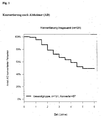
- FIG. 1 shows the findings for the entire patient collective in the form of a Kaplan-Meier plot based only on the clinical diagnosis.
- Table 2 shows the numbers of LKS patients (patients at risk of developing dementia) and their clinical development during the study period, in terms of the number of patients who had Alzheimer's disease conversion (AD converter), who had a conversion after one year showed other forms of dementia (non-AD converters) that did not show any conversion (non-converters) as well as the percentage of AD converters, based on the number of patients in the study.
- AD converter Alzheimer's disease conversion
- non-AD converters non-AD converters
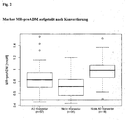
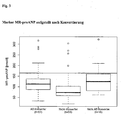
- applicant's assays measured the concentrations of the peptide biomarkers MR-proANP and MR-proADM.
- the concentrations of the peptide biomarkers measured in the plasma obtained at the time of diagnosis of the 131 LKS patients are in the Figures 2 (for MR-proADM) or in FIG. 3 (for MR-proANP), each separately for later converters to AD, converters for other dementias (for vascular dementia), and non-converters.
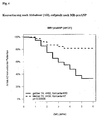
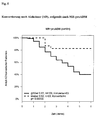
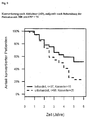
- FIGS. 4 and 5 show the Kaplan-Meier plots obtained by applying the above cut-off values to the collective of LKS patients, divided according to patient groups with concentration values for the indicated peptide bioinarker above the respective cut-off (greater), and such as (smaller).
- FIGS. 4 and 5 In the case of LKS patients measuring the MR-proANP or MR-proADM concentrations in the plasma, who are above the cut-off values determined for the above-mentioned assays at the time of the first diagnosis, there is a considerable difference for the respective patients higher probability of later conversion than lower values.
- the risk of developing neurodegeneration of the type Alzheimer's dementia is thus associated with the increase in selected blood donors.
- MR-proADM concentrations in the plasma were measured below the cut-off of 0.62 nmol / l MR-proADM, only 17.4% developed AD disease, whereas 60.1% of the patients had values convert to AD over the mentioned cut-off.
- the risk of conversion is about 3.45 times higher at concentrations above the cut-off.
- the risk prognoses can be further improved: For example, 3 patient groups were formed in the evaluation of the above measurement results: a) patients with both markers below the selected cut-off values, b) patients with one of the markers above the corresponding one Cut-off, and d) patients with both markers above the respective cut-off values.
- FIG. 6 shows the Kaplan-Meier representation obtained in such an evaluation.
- the measured biomarkers ADM and ANP whose release into the circulation was measured indirectly by means of the MR-proANP or MR-proADM fragments, are known as heart failure biomarkers.
- heart failure biomarkers there is a strong association between heart failure biomarker elevations and the development of neurodegenerative diseases, especially Alzheimer's dementia.
- the correlation shows a surprisingly low level of biomarker concentrations, which are within the determined for the respective markers scattering of "normal concentrations". These are therefore rather small increases in the markers considered.
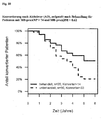
- Tables 4, 5, and 6 below summarize the results of such evaluation of patient data, once taking into account only patients for whom MR-proANP had been found elevated (Table 4) for whom MR-proADM had been found to be elevated (Table 5), and further from patients for whom both biomarkers were found elevated.
- Tables 4, 5 and 6 The content of Tables 4, 5 and 6 is shown graphically in FIGS FIGS. 8 . 9 or 10 in the form of Kaplan-Meier plots.
- LKS patients who have been found to have elevated levels of peptide biomarkers (ANP; ADM) in a previous in vitro plasma analysis, ie, a poor prognosis per se, can also receive treatment directly Heart-Kreislaüf medications are recommended, as this can reduce the observed conversion risk after AD.
- ADM peptide biomarkers
- the invention thus also relates to a method for the prognosis and therapy of mild cognitive disorders or methods for the identification of patients in need of therapy and for the preventive treatment of such patients with mild cognitive disorders.
Landscapes
- Health & Medical Sciences (AREA)
- Life Sciences & Earth Sciences (AREA)
- Chemical & Material Sciences (AREA)
- Medicinal Chemistry (AREA)
- General Health & Medical Sciences (AREA)
- Engineering & Computer Science (AREA)
- Animal Behavior & Ethology (AREA)
- Pharmacology & Pharmacy (AREA)
- Public Health (AREA)
- Veterinary Medicine (AREA)
- Biomedical Technology (AREA)
- Epidemiology (AREA)
- Immunology (AREA)
- Molecular Biology (AREA)
- Neurosurgery (AREA)
- Neurology (AREA)
- Hematology (AREA)
- Urology & Nephrology (AREA)
- Bioinformatics & Cheminformatics (AREA)
- Organic Chemistry (AREA)
- Nuclear Medicine, Radiotherapy & Molecular Imaging (AREA)
- Chemical Kinetics & Catalysis (AREA)
- General Chemical & Material Sciences (AREA)
- Biotechnology (AREA)
- Physics & Mathematics (AREA)
- Cell Biology (AREA)
- Pathology (AREA)
- Microbiology (AREA)
- General Physics & Mathematics (AREA)
- Food Science & Technology (AREA)
- Proteomics, Peptides & Aminoacids (AREA)
- Analytical Chemistry (AREA)
- Biochemistry (AREA)
- Hospice & Palliative Care (AREA)
- Psychiatry (AREA)
- Investigating Or Analysing Biological Materials (AREA)
- Medicines That Contain Protein Lipid Enzymes And Other Medicines (AREA)
- Pharmaceuticals Containing Other Organic And Inorganic Compounds (AREA)
Claims (10)
- Procédé in vitro de stratification de risques des patients présentant des troubles cognitifs légers pour identifier les patients ayant des troubles cognitifs légers qui nécessitent un traitement. Le procédé consiste à :- déterminer dans un échantillon de liquide biologique prélevé du système vasculaire d'un patient chez qui il a été diagnostiqué un trouble cognitif léger au moins un biomarqueur peptidique caractéristique du système vasculaire; et- attribuer un risque accru de développement d'une maladie neurodégénérative cliniquement manifeste à une concentration élevée du au moins un biomarqueur peptidique caractéristique du système vasculaire excédant une valeur seuil de biomarqueur spécifique (valeur limite) fixée dans la plage des valeurs de concentration habituelles pour ce biomarqueur en cas de troubles cognitifs légers, le biomarqueur peptidique caractéristique du système vasculaire étant choisi parmi les fragments MR-proANP et/ou MR-proADM et la valeur seuil étant 60 - 90 pmol/L pour MR-proANP et 0,5 - 0,7 nmol/L pour MR-proADM, et les patients présentant le risque le plus élevé déterminé étant identifiés comme ceux qui nécessitent une thérapie et un traitement avec un médicament contenant une ou plusieurs substances actives d'agents cardiovasculaires choisis parmi le groupe comprenant : des antagonistes de récepteurs ANP, des antagonistes de récepteurs d'adénosine, des inhibiteurs ECA, des antagonistes de récepteurs d'angiotensine II, des bêta-bloquants et des diurétiques antihypertenseurs et leurs combinaisons, pour retarder ou prévenir le développement de troubles neurodégénératifs cliniquement manifestes ou pour améliorer ou maintenir l'état du trouble cognitif léger.
- Procédé selon la revendication 1, l'antagoniste de récepteur ANP étant un polymère du glucose et de l'acide capronique.
- Procédé selon la revendication 1, l'antagoniste de récepteurs d'adénosine étant 1,3-dipropyl-8-(3-noradamantyl)xanthine.
- Procédé selon la revendication 1 ou 2, la substance active étant un antagoniste de récepteurs ANP et l'antagoniste étant administré à une dose à laquelle au moins 50% des récepteurs ANP sont occupés.
- Procédé selon la revendication 1 ou 3, la substance active étant un antagoniste de récepteurs d'adénosine et l'antagoniste étant administré à une dose à laquelle au moins 50% des récepteurs d'adénosine sont occupés.
- Procédé selon une quelconque des revendications 1 à 5, le trouble neurodégénératif cliniquement manifeste étant une démence de type Alzheimer.
- Procédé selon une quelconque des revendications 1 à 6, un groupe de patients étant sélectionnés pour le traitement qui, sur la base d'une élévation de biomarqueurs peptidiques caractéristiques du système vasculaire mesurables dans leur système vasculaire, peuvent être identifiés comme étant des patients qui présentent un risque accru de développement d'une forme cliniquement manifeste de la démence d'Alzheimer.
- Procédé selon une quelconque des revendications 1 à 7, caractérisé en ce que l'échantillon est un échantillon de sérum ou de plasma.
- Procédé selon une quelconque des revendications 1 à 8, caractérisé en ce que le traitement recommandé est un agent cardiovasculaire parmi le groupe d'agents antihypertenseurs sélectionnés parmi le groupe composé d'inhibiteurs d'« enzymes de conversion de l'angiotensine » (inhibiteurs ECA), d'antagonistes de récepteurs d'angiotensine II (« sartanes »), de bêta-bloquants et de diurétiques utilisés pour baisser la tension artérielle.
- Procédé selon la revendication 1, caractérisé en ce que ladite détermination est effectuée à l'aide d'un procédé de détermination d'immunodiagnostic, et en ce que le MR-proADM ou le proANP sont déterminés avec un effet physiologique réduit ou indétectable par rapport aux peptides ADM ou ANP réelles pertinentes au système vasculaire.
Priority Applications (1)
| Application Number | Priority Date | Filing Date | Title |
|---|---|---|---|
| EP09705184.1A EP2247287B1 (fr) | 2008-02-01 | 2009-01-29 | Procédé d'identification de patients présentant de légers troubles cognitifs, nécessitant un traitement, et traitement de ces patients |
Applications Claiming Priority (4)
| Application Number | Priority Date | Filing Date | Title |
|---|---|---|---|
| DE102008007218A DE102008007218A1 (de) | 2008-02-01 | 2008-02-01 | Verfahren zur Indentifizierung von therapiebedürftigen Patienten und zur präventiven Behandlung derartiger Patienten mit leichten kognitiven Störungen |
| EP08161228 | 2008-07-27 | ||
| EP09705184.1A EP2247287B1 (fr) | 2008-02-01 | 2009-01-29 | Procédé d'identification de patients présentant de légers troubles cognitifs, nécessitant un traitement, et traitement de ces patients |
| PCT/EP2009/051035 WO2009095454A2 (fr) | 2008-02-01 | 2009-01-29 | Procédé d'identification de patients présentant de légers troubles cognitifs, nécessitant un traitement, et traitement de ces patients |
Publications (2)
| Publication Number | Publication Date |
|---|---|
| EP2247287A2 EP2247287A2 (fr) | 2010-11-10 |
| EP2247287B1 true EP2247287B1 (fr) | 2015-08-12 |
Family
ID=40600337
Family Applications (1)
| Application Number | Title | Priority Date | Filing Date |
|---|---|---|---|
| EP09705184.1A Active EP2247287B1 (fr) | 2008-02-01 | 2009-01-29 | Procédé d'identification de patients présentant de légers troubles cognitifs, nécessitant un traitement, et traitement de ces patients |
Country Status (6)
| Country | Link |
|---|---|
| US (1) | US20110039343A1 (fr) |
| EP (1) | EP2247287B1 (fr) |
| JP (1) | JP5607543B2 (fr) |
| CN (1) | CN101977594B (fr) |
| ES (1) | ES2552816T3 (fr) |
| WO (1) | WO2009095454A2 (fr) |
Families Citing this family (8)
| Publication number | Priority date | Publication date | Assignee | Title |
|---|---|---|---|---|
| US8906857B2 (en) * | 2005-12-01 | 2014-12-09 | B.R.A.H.M.S. Gmbh | Methods for the diagnosis and treatment of critically ill patients with endothelin, endothelin agonists and adrenomedullin antagonists |
| US7838250B1 (en) | 2006-04-04 | 2010-11-23 | Singulex, Inc. | Highly sensitive system and methods for analysis of troponin |
| JP5308328B2 (ja) | 2006-04-04 | 2013-10-09 | シングレックス,インコーポレイテッド | トロポニンの分析のための高感度のシステムおよび方法 |
| WO2010144358A1 (fr) | 2009-06-08 | 2010-12-16 | Singulex, Inc. | Groupes de biomarqueurs très sensibles |
| EP2964270A4 (fr) * | 2013-02-21 | 2017-03-22 | University Of Rochester | Procédés d'évaluation de la voie paravasculaire cérébrale pour la fonction d'élimination des déchets et procédés de traitement de troubles neurodégénératifs associés |
| US20180293352A1 (en) * | 2017-04-10 | 2018-10-11 | COTA, Inc. | System and Method for Decision-Making for Determining Initiation and Type of Treatment for Patients with a Progressive Illness |
| CN119770645A (zh) * | 2018-02-08 | 2025-04-08 | 斯弗因高泰克有限公司 | 用于诊断和/或预测痴呆症的肾上腺髓质素和抗肾上腺髓质素结合物在治疗或预防痴呆症中的应用 |
| CN111929430B (zh) * | 2020-08-14 | 2021-09-17 | 宝枫生物科技(北京)有限公司 | 用于诊断认知障碍的生物标记物及其应用 |
Family Cites Families (15)
| Publication number | Priority date | Publication date | Assignee | Title |
|---|---|---|---|---|
| US5015633A (en) * | 1987-04-27 | 1991-05-14 | E. R. Squibb & Sons, Inc. | Method for inhibiting loss of cognitive functions employing an ace inhibitor |
| WO1989000428A1 (fr) * | 1987-07-17 | 1989-01-26 | Brigham And Women's Hospital | Utilisation d'anticorps du peptide atrial , d'antagonistes de recepteurs et d'inhibiteurs de synthese de peptide atrial afin de reguler la vasodilatation renale et du systeme dans le diabete sucre |
| JP2859684B2 (ja) * | 1990-04-10 | 1999-02-17 | 協和醗酵工業株式会社 | 新規生理活性物質hs―142―1およびその製造法 |
| WO2002038141A2 (fr) * | 2000-11-08 | 2002-05-16 | Massachusetts Institute Of Technology | Compositions et procedes de traitement de la deficience cognitive legere |
| AUPR916301A0 (en) * | 2001-11-29 | 2001-12-20 | Fujisawa Pharmaceutical Co., Ltd. | Pyrazolopyridine compound and pharmaceutical use thereof |
| JP2005528395A (ja) * | 2002-04-05 | 2005-09-22 | ザ ユニバーシティ オブ エディンバラ | 組成物 |
| JP2005530788A (ja) * | 2002-05-13 | 2005-10-13 | メルク エンド カムパニー インコーポレーテッド | フェニル置換イミダゾピリジン類およびフェニル置換ベンズイミダゾール類 |
| AU2003291358A1 (en) * | 2002-11-07 | 2004-06-03 | Molecular Geriatrics Corporation | Methods for predicting whether subjects with mild cognitive impairment (mci) will develop alzheimer's disease |
| CA2519129A1 (fr) * | 2003-03-18 | 2004-09-30 | Biovision Ag | Procede de depistage d'une maladie dementielle chronique progressive, et peptides et reactifs de depistage correspondants |
| DE10316583A1 (de) * | 2003-04-10 | 2004-10-28 | B.R.A.H.M.S Aktiengesellschaft | Bestimmung eines midregionalen Proadrenomedullin-Teilpeptids in biologischen Flüssigkeiten zu diagnostischen Zwecken, sowie Immunoassays für die Durchführung einer solchen Bestimmung |
| EP1480041A1 (fr) * | 2003-05-22 | 2004-11-24 | Innogenetics N.V. | Méthode de prédiction, diagnostic et diagnostic différential de la maladie d'Alzheimer |
| WO2007112288A2 (fr) * | 2006-03-23 | 2007-10-04 | Mount Sinai School Of Medicine | Composition cardiovasculaire et utilisation de ladite composition pour le traitement de la maladie d'alzheimer |
| DE102006023175A1 (de) * | 2006-05-17 | 2007-11-22 | B.R.A.H.M.S Aktiengesellschaft | In vitro Verfahren zur Diagnose und Frühdiagnose von neurodegenerativen Erkrankungen |
| DE102006027818A1 (de) * | 2006-06-16 | 2007-12-20 | B.R.A.H.M.S. Aktiengesellschaft | In vitro Multiparameter-Bestimmungsverfahren zur Diagnose und Frühdiagnose von neurodegenerativen Erkrankungen |
| WO2008139984A1 (fr) * | 2007-04-26 | 2008-11-20 | Eisai R & D Management Co., Ltd. | Composés de cinnamide destinés au traitement de la démence |
-
2009
- 2009-01-29 WO PCT/EP2009/051035 patent/WO2009095454A2/fr not_active Ceased
- 2009-01-29 ES ES09705184.1T patent/ES2552816T3/es active Active
- 2009-01-29 CN CN200980110223.0A patent/CN101977594B/zh active Active
- 2009-01-29 US US12/865,492 patent/US20110039343A1/en not_active Abandoned
- 2009-01-29 JP JP2010544704A patent/JP5607543B2/ja active Active
- 2009-01-29 EP EP09705184.1A patent/EP2247287B1/fr active Active
Non-Patent Citations (12)
| Title |
|---|
| "Oxford Centre for EvidenceBased Medicine 2011 Levels of Evidence", 2011 * |
| ANONYMOUS: "ACE-Hemmer gegen AlzheimerBlutdrucksenker verzögern DemenzMedikamente gegen Bluthochdruck senken Alzheimer-Risiko", 31 July 2013 (2013-07-31), pages 1, Retrieved from the Internet <URL:http://www.lifeline.de/themenspecials/alzheimer/blutdrucksenker-verzoegern-demenz-id111821.html> [retrieved on 20141219] * |
| ANONYMOUS: "Current Alzheimer's Treatments", pages 1 - 2, Retrieved from the Internet <URL:http://www.alz.org/research/science/alzheimers_disease_treatments.asp> [retrieved on 20141217] * |
| BUYSE MARC ET AL: "Validation and clinical utility of a 70-gene prognostic signature for women with node-negative breast cancer", JOURNAL OF THE NATIONAL CANCER INSTITUTE, OXFORD UNIVERSITY PRESS, GB, vol. 98, no. 17, 6 September 2006 (2006-09-06), pages 1183 - 1192, XP002566232, ISSN: 0027-8874, DOI: 10.1093/JNCI/DJJ329 * |
| Curriculum Vitae Dr. med. Volker Liebenberg * |
| D. L. SACKETT ET AL: "Rules of evidence and clinical recommendations on the use of antithrombotic agents", CHEST, vol. 95, no. 2, 1 February 1989 (1989-02-01), pages 2S - 4S, XP055167119, ISSN: 0012-3692, DOI: 10.1378/chest.95.2.2S * |
| Declaration of Dr. Volker Liebenberg to EP09705184 * |
| M. S. PEPE ET AL: "Pivotal Evaluation of the Accuracy of a Biomarker Used for Classification or Prediction: Standards for Study Design", JNCI JOURNAL OF THE NATIONAL CANCER INSTITUTE, vol. 100, no. 20, 7 October 2008 (2008-10-07), pages 1432 - 1438, XP055167125, ISSN: 0027-8874, DOI: 10.1093/jnci/djn326 * |
| MELANDER O ET AL: "Plasma proneurotensin and incidence of diabetes, cardiovascular disease, breast cancer, and mortality", JAMA THE JOURNAL OF THE AMERICAN MEDICAL ASSOCIATION, AMERICAN MEDICAL ASSOCIATION, US, vol. 308, no. 14, 10 October 2012 (2012-10-10), pages 1469 - 1475, XP002699121, ISSN: 0098-7484, DOI: 10.1001/JAMA.2012.12998 * |
| O. MELANDER ET AL: "Validation of Plasma Proneurotensin as a Novel Biomarker for the Prediction of Incident Breast Cancer", CANCER EPIDEMIOLOGY, BIOMARKERS & PREVENTION, vol. 23, no. 8, 1 August 2014 (2014-08-01), pages 1672 - 1676, XP055155246, ISSN: 1055-9965, DOI: 10.1158/1055-9965.EPI-13-1200 * |
| PG SHEKELLE ET AL: "LEVELS OF EVIDENCE AND GRADES OF RECOMMENDATIONS RESEARCH QUICK TIPS FROM THE HEALTH SCIENCES LIBRARIES Bio-Medical Library 505 Essex Street A Directly based on Level I evidence B Directly based on Level II evidence or extrapolated recommendations from Level I evidence C Directly based on Le", WEST J MED, 1 June 1999 (1999-06-01), pages 348 - 51, XP055167124, Retrieved from the Internet <URL:http://hsl.lib.umn.edu/sites/default/files/Levels of Evidence.pdf> [retrieved on 20150204] * |
| S. J. MANDREKAR ET AL: "Predictive biomarker validation in practice: lessons from real trials", CLINICAL TRIALS, vol. 7, no. 5, 14 April 2010 (2010-04-14), pages 567 - 573, XP055167114, ISSN: 1740-7745, DOI: 10.1177/1740774510368574 * |
Also Published As
| Publication number | Publication date |
|---|---|
| US20110039343A1 (en) | 2011-02-17 |
| CN101977594B (zh) | 2015-09-02 |
| JP5607543B2 (ja) | 2014-10-15 |
| HK1152649A1 (zh) | 2012-03-09 |
| EP2247287A2 (fr) | 2010-11-10 |
| WO2009095454A3 (fr) | 2009-10-01 |
| ES2552816T3 (es) | 2015-12-02 |
| WO2009095454A2 (fr) | 2009-08-06 |
| CN101977594A (zh) | 2011-02-16 |
| JP2011511282A (ja) | 2011-04-07 |
Similar Documents
| Publication | Publication Date | Title |
|---|---|---|
| EP2247287B1 (fr) | Procédé d'identification de patients présentant de légers troubles cognitifs, nécessitant un traitement, et traitement de ces patients | |
| EP2030023B1 (fr) | Procédé multiparamètre de détermination in vitro pour le diagnostic et le diagnostic précoce de maladies dementielles | |
| DE69227380T3 (de) | Verfahren zur bestimmung und behandlung von alzheimer-krankheit | |
| EP2084543B1 (fr) | Stratification des risques du syndrome coronarien aigu au moyen de fragments et de peptides partiels de la provasopressine, en particulier de la copeptine ou de la neurophysine ii | |
| WO2008012019A2 (fr) | Procédé de commande du traitement de patients souffrants d'une insuffisance cardiaque d'après la détermination in vitro de valeurs seuils de peptides vasoactifs | |
| EP1910841B1 (fr) | Procede in vitro pour diagnostiquer des maladies neurodegeneratives | |
| EP2016418B1 (fr) | Procede in vitro pour le diagnostic et le diagnostic precoce de maladies neurodegeneratives | |
| WO2003048778A1 (fr) | Procede de diagnostic d'une septicemie par determination de la quantite de s100b | |
| EP1904855B1 (fr) | Procede de diagnostic du liquide cerebro-spinal in vitro destine au diagnostic de demence et de maladies neuro-inflammatoires | |
| DE10060989B4 (de) | Verfahren zur Diagnose der Laktose-Intoleranz und Diagnosekit zur Durchführung des Verfahrens | |
| EP1757939A1 (fr) | Marqueurs polypeptidiques pour la diagnose du cancer de la vessie | |
| DE69024348T2 (de) | Verfahren zum nachweis des diabetischen zustandes | |
| DE69125536T2 (de) | Quantitative analyse von chiroinositol als anzeiger eines diabetischen zustandes | |
| DE69630131T2 (de) | Verfahren zur bestimmung des aggregationsgrades des beta a4-peptids | |
| DE102006058266A1 (de) | Diagnose und Risikostratifizierung von Herzinsuffizienz mittels Neurophysin | |
| DE102010013555A1 (de) | Verwendung der Biomarker sFlt und PIGF in der Diagnose und Therapie der pulmonalen Hypertonie | |
| DE102008007218A1 (de) | Verfahren zur Indentifizierung von therapiebedürftigen Patienten und zur präventiven Behandlung derartiger Patienten mit leichten kognitiven Störungen | |
| DE102019218597B4 (de) | Verfahren zum Erstellen eines Befundes zur Funktionalität eines anorexigenen Signalwegs für einen Patienten | |
| DE60112758T2 (de) | Diagnostisches Verfahren für Alzheimer auf der Grundlage von Holo-Transcobalamin II | |
| AT504943A1 (de) | Diagnose septischer komplikationen | |
| DE102023122636A1 (de) | Biomarker für die Diagnose von Schlafstörungen | |
| DE102006057409A1 (de) | Risikostratifizierung des akuten Koronarsyndroms mittels Fragmenten / Teilpeptiden des proVasopressins, insbesondere Copeptin oder Neurophysin II | |
| WO2012130651A1 (fr) | Differenciation diagnostique entre un syndrome coronarien aigu et une angine de poitrine stable | |
| DE102019218598A1 (de) | Verfahren zum Erstellen eines Befundes zur Funktionalität eines anorexigenen Signalwegs für einen Patienten | |
| DE102016001162A1 (de) | Verfahren zur Diagnose von neurodegenerativen Erkrankungen, insbesondere der Parkinson-Erkrankung |
Legal Events
| Date | Code | Title | Description |
|---|---|---|---|
| PUAI | Public reference made under article 153(3) epc to a published international application that has entered the european phase |
Free format text: ORIGINAL CODE: 0009012 |
|
| 17P | Request for examination filed |
Effective date: 20100901 |
|
| AK | Designated contracting states |
Kind code of ref document: A2 Designated state(s): AT BE BG CH CY CZ DE DK EE ES FI FR GB GR HR HU IE IS IT LI LT LU LV MC MK MT NL NO PL PT RO SE SI SK TR |
|
| AX | Request for extension of the european patent |
Extension state: AL BA RS |
|
| DAX | Request for extension of the european patent (deleted) | ||
| RAP1 | Party data changed (applicant data changed or rights of an application transferred) |
Owner name: B.R.A.H.M.S GMBH |
|
| 17Q | First examination report despatched |
Effective date: 20111110 |
|
| GRAP | Despatch of communication of intention to grant a patent |
Free format text: ORIGINAL CODE: EPIDOSNIGR1 |
|
| INTG | Intention to grant announced |
Effective date: 20150407 |
|
| GRAS | Grant fee paid |
Free format text: ORIGINAL CODE: EPIDOSNIGR3 |
|
| GRAA | (expected) grant |
Free format text: ORIGINAL CODE: 0009210 |
|
| AK | Designated contracting states |
Kind code of ref document: B1 Designated state(s): AT BE BG CH CY CZ DE DK EE ES FI FR GB GR HR HU IE IS IT LI LT LU LV MC MK MT NL NO PL PT RO SE SI SK TR |
|
| REG | Reference to a national code |
Ref country code: GB Ref legal event code: FG4D Free format text: NOT ENGLISH |
|
| REG | Reference to a national code |
Ref country code: CH Ref legal event code: EP |
|
| REG | Reference to a national code |
Ref country code: AT Ref legal event code: REF Ref document number: 741490 Country of ref document: AT Kind code of ref document: T Effective date: 20150815 |
|
| REG | Reference to a national code |
Ref country code: IE Ref legal event code: FG4D Free format text: LANGUAGE OF EP DOCUMENT: GERMAN |
|
| REG | Reference to a national code |
Ref country code: DE Ref legal event code: R096 Ref document number: 502009011399 Country of ref document: DE |
|
| REG | Reference to a national code |
Ref country code: CH Ref legal event code: NV Representative=s name: ISLER AND PEDRAZZINI AG, CH |
|
| REG | Reference to a national code |
Ref country code: ES Ref legal event code: FG2A Ref document number: 2552816 Country of ref document: ES Kind code of ref document: T3 Effective date: 20151202 |
|
| REG | Reference to a national code |
Ref country code: FR Ref legal event code: PLFP Year of fee payment: 8 |
|
| REG | Reference to a national code |
Ref country code: LT Ref legal event code: MG4D |
|
| REG | Reference to a national code |
Ref country code: NL Ref legal event code: MP Effective date: 20150812 |
|
| PG25 | Lapsed in a contracting state [announced via postgrant information from national office to epo] |
Ref country code: LV Free format text: LAPSE BECAUSE OF FAILURE TO SUBMIT A TRANSLATION OF THE DESCRIPTION OR TO PAY THE FEE WITHIN THE PRESCRIBED TIME-LIMIT Effective date: 20150812 Ref country code: LT Free format text: LAPSE BECAUSE OF FAILURE TO SUBMIT A TRANSLATION OF THE DESCRIPTION OR TO PAY THE FEE WITHIN THE PRESCRIBED TIME-LIMIT Effective date: 20150812 Ref country code: NO Free format text: LAPSE BECAUSE OF FAILURE TO SUBMIT A TRANSLATION OF THE DESCRIPTION OR TO PAY THE FEE WITHIN THE PRESCRIBED TIME-LIMIT Effective date: 20151112 Ref country code: GR Free format text: LAPSE BECAUSE OF FAILURE TO SUBMIT A TRANSLATION OF THE DESCRIPTION OR TO PAY THE FEE WITHIN THE PRESCRIBED TIME-LIMIT Effective date: 20151113 Ref country code: FI Free format text: LAPSE BECAUSE OF FAILURE TO SUBMIT A TRANSLATION OF THE DESCRIPTION OR TO PAY THE FEE WITHIN THE PRESCRIBED TIME-LIMIT Effective date: 20150812 |
|
| PG25 | Lapsed in a contracting state [announced via postgrant information from national office to epo] |
Ref country code: PT Free format text: LAPSE BECAUSE OF FAILURE TO SUBMIT A TRANSLATION OF THE DESCRIPTION OR TO PAY THE FEE WITHIN THE PRESCRIBED TIME-LIMIT Effective date: 20151214 Ref country code: PL Free format text: LAPSE BECAUSE OF FAILURE TO SUBMIT A TRANSLATION OF THE DESCRIPTION OR TO PAY THE FEE WITHIN THE PRESCRIBED TIME-LIMIT Effective date: 20150812 Ref country code: HR Free format text: LAPSE BECAUSE OF FAILURE TO SUBMIT A TRANSLATION OF THE DESCRIPTION OR TO PAY THE FEE WITHIN THE PRESCRIBED TIME-LIMIT Effective date: 20150812 Ref country code: SE Free format text: LAPSE BECAUSE OF FAILURE TO SUBMIT A TRANSLATION OF THE DESCRIPTION OR TO PAY THE FEE WITHIN THE PRESCRIBED TIME-LIMIT Effective date: 20150812 Ref country code: IS Free format text: LAPSE BECAUSE OF FAILURE TO SUBMIT A TRANSLATION OF THE DESCRIPTION OR TO PAY THE FEE WITHIN THE PRESCRIBED TIME-LIMIT Effective date: 20151212 |
|
| PG25 | Lapsed in a contracting state [announced via postgrant information from national office to epo] |
Ref country code: NL Free format text: LAPSE BECAUSE OF FAILURE TO SUBMIT A TRANSLATION OF THE DESCRIPTION OR TO PAY THE FEE WITHIN THE PRESCRIBED TIME-LIMIT Effective date: 20150812 |
|
| PG25 | Lapsed in a contracting state [announced via postgrant information from national office to epo] |
Ref country code: DK Free format text: LAPSE BECAUSE OF FAILURE TO SUBMIT A TRANSLATION OF THE DESCRIPTION OR TO PAY THE FEE WITHIN THE PRESCRIBED TIME-LIMIT Effective date: 20150812 Ref country code: CZ Free format text: LAPSE BECAUSE OF FAILURE TO SUBMIT A TRANSLATION OF THE DESCRIPTION OR TO PAY THE FEE WITHIN THE PRESCRIBED TIME-LIMIT Effective date: 20150812 Ref country code: EE Free format text: LAPSE BECAUSE OF FAILURE TO SUBMIT A TRANSLATION OF THE DESCRIPTION OR TO PAY THE FEE WITHIN THE PRESCRIBED TIME-LIMIT Effective date: 20150812 Ref country code: SK Free format text: LAPSE BECAUSE OF FAILURE TO SUBMIT A TRANSLATION OF THE DESCRIPTION OR TO PAY THE FEE WITHIN THE PRESCRIBED TIME-LIMIT Effective date: 20150812 |
|
| REG | Reference to a national code |
Ref country code: DE Ref legal event code: R097 Ref document number: 502009011399 Country of ref document: DE |
|
| PG25 | Lapsed in a contracting state [announced via postgrant information from national office to epo] |
Ref country code: RO Free format text: LAPSE BECAUSE OF FAILURE TO SUBMIT A TRANSLATION OF THE DESCRIPTION OR TO PAY THE FEE WITHIN THE PRESCRIBED TIME-LIMIT Effective date: 20150812 |
|
| PLBE | No opposition filed within time limit |
Free format text: ORIGINAL CODE: 0009261 |
|
| STAA | Information on the status of an ep patent application or granted ep patent |
Free format text: STATUS: NO OPPOSITION FILED WITHIN TIME LIMIT |
|
| 26N | No opposition filed |
Effective date: 20160513 |
|
| PG25 | Lapsed in a contracting state [announced via postgrant information from national office to epo] |
Ref country code: LU Free format text: LAPSE BECAUSE OF FAILURE TO SUBMIT A TRANSLATION OF THE DESCRIPTION OR TO PAY THE FEE WITHIN THE PRESCRIBED TIME-LIMIT Effective date: 20160129 Ref country code: SI Free format text: LAPSE BECAUSE OF FAILURE TO SUBMIT A TRANSLATION OF THE DESCRIPTION OR TO PAY THE FEE WITHIN THE PRESCRIBED TIME-LIMIT Effective date: 20150812 |
|
| PG25 | Lapsed in a contracting state [announced via postgrant information from national office to epo] |
Ref country code: MC Free format text: LAPSE BECAUSE OF FAILURE TO SUBMIT A TRANSLATION OF THE DESCRIPTION OR TO PAY THE FEE WITHIN THE PRESCRIBED TIME-LIMIT Effective date: 20150812 |
|
| REG | Reference to a national code |
Ref country code: IE Ref legal event code: MM4A |
|
| REG | Reference to a national code |
Ref country code: FR Ref legal event code: PLFP Year of fee payment: 9 |
|
| REG | Reference to a national code |
Ref country code: DE Ref legal event code: R082 Ref document number: 502009011399 Country of ref document: DE Representative=s name: VOSSIUS & PARTNER PATENTANWAELTE RECHTSANWAELT, DE |
|
| PG25 | Lapsed in a contracting state [announced via postgrant information from national office to epo] |
Ref country code: IE Free format text: LAPSE BECAUSE OF NON-PAYMENT OF DUE FEES Effective date: 20160129 |
|
| PG25 | Lapsed in a contracting state [announced via postgrant information from national office to epo] |
Ref country code: MT Free format text: LAPSE BECAUSE OF FAILURE TO SUBMIT A TRANSLATION OF THE DESCRIPTION OR TO PAY THE FEE WITHIN THE PRESCRIBED TIME-LIMIT Effective date: 20150812 |
|
| REG | Reference to a national code |
Ref country code: FR Ref legal event code: PLFP Year of fee payment: 10 |
|
| PG25 | Lapsed in a contracting state [announced via postgrant information from national office to epo] |
Ref country code: CY Free format text: LAPSE BECAUSE OF FAILURE TO SUBMIT A TRANSLATION OF THE DESCRIPTION OR TO PAY THE FEE WITHIN THE PRESCRIBED TIME-LIMIT Effective date: 20150812 Ref country code: HU Free format text: LAPSE BECAUSE OF FAILURE TO SUBMIT A TRANSLATION OF THE DESCRIPTION OR TO PAY THE FEE WITHIN THE PRESCRIBED TIME-LIMIT; INVALID AB INITIO Effective date: 20090129 |
|
| PG25 | Lapsed in a contracting state [announced via postgrant information from national office to epo] |
Ref country code: MK Free format text: LAPSE BECAUSE OF FAILURE TO SUBMIT A TRANSLATION OF THE DESCRIPTION OR TO PAY THE FEE WITHIN THE PRESCRIBED TIME-LIMIT Effective date: 20150812 |
|
| PG25 | Lapsed in a contracting state [announced via postgrant information from national office to epo] |
Ref country code: BG Free format text: LAPSE BECAUSE OF FAILURE TO SUBMIT A TRANSLATION OF THE DESCRIPTION OR TO PAY THE FEE WITHIN THE PRESCRIBED TIME-LIMIT Effective date: 20150812 |
|
| P01 | Opt-out of the competence of the unified patent court (upc) registered |
Effective date: 20230524 |
|
| PGFP | Annual fee paid to national office [announced via postgrant information from national office to epo] |
Ref country code: ES Payment date: 20250211 Year of fee payment: 17 |
|
| PGFP | Annual fee paid to national office [announced via postgrant information from national office to epo] |
Ref country code: BE Payment date: 20250128 Year of fee payment: 17 |
|
| REG | Reference to a national code |
Ref country code: CH Ref legal event code: U11 Free format text: ST27 STATUS EVENT CODE: U-0-0-U10-U11 (AS PROVIDED BY THE NATIONAL OFFICE) Effective date: 20260201 |
|
| PGFP | Annual fee paid to national office [announced via postgrant information from national office to epo] |
Ref country code: GB Payment date: 20260108 Year of fee payment: 18 |
|
| PGFP | Annual fee paid to national office [announced via postgrant information from national office to epo] |
Ref country code: DE Payment date: 20251211 Year of fee payment: 18 |
|
| PGFP | Annual fee paid to national office [announced via postgrant information from national office to epo] |
Ref country code: AT Payment date: 20251211 Year of fee payment: 18 |
|
| PGFP | Annual fee paid to national office [announced via postgrant information from national office to epo] |
Ref country code: IT Payment date: 20251211 Year of fee payment: 18 |
|
| PGFP | Annual fee paid to national office [announced via postgrant information from national office to epo] |
Ref country code: FR Payment date: 20260112 Year of fee payment: 18 |
|
| PGFP | Annual fee paid to national office [announced via postgrant information from national office to epo] |
Ref country code: TR Payment date: 20260114 Year of fee payment: 18 |
|
| PGFP | Annual fee paid to national office [announced via postgrant information from national office to epo] |
Ref country code: CH Payment date: 20260201 Year of fee payment: 18 |