EP2258441A2 - Dispositifs d administration transcutanée de vaccins et d'administration transdermique de médicaments - Google Patents
Dispositifs d administration transcutanée de vaccins et d'administration transdermique de médicaments Download PDFInfo
- Publication number
- EP2258441A2 EP2258441A2 EP10011210A EP10011210A EP2258441A2 EP 2258441 A2 EP2258441 A2 EP 2258441A2 EP 10011210 A EP10011210 A EP 10011210A EP 10011210 A EP10011210 A EP 10011210A EP 2258441 A2 EP2258441 A2 EP 2258441A2
- Authority
- EP
- European Patent Office
- Prior art keywords
- skin
- mask
- patch
- antigen
- sps
- Prior art date
- Legal status (The legal status is an assumption and is not a legal conclusion. Google has not performed a legal analysis and makes no representation as to the accuracy of the status listed.)
- Withdrawn
Links
- 239000003814 drug Substances 0.000 title claims abstract description 140
- 229940079593 drug Drugs 0.000 title claims abstract description 43
- 229960005486 vaccine Drugs 0.000 title abstract description 74
- 230000037317 transdermal delivery Effects 0.000 title description 8
- 229940124597 therapeutic agent Drugs 0.000 claims abstract description 96
- 239000000427 antigen Substances 0.000 claims description 228
- 108091007433 antigens Proteins 0.000 claims description 228
- 102000036639 antigens Human genes 0.000 claims description 228
- 239000000203 mixture Substances 0.000 claims description 173
- 238000009472 formulation Methods 0.000 claims description 161
- 238000000034 method Methods 0.000 claims description 157
- 239000002671 adjuvant Substances 0.000 claims description 143
- 230000028993 immune response Effects 0.000 claims description 97
- 238000011282 treatment Methods 0.000 claims description 72
- 239000000853 adhesive Substances 0.000 claims description 52
- 230000001070 adhesive effect Effects 0.000 claims description 51
- 229910052751 metal Inorganic materials 0.000 claims description 35
- 239000002184 metal Substances 0.000 claims description 35
- 230000007246 mechanism Effects 0.000 claims description 25
- 230000033001 locomotion Effects 0.000 claims description 15
- 238000005520 cutting process Methods 0.000 claims description 10
- 230000001939 inductive effect Effects 0.000 claims description 10
- 230000000007 visual effect Effects 0.000 claims description 8
- 239000000919 ceramic Substances 0.000 claims description 7
- 239000003937 drug carrier Substances 0.000 claims description 7
- 238000012546 transfer Methods 0.000 claims description 7
- 230000004913 activation Effects 0.000 claims description 5
- 238000004891 communication Methods 0.000 claims description 4
- -1 e.g. Substances 0.000 abstract description 18
- 210000003491 skin Anatomy 0.000 description 394
- 230000003053 immunization Effects 0.000 description 115
- 238000002649 immunization Methods 0.000 description 112
- 238000007918 intramuscular administration Methods 0.000 description 80
- 239000000185 hemagglutinin Substances 0.000 description 59
- 101710154606 Hemagglutinin Proteins 0.000 description 58
- 101710093908 Outer capsid protein VP4 Proteins 0.000 description 58
- 101710135467 Outer capsid protein sigma-1 Proteins 0.000 description 58
- 101710176177 Protein A56 Proteins 0.000 description 58
- 210000000434 stratum corneum Anatomy 0.000 description 47
- 241001465754 Metazoa Species 0.000 description 46
- 206010022000 influenza Diseases 0.000 description 45
- 210000002966 serum Anatomy 0.000 description 41
- 238000002255 vaccination Methods 0.000 description 41
- 239000000463 material Substances 0.000 description 37
- 239000000126 substance Substances 0.000 description 37
- 239000010410 layer Substances 0.000 description 34
- 239000003981 vehicle Substances 0.000 description 32
- PEDCQBHIVMGVHV-UHFFFAOYSA-N Glycerine Chemical compound OCC(O)CO PEDCQBHIVMGVHV-UHFFFAOYSA-N 0.000 description 31
- 231100000765 toxin Toxicity 0.000 description 30
- 229960000172 trivalent influenza vaccine Drugs 0.000 description 30
- 239000003053 toxin Substances 0.000 description 29
- 108700012359 toxins Proteins 0.000 description 29
- 239000007927 intramuscular injection Substances 0.000 description 28
- 108090000623 proteins and genes Proteins 0.000 description 27
- 229920003023 plastic Polymers 0.000 description 25
- 239000004033 plastic Substances 0.000 description 25
- 108010049048 Cholera Toxin Proteins 0.000 description 24
- 102000009016 Cholera Toxin Human genes 0.000 description 24
- 238000013461 design Methods 0.000 description 24
- 235000018102 proteins Nutrition 0.000 description 24
- 102000004169 proteins and genes Human genes 0.000 description 24
- 241000700198 Cavia Species 0.000 description 23
- 239000007788 liquid Substances 0.000 description 23
- 210000000612 antigen-presenting cell Anatomy 0.000 description 22
- 239000007787 solid Substances 0.000 description 22
- 201000010099 disease Diseases 0.000 description 21
- 208000037265 diseases, disorders, signs and symptoms Diseases 0.000 description 21
- 241000700605 Viruses Species 0.000 description 20
- 210000004027 cell Anatomy 0.000 description 20
- 230000035515 penetration Effects 0.000 description 20
- 238000002360 preparation method Methods 0.000 description 20
- 241000588724 Escherichia coli Species 0.000 description 19
- 230000000694 effects Effects 0.000 description 19
- 230000036571 hydration Effects 0.000 description 19
- 238000006703 hydration reaction Methods 0.000 description 19
- 229960003971 influenza vaccine Drugs 0.000 description 18
- 239000004480 active ingredient Substances 0.000 description 17
- 239000000872 buffer Substances 0.000 description 17
- 239000007924 injection Substances 0.000 description 17
- 238000002347 injection Methods 0.000 description 17
- 239000000976 ink Substances 0.000 description 17
- 108090000765 processed proteins & peptides Proteins 0.000 description 17
- 238000002965 ELISA Methods 0.000 description 16
- 241000371980 Influenza B virus (B/Shanghai/361/2002) Species 0.000 description 16
- 230000004044 response Effects 0.000 description 15
- 239000000243 solution Substances 0.000 description 15
- 239000000758 substrate Substances 0.000 description 15
- 208000015181 infectious disease Diseases 0.000 description 14
- 244000052769 pathogen Species 0.000 description 14
- 230000001717 pathogenic effect Effects 0.000 description 14
- 229920001184 polypeptide Polymers 0.000 description 14
- 102000004196 processed proteins & peptides Human genes 0.000 description 14
- 239000003381 stabilizer Substances 0.000 description 14
- 230000036572 transepidermal water loss Effects 0.000 description 14
- 241000193738 Bacillus anthracis Species 0.000 description 13
- 239000004676 acrylonitrile butadiene styrene Substances 0.000 description 13
- 239000000839 emulsion Substances 0.000 description 13
- XLYOFNOQVPJJNP-UHFFFAOYSA-N water Substances O XLYOFNOQVPJJNP-UHFFFAOYSA-N 0.000 description 13
- 206010030113 Oedema Diseases 0.000 description 12
- 229920000297 Rayon Polymers 0.000 description 12
- 210000001015 abdomen Anatomy 0.000 description 12
- 230000002163 immunogen Effects 0.000 description 12
- 239000002964 rayon Substances 0.000 description 12
- 238000012360 testing method Methods 0.000 description 12
- 210000000689 upper leg Anatomy 0.000 description 12
- 241000894006 Bacteria Species 0.000 description 11
- 208000035874 Excoriation Diseases 0.000 description 11
- 101710194807 Protective antigen Proteins 0.000 description 11
- 235000011187 glycerol Nutrition 0.000 description 11
- 238000004519 manufacturing process Methods 0.000 description 11
- 238000002203 pretreatment Methods 0.000 description 11
- 230000008569 process Effects 0.000 description 11
- 241000700199 Cavia porcellus Species 0.000 description 10
- 239000004820 Pressure-sensitive adhesive Substances 0.000 description 10
- DNIAPMSPPWPWGF-UHFFFAOYSA-N Propylene glycol Chemical compound CC(O)CO DNIAPMSPPWPWGF-UHFFFAOYSA-N 0.000 description 10
- 238000005299 abrasion Methods 0.000 description 10
- 238000003486 chemical etching Methods 0.000 description 10
- 210000001165 lymph node Anatomy 0.000 description 10
- 230000037452 priming Effects 0.000 description 10
- 241000282412 Homo Species 0.000 description 9
- 229920000122 acrylonitrile butadiene styrene Polymers 0.000 description 9
- 230000008901 benefit Effects 0.000 description 9
- 239000003795 chemical substances by application Substances 0.000 description 9
- 210000002615 epidermis Anatomy 0.000 description 9
- 210000001821 langerhans cell Anatomy 0.000 description 9
- 239000000902 placebo Substances 0.000 description 9
- 229940068196 placebo Drugs 0.000 description 9
- FAPWRFPIFSIZLT-UHFFFAOYSA-M Sodium chloride Chemical compound [Na+].[Cl-] FAPWRFPIFSIZLT-UHFFFAOYSA-M 0.000 description 8
- 210000001744 T-lymphocyte Anatomy 0.000 description 8
- 239000003082 abrasive agent Substances 0.000 description 8
- 239000002390 adhesive tape Substances 0.000 description 8
- 210000003719 b-lymphocyte Anatomy 0.000 description 8
- 238000012377 drug delivery Methods 0.000 description 8
- 231100000776 exotoxin Toxicity 0.000 description 8
- 239000002095 exotoxin Substances 0.000 description 8
- 239000000499 gel Substances 0.000 description 8
- 230000003308 immunostimulating effect Effects 0.000 description 8
- 239000012528 membrane Substances 0.000 description 8
- 210000004379 membrane Anatomy 0.000 description 8
- 229940021182 non-steroidal anti-inflammatory drug Drugs 0.000 description 8
- 239000000546 pharmaceutical excipient Substances 0.000 description 8
- 239000002953 phosphate buffered saline Substances 0.000 description 8
- 229920000728 polyester Polymers 0.000 description 8
- 239000010935 stainless steel Substances 0.000 description 8
- 229910001220 stainless steel Inorganic materials 0.000 description 8
- 230000027455 binding Effects 0.000 description 7
- 150000001720 carbohydrates Chemical class 0.000 description 7
- 239000006071 cream Substances 0.000 description 7
- LOKCTEFSRHRXRJ-UHFFFAOYSA-I dipotassium trisodium dihydrogen phosphate hydrogen phosphate dichloride Chemical compound P(=O)(O)(O)[O-].[K+].P(=O)(O)([O-])[O-].[Na+].[Na+].[Cl-].[K+].[Cl-].[Na+] LOKCTEFSRHRXRJ-UHFFFAOYSA-I 0.000 description 7
- 210000004698 lymphocyte Anatomy 0.000 description 7
- 108020004707 nucleic acids Proteins 0.000 description 7
- 102000039446 nucleic acids Human genes 0.000 description 7
- 150000007523 nucleic acids Chemical class 0.000 description 7
- 239000002245 particle Substances 0.000 description 7
- 229920000642 polymer Polymers 0.000 description 7
- 239000003755 preservative agent Substances 0.000 description 7
- QTBSBXVTEAMEQO-UHFFFAOYSA-N Acetic acid Chemical compound CC(O)=O QTBSBXVTEAMEQO-UHFFFAOYSA-N 0.000 description 6
- 206010015150 Erythema Diseases 0.000 description 6
- 108010038807 Oligopeptides Proteins 0.000 description 6
- 102000015636 Oligopeptides Human genes 0.000 description 6
- CZMRCDWAGMRECN-UGDNZRGBSA-N Sucrose Chemical compound O[C@H]1[C@H](O)[C@@H](CO)O[C@@]1(CO)O[C@@H]1[C@H](O)[C@@H](O)[C@H](O)[C@@H](CO)O1 CZMRCDWAGMRECN-UGDNZRGBSA-N 0.000 description 6
- 229930006000 Sucrose Natural products 0.000 description 6
- XECAHXYUAAWDEL-UHFFFAOYSA-N acrylonitrile butadiene styrene Chemical compound C=CC=C.C=CC#N.C=CC1=CC=CC=C1 XECAHXYUAAWDEL-UHFFFAOYSA-N 0.000 description 6
- 230000004888 barrier function Effects 0.000 description 6
- 230000000688 enterotoxigenic effect Effects 0.000 description 6
- 239000000147 enterotoxin Substances 0.000 description 6
- 231100000655 enterotoxin Toxicity 0.000 description 6
- 231100000321 erythema Toxicity 0.000 description 6
- 239000010408 film Substances 0.000 description 6
- 230000001965 increasing effect Effects 0.000 description 6
- 150000002632 lipids Chemical class 0.000 description 6
- 210000002540 macrophage Anatomy 0.000 description 6
- 201000004792 malaria Diseases 0.000 description 6
- 108091033319 polynucleotide Proteins 0.000 description 6
- 102000040430 polynucleotide Human genes 0.000 description 6
- 239000002157 polynucleotide Substances 0.000 description 6
- 230000003389 potentiating effect Effects 0.000 description 6
- 230000035807 sensation Effects 0.000 description 6
- 239000005720 sucrose Substances 0.000 description 6
- 241000712461 unidentified influenza virus Species 0.000 description 6
- 208000023275 Autoimmune disease Diseases 0.000 description 5
- 101710146739 Enterotoxin Proteins 0.000 description 5
- LYCAIKOWRPUZTN-UHFFFAOYSA-N Ethylene glycol Chemical compound OCCO LYCAIKOWRPUZTN-UHFFFAOYSA-N 0.000 description 5
- 206010020751 Hypersensitivity Diseases 0.000 description 5
- 206010028980 Neoplasm Diseases 0.000 description 5
- 238000013459 approach Methods 0.000 description 5
- 230000002238 attenuated effect Effects 0.000 description 5
- 235000014633 carbohydrates Nutrition 0.000 description 5
- 238000003776 cleavage reaction Methods 0.000 description 5
- 239000002274 desiccant Substances 0.000 description 5
- 238000010790 dilution Methods 0.000 description 5
- 239000012895 dilution Substances 0.000 description 5
- 239000012636 effector Substances 0.000 description 5
- 239000002158 endotoxin Substances 0.000 description 5
- 230000002708 enhancing effect Effects 0.000 description 5
- 239000012530 fluid Substances 0.000 description 5
- 210000002865 immune cell Anatomy 0.000 description 5
- 210000000987 immune system Anatomy 0.000 description 5
- 229960001438 immunostimulant agent Drugs 0.000 description 5
- 230000006698 induction Effects 0.000 description 5
- 229920006008 lipopolysaccharide Polymers 0.000 description 5
- 230000000873 masking effect Effects 0.000 description 5
- 239000011159 matrix material Substances 0.000 description 5
- 230000004048 modification Effects 0.000 description 5
- 238000012986 modification Methods 0.000 description 5
- 239000003921 oil Substances 0.000 description 5
- 230000007017 scission Effects 0.000 description 5
- 239000011780 sodium chloride Substances 0.000 description 5
- 239000000725 suspension Substances 0.000 description 5
- 230000008685 targeting Effects 0.000 description 5
- 230000003612 virological effect Effects 0.000 description 5
- 108020000946 Bacterial DNA Proteins 0.000 description 4
- IAZDPXIOMUYVGZ-UHFFFAOYSA-N DMSO Substances CS(C)=O IAZDPXIOMUYVGZ-UHFFFAOYSA-N 0.000 description 4
- 108020004414 DNA Proteins 0.000 description 4
- 229920002307 Dextran Polymers 0.000 description 4
- 206010012735 Diarrhoea Diseases 0.000 description 4
- 241000233866 Fungi Species 0.000 description 4
- 229930186217 Glycolipid Natural products 0.000 description 4
- 102000003886 Glycoproteins Human genes 0.000 description 4
- 108090000288 Glycoproteins Proteins 0.000 description 4
- 206010061218 Inflammation Diseases 0.000 description 4
- 102000004142 Trypsin Human genes 0.000 description 4
- 108090000631 Trypsin Proteins 0.000 description 4
- 108060008682 Tumor Necrosis Factor Proteins 0.000 description 4
- 102000000852 Tumor Necrosis Factor-alpha Human genes 0.000 description 4
- 239000002253 acid Substances 0.000 description 4
- 239000012190 activator Substances 0.000 description 4
- 239000000654 additive Substances 0.000 description 4
- 230000007815 allergy Effects 0.000 description 4
- 230000003110 anti-inflammatory effect Effects 0.000 description 4
- 230000001147 anti-toxic effect Effects 0.000 description 4
- 230000005875 antibody response Effects 0.000 description 4
- 230000000890 antigenic effect Effects 0.000 description 4
- 238000003556 assay Methods 0.000 description 4
- 230000000712 assembly Effects 0.000 description 4
- 238000000429 assembly Methods 0.000 description 4
- 230000001580 bacterial effect Effects 0.000 description 4
- 230000006399 behavior Effects 0.000 description 4
- 230000001413 cellular effect Effects 0.000 description 4
- 238000006243 chemical reaction Methods 0.000 description 4
- 210000004443 dendritic cell Anatomy 0.000 description 4
- 239000003599 detergent Substances 0.000 description 4
- 206010013023 diphtheria Diseases 0.000 description 4
- 239000000284 extract Substances 0.000 description 4
- 230000006870 function Effects 0.000 description 4
- 210000004247 hand Anatomy 0.000 description 4
- 238000011597 hartley guinea pig Methods 0.000 description 4
- 239000003906 humectant Substances 0.000 description 4
- 230000001900 immune effect Effects 0.000 description 4
- 230000001976 improved effect Effects 0.000 description 4
- 238000001727 in vivo Methods 0.000 description 4
- 230000004054 inflammatory process Effects 0.000 description 4
- 239000004615 ingredient Substances 0.000 description 4
- 230000003993 interaction Effects 0.000 description 4
- 238000010255 intramuscular injection Methods 0.000 description 4
- 231100000518 lethal Toxicity 0.000 description 4
- 230000001665 lethal effect Effects 0.000 description 4
- 239000006166 lysate Substances 0.000 description 4
- 239000003550 marker Substances 0.000 description 4
- 230000036407 pain Effects 0.000 description 4
- 244000045947 parasite Species 0.000 description 4
- 239000003961 penetration enhancing agent Substances 0.000 description 4
- 102000013415 peroxidase activity proteins Human genes 0.000 description 4
- 108040007629 peroxidase activity proteins Proteins 0.000 description 4
- 230000012743 protein tagging Effects 0.000 description 4
- 230000002829 reductive effect Effects 0.000 description 4
- 238000005063 solubilization Methods 0.000 description 4
- 230000007928 solubilization Effects 0.000 description 4
- 238000010561 standard procedure Methods 0.000 description 4
- 230000001225 therapeutic effect Effects 0.000 description 4
- 239000011534 wash buffer Substances 0.000 description 4
- HDTRYLNUVZCQOY-UHFFFAOYSA-N α-D-glucopyranosyl-α-D-glucopyranoside Natural products OC1C(O)C(O)C(CO)OC1OC1C(O)C(O)C(O)C(CO)O1 HDTRYLNUVZCQOY-UHFFFAOYSA-N 0.000 description 3
- OTLLEIBWKHEHGU-UHFFFAOYSA-N 2-[5-[[5-(6-aminopurin-9-yl)-3,4-dihydroxyoxolan-2-yl]methoxy]-3,4-dihydroxy-6-(hydroxymethyl)oxan-2-yl]oxy-3,5-dihydroxy-4-phosphonooxyhexanedioic acid Chemical compound C1=NC=2C(N)=NC=NC=2N1C(C(C1O)O)OC1COC1C(CO)OC(OC(C(O)C(OP(O)(O)=O)C(O)C(O)=O)C(O)=O)C(O)C1O OTLLEIBWKHEHGU-UHFFFAOYSA-N 0.000 description 3
- HVCOBJNICQPDBP-UHFFFAOYSA-N 3-[3-[3,5-dihydroxy-6-methyl-4-(3,4,5-trihydroxy-6-methyloxan-2-yl)oxyoxan-2-yl]oxydecanoyloxy]decanoic acid;hydrate Chemical compound O.OC1C(OC(CC(=O)OC(CCCCCCC)CC(O)=O)CCCCCCC)OC(C)C(O)C1OC1C(O)C(O)C(O)C(C)O1 HVCOBJNICQPDBP-UHFFFAOYSA-N 0.000 description 3
- CSCPPACGZOOCGX-UHFFFAOYSA-N Acetone Chemical compound CC(C)=O CSCPPACGZOOCGX-UHFFFAOYSA-N 0.000 description 3
- 102000019034 Chemokines Human genes 0.000 description 3
- 108010012236 Chemokines Proteins 0.000 description 3
- 102000004127 Cytokines Human genes 0.000 description 3
- 108090000695 Cytokines Proteins 0.000 description 3
- FBPFZTCFMRRESA-KVTDHHQDSA-N D-Mannitol Chemical compound OC[C@@H](O)[C@@H](O)[C@H](O)[C@H](O)CO FBPFZTCFMRRESA-KVTDHHQDSA-N 0.000 description 3
- WQZGKKKJIJFFOK-GASJEMHNSA-N Glucose Natural products OC[C@H]1OC(O)[C@H](O)[C@@H](O)[C@@H]1O WQZGKKKJIJFFOK-GASJEMHNSA-N 0.000 description 3
- 208000032843 Hemorrhage Diseases 0.000 description 3
- KFZMGEQAYNKOFK-UHFFFAOYSA-N Isopropanol Chemical compound CC(C)O KFZMGEQAYNKOFK-UHFFFAOYSA-N 0.000 description 3
- NNJVILVZKWQKPM-UHFFFAOYSA-N Lidocaine Chemical compound CCN(CC)CC(=O)NC1=C(C)C=CC=C1C NNJVILVZKWQKPM-UHFFFAOYSA-N 0.000 description 3
- 108090001030 Lipoproteins Proteins 0.000 description 3
- 102000004895 Lipoproteins Human genes 0.000 description 3
- 241000124008 Mammalia Species 0.000 description 3
- 229930195725 Mannitol Natural products 0.000 description 3
- 101150012195 PREB gene Proteins 0.000 description 3
- 201000005702 Pertussis Diseases 0.000 description 3
- DBMJMQXJHONAFJ-UHFFFAOYSA-M Sodium laurylsulphate Chemical compound [Na+].CCCCCCCCCCCCOS([O-])(=O)=O DBMJMQXJHONAFJ-UHFFFAOYSA-M 0.000 description 3
- 206010043376 Tetanus Diseases 0.000 description 3
- HDTRYLNUVZCQOY-WSWWMNSNSA-N Trehalose Natural products O[C@@H]1[C@@H](O)[C@@H](O)[C@@H](CO)O[C@@H]1O[C@@H]1[C@H](O)[C@@H](O)[C@@H](O)[C@@H](CO)O1 HDTRYLNUVZCQOY-WSWWMNSNSA-N 0.000 description 3
- 230000002411 adverse Effects 0.000 description 3
- HDTRYLNUVZCQOY-LIZSDCNHSA-N alpha,alpha-trehalose Chemical compound O[C@@H]1[C@@H](O)[C@H](O)[C@@H](CO)O[C@@H]1O[C@@H]1[C@H](O)[C@@H](O)[C@H](O)[C@@H](CO)O1 HDTRYLNUVZCQOY-LIZSDCNHSA-N 0.000 description 3
- 229940121363 anti-inflammatory agent Drugs 0.000 description 3
- 239000002260 anti-inflammatory agent Substances 0.000 description 3
- OHDRQQURAXLVGJ-HLVWOLMTSA-N azane;(2e)-3-ethyl-2-[(e)-(3-ethyl-6-sulfo-1,3-benzothiazol-2-ylidene)hydrazinylidene]-1,3-benzothiazole-6-sulfonic acid Chemical compound [NH4+].[NH4+].S/1C2=CC(S([O-])(=O)=O)=CC=C2N(CC)C\1=N/N=C1/SC2=CC(S([O-])(=O)=O)=CC=C2N1CC OHDRQQURAXLVGJ-HLVWOLMTSA-N 0.000 description 3
- 229940065181 bacillus anthracis Drugs 0.000 description 3
- WQZGKKKJIJFFOK-VFUOTHLCSA-N beta-D-glucose Chemical compound OC[C@H]1O[C@@H](O)[C@H](O)[C@@H](O)[C@@H]1O WQZGKKKJIJFFOK-VFUOTHLCSA-N 0.000 description 3
- 230000000740 bleeding effect Effects 0.000 description 3
- 210000004369 blood Anatomy 0.000 description 3
- 239000008280 blood Substances 0.000 description 3
- 210000001217 buttock Anatomy 0.000 description 3
- 201000011510 cancer Diseases 0.000 description 3
- 239000005018 casein Substances 0.000 description 3
- BECPQYXYKAMYBN-UHFFFAOYSA-N casein, tech. Chemical compound NCCCCC(C(O)=O)N=C(O)C(CC(O)=O)N=C(O)C(CCC(O)=N)N=C(O)C(CC(C)C)N=C(O)C(CCC(O)=O)N=C(O)C(CC(O)=O)N=C(O)C(CCC(O)=O)N=C(O)C(C(C)O)N=C(O)C(CCC(O)=N)N=C(O)C(CCC(O)=N)N=C(O)C(CCC(O)=N)N=C(O)C(CCC(O)=O)N=C(O)C(CCC(O)=O)N=C(O)C(COP(O)(O)=O)N=C(O)C(CCC(O)=N)N=C(O)C(N)CC1=CC=CC=C1 BECPQYXYKAMYBN-UHFFFAOYSA-N 0.000 description 3
- 235000021240 caseins Nutrition 0.000 description 3
- 210000000038 chest Anatomy 0.000 description 3
- 238000004624 confocal microscopy Methods 0.000 description 3
- 238000011109 contamination Methods 0.000 description 3
- 229920001577 copolymer Polymers 0.000 description 3
- 238000004925 denaturation Methods 0.000 description 3
- 230000036425 denaturation Effects 0.000 description 3
- 210000004207 dermis Anatomy 0.000 description 3
- 239000003085 diluting agent Substances 0.000 description 3
- 229960003983 diphtheria toxoid Drugs 0.000 description 3
- 238000005516 engineering process Methods 0.000 description 3
- 210000003414 extremity Anatomy 0.000 description 3
- 230000004927 fusion Effects 0.000 description 3
- 230000014509 gene expression Effects 0.000 description 3
- 230000002068 genetic effect Effects 0.000 description 3
- 230000036039 immunity Effects 0.000 description 3
- 230000002458 infectious effect Effects 0.000 description 3
- 230000000977 initiatory effect Effects 0.000 description 3
- 230000007794 irritation Effects 0.000 description 3
- 229960004194 lidocaine Drugs 0.000 description 3
- GZQKNULLWNGMCW-PWQABINMSA-N lipid A (E. coli) Chemical compound O1[C@H](CO)[C@@H](OP(O)(O)=O)[C@H](OC(=O)C[C@@H](CCCCCCCCCCC)OC(=O)CCCCCCCCCCCCC)[C@@H](NC(=O)C[C@@H](CCCCCCCCCCC)OC(=O)CCCCCCCCCCC)[C@@H]1OC[C@@H]1[C@@H](O)[C@H](OC(=O)C[C@H](O)CCCCCCCCCCC)[C@@H](NC(=O)C[C@H](O)CCCCCCCCCCC)[C@@H](OP(O)(O)=O)O1 GZQKNULLWNGMCW-PWQABINMSA-N 0.000 description 3
- 239000002502 liposome Substances 0.000 description 3
- 239000012669 liquid formulation Substances 0.000 description 3
- 239000000594 mannitol Substances 0.000 description 3
- 235000010355 mannitol Nutrition 0.000 description 3
- 239000004005 microsphere Substances 0.000 description 3
- 239000000123 paper Substances 0.000 description 3
- 230000036961 partial effect Effects 0.000 description 3
- 150000003904 phospholipids Chemical class 0.000 description 3
- 239000013612 plasmid Substances 0.000 description 3
- 229920005862 polyol Polymers 0.000 description 3
- 150000003077 polyols Chemical class 0.000 description 3
- 229920001296 polysiloxane Polymers 0.000 description 3
- 238000001742 protein purification Methods 0.000 description 3
- 238000011002 quantification Methods 0.000 description 3
- 230000001105 regulatory effect Effects 0.000 description 3
- 238000013207 serial dilution Methods 0.000 description 3
- 150000003431 steroids Chemical class 0.000 description 3
- 239000003826 tablet Substances 0.000 description 3
- 210000001519 tissue Anatomy 0.000 description 3
- 230000000699 topical effect Effects 0.000 description 3
- 239000012588 trypsin Substances 0.000 description 3
- 210000002845 virion Anatomy 0.000 description 3
- WQZGKKKJIJFFOK-SVZMEOIVSA-N (+)-Galactose Chemical compound OC[C@H]1OC(O)[C@H](O)[C@@H](O)[C@H]1O WQZGKKKJIJFFOK-SVZMEOIVSA-N 0.000 description 2
- LOGFVTREOLYCPF-KXNHARMFSA-N (2s,3r)-2-[[(2r)-1-[(2s)-2,6-diaminohexanoyl]pyrrolidine-2-carbonyl]amino]-3-hydroxybutanoic acid Chemical compound C[C@@H](O)[C@@H](C(O)=O)NC(=O)[C@H]1CCCN1C(=O)[C@@H](N)CCCCN LOGFVTREOLYCPF-KXNHARMFSA-N 0.000 description 2
- MZOFCQQQCNRIBI-VMXHOPILSA-N (3s)-4-[[(2s)-1-[[(2s)-1-[[(1s)-1-carboxy-2-hydroxyethyl]amino]-4-methyl-1-oxopentan-2-yl]amino]-5-(diaminomethylideneamino)-1-oxopentan-2-yl]amino]-3-[[2-[[(2s)-2,6-diaminohexanoyl]amino]acetyl]amino]-4-oxobutanoic acid Chemical compound OC[C@@H](C(O)=O)NC(=O)[C@H](CC(C)C)NC(=O)[C@H](CCCN=C(N)N)NC(=O)[C@H](CC(O)=O)NC(=O)CNC(=O)[C@@H](N)CCCCN MZOFCQQQCNRIBI-VMXHOPILSA-N 0.000 description 2
- 108091032973 (ribonucleotides)n+m Proteins 0.000 description 2
- OWEGMIWEEQEYGQ-UHFFFAOYSA-N 100676-05-9 Natural products OC1C(O)C(O)C(CO)OC1OCC1C(O)C(O)C(O)C(OC2C(OC(O)C(O)C2O)CO)O1 OWEGMIWEEQEYGQ-UHFFFAOYSA-N 0.000 description 2
- 102000009062 ADP Ribose Transferases Human genes 0.000 description 2
- 108010049290 ADP Ribose Transferases Proteins 0.000 description 2
- 108030001720 Bontoxilysin Proteins 0.000 description 2
- BHPQYMZQTOCNFJ-UHFFFAOYSA-N Calcium cation Chemical compound [Ca+2] BHPQYMZQTOCNFJ-UHFFFAOYSA-N 0.000 description 2
- 229910000975 Carbon steel Inorganic materials 0.000 description 2
- 108010055166 Chemokine CCL5 Proteins 0.000 description 2
- 102000001327 Chemokine CCL5 Human genes 0.000 description 2
- 206010008631 Cholera Diseases 0.000 description 2
- 241000193155 Clostridium botulinum Species 0.000 description 2
- 229920000858 Cyclodextrin Polymers 0.000 description 2
- WQZGKKKJIJFFOK-QTVWNMPRSA-N D-mannopyranose Chemical compound OC[C@H]1OC(O)[C@@H](O)[C@@H](O)[C@@H]1O WQZGKKKJIJFFOK-QTVWNMPRSA-N 0.000 description 2
- 102000000541 Defensins Human genes 0.000 description 2
- 108010002069 Defensins Proteins 0.000 description 2
- 206010012442 Dermatitis contact Diseases 0.000 description 2
- 108010053187 Diphtheria Toxin Proteins 0.000 description 2
- 102000016607 Diphtheria Toxin Human genes 0.000 description 2
- 101710082714 Exotoxin A Proteins 0.000 description 2
- 108010087819 Fc receptors Proteins 0.000 description 2
- 102000009109 Fc receptors Human genes 0.000 description 2
- 229940124893 Fluvirin Drugs 0.000 description 2
- 229940124894 Fluzone Drugs 0.000 description 2
- 229930091371 Fructose Natural products 0.000 description 2
- RFSUNEUAIZKAJO-ARQDHWQXSA-N Fructose Chemical compound OC[C@H]1O[C@](O)(CO)[C@@H](O)[C@@H]1O RFSUNEUAIZKAJO-ARQDHWQXSA-N 0.000 description 2
- 239000005715 Fructose Substances 0.000 description 2
- IAJILQKETJEXLJ-UHFFFAOYSA-N Galacturonsaeure Natural products O=CC(O)C(O)C(O)C(O)C(O)=O IAJILQKETJEXLJ-UHFFFAOYSA-N 0.000 description 2
- 102000002812 Heat-Shock Proteins Human genes 0.000 description 2
- 108010004889 Heat-Shock Proteins Proteins 0.000 description 2
- 241000725303 Human immunodeficiency virus Species 0.000 description 2
- 102000003777 Interleukin-1 beta Human genes 0.000 description 2
- 108090000193 Interleukin-1 beta Proteins 0.000 description 2
- 102000003814 Interleukin-10 Human genes 0.000 description 2
- 108090000174 Interleukin-10 Proteins 0.000 description 2
- 102000004890 Interleukin-8 Human genes 0.000 description 2
- 108090001007 Interleukin-8 Proteins 0.000 description 2
- YQEZLKZALYSWHR-UHFFFAOYSA-N Ketamine Chemical compound C=1C=CC=C(Cl)C=1C1(NC)CCCCC1=O YQEZLKZALYSWHR-UHFFFAOYSA-N 0.000 description 2
- 241000222722 Leishmania <genus> Species 0.000 description 2
- TWRXJAOTZQYOKJ-UHFFFAOYSA-L Magnesium chloride Chemical compound [Mg+2].[Cl-].[Cl-] TWRXJAOTZQYOKJ-UHFFFAOYSA-L 0.000 description 2
- GUBGYTABKSRVRQ-PICCSMPSSA-N Maltose Natural products O[C@@H]1[C@@H](O)[C@H](O)[C@@H](CO)O[C@@H]1O[C@@H]1[C@@H](CO)OC(O)[C@H](O)[C@H]1O GUBGYTABKSRVRQ-PICCSMPSSA-N 0.000 description 2
- 101710151803 Mitochondrial intermediate peptidase 2 Proteins 0.000 description 2
- WHNWPMSKXPGLAX-UHFFFAOYSA-N N-Vinyl-2-pyrrolidone Chemical compound C=CN1CCCC1=O WHNWPMSKXPGLAX-UHFFFAOYSA-N 0.000 description 2
- 108091005804 Peptidases Proteins 0.000 description 2
- 108010081690 Pertussis Toxin Proteins 0.000 description 2
- 229920001213 Polysorbate 20 Polymers 0.000 description 2
- 239000004365 Protease Substances 0.000 description 2
- 108700033844 Pseudomonas aeruginosa toxA Proteins 0.000 description 2
- 102100037486 Reverse transcriptase/ribonuclease H Human genes 0.000 description 2
- 102000007562 Serum Albumin Human genes 0.000 description 2
- 108010071390 Serum Albumin Proteins 0.000 description 2
- VYPSYNLAJGMNEJ-UHFFFAOYSA-N Silicium dioxide Chemical compound O=[Si]=O VYPSYNLAJGMNEJ-UHFFFAOYSA-N 0.000 description 2
- 241000194017 Streptococcus Species 0.000 description 2
- 108091008874 T cell receptors Proteins 0.000 description 2
- 102000016266 T-Cell Antigen Receptors Human genes 0.000 description 2
- 210000000662 T-lymphocyte subset Anatomy 0.000 description 2
- MUMGGOZAMZWBJJ-DYKIIFRCSA-N Testostosterone Chemical compound O=C1CC[C@]2(C)[C@H]3CC[C@](C)([C@H](CC4)O)[C@@H]4[C@@H]3CCC2=C1 MUMGGOZAMZWBJJ-DYKIIFRCSA-N 0.000 description 2
- 208000002474 Tinea Diseases 0.000 description 2
- 239000002250 absorbent Substances 0.000 description 2
- 230000002745 absorbent Effects 0.000 description 2
- 239000003522 acrylic cement Substances 0.000 description 2
- 230000000996 additive effect Effects 0.000 description 2
- 150000001298 alcohols Chemical class 0.000 description 2
- 208000026935 allergic disease Diseases 0.000 description 2
- AEMOLEFTQBMNLQ-WAXACMCWSA-N alpha-D-glucuronic acid Chemical compound O[C@H]1O[C@H](C(O)=O)[C@@H](O)[C@H](O)[C@H]1O AEMOLEFTQBMNLQ-WAXACMCWSA-N 0.000 description 2
- 150000001413 amino acids Chemical class 0.000 description 2
- 229940035676 analgesics Drugs 0.000 description 2
- 238000004458 analytical method Methods 0.000 description 2
- 229940035674 anesthetics Drugs 0.000 description 2
- 230000001539 anorectic effect Effects 0.000 description 2
- 239000000730 antalgic agent Substances 0.000 description 2
- 239000003242 anti bacterial agent Substances 0.000 description 2
- 230000002456 anti-arthritic effect Effects 0.000 description 2
- 230000000118 anti-neoplastic effect Effects 0.000 description 2
- 229940124346 antiarthritic agent Drugs 0.000 description 2
- 229940088710 antibiotic agent Drugs 0.000 description 2
- 230000010056 antibody-dependent cellular cytotoxicity Effects 0.000 description 2
- 230000030741 antigen processing and presentation Effects 0.000 description 2
- 229940125715 antihistaminic agent Drugs 0.000 description 2
- 239000000739 antihistaminic agent Substances 0.000 description 2
- 229940034982 antineoplastic agent Drugs 0.000 description 2
- 239000002246 antineoplastic agent Substances 0.000 description 2
- 229940003587 aquaphor Drugs 0.000 description 2
- SRBFZHDQGSBBOR-UHFFFAOYSA-N beta-D-Pyranose-Lyxose Natural products OC1COC(O)C(O)C1O SRBFZHDQGSBBOR-UHFFFAOYSA-N 0.000 description 2
- GUBGYTABKSRVRQ-QUYVBRFLSA-N beta-maltose Chemical compound OC[C@H]1O[C@H](O[C@H]2[C@H](O)[C@@H](O)[C@H](O)O[C@@H]2CO)[C@H](O)[C@@H](O)[C@@H]1O GUBGYTABKSRVRQ-QUYVBRFLSA-N 0.000 description 2
- 229940053031 botulinum toxin Drugs 0.000 description 2
- 239000010962 carbon steel Substances 0.000 description 2
- 229920002678 cellulose Polymers 0.000 description 2
- 239000001913 cellulose Substances 0.000 description 2
- 239000013043 chemical agent Substances 0.000 description 2
- 239000013626 chemical specie Substances 0.000 description 2
- 238000007906 compression Methods 0.000 description 2
- 230000006835 compression Effects 0.000 description 2
- 230000001010 compromised effect Effects 0.000 description 2
- 238000000942 confocal micrograph Methods 0.000 description 2
- 230000021615 conjugation Effects 0.000 description 2
- 208000010247 contact dermatitis Diseases 0.000 description 2
- 230000001276 controlling effect Effects 0.000 description 2
- 229940028617 conventional vaccine Drugs 0.000 description 2
- 239000003246 corticosteroid Substances 0.000 description 2
- 229960001334 corticosteroids Drugs 0.000 description 2
- 238000012864 cross contamination Methods 0.000 description 2
- 239000002577 cryoprotective agent Substances 0.000 description 2
- 206010061428 decreased appetite Diseases 0.000 description 2
- 230000007123 defense Effects 0.000 description 2
- 238000012217 deletion Methods 0.000 description 2
- 230000037430 deletion Effects 0.000 description 2
- 230000001419 dependent effect Effects 0.000 description 2
- 230000002416 diarrheagenic effect Effects 0.000 description 2
- 235000014113 dietary fatty acids Nutrition 0.000 description 2
- 150000002016 disaccharides Chemical class 0.000 description 2
- 239000006185 dispersion Substances 0.000 description 2
- 239000002552 dosage form Substances 0.000 description 2
- 238000001035 drying Methods 0.000 description 2
- 238000005538 encapsulation Methods 0.000 description 2
- 230000000369 enteropathogenic effect Effects 0.000 description 2
- 238000005530 etching Methods 0.000 description 2
- 238000011156 evaluation Methods 0.000 description 2
- 230000007898 exotoxin activity Effects 0.000 description 2
- 239000013604 expression vector Substances 0.000 description 2
- 239000000194 fatty acid Substances 0.000 description 2
- 229930195729 fatty acid Natural products 0.000 description 2
- 150000004665 fatty acids Chemical class 0.000 description 2
- 239000003193 general anesthetic agent Substances 0.000 description 2
- 239000008103 glucose Substances 0.000 description 2
- 230000036541 health Effects 0.000 description 2
- 230000000887 hydrating effect Effects 0.000 description 2
- JYGXADMDTFJGBT-VWUMJDOOSA-N hydrocortisone Chemical compound O=C1CC[C@]2(C)[C@H]3[C@@H](O)C[C@](C)([C@@](CC4)(O)C(=O)CO)[C@@H]4[C@@H]3CCC2=C1 JYGXADMDTFJGBT-VWUMJDOOSA-N 0.000 description 2
- 230000002209 hydrophobic effect Effects 0.000 description 2
- 238000007654 immersion Methods 0.000 description 2
- 230000005847 immunogenicity Effects 0.000 description 2
- 239000003022 immunostimulating agent Substances 0.000 description 2
- 230000006872 improvement Effects 0.000 description 2
- 238000011534 incubation Methods 0.000 description 2
- 230000028709 inflammatory response Effects 0.000 description 2
- NOESYZHRGYRDHS-UHFFFAOYSA-N insulin Chemical compound N1C(=O)C(NC(=O)C(CCC(N)=O)NC(=O)C(CCC(O)=O)NC(=O)C(C(C)C)NC(=O)C(NC(=O)CN)C(C)CC)CSSCC(C(NC(CO)C(=O)NC(CC(C)C)C(=O)NC(CC=2C=CC(O)=CC=2)C(=O)NC(CCC(N)=O)C(=O)NC(CC(C)C)C(=O)NC(CCC(O)=O)C(=O)NC(CC(N)=O)C(=O)NC(CC=2C=CC(O)=CC=2)C(=O)NC(CSSCC(NC(=O)C(C(C)C)NC(=O)C(CC(C)C)NC(=O)C(CC=2C=CC(O)=CC=2)NC(=O)C(CC(C)C)NC(=O)C(C)NC(=O)C(CCC(O)=O)NC(=O)C(C(C)C)NC(=O)C(CC(C)C)NC(=O)C(CC=2NC=NC=2)NC(=O)C(CO)NC(=O)CNC2=O)C(=O)NCC(=O)NC(CCC(O)=O)C(=O)NC(CCCNC(N)=N)C(=O)NCC(=O)NC(CC=3C=CC=CC=3)C(=O)NC(CC=3C=CC=CC=3)C(=O)NC(CC=3C=CC(O)=CC=3)C(=O)NC(C(C)O)C(=O)N3C(CCC3)C(=O)NC(CCCCN)C(=O)NC(C)C(O)=O)C(=O)NC(CC(N)=O)C(O)=O)=O)NC(=O)C(C(C)CC)NC(=O)C(CO)NC(=O)C(C(C)O)NC(=O)C1CSSCC2NC(=O)C(CC(C)C)NC(=O)C(NC(=O)C(CCC(N)=O)NC(=O)C(CC(N)=O)NC(=O)C(NC(=O)C(N)CC=1C=CC=CC=1)C(C)C)CC1=CN=CN1 NOESYZHRGYRDHS-UHFFFAOYSA-N 0.000 description 2
- XKTZWUACRZHVAN-VADRZIEHSA-N interleukin-8 Chemical compound C([C@H](NC(=O)[C@H](CC(O)=O)NC(=O)[C@H](CC=1C2=CC=CC=C2NC=1)NC(=O)[C@@H](NC(C)=O)CCSC)C(=O)N[C@@H](CC(O)=O)C(=O)N[C@@H](CC(O)=O)C(=O)N[C@@H](CC(C)C)C(=O)N[C@@H](CC(N)=O)C(=O)N[C@@H](CC=1C=CC=CC=1)C(=O)N[C@@H]([C@@H](C)O)C(=O)NCC(=O)N[C@@H](CCSC)C(=O)N1[C@H](CCC1)C(=O)N1[C@H](CCC1)C(=O)N[C@@H](C)C(=O)N[C@H](CC(O)=O)C(=O)N[C@H](CCC(O)=O)C(=O)N[C@H](CC(O)=O)C(=O)N[C@H](CC=1C=CC(O)=CC=1)C(=O)N[C@H](CO)C(=O)N1[C@H](CCC1)C(N)=O)C1=CC=CC=C1 XKTZWUACRZHVAN-VADRZIEHSA-N 0.000 description 2
- 229940096397 interleukin-8 Drugs 0.000 description 2
- 210000000936 intestine Anatomy 0.000 description 2
- FZWBNHMXJMCXLU-BLAUPYHCSA-N isomaltotriose Chemical compound O[C@@H]1[C@@H](O)[C@H](O)[C@@H](CO)O[C@@H]1OC[C@@H]1[C@@H](O)[C@H](O)[C@@H](O)[C@@H](OC[C@@H](O)[C@@H](O)[C@H](O)[C@@H](O)C=O)O1 FZWBNHMXJMCXLU-BLAUPYHCSA-N 0.000 description 2
- 229960003299 ketamine Drugs 0.000 description 2
- 210000004185 liver Anatomy 0.000 description 2
- 239000006210 lotion Substances 0.000 description 2
- 210000002751 lymph Anatomy 0.000 description 2
- 150000002739 metals Chemical class 0.000 description 2
- 239000004530 micro-emulsion Substances 0.000 description 2
- 150000002772 monosaccharides Chemical class 0.000 description 2
- 229940031348 multivalent vaccine Drugs 0.000 description 2
- 210000003205 muscle Anatomy 0.000 description 2
- 239000002105 nanoparticle Substances 0.000 description 2
- 230000007935 neutral effect Effects 0.000 description 2
- 231100000252 nontoxic Toxicity 0.000 description 2
- 230000003000 nontoxic effect Effects 0.000 description 2
- 239000002674 ointment Substances 0.000 description 2
- 230000003287 optical effect Effects 0.000 description 2
- 239000006072 paste Substances 0.000 description 2
- 239000008188 pellet Substances 0.000 description 2
- 210000001539 phagocyte Anatomy 0.000 description 2
- 229920002120 photoresistant polymer Polymers 0.000 description 2
- 229920000747 poly(lactic acid) Polymers 0.000 description 2
- 229920001606 poly(lactic acid-co-glycolic acid) Polymers 0.000 description 2
- 239000000256 polyoxyethylene sorbitan monolaurate Substances 0.000 description 2
- 235000010486 polyoxyethylene sorbitan monolaurate Nutrition 0.000 description 2
- 229920002635 polyurethane Polymers 0.000 description 2
- 239000004814 polyurethane Substances 0.000 description 2
- 239000001267 polyvinylpyrrolidone Substances 0.000 description 2
- 229920000036 polyvinylpyrrolidone Polymers 0.000 description 2
- 235000013855 polyvinylpyrrolidone Nutrition 0.000 description 2
- 239000000843 powder Substances 0.000 description 2
- 230000002335 preservative effect Effects 0.000 description 2
- 230000002265 prevention Effects 0.000 description 2
- 230000035755 proliferation Effects 0.000 description 2
- 230000001681 protective effect Effects 0.000 description 2
- 230000010076 replication Effects 0.000 description 2
- YGSDEFSMJLZEOE-UHFFFAOYSA-N salicylic acid Chemical compound OC(=O)C1=CC=CC=C1O YGSDEFSMJLZEOE-UHFFFAOYSA-N 0.000 description 2
- 229920006298 saran Polymers 0.000 description 2
- 239000012047 saturated solution Substances 0.000 description 2
- 230000003248 secreting effect Effects 0.000 description 2
- 101150091813 shfl gene Proteins 0.000 description 2
- 230000008591 skin barrier function Effects 0.000 description 2
- 239000002904 solvent Substances 0.000 description 2
- 238000003860 storage Methods 0.000 description 2
- 238000010254 subcutaneous injection Methods 0.000 description 2
- 239000007929 subcutaneous injection Substances 0.000 description 2
- 230000037316 sun-exposed skin Effects 0.000 description 2
- 208000024891 symptom Diseases 0.000 description 2
- 238000003786 synthesis reaction Methods 0.000 description 2
- 231100000331 toxic Toxicity 0.000 description 2
- 230000002588 toxic effect Effects 0.000 description 2
- 231100000419 toxicity Toxicity 0.000 description 2
- 230000001988 toxicity Effects 0.000 description 2
- 238000013271 transdermal drug delivery Methods 0.000 description 2
- 238000002604 ultrasonography Methods 0.000 description 2
- 239000001993 wax Substances 0.000 description 2
- MTZBBNMLMNBNJL-UHFFFAOYSA-N xipamide Chemical compound CC1=CC=CC(C)=C1NC(=O)C1=CC(S(N)(=O)=O)=C(Cl)C=C1O MTZBBNMLMNBNJL-UHFFFAOYSA-N 0.000 description 2
- 229960001600 xylazine Drugs 0.000 description 2
- BPICBUSOMSTKRF-UHFFFAOYSA-N xylazine Chemical compound CC1=CC=CC(C)=C1NC1=NCCCS1 BPICBUSOMSTKRF-UHFFFAOYSA-N 0.000 description 2
- UGXDVELKRYZPDM-XLXQKPBQSA-N (4r)-4-[[(2s,3r)-2-[[(2r)-2-[(2r,3r,4r,5r)-2-acetamido-4,5,6-trihydroxy-1-oxohexan-3-yl]oxypropanoyl]amino]-3-hydroxybutanoyl]amino]-5-amino-5-oxopentanoic acid Chemical compound OC(=O)CC[C@H](C(N)=O)NC(=O)[C@H]([C@H](O)C)NC(=O)[C@@H](C)O[C@@H]([C@H](O)[C@H](O)CO)[C@@H](NC(C)=O)C=O UGXDVELKRYZPDM-XLXQKPBQSA-N 0.000 description 1
- 102000040650 (ribonucleotides)n+m Human genes 0.000 description 1
- HJRJRUMKQCMYDL-UHFFFAOYSA-N 1-chloro-2,4,6-trinitrobenzene Chemical compound [O-][N+](=O)C1=CC([N+]([O-])=O)=C(Cl)C([N+]([O-])=O)=C1 HJRJRUMKQCMYDL-UHFFFAOYSA-N 0.000 description 1
- LOTKRQAVGJMPNV-UHFFFAOYSA-N 1-fluoro-2,4-dinitrobenzene Chemical compound [O-][N+](=O)C1=CC=C(F)C([N+]([O-])=O)=C1 LOTKRQAVGJMPNV-UHFFFAOYSA-N 0.000 description 1
- VOXZDWNPVJITMN-ZBRFXRBCSA-N 17β-estradiol Chemical compound OC1=CC=C2[C@H]3CC[C@](C)([C@H](CC4)O)[C@@H]4[C@@H]3CCC2=C1 VOXZDWNPVJITMN-ZBRFXRBCSA-N 0.000 description 1
- HQFLTUZKIRYQSP-UHFFFAOYSA-N 3-ethyl-2h-1,3-benzothiazole-6-sulfonic acid Chemical compound OS(=O)(=O)C1=CC=C2N(CC)CSC2=C1 HQFLTUZKIRYQSP-UHFFFAOYSA-N 0.000 description 1
- DQTMTQZSOJMZSF-UHFFFAOYSA-N 3-pentadecylcatechol Chemical compound CCCCCCCCCCCCCCCC1=CC=CC(O)=C1O DQTMTQZSOJMZSF-UHFFFAOYSA-N 0.000 description 1
- 230000005730 ADP ribosylation Effects 0.000 description 1
- 208000030507 AIDS Diseases 0.000 description 1
- NIXOWILDQLNWCW-UHFFFAOYSA-M Acrylate Chemical compound [O-]C(=O)C=C NIXOWILDQLNWCW-UHFFFAOYSA-M 0.000 description 1
- 206010067484 Adverse reaction Diseases 0.000 description 1
- 102100033312 Alpha-2-macroglobulin Human genes 0.000 description 1
- GUBGYTABKSRVRQ-XLOQQCSPSA-N Alpha-Lactose Chemical compound O[C@@H]1[C@@H](O)[C@@H](O)[C@@H](CO)O[C@H]1O[C@@H]1[C@@H](CO)O[C@H](O)[C@H](O)[C@H]1O GUBGYTABKSRVRQ-XLOQQCSPSA-N 0.000 description 1
- 206010002091 Anaesthesia Diseases 0.000 description 1
- 201000002909 Aspergillosis Diseases 0.000 description 1
- 208000036641 Aspergillus infections Diseases 0.000 description 1
- 206010003645 Atopy Diseases 0.000 description 1
- 108091008875 B cell receptors Proteins 0.000 description 1
- 102000019260 B-Cell Antigen Receptors Human genes 0.000 description 1
- 108010012919 B-Cell Antigen Receptors Proteins 0.000 description 1
- 206010005913 Body tinea Diseases 0.000 description 1
- 241000589968 Borrelia Species 0.000 description 1
- 241000589876 Campylobacter Species 0.000 description 1
- 241000222120 Candida <Saccharomycetales> Species 0.000 description 1
- 102000014914 Carrier Proteins Human genes 0.000 description 1
- 108010078791 Carrier Proteins Proteins 0.000 description 1
- 240000001817 Cereus hexagonus Species 0.000 description 1
- 102000001326 Chemokine CCL4 Human genes 0.000 description 1
- 108010055165 Chemokine CCL4 Proteins 0.000 description 1
- 241001227713 Chiron Species 0.000 description 1
- 108020004638 Circular DNA Proteins 0.000 description 1
- GJSURZIOUXUGAL-UHFFFAOYSA-N Clonidine Chemical compound ClC1=CC=CC(Cl)=C1NC1=NCCN1 GJSURZIOUXUGAL-UHFFFAOYSA-N 0.000 description 1
- 241001112696 Clostridia Species 0.000 description 1
- 241000193163 Clostridioides difficile Species 0.000 description 1
- 208000035473 Communicable disease Diseases 0.000 description 1
- 229920000742 Cotton Polymers 0.000 description 1
- IVOMOUWHDPKRLL-KQYNXXCUSA-N Cyclic adenosine monophosphate Chemical compound C([C@H]1O2)OP(O)(=O)O[C@H]1[C@@H](O)[C@@H]2N1C(N=CN=C2N)=C2N=C1 IVOMOUWHDPKRLL-KQYNXXCUSA-N 0.000 description 1
- FBPFZTCFMRRESA-FSIIMWSLSA-N D-Glucitol Natural products OC[C@H](O)[C@H](O)[C@@H](O)[C@H](O)CO FBPFZTCFMRRESA-FSIIMWSLSA-N 0.000 description 1
- FBPFZTCFMRRESA-JGWLITMVSA-N D-glucitol Chemical compound OC[C@H](O)[C@@H](O)[C@H](O)[C@H](O)CO FBPFZTCFMRRESA-JGWLITMVSA-N 0.000 description 1
- SNPLKNRPJHDVJA-ZETCQYMHSA-N D-panthenol Chemical compound OCC(C)(C)[C@@H](O)C(=O)NCCCO SNPLKNRPJHDVJA-ZETCQYMHSA-N 0.000 description 1
- SRBFZHDQGSBBOR-IOVATXLUSA-N D-xylopyranose Chemical compound O[C@@H]1COC(O)[C@H](O)[C@H]1O SRBFZHDQGSBBOR-IOVATXLUSA-N 0.000 description 1
- 208000001490 Dengue Diseases 0.000 description 1
- 206010012310 Dengue fever Diseases 0.000 description 1
- 239000004375 Dextrin Substances 0.000 description 1
- 229920001353 Dextrin Polymers 0.000 description 1
- 238000012286 ELISA Assay Methods 0.000 description 1
- 201000011001 Ebola Hemorrhagic Fever Diseases 0.000 description 1
- 241000224432 Entamoeba histolytica Species 0.000 description 1
- 241000709661 Enterovirus Species 0.000 description 1
- 102000004190 Enzymes Human genes 0.000 description 1
- 108090000790 Enzymes Proteins 0.000 description 1
- 208000000832 Equine Encephalomyelitis Diseases 0.000 description 1
- 101000867232 Escherichia coli Heat-stable enterotoxin II Proteins 0.000 description 1
- 206010061126 Escherichia infection Diseases 0.000 description 1
- LFQSCWFLJHTTHZ-UHFFFAOYSA-N Ethanol Chemical compound CCO LFQSCWFLJHTTHZ-UHFFFAOYSA-N 0.000 description 1
- VGGSQFUCUMXWEO-UHFFFAOYSA-N Ethene Chemical compound C=C VGGSQFUCUMXWEO-UHFFFAOYSA-N 0.000 description 1
- 208000010201 Exanthema Diseases 0.000 description 1
- 108091006027 G proteins Proteins 0.000 description 1
- 102000030782 GTP binding Human genes 0.000 description 1
- 108091000058 GTP-Binding Proteins 0.000 description 1
- 108010010803 Gelatin Proteins 0.000 description 1
- 241000224466 Giardia Species 0.000 description 1
- 229920002527 Glycogen Polymers 0.000 description 1
- 108091006065 Gs proteins Proteins 0.000 description 1
- 241000186568 Hathewaya limosa Species 0.000 description 1
- 241000590002 Helicobacter pylori Species 0.000 description 1
- HTTJABKRGRZYRN-UHFFFAOYSA-N Heparin Chemical compound OC1C(NC(=O)C)C(O)OC(COS(O)(=O)=O)C1OC1C(OS(O)(=O)=O)C(O)C(OC2C(C(OS(O)(=O)=O)C(OC3C(C(O)C(O)C(O3)C(O)=O)OS(O)(=O)=O)C(CO)O2)NS(O)(=O)=O)C(C(O)=O)O1 HTTJABKRGRZYRN-UHFFFAOYSA-N 0.000 description 1
- 241000238631 Hexapoda Species 0.000 description 1
- 241000700588 Human alphaherpesvirus 1 Species 0.000 description 1
- 241000701074 Human alphaherpesvirus 2 Species 0.000 description 1
- 241000701806 Human papillomavirus Species 0.000 description 1
- 241000702617 Human parvovirus B19 Species 0.000 description 1
- 229920001612 Hydroxyethyl starch Chemical class 0.000 description 1
- 206010062016 Immunosuppression Diseases 0.000 description 1
- 206010069803 Injury associated with device Diseases 0.000 description 1
- 102000004877 Insulin Human genes 0.000 description 1
- 108090001061 Insulin Proteins 0.000 description 1
- 102000008070 Interferon-gamma Human genes 0.000 description 1
- 108010074328 Interferon-gamma Proteins 0.000 description 1
- 102000013462 Interleukin-12 Human genes 0.000 description 1
- 108010065805 Interleukin-12 Proteins 0.000 description 1
- 102000000588 Interleukin-2 Human genes 0.000 description 1
- 108010002350 Interleukin-2 Proteins 0.000 description 1
- 102000004889 Interleukin-6 Human genes 0.000 description 1
- 108090001005 Interleukin-6 Proteins 0.000 description 1
- 229910021578 Iron(III) chloride Inorganic materials 0.000 description 1
- GUBGYTABKSRVRQ-QKKXKWKRSA-N Lactose Natural products OC[C@H]1O[C@@H](O[C@H]2[C@H](O)[C@@H](O)C(O)O[C@@H]2CO)[C@H](O)[C@@H](O)[C@H]1O GUBGYTABKSRVRQ-QKKXKWKRSA-N 0.000 description 1
- 239000004166 Lanolin Substances 0.000 description 1
- 241000589248 Legionella Species 0.000 description 1
- 208000007764 Legionnaires' Disease Diseases 0.000 description 1
- 241000222732 Leishmania major Species 0.000 description 1
- 108010061306 Lipoprotein Receptors Proteins 0.000 description 1
- 102000011965 Lipoprotein Receptors Human genes 0.000 description 1
- 208000016604 Lyme disease Diseases 0.000 description 1
- 206010025323 Lymphomas Diseases 0.000 description 1
- 241000193386 Lysinibacillus sphaericus Species 0.000 description 1
- 201000005505 Measles Diseases 0.000 description 1
- 102000012750 Membrane Glycoproteins Human genes 0.000 description 1
- 108010090054 Membrane Glycoproteins Proteins 0.000 description 1
- 101000686985 Mouse mammary tumor virus (strain C3H) Protein PR73 Proteins 0.000 description 1
- 241001529936 Murinae Species 0.000 description 1
- 241000186359 Mycobacterium Species 0.000 description 1
- 241000588653 Neisseria Species 0.000 description 1
- SNIOPGDIGTZGOP-UHFFFAOYSA-N Nitroglycerin Chemical compound [O-][N+](=O)OCC(O[N+]([O-])=O)CO[N+]([O-])=O SNIOPGDIGTZGOP-UHFFFAOYSA-N 0.000 description 1
- 239000000006 Nitroglycerin Substances 0.000 description 1
- 239000004677 Nylon Substances 0.000 description 1
- 241000150452 Orthohantavirus Species 0.000 description 1
- 241001631646 Papillomaviridae Species 0.000 description 1
- 244000137852 Petrea volubilis Species 0.000 description 1
- 239000004264 Petrolatum Substances 0.000 description 1
- 206010034912 Phobia Diseases 0.000 description 1
- 241000224016 Plasmodium Species 0.000 description 1
- 241000223960 Plasmodium falciparum Species 0.000 description 1
- 241000223830 Plasmodium yoelii Species 0.000 description 1
- 208000000474 Poliomyelitis Diseases 0.000 description 1
- 239000002202 Polyethylene glycol Substances 0.000 description 1
- 229920002367 Polyisobutene Polymers 0.000 description 1
- 108010015078 Pregnancy-Associated alpha 2-Macroglobulins Proteins 0.000 description 1
- 102400001018 Proadrenomedullin N-20 terminal peptide Human genes 0.000 description 1
- 101800000795 Proadrenomedullin N-20 terminal peptide Proteins 0.000 description 1
- 206010060862 Prostate cancer Diseases 0.000 description 1
- 102000007066 Prostate-Specific Antigen Human genes 0.000 description 1
- 108010072866 Prostate-Specific Antigen Proteins 0.000 description 1
- 101000762949 Pseudomonas aeruginosa (strain ATCC 15692 / DSM 22644 / CIP 104116 / JCM 14847 / LMG 12228 / 1C / PRS 101 / PAO1) Exotoxin A Proteins 0.000 description 1
- 206010037742 Rabies Diseases 0.000 description 1
- 241000725643 Respiratory syncytial virus Species 0.000 description 1
- 241000702670 Rotavirus Species 0.000 description 1
- 241000607142 Salmonella Species 0.000 description 1
- 241000242678 Schistosoma Species 0.000 description 1
- 108010079723 Shiga Toxin Proteins 0.000 description 1
- 241000607768 Shigella Species 0.000 description 1
- XUIMIQQOPSSXEZ-UHFFFAOYSA-N Silicon Chemical compound [Si] XUIMIQQOPSSXEZ-UHFFFAOYSA-N 0.000 description 1
- 206010040914 Skin reaction Diseases 0.000 description 1
- 206010041736 Sporotrichosis Diseases 0.000 description 1
- 206010041896 St. Louis Encephalitis Diseases 0.000 description 1
- 241000191940 Staphylococcus Species 0.000 description 1
- 108010088897 Staphylococcus aureus epidermal cell differentiation inhibitor Proteins 0.000 description 1
- 229920002472 Starch Polymers 0.000 description 1
- 229910000831 Steel Inorganic materials 0.000 description 1
- 108010008038 Synthetic Vaccines Proteins 0.000 description 1
- 230000024932 T cell mediated immunity Effects 0.000 description 1
- 210000000447 Th1 cell Anatomy 0.000 description 1
- 210000004241 Th2 cell Anatomy 0.000 description 1
- 241000130764 Tinea Species 0.000 description 1
- HUDHMIUZDXZZRC-UHFFFAOYSA-N Toxin C4 Natural products N=C1N(O)C(COC(=O)NS(O)(=O)=O)C2NC(=N)NC22C(O)(O)C(OS(O)(=O)=O)CN21 HUDHMIUZDXZZRC-UHFFFAOYSA-N 0.000 description 1
- 101710120037 Toxin CcdB Proteins 0.000 description 1
- 102000004887 Transforming Growth Factor beta Human genes 0.000 description 1
- 108090001012 Transforming Growth Factor beta Proteins 0.000 description 1
- 239000007983 Tris buffer Substances 0.000 description 1
- IVOMOUWHDPKRLL-UHFFFAOYSA-N UNPD107823 Natural products O1C2COP(O)(=O)OC2C(O)C1N1C(N=CN=C2N)=C2N=C1 IVOMOUWHDPKRLL-UHFFFAOYSA-N 0.000 description 1
- 102000012275 Ubiquitin domains Human genes 0.000 description 1
- 108050002897 Ubiquitin domains Proteins 0.000 description 1
- 108010046334 Urease Proteins 0.000 description 1
- 206010046865 Vaccinia virus infection Diseases 0.000 description 1
- 241000607626 Vibrio cholerae Species 0.000 description 1
- TVXBFESIOXBWNM-UHFFFAOYSA-N Xylitol Natural products OCCC(O)C(O)C(O)CCO TVXBFESIOXBWNM-UHFFFAOYSA-N 0.000 description 1
- 208000003152 Yellow Fever Diseases 0.000 description 1
- 241000607734 Yersinia <bacteria> Species 0.000 description 1
- OKSSKVHGKYJNLL-LJRZAWCWSA-N [(3as,4r,9s,10as)-2,6-diamino-10,10-dihydroxy-9-sulfooxy-3a,4,8,9-tetrahydro-1h-pyrrolo[1,2-c]purin-4-yl]methoxycarbonylsulfamic acid Chemical compound OS(=O)(=O)NC(=O)OC[C@@H]1N=C(N)N2C[C@H](OS(O)(=O)=O)C(O)(O)[C@@]22N=C(N)N[C@H]21 OKSSKVHGKYJNLL-LJRZAWCWSA-N 0.000 description 1
- 230000003187 abdominal effect Effects 0.000 description 1
- 238000010521 absorption reaction Methods 0.000 description 1
- 150000007513 acids Chemical class 0.000 description 1
- NIXOWILDQLNWCW-UHFFFAOYSA-N acrylic acid group Chemical group C(C=C)(=O)O NIXOWILDQLNWCW-UHFFFAOYSA-N 0.000 description 1
- 229920006397 acrylic thermoplastic Polymers 0.000 description 1
- 230000009471 action Effects 0.000 description 1
- 230000003213 activating effect Effects 0.000 description 1
- 239000011149 active material Substances 0.000 description 1
- 239000008186 active pharmaceutical agent Substances 0.000 description 1
- 230000033289 adaptive immune response Effects 0.000 description 1
- 108060000200 adenylate cyclase Proteins 0.000 description 1
- 102000030621 adenylate cyclase Human genes 0.000 description 1
- 239000012790 adhesive layer Substances 0.000 description 1
- 230000000240 adjuvant effect Effects 0.000 description 1
- 239000003463 adsorbent Substances 0.000 description 1
- 230000006838 adverse reaction Effects 0.000 description 1
- 230000002776 aggregation Effects 0.000 description 1
- 238000004220 aggregation Methods 0.000 description 1
- 239000000783 alginic acid Substances 0.000 description 1
- 235000010443 alginic acid Nutrition 0.000 description 1
- 229920000615 alginic acid Polymers 0.000 description 1
- 229960001126 alginic acid Drugs 0.000 description 1
- 229910052783 alkali metal Inorganic materials 0.000 description 1
- 230000000172 allergic effect Effects 0.000 description 1
- WQZGKKKJIJFFOK-PHYPRBDBSA-N alpha-D-galactose Chemical compound OC[C@H]1O[C@H](O)[C@H](O)[C@@H](O)[C@H]1O WQZGKKKJIJFFOK-PHYPRBDBSA-N 0.000 description 1
- 229940037003 alum Drugs 0.000 description 1
- 125000003277 amino group Chemical group 0.000 description 1
- BFNBIHQBYMNNAN-UHFFFAOYSA-N ammonium sulfate Chemical compound N.N.OS(O)(=O)=O BFNBIHQBYMNNAN-UHFFFAOYSA-N 0.000 description 1
- 229910052921 ammonium sulfate Inorganic materials 0.000 description 1
- 235000011130 ammonium sulphate Nutrition 0.000 description 1
- 230000037005 anaesthesia Effects 0.000 description 1
- 239000007864 aqueous solution Substances 0.000 description 1
- PYMYPHUHKUWMLA-WDCZJNDASA-N arabinose Chemical compound OC[C@@H](O)[C@@H](O)[C@H](O)C=O PYMYPHUHKUWMLA-WDCZJNDASA-N 0.000 description 1
- PYMYPHUHKUWMLA-UHFFFAOYSA-N arabinose Natural products OCC(O)C(O)C(O)C=O PYMYPHUHKUWMLA-UHFFFAOYSA-N 0.000 description 1
- 238000003491 array Methods 0.000 description 1
- 208000010668 atopic eczema Diseases 0.000 description 1
- 230000003190 augmentative effect Effects 0.000 description 1
- 239000002585 base Substances 0.000 description 1
- 239000011324 bead Substances 0.000 description 1
- 230000009286 beneficial effect Effects 0.000 description 1
- 239000011230 binding agent Substances 0.000 description 1
- 229960000074 biopharmaceutical Drugs 0.000 description 1
- 238000001574 biopsy Methods 0.000 description 1
- 230000015572 biosynthetic process Effects 0.000 description 1
- 238000001815 biotherapy Methods 0.000 description 1
- 230000000903 blocking effect Effects 0.000 description 1
- 210000001185 bone marrow Anatomy 0.000 description 1
- ZDSXRJABOCTJTD-HUYBTDLASA-N butyl (2r)-2-[[(2s)-2-[[(2r)-2-[(3r,4r,5s,6r)-3-acetamido-2,5-dihydroxy-6-(hydroxymethyl)oxan-4-yl]oxypropanoyl]amino]propanoyl]amino]-5-amino-5-oxopentanoate Chemical compound CCCCOC(=O)[C@@H](CCC(N)=O)NC(=O)[C@H](C)NC(=O)[C@@H](C)O[C@H]1[C@H](O)[C@@H](CO)OC(O)[C@@H]1NC(C)=O ZDSXRJABOCTJTD-HUYBTDLASA-N 0.000 description 1
- AXCZMVOFGPJBDE-UHFFFAOYSA-L calcium dihydroxide Chemical compound [OH-].[OH-].[Ca+2] AXCZMVOFGPJBDE-UHFFFAOYSA-L 0.000 description 1
- 239000000920 calcium hydroxide Substances 0.000 description 1
- 229910001861 calcium hydroxide Inorganic materials 0.000 description 1
- 229910001424 calcium ion Inorganic materials 0.000 description 1
- 239000003710 calcium ionophore Substances 0.000 description 1
- 239000001506 calcium phosphate Substances 0.000 description 1
- 229910000389 calcium phosphate Inorganic materials 0.000 description 1
- 235000011010 calcium phosphates Nutrition 0.000 description 1
- 239000002775 capsule Substances 0.000 description 1
- 235000013877 carbamide Nutrition 0.000 description 1
- 125000003917 carbamoyl group Chemical group [H]N([H])C(*)=O 0.000 description 1
- 239000000969 carrier Substances 0.000 description 1
- 230000015556 catabolic process Effects 0.000 description 1
- 230000003197 catalytic effect Effects 0.000 description 1
- 238000004113 cell culture Methods 0.000 description 1
- 210000000170 cell membrane Anatomy 0.000 description 1
- 230000030570 cellular localization Effects 0.000 description 1
- 238000005119 centrifugation Methods 0.000 description 1
- 210000002230 centromere Anatomy 0.000 description 1
- 239000002738 chelating agent Substances 0.000 description 1
- 238000007385 chemical modification Methods 0.000 description 1
- 239000003638 chemical reducing agent Substances 0.000 description 1
- 238000004587 chromatography analysis Methods 0.000 description 1
- 229960002896 clonidine Drugs 0.000 description 1
- 238000011260 co-administration Methods 0.000 description 1
- 239000011248 coating agent Substances 0.000 description 1
- 238000000576 coating method Methods 0.000 description 1
- 238000004040 coloring Methods 0.000 description 1
- 238000004440 column chromatography Methods 0.000 description 1
- 239000002299 complementary DNA Substances 0.000 description 1
- 238000010276 construction Methods 0.000 description 1
- 238000013270 controlled release Methods 0.000 description 1
- 238000001816 cooling Methods 0.000 description 1
- 239000013078 crystal Substances 0.000 description 1
- 229940095074 cyclic amp Drugs 0.000 description 1
- 230000009089 cytolysis Effects 0.000 description 1
- 231100000433 cytotoxic Toxicity 0.000 description 1
- 230000001472 cytotoxic effect Effects 0.000 description 1
- 230000006378 damage Effects 0.000 description 1
- 230000003247 decreasing effect Effects 0.000 description 1
- 230000006735 deficit Effects 0.000 description 1
- 238000006731 degradation reaction Methods 0.000 description 1
- 208000025729 dengue disease Diseases 0.000 description 1
- 230000002951 depilatory effect Effects 0.000 description 1
- 230000000881 depressing effect Effects 0.000 description 1
- 210000003595 dermal dendritic cell Anatomy 0.000 description 1
- AVJBPWGFOQAPRH-FWMKGIEWSA-L dermatan sulfate Chemical compound CC(=O)N[C@H]1[C@H](O)O[C@H](CO)[C@H](OS([O-])(=O)=O)[C@@H]1O[C@H]1[C@H](O)[C@@H](O)[C@H](O)[C@H](C([O-])=O)O1 AVJBPWGFOQAPRH-FWMKGIEWSA-L 0.000 description 1
- 238000000586 desensitisation Methods 0.000 description 1
- 238000001514 detection method Methods 0.000 description 1
- 238000011161 development Methods 0.000 description 1
- 235000019425 dextrin Nutrition 0.000 description 1
- 238000003745 diagnosis Methods 0.000 description 1
- 238000000502 dialysis Methods 0.000 description 1
- 229910003460 diamond Inorganic materials 0.000 description 1
- 239000010432 diamond Substances 0.000 description 1
- 230000000741 diarrhetic effect Effects 0.000 description 1
- 230000029087 digestion Effects 0.000 description 1
- 239000000539 dimer Substances 0.000 description 1
- 230000003292 diminished effect Effects 0.000 description 1
- 230000006806 disease prevention Effects 0.000 description 1
- 239000002612 dispersion medium Substances 0.000 description 1
- 238000004090 dissolution Methods 0.000 description 1
- 238000009826 distribution Methods 0.000 description 1
- 231100000673 dose–response relationship Toxicity 0.000 description 1
- 229940088679 drug related substance Drugs 0.000 description 1
- 230000002500 effect on skin Effects 0.000 description 1
- 229920001971 elastomer Polymers 0.000 description 1
- 230000008030 elimination Effects 0.000 description 1
- 238000003379 elimination reaction Methods 0.000 description 1
- 229910001651 emery Inorganic materials 0.000 description 1
- 239000003623 enhancer Substances 0.000 description 1
- 229940007078 entamoeba histolytica Drugs 0.000 description 1
- 230000007613 environmental effect Effects 0.000 description 1
- 208000020612 escherichia coli infection Diseases 0.000 description 1
- 229930182833 estradiol Natural products 0.000 description 1
- 229960005309 estradiol Drugs 0.000 description 1
- CJAONIOAQZUHPN-KKLWWLSJSA-N ethyl 12-[[2-[(2r,3r)-3-[2-[(12-ethoxy-12-oxododecyl)-methylamino]-2-oxoethoxy]butan-2-yl]oxyacetyl]-methylamino]dodecanoate Chemical compound CCOC(=O)CCCCCCCCCCCN(C)C(=O)CO[C@H](C)[C@@H](C)OCC(=O)N(C)CCCCCCCCCCCC(=O)OCC CJAONIOAQZUHPN-KKLWWLSJSA-N 0.000 description 1
- 201000005884 exanthem Diseases 0.000 description 1
- 238000002474 experimental method Methods 0.000 description 1
- 239000003925 fat Substances 0.000 description 1
- 229960002428 fentanyl Drugs 0.000 description 1
- IVLVTNPOHDFFCJ-UHFFFAOYSA-N fentanyl citrate Chemical compound OC(=O)CC(O)(C(O)=O)CC(O)=O.C=1C=CC=CC=1N(C(=O)CC)C(CC1)CCN1CCC1=CC=CC=C1 IVLVTNPOHDFFCJ-UHFFFAOYSA-N 0.000 description 1
- 238000011049 filling Methods 0.000 description 1
- 238000001914 filtration Methods 0.000 description 1
- 239000013020 final formulation Substances 0.000 description 1
- 239000011888 foil Substances 0.000 description 1
- 238000005194 fractionation Methods 0.000 description 1
- 238000004108 freeze drying Methods 0.000 description 1
- 244000053095 fungal pathogen Species 0.000 description 1
- 229930182830 galactose Natural products 0.000 description 1
- QPJBWNIQKHGLAU-IQZHVAEDSA-N ganglioside GM1 Chemical compound O[C@@H]1[C@@H](O)[C@H](OC[C@H](NC(=O)CCCCCCCCCCCCCCCCC)[C@H](O)\C=C\CCCCCCCCCCCCC)O[C@H](CO)[C@H]1O[C@H]1[C@H](O)[C@@H](O[C@]2(O[C@H]([C@H](NC(C)=O)[C@@H](O)C2)[C@H](O)[C@H](O)CO)C(O)=O)[C@@H](O[C@H]2[C@@H]([C@@H](O[C@H]3[C@@H]([C@@H](O)[C@@H](O)[C@@H](CO)O3)O)[C@@H](O)[C@@H](CO)O2)NC(C)=O)[C@@H](CO)O1 QPJBWNIQKHGLAU-IQZHVAEDSA-N 0.000 description 1
- 108010055409 ganglioside receptor Proteins 0.000 description 1
- 210000001035 gastrointestinal tract Anatomy 0.000 description 1
- 239000008273 gelatin Substances 0.000 description 1
- 229920000159 gelatin Polymers 0.000 description 1
- 235000019322 gelatine Nutrition 0.000 description 1
- 235000011852 gelatine desserts Nutrition 0.000 description 1
- 238000007429 general method Methods 0.000 description 1
- 229960003711 glyceryl trinitrate Drugs 0.000 description 1
- 229940096919 glycogen Drugs 0.000 description 1
- 150000002334 glycols Chemical class 0.000 description 1
- PCHJSUWPFVWCPO-UHFFFAOYSA-N gold Chemical compound [Au] PCHJSUWPFVWCPO-UHFFFAOYSA-N 0.000 description 1
- 239000010931 gold Substances 0.000 description 1
- 229910052737 gold Inorganic materials 0.000 description 1
- 230000036449 good health Effects 0.000 description 1
- 238000011194 good manufacturing practice Methods 0.000 description 1
- 239000008187 granular material Substances 0.000 description 1
- 238000011554 guinea pig model Methods 0.000 description 1
- 230000035931 haemagglutination Effects 0.000 description 1
- 210000004209 hair Anatomy 0.000 description 1
- 210000003128 head Anatomy 0.000 description 1
- 229940037467 helicobacter pylori Drugs 0.000 description 1
- 244000000013 helminth Species 0.000 description 1
- 229960002897 heparin Drugs 0.000 description 1
- 229920000669 heparin Polymers 0.000 description 1
- 208000006454 hepatitis Diseases 0.000 description 1
- 231100000283 hepatitis Toxicity 0.000 description 1
- 208000005252 hepatitis A Diseases 0.000 description 1
- 230000028996 humoral immune response Effects 0.000 description 1
- 229960000890 hydrocortisone Drugs 0.000 description 1
- 230000007062 hydrolysis Effects 0.000 description 1
- 238000006460 hydrolysis reaction Methods 0.000 description 1
- 238000003018 immunoassay Methods 0.000 description 1
- 239000002955 immunomodulating agent Substances 0.000 description 1
- 229940121354 immunomodulator Drugs 0.000 description 1
- 230000001506 immunosuppresive effect Effects 0.000 description 1
- 238000011065 in-situ storage Methods 0.000 description 1
- 230000000415 inactivating effect Effects 0.000 description 1
- 239000000411 inducer Substances 0.000 description 1
- 239000012678 infectious agent Substances 0.000 description 1
- 208000037798 influenza B Diseases 0.000 description 1
- 230000005764 inhibitory process Effects 0.000 description 1
- 230000015788 innate immune response Effects 0.000 description 1
- 238000011081 inoculation Methods 0.000 description 1
- 229940125396 insulin Drugs 0.000 description 1
- 230000010354 integration Effects 0.000 description 1
- 229960003130 interferon gamma Drugs 0.000 description 1
- 230000000968 intestinal effect Effects 0.000 description 1
- 210000002490 intestinal epithelial cell Anatomy 0.000 description 1
- 230000037041 intracellular level Effects 0.000 description 1
- 230000009545 invasion Effects 0.000 description 1
- 150000002500 ions Chemical class 0.000 description 1
- RBTARNINKXHZNM-UHFFFAOYSA-K iron trichloride Chemical compound Cl[Fe](Cl)Cl RBTARNINKXHZNM-UHFFFAOYSA-K 0.000 description 1
- 230000001788 irregular Effects 0.000 description 1
- 230000001530 keratinolytic effect Effects 0.000 description 1
- BWHLPLXXIDYSNW-UHFFFAOYSA-N ketorolac tromethamine Chemical compound OCC(N)(CO)CO.OC(=O)C1CCN2C1=CC=C2C(=O)C1=CC=CC=C1 BWHLPLXXIDYSNW-UHFFFAOYSA-N 0.000 description 1
- 239000008101 lactose Substances 0.000 description 1
- 238000010030 laminating Methods 0.000 description 1
- 235000019388 lanolin Nutrition 0.000 description 1
- 150000002605 large molecules Chemical class 0.000 description 1
- 238000000608 laser ablation Methods 0.000 description 1
- 231100001231 less toxic Toxicity 0.000 description 1
- 210000004072 lung Anatomy 0.000 description 1
- 230000001926 lymphatic effect Effects 0.000 description 1
- 210000004324 lymphatic system Anatomy 0.000 description 1
- 229920002521 macromolecule Polymers 0.000 description 1
- 229910001629 magnesium chloride Inorganic materials 0.000 description 1
- 238000005259 measurement Methods 0.000 description 1
- HAWPXGHAZFHHAD-UHFFFAOYSA-N mechlorethamine Chemical class ClCCN(C)CCCl HAWPXGHAZFHHAD-UHFFFAOYSA-N 0.000 description 1
- 229960004961 mechlorethamine Drugs 0.000 description 1
- 201000001441 melanoma Diseases 0.000 description 1
- HEBKCHPVOIAQTA-UHFFFAOYSA-N meso ribitol Natural products OCC(O)C(O)C(O)CO HEBKCHPVOIAQTA-UHFFFAOYSA-N 0.000 description 1
- 239000011859 microparticle Substances 0.000 description 1
- 239000002480 mineral oil Substances 0.000 description 1
- 235000010446 mineral oil Nutrition 0.000 description 1
- 239000012184 mineral wax Substances 0.000 description 1
- 238000002156 mixing Methods 0.000 description 1
- 239000002991 molded plastic Substances 0.000 description 1
- QLIIKPVHVRXHRI-CXSFZGCWSA-N mometasone Chemical compound C1CC2=CC(=O)C=C[C@]2(C)[C@]2(Cl)[C@@H]1[C@@H]1C[C@@H](C)[C@@](C(=O)CCl)(O)[C@@]1(C)C[C@@H]2O QLIIKPVHVRXHRI-CXSFZGCWSA-N 0.000 description 1
- 238000012544 monitoring process Methods 0.000 description 1
- 229940035032 monophosphoryl lipid a Drugs 0.000 description 1
- 210000000214 mouth Anatomy 0.000 description 1
- 210000004400 mucous membrane Anatomy 0.000 description 1
- 108700017543 murabutide Proteins 0.000 description 1
- 229950009571 murabutide Drugs 0.000 description 1
- BSOQXXWZTUDTEL-ZUYCGGNHSA-N muramyl dipeptide Chemical class OC(=O)CC[C@H](C(N)=O)NC(=O)[C@H](C)NC(=O)[C@@H](C)O[C@H]1[C@H](O)[C@@H](CO)O[C@@H](O)[C@@H]1NC(C)=O BSOQXXWZTUDTEL-ZUYCGGNHSA-N 0.000 description 1
- 125000001446 muramyl group Chemical group N[C@@H](C=O)[C@@H](O[C@@H](C(=O)*)C)[C@H](O)[C@H](O)CO 0.000 description 1
- 210000000822 natural killer cell Anatomy 0.000 description 1
- 238000006386 neutralization reaction Methods 0.000 description 1
- 230000003472 neutralizing effect Effects 0.000 description 1
- 231100000344 non-irritating Toxicity 0.000 description 1
- 239000000041 non-steroidal anti-inflammatory agent Substances 0.000 description 1
- 239000002736 nonionic surfactant Substances 0.000 description 1
- 210000001331 nose Anatomy 0.000 description 1
- 230000001473 noxious effect Effects 0.000 description 1
- 229920001778 nylon Polymers 0.000 description 1
- 230000014207 opsonization Effects 0.000 description 1
- 210000000056 organ Anatomy 0.000 description 1
- 239000003960 organic solvent Substances 0.000 description 1
- TWNQGVIAIRXVLR-UHFFFAOYSA-N oxo(oxoalumanyloxy)alumane Chemical compound O=[Al]O[Al]=O TWNQGVIAIRXVLR-UHFFFAOYSA-N 0.000 description 1
- 238000007649 pad printing Methods 0.000 description 1
- 230000008058 pain sensation Effects 0.000 description 1
- 239000003973 paint Substances 0.000 description 1
- PIRWNASAJNPKHT-SHZATDIYSA-N pamp Chemical compound C([C@@H](C(=O)N[C@@H](CCCNC(N)=N)C(=O)N[C@@H](CCCCN)C(=O)N[C@@H](CCCCN)C(=O)N[C@@H](CC=1C2=CC=CC=C2NC=1)C(=O)N[C@@H](CC(N)=O)C(=O)N[C@@H](CCCCN)C(=O)N[C@@H](CC=1C2=CC=CC=C2NC=1)C(=O)N[C@@H](C)C(=O)N[C@@H](CC(C)C)C(=O)N[C@@H](CO)C(=O)N[C@@H](CCCNC(N)=N)C(N)=O)NC(=O)[C@H](CCC(O)=O)NC(=O)[C@H](CO)NC(=O)[C@H](C)NC(=O)[C@@H](NC(=O)[C@H](CC(O)=O)NC(=O)[C@H](CC(C)C)NC(=O)[C@H](CCCNC(N)=N)NC(=O)[C@H](C)N)C(C)C)C1=CC=CC=C1 PIRWNASAJNPKHT-SHZATDIYSA-N 0.000 description 1
- 229940101267 panthenol Drugs 0.000 description 1
- 239000011619 pantothenol Substances 0.000 description 1
- 235000020957 pantothenol Nutrition 0.000 description 1
- FJKROLUGYXJWQN-UHFFFAOYSA-N papa-hydroxy-benzoic acid Natural products OC(=O)C1=CC=C(O)C=C1 FJKROLUGYXJWQN-UHFFFAOYSA-N 0.000 description 1
- 231100000255 pathogenic effect Toxicity 0.000 description 1
- 230000007170 pathology Effects 0.000 description 1
- 238000010647 peptide synthesis reaction Methods 0.000 description 1
- 230000035699 permeability Effects 0.000 description 1
- 229940066827 pertussis vaccine Drugs 0.000 description 1
- 229940066842 petrolatum Drugs 0.000 description 1
- 235000019271 petrolatum Nutrition 0.000 description 1
- 239000008194 pharmaceutical composition Substances 0.000 description 1
- 208000019899 phobic disease Diseases 0.000 description 1
- 238000001259 photo etching Methods 0.000 description 1
- 239000002985 plastic film Substances 0.000 description 1
- 229920006255 plastic film Polymers 0.000 description 1
- 229920003229 poly(methyl methacrylate) Polymers 0.000 description 1
- 230000008488 polyadenylation Effects 0.000 description 1
- 239000004417 polycarbonate Substances 0.000 description 1
- 229920000515 polycarbonate Polymers 0.000 description 1
- 229920000573 polyethylene Polymers 0.000 description 1
- 239000004800 polyvinyl chloride Substances 0.000 description 1
- 229920000915 polyvinyl chloride Polymers 0.000 description 1
- 239000011148 porous material Substances 0.000 description 1
- 230000002516 postimmunization Effects 0.000 description 1
- 239000002243 precursor Substances 0.000 description 1
- 238000003825 pressing Methods 0.000 description 1
- 238000007639 printing Methods 0.000 description 1
- 230000002035 prolonged effect Effects 0.000 description 1
- 238000011321 prophylaxis Methods 0.000 description 1
- 201000001514 prostate carcinoma Diseases 0.000 description 1
- 239000003223 protective agent Substances 0.000 description 1
- 230000017854 proteolysis Effects 0.000 description 1
- 239000008262 pumice Substances 0.000 description 1
- 238000000746 purification Methods 0.000 description 1
- 206010037844 rash Diseases 0.000 description 1
- 239000000376 reactant Substances 0.000 description 1
- 230000000601 reactogenic effect Effects 0.000 description 1
- 108020003175 receptors Proteins 0.000 description 1
- 102000005962 receptors Human genes 0.000 description 1
- 238000010188 recombinant method Methods 0.000 description 1
- 229940124551 recombinant vaccine Drugs 0.000 description 1
- 210000000664 rectum Anatomy 0.000 description 1
- 230000009467 reduction Effects 0.000 description 1
- 230000002441 reversible effect Effects 0.000 description 1
- 239000005060 rubber Substances 0.000 description 1
- 201000005404 rubella Diseases 0.000 description 1
- 229960004889 salicylic acid Drugs 0.000 description 1
- 150000003839 salts Chemical class 0.000 description 1
- 238000005070 sampling Methods 0.000 description 1
- 229920006395 saturated elastomer Polymers 0.000 description 1
- 210000004761 scalp Anatomy 0.000 description 1
- HFHDHCJBZVLPGP-UHFFFAOYSA-N schardinger α-dextrin Chemical compound O1C(C(C2O)O)C(CO)OC2OC(C(C2O)O)C(CO)OC2OC(C(C2O)O)C(CO)OC2OC(C(O)C2O)C(CO)OC2OC(C(C2O)O)C(CO)OC2OC2C(O)C(O)C1OC2CO HFHDHCJBZVLPGP-UHFFFAOYSA-N 0.000 description 1
- 238000007790 scraping Methods 0.000 description 1
- 238000007650 screen-printing Methods 0.000 description 1
- 238000012216 screening Methods 0.000 description 1
- 230000028327 secretion Effects 0.000 description 1
- 230000003584 silencer Effects 0.000 description 1
- 239000010703 silicon Substances 0.000 description 1
- 229910052710 silicon Inorganic materials 0.000 description 1
- HBMJWWWQQXIZIP-UHFFFAOYSA-N silicon carbide Chemical compound [Si+]#[C-] HBMJWWWQQXIZIP-UHFFFAOYSA-N 0.000 description 1
- 229910010271 silicon carbide Inorganic materials 0.000 description 1
- 239000000377 silicon dioxide Substances 0.000 description 1
- 235000012239 silicon dioxide Nutrition 0.000 description 1
- 230000037067 skin hydration Effects 0.000 description 1
- 231100000444 skin lesion Toxicity 0.000 description 1
- 206010040882 skin lesion Diseases 0.000 description 1
- 230000035483 skin reaction Effects 0.000 description 1
- 231100000430 skin reaction Toxicity 0.000 description 1
- 150000003384 small molecules Chemical class 0.000 description 1
- 239000000344 soap Substances 0.000 description 1
- 239000007909 solid dosage form Substances 0.000 description 1
- 239000000600 sorbitol Substances 0.000 description 1
- 238000001179 sorption measurement Methods 0.000 description 1
- 125000006850 spacer group Chemical group 0.000 description 1
- 238000009987 spinning Methods 0.000 description 1
- 210000000952 spleen Anatomy 0.000 description 1
- 239000007921 spray Substances 0.000 description 1
- 235000019698 starch Nutrition 0.000 description 1
- 239000008107 starch Substances 0.000 description 1
- 229940032147 starch Drugs 0.000 description 1
- 238000007619 statistical method Methods 0.000 description 1
- 239000010959 steel Substances 0.000 description 1
- 230000001954 sterilising effect Effects 0.000 description 1
- 238000004659 sterilization and disinfection Methods 0.000 description 1
- 230000004936 stimulating effect Effects 0.000 description 1
- 230000000638 stimulation Effects 0.000 description 1
- 239000011550 stock solution Substances 0.000 description 1
- 210000001768 subcellular fraction Anatomy 0.000 description 1
- 235000000346 sugar Nutrition 0.000 description 1
- 150000005846 sugar alcohols Chemical class 0.000 description 1
- 150000008163 sugars Chemical class 0.000 description 1
- 231100000617 superantigen Toxicity 0.000 description 1
- 239000004094 surface-active agent Substances 0.000 description 1
- 230000008961 swelling Effects 0.000 description 1
- 230000002195 synergetic effect Effects 0.000 description 1
- 229920002994 synthetic fiber Polymers 0.000 description 1
- 231100000057 systemic toxicity Toxicity 0.000 description 1
- 108091035539 telomere Proteins 0.000 description 1
- 210000003411 telomere Anatomy 0.000 description 1
- 102000055501 telomere Human genes 0.000 description 1
- ISXSCDLOGDJUNJ-UHFFFAOYSA-N tert-butyl prop-2-enoate Chemical compound CC(C)(C)OC(=O)C=C ISXSCDLOGDJUNJ-UHFFFAOYSA-N 0.000 description 1
- 229960003604 testosterone Drugs 0.000 description 1
- 229960000814 tetanus toxoid Drugs 0.000 description 1
- 229960002766 tetanus vaccines Drugs 0.000 description 1
- ZRKFYGHZFMAOKI-QMGMOQQFSA-N tgfbeta Chemical compound C([C@H](NC(=O)[C@H](C(C)C)NC(=O)CNC(=O)[C@H](CCC(O)=O)NC(=O)[C@H](CCCNC(N)=N)NC(=O)[C@H](CC(N)=O)NC(=O)[C@H](CC(C)C)NC(=O)[C@H]([C@@H](C)O)NC(=O)[C@H](CCC(O)=O)NC(=O)[C@H]([C@@H](C)O)NC(=O)[C@H](CC(C)C)NC(=O)CNC(=O)[C@H](C)NC(=O)[C@H](CO)NC(=O)[C@H](CCC(N)=O)NC(=O)[C@@H](NC(=O)[C@H](C)NC(=O)[C@H](C)NC(=O)[C@@H](NC(=O)[C@H](CC(C)C)NC(=O)[C@@H](N)CCSC)C(C)C)[C@@H](C)CC)C(=O)N[C@@H]([C@@H](C)O)C(=O)N[C@@H](C(C)C)C(=O)N[C@@H](CC=1C=CC=CC=1)C(=O)N[C@@H](C)C(=O)N1[C@@H](CCC1)C(=O)N[C@@H]([C@@H](C)O)C(=O)N[C@@H](CC(N)=O)C(=O)N[C@@H](CCC(O)=O)C(=O)N[C@@H](C)C(=O)N[C@@H](CC=1C=CC=CC=1)C(=O)N[C@@H](CCCNC(N)=N)C(=O)N[C@@H](C)C(=O)N[C@@H](CC(C)C)C(=O)N1[C@@H](CCC1)C(=O)N1[C@@H](CCC1)C(=O)N[C@@H](CCCNC(N)=N)C(=O)N[C@@H](CCC(O)=O)C(=O)N[C@@H](CCCNC(N)=N)C(=O)N[C@@H](CO)C(=O)N[C@@H](CCCNC(N)=N)C(=O)N[C@@H](CC(C)C)C(=O)N[C@@H](CC(C)C)C(O)=O)C1=CC=C(O)C=C1 ZRKFYGHZFMAOKI-QMGMOQQFSA-N 0.000 description 1
- 239000010409 thin film Substances 0.000 description 1
- 201000003875 tinea corporis Diseases 0.000 description 1
- 230000002103 transcriptional effect Effects 0.000 description 1
- 238000001890 transfection Methods 0.000 description 1
- 238000013519 translation Methods 0.000 description 1
- 230000014621 translational initiation Effects 0.000 description 1
- GFNANZIMVAIWHM-OBYCQNJPSA-N triamcinolone Chemical compound O=C1C=C[C@]2(C)[C@@]3(F)[C@@H](O)C[C@](C)([C@@]([C@H](O)C4)(O)C(=O)CO)[C@@H]4[C@@H]3CCC2=C1 GFNANZIMVAIWHM-OBYCQNJPSA-N 0.000 description 1
- 229960005294 triamcinolone Drugs 0.000 description 1
- QORWJWZARLRLPR-UHFFFAOYSA-H tricalcium bis(phosphate) Chemical compound [Ca+2].[Ca+2].[Ca+2].[O-]P([O-])([O-])=O.[O-]P([O-])([O-])=O QORWJWZARLRLPR-UHFFFAOYSA-H 0.000 description 1
- LENZDBCJOHFCAS-UHFFFAOYSA-N tris Chemical compound OCC(N)(CO)CO LENZDBCJOHFCAS-UHFFFAOYSA-N 0.000 description 1
- 229940031418 trivalent vaccine Drugs 0.000 description 1
- 201000008827 tuberculosis Diseases 0.000 description 1
- 210000004881 tumor cell Anatomy 0.000 description 1
- 208000027930 type IV hypersensitivity disease Diseases 0.000 description 1
- 241000701161 unidentified adenovirus Species 0.000 description 1
- 241000701447 unidentified baculovirus Species 0.000 description 1
- 150000003672 ureas Chemical class 0.000 description 1
- 208000007089 vaccinia Diseases 0.000 description 1
- 238000001291 vacuum drying Methods 0.000 description 1
- 238000009777 vacuum freeze-drying Methods 0.000 description 1
- 229940099259 vaseline Drugs 0.000 description 1
- 239000013598 vector Substances 0.000 description 1
- 229940118696 vibrio cholerae Drugs 0.000 description 1
- 239000000277 virosome Substances 0.000 description 1
- 230000001018 virulence Effects 0.000 description 1
- 238000005303 weighing Methods 0.000 description 1
- 210000002268 wool Anatomy 0.000 description 1
- 210000000707 wrist Anatomy 0.000 description 1
- 239000000811 xylitol Substances 0.000 description 1
- HEBKCHPVOIAQTA-SCDXWVJYSA-N xylitol Chemical compound OC[C@H](O)[C@@H](O)[C@H](O)CO HEBKCHPVOIAQTA-SCDXWVJYSA-N 0.000 description 1
- 235000010447 xylitol Nutrition 0.000 description 1
- 229960002675 xylitol Drugs 0.000 description 1
Images


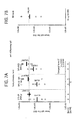


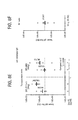
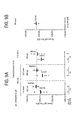
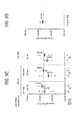

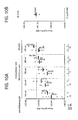


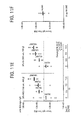


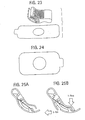


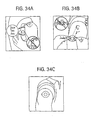

Classifications
-
- A—HUMAN NECESSITIES
- A61—MEDICAL OR VETERINARY SCIENCE; HYGIENE
- A61B—DIAGNOSIS; SURGERY; IDENTIFICATION
- A61B17/00—Surgical instruments, devices or methods
- A61B17/20—Surgical instruments, devices or methods for vaccinating or cleaning the skin previous to the vaccination
-
- A—HUMAN NECESSITIES
- A61—MEDICAL OR VETERINARY SCIENCE; HYGIENE
- A61B—DIAGNOSIS; SURGERY; IDENTIFICATION
- A61B17/00—Surgical instruments, devices or methods
- A61B17/20—Surgical instruments, devices or methods for vaccinating or cleaning the skin previous to the vaccination
- A61B17/205—Vaccinating by means of needles or other puncturing devices
-
- A—HUMAN NECESSITIES
- A61—MEDICAL OR VETERINARY SCIENCE; HYGIENE
- A61M—DEVICES FOR INTRODUCING MEDIA INTO, OR ONTO, THE BODY; DEVICES FOR TRANSDUCING BODY MEDIA OR FOR TAKING MEDIA FROM THE BODY; DEVICES FOR PRODUCING OR ENDING SLEEP OR STUPOR
- A61M35/00—Devices for applying media, e.g. remedies, on the human body
- A61M35/003—Portable hand-held applicators having means for dispensing or spreading integral media
- A61M35/006—Portable hand-held applicators having means for dispensing or spreading integral media using sponges, foams, absorbent pads or swabs as spreading means
-
- A—HUMAN NECESSITIES
- A61—MEDICAL OR VETERINARY SCIENCE; HYGIENE
- A61M—DEVICES FOR INTRODUCING MEDIA INTO, OR ONTO, THE BODY; DEVICES FOR TRANSDUCING BODY MEDIA OR FOR TAKING MEDIA FROM THE BODY; DEVICES FOR PRODUCING OR ENDING SLEEP OR STUPOR
- A61M37/00—Other apparatus for introducing media into the body; Percutany, i.e. introducing medicines into the body by diffusion through the skin
- A61M37/0015—Other apparatus for introducing media into the body; Percutany, i.e. introducing medicines into the body by diffusion through the skin by using microneedles
-
- A—HUMAN NECESSITIES
- A61—MEDICAL OR VETERINARY SCIENCE; HYGIENE
- A61B—DIAGNOSIS; SURGERY; IDENTIFICATION
- A61B17/00—Surgical instruments, devices or methods
- A61B2017/00017—Electrical control of surgical instruments
- A61B2017/00115—Electrical control of surgical instruments with audible or visual output
-
- A—HUMAN NECESSITIES
- A61—MEDICAL OR VETERINARY SCIENCE; HYGIENE
- A61B—DIAGNOSIS; SURGERY; IDENTIFICATION
- A61B17/00—Surgical instruments, devices or methods
- A61B2017/00743—Type of operation; Specification of treatment sites
- A61B2017/00747—Dermatology
- A61B2017/00761—Removing layer of skin tissue, e.g. wrinkles, scars or cancerous tissue
-
- A—HUMAN NECESSITIES
- A61—MEDICAL OR VETERINARY SCIENCE; HYGIENE
- A61B—DIAGNOSIS; SURGERY; IDENTIFICATION
- A61B90/00—Instruments, implements or accessories specially adapted for surgery or diagnosis and not covered by any of the groups A61B1/00 - A61B50/00, e.g. for luxation treatment or for protecting wound edges
- A61B90/06—Measuring instruments not otherwise provided for
- A61B2090/064—Measuring instruments not otherwise provided for for measuring force, pressure or mechanical tension
- A61B2090/065—Measuring instruments not otherwise provided for for measuring force, pressure or mechanical tension for measuring contact or contact pressure
-
- A—HUMAN NECESSITIES
- A61—MEDICAL OR VETERINARY SCIENCE; HYGIENE
- A61M—DEVICES FOR INTRODUCING MEDIA INTO, OR ONTO, THE BODY; DEVICES FOR TRANSDUCING BODY MEDIA OR FOR TAKING MEDIA FROM THE BODY; DEVICES FOR PRODUCING OR ENDING SLEEP OR STUPOR
- A61M37/00—Other apparatus for introducing media into the body; Percutany, i.e. introducing medicines into the body by diffusion through the skin
- A61M37/0015—Other apparatus for introducing media into the body; Percutany, i.e. introducing medicines into the body by diffusion through the skin by using microneedles
- A61M2037/0023—Drug applicators using microneedles
-
- A—HUMAN NECESSITIES
- A61—MEDICAL OR VETERINARY SCIENCE; HYGIENE
- A61M—DEVICES FOR INTRODUCING MEDIA INTO, OR ONTO, THE BODY; DEVICES FOR TRANSDUCING BODY MEDIA OR FOR TAKING MEDIA FROM THE BODY; DEVICES FOR PRODUCING OR ENDING SLEEP OR STUPOR
- A61M37/00—Other apparatus for introducing media into the body; Percutany, i.e. introducing medicines into the body by diffusion through the skin
- A61M37/0015—Other apparatus for introducing media into the body; Percutany, i.e. introducing medicines into the body by diffusion through the skin by using microneedles
- A61M2037/0061—Methods for using microneedles
Definitions
- the invention relates to the fields of vaccine and drug delivery devices.
- Needle-free delivery has become a global priority because of the risk of needle-borne diseases associated with re-use and improper disposal of needles. Needle-free delivery of therapeutic agents provides a safe, convenient, and non-invasive alternative to oral or parenteral delivery techniques. Other advantages of needle-free delivery include elimination of needle pain, the risk of introducing infection to treated individuals, the risk of contamination or infection of health care workers caused by accidental needle-sticks and the disposal of used needles. However, the barrier function of the skin appears to have prevented the effective delivery of therapeutic agents via the skin to date. The reason is that the skin, the largest human organ, plays an important part in the body's defense against invasion by infectious agents and contact with noxious substances.
- the invention provides devices for the disruption of one or more layers of skin and methods of their use to administer therapeutic agents, e.g., antigens or drugs.
- therapeutic agents e.g., antigens or drugs.
- the therapeutic agents may be provided in a formulation.
- the devices are designed to disrupt a defined area of skin.
- the defined area can approximate the area that a patch or other suitable vehicle for therapeutic agent, e.g., drug or vaccine, delivery is designed to contact.
- the treated area may be larger or smaller than the delivery vehicle.
- the area may be defined by marks, such as those made by a washable ink pen, fingerprint ink and treating the exposed skin in a hole in a mask, over which an disrupting member is passed, or the area may be defined by rotating a disrupting member in place.
- the invention provides methods of disrupting the stratum corneum by first securing the mask to the skin and then disrupting the skin.
- the disrupting member is simply placed against the skin and actuated to effect disruption.
- an antigen is meant to describe a substance that induces a specific immune response when presented to immune cells of an organism.
- an antigen may be a protein, a polypeptide, a peptide, a glycoprotein, a carbohydrate, a lipid, a glycolipid, a lipoprotein, or a phospholipid.
- An antigen may comprise a single immunogenic epitope, or a multiplicity of immunogenic epitopes recognized by a B-cell receptor (i.e., antibody on the membrane of the B cell) or a T-cell receptor.
- Antigen may be provided as a whole organism such as, for example, a bacterium or virion; antigen may be obtained from an extract or lysate, either from whole cells or membrane alone; or antigen may be chemically synthesized or produced by recombinant means.
- An antigen may be administered by itself or with an adjuvant.
- a single molecule may be both an antigen and an adjuvant (e.g., cholera toxin).
- adjuvant any substance that is used to specifically or non-specifically potentiate an antigen-specific immune response, perhaps through activation of antigen presenting cells.
- adjuvants include an oil emulsion (e.g., complete or incomplete Freund's adjuvant, a chemokine, a cytokine, and an ADP-ribosylating exotoxin (bARE)).
- An adjuvant may be administered with an antigen or may be administered by itself.
- a single molecule may have both adjuvant and antigen properties.
- compressed is meant folded, rolled, crumpled, or otherwise manipulated to reduce the exposed surface area.
- disruption is meant any act resulting in the outer layers of the skin being compromised, for example, abrasion, scraping, rubbing, cutting, dissolution, swelling, or creating grooves of an area of stratum corneum or epidermis. Disruption may result in all or partial removal, cutting, thinning, or gouging of the effected area of the outer layers of skin, e.g., epidermis or stratum corneum. In one embodiment, the disruption results in removal or thinning of the stratum corneum in parts of the area, leaving islands of undisrupted, or less disrupted, stratum corneum.
- disruption may include gouging into the skin 1 to 100 ⁇ m in depth, e.g., 10 to 50 ⁇ m in depth, 10-20 ⁇ m in depth, 20-60 ⁇ m in depth, or 20-100 ⁇ m in depth.
- the disruption may include penetration into the skin of 10 ⁇ m in depth.
- draining lymph node field an anatomic area over which the lymph collected is filtered through a set of defined set of lymph nodes (e.g., cervical, axillary, inguinal, epitrochelear, popliteal, those of the abdomen, and thorax).
- a set of defined set of lymph nodes e.g., cervical, axillary, inguinal, epitrochelear, popliteal, those of the abdomen, and thorax.
- an effective amount is meant an amount of a therapeutic agent sufficient to induce or enhance an antigen-specific immune response, for an antigen, or treat or diagnose a condition, for a drug.
- Such induction of an immune response may provide a treatment such as, for example, immunoprotection, desensitization, immunosuppression, modulation of autoimmune disease, potentiation of cancer immunosurveillance, or therapeutic vaccination against an established infectious disease.
- Treatment includes curing, amelioration, or prevention.
- epicutaneous administration administration to the exterior layer of the skin.
- an immune stimulant patch containing an adjuvant may be used to stimulate the immune response of an injected vaccine.
- therapeutic agent any chemical species or combination of chemical species capable of use in disease treatment, prevention, or diagnosis.
- subject an animal.
- the animal may be a mammal.
- the mammal may be a human being.
- the subject may be in need of treatment by delivery of a therapeutic agent, for example, transcutaneous delivery of a vaccine or transdermal delivery of a drug.
- transcutaneous immunization is meant passage of an antigen into the outer layers of the skin and an induction of an immune response to the antigen.
- devices of the invention are capable of disrupting a defined area of skin to deliver a therapeutic agent or a formulation including a therapeutic agent to one or more layers of the skin.
- a formulation may include one or more therapeutic agents and a pharmaceutically acceptable carrier.
- the formulation for example, may be in liquid form, in dry form, or in the form of a gel or emulsion.
- the present devices increase the ability to deliver therapeutic agents or therapeutic formulations transcutaneously and/or transdermally. Disruption of the outermost layers of the skin such as the stratum corneum and/or upper epidermis enhances skin penetration or absorption of the therapeutic agent into the skin. Devices of the invention may be configured in various ways to improve transcutaneous and/or transdermal delivery of therapeutic agents.
- the invention provides devices that can be used in systems that prepare skin for administration of therapeutic agents, i.e., skin preparation or pretreatment systems (SPSTM). These systems employ various methods to disrupt the skin for delivery of therapeutic agents, e.g., vaccine or drug. Exemplary components and SPSTM's are described herein.
- SPSTM skin preparation or pretreatment systems
- All of the devices include a disrupting member capable of disrupting one or more layers of the skin, e.g., the stratum corneum.
- a disrupting member capable of disrupting one or more layers of the skin, e.g., the stratum corneum.
- These devices may include, for example, abrasives, microelectromechanical (MEMS) components with arrays of short microneedles or microprotrusions, microblades, sandpaper-like components, scrapers, cutters, shavers, punched metal, stamped and formed metal, nylon loops (i.e., Velcro), injection molded plastic, chemically etched metal, thermally sprayed metal, sharpened ceramic edges, and the like.
- MEMS microelectromechanical
- Exemplary materials for disrupting members include metals, plastics, silicon, silicon dioxide, silicon carbide, aluminum oxide, diamond, and ceramics.
- Other disrupting members include metal microprotrusions, e.g., as described in U.S. Publication No. 2002/0128599 .
- a disrupting member may include abrasives disposed on a surface, e.g., sandpaper, particles embedded in a plastic surface, or a wire brush, or the disrupting member may be fabricated in one piece, e.g., a file (formed, for example, by impact deformation), a rasp, or microneedle array, such as described in U.S. Publication No. 2004/0077994 and U.S. Patent No. 6,595,947 .
- Steel wool and abrasive pads may also be employed.
- the particle or protrusion size employed in the disrupting member ranges, for example, from about 10 - 500 ⁇ m, e.g., about 50 ⁇ m-150 ⁇ m, or about 200-300 ⁇ m or about 80 - 600 P-grit, e.g., about 180-600 P-grit or 180-320 P-grit.
- Other methods for skin disruption are known in the art.
- the disrupting member may also include surgical blades, razor blades, or the like incorporated into a structure to limit the penetration or cutting to the skin, such as described in Example 16.
- These disrupting members are differentiated from standard razors used for shaving, which are specifically designed to avoid skin abrasion or cutting. Similarly, surgical blades are typically designed to cut through the skin. In the current invention, the disruption is limited to the skin.
- Another disrupting member may be manufactured by chemically etching metal, i.e., SPSTM-CE.
- This disrupting surface as designed [1] provides a single part with multiple protrusions manufactured with precise geometric control, [2] provides a single part that replaces a potential multi-part assembly, [3] provides multiple protrusions that are fabricated with specific 3D geometry, locations, surface profile, and alignment, [4] produces a reproducible skin disruption, [5] produces an effective skin disruption for the delivery of therapeutic agents, [6] produces an effective skin disruption in one gliding motion, [7] controls the depth and directionality of the skin disruption, [8] minimizes patient discomfort and bleeding, [9] is disposable, [10] is single-use, and [11] is fabricated with a configurable manufacturing process that can be specified to create other protrusion designs that match specific skin disruption and medical treatment requirements.
- Figures 35A-D shows a chemically etched disrupting surface configured for a strip pull device.
- Figures 35A and 35B are photographs of a chemically etched disrupting member.
- Figures 35C and 35D are confocal micrographs of a single chemically etched protrusion.
- the disrupting surface is manufactured by a photo-chemical etch process that selectively removes material from a plate or sheet of medical grade stainless steel.
- the metal is coated with a negative photoresist and exposed to a controlled UV light source.
- the photoresist is developed, and the unexposed areas are stripped away from the metal.
- the bare metal is etched with an acid mixture, typically 30-45% Ferric Chloride, leaving the desired design.
- This process is customizable according to the application; it is possible to create triangles, circles, thin lines and irregular shapes easily in any width, length and complex geometry.
- the depth of the etching is dependent on the design and the thickness of the material which can range from less than 0.005" to over 0.040"; it is possible to remove material entirely from the sheet or to etch to certain depths within the material.
- the flexibility of this process allows the metal to be etched to form blade-like protrusions on a single sheet. For example, some protrusions have been designed to be 1 ⁇ 4" - 1" in length, 0.002" - 0.008" in width at the center progressively decreasing to create a 26 degree angle at the ends and have been etched to depths from 0.004" - 0.010" in a 0.015" thick material. The material is removed without altering the integrity or properties of the metal.
- the manufacturing process is extremely accurate at forming the disrupting surface to the specified geometry and surface profile. Length, height, width, profile and approach angle can all be controlled. This precise control provides the capability to generate the specific skin disruption required by the medical treatment.
- taller metal protrusions contact the skin, e.g., when protruding through an aperture.
- the sharp edges of the protrusions slice through the top layers of the skin and create channels in the skin. These channels open up the skin to allow large molecules of a medical treatment, such as a vaccine, to access the underlying cell layers.
- the skin disruption produced by this device is painless, non-threatening, and controlled.
- This single-piece part has multiple sharp blade-like protrusions that have precise geometry and locations.
- This single part eliminates the manufacturing labor and cost associated with a multi-blade, multi-part assembly.
- the height, width, length, approach angle, and alignment of the multiple protrusions can be precisely controlled and reproduced with this manufacturing process.
- the protrusions are non-threatening to touch and are easily handled and manipulated.
- the significantly large flat surface area at the top of each protrusion helps protect users from contact with the sharp leading edge of each protrusion.
- the surface disrupts the skin painlessly and effectively delivers vaccine without the use of needle injection.
- the device is safe for both the clinician and the patient. Since the skin disruption typically does not result in bleeding, it reduces the risk of accidental contaminations and other risks associated with needles.
- the device is an element of a simple to use system that is for single-use and may be disposable without any precautions needed.
- the substrate is adaptable for a variety of aperture designs.
- the device is fabricated with a configurable manufacturing process that can be specified to create other protrusion designs that match specific skin disruption requirements.
- Any disrupting member may include an indicator for the amount of pressure being applied.
- an indicator will provide tactile, auditory, or visual feedback, or a combination thereof.
- Such an indicator may report the actual pressure, or it may indicate that a minimum amount of pressure has been reached. Pressure ranges, for example, from 200 grams to 2000 grams, e.g., 700g, applied over a 1-5 in 2 area.
- An exemplary indicator of a minimum amount of pressure is a snap dome that depresses when pressure above a set limit is applied ( Figure 1 ). The snap dome may indicate that an appropriate amount of pressure is applied by visual, auditory, or tactile factors.
- Disrupting members that contain snap domes may be fabricated out of at least two pieces that are capable of moving relative to one another to allow the compression necessary to depress the dome.
- the disrupting member may contain elastomeric elements that allow compression of the dome.
- Another method to indicate applied pressure is an LED indicator light, which is assembled inside two moving parts of the disrupting member.
- a spring of particular strength is employed to transmit force to the pretreatment site. When the spring is compressed, an electrical circuit to an included battery is completed, and a colored light turns on and is visible to the administrator.
- Another indicator is a snap spring.
- the minimum amount of disruption to produce the desired result should be used. Determination of the appropriate amount of disruption for delivery of a selected substance, e.g., drug or antigen, is within the ordinary skill in the art.
- a disrupting member may be passed over an area of skin one or more times, e.g., at least 2, 5, 10, 15, or 20 times. Passes over the skin may be in the same direction, or the direction may be altered during disruption, including perpendicular or across the previous stroke in a different direction.
- the application of cross-hatched grooves or furrows may improve antigen or drug delivery as shown in Example 10.
- the disrupting member may be rotated or vibrated in place to achieve a desired amount of disruption.
- the disrupting surface of the member may be sized such that a single pass of the disrupting member yields sufficient disruption, e.g., between 0.5-3 inches in width, for example, 1 inch, and 0.5-3 inches in length, for example, 1.5 inches.
- the length and width of the disrupting surface can control the extent of the stratum corneum (SC) disruption.
- the length of the disrupting surface e.g., a strip, may also be used to control the relative delivery of the antigen. Table 13, described in more detail in Example 14, shows that increasing the length of the disrupting surface from half an inch to one and a half inches increases the amount of antigen delivered into the skin as indicated by an increase in anti-LT IgG titers from about 5,600 to 23,000.
- Such methods may be used to determine whether a sufficient amount of disruption has occurred. Such methods include monitoring electrical impedance, electrical capacitance, pH, optical fluorescence or reflectance, e.g., infrared (IR) or visible, thermal diffusivity and conductivity, transepidermal water loss, ultrasonic reflection, confocal microscopy, biopsy, or gaseous efflux of the abraded skin.
- the monitor may be integrated with the device of the invention or may be separate.
- a therapeutic agent e.g., vaccine or drug
- the disrupting member may be coupled to a reservoir from which the therapeutic agent, e.g., vaccine or drug, is administered before, during, or after disruption.
- the therapeutic agent may also be stored in a reservoir separate from the disrupting member.
- the therapeutic agent may also be formulated to cling to the disrupting member. For example a dry formulation could be applied to the surface that delivers during the disrupting step. If the disrupting member does not include a reservoir for containment and discharge of fluids from the device, a substance-containing liquid or reconstituting liquid may be separately applied to the skin, for example from a separate dispenser, patch, or pump.
- reservoirs may be an integral part of the disrupting member.
- the reservoir is in fluid communication with the disrupting surface of the member, for example via channels through needles or protrusions, or via channels which exit the reservoir between such needles or protrusions or abrasive particles, or via porous materials.
- the substance or reconstituting liquid is contained in the reservoir of the disrupting member and is dispensed to the skin surface, e.g., prior to abrasion or simultaneously with abrasion.
- the disrupting member may also include means for controlling the rate of delivery of the substance or reconstituting liquid, or for controlling the amount of substance or reconstituting liquid delivered.
- Therapeutic agents may be stored in a reservoir or adhered to the disrupting member in any suitable manner, e.g., dry form, solution, or suspension.
- the device includes a mask and a disrupting member, as described herein.
- One of the many features of the mask and abrade device includes masking the sensation of the disrupting improving the tolerability of the skin disruption.
- the disrupting member may, or may not be, mechanically coupled to the mask.
- the mask may include an adhesive to adhere to the skin. Alternatively, straps or other mechanical fasteners may be employed to secure the mask to the skin.
- the mask contains an opening that defines the area of the skin to be disrupted. The opening may expose 1-5 cm 2 , e.g., via a circular shape or square shape with rounded edges.
- An exemplary opening is a circular opening of ⁇ 3 cm 2 .
- the disrupting member is not constrained to move only within the area of the opening.
- the disrupting member is used to disrupt the skin in one to five strokes. In another embodiment, the disrupting member is used to disrupt the skin in two strokes or in five strokes.
- a mask and abrade device prepares the skin to receive a therapeutic agent by disrupting thin layers of skin and provides the following outcomes [1] a reproducible skin disruption [2] effective delivery, [3] a skin disruption with defined surface area [4] controlled application of force to the disrupting member, [5] controlled placement of therapeutic agent, [6] controlled directionality of the disrupting member, [7] minimized patient discomfort, [8] reinforced correct clinician behavior, [9] an element of a needle-free vaccination system and therefore an alternative vaccination method for a less painful treatment [10] disposability, [11] self-adherence of the mask to the skin upon application, [12] marks lefts on skin to guide therapeutic agent vehicle placement (described below), [13] ergonomic, e.g., addresses a wide range of hand geometries and requires less than 5 lbs actuation force to operate, design [14] single-use system, and [15] a configurable system that can be modified to produce different skin disruptions.
- a mask of the invention may also reduce the sensation of discomfort or pain associated with disrupting the skin.
- Methods for determining the amount of discomfort are known in the art, e.g., patient questionnaires or visual analog scales.
- the mask by being fastened to the skin, provides sensations preceding skin disruption that reduce any sensation of pain or discomfort from the disruption.
- the mask also stabilizes the skin, i.e., reduces local stretching or bunching of the skin surface, during disruption allowing for controlled and reproducible disruption of a defined area.
- a defined and reproducible area aids in placement of therapeutic agents after treatment.
- the mask also reduces adverse effects of disruption, such as local rash or irritation.
- a mask and abrade device may be supplied as a kit with mechanically uncoupled mask and disrupting member.
- the mask is attached to the skin, e.g., by an adhesive, and the disrupting member is passed over the opening in the mask at least once.
- a patch or other reservoir containing a vaccine or drug may then be placed over the disrupted area, and this patch may, or may not, be mechanically coupled to the mask.
- the patch may remain adhered to the skin while the mask is removed, including detaching the mask from the patch, if necessary.
- the mask may also be a thin film, for example, paper, metal, or plastic, e.g., polyester tape or polycarbonate tape that has an adhesive portion for attachment to the skin.
- the disrupting member may be attached to the film so that it can be passed over the opening in the mask.
- a patch, or other reservoir, containing the vaccine or drug may also be attached to the film so that it can be contacted with the skin after disruption.
- the disrupting member may be coated with a vaccine or drug, which is delivered during disruption.
- FIGs 2A-2E An exemplary integrated mask and disrupting member is shown in Figures 2A-2E .
- the device is in the form of a loop. To operate the device, an adhesive backing is first exposed, and the device is adhered to the skin.
- the disrupting member is then passed over the opening in the mask at least once.
- the loop is then opened to expose a patch containing the therapeutic agent, e.g., vaccine, which is then contacted with the disrupted skin.
- the patch may also contain an adhesive so that it adheres to the skin, and the rest of the device may be removed and discarded.
- the plastic mask is a medical grade plastic with effective resistance to disruption to minimize potential contact of plastic residue (resulting from use of the disrupting member) with disrupted skin.
- the plastic mask contains a medical grade pressure sensitive adhesive (PSA) that permits temporary adhesion to skin during administration.
- PSA pressure sensitive adhesive
- An opening in the plastic mask prescribes the location and the size of the preparation site. Patient discomfort is minimized through the selection of the thickness of the mask combined with the properties of the chosen material.
- Example 11 shows that improved tolerability with the use of masking.
- Figure 24 illustrates the mask, with release liner peel tab.
- the disrupting member includes four components: the “handle,” the “foot,” the force indicator such as a metal snap spring, which is actuated by movement between the two previous components, and an abrasive.
- the snap spring is permanently attached to the “handle” and enclosed within it.
- the "foot” is assembled via snap fit to the handle, but retains the ability to move through a limited range of motion.
- the abrasive is bonded to the outer, convex surface of the foot.
- the shape of the handle is designed to control directionality of disruption. Using any hand grip, the user is guided to stroke only in one direction instead of using the disrupting member in a back and forth manner.
- the surface of the foot onto which the abrasive is bonded is shaped to maintain constant contact between abrasive and mask or skin.
- the constant radius shape and the size of the surface ensure that the user can hold the device with a variety of hand grips and at a range of angles with respect to the skin and still maintain appropriate contact and application force.
- the force indicator assembled between the "foot” and the “handle” changes shape when the correct force is applied pressing the disrupting member onto the mask and skin (See figures 25A and 25B ).
- the force indicator has the characteristic of providing the user with significant tactile and audible feedback as to when the minimum required force has been applied.
- the force indicator also gives feedback when force is removed.
- the minimum continuous force applied to the disrupting member is nominally about 1.54 lbs; however, this force may be modified to match required performance.
- the force may be in the range of about 0.22 lbs to 4.4 lbs.
- the skilled user may determine an appropriate amount of force based on the desired amount of disruption and the materials used in the disrupting member.
- the disrupting member can also accommodate a variety of comfortable hand, wrist, and arm positions for the administrator while still providing for a controlled skin disruption.
- the properties of the disrupting member are selected to produce the skin disruption required for the specific application.
- the snap dome, method of disruption, disrupting materials, and mask are all elements of which the mechanical, geometric, and material properties may be modified, e.g., to produce skin disruptions to meet the specific requirements of other applications.
- the device includes a mask and a disrupting member that is a strip and including disrupting materials as described herein.
- the strip is disposed so that it can be pulled across the opening in the mask to disrupt skin in one pass.
- a portion of the strip e.g., the leading end or the edges, does not contain a disrupting material, e.g., abrasive, so that the strip experiences less friction upon first being pulled.
- the strip may be attached to the device assembly by any suitable means, such as a loop or grooves through which the strip slides.
- the device assembly includes a mask, with the accompanying properties and advantages as described with the mask and abrade embodiment.
- a strip pull device prepares the skin to receive the delivery of a therapeutic agent by disrupting thin layers of skin and provides the following outcomes[1] reproducible skin disruption, [2] effective delivery for therapeutic agents, [3] a skin disruption that has a prescribed surface area and depth, [4] controlled application of force to the disrupting member, [5] controlled placement of therapeutic agent, [6] controlled directionality of disrupting member, [7] minimized patient discomfort, [8] protection of the disrupting material from contamination until treatment, [9] protection of the clinician, the patient, and their clothing from the disrupting member, except at the preparation site, [10] reinforced correct user behavior, [11] cues, through mechanical design and instructions, offered as to its use, [12] an element of a needle-free vaccination system and therefore an alternative vaccination method for a less painful treatment [13] integration of multiple manual steps and components into one single system, [14] disposability without any disposal requirements (in contrast to injection needles), [15] space-efficiency, [16] self-adherence of the mask to skin upon application, [
- Exemplary strip pull devices are shown in Figures 3A-3G .
- Each device includes a snap dome disposed over the opening in the mask. Depressing the snap dome provides a sufficient amount of pressure to disrupt the skin as the strip is pulled over the opening.
- a patch or other reservoir of therapeutic agent to be contacted with the disrupted area may, or may not be attached to the mask.
- the strip is un-compressed prior to actuation ( Figures 3A-3D ).
- the strip is folded, rolled, or otherwise compressed in size in the device, and, as the strip is pulled, it is extended ( Figures 3D-3G ).
- FIG. 13 Another strip pull device is shown in Figure 13 .
- This device employs [A] a plastic mask, [B] a bridge assembly, [C] a strip assembly (including skin disrupting material), [D] locking mechanism, [E] a treatment registration system (described below), and [F] oversized release liner.
- the plastic mask ( Figure 14 ) is an inert medical grade plastic with effective resistance to disruption to minimize potential contact of plastic residue (resulting from use of the disrupting member) with disrupted skin.
- the plastic mask is fabricated with a medical grade pressure sensitive adhesive (PSA) that permits temporary adhesion to skin during administration, aids in marking the skin to denote the location of disruptions, and prevents slippage.
- An opening in the plastic mask defines the location and the size of the preparation site.
- the bridge assembly ( Figures 15A-15C ) includes three components: the bridge, the button, and the metal snap dome, which is positioned between the two other components.
- Figure 17 illustrates a profile of the bridge. The bridge assembly is bonded onto the plastic mask and provides a platform to define the directionality of the abrasive during application.
- the design of the bridge is such that a force indicator, such as a snap dome, can provide an indication of the application force.
- the snap dome provides tactile and audible feedback for the user to know when the minimum required force has been applied and also when the force has been removed.
- the snap dome force specification i.e., force required to depress the snap dome, represents the force needed for a consistent and reproducible skin disruption and surface area.
- the bridge also contains a hoop feature that constrains the strip to ensure that the abrasive does not come in contact with outside elements such as the patient's clothing. This hoop geometry of the bridge when combined with the mask, serves to guide the translation of the abrasive strip.
- the hoop feature may also provide viewing access to graphical instructions located on the strip.
- Figures 18A-18B show how the hoop feature of the bridge allows additional graphical instructions.
- the strip assembly slides between the bridge assembly and the mask and includes four components: the clip, the strip backing, the abrasive, and the woven overlay.
- the strip backing is a medical grade plastic material. Two materials are bonded to one side of the strip backing: the abrasive and a woven overlay. The length and the abrasive properties are selected to provide the abrasion characteristics required for proper skin treatment.
- the remaining surface of the strip is covered with a medical grade woven material that a) reduces patient discomfort when the strip is pulled, b) facilitates pulling the strip at a controlled speed, and c) slightly overlaps the abrasive to prevent it from peeling when the strip assembly is pulled through the bridge/mask assembly.
- the clinician pulls the strip while maintaining pressure on the snap dome. The applied force is translated to the moving abrasive which disrupts the skin exposed through the mask opening.
- Figures 19A-19B show the strip assembly.
- the user maintains pressure on the snap dome while simultaneously pulling the strip.
- the clip bonded to the strip prevents motion of the strip unless the proper amount of force is being applied.
- the snap dome will compress, and the button will be able to move.
- the button is illustrated in Figures 16A-16C .
- the button motion interacts with the clip of the strip assembly in the following ways: a) When no force is applied to the button and snap dome, the strip is mechanically captured inside the bridge assembly and b) When the prescribed force is applied to the button and snap dome, the button depresses and releases the strip to be pulled out by the user.
- This interlocking mechanism prevents the user from initiating the strip actuation pulling the strip until they have correctly applied the prescribed force to the button.
- the interlock mechanism prevents the user from pulling the abrasive strip over the skin.
- Figures 20A-20B illustrate the interlock mechanism.
- Another device includes a disrupting member, as described herein, that is rotationally actuated to disrupt the skin.
- the area disrupted may be determined by the size of the disrupting surface or by a mask surrounding the disrupting surface. Using a mask around the edges of the disrupting surface reduces potential cutting by the edge of the surface.
- the rotational motion may be achieved by standard means, including motors, springs, e.g., clock springs, and pull strings.
- the device may be designed to be activated only once, or it may be used indefinitely.
- the device may include one or more switches to prevent actuation prior to use. Switches may be disposed on the surface that contacts the skin to ensure proper contact between the device and the skin.
- the device may also include a dye or other indicator that marks the skin to indicate the region that has been disrupted. Such markings are useful when the vaccine or drug is applied after removal of the device from the skin. Indicators include inks and adhesive markings, e.g., stickers.
- An exemplary site and spin device is shown in Figure 4 . Although a site and spin device may not employ a mask as employed in the mask and abrade and strip pull devices, placing the device against the skin for actuation helps stabilize the skin, reduce patient discomfort, and provide similar advantages to the masks in the other systems.
- the invention also features a delivery system for therapeutic agents for use in conjunction with the devices described herein.
- the delivery system [1] facilitates accurate placement, [2] is safe for skin contact, [3] maintains appropriate adhesion to the skin for at least a duration of 6 hours, [4] reinforces correct user behavior, [5] minimizes risks of peel-off during wear, [6] suggests the orientation of the delivery vehicle on the skin, [7] protects the administrator from the therapeutic agent, [8] protects the therapeutic agent from coming in contact with fingers during application, [9] protects the therapeutic agent from potential cross-contamination with adhesive, [10] minimizes patient discomfort during wear, [11] minimizes patient discomfort during peel-off, [12] is disposable without additional precautions, [13] is single-use, [14] offers an effective alternative to needle injection, and [15] provides effective delivery for the therapeutic agent.
- the delivery system typically includes [A] a medical grade adhesive, e.g., acrylic-based, pressure sensitive adhesive, [B] a medical grade overlay, e.g., made of polyurethane, [C] a medical non-woven material, e.g., rayon, containing the therapeutic agent, [D] a medical grade occlusive layer, e.g., coated polyester, [E] graphics on the overlay backing, and [F] release liner, e.g., made from silicone-coated polyester ( Figures 28A-28B ).
- the adhesive on the patch may be an aqueous-based adhesive or an acrylic adhesive, or other adhesives known in the art.
- the acrylic adhesive may be coated onto polyurethane or a similar flexible film.
- the non-woven material may be, for example a rayon or polyester blend.
- the occlusive layer may be a polyester with thickness between 0.001" and 0.005", e.g., 0.002", and may be coated with a layer that allows the therapeutic agent carrier to be adhered to or heat-sealed to the PET or similar plastic. Additional patches are described herein and are known in the art.
- FIG. 28A-28B These components are illustrated in an exemplary device in Figures 28A-28B .
- the components that are adhered to the patient are referred to as a patch.
- the advantages of this delivery system include (1) effective delivery of therapeutic agent, e.g., vaccine, (2) an alternative to traditional needle injections, and (3) a design that promotes accurate placement.
- the geometry of the delivery vehicle and the graphics may also promote and reinforce correct user behavior.
- one side of the occlusive layer [D] adheres to adhesive [A], and the therapeutic agent is attached on the same side of [D].
- the diameter of the occlusive layer is greater than the diameter of the therapeutic agent, leaving a buffer zone (no adhesive) between the adhesive and the therapeutic agent to reduce or prevent cross-contamination.
- the occlusive layer may serve as a moisture resistant barrier; this property causes the perspiration and moisture generated from the skin disruption to rehydrate the therapeutic agent, e.g., vaccine formulation to promote better immunization success rates.
- the strength of adhesive [A] is chosen to meet the requirements for duration of wear and skin properties of the target recipients.
- Figure 29 shows the graphical features on the backing of the overlay.
- the system design offers features that improve user interaction, such as (1) clear overlay, (2) colored outline, (3) geometry, (4) text, and (5) dots.
- the release liner includes three components: (a) main backing, (b) left tab, (c) right tab.
- Figure 31 shows these components and how they interact with the patch.
- the shape of the main backing usually differs from the shape of the patch to assure that the user can easily distinguish between the patch and the release liner.
- the delivery vehicle may not be centered on the main backing, to emphasize one tab and encourage the user to use it as the preliminary contact point.
- the user holds the right tab and peels off the delivery vehicle from the main backing.
- the user is left holding the delivery vehicle by one of two release liner tabs.
- the user holds both tabs with both hands and places the delivery vehicle on the skin disruption site. This method of handling allows the user to apply tension to the vehicle and prevent the vehicle from folding and wrinkling. This is especially beneficial for very flexible materials such as the materials of this patch
- Figures 30A-30B show the delivery vehicle placement procedure.
- the advantages of the release liner design over prior approaches can be categorized into the following benefits: (1)
- the release liner design provides intuitive interaction.
- the oversized main backing combined with the two smaller tabs reinforce the order of use.
- the main backing is removed first, the user holds the delivery vehicle with both hands (e.g., to promote horizontal placement), places it on the skin, and the tabs are then removed.
- the integrity of the patch is preserved throughout the procedure.
- the two small tabs do not leave the delivery vehicle until it is placed on the skin, and the tabs are removed.
- the adhesive of the delivery vehicle is protected at all times since the user does come in direct contact with it, reducing or eliminating damage to the vehicle itself and ⁇ or the adhesive performance throughout the wear period.
- Figures 32A-32D illustrate how the patch may be placed on the skin. Registration marks on the skin guide the user during patch placement. The user holds the patch by the dots and places it horizontally on the skin.
- the geometry of the patch e.g., elliptical-shaped, suggests that the user should hold the patch by the two tapered ends of the patch. This geometry minimizes contact between the fingers and the therapeutic agent. This geometry also promotes horizontal patch placement because of the positioning of the fingers relative to the rest of the patch.
- Two dots are printed on the further ends of the patch to emphasize the positioning of the fingers during placement, but also to reinforce utilizing both hands during placement, which is more accurate. Additionally, any text on the patch which can include company brand, therapeutic agent, or instructions reinforces the orientation of the patch.
- the accuracy of the patch placement may be important, e.g., to the vaccination process.
- a colored outline on the patch defines the exterior edge and facilitates the alignment of the patch with registration marks on skin.
- a clear overlay allows the user to see through the patch during placement, aiding the user in aligning the drug delivery vehicle with the pretreatment site. Registration indicators facilitate aligning the patch to skin disruption site.
- the invention also features a treatment registration system to aid in aligning administration of the therapeutic agent with the site of pretreatment.
- This system may be employed with any skin disruption method or system, such as those described herein.
- the system employs two elements: a marking system and an indicator.
- the marking system generates shapes in specified locations that are typically in close proximity to, but external to, the target treatment area.
- the system provides a reference for aligning a single treatment with a site of pretreatment and also for aligning multiple treatments in the same area.
- the shapes may define the full or partial outline of a drug delivery vehicle.
- Preferred indicators are non-toxic and non-irritating, resistant to typical shipping, storage and application conditions, and formulated to minimize flow throughout shelf-life to maintain shape integrity until application to the skin.
- Exemplary indicators include inks, paints, stains, and adhesive markings, e.g., stickers.
- the purpose of the treatment registration system is to mark the skin to [1] provide a method for second and subsequent treatments to precisely be performed at the same location as the first treatment, [2] not interfere or interact with the multi-treatments, [3] minimize the amount of surface area required for treatment, thereby reducing the drug material, cost, and potential patient discomfort, [4] provide guidance during the placement of a vehicle for drug delivery, [5] transfer a defined shape onto the skin, [6] be safe for skin contact, [7] not require additional activation elements, [8] maintain acceptable performance throughout a shelf life of three years, [9] be distinctly visible once applied onto the skin, [10] be non-permanent and easily washable with water (and soap if needed), and [11] be designed to prevent smearing the indicator that could effect the user's ability to accurately place and register the second or subsequent treatment device or vehicle and/or impact the drug delivery vehicle's adhesion to the skin.
- an ink marker is employed with a strip pull system.
- the strip pull mask has stencils cut through it to define the shape of the ink marks that are to be left on the skin.
- the marker is used to mark the skin through the stencils.
- Figure 33 shows the location of the stencils on the mask, and Figures 34A-34C demonstrate how this registration is used for patch placement.
- ink is placed between two films, e.g., a plastic substrate and a release liner.
- the ink is directly printed on the film (e.g., by pad printing, screen printing, or flexographic printing) and is surrounded by adhesive.
- Figures 21 and 22A-22C illustrate this system.
- Figure 21 shows the location of the patch registration (ink marks) on the plastic mask, and
- Figures 22A-22C demonstrate how these marks are used for patch placement.
- Markings may also be made around the outside edges of a device of the invention to denote the location of skin disruption.
- the devices of the present invention are applied to the skin of a subject to increase the permeability of the skin and the rate of transcutaneous and/or transdermal delivery of a therapeutic agent or formulation, preferably without pain or irritation to the subject.
- the devices of the present invention may disrupt the outermost layer of the skin without pain to the subject and with minimum irritation to the skin.
- the devices disrupt the SC and/or the outermost epidermal layer of the skin, disrupting the outer layers of the skin.
- the devices of the present invention may include a disrupting member that does not penetrate or perforate the skin.
- the devices of the present invention improve or enhance transcutaneous and/or transdermal delivery of therapeutic agents and formulations containing therapeutic agents.
- the devices of the invention may be employed to remove at least some of the layers of skin covering the dermis, e.g., for administration of one or more therapeutic agents.
- the SC may be partially or fully removed, with or without subsequent removal of all or part of the epidermis.
- disruption of the skin by abrasion or by friction with a device of the invention may result in an increase in the transepidermal water loss (TEWL) by a factor of at least 2, 5, 8, 10, 15, or 20, compared to undisrupted skin.
- the disruption may be visualized by confocal microscopy.
- the devices of the present invention can be used to apply a substance simultaneously with the disruption of the skin of a subject.
- a device of the present invention may include a container for holding the substance to be applied to the skin.
- the device of the present invention only disrupts the skin and the formulation is applied to the skin separately. The formulation may be applied to the skin prior to or subsequent to disruption of the skin by the device.
- the devices of the present invention can be used concurrently with, prior to, or subsequent to treatment of the skin of a subject by other methods for enhancing penetration and/or disruption of the skin including, for example, chemical, physical, and mechanical means, hydration means, or a combination thereof.
- the skin may be treated with any applying means that enhances penetration and/or disruption of the skin.
- the devices of the present invention may be applied at various sites on the skin of a subject to improve penetration of a therapeutic agent.
- the devices may be applied to multiple anatomical sites, for example, the deltoid, the thigh, or the lower back.
- the devices of the present invention are useful for transcutaneous and/or transdermal delivery of various molecules or compositions, for example, one or more therapeutic agents, and formulations or compositions including one or more therapeutic agents.
- the devices of the present invention may also be used after applying or prior to applying the therapeutic agent or formulation to the skin of a subj ect.
- the devices of the present invention may be used for transdermal delivery of drugs including small molecules.
- the devices of the present invention may be used with transcutaneous immunization comprising inducing an antigen-specific immune response in a subject.
- the devices of the present invention are useful in transcutaneous immunization (TCI). They improve or enhance delivery of therapeutic agents such as vaccines into the skin.
- TCI transcutaneous immunization
- the devices of the present invention can be used to disrupt the skin to enhance skin penetration allowing for effective TCI.
- U.S. Patent 5,980,898 which is herein incorporated by reference in its entirety, discloses TCI.
- TCI induces an immune response (e.g., humoral and/or cellular effector specific for an antigen) in an animal or human.
- the delivery system provides simple, epicutaneous application of a formulation comprising one or more antigens and/or adjuvants to the skin of a subject. A specific immune response is thereby elicited against the antigen.
- transcutaneous immunization does not require injection with a hypodermic needle (i.e., penetration to or through the dermis) and the complications and difficulties thereof, the requirements of trained personnel, sterile technique, and sterile equipment are reduced. Furthermore, the barriers to immunization at multiple sites or to multiple immunizations are diminished.
- the present invention also provides for a single application of a therapeutic agent.
- Transcutaneous immunization may be achieved using epicutaneous application of a simple formulation of antigen and/or adjuvant in solid form, liquid, or gel, optionally covered by an occlusive dressing, or by using other patch technologies.
- the immunization could be given by untrained personnel, and is amenable to self-application. Large-scale field immunization could occur given the easy accessibility to immunization. Additionally, a simple immunization procedure would improve access to immunization by pediatric patients and the elderly, and populations in Third World countries.
- TCI provides a novel means for immunization through intact skin without perforating the skin.
- Transcutaneous immunization according to the invention provides a method whereby antigens and adjuvant can be delivered to the immune system, especially specialized antigen presentation cells underlying the skin (e.g., Langerhans cells) without requiring a liquid-based delivery system.
- transcutaneous immunization may be superior to immunization using hypodermic needles as more immune cells would be targeted by the use of several locations targeting large surface areas of skin.
- a therapeutically-effective amount of antigen sufficient to induce an immune response may be delivered transcutaneously either at a single cutaneous location, or over an area of skin covering multiple draining lymph node fields (e.g., cervical, axillary, inguinal, epitrochelear, popliteal, those of the abdomen and thorax).
- lymph node fields e.g., cervical, axillary, inguinal, epitrochelear, popliteal, those of the abdomen and thorax.
- TCI induces an antigen-specific immune response.
- Antigen passing through or into the skin may encounter antigen presenting cells which process the antigen in a way that induces an immune response. Multiple immunization sites may recruit a greater number of antigen presenting cells and the larger population of antigen presenting cells that were recruited would result in greater induction of the immune response.
- the skin may deliver antigen to phagocytic cells of the skin such as, for example, dermal dendritic cells, macrophages, and other skin antigen presenting cells; antigen may also be delivered to phagocytic cells of the liver, spleen, and bone marrow that are known to serve as the antigen presenting cells through the blood stream or lymphatic system.
- transcutaneous delivery of antigen may target the Langerhans cell. These cells are found in abundance in the skin and are efficient antigen presenting cells leading to T-cell memory and potent immune responses. Because of the presence of large numbers of Langerhans cells in the skin, the efficiency of transcutaneous delivery may be related to the surface area exposed to antigen and adjuvant. In fact, the reason that transcutaneous immunization is so efficient may be that it targets a larger number of these efficient antigen presenting cells than intramuscular immunization.
- Langerhans cells, dendritic cells, and macrophages may be specifically targeted using ⁇ 2-macroglobulin bound antigen or other agents known to target antigen presenting cells (APCs) conjugated to or recombinantly produced as a protein fusion with adjuvant, antigen or both.
- Langerhans cells, dendritic cells, and macrophages may be specifically targeted using Fc receptor or the high affinity receptor for IgE (Bieber, 1997) conjugated to or recombinantly produced as a protein fusion with adjuvant; also, adjuvant may be conjugated to or recombinantly produced as a protein fusion with protein A or protein G to target surface immunoglobulin of B cells.
- the result would be widespread distribution of antigen to antigen presenting cells to a degree that is rarely, if ever achieved, by current immunization practices.
- the nucleic acid(s) contained in the formulation may encode the antigen, the adjuvant, or both.
- the nucleic acid may or may not be capable of replication; it may be non-integrating and non-infectious.
- the nucleic acid may encode a fusion polypeptide comprising antigen and a ubiquitin domain to direct the immune response to a class I restricted response.
- the nucleic acid may further comprise a regulatory region operably linked to the sequence encoding the antigen or adjuvant.
- the nucleic acid may be added with an adjuvant.
- the nucleic acid may be complexed with an agent that promotes transfection such as cationic lipid, calcium phosphate, DEAE-dextran, polybrene-DMSO, or a combination thereof; also, immune cells can be targeted by conjugation of DNA to Fc receptor or protein A/G, or attaching DNA to an agent linking it to ⁇ 2-macroglobulin or protein A/G or similar APC targeting material.
- the nucleic acid may comprise regions derived from viral genomes.
- An immune response may comprise humoral (i.e., antigen-specific antibody) and/or cellular (i.e., antigen-specific lymphocytes such as B cells, CD4+T cells, CD8+T cells, CTL, Th1 cells, Th2 cells, and/or T DTH cells) effector arms.
- the immune response may comprise NK cells that mediate antibody-dependent cell-mediated cytotoxicity (ADCC).
- the immune response induced by the formulation of the invention may include the elicitation of antigen-specific antibodies and/or cytotoxic lymphocytes (CTL, reviewed in Alving and Wassef, 1994).
- Antibody can be detected by immunoassay techniques, and the detection of various isotypes (e.g., IgM, IgD, IgA1, IgA2, secretory IgA, IgE, IgG1, IgG2, IgG3, or IgG4) may be expected.
- An immune response can also be detected by a neutralizing assay.
- Antibodies are protective proteins produced by B lymphocytes. They are highly specific, generally targeting one epitope of an antigen. Often, antibodies play a role in protection against disease by specifically reacting with antigens derived from the pathogens causing the disease. Immunization may induce antibodies specific for the immunizing antigen.
- CTLs are particular protective immune cells produced to protect against infection by a pathogen. They are also highly specific. Immunization may induce CTLs specific for the antigen, such as a synthetic oligopeptide based on a malaria protein, in association with self-major histocompatibility antigen. CTLs induced by immunization with the transcutaneous delivery system may kill pathogen infected cells. Immunization may also produce a memory response as indicated by boosting responses in antibodies and CTLs, lymphocyte proliferation by culture of lymphocytes stimulated with the antigen, and delayed type hypersensitivity responses to intradermal skin challenge of the antigen alone.
- the antigen such as a synthetic oligopeptide based on a malaria protein
- serial dilutions of sera are added to host cells which are then observed for infection after challenge with infectious virus.
- serial dilutions of sera may be incubated with infectious titers of virus prior to inoculation of an animal, and the inoculated animals are then observed for signs of infection.
- the transcutaneous immunization system of the invention may be evaluated using challenge models in either animals or humans, which evaluate the ability of immunization with the antigen to protect the subject from disease. Such protection would demonstrate an antigen-specific immune response.
- challenge as an example, achieving anti-diphtheria antibody titers of 5 IU/ml or greater is generally assumed to indicate optimum protection and serves as a surrogate marker for protection (Plotkin and Mortimer, 1994).
- the Plasmodium falciparum challenge model may be used as to induce an antigen-specific immune response in humans.
- Human volunteers may be immunized using the transcutaneous immunization system containing oligopeptides or proteins (polypeptides) derived from the malaria parasite, and then exposed to malaria experimentally or in the natural setting.
- the Plasmodium yoelii mouse malaria challenge model may be used to evaluate protection in the mouse against malaria (Wang et al., 1995).
- Cholera toxin-specific or LT specific IgG or IgA antibody may provide protection against cholera toxin challenge (Pierce, 1978; Pierce and Reynolds, 1974) and LT specific IgG or IgA is known to protect against ETEC related diarrheal disease.
- the devices of the present invention and the TCI system may also be used to treat various diseases including cancer, allergies and autoimmune diseases.
- vaccination has also been used as a treatment for cancer, allergies, and autoimmune disease.
- Vaccination with a tumor antigen may induce an immune response in the form of antibodies, CTLs and lymphocyte proliferation which allows the body's immune system to recognize and kill tumor cells.
- Tumor antigens useful for vaccination have been described for melanoma ( U.S. Pat. Nos. 5,102,663 , 5,141,742 , and 5,262,177 ), prostate carcinoma ( U.S. Pat. No. 5,538,866 ), and lymphoma ( U.S. Pat. Nos.
- Vaccination with T-cell receptor oligopeptide may induce an immune response that halts progression of autoimmune disease ( U.S. Pat. Nos. 5,612,035 and 5,614,192; Antel et al., 1996 ; Vandenbark et al., 1996).
- U.S. Pat. No. 5,552,300 also describes antigens suitable for treating autoimmune disease.
- An embodiment of the formulation for genetic immunization is polynucleotide (e.g., plasmid) attached to a solid substrate (e.g., a gold particle or other colloidal metal). If such a formulation is ingested by an antigen presenting cell, presentation of the encoded antigen may be facilitated or even enhanced.
- the devices of the present invention and the TCI system may be used to treat diseases caused by enterotoxigenic E. Coli (ETEC).
- Escherichia coli is a bacterium that normally lives in the intestines of humans and other animals. Most types of E. coli are harmless, but some can cause disease. Disease-causing E. coli are grouped according to the different ways by which they cause illness. Enterotoxigenic Escherichia coli, or ETEC, is the name given to a group of E. coli that produce special toxins which stimulate the lining of the intestines causing them to secrete excessive fluid, thus producing diarrhea. Another name for this group of E. coli is enteropathogenic E. coli (EPEC).
- ETEC enteropathogenic E. coli
- ETEC enterotoxigenic
- EHEC enterohemorrhagic
- EAggEC enteroaggregative
- IEC enteroinvasive
- Strains which have been cultured from humans include B7A (CS6, LT, STa), H10407 (CFA/I, LT, STa) and E24377A (CS3, CS1, LT, STa). They may be used singly or in combination as whole-cell sources of antigen providing a variety of different toxins and colonization factors. Their toxins may also be used individually or in combination in a mixture, conjugated together or used together by recombinant means.
- the TCI system may be used to deliver separate formulations, such as for transcutaneous immunostimulation.
- the first and second formulations may be delivered by different routes.
- One formulation may be delivered parenterally, such as but not limited to, subcutaneously, intradermally, intravenously, intramuscularly, intraperitoneally, and intramedullary, or by another route, for example, orally, buccally, rectally, or vaginally, while the other formulation may be delivered by transcutaneous immunization.
- the devices of the present invention may be used to treat the skin for transcutaneous delivery of the formulation.
- the first formulation may include at least one antigen and the second formulation may include at least one adjuvant.
- the present invention provides (i) administering parenterally a first formulation comprising an antigen; (ii) treating an area of the skin with a device of the present invention; and (iii)applying a second formulation including an adjuvant to the treated area of the skin to induce an immune response.
- the second formulation may include or consist essentially of an adjuvant.
- the formulation including the adjuvant may be applied epicutaneously to the skin of a subject by an immunostimulant patch, and the formulation including the antigen may be administered parenterally to the subject.
- the devices of the present invention may be used to treat the skin prior to, concurrently with, or after the application of the formulation including the adjuvant to the skin.
- the TCI system and devices of the present invention may be used to deliver a separate antigen formulation to a subject subsequent to delivery of a first formulation.
- the first formulation may comprise an antigen and an adjuvant or the first formulation may comprise an antigen alone.
- the TCI system and the devices of the present invention provide various methods of delivering separate formulations to a subject at various sites.
- a separate or second formulation may be delivered to the same site or area as the first formulation, such as the same draining lymph node field.
- LT heat-labile enterotoxin of E. coli
- the LT immunostimulating patch is placed on the skin at the site of vaccine injection.
- draining lymph node field means an anatomic area over which the lymph collected is filtered through a set of defined lymph nodes (e.g., cervical, axillary, inguinal, epitrochelear, popliteal, those of the abdomen and thorax).
- defined lymph nodes e.g., cervical, axillary, inguinal, epitrochelear, popliteal, those of the abdomen and thorax.
- the same draining lymph node field may be targeted by immunization (e.g., enteral, mucosal, transcutaneous, transdermal, other parenteral methods of administration) within the few minutes to days required for antigen presenting cells to migrate to the lymph nodes if the sites and times of immunization are appropriately spaced to bring different components of the formulation together (e.g., two closely located patches with either adjuvant or antigen applied at the same time may be effective when neither alone would be successful).
- immunization e.g., enteral, mucosal, transcutaneous, transdermal, other parenteral methods of administration
- immunization e.g., enteral, mucosal, transcutaneous, transdermal, other parenteral methods of administration
- immunization e.g., enteral, mucosal, transcutaneous, transdermal, other parenteral methods of administration
- immunization e.g., enteral, mucosal, transcutaneous, transdermal, other parenteral
- the devices of the present invention may be used in conjunction with other methods of treating the skin to enhance skin penetration.
- U.S. Patent 6,797,276 which is herein incorporated by reference in its entirety, discloses treating the skin prior to or concurrently with applying the antigen using the TCI system.
- the objective of chemical, physical, or mechanical penetration enhancement in conjunction with TCI is to disrupt at least the stratum corneum or deeper epidermal layer without perforating the skin through to the dermal layer. The disruption is preferably accomplished with minor discomfort at most to the human or animal subject and without bleeding at the site.
- the skin may be treated with skin penetration agent including a hydrating or chemical agent.
- skin penetration agent including a hydrating or chemical agent.
- the skin may be swabbed with an applicator (e.g., adsorbent material on a pad or stick) containing hydration or chemical penetration agents or they may be applied directly to skin.
- an applicator e.g., adsorbent material on a pad or stick
- the skin may be hydrated or dried prior to use of the device.
- aqueous solutions e.g., water, saline, other buffers
- alcohols e.g., isopropyl alcohol
- detergents e.g., sodium dodecyl sulfate
- depilatory or keratinolytic agents e.g., calcium hydroxide, salicylic acid, ureas
- humectants e.g., glycerol, other glycols
- polymers e.g., polyethylene or propylene glycol, polyvinyl pyrrolidone
- Hydration of the intact or skin before, during, or immediately after application of the formulation is preferred and may be required in some or many instances.
- hydration may increase the water content of the topmost layer of skin (e.g., stratum corneum or superficial epidermis layer exposed by penetration enhancement techniques) above 25%, 50% or 75%.
- the skin also may be disrupted using the devices of the present invention and other physical or mechanical means.
- Some examples include disrupting the skin with abrasives like an emery board or paper, sand paper, fibrous pad, and pumice; removing a superficial layer of skin by peeling or stripping with an adhesive tape; microporating the skin using an energy source such as heat, light, sound, electrical, magnetic; a skin disruption device (e.g., gun, microneedle); or combinations thereof to act as a physical penetration enhancer.
- a skin disruption device e.g., gun, microneedle
- WO98/29134 for microporation of skin and U.S. Pat. No. 6,090,790 for microneedles and U.S. Pat. No. 6,168,587 for transdermal guns which might be adapted for use in transcutaneous vaccination.
- iontophoresis techniques are well known but have limitations on effectiveness for drug or vaccine delivery.
- a mask and abrade, strip pull, or site and spin device may be used prior to application of an iontophoretic patch.
- the combination may have a additive or synergistic effect to improve delivery over either technique alone.
- other chemical or physical penetration enhancing techniques may be employed in conjunction with mask/disruption.
- Laser ablation, microporation by heat, radio frequency, microneedles and similar devices, ultrasound, are examples of penetration enhancing techniques that may also be employed in conjunction with the devices of the present invention.
- the present invention also provides delivery of formulations including one or more therapeutic agents for treating various diseases using the TCI system and the devices of the present invention.
- the formulation includes an antigen and an adjuvant and a pharmaceutically acceptable carrier.
- the formulation includes an antigen or consists essentially of an antigen.
- the formulation may include more than one antigen and/or adjuvant.
- the formulation includes a single molecule that is both an antigen and an adjuvant or the formulation may include an adjuvant or consists essentially of an adjuvant.
- the formulation may include one or more drugs and may in addition to the antigen and/or adjuvant include one or more drugs.
- the formulation may also include a penetration enhancer, such as a hydrating agent or a chemical agent. However, the formulation need not include a penetration enhancer.
- the formulation may be in liquid or dry form.
- the formulation may be provided as a liquid: cream, emulsion, gel, lotion, ointment, paste, solution, suspension, or other liquid forms.
- a dry formulation is more easily stored and transported than conventional vaccines, it breaks the cold chain required from the vaccine's place of manufacture to the locale where vaccination occurs.
- a dry formulation may be an improvement over liquid formulations is that high concentrations of a dry active component of the formulation (e.g., one or more adjuvants and/or antigens) may be achieved by solubilization directly at the site of immunization over a short time span.
- Moisture from the skin (e.g., perspiration) and an occlusive dressing may hasten this process. In this way, it is possible that a concentration approaching the solubility limit of the active ingredient may be achieved in situ.
- the dry, active ingredient of the formulation per se may be an improvement by providing a solid particulate form that is taken up and processed by antigen presenting cells.
- Dry formulations may be provided in various forms: for example, fine or granulated powders, uniform films, pellets, and tablets.
- the formulation may be dissolved and then dried in a container or on a flat surface (e.g., skin), or it may simply be dusted on the flat surface. It may be air dried, dried with elevated temperature, freeze or spray dried, coated or sprayed on a solid substrate and then dried, dusted on a solid substrate, quickly frozen and then slowly dried under vacuum, or combinations thereof. If different molecules are active ingredients of the formulation, they may be mixed in solution and then dried, or mixed in dry form only.
- Compartments or chambers of the patch may be used to separate active ingredients so that only one of the antigens or adjuvants is kept in dry form prior to administration; separating liquid and solid in this manner allows control over the time and rate of the dissolving of at least one dry, active ingredient.
- Formulation in liquid or solid form may be applied with one or more adjuvants and/or antigens both at the same or separate sites or simultaneously or in frequent, repeated applications.
- the patch may include a controlled-release reservoir or a rate-controlling matrix or membrane may be used which allows stepped release of adjuvant and/or antigen. It may contain a single reservoir with adjuvant and/or antigen, or multiple reservoirs to separate individual antigens and adjuvants.
- the patch may include additional antigens such that application of the patch induces an immune response to multiple antigens. In such a case, antigens may or may not be derived from the same source, but they will have different chemical structures so as to induce an immune response specific for different antigens.
- Multiple patches may be applied simultaneously; a single patch may contain multiple reservoirs.
- multiple patches may be applied at intervals or constantly over a period of time; they may be applied at different times, for overlapping periods, or simultaneously.
- At least one adjuvant and/or adjuvant may be maintained in dry form prior to administration. Subsequent release of liquid from a reservoir or entry of liquid into a reservoir containing the dry ingredient of the formulation will at least partially dissolve that ingredient.
- Solids may also be incorporated in the formulation.
- Solid forms e.g., nanoparticles or microparticles
- Prolonged release of the formulation from a porous solid formed as a sheet, rod, or bead acts as a depot.
- the formulation may comprise a vehicle.
- the formulation may comprise an AQUAPHOR, Freund, Ribi, or Syntex emulsion; water-in-oil emulsions (e.g., aqueous creams, ISA-720), oil-in-water emulsions (e.g., oily creams, ISA-51, MF59), microemulsions, anhydrous lipids and oil-in-water emulsions, other types of emulsions; gels, fats, waxes, oil, silicones, and humectants (e.g., glycerol).
- AQUAPHOR e.g., Freund, Ribi, or Syntex emulsion
- water-in-oil emulsions e.g., aqueous creams, ISA-720
- oil-in-water emulsions e.g., oily creams, ISA-51, MF59
- microemulsions
- At least one ingredient or component of the formulation i.e., antigen, adjuvant, or drug
- This system may also be used in conjunction with conventional enteral, mucosal, or parenteral immunization techniques.
- the formulation may be manufactured under aseptic conditions acceptable to appropriate regulatory agencies (e.g., Food and Drug Administration) for biologicals and vaccines.
- appropriate regulatory agencies e.g., Food and Drug Administration
- components such as desiccants, excipients, stabilizers, humectants, preservatives, adhesives, patch materials, or combinations thereof may be included in the formulation even though they are immunologically inactive. They may, however, have other desirable properties or characteristics.
- Processes for manufacturing a pharmaceutical formulation are well known.
- the components of the formulation may be combined with a pharmaceutically-acceptable carrier or vehicle, as well as any combination of optional additives (e.g., diluents, binders, excipients, stabilizers, desiccants, preservatives, colorings).
- optional additives e.g., diluents, binders, excipients, stabilizers, desiccants, preservatives, colorings.
- solid carriers, and the addition of excipients to assist in solubilization of dry components or stabilizers of antigenic or adjuvant activity are preferred embodiments. See, generally, Ullmann's Encyclopedia of Industrial Chemistry, 6th Ed. (electronic edition, 2003 ); Remington's Pharmaceutical Sciences, 22nd (Gennaro, 2005, Mack Publishing ); Pharmaceutical Dosage Forms, 2nd Ed. (various editors, 1989-1998, Marcel Dekker ); and Pharmaceutical Dosage Forms and Drug Delivery Systems (
- Sterile liquid formulations may be prepared by dissolving an intended component of the formulation in a sufficient amount of an appropriate solvent, followed by sterilization by filtration to remove contaminating microbes.
- dispersions are prepared by incorporating the various sterilized components of the formulation into a sterile vehicle which contains the basic dispersion medium.
- vacuum drying or freeze drying can be used for production of solid forms that are required to be sterile.
- solid dosage forms e.g., powders, granules, pellets, tablets
- Suitable tableting procedures and the production of patches are known.
- the formulation may also be produced by encapsulating solid forms of at least one active ingredient, or keeping them separate from liquids in compartments or chambers.
- the patch may include a pouch containing a vehicle (e.g., a saline solution) which is disrupted by pressure and subsequently solubilizes the dry formulation of the patch.
- a vehicle e.g., a saline solution
- the size of each dose and the interval of dosing to the subject may be used to determine a suitable size and shape of the tablet, capsule, compartment, or chamber.
- Formulations will contain an effective amount of the active ingredients (e.g., drug, antigen and adjuvant) together with carrier or suitable amounts of vehicle in order to provide pharmaceutically-acceptable compositions suitable for administration to a human or animal.
- a vehicle may be in the form of an cream, emulsion, gel, lotion, ointment, paste, solution, suspension, or other liquid forms known in the art; especially those that enhance skin hydration.
- each unit dose contains the active ingredients in predetermined amounts for a single round of immunization.
- the formulation, or any intermediate in its production may be pretreated with protective agents (i.e., cryoprotectants and dry stabilizers) and then subjected to cooling rates and final temperatures that minimize ice crystal formation.
- protective agents i.e., cryoprotectants and dry stabilizers
- a particular chemical may act as some combination of recipient, stabilizer, desiccant, and/or preservative.
- Such chemical would be immunologically-inactive because it does not directly induce an immune response, but it increases the response by enhancing immunological activity of the antigen or adjuvant: for example, by reducing modification of the antigen or adjuvant, or denaturation during drying and dissolving cycles.
- Stabilizers include cyclodextrin and derivatives thereof (see U.S. Pat. No. 5,730,969 ). Suitable preservatives such as sucrose, mannitol, sorbitol, trehalose, dextran, and glycerin can also be added to stabilize the final formulation (Howell and Miller, 1983). A stabilizer selected from nonionic surfactants, D-glucose, D-galactose, D-xylose, D-glucuronic acid, salts of D-glucuronic acid, trehalose, dextrans, hydroxyethyl starches, and mixtures thereof may be added to the formulation.
- Addition of an alkali metal salt or magnesium chloride may stabilize a polypeptide, optionally including serum albumin and freeze-drying to further enhance stability.
- a polypeptide may also be stabilized by contacting it with a saccharide selected from the group consisting of dextran, chondroitin sulfuric acid, starch, glycogen, insulin, dextrin, and alginic acid salt.
- Other sugars that can be added include monosaccharides, disaccharides, sugar alcohols, and mixtures thereof (e.g., glucose, mannose, galactose, fructose, sucrose, maltose, lactose, mannitol, xylitol).
- Polyols may stabilize a polypeptide, and are water-miscible or water-soluble.
- Suitable polyols may be polyhydroxy alcohols, monosaccharides and disaccharides including mannitol, glycerol, ethylene glycol, propylene glycol, trimethyl glycol, vinyl pyrrolidone, glucose, fructose, arabinose, mannose, maltose, sucrose, and polymers thereof. See, for example, Hanson and Roun (1992).
- excipients may also stabilize polypeptides, including serum albumin, amino acids, heparin, fatty acids and phospholipids, surfactants, metals, polyols, reducing agents, metal chelating agents, polyvinyl pyrrolidone, hydrolyzed gelatin, and ammonium sulfate.
- polypeptides including serum albumin, amino acids, heparin, fatty acids and phospholipids, surfactants, metals, polyols, reducing agents, metal chelating agents, polyvinyl pyrrolidone, hydrolyzed gelatin, and ammonium sulfate.
- single-dose tetanus vaccine can be stabilized in poly(lactic acid) (PLA) and poly(lactide-co-glycolide) (PLGA) microspheres by suitable choice of excipient or stabilizer (Sanchez et al., 1999).
- PVA poly(lactic acid)
- PLGA poly(lactide-co-glycolide)
- Trehalose may be advantageously used as an additive because it is a non-reducing saccharide, and therefore does not cause aminocarbonyl reactions with substances bearing amino groups such as proteins.
- the formulation may be administered directly to the skin of the subject.
- the skin may be swabbed with an applicator containing the formulation or the formulation may be applied directly to the skin.
- the skin may be hydrated or dry prior to administration of the formulation.
- the formulation may also be applied using a patch.
- a “patch” refers to a product which includes a solid substrate (e.g., occlusive or non-occlusive surgical dressing) as well as at least one active ingredient.
- Liquid may be incorporated in a patch (i.e., a wet patch).
- One or more active components of the formulation may be applied on the substrate, incorporated in the substrate or adhesive of the patch, or combinations thereof.
- a dry patch may or may not use a liquid reservoir to solubilize the formulation.
- the moisture content of the adhesive layer may be more than 0.5%, more than 1%, more than 2%, less than 10%, less than 5%, less than 2%, and intermediate ranges thereof.
- the patch may be a pliable, planar substrate from about 1 cm 2 to about 100 cm 2 .
- An effective amount of the protein is provided by a single patch.
- the patch may comprise an amount of protein between 1 ⁇ g and 1 mg, 5 ⁇ g and 500 ⁇ g, 10 ⁇ g and 100 ⁇ g, or intermediate ranges thereof. Depending on the immunologic activity of the protein, the effective amount of a particular protein may vary.
- the patch may be stored in a moisture-proof package (e.g., blister pack, foil pouch) for at least one or two years at room temperature (e.g., 20°C. to 30°C) with an immunological activity between 85% and 115% of the patch's initial activity.
- a moisture-proof package e.g., blister pack, foil pouch
- room temperature e.g. 20°C. to 30°C
- a formulation that can be administered to the subject in a dry, non-liquid form may allow storage in conditions that do not require a cold chain.
- an antigen in solution such as diphtheria toxoid is mixed in solution with an adjuvant such as CT and is placed on a gauze pad with an occlusive backing such as plastic wrap (Saran) and allowed to dry.
- This patch can then be placed on skin with the gauze side in direct contact with the skin for a period of time and can be held in place covered with a simple occlusive such as plastic wrap (e.g., Saran Wrap) and adhesive tape.
- plastic wrap e.g., Saran Wrap
- adhesive tape e.g., Saran Wrap
- the matrix holding the antigen may be cotton gauze, combinations of rayon blends or other synthetic materials and may have occlusive solid backings including polyvinyl chloride, rayons, other plastics, gels, creams, emulsions, waxes, oils, parafilm, rubbers (synthetic or natural), cloths, or membranes.
- the patch can be held onto the skin and components of the patch can be held together using various adhesives that are well known.
- Patches for transdermal delivery of drugs are well known in the pharmaceutical arts as a method for delivering a wide variety of drugs, such as nitroglycerin, estradiol, testosterone, fentanyl, and clonidine. These patches typically contain a carrier (such as a liquid, gel, or solid matrix, or a pressure sensitive adhesive) into which the drug to be delivered is incorporated.
- a carrier such as a liquid, gel, or solid matrix, or a pressure sensitive adhesive
- U.S. Patent No. 7,097,853 discloses a transdermal drug delivery device containing a macromonomer-containing acrylate or methacrylate copolymer, a softener, and a drug. The mixture of the copolymer and softener also serves as a skin adhesive.
- U.S. Patent Application Publication No. 2004/0137004 which is incorporated by reference in its entirety, discloses a protein-in-adhesive patch for transcutaneous immunization.
- the patch includes at least four different components: (i) backing layer; (ii) pressure-sensitive adhesive adhering to the backing layer; (iii) at least one immunologically-active protein of an immunogenic formulation applied to the pressure-sensitive adhesive layer opposite the backing layer and/or incorporated in the pressure-sensitive adhesive layer so that the protein is in contact with adhesive; and (iv) stabilizer that maintains the immunological activity of the protein under ambient conditions.
- a liquid or quasi-liquid formulation may also be applied directly to the skin and allowed to air dry; rubbed into the skin or scalp; placed on the ear, inguinal, or intertriginous regions, especially in animals; placed on the anal/rectal tissues; held in place with a dressing, patch, or absorbent material; immersion; otherwise held by a device such as a stocking, slipper, glove, or shirt; or sprayed onto the skin to maximize contact with the skin.
- this invention provides a formulation with at least one active ingredient in solid form.
- the formulation may be applied in an absorbent dressing or gauze.
- the formulation may be covered with an occlusive dressing such as, for example, AQUAPHOR (an emulsion of petrolatum, mineral oil, mineral wax, wool wax, panthenol, bisabol, and glycerin from Beiersdorf, Inc.), plastic film, COMFEEL (Coloplast) or vaseline; or a non-occlusive dressing such as, for example, TEGADERM (3M), DUODERM (3M) or OPSITE (Smith & Napheu).
- An occlusive dressing excludes the passage of water.
- the formulation may be applied to single or multiple sites, to single or multiple limbs, or to large surface areas of the skin by complete immersion.
- the formulation may be applied directly to the skin.
- substrates that may be used are pressure-sensitive adhesives such as acrylics, polyisobutylenes, and silicones.
- the formulation may be incorporated directly into such substrates, perhaps with the adhesive per se instead of adsorption to a porous pad (e.g., gauze) or bilious strip (e.g., filter paper).
- a formulation with dry adjuvant may be produced in such a way that it is a universal adjuvant; that is, any vaccine may be added to the basic formulation with dry adjuvant.
- a universal adjuvant may be incorporated into a patch.
- the added vaccine may be aqueous and subsequently dried before immunization, or may be added in aqueous environment and applied to the vaccine.
- polymers added to the formulation may act as an excipient, stabilizer, and/or preservative of an active ingredient as well as reducing the concentration of the active ingredient that saturates a solution used to dissolve the dry form of the active ingredient. Such reduction occurs because the polymer reduces the effective volume of the solution by filling the "empty" space. Thus, quantities of antigen/adjuvant can be conserved without reducing the amount of saturated solution. An important thermodynamic consideration is that an active ingredient in the saturated solution will be "driven” into regions of lower concentration (e.g., through the skin).
- polymers can also stabilize and/or preserve the antigen/adjuvant-activity of solubilized ingredients of the formulation.
- Such polymers include ethylene or propylene glycol, vinyl pyrrolidone, and 0-cyclodextrin polymers and copolymers.
- a single or unit dose of formulation suitable for administration is provided.
- the amount of adjuvant or antigen in the unit dose may be anywhere in a broad range from about 0.001 ⁇ g to about 10 mg. This range may be from about 0.1 ug to about 1 mg; a narrower range is from about 5 ⁇ g to about 500 ⁇ g. Other suitable ranges are between about 1 ⁇ g and about 10 ⁇ g, between about 10 . ⁇ g and about 50 ⁇ g, between about 50 ⁇ g and about 200 ⁇ g, and between about 1 mg and about 5 mg.
- a preferred dose for a toxin is about 50 ⁇ g or 100 ⁇ g or less (e.g., from about 1 ⁇ g to about 50 ⁇ g or 100 ⁇ g).
- the ratio between antigen and adjuvant may be about 1:1 (e . g ., E. coli heat-labile enterotoxin when it is both antigen and adjuvant) but higher ratios may be suitable for poor antigens (e.g., about 1:10 or less), or lower ratios of antigen to adjuvant may also be used (e.g., about 10:1 or more).
- the native ratios between LT and ETEC antigens may be used for whole-cell or lysate formulations.
- a formulation comprising an antigen and/or an adjuvant may be applied to skin of a human or animal subject, antigen is presented to immune cells, and an antigen-specific immune response is induced. This may occur before, during, or after infection by pathogen. Only antigen or polynucleotide encoding antigen may be required, but no additional adjuvant, if the immunogenicity of the formulation is sufficient to not require adjuvant activity.
- the formulation may include an additional antigen such that application of the formulation induces an immune response against multiple antigens (i.e., multivalent). In such a case, antigens may or may not be derived from the same source, but the antigens will have different chemical structures so as to induce immune responses specific for the different antigens.
- Antigen-specific lymphocytes may participate in the immune response and, in the case of participation by B lymphocytes, antigen-specific antibodies may be part of the immune response.
- the formulations described above may include desiccants, excipients, humectants, stabilizers, preservatives, adhesives, and patch materials known in the art.
- the invention is used to treat a subject (e.g., a human or animal in need of treatment such as prevention of disease, protection from effects of infection, reducing or alleviating the symptoms of a disease, such as traveler's diarrhea, or combinations thereof).
- a subject e.g., a human or animal in need of treatment such as prevention of disease, protection from effects of infection, reducing or alleviating the symptoms of a disease, such as traveler's diarrhea, or combinations thereof.
- the treatment may vaccinate the subject against infection by the pathogen or against its pathogenic effects such as those caused by toxin secretion.
- the invention may be used therapeutically to treat existing disease, protectively to prevent disease, to reduce the severity and/or duration of disease, to ameliorate symptoms of disease, or combinations thereof.
- the application site may be protected with anti-inflammatory corticosteroids such as hydrocortisone, triamcinolone, and mometazone or non-steroidal anti-inflammatory drugs (NSAID) to reduce possible local skin reaction or modulate the type of immune response.
- anti-inflammatory steroids or NSAID may be included in the patch material, or liquid or solid formulations; and corticosteroids or NSAID may be applied after immunization.
- IL-10, TNF- ⁇ , other immunomodulators may be used instead of the anti-inflammatory agents.
- the formulation may be applied to skin overlying more than one draining lymph node field using either single or multiple applications.
- the formulation may include additional antigens such that application induces an immune response to multiple antigens.
- the antigens may or may not be derived from the same source, but the antigens will have different chemical structures so as to induce an immune response specific for the different antigens.
- Multi-chambered patches could allow more effective delivery of multivalent vaccines as each chamber covers different antigen presenting cells.
- antigen presenting cells would encounter only one antigen (with or without adjuvant) and thus would eliminate antigenic competition and thereby enhancing the response to each individual antigen in the multivalent vaccine.
- the formulation may be epicutaneously applied to skin to prime or boost the immune response in conjunction with penetration techniques or other routes of immunization.
- Priming by TCI with either single or multiple applications may be followed with enteral, mucosal, parenteral, and/or transdermal techniques for boosting immunization with the same or altered antigens.
- Priming by enteral, mucosal, parenteral, and/or transdermal immunization with either single or multiple applications may be followed with transcutaneous techniques for boosting immunization with the same or altered antigens.
- TCI is distinguished from conventional topical techniques like mucosal or transdermal immunization because the former requires a mucous membrane (e.g., lung, mouth, nose, and rectum) not found in the skin and the latter requires perforation of the skin through the dermis.
- the formulation may include additional antigens such that application to skin induces an immune response to multiple antigens.
- the formulations of the present invention may not be formulated without any liposomes or transferosomes.
- the devices of the present invention and the TCI system may be used to deliver formulations including therapeutic agents such as drugs, antigens, and adjuvants into or through the skin.
- the formulation may include a vaccine.
- the vaccine may include an antigen and an adjuvant or an antigen alone.
- the formulation may include an adjuvant alone.
- the therapeutic agents are drugs, such as anesthetics, analgesics, anti-inflammatories, steroids, antibiotics, antiarthritics, anorectics, antihistamines, and antineoplastics.
- drugs such as anesthetics, analgesics, anti-inflammatories, steroids, antibiotics, antiarthritics, anorectics, antihistamines, and antineoplastics.
- NSAID nonsteroidal anti-inflammatory drugs
- the therapeutic agents are antigens and adjuvants and are delivered via transcutaneously.
- the therapeutic agents are drugs, such as anesthetics, analgesics, anti-inflammatories, steroids, antibiotics, antiarthritics, anorectics, antihistamines, and antineoplastics.
- the therapeutic agents are antigens and adjuvants.
- Antigens The TCI system delivers an effective amount of one or more agents to specialized cells (e.g., antigen presentation cell, lymphocyte) to produce an immune response. These agents as a class are called antigens.
- Antigen may be composed of chemicals such as, for example, carbohydrate, glycolipid, glycoprotein, lipid, lipoprotein, phospholipid, polypeptide, conjugates thereof, or any other material known to induce an immune response.
- Antigen may be provided as a whole organism such as, for example, a bacterium or virion; antigen may be obtained from an extract or lysate, either from whole cells or membrane alone; or antigen may be chemically synthesized or produced by recombinant means.
- An antigen may also be derived from a pathogen.
- Antigen of the invention may be expressed by recombinant means, preferably as a fusion with an affinity or epitope tag (Summers and Smith, 1987; Goeddel, 1990; Ausubel et al., 1996); chemical synthesis of an oligopeptide, either free or conjugated to carrier proteins, may be used to obtain antigen of the invention (Bodanszky, 1993; Wisdom, 1994). Oligopeptides are considered a type of polypeptide. Oligopeptide lengths of 6 residues to 20 residues are preferred. Polypeptides may also be synthesized as branched structures such as those disclosed in U.S. Patent Nos. 5,229,490 and 5,390,111 .
- Antigenic polypeptides include, for example, synthetic or recombinant B-cell and T-cell epitopes, universal T-cell epitopes, and mixed T-cell epitopes from one organism or disease and B-cell epitopes from another.
- Antigen obtained through recombinant means or peptide synthesis, as well as antigen of the invention obtained from natural sources or extracts, may be purified by means of the antigen's physical and chemical characteristics, preferably by fractionation or chromatography (Janson and Ryden, 1997; Deutscher, 1990; Scopes, 1993). Recombinants may combine B subunits or chimeras of bAREs (Lu et al., 1997).
- a multivalent antigen formulation may be used to induce an immune response to more than one antigen at the same time.
- Conjugates may be used to induce an immune response to multiple antigens, to boost the immune response, or both.
- toxins may be boosted by the use of toxoids, or toxoids boosted by the use of toxins.
- Transcutaneous immunization may be used to boost responses induced initially by other routes of immunization such as by oral, nasal or parenteral routes.
- Antigen includes, for example, toxins, toxoids, subunits thereof, or combinations thereof (e.g., cholera toxin, tetanus toxoid); additionally, toxins, toxoids, subunits thereof, or combinations thereof may act as both antigen and adjuvant.
- Such oral/transcutaneous or transcutaneous/oral immunization may be especially important to enhance mucosal immunity in diseases where mucosal immunity correlates with protection.
- Antigen may be solubilized in a buffer or water or organic solvents such as alcohol or DMSO, or incorporated in gels, emulsion, microemulsions, and creams.
- Suitable buffers include, but are not limited to, phosphate buffered saline Ca ++ /Mg ++ free (PBS), phosphate buffered saline (PBS), normal saline (150 mM NaCl in water), and Tris buffer.
- Antigen not soluble in neutral buffer can be solubilized in 10 mM acetic acid and then diluted to the desired volume with a neutral buffer such as PBS.
- acetate-PBS at acid pH may be used as a diluent after solubilization in dilute acetic acid.
- Glycerol may be a suitable nonaqueous buffer for use in the invention.
- Hydrophobic antigen can be solubilized in a detergent, for example a polypeptide containing a membrane-spanning domain.
- a detergent solution e.g., a cell membrane extract
- liposomes then may be formed by removal of the detergent by dilution, dialysis, or column chromatography, see, Gregoriadis (1995).
- antigens such as, for example, those from a virus (e.g., hepatitis A) need not be soluble per se, but can be incorporated directly into a lipid membrane (e.g., a virosome as described by Morein and Simons, 1985), in a suspension of virion alone, or suspensions of microspheres or heat-inactivated bacteria which may be taken up by activate antigen presenting cells (e.g., opsonization). Antigens may also be mixed with a penetration enhancer as described in WO 99/43350 .
- Plotkin and Mortimer (1994) provide antigens which can be used to vaccinate animals or humans to induce an immune response specific for particular pathogens, as well as methods of preparing antigen, determining a suitable dose of antigen, assaying for induction of an immune response, and treating infection by a pathogen (e.g., bacterium, virus, fungus, or parasite).
- a pathogen e.g., bacterium, virus, fungus, or parasite.
- Bacteria include, for example: Bacillus anthracis (anthrax), campylobacter, cholera, clostridia including clostridium difficile, diphtheria, enterohemorrhagic E. coli, enterotoxigenic E. coli, giardia, gonococcus, Helicobacter pylori or urease produced by H.
- Hemophilus influenza B Hemophilus influenza non-typable, Legionella, meningococcus
- mycobacterium including those organisms responsible for tuberculosis, pertussis, pneumococcus, salmonella, shigella, staphylococcus and their enterotoxins
- Group A beta-hemolytic streptococcus, Streptococcus B, tetanus, Vibrio cholerae, Borrelia burgdorfi and Yersinia Group A beta-hemolytic streptococcus, Streptococcus B, tetanus, Vibrio cholerae, Borrelia burgdorfi and Yersinia; and products thereof.
- Viruses include, for example: adenovirus, dengue serotypes 1 to 4 (Delenda et al., 1994; Fonseca et al., 1994; Smucny et al., 1995), ebola (setting et al., 1996), enterovirus, hanta virus, hepatitis serotypes A to E (Blum, 1995; Katkov, 1996; Lieberman and Greenberg, 1996; Mast, 1996; Shafara et al., 1995; Smedila et al., 1994; U.S. Pat. Nos.
- herpes simplex virus 1 or 2 human immunodeficiency virus (Deprez et al., 1996), human papilloma virus, influenza, measles, Norwalk, Japanese equine encephalitis, papilloma virus, parvovirus B19, polio, rabies, respiratory syncytial virus, rotavirus, rubella, rubeola, St. Louis encephalitis, vaccinia, viral expression vectors containing genes coding for other antigens such as malaria antigens, varicella, and yellow fever; and products thereof.
- influenza virus could be provided in various forms.
- the influenza virus could be inactivated (killed), attenuated, split, whole, live, purified or a combination thereof, such as attenuated live virus, or purified split virus.
- influenza virus vaccines available in the United States. All are trivalent vaccines, standardized to contain the hemagglutinins, a surface glycoprotein from 2 type A and one type B influenza strains. Two of the influenza vaccines, Fluzone ® (Aventis Pasteur) and Fluvirin ® (Evans Vaccine Ltd/Chiron), are trivalent inactivated split-virus vaccines (TIV) for intramuscular administration.
- Fluzone ® is approved by the Food and Drug Administration (FDA) for use in patients 6 months of age or older. Fluvirin ® is approved in children 4 years of age and older.
- Parasites include, for example: Entamoeba histolytica (Zhang et al., 1995); Plasmodium (Bathurst et al., 1993; Chang et al., 1989, 1992, 1994; Fries et al., 1992a, 1992b; Herrington et al., 1991; Khusmith et al., 1991; Malik et al., 1991; Migliorini et al., 1993; Pessi et al., 1991; Tam, 1988; Vreden et al., 1991; White et al., 1993; Wiesmueller et al., 1991), Leishmania (Frankenburg et al., 1996), and the Helminthes; Schistosomes; and products thereof.
- Fungi including entities responsible for tinea corporis, tinea unguis, sporotrichosis, aspergillosis, candida and other pathogenic fungi.
- Antigen may be derived from any pathogen that infects a human or animal subject (e.g., bacterium, virus, fungus, or protozoan).
- a pathogen may produce toxins that are useful as antigens.
- Bacillus anthracis produces a toxin composed of three distinct proteins. These are termed protective antigen (PA), oedema factor, and lethal factor.
- PA protective antigen
- Oedema factor is an adenylate cyclase which leads to an impairment of host defenses.
- Lethal factor is a protease causing the lysis of macrophages.
- PA of anthrax toxin is the major component of human anthrax vaccine.
- the PA may be the recombinant and/or purified form.
- Singh et al. (Infect. Immun., 1998, 66(7):3447-3448 ) evaluated the efficacy of the purified mutant PA protein alone or in combination with the lethal factor and edema factor components of anthrax toxin to protect against anthrax.
- Singh et al. reported that both mutant and native PA preparations elicited high anti-PA titers in Hartley guinea pigs.
- Mutant PA alone and in combination with lethal factor and edema factor completely protected the guinea pigs from B. anthracis spore challenge.
- the mutant PA protein may be used to develop an effective recombinant vaccine against anthrax.
- the chemical structure of the antigen may be described as one or more of carbohydrate, fatty acid, and protein (e.g., glycolipid, glycoprotein, and lipoprotein).
- An antigen used in the present invention may or may not include a polynucleotide.
- the antigen is a proteinaceous antigen.
- the molecular weight of the antigen may be greater than 500 daltons, 800 daltons, 1000 daltons, 10 kilodaltons, 100 kilodaltons, or 1000 kilodaltons.
- Chemical, mechanical, or physical penetration enhancement may be used with for macromolecular structures like cells, viral particles, and molecules of greater than one megadalton (e.g., CS6 antigen), but techniques like hydration and swabbing with a solvent may be sufficient to induce immunization into the skin.
- Antigen may be obtained by recombinant techniques, chemical synthesis, or at least partial purification from a natural source.
- Antigen may be provided as a live cell or virus, an attenuated live cell or virus, a killed cell, or an inactivated virus.
- antigen may be at least partially purified in cell-free form (e.g., cell or viral lysate, membrane or other subcellular fraction). Because most adjuvants would also have immunogenic activity and would be considered antigens, adjuvants would also be expected to have the aforementioned properties and characteristics of antigens.
- Adjuvant The formulation may also contain an adjuvant, although a single molecule may contain both adjuvant and antigen properties (e.g., cholera toxin) (Elson and Dertzbaugh, 1994).
- adjuvants are substances that are used to specifically or non-specifically potentiate an antigen-specific immune response.
- the adjuvant and the formulation are mixed prior to presentation of the antigen but, alternatively, they may be separately presented within a short interval of time.
- Adjuvants include, for example, an oil emulsion (e.g., complete or incomplete Freund's adjuvant), a chemokine (e.g., defensins 1 or 2, RANTES, MIP1- ⁇ , MIP-2, interleukin-8, or a cytokine (e.g., interleukin-1 ⁇ , -2, -6, -10 or -12; interferon- ⁇ ; tumor necrosis factor- ⁇ ; or granulocyte-monocyte-colony stimulating factor) (reviewed in Nohria and Rubin, 1994), a muramyl dipeptide derivative (e.g., murabutide, threonyl-MDP or muramyl tripeptide), a heat shock protein or a derivative, a derivative of Leishmania major LeIF (Skeiky et al., 1995), cholera toxin or cholera toxin B, bacterial ADP-ribosylating exotoxins and their subunits
- An adjuvant may be chosen to preferentially induce antibody or cellular effectors, specific antibody isotypes (e.g., IgM, IgD, IgA1, IgA2, secretory IgA, IgE, IgG1, IgG2, IgG3, and/or IgG4), or specific T-cell subsets (e.g., CTL, Th1, Th2 and/or T DTH ) (see, for example, Munoz et al., 1990; Glenn et al., 1995).
- specific antibody isotypes e.g., IgM, IgD, IgA1, IgA2, secretory IgA, IgE, IgG1, IgG2, IgG3, and/or IgG4
- T-cell subsets e.g., CTL, Th1, Th2 and/or T DTH
- Unmethylated CpG dinucleotides or motifs are known to activate B cells and macrophages (Kreig et al., 1995; Stacey et al., 1996). Other forms of bacterial DNA can be used as adjuvants.
- Bacterial DNAs are among a class of structures which have patterns allowing the immune system to recognize their pathogenic origins to stimulate the innate immune response leading to adaptive immune responses (Medzhitov and Janeway, 1997). These structures are called pathogen-associated molecular patterns (PAMPs) and include lipopolysaccharides, teichoic acids, unmethylated CpG motifs, double-stranded RNA, and mannins.
- PAMPs pathogen-associated molecular patterns
- PAMPs induce endogenous signals that can mediate the inflammatory response, act as co-stimulators of T-cell function and control the effector function.
- the ability of PAMPs to induce these responses play a role in their potential as adjuvants and their targets are APCs such as macrophages and dendritic cells.
- APCs such as macrophages and dendritic cells.
- the antigen presenting cells of the skin could likewise be stimulated by PAMPs transmitted through the skin.
- Langerhans cells a type of dendritic cell, could be activated by a PAMP in solution on the skin with a transcutaneously poorly immunogenic molecule and be induced to migrate and present this poorly immunogenic molecule to T-cells in the lymph node, inducing an antibody response to the poorly immunogenic molecule.
- PAMPs could also be used in conjunction with other skin adjuvants such as cholera toxin to induce different co-stimulatory molecules and control different effector functions to guide the immune response, for
- cholera toxin is a bacterial exotoxin from the family of ADP-ribsoylating exotoxins (referred to as bAREs). Most bAREs are organized as A:B dimer with a binding B subunit and an A subunit containing the ADP-ribosyltransferase.
- toxins include diphtheria, Pseudomonas exotoxin A, cholera toxin (CT), E. coli heat-labile enterotoxin (LT), pertussis toxin, C. botulinum toxin C2, C. botulinum toxin C3, C. limosum exoenzyme, B. cereus exoenzyme, Pseudomonas exotoxin S, Staphylococcus aureus EDIN, and B. sphaericus toxin.
- CT cholera toxin
- LT heat-labile enterotoxin
- Cholera toxin is an example of a bARE that is organized with A and B subunits.
- the B subunit is the binding subunit and is non-covalently bound to the A subunit.
- the B subunit pentamer is arranged in a symmetrical doughnut-shaped structure that binds to GM1-ganglioside on the target cell.
- the A subunit serves to ADP ribosylate the alpha subunit of a subset of the heterotrimeric GTP proteins (G proteins) including the Gs protein which results in the elevated intracellular levels of cyclic AMP. This stimulates release of ions and fluid from intestinal cells in the case of cholera.
- G proteins heterotrimeric GTP proteins
- CT cholera toxin
- CTB B subunit
- Heat-labile enterotoxin from E. coli (LT) is 75-77% homologous at the amino acid level with CT and possesses similar binding properties; it also appears to bind the GM1-ganglioside receptor in the gut and has similar ADP-ribosylating exotoxin activities.
- Pseudomonas exotoxin A (ETA) binds to the a2-macroglobulin receptor-low density lipoprotein receptor-related protein (Kounnas et al., 1992).
- bAREs are reviewed by Krueger and Barbieri (1995).
- CT, CTB, LT, ETA and PT are potent adjuvants for transcutaneous immunization, inducing IgG antibodies but not IgE antibodies.
- CTB without CT can also induce IgG antibodies.
- both bAREs and a derivative thereof can effectively immunize when epicutaneously applied to the skin in a simple solution.
- an adjuvant such as CT
- BSA BSA
- an adjuvant such as CT
- anti-BSA antibodies are induced.
- An immune response to diphtheria toxoid was induced using pertussis toxin as adjuvant, but not with diphtheria toxoid alone.
- Native LT as an adjuvant and antigen, however, is clearly not as potent as native CT.
- activated bAREs can act as adjuvants for non-immunogenic proteins in an transcutaneous immunization system.
- therapeutic immunization with an antigen for the organism such as HIV, HPV or leishmania could be used separately or in conjunction with immunostimulation of the infected APCs to induce a therapeutic immunization.
- DPT tetanus
- Pertussis may be an exception in that some investigators feel that antibodies directed to other portions of the invading organism are necessary for protection, although this is controversial (see Schneerson et al., 1996) and most new generation acellular pertussis vaccines have PT or genetically detoxified PT as a component of the vaccine (Krueger and Barbieri, 1995).
- the pathologies in the diseases caused by DPT are directly related to the effects of their toxins and anti-toxin antibodies most certainly play a role in protection (Schneerson et al., 1996).
- toxins can be chemically inactivated to form toxoids which are less toxic but remain immunogenic.
- the TCI system using toxin-based immunogens and adjuvants can achieve anti-toxin levels adequate for protection against these diseases.
- the anti-toxin antibodies may be induced through immunization with the toxins, or genetically-detoxified toxoids themselves, or with toxoids and adjuvants such as CT.
- Genetically toxoided toxins which have altered ADP-ribosylating exotoxin activity or trypsin cleavage site, but not binding activity, are envisioned to be especially useful as non-toxic activators of antigen presenting cells used in transcutaneous immunization and may reduce concerns over toxin use.
- CT can also act as an adjuvant to induce antigen-specific CTLs through transcutaneous immunization.
- the bARE adjuvant may be chemically conjugated to other antigens including, for example, carbohydrates, polypeptides, glycolipids, and glycoprotein antigens. Chemical conjugation with toxins, their subunits, or toxoids with these antigens would be expected to enhance the immune response to these antigens when applied epicutaneously.
- toxins e.g., diphtheria toxin is known to be so toxic that one molecule can kill a cell
- several workers have taken a recombinant approach to producing genetically produced toxoids.
- Activation through a technique such as trypsin cleavage would be expected to enhance the adjuvant qualities of LT through the skin which is lacking inherent trypsin enzymes.
- several techniques exist to chemically toxoid toxins which can address the same problem (Schneerson et al., 1996). These techniques could be important for certain applications, especially pediatric applications, in which ingested toxins (e.g., diphtheria toxin) might possibly create adverse reactions.
- an activator of Langerhans cells may be used as an adjuvant.
- activators include: an inducer of heat shock protein; contact sensitizer (e.g., trinitrochlorobenzene, dinitrofluorobenzene, nitrogen mustard, pentadecylcatechol); toxin (e.g., Shiga toxin, Staph enterotoxin B); lipopolysaccharide, lipid A, or derivatives thereof; bacterial DNA (Stacey et al., 1996); cytokine (e.g., tumor necrosis factor- ⁇ , interleukin-1 ⁇ ,-10, -12); a member of the TGF- ⁇ superfamily, calcium ions in solution, calcium ionophore, and a chemokine (e.g., defensins 1 or 2, RANTES, MIP-1 ⁇ , MIP-2, interleukin-8).
- contact sensitizer e.g., trinitrochlorobenzene, dinitroflu
- formulations containing a small amount of cholera toxin along with at least one of IL-1 ⁇ , IL-1 ⁇ , TNF- ⁇ , CTB and LPS are envisioned.
- the molar ratio of the two parts of the formulation may be between about 0.001 and about 0.20.
- an immunizing antigen has sufficient Langerhans cell activating capabilities then a separate adjuvant may not be required, as in the case of CT which is both antigen and adjuvant.
- a separate adjuvant may not be required, as in the case of CT which is both antigen and adjuvant.
- antigens can be considered not to require an adjuvant to induce an immune response because they are sufficiently immunogenic. It is envisioned that whole cell preparations, live viruses, attenuated viruses, DNA plasmids, and bacterial DNA could be sufficient to immunize transcutaneously. It may also be possible to use low concentrations of contact sensitizers or other activators of Langerhans cells to induce an immune response without inducing skin lesions.
- the choice of adjuvant may allow potentiation or modulation of the immune response. Moreover, selection of a suitable adjuvant may result in the preferential induction of a humoral or cellular immune response, specific antibody isotypes (e.g., IgM, IgD, IgA1, IgA2, IgE, IgG1, IgG2, IgG3, and/or IgG4), and/or specific T-cell subsets (e.g., CTL, Th1, Th2 and/or T DTH ) ⁇
- the adjuvant is preferably a chemically activated (e.g., proteolytically digested) or genetically activated (e.g., fusions, deletion or point mutants) ADP-ribosylating exotoxin or B subunit thereof.
- Adjuvant, antigen, or both may optionally be provided in the formulation with a polynucleotide (e.g., DNA, RNA, cDNA, cRNA) encoding the adjuvant or antigen as appropriate.
- a polynucleotide e.g., DNA, RNA, cDNA, cRNA
- Covalently closed, circular DNA such as plasmids are preferred forms of the polynucleotide; however, linear forms may also be used.
- the polynucleotide may include a region such as an origin of replication, centromere, telomere, promoter, enhancer, silencer, transcriptional initiation or termination signal, splice acceptor or donor site, ribosome binding site, translational initiation or termination signal, polyadenylation signal, cellular localization signal, protease cleavage site, polylinker site, or combinations thereof as are found in expression vectors.
- Undesirable properties or harmful side effects of antigen or adjuvant may be reduced by modification without destroying its effectiveness in TCI.
- Modification may involve, for example, removal of a reversible chemical modification (e.g., proteolysis) or encapsulation in a coating which reversibly isolates one or more components of the formulation from the immune system.
- one or more components of the formulation may be encapsulated in a particle for delivery (e.g., microspheres, nanoparticles) although we have shown that encapsulation in lipid vesicles is not required for TCI and appears to have a negative effect.
- a particle for delivery e.g., microspheres, nanoparticles
- the guinea pig is a relevant model for vaccine delivery to the skin.
- the stratum corneum and epidermis are similar in thickness to humans, unlike murine skin. Examples for the use of the invention are presented first using the guinea pig model and then using human subjects.
- SPSTM-SP is a strip-pull device with a strip of 180 grit sandpaper (7.5 cm length and 2.5 cm width). The strip-pull was equipped with a 700 gram snap dome, which was used to control the force applied during the treatment.
- Chemical etching (CE) is a process used to precisely modify metal surfaces. In this application, thin stainless steel strips were produced with ridges (edges) on the surface. The surfaces were designed to have one or two rows made up of 6 or 9 ridges per row. CE strips with a single row of ridges were 3.5 cm in length and 3.0 cm wide.
- CE strips with two rows of ridges were 7.5 cm in length and 3.0 cm wide (SPSTM-CE 6/9 and SPS-CE 2x6). Ridge height was also investigated over the range of 100 ⁇ m to 250 ⁇ m.
- the CE strips were mounted on strip-pull devices equipped with 700 gram or 1100 gram snap dome.
- SPSTM-ME 3 micro-edge is a third design using microblades mounted in a plastic block. In the studies described here, 7 microblades protruded 150 ⁇ m from the surface of the block (5.0 cm length and 2.0 cm width). A 400 gram snap dome was used to control the force applied with treatment.
- ECG prep pads (Marquette Medical Systems #9386-001) are small, single use pads used to prepare skin prior to application electrocardiogram electrodes.
- mice Female Hartley guinea pigs were 350-400 grams and >7 weeks old prior to the start of the study and they were judged to be in good health by a staff veternarian. Animals were ear tagged and housed in individual cages. Housing, feed, water, environmental controls, animal observations, and blood draws were performed. Immunizations and serologic evaluations were also performed.
- Influenza vaccine and LT Inactivated monovalent influenza vaccine included A/Wyoming/3/2003 H3N2, A/New Caledonia/20/90 H1N1, and B/Jiangsu/10/2003. Trivalent influenza vaccine (TIV) was made by blending equal amounts of hemagglutinin (HA) from each strain.
- HA hemagglutinin
- IM intramuscular
- the influenza patch was formulated with 15 ⁇ g HA and the adjuvant patch was formulated with different amounts of LT (0.5 ⁇ g to 12.5 ⁇ g), or with the vehicle buffer (no LT).
- TIV and LT were formulated in a carbohydrate stabilizer formulation. The TIV and/or LT formulations were applied to a rayon blend matrix and dried at 45°C for 1 hour.
- Patch application Patches were applied to the shaved skin immediately following pretreatement. This step is done to remove hair. Multiple studies indicate that this is not an effective pretreatment method. It is also noted that in human studies, no shaving step preceeded the use of the SPSTM. In the case of layered patches, the influenza vaccine patch was applied directly to the treated skin and the LT (or no LT) patch was applied over the flu patch. In all cases, Tegaderm was applied over the patch and the abdominal area was wrapped with an adhesive tape. Patches were removed the next day (18-20 hours) and the area rinsed with water.
- Serology Blood samples were collected from the orbital plexus prior to immunization and two weeks after the second immunization (study day 36 or 43). Serum was collected following centrifugation and stored in labeled tubes at -20°C until assayed.
- ELISA Method Antibodies to influenza antigens were determined by an ELISA method. Briefly, monovalent influenza stock solutions were prepared (21 ⁇ g/ml) and 5100 ⁇ l was added to 96-well plates. The plates were sealed with plastic wrap and stored overnight at 4°C. The plates were washed four times with 300 ⁇ l/well using 0.05% Tween-20/PBS (wash buffer). The wells were blocked with 200 ⁇ l of blocking buffer (0.5% casein, 1% Tween-20 in PBS) for 2 two hours at room temperature. The plates were washed four times with washing buffer, and 5100 ⁇ l of casein diluent buffer was added to each well.
- monovalent influenza stock solutions were prepared (21 ⁇ g/ml) and 5100 ⁇ l was added to 96-well plates. The plates were sealed with plastic wrap and stored overnight at 4°C. The plates were washed four times with 300 ⁇ l/well using 0.05% Tween-20/PBS (wash buffer). The wells were blocked with
- Serum samples were diluted with casein buffer and 5100 ⁇ l of diluted serum was added to the appropriate well. Serum samples were 2-fold serially diluted. Plates were sealed and incubated at 4°C overnight. Plates were thoroughly rinsed with washing buffer and 5100 ⁇ l of peroxidase conjugated antiguinea pig IgG (Heavy chain and Light chain) (diluted 1:1,000) was added to each well. After 2 two hours at room temperature, the plates were washed 4-four times with washing buffer. One hundred micro-liters of 2,2'-azinobis(3-ethylbenzthiazoline-6-sulfonate (ABTS) substrate was added to each well and the color was allowed to develop for 30 minutes at room temperature.
- ABTS 2,2'-azinobis(3-ethylbenzthiazoline-6-sulfonate
- the reaction was stopped by adding 50 ⁇ l of 2% sodium dodecyl sulfate to the wells. Titers are represented as the reciprocal value of the highest dilution that results in an O.D. 405 nm reading of 1.0 (ELISA Units or EU).Serum antibody titers are reported as ELISA Units (EU), which is the serum dilution equal to 1 OD unit at 405 nm. The geometric mean titers (GMT) were determined for each immunization group. A T-test was used to compare the post-immunization serum antibody titers between paired groups.
- Serum was collected prior to immunization (pre-immune) and assessed for antibody titers to each of the influenza strains.
- Pre-immune serum antibody titers to all strains were quantified and found to be very low and therefore considered to be at the background level for the ELISA method.
- the geometric mean titer (GMT) range for A/Wyoming strain was 27-169, for the A/New Caledonia strain the GMT range was 44-197 and for the B/Jiangsu strain the GMT range was 29-102. The following studies were performed.
- Protocol Number 1134-04221.026 This study was conducted to compare the immune response elicited by influenza vaccine, which was administered on intact and abraded skin.
- guinea pigs were primed by IM injection with a low dose of TIV (0.5 ⁇ g HA).
- TIV 0.5 ⁇ g HA
- a dry patch formulated with 15 ⁇ g HA (5 ⁇ g per strain) alone or with 5 ⁇ g LT-adjuvant was applied to the shaved area as described in Methods.
- Protocol Number 5235-052 In this study, the effectiveness of SPSTM-ME 3 as a skin pretreatment method was examined. Groups of 6 animals received a layered patch with influenza (15 ⁇ g HA) sandwiched with a patch containing different amounts of LT (0.5 - 5 ⁇ g) or a placebo patch (no LT). The results depicted in Figure 6 show animals receiving the influenza patch, without the adjuvant (no LT), generated serum antibody titers to all strains that were equivalent to IM injection with the same HA dose. Furthermore, animals receiving an influenza vaccine patch sandwiched with an LT containing patch generated antibody titers that were greater than IM injected animals.
- the enhanced immune response was LT dose dependant and significant (p ⁇ 0.036) at the 2.5 and 5 ⁇ g LT dose levels for all three strains.
- the immune response elicited by transcutaneous delivery of multivalent flu vaccine and LT-adjuvant is significantly improved using simple skin treatment, such as mild abrasion.
- Protocol Number 5235-054 The next study compared the immune response elicited by influenza-LT blended patches applied to skin treated with three different designs of SPSTM.
- groups of 6 guinea pigs previously primed with low dose flu vaccine 0.5 ⁇ g HA
- SPSTM-SP device equipped with a 700 gram snap dome
- SPSTM-CE 6/9 250 ⁇ m ridges
- SPSTM-ME 3 device equipped with a 400 gram snap dome.
- a patch containing 15 ⁇ g HA alone (no LT) or mixed with 5 ⁇ g LT was applied to the treated skin.
- a separate group was immunized by intramuscular injection with 0.5 ⁇ g HA (study day 1) and boosting with 15 ⁇ g HA by IM injection on study day 22.
- all animals receiving the LT-adjuvanted flu patch generated very high titer antibodies to the A/Wyoming ( Figure 7A ), A/New Caledonia ( Figure 7C ) and B/Jiangsu ( Figure 7E ) strains, regardless of the skin treatment used.
- the geometric mean titers were equal to or greater than the antibody titers produced by animals receiving the influenza vaccine administered by the IM route ( Figure 7B , 7D , 7F ).
- Groups receiving influenza vaccine patches without LT also produced antibodies to each of the flu strains.
- the groups treated with the SPSTM-SP and SPSTM-CE 6/9 devices developed antibody titers that were lower than the IM immunized group.
- the immune responses to all flu strains were equal to or greater than the immune response elicited by the IM route, when 5 ⁇ g of LT was co-administered with the flu vaccine. Without the adjuvant, however, the immune responses were slightly lower than IM injection when the SPSTM-SP and SPSTM-CE 6/9 devices were used to treat the skin.
- Protocol Number 5235-058 The design of the SPSTM-CE was further refined and evaluated in this study.
- the treatment surface consisted of ridges that were 200 ⁇ m in height and arranged in two rows of 6 (SPSTM-CE 2x6).
- the metal strip was mounted on a strip pull device that was equipped with a 700 gram snap dome.
- the effectiveness of the SPSTM-CE 2x6 design was compared to skin treatment with the SPSTM-ME 3 device. Layered patches were used in this study. As depicted in Figure 7 , all animals receiving the flu patch (no LT) generated high titer antibodies to A/Wyoming, A/New Caledonia and B/Jiangsu strains with both treatment devices.
- the geometric mean titers were equal to the antibody titers produced by animals receiving the influenza vaccine by the IM route.
- Groups receiving influenza patches layered with a LT patch also generated very high titers to all three strains (2-5 fold higher than the IM levels).
- the group treated with the SPSTM-CE 2x6 device and received TIV+LT patches generated statistically higher titers than TIV alone. This was true for all strains. Local reactogenicity was observed only in the groups that received the LT-adjuvant patch. The magnitude and duration of the erythema and edema was similar between the two pretreatment groups (results not shown).
- Protocol Number 5235-057 In this study, chemical etched surfaces were prepared with a single row of 6 ridges (SPSTM-CE 1x6) and two rows of 6 ridges (SPSTM-CE 2x6). The ridge heights were 200 ⁇ m. As seen in Figure 9 , animals pretreated with SPSTM-CE 1x6 produced serum antibody titers to each of the three influenza strains that were comparable to animals that had been pretreated with the SPSTM-CE 2x6 design, indicating that these two designs were equally effective as skin pretreatments for delivery of flu vaccine. Consistent with other studies, the magnitude of the immune response was equal to IM injection when LT was co-administered with the vaccine.
- Protocol Number 5235-068 This study was conducted to investigate the effect of CE ridge height on the delivery and immune response to topically administered flu vaccine. In this study, chemical etched strips were produced with two rows of six ridges (SPSTM-CE 2x6). Ridge heights were varied and included 100 ⁇ m, 125 ⁇ m, 150 ⁇ m and 200 ⁇ m height. A separate group was treated with SPSTM-ME 3 (150 ⁇ m edge).
- a layered patch containing 15 ⁇ g HA alone or with a layered 5 ⁇ g LT patch was applied immediately following the skin treatment.
- Serum antibody titers to each of the flu strains were determined using serum collected two weeks after the removal of the patch. The results in Figure 10 show that ridge height is a significant factor in obtaining optimal delivery and immune response to flu vaccine.
- Protocol Number 5235-059 This study was conducted to evaluate the effect of increasing the LT-adjuvant dose upon the immune response to co-administered flu vaccine.
- groups of guinea pigs were treated on the shaved abdomen with either the SPSTM-ME 3 (150 ⁇ m) or SPSTM-CE 2x6 (200 ⁇ m) devices.
- a 15 ⁇ g flu vaccine patch was applied without LT-adjuvant or with a layered adjuvant patch containing 2.5 ⁇ g, 7.5 ⁇ g, or 12.5 ⁇ g LT. Patches were applied and removed as already described.
- the anti-A/New Caledonia IgG titers were 4.3 to 6-fold greater in the topically immunized group compared to the IM injected group ( Figure 11C and 11D ) and the anti-B/Jiangsu IgG titers were 5-fold greater in the topically immunized group compared to the IM injected group ( Figure 11E and 11F ).
- Groups receiving lower doses of LT-adjuvant (2.5 to 7.5 ⁇ g) generated antibody titers to each strain that were equivalent to IM injection.
- the group immunized with flu vaccine alone patch (no LT) produced antibody titers that were lower than the IM injected group.
- the group receiving low dose LT and pretreated with SPSTM-ME 3 device exhibited little reactogenicity compared to the group pretreated with SPSTM-CE device at the same dose.
- the duration of the reactogenicity was similar (8-11 days) regardless of the LT dose or pretreatment used.
- the stratum corneum (SC) is an effective barrier to transcutaneous delivery of flu antigens.
- the guinea pig was developed as a model to investigate new methods for disrupting the SC.
- the objective of these studies was to test the delivery of flu vaccine from a dry patch applied to skin which had been treated with different SPSTM.
- the SPSTM devices were designed to provide uniform disruption of the SC, to be simple to administer, for single use, and to be disposable. Two designs were investigated in the model.
- the SPSTM-ME3 design was a plastic block with microblades protruding 150 ⁇ m from the surface.
- the second design was a "strip-pull" device equipped with an abrasive (SPSTM-SP, 180 grit sandpaper) or various CE metal surfaces (SPSTM-CE).
- SPSTM-SP abrasive
- SPSTM-CE various CE metal surfaces
- the CE surfaces were designed with different number and different heights (100 ⁇ m to 250 ⁇ m) of ridges on the treatment surface.
- Serum antibodies to the influenza strains was used to judge in vivo delivery of flu.
- an area of guinea pig skin was shaved and various methods of disruption were administered - hydration, tape stripping, and abrasion with strip pull.
- the strip had dimensions of 1 inch in width by 2.25 inches in length.
- the abrasive material was 3M 431Q Tri-M-Ite sandpaper, and grit ranging from 120-180 was employed.
- the abrasive was pulled across the guinea pig skin with at least 700 grams of pressure constantly applied. Patches containing different amounts of LT adjuvant (0.15 micrograms and 15 micrograms, respectively) were applied to different treatment groups, and serum IgG anti-LT titer levels were observed after 21 days using ELISA.
- Table 1 show that the geometric mean titer levels were significantly greater using the strip pull device than the titer levels for hydration or tape stripping at equivalent LT doses.
- guinea pigs were primed with HA trivalent flu antigen, then after 21 days, an area of guinea pig skin was shaved and barrier disruption methods including hydration, abrasion with GE Medical ECG non-woven abrasive pad, and abrasion with a site and spin device of the invention were employed.
- the abrasive employed in the site and spin device was 3M 431Q Tri-M-Ite 180 grit sandpaper, and it was rotated 9 times on the guinea pig skin in less than 1 second. Operators were instructed to apply firm pressure of approximately 500 grams; force was not mechanically controlled in this example, although it could be controlled in other embodiments of the invention.
- a patch containing LT adjuvant (0 or 5 micrograms) and trivalent flu antigen (HA, 15 micrograms) was then applied overnight, and serum IgG titer levels observed 21 days later using ELISA.
- the data in Table 2 show that the geometric mean titer of serum IgG against all three flu strains was greater using the site and spin device than when using hydration alone.
- the barrier disruption was also accomplished much more rapidly using the site and spin device than the ECG pad, which required 15 repeated strokes.
- the site and spin device also increased the TEWL compared to hydration and ECG.
- abrasive material was 3M 431 Q Tri-M-Ite sandpaper, with grit ranging from 150-180.
- Transepidermal water loss (TEWL (g/m 2 hr)) was measured to determine the degree of skin barrier disruption. Results in Table 3 show that the mask & abrade invention was effective in disrupting the skin when compared to hydration.
- an in-vivo confocal reflectance microscope (Lucid Vivascope 1500) was used to characterize the skin disruption created by various photochemically etched surfaces mounted onto the strip pull device (SPS-CE, 700g snap dome). Chemically etched surfaces consisted of parallel microprotrusions arranged in two rows of 6 protrusions. The protrusions were of uniform height within each lot, and varied across lots from a height of 202 ⁇ m to a height of 272 ⁇ m.
- the skin disruption profile was characterized by visualizing the parallel grooves created in the skin and measuring the average depth and width of the grooves using the confocal microscope (see Table below). Skin disruption was measured in 5 human subjects using this method, and the average groove depths and widths are displayed.
- Treatment of the skin to for vaccine or drug delivery may be performed on a circumscribed site on the skin.
- a system of skin marking may be employed.
- an SPSTM system containing an inking system can be employed.
- the ink can be incorporated into the masking system, so that application of the mask leaves an ink mark over which the patch is placed.
- a device of the invention either a mask and abrade, strip pull, or site and spin can also be employed to disrupt layers of the skin prior to, during, or after application of a drug to the skin. The drug is then delivered transdermally.
- Topical delivery of lidocaine currently is achieved using a cream over a long period of time.
- Other complex devices such as lasers, ultrasound or microporation have been employed.
- a device of the present invention such as the mask and abrade system, can be employed prior to placement of lidocaine in a pharmaceutically acceptable carrier on the skin.
- the improved delivery can be quantified by known techniques for detecting anesthesia of a given area.
- NSAIDs have proven to be very difficult to deliver topically.
- a solution or formulated patch can be placed over the site of skin treated with a device of the invention, such as the mask and abrade system.
- Enhanced delivery can be measured in a pK study, sampling sera to show enhanced delivery using skin disruption.
- Enhanced delivery using the current invention may lead to self-administration at various anatomical sites on the body.
- a strip pull with a formulated NSAID patch may be placed by the patient.
- the strip pull motion may result in skin disruption and patch placement in one motion.
- the mask and abrade device is used with the immune stimulant patch.
- the mask and abrade device is used to enhance skin penetration.
- Serum IgG titers to A/New Caledonia following two immunizations with ID injection and IS patch Gps First Immunization Second Immunization Pretreatment only with patch Geo Mean P value
- HA ( ⁇ g) IS patch LT( ⁇ g) Pretreat 1 1 ⁇ g none 1 ⁇ g none Shave only ⁇ 15 2 1 ⁇ g none 1 ⁇ g 1 ⁇ g 5x M & A ⁇ 24 3 1 ⁇ g 1 ⁇ g none 5x M & A 50 4 1 ⁇ g 1 ⁇ g 1 ⁇ g 5x M & A 86 5 1 ⁇ g none 1 ⁇ g 5 ⁇ g 5x M & A 46 6 1 ⁇ g 5 ⁇ g 1 ⁇ g none 5x M & A 48 7 1 ⁇ g 5 ⁇ g 1 ⁇ g 5 ⁇ g 5x M & A 121 8 1 ⁇ g none 1 ⁇ g 10 ⁇ g 5x M & A 41 9 1 ⁇ g 10 ⁇ g 1 ⁇ g none 5x M & A 48 10 1 ⁇ g 10 ⁇ g 1 ⁇ g 10 ⁇ g 5x M & A 254 Table 6.
- the LT immunostimulant patch (IS patch) applied with the mask and abrade device was effective at delivering LT resulting in significantly enhanced responses to the injected influenza vaccine.
- Measurement of the immune response by ELISA (IgG) and HAI (functional) indicates the adjuvant effect.
- the enhancement can be seen in a single injection in conjunction with an IS patch or with two immunizations.
- Table 5 shows enhanced HAI titers in guinea pigs immunized with ID injection and IS-patch.
- Table 6 shows enhanced HAI titers in guinea pigs immunized with IM injection and IS-patch.
- Immunization Before immunization and shaving, guinea pigs are sedated with ketamine and xylazine by standard procedure.
- Pretreatment Guinea pigs were shaved on the abdomen immediately before patch application on study day 22. The immunization site were marked with a permanent marker and the shaven skin were pretreated as follows: Groups 1-12: were pretreated as shown in the table of study design; no additional hydration. TEWL: measured for Groups 1-12 right after pretreatment
- Patch application To insure proper patch adherence, patches were covered with a modified Tegaderm overlay. Animals were wrapped with adhesive tape. Patches were applied for 18-24 hr, removed, and the skin rinsed with warm water.
- Table 7A Serum anti-FluA/W and FluB/JS IgG titers in guinea pigs Immunization dates (0, 3 wk): 1 Serum collection date: 1) (preb) 2) (wk3) 3) (wk5) Gp IM prime (ug HA) TCI boost (1cm2 dry layered rayon patch) Test Geometric Mean (EU) T-Test P, log T-Test P, log Pretrx method Materials HA (ug) iLT (ug) 1 0.5 SPSTM-ME 3 , 1x 0.004", 400g SD* 15 0 Flu A/W 42901 0.712 0.661 2 0.5 SPSTM-ME 3 , 1x 0.004", 400g SD 15 5 Flu A/W 52409 0.961 3 0.5 SPSTM-ME 3 , 1x 0.006", 400g SD 15 0 Flu A/W 28435 0.283 0.002 4 0.5 SPS
- the bottom of the puck was curved, and the chemically etched surface was adhered to the puck so that the entire surface had a slight curve longitudinally along it. This curve caused the edges of the microprotrusions to contact the skin first, rather than the tops of the chemically etched microprotrusions.
- the force applied was approximately 700g, but was operator controlled, not controlled by a snap dome. Table 7B.
- Serum anti-FluA/NC and LT IgG titers in guinea pigs Immunization dates (0, 3 wk): I Serum collection date: 1) (preb) 2) (wk3) 3) (wk5) Gp IM prime (ug HA) TCI boost (1cm2 dry layered rayon patch) Test Geometric Mean (EU) T-Test P, log T-Test P, log Pretrx method Materials HA (ug) iLT (ug) 1 0.5 SPSTM-ME 3 , 1x 0.004", 400g SD 15 0 Flu A/NC 2946 0.170 0.505 2 0.5 SPSTM-ME 3 , 1x 0.004", 400g SD 15 5 Flu A/NC 5676 0.374 3 0.5 SPSTM-ME 3 , 1x 0.006", 400g SD 15 0 Flu A/NC 3760 0.161 0.039 4 0.5 SPSTM-ME 3 , 1x 0.006", 400g SD 15 5 Flu A/NC 21102
- micro-edge cubes provide a simple method for creating a groove in the skin to enhance delivery.
- a block with sharp edges protruding at sufficient height to create a groove that extends through the stratum corneum and epidermis is used.
- chemically etched surfaces designed to be loaded and pulled through the strip pull were used.
- an abrasive strip designed to be loaded and pulled through the strip pull was employed and all pretreatment and patch immunization regimens were compared to IM injection of the same influenza vaccine.
- Immunization with influenza vaccine is ideal when subjects respond to all 3 strains included in the vaccine. As shown in Tables 7A and B above, immune responses using the patch indicate that delivery and immunity is induced for all 3 strains. For two of the strains, the use of the adjuvant enhanced the responses. However, responses to the antigen alone were strong and in two of the 3 strains no different than responses to the same dose given by the IM route. For unmet vaccine need requiring immune responses superior to response seen by the IM route use of the said invention with adjuvant and antigen may be employed.
- Example 8 an area of guinea pig skin was shaved, and vaccination administered via the methods described in Example 1.
- the SPSTM-ME 3 system was administered using either 200g or 400g of force, and was administered using either a single stroke (1X) or two strokes (2X), which were applied in a cross-hatch manner, with the second stroke applied in a direction perpendicular to the original stroke.
- using both a single stroke and using two perpendicular strokes produced antibody titers to all three flu strains that approached or surpassed the titers resulting from an IM injection in the model.
- This example demonstrates the effectiveness of perpendicular grooves or furrows created using an SPSTM with a surface enabled to create grooves. Table 8.
- Serum anti-FluA/W and LT IgG titers in guinea pigs Objective: Determining serum anti-FluA/W and LT IgG titers in guinea pigs Immunization dates (0 and 4wk): tion date: 1) (preb) 2) (wk3) 3) (wk5) IM prime boost (Separate 1 cm2 dry rayon patch) Geometric T-Test Gp (ug HA) Pretrx TIV (ug HA) iLT (ug) Test Mean (EU) P, log 1 0.5 SPSTM-ME 3 (1X, 200g, 0.006") 15 0 Flu A/W 44164 0.02 2 0.5 SPSTM-ME 3 (1X, 200g, 0.006") 15 5 Flu A/W 104965 0.74 3 0.5 SPSTM-ME 3 (1X, 400g, 0.006") 15 0 Flu A/W 110845 0.70 4 0.5 SPSTM-ME 3 (1X, 400g,
- This example evaluates the effect of various pretreatment methods and patch formulations on the immunogenicity of heat-labile enterotoxin of Escherichia coli (LT).
- Subjects were treated with the Mask & Abrade pretreatment method.
- This procedure uses a pretreatment abrader, comprising two acrylonitrile butadiene styrene (ABS) molded components and an internal mechanism that provides audible feedback to the user when the correct downward force is applied.
- An abrasive is attached to the 'foot' of the pretreatment abrader.
- This component was used in conjunction with a 'mask' (adhesive-backed polyester tape) that minimizes the sensation of the abrasive contacting the skin and ensures that a defined skin area is targeted for pretreatment.
- Subjects were pretreated using 2 or 5 strokes with the Mask & Abrade device.
- Anti-LT IgG and IgA were quantified in an ELISA assay. Eight 2-fold serial-dilutions of subject's sera are added to microtiter wells coated with 1 ⁇ g/ml of the LT antigen. After an overnight incubation, the wells were washed and a peroxidase conjugated anti-human IgG (or IgA) secondary antibody is added to the wells to detect the presence of antigen-specific antibodies. Following a second incubation, the microtiter wells were again washed and the peroxidase substrate ABTS ⁇ 2,2'-azino-di-(3-ethylbenzthiazoline-6-sulfonate) ⁇ was added.
- Factorial analyses using baseline titer, type of patch (wet or dry) and number of strokes at vaccination 1 and 2 were conducted for LT IgG titers and fold ratios.
- the employment of the SPSTM for patch application resulted in high levels of serconversion.
- Anti-LT immune responses can be used for example against the enterotoxigenic E. coli that causes travelers and infant diarrhea.
- the ability to induce high levels of serocoversion should improve the vaccine efficacy rates.
- the level of serconversion with a single patch with the SPSTM in naive subjects is remarkable making this invention an important advance for vaccines.
- Table 10 Mask and Abrade with Human Subjects Geometric Mean Titers GM D0 GM D7 GM D14 GM D21 GM D28 GM D35 GM D42 Group 1 802 804 2594 7271 12405 22832 22188 Group 2 762 738 1694 5090 8618 12948 16800 Group 3 645 682 6092 16734 22067 29587 29480 Group 4 496 547 1745 7004 10805 16992 18304 Group 5 659 740 715 714 926 5844 19736 Group 6 915 966 3002 11163 17056 27091 27676 Group 7 537 538 649 868 1049 1120 1620 Group 8 717 764 4261 10247 13530 12993 12685 Fold Rise GM FR7 GM FR14 GM FR21 GM FR28 GM FR35 GM FR42 Group 1 1.03 3.27 9.28 15.83 29.13 28.31 Group 2 0.97 2.22 6.68 11.30 16.98 23.58 Group 3 1.
- This Example demonstrated the masking effect of the said invention. Fifteen strokes with a non-woven abrasive pad was at the limit of patient tolerability whereas use of the Mask and Abrade was well tolerated. Additionally, the Mask and Abrade generated a higher average TEWL. The TEWL achieved indicates the degree of stratum corneum disruption and correlates with delivery in both human and animal vaccine skin delivery studies.
- Self-administration of a vaccine or drug would add access to health care, could increase compliance, aid mass immunization campaigns and improve convenience for travelers.
- pretreatment of the skin was administered by both clinicians and by patients.
- the present example pertains to a traveler's vaccine patch but would be expected to apply to delivery of any vaccines or drugs.
- Administration of the vaccine was achieved by applying the mask, applying two strokes of the Mask and Abrade, removing the mask and applying the LT patch.
- patients were provided with written self-administration instructions.
- Sera were drawn at time points indicated and anti-LT IgG was evaluated as previously described below in the general methods (see also Glenn et al, Nature Medicine, 2000).
- This component will be used in conjunction with a 'mask' (adhesive-backed polyester tape) that minimizes the sensation of the abrasive contacting the skin and ensures that a defined skin area is targeted for pretreatment.
- Subjects were pretreated (or pretreated themselves) using mild strokes with the Mask & Abrade.
- the marked area was pretreated (clinician- or self-administered) with the Mask & Abrade (using the designated grit abrasive) pretreatment method.
- a 50 ⁇ g LT dry patch with overlay was placed on the deltoid.
- a 50 ⁇ g LT dry patch with overlay was placed on the anterior thigh.
- a 50 ⁇ g LT dry patch with overlay was placed on the lower back.
- the immune responses to each group indicate that the SPSTM is flexible and allows immunization to be performed at different body sites.
- the high level of serconversion for all sites indicates that this procedure is effective at inducing high levels and high frequency of immune responses.
- the immune responses to patch placement on the back (upper buttocks) gave a very high immune response consistent with targeting non-sun exposed skin.
- the immune responses to each group indicate that the SPSTM is flexible and allows immunization to be performed at different body sites.
- the high level of serconversion for all sites indicates that this procedure is effective at inducing high levels and high frequency of immune responses.
- the immune responses to patch placement on the back (upper buttocks) gave a very high immune response consistent with targeting non-sun exposed skin.
- the SPSTM-SP system was used to pretreat the human subject.
- the human subject was vaccinated with an antigen, such as LT using a patch.
- the anti-LT IgG or IgA were quantified, for example in an ELISA.
- Skin Preparation The subjects had a non-hairy area on the deltoid demarcated with an indelible ink pen (SharpieTM).
- a photograph was taken, by the clinician, of the vaccination site (for all groups) prior to the vaccination. Each photo included the protocol number, subject number, initials, date, visit number, group number, and indicated whether it is the left or right side. Measures were taken to preserve the anonymity of the subject during photography.
- the site on the subjects in Group 4 was prepped using the Mask & Abrade skin preparation method (320 grit abrasive x 2 swipes).
- This procedure used an abrader, comprising two ABS molded components and an internal mechanism that provided audible feedback to the user when the correct downward force was applied.
- An abrasive was attached to the 'foot' of the skin prep abrader. This component was used in conjunction with a 'mask' (adhesive-backed polyester tape) that minimized the sensation of the abrasive contacting the skin and ensured that a defined skin area was targeted for preparation.
- Subjects were prepped using two (2) strokes with the Mask & Abrade.
- Vaccination - Day 0 (all subjects): The vaccination site on the upper arm was demarcated with an indelible ink pen (e.g. SharpieTM). A photograph was taken of the vaccination site prior to the vaccination. Photos included the protocol number, subject number, initials, date, visit number, and indicate whether it is the left or right arm (the right arm is only to be used if the left arm cannot be). Measures were taken to preserve the anonymity of the subject during photography.
- an indelible ink pen e.g. SharpieTM
- Photos included the protocol number, subject number, initials, date, visit number, and indicate whether it is the left or right arm (the right arm is only to be used if the left arm cannot be). Measures were taken to preserve the anonymity of the subject during photography.
- TCI TIV and LT (or placebo) patches were placed on the arm by the vaccine administrator, with an adhesive overlay placed over the patch on the arm.
- the patches were layered, with the TIV patch placed directly in contact with the skin, the LT patch with an occlusive backing that was layered on top of that, and an adhesive overlay was placed on top that held them in place.
- Patch Removal and Treatment Subjects wore the patch overnight, for approximately 24 hours (range of 18-24 hours). Subjects returned to the clinic the next day following patch administration for patch removal.
- Table 13 Quantification of Anti-LT IgG GROUP Subject number Day 0 Day 21 Day 42 d42 Fold Rise % Seroconversion SPSTM-SP 106 1767 7053 1697 1/2" 127 369 363 2152 6 1/2" 107 272 2682 2188 8 1/2" 116 494 809 2985 6 1/2" 117 330 358 3645 11 1/2" 119 224 2902 6063 27 1/2" 140 473 4817 12500 26 1/2" 132 751 31183 15060 20 1/2" 136 343 7725 17511 51 1/2" 113 383 18223 17923 47 Geomean 445 3226 5615 13 90 SPSTM- SP 128 924 897 1220 1 1" 109 410 1936 2422 6 1" 125 126 122 3806 30 1" 124 309 317 5841 19 1" 133 164 4654 6088 37 1" 118 452 7357 8456 19 1" 103 205 1810 10540 51 1" 114 553 24730 26684
- SPSTM novel pretreatment methods
- the SPSTM-ME 3 is an ABS component containing microedge protrusions (0.006" ⁇ 0.0025") designed to disrupt the SC.
- the SPSTM-ME 3 assembly also contains an internal mechanism that provides feedback to the user when the correct downward force is applied.
- the SPSTM-ME 3 skin preparation was administered using one pass with the assembly in a downward motion within a template-marked area at the vaccination site.
- the SPSTM-ME 3 assemblies were single-use, and were placed biohazard bags and returned to the Sponsor after use.
- SPSTM-CE Microedge Chemical Etch
- the SPSTM-CE system consists of two components: 1) a strip assembly with 316L stainless steel containing microedge protrusions ( ⁇ 200 ⁇ m) designed to disrupt the SC; and 2) an adhesive-backed glide assembly that contains an internal mechanism that provides feedback to the user when the correct downward force is applied for the strip to be pulled through.
- the SPSTM-CE skin preparation was administered using one pass of the strip assembly pulled in a downward motion through the glide assembly, which was adhered to a pre-marked vaccination site area.
- the SPSTM-CE assemblies were single-use, and were placed in biohazard bags and returned to the Sponsor after use.
- Vaccination - Day 0 (all subjects): The vaccination site on the upper arm was demarcated with an indelible ink pen (e.g. SharpieTM). A photograph was taken of the vaccination site prior to the vaccination. Photos included the protocol number, subject number, initials, date, visit number, and indicate whether it is the left or right arm (the right arm is only to be used if the left arm cannot be). Measures were taken to preserve the anonymity of the subject during photography.
- an indelible ink pen e.g. SharpieTM
- Photos included the protocol number, subject number, initials, date, visit number, and indicate whether it is the left or right arm (the right arm is only to be used if the left arm cannot be). Measures were taken to preserve the anonymity of the subject during photography.
- TCI TIV and LT (or placebo) patches were placed on the arm by the vaccine administrator, with an adhesive overlay placed over the patch on the arm.
- the patches were layered, with the TIV patch placed directly in contact with the skin, the LT patch with an occlusive backing that was layered on top of that, and an adhesive overlay was placed on top that held them in place.
- Patch Removal and Treatment Subjects wore the patch overnight, for approximately 24 hours (range of 18-24 hours). Subjects returned to the clinic the next day following patch administration for patch removal.
- Table 14A LT Delivery Using SPSTM-ME 3 anti-LT IgG anti-LT IgA SUBJECT Day 0 Day 21 Day 0 Day 21 A 452 6,238 127 434 B 108 14,334 25 2,038 C 259 7,342 19 1,037 D 223 6,272 28 434
- Table 14B LT Delivery Using SPSTM-CE SUBJECT anti-LT IgG 1 259 7342
- Seroconversion of these subjects ( ⁇ 2-fold anti-LT IgG rise) after a single dose demonstrates the ability of the SPSTM-ME 3 and SPSTM-CE to aid in delivery of therapeutic agents to humans.
- Example 16 Exemplary SPSTM-ME 3 and SPSTM-CE
- the SPSTM-CE is a single use, disposable system composed of three assemblies: the mask assembly, snap dome, and the chemically etched pull strip.
- the mask assembly consists of a medical-grade acrylonitrile butadiene styrene (ABS) bridge adhered to 3M 9952 medical tape which adheres to the skin during the skin preparation process and also defines the area of treatment.
- ABS acrylonitrile butadiene styrene
- a snap dome mounted on the top of the mask assembly provides the user with audible and tactile feedback to ensure the proper force is applied to the skin as the pull strip moves through the assembly.
- the pull strip consists of a strip of 316L stainless steel with parallel linear microprotrusions of a defined height and geometry. These microprotrusions are created using a chemical photoetching process then cleaned and passivated according to ASTM A967.
- the pull strip is mounted on a backing of 3M 9952 medical tape, and inserted into the system.
- the SPSTM-CE provides a simple and intuitive mechanism of use, reliable audible and tactile feedback to ensure proper treatment force, and a clearly defined area of pretreatment that corresponds to patch size. Assembly of the SPSTM-CE systems is as follows. The snap dome is adhered to the top of the ABS bridge, which is in turn adhered to the 9952 medical tape mask. These steps create the bridge assembly. The strip assembly is created by laminating the thin, CE microprotrusions to the adhesive part of the 9952 medical tape strip. The strip assembly is then inserted into the bridge assembly.
- the SPSTM-ME 3 is a single use, disposable system consisting of a single assembly of multiple carbon steel #10 surgical blades mounted between medical-grade acrylonitrile butadiene styrene (ABS) blocks.
- ABS medical-grade acrylonitrile butadiene styrene
- the surgical blades form the parallel linear microprotrusions, and their height is manually set against the blocks using a shim.
- a snap dome is mounted on the top of the system to provide the users with audible and tactile feedback confirming the amount of force applied. Assembly of the SPSTM-ME 3 is achieved by inserting two-1" 18-8 stainless steel Button Head Socket Cap screws through the holes in the ABS end block.
- One Havel #10 blade is then threaded over the back screw, followed by an ABS spacer block. This process is repeated 10 times.
- the microprotrusion height is then set by placing the front and back ends of the ME 3 on 0.006" shims and ensuring the that blade edges are touching the countertop surface. Finally, this configuration is locked by tightening the screws.
- SPSTM Component Material and Source Component Name Material
- Source SPSTM-CE 700g snap dome Stainless steel Snaptron Bridge ABS Solid Concepts Mask, Base w/ Aperture 3M 9952 medical tape Fralock Mask, Rails 3M 9952 medical tape Fralock Strip 3M 9952 medical tape Fralock Chemically Etched Surface 316L stainless steel Italix Bridge-to-Mask adhesive Permacel PO-2 Permacel SPSTM-ME 3 400g snap dome Stainless steel Snaptron End plates ABS Solid Concepts Front Plates ABS Solid Concepts Spacer plates ABS Solid Concepts Screws - McMaster-Carr Havel's #10 blades (Sterile) Carbon steel Havel's
- the nominal specifications for microprotrusion heights are 0.006" for the SPSTM ME 3 and 0.008" for the SPSTM-CE.
- the nominal microprotrusion height is different between the two systems because of the difference in the geometry of the microprotrusions themselves.
- the 0.006" SPSTM-ME 3 has shown optimal delivery of influenza antigens in nonclinical models and excellent tolerability in human studies.
- the non woven abrasive pads used in previous nonclinical and clinical studies were rated by study participants to have a tolerability of 3.3 on the scale described above.
- the SPSTM-ME 3 had a tolerability rating of 1.0.
- the height of 0.008" for the SPSTM-CE was specified because it gave similar channel geometry in both human and guinea pig skin.
Landscapes
- Health & Medical Sciences (AREA)
- Life Sciences & Earth Sciences (AREA)
- Engineering & Computer Science (AREA)
- Veterinary Medicine (AREA)
- Public Health (AREA)
- Biomedical Technology (AREA)
- Heart & Thoracic Surgery (AREA)
- Surgery (AREA)
- Animal Behavior & Ethology (AREA)
- General Health & Medical Sciences (AREA)
- Medical Informatics (AREA)
- Hematology (AREA)
- Nuclear Medicine, Radiotherapy & Molecular Imaging (AREA)
- Anesthesiology (AREA)
- Molecular Biology (AREA)
- Dermatology (AREA)
- Medicinal Preparation (AREA)
- Medicines That Contain Protein Lipid Enzymes And Other Medicines (AREA)
Applications Claiming Priority (2)
| Application Number | Priority Date | Filing Date | Title |
|---|---|---|---|
| US71407305P | 2005-09-02 | 2005-09-02 | |
| EP06814198.5A EP1928537B1 (fr) | 2005-09-02 | 2006-09-05 | Dispositifs d'administration transcutanée de vaccins et d'administration transdermique de médicaments |
Related Parent Applications (2)
| Application Number | Title | Priority Date | Filing Date |
|---|---|---|---|
| EP06814198.5A Division-Into EP1928537B1 (fr) | 2005-09-02 | 2006-09-05 | Dispositifs d'administration transcutanée de vaccins et d'administration transdermique de médicaments |
| EP06814198.5 Division | 2006-09-05 |
Publications (2)
| Publication Number | Publication Date |
|---|---|
| EP2258441A2 true EP2258441A2 (fr) | 2010-12-08 |
| EP2258441A3 EP2258441A3 (fr) | 2011-09-21 |
Family
ID=37809665
Family Applications (2)
| Application Number | Title | Priority Date | Filing Date |
|---|---|---|---|
| EP06814198.5A Not-in-force EP1928537B1 (fr) | 2005-09-02 | 2006-09-05 | Dispositifs d'administration transcutanée de vaccins et d'administration transdermique de médicaments |
| EP10011210A Withdrawn EP2258441A3 (fr) | 2005-09-02 | 2006-09-05 | Dispositifs d administration transcutanée de vaccins et d'administration transdermique de médicaments |
Family Applications Before (1)
| Application Number | Title | Priority Date | Filing Date |
|---|---|---|---|
| EP06814198.5A Not-in-force EP1928537B1 (fr) | 2005-09-02 | 2006-09-05 | Dispositifs d'administration transcutanée de vaccins et d'administration transdermique de médicaments |
Country Status (6)
| Country | Link |
|---|---|
| US (1) | US20070088248A1 (fr) |
| EP (2) | EP1928537B1 (fr) |
| CN (2) | CN101912288A (fr) |
| CA (1) | CA2620943A1 (fr) |
| IL (1) | IL189750A (fr) |
| WO (1) | WO2007028167A2 (fr) |
Families Citing this family (65)
| Publication number | Priority date | Publication date | Assignee | Title |
|---|---|---|---|---|
| ES2310201T3 (es) * | 2001-02-13 | 2009-01-01 | Government Of The United States Of America, As Represented By The Secretary Of The Army | Vacuna para inmunizacion transcutanea contra la diarrea de los viajeros. |
| US7759506B2 (en) | 2002-02-25 | 2010-07-20 | Diffusion Pharmaceuticals Llc | Bipolar trans carotenoid salts and their uses |
| EA200401111A1 (ru) * | 2002-02-25 | 2005-02-24 | Диффьюжн Фармасьютикалз Ллс | Биполярные соли транс-каротиноидов и их применение |
| UA95903C2 (ru) | 2005-02-24 | 2011-09-26 | Дифьюжен Фармасьютикалз Ллк | Транс-каротиноиды, их синтез, лекарственная форма и применение |
| US20080208145A1 (en) * | 2007-02-26 | 2008-08-28 | Mcculloch James S | Disposable shower guard for renal access catheter |
| US9220837B2 (en) | 2007-03-19 | 2015-12-29 | Insuline Medical Ltd. | Method and device for drug delivery |
| US8622991B2 (en) | 2007-03-19 | 2014-01-07 | Insuline Medical Ltd. | Method and device for drug delivery |
| MX2009010000A (es) | 2007-03-19 | 2010-03-17 | Insuline Medical Ltd | Dispositivo para el suministro de farmaco. |
| CN101687757A (zh) | 2007-04-13 | 2010-03-31 | 扩散药品有限公司 | 双极性反式类胡萝卜素作为预治疗及其在周围血管疾病的治疗中的应用 |
| US8150505B2 (en) | 2007-05-03 | 2012-04-03 | Path Scientific, Llc | Method and apparatus for the formation of multiple microconduits |
| WO2009051628A2 (fr) * | 2007-09-06 | 2009-04-23 | Arezou Petrie | Dispositif de traitement transdermique et procédé |
| US20090093669A1 (en) * | 2007-10-05 | 2009-04-09 | Farone William A | Magnetophoresis apparatus and method of use |
| JP2011502125A (ja) * | 2007-10-31 | 2011-01-20 | ディフュージョン・ファーマシューティカルズ・エルエルシー | 小分子拡散を促進する新しい種類の治療法 |
| FR2924349B1 (fr) | 2007-12-03 | 2010-01-01 | Dbv Tech | Methode de desensibilitation aux allergenes |
| US8409133B2 (en) | 2007-12-18 | 2013-04-02 | Insuline Medical Ltd. | Drug delivery device with sensor for closed-loop operation |
| FR2926466B1 (fr) * | 2008-01-23 | 2010-11-12 | Dbv Tech | Procede de fabrication de patchs par electrospray |
| US20100016813A1 (en) * | 2008-07-18 | 2010-01-21 | Brown Medical Industries | Product for treating heel fissures |
| JP5476062B2 (ja) * | 2008-07-25 | 2014-04-23 | 南部化成株式会社 | 経皮投薬デバイス |
| US8691502B2 (en) | 2008-10-31 | 2014-04-08 | Tremrx, Inc. | T-cell vaccination with viral vectors via mechanical epidermal disruption |
| CA2743027C (fr) | 2008-11-07 | 2016-04-12 | Insuline Medical Ltd. | Dispositif et methode d'administration de medicament |
| US8348856B1 (en) | 2008-12-16 | 2013-01-08 | Zanetta Malanowska-Stega | Simultaneous multiple method out-patient uterus biopsy device and method |
| CN102405018B (zh) | 2009-03-02 | 2014-11-19 | 第七感生物系统有限公司 | 与血液取样相关联的技术和装置 |
| WO2012018486A2 (fr) | 2010-07-26 | 2012-02-09 | Seventh Sense Biosystems, Inc. | Distribution et/ou réception rapide de fluides |
| KR101875843B1 (ko) * | 2009-06-22 | 2018-07-06 | 디퓨젼 파마슈티컬즈 엘엘씨 | 확산 촉진 화합물 및 그 화합물 단독 또는 혈전 용해제와 합쳐진 화합물의 용도 |
| CN102596237A (zh) | 2009-09-07 | 2012-07-18 | Dbv技术公司 | 治疗嗜酸细胞性食管炎的方法 |
| MX2012012317A (es) | 2010-04-28 | 2012-11-21 | Kimberly Clark Co | Arreglo de microagujas moldeado por inyeccion y metodo para formar el arreglo de microagujas. |
| JP5860033B2 (ja) | 2010-04-28 | 2016-02-16 | キンバリー クラーク ワールドワイド インコーポレイテッド | siRNA送達用の医療デバイス |
| EP2563455A4 (fr) | 2010-04-28 | 2014-02-19 | Kimberly Clark Co | Procédé d'augmentation de la perméabilité d'une barrière épithéliale |
| CA2797204C (fr) | 2010-04-28 | 2018-06-12 | Kimberly-Clark Worldwide, Inc. | Dispositif pour administrer un medicament contre l'arthrite rhumatoide |
| EP2566568B1 (fr) | 2010-05-04 | 2019-04-10 | Corium International, Inc. | Applicateurs pour micro-aiguilles |
| KR101891357B1 (ko) | 2010-06-02 | 2018-08-24 | 디퓨젼 파마슈티컬즈 엘엘씨 | 양극성 트랜스 카로티노이드의 경구용 제형 |
| WO2012021801A2 (fr) | 2010-08-13 | 2012-02-16 | Seventh Sense Biosystems, Inc. | Systèmes et procédés adaptés pour surveiller des sujets |
| EP2992827B1 (fr) | 2010-11-09 | 2017-04-19 | Seventh Sense Biosystems, Inc. | Systèmes et interfaces pour prélèvement de sang |
| US20130158468A1 (en) | 2011-12-19 | 2013-06-20 | Seventh Sense Biosystems, Inc. | Delivering and/or receiving material with respect to a subject surface |
| CN103874460B (zh) | 2011-04-29 | 2016-06-22 | 第七感生物系统有限公司 | 一种用于从受验者的皮肤接收血液或其它物质的装置 |
| KR20140034200A (ko) | 2011-04-29 | 2014-03-19 | 세븐쓰 센스 바이오시스템즈, 인크. | 혈액 스폿들 또는 다른 신체 유체들을 수집 및/또는 조작하기 위한 시스템들 및 방법들 |
| US20170246439A9 (en) * | 2011-10-27 | 2017-08-31 | Kimberly-Clark Worldwide, Inc. | Increased Bioavailability of Transdermally Delivered Agents |
| KR20140079429A (ko) | 2011-10-27 | 2014-06-26 | 킴벌리-클라크 월드와이드, 인크. | 생체활성 제제를 전달하기 위한 이식형 기구 |
| MX343262B (es) | 2011-10-27 | 2016-10-28 | Kimberly Clark Co | Administración transdérmica de agentes bioactivos de alta viscosidad. |
| WO2013136176A1 (fr) | 2012-03-13 | 2013-09-19 | Becton Dickinson France | Dispositif d'injection muni d'une partie d'administration de médicament miniaturisée |
| JP5903016B2 (ja) | 2012-06-27 | 2016-04-13 | コスメディ製薬株式会社 | マイクロニードルパッチの保護離型シート |
| WO2014044690A1 (fr) | 2012-09-18 | 2014-03-27 | Valneva Austria Gmbh | Vaccins améliorés |
| GB2517707B (en) * | 2013-08-28 | 2020-09-02 | Pci Biotech As | A device for light-induced rupture of endocytic vesicles to effect the delivery of an antigen |
| CN111744101B (zh) * | 2013-09-30 | 2023-03-10 | 佐治亚科技研究公司 | 微针贴片、系统和方法 |
| US10710081B2 (en) * | 2014-03-14 | 2020-07-14 | Life Technologies Corporation | Integrated system for nucleic acid amplification and detection |
| WO2015164840A1 (fr) | 2014-04-24 | 2015-10-29 | Georgia Tech Research Corporation | Micro-aiguilles et leurs procédés de fabrication |
| JP6571680B2 (ja) | 2014-12-05 | 2019-09-04 | 久光製薬株式会社 | マイクロニードルデバイスシステム |
| TW201709941A (zh) | 2015-06-03 | 2017-03-16 | 賽諾菲阿凡提斯德意志有限公司 | 聲響指示器(二) |
| TW201709940A (zh) | 2015-06-03 | 2017-03-16 | 賽諾菲阿凡提斯德意志有限公司 | 聲響指示器(一) |
| TW201707737A (zh) | 2015-06-03 | 2017-03-01 | 賽諾菲阿凡提斯德意志有限公司 | 藥物輸送裝置(一) |
| TW201711713A (zh) | 2015-06-03 | 2017-04-01 | 賽諾菲阿凡提斯德意志有限公司 | 藥物輸送裝置(五) |
| TW201700118A (zh) | 2015-06-03 | 2017-01-01 | 賽諾菲阿凡提斯德意志有限公司 | 藥物輸送裝置(三) |
| CN108473932B (zh) | 2015-09-09 | 2022-07-15 | 集联健康有限公司 | 用于样品收集、稳定化和保存的系统、方法和装置 |
| WO2017079764A1 (fr) * | 2015-11-06 | 2017-05-11 | Bkr Ip Holdco Llc | Procédé pour augmenter l'atténuation de matériaux absorbants utilisés dans des systèmes d'administration transdermique de médicaments à la fois passive et active |
| US11185523B2 (en) | 2016-03-24 | 2021-11-30 | Diffusion Pharmaceuticals Llc | Use of bipolar trans carotenoids with chemotherapy and radiotherapy for treatment of cancer |
| US12090029B2 (en) * | 2016-11-09 | 2024-09-17 | Versitech Limited | Devices and methods for enhancing immunogenicity to intradermal vaccination |
| MX2019006793A (es) | 2016-12-09 | 2019-11-18 | Zanetta Malanowska Stega | Dispositivo, kit y metodos de cepillo para biopsia. |
| TWI882519B (zh) | 2017-01-10 | 2025-05-01 | 美商集聯健康有限公司 | 用於收集和儲存來自受試者之血液的裝置 |
| JP2020530808A (ja) * | 2017-08-14 | 2020-10-29 | ヴェラレーズ エルエルシー | 小型装着式レーザ治療装置 |
| EP4631550A3 (fr) | 2017-11-03 | 2025-12-31 | Sanofi | Arzneimittelabgabevorrichtung |
| US11654246B2 (en) | 2017-11-03 | 2023-05-23 | Sanofi | Drug delivery device |
| GB2579575B (en) * | 2018-12-03 | 2021-10-06 | Dermal Diagnostics Ltd | Skin preparation patches |
| CA3128973A1 (fr) | 2019-03-04 | 2020-09-10 | Bhaskar Bhattacharyya | Compression et communication de donnees a l'aide d'un apprentissage automatique |
| US11622943B2 (en) * | 2019-05-10 | 2023-04-11 | Chamkurkishtiah Panduranga Rao | System and method for allergen-specific epicutaneous immunotherapy |
| US12588862B2 (en) * | 2019-05-10 | 2026-03-31 | Tepit, Llc | System and method for allergen-specific epicutaneous immunotherapy |
Citations (27)
| Publication number | Priority date | Publication date | Assignee | Title |
|---|---|---|---|---|
| US4816249A (en) | 1981-11-17 | 1989-03-28 | The Board Of Trustees Of The Leland Stanford Junior University | Monoclonal anti-idiotype antibodies |
| US5068177A (en) | 1983-12-28 | 1991-11-26 | Scripps Clinic And Research Foundation | Anti-idiotype antibodies induced by synthetic polypeptides |
| US5102663A (en) | 1988-10-18 | 1992-04-07 | Sloan-Kettering Instutute For Cancer Research | Vaccine for stimulating or enhancing production of antibodies against 9-O-acetyl GD3 |
| US5141742A (en) | 1986-02-07 | 1992-08-25 | Oncogen | Vaccines against melanoma |
| US5227159A (en) | 1989-01-31 | 1993-07-13 | Miller Richard A | Anti-idiotype antibodies reactive with shared idiotopes expressed by B cell lymphomas and autoantibodies |
| US5229490A (en) | 1987-05-06 | 1993-07-20 | The Rockefeller University | Multiple antigen peptide system |
| US5262177A (en) | 1986-02-07 | 1993-11-16 | Oncogen | Recombinant viruses encoding the human melanoma-associated antigen |
| US5314808A (en) | 1980-04-22 | 1994-05-24 | Institut Pasteur | Method for the transformation of cells, particularly eukaryotes by a DNA originating from viruses of hepatitis, more particularly from virus of a B viral hepatitis, and preparations containing the expression products of said DNAs |
| US5390111A (en) | 1993-11-12 | 1995-02-14 | General Electric Company | Method and system for processing cone beam data for reconstructing free of boundary-induced artifacts a three dimensional computerized tomography image |
| US5436126A (en) | 1990-02-16 | 1995-07-25 | United Biomedical, Inc. | Synthetic peptides specific for the detection of antibodies to HCV, diagnosis of HCV infection and prevention thereof as vaccines |
| US5538866A (en) | 1992-11-05 | 1996-07-23 | Sloan-Kettering Institute For Cancer Research | Prostate-specific membrane antigen |
| US5552300A (en) | 1994-01-13 | 1996-09-03 | T Cell Sciences, Inc. | T cell antigen receptor V region proteins and methods of preparation thereof |
| US5589466A (en) | 1989-03-21 | 1996-12-31 | Vical Incorporated | Induction of a protective immune response in a mammal by injecting a DNA sequence |
| US5593972A (en) | 1993-01-26 | 1997-01-14 | The Wistar Institute | Genetic immunization |
| US5612035A (en) | 1989-03-21 | 1997-03-18 | The Immune Response Corporation | Vaccination against diseases resulting from pathogenic responses by specific T cell populations |
| US5614192A (en) | 1989-07-19 | 1997-03-25 | Connective Therapeutics, Inc. | T cell receptor peptides as therapeutics for immune-related disease |
| US5730969A (en) | 1988-10-05 | 1998-03-24 | Chiron Corporation | Method and compositions for solubilization and stabilization of polypeptides, especially proteins |
| WO1998029134A2 (fr) | 1996-12-31 | 1998-07-09 | Altea Technologies, Inc. | Formation de micropores sur un tissu pour l'administration d'agents bioactifs |
| WO1999043350A1 (fr) | 1998-02-25 | 1999-09-02 | Iomai Corporation | Utilisation d'amplificateurs de penetration de la peau et d'agents de rupture de barriere afin d'augmenter la reponse immune transcutanee provoquee par une exotoxine de ribosylation d'adp |
| US5980898A (en) | 1996-11-14 | 1999-11-09 | The United States Of America As Represented By The U.S. Army Medical Research & Material Command | Adjuvant for transcutaneous immunization |
| US6090790A (en) | 1989-12-14 | 2000-07-18 | Eriksson; Elof | Gene delivery by microneedle injection |
| US6168587B1 (en) | 1993-04-08 | 2001-01-02 | Powderject Research Limited | Needleless syringe using supersonic gas flow for particle delivery |
| US6595947B1 (en) | 2000-05-22 | 2003-07-22 | Becton, Dickinson And Company | Topical delivery of vaccines |
| US20040077994A1 (en) | 2002-08-29 | 2004-04-22 | Lastovich Alexander G. | Microprotrusion arrays and methods for using same to deliver substances into tissue |
| US20040137004A1 (en) | 2002-03-19 | 2004-07-15 | Glenn Gregory M | Patch for transcutaneous immunization |
| US6797276B1 (en) | 1996-11-14 | 2004-09-28 | The United States Of America As Represented By The Secretary Of The Army | Use of penetration enhancers and barrier disruption agents to enhance the transcutaneous immune response |
| US7097853B1 (en) | 1994-09-14 | 2006-08-29 | 3M Innovative Properties Company | Matrix for transdermal drug delivery |
Family Cites Families (44)
| Publication number | Priority date | Publication date | Assignee | Title |
|---|---|---|---|---|
| US3964482A (en) * | 1971-05-17 | 1976-06-22 | Alza Corporation | Drug delivery device |
| US4117841A (en) * | 1977-02-07 | 1978-10-03 | Anthony Perrotta | Medicated bandage pocket |
| AU614092B2 (en) * | 1987-09-11 | 1991-08-22 | Paul Max Grinwald | Improved method and apparatus for enhanced drug permeation of skin |
| DE3844247A1 (de) * | 1988-12-29 | 1990-07-12 | Minnesota Mining & Mfg | Vorrichtung, insbesondere pflaster zum transdermalen verabreichen eines medikaments |
| CA2095855C (fr) * | 1990-11-08 | 2003-04-29 | Graham A.W. Rook | Emploi de mycobacterium comme adjuvant a des antigenes |
| US5462743A (en) * | 1992-10-30 | 1995-10-31 | Medipro Sciences Limited | Substance transfer system for topical application |
| US5885211A (en) * | 1993-11-15 | 1999-03-23 | Spectrix, Inc. | Microporation of human skin for monitoring the concentration of an analyte |
| CN1094768C (zh) * | 1993-12-29 | 2002-11-27 | 久光制药株式会社 | 经皮肤给药用贴剂 |
| WO1996037155A1 (fr) * | 1995-05-22 | 1996-11-28 | Silicon Microdevices, Inc. | Dispositif micromecanique et procede pour ameliorer l'administration percutanee de composes |
| US5928207A (en) * | 1997-06-30 | 1999-07-27 | The Regents Of The University Of California | Microneedle with isotropically etched tip, and method of fabricating such a device |
| US6610235B1 (en) * | 1997-06-30 | 2003-08-26 | The Regents Of The University Of California | Method of fabricating epidermal abrasion device |
| US5836998A (en) * | 1997-10-08 | 1998-11-17 | Mueller; Linda | Adhesive stencil for body art |
| US6289801B1 (en) * | 1998-05-14 | 2001-09-18 | Patrick M. Raymond | Face painting stencils |
| EP1124607B1 (fr) * | 1998-07-14 | 2008-11-12 | Altea Therapeutics Corporation | Elimination conrôlée d'une membrane biologique par une charge pyrotechnique en vue d'un transport transmembranaire |
| ATE324922T1 (de) * | 1999-06-08 | 2006-06-15 | Altea Therapeutics Corp | Vorrichtung zur mikroporation eines biologischen gewebes mittels einer filmgewebe schnittstellenvorrichtung und verfahren |
| US7354423B2 (en) * | 1999-08-09 | 2008-04-08 | J&J Consumer Co., Inc. | Skin abrasion system and method |
| US6623457B1 (en) * | 1999-09-22 | 2003-09-23 | Becton, Dickinson And Company | Method and apparatus for the transdermal administration of a substance |
| US6835184B1 (en) * | 1999-09-24 | 2004-12-28 | Becton, Dickinson And Company | Method and device for abrading skin |
| WO2001041864A1 (fr) * | 1999-12-10 | 2001-06-14 | Alza Corporation | Dispositif de traitement cutane pour administration transdermique prolongee d'un medicament |
| US20020016601A1 (en) * | 2000-01-03 | 2002-02-07 | Shadduck John H. | Instruments and techniques for inducing neocollagenesis in skin treatments |
| US6283978B1 (en) * | 2000-06-09 | 2001-09-04 | Peter J. Cheski | Method and apparatus for microdermabrasion |
| US6440096B1 (en) * | 2000-07-14 | 2002-08-27 | Becton, Dickinson And Co. | Microdevice and method of manufacturing a microdevice |
| US6471712B2 (en) * | 2000-10-05 | 2002-10-29 | Steven A. Burres | Dermabrasion and skin care apparatus |
| CA2425312C (fr) * | 2000-10-13 | 2010-02-16 | Alza Corporation | Logement pour element a microprotrusions pour applicateur a percussion |
| BR0114909A (pt) * | 2000-10-26 | 2004-02-03 | Alza Corp | Dispositivos de distribuição de drogas transdérmicas possuindo microprotuberâncias revestidas |
| DE60126325T2 (de) * | 2000-11-09 | 2007-11-08 | Insulet Corp., Beverly | Gerät zur transkutanen abgabe von medikamenten |
| JP2004529906A (ja) * | 2001-03-19 | 2004-09-30 | イオマイ コーポレイシヨン | 経皮的免疫賦活 |
| US20020193729A1 (en) * | 2001-04-20 | 2002-12-19 | Cormier Michel J.N. | Microprojection array immunization patch and method |
| DE60213976T2 (de) * | 2001-06-08 | 2007-04-26 | Becton Dickinson And Co. | Vorrichtung zur manipulation von nadeln oder polierarray |
| WO2003051284A2 (fr) * | 2001-10-29 | 2003-06-26 | Becton, Dickinson And Company | Procede et dispositif d'administration d'une substance |
| US20030113827A1 (en) * | 2001-12-17 | 2003-06-19 | Burkoth Terry L. | Non-or minimally invasive monitoring methods |
| WO2003074102A2 (fr) * | 2002-03-04 | 2003-09-12 | Nano Pass Technologies Ltd. | Dispositifs et procedes permettant le transport d'un fluide a travers une barriere biologique |
| US6780171B2 (en) * | 2002-04-02 | 2004-08-24 | Becton, Dickinson And Company | Intradermal delivery device |
| KR20120087197A (ko) * | 2002-07-19 | 2012-08-06 | 쓰리엠 이노베이티브 프로퍼티즈 컴파니 | 마이크로 니들 장치, 마이크로 니들 장치를 사용하는 방법 및 마이크로 니들 장치를 송출하는 방법 |
| WO2004028379A1 (fr) * | 2002-09-25 | 2004-04-08 | Flock, Stephen, T. | Systeme microchirurgical permettant de traiter un tissu |
| US20040236269A1 (en) * | 2002-09-25 | 2004-11-25 | Marchitto Kevin S. | Microsurgical tissue treatment system |
| US20040107975A1 (en) * | 2002-12-06 | 2004-06-10 | Beth Bender | Eye makeup stencil |
| EP1624913B1 (fr) * | 2003-05-08 | 2010-07-21 | Novo Nordisk A/S | Dispositif d'injection applicable sur la peau presentant une portion detachable pour actionner l'insertion de l'aiguille |
| EP1675539A4 (fr) * | 2003-10-24 | 2007-09-12 | Alza Corp | Procede et systeme de pretraitement permettant d'ameliorer l'administration transdermique de medicaments |
| EP1699524A4 (fr) * | 2003-11-18 | 2009-07-15 | Nanopass Technologies Ltd | Systeme de penetration ameliore et procede permettant de faire coulisser des micro-aiguilles |
| US20050143754A1 (en) * | 2003-12-31 | 2005-06-30 | Zelickson Brian D. | Skin abrasion system and method |
| US7316665B2 (en) * | 2004-08-25 | 2008-01-08 | Becton, Dickinson And Company | Method and device for the delivery of a substance including a covering |
| KR20130026511A (ko) * | 2004-11-18 | 2013-03-13 | 쓰리엠 이노베이티브 프로퍼티즈 컴파니 | 로우-프로파일 미세 바늘 어레이 인가 장치 |
| US20080195035A1 (en) * | 2005-06-24 | 2008-08-14 | Frederickson Franklyn L | Collapsible Patch and Method of Application |
-
2006
- 2006-09-05 CA CA002620943A patent/CA2620943A1/fr not_active Abandoned
- 2006-09-05 EP EP06814198.5A patent/EP1928537B1/fr not_active Not-in-force
- 2006-09-05 US US11/516,462 patent/US20070088248A1/en not_active Abandoned
- 2006-09-05 EP EP10011210A patent/EP2258441A3/fr not_active Withdrawn
- 2006-09-05 CN CN2010101568485A patent/CN101912288A/zh active Pending
- 2006-09-05 WO PCT/US2006/034620 patent/WO2007028167A2/fr not_active Ceased
- 2006-09-05 CN CN2006800304903A patent/CN101242869B/zh not_active Expired - Fee Related
-
2008
- 2008-02-25 IL IL189750A patent/IL189750A/en not_active IP Right Cessation
Patent Citations (28)
| Publication number | Priority date | Publication date | Assignee | Title |
|---|---|---|---|---|
| US5314808A (en) | 1980-04-22 | 1994-05-24 | Institut Pasteur | Method for the transformation of cells, particularly eukaryotes by a DNA originating from viruses of hepatitis, more particularly from virus of a B viral hepatitis, and preparations containing the expression products of said DNAs |
| US4816249A (en) | 1981-11-17 | 1989-03-28 | The Board Of Trustees Of The Leland Stanford Junior University | Monoclonal anti-idiotype antibodies |
| US5068177A (en) | 1983-12-28 | 1991-11-26 | Scripps Clinic And Research Foundation | Anti-idiotype antibodies induced by synthetic polypeptides |
| US5141742A (en) | 1986-02-07 | 1992-08-25 | Oncogen | Vaccines against melanoma |
| US5262177A (en) | 1986-02-07 | 1993-11-16 | Oncogen | Recombinant viruses encoding the human melanoma-associated antigen |
| US5229490A (en) | 1987-05-06 | 1993-07-20 | The Rockefeller University | Multiple antigen peptide system |
| US5730969A (en) | 1988-10-05 | 1998-03-24 | Chiron Corporation | Method and compositions for solubilization and stabilization of polypeptides, especially proteins |
| US5102663A (en) | 1988-10-18 | 1992-04-07 | Sloan-Kettering Instutute For Cancer Research | Vaccine for stimulating or enhancing production of antibodies against 9-O-acetyl GD3 |
| US5227159A (en) | 1989-01-31 | 1993-07-13 | Miller Richard A | Anti-idiotype antibodies reactive with shared idiotopes expressed by B cell lymphomas and autoantibodies |
| US5612035A (en) | 1989-03-21 | 1997-03-18 | The Immune Response Corporation | Vaccination against diseases resulting from pathogenic responses by specific T cell populations |
| US5589466A (en) | 1989-03-21 | 1996-12-31 | Vical Incorporated | Induction of a protective immune response in a mammal by injecting a DNA sequence |
| US5703055A (en) | 1989-03-21 | 1997-12-30 | Wisconsin Alumni Research Foundation | Generation of antibodies through lipid mediated DNA delivery |
| US5614192A (en) | 1989-07-19 | 1997-03-25 | Connective Therapeutics, Inc. | T cell receptor peptides as therapeutics for immune-related disease |
| US6090790A (en) | 1989-12-14 | 2000-07-18 | Eriksson; Elof | Gene delivery by microneedle injection |
| US5436126A (en) | 1990-02-16 | 1995-07-25 | United Biomedical, Inc. | Synthetic peptides specific for the detection of antibodies to HCV, diagnosis of HCV infection and prevention thereof as vaccines |
| US5538866A (en) | 1992-11-05 | 1996-07-23 | Sloan-Kettering Institute For Cancer Research | Prostate-specific membrane antigen |
| US5593972A (en) | 1993-01-26 | 1997-01-14 | The Wistar Institute | Genetic immunization |
| US6168587B1 (en) | 1993-04-08 | 2001-01-02 | Powderject Research Limited | Needleless syringe using supersonic gas flow for particle delivery |
| US5390111A (en) | 1993-11-12 | 1995-02-14 | General Electric Company | Method and system for processing cone beam data for reconstructing free of boundary-induced artifacts a three dimensional computerized tomography image |
| US5552300A (en) | 1994-01-13 | 1996-09-03 | T Cell Sciences, Inc. | T cell antigen receptor V region proteins and methods of preparation thereof |
| US7097853B1 (en) | 1994-09-14 | 2006-08-29 | 3M Innovative Properties Company | Matrix for transdermal drug delivery |
| US5980898A (en) | 1996-11-14 | 1999-11-09 | The United States Of America As Represented By The U.S. Army Medical Research & Material Command | Adjuvant for transcutaneous immunization |
| US6797276B1 (en) | 1996-11-14 | 2004-09-28 | The United States Of America As Represented By The Secretary Of The Army | Use of penetration enhancers and barrier disruption agents to enhance the transcutaneous immune response |
| WO1998029134A2 (fr) | 1996-12-31 | 1998-07-09 | Altea Technologies, Inc. | Formation de micropores sur un tissu pour l'administration d'agents bioactifs |
| WO1999043350A1 (fr) | 1998-02-25 | 1999-09-02 | Iomai Corporation | Utilisation d'amplificateurs de penetration de la peau et d'agents de rupture de barriere afin d'augmenter la reponse immune transcutanee provoquee par une exotoxine de ribosylation d'adp |
| US6595947B1 (en) | 2000-05-22 | 2003-07-22 | Becton, Dickinson And Company | Topical delivery of vaccines |
| US20040137004A1 (en) | 2002-03-19 | 2004-07-15 | Glenn Gregory M | Patch for transcutaneous immunization |
| US20040077994A1 (en) | 2002-08-29 | 2004-04-22 | Lastovich Alexander G. | Microprotrusion arrays and methods for using same to deliver substances into tissue |
Non-Patent Citations (80)
| Title |
|---|
| "Pharmaceutical Dosage Forms", 1989, MARCEL DEKKER |
| "Remington's Pharmaceutical Sciences", 2005, MACK PUBLISHING |
| "Ullmann's Encyclopedia of Industrial Chemistry", 2003 |
| ALVING; WASSEF, AIDS RES. HUM. RETRO., vol. 10, no. 2, 1994, pages S91 - S94 |
| ANSEL ET AL.: "Pharmaceutical Dosage Forms and Drug Delivery Systems", 2005, WILLIAMS & WILKINS |
| ANTEL ET AL., NATURE MEDICINE, vol. 2, 1996, pages 1074 - 1075 |
| AUSUBEL ET AL.: "Current Protocols in Molecular Biology", 1996, WILEY |
| BATHURST ET AL., VACCINE, vol. 11, 1993, pages 449 - 456 |
| BIEBER, INTL. ARCH. ALLERGY IMMUNOL., vol. 113, 1997, pages 30 - 34 |
| BLUM, DIGESTION, vol. 56, 1995, pages 85 - 95 |
| BODANSZKY: "Peptide Chemistry", 1993, SPRINGER-VERLAG |
| BURNETTE ET AL., BIOPROCESS TECHNOLOGY, 1994, pages 185 - 203 |
| CHANG ET AL., J. IMMUNOL., vol. 152, 1994, pages 3483 - 3490 |
| CHANG ET AL., J. IMNUNOL., vol. 139, 1992, pages 548 - 555 |
| CHANG ET AL., PROC. NATL. ACAD. SCI. USA, vol. 86, 1989, pages 6343 - 6347 |
| DELENDA ET AL., J. GEN. VIROL., vol. 75, 1994, pages 1569 - 1578 |
| DEPREZ ET AL., VACCINE, vol. 14, 1996, pages 375 - 382 |
| DEUTSCHER: "Guide to Protein Purification", 1990, ACADEMIC PRESS |
| DICKENSON; CLEMENTS, INFECT. IMMUN., vol. 63, 1995, pages 1617 - 1623 |
| DOUCE ET AL., INFECT. IMMUN., vol. 65, 1997, pages 28221 - 282218 |
| ELSON; DERTZBAUGH: "Handbook of Mucosal Immunology", 1994, ACADEMIC PRESS, pages: 391 |
| FONSECA ET AL., VACCINE, vol. 12, 1994, pages 279 - 285 |
| FRANKENBURG ET AL., VACCINE, vol. 14, 1996, pages 923 - 929 |
| FRIES ET AL., INFECT. INMUUN., vol. 60, 1992, pages 1834 - 1839 |
| FRIES ET AL., PROC. NATL. ACAD. SCI. USA, vol. 89, 1992, pages 358 - 362 |
| GLENN ET AL., IMMUNOL. LETT., vol. 47, 1995, pages 73 - 78 |
| GLENN ET AL., NATURE MEDICINE, vol. 6, no. 12, 2000, pages 1403 - 1406 |
| GOEDDEL: "Gene Expression Technology", 1990, ACADEMIC PRESS |
| GREGORIADIS, TRENDS BIOTECHNOL., vol. 13, no. 12, 1995, pages 527 - 537 |
| HANSON; ROUN: "Stability of Protein Pharmaceuticals", vol. 3, 1992, PLENUM PRESS, pages: 209 - 233 |
| HERRINGTON ET AL., AM. J. TROP. MED. HYG., vol. 45, 1991, pages 695 - 701 |
| HOWELL; MILLER, J. CLIN. MICROBIOL., vol. 18, 1983, pages 658 - 662 |
| JAHRLING ET AL., ARCH. VIROL. SUPPL., vol. 11, 1996, pages 135 - 140 |
| JANSON; RYDEN: "Protein Purification", 1997, WILEY |
| KATKOV, MED. CLIN. NORTH AM., vol. 80, 1996, pages 189 - 200 |
| KHUSMITH ET AL., SCIENCE, vol. 252, 1991, pages 715 - 718 |
| KOUNNAS ET AL., J. BIOL. CHEM., vol. 267, 1992, pages 12420 - 12423 |
| KREIG ET AL., NATURE, vol. 374, 1995, pages 546 |
| KRIEGLER: "Gene Transfer and Expression", 1990, STOCKTON PRESS |
| KRUEGER; BARBIERI, CLIN. MICROBIOL. REV., vol. 8, 1995, pages 34 - 47 |
| LEE; CHEN, INFECT. IMMUN., vol. 62, 1994, pages 3594 - 3597 |
| LIEBERMAN; GREENBERG, ADV. PEDIATR. INFECT. DIS., vol. 11, 1996, pages 333 - 363 |
| LU ET AL., VACCINE RES., vol. 6, 1997, pages 1 - 13 |
| MALIK ET AL., PROC. NATL. ACAD. SCI. USA, vol. 88, 1991, pages 3300 - 3304 |
| MAST; KRAWCZYNSKI, ANNU. REV. MED., vol. 47, 1996, pages 257 - 266 |
| MEDZHITOV; JANEWAY, CURR. OPIN. IMMUNOL., vol. 9, 1997, pages 4 - 9 |
| MIGLIORINI ET AL., EUR. J. IMMUNOL., vol. 23, 1993, pages 582 - 585 |
| MOREIN; SIMONS, VACCINE, vol. 3, 1985, pages 83 - 93 |
| MUNOZ ET AL., J. EXP. MED., vol. 172, 1990, pages 95 - 103 |
| MURRAY: "Gene Transfer and Expression Protocols", 1991, HUMANA PRESS |
| NOHRIA; RUBIN, BIOTHERAPY, vol. 7, 1994, pages 261 - 269 |
| PESSI ET AL., EUR. J. IMMUNOL., vol. 24, 1991, pages 2273 - 2276 |
| PIERCE ET AL., INFECT. IMMUN., vol. 21, 1978, pages 185 - 193 |
| PIERCE; REYNOLDS, J. IMMUNOL., vol. 113, 1974, pages 1017 - 11023 |
| PLOTKIN; MORTIMER: "Vaccines", 1994, W. B. SAUNDERS |
| RAPPUOLI ET AL., ADV. EXP. MED. BIOL., vol. 397, 1996, pages 55 - 60 |
| RAPPUOLI ET AL., INTL. ARCHIV. ALLERGY IMMUNOL., vol. 108, 1995, pages 327 - 333 |
| RICHARDS ET AL.: "Vaccine Design", 1995, PLENUM |
| SALOGA ET AL., EXP. DERMATOL., vol. 5, 1996, pages 65 - 71 |
| SANCHEZ ET AL., INTL. J. PHARM., vol. 185, 1999, pages 255 - 266 |
| SCHNEERSON ET AL., LANCET, vol. 348, 1996, pages 1289 - 1292 |
| SCOPES: "Protein Purification", 1993, SPRINGER-VERLAG |
| SHAFARA ET AL., ANN. INTERN. MED., vol. 125, 1995, pages 658 - 668 |
| SINGH ET AL., INFECT. IMMUN., vol. 66, no. 7, 1998, pages 3447 - 3448 |
| SKEIKY ET AL., J. EXP. MED., vol. 181, 1995, pages 1527 - 1537 |
| SMEDILE ET AL., PROG. LIVER DIS., vol. 12, 1994, pages 157 - 175 |
| SMUCNY ET AL., AM. J. TROP. MED. HYG., vol. 53, 1995, pages 432 - 437 |
| STACEY ET AL., J. IMMUNOL., vol. 157, 1996, pages 2116 - 2122 |
| SUMMERS; SMITH: "A manual of methods for baculovirus vectors and insect cell culture procedure", TEXAS AGRICULTURAL EXPERIMENT STATION BULLETIN, 1987 |
| TAM, PROC. NATL. ACAD. SCI. USA, vol. 85, 1988, pages 5409 - 5413 |
| TRACH ET AL., LANCET, vol. 349, 1997, pages 231 - 235 |
| VANDENBARK ET AL., NATURE MEDICINE, vol. 2, 1996, pages 1109 - 1115 |
| VREDEN ET AL., AM. J. TROP. MED. HYG., vol. 45, 1991, pages 533 - 538 |
| WANG ET AL., J. IMMUNOL., vol. 154, 1995, pages 2784 - 2793 |
| WHITE ET AL., VACCINE, vol. 111, 1993, pages 1341 - 1346 |
| WIESMUELLER ET AL., IMMUNOLOGY, vol. 72, 1991, pages 109 - 113 |
| WISDOM: "Peptide Antigens", 1994, IRL PRESS |
| XABIER ET AL., J. OF VIROLOGY, vol. 77, 2003, pages 5218 - 5225 |
| XABIER ET AL., J. OF VIROLOGY, vol. 78, 2004, pages 7610 - 7618 |
| ZHANG ET AL., INFECT. IMMUN., vol. 63, 1995, pages 1349 - 1355 |
Also Published As
| Publication number | Publication date |
|---|---|
| EP1928537A4 (fr) | 2009-12-02 |
| CN101242869A (zh) | 2008-08-13 |
| CN101242869B (zh) | 2010-05-26 |
| IL189750A (en) | 2010-12-30 |
| CA2620943A1 (fr) | 2007-03-08 |
| US20070088248A1 (en) | 2007-04-19 |
| IL189750A0 (en) | 2008-08-07 |
| CN101912288A (zh) | 2010-12-15 |
| EP1928537A2 (fr) | 2008-06-11 |
| EP1928537B1 (fr) | 2015-01-21 |
| WO2007028167A2 (fr) | 2007-03-08 |
| EP2258441A3 (fr) | 2011-09-21 |
| WO2007028167A3 (fr) | 2007-12-06 |
Similar Documents
| Publication | Publication Date | Title |
|---|---|---|
| EP1928537B1 (fr) | Dispositifs d'administration transcutanée de vaccins et d'administration transdermique de médicaments | |
| Giudice et al. | Needle-free vaccine delivery | |
| EP1786506B1 (fr) | Procede et dispositif pour l'administration d'une substance comportant un couvercle | |
| JP4682144B2 (ja) | 微小突起列のための自己−作動性アプリケーター | |
| EP2368575B1 (fr) | Formulation seche pour immunisation transcutanee | |
| JP4875799B2 (ja) | Adp−リボシル化外毒素により誘引される経皮免疫応答を促進するための皮膚浸透性エンハンサーおよびバリア崩壊剤の使用 | |
| JP4382356B2 (ja) | 微小突起アレイ免疫感作貼付剤および方法 | |
| EP1439870B1 (fr) | Dispositif d'administration d'une substance | |
| US20090136480A1 (en) | Transcutaneous immunostimulation | |
| JP5275047B2 (ja) | 経皮または経粘膜投与のためのアジュバントおよびこれを含む医薬製剤 | |
| JP2004529906A (ja) | 経皮的免疫賦活 | |
| TW201238597A (en) | Adjuvant for transdermal or transmucosal administration and pharmaceutical preparation containing the same | |
| AU2002311839A1 (en) | Microprojection array immunization patch and method |
Legal Events
| Date | Code | Title | Description |
|---|---|---|---|
| PUAI | Public reference made under article 153(3) epc to a published international application that has entered the european phase |
Free format text: ORIGINAL CODE: 0009012 |
|
| 17P | Request for examination filed |
Effective date: 20100928 |
|
| AC | Divisional application: reference to earlier application |
Ref document number: 1928537 Country of ref document: EP Kind code of ref document: P |
|
| AK | Designated contracting states |
Kind code of ref document: A2 Designated state(s): AT BE BG CH CY CZ DE DK EE ES FI FR GB GR HU IE IS IT LI LT LU LV MC NL PL PT RO SE SI SK TR |
|
| RIN1 | Information on inventor provided before grant (corrected) |
Inventor name: BOESL, RAPHAEL |
|
| RIN1 | Information on inventor provided before grant (corrected) |
Inventor name: LAI, JOHN W. Inventor name: MCELHANEY, CHRISTINE W. Inventor name: MOHRI, LIONEL Inventor name: PIGLIACAMPO, ANTHONY C. Inventor name: ROMERO, GINA L. Inventor name: STEEVES, CHARLES F. III Inventor name: VILLAR, CHRISTINA P. Inventor name: FRERICHS, DAVID Inventor name: GLENN, GREGORY Inventor name: DOERKSEN, KYLE J. Inventor name: ELLINGSWORTH, LARRY R. Inventor name: EPPERSON, DIANE E. Inventor name: HAMER, MERVYN L. Inventor name: HENNINGSGAARD, AARON A. Inventor name: INOUYE, MATTHEW D. Inventor name: JAMES, ADRIAN B. Inventor name: KAPLAN, JONATHAN I. Inventor name: LISTER, ROBERT I. Inventor name: LUBENSKY, DAVID A. Inventor name: MACDONALD, PETER S. Inventor name: MADSEN, SALLY H. Inventor name: MASON, BRIAN J. Inventor name: YU, JIANMEI |
|
| RIN1 | Information on inventor provided before grant (corrected) |
Inventor name: INOUYE, MATTHEW D. Inventor name: HAMER, MERVYN L. Inventor name: KAPLAN, JONATHAN I. Inventor name: MCELHANEY, CHRISTINE W. Inventor name: MACDONALD, PETER S. Inventor name: STEEVES, CHARLES F. III Inventor name: PIGLIACAMPO, ANTHONY C. Inventor name: ELLINGSWORTH, LARRY R. Inventor name: JAMES, ADRIAN B. Inventor name: FRERICHS, DAVID Inventor name: HENNINGSGAARD, AARON A. Inventor name: EPPERSON, DIANE E. Inventor name: YU, JIANMEI Inventor name: MASON, BRIAN J. Inventor name: LISTER, ROBERT I. Inventor name: GLENN, GREGORY Inventor name: VILLAR, CHRISTINA P. Inventor name: MADSEN, SALLY H. Inventor name: ROMERO, GINA L. Inventor name: LUBENSKY, DAVID A. Inventor name: MOHRI, LIONEL Inventor name: DOERKSEN, KYLE J. Inventor name: LAI, JOHN W. |
|
| PUAL | Search report despatched |
Free format text: ORIGINAL CODE: 0009013 |
|
| RIN1 | Information on inventor provided before grant (corrected) |
Inventor name: HENNINGSGAARD, AARON A. Inventor name: YU, JIANMEI Inventor name: MASON, BRIAN J. Inventor name: MOHRI, LIONEL Inventor name: VILLAR, CHRISTINA P. Inventor name: PIGLIACAMPO, ANTHONY C. Inventor name: LAI, JOHN W. Inventor name: ELLINGSWORTH, LARRY R. Inventor name: INOUYE, MATTHEW D. Inventor name: LISTER, ROBERT I. Inventor name: ROMERO, GINA L. Inventor name: MACDONALD, PETER S. Inventor name: STEEVES, CHARLES F. III Inventor name: KAPLAN, JONATHAN I. Inventor name: GLENN, GREGORY Inventor name: MCELHANEY, CHRISTINE W. Inventor name: EPPERSON, DIANE E. Inventor name: MADSEN, SALLY H. Inventor name: DOERKSEN, KYLE J. Inventor name: LUBENSKY, DAVID A. Inventor name: JAMES, ADRIAN B. Inventor name: FRERICHS, DAVID Inventor name: HAMER, MERVYN L. |
|
| AK | Designated contracting states |
Kind code of ref document: A3 Designated state(s): AT BE BG CH CY CZ DE DK EE ES FI FR GB GR HU IE IS IT LI LT LU LV MC NL PL PT RO SE SI SK TR |
|
| RIC1 | Information provided on ipc code assigned before grant |
Ipc: A61K 9/00 20060101ALI20110817BHEP Ipc: A61B 17/20 20060101ALI20110817BHEP Ipc: A61M 35/00 20060101AFI20110817BHEP |
|
| 17Q | First examination report despatched |
Effective date: 20120601 |
|
| STAA | Information on the status of an ep patent application or granted ep patent |
Free format text: STATUS: THE APPLICATION IS DEEMED TO BE WITHDRAWN |
|
| 18D | Application deemed to be withdrawn |
Effective date: 20121012 |