EP2258877A2 - Dosage d'ARNm de E6, E7 HPV et méthodes d'utilisation associées - Google Patents
Dosage d'ARNm de E6, E7 HPV et méthodes d'utilisation associées Download PDFInfo
- Publication number
- EP2258877A2 EP2258877A2 EP10010856A EP10010856A EP2258877A2 EP 2258877 A2 EP2258877 A2 EP 2258877A2 EP 10010856 A EP10010856 A EP 10010856A EP 10010856 A EP10010856 A EP 10010856A EP 2258877 A2 EP2258877 A2 EP 2258877A2
- Authority
- EP
- European Patent Office
- Prior art keywords
- hpv
- cells
- mrna
- cervical
- cell
- Prior art date
- Legal status (The legal status is an assumption and is not a legal conclusion. Google has not performed a legal analysis and makes no representation as to the accuracy of the status listed.)
- Granted
Links
Images



Classifications
-
- C—CHEMISTRY; METALLURGY
- C12—BIOCHEMISTRY; BEER; SPIRITS; WINE; VINEGAR; MICROBIOLOGY; ENZYMOLOGY; MUTATION OR GENETIC ENGINEERING
- C12Q—MEASURING OR TESTING PROCESSES INVOLVING ENZYMES, NUCLEIC ACIDS OR MICROORGANISMS; COMPOSITIONS OR TEST PAPERS THEREFOR; PROCESSES OF PREPARING SUCH COMPOSITIONS; CONDITION-RESPONSIVE CONTROL IN MICROBIOLOGICAL OR ENZYMOLOGICAL PROCESSES
- C12Q1/00—Measuring or testing processes involving enzymes, nucleic acids or microorganisms; Compositions therefor; Processes of preparing such compositions
- C12Q1/70—Measuring or testing processes involving enzymes, nucleic acids or microorganisms; Compositions therefor; Processes of preparing such compositions involving virus or bacteriophage
- C12Q1/701—Specific hybridization probes
- C12Q1/708—Specific hybridization probes for papilloma
-
- C—CHEMISTRY; METALLURGY
- C12—BIOCHEMISTRY; BEER; SPIRITS; WINE; VINEGAR; MICROBIOLOGY; ENZYMOLOGY; MUTATION OR GENETIC ENGINEERING
- C12Q—MEASURING OR TESTING PROCESSES INVOLVING ENZYMES, NUCLEIC ACIDS OR MICROORGANISMS; COMPOSITIONS OR TEST PAPERS THEREFOR; PROCESSES OF PREPARING SUCH COMPOSITIONS; CONDITION-RESPONSIVE CONTROL IN MICROBIOLOGICAL OR ENZYMOLOGICAL PROCESSES
- C12Q1/00—Measuring or testing processes involving enzymes, nucleic acids or microorganisms; Compositions therefor; Processes of preparing such compositions
- C12Q1/68—Measuring or testing processes involving enzymes, nucleic acids or microorganisms; Compositions therefor; Processes of preparing such compositions involving nucleic acids
- C12Q1/6813—Hybridisation assays
- C12Q1/6841—In situ hybridisation
-
- G—PHYSICS
- G16—INFORMATION AND COMMUNICATION TECHNOLOGY [ICT] SPECIALLY ADAPTED FOR SPECIFIC APPLICATION FIELDS
- G16Z—INFORMATION AND COMMUNICATION TECHNOLOGY [ICT] SPECIALLY ADAPTED FOR SPECIFIC APPLICATION FIELDS, NOT OTHERWISE PROVIDED FOR
- G16Z99/00—Subject matter not provided for in other main groups of this subclass
-
- C—CHEMISTRY; METALLURGY
- C12—BIOCHEMISTRY; BEER; SPIRITS; WINE; VINEGAR; MICROBIOLOGY; ENZYMOLOGY; MUTATION OR GENETIC ENGINEERING
- C12Q—MEASURING OR TESTING PROCESSES INVOLVING ENZYMES, NUCLEIC ACIDS OR MICROORGANISMS; COMPOSITIONS OR TEST PAPERS THEREFOR; PROCESSES OF PREPARING SUCH COMPOSITIONS; CONDITION-RESPONSIVE CONTROL IN MICROBIOLOGICAL OR ENZYMOLOGICAL PROCESSES
- C12Q2600/00—Oligonucleotides characterized by their use
- C12Q2600/158—Expression markers
Definitions
- the invention relates generally to an HPV mRNA assay for the detection of HPV-related disorders such as cervical cancer and cervical lesions. More specifically, the invention relates to an assay that identifies and quantitates HPV E6, E7 mRNA in cervical cells.
- the HPV E6, E7 mRNA Assay referenced herein as the "In Cell HPV Assay,” is capable of sensitive and specific detection of cancerous and pre-cancerous abnormal cells as well as normal cells undergoing malignant transformation.
- Cervical cancer affects approximately 13,000 women per year in the United States and more than 400,000 women worldwide.
- Ninety percent of cervical cancers contain the high risk HPV DNA strains 16 and 18 ("HPV-16” and “HPV-18,” respectively).
- HPV-16 high risk HPV DNA strains 16 and 18
- HPV-18 low risk HPVs
- HPV-6 and HPV-11 rarely develop into cancer.
- the presence of low risk and high risk HPVs are identified through the use of the polymerase chain reaction (“PCR") or the Hybrid Capture® II HPV Test ("HC II HPV Test”; Digene Corp., Gaithersburg, MD.)
- the Papanicolaou (“Pap”) smear assesses a patient's risk for cervical cancer by testing for the presence of squamous intraepithelial lesions ("SILs") on the cervix.
- SILs squamous intraepithelial lesions
- the Pap smear has been the standard of care in the U.S. for over 50 years, resulting in a 74% decline in deaths due to cervical cancer.
- the Pap smear is not without its shortcomings; in particular, errors in cervical sampling and interpretation contribute to a Pap smear sensitivity of only 58%.
- Hakama Screening for Cervical Cancer, CANCER TREND RES.
- LGSILs low grade SILs
- HGSILs high grade SILs
- women with low risk HPVs will develop either low grade SILs ("LGSILs,” i.e., SILs from an early pre-malignant lesion) or high grade SILs ("HGSILs,” i.e., SILs from an advanced pre-malignant lesion) and progress to cancer while women with low risk HPVs will not; in reality, only a minority of women infected with high risk HPVs and exhibiting either LGSILs or HGSILs will progress to cancer.
- LGSILs low grade SILs
- HGSILs high grade SILs
- the following table shows the rate of regression and progression of women diagnosed via Pap smear or LBC with ASCUS (abnormal squamous cells of undetermined significance), LGSILs, and HGSILs (from Melnikow et al., Natural History of Cervical Squamous Intraepithelial Lesions: A Meta-Analysis, J. OBSTET. GYNECOL.
- the present invention overcomes the need in the aforementioned need in the art by providing assays and method for screening cervical cancer by screening for, detecting, and quantitating intracellular HPV E6, E7 mRNA in cervical cells. To the best of the inventor's knowledge, no such HPV E6, E7 mRNA assay has been previously published or disclosed.
- an assay for determining malignant transformation of cervical cells comprising the steps of: (a) obtaining cervical cells from an individual; (b) preparing the cervical cells as a liquid-based cytology (LBC) specimen; and (c) hybridizing the LBC specimen using oligonucleotides specific for HPV E6, E7 mRNA, wherein expression of HPV E6, E7 mRNA indicates malignant transformation of the cervical cells.
- the HPV E6, E7 mRNA may be quantitated via flow cytometry.
- a method of screening a patient for malignant transformation of cervical cells comprising identifying expression of HPV E6, E7 mRNA in the cervical cells.
- the HPV E6, E7 mRNA is identified using in situ hybridization with oligonucleotides specific for HPV E6, E7 mRNA and the HPV E6, E7 mRNA is quantitated using flow cytometry.
- Generally malignant transformation of the cervical cells is indicated by expression of 2 to 1000 copies of HPV E6, E7 mRNA per cell, with expression of 5 to 750 copies of HPV E6, E7 mRNA per cell preferred, expression of 10 to 500 copies of HPV E6, E7 mRNA per cell more preferred, and expression of 200 or more copies of HPV E6, E7 mRNA per cell most preferred.
- the cervical cells that may be used in both the assay and the method described above are selected from the group consisting of normal cells, abnormal squamous cells of undetermined significance (ASCUS), cells with low grade squamous intraepithelial lesions (LGSILs), and cells with high grade intraepithelial lesions (HGSILs).
- ASCUS abnormal squamous cells of undetermined significance
- LGSILs low grade squamous intraepithelial lesions
- HGSILs high grade intraepithelial lesions
- a method of screening a patient with abnormal cervical cells for pre-malignant cervical cells comprising quantitating the expression of HPV E6, E7 mRNA in the cervical cells, wherein cells expressing 200 or more copies of HPV E6, E7 mRNA per cell indicate cells with malignant potential and cells expressing less than 200 copies of HPV E6, E7 mRNA indicate benign cells.
- the abnormal cervical cells are selected from the group consisting of abnormal squamous cells of undetermined significance (ASCUS), cells with low grade squamous intraepithelial lesions (LGSILs), and cells with high grade intraepithelial lesions (HGSILs).
- the HPV E6, E7 mRNA is identified using in situ hybridization with oligonucleotides specific for HPV E6, E7 mRNA and the HPV E6, E7 mRNA is quantitated using flow cytometry.
- an assay for identifying malignantly transformed cervical cell types comprising the steps of: (a) obtaining cervical cells from an individual; (b) preparing the cervical cells as a liquid-based cytology (LBC) specimen; (c) staining the cervical cells with a combination of CD16 and CAM 5.2; and (d) hybridizing the LBC specimen using oligonucleotides specific for HPV E6, E7 mRNA, wherein neutrophils are identified by CD16 + staining, columnar endocervical cells are identified by CD16 - , CAM 5.2 + staining, and squamous ectocervical cells are identified by CD16 - , CAM 5.2 - staining, and expression of HPV E6, E7 mRNA indicates malignant transformation of the cervical cells.
- the expression of HPV E6, E7 mRNA per cell may be quantitated via flow cytometry, with malignant transformation of the cervical cells indicated by expression of 2 to 1000 copies of HPV E6, E7 mRNA per cell, with expression of 5 to 750 copies of HPV E6, E7 mRNA per cell preferred, expression of 10 to 500 copies of HPV E6, E7 mRNA per cell more preferred, and expression of 200 or more copies of HPV E6, E7 mRNA per cell most preferred.
- Malignantly transformed columnar endocervical cells indicate a pre-adenocarcinoma or adenocarcinoma cervical condition and malignantly transformed squamous ectocervical cells indicate pre-squamous cell carcinoma or squamous cell carcinoma cervical condition.
- Figure 1 is a graph showing the relationship between the mean fluorescence intensity ("MFI") of HPV E6, E7 mRNA quantitated by the In Cell HPV Assay using flow cytometry for quantification versus copies of HPV E6 mRNA quantitated by real-time reverse transcriptase PCR ("real-time RT-PCR”) in HPV - normal ectocervical cells and HPV + SiHa and HeLa cells.
- MFI mean fluorescence intensity
- Figure 2 is a graph showing the linear relationship between serial dilutions of a mixed population of HPV + HeLa cells in HPV - normal ectocervical cells versus the percentage of cells in the mixed population expressing HPV E6, E7 mRNA quantitated by the In Cell HPV Assay using flow cytometry.
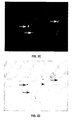
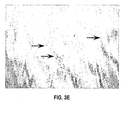
- Figures 3A-3E collectively show the detection and morphology of abnormal and normal cells stained on slides (scale bar 20 ⁇ m).
- Figure 3A shows the morphology of abnormal cells expressing HPV E6, E7 mRNA and
- Figure 3B shows the morphology of normal squamous epithelial cells.
- Figures 3C-3E show that the abnormal cells have a characteristically high nuclear to cytoplasmic ratio (arrows) whereas the normal cells exhibit a low nuclear to cytoplasmic ratio (arrowheads).
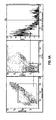
- Figures 4A-4I show flow cytometry histograms of normal and abnormal cervical cells gated by light scatter, stained with a combination of CD 16 - and CAM 5.2 - to identify ectocervical cells, and analyzed for HPV E6, E7 mRNA expression using the In Cell HPV Assay of the present invention.
- Figure 4A shows the analysis of cervical cells by forward and side scatter (first box) with a sample (first inner box) selected for staining for ectocervical cells (second box) and with a selected sample (second inner box) of ectocervical cells analyzed for HPV E6, E7 mRNA using the In Cell HPV Assay with 100 copies per cell used as the cut-off point for determining the percentage of cells in a sample expressing HPV E6, E7 mRNA.
- Figures 4B-4E show the assay applied to four women with abnormal cytology (HGSIL) and
- Figures 4F-4I show the assay applied to four women with normal cytology (WNL). The percentage of cells expressing more than 100 copies of HPV E6, E7 mRNA per cell in each sample is indicated in the upper right hand corner of the boxes.
- In Cell HPV Assay refers to the simultaneous immunofluorescence and ultrasensitive fluorescence in situ hybridization assay described in Examples 1 and 2.
- the In Cell HPV Assay is capable of identifying cancerous and precancerous SILs by detecting the presence of very low copies of HPV E6, E7 mRNA in the SILs. Where appropriate, the HPV E6, E7 mRNA detected by the In Cell HPV Assay may be quantitated using flow cytometry; thus, as used herein, the term “In Cell HPV Assay” is used generally to refer to the identification and where appropriate, the quantitation of the HPV E6, E7 mRNA.
- Bethesda System refers to the currently used classification system for Pap smear and ThinPrep Pap test analysis.
- the Bethesda System is described at www.cytopathology.org/NIH and includes the classifications WNL, ASCUS, LGSIL, and HGSIL already referenced herein as well as the term “squamous cell carcinoma” for malignantly transformed cervical cells.
- the Bethesda System classifications are also referenced herein as "cytologies.”
- cervical cells refers generally to the squamous epithelial cells that line the surface of the cervix.
- the term is used generally to include normal cervical cells as well the abnormal cervical cells, i.e., ASCUS, LGSILs, HGSILs, and squamous cell carcinomas.
- squamous intraepithelial lesions refers to lesions that form on the cervical squamous cells and includes both the low grade (LGSILs) and the high grade (HGSIL) lesions.
- adenocarcinoma and squamous cell carcinoma are used conventionally to refer to malignant epithelial cell tumors of the glands (adenocarcinoma) and malignant tumors of the squamous epithelium (squamous cell carcinoma).
- pre-adenocarcinoma and pre-squamous cell carcinoma refer to lesions that have not yet been malignantly transformed.
- adenocarcinomas and pre-adenocarcinomas refer to tumors and lesions of the glandular epithelium of the cervix and the terms squamous cell carcinomas and pre-squamous cell carcinomas refer to tumors and lesions of the squamous epithelial cells of the cervix.
- nucleic acid analyte refers generally to all nucleic acids, such as all DNAs and RNAs, and segments thereof. Within the context of the present invention, the term includes DNA, RNA, and mRNA.
- target amplification refers to enzyme-mediated procedures that are capable of producing billions of copies of nucleic acid target.
- enzyme-mediated target amplification procedures include PCR, nucleic acid-sequence-based amplification (“NASBA”), transcription-mediated amplification (“TMA”), strand displacement amplification (“SDA”), and ligase chain reaction (“LCR”).
- PCR The most widely used target amplification procedure is PCR, first described for the amplification of DNA by Mullins et al. in U.S. Patent No. 4,683,195 and Mullis in U.S. Patent No. 4,683,202 .
- the PCR procedure is well known to those of ordinary skill in the art.
- RNA complementary DNA
- cDNA complementary DNA
- a PCR used to amplify RNA products is referred to as reverse transcriptase PCR or "RT-PCR.”
- type specific PCR refers to the use of PCR to identify high risk and low risk HPV DNA.
- Real-time PCR and Real-time RT-PCR refers to the detection of PCR products via a fluorescent signal generated by the coupling of a fluorogenic dye molecule and a quencher moiety to the same or different oligonucleotide substrates.
- Examples of commonly used probes used in real-time PCR and real-time RT-PCR include the following probes: Taqman® probes, Molecular Beacons probes, Scorpions® probes, and SYBR® Green probes. Briefly, Taqman probes, Molecular Beacons, and Scorpion probes each have a fluorescent reporter dye (also called a "fluor”) attached to the 5' end of the probes and a quencher moiety coupled to the 3' end of the probes.
- a fluorescent reporter dye also called a "fluor”
- the proximity of the fluor and the quench molecules prevents the detection of fluorescent signal from the probe; during PCR, when the polymerase replicates a template on which a probe is bound, the 5'-nuclease activity of the polymerase cleaves the probe thus; increasing fluorescence with each replication cycle.
- SYBR Green probes binds double-stranded DNA and upon excitation emit light; thus as PCR product accumulates, fluorescence increases.
- real-time RT-PCR is used to identify oncogenic mRNA in abnormal cervical samples, such as for example, the E6 mRNA found in HPV-16 and HPV-18.
- Real-time RT-PCR is used in Examples 6 and 7 with a Taqman probe.
- Taqman probes are designed to hybridize to an internal region of a PCR product. In the unhybridized state, the proximity of the fluor and the quench molecules prevents the detection of fluorescent signal from the probe; during PCR, when the polymerase replicates a template on which a Taqman probe is bound, the 5'-nuclease activity of the polymerase cleaves the probe thus, increasing fluorescence with each replication cycle.
- signal amplification refers to techniques that are capable of detecting and quantitating the amount of nucleic acid analyte in a sample by amplifying the signal of a target in direct proportion to the amount of target. Because the amount of target is not altered, signal amplification procedures are useful for quantitating the amount of nucleic acid analyte in as sample. Examples of signal amplification procedures known in the art include branched DNA (“bDNA”) signal amplification (Bayer Healthcare LLC, Tarrytown, N.Y.), Hybrid Capture (“HC”; Digene Corp., Gaithersburg, MD.), and Tyramide Signal Amplification ("TSA,” Perkin Elmer, Inc., Wellesley, MA).
- bDNA branched DNA
- HC Hybrid Capture
- TSA Tyramide Signal Amplification
- the HC II HPV Test is a signal amplification assay used to detect the presence of HPV DNA in clinical samples.
- the HC II HPV Test includes the following steps: clinical specimens are combined with a base solution that disrupts the virus and releases target DNA; target DNA combines with specific RNA probes creating RNA:DNA hybrids; multiple RNA hybrids are captured onto a solid phase coated with universal capture antibodies specific for RNA:DNA hybrids; captured RNA:DNA hybrids are detected with multiple antibodies conjugated to alkaline phosphatase ("AP"; amplification may reach 3000 fold); and the bounds alkaline phosphatase is detected with a chemiluminscent dioxetane substrate.
- AP alkaline phosphatase
- the substrate Upon cleavage by AP, the substrate produces light that may be measured on a luminometer in relative light units ("RLUs").
- RLUs relative light units
- the HC II HPV Test is capable of detecting 13 high-risk HPV types: HPV-16, HPV-18, HPV-31, HPV-33, HPV-35, HPV-39, HPV-45, HPV-51, HPV-52, HPV-56, HPV-58, HPV-59, and HPV-68.
- the present invention provides an HPV E6, E7 mRNA assay (the In Cell HPV Assay) that identifies pre-cancerous and cancerous cervical cells by detecting the presence of HPV E6, E7 mRNA in the cells.
- HPV E6, E7 mRNA is a highly sensitive biomarker for the detection of malignant transformation of cervical cells
- the In Cell HPV Assay described herein is capable of detecting malignant transformation of cervical cells that exhibit normal cytology in addition to cells exhibiting abnormal cytology, e.g., ASCUS, LGSILs, and HGSILs (Examples 6 and 7).
- the In Cell HPV Assay consists of an in situ hybridization assay performed with HPV E6, E7 mRNA oligonucleotide probes, and where appropriate, flow cytometry to quantitate the HPV E6, E7 mRNA.
- Examples 1 and 2 describe two different in situ hybridization methodologies to carry out the In Cell HPV Assay and Example 3 describes the use of flow cytometry to quantitate the HPV E6, E7 mRNA.
- an assay for determining cytology of cervical cells comprising the steps of: (a) obtaining cervical cells from an individual; (b) preparing the cervical cells as an LBC specimen; and (c) hybridizing the LBC specimen using oligonucleotides specific for HPV E6, E7 mRNA, wherein expression of HPV E6, E7 mRNA indicates malignant transformation of the cervical cells.
- the HPV E6, E7 mRNA may be quantitated via flow cytometry.
- a method of screening a patient for malignant transformation of cervical cells comprising identifying expression of HPV E6, E7 mRNA in the cervical cells.
- the HPV E6, E7 mRNA is identified using in situ hybridization and the HPV E6, E7 mRNA is quantitated using flow cytometry.
- the cervical cells are selected from the group consisting of normal cells, abnormal squamous cells of undetermined significance (ASCUS), cells with low grade squamous intraepithelial lesions (LGSILs), and cells with high grade intraepithelial lesions (HGSILs).
- ASCUS abnormal squamous cells of undetermined significance
- LGSILs low grade squamous intraepithelial lesions
- HGSILs high grade intraepithelial lesions
- Example 6 The ability of the In Cell HPV Assay to detect HPV E6, E7 mRNA in cells with normal cytology is described in Examples 6 and 7.
- Example 6 3 of 41 high risk women with normal cervical cytology tested positive for HPV E6, E7 mRNA using the In Cell HPV Assay and in Example 7, 10 of 109 low risk women tested positive for HPV E6, E7 mRNA; thus, indicating malignant transformation in the "normal" cells of these women.
- the diagnostic results of the In Cell HPV Assay were confirmed in Examples 6 and 7 using real-time RT-PCR and in Example 7 using both real-time RT-PCR and the HC II HPV Test.
- the In Cell HPV Assay of the present invention is superior over the HC II HPV Test for the detection of cervical cancer because the In Cell HPV Assay is capable of detecting malignantly transformed cells at a very early stage, while the HC II HPV Test only detects high risk HPV DNA, i.e., HPV-16 and HPV-18, both of which are not indicators of malignant transformation of cells.
- the In Cell HPV Assay is also superior over the use of real-time RT-PCR for the detection of cervical cancer because unlike real time PCR, which is a target amplification procedure that can only identify amplification of a population of cells, the In Cell HPV Assay is a highly specific procedure that is capable of identifying amplification of an individual cell.
- the real-time RT-PCR will only be able to discern that one-million copies of the gene have been produced; by contrast, the In Cell HPV Assay is capable of discerning exactly how many cells have produced the one million copies.
- the ordinary practitioner will be unable to identify if one million individual cells produced the one million copies as occurs in a normal individual or if one thousand cells produced one thousand cells each as occurs in cancer.
- the In Cell HPV Assay of the present invention overcomes this deficiency in real-time RT-PCR by identifying, via flow cytometric quantitation, the precise number of copies of HPV E6, E7 mRNA that are produced per cell. In this way, in Examples 6 and 7, the real-time RT-PCR was used only to verify the presence of HPV E6, E7 mRNA.
- the malignant transformation of the cervical cells is indicated by expression of 2 to 1000 copies of HPV E6, E7 mRNA per cell, with expression of 5 to 750 copies of HPV E6, E7 mRNA per cell preferred, expression of 10 to 500 copies of HPV E6, E7 mRNA per cell more preferred, and expression of 200 or more copies of HPV E6, E7 mRNA per cell per cell most preferred.
- Example 3 While the theoretical sensitivity of the flow cytometric analysis in Example 3 was found to be 10 to 20 copies of HPV E6, E7 mRNA, further calibration of the flow cytometric assay should theoretically reduce the sensitivity of the flow cytometric analysis to as low as one to two copies of HPV E6, E7 mRNA and as high as 1000 copies of HPV E6, E7 mRNA per cell.
- a method of screening a patient with abnormal cervical cells for pre-malignant cervical cells comprising quantitating the expression of HPV E6, E7 mRNA in the cervical cells, wherein cells expressing 200 or more copies of HPV E6, E7 mRNA per cell indicate cells with malignant potential and cells expressing less than 200 copies of HPV E6, E7 mRNA indicate benign cells.
- the abnormal cells that may be tested in this third embodiment may be selected from the group consisting of abnormal squamous cells of undetermined significance (ASCUS), cells with low grade squamous intraepithelial lesions (LGSILs), and cells with high grade intraepithelial lesions (HGSILs).
- ASCUS abnormal squamous cells of undetermined significance
- LGSILs low grade squamous intraepithelial lesions
- HGSILs high grade intraepithelial lesions
- the specific morphology of the cervical cells may be determined by the procedure set forth in Example 5 and depicted in Figure 3 . Specifically, by staining cervical cells with a combination of CD16 (a neutrophil marker) and CAM 5.2 (an antibody expressed in endocervical cells but not ectocervical cells), it is possible to identify the cytology of the cells expressing the HPV E6, E7 mRNA. In a similar vein, the antibody staining formula of Example 5 may also be used to study a specific class of cells, such as the expression levels of HPV E6, E7 mRNA in squamous ectocervical cells from a specific high risk or low risk cohort (Example 6).
- the fourth embodiment of the present invention provides an assay that simultaneously phenotypes malignantly transformed cells.
- This assay for identifying malignantly transformed cervical cell types includes the following steps: (a) obtaining cervical cells from an individual; (b) preparing the cervical cells as a liquid-based cytology (LBC) specimen; (c) staining the cervical cells with a combination of CD16 and CAM 5.2; and (d) hybridizing the LBC specimen using oligonucleotides specific for HPV E6, E7 mRNA, wherein neutrophils are identified by CD16 + staining, columnar endocervical cells are identified by CD16 - , CAM 5.2 + staining, and squamous ectocervical cells are identified by CD16 - , CAM 5.2 - staining, and expression of HPV E6, E7 mRNA indicates malignant transformation of the cervical cells.
- Malignantly transformed columnar endocervical cells indicate a pre-adenocarcinoma or adenocarcinoma cervical condition and malignantly transformed squamous ectocervical cells indicate pre-squamous cell carcinoma or squamous cell carcinoma cervical condition.
- HPV E6, E7 mRNA per cell may be quantitated via flow cytometry, with malignant transformation of the cervical cells indicated by expression of 2 to 1000 copies of HPV E6, E7 mRNA per cell, with expression of 5 to 750 copies of HPV E6, E7 mRNA per cell preferred, expression of 10 to 500 copies of HPV E6, E7 mRNA per cell more preferred, and expression of 200 or more copies of HPV E6, E7 mRNA per cell most preferred.
- the In Cell HPV Assay described herein is useful as a highly sensitive and specific screening method for the detection of pre-cancerous and cancerous cervical cells, which may be performed in less than three hours.
- the In Cell HPV Assay is premised on the identification and quantitation of HPV E6, E7 mRNA, where the presence of elevated levels of HPV E6, E7 mRNA in cervical cells indicates the malignant transformation of the cells.
- the In Cell HPV Assay is superior over presently available methods for cervical cell screening in that it can detect malignant transformation in cells exhibiting a normal cytology. Because of its remarkable sensitivity and specificity, the In Cell HPV Assay has utility as an alternative and superior primary cervical cell screening method over the traditional Pap smear or the ThinPrep Pap test, both of which merely identify abnormal cervical cells (i.e., ASCUS, LGSILs, and HGSILs), and PCR and the HC II HPV Test, both of which merely identify high risk from low risk HPV. As previously explained, neither cervical cytology nor the identification of low risk or high risk HPVs are reliable markers for determining cervical cell malignancy.
- the In Cell HPV Assay finds utility as a secondary marker for patients that are HPV DNA positive.
- the In Cell HPV Assay may be used to determine if the SILs exhibiting high risk HPV DNA have been malignantly transformed.
- the In Cell HPV Assay also finds utility as a highly desirable alternative cervical cell screening method in that it is capable of being performed in less than three hours with established experimental protocols.
- the foregoing demonstrates that the In Cell HPV Assay is not only more accurate than any presently used methods to detect malignant transformation of cervical cells, but it is also more time and cost effective.
- HeLa cells were obtained from the American Type Culture Collection (Manassas, Virginia) and grown according to instructions. Normal human ectocervical cells (Clonetics, Inc., now Cambrex, Inc., East Rutherford, N.J.) were grown in media supplied by the company.
- Real-Time RT-PCR and HC II HPV Test For target amplification of oncogenic mRNA, real-time RT-PCR was performed using Taqman® probes (Applied Biosystems, Foster City, CA). For signal amplification, the HC II HPV Test was performed according to the manufacture's instructions using a high risk panel of probes.
- Cytometry Flow cytometry was performed using three-color analysis on a FACScan (BDIS, San Jose, CA) cytometer. Analysis was restricted to ectocervical cells defined by light scatter characteristics and the lack of expression of the low molecular weight cytokeratin CAM 5.2. Polymorphonuclear neutrophils ("PMN") were excluded from the analysis by gating on cells positive for the PMN marker CD16.
- Image Analysis was performed using an Olympus® laser confocal microscope. Cells were included in the analysis if they exhibited green fluorescence (fluorescein, HPV E6, E7 mRNA+) and blue fluorescence (DAPI, all cells) but lacked red fluorescence (PMNs, endocervical cells).
- the cells were fixed, permeabilized, washed once in PBS, pH 7.4, pelleted by centrifugation at 400 x g, washed again in 2X SSC, and pelleted by centrifugation.
- the cells were then resuspended in a hybridization mix consisting of 5X SSC, 30% formamide, and 100 ⁇ g/mL sheared salmon sperm DNA ("ssDNA”) and a cocktail of 5'- and 3'-fluorescein labeled HPV E6, E7 mRNA oligonucleotide probes, which may be obtained from Invirion, Inc., Frankfort, MI, under the name "HPV OncoTect,” or may be prepared by techniques for the preparation of oligonucleotides known in the art.
- sDNA sheared salmon sperm DNA
- Hybridization was performed at 37°C for 30 minutes and was followed by a 5 minute wash in 2X SSC, 0.1% Triton X-100, and a 15 minute wash in 0.1% SSC, 0.1% Triton X-100.
- 100 ⁇ L of cells (1x10 6 cells/mL) were transferred from the liquid based cervical cytology specimen isolated from the subjects and put into a cytocentrifuge or liquid-based slide system.
- the slides were centrifuged at 800 x g for 2 minutes at room temperature. Following a wash in 1X PBS, pH 7.4, the slides were incubated in 1X PermiFlow (Invirion, Inc., Frankfort, MI) fixation/permeabilization reagent in a Coplin jar at room temperature for 1 hour.
- the slides were then washed once in PBS and once in 2X SSC.
- the cells were hybridized to a cocktail of the HPV OncoTect probes a hybridization oven at 37°C for 30-120 minutes.
- the slides were then washed for 5 minutes in a Coplin jar containing 50 mL pre-heated 2X SSC, 0.1% Triton X-100 and incubated for 15 minutes in a Coplin jar containing 50 mL pre-heated 0.1X SSC, 0.1% Triton X-100. Following a brief rinse in PBS, pH 7.4, the slides were coverslipped using Fluorsave mounting medium (CalBioChem, San Diego, CA).
- the theoretical sensitivity of the In Cell HPV Assay was calculated to be 10 to 20 copies of HPV E6, E7 mRNA per cell.
- cells were considered positive for HPV E6, E7 mRNA if they exhibited an MFI greater than 200 copies per cell, 200 representing a copy number of HPV that may not be readily cleared from an average patient.
- the In Cell HPV Assay with flow cytometry were used to quantitate HPV E6, E7 mRNA in a mixed cell population of HeLa cells (HPV + ) in normal ectocervical cells (HPV - ).
- HPV + HeLa cells
- HPV - normal ectocervical cells
- FIG 2 when the serial dilutions of the mixed cells (%HPV + cells) were plotted against the percentage of cells expressing HPV E6, E7 mRNA in the mixed cell population as determined by the In Cell HPV Assay; the result was a linear range between 0.3% and 100% for HPV E6, E7 mRNA positive cells.
- the signal to noise ratio in this experiment was calculated at 1.5 to 2.0 logs.
- HPV + HeLa cells and HPV - normal ectocervical cells were hybridized with the HPV E6, E7 mRNA OncoText probes and the morphology of cells expressing detectable levels of HPV E6, E7 mRNA message were examined ( Figure 3 ).
- the In Cell HPV Assay produced a characteristic cytoplasmic staining pattern in HeLa cells.
- the HPV - cell line did not stain (the C33A line was used)(Boxes A and B, respectively).
- cervical cytology specimens contain numerous cell types including, but not limited to, squamous ectocervical cells, columnar endocervical cells, PMNs (polymorphonuclear leukocytes), and lymphocytes
- an antibody cocktail was developed to be used in conjunction with the In Cell HPV Assay in order to distinguish the cell types of interest in an LBC specimen.
- the cervical cell specimens were stained with a combination of CD16, a neutrophil marker, and CAM 5.2, an antibody that detects a 70 kDa molecular weight cytokeratin that is expressed in endocervical cells but not ectocervical cells.
- Cells staining for a particular marker were backgated to identify their presence within forward and orthogonal (90° side scatter) light scatter gates to distinguish between ectocervical cells, endocervical cells, and PMNs.
- ectocervical cells were identified in normal (WNL) and abnormal (HGSIL) cervical cell specimens by gating for a lack of CD16 and CAM 5.2 expression (CD16 ⁇ , CAM 5.2 ⁇ ) ( Figure 4A , first two boxes) and ectocervical cells were analyzed for HPV E6, E7 mRNA expression using the In Cell HPV Assay of the present invention with 100 copies of HPV E6, E7 mRNA per cell used as the cut-off point for determining the percentage of cells in a sample expressing HPV E6, E7 mRNA ( Figure 4A , third box).
- each of Figures 4B-4I indicates the percentage of cells in the HGSIL ( Figures 4B-4E ) and WNL ( Figures 4F-4I ) samples that express more than 100 copies of HPV mRNA per cell.
- expression of HPV E6, E7 mRNA in endocervical cells can be analyzed by using a gating strategy that identifies CD16 ⁇ , CAM 5.2 + expression.
- LBC specimens were obtained from a high risk cohort consisting of 41 women with normal cervical cytology and 41 women with abnormal cervical cytology.
- abnormal cells are identified by a characteristically high nuclear to cytoplasmic ratio whereas normal squamous epithelial cells exhibit a low nuclear to cytoplasmic ratio.
- the women with the abnormal cells consisted of the following cytologies: 9 ASCUS, 22 LGSIL, and 10 HGSIL.
- the quantitative cut-off for a positive HPV E6, E7 mRNA result was set at 2 standard deviations from the mean of true negative.
- Cervical cells were stained with CD16 and CAM 5.2 (as described in Example 5) and hybridized (as described in Example 1). Ectocervical cells were differentiated from endocervical cells by both forward and orthogonal light scatter and by expression of CAM 5.2 on endocervical cells but not on ectocervical cells (Example 5, Figure 4A ). Ectocervical cells coated with neutrophils were eliminated from analysis by the presence of CD16 + staining.
- the In Cell HPV Assay detected HPV E6, E7 mRNA in 5 of 9 ASCUS samples, 13 of 22 LGSIL samples, 10 of 10 HGSIL samples, and 3 of 41 normal (WNL) cervical cytology specimens.
- HPV E6, E7 mRNA Two of the 3 normal samples had HPV E6, E7 mRNA confirmed by quantitative real-time RT-PCR using Taqman probes. Similar to the procedure used in Example 3, cells were considered positive for HPV E6, E7 mRNA if they exhibited an MFI greater than 200 copies per cell. For controls, HPV + HeLa cells and HPV - C33A cells were included with every run. The percentage of HPV E6, E7 mRNA expressing cells positively correlated with the cytologic diagnosis as shown in Table 1.
- the percentage of HPV E6, E7 mRNA expressing cells in HGSILs was significantly greater than the percentage of expressing cells in WNLs ( p ⁇ 0.001), ASCUS ( p ⁇ 0.001), and LGSILs ( p ⁇ 0.001).
- the percentage of HPV E6, E7 mRNA expressing cells in LGSILs was significantly greater than the percentage of expressing cells in WNLs ( p ⁇ 0.01), but not significantly greater than the percentage of HPV E6, E7 mRNA expressing cells in ASCUS, suggesting that the molecular alterations in ASCUS more closely resemble LGSIL than HGSIL.
- the overall sensitivity and specificity of the In Cell HPV Assay for high grade lesions was 100% and 93%, respectively.
- the percentage of HPV E6, E7 mRNA expressing cells detected by the In Cell HPV Assay positively correlated with the cytologic diagnoses.
- the sensitivity and specificity of In Cell HPV Assay to detect cervical abnormalities was 71.4% and 91%, respectively, and the sensitivity and specificity of the HC II HPV Test to detect cervical abnormalities was 64.2% and 88%, respectively.
- Both the In Cell HPV Assay and the HC II HPV Test detected 8 of 12 HGSILs, but the In Cell HPV Assay also identified an invasive cervical cancer that was missed by both real-time RT-PCR (data not shown) and the HC II HPV Test.
- the following embodiments of the invention are numbered as embodiments 1 to 28 and relate to :
Landscapes
- Chemical & Material Sciences (AREA)
- Life Sciences & Earth Sciences (AREA)
- Organic Chemistry (AREA)
- Health & Medical Sciences (AREA)
- Zoology (AREA)
- Wood Science & Technology (AREA)
- Proteomics, Peptides & Aminoacids (AREA)
- Engineering & Computer Science (AREA)
- Immunology (AREA)
- Microbiology (AREA)
- Physics & Mathematics (AREA)
- Molecular Biology (AREA)
- Biotechnology (AREA)
- Biophysics (AREA)
- Analytical Chemistry (AREA)
- Biochemistry (AREA)
- Bioinformatics & Cheminformatics (AREA)
- General Engineering & Computer Science (AREA)
- General Health & Medical Sciences (AREA)
- Genetics & Genomics (AREA)
- Virology (AREA)
- Measuring Or Testing Involving Enzymes Or Micro-Organisms (AREA)
Applications Claiming Priority (2)
| Application Number | Priority Date | Filing Date | Title |
|---|---|---|---|
| US11/050,384 US7524631B2 (en) | 2005-02-02 | 2005-02-02 | HPV E6, E7 mRNA assay and methods of use thereof |
| EP06734312A EP1848828B1 (fr) | 2005-02-02 | 2006-02-02 | Dosage d'arnm d'e6, e7 d'hpv et methodes d'utilisation associees |
Related Parent Applications (2)
| Application Number | Title | Priority Date | Filing Date |
|---|---|---|---|
| EP06734312.9 Division | 2006-02-02 | ||
| EP06734312A Division EP1848828B1 (fr) | 2005-02-02 | 2006-02-02 | Dosage d'arnm d'e6, e7 d'hpv et methodes d'utilisation associees |
Publications (3)
| Publication Number | Publication Date |
|---|---|
| EP2258877A2 true EP2258877A2 (fr) | 2010-12-08 |
| EP2258877A3 EP2258877A3 (fr) | 2011-10-19 |
| EP2258877B1 EP2258877B1 (fr) | 2016-04-13 |
Family
ID=36579843
Family Applications (2)
| Application Number | Title | Priority Date | Filing Date |
|---|---|---|---|
| EP10010856.2A Expired - Lifetime EP2258877B1 (fr) | 2005-02-02 | 2006-02-02 | Dosage d'arnm de e6, e7 Hpv et méthodes d'utilisation associées |
| EP06734312A Expired - Lifetime EP1848828B1 (fr) | 2005-02-02 | 2006-02-02 | Dosage d'arnm d'e6, e7 d'hpv et methodes d'utilisation associees |
Family Applications After (1)
| Application Number | Title | Priority Date | Filing Date |
|---|---|---|---|
| EP06734312A Expired - Lifetime EP1848828B1 (fr) | 2005-02-02 | 2006-02-02 | Dosage d'arnm d'e6, e7 d'hpv et methodes d'utilisation associees |
Country Status (8)
| Country | Link |
|---|---|
| US (7) | US7524631B2 (fr) |
| EP (2) | EP2258877B1 (fr) |
| JP (2) | JP5184097B2 (fr) |
| AT (1) | ATE515579T1 (fr) |
| AU (1) | AU2006210483A1 (fr) |
| CA (1) | CA2596792C (fr) |
| ES (2) | ES2581128T3 (fr) |
| WO (1) | WO2006084155A1 (fr) |
Families Citing this family (30)
| Publication number | Priority date | Publication date | Assignee | Title |
|---|---|---|---|---|
| WO2006063065A2 (fr) | 2004-12-08 | 2006-06-15 | Gen-Probe Incorporated | Detection d'acides nucleiques de types multiples de papillomavirus humains |
| US7524631B2 (en) * | 2005-02-02 | 2009-04-28 | Patterson Bruce K | HPV E6, E7 mRNA assay and methods of use thereof |
| US20090081688A1 (en) * | 2005-06-20 | 2009-03-26 | Advanced Cell Diagnostics | Methods of detecting nucleic acids in individual cells and of identifying rare cells from large heterogeneous cell populations |
| WO2007001986A2 (fr) * | 2005-06-20 | 2007-01-04 | Yuling Luo | Methodes de detection des acides nucleiques dans des cellules individuelles et d'identification de cellules rares a partir de grandes populations cellulaires heterogenes |
| US7972776B2 (en) * | 2005-11-15 | 2011-07-05 | Oncohealth Corporation | Protein chips for HPV detection |
| US7732166B2 (en) * | 2005-11-15 | 2010-06-08 | Oncohealth Corporation | Detection method for human pappilomavirus (HPV) and its application in cervical cancer |
| US8859218B2 (en) | 2008-06-13 | 2014-10-14 | Oncohealth Corp. | In situ detection of early stages and late stages HPV infection |
| US8968995B2 (en) * | 2008-11-12 | 2015-03-03 | Oncohealth Corp. | Detection, screening, and diagnosis of HPV-associated cancers |
| EP1997914A1 (fr) * | 2007-06-01 | 2008-12-03 | Università Degli Studi Di Milano - Bicocca | Identification et quantification d'acides nucléiques HPV oncogènes au moyen de réseaux PCR en temps réel |
| CN102449479B (zh) | 2009-05-07 | 2015-11-25 | 安科健康公司 | 鉴别高度或≥cin2用于人乳头瘤病毒(hpv)与hpv相关癌症的早期及晚期检测、筛检和诊断 |
| US9310302B2 (en) | 2009-10-12 | 2016-04-12 | Ventana Medical Systems, Inc. | Multi-modality contrast and brightfield context rendering for enhanced pathology determination and multi-analyte detection in tissue |
| JP5819851B2 (ja) | 2010-01-08 | 2015-11-24 | オンコヘルス コーポレーション | Hpv関連の癌の治療及びスクリーニングのための細胞に基づいた高処理能力hpv免疫アッセイ |
| CA2799205A1 (fr) | 2010-05-25 | 2011-12-01 | Qiagen Gaithersburg, Inc. | Analyse de capture hybride a resultats rapides et sondes associees tronquees de maniere strategique |
| ES2562821T3 (es) | 2010-10-21 | 2016-03-08 | Advanced Cell Diagnostics, Inc. | Método ultrasensible para la detección in situ de ácidos nucleicos |
| CN107699618B (zh) * | 2010-11-12 | 2021-08-20 | 茵赛德斯有限公司 | 非疾病诊断的确定宫颈上皮内瘤样(cin)细胞是否存在于来自受试者的标记液体宫颈细胞样本的方法和系统 |
| EP2668290B1 (fr) * | 2011-01-28 | 2017-05-31 | Advanced Cell Diagnostics, Inc. | Dosage pvh rnascope® pour la détermination du statut pvh dans les cancers de la tête et du cou et les lésions cervicales |
| GB201310933D0 (en) * | 2013-06-19 | 2013-07-31 | Norchip As | A method of cervical screening |
| US10308990B2 (en) | 2014-07-25 | 2019-06-04 | Incelldx, Inc. | Methods of evaluating a cellular sample for latent cellular replication competent HIV-1 |
| US20170204481A1 (en) * | 2014-12-22 | 2017-07-20 | Enzo Biochem, Inc. | Comprehensive and comparative flow cytometry-based methods for identifying the state of a biological system |
| US20160177396A1 (en) * | 2014-12-22 | 2016-06-23 | Enzo Biochem, Inc. | Comprehensive and comparative flow cytometry-based methods for identifying the state of a biological system |
| CN106555010A (zh) * | 2015-09-30 | 2017-04-05 | 江苏博铼生技医疗科技有限公司 | 人类乳头瘤病毒检测试剂盒及检测方法 |
| DK3362462T3 (da) | 2015-10-12 | 2021-10-11 | Advanced Cell Diagnostics Inc | In situ-detektion af nukleotidvarianter i prøver med højt støjniveau, og sammensætninger og fremgangsmåder relateret dertil |
| KR102476709B1 (ko) | 2016-11-21 | 2022-12-09 | 나노스트링 테크놀로지스, 인크. | 화학적 조성물 및 이것을 사용하는 방법 |
| GB201621912D0 (en) | 2016-12-21 | 2017-02-01 | Dublin Inst Of Tech And Trinity College Dublin | A method of using raman spectroscopy for identification of low grade cervical cytology cases likely to progress to high grade / cancer |
| JP7525402B2 (ja) | 2018-05-14 | 2024-07-30 | ナノストリング テクノロジーズ,インコーポレイティド | 化学的組成物とそれを利用する方法 |
| CN109612800B (zh) * | 2019-01-09 | 2021-12-21 | 济南金域医学检验中心有限公司 | 一种非妇科液基标本的制片方法 |
| US11323413B2 (en) * | 2019-08-29 | 2022-05-03 | Oracle International Corporation | Methods, systems, and computer readable media for actively discovering and tracking addresses associated with 4G service endpoints |
| US11082393B2 (en) * | 2019-08-29 | 2021-08-03 | Oracle International Corporation | Methods, systems, and computer readable media for actively discovering and tracking addresses associated with 5G and non-5G service endpoints |
| CN113052806B (zh) * | 2021-03-15 | 2023-02-28 | 黑龙江机智通智能科技有限公司 | 一种癌变程度分级系统 |
| US11895080B2 (en) | 2021-06-23 | 2024-02-06 | Oracle International Corporation | Methods, systems, and computer readable media for resolution of inter-network domain names |
Citations (2)
| Publication number | Priority date | Publication date | Assignee | Title |
|---|---|---|---|---|
| US4683195A (en) | 1986-01-30 | 1987-07-28 | Cetus Corporation | Process for amplifying, detecting, and/or-cloning nucleic acid sequences |
| US4683202A (en) | 1985-03-28 | 1987-07-28 | Cetus Corporation | Process for amplifying nucleic acid sequences |
Family Cites Families (8)
| Publication number | Priority date | Publication date | Assignee | Title |
|---|---|---|---|---|
| DE3838269A1 (de) | 1988-11-11 | 1990-05-17 | Behringwerke Ag | Nachweis humaner papillomavirus dna und ihrer expression in zervix-abstrichen |
| EP0502994B1 (fr) | 1989-12-01 | 1995-09-06 | Amoco Corporation | Detection des transcriptions du vph |
| EP0655091A1 (fr) | 1993-05-06 | 1995-05-31 | Baxter Diagnostics Inc. | Methode de detection du papillomavirus chez l'homme |
| WO1997018334A2 (fr) | 1995-11-15 | 1997-05-22 | Gen-Probe Incorporated | Sondes d'acides nucleiques complementaires des acides nucleiques du virus du papillome humain, methodes et preparations associees |
| BR9814271A (pt) * | 1997-12-12 | 2001-03-20 | Digene Corp | Determinação de doenças relacionadas com o vìrus do papiloma humano |
| ES2314093T3 (es) * | 2001-12-08 | 2009-03-16 | Seegene, Inc. | Cebador para el control de la reasociacion y sus usos. |
| US7326577B2 (en) * | 2003-10-20 | 2008-02-05 | Esoterix, Inc. | Cell fixation and use in phospho-proteome screening |
| US7524631B2 (en) * | 2005-02-02 | 2009-04-28 | Patterson Bruce K | HPV E6, E7 mRNA assay and methods of use thereof |
-
2005
- 2005-02-02 US US11/050,384 patent/US7524631B2/en not_active Expired - Lifetime
-
2006
- 2006-02-02 ES ES10010856.2T patent/ES2581128T3/es not_active Expired - Lifetime
- 2006-02-02 EP EP10010856.2A patent/EP2258877B1/fr not_active Expired - Lifetime
- 2006-02-02 ES ES06734312T patent/ES2369615T3/es not_active Expired - Lifetime
- 2006-02-02 WO PCT/US2006/003885 patent/WO2006084155A1/fr not_active Ceased
- 2006-02-02 CA CA2596792A patent/CA2596792C/fr not_active Expired - Lifetime
- 2006-02-02 EP EP06734312A patent/EP1848828B1/fr not_active Expired - Lifetime
- 2006-02-02 AU AU2006210483A patent/AU2006210483A1/en not_active Abandoned
- 2006-02-02 JP JP2007554251A patent/JP5184097B2/ja not_active Expired - Fee Related
- 2006-02-02 AT AT06734312T patent/ATE515579T1/de active
-
2009
- 2009-02-24 US US12/391,634 patent/US7888032B2/en not_active Expired - Lifetime
- 2009-12-22 US US12/645,202 patent/US8653250B2/en not_active Expired - Fee Related
-
2012
- 2012-07-06 JP JP2012152321A patent/JP5773955B2/ja not_active Expired - Fee Related
-
2014
- 2014-01-07 US US14/149,747 patent/US9464332B2/en not_active Expired - Lifetime
-
2016
- 2016-09-08 US US15/260,010 patent/US20170067127A1/en not_active Abandoned
-
2018
- 2018-03-07 US US15/914,830 patent/US20180230556A1/en not_active Abandoned
-
2023
- 2023-01-03 US US18/092,558 patent/US20230287526A1/en not_active Abandoned
Patent Citations (4)
| Publication number | Priority date | Publication date | Assignee | Title |
|---|---|---|---|---|
| US4683202A (en) | 1985-03-28 | 1987-07-28 | Cetus Corporation | Process for amplifying nucleic acid sequences |
| US4683202B1 (fr) | 1985-03-28 | 1990-11-27 | Cetus Corp | |
| US4683195A (en) | 1986-01-30 | 1987-07-28 | Cetus Corporation | Process for amplifying, detecting, and/or-cloning nucleic acid sequences |
| US4683195B1 (fr) | 1986-01-30 | 1990-11-27 | Cetus Corp |
Non-Patent Citations (8)
Also Published As
| Publication number | Publication date |
|---|---|
| HK1146946A1 (en) | 2011-07-22 |
| US8653250B2 (en) | 2014-02-18 |
| US20090220945A1 (en) | 2009-09-03 |
| EP1848828A1 (fr) | 2007-10-31 |
| US20180230556A1 (en) | 2018-08-16 |
| US20100120021A1 (en) | 2010-05-13 |
| ES2369615T3 (es) | 2011-12-02 |
| JP2008528058A (ja) | 2008-07-31 |
| WO2006084155A1 (fr) | 2006-08-10 |
| JP5773955B2 (ja) | 2015-09-02 |
| US20170067127A1 (en) | 2017-03-09 |
| US7524631B2 (en) | 2009-04-28 |
| US9464332B2 (en) | 2016-10-11 |
| US20140193805A1 (en) | 2014-07-10 |
| JP5184097B2 (ja) | 2013-04-17 |
| CA2596792C (fr) | 2025-05-06 |
| US20230287526A1 (en) | 2023-09-14 |
| JP2012196229A (ja) | 2012-10-18 |
| ATE515579T1 (de) | 2011-07-15 |
| ES2581128T3 (es) | 2016-08-31 |
| EP2258877B1 (fr) | 2016-04-13 |
| EP1848828B1 (fr) | 2011-07-06 |
| EP2258877A3 (fr) | 2011-10-19 |
| CA2596792A1 (fr) | 2006-08-10 |
| US20060172285A1 (en) | 2006-08-03 |
| AU2006210483A1 (en) | 2006-08-10 |
| US7888032B2 (en) | 2011-02-15 |
Similar Documents
| Publication | Publication Date | Title |
|---|---|---|
| US20230287526A1 (en) | HPV E6, E7 MRNA Assay and Methods of Use Thereof | |
| US7291455B2 (en) | Assessment of human papilloma virus-related disease | |
| Narimatsu et al. | High-throughput cervical cancer screening using intracellular human papillomavirus E6 and E7 mRNA quantification by flow cytometry | |
| Arney et al. | Molecular diagnostics of human papillomavirus | |
| JP2013135672A (ja) | 検出方法およびそのための物質 | |
| US20100330550A1 (en) | Detection of human papillomavirus | |
| CN110592279B (zh) | 检测hpv的组合物、试剂盒及方法 | |
| Petersen et al. | Inter-laboratory validation of PCR-based HPV detection in pathology specimens | |
| Walts et al. | Anal cytology: is there a role for reflex HPV DNA testing? | |
| HK1146946B (en) | Hpv e6,e7 mrna assay and methods of use thereof | |
| Vince et al. | Molecular detection of human papillomavirus in women with minor-grade cervical cytology abnormalities | |
| US20070238100A1 (en) | Integrated methodologies for the detection and genotyping of human papillomaviruses | |
| Vernon et al. | Molecular characterization of human papillomaviruses by PCR and in situ hybridization | |
| Feng et al. | Human papillomavirus and its role in cervical carcinoma |
Legal Events
| Date | Code | Title | Description |
|---|---|---|---|
| PUAI | Public reference made under article 153(3) epc to a published international application that has entered the european phase |
Free format text: ORIGINAL CODE: 0009012 |
|
| AC | Divisional application: reference to earlier application |
Ref document number: 1848828 Country of ref document: EP Kind code of ref document: P |
|
| AK | Designated contracting states |
Kind code of ref document: A2 Designated state(s): AT BE BG CH CY CZ DE DK EE ES FI FR GB GR HU IE IS IT LI LT LU LV MC NL PL PT RO SE SI SK TR |
|
| AX | Request for extension of the european patent |
Extension state: AL BA HR MK YU |
|
| REG | Reference to a national code |
Ref country code: HK Ref legal event code: DE Ref document number: 1146946 Country of ref document: HK |
|
| REG | Reference to a national code |
Ref country code: DE Ref legal event code: R079 Ref document number: 602006048750 Country of ref document: DE Free format text: PREVIOUS MAIN CLASS: C12Q0001700000 Ipc: C12Q0001680000 |
|
| PUAL | Search report despatched |
Free format text: ORIGINAL CODE: 0009013 |
|
| AK | Designated contracting states |
Kind code of ref document: A3 Designated state(s): AT BE BG CH CY CZ DE DK EE ES FI FR GB GR HU IE IS IT LI LT LU LV MC NL PL PT RO SE SI SK TR |
|
| AX | Request for extension of the european patent |
Extension state: AL BA HR MK YU |
|
| RIC1 | Information provided on ipc code assigned before grant |
Ipc: C12Q 1/70 20060101ALI20110914BHEP Ipc: C12Q 1/68 20060101AFI20110914BHEP |
|
| RAP1 | Party data changed (applicant data changed or rights of an application transferred) |
Owner name: INCELLDX, INC. |
|
| RIN1 | Information on inventor provided before grant (corrected) |
Inventor name: THE INVENTOR HAS AGREED TO WAIVE HIS ENTITLEMENT T |
|
| 17P | Request for examination filed |
Effective date: 20120329 |
|
| 17Q | First examination report despatched |
Effective date: 20130326 |
|
| GRAP | Despatch of communication of intention to grant a patent |
Free format text: ORIGINAL CODE: EPIDOSNIGR1 |
|
| INTG | Intention to grant announced |
Effective date: 20151006 |
|
| RIN1 | Information on inventor provided before grant (corrected) |
Inventor name: PATTERSON, BRUCE K. |
|
| GRAS | Grant fee paid |
Free format text: ORIGINAL CODE: EPIDOSNIGR3 |
|
| GRAA | (expected) grant |
Free format text: ORIGINAL CODE: 0009210 |
|
| AC | Divisional application: reference to earlier application |
Ref document number: 1848828 Country of ref document: EP Kind code of ref document: P |
|
| AK | Designated contracting states |
Kind code of ref document: B1 Designated state(s): AT BE BG CH CY CZ DE DK EE ES FI FR GB GR HU IE IS IT LI LT LU LV MC NL PL PT RO SE SI SK TR |
|
| REG | Reference to a national code |
Ref country code: GB Ref legal event code: FG4D |
|
| REG | Reference to a national code |
Ref country code: AT Ref legal event code: REF Ref document number: 790216 Country of ref document: AT Kind code of ref document: T Effective date: 20160415 Ref country code: CH Ref legal event code: EP |
|
| REG | Reference to a national code |
Ref country code: IE Ref legal event code: FG4D |
|
| REG | Reference to a national code |
Ref country code: DE Ref legal event code: R096 Ref document number: 602006048750 Country of ref document: DE |
|
| REG | Reference to a national code |
Ref country code: NL Ref legal event code: FP |
|
| REG | Reference to a national code |
Ref country code: SE Ref legal event code: TRGR |
|
| REG | Reference to a national code |
Ref country code: LT Ref legal event code: MG4D |
|
| REG | Reference to a national code |
Ref country code: ES Ref legal event code: FG2A Ref document number: 2581128 Country of ref document: ES Kind code of ref document: T3 Effective date: 20160831 |
|
| REG | Reference to a national code |
Ref country code: GR Ref legal event code: EP Ref document number: 20160401419 Country of ref document: GR Effective date: 20160729 |
|
| PG25 | Lapsed in a contracting state [announced via postgrant information from national office to epo] |
Ref country code: PL Free format text: LAPSE BECAUSE OF FAILURE TO SUBMIT A TRANSLATION OF THE DESCRIPTION OR TO PAY THE FEE WITHIN THE PRESCRIBED TIME-LIMIT Effective date: 20160413 Ref country code: FI Free format text: LAPSE BECAUSE OF FAILURE TO SUBMIT A TRANSLATION OF THE DESCRIPTION OR TO PAY THE FEE WITHIN THE PRESCRIBED TIME-LIMIT Effective date: 20160413 Ref country code: LT Free format text: LAPSE BECAUSE OF FAILURE TO SUBMIT A TRANSLATION OF THE DESCRIPTION OR TO PAY THE FEE WITHIN THE PRESCRIBED TIME-LIMIT Effective date: 20160413 |
|
| PG25 | Lapsed in a contracting state [announced via postgrant information from national office to epo] |
Ref country code: LV Free format text: LAPSE BECAUSE OF FAILURE TO SUBMIT A TRANSLATION OF THE DESCRIPTION OR TO PAY THE FEE WITHIN THE PRESCRIBED TIME-LIMIT Effective date: 20160413 Ref country code: PT Free format text: LAPSE BECAUSE OF FAILURE TO SUBMIT A TRANSLATION OF THE DESCRIPTION OR TO PAY THE FEE WITHIN THE PRESCRIBED TIME-LIMIT Effective date: 20160816 |
|
| REG | Reference to a national code |
Ref country code: FR Ref legal event code: PLFP Year of fee payment: 12 |
|
| REG | Reference to a national code |
Ref country code: DE Ref legal event code: R097 Ref document number: 602006048750 Country of ref document: DE |
|
| PG25 | Lapsed in a contracting state [announced via postgrant information from national office to epo] |
Ref country code: DK Free format text: LAPSE BECAUSE OF FAILURE TO SUBMIT A TRANSLATION OF THE DESCRIPTION OR TO PAY THE FEE WITHIN THE PRESCRIBED TIME-LIMIT Effective date: 20160413 Ref country code: EE Free format text: LAPSE BECAUSE OF FAILURE TO SUBMIT A TRANSLATION OF THE DESCRIPTION OR TO PAY THE FEE WITHIN THE PRESCRIBED TIME-LIMIT Effective date: 20160413 Ref country code: CZ Free format text: LAPSE BECAUSE OF FAILURE TO SUBMIT A TRANSLATION OF THE DESCRIPTION OR TO PAY THE FEE WITHIN THE PRESCRIBED TIME-LIMIT Effective date: 20160413 Ref country code: RO Free format text: LAPSE BECAUSE OF FAILURE TO SUBMIT A TRANSLATION OF THE DESCRIPTION OR TO PAY THE FEE WITHIN THE PRESCRIBED TIME-LIMIT Effective date: 20160413 Ref country code: SK Free format text: LAPSE BECAUSE OF FAILURE TO SUBMIT A TRANSLATION OF THE DESCRIPTION OR TO PAY THE FEE WITHIN THE PRESCRIBED TIME-LIMIT Effective date: 20160413 |
|
| PLBE | No opposition filed within time limit |
Free format text: ORIGINAL CODE: 0009261 |
|
| STAA | Information on the status of an ep patent application or granted ep patent |
Free format text: STATUS: NO OPPOSITION FILED WITHIN TIME LIMIT |
|
| 26N | No opposition filed |
Effective date: 20170116 |
|
| PG25 | Lapsed in a contracting state [announced via postgrant information from national office to epo] |
Ref country code: SI Free format text: LAPSE BECAUSE OF FAILURE TO SUBMIT A TRANSLATION OF THE DESCRIPTION OR TO PAY THE FEE WITHIN THE PRESCRIBED TIME-LIMIT Effective date: 20160413 |
|
| REG | Reference to a national code |
Ref country code: HK Ref legal event code: GR Ref document number: 1146946 Country of ref document: HK |
|
| PG25 | Lapsed in a contracting state [announced via postgrant information from national office to epo] |
Ref country code: MC Free format text: LAPSE BECAUSE OF FAILURE TO SUBMIT A TRANSLATION OF THE DESCRIPTION OR TO PAY THE FEE WITHIN THE PRESCRIBED TIME-LIMIT Effective date: 20160413 |
|
| REG | Reference to a national code |
Ref country code: IE Ref legal event code: MM4A |
|
| PG25 | Lapsed in a contracting state [announced via postgrant information from national office to epo] |
Ref country code: LU Free format text: LAPSE BECAUSE OF NON-PAYMENT OF DUE FEES Effective date: 20170202 |
|
| REG | Reference to a national code |
Ref country code: FR Ref legal event code: PLFP Year of fee payment: 13 |
|
| PG25 | Lapsed in a contracting state [announced via postgrant information from national office to epo] |
Ref country code: IE Free format text: LAPSE BECAUSE OF NON-PAYMENT OF DUE FEES Effective date: 20170202 |
|
| REG | Reference to a national code |
Ref country code: AT Ref legal event code: UEP Ref document number: 790216 Country of ref document: AT Kind code of ref document: T Effective date: 20160413 |
|
| PG25 | Lapsed in a contracting state [announced via postgrant information from national office to epo] |
Ref country code: HU Free format text: LAPSE BECAUSE OF FAILURE TO SUBMIT A TRANSLATION OF THE DESCRIPTION OR TO PAY THE FEE WITHIN THE PRESCRIBED TIME-LIMIT; INVALID AB INITIO Effective date: 20060202 |
|
| PG25 | Lapsed in a contracting state [announced via postgrant information from national office to epo] |
Ref country code: BG Free format text: LAPSE BECAUSE OF FAILURE TO SUBMIT A TRANSLATION OF THE DESCRIPTION OR TO PAY THE FEE WITHIN THE PRESCRIBED TIME-LIMIT Effective date: 20160413 |
|
| PG25 | Lapsed in a contracting state [announced via postgrant information from national office to epo] |
Ref country code: CY Free format text: LAPSE BECAUSE OF NON-PAYMENT OF DUE FEES Effective date: 20160413 |
|
| PG25 | Lapsed in a contracting state [announced via postgrant information from national office to epo] |
Ref country code: TR Free format text: LAPSE BECAUSE OF FAILURE TO SUBMIT A TRANSLATION OF THE DESCRIPTION OR TO PAY THE FEE WITHIN THE PRESCRIBED TIME-LIMIT Effective date: 20160413 |
|
| PG25 | Lapsed in a contracting state [announced via postgrant information from national office to epo] |
Ref country code: IS Free format text: LAPSE BECAUSE OF FAILURE TO SUBMIT A TRANSLATION OF THE DESCRIPTION OR TO PAY THE FEE WITHIN THE PRESCRIBED TIME-LIMIT Effective date: 20160813 |
|
| PGFP | Annual fee paid to national office [announced via postgrant information from national office to epo] |
Ref country code: NL Payment date: 20210818 Year of fee payment: 16 |
|
| PGFP | Annual fee paid to national office [announced via postgrant information from national office to epo] |
Ref country code: IT Payment date: 20210811 Year of fee payment: 16 Ref country code: AT Payment date: 20210809 Year of fee payment: 16 |
|
| PGFP | Annual fee paid to national office [announced via postgrant information from national office to epo] |
Ref country code: BE Payment date: 20210817 Year of fee payment: 16 Ref country code: CH Payment date: 20210816 Year of fee payment: 16 Ref country code: SE Payment date: 20210810 Year of fee payment: 16 Ref country code: GR Payment date: 20210811 Year of fee payment: 16 |
|
| REG | Reference to a national code |
Ref country code: SE Ref legal event code: EUG |
|
| REG | Reference to a national code |
Ref country code: NL Ref legal event code: MM Effective date: 20220301 |
|
| REG | Reference to a national code |
Ref country code: CH Ref legal event code: PL |
|
| REG | Reference to a national code |
Ref country code: AT Ref legal event code: MM01 Ref document number: 790216 Country of ref document: AT Kind code of ref document: T Effective date: 20220202 |
|
| REG | Reference to a national code |
Ref country code: BE Ref legal event code: MM Effective date: 20220228 |
|
| PG25 | Lapsed in a contracting state [announced via postgrant information from national office to epo] |
Ref country code: SE Free format text: LAPSE BECAUSE OF NON-PAYMENT OF DUE FEES Effective date: 20220203 Ref country code: GR Free format text: LAPSE BECAUSE OF NON-PAYMENT OF DUE FEES Effective date: 20220905 Ref country code: AT Free format text: LAPSE BECAUSE OF NON-PAYMENT OF DUE FEES Effective date: 20220202 |
|
| PG25 | Lapsed in a contracting state [announced via postgrant information from national office to epo] |
Ref country code: NL Free format text: LAPSE BECAUSE OF NON-PAYMENT OF DUE FEES Effective date: 20220301 |
|
| PG25 | Lapsed in a contracting state [announced via postgrant information from national office to epo] |
Ref country code: LI Free format text: LAPSE BECAUSE OF NON-PAYMENT OF DUE FEES Effective date: 20220228 Ref country code: CH Free format text: LAPSE BECAUSE OF NON-PAYMENT OF DUE FEES Effective date: 20220228 |
|
| PG25 | Lapsed in a contracting state [announced via postgrant information from national office to epo] |
Ref country code: BE Free format text: LAPSE BECAUSE OF NON-PAYMENT OF DUE FEES Effective date: 20220228 |
|
| PG25 | Lapsed in a contracting state [announced via postgrant information from national office to epo] |
Ref country code: IT Free format text: LAPSE BECAUSE OF NON-PAYMENT OF DUE FEES Effective date: 20220202 |
|
| PGFP | Annual fee paid to national office [announced via postgrant information from national office to epo] |
Ref country code: DE Payment date: 20230821 Year of fee payment: 18 |
|
| REG | Reference to a national code |
Ref country code: DE Ref legal event code: R119 Ref document number: 602006048750 Country of ref document: DE |
|
| PGFP | Annual fee paid to national office [announced via postgrant information from national office to epo] |
Ref country code: GB Payment date: 20240829 Year of fee payment: 19 |
|
| PGFP | Annual fee paid to national office [announced via postgrant information from national office to epo] |
Ref country code: FR Payment date: 20240829 Year of fee payment: 19 |
|
| PGFP | Annual fee paid to national office [announced via postgrant information from national office to epo] |
Ref country code: ES Payment date: 20240903 Year of fee payment: 19 |
|
| PG25 | Lapsed in a contracting state [announced via postgrant information from national office to epo] |
Ref country code: DE Free format text: LAPSE BECAUSE OF NON-PAYMENT OF DUE FEES Effective date: 20240903 |
|
| PG25 | Lapsed in a contracting state [announced via postgrant information from national office to epo] |
Ref country code: DE Free format text: LAPSE BECAUSE OF NON-PAYMENT OF DUE FEES Effective date: 20240903 |
|
| GBPC | Gb: european patent ceased through non-payment of renewal fee |
Effective date: 20250202 |
|
| PG25 | Lapsed in a contracting state [announced via postgrant information from national office to epo] |
Ref country code: GB Free format text: LAPSE BECAUSE OF NON-PAYMENT OF DUE FEES Effective date: 20250202 |
|
| PG25 | Lapsed in a contracting state [announced via postgrant information from national office to epo] |
Ref country code: FR Free format text: LAPSE BECAUSE OF NON-PAYMENT OF DUE FEES Effective date: 20250228 |
|
| REG | Reference to a national code |
Ref country code: ES Ref legal event code: FD2A Effective date: 20260326 |
|
| PG25 | Lapsed in a contracting state [announced via postgrant information from national office to epo] |
Ref country code: ES Free format text: LAPSE BECAUSE OF NON-PAYMENT OF DUE FEES Effective date: 20250203 |