EP2268795B1 - Procédé pour générer des cellules progénitrices cardiaques de primate pour un usage clinique à partir de cellules souches embryonnaires, et leurs applications - Google Patents
Procédé pour générer des cellules progénitrices cardiaques de primate pour un usage clinique à partir de cellules souches embryonnaires, et leurs applications Download PDFInfo
- Publication number
- EP2268795B1 EP2268795B1 EP09719996.2A EP09719996A EP2268795B1 EP 2268795 B1 EP2268795 B1 EP 2268795B1 EP 09719996 A EP09719996 A EP 09719996A EP 2268795 B1 EP2268795 B1 EP 2268795B1
- Authority
- EP
- European Patent Office
- Prior art keywords
- cells
- primate
- cell
- embryonic
- antibodies
- Prior art date
- Legal status (The legal status is an assumption and is not a legal conclusion. Google has not performed a legal analysis and makes no representation as to the accuracy of the status listed.)
- Active
Links
Images







Classifications
-
- C—CHEMISTRY; METALLURGY
- C12—BIOCHEMISTRY; BEER; SPIRITS; WINE; VINEGAR; MICROBIOLOGY; ENZYMOLOGY; MUTATION OR GENETIC ENGINEERING
- C12N—MICROORGANISMS OR ENZYMES; COMPOSITIONS THEREOF; PROPAGATING, PRESERVING, OR MAINTAINING MICROORGANISMS; MUTATION OR GENETIC ENGINEERING; CULTURE MEDIA
- C12N5/00—Undifferentiated human, animal or plant cells, e.g. cell lines; Tissues; Cultivation or maintenance thereof; Culture media therefor
- C12N5/06—Animal cells or tissues; Human cells or tissues
- C12N5/0602—Vertebrate cells
- C12N5/0652—Cells of skeletal and connective tissues; Mesenchyme
- C12N5/0657—Cardiomyocytes; Heart cells
-
- A—HUMAN NECESSITIES
- A61—MEDICAL OR VETERINARY SCIENCE; HYGIENE
- A61P—SPECIFIC THERAPEUTIC ACTIVITY OF CHEMICAL COMPOUNDS OR MEDICINAL PREPARATIONS
- A61P43/00—Drugs for specific purposes, not provided for in groups A61P1/00-A61P41/00
-
- A—HUMAN NECESSITIES
- A61—MEDICAL OR VETERINARY SCIENCE; HYGIENE
- A61P—SPECIFIC THERAPEUTIC ACTIVITY OF CHEMICAL COMPOUNDS OR MEDICINAL PREPARATIONS
- A61P9/00—Drugs for disorders of the cardiovascular system
- A61P9/04—Inotropic agents, i.e. stimulants of cardiac contraction; Drugs for heart failure
-
- C—CHEMISTRY; METALLURGY
- C12—BIOCHEMISTRY; BEER; SPIRITS; WINE; VINEGAR; MICROBIOLOGY; ENZYMOLOGY; MUTATION OR GENETIC ENGINEERING
- C12N—MICROORGANISMS OR ENZYMES; COMPOSITIONS THEREOF; PROPAGATING, PRESERVING, OR MAINTAINING MICROORGANISMS; MUTATION OR GENETIC ENGINEERING; CULTURE MEDIA
- C12N2501/00—Active agents used in cell culture processes, e.g. differentation
- C12N2501/10—Growth factors
- C12N2501/155—Bone morphogenic proteins [BMP]; Osteogenins; Osteogenic factor; Bone inducing factor
-
- C—CHEMISTRY; METALLURGY
- C12—BIOCHEMISTRY; BEER; SPIRITS; WINE; VINEGAR; MICROBIOLOGY; ENZYMOLOGY; MUTATION OR GENETIC ENGINEERING
- C12N—MICROORGANISMS OR ENZYMES; COMPOSITIONS THEREOF; PROPAGATING, PRESERVING, OR MAINTAINING MICROORGANISMS; MUTATION OR GENETIC ENGINEERING; CULTURE MEDIA
- C12N2501/00—Active agents used in cell culture processes, e.g. differentation
- C12N2501/70—Enzymes
-
- C—CHEMISTRY; METALLURGY
- C12—BIOCHEMISTRY; BEER; SPIRITS; WINE; VINEGAR; MICROBIOLOGY; ENZYMOLOGY; MUTATION OR GENETIC ENGINEERING
- C12N—MICROORGANISMS OR ENZYMES; COMPOSITIONS THEREOF; PROPAGATING, PRESERVING, OR MAINTAINING MICROORGANISMS; MUTATION OR GENETIC ENGINEERING; CULTURE MEDIA
- C12N2506/00—Differentiation of animal cells from one lineage to another; Differentiation of pluripotent cells
- C12N2506/02—Differentiation of animal cells from one lineage to another; Differentiation of pluripotent cells from embryonic cells
-
- C—CHEMISTRY; METALLURGY
- C12—BIOCHEMISTRY; BEER; SPIRITS; WINE; VINEGAR; MICROBIOLOGY; ENZYMOLOGY; MUTATION OR GENETIC ENGINEERING
- C12N—MICROORGANISMS OR ENZYMES; COMPOSITIONS THEREOF; PROPAGATING, PRESERVING, OR MAINTAINING MICROORGANISMS; MUTATION OR GENETIC ENGINEERING; CULTURE MEDIA
- C12N2506/00—Differentiation of animal cells from one lineage to another; Differentiation of pluripotent cells
- C12N2506/45—Differentiation of animal cells from one lineage to another; Differentiation of pluripotent cells from artificially induced pluripotent stem cells
Definitions
- the present description discloses a method for the in vitro preparation of cardiovascular progenitors cells from mammalian embryonic stem cells (ES cells) or mammalian embryonic-like state cells, preferably from primate, wherein said method comprises the use of the CD15 (SSEAI) marker as a positive cardiovascular progenitors differentiation marker.
- the present description discloses the use of a receptor tyrosine kinase inhibitor, particularly the SU5402 or SU11248 in association with the BMP2 for improving the efficiency of the desired differentiation.
- the present description discloses the use of platelet lysate as foetal animal serum substitute in a culture medium intended to the proliferation or propagation of primate ES cells maintaining their pluripotency feature. Derived compositions or kits in relation with the claimed methods or product obtainable by the described methods form also part of the present description.
- Heart failure is becoming a predominant disease and a leading cause of death in most of developed countries. Regardless of the origin of myocardial failure (i.e, ischemic or genetic), the clinical symptoms result mainly from the death of cardiomyocytes replaced by a fibrotic and non contractile tissue. Pharmacological approaches to cure or relieve heart failure have been facing limitations. Because of a limited regeneration capability of the heart [1] and a shortage in donors for heart transplantation, an external source of cells has been envisioned as a therapeutic solution to bring a gain in function to diseased myocardium. For the last few years, hematopoietic stem cells had raised many hopes as a potential autologous cell source to repair diseased myocardium.
- ES cells embryonic stem (ES) cells [10-12] or ES cell-derived cardiomyocytes [13-14] have turned out to be the most promising for replacing scar fibrosis by new contractile elements.
- the number of cells required to regenerate a post-infarcted human myocardium i.e., several hundreds of million
- proliferative mouse ES cells engrafted in a diseased myocardium further differentiate into functional cardiomyocytes following in-vitro commitment using the cardiogenic morphogen BMP2 [10-12].
- Cardiac-specified cells then complete their differentiation in response to the local cues present in the scar and do not generate any kind of tumors.
- Li Zongjin et al discloses the treatment of heart failure with hES-cell-derived progenitors
- Embryonic stem (ES) cells feature the capability to selfrenew and to differentiate in any cell lineage of the three embryonic layers namely the ectoderm, endoderm and mesoderm [35].
- spontaneous differentiation of ES cells toward a specific cell lineage is poorly efficient, specifically for primate ES cells.
- Human ES cells do not share with mouse ES cells the same molecular mechanisms of self-renewal or capabilities of spontaneous differentiation [15].
- laboratories have developed protocols to direct mouse and human ES (HES) cells toward their favourite cell type.
- primate ES cells such as embryonic-like state cells
- SSEA1 positive CD15
- the cells do differentiate into cardiomyocytes following engraftment into the myocardial scar without any sign of hyperproliferation.
- the present invention relates to methods for obtaining substantially pure populations of primate cardiovascular progenitors.
- Compositions such as therapeutical composition, containing these cell populations and method of using these cell populations are also described.
- the description discloses an in vitro method for the preparation of cardiovascular progenitors cells from mammalian ES cells or from mammalian embryonic-like state cells, preferably for the preparation of a substantially purified population of cardiovascular progenitors, wherein said method comprises the following step of:
- said embryonic-like state cells are induced pluripotent stem cells, commonly abbreviated as iPS cells, preferably from adult somatic cells, particularly from adult fibroblast.
- said iPS cells are obtained using human dermal fibroblasts infected by lentivirus harbouring the cDNAs encoding Oct4, Sox2, Lin 28, Klf4 and Nanog, preferably under ES cells culture conditions [49].
- pluripotency it is intended to designate herein pluripotent ES cells-derived cells that are the descendants of totipotent embryonic stem cells and can differentiate into cells derived from any of the three germ layers ectoderm, endoderm and mesoderm.
- iPS cells By iPS cells, it is intended to designate pluripotent stem cell artificially derived from a non-pluripotent cell, typically an adult somatic cell, by inducing expression of certain genes.
- iPS cells from mammalian cells, particularly from mouse cells is well known from the skilled person. [46-49].
- the description discloses an in vitro method wherein said mammalian cells are primate, mouse or rat cells, preferably primate cells.
- Primate embryonic stem cells can be isolated from blastocysts of members of the primate species (see for example U.S. Pat. No. 5,843,780 ; Thomson et al., Proc. Natl. Acad. Sci. USA 92:7844, 1995 ).
- said BMP2 protein (also named BMP-2) is the human BMP2, more preferably a recombinant hBMP2, more preferably the human BMP2 protein having the amino acids sequence depicted in GenBank Accession Number AAF21646.
- the CD-15 marker is the human CD-15 (also named “SSEA1” marker, “SSEA1” for "Stage Specific Embryonic Antigen 1").
- Angiogenic growth factors such as fibroblast growth factors (FGFs) and vascular endothelial growth factors (VEGFs) are currently targets of intense efforts to inhibit deregulated blood vessel formation in diseases such as cancer.
- FGFs and VEGFs exert their effects via specific binding to cell surface-expressed receptors equipped with tyrosine kinase activity. Activation of the receptor kinase activity allows coupling to downstream signal transduction pathways that regulate proliferation, migration and differentiation of endothelial cells.
- Inhibitors of tyrosine kinase activity such as the tyrosine kinase activity of FGF and/or VGR receptor are currently in clinical trials.
- RTK receptor tyrosine kinase
- FGFR inhibitor or multitargeted tyrosine kinase receptor inhibitors, particularly resulting to the inhibition of the tyrosine kinase activity of the VEGF receptor (R-1 and/or R-2), and/or fetal liver tyrosine kinase receptor 3 (FLT3), and/or KIT (stem-cell factor [SCF] receptor), and/or PDGFR ⁇ , and/or PDGFR ⁇ , can be used in step b) to improve, likely by a synergic effect with BMP2, the differentiation of primate ES cells or embryonic-like state cells in cardiovascular progenitors cells.
- RTK receptor tyrosine kinase
- FGFR inhibitor or multitargeted tyrosine kinase receptor inhibitors, particularly resulting to the inhibition of the tyrosine kinase activity of the VEGF receptor (R-1 and/or R-2), and/or feta
- the RTK inhibitor is selected from the group consisting of SU5402 and SU11248.
- the SU5402 compound has the following formula: 3-[3-(2-Carboxyethyl)-4-methylpyrrol-2-methylidenyl]-2-indolinone.
- FGFR1 fibroblast growth factor receptor 1
- SU5402 is considered as only a weak inhibitor of tyrosine phosphorylation of the PDGF receptor and does not inhibit phosphorylation of the insulin receptor. It does not inhibit the kinase activity of the EGF receptor ( Mohammadi M. et al
- the SU11248 compound (also referenced as "Sunitinib malate” or Sutent” has the following formula: N-[2-(diethylamino)ethyl]-5-[(Z)-(5-fluoro-1,2-dihydro-2-oxo-3H-indol-3-ylidine)methyl]-2,4-dimethyl-1H-pyrrole-3-carboxamide.
- Sunitinib (sunitinib malate; SU11248; SUTENT; Pfizer Inc, New York, NY) is a multitargeted RTK inhibitor with antitumor and antiangiogenic activities. Sunitinib has been identified as a potent inhibitor of VEGFR-1, VEGFR-2, fetal liver tyrosine kinase receptor 3 (FLT3), KIT (stem-cell factor [SCF] receptor), PDGFR, and PDGFR ⁇ in both biochemical and cellular assays ( Faivre et al., Journal of Clinical Oncology, Vol. 24, N° 1, 2006: pp. 25-35 ).
- the primate ES cells or embryonic-like state cellsor human embryonic-like state cells were treated in step b) for respectively 48 hrs and 6 days with a BMP2 concentration of 10 ng/ml medium ( ⁇ 5 ng/ml) in the presence of 1 ⁇ M SU5402 ( ⁇ 0.5 ⁇ M).
- the embryonic-like state cells iPS cells can be trypsinised.
- step b) After demonstrating the synergic effect of FGF inhibitor in step b) for differentiating the primate ES cells or primate embryonic-like state cells in cardiac progenitor cells (or early cardiovascular progenitors cells having the capability to proliferate and repopulate the postinfarction scar after administration to the patient), the inventors have demonstrated surprisingly that it will be possible to use a multitargeted RTK inhibitor available as clinical grade, such as the SU11248, as synergic compound in step b) in place of the FGF inhibitor.
- a multitargeted RTK inhibitor available as clinical grade, such as the SU11248, as synergic compound in step b) in place of the FGF inhibitor.
- a multitargeted RTK inhibitor such as SU11248, is used in place of a FGF inhibitor
- the primate ES cells or primate embryonic-like state cells were treated with about 5 times more quantity of such in step b) for 48 hrs with a BMP2 concentration of 10 ng/ml medium ( ⁇ 5 ng/ml) in the presence of 5 ⁇ M SU ( ⁇ 2 ⁇ M).
- the description discloses a method for preparing a substantially pure population of progenitor cells which is at least about 80 %, preferably 85 %, 90 %, 95 %, 97 %, 98 % and 99 % pure cardiac progenitor cells which display at their surface the marker CD-15 and, preferably, which retain their capability to proliferate and repopulate the postinfarction scar after administration to a patient.
- step a) of the method medium for culturing primate ES cells or primate embryonic-like state cells allowing their proliferation and maintaining their pluripotenty are well known by the skilled person.
- primate ES cells required feeder cells for their culture, such as mouse embryonic fibroblasts, and FGF2 (bFGF) to maintain their pluripotency.
- feeder cells such as mouse embryonic fibroblasts, and FGF2 (bFGF) to maintain their pluripotency.
- “Feeder cells” it is intended to designate cells that are co-cultured with the primate ES cells. They provide an environment in which the primate ES cells type can grow.
- the culture of the primate ES cells can be supported by primary mouse embryonic fibroblasts (MEF) or primary human foreskin fibroblasts as exemplified. Immortalized mouse embryonic fibroblasts or human foreskin fibroblasts cells can also be used as feeder cells.
- KOTM-DMEM medium from Invitrogen (or from Gibco, Rockville, MD, USA) can be cited.
- FGF2 fibroblast growth factor 2, also named bFGF
- bFGF fibroblast growth factor 2
- the culture medium is changed every day.
- the cell colonies are dissociated into single cells or small cell clusters every 4-5 days using trypsin or collagenase depending on the primate ES cells or primate embryonic-like state cells source (monkey source).
- the medium for culturing primate ES or primate embryonic-like state cells comprised a basic medium, such as the KOTM-DMEM medium, supplemented with platelet lysate obtained from primate blood, preferably from human blood.
- the platelet lysate is a total human freeze-thawed platelet lysate, more preferably at a concentration range of 5 % to 15 % (V/V), the most preferred at a concentration of 7.5 % (V/V) ⁇ 2.5 % in the basic medium.
- the inventors have demonstrated that the use of platelet lysate in place of the FBS (foetal bovine serum) content usually present in the basic medium at this stage of a culture of primate ES cells or primate embryonic-like state cells allows to obtain the proliferation of non-differentiated primate ES cells or primate embryonic-like state cells, the use of such platelet lysate allowing the maintain of the pluripotency of the primate ES cells or primate embryonic-like state cells obtained after this step of proliferation or propagation.
- FBS familial bovine serum
- platelet lysate used in place of FBS is to eliminate the problem of possible contamination of FBS with infectious microorganism, virus or prion and thus to produce therapeutical cells composition with a better safety.
- the blood platelet lysate can wholly or partly replace foetal bovine serum in cell culture.
- the whole blood is for example separated into red blood corpuscles and platelet-rich plasma by centrifugation suitably at about + 4°C.
- the platelet-rich plasma can be concentrated by ultrafiltration, after which the concentrated platelet-rich plasma is optionally frozen for storage and/or analysis and further lysis of the platelets included.
- the frozen plasma is thawed, preferably at a temperature below 37°C, more preferred below 20°C.
- water can be added for accelerate the total lysis of the platelets included if necessary.
- the PRP may use the patient's own plasma and/or platelets who will receive the therapeutical cells.
- the platelets may be present in the plasma or PRP at a range of from about 200,000 to 2,000, 000 platelets per cubic centimetre, or more.
- the PRP may be obtained using autologous but also allogenic, or pooled sources of platelets and/or plasma from a variety of primate sources, including human sources.
- the basic medium for differentiating primate ES cells or primate embryonic-like state cells can be selected for example in the group consisting of RPMI or DMEM medium.
- the primate stem cells or embryonic-like state cells can be treated for respectively 96 H and 6 days with 10 ng/ml BMP2 in RPMI supplemented with 2 % B27, and: 1 ⁇ M SU5402 (research grade) or 5 ⁇ M SU11548, SUTENT (clinical grade).
- the cells do not reach confluency at the end of BMP2 treatment. It is also preferred that BMP2 is added as soon as small colonies of ES cells appear.
- the description discloses a substantially purified population of cardiac progenitor cells susceptible to be obtained by the method herein disclosed, wherein the cardiac progenitor cells display at their membrane surface the CD15 marker and, preferably retain their capability to proliferate and repopulate the postinfarction scar when administrate to a patient in need thereof.
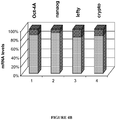
- the cells of the cardiac progenitor cells population herein disclosed express the early mesodermal Brachyury and Tbx6 markers, the cardiac Tbx20 and Mef2c markers, the GATA4, Nkx2.5, Isl1, Tbx18 markers and the Oct-4A marker.
- substantially purified population is meant that greater than about 80 % of the cells are cardiac progenitor cells, preferably greater than about 90 %, more preferably greater than about 95 %, more preferably yet greater than about 98 % and most preferably greater than about 99 %.
- the substantially purified population of cardiac progenitor cells herein discribed is useful for many clinical applications, preferably as a therapeutical composition or a medicament.
- the description discloses the use of the purified population of primate cardiac progenitor cells of this invention for preparing a therapeutic composition for replacing or regenerating cells or tissues in a primate, particularly cardiac cells.
- the invention further comprises a method for selectively separating cardiac progenitor cells from a primate cells population containing non-differentiated (pluripotency) ES cells or (non-differentiated) embryonic-like state cells and cardiac progenitor cells, or a method for enriching a primate cells population cell in cardiac progenitor cells wherein said method comprises the following steps of:
- the anti-CD 15 antibodies are anti-human CD15 antibodies, most preferably, monoclonal antibodies.
- the anti-CD 15 antibodies are labelled, more preferably with a marker which can be used to select and to separate the cells displaying the CD15 marker from a cells population, preferably from a cells population obtained or susceptible to be obtained by the steps a) and b) of the method for the preparation of a population of cardiovascular progenitors cells from primate ES cells or embryonic-like state cells according to the present invention.
- said antibody marker is a fluorescent marker such as FITC.
- the anti-CD 15 antibodies are bound at the surface of magnetic beads or articles or coupled to magnetic compounds.
- Antibodies specific for a particular cell of interest are covalently bond to magnetic particles. They then incubate a mixture of cells in a solution with the magnetic antibodies. The entire reaction mixture is exposed to a magnetic field, which retains the cells of interest. Some of these particles are even composed of materials that naturally degrade without adversely affecting cell function.
- Such a system to separate or enrich population in specific cell is well known from the skilled man (see BD Biosciences system, (San Jose, CA USA); positive cells selection with the MidiMACSTM separation system from Miltenyi Biotech (Bergisch Gladbach, Germany), Polysciences or Dynal Biotech)).
- FACS fluorescence-activated cells sorting
- the description discloses a kit useful for enriching for cardiac progenitor cells from a cells population containing non-differentiated primate ES cells or (non-differentiated) embryonic-like state cells, and cardiac progenitor cells.
- the kit includes anti-CD 15 antibodies, preferably anti-human CD15 antibodies.
- monoclonal antibodies are used.
- the anti-CD 15 antibodies are labelled, more preferably with a marker which can be used to select and to separate cells displaying the CD15 marker from a cells population, preferably from a cells population obtained or susceptible to be obtained by the steps a) and b) of the method according to the present invention.
- said antibody marker is a fluorescent marker such as FITC.
- the ant-CD15 antibodies are bound at the surface of magnetic beads or coupled to magnetic compounds.
- instructions are provided which have information to the user regarding the use of the antibodies for enriching for cardiac progenitor cells from the cells population.
- the kit also contains magnetic beads, e.g., superparamagnetic microparticles.
- the magnetic beads can be complexed to the anti-CD15 antibodies, or they can be separate.
- the kit also can include an electromagnet for use in generating a magnetic field.
- the description discloses a method for proliferating or propagating primate ES cells or embryonic-like state cells maintaining their pluripotency feature during this step of proliferation or propagation, said primate ES cells or embryonic-like state cells being usually cultivated in a medium supplemented with foetal mammal serum, such as FBS, characterized in that said foetal serum is replaced by a platelet lysate from a primate, preferably a human platelet lysate, preferably at a concentration of 7.5 % (V/V) ⁇ 2.5 %.
- foetal mammal serum such as FBS
- a composition or a culture medium used for culturing cells preferably primate ES cells, comprising BMP2 and a RTK inhibitor.
- the RTK inhibitor is a FGF inhibitor or a multitargeted RTK inhibitor capable to inhibit VEGFR, FLT3, KIT and/or PDGFR.
- the RTK inhibitor is selected from the group consisting of SU5402 and SU11248.
- the composition or the medium contains 10 ng/ml BMP2 ( ⁇ 5 ng/ml) for 1 ⁇ M SU5402 ( ⁇ 0.2 ⁇ M).
- the composition or the medium contains 10 ng/ml BMP2 ( ⁇ 5 ng/ml) for 5 ⁇ M SU11248 ( ⁇ 2 ⁇ M).
- Knockout TM-DMEM Invitrogen cat n° 10829018
- KnockoutTM SR serum replacement cat n° 10828028 Invitrogen
- ES cell lines require feeder cells (Mouse Embryonic Fibroblasts (MEF) prepared from E14 mouse embryos) and FGF2 to maintain their pluripotency.
- feeder cells Mae Embryonic Fibroblasts (MEF) prepared from E14 mouse embryos
- FGF2 FGF2
- Reference Example 2 Protocol to direct the fate and to differentiate primate ES cells toward a cardiac lineage
- CD15-positive cells When cultured on MEF, CD15-positive cells retained the phenotype of cardiovascular progenitors as monitored by immunstaining cardiovascular markers; when treated with VEGF (10 or 50 ng/ml) or PDGF (10 or 50 ng/ml), CD15+ become endothelial and smooth muscle cells respectively. When cultured on human cardiac fibroblasts, CD15+ cells differentiate into actinin- positive cardiomyocytes.
- Reference Example 3 Culture of primate ES cells in a clinical grade medium
- Embryonic stem cells are cultured on irradiated adult human skin fibroblasts (FSBT from Dr O. Damour, Hôpital E Herriot, Lyon) in KOTM-DMEM supplemented with:
- FSBT are cultured in DMEM glutamine supplemented with 10 % foetal calf serum (batch approved by AFSSAPS).
- Table 1 Propagation and differentiation medium HES cells KnockOutTM-DMEM 400 ml or KOTM-DMEM 320 ml + 80 ml F12 (ORMES) Glutamine 200 mM 5 ml Non essential amino acid 100 mM 5 ml MercaptoEthanol 1x10 -4 M 500 ⁇ l (Use the stock 10 -4 M solution for one month only) Serum replacement 15 % (5 % for cell differentiation) Medium is filtered on 0.2 ⁇ m Nalgene Filter unit FGF2 (for ESC propagation only) 5 or 10 ng/ml Human PCR primer sequences (See Tables 2 and 3, Example 4)
- ES cells are very sensitive to change in temperature and should remain as long as possible at 37°C.
- ORMES splitting replace the culture medium by KOTM-DMEM with 1 mg/ml collagenase (500 ⁇ l or 2.5 ml is enough for one well of a 6wells dish or for a B10 plate). Incubate the plate at 37°C for 5 min. Add 1 or 5 ml propagation medium without FGF2 and scrape the cells with a 5 ml pipette. Transfer the cells to a 15 ml falcon tube and spin them down at 800 rpm for 4 min at RT.
- I6 cell line splitting use the same protocol as above but incubate the cells in the presence of collagenase for 45 to 60 min.
- HUES cells splitting Wash the cells once with warm PBS and add trypsin (500 ⁇ l or 2.5 ml is enough for one well of a 6wells dish or a B10 plate). Incubate the cells under the hood for exactly 3 min. Wash out trypsin and resuspend the cells with propagation medium slightly by flushing out the feeder cell layer. Plate the cells at 1/6.
- BOX 2 RT-PCR and real time quantitative PCR
- Total RNA is prepared after cell lysis using a kit (Zymo research). After reverse transcription using the reverse transcriptase Superscript 2 (Invitrogen) according to the manufacturer instructions, Real time PCR is carried out using a set of gene specific primers (see Tables 2 and 3). 2-6 ng cDNA is used for real time quantitative PCR, performed with a lightcycler1.5 and the SYBR Green fast start kit (Roche, Germany).
- the 12- ⁇ l reaction mix contained 1 ⁇ l of Master SYBR Green I mix, including Taq DNA polymerase, buffer, deoxynucleoside trisphosphate mix, SYBR Green I dye, 3 mM MgCl 2 and 0.5 ⁇ M of each primer.
- Amplification includes an initial denaturation at 95°C for 8 min, and 45 cycles of denaturation at 95°C for 3 s, annealing at 65°C for 8-10 s, and extension at 72°C for 7-10 s.
- the temperature transition rate is 20°C/s. Fluorescence is measured at the end of each extension step.
- a melting curve is acquired by heating the product at 20°C/s to 95°C, then cooling it at 20°C/s to 70°C. The reaction was maintained at 70°C for 20 s followed by slow heating at 0.3°C/s to 95°C. Melting curves are used to determine the specificity of PCR products, and they are further confirmed by gel electrophoresis.
- RNA was extracted from HES cells or slices of rat myocardium using a Quiagen kit. One ⁇ g of RNA was reverse-transcribed using the Mu-MLV reverse transcriptase (Invitrogen, Cergy, France) and oligo(16)dT.
- Real-time quantitative PCR was performed using a Light Cycler (Roche Diagnostic) or a Chromo4 thermal cycler (Biorad). Amplification was carried out as recommended by the manufacturers. Twelve or Twenty two ⁇ l reaction mixture contained 10 or 20 ⁇ l of Roche or Abgene SYBR Green I mix respectively (including Taq DNA polymerase, reaction buffer, deoxynucleoside trisphosphate mix, and SYBR Green I dye, 3 mM MgCl2), 0.25 ⁇ M concentration of appropriate primer and 2 ⁇ l of cDNA.
- the amplification programme included the initial denaturation step at 95°C for 15 or 8 min, and 40 cycles of denaturation at 95°C for 10 s, annealing at 65°C for 8 s (Light cycler) or 20 s (Chromo4), and extension at 72°C for 8 or 30 s.
- the temperature transition rate was 20 (Light Cycler) or 4 (Biorad)°C/s. Fluorescence was measured at the end of each extension step.
- a melting curve was acquired by heating the product at 20 or 4°C/s to 95°C, cooling it at 20 or 4°C/s to 70°C, keeping it at 70°C for 20 s, and then slowly heating it at 20 or 4°C/s to 95°C.
- Table 2 PCR primer sequences Table 2: PCR primer sequences Genes Forward (SEQ ID NO:) Reverse (SEQ ID NO:) ⁇ -tubulin CCGGACAGTGTGGCAACCAGATCGG (1) TGGCCAAAAGGACCTGAGCGAACGG (2) Nkx2.5 CATTTACCCGGGAGCCTACG (3) GCTTTCCGTCGCCGCCGTGCGCGTG (4) Mef2c AGATACCCACAACACACCACGCGCC (5) ATCCTTCAGAGAGTCGCATGC (6) SRF CTCCGCCCCGCTCAGACCCCACCACAGA (7) AGGTAGTTGGTGATGGGGAAGGA (8) ⁇ -actin CTATGTCGCCCTGGATTTTGAGAA (9) TGAGGGAAGGTGGTTTGGAAGAC (10) Oct-4 ACGACCATCTGCCGCTTTGAG (11) GCCTCTCACTCGGTTCTGAT (12) Tbx6 AGGCCCGCTACTTGTTTCTTCTGG (13) TGGCTGCATAGTTGGGTGGCTCTCTC (14) Is
- HUES-1 and I6 cell lines were cultured on Mouse Embryonic Fibroblasts (MEF) prepared from E14 mouse embryos using KOTM-DMEM medium supplemented with mercaptoethanol, glutamine, non essential amino acids, 15 % KOTMSR and 10 or 5 ng/ml FGF2 respectively. Medium was changed every day. Cell colonies were dissociated into single cells or cell clusters every 4-5 days using trypsin (HUES-1) or collagenase (16), respectively. A similar enzymatic digestion was used prior to cell transplantation in infarcted rats.
- MEF Mouse Embryonic Fibroblasts
- HES cells were treated for 48 hrs with 10 ng/ml BMP2 in the presence or absence of 1 ⁇ M SU5402, a FGF receptor inhibitor, in low KOTMSR (5 %) containing KOTM-DMEM.
- Embryo ⁇ d bodies were generated after trypsinisation (HUES-1) or collagenase (16) dissociation of HES cell colonies and cell aggregation in low attachment dishes (Nunc) in DMEM, 10 % foetal calf serum.
- Myocardial infarction was induced in female Wistar (mean weight of 250 g) by ligation of the left coronary artery. Rats were operated on under general anaesthesia with isoflurane (Baxter), 3 % at induction and 2 % for maintenance. After tracheal intubation, mechanical ventilation (Alphalab, Minerve) was set at a rate of 70/min and with an 0.2 ml average insufflate volume. Analgesia was performed with a 10 mg/kg subcutaneous injection of ketoprofen (Merial).
- the heart was exposed through a left thoracotomy and the left coronary artery was permanently snared between the pulmonary artery trunk and the left atrial appendage.
- Immunosuppressive therapy consisting in one daily 10 mg/kg subcutaneous shot of cyclosporine A, was started on the same day and continued until sacrifice.
- Myocardial sections were stained with eosin and hematoxylin using a standard protocol.
- mice Two months after myocardial injection, rats were euthanized after general anaesthesia. Transverse-cut rat hearts were immediately fixed in OTC (Tissutec) and frozen at -180 °C nitrogen. Eight ⁇ m sections were cut on an ultramicrotome (LM 1850, Leica).
- Immunofluorescence of myocardial cryosections were performed after paraformaldhehyde fixation and permeabilisation using Triton X-100 with an anti-human ventricular ⁇ -myosin heavy chain (MHC) (Chemicon), anti-human lamin A/C (Novacastra) anti-atrial natriuretic peptide (ANP, Abgent) and anti-Connexin 43 (Cx43) (SIGMA) antibodies.
- MHC anti-human ventricular ⁇ -myosin heavy chain
- Novacastra anti-human lamin A/C
- NBP anti-atrial natriuretic peptide
- SIGMA anti-Connexin 43
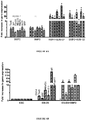
- FIG. 6A shows that both mesodermal (i.e., SRF, Tbx6, FoxH1, Isl1) and cardiac (Mef2c, Nkx2.5, ⁇ -actin) genes were induced by the morphogen in HUES-1 cells. This effect was further enhanced by 3-10 folds when BMP2 was added in the presence of the FGF-R inhibitor SU5402. No significant difference was observed in the extent of the BMP2 cardiogenic response between both cell lines ( Fig. 6A ) although the total number of copies of each gene expressed following BMP2 induction was much higher (i.e. 10-15 fold) in I6 than in HUES-1 cell line (data not shown).
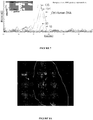
- Immunostaining with an anti-ANP and anti-human lamin antibodies revealed the presence of lamin-positive human ES cell derived-cardiomyocytes ( Fig. 8A ).
- ES cell-derived cardiomyocytes sections were immunostained with an anti- human ⁇ -MHC antibody. These experiments revealed the presence of differentiated cardiomyocytes ( Fig. 8B ) in 40 % and 71 % of cryosections examined from HUES-1- and I6-engrafted hearts, respectively and in 85 % of sections examined from rat grafted with HUES-1 cells treated with both BMP2 and SU5402. The cell engraftment was however limited.
- Eosin-hematoxylin stained sections did not show any sign of inflammation or cell hyperproliferation two months posttransplantation ( Fig. 9 ). Likewise, whole-body autopsies failed to disclose any tumor in peripheral organs.
- Example 5 Generation of CD15+ cardiovascular progenitors fom human iPS cell line
- Human iPS cell line 111 were generated using human dermal fibroblasts infected by lentivirus harbouring the cDNAs encoding Oct4, Sox2, Lin 28, Klf4 and Nanog.
- iPS cells were trypsinised and incubated for 30 min with anti-CD 15 conjugated magnetic beads (Miletenyi) and sorted out using Miltenyi columns.
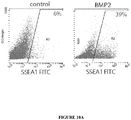
- a fraction of BMP2-treated cells were used prior to sorting for FACS analysis using the anti-CD 15 FITC and anti-cardiac markers antibodies ( Figures 10A and 10B ). 38 % of cells turned out to be CD15 +. This percentage was used to normalise the percentage of cells positive for the cardiac markers (numbers in green).
- CD15+ cardiovascular progenitors could also be derived from iPS cells.
- HES cells or embryonic-like state cells are capable to differentiate into cardiomyocytes without formation of teratomas after commitment toward a cardiac lineage using the cardiogenic factor BMP2. While BMP2 was shown to improve late cardiac differentiation of already differentiating cells [17], our study reports the strong instructive action of the morphogen on undifferentiated HES cells.
- BMP2 is a potent mesodermal and cardiogenic instructor when used at low concentration. Its cardiogenic potential is a well conserved property throughout the evolution. Dpp, the drosophila homolog of BMP2, favours formation of the mesoderm including the heart [18]. Similar effects have been observed in zebrafish [19], Xenopus [20-21] and chicken [22]. Our data obtained in two separate cell lines uncovered that BMP2 function is conserved in human species. While I6 cells were more prone to give rise to a mesodermal lineage ( Fig. 5 ), maximal BMP2 response was not significantly different from the one observed with HUES-1 cells although maximal extent of gene expression was higher in I6 than in HUES-1 cells.
- BMP2 effect was weak while its instructive action was dramatically enhanced by addition of the FGF receptor inhibitor, SU5402.
- FGF receptor inhibitor SU5402.
- Human ES cells are grown on feeder cells which secrete many factors including FGF2 which is known to antagonize the BMP2 signaling pathway.
- SU5402 could act through at least two mechanisms to unmask the BMP2 transcriptional effect. First, FGF2 phosphorylates smad2/3, thereby preventing the BMP2 signaling co-factor from translocating into the nucleus and thus to exert its transcriptional action [23].
- FGF2 is also known to act as a paracrine factor on both MEF and HES cells to regulate expression of Cerberus, a nodal and BMP antagonist enriched in HES cells [24].
- SU5402 blocks self-renewal of cells and favours non-specific differentiation which is further directed to the mesoderm by BMP2. By blocking all or either one of these pathways, the FGF inhibitor is required to unravel the BMP2 transcriptional response of HES cells.
- HES cell-derived cardiomyocytes in situ was rather close to a foetal one. Indeed the cells still expressed ⁇ -MHC and ANP, two known markers of early stage of cardiac differentiation. The short length of the sarcomere is still characteristic of a foetal myocyte. Several reasons could account for this immature phenotype. HES cells may require a longer time (more than two months) to fully differentiate. Alternatively, the paracrine environment of the infarction scar may not provide the factors (some FGFs, Neuregulin, retinoic acid, BMP10, ...) [30] or signals taking place in embryogenesis to ensure a full differentiation process.
- I6 cells gave rise to larger engraftment areas than HUES-1 cells. Although both cell lines respond with the same efficiency to BMP2, I6 cells feature a higher basal expression of mesodermal cardiac genes ( Fig. 5 ). This indicates that the cell line is already committed to the mesoderm, which is likely to account for the better cardiogenic potential in vivo.
- HUES-1 cells pretreated with BMP2 together with SU5402 also featured a better engraftment than HUES-1 challenged by BMP2 alone. This further emphasizes that the stage of specification is crucial to ensure a proper differentiation of ES cells in situ.
- HES-cell derived differentiated cardiomyocytes did not either express Cx43 when transplanted in injured left ventricle while they did express it when co-cultured with neonatal rat cardiomyocytes [32].
- Cx43 remains, however, critical to establish unequivocally as a true cardiac regeneration implies that the donor-derived cardiomyocytes can establish gap junction-supported electromechanical connections with those of the host.
- the formation of such a syncytium allowing graft-host synchronized beats which is critical for enhancement of contractility has not yet been achieved with adult cells, whether myogenic [33]or bone marrow-derived [34].
- the demonstration that HES cells could fill this unmet need would likely be a major step for rationalizing their use in situations where patient outcomes are critically dependent on the replenishment of a new pool of contractile cells.
Landscapes
- Health & Medical Sciences (AREA)
- Engineering & Computer Science (AREA)
- Life Sciences & Earth Sciences (AREA)
- Bioinformatics & Cheminformatics (AREA)
- Biomedical Technology (AREA)
- Chemical & Material Sciences (AREA)
- Organic Chemistry (AREA)
- Wood Science & Technology (AREA)
- Genetics & Genomics (AREA)
- Biotechnology (AREA)
- Zoology (AREA)
- General Health & Medical Sciences (AREA)
- Cardiology (AREA)
- Animal Behavior & Ethology (AREA)
- Chemical Kinetics & Catalysis (AREA)
- Nuclear Medicine, Radiotherapy & Molecular Imaging (AREA)
- Public Health (AREA)
- Veterinary Medicine (AREA)
- Rheumatology (AREA)
- Medicinal Chemistry (AREA)
- General Chemical & Material Sciences (AREA)
- Cell Biology (AREA)
- Pharmacology & Pharmacy (AREA)
- Microbiology (AREA)
- General Engineering & Computer Science (AREA)
- Biochemistry (AREA)
- Hospice & Palliative Care (AREA)
- Heart & Thoracic Surgery (AREA)
- Micro-Organisms Or Cultivation Processes Thereof (AREA)
- Medicines Containing Material From Animals Or Micro-Organisms (AREA)
- Materials For Medical Uses (AREA)
Claims (6)
- Procédé pour séparer sélectivement des cellules progénitrices cardiovasculaires à partir d'une population de cellules de primate contenant des cellules ES non différenciées et des cellules progénitrices cardiovasculaires, comprenant les étapes suivantes :A) mise en contact de la population de cellules avec des anticorps anti-CD 15 ; etB) sélection et collecte des cellules qui se lient spécifiquement aux anticorps de CD 15 ou élimination des cellules qui ne sont pas liées aux anticorps anti-CD 15.
- Procédé pour enrichir une population de cellules de primate contenant des cellules ES non différenciées et des cellules progénitrices cardiovasculaires dans des cellules progénitrices cardiaques comprenant les étapes suivantes :A) différenciation des ES pluripotentes en cellules progénitrices cardiovasculaires par mise en suspension desdites cellules ES pluripotentes dans un milieu contenant de la BMP2 (protéine morphogénétique osseuse 2) ;B) mise en contact de la population de cellules avec des anticorps anti-CD 15 ; etC) sélection et collecte des cellules qui se lient spécifiquement aux anticorps de CD 15 ou élimination des cellules qui ne sont pas liées aux anticorps anti-CD 15.
- Procédé selon la revendication 1 ou 2, dans lequel ladite population de cellules de primate est une population de cellules humaines.
- Procédé selon les revendications 1 à 3, dans lequel les anticorps anti-CD15 sont des anticorps anti-humains.
- Procédé selon l'une quelconque des revendications 1 à 4, dans lequel les anticorps anti-CD 15 sont liés à la surface de perles ou particules magnétiques ou couplés à des composés magnétiques.
- Procédé selon l'une quelconque des revendications 1 à 5, dans lequel la technique de tri cellulaire activé par fluorescence (FACS) est utilisée.
Priority Applications (1)
| Application Number | Priority Date | Filing Date | Title |
|---|---|---|---|
| EP09719996.2A EP2268795B1 (fr) | 2008-03-10 | 2009-03-10 | Procédé pour générer des cellules progénitrices cardiaques de primate pour un usage clinique à partir de cellules souches embryonnaires, et leurs applications |
Applications Claiming Priority (4)
| Application Number | Priority Date | Filing Date | Title |
|---|---|---|---|
| US3514608P | 2008-03-10 | 2008-03-10 | |
| EP08300138A EP2100954A1 (fr) | 2008-03-10 | 2008-03-10 | Procédé pour générer des cellules progénitrices cardiaques de primate pour un usage clinique à partir de cellules souches embryonnaires, et leurs applications |
| EP09719996.2A EP2268795B1 (fr) | 2008-03-10 | 2009-03-10 | Procédé pour générer des cellules progénitrices cardiaques de primate pour un usage clinique à partir de cellules souches embryonnaires, et leurs applications |
| PCT/EP2009/052797 WO2009112496A1 (fr) | 2008-03-10 | 2009-03-10 | Procédé de génération de cellules progénitrices cardiovasculaires primates pour usage clinique à partir de cellules embryonnaires souches primates ou de cellules à l’état embryonnaire, et leurs applications |
Publications (2)
| Publication Number | Publication Date |
|---|---|
| EP2268795A1 EP2268795A1 (fr) | 2011-01-05 |
| EP2268795B1 true EP2268795B1 (fr) | 2019-09-18 |
Family
ID=39772951
Family Applications (2)
| Application Number | Title | Priority Date | Filing Date |
|---|---|---|---|
| EP08300138A Withdrawn EP2100954A1 (fr) | 2008-03-10 | 2008-03-10 | Procédé pour générer des cellules progénitrices cardiaques de primate pour un usage clinique à partir de cellules souches embryonnaires, et leurs applications |
| EP09719996.2A Active EP2268795B1 (fr) | 2008-03-10 | 2009-03-10 | Procédé pour générer des cellules progénitrices cardiaques de primate pour un usage clinique à partir de cellules souches embryonnaires, et leurs applications |
Family Applications Before (1)
| Application Number | Title | Priority Date | Filing Date |
|---|---|---|---|
| EP08300138A Withdrawn EP2100954A1 (fr) | 2008-03-10 | 2008-03-10 | Procédé pour générer des cellules progénitrices cardiaques de primate pour un usage clinique à partir de cellules souches embryonnaires, et leurs applications |
Country Status (8)
| Country | Link |
|---|---|
| US (1) | US8361796B2 (fr) |
| EP (2) | EP2100954A1 (fr) |
| JP (1) | JP5754026B2 (fr) |
| AU (1) | AU2009224684B2 (fr) |
| CA (1) | CA2718032C (fr) |
| DK (1) | DK2268795T3 (fr) |
| IL (1) | IL208082A (fr) |
| WO (1) | WO2009112496A1 (fr) |
Families Citing this family (19)
| Publication number | Priority date | Publication date | Assignee | Title |
|---|---|---|---|---|
| EP2334785B2 (fr) * | 2008-09-16 | 2019-08-14 | Mayo Foundation For Medical Education And Research | Compositions à contenu plaquettaire |
| CA2762584A1 (fr) | 2009-05-20 | 2010-11-25 | Cardio3 Biosciences S.A. | Composition pharmaceutique pour le traitement de cardiopathies |
| EP3524980A1 (fr) * | 2009-05-20 | 2019-08-14 | Mayo Foundation for Medical Education and Research | Procédé de détermination du potentiel cardiogénératif ide cellules de mammifère |
| WO2011080261A1 (fr) | 2009-12-28 | 2011-07-07 | INSERM (Institut National de la Santé et de la Recherche Médicale) | Procédé améliorant la différentiation cardiomyogène de cellules souches pluripotentes |
| WO2011091944A1 (fr) * | 2010-01-26 | 2011-08-04 | Université Libre de Bruxelles | Outils pour isoler et suivre des cellules progénitrices cardiovasculaires |
| WO2011106234A1 (fr) | 2010-02-25 | 2011-09-01 | Provasculon, Inc. | Mutants résistant aux protéases du facteur-1 issu des cellules stromales dans réparation de lésions tissulaires |
| JP6145089B2 (ja) | 2011-06-07 | 2017-06-07 | メソブラスト インターナショナル エスエイアールエル | ストロマ細胞由来因子−1のプロテアーゼ耐性変異体を用いた、組織損傷を修復するための方法 |
| ITRM20110500A1 (it) * | 2011-09-23 | 2013-03-24 | Futura Stem Cells Sa | Lisato piastrinico, usi di esso e metodo per la sua preparazione |
| EP2594635A1 (fr) | 2011-11-18 | 2013-05-22 | Univercell Biosolutions | Procédé pour générer des cellules progénitrices cardiovasculaires de primate pour un usage clinique et utilisation pour le test de cellules de médicaments pour cellules souches d'embryons de primate ou de cellules d'état de type embryon et leurs applications |
| EP3019830B1 (fr) | 2013-07-11 | 2019-03-27 | MPS Tech Switzerland Sàrl | Capteur d'orientation angulaire ainsi que procédés et dispositifs correspondants |
| DK2840132T3 (en) | 2013-08-22 | 2017-02-20 | Georg-August-Universität Göttingen Stiftung Öffenlichen Rechts Universitätsmedizin | Method of Manufacturing Constructed Heart Muscle (EHM) |
| JP6681825B2 (ja) | 2013-09-20 | 2020-04-15 | レパイロン・ゲーエムベーハーRepairon Gmbh | 多能性幹細胞から機能的心筋へと直接分化させる方法 |
| EP3143130B1 (fr) | 2014-05-16 | 2024-03-06 | Mayo Foundation for Medical Education and Research | Compositions de milieux de culture cellulaire pour cellules primaires |
| CN106795491B (zh) * | 2015-06-17 | 2020-02-07 | 深圳市达科为生物工程有限公司 | 一种用于淋巴细胞培养的血清替代物及制备方法 |
| US20190017029A1 (en) * | 2016-02-25 | 2019-01-17 | The J. David Gladstone Institutes, a testament trust established under the Will of J. David | Generation of Expandable Cardiovascular Progenitor Cells |
| EP3431593A4 (fr) * | 2016-03-15 | 2019-11-13 | Keio University | Procédé de production directe de cellules précurseurs cardiaques ou de cellules myocardiques à partir de fibroblastes |
| JP7029173B2 (ja) * | 2016-03-15 | 2022-03-03 | 国立大学法人 筑波大学 | 多能性幹細胞からの心臓前駆細胞と心筋細胞の製造方法 |
| CN112980770B (zh) * | 2021-03-03 | 2022-08-02 | 华中科技大学同济医学院附属协和医院 | 诱导人类多能干细胞定向内皮分化方法 |
| CN118086183B (zh) * | 2024-04-17 | 2024-09-03 | 广州华越肾科再生医学科技有限公司 | 一种肾祖细胞分化为足细胞的方法 |
Citations (1)
| Publication number | Priority date | Publication date | Assignee | Title |
|---|---|---|---|---|
| WO2003046141A2 (fr) * | 2001-11-26 | 2003-06-05 | Advanced Cell Technology, Inc. | Procedes de production et d'utilisation de noyaux de cellules somatiques humaines reprogrammees et de cellules souches humaines autologues et isogeniques |
Family Cites Families (9)
| Publication number | Priority date | Publication date | Assignee | Title |
|---|---|---|---|---|
| US5843780A (en) | 1995-01-20 | 1998-12-01 | Wisconsin Alumni Research Foundation | Primate embryonic stem cells |
| WO2003006950A2 (fr) * | 2001-07-12 | 2003-01-23 | Geron Corporation | Cellules de la lignee des cardiomyocytes produites a partir de cellules souches humaines pluripotentielles |
| JP3968383B2 (ja) * | 2004-09-01 | 2007-08-29 | 株式会社日本メディカル総研 | 血液細胞の新規分類法ならびにそれを利用したテイラーメード治療および予防 |
| US7838727B2 (en) * | 2004-11-04 | 2010-11-23 | Advanced Cell Technology, Inc. | Derivation of embryonic stem cells |
| JP2006238835A (ja) * | 2005-03-04 | 2006-09-14 | Reprocell Inc | 成体型造血幹細胞のマーカー |
| US20070054397A1 (en) * | 2005-08-26 | 2007-03-08 | Harald Ott | Adult cardiac uncommitted progenitor cells |
| US8048999B2 (en) * | 2005-12-13 | 2011-11-01 | Kyoto University | Nuclear reprogramming factor |
| AU2006326853B2 (en) * | 2005-12-22 | 2012-02-16 | Es Cell International Pte Ltd | Direct differentiation of cardiomyocytes from human embryonic stem cells |
| MX2009001477A (es) * | 2006-08-09 | 2009-02-18 | Vivalis | Metodo de produccion de un aviar transgenico utilizando celulas progenitoras embrionicas. |
-
2008
- 2008-03-10 EP EP08300138A patent/EP2100954A1/fr not_active Withdrawn
-
2009
- 2009-03-10 EP EP09719996.2A patent/EP2268795B1/fr active Active
- 2009-03-10 DK DK09719996T patent/DK2268795T3/da active
- 2009-03-10 AU AU2009224684A patent/AU2009224684B2/en not_active Ceased
- 2009-03-10 US US12/921,908 patent/US8361796B2/en not_active Expired - Fee Related
- 2009-03-10 CA CA2718032A patent/CA2718032C/fr active Active
- 2009-03-10 WO PCT/EP2009/052797 patent/WO2009112496A1/fr not_active Ceased
- 2009-03-10 JP JP2010550178A patent/JP5754026B2/ja not_active Expired - Fee Related
-
2010
- 2010-09-12 IL IL208082A patent/IL208082A/en active IP Right Grant
Patent Citations (1)
| Publication number | Priority date | Publication date | Assignee | Title |
|---|---|---|---|---|
| WO2003046141A2 (fr) * | 2001-11-26 | 2003-06-05 | Advanced Cell Technology, Inc. | Procedes de production et d'utilisation de noyaux de cellules somatiques humaines reprogrammees et de cellules souches humaines autologues et isogeniques |
Non-Patent Citations (1)
| Title |
|---|
| CHUNG YOUNG ET AL: "Human embryonic stem cell lines generated without embryo destruction", CELL STEM CELL, ELSEVIER, CELL PRESS, AMSTERDAM, NL, vol. 2, no. 2, 7 February 2008 (2008-02-07), pages 113 - 117, XP002604696, ISSN: 1934-5909, DOI: 10.1016/J.STEM.2007.12.013 * |
Also Published As
| Publication number | Publication date |
|---|---|
| JP5754026B2 (ja) | 2015-07-22 |
| IL208082A0 (en) | 2011-02-28 |
| WO2009112496A1 (fr) | 2009-09-17 |
| DK2268795T3 (da) | 2019-12-09 |
| CA2718032A1 (fr) | 2009-09-17 |
| EP2100954A1 (fr) | 2009-09-16 |
| US8361796B2 (en) | 2013-01-29 |
| US20110014691A1 (en) | 2011-01-20 |
| AU2009224684B2 (en) | 2015-04-09 |
| EP2268795A1 (fr) | 2011-01-05 |
| CA2718032C (fr) | 2019-08-06 |
| JP2011512855A (ja) | 2011-04-28 |
| IL208082A (en) | 2015-08-31 |
| AU2009224684A1 (en) | 2009-09-17 |
Similar Documents
| Publication | Publication Date | Title |
|---|---|---|
| EP2268795B1 (fr) | Procédé pour générer des cellules progénitrices cardiaques de primate pour un usage clinique à partir de cellules souches embryonnaires, et leurs applications | |
| Tomescot et al. | Differentiation in vivo of cardiac committed human embryonic stem cells in postmyocardial infarcted rats | |
| US10947506B2 (en) | Human cardiovascular progenitor cells | |
| AU2009274517B2 (en) | Compositions for Mesoderm derived ISL1+ Multipotent cells (IMPs), epicardial progenitor cells (EPCs) and multipotent CXCR4+CD56+ cells (C56Cs) and methods of use | |
| US7732199B2 (en) | Process for making transplantable cardiomyocytes from human embryonic stem cells | |
| JP4971131B2 (ja) | 再生医学に適した高純度心筋細胞調製物を作製するための方法 | |
| US20160186140A1 (en) | COMPOSITIONS FOR MESODERM DERIVED ISL1+ MULTIPOTENT CELLS (IMPs), EPICARDIAL PROGENITOR CELLS (EPCs) AND MULTIPOTENT C56C CELLS (C56Cs) AND METHODS OF PRODUCING AND USING SAME | |
| EP1412479A2 (fr) | Cellules de la lignee des cardiomyocytes produites a partir de cellules souches humaines pluripotentielles | |
| AU2002313670A1 (en) | Cells of the cardiomyocyte lineage produced from human pluripotent stem cells | |
| US20050214938A1 (en) | Cardiac bodies: clusters of spontaneously contracting cells for regenerating cardiac function | |
| WO2012033763A2 (fr) | Matrices de différenciation spécifiques de tissu et leurs applications | |
| H Parsons et al. | Patents on technologies of human tissue and organ regeneration from pluripotent human embryonic stem cells | |
| CN116802276A (zh) | 用于扩增培养肾元祖细胞的培养基、扩增培养肾元祖细胞的方法以及肾脏类器官的制造方法 | |
| IL178006A (en) | Method for making high purity cardiomyocyte preparations suitable for regenerative medicine | |
| Aghami et al. | ESC cardiac differentiation and applications | |
| Bauwens | A scalable bioprocess for generating embyronic stem cell derived cardiomyocytes | |
| Dawson | Cardiac Tissue Engineering | |
| Chaddah | Clonal derivation of neural stem cells from human embryonic stem cells | |
| Ban et al. | 13 Pluripotent Stem Cell Therapy | |
| HK1156966B (en) | Compositions for mesoderm derived isl1+ multipotent cells (imps), epicardial progenitor cells (epcs) and multipotent cxcr4+cd56+ cells (c56cs) and methods of use | |
| AU2007201665A1 (en) | Cells of the cardiomyocyte lineage produced from human pluripotent stem cells |
Legal Events
| Date | Code | Title | Description |
|---|---|---|---|
| PUAI | Public reference made under article 153(3) epc to a published international application that has entered the european phase |
Free format text: ORIGINAL CODE: 0009012 |
|
| 17P | Request for examination filed |
Effective date: 20101008 |
|
| AK | Designated contracting states |
Kind code of ref document: A1 Designated state(s): AT BE BG CH CY CZ DE DK EE ES FI FR GB GR HR HU IE IS IT LI LT LU LV MC MK MT NL NO PL PT RO SE SI SK TR |
|
| AX | Request for extension of the european patent |
Extension state: AL BA RS |
|
| RIC1 | Information provided on ipc code assigned before grant |
Ipc: C12N 5/071 20100101AFI20101209BHEP |
|
| RAP1 | Party data changed (applicant data changed or rights of an application transferred) |
Owner name: UNIVERSITE PARIS DIDEROT - PARIS 7 Owner name: ASSISTANCE PUBLIQUE - HOPITAUX DE PARIS Owner name: INSERM - INSTITUT NATIONAL DE LA SANTE ET DE LA RE Owner name: UNIVERSITE PARIS DESCARTES |
|
| 17Q | First examination report despatched |
Effective date: 20110302 |
|
| DAX | Request for extension of the european patent (deleted) | ||
| STAA | Information on the status of an ep patent application or granted ep patent |
Free format text: STATUS: EXAMINATION IS IN PROGRESS |
|
| RIC1 | Information provided on ipc code assigned before grant |
Ipc: C12N 5/077 20100101ALI20190311BHEP Ipc: C12N 5/071 20100101AFI20190311BHEP |
|
| GRAP | Despatch of communication of intention to grant a patent |
Free format text: ORIGINAL CODE: EPIDOSNIGR1 |
|
| STAA | Information on the status of an ep patent application or granted ep patent |
Free format text: STATUS: GRANT OF PATENT IS INTENDED |
|
| INTG | Intention to grant announced |
Effective date: 20190423 |
|
| GRAS | Grant fee paid |
Free format text: ORIGINAL CODE: EPIDOSNIGR3 |
|
| GRAA | (expected) grant |
Free format text: ORIGINAL CODE: 0009210 |
|
| STAA | Information on the status of an ep patent application or granted ep patent |
Free format text: STATUS: THE PATENT HAS BEEN GRANTED |
|
| AK | Designated contracting states |
Kind code of ref document: B1 Designated state(s): AT BE BG CH CY CZ DE DK EE ES FI FR GB GR HR HU IE IS IT LI LT LU LV MC MK MT NL NO PL PT RO SE SI SK TR |
|
| REG | Reference to a national code |
Ref country code: GB Ref legal event code: FG4D |
|
| REG | Reference to a national code |
Ref country code: CH Ref legal event code: EP |
|
| REG | Reference to a national code |
Ref country code: DE Ref legal event code: R096 Ref document number: 602009059875 Country of ref document: DE |
|
| REG | Reference to a national code |
Ref country code: AT Ref legal event code: REF Ref document number: 1181333 Country of ref document: AT Kind code of ref document: T Effective date: 20191015 |
|
| REG | Reference to a national code |
Ref country code: IE Ref legal event code: FG4D |
|
| REG | Reference to a national code |
Ref country code: CH Ref legal event code: NV Representative=s name: MICHELI AND CIE SA, CH |
|
| REG | Reference to a national code |
Ref country code: DK Ref legal event code: T3 Effective date: 20191203 |
|
| REG | Reference to a national code |
Ref country code: SE Ref legal event code: TRGR |
|
| REG | Reference to a national code |
Ref country code: NL Ref legal event code: FP |
|
| PG25 | Lapsed in a contracting state [announced via postgrant information from national office to epo] |
Ref country code: BG Free format text: LAPSE BECAUSE OF FAILURE TO SUBMIT A TRANSLATION OF THE DESCRIPTION OR TO PAY THE FEE WITHIN THE PRESCRIBED TIME-LIMIT Effective date: 20191218 Ref country code: NO Free format text: LAPSE BECAUSE OF FAILURE TO SUBMIT A TRANSLATION OF THE DESCRIPTION OR TO PAY THE FEE WITHIN THE PRESCRIBED TIME-LIMIT Effective date: 20191218 Ref country code: HR Free format text: LAPSE BECAUSE OF FAILURE TO SUBMIT A TRANSLATION OF THE DESCRIPTION OR TO PAY THE FEE WITHIN THE PRESCRIBED TIME-LIMIT Effective date: 20190918 Ref country code: LT Free format text: LAPSE BECAUSE OF FAILURE TO SUBMIT A TRANSLATION OF THE DESCRIPTION OR TO PAY THE FEE WITHIN THE PRESCRIBED TIME-LIMIT Effective date: 20190918 Ref country code: FI Free format text: LAPSE BECAUSE OF FAILURE TO SUBMIT A TRANSLATION OF THE DESCRIPTION OR TO PAY THE FEE WITHIN THE PRESCRIBED TIME-LIMIT Effective date: 20190918 |
|
| REG | Reference to a national code |
Ref country code: LT Ref legal event code: MG4D |
|
| PG25 | Lapsed in a contracting state [announced via postgrant information from national office to epo] |
Ref country code: LV Free format text: LAPSE BECAUSE OF FAILURE TO SUBMIT A TRANSLATION OF THE DESCRIPTION OR TO PAY THE FEE WITHIN THE PRESCRIBED TIME-LIMIT Effective date: 20190918 Ref country code: GR Free format text: LAPSE BECAUSE OF FAILURE TO SUBMIT A TRANSLATION OF THE DESCRIPTION OR TO PAY THE FEE WITHIN THE PRESCRIBED TIME-LIMIT Effective date: 20191219 |
|
| REG | Reference to a national code |
Ref country code: AT Ref legal event code: MK05 Ref document number: 1181333 Country of ref document: AT Kind code of ref document: T Effective date: 20190918 |
|
| PG25 | Lapsed in a contracting state [announced via postgrant information from national office to epo] |
Ref country code: ES Free format text: LAPSE BECAUSE OF FAILURE TO SUBMIT A TRANSLATION OF THE DESCRIPTION OR TO PAY THE FEE WITHIN THE PRESCRIBED TIME-LIMIT Effective date: 20190918 Ref country code: PT Free format text: LAPSE BECAUSE OF FAILURE TO SUBMIT A TRANSLATION OF THE DESCRIPTION OR TO PAY THE FEE WITHIN THE PRESCRIBED TIME-LIMIT Effective date: 20200120 Ref country code: IT Free format text: LAPSE BECAUSE OF FAILURE TO SUBMIT A TRANSLATION OF THE DESCRIPTION OR TO PAY THE FEE WITHIN THE PRESCRIBED TIME-LIMIT Effective date: 20190918 Ref country code: AT Free format text: LAPSE BECAUSE OF FAILURE TO SUBMIT A TRANSLATION OF THE DESCRIPTION OR TO PAY THE FEE WITHIN THE PRESCRIBED TIME-LIMIT Effective date: 20190918 Ref country code: EE Free format text: LAPSE BECAUSE OF FAILURE TO SUBMIT A TRANSLATION OF THE DESCRIPTION OR TO PAY THE FEE WITHIN THE PRESCRIBED TIME-LIMIT Effective date: 20190918 Ref country code: RO Free format text: LAPSE BECAUSE OF FAILURE TO SUBMIT A TRANSLATION OF THE DESCRIPTION OR TO PAY THE FEE WITHIN THE PRESCRIBED TIME-LIMIT Effective date: 20190918 Ref country code: PL Free format text: LAPSE BECAUSE OF FAILURE TO SUBMIT A TRANSLATION OF THE DESCRIPTION OR TO PAY THE FEE WITHIN THE PRESCRIBED TIME-LIMIT Effective date: 20190918 |
|
| PG25 | Lapsed in a contracting state [announced via postgrant information from national office to epo] |
Ref country code: IS Free format text: LAPSE BECAUSE OF FAILURE TO SUBMIT A TRANSLATION OF THE DESCRIPTION OR TO PAY THE FEE WITHIN THE PRESCRIBED TIME-LIMIT Effective date: 20200224 Ref country code: SK Free format text: LAPSE BECAUSE OF FAILURE TO SUBMIT A TRANSLATION OF THE DESCRIPTION OR TO PAY THE FEE WITHIN THE PRESCRIBED TIME-LIMIT Effective date: 20190918 Ref country code: CZ Free format text: LAPSE BECAUSE OF FAILURE TO SUBMIT A TRANSLATION OF THE DESCRIPTION OR TO PAY THE FEE WITHIN THE PRESCRIBED TIME-LIMIT Effective date: 20190918 |
|
| REG | Reference to a national code |
Ref country code: DE Ref legal event code: R097 Ref document number: 602009059875 Country of ref document: DE |
|
| PLBE | No opposition filed within time limit |
Free format text: ORIGINAL CODE: 0009261 |
|
| STAA | Information on the status of an ep patent application or granted ep patent |
Free format text: STATUS: NO OPPOSITION FILED WITHIN TIME LIMIT |
|
| PG2D | Information on lapse in contracting state deleted |
Ref country code: IS |
|
| PG25 | Lapsed in a contracting state [announced via postgrant information from national office to epo] |
Ref country code: IS Free format text: LAPSE BECAUSE OF FAILURE TO SUBMIT A TRANSLATION OF THE DESCRIPTION OR TO PAY THE FEE WITHIN THE PRESCRIBED TIME-LIMIT Effective date: 20200119 |
|
| 26N | No opposition filed |
Effective date: 20200619 |
|
| PG25 | Lapsed in a contracting state [announced via postgrant information from national office to epo] |
Ref country code: MC Free format text: LAPSE BECAUSE OF FAILURE TO SUBMIT A TRANSLATION OF THE DESCRIPTION OR TO PAY THE FEE WITHIN THE PRESCRIBED TIME-LIMIT Effective date: 20190918 |
|
| REG | Reference to a national code |
Ref country code: DK Ref legal event code: EBP Effective date: 20200331 |
|
| REG | Reference to a national code |
Ref country code: NL Ref legal event code: MM Effective date: 20200401 |
|
| PG25 | Lapsed in a contracting state [announced via postgrant information from national office to epo] |
Ref country code: NL Free format text: LAPSE BECAUSE OF NON-PAYMENT OF DUE FEES Effective date: 20200401 Ref country code: LU Free format text: LAPSE BECAUSE OF NON-PAYMENT OF DUE FEES Effective date: 20200310 |
|
| PG25 | Lapsed in a contracting state [announced via postgrant information from national office to epo] |
Ref country code: IE Free format text: LAPSE BECAUSE OF NON-PAYMENT OF DUE FEES Effective date: 20200310 |
|
| PG25 | Lapsed in a contracting state [announced via postgrant information from national office to epo] |
Ref country code: DK Free format text: LAPSE BECAUSE OF NON-PAYMENT OF DUE FEES Effective date: 20200331 |
|
| REG | Reference to a national code |
Ref country code: CH Ref legal event code: PK Free format text: BERICHTIGUNGEN |
|
| REG | Reference to a national code |
Ref country code: GB Ref legal event code: 732E Free format text: REGISTERED BETWEEN 20210930 AND 20211006 |
|
| REG | Reference to a national code |
Ref country code: BE Ref legal event code: PD Owner name: UNIVERSITE DE PARIS; FR Free format text: DETAILS ASSIGNMENT: CHANGE OF OWNER(S), MERGE; FORMER OWNER NAME: UNIVERSITE PARIS DIDEROT - PARIS 7 Effective date: 20211013 |
|
| REG | Reference to a national code |
Ref country code: DE Ref legal event code: R081 Ref document number: 602009059875 Country of ref document: DE Owner name: UNIVERSITE PARIS CITE, FR Free format text: FORMER OWNERS: ASSISTANCE PUBLIQUE-HOPITAUX DE PARIS, PARIS, FR; INSERM - INSTITUT NATIONAL DE LA SANTE ET DE LA RECHERCHE MEDICALE, PARIS, FR; UNIVERSITE PARIS DESCARTES, PARIS, FR; UNIVERSITE PARIS DIDEROT - PARIS 7, PARIS, FR Ref country code: DE Ref legal event code: R081 Ref document number: 602009059875 Country of ref document: DE Owner name: UNIVERSITE DE PARIS, FR Free format text: FORMER OWNERS: ASSISTANCE PUBLIQUE-HOPITAUX DE PARIS, PARIS, FR; INSERM - INSTITUT NATIONAL DE LA SANTE ET DE LA RECHERCHE MEDICALE, PARIS, FR; UNIVERSITE PARIS DESCARTES, PARIS, FR; UNIVERSITE PARIS DIDEROT - PARIS 7, PARIS, FR Ref country code: DE Ref legal event code: R081 Ref document number: 602009059875 Country of ref document: DE Owner name: INSERM - INSTITUT NATIONAL DE LA SANTE ET DE L, FR Free format text: FORMER OWNERS: ASSISTANCE PUBLIQUE-HOPITAUX DE PARIS, PARIS, FR; INSERM - INSTITUT NATIONAL DE LA SANTE ET DE LA RECHERCHE MEDICALE, PARIS, FR; UNIVERSITE PARIS DESCARTES, PARIS, FR; UNIVERSITE PARIS DIDEROT - PARIS 7, PARIS, FR Ref country code: DE Ref legal event code: R081 Ref document number: 602009059875 Country of ref document: DE Owner name: ASSISTANCE PUBLIQUE-HOPITAUX DE PARIS, FR Free format text: FORMER OWNERS: ASSISTANCE PUBLIQUE-HOPITAUX DE PARIS, PARIS, FR; INSERM - INSTITUT NATIONAL DE LA SANTE ET DE LA RECHERCHE MEDICALE, PARIS, FR; UNIVERSITE PARIS DESCARTES, PARIS, FR; UNIVERSITE PARIS DIDEROT - PARIS 7, PARIS, FR |
|
| PG25 | Lapsed in a contracting state [announced via postgrant information from national office to epo] |
Ref country code: TR Free format text: LAPSE BECAUSE OF FAILURE TO SUBMIT A TRANSLATION OF THE DESCRIPTION OR TO PAY THE FEE WITHIN THE PRESCRIBED TIME-LIMIT Effective date: 20190918 Ref country code: MT Free format text: LAPSE BECAUSE OF FAILURE TO SUBMIT A TRANSLATION OF THE DESCRIPTION OR TO PAY THE FEE WITHIN THE PRESCRIBED TIME-LIMIT Effective date: 20190918 Ref country code: CY Free format text: LAPSE BECAUSE OF FAILURE TO SUBMIT A TRANSLATION OF THE DESCRIPTION OR TO PAY THE FEE WITHIN THE PRESCRIBED TIME-LIMIT Effective date: 20190918 |
|
| PG25 | Lapsed in a contracting state [announced via postgrant information from national office to epo] |
Ref country code: MK Free format text: LAPSE BECAUSE OF FAILURE TO SUBMIT A TRANSLATION OF THE DESCRIPTION OR TO PAY THE FEE WITHIN THE PRESCRIBED TIME-LIMIT Effective date: 20190918 |
|
| REG | Reference to a national code |
Ref country code: DE Ref legal event code: R081 Ref document number: 602009059875 Country of ref document: DE Owner name: UNIVERSITE PARIS CITE, FR Free format text: FORMER OWNERS: ASSISTANCE PUBLIQUE-HOPITAUX DE PARIS, PARIS, FR; INSERM - INSTITUT NATIONAL DE LA SANTE ET DE LA RECHERCHE MEDICALE, PARIS, FR; UNIVERSITE DE PARIS, PARIS, FR Ref country code: DE Ref legal event code: R081 Ref document number: 602009059875 Country of ref document: DE Owner name: INSERM - INSTITUT NATIONAL DE LA SANTE ET DE L, FR Free format text: FORMER OWNERS: ASSISTANCE PUBLIQUE-HOPITAUX DE PARIS, PARIS, FR; INSERM - INSTITUT NATIONAL DE LA SANTE ET DE LA RECHERCHE MEDICALE, PARIS, FR; UNIVERSITE DE PARIS, PARIS, FR Ref country code: DE Ref legal event code: R081 Ref document number: 602009059875 Country of ref document: DE Owner name: ASSISTANCE PUBLIQUE-HOPITAUX DE PARIS, FR Free format text: FORMER OWNERS: ASSISTANCE PUBLIQUE-HOPITAUX DE PARIS, PARIS, FR; INSERM - INSTITUT NATIONAL DE LA SANTE ET DE LA RECHERCHE MEDICALE, PARIS, FR; UNIVERSITE DE PARIS, PARIS, FR |
|
| REG | Reference to a national code |
Ref country code: BE Ref legal event code: HC Owner name: INSERM - INSTITUT NATIONAL DE LA SANTE ET DE LA RECHERCHE MEDICALE; FR Free format text: DETAILS ASSIGNMENT: CHANGE OF OWNER(S), CHANGE OF OWNER(S) NAME; FORMER OWNER NAME: UNIVERSITE DE PARIS Effective date: 20220812 |
|
| PG25 | Lapsed in a contracting state [announced via postgrant information from national office to epo] |
Ref country code: SI Free format text: LAPSE BECAUSE OF FAILURE TO SUBMIT A TRANSLATION OF THE DESCRIPTION OR TO PAY THE FEE WITHIN THE PRESCRIBED TIME-LIMIT Effective date: 20190918 |
|
| PGFP | Annual fee paid to national office [announced via postgrant information from national office to epo] |
Ref country code: DE Payment date: 20240307 Year of fee payment: 16 Ref country code: GB Payment date: 20240325 Year of fee payment: 16 |
|
| PGFP | Annual fee paid to national office [announced via postgrant information from national office to epo] |
Ref country code: SE Payment date: 20240319 Year of fee payment: 16 Ref country code: FR Payment date: 20240215 Year of fee payment: 16 Ref country code: BE Payment date: 20240326 Year of fee payment: 16 |
|
| PGFP | Annual fee paid to national office [announced via postgrant information from national office to epo] |
Ref country code: CH Payment date: 20240402 Year of fee payment: 16 |
|
| REG | Reference to a national code |
Ref country code: DE Ref legal event code: R119 Ref document number: 602009059875 Country of ref document: DE |
|
| REG | Reference to a national code |
Ref country code: CH Ref legal event code: H13 Free format text: ST27 STATUS EVENT CODE: U-0-0-H10-H13 (AS PROVIDED BY THE NATIONAL OFFICE) Effective date: 20251023 |
|
| REG | Reference to a national code |
Ref country code: SE Ref legal event code: EUG |
|
| GBPC | Gb: european patent ceased through non-payment of renewal fee |
Effective date: 20250310 |
|
| REG | Reference to a national code |
Ref country code: BE Ref legal event code: MM Effective date: 20250331 |
|
| PG25 | Lapsed in a contracting state [announced via postgrant information from national office to epo] |
Ref country code: DE Free format text: LAPSE BECAUSE OF NON-PAYMENT OF DUE FEES Effective date: 20251001 |
|
| PG25 | Lapsed in a contracting state [announced via postgrant information from national office to epo] |
Ref country code: GB Free format text: LAPSE BECAUSE OF NON-PAYMENT OF DUE FEES Effective date: 20250310 |
|
| PG25 | Lapsed in a contracting state [announced via postgrant information from national office to epo] |
Ref country code: FR Free format text: LAPSE BECAUSE OF NON-PAYMENT OF DUE FEES Effective date: 20250331 |
|
| PG25 | Lapsed in a contracting state [announced via postgrant information from national office to epo] |
Ref country code: BE Free format text: LAPSE BECAUSE OF NON-PAYMENT OF DUE FEES Effective date: 20250331 |
|
| PG25 | Lapsed in a contracting state [announced via postgrant information from national office to epo] |
Ref country code: CH Free format text: LAPSE BECAUSE OF NON-PAYMENT OF DUE FEES Effective date: 20250331 |
|
| PG25 | Lapsed in a contracting state [announced via postgrant information from national office to epo] |
Ref country code: SE Free format text: LAPSE BECAUSE OF NON-PAYMENT OF DUE FEES Effective date: 20250311 |