EP2278520A2 - Protection logicielle modulaire - Google Patents
Protection logicielle modulaire Download PDFInfo
- Publication number
- EP2278520A2 EP2278520A2 EP10164809A EP10164809A EP2278520A2 EP 2278520 A2 EP2278520 A2 EP 2278520A2 EP 10164809 A EP10164809 A EP 10164809A EP 10164809 A EP10164809 A EP 10164809A EP 2278520 A2 EP2278520 A2 EP 2278520A2
- Authority
- EP
- European Patent Office
- Prior art keywords
- data
- server
- client
- client device
- fingerprint
- Prior art date
- Legal status (The legal status is an assumption and is not a legal conclusion. Google has not performed a legal analysis and makes no representation as to the accuracy of the status listed.)
- Withdrawn
Links
Images


Classifications
-
- G—PHYSICS
- G06—COMPUTING OR CALCULATING; COUNTING
- G06F—ELECTRIC DIGITAL DATA PROCESSING
- G06F21/00—Security arrangements for protecting computers, components thereof, programs or data against unauthorised activity
- G06F21/10—Protecting distributed programs or content, e.g. vending or licensing of copyrighted material ; Digital rights management [DRM]
- G06F21/12—Protecting executable software
- G06F21/121—Restricting unauthorised execution of programs
-
- G—PHYSICS
- G06—COMPUTING OR CALCULATING; COUNTING
- G06F—ELECTRIC DIGITAL DATA PROCESSING
- G06F21/00—Security arrangements for protecting computers, components thereof, programs or data against unauthorised activity
- G06F21/10—Protecting distributed programs or content, e.g. vending or licensing of copyrighted material ; Digital rights management [DRM]
- G06F21/101—Protecting distributed programs or content, e.g. vending or licensing of copyrighted material ; Digital rights management [DRM] by binding digital rights to specific entities
- G06F21/1011—Protecting distributed programs or content, e.g. vending or licensing of copyrighted material ; Digital rights management [DRM] by binding digital rights to specific entities to devices
-
- G—PHYSICS
- G06—COMPUTING OR CALCULATING; COUNTING
- G06F—ELECTRIC DIGITAL DATA PROCESSING
- G06F21/00—Security arrangements for protecting computers, components thereof, programs or data against unauthorised activity
- G06F21/70—Protecting specific internal or peripheral components, in which the protection of a component leads to protection of the entire computer
- G06F21/71—Protecting specific internal or peripheral components, in which the protection of a component leads to protection of the entire computer to assure secure computing or processing of information
- G06F21/73—Protecting specific internal or peripheral components, in which the protection of a component leads to protection of the entire computer to assure secure computing or processing of information by creating or determining hardware identification, e.g. serial numbers
Definitions
- the present disclosure relates to methods and systems for protecting electronic content, such as software or other executable content, from unauthorized use or access in violation of license terms.
- DRM Digital Rights Management
- Some electronic content for example, software
- the present technology uses a hardware fingerprint in a DRM system to separately protect defined features or modules of an executable program installed on a programmable client device.
- the system utilizes at least one server in communication with one or more clients via a communications network.
- the server responds to data transmitted from each client on which a copy of a protected executable is installed, and processes the data to determine a license status for the installed executable on the client on which it is installed.
- the data from the client includes a hardware fingerprint determined at the client machine and a license key identifier.
- the license key identifier is registered at the server prior to activation of the protected executable, and identifies to the server a particular customer's usage rights in the executable, such as, for example, a number of clients the executable is permitted to be used on and rights to different features or functions that the executable is capable of performing. These use rights may be maintained in a database record related to the key identifier that is accessible to the server.
- the server may check to determine whether use of the executable on the client complies with numeric restrictions limiting the number of computers that the executable may be used on.
- the server may use the hardware fingerprint received from the client to compare with past fingerprints received from prior activations on other clients, and thereby determine that the activation is new and not a reactivation or re-installation.
- the server may maintain a count of unique machines on which the executable has been activated, or a database recording the hardware fingerprints associated with each particular license key. From this information, the server may determine the number of different machines on which the executable has been installed.
- the server may create an encrypted file, for example, a public-key encrypted license file.
- the server may create and encrypt the file using a public key algorithm so that it describes the features or functions of the executable that are allowed to operate on the client.
- the server may then transmit the encrypted file to the client, with the public key made available to the client using a Public-Key Infrastructure (PKI).
- PKI Public-Key Infrastructure
- the license file may be encrypted using a symmetric private key, which may comprise, for example, the hardware fingerprint of the client machine.
- the client receives and stores the encrypted license file.
- the software executable decrypts and reads the license file that specifies which elements of the software are allowed to operate on the client device.
- the file may be decrypted using a public key obtained through a PKI, or a private key determinable from the hardware fingerprint or other information available to the client and server.
- the rules specified in the license file may be enforced on the client using any suitable anti-piracy method. For example, confirmation may be required by the client from the server during operation of the software, which if not received disables the element in question.
- the technology may further include a novel method and system for determining a hardware fingerprint, which may be used to determine a hardware fingerprint determined for the client in the method and system summarized above.
- the fingerprinting method is not limited to this application, however, and may be applied to any circumstance in which it is desired to exchange a hardware fingerprint between two machines.
- the resulting fingerprint has a high probability of being unique to the machine from which it is generated, like prior art machine fingerprints.
- the fingerprint is generated by applying a data template supplied from a server in a finger-printing operation performed on the client. Without this data template, the fingerprint cannot be generated on the client device.
- the client device To generate the fingerprint, the client device first reads local system component parameter information according to a predefined algorithm to generate a data file.
- the parameters checked to generate the fingerprint may include, for example, hard disk volume name, computer name, hard disc initialization date, amount of installed memory, type of processor, software or operating system serial number, or unique parameters associated with firmware installed in the client device.
- the collected parameter information should be of a time-stable or static nature for the client.
- the resulting data file also referred to herein as "gross fingerprint data”
- gros fingerprint data may be stored in a file in a memory of the client. It may be advantageous to store the file in a transient file only, such as in a random-access memory (RAM) device, so that no record of the file remains after the fingerprint is generated.
- the stored data file comprises parameter data arranged in a defined order of data fields or records. Each data field may be of a known length, which may vary for each field.
- the gross fingerprint data file may be encrypted, secured or ob
- the client may transmit the entire gross fingerprint data file to a trusted server when it is first generated. In other embodiments, the gross fingerprint data is never provided in its entirety to another device.
- the client may then request information from a trusted source for defining a sampling protocol, i.e., the data template, for deriving a working fingerprint from the gross fingerprint data.
- the sample-defining template may comprise information defining a filter or other transformation to be applied to the original fingerprint data file to generate a device fingerprint.
- the template defines a map for selecting designated portions of the fingerprint data file.
- the template may specify one or more bytes of data, but less than all data, be selected from each data field in a particular order or position.
- the client processes the gross fingerprint data using the sample-defining template to generate a resulting working machine fingerprint, which may be stored in a local buffering system.
- the client, the source of the sample-defining template, or both may store the sample-defining information in a secure file for future reference, optionally first encrypting it.
- the client may then provide the working machine fingerprint to any other device that needs the fingerprint to identify or authenticate the client device.
- a trusted server maintains a record of the entire gross fingerprint data for the client, while the sample-defining template used to generate a working machine fingerprint is discarded after each use.
- the server may generate the sample-defining template and confirm that the machine fingerprint generated by the client is consistent with both the gross fingerprint data and with the sample-defining template.
- the server may thereby authenticate the client without requiring the client to transmit the entirety of the gross fingerprint data for each authentication instance. Instead, the gross fingerprint data may provided from the client to the server during a single initialization session, which may be initiated and secured by the server using appropriate security tools, if it is transmitted at all. Subsequent sessions need not be as secure because the entirety of the gross fingerprint data is not retransmitted.
- the utility of the client's machine fingerprint for authentication of device identity is thereby maintained in a more secure form.
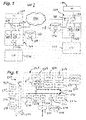
- FIG. 1 is a schematic diagram showing elements of a system for performing modular software protection.
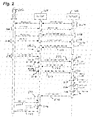
- FIG. 2 is a sequence diagram showing process elements for modular software protection across different system components.
- FIG. 3 is a flow chart showing a process of modular software protection performed by a server in cooperation with a client.
- FIG. 4 is a flow chart showing a process of modular software protection performed by a client in cooperation with a server.
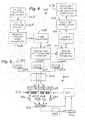
- FIG. 5 is a system diagram showing elements of a client and its components for generating a modular machine fingerprint.
- FIG. 6 is a diagram showing data elements used in generating a modular hardware fingerprint.
- FIG. 7 is a flow chart showing a process of for generating a modular hardware fingerprint performed by a client in cooperation with a server.
- FIG. 8 is a flow chart showing a process of for generating a modular hardware fingerprint performed by a server in cooperation with a client device.
- the present technology provides modular software protection by controlling operation of software on client devices to comply with terms of the applicable software license, enabling specific features of installed software.
- systems and methods for identifying a client computing device for use with the modular software protection are disclosed herein systems and methods for identifying a client computing device for use with the modular software protection, and in other applications.
- FIG. 1 shows a system 100 including a server 102 and a client device 104 in communication via a communications network 106.
- Communications network 106 may comprise the Internet, a cellular communications network, a satellite communications network, a local area network, or some combination of these or other suitable networks.
- the client device may be configured with a software executable file or files 108 encoded in a computer-readable media of a data storage device 110. When loaded into the client memory 112 and subsequently into the client processor 114, the executable file or files causes the client device to perform the client-side processes and outputs as described in more detail herein. Examples of suitable devices for use as client device 104 include personal computers, programmable communications devices such as mobile telephones and media players, "netbooks,” and other programmable devices.
- the server 102 may be configured with a server-side application file or files 116 encoded in a computer-readable media of a data storage device 118.
- the executable file or files When loaded into the server memory 120 and subsequently into the server processor 122, the executable file or files causes the client device to perform the server-side processes and outputs as described in more detail herein.
- File or files 108 and 116 may be developed by writing programming code in any suitable programming language to perform the actions and provide the outputs consistent with the disclosure herein, and compiling the code to provide machine-executable code.
- the server 102 may comprise any one of various suitable programmable computing devices. In the alternative, server 102 may comprise a coordinated assembly of such computing devices, for example, a server farm.
- both the server 102 and the client 104 may be configured as input-transforming machines, the very purpose of which is to receive physical input from at least one client-side user input device 124 and provide a responsive physical output via a client-side output device 126, such as an audio-video output.
- Input device 124 may comprise various devices, for example, a keyboard, mouse, microphone, or other physical transducer connected to client 104 and configured to transform physical input from a user into a data signal, which may be routed through an interface device 128 and provided as input to processor 114.
- the processor 114 operating an executable as described herein, responds to the input signal and provides output data through a video interface 130 to a display device 126.
- the processor 114 may further receive input data from the server 102 or provide output to the server via network interface 132 and communications network 106.
- server 102 may receive input data from the client 104 or provide output to the client via network interface 134 and communications network 106.
- server 102 may comprise an input device 136 in communication with the processor 120 via an interface 138, and provide output via a video processor 140 to a display device 142.
- Fig. 2 exemplifies both responsive and independent actions of a client 104 operating in cooperation with a server 102 to receive input from a user 202 and provide responsive output to the user.
- a software executable installed, or to be installed, on client 104 is capable of performing functions desired by the user.
- the software executable may be installed by copying to the client from a portable computer-readable media read by a client component or peripheral device in communication with the client.
- Fig. 2 diagrams an alternative method via a network download, in which the server 102 initiates serving 204 a web page or other data object to the client 104, which displays the page or object to the user.
- the server may send an advertisement for the software to the client.
- the web page or other object may include a responsive object, such as a link or input object, through which user input may be transformed into a data request at the client, for example, a hyperlink or applet object.
- the client 104 may receive user input 206 and thereby generate a page or data request to the server 102.
- the page request on line 206 may signify a user's interest in licensing use of the software executable or at least one feature or function thereof.
- the server may select an appropriate object for transacting a license with the user, for example an authorization page requesting user data such as name, address, phone number, and credit card or other payment information.
- an authorization page requesting user data such as name, address, phone number, and credit card or other payment information.
- Such a page may be configured for the input of data through a form or other object included in the page.
- the server 102 may transmit the authorization page 208 to the client, which displays it to the user.
- the user may therefore provide all the necessary user data by input 210 to the client 104, which receives the input and transmits it to the server 102.
- the server may generate and register a license key associated with the user data received from client 104.
- a license key may consist of any data identifier, for example, a string of binary data encoding a character string.
- the key may include randomly-selected characters or other data, should be sufficiently complex so that it is practically undiscoverable by iterative guessing or "brute force" algorithms and should be uniquely assigned to the user data and software executable with which it is associated.
- the server may register the key 212 by storing it in a secure database in association with an identifier for the software executable and the user data.
- the server may then transmit 214 the software executable and the license key to the client 104.
- the license key and software executable may be encrypted using any suitable public-key algorithm before transmitting.
- the license key may be inserted in some hidden location of the software executable so that its presence is not readily detected by any person or machine not informed of its hidden location in the file.
- the client may store 216 the software executable in a memory or storage medium, optionally first decrypting it.
- the software executable may comprise any non-zero number of executable and data files.
- Processes corresponding to those described for network distribution may be performed for distributing the software executable on a tangible medium, for example, on an optical disk or memory device.
- user data may be collected at the point of sale of the tangible medium, or when the executable is installed from the medium onto a client storage device.
- the license key may be generated before the executable is distributed and encoded with the executable on the tangible medium. It may therefore also be registered to the user at the time the user data is received, either at the point of sale, time of installation, or some other time.
- the installed executable and license key may reside on the client indefinitely until user input requesting activation is received by the client. Receipt of an activation request may be used as a trigger for generating a gross machine fingerprint 220 at the client device.
- the software executable may be used as the application to perform the fingerprinting actions at the client. For example, when the software is installed, it may be installed with modules for performing the fingerprinting function as described herein, before other functional aspects of the software can be unlocked. In the alternative, the fingerprinting function may be performed by a separate application, for example, a distributable application pushed to the client 104 by server 102 with the executable, or at some other time.
- Fingerprint data is described more detail below, and signifies data that is characteristic of hardware or firmware belonging to the client device, collected and assembled to have a very high probability (e.g., greater than 99.999%) of being unique to the client.
- the client may maintain the gross fingerprint data in a temporary memory or client buffer, as a temporary file having a defined data structure. In the alternative, or in addition, the client may store the gross fingerprint data in a memory storage device or transmit it to the server.
- the client may request selection criteria, also called a selection mask or template, from the server 222.
- the server may obtain the selection criteria 224.
- the server may retrieve a stored selection mask having parameters defined for gross fingerprint data having a predetermined data structure.
- the server may generate a selection mask in response to receiving data describing the data structure of the gross fingerprint.
- a key characteristic of the selection mask is a designation of less than 100% of the data contained in the gross fingerprint file, for example, 5%, 10%, or some other percentage within the range of about 0.1% to 99%, and more typically about 5% to 50%.
- the selection mask also defines locations within the gross fingerprint file from which the designation portion of selected data is to be selected. For example, the selection mask may specify selecting the first and third data bytes from a first field of the data structure, the third and fourth bytes from the second field, and so forth. Further details and examples of selection masks are described later in the specification.
- the server transmits the defined selection mask to the client 226.
- the client applies the mask to the gross fingerprint data to generate a selected machine fingerprint.
- the machine fingerprint may be determined by an irreversible function of the gross fingerprint data and the selection mask, such that the selection mask and machine fingerprint cannot be used to determine the gross machine fingerprint.
- the irreversible function comprises selecting data from the gross fingerprint data as specified by the selection criteria to create a second fingerprint file from which a substantial portion of the gross fingerprint data is omitted.
- the irreversible function may further comprise encrypting the second file using an irreversible cryptographic hash.
- the client transmits the machine fingerprint and license key to the server 230.
- the machine fingerprint and license key may be configured as two or more separate files. In the alternative, they may be combined in a single file.
- the client may encrypt the one or more files before transmitting to the server.
- the client may delete the gross fingerprint data and/or the machine fingerprint from any local memory.
- the client may store the gross fingerprint data and/or the machine fingerprint in a local non-volatile memory or storage device accessible to the client.
- the server receives the machine fingerprint and key, decrypting them if necessary.
- the server checks the validity of the license key 232.
- the server may check the validity by querying a registration database containing records of valid keys. If the query returns a match to the license key, the license key may be deemed validated by the server.
- the query may be used to obtain user data associated with the registered key, for example, user name and address, which may be compared to user data received from the client.
- the server may require a match between user data received from the database and that received from the client as a condition of determining that the license key is valid. If the server cannot validate the key, it may return a failure message to the client (not shown). Validation failure should prevent operation of the licensed features of the software executable on the client. It may in addition trigger other actions that are not the focus of the present disclosure.
- Control data may comprise a file or data record defining, in a computer-readable format, usage rights, restrictions, limitations, or permissions associated with the license key received from the client.
- the control data may be generated at the time the software is licensed and maintained in a database accessible to the server, indexed by the unique license key assigned to the particular licensed copy of the software executable.
- the control data may be updated from time to time after initial licensing. For example, in a software executable comprising a computer game, additional levels of play, characters, or digital game items may be licensed or earned via game play after initial installation.
- the server may perform an additional function of checking 236 the number of client devices on which copies identified by the license key have been installed and not subsequently disabled.
- Software providers often desire to limit operating of a licensed copy to a designated number of client devices. The designated number may be selected low enough to prevent widespread copyright abuse, but high enough to satisfy consumers that may desire to operate the software on more than one client device.
- the server makes use of the machine fingerprint provided from the client. To do this, the server may save the machine fingerprint in a database associated with the license key, and also query the database to identify other records containing the same key in association with a different or distinct machine fingerprint. Each record returned may be counted as an installed instance of the software executable on a different machine. The server may then compare the counted records with the number of instances permitted, as specified by the control data. If the count exceeds the permitted number of instances, a failure message may be transmitted to the client as outlined above.
- the server may generate a license file incorporating the control data.
- the license file should include information describing features or aspects of the software executable that should be enabled on the client identified by the machine fingerprint.
- the server may encrypt the license file using a public/private encryption scheme.
- the server may use a PKI encryption scheme to certify the server to the client.
- the server may transmit the license file 240 to the client.
- the client may read the license file 242 using the protected executable. More exactly, the client may write the license file to a secure location, for example, in a predetermined directory where the software executable is programmed to find it. The client may store the license file in an encrypted form.
- the client may execute the software executable in response to input 244 requesting execution.
- the software executable may be configured such that, when operated, the client attempts to read the license file from the designated location, and if necessary, decrypts it. If the license file cannot be read and decrypted, the client may output a failure message and/or treat the failure as a request for activation 218. Conversely, if the client can read and decrypt the license file via operation of the software executable, the software executable may be enabled to perform 246 all of the functions enabled by the license file. In the alternative, the software executable may be enabled to perform some additional action to verify the validity of the license file, for example, communicating with the server, to confirm that the license file is valid. After receiving confirmation the executable may perform all of the functions enabled by the license file.
- Fig. 2 diagrams the interaction between a server, client, and user.
- Figs. 3 and 4 show how the server and client, respectively, perform methods consistent with the interactions diagrammed in Fig. 2 .
- a method 300 is shown for implementation on a server.
- the server may maintain a key registry 302 and a machine fingerprint registry 304, databases or a database accessible to the server and responsive to input and queries from the server.
- the key registry may hold assigned license keys for distributed software, in association with user data. This data may be collected at the time of initial licensing and updated as needed.
- the key registry may also contain or link to license control data for each key, specifying the rights and restrictions applicable to each licensed copy, including specifying particular features to be enabled or disabled.
- the key registry exemplifies a means for recording license rights and enabled features associated with a particular license key.
- the fingerprint registry 304 may hold machine fingerprint records in association with one or more license keys for software registered with or operated on clients from which the respective fingerprints are received.
- the fingerprint registry functions as a means for recording the installation and/or use of distributed software executables, in contrast to the key registry which functions to record user license rights and enabled features for the software executables.
- the server may receive 306 a license key as data transmitted though a computer or communications network and network interface to the server processor.
- the processor and network interface programmed using one or more applications to communicate data over the network and recognize a license key, may comprise a means for receiving the key.
- the server may test 308 the validity of the key using any suitable method, one of which is to use the key to query the license registry, and to compare user data from the registry with user data received from the client.
- an algorithm programmed in software running on the server may test whether the key complies with required data characteristics of a license key, without reference to a database.
- a processor programmed to query a database and compare query results or otherwise process license key data to check validity may comprise a means for verifying validity of the license key.
- the server may generate and transmit a failure message 310 to the client.
- the server may record the validation failure for future diagnostic or other reference.
- the server may read or otherwise access 3120 the rights or control data associated with the license key, for example by processing one or more data fields in a data record associated with the license key.
- a processor programmed to query a database and determine the value of one or more data fields in a data record may comprise a means for accessing the rights data.
- the control data may include an identification of enable or disabled software features and a permitted number of concurrent installations or executions.
- the server makes use of a machine fingerprint and the control data to determine whether or not to provide an enabling license file to the client.
- the server may receive 314 the machine fingerprint data from the client at any time prior to making this determination.
- the machine fingerprint may comprise any data that uniquely identifies the client machine as a physical unit, and not merely as holding some identification data previously supplied by the server to the client.
- the machine fingerprint should not be confused with a cookie identifier, which comprises data originating from a server and stored on the client.
- the machine fingerprint is developed by interaction between the server and the client, as described more fully in connection with Figs. 5-8 below.
- the fingerprint may be independently generated at the client by operation of the software executable to which the license key is assigned.
- the processor and network interface programmed using one or more applications to communicate data over the network and recognize a machine fingerprint, may comprise a means for receiving the fingerprint data.
- the server With the rights data accessed at 312 and the fingerprint data received at 314, the server possesses the information needed to determine, at 316, compliance with instance restrictions. This determination may be performed using a programmed logic to determine a number of existing installations using the fingerprint registry, and to compare this number to a number of permitted installations specified by the control data.
- a processor programmed to query a database, count a number of records returned and perform a conditional operation based on results of a number comparison may comprise a means for determining compliance with the instance restrictions. If the instance restrictions are not complied with 318, a failure condition 310 as previously discussed may result.
- the server may generate and encrypt a license file 320.
- the license file should be written in machine-readable code for the software executable with which the license key is associated, and may contain one or more data items serving as variables indicating enablement or disablement status of different features of the software executable.
- an application on the server should be programmed to provide the data items arranged and formatted so as to be readable by the software executable.
- the application may be programmed according to a pre-determined format for the software executable.
- the application may be programmed to query a database or date service to obtain updated configuration information, before creating the license file.
- the server may encrypt the license file using a public/private encryption method, optionally using PKI certification for the server source.
- a processor programmed with an application for performing the described operations may comprise a means for creating the license file.
- the server may transmit the license file to the client 322, using any suitable communications method.
- a processor and network interface programmed with an application for directing data to a client from which the license key and machine fingerprint were received may comprise a means for transmitting the license file to the client.
- the server may update the fingerprint registry with the received machine fingerprint and associated license key. If the client has provided any updated user data this may be updated in the key registry as well.
- Fig. 4 shows a method 400 for implementation on a client, for use in cooperation with server-based method 300.
- the software executable may comprise two separate portions: a first portion configured for causing the client device to perform the described actions, and a second portion configured to provide the features that are the subject of control and protection via the license file.
- the second portion may comprise a computer game, a word processor, a spreadsheet, a media player, a browser, a database interface, a graphics editor, or any other useful application.
- the software executable may include any non-zero number of files.
- the client receives the software executable via any suitable pathway.
- Via network download as described in connection with Fig. 2 comprises one suitable pathway.
- a portable medium such as an optical disk, or memory device comprises another.
- a processor and network interface for receiving and recognizing the software executable may comprise a means for receiving the software executable.
- a media reader coupled to the processor may also comprise a means for receiving the software executable.
- the client may store it in a file system.
- the software executable may lie stored and dormant until the client receives an activation request 404. Often this request is received soon after installation, being prompted by an application used for installing the target executable. However, it may also be delayed.
- the request may be received as a user input signal responsive to output generated by the client, for example, selection of a button or icon using a pointing device, or numerous other potential inputs. Receipt 404 of the request may trigger generation of a hardware-based machine fingerprint 406.
- At least one application may generate a machine fingerprint.
- the application may prepare a gross fingerprint and select from a portion of that machine fingerprint for providing to the server.
- the client may prepare a gross fingerprint for use in its entirety as a machine fingerprint for providing to the server.
- the application may generate the gross fingerprint data using a process that operates on data indicative of the client's configuration and hardware.
- the gross fingerprint data may be generated using, user-configurable machine parameters, non-user-configurable machine parameters, or both as input to a process that generates a gross fingerprint data file as binary data.
- Each machine parameter indicates a state or identifier for a hardware component, software component, or data component of the client.
- relatively stable or static machine parameters should be selected.
- the machine parameters may be selected such that the resulting gross fingerprint data has a very high probability (e.g., greater than 99.999%) of being unique to the client.
- the machine parameters may be selected such that the gross fingerprint data includes at least a stable unique portion up to and including the entire identifier that has a very high probability of remaining unchanged during normal operation of the client.
- the resulting gross fingerprint data should be highly specific, unique, reproducible and stable as a result of properly selecting the machine parameters.
- Client 500 An example of a client device 500 comprising multiple components that may provide input for a gross fingerprint is shown in Fig. 5 .
- Client 500 is depicted by way of example only, and does not limit the configuration of a client device on which hardware fingerprinting may usefully be performed.
- Client 500 may comprise a motherboard 502 on which reside a CPU 504 and one or more auxiliary processors 506.
- the CPU may comprise a cache memory 514 in communication with a random access memory (RAM) 516.
- a video processor 510 may communicate with these components via Northbridge hub 518 and provide video data through video RAM 508 to a display device 512.
- a Southbridge hub 520 such as, for example a BIOS read-only memory or flash memory device 522, one or more bus bridges 524, 530, a network interface device 526, and a serial port 528.
- a BIOS read-only memory or flash memory device 522 such as, for example a BIOS read-only memory or flash memory device 522, one or more bus bridges 524, 530, a network interface device 526, and a serial port 528.
- Each of these and other components may be characterized by some data or parameter settings that may be collected using the CPU 504 and used to characterize the client device 500.
- the client may be connected to various peripheral devices.
- client 500 may be connected to a keyboard 532, a pointing device 534, a data storage device 536, and an audio output device 538 for transforming a data signal into analog audio output for a speaker 540 or amplifier (not shown).
- peripheral devices may include a router 544 connected via network interface 526 and providing connectivity to the Internet or other network, which may comprise a means for receiving applications or data from a server, or communicating with a server.
- Some clients may also include a media reader 546 for portable media 548, which may comprise a means for receiving an application capable of performing methods and processes disclosed herein.
- client device 500 is shown with components as may often be found in personal computers, the technology disclosed herein may also be implemented on more highly integrated portable clients having programmable processors, memories and means for communicating with a server. Such clients also have components with non-user-configurable settings that may be used in compiling a device fingerprint. Examples of integrated portable clients include application-capable mobile phones, media players, personal organizers, and netbooks.
- the application may operate by performing a system scan to determine a present configuration of the computing device. The application may then select the machine parameters to be used as input for generating the unique gross fingerprint data. Selection of parameters may vary depending on the system configuration. Once the parameters are selected, the application may generate the identifier.
- Illustrative examples of various machine parameters that may be accessible to an application or applications running on or interacting with a processor of the client machine include: machine model; machine serial number; machine copyright; machine ROM version; machine bus speed; machine details; machine manufacturer; machine ROM release date; machine ROM size; machine UUID; and machine service tag.
- these machine parameters may include: CPU ID; CPU model; CPU details; CPU actual speed; CPU family; CPU manufacturer; CPU voltage; and CPU external clock; memory model; memory slots; memory total; and memory details; video card or component model; video card or component details; display model; display details; audio model; and audio details; network model; network address; Bluetooth address; BlackBox model; BlackBox serial; BlackBox details; BlackBox damage map; BlackBox volume name; NetStore details; and NetStore volume name; optical drive model; optical drive serial; optical details; keyboard model; keyboard details; mouse model; mouse details; printer details; and scanner details; baseboard manufacturer; baseboard product name; baseboard version; baseboard serial number; and baseboard asset tag; chassis manufacturer; chassis type; chassis version; and chassis serial number; IDE controller; SATA controller; RAID controller; and SCSI controller; port connector designator; port connector type; port connector port type; and system slot type; cache level; cache size; cache max size; cache SRAM type; and cache error correction type; fan; PCMCIA; modem; portable battery; tape drive
- Measuring carbon and silicone degradation may be accomplished, for example, by measuring a processor chip's performance in processing complex mathematical computations, or its speed in response to intensive time variable computations. These measurements depend in part on the speed with which electricity travels through the semi-conductor material from which the processor is fabricated. Using variable offsets to compensate for factors such as heat and additional stresses placed on a chip during the sampling process may allow measurements at different times to reproduce the expected values within a designated degree of precision. Over the lifetime of the processor, however, such measurements may change due to gradual degradation of the semi-conductor material. Recalibration or rewriting the gross fingerprint data may be used to compensate for such changes.
- the process for generating a gross fingerprint data may include measuring physical, non-user-configurable characteristics of disk drives and solid state memory devices.
- each data storage device may have damaged or unusable data sectors that are specific to each physical unit.
- a damaged or unusable sector generally remains so, and therefore a map of damaged sectors at a particular point in time may be used to identify a specific hardware device later in time. Data of this nature may also be included in a gross fingerprint file.
- the application may read parameters from operating system data files or other data stored on the client, or actively obtain the parameters by querying one of more hardware components in communication with a processor on which the application is operating.
- a client processor provided with at least one application operating in this fashion of gather the machine parameters may comprise a means for collecting and generating gross fingerprint data.
- This process of generating a working machine fingerprint 406 may include at least one irreversible transformation, such as, for example, a cryptographic hash function, such that the input machine parameters cannot be derived from the resulting gross fingerprint data.
- Each gross fingerprint data to a very high degree of certainty, cannot be generated except by the suitably configured application operating or otherwise having had access to the same computing device for which the gross fingerprint data was first generated.
- each gross fingerprint again to a very high degree of certainty, can be successfully reproduced by the suitably configured application operating or otherwise having access to the same computing device on which the identifier was first generated.
- the client device may store the fingerprint 408 in a local memory.
- the fingerprint is stored by the client device only temporarily to facilitate transmission to the server. This approach may lessen the risk of the fingerprint data being discovered and used for an unauthorized purpose.
- the client may also implement a pattern masking algorithm as described elsewhere in the specification, so that only a portion of the fingerprint data is transmitted to the client. This may reduce the risk that fingerprint data will be somehow intercepted during or after transmission, and used for some unauthorized purpose.
- the client device may transmit the key and fingerprint to the server, as previously described.
- the server may process the key and fingerprint to develop a license file for use on the client device. If the server detects some defect in the license file, it may return a failure message to the client instead the license file, which the client may output (not shown). If the client device does not receive the license file or a failure message within a reasonable period of time (for example, 60 seconds), this may indicate a failure in communication, causing the client to transmit 410 the key and fingerprint a second time.
- the server successfully authenticates the client executable, the client may receive an encrypted license file 412. The client device may decrypt the license file 414 using the software executable. Decryption at the client may comprise a means for authenticating the license file.
- the software executable may reject the license file if it is not certified to have originated from a trusted server, using a PKI certification or equivalent process.
- the client may decrypt the license file using a private (symmetric) key derived from the gross fingerprint data.
- software executable on the client device may read the information contained in the license file 416. This information may identify specific features of the executable that are enabled or disabled on the client device. The executable then operates in compliance 418 with the features specified as enabled or disabled.
- the software executable may be configured such that it cannot operate defined features or perform defined functions unless it receives and successfully decrypts a license file that specifies specific features or functions to be enabled or disabled. Without such data, the software executable may operate with the specified features or functions disabled.
- the software executable may request and receive an updated license file. Updating may be triggered by any event that the client device is capable of detecting, including but not limited to user input or completion of a function within the executable. For example, the software executable may request and receive an updated license file after the user completes a level of play defined for a game executable. The updated executable may unlock additional levels of play using the executable.
- the client device may request an updated license file using a process similar to that described for the original license file. The client device may regenerate the gross fingerprint data, or retrieve a stored fingerprint, as part of this process.
- Pattern masking the gross fingerprint data to provide a fingerprint for transmission may provide an important feature for enhancing security of transmissions between a client and a server.
- Fig. 6 illustrates pattern masking 600 in the present context, using a conceptual diagram. Items 602, 604 and 606 represent components or modules of a client device that include non-user-configurable data 603, 605 and 607 concerning a stable state or configuration of client hardware or firmware.
- a client-side process such as one integral to the target executable, reads the data items and compiles the data in some prearranged order to form a gross fingerprint data record 610, including the data items 603, 605 and 607 stored in defined data fields. Although only three components and data items are illustrated, in most applications many more components and data items can and should be used to compile the gross fingerprint data.
- a remote process 612 such as a process operating on a server, provides a pattern mask 614 to the client device.
- the pattern mask specifies defined portions 616a, 616b, 616d, 616d of a data record that are to be used to compile a second fingerprint to be transmitted from the client device.
- Four data portions are illustrated by way of example only; any desired number of portions may be used and the portions may be selected with some overlap (no overlap is shown). In total, the data portions should identify substantially less than all of the data in gross fingerprint 610 for inclusion in the to-be-transmitted fingerprint, for example, less than 90%, or between 1% and 90%.
- the pattern mask may also indicate an order with which the defined portions 616a, 616b, 616d, 616d should be compiled to create the second fingerprint to be transmitted, or any other desired reversible data transformation.
- a client-side process such as the target executable may then extract the defined data portions 616a, 616b, 616d, 616d and compile them to provide a machine fingerprint 618.
- the client device may delete the gross fingerprint 61 after the machine fingerprint 618 is defined.
- Fig. 6 shows the machine fingerprint as including data in delimited fields, this is merely for illustrative purposes.
- the client device should prepare the machine fingerprint as an unbroken field or data stream made up of the component items 616a, 616b, 616d, 616d, formatted such that it is difficult or impossible for a third party not in possession of the pattern mask template 614 to determine where one data item ends and the next begins.
- the client device may transmit the machine fingerprint 618 to the remote process 612 in an unencrypted form.
- a client-side encryption process 620 may encrypt the machine fingerprint 618 using any suitable encryption process to provide an encrypted fingerprint 622.
- the client device may transmit the encrypted fingerprint to the server.
- the machine fingerprint 618 and template 614 cannot be used to reconstruct the gross fingerprint 610.
- the gross fingerprint can be determined only by operating the described process at the client device on which the target executable is installed, is not stored, and is deleted from temporary memory after use.
- the gross fingerprint may be securely transmitted to a trusted server and/or stored locally.
- the machine fingerprint 618 may be used in a reverse authentication process used to authenticate the server to the client device.
- the server transmits a reverse key to the client device that is made up of data from the machine key 618, or the gross fingerprint 610 if shared with the server.
- the reverse key is made up of the data items 616a, 616b, 616d, 616d transformed or reordered according to a predefined template or plan that is programmed into the target executable on the client device.
- the client device may thereby determine whether or not the reverse key from the server is consistent with the gross fingerprint data 610 and the original masking template 614.
- the client device may regenerate or retrieve from memory the machine key 618 generated using the template 614 and compare it to a machine key generated by applying a predetermined transformation to the reverse key from the server. If the keys match, the client device may deem the server authenticated and conversely if the keys do not match deem the server not authenticated.
- the server may generate a second machine fingerprint using a new masking template and a gross fingerprint stored in memory. The server then transmits the second machine fingerprint and new masking template to the client device. In response, the client device may compare the second machine fingerprint to a newly-generated fingerprint generated at the client using the new masking template and the gross fingerprint data. If the fingerprints match, the client device may deem the server authenticated, and conversely, if the fingerprints do not match the client may deem the server not authenticated.
- Fig. 7 shows a method 700 that may be performed on a client device to generate a machine fingerprint to be transmitted to another device or process.
- Method 700 may be used in the process discussed above in connection with Figs. 2 and 4 to generate a machine fingerprint.
- the client may read the component data as discussed above in connection with Fig. 4 .
- the client generates a gross fingerprint or data matrix comprising the component data in defined fields.
- the client may receive a defined selection mask or template from another device or process.
- the client may apply the received template to select data elements from the data matrix as discussed above.
- the client may aggregate the selected data elements to form fingerprint data capable of indentifying the client by stable elements of its hardware/firmware configuration.
- the client may encrypt the fingerprint for secure transmission.
- the client may output the fingerprint for use by another device or process to identify or authenticate the client device.
- Fig. 8 shows a method 800 that may be performed by a server or process to use a selection mask or template to authenticate or identify another device or process.
- the server may generate a selection mask with reference to a predefined data element or matrix.
- the predefined data element does not define the data itself, and instead defines a data structure in which the data will appear, for example, a structure of a database record.
- the selection mask should be generated to have the characteristics described above in connection with Fig. 6 and elsewhere in the specification.
- the server may maintain the selection mask 804 in a database or memory accessible to the server for any desired length of time.
- the server may transmit the selection mask 806 to the target client.
- the target client is the client device to be identified or authenticated.
- server may wait for the client to process the selection mask and then receive a data item 808 from the client identified as being the fingerprint data generated using the transmitted mask. If necessary, the server may decrypt 810 the fingerprint data received from the client.
- the server may determine whether or not the fingerprint data is valid. Validity may be determined by the server based on comparison to a benchmark. In an identification process, the server may determine the fingerprint is valid if it conforms to an anticipated data structure, for example, if it is made up of the expected amount and form of data. In an authentication process, the server may determine the fingerprint is valid if it matches or is consistent with an earlier fingerprint received from the same client (or from a client purporting to be the same client). If the server does not determine that the fingerprint is valid, it may perform any desired failure routine, for example generating a failure signal 814. If the fingerprint is valid, it may be saved as an identifier of the client 816. In the alternative, or in addition, the server may use it to authenticate that a client is the same as one previously identified. At 818, the server may provide a confirmation signal confirming a successful authentication or identification of the client device.
Landscapes
- Engineering & Computer Science (AREA)
- Software Systems (AREA)
- Theoretical Computer Science (AREA)
- Physics & Mathematics (AREA)
- Computer Hardware Design (AREA)
- Computer Security & Cryptography (AREA)
- General Engineering & Computer Science (AREA)
- General Physics & Mathematics (AREA)
- Multimedia (AREA)
- Technology Law (AREA)
- Mathematical Physics (AREA)
- Storage Device Security (AREA)
Applications Claiming Priority (1)
| Application Number | Priority Date | Filing Date | Title |
|---|---|---|---|
| US21855809P | 2009-06-19 | 2009-06-19 |
Publications (2)
| Publication Number | Publication Date |
|---|---|
| EP2278520A2 true EP2278520A2 (fr) | 2011-01-26 |
| EP2278520A3 EP2278520A3 (fr) | 2011-03-02 |
Family
ID=43086520
Family Applications (1)
| Application Number | Title | Priority Date | Filing Date |
|---|---|---|---|
| EP10164809A Withdrawn EP2278520A3 (fr) | 2009-06-19 | 2010-06-03 | Protection logicielle modulaire |
Country Status (2)
| Country | Link |
|---|---|
| US (3) | US9633183B2 (fr) |
| EP (1) | EP2278520A3 (fr) |
Cited By (2)
| Publication number | Priority date | Publication date | Assignee | Title |
|---|---|---|---|---|
| CN103607416A (zh) * | 2013-12-09 | 2014-02-26 | 吴东辉 | 一种网络终端机器身份认证的方法及应用系统 |
| WO2015013474A2 (fr) | 2013-07-25 | 2015-01-29 | Siemens Healthcare Diagnostics Inc. | Protection de logiciel contre le piratage |
Families Citing this family (37)
| Publication number | Priority date | Publication date | Assignee | Title |
|---|---|---|---|---|
| US8245030B2 (en) * | 2008-12-19 | 2012-08-14 | Nai-Yu Pai | Method for authenticating online transactions using a browser |
| US20120136749A1 (en) * | 2009-07-17 | 2012-05-31 | Alcatel- Lucnet Shanghai Bell Co., Ltd | Digital rights management (drm) method and apparatus in small and medium enterprise (sme) and method for providing drm service |
| US20110295908A1 (en) * | 2010-05-27 | 2011-12-01 | International Business Machines Corporation | Detecting counterfeit devices |
| US9122998B2 (en) * | 2010-07-28 | 2015-09-01 | International Business Machines Corporation | Catalog-based software license reconciliation |
| US9230273B2 (en) | 2010-07-28 | 2016-01-05 | International Business Machines Corporation | Creation and use of constraint templates |
| BR112013006560A2 (pt) * | 2010-09-21 | 2016-06-07 | Gen Instrument Corp | sistema de fornecimento de licença de recurso de grande volume seguro |
| GB201101507D0 (en) * | 2011-01-28 | 2011-03-16 | Scentrics Information Security Technologies Ltd | Mobile device security |
| EP2490143A1 (fr) * | 2011-02-10 | 2012-08-22 | Thomson Licensing | Procédé et dispositif pour contrôle la distribution de licences |
| US20120210436A1 (en) * | 2011-02-14 | 2012-08-16 | Alan Rouse | System and method for fingerprinting in a cloud-computing environment |
| JP5682467B2 (ja) * | 2011-06-14 | 2015-03-11 | 富士通株式会社 | 設定情報管理プログラム、設定情報管理方法及び情報処理装置 |
| US8725649B2 (en) * | 2011-12-08 | 2014-05-13 | Raytheon Company | System and method to protect computer software from unauthorized use |
| US9037922B1 (en) * | 2012-05-01 | 2015-05-19 | Amazon Technololgies, Inc. | Monitoring and analysis of operating states in a computing environment |
| ES2462398B1 (es) * | 2012-10-18 | 2015-04-13 | Navista S.A.R.L. | Método para limitar y asegurar la operatividad y funcionamiento de un programa de ordenador única y exclusivamente con el equipo informático donde se instala |
| US9336362B2 (en) * | 2013-04-08 | 2016-05-10 | Microsoft Technology Licensing, Llc | Remote installation of digital content |
| US10187379B2 (en) | 2014-03-14 | 2019-01-22 | Omron Corporation | Control apparatus and control apparatus system |
| WO2015136964A1 (fr) * | 2014-03-14 | 2015-09-17 | オムロン株式会社 | Dispositif de gestion d'informations de licence, procédé de gestion d'informations de licence et programme |
| DK3790301T3 (da) * | 2014-03-19 | 2022-07-04 | Bluefin Payment Sys Llc | Systemer og fremgangsmåder til fremstilling af fingeraftryk til krypteringsindretninger |
| US11256798B2 (en) | 2014-03-19 | 2022-02-22 | Bluefin Payment Systems Llc | Systems and methods for decryption as a service |
| US9461973B2 (en) | 2014-03-19 | 2016-10-04 | Bluefin Payment Systems, LLC | Systems and methods for decryption as a service |
| EP3035223A1 (fr) * | 2014-12-16 | 2016-06-22 | SFNT Germany GmbH | Procédé et système pour commander l'exécution d'une application logicielle sur une plateforme d'exécution |
| US10303891B2 (en) * | 2014-12-30 | 2019-05-28 | Data I/O Corporation | Automated manufacturing system with job packaging mechanism and method of operation thereof |
| US9805205B2 (en) | 2015-02-19 | 2017-10-31 | Konvax Corporation | Adaptive system profile |
| EP3142035B1 (fr) * | 2015-09-14 | 2021-08-25 | Ricoh Company, Ltd. | Système de traitement d'informations, appareil de traitement d'informations, procédé de traitement d'informations et support d'enregistrement |
| JP6532601B2 (ja) * | 2015-09-21 | 2019-06-19 | スイス リインシュランス カンパニー リミテッド | 2層二重暗号化デジタル情報鍵のシステム間の交換に基づく安全なデジタル共有のためのシステム及び方法 |
| CN105243311B (zh) | 2015-10-19 | 2017-02-22 | 广东欧珀移动通信有限公司 | 一种指纹信息的安全调用方法、装置及移动终端 |
| US12175548B2 (en) * | 2016-06-01 | 2024-12-24 | Kony, Inc. | Mobile application licensing tool |
| US11711350B2 (en) | 2017-06-02 | 2023-07-25 | Bluefin Payment Systems Llc | Systems and processes for vaultless tokenization and encryption |
| US10311421B2 (en) | 2017-06-02 | 2019-06-04 | Bluefin Payment Systems Llc | Systems and methods for managing a payment terminal via a web browser |
| WO2019000204A1 (fr) * | 2017-06-27 | 2019-01-03 | 深圳市吉亚鲁电子有限公司 | Serveur, bicyclette partagée, procédé d'affichage d'identification pour la bicyclette, et procédé de commande |
| EP3637287B1 (fr) * | 2018-10-08 | 2024-05-22 | ABB Schweiz AG | Chaîne de bloc pour clés de licence de mécanismes d'entraînement à fréquence variable |
| WO2020232162A1 (fr) | 2019-05-13 | 2020-11-19 | Bluefin Payment Systems Llc | Systèmes et procédés de tokenisation et de chiffrement sans coffre |
| CN111179522B (zh) * | 2020-01-09 | 2022-09-02 | 中国建设银行股份有限公司 | 自助设备程序安装方法、装置及系统 |
| CN113748657B (zh) * | 2020-03-31 | 2023-07-07 | 京东方科技集团股份有限公司 | 用于许可认证的方法、节点、系统和计算机可读存储介质 |
| WO2022133923A1 (fr) * | 2020-12-24 | 2022-06-30 | 京东方科技集团股份有限公司 | Procédé et appareil d'authentification de licences, dispositif électronique, système et support de stockage |
| CN113486305B (zh) * | 2021-09-08 | 2021-12-17 | 深圳市信润富联数字科技有限公司 | 一种基于过滤、拦截及加密技术的软件License验证方法及系统 |
| CN119885114A (zh) * | 2023-10-24 | 2025-04-25 | 神基科技股份有限公司 | 授权管理方法及系统 |
| CN117435240B (zh) * | 2023-11-01 | 2025-04-22 | 南方电网科学研究院有限责任公司 | 一种电力设备的软件比对方法及装置 |
Family Cites Families (256)
| Publication number | Priority date | Publication date | Assignee | Title |
|---|---|---|---|---|
| US4278837A (en) | 1977-10-31 | 1981-07-14 | Best Robert M | Crypto microprocessor for executing enciphered programs |
| US4351982A (en) | 1980-12-15 | 1982-09-28 | Racal-Milgo, Inc. | RSA Public-key data encryption system having large random prime number generating microprocessor or the like |
| US4446519A (en) * | 1981-05-26 | 1984-05-01 | Corban International, Ltd. | Method and apparatus for providing security for computer software |
| US4471163A (en) | 1981-10-05 | 1984-09-11 | Donald Thomas C | Software protection system |
| US4593353A (en) * | 1981-10-26 | 1986-06-03 | Telecommunications Associates, Inc. | Software protection method and apparatus |
| US4458315A (en) | 1982-02-25 | 1984-07-03 | Penta, Inc. | Apparatus and method for preventing unauthorized use of computer programs |
| FR2523745B1 (fr) | 1982-03-18 | 1987-06-26 | Bull Sa | Procede et dispositif de protection d'un logiciel livre par un fournisseur a un utilisateur |
| US4484217A (en) | 1982-05-11 | 1984-11-20 | Telease, Inc. | Method and system for remote reporting, particularly for pay television billing |
| US4593376A (en) | 1983-04-21 | 1986-06-03 | Volk Larry N | System for vending program cartridges which have circuitry for inhibiting program usage after preset time interval expires |
| US4658093A (en) * | 1983-07-11 | 1987-04-14 | Hellman Martin E | Software distribution system |
| US4740890A (en) * | 1983-12-22 | 1988-04-26 | Software Concepts, Inc. | Software protection system with trial period usage code and unlimited use unlocking code both recorded on program storage media |
| US4599489A (en) | 1984-02-22 | 1986-07-08 | Gordian Systems, Inc. | Solid state key for controlling access to computer software |
| US4609777A (en) | 1984-02-22 | 1986-09-02 | Gordian Systems, Inc. | Solid state key for controlling access to computer software |
| US4646234A (en) * | 1984-02-29 | 1987-02-24 | Brigham Young University | Anti-piracy system using separate storage and alternate execution of selected proprietary and public portions of computer programs |
| JPS60245097A (ja) * | 1984-05-18 | 1985-12-04 | ブラザー工業株式会社 | ソフトウエア販売装置 |
| US4712238A (en) | 1984-06-08 | 1987-12-08 | M/A-Com Government Systems, Inc. | Selective-subscription descrambling |
| US4791565A (en) | 1984-06-20 | 1988-12-13 | Effective Security Systems, Inc. | Apparatus for controlling the use of computer software |
| US4644493A (en) * | 1984-09-14 | 1987-02-17 | International Business Machines Corporation | Implementing a shared higher level of privilege on personal computers for copy protection of software |
| US4888798A (en) | 1985-04-19 | 1989-12-19 | Oms, Inc. | Modular software security |
| US4982430A (en) * | 1985-04-24 | 1991-01-01 | General Instrument Corporation | Bootstrap channel security arrangement for communication network |
| US4688169A (en) | 1985-05-30 | 1987-08-18 | Joshi Bhagirath S | Computer software security system |
| US4685055A (en) | 1985-07-01 | 1987-08-04 | Thomas Richard B | Method and system for controlling use of protected software |
| US4704610A (en) | 1985-12-16 | 1987-11-03 | Smith Michel R | Emergency vehicle warning and traffic control system |
| US4864494A (en) | 1986-03-21 | 1989-09-05 | Computerized Data Ssytems For Mfg., Inc. | Software usage authorization system with key for decrypting/re-encrypting/re-transmitting moving target security codes from protected software |
| US4780821A (en) | 1986-07-29 | 1988-10-25 | International Business Machines Corp. | Method for multiple programs management within a network having a server computer and a plurality of remote computers |
| US5014234A (en) * | 1986-08-25 | 1991-05-07 | Ncr Corporation | System with software usage timer and counter for allowing limited use but preventing continued unauthorized use of protected software |
| US4827508A (en) * | 1986-10-14 | 1989-05-02 | Personal Library Software, Inc. | Database usage metering and protection system and method |
| US4796181A (en) * | 1986-10-24 | 1989-01-03 | Wiedemer John D | Billing system for computer software |
| US5047928A (en) | 1986-10-24 | 1991-09-10 | Wiedemer John D | Billing system for computer software |
| US4817140A (en) * | 1986-11-05 | 1989-03-28 | International Business Machines Corp. | Software protection system using a single-key cryptosystem, a hardware-based authorization system and a secure coprocessor |
| US5146575A (en) | 1986-11-05 | 1992-09-08 | International Business Machines Corp. | Implementing privilege on microprocessor systems for use in software asset protection |
| US5109413A (en) * | 1986-11-05 | 1992-04-28 | International Business Machines Corporation | Manipulating rights-to-execute in connection with a software copy protection mechanism |
| US4796220A (en) * | 1986-12-15 | 1989-01-03 | Pride Software Development Corp. | Method of controlling the copying of software |
| US4866769A (en) | 1987-08-05 | 1989-09-12 | Ibm Corporation | Hardware assist for protecting PC software |
| US4999806A (en) * | 1987-09-04 | 1991-03-12 | Fred Chernow | Software distribution system |
| JPH0192833A (ja) | 1987-10-02 | 1989-04-12 | Satoru Kubota | 暗号翻訳の回路を内蔵することにより、ソフトウェアの違法なコピーを防止するマイクロプロセッサ |
| US5390297A (en) * | 1987-11-10 | 1995-02-14 | Auto-Trol Technology Corporation | System for controlling the number of concurrent copies of a program in a network based on the number of available licenses |
| US4937863A (en) | 1988-03-07 | 1990-06-26 | Digital Equipment Corporation | Software licensing management system |
| US5113518A (en) * | 1988-06-03 | 1992-05-12 | Durst Jr Robert T | Method and system for preventing unauthorized use of software |
| US4924378A (en) * | 1988-06-13 | 1990-05-08 | Prime Computer, Inc. | License mangagement system and license storage key |
| US4959861A (en) | 1988-07-13 | 1990-09-25 | Howlette Edward L | Security system for computer software |
| US5023907A (en) | 1988-09-30 | 1991-06-11 | Apollo Computer, Inc. | Network license server |
| US5199066A (en) * | 1989-04-18 | 1993-03-30 | Special Effects Software, Inc. | Method and apparatus for protecting software |
| JPH02293930A (ja) * | 1989-05-08 | 1990-12-05 | Victor Co Of Japan Ltd | 記録媒体の記録内容の盗用防止方式 |
| US5138712A (en) | 1989-10-02 | 1992-08-11 | Sun Microsystems, Inc. | Apparatus and method for licensing software on a network of computers |
| FR2654851B1 (fr) * | 1989-11-23 | 1992-03-27 | Schlumberger Ind Sa | Procede et systeme d'exploitation securisee d'un logiciel. |
| US5033084A (en) | 1990-04-02 | 1991-07-16 | Data I/O Corporation | Method and apparatus for protection of software in an electronic system |
| US5259029A (en) | 1990-05-16 | 1993-11-02 | Duncan Jr F Jeff | Decoding device for computer software protection |
| DE4019652A1 (de) | 1990-06-20 | 1992-01-02 | Alois Kuhn | Verfahren zum schutz von software gegen unzulaessiges kopieren |
| US5081676A (en) * | 1990-10-04 | 1992-01-14 | Chou Wayne W | Method and apparatus for protecting multiple copies of computer software from unauthorized use |
| US5103476A (en) * | 1990-11-07 | 1992-04-07 | Waite David P | Secure system for activating personal computer software at remote locations |
| US5222134A (en) | 1990-11-07 | 1993-06-22 | Tau Systems Corporation | Secure system for activating personal computer software at remote locations |
| AU659652B2 (en) | 1991-05-08 | 1995-05-25 | Digital Equipment Corporation | Management interface and format for license management system |
| WO1992020021A1 (fr) * | 1991-05-08 | 1992-11-12 | Digital Equipment Corporation | Systeme de gestion de licences |
| US5204897A (en) | 1991-06-28 | 1993-04-20 | Digital Equipment Corporation | Management interface for license management system |
| US5260999A (en) | 1991-06-28 | 1993-11-09 | Digital Equipment Corporation | Filters in license management system |
| US5940504A (en) | 1991-07-01 | 1999-08-17 | Infologic Software, Inc. | Licensing management system and method in which datagrams including an address of a licensee and indicative of use of a licensed product are sent from the licensee's site |
| US5222133A (en) | 1991-10-17 | 1993-06-22 | Wayne W. Chou | Method of protecting computer software from unauthorized execution using multiple keys |
| JP2866236B2 (ja) * | 1991-10-29 | 1999-03-08 | 沖電気工業株式会社 | 印字用紙検出回路 |
| WO1993011480A1 (fr) | 1991-11-27 | 1993-06-10 | Intergraph Corporation | Systeme et procede de gestion de licences octroyees a des utilisateurs de reseaux informatiques |
| US5956505A (en) | 1991-12-24 | 1999-09-21 | Pitney Bowes Inc. | Remote activation of software features in a data processing device |
| US5210795A (en) * | 1992-01-10 | 1993-05-11 | Digital Equipment Corporation | Secure user authentication from personal computer |
| US5291598A (en) * | 1992-04-07 | 1994-03-01 | Gregory Grundy | Method and system for decentralized manufacture of copy-controlled software |
| US5528490A (en) * | 1992-04-10 | 1996-06-18 | Charles E. Hill & Associates, Inc. | Electronic catalog system and method |
| US5418854A (en) * | 1992-04-28 | 1995-05-23 | Digital Equipment Corporation | Method and apparatus for protecting the confidentiality of passwords in a distributed data processing system |
| US5287408A (en) * | 1992-08-31 | 1994-02-15 | Autodesk, Inc. | Apparatus and method for serializing and validating copies of computer software |
| CA2145068A1 (fr) * | 1992-09-21 | 1994-03-31 | Ric Bailier Richardson | Systeme de consignation pour logiciels |
| US5319705A (en) | 1992-10-21 | 1994-06-07 | International Business Machines Corporation | Method and system for multimedia access control enablement |
| US5343526A (en) | 1992-10-30 | 1994-08-30 | At&T Bell Laboratories | Method for establishing licensor changeable limits on software usage |
| US6294793B1 (en) | 1992-12-03 | 2001-09-25 | Brown & Sharpe Surface Inspection Systems, Inc. | High speed optical inspection apparatus for a transparent disk using gaussian distribution analysis and method therefor |
| US5341429A (en) | 1992-12-04 | 1994-08-23 | Testdrive Corporation | Transformation of ephemeral material |
| US5509070A (en) * | 1992-12-15 | 1996-04-16 | Softlock Services Inc. | Method for encouraging purchase of executable and non-executable software |
| US5337357A (en) | 1993-06-17 | 1994-08-09 | Software Security, Inc. | Method of software distribution protection |
| US5440635A (en) | 1993-08-23 | 1995-08-08 | At&T Corp. | Cryptographic protocol for remote authentication |
| IL110891A (en) | 1993-09-14 | 1999-03-12 | Spyrus | System and method for controlling access to data |
| US5495411A (en) | 1993-12-22 | 1996-02-27 | Ananda; Mohan | Secure software rental system using continuous asynchronous password verification |
| US5835911A (en) | 1994-02-08 | 1998-11-10 | Fujitsu Limited | Software distribution and maintenance system and method |
| AU2666595A (en) | 1994-06-17 | 1996-01-15 | Megalode Corporation | Method for preventing use of software on an unauthorized computer |
| US5559884A (en) | 1994-06-30 | 1996-09-24 | Microsoft Corporation | Method and system for generating and auditing a signature for a computer program |
| JPH08263438A (ja) * | 1994-11-23 | 1996-10-11 | Xerox Corp | ディジタルワークの配給及び使用制御システム並びにディジタルワークへのアクセス制御方法 |
| US5867713A (en) | 1995-04-05 | 1999-02-02 | International Business Machines Corporation | Committing an install plan object for the network installation of application programs |
| US5671412A (en) | 1995-07-28 | 1997-09-23 | Globetrotter Software, Incorporated | License management system for software applications |
| US5666415A (en) | 1995-07-28 | 1997-09-09 | Digital Equipment Corporation | Method and apparatus for cryptographic authentication |
| US5845077A (en) | 1995-11-27 | 1998-12-01 | Microsoft Corporation | Method and system for identifying and obtaining computer software from a remote computer |
| US5752041A (en) | 1995-12-15 | 1998-05-12 | International Business Machines Corporation | Method and system for licensing program management within a distributed data processing system |
| US5893910A (en) * | 1996-01-04 | 1999-04-13 | Softguard Enterprises Inc. | Method and apparatus for establishing the legitimacy of use of a block of digitally represented information |
| US5790664A (en) | 1996-02-26 | 1998-08-04 | Network Engineering Software, Inc. | Automated system for management of licensed software |
| US20060265336A1 (en) | 1996-02-26 | 2006-11-23 | Graphon Corporation | Automated system for management of licensed digital assets |
| US20010011253A1 (en) | 1998-08-04 | 2001-08-02 | Christopher D. Coley | Automated system for management of licensed software |
| JP3486043B2 (ja) | 1996-03-11 | 2004-01-13 | 株式会社東芝 | ソフトウエア流通システムの動作方法及びソフトウエアシステム |
| DE19612999C2 (de) | 1996-03-22 | 1999-04-01 | Wasy Ges Fuer Wasserwirtschaft | System zur Sicherung geschützter Software gegen unbefugte Benutzung in Rechnernetzwerken |
| US5881236A (en) | 1996-04-26 | 1999-03-09 | Hewlett-Packard Company | System for installation of software on a remote computer system over a network using checksums and password protection |
| US5778368A (en) | 1996-05-03 | 1998-07-07 | Telogy Networks, Inc. | Real-time embedded software respository with attribute searching apparatus and method |
| US6151643A (en) | 1996-06-07 | 2000-11-21 | Networks Associates, Inc. | Automatic updating of diverse software products on multiple client computer systems by downloading scanning application to client computer and generating software list on client computer |
| US5919247A (en) | 1996-07-24 | 1999-07-06 | Marimba, Inc. | Method for the distribution of code and data updates |
| US7319987B1 (en) * | 1996-08-29 | 2008-01-15 | Indivos Corporation | Tokenless financial access system |
| US5754763A (en) * | 1996-10-01 | 1998-05-19 | International Business Machines Corporation | Software auditing mechanism for a distributed computer enterprise environment |
| AU6759198A (en) | 1997-03-14 | 1998-10-12 | Cryptoworks, Inc. | Digital product rights management technique |
| US5925127A (en) | 1997-04-09 | 1999-07-20 | Microsoft Corporation | Method and system for monitoring the use of rented software |
| US6006190A (en) | 1997-04-28 | 1999-12-21 | Tartaroukos Llc | Computer implemented method and a computer system for enforcing software licenses |
| US6029141A (en) * | 1997-06-27 | 2000-02-22 | Amazon.Com, Inc. | Internet-based customer referral system |
| US6233567B1 (en) * | 1997-08-29 | 2001-05-15 | Intel Corporation | Method and apparatus for software licensing electronically distributed programs |
| US5974150A (en) | 1997-09-30 | 1999-10-26 | Tracer Detection Technology Corp. | System and method for authentication of goods |
| US6208995B1 (en) | 1997-11-24 | 2001-03-27 | International Business Machines Corporation | Web browser download of bookmark set |
| US6006035A (en) | 1997-12-31 | 1999-12-21 | Network Associates | Method and system for custom computer software installation |
| US6134659A (en) | 1998-01-07 | 2000-10-17 | Sprong; Katherine A. | Controlled usage software |
| US6189146B1 (en) * | 1998-03-18 | 2001-02-13 | Microsoft Corporation | System and method for software licensing |
| US6009401A (en) | 1998-04-06 | 1999-12-28 | Preview Systems, Inc. | Relicensing of electronically purchased software |
| US6226747B1 (en) * | 1998-04-10 | 2001-05-01 | Microsoft Corporation | Method for preventing software piracy during installation from a read only storage medium |
| US6243468B1 (en) | 1998-04-29 | 2001-06-05 | Microsoft Corporation | Software anti-piracy system that adapts to hardware upgrades |
| US7503072B2 (en) * | 1998-04-29 | 2009-03-10 | Microsoft Corporation | Hardware ID to prevent software piracy |
| US6070171A (en) * | 1998-05-15 | 2000-05-30 | Palantir Software, Inc. | Method and system for copy-tracking distributed software featuring tokens containing a key field and a usage field |
| US6044471A (en) * | 1998-06-04 | 2000-03-28 | Z4 Technologies, Inc. | Method and apparatus for securing software to reduce unauthorized use |
| US6799277B2 (en) | 1998-06-04 | 2004-09-28 | Z4 Technologies, Inc. | System and method for monitoring software |
| US6363486B1 (en) * | 1998-06-05 | 2002-03-26 | Intel Corporation | Method of controlling usage of software components |
| US6049789A (en) * | 1998-06-24 | 2000-04-11 | Mentor Graphics Corporation | Software pay per use licensing system |
| US6169976B1 (en) * | 1998-07-02 | 2001-01-02 | Encommerce, Inc. | Method and apparatus for regulating the use of licensed products |
| US6158005A (en) | 1998-09-10 | 2000-12-05 | Audible, Inc. | Cloning protection scheme for a digital information playback device |
| US6330670B1 (en) | 1998-10-26 | 2001-12-11 | Microsoft Corporation | Digital rights management operating system |
| US6343280B2 (en) * | 1998-12-15 | 2002-01-29 | Jonathan Clark | Distributed execution software license server |
| US6327573B1 (en) | 1998-12-31 | 2001-12-04 | Walker Digital, Llc | Multiple party reward system utilizing single account |
| US6449645B1 (en) | 1999-01-19 | 2002-09-10 | Kenneth L. Nash | System for monitoring the association of digitized information having identification indicia with more than one of uniquely identified computers in a network for illegal use detection |
| US6658390B1 (en) | 1999-03-02 | 2003-12-02 | Walker Digital, Llc | System and method for reselling a previously sold product |
| US7073063B2 (en) | 1999-03-27 | 2006-07-04 | Microsoft Corporation | Binding a digital license to a portable device or the like in a digital rights management (DRM) system and checking out/checking in the digital license to/from the portable device or the like |
| US20020019814A1 (en) * | 2001-03-01 | 2002-02-14 | Krishnamurthy Ganesan | Specifying rights in a digital rights license according to events |
| US6920567B1 (en) | 1999-04-07 | 2005-07-19 | Viatech Technologies Inc. | System and embedded license control mechanism for the creation and distribution of digital content files and enforcement of licensed use of the digital content files |
| US6557105B1 (en) * | 1999-04-14 | 2003-04-29 | Tut Systems, Inc. | Apparatus and method for cryptographic-based license management |
| US6966002B1 (en) | 1999-04-30 | 2005-11-15 | Trymedia Systems, Inc. | Methods and apparatus for secure distribution of software |
| US6697948B1 (en) * | 1999-05-05 | 2004-02-24 | Michael O. Rabin | Methods and apparatus for protecting information |
| US7512551B2 (en) | 1999-06-23 | 2009-03-31 | Signature Systems Llc | Method and system for implementing a search engine with reward components and payment components |
| US6467088B1 (en) | 1999-06-30 | 2002-10-15 | Koninklijke Philips Electronics N.V. | Reconfiguration manager for controlling upgrades of electronic devices |
| US6587842B1 (en) | 1999-10-01 | 2003-07-01 | Keith Watts | Software-based protection system for software products distributed on copyable media, or downloaded over a communications link |
| US6536005B1 (en) * | 1999-10-26 | 2003-03-18 | Teradyne, Inc. | High-speed failure capture apparatus and method for automatic test equipment |
| US6230199B1 (en) * | 1999-10-29 | 2001-05-08 | Mcafee.Com, Inc. | Active marketing based on client computer configurations |
| GB2355821A (en) | 1999-10-29 | 2001-05-02 | Futuremark Oy | Computer upgrading and technical support |
| US7146645B1 (en) | 1999-12-30 | 2006-12-05 | Nokia Mobile Phones Ltd. | Dedicated applications for user stations and methods for downloading dedicated applications to user stations |
| US6880086B2 (en) * | 2000-05-20 | 2005-04-12 | Ciena Corporation | Signatures for facilitating hot upgrades of modular software components |
| US6829596B1 (en) | 2000-05-23 | 2004-12-07 | Steve Frazee | Account/asset activation device and method |
| US7069440B2 (en) | 2000-06-09 | 2006-06-27 | Northrop Grumman Corporation | Technique for obtaining a single sign-on certificate from a foreign PKI system using an existing strong authentication PKI system |
| US7024696B1 (en) * | 2000-06-14 | 2006-04-04 | Reuben Bahar | Method and system for prevention of piracy of a given software application via a communications network |
| US7032110B1 (en) * | 2000-06-30 | 2006-04-18 | Landesk Software Limited | PKI-based client/server authentication |
| AU7593601A (en) | 2000-07-14 | 2002-01-30 | Atabok Inc | Controlling and managing digital assets |
| JP4369068B2 (ja) | 2000-09-05 | 2009-11-18 | マスプロ電工株式会社 | 誘電体共振器装置 |
| GB2366969A (en) * | 2000-09-14 | 2002-03-20 | Phocis Ltd | Copyright protection for digital content distributed over a network |
| US7647407B2 (en) | 2000-09-15 | 2010-01-12 | Invensys Systems, Inc. | Method and system for administering a concurrent user licensing agreement on a manufacturing/process control information portal server |
| JP3763393B2 (ja) * | 2000-10-26 | 2006-04-05 | シャープ株式会社 | 通信システム、端末装置、再生プログラムを記録した記録媒体、サーバ装置、およびサーバプログラムを記録した記録媒体 |
| US7206765B2 (en) * | 2001-01-17 | 2007-04-17 | Contentguard Holdings, Inc. | System and method for supplying and managing usage rights based on rules |
| WO2002057922A1 (fr) | 2001-01-17 | 2002-07-25 | Contentguard Holdings, Inc. | Procédé et appareil de gestion des droits d'utilisation de contenus numériques |
| GB2373605B (en) | 2001-03-23 | 2005-04-27 | Ibm | A method of metering use of digitally encoded products |
| US7516325B2 (en) * | 2001-04-06 | 2009-04-07 | Certicom Corp. | Device authentication in a PKI |
| US7634645B2 (en) | 2001-04-13 | 2009-12-15 | Ge Medical Technology Services, Inc. | Method and system to request remotely enabled access to inactive software options resident on a device |
| US6966000B2 (en) | 2001-04-13 | 2005-11-15 | Ge Medical Technology Services, Inc. | Method and system to remotely grant limited access to software options resident on a device |
| CA2446584A1 (fr) * | 2001-05-09 | 2002-11-14 | Ecd Systems, Inc. | Systemes et procedes pour empecher l'utilisation et la manipulation non autorisees de contenu numerique |
| US6976009B2 (en) | 2001-05-31 | 2005-12-13 | Contentguard Holdings, Inc. | Method and apparatus for assigning consequential rights to documents and documents having such rights |
| US7343297B2 (en) * | 2001-06-15 | 2008-03-11 | Microsoft Corporation | System and related methods for managing and enforcing software licenses |
| US7203966B2 (en) * | 2001-06-27 | 2007-04-10 | Microsoft Corporation | Enforcement architecture and method for digital rights management system for roaming a license to a plurality of user devices |
| US20060085091A9 (en) | 2001-07-13 | 2006-04-20 | Martin Kiesel | Electronic fingerprints for machine control and production machines |
| US20030037341A1 (en) | 2001-08-17 | 2003-02-20 | Van Der Meulen Pieter Sierd | System for remotely controlling consumer electronics using a web-cam image |
| US7313828B2 (en) * | 2001-09-04 | 2007-12-25 | Nokia Corporation | Method and apparatus for protecting software against unauthorized use |
| US7373515B2 (en) | 2001-10-09 | 2008-05-13 | Wireless Key Identification Systems, Inc. | Multi-factor authentication system |
| DE10155755A1 (de) | 2001-11-14 | 2003-05-22 | Siemens Ag | Lizenzgenerierungsverfahren |
| US7020635B2 (en) * | 2001-11-21 | 2006-03-28 | Line 6, Inc | System and method of secure electronic commerce transactions including tracking and recording the distribution and usage of assets |
| US7483860B2 (en) | 2002-03-08 | 2009-01-27 | Pace Anti-Piracy | Method and system for managing software licenses |
| US7327280B2 (en) * | 2002-08-15 | 2008-02-05 | California Institute Of Technology | Emergency vehicle traffic signal preemption system |
| AU2003223802A1 (en) * | 2002-05-10 | 2003-11-11 | Protexis Inc. | System and method for multi-tiered license management and distribution using networked clearinghouses |
| US20040009815A1 (en) * | 2002-06-26 | 2004-01-15 | Zotto Banjamin O. | Managing access to content |
| US20070107067A1 (en) | 2002-08-24 | 2007-05-10 | Ingrian Networks, Inc. | Secure feature activation |
| US7228567B2 (en) | 2002-08-30 | 2007-06-05 | Avaya Technology Corp. | License file serial number tracking |
| US20040152516A1 (en) | 2002-09-18 | 2004-08-05 | Incredible Technologies, Inc. | Data delivery and management system and method for game machines |
| JP2004127024A (ja) * | 2002-10-03 | 2004-04-22 | Canon Inc | 複合現実感システム用コンテンツ保護装置及び保護方法 |
| JP4217455B2 (ja) * | 2002-10-15 | 2009-02-04 | キヤノン株式会社 | 周辺装置、情報処理方法、および制御プログラム |
| US7188241B2 (en) * | 2002-10-16 | 2007-03-06 | Pace Antipiracy | Protecting software from unauthorized use by applying machine-dependent modifications to code modules |
| JP2004171107A (ja) | 2002-11-18 | 2004-06-17 | Sony Corp | ソフトウエア提供システム、ソフトウエア提供装置および方法、記録媒体、並びにプログラム |
| US6859793B1 (en) * | 2002-12-19 | 2005-02-22 | Networks Associates Technology, Inc. | Software license reporting and control system and method |
| US20040143746A1 (en) | 2003-01-16 | 2004-07-22 | Jean-Alfred Ligeti | Software license compliance system and method |
| US8694434B1 (en) | 2003-01-17 | 2014-04-08 | Victor B. Kley | Techniques for unregistering and transferring software licenses |
| TWI222818B (en) | 2003-01-30 | 2004-10-21 | Jiun-Feng Li | Software protection method and device |
| US7644442B2 (en) * | 2003-01-31 | 2010-01-05 | Microsoft Corporation | Systems and methods for using machine attributes to deter software piracy in an enterprise environment |
| US7278131B2 (en) | 2003-03-03 | 2007-10-02 | Microsoft Corporation | Compact hardware identification for binding a software package to a computer system having tolerance for hardware changes |
| US7426637B2 (en) | 2003-05-21 | 2008-09-16 | Music Public Broadcasting, Inc. | Method and system for controlled media sharing in a network |
| US20040249763A1 (en) | 2003-06-04 | 2004-12-09 | Isogon Corporation | License management for computing on demand |
| US20050027657A1 (en) * | 2003-08-01 | 2005-02-03 | Yuri Leontiev | Distinguishing legitimate hardware upgrades from unauthorized installations of software on additional computers |
| US7389273B2 (en) * | 2003-09-25 | 2008-06-17 | Scott Andrew Irwin | System and method for federated rights management |
| US7286668B2 (en) * | 2003-09-29 | 2007-10-23 | Inventec Appliances Corp. | Method of protecting copyright of digital video work |
| US8898657B2 (en) * | 2003-10-03 | 2014-11-25 | Cyberlink Corp. | System and method for licensing software |
| US20050132357A1 (en) | 2003-12-16 | 2005-06-16 | Microsoft Corporation | Ensuring that a software update may be installed or run only on a specific device or class of devices |
| EP1545060B1 (fr) | 2003-12-19 | 2012-06-13 | Intel Mobile Communications GmbH | Evaluation de signaux radio |
| US7818259B2 (en) | 2004-01-23 | 2010-10-19 | Siemens Aktiengesellschaft | Prepaid licensing system and method |
| US20050172280A1 (en) | 2004-01-29 | 2005-08-04 | Ziegler Jeremy R. | System and method for preintegration of updates to an operating system |
| US7375650B2 (en) | 2004-02-27 | 2008-05-20 | Teddy Yeung Man Lo | LED traffic light |
| CN101002421A (zh) | 2004-03-29 | 2007-07-18 | 斯马特互联网技术Crc有限公司 | 数字许可证共享系统和方法 |
| US20050222967A1 (en) | 2004-04-04 | 2005-10-06 | Micha Adir | Periodic restructuring and repositioning of multi level marketing matrix hierarchy system |
| WO2005104686A2 (fr) | 2004-04-14 | 2005-11-10 | Ipass Inc. | Executables dynamiques |
| US7676804B2 (en) * | 2004-05-20 | 2010-03-09 | Caterpillar Inc. | Systems and method for remotely modifying software on a work machine |
| US20050278395A1 (en) | 2004-05-28 | 2005-12-15 | Lucent Technologies, Inc. | Remotely identifying software on remote network nodes by discovering attributes of software files and comparing software file attributes to a unique signature from an audit table |
| US7272728B2 (en) | 2004-06-14 | 2007-09-18 | Iovation, Inc. | Network security and fraud detection system and method |
| US20050289072A1 (en) | 2004-06-29 | 2005-12-29 | Vinay Sabharwal | System for automatic, secure and large scale software license management over any computer network |
| BRPI0506146A (pt) | 2004-07-21 | 2006-10-24 | Sony Corp | aparelho de reprodução de conteúdo, métodos de controle de reprodução de conteúdo para controlar a reprodução de um conteúdo em um aparelho de reprodução de conteúdo, e, programa para controlar reprodução de um conteúdo em um aparelho de reprodução de conteúdo |
| US7653899B1 (en) * | 2004-07-23 | 2010-01-26 | Green Hills Software, Inc. | Post-execution software debugger with performance display |
| US20060048236A1 (en) * | 2004-09-01 | 2006-03-02 | Microsoft Corporation | Licensing the use of software to a particular user |
| US7552341B2 (en) | 2004-09-01 | 2009-06-23 | Microsoft Corporation | Licensing the use of software on a particular CPU |
| JP4827467B2 (ja) | 2004-09-10 | 2011-11-30 | キヤノン株式会社 | ライセンス転送システム及びライセンス情報発行サーバ |
| US7610477B2 (en) | 2004-09-15 | 2009-10-27 | Microsoft Corporation | Deploying and receiving software over a network susceptible to malicious communication |
| US20060064756A1 (en) * | 2004-09-17 | 2006-03-23 | Ebert Robert F | Digital rights management system based on hardware identification |
| US20060190403A1 (en) | 2004-09-25 | 2006-08-24 | Vix Technologies Inc. | Method and Apparatus for Content Protection and Copyright Management in Digital Video Distribution |
| US20060072444A1 (en) * | 2004-09-29 | 2006-04-06 | Engel David B | Marked article and method of making the same |
| US8229858B1 (en) | 2004-09-30 | 2012-07-24 | Avaya Inc. | Generation of enterprise-wide licenses in a customer environment |
| US20060095454A1 (en) * | 2004-10-29 | 2006-05-04 | Texas Instruments Incorporated | System and method for secure collaborative terminal identity authentication between a wireless communication device and a wireless operator |
| US20060130135A1 (en) | 2004-12-10 | 2006-06-15 | Alcatel | Virtual private network connection methods and systems |
| US20060161914A1 (en) | 2005-01-14 | 2006-07-20 | Microsoft Corporation | Systems and methods to modify application installations |
| US7711586B2 (en) | 2005-02-24 | 2010-05-04 | Rearden Corporation | Method and system for unused ticket management |
| EP1878189B1 (fr) | 2005-04-20 | 2010-08-11 | Docaccount AB | Procede et dispositif pour assurer l'integrite et la non repudiation de donnees au fil du temps |
| US8091142B2 (en) | 2005-04-26 | 2012-01-03 | Microsoft Corporation | Supplementary trust model for software licensing/commercial digital distribution policy |
| US7587502B2 (en) | 2005-05-13 | 2009-09-08 | Yahoo! Inc. | Enabling rent/buy redirection in invitation to an online service |
| US20060265758A1 (en) | 2005-05-20 | 2006-11-23 | Microsoft Corporation | Extensible media rights |
| US20060272031A1 (en) | 2005-05-24 | 2006-11-30 | Napster Llc | System and method for unlimited licensing to a fixed number of devices |
| US7890950B1 (en) * | 2005-05-31 | 2011-02-15 | Adobe Systems Incorporated | Software uninstallation that integrates transfer activation |
| JP4795727B2 (ja) | 2005-06-14 | 2011-10-19 | ヒタチグローバルストレージテクノロジーズネザーランドビーブイ | コンテンツの利用端末を制限する方法、記憶装置およびシステム |
| US7337147B2 (en) * | 2005-06-30 | 2008-02-26 | Microsoft Corporation | Dynamic digital content licensing |
| US20070143228A1 (en) | 2005-12-15 | 2007-06-21 | Microsoft Corporation | Licensing matrix |
| US9009076B2 (en) | 2005-12-19 | 2015-04-14 | Commvault Systems, Inc. | Systems and methods for dynamic digital asset resource management |
| US7788181B2 (en) | 2005-12-27 | 2010-08-31 | Microsoft Corporation | Software licensing using certificate issued by authorized authority |
| US8713696B2 (en) | 2006-01-13 | 2014-04-29 | Demand Media, Inc. | Method and system for dynamic digital rights bundling |
| US7792522B1 (en) | 2006-01-13 | 2010-09-07 | Positive Access Corporation | Software key control for mobile devices |
| US20090138643A1 (en) * | 2006-02-21 | 2009-05-28 | France Te;Ecp, | Method and device for securely configuring a terminal |
| US20070265950A1 (en) | 2006-05-11 | 2007-11-15 | Robert Reuss | Share allocation systems and methods |
| US8949312B2 (en) | 2006-05-25 | 2015-02-03 | Red Hat, Inc. | Updating clients from a server |
| US7937328B2 (en) | 2006-06-01 | 2011-05-03 | International Business Machines Corporation | Digital rights management |
| CN100524333C (zh) | 2006-06-13 | 2009-08-05 | 正璞科技有限公司 | 防止非法使用软件的方法 |
| JP2008015622A (ja) | 2006-07-03 | 2008-01-24 | Sony Corp | 著作権保護記憶媒体、情報記録装置及び情報記録方法、並びに情報再生装置及び情報再生方法 |
| WO2008013504A1 (fr) | 2006-07-26 | 2008-01-31 | Starhub Ltd | Procédé d'accès réseau |
| US20080065552A1 (en) * | 2006-09-13 | 2008-03-13 | Gidon Elazar | Marketplace for Transferring Licensed Digital Content |
| US20080086423A1 (en) * | 2006-10-06 | 2008-04-10 | Nigel Waites | Media player with license expiration warning |
| US8719954B2 (en) | 2006-10-11 | 2014-05-06 | Bassilic Technologies Llc | Method and system for secure distribution of selected content to be protected on an appliance-specific basis with definable permitted associated usage rights for the selected content |
| US20080141378A1 (en) | 2006-12-12 | 2008-06-12 | Mclean Ivan Hugh | Method and apparatus for creating licenses in a mobile digital rights management network |
| US10120983B2 (en) | 2006-12-15 | 2018-11-06 | Nbcuniversal Media, Llc | Digital rights management flexible continued usage system and method |
| US8239274B2 (en) | 2007-01-11 | 2012-08-07 | Microsoft Corporation | Purchasing of individual features of a software product |
| US20080228578A1 (en) | 2007-01-25 | 2008-09-18 | Governing Dynamics, Llc | Digital rights management and data license management |
| US20080244754A1 (en) | 2007-04-02 | 2008-10-02 | Edward Curren | System and Method for Software License Management for Concurrent License Management and Issuance |
| US7908662B2 (en) * | 2007-06-21 | 2011-03-15 | Uniloc U.S.A., Inc. | System and method for auditing software usage |
| US8620818B2 (en) | 2007-06-25 | 2013-12-31 | Microsoft Corporation | Activation system architecture |
| US8266062B2 (en) | 2007-06-27 | 2012-09-11 | Microsoft Corporation | Server side reversible hash for telephone-based licensing mechanism |
| JP5058697B2 (ja) * | 2007-07-19 | 2012-10-24 | キヤノン株式会社 | 情報処理装置、アプリケーション管理方法、及びコンピュータプログラム |
| US20090037337A1 (en) * | 2007-07-31 | 2009-02-05 | Ahmad Baitalmal | Software Licensing and Enforcement System |
| US8160962B2 (en) * | 2007-09-20 | 2012-04-17 | Uniloc Luxembourg S.A. | Installing protected software product using unprotected installation image |
| US7870273B2 (en) * | 2007-09-28 | 2011-01-11 | Disney Enterprises, Inc. | Method and system for indentifying a device implementing a digital rights management protocol |
| EP2223256A1 (fr) | 2007-11-17 | 2010-09-01 | Uniloc Usa, Inc. | Système et procédé pour licencier de façon ajustable des produits numériques |
| US8464059B2 (en) | 2007-12-05 | 2013-06-11 | Netauthority, Inc. | System and method for device bound public key infrastructure |
| JP4919944B2 (ja) * | 2007-12-10 | 2012-04-18 | 富士通株式会社 | 情報処理装置及びライセンス配信システム |
| US8856861B2 (en) | 2007-12-20 | 2014-10-07 | Samsung Electronics Co., Ltd. | Generic rights token and DRM-related service pointers in a common protected content file |
| US8374968B2 (en) | 2008-02-22 | 2013-02-12 | Uniloc Luxembourg S.A. | License auditing for distributed applications |
| US8812701B2 (en) | 2008-05-21 | 2014-08-19 | Uniloc Luxembourg, S.A. | Device and method for secured communication |
| EP2313858A4 (fr) | 2008-06-25 | 2012-01-18 | Uniloc Usa Inc | Système et procédé permettant de surveiller l'efficacité de la publicité en ligne |
| US20100057703A1 (en) * | 2008-08-29 | 2010-03-04 | Brandt Matthew K | Systems and Methods for Automating Software Updates/Maintenance |
| US8838976B2 (en) | 2009-02-10 | 2014-09-16 | Uniloc Luxembourg S.A. | Web content access using a client device identifier |
| US9424399B2 (en) | 2009-05-12 | 2016-08-23 | Microsoft Technology Licensing, Llc | Availability of permission models in roaming environments |
-
2010
- 2010-05-20 US US12/784,380 patent/US9633183B2/en not_active Expired - Fee Related
- 2010-06-03 EP EP10164809A patent/EP2278520A3/fr not_active Withdrawn
-
2017
- 2017-04-10 US US15/483,392 patent/US10489562B2/en not_active Expired - Fee Related
-
2019
- 2019-11-25 US US16/694,796 patent/US20200184042A1/en not_active Abandoned
Non-Patent Citations (1)
| Title |
|---|
| None |
Cited By (4)
| Publication number | Priority date | Publication date | Assignee | Title |
|---|---|---|---|---|
| WO2015013474A2 (fr) | 2013-07-25 | 2015-01-29 | Siemens Healthcare Diagnostics Inc. | Protection de logiciel contre le piratage |
| EP3025235A4 (fr) * | 2013-07-25 | 2017-02-15 | Siemens Healthcare Diagnostics Inc. | Protection de logiciel contre le piratage |
| US9940446B2 (en) | 2013-07-25 | 2018-04-10 | Siemens Healthcare Diagnostics Inc. | Anti-piracy protection for software |
| CN103607416A (zh) * | 2013-12-09 | 2014-02-26 | 吴东辉 | 一种网络终端机器身份认证的方法及应用系统 |
Also Published As
| Publication number | Publication date |
|---|---|
| EP2278520A3 (fr) | 2011-03-02 |
| US20200184042A1 (en) | 2020-06-11 |
| US20170277870A1 (en) | 2017-09-28 |
| US10489562B2 (en) | 2019-11-26 |
| US9633183B2 (en) | 2017-04-25 |
| US20100325734A1 (en) | 2010-12-23 |
Similar Documents
| Publication | Publication Date | Title |
|---|---|---|
| US10489562B2 (en) | Modular software protection | |
| US8938625B2 (en) | Systems and methods for securing cryptographic data using timestamps | |
| US20100332400A1 (en) | Use of Fingerprint with an On-Line or Networked Payment Authorization System | |
| US10148625B2 (en) | Secure transfer and tracking of data using removable nonvolatile memory devices | |
| JP4906854B2 (ja) | 情報処理装置、情報記録装置、情報処理システム、プログラムアップデート方法、プログラムおよび集積回路 | |
| US8726407B2 (en) | Authentication of computing and communications hardware | |
| CN102426640B (zh) | 用于产品验证和激活的安全软件产品标识符 | |
| CN102841992B (zh) | 用于基于计算机的当前组件生成用于受保护的数字数据对象的加密密钥的方法 | |
| US20060168580A1 (en) | Software-management system, recording medium, and information-processing device | |
| RU2500075C2 (ru) | Создание и проверка достоверности документов, защищенных криптографически | |
| US9075958B2 (en) | Use of fingerprint with an on-line or networked auction | |
| US9727708B2 (en) | Method and apparatus for limiting access to data by process or computer function with stateless encryption | |
| US20130004142A1 (en) | Systems and methods for device authentication including timestamp validation | |
| US20110093503A1 (en) | Computer Hardware Identity Tracking Using Characteristic Parameter-Derived Data | |
| US20030221115A1 (en) | Data protection system | |
| JP5674063B2 (ja) | デジタル著作権管理のための装置および方法 | |
| US7805601B2 (en) | Computerized apparatus and method for version control and management | |
| US20090119744A1 (en) | Device component roll back protection scheme | |
| CN103838997A (zh) | 一种单片机密码验证方法及装置 | |
| US10318766B2 (en) | Method for the secured recording of data, corresponding device and program | |
| CN121234421B (zh) | 基于可信计算模块的移动固态硬盘数据加密存储方法 | |
| KR101265887B1 (ko) | 보호 컴퓨팅 환경을 제공하는 방법 및 장치 내에 보호 환경을 설정하는 방법 | |
| JP2006190011A (ja) | 無線icチップ、それを利用した暗号復号化システム、それに用いられるプログラム、そのプログラムが記録された記録媒体、暗号復号化方法、および、プログラムのインストール方法 | |
| KR101502800B1 (ko) | 권리자 식별정보가 기록된 디지털 시스템, 응용 시스템, 및 서비스 시스템 |
Legal Events
| Date | Code | Title | Description |
|---|---|---|---|
| PUAI | Public reference made under article 153(3) epc to a published international application that has entered the european phase |
Free format text: ORIGINAL CODE: 0009012 |
|
| AK | Designated contracting states |
Kind code of ref document: A2 Designated state(s): AL AT BE BG CH CY CZ DE DK EE ES FI FR GB GR HR HU IE IS IT LI LT LU LV MC MK MT NL NO PL PT RO SE SI SK SM TR |
|
| AX | Request for extension of the european patent |
Extension state: BA ME RS |
|
| PUAL | Search report despatched |
Free format text: ORIGINAL CODE: 0009013 |
|
| AK | Designated contracting states |
Kind code of ref document: A3 Designated state(s): AL AT BE BG CH CY CZ DE DK EE ES FI FR GB GR HR HU IE IS IT LI LT LU LV MC MK MT NL NO PL PT RO SE SI SK SM TR |
|
| AX | Request for extension of the european patent |
Extension state: BA ME RS |
|
| 17P | Request for examination filed |
Effective date: 20110830 |
|
| RAP1 | Party data changed (applicant data changed or rights of an application transferred) |
Owner name: UNILOC USA, INC. |
|
| STAA | Information on the status of an ep patent application or granted ep patent |
Free format text: STATUS: THE APPLICATION IS DEEMED TO BE WITHDRAWN |
|
| 18D | Application deemed to be withdrawn |
Effective date: 20150106 |