EP2279413B1 - Verfahren, antikörper und kits zum nachweis von liquor in einer probe - Google Patents
Verfahren, antikörper und kits zum nachweis von liquor in einer probe Download PDFInfo
- Publication number
- EP2279413B1 EP2279413B1 EP09733002.1A EP09733002A EP2279413B1 EP 2279413 B1 EP2279413 B1 EP 2279413B1 EP 09733002 A EP09733002 A EP 09733002A EP 2279413 B1 EP2279413 B1 EP 2279413B1
- Authority
- EP
- European Patent Office
- Prior art keywords
- pgds
- sample
- cerebrospinal fluid
- csf
- monoclonal antibody
- Prior art date
- Legal status (The legal status is an assumption and is not a legal conclusion. Google has not performed a legal analysis and makes no representation as to the accuracy of the status listed.)
- Not-in-force
Links
Images





Classifications
-
- C—CHEMISTRY; METALLURGY
- C07—ORGANIC CHEMISTRY
- C07K—PEPTIDES
- C07K16/00—Immunoglobulins [IG], e.g. monoclonal or polyclonal antibodies
- C07K16/40—Immunoglobulins [IG], e.g. monoclonal or polyclonal antibodies against enzymes
-
- C—CHEMISTRY; METALLURGY
- C12—BIOCHEMISTRY; BEER; SPIRITS; WINE; VINEGAR; MICROBIOLOGY; ENZYMOLOGY; MUTATION OR GENETIC ENGINEERING
- C12Q—MEASURING OR TESTING PROCESSES INVOLVING ENZYMES, NUCLEIC ACIDS OR MICROORGANISMS; COMPOSITIONS OR TEST PAPERS THEREFOR; PROCESSES OF PREPARING SUCH COMPOSITIONS; CONDITION-RESPONSIVE CONTROL IN MICROBIOLOGICAL OR ENZYMOLOGICAL PROCESSES
- C12Q1/00—Measuring or testing processes involving enzymes, nucleic acids or microorganisms; Compositions therefor; Processes of preparing such compositions
- C12Q1/533—Measuring or testing processes involving enzymes, nucleic acids or microorganisms; Compositions therefor; Processes of preparing such compositions involving isomerase
-
- C—CHEMISTRY; METALLURGY
- C07—ORGANIC CHEMISTRY
- C07K—PEPTIDES
- C07K2317/00—Immunoglobulins specific features
- C07K2317/30—Immunoglobulins specific features characterized by aspects of specificity or valency
- C07K2317/34—Identification of a linear epitope shorter than 20 amino acid residues or of a conformational epitope defined by amino acid residues
-
- G—PHYSICS
- G01—MEASURING; TESTING
- G01N—INVESTIGATING OR ANALYSING MATERIALS BY DETERMINING THEIR CHEMICAL OR PHYSICAL PROPERTIES
- G01N2333/00—Assays involving biological materials from specific organisms or of a specific nature
- G01N2333/90—Enzymes; Proenzymes
- G01N2333/99—Isomerases (5.)
Definitions
- compositions and methods for the detection of the presence or absence of cerebrospinal fluid (CSF) in a sample in particular to the analysis of the CSF protein lipocalin-type prostaglandin D2 synthase (L-PGDS).
- CSF cerebrospinal fluid
- Neural blockade is associated with many complications. Among the most feared complication is accidental, unrecognized penetration of nervous system compartments containing cerebrospinal fluid (CSF). If puncture into the CSF is not noted immediately, or if it is incorrectly diagnosed, subsequent drug administration may lead to paralysis or death. Despite widespread use during surgery, childbirth and pain relief, current methods to detect CSF during and after neural blockade are unreliable, costly and time-consuming.
- CSF cerebrospinal fluid
- the epidural space is identified prior to blockade by loss of resistance to syringe injection of air, or of water solutions containing salt or sugar. Placement of the needle in the epidural space is followed by injection of drugs dissolved in sugar- or salt-containing water solutions in serial increments. If the epidural blockade is to be maintained for a long interval, a catheter may be threaded through the needle for both continuous and intermittent injection of drug-containing solutions. Because penetration of the dura and unintended entry into the CSF is possible at any step, the needle and catheter are routinely observed for passive drainage of CSF, and aspirated for fluid return before each manipulation and drug administration. If CSF is present (a situation referred to as a Wet Tap), repositioning of the needle or catheter may be required to avoid spinal rather than epidural blockade upon drug injection.
- CSF is clear and watery, thereby closely resembling injected sugar- or salt-containing solutions and drug mixtures.
- efforts to discriminate CSF from injected or accumulated fluids have relied on physical properties such as temperature, or in vitro precipitation with second compounds, or on measurement of the possible chemical constituents of the fluid in question, such as glucose, protein, or ion levels.
- physical properties such as temperature, or in vitro precipitation with second compounds, or on measurement of the possible chemical constituents of the fluid in question, such as glucose, protein, or ion levels.
- beta-2 transferrin assays are expensive ($230-300/sample), and carries multiple added costs for specimen handling, archiving, shipping and storage. Moreover, special technical skills and experienced technicians are required to assure test precision and reliability, mandating that beta-2 transferrin assays be performed by specialty laboratories.
- EP0913405 describes a monoclonal antibody specifically recognizing L-PGDS, a hybridoma producing said monoclonal antibody, methods for detecting L-PGDS or diseases by said monoclonal antibody, and a kit for detecting L-PGDS which contains said monoclonal antibody.
- compositions and methods for the detection of the presence or absence of cerebrospinal fluid in a sample in particular to the analysis of the CSF protein lipocalin-type prostaglandin D2 synthase (L-PGDS).
- assays for the analysis of L-PGDS indicating the presence or absence of CSF in a sample.
- an isolated monoclonal antibody that specifically binds to VQPNFQPDKFLGC (SEQ ID NO:1). Also included is a hybridoma capable of producing the monoclonal antibody.
- an immunoassay device suitable for detecting the presence or absence of cerebrospinal fluid in a sample suspected of containing cerebrospinal fluid, comprising a support comprising a first monoclonal antibody that specifically binds to VQPNFQPDKFLGC (SEQ ID NO:1).
- the invention provides monoclonal antibodies that specifically bind to the peptide VQPNFQPDKFLGC (SEQ ID NO:1); hybridomas producing the monoclonal antibodies; devices and kits comprising the monoclonal antibodies, and methods of use thereof.
- the antibodies are particularly useful in the detection of CSF leaks in samples suspected of containing CSF.
- the antibodies disclosed herein are reactive with native, i.e., folded, L-PGDS, and are thus suitable for assays including detection of native protein such as lateral flow assays.
- CSF is a clear liquid similar in appearance to water, and in composition to plasma.
- the brain and spinal cord are rendered buoyant and protected by the CSF.
- Clinical, surgical and accidental events may cause CSF to breach its physiologic barriers.
- CSF leaks may occur with the placement of needles and catheters for anesthesia and analgesia, trauma, skull fractures, intracranial surgical procedures, infection, hydrocephalus, congenital malformations, neoplasms, and spontaneous rhinorrhea, and otorrhea.
- the risk of dural puncture and entry into the CSF is particularly high in epidural anesthesia and analgesia.
- Epidural opioids and local anesthetics are most commonly injected in the lumbar or thoracic region.
- the needle for epidural neural blockade passes between the vertebrae of the spinal column into the epidural space.
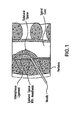
- the epidural space is normally devoid of fluids, and the distance across it is small ( FIG. 1 ). If the epidural needle is advanced too far, it will pierce the dura, which contains the spinal cord, spinal nerves and CSF. A hole in the dura may allow CSF to leak into the epidural space causing severe headaches.
- accidental dural puncture made while locating the epidural space risks cerebellar or tentorial herniation due to loss of CSF. Other serious complications include permanent paralysis, cardiac arrest and death.
- the optimal method to detect dural puncture is to test for the presence or absence of CSF.
- Chemical analysis of fluid for glucose, protein, potassium or sodium is unreliable as a means of determining if the fluid is CSF.
- Radiographic studies are only intermittently successful in demonstrating small or delayed CSF leaks, are cumbersome, costly, time consuming, and carry risks of exposure to radiation and to radioisotopic dyes.
- Electrophoresis of fluid from a suspected CSF source combined with immunofixation to detect the CSF protein constituent beta-2 transferrin has been shown to be a specific and generally accepted method of detecting CSF.
- the beta-2 transferrin, assay requires the coordination of multiple acquisition and handling steps, is prohibitively time consuming for use during and after neural blockade (4 days), and is expensive ($300/assay).
- L-PGDS Lipocalin-type prostaglandin D2 synthase
- PWD prostaglandin D2
- L-PGDS catalyzes the isomerization of prostaglandin H2 to prostaglandin D2 (PGD), which serves as an endogenous sleep-promoting compound.
- PGD prostaglandin D2
- the entire structure of L-PGDS is specific to CSF. L-PGDS is therefore preferred for use as a rapid and specific indicator of the presence or absence of CSF.
- Disclosed herein is a method for the detection of cerebrospinal fluid in a sample, comprising providing a sample suspected of containing cerebrospinal fluid, and detecting the presence or absence of lipocalin-type prostaglandin D2 synthase in said sample.
- One or more additional compounds may be detected, alone or in combination with, lipocalin-type prostaglandin D2 synthase, such as beta-2 transferrin.
- the subject may have spontaneous otorrhea, rhinorrhea or may have undergone trauma or surgery.
- the subject may be undergoing, or have undergone, neural blockade.
- Disclosed herein is a method wherein the amount of lipocalin-type prostaglandin D2 synthase is correlated to a known value to determine the presence or absence of cerebrospinal fluid in the sample.
- the presence or absence of cerebrospinal fluid in a sample comprises determining the amount of lipocalin-type prostaglandin D2 synthase in the sample.
- Lipocalin-type prostaglandin D2 synthase may be present at a concentration of less than approximately 2.0 mg/L, or at concentration of between approximately 2.0 mg/L and approximately 6.0 mg/L, or at a concentration of between approximately 6.0 and approximately 10.0 mg/L, or at a concentration of greater than approximately 10.0 mg/L.
- Also disclosed herein is a method of determining the presence or absence of cerebrospinal fluid in a sample comprising determining the ratio of lipocalin-type prostaglandin D2 synthase in the serum, to lipocalin-type prostaglandin D2 synthase in a sample.
- the ratio may be less than 10, or between 10 and 20, or is greater than 20.
- the sample is obtained from a superficial opening on the body, or from a needle in the body.
- the sample is free flowing or aspirated.
- the sample is obtained from a catheter and can be free flowing from the catheter or aspirated from a catheter.
- the sample may be obtained at serial intervals for the duration the catheter is in place.
- the sample may be obtained before catheter placementor after catheter placement.
- the sample may be obtained before administration of fluid, or after administration of fluid.
- the sample may be obtained before or after administration of a drug.
- the subject may be a mammal.
- the subject may be a human.
- the subject may be undergoing surgery.
- the subject may be undergoing acute pain management.
- the subject may be undergoing pain management after surgery.
- the subject may be undergoing pain management after trauma.
- the subject may be undergoing pain management during labor and delivery.
- the subject may be undergoing chronic pain management.
- the pain may comprise malignant pain.
- the pain may comprise non-malignant pain.
- the neural blockade comprises regional analgesia.
- the regional analgesia may comprise spinal analgesia.
- the spinal analgesia may comprise a single drug dose.
- the spinal analgesia may be continuous through a catheter.
- the regional analgesia may comprise epidural analgesia.
- the epidural analgesia may comprise a single drug dose.
- the epidural analgesia may be continuous through a catheter.
- the regional analgesia may be combined spinal and epidural analgesia.
- the regional analgesia may comprise a peripheral nerve block.
- the regional analgesia may comprise a plexus neural blockade.
- the regional analgesia may comprise an implanted drug delivery system.
- the regional analgesia may comprise a nerve stimulator.
- detection comprises differential antibody binding.
- detection comprises an in situ immunoassay.
- detection comprises an in situ immunoassay using a colloidal gold label.
- differential antibody binding comprises a Western blot.
- differential antibody binding comprises a nephelometric assay. The presence or absence of lipocalin-type prostaglandin D2 synthase in a sample is detected by a chromatographic assay.
- the presence or absence of lipocalin-type prostaglandin D2 synthase in a sample is detected by an enzymatic assay.
- the presence or absence of lipocalin-type prostaglandin D2 synthase in a sample is detected by a spectroscopic assay.
- the method forms part of the invention when the sample is contacted with the monoclonal antibody of claim 1 or 2.
- kits comprising a reagent for detecting the presence or absence of lipocalin-type prostaglandin D2 synthase in a sample before, during, or after neural blockade.
- the kit may further comprise instructions for using the kit for detecting the presence or absence of lipocalin-type prostaglandin D2 synthase in a sample.
- the instructions may comprise instructions required by the U.S. Food and Drug Administration for in vitro diagnostic kits.
- the kit may further comprise instructions for diagnosing the presence or absence of cerebrospinal fluid in a sample based on the presence or absence of lipocalin-type prostaglandin D2 synthase in said sample.
- the reagent may comprise one or more antibodies.
- the reagent may comprise one or more enzymes, enzyme inhibitors or enzyme activators.
- the reagent may comprise one or more chromatographic compounds.
- the reagent may comprise one or more compounds used to prepare the sample for spectroscopic assay.
- the kit may comprise comparative reference material to interpret the presence or absence of lipocalin-type prostaglandin D2 synthase according to intensity, color spectrum, or other physical attribute of an indicator.
- the kit according to claim 8 forms part of the invention.
- a method for detecting the presence or absence of cerebrospinal fluid in a sample comprising the steps of: (1) providing a sample from a subject; (2) analyzing the sample for the presence or absence of lipocalin-type prostaglandin D2 synthase; and (3) correlating the presence or absence of the lipocalin-type prostaglandin D2 synthase with the presence or absence of the cerebrospinal fluid in the sample.
- a device for detecting the presence or absence of cerebrospinal fluid in a sample comprising: an absorbent membrane comprising a sample zone comprising a first monoclonal antibody to lipocalin-type prostaglandin D2 synthase; a test zone comprising a second monoclonal or polyclonal antibody to lipocalin-type prostaglandin D2 synthase immobilized to the membrane; and a control zone comprising a control antibody.
- the device according to claims 4 and 6 forms part of the invention.
- the term "subject” encompasses humans and animals, whether or not hospitalized.
- L-PGDS lipocalin-type prostaglandin D2 synthase
- L-PGDS lipocalin-type prostaglandin D2 synthase
- a specific protein which is secreted into the CSF after production in the choroid plexus, leptomeninges, and oligodendrocytes of the central nervous system, which catalyzes the isomerization of prostaglandin H2 to prostaglandin D2, and which is correlated with the presence or absence of CSF.
- L-PGDS serves to distinguish this protein from hematopoetic type PGDS.
- Neural blockade refers to administration of cellular receptor agonists and antagonists in direct proximity to targeted neuronal structures for the purposes of interfering with neuronal transmission.
- Neural blockade includes, but is not limited to, regional anesthesia (e.g., spinal, epidural, peripheral or plexus anesthesia), and regional analgesia (e.g., spinal, epidural, peripheral or plexus analgesia).
- the term "is undergoing” is used in reference to being subjected to neural blockade.
- malignant pain refers to pain arising from a cancerous or neoplastic origin including pressure, ischemia, necrosis, obstruction and other consequences of tumor location and growth.
- non-malignant pain refers to pain arising from causes other than cancer.
- regional analgesia is used in reference to neural blockade to refer to agents and procedures used to reduce or eliminate pain in a region of the body without direct interference with consciousness.
- continuous is used in reference to neural blockade wherein drugs are infused through a catheter to the desired site of action without interruption.
- spinal is used in reference to neural blockade to refer to administration of a drug or drugs beneath the dura and into the cerebrospinal fluid.
- neural is used in reference to neural blockade to refer to administration of a drug or drugs within the epidural space external to the dural membrane of the nervous system.
- peripheral is used in reference to neural blockade to refer to administration of a drug or drugs directly in proximity to a peripheral nerve external to the central nervous system.
- plexus is used in reference to neural blockade to refer to administration of a drug or drugs directly in proximity to a nerve plexus external to the central nervous system.
- the term "implanted drug delivery system” is used to refer to a device indwelling in the body capable of providing a drug or drugs to the nervous system (e.g., through a catheter) either as a continuous infusion or in response to patient demand.
- the term "nerve stimulator” is used in reference to a device indwelling in the body capable of providing constant or intermittent electrical current or voltage in relief of malignant and non-malignant pain.
- amino acid sequence is recited herein to refer to an amino acid sequence of a naturally occurring protein molecule
- amino acid sequence and like terms, such as “polypeptide” or “protein” are not meant to limit the amino acid sequence to the complete, native amino acid sequence associated with the recited protein molecule.
- fragment refers to a polypeptide that has an amino-terminal and/or carboxy-terminal deletion as compared to the native protein, but where the remaining amino acid sequence is identical to the corresponding positions in the amino acid sequence deduced from a full-length cDNA sequence. Fragments typically are at least 4 amino acids long, preferably at least 20 amino acids long, usually at least 50 amino acids long or longer, and span the portion of the polypeptide required for intermolecular binding of the compositions with its various ligands and/or substrates.
- the term "purified” or “to purify” refers to the removal of contaminants from a sample.
- L-PGDS antibodies are purified by removal of contaminating non-immunoglobulin proteins; they are also purified by the removal of immunoglobulin that does not bind L-PGDS.
- the removal of non-immunoglobulin proteins and/or the removal of immunoglobulins that do not bind L-PGDS results in an increase in the percent of L-PGDS-reactive immunoglobulins in the sample.
- recombinant L-PGDS polypeptides are expressed in bacterial host cells and the polypeptides are purified by the removal of host cell proteins; the percent of recombinant L-PGDS polypeptides is thereby increased in the sample.
- the term "recombinant DNA molecule" as used herein refers to a DNA molecule that is comprised of segments of DNA joined together by means of molecular biological techniques.
- recombinant protein or “recombinant polypeptide” as used herein refers to a protein molecule that is expressed from a recombinant DNA molecule.
- native protein indicates the functional form of a protein, also referred to as the protein in its three-dimensional folded state.
- a native protein may be produced by recombinant means or may be isolated from a naturally occurring source.
- the term "Western blot” refers to the analysis of protein(s) (or polypeptides) immobilized onto a support such as nitrocellulose or a membrane.
- the proteins are run on acrylamide gels to separate the proteins, followed by transfer of the protein from the gel to a solid support, such as nitrocellulose or a nylon membrane.
- the immobilized proteins are then exposed to antibodies with reactivity against an antigen of interest.
- the binding of the antibodies may be detected by various methods, including the use of radiolabeled antibodies.
- antigenic determinant refers to that portion of an antigen that makes contact with a particular antibody (i.e., an epitope).
- a protein or fragment of a protein is used to immunize a host animal, numerous regions of the protein may induce the production of antibodies that bind specifically to a given region or three-dimensional structure on the protein; these regions or structures are referred to as antigenic determinants.
- An antigenic determinant may compete with the intact antigen (i.e., the "immunogen" used to elicit the immune response) for binding to an antibody.
- the monoclonal antibody specifically binds to an antigenic determinant on the surface of the native protein, that is, an antigenic determinant on the solvent-accessible surface of the protein.
- nephelometric assay is used to refer to an assay developed by Dade Behring (Liederbach, Germany), consisting or polystryene particles coated with immunoaffinity-purified polyclonal antibodies from rabbit against human PGDS. The increase in light scattering caused by agglutination is measured by laser absorption.
- sample as used herein is used in its broadest sense.
- a sample suspected of containing a protein may comprise a cell or can be cell-free, a portion of a tissue, an extract containing one or more proteins, or body fluid.
- a "free flowing" sample refers to passive drainage of body fluid from a needle, catheter or other instrument penetrating a body compartment.
- a sample is a sample suspected of containing cerebrospinal fluid.
- response when used in reference to an assay, refers to the generation of a detectable signal (e.g., accumulation of reporter protein, increase in ion concentration, and accumulation of a detectable chemical product).
- a detectable signal e.g., accumulation of reporter protein, increase in ion concentration, and accumulation of a detectable chemical product.
- the term "instructions for using said kit for said detecting the presence or absence of L-PGDS polypeptide in a said biological sample” includes instructions for using the reagents contained in the kit for the detection of L-PGDS polypeptides.
- the instructions may further comprise the statement of intended use required by the U.S. Food and Drug Administration (FDA) in labeling in vitro diagnostic products.
- FDA U.S. Food and Drug Administration
- the FDA classifies in vitro diagnostics as medical devices and requires that they be approved through the 510(k) procedure.
- Information required in an application under 510(k) includes: 1) The in vitro diagnostic product name, including the trade or proprietary name, the common or usual name, and the classification name of the device; 2) The intended use of the product; 3) The establishment registration number, if applicable, of the owner or operator submitting the 510(k) submission; the class in which the in vitro diagnostic product was placed under section 513 of the FD&C Act, if known, its appropriate panel, or, if the owner or operator determines that the device has not been classified under such section, a statement of that determination and the basis for the determination that the in vitro diagnostic product is not so classified; 4) Proposed labels, labeling and advertisements sufficient to describe the in vitro diagnostic product, its intended use, and directions for use.
- photographs or engineering drawings should be supplied; 5) A statement indicating that the device is similar to and/or different from other in vitro diagnostic products of comparable type in commercial distribution in the U.S., accompanied by data to support the statement; 6) A 510(k) summary of the safety and effectiveness data upon which the substantial equivalence determination is based; or a statement that the 510(k) safety and effectiveness information supporting the FDA finding of substantial equivalence will be made available to any person within 30 days of a written request; 7) A statement that the submitter believes, to the best of their knowledge, that all data and information submitted in the premarket notification are truthful and accurate and that no material fact has been omitted; 8) Any additional information regarding the in vitro diagnostic product requested that is necessary for the FDA to make a substantial equivalency determination. Additional information is available at the Internet web page of the U.S. FDA.
- the term “superficial opening” refers to a natural or acquired aperture on the surface of the body.
- a method for detecting the presence or absence of cerebrospinal fluid in a sample comprising the steps of: (1) providing a sample from a subject; (2) analyzing the sample for the presence or absence of lipocalin-type prostaglandin D2 synthase (L-PGDS); and (3) correlating the presence or absence of the lipocalin-type prostaglandin D2 synthase with the presence or absence of the cerebrospinal fluid in the sample.
- L-PGDS lipocalin-type prostaglandin D2 synthase
- sample is defined in its broadest sense and includes cellular or cell free extracts, a portion of a tissue, an extract containing one or more proteins, or body fluid.
- the sample may be obtained from subjects by passive drainage of body fluid from a needle, catheter or other instrument penetrating a body compartment.
- a new method of detecting or analyzing for the presence or absence of CSF has been developed. Accordingly, provided herein are methods for detecting L-PGDS in a sample from a subject, including subjects undergoing or having undergone neural blockade.
- a suitable method is used to detect or analyze for L-PGDS polypeptides. For example, in some embodiments, a chromatographic method wherein the presence of L-PGDS produces a detectable color change is utilized.
- An enzymatic method is also disclosed wherein the presence of L-PGDS initiates detectable enzymatic activation is utilized. The presence of L-PGDS in a sample is detected by atomic absorption or atomic emission spectroscopy.
- a monoclonal antibody specific to a surface epitope of L-PDGS such as VQPNFQQDKFLGR. The monoclonal antibody of claims 1 and 2 is used in the methods of the invention.
- the L-PGDS protein (also referred to as "prostaglandin-H2 D-isomerase", and “beta-trace protein”) is a glycoprotein with a molecular mass of about 26 kDa (EC 5.3.99.2) belonging to the lipocalin family of secretory proteins.
- the L-PGDS protein catalyzes the isomerization of PGH 2 to produce PGD 2 .
- the cDNA of human L-PGDS encodes 190 amino acid residues with an N-terminal signal peptide of 22 amino acid residues.
- the L-PGDS protein is the "brain-type” isoform with brain-specific N-glycosylation oligosaccharide chains.
- the monoclonal antibodies provided herein detect L-PGDS (either in its native or denatured form) in every CSF sample tested (100% specificity). According to published reports, L-PGDS is in a concentration of 8000ng/1000 ul in CSF. laboratory tests show that the monoclonal antibodies disclosed herein can detect this marker protein in a concentration as low as 2-4 ng indicating the high sensitivity of the antibodies.
- the isolated monoclonal antibody of the invention is used to determine if a sample contains L-PGDS indicating the presence or absence of CSF (see Generation of L-PGDS Antibodies below).
- Antibody binding is detected by techniques known in the art (e.g., radioimmunoassay, ELISA (enzyme-linked immunosorbant assay), "sandwich” immunoassays, immunoradiometric assays, gel diffusion precipitation reactions, immunodiffusion assays, in situ immunoassays (e.g., using colloidal gold, enzyme or radioisotope labels, for example), Western blots, precipitation reactions, agglutination assays (e.g., gel agglutination assays, hemagglutination assays, etc.), complement fixation assays, immunofluorescence assays, protein A assays, and immunoelectrophoresis assays, etc.
- radioimmunoassay e.g.,
- antibody binding is detected by detecting a label on the primary antibody.
- the primary antibody is detected by detecting binding of a secondary antibody or reagent to the primary antibody.
- the secondary antibody is labeled. Many methods are known in the art for detecting binding in an immunoassay.
- an automated detection assay is utilized.
- Methods for the automation of immunoassays include those described in U.S. Pat. Nos. 5,885,530 , 4,981,785 , 6,159,750 , and 5,358,691 .
- the analysis and presentation of results is also automated.
- software that generates a score correlating to the presence of PGDS and likelihood of CSF in a sample based on the result of the immunoassay is utilized.
- the immunoassay is as described in U.S. Pat. Nos. 5,599,677 and 5,672,480 .
- Antibodies can be generated to allow for the detection of L-PGDS protein.
- the antibodies are prepared using various immunogens.
- the immunogen may be a human L-PGDS peptide to generate antibodies that recognize human L-PGDS.
- Such antibodies include, but are not limited to polyclonal, monoclonal, chimeric, single chain, Fab fragments, Fab expression libraries, or recombinant (e.g., chimeric, humanized, etc.) antibodies, as long as it can recognize the protein.
- Antibodies can be produced by using a protein or peptide as the antigen according to a conventional antibody or antiserum preparation process.
- polyclonal antibodies directed against PGDS various procedures known in the art may be used for the production of polyclonal antibodies directed against PGDS.
- various host animals can be immunized by injection with the peptide corresponding to the L-PGDS epitope including but not limited to rabbits, mice, rats, sheep, goats, etc.
- the peptide is conjugated to an immunogenic carrier (e.g., diphtheria toxoid, bovine serum albumin (BSA), or keyhole limpet hemocyanin (KLH)).
- an immunogenic carrier e.g., diphtheria toxoid, bovine serum albumin (BSA), or keyhole limpet hemocyanin (KLH).
- adjuvants may be used to increase the immunological response, depending on the host species, including but not limited to Freund's (complete and incomplete), mineral gels (e.g., aluminum hydroxide), surface active substances (e.g., lysolecithin, pluronic polyols, polyanions, peptides, oil emulsions, keyhole limpet hemocyanins, dinitrophenol, and potentially useful human adjuvants such as BCG (Bacille Calmette-Guerin) and Corynebacterium parvum).
- BCG Bacille Calmette-Guerin
- Monoclonal antibodies may be produced in germ-free animals utilizing technology such as that described in PCT/US90/02545 ). Furthermore, it is contemplated that human antibodies will be generated by human hybridomas ( Cote et al., Proc. Natl. Acad. Sci. USA 80:2026-2030 [1983 ]) or by transforming human B cells with EBV virus in vitro ( Cole et al., in Monoclonal Antibodies and Cancer Therapy, Alan R. Liss, pp. 77-96 [1985 ]).
- the monoclonal antibody is specific for the native L-PGDS protein. Such a monoclonal antibody is preferred for use in a lateral flow device.
- the crystal structure of L-PGDS is not publicly available.
- a bioinformatics program called "Antigenicity Plot" is employed wherein the protein sequence of L-PGDS is subjected to antigenicity analysis, and the resultant highly antigenic peptide sequences are analyzed for their surface positioning by generating a virtual 3D structure of the L-PGDS.
- Antigenicity Plot a bioinformatics program called "Antigenicity Plot" is employed wherein the protein sequence of L-PGDS is subjected to antigenicity analysis, and the resultant highly antigenic peptide sequences are analyzed for their surface positioning by generating a virtual 3D structure of the L-PGDS.
- Predictions are based on the occurrence of amino acid residues in experimentally known segmental epitopes. The following criteria are followed to determine the best chance of antigenicity of an L-PGDS peptide to generate antibodies that can detect native protein: (1) peptides located in solvent accessible regions and that contain both hydrophobic and hydrophilic residues; (2) peptides lying in long loops connecting secondary structure motifs, avoiding peptides located in helical regions; (3) peptides that are in the N- and C-terminal region of the protein, because the N- and C- terminal regions of proteins are usually solvent accessible and unstructured, antibodies against those regions are also likely to recognize the native protein; (4) both N and C terminals are open-ended in the native state; (6) the presence of other amino acid residues that are hydrophilic closest to the peptide sequence; (7) the sequence surface area is accessible on the structure; and (8) the sequence structure is unique for the protein of interest and has a low probability of similarity with other sequences from other proteins (as analyzed by "BL
- contemplated are recombinant antibodies or fragments thereof to L-PGDS.
- Recombinant antibodies include, but are not limited to, humanized and chimeric antibodies. Methods for generating recombinant antibodies are known in the art (See e.g., U.S. Pat. Nos. 6,180,370 and 6,277,969 and " Monoclonal Antibodies” H. Zola, BIOS Scientific Publishers Limited 2000. Springer-Verlag New York, Inc., N.Y .).
- a technique suitable for producing antibody fragments will find use in generating antibody fragments that contain the idiotype (antigen binding region) of the antibody molecule.
- fragments include but are not limited to: F(ab')2 fragment that can be produced by pepsin digestion of the antibody molecule; Fab' fragments that can be generated by reducing the disulfide bridges of the F(ab')2 fragment, and Fab fragments that can be generated by treating the antibody molecule with papain and a reducing agent.
- screening for the desired antibody will be accomplished by techniques known in the art (e.g., radioimmunoassay, ELISA (enzyme-linked immunosorbant assay), "sandwich” immunoassays, immunoradiometric assays, gel diffusion precipitation reactions, immunodiffusion assays, in situ immunoassays (e.g., using colloidal gold, enzyme or radioisotope labels, for example), Western blots, precipitation reactions, agglutination assays (e.g., gel agglutination assays, hemagglutination assays, etc.), complement fixation assays, immunofluorescence assays, protein A assays, and immunoelectrophoresis assays, etc.
- radioimmunoassay e.g., ELISA (enzyme-linked immunosorbant assay), "sandwich” immunoassays, immunoradiometric assays, gel diffusion precipitation reactions, immunodiffusion as
- antibody binding is detected by detecting a label on the primary antibody.
- the primary antibody is detected by detecting binding of a secondary antibody or reagent to the primary antibody.
- the secondary antibody is labeled.
- the immunogenic peptide may be provided free of the carrier molecule used in any immunization protocol. For example, if the peptide was conjugated to KLH, it may be conjugated to BSA, or used directly, in a screening assay.).
- the foregoing antibodies can be used in methods known in the art relating to the localization and structure of L-PGDS (e.g., for Western blotting), measuring levels thereof in appropriate biological samples, etc.
- the antibodies can be used to detect L-PGDS in a biological sample from an individual.
- the biological sample can be a biological fluid, such as, but not limited to, blood, serum, plasma, interstitial fluid, urine, and cerebrospinal fluid.
- the biological samples can then be tested directly for the presence of human L-PGDS using an appropriate strategy (e.g., ELISA or radioimmunoassay) and format (e.g., microwells, dipstick (e.g., as described in International Patent Publication WO 93/03367 ), etc.
- an appropriate strategy e.g., ELISA or radioimmunoassay
- format e.g., microwells, dipstick (e.g., as described in International Patent Publication WO 93/03367 ), etc.
- proteins in the sample can be size separated (e.g., by polyacrylamide gel electrophoresis (PAGE), in the presence or not of sodium dodecyl sulfate (SDS), and the presence of L-PGDS detected by immunoblotting (Western blotting).
- Immunoblotting techniques are generally more effective with antibodies generated against a peptide corresponding to an epitope of a protein, and hence, are particularly suited to the
- the correlation step mentioned above may be implemented qualitatively or quantitatively, for example in a fluorophoric or colorimetric assay.
- any indication of lipocalin-type prostaglandin D2 synthase in a sample can be directly correlated to the presence of cerebrospinal fluid in that sample.
- kits and devices for determining whether a sample contains L-PGDS are produced in a variety of ways.
- the reagents comprise the isolated monoclonal antibody of the invention that preferentially binds L-PGDS proteins.
- kits and devices containing at least one reagent for specifically detecting an L-PGDS protein may contain multiple reagents for detecting the L-PGDS protein.
- the kit or device contains instructions for determining whether the sample contains L-PGDS.
- the instructions specify that presence or absence of CSF is determined by detecting the presence or absence of L-PGDS in a sample from the subject, wherein subjects are undergoing or have undergone neural blockade.
- the presence or absence of an L-PGDS in a sample can be used to make therapeutic or other medical decisions. For example, deciding whether to use the existing catheter in place, or to replace the catheter during or after neural blockade, may be based on the presence or absence of L-PGDS-containing CSF in a sample obtained from the catheter.
- kits and devices include ancillary reagents such as buffering agents, protein stabilizing reagents, and signal producing systems (e.g., fluorescence generating systems such as FRET systems).
- the test kit or device is packaged in a suitable manner, typically with the elements in a single container or various containers as necessary, along with a sheet of instructions for carrying out the test.
- the kits or devices also include a positive control sample.
- the kit or device contains comparative reference material to interpret the presence or absence of prostaglandin D2 synthase according to intensity, color spectrum, or other physical attribute of an indicator.
- an immunoassay suitable for the detection of CSF in a sample comprises a monoclonal antibody that specifically interacts with native L-PGDS, such as those disclosed herein.
- a device for the detection of CSF in a sample comprises a sample region comprising a mobile indicator suitable for binding L-PGDS in fluid communication with a detection region comprising a fixed indicator suitable for binding to L-PGDS, wherein the mobile indicator, the fixed indicator, or both, comprises a monoclonal antibody of the invention.
- the device also comprises a control region, in fluid communication with the sample region and the detection region, wherein the control region comprises a positive control.
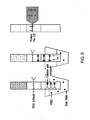
- a test device includes a test strip optionally with a plastic test cassette ( FIG. 4 ).
- Antibodies are attached to three different zones on the membrane; a sample zone (S) containing a first monoclonal antibody to lipocalin-type prostaglandin D2 synthase; a test zone (T) that contains a second monoclonal or polyclonal antibody to lipocalin-type prostaglandin D2 synthase immobilized to the membrane; and a control zone (C), which contains, for example, an immobilized rabbit anti-mouse antibody.
- the first monoclonal antibody in the sample (S) zone may be conjugated to a mobile particle, for example, a colored latex particle or a gold particle.
- the first monoclonal antibody is conjugated to a chromophoric indicator, such as a fluorescent molecule or tag (e.g. Green Fluorescent Protein (GFP), Alexa, and Texas Red).
- GFP Green Fluorescent Protein
- Alexa Alexa
- the device is implemented utilizing an immunochromatographic test based on the use of two monoclonal antibodies. As shown in FIGS. 5A and 5B , sample is added to the S-zone, and if PGDS is present, it binds to the first monoclonal antibody to form a PGDS-conjugate-complex. This complex migrates chromatographically on the membrane, and when it reaches the immobilized antibody in the T-zone, agglutination takes place and a blue colored band is formed.
- the first monoclonal antibody is conjugated to a mobile particle, for example, gold or latex beads. These beads have the intrinsic color of either being red (for gold) or can come in different colors if using latex beads.
- a mobile particle for example, gold or latex beads.
- the marker, L-PGDS if present in the sample binds to the first monoclonal antibody that is conjugated to the beads and then because of the lateral flow absorbent pad on which the beads are placed, the complex (beads+antibody+L-PGDS if present in the sample) migrates laterally.
- the marker that is now migrating with the complex binds to the second immobilized antibody.
- the immobilized T-zone line lights up according to the beads that are used (red for gold or different colors ⁇ like blue ⁇ if latex beads are used).
- the excess complex sample migrates to the end of the strip and at the "C-zone” the first antibody conjugated to the beads is trapped by immobilized/fixed/stationary rabbit-anti mouse antibody and gives a colored line indicating that the test is complete).
- a colored band indicates a positive result ( FIG. 5A ).
- No band in the T-zone is significant for a negative result ( FIG. 5B ).
- the immobilized polyclonal antibody in the C-zone will bind the latex conjugate with both positive and negative samples. This blue band assures a correct test performance.
- kits and devices are utilized in a variety of clinical settings to determine the presence of CSF in a sample, including skull fractures, CSF leaks following various surgeries, such as endoscopic endonasal surgery, neurosurgery, epidural catheter placement, spontaneous intracranial hypotension, anthrax induced intracranial hypotension, or CSF leaks associated conditions such as rhinnorhea and otorrhea, hydrocephalus, intracranial neoplasms, congenital neural malformations, and the like.
- various surgeries such as endoscopic endonasal surgery, neurosurgery, epidural catheter placement, spontaneous intracranial hypotension, anthrax induced intracranial hypotension, or CSF leaks associated conditions such as rhinnorhea and otorrhea, hydrocephalus, intracranial neoplasms, congenital neural malformations, and the like.
- Epidural eluates and CSF samples were obtained from patients in the labor and delivery unit of SUNY Stony Brook University Hospital.
- the body fluids were obtained from the Hematology and Chemistry labs of SUNY Stony Brook University Hospital.
- the samples were analyzed for PGDS with use of a polyclonal antibody specific for lipocalin PGDS (CAYMAN CHEMICAL CO. Ann Arbor Mich.).
- an epidural catheter was placed and dosed with routine epidural medications (3 cc of lidocaine-1.5% with epinephrine-1:200,000; and 10 cc of bupivacaine-0.125% with fentanyl-50 ⁇ g). The patient was then placed on a continuous epidural infusion ofbupivacaine 0.0625% with fentanyl 1.6 ⁇ g/cc at 10 cc/hr. For the purpose of this investigation, the epidural catheter was aspirated twice between one and four hours after the epidural placement. Aspirated fluid was tested for the presence of CSF by PGDS immunoblotting.
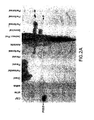
- Polyclonal anti-L-PGDS antibody reliably and specifically detects the presence of L-PGDS in CSF upon immunoblotting, and its absence in other body fluids ( FIG. 2A ). Sample volumes as small as 5 ⁇ L are suitable for accurate analysis.
- Polyclonal anti-L-PGDS antibody reliably detects L-PGDS in CSF samples from 12 distinct human sources, indicating the antibody-mediated detection of L-PGDS in CSF is antigen-specific but not patient-specific ( FIG. 2B ).
- Polyclonal anti- L-PGDS antibody reliably discriminates aspirates of fluid from different body compartments. Strong anti- L-PGDS binding is observed in fluid samples from spinal sources, whereas no L-PGDS binding is seen in eluates from catheters in the epidural space ( FIG. 2C ).
- Plasmid pDNR-LIB (125-225 ng) containing the gene for L-PGDS was incubated with pLB-ProTet-6.times.HN acceptor vector (about.200 ng) in a Cre Recombinase reaction (20 ⁇ L). Reactions were terminated and then used to transform competent DH5-alpha and BL21 bacterial cells, which were then plated on Luria Broth (LB) agar plates containing 30 ⁇ g/mL chloramphenicol and 7% sucrose. The gene of L-PGDS was also cloned into a pet15b vector with a His tag on the C-terminal end and was used to transform DH5-alpha and BL21 bacterial cells. Plasmid DNA was extracted from selected colonies, linearized by restriction enzyme, and run on an agarose gel.
- Cytosolic fraction of BL21 E. coli (transfected with Pro-Tet R or pet15b vector harboring L-PGDS gene) was extracted into Sigma Lytic II extraction buffer and the sample was applied to BD-TALON His-Arg affinity column or Nickel-NTA column and the bound rPGDS was eluted with imidazole. The samples were subjected to SDS-PAGE and immunoblotted with PGDS antibody.
- Example 5a Mapping the solvent-exposed surface of L-PGDS
- L-PGDS has the sequence given in SEQ ID NO:2. There is no publicly available crystal structure of LPGDS, so studies were undertaken to determine the solvent-exposed surface of L-PGDS so that antibodies to the native, i.e., folded protein, could be generated.
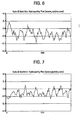
- the "Antigenicity Index" for L-PGDS is derived from applying the L-PGDS sequence to Hopp & Woods Hydropathic Plots ( FIG. 6 is a hydrophobic plot and FIG. 7 is a hydrophilic plot).
- Figure 8 depicts the hydrophilic plot with the L-PGDS sequence that was analyzed by Antigenic Index.
- FIG. 8 is the same as FIG. 7 with the X and Y axes scaled appropriately to identify the amino acid sequences (X-axis) and antigenic index number (Y-axis).
- SEQ ID NO Potential high antigenic peptides of L-PGDS as derived from antigenic index plot 3 30 - VQPNFQQDKFLGR - 42 4 50 - SNSSWLREK - 58 5 80 - PATDGGLNLT - 90 6 115 - TYSVSVVETDY - 125 7 131 - LYSQGSKGPG ED - 142 8 148 - YSRTQTPRAELK - 160 9 176 - TIVFLPQT - 183
- the sequence 30-42 was selected for making an antigen to inoculate into mice. Molecules smaller than 12 kDa may not elicit an immune response. In order to generate an immune response and high quality antibodies to small molecules, conjugation to larger carrier proteins is normally performed. Keyhole Limpet Hemocyanin (KLH) was chosen as a carrier protein. KLH compared to carrier proteins such as Bovine Serum Albumin (BSA) is useful since there is no reactivity with ELISA or Western Blots blocking reagents.
- KLH Keyhole Limpet Hemocyanin
- BSA Bovine Serum Albumin
- Various chemistries for immunogen preparation such as coupling through sulfhydryl groups and the carbodiimide reaction can be used.
- Maleimide chemistry can be used to couple a free sulfhydral group of a cysteine residue of the peptide to the carrier protein.
- Multiple cysteines in a peptide will most likely form disulfide bonds, which must be reduced before conjugation chemistry takes place.
- the selected L-PGDS peptide (seq 30-42) inevitably does not have multiple cysteine residues. Unfortunately, this peptide sequence does not have any cysteine residues and hence it was decided to attach one cysteine residue either to the N- or C-terminus of the peptide for linkage to the carrier protein.
- cysteine should be added on to the terminus of least importance.
- the cysteine should be added to the C-terminus.
- the cysteine can be added to either the N or C-terminus.
- an extra cysteine residue was added to the C-terminus end of the sequence, so that KLH can be conjugated.
- the first peptide that was selected using antigenic index is from the sequence 30-42.
- R Arginine
- C Cysteine
- Another important feature in selection of a highly antigenic peptide is that the synthesized peptide must be readily soluble in an aqueous buffer for conjugation and for use in biological assays.
- the peptide sequence that was selected using antigenic index showed high hydrophilicity. However, in the peptide that was selected there were two glutamine(Q) amino acids sequentially. Glutamine causes insolubility, as it can form hydrogen bonds between peptide chains, and in the peptide that was selected there are two glutamines (Q-Q).
- Proline provides no hydrogen bond, but has a spatial similarity with a pyranose ring that makes it preferable. It also reduces the flexibility of the peptides favoring existing mimotope conformations. Hence, replacing Q with P made the site of substitution nonpolar to a polar site eliminating hydrogen bonding on subsequent residues.
- the sequence used to inject mice with two substitutions for easy synthesis and to make it highly antigenic is : VQPNFQPDKFLGC (SEQ ID NO:1).
- the SEQ ID NO:1 peptide has high antigenicity as well as positioning on the external surface of the native protein in view of its hydrophilicity.
- the SEQ ID NO:1 peptide was selected to generate several hybridomas. Generally a single antigenic determinant or epitope is between 5 and 8 amino acids and therefore a peptide larger than 10 amino acids will contain one or more epitopes.
- Monoclonal antibodies were generated against L-PGDS using the peptide of SEQ ID NO:1.
- Three mice were immunized with the SEQ ID NO: L-PGDS peptide by four biweekly injections and sera was tested by ELISA.
- a mouse was chosen for fusion based upon having an antibody titer of 1:1000 against the antigen and boosted again with the antigen, followed by splenic fusion four days later.
- Isolated spleen cells were fused with mouse myeloma cell line SP2/O at a ratio of 10:1 spleen cells:myeloma cells by pelleting them together at 1000 rpm for 5 min in DMEM medium (Gibco) supplemented with 10% Fetal Clone I (HyClone), non-essential amino acids (Gibco) and penicillin and streptomycin (Gibco). The pellet was resuspended in 35% PEG 1500 (Roche) in DMEM medium, and the cells were immediately centrifuged at 1000 rpm for 5 min.
- the PEG was aspirated, and the fused cells were suspended in DMEM glutamax medium (Gibco) supplemented with 15% Fetal Clone I, 10% NCTC 109 (Gibco), non-essential amino acids, penicillin and streptomycin, 10-4 M hypoxanthine, 4X10 -7 M aminopterin, 1.6.times.10-5 M thymidine, and 10% macrophage conditioned medium and plated in ten 96 well plates. Macrophage conditioned medium was prepared as described (Rathejan et al, 1985) with modifications (Sugasawara et al, 1985).
- J774.A1 (American Type Culture Collection) was cultured in a spinner flask in DMEM medium supplemented with 10% horse serum (HyClone). Lipopolysaccharide (E. coli LPS 055:B5, Cal Biochem) was added to 5 ⁇ g/mL to the spinner culture, and the cells were incubated for 20 h. Cells were then harvested at 1000 rpm for 10 minutes and washed in one-half volume of PBS. Following centrifugation for 10 min at 1000 rpm, the supernatant was discarded and the cells resuspended in Iscoves modified Dulbecco's medium (IMDM, Gibco) without horse serum and transferred to a spinner flask.
- IMDM Iscoves modified Dulbecco's medium
- the cells were then incubated for 48 h at 37°C.
- the medium was harvested by pelleting the cells out of the medium by centrifugation at 1500 rpm for 10 min.
- the macrophage conditioned medium was then filtered and stored at 4°C.
- Two weeks following fusion, wells were screened by ELISA against L-PGDS peptide conjugated to ovalbumin. The day before screening, 0.1 mL of medium was removed from each well of the ten 96-well fusion plates and replaced with 0.1 mL per well of fresh medium. Wells exhibiting both a positive response by ELISA and cell growth were rescreened by ELISA the following day to confirm the response.
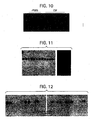
- FIG. 9 Recombinant L-PGDS and CSF samples were transferred to PVDF membrane using a dot blot apparatus and probed with ascites from hybridomas generated in the scheme of monoclonal antibody production.
- FIG. 10 The clone used in these studies was clone 12. The rL-PGDS migrated higher than native protein in CSF because the recombinant protein has a 6X His-Arg tag attached to its N-terminus. An enterokinase cleavage site has also been engineered into the linker for further cleavage if necessary.
- CSF (10 ⁇ l) was transferred to PVDF using a Bio-Rad dot blot apparatus (native protein) or electrophoresed and transferred to PVDF membrane (denatured protein) and probed with a PGDS antibody.
- the membrane was developed by using ECL detection Kit. The results indicate the detection of protein using L-PGDS specific antibody.
- FIG. 11 The results indicate the detection of protein using L-PGDS specific antibody.
- Example 8 Evaluating the Presence of L-PGDS in Samples Procured during Epidural Procedures and Identifying Wet-Taps due to CSF Leak
- Affinity chromatography techniques will be used for the purification recombinant protein and antibodies from selected subclones.
- E. coli BL-21PRO cells transformed with expression vector, Pro-Tet6X-HN harboring the L-PGDSHN tagged gene or pet15b vector harboring His tagged L-PGDS gene are grown in Super broth. Induction of protein expression may be carried out at 20-23°C. by adding 8 ml of 100 mM anhydrotetracycline to an 800-ml bacterial culture when cell density (A 600 ) reached 0.6-0.7.
- Bacterial cells may be resuspended in binding buffer (20 mM Tris-HCl, pH 7.5, 100 mM NaCl, 10% glycerol, 1 mM phenylmethylsulfonyl fluoride, and 1 mM imidazole, pH 7.9) followed by sonication.
- Tagged recombinant L-PGDS is purified using TALON or Ni-NTA resin according to the manufacturer's protocol (BD Life Sciences, Franklin Lakes, N.J., or ClonTech, Mountain View, Calif.). After centrifugation (39,000Xg), cell extract is incubated with 300 ⁇ l (bed volume) of TALON or Ni-NTA resin at 4°C. for 1-2 h.
- Proteins are washed three times with 10 ml of washing buffer (same as binding buffer except with 10 mM imidazole). Proteins may be eluted with 300-500 ⁇ l of elution buffer (same as binding buffer except with 100 mM imidazole). Eluted samples are analyzed by SDS-PAGE and immuno blotting as described above. Purified protein may be concentrated to 1-2 mg per ml using a microconcentrator (Amicon) and these samples may be used to determine the specificity of the selected antibodies either by ELISA or by Isothermal Titration Calorimetry.
- a series of positive clones are selected for large scale production on in vitro ascites.
- Cells are grown to high density in a vessel divided into compartments by a membrane, the CeLLine made by Integra Biosciences (Zurich, Switzerland), using serum free media, supplemented with additives that enhance antibody production.
- Purification of monoclonal antibodies may be accomplished by affinity chromatography on 1-mL columns of Protein G-agarose (Sigma) in 1X10 cm Econocolumns (Bio-Rad) as described (David Lane, 1999). Typically, 500 mL of serum-containing supernatant is diluted with 1/10 volume 1 M Tris-Cl pH 8.0. The sample is run through the column at a flow rate of 0.8 ml/min controlled by Peristaltic Pump P-1 (Pharmacia LKB), followed by washes of 10 column volumes with 0.1 M Tris pH 8.0 and 10 column volumes of 10 mM Tris pH 8.0, at a flow rate of 0.8 mL/min.
- Antibody is eluted with 0.5 mL fractions of 50 mM glycine pH 3.0 into 1/10 volume 1 M Tris pH 8.0. Antibody-containing fractions are identified by observing optical density at 280 nm and confirmed by SDS-PAGE, then pooled and dialyzed against PBS with two changes of buffer, overnight at 4°C. Protein yield is determined by Bradford protein assay (Bio-Rad).
- antibodies may be characterized by the virtue of their binding isotherms with the recombinant protein.
- ITC Isothermal Titration Calorimetry
- Ka antibody affinity
- .LAMBDA.H heat of antigen binding
- n apparent number of active binding sites
- a solution of a ligand e.g. a receptor, antibody, etc
- a solution of a binding partner at constant temperature.
- the heat released upon their interaction (.LAMBDA.H) is monitored over time.
- the quantity of heat absorbed or released is in direct proportion to the amount of binding occurring.
- the signal diminishes until only heats of dilution are observed.
- a binding curve is then obtained from a plot of the heats from each injection against the ratio of ligand and binding partner in the cell. Standard protocols are followed to determine the specificity and sensitivity of the purified antibodies using ITC..
- Polystyrene 96 well microtiter plates are coated at 4°C overnight with purified recombinant antigen (L-PGDS) at 1 ⁇ g/ml (100 ⁇ l/well) in carbonate bicarbonate buffer (PH 9.6).
- L-PGDS purified recombinant antigen
- the plates are washed twice with PBST and then blocked with 1% non-fat skim milk in phosphate-buffered saline (PH 7.4) containing 0.05% Tween 20 for 1 h at 37°C.
- Monoclonal antibodies with different dilutions in culture supernatant are added to the wells (100 ⁇ l/well) and plates will be incubated for 1.5 h at RT and 30 min at room temperature.
- the plates are then washed five times with PBST, 100 ⁇ l of anti-mouse HRPO (1:1000 in PBST) added, and plates incubated at 37°C for another 30 minutes. After repeating the washing step as above, the enzyme activity may be assessed by incubation for 15 min at RT with 100 ⁇ l/well of TMB peroxidase substrate (Bio-Rad). After addition of 25 ⁇ l/well of 2.5 N H 2 SO 4 to stop the reaction, the optical density at 450 nm may be measured with an automatic microplate reader.
- the device of the present disclosure is implemented utilizing an immunochromatographic test based on the use of two monoclonal antibodies.
- the test device includes a test strip (for example, 0.8 cm-6.2 cm) with a plastic test cassette ( FIG. 4 ).
- the antibodies are attached to three different zones on the membrane; a sample zone (S), a test zone (T), and a control zone (C).
- L-PGDS-mAb1 conjugated with latex particles is attached to the S-zone.
- L-PGDS-mAb2 is permanently immobilized to the T-zone, and the rabbit anti-mouse antibody is immobilized to the C-zone.
- the device of the present disclosure utilizes the L-PGDS monoclonal antibody of the invention conjugated to a mobile particle, such as a latex particle (Magsphere Inc, Pasadena Calif.) or a gold particle (Bioassay Works, Ijamsville, Md.).
- a mobile particle such as a latex particle (Magsphere Inc, Pasadena Calif.) or a gold particle (Bioassay Works, Ijamsville, Md.).
- the latex particles are preferably dyed blue and are made of polystyrene 0.3 mm in diameter. Latex particles (50 ml, 10% solution) are washed once in 2-Morpholinoethanesulphonic acid (MES) buffer, 50 mM pH 5.5, at room temperature.
- MES 2-Morpholinoethanesulphonic acid
- the pellet is resuspended in 600 ml phosphate-buffered saline (PBS, Sigma), pH 7.4, and mixed with 300 mg L-PGDS-mAb1.
- the suspension are mixed for 2 h at room temperature.
- the antibody-latex suspension is washed twice in Tris (-hydroxymethyl aminomethane) buffer, 100 mM, pH8.0, with 0.2% bovine serum albumin (BSA).
- BSA bovine serum albumin
- the pellet is then resuspended in 500 ml Tris buffer and stored at 4°C.
- the conjugated suspension 100 ml
- the conjugated suspension (100 ml) is applied by an automatic airbrush system (Bio-Dot Inc., Irvine, Calif.) onto a conjugate pad (0.5 cm-30 cm) and dried for 60 min at room temperature.
- L-PGDS-mAb2 and a rabbit anti-mouse antibody are also used in the device of the present disclosure.
- L-PGDS-mAb2 and rabbit anti-mouse antibodies at a concentration of 5 mg/ml may be applied with two automatic airbrush systems (Bio-Dot) as two separate lines onto a nylon membrane (4 cm-30 cm) with pore size of 5 mm purchased commercially.
- the membrane may be dried for 30 min and blocked with PBS (Sigma), pH 7.4, containing 0.25% casein for 15 min on a shaker.
- the membrane is dried at 37°C. for 60 min and stored in a sealed bag with desiccant (Esfandiari and Klingeborn, 2000).
- L-PGDS containing sample is added to the S-zone.
- L-PGDS present in sample will bind to the latex conjugate and form a L-PGDS-conjugate-complex, and migrates chromatographically on the membrane.
- the bead-marker-Mab1 complex gets trapped onto the "T-zone" which is comprised of immobilized Mab2 and a blue colored band is formed.
- the result is an agglutination of the antigen-antibody complex along with the colored latex or gold beads on the "T-zone", which in turn causes the colored line to appear because of the entrapment of the beads.
- a blue band shown within 3-5 min in the T-zone indicates a positive result ( FIG. 5A ).
- No band in the T-zone is significant for a negative result ( FIG. 5B ).
- the immobilized polyclonal antibody in the C-zone will bind the latex conjugate with both positive and negative samples. This blue band assures a correct test performance.
- the device of the present disclosure may be utilized in a variety of clinical settings to determine the presence of Cerebral Spinal Fluid (CSF) in a sample.
- CSF Cerebral Spinal Fluid
- the devices use could be used for the detection of CSF in the following conditions (but not be limited to):
Landscapes
- Chemical & Material Sciences (AREA)
- Organic Chemistry (AREA)
- Health & Medical Sciences (AREA)
- Life Sciences & Earth Sciences (AREA)
- Proteomics, Peptides & Aminoacids (AREA)
- Zoology (AREA)
- Engineering & Computer Science (AREA)
- Genetics & Genomics (AREA)
- Immunology (AREA)
- Molecular Biology (AREA)
- Biophysics (AREA)
- Biochemistry (AREA)
- Wood Science & Technology (AREA)
- General Health & Medical Sciences (AREA)
- Analytical Chemistry (AREA)
- Biotechnology (AREA)
- Microbiology (AREA)
- Physics & Mathematics (AREA)
- Medicinal Chemistry (AREA)
- Bioinformatics & Cheminformatics (AREA)
- General Engineering & Computer Science (AREA)
- Peptides Or Proteins (AREA)
- Preparation Of Compounds By Using Micro-Organisms (AREA)
- Measuring Or Testing Involving Enzymes Or Micro-Organisms (AREA)
Claims (10)
- Isolierter monoklonaler Antikörper, der speziell an VQPNFQPDKFLGC bindet.
- Isolierter monoklonaler Antikörper nach Anspruch 1, wobei der monoklonale Antikörper mit nativer L-PGDS, Prostaglandin-D2-Synthase vom Lipocalintyp, reaktiv ist.
- Hybridom zum Herstellen des monoklonalen Antikörpers nach Anspruch 1 oder 2.
- Immunassayvorrichtung zum Ermitteln des Vorhandenseins oder des Fehlens von Zerebrospinalflüssigkeit in einer Probe, von der angenommen wird, dass sie Zerebrospinalflüssigkeit enthält, umfassend:einen Träger mit einem ersten monoklonalen Antikörper nach Anspruch 1 oder 2.
- Immunassayvorrichtung nach Anspruch 4, wobei der Träger Folgendes umfasst:eine Probenregion mit einem beweglichen Indikator, der geeignet ist, um L-PGDS in Fluidverbindung zu binden aneine Ermittlungsregion mit einem festen Indikator, der geeignet ist an L-PGDS zu binden,wobei der bewegliche Indikator, der feste Indikator oder beide den monoklonalen Antikörper nach Anspruch 1 oder 2 aufweisen.
- Immunassayvorrichtung nach Anspruch 5, ferner umfassend eine Kontrollregion in Fluidverbindung mit der Probenregion und der Erfassungsregion, wobei die Kontrollregion eine positive Kontrolle umfasst.
- Immunassayvorrichtung nach Anspruch 4, wobei der Träger Folgendes umfasst:eine Probenregion mit einem ersten monoklonalen Antikörper nach Anspruch 1 oder 2,wobei der erste monoklonale Antikörper nicht an dem Träger fixiert ist, wobei eine Prüfregion einen zweiten monoklonalen oder polyklonalen Antikörper zur an den Träger gebundenen Prostaglandin-D2-Synthase vom Lipocalintyp aufweist, undeine Kontrollregion mit einem Kontrollantikörper,wobei die Probenregion, die Prüfregion und die Kontrollregion miteinander in Fluidverbindung stehen.
- Kit, Folgendes umfassend:den monoklonalen Antikörper nach Anspruch 1 oder 2 undAnweisungen zum Bestimmen, ob die Probe L-PGDS enthält.
- Verfahren zum Ermitteln des Vorhandenseins von Zerebrospinalflüssigkeit in einer Probe, umfassend:Inkontaktbringen der Probe mit dem monoklonalen Antikörper nach Anspruch 1 oder 2.
- Verfahren nach Anspruch 9, wobei die Probe von einer Testperson stammt, bei der Folgendes vermutet wird: Austreten von Zerebrospinalflüssigkeit assoziiert mit einem Kopftrauma, Austreten von Zerebrospinalflüssigkeit assoziiert mit einer Gehirnerschütterung, körperliches Trauma mit Beteiligung von Zerebrospinalflüssigkeit, Schädelfrakturen mit Austreten von Zerebrospinalflüssigkeit, Austreten von Zerebrospinalflüssigkeit nach endoskopischem endonasalem chirurgischem Eingriff, Austreten von Zerebrospinalflüssigkeit nach neurochirurgischem Eingriff, Austreten von Zerebrospinalflüssigkeit nach Setzen eines Epiduralkatheters, spontane intrakranielle Hypotonie nach Austreten von Zerebrospinalflüssigkeit, Anthraxinduzierte intrakranielle Hypotonie mit Austreten von Zerebrospinalflüssigkeit, mit dem Austreten von Zerebrospinalflüssigkeit assoziierte Rhinorrhoe, mit dem Austreten von Zerebrospinalflüssigkeit assoziierte Otorrhoe, mit dem Austreten von Zerebrospinalflüssigkeit assoziierte Hydrozephalus, mit dem Austreten von Zerebrospinalflüssigkeit assoziierte intrakranielle Tumore oder mit dem Austreten von Zerebrospinalflüssigkeit assoziierte kongeniale neuronale Missbildungen.
Applications Claiming Priority (2)
| Application Number | Priority Date | Filing Date | Title |
|---|---|---|---|
| US12/102,091 US8003765B2 (en) | 2003-04-09 | 2008-04-14 | Methods, antibodies and kits for detecting cerebrospinal fluid in a sample |
| PCT/US2009/040343 WO2009129173A2 (en) | 2008-04-14 | 2009-04-13 | Methods, antibodies and kits for detecting cerebrospinal fluid in a sample |
Publications (3)
| Publication Number | Publication Date |
|---|---|
| EP2279413A2 EP2279413A2 (de) | 2011-02-02 |
| EP2279413A4 EP2279413A4 (de) | 2011-11-23 |
| EP2279413B1 true EP2279413B1 (de) | 2015-10-07 |
Family
ID=41199675
Family Applications (1)
| Application Number | Title | Priority Date | Filing Date |
|---|---|---|---|
| EP09733002.1A Not-in-force EP2279413B1 (de) | 2008-04-14 | 2009-04-13 | Verfahren, antikörper und kits zum nachweis von liquor in einer probe |
Country Status (5)
| Country | Link |
|---|---|
| US (1) | US8003765B2 (de) |
| EP (1) | EP2279413B1 (de) |
| CA (1) | CA2758642C (de) |
| ES (1) | ES2551520T3 (de) |
| WO (1) | WO2009129173A2 (de) |
Families Citing this family (11)
| Publication number | Priority date | Publication date | Assignee | Title |
|---|---|---|---|---|
| JP2013501919A (ja) | 2009-08-07 | 2013-01-17 | アフィニマーク テクノロジーズ,インコーポレイテッド | 脳脊髄液の免疫的識別のための装置および方法 |
| JP6000239B2 (ja) * | 2011-03-31 | 2016-09-28 | 学校法人 埼玉医科大学 | 未変性Cochlin−tomoprotein(CTP)に反応する抗体及びそれを用いたCTPの測定方法 |
| EP2912458B1 (de) | 2012-10-24 | 2018-07-18 | NYU Winthrop Hospital | Nichtinvasiver biomarker zur identifizierung von patientinnen mit erhöhtem risiko für eine frühgeburt |
| JP6833519B2 (ja) | 2014-03-07 | 2021-02-24 | ザ リージェンツ オブ ザ ユニバーシティ オブ カリフォルニアThe Regents Of The University Of California | 被分析物の抽出、濃縮及び検出を一体化するためのデバイス |
| CA3002020C (en) | 2015-09-04 | 2024-02-27 | The Regents Of The University Of California | Methods and devices for analyte collection, extraction, concentration, and detection for clinical applications |
| AU2017277631B2 (en) | 2016-06-09 | 2024-01-25 | The Regents Of The University Of California | Biomarker concentration and signal amplification for use in paper-based immunoassays and a single platform for extracting, concentrating, and amplifying DNA |
| US11327075B2 (en) | 2016-08-22 | 2022-05-10 | The Regents Of The University Of California | Hydrogel platform for aqueous two-phase concentration of a target to enhance its detection |
| WO2018183211A1 (en) | 2017-03-27 | 2018-10-04 | The Regents Of The University Of California | Semi-quantitative lateral-flow immunoassay for the detection of csf leaks |
| KR20200109293A (ko) | 2017-09-13 | 2020-09-22 | 프로제너티, 인크. | 자간전증 바이오마커 및 관련된 시스템 및 방법 |
| WO2020160392A1 (en) * | 2019-01-31 | 2020-08-06 | Nspc Technologies, Llc | Detection of cerebrospinal fluid |
| WO2021113710A1 (en) | 2019-12-04 | 2021-06-10 | Progenity, Inc. | Assessment of preeclampsia using assays for free and dissociated placental growth factor |
Family Cites Families (22)
| Publication number | Priority date | Publication date | Assignee | Title |
|---|---|---|---|---|
| US4946778A (en) * | 1987-09-21 | 1990-08-07 | Genex Corporation | Single polypeptide chain binding molecules |
| ES2150428T3 (es) * | 1987-04-27 | 2000-12-01 | Unilever Nv | Ensayos de union especifica. |
| US4981785A (en) * | 1988-06-06 | 1991-01-01 | Ventrex Laboratories, Inc. | Apparatus and method for performing immunoassays |
| US5530101A (en) * | 1988-12-28 | 1996-06-25 | Protein Design Labs, Inc. | Humanized immunoglobulins |
| GB8903627D0 (en) | 1989-02-17 | 1989-04-05 | Unilever Plc | Assays |
| US6352862B1 (en) * | 1989-02-17 | 2002-03-05 | Unilever Patent Holdings B.V. | Analytical test device for imuno assays and methods of using same |
| US6277969B1 (en) * | 1991-03-18 | 2001-08-21 | New York University | Anti-TNF antibodies and peptides of human tumor necrosis factor |
| DE69230105T2 (de) | 1991-07-29 | 2000-01-20 | Serex Inc., Maywood | Differentielle bindungsaffinitäten und darauf beruhende dissoziationstestverfahren |
| US5376313A (en) * | 1992-03-27 | 1994-12-27 | Abbott Laboratories | Injection molding a plastic assay cuvette having low birefringence |
| FI92882C (fi) * | 1992-12-29 | 1995-01-10 | Medix Biochemica Ab Oy | Kertakäyttöinen testiliuska ja menetelmä sen valmistamiseksi |
| US5599677A (en) * | 1993-12-29 | 1997-02-04 | Abbott Laboratories | Immunoassays for prostate specific antigen |
| AU706833B2 (en) * | 1995-10-31 | 1999-06-24 | Maruha Nichiro Corporation | A prostaglandin D synthase-specific monoclonal antibody |
| CA2239957A1 (en) * | 1995-12-22 | 1997-07-03 | Abbott Laboratories | Fluorescence polarization immunoassay diagnostic method |
| US5885529A (en) * | 1996-06-28 | 1999-03-23 | Dpc Cirrus, Inc. | Automated immunoassay analyzer |
| KR100546223B1 (ko) * | 1997-04-30 | 2006-01-26 | 마루하 주식회사 | 허혈성질환의 검출 또는 예지방법과 그 검출용키트 |
| US6394952B1 (en) * | 1998-02-03 | 2002-05-28 | Adeza Biomedical Corporation | Point of care diagnostic systems |
| US6458549B2 (en) * | 1998-06-11 | 2002-10-01 | Winthrop-University Hospital | Methods of diagnosing renal salt wasting syndrome and Alzheimer's disease and methods of treating the same |
| JP2000249709A (ja) * | 1999-02-26 | 2000-09-14 | Maruha Corp | 冠血管インターベンション施行後の再狭窄の予測方法 |
| US6812329B2 (en) * | 2001-02-27 | 2004-11-02 | Her Majesty The Queen In Right Of Canada, As Represented By The Minister Of National Defence | Construction and characterization of monoclonal antibodies against western equine encephalitis virus |
| US7524635B2 (en) * | 2003-04-17 | 2009-04-28 | Biosite Incorporated | Methods and compositions for measuring natriuretic peptides and uses thereof |
| US20040002168A1 (en) * | 2002-06-13 | 2004-01-01 | Neuropro Technologies, Inc. | Apparatus and methods for detecting cerebrospinal fluid |
| US20040203079A1 (en) * | 2003-04-09 | 2004-10-14 | Research Foundation Of The State University Of New York | Methods and kits for detecting cerebrospinal fluid in a sample |
-
2008
- 2008-04-14 US US12/102,091 patent/US8003765B2/en not_active Expired - Fee Related
-
2009
- 2009-04-13 EP EP09733002.1A patent/EP2279413B1/de not_active Not-in-force
- 2009-04-13 WO PCT/US2009/040343 patent/WO2009129173A2/en not_active Ceased
- 2009-04-13 ES ES09733002.1T patent/ES2551520T3/es active Active
- 2009-04-13 CA CA2758642A patent/CA2758642C/en not_active Expired - Fee Related
Also Published As
| Publication number | Publication date |
|---|---|
| WO2009129173A2 (en) | 2009-10-22 |
| US8003765B2 (en) | 2011-08-23 |
| WO2009129173A4 (en) | 2010-03-25 |
| ES2551520T3 (es) | 2015-11-19 |
| CA2758642A1 (en) | 2009-10-22 |
| CA2758642C (en) | 2018-07-10 |
| US20080227113A1 (en) | 2008-09-18 |
| EP2279413A2 (de) | 2011-02-02 |
| WO2009129173A3 (en) | 2010-01-28 |
| EP2279413A4 (de) | 2011-11-23 |
Similar Documents
| Publication | Publication Date | Title |
|---|---|---|
| US7794953B2 (en) | Method and kits for detecting cerebrospinal fluid in a sample | |
| CA2758642C (en) | Methods, antibodies and kits for detecting cerebrospinal fluid in a sample | |
| EP2076772A2 (de) | Verfahren und kits zum nachweis von liquor in einer probe | |
| US20120052592A9 (en) | Method for determining prognosis of acute central nervous system disorder | |
| JP2007517188A (ja) | 発作性脳発射を評価するための免疫吸着血液検査 | |
| CN105548561B (zh) | 阿尔茨海默病的诊断药和诊断方法 | |
| KR20250165646A (ko) | Nr1에 대한 자가항체의 검출 | |
| EP2692735B1 (de) | Antikörper zur reaktion mit einem nativen cochlin-tomoprotein (ctp) und verfahren zur ctp-messung damit | |
| US7094551B2 (en) | Immunoassays, assay methods, antibodies and method of creating antibodies for detecting FGF-23 | |
| JP2008547002A (ja) | Nr2ペプチドに基づく脳血管イベントを診断、及び治療する方法 | |
| KR102244123B1 (ko) | 페스트균의 f1 캡슐 단백질에 특이적으로 결합하는 단일클론항체, 상기 항체를 생산하는 하이브리도마 세포주 및 이의 용도 | |
| JP3779294B2 (ja) | 癌およびリウマチの診断剤、並びに検査・診断方法 | |
| EP0738890B1 (de) | Methode zur Bestimmung von Cholinesterase und Methode zur Unterscheidung zwischen Leberzirrhose und Hepatitis | |
| WO2013099827A1 (ja) | 脳疾患の診断及び予後予測方法並びにそれらに使用するキット | |
| TWI363763B (en) | The measuring method for human orotate phosphoribosyl transferase protein | |
| EP2524964A1 (de) | Für den aktivierten egfr spezifischer antikörper | |
| KR20200049387A (ko) | 브루셀라균의 omp28에 특이적으로 결합하는 단일클론항체, 상기 항체를 생산하는 하이브리도마 세포주 및 이의 용도 | |
| JP4348556B2 (ja) | メラノーマ又は肺癌の検査のためのキット | |
| JP2004138522A (ja) | 腫瘍診断剤およびその用途 | |
| TW202004183A (zh) | 卵巢癌生物標記及其應用 | |
| WO2000024889A1 (en) | Monoclonal antibodies against human apoptosis inhibitory protein naip and method for assaying naip |
Legal Events
| Date | Code | Title | Description |
|---|---|---|---|
| PUAI | Public reference made under article 153(3) epc to a published international application that has entered the european phase |
Free format text: ORIGINAL CODE: 0009012 |
|
| 17P | Request for examination filed |
Effective date: 20101115 |
|
| AK | Designated contracting states |
Kind code of ref document: A2 Designated state(s): AT BE BG CH CY CZ DE DK EE ES FI FR GB GR HR HU IE IS IT LI LT LU LV MC MK MT NL NO PL PT RO SE SI SK TR |
|
| AX | Request for extension of the european patent |
Extension state: AL BA RS |
|
| DAX | Request for extension of the european patent (deleted) | ||
| A4 | Supplementary search report drawn up and despatched |
Effective date: 20111026 |
|
| RIC1 | Information provided on ipc code assigned before grant |
Ipc: G01N 33/563 20060101ALI20111020BHEP Ipc: C07K 16/18 20060101ALI20111020BHEP Ipc: C12Q 1/533 20060101ALI20111020BHEP Ipc: G01N 33/53 20060101AFI20111020BHEP Ipc: C07K 16/40 20060101ALI20111020BHEP Ipc: C07K 7/08 20060101ALI20111020BHEP Ipc: G01N 33/88 20060101ALI20111020BHEP |
|
| GRAP | Despatch of communication of intention to grant a patent |
Free format text: ORIGINAL CODE: EPIDOSNIGR1 |
|
| INTG | Intention to grant announced |
Effective date: 20141020 |
|
| GRAP | Despatch of communication of intention to grant a patent |
Free format text: ORIGINAL CODE: EPIDOSNIGR1 |
|
| INTG | Intention to grant announced |
Effective date: 20150209 |
|
| GRAS | Grant fee paid |
Free format text: ORIGINAL CODE: EPIDOSNIGR3 |
|
| GRAA | (expected) grant |
Free format text: ORIGINAL CODE: 0009210 |
|
| AK | Designated contracting states |
Kind code of ref document: B1 Designated state(s): AT BE BG CH CY CZ DE DK EE ES FI FR GB GR HR HU IE IS IT LI LT LU LV MC MK MT NL NO PL PT RO SE SI SK TR |
|
| REG | Reference to a national code |
Ref country code: GB Ref legal event code: FG4D |
|
| REG | Reference to a national code |
Ref country code: AT Ref legal event code: REF Ref document number: 754050 Country of ref document: AT Kind code of ref document: T Effective date: 20151015 Ref country code: CH Ref legal event code: EP |
|
| REG | Reference to a national code |
Ref country code: IE Ref legal event code: FG4D |
|
| REG | Reference to a national code |
Ref country code: DE Ref legal event code: R096 Ref document number: 602009034029 Country of ref document: DE Ref country code: ES Ref legal event code: FG2A Ref document number: 2551520 Country of ref document: ES Kind code of ref document: T3 Effective date: 20151119 |
|
| REG | Reference to a national code |
Ref country code: NL Ref legal event code: MP Effective date: 20151007 |
|
| REG | Reference to a national code |
Ref country code: AT Ref legal event code: MK05 Ref document number: 754050 Country of ref document: AT Kind code of ref document: T Effective date: 20151007 |
|
| REG | Reference to a national code |
Ref country code: LT Ref legal event code: MG4D |
|
| PG25 | Lapsed in a contracting state [announced via postgrant information from national office to epo] |
Ref country code: HR Free format text: LAPSE BECAUSE OF FAILURE TO SUBMIT A TRANSLATION OF THE DESCRIPTION OR TO PAY THE FEE WITHIN THE PRESCRIBED TIME-LIMIT Effective date: 20151007 Ref country code: NL Free format text: LAPSE BECAUSE OF FAILURE TO SUBMIT A TRANSLATION OF THE DESCRIPTION OR TO PAY THE FEE WITHIN THE PRESCRIBED TIME-LIMIT Effective date: 20151007 Ref country code: IS Free format text: LAPSE BECAUSE OF FAILURE TO SUBMIT A TRANSLATION OF THE DESCRIPTION OR TO PAY THE FEE WITHIN THE PRESCRIBED TIME-LIMIT Effective date: 20160207 Ref country code: NO Free format text: LAPSE BECAUSE OF FAILURE TO SUBMIT A TRANSLATION OF THE DESCRIPTION OR TO PAY THE FEE WITHIN THE PRESCRIBED TIME-LIMIT Effective date: 20160107 Ref country code: LT Free format text: LAPSE BECAUSE OF FAILURE TO SUBMIT A TRANSLATION OF THE DESCRIPTION OR TO PAY THE FEE WITHIN THE PRESCRIBED TIME-LIMIT Effective date: 20151007 |
|
| PG25 | Lapsed in a contracting state [announced via postgrant information from national office to epo] |
Ref country code: LV Free format text: LAPSE BECAUSE OF FAILURE TO SUBMIT A TRANSLATION OF THE DESCRIPTION OR TO PAY THE FEE WITHIN THE PRESCRIBED TIME-LIMIT Effective date: 20151007 Ref country code: PL Free format text: LAPSE BECAUSE OF FAILURE TO SUBMIT A TRANSLATION OF THE DESCRIPTION OR TO PAY THE FEE WITHIN THE PRESCRIBED TIME-LIMIT Effective date: 20151007 Ref country code: PT Free format text: LAPSE BECAUSE OF FAILURE TO SUBMIT A TRANSLATION OF THE DESCRIPTION OR TO PAY THE FEE WITHIN THE PRESCRIBED TIME-LIMIT Effective date: 20160208 Ref country code: AT Free format text: LAPSE BECAUSE OF FAILURE TO SUBMIT A TRANSLATION OF THE DESCRIPTION OR TO PAY THE FEE WITHIN THE PRESCRIBED TIME-LIMIT Effective date: 20151007 Ref country code: GR Free format text: LAPSE BECAUSE OF FAILURE TO SUBMIT A TRANSLATION OF THE DESCRIPTION OR TO PAY THE FEE WITHIN THE PRESCRIBED TIME-LIMIT Effective date: 20160108 Ref country code: SE Free format text: LAPSE BECAUSE OF FAILURE TO SUBMIT A TRANSLATION OF THE DESCRIPTION OR TO PAY THE FEE WITHIN THE PRESCRIBED TIME-LIMIT Effective date: 20151007 Ref country code: FI Free format text: LAPSE BECAUSE OF FAILURE TO SUBMIT A TRANSLATION OF THE DESCRIPTION OR TO PAY THE FEE WITHIN THE PRESCRIBED TIME-LIMIT Effective date: 20151007 |
|
| REG | Reference to a national code |
Ref country code: DE Ref legal event code: R097 Ref document number: 602009034029 Country of ref document: DE |
|
| PG25 | Lapsed in a contracting state [announced via postgrant information from national office to epo] |
Ref country code: CZ Free format text: LAPSE BECAUSE OF FAILURE TO SUBMIT A TRANSLATION OF THE DESCRIPTION OR TO PAY THE FEE WITHIN THE PRESCRIBED TIME-LIMIT Effective date: 20151007 |
|
| PLBE | No opposition filed within time limit |
Free format text: ORIGINAL CODE: 0009261 |
|
| STAA | Information on the status of an ep patent application or granted ep patent |
Free format text: STATUS: NO OPPOSITION FILED WITHIN TIME LIMIT |
|
| PG25 | Lapsed in a contracting state [announced via postgrant information from national office to epo] |
Ref country code: EE Free format text: LAPSE BECAUSE OF FAILURE TO SUBMIT A TRANSLATION OF THE DESCRIPTION OR TO PAY THE FEE WITHIN THE PRESCRIBED TIME-LIMIT Effective date: 20151007 Ref country code: DK Free format text: LAPSE BECAUSE OF FAILURE TO SUBMIT A TRANSLATION OF THE DESCRIPTION OR TO PAY THE FEE WITHIN THE PRESCRIBED TIME-LIMIT Effective date: 20151007 Ref country code: SK Free format text: LAPSE BECAUSE OF FAILURE TO SUBMIT A TRANSLATION OF THE DESCRIPTION OR TO PAY THE FEE WITHIN THE PRESCRIBED TIME-LIMIT Effective date: 20151007 Ref country code: RO Free format text: LAPSE BECAUSE OF FAILURE TO SUBMIT A TRANSLATION OF THE DESCRIPTION OR TO PAY THE FEE WITHIN THE PRESCRIBED TIME-LIMIT Effective date: 20151007 Ref country code: BE Free format text: LAPSE BECAUSE OF NON-PAYMENT OF DUE FEES Effective date: 20160430 |
|
| 26N | No opposition filed |
Effective date: 20160708 |
|
| REG | Reference to a national code |
Ref country code: FR Ref legal event code: PLFP Year of fee payment: 8 |
|
| PG25 | Lapsed in a contracting state [announced via postgrant information from national office to epo] |
Ref country code: SI Free format text: LAPSE BECAUSE OF FAILURE TO SUBMIT A TRANSLATION OF THE DESCRIPTION OR TO PAY THE FEE WITHIN THE PRESCRIBED TIME-LIMIT Effective date: 20151007 |
|
| PG25 | Lapsed in a contracting state [announced via postgrant information from national office to epo] |
Ref country code: BE Free format text: LAPSE BECAUSE OF FAILURE TO SUBMIT A TRANSLATION OF THE DESCRIPTION OR TO PAY THE FEE WITHIN THE PRESCRIBED TIME-LIMIT Effective date: 20151007 Ref country code: LU Free format text: LAPSE BECAUSE OF FAILURE TO SUBMIT A TRANSLATION OF THE DESCRIPTION OR TO PAY THE FEE WITHIN THE PRESCRIBED TIME-LIMIT Effective date: 20160413 |
|
| REG | Reference to a national code |
Ref country code: IE Ref legal event code: MM4A |
|
| PG25 | Lapsed in a contracting state [announced via postgrant information from national office to epo] |
Ref country code: IE Free format text: LAPSE BECAUSE OF NON-PAYMENT OF DUE FEES Effective date: 20160413 |
|
| REG | Reference to a national code |
Ref country code: FR Ref legal event code: PLFP Year of fee payment: 9 |
|
| REG | Reference to a national code |
Ref country code: FR Ref legal event code: PLFP Year of fee payment: 10 |
|
| PG25 | Lapsed in a contracting state [announced via postgrant information from national office to epo] |
Ref country code: CY Free format text: LAPSE BECAUSE OF FAILURE TO SUBMIT A TRANSLATION OF THE DESCRIPTION OR TO PAY THE FEE WITHIN THE PRESCRIBED TIME-LIMIT Effective date: 20151007 Ref country code: HU Free format text: LAPSE BECAUSE OF FAILURE TO SUBMIT A TRANSLATION OF THE DESCRIPTION OR TO PAY THE FEE WITHIN THE PRESCRIBED TIME-LIMIT; INVALID AB INITIO Effective date: 20090413 |
|
| PG25 | Lapsed in a contracting state [announced via postgrant information from national office to epo] |
Ref country code: MK Free format text: LAPSE BECAUSE OF FAILURE TO SUBMIT A TRANSLATION OF THE DESCRIPTION OR TO PAY THE FEE WITHIN THE PRESCRIBED TIME-LIMIT Effective date: 20151007 Ref country code: TR Free format text: LAPSE BECAUSE OF FAILURE TO SUBMIT A TRANSLATION OF THE DESCRIPTION OR TO PAY THE FEE WITHIN THE PRESCRIBED TIME-LIMIT Effective date: 20151007 Ref country code: MT Free format text: LAPSE BECAUSE OF NON-PAYMENT OF DUE FEES Effective date: 20160430 Ref country code: MC Free format text: LAPSE BECAUSE OF FAILURE TO SUBMIT A TRANSLATION OF THE DESCRIPTION OR TO PAY THE FEE WITHIN THE PRESCRIBED TIME-LIMIT Effective date: 20151007 |
|
| PG25 | Lapsed in a contracting state [announced via postgrant information from national office to epo] |
Ref country code: BG Free format text: LAPSE BECAUSE OF FAILURE TO SUBMIT A TRANSLATION OF THE DESCRIPTION OR TO PAY THE FEE WITHIN THE PRESCRIBED TIME-LIMIT Effective date: 20151007 |
|
| PGFP | Annual fee paid to national office [announced via postgrant information from national office to epo] |
Ref country code: DE Payment date: 20191031 Year of fee payment: 11 |
|
| PGFP | Annual fee paid to national office [announced via postgrant information from national office to epo] |
Ref country code: FR Payment date: 20191030 Year of fee payment: 11 Ref country code: IT Payment date: 20191030 Year of fee payment: 11 Ref country code: ES Payment date: 20191031 Year of fee payment: 11 |
|
| PGFP | Annual fee paid to national office [announced via postgrant information from national office to epo] |
Ref country code: CH Payment date: 20191029 Year of fee payment: 11 |
|
| PGFP | Annual fee paid to national office [announced via postgrant information from national office to epo] |
Ref country code: GB Payment date: 20191029 Year of fee payment: 11 |
|
| REG | Reference to a national code |
Ref country code: DE Ref legal event code: R119 Ref document number: 602009034029 Country of ref document: DE |
|
| REG | Reference to a national code |
Ref country code: CH Ref legal event code: PL |
|
| PG25 | Lapsed in a contracting state [announced via postgrant information from national office to epo] |
Ref country code: CH Free format text: LAPSE BECAUSE OF NON-PAYMENT OF DUE FEES Effective date: 20200430 Ref country code: FR Free format text: LAPSE BECAUSE OF NON-PAYMENT OF DUE FEES Effective date: 20200430 Ref country code: LI Free format text: LAPSE BECAUSE OF NON-PAYMENT OF DUE FEES Effective date: 20200430 Ref country code: DE Free format text: LAPSE BECAUSE OF NON-PAYMENT OF DUE FEES Effective date: 20201103 |
|
| GBPC | Gb: european patent ceased through non-payment of renewal fee |
Effective date: 20200413 |
|
| PG25 | Lapsed in a contracting state [announced via postgrant information from national office to epo] |
Ref country code: GB Free format text: LAPSE BECAUSE OF NON-PAYMENT OF DUE FEES Effective date: 20200413 |
|
| REG | Reference to a national code |
Ref country code: ES Ref legal event code: FD2A Effective date: 20210901 |
|
| PG25 | Lapsed in a contracting state [announced via postgrant information from national office to epo] |
Ref country code: IT Free format text: LAPSE BECAUSE OF NON-PAYMENT OF DUE FEES Effective date: 20200413 |
|
| PG25 | Lapsed in a contracting state [announced via postgrant information from national office to epo] |
Ref country code: ES Free format text: LAPSE BECAUSE OF NON-PAYMENT OF DUE FEES Effective date: 20200414 |