EP2286823B1 - Extrakte aus Pflanzen der Gattung Cistus zur Verwendung in der Prävention und/oder Behandlung von Grippe - Google Patents
Extrakte aus Pflanzen der Gattung Cistus zur Verwendung in der Prävention und/oder Behandlung von Grippe Download PDFInfo
- Publication number
- EP2286823B1 EP2286823B1 EP10015347.7A EP10015347A EP2286823B1 EP 2286823 B1 EP2286823 B1 EP 2286823B1 EP 10015347 A EP10015347 A EP 10015347A EP 2286823 B1 EP2286823 B1 EP 2286823B1
- Authority
- EP
- European Patent Office
- Prior art keywords
- extract
- influenza
- virus
- viruses
- cells
- Prior art date
- Legal status (The legal status is an assumption and is not a legal conclusion. Google has not performed a legal analysis and makes no representation as to the accuracy of the status listed.)
- Active
Links
Images






Classifications
-
- A—HUMAN NECESSITIES
- A61—MEDICAL OR VETERINARY SCIENCE; HYGIENE
- A61K—PREPARATIONS FOR MEDICAL, DENTAL OR TOILETRY PURPOSES
- A61K36/00—Medicinal preparations of undetermined constitution containing material from algae, lichens, fungi or plants, or derivatives thereof, e.g. traditional herbal medicines
- A61K36/18—Magnoliophyta (angiosperms)
- A61K36/185—Magnoliopsida (dicotyledons)
-
- A—HUMAN NECESSITIES
- A61—MEDICAL OR VETERINARY SCIENCE; HYGIENE
- A61P—SPECIFIC THERAPEUTIC ACTIVITY OF CHEMICAL COMPOUNDS OR MEDICINAL PREPARATIONS
- A61P31/00—Antiinfectives, i.e. antibiotics, antiseptics, chemotherapeutics
- A61P31/12—Antivirals
- A61P31/14—Antivirals for RNA viruses
- A61P31/16—Antivirals for RNA viruses for influenza or rhinoviruses
Definitions
- the present invention relates to the use of an extract for preparation of a medicament for the prevention and/or treatment of influenza, as well as a tablet and an aerosol containing the extract.
- Influenza also known as flu
- flu is a contagious viral disease which spreads around the world in seasonal epidemics.
- A, B and C are restricted to humans, while type A extends to mammals and birds.
- the avian flu also a type A virus
- the avian flu represents a particular danger of a pandemic. It has occurred increasingly in recent years, particularly in Southeast Asia. Its spread is aided by wild birds, which serve as resistant carriers of the disease. Experts fear that the avian flu virus could cross with an infective agent of the human flu. In principle, this is possible when pigs or humans are simultaneously infected with the avian flu and an infective agent of the human flu. This could lead to a virus which is highly contagious and deadly for humans, which could result in a global pandemic. Up until now, transmission of the avian flu to humans has only taken place locally. Transmission of the avian flu between humans was, however, not observed.
- Vaccination represents the most important means of preventing of a viral sickness.
- vaccination depends on the preparation of a vaccine against a certain virus. This requires that the virus must already exist. This, and the long time needed for the development of a vaccine (approximately 4 months), lead to a substantial restriction in its use in a global pandemic. In such a case, the use of vaccines is only ensured by the prior and accompanying use of antiviral agents ( WHO Guidelines on the Use of Vaccines and Antivirals during Influenza Pandemics; World Health Organization 2004 ).
- Antiviral agents which are efficacious in treating influenza include amantadine, rimantadine, zanamivir, and oseltamivir und ribavirin. All listed medicaments have side effects which in some cases can be severe.
- oseltamivir which is sold under the name Tamiflu®, shows the frequent side effects of nausea, vomiting and stomach pain. Its use is indicated only after 13 years of age, as in some cases severe side effects such as ear infections, pneumonias, infections of the nasal sinuses, bronchitis, swelling of the lymph nodes, and conjunctivitis (Red List, Catalogue of Medication for Germany, 2004) were observed in youths under the age limit.
- Antiviral medicaments are efficacious in the prophylaxis of a viral sickness as well as in its treatment.
- the direct medical cure of a viral sickness has not been successful thus far.
- an elderberry extract is known for its effect of shortening the duration of influenza under certain circumstances, without, however, demonstrating any appreciable preventative effect ( Zakay-Rones, Z.; Varsano, N.; Zlotnik, M.; Manor, O.; Regev, L.; Schlesinger, M.; Mumcuoglu, M. J. Altern. Complement. Med. 1995, 1 (4), 361-9 ).
- a germicidal effect is also known in extracts from plants of the genus Cistus.
- the Cistus species incanus and its subspecies tauricus which are both prevalent in the Mediterranean region, have already been used in the traditional medicine of this region.
- Cistus incanus is used in livestock husbandry as a natural remedy as well as generally to increase the health condition of the animals ( Pieroni, A.; Howard, P.; Volpato, G.; Santoro, R. F. Vet. Res. Commun. 2004, 28 (1), 55-80 ).
- Cistus incanus ssp. tauricus was traditionally used for the treatment of skin diseases ( Petereit F., Kolodziej H., Nahrstedt A. Phytochemistry 1991, 30 (3), 981-985 ).
- Cistus species contain, among other things, flavanoids and proanthocyanidines ( Petereit F., Kolodziej H., Nahrstedt A. Phytochemistry 1991, 30 (3), 981-985 ), which can serve as antioxidants in the body ( Attaguile, G.; Russo, A.; Campisi, A.; Savoca, F.; Acquaviva, R.; Ragusa, N.; Vanella, A. Cell Biol Toxicol. 2000, 16 (2), 83-90 ). Extracts of the leaves of Cistus incanus have antibacterial and antifungal activity ( Bouamama, H. et al. Therapie 1999, 54 (6), 731-3 ).
- the object of the present invention is therefore to provide an antiviral medicament for the prophylaxis and/or treatment of influenza, which can be economically prepared and which does not trigger any side effects in its administration.
- This object is achieved by the use of an extract from plants of the genus Cistus for the preparation of a medicament for the prophylaxis and/or treatment of influenza.
- the extract is isolated from a plant of the genus Cistus. 20 types of the genus Cistus are known:
- the extract is preferably isolated from the species C. incanus.
- C. incanus includes two subspecies, C. incanus ssp. tauricus as well as C. incanus ssp. undulatus.
- the subspecies C. incanus ssp. tauricus is especially preferably used for extraction.
- the extract is isolated from the aerial parts of the plants.
- the aerial shoots of the plants which have regrown in the same year are used.
- the plant parts are subjected to an extraction directly following harvest, i.e. in raw condition.
- the plant parts are dried prior to the extraction.
- the leaves of the plant are minced in a suitable manner, for example by rubbing them or cutting them.
- Suitable solvents are water, alcohols such as methanol, ethanol or isopropanol, or chlorinated solvents such as dichloromethane, as well as acetone, acetyl acetone, ammonia, or glacial acetic acid. Mixtures of the named solvents may also be used. Preferably, a mixture of water with methanol or ethanol is used.
- the extraction is typically performed at room temperature. However, it is also possible to perform the extraction at elevated temperatures of 25°C up to, if necessary, the boiling point of the solvent used. An extraction at room temperature is preferred.
- Fats such as lard, waxes such as beeswax, or oils such as olive oil and almond oil may further be used for the extraction.
- Almond oil is preferably used.
- the plant material may be extracted multiple times.
- different solvents may be used in the different extraction steps, or an extraction with a solvent can be followed by an extraction with a fat, wax or oil, and vice-versa.
- a liquid or semisolid crude product is obtained by the extraction, which may be used in this form for the preparation of a medicament for the prophylaxis and/or treatment of influenza.
- the crude product may also be concentrated and/or dried and/or worked up further prior to the processing to a medicament.
- the workup may include purification steps known to one of ordinary skill in the art, such as centrifugation, filtration, and decanting in order to remove suspended materials from the extract.
- the present invention thus further relates to a dry extract.
- the solvent can be removed from the liquid crude extract, the concentrated extract, or the purified extract, for example by spray drying, freeze drying or vacuum drying.
- the described extract is used for the prophylaxis and/or treatment of influenza.
- Influenza infective agents are viruses of the type A, B and C. Seasonally occurring influenza in humans is caused by the influenza type A virus with the subtypes H1, H2, and H3, as well as by the influenza type B virus. The avian flu is primarily caused by the subtypes H5, H7, and H9.
- the described extract is particularly suited for the prophylaxis and/or treatment of the avian flu.
- the extract can be used for the prophylaxis and/or treatment of avian flu caused by the subtype H7.
- the extract can be used in any galenic application form known to one of ordinary skill in the art, for example as tablets, film tablets, capsules, powder, granulates, dragees, ointments, creams, gels, solutions, or sprays.
- the extract can also be used in the form of a powder for admixing into food, in particular into animal food.
- the extract can be processed with the common galenic adjuvants, such as tablet binders, fillers, preservatives, tablet degradation agents, flow regulators, softeners, wetting agents, dispersion agents, emulsifiers, solvents, retarding agents, antioxidants, consistency-conferring agents, agents for improving penetration and/or propellants.
- the common galenic adjuvants such as tablet binders, fillers, preservatives, tablet degradation agents, flow regulators, softeners, wetting agents, dispersion agents, emulsifiers, solvents, retarding agents, antioxidants, consistency-conferring agents, agents for improving penetration and/or propellants.
- the extract can also be mixed with other plant extracts, in particular with plant extracts with similar or synergetic effect.
- the concentration of the extract will vary in the form of use. Normally, the amount of the extract is between 1 to 1,000 mg per dosing unit in solid application forms. Preferably, the amount of extract is between 5 to 500 mg per unit. In fluid application forms, the extract may be present in a concentration of 1 ⁇ g/ml to 100 mg/ml, preferably of 25 ⁇ g/ml to 50 mg/ml. In semisolid application forms, the content of extract is 1 to 90 wt%, preferably 5 to 75 wt%.
- the extract is preferably administered in the form of a tablet, wherein the extract is present as a dry extract.
- an extract is used in which the active agents have been withdrawn from the plant by extraction with a fat, wax, or oil. It is further preferred that the dry extract is mixed with a fat, wax, or oil, or is dissolved in these.
- the extract is an aerosol.
- the aerosol can be used for the disinfection of objects and premises with which influenza-causing agents have come into contact or could potentially come into contact, in particular of animal husbandry facilities as well as means of transportation of any type in which humans, animals and/or foods are transported.
- an airplane can be sprayed with the aerosol according to the invention prior to take-off to prevent a spreading of the avian flu and thus to minimize the danger of infection for the humans.
- the aerosol according to the invention can also be sprayed in the presence of humans, e.g. in waiting rooms, since it does not cause any toxic effects in humans.
- the extract was tested in respect of its cell toxicity and cell viability as well as is antiviral activity against influenza viruses.
- the extract was dissolved in PBS (sterile) by heating (1 h /100°C) (stock solution 1 mg/ml).
- the dosages for the in vitro studies were 2, 10, 25, and 50 ⁇ g/ml system.
- Influenza A Virus A/Bratislava/79 (H7N7) (FPV) (avian) as well as the Influenza A Virus A/Puerto-Rico/8/34 (H1N1) (PR8) (human) served as virus isolates.
- MDCK Madin-Darby canine kidney
- A549 lung epithelial cells and MDCK dog kidney epithelial cells were treated for different time points (9h, 24h, 32h, 48h) with different concentrations of the extract (2, 10, 25, 50 ⁇ g/ml) and were subsequently investigated by light microscopy. The experiments were performed in duplicate with controls.
- A549 lung epithelial cells and MDCK dog kidney epithelial cells were treated for different time points (24h, 48h, 56h, 72h) with different concentrations of the extract (2, 10, 25, 50 ⁇ g/ml) and were subsequently stained with propidium iodide to determine the ratio of dead and living cells by flow cytometry. The experiments were performed a total of four times.
- A549 cells were treated for 48h with 25 and 50 ⁇ g/ml of the extract in addition to the agreed experiments. Following this, the cells were lysed, the cellular proteins were separated by gel electrophoresis, and were investigated by Western Blot with and anti-PARP antibody (poly(ADP-ribose)polymerase, caspase substrate) for the apoptotic cleavage of this protein by caspases.
- the apoptosis inductor staurosporine served as a positive control stimulus.
- the experiments were performed in two parallel batches.
- A549 lung epithelial cells and MDCK dog kidney epithelial cells were pre-treated for 30 minutes with different concentrations of the extract (2, 10, 25, 50 ⁇ g/ml) for different time points and were subsequently infected with the influenza virus strains A/FPV/Bratislava/79 (H7N7) and A/PR8/34 (H1N1) in the presence of the extract.
- the medium supernatants were isolated at different time points following infection (8h or 9h, 24h, 36h or 48h) and were investigated in plaque assays for newly formed influenza viruses.
- MDCK cells were treated with 50 ⁇ g/ml of the extract for different time points (30 min preincubation, directly after infection, or 2h, 4h and 8h after infection). The medium supernatants were investigated after 24h for progeny viruses.
- virus-containing infection solutions were preincubated with 50 ⁇ g/ml of the extract for 2h.
- An infection experiment in A549 cells was then performed with this infection solution in comparison to the untreated viruses, and after 24h the newly formed viruses were detected in a virus titration. During this time, there was no longer any extract in the supernatant.
- the pre-treated viruses used for infection were further directly investigated in a plaque assay for their infectiousness in MDCK cells in comparison to untreated viruses.
- MOI high infection dose
- NP nucleoprotein
- the regrown aerial shoots (leaves, petals, and stems) were used for extraction.
- the plant material is dried outdoors in the shade at room temperature until it has a residual water content of no more than 10%. Subsequently, the plant parts are cut to a size of ⁇ 8 mm.
- the cut plant parts are subjected to a percolation at 95°C with the tenfold amount of purified water Ph.Eur. for 4 to 5 hours.
- the solution obtained is concentrated at a steam temperature of 75 to 80°C to 18 to 19% of the original volume by means of a plate evaporator.
- the content of dry substance is approximately 45%.
- the content of dry substance is increased to 50 to 51% by means of a stirring evaporator by heating the extract for 4 hours at 110 to 114°C under reduced pressure (0.6 bar). Subsequently, the extract is boiled for 1 h at 100.3°C to obtain a content dry substance of approximately 53%.
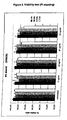
- Fig. 1 and 2 Results of the viability test are shown in Fig. 1 and 2 , in which the number of the living cells from each of the respective samples are summarized comparatively as the average of the four determinations performed. The result was that no negative influence of the extract on the survival of MDCK or A549 cells could be determined in the entire observation period of 72h.
- Fig. 3 Results from the investigation of the apoptotic caspase activation are shown in Fig. 3 , which illustrates results of the western blot analysis for the determination of caspase activity. While the control stimulus staurosporine (stauro) leads to an efficient cleavage of the caspase substrate (poly(ADP-ribose)polymerase, band PARP cleaved), no such activity is detectable in either untreated (mock) or in extract-treated cells (25 ⁇ g/ml, 50 ⁇ g/ml). A control blot against the protein ERK2 served as a control for uniform protein loading. As a result it can be concluded that treatment with plant extract does not lead to caspase activation and apoptosis induction in the concentrations used and in the period observed.
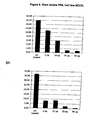
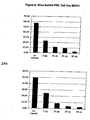
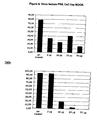
- Fig. 4-7 show exemplary results from each of two independent experiments with multiple titer determination.
- the virus titers are shown in comparison to the titers from untreated infection samples.
- FPV-infected A549 cells even lower concentrations lead to a significant reduction of the virus titers after 9h and 24h, which virus titers are reduced by more than two orders of magnitude at the highest concentration of active agent.
- Due to the high infection dose the untreated samples are already in a plateau phase of virus growth after 48h, so that the inhibitory effects can no longer be shown so clearly. Still, even here, a reduction of the virus titers is observed for the highest concentration of active agent.
- virus titers could also be found with the same virus isolate in MDCK cells in treating the samples with 25-50 ⁇ g/ml of the extract, wherein an inhibition by multiple orders of magnitude is also achieved. Surprisingly, a slight increase in virus titers is seen in some batches at lower concentrations of active agent. However, since this did not consistently occur in all samples and especially was not observable within the longest observation period of 36h, it can be assumed that this is an experimental artefact.
- a concentration-dependent inhibition of virus propagation in MDCK cells is also observed for the alternatively used human virus isolate PR8 at all investigated time values. In agreement with the previous experiments, here there was also a reduction in the virus titers at the highest active agent concentration of 50 ⁇ g/ml.
- the statement can be made that, especially at extract concentrations of 25 ⁇ g/ml and 50 ⁇ g/ml, a strong inhibitory effect on the virus propagation of different influenza viruses is observed in the two host cell lines.
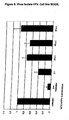
- a comparative infection experiment with untreated viruses was performed with an infection solution which was preincubated with extract for 2h, and the newly formed viruses were determined after 24h in a virus titration ( Fig. 9B ). Further, the pre-treated viruses were directly investigated in a plaque assay for their infectiousness in comparison to untreated viruses ( Fig. 9A ). It turned out that the preincubation already had an effect in the direct determination of the infectiousness in the plaque assay. This became all the more evident when the extract-treated viruses versus untreated viruses were allowed an infection round for 24h. Here, titer reductions of approximately one order of magnitude were recognizable. In summary, one can say that the preincubation of the viruses with extract was already enough to contribute to a significant reduction of the infectiousness of the viruses.
- NP nucleoprotein
- the tested plant extract demonstrated an antiviral activity against influenza viruses in cell culture without being significantly toxic to the host cells.
- the antiviral activity is assumed to be mediated in large part via a direct physical interaction of the components of the extract with the virus particle, although further additional effects of the extract on the cells cannot be ruled out.
- H5N1 highly pathogenic influenza viruses of the subtypes H5N1 (Asia flu) and H7N7 have been investigated.
- FPV Influenza A Virus A/Bratislava/79
- the Cistus extract was diluted to concentrations of 1 ⁇ 2, 1 ⁇ 4, 1 ⁇ 8, 1 / 16 and 1 / 32 of the stock solution concentration.
- H5N1 and H7N7 virus isolutes were diluted to a final concentration of 1 / 64 of the original concentration.
- Each Cistus solution was mixed in a 96 well plate with 50 ⁇ l of the H5N1 solution (PFU: 4.5x10 8 ) and the H7N7 solution (PFU: 5.7x10 8 ), respectively, per well.
- the plate was incubated at 37°C in a CO 2 incubator for one hour, then 50 ⁇ l of chicken blood diluted to 1 / 20 were added per well and the plate was again incubated for 30 - 45 minutes in a refrigerator.
- erythrocytes were either untreated or treated with H5N1 and H7N7, respectively, thereby omitting the Cistus extract.
- extracts of Cistus are capable to significantly reduce the binding ability of hemagglutinin on cellular receptors in H5N1 and H7N7.
- A549 cells were disseminated and allowed to grow for 24 hours. Then, the cells were preincubated with Cistus extract for 30 minutes. Extract concentrations of 50 ⁇ g/ml, 75 ⁇ g/ml and 100 ⁇ g/ml were used. Likewise, the H5N1 virus was preincubated with the extract (50 ⁇ g/ml, 75 ⁇ g/ml and 100 ⁇ g/ml) for 30 minutes at room temperature. After preincubation the cells were infected with the influenza A virus subtype H5N1 (MOI: 0.001) for 30 minutes with occasional swiveling at 37 °C in a CO 2 incubator.
- MOI influenza A virus subtype H5N1
- the cells were washed with PBS to remove non-bonded viruses and incubated with Cistus extract (50 ⁇ g/ml, 75 ⁇ g/ml and 100 ⁇ g/ml) for 20 hours in the CO 2 incubator at 37°C. After 20 hours of incubation the supernatants were removed and the virus titer was measured via the plaque assay. Untreated infected samples were used as controls.
- the extract significantly reduces the number of progeny viruses.
Landscapes
- Health & Medical Sciences (AREA)
- Life Sciences & Earth Sciences (AREA)
- Natural Medicines & Medicinal Plants (AREA)
- Animal Behavior & Ethology (AREA)
- Public Health (AREA)
- Veterinary Medicine (AREA)
- General Health & Medical Sciences (AREA)
- Chemical & Material Sciences (AREA)
- Virology (AREA)
- Pharmacology & Pharmacy (AREA)
- Medicinal Chemistry (AREA)
- Medical Informatics (AREA)
- Microbiology (AREA)
- Epidemiology (AREA)
- Mycology (AREA)
- Engineering & Computer Science (AREA)
- Botany (AREA)
- Alternative & Traditional Medicine (AREA)
- Biotechnology (AREA)
- Organic Chemistry (AREA)
- Pulmonology (AREA)
- Communicable Diseases (AREA)
- Molecular Biology (AREA)
- Nuclear Medicine, Radiotherapy & Molecular Imaging (AREA)
- Oncology (AREA)
- Chemical Kinetics & Catalysis (AREA)
- General Chemical & Material Sciences (AREA)
- Medicines Containing Plant Substances (AREA)
- Medicinal Preparation (AREA)
Claims (9)
- Extrakt aus Pflanzen der Gattung Cistus zur Verwendung in der Prophylaxe und/oder Behandlung von Influenza.
- Extrakt zur Verwendung nach Anspruch 1, wobei der Extrakt aus Cistus incanus gewonnen wird.
- Extrakt zur Verwendung nach Anspruch 1 oder 2, wobei der Extrakt aus den oberirdischen Teilen der Pflanze isoliert wird.
- Extrakt zur Verwendung nach mindestens einem der Ansprüche 1 bis 3, wobei der Extrakt in flüssiger, trockener oder halbfester Form vorliegt.
- Extrakt zur Verwendung nach mindestens einem der Ansprüche 1 bis 4, wobei der Extrakt ein wässriger Extrakt oder ein alkoholischer Extrakt ist.
- Extrakt zur Verwendung nach mindestens einem der Ansprüche 1 bis 5 zur Verwendung in der Prophylaxe und/oder Behandlung von Vogelgrippe.
- Extrakt zur Verwendung nach mindestens einem der Ansprüche 1 bis 6, wobei der Extrakt oral oder topisch verabreicht wird.
- Extrakt zur Verwendung nach einem der Ansprüche 1 bis 6, wobei der Extrakt versprüht wird.
- Verwendung eines Extrakts aus Pflanzen der Gattung Cistus zur Herstellung eines Medikaments zur Prophylaxe und/oder Behandlung von Influenza.
Priority Applications (1)
| Application Number | Priority Date | Filing Date | Title |
|---|---|---|---|
| EP10015347.7A EP2286823B1 (de) | 2005-09-13 | 2006-09-13 | Extrakte aus Pflanzen der Gattung Cistus zur Verwendung in der Prävention und/oder Behandlung von Grippe |
Applications Claiming Priority (4)
| Application Number | Priority Date | Filing Date | Title |
|---|---|---|---|
| EP05019934 | 2005-09-13 | ||
| US78560306P | 2006-03-24 | 2006-03-24 | |
| EP06792038A EP1924272B1 (de) | 2005-09-13 | 2006-09-13 | Verwendung von extrakten von cistus incanus zur herstellung eines medikaments zur prävention und/oder behandlung von grippe |
| EP10015347.7A EP2286823B1 (de) | 2005-09-13 | 2006-09-13 | Extrakte aus Pflanzen der Gattung Cistus zur Verwendung in der Prävention und/oder Behandlung von Grippe |
Related Parent Applications (2)
| Application Number | Title | Priority Date | Filing Date |
|---|---|---|---|
| EP06792038.9 Division | 2006-09-13 | ||
| EP06792038A Division EP1924272B1 (de) | 2005-09-13 | 2006-09-13 | Verwendung von extrakten von cistus incanus zur herstellung eines medikaments zur prävention und/oder behandlung von grippe |
Publications (3)
| Publication Number | Publication Date |
|---|---|
| EP2286823A2 EP2286823A2 (de) | 2011-02-23 |
| EP2286823A3 EP2286823A3 (de) | 2011-04-13 |
| EP2286823B1 true EP2286823B1 (de) | 2015-06-17 |
Family
ID=37865297
Family Applications (2)
| Application Number | Title | Priority Date | Filing Date |
|---|---|---|---|
| EP10015347.7A Active EP2286823B1 (de) | 2005-09-13 | 2006-09-13 | Extrakte aus Pflanzen der Gattung Cistus zur Verwendung in der Prävention und/oder Behandlung von Grippe |
| EP06792038A Active EP1924272B1 (de) | 2005-09-13 | 2006-09-13 | Verwendung von extrakten von cistus incanus zur herstellung eines medikaments zur prävention und/oder behandlung von grippe |
Family Applications After (1)
| Application Number | Title | Priority Date | Filing Date |
|---|---|---|---|
| EP06792038A Active EP1924272B1 (de) | 2005-09-13 | 2006-09-13 | Verwendung von extrakten von cistus incanus zur herstellung eines medikaments zur prävention und/oder behandlung von grippe |
Country Status (5)
| Country | Link |
|---|---|
| EP (2) | EP2286823B1 (de) |
| JP (1) | JP5173813B2 (de) |
| CA (1) | CA2622508C (de) |
| RU (1) | RU2391112C2 (de) |
| WO (1) | WO2007031297A2 (de) |
Families Citing this family (2)
| Publication number | Priority date | Publication date | Assignee | Title |
|---|---|---|---|---|
| DE102007006122A1 (de) * | 2007-02-02 | 2008-08-07 | Krewel Meuselbach Gmbh | Cistusextrakte |
| WO2009135880A1 (de) * | 2008-05-06 | 2009-11-12 | Finzelberg Gmbh & Co. Kg | Zistrosenextrakt mit angereicherten sekundären pflanzeninhaltsstoffen |
Family Cites Families (1)
| Publication number | Priority date | Publication date | Assignee | Title |
|---|---|---|---|---|
| RU2118163C1 (ru) * | 1994-04-27 | 1998-08-27 | Научно-производственное объединение "Всероссийский научно-исследовательский институт лекарственных и ароматических растений" | Лекарственное средство для лечения вирусных заболеваний |
-
2006
- 2006-09-13 JP JP2008530413A patent/JP5173813B2/ja not_active Expired - Fee Related
- 2006-09-13 EP EP10015347.7A patent/EP2286823B1/de active Active
- 2006-09-13 CA CA2622508A patent/CA2622508C/en not_active Expired - Fee Related
- 2006-09-13 RU RU2008108214/15A patent/RU2391112C2/ru not_active IP Right Cessation
- 2006-09-13 WO PCT/EP2006/008919 patent/WO2007031297A2/en not_active Ceased
- 2006-09-13 EP EP06792038A patent/EP1924272B1/de active Active
Non-Patent Citations (2)
| Title |
|---|
| BEDOYA L M ET AL: "Anti-infectious activity in the Cistaceae family in the Iberian Peninsula", MINI REVIEWS IN MEDICINAL CHEMISTRY, BENTHAM SCIENCE PUBL, NL, vol. 9, no. 5, 1 January 2009 (2009-01-01), pages 519 - 525, XP008133799, ISSN: 1389-5575, DOI: 10.2174/138955709788167600 * |
| Dr. R. Kunz, Dr. B. Feistel, Bernd Walbroel A new refined extract from Pink Rock Rose (ECce69) helps to support human immune defense; Finzelberg GmbH & CoKG, Andernach; 13th International Phytopharm congress 2009, july 29-31, Bonn * |
Also Published As
| Publication number | Publication date |
|---|---|
| JP5173813B2 (ja) | 2013-04-03 |
| EP2286823A3 (de) | 2011-04-13 |
| EP1924272B1 (de) | 2011-02-23 |
| CA2622508C (en) | 2013-06-25 |
| CA2622508A1 (en) | 2007-03-22 |
| WO2007031297A3 (en) | 2007-07-19 |
| RU2391112C2 (ru) | 2010-06-10 |
| EP1924272A2 (de) | 2008-05-28 |
| RU2008108214A (ru) | 2009-10-20 |
| EP2286823A2 (de) | 2011-02-23 |
| JP2009507874A (ja) | 2009-02-26 |
| WO2007031297A2 (en) | 2007-03-22 |
Similar Documents
| Publication | Publication Date | Title |
|---|---|---|
| El-Saadony et al. | Nutritional aspects and health benefits of bioactive plant compounds against infectious diseases: a review | |
| Sood et al. | Antiviral activity of crude extracts of Eugenia jambolana Lam. against highly pathogenic avian influenza (H5N1) virus | |
| Patil et al. | Evaluation of Jatropha curcas Linn. leaf extracts for its cytotoxicity and potential to inhibit hemagglutinin protein of influenza virus | |
| Haasbach et al. | Antiviral activity of Ladania067, an extract from wild black currant leaves against influenza A virus in vitro and in vivo | |
| CN1897958B (zh) | 从天然肉桂提取物中获得的抗病毒制剂 | |
| Moradı et al. | In vitro anti influenza virus activity, antioxidant potential and total phenolic content of twelve Iranian medicinal plants | |
| MX2008009117A (es) | Uso del extracto de la baya del sauco. | |
| Vimalanathan et al. | High-potency anti-influenza therapy by a combination of Echinacea purpurea fresh herb and root tinctures | |
| Tripathi et al. | An attempt to evaluate antiviral activity of plant extracts to combat infections caused by viruses including SARS COV-2. | |
| Ali et al. | Natural immunomodulatory agents as a complementary therapy for poxviruses | |
| EP1924272B1 (de) | Verwendung von extrakten von cistus incanus zur herstellung eines medikaments zur prävention und/oder behandlung von grippe | |
| WO2022122175A1 (en) | Antiviral composition comprising cistus and medical device for its administration | |
| US7815945B2 (en) | Medicament for the prevention and treatment of influenza | |
| CA2644749A1 (en) | Composition for the prevention and treatment of common cold diseases | |
| KR101118230B1 (ko) | 항-인플루엔자바이러스 조성물 | |
| Ionescu et al. | Evaluation of antiviral and cytotoxic activities of Tamarix gallica and Silybum marianum extracts | |
| HK1154518A (en) | Use of cistus incanus extracts for the preparation of a medicament for the prevention and/or treatment of influenza | |
| Dharmayanti et al. | Antiviral activity of Eucalyptus globulus and Eucalyptus citriodora essential oils against H5N1 avian influenza virus and infectious bronchitis virus. | |
| Mathanmohun et al. | Exploring Herbal Medicines for Human Infections Associated with Avian Influenza A Viruses: A Recent Outbreak | |
| Yu et al. | Galla Chinensis as an antiviral agent: Targeting Micropterus salmoides rhabdovirus infection | |
| Jadhav et al. | Medicinal plants used in the treatment of influenza a virus infections | |
| CN100404049C (zh) | 一种防治禽流感的药物及其制备方法 | |
| CN102166276A (zh) | 一种防治甲型流感的中药组合物及其制备方法和用途 | |
| Nazir et al. | Evaluation of in ovo antiviral activities of medicinal flowers against Newcastle disease virus and Avian Influenza virus. | |
| DE202005014459U1 (de) | Aerosol zur Vorbeugung und Behandlung der Influenza |
Legal Events
| Date | Code | Title | Description |
|---|---|---|---|
| PUAI | Public reference made under article 153(3) epc to a published international application that has entered the european phase |
Free format text: ORIGINAL CODE: 0009012 |
|
| AC | Divisional application: reference to earlier application |
Ref document number: 1924272 Country of ref document: EP Kind code of ref document: P |
|
| AK | Designated contracting states |
Kind code of ref document: A2 Designated state(s): AT BE BG CH CY CZ DE DK EE ES FI FR GB GR HU IE IS IT LI LT LU LV MC NL PL PT RO SE SI SK TR |
|
| AX | Request for extension of the european patent |
Extension state: AL BA HR MK RS |
|
| PUAL | Search report despatched |
Free format text: ORIGINAL CODE: 0009013 |
|
| AK | Designated contracting states |
Kind code of ref document: A3 Designated state(s): AT BE BG CH CY CZ DE DK EE ES FI FR GB GR HU IE IS IT LI LT LU LV MC NL PL PT RO SE SI SK TR |
|
| AX | Request for extension of the european patent |
Extension state: AL BA HR MK RS |
|
| 17P | Request for examination filed |
Effective date: 20111013 |
|
| REG | Reference to a national code |
Ref country code: HK Ref legal event code: DE Ref document number: 1154518 Country of ref document: HK |
|
| GRAP | Despatch of communication of intention to grant a patent |
Free format text: ORIGINAL CODE: EPIDOSNIGR1 |
|
| INTG | Intention to grant announced |
Effective date: 20150105 |
|
| GRAS | Grant fee paid |
Free format text: ORIGINAL CODE: EPIDOSNIGR3 |
|
| GRAA | (expected) grant |
Free format text: ORIGINAL CODE: 0009210 |
|
| AC | Divisional application: reference to earlier application |
Ref document number: 1924272 Country of ref document: EP Kind code of ref document: P |
|
| AK | Designated contracting states |
Kind code of ref document: B1 Designated state(s): AT BE BG CH CY CZ DE DK EE ES FI FR GB GR HU IE IS IT LI LT LU LV MC NL PL PT RO SE SI SK TR |
|
| AX | Request for extension of the european patent |
Extension state: AL BA HR MK RS |
|
| REG | Reference to a national code |
Ref country code: GB Ref legal event code: FG4D |
|
| REG | Reference to a national code |
Ref country code: CH Ref legal event code: EP |
|
| REG | Reference to a national code |
Ref country code: AT Ref legal event code: REF Ref document number: 731522 Country of ref document: AT Kind code of ref document: T Effective date: 20150715 |
|
| REG | Reference to a national code |
Ref country code: IE Ref legal event code: FG4D |
|
| REG | Reference to a national code |
Ref country code: DE Ref legal event code: R096 Ref document number: 602006045748 Country of ref document: DE |
|
| PG25 | Lapsed in a contracting state [announced via postgrant information from national office to epo] |
Ref country code: LT Free format text: LAPSE BECAUSE OF FAILURE TO SUBMIT A TRANSLATION OF THE DESCRIPTION OR TO PAY THE FEE WITHIN THE PRESCRIBED TIME-LIMIT Effective date: 20150617 Ref country code: FI Free format text: LAPSE BECAUSE OF FAILURE TO SUBMIT A TRANSLATION OF THE DESCRIPTION OR TO PAY THE FEE WITHIN THE PRESCRIBED TIME-LIMIT Effective date: 20150617 |
|
| REG | Reference to a national code |
Ref country code: AT Ref legal event code: MK05 Ref document number: 731522 Country of ref document: AT Kind code of ref document: T Effective date: 20150617 |
|
| REG | Reference to a national code |
Ref country code: LT Ref legal event code: MG4D Ref country code: NL Ref legal event code: MP Effective date: 20150617 |
|
| PG25 | Lapsed in a contracting state [announced via postgrant information from national office to epo] |
Ref country code: GR Free format text: LAPSE BECAUSE OF FAILURE TO SUBMIT A TRANSLATION OF THE DESCRIPTION OR TO PAY THE FEE WITHIN THE PRESCRIBED TIME-LIMIT Effective date: 20150918 Ref country code: BG Free format text: LAPSE BECAUSE OF FAILURE TO SUBMIT A TRANSLATION OF THE DESCRIPTION OR TO PAY THE FEE WITHIN THE PRESCRIBED TIME-LIMIT Effective date: 20150917 Ref country code: LV Free format text: LAPSE BECAUSE OF FAILURE TO SUBMIT A TRANSLATION OF THE DESCRIPTION OR TO PAY THE FEE WITHIN THE PRESCRIBED TIME-LIMIT Effective date: 20150617 |
|
| PG25 | Lapsed in a contracting state [announced via postgrant information from national office to epo] |
Ref country code: EE Free format text: LAPSE BECAUSE OF FAILURE TO SUBMIT A TRANSLATION OF THE DESCRIPTION OR TO PAY THE FEE WITHIN THE PRESCRIBED TIME-LIMIT Effective date: 20150617 |
|
| PG25 | Lapsed in a contracting state [announced via postgrant information from national office to epo] |
Ref country code: PL Free format text: LAPSE BECAUSE OF FAILURE TO SUBMIT A TRANSLATION OF THE DESCRIPTION OR TO PAY THE FEE WITHIN THE PRESCRIBED TIME-LIMIT Effective date: 20150617 Ref country code: SK Free format text: LAPSE BECAUSE OF FAILURE TO SUBMIT A TRANSLATION OF THE DESCRIPTION OR TO PAY THE FEE WITHIN THE PRESCRIBED TIME-LIMIT Effective date: 20150617 Ref country code: IS Free format text: LAPSE BECAUSE OF FAILURE TO SUBMIT A TRANSLATION OF THE DESCRIPTION OR TO PAY THE FEE WITHIN THE PRESCRIBED TIME-LIMIT Effective date: 20151017 Ref country code: ES Free format text: LAPSE BECAUSE OF FAILURE TO SUBMIT A TRANSLATION OF THE DESCRIPTION OR TO PAY THE FEE WITHIN THE PRESCRIBED TIME-LIMIT Effective date: 20150617 Ref country code: CZ Free format text: LAPSE BECAUSE OF FAILURE TO SUBMIT A TRANSLATION OF THE DESCRIPTION OR TO PAY THE FEE WITHIN THE PRESCRIBED TIME-LIMIT Effective date: 20150617 Ref country code: RO Free format text: LAPSE BECAUSE OF NON-PAYMENT OF DUE FEES Effective date: 20150617 Ref country code: AT Free format text: LAPSE BECAUSE OF FAILURE TO SUBMIT A TRANSLATION OF THE DESCRIPTION OR TO PAY THE FEE WITHIN THE PRESCRIBED TIME-LIMIT Effective date: 20150617 Ref country code: PT Free format text: LAPSE BECAUSE OF FAILURE TO SUBMIT A TRANSLATION OF THE DESCRIPTION OR TO PAY THE FEE WITHIN THE PRESCRIBED TIME-LIMIT Effective date: 20151019 |
|
| REG | Reference to a national code |
Ref country code: DE Ref legal event code: R097 Ref document number: 602006045748 Country of ref document: DE |
|
| PLBE | No opposition filed within time limit |
Free format text: ORIGINAL CODE: 0009261 |
|
| STAA | Information on the status of an ep patent application or granted ep patent |
Free format text: STATUS: NO OPPOSITION FILED WITHIN TIME LIMIT |
|
| PG25 | Lapsed in a contracting state [announced via postgrant information from national office to epo] |
Ref country code: LU Free format text: LAPSE BECAUSE OF FAILURE TO SUBMIT A TRANSLATION OF THE DESCRIPTION OR TO PAY THE FEE WITHIN THE PRESCRIBED TIME-LIMIT Effective date: 20150913 Ref country code: DK Free format text: LAPSE BECAUSE OF FAILURE TO SUBMIT A TRANSLATION OF THE DESCRIPTION OR TO PAY THE FEE WITHIN THE PRESCRIBED TIME-LIMIT Effective date: 20150617 Ref country code: IT Free format text: LAPSE BECAUSE OF FAILURE TO SUBMIT A TRANSLATION OF THE DESCRIPTION OR TO PAY THE FEE WITHIN THE PRESCRIBED TIME-LIMIT Effective date: 20150617 Ref country code: MC Free format text: LAPSE BECAUSE OF FAILURE TO SUBMIT A TRANSLATION OF THE DESCRIPTION OR TO PAY THE FEE WITHIN THE PRESCRIBED TIME-LIMIT Effective date: 20150617 |
|
| REG | Reference to a national code |
Ref country code: CH Ref legal event code: PL |
|
| 26N | No opposition filed |
Effective date: 20160318 |
|
| REG | Reference to a national code |
Ref country code: IE Ref legal event code: MM4A |
|
| PG25 | Lapsed in a contracting state [announced via postgrant information from national office to epo] |
Ref country code: IE Free format text: LAPSE BECAUSE OF NON-PAYMENT OF DUE FEES Effective date: 20150913 Ref country code: CH Free format text: LAPSE BECAUSE OF NON-PAYMENT OF DUE FEES Effective date: 20150930 Ref country code: LI Free format text: LAPSE BECAUSE OF NON-PAYMENT OF DUE FEES Effective date: 20150930 |
|
| PG25 | Lapsed in a contracting state [announced via postgrant information from national office to epo] |
Ref country code: SI Free format text: LAPSE BECAUSE OF FAILURE TO SUBMIT A TRANSLATION OF THE DESCRIPTION OR TO PAY THE FEE WITHIN THE PRESCRIBED TIME-LIMIT Effective date: 20150617 |
|
| REG | Reference to a national code |
Ref country code: FR Ref legal event code: PLFP Year of fee payment: 11 |
|
| PG25 | Lapsed in a contracting state [announced via postgrant information from national office to epo] |
Ref country code: BE Free format text: LAPSE BECAUSE OF FAILURE TO SUBMIT A TRANSLATION OF THE DESCRIPTION OR TO PAY THE FEE WITHIN THE PRESCRIBED TIME-LIMIT Effective date: 20150617 |
|
| PG25 | Lapsed in a contracting state [announced via postgrant information from national office to epo] |
Ref country code: HU Free format text: LAPSE BECAUSE OF FAILURE TO SUBMIT A TRANSLATION OF THE DESCRIPTION OR TO PAY THE FEE WITHIN THE PRESCRIBED TIME-LIMIT; INVALID AB INITIO Effective date: 20060913 |
|
| PG25 | Lapsed in a contracting state [announced via postgrant information from national office to epo] |
Ref country code: CY Free format text: LAPSE BECAUSE OF FAILURE TO SUBMIT A TRANSLATION OF THE DESCRIPTION OR TO PAY THE FEE WITHIN THE PRESCRIBED TIME-LIMIT Effective date: 20150617 Ref country code: SE Free format text: LAPSE BECAUSE OF FAILURE TO SUBMIT A TRANSLATION OF THE DESCRIPTION OR TO PAY THE FEE WITHIN THE PRESCRIBED TIME-LIMIT Effective date: 20150617 Ref country code: NL Free format text: LAPSE BECAUSE OF FAILURE TO SUBMIT A TRANSLATION OF THE DESCRIPTION OR TO PAY THE FEE WITHIN THE PRESCRIBED TIME-LIMIT Effective date: 20150617 |
|
| PG25 | Lapsed in a contracting state [announced via postgrant information from national office to epo] |
Ref country code: TR Free format text: LAPSE BECAUSE OF FAILURE TO SUBMIT A TRANSLATION OF THE DESCRIPTION OR TO PAY THE FEE WITHIN THE PRESCRIBED TIME-LIMIT Effective date: 20150617 |
|
| REG | Reference to a national code |
Ref country code: FR Ref legal event code: PLFP Year of fee payment: 12 |
|
| REG | Reference to a national code |
Ref country code: HK Ref legal event code: WD Ref document number: 1154518 Country of ref document: HK |
|
| REG | Reference to a national code |
Ref country code: FR Ref legal event code: PLFP Year of fee payment: 13 |
|
| PGFP | Annual fee paid to national office [announced via postgrant information from national office to epo] |
Ref country code: FR Payment date: 20190925 Year of fee payment: 14 |
|
| PGFP | Annual fee paid to national office [announced via postgrant information from national office to epo] |
Ref country code: GB Payment date: 20190926 Year of fee payment: 14 |
|
| GBPC | Gb: european patent ceased through non-payment of renewal fee |
Effective date: 20200913 |
|
| PG25 | Lapsed in a contracting state [announced via postgrant information from national office to epo] |
Ref country code: FR Free format text: LAPSE BECAUSE OF NON-PAYMENT OF DUE FEES Effective date: 20200930 |
|
| PG25 | Lapsed in a contracting state [announced via postgrant information from national office to epo] |
Ref country code: GB Free format text: LAPSE BECAUSE OF NON-PAYMENT OF DUE FEES Effective date: 20200913 |
|
| PGFP | Annual fee paid to national office [announced via postgrant information from national office to epo] |
Ref country code: DE Payment date: 20250923 Year of fee payment: 20 |