EP2289942A2 - Variantes d'anticorps anti-her2 - Google Patents
Variantes d'anticorps anti-her2 Download PDFInfo
- Publication number
- EP2289942A2 EP2289942A2 EP10178444A EP10178444A EP2289942A2 EP 2289942 A2 EP2289942 A2 EP 2289942A2 EP 10178444 A EP10178444 A EP 10178444A EP 10178444 A EP10178444 A EP 10178444A EP 2289942 A2 EP2289942 A2 EP 2289942A2
- Authority
- EP
- European Patent Office
- Prior art keywords
- antibody
- amino acid
- cancer
- antibodies
- residues
- Prior art date
- Legal status (The legal status is an assumption and is not a legal conclusion. Google has not performed a legal analysis and makes no representation as to the accuracy of the status listed.)
- Granted
Links
Images


Classifications
-
- C—CHEMISTRY; METALLURGY
- C07—ORGANIC CHEMISTRY
- C07K—PEPTIDES
- C07K16/00—Immunoglobulins [IG], e.g. monoclonal or polyclonal antibodies
- C07K16/18—Immunoglobulins [IG], e.g. monoclonal or polyclonal antibodies against material from animals or humans
- C07K16/32—Immunoglobulins [IG], e.g. monoclonal or polyclonal antibodies against material from animals or humans against translation products of oncogenes
-
- A—HUMAN NECESSITIES
- A61—MEDICAL OR VETERINARY SCIENCE; HYGIENE
- A61J—CONTAINERS SPECIALLY ADAPTED FOR MEDICAL OR PHARMACEUTICAL PURPOSES; DEVICES OR METHODS SPECIALLY ADAPTED FOR BRINGING PHARMACEUTICAL PRODUCTS INTO PARTICULAR PHYSICAL OR ADMINISTERING FORMS; DEVICES FOR ADMINISTERING FOOD OR MEDICINES ORALLY; BABY COMFORTERS; DEVICES FOR RECEIVING SPITTLE
- A61J1/00—Containers specially adapted for medical or pharmaceutical purposes
-
- A—HUMAN NECESSITIES
- A61—MEDICAL OR VETERINARY SCIENCE; HYGIENE
- A61J—CONTAINERS SPECIALLY ADAPTED FOR MEDICAL OR PHARMACEUTICAL PURPOSES; DEVICES OR METHODS SPECIALLY ADAPTED FOR BRINGING PHARMACEUTICAL PRODUCTS INTO PARTICULAR PHYSICAL OR ADMINISTERING FORMS; DEVICES FOR ADMINISTERING FOOD OR MEDICINES ORALLY; BABY COMFORTERS; DEVICES FOR RECEIVING SPITTLE
- A61J1/00—Containers specially adapted for medical or pharmaceutical purposes
- A61J1/14—Details; Accessories therefor
- A61J1/18—Arrangements for indicating condition of container contents, e.g. sterile condition
-
- A—HUMAN NECESSITIES
- A61—MEDICAL OR VETERINARY SCIENCE; HYGIENE
- A61P—SPECIFIC THERAPEUTIC ACTIVITY OF CHEMICAL COMPOUNDS OR MEDICINAL PREPARATIONS
- A61P35/00—Antineoplastic agents
-
- A—HUMAN NECESSITIES
- A61—MEDICAL OR VETERINARY SCIENCE; HYGIENE
- A61P—SPECIFIC THERAPEUTIC ACTIVITY OF CHEMICAL COMPOUNDS OR MEDICINAL PREPARATIONS
- A61P35/00—Antineoplastic agents
- A61P35/02—Antineoplastic agents specific for leukemia
-
- C—CHEMISTRY; METALLURGY
- C07—ORGANIC CHEMISTRY
- C07K—PEPTIDES
- C07K16/00—Immunoglobulins [IG], e.g. monoclonal or polyclonal antibodies
- C07K16/18—Immunoglobulins [IG], e.g. monoclonal or polyclonal antibodies against material from animals or humans
- C07K16/28—Immunoglobulins [IG], e.g. monoclonal or polyclonal antibodies against material from animals or humans against receptors, cell surface antigens or cell surface determinants
- C07K16/30—Immunoglobulins [IG], e.g. monoclonal or polyclonal antibodies against material from animals or humans against receptors, cell surface antigens or cell surface determinants from tumour cells
- C07K16/3015—Breast
-
- A—HUMAN NECESSITIES
- A61—MEDICAL OR VETERINARY SCIENCE; HYGIENE
- A61J—CONTAINERS SPECIALLY ADAPTED FOR MEDICAL OR PHARMACEUTICAL PURPOSES; DEVICES OR METHODS SPECIALLY ADAPTED FOR BRINGING PHARMACEUTICAL PRODUCTS INTO PARTICULAR PHYSICAL OR ADMINISTERING FORMS; DEVICES FOR ADMINISTERING FOOD OR MEDICINES ORALLY; BABY COMFORTERS; DEVICES FOR RECEIVING SPITTLE
- A61J2205/00—General identification or selection means
- A61J2205/30—Printed labels
-
- C—CHEMISTRY; METALLURGY
- C07—ORGANIC CHEMISTRY
- C07K—PEPTIDES
- C07K2317/00—Immunoglobulins specific features
- C07K2317/20—Immunoglobulins specific features characterized by taxonomic origin
- C07K2317/21—Immunoglobulins specific features characterized by taxonomic origin from primates, e.g. man
-
- C—CHEMISTRY; METALLURGY
- C07—ORGANIC CHEMISTRY
- C07K—PEPTIDES
- C07K2317/00—Immunoglobulins specific features
- C07K2317/20—Immunoglobulins specific features characterized by taxonomic origin
- C07K2317/24—Immunoglobulins specific features characterized by taxonomic origin containing regions, domains or residues from different species, e.g. chimeric, humanized or veneered
-
- C—CHEMISTRY; METALLURGY
- C07—ORGANIC CHEMISTRY
- C07K—PEPTIDES
- C07K2317/00—Immunoglobulins specific features
- C07K2317/50—Immunoglobulins specific features characterized by immunoglobulin fragments
- C07K2317/54—F(ab')2
-
- C—CHEMISTRY; METALLURGY
- C07—ORGANIC CHEMISTRY
- C07K—PEPTIDES
- C07K2317/00—Immunoglobulins specific features
- C07K2317/50—Immunoglobulins specific features characterized by immunoglobulin fragments
- C07K2317/55—Fab or Fab'
-
- C—CHEMISTRY; METALLURGY
- C07—ORGANIC CHEMISTRY
- C07K—PEPTIDES
- C07K2317/00—Immunoglobulins specific features
- C07K2317/50—Immunoglobulins specific features characterized by immunoglobulin fragments
- C07K2317/56—Immunoglobulins specific features characterized by immunoglobulin fragments variable (Fv) region, i.e. VH and/or VL
-
- C—CHEMISTRY; METALLURGY
- C07—ORGANIC CHEMISTRY
- C07K—PEPTIDES
- C07K2317/00—Immunoglobulins specific features
- C07K2317/90—Immunoglobulins specific features characterized by (pharmaco)kinetic aspects or by stability of the immunoglobulin
- C07K2317/92—Affinity (KD), association rate (Ka), dissociation rate (Kd) or EC50 value
Definitions
- the present invention concerns novel antibody variants, particularly anti-HER2 antibody variants.
- the receptor family includes four distinct members, including epidermal growth factor receptor (EGFR or ErbB1), HER2 (ErbB2 or p185 neu ), HER3 (ErbB3) and HER4 (ErbB4 or tyro2).
- EGFR epidermal growth factor receptor
- HER2 ErbB2 or p185 neu
- HER3 ErbB3
- HER4 ErbB4 or tyro2
- p185 neu was originally identified as the product of the transforming gene from neuroblastomas of chemically treated rats.
- the activated form of the neu proto-oncogene results from a point mutation (valine to glutamic acid) in the transmembrane region of the encoded protein.
- Amplification of the human homolog of neu is observed in breast and ovarian cancers and correlates with a poor prognosis ( Slamon et al., Science, 235:177-182 (1987 ); Slamon et al., Science 244(4905):707-12 (1989 ); and US Pat No. 4,968,603 ).
- no point mutation analogous to that in the neu proto-oncogene has been reported for human tumors.
- ErbB2 (frequently but not uniformly due to gene amplification) has also been observed in other carcinomas including carcinomas of the stomach, endometrium, salivary gland, lung, kidney, colon, thyroid, pancreas and bladder. See, among others, King et al., Science, 229:974 (1985 ); Yokota et al., Lancet,1:765-767 (1986 ); Fukushigi et al., Mol Cell Biol., 6:955-958 (1986 ); Geurin et al., Oncogene Res., 3:21-31 (1988 ); Cohen et al., Oncogene, 4:81-88 (1989 ); Yonemura et al., Cancer Res., 51:1034 (1991 ); Borst et al., Gynecol.
- ErbB2 may be overexpressed in prostate cancer ( Gu et al.
- Hudziak et al., Mol Cell Biol 9(3):1165-72 (1989 ) describe the generation of a panel of anti-ErbB2 antibodies which were characterized using the human breast tumor cell line SK-BR-3. Relative cell proliferation of the SK-BR-3 cells following exposure to the antibodies was determined by crystal violet staining of the monolayers after 72 hours. Using this assay, maximum inhibition was obtained with the antibody called 4D5 which inhibited cellular proliferation by 56%. Other antibodies in the panel reduced cellular proliferation to a lesser extent in this assay. The antibody 4D5 was further found to sensitize ErbB2-overexpressing breast tumor cell lines to the cytotoxic effects of TNF- ⁇ . See also U.S. Patent No.
- the murine monoclonal anti-HER2 antibody inhibits the growth of breast cancer cell lines that overexpress HER2 at the 2+ and 3+ level, but has no activity on cells that express lower levels of HER2 ( Lewis et al., Cancer Immunol. Immunother. [1993 ]). Based on this observation, antibody 4D5 was humanized ( Carter et al., Proc. Natl. Acad. Sci. USA 89: 4285-4289 [1992 ]). The humanized version designated HERCEPTIN® (huMAb4D5-8, rhuMAb HER2, U.S. Patent No.
- HERCEPTIN® induced clinical responses in 15% of patients (complete responses in 4% of patients, and partial responses in 11%) and the median duration of those responses was 9.1 months.
- HERCEPTIN® received marketing approval from the Food and Drug Administration September 25, 1998 for the treatment of patients with metastatic breast cancer whose tumors overexpress the ErbB2 protein.
- the present invention is based on the finding that particular amino acids of the humanized anti-HER2 antibody hu4D5-8, determined by alanine scanning to be necessary for antigen binding, and other amino acids found by alanine scanning to be relatively unimportant for antigen binding, may be substituted to produce variants having high affinity for HER2.
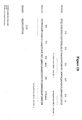
- Preferred positions for possible mutations are shown in Figure 2 .
- FIG. 2 Preferred positions for possible mutations are shown in Figure 2 .
- the present invention relates to a polypeptide which comprises an antibody light chain variable domain comprising the hypervariable regions of SEQ ID NO: 1 wherein one or more amino acids selected from the group consisting of Q27(V L ), D28(V L ), N30(V L ), T31(V L ) , A32(V L ), Y49(V L ), F53(V L ), Y55(V L ), R66(V L ), H91(V L ), Y92(V L ), and T94(V L ), numbered according to the Kabat numbering system, are substituted with any amino acid other than alanine.
- the invention relates to a polypeptide wherein the hypervariable regions of SEQ ID NO: 1 comprise amino acid substitutions at one or more positions selected from the group consisting of N30(V L ), F53(V L ), Y55(V L ), H91(V L ), Y92(V L ), and T94(V L ), and F100(V L ).
- the invention concerns a polypeptide wherein the hypervariable regions of SEQ ID NO: 1 comprise amino acid substitutions at one or more positions selected from the group consisting of N30(V L ), F53(V L ), Y55(VL ) , H91(V L ), Y92(V L ), and T94(V L ).
- the invention concerns a polypeptide wherein the hypervariable regions of SEQ ID NO: 1 comprise one or more amino acid substitutions selected from the group consisting of D28(V L ) Q; D28(V L )G; N30(V L )S; T31(V L )S; A32(V L )G; Y49(V L )W, Y49(V L )D, Y49(V L )V; F53(V L )W.
- the hypervariable regions of SEQ ID NO: 1 comprise one or more amino acid substitutions selected from the group consisting of D28(V L )Q; D28(V L )G; N30(V L )S; T31(V L )S; A32(V L )G; Y49(V L )W, Y49(V L )D, Y49(V L )V; F53(V L )W, F53(V L )V, F53(V L )Q, Y55(V L )W, R66(V L )N, H91(V L )F, H91(V L )Y, and Y92(V L )W
- the hypervariable regions of SEQ ID NO: 1 comprise one or more amino acid substitutions selected from the group consisting of Y49(V L )D, F53(V L )W, and Y55(V L )W.
- the polypeptide can contain two or three of the indicated amino acid substitutions.
- the invention concerns a polypeptide, wherein the hypervariable regions of SEQ ID NO: 1 comprise one or more amino acid substitutions selected from the group consisting of N30(V L )S, F53(V L )W, Y55(V L )W, H91(V L )F, Y92(V L )W and T94(V L )S-
- N30(V L ) is substituted with S
- H91(V L ) is substituted with F
- Y92(V L ) is substituted with W.
- the polypeptide can, for example, be an antibody, such as a humanized (including chimeric) or human antibody, including antibody fragments, such as, for example, Fv, Fab, Fab' and F(ab') 2 fragments.
- the invention concerns a polypeptide which comprises an antibody heavy chain variable domain comprising the hypervariable regions of SEQ ID NO: 2 wherein one or more amino acids selected from the group consisting of W95(V H ), D98(V H ), F100(V H ), Y100a(V H ), and Y102(V H ), numbered according to the Kabat numbering system, are substituted with any amino acid other than alanine.
- the hypervariable regions of SEQ ID NO: 2 comprise one or more amino acid substitutions selected from the group consisting of W95(V H )Y, D98(V H )W, D98(V H )R, D98(V H )K, D98(V H )H, F100(V H )P, Y100a(V H )F, Y102(V H )V, Y102(V H )K, and Y102(V H )L.
- the hypervariable regions of SEQ ID NO: 2 comprise one or more amino acid substitutions selected from the group consisting of, D98(V H )W, Y100a(V H )F, and Y102(V H )V. In yet another embodiment, the hypervariable regions of SEQ ID NO: 2 comprise one or more amino acid substitutions selected from the group consisting of F100(V H )P and Y102(V H )K. In a specific embodiment, the polypeptide comprises the amino acid substitutions F100(V H )P and Y102(V H )K.
- the polypeptide can, for example be an antibody, such as a humanized (including chimeric), or human antibody, including antibody fragments, such as, e.g. Fv, Fab, Fab' and F(ab') 2 fragments.
- an antibody such as a humanized (including chimeric), or human antibody, including antibody fragments, such as, e.g. Fv, Fab, Fab' and F(ab') 2 fragments.
- the invention concerns an antibody that is capable of binding to the extracellular domain of HER2, which comprises the hypervariable regions of SEQ ID NO: 1 wherein one or more amino acids selected from the group consisting of Q27(V L ), D28(V L ), N30(V L ), T31(V L ), A32(V L ), Y49(V L ), F53(V L ), Y55(V L ), R66(V L ), H91(V L ), Y92(V L ), and T94(V L ), numbered according to the Kabat numbering system, are substituted with any amino acid other than alanine.
- one or more amino acids selected from the group consisting of N30(V L ), F53(V L ), Y55(V L ), H91(V L ), Y92(V L ), and T94(V L ), numbered according to the Kabat numbering system are substituted with any amino acid other than alanine.
- one or more amino acids selected from the group consisting of N30(V L ), F53(V L ), Y55(V L ), H91(V L ), Y92(V L ), and T94(V L ), numbered according to the Kabat numbering system are substituted with any amino acid other than alanine.
- the hypervariable regions of SEQ ID NO: 1 comprise one or more amino acid substitutions selected from the group consisting of D28(V L )Q; D28(V L )G; N30(V L )S; T31(V L )S; A32(V L )G; Y49(V L )W, Y49(V L )D, Y49(V L )V; F53(V L )W. F53(V L )V, F53(V L )Q, Y55(V L )W, R66(V L )N, H91(V L )F, H91(V L )Y, Y92(V L )W, and T94(V L )S.
- the hypervariable regions of SEQ ID NO: 1 comprise one or more amino acid substitutions selected from the group consisting of D28(V L )Q; D28(V L )G; N30(V L )S; T31(V L )S; A32(V L )G; Y49(V L )W, Y49(V L )D, Y49(V L )V; F53(V L )W, F53(V L )V, F53(V L )Q, Y55(V L )W, R66(V L )N, H91(V L )F, H91(V L )Y, and Y92(V L )W.
- the hypervariable regions of SEQ ID NO: 1 comprise one or more amino acid substitutions selected from the group consisting of Y49(V L )D, F53(V L )W, and Y55(V L )W.
- the antibody may contain two or three, e.g. all three, of the indicated substitutions.
- the invention specifically includes antibodies in which the hypervariable regions of SEQ ID NO: 1 comprise one or more amino acid substitutions selected from the group consisting of N30(V L )S, F53(V L )W, Y55(V L )W, H91(V L )F, Y92(V L )W, T94(V L )S.
- the invention concerns an antibody wherein N30(V L ) is substituted with S, H91(V L ) is substituted with F, and Y92(V L ) is substituted with W.
- the antibodies include humanized (including chimeric) and human antibodies, including antibody fragments, e.g. Fv, Fab, Fab' and F(ab') 2 fragments.
- the invention concerns an antibody that is capable of binding to the extracellular domain of HER2, which comprises an antibody heavy chain variable domain comprising the hypervariable regions of SEQ ID NO: 2 wherein one or more amino acids selected from the group consisting of W95(V H ), D98(V H ), F100(V H ), Y100a(V H ), and Y102(V H ), numbered according to the Kabat numbering system, are substituted with any amino acid other than alanine.
- the invention concerns an antibody wherein the hypervariable regions of SEQ ID NO: 2 comprise one or more amino acid substitutions selected from the group consisting of W95(V H )Y, D98(V H )W, D98(V H )R, D98(V H )K, D98(V H )H, F100(V H )P, F100(V H )L, F100(V H )M, Y100a(V H )F, Y102(V H )V, Y102(V H )K, and Y102(V H )L.
- the hypervariable regions of SEQ ID NO: 2 comprise one or more amino acid substitutions selected from the group consisting of W95(V H )Y, D98(V H )W, D98(V H )R, D98(V H )K, D98(V H )H, F100(V H )P, F100(V H )L, F100(V H )M, Y100a(
- the hypervariable regions of SEQ ID NO: 2 comprise one or more amino acid substitutions selected from the group consisting of, D98(V H )W, Y100a(V H )F, and Y102(V H )V.
- the hypervariable regions of SEQ ID NO: 2 comprise one or more amino acid substitutions selected from the group consisting of F100(V H )P and Y102(V H )K or Y102(V H )L.
- the antibody may, for example, comprise the amino acid substitutions F100(V H )P and Y102(V H )K, or F100(V H )P and Y102(V H )L.
- the antibody can be humanized (including chimeric), or human, including antibody fragments, such as, for example, Fv, Fab, Fab' and F(ab') 2 fragments.
- the invention concerns an antibody that is capable of binding to the extracellular domain of HER2, which comprises the hypervariable regions of SEQ ID NOs: 1 and 2 wherein one or more amino acids selected from the group consisting of Q27(V L ), D28(V L ), N30(V L ), T31(V L ), A32(V L ), Y49(V L ), F53(V L ), Y55(V L ), R66(V L ), H91(V L ), Y92(V L ), T94(V L ), W95(V H ), D98(V H ), F100(V H ), Y100a(V H ), and Y102(V H ), numbered according to the Kabat numbering system, are substituted with any amino acid
- the hypervariable regions of SEQ ID NOs: 1 and 2 comprise one or more amino acid substitutions selected from the group consisting of N30(V L )S, F53(V L )W, Y55(V L )W, H91(V L )F, Y92(V L )W, T94(V L )S, D98(V H )W, Y100a(V H )F, and Y102(V H )V.
- N30(V L ) is substituted with S
- H91(V L ) is substituted with F
- Y92(V L ) is substituted with W
- T94(V L ) is substituted with S
- D98(V H ) is substituted with W
- Y100a(V H ) is substituted with F
- Y102(V H ) is substituted with V.
- D98(V H ) is substituted with W.
- the hypervariable regions of SEQ ID NOs 1 and 2 comprise one or more amino acid substitutions selected from the group consisting of D28(V L )Q; D28(V L )G; N30(V L )S; T31(V L )S; A32(V L )G; Y49(V L )W, Y49(V L )D, Y49(V L )V; F53(V L )W, F53(V L )V, F53(V L )Q, Y55(V L )W, R66(V L )N, H91(V L )F, H91(V L )Y, Y92(V L )W, T94(V L )S, F100(V L )W; W95(V H )Y, D98(V H )W, D98(V H )R, D98(V H )K, D98(V H )H, F100(V H )P,
- the hypervariable regions of SEQ ID NOs 1 and 2 comprise one or more amino acid substitutions selected from the group consisting of Y49(V L )D, F53(V L )W, Y55(V L )W, D98(V H )W, F100(V H )P, and Y102(V H )L.
- the hypervariable regions of SEQ ID NOs: 1 and 2 comprise the following substitutions: Y49(V L )D, F53(V L )W, Y55(V L )W, F100(V H )P, and Y102(V H )L.
- the hypervariable regions of SEQ ID NO 2 may further comprise the substitution D98(V H )W.
- the binding affinity of the antibody for the HER2 extracellular domain is at least about three-fold better than the binding affinity of humanized monoclonal antibody 4D5-8 for the HER2 extracellular domain.
- the antibody can, for example, be humanzed (including chimeric), or human, including antibody fragments, such as Fv, Fab, Fab' and F(ab') 2 fragments.
- the invention concerns an antibody that is capable of binding to the extracellular domain of HER2 wich comprises the light chain variable domain of SEQ ID NO: 1 wherein one or more amino acids selected from the group consisting of Q27(V L ), N30(V L ), Y49(V L ), F53(V L ), Y55(V L ), H91(V L ), Y92(V L ), and T94(V L ), numbered according to the Kabat numbering system, are substituted with any amino acid other than alanine.
- the light chain variable domain of SEQ ID NO: 1 comprises one or more amino acid substitutions selected from the group consisting of N30(V L )S, Y49(V L )F, Y49(V L )W, F53(V L )W, Y55(V L )W, H91(V L )F, Y92(V L )W, and T94(V L )S.
- N30(V L ) is substituted with S
- H91(V L ) is substituted with F
- Y92(V L ) is substituted with W.
- the invention concerns a humanized anti-HER2 antibody 4D5-8, comprising one or more amino acid substitutions selected from the group consisting of N30(V L )S, Y49(V L )F, Y49(V L )W, F53(V L )W, Y55(V L )W, H91(V L )F, Y92(V L )W, T94(V L )S, D98(V H )W, F100(V H )P, Y100a(V H )F, and Y102(V H )V, numbered according to the Kabat numbering system.
- the humanized anti-HER2 antibody 4D5-8 comprises one or more amino acid substitutions selected from the group consisting of Y49(V L )D, F53(V L )W, Y55(V L )W, F100(V H )P, Y102(V H )K, and Y102(V H )L.
- the humanized anti-HER2 antibody 4D5-8 further comprises the amino acid substitution D98(V H )W.
- the humanized anti-HER2 antibody 4D5-8 comprises one or more of the amino acid substitutions selected from the group consisting of Y49(V L )D, F53(V L )W, and Y55(V L )W.
- the humanized anti-HER2 antibody 4D5-8 comprises one or more of the amino acid substitutions selected from the group consisting of F100(V H )P, Y102(V H )K, and Y102(V H )L.
- the humanized anti-HER2 antibody 4D5-8 comprises the following amino acid substitutions: Y49(V L )D, F53(V L )W, Y55(V L )W, F100(V H )P, and Y102(V H )K.
- the humanized anti-HER2 antibody 4D5-8 comprises the following amino acid substitutions: Y49(V L )D, F53(V L )W, Y55(V L )W, F100(V H )P, and Y102(V H )L.
- the invention concerns an article of manufacture comprising a container, a composition contained therein, and a package insert or label indicating that the composition can be used to treat cancer characterized by the overexpression of HER2, wherein the composition comprises the antibody of Claim 60 or 61.
- the cancer may, for example, be breast cancer.
- the invention concerns an antibody variant of a parent antibody which binds HER2, comprising an amino acid substitution at position 98 of a heavy chain variable domain thereof, and wherein the binding affinity of the antibody variant for HER2 is better than the binding affinity of the parent antibody for HER2.
- the amino acid at position 98 is substituted with W.
- the parent antibody may be, without limitation, a humanized antibody.
- the invention concerns a method for isolating high-affinity variants of a humanized anti-HER2 antibody, comprising:
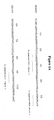
- Figure 1A shows the light chain variable domain (V L ) amino acid residues of huMAb4D5-8 (SEQ ID NO.1).
- Figure 1B shows the heavy chain variable domain (V H ) amino acid residues of huMAb4D5-8 (SEQ ID NO.2).
- Both Figures 1A and 1B use the generally accepted numbering scheme from Kabat, E. A., et al., Sequences of Proteins of Immunological Interest (National Institutes of Health, Bethesda, Md. (1987 )).
- the hypervariable region residues are identified by underlining. As discussed in more detail below, the hypervariable regions were determined according to both a standard sequence definition (Kabat, E. A.
- V L -hypervariable region 1 (comprising the amino acid sequence RASQDVNTAVA (SEQ ID NO: 19)
- V L -hypervariable region 2 (comprising the amino acid sequence SASFLYS (SEQ ID NO: 20)
- V L -hypervariable region 3 (comprising the amino acid sequence QQHYTTPPT (SEQ ID NO: 21)).
- the hypervariable regions are designated as V H -hypervariable region 1 (comprising the amino acid sequence GFNIKDTYIH (SEQ ID NO: 22)), V H -hypervariable region 2 (comprising the amino acid sequence RIYPTNGYTRYADSVKG (SEQ ID NO: 23)), and V H -hypervariable region 3 (comprising the amino acid sequence WGGDGFYAMDY (SEQ ID NO: 24)).
- Figure 2A shows the residue positions mutated in phage displayed libraries. Nineteen residues on the surface of the hu4D5-8 Fab were fully randomized using NNS codon degeneracy. The randomized residues (Kabat numbering; Johnson, G.
- Figure 3 shows amino acid substitutions in Fab-phage clones. For each position, the source library, wild-type residue, and the most commonly observed residue ( ⁇ ) after 4 rounds of selection are shown. The observed frequency (%) of each amino acid at each position (Kabat numbering; Johnson, G. & Wu, T.
- Figure 5 shows the variability of selected residues in hu4D5-8.
- the order of mutants represented is the same for each temperature panel: (1) Y100a(V H )F; (2) T94(V L )S; (3) Y102(V H )V; (4) N30(V L )S; (5) H91(V L )F; (6) N30(V L )S + H91(V L )F + Y92(V L )W; (7) the multiple mutant N30(V L )S + H91(V L )F + Y92(V L )W + T94(V L )S + D98(V H )W + Y100a(V H )F + Y102(V H )V; and (8) D98(V H )W .
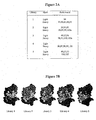
- Figure 7 illustrates a comparison of sequence variability (A) and Ala-scan results (B) on the hu4D5-8 structure.
- Residues selected from phage libraries (A) fall into 3 categories: Class 1, low variability (residues N30', G99', Y100a, W95, R50', Y33, R58', and Y56), Class 2, moderate variability (residues Y92, H91', T94', F53', Y49, Y55, and F100'), and Class 3, high variability (residues Y102 and D98').
- Class 1 low variability
- Y100a W95, R50', Y33, R58', and Y56
- Class 2 moderate variability
- F53' Y49
- Y55 Y55
- F100' high variability
- the present invention is based on the identification of variants of a humanized anti-HER2 antibody, hu4D5-8, having HER2 binding affinity equal to or greater than the parent antibody.
- variants were identified from a set of Fab libraries in which nineteen positions in the light and/or heavy variable domains were substituted with all 20 amino acids. The positions were selected for substitutions based in part on alanine scanning mutagenesis of the hu4D5-8 variable regions.
- Sequence variability within the high-affinity HER2-binding site of the hu4D5-8 antibody was tested by constructing monovalently displayed Fab-phage libraries, selecting for HER2 binding clones, and sequencing a large sample (50-70 clones) from each library pool at a point in the selection process where a high level of overall diversity (minimal siblings, that is occurrence of identical clones) was observed. The binding affinities of soluble Fab fragments were also tested. A single mutant, D98(V H )W was found to have a 3-fold improvement in binding affinity over wild-type hu4D5-8 Fab. Accordingly, the present invention concerns antibody variants, particularly anti-HER2 antibody variants.
- ErbB2 ErbB2 receptor
- c-Erb-B2 HER2
- HER2 a native sequence ErbB2 human polypeptide, or a functional derivative thereof.
- her2 erbB2
- c-erb-B2 refer to the corresponding human gene.
- native sequence or “native” in this context refer to a polypeptide having the sequence of a naturally occurring polypeptide, regardless its mode of preparation. Such native sequence polypeptides can be isolated from nature or can be produced by recombinant or synthetic means, or by any combination of these or similar methods.
- HER2 polypeptides may be isolated from nature, produced by techniques of recombinant DNA technology, chemically synthesized, or produced by any combinations of these or similar methods.
- the amino acid sequence and encoding nucleotide sequence of a native human HER2 polypeptide is disclosed, for example, in Semba et al., PNAS (USA) 82:6497-65)2 (1985 ) and Yamamoto et al., Nature 319:230-234 (1986 ) (GenBank accession number Xo3363).
- ErbB2 comprises four domains (Domains 1-4).
- HER2 polypeptides from other non-human animals, e.g. mammalian species are also well known in the art.
- “Functional derivatives” include amino acid sequence variants, and covalent derivatives of the native polypeptides as long as they retain a qualitative biological activity of the corresponding native polypeptide.
- Amino acid sequence “variants” generally differ from a native sequence in the substitution, deletion and/or insertion of one or more amino acids anywhere within a native amino acid sequence.
- Deletional variants include fragments of the native polypeptides, and variants having N- and/or C-terminal truncations.
- “Heregulin” (HRG) when used herein refers to a polypeptide which activates the ErbB2-ErbB3 and ErbB2-ErbB4 protein complexes (i.e.
- nucleic acid refers to polynucleotides such as deoxyribonucleic acid (DNA), and, where appropriate, ribonucleic acid (RNA). The term also includes, as equivalents, analogs of either DNA or RNA made from nucleotide analogs, and as applicable, single (sense or antisense) and double-stranded polynucleotides.
- An "isolated” nucleic acid molecule is a nucleic acid molecule that is identified and separated from at least one contaminant nucleic acid molecule with which it is ordinarily associated in the natural source of the nucleic acid. An isolated nucleic acid molecule is other than in the form or setting in which it is found in nature.
- Isolated nucleic acid molecules therefore are distinguished from the nucleic acid molecule as it exists in natural cells.
- an isolated nucleic acid molecule includes a nucleic acid molecule contained in cells that ordinarily express the antibody where, for example, the nucleic acid molecule is in a chromosomal location different from that of natural cells.
- the term "vector” refers to a nucleic acid molecule capable of transporting another nucleic acid to which it has been linked.
- expression vector includes plasmids, cosmids or phages capable of synthesizing the subject HER2 protein encoded by the respective recombinant gene carried by the vector.
- Preferred vectors are those capable of autonomous replication and/expression of nucleic acids to which they are linked.
- plasmid and “vector” are used interchangeably, as the plasmid is the most commonly used form of vector.
- transfection refers to the introduction of a nucleic acid, e.g., an expression vector, into a recipient cell by nucleic acid-mediated gene transfer.
- Transformation refers to a process in which a cell's genotype is changed as a result of the cellular uptake of exogenous DNA or RNA, and, for example, the transformed cell expresses a recombinant form of HER2.
- non-human mammal refers to all members of the class Mammalia except humans.
- “Mammal” refers to any animal classified as a mammal, including humans, domestic and farm animals, and zoo, sports, or pet animals, such as mouse, rat, rabbit, pig, sheep, goat, cattle and higher primates.
- the expressions "cell,” “cell line,” and “cell culture” are used interchangeably and all such designations include progeny.
- the words “transformants” and “transformed cells” include the primary subject cell and cultures derived therefrom without regard for the number of transfers. It is also understood that all progeny may not be precisely identical in DNA content, due to deliberate or inadvertent mutations.
- progeny refers to any and all offspring of every generation subsequent to an originally transformed cell or cell line. Mutant progeny that have the same function or biological activity as screened for in the originally transformed cell are included. Where distinct designations are intended, it will be clear from the context.
- antibody herein is used in the broadest sense and specifically covers intact antibodies, monoclonal antibodies, polyclonal antibodies, multispecific antibodies (e.g. bispecific antibodies) formed from at least two intact antibodies, and antibody fragments, so long as they exhibit the desired biological activity.
- monoclonal antibody refers to an antibody obtained from a population of substantially homogeneous antibodies, i.e., the individual antibodies comprising the population are identical except for possible naturally occurring mutations that may be present in minor amounts. Monoclonal antibodies are highly specific, being directed against a single antigenic site. Furthermore, in contrast to polyclonal antibody preparations which include different antibodies directed against different determinants (epitopes), each monoclonal antibody is directed against a single determinant on the antigen. In addition to their specificity, the monoclonal antibodies are advantageous in that they may be synthesized uncontaminated by other antibodies.
- the modifier "monoclonal” indicates the character of the antibody as being obtained from a substantially homogeneous population of antibodies, and is not to be construed as requiring production of the antibody by any particular method.
- the monoclonal antibodies to be used in accordance with the present invention may be made by the hybridoma method first described by Kohler et al., Nature, 256:495 (1975 ), or may be made by recombinant DNA methods (see, e.g., U.S. Patent No. 4,816,567 ).
- the "monoclonal antibodies” may also be isolated from phage antibody libraries using the techniques described in Clackson et al., Nature, 352:624-628 (1991 ) and Marks et al., J. Mol. Biol., 222:581-597 (1991 ), for example.
- Antibodies specifically include "chimeric" antibodies in which a portion of the heavy and/or light chain is identical with or homologous to corresponding sequences in antibodies derived from a particular species or belonging to a particular antibody class or subclass, while the remainder of the chain(s) is identical with or homologous to corresponding sequences in antibodies derived from another species or belonging to another antibody class or subclass, as well as fragments of such antibodies, so long as they exhibit the desired biological activity ( U.S. Patent No. 4,816,567 ; and Morrison et al., Proc. Natl. Acad. Sci. USA, 81:6851-6855 (1984 )).
- Chimeric antibodies of interest herein include primatized antibodies comprising variable domain antigen-binding sequences derived from a non-human primate (e.g. Old World Monkey, Ape etc) and human constant region sequences.
- Antibody fragments comprise a portion of an intact antibody, preferably comprising the antigen-binding or variable region thereof. Examples of antibody fragments include Fab, Fab', F(ab') 2 , and Fv fragments; diabodies; linear antibodies; single-chain antibody molecules; and multispecific antibodies formed from antibody fragment(s).
- An "intact” antibody is one which comprises an antigen-binding variable region as well as a light chain constant domain (C L ) and heavy chain constant domains, C H 1, C H 2 and C H 3.
- the constant domains may be native sequence constant domains (e.g. human native sequence constant domains) or amino acid sequence variant thereof.
- the intact antibody has one or more effector functions.
- "Humanized" forms of non-human (e.g., rodent) antibodies are chimeric antibodies that contain minimal sequence derived from non-human immunoglobulin.
- humanized antibodies are human immunoglobulins (recipient antibody) in which residues from a hypervariable region of the recipient are replaced by residues from a hypervariable region of a non-human species (donor antibody) such as mouse, rat, rabbit or nonhuman primate having the desired specificity, affinity, and capacity.
- framework region (FR) residues of the human immunoglobulin are replaced by corresponding non-human residues.
- humanized antibodies may comprise residues that are not found in the recipient antibody or in the donor antibody. These modifications are made to further refine antibody performance.
- the humanized antibody will comprise substantially all of at least one, and typically two, variable domains (Fab, Fab', F(ab') 2 , Fabc, Fv), in which all or substantially all of the hypervariable loops correspond to those of a non-human immunoglobulin and all or substantially all of the FRs are those of a human immunoglobulin sequence.
- the humanized antibody optionally also will comprise at least a portion of an immunoglobulin constant region (Fc), typically that of a human immunoglobulin.
- Fc immunoglobulin constant region
- Humanized anti-ErbB2 antibodies include huMAb4D5-1, huMAb4D5-2, huMAb4D5-3, huMAb4D5-4, huMAb4D5-5, huMAb4D5-6, huMAb4D5-7 and huMAb4D5-8 (HERCEPTIN7) as described in Table 3 of U.S. Patent 5,821,337 expressly incorporated herein by reference; humanized 520C9 ( WO93/21319 ) and humanized 2C4 antibodies as described in copending application No. 09/811115, incorporated herein by reference. Throughout the disclosure, the terms "huMAb4D5-8" and “hu4D5-8" are used interchangeably.
- hypervariable region when used herein refers to the regions of an antibody variable domain which are hypervariable in sequence and/or form structurally defined loops.
- the hypervariable region comprises amino acid residues from a "complementarity determining region" or "CDR" (i.e. residues 24-34, 50-56, and 89-97 in the light chain variable domain and 31-35, 50-65, and 95-102 in the heavy chain variable domain; Kabat et al., Sequences of Proteins of Immunological Interest, 5th Ed. Public Health Service, National Institutes of Health, Bethesda, MD. (1991 )) and/or those residues from a "hypervariable loop" (i.e.
- variable domain residues are numbered according to Kabat et al., supra, as discussed in more detail below.
- “Framework” or "FR" residues are those variable domain residues other than the residues in the hypervariable regions as herein defined.
- a "parent antibody” or "wild-type” antibody is an antibody comprising an amino acid sequence which lacks one or more amino acid sequence alterations compared to an antibody variant as herein disclosed.
- the parent antibody generally has at least one hypervariable region which differs in amino acid sequence from the amino acid sequence of the corresponding hypervariable region of an antibody variant as herein disclosed.
- the parent polypeptide may comprise a native sequence (i.e. a naturally occurring) antibody (including a naturally occurring allelic variant), or an antibody with pre-existing amino acid sequence modifications (such as insertions, deletions and/or other alterations) of a naturally occurring sequence.
- the parent antibody is a chimeric, humanized or human antibody.
- the wild-type antibody hu4D5-8 is huMAb4D5-8, as described in U.S. Patent 5,821,337 , without any amino acid substitutions or other modifications.
- antibody variant refers to an antibody which has an amino acid sequence which differs from the amino acid sequence of a parent antibody.
- the antibody variant comprises a heavy chain variable domain or a light chain variable domain having an amino acid sequence which is not found in nature. Such variants necessarily have less than 100% sequence identity or similarity with the parent antibody.
- the antibody variant will have an amino acid sequence from about 75% to less than 100% amino acid sequence identity or similarity with the amino acid sequence of either the heavy or light chain variable domain of the parent antibody, more preferably from about 80% to less than 100%, more preferably from about 85% to less than 100%, more preferably from about 90% to less than 100%, and most preferably from about 95% to less than 100%.
- Identity or similarity with respect to this sequence is defined herein as the percentage of amino acid residues in the candidate sequence that are identical (i.e same residue) with the parent antibody residues, after aligning the sequences and introducing gaps, if necessary, to achieve the maximum percent sequence identity.
- the antibody variant is generally one which comprises one or more amino acid alterations in or adjacent to one or more hypervariable regions thereof.
- An “amino acid alteration” refers to a change in the amino acid sequence of a predetermined amino acid sequence. Exemplary alterations include insertions, substitutions and deletions.
- An “amino acid substitution” refers to the replacement of an existing amino acid residue in a predetermined amino acid sequence; with another different amino acid residue.
- a "replacement” amino acid residue refers to an amino acid residue that replaces or substitutes another amino acid residue in an amino acid sequence.
- the replacement residue may be a naturally occurring or non-naturally occurring amino acid residue.
- An “amino acid insertion” refers to the introduction of one or more amino acid residues into a predetermined amino acid sequence.
- the amino acid insertion may comprise a "peptide insertion” in which case a peptide comprising two or more amino acid residues joined by peptide bond(s) is introduced into the predetermined amino acid sequence.
- the inserted peptide may be generated by random mutagenesis such that it has an amino acid sequence which does not exist in nature.
- an amino acid alteration "adjacent a hypervariable region” refers to the introduction or substitution of one or more amino acid residues at the N-terminal and/or C-terminal end of a hypervariable region, such that at least one of the inserted or replacement amino acid residue(s) form a peptide bond with the N-terminal or C-terminal amino acid residue of the hypervariable region in question.
- a "naturally occurring amino acid residue” is one encoded by the genetic code, generally selected from the group consisting of: alanine (Ala); arginine (Arg); asparagine (Asn); aspartic acid (Asp); cysteine (Cys); glutamine (G1n); glutamic acid (Glu); glycine (Gly); histidine (His); isoleucine (Ile): leucine (Leu); lysine (Lys); methionine (Met); phenylalanine (Phe); proline (Pro); serine (Ser); threonine (Thr); tryptophan (Trp); tyrosine (Tyr); and valine (Val).
- non-naturally occurring amino acid residue herein is an amino acid residue other than those naturally occurring amino acid residues listed above, which is able to covalently bind adjacent amino acid residues(s) in a polypeptide chain.
- non-naturally occurring amino acid residues include norleucine, ornithine, norvaline, homoserine and other amino acid residue analogues such as those described in Ellman et al. Meth. Enzym. 202:301-336 (1991 ).
- the procedures of Noren et al. Science 244:182 (1989 ) and Ellman et al., supra can be used.
- the candidate sequence is aligned with any immunoglobulin sequence or any consensus sequence in Kabat. Alignment may be done by hand, or by computer using commonly accepted computer programs; an example of such a program is the Align 2 program. Alignment may be facilitated by using some amino acid residues which are common to most Fab sequences.
- the light and heavy chains each typically have two cysteines which have the same residue numbers; in V L domain the two cysteines are typically at residue numbers 23 and 88, and in the V H domain the two cysteine residues are typically numbered 22 and 92.
- Framework residues generally, but not always, have approximately the same number of residues, however the CDRs will vary in size.
- typically suffixes are added to the residue number to indicate the insertion of additional residues (see, e.g. residues 100abc in Figure 1B ).
- candidate sequences which, for example, align with a Kabat sequence for residues 34 and 36 but have no residue between them to align with residue 35, the number 35 is simply not assigned to a residue.
- particular amino acid residues may be substituted with other residues.
- the designation for a substitution variant herein consists of a letter followed by a number followed by a letter.
- the first (leftmost) letter designates the amino acid in the wild-type antibody.
- the number refers to the amino acid position where the amino acid substitution is being made, and the second (right-hand) letter designates the amino acid that is used to replace the wild-type amino acid at that position.
- a refernce to the antibody light chain variable domain (V L ) or heavy chain variable domain (V H ) may be inserted following the number to indicate the specific location of the residue and/or substitution.
- an antibody with a "high-affinity” is an antibody having a K D , or dissociation constant, in the nanomolar (nM) range or better.
- a K D in the "nanomolar range or better” may be denoted by X nM, where X is a number less than about 10.
- a molecule which "induces cell death” is one which causes a viable cell to become nonviable.
- the cell is generally one that expresses the ErbB2 receptor, especially where the cell overexpresses the ErbB2 receptor.
- the cell is a cancer cell, e.g. a breast, ovarian, stomach, endometrial, salivary gland, lung, kidney, colon, thyroid, pancreatic, prostate or bladder cancer cell.
- the cell may be a SK-BR-3, BT474, Calu 3, MDA-MB-453, MDA-MB-361 or SKOV3 cell.
- Cell death in vitro may be determined in the absence of complement and immune effector cells to distinguish cell death induced by antibody-dependent cell-mediated cytotoxicity (ADCC) or complement dependent cytotoxicity (CDC).
- ADCC antibody-dependent cell-mediated cytotoxicity
- CDC complement dependent cytotoxicity
- the assay for cell death may be performed using heat inactivated serum (i.e. in the absence of complement) and in the absence of immune effector cells.
- PI propidium iodide
- trypan blue see Moore et al. Cytotechnology 17:1-11 (1995 )
- 7AAD can be assessed relative to untreated cells.
- Preferred cell death-inducing antibodies are those which induce PI uptake in the PI uptake assay in BT474 cells (see below).
- a molecule which "induces apoptosis" is one which induces programmed cell death as determined by binding of annexin V, fragmentation of DNA, cell shrinkage, dilation of endoplasmic reticulum, cell fragmentation, and/or formation of membrane vesicles (called apoptotic bodies).
- the cell is usually one that overexpresses the ErbB2 receptor.
- the cell is a tumor cell, e.g. a breast, ovarian, stomach, endometrial, salivary gland, lung, kidney, colon, thyroid, pancreatic, prostate or bladder cancer cell.
- the cell may be a SK-BR-3, BT474, Calu 3 cell, MDA-MB-453, MDA-MB-361 or SKOV3 cell.
- Various methods are available for evaluating the cellular events associated with apoptosis.
- phosphatidyl serine (PS) translocation can be measured by annexin binding; DNA fragmentation can be evaluated through DNA laddering; and nuclear/chromatin condensation along with DNA fragmentation can be evaluated by any increase in hypodiploid cells.
- the molecule which induces apoptosis is one which results in about 2 to 50 fold, preferably about 5 to 50 fold, and most preferably about 10 to 50 fold, induction of annexin binding relative to untreated cells, in an annexin binding assay using BT474 cells.
- the pro-apoptotic molecule will be one which further blocks ErbB ligand activation of an ErbB receptor.
- the molecule is one which does not significantly block ErbB ligand activation of an ErbB receptor. Further, the molecule may induce apoptosis, without inducing a large reduction in the percent of cells in S phase (e.g. one which only induces about 0-10% reduction in the percent of these cells relative to control).
- the terms "treat” or “treatment” refer to both therapeutic treatment and prophylactic or preventative measures, wherein the object is to prevent or slow down (lessen) an undesired physiological change or disorder, such as the development or spread of cancer.
- beneficial or desired clinical results include, but are not limited to, alleviation of symptoms, diminishment of extent of disease, stabilized (i.e., not worsening) state of disease, delay or slowing of disease progression, amelioration or palliation of the disease state, and remission (whether partial or total), whether detectable or undetectable.
- Treatment can also mean prolonging survival as compared to expected survival if not receiving treatment.
- Those in need of treatment include those already with the condition or disorder as well as those prone to have the condition or disorder or those in which the condition or disorder is to be prevented.
- therapeutically effective amount refers to an amount of a molecule effective to treat a disease or disorder in a mammal.
- the therapeutically effective amount of the drug may reduce the number of cancer cells; reduce the tumor size; inhibit (i.e., slow to some extent and preferably stop) cancer cell infiltration into peripheral organs; inhibit (i.e., slow to some extent and preferably stop) tumor metastasis; inhibit, to some extent, tumor growth; and/or relieve to some extent one or more of the symptoms associated with the cancer.
- the molecule may prevent growth and/or kill existing cancer cells, it may be cytostatic and/or cytotoxic.
- efficacy can, for example, be measured by assessing the time to disease progression (TTP) and/or determining the response rate (RR).
- Tumor refers to all neoplastic cell growth and proliferation, whether malignant or benign, and all pre-cancerous and cancerous cells and tissues.
- cancer and “cancerous” refer to or describe the physiological condition in mammals that is typically characterized by unregulated cell growth.
- cancer include, but are not limited to, carcinoma, lymphoma, blastoma, sarcoma, and leukemia or lymphoid malignancies. More particular examples of such cancers include squamous cell cancer (e.g.
- lung cancer including small-cell lung cancer, non-small cell lung cancer, adenocarcinoma of the lung and squamous carcinoma of the lung, cancer of the peritoneum, hepatocellular cancer, gastric or stomach cancer including gastrointestinal cancer, pancreatic cancer, glioblastoma, cervical cancer, ovarian cancer, liver cancer, bladder cancer, hepatoma, breast cancer, colon cancer, rectal cancer, colorectal cancer, endometrial or uterine carcinoma, salivary gland carcinoma, kidney or renal cancer, prostate cancer, vulval cancer, thyroid cancer, hepatic carcinoma, anal carcinoma, penile carcinoma, as well as head and neck cancer.
- lung cancer including small-cell lung cancer, non-small cell lung cancer, adenocarcinoma of the lung and squamous carcinoma of the lung, cancer of the peritoneum, hepatocellular cancer, gastric or stomach cancer including gastrointestinal cancer, pancreatic cancer, glioblastoma, cervical cancer, ovarian cancer, liver cancer,
- An “ErbB-expressing” cancer or cancer comprising "ErbB-expressing cells” is a cancer comprising cells which have ErbB protein present at their cell surface.
- An “ErbB-expressing” cancer or cancer comprising "ErbB-expressing cells” is one which produces sufficient levels of ErbB2 at the surface of cells thereof, such that an anti-ErbB2 antibody can bind thereto and have a therapeutic effect with respect to the cancer.
- a cancer "characterized by excessive activation" of an ErbB receptor is one in which the extent of ErbB receptor activation in cancer cells significantly exceeds the level of activation of that receptor in non-cancerous cells of the same tissue type.
- Such excessive activation may result from overexpression of the ErbB receptor and/or greater than normal levels of an ErbB ligand available for activating the ErbB receptor in the cancer cells. Such excessive activation may cause and/or be caused by the malignant state of a cancer cell.
- a cancer which "overexpresses" an ErbB receptor is one which has significantly higher levels of an ErbB receptor, such as HER2, at the cell surface thereof, compared to a noncancerous cell of the same tissue type.
- Such overexpression may be caused by gene amplification or by increased transcription or translation.
- ErbB receptor overexpression may be determined in a diagnostic or prognostic assay by evaluating increased levels of the ErbB protein present on the surface of a cell (e.g.
- RNA samples may be assessed for their expression levels via an immunohistochemistry assay; IHC).
- IHC immunohistochemistry assay
- one may measure levels of ErbB-encoding nucleic acid in the cell e.g. via fluorescent in situ hybridization (FISH; see WO98/45479 published October, 1998), Southern blotting, or polymerase chain reaction (PCR) techniques, such as real time quantitative PCR (RT-PCR).
- FISH fluorescent in situ hybridization
- PCR polymerase chain reaction
- RT-PCR real time quantitative PCR
- One may also study ErbB receptor overexpression by measuring shed antigen (e.g., ErbB extracellular domain) in a biological fluid such as serum (see, e.g., U.S. Patent No. 4,933,294 issued June 12, 1990 ; WO91/05264 published April 18, 1991 ; U.S.
- a cancer which is "not characterized by overexpression of the ErbB2 receptor” is one which, in a diagnostic assay, does not express higher than normal levels of ErbB2 receptor compared to a noncancerous cell of the same tissue type.
- cytotoxic agent refers to a substance that inhibits or prevents the function of cells and/or causes destruction of cells. The term is intended to include radioactive isotopes ( e . g .
- chemotherapeutic agents such as small molecule toxins or enzymatically active toxins of bacterial, fungal, plant or animal origin, including fragments and/or variants thereof.
- a "chemotherapeutic agent” is a chemical compound useful in the treatment of cancer.
- chemotherapeutic agents include alkylating agents such as thiotepa and cyclosphosphamide (CYTOXANTM); alkyl sulfonates such as busulfan, improsulfan and piposulfan; aziridines such as benzodopa, carboquone, meturedopa, and uredopa; ethylenimines and methylamelamines including altretamine, triethylenemelamine, trietylenephosphoramide, triethylenethiophosphaoramide and trimethylolomelamine; nitrogen mustards such as chlorambucil, chlornaphazine, cholophosphamide, estramustine, ifosfamide, mechlorethamine, mechlorethamine oxide hydrochloride, melphalan, novembichin, phenesterine, prednimustine, trofosfamide, uracil mustard; nitrosureas such as carmustine, chloride
- paclitaxel (TAXOL 7 , Bristol-Myers Squibb Oncology, Princeton, NJ) and doxetaxel (TAXOTERE7, Rhône-Poulenc Rorer, Antony, France); chlorambucil; gemcitabine; 6-thioguanine; mercaptopurine; methotrexate; platinum analogs such as cisplatin and carboplatin; vinblastine; platinum; etoposide (VP-16); ifosfamide; mitomycin C; mitoxantrone; vincristine; vinorelbine; navelbine; novantrone; teniposide; daunomycin; aminopterin; xeloda; ibandronate; CPT-11; topoisomerase inhibitor RFS 2000; difluoromethylornithine (DMFO); retinoic acid; esperamicins; capecitabine; and pharmaceutically acceptable salts, acids or derivatives of any of the above.
- anti-hormonal agents that act to regulate or inhibit hormone action on tumors
- anti-estrogens including for example tamoxifen, raloxifene, aromatase inhibiting 4(5)-imidazoles, 4-hydroxytamoxifen, trioxifene, keoxifene, LY117018, onapristone, and toremifene (Fareston); and anti-androgens such as flutamide, nilutamide, bicalutamide, leuprolide, and goserelin; and pharmaceutically acceptable salts, acids or derivatives of any of the above.
- a “liposome” is a small vesicle composed of various types of lipids, phospholipids and/or surfactant which is useful for delivery of a drug (such as the anti-ErbB2 antibodies disclosed herein and, optionally, a chemotherapeutic agent) to a mammal.
- a drug such as the anti-ErbB2 antibodies disclosed herein and, optionally, a chemotherapeutic agent
- the components of the liposome are commonly arranged in a bilayer formation, similar to the lipid arrangement of biological membranes.
- a “small molecule” is defined herein to have a molecular weight below about 500 Daltons.
- the present invention concerns antibody variants, preferably anti-HER2 antibody variants.
- the variant antibodies may take a number of different forms.
- the antibodies may be, without limitation, intact antibodies, such as IgG1 antibodies, antibody fragments, such as a Fab, bispecific antibodies, humanized antibodies, or human antibodies.
- the antibody variants preferably comprise one or more amino acid substitutions in the heavy chain variable domain and/or the light chain variable domain. More preferably, the antibody variants comprise one or more amino acid substitutions in the hypervariable regions of the heavy chain variable domain and/or the light chain variable domain. While the present invention contemplates single amino acid substitutions according to the criteria herein, two or more substitutions may also be combined, e.g.
- Intact antibodies comprising the modified heavy and/or light chain domains described herein may be made by methods well known in the art.
- recombinant variant antibodies may be produced in host cells such as E. coli cells, simian COS cells, Chinese Hamster Ovary (CHO) cells, or myeloma cells that do not otherwise produce antibody protein.
- intact antibodies or antibody fragments can be isolated from antibody phage libraries generated using the techniques described, for example, in McCafferty et al., Nature, 348:552-554 (1990 ).
- humanized anti-HER2 antibodies are known.
- production of a humanized anti-HER2 antibody known as hu4D5-8 are described, in the examples below and in U.S. Patent 5,821,337 , which is expressly incorporated herein by reference.
- This antibody was derived from a murine monoclonal antibody, 4D5 ( Fendly et al., Cancer Res 50(5):1550-8 (1990 )), raised against the gene product of erbB2 known as p185 HER2 or HER2 ( Slamon et al., Science 244(4905):707-12 (1989 )).
- Murine monoclonal antibody 4D5 and its uses are described in PCT application WO 89106692 published 27 Jul. 1989 .
- Murine antibody 4D5 was deposited with the ATCC and designated ATCC CRL 10463. Both hu4D5 and 4D5 demonstrate antiproliferative activity against carcinoma cells overexpressing p185 HER2 ( Carter et al., Proc Natl Acad Sci U S A 89(10):4285-9 (1992b ); Hudziak et al., Mol Cell Biol 9(3):1165-72 (1989 )).
- the IgG form of hu4D5-8 (Herceptin R; trastuzumab) is used as a therapeutic in the treatment of breast cancer (reviewed by McKeage, K.
- a humanized antibody preferably has one or more amino acid residues introduced into it from a source which is non-human. These non-human amino acid residues are often referred to as "import" residues, which are typically taken from an "import" variable domain.
- Humanization can be essentially performed following the method of Winter and co-workers ( Jones et al., Nature, 321:522-525 (1986 ); Riechmann et al., Nature, 332:323-327 (1988 ); Verhoeyen et al., Science, 239:1534-1536 (1988 )), by substituting hypervariable region sequences for the corresponding sequences of a human antibody. Accordingly, such "humanized" antibodies are chimeric antibodies ( U.S. Patent No. 4,816,567 ) wherein substantially less than an intact human variable domain has been substituted by the corresponding sequence from a non-human species.
- humanized antibodies are typically human antibodies in which some hypervariable region residues and possibly some FR residues are substituted by residues from analogous sites in rodent antibodies.
- the choice of human variable domains, both light and heavy, to be used in making the humanized antibodies is very important to reduce antigenicity.
- the sequence of the variable domain of a rodent antibody is screened against the entire library of known human variable-domain sequences. The human sequence which is closest to that of the rodent is then accepted as the human framework region (FR) for the humanized antibody ( Sims et al., J. Immunol., 151:2296 (1993 ); Chothia et al., J. Mol.
- Another method uses a particular framework region derived from the consensus sequence of all human antibodies of a particular subgroup of light or heavy chains. The same framework may be used for several different humanized antibodies ( Carter et al., Proc. Natl. Acad. Sci. USA, 89:4285 (1992 ); Presta et al., J. Immunol., 151:2623 (1993 )). It is further important that antibodies be humanized with retention of high affinity for the antigen and other favorable biological properties. To achieve this goal, according to a preferred method, humanized antibodies are prepared by a process of analysis of the parental sequences and various conceptual humanized products using three-dimensional models of the parental and humanized sequences.
- Three-dimensional immunoglobulin models are commonly available and are familiar to those skilled in the art.
- Computer programs are available which illustrate and display probable three-dimensional conformational structures of selected candidate immunoglobulin sequences. Inspection of these displays permits analysis of the likely role of the residues in the functioning of the candidate immunoglobulin sequence, i.e., the analysis of residues that influence the ability of the candidate immunoglobulin to bind its antigen.
- FR residues can be selected and combined from the recipient and import sequences so that the desired antibody characteristic, such as increased affinity for the target antigen(s), is achieved.
- the hypervariable region residues are directly and most substantially involved in influencing antigen binding.
- Example 1 below describes production of an exemplary humanized anti-ErbB2 antibody.
- the humanized antibody herein may, for example, comprise nonhuman hypervariable region residues incorporated into a human variable heavy domain and may further comprise a framework region (FR) substitution at a position selected from the group consisting of R66(V L ), A71(V H ), T73(V H ), A78(V H ), and S93(V H ) utilizing the variable domain numbering system set forth in Kabat et al., Sequences of Proteins of Immunological Interest, 5th Ed. Public Health Service, National Institutes of Health, Bethesda, MD (1991 ).
- the humanized antibody comprises FR substitutions at two or all of positions R66(V L ), A71(V H ), T73(V H ), A78(V H ), and S93(V H )-
- human antibodies can be generated.
- transgenic animals e.g., mice
- transgenic animals e.g., mice
- J H antibody heavy-chain joining region
- transfer of the human germ-line immunoglobulin gene array in such germ-line mutant mice will result in the production of human antibodies upon antigen challenge. See, e.g., Jakobovits et al., Proc. Natl. Acad. Sci.
- phage display technology McCafferty et al., Nature 348:552-553 (1990 ) can be used to produce human antibodies and antibody fragments in vitro, from immunoglobulin variable (V) domain gene repertoires from unimmunized donors.
- antibody V domain genes are cloned in-frame into either a major or minor coat protein gene of a filamentous bacteriophage, such as M13 or fd, and displayed as functional antibody fragments on the surface of the phage particle.
- a filamentous bacteriophage such as M13 or fd
- selections based on the functional properties of the antibody also result in selection of the gene encoding the antibody exhibiting those properties.
- the phage mimics some of the properties of the B-cell.
- Phage display can be performed in a variety of formats; for their review see, e.g., Johnson, Kevin S. and Chiswell, David J., Current Opinion in Structural Biology 3:564-571 (1993 ).
- V-gene segments can be used for phage display.
- Clackson et al., Nature, 352:624-628 (1991 ) isolated a diverse array of anti-oxazolone antibodies from a small random combinatorial library of V genes derived from the spleens of immunized mice.
- a repertoire of V genes from unimmunized human donors can be constructed and antibodies to a diverse array of antigens (including self-antigens) can be isolated essentially following the techniques described by Marks et al., J. Mol. Biol. 222:581-597 (1991 ), or Griffith et al., EMBO J. 12:725-734 (1993 ). See, also, U.S. Patent Nos.
- human antibodies may also be generated by in vitro activated B cells (see U.S. Patents 5,567,610 and 5,229,275 ). Human anti-ErbB2 antibodies are described in U.S. Patent No. 5,772,997 issued June 30, 1998 and WO 97/00271 published January 3, 1997 .
- Antibody fragments comprising the variant light and/or heavy chain variable domains described herein are contemplated.
- Various techniques have been developed for the production of antibody fragments. Traditionally, these fragments were derived via proteolytic digestion of intact antibodies (see, e.g., Morimoto et al. , Journal of Biochemical and Biophysical Methods 24:107-117 (1992 ); and Brennan et al., Science, 229:81 (1985 )).
- Other techniques for the production of antibody fragments will be apparent to the skilled practitioner. For example, antibody fragments can now be produced directly by recombinant host cells.
- the antibody fragments can be isolated from antibody phage libraries generated using the techniques described in McCafferty et al., Nature, 348:552-554 (1990 ).
- F(ab') 2 fragments can be isolated directly from recombinant host cell culture.
- Fab'-SH fragments can be directly recovered from E. coli and chemically coupled to form F(ab') 2 fragments ( Carter et al., Bio/Technology 10:163-167 (1992 )).
- the antibody of choice is a single chain Fv fragment (scFv). See WO 93/16185 ; U.S. Patent No. 5,571,894 ; and U.S. Patent No. 5,587,458 .
- the antibody fragment may also be a "linear antibody", e.g., as described in U.S. Patent 5,641,870 for example. Such linear antibody fragments may be monospecific or bispecific.
- Bispecific antibodies that comprise the binding site of the anti-HER2 antibody variants described herein are contemplated.
- Bispecific antibodies are antibodies that have binding specificities for at least two different epitopes.
- Exemplary bispecific antibodies may bind to two different epitopes of the ErbB2 protein.
- Other such antibodies may combine an ErbB2 binding site with binding site(s) for EGFR, ErbB3 and/or ErbB4.
- an anti-ErbB2 arm may be combined with an arm which binds to a triggering molecule on a leukocyte such as a T-cell receptor molecule (e.g.
- Fc receptors for IgG Fc ⁇ R
- Fc ⁇ R Fc receptors for IgG
- Fc ⁇ R Fc receptors for IgG
- Bispecific antibodies may also be used to localize cytotoxic agents to cells which express ErbB2.
- WO 96/16673 describes a bispecific anti-ErbB2/anti-Fc ⁇ RIII antibody and U.S. Patent No. 5,837,234 discloses a bispecific anti-ErbB2/anti-Fcc ⁇ RI antibody.
- a bispecific anti-ErbB2/Fc ⁇ antibody is shown in WO98/02463 .
- antibody variable domains with the desired binding specificities are fused to immunoglobulin constant domain sequences.
- the fusion preferably is with an immunoglobulin heavy chain constant domain, comprising at least part of the hinge, CH2, and CH3 regions. It is preferred to have the first heavy-chain constant region (CH1) containing the site necessary for light chain binding, present in at least one of the fusions.
- DNAs encoding the immunoglobulin heavy chain fusions and, if desired, the immunoglobulin light chain are inserted into separate expression vectors, and are co-transfected into a suitable host organism. This provides for great flexibility in adjusting the mutual proportions of the three polypeptide fragments in embodiments when unequal ratios of the three polypeptide chains used in the construction provide the optimum yields. It is, however, possible to insert the coding sequences for two or all three polypeptide chains in one expression vector when the expression of at least two polypeptide chains in equal ratios results in high yields or when the ratios are of no particular significance.
- the bispecific antibodies are composed of a hybrid immunoglobulin heavy chain with a first binding specificity in one arm, and a hybrid immunoglobulin heavy chain-light chain pair (providing a second binding specificity) in the other arm. It was found that this asymmetric structure facilitates the separation of the desired bispecific compound from unwanted immunoglobulin chain combinations, as the presence of an immunoglobulin light chain in only one half of the bispecific molecule provides for a facile way of separation.
- This approach is disclosed in WO 94/04690 .
- For further details of generating bispecific antibodies see, for example, Suresh et al., Methods in Enzymology, 121:210 (1986 ). According to another approach described in U.S. Patent No.
- the interface between a pair of antibody molecules can be engineered to maximize the percentage of heterodimers which are recovered from recombinant cell culture.
- the preferred interface comprises at least a part of the C H 3 domain of an antibody constant domain.
- one or more small amino acid side chains from the interface of the first antibody molecule are replaced with larger side chains (e.g. tyrosine or tryptophan).
- Compensatory "cavities" of identical or similar size to the large side chain(s) are created on the interface of the second antibody molecule by replacing large amino acid side chains with smaller ones (e.g. alanine or threonine). This provides a mechanism for increasing the yield of the heterodimer over other unwanted end-products such as homodimers.
- bispecific antibodies can be prepared using chemical linkage.
- Brennan et al., Science, 229: 81 (1985 ) describe a procedure wherein intact antibodies are proteolytically cleaved to generate F(ab') 2 fragments. These fragments are reduced in the presence of the dithiol complexing agent sodium arsenite to stabilize vicinal dithiols and prevent intermolecular disulfide formation.
- the Fab' fragments generated are then converted to thionitrobenzoate (TNB) derivatives.
- One of the Fab'-TNB derivatives is then reconverted to the Fab'-thiol by reduction with mercaptoethylamine and is mixed with an equimolar amount of the other Fab'-TNB derivative to form the bispecific antibody.
- the bispecific antibodies produced can be used as agents for the selective immobilization of enzymes. Recent progress has facilitated the direct recovery of Fab'-SH fragments from E. coli, which can be chemically coupled to form bispecific antibodies. Shalaby et al., J. Exp. Med., 175: 217-225 (1992 ) describe the production of a fully humanized bispecific antibody F(ab') 2 molecule. Each Fab' fragment was separately secreted from E.
- bispecific antibody thus formed was able to bind to cells overexpressing the ErbB2 receptor and normal human T cells, as well as trigger the lytic activity of human cytotoxic lymphocytes against human breast tumor targets.
- Various techniques for making and isolating bispecific antibody fragments directly from recombinant cell culture have also been described. For example, bispecific antibodies have been produced using leucine zippers. Kostelny et al., J. Immunol., 148(5):1547-1553 (1992 ). The leucine zipper peptides from the Fos and Jun proteins were linked to the Fab' portions of two different antibodies by gene fusion.
- the antibody homodimers were reduced at the hinge region to form monomers and then re-oxidized to form the antibody heterodimers. This method can also be utilized for the production of antibody homodimers.
- the "diabody” technology described by Hollinger et al., Proc. Natl. Acad. Sci. USA, 90:6444-6448 (1993 ) has provided an alternative mechanism for making bispecific antibody fragments.
- the fragments comprise a heavy-chain variable domain (V H ) connected to a light-chain variable domain (V L ) by a linker which is too short to allow pairing between the two domains on the same chain.
- V H and V L domains of one fragment are forced to pair with the complementary V L and V H domains of another fragment, thereby forming two antigen-binding sites.
- Another strategy for making bispecific antibody fragments by the use of single-chain Fv (sFv) dimers has also been reported. See Gruber et al., J. Immunol., 152:5368 (1994 ). Antibodies with more than two valencies are contemplated. For example, trispecific antibodies can be prepared. Tutt et al., J. Immunol. 147: 60 (1991 ).
- Amino acid sequence modification(s) of the antibodies are contemplated. For example, it may be desirable to improve the binding affinity and/or other biological properties of an antibody.
- Amino acid sequence variants may be prepared by introducing appropriate nucleotide changes into the nucleic acid encodinrg the antibody variant , or by peptide synthesis. Such modifications include, for example, deletions from, and/or insertions into and/or substitutions of, residues within the amino acid sequences of the antibody variants. Any combination of deletion, insertion, and substitution is made to arrive at the final construct, provided that the final construct possesses the desired characteristics.
- the amino acid changes also may alter post-translational processing of the antibody variants, such as changing the number or position of glycosylation sites.
- a useful method for identification of certain residues or regions of the antibodies that are preferred locations for mutagenesis is called "alanine scanning mutagenesis" as described by Cunningham and Wells, Science, 244:1081-1085 (1989 ).
- a residue or group of target residues are identified (e.g., charged residues such as arg, asp, his, lys, and glu) and replaced by a neutral or negatively charged amino acid (most preferably alanine or polyalanine) to affect the interaction of the amino acids with a particular antigen.
- Those amino acid locations demonstrating functional sensitivity to the substitutions then are refined by introducing further or other variants at, or for, the sites of substitution.
- Amino acid sequence insertions include amino- and/or carboxyl-terminal fusions ranging in length from one residue to polypeptides containing a hundred or more residues, as well as intrasequence insertions of single or multiple amino acid residues.
- terminal insertions include an antibody variant with an N-terminal methionyl residue or the antibody fused to a cytotoxic polypeptide.
- insertional variants of the antibody molecule include the fusion of the N- or C-terminus of the antibody to an enzyme (e.g . for ADEPT) or a polypeptide which increases the serum half-life of the antibody.
- Another type of variant is an amino acid substitution variant. These variants have at least one amino acid residue in the antibody molecule replaced by a different residue.
- the sites of greatest interest for substitutional mutagenesis include the hypervariable regions, but FR alterations are also contemplated. Conservative substitutions are shown in Table 1 under the heading of "preferred conservative substitutions". If such substitutions result in a change in biological activity, then more substantial changes, denominated "exemplary substitutions" in Table 1, or as further described below in reference to amino acid classes, may be introduced and the products screened.
- Affinity maturation can produce antibodies with improved affinity, in comparison to the parent antibody. Sequence diversity in naturally occurring antibodies arises in B-cells with the recombination of selected diverse gene segments with imprecise cleavage events, nucleotide insertions, and secondary gene rearrangements, followed during maturation of the immunoglobulin response by secondary gene rearrangements and point mutations. These changes serve to enhance the specificity and effectiveness of the immune response through the selection of B-cell clones producing antibodies of increasing affinity and specificity.
- the affinity maturation process has been effectively mimicked in vitro using antibody diversity libraries displayed on phage, yeast, or other hosts (reviewed by Hoogenboom, H. R.
- phage display can be performed in a variety of formats; for their review see, e.g. Johnson, Kevin S. and Chiswell, David J., Current Opinion in Structural Biology 3:564-571 (1993 ).
- nucleotide sequences coding for antibody hypervariable region sites of interest are mutated to generate all possible amino substitutions at each site.
- the mutated sequences are cloned in-frame into either a major or minor coat protein gene of a filamentous bacteriophage and displayed as functional antibody fragments on the surface of the phage particle.
- the display is monovalent if a single antibody fragment is displayed per phage cell. Monovalent display can be accomplished with the use of phagemid and helper phage as described, for example, in Lowman, H. B., Methods Mol Biol 87:249-64 (1998 ).
- a preferred phage is M13 and display is preferably as a fusion protein with coat protein 3 as described in Lowman et. al., supra.
- Other suitable phage include fl and fd filamentous phage.
- Fusion protein display with other virus coat proteins is also known and may be used in this invention. See U.S. Pat. No. 5,223,409 . Because the filamentous particle contains a single-stranded DNA copy of the phage genome, selections based on the functional properties of the antibody also result in selection of the gene encoding the antibody exhibiting those properties. Thus, the phage mimics some of the properties of the B-cell. In particular, the phage-displayed variants may be screened for their biological activity (e.g. binding affinity) as herein disclosed. Subsequent selection of variants with particular biological properties (e.g.
- the panel of variants is subjected to screening as described herein and antibodies with superior properties in one or more relevant assays may be selected for further development, as discussed above.
- the process of affinity maturation can produce striking improvements in affinity compared to the parental antibody.
- a study in the mouse showed 10-10 3 -fold improvements in K D during in vivo affinity maturation ( Foote, J. & Milstein, C., Nature 352(6335):530-2 (1991 )).
- antigen-binding affinities were improved by 16-fold in a CDR-L3 point mutant of another anti-erbB2 antibody ( Schier et al., J Mol Biol 263(4):551-67 (1996 )), 14-fold in a CDR-H3 point mutant of an anti-VEGF ( Chen et al., J Mol Biol 293(4):865-81 (1999 )), and 8-fold in a CDR-H3 point mutant of an anti-gp120 antibody ( Barbas et al., Proc Natl Acad Sci USA 91(9):3809-13 (1994 )).
- phage displayed Fab libraries may be sorted based on binding affinity. Briefly, antibody fragments derived from particular antibodies may be phage displayed and organized into libraries. The libraries may then be subjected to increasingly stringent rounds of antigen-binding selection using decreasing concentrations of antigen. In addition, one may identify high affinity antibodies by determining the binding affinity and kinetics of a population of antibodies. In one embodiment, surface plasmon resonance (SPR) binding affinity measurements may be taken, as described in the examples below. Briefly, antibody fragments are derived from the antibodies of interest.
- SPR surface plasmon resonance
- a BIAcore-2000 or BIAcore-3000 real-time kinetic interaction analysis system (Biacore Inc., Piscataway, NJ) may then be used to determine association (k on ) and dissociation (k off ) constants ( Karlsson, R., Michaelsson, A. & Mattsson, L., J Immunol Methods 145(1-2):229-40 (1991 )) of the antibody fragments in binding interactions with immobilized antigen, according the manufacture's instructions.
- An equilibrium constant, K D may be calculated from k off /k on , as known in the art. Free energy differences, as compared with wild-type antibody may be calculated as described ( Wells, J.
- a growth inhibitory antibody is able to inhibit growth of SK-BR-3 cells in cell culture by about 20-100% and preferably by about 50-100% at an antibody concentration of about 0.5 to 30 ⁇ g/ml. To identify such antibodies, the SK-BR-3 assay described in U.S. Patent No. 5,677,171 can be performed.
- SK-BR-3 cells are grown in a 1:1 1 mixture of F12 and DMEM medium supplemented with 10% fetal bovine serum, glutamine and penicillin streptomycin.
- the SK-BR-3 cells are plated at 20,000 cells in a 35mm cell culture dish (2mls/35mm dish). 0.5 to 30 ⁇ g/ml of the anti-ErbB2 antibody is added per dish. After six days, the number of cells, compared to untreated cells are counted using an electronic COULTER TM cell counter.
- Those antibodies which inhibit growth of the SK-BR-3 cells by about 20-100%, and more preferably about 50-100% may be selected as growth inhibitory antibodies.
- BT474 cells which can be obtained from the American Type Culture Collection (Rockville, MD) are cultured in Dulbecco's Modified Eagle Medium (D-MEM):Ham's F-12 (50:50) supplemented with 10% heat-inactivated FBS (Hyclone) and 2 mM L-glutamine. (Thus, the assay is performed in the absence of complement and immune effector cells).
- D-MEM Dulbecco's Modified Eagle Medium
- F-12 heat-inactivated FBS
- 2 mM L-glutamine 2 mM L-glutamine
- the BT474 cells are seeded at a density of 3 x 10 6 per dish in 100 x 20 mm dishes and allowed to attach overnight. The medium is then removed and replaced with fresh medium alone or medium containing 10 ⁇ g/ml of the appropriate monoclonal antibody. The cells are incubated for a 3 day time period. Following each treatment, monolayers are washed with PBS and detached by trypsinization.
- Cells are then centrifuged at 1200rpm for 5 minutes at 4°C, the pellet resuspended in 3 ml ice cold Ca 2+ binding buffer (10 mM Hepes, pH 7.4, 140 mM NaCI, 2.5 mM CaC1 2 ) and aliquoted into 35 mm strainer-capped 12 x 75 tubes (1ml per tube, 3 tubes per treatment group) for removal of cell clumps. Tubes then receive PI (10 ⁇ g/ml). Samples may be analyzed using a FACSCANTM flow cytometer and FACSCONVERTTM CellQuest software (Becton Dickinson). Those antibodies which induce statistically significant levels of cell death as determined by PI uptake may be selected as cell death-inducing antibodies.
- Antibodies which induce apoptosis may also be selected.
- An annexin binding assay using BT474 cells may be used to identify these antibodies.
- the BT474 cells are cultured and seeded in dishes as discussed in the preceding paragraph. The medium is then removed and replaced with fresh medium alone or medium containing 10 ⁇ g/ml of the monoclonal antibody. Following a three day incubation period, monolayers are washed with PBS and detached by trypsinization. Cells are then centrifuged, resuspended in Ca 2+ binding buffer and aliquoted into tubes as discussed above for the cell death assay. Tubes then receive labeled annexin (e.g.
- annexin V-FTIC (1 ⁇ g/ml). Samples may be analyzed using a FACSCANTM flow cytometer and FACSCONVERTTM CellQuest software (Becton Dickinson). Those antibodies which induce statistically significant levels of annexin binding relative to control are selected as apoptosis-inducing antibodies. In addition to the annexin binding assay, a DNA staining assay using BT474 cells may be used to indentify antibodies that induce apoptosis.
- BT474 cells which have been treated with the antibody of interest, as described in the preceding two paragraphs, are incubated with 9 ⁇ g/ml HOECHST 33342TM for 2 hr at 37°C, then analyzed on an EPICS ELITETM flow cytometer (Coulter Corporation) using MODFIT LTTM software (Verity Software House).
- Antibodies which induce a change in the percentage of apoptotic cells which is 2 fold or greater (and preferably 3 fold or greater) than untreated cells (up to 100% apoptotic cells) may be selected as pro-apoptotic antibodies using this assay.
- an antibody which blocks ligand activation of an ErbB receptor may be selected by determining the ability of the antibody to block ErbB ligand binding to cells expressing the ErbB receptor (e.g. in conjugation with another ErbB receptor with which the ErbB receptor of interest forms an ErbB hetero-oligomer). For example, cells naturally expressing, or transfected to express, ErbB receptors of the ErbB hetero-oligomer may be incubated with the antibody and then exposed to labeled ErbB ligand. The ability of the anti-ErbB2 antibody to block ligand binding to the ErbB receptor in the ErbB hetero-oligomer may then be evaluated.
- inhibition of HRG binding to MCF7 breast tumor cell lines by anti-ErbB2 antibodies may be performed using monolayer MCF7 cultures on ice in a 24-well-plate format essentially as described in Example 1 below.
- Anti-ErbB2 monoclonal antibodies may be added to each well and incubated for 30 minutes.
- 125 I-labeled rHRG ⁇ 1 177-224 25 pm
- Dose response curves may be prepared and an IC 50 value may be calculated for the antibody of interest.
- the antibody which blocks ligand activation of an ErbB receptor will have an IC 50 for inhibiting HRG binding to MCF7 cells in this assay of about 50nM or less, more preferably 10nM or less.
- the IC 50 for inhibiting HRG binding to MCF7 cells in this assay may, for example, be about 100nM or less, more preferably 50nM or less.
- the ability of anti-ErbB2 antibody variants to block ErbB ligand-stimulated tyrosine phosphorylation of an ErbB receptor present in an ErbB hetero-oligomer may be assessed.
- cells endogenously expressing the ErbB receptors or transfected to expressed them may be incubated with the antibody and then assayed for ErbB ligand-dependent tyrosine phosphorylation activity using an anti-phosphotyrosine monoclonal antibody (which is optionally conjugated with a detectable label).
- an anti-phosphotyrosine monoclonal antibody which is optionally conjugated with a detectable label.
- the kinase receptor activation assay described in U.S. Patent No. 5,766,863 is also available for determining ErbB receptor activation and blocking of that activity by an antibody.
- one may screen for an antibody which inhibits HRG stimulation of p180 tyrosine phosphorylation in MCF7 cells.
- the MCF7 cells may be plated in 24-well plates and monoclonal antibodies to ErbB2 may be added to each well and incubated for 30 minutes at room temperature; then rHRG ⁇ 1 177-244 may be added to each well to a final concentration of 0.2 nM, and the incubation may be continued for 8 minutes.
- Media may be aspirated from each well, and reactions may be stopped by the addition of 100 ⁇ 1 of SDS sample buffer (5% SDS, 25 mM DTT, and 25 mM Tris-HC1, pH 6.8).
- Each sample (25 ⁇ 1) may be electrophoresed on a 4-12% gradient gel (Novex) and then electrophoretically transferred to polyvinylidene difluoride membrane.
- Antiphosphotyrosine (at 1 ⁇ g/ml) immunoblots may be developed, and the intensity of the predominant reactive band at M r ⁇ 180,000 may be quantified by reflectance densitometry.
- the antibody selected will preferably significantly inhibit HRG stimulation of p180 tyrosine phosphorylation to about 0-35% of control in this assay.
- a dose-response curve for inhibition of HRG stimulation of p180 tyrosine phosphorylation as determined by reflectance densitometry may be prepared and an IC 50 for the antibody of interest may be calculated.
- the antibody which blocks ligand activation of an ErbB receptor will have an IC 50 for inhibiting HRG stimulation of p180 tyrosine phosphorylation in this assay of about 50nM or less, more preferably 10nM or less.
- the IC 50 for inhibiting HRG stimulation of p180 tyrosine phosphorylation in this assay may, for example, be about 100nM or less, more preferably 50nM or less.
- MDA-MB-175 cells may be treated with the anti-ErbB2 monoclonal antibody (10 ⁇ g/mL) for 4 days and stained with crystal violet. Incubation with an anti-ErbB2 antibody may show a growth inhibitory effect on this cell line similar to that displayed by monoclonal antibody 2C4. In a further embodiment, exogenous HRG will not significantly reverse this inhibition. Preferably, the antibody will be able to inhibit cell proliferation of MDA-MB-175 cells to a greater extent than monoclonal antibody 4D5, both in the presence and absence of exogenous HRG.
- the anti-ErbB2 antibody variants of interest may block heregulin dependent association of ErbB2 with ErbB3 in both MCF7 and SK-BR-3 cells as determined in a co-immunoprecipitation experiment substantially more effectively than monoclonal antibody 4D5.
- a routine cross-blocking assay such as that described in Antibodies, A Laboratory Manual, Cold Spring Harbor Laboratory, Ed Harlow and David Lane (1988 ), can be performed.
- epitope mapping can be performed by methods known in the art.
- the results obtained in the cell-based assays described above can then be followed by testing in animal, e.g. murine, models, and human clinical trials.
- the ability of an antibody variant to treat ErbB2 overexpressing tumors can be demonstrated in the transgenic mouse model disclosed in co-pending application No. 09/811115 .
- the invention also pertains to immunoconjugates comprising an antibody conjugated to a cytotoxic agent such as a chemotherapeutic agent, toxin (e.g., an enzymatically active toxin of bacterial, fungal, plant, or animal origin, or fragments thereof), or a radioactive isotope (i.e., a radioconjugate).
- a cytotoxic agent such as a chemotherapeutic agent, toxin (e.g., an enzymatically active toxin of bacterial, fungal, plant, or animal origin, or fragments thereof), or a radioactive isotope (i.e., a radioconjugate).
- Enzymatically active toxins and fragments thereof that can be used include diphtheria A chain, nonbinding active fragments of diphtheria toxin, exotoxin A chain (from Pseudomonas aeruginosa), ricin A chain, abrin A chain, modeccin A chain, alpha-sarcin, Aleurites fordii proteins, dianthin proteins, maytansinoids, Phytolaca americana proteins (PAPI, PAPII, and PAP-S), momordica charantia inhibitor, curcin, crotin, sapaonaria officinalis inhibitor, gelonin, mitogellin, restrictocin, phenomycin, enomycin, and the tricothecenes.
- diphtheria A chain nonbinding active fragments of diphtheria toxin
- exotoxin A chain from Pseudomonas aeruginosa
- ricin A chain abrin A chain
- radionuclides are available for the production of radioconjugated antibodies. Examples include 212 Bi, 131 I, 131 In, 90 Y, and 186 Re. Conjugates of the antibody and cytotoxic agent are made using a variety of bifunctional protein-coupling agents such as N-succinimidyl-3-(2-pyridyldithiol) propionate (SPDP), iminothiolane (IT), bifunctional derivatives of imidoesters (such as dimethyl adipimidate HCL), active esters (such as disuccinimidyl suberate), aldehydes (such as glutareldehyde), bis-azido compounds (such as bis (p-azidobenzoyl) hexanediamine), bis-diazonium derivatives (such as bis-(p-diazoniumbenzoyl)-ethylenediamine), diisocyanates (such as tolyene 2,6-diisocyanate), and bis
- a ricin immunotoxin can be prepared as described in Vitetta et al., Science, 238:1098 (1987 ).
- Carbon-14-labeled 1-isothiocyanatobenzyl-3-methyldiethylene triaminepentaacetic acid (MX-DTPA) is an exemplary chelating agent for conjugation of radionucleotide to the antibody. See WO94/11026 .
- the antibody may be conjugated to a "receptor” (such as streptavidin) for utilization in tumor pretargeting wherein the antibody-receptor conjugate is administered to the patient, followed by removal of unbound conjugate from the circulation using a clearing agent and then administration of a "ligand” (e.g., avidin) that is conjugated to a cytotoxic agent (e.g., a radionucleotide).
- a ligand e.g., avidin
- cytotoxic agent e.g., a radionucleotide
- the antibody is conjugated to a maytansinoid as described in copending application No. 09/811123 .
- Therapeutic formulations of the antibody variants used in accordance with the present invention are prepared by mixing an antibody having the desired degree of purity with optional pharmaceutically acceptable carriers, excipients or stabilizers ( Remington's Pharmaceutical Sciences 16th edition, Osol, A. Ed. (1980 )), in the form of lyophilized formulations or aqueous solutions.
- Acceptable carriers, excipients, or stabilizers are nontoxic to recipients at the dosages and concentrations employed, and include buffers such as phosphate, citrate, and other organic acids; antioxidants including ascorbic acid and methionine; preservatives (such as octadecyldimethylbenzyl ammonium chloride; hexamethonium chloride; benzalkonium chloride, benzethonium chloride; phenol, butyl or benzyl alcohol; alkyl parabens such as methyl or propyl paraben; catechol; resorcinol; cyclohexanol; 3-pentanol; and m-cresol); low molecular weight (less than about 10 residues) polypeptides; proteins, such as serum albumin, gelatin, or immunoglobulins; hydrophilic polymers such as polyvinylpyrrolidone; amino acids such as glycine, glutamine, asparagine, histidine,
- Preferred lyophilized anti-ErbB2 antibody formulations are described in WO 97/04801 , expressly incorporated herein by reference.
- the formulation herein may also contain more than one active compound as necessary for the particular indication being treated, preferably those with complementary activities that do not adversely affect each other.
- ErbB2 e.g. an antibody which binds a different epitope on ErbB2
- ErbB3, ErbB4 vascular endothelial factor
- the composition may further comprise a chemotherapeutic agent, cytotoxic agent, cytokine, growth inhibitory agent, anti-hormonal agent, and/or cardioprotectant.
- a chemotherapeutic agent cytotoxic agent, cytokine, growth inhibitory agent, anti-hormonal agent, and/or cardioprotectant.
- Such molecules are suitably present in combination in amounts that are effective for the purpose intended.
- the active ingredients may also be entrapped in microcapsules prepared, for example, by coacervation techniques or by interfacial polymerization, for example, hydroxymethylcellulose or gelatin-microcapsules and poly-(methylmethacylate) microcapsules, respectively, in colloidal drug delivery systems (for example, liposomes, albumin microspheres, microemulsions, nanoparticles and nanocapsules) or in macroemulsions.
- sustained-release preparations may be prepared. Suitable examples of sustained-release preparations include semipermeable matrices of solid hydrophobic polymers containing the antibody, which matrices are in the form of shaped articles, e.g. films, or microcapsules. Examples of sustained-release matrices include polyesters, hydrogels (for example, poly(2-hydroxyethyl-methacrylate), or poly(vinylalcohol)), polylactides ( U.S. Pat. No.
- copolymers of L-glutamic acid and ⁇ ethyl-L-glutamate copolymers of L-glutamic acid and ⁇ ethyl-L-glutamate, non-degradable ethylene-vinyl acetate, degradable lactic acid-glycolic acid copolymers such as the LUPRON DEPOTTM (injectable microspheres composed of lactic acid-glycolic acid copolymer and leuprolide acetate), and poly-D-(-)-3-hydroxybutyric acid.
- the formulations to be used for in vivo administration must be sterile. This is readily accomplished by filtration through sterile filtration membranes.
- the formulation comprises 5 mg/ml variant hu4D5-8, 100 mg/ml sucrose, 0.1% polysorbate 20 and 10 mM sodium succinate at pH 5.0.
- Treatment with anti-ErbB2 antibody variants may be used to treat various diseases or disorders. Exemplary conditions or disorders include benign or malignant tumors; leukemias and lymphoid malignancies; other disorders such as neuronal, glial, astrocytal, hypothalamic, glandular, macrophagal, epithelial, stromal, blastocoelic, inflammatory, angiogenic and immunologic disorders. Generally, the disease or disorder to be treated is cancer.
- cancers to be treated herein include, but are not limited to, carcinoma, lymphoma, blastoma, sarcoma, and leukemia or lymphoid malignancies. More particular examples of such cancers include squamous cell cancer (e.g.
- lung cancer including small-cell lung cancer, non-small cell lung cancer, adenocarcinoma of the lung and squamous carcinoma of the lung, cancer of the peritoneum, hepatocellular cancer, gastric or stomach cancer including gastrointestinal cancer, pancreatic cancer, glioblastoma, cervical cancer, ovarian cancer, liver cancer, bladder cancer, hepatoma, breast cancer, colon cancer, rectal cancer, colorectal cancer, endometrial or uterine carcinoma, salivary gland carcinoma, kidney or renal cancer, prostate cancer, vulval cancer, thyroid cancer, hepatic carcinoma, anal carcinoma, penile carcinoma, as well as head and neck cancer.
- antibody variants are used to treat breast cancer.
- the cancer will comprise ErbB-expressing cells, such that an anti-ErbB antibody herein is able to bind to the cancer, and will be typically characterized by overexpression of the ErbB receptor.
- the cancer comprises ErbB2-expressing cells, even more preferably, cells which are characterized by overexpression of the ErbB2 receptor.
- various diagnostic/prognostic assays are available.
- ErbB2 overexpression may be analyzed by immuno-histochemistry (IHC), e.g. using the HERCEPTEST® (Dako). Parrafin embedded tissue sections from a tumor biopsy may be subjected to the IHC assay and accorded a ErbB2 protein staining intensity criteria as follows:
- an article of manufacture containing materials useful for the treatment of the disorders described above comprises a container and a label or package insert on or associated with the container.
- Suitable containers include, for example, bottles, vials, syringes, etc.
- the containers may be formed from a variety of materials such as glass or plastic.
- the container holds a composition which is effective for treating the condition and may have a sterile access port (for example the container may be an intravenous solution bag or a vial having a stopper pierceable by a hypodermic injection needle).
- At least one active agent in the composition is an antibody variant, according to the present teachings.
- the container is a 10 cc vial containing 10 mL of a solution comprising an antibody variant described herein.
- the label or package insert indicates that the composition is used for treating the condition of choice, such as cancer. In a preferred embodiment the label or package inserts indicate that the composition is used for treating breast cancer. In another embodiment, the label or package inserts indicates that the composition comprising a variant antibody which binds ErbB2 can be used to treat cancer which expresses an ErbB receptor selected from the group consisting of epidermal growth factor receptor (EGFR), ErbB2, ErbB3 and ErbB4, preferably EGFR.
- EGFR epidermal growth factor receptor
- the label or package insert may indicate that the patient to be treated is one having cancer characterized by excessive activation of an ErbB receptor selected from EGFR, ErbB2, ErbB3 or ErbB4.
- the cancer may be one which overexpresses one of these receptors and/or which overexpresses an ErbB ligand (such as TGF- ⁇ ).
- the label or package insert may also indicate that the composition can be used to treat cancer, wherein the cancer is not characterized by overexpression of the ErbB2 receptor.
- the package insert may indicate that the composition can also be used to treat hormone independent cancer, prostate cancer, colon cancer or colorectal cancer.
- the article of manufacture may comprise (a) a first container with a composition contained therein, wherein the composition comprises an antibody variant which binds ErbB2 and inhibits growth of cancer cells which overexpress ErbB2; and (b) a second container with a composition contained therein, wherein the composition comprises a second antibody which binds ErbB2 and blocks ligand activation of an ErbB receptor, or a conjugate of this second antibody with a maytansinoid.
- the article of manufacture in this embodiment of the invention may further comprise a package insert indicating that the first and second compositions can be used to treat cancer.
- the article of manufacture may further comprise a second (or third) container comprising a pharmaceutically-acceptable buffer, such as bacteriostatic water for injection (BWFI), phosphate-buffered saline, Ringer's solution and dextrose solution. It may further include other materials desirable from a commercial and user standpoint, including other buffers, diluents, filters, needles, and syringes. Further details of the invention are illustrated in the following non-limiting examples.
- BWFI bacteriostatic water for injection
- phosphate-buffered saline such as bacteriostatic water for injection (BWFI), phosphate-buffered saline, Ringer's solution and dextrose solution.
- BWFI bacteriostatic water for injection
- phosphate-buffered saline such as bacteriostatic water for injection (BWFI), phosphate-buffered saline, Ringer's solution and dextrose solution.
- BWFI bacteriostatic
- the murine monoclonal antibody 4D5 which specifically binds the extracellular domain of ErbB2 was produced as described in Fendly et al., Cancer Res 50(5):1550-8 (1990 ). Briefly, NIH 3T3/HER2-3 400 cells (expressing approximately 1 x 10 5 ErbB2 molecules/cell) produced as described in Hudziak et al., Mol Cell Biol 9(3):1165-72 (1989 ) were harvested with phosphate buffered saline (PBS) containing 25mM EDTA and used to immunize BALB/c mice. The mice were given injections i.p.
- PBS phosphate buffered saline
- mice with antisera that immunoprecipitated 32 P-labeled ErbB2 were given i.p. injections of a wheat germ agglutinin-Sepharose (WGA) purified ErbB2 membrane extract on weeks 9 and 13. This was followed by an i.v. injection of 0.1 ml of the ErbB2 preparation and the splenocytes were fused with mouse myeloma line X63-Ag8.653. Hybridoma supernatants were screened for ErbB2-binding by ELISA and radioimmunoprecipitation.
- WGA wheat germ agglutinin-Sepharose
- the ErbB2 epitope bound by monoclonal antibody 4D5 was determined by competitive binding analysis ( Fendly et al., Cancer Res 50(5):1550-8 (1990 )). Cross-blocking studies were done by direct fluorescence on intact cells using the PANDEXTM Screen Machine to quantitate fluorescence. The monoclonal antibody was conjugated with fluorescein isothiocyanate (FITC), using established procedures ( Wofsy et al. Selected Methods in Cellular Immunology, p. 287, Mishel and Schiigi (eds.) San Francisco: W.J. Freeman Co. (1980 )).
- FITC fluorescein isothiocyanate
- Confluent monolayers of NIH 3T3/HER2-3 400 cells were trypsinized, washed once, and resuspended at 1.75 x 10 6 cell/ml in cold PBS containing 0.5% bovine serum albumin (BSA) and 0.1% NaN 3 .
- BSA bovine serum albumin
- a final concentration of 1% latex particles IDC, Portland, OR
- IDC 1% latex particles
- monoclonal antibodies were considered to share an epitope if each blocked binding of the other by 50% or greater in comparison to an irrelevant monoclonal antibody control.
- monoclonal antibody 4D5 was assigned epitope I (amino acid residues from about 529 to about 625, inclusive, within the ErbB2 extracellular domain (residues 22 to about 645, inclusive).
- the murine monoclonal anti-HER2 antibody 4D5 inhibits the growth of breast cancer cell lines.
- SK-BR-3 The growth inhibitory characteristics of monoclonal antibody 4D5 were evaluated using the breast tumor cell line, SK-BR-3 (see Hudziak et al., Mol Cell Biol 9(3):1165-72 (1989 )). Briefly, SK-BR-3 cells were detached by using 0.25% (vol/vol) trypsin and suspended in complete medium at a density of 4 x 10 5 cells per ml. Aliquots of 100 ⁇ 1 (4 x 10 4 cells) were plated into 96-well microdilution plates, the cells were allowed to adhere, and 100 ⁇ 1 of media alone or media containing monoclonal antibody (final concentration 5 ⁇ g/ml) was then added.
- Monoclonal antibody 4D5 inhibited SK-BR-3 relative cell proliferation by about 56%.
- Monoclonal antibody 4D5 was also evaluated for its ability to inhibit HRG-stimulated tyrosine phosphorylation of proteins in the M r 180,000 range from whole-cell lysates of MCF7 cells ( Lewis et al. Cancer Research 56:1457-1465 (1996 )). MCF7 cells are reported to express all known ErbB receptors, but at relatively low levels.
- ErbB2, ErbB3, and ErbB4 have nearly identical molecular sizes, it is not possible to discern which protein is becoming tyrosine phosphorylated when whole-cell lysates are evaluated by Western blot analysis.
- these cells are ideal for HRG tyrosine phosphorylation assays because under the assay conditions used, in the absence of exogenously added HRG, they exhibit low to undetectable levels of tyrosine phosphorylation proteins in the M r 180,000 range.
- MCF7 cells were plated in 24-well plates and monoclonal antibodies to ErbB2 were added to each well and incubated for 30 minutes at room temperature; then rHRG ⁇ 1 177 - 244 was added to each well to a final concentration of 0.2 nM, and the incubation was continued for 8 minutes. Media was carefully aspirated from each well, and reactions were stopped by the addition of 100 ⁇ 1 of SDS sample buffer (5% SDS, 25 mM DTT, and 25 mM Tris-HCI, pH 6.8). Each sample (25 ⁇ 1) was electrophoresed on a 4-12% gradient gel (Novex) and then electrophoretically transferred to polyvinylidene difluoride membrane.
- SDS sample buffer 5% SDS, 25 mM DTT, and 25 mM Tris-HCI, pH 6.8
- this antibody does not cross-react with EGFR ( Fendly et al., Cancer Res 50(5):1550-8 (1990 )), ErbB3, or ErbB4.
- Monoclonal antibody 4D5 was able to block HRG stimulation of tyrosine phosphorylation by -50%.
- the growth inhibitory effect of monoclonal antibody 4D5 on MDA-MB-175 and SK-BR-3 cells in the presence or absence of exogenous rHRG ⁇ 1 was assessed ( Schaefer et al., Oncogene 15:1385-1394 (1997 )).
- ErbB2 levels in MDA-MB-175 cells are 4-6 times higher than the level found in normal breast epithelial cells and the ErbB2-ErbB4 receptor is constitutively tyrosine phosphorylated in MDA-MB-175 cells.
- Monoclonal antibody 4D5 was able to inhibit cell proliferation of MDA-MB-175 cells, both in the presence and absence of exogenous HRG. Inhibition of cell proliferation by 4D5 is dependent on the ErbB2 expression level ( Lewis et al., Cancer Immunol. Immunother. 37:255-263 (1993 )). A maximum inhibition of 66% in SK-BR-3 cells could be detected. However this effect could be overcome by exogenous HRG.
- the murine monoclonal antibody 4D5 was humanized, using a novel "gene conversion mutagenesis" strategy, as described in U.S. Patent No. 5,821,337 , the entire disclosure of which is hereby expressly incorporated by reference.
- the humanized monoclonal antibody 4D5 used in the following experiments is the antibody variant designated as hu4D5-8 in that patent.
- Hu4D5-8 comprises a light chain variable domain (V L ) (SEQ ID NO: 1), and a heavy chain variable domain (V H ) (SEQ ID NO: 2).
- V L -hypervariable region 1 comprising amino acids RASQDVNTAVA (SEQ ID NO: 19); V L -hypervariable region 2 comprising amino acids SASFLYS (SEQ ID NO: 20); and V L -hypervariable region 3 comprising amino acids QQHYTTPPT (SEQ ID NO: 21).
- V H -hypervariable region 1 comprising amino acids GFNIKDTYIH (SEQ ID NO: 22)
- V H -hypervariable region 2 comprising amino acids RIYPTNGYTRYADSVKG (SEQ ID NO: 23)
- V H -hypervariable region 3 comprising amino acids WGGDGFYAMDY (SEQ ID NO: 24).
- Sequence variability within the high-affinity HER2-binding site of the hu4D5-8 antibody was tested by constructing monovalently displayed Fab-phage libraries, selecting for HER2 binding clones, and sequencing a large sample (50-70 clones) from each library pool at a point in the selection process where a high level of overall diversity (minimal siblings, that is occurrence of identical clones) was observed.
- Each library except for one targeting five residues in CDR-H3, allowed variation of residues from both V L and V H ( Figure 2 ).
- Some residues were represented in more than one library in order to test for context effects and allow for covariation with other proximal positions.
- Oligonucleotides for use in site-directed mutagenesis are provided.
- Site-directed mutagenesis was carried out using the following deoxyoligonucleotides: Lib1.1 GCC AGT CAG GAT GTG NNS ACT GCT GTA GCC TGG (SEQ ID NO: 3); Lib1.2 CT TAT TAC TGT CAG CAA NNS NNS ACT ACT CCT CCC ACG (SEQ ID NO: 4); Lib1.3 C CTG GAA TGG GTT GCA NNS ATT TAT CCT ACG AAT GG (SEQ ID NO: 5); Lib1.4 C TAT TAT TGT TCT AGA NNS GGA GGG GAC NNS TTC NNS GCT ATG GAC TAC TGG GG (SEQ ID NO: 6); Lib2.1 CCG AAA CTA CTG ATT NNS TCG GCA
- Oligonucleotides used to sequence the selected phage were TGT AAA ACG ACG GCC AGT CCG TTT AGG TGT TTT CAC GAG CAC T (SEQ ID NO: 17) and CAG GAA ACA GCT ATG ACC GTT CCA CGA CAC CGT CAC CGG TTC (SEQ ID NO: 18).
- the hu4D5-8 phagemid (564/11) was made by fusing the light and heavy chains of the Fab ( Kelley et al., Biochemistry 31(24):5434-41 (1992 )) to a truncated form of g3, encoding one of the M13 phage coat proteins.
- the hu4D5 libraries were constructed as described in previous methods ( Sidhu et al., Methods Enzymol 328: 333-63 (2000a ); Lowman, H. B., Methods Mol Biol 87:249-64 (1998 )).
- the template was a modified version of phagemid 564/11 that contained stop codons (TAA) introduced at positions where amino acids were to be mutated.
- TAA stop codons
- Phage were amplified in E.coli and subjected to increasingly stringent rounds of antigen-binding selection using decreasing concentrations of HER2-ECD, starting at 10 nM and decreasing 10-fold in each round.
- the phage libraries were selected by their ability to bind to the HER2 receptor using a strategy similar to that previously described ( Hawkins et al., J Mol Biol 226(3):889-96 (1992 )).
- Library phage that bound to biotinylated HER2-ECD antigen were captured with magnetic beads that had been blocked with milk protein for 1 hour at 37°C. A preincubation of phage with beads for 1 hour at 37°C minimized nonspecific binding of the phage selected in each round.
- the beads bound to HER2-phage complexes were separated and washed five times during round 1, and 10 times for all subsequent rounds of sorting. Phage were eluted from the beads and neutralized with HC1. A portion of the eluted phage were propagated in rapidly dividing XL-1 (Stratagene, La Jolla, CA) or SS320 ( Sidhu et al., Methods Enzymol 328: 333-63 (2000b )) cells in the presence of M13-VCS (Stratagene). Library size was determined by plating serial dilutions of cells onto agar. Library enrichment was determined by comparing the number of phage isolated in the presence and in the absence of antigen.
- Phage were otherwise treated identically with regard to pre-incubation, separation by magnetic beads, and wash steps.
- 1 x 10 13 of library phage were incubated with 10 nM antigen.
- the antigen concentration was then decreased 10-fold during each subsequent round of screening.
- the phage supernatants of individual clones were assayed for activity in a phage ELISA ( Lowman, H. B., Methods Mol Biol 87:249-64 (1998 )) and showed that more than 50% were positive after the second round of selection. All libraries displayed enrichment by round 4, with selection using 0.01 nM antigen.
- Phage were sequenced directly from cell-culture supernatants.
- a standard PCR reaction of the phage amplified the light and heavy chain of the Fab.
- the forward and reverse M13 universal primer sequence was included in the PCR primers so that the product could be easily sequenced with standard primers.
- the sequences obtained were first analyzed in the program SGcount as previously described ( Weiss et al., Proc Natl Acad Sci U S A 97(16), 8950-4 (2000 )). Clones with sequence uncertainties were removed from the analysis. The remaining sequences were then filtered by (1) removing siblings, (2) normalizing for any codon bias that resulted from the use of an NNS codon, and (3) normalizing for the total number of sequences, so that the results from different libraries could be directly compared.
- the number of clones analyzed for each library was as follows: 71 from library-1, 82 from library-2, 71 from library-3, 74 from library-4, and 57 from library-5.
- V s is the number of different amino acids at a given position divided by the frequency of the most common amino acid at that position ( Wu, T. T. & Kabat, E. A., J Exp Med 132(2), 211-50 (1970 )).
- Clones from each library were sequenced after 4 rounds of HER2-ECD selection. Sequence data was normalized to adjust for codons that were represented more than once. In most libraries there were few siblings (clones with identical DNA sequence).
- Y100a(V H ) a >12,000-fold effect when mutated to Ala ( Kelley, R. F. & O'Connell, M. P., Biochemistry 32(27):6828-35 (1993 )), R50(V H ), a >2000-fold effect when mutated to Ala, and G99(V H ), not previously mutated, were about 90-100% conserved—the latter two in two independent libraries.
- Trp occurred in 41% of the selected clones, while Met, Phe, and Tyr (wild-type) each occurred in 16-19% of the clones.
- the Tyr at V L 55 was preferably substituted by Trp (58%) and less frequently by Phe or Tyr (12% each). Because these types of substitution in general had unpredictable effects on binding affinity, they were examined further (see below) as point mutations in the context of soluble hu4D5-8 Fab preparations. At the remaining three positions, Y49(V L ), D98(V H ), and Y102(V H ), the pattern of substitutions were more complex, with no single amino acid occurring with more than about 30% frequency.
- phage display also selected four additional residues (N30(V L ), R56(V H ), R58(V H ), and G99(V H )) that are highly conserved as WT that were not detected by alanine scanning ( Figure 7 ). Two of these, N30(V L ) and R56(V H ), were found to decrease K D by 4 to 6-fold when mutated to alanine. One discrepancy between the alanine scan and phage display results was V L 91. When V L 91 was mutated to alanine there was a 200-fold decrease in binding. V L 91 was mutated to a Phe in 44 - 45% of all selected clones in two different libraries.
- WT hu4D5-8 has a His in this position. While this His has only 22% exposed surface area in the crystal structure there was still room to fit a Phe ( Eigenbrot et al., J Mol Biol 229(4):969-95 (1993 )). The extra aromatic ring could pack against nearby residues and extend the hydrophobic core. Ala occurred in only 6 (V L 49, V L 53, V L 55, V H 98, V H 99, V H 102) of the 19 residues that were randomized and it at a frequency of ⁇ 6% for five of these residues, 14% for the other (V H 99).
- V H 99 was a highly conserved residue in variable loop 3 of the heavy chain. This residue is position i + 2 loop is a type II ⁇ -turn which is most commonly a Gly ( Wilmot, C. M. & Thornton, J. M., J Mol Biol 203(1), 221-32 (1988 )). Therefore, it seemed likely to be a structure-stabilizing residue.
- the hu4D5-8 phage libraries distributed 19 surface residues among 5 libraries. Several residues were present in more than one library to allow those in proximity to covary. Of the residues represented in duplicate libraries, some differences were observed based on context as noted above. However, based on a statistical analysis of covariation, there were no significant pair-wise correlations of substitutions at any of these positions, although a much larger number of sequences might make these correlations more apparent. While most of the Fab mutants had slight negative effects on K D , the combination of all tested point mutations in the multiple mutant M.7 still gave an improved binding affinity.
- Example 2 The assays discussed in Example 2 above demonstrated qualitatively that all tested clones retained high affinity (nanomolar to sub-nanomolar) binding affinity to antigen. In addition to those assays, the binding affinity of soluble Fab fragments was also tested.
- M.3 N30(V L )S + H91(V L )F + Y92(V L )W
- T94(V L )S and Y100a(V H )F T94(V L )S and Y100a(V H )F.
- SPR Surface plasmon resonance
- a B1 biosensor chip (Biacore, Inc.) was activated according to the manufacturer's instructions and immobilized with 86 to 500 RU's (response units) of HER2-ECD in 10 mM sodium acetate, pH 4.8. Unreacted groups were blocked with 1M ethanolamine. The kinetics of hu4D5-8 mutants binding to immobilized HER2-ECD were measured with 2-fold serial dilutions beginning with 100 nM Fab in running buffer (PBS, 0.05% Tween, 0.01% sodium azide) at a flow rate of 20 ⁇ 1/min.
- PBS running buffer
- hu4D5-8 affinity was essentially constant, with K D ranging from 0.13 to 0.33 nM. Binding constants for mutant Y92(V L )W were not reported because it expressed 10-fold more poorly than any of the other Fabs and showed poor binding to HER2. While it was selected by phage, these results indicate that Y92(V L )W was unable to function in the wild-type hu4D5-8 background. Interestingly, this mutation was "rescued" in the context of either of the multiple mutants, M.3 or M.7. Fusion to the g3 protein may assist in folding, as observed for certain phage displayed mutants of IGF-1 which were poorly behaved as soluble proteins ( Dubaquie, Y. & Lowman, H. B., Biochemistry 38(20):6386-96 (1999 )).
- D98(V H )W The binding affinity of hu4D5-8 Fab has been reported to be in the sub-nanomolar range ( Kelley, R. F. & O'Connell, M. P., Biochemistry 32(27):6828-35 (1993 )).
- a single mutant, D98(V H )W was selected as having a 3-fold improvement over WT.
- D98(V H ) is located at the tip of variable loop 3 of the heavy chain and is the most protruding residues on the surface of the antibody ( Eigenbrot et al., J Mol Biol 229(4):969-95 (1993 )). Furthermore, it is adjacent to W95(V H ), one of the four strong hits in the alanine scan.
- D98(V H ) is the most variable position of all randomized 19 residues. Trp does not dominate the selected pool, but is the most frequent substitution selected. The location Trp V H 98 on the surface next to the putative binding site suggests this could be a site of sequence plasticity that directly contacts antigen.
- immunosorbant plates (Nunc Maxisorp) were coated with 2 ⁇ g/mL HER2-ECD in PBS (phosphate buffered saline) and blocked with BSA (bovine serum albumin). Thereafter, phage were added at a concentration of about 1011 phage/mL in PBS containing BSA and Tween-20. For stringent off-rate selections, phage binding was allowed to reach equilibrium over a period of 16 hours or longer, followed by washing with PBS/Tween-20, and dissociation in wash buffer containing 0.01 % sodium azide (with or without rhuMAb 4D5 antibody) for progressively longer periods of time (Table 3).
- Phage were eluted with a brief (10 min.) incubation with 100 mM HCI, neutralized, and propagated overnight in XL1-Blue cells (Stratagene) as described (Lowman, 1998, supra). Table 3. Conditions for off-rate binding selections Round Binding time Washes Dissoc. Time Dissoc. Buffer 1 48 h 10 x - - 2 16 h 20 x 3 h Wash buffer 3 16 h 10 x daily 48 h Wash buffer + 100 nM 4d5 4 16 h 10 x daily 120 h Wash buffer + 100 nM 4d5 Binding enrichments were measured by comparison of recovered phage titers from HER2 versus BSA wells. The results over increasingly stringent rounds of binding selection showed enrichment of HER2-ECD binding phage over background binding for each library except library 4 (data not shown).
- Phage clones were isolated after four rounds of binding selection for sequencing and further characterization. The sequences of these clones are shown in Table 4, in comparison with the wild-type (rhuMAb 4D5) residue at each position. A statistical test of significance ( Lowman & Wells, J. Mol. Biol. 234, 564-578 (1993 )) was applied to define favored substitutions at each position where non-wild-type residues were commonly observed (Table 4). Briefly, the observed frequency (Pobs) of each amino acid is compared to the expected (random) frequency determined from the number of codons that can encode that amino acid (Pexp), using a particular codon degeneracy.
- IC50 The relative IC50 reported is calculated as IC 50 (wild-type)/IC 50 (variant); values >1 reflect higher apparent affinities than wild-type. Errors are reported as standard deviations (s.d.). For comparison, values for two independent clones of a previously reported variant, D98W (VH) are also shown. Based on the results of phage-ELISA assays, several variants were predicted to have improved binding affinity to HER2: 4d5.21, 4d5.50, 4d5.51, 4d5.55, 4d5.57, 4d5.80, 4d5.81, and 4d5.92. The point mutations identified among all these clones are summarized in Table 7.
- hybridoma cell lines have been deposited with the American Type Culture Collection, 10801 University Boulevard, Manassas, VA 20110-2209, USA (ATCC): Antibody Designation ATCC No. Deposit Date 4D5 ATCC CRL 10463 May 24, 1990
Landscapes
- Health & Medical Sciences (AREA)
- Chemical & Material Sciences (AREA)
- Life Sciences & Earth Sciences (AREA)
- Organic Chemistry (AREA)
- General Health & Medical Sciences (AREA)
- Medicinal Chemistry (AREA)
- Immunology (AREA)
- Veterinary Medicine (AREA)
- Animal Behavior & Ethology (AREA)
- Public Health (AREA)
- Pharmacology & Pharmacy (AREA)
- Genetics & Genomics (AREA)
- Proteomics, Peptides & Aminoacids (AREA)
- Molecular Biology (AREA)
- Biochemistry (AREA)
- Biophysics (AREA)
- Oncology (AREA)
- General Chemical & Material Sciences (AREA)
- Chemical Kinetics & Catalysis (AREA)
- Nuclear Medicine, Radiotherapy & Molecular Imaging (AREA)
- Cell Biology (AREA)
- Hematology (AREA)
- Peptides Or Proteins (AREA)
- Medicines Containing Antibodies Or Antigens For Use As Internal Diagnostic Agents (AREA)
- Preparation Of Compounds By Using Micro-Organisms (AREA)
- Medicines That Contain Protein Lipid Enzymes And Other Medicines (AREA)
Priority Applications (1)
| Application Number | Priority Date | Filing Date | Title |
|---|---|---|---|
| SI200332309T SI2289942T1 (sl) | 2002-04-10 | 2003-04-09 | Variante protitelesa proti HER2 |
Applications Claiming Priority (2)
| Application Number | Priority Date | Filing Date | Title |
|---|---|---|---|
| US37160902P | 2002-04-10 | 2002-04-10 | |
| EP03721610A EP1501856B1 (fr) | 2002-04-10 | 2003-04-09 | Variants d'anticorps anti-her2 |
Related Parent Applications (1)
| Application Number | Title | Priority Date | Filing Date |
|---|---|---|---|
| EP03721610.8 Division | 2003-04-09 |
Publications (3)
| Publication Number | Publication Date |
|---|---|
| EP2289942A2 true EP2289942A2 (fr) | 2011-03-02 |
| EP2289942A3 EP2289942A3 (fr) | 2011-06-08 |
| EP2289942B1 EP2289942B1 (fr) | 2013-07-31 |
Family
ID=29250707
Family Applications (2)
| Application Number | Title | Priority Date | Filing Date |
|---|---|---|---|
| EP03721610A Expired - Lifetime EP1501856B1 (fr) | 2002-04-10 | 2003-04-09 | Variants d'anticorps anti-her2 |
| EP10178444.5A Expired - Lifetime EP2289942B1 (fr) | 2002-04-10 | 2003-04-09 | Variantes d'anticorps anti-HER2 |
Family Applications Before (1)
| Application Number | Title | Priority Date | Filing Date |
|---|---|---|---|
| EP03721610A Expired - Lifetime EP1501856B1 (fr) | 2002-04-10 | 2003-04-09 | Variants d'anticorps anti-her2 |
Country Status (10)
| Country | Link |
|---|---|
| US (6) | US7435797B2 (fr) |
| EP (2) | EP1501856B1 (fr) |
| JP (4) | JP2005522514A (fr) |
| AU (2) | AU2003224916B2 (fr) |
| CA (1) | CA2481515C (fr) |
| DK (1) | DK1501856T3 (fr) |
| ES (2) | ES2429112T3 (fr) |
| IL (2) | IL164417A (fr) |
| SI (2) | SI2289942T1 (fr) |
| WO (1) | WO2003087131A2 (fr) |
Families Citing this family (116)
| Publication number | Priority date | Publication date | Assignee | Title |
|---|---|---|---|---|
| US7625859B1 (en) * | 2000-02-16 | 2009-12-01 | Oregon Health & Science University | HER-2 binding antagonists |
| US7393823B1 (en) | 1999-01-20 | 2008-07-01 | Oregon Health And Science University | HER-2 binding antagonists |
| US7608681B2 (en) * | 1999-12-24 | 2009-10-27 | Genentech, Inc. | Methods and compositions for prolonging elimination half-times of bioactive compounds |
| US20060228364A1 (en) * | 1999-12-24 | 2006-10-12 | Genentech, Inc. | Serum albumin binding peptides for tumor targeting |
| US20050287153A1 (en) * | 2002-06-28 | 2005-12-29 | Genentech, Inc. | Serum albumin binding peptides for tumor targeting |
| US20040001827A1 (en) * | 2002-06-28 | 2004-01-01 | Dennis Mark S. | Serum albumin binding peptides for tumor targeting |
| CN1447696A (zh) * | 2000-05-19 | 2003-10-08 | 杰南技术公司 | 用于提高对ErbB拮抗剂癌症治疗的有效应答可能性的基因检测试验 |
| WO2003014960A2 (fr) * | 2001-08-03 | 2003-02-20 | Medical Research Council | Anticorps intracellulaires |
| JP2005522514A (ja) * | 2002-04-10 | 2005-07-28 | ジェネンテック・インコーポレーテッド | 抗her2抗体改変体 |
| CA2555820C (fr) * | 2004-02-19 | 2016-01-19 | Genentech, Inc. | Anticorps a regions hypervariables reparees |
| HRP20141111T1 (hr) | 2004-07-22 | 2015-01-02 | Genentech, Inc. | Sastav her2-protutijela |
| WO2006042002A2 (fr) * | 2004-10-05 | 2006-04-20 | Oregon Health And Science University | Compositions et procedes de traitement de maladie |
| JP2008515889A (ja) * | 2004-10-05 | 2008-05-15 | ジェネンテック・インコーポレーテッド | 毒性の低下した治療剤 |
| JO3000B1 (ar) | 2004-10-20 | 2016-09-05 | Genentech Inc | مركبات أجسام مضادة . |
| ES2710439T3 (es) | 2005-01-21 | 2019-04-25 | Genentech Inc | Dosificación fija de anticuerpos HER |
| KR101253576B1 (ko) | 2005-02-23 | 2013-04-11 | 제넨테크, 인크. | Her 이량체화 억제제를 이용한 암 환자에서의 질환진행까지의 시간 또는 생존의 연장 |
| JP2006316040A (ja) | 2005-05-13 | 2006-11-24 | Genentech Inc | Herceptin(登録商標)補助療法 |
| PE20070207A1 (es) | 2005-07-22 | 2007-03-09 | Genentech Inc | Tratamiento combinado de los tumores que expresan el her |
| KR101434682B1 (ko) * | 2005-12-02 | 2014-08-27 | 제넨테크, 인크. | 결합 폴리펩티드 및 이들의 용도 |
| TW200812615A (en) | 2006-03-22 | 2008-03-16 | Hoffmann La Roche | Tumor therapy with an antibody for vascular endothelial growth factor and an antibody for human epithelial growth factor receptor type 2 |
| ES2392630T3 (es) | 2006-08-21 | 2012-12-12 | F. Hoffmann-La Roche Ag | Terapia antitumoral con anticuerpos anti-VEGF |
| EP2899541A1 (fr) | 2007-03-02 | 2015-07-29 | Genentech, Inc. | Elément de prévision de la réponse à un inhibiteur de HER |
| SG10201808730VA (en) † | 2007-04-03 | 2018-11-29 | Amgen Res Munich Gmbh | Cross-species-specific binding domain |
| US20100183615A1 (en) * | 2007-04-03 | 2010-07-22 | Micromet Ag | Cross-species-specific bispecific binders |
| WO2008150485A2 (fr) * | 2007-05-29 | 2008-12-11 | Wyeth | Compositions thérapeutiques et procédés |
| US20090304590A1 (en) * | 2007-05-29 | 2009-12-10 | Wyeth | Therapeutic compositions and methods |
| CA2690334C (fr) | 2007-06-08 | 2017-02-14 | Genentech, Inc. | Marqueurs d'expression de gene de resistance tumorale a un traitement par inhibiteur her2 |
| US9551033B2 (en) | 2007-06-08 | 2017-01-24 | Genentech, Inc. | Gene expression markers of tumor resistance to HER2 inhibitor treatment |
| TWI472339B (zh) | 2008-01-30 | 2015-02-11 | Genentech Inc | 包含結合至her2結構域ii之抗體及其酸性變異體的組合物 |
| BRPI0812682A2 (pt) | 2008-06-16 | 2010-06-22 | Genentech Inc | tratamento de cáncer de mama metastático |
| AU2009308707A1 (en) | 2008-10-31 | 2010-05-06 | Biogen Idec Ma Inc. | LIGHT targeting molecules and uses thereof |
| SG10201402742YA (en) | 2009-03-20 | 2014-08-28 | Genentech Inc | Bispecific anti-her antibodies |
| JP5705836B2 (ja) | 2009-05-29 | 2015-04-22 | エフ・ホフマン−ラ・ロシュ・アクチェンゲゼルシャフト | Her2を発現する胃癌患者のher2シグナル伝達のためのモジュレーター |
| WO2011084496A1 (fr) * | 2009-12-16 | 2011-07-14 | Abbott Biotherapeutics Corp. | Anticorps anti-her2 et leurs utilisations |
| KR20130000384A (ko) | 2010-02-18 | 2013-01-02 | 더 보드 어브 트러스티스 어브 더 리랜드 스탠포드 주니어 유니버시티 | 뉴레귤린 길항제 및 암의 치료에서의 그의 용도 |
| CN102167742B (zh) * | 2010-02-25 | 2014-05-14 | 上海百迈博制药有限公司 | 一种全人源抗her2单克隆抗体、其制备方法及用途 |
| WO2011146568A1 (fr) | 2010-05-19 | 2011-11-24 | Genentech, Inc. | Prédiction de réponses à un inhibiteur de her |
| US20130245233A1 (en) | 2010-11-24 | 2013-09-19 | Ming Lei | Multispecific Molecules |
| WO2012075581A1 (fr) | 2010-12-06 | 2012-06-14 | Ym Biosciences Inc. | Anticorps sélectifs pour des cellules présentant erbb2 à une densité élevée |
| JP5766296B2 (ja) | 2010-12-23 | 2015-08-19 | エフ.ホフマン−ラ ロシュ アーゲーF. Hoffmann−La Roche Aktiengesellschaft | ポリペプチド−ポリヌクレオチド複合体、およびエフェクター成分の標的化された送達におけるその使用 |
| WO2012158818A2 (fr) | 2011-05-16 | 2012-11-22 | Fabion Pharmaceuticals, Inc. | Protéines de fusion contenant un fab multi-spécifique et procédé d'utilisation |
| US20140363438A1 (en) | 2011-08-17 | 2014-12-11 | Genentech, Inc. | Neuregulin antibodies and uses thereof |
| PT4241849T (pt) | 2011-10-14 | 2024-10-30 | Hoffmann La Roche | Utilizações do inibidor da dimerização de her2 pertuzumab e artigo de fabrico que inclui o mesmo |
| US9327023B2 (en) | 2011-10-25 | 2016-05-03 | The Regents Of The University Of Michigan | HER2 targeting agent treatment in non-HER2-amplified cancers having HER2 expressing cancer stem cells |
| TWI679212B (zh) | 2011-11-15 | 2019-12-11 | 美商安進股份有限公司 | 針對bcma之e3以及cd3的結合分子 |
| AU2012346540C1 (en) | 2011-11-30 | 2019-07-04 | Genentech, Inc. | ErbB3 mutations in cancer |
| WO2013083810A1 (fr) | 2011-12-09 | 2013-06-13 | F. Hoffmann-La Roche Ag | Identification de non-répondeurs aux inhibiteurs de her2 |
| CN108034006A (zh) * | 2012-01-13 | 2018-05-15 | 乌利班-马克西姆利安大学 | 双抗原诱导的双功能互补作用 |
| RU2014136886A (ru) | 2012-03-27 | 2016-05-20 | Дженентек, Инк. | Диагностика и виды лечения, связанные с ингибиторами her3 |
| KR101505157B1 (ko) | 2012-05-08 | 2015-03-24 | 주식회사 종근당 | 항―ErbB2 항체 변이체 |
| US9777067B2 (en) | 2012-09-27 | 2017-10-03 | Massachusetts Institute Of Technology | HER2- and VEGF-A-binding proteins with enhanced stability |
| ES2738310T3 (es) | 2012-10-12 | 2020-01-21 | Medimmune Ltd | Pirrolobenzodiazepinas y conjugados de las mismas |
| WO2014070957A1 (fr) | 2012-10-30 | 2014-05-08 | Esperance Pharmaceuticals, Inc. | Conjugués anticorps/médicament et leurs procédés d'utilisation |
| JP6998646B2 (ja) | 2012-11-30 | 2022-02-04 | エフ・ホフマン-ラ・ロシュ・アクチェンゲゼルシャフト | Pd-l1阻害剤併用療法を必要とする患者の同定 |
| CA2905181C (fr) | 2013-03-13 | 2020-06-02 | Medimmune Limited | Pyrrolobenzodiazepines et ses conjugues servant a fournir une therapie ciblee |
| KR20150139955A (ko) | 2013-04-09 | 2015-12-14 | 보스톤 바이오메디칼, 인크. | 암 치료에 사용하기 위한 2-아세틸나프토[2,3-b]푸란-4,9-디온 |
| AR095863A1 (es) | 2013-04-16 | 2015-11-18 | Genentech Inc | Variantes de pertuzumab, su evaluación, método de tratamiento, método de preparación y artículo de fabricación |
| AU2014262566A1 (en) * | 2013-05-08 | 2015-11-12 | Zymeworks Inc. | Bispecific HER2 and HER3 antigen binding constructs |
| MX379030B (es) | 2013-12-17 | 2025-03-10 | Genentech Inc | Anticuerpos anti-cd3 y metodos de uso |
| CA2925677A1 (fr) | 2013-12-20 | 2015-06-25 | F. Hoffmann-La Roche Ag | Anticorps bispecifiques anti-het2 et leurs methodes d'utilisation |
| SI3604333T1 (sl) | 2014-03-11 | 2021-08-31 | Molecular Templates, Inc. | Proteini, ki obsegajo aminoterminalne proksimalne Shiga toksin podenota A efektorske regije in celico-ciljajoče vezavne regije imunogobulinskega tipa, ki so sposobne specifične vezave CD38 |
| JP6935195B2 (ja) | 2014-03-11 | 2021-09-15 | モレキュラー テンプレーツ, インク.Molecular Templates, Inc. | 結合領域、志賀毒素aサブユニットのエフェクター領域、及びカルボキシ末端小胞体局在化シグナルモチーフを含むタンパク質 |
| SG11201608192SA (en) * | 2014-04-11 | 2016-10-28 | Medimmune Llc | Bispecific her2 antibodies |
| CN106163558A (zh) | 2014-04-25 | 2016-11-23 | 豪夫迈·罗氏有限公司 | 用曲妥珠单抗‑mcc‑dm1和帕妥珠单抗治疗早期乳腺癌的方法 |
| US10188746B2 (en) | 2014-09-10 | 2019-01-29 | Medimmune Limited | Pyrrolobenzodiazepines and conjugates thereof |
| KR101515535B1 (ko) | 2015-01-28 | 2015-05-06 | 주식회사 종근당 | 항―ErbB2 항체 변이체 |
| CN105985435B (zh) | 2015-01-30 | 2019-10-15 | 嘉和生物药业有限公司 | 全人源her2抗体的突变抗体及其编码基因和应用 |
| SI3302551T1 (sl) | 2015-05-30 | 2024-10-30 | F. Hoffmann-La Roche Ag | Metode zdravljenja predhodno nezdravljenega her2-pozitivnega metastatskega raka dojk |
| HUE051246T2 (hu) | 2015-05-30 | 2021-03-01 | Molecular Templates Inc | Deimmunizált shigatoxin alegység vázak és azokat tartalmazó, sejthez irányító molekulák |
| WO2016196935A1 (fr) | 2015-06-03 | 2016-12-08 | Boston Biomedical, Inc. | Compositions comprenant un inhibiteur des propriétes de type cellules souches de cancers et un agent immunothérapeutique pour une utilisation dans le traitement du cancer |
| WO2016204966A1 (fr) | 2015-06-16 | 2016-12-22 | Genentech, Inc. | Anticorps anti-cd3 et leurs méthodes d'utilisation |
| HUE073235T2 (hu) * | 2015-06-17 | 2026-01-28 | Hoffmann La Roche | Anti-HER2 antitestek és alkalmazási eljárások |
| MX2018001208A (es) | 2015-07-26 | 2018-03-26 | Molecular Templates Inc | Moleculas con direccion a las celulas que comprenden efectores de la subunidad a de la toxina shiga y epitopos de celulas-t cd8+. |
| SG11201802769RA (en) | 2015-10-29 | 2018-05-30 | Novartis Ag | Antibody conjugates comprising toll-like receptor agonist |
| WO2017087280A1 (fr) | 2015-11-16 | 2017-05-26 | Genentech, Inc. | Procédés de traitement d'un cancer positif her2 |
| JP7034489B2 (ja) | 2016-03-15 | 2022-03-14 | アイタブメッド (エイチケイ) リミテッド | 多重特異性Fab融合タンパクおよびその使用 |
| WO2017194554A1 (fr) | 2016-05-10 | 2017-11-16 | Inserm (Institut National De La Sante Et De La Recherche Medicale) | Polythérapies pour le traitement du cancer |
| WO2018069289A1 (fr) | 2016-10-11 | 2018-04-19 | Medimmune Limited | Conjugués anticorps-médicament associés à des agents thérapeutiques à médiation immunitaire |
| CN110505880A (zh) | 2016-11-04 | 2019-11-26 | 基因泰克公司 | Her2阳性乳腺癌的治疗 |
| KR20190074300A (ko) | 2016-11-15 | 2019-06-27 | 제넨테크, 인크. | 항-cd20/항-cd3 이중특이적 항체에 의한 치료를 위한 투약 |
| JP7106563B2 (ja) | 2016-11-29 | 2022-07-26 | スミトモ ファーマ オンコロジー, インコーポレイテッド | ナフトフラン誘導体、その調製、および使用方法 |
| EP3562844A1 (fr) | 2016-12-28 | 2019-11-06 | Genentech, Inc. | Traitement du cancer exprimant her2 avancé |
| MY189536A (en) | 2017-01-17 | 2022-02-16 | Hoffmann La Roche | Subcutaneous her2 antibody formulations |
| JP7082424B2 (ja) | 2017-01-25 | 2022-06-08 | モレキュラー テンプレーツ,インク. | 脱免疫化された志賀毒素aサブユニットエフェクター及びcd8+t細胞エピトープを含む細胞標的化分子 |
| US11077189B2 (en) | 2017-03-02 | 2021-08-03 | Genentech Inc. | Adjuvant treatment of HER2-positive breast cancer |
| CN110382696B (zh) * | 2017-03-07 | 2024-04-19 | 豪夫迈·罗氏有限公司 | 发现替代性抗原特异性抗体变体的方法 |
| WO2018200505A1 (fr) | 2017-04-24 | 2018-11-01 | Genentech, Inc. | Mutations erbb2/her2 dans le domaine transmembranaire ou juxtamembranaire |
| AR111651A1 (es) | 2017-04-28 | 2019-08-07 | Novartis Ag | Conjugados de anticuerpos que comprenden agonistas del receptor de tipo toll y terapias de combinación |
| WO2018213424A1 (fr) | 2017-05-17 | 2018-11-22 | Boston Biomedical, Inc. | Méthodes pour le traitement du cancer |
| CA3177215A1 (fr) | 2017-09-19 | 2019-03-28 | Daiichi Sankyo Company, Limited | Conjugue anticorps-derive de pyrrolobenzodiazepine |
| AR115360A1 (es) | 2018-02-08 | 2021-01-13 | Genentech Inc | Moléculas de unión al antígeno y métodos de uso |
| KR20200143634A (ko) | 2018-04-17 | 2020-12-24 | 몰레큘러 템플레이츠, 인코퍼레이션. | 탈면역된 시가 독소 a 서브유닛 스캐폴드를 포함하는 her2-표적화 분자 |
| SG11202010469QA (en) | 2018-05-23 | 2020-11-27 | Adc Therapeutics Sa | Molecular adjuvant |
| US12460000B2 (en) | 2018-09-07 | 2025-11-04 | Itabmed (Hk) Limited | Anti-CD19 and anti-CD3 bispecific antigen binding proteins and uses thereof |
| KR102871791B1 (ko) | 2018-09-10 | 2025-10-15 | 미라티 테라퓨틱스, 인크. | 병용 요법 |
| WO2020132810A1 (fr) | 2018-12-24 | 2020-07-02 | Generon (Shanghai) Corporation Ltd. | Protéines multispécifiques de liaison à l'antigène pouvant se lier à cd19 et cd3, et leur utilisation |
| EP3988574A4 (fr) * | 2019-02-03 | 2022-10-12 | Shanghai Bao Pharmaceuticals Co., Ltd. | Anticorps bispécifiques anti-her2 et utilisation associée |
| BR112022011357A2 (pt) | 2019-12-13 | 2022-08-23 | Genentech Inc | Anticorpos isolado, um ou mais ácidos nucleicos isolados, um ou mais vetores, uma ou mais células hospedeiras, composição, kit, uso do anticorpo, métodos para produzir o anticorpo e método para tratar ou retardar a progressão de um câncer ly6g6d positivo |
| JP7856312B2 (ja) * | 2020-01-23 | 2026-05-11 | バイオアトラ インコーポレイテッド | 条件的に活性な抗her2抗体、抗体断片、それらの免疫コンジュゲート、およびそれらの使用 |
| JP7737996B2 (ja) * | 2020-01-23 | 2025-09-11 | エクスマ バイオテック コーポレイション | Her2に対するキメラ抗原受容体およびその使用方法 |
| WO2021219046A1 (fr) * | 2020-04-30 | 2021-11-04 | 正大天晴药业集团股份有限公司 | Constructions de liaison d'antigène ciblant her2 et leurs utilisations |
| EP4171748A1 (fr) | 2020-06-29 | 2023-05-03 | Genentech, Inc. | Association à dose fixe de pertuzumab et de trastuzumab |
| CN119792564A (zh) | 2020-08-13 | 2025-04-11 | 正大天晴药业集团股份有限公司 | 抗体药物偶联物 |
| US20230372528A1 (en) | 2020-10-16 | 2023-11-23 | University Of Georgia Research Foundation, Inc. | Glycoconjugates |
| WO2022084560A1 (fr) | 2020-10-25 | 2022-04-28 | Araris Biotech Ag | Moyens et procédés de fabrication de conjugués anticorps-lieur |
| IL303350A (en) | 2020-12-04 | 2023-08-01 | Macrogenics Inc | Pharmaceutical compositions of a her2/neu antibody and use of the same |
| KR20230147092A (ko) * | 2021-01-22 | 2023-10-20 | 바이원큐어 테라퓨틱스, 인크. | 항-her-2/trop-2 작제물 및 이의 용도 |
| GB202102396D0 (en) | 2021-02-19 | 2021-04-07 | Adc Therapeutics Sa | Molecular adjuvant |
| KR20240007171A (ko) | 2021-05-14 | 2024-01-16 | 제넨테크, 인크. | 모수네투주맙 및 폴라투주맙 베도틴을 이용한 cd20 양성 증식성 장애의 치료 방법 |
| CN117980327A (zh) | 2021-11-03 | 2024-05-03 | 杭州多禧生物科技有限公司 | 抗体的特异性偶联 |
| JP2025523630A (ja) | 2022-07-04 | 2025-07-23 | ブイアイビー ブイゼットダブリュ | 血液-脳脊髄液関門通過抗体 |
| CA3263050A1 (fr) | 2022-07-30 | 2024-02-08 | Pinetree Therapeutics, Inc. | Compositions pour la dégradation lysosomale ciblée et leurs procédés d'utilisation |
| JP2025531924A (ja) * | 2022-09-20 | 2025-09-25 | 普米斯生物技術(珠海)有限公司 | 抗her2抗体およびこの使用 |
| EP4653017A1 (fr) | 2023-01-18 | 2025-11-26 | Tyligand Bioscience (Shanghai) Limited | Conjugué anticorps-médicament et son utilisation |
| WO2024208816A1 (fr) | 2023-04-03 | 2024-10-10 | Vib Vzw | Anticorps traversant la barrière hémato-encéphalique |
| WO2026032417A1 (fr) * | 2024-08-08 | 2026-02-12 | 石药集团巨石生物制药有限公司 | Agent dégradant le gspt1, conjugué d'anticorps le contenant et son utilisation |
Citations (39)
| Publication number | Priority date | Publication date | Assignee | Title |
|---|---|---|---|---|
| US3773919A (en) | 1969-10-23 | 1973-11-20 | Du Pont | Polylactide-drug mixtures |
| US4816567A (en) | 1983-04-08 | 1989-03-28 | Genentech, Inc. | Recombinant immunoglobin preparations |
| WO1989006692A1 (fr) | 1988-01-12 | 1989-07-27 | Genentech, Inc. | Procede de traitement de cellules tumorales par inhibition de la fonction receptrice du facteur de croissance |
| US4933294A (en) | 1984-01-30 | 1990-06-12 | Icrf Patents Limited | Method of detecting truncated epidermal growth factor receptors |
| US4968603A (en) | 1986-12-31 | 1990-11-06 | The Regents Of The University Of California | Determination of status in neoplastic disease |
| WO1991005264A1 (fr) | 1989-09-29 | 1991-04-18 | Oncogenetics Partners | Detection et quantification des proteines apparentees neu dans les liquides biologiques des humains |
| WO1992020798A1 (fr) | 1991-05-24 | 1992-11-26 | Genentech, Inc. | HEREGULINES (HRGs), PROTEINES DE LIAISON DE P185?erb2¿ |
| WO1993008829A1 (fr) | 1991-11-04 | 1993-05-13 | The Regents Of The University Of California | Compositions induisant la destruction de cellules infectees par l'hiv |
| US5223409A (en) | 1988-09-02 | 1993-06-29 | Protein Engineering Corp. | Directed evolution of novel binding proteins |
| US5229275A (en) | 1990-04-26 | 1993-07-20 | Akzo N.V. | In-vitro method for producing antigen-specific human monoclonal antibodies |
| WO1993016185A2 (fr) | 1992-02-06 | 1993-08-19 | Creative Biomolecules, Inc. | Proteine de liaison biosynthetique pour marqueur de cancer |
| WO1993021319A1 (fr) | 1992-04-08 | 1993-10-28 | Cetus Oncology Corporation | ANTICORPS HUMANISES SPECIFIES PAR C-erbB-2 |
| WO1994000136A1 (fr) | 1992-06-30 | 1994-01-06 | Oncologix, Inc. | COMBINAISON D'ANTICORPS MONOCLONAUX ANTI-erbB-2 ET PROCEDE POUR SON UTILISATION |
| WO1994004690A1 (fr) | 1992-08-17 | 1994-03-03 | Genentech, Inc. | Immunoadhesines bispecifiques |
| WO1994011026A2 (fr) | 1992-11-13 | 1994-05-26 | Idec Pharmaceuticals Corporation | Application therapeutique d'anticorps chimeriques et radio-marques contre l'antigene a differentiation restreinte des lymphocytes b humains pour le traitement du lymphome des cellules b |
| EP0616812A1 (fr) | 1993-03-24 | 1994-09-28 | Berlex Biosciences | Combinaison d'agents anti-hormonause et molécules de liaison pour le traitement du cancer |
| WO1994022478A1 (fr) | 1993-03-30 | 1994-10-13 | The Trustees Of The University Of Pennsylvania | PREVENTION DE TUMEURS AVEC DES ANTICORPS MONOCLONAUX DIRIGES CONTRE L'ONCOGENE $i(NEU) |
| US5401638A (en) | 1986-06-04 | 1995-03-28 | Oncogene Science, Inc. | Detection and quantification of neu related proteins in the biological fluids of humans |
| WO1996016673A1 (fr) | 1994-12-02 | 1996-06-06 | Chiron Corporation | Methode permettant d'induire une reponse immunitaire avec un anticorps bispecifique |
| US5545807A (en) | 1988-10-12 | 1996-08-13 | The Babraham Institute | Production of antibodies from transgenic animals |
| US5565332A (en) | 1991-09-23 | 1996-10-15 | Medical Research Council | Production of chimeric antibodies - a combinatorial approach |
| US5567610A (en) | 1986-09-04 | 1996-10-22 | Bioinvent International Ab | Method of producing human monoclonal antibodies and kit therefor |
| US5571894A (en) | 1991-02-05 | 1996-11-05 | Ciba-Geigy Corporation | Recombinant antibodies specific for a growth factor receptor |
| US5573905A (en) | 1992-03-30 | 1996-11-12 | The Scripps Research Institute | Encoded combinatorial chemical libraries |
| US5587458A (en) | 1991-10-07 | 1996-12-24 | Aronex Pharmaceuticals, Inc. | Anti-erbB-2 antibodies, combinations thereof, and therapeutic and diagnostic uses thereof |
| US5589369A (en) | 1992-02-11 | 1996-12-31 | Cell Genesys Inc. | Cells homozygous for disrupted target loci |
| WO1997000271A1 (fr) | 1995-06-14 | 1997-01-03 | The Regents Of The University Of California | Nouveaux anticorps humains a forte affinite diriges contre des antigenes tumoraux |
| US5591669A (en) | 1988-12-05 | 1997-01-07 | Genpharm International, Inc. | Transgenic mice depleted in a mature lymphocytic cell-type |
| WO1997004801A1 (fr) | 1995-07-27 | 1997-02-13 | Genentech, Inc. | Formulation de proteine lyophilisee isotonique et stable |
| US5641870A (en) | 1995-04-20 | 1997-06-24 | Genentech, Inc. | Low pH hydrophobic interaction chromatography for antibody purification |
| WO1998002463A1 (fr) | 1996-07-11 | 1998-01-22 | Medarex, Inc. | COMPOSES THERAPEUTIQUES A SPECIFICITE MULTIPLE CONSISTANT EN ANTICORPS ANTI-RECEPTEURS DU FC$g(a) |
| US5731168A (en) | 1995-03-01 | 1998-03-24 | Genentech, Inc. | Method for making heteromultimeric polypeptides |
| US5739277A (en) | 1995-04-14 | 1998-04-14 | Genentech Inc. | Altered polypeptides with increased half-life |
| US5766863A (en) | 1993-11-23 | 1998-06-16 | Genentech, Inc. | Kinase receptor activation assay |
| US5783186A (en) | 1995-12-05 | 1998-07-21 | Amgen Inc. | Antibody-induced apoptosis |
| US5821337A (en) | 1991-06-14 | 1998-10-13 | Genentech, Inc. | Immunoglobulin variants |
| WO1998045479A1 (fr) | 1997-04-04 | 1998-10-15 | Albany Medical College | Methode d'evaluation d'un cancer de la prostate |
| US5824311A (en) | 1987-11-30 | 1998-10-20 | Trustees Of The University Of Pennsylvania | Treatment of tumors with monoclonal antibodies against oncogene antigens |
| US5837234A (en) | 1995-06-07 | 1998-11-17 | Cytotherapeutics, Inc. | Bioartificial organ containing cells encapsulated in a permselective polyether suflfone membrane |
Family Cites Families (3)
| Publication number | Priority date | Publication date | Assignee | Title |
|---|---|---|---|---|
| US6632979B2 (en) * | 2000-03-16 | 2003-10-14 | Genentech, Inc. | Rodent HER2 tumor model |
| WO2003068801A2 (fr) | 2002-02-11 | 2003-08-21 | Genentech, Inc. | Variantes d'anticorps a vitesses d'association d'antigene accelerees |
| JP2005522514A (ja) * | 2002-04-10 | 2005-07-28 | ジェネンテック・インコーポレーテッド | 抗her2抗体改変体 |
-
2003
- 2003-04-09 JP JP2003584086A patent/JP2005522514A/ja not_active Withdrawn
- 2003-04-09 ES ES10178444T patent/ES2429112T3/es not_active Expired - Lifetime
- 2003-04-09 SI SI200332309T patent/SI2289942T1/sl unknown
- 2003-04-09 ES ES03721610T patent/ES2401428T3/es not_active Expired - Lifetime
- 2003-04-09 WO PCT/US2003/011031 patent/WO2003087131A2/fr not_active Ceased
- 2003-04-09 EP EP03721610A patent/EP1501856B1/fr not_active Expired - Lifetime
- 2003-04-09 AU AU2003224916A patent/AU2003224916B2/en not_active Expired
- 2003-04-09 CA CA2481515A patent/CA2481515C/fr not_active Expired - Lifetime
- 2003-04-09 US US10/410,894 patent/US7435797B2/en not_active Expired - Lifetime
- 2003-04-09 SI SI200332246T patent/SI1501856T1/sl unknown
- 2003-04-09 DK DK03721610.8T patent/DK1501856T3/da active
- 2003-04-09 EP EP10178444.5A patent/EP2289942B1/fr not_active Expired - Lifetime
-
2004
- 2004-10-05 IL IL164417A patent/IL164417A/en active IP Right Grant
-
2008
- 2008-09-24 US US12/237,009 patent/US7850966B2/en not_active Expired - Lifetime
-
2009
- 2009-02-03 JP JP2009023157A patent/JP2009149661A/ja not_active Withdrawn
- 2009-04-07 AU AU2009201370A patent/AU2009201370B2/en not_active Expired
- 2009-11-26 IL IL202348A patent/IL202348A/en active IP Right Grant
-
2010
- 2010-12-13 US US12/966,834 patent/US8840896B2/en not_active Expired - Lifetime
-
2012
- 2012-09-26 JP JP2012212026A patent/JP5782419B2/ja not_active Expired - Fee Related
-
2014
- 2014-07-09 JP JP2014141059A patent/JP2014218505A/ja not_active Withdrawn
- 2014-09-18 US US14/489,810 patent/US20160060353A1/en not_active Abandoned
-
2017
- 2017-02-27 US US15/444,037 patent/US20170166656A1/en not_active Abandoned
- 2017-10-10 US US15/728,816 patent/US20180201692A1/en not_active Abandoned
Patent Citations (41)
| Publication number | Priority date | Publication date | Assignee | Title |
|---|---|---|---|---|
| US3773919A (en) | 1969-10-23 | 1973-11-20 | Du Pont | Polylactide-drug mixtures |
| US4816567A (en) | 1983-04-08 | 1989-03-28 | Genentech, Inc. | Recombinant immunoglobin preparations |
| US4933294A (en) | 1984-01-30 | 1990-06-12 | Icrf Patents Limited | Method of detecting truncated epidermal growth factor receptors |
| US5401638A (en) | 1986-06-04 | 1995-03-28 | Oncogene Science, Inc. | Detection and quantification of neu related proteins in the biological fluids of humans |
| US5567610A (en) | 1986-09-04 | 1996-10-22 | Bioinvent International Ab | Method of producing human monoclonal antibodies and kit therefor |
| US4968603A (en) | 1986-12-31 | 1990-11-06 | The Regents Of The University Of California | Determination of status in neoplastic disease |
| US5824311A (en) | 1987-11-30 | 1998-10-20 | Trustees Of The University Of Pennsylvania | Treatment of tumors with monoclonal antibodies against oncogene antigens |
| US5677171A (en) | 1988-01-12 | 1997-10-14 | Genentech, Inc. | Monoclonal antibodies directed to the HER2 receptor |
| US5772997A (en) | 1988-01-12 | 1998-06-30 | Genentech, Inc. | Monoclonal antibodies directed to the HER2 receptor |
| WO1989006692A1 (fr) | 1988-01-12 | 1989-07-27 | Genentech, Inc. | Procede de traitement de cellules tumorales par inhibition de la fonction receptrice du facteur de croissance |
| US5223409A (en) | 1988-09-02 | 1993-06-29 | Protein Engineering Corp. | Directed evolution of novel binding proteins |
| US5545807A (en) | 1988-10-12 | 1996-08-13 | The Babraham Institute | Production of antibodies from transgenic animals |
| US5591669A (en) | 1988-12-05 | 1997-01-07 | Genpharm International, Inc. | Transgenic mice depleted in a mature lymphocytic cell-type |
| WO1991005264A1 (fr) | 1989-09-29 | 1991-04-18 | Oncogenetics Partners | Detection et quantification des proteines apparentees neu dans les liquides biologiques des humains |
| US5229275A (en) | 1990-04-26 | 1993-07-20 | Akzo N.V. | In-vitro method for producing antigen-specific human monoclonal antibodies |
| US5571894A (en) | 1991-02-05 | 1996-11-05 | Ciba-Geigy Corporation | Recombinant antibodies specific for a growth factor receptor |
| WO1992020798A1 (fr) | 1991-05-24 | 1992-11-26 | Genentech, Inc. | HEREGULINES (HRGs), PROTEINES DE LIAISON DE P185?erb2¿ |
| US5821337A (en) | 1991-06-14 | 1998-10-13 | Genentech, Inc. | Immunoglobulin variants |
| US5565332A (en) | 1991-09-23 | 1996-10-15 | Medical Research Council | Production of chimeric antibodies - a combinatorial approach |
| US5587458A (en) | 1991-10-07 | 1996-12-24 | Aronex Pharmaceuticals, Inc. | Anti-erbB-2 antibodies, combinations thereof, and therapeutic and diagnostic uses thereof |
| WO1993008829A1 (fr) | 1991-11-04 | 1993-05-13 | The Regents Of The University Of California | Compositions induisant la destruction de cellules infectees par l'hiv |
| WO1993016185A2 (fr) | 1992-02-06 | 1993-08-19 | Creative Biomolecules, Inc. | Proteine de liaison biosynthetique pour marqueur de cancer |
| US5589369A (en) | 1992-02-11 | 1996-12-31 | Cell Genesys Inc. | Cells homozygous for disrupted target loci |
| US5573905A (en) | 1992-03-30 | 1996-11-12 | The Scripps Research Institute | Encoded combinatorial chemical libraries |
| WO1993021319A1 (fr) | 1992-04-08 | 1993-10-28 | Cetus Oncology Corporation | ANTICORPS HUMANISES SPECIFIES PAR C-erbB-2 |
| WO1994000136A1 (fr) | 1992-06-30 | 1994-01-06 | Oncologix, Inc. | COMBINAISON D'ANTICORPS MONOCLONAUX ANTI-erbB-2 ET PROCEDE POUR SON UTILISATION |
| WO1994004690A1 (fr) | 1992-08-17 | 1994-03-03 | Genentech, Inc. | Immunoadhesines bispecifiques |
| WO1994011026A2 (fr) | 1992-11-13 | 1994-05-26 | Idec Pharmaceuticals Corporation | Application therapeutique d'anticorps chimeriques et radio-marques contre l'antigene a differentiation restreinte des lymphocytes b humains pour le traitement du lymphome des cellules b |
| EP0616812A1 (fr) | 1993-03-24 | 1994-09-28 | Berlex Biosciences | Combinaison d'agents anti-hormonause et molécules de liaison pour le traitement du cancer |
| WO1994022478A1 (fr) | 1993-03-30 | 1994-10-13 | The Trustees Of The University Of Pennsylvania | PREVENTION DE TUMEURS AVEC DES ANTICORPS MONOCLONAUX DIRIGES CONTRE L'ONCOGENE $i(NEU) |
| US5766863A (en) | 1993-11-23 | 1998-06-16 | Genentech, Inc. | Kinase receptor activation assay |
| WO1996016673A1 (fr) | 1994-12-02 | 1996-06-06 | Chiron Corporation | Methode permettant d'induire une reponse immunitaire avec un anticorps bispecifique |
| US5731168A (en) | 1995-03-01 | 1998-03-24 | Genentech, Inc. | Method for making heteromultimeric polypeptides |
| US5739277A (en) | 1995-04-14 | 1998-04-14 | Genentech Inc. | Altered polypeptides with increased half-life |
| US5641870A (en) | 1995-04-20 | 1997-06-24 | Genentech, Inc. | Low pH hydrophobic interaction chromatography for antibody purification |
| US5837234A (en) | 1995-06-07 | 1998-11-17 | Cytotherapeutics, Inc. | Bioartificial organ containing cells encapsulated in a permselective polyether suflfone membrane |
| WO1997000271A1 (fr) | 1995-06-14 | 1997-01-03 | The Regents Of The University Of California | Nouveaux anticorps humains a forte affinite diriges contre des antigenes tumoraux |
| WO1997004801A1 (fr) | 1995-07-27 | 1997-02-13 | Genentech, Inc. | Formulation de proteine lyophilisee isotonique et stable |
| US5783186A (en) | 1995-12-05 | 1998-07-21 | Amgen Inc. | Antibody-induced apoptosis |
| WO1998002463A1 (fr) | 1996-07-11 | 1998-01-22 | Medarex, Inc. | COMPOSES THERAPEUTIQUES A SPECIFICITE MULTIPLE CONSISTANT EN ANTICORPS ANTI-RECEPTEURS DU FC$g(a) |
| WO1998045479A1 (fr) | 1997-04-04 | 1998-10-15 | Albany Medical College | Methode d'evaluation d'un cancer de la prostate |
Non-Patent Citations (149)
| Title |
|---|
| "Remington's Pharmaceutical Sciences", 1980 |
| AASLAND ET AL., BR. J CANCER, vol. 57, 1988, pages 358 - 363 |
| ARTEAGA ET AL., CANCER RES., vol. 54, 1994, pages 3758 - 3765 |
| BACUS ET AL., CANCER RESEARCH, vol. 52, 1992, pages 2580 - 2589 |
| BACUS ET AL., MOLECULAR CARCINOGENESIS, vol. 3, 1990, pages 350 - 362 |
| BARBAS ET AL., PROC NATL ACAD SCI USA, vol. 91, no. 9, 1994, pages 3809 - 13 |
| BODER ET AL., PROC NATL ACAD SCI U S A, vol. 97, no. 20, 2000, pages 10701 - 5 |
| BORST ET AL., GYNECOL. ONCOL., vol. 38, 1990, pages 364 |
| BRENNAN ET AL., SCIENCE, vol. 229, 1985, pages 81 |
| BRUGGERMANN ET AL., YEAR IN IMMUNO., vol. 7, no. 33, 1993 |
| BURLEY, S. K.; PETSKO, G. A., SCIENCE, vol. 229, no. 4708, 1985, pages 23 - 8 |
| CARON ET AL., J EXP MED., vol. 176, 1992, pages 1191 - 1195 |
| CARTER ET AL., BIO/TECHNOLOGY, vol. 10, 1992, pages 163 - 167 |
| CARTER ET AL., BIOTECHNOLOGY, vol. 10, no. 2, 1992, pages 163 - 7 |
| CARTER ET AL., PROC NATL ACAD SCI U S A, vol. 89, no. 10, 1992, pages 4285 - 9 |
| CARTER ET AL., PROC NATL ACAD SCI USA, vol. 89, no. 10, 1992, pages 4285 - 9 |
| CARTER ET AL., PROC. NATL. ACAD. SCI. USA, vol. 89, 1992, pages 4285 |
| CARTER ET AL., PROC. NATL. ACAD. SCI. USA, vol. 89, 1992, pages 4285 - 4289 |
| CHEN ET AL., J MOL. BIOL., vol. 293, 1999, pages 865 - 881 |
| CHEN ET AL., JMOL BIOL, vol. 293, no. 4, 1999, pages 865 - 81 |
| CHOTHIA ET AL., J MOL. BIOL., vol. 196, 1987, pages 901 |
| CHOTHIA ET AL., NATURE, vol. 342, no. 6252, 1989, pages 877 - 83 |
| CHOTHIA, C.; LESK, A. M., J MOL BIOL, vol. 196, no. 4, 1987, pages 901 - 17 |
| CHOTHIA; LESK, J MOL. BIOL., vol. 196, 1987, pages 901 - 917 |
| CLACKSON ET AL., NATURE, vol. 352, 1991, pages 624 - 628 |
| COBLEIGH ET AL., J CLIN. ONCOL., vol. 17, 1999, pages 2639 - 2648 |
| COHEN ET AL., ONCOGENE, vol. 4, 1989, pages 81 - 88 |
| CUNNINGHAM; WELLS, SCIENCE, vol. 244, 1989, pages 1081 - 1085 |
| DREBIN ET AL., CELL, vol. 41, 1985, pages 695 - 706 |
| DREBIN ET AL., ONCOGENE, vol. 2, 1988, pages 273 - 277 |
| D'SOUZA ET AL., PROC. NATL. ACAD. SCI., vol. 91, 1994, pages 7202 - 7206 |
| DUBAQUIE, Y.; LOWMAN, H. B., BIOCHEMISTRY, vol. 38, no. 20, 1999, pages 6386 - 96 |
| ED HARLOW; DAVID LANE: "Antibodies, A Laboratory Manual", 1988, COLD SPRING HARBOR LABORATORY |
| EIGENBROT ET AL., J MOL BIOL, vol. 229, no. 4, 1993, pages 969 - 95 |
| EIGENBROT ET AL., JMOL BIOL, vol. 229, no. 4, 1993, pages 969 - 95 |
| ELLMAN ET AL., METH. ENZYM., vol. 202, 1991, pages 301 - 336 |
| FENDLY ET AL., CANCER RES, vol. 50, no. 5, 1990, pages 1550 - 8 |
| FOOD AND DRUG ADMINISTRATION, 25 September 1998 (1998-09-25) |
| FOOTE, J.; MILSTEIN, C., NATURE, vol. 352, no. 6335, 1991, pages 530 - 2 |
| FUKUSHIGI ET AL., MOL CELL BIOL., vol. 6, 1986, pages 955 - 958 |
| GALLIVAN, J. P; DOUGHERTY, D. A., PROC NATL ACAD SCI U S A, vol. 96, no. 17, 1999, pages 9459 - 64 |
| GERSTNER ET AL., J MOL. BIOL., vol. 321, 2002, pages 851 - 862 |
| GEURIN ET AL., ONCOGENE RES., vol. 3, 1988, pages 21 - 31 |
| GRIFFITH ET AL., EMBO J, vol. 12, 1993, pages 725 - 734 |
| GRUBER ET AL., J IMMUNOL., vol. 152, 1994, pages 5368 |
| GU ET AL., CANCER LETT., vol. 99, 1996, pages 185 - 9 |
| HANCOCK ET AL., CANCER RES., vol. 51, 1991, pages 4575 - 4580 |
| HARWERTH ET AL., J BIOL. CHEM., vol. 267, 1992, pages 15160 - 15167 |
| HAWKINS ET AL., JMOL BIOL, vol. 226, no. 3, 1992, pages 889 - 96 |
| HOLLINGER ET AL., PROC. NATL. ACAD. SCI. USA, vol. 90, 1993, pages 6444 - 6448 |
| HOLMES ET AL., SCIENCE, vol. 256, 1992, pages 1205 - 1210 |
| HOOGENBOOM, H. R.; CHAMES, P., IMMUNOL TODAY, vol. 21, no. 8, 2000, pages 371 - 8 |
| HUDZIAK ET AL., MOL CELL BIOL, vol. 9, no. 3, 1989, pages 1165 - 72 |
| HUDZIAK, MOL CELL BIOL, vol. 9, no. 3, 1989, pages 1165 - 72 |
| JAKOBOVITS ET AL., NATURE, vol. 362, 1993, pages 255 - 258 |
| JAKOBOVITS ET AL., PROC. NATL. ACAD. SCI. USA, vol. 90, 1993, pages 2551 |
| JOHNSON, G.; WU, T. T., NUCLEIC ACIDS RES, vol. 29, no. 1, 2001, pages 205 - 6 |
| JOHNSON, KEVIN S.; CHISWELL, DAVID J., CURRENT OPINION IN STRUCTURAL BIOLOGY, vol. 3, 1993, pages 564 - 571 |
| JONES ET AL., NATURE, vol. 321, 1986, pages 522 - 525 |
| KABAT ET AL.: "Sequences of Proteins of Immunological Interest", 1991, NATIONAL INSTITUTES OF HEALTH |
| KABAT, E. A. ET AL.: "Sequences of Proteins of Immunological Interest", 1987, NATIONAL INSTITUTES OF HEALTH |
| KARLSSON ET AL., J IMMUNOL METHODS, vol. 145, no. 1-2, 1991, pages 229 - 40 |
| KARLSSON, R.; MICHAELSSON, A.; MATTSSON, L., J IMMUNOL METHODS, vol. 145, no. 1-2, 1991, pages 229 - 40 |
| KASPRZYK ET AL., CANCER RESEARCH, vol. 52, 1992, pages 2771 - 2776 |
| KELLEY ET AL., BIOCHEMISTRY, vol. 31, no. 24, 1992, pages 5434 - 41 |
| KELLEY, R. F.; O'CONNELL, M. P., BIOCHEMISTRY, vol. 32, no. 27, 1993, pages 6828 - 35 |
| KERN ET AL., CANCER RES., vol. 50, 1990, pages 5184 |
| KING ET AL., SCIENCE, vol. 229, 1985, pages 974 |
| KLAPPER ET AL., ONCOGENE, vol. 14, 1997, pages 2099 - 2109 |
| KOHLER ET AL., NATURE, vol. 256, 1975, pages 495 |
| KOSTELNY ET AL., J IMMUNOL., vol. 148, no. 5, 1992, pages 1547 - 1553 |
| KOTTS ET AL., IN VITRO, vol. 26, no. 3, 1990, pages 59A |
| KUMAR ET AL., MOL. CELL. BIOL., vol. 11, no. 2, 1991, pages 979 - 986 |
| KUNKEL ET AL., METHODS ENZYMOL, vol. 204, 1991, pages 125 - 39 |
| LEWIS ET AL., CANCER IMMUNOL. IMMUNOTHER., 1993 |
| LEWIS ET AL., CANCER IMMUNOL. IMMUNOTHER., vol. 37, 1993, pages 255 - 263 |
| LEWIS ET AL., CANCER RESEARCH, vol. 56, 1996, pages 1457 - 1465 |
| LOWMAN, H. B., METHODS MOL BIOL, vol. 87, 1998, pages 249 - 64 |
| LOWMAN, METHODS MOL. BIOL., vol. 87, 1998, pages 249 - 264 |
| LOWMAN; WELLS, J. MOL. BIOL., vol. 234, 1993, pages 564 - 578 |
| M.C. PERRY: "Chemotherapy Service Ed.", 1992, WILLIAMS & WILKINS |
| MAIER ET AL., CANCER RES., vol. 51, 1991, pages 5361 - 5369 |
| MARCHIONNI ET AL., NATURE, vol. 362, 1993, pages 312 - 318 |
| MARKS ET AL., J MOL. BIOL., vol. 222, 1991, pages 581 - 597 |
| MAYNARD, J.; GEORGIOU, G., ANNU REV BIOMED ENG, vol. 2, 2000, pages 339 - 76 |
| MCCAFFERTY ET AL., NATURE, vol. 348, 1990, pages 552 - 553 |
| MCCAFFERTY ET AL., NATURE, vol. 348, 1990, pages 552 - 554 |
| MCCANN ET AL., CANCER, vol. 65, 1990, pages 88 - 92 |
| MCKEAGE, K.; PERRY, C. M., DRUGS, vol. 62, no. 1, 2002, pages 209 - 43 |
| MCKENZIE ET AL., ONCOGENE, vol. 4, 1989, pages 543 - 548 |
| MILLSTEIN ET AL., NATURE, vol. 305, 1983, pages 537 - 539 |
| MOORE ET AL., CYTOTECHNOLOGY, vol. 17, 1995, pages 1 - 11 |
| MORIMOTO ET AL., JOURNAL OF BIOCHEMICAL AND BIOPHYSICAL METHODS, vol. 24, 1992, pages 107 - 117 |
| MORRISON ET AL., PROC. NATL. ACAD. SCI. USA, vol. 81, 1984, pages 6851 - 6855 |
| MYERS ET AL., METH. ENZYM., vol. 198, 1991, pages 277 - 290 |
| NOREN ET AL., SCIENCE, vol. 244, 1989, pages 182 |
| PARK ET AL., CANCER RES., vol. 49, 1989, pages 6605 |
| PIETRAS ET AL., ONCOGENE, vol. 9, 1994, pages 1829 - 1838 |
| PRESTA ET AL., J IMMUNOL., vol. 151, 1993, pages 2623 |
| PRESTA, CURR. OP. STRUCT. BIOI., vol. 2, 1992, pages 593 - 596 |
| RADER, C.; BARBAS, C. F., CURR OPIN BIOTECHNOL, vol. 8, no. 4, 1997, pages 503 - 8 |
| RIECHMANN ET AL., NATURE, vol. 332, 1988, pages 323 - 327 |
| RIECHMANN ET AL., NATURE, vol. 332, 1988, pages 323 - 329 |
| ROSS ET AL., CANCER, vol. 79, 1997, pages 2162 - 70 |
| ROSS ET AL., HUM. PATHOL., vol. 28, 1997, pages 827 - 33 |
| SADASIVAN ET AL., J UROL., vol. 150, 1993, pages 126 - 31 |
| SARUP ET AL., GROWTH REGULATION, vol. 1, 1991, pages 72 - 82 |
| SCHAEFER ET AL., ONCOGENE, vol. 15, 1997, pages 1385 - 1394 |
| SCHIER ET AL., J MOL BIOL, vol. 263, no. 4, 1996, pages 551 - 67 |
| SCHIER ET AL., JMOL BIOL, vol. 263, no. 4, 1996, pages 551 - 67 |
| SCOTT ET AL., J BIOL. CHEM., vol. 266, 1991, pages 14300 - 5 |
| SEMBA ET AL., PNAS, vol. 82, 1985, pages 6497 - 65 |
| SHALABY ET AL., J EXP. MED., vol. 175, 1992, pages 217 - 225 |
| SHAWVER ET AL., CANCER RES., vol. 54, 1994, pages 1367 - 1373 |
| SHEPARD ET AL., J CLIN. IMMUNOL., vol. 11, no. 3, 1991, pages 117 - 127 |
| SHOPES, B., J IMMUNOL., vol. 148, 1992, pages 2918 - 2922 |
| SIAS ET AL., J IMMUNOL. METHODS, vol. 132, 1990, pages 73 - 80 |
| SIDHU ET AL., METHODS ENZYMOL, vol. 328, 2000, pages 333 - 63 |
| SIMS ET AL., J IMMUNOL., vol. 151, 1993, pages 2296 |
| SINGLETON ET AL.: "Dictionary of Microbiology and Molecular Biology 2nd ed.", 1994, J. WILEY & SONS |
| SLAMON ET AL., SCIENCE, vol. 235, 1987, pages 177 - 182 |
| SLAMON ET AL., SCIENCE, vol. 244, no. 4905, 1989, pages 707 - 12 |
| SLAMON, SCIENCE, vol. 244, no. 4905, 1989, pages 707 - 12 |
| SLIWKOWSKI ET AL., J BIOL. CHEM., vol. 269, no. 20, 1994, pages 14661 - 14665 |
| SLIWKOWSKI ET AL., J. BIOL. CHEM., vol. 269, 1994, pages 14661 - 14665 |
| STANCOVSKI ET AL., PNAS, vol. 88, 1991, pages 8691 - 8695 |
| STEVENSON ET AL., ANTI-CANCER DRUG DESIGN, vol. 3, 1989, pages 219 - 230 |
| SUGARMAN ET AL., SCIENCE, vol. 230, 1985, pages 943 - 945 |
| SURESH ET AL., METHODS IN ENZYMOLOGY, vol. 121, 1986, pages 210 |
| TAGLIABUE ET AL., INT. J CANCER, vol. 47, 1991, pages 933 - 937 |
| TRAUNECKER ET AL., EMBO J, vol. 10, 1991, pages 3655 - 3659 |
| TUTT ET AL., J IMMUNOL., vol. 147, 1991, pages 60 |
| VERHOEYEN ET AL., SCIENCE, vol. 239, 1988, pages 1534 - 1536 |
| VITETTA ET AL., CANCER RESEARCH, vol. 54, 1994, pages 5301 - 5309 |
| VITETTA ET AL., SCIENCE, vol. 238, 1987, pages 1098 |
| WEINER ET AL., CANCER RES., vol. 50, 1990, pages 421 - 425 |
| WEISS ET AL., PROC NATL ACAD SCI US A, vol. 97, no. 16, 2000, pages 8950 - 4 |
| WELLS, J. A., BIOCHEMISTRY, vol. 29, no. 37, 1990, pages 8509 - 17 |
| WEN ET AL., MOL. CELL. BIOL., vol. 14, no. 3, 1994, pages 1909 - 1919 |
| WILLIAMS ET AL., PATHOBIOLOGY, vol. 59, 1991, pages 46 - 52 |
| WILMOT, C. M.; THORNTON, J. M., J MOL BIOL, vol. 203, no. 1, 1988, pages 221 - 32 |
| WOFSY ET AL.: "Selected Methods in Cellular Immunology", 1980, W.J. FREEMAN CO., pages: 287 |
| WOLFF ET AL., CANCER RESEARCH, vol. 53, 1993, pages 2560 - 2565 |
| WU, T. T.; KABAT, E. A., J EXP MED, vol. 132, no. 2, 1970, pages 211 - 50 |
| XU ET AL., INT. J. CANCER, vol. 53, 1993, pages 401 - 408 |
| YAMAMOTO ET AL., NATURE, vol. 319, 1986, pages 230 - 234 |
| YOKOTA ET AL., LANCE, vol. 1, 1986, pages 765 - 767 |
| YONEMURA ET AL., CANCER RES., vol. 51, 1991, pages 1034 |
| ZHAU ET AL., MOL. CARCINOG., vol. 3, 1990, pages 354 - 357 |
Also Published As
Similar Documents
| Publication | Publication Date | Title |
|---|---|---|
| EP1501856B1 (fr) | Variants d'anticorps anti-her2 | |
| AU2005242195B2 (en) | Humanized anti-ERBB2 antibodies and treatment with anti-ERBB2 antibodies | |
| US7862817B2 (en) | Humanized anti-ErbB2 antibodies and treatment with anti-ErbB2 antibodies | |
| JP2008188013A (ja) | 抗ErbB2抗体 | |
| HK1069586B (en) | Anti-her2 antibody variants | |
| HK1153763B (en) | Anti-her2 antibody variants | |
| HK1130502A (en) | Humanized anti-erbb2 antibodies and treatment with anti-erbb2 antibodies |
Legal Events
| Date | Code | Title | Description |
|---|---|---|---|
| PUAI | Public reference made under article 153(3) epc to a published international application that has entered the european phase |
Free format text: ORIGINAL CODE: 0009012 |
|
| AC | Divisional application: reference to earlier application |
Ref document number: 1501856 Country of ref document: EP Kind code of ref document: P |
|
| AK | Designated contracting states |
Kind code of ref document: A2 Designated state(s): AT BE BG CH CY CZ DE DK EE ES FI FR GB GR HU IE IT LI LU MC NL PT RO SE SI SK TR |
|
| AX | Request for extension of the european patent |
Extension state: AL LT LV MK |
|
| PUAL | Search report despatched |
Free format text: ORIGINAL CODE: 0009013 |
|
| AK | Designated contracting states |
Kind code of ref document: A3 Designated state(s): AT BE BG CH CY CZ DE DK EE ES FI FR GB GR HU IE IT LI LU MC NL PT RO SE SI SK TR |
|
| AX | Request for extension of the european patent |
Extension state: AL LT LV MK |
|
| 17P | Request for examination filed |
Effective date: 20111206 |
|
| REG | Reference to a national code |
Ref country code: HK Ref legal event code: DE Ref document number: 1153763 Country of ref document: HK |
|
| 17Q | First examination report despatched |
Effective date: 20120430 |
|
| GRAP | Despatch of communication of intention to grant a patent |
Free format text: ORIGINAL CODE: EPIDOSNIGR1 |
|
| GRAS | Grant fee paid |
Free format text: ORIGINAL CODE: EPIDOSNIGR3 |
|
| GRAA | (expected) grant |
Free format text: ORIGINAL CODE: 0009210 |
|
| AC | Divisional application: reference to earlier application |
Ref document number: 1501856 Country of ref document: EP Kind code of ref document: P |
|
| AK | Designated contracting states |
Kind code of ref document: B1 Designated state(s): AT BE BG CH CY CZ DE DK EE ES FI FR GB GR HU IE IT LI LU MC NL PT RO SE SI SK TR |
|
| AX | Request for extension of the european patent |
Extension state: AL LT LV MK |
|
| REG | Reference to a national code |
Ref country code: GB Ref legal event code: FG4D Ref country code: CH Ref legal event code: EP |
|
| REG | Reference to a national code |
Ref country code: AT Ref legal event code: REF Ref document number: 624612 Country of ref document: AT Kind code of ref document: T Effective date: 20130815 |
|
| REG | Reference to a national code |
Ref country code: IE Ref legal event code: FG4D |
|
| REG | Reference to a national code |
Ref country code: CH Ref legal event code: NV Representative=s name: F. HOFFMANN-LA ROCHE AG, CH |
|
| REG | Reference to a national code |
Ref country code: DE Ref legal event code: R096 Ref document number: 60344636 Country of ref document: DE Effective date: 20131002 |
|
| REG | Reference to a national code |
Ref country code: ES Ref legal event code: FG2A Ref document number: 2429112 Country of ref document: ES Kind code of ref document: T3 Effective date: 20131113 |
|
| REG | Reference to a national code |
Ref country code: SE Ref legal event code: TRGR |
|
| REG | Reference to a national code |
Ref country code: NL Ref legal event code: T3 |
|
| REG | Reference to a national code |
Ref country code: LT Ref legal event code: MG9D |
|
| PG25 | Lapsed in a contracting state [announced via postgrant information from national office to epo] |
Ref country code: PT Free format text: LAPSE BECAUSE OF FAILURE TO SUBMIT A TRANSLATION OF THE DESCRIPTION OR TO PAY THE FEE WITHIN THE PRESCRIBED TIME-LIMIT Effective date: 20131202 Ref country code: CY Free format text: LAPSE BECAUSE OF FAILURE TO SUBMIT A TRANSLATION OF THE DESCRIPTION OR TO PAY THE FEE WITHIN THE PRESCRIBED TIME-LIMIT Effective date: 20130710 |
|
| PG25 | Lapsed in a contracting state [announced via postgrant information from national office to epo] |
Ref country code: GR Free format text: LAPSE BECAUSE OF FAILURE TO SUBMIT A TRANSLATION OF THE DESCRIPTION OR TO PAY THE FEE WITHIN THE PRESCRIBED TIME-LIMIT Effective date: 20131101 Ref country code: FI Free format text: LAPSE BECAUSE OF FAILURE TO SUBMIT A TRANSLATION OF THE DESCRIPTION OR TO PAY THE FEE WITHIN THE PRESCRIBED TIME-LIMIT Effective date: 20130731 |
|
| PG25 | Lapsed in a contracting state [announced via postgrant information from national office to epo] |
Ref country code: CY Free format text: LAPSE BECAUSE OF FAILURE TO SUBMIT A TRANSLATION OF THE DESCRIPTION OR TO PAY THE FEE WITHIN THE PRESCRIBED TIME-LIMIT Effective date: 20130731 |
|
| REG | Reference to a national code |
Ref country code: HK Ref legal event code: GR Ref document number: 1153763 Country of ref document: HK |
|
| PG25 | Lapsed in a contracting state [announced via postgrant information from national office to epo] |
Ref country code: RO Free format text: LAPSE BECAUSE OF FAILURE TO SUBMIT A TRANSLATION OF THE DESCRIPTION OR TO PAY THE FEE WITHIN THE PRESCRIBED TIME-LIMIT Effective date: 20130731 Ref country code: DK Free format text: LAPSE BECAUSE OF FAILURE TO SUBMIT A TRANSLATION OF THE DESCRIPTION OR TO PAY THE FEE WITHIN THE PRESCRIBED TIME-LIMIT Effective date: 20130731 Ref country code: EE Free format text: LAPSE BECAUSE OF FAILURE TO SUBMIT A TRANSLATION OF THE DESCRIPTION OR TO PAY THE FEE WITHIN THE PRESCRIBED TIME-LIMIT Effective date: 20130731 Ref country code: SK Free format text: LAPSE BECAUSE OF FAILURE TO SUBMIT A TRANSLATION OF THE DESCRIPTION OR TO PAY THE FEE WITHIN THE PRESCRIBED TIME-LIMIT Effective date: 20130731 |
|
| PLBE | No opposition filed within time limit |
Free format text: ORIGINAL CODE: 0009261 |
|
| STAA | Information on the status of an ep patent application or granted ep patent |
Free format text: STATUS: NO OPPOSITION FILED WITHIN TIME LIMIT |
|
| 26N | No opposition filed |
Effective date: 20140502 |
|
| REG | Reference to a national code |
Ref country code: HU Ref legal event code: AG4A Ref document number: E019555 Country of ref document: HU |
|
| REG | Reference to a national code |
Ref country code: DE Ref legal event code: R097 Ref document number: 60344636 Country of ref document: DE Effective date: 20140502 |
|
| PG25 | Lapsed in a contracting state [announced via postgrant information from national office to epo] |
Ref country code: MC Free format text: LAPSE BECAUSE OF FAILURE TO SUBMIT A TRANSLATION OF THE DESCRIPTION OR TO PAY THE FEE WITHIN THE PRESCRIBED TIME-LIMIT Effective date: 20130731 Ref country code: LU Free format text: LAPSE BECAUSE OF FAILURE TO SUBMIT A TRANSLATION OF THE DESCRIPTION OR TO PAY THE FEE WITHIN THE PRESCRIBED TIME-LIMIT Effective date: 20140409 |
|
| REG | Reference to a national code |
Ref country code: FR Ref legal event code: PLFP Year of fee payment: 14 |
|
| PG25 | Lapsed in a contracting state [announced via postgrant information from national office to epo] |
Ref country code: BG Free format text: LAPSE BECAUSE OF FAILURE TO SUBMIT A TRANSLATION OF THE DESCRIPTION OR TO PAY THE FEE WITHIN THE PRESCRIBED TIME-LIMIT Effective date: 20130731 |
|
| REG | Reference to a national code |
Ref country code: FR Ref legal event code: PLFP Year of fee payment: 15 |
|
| REG | Reference to a national code |
Ref country code: FR Ref legal event code: PLFP Year of fee payment: 16 |
|
| PGFP | Annual fee paid to national office [announced via postgrant information from national office to epo] |
Ref country code: IE Payment date: 20220328 Year of fee payment: 20 Ref country code: GB Payment date: 20220325 Year of fee payment: 20 Ref country code: CH Payment date: 20220318 Year of fee payment: 20 |
|
| PGFP | Annual fee paid to national office [announced via postgrant information from national office to epo] |
Ref country code: NL Payment date: 20220322 Year of fee payment: 20 Ref country code: FR Payment date: 20220324 Year of fee payment: 20 Ref country code: CZ Payment date: 20220318 Year of fee payment: 20 Ref country code: BE Payment date: 20220322 Year of fee payment: 20 |
|
| PGFP | Annual fee paid to national office [announced via postgrant information from national office to epo] |
Ref country code: SE Payment date: 20220408 Year of fee payment: 20 Ref country code: IT Payment date: 20220412 Year of fee payment: 20 Ref country code: HU Payment date: 20220326 Year of fee payment: 20 Ref country code: ES Payment date: 20220511 Year of fee payment: 20 Ref country code: DE Payment date: 20220318 Year of fee payment: 20 |
|
| PGFP | Annual fee paid to national office [announced via postgrant information from national office to epo] |
Ref country code: TR Payment date: 20220406 Year of fee payment: 20 Ref country code: SI Payment date: 20220324 Year of fee payment: 20 Ref country code: AT Payment date: 20220328 Year of fee payment: 20 |
|
| REG | Reference to a national code |
Ref country code: DE Ref legal event code: R071 Ref document number: 60344636 Country of ref document: DE |
|
| REG | Reference to a national code |
Ref country code: NL Ref legal event code: MK Effective date: 20230408 |
|
| REG | Reference to a national code |
Ref country code: CH Ref legal event code: PL |
|
| PG25 | Lapsed in a contracting state [announced via postgrant information from national office to epo] |
Ref country code: CZ Free format text: LAPSE BECAUSE OF EXPIRATION OF PROTECTION Effective date: 20230409 |
|
| REG | Reference to a national code |
Ref country code: BE Ref legal event code: MK Effective date: 20230409 |
|
| REG | Reference to a national code |
Ref country code: GB Ref legal event code: PE20 Expiry date: 20230408 |
|
| REG | Reference to a national code |
Ref country code: ES Ref legal event code: FD2A Effective date: 20230509 |
|
| REG | Reference to a national code |
Ref country code: AT Ref legal event code: MK07 Ref document number: 624612 Country of ref document: AT Kind code of ref document: T Effective date: 20230409 |
|
| REG | Reference to a national code |
Ref country code: IE Ref legal event code: MK9A |
|
| REG | Reference to a national code |
Ref country code: SE Ref legal event code: EUG |
|
| PG25 | Lapsed in a contracting state [announced via postgrant information from national office to epo] |
Ref country code: SI Free format text: LAPSE BECAUSE OF EXPIRATION OF PROTECTION Effective date: 20230410 |
|
| PG25 | Lapsed in a contracting state [announced via postgrant information from national office to epo] |
Ref country code: IE Free format text: LAPSE BECAUSE OF EXPIRATION OF PROTECTION Effective date: 20230409 Ref country code: ES Free format text: LAPSE BECAUSE OF EXPIRATION OF PROTECTION Effective date: 20230410 |
|
| PG25 | Lapsed in a contracting state [announced via postgrant information from national office to epo] |
Ref country code: GB Free format text: LAPSE BECAUSE OF EXPIRATION OF PROTECTION Effective date: 20230408 |