EP2293568B1 - Verfahren und einrichtung zur steuerung der coderate - Google Patents
Verfahren und einrichtung zur steuerung der coderate Download PDFInfo
- Publication number
- EP2293568B1 EP2293568B1 EP09753501.7A EP09753501A EP2293568B1 EP 2293568 B1 EP2293568 B1 EP 2293568B1 EP 09753501 A EP09753501 A EP 09753501A EP 2293568 B1 EP2293568 B1 EP 2293568B1
- Authority
- EP
- European Patent Office
- Prior art keywords
- bit number
- output target
- target bit
- type
- frame
- Prior art date
- Legal status (The legal status is an assumption and is not a legal conclusion. Google has not performed a legal analysis and makes no representation as to the accuracy of the status listed.)
- Active
Links
Images


Classifications
-
- H—ELECTRICITY
- H04—ELECTRIC COMMUNICATION TECHNIQUE
- H04N—PICTORIAL COMMUNICATION, e.g. TELEVISION
- H04N19/00—Methods or arrangements for coding, decoding, compressing or decompressing digital video signals
- H04N19/40—Methods or arrangements for coding, decoding, compressing or decompressing digital video signals using video transcoding, i.e. partial or full decoding of a coded input stream followed by re-encoding of the decoded output stream
-
- H—ELECTRICITY
- H04—ELECTRIC COMMUNICATION TECHNIQUE
- H04N—PICTORIAL COMMUNICATION, e.g. TELEVISION
- H04N19/00—Methods or arrangements for coding, decoding, compressing or decompressing digital video signals
- H04N19/10—Methods or arrangements for coding, decoding, compressing or decompressing digital video signals using adaptive coding
- H04N19/102—Methods or arrangements for coding, decoding, compressing or decompressing digital video signals using adaptive coding characterised by the element, parameter or selection affected or controlled by the adaptive coding
- H04N19/115—Selection of the code volume for a coding unit prior to coding
-
- H—ELECTRICITY
- H04—ELECTRIC COMMUNICATION TECHNIQUE
- H04N—PICTORIAL COMMUNICATION, e.g. TELEVISION
- H04N19/00—Methods or arrangements for coding, decoding, compressing or decompressing digital video signals
- H04N19/10—Methods or arrangements for coding, decoding, compressing or decompressing digital video signals using adaptive coding
- H04N19/102—Methods or arrangements for coding, decoding, compressing or decompressing digital video signals using adaptive coding characterised by the element, parameter or selection affected or controlled by the adaptive coding
- H04N19/124—Quantisation
-
- H—ELECTRICITY
- H04—ELECTRIC COMMUNICATION TECHNIQUE
- H04N—PICTORIAL COMMUNICATION, e.g. TELEVISION
- H04N19/00—Methods or arrangements for coding, decoding, compressing or decompressing digital video signals
- H04N19/10—Methods or arrangements for coding, decoding, compressing or decompressing digital video signals using adaptive coding
- H04N19/134—Methods or arrangements for coding, decoding, compressing or decompressing digital video signals using adaptive coding characterised by the element, parameter or criterion affecting or controlling the adaptive coding
- H04N19/146—Data rate or code amount at the encoder output
- H04N19/149—Data rate or code amount at the encoder output by estimating the code amount by means of a model, e.g. mathematical model or statistical model
-
- H—ELECTRICITY
- H04—ELECTRIC COMMUNICATION TECHNIQUE
- H04N—PICTORIAL COMMUNICATION, e.g. TELEVISION
- H04N19/00—Methods or arrangements for coding, decoding, compressing or decompressing digital video signals
- H04N19/10—Methods or arrangements for coding, decoding, compressing or decompressing digital video signals using adaptive coding
- H04N19/134—Methods or arrangements for coding, decoding, compressing or decompressing digital video signals using adaptive coding characterised by the element, parameter or criterion affecting or controlling the adaptive coding
- H04N19/146—Data rate or code amount at the encoder output
- H04N19/152—Data rate or code amount at the encoder output by measuring the fullness of the transmission buffer
-
- H—ELECTRICITY
- H04—ELECTRIC COMMUNICATION TECHNIQUE
- H04N—PICTORIAL COMMUNICATION, e.g. TELEVISION
- H04N19/00—Methods or arrangements for coding, decoding, compressing or decompressing digital video signals
- H04N19/10—Methods or arrangements for coding, decoding, compressing or decompressing digital video signals using adaptive coding
- H04N19/169—Methods or arrangements for coding, decoding, compressing or decompressing digital video signals using adaptive coding characterised by the coding unit, i.e. the structural portion or semantic portion of the video signal being the object or the subject of the adaptive coding
- H04N19/17—Methods or arrangements for coding, decoding, compressing or decompressing digital video signals using adaptive coding characterised by the coding unit, i.e. the structural portion or semantic portion of the video signal being the object or the subject of the adaptive coding the unit being an image region, e.g. an object
- H04N19/172—Methods or arrangements for coding, decoding, compressing or decompressing digital video signals using adaptive coding characterised by the coding unit, i.e. the structural portion or semantic portion of the video signal being the object or the subject of the adaptive coding the unit being an image region, e.g. an object the region being a picture, frame or field
-
- H—ELECTRICITY
- H04—ELECTRIC COMMUNICATION TECHNIQUE
- H04N—PICTORIAL COMMUNICATION, e.g. TELEVISION
- H04N19/00—Methods or arrangements for coding, decoding, compressing or decompressing digital video signals
- H04N19/60—Methods or arrangements for coding, decoding, compressing or decompressing digital video signals using transform coding
- H04N19/61—Methods or arrangements for coding, decoding, compressing or decompressing digital video signals using transform coding in combination with predictive coding
Definitions
- the present invention relates to a video communication technology, and more particularly to a transcoder, a method for controlling a code rate, and a device for controlling a code rate.
- Video compression standards include the MPEG-2 (formulated by Moving Picture Experts Group, i.e. MPEG) standard for DVB, HDTV, and DVD, the MPEG-4 standard developed for a streaming media service in a network, the H.263 (formulated by International Telecommunication Union, i.e. ITU) standard proposed for videotelephony and video services, and the up-to-date H.264/AVC (formulated by Joint Video Team, i.e. JVT) standard and so on.
- MPEG-2 formulated by Moving Picture Experts Group, i.e. MPEG
- MPEG-4 developed for a streaming media service in a network
- H.263 formulated by International Telecommunication Union, i.e. ITU
- H.264/AVC formulated by Joint Video Team, i.e. JVT
- Transcoding is a technology that a compressed video code stream in one standard and format is processed into a compressed video code stream in another standard and format which is more adapted to a certain specific application.
- Video transcoding performs end-to-end processing on a compressed video code stream, so that a compressed code stream after transcoding is more adapted to requirements of transmission channel bandwidth and a receiving end.
- Main technologies for video transcoding can be categorized into code rate conversion, definition conversion, frame rate conversion, and syntax conversion.
- the code rate control is a flow control mechanism which avoids network congestion as much as possible, as well as fully utilizing network resources and guaranteeing video quality; and in a case that end-to-end time delay is as low as possible, the code rate control guarantees that a buffer neither overflows nor underflows.
- the code rate control further determines quantization parameters of the frame to be encoded, so as to control a code rate output by a transcoder.
- the code rate control can be categorized into two control methods, namely, frame layer code rate control and macro block layer code rate control.
- the prior art provides a frame layer code rate control method which is adaptable in a process of transcoding from an MPEG-2 compression standard to an MPEG-4 compression standard.
- Information of bit stream is input at a decoding end of the transcoder.
- the information such as image type, digits used by each frame, and average quantization parameters, is collected for performing code rate control on the output of a transcoder encoding end.
- Target bit rate ratio of each frame is equal to: a ratio of a target bit N 0 j output by the frame to a bit N i j input by the frame, where j denotes the sequence number of the frame.
- r j N o j / N i j
- a direct factor deciding digits used during encoding is a quantization parameter adopted at the time of quantizing obtained Discrete Cosine Transform (DCT) coefficients after performing DCT.
- the quantization parameter reflects a compression of details. If the quantization parameter is small, a majority of details are retained, and the code rate is higher. If the quantization parameter is great, partial details are discarded, the code rate is reduced, but image distortion is more serious, and quality is not high. That is to say, the quantization parameter is inversely proportional to the bit rate.
- a basic method for code rate control is controlling a code rate of a code stream output by the transcoder by adjusting the quantization parameter.
- Q i j is a quantization parameter of an MPEG-2 video frame currently input by the transcoder
- Q 0 j is a target quantization parameter of an MPEG-4 video frame currently output by the transcoder.
- a coefficient ⁇ k j is used to modify the obtained target quantization parameter, and the coefficient ⁇ k j is equal to: a ratio of accumulated complexity of a code stream output by the transcoder to that of a code stream input by the transcoder.
- j denotes the sequence number of a frame
- N 0 j is the actual encoding bit number of a j th output frame
- N i j is the actual encoding bit number of a j th input frame.
- a parameter ⁇ k j is introduced.
- the parameter is equal to a ratio of the actual accumulated bit number of an encoded output frame to the actual accumulated bit number of a corresponding input frame, divided by a ratio of the target bit number of a current output frame to the bit number of a current input frame.
- ⁇ k j ⁇ N o j ⁇ N i j / N o j N i j
- Encoding is performed according to the obtained target quantization parameter to acquire a code stream after performing the code rate control.
- US patent publication No. 2007/0153916A1 provides a method for transmitting video content comprising: encoding a plurality of frames of said video by a sender at a data rate; transmitting said encoded video across a network interconnection to a receiver; wherein said encoding includes allocating bits for a plurality of frames of said video based upon a delay constraint for said plurality of frames and at least one of the type of frames of said video and a rate distortion model.
- a linear code rate control model adopted by the prior art is not applicable to a process of transcoding from MPEG-2/MPEG-4/H.261/H.263 to H.264, and an expected quantization parameter cannot be derived by the model, which results in that output code stream quality obtained by the transcoder according to the encoding of the quantization parameter is lower, and the code rate control is not accurate.
- US2007153916 discloses a method for transcoding video streams in which an output target bit number is allocated for a video frame such that band width requirements are met. Based on this output target bit number a target quantization parameter is obtained using a nonlinear code rate control model.
- the present invention provides a method for controlling a code rate, and a device for controlling a code rate, where the method and the device are capable of more accurately controlling the code rate in a case of satisfying target bandwidth and guaranteeing code stream quality.
- an embodiment of the present invention provides a method for controlling a code rate in the transcoding of a video, comprising:
- an embodiment of the present invention provides a device for transcoding of a video, comprising:
- a more precise target quantization parameter can be acquired, so as to solve problems that when transcoding from MPEG-2, MPEG-4, H.261, and H.263 to H.264 is performed in the prior art, the acquired target quantization parameter error is grave, the acquired code stream quality is not high, and code rate control is not accurate because of adopting a linear code rate control model.
- the technical solutions according to the embodiments of the present invention perform transcoding, the target bandwidth can be satisfied and the code stream quality can also be guaranteed to accurately control the code rate.
- module encompasses elements that can be figured as hardware, software, or a combination of hardware and software, as is understood by personnel of ordinary skill in the telecommunications field.
- the present invention provides a method for controlling a code rate, a device for controlling a code rate, and a transcoder, which are capable of both satisfying target bandwidth and guaranteeing code stream quality to accurately control the code rate.
- a transcoder capable of both satisfying target bandwidth and guaranteeing code stream quality to accurately control the code rate.
- step 11 an output target bit of a current frame is acquired, where the current frame is a currently processed input frame.
- step 12 a target quantization parameter is acquired according to the output target bit by utilizing a nonlinear code rate control model.
- a more precise target quantization parameter can be acquired, so as to solve problems that when transcoding from MPEG-2, MPEG-4, H.261, and H.263 to H.264 is performed in the prior art, the acquired target quantization parameter error is grave, the acquired code stream quality is not high, and code rate control is not accurate because of adopting a linear code rate control model.
- the technical solutions according to the embodiment of the present invention perform transcoding, the target bandwidth can be satisfied and the code stream quality can also be guaranteed to accurately control the code rate.
- the MPEG-2 video compression standard is mainly adopted, the formed code stream code rate is high, and the required bandwidth is strict, while the H.264 video compression standard is capable of having a higher compression rate and good network interface characteristics on the premise of maintaining the same signal noise ratio, and as a result, the H.264 standard becomes an important selection for video protocols.
- code rate control in a process of transcoding from MPEG-2, MPEG-4, H.261, and H.263 to H.264 is illustrated as an example.
- step 11 an output target bit of a current frame is acquired, where the current frame is a currently processed input frame.
- the output target bit is the number of occupied bits in need of being set for the output code stream of the transcoder before transcoding.
- step 11 includes the following steps.
- the initial output target bit when the initial output target bit is acquired, respective character of each frame image is considered, instantaneity of the image is reflected, and an input bit of each frame image is utilized.
- the acquired initial output target bit of each frame image varies with the input bit of the image, which enables the acquired initial output target bit to be more reasonable.
- the acquired initial output target bit is optimized to acquire an output target bit, which mainly includes the following steps.
- a first type of output target bit is acquired according to the initial output target bit and a first type of optimized parameter, which includes the following.
- the first type of optimized parameter is:
- ⁇ i N i j .
- Qstep i j - 1 ⁇ 1 / 2 where ⁇ j denotes complexity of the current frame image, and N i j - 1 ⁇ Qstep i j - 1 ⁇ denotes average complexity of the encoded previous j-1 frames.
- words such as a first output target bit and a second output target bit are adopted to distinguish obtained results of optimizing the initial output target bit by utilizing an optimized parameter, while the words do not strictly demonstrate the sequence of optimizing.
- the first type of output target bit acquired by utilizing the first type of optimized parameter is:
- N i j ⁇ Qstep i j / N i j - 1 ⁇ Qstep i j - 1 ⁇ can effectively reflect complexity change of each frame in the entire sequence, it is very easy to both detect scenario change and allocate bits. Furthermore, because N i j ⁇ Qstep i j is capable of distinguishing encoding complexity of frame I, P, and B, bit allocation of such three types of frames can uniformly adopt the method.
- a second type of output target bit is acquired according to the weighted sum of the first type of output target bit.
- the third output target bit acquired in step 112 is a combination of the first output target bit and the second output target bit.
- ⁇ is 0.25.
- the third output target bit acquired in step 112 is a product of the second output target bit or the first output target bit and the third optimized parameter (0 or 1).
- step 113 a third type of output target bit is acquired.
- optimizing the second type of output target bit to acquire a third type of output target bit by selecting three third type of optimized parameters is illustrated.
- words such as a fourth output target bit and a fifth output target bit are adopted to distinguish obtained results of optimizing the second type of output target bit by utilizing an optimized parameter, while the words do not strictly demonstrate the sequence of optimizing.
- using a sequence of the three third type of optimized parameters is only one of technical solutions according to the embodiment of the present invention. The specific method is as follows.
- the third type of optimized parameter may be:
- N o ⁇ 4 j N i j ⁇ R o R i ⁇ ⁇ j ⁇ ⁇ + ⁇ j ⁇ 1 - ⁇ ⁇ Ratio j .
- the third type of optimized parameter can further be:
- the optimizing in the step is capable of reducing influence on a subsequent frame from such deviation and reducing error between an actual output bit and a target bit of the subsequent frame.
- the third type of optimized parameter may be:
- the acquired third type of output target bit is not limited to this, and includes any one of products of the initial output target bit or the first type of output target bit or the second type output target bit and at least one of the third type of optimized parameters.
- an acquired third type of output target bit N op j is as follows.
- the embodiment of the present invention further includes the following steps.
- step 114 a fourth type of output target bit is acquired.
- the step includes the following steps.
- step S5 the fourth type of output target bit is acquired by utilizing the upper limit and the lower limit the current frame target bit, and the initial output target bit, or the first type of output target bit or the second type of output target bit or the third type of output target bit.
- the output target bit is one of the initial output target bit or the first type of output target bit or the second type output target bit or the third type of output target bit or the fourth type of output target bit.
- a basic idea of the technical solutions according to the present invention at the time of acquiring the output target bit is that, at first the initial output target bit is acquired. Because factors considered when acquiring the initial output target bit are not comprehensive enough, the initial output target bit is not ideal enough. In order to make the acquired output target bit more accurate so as to allocate bits of a video frame more reasonably, according to the embodiment of the present invention, in consideration of various factors such as code rate fluctuation of an image and complexity change of an image, the initial output target bit is optimized by adopting the first type of optimized parameter, weight coefficients or the second type optimized parameter to acquire an output target bit.
- the first type of optimized parameter, the weight coefficients and the third type of optimized parameters totally include six optimized parameters, at least one of which is selected to perform computation with the initial output target bit to acquire a first optional output target bit.
- the first optional output target bit includes the first type of output target bit, the second type of output target bit, and the third type of output target bit.
- the fourth type of output target bit is acquired. If various optimized parameters are selected, limitation is not strictly imposed on the sequence when the selected optimized parameters are utilized to optimize the initial output target bit in turn, and limitation is not strictly imposed on the quantity of the selected various optimized parameters either. However, if considered influential factors are more comprehensive, and selected optimized parameters are more, acquired output target bits are more reasonable.
- the embodiment of the present invention further includes the following steps.
- step 12 a target quantization parameter is acquired according to the output target bit by utilizing a nonlinear code rate control model.
- Step 12 includes the following steps.
- step T3 a quantization parameter table is looked up according to the initial target quantization step length or the optimized target quantization step length so as to acquire the target quantization parameter.
- a quantization parameter table in the H.264 standard is looked up according to the acquired initial or optimized target quantization step length so as to find a quantization step length that is closest to the acquired initial or optimized target quantization parameter in the quantization parameter table.
- the target quantization parameter includes the sequence number corresponding to the quantization step length in the quantization parameter table.
- a compression format of an input code stream is one of MPEG-2, MPEG-4, H.261 or H.263, and compression format of an output code stream is H.264.
- a more precise target quantization parameter can be acquired, so as to solve problems that when transcoding from MPEG-2, MPEG-4, H.261, and H.263 to H.264 is performed in the prior art, the acquired target quantization parameter error is grave, the acquired code stream quality is not high, and code rate control is not accurate because of adopting a linear code rate control model.
- the technical solutions according to the embodiments of the present invention perform transcoding, the target bandwidth can be satisfied and the code stream quality can also be guaranteed to accurately control the code rate.
- the present invention further provides a device for controlling a code rate, which is capable of both satisfying target bandwidth and guaranteeing code stream quality to accurately control the code rate.
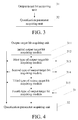
- FIG. 3 is a schematic view of a device for controlling a code rate. As shown in FIG. 3 , the device includes an output target bit acquiring unit 31 and a quantization parameter acquiring unit 32.
- the output target bit acquiring unit 31 is configured to acquire an output target bit of a current frame, where the current frame is a currently processed input frame.
- the quantization parameter acquiring unit 32 is configured to acquire a target quantization parameter according to the output target bit acquired by the output target bit acquiring unit 31 by utilizing a nonlinear code rate control model.
- a more precise target quantization parameter can be acquired, so as to solve problems that when transcoding from MPEG-2, MPEG-4, H.261, and H.263 to H.264 is performed in the prior art, the acquired target quantization parameter error is grave, the acquired code stream quality is not high, and code rate control is not accurate because of adopting a linear code rate control model.
- the technical solutions according to the embodiments of the present invention perform transcoding, the target bandwidth can be satisfied and the code stream quality can also be guaranteed to accurately control the code rate.
- the output target bit acquiring unit 31 includes an initial output target bit acquiring module 311.
- the initial output target bit is optimized so as to obtain an output target bit.
- the output target bit acquiring unit 31 further includes a first type of output target bit acquiring module 312.
- the first type of output target bit acquiring module 312 is configured to acquire a first type of output target bit according to the initial output target bit and a first type of optimized parameter.
- ⁇ i N i j .
- Qstep i j - 1 ⁇ 1 / 2 where ⁇ j denotes complexity of the current frame image, and N i j - 1 ⁇ Qstep i j - 1 ⁇ denotes average complexity of the encoded previous j-1 frames.
- the output target bit acquiring unit 31 further includes a second type of output target bit acquiring module 313.
- the second type of output target bit acquiring module 313 is configured to weigh and acquire a second type of output target bit according to the first type of output target bit.
- the output target bit acquiring unit 31 further includes a third type of output target bit acquiring module 314.
- the third type of output target bit acquiring module 314 is configured to acquire a third type of output target bit according to a product of the initial output target bit and at least one of a third type of optimized parameters.
- the third type of optimized parameter is:
- the third type of output target bit acquiring module 314 is further configured to acquire a third type of output target bit according to a product of the first type of output target bit and at least one of the third type of optimized parameters.
- the third type of optimized parameter is:
- the third type of output target bit acquiring module 314 is further configured to acquire the third type of output target bit according to a product of the second type of output target bit and at least one of the third type of optimized parameters.
- the third type of optimized parameter is:
- the output target bit acquiring unit 31 further includes a fourth type of output target bit acquiring module 315.
- the output target bit acquiring unit 31 includes at least one of the initial output target bit acquiring module 311, the first type of output target bit acquiring module 312, the second type output target bit acquiring module 313, the third type of output target bit acquiring module 314, and the fourth type of output target bit acquiring module 315.
- the schematic view of the device for controlling a code rate according to the embodiment of the present invention as shown in FIG. 4 only includes one case, that is, includes all of the five modules.
- the quantization parameter acquiring unit 32 includes an initial target quantization step length acquiring module, an optimization acquiring module, and an acquiring module.
- the acquiring module is configured to look up a quantization parameter table according to the initial target quantization step length or the optimized target quantization step length so as to acquire the target quantization parameter.
- a more precise target quantization parameter can be acquired, so as to solve problems that when transcoding from MPEG-2, MPEG-4, H.261, and H.263 to H.264 is performed in the prior art, the acquired target quantization parameter error is grave, the acquired code stream quality is not high, and code rate control is not accurate because of adopting a linear code rate control model.
- the technical solutions according to the embodiments of the present invention perform transcoding, the target bandwidth can be satisfied and the code stream quality can also be guaranteed to accurately control the code rate.
- the present invention further provides a transcoder, which is capable of both satisfying target bandwidth and guaranteeing code stream quality to accurately control the code rate.
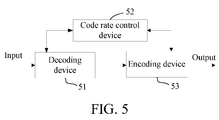
- FIG. 5 is a schematic view of a transcoder. As shown in FIG. 5 , the transcoder includes a decoding device 51, a code rate control device 52, and an encoding device 53.
- the decoding device 51 is configured to acquire input transcoding information of an input video code stream.
- the code rate control device 52 is configured to acquire an output target bit according to output transcoding information and the input transcoding information acquired by the decoding device 51, and acquire a target quantization parameter of an output end according to a nonlinear code rate control model by utilizing the output target bit.
- the encoding device 53 is configured to perform encoding according to the target quantization parameter acquired by the code rate control device 52 to generate an output code stream.
- the input transcoding information includes bandwidth of an input code stream, a frame rate, the bit number of each frame, and quantization step length.
- the output transcoding information includes bandwidth of an output code stream, a frame rate, the target bit number of each frame, and target quantization step length.
- the bandwidth in the output transcoding information is configured by a system or user, the frame rate is configured by the system or user or determined according to the input code stream, and the target bit number of each frame and the target quantization step length is set by the code rate control device 52.
- a compression format of an input code stream is one of MPEG-2, MPEG-4, H.261 or H.263, and compression format of an output code stream is H.264.
- a more precise target quantization parameter can be acquired, so as to solve problems that when transcoding from MPEG-2, MPEG-4, H.261, and H.263 to H.264 is performed in the prior art, the acquired target quantization parameter error is grave, the acquired code stream quality is not high, and code rate control is not accurate because of adopting a linear code rate control model.
- the technical solutions according to the embodiments of the present invention perform transcoding, the target bandwidth can be satisfied and the code stream quality can also be guaranteed to accurately control the code rate.
- the method for controlling a code rate according to the present invention can be further applied in an encoder.
- the input video code stream can be from a result output by last encoding of the encoder, which is used for an operation of two-pass encoding.
- the method for controlling a code rate can be applied to any scenario which needs code rate control.
Landscapes
- Engineering & Computer Science (AREA)
- Multimedia (AREA)
- Signal Processing (AREA)
- Physics & Mathematics (AREA)
- Algebra (AREA)
- General Physics & Mathematics (AREA)
- Mathematical Analysis (AREA)
- Mathematical Optimization (AREA)
- Pure & Applied Mathematics (AREA)
- Compression Or Coding Systems Of Tv Signals (AREA)
Claims (8)
- Verfahren zum Transcodieren eines Videos, das die folgenden Schritte aufweist:a) Erfassen (11) einer Ausgangszielbitzahl eines gegenwärtigen Frames, wobei der gegenwärtige Frame ein gegenwärtig verarbeiteter Eingangsframe ist, das aufweist:Erfassen (110) einer anfänglichen Ausgangszielbitzahl


 Erfassen (111) eines ersten Typs der Ausgangszielbitzahl gemäß der anfänglichen Ausgangszielbitzahl und eines ersten Typs eines optimierten Parameters, wobei der erste Typ des optimierten Parameter ist:

 oder der erste Typ eines optimierten Parameters


 der erfasste erste Typ der Ausgangszielbitzahl eine erste Ausgangszielbitzahl
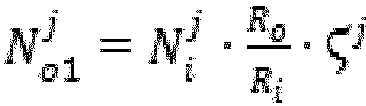 oder der erste Typ der Ausgangszielbitzahl eine zweite Ausgangszielbitzahl
 und wobei die Ausgangszielbitzahl
 b) Erfassen (12) eines Zielquantisierungsparameters gemäß der Ausgangszielbitzahl
 Erfassen (T1) einer anfänglichen Zielquantisierungsschrittlänge
 Optimieren (T2) der anfänglichen Zielquantisierungsschrittlänge, um eine optimierte Zielquantisierungsschrittlänge

 wobei eine Linie über einer Variablen den durchschnittlichen Wert der Variablen der codierten vorhergehenden j-1 Frames bezeichnet, undNachschlagen (T3) von Parametern in einer Quantisierungsparametertabelle gemäß der anfänglichen Zielquantisierungsschrittlänge oder der optimierten Zielquantisierungsschrittlänge, um den Zielquantisierungsparameter zu erfassen;wobei das nicht lineare Coderaten-Steuermodell ein Modell mit einem konstanten Produkt einer Coderate pro Frame und des Quadrats einer Quantisierungsschrittlänge ist:


- Verfahren zum Transcodieren eines Videos nach Anspruch 1, das ferner aufweist: Erfassen (112) eines zweiten Typs der Ausgangszielbitzahl gemäß der gewichteten Summe des erstes Typs der Ausgangszielbitzahl, wobei der zweite Typ der Ausgangszielbitzahl

- Verfahren zum Transcodieren eines Videos nach Anspruch 2, das ferner aufweist:Erfassen (113) eines dritten Typs der Ausgangszielbitzahl gemäß einem Produkt des zweiten Typs der Ausgangszielbitzahl und mindestens eines eines dritten Typs von optimierten Parametern, wobeider dritte Typ eines optimierten Parameters ist:
 oder der dritte Typ eines optimierten Parameters ist:
 oder der dritte Typ eines optimierten Parameters ist:Para = m - [(Ri /Ro )/t] × n, wobei m, t und n Parameter sind, der Wertebereich von m [0,8, 1,0] ist, n eine positive Zahl ist, die nicht größer als 0,1 ist, t eine positive ganze Zahl ist, und [ ] eine Abrundung bezeichnet;der erfasste dritte Typ der Ausgangszielbitzahl


- Verfahren zum Transcodieren eines Videos nach Anspruch 3, das ferner aufweist:Erfassen (S1) eines Obergrenzen-Anfangswerts einer Ausgangszielbitzahl U(0) = Bs × p, wobei p ein Parameter ist, sein Wertebereich [0,5, 1] ist, und Bs eine Pufferkapazität ist;Erfassen (S2) eines Untergrenzen-Anfangswerts einer Ausgangszielbitzahl L(0) = Ro /fo ;Erfassen (S3) einer Obergrenze einer Zielbitzahl eines gegenwärtigen Frames durch Nutzung des Obergrenzen-Anfangswerts und


- Vorrichtung zum Transcodieren eines Videos, die Folgendes aufweist:a) eine Ausgangszielbitzahl-Erfassungseinheit (31), die konfiguriert ist, eine Ausgangszielbitzahl
 b) eine Quantisierungsparameter-Erfassungseinheit (32), die konfiguriert ist, einen Zielquantisierungsparameter gemäß der Ausgangszielbitzahl, die durch die Ausgangszielbitzahl-Erfassungseinheit erfasst wird, durch Nutzung eines nicht linearen Coderaten-Steuermodells zu erfassen,
wobei die Ausgangszielbitzahl-Erfassungseinheit (31) aufweist:ein Erfassungsmodul (311) einer anfänglichen Ausgangszielbitzahl, das konfiguriert ist, eine anfängliche Ausgangszielbitzahl

 ein Erfassungsmodul (312) eines ersten Typs der Ausgangszielbitzahl, das konfiguriert ist, einen ersten Typ der Ausgangszielbitzahl gemäß der anfänglichen Ausgangszielbitzahl und einen ersten Typ eines optimierten Parameters zu erfassen, wobei der erste Typ eines optimierten Parameters ist:

 oder der erste Typ eines optimierten Parameters



 der erfasste erste Typ der Ausgangszielbitzahl ist:
 und wobei die Quantisierungsparameter-Erfassungseinheit (32), die einen Zielquantisierungsparameter gemäß der Ausgangszielbitzahl
 ein Erfassungsmodul einer anfänglichen Zielquantisierungsschrittlänge, das konfiguriert ist, eine anfängliche Zielquantisierungsschrittlänge
 ein Optimierungserfassungsmodul, das konfiguriert ist, die anfängliche Zielquantisierungsschrittlänge zu optimieren, um eine optimierte Schnittlänge

 ein Erfassungsmodul, das konfiguriert ist, Parameter in einer Quantisierungsparametertabelle gemäß der anfänglichen Zielquantisierungsschrittlänge oder der optimierten Zielquantisierungsschrittlänge nachzuschlagen, um den Zielquantisierungsparameter zu erfassen;wobei das nicht lineare Coderaten-Steuermodell ein Modell mit einem konstanten Produkt einer Coderate pro Frame und des Quadrats einer Quantisierungsschrittlänge ist:


- Vorrichtung zum Transcodieren eines Videos nach Anspruch 5, wobei die Ausgangszielbitzahl-Erfassungseinheit (31) ferner aufweist:ein Erfassungsmodul (313) eines zweiten Typs der Ausgangszielbitzahl, das konfiguriert ist, einen zweiten Typ der Ausgangszielbitzahl gemäß der gewichteten Summe des ersten Typs der Ausgangszielbitzahl zu erfassen, wobei der zweite Typder Ausgangszielbitzahl

- Vorrichtung zum Transcodieren eines Videos nach Anspruch 6, wobei die Ausgangszielbitzahl-Erfassungseinheit (31) ferner aufweist:ein Erfassungsmodul (314) eines dritten Typs der Ausgangszielbitzahl, das ferner konfiguriert ist, einen dritten Typ der Ausgangszielbitzahl gemäß einem Produkt des zweiten Typs der Ausgangszielbitzahl und mindestens eines eines dritten Typs von optimierten Parametern zu erfassen, wobei der dritte Typ von optimierten Parametern ist:
 oder der dritte Typ eines optimierten Parameters ist:
 oder der dritte Typ eines optimierten Parameters ist:Para = m - [(Ri /Ro )/t] × n, wobei m, t und n Parameter sind, der Wertebereich von m [0,8, 1,0] ist, n eine positive Zahl ist, die nicht größer als 0,1 ist, t eine positive ganze Zahl ist, und [ ] eine Abrundung bezeichnet; undder erfasste dritte Typ der Ausgangszielbitzahl
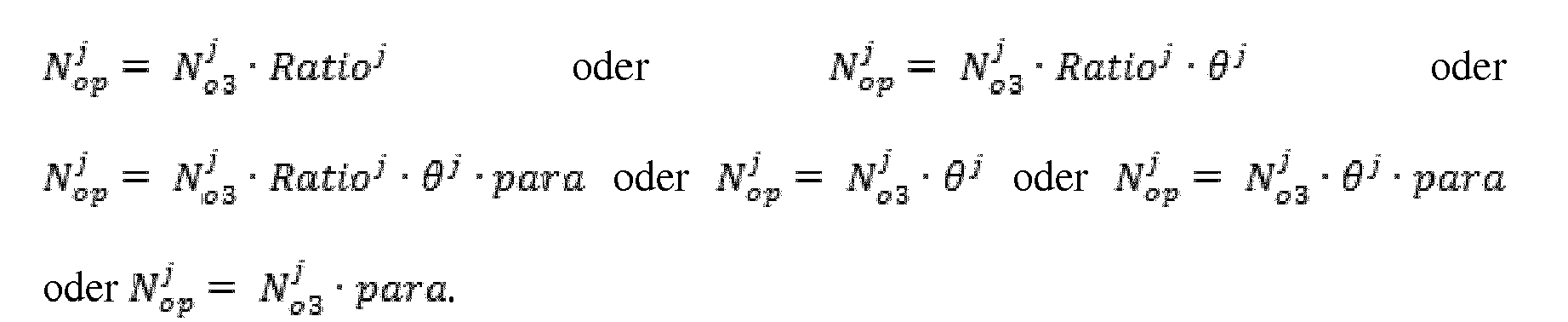
- Vorrichtung zum Transcodieren eines Videos nach Anspruch 7, wobei die Ausgangszielbitzahl-Erfassungseinheit (31) ferner aufweist:ein Erfassungsmodul (315) eines vierten Typs der Ausgangszielbitzahl, das konfiguriert ist, einen Obergrenzen-Anfangswert einer Ausgangszielbitzahl U(0) = Bs × p zu erfassen, wobei p ein Parameter ist, sein Wertebereich [0,5, 1] ist, und Bs eine Pufferkapazität ist; einen Untergrenzen-Anfangswert einer Ausgangszielbitzahl L(0) = Ro /fo zu erfassen; eine Obergrenze einer Zielbitzahl eines gegenwärtigen Frames durch Nutzung des Obergrenzen-Anfangswerts und





Applications Claiming Priority (2)
| Application Number | Priority Date | Filing Date | Title |
|---|---|---|---|
| CN2008101098675A CN101594525B (zh) | 2008-05-31 | 2008-05-31 | 量化参数的获取方法、装置及转码器 |
| PCT/CN2009/072045 WO2009143783A1 (zh) | 2008-05-31 | 2009-05-31 | 码率控制方法及装置 |
Publications (3)
| Publication Number | Publication Date |
|---|---|
| EP2293568A1 EP2293568A1 (de) | 2011-03-09 |
| EP2293568A4 EP2293568A4 (de) | 2011-08-03 |
| EP2293568B1 true EP2293568B1 (de) | 2016-01-27 |
Family
ID=41376622
Family Applications (1)
| Application Number | Title | Priority Date | Filing Date |
|---|---|---|---|
| EP09753501.7A Active EP2293568B1 (de) | 2008-05-31 | 2009-05-31 | Verfahren und einrichtung zur steuerung der coderate |
Country Status (4)
| Country | Link |
|---|---|
| US (1) | US8565300B2 (de) |
| EP (1) | EP2293568B1 (de) |
| CN (1) | CN101594525B (de) |
| WO (1) | WO2009143783A1 (de) |
Cited By (3)
| Publication number | Priority date | Publication date | Assignee | Title |
|---|---|---|---|---|
| CN109348244A (zh) * | 2018-11-20 | 2019-02-15 | 浙江齐聚科技有限公司 | 视频编码参数的配置方法、装置、设备和存储介质 |
| CN110278460A (zh) * | 2018-03-16 | 2019-09-24 | 上海小麦互动企业发展有限公司 | 内容控制系统及其控制方法 |
| CN111586350A (zh) * | 2020-04-19 | 2020-08-25 | 国网辽宁省电力有限公司电力科学研究院 | 基于带宽、优先级和无操作时间等参数调节码率的方法 |
Families Citing this family (15)
| Publication number | Priority date | Publication date | Assignee | Title |
|---|---|---|---|---|
| CN101594525B (zh) | 2008-05-31 | 2011-08-10 | 华为技术有限公司 | 量化参数的获取方法、装置及转码器 |
| CN102098502B (zh) * | 2009-12-14 | 2015-06-03 | 无锡中星微电子有限公司 | 一种编码格式转化的方法及装置 |
| CN102647586B (zh) * | 2011-02-16 | 2015-07-08 | 富士通株式会社 | 用在视频编码系统中的码率控制方法和装置 |
| KR101894420B1 (ko) * | 2011-04-15 | 2018-09-03 | 에스케이플래닛 주식회사 | 적응적 비디오 트랜스코딩 방법 및 시스템 |
| JP2012253722A (ja) * | 2011-06-07 | 2012-12-20 | Sony Corp | 画像符号化装置と画像復号装置およびその方法とプログラム |
| US9794375B2 (en) | 2013-03-14 | 2017-10-17 | Openwave Mobility, Inc. | Method, apparatus, and non-transitory computer medium for obtaining a required frame size for a compressed data frame |
| CN103763559B (zh) * | 2014-01-09 | 2017-12-29 | 能力天空科技(北京)有限公司 | 一种视频文件转码方法 |
| KR102274747B1 (ko) | 2014-11-24 | 2021-07-07 | 삼성전자주식회사 | 코덱과 이를 포함하는 시스템 온 칩, 및 상기 시스템 온 칩을 포함하는 데이터 처리 시스템 |
| CN107371027A (zh) * | 2016-05-11 | 2017-11-21 | 晨星半导体股份有限公司 | 比特率控制方法及视频编码装置 |
| CN107371028B (zh) * | 2017-08-22 | 2018-10-19 | 南京惟初信息科技有限公司 | 一种适应带宽的高质量视频编码方法 |
| CN109660825B (zh) * | 2017-10-10 | 2021-02-09 | 腾讯科技(深圳)有限公司 | 视频转码方法、装置、计算机设备及存储介质 |
| CN110753242B (zh) * | 2019-11-01 | 2021-10-12 | 深圳市梦网视讯有限公司 | 一种转码片源帧层量化参数调整方法和系统 |
| CN113453020B (zh) * | 2020-03-26 | 2023-12-19 | 瑞昱半导体股份有限公司 | 位元率控制方法与视频处理装置 |
| CN111488985B (zh) * | 2020-04-08 | 2023-11-14 | 华南理工大学 | 深度神经网络模型压缩训练方法、装置、设备、介质 |
| CN113905200B (zh) * | 2021-10-08 | 2023-07-11 | 山东亚华电子股份有限公司 | 一种基于统计的视频处理方法及设备 |
Citations (1)
| Publication number | Priority date | Publication date | Assignee | Title |
|---|---|---|---|---|
| US20070153916A1 (en) * | 2005-12-30 | 2007-07-05 | Sharp Laboratories Of America, Inc. | Wireless video transmission system |
Family Cites Families (5)
| Publication number | Priority date | Publication date | Assignee | Title |
|---|---|---|---|---|
| US5231484A (en) * | 1991-11-08 | 1993-07-27 | International Business Machines Corporation | Motion video compression system with adaptive bit allocation and quantization |
| US7356079B2 (en) * | 2001-11-21 | 2008-04-08 | Vixs Systems Inc. | Method and system for rate control during video transcoding |
| CN100341333C (zh) * | 2005-05-23 | 2007-10-03 | 上海广电(集团)有限公司中央研究院 | 一种增强像素域码流转换方法 |
| CN100553335C (zh) * | 2007-07-23 | 2009-10-21 | 武汉大学 | 一种视频转码中宏块级码率控制方法 |
| CN101594525B (zh) | 2008-05-31 | 2011-08-10 | 华为技术有限公司 | 量化参数的获取方法、装置及转码器 |
-
2008
- 2008-05-31 CN CN2008101098675A patent/CN101594525B/zh active Active
-
2009
- 2009-05-31 WO PCT/CN2009/072045 patent/WO2009143783A1/zh not_active Ceased
- 2009-05-31 EP EP09753501.7A patent/EP2293568B1/de active Active
-
2010
- 2010-11-30 US US12/956,532 patent/US8565300B2/en active Active
Patent Citations (1)
| Publication number | Priority date | Publication date | Assignee | Title |
|---|---|---|---|---|
| US20070153916A1 (en) * | 2005-12-30 | 2007-07-05 | Sharp Laboratories Of America, Inc. | Wireless video transmission system |
Cited By (4)
| Publication number | Priority date | Publication date | Assignee | Title |
|---|---|---|---|---|
| CN110278460A (zh) * | 2018-03-16 | 2019-09-24 | 上海小麦互动企业发展有限公司 | 内容控制系统及其控制方法 |
| CN109348244A (zh) * | 2018-11-20 | 2019-02-15 | 浙江齐聚科技有限公司 | 视频编码参数的配置方法、装置、设备和存储介质 |
| CN111586350A (zh) * | 2020-04-19 | 2020-08-25 | 国网辽宁省电力有限公司电力科学研究院 | 基于带宽、优先级和无操作时间等参数调节码率的方法 |
| CN111586350B (zh) * | 2020-04-19 | 2021-11-09 | 国网辽宁省电力有限公司电力科学研究院 | 基于带宽、优先级和无操作时间调节码率的方法 |
Also Published As
| Publication number | Publication date |
|---|---|
| CN101594525A (zh) | 2009-12-02 |
| EP2293568A1 (de) | 2011-03-09 |
| US20110069754A1 (en) | 2011-03-24 |
| US8565300B2 (en) | 2013-10-22 |
| CN101594525B (zh) | 2011-08-10 |
| EP2293568A4 (de) | 2011-08-03 |
| WO2009143783A1 (zh) | 2009-12-03 |
Similar Documents
| Publication | Publication Date | Title |
|---|---|---|
| EP2293568B1 (de) | Verfahren und einrichtung zur steuerung der coderate | |
| US20100091842A1 (en) | Coding rate conversion apparatus, coding rate conversion method, and integrated circuit | |
| US6895052B2 (en) | Coded signal separating and merging apparatus, method and computer program product | |
| EP0912063B1 (de) | Verfahren zur rechnerisch graziösen Degradierung in einem audio-visuellen Kompressionssystem | |
| EP2123040B1 (de) | Verbesserte videoratensteuerung für videocodierungsnormen | |
| US8654849B2 (en) | Integrated transcoding | |
| US6901109B2 (en) | Bit stream separating and merging system, apparatus, method and computer program product | |
| US6687296B1 (en) | Apparatus and method for transforming picture information | |
| US20020094031A1 (en) | Distributed control strategy for dynamically encoding multiple streams of video data in parallel for multiplexing onto a constant bit rate channel | |
| US7843824B2 (en) | Method and apparatus for statistically multiplexing services | |
| US6226328B1 (en) | Transcoding apparatus for digital video networking | |
| US6215824B1 (en) | Transcoding method for digital video networking | |
| EP1638333A1 (de) | Ratenadaptive Videocodierung | |
| US8422806B2 (en) | Information processing apparatus and information processing method for reducing the processing load incurred when a reversibly encoded code stream is transformed into an irreversibly encoded code stream | |
| EP2088782A1 (de) | Verfahren und vorrichtung zur videotranskodierung | |
| EP1143737A2 (de) | Vorrichtung und Verfahren zur Bildkodierung, Videokamera, Bildaufnahmevorrichtung, und Bildübertragungsvorrichung | |
| US8811481B2 (en) | Moving picture transcoding apparatus, moving picture transcoding method, and moving picture transcoding program | |
| CN105812810A (zh) | 编码解码系统和编码解码方法 | |
| CN1197386C (zh) | 联合比特率转码中的比特率分配 | |
| US6950464B1 (en) | Sub-picture level pass through | |
| EP1978743B1 (de) | Verfahren und Vorrichtung zur Transkodierung eines Videosignals | |
| Assuncao et al. | Rate-reduction techniques for MPEG-2 video bit streams | |
| CN101984667B (zh) | 码率控制方法及码率控制器 | |
| US8505060B2 (en) | Use of a feedback channel for image broadcasting | |
| US7054362B1 (en) | Methods and apparatus for updating a reduction ratio |
Legal Events
| Date | Code | Title | Description |
|---|---|---|---|
| PUAI | Public reference made under article 153(3) epc to a published international application that has entered the european phase |
Free format text: ORIGINAL CODE: 0009012 |
|
| 17P | Request for examination filed |
Effective date: 20101207 |
|
| AK | Designated contracting states |
Kind code of ref document: A1 Designated state(s): AT BE BG CH CY CZ DE DK EE ES FI FR GB GR HR HU IE IS IT LI LT LU LV MC MK MT NL NO PL PT RO SE SI SK TR |
|
| AX | Request for extension of the european patent |
Extension state: AL BA RS |
|
| A4 | Supplementary search report drawn up and despatched |
Effective date: 20110704 |
|
| RIC1 | Information provided on ipc code assigned before grant |
Ipc: H04N 7/50 20060101ALI20110628BHEP Ipc: H04N 7/26 20060101ALI20110628BHEP Ipc: H04N 7/30 20060101AFI20110628BHEP |
|
| DAX | Request for extension of the european patent (deleted) | ||
| 17Q | First examination report despatched |
Effective date: 20130417 |
|
| REG | Reference to a national code |
Ref country code: DE Ref legal event code: R079 Ref document number: 602009036028 Country of ref document: DE Free format text: PREVIOUS MAIN CLASS: H04N0007260000 Ipc: H04N0019172000 |
|
| RIC1 | Information provided on ipc code assigned before grant |
Ipc: H04N 19/124 20140101ALI20141201BHEP Ipc: H04N 19/152 20140101ALI20141201BHEP Ipc: H04N 19/172 20140101AFI20141201BHEP Ipc: H04N 19/61 20140101ALI20141201BHEP Ipc: H04N 19/115 20140101ALI20141201BHEP Ipc: H04N 19/40 20140101ALI20141201BHEP Ipc: H04N 19/149 20140101ALI20141201BHEP |
|
| GRAP | Despatch of communication of intention to grant a patent |
Free format text: ORIGINAL CODE: EPIDOSNIGR1 |
|
| INTG | Intention to grant announced |
Effective date: 20150116 |
|
| GRAS | Grant fee paid |
Free format text: ORIGINAL CODE: EPIDOSNIGR3 |
|
| GRAP | Despatch of communication of intention to grant a patent |
Free format text: ORIGINAL CODE: EPIDOSNIGR1 |
|
| INTG | Intention to grant announced |
Effective date: 20150720 |
|
| GRAA | (expected) grant |
Free format text: ORIGINAL CODE: 0009210 |
|
| AK | Designated contracting states |
Kind code of ref document: B1 Designated state(s): AT BE BG CH CY CZ DE DK EE ES FI FR GB GR HR HU IE IS IT LI LT LU LV MC MK MT NL NO PL PT RO SE SI SK TR |
|
| REG | Reference to a national code |
Ref country code: GB Ref legal event code: FG4D |
|
| REG | Reference to a national code |
Ref country code: CH Ref legal event code: EP |
|
| REG | Reference to a national code |
Ref country code: AT Ref legal event code: REF Ref document number: 773173 Country of ref document: AT Kind code of ref document: T Effective date: 20160215 |
|
| REG | Reference to a national code |
Ref country code: IE Ref legal event code: FG4D |
|
| REG | Reference to a national code |
Ref country code: DE Ref legal event code: R096 Ref document number: 602009036028 Country of ref document: DE |
|
| REG | Reference to a national code |
Ref country code: LT Ref legal event code: MG4D |
|
| REG | Reference to a national code |
Ref country code: NL Ref legal event code: MP Effective date: 20160127 |
|
| REG | Reference to a national code |
Ref country code: AT Ref legal event code: MK05 Ref document number: 773173 Country of ref document: AT Kind code of ref document: T Effective date: 20160127 |
|
| PG25 | Lapsed in a contracting state [announced via postgrant information from national office to epo] |
Ref country code: NL Free format text: LAPSE BECAUSE OF FAILURE TO SUBMIT A TRANSLATION OF THE DESCRIPTION OR TO PAY THE FEE WITHIN THE PRESCRIBED TIME-LIMIT Effective date: 20160127 |
|
| PG25 | Lapsed in a contracting state [announced via postgrant information from national office to epo] |
Ref country code: IT Free format text: LAPSE BECAUSE OF FAILURE TO SUBMIT A TRANSLATION OF THE DESCRIPTION OR TO PAY THE FEE WITHIN THE PRESCRIBED TIME-LIMIT Effective date: 20160127 Ref country code: FI Free format text: LAPSE BECAUSE OF FAILURE TO SUBMIT A TRANSLATION OF THE DESCRIPTION OR TO PAY THE FEE WITHIN THE PRESCRIBED TIME-LIMIT Effective date: 20160127 Ref country code: ES Free format text: LAPSE BECAUSE OF FAILURE TO SUBMIT A TRANSLATION OF THE DESCRIPTION OR TO PAY THE FEE WITHIN THE PRESCRIBED TIME-LIMIT Effective date: 20160127 Ref country code: NO Free format text: LAPSE BECAUSE OF FAILURE TO SUBMIT A TRANSLATION OF THE DESCRIPTION OR TO PAY THE FEE WITHIN THE PRESCRIBED TIME-LIMIT Effective date: 20160427 Ref country code: GR Free format text: LAPSE BECAUSE OF FAILURE TO SUBMIT A TRANSLATION OF THE DESCRIPTION OR TO PAY THE FEE WITHIN THE PRESCRIBED TIME-LIMIT Effective date: 20160428 Ref country code: HR Free format text: LAPSE BECAUSE OF FAILURE TO SUBMIT A TRANSLATION OF THE DESCRIPTION OR TO PAY THE FEE WITHIN THE PRESCRIBED TIME-LIMIT Effective date: 20160127 |
|
| PG25 | Lapsed in a contracting state [announced via postgrant information from national office to epo] |
Ref country code: IS Free format text: LAPSE BECAUSE OF FAILURE TO SUBMIT A TRANSLATION OF THE DESCRIPTION OR TO PAY THE FEE WITHIN THE PRESCRIBED TIME-LIMIT Effective date: 20160527 Ref country code: AT Free format text: LAPSE BECAUSE OF FAILURE TO SUBMIT A TRANSLATION OF THE DESCRIPTION OR TO PAY THE FEE WITHIN THE PRESCRIBED TIME-LIMIT Effective date: 20160127 Ref country code: BE Free format text: LAPSE BECAUSE OF NON-PAYMENT OF DUE FEES Effective date: 20160531 Ref country code: PT Free format text: LAPSE BECAUSE OF FAILURE TO SUBMIT A TRANSLATION OF THE DESCRIPTION OR TO PAY THE FEE WITHIN THE PRESCRIBED TIME-LIMIT Effective date: 20160527 Ref country code: LT Free format text: LAPSE BECAUSE OF FAILURE TO SUBMIT A TRANSLATION OF THE DESCRIPTION OR TO PAY THE FEE WITHIN THE PRESCRIBED TIME-LIMIT Effective date: 20160127 Ref country code: PL Free format text: LAPSE BECAUSE OF FAILURE TO SUBMIT A TRANSLATION OF THE DESCRIPTION OR TO PAY THE FEE WITHIN THE PRESCRIBED TIME-LIMIT Effective date: 20160127 Ref country code: SE Free format text: LAPSE BECAUSE OF FAILURE TO SUBMIT A TRANSLATION OF THE DESCRIPTION OR TO PAY THE FEE WITHIN THE PRESCRIBED TIME-LIMIT Effective date: 20160127 Ref country code: LV Free format text: LAPSE BECAUSE OF FAILURE TO SUBMIT A TRANSLATION OF THE DESCRIPTION OR TO PAY THE FEE WITHIN THE PRESCRIBED TIME-LIMIT Effective date: 20160127 |
|
| REG | Reference to a national code |
Ref country code: DE Ref legal event code: R097 Ref document number: 602009036028 Country of ref document: DE |
|
| PG25 | Lapsed in a contracting state [announced via postgrant information from national office to epo] |
Ref country code: EE Free format text: LAPSE BECAUSE OF FAILURE TO SUBMIT A TRANSLATION OF THE DESCRIPTION OR TO PAY THE FEE WITHIN THE PRESCRIBED TIME-LIMIT Effective date: 20160127 Ref country code: DK Free format text: LAPSE BECAUSE OF FAILURE TO SUBMIT A TRANSLATION OF THE DESCRIPTION OR TO PAY THE FEE WITHIN THE PRESCRIBED TIME-LIMIT Effective date: 20160127 |
|
| PG25 | Lapsed in a contracting state [announced via postgrant information from national office to epo] |
Ref country code: SK Free format text: LAPSE BECAUSE OF FAILURE TO SUBMIT A TRANSLATION OF THE DESCRIPTION OR TO PAY THE FEE WITHIN THE PRESCRIBED TIME-LIMIT Effective date: 20160127 Ref country code: RO Free format text: LAPSE BECAUSE OF FAILURE TO SUBMIT A TRANSLATION OF THE DESCRIPTION OR TO PAY THE FEE WITHIN THE PRESCRIBED TIME-LIMIT Effective date: 20160127 Ref country code: CZ Free format text: LAPSE BECAUSE OF FAILURE TO SUBMIT A TRANSLATION OF THE DESCRIPTION OR TO PAY THE FEE WITHIN THE PRESCRIBED TIME-LIMIT Effective date: 20160127 |
|
| PLBE | No opposition filed within time limit |
Free format text: ORIGINAL CODE: 0009261 |
|
| STAA | Information on the status of an ep patent application or granted ep patent |
Free format text: STATUS: NO OPPOSITION FILED WITHIN TIME LIMIT |
|
| PG25 | Lapsed in a contracting state [announced via postgrant information from national office to epo] |
Ref country code: BE Free format text: LAPSE BECAUSE OF FAILURE TO SUBMIT A TRANSLATION OF THE DESCRIPTION OR TO PAY THE FEE WITHIN THE PRESCRIBED TIME-LIMIT Effective date: 20160127 Ref country code: LU Free format text: LAPSE BECAUSE OF FAILURE TO SUBMIT A TRANSLATION OF THE DESCRIPTION OR TO PAY THE FEE WITHIN THE PRESCRIBED TIME-LIMIT Effective date: 20160531 |
|
| REG | Reference to a national code |
Ref country code: CH Ref legal event code: PL |
|
| 26N | No opposition filed |
Effective date: 20161028 |
|
| PG25 | Lapsed in a contracting state [announced via postgrant information from national office to epo] |
Ref country code: LI Free format text: LAPSE BECAUSE OF NON-PAYMENT OF DUE FEES Effective date: 20160531 Ref country code: CH Free format text: LAPSE BECAUSE OF NON-PAYMENT OF DUE FEES Effective date: 20160531 |
|
| REG | Reference to a national code |
Ref country code: IE Ref legal event code: MM4A |
|
| PG25 | Lapsed in a contracting state [announced via postgrant information from national office to epo] |
Ref country code: BG Free format text: LAPSE BECAUSE OF FAILURE TO SUBMIT A TRANSLATION OF THE DESCRIPTION OR TO PAY THE FEE WITHIN THE PRESCRIBED TIME-LIMIT Effective date: 20160427 Ref country code: SI Free format text: LAPSE BECAUSE OF FAILURE TO SUBMIT A TRANSLATION OF THE DESCRIPTION OR TO PAY THE FEE WITHIN THE PRESCRIBED TIME-LIMIT Effective date: 20160127 |
|
| REG | Reference to a national code |
Ref country code: FR Ref legal event code: ST Effective date: 20170131 |
|
| PG25 | Lapsed in a contracting state [announced via postgrant information from national office to epo] |
Ref country code: FR Free format text: LAPSE BECAUSE OF NON-PAYMENT OF DUE FEES Effective date: 20160531 |
|
| PG25 | Lapsed in a contracting state [announced via postgrant information from national office to epo] |
Ref country code: IE Free format text: LAPSE BECAUSE OF NON-PAYMENT OF DUE FEES Effective date: 20160531 |
|
| PG25 | Lapsed in a contracting state [announced via postgrant information from national office to epo] |
Ref country code: CY Free format text: LAPSE BECAUSE OF FAILURE TO SUBMIT A TRANSLATION OF THE DESCRIPTION OR TO PAY THE FEE WITHIN THE PRESCRIBED TIME-LIMIT Effective date: 20160127 Ref country code: HU Free format text: LAPSE BECAUSE OF FAILURE TO SUBMIT A TRANSLATION OF THE DESCRIPTION OR TO PAY THE FEE WITHIN THE PRESCRIBED TIME-LIMIT; INVALID AB INITIO Effective date: 20090531 |
|
| PG25 | Lapsed in a contracting state [announced via postgrant information from national office to epo] |
Ref country code: MC Free format text: LAPSE BECAUSE OF FAILURE TO SUBMIT A TRANSLATION OF THE DESCRIPTION OR TO PAY THE FEE WITHIN THE PRESCRIBED TIME-LIMIT Effective date: 20160127 Ref country code: TR Free format text: LAPSE BECAUSE OF FAILURE TO SUBMIT A TRANSLATION OF THE DESCRIPTION OR TO PAY THE FEE WITHIN THE PRESCRIBED TIME-LIMIT Effective date: 20160127 Ref country code: MK Free format text: LAPSE BECAUSE OF FAILURE TO SUBMIT A TRANSLATION OF THE DESCRIPTION OR TO PAY THE FEE WITHIN THE PRESCRIBED TIME-LIMIT Effective date: 20160127 Ref country code: MT Free format text: LAPSE BECAUSE OF NON-PAYMENT OF DUE FEES Effective date: 20160531 |
|
| PGFP | Annual fee paid to national office [announced via postgrant information from national office to epo] |
Ref country code: DE Payment date: 20250402 Year of fee payment: 17 |
|
| PGFP | Annual fee paid to national office [announced via postgrant information from national office to epo] |
Ref country code: GB Payment date: 20250401 Year of fee payment: 17 |