EP2294220B1 - P2/p2a/p2b-gensequenzen als diagnostische ziele für die identifizierung von pilz- und hefespezies - Google Patents
P2/p2a/p2b-gensequenzen als diagnostische ziele für die identifizierung von pilz- und hefespezies Download PDFInfo
- Publication number
- EP2294220B1 EP2294220B1 EP09761803.7A EP09761803A EP2294220B1 EP 2294220 B1 EP2294220 B1 EP 2294220B1 EP 09761803 A EP09761803 A EP 09761803A EP 2294220 B1 EP2294220 B1 EP 2294220B1
- Authority
- EP
- European Patent Office
- Prior art keywords
- seq
- sequences
- yeast
- species
- fungal
- Prior art date
- Legal status (The legal status is an assumption and is not a legal conclusion. Google has not performed a legal analysis and makes no representation as to the accuracy of the status listed.)
- Not-in-force
Links
Images


Classifications
-
- C—CHEMISTRY; METALLURGY
- C12—BIOCHEMISTRY; BEER; SPIRITS; WINE; VINEGAR; MICROBIOLOGY; ENZYMOLOGY; MUTATION OR GENETIC ENGINEERING
- C12Q—MEASURING OR TESTING PROCESSES INVOLVING ENZYMES, NUCLEIC ACIDS OR MICROORGANISMS; COMPOSITIONS OR TEST PAPERS THEREFOR; PROCESSES OF PREPARING SUCH COMPOSITIONS; CONDITION-RESPONSIVE CONTROL IN MICROBIOLOGICAL OR ENZYMOLOGICAL PROCESSES
- C12Q1/00—Measuring or testing processes involving enzymes, nucleic acids or microorganisms; Compositions therefor; Processes of preparing such compositions
- C12Q1/68—Measuring or testing processes involving enzymes, nucleic acids or microorganisms; Compositions therefor; Processes of preparing such compositions involving nucleic acids
- C12Q1/6876—Nucleic acid products used in the analysis of nucleic acids, e.g. primers or probes
- C12Q1/6888—Nucleic acid products used in the analysis of nucleic acids, e.g. primers or probes for detection or identification of organisms
- C12Q1/6895—Nucleic acid products used in the analysis of nucleic acids, e.g. primers or probes for detection or identification of organisms for plants, fungi or algae
Definitions
- the present invention relates to nucleic acid primers and probes to detect one or more fungal and yeast species. More specifically the invention relates to the P2, P2A and P2B gene sequences (also known as 60S acidic ribosomal protein P2, RLA-2-ASPFU, Allergen ASP f8 or Afp2), the corresponding RNA, specific probes, primers and oligonucleotides related thereto and their use in diagnostic assays to detect and/ or discriminate fungal and yeast species, as defined in the appended claims.
- P2, P2A and P2B gene sequences also known as 60S acidic ribosomal protein P2, RLA-2-ASPFU, Allergen ASP f8 or Afp2
- Yeast and fungal infections represent a major cause of morbidity and mortality among immunocompromised patients.
- the number of immunocompromised patients at risk of yeast and fungal infection continues to increase each year, as does the spectrum of fungal and yeast agents causing disease.
- Mortality from fungal infections, particularly invasive fungal infections is 30% or greater in certain risk groups.
- the array of available anti-fungal agents is growing; however, so too is the recognition of both intrinsic and emerging resistance to antifungal drugs.
- Candida spp. and Aspergillus spp. now rank as the most prominent pathogens infecting immunosupressed patients.
- infections are common in the urinary tract, the respiratory system and the bloodstream, at the site of insertion of stents, catheters and orthopaedic joints.
- 10% of the known Candida spp. have been implicated in human infection.
- Invasive candidiasis occurs when candida enters the bloodstream and it is estimated to occur at a frequency of 8/100,000 population in the US with a mortality rate of 40%.
- Candida albicans is the 4 th most common cause of bloodstream infection.
- Aspergillosis usually begins as a pulmonary infection that can progress to a life-threatening invasive infection in some patients and has a mortality rate of greater than 90%. Emerging mycoses agents include Fusarium, Scedosporium, Zygomycetes and Trichosporon spp. (" Stakeholder Insight: Invasive fungal infections", Datamonitor, Jan 2004 ).
- Immunocompromised patients including transplant and surgical patients, neonates, cancer patients, diabetics and those with HIV/AIDs are at high risk of developing invasive fungal infections ( Datamonitor report: Stakeholder opinion -Invasive fungal infections, options outweigh replacements 2004 ). A large number of severe cases of sepsis are reported each year. Despite improvements in its medical management, sepsis still constitutes one of the greatest challenges in intensive care medicine. Microorganisms (bacteria, fungi and yeast) responsible for causing sepsis are traditionally detected in hospital laboratories with the aid of microbiological culture methods with poor sensitivity (25-82%), which are very time-consuming, generally taking from two to five days to complete, and up to eight days for the diagnosis of fungal infections.
- Definitive diagnosis of an infection caused by a yeast or fungus is usually based on either, the recovery and identification of a specific agent from clinical specimens or microscopic demonstration of fungi with distinct morphological features.
- these methods fail to provide conclusive proof as to the infecting agent.
- the detection of specific host antibody responses can be used, although again this can be affected by the immune status of the patient.
- Time is critical in the detection and identification of bloodstream infections typically caused by bacteria and fungi. Effective treatment depends on finding the source of infection and making appropriate decisions about antibiotics or antifungals quickly and efficiently. Only after pathogens are correctly identified can targeted therapy using a specific antibiotic or anti-fungal begin.
- rRNA ribosomal RNA
- RNA transcripts RNA transcripts
- DNA / RNA regions RNA regions
- the rRNA genes are highly conserved in all fungal species and they also contain divergent and distinctive intergenic transcribed spacer regions. Ribosomal rRNA comprises three genes: the large sub-unit gene (28S), the small sub-unit gene (18S) and the 5.8S gene. The 28S and 18S rRNA genes are separated by the 5.8S rRNA and two internal transcribed spacers (ITS1 and ITS2). Because the ITS region contains a high number of sequence polymorphisms, numerous researchers have concentrated their efforts on these as targets (Atkins and Clark, 2004). rRNA genes are also multicopy genes with >10 copies within the fungal genome.
- US2004044193 relates to, amongst a number of other aspects, the transcription factor CaTEC1 of Candida albicans; inhibitors thereof, and methods for the diagnosis and therapy of diseases which are connected with a Candida infection; and also diagnostic and pharmaceutical compositions which contain the nucleotide sequences, proteins, host cells and/or antibodies.
- WO0183824 relates to hybridization assay probes and accessory oligonucleotides for detecting ribosomal nucleic acids from Candida albicans and/or Candida dubliniensis.
- US6017699 and US5426026 relate to a set of DNA primers, which can be used to amplify and speciate DNA from five medically important Candida species.
- US 6747137 discloses sequences useful for diagnosis of Candida infections.
- EP 0422872 and US 5658726 disclose probes based on 18S rRNA genes, and US 5958693 discloses probes based on 28S rRNA, for diagnosis of a range of yeast and fungal species.
- US 6017366 describes sequences based on chitin synthase gene for use in nucleic acid based diagnostics for a range of Candida species.
- Nailis et al. (BMC Molecular Biology 2006,7:25 ) discloses primers and a probe for real time PCR to detect the C. albicans RPP2B gene.
- Ribosomes are a two part organelle, composed of a large and a small subunit.
- the large subunit possesses a number of features which are conserved in all organisms for example the presence of a complex of a number of acidic proteins, the P proteins which form a stalk-like structure (Abramczyk et al., 2004 Tchórzewski et al., 2000; 2003).
- these acidic P proteins include, P0, P1 and P2 (Wool et al 1991). The complex formed by these P proteins is required for efficient translation.
- P1A and P1B are two isoforms of P1 (P1A and P1B) and P2 (P2A and P2B) which are encoded by four distinct single copy genes (Newton et al, 1990, Bailey-Serres et al., 1997).
- This disclosure relates to the use of the P2A, P2B genes in yeast and the P2 gene in fungi.
- P2B gene sequences (approx. 360 bp) available in NCBI GenBank database including 3 P2B sequences for Candida albicans and one sequence of high homology for C . glabrata.
- 329 P2 sequences available in NCBI GenBank database including annotated sequences for two Aspergillus species and presumptive P2 sequences for three species. Additional P2B sequences of representative species of Candida and P2 sequences of representative species of Aspergillus were generated by the inventors following the design of PCR primers to amplify P2B gene regions in Candida and P2 gene regions in Aspergillus spp.
- Synthetic oligonucleotide refers to molecules of nucleic acid polymers of 2 or more nucleotide bases that are not derived directly from genomic DNA or live organisms.
- the term synthetic oligonucleotide is intended to encompass DNA, RNA, and DNA/RNA hybrid molecules that have been manufactured chemically, or synthesized enzymatically in vitro.
- oligonucleotide is a nucleotide polymer having two or more nucleotide subunits covalently joined together. Oligonucleotides are generally about 10 to about 100 nucleotides.
- the sugar groups of the nucleotide subunits may be ribose, deoxyribose, or modified derivatives thereof such as OMe.
- the nucleotide subunits may be joined by linkages such as phosphodiester linkages, modified linkages or by non-nucleotide moieties that do not prevent hybridization of the oligonucleotide to its complementary target nucleotide sequence.
- Modified linkages include those in which a standard phosphodiester linkage is replaced with a different linkage, such as a phosphorothioate linkage, a methylphosphonate linkage, or a neutral peptide linkage.
- Nitrogenous base analogs also may be components of oligonucleotides in accordance with the invention.
- a “target nucleic acid” is a nucleic acid comprising a target nucleic acid sequence.
- a “target nucleic acid sequence,” “target nucleotide sequence” or “target sequence” is a specific deoxyribonucleotide or ribonucleotide sequence that can be hybridized to a complementary oligonucleotide.
- oligonucleotide probe is an oligonucleotide having a nucleotide sequence sufficiently complementary to its target nucleic acid sequence to be able to form a detectable hybrid probe:target duplex under high stringency hybridization conditions.
- An oligonucleotide probe is an isolated chemical species and may include additional nucleotides outside of the targeted region as long as such nucleotides do not prevent hybridization under high stringency hybridization conditions.
- Non-complementary sequences such as promoter sequences, restriction endonuclease recognition sites, or sequences that confer a desired secondary or tertiary structure such as a catalytic active site can be used to facilitate detection using the invented probes.
- oligonucleotide probe optionally may be labelled with a detectable moiety such as a radioisotope, a fluorescent moiety, a chemiluminescent, a nanoparticle moiety, an enzyme or a ligand, which can be used to detect or confirm probe hybridization to its target sequence.
- a detectable moiety such as a radioisotope, a fluorescent moiety, a chemiluminescent, a nanoparticle moiety, an enzyme or a ligand, which can be used to detect or confirm probe hybridization to its target sequence.
- Oligonucleotide probes are preferred to be in the size range of from about 10 to about 100 nucleotides in length, although it is possible for probes to be as much as and above about 500 nucleotides in length, or below 10 nucleotides in length.
- a “hybrid” or a “duplex” is a complex formed between two single-stranded nucleic acid sequences by Watson-Crick base pairings or non-canonical base pairings between the complementary bases. "Hybridization” is the process by which two complementary strands of nucleic acid combine to form a double-stranded structure (“hybrid” or “duplex”).
- a “fungus” or “yeast” is meant any organism of the kingdom Fungi, and preferably, is directed towards any organism of the phylum Ascomycota.
- “Complementarity” is a property conferred by the base sequence of a single strand of DNA or RNA which may form a hybrid or double-stranded DNA:DNA, RNA:RNA or DNA:RNA through hydrogen bonding between Watson-Crick base pairs on the respective strands.
- Adenine (A) ordinarily complements thymine (T) or uracil (U), while guanine (G) ordinarily complements cytosine (C).
- stringency is used to describe the temperature, ionic strength and solvent composition existing during hybridization and the subsequent processing steps. Those skilled in the art will recognize that “stringency” conditions may be altered by varying those parameters either individually or together. Under high stringency conditions only highly complementary nucleic acid hybrids will form; hybrids without a sufficient degree of complementarity will not form. Accordingly, the stringency of the assay conditions determines the amount of complementarity needed between two nucleic acid strands forming a hybrid. Stringency conditions are chosen to maximize the difference in stability between the hybrid formed with the target and the non-target nucleic acid.
- nucleic acid base pairing will occur only between nucleic acid fragments that have a high frequency of complementary base sequences (for example, hybridization under "high stringency” conditions, may occur between homologs with about 85-100% identity, preferably about 70-100% identity).
- medium stringency conditions nucleic acid base pairing will occur between nucleic acids with an intermediate frequency of complementary base sequences (for example, hybridization under "medium stringency” conditions may occur between homologs with about 50-70% identity).
- conditions of "weak” or “low” stringency are often required with nucleic acids that are derived from organisms that are genetically diverse, as the frequency of complementary sequences is usually less.
- High stringency' conditions are those equivalent to binding or hybridization at 42° C. in a solution consisting of 5xSSPE (43.8g/l NaCl, 6.9 g/l NaH 2 PO 4 H 2 O and 1.85 g/l EDTA, ph adjusted to 7.4 with NaOH), 0.5% SDS, 5xDenhardt's reagent and 100 ⁇ g/ml denatured salmon sperm DNA followed by washing in a solution comprising 0.1xSSPE, 1.0%SDS at 42° C. when a probe of about 500 nucleotides in length is used.
- “Medium stringency' conditions are those equivalent to binding or hybridization at 42° C.
- 5xSSPE 4.3.8 g/l NaCl, 6.9 g/l NaH 2 PO 4 H 2 O and 1.85 g/l EDTA, pH adjusted to 7.4 with NaOH
- 5xDenhardt's reagent [50xDenhardt's contains per 500ml: 5g Ficoll (Type 400, Pharamcia), 5 g BSA (Fraction V; Sigma)] and 100 ⁇ g/ml denatured salmon sperm DNA followed by washing in a solution comprising 5xSSPE, 0.1% SDS at 42° C, when a probe of about 500 nucleotides in length is used.
- stringency is achieved by applying temperature conditions and ionic buffer conditions that are particular to that in-vitro amplification technology.
- “stringency” is achieved by applying specific temperatures and ionic buffer strength for hybridisation of the oligonucleotide primers and, with regards to real-time PCR hybridisation of the probe/s, to the target nucleic acid for in-vitro amplification of the target nucleic acid.
- substantially corresponding probes of the invention can vary from the referred-to sequence and still hybridize to the same target nucleic acid sequence. This variation from the nucleic acid may be stated in terms of a percentage of identical bases within the sequence or the percentage of perfectly complementary bases between the probe and its target sequence. Probes of the present invention substantially correspond to a nucleic acid sequence if these percentages are from about 100% to about 80% or from 0 base mismatches in about 10 nucleotide target sequence to about 2 bases mismatched in an about 10 nucleotide target sequence. In preferred embodiments, the percentage is from about 100% to about 85%. In more preferred embodiments, this percentage is from about 90% to about 100%; in other preferred embodiments, this percentage is from about 95% to about 100%
- nucleic acids having a sufficient amount of contiguous complementary nucleotides to form, under high stringency hybridization conditions, a hybrid that is stable for detection.
- nucleic acids or polypeptide sequences refer to two or more sequences or subsequences that are the same or have a specified percentage of amino acid residues or nucleotides that are the same (i.e ., 90%, 91%, 92%, 93%, 94%, 95%, 96%, 97%, 98%, 99%, or higher identity over a specified region, when compared and aligned for maximum correspondence over a comparison window or designated region) as measured using a BLAST or BLAST 2.0 sequence comparison algorithms with default parameters described below, or by manual alignment and visual inspection ( see, e.g., NCBI web site at ncbi.nlm.nih.gov/BLAST/ or the like).
- sequences are then said to be “substantially identical.”
- This definition also refers to, or may be applied to, the compliment of a test sequence.
- the definition also includes sequences that have deletions and/or additions, as well as those that have substitutions.
- the preferred algorithms can account for gaps and the like.
- identity exists over a region that is at least about 25 amino acids or nucleotides in length, or more preferably over a region that is 50-100 amino acids or nucleotides in length.
- sequence comparison typically one sequence acts as a reference sequence, to which test sequences are compared.
- test and reference sequences are entered into a computer, subsequence coordinates are designated, if necessary, and sequence algorithm program parameters are designated.
- sequence algorithm program parameters Preferably, default program parameters can be used, or alternative parameters can be designated.
- sequence comparison algorithm then calculates the percent sequence identities for the test sequences relative to the reference sequence, based on the program parameters.
- a “comparison window,” as used herein, includes reference to a segment of any one of the number of contiguous positions selected from the group consisting of from 20 to 600, usually about 50 to about 200, more usually about 100 to about 150 in which a sequence may be compared to a reference sequence of the same number of contiguous positions after the two sequences are optimally aligned.
- Methods of alignment of sequences for comparison are well-known in the art. Optimal alignment of sequences for comparison can be conducted, e.g., by the local homology algorithm of Smith & Waterman, Adv. Appl. Math. 2:482 (1981 ), by the homology alignment algorithm of Needleman & Wunsch, J. Mol. Biol.
- HSPs high scoring sequence pairs
- initial neighborhood word hits act as seeds for initiating searches to find longer HSPs containing them.
- the word hits are extended in both directions along each sequence for as far as the cumulative alignment score can be increased. Cumulative scores are calculated using, for nucleotide sequences, the parameters M (reward score for a pair of matching residues; always > 0) and N (penalty score for mismatching residues; always ⁇ 0). For amino acid sequences, a scoring matrix is used to calculate the cumulative score. Extension of the word hits in each direction are halted when: the cumulative alignment score falls off by the quantity X from its maximum achieved value; the cumulative score goes to zero or below, due to the accumulation of one or more negative-scoring residue alignments; or the end of either sequence is reached.
- the BLAST algorithm parameters W, T, and X determine the sensitivity and speed of the alignment.
- Nucleic acid refers to deoxyribonucleotides or ribonucleotides and polymers thereof in either single- or double-stranded form, and complements thereof.
- the term encompasses nucleic acids containing known nucleotide analogs or modified backbone residues or linkages, which are synthetic, naturally occurring, and non-naturally occurring, which have similar binding properties as the reference nucleic acid, and which are metabolized in a manner similar to the reference nucleotides.
- Examples of such analogs include, without limitation, phosphorothioates, phosphoramidates, methyl phosphonates, chiral-methyl phosphonates, 2-O-methyl ribonucleotides, peptide-nucleic acids (PNAs).
- nucleic acid hybrid or “probe:target duplex” is meant a structure that is a double-stranded, hydrogen-bonded structure, preferably about 10 to about 100 nucleotides in length, more preferably 14 to 50 nucleotides in length, although this will depend to an extent on the overall length of the oligonucleotide probe.
- the structure is sufficiently stable to be detected by means such as chemiluminescent or fluorescent light detection, autoradiography, electrochemical analysis or gel electrophoresis.
- hybrids include RNA:RNA, RNA:DNA, or DNA:DNA duplex molecules.
- RNA and DNA equivalents refer to RNA and DNA molecules having the same complementary base pair hybridization properties. RNA and DNA equivalents have different sugar groups (i.e., ribose versus deoxyribose), and may differ by the presence of uracil in RNA and thymine in DNA. The difference between RNA and DNA equivalents do not contribute to differences in substantially corresponding nucleic acid sequences because the equivalents have the same degree of complementarity to a particular sequence.
- oligonucleotide probes can hybridize their target nucleic acids to form stable probe:target hybrids (thereby indicating the presence of the target nucleic acids) without forming stable probe:non-target hybrids (that would indicate the presence of non-target nucleic acids from other organisms).
- the probe hybridizes to target nucleic acid to a sufficiently greater extent than to non-target nucleic acid to enable one skilled in the art to accurately detect the presence of (for example Candida) and distinguish these species from other organisms.
- Preferential hybridization can be measured using techniques known in the art and described herein.
- theranostics is meant the use of diagnostic testing to diagnose the disease, choose the correct treatment regime and monitor the patient response to therapy.
- the theranostics of the invention may be based on the use of an NAD assay of this invention on samples, swabs or specimens collected from the patient.
- the current inventors have made use of the P2, P2A and P2B gene sequences to design primers that are specific to Candida P2B genes and to Aspergillus P2 genes. Such primers not only allow the detection of yeast and fungal species but also allow distinction between Candida and Aspergillus spp. This has an advantage over the prior art in that if one wants to identify a fungal pathogen in a sample, which contains Candida as a commensal, the approach of using universal primers may not be successful.
- the current invention further provides for primers and probes that allow discrimination between different Candida species and among different Aspergillus species.
- the diagnosic Kits, nucleic acid molecules and methods of the present invention are defined in the appended claims.
- the present disclosure provides for a diagnostic kit for detection and identification of yeast and/or fungal species, comprising an oligonucleotide probe capable of binding to at least a portion of the P2, P2A or P2B gene or its corresponding mRNA.
- the oligonucleotide probe may have a sequence substantially homologous to or substantially complementary to a portion of the P2, P2A or P2B gene or its corresponding mRNA. It will thus be capable of binding or hybridizing with a complementary DNA or RNA molecule.
- the P2 gene may be a fungal P2 gene.
- the P2A gene may be a yeast gene.
- the P2B gene may be yeast P2B gene.
- the nucleic acid molecule may be synthetic.
- the oligonucleotide probe may have a sequence of SEQ ID NO 9, 10, 91, - 94, 105 - 109, or a sequence substantially homologous to or substantially complementary to those sequences, which can also act as a probe for the P2, P2A or P2B genes.
- the kit may comprise more than one such probe.
- the kit may comprise a plurality of such probes.
- the kit may comprise additional probes for other organisms, such as, for example, bacterial species or viruses.
- the identified sequences are suitable not only for in vitro DNA/RNA amplification based detection systems but also for signal amplification based detection systems. Furthermore, the sequences of the disclosure identified as suitable targets provide the advantages of having significant intragenic sequence heterogeneity in some regions, which is advantageous and enables aspects of the disclosure to be directed towards group or species-specific targets, and also having significant sequence homogeneity in some regions, which enables aspects of the disclosure to be directed towards genus-specific yeast and fungal primers and probes for use in direct nucleic acid detection technologies, signal amplification nucleic acid detection technologies, and nucleic acid in vitro amplification technologies for yeast and fungal diagnostics.
- the P2, P2A and P2B sequences allow for multi-test capability and automation in diagnostic assays.
- the intragenic P2, P2A and P2B nucleotide sequences diversity between closely related yeast or fungal species enables specific primers and probes for use in diagnostics assays for the detection of yeast and fungi to be designed.
- the P2, P2A and P2B nucleotide sequences, both DNA and RNA can be used with direct detection, signal amplification detection and in vitro amplification technologies in diagnostics assays.
- the P2, P2A and P2B sequences allow for multi-test capability and automation in diagnostic assays.
- the kit may further comprise a primer for amplification of at least a portion of the P2 and/or P2A and/or P2B genes.
- the kit comprises a forward and a reverse primer for a portion of the P2, P2A and/or P2B gene.
- the portion of the P2A gene may be equivalent to a portion of the region of the gene from bp position 114 to bp position 439 of C . albicans (AF317661.1).
- the portion of the P2B gene may be equivalent to a portion of the region of the gene from base pair position 1 to position 335 in C . albicans (XM_718047.1, XM_717900.1) or position 8 to base pair position 359 of the P2B gene in C . albicans (AF317662.1). C . albicans.
- kits comprising, a probe for a portion of the P2A C . albicans gene and / or a probe for a portion of the region of the gene equivalent to base pair position 114 to bp position 439 of C . albicans (AF317661.1).
- kits comprising, a probe for a portion of the P2B C . albicans gene and / or a probe for a portion of the region of the gene equivalent to base pair position 1 to position 359. Also preferred are probes for a portion of the region of the gene equivalent to base pair position 1 to position 335 in C . albicans (XM_718047.1, MM_717900.1) or position 8 to bp position 359 of the P2B gene in C. albicans (AF317662.1). Equivalent base pair positioning may be found in other organisms, but not necessarily in the same position.
- the portion of the P2B gene may be equivalent to a portion of the region of the gene from base pair 24 to bp position 158 in C . glabrata (XM_444905.1). Particularly preferred, are kits comprising, a probe for a portion of the P2B C . glabrata gene and / or a probe for a portion of the region of the gene equivalent to base pair position 24 to base pair position 158 in C . glabrata. Sequences equivalent to base pair position 24 to base pair position 158 can be found in other organisms, but not necessarily in the same position.
- the kit may also comprise additional primers or probes.
- the portion of the P2 gene may be equivalent to a portion of the region of the gene from base pair positions 1 to 326 in A. fumigatus.
- kits comprising, a probe for a portion of the P2 A. fumigatus gene and / or a probe for a portion of the region of the gene equivalent to base pair position 1 to base pair position 326 in A. fumigatus.
- Equivalent sequences to base pair position 1 to base pair position 326 can be found in other organisms, but not necessarily in the same position.
- the kit may also comprise additional primers or probes.
- the primer may have a sequence selected from the group SEQ ID NO 1 - 8, 85 - 90, 95 - 104, and a sequence substantially homologous to or substantially complementary to those sequences, which can also act as a primer for the P2, P2A and P2B genes.
- the primers may also be a primer which preferentially hybridizes to the same nucleotide sequence as is preferentially hybridized by the primers SEQ ID NO 1 - 8, 85 - 90, 95-104.
- the kit may comprise at least one forward in vitro amplification primer and at least one reverse in vitro amplification primer, the forward amplification primer having a sequence selected from the group consisting of SEQ ID NO 1, 3, 7, 85 - 88, 95 - 99, and a sequence being substantially homologous or complementary thereto which can also act as a forward amplification primer for the P2A, P2B or P2 genes, and the reverse amplification primer having a sequence selected from the group consisting of SEQ ID NO 2, 4, 5, 6, 8, 89, 90, 100 - 104, and a sequence being substantially homologous or complementary thereto which can also act as a reverse amplification primer for the P2A, P2B or P2 genes
- the diagnostic kit may be based on direct nucleic acid detection technologies, signal amplification nucleic acid detection technologies, and nucleic acid in vitro amplification technologies is selected from one or more of Polymerase Chain Reaction (PCR), Ligase Chain Reaction (LCR), Nucleic Acids Sequence Based Amplification (NASBA), Strand Displacement Amplification (SDA), Transcription Mediated Amplification (TMA), Branched DNA technology (bDNA) and Rolling Circle Amplification Technology (RCAT)), or other in vitro enzymatic amplification technologies.
- PCR Polymerase Chain Reaction
- LCR Ligase Chain Reaction
- NASBA Nucleic Acids Sequence Based Amplification
- SDA Strand Displacement Amplification
- TMA Transcription Mediated Amplification
- bDNA Branched DNA technology
- RCAT Rolling Circle Amplification Technology
- the disclosure also provides a nucleic acid molecule selected from the group consisting of SEQ ID NO.1 to SEQ ID NO. 110 and sequences substantially homologous thereto, or substantially complementary to a portion thereof and having a function in diagnostics based on the P2 and/or P2A and P2B genes.
- the nucleic acid molecule may comprise an oligonucleotide having a sequence substantially homologous to or substantially complementary to a portion of a nucleic acid molecule of SEQ ID NO.1 to SEQ ID NO. 110.
- the disclosure also provides a method of detecting a target organism in a test sample comprising the steps of:
- the nucleic acid molecule and kits of the present disclosure may be used in a diagnostic assay to detect the presence of one or more yeast and/or fungal species, to measure yeast and/or fungal titres in a patient or in a method of assessing the efficacy of a treatment regime designed to reduce yeast and/or fungal titre in a patient or to measure yeast and/or fungal contamination in an environment.
- the environment may be a hospital, or it may be a food sample, an environmental sample e.g. water, an industrial sample such as an in-process sample or an end product requiring bioburden or quality assessment.
- kits and the nucleic acid molecule of the disclosure may be used in the identification and/or characterization of one or more disruptive agents that can be used to disrupt the P2A, P2B or P2 gene function.
- the disruptive agent may be selected from the group consisting of antisense RNA, PNA, and siRNA.
- a nucleic acid molecule comprising a species-specific probe can be used to discriminate between species of the same genus.
- the oligonucleotides of the disclosure may be provided in a composition for detecting the nucleic acids of yeast and fungal target organisms.
- a composition may also comprise buffers, enzymes, detergents, salts and so on, as appropriate to the intended use of the compositions.
- the compositions, kits and methods of the invention while described herein as comprising at least one synthetic oligonucleotide, may also comprise natural oligonucleotides with substantially the same sequences as the synthetic nucleotide fragments in place of, or alongside synthetic oligonucleotides.
- the disclosure also provides for an in vitro amplification diagnostic kit for a target yeast and/or fungal organism comprising at least one forward in vitro amplification primer and at least one reverse in vitro amplification primer, the forward amplification primer being selected from the group consisting of one or more of a sequence being substantially homologous or complementary thereto which can also act as a forward amplification primer, and the reverse amplification primer being selected from the group consisting of one or more of or a sequence being substantially homologous or complementary thereto which can also act as a reverse amplification primer.
- the disclosure also provides for a diagnostic kit for detecting the presence of candidate yeast and/or fungal species, comprising one or more DNA probes comprising a sequence substantially complementary to, or substantially homologous to the sequence of the P2A, P2B or P2 gene of the candidate yeast and/or fungal species.
- the present disclosure also provides for one or more synthetic oligonucleotides having a nucleotide sequence substantially homologous to or substantially complementary to one or more of the group consisting of the P2A, P2B gene or mRNA transcripts thereof, the yeast and or fungal P2 gene or mRNA transcript thereof, the yeast P2B gene or mRNA transcript thereof, one or more of SEQ ID NO 1-SEQ ID NO 110.
- the nucleotide may comprise DNA.
- the nucleotide may comprise RNA.
- the nucleotide may comprise a mixture of DNA, RNA and PNA.
- the nucleotide may comprise synthetic nucleotides.
- the sequences of the disclosure (and the sequences relating to the methods, kits compositions and assays of the invention) may be selected to be substantially homologous to a portion of the coding region of the P2, P2A or P2B genes.
- the gene may be a gene from a target yeast or fungal organism.
- the sequences of the disclosure are preferably sufficient so as to be able form a probe:target duplex to the portion of the sequence.
- the disclosure also provides for a diagnostic kit for a target yeast or fungal organism comprising an oligonucleotide probe substantially homologous to or substantially complementary to an oligonucleotide of the disclosure (which may be synthetic).
- sequences suitable for use as in vitro amplification primers may also be suitable for use as oligonucleotide probes: while it is preferable that amplification primers may have a complementary portion of between about 15 nucleotides and about 30 nucleotides (more preferably about 15-about 23, most preferably about 20 to about 23), oligonucleotide probes of the disclosure may be any suitable length.
- hybridization and or annealing conditions will be required depending on the length, nature & structure (eg. Hybridization probe pairs for LightCycler, Taqman 5' exonuclease probes, hairpin loop structures etc. and sequence of the oligonucleotide probe selected.
- Kits and assays of the disclosure may also be provided wherein the oligonucleotide probe is immobilized on a surface.
- a surface may be a bead, a membrane, a column, dipstick, a nanoparticle, the interior surface of a reaction chamber such as the well of a diagnostic plate or inside of a reaction tube, capillary or vessel or the like.
- the target yeast or fungal organism may be selected from the group consisting of C . albicans, C. glabrata, C. krusei, C. parapsilosis, C. tropicalis C. dubliniensis, C. guilliermondii, C . norvegiensis, C. famata, C. haemuloni.
- the amplification primers and oligonucleotide probes of the disclosure may be designed to a gene specific or genus specific region so as to be able to identify one or more, or most, or substantially all of the desired organisms of the target organism grouping.
- the test sample may comprise cells of the target yeast and/or fungal organism.
- the method may also comprise a step for releasing nucleic acid from any cells of the target yeast or fungal organism that may be present in said test sample.
- the test sample is a lysate of an obtained sample from a patient (such as a swab, or blood, urine, saliva, a bronchial lavage, dental specimen, skin specimen, scalp specimen, transplant organ biopsy, stool, mucus, or discharge sample).
- the test samples may be a food sample, a water sample, an environmental sample, an end product, end product or in-process industrial sample.
- the disclosure also provides for the use of any one of SEQ ID NO.1 to SEQ ID NO.110 in a diagnostic assay for the presence of one or more yeast or fungal species.
- the species may be selected from the group consisting of C. albicans, C. glabrata, C. krusei, C. parapsilosis, C . tropicalis ,, C. dubliniensis, C. guilliermondii, C. norvegiensis , C. famata, C. haemuloni, C. kefyr, C. utilis, C. viswanathii, A.fumigatus, N.fischeri, A .clavatus, A .niger, A. terreus, A .flavus, A .versicolor and A. nidulans
- kits for use in clinical diagnostics, theranostics, food safety diagnostics, industrial microbiology diagnostics, environmental monitoring, veterinary diagnostics, bio-terrorism diagnostics comprising one or more of the synthetic oligonucleotides of the disclosure.
- the kits may also comprise one or more articles selected from the group consisting of appropriate sample collecting instruments, reagent containers, buffers, labelling moieties, solutions, detergents and supplementary solutions.
- the disclosure also provides for use of the sequences, compositions, nucleotide fragments, assays, and kits of the invention in theranostics, Food safety diagnostics, Industrial microbiology diagnostics, Environmental monitoring, Veterinary diagnostics, Bio-terrorism diagnostics.
- nucleic acid molecules, composition, kits or methods may be used in a diagnostic nucleic acid based assay for the detection of yeast and/or fungal species.
- the nucleic acid molecules, composition, kits or methods may be used in a diagnostic assay to measure yeast and/or fungal titres in a patient.
- the titres may be measured in vitro.
- the nucleic acid molecules, composition, kits or methods may be used in a method of assessing the efficacy of a treatment regime designed to reduce yeast and/or fungal titre in a patient comprising assessing the yeast and/or fungal titre in the patient (by in vivo methods or in vitro methods) at one or more key stages of the treatment regime. Suitable key stages may include before treatment, during treatment and after treatment.
- the treatment regime may comprise an antifungal agent, such as a pharmaceutical drug.
- the nucleic acid molecules, composition, kits or methods may be used in a diagnostic assay to measure potential yeast and/or fungal contamination, for example, in a hospital.
- the nucleic acid molecules, composition, kits or methods may be used in the identification and/or characterization of one or more disruptive agents that can be used to disrupt the P2, P2A or P2B gene function.
- Suitable disruptive agents may be selected from the group consisting of antisense RNA, PNA, siRNA.
- Candida species were cultured in Sabouraud broth (4% wt/vol glucose, 1% wt/vol peptone, 1.5 % agar) for 48 hours at 37°C in a shaking incubator.
- Aspergillus species were cultured in Sabouraud broth (4% wt/vol glucose, 1% wt/vol peptone, 1.5 % agar) or agar for 3-4 days at 25°C.
- the available sequences of the P2B genes of Candida and P2 genes of Aspergillus spp. were acquired from the NCBI database and aligned using Clustal W.
- Three annotated sequences for P2B of C . albicans (XM_718047.1, XM_717900.1 and AF317662.1) are available in the NCBI database and a sequence of high homology to P2B in C . albicans has been deposited for Candida glabrata (hypothetical protein, XM_444905.1), which is considered here to be P2B.
- PCR Primers were designed (Table 1) and synthesized by an external company, TibMolBiol, Germany. Primer set CanP2B-F/CanP2B-R was designed to amplify a 335 bp region of the P2B in Candida spp. from positions equivalent to bp position 1 to position 335 in C .
- Primer set CanP2B-F/CanP2B-R may also in selected Candida species amplify a 326 bp region of the P2A gene.
- Primer set CanP2B-F/CanP2B flR was designed to amplify a 352 bp region of the P2B equivalent to bp 8 to bp 359 in C . albicans (AF317662.1).
- Primer set P2B-F/P2BinR1 were designed to amplify a 312 bp region of the P2B gene from bp position 1 to bp position 312 in XM718047.1/XM 717900.1 and from bp position 8 to bp 319 of AF317662.1.
- Primer set CglabP2B-F/CglabP2B-R were designed to amplify the region in P2B equivalent to bp position 24 to bp position 158 in C . glabrata (XM_444905.1).
- Primer set AspP2-F/AspP2-R were designed to amplify a region of P2 in Aspergillus spp.
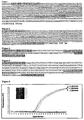
- Figures 1 and 2 show the positions of the primer set CanP2B-F/CanP2B-R,CanP2B flR and P2BinR1 in C . albicans and AspP2-F/AspP2-R in A. fumigatus respectively.
- These primer sets were used to amplify regions of the P2B and P2 genes in other Candida and Aspergillus spp. respectively by conventional PCR on the iCycler BioRad PCR machine or the PTC200 Peltier thermocycler (MJ Research) using the reagents outlined in Table 2 and the thermocycling conditions described in Table 3 or modifications thereof.
- PCR reaction products purified with Roche High Pure PCR Product Purification kit or with the ExoSAP-IT kit (USB) according to the manufacturers' instructions were sent for sequencing to Sequiserve, Germany and were sequenced using the forward amplification primer CanP2B-F or AspP2-F. Sequence information was obtained for P2B gene regions for 8 Candida spp. ( C . albicans, C . dubliniensis, C. glabrata, C . krusei, C. parapsilosis, C. tropicalis, C. guillermondii, C. lusitanie) and P2 gene regions for 7 Aspergillus species (A. fumigatus, A. nidulans, A. clavatus, A.
- PCR Thermal profile Lid preheating was ON Step Temp Time X 35 1 94°C 1 min 2 50°C 1 min 3 72°C 1 min 4 72°C 7 min 5 8°C Hold Table 4: TaqMan probes (5'-FAM and 3'-BHQ1 labels) based on the P2B/P2 gene for C. glabrata and A. fumigatus.
- the publicly available sequence information for the P2B gene in Candida spp. was aligned with the newly generated sequence information for the P2B gene in Candida spp. and analysed using bioinformatics tools.
- the sequence information available for the P2 gene in Aspergillus spp. was aligned with the newly generated sequence information for the P2 gene in Aspergillus spp. and analysed using bioinformatics tools.
- Species-specific probes were designed based on the compiled P2B and P2 sequence information for Candida glabrata and Aspergillus fumigatus respectively (Table 4).
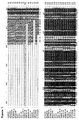
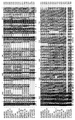
- Figures 3 and 4 show the relative positions of the PCR primers and TaqMan DNA probes for the amplification and detection of C . glabrata and A. fumigatus respectively.
- Figure 5 shows the results of the C. glabrata real-time PCR assay and the specificity of the assay for C. glabrata.
- PCR primers AspP2-F / AspP2-R were combined with TaqMan probe P1-AspP2.
- the specificity of the assay for the detection of A. fumigatus was confirmed by including DNA from a range of closely related Aspergillus species and C. albicans in the A. fumigatus real-time PCR assay.
- FIG. 6 shows the results of the A. fumigatus real-time PCR assay.
- specific degeneracy options are indicated in parenthesis: e.g.: (a/g) is either A or G.
- krusei SEQ ID NO 16 >krusei9560 ⁇ (P2BF) sequence generated for C.
- krusei SEQ ID NO 17 >krusei6055 ⁇ (P2BF) sequence generated for C.
- krusei SEQ ID NO 18 >krusei573 ⁇ (P2B) sequence generated for C.
- famata SEQ ID NO 79 >fam5 ⁇ (P2BF) sequence generated for C. famata SEQ ID NO 80: >haem54 ⁇ (P2BF) sequence generated for C. haemuloni SEQ ID NO 81: >hacm55 ⁇ (P2BF) sequence generated for C. haemuloni SEQ ID NO 82: >pul36 ⁇ (P2BF) sequence generated for C. pulcherrima SEQ ID NO 83: >pul39 ⁇ (P2BF) sequence generated for C . pulcherrima SEQ ID NO 84: >U50 ⁇ (P2BF) sequence generated for C.
Landscapes
- Chemical & Material Sciences (AREA)
- Life Sciences & Earth Sciences (AREA)
- Analytical Chemistry (AREA)
- Engineering & Computer Science (AREA)
- Organic Chemistry (AREA)
- Proteomics, Peptides & Aminoacids (AREA)
- Health & Medical Sciences (AREA)
- Biotechnology (AREA)
- Zoology (AREA)
- Wood Science & Technology (AREA)
- Immunology (AREA)
- Mycology (AREA)
- Microbiology (AREA)
- Molecular Biology (AREA)
- Botany (AREA)
- Biophysics (AREA)
- Physics & Mathematics (AREA)
- Biochemistry (AREA)
- Bioinformatics & Cheminformatics (AREA)
- General Engineering & Computer Science (AREA)
- General Health & Medical Sciences (AREA)
- Genetics & Genomics (AREA)
- Measuring Or Testing Involving Enzymes Or Micro-Organisms (AREA)
Claims (8)
- Diagnose-Kit zum Nachweis und zur Unterscheidung von Candida-Arten von anderen Hefe- und/oder Pilzarten, umfassend eine Oligonucleotid-Sonde, die in der Lage ist, an mindestens einen Abschnitt der P2-, P2A- oder P2B-Gene oder deren entsprechender mRNA zu binden, wobei die Sonde ausgewählt ist aus der Gruppe bestehend aus SEQ ID NO:9 und Sequenzen mit einer Länge zwischen 10 und 100 Nucleotiden, die vorzugsweise an die Nucleotidsequenz SEQ ID NO:9 hybridisieren und die in der Lage sind, Candida-Arten von anderen Hefe- und/oder Pilzarten zu unterscheiden, und Sequenzen mit einer Länge zwischen 10 und 100 Nucleotiden, die dazu komplementär sind.
- Kit wie in Anspruch 1 beansprucht, umfassend einen Primer zur Amplifikation von mindestens einem Abschnitt des P2-, P2A- und/oder P2B-Gens, wobei der Primer ein Vorwärts- oder Rückwärtsprimer für einen Abschnitt des P2-, P2A- und/oder P2B-Gens ist.
- Kit wie in einem der vorherigen Ansprüche beansprucht, umfassend mindestens einen in vitro-Vorwärtsamplifikationsprimer und mindestens einen in vitro-Rückwärtsamplifikationsprimer, wobei der Vorwärtsamplifikationsprimer ausgewählt ist aus der Gruppe bestehend aus SEQ ID NO:1, Sequenzen mit einer Länge zwischen 10 und 100 Nucleotiden, die komplementär sind zu Sequenzen, die vorzugsweise an die Nucleotidsequenz SEQ ID NO:1 hybridisieren und die in der Lage sind, Candida-Arten von anderen Hefe- und/oder Pilzarten zu unterscheiden und die auch als ein Vorwärtsamplifikationsprimer fungieren können, und wobei der Rückwärtsamplifikationsprimer ausgewählt ist aus der Gruppe bestehend aus SEQ ID NO:2, Sequenzen mit einer Länge zwischen 10 und 100 Nucleotiden, die komplementär sind zu Sequenzen, die vorzugsweise an die Nucleotidsequenz SEQ ID NO:2 hybridisieren und die in der Lage sind, Candida-Arten von anderen Hefe- und/oder Pilzarten zu unterscheiden und die auch als ein Rückwärtsamplifikationsprimer fungieren können.
- Nucleinsäuremolekül, das ausgewählt ist aus der Gruppe bestehend aus SEQ ID NO:1, 2, 9 und Sequenzen mit einer Länge zwischen 10 und 100 Nucleotiden, die vorzugsweise an die Nucleotidsequenz SEQ ID NO:1, 2, 9 hybridisieren und die in der Lage sind, an mindestens einen Abschnitt der P2-, P2A- oder P2B-Gene oder deren entsprechender mRNA zu binden und die in der Lage sind, Candida-Arten von anderen Hefe- und/oder Pilzarten zu unterscheiden, und Sequenzen mit einer Länge zwischen 10 und 100 Nucleotiden, die komplementär dazu sind und die in der Lage sind, Candida-Arten von anderen Hefe- und/oder Pilzarten zu unterscheiden.
- Verfahren zur Unterscheidung einer Ziel-Hefeart oder Ziel-Pilzart von anderen Hefe- oder Pilzarten in einer Testprobe, umfassend die Schritte:(i) Mischen der Testprobe mit mindestens einer Oligonucleotid-Sonde, die unter geeigneten Bedingungen in der Lage ist, an mindestens einen Abschnitt des P2-, P2A- und/oder P2B-Gens der Ziel-Art oder dessen entsprechender mRNA zu binden;(ii) Hybridisieren einer beliebigen Nucleinsäure, die in der Testprobe enthalten sein könnte, unter hoch stringenten Bedingungen mit dem Oligonucleotid, um einen Sonde-Ziel Duplex zu bilden; und(iii) Bestimmen ob ein Sonde-Ziel Duplex vorhanden ist; wobei das Vorhandensein des Duplex das Vorhandensein des Ziel-Organismus in der Testprobe als positiv identifiziert, wobei die Sonde ausgewählt ist aus der Gruppe bestehend aus SEQ ID NO:9, Sequenzen mit einer Länge zwischen 10 und 100 Nucleotiden, die vorzugsweise an die Nucleotidsequenz SEQ ID NO:9 hybridisieren, und die in der Lage sind, Candida-Arten von anderen Hefe- und/oder Pilzarten zu unterscheiden, und dazu komplementären Sequenzen mit einer Länge zwischen 10 und 100 Nucleotiden, die auch in der Lage sind, als Sonde für das P2B-Gen zu fungieren.
- Verwendung eines wie in einem der Ansprüche 1 bis 3 beanspruchten Kits oder eines wie in Anspruch 4 beanspruchten Nucleinsäuremoleküls in einem Diagnose-Assay zur Messung des Titers einer Ziel-Hefe oder von Ziel-Pilzarten in einem Patienten; in einem Diagnose-Assay zum Nachweis des Vorhandenseins einer Ziel-Hefe oder von Ziel-Pilzarten; oder in einem Diagnose-Assay zur Messung einer Kontamination mit einer Ziel-Hefe oder Ziel-Pilzart in einer Umwelt.
- Verfahren zum Beurteilen der Wirksamkeit eines Behandlungsplans, der dafür ausgelegt ist, Hefe- und/oder Pilztiter in einem Patienten zu reduzieren, umfassend die Verwendung eines wie in einem der Ansprüche 1 bis 3 beanspruchten Kits oder eines wie in Anspruch 4 beanspruchten Nucleinsäuremoleküls in einem oder mehreren Hauptabschnitt(en) des Behandlungsplans, wobei die Hauptabschnitte vor Behandlung, während der Behandlung und nach der Behandlung umfassen.
- Verwendung wie in Anspruch 6 beansprucht, wobei die Umwelt ein Krankenhaus, eine Nahrungsmittelprobe, eine Umweltprobe, z.B. Wasser, eine industrielle Probe, wie eine In-Prozess-Probe, oder ein Endprodukt, das eine Keimbelastungs- oder Qualitätsanalyse erfordert, ist.
Applications Claiming Priority (2)
| Application Number | Priority Date | Filing Date | Title |
|---|---|---|---|
| IE20080489 | 2008-06-13 | ||
| PCT/EP2009/057338 WO2009150242A2 (en) | 2008-06-13 | 2009-06-15 | P2/p2a/p2b gene sequences as diagnostic targets for the identification of fungal and yeast species |
Publications (2)
| Publication Number | Publication Date |
|---|---|
| EP2294220A2 EP2294220A2 (de) | 2011-03-16 |
| EP2294220B1 true EP2294220B1 (de) | 2016-04-20 |
Family
ID=41268781
Family Applications (1)
| Application Number | Title | Priority Date | Filing Date |
|---|---|---|---|
| EP09761803.7A Not-in-force EP2294220B1 (de) | 2008-06-13 | 2009-06-15 | P2/p2a/p2b-gensequenzen als diagnostische ziele für die identifizierung von pilz- und hefespezies |
Country Status (4)
| Country | Link |
|---|---|
| US (1) | US20110217703A1 (de) |
| EP (1) | EP2294220B1 (de) |
| IE (1) | IES20090466A2 (de) |
| WO (1) | WO2009150242A2 (de) |
Family Cites Families (5)
| Publication number | Priority date | Publication date | Assignee | Title |
|---|---|---|---|---|
| US5541308A (en) * | 1986-11-24 | 1996-07-30 | Gen-Probe Incorporated | Nucleic acid probes for detection and/or quantitation of non-viral organisms |
| SE9604815D0 (sv) * | 1996-12-20 | 1996-12-20 | Pharmacia & Upjohn Ab | A metod of diagnosis |
| US6747137B1 (en) * | 1998-02-13 | 2004-06-08 | Genome Therapeutics Corporation | Nucleic acid sequences relating to Candida albicans for diagnostics and therapeutics |
| US6706867B1 (en) * | 2000-12-19 | 2004-03-16 | The United States Of America As Represented By The Department Of Health And Human Services | DNA array sequence selection |
| US20050009051A1 (en) * | 2002-09-27 | 2005-01-13 | Board Of Regents, The University Of Texas | Diagnosis of mould infection |
-
2009
- 2009-06-12 IE IE20090466A patent/IES20090466A2/en not_active IP Right Cessation
- 2009-06-15 US US12/997,471 patent/US20110217703A1/en not_active Abandoned
- 2009-06-15 EP EP09761803.7A patent/EP2294220B1/de not_active Not-in-force
- 2009-06-15 WO PCT/EP2009/057338 patent/WO2009150242A2/en not_active Ceased
Also Published As
| Publication number | Publication date |
|---|---|
| US20110217703A1 (en) | 2011-09-08 |
| IES20090466A2 (en) | 2010-03-03 |
| WO2009150242A9 (en) | 2010-02-25 |
| WO2009150242A2 (en) | 2009-12-17 |
| EP2294220A2 (de) | 2011-03-16 |
| WO2009150242A3 (en) | 2010-04-15 |
Similar Documents
| Publication | Publication Date | Title |
|---|---|---|
| AU2007331059B2 (en) | Nucleic acids probes for detection of yeast and fungal species | |
| US9745636B2 (en) | SWI5 gene as a diagnostic target for the identification of fungal and yeast species | |
| EP2294219B1 (de) | Eif2-gamma-gen als diagnostisches ziel für die identifizierung von pilz- und hefespezies | |
| EP2294220B1 (de) | P2/p2a/p2b-gensequenzen als diagnostische ziele für die identifizierung von pilz- und hefespezies | |
| EP2294221B1 (de) | Ace2 als zielgen für die molekulare identifizierung von hefe- und pilzspezies | |
| IES85506Y1 (en) | P2/P2A/P2B gene sequences as diagnostic targets for the identification of fungal and yeast species. | |
| IE20090466U1 (en) | P2/P2A/P2B gene sequences as diagnostic targets for the identification of fungal and yeast species. | |
| WO2010004041A1 (en) | Diagnostic kit for aspergillus fumigatus species | |
| IES85514Y1 (en) | Ace2 as a target gene for the molecular identification of yeast and fungal species. | |
| IE20090464U1 (en) | SWI5 gene as a diagnostic target for the identification of fungal and yeast species | |
| IES85505Y1 (en) | SWI5 gene as a diagnostic target for the identification of fungal and yeast species | |
| IE20090467U1 (en) | Ace2 as a target gene for the molecular identification of yeast and fungal species. |
Legal Events
| Date | Code | Title | Description |
|---|---|---|---|
| PUAI | Public reference made under article 153(3) epc to a published international application that has entered the european phase |
Free format text: ORIGINAL CODE: 0009012 |
|
| 17P | Request for examination filed |
Effective date: 20101214 |
|
| AK | Designated contracting states |
Kind code of ref document: A2 Designated state(s): AT BE BG CH CY CZ DE DK EE ES FI FR GB GR HR HU IE IS IT LI LT LU LV MC MK MT NL NO PL PT RO SE SI SK TR |
|
| AX | Request for extension of the european patent |
Extension state: AL BA RS |
|
| DAX | Request for extension of the european patent (deleted) | ||
| 17Q | First examination report despatched |
Effective date: 20120105 |
|
| GRAP | Despatch of communication of intention to grant a patent |
Free format text: ORIGINAL CODE: EPIDOSNIGR1 |
|
| INTG | Intention to grant announced |
Effective date: 20150623 |
|
| INTG | Intention to grant announced |
Effective date: 20151124 |
|
| GRAS | Grant fee paid |
Free format text: ORIGINAL CODE: EPIDOSNIGR3 |
|
| GRAA | (expected) grant |
Free format text: ORIGINAL CODE: 0009210 |
|
| AK | Designated contracting states |
Kind code of ref document: B1 Designated state(s): AT BE BG CH CY CZ DE DK EE ES FI FR GB GR HR HU IE IS IT LI LT LU LV MC MK MT NL NO PL PT RO SE SI SK TR |
|
| REG | Reference to a national code |
Ref country code: GB Ref legal event code: FG4D |
|
| REG | Reference to a national code |
Ref country code: CH Ref legal event code: EP |
|
| REG | Reference to a national code |
Ref country code: AT Ref legal event code: REF Ref document number: 792530 Country of ref document: AT Kind code of ref document: T Effective date: 20160515 |
|
| REG | Reference to a national code |
Ref country code: IE Ref legal event code: FG4D |
|
| REG | Reference to a national code |
Ref country code: DE Ref legal event code: R096 Ref document number: 602009037985 Country of ref document: DE |
|
| REG | Reference to a national code |
Ref country code: LT Ref legal event code: MG4D |
|
| REG | Reference to a national code |
Ref country code: AT Ref legal event code: MK05 Ref document number: 792530 Country of ref document: AT Kind code of ref document: T Effective date: 20160420 |
|
| REG | Reference to a national code |
Ref country code: NL Ref legal event code: MP Effective date: 20160420 |
|
| PG25 | Lapsed in a contracting state [announced via postgrant information from national office to epo] |
Ref country code: LT Free format text: LAPSE BECAUSE OF FAILURE TO SUBMIT A TRANSLATION OF THE DESCRIPTION OR TO PAY THE FEE WITHIN THE PRESCRIBED TIME-LIMIT Effective date: 20160420 Ref country code: PL Free format text: LAPSE BECAUSE OF FAILURE TO SUBMIT A TRANSLATION OF THE DESCRIPTION OR TO PAY THE FEE WITHIN THE PRESCRIBED TIME-LIMIT Effective date: 20160420 Ref country code: NO Free format text: LAPSE BECAUSE OF FAILURE TO SUBMIT A TRANSLATION OF THE DESCRIPTION OR TO PAY THE FEE WITHIN THE PRESCRIBED TIME-LIMIT Effective date: 20160720 Ref country code: FI Free format text: LAPSE BECAUSE OF FAILURE TO SUBMIT A TRANSLATION OF THE DESCRIPTION OR TO PAY THE FEE WITHIN THE PRESCRIBED TIME-LIMIT Effective date: 20160420 Ref country code: NL Free format text: LAPSE BECAUSE OF FAILURE TO SUBMIT A TRANSLATION OF THE DESCRIPTION OR TO PAY THE FEE WITHIN THE PRESCRIBED TIME-LIMIT Effective date: 20160420 |
|
| PG25 | Lapsed in a contracting state [announced via postgrant information from national office to epo] |
Ref country code: PT Free format text: LAPSE BECAUSE OF FAILURE TO SUBMIT A TRANSLATION OF THE DESCRIPTION OR TO PAY THE FEE WITHIN THE PRESCRIBED TIME-LIMIT Effective date: 20160822 Ref country code: LV Free format text: LAPSE BECAUSE OF FAILURE TO SUBMIT A TRANSLATION OF THE DESCRIPTION OR TO PAY THE FEE WITHIN THE PRESCRIBED TIME-LIMIT Effective date: 20160420 Ref country code: HR Free format text: LAPSE BECAUSE OF FAILURE TO SUBMIT A TRANSLATION OF THE DESCRIPTION OR TO PAY THE FEE WITHIN THE PRESCRIBED TIME-LIMIT Effective date: 20160420 Ref country code: GR Free format text: LAPSE BECAUSE OF FAILURE TO SUBMIT A TRANSLATION OF THE DESCRIPTION OR TO PAY THE FEE WITHIN THE PRESCRIBED TIME-LIMIT Effective date: 20160721 Ref country code: SE Free format text: LAPSE BECAUSE OF FAILURE TO SUBMIT A TRANSLATION OF THE DESCRIPTION OR TO PAY THE FEE WITHIN THE PRESCRIBED TIME-LIMIT Effective date: 20160420 Ref country code: AT Free format text: LAPSE BECAUSE OF FAILURE TO SUBMIT A TRANSLATION OF THE DESCRIPTION OR TO PAY THE FEE WITHIN THE PRESCRIBED TIME-LIMIT Effective date: 20160420 Ref country code: ES Free format text: LAPSE BECAUSE OF FAILURE TO SUBMIT A TRANSLATION OF THE DESCRIPTION OR TO PAY THE FEE WITHIN THE PRESCRIBED TIME-LIMIT Effective date: 20160420 |
|
| REG | Reference to a national code |
Ref country code: FR Ref legal event code: PLFP Year of fee payment: 8 |
|
| PG25 | Lapsed in a contracting state [announced via postgrant information from national office to epo] |
Ref country code: BE Free format text: LAPSE BECAUSE OF FAILURE TO SUBMIT A TRANSLATION OF THE DESCRIPTION OR TO PAY THE FEE WITHIN THE PRESCRIBED TIME-LIMIT Effective date: 20160420 Ref country code: IT Free format text: LAPSE BECAUSE OF FAILURE TO SUBMIT A TRANSLATION OF THE DESCRIPTION OR TO PAY THE FEE WITHIN THE PRESCRIBED TIME-LIMIT Effective date: 20160420 |
|
| REG | Reference to a national code |
Ref country code: DE Ref legal event code: R097 Ref document number: 602009037985 Country of ref document: DE |
|
| PG25 | Lapsed in a contracting state [announced via postgrant information from national office to epo] |
Ref country code: SK Free format text: LAPSE BECAUSE OF FAILURE TO SUBMIT A TRANSLATION OF THE DESCRIPTION OR TO PAY THE FEE WITHIN THE PRESCRIBED TIME-LIMIT Effective date: 20160420 Ref country code: CZ Free format text: LAPSE BECAUSE OF FAILURE TO SUBMIT A TRANSLATION OF THE DESCRIPTION OR TO PAY THE FEE WITHIN THE PRESCRIBED TIME-LIMIT Effective date: 20160420 Ref country code: EE Free format text: LAPSE BECAUSE OF FAILURE TO SUBMIT A TRANSLATION OF THE DESCRIPTION OR TO PAY THE FEE WITHIN THE PRESCRIBED TIME-LIMIT Effective date: 20160420 Ref country code: DK Free format text: LAPSE BECAUSE OF FAILURE TO SUBMIT A TRANSLATION OF THE DESCRIPTION OR TO PAY THE FEE WITHIN THE PRESCRIBED TIME-LIMIT Effective date: 20160420 Ref country code: RO Free format text: LAPSE BECAUSE OF FAILURE TO SUBMIT A TRANSLATION OF THE DESCRIPTION OR TO PAY THE FEE WITHIN THE PRESCRIBED TIME-LIMIT Effective date: 20160420 Ref country code: MC Free format text: LAPSE BECAUSE OF FAILURE TO SUBMIT A TRANSLATION OF THE DESCRIPTION OR TO PAY THE FEE WITHIN THE PRESCRIBED TIME-LIMIT Effective date: 20160420 |
|
| REG | Reference to a national code |
Ref country code: CH Ref legal event code: PL |
|
| PLBE | No opposition filed within time limit |
Free format text: ORIGINAL CODE: 0009261 |
|
| STAA | Information on the status of an ep patent application or granted ep patent |
Free format text: STATUS: NO OPPOSITION FILED WITHIN TIME LIMIT |
|
| REG | Reference to a national code |
Ref country code: IE Ref legal event code: MM4A |
|
| 26N | No opposition filed |
Effective date: 20170123 |
|
| PG25 | Lapsed in a contracting state [announced via postgrant information from national office to epo] |
Ref country code: LI Free format text: LAPSE BECAUSE OF NON-PAYMENT OF DUE FEES Effective date: 20160630 Ref country code: CH Free format text: LAPSE BECAUSE OF NON-PAYMENT OF DUE FEES Effective date: 20160630 |
|
| REG | Reference to a national code |
Ref country code: FR Ref legal event code: PLFP Year of fee payment: 9 |
|
| PG25 | Lapsed in a contracting state [announced via postgrant information from national office to epo] |
Ref country code: SI Free format text: LAPSE BECAUSE OF FAILURE TO SUBMIT A TRANSLATION OF THE DESCRIPTION OR TO PAY THE FEE WITHIN THE PRESCRIBED TIME-LIMIT Effective date: 20160420 Ref country code: IE Free format text: LAPSE BECAUSE OF NON-PAYMENT OF DUE FEES Effective date: 20160615 |
|
| PG25 | Lapsed in a contracting state [announced via postgrant information from national office to epo] |
Ref country code: CY Free format text: LAPSE BECAUSE OF FAILURE TO SUBMIT A TRANSLATION OF THE DESCRIPTION OR TO PAY THE FEE WITHIN THE PRESCRIBED TIME-LIMIT Effective date: 20160420 Ref country code: HU Free format text: LAPSE BECAUSE OF FAILURE TO SUBMIT A TRANSLATION OF THE DESCRIPTION OR TO PAY THE FEE WITHIN THE PRESCRIBED TIME-LIMIT; INVALID AB INITIO Effective date: 20090615 |
|
| REG | Reference to a national code |
Ref country code: FR Ref legal event code: PLFP Year of fee payment: 10 |
|
| PG25 | Lapsed in a contracting state [announced via postgrant information from national office to epo] |
Ref country code: LU Free format text: LAPSE BECAUSE OF NON-PAYMENT OF DUE FEES Effective date: 20160615 Ref country code: MT Free format text: LAPSE BECAUSE OF NON-PAYMENT OF DUE FEES Effective date: 20160630 Ref country code: MK Free format text: LAPSE BECAUSE OF FAILURE TO SUBMIT A TRANSLATION OF THE DESCRIPTION OR TO PAY THE FEE WITHIN THE PRESCRIBED TIME-LIMIT Effective date: 20160420 Ref country code: TR Free format text: LAPSE BECAUSE OF FAILURE TO SUBMIT A TRANSLATION OF THE DESCRIPTION OR TO PAY THE FEE WITHIN THE PRESCRIBED TIME-LIMIT Effective date: 20160420 Ref country code: IS Free format text: LAPSE BECAUSE OF FAILURE TO SUBMIT A TRANSLATION OF THE DESCRIPTION OR TO PAY THE FEE WITHIN THE PRESCRIBED TIME-LIMIT Effective date: 20160420 |
|
| PG25 | Lapsed in a contracting state [announced via postgrant information from national office to epo] |
Ref country code: BG Free format text: LAPSE BECAUSE OF FAILURE TO SUBMIT A TRANSLATION OF THE DESCRIPTION OR TO PAY THE FEE WITHIN THE PRESCRIBED TIME-LIMIT Effective date: 20160420 |
|
| PGFP | Annual fee paid to national office [announced via postgrant information from national office to epo] |
Ref country code: GB Payment date: 20240628 Year of fee payment: 16 |
|
| PGFP | Annual fee paid to national office [announced via postgrant information from national office to epo] |
Ref country code: FR Payment date: 20240628 Year of fee payment: 16 |
|
| PGFP | Annual fee paid to national office [announced via postgrant information from national office to epo] |
Ref country code: DE Payment date: 20240719 Year of fee payment: 16 |
|
| REG | Reference to a national code |
Ref country code: DE Ref legal event code: R119 Ref document number: 602009037985 Country of ref document: DE |
|
| GBPC | Gb: european patent ceased through non-payment of renewal fee |
Effective date: 20250615 |
|
| PG25 | Lapsed in a contracting state [announced via postgrant information from national office to epo] |
Ref country code: GB Free format text: LAPSE BECAUSE OF NON-PAYMENT OF DUE FEES Effective date: 20250615 |
|
| PG25 | Lapsed in a contracting state [announced via postgrant information from national office to epo] |
Ref country code: DE Free format text: LAPSE BECAUSE OF NON-PAYMENT OF DUE FEES Effective date: 20260101 |
|
| PG25 | Lapsed in a contracting state [announced via postgrant information from national office to epo] |
Ref country code: FR Free format text: LAPSE BECAUSE OF NON-PAYMENT OF DUE FEES Effective date: 20250630 |