EP2294420B1 - Indice de survie pour un lymphome diffus à grandes cellules B - Google Patents
Indice de survie pour un lymphome diffus à grandes cellules B Download PDFInfo
- Publication number
- EP2294420B1 EP2294420B1 EP09759517.7A EP09759517A EP2294420B1 EP 2294420 B1 EP2294420 B1 EP 2294420B1 EP 09759517 A EP09759517 A EP 09759517A EP 2294420 B1 EP2294420 B1 EP 2294420B1
- Authority
- EP
- European Patent Office
- Prior art keywords
- stromal
- signature
- survival
- gcb
- gene expression
- Prior art date
- Legal status (The legal status is an assumption and is not a legal conclusion. Google has not performed a legal analysis and makes no representation as to the accuracy of the status listed.)
- Active
Links
Images








Classifications
-
- C—CHEMISTRY; METALLURGY
- C12—BIOCHEMISTRY; BEER; SPIRITS; WINE; VINEGAR; MICROBIOLOGY; ENZYMOLOGY; MUTATION OR GENETIC ENGINEERING
- C12Q—MEASURING OR TESTING PROCESSES INVOLVING ENZYMES, NUCLEIC ACIDS OR MICROORGANISMS; COMPOSITIONS OR TEST PAPERS THEREFOR; PROCESSES OF PREPARING SUCH COMPOSITIONS; CONDITION-RESPONSIVE CONTROL IN MICROBIOLOGICAL OR ENZYMOLOGICAL PROCESSES
- C12Q1/00—Measuring or testing processes involving enzymes, nucleic acids or microorganisms; Compositions therefor; Processes of preparing such compositions
- C12Q1/68—Measuring or testing processes involving enzymes, nucleic acids or microorganisms; Compositions therefor; Processes of preparing such compositions involving nucleic acids
- C12Q1/6876—Nucleic acid products used in the analysis of nucleic acids, e.g. primers or probes
- C12Q1/6883—Nucleic acid products used in the analysis of nucleic acids, e.g. primers or probes for diseases caused by alterations of genetic material
- C12Q1/6886—Nucleic acid products used in the analysis of nucleic acids, e.g. primers or probes for diseases caused by alterations of genetic material for cancer
-
- A—HUMAN NECESSITIES
- A61—MEDICAL OR VETERINARY SCIENCE; HYGIENE
- A61P—SPECIFIC THERAPEUTIC ACTIVITY OF CHEMICAL COMPOUNDS OR MEDICINAL PREPARATIONS
- A61P35/00—Antineoplastic agents
-
- G—PHYSICS
- G01—MEASURING; TESTING
- G01N—INVESTIGATING OR ANALYSING MATERIALS BY DETERMINING THEIR CHEMICAL OR PHYSICAL PROPERTIES
- G01N33/00—Investigating or analysing materials by specific methods not covered by groups G01N1/00 - G01N31/00
- G01N33/48—Biological material, e.g. blood, urine; Haemocytometers
- G01N33/50—Chemical analysis of biological material, e.g. blood, urine; Testing involving biospecific ligand binding methods; Immunological testing
- G01N33/53—Immunoassay; Biospecific binding assay; Materials therefor
- G01N33/575—Immunoassay; Biospecific binding assay; Materials therefor for cancer
- G01N33/57557—Immunoassay; Biospecific binding assay; Materials therefor for cancer of other specific parts of the body, e.g. brain
-
- C—CHEMISTRY; METALLURGY
- C12—BIOCHEMISTRY; BEER; SPIRITS; WINE; VINEGAR; MICROBIOLOGY; ENZYMOLOGY; MUTATION OR GENETIC ENGINEERING
- C12Q—MEASURING OR TESTING PROCESSES INVOLVING ENZYMES, NUCLEIC ACIDS OR MICROORGANISMS; COMPOSITIONS OR TEST PAPERS THEREFOR; PROCESSES OF PREPARING SUCH COMPOSITIONS; CONDITION-RESPONSIVE CONTROL IN MICROBIOLOGICAL OR ENZYMOLOGICAL PROCESSES
- C12Q2600/00—Oligonucleotides characterized by their use
- C12Q2600/106—Pharmacogenomics, i.e. genetic variability in individual responses to drugs and drug metabolism
-
- C—CHEMISTRY; METALLURGY
- C12—BIOCHEMISTRY; BEER; SPIRITS; WINE; VINEGAR; MICROBIOLOGY; ENZYMOLOGY; MUTATION OR GENETIC ENGINEERING
- C12Q—MEASURING OR TESTING PROCESSES INVOLVING ENZYMES, NUCLEIC ACIDS OR MICROORGANISMS; COMPOSITIONS OR TEST PAPERS THEREFOR; PROCESSES OF PREPARING SUCH COMPOSITIONS; CONDITION-RESPONSIVE CONTROL IN MICROBIOLOGICAL OR ENZYMOLOGICAL PROCESSES
- C12Q2600/00—Oligonucleotides characterized by their use
- C12Q2600/112—Disease subtyping, staging or classification
-
- G—PHYSICS
- G01—MEASURING; TESTING
- G01N—INVESTIGATING OR ANALYSING MATERIALS BY DETERMINING THEIR CHEMICAL OR PHYSICAL PROPERTIES
- G01N2800/00—Detection or diagnosis of diseases
- G01N2800/52—Predicting or monitoring the response to treatment, e.g. for selection of therapy based on assay results in personalised medicine; Prognosis
-
- G—PHYSICS
- G01—MEASURING; TESTING
- G01N—INVESTIGATING OR ANALYSING MATERIALS BY DETERMINING THEIR CHEMICAL OR PHYSICAL PROPERTIES
- G01N2800/00—Detection or diagnosis of diseases
- G01N2800/56—Staging of a disease; Further complications associated with the disease
Definitions
- the current standard of care for the treatment of diffuse large B cell lymphoma includes anthracycline-based chemotherapy regimens such as CHOP in combination with the administration of the anti-CD20 monoclonal antibody Rituximab.
- This combination regimen R-CHOP
- R-CHOP can cure about 60% of patients and has improved the overall survival of DLBCL patients by 10-15% ( Coiffier et al., N. Engl. J. Med., 346: 235-42 (2002 )). Nonetheless, the molecular basis of response or resistance to this therapy is unknown.
- DLBCL is a molecularly heterogeneous disease ( Staudt et al., Adv. Immunol., 87: 163-208 (2005 )), and different molecular subtypes of DLBCL can have very different prognoses following treatment. For example, gene expression profiling has identified two molecular subtypes of DLBCL that are biologically and clinically distinct ( Rosenwald et al., N. Engl. J. Med., 346: 1937-47 (2002 ); Alizadeh et al., Nature, 403: 503-11 (2000 )).
- the germinal center B cell-like (GCB) DLBCL subtype likely arises from normal germinal center B cells, whereas the activated B cell-like (ABC) DLBCL subtype may arise from a post-germinal center B cell that is blocked during plasmacytic differentiation.
- GCB DLBCLs have recurrent t(14,18) translocations
- ABC DLBCLs have recurrent trisomy 3 and deletion of the INK4a/ARF locus as well as constitutive activation of the anti-apoptotic NF-kB signalling pathway ( Rosenwald et al., N. Engl. J.
- a separate analytical approach identified four gene expression signatures that reflect distinct DLBCL tumor attributes and that were associated with distinct survival profiles in CHOP-treated DLBCL patients ( Rosenwald et al., N. Engl. J. Med., 346: 1937-47 (2002 )).
- a "germinal center B cell” (GCB) signature was associated with a favorable prognosis and paralleled the distinction between ABC and GCB DLBCL.
- the "proliferation” signature was associated with an adverse prognosis and included MYC and its target genes.
- the "MHC class II” signature was silenced in the malignant cells in a subset of DLBCL cases, an event that was associated with inferior survival ( Rosenwald et al., N. Engl. J.
- a fourth prognostic signature termed "lymph node” signature was associated with favorable prognosis and included components of the extracellular matrix, suggesting that it reflects the nature of the tumor-infiltrating non-malignant cells. These signatures predicted survival in a statistically independent fashion, indicating that multiple biological variables dictate the response to CHOP chemotherapy in DLBCL.
- WO2005/024043 discloses a method for predicting survival in a diffuse large B-cell lymphoma (DLBCL) subject, comprising the steps of:
- WO2005/024043 is silent of R-CHOP treated cases.
- the invention provides methods and arrays related to a gene expression-based survival predictor for DLBCL patients, including patients treated with the current standard of care, which includes chemotherapy and the administration of Rituximab.
- the invention provides a method of predicting survival outcome based on one or more diffuse large B cell lymphoma (DLBCL) samples.
- the method includes isolating gene expression products from one or more DLBCL biopsy samples from a subject treated with a therapeutic regimen that includes chemotherapy and Rituximab (R-CHOP).
- the method further comprises obtaining a gene expression profile from the gene expression products, wherein the expression profile comprises an expression level for each of at least 31 of the genes listed in Table 1 for the germinal center B cell (GCB) gene expression signature and at least 226 of the genes listed in Table 1 for the stromal-1 gene expression signature.
- GCB germinal center B cell
- the method also includes determining a GCB signature value and a stromal-1 signature value from the gene expression profile, wherein the GCB signature value is an average of the expression levels of the at least 31 genes listed in Table 1 for the GCB gene expression signature and the stromal-1 signature value is an average of the expression levels of the at least 226 genes listed in Table 1 for the stromal-1 gene expression signature.
- a survival predictor score which is equal to A - [(x)*(the GCB signature value)] - [(y)*(the stromal-1 signature value)] is calculated, wherein A is an offset term, (x) is a scale factor between 0.200 and 0.625, and (y) is a scale factor between 0.800 and 1.250.
- the method further includes determining the survival outcome for the subject based on the survival predictor score calculated for any fixed same value of A and for any fixed same values of (x) and (y), wherein a lower survival predictor score indicates a more favorable survival outcome and a higher survival predictor score indicates a less favorable survival outcome for the subject.
- the invention also provides a method of predicting survival outcome based on one or more diffuse large B cell lymphoma (DLBCL) samples.
- the method comprises isolating gene expression products from one or more DLBCL biopsy samples from a subject treated with a therapeutic regimen that includes chemotherapy and Rituximab (R-CHOP).
- the method further includes obtaining a gene expression profile from the gene expression products, wherein the gene expression profile comprises an expression level for each of at least 31 of the genes listed in Table 1 for the germinal center B-cell gene (GCB) expression signature, at least 226 of the genes listed in Table 1 for the stromal-1 gene expression signature, and at least 58 of the genes listed in Table 1 for the stromal-2 gene expression signature.
- GCB germinal center B-cell gene
- the method also comprises determining a GCB signature value, a stromal-1 signature value, and a stromal-2 signature value from the gene expression profile, wherein the GCB signature value is an average of the expression levels of the at least 31 genes listed in Table 1 for the GCB gene expression signature and the stromal-1 signature value is an average of the expression levels of the at least 226 genes listed in Table 1 for the stromal-1 gene expression signature and the stromal-2 signature value is an average of the expression levels of the at least 58 genes listed in Table 1 for the stromal-2 gene expression signature.
- survival predictor score A - [(x)*(the GCB signature value)] - [(y)*(the stromal-1 signature value)] + [(z)*(the stromal-2 signature value)], wherein A is an offset term and (x) is a scale factor between 0.200 and 0.625, (y) is a scale factor between 0.800 and 1.250, and (z) is a scale factor between 0.450 and 0.900.
- the invention further provides a targeted array comprising at least one probe or set of probes for each gene in (a) a germinal center B-cell gene (GCB) expression signature comprising at least 31 of the GCB signature genes listed in Table 1, (b) a stromal-1 gene expression signature comprising at least 226 of the stromal-1 signature genes listed in Table 1, and (c) a stromal-2 gene expression signature comprising at least 58 of the stromal-2 signature genes listed in Table 1, wherein the array comprises probes for fewer than 10,000 genes.
- GCB germinal center B-cell gene
- the invention provides a gene expression-based survival predictor for DLBCL patients, including those patients receiving the current standard of care, R-CHOP.
- the survival predictor can be used to determine the relative probability of a survival outcome in a specific subject.
- the survival predictor can also be used to predict; i.e., determine the expected probability that a survival outcome will occur by a defined period following treatment for DLBCL.
- prognostic information can be very useful to both the patient and the physician.
- Patients with survival predictor scores that indicate inferior outcome with R-CHOP therapy could be candidates for a different therapeutic regimen, if, for example, they relapse from R-CHOP treatment.
- the survival predictor can also be used in the design of clinical studies and analysis of clinical data to provide a quantitative survey of the types of DLBCL patients from which clinical data was gathered.
- the predictor can be used to improve one or more comparisons between data from different sources (e.g., from different clinical trials), by enabling comparisons with respect to patient characteristics, which are manifested in the gene expression levels that determine and, thus, are embodied in the predictor.
- the invention provides information that can be very valuable to a DLBCL patient, since the patient may be inclined to order his or her life quite differently, depending on whether the patient has,a high or low probability of surviving and/or remaining progression-free for a period of time following treatment.
- ABC activated B cell-like diffuse large B cell lymphoma
- CHOP cyclophosphamide, doxorubicine, vincristine, and prednisone
- CI confidence interval
- COP cyclophosphamide, vincristine, and prednisone
- DLBCL diffuse large B cell lymphoma
- DOD dead of disease
- ECOG Eastern Cooperative Oncology Group
- FACS fluorescence-activated cell sorting
- FH follicular hyperplasia
- FISH fluorescence in situ hybridization
- FL follicular lymphoma
- GC germinal center
- GCB germinal center B cell-like diffuse large B cell lymphoma
- IPI International Prognostic Index
- LPC lymphoplasmacytic lymphoma
- MHC major histocompatibility complex
- NA not available or not applicable
- NK natural killer
- PCR polymerase chain reaction
- RQ-PCR polymerase chain reaction
- R-CHOP refers generally to any therapeutic regimen that includes chemotherapy and the administration of Rituximab. Accordingly, while the term can refer to a Rituximab combination therapy that includes a CHOP regimen of cyclophosphamide, doxorubicine, vincristine, and prednisone, the term R-CHOP can also refer to therapy that includes Rituximab in combination with a chemotherapeutic regimen other than CHOP.
- gene expression data refers to information regarding the relative or absolute level of expression of a gene or set of genes in a cell or group of cells.
- the level of expression of a gene may be determined based on the level of RNA, such as mRNA, encoded by the gene. Alternatively, the level of expression may be determined based on the level of a polypeptide or fragment thereof encoded by the gene.
- Gene expression data may be acquired for an individual cell, or for a group of cells such as a tumor or biopsy sample.
- Gene expression data and gene expression levels can be stored on computer readable media, e.g., the computer readable medium used in conjunction with a microarray or chip reading device. Such gene expression data can be manipulated to generate gene expression signatures.
- microarray refers to a plurality of nucleic acid probes coupled to the surface of a substrate in different known locations.
- the substrate is preferably solid.
- Microarrays have been generally described in the art in, for example, U.S. Patent Nos. 5,143,854 (Pirrung ), 5,424,186 (Fodor ), 5,445,934 (Fodor ), 5,677,195 (Winkler ), 5,744,305 (Fodor ), 5,800,992 (Fodor ), and 6,040,193 (Winkler ), and Fodor et al., Science, 251:767-777 (1991 ).
- gene expression signature refers to a group of coordinately expressed genes.
- the genes making up this signature may be expressed in a specific cell lineage, stage of differentiation, or during a particular biological response.
- the genes can reflect biological aspects of the tumors in which they are expressed, such as the cell of origin of the cancer, the nature of the non-malignant cells in the biopsy, and the oncogenic mechanisms responsible for the cancer ( Shaffer et al., Immunity, 15: 375-385 (2001 )).
- Examples of gene expression signatures include lymph node, proliferation ( Rosenwald et al., New Engl. J.
- signature value corresponds to a mathematical combination of measurements from expression levels of the genes in a gene expression signature.
- An exemplary signature value is a signature average which corresponds to the average or mean of the individual expression levels in a gene expression signature.
- survival predictor score refers to a score generated by a multivariate model used to predict survival based on gene expression. A subject with a higher survival predictor score is predicted to have poorer survival than a subject with a lower survival predictor score.
- survival may refer to the probability or likelihood of a subject surviving for a particular period of time. Alternatively, it may refer to the likely term of survival for a subject, such as expected mean or median survival time for a subject with a particular gene expression pattern.
- progression free survival can refer to the probability or likelihood of a subject surviving without significant progression or worsening of disease for a particular period of time. Alternatively, it may refer to the likely term for a subject of survival without significant progression or worsening of disease, such as expected mean or median survival time for a subject with a particular gene expression pattern without significant progression or worsening of disease.
- survival outcome may refer to survival, overall survival, or progression free survival.
- scale factor refers to a factor that relates change in gene expression to prognosis.
- An example of a scale factor is a factor obtained by maximizing the partial likelihoods of the Cox proportional hazards model.
- the gene expression signatures, signature values, survival predictor scores, stromal scores, survival estimate curves, and probabilities of survival disclosed herein may be stored in digitally encoded format on computer readable media, e.g., computer readable media used in conjunction with microarray or chip reading devices or computer readable media used to store patient data during treatment for DLBCL.
- computer readable media e.g., computer readable media used in conjunction with microarray or chip reading devices or computer readable media used to store patient data during treatment for DLBCL.
- Such media and the specialized devices that use them, e.g., for diagnostic and clinical applications, are known in the art.
- the invention provides a method for predicting a survival outcome in a subject diagnosed with DLBCL using gene expression data.
- data may be gathered using any effective method of quantifying gene expression.
- gene expression data may be measured or estimated using one or more microarrays.
- the microarrays may be of any effective type, including, but not limited to, nucleic acid based or antibody based.
- Gene expression may also be measured by a variety of other techniques, including, but not limited to, PCR, quantitative RT-PCR, real-time PCR, RNA amplification, in situ hybridization, immunohistochemistry, immunocytochemistry, FACS, serial analysis of gene expression (SAGE) ( Velculescu et al., Science, 270: 484-87 (1995 )), Northern blot hybridization, or western blot hybridization.
- Nucleic acid microarrays generally comprise nucleic acid probes derived from individual genes and placed in an ordered array on a support.
- This support may be, for example, a glass slide, a nylon membrane, or a silicon wafer.
- Gene expression patterns in a sample are obtained by hybridizing the microarray with the gene expression product from the sample.
- This gene expression product may be, for example, total cellular mRNA, rRNA, or cDNA obtained by reverse transcription of total cellular mRNA.
- the gene expression product from a sample is labeled with a radioactive, fluorescent, or other label to allow for detection.
- the microarray is washed, and hybridization of the gene expression product to each nucleic acid probe on the microarray is detected and quantified using a detection device such as a phosphorimager or scanning confocal microscope.
- cDNA arrays consist of hundreds or thousands of cDNA probes immobilized on a solid support. These cDNA probes are usually 100 nucleotides or greater in size. There are two commonly used designs for cDNA arrays.
- the first is the nitrocellulose filter array, which is generally prepared by robotic spotting of purified DNA fragments or lysates of bacteria containing cDNA clones onto a nitrocellulose filter ( Southern et al., Genomics, 13: 1008-17 (1992 ); Southern et al., Nucl Acids Res 22: 1368-73 (1994 ); Gress et al., Oncogene, 13: 1819-30 (1996 ); Pietu et al., Genome Res., 6: 492-503 (1996 )).
- the other commonly used cDNA arrays is fabricated by robotic spotting of PCR fragments from cDNA clones onto glass microscope slides ( Schena et al., Science, 270: 467-70 (1995 ); DeRisi et al., Nature Genet., 14: 457-60 (1996 ); Schena et al., Proc. Nat'l. Acad. Sci. USA, 93: 10614-19 (1996 ); Shalon et al., Genome Res., 6: 639-45 (1996 ); DeRisi et al., Science, 278: 680-86 (1997 ); Heller et al., Proc. Nat'l. Acad. Sci.
- cDNA microarrays are simultaneously hybridized with two fluorescent cDNA probes, each labeled with a different fluorescent dye (typically Cy3 or Cy5). In this format, the relative mRNA expression in two samples is directly compared for each gene on the microarray.
- Oligonucleotide arrays differ from cDNA arrays in that the probes are 20- to 25-mer oligonucleotides.
- Oligonucleotide arrays are generally produced by in situ oligonucleotide synthesis in conjunction with photolithographic masking techniques ( Pease et al., Proc. Nat'l. Acad. Sci. USA, 91: 5022-26 (1994 ); Lipshutz et al., Biotechniques 19: 442-47 (1995 ); Chee et al., Science, 274: 610-14 (1996 ); Lockhart et al., Nature Biotechnol., 14: 1675-80 (1996 ); Wodicka et al., Nature Biotechnol., 15: 1359-6714 (1997 )).
- the solid support for oligonucleotide arrays is typically a glass or silicon surface.
- Microarrays may generally be produced using a variety of techniques, such as mechanical or light directed synthesis methods that incorporate a combination of photolithographic methods and solid phase synthesis methods. Techniques for the synthesis of microarrays using mechanical synthesis methods are described in, for example, U.S. Patent Nos. 5,384,261 (Winkler ) and 6,040,193 (Winkler ). Although a planar array surface is preferred, the microarray may be fabricated on a surface of virtually any shape, or even on a multiplicity of surfaces. Microarrays may be nucleic acids on beads, gels, polymeric surfaces, fibers such as fiber optics, glass, or any other appropriate substrate. See, for example, U.S. Patent Nos. 5,708,153 (Dower ), 5,770,358 (Dower ), 5,789,162 (Dower ), 5,800,992 (Fodor ), and 6,040,193 (Winkler ).
- Microarrays can be packaged in such a manner as to allow for diagnostic use, or they can be all-inclusive devices. See, for example, U.S. Patent Nos. 5,856,174 (Lipshutz ) and 5,922,591 (Anderson ).
- Microarrays directed to a variety of purposes are commercially available from Affymetrix (Santa Clara, CA). For instance, these microarrays may be used for genotyping and gene expression monitoring.
- Gene expression data can be used to identify genes that are coordinately regulated. Genes that encode components of the same multi-subunit protein complex are often coordinately regulated. Coordinate regulation is also observed among genes whose products function in a common differentiation program or in the same physiological response pathway. Recent application of gene expression profiling to the immune system has shown that lymphocyte differentiation and activation are accompanied by parallel changes in expression among hundreds of genes. Gene expression databases may be used to interpret the pathological changes in gene expression that accompany autoimmunity, immune deficiencies, cancers of immune cells and of normal immune responses.
- microarray gene expression data for the prediction of survival in DLBCL patients, there is a need for new algorithms to be developed, which can identify important information and convert it to a more manageable format.
- microarrays used to generate this data can be streamlined to incorporate probe sets that are useful for survival outcome prediction.
- Mathematical analysis of gene expression data is a rapidly evolving science based on a rich mathematics of pattern recognition developed in other contexts ( Kohonen, Self-Organizing Maps, Springer Press (Berlin 1997 )).
- Mathematical analysis of gene expression data can be used, for example, to identify groups of genes that are coordinately regulated within a biological system, to recognize and interpret similarities between biological samples on the basis of similarities in gene expression patterns, and/or to recognize and identify those features of a gene expression pattern that are related to distinct biological processes or phenotypes.
- Mathematical analysis of gene expression data often begins by establishing the expression pattern for each gene on an array across a number (n) of experimental samples.
- the expression pattern of each gene can be represented by a point in n-dimensional space, with each coordinate specified by an expression measurement in one of the n samples ( Eisen et al., Proc. Nat'l. Acad. Sci. USA, 95: 14863-68 (1998 )).
- a clustering algorithm that uses distance metrics can then be applied to locate clusters of genes in this n-dimensional space. These clusters indicate genes with similar patterns of variation in expression over a series of experiments.
- Clustering methods that have been applied to microarray data in the past include hierarchical clustering (Eisen et al., supra), self-organizing maps (SOMs) ( Tamayo et al., Proc. Nat'l. Acad. Sci. USA, 96: 2907-12 (1999 )), k-means ( Tavazoie et al., Nature Genet., 22: 281-85 (1999 )), and deterministic annealing ( Alon et al., Proc. Nat'l. Acad. Sci. USA, 96: 6745-50 (1999 )).
- SOMs self-organizing maps
- k-means Tavazoie et al., Nature Genet., 22: 281-85 (1999 )
- deterministic annealing Alon et al., Proc. Nat'l. Acad. Sci. USA, 96: 6745-50 (1999 )).
- Hierarchical clustering begins by determining the gene expression correlation coefficients for each pair of the n genes studied. Genes with similar gene expression correlation coefficients are grouped next to one another in a hierarchical fashion. Generally, genes with similar expression patterns under a particular set of conditions can encode protein products with related roles in the physiological adaptation to those conditions. Novel genes of unknown function that are clustered with a large group of functionally related genes likely participate in similar or related biological process. Likewise, other clustering methods mentioned herein can also group genes together that encode proteins with related biological function.
- genes that are clustered together reflect a particular biological function, and are termed gene expression signatures ( Shaffer et al., Immunity 15: 375-85 (2001 )).
- gene expression signatures include genes that are characteristically expressed in a particular cell type or at a particular stage of cellular differentiation or activation.
- Another general type of gene expression signature includes genes that are regulated in their expression by a particular biological process such as proliferation, or by the activity of a particular transcription factor or signaling pathway.
- the pattern of gene expression in a biological sample can provide a distinctive and accessible molecular picture of its functional state and identity ( DeRisi et al., Science, 278: 680-86 (1997 ); Cho et al., Mol. Cell., 2: 65-73 (1998 ); Chu et al., Science, 282: 699-705 (1998 ); Holstege et al., Cell., 95: 717-728 (1998 ); Spellman et al., Mol. Biol. Cell, 9: 3273-97 (1998 )).
- Each cell transduces variations in its environment, internal state, and developmental state into readily measured and recognizable variations in its gene expression patterns. Two different samples with related gene expression patterns are therefore likely to be biologically and functionally similar to one another.
- a specific gene expression signature in a sample can provide important biological insights into its cellular composition and the function of various intracellular pathways within those cells.
- the expression pattern of genes in the germinal center B cell signature in a lymphoma biopsy indicates that the lymphoma includes cells derived from the germinal center stage of differentiation.
- the expression of genes from the T cell signature can be used to estimate the degree of infiltration of the tumor by host T cells, while the expression of genes from the proliferation signature can be used to quantitate the tumor cell proliferation rate.
- gene expression signatures provide an "executive summary" of the biological properties of a tumor specimen. Gene expression signatures can also be helpful in interpreting the results of a supervised analysis of gene expression data.
- a supervised analysis generates a list of genes with expression patterns that correlate with survival. Gene expression signatures can be useful in assigning these "predictive" genes to functional categories. In building a multivariate model of survival based on gene expression data, this functional categorization helps to limit the inclusion of multiple genes in the model that measure the same aspect of tumor biology.
- the model of the invention generates a survival predictor score, with a higher score being associated with worse clinical outcome.
- the resulting model can be used separately to predict a survival outcome.
- the model can be used in conjunction with one or more other models, disclosed herein or in other references, to predict a survival outcome.
- the present invention discloses several gene expression signatures related to the clinical outcome of DLBCL patients.
- the signatures were identified using the clinical data and methods described below in Examples 1 and 2.
- Three of these gene expression signatures are the germinal center B cell (GCB) signature, the stromal-1 signature, and the stromal-2 signature.
- GCB germinal center B cell
- stromal-1 signature the stromal-1 signature
- stromal-2 signature Each component gene of these signatures is identified in Table 1 according to its GenBank accession number, its GeneID assigned by Entrez Gene, a common gene symbol, and a descriptive gene title.
- Table 1 also provides the Affymetrix Probe Set ID, which can be used (e.g., on the Affymetrix U133+ (Affymetrix, Santa Clara, CA) microarray) to determine the gene expression level for the indicated gene.
- the computer-readable sequence listing filed herewith includes a representative fragment sequence (of about 100 bp or greater) for each genomic target sequence listed in Table 1, followed by the sequence for each probe in the corresponding Affymetrix probe set listed in Table 1.
- the DLBCL survival predictors of the invention were generated using expression data and methods described in Examples 1 and 2, below.
- A is an offset term
- (x) and (y) are scale factors.
- the GCB signature value and the stromal-1 signature value can correspond to the average of the expression levels of all genes in the GCB signature and the stromal-1 signature, respectively.
- a lower survival predictor score indicates a more favorable survival outcome, and a higher survival predictor score indicates a less favorable survival outcome for the subject.
- the bivariate survival predictor was refined into a multivariate survival predictor that incorporates GCB, stromal-1, and stomal-2 gene expression signatures. Fitting the Cox proportional hazards model to the gene expression data obtained from these three signatures resulted in a multivariate model survival predictor score calculated using the following generalized equation:
- General multivariate DLBCL survival predictor score A - x * GCB signature value - y * stromal - 1 signature value + z * stroma ⁇ 1 - 2 signature value .
- A is an offset term, while (x), (y), and (z) are scale factors.
- the GCB signature value, the stromal-1 signature value, and the stromal-2 signature value can correspond to the average of the expression levels of all genes in the GCB signature, the stromal-1 signature, and the stromal-2 signature, respectively.
- a lower survival predictor score indicates a more favorable survival outcome and a higher survival predictor score indicates a less favorable survival outcome for the subject.
- the offset term (A) or (8.11) can be varied without affecting the equation's usefulness in predicting clinical outcome.
- Scale factors (x), (y), and (z) can also be varied, individually or in combination.
- scale factor (x) can be from about 0.200 or more, from about 0.225 or more, from about 0.250 or more, from about 0.275 or more, from about 0.300, from about 0.325 or more, from about 0.350 or more, from about 0.375 or more, or from about 0.400 or more.
- scale factor (x) can be about 0.625 or less, about 0.600 or less, about 0.575 or less, about 0.550 or less, about 0.525 or less, about 0.500 or less, about 0.475 or less, about 0.450 or less, or about 0.425 or less.
- scale factor (z) can be one that is bounded by any two of the previous endpoints.
- scale factor (x) can be a value from 0.200-0.625, from 0.350-0.550, from 0.350-0.475, or from 0.400-0.425.
- scale factor (y) can be from about 0.800 or more, from about 0.825 or more, from about 0.850 or more, from about 0.875 or more, from about 0.900or more, from about 0.925 or more, from about 0.950 or more, from about 0.975 or more, or from about 1.000 or more.
- scale factor (y) can be, e.g., about 1.250 or less, e.g., about 1.225 or less, about 1.200, about 1.175 or less, about 1.150 or less, about 1.125 or less, about 1.100 or less, about 1.075 or less, about 1.050 or less, or about 1.025 or less.
- scale factor (y) can be one that is bounded by any two of the previous endpoints.
- scale factor (y) can be a value from 0.800-1.250, a value from 0.950-1.1025, a value from 0.950-1.200 or a value from 1.000-1.025.
- scale factor (z) can be from about 0.450 or more, about 0.475 or more, about 0.500 or more, about 0.525 or more, about 0.550 or more, about 0.575 or more, about 0.600 or more, about 0.625 or more, or about 0.650 or more.
- scale factor (z) can be, e.g., about 0.900 or less, e.g., about 0.875 or less, about 0.850, about 0.825 or less, about 0.800 or less, about 0.775 or less, about 0.750 or less, or about 0.725 or less.
- scale factor (z) can be one that is bounded by any two of the previous endpoints.
- scale factor (z) can be a value from 0.450-0.900, any value from 0.650-0.725, any value from 0.625-0.775 or any value from 0.650-0.700.
- the invention includes any set of scale factors (x), (y), and (z) in conjunction in the general multivariate DLBCL survival predictor score that creates a function that is monotonically related to a multivariate DLBCL survival predictor score equation using any combination of the foregoing specified scale factor (x), (y), and (z) values.
- a survival predictor score can be calculated using fewer than all of the gene components of the GCB signature, the stromal-1 signature, and/or the stromal-2 signature listed in Table 1.
- the survival prediction equations disclosed herein can be calculated using mathematical combinations of the expressions of 98% (38), 95% (37), 93% (36), or 90% (35) of the genes listed in Table 1 for the GCB signature, about 99% (about 280), about 98% (about 277), 97% (about 275), about 96% (about 272), about 95% (about 270), about 94% (about 266), about 93% (about 263), about 92% (about 260), about 91% (about 257), or about 90% (about 255) of the genes listed in Table 1 for the stromal-1 signature, and/or 99% (71), 97% (70), 96% (69), 95% (68) 93% (67), 92% (66), or 90% (65) of the genes listed in Table 1 for the stromal-2 signature (instead
- the survival prediction equations disclosed herein can be calculated using mathematical combinations of the expressions of 88% (34 genes), 85% (33 genes), 82% (32 genes), 80% (31 genes) of the genes listed in Table 1 for the GCB signature, about 89% (about 252), about 88% (about 249), about 87% (about 246), about 86% (about 243), about 85% (about 241), about 84% (about 238), about 83% (about 235), about 82% (about 232), about 81% (about 229), or about 80% (about 226) of the genes listed in Table 1 for the stromal-1 signature, and/or 89% (64), 88% (63), 86% (62), 85% (61), 83% (60), 82% (59) or 80% (58) of the genes listed in Table 1 for the stromal-2 signature (instead of using all of the genes corresponding to a gene signature in Table 1 to calculate the GCB signature value, the stromal-1 signature value, and/or stromal-2 signature value
- the invention also provides a method of using a DLBCL survival predictor score to predict the probability of a survival outcome beyond an amount of time t following treatment for DLBCL.
- P(SO) is the subject's probability of the survival outcome beyond time t following treatment for DLBCL
- SO 0 (t) is the probability of survival outcome, which corresponds to the largest time value smaller than t in a survival outcome curve
- (s) is a scale factor.
- Treatment for DLBCL can include chemotherapy and the administration of Rituximab.
- a survival curve can be calculated using statistical methods, such as the Cox Proportional Hazard Model. Additional information regarding survival outcome curves is set forth in Lawless, Statistical Models and Methods for Lifetime Data, John Wiley and Sons (New York 1982 ) and Kalbyak et al., Biometrika, 60: 267-79
- the method of the invention includes calculating the probability of overall survival for a subject beyond an amount of time t following treatment for DLBCL.
- P(OS) is the subject's probability of overall survival beyond time t following treatment for DLBCL
- SO 0 (t) is the curve probability of survival outcome, which corresponds to the largest time value in a survival curve which is smaller than t
- scale factor (s) 1.
- Treatment for DLBCL can include chemotherapy alone or in combination with the administration of Rituximab (R-CHOP).
- the method of the invention includes calculating the probability of progression-free survival for a subject beyond an amount of time t following treatment for DLBCL.
- P(PFS) is the subject's probability of progression-free survival beyond time t following treatment for DLBCL
- SO 0 (t) is the curve probability of progression-free survival, which corresponds to the largest time value in a survival curve which is smaller than t
- the general equation scale factor (s) 0.976.
- the treatment for DLBCL can include chemotherapy alone or in combination with the administration of Rituximab (R-CHOP).
- the scale factor in the foregoing P(PFS) can be varied such that (instead of 0.976) scale factor (s) is a value between 0.970 and 0.980, e.g. 0.971, 0.972, 0.973, 0.973, 0.974, 0.975, 0.977, 0.978, and 0.979.
- the invention further provides a targeted array that can be used to detect the expression levels of all or most of the genes in a germinal center B cell gene (GCB) expression signature, a stromal-1 gene expression signature, and/or a stromal-2 gene expression signature.
- GEB germinal center B cell gene
- a targeted array is an array directed to a limited set of genes and thus differs from a whole genome array.
- the targeted array of the invention can include probes for fewer than 10,000 genes, fewer than 8,000 genes, fewer than 7,000 genes, fewer than 6,000 genes, fewer than 5,000 genes, or fewer than 4,000 genes.
- the targeted array includes probes for at least 80% of the genes in a germinal center B cell gene (GCB) expression signature, a stromal-1 gene expression signature, and/or a stromal-2 gene expression signature.
- GCB germinal center B cell gene
- the targeted arrays of the invention can be used, for example, to detect expression levels for use in the methods described herein.
- the invention provides a targeted array that includes probes for all of the genes in the stromal-1 gene expression signature.
- the invention also provides a targeted array that includes probes for all of the genes in the stromal-2 gene expression signature.
- the invention provides a targeted array that includes probes for all of the genes in the stromal-1 gene expression signature and all of the genes in the stromal-2 gene expression signature.
- the invention provides a targeted array that includes probes for all of the genes in the stromal-1 gene expression signature, all of the genes in the stromal-2 gene expression signature, and all of the genes in the GCB signature.
- the arrays of the invention can include 98% (38), 95% (37), 93% (36), or 90% (35) of the genes listed in Table 1 for the GCB signature, about 99% (about 280), about 98% (about 277), 97% (about 275), about 96% (about 272), about 95% (about 270), about 94% (about 266), about 93% (about 263), about 92% (about 260), about 91% (about 257), or about 90% (about 255) of the genes listed in Table 1 for the stromal-1 signature, and/or 99% (71), 97% (70), 96% (69), 95% (68) 93% (67), 92% (66), or 90% (65) of the genes listed in Table 1 for the stromal-2 signature (instead of all of the genes listed in Table 1 for the GCB signature average, the stromal-1 signature average, and/or stromal-2 signature average, respectively).
- the arrays of the invention can include 88% (34 genes), 85% (33 genes), 82% (32 genes), 80% (31 genes) of the genes listed in Table 1 for the GCB signature, about 89% (about 252), about 88% (about 249), about 87% (about 246), about 86% (about 243), about 85% (about 241), about 84% (about 238), about 83% (about 235), about 82% (about 232), about 81% (about 229), or about 80% (about 226) of the genes listed in Table 1 for the stromal-1 signature, and/or 89% (64), 88% (63), 86% (62), 85% (61), 83% (60), 82% (59) or 80% (58) of the genes listed in Table 1 for the stromal-2 signature (instead of all of the genes listed in Table 1 for the GCB signature average, the stromal-1 signature average, and/or stromal-2 signature average, respectively).
- Pre-treatment tumor biopsy specimens and clinical data were obtained from 414 patients with de novo DLBCL treated at 10 institutions in North America and Europe and studied according to a protocol approved by the National Cancer Institute's Institutional Review Board.
- Patients included in a "LLMP CHOP cohort" of 181 patients were treated with anthracycline-based combinations, most often cyclophosphamide, doxorubicin, vincristine, and prednisone (CHOP) or similar regimens, as previously described ( Rosenwald et al., N. Engl. J. Med., 346: 1937-47 (2002 )).
- the remaining 233 patients constituted an R-CHOP cohort that received similar chemotherapy plus Rituximab.
- the median follow-up in the R-CHOP cohort was 2.1 years (2.8 years for survivors).
- a panel of expert hematopathologists confirmed the diagnosis of DLBCL using current WHO criteria. Additional clinical patient characteristics for the R-CHOP cohort are described in Table 2. Additional analysis used a second "MMMNLP CHOP" cohort of 177 patients studied by the Molecular Mechanisms of Non-Hodgkin's Lymphoma Network Project ( Hummel et al., N. Engl. J. Med., 354: 2419-30 (2006 )).
- Gene expression profiling was performed using Affymetrix U133+ 2.0 microarrays. Gene expression profiling data are available through the National Center for Biotechnology Information web site as described in Lenz et al., New Engl. J. Med, 359: 2313-23 (2008 ), at page 2314. All gene expression array data were normalized using MAS 5.0 software, and were log2 transformed. To account for technical differences in the microarray processing between the R-CHOP cohort data and the LLMPP CHOP cohort data, the expression values of each gene in the R-CHOP cohort data were adjusted so that its median matched the median of the LLMPP CHOP data.
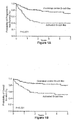
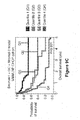
- the remaining fourth gene expression signature was not associated with survival in the R-CHOP cohort (see MHC class II signature panel in Figure 1C ).
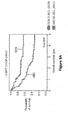
- tumors with extremely low "outlier" expression of this signature were associated with inferior survival in both CHOP cohorts (see Figures 8A and 8B ), but not in the R-CHOP cohort (see Figure 8C ).
- future clinical trials in DLBCL should incorporate quantitative methods to discern these biological differences so that patient cohorts in different trials can be compared and treatment responses can be related to defined tumor phenotypes.
- This example demonstrates the development of GCB, stromal-1, and stromal-2 survival signatures and a related multivariate model of survival for R-CHOP-treated DLBCL.
- LLMPP CHOP CHOP cohort data 936 genes were identified as associated with poor prognosis p ⁇ 0.01 (1-sided). For genes having multiple array probe sets associated with survival, only the probe set with the strongest association with survival was used. The expression values of the probe sets in the LLMPP CHOP cohort data were then clustered. The largest cluster with an average correlation of >0.6 and containing myc was identified as the proliferation survival signature. 1396 genes were identified as associated with favorable outcome. The largest cluster with average correlation of >0.6 and containing BCL6 was identified as the germinal center B cell (GCB) survival signature.
- GCB germinal center B cell
- a cluster with average correlation of >0.6 and containing FNl was identified as the stromal-1 survival signature, whereas another cluster with average correlation of >0.6 containing HLADRA was identified as the MHC class II survival signature.
- the expression levels of genes within each signature were then averaged to create a "signature average" for each biopsy specimen. For the MMMLNP CHOP data set, the average was calculated for those array elements represented on the Affymetrix U133A microarray.
- the CHOP training set was used to discover and refine signatures that added to the prognostic significance of this bivariate model, and the resulting multivariate models were tested in the R-CHOP cohort.
- 563 genes were identified as adding to the model in the direction of adverse prognosis. These genes were clustered by hierarchical clustering, and three clusters of more than 10 genes with an average correlation of >0.6 were identified.
- 542 genes were identified which added to the stromal-1 and GCB signature model in the direction of favorable prognosis. These genes were clustered, and two clusters of more than 10 genes with an average correlation of >0.6 were identified.
- Signature averages were determined for these clusters, and three variable models containing the stromal-1 and GCB signature and each of the cluster averages were formed on the MMMLNP CHOP and R-CHOP data sets. Of the five cluster averages, two were found to add statistical significance (p ⁇ 0.02) in the MMMLNP CHOP data as compared to a model containing the stromal-1 and GCB signatures alone. By contrast, in the R-CHOP data, three of the five cluster averages were found to add significance (p ⁇ 0.02) to the bivariate model. One of these cluster averages added significantly to the bivariate model in both the MMMLNP CHOP and R-CHOP data. This signature, designated Signature 122, was also found to add to the stromal-1 and GCB signature far more significantly than any of the four other signatures on the LLMPP CHOP data and, thus, was retained for further analysis.
- This Signature 122 positively correlated with the stromal-1 signature, although it was associated with adverse survival when added to the bivariate model.
- we identified genes that were more correlated with Signature 122 than with the stromal-1 signature (p ⁇ 0.02). These genes were organized by hierarchical clustering, and three sets of correlated genes (r>0.6) were observed. One of these clusters, the stromal-2 signature, added to the significance of the bivariate model in both the MMMLNP CHOP cohort (p 0.002) and the R-CHOP cohort (p ⁇ 0.001) ( Figures 2B and 9D).
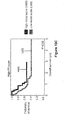
- a multivariate survival model was formed by fitting a Cox model with the GCB, stromal-1, and stomal-2 signatures to the LLMPP CHOP cohort data shown in Table 3. This final multivariate model with its associated scaling coefficients was then evaluated on the MMLLMPP CHOP and R-CHOP cohort data sets. Survival predictor scores from the final model were used to divide the R-CHOP cohort into quartile groups with 3-year overall survival rates of 89%, 82%, 74%, and 48%, and 3-year progression-free survival rates of 84%, 69%, 61% and 33% ( Figure 2B ). The survival predictor scores from the final model are illustrated in Figure 3 along with the three component signatures and representative genes of each signature.
- IPI International Prognostic Index
- the inventive gene expression-based survival model retained its prognostic significance among R-CHOP-treated patients segregated according to IPI into high, intermediate and low IPI risk groups, both as originally defined (Shipp et al., supra) (p ⁇ 0.001) ( Figure 2C ) and as recently modified for R-CHOP-treated DLBCL (Sehn et al., supra) (p ⁇ 0.001) ( Figure 10 ).
- the gene expression-based multivariate model can be used to identify large disparities in survival among patients with different DLBCL gene signature profiles.
- survival predictor scores were used to divide patients into least and most favorable quartile groups having 3-year progression-free survival rates of 33% and 84%, respectively.
- the gene expression-based survival predictor provides a complementary view of DLBCL variation that can be considered when analyzing data from DLBCL clinical trials.
- whole-genome gene expression profiles in conjunction with the survival model described herein can be used to provide optimal predictions of expected survival outcomes for subjects suffering from DLBCL.
- This example demonstrates the use of a survival predictor score to predict the probability of progression free and overall survival outcomes at a period of time t following R-CHOP treatment in accordance with the invention.
- RNA is isolated from a patient's DLBCL biopsy and hybridized to a U133+ array from Affymetrix (Santa Clara, CA). The array is scanned, and MAS 5.0 algorithm is applied to obtain signal values normalized to a target intensity of 500. Signal values are log2 transformed to intensity values. For genes of interest with multiple probe sets, the intensity value of the multiple probe sets are averaged to obtain a single intensity value for each gene. The single intensity values of genes in the GCB signature are averaged to obtain a GCB signature average of 9.2. The single intensity values of genes in the stromal-1 signature are averaged to obtain a stromal-1 signature average of 8.5. The single intensity values of genes in the stromal-2 signature are averaged to obtain a stromal-2 signature average of 7.2.
- Table 4 includes values from a progression free survival curve generated using baseline hazard functions calculated from the R-CHOP patient data described in Table 3. The curve was generated in accordance with the methods of Kalbées and Prentice, Biometrika, 60: 267-279 (1973 ), which involves maximizing the full likelihood, under the assumption that the true scaling coefficients were equal to prior estimates.
- F 0 (t) is the probability of progression free survival for each indicated time period following R-CHOP treatment (t-RCHOP).
- the largest time value smaller than 2 is 1.919, and the corresponding PF 0 (t) value is 0.705.
- Table 5 includes values from an overall survival curve generated using baseline hazard functions calculated from the R-CHOP patient data described in Table 3. The curve was made according to the method of Kalbées and Prentice, Biometrika, 60: 267-279 (1973 ), which involves maximizing the full likelihood, under the assumption that the true scaling coefficients were equal to our estimates.
- OS 0 (t) is the probability of overall survival for each indicated time period following R-CHOP treatment (t-RCHOP).
- OS 0 (t) is the value that corresponds to the largest time value in the overall survival curve which is smaller than 2 years.
- the largest time value smaller than 2 is 1.889
- the corresponding OS 0 (t) value is 0.791.
- This example demonstrates the biological basis for DLBCL prognostic signatures.
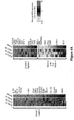
- Example 2 To assess whether the gene expression signatures in the final survival model of Example 2 were derived from the malignant lymphoma cells or from the host microenvironment, three DLBCL biopsy samples were fractionated into CD19+ malignant cells and CD19- non-malignant cells by flow sorting. Most germinal center B cell signature genes were more highly expressed in the malignant fraction, whereas genes from the stromal-1 and stromal-2 signatures were more highly expressed in the non-malignant stromal fraction ( Figure 4A ), hence their name. Since these two signatures were synergistic in predicting survival, they were combined into a "stromal score" ( Figure 3 ), high values of which were associated with adverse outcome.
- the germinal center B cell signature relates to the distinction between the ABC and GCB DLBCL subtypes ( Figure 3 ).
- the genes defining the stromal-1 signature encodes components of the extracellular matrix, including fibronectin, osteonectin, various collagen and laminin isoforms, and the anti-angiogenic factor thrombospondin ( Figure 3 and Table 1).
- This signature also encodes modifiers of collagen synthesis (LOXL1, SERPINH1 ), proteins that remodel the extracellular matrix ( MMP2, MMP9, MMP14, PLAU, TIMP2), and CTGF, a secreted protein that can initiate fibrotic responses ( Frazier et al., J. Invest. Dermatol., 107(3): 404-11 (1996 )).
- the stromal-1 signature includes genes characteristically expressed in cells of the monocytic lineage, such as CEBPA and CSF2RA.
- the stromal-1 signature is significantly related to several previously curated gene expression signatures ( Shaffer et al., Immunol. Rev., 210: 67-85 (2006 )) based on gene set enrichment analysis ( Subramanian et al., Proc. Nat'l. Acad. Sci. USA, 102(43): 15545-50 (2005 )).
- Two of these signatures include genes that are coordinately expressed in normal mesenchymal tissues but not in hematopoietic subsets, many of which encode extracellular matrix proteins (false discovery rate (FDR) ⁇ 0.001) ( Figures 4B and 11 ) ( Su et al., Proc. Nat'l. Acad. Sci.
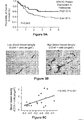
- the stromal-1 signature gene product fibronectin was prominently localized by immunohistochemistry to fibrous strands running between the malignant cells in DLBCL biopsy samples, in keeping with its role in extracellular matrix formation.
- the protein products of three other stromal-1 genes - MMP9, SPARC, and CTGF - were localized primarily in histiocytic cells that infiltrated the DLBCL biopsies.
- SPARC and CTGF colocalized with CD68, which is a marker for cells in the monocytic lineage.
- SPARC protein levels were associated with favorable overall survival ( Figure 5A ).
- the stromal-1 signature includes genes that are coordinately expressed in many normal mesenchymal tissues, most of which encode proteins that form or modify the extracellular matrix.
- the localization of fibronectin to fibrous strands insinuated between the malignant lymphoma cells suggests that the stromal-1 signature reflects the fibrotic nature of many DLBCL tumors.
- This fibrotic reaction may be related to another stromal-1 signature component, CTGF, which participates in many fibrotic responses and diseases, and promotes tumor growth and metastasis of epithelial cancers ( Shi-Wen et al., Cytokine Growth Factor Rev., 19: 133-44 (2008 )).
- the stromal-1 signature reflects a monocyte-rich host reaction to the lymphoma that is associated with the abundant deposition of extracellular matrix.
- Tumors with high expression of the stromal-1 signature were infiltrated by cells of the myeloid lineage, which include cells that have been implicated in the pathogenesis of epithelial cancers, including tumor-associated macrophages, myeloid-derived suppressor cells, and Tie2-expressing monocytes (reviewed in Wels et al., Genes Dev., 22: 559-74 (2008 )).
- these myeloid lineage cells promote tumor cell invasion by secreting matrix metalloproteinases such as MMP9, suppress T cell immune responses, and initiate angiogenesis.
- stromal-2 signature genes encode well-known markers of endothelial cells. These include von-Willebrand factor ( VWF ) and CD31 ( PECAM1 ), as well as other genes specifically expressed in endothelium such as EGFL7, MMRN2, GPR116, and SPARCL (Table 1).
- VWF von-Willebrand factor
- PECAM1 CD31
- other genes specifically expressed in endothelium such as EGFL7, MMRN2, GPR116, and SPARCL (Table 1).
- This signature also includes genes encoding key regulators of angiogenesis, such as, for example, KDR (VEGF receptor-2); Grb10, which mediates KDR signaling; integrin alpha 9, which enhances VEGF signaling; TEK, the receptor tyrosine kinase for the cytokine angiopoietin; ROBO4, an endothelial-specific molecular guidance molecule that regulates angiogenesis; and ERG, a transcription factor required for endothelial tube formation.
- KDR VEGF receptor-2
- Grb10 which mediates KDR signaling
- integrin alpha 9 which enhances VEGF signaling
- TEK the receptor tyrosine kinase for the cytokine angiopoietin
- ROBO4 an endothelial-specific molecular guidance molecule that regulates angiogenesis
- ERG a transcription factor required for endothelial tube formation.
- stromal-2 signature includes a large number of genes expressed in endothelial cells, other genes are expressed exclusively in adipocytes, including ADIPOQ, FABP4, RBP4, and PLIN.
- the stromal-1 and stromal-2 gene expression signatures reflect the character of the non-malignant cells in DLBCL tumors, and the stromal-2 signature may represent an "angiogenic switch" in which the progression of a hyperplastic lesion to a fully malignant tumor is accompanied by new blood vessel formation ( Hanahan et al., Cell, 86: 353-64 (1996 )). DLBCL tumors with high relative expression of the stomal-2 signature were associated with increased tumor blood vessel density and adverse survival.
- CXCL12 SDF-1
- stromal-2 signature component is a chemokine secreted either by fibroblasts or endothelial cells that can promote angiogenesis by recruiting CXCR4+ endothelial precursor cells from the bone marrow ( Orimo et al., Cell, 121: 335-48 (2005 )).
- an antagonist of angiogenesis is a stromal-1 signature component, which may explain why tumors with low relative expression of this signature had an elevated blood vessel density.
- thrombospondin-2 Kazerounian et al., Cell Mol. Life Sci., 65: 700-12 (2008 )
- a stromal-1 signature component which may explain why tumors with low relative expression of this signature had an elevated blood vessel density.
- the expression of adipocyte-associated genes in DLBCL tumors with high stromal-2 signature expression may play a role in angiogenesis since some cells in adipose tissue may have the potential to differentiate into endothelial cells ( Planat-Benard et al., Circulation, 109: 656-63 (2004 )).
- adipose-associated genes may reflect the recruitment of bone marrow-derived mesenchymal stem cells, which home efficiently to tumors ( Karnoub et al., Nature, 449: 557-63 (2007 )) and can stabilize newly formed blood vessels ( Au et al., Blood, 111:. 4551-4558 (2008 )).
- the stromal-1 and stromal-2 gene signatures can be used to generate a stromal score that correlates with increased blood vessel density.
- the stromal score can be used to determine if a DLBCL patient is likely to benefit from administration of antiangiogenic therapy (alone, or in conjunction with another DLBCL therapeutic regimen).
Landscapes
- Health & Medical Sciences (AREA)
- Life Sciences & Earth Sciences (AREA)
- Chemical & Material Sciences (AREA)
- Engineering & Computer Science (AREA)
- Immunology (AREA)
- Molecular Biology (AREA)
- Organic Chemistry (AREA)
- Pathology (AREA)
- Analytical Chemistry (AREA)
- General Health & Medical Sciences (AREA)
- Hematology (AREA)
- Urology & Nephrology (AREA)
- Biomedical Technology (AREA)
- Proteomics, Peptides & Aminoacids (AREA)
- Microbiology (AREA)
- Physics & Mathematics (AREA)
- Biotechnology (AREA)
- Biochemistry (AREA)
- Medicinal Chemistry (AREA)
- Genetics & Genomics (AREA)
- Wood Science & Technology (AREA)
- Zoology (AREA)
- Cell Biology (AREA)
- Food Science & Technology (AREA)
- General Physics & Mathematics (AREA)
- Biophysics (AREA)
- Bioinformatics & Cheminformatics (AREA)
- General Engineering & Computer Science (AREA)
- Hospice & Palliative Care (AREA)
- Oncology (AREA)
- Nuclear Medicine, Radiotherapy & Molecular Imaging (AREA)
- Pharmacology & Pharmacy (AREA)
- Public Health (AREA)
- Animal Behavior & Ethology (AREA)
- Veterinary Medicine (AREA)
- General Chemical & Material Sciences (AREA)
- Chemical Kinetics & Catalysis (AREA)
- Measuring Or Testing Involving Enzymes Or Micro-Organisms (AREA)
- Medicines Containing Material From Animals Or Micro-Organisms (AREA)
Claims (14)
- Procédé pour prédire un résultat de survie à partir d'un ou de plusieurs échantillons de lymphome diffus à grandes cellules B (LDGCB), lequel procédé comprend les étapes consistant à :a) isoler des produits d'expression génique à partir d'un ou de plusieurs échantillons de LDGCB obtenus par biopsie chez un sujet traité par un schéma thérapeutique qui inclut de la chimiothérapie et du Rituximab (R-CHOP) ;b) obtenir un profil d'expression génique à partir des produits d'expression génique, le profil d'expression comprenant un niveau d'expression pour chaque gène parmi au moins 31 des gènes énumérés dans le Tableau 1 pour la signature d'expression génique de type cellules B du centre germinatif (GCB) et au moins 226 des gènes énumérés dans le Tableau 1 pour la signature d'expression génique de type stromale-1 ;c) déterminer une valeur de signature GCB et une valeur de signature stromale-1 à partir du profil d'expression génique, où la valeur de signature GCB est une moyenne des niveaux d'expression desdits au moins 31 gènes énumérés dans le Tableau 1 pour la signature d'expression génique GCB et la valeur de signature stromale-1 est une moyenne des niveaux d'expression desdits au moins 226 gènes énumérés dans le Tableau 1 pour la signature d'expression génique stromale-1 ;d) calculer un score prédictif de survie = A - [(x)*(la valeur de signature GCB)] - [(y)*(la valeur de signature stromale-1)], où A est un terme de décalage, (x) est un facteur d'échelle compris entre 0,200 et 0,625, et (y) est un facteur d'échelle compris entre 0,800 et 1,250, ete) déterminer le résultat de survie pour le sujet sur la base du score prédictif de survie calculé à l'étape d) pour n'importe quelle valeur identique fixe de A et pour n'importe quelles valeurs identiques fixes de (x) et (y), un score prédictif de survie inférieur indiquant un résultat de survie plus favorable et un score prédictif de survie supérieur indiquant un résultat de survie moins favorable pour le sujet.
- Procédé de la revendication 1, lequel procédé comprend les étapes consistant à :b) obtenir un profil d'expression génique à partir des produits d'expression génique, le profil d'expression comprenant un niveau d'expression pour chaque gène parmi au moins 31 des gènes énumérés dans le Tableau 1 pour la signature d'expression génique GCB, au moins 226 des gènes énumérés dans le Tableau 1 pour la signature d'expression génique stromale-1, et au moins 58 des gènes énumérés dans le Tableau 1 pour la signature d'expression génique de type stromale-2 ;c) déterminer une valeur de signature GCB, une valeur de signature stromale-1, et une valeur de signature génique stromale-2 à partir du profil d'expression génique, où la valeur de signature GCB est une moyenne des niveaux d'expression desdits au moins 31 gènes énumérés dans le Tableau 1 pour la signature d'expression génique GCB et la valeur de signature stromale-1 est une moyenne des niveaux d'expression desdits au moins 226 gènes énumérés dans le Tableau 1 pour la signature d'expression génique stromale-1 et la valeur de signature stromale-2 est une moyenne des niveaux d'expression desdits au moins 58 gènes énumérés dans le Tableau 1 pour la signature d'expression génique stromale-2 ; etd) calculer un score prédictif de survie = A - [(x)*(la valeur de signature GCB)] - [(y)*(la valeur de signature stromale-1)] + [(z)*(la valeur de signature stromale-2)], où A est un terme de décalage, (x) est un facteur d'échelle compris entre 0,200 et 0,625, (y) est un facteur d'échelle compris entre 0,800 et 1,250, et (z) est un facteur d'échelle compris entre 0,450 et 0, 900, ete) déterminer le résultat de survie pour le sujet sur la base du score prédictif de survie calculé à l'étape d) pour n'importe quelle valeur identique fixe de A et pour n'importe quelles valeurs identiques fixes de (x), (y), et (z), un score prédictif de survie inférieur indiquant un résultat de survie plus favorable et un score prédictif de survie supérieur indiquant un résultat de survie moins favorable pour le sujet.
- Procédé selon la revendication 2, lequel procédé comprend l'étape consistant à :d) calculer un score prédictif de survie à l'aide de l'équation :

- Procédé pour prédire un résultat de survie à partir d'un ou de plusieurs échantillons de lymphome diffus à grandes cellules B (LDGCB), lequel procédé comprend les étapes consistant à :a) isoler des produits d'expression génique à partir d'un ou de plusieurs échantillons de LDGCB obtenus par biopsie chez un sujet traité par un schéma thérapeutique qui inclut de la chimiothérapie et du Rituximab (R-CHOP) ;b) obtenir un profil d'expression génique à partir des produits d'expression génique, le profil d'expression génique comprenant un niveau d'expression pour chaque gène parmi au moins 31 des gènes énumérés dans le Tableau 1 pour la signature d'expression génique de type cellules B du centre germinatif (GCB), au moins 226 des gènes énumérés dans le Tableau 1 pour la signature d'expression génique de type stromale-1, et au moins 58 des gènes énumérés dans le Tableau 1 pour la signature d'expression génique de type stromale-2 ;c) déterminer une valeur de signature GCB, une valeur de signature stromale-1, et une valeur de signature stromale-2 à partir du profil d'expression génique, où la valeur de signature GCB est une moyenne des niveaux d'expression desdits au moins 31 gènes énumérés dans le Tableau 1 pour la signature d'expression génique GCB et la valeur de signature stromale-1 est une moyenne des niveaux d'expression desdits au moins 226 gènes énumérés dans le Tableau 1 pour la signature d'expression génique stromale-1 et la valeur de signature stromale-2 est une moyenne des niveaux d'expression desdits au moins 58 gènes énumérés dans le Tableau 1 pour la signature d'expression génique stromale-2 ;d) calculer un score prédictif de survie à l'aide de l'équation :
 e) calculer la probabilité d'un résultat de survie pour le sujet au-delà d'un laps de temps t suivant un traitement pour un LDGCB, où la probabilité du résultat de survie P(S) du sujet est calculée à l'aide de l'équation : P(S) = S0(t)(exp((s)*score prédictif de survie)), où S0(t) est la probabilité du résultat de survie, qui correspond à la valeur de temps la plus grande inférieure à t sur une courbe de résultat de survie, et où (s) est un facteur d'échelle compris entre 0,970 et 0,980.
 - Procédé de la revendication 4, dans lequel le résultat de survie est la survie globale et le procédé comprend les étapes consistant à :d) calculer un score prédictif de survie à l'aide de l'équation :

ete) calculer la probabilité de survie globale après le temps t pour le sujet, où la probabilité de survie globale P(SG) du sujet est calculée à l'aide de l'équation : P(SG) = SG0(t)(exp(score prédictif de survie)) où SG0(t) est la probabilité de survie globale, qui correspond à la valeur de temps la plus grande inférieure à t sur une courbe de survie globale. - Procédé de la revendication 4, dans lequel le résultat de survie est la survie sans progression et le procédé comprend les étapes consistant à :d) calculer un score prédictif de survie à l'aide de l'équation :
 e) calculer la probabilité de survie sans progression après le temps t pour le sujet, où la probabilité de survie sans progression P(SSP) du sujet est calculée à l'aide de l'équation P(SSP) = F0(t)(exp(0,976*score prédictif de survie)), où F0(t) est la probabilité de survie sans progression, qui correspond au temps le plus grand inférieur à t sur une courbe de survie, et où le facteur d'échelle (s) = 0,976.
 - Procédé de l'une quelconque des revendications 4 à 6, dans lequel la probabilité d'un résultat de survie est la probabilité d'un résultat de survie pour le sujet au-delà d'un laps de temps t suivant un traitement pour un LDGCB qui inclut de la chimiothérapie et l'administration de Rituximab.
- Procédé de l'une quelconque des revendications 4 à 7, lequel procédé comprend l'étape consistant à fournir au sujet la probabilité calculée du résultat de survie après le temps t.
- Puce ciblée comprenant au moins une sonde ou au moins un jeu de sondes pour chaque gène dans (a) une signature d'expression génique de type cellules B de centre germinatif (GCB) comprenant au moins 31 des gènes de signature GCB énumérés dans le Tableau 1, (b) une signature d'expression génique de type stromale-1 comprenant au moins 226 des gènes de signature stromale-1 énumérés dans le Tableau 1, et (c) une signature d'expression génique de type stromale-2 comprenant au moins 58 des gènes de signature stromale-2 énumérés dans le Tableau 1, où la puce comprend des sondes pour moins de 10 000 gènes.
- Puce ciblée de la revendication 9, dans laquelle la signature d'expression GCB comprend au moins 37 des gènes de signature GCB énumérés dans le Tableau 1, dans laquelle la signature d'expression génique stromale-1 comprend au moins 270 des gènes de signature stromale-1 énumérés dans le Tableau 1, et dans laquelle la signature d'expression génique stromale-2 comprend au moins 68 des gènes de signature stromale-2 énumérés dans le Tableau 1.
- Procédé de la revendication 1, dans lequel la valeur de signature GCB est une moyenne des niveaux d'expression d'au moins 37 gènes énumérés dans le Tableau 1 pour la signature GCB et la valeur de signature stromale-1 est une moyenne des niveaux d'expression d'au moins 270 gènes énumérés dans le Tableau 1 pour la signature stromale-1.
- Procédé de la revendication 1, dans lequel la valeur de signature GCB est une moyenne des niveaux d'expression de la totalité des gènes énumérés dans le Tableau 1 pour la signature GCB et la valeur de signature stromale-1 est une moyenne des niveaux d'expression de la totalité des gènes énumérés dans le Tableau 1 pour la signature stromale-1.
- Procédé de l'une quelconque des revendications 2 à 8, dans lequel la valeur de signature GCB est une moyenne des niveaux d'expression d'au moins 37 gènes énumérés dans le Tableau 1 pour la signature GCB, la valeur de signature stromale-1 est une moyenne des niveaux d'expression d'au moins 270 gènes énumérés dans le Tableau 1 pour la signature stromale-1, et la valeur de signature stromale-2 est une moyenne des niveaux d'expression d'au moins 68 gènes énumérés dans le Tableau 1 pour la signature stromale-2.
- Procédé de l'une quelconque des revendications 2 à 8, dans lequel la valeur de signature GCB est une moyenne des niveaux d'expression de la totalité des gènes énumérés dans le Tableau 1 pour la signature GCB, la valeur de signature stromale-1 est une moyenne des niveaux d'expression de la totalité des gènes énumérés dans le Tableau 1 pour la signature stromale-1, et la valeur de signature stromale-2 est une moyenne des niveaux d'expression de la totalité des gènes énumérés dans le Tableau 1 pour la signature stromale-2.
Applications Claiming Priority (2)
| Application Number | Priority Date | Filing Date | Title |
|---|---|---|---|
| US5967808P | 2008-06-06 | 2008-06-06 | |
| PCT/US2009/046421 WO2009149359A2 (fr) | 2008-06-06 | 2009-06-05 | Indice de survie pour un lymphome à grandes cellules b diffus |
Related Child Applications (1)
| Application Number | Title | Priority Date | Filing Date |
|---|---|---|---|
| EP15180558 Division-Into | 2015-08-11 |
Publications (3)
| Publication Number | Publication Date |
|---|---|
| EP2294420A2 EP2294420A2 (fr) | 2011-03-16 |
| EP2294420B1 true EP2294420B1 (fr) | 2015-08-12 |
| EP2294420B8 EP2294420B8 (fr) | 2015-10-21 |
Family
ID=41165407
Family Applications (1)
| Application Number | Title | Priority Date | Filing Date |
|---|---|---|---|
| EP09759517.7A Active EP2294420B8 (fr) | 2008-06-06 | 2009-06-05 | Indice de survie pour un lymphome diffus à grandes cellules B |
Country Status (5)
| Country | Link |
|---|---|
| US (3) | US20110195064A1 (fr) |
| EP (1) | EP2294420B8 (fr) |
| CA (1) | CA2726811C (fr) |
| ES (1) | ES2552937T3 (fr) |
| WO (1) | WO2009149359A2 (fr) |
Families Citing this family (10)
| Publication number | Priority date | Publication date | Assignee | Title |
|---|---|---|---|---|
| US10260097B2 (en) * | 2011-06-02 | 2019-04-16 | Almac Diagnostics Limited | Method of using a gene expression profile to determine cancer responsiveness to an anti-angiogenic agent |
| WO2014055556A2 (fr) * | 2012-10-01 | 2014-04-10 | Health Diagnostic Laboratory, Inc. | Système et procédé permettant de générer automatiquement un graphique historique de tendance de l'état de santé d'un patient |
| SG11201504023SA (en) | 2012-12-03 | 2015-06-29 | Almac Diagnostics Ltd | Molecular diagnostic test for cancer |
| ES2923942T3 (es) * | 2013-11-06 | 2022-10-03 | Us Health | Procedimiento para el subtipado de tipos de linfoma por medio de perfiles de expresión |
| ES2813899T3 (es) | 2013-11-19 | 2021-03-25 | Univ Brandeis | Ensayo de detección de diana multiplex |
| GB201409479D0 (en) | 2014-05-28 | 2014-07-09 | Almac Diagnostics Ltd | Molecular diagnostic test for cancer |
| US9646258B2 (en) * | 2015-09-24 | 2017-05-09 | Sas Institute Inc. | Techniques to provide real-time processing enhancements and modeling for data anomaly detection pertaining to medical events using decision trees |
| JP7075896B2 (ja) | 2016-04-20 | 2022-05-26 | アメリカ合衆国 | マントル細胞リンパ腫の評価及びそれに関連する方法 |
| EP3674416A4 (fr) * | 2017-09-29 | 2021-05-26 | Kyushu University, National University Corporation | Procédé et kit de prédiction de l'efficacité thérapeutique d'une chimiothérapie pour des patients atteints d'un lymphome diffus à grandes cellules b |
| CN114045339B (zh) * | 2021-11-05 | 2022-06-28 | 山东第一医科大学附属省立医院(山东省立医院) | 铁死亡相关基因在弥漫大b细胞淋巴瘤预后评估中的应用 |
Family Cites Families (42)
| Publication number | Priority date | Publication date | Assignee | Title |
|---|---|---|---|---|
| US5800992A (en) | 1989-06-07 | 1998-09-01 | Fodor; Stephen P.A. | Method of detecting nucleic acids |
| US5242974A (en) | 1991-11-22 | 1993-09-07 | Affymax Technologies N.V. | Polymer reversal on solid surfaces |
| US5143854A (en) * | 1989-06-07 | 1992-09-01 | Affymax Technologies N.V. | Large scale photolithographic solid phase synthesis of polypeptides and receptor binding screening thereof |
| US5527681A (en) | 1989-06-07 | 1996-06-18 | Affymax Technologies N.V. | Immobilized molecular synthesis of systematically substituted compounds |
| US5424186A (en) | 1989-06-07 | 1995-06-13 | Affymax Technologies N.V. | Very large scale immobilized polymer synthesis |
| US6040138A (en) | 1995-09-15 | 2000-03-21 | Affymetrix, Inc. | Expression monitoring by hybridization to high density oligonucleotide arrays |
| US5744101A (en) * | 1989-06-07 | 1998-04-28 | Affymax Technologies N.V. | Photolabile nucleoside protecting groups |
| US5252743A (en) | 1989-11-13 | 1993-10-12 | Affymax Technologies N.V. | Spatially-addressable immobilization of anti-ligands on surfaces |
| EP0834575B1 (fr) | 1990-12-06 | 2001-11-28 | Affymetrix, Inc. (a Delaware Corporation) | Identification d'acides nucléiques dans des échantillons |
| US5770358A (en) | 1991-09-18 | 1998-06-23 | Affymax Technologies N.V. | Tagged synthetic oligomer libraries |
| US5550215A (en) | 1991-11-22 | 1996-08-27 | Holmes; Christopher P. | Polymer reversal on solid surfaces |
| US5384261A (en) | 1991-11-22 | 1995-01-24 | Affymax Technologies N.V. | Very large scale immobilized polymer synthesis using mechanically directed flow paths |
| US5324633A (en) | 1991-11-22 | 1994-06-28 | Affymax Technologies N.V. | Method and apparatus for measuring binding affinity |
| CA2124087C (fr) | 1991-11-22 | 2002-10-01 | James L. Winkler | Techniques combinees pour la synthese de polymeres |
| US5491074A (en) | 1993-04-01 | 1996-02-13 | Affymax Technologies Nv | Association peptides |
| US5858659A (en) | 1995-11-29 | 1999-01-12 | Affymetrix, Inc. | Polymorphism detection |
| US5837832A (en) | 1993-06-25 | 1998-11-17 | Affymetrix, Inc. | Arrays of nucleic acid probes on biological chips |
| US5631734A (en) | 1994-02-10 | 1997-05-20 | Affymetrix, Inc. | Method and apparatus for detection of fluorescently labeled materials |
| US6090555A (en) | 1997-12-11 | 2000-07-18 | Affymetrix, Inc. | Scanned image alignment systems and methods |
| US5578832A (en) | 1994-09-02 | 1996-11-26 | Affymetrix, Inc. | Method and apparatus for imaging a sample on a device |
| EP0758403B1 (fr) | 1994-05-05 | 1998-06-24 | Beckman Instruments, Inc. | Groupements repetes d'oligonucleotides |
| US5571639A (en) | 1994-05-24 | 1996-11-05 | Affymax Technologies N.V. | Computer-aided engineering system for design of sequence arrays and lithographic masks |
| US5795716A (en) | 1994-10-21 | 1998-08-18 | Chee; Mark S. | Computer-aided visualization and analysis system for sequence evaluation |
| US5599695A (en) | 1995-02-27 | 1997-02-04 | Affymetrix, Inc. | Printing molecular library arrays using deprotection agents solely in the vapor phase |
| US5624711A (en) | 1995-04-27 | 1997-04-29 | Affymax Technologies, N.V. | Derivatization of solid supports and methods for oligomer synthesis |
| US5856174A (en) | 1995-06-29 | 1999-01-05 | Affymetrix, Inc. | Integrated nucleic acid diagnostic device |
| US5968740A (en) | 1995-07-24 | 1999-10-19 | Affymetrix, Inc. | Method of Identifying a Base in a Nucleic Acid |
| EP0902885A4 (fr) | 1996-05-16 | 2006-09-27 | Affymetrix Inc | Systemes et procedes de detection de produits marques |
| DE69829402T2 (de) | 1997-10-31 | 2006-04-13 | Affymetrix, Inc. (a Delaware Corp.), Santa Clara | Expressionsprofile in adulten und fötalen organen |
| US5936324A (en) | 1998-03-30 | 1999-08-10 | Genetic Microsystems Inc. | Moving magnet scanner |
| US6020198A (en) * | 1998-09-25 | 2000-02-01 | Isis Pharmaceuticals Inc. | Antisense modulation of RIP-1 expression |
| EP1339872A2 (fr) * | 2000-09-19 | 2003-09-03 | Whitehead Institute For Biomedical Research | Marqueurs genetiques de tumeurs |
| US20030194701A1 (en) * | 2000-11-20 | 2003-10-16 | Golub Todd R. | Diffuse large cell lymphoma diagnosis and outcome prediction by expression analysis |
| AU2002324881A1 (en) | 2001-09-05 | 2003-03-18 | Wesleyan University | Diagnostic and prognostic tests |
| US7622260B2 (en) * | 2001-09-05 | 2009-11-24 | The Brigham And Women's Hospital, Inc. | Diagnostic and prognostic tests |
| EP1436283B1 (fr) | 2001-09-21 | 2008-01-23 | Boryung Pharmaceutical Co., Ltd. | Procede de fabrication de composes pyrimidinone et de sels pharmaceutiquement acceptables de ces composes |
| EP1664762A4 (fr) * | 2003-09-03 | 2008-08-13 | Us Gov Health & Human Serv | Procedes d'identification, de diagnostic et de prediction pour la survie des lymphomes |
| US8131475B2 (en) | 2003-09-03 | 2012-03-06 | The United States Of America As Represented By The Secretary, Department Of Health And Human Services | Methods for identifying, diagnosing, and predicting survival of lymphomas |
| US20080051379A1 (en) * | 2004-12-01 | 2008-02-28 | Trustees Of Boston University | Compositions and Methods for the Treatment of Peripheral B-Cell Neoplasms |
| US8445198B2 (en) * | 2005-12-01 | 2013-05-21 | Medical Prognosis Institute | Methods, kits and devices for identifying biomarkers of treatment response and use thereof to predict treatment efficacy |
| US20090280493A1 (en) * | 2006-09-08 | 2009-11-12 | Siemens Healthcare Diagnostics Inc. | Methods and Compositions for the Prediction of Response to Trastuzumab Containing Chemotherapy Regimen in Malignant Neoplasia |
| RU2495882C2 (ru) * | 2006-09-08 | 2013-10-20 | Медиммун, Ллк. | Гуманизированные антитела к cd19 и их применение для лечения онкологического, связанного с трансплантацией и аутоиммунного заболевания |
-
2009
- 2009-06-05 US US12/996,489 patent/US20110195064A1/en not_active Abandoned
- 2009-06-05 CA CA2726811A patent/CA2726811C/fr active Active
- 2009-06-05 ES ES09759517.7T patent/ES2552937T3/es active Active
- 2009-06-05 WO PCT/US2009/046421 patent/WO2009149359A2/fr not_active Ceased
- 2009-06-05 EP EP09759517.7A patent/EP2294420B8/fr active Active
-
2014
- 2014-11-13 US US14/540,302 patent/US9970059B2/en active Active
-
2018
- 2018-04-27 US US15/965,510 patent/US11028444B2/en active Active
Also Published As
| Publication number | Publication date |
|---|---|
| US9970059B2 (en) | 2018-05-15 |
| US20110195064A1 (en) | 2011-08-11 |
| WO2009149359A3 (fr) | 2010-02-25 |
| CA2726811C (fr) | 2019-11-26 |
| EP2294420B8 (fr) | 2015-10-21 |
| US11028444B2 (en) | 2021-06-08 |
| WO2009149359A8 (fr) | 2011-07-14 |
| WO2009149359A2 (fr) | 2009-12-10 |
| CA2726811A1 (fr) | 2009-12-10 |
| EP2294420A2 (fr) | 2011-03-16 |
| ES2552937T3 (es) | 2015-12-03 |
| US20150132297A1 (en) | 2015-05-14 |
| US20180245165A1 (en) | 2018-08-30 |
Similar Documents
| Publication | Publication Date | Title |
|---|---|---|
| US11028444B2 (en) | Survival predictor for diffuse large B cell lymphoma | |
| JP6670774B2 (ja) | 膀胱癌を検出するための尿マーカー | |
| Badea et al. | Combined gene expression analysis of whole-tissue and microdissected pancreatic ductal adenocarcinoma identifies genes specifically overexpressed in tumor epithelia-the authors reported a combined gene expression analysis of whole-tissue and microdissected pancreatic ductal adenocarcinoma identifies genes specifically overexpressed in tumor epithelia | |
| US10329624B2 (en) | Grading of breast cancer | |
| US8450057B2 (en) | Diagnostic tests using gene expression ratios | |
| US20120196761A1 (en) | Diagnosis of in situ and invasive breast cancer | |
| PT2138848E (pt) | Método de diagnóstico e/ou prognóstico do cancro da bexiga | |
| CA2699434A1 (fr) | Indicateur du cancer du sein derive du stroma | |
| US12195805B2 (en) | Methods for subtyping of bladder cancer | |
| US20120201750A1 (en) | Serum biomarkers for melanoma metastasis | |
| US10233502B2 (en) | Compositions for and methods of detecting, diagnosing, and prognosing thymic cancer | |
| US20090005258A1 (en) | Diagnosis of Metastases in Hnscc Tumours | |
| KR101182974B1 (ko) | 림프종 진단 또는 예후 마커로서 Pellino 1 | |
| KR102163550B1 (ko) | 방광암 검출용 소변 표지 | |
| WO2015105191A1 (fr) | Méthode d'évaluation des lésions lymphadénopathiques | |
| KR102959115B1 (ko) | 공간 전사체 분석 기반의 면역 치료 반응성 예측용 바이오마커 및 이의 용도 | |
| US20250354215A1 (en) | Method for detecting high-risk nasopharyngeal cancer | |
| CN119570928A (zh) | 用于结直肠癌诊断和预后预测的lncRNA组合 | |
| HK1213297A1 (zh) | 用於检测和测定前列腺癌预後的组合物和方法 |
Legal Events
| Date | Code | Title | Description |
|---|---|---|---|
| PUAI | Public reference made under article 153(3) epc to a published international application that has entered the european phase |
Free format text: ORIGINAL CODE: 0009012 |
|
| 17P | Request for examination filed |
Effective date: 20101206 |
|
| AK | Designated contracting states |
Kind code of ref document: A2 Designated state(s): AT BE BG CH CY CZ DE DK EE ES FI FR GB GR HR HU IE IS IT LI LT LU LV MC MK MT NL NO PL PT RO SE SI SK TR |
|
| AX | Request for extension of the european patent |
Extension state: AL BA RS |
|
| RAP1 | Party data changed (applicant data changed or rights of an application transferred) |
Owner name: UNIVERSITAT DE BARCELONA HOSPITAL CLINIC Owner name: HOSPITAL CLINIC Owner name: UNIVERSITY OF ROCHESTER Owner name: OSLO UNIVERSITY HOSPITAL HF Owner name: OREGON HEALTH&SCIENCE UNIVERSITY Owner name: ARIZONA BOARD OF REGENTS ON BEHALF OF THE UNIVERSI Owner name: QUEEN MARY AND WESTFIELD COLLEGE, UNIVERSITY OF LO Owner name: BOARD OF REGENTS OF THE UNIVERSITY OF NEBRASKA Owner name: THE UNITED STATES OF AMERICA, AS REPRESENTED BY TH Owner name: BRITISH COLUMBIA CANCER AGENCY BRANCH Owner name: JULIUS-MAXIMILIANS-UNIVERSITY OF WUERZBURG |
|
| RIN1 | Information on inventor provided before grant (corrected) |
Inventor name: RIMSZA, LISA Inventor name: JARES, PEDRO Inventor name: GASCOYNE, RANDY D. Inventor name: LENZ, GEORGE Inventor name: ROSENWALD, ANDREAS Inventor name: DELABIE, JAN Inventor name: OTT, GERMAN Inventor name: LOPEZ-GUILLERMO, ARMANDO Inventor name: KVALOY, STEIN Inventor name: WYNDHAM, WILSON H. Inventor name: WRIGHT, GEORGE Inventor name: JAFFE, ELAINE S. Inventor name: BRAZIEL, RITA M. Inventor name: MUELLER-HERMELINK, HANS-KONRAD Inventor name: FISHER, RICHARD I. Inventor name: STAUDT, LOUIS, M. Inventor name: DAVE, SANDEEP S. Inventor name: LISTER, ANDREW T. Inventor name: SMELAND, ERLEND B. Inventor name: GUERRI, ELIAS CAMPO Inventor name: HOLTE, HARALD Inventor name: CONNORS, JOSEPH M. Inventor name: WEISENBURGER, DENNIS |
|
| RIN1 | Information on inventor provided before grant (corrected) |
Inventor name: KVALOY, STEIN Inventor name: OTT, GERMAN Inventor name: ROSENWALD, ANDREAS Inventor name: WEISENBURGER, DENNIS Inventor name: LISTER, ANDREW T. Inventor name: GASCOYNE, RANDY D. Inventor name: STAUDT, LOUIS, M. Inventor name: SMELAND, ERLEND B. Inventor name: JAFFE, ELAINE S. Inventor name: BRAZIEL, RITA M. Inventor name: LOPEZ-GUILLERMO, ARMANDO Inventor name: MUELLER-HERMELINK, HANS-KONRAD Inventor name: CONNORS, JOSEPH M. Inventor name: RIMSZA, LISA Inventor name: JARES, PEDRO Inventor name: WYNDHAM, H.WILSON. Inventor name: FISHER, RICHARD I. Inventor name: HOLTE, HARALD Inventor name: WRIGHT, GEORGE Inventor name: DAVE, SANDEEP S. Inventor name: LENZ, GEORG Inventor name: GUERRI, ELIAS CAMPO Inventor name: DELABIE, JAN |
|
| DAX | Request for extension of the european patent (deleted) | ||
| RIN1 | Information on inventor provided before grant (corrected) |
Inventor name: JAFFE, ELAINE S. Inventor name: STAUDT, LOUIS, M. Inventor name: CONNORS, JOSEPH M. Inventor name: WEISENBURGER, DENNIS Inventor name: BRAZIEL, RITA M. Inventor name: JARES, PEDRO Inventor name: LISTER, ANDREW T. Inventor name: WRIGHT, GEORGE Inventor name: DAVE, SANDEEP S. Inventor name: FISHER, RICHARD I. Inventor name: RIMSZA, LISA Inventor name: LOPEZ-GUILLERMO, ARMANDO Inventor name: MUELLER-HERMELINK, HANS-KONRAD Inventor name: DELABIE, JAN Inventor name: WYNDHAM, H.WILSON. Inventor name: KVALOY, STEIN Inventor name: HOLTE, HARALD Inventor name: GUERRI, ELIAS CAMPO Inventor name: GASCOYNE, RANDY D. Inventor name: SMELAND, ERLEND B. Inventor name: LENZ, GEORG Inventor name: WING, C CHAN Inventor name: ROSENWALD, ANDREAS Inventor name: OTT, GERMAN |
|
| 17Q | First examination report despatched |
Effective date: 20120413 |
|
| RAP1 | Party data changed (applicant data changed or rights of an application transferred) |
Owner name: BOARD OF REGENTS OF THE UNIVERSITY OF NEBRASKA Owner name: THE UNITED STATES OF AMERICA, AS REPRESENTED BY TH Owner name: ARIZONA BOARD OF REGENTS ON BEHALF OF THE UNIVERSI Owner name: BRITISH COLUMBIA CANCER AGENCY BRANCH Owner name: HOSPITAL CLINIC Owner name: QUEEN MARY AND WESTFIELD COLLEGE, UNIVERSITY OF LO Owner name: JULIUS-MAXIMILIANS-UNIVERSITY OF WUERZBURG Owner name: OREGON HEALTH & SCIENCE UNIVERSITY Owner name: UNIVERSITAT DE BARCELONA HOSPITAL CLINIC Owner name: UNIVERSITY OF ROCHESTER Owner name: OSLO UNIVERSITY HOSPITAL HF |
|
| GRAP | Despatch of communication of intention to grant a patent |
Free format text: ORIGINAL CODE: EPIDOSNIGR1 |
|
| INTG | Intention to grant announced |
Effective date: 20141218 |
|
| GRAS | Grant fee paid |
Free format text: ORIGINAL CODE: EPIDOSNIGR3 |
|
| GRAA | (expected) grant |
Free format text: ORIGINAL CODE: 0009210 |
|
| AK | Designated contracting states |
Kind code of ref document: B1 Designated state(s): AT BE BG CH CY CZ DE DK EE ES FI FR GB GR HR HU IE IS IT LI LT LU LV MC MK MT NL NO PL PT RO SE SI SK TR |
|
| REG | Reference to a national code |
Ref country code: GB Ref legal event code: FG4D |
|
| REG | Reference to a national code |
Ref country code: CH Ref legal event code: EP |
|
| REG | Reference to a national code |
Ref country code: AT Ref legal event code: REF Ref document number: 742622 Country of ref document: AT Kind code of ref document: T Effective date: 20150815 |
|
| REG | Reference to a national code |
Ref country code: IE Ref legal event code: FG4D |
|
| REG | Reference to a national code |
Ref country code: DE Ref legal event code: R096 Ref document number: 602009032854 Country of ref document: DE |
|
| RAP2 | Party data changed (patent owner data changed or rights of a patent transferred) |
Owner name: BRITISH COLUMBIA CANCER AGENCY BRANCH Owner name: ARIZONA BOARD OF REGENTS ON BEHALF OF THE UNIVERSI Owner name: HOSPITAL CLINIC Owner name: QUEEN MARY AND WESTFIELD COLLEGE, UNIVERSITY OF LO Owner name: UNIVERSITY OF ROCHESTER Owner name: THE UNITED STATES OF AMERICA, AS REPRESENTED BY TH Owner name: UNIVERSITAT DE BARCELONA HOSPITAL CLINIC Owner name: JULIUS-MAXIMILIANS-UNIVERSITY OF WUERZBURG Owner name: BOARD OF REGENTS OF THE UNIVERSITY OF NEBRASKA Owner name: OSLO UNIVERSITY HOSPITAL HF Owner name: OREGON HEALTH & SCIENCE UNIVERSITY |
|
| REG | Reference to a national code |
Ref country code: ES Ref legal event code: FG2A Ref document number: 2552937 Country of ref document: ES Kind code of ref document: T3 Effective date: 20151203 |
|
| REG | Reference to a national code |
Ref country code: LT Ref legal event code: MG4D |
|
| REG | Reference to a national code |
Ref country code: AT Ref legal event code: MK05 Ref document number: 742622 Country of ref document: AT Kind code of ref document: T Effective date: 20150812 |
|
| REG | Reference to a national code |
Ref country code: NL Ref legal event code: MP Effective date: 20150812 |
|
| PG25 | Lapsed in a contracting state [announced via postgrant information from national office to epo] |
Ref country code: FI Free format text: LAPSE BECAUSE OF FAILURE TO SUBMIT A TRANSLATION OF THE DESCRIPTION OR TO PAY THE FEE WITHIN THE PRESCRIBED TIME-LIMIT Effective date: 20150812 Ref country code: LV Free format text: LAPSE BECAUSE OF FAILURE TO SUBMIT A TRANSLATION OF THE DESCRIPTION OR TO PAY THE FEE WITHIN THE PRESCRIBED TIME-LIMIT Effective date: 20150812 Ref country code: GR Free format text: LAPSE BECAUSE OF FAILURE TO SUBMIT A TRANSLATION OF THE DESCRIPTION OR TO PAY THE FEE WITHIN THE PRESCRIBED TIME-LIMIT Effective date: 20151113 Ref country code: LT Free format text: LAPSE BECAUSE OF FAILURE TO SUBMIT A TRANSLATION OF THE DESCRIPTION OR TO PAY THE FEE WITHIN THE PRESCRIBED TIME-LIMIT Effective date: 20150812 Ref country code: NO Free format text: LAPSE BECAUSE OF FAILURE TO SUBMIT A TRANSLATION OF THE DESCRIPTION OR TO PAY THE FEE WITHIN THE PRESCRIBED TIME-LIMIT Effective date: 20151112 |
|
| PG25 | Lapsed in a contracting state [announced via postgrant information from national office to epo] |
Ref country code: SE Free format text: LAPSE BECAUSE OF FAILURE TO SUBMIT A TRANSLATION OF THE DESCRIPTION OR TO PAY THE FEE WITHIN THE PRESCRIBED TIME-LIMIT Effective date: 20150812 Ref country code: PL Free format text: LAPSE BECAUSE OF FAILURE TO SUBMIT A TRANSLATION OF THE DESCRIPTION OR TO PAY THE FEE WITHIN THE PRESCRIBED TIME-LIMIT Effective date: 20150812 Ref country code: IS Free format text: LAPSE BECAUSE OF FAILURE TO SUBMIT A TRANSLATION OF THE DESCRIPTION OR TO PAY THE FEE WITHIN THE PRESCRIBED TIME-LIMIT Effective date: 20151212 Ref country code: HR Free format text: LAPSE BECAUSE OF FAILURE TO SUBMIT A TRANSLATION OF THE DESCRIPTION OR TO PAY THE FEE WITHIN THE PRESCRIBED TIME-LIMIT Effective date: 20150812 Ref country code: AT Free format text: LAPSE BECAUSE OF FAILURE TO SUBMIT A TRANSLATION OF THE DESCRIPTION OR TO PAY THE FEE WITHIN THE PRESCRIBED TIME-LIMIT Effective date: 20150812 Ref country code: PT Free format text: LAPSE BECAUSE OF FAILURE TO SUBMIT A TRANSLATION OF THE DESCRIPTION OR TO PAY THE FEE WITHIN THE PRESCRIBED TIME-LIMIT Effective date: 20151214 |
|
| PG25 | Lapsed in a contracting state [announced via postgrant information from national office to epo] |
Ref country code: NL Free format text: LAPSE BECAUSE OF FAILURE TO SUBMIT A TRANSLATION OF THE DESCRIPTION OR TO PAY THE FEE WITHIN THE PRESCRIBED TIME-LIMIT Effective date: 20150812 |
|
| PG25 | Lapsed in a contracting state [announced via postgrant information from national office to epo] |
Ref country code: EE Free format text: LAPSE BECAUSE OF FAILURE TO SUBMIT A TRANSLATION OF THE DESCRIPTION OR TO PAY THE FEE WITHIN THE PRESCRIBED TIME-LIMIT Effective date: 20150812 Ref country code: SK Free format text: LAPSE BECAUSE OF FAILURE TO SUBMIT A TRANSLATION OF THE DESCRIPTION OR TO PAY THE FEE WITHIN THE PRESCRIBED TIME-LIMIT Effective date: 20150812 Ref country code: DK Free format text: LAPSE BECAUSE OF FAILURE TO SUBMIT A TRANSLATION OF THE DESCRIPTION OR TO PAY THE FEE WITHIN THE PRESCRIBED TIME-LIMIT Effective date: 20150812 Ref country code: CZ Free format text: LAPSE BECAUSE OF FAILURE TO SUBMIT A TRANSLATION OF THE DESCRIPTION OR TO PAY THE FEE WITHIN THE PRESCRIBED TIME-LIMIT Effective date: 20150812 |
|
| REG | Reference to a national code |
Ref country code: DE Ref legal event code: R097 Ref document number: 602009032854 Country of ref document: DE |
|
| PG25 | Lapsed in a contracting state [announced via postgrant information from national office to epo] |
Ref country code: RO Free format text: LAPSE BECAUSE OF FAILURE TO SUBMIT A TRANSLATION OF THE DESCRIPTION OR TO PAY THE FEE WITHIN THE PRESCRIBED TIME-LIMIT Effective date: 20150812 |
|
| PLBE | No opposition filed within time limit |
Free format text: ORIGINAL CODE: 0009261 |
|
| STAA | Information on the status of an ep patent application or granted ep patent |
Free format text: STATUS: NO OPPOSITION FILED WITHIN TIME LIMIT |
|
| REG | Reference to a national code |
Ref country code: FR Ref legal event code: PLFP Year of fee payment: 8 |
|
| 26N | No opposition filed |
Effective date: 20160513 |
|
| PG25 | Lapsed in a contracting state [announced via postgrant information from national office to epo] |
Ref country code: SI Free format text: LAPSE BECAUSE OF FAILURE TO SUBMIT A TRANSLATION OF THE DESCRIPTION OR TO PAY THE FEE WITHIN THE PRESCRIBED TIME-LIMIT Effective date: 20150812 |
|
| PG25 | Lapsed in a contracting state [announced via postgrant information from national office to epo] |
Ref country code: BE Free format text: LAPSE BECAUSE OF FAILURE TO SUBMIT A TRANSLATION OF THE DESCRIPTION OR TO PAY THE FEE WITHIN THE PRESCRIBED TIME-LIMIT Effective date: 20150812 |
|
| PG25 | Lapsed in a contracting state [announced via postgrant information from national office to epo] |
Ref country code: MC Free format text: LAPSE BECAUSE OF FAILURE TO SUBMIT A TRANSLATION OF THE DESCRIPTION OR TO PAY THE FEE WITHIN THE PRESCRIBED TIME-LIMIT Effective date: 20150812 |
|
| REG | Reference to a national code |
Ref country code: CH Ref legal event code: PL |
|
| REG | Reference to a national code |
Ref country code: IE Ref legal event code: MM4A |
|
| PG25 | Lapsed in a contracting state [announced via postgrant information from national office to epo] |
Ref country code: LI Free format text: LAPSE BECAUSE OF NON-PAYMENT OF DUE FEES Effective date: 20160630 Ref country code: CH Free format text: LAPSE BECAUSE OF NON-PAYMENT OF DUE FEES Effective date: 20160630 |
|
| PG25 | Lapsed in a contracting state [announced via postgrant information from national office to epo] |
Ref country code: IE Free format text: LAPSE BECAUSE OF NON-PAYMENT OF DUE FEES Effective date: 20160605 |
|
| REG | Reference to a national code |
Ref country code: FR Ref legal event code: PLFP Year of fee payment: 9 |
|
| PG25 | Lapsed in a contracting state [announced via postgrant information from national office to epo] |
Ref country code: HU Free format text: LAPSE BECAUSE OF FAILURE TO SUBMIT A TRANSLATION OF THE DESCRIPTION OR TO PAY THE FEE WITHIN THE PRESCRIBED TIME-LIMIT; INVALID AB INITIO Effective date: 20090605 Ref country code: CY Free format text: LAPSE BECAUSE OF FAILURE TO SUBMIT A TRANSLATION OF THE DESCRIPTION OR TO PAY THE FEE WITHIN THE PRESCRIBED TIME-LIMIT Effective date: 20150812 |
|
| REG | Reference to a national code |
Ref country code: FR Ref legal event code: PLFP Year of fee payment: 10 |
|
| PG25 | Lapsed in a contracting state [announced via postgrant information from national office to epo] |
Ref country code: LU Free format text: LAPSE BECAUSE OF NON-PAYMENT OF DUE FEES Effective date: 20160605 Ref country code: MT Free format text: LAPSE BECAUSE OF NON-PAYMENT OF DUE FEES Effective date: 20160630 Ref country code: MK Free format text: LAPSE BECAUSE OF FAILURE TO SUBMIT A TRANSLATION OF THE DESCRIPTION OR TO PAY THE FEE WITHIN THE PRESCRIBED TIME-LIMIT Effective date: 20150812 Ref country code: TR Free format text: LAPSE BECAUSE OF FAILURE TO SUBMIT A TRANSLATION OF THE DESCRIPTION OR TO PAY THE FEE WITHIN THE PRESCRIBED TIME-LIMIT Effective date: 20150812 |
|
| PG25 | Lapsed in a contracting state [announced via postgrant information from national office to epo] |
Ref country code: BG Free format text: LAPSE BECAUSE OF FAILURE TO SUBMIT A TRANSLATION OF THE DESCRIPTION OR TO PAY THE FEE WITHIN THE PRESCRIBED TIME-LIMIT Effective date: 20150812 |
|
| P01 | Opt-out of the competence of the unified patent court (upc) registered |
Effective date: 20230523 |
|
| PGFP | Annual fee paid to national office [announced via postgrant information from national office to epo] |
Ref country code: DE Payment date: 20250627 Year of fee payment: 17 |
|
| PGFP | Annual fee paid to national office [announced via postgrant information from national office to epo] |
Ref country code: GB Payment date: 20250617 Year of fee payment: 17 |
|
| PGFP | Annual fee paid to national office [announced via postgrant information from national office to epo] |
Ref country code: FR Payment date: 20250623 Year of fee payment: 17 |
|
| PGFP | Annual fee paid to national office [announced via postgrant information from national office to epo] |
Ref country code: ES Payment date: 20250701 Year of fee payment: 17 |
|
| PGFP | Annual fee paid to national office [announced via postgrant information from national office to epo] |
Ref country code: IT Payment date: 20250619 Year of fee payment: 17 |
|
| REG | Reference to a national code |
Ref country code: DE Ref legal event code: R079 Ref document number: 602009032854 Country of ref document: DE Free format text: PREVIOUS MAIN CLASS: G01N0033574000 Ipc: G01N0033575000 |