EP2295537A1 - Menschliche leberstammzelle, verfahren zu ihrer herstellung, verfahren zur einleitung ihrer differenzierung und verfahren zu ihrer verwendung - Google Patents
Menschliche leberstammzelle, verfahren zu ihrer herstellung, verfahren zur einleitung ihrer differenzierung und verfahren zu ihrer verwendung Download PDFInfo
- Publication number
- EP2295537A1 EP2295537A1 EP09746625A EP09746625A EP2295537A1 EP 2295537 A1 EP2295537 A1 EP 2295537A1 EP 09746625 A EP09746625 A EP 09746625A EP 09746625 A EP09746625 A EP 09746625A EP 2295537 A1 EP2295537 A1 EP 2295537A1
- Authority
- EP
- European Patent Office
- Prior art keywords
- cell
- hepatic stem
- cells
- human
- liver
- Prior art date
- Legal status (The legal status is an assumption and is not a legal conclusion. Google has not performed a legal analysis and makes no representation as to the accuracy of the status listed.)
- Withdrawn
Links
Images








Classifications
-
- C—CHEMISTRY; METALLURGY
- C12—BIOCHEMISTRY; BEER; SPIRITS; WINE; VINEGAR; MICROBIOLOGY; ENZYMOLOGY; MUTATION OR GENETIC ENGINEERING
- C12N—MICROORGANISMS OR ENZYMES; COMPOSITIONS THEREOF; PROPAGATING, PRESERVING, OR MAINTAINING MICROORGANISMS; MUTATION OR GENETIC ENGINEERING; CULTURE MEDIA
- C12N5/00—Undifferentiated human, animal or plant cells, e.g. cell lines; Tissues; Cultivation or maintenance thereof; Culture media therefor
- C12N5/06—Animal cells or tissues; Human cells or tissues
- C12N5/0602—Vertebrate cells
- C12N5/067—Hepatocytes
- C12N5/0672—Stem cells; Progenitor cells; Precursor cells; Oval cells
-
- A—HUMAN NECESSITIES
- A61—MEDICAL OR VETERINARY SCIENCE; HYGIENE
- A61P—SPECIFIC THERAPEUTIC ACTIVITY OF CHEMICAL COMPOUNDS OR MEDICINAL PREPARATIONS
- A61P1/00—Drugs for disorders of the alimentary tract or the digestive system
- A61P1/16—Drugs for disorders of the alimentary tract or the digestive system for liver or gallbladder disorders, e.g. hepatoprotective agents, cholagogues, litholytics
-
- A—HUMAN NECESSITIES
- A61—MEDICAL OR VETERINARY SCIENCE; HYGIENE
- A61P—SPECIFIC THERAPEUTIC ACTIVITY OF CHEMICAL COMPOUNDS OR MEDICINAL PREPARATIONS
- A61P31/00—Antiinfectives, i.e. antibiotics, antiseptics, chemotherapeutics
- A61P31/12—Antivirals
Definitions
- the present invention relates to a human hepatic stem cell, a method of preparing the same, a method of inducing differentiation of the same, and a method of using the same.
- Non-Patent Document No. 1 Conventionally, isolation of stem cells has been performed by centrifugation (Non-Patent Document No. 1). However, this method is prone to contamination of stem cells by non-stem cells. Thus, efficient isolation has been difficult. Under the circumstances, development of a method capable of isolating stem cells alone at higher efficiency has been pursued. According to recent reports, it is believed that isolation methods using monoclonal antibodies to cell surface antigens specific for the stem cells of individual organs are most appropriate, and such methods are frequently used for isolation of hematopoietic stem cells.
- Non-Patent Documents Nos. 2 and 3 Non-Patent Documents Nos. 2 and 3
- Miyajima et al. have reported that dlk (delta-like) and Itm2A (Integral membrane protein 2A) genes are highly expressed specifically in hepatic stem cells of mouse fetal and adult livers, and that it is possible to detect or isolate hepatic stem cells using the expression of these proteins or mRNAs as indicators (Patent Document No. 1). Further, it has been also reported that isolation of rat hepatic stem cells based on the expression of specific sugar chains is possible (Patent Document No. 2).
- p75NTR which was believed to be a marker protein for stem cells in ectodermal tissues is synthesized in all kinds of tissue, and the combination of this marker with a known marker protein improves the efficiency of isolation, identification and differentiation induction of pluripotent stem cells (Patent Document No. 3).
- a plurality of cell surface molecules expressed in human liver cell populations have been elucidated.
- a method of isolating human hepatic stem cells using the expression of such molecules as indicators a method of culturing the human hepatic stem cells and a method of using the human hepatic stem cells have been established.
- FACS fluorescence activated cell sorting
- MACS magnetic cell sorting
- CD318 + CD90 + CD66 - cells have a pluripotency to differentiate into a plurality of different cell lineages constituting the liver.
- CD318 + CD90 + CD66 - cells isolated by FACS are strongly expressing a plurality of molecular markers (AFP, Bmi-1, Dlk, CD133 and vimentin) that are expressed in hepatic stem/progenitor cells or cancer stem cells.
- molecular markers AFP, Bmi-1, Dlk, CD133 and vimentin
- the present inventors introduced the gene of BMI1 (one of the Polycomb group proteins which are known to be involved in replication competence that is characteristic of stem cells) into the isolated CD318 + CD90 + CD66 - cells and established a human hepatic stem cell clone. Examination of the thus established clone revealed that the clonal colony-forming efficiency thereof is extremely high.
- CD318 + CD90 + CD66 - cells isolated by FACS were expressing CD81 tetraspanin (reported as a candidate for hepatitis C virus (HCV) receptor), scavenger receptor BI (SR-BI) and low-density lipoprotein (LDL). It was confirmed by DNA microarray analysis that the expression level of HCV receptor CD81 in FACS-sorted hepatic stem cells was significantly raised.
- HCV hepatitis C virus
- SR-BI scavenger receptor BI
- LDL low-density lipoprotein
- lipid metabolism-associated genes and glucogenesis-associated genes comparable to that found in human hepatic tissue was confirmed in three-dimensionally cultured transformed cells obtained by introducing BMI1 gene into the isolated CD318 + CD90 + CD66 - cells.
- the expression levels of the lipid metabolism-associated genes and the glucogenesis-associated genes in the above-described three-dimensionally cultured transformed cells were confirmed to be close to their expression levels in human hepatic tissue.
- CD13 in FACS-isolated CD318 + CD90 + CD66 - cells was raised, as compared to the expression level in primary fetal liver cells.
- the present invention may be summarized as follows.
- the present invention it has become possible to isolate human hepatic stem cells more accurately because of the discovery of human hepatic stem cell markers as opposed to the conventional mouse or rat cell markers.
- the present inventors have actually confirmed that it is impossible to specifically detect human liver cells with conventional mouse hepatic stem cell markers.
- the significance of the present invention is great.
- the background level is smaller than in the methods using mRNAs or sugar chains as indicators.
- human liver cells retaining a maturing function are needed. It was confirmed that human liver cells induced to differentiate from human hepatic stem cells using the above-described technology were expressing various drug-metabolizing enzymes (CYPs) and transporters. Such human liver cells are highly valuable in performing screenings for drug development in such aspects as drug metabolism.
- CYPs drug-metabolizing enzymes
- the present invention provides a human hepatic stem cell sorted based on the presence or absence of the expression of at least one marker selected from the group consisting of CD318, CD90, CD66 and CD 13.
- CD318 is an antigen molecule expressed in hematopoietic stem cells, mesenchymal stem cells, neural stem cells, etc.
- CD90 is an antigen molecule expressed in neural tissues, connective tissues, stromal cells, etc., and expression of this antigen molecule is also recognized in hematopoietic stem cells, mesenchymal cells and hepatic progenitor cells.
- CD66 has been reported as a granulocyte-specific antigen associated with carcinoembryonic antigen found in colon cancer cells and is an immunoglobulin super family molecule.
- CD13 is one of the mesenchymal stem cell markers.
- the human hepatic stem cell of the present invention may have at least one phenotype selected from CD318 + , CD90 + , CD66- and CD13 + .
- the human hepatic stem cell of the present invention preferably has the phenotypes of CD318 + CD90 + CD66 - , and more preferably the phenotypes of CD318 + CD90 + CD66 - CD13 + .
- the human hepatic stem cell of the present invention is obtained by sorting cells of interest from a human liver cell population based on the presence or absence of the expression of at least one marker selected from the group consisting of CD318, CD90, CD66 and CD13.
- the present invention also provides a method of preparing a human tissue stem cell, which comprises sorting cells of interest based on the presence or absence of the expression of at least one marker selected from the group consisting of CD318, CD90, CD66 and CD 13.
- the human liver cell population may be a population of any human liver cells. For example, a primary liver cell culture line isolated from a human liver (e.g., human fetal liver cells, Cat No. CS-ABI-3716, Cell Systems) may be given.
- cells of interest are sorted from a human liver cell population based on the presence or absence of the expression of at least one marker selected from the group consisting of CD318, CD90, CD66 and CD13
- the resultant cells are expanded into a cell population.
- cells of interest may be sorted again based on the presence or absence of the expression of at least one marker selected from the group consisting of CD318, CD90, CD66 and CD 13 ( Fig. 5 ).
- Cell sorting may be performed by any method such as MACS (magnetic cell sorting) or FACS (fluorescence activated cell sorting). Since FACS is capable of sorting and isolating cells with high purity, use of FACS is preferable.
- Culture of the thus sorted cells may be performed for about 2 to 3 weeks or longer in a medium such as a mixed medium of DMEM and F-12 Ham, William's medium E or RPMI1640, each supplemented with FBS (10%), insulin (1 ⁇ g/ml), dexamethasone (10 -7 M), HGF (50 ng/ml), EGF (20 ng/ml) or the like.
- Exchange of the medium is preferably carried out every five days.
- Clone LSC-E2 has the phenotypes of CD318 + CD90 + CD66 - . Further, the thus established clone (e.g., LSC-E2) may be proliferated into a cell population, and cells of interest may be sorted from this cell population based on the presence or absence of the expression of at least one marker selected from the group consisting of CD318, CD90, CD66 and CD13.
- the human hepatic stem cell of the present invention has a high proliferative capacity and a potency to differentiate into liver cells and bile duct epithelial cells.
- the human hepatic stem cell of the present invention and cells which have been induced to differentiate therefrom are expected to be used as artificial livers or in regenerative medicine such as cell transplantation.
- hybrid-type artificial livers consisting of a combination of liver cells and artificial devices are mainly used at present.
- an artificial liver bioreactor may be given which is prepared by attaching pig liver cells to fine beads approx. 2 mm in diameter and placing the resultant beads outside of the hollow fibers of a bioreactor composed of a bundle of hollow, semi-transparent membrane fibers (hollow fibers).
- the human hepatic stem cell of the present invention and cells which have been induced to differentiate therefrom are applicable to bioreactors including artificial livers.
- Such bioreactors are not only used as artificial livers but also applicable to production of physiologically active substances such as human albumin and blood coagulation factors, assessment of the metabolism and transportation of drug candidate compounds, experiments on HCV infection and inhibition of HCV replication, experiments on glucose metabolism, experiments on lipid metabolism, and so forth. It is possible to create a bioreactor with a liver function by packing a matrix (such as artificial material) with the human hepatic stem cell of the present invention and cells which have been induced to differentiate therefrom.
- a matrix such as artificial material
- the human hepatic stem cell of the present invention in regenerative medicine such as cell transplantation. Briefly, it is possible to perform orthotopic or heterotopic cell transplantation by injecting the human hepatic stem cell of the present invention into the spleen, the portal vein, the mesentery or the peritoneal cavity of immunosuppressant-administered patients with severe liver failure. Alternatively, it is possible to perform orthotopic or heterotopic cell transplantation by packing a matrix (such as artificial material) with the human hepatic stem cell of the present invention and cells which have been induced to differentiate therefrom and injecting the matrix into the spleen, the portal vein, the mesentery or the peritoneal cavity of patients with severe liver failure.
- a matrix such as artificial material
- those cells which have been induced to differentiate from the human hepatic stem cell of the present invention are expressing various drug-metabolizing enzymes (CYPs) and transporters, those cells may be used in screening for drug development (as in drug metabolism tests).
- CYPs drug-metabolizing enzymes
- the human hepatic stem cell of the present invention is expressing CD81 tetraspanin (reported as a candidate for HCV receptor), scavenger receptor BI (SR-BI) and low-density lipoprotein receptor (LDLR), the cell may be used as a human model cell for experiments of HCV infection and inhibition of HCV replication.
- the human hepatic stem cell of the present invention and cells which have been induced to differentiate therefrom are expressing lipid metabolism-associated genes and glucogenesis-associated genes. Therefore, those cells may be used as human model cells for lipid metabolism experiments and glucose metabolism experiments.
- a culture cell line of the hepatic stem cell of the present invention which is capable of highly expressing HCV binding receptors such as hCD81 and SR-B1 becomes possible by three-dimensional culture system, then it becomes possible to perform HCV infection experiment, whereby the fusion between viral membrane and cellular membrane (which is most the important in viral infection) and the mechanism of invasion of the virus genome into cells can be investigated.
- Such a culture cell line is also applicable to drug development as in screening for blockers of new pathways of HCV infection routes. Further, it is also expected to use such a culture cell line in the development of therapeutic antibodies such as binding preventive antibodies against HCV receptors, virus-neutralizing antibodies and human type antibodies to HCV envelope proteins and in the activity assessment of human type antibodies.
- the human hepatic stem cell of the present invention and cells which have been induced to differentiate therefrom are expressing lipid metabolism-associated genes and glucogenesis-associated genes
- these cells may be used as human model cells for lipid metabolism experiments and glucose metabolism experiments.
- screening for various drugs associated with lipid metabolism and glucose metabolism may be performed. Briefly, it is possible to predict the effect of a drug which promotes or inhibits lipid metabolism or glucogenesis by adding the drug of interest into the culture broth.
- the present invention also provides a transformed cell obtained by introducing BMI1 gene into a human hepatic stem cell sorted based on the presence or absence of the expression of at least one marker selected from the group consisting of CD318, CD90, CD66 and CD13.
- BMI1 is one of the Polycomb group proteins which are known to be involved in replication competence of cells and the genetic information thereof is registered at NCBI GenBank (GenBank accession number: NM_005180.5).
- the transformed cell of the present invention may be prepared as described later in the Example. However, one of ordinary skill in the art could appropriately add alterations and modifications to the preparation method disclosed.
- BMI1 gene enhances its clonogenicity. Further, it was confirmed that the genes of various drug-metabolizing enzymes (CYPs) and transporters expressed in those cells which have been induced to differentiate from the stem cell of the present invention are also expressed similarly in the BMI1 -transfected human hepatic stem cell. In particular, it was confirmed that the expression level of CYP3A4 gene was raised compared to the level in the hepatic stem cell without BMI1 -transfection. Therefore, it is believed that the BMI1 -transfected human hepatic stem cell may also be used in drug development studies such as drug metabolism experiments.
- CYPs drug-metabolizing enzymes
- the lipid metabolism-associated genes and glucogenesis-associated genes expressed in those cells which have been induced to differentiate from the stem cell of the present invention are also expressed similarly in the BMI1 -transfected human hepatic stem cell.
- the expression levels of such genes were confirmed to be close to their expression levels in human tissues. Therefore, it is believed that the BMI1 -transfected human hepatic stem cell may also be used as human model cell for lipid metabolism experiments and glucose metabolism experiments. It has become possible to culture the BMI1- transfected human hepatic stem cell without using extracellular matrix-coated dishes which are essential for conventional liver cell culture systems.
- the BMI1- transfected human hepatic stem cell is also applicable to artificial livers, regenerative medicine such as cell transplantation, bioreactors, etc. and may also be used as a human model cell in experiments on HCV infection and inhibition of HCV replication.
- the present invention provides a method of preparing a liver cell which expresses drug-metabolizing enzymes and/or transporters at the protein level, the method comprises inducing the differentiation of a human hepatic stem cell sorted based on the presence or absence of the expression of at least one marker selected from the group consisting of CD318, CD90, CD66 and CD13 and/or a transformed cell wherein BMI1 gene has been introduced into the human hepatic stem cell.
- drug-metabolizing enzymes include, but are not limited to, CYP3A4, CYP2C9, CYP2C19, CYP2D6, CYP2B6, CYP2E1 and CYP2A6.
- transporters include, but are not limited to, MRP2, MRP3, MDR1 and BCRP.
- transporters include, but are not limited to, MRP2, MRP3, MDR1 and BCRP.
- one or two or more transporters selected from the following may be expressed: ABC2, ABCA6, ABCA8, MDR1, MDR3, BSEP, MRP1, MRP2, MRP5, MRP6, ABCG8, NTCP, PEPT1, OATP-C, OATP8, OATP-B, OATP-F, OCT 1, OAT2, SLC22A18, CNT 1, ENT1 and MATE1.
- the differentiation into a liver cell which expresses drug-metabolizing enzymes and/or transporters at the protein level may be induced by treating with an extracellular matrix and/or a growth factor, when a human hepatic stem cell sorted based on the presence or absence of the expression of at least one marker selected from the group consisting of CD318, CD90, CD66 and CD 13 and/or a transformed cell wherein BMI1 gene has been introduced into the human hepatic stem cell.
- the extracellular matrix and/or the growth factor include, but are not limited to, laminin, type I collagen, type IV collagen, fibronectin, metrigel, dexamethasone, DMSO, oncostatin M, insulin, HGF, EGF, TGF ⁇ , HB-EGF, VEGF and PDGF.
- the treatment with an extracellular matrix and/or a growth factor may be performed by culturing a human tissue stem cell with the phenotypes of CD318 + CD90 + CD66 - in a medium containing the extracellular matrix molecule and/or the growth factor.
- the medium include, but are not limited to, a mixed medium of DMEM and F-12 Ham, William's medium E and RPMI1640 medium.
- Culture may be continued until cells reached 90% confluence in culture dishes. When cells reached 90% confluence, passage may be carried out as described below. Briefly, the culture medium is removed; the cells are treated with 0.05% trypsin-EDTA at room temperature for 5 min and gently detached from dishes by tapping; the suspended cells are washed with a culture medium containing 10% FBS and then replated in a culture medium.
- the differentiation into a liver cell which expresses drug-metabolizing enzymes and/or transporters at the protein level may be induced by three-dimensional culture of a human hepatic stem cell sorted based on the presence or absence of the expression of at least one marker selected from the group consisting of CD318, CD90, CD66 and CD13 and/or a transformed cell wherein BMI1 gene has been introduced into the human hepatic stem cell.
- a three-dimensional culture system it is preferable to use a three-dimensional culture system using a culture substratum for three-dimensional culture, collagen gel, or the like.
- the present invention also provides a liver cell expressing drug-metabolizing enzymes and/or transporters at the protein level, which has been obtained by inducing differentiation of a human hepatic stem cell sorted based on the presence or absence of the expression of at least one marker selected from the group consisting of CD318, CD90, CD66 and CD 13 and/or a transformed cell wherein BMI1 gene has been introduced into the human hepatic stem cell.
- drug-metabolizing enzymes include, but are not limited to, CYP3A4, CYP2C9, CYP2C19, CYP2D6, CYP2B6, CYP2E1 and CYP2A6.
- transporters include, but are not limited to, MRP2, MRP3, MDR1 and BCRP.
- transporters include, but are not limited to, MRP2, MRP3, MDR1 and BCRP.
- one or two or more transporters selected from the following may be expressed: ABC2, ABCA6, ABCA8, MDR1, MDR3, BSEP, MRP1, MRP2, MRP5, MRP6, ABCG8, NTCP, PEPT1, OATP-C, OATP8, OATP-B, OATP-F, OCT1, OAT2, SLC22A18, CNT1, ENT1 and MATE1. It is possible to evaluate the metabolism and/or transportation of drug candidate compounds using the liver cell of the present invention which expresses drug-metabolizing enzymes and/or transporters at the protein level.
- the present invention also provides a method of evaluating the metabolism and/or transportation of drug candidate compounds using the above-described liver cell expressing drug-metabolizing enzymes and/or transporters at the protein level.
- a drug candidate compound may be added to a cultured liver cell that expresses drug-metabolizing enzymes and/or transporters at the protein level and then examined for its metabolism and/or transportation.
- the metabolism and/or transportation of drug candidate compounds may be determined by such methods as mass spectrometry and HPLC analysis.
- the drug candidate compound may be any substance.
- proteins, peptides, vitamins, hormones, polysaccharides, oligosaccharides, monosaccharides, low molecular weight compounds, nucleic acids (DNA, RNA, oligonucleotides, mononucleotides, etc.), lipids, natural compounds other than those listed above, synthetic compounds, plant extracts, fractionated products from plant extracts, and mixtures thereof may be enumerated.
- the human fetal liver cells used in the present study were isolated by ACBRI (Applied Cell Biology Research Institute, a registered Washington non-profit research institution) in the US under the consent of the supplier and provided for free by Cell Systems in the US (Cat No. CS-ABI-3716). In Japan, the human fetal liver cells are supplied by Dainippon Pharmaceutical as Human Primary Fetal Hepatocytes (Cat No. CS-ABI-3716). This product was used in the present study. The results of infection tests (with HIV, HBV and HCV) and tests on microorganisms (fungi, bacteria and Mycoplasma) were negative. The present study has been deliberated and approved at the ethics committee of the university to which the present inventors belong.
- the primary fetal liver cells, cells fractionated by flow cytometry or BMI1 -transfected transformed cells were plated in DMEM nutrient mixture F-12 Ham (DMEM/F12 1:1 mixture, SIGMA) supplemented with 10% fetal bovine serum (FBS), human ⁇ -insulin (1.0 ⁇ g/ml, Wako, Japan), nicotinamide (10 mM, SIGMA), dexamethasone (1x10- 7 M, SIGMA) and L-glutamine (2 mM, GIBCO BRL) in type IV collagen-coated dishes (Becton Dickinson Labware) and cultured for about two to three weeks or longer, with complete medium change performed every five days.
- Growth factors such as human recombinant HGF (50 ng/ml, SIGMA) and epidermal growth factor (EGF) (10 ng/ml, SIGMA) were added 24 hours after the plating.
- the culture medium was removed; the cells were treated with 0.05% trypsin-EDTA at room temperature for 5 min and gently detached from dishes by tapping; the suspended cells were washed with a culture medium containing 10% FBS and then replated in a culture medium.
- the results of trypan blue staining revealed that the viability of dissociated cells was never lower than 90%.
- the plating density of cells was determined from single cell culture (a technique of culturing a single flow-cytometrically sorted cell in one well of a 96-well plate), low density culture at 100-500 cells/cm 2 or high density culture at 1x10 3 cells/cm 2 .
- H-CFU-C hepatocyte clonal colony-forming units in culture
- H-CFU-C hepatocyte clonal colony-forming units in culture
- the relative frequency of H-CFU-C formation in plated cells were determined after two- to three-week culture.
- H-CFU-C is defined as a unit capable of forming a colony containing 500 or more cells derived from a single cell capable of proliferation in vitro.
- mAbs fluorochrome-conjugated monoclonal antibodies
- 2% FBS-supplemented PBS was used as a washing solution and an antibody diluent.
- biotinylated primary antibody was used, secondary reaction was performed with streptavidin-labeled fluorescent antibody.
- PAS stain Periodic acid-Schiff stain: Periodic acid-Schiff stain was performed to determine the glycogen synthesis and storage in cultured cells.
- RNA from cells or cell colonies was extracted using Isogen reagent (Nippon Gene, Toyama, Japan). Before reverse transcription (RT), 150 ng of random primers and 1 ⁇ l of 10mM dNTP mix were added to the total RNA solution. The reaction mixture was heated at 65°C for 5 min and incubated on ice for 1 minute. Subsequently, 1x first-strand buffer, 0.5 mM dNTP mix, 5 mM DTT and 200 units of Super Script III (Invitrogen) were added to the reaction mixture, which was then incubated at 25°C for 5 min, at 50°C for 45 min and at 70°C for 15 min to thereby synthesize cDNA from the total RNA.
- Isogen reagent Nippon Gene, Toyama, Japan.
- PCR Semi-quantitative PCR was performed in 20 ⁇ l of reaction mixture (1x PCR buffer, Taq DNA polymerase) (Takara Shuzo Co., Tokyo, Japan). PCR was performed using hepatocyte-specific primers for the following: albumin [5'-tgttgattgcctttgctcag-3' (SEQ ID NO: 1) and 5'-tggagactggcacacttgag-3'(SEQ ID NO: 2)]; AFP [5'-agcttggtggtggatgaaac-3' (SEQ ID NO: 3) and 5'-ccctctttcagcaaagcagac-3' (SEQ ID NO: 4)]; G6P [5'-gtcaacacattacctccagg-3' (SEQ ID NO: 5) and 5'-gagtagatgtgaccatcacg-3' (SEQ ID NO: 6)]; CYP3A4 [5
- PCR conditions were as follows: initial denaturation at 94°C for 30 sec, annealing at 60°C for 30 sec and extension at 72°C for 30 sec.
- annealing temperature was 57°C
- annealing temperature was 64°C
- annealing temperature was 65°C.
- PCR products were electrophoresed in 1.5% agarose gel.
- Taqman probes and primers for albumin (Hs00609411_ml), CYP3A4 (Hs01546612_ml), CYP2C9 (Hs00426397_ml), CYP2D6 (Hs02576167_ml) and 18S rRNA (4319413E) were obtained from TaqMan Gene Expression Assays (Applied Biosystems).
- a retrovirus vector pGCDNsam IRES-EGFP Nabekura T, Otsu M, et al. Mol Ther. 2006; 13(2):301-9 ) with which stable and long-term expression of the introduced gene can be expected and packaging cell strains (293GP and 293GPG cells) (provided by Prof. Makoto Ohtsu, Center for Stem Cell Biology and Regenerative Medicine, the Institute of Medical Science, the University of Tokyo) in which virus vector production can be induced by using a tetracycline-inducible system (TET-ON/OFF) were used ( Bums JC, Friendmann T, et al. Proc. Natl. Acad. Sci. USA 1993, 90: 8033-7 ; Ory DS, Neugeboren BA, et al. Proc Natl Acad Sci U S A. 1996, 93:11400-6 ).
- the cDNA of BMI1 cloned from a human fetal liver was integrated into pGCDNsam IRES-EGFP vector at the multi-cloning site (NotI-BamHI) upstream of IRES domain.
- the resultant vector was introduced into the packaging cell (293GP cells) with calcium phosphate reagent (Promega). Subsequently, 293GPG cells were infected with the produced virus vector to thereby establish a stable expression strain under the condition of TET-ON.
- the resultant culture supernatant containing the produced virus vector was concentrated by centrifugation (6000xg, 4°C, 16 hr) and suspended in StemPro-34 Serum Free Medium (Invitrogen). The titer of the resultant virus vector was confirmed with Jurkat cells (RIKEN BRC) (7.9 x 10 6 infectious units/ml).
- the virus vector was introduced into human hepatic stem cells one week after their plating in the presence of protamin sulfate (10 ⁇ g/ml, Wako), followed by centrifugation (540xg, 32°C, 30 min) and incubation (37°C, 5% CO 2 , 1.5 hr). Seventy-two hours later, BMI1 -transfected cells were enriched by flow cytometry (EGFP positive ratio: 99%).
- Type IV collagen (Nitta Gelatin, Osaka) was coated on the surface of a micropattern cell culture film (PMMA/EH; provided by Kuraray). Human fetal liver cells or BMI1 -transfected transformed cells were plated so that the number of cells per microcavity was five, and cultured (7.5x10 4 cells/well of a 24-well plate). Medium exchange was performed 24 hr after plating; thereafter, medium was changed once in one or two days. At the time of medium exchange, addition of EGF and HGF was also carried out. The medium was of the same composition as in two-dimensional culture.
- PMMA/EH micropattern cell culture film
- the clonal colony-forming efficiency of the liver cells should be examined.
- the present inventors cultured human fetal liver cells at fetal week 14-18 at different plating densities (500, 400, 200 and 100 cells/cm 2 ) using the low density culture method which is widely used for assessing clonal colony-forming efficiency.
- plating densities 500, 400, 200 and 100 cells/cm 2
- clonal colony formation was confirmed at plating densities of 200 cells/cm 2 and 100 cells/cm 2 .
- these colonies had a typical hepatocytic morphology.
- the present inventors carried out immunocytochemical assays with the hepatocytic lineage marker albumin, the cholangiocytic lineage marker cytokeratin 19 and the undifferentiated liver cell (hepatoblast) marker AFP.
- the existence of cells that co-express two cell lineage markers i.e., have bi-potential differentiation capability
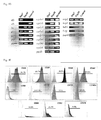
- Fig. 1A and 1B it is believed that the human primary liver cells the inventors used have the properties of stem cells. Therefore, the inventors judged that these liver cells are suitable for isolation of stem cells at higher enrichment and decided to use them in the present study.
- differentiation capability is another important indicator to assess the potential as stem cell.
- the inventors carried out PAS staining on primary fetal liver cells at day 7, day 21 and day 35 of culture. The results revealed that glycogen storage increases in proportion to the number of days of culture. From this fact, it was proved that primary fetal liver cells differentiate from undifferentiated liver cells to functional liver cells.
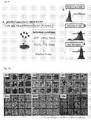
- the upper panels of Fig. 1C show bright field images and the lower panels show phase contrast images.
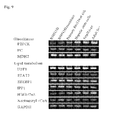
- liver function markers (5 types indicated at the left: AFP, ALB, TAT, GLUL, GGT, G6P), cytochrome P450 (8 types indicated in the center: CYP3A4, CYP2D6, CYP2C9, CYP1A2, CYP2C 19, CYP2A6, CYP2B6, CYP2E1) and transporters (4 types indicated at the right: MRP2, MRP3, MDR1, BCRP).
- liver function markers (5 types indicated at the left: AFP, ALB, TAT, GLUL, GGT, G6P)
- cytochrome P450 8 types indicated in the center: CYP3A4, CYP2D6, CYP2C9, CYP1A2, CYP2C 19, CYP2A6, CYP2B6, CYP2E1
- transporters 4 types indicated at the right: MRP2, MRP3, MDR1, BCRP.
- the present inventors judged that the primary fetal liver cells obtained from ACBRI are suitable for isolation of stem cells at higher enrichment, and decided to use those cells in the present study.
- CD24, CD29, CD44 and CD49f were expressed in 80% or more of the primary fetal liver cells.
- positive cell ratios of CD54, CD 117, CD138 and CD 140a were less than 1%.
- positive cell ratios of CD66, CD90 and CD318 were moderate.
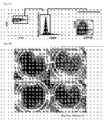
- This Figure shows a flow chart of cell sorting by flow cytometry.
- FIG. 2B shows clonal colonies at day 20 of culture as fixed with 2% PFA. Clonal colonies derived from CD318 + CD90 + CD66 - cell fraction are cleanly seen in the right upper panel.
- the number of colony forming units (H-CFU-C) used as an indicator for assessing hepatic stem cells was the largest in CD318 + CD90 + CD66 - fraction-derived cells.
- hepatic stem cells In order to observe the clonal colony formation and pluripotency of hepatic stem cells, single cell sorting was performed in 96-well plates. At day 18 of culture, a clonal colony was formed as shown in Fig. 2C and it was confirmed that a single cell had expanded to 1.5 x 10 4 cells. These cells had a typical morphology of hepatic cells and retained high proliferative activity throughout the culture period.
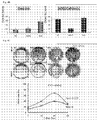
- hepatic stem cell isolated by flow cytometry was monitored from day 1 through day 20 of culture.
- Hepatic stem cells showing vigorous proliferative activity in vitro are capable of forming a gigantic colony from a single cell.
- Fig. 2E shows only the image of a representative colony and single cell-derived gigantic colonies like the one shown in this Figure were observed with high frequency.
- CD318 + CD90 + CD66 - cells showing high proliferative capacity in vitro have properties of stem cells.
- hepatic stem cells have not only proliferative capacity but also pluripotency.
- hepatocytic lineage markers AFP, albumin
- cholangiocytic lineage marker cytokeratin 19
- functional hepatocyte markers GGT, TAT, CYP3A4
- stem cell-associated genes BMI1, PROM1, CD24, CD44, ALCAM, EPCAM
- Desmin other gene
- hepatic stem cell was cultured in a 96-well plate, followed by immunocytochemical assays on albumin and cytokeratin 19.
- Fig. 3B confirms the expression of the hepatocytic lineage marker albumin (green) and the cholangiocytic lineage marker cytokeratin 19 (red). It is suggested that those cells which are positive for both albumin and cytokeratin 19 have bi-potent differentiation capability toward hepatocytic lineage and cholangiocytic lineage.
- PAS staining images of hepatic stem cells cultured for as long as 80 days are shown.
- the right panel shows a bright field image and the left panel a phase contrast image. Since PAS stain positive cell means that it has glycogen storage capacity, hepatic stem cells are believed to have differentiated as a result of long-term culture.
- the present inventors proved the differentiation capability of hepatic stem cell-derived clonal colonies after long-term culture for three months.
- the hepatic stem cell-derived clonal colonies expressed such markers as cytochrome P450 1A2, 2D6 and 3A4 that suggest differentiation capability like albumin. Since cells that are positive for both CYP 3A4 and albumin were found in the colonies, it is believed that isolated hepatic stem cells have differentiation capability and that functional liver cells can be maintained in the culture system used in the present study.
- the hepatic stem cells isolated in the present study have pluripotency and can be induced to differentiate into functional liver cells through long-term culture.
- BMI1 gene into hepatic stem cells was confirmed with GFP fluorescence used as an indicator. No morphological difference was observed between BMI1 overexpressing cells, mock and wild-type (WT) cells. However, BMI1 overexpressing cell-derived colonies were larger than control cell-derived colonies.
- Fig. 4C compares glycogen storage capacities in BMI1 overexpressing cells and mock using PAS staining. As a result, BMI1 overexpressing cells showed higher glycogen storage capacity than mock. Further, more than half of the BMI1 overexpressing cells were found to be PAS positive at day 21 of culture.
- Immunocytochemical assays confirmed the expression of albumin and CYP3A4, 2C9 and 2D6 in BMI1 overexpressing cells. Those cells which were positive for both albumin and cytochrome P450 produced very vivid stain images.
- BMI1 overexpressing stem cells possess higher clonal expansion capability and strongly express liver function markers such as cytochrome P450.
- Bioreactor systems are gradually attracting attention as a three-dimensional culture system and are capable of culturing cells while maintaining the in vivo cell functions which were frequently lost in conventional two-dimensional culture. It is believed that this advantage is achieved because cell-to-cell interactions are enhanced in three-dimensional culture systems.
- the present inventors cultured cells at a plating density of 5 cells/cavity and confirmed cell adhesion and proliferation. Thus, it was demonstrated that smooth culture is possible with the three-dimensional culture system. Cells initially adhered to the bottom of the film, and with the passage of time, they gradually extended to other microcavities and formed a cellular aggregate at the center of each microcavity.
- BMI1 -transfected transformed cell Human hepatic stem cell fractions were sorted by flow cytometry, followed by overexpression of BMI1 with a retrovirus vector (hereinafter, the thus prepared cell is called " BMI1 -transfected transformed cell"). Since the expression of BMI1 can be confirmed using the expression of a reporter gene FGP as an indicator, BMI1 -transfected transformed cell emits green fluorescence as shown in Fig. 7B . BMI1 -transfected transformed cell indicated fairly good proliferative activity compared to those cells which did not undergo BMI1 introduction. Although BMI1 -transfected transformed cell showed a tendency to form multilayers, no big difference was observed in the localization of albumin and CYP3A4 and in glycogen storage capacity.
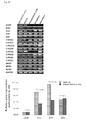
- CYP2D6 gene As far as CYP2D6 gene is concerned, the expression level in three-dimensional culture system far exceeded the expression level in two-dimensional culture system.
- the expression of CYP2C9 gene achieved a high level by two-week culture in three-dimensional culture system. Although the expression level decreased with the passage of time, the expression still maintained a high level compared to the corresponding expression level in two-dimensional culture system. Therefore, it can be concluded that three-dimensional culture system contributes not only to the differentiation of human hepatic stem cells into liver cells that express drug-metabolizing enzymes, etc. but also to the maintenance of the functions of differentiated stem cells.
- Fig. 7D The numerical values given in Fig. 7D are relative values obtained as described below. Briefly, the expression levels of individual genes in several samples obtained with two-dimensional and three-dimensional culture systems were determined by real time PCR; then, the expression level in three-dimensional culture system was divided by the corresponding expression level in two-dimensional culture system. These results clearly show that the expression levels of hepatocytic lineage marker and liver function marker genes are increased in three-dimensional culture system. The expression levels of individual genes in three-dimensional culture system are more than three times greater than the corresponding levels in two-dimensional culture system, showing an increase by a factor of 4.4 on average. With respect to albumin and CYP3A4, the values obtained were the same. Therefore, it is believed that three-dimensional culture system contributes to an enhancement of the expression of liver cell function genes including drug-metabolizing enzyme genes.
- HCV receptors The most important point in HCV researches is to develop a highly reproducible and efficient culture system. Recently, several candidates for HCV receptors have been reported. For example, CD81 tetraspanin, scavenger receptor BI (SR-BI) and low-density lipoprotein (LDL) receptors may be enumerated.
- SR-BI scavenger receptor BI
- LDL low-density lipoprotein
- Table 1 DNA Microarray Primary fetal liver cells Hepatic stem cells CD81 4605.6 8329.2 SR-B1 740.6 615.2 LDLR 964.9 1115
- CD13 is one of mesenchymal stem cell markers.
- DNA microarray analysis using Affymetrix GeneChip Human Genome U133 Plus 2.0 Array and GeneSpring GX9.0 analysis software revealed that the expression level of CD 13 in isolated hepatic stem cells was 2.7 times higher than the corresponding expression level in primary fetal liver cells (4001.1/1457.7).
- the human hepatic stem cell isolated according to the present invention is capable of contributing greatly to regenerative medicine such as artificial liver or cell transplantation.
- Human liver cells induced to differentiate from the isolated human hepatic stem cell may be used in drug development researches such as analysis of in vitro drug-metabolizing ability.
- BMI1 -transfected human hepatic stem cells may be handled as a cell strain in cell operations and human liver cells induced to differentiate from them have extremely high utility in drug development industry. Further, these cells may be used as human model cells in experiments on HCV infection and/or inhibition of HCV replication, glucose metabolism experiments, lipid metabolism experiments, and so forth.
Landscapes
- Health & Medical Sciences (AREA)
- Life Sciences & Earth Sciences (AREA)
- Engineering & Computer Science (AREA)
- Biomedical Technology (AREA)
- Organic Chemistry (AREA)
- Chemical & Material Sciences (AREA)
- Bioinformatics & Cheminformatics (AREA)
- Biotechnology (AREA)
- General Health & Medical Sciences (AREA)
- Genetics & Genomics (AREA)
- Wood Science & Technology (AREA)
- Zoology (AREA)
- Gastroenterology & Hepatology (AREA)
- Developmental Biology & Embryology (AREA)
- Microbiology (AREA)
- Veterinary Medicine (AREA)
- Animal Behavior & Ethology (AREA)
- Pharmacology & Pharmacy (AREA)
- Nuclear Medicine, Radiotherapy & Molecular Imaging (AREA)
- Medicinal Chemistry (AREA)
- General Chemical & Material Sciences (AREA)
- Cell Biology (AREA)
- Chemical Kinetics & Catalysis (AREA)
- General Engineering & Computer Science (AREA)
- Public Health (AREA)
- Biochemistry (AREA)
- Virology (AREA)
- Communicable Diseases (AREA)
- Oncology (AREA)
- Micro-Organisms Or Cultivation Processes Thereof (AREA)
- Medicines Containing Material From Animals Or Micro-Organisms (AREA)
- Apparatus Associated With Microorganisms And Enzymes (AREA)
- Measuring Or Testing Involving Enzymes Or Micro-Organisms (AREA)
- Materials For Medical Uses (AREA)
Applications Claiming Priority (2)
| Application Number | Priority Date | Filing Date | Title |
|---|---|---|---|
| JP2008127755 | 2008-05-14 | ||
| PCT/JP2009/058932 WO2009139419A1 (ja) | 2008-05-14 | 2009-05-13 | ヒト肝幹細胞、その調製方法、分化誘導方法及び利用方法 |
Publications (2)
| Publication Number | Publication Date |
|---|---|
| EP2295537A1 true EP2295537A1 (de) | 2011-03-16 |
| EP2295537A4 EP2295537A4 (de) | 2011-11-30 |
Family
ID=41318785
Family Applications (1)
| Application Number | Title | Priority Date | Filing Date |
|---|---|---|---|
| EP09746625A Withdrawn EP2295537A4 (de) | 2008-05-14 | 2009-05-13 | Menschliche leberstammzelle, verfahren zu ihrer herstellung, verfahren zur einleitung ihrer differenzierung und verfahren zu ihrer verwendung |
Country Status (4)
| Country | Link |
|---|---|
| US (1) | US20110104126A1 (de) |
| EP (1) | EP2295537A4 (de) |
| JP (1) | JP5822287B2 (de) |
| WO (1) | WO2009139419A1 (de) |
Cited By (5)
| Publication number | Priority date | Publication date | Assignee | Title |
|---|---|---|---|---|
| EP2762000A4 (de) * | 2011-09-30 | 2015-03-11 | Public Univ Corp Yokohama City | Verfahren zur induktion einer hepatozellulären variation und herstellungsverfahren für nichtmenschliche chimäre tiere mit menschlicher leber |
| CN104745531A (zh) * | 2015-02-13 | 2015-07-01 | 河南大学 | 一种构建肿瘤多药耐药细胞模型的方法及通过该法建立的人乳腺癌多药耐药细胞株 |
| US9778264B2 (en) | 2010-09-03 | 2017-10-03 | Abbvie Stemcentrx Llc | Identification and enrichment of cell subpopulations |
| US9945842B2 (en) | 2010-09-03 | 2018-04-17 | Abbvie Stemcentrx Llc | Identification and enrichment of cell subpopulations |
| CN108884438A (zh) * | 2015-10-30 | 2018-11-23 | 拜奥拉米那公司 | 肝细胞的生产方法 |
Families Citing this family (5)
| Publication number | Priority date | Publication date | Assignee | Title |
|---|---|---|---|---|
| WO2012133156A1 (ja) * | 2011-03-25 | 2012-10-04 | 国立大学法人京都大学 | 上皮系体性幹細胞の製造方法 |
| JP6124348B2 (ja) | 2011-09-27 | 2017-05-10 | 公立大学法人横浜市立大学 | 組織及び臓器の作製方法 |
| KR20180114073A (ko) * | 2016-03-02 | 2018-10-17 | 위니베르시트카솔리끄드루뱅 | 향상된 성체 간 전구 세포 제제 |
| JP7039045B2 (ja) * | 2019-08-26 | 2022-03-22 | 株式会社フェニックスバイオ | ヒト脂肪肝モデル細胞 |
| CN111961688B (zh) * | 2020-03-26 | 2024-02-02 | 许磊波 | 具有胆管转移特性的肝癌模型构建方法及相应细胞 |
Family Cites Families (12)
| Publication number | Priority date | Publication date | Assignee | Title |
|---|---|---|---|---|
| CA2444959C (en) * | 2001-04-24 | 2014-07-08 | Dolores Baksh | Progenitor cell populations, expansion thereof, and growth of non-hematopoietic cell types and tissues therefrom |
| US7150990B2 (en) * | 2002-03-06 | 2006-12-19 | Reprocell, Inc. | Self-renewing pluripotent hepatic stem cells |
| MXPA04009031A (es) * | 2002-03-15 | 2005-12-12 | Incara Cell Technologies Inc | Celulas madre hepaticas primitivas y proximales. |
| JP4423006B2 (ja) | 2002-11-27 | 2010-03-03 | 財団法人神奈川科学技術アカデミー | 肝幹細胞の検出又は分離方法 |
| JP4437015B2 (ja) * | 2003-05-21 | 2010-03-24 | タカラバイオ株式会社 | 肝幹細胞の分離方法 |
| US20060040386A1 (en) * | 2004-01-14 | 2006-02-23 | Suchitra Holgersson | Human hepatic progenitor cells and methods of use thereof |
| WO2005093076A1 (ja) * | 2004-03-29 | 2005-10-06 | Haruo Sugiyama | 細胞集団の中から肝細胞、内皮細胞、または造血細胞の前駆細胞を分離する方法 |
| JP4722508B2 (ja) | 2005-02-23 | 2011-07-13 | 日本メナード化粧品株式会社 | 多能性幹細胞の同定及び分離培養方法 |
| WO2006126219A1 (en) * | 2005-05-26 | 2006-11-30 | Fresenius Medical Care Deutschland G.M.B.H. | Liver progenitor cells |
| WO2007049576A1 (ja) * | 2005-10-28 | 2007-05-03 | Kuraray Co., Ltd. | 細胞培養容器及び細胞培養方法 |
| US20110190166A1 (en) * | 2006-05-26 | 2011-08-04 | Susan Wong | Erythroid progenitor cells and methods for producing parvovirus b19 therein |
| JP3981146B1 (ja) | 2006-11-16 | 2007-09-26 | 姫路市 | 排水構造体の施工方法 |
-
2009
- 2009-05-13 EP EP09746625A patent/EP2295537A4/de not_active Withdrawn
- 2009-05-13 US US12/992,255 patent/US20110104126A1/en not_active Abandoned
- 2009-05-13 JP JP2010512004A patent/JP5822287B2/ja not_active Expired - Fee Related
- 2009-05-13 WO PCT/JP2009/058932 patent/WO2009139419A1/ja not_active Ceased
Cited By (7)
| Publication number | Priority date | Publication date | Assignee | Title |
|---|---|---|---|---|
| US9778264B2 (en) | 2010-09-03 | 2017-10-03 | Abbvie Stemcentrx Llc | Identification and enrichment of cell subpopulations |
| US9945842B2 (en) | 2010-09-03 | 2018-04-17 | Abbvie Stemcentrx Llc | Identification and enrichment of cell subpopulations |
| EP2762000A4 (de) * | 2011-09-30 | 2015-03-11 | Public Univ Corp Yokohama City | Verfahren zur induktion einer hepatozellulären variation und herstellungsverfahren für nichtmenschliche chimäre tiere mit menschlicher leber |
| US9532554B2 (en) | 2011-09-30 | 2017-01-03 | Public University Corporation Yokohama City University | Method for inducing hepatocellular variation, and production method for chimeric non-human animal having humanized liver |
| CN104745531A (zh) * | 2015-02-13 | 2015-07-01 | 河南大学 | 一种构建肿瘤多药耐药细胞模型的方法及通过该法建立的人乳腺癌多药耐药细胞株 |
| CN104745531B (zh) * | 2015-02-13 | 2017-10-27 | 河南大学 | 一种构建肿瘤多药耐药细胞模型的方法及通过该法建立的人乳腺癌多药耐药细胞株 |
| CN108884438A (zh) * | 2015-10-30 | 2018-11-23 | 拜奥拉米那公司 | 肝细胞的生产方法 |
Also Published As
| Publication number | Publication date |
|---|---|
| EP2295537A4 (de) | 2011-11-30 |
| JP5822287B2 (ja) | 2015-11-24 |
| US20110104126A1 (en) | 2011-05-05 |
| JPWO2009139419A1 (ja) | 2011-09-22 |
| WO2009139419A1 (ja) | 2009-11-19 |
Similar Documents
| Publication | Publication Date | Title |
|---|---|---|
| EP2295537A1 (de) | Menschliche leberstammzelle, verfahren zu ihrer herstellung, verfahren zur einleitung ihrer differenzierung und verfahren zu ihrer verwendung | |
| US11339373B2 (en) | Method for producing adult liver progenitor cells | |
| US12517112B2 (en) | Immune cell organoid co-cultures | |
| JP6230789B2 (ja) | 癌幹細胞集団及びその作製方法 | |
| EP3397753B1 (de) | Bildung von mikrogewebe mit stammzellen aus menschlichen hepatozyten | |
| TWI448554B (zh) | 肝星形細胞前驅體及其分離方法 | |
| HUE029316T2 (en) | Lung tissue model | |
| EP4012036A1 (de) | Lebervorläufer-ähnliche zelllinie, herstellungsverfahren und anwendung auf dem gebiet der bioartifiziellen leber | |
| Seandel et al. | Niche players: spermatogonial progenitors marked by GPR125 | |
| Rovira et al. | Murine embryonic stem cell–derived pancreatic acinar cells recapitulate features of early pancreatic differentiation | |
| CN103031270A (zh) | 胆管上皮细胞的高效扩增和培养方法 | |
| CN111727239B (zh) | 一种制备功能性肝前体细胞或肝细胞或者功能性小肠上皮前体细胞或小肠上皮细胞的方法 | |
| JP2019521693A (ja) | 非ヒト霊長類人工多能性幹細胞由来肝細胞およびその使用 | |
| Drobinskaya et al. | Scalable selection of hepatocyte-and hepatocyte precursor-like cells from culture of differentiating transgenically modified murine embryonic stem cells | |
| EP4594471A1 (de) | Verfahren zur herstellung von herzfibroblasten | |
| JP6486619B2 (ja) | 薬物評価用細胞及び薬物評価方法 | |
| Deinsberger et al. | Vascular cells differentiated from peripheral blood mononuclear cell-versus urine cell-derived induced pluripotent stem cells: A comparative analysis | |
| EP3929280A1 (de) | Verfahren zur herstellung von leberzellen | |
| Bosio et al. | Characterization and classification of stem cells | |
| KR20240085728A (ko) | 근육줄기세포의 분화능 예측을 위한 cd56의 용도 | |
| Iovino et al. | Colon | |
| HK1234098B (en) | Method for producing adult liver progenitor cells | |
| HK1234098A1 (en) | Method for producing adult liver progenitor cells |
Legal Events
| Date | Code | Title | Description |
|---|---|---|---|
| PUAI | Public reference made under article 153(3) epc to a published international application that has entered the european phase |
Free format text: ORIGINAL CODE: 0009012 |
|
| 17P | Request for examination filed |
Effective date: 20101124 |
|
| AK | Designated contracting states |
Kind code of ref document: A1 Designated state(s): AT BE BG CH CY CZ DE DK EE ES FI FR GB GR HR HU IE IS IT LI LT LU LV MC MK MT NL NO PL PT RO SE SI SK TR |
|
| AX | Request for extension of the european patent |
Extension state: AL BA RS |
|
| DAX | Request for extension of the european patent (deleted) | ||
| A4 | Supplementary search report drawn up and despatched |
Effective date: 20111027 |
|
| RIC1 | Information provided on ipc code assigned before grant |
Ipc: C12N 15/09 20060101ALI20111101BHEP Ipc: C12Q 1/02 20060101ALI20111101BHEP Ipc: C12N 5/10 20060101ALI20111101BHEP Ipc: C12N 5/00 20060101ALI20111101BHEP Ipc: C12N 5/074 20100101AFI20111101BHEP |
|
| 17Q | First examination report despatched |
Effective date: 20120904 |
|
| STAA | Information on the status of an ep patent application or granted ep patent |
Free format text: STATUS: THE APPLICATION IS DEEMED TO BE WITHDRAWN |
|
| 18D | Application deemed to be withdrawn |
Effective date: 20151209 |