EP2296714B1 - Procédé de désinfection d'un espace - Google Patents
Procédé de désinfection d'un espace Download PDFInfo
- Publication number
- EP2296714B1 EP2296714B1 EP09745762.6A EP09745762A EP2296714B1 EP 2296714 B1 EP2296714 B1 EP 2296714B1 EP 09745762 A EP09745762 A EP 09745762A EP 2296714 B1 EP2296714 B1 EP 2296714B1
- Authority
- EP
- European Patent Office
- Prior art keywords
- air
- disinfecting liquid
- space
- atomizing
- disinfecting
- Prior art date
- Legal status (The legal status is an assumption and is not a legal conclusion. Google has not performed a legal analysis and makes no representation as to the accuracy of the status listed.)
- Active
Links
Images



Classifications
-
- A—HUMAN NECESSITIES
- A61—MEDICAL OR VETERINARY SCIENCE; HYGIENE
- A61L—METHODS OR APPARATUS FOR STERILISING MATERIALS OR OBJECTS IN GENERAL; DISINFECTION, STERILISATION OR DEODORISATION OF AIR; CHEMICAL ASPECTS OF BANDAGES, DRESSINGS, ABSORBENT PADS OR SURGICAL ARTICLES; MATERIALS FOR BANDAGES, DRESSINGS, ABSORBENT PADS OR SURGICAL ARTICLES
- A61L2/00—Disinfection or sterilisation of materials or objects, in general; Accessories therefor
- A61L2/16—Disinfection or sterilisation of materials or objects, in general; Accessories therefor using chemical substances
- A61L2/22—Phase substances, e.g. smokes or aerosols
-
- A—HUMAN NECESSITIES
- A61—MEDICAL OR VETERINARY SCIENCE; HYGIENE
- A61L—METHODS OR APPARATUS FOR STERILISING MATERIALS OR OBJECTS IN GENERAL; DISINFECTION, STERILISATION OR DEODORISATION OF AIR; CHEMICAL ASPECTS OF BANDAGES, DRESSINGS, ABSORBENT PADS OR SURGICAL ARTICLES; MATERIALS FOR BANDAGES, DRESSINGS, ABSORBENT PADS OR SURGICAL ARTICLES
- A61L2/00—Disinfection or sterilisation of materials or objects, in general; Accessories therefor
- A61L2/16—Disinfection or sterilisation of materials or objects, in general; Accessories therefor using chemical substances
- A61L2/18—Liquid substances
-
- A—HUMAN NECESSITIES
- A61—MEDICAL OR VETERINARY SCIENCE; HYGIENE
- A61L—METHODS OR APPARATUS FOR STERILISING MATERIALS OR OBJECTS IN GENERAL; DISINFECTION, STERILISATION OR DEODORISATION OF AIR; CHEMICAL ASPECTS OF BANDAGES, DRESSINGS, ABSORBENT PADS OR SURGICAL ARTICLES; MATERIALS FOR BANDAGES, DRESSINGS, ABSORBENT PADS OR SURGICAL ARTICLES
- A61L2/00—Disinfection or sterilisation of materials or objects, in general; Accessories therefor
- A61L2/16—Disinfection or sterilisation of materials or objects, in general; Accessories therefor using chemical substances
- A61L2/18—Liquid substances
- A61L2/186—Peroxide solutions
-
- A—HUMAN NECESSITIES
- A61—MEDICAL OR VETERINARY SCIENCE; HYGIENE
- A61L—METHODS OR APPARATUS FOR STERILISING MATERIALS OR OBJECTS IN GENERAL; DISINFECTION, STERILISATION OR DEODORISATION OF AIR; CHEMICAL ASPECTS OF BANDAGES, DRESSINGS, ABSORBENT PADS OR SURGICAL ARTICLES; MATERIALS FOR BANDAGES, DRESSINGS, ABSORBENT PADS OR SURGICAL ARTICLES
- A61L9/00—Disinfection, sterilisation or deodorisation of air
- A61L9/14—Disinfection, sterilisation or deodorisation of air using sprayed or atomised substances including air-liquid contact processes
-
- A—HUMAN NECESSITIES
- A61—MEDICAL OR VETERINARY SCIENCE; HYGIENE
- A61L—METHODS OR APPARATUS FOR STERILISING MATERIALS OR OBJECTS IN GENERAL; DISINFECTION, STERILISATION OR DEODORISATION OF AIR; CHEMICAL ASPECTS OF BANDAGES, DRESSINGS, ABSORBENT PADS OR SURGICAL ARTICLES; MATERIALS FOR BANDAGES, DRESSINGS, ABSORBENT PADS OR SURGICAL ARTICLES
- A61L2103/00—Materials or objects being the target of disinfection or sterilisation
- A61L2103/75—Room floors or walls
-
- A—HUMAN NECESSITIES
- A61—MEDICAL OR VETERINARY SCIENCE; HYGIENE
- A61L—METHODS OR APPARATUS FOR STERILISING MATERIALS OR OBJECTS IN GENERAL; DISINFECTION, STERILISATION OR DEODORISATION OF AIR; CHEMICAL ASPECTS OF BANDAGES, DRESSINGS, ABSORBENT PADS OR SURGICAL ARTICLES; MATERIALS FOR BANDAGES, DRESSINGS, ABSORBENT PADS OR SURGICAL ARTICLES
- A61L2209/00—Aspects relating to disinfection, sterilisation or deodorisation of air
- A61L2209/10—Apparatus features
- A61L2209/15—Supporting means, e.g. stands, hooks, holes for hanging
Definitions
- the present invention relates to a method for disinfecting a space and/or the objects possibly present therein.
- the disinfecting of spaces, surfaces and the objects present therein, such as for instance medical equipment is generally known and of very great importance.
- the number of micro-organisms, such as bacteria, spores, viruses, fungi) in the space and on the relevant objects is greatly reduced by disinfecting such spaces, such as for instance operating rooms and nursing wards. Nosocomial infections of patients and/or staff in hospitals can in this way be combated and prevented.
- WO 2007/125100 Described in WO 2007/125100 are a method and device for effectively disinfecting spaces and/or the objects possibly present therein, which method comprises the following steps of:
- the present invention has for its object to provide a method for disinfecting spaces and/or the objects possibly present therein, with which the above described problems of the prior art methods are resolved.
- the spaces and the objects possibly present therein are effectively disinfected, wherein an optimum reduction (> log 5) of the micro-organisms is achieved.
- the ambient temperature in the space here preferably lies between about 10° and about 40°C. It has been found that using the method according to the invention the tailing effect (a gradual decrease in the concentration of disinfecting liquid in the air during the treatment) does not occur, or hardly so. It has been found surprisingly according to the invention that by extracting moisture from the air, wherein it would be expected that the concentration of the atomized disinfecting liquid would also decrease, the concentration of the disinfecting liquid, such as for instance hydrogen peroxide, in the air in the space decreases less quickly than the air humidity.
- the concentration of disinfecting liquid in the air becomes higher than without the step of dehumidifying the air.
- the moisture removed from the air still comprises hydrogen peroxide, although experiments have shown that the liquid condensed from the air contains less than 60% of the initial concentration (for instance a mere 2% instead of the initial concentration of 5%).
- the decrease in the humidity of the air in the space is started with a predetermined delay relative to starting of the atomization of the disinfecting liquid.
- the concentration of the disinfecting liquid can hereby first rise rapidly to a high peak value.
- the predetermined delay depends on the volume of the space to be treated.
- the delay preferably comprises 1-15 minutes, more preferably 5-10 minutes, for instance 10 minutes.
- the decrease in the humidity of the air in the space during the treatment can take place continuously or at one or more determined points in time during the disinfection treatment.
- the decrease in the humidity of the air is preferably carried out continuously during atomizing of the disinfecting liquid.
- atomizing of the disinfecting liquid takes place by means of ultrasonic sound waves, preferably at a frequency of about 1.5 -2.8 MHz, more preferably at a frequency of about 1.5 - 2.0 MHz, more preferably about 1.7 MHz.
- ultrasonic elements used for this purpose are ultrasonic elements, so-called piezoelectric ceramic discs. These ultrasonic elements are situated in the disinfecting liquid and are driven using an ultrasonic generator which sends current pulses to the elements at a frequency of for instance 1.7 MHz (1,700,000 vibrations per second).
- atomizing of the disinfecting liquid can take place by passing the disinfecting liquid through a suitable nozzle, in particular an atomizing nozzle. Atomizing or nebulising a liquid using nozzles as such is well known and results in a suitable spray or mist of disinfecting liquid. Preferably the liquid is passed through the nozzle under pressure.
- Any suitable compressor can be used, for instance a combustion engine based compressor or an electric compressor.
- atomizing of the disinfecting liquid comprises the sublimation of a disinfecting medium, wherein the disinfecting medium comprises the disinfecting liquid in the solid state.
- the disinfecting medium comprises the disinfecting liquid in the solid state.
- a rapid transition between the solid and the gas state by adding a suitable amount of heat results in an efficient gasification process which allows a homogeneous distribution of the disinfecting medium in the space.
- said disinfecting medium comprises freeze dried disinfection liquid according to the invention.
- a first value of the relative humidity (RH) of the air in the space i.e. the initial value
- a disinfection cycle is then started after a predetermined time. Any personnel that may be present must all leave the space before atomizing of the disinfecting liquid begins.
- the disinfection cycle begins the disinfecting liquid is atomized until a predetermined second value of the relative humidity of the air in the space is reached, after which this RH is maintained at this value for a predetermined time by means of atomizing the disinfecting liquid.
- the relative humidity Prior to and/or during atomizing of the disinfecting liquid the relative humidity is once again decreased, i.e. the air in the space is dehumidified.
- Dehumidification of the air can be performed with standard means for dehumidifying the air in a space, such as for instance standard air-conditioning systems with internal recirculation, glycol coolers and the like, wherein it is important that the moisture is removed from the air and stored/discharged in liquid (condensed) form.
- standard means for dehumidifying the air in a space such as for instance standard air-conditioning systems with internal recirculation, glycol coolers and the like, wherein it is important that the moisture is removed from the air and stored/discharged in liquid (condensed) form.
- it can be advantageously to solidify the moisture from the air for instance using freeze drying techniques.
- the air dehumidifying process can take place at any location in the space, even in the atomizing column.
- the atomizing means for instance the ultrasonic generator, are switched off at the end of a disinfection cycle and no more disinfecting liquid is atomized. It is subsequently possible to enter the space again after a determined
- the second value of the relative humidity is higher than the initial value measured in step (a).
- the second value of the relative humidity is preferably at least 10% higher, more preferably at least 15%, most preferably at least 20% higher than the first value.
- the second value of the relative humidity is about 25% higher than the initial value.
- micro-organisms are understood to mean for instance bacteria, spores, fungi and/or viruses.
- the method according to the present invention is particularly effective in eliminating one or more of the micro-organisms chosen from the group consisting of Staphylococcus aureus, MRSA, Enterococcus faecalis, Acinetobacter baumanni, Pseudomonas aeruginosa, Bacillus subtilis, Bacillus stearothermophilus, Aspergillus niger, Candida albicans, Enterococcus hirae, Mycobacterium terrae, Mycobacterium avium and Dermatophagoides pteronyssinus.
- the disinfecting liquid atomized according to the method preferably comprises hydrogen peroxide as disinfectant.
- Hydrogen peroxide is normally mixed with water and has very good disinfecting properties. It is known that the cell membranes of the micro-organisms burst open due to the oxidizing action of hydrogen peroxide. Hydrogen peroxide moreover has the advantage of breaking down into water and oxygen, and no toxic residues therefore remain. With the method according to the invention low and safe concentrations of the hydrogen peroxide can be used. A 5% solution of hydrogen peroxide in atomized form, although causing slight irritation to the mucous membranes in some cases, is completely non-hazardous in contact with humans. It has surprisingly been demonstrated according to the present invention that hydrogen peroxide in atomized form is very effective, even at low concentrations, in disinfecting spaces and/or the objects present therein.
- the disinfecting liquid comprises a combination of hydrogen peroxide and silver ions.
- the silver ions can be present in a concentration of about 50 ppm, but may also be present in higher concentrations, for instance up to 500 ppm or more.
- a synergistic decontaminating effect is achieved by combining these constituents. All pathogenic bacteria, as well as the spores of for instance C. difficile , also the antibioticresistant MRSA bacteria, Acinetobacter, and viruses such as HIV, norovirus and influenza virus and fungi can, among others, be eliminated.
- concentrations of hydrogen peroxide can be used than is usual with the existing disinfection methods.
- concentration of hydrogen peroxide in the disinfecting liquid preferably lies between 1-30%, more preferably between 1-10%, and is most preferably about 5%. This concentration gives an excellent decontaminating effect, while harmfulness and toxicity are negligible. With moderate ventilation of the space after atomization the residue that is present is already less than 1/10 of the permitted MAC (maximum acceptable concentration) value after about one hour.
- the MAC of a gas, vapour, mist or substance is that concentration in the air which, as far as present knowledge extends, generally does not adversely affect the health of employees or their progeny in the case of repeated exposure of an employee for a longer period or even for their working life. This applies under the following conditions:
- the disinfecting liquid is preferably atomized to a droplet size smaller than 10 pm, more preferably smaller than 5 ⁇ m and most preferably to a droplet size of about 1 ⁇ m. Because these very small droplets are easily taken up into the air, the disinfecting liquid is distributed very uniformly through the space and in this way reaches all surfaces of the objects possibly present in the space. It is moreover guaranteed that the disinfecting liquid together with the air reaches locations which cannot be reached with the existing disinfection techniques, such as in equipment for example. Owing to the very small droplets condensation occurs only at the saturation point.
- the method according to the invention is particularly suitable for use in spaces in the medical and pharmaceutical world, such as for instance for the purpose of treating and disinfecting spaces and materials in hospitals.
- the method can however also be used for diverse other applications where it is desirable to reduce the number of micro-organisms, such as for instance for the purpose of disinfecting sheds in the poultry and cattle-farming sector, but also in the food industry as well as saunas and swimming pools.
- the application also relates to a device for performing the above described method.
- the application particularly relates to a device for disinfecting a space and the objects possibly present therein, which device at least comprises:
- the means for atomizing a disinfecting liquid can comprise any suitable atomizing means, for instance ultrasonic means, an atomizing nozzle or means using sublimation gasification techniques.
- the means for decreasing the relative humidity can comprise conventional air dehumidifiers, such as for instance air-conditioning systems/air dehumidifiers operating on the condensation principle, and can be placed as separate module in the space or be integrated into one device together with for instance the means for atomizing the disinfecting liquid. It can also be possible to use freeze drying techniques to solidify the moisture in the space for decreasing the relative humidity. It is in particular advantageously when the solidifying means are formed integral with the atomizing means using sublimation gasification techniques.
- the device further comprises means for supplying and guiding air from the space along the disinfecting liquid.
- the device further comprises indicator means for indicating the status of the device, i.e. whether the device is switched on or off.
- the presence of these indicator means increases safety, since it is possible to indicate when the device is switched on and disinfecting liquid is being atomized, and no staff should therefore be present in the space.
- the indicator means can for instance comprise visual indicator means (such as a lamp), auditory indicator means (such as a sound signal), or a combination thereof.
- the device further comprises a container for the disinfecting liquid to be atomized.
- the device comprises ultrasonic means for atomizing the disinfecting liquid.
- the ultrasonic means preferably comprise one or more ultrasonic elements (in particular ceramic discs) which are driven by means of an ultrasonic generator, which preferably generates ultrasonic generator sound waves with a frequency of at least 1.5 MHZ, more preferably a frequency of about 1.7 MHZ.
- the ultrasonic elements are preferably arranged in the disinfecting liquid so that the ultrasonic vibrations are transmitted directly to the disinfecting liquid.
- the device comprises an atomizing nozzle and means for passing the disinfecting liquid through the nozzle.
- Nozzles for atomizing fluids are known and any nozzle is suitable, provided that a fine mist or spray of fluid droplets is created.
- the means for passing the liquid through the nozzle comprise a compressor, for instance an electric compressor or a combustion engine based compressor. The compressor is arranged to pass the liquid under pressure from the container through the atomizing nozzle, creating a fine mist or spray of droplets of disinfecting liquid.
- the atomizing is started by switching on the atomizing means. As soon as a predetermined value of the RH in the air is reached, in particular a value which is 25% higher than the initial value, this RH will be maintained at this value for a determined time, for instance about 90 minutes.
- a predetermined value of the RH in the air in particular a value which is 25% higher than the initial value, this RH will be maintained at this value for a determined time, for instance about 90 minutes.
- the air in the space Prior to atomizing and/or during atomizing of the disinfecting liquid the air in the space is dehumidified using the means for decreasing the relative humidity.
- the atomizing means will be switched off after the desired treatment time. As long as the device is in operation, this can be indicated using indicator means, such as for instance a lamp, so that it is apparent that no staff may enter the space.
- the disinfecting liquid is preferably pumped back into a closed storage container in order to enhance safety and prevent liquid contamination.
- a space 1 for instance an operating room, is disinfected with atomizing device 2 according to the invention.
- Atomizing device 2 comprises a sensor 3 for measuring the relative humidity of the air in the space, which is coupled to device 2. It will be appreciated that the coupling between device 2 and sensor 3 can also take place wirelessly, for instance using Bluetooth or other radio frequency signals.
- a first value (initial value) of the relative humidity (RH) of the air in the space is first measured using sensor 3.
- a disinfecting liquid is subsequently atomized in the space until a predetermined second value of the relative humidity of the air in the space is reached. This predetermined RH is preferably 25% higher than the initial value.
- This RH is maintained for a predetermined time (preferably 90 minutes) by means of atomizing the disinfecting liquid.
- Atomizing of the disinfecting liquid takes place by means of ultrasonic sound waves as set forth below.
- the humidity of the air Prior to and/or during atomizing of the disinfecting liquid in the air, wherein the relative humidity in the air thus increases, the humidity of the air is decreased again using an air dehumidifier, such as for instance an air-conditioner on the basis of the condensation principle. Dehumidifying of the air is preferable started with a determined delay (for instance 5 to 15 minutes) after beginning atomizing of the disinfecting liquid.
- atomizing device 2 comprises an inlet 4 for introducing a container with the disinfecting liquid to be atomized.
- the device comprises two outlets 5 for the atomized disinfecting liquid 6.
- device 2 further comprises a storage drawer 7 in which for instance loose components such as sensor 3 for measuring the RH can be stored.
- Device 2 further comprises indicator means consisting of one or more lamps 8 with which it is possible to indicate whether the device is switched on or off. Sensor 3 and lamps 8 are arranged on a stand.
- Indicator means 8 are connected to the device (this is optionally also possible via a wireless connection), and are preferably placed a distance from device 2 and more preferably outside the space 1 to be disinfected, so that it is possible to see from outside the space whether the device is switched on and disinfecting liquid is being atomized.
- the atomizing device as shown in Figure 1 is easy to displace to another space for disinfecting due to the presence of wheels 9 and handle 10.
- atomizing device 2 comprises in a preferred embodiment a holder 11 for receiving a container 12 with disinfecting liquid.
- Container 12 is arranged in holder 11 with the filling opening downward and pressed well down until filling pipe 13 protrudes through the closure, for instance a rubber cap, of the container.
- Storage tank 17 and atomizing unit 14 are then filled with disinfecting liquid 15.
- Atomizing unit 14 is in liquid communication with a storage tank 17.
- a gauge glass 18 on the outside of the device indicates the amount of disinfecting liquid in storage tank 17.
- the disinfecting liquid 15 in atomizing unit 14 is set into vibration using ceramic elements as shown in Figure 3 .
- FIG 3 shows atomizing unit 14 schematically.
- Ceramic element 21 is set into vibration using ultrasonic generator 22.
- Figure 3 shows one ceramic element 21.
- the device preferably comprises a plurality of ceramic elements.
- Ultrasonic element 21 is in direct contact with the disinfecting liquid 15.
- the liquid column preferably lies between 35 and 40 mm above ultrasonic element 21. This liquid level is monitored using level switch 22.
- the ultrasonic elements can break down if there is no liquid thereon.
- device 2 comprises a fan 20 with which air 23 is drawn out of the space into atomizing device 2 and guided through atomizing unit 14 along the surface of disinfecting liquid 15, and is then discharged via outlet pipe 5.
- a part of the indrawn air is preferably also blown directly to the outside through an opening around the outlet pipe. This gives a venturi effect, whereby the mist does not linger in device 2 but is, as it were, drawn out of outlet pipes 5.
- the device is for instance connected to the mains electricity using plug 25.
- Device 2 further comprises other components such as transformer 26 and control means 27 for regulating the mist formation.
- the device can optionally also comprise a discharge 19 for emptying storage tank 17 if desired, for instance for servicing of the device. It is not necessary however to empty the storage tank after each use.
- the present invention is not limited to the embodiment shown, but extends also to other embodiments falling within the scope of the appended claims. It should therefore be noted that the invention is not limited to the use of ultrasonic means for atomizing the disinfecting fluid.
- the device can therefore comprise any suitable means for atomizing the disinfecting liquid.
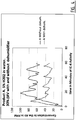
- Example 1 The tests in Example 1 were performed with disinfecting liquid A comprising hydrogen peroxide in a concentration of 5% and ⁇ 0.01% silver ions.
- the method according to the present invention was here compared to the method as described in WO 2007/125100 , i.e. the method without the step of dehumidifying the air prior to and/or during atomizing of hydrogen peroxide in the space.
- Test product A 5% hydrogen peroxide solution in water, aerosol made using the method and device according to the invention (IC-4 principle)
- Test 1 performed without air dehumidifier. Duration of the test: 4 hours (from 13.00 to 17.00 hours) Initial RH 44.5%; Temperature 21.5 degrees C. ⁇ RH set to 30% The IC-4 always switches off at 76.5% RH and switches back on again at 74.% RH
- Test 1 performed with air dehumidifier. Switched on simultaneously with IC-4TM Duration of the test: 3 hours (from 10.00 to 13.00 hours) Initial RH 44.0%; Temperature 20.5 degrees C. ⁇ RH set to 30% The IC-4 always switches off at 75.5% RH and switches back on again at 73.% RH
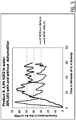
- Example 2 The tests in Example 2 were performed with disinfecting liquid B comprising hydrogen peroxide in a concentration of 4.9% and ⁇ 0,01% silver ions.
- the method according to the present invention was again compared to the method as described in WO 2007/125100 , i.e. the method without the step of dehumidifying the air prior to and/or during atomizing of the hydrogen peroxide in the space.
- Test Product B 4.9% hydrogen peroxide solution in water, aerosol made using IC-4 principle
- Test 1 performed without air dehumidifier. Duration of the test: from 12.00 to 14.00 hours Initial RH 45%; Temperature 21.5 degrees C. ⁇ RH set to 30% The IC-4 always switches off at 76.5% RH and switches back on again at 74.% RH
- Test 2 performed with air dehumidifier. Switched on simultaneously with IC-4TM Duration of the test: from 12.00 to 14.00 hours Initial RH 44.0%; Temperature 20.5 degrees C. ⁇ RH set to 30% The IC-4 always switches off at 75.5% RH and switches back on again at 73.% RH
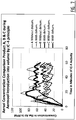
- Example 3 The tests in Example 3 were performed with disinfecting liquid C comprising hydrogen peroxide in a concentration of 5% without silver ions.
- the method according to the present invention was again compared to the method as described in WO 2007/125100 , i.e. the method without the step of dehumidifying the air prior to and/or during atomizing of hydrogen peroxide in the space.
- Test Product C 5% hydrogen peroxide solution in water, aerosol made using IC-4 principle
- Test 1 performed without air dehumidifier. Duration of the test: 11.15 to 13.15 hours Initial RH 45%; Temperature 22 degrees C. ⁇ RH set to 30% The IC-4 always switches off at 76.5% RH and switches back on again at 74.5% RH
Landscapes
- Health & Medical Sciences (AREA)
- Epidemiology (AREA)
- Life Sciences & Earth Sciences (AREA)
- Animal Behavior & Ethology (AREA)
- General Health & Medical Sciences (AREA)
- Public Health (AREA)
- Veterinary Medicine (AREA)
- Chemical & Material Sciences (AREA)
- Chemical Kinetics & Catalysis (AREA)
- General Chemical & Material Sciences (AREA)
- Apparatus For Disinfection Or Sterilisation (AREA)
Claims (9)
- Procédé de désinfection d'un espace et des objets présents à l'intérieur, lequel procédé comprend au moins les étapes suivantes :(a) détermination d'une première valeur de l'humidité relative de l'air dans l'espace ;(b) atomisation d'un liquide désinfectant dans l'espace jusqu'à ce qu'une seconde valeur prédéterminée de l'humidité relative de l'air soit atteinte dans l'espace, et(c) maintien de l'humidité relative de l'air pendant une durée prédéterminée à la seconde valeur par atomisation du liquide désinfectant,dans lequel le procédé comprend en outre l'extraction d'humidité de l'air dans l'espace au cours de l'atomisation du liquide désinfectant.
- Procédé selon la revendication 1, dans lequel l'extraction d'humidité de l'air dans l'espace démarre avec un retard prédéterminé par rapport au démarrage de l'atomisation du liquide désinfectant, dans lequel le retard prédéterminé comprend de préférence 1 à 15 minutes, de manière davantage préférée, 5 à 10 minutes.
- Procédé selon la revendication 1 ou 2, dans lequel l'extraction d'humidité de l'air est réalisée en continu au cours de l'atomisation du liquide désinfectant.
- Procédé selon l'une quelconque des revendications 1 à 3, dans lequel l'atomisation du liquide désinfectant se produit au moyen d'ondes ultrasonores, de préférence à une fréquence de 1,5 MHz à 2,8 MHz, de manière davantage préférée, à une fréquence de 1,5 MHz à 2,0 MHz et de manière préférée entre toutes, à une fréquence de 1,7 MHz.
- Procédé selon l'une quelconque des revendications 1 à 4, dans lequel l'atomisation du liquide désinfectant se produit par le passage du liquide désinfectant à travers une buse, en particulier une buse d'atomisation, et/ou par gazéification-sublimation.
- Procédé selon l'une quelconque des revendications 1 à 5, dans lequel la seconde valeur de l'humidité relative est supérieure à la première valeur, dans lequel la seconde valeur est de préférence au moins de 10 % supérieure, de manière davantage préférée au moins de 15 % supérieure, et de manière encore davantage préférée d'au moins 20 % supérieure à la première valeur, et de manière préférée entre toutes, la seconde valeur est de 25 % supérieure à la première valeur.
- Procédé selon l'une quelconque des revendications 1 à 6, dans lequel le liquide désinfectant comprend du peroxyde d'hydrogène.
- Procédé selon la revendication 7, dans lequel le liquide désinfectant comprend une combinaison de peroxyde d'hydrogène et d'ions d'argent.
- Procédé selon l'une des revendications 1 à 8, dans lequel le liquide désinfectant est atomisé à une taille de gouttelette inférieure à 10 µm, de préférence inférieure à 5 µm et de manière davantage préférée, la taille de la gouttelette est de 1 µm.
Applications Claiming Priority (4)
| Application Number | Priority Date | Filing Date | Title |
|---|---|---|---|
| NL2001574 | 2008-05-13 | ||
| NL2001586 | 2008-05-16 | ||
| NL1036129 | 2008-10-29 | ||
| PCT/EP2009/055780 WO2009138430A1 (fr) | 2008-05-13 | 2009-05-13 | Procédé et dispositif de désinfection d’un espace |
Publications (2)
| Publication Number | Publication Date |
|---|---|
| EP2296714A1 EP2296714A1 (fr) | 2011-03-23 |
| EP2296714B1 true EP2296714B1 (fr) | 2018-11-07 |
Family
ID=40999752
Family Applications (1)
| Application Number | Title | Priority Date | Filing Date |
|---|---|---|---|
| EP09745762.6A Active EP2296714B1 (fr) | 2008-05-13 | 2009-05-13 | Procédé de désinfection d'un espace |
Country Status (3)
| Country | Link |
|---|---|
| US (1) | US20110123394A1 (fr) |
| EP (1) | EP2296714B1 (fr) |
| WO (1) | WO2009138430A1 (fr) |
Cited By (1)
| Publication number | Priority date | Publication date | Assignee | Title |
|---|---|---|---|---|
| FR3110084A1 (fr) * | 2020-05-15 | 2021-11-19 | Carso - Laboratoire Sante Environnement Hygiene De Lyon | Procédé et dispositif de décontamination de germes présents dans l’atmosphère d’un local |
Families Citing this family (27)
| Publication number | Priority date | Publication date | Assignee | Title |
|---|---|---|---|---|
| US8382008B1 (en) * | 2005-08-26 | 2013-02-26 | Jonathan J. Ricciardi | Optimized and miniaturized aerosol generator |
| FR2951379B1 (fr) * | 2009-10-16 | 2012-05-18 | Gloster Europe | Appareil et procede de decontamination par brumisation sequentielle de peroxyde d'hydrogene en vue de la creation d'un "brouillard sec" |
| US20120275953A1 (en) * | 2011-04-29 | 2012-11-01 | Robert Lukasik | Method for reducing the concentration of disinfectant, decontamination apparatuses and systems and related methods of employing the same |
| AU2013227463B2 (en) | 2012-02-27 | 2015-07-23 | Specialist Health Solutions Limited | Method and apparatus for disinfection |
| GB2499819B (en) * | 2012-02-29 | 2014-02-12 | Specialist Hygiene Solutions Ltd | Method and apparatus for disinfection |
| US10780190B2 (en) | 2012-02-27 | 2020-09-22 | Specialist Hygiene Solutions Limited | Method and apparatus for disinfection |
| ITTO20120589A1 (it) * | 2012-07-04 | 2014-01-05 | Matteo Longo | Sistema di esecuzione, tracciabilita', monitoraggio e controllo di un procedimento di riduzione della carica microbica in un ambiente confinato |
| CA2935139C (fr) | 2014-01-08 | 2019-09-24 | Nevoa Life Sciences | Appareil pour desinfecter un espace ferme |
| US20170234599A1 (en) * | 2014-10-14 | 2017-08-17 | Electrolux (Hangzhou) Home Appliance Co., Ltd. | Reservoir with handle |
| EP3064225A1 (fr) | 2015-03-02 | 2016-09-07 | Dario Menotti | Procédé et dispositif pour nettoyer et/ou désinfecter de l'air d'espaces confinés et/ou fermés destiné à être utilisé par des personnes et/ou des animaux |
| US10823438B1 (en) * | 2019-09-05 | 2020-11-03 | Altapure, Llc | Vent bypass system |
| US10436462B1 (en) * | 2015-10-19 | 2019-10-08 | Paul Baumgartner | Vent bypass system |
| CN110430749A (zh) | 2017-01-09 | 2019-11-08 | 塞尼斯有限责任公司 | 干燥的过氧化氢(dhp)气体在家禽生产方法中的应用 |
| JP6285060B1 (ja) * | 2017-01-31 | 2018-02-28 | Sdバイオシステム株式会社 | 除染装置及び当該除染装置を使用した除染方法 |
| CN110036914B (zh) * | 2019-04-03 | 2024-03-15 | 苏州市冯氏实验动物设备有限公司 | 一种应用于实验环境的净化传递箱 |
| CN110420338B (zh) * | 2019-08-21 | 2021-03-23 | 李江南 | 一种小龙虾养殖池用喷射型消毒装置 |
| CN110680942B (zh) * | 2019-09-30 | 2023-09-08 | 杭州易路医疗器械有限公司 | 侧喷式超声波雾化消毒装置及其消毒方法 |
| WO2021080512A1 (fr) * | 2019-10-23 | 2021-04-29 | Jcs Biotech Pte Ltd | Système de désinfection |
| CN111420103A (zh) * | 2020-04-10 | 2020-07-17 | 马鞍山领瞻机械科技有限公司 | 一种用于室内养殖场用的消毒机装置 |
| CN111750490B (zh) * | 2020-05-18 | 2022-02-15 | 海信(山东)空调有限公司 | 一种空调器和控制方法 |
| ES2880923A1 (es) * | 2020-05-25 | 2021-11-26 | Epitecnica Europa S L | Procedimiento de desactivacion de virus |
| IT202100000839A1 (it) * | 2021-01-19 | 2022-07-19 | Mdg Eng S R L | Metodo e dispositivo di disinfezione per la disinfezione di un armadio di stoccaggio e asciugatura di dispositivi medici invasivi e riutilizzabili |
| CN112842711B (zh) * | 2021-01-26 | 2022-11-29 | 北京嘉和美康信息技术有限公司 | 急救车、急救车参数的处理方法及系统 |
| CN113384729B (zh) * | 2021-06-15 | 2022-04-22 | 青岛沃柏斯智能实验科技有限公司 | 一种自动定位定时消毒监控方法及系统 |
| BE1030116B1 (nl) * | 2021-12-27 | 2023-07-25 | Roam Tech | Apparaat, systeem en werkwijze voor het desinfecteren van een kamer |
| BE1030127B1 (nl) * | 2021-12-27 | 2023-07-26 | Roam Tech | Apparaat, systeem en werkwijze voor het desinfecteren van een kamer |
| CN115157208B (zh) * | 2022-06-27 | 2024-10-11 | 佛山智优人科技有限公司 | 一种移动喷雾式消毒机器人的控制方法及装置 |
Citations (3)
| Publication number | Priority date | Publication date | Assignee | Title |
|---|---|---|---|---|
| US20060140817A1 (en) | 2002-04-16 | 2006-06-29 | Cumberland John R | Method for abatement of allergens, pathogens and volatile organic compounds |
| WO2007125100A1 (fr) | 2006-04-28 | 2007-11-08 | Infection Control B.V. | procédé et dispositif pour désinfecter un espace |
| US20080038166A1 (en) | 2006-08-10 | 2008-02-14 | Steris Inc. | Modular decontamination system |
Family Cites Families (5)
| Publication number | Priority date | Publication date | Assignee | Title |
|---|---|---|---|---|
| US5173258A (en) * | 1989-10-11 | 1992-12-22 | American Sterilizer Company | Recirculation, vapor and humidity control in a sealable enclosure |
| GB9523717D0 (en) * | 1995-11-20 | 1996-01-24 | Mdh Ltd | Method and apparatus for hydrogen peroxide vapour sterilization |
| HUP0201109A2 (hu) * | 1998-07-27 | 2002-07-29 | Makhteshim Chemical Works Ltd. | Környezettel kompatibilis eljárások, készítmények és ezekkel kezelt anyagok |
| US7264773B2 (en) * | 2002-05-02 | 2007-09-04 | Nanomist Systems, Llc | Method for bioeradication using fine mist of biocide solutions |
| JP2006288647A (ja) * | 2005-04-08 | 2006-10-26 | Daikin Ind Ltd | 滅菌システム |
-
2009
- 2009-05-13 US US12/991,903 patent/US20110123394A1/en not_active Abandoned
- 2009-05-13 EP EP09745762.6A patent/EP2296714B1/fr active Active
- 2009-05-13 WO PCT/EP2009/055780 patent/WO2009138430A1/fr not_active Ceased
Patent Citations (3)
| Publication number | Priority date | Publication date | Assignee | Title |
|---|---|---|---|---|
| US20060140817A1 (en) | 2002-04-16 | 2006-06-29 | Cumberland John R | Method for abatement of allergens, pathogens and volatile organic compounds |
| WO2007125100A1 (fr) | 2006-04-28 | 2007-11-08 | Infection Control B.V. | procédé et dispositif pour désinfecter un espace |
| US20080038166A1 (en) | 2006-08-10 | 2008-02-14 | Steris Inc. | Modular decontamination system |
Cited By (1)
| Publication number | Priority date | Publication date | Assignee | Title |
|---|---|---|---|---|
| FR3110084A1 (fr) * | 2020-05-15 | 2021-11-19 | Carso - Laboratoire Sante Environnement Hygiene De Lyon | Procédé et dispositif de décontamination de germes présents dans l’atmosphère d’un local |
Also Published As
| Publication number | Publication date |
|---|---|
| EP2296714A1 (fr) | 2011-03-23 |
| WO2009138430A1 (fr) | 2009-11-19 |
| US20110123394A1 (en) | 2011-05-26 |
Similar Documents
| Publication | Publication Date | Title |
|---|---|---|
| EP2296714B1 (fr) | Procédé de désinfection d'un espace | |
| EP2012837B1 (fr) | Procede pour désinfecter un espace | |
| EP2968632B1 (fr) | Procédé pour l'application ciblée de biocide en phase gazeuse | |
| CN103619361B (zh) | 用于降低消毒剂的浓度的方法、净化设备和系统、以及使用所述净化设备和系统的相关方法 | |
| JP5707322B2 (ja) | サブサイクルベースのエアロゾル消毒システム | |
| EP2525838B1 (fr) | Neutralisation de terrorisme biologique à l'aide d'ozone et de peroxyde d'hydrogène | |
| WO2011047127A1 (fr) | Système de désinfection de pièce par brumisation | |
| US20120275952A1 (en) | Method for Reducing the Concentration of Disinfectant, Decontamination Apparatuses and Systems and Related Methods of Employing the Same | |
| US20140140887A1 (en) | Room disinfection method | |
| WO2022120416A1 (fr) | Décontamination environnementale | |
| US20240066166A1 (en) | Treatment system and methods for enclosed chambers | |
| HK1219679B (en) | Process for focused gas phase application of biocide | |
| HK1178468B (en) | Bio-terrorism counteraction using ozone and hydrogen peroxide |
Legal Events
| Date | Code | Title | Description |
|---|---|---|---|
| PUAI | Public reference made under article 153(3) epc to a published international application that has entered the european phase |
Free format text: ORIGINAL CODE: 0009012 |
|
| 17P | Request for examination filed |
Effective date: 20101213 |
|
| AK | Designated contracting states |
Kind code of ref document: A1 Designated state(s): AT BE BG CH CY CZ DE DK EE ES FI FR GB GR HR HU IE IS IT LI LT LU LV MC MK MT NL NO PL PT RO SE SI SK TR |
|
| AX | Request for extension of the european patent |
Extension state: AL BA RS |
|
| TPAC | Observations filed by third parties |
Free format text: ORIGINAL CODE: EPIDOSNTIPA |
|
| DAX | Request for extension of the european patent (deleted) | ||
| 17Q | First examination report despatched |
Effective date: 20120316 |
|
| TPAC | Observations filed by third parties |
Free format text: ORIGINAL CODE: EPIDOSNTIPA |
|
| REG | Reference to a national code |
Ref country code: DE Ref legal event code: R079 Ref document number: 602009055492 Country of ref document: DE Free format text: PREVIOUS MAIN CLASS: A61L0002180000 Ipc: A61L0009140000 |
|
| RIC1 | Information provided on ipc code assigned before grant |
Ipc: A61L 9/14 20060101AFI20170629BHEP Ipc: A61L 2/22 20060101ALI20170629BHEP |
|
| GRAP | Despatch of communication of intention to grant a patent |
Free format text: ORIGINAL CODE: EPIDOSNIGR1 |
|
| STAA | Information on the status of an ep patent application or granted ep patent |
Free format text: STATUS: GRANT OF PATENT IS INTENDED |
|
| INTG | Intention to grant announced |
Effective date: 20171211 |
|
| GRAS | Grant fee paid |
Free format text: ORIGINAL CODE: EPIDOSNIGR3 |
|
| GRAA | (expected) grant |
Free format text: ORIGINAL CODE: 0009210 |
|
| STAA | Information on the status of an ep patent application or granted ep patent |
Free format text: STATUS: THE PATENT HAS BEEN GRANTED |
|
| AK | Designated contracting states |
Kind code of ref document: B1 Designated state(s): AT BE BG CH CY CZ DE DK EE ES FI FR GB GR HR HU IE IS IT LI LT LU LV MC MK MT NL NO PL PT RO SE SI SK TR |
|
| REG | Reference to a national code |
Ref country code: GB Ref legal event code: FG4D |
|
| REG | Reference to a national code |
Ref country code: CH Ref legal event code: EP Ref country code: CH Ref legal event code: NV Representative=s name: ARNOLD AND SIEDSMA AG, CH Ref country code: AT Ref legal event code: REF Ref document number: 1061306 Country of ref document: AT Kind code of ref document: T Effective date: 20181115 |
|
| REG | Reference to a national code |
Ref country code: IE Ref legal event code: FG4D |
|
| REG | Reference to a national code |
Ref country code: DE Ref legal event code: R096 Ref document number: 602009055492 Country of ref document: DE |
|
| REG | Reference to a national code |
Ref country code: NL Ref legal event code: FP |
|
| REG | Reference to a national code |
Ref country code: LT Ref legal event code: MG4D |
|
| REG | Reference to a national code |
Ref country code: AT Ref legal event code: MK05 Ref document number: 1061306 Country of ref document: AT Kind code of ref document: T Effective date: 20181107 |
|
| PG25 | Lapsed in a contracting state [announced via postgrant information from national office to epo] |
Ref country code: AT Free format text: LAPSE BECAUSE OF FAILURE TO SUBMIT A TRANSLATION OF THE DESCRIPTION OR TO PAY THE FEE WITHIN THE PRESCRIBED TIME-LIMIT Effective date: 20181107 Ref country code: LV Free format text: LAPSE BECAUSE OF FAILURE TO SUBMIT A TRANSLATION OF THE DESCRIPTION OR TO PAY THE FEE WITHIN THE PRESCRIBED TIME-LIMIT Effective date: 20181107 Ref country code: LT Free format text: LAPSE BECAUSE OF FAILURE TO SUBMIT A TRANSLATION OF THE DESCRIPTION OR TO PAY THE FEE WITHIN THE PRESCRIBED TIME-LIMIT Effective date: 20181107 Ref country code: HR Free format text: LAPSE BECAUSE OF FAILURE TO SUBMIT A TRANSLATION OF THE DESCRIPTION OR TO PAY THE FEE WITHIN THE PRESCRIBED TIME-LIMIT Effective date: 20181107 Ref country code: ES Free format text: LAPSE BECAUSE OF FAILURE TO SUBMIT A TRANSLATION OF THE DESCRIPTION OR TO PAY THE FEE WITHIN THE PRESCRIBED TIME-LIMIT Effective date: 20181107 Ref country code: BG Free format text: LAPSE BECAUSE OF FAILURE TO SUBMIT A TRANSLATION OF THE DESCRIPTION OR TO PAY THE FEE WITHIN THE PRESCRIBED TIME-LIMIT Effective date: 20190207 Ref country code: FI Free format text: LAPSE BECAUSE OF FAILURE TO SUBMIT A TRANSLATION OF THE DESCRIPTION OR TO PAY THE FEE WITHIN THE PRESCRIBED TIME-LIMIT Effective date: 20181107 Ref country code: IS Free format text: LAPSE BECAUSE OF FAILURE TO SUBMIT A TRANSLATION OF THE DESCRIPTION OR TO PAY THE FEE WITHIN THE PRESCRIBED TIME-LIMIT Effective date: 20190307 Ref country code: NO Free format text: LAPSE BECAUSE OF FAILURE TO SUBMIT A TRANSLATION OF THE DESCRIPTION OR TO PAY THE FEE WITHIN THE PRESCRIBED TIME-LIMIT Effective date: 20190207 |
|
| PG25 | Lapsed in a contracting state [announced via postgrant information from national office to epo] |
Ref country code: GR Free format text: LAPSE BECAUSE OF FAILURE TO SUBMIT A TRANSLATION OF THE DESCRIPTION OR TO PAY THE FEE WITHIN THE PRESCRIBED TIME-LIMIT Effective date: 20190208 Ref country code: SE Free format text: LAPSE BECAUSE OF FAILURE TO SUBMIT A TRANSLATION OF THE DESCRIPTION OR TO PAY THE FEE WITHIN THE PRESCRIBED TIME-LIMIT Effective date: 20181107 Ref country code: PT Free format text: LAPSE BECAUSE OF FAILURE TO SUBMIT A TRANSLATION OF THE DESCRIPTION OR TO PAY THE FEE WITHIN THE PRESCRIBED TIME-LIMIT Effective date: 20190307 |
|
| PG25 | Lapsed in a contracting state [announced via postgrant information from national office to epo] |
Ref country code: DK Free format text: LAPSE BECAUSE OF FAILURE TO SUBMIT A TRANSLATION OF THE DESCRIPTION OR TO PAY THE FEE WITHIN THE PRESCRIBED TIME-LIMIT Effective date: 20181107 Ref country code: IT Free format text: LAPSE BECAUSE OF FAILURE TO SUBMIT A TRANSLATION OF THE DESCRIPTION OR TO PAY THE FEE WITHIN THE PRESCRIBED TIME-LIMIT Effective date: 20181107 Ref country code: CZ Free format text: LAPSE BECAUSE OF FAILURE TO SUBMIT A TRANSLATION OF THE DESCRIPTION OR TO PAY THE FEE WITHIN THE PRESCRIBED TIME-LIMIT Effective date: 20181107 Ref country code: PL Free format text: LAPSE BECAUSE OF FAILURE TO SUBMIT A TRANSLATION OF THE DESCRIPTION OR TO PAY THE FEE WITHIN THE PRESCRIBED TIME-LIMIT Effective date: 20181107 |
|
| REG | Reference to a national code |
Ref country code: DE Ref legal event code: R026 Ref document number: 602009055492 Country of ref document: DE |
|
| PLBI | Opposition filed |
Free format text: ORIGINAL CODE: 0009260 |
|
| PLAX | Notice of opposition and request to file observation + time limit sent |
Free format text: ORIGINAL CODE: EPIDOSNOBS2 |
|
| PG25 | Lapsed in a contracting state [announced via postgrant information from national office to epo] |
Ref country code: SK Free format text: LAPSE BECAUSE OF FAILURE TO SUBMIT A TRANSLATION OF THE DESCRIPTION OR TO PAY THE FEE WITHIN THE PRESCRIBED TIME-LIMIT Effective date: 20181107 Ref country code: RO Free format text: LAPSE BECAUSE OF FAILURE TO SUBMIT A TRANSLATION OF THE DESCRIPTION OR TO PAY THE FEE WITHIN THE PRESCRIBED TIME-LIMIT Effective date: 20181107 Ref country code: EE Free format text: LAPSE BECAUSE OF FAILURE TO SUBMIT A TRANSLATION OF THE DESCRIPTION OR TO PAY THE FEE WITHIN THE PRESCRIBED TIME-LIMIT Effective date: 20181107 |
|
| 26 | Opposition filed |
Opponent name: SMIT, PATRICK Effective date: 20190806 |
|
| PG25 | Lapsed in a contracting state [announced via postgrant information from national office to epo] |
Ref country code: SI Free format text: LAPSE BECAUSE OF FAILURE TO SUBMIT A TRANSLATION OF THE DESCRIPTION OR TO PAY THE FEE WITHIN THE PRESCRIBED TIME-LIMIT Effective date: 20181107 |
|
| PGFP | Annual fee paid to national office [announced via postgrant information from national office to epo] |
Ref country code: LU Payment date: 20191029 Year of fee payment: 11 |
|
| PLBB | Reply of patent proprietor to notice(s) of opposition received |
Free format text: ORIGINAL CODE: EPIDOSNOBS3 |
|
| PG25 | Lapsed in a contracting state [announced via postgrant information from national office to epo] |
Ref country code: MC Free format text: LAPSE BECAUSE OF FAILURE TO SUBMIT A TRANSLATION OF THE DESCRIPTION OR TO PAY THE FEE WITHIN THE PRESCRIBED TIME-LIMIT Effective date: 20181107 |
|
| PGFP | Annual fee paid to national office [announced via postgrant information from national office to epo] |
Ref country code: IE Payment date: 20191029 Year of fee payment: 11 |
|
| PGFP | Annual fee paid to national office [announced via postgrant information from national office to epo] |
Ref country code: BE Payment date: 20191028 Year of fee payment: 11 |
|
| PG25 | Lapsed in a contracting state [announced via postgrant information from national office to epo] |
Ref country code: TR Free format text: LAPSE BECAUSE OF FAILURE TO SUBMIT A TRANSLATION OF THE DESCRIPTION OR TO PAY THE FEE WITHIN THE PRESCRIBED TIME-LIMIT Effective date: 20181107 |
|
| PGFP | Annual fee paid to national office [announced via postgrant information from national office to epo] |
Ref country code: CH Payment date: 20191028 Year of fee payment: 11 |
|
| PLAY | Examination report in opposition despatched + time limit |
Free format text: ORIGINAL CODE: EPIDOSNORE2 |
|
| PLBC | Reply to examination report in opposition received |
Free format text: ORIGINAL CODE: EPIDOSNORE3 |
|
| REG | Reference to a national code |
Ref country code: DE Ref legal event code: R081 Ref document number: 602009055492 Country of ref document: DE Owner name: SPECIALIST HEALTH SOLUTIONS LIMITED, GB Free format text: FORMER OWNER: INFECTION CONTROL B.V., EEMNES, NL |
|
| RAP2 | Party data changed (patent owner data changed or rights of a patent transferred) |
Owner name: SPECIALIST HEALTH SOLUTIONS LIMITED |
|
| REG | Reference to a national code |
Ref country code: NL Ref legal event code: PD Owner name: SPECIALIST HEALTH SOLUTIONS LIMITED; GB Free format text: DETAILS ASSIGNMENT: CHANGE OF OWNER(S), ASSIGNMENT; FORMER OWNER NAME: INFECTION CONTROL B.V. Effective date: 20201030 |
|
| REG | Reference to a national code |
Ref country code: GB Ref legal event code: 732E Free format text: REGISTERED BETWEEN 20201203 AND 20201209 |
|
| PG25 | Lapsed in a contracting state [announced via postgrant information from national office to epo] |
Ref country code: CH Free format text: LAPSE BECAUSE OF NON-PAYMENT OF DUE FEES Effective date: 20200531 Ref country code: LI Free format text: LAPSE BECAUSE OF NON-PAYMENT OF DUE FEES Effective date: 20200531 |
|
| REG | Reference to a national code |
Ref country code: BE Ref legal event code: MM Effective date: 20200531 |
|
| PG25 | Lapsed in a contracting state [announced via postgrant information from national office to epo] |
Ref country code: LU Free format text: LAPSE BECAUSE OF NON-PAYMENT OF DUE FEES Effective date: 20200513 |
|
| PG25 | Lapsed in a contracting state [announced via postgrant information from national office to epo] |
Ref country code: IE Free format text: LAPSE BECAUSE OF NON-PAYMENT OF DUE FEES Effective date: 20200513 |
|
| PG25 | Lapsed in a contracting state [announced via postgrant information from national office to epo] |
Ref country code: CY Free format text: LAPSE BECAUSE OF FAILURE TO SUBMIT A TRANSLATION OF THE DESCRIPTION OR TO PAY THE FEE WITHIN THE PRESCRIBED TIME-LIMIT Effective date: 20181107 Ref country code: BE Free format text: LAPSE BECAUSE OF NON-PAYMENT OF DUE FEES Effective date: 20200531 |
|
| PG25 | Lapsed in a contracting state [announced via postgrant information from national office to epo] |
Ref country code: MT Free format text: LAPSE BECAUSE OF FAILURE TO SUBMIT A TRANSLATION OF THE DESCRIPTION OR TO PAY THE FEE WITHIN THE PRESCRIBED TIME-LIMIT Effective date: 20181107 Ref country code: HU Free format text: LAPSE BECAUSE OF FAILURE TO SUBMIT A TRANSLATION OF THE DESCRIPTION OR TO PAY THE FEE WITHIN THE PRESCRIBED TIME-LIMIT; INVALID AB INITIO Effective date: 20090513 |
|
| REG | Reference to a national code |
Ref country code: DE Ref legal event code: R100 Ref document number: 602009055492 Country of ref document: DE |
|
| PLCK | Communication despatched that opposition was rejected |
Free format text: ORIGINAL CODE: EPIDOSNREJ1 |
|
| PLAB | Opposition data, opponent's data or that of the opponent's representative modified |
Free format text: ORIGINAL CODE: 0009299OPPO |
|
| PLBN | Opposition rejected |
Free format text: ORIGINAL CODE: 0009273 |
|
| STAA | Information on the status of an ep patent application or granted ep patent |
Free format text: STATUS: OPPOSITION REJECTED |
|
| R26 | Opposition filed (corrected) |
Opponent name: SMIT, PATRICK Effective date: 20190806 |
|
| 27O | Opposition rejected |
Effective date: 20211013 |
|
| PG25 | Lapsed in a contracting state [announced via postgrant information from national office to epo] |
Ref country code: MK Free format text: LAPSE BECAUSE OF FAILURE TO SUBMIT A TRANSLATION OF THE DESCRIPTION OR TO PAY THE FEE WITHIN THE PRESCRIBED TIME-LIMIT Effective date: 20181107 |
|
| PGFP | Annual fee paid to national office [announced via postgrant information from national office to epo] |
Ref country code: DE Payment date: 20250319 Year of fee payment: 17 |
|
| PGFP | Annual fee paid to national office [announced via postgrant information from national office to epo] |
Ref country code: GB Payment date: 20260312 Year of fee payment: 18 |
|
| PGFP | Annual fee paid to national office [announced via postgrant information from national office to epo] |
Ref country code: NL Payment date: 20260317 Year of fee payment: 18 |
|
| PGFP | Annual fee paid to national office [announced via postgrant information from national office to epo] |
Ref country code: FR Payment date: 20260309 Year of fee payment: 18 |