EP2310977B1 - Vorrichtung zur verwaltung von benutzerauthentifizierungen - Google Patents
Vorrichtung zur verwaltung von benutzerauthentifizierungen Download PDFInfo
- Publication number
- EP2310977B1 EP2310977B1 EP09781441.2A EP09781441A EP2310977B1 EP 2310977 B1 EP2310977 B1 EP 2310977B1 EP 09781441 A EP09781441 A EP 09781441A EP 2310977 B1 EP2310977 B1 EP 2310977B1
- Authority
- EP
- European Patent Office
- Prior art keywords
- authentication
- user
- data
- account
- authentication data
- Prior art date
- Legal status (The legal status is an assumption and is not a legal conclusion. Google has not performed a legal analysis and makes no representation as to the accuracy of the status listed.)
- Not-in-force
Links
Images


Classifications
-
- H—ELECTRICITY
- H04—ELECTRIC COMMUNICATION TECHNIQUE
- H04L—TRANSMISSION OF DIGITAL INFORMATION, e.g. TELEGRAPHIC COMMUNICATION
- H04L63/00—Network architectures or network communication protocols for network security
- H04L63/08—Network architectures or network communication protocols for network security for authentication of entities
-
- G—PHYSICS
- G06—COMPUTING OR CALCULATING; COUNTING
- G06F—ELECTRIC DIGITAL DATA PROCESSING
- G06F21/00—Security arrangements for protecting computers, components thereof, programs or data against unauthorised activity
- G06F21/30—Authentication, i.e. establishing the identity or authorisation of security principals
- G06F21/31—User authentication
-
- H—ELECTRICITY
- H04—ELECTRIC COMMUNICATION TECHNIQUE
- H04L—TRANSMISSION OF DIGITAL INFORMATION, e.g. TELEGRAPHIC COMMUNICATION
- H04L9/00—Cryptographic mechanisms or cryptographic arrangements for secret or secure communications; Network security protocols
- H04L9/32—Cryptographic mechanisms or cryptographic arrangements for secret or secure communications; Network security protocols including means for verifying the identity or authority of a user of the system or for message authentication, e.g. authorization, entity authentication, data integrity or data verification, non-repudiation, key authentication or verification of credentials
-
- G—PHYSICS
- G06—COMPUTING OR CALCULATING; COUNTING
- G06F—ELECTRIC DIGITAL DATA PROCESSING
- G06F2221/00—Indexing scheme relating to security arrangements for protecting computers, components thereof, programs or data against unauthorised activity
- G06F2221/21—Indexing scheme relating to G06F21/00 and subgroups addressing additional information or applications relating to security arrangements for protecting computers, components thereof, programs or data against unauthorised activity
- G06F2221/2115—Third party
-
- H—ELECTRICITY
- H04—ELECTRIC COMMUNICATION TECHNIQUE
- H04L—TRANSMISSION OF DIGITAL INFORMATION, e.g. TELEGRAPHIC COMMUNICATION
- H04L2463/00—Additional details relating to network architectures or network communication protocols for network security covered by H04L63/00
- H04L2463/082—Additional details relating to network architectures or network communication protocols for network security covered by H04L63/00 applying multi-factor authentication
Definitions
- the present invention relates to an apparatus for managing user authentication.
- Many websites offer authentication mechanisms that can be used from a separate location in order, for example, for a first website to access a social networking website wherein e.g. a social network aggregator of the first website accesses a user's lists of contacts from separate social networking websites and aggregate the lists into a single list.
- a social network aggregator of the first website accesses a user's lists of contacts from separate social networking websites and aggregate the lists into a single list. It should be understood that social networking websites are described herein for exemplary purposes only.
- a browser of the user interacting with the first website is redirected to the authentication mechanism of a social networking website, such that the user can enter their credentials (e.g. username and password) and authenticate with the authentication mechanism.
- the credentials are associated with the user's social networking account.
- the username and e.g. an authentication key which is valid for a session are passed to the first website allowing the first website to identify the social networking account associated with the user.
- an authentication mechanism of a social networking website allows any authentication mechanism associated with the first website to be replaced with the authentication mechanism of the social networking website.
- the user authenticates with the social networking website such that the first website treats each social networking account as a unique account associated with the first website.
- the browser is redirected back to the first website such that the user can continue to interact with the first website and data from the social networking website can be displayed using the first website.
- the user may not have to enter their credentials as the credentials can be cached by the browser (e.g. using the 'remember me' option on many websites) and submitted to the authentication mechanism.
- the redirect can appear seamless to the user.
- the user can provide their credentials associated with the authentication mechanism of a social networking website to the first website.
- the divulgation of the credentials to the first website is a security implication.
- the first website can pass the credentials to the authentication mechanism of the social networking website without user involvement.
- the first website can implement a "local" authentication mechanism where the user initially authenticates with the local authentication mechanism (e.g. using a username and password unique to the first website). Subsequently, the user can authenticate with each of the other social networking websites (e.g. either using the redirect mechanism or by passing their credentials to the first website).
- the username and password unique to the first website can be used to associate the user with each of the social networking accounts.
- the preferred embodiment provides an apparatus for managing user authentication, for use with a system comprising a first authentication mechanism and a second authentication mechanism, the apparatus comprising: a receiver for receiving from the first authentication mechanism, first authentication data associated with a user, wherein the first authentication data is generated in response to the first authentication mechanism successfully authenticating the user; a controller, responsive to receipt of the first authentication data, for registering a first identifier associated with the user; a logger for associating the first authentication data with the first identifier; wherein the receiver is operable to, responsive to the logger, receive from the second authentication mechanism, second authentication data associated with the user, wherein the second authentication data is generated in response to the second authentication mechanism successfully authenticating the user; and wherein the logger is operable to associate the second authentication data with the first authentication data and the first identifier.
- the preferred embodiment provides a method for managing user authentication, for use with a system comprising a first authentication mechanism and a second authentication mechanism, the method comprising: receiving from the first authentication mechanism, first authentication data associated with a user, wherein the first authentication data is generated in response to the first authentication mechanism successfully authenticating the user; registering, in response to receipt of the first authentication data, a first identifier associated with the user; associating the first authentication data with the first identifier; receiving from the second authentication mechanism, in response to the associating step, second authentication data associated with the user, wherein the second authentication data is generated in response to the second authentication mechanism successfully authenticating the user; and associating the second authentication data with the first authentication data and the first identifier.
- the preferred embodiment provides a computer program comprising program code means adapted to perform all the steps of the method above when said program is run on a computer.
- the present invention provides an improved method of handling authentication associated with multiple websites.
- an environment (100) associated with the present invention comprises a website (105) operable to communicate with a first social networking website (110) (e.g. associated with a forum where a user can interact with other users) and a second social networking website (115) (e.g. associated with photo sharing).
- a first social networking website (110) e.g. associated with a forum where a user can interact with other users
- second social networking website e.g. associated with photo sharing
- the website (105) comprises a first apparatus (200) comprising a receiver (210), a logger (215) operable to communicate with a storage component (230), a checker (220) and a first controller (225).
- the first social networking website (110) comprises a second apparatus (235) comprising a first authentication mechanism (240) and a second controller (245).
- the second social networking website (115) comprises a third apparatus (250) comprising a second authentication mechanism (255) and a third controller (260).
- the website (105) can be operable to communicate with any number of types of websites and that social networking websites are described herein for exemplary purposes only.
- the preferred embodiment provides a method of considering a user "logged in” to the website (105) (and preferably, displaying data associated with at least one of the first social networking website (110) and the second social networking website (115)) without requiring local authentication associated with the website (105).
- a user accesses the website (105) e.g. in order to perform one or more interactions with the website (105) - in the example herein, the user has invoked a "session".
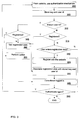
- the user accesses (step 300) the first authentication mechanism (240) associated with the first social networking website (110) e.g. by initially clicking on a button in the website (105) (in order to e.g. use the forum to interact with other users of the first social networking website (110)).
- the first controller (225) issues a redirect request to redirect the user's browser to the first authentication mechanism (240), specifying a URL of the website (105) as a "callback" URL as part of the redirect request.
- the callback URL can be specified in advance e.g. by an application developer responsible for developing the website (105).
- first credentials e.g. a first username and a first password
- cached credentials are entered using a typical 'remember me' process.
- the first social networking website (110) can display an error message.
- the user attempted to navigate back to the website (105) e.g. by pressing the "back" button on their browser
- the user will not be able to access data associated with the first social networking website (110).
- the second controller (245) redirects the user's browser back to the website (105) using the callback URL.
- the first authentication mechanism (240) transmits a first authentication key and the first username to the receiver (210).
- the first authentication key can be used by the website (105) to display data associated with the first social networking website (110) e.g. a list of other users (contacts) associated with the user.
- the logger (215) temporarily stores (step 305) the first username, the first authentication key and any data associated with the first social networking website (110) (e.g. the list of other users) in the storage component (230).
- the checker (220) checks the received first username against any "hardened” data in the storage component (230) in order to determine whether the first username has been received by the website (105) previously.
- the checker (220) does not find the received first username against any "hardened” data in the storage component (230), the first username is not considered to be known.
- the checker (220) determines whether the user is "registered", that is, whether an account associated with the user has been generated for the website (105) (this process will be described in detail later).
- the website (105) allows the user to interact further with the website (105).
- the user is allowed to e.g. access a registration process or another authentication mechanism.
- the first controller (225) requests (step 320) whether the user wishes to input to a registration process associated with the website (105), wherein associated registration data input by the user uniquely identifies the user to the website (105).
- the registration process can be automated such that the user does not need to input data in order for an account to be generated.
- the logger (215) In response to the user not wishing to input to the registration process or unsuccessfully registering, the logger (215) does not "harden” the storage of the first username, the first authentication key and any data associated with the first social networking website (110) in the storage component (230).
- step 340 If the user wishes to authenticate again (step 340), the process passes to step 300, otherwise, the process ends (and the session ends).
- the user does wish to input to the registration process and at step 325, in response to the user successfully registering, the logger (215) generates an "account" associated with the website (105) which identifies the user.
- the account allows for the user who has successfully authenticated to be uniquely identified. However, the account is not used as an authentication mechanism itself.
- the generation of the account is hidden from the user e.g. generation of the account does not require credentials to be input by the user.
- the logger (215) "hardens" (step 330) the first username, the first authentication key and any data associated with the first social networking website (110) (e.g. the list of other users) in the storage component (230) against the account.
- step 335 the user is considered as "logged in” to the website (105).
- the account can also be associated with other data e.g. data added, modified etc. by using the website (105).
- the user does not wish to authenticate again (step 340) and the process ends (and the session ends).
- the user accesses the website (105) and invokes another "session".
- the user accesses (step 300) the second authentication mechanism (255) associated with the second social networking website (115) e.g. by initially clicking on a button in the website (105) (in order to e.g. view photos from the second social networking website (115)).
- the first controller (225) issues a redirect request to redirect the user's browser to the second authentication mechanism (255), specifying a URL of the website (105) as a "callback" URL as part of the redirect request.
- the user enters second credentials (e.g. a second username and a second password) associated with the second authentication mechanism (255).
- second credentials e.g. a second username and a second password
- cached credentials are entered using a typical 'remember me' process.
- the second social networking website (115) can display an error message.
- the user attempted to navigate back to the website (105) e.g. by pressing the "back" button on their browser
- the user will not be able to access data associated with the second social networking website (115).
- the third controller (260) redirects the user's browser back to the website (105) using the callback URL.
- the second authentication mechanism (255) transmits a second authentication key and the second username to the receiver (210).
- the second authentication key can be used by the website (105) to display data associated with the second social networking website (115) e.g. a plurality of photos.
- the logger (215) temporarily stores (step 305) the second username, the second authentication key and any data associated with the second social networking website (115) (e.g. the plurality of photos) in the storage component (230).
- the checker (220) checks the received second username against any "hardened” data in the storage component (230) in order to determine whether it has been received by the website (105) previously.
- the checker (220) does not find the received second username against any "hardened” data in the storage component (230), the second username is not considered to be known.
- the checker (220) determines whether the user is registered.
- the website (105) allows the user to interact further with the website (105).
- the first controller (225) requests (step 320) whether the user wishes to input to a registration process associated with the website (105).
- the user informs the first controller (225) that they do not wish to input to the registration process.
- the logger (215) does not "harden” the storage of the second username, the second authentication key and any data associated with the second social networking website (115) in the storage component (230).
- step 340 If the user does not wish to authenticate again (step 340), the process ends (and the another session ends).
- the user does wish to authenticate again (step 340) and the process passes to step 300 wherein the user once again accesses (step 300) the first authentication mechanism (240).
- the first controller (225) issues a redirect request to redirect the user's browser to the first authentication mechanism (240).
- the user enters first credentials associated with the first authentication mechanism (240).
- the first social networking website (110) can display an error message and alternatively, if the user attempted to navigate back to the website (105), the user will e.g. not be able to access data associated with the first social networking website (110).
- the second controller (245) redirects the user's browser back to the website (105) and preferably, the first authentication mechanism (240) transmits the first authentication key and the first username associated to the receiver (210).
- the logger (215) temporarily stores (step 305) the first username, the first authentication key and any data associated with the first social networking website (110) (e.g. the list of other users) in the storage component (230).
- the checker (220) checks and finds the received first username against "hardened” data in the storage component (230) (wherein the first username was hardened in the previous session) and the first username is considered to be known.
- the checker (220) determines whether the user is registered. As an account associated with the user has not been generated in the another session, the user is not considered registered.
- the logger (215) obtains the hardened data associated with the first username.
- the hardened data comprises the first username, the first authentication key, any data associated with the first social networking website in the storage component (230) and the account.
- the logger "hardens" data associated with the second authentication mechanism (namely, the second username, the second authentication key and any data associated with the second social networking website (115)) in the storage component (230) against the account and the data associated with the first authentication mechanism (namely, the first username, the first authentication key and any data associated with the first social networking website (110)).
- the user is considered as logged in to the website (105).
- the user does not wish to authenticate again (step 340) and the process ends (and the another session ends).
- the checker (220) determines whether the user is registered. If the user is registered, and as an account associated with the user has not been generated in the another session, the user is considered registered using another previously generated account.
- one or more actions are performed.
- the accounts can be merged; the accounts can be kept separate such that data associated with the second authentication mechanism is not hardened with the account comprising the data associated with the first authentication; an alert can be generated etc.
- step 335 the process passes to step 335.
- the user authenticates using the first authentication mechanism in a first session. Subsequently, in a second session, the user authenticates using the second authentication mechanism and then the first authentication mechanism, such that data associated with the first authentication mechanism can be associated with data associated with the second authentication mechanism and both data sets can be associated with a generated account of the website (105).
- the preferred embodiment provides a method of considering a user "logged in” to the website (105) without requiring local authentication associated with the website (105).
- the user can access the first authentication mechanism (240).
- the first authentication mechanism (240) transmits the first authentication key and the first username to the receiver (210).
- the checker (220) subsequently checks the received first username in order to determine whether the first username has been received by the website (105) previously. As the checker (220) finds the first username in the storage component (230) against the account (and also finds the associated second username against the same account), the checker (220) determines that the first username user has been received by the website (105) previously.
- the user is considered logged in and the first controller (225) allows the user to access data associated with the website (105) and data requiring (and not requiring) authentication from the first social networking website (110).
- the first controller (225) can identify the user's username associated with the second social networking website (115). Thus, any data associated with the user and not requiring authentication can be retrieved from the second social networking website (115). Note that if the user wishes to access data requiring authentication from the second social networking website (115), the user needs to authenticate with the second authentication mechanism.
- the user is able to authenticate using the second authentication mechanism in order to access data associated with the website (105); data requiring and not requiring authentication from the second social networking website (115) and any data not requiring authentication from the first social networking website (110) (as above, if the user wishes to access data requiring authentication from the first social networking website (110), the user needs to authenticate with the first authentication mechanism).
- the preferred embodiment provides the user with flexibility in authenticating. For example, if the user deactivated credentials associated with e.g. the first authentication mechanism or the user forgets their credentials, the user can still use the second authentication mechanism in order to be considered as logged in to the website (105).
- a logic arrangement may suitably be embodied in a logic apparatus comprising logic elements to perform the steps of the method, and that such logic elements may comprise components such as logic gates in, for example a programmable logic array or application-specific integrated circuit.
- Such a logic arrangement may further be embodied in enabling elements for temporarily or permanently establishing logic structures in such an array or circuit using, for example, a virtual hardware descriptor language, which may be stored and transmitted using fixed or transmittable carrier media.
- the method and arrangement described above may also suitably be carried out fully or partially in software running on one or more processors (not shown in the Figures), and that the software may be provided in the form of one or more computer program elements carried on any suitable data-carrier (also not shown in the Figures) such as a magnetic or optical disk or the like.
- suitable data-carrier also not shown in the Figures
- Channels for the transmission of data may likewise comprise storage media of all descriptions as well as signal-carrying media, such as wired or wireless signal-carrying media.
- the present invention may further suitably be embodied as a computer program product for use with a computer system.
- Such an implementation may comprise a series of computer-readable instructions either fixed on a tangible medium, such as a computer readable medium, for example, diskette, CD-ROM, ROM, or hard disk, or transmittable to a computer system, via a modem or other interface device, over either a tangible medium, including but not limited to optical or analogue communications lines, or intangibly using wireless techniques, including but not limited to microwave, infrared or other transmission techniques.
- the series of computer readable instructions embodies all or part of the functionality previously described herein.
- Such computer readable instructions can be written in a number of programming languages for use with many computer architectures or operating systems. Further, such instructions may be stored using any memory technology, present or future, including but not limited to, semiconductor, magnetic, or optical, or transmitted using any communications technology, present or future, including but not limited to optical, infrared, or microwave. It is contemplated that such a computer program product may be distributed as a removable medium with accompanying printed or electronic documentation, for example, shrink-wrapped software, pre-loaded with a computer system, for example, on a system ROM or fixed disk, or distributed from a server or electronic bulletin board over a network, for example, the Internet or World Wide Web.
- the preferred embodiment of the present invention may be realized in the form of computer implemented method of deploying a service comprising steps of deploying computer program code operable to, when deployed into a computer infrastructure and executed thereon, cause said computer system to perform all the steps of the described method.
Landscapes
- Engineering & Computer Science (AREA)
- Computer Security & Cryptography (AREA)
- Computer Networks & Wireless Communication (AREA)
- Signal Processing (AREA)
- Computer Hardware Design (AREA)
- General Engineering & Computer Science (AREA)
- Theoretical Computer Science (AREA)
- Computing Systems (AREA)
- Software Systems (AREA)
- Physics & Mathematics (AREA)
- General Physics & Mathematics (AREA)
- Information Transfer Between Computers (AREA)
Claims (13)
- Vorrichtung (200) zum Verwalten von Nutzer-Berechtigungsprüfungen für die Verwendung mit einem System, das einen ersten Berechtigungsprüfungs-Mechanismus (240) und einen zweiten Berechtigungsprüfungs-Mechanismus (255) umfasst, wobei die Vorrichtung einen Empfänger (210), eine Protokolleinheit (215) und eine Prüfeinheit (220) umfasst, wobei in einer ersten Sitzung:der Empfänger in der Lage ist, erste Berechtigungsprüfdaten von dem ersten Berechtigungsprüfungs-Mechanismus zu empfangen, wobei die ersten Berechtigungsprüfdaten einem Nutzer zugehörig sind und in Reaktion darauf erzeugt werden, dass der erste Berechtigungsprüfungs-Mechanismus erfolgreich den Nutzer auf Berechtigung prüft, wobei die ersten Berechtigungsprüfdaten einen ersten Nutzerbezeichner und einen ersten Berechtigungsprüfschlüssel umfassen;die Protokolleinheit in der Lage ist, ein Kontos zu erzeugen, das dem Nutzer zugehörig ist und die ersten Berechtigungsprüfdaten in Zusammenhang mit dem Konto speichert;und wobei in einer zweiten Sitzung:der Empfänger zum Empfangen von zweiten Berechtigungsprüfdaten in der Lage ist, die mit dem Nutzer verknüpft sind und von dem zweiten Berechtigungsprüfungs-Mechanismus empfangen werden, wobei die zweiten Berechtigungsprüfdaten in Reaktion darauf erzeugt werden, dass der zweite Berechtigungsprüfungs-Mechanismus den Nutzer erfolgreich auf Berechtigung prüft, wobei die zweiten Berechtigungsprüfdaten einen zweiten Nutzerbezeichner und einen zweiten Berechtigungsprüfschlüssel umfassen;der Empfänger zum Empfangen von ersten Berechtigungsprüfdaten von dem ersten Berechtigungsprüfungs-Mechanismus in der Lage ist, wobei die ersten Berechtigungsprüfdaten einem Nutzer zugehörig sind und in Reaktion darauf erzeugt werden, dass ein erster Berechtigungsprüfungs-Mechanismus den Nutzer erfolgreich auf Berechtigung prüft, wobei die Prüfeinheit zum Feststellen geeignet ist, dass der Nutzerbezeichner im Zusammenhang mit einem Konto gespeichert wird; undwobei die Protokolleinheit zum Speichern der zweiten Berechtigungsprüfdaten im Zusammenhang mit dem Konto in der Lage ist.
- Vorrichtung nach Anspruch 1, die in Reaktion darauf, dass die Protokolleinheit die ersten Berechtigungsprüfdaten oder die zweiten Berechtigungsprüfdaten mit dem Konto speichert, ferner ein Mittel zum Bereitstellen des Zugriffs auf eine Entität umfasst.
- Vorrichtung nach Anspruch 1 oder Anspruch 2, die ferner umfasst:ein Mittel zum Verwenden des ersten Berechtigungsprüfschlüssels für ein Abrufen von ersten Dateninhalten und ein Mittel zum Verwenden des zweiten Berechtigungsprüfschlüssels für ein Abrufen von zweiten Dateninhalten.
- Vorrichtung nach Anspruch 3, wobei die ersten Dateninhalte Daten, die einer ersten Webseite zugehörig sind, und die zweiten Dateninhalte Daten wiedergeben, die einer zweiten Webseite zugehörig sind.
- Vorrichtung nach Anspruch 4, wobei die Protokolleinheit in Reaktion darauf, dass die Protokolleinheit das Konto erfolgreich erzeugt, zum Zuordnen der ersten Dateninhalte und der zweiten Dateninhalte zu dem Konto, den ersten Berechtigungsprüfdaten und den zweiten Berechtigungsprüfdaten in der Lage ist.
- Vorrichtung nach einem der vorhergehenden Ansprüche, wobei die Protokolleinheit zum Zuordnen der zweiten Berechtigungsprüfdaten zu den ersten Berechtigungsprüfdaten und dem Konto in einer zweiten Sitzung in der Lage ist.
- Vorrichtung nach Anspruch 6, wobei in Reaktion darauf, dass der Nutzer mit dem ersten Berechtigungsprüfungs-Mechanismus in einer dritten Sitzung erfolgreich auf Berechtigung geprüft wird, die Protokolleinheit zum Verwenden der ersten Berechtigungsprüfdaten für ein Abrufen des zugeordneten Kontos und der zweiten Berechtigungsprüfdaten in der Lage ist.
- Vorrichtung nach Anspruch 7, wobei in Reaktion darauf, dass der Nutzer mit dem zweiten Berechtigungsprüfungs-Mechanismus in einer dritten Sitzung erfolgreich auf Berechtigung geprüft wird, die Protokolleinheit zum Verwenden der zweiten Berechtigungsprüfdaten für ein Abrufen des zugeordneten Kontos und der ersten Berechtigungsprüfdaten in der Lage ist.
- Vorrichtung nach einem der vorhergehenden Ansprüche, wobei der erste Berechtigungsprüfungs-Mechanismus und der zweite Berechtigungsprüfungs-Mechanismus einer Anwendung zur sozialen Vernetzung zugehörig sind.
- Verfahren zum Verwalten der Nutzer-Berechtigungsprüfungen für die Verwendung mit einem System, das einen ersten Berechtigungsprüfungs-Mechanismus und einen zweiten Berechtigungsprüfungs-Mechanismus umfasst, wobei das Verfahren umfasst:in einer ersten Sitzung:Empfangen (305) von ersten Berechtigungsprüfdaten von dem ersten Berechtigungsprüfungs-Mechanismus, wobei die ersten Berechtigungsprüfdaten einem Nutzer zugehörig sind und in Reaktion darauf erzeugt werden, dass der erste Berechtigungsprüfungs-Mechanismus den Nutzer erfolgreich auf Berechtigung prüft, wobei die ersten Berechtigungsprüfdaten einen ersten Nutzerbezeichner und einen ersten Berechtigungsprüfschlüssel umfassen;Erzeugen (325) eines Kontos, das dem Nutzer zugehörig ist; Speichern (330) der ersten Berechtigungsprüfdaten im Zusammenhang mit dem Konto;in einer zweiten Sitzung:Empfangen (350) von zweiten Berechtigungsprüfdaten von dem zweiten Berechtigungsprüfungs-Mechanismus, wobei die zweiten Berechtigungsprüfdaten einem Nutzer zugehörig sind und in Reaktion darauf erzeugt werden, dass der zweite Berechtigungsprüfung-Mechanismus den Nutzer erfolgreich auf Berechtigung prüft, wobei die zweiten Berechtigungsprüfdaten einen zweiten Nutzerbezeichner und einen zweiten Berechtigungsprüfschlüssel umfassen;Empfangen (305) von ersten Berechtigungsprüfdaten von dem ersten Berechtigungsprüfungs-Mechanismus, wobei die ersten Berechtigungsprüfdaten mit einem Nutzer verknüpft sind und in Reaktion darauf erzeugt werden, dass der erste Berechtigungsprüfungs-Mechanismus den Nutzer erfolgreich auf Berechtigung prüft,Feststellen (310), dass der erste Nutzerbezeichner einem Konto zugehörig ist; undSpeichern (330) der zweiten Berechtigungsprüfdaten im Zusammenhang mit dem Konto.
- Verfahren nach Anspruch 10, das ferner umfasst:in Reaktion auf ein Speichern der ersten Berechtigungsprüfdaten oder der zweiten Berechtigungsprüfdaten im Zusammenhang mit dem Konto Bereitstellen des Zugriffs auf eine Entität.
- Verfahren nach einem der Ansprüche 10 bis 11, wobei die Zuordnung der zweiten Berechtigungsprüfdaten zu ersten Berechtigungsprüfdaten und dem Konto in einer zweiten Sitzung ausgeführt wird.
- Computerprogramm, das Programm-Code-Mittel umfasst, die zum Ausführen aller Schritte nach einem Anspruch der Ansprüche 10 bis 12 geeignet sind, wenn das Programm auf einem Computer ausgeführt wird.
Priority Applications (1)
| Application Number | Priority Date | Filing Date | Title |
|---|---|---|---|
| EP09781441.2A EP2310977B1 (de) | 2008-08-08 | 2009-08-03 | Vorrichtung zur verwaltung von benutzerauthentifizierungen |
Applications Claiming Priority (3)
| Application Number | Priority Date | Filing Date | Title |
|---|---|---|---|
| EP08162071 | 2008-08-08 | ||
| PCT/EP2009/060053 WO2010015609A1 (en) | 2008-08-08 | 2009-08-03 | An apparatus for managing user authentication |
| EP09781441.2A EP2310977B1 (de) | 2008-08-08 | 2009-08-03 | Vorrichtung zur verwaltung von benutzerauthentifizierungen |
Publications (2)
| Publication Number | Publication Date |
|---|---|
| EP2310977A1 EP2310977A1 (de) | 2011-04-20 |
| EP2310977B1 true EP2310977B1 (de) | 2016-10-05 |
Family
ID=41110515
Family Applications (1)
| Application Number | Title | Priority Date | Filing Date |
|---|---|---|---|
| EP09781441.2A Not-in-force EP2310977B1 (de) | 2008-08-08 | 2009-08-03 | Vorrichtung zur verwaltung von benutzerauthentifizierungen |
Country Status (5)
| Country | Link |
|---|---|
| US (1) | US8756664B2 (de) |
| EP (1) | EP2310977B1 (de) |
| KR (1) | KR20110055542A (de) |
| CN (1) | CN102112991B (de) |
| WO (1) | WO2010015609A1 (de) |
Families Citing this family (11)
| Publication number | Priority date | Publication date | Assignee | Title |
|---|---|---|---|---|
| US9154475B1 (en) * | 2009-01-16 | 2015-10-06 | Zscaler, Inc. | User authentication and authorization in distributed security system |
| US8352442B2 (en) * | 2008-08-08 | 2013-01-08 | International Business Machines Corporation | Determination of an updated data source from disparate data sources |
| US8346967B2 (en) * | 2008-08-08 | 2013-01-01 | International Business Machines Corporation | Management of redirection |
| DE102010031932A1 (de) | 2010-07-22 | 2012-01-26 | Siemens Aktiengesellschaft | Verfahren zur Zugangskontrolle und entsprechende Vorrichtung |
| JP5342020B2 (ja) * | 2011-09-27 | 2013-11-13 | 株式会社野村総合研究所 | グループ定義管理システム |
| KR102003816B1 (ko) * | 2012-11-15 | 2019-07-25 | 에스케이텔레콤 주식회사 | 가입자단말인증장치 및 가입자단말인증장치의 동작 방법 |
| US10026245B2 (en) | 2014-03-31 | 2018-07-17 | Vivint, Inc. | Mobile device based authentication |
| US9961059B2 (en) | 2014-07-10 | 2018-05-01 | Red Hat Israel, Ltd. | Authenticator plugin interface |
| CN107332806B (zh) | 2016-04-29 | 2020-05-05 | 阿里巴巴集团控股有限公司 | 移动设备标识的设置方法及装置 |
| US10834104B1 (en) | 2017-04-13 | 2020-11-10 | United Services Automobile Association (Usaa) | Systems and methods of detecting and mitigating malicious network activity |
| CN112346661B (zh) * | 2020-11-16 | 2023-09-29 | 脸萌有限公司 | 数据处理方法、装置和电子设备 |
Family Cites Families (19)
| Publication number | Priority date | Publication date | Assignee | Title |
|---|---|---|---|---|
| US5276458A (en) * | 1990-05-14 | 1994-01-04 | International Business Machines Corporation | Display system |
| US20020062241A1 (en) * | 2000-07-19 | 2002-05-23 | Janet Rubio | Apparatus and method for coding electronic direct marketing lists to common searchable format |
| US6925467B2 (en) * | 2002-05-13 | 2005-08-02 | Innopath Software, Inc. | Byte-level file differencing and updating algorithms |
| US7853563B2 (en) * | 2005-08-01 | 2010-12-14 | Seven Networks, Inc. | Universal data aggregation |
| SE0300817L (sv) * | 2003-03-25 | 2004-03-09 | Efab Erik Frisell Ab | Projektorfäste |
| JP4307982B2 (ja) * | 2003-12-19 | 2009-08-05 | 株式会社日立製作所 | データ多重化制御方法 |
| US7457823B2 (en) * | 2004-05-02 | 2008-11-25 | Markmonitor Inc. | Methods and systems for analyzing data related to possible online fraud |
| US7797293B2 (en) * | 2004-06-24 | 2010-09-14 | Oracle America, Inc. | Adaptive contact list |
| US20060195472A1 (en) * | 2005-02-25 | 2006-08-31 | Microsoft Corporation | Method and system for aggregating contact information from multiple contact sources |
| US7562104B2 (en) * | 2005-02-25 | 2009-07-14 | Microsoft Corporation | Method and system for collecting contact information from contact sources and tracking contact sources |
| US20060218630A1 (en) * | 2005-03-23 | 2006-09-28 | Sbc Knowledge Ventures L.P. | Opt-in linking to a single sign-on account |
| CA2634201A1 (en) * | 2005-12-22 | 2007-07-05 | Catalog.Com, Inc. | Social network-enabled interactive media player |
| JP4983100B2 (ja) * | 2006-05-31 | 2012-07-25 | 富士通株式会社 | データ差異解消プログラムおよびデータ差異解消装置 |
| US7908647B1 (en) * | 2006-06-27 | 2011-03-15 | Confluence Commons, Inc. | Aggregation system |
| US20080168539A1 (en) * | 2007-01-05 | 2008-07-10 | Joseph Stein | Methods and systems for federated identity management |
| US20090292745A1 (en) * | 2008-05-23 | 2009-11-26 | Orbitz Worldwide, L.L.C. | Database management system and method |
| US8533284B2 (en) * | 2008-05-28 | 2013-09-10 | Cooliris, Inc. | Sharing of media and other content through a communication channel |
| US8346967B2 (en) * | 2008-08-08 | 2013-01-01 | International Business Machines Corporation | Management of redirection |
| US8352442B2 (en) * | 2008-08-08 | 2013-01-08 | International Business Machines Corporation | Determination of an updated data source from disparate data sources |
-
2008
- 2008-09-26 US US12/238,676 patent/US8756664B2/en not_active Expired - Fee Related
-
2009
- 2009-08-03 WO PCT/EP2009/060053 patent/WO2010015609A1/en not_active Ceased
- 2009-08-03 EP EP09781441.2A patent/EP2310977B1/de not_active Not-in-force
- 2009-08-03 KR KR1020117002921A patent/KR20110055542A/ko not_active Ceased
- 2009-08-03 CN CN200980130152.0A patent/CN102112991B/zh active Active
Non-Patent Citations (2)
| Title |
|---|
| ANONYMOUS: "OAuth Core 1.0", INTERNET CITATION, 4 December 2007 (2007-12-04), pages 25PP, XP007910182, Retrieved from the Internet <URL:http://oauth.net/core/1.0> [retrieved on 20091015] * |
| AUSTEL P ET AL: "Secure Delegation for Web 2.0 and Mashups", INTERNET CITATION, 22 May 2008 (2008-05-22), pages 1 - 7, XP007910307, Retrieved from the Internet <URL:http://w2spconf.com/2008/papers/sp4.pdf> [retrieved on 20091026] * |
Also Published As
| Publication number | Publication date |
|---|---|
| CN102112991A (zh) | 2011-06-29 |
| US20100037301A1 (en) | 2010-02-11 |
| US8756664B2 (en) | 2014-06-17 |
| KR20110055542A (ko) | 2011-05-25 |
| EP2310977A1 (de) | 2011-04-20 |
| CN102112991B (zh) | 2014-02-19 |
| WO2010015609A1 (en) | 2010-02-11 |
Similar Documents
| Publication | Publication Date | Title |
|---|---|---|
| US12598227B2 (en) | Systems and methods for controlling sign-on to web applications | |
| US8756664B2 (en) | Management of user authentication | |
| JP5992524B2 (ja) | リソースアクセスの権限付与 | |
| US8327427B2 (en) | System and method for transparent single sign-on | |
| CN104065616B (zh) | 单点登录方法和系统 | |
| US9172541B2 (en) | System and method for pool-based identity generation and use for service access | |
| US11356261B2 (en) | Apparatus and methods for secure access to remote content | |
| CN113411324B (zh) | 基于cas与第三方服务器实现登录认证的方法和系统 | |
| JP4960738B2 (ja) | 認証システム、認証方法および認証プログラム | |
| US8346967B2 (en) | Management of redirection | |
| JP5644565B2 (ja) | 認証システム及び認証方法 | |
| JP2018037025A (ja) | プログラム、認証システム及び認証連携システム | |
| Baker | OAuth2 | |
| JP2012033042A (ja) | シングルサインオンシステム及びシングルサインオン方法 | |
| WO2009066858A1 (en) | Personal information management apparatus and personal information management method | |
| JP2005293088A (ja) | 認証システム及び認証方法 | |
| JP5460493B2 (ja) | 認証システム及び認証基盤装置及び認証プログラム | |
| KR20100073884A (ko) | Id 연계 기반의 고객정보 중개 및 동기화 방법 |
Legal Events
| Date | Code | Title | Description |
|---|---|---|---|
| PUAI | Public reference made under article 153(3) epc to a published international application that has entered the european phase |
Free format text: ORIGINAL CODE: 0009012 |
|
| 17P | Request for examination filed |
Effective date: 20101022 |
|
| AK | Designated contracting states |
Kind code of ref document: A1 Designated state(s): AT BE BG CH CY CZ DE DK EE ES FI FR GB GR HR HU IE IS IT LI LT LU LV MC MK MT NL NO PL PT RO SE SI SK SM TR |
|
| AX | Request for extension of the european patent |
Extension state: AL BA RS |
|
| DAX | Request for extension of the european patent (deleted) | ||
| 17Q | First examination report despatched |
Effective date: 20150904 |
|
| REG | Reference to a national code |
Ref country code: DE Ref legal event code: R079 Ref document number: 602009041577 Country of ref document: DE Free format text: PREVIOUS MAIN CLASS: G06F0021000000 Ipc: H04L0029060000 |
|
| GRAP | Despatch of communication of intention to grant a patent |
Free format text: ORIGINAL CODE: EPIDOSNIGR1 |
|
| RIC1 | Information provided on ipc code assigned before grant |
Ipc: H04L 29/06 20060101AFI20160324BHEP |
|
| INTG | Intention to grant announced |
Effective date: 20160422 |
|
| GRAS | Grant fee paid |
Free format text: ORIGINAL CODE: EPIDOSNIGR3 |
|
| GRAA | (expected) grant |
Free format text: ORIGINAL CODE: 0009210 |
|
| AK | Designated contracting states |
Kind code of ref document: B1 Designated state(s): AT BE BG CH CY CZ DE DK EE ES FI FR GB GR HR HU IE IS IT LI LT LU LV MC MK MT NL NO PL PT RO SE SI SK SM TR |
|
| REG | Reference to a national code |
Ref country code: GB Ref legal event code: FG4D |
|
| REG | Reference to a national code |
Ref country code: CH Ref legal event code: EP |
|
| REG | Reference to a national code |
Ref country code: AT Ref legal event code: REF Ref document number: 835456 Country of ref document: AT Kind code of ref document: T Effective date: 20161015 |
|
| REG | Reference to a national code |
Ref country code: IE Ref legal event code: FG4D |
|
| REG | Reference to a national code |
Ref country code: DE Ref legal event code: R084 Ref document number: 602009041577 Country of ref document: DE |
|
| REG | Reference to a national code |
Ref country code: CH Ref legal event code: NV Representative=s name: IBM RESEARCH GMBH ZURICH RESEARCH LABORATORY I, CH |
|
| REG | Reference to a national code |
Ref country code: DE Ref legal event code: R096 Ref document number: 602009041577 Country of ref document: DE |
|
| REG | Reference to a national code |
Ref country code: GB Ref legal event code: 746 Effective date: 20161103 |
|
| REG | Reference to a national code |
Ref country code: NL Ref legal event code: MP Effective date: 20161005 |
|
| REG | Reference to a national code |
Ref country code: LT Ref legal event code: MG4D |
|
| PG25 | Lapsed in a contracting state [announced via postgrant information from national office to epo] |
Ref country code: LV Free format text: LAPSE BECAUSE OF FAILURE TO SUBMIT A TRANSLATION OF THE DESCRIPTION OR TO PAY THE FEE WITHIN THE PRESCRIBED TIME-LIMIT Effective date: 20161005 |
|
| REG | Reference to a national code |
Ref country code: AT Ref legal event code: MK05 Ref document number: 835456 Country of ref document: AT Kind code of ref document: T Effective date: 20161005 |
|
| PG25 | Lapsed in a contracting state [announced via postgrant information from national office to epo] |
Ref country code: GR Free format text: LAPSE BECAUSE OF FAILURE TO SUBMIT A TRANSLATION OF THE DESCRIPTION OR TO PAY THE FEE WITHIN THE PRESCRIBED TIME-LIMIT Effective date: 20170106 Ref country code: NO Free format text: LAPSE BECAUSE OF FAILURE TO SUBMIT A TRANSLATION OF THE DESCRIPTION OR TO PAY THE FEE WITHIN THE PRESCRIBED TIME-LIMIT Effective date: 20170105 Ref country code: LT Free format text: LAPSE BECAUSE OF FAILURE TO SUBMIT A TRANSLATION OF THE DESCRIPTION OR TO PAY THE FEE WITHIN THE PRESCRIBED TIME-LIMIT Effective date: 20161005 Ref country code: SE Free format text: LAPSE BECAUSE OF FAILURE TO SUBMIT A TRANSLATION OF THE DESCRIPTION OR TO PAY THE FEE WITHIN THE PRESCRIBED TIME-LIMIT Effective date: 20161005 |
|
| PG25 | Lapsed in a contracting state [announced via postgrant information from national office to epo] |
Ref country code: AT Free format text: LAPSE BECAUSE OF FAILURE TO SUBMIT A TRANSLATION OF THE DESCRIPTION OR TO PAY THE FEE WITHIN THE PRESCRIBED TIME-LIMIT Effective date: 20161005 Ref country code: PT Free format text: LAPSE BECAUSE OF FAILURE TO SUBMIT A TRANSLATION OF THE DESCRIPTION OR TO PAY THE FEE WITHIN THE PRESCRIBED TIME-LIMIT Effective date: 20170206 Ref country code: HR Free format text: LAPSE BECAUSE OF FAILURE TO SUBMIT A TRANSLATION OF THE DESCRIPTION OR TO PAY THE FEE WITHIN THE PRESCRIBED TIME-LIMIT Effective date: 20161005 Ref country code: FI Free format text: LAPSE BECAUSE OF FAILURE TO SUBMIT A TRANSLATION OF THE DESCRIPTION OR TO PAY THE FEE WITHIN THE PRESCRIBED TIME-LIMIT Effective date: 20161005 Ref country code: ES Free format text: LAPSE BECAUSE OF FAILURE TO SUBMIT A TRANSLATION OF THE DESCRIPTION OR TO PAY THE FEE WITHIN THE PRESCRIBED TIME-LIMIT Effective date: 20161005 Ref country code: IS Free format text: LAPSE BECAUSE OF FAILURE TO SUBMIT A TRANSLATION OF THE DESCRIPTION OR TO PAY THE FEE WITHIN THE PRESCRIBED TIME-LIMIT Effective date: 20170205 Ref country code: BE Free format text: LAPSE BECAUSE OF FAILURE TO SUBMIT A TRANSLATION OF THE DESCRIPTION OR TO PAY THE FEE WITHIN THE PRESCRIBED TIME-LIMIT Effective date: 20161005 Ref country code: NL Free format text: LAPSE BECAUSE OF FAILURE TO SUBMIT A TRANSLATION OF THE DESCRIPTION OR TO PAY THE FEE WITHIN THE PRESCRIBED TIME-LIMIT Effective date: 20161005 Ref country code: PL Free format text: LAPSE BECAUSE OF FAILURE TO SUBMIT A TRANSLATION OF THE DESCRIPTION OR TO PAY THE FEE WITHIN THE PRESCRIBED TIME-LIMIT Effective date: 20161005 |
|
| REG | Reference to a national code |
Ref country code: DE Ref legal event code: R097 Ref document number: 602009041577 Country of ref document: DE |
|
| PG25 | Lapsed in a contracting state [announced via postgrant information from national office to epo] |
Ref country code: SK Free format text: LAPSE BECAUSE OF FAILURE TO SUBMIT A TRANSLATION OF THE DESCRIPTION OR TO PAY THE FEE WITHIN THE PRESCRIBED TIME-LIMIT Effective date: 20161005 Ref country code: DK Free format text: LAPSE BECAUSE OF FAILURE TO SUBMIT A TRANSLATION OF THE DESCRIPTION OR TO PAY THE FEE WITHIN THE PRESCRIBED TIME-LIMIT Effective date: 20161005 Ref country code: RO Free format text: LAPSE BECAUSE OF FAILURE TO SUBMIT A TRANSLATION OF THE DESCRIPTION OR TO PAY THE FEE WITHIN THE PRESCRIBED TIME-LIMIT Effective date: 20161005 Ref country code: CZ Free format text: LAPSE BECAUSE OF FAILURE TO SUBMIT A TRANSLATION OF THE DESCRIPTION OR TO PAY THE FEE WITHIN THE PRESCRIBED TIME-LIMIT Effective date: 20161005 Ref country code: EE Free format text: LAPSE BECAUSE OF FAILURE TO SUBMIT A TRANSLATION OF THE DESCRIPTION OR TO PAY THE FEE WITHIN THE PRESCRIBED TIME-LIMIT Effective date: 20161005 |
|
| PLBE | No opposition filed within time limit |
Free format text: ORIGINAL CODE: 0009261 |
|
| STAA | Information on the status of an ep patent application or granted ep patent |
Free format text: STATUS: NO OPPOSITION FILED WITHIN TIME LIMIT |
|
| PG25 | Lapsed in a contracting state [announced via postgrant information from national office to epo] |
Ref country code: BG Free format text: LAPSE BECAUSE OF FAILURE TO SUBMIT A TRANSLATION OF THE DESCRIPTION OR TO PAY THE FEE WITHIN THE PRESCRIBED TIME-LIMIT Effective date: 20170105 Ref country code: SM Free format text: LAPSE BECAUSE OF FAILURE TO SUBMIT A TRANSLATION OF THE DESCRIPTION OR TO PAY THE FEE WITHIN THE PRESCRIBED TIME-LIMIT Effective date: 20161005 Ref country code: IT Free format text: LAPSE BECAUSE OF FAILURE TO SUBMIT A TRANSLATION OF THE DESCRIPTION OR TO PAY THE FEE WITHIN THE PRESCRIBED TIME-LIMIT Effective date: 20161005 |
|
| 26N | No opposition filed |
Effective date: 20170706 |
|
| PG25 | Lapsed in a contracting state [announced via postgrant information from national office to epo] |
Ref country code: SI Free format text: LAPSE BECAUSE OF FAILURE TO SUBMIT A TRANSLATION OF THE DESCRIPTION OR TO PAY THE FEE WITHIN THE PRESCRIBED TIME-LIMIT Effective date: 20161005 |
|
| REG | Reference to a national code |
Ref country code: CH Ref legal event code: PL |
|
| PG25 | Lapsed in a contracting state [announced via postgrant information from national office to epo] |
Ref country code: MC Free format text: LAPSE BECAUSE OF FAILURE TO SUBMIT A TRANSLATION OF THE DESCRIPTION OR TO PAY THE FEE WITHIN THE PRESCRIBED TIME-LIMIT Effective date: 20161005 |
|
| PG25 | Lapsed in a contracting state [announced via postgrant information from national office to epo] |
Ref country code: CH Free format text: LAPSE BECAUSE OF NON-PAYMENT OF DUE FEES Effective date: 20170831 Ref country code: LI Free format text: LAPSE BECAUSE OF NON-PAYMENT OF DUE FEES Effective date: 20170831 |
|
| REG | Reference to a national code |
Ref country code: FR Ref legal event code: ST Effective date: 20180430 |
|
| REG | Reference to a national code |
Ref country code: IE Ref legal event code: MM4A |
|
| PG25 | Lapsed in a contracting state [announced via postgrant information from national office to epo] |
Ref country code: LU Free format text: LAPSE BECAUSE OF NON-PAYMENT OF DUE FEES Effective date: 20170803 |
|
| PG25 | Lapsed in a contracting state [announced via postgrant information from national office to epo] |
Ref country code: IE Free format text: LAPSE BECAUSE OF NON-PAYMENT OF DUE FEES Effective date: 20170803 |
|
| PG25 | Lapsed in a contracting state [announced via postgrant information from national office to epo] |
Ref country code: FR Free format text: LAPSE BECAUSE OF NON-PAYMENT OF DUE FEES Effective date: 20170831 |
|
| PG25 | Lapsed in a contracting state [announced via postgrant information from national office to epo] |
Ref country code: MT Free format text: LAPSE BECAUSE OF NON-PAYMENT OF DUE FEES Effective date: 20170803 |
|
| PGFP | Annual fee paid to national office [announced via postgrant information from national office to epo] |
Ref country code: DE Payment date: 20180801 Year of fee payment: 10 |
|
| PGFP | Annual fee paid to national office [announced via postgrant information from national office to epo] |
Ref country code: GB Payment date: 20180830 Year of fee payment: 10 |
|
| PG25 | Lapsed in a contracting state [announced via postgrant information from national office to epo] |
Ref country code: HU Free format text: LAPSE BECAUSE OF FAILURE TO SUBMIT A TRANSLATION OF THE DESCRIPTION OR TO PAY THE FEE WITHIN THE PRESCRIBED TIME-LIMIT; INVALID AB INITIO Effective date: 20090803 |
|
| PG25 | Lapsed in a contracting state [announced via postgrant information from national office to epo] |
Ref country code: CY Free format text: LAPSE BECAUSE OF NON-PAYMENT OF DUE FEES Effective date: 20161005 |
|
| PG25 | Lapsed in a contracting state [announced via postgrant information from national office to epo] |
Ref country code: MK Free format text: LAPSE BECAUSE OF FAILURE TO SUBMIT A TRANSLATION OF THE DESCRIPTION OR TO PAY THE FEE WITHIN THE PRESCRIBED TIME-LIMIT Effective date: 20161005 |
|
| REG | Reference to a national code |
Ref country code: DE Ref legal event code: R119 Ref document number: 602009041577 Country of ref document: DE |
|
| PG25 | Lapsed in a contracting state [announced via postgrant information from national office to epo] |
Ref country code: TR Free format text: LAPSE BECAUSE OF FAILURE TO SUBMIT A TRANSLATION OF THE DESCRIPTION OR TO PAY THE FEE WITHIN THE PRESCRIBED TIME-LIMIT Effective date: 20161005 |
|
| GBPC | Gb: european patent ceased through non-payment of renewal fee |
Effective date: 20190803 |
|
| PG25 | Lapsed in a contracting state [announced via postgrant information from national office to epo] |
Ref country code: DE Free format text: LAPSE BECAUSE OF NON-PAYMENT OF DUE FEES Effective date: 20200303 |
|
| PG25 | Lapsed in a contracting state [announced via postgrant information from national office to epo] |
Ref country code: GB Free format text: LAPSE BECAUSE OF NON-PAYMENT OF DUE FEES Effective date: 20190803 |