EP2316966B1 - Protéine de réplication CIZ1 - Google Patents
Protéine de réplication CIZ1 Download PDFInfo
- Publication number
- EP2316966B1 EP2316966B1 EP10075508.1A EP10075508A EP2316966B1 EP 2316966 B1 EP2316966 B1 EP 2316966B1 EP 10075508 A EP10075508 A EP 10075508A EP 2316966 B1 EP2316966 B1 EP 2316966B1
- Authority
- EP
- European Patent Office
- Prior art keywords
- ciz1
- cells
- absent
- protein
- sequence
- Prior art date
- Legal status (The legal status is an assumption and is not a legal conclusion. Google has not performed a legal analysis and makes no representation as to the accuracy of the status listed.)
- Expired - Lifetime
Links
Images










Classifications
-
- G—PHYSICS
- G01—MEASURING; TESTING
- G01N—INVESTIGATING OR ANALYSING MATERIALS BY DETERMINING THEIR CHEMICAL OR PHYSICAL PROPERTIES
- G01N33/00—Investigating or analysing materials by specific methods not covered by groups G01N1/00 - G01N31/00
- G01N33/48—Biological material, e.g. blood, urine; Haemocytometers
- G01N33/50—Chemical analysis of biological material, e.g. blood, urine; Testing involving biospecific ligand binding methods; Immunological testing
- G01N33/53—Immunoassay; Biospecific binding assay; Materials therefor
- G01N33/575—Immunoassay; Biospecific binding assay; Materials therefor for cancer
- G01N33/5758—Immunoassay; Biospecific binding assay; Materials therefor for cancer involving compounds serving as markers for tumours, cancers or neoplasias, e.g. cellular determinants, receptors, heat shock/stress proteins, A-protein, oligosaccharides or metabolites
- G01N33/57595—Immunoassay; Biospecific binding assay; Materials therefor for cancer involving compounds serving as markers for tumours, cancers or neoplasias, e.g. cellular determinants, receptors, heat shock/stress proteins, A-protein, oligosaccharides or metabolites involving intracellular compounds
-
- A—HUMAN NECESSITIES
- A61—MEDICAL OR VETERINARY SCIENCE; HYGIENE
- A61P—SPECIFIC THERAPEUTIC ACTIVITY OF CHEMICAL COMPOUNDS OR MEDICINAL PREPARATIONS
- A61P35/00—Antineoplastic agents
-
- A—HUMAN NECESSITIES
- A61—MEDICAL OR VETERINARY SCIENCE; HYGIENE
- A61P—SPECIFIC THERAPEUTIC ACTIVITY OF CHEMICAL COMPOUNDS OR MEDICINAL PREPARATIONS
- A61P35/00—Antineoplastic agents
- A61P35/02—Antineoplastic agents specific for leukemia
-
- A—HUMAN NECESSITIES
- A61—MEDICAL OR VETERINARY SCIENCE; HYGIENE
- A61P—SPECIFIC THERAPEUTIC ACTIVITY OF CHEMICAL COMPOUNDS OR MEDICINAL PREPARATIONS
- A61P35/00—Antineoplastic agents
- A61P35/04—Antineoplastic agents specific for metastasis
-
- A—HUMAN NECESSITIES
- A61—MEDICAL OR VETERINARY SCIENCE; HYGIENE
- A61P—SPECIFIC THERAPEUTIC ACTIVITY OF CHEMICAL COMPOUNDS OR MEDICINAL PREPARATIONS
- A61P43/00—Drugs for specific purposes, not provided for in groups A61P1/00-A61P41/00
-
- C—CHEMISTRY; METALLURGY
- C07—ORGANIC CHEMISTRY
- C07K—PEPTIDES
- C07K14/00—Peptides having more than 20 amino acids; Gastrins; Somatostatins; Melanotropins; Derivatives thereof
- C07K14/435—Peptides having more than 20 amino acids; Gastrins; Somatostatins; Melanotropins; Derivatives thereof from animals; from humans
- C07K14/46—Peptides having more than 20 amino acids; Gastrins; Somatostatins; Melanotropins; Derivatives thereof from animals; from humans from vertebrates
- C07K14/47—Peptides having more than 20 amino acids; Gastrins; Somatostatins; Melanotropins; Derivatives thereof from animals; from humans from vertebrates from mammals
- C07K14/4701—Peptides having more than 20 amino acids; Gastrins; Somatostatins; Melanotropins; Derivatives thereof from animals; from humans from vertebrates from mammals not used
- C07K14/4702—Regulators; Modulating activity
-
- C—CHEMISTRY; METALLURGY
- C12—BIOCHEMISTRY; BEER; SPIRITS; WINE; VINEGAR; MICROBIOLOGY; ENZYMOLOGY; MUTATION OR GENETIC ENGINEERING
- C12Q—MEASURING OR TESTING PROCESSES INVOLVING ENZYMES, NUCLEIC ACIDS OR MICROORGANISMS; COMPOSITIONS OR TEST PAPERS THEREFOR; PROCESSES OF PREPARING SUCH COMPOSITIONS; CONDITION-RESPONSIVE CONTROL IN MICROBIOLOGICAL OR ENZYMOLOGICAL PROCESSES
- C12Q1/00—Measuring or testing processes involving enzymes, nucleic acids or microorganisms; Compositions therefor; Processes of preparing such compositions
- C12Q1/68—Measuring or testing processes involving enzymes, nucleic acids or microorganisms; Compositions therefor; Processes of preparing such compositions involving nucleic acids
- C12Q1/6876—Nucleic acid products used in the analysis of nucleic acids, e.g. primers or probes
- C12Q1/6883—Nucleic acid products used in the analysis of nucleic acids, e.g. primers or probes for diseases caused by alterations of genetic material
-
- G—PHYSICS
- G01—MEASURING; TESTING
- G01N—INVESTIGATING OR ANALYSING MATERIALS BY DETERMINING THEIR CHEMICAL OR PHYSICAL PROPERTIES
- G01N33/00—Investigating or analysing materials by specific methods not covered by groups G01N1/00 - G01N31/00
- G01N33/48—Biological material, e.g. blood, urine; Haemocytometers
- G01N33/50—Chemical analysis of biological material, e.g. blood, urine; Testing involving biospecific ligand binding methods; Immunological testing
- G01N33/53—Immunoassay; Biospecific binding assay; Materials therefor
- G01N33/575—Immunoassay; Biospecific binding assay; Materials therefor for cancer
- G01N33/57505—Immunoassay; Biospecific binding assay; Materials therefor for cancer of the blood, e.g. leukaemia
-
- G—PHYSICS
- G01—MEASURING; TESTING
- G01N—INVESTIGATING OR ANALYSING MATERIALS BY DETERMINING THEIR CHEMICAL OR PHYSICAL PROPERTIES
- G01N33/00—Investigating or analysing materials by specific methods not covered by groups G01N1/00 - G01N31/00
- G01N33/48—Biological material, e.g. blood, urine; Haemocytometers
- G01N33/50—Chemical analysis of biological material, e.g. blood, urine; Testing involving biospecific ligand binding methods; Immunological testing
- G01N33/53—Immunoassay; Biospecific binding assay; Materials therefor
- G01N33/575—Immunoassay; Biospecific binding assay; Materials therefor for cancer
- G01N33/5751—Immunoassay; Biospecific binding assay; Materials therefor for cancer of the skin, e.g. melanoma
-
- G—PHYSICS
- G01—MEASURING; TESTING
- G01N—INVESTIGATING OR ANALYSING MATERIALS BY DETERMINING THEIR CHEMICAL OR PHYSICAL PROPERTIES
- G01N33/00—Investigating or analysing materials by specific methods not covered by groups G01N1/00 - G01N31/00
- G01N33/48—Biological material, e.g. blood, urine; Haemocytometers
- G01N33/50—Chemical analysis of biological material, e.g. blood, urine; Testing involving biospecific ligand binding methods; Immunological testing
- G01N33/53—Immunoassay; Biospecific binding assay; Materials therefor
- G01N33/575—Immunoassay; Biospecific binding assay; Materials therefor for cancer
- G01N33/57525—Immunoassay; Biospecific binding assay; Materials therefor for cancer of the liver or pancreas
-
- G—PHYSICS
- G01—MEASURING; TESTING
- G01N—INVESTIGATING OR ANALYSING MATERIALS BY DETERMINING THEIR CHEMICAL OR PHYSICAL PROPERTIES
- G01N33/00—Investigating or analysing materials by specific methods not covered by groups G01N1/00 - G01N31/00
- G01N33/48—Biological material, e.g. blood, urine; Haemocytometers
- G01N33/50—Chemical analysis of biological material, e.g. blood, urine; Testing involving biospecific ligand binding methods; Immunological testing
- G01N33/53—Immunoassay; Biospecific binding assay; Materials therefor
- G01N33/575—Immunoassay; Biospecific binding assay; Materials therefor for cancer
- G01N33/57557—Immunoassay; Biospecific binding assay; Materials therefor for cancer of other specific parts of the body, e.g. brain
-
- C—CHEMISTRY; METALLURGY
- C12—BIOCHEMISTRY; BEER; SPIRITS; WINE; VINEGAR; MICROBIOLOGY; ENZYMOLOGY; MUTATION OR GENETIC ENGINEERING
- C12Q—MEASURING OR TESTING PROCESSES INVOLVING ENZYMES, NUCLEIC ACIDS OR MICROORGANISMS; COMPOSITIONS OR TEST PAPERS THEREFOR; PROCESSES OF PREPARING SUCH COMPOSITIONS; CONDITION-RESPONSIVE CONTROL IN MICROBIOLOGICAL OR ENZYMOLOGICAL PROCESSES
- C12Q2600/00—Oligonucleotides characterized by their use
- C12Q2600/158—Expression markers
-
- G—PHYSICS
- G01—MEASURING; TESTING
- G01N—INVESTIGATING OR ANALYSING MATERIALS BY DETERMINING THEIR CHEMICAL OR PHYSICAL PROPERTIES
- G01N2333/00—Assays involving biological materials from specific organisms or of a specific nature
- G01N2333/435—Assays involving biological materials from specific organisms or of a specific nature from animals; from humans
- G01N2333/46—Assays involving biological materials from specific organisms or of a specific nature from animals; from humans from vertebrates
- G01N2333/47—Assays involving proteins of known structure or function as defined in the subgroups
Definitions
- This specification relates to a screening method for the identification of agents which modulate the activity of a DNA replication protein as a target for intervention in cancer therapy and includes agents which modulate said activity.
- the invention also relates to the use of the DNA replication protein, and its RNA transcripts in the prognosis and diagnosis of proliferative disease e.g., cancer.
- Initiation of DNA replication is a major control point in the mammalian cell cycle, and the point of action of many gene products that are mis-regulated in cancer (Hanahan and Weinberg, 2000).
- the initiation process involves assembly of pre-replication complex proteins, which include the origin recognition complex (ORC), Cdc6, Cdt1 and Mcm proteins, at replication origins during G1 phase of the cell cycle. This is followed by the action of a second group of proteins, which facilitate loading of DNA polymerases and their accessory factors including PCNA, and the transition to S phase.
- replication forks cluster together to form hundreds of replication 'foci' or factories (Cook, 1999). Replication factories appear to be linked to a structural framework within the nucleus, however the nature of the molecules that form the link and their role in replication fork activity remains unclear.
- Initiation of DNA replication can be reconstituted in vitro with isolated nuclei and cytosolic extracts from mammalian cells (Krude, 2000; Krude et al., 1997; Laman et al., 2001; Stoeber et al., 1998). Furthermore, using recombinant Cdk2 complexed with either cyclins E or A, replication complex assembly and activation of DNA synthesis can be reconstituted independently (Coverley et al., 2002). We have studied the activation step, catalysed in vitro by cyclin A-cdk2, and shown that a relatively unstudied protein, p21- C ip1 interacting zinc-finger protein (Ciz1) functions during this stage of the initiation process.
- Ciz1 Human Ciz1 was previously identified using a modified yeast two-hybrid screen with cyclin E-p21, and biochemical analysis supported an interaction with p21 (Mitsui et al., 1999). A potential role in transcription was proposed but not demonstrated, and no other function was assigned to Ciz1. More recently the Ciz1 gene was isolated from a human medulloblastoma derived cDNA library using an in vivo tumorigenesis model (Warder and Keherly, 2003). Our analysis shows for the first time that Ciz1 plays a positive role in initiation of DNA replication.
- a number of changes to chromatin bound proteins occur when DNA synthesis is activated in vitro by recombinant cyclin A-cdk2.
- the present invention relates to the finding that a cdc6-related antigen, p85, correlates with the initiation of DNA replication and is regulated by cyclin A-cdk2.
- the protein was cloned from a mouse embryo library and identified as mouse Ciz1.
- Ciz1 protein positively regulates initiation of DNA replication and that its activity is modulated by cdk phosphorylation at threonine 191/2, linking it to the cdk-dependent pathways that control initiation.
- the Embryonic form mouse Ciz1 is alternately spliced, compared to predicted and somatic forms. Human Ciz1 is also alternately spliced, with variability in the same exons as mouse Ciz1. It has been found that recombinant embryonic form Ciz1 promotes initiation of mammalian DNA replication and that pediatric cancers express 'embryonic-like' forms of Ciz1. Without wishing to be held to one theory, the inventors propose that Ciz1 mis-splicing produces embryonic-like forms of Ciz1 at inappropriate times in development. This promotes inappropriately regulated DNA replication and contributes to formation or progression of cancer cell lineages.
- anti-sense nucleic acid molecules to bind to and thereby block or inactivate target mRNA molecules is an effective means to inhibit the production of gene products.
- RNAi double stranded RNA
- the RNAi molecule comprises two complementary strands of RNA (a sense strand and an antisense strand) annealed to each other to form a double stranded RNA molecule.
- the RNAi molecule is typically derived from the exonic or coding sequence of the gene which is to be ablated.
- Nucleic acids and proteins have both a linear sequence structure, as defined by their base or amino acid sequence, and also a three dimensional structure which in part is determined by the linear sequence and also the environment in which these molecules are located.
- Conventional therapeutic molecules are small molecules, for example, peptides, polypeptides, or antibodies, which bind target molecules to produce an agonistic or antagonistic effect. It has become apparent that nucleic acid molecules also have potential with respect to providing agents with the requisite binding properties which may have therapeutic utility. These nucleic acid molecules are typically referred to as aptamers. Aptamers are small, usually stabilised, nucleic acid molecules which comprise a binding domain for a target molecule.
- Aptamers may comprise at least one modified nucleotide base.
- modified nucleotide base encompasses nucleotides with a covalently modified base and/or sugar.
- modified nucleotides include nucleotides having sugars which are covalently attached to low molecular weight organic groups other than a hydroxyl group at the 3' position and other than a phosphate group at the 5' position.
- modified nucleotides may also include 2' substituted sugars such as 2'-O-methyl-; 2-O-alkyl; 2-O-allyl; 2'-S-alkyl; 2'-S-allyl; 2'- fluoro-; 2'-halo or 2;azido-ribose, carbocyclic sugar analogues a-anomeric sugars; epimeric sugars such as arabinose, xyloses or lyxoses, pyranose sugars, furanose sugars, and sedoheptulose.
- 2' substituted sugars such as 2'-O-methyl-; 2-O-alkyl; 2-O-allyl; 2'-S-alkyl; 2'-S-allyl; 2'- fluoro-; 2'-halo or 2;azido-ribose, carbocyclic sugar analogues a-anomeric sugars; epimeric sugars such as arabinose, xyloses or lyx
- Modified nucleotides include by example and not by way of limitation; alkylated purines and/or pyrimidines; acylated purines and/or pyrimidines; or other heterocycles. These classes of pyrimidines and purines are known in the art and include, pseudoisocytosine; N4, N4-ethanocytosine; 8-hydroxy-N6-methyladenine; 4-acetylcytosine, 5-(carboxyhydroxylmethyl) uracil; 5-fluorouracil; 5-bromouracil; 5-carboxymethylaminomethyl-2-thiouracil; 5-carboxymethylaminomethyl uracil; dihydrouracil; inosine; N6-isopentyl-adenine; I-methyladenine; 1-methylpseudouracil; 1-methylguanine; 2,2-dimethylguanine; 2-methyladenine; 2-methylguanine; 3-methylcytosine; 5-methylcytos
- Aptamers may be synthesized using conventional phosphodiester linked nucleotides using standard solid or solution phase synthesis techniques which are known in the art.
- Linkages between nucleotides may use alternative linking molecules.
- Proteins can be targeted by chemical inhibitors drawn, for example, from existing small molecule libraries.
- Antibodies preferably monoclonal, can be raised for example in mice or rats against different protein isoforms.
- Antibodies also known as immunoglobulins, are protein molecules which have specificity for foreign molecules (antigens).
- Immunoglobulins (Ig) are a class of structurally related proteins consisting of two pairs of polypeptide chains, one pair of light (L) (low molecular weight) chain ( ⁇ or ⁇ ), and one pair of heavy (H) chains ( ⁇ , ⁇ , ⁇ , ⁇ and ⁇ ), all four linked together by disulphide bonds. Both H and L chains have regions that contribute to the binding of antigen and that are highly variable from one Ig molecule to another. In addition, H and L chains contain regions that are non-variable or constant.
- the L chains consist of two domains.
- the carboxy-terminal domain is essentially identical among L chains of a given type and is referred to as the "constant” (C) region.
- the amino terminal domain varies from one L chain to anther and contributes to the binding site of the antibody. Because of its variability, it is referred to as the "variable” (V) region.
- the H chains of Ig molecules are of several classes, ⁇ , ⁇ , ⁇ , ⁇ , and ⁇ (of which there are several sub-classes).
- An assembled Ig molecule consisting of one or more units of two identical H and L chains, derives its name from the H chain that it possesses.
- Ig isotypes IgA, IgM, IgD, IgE and IgG (with four sub-classes based on the differences in the H chains, i.e., IgG1, IgG2, IgG3 and IgG4).
- IgG1, IgG2, IgG3 and IgG4 sub-classes based on the differences in the H chains.
- Chimeric antibodies are recombinant antibodies in which all of the V-regions of a mouse or rat antibody are combined with human antibody C-regions.
- Humanised antibodies are recombinant hybrid antibodies which fuse the complimentarity determining regions from a rodent antibody V-region with the framework regions from the human antibody V-regions. The C-regions from the human antibody are also used.
- the complimentarity determining regions (CDRs) are the regions within the N-terminal domain of both the heavy and light chain of the antibody to where the majority of the variation of the V-region is restricted. These regions form loops at the surface of the antibody molecule. These loops provide the binding surface between the antibody and antigen.
- Antibodies from non-human animals provoke an immune response to the foreign antibody and its removal from the circulation.
- Both chimeric and humanised antibodies have reduced antigenicity when injected to a human subject because there is a reduced amount of rodent (i.e. foreign) antibody within the recombinant hybrid antibody, while the human antibody regions do not illicit an immune response. This results in a weaker immune response and a decrease in the clearance of the antibody. This is clearly desirable when using therapeutic antibodies in the treatment of human diseases.
- Humanised antibodies are designed to have less "foreign" antibody regions and are therefore thought to be less immunogenic than chimeric antibodies.
- Other techniques for targetting at the protein level include the use of randomly generated peptides that specifically bind to proteins, and any other molecules which bind to proteins or protein variants and modify the function thereof.
- DNA replication process is of prime concern in the field of cancer therapy. It is known that cancer cells can become resistant to chemotherapeutic agents and can evade detection by the immune system. There is an on going need to identify targets for cancer therapy so that new agents can be identified.
- the DNA replication process represents a prime target for drug intervention in cancer therapy. There is a need to identify gene products which modulate DNA replication and which contribute to formation or progression of cancer cell lineages, and to develop agents that affect their function.
- an in vitro diagnostic method for the identification of a proliferative disorder comprising detecting the presence or expression of a Ciz1 splice variant, wherein the method provides for a quantitative measure of a Ciz1 protein variant in a sample from a subject, and the protein variant is a human alternatively spliced protein sequence in which the sequence:
- an in vitro diagnostic method for the identification of a proliferative disorder comprising detecting the presence or expression of a Ciz1 splice variant, wherein the method provides for a quantitative measure of a Ciz1 RNA variant in a sample from a subject, and wherein the Ciz1 RNA variant is a human alternatively spliced RNA sequence in which the sequence:
- the proliferative disorder is cancer.
- the cancer is a pediatric cancer selected from the group consisting of retinoblastoma, neuroblastorna, Burkett lymphoma, medulloblastoma, and Ewings sarcoma family tumors.
- the cancer is carcinoma, adenocarcinoma, lymphoma or leukemia.
- the cancer is liver, lung, or skin cancer.
- the agent that specifically binds a polypeptide with Ciz1 activity is an anti-Ciz1 antibody.
- the antibody may be a monoclonal antibody.
- Ciz1 nucleotide or polypeptide sequence or any fragment or variant thereof, as a target for the identification of agents which modulate DNA replication.
- the term 'fragment' or 'variant' is used to refer to any nucleic or amino acid sequence which is derived from the full length nucleotide or amino acid sequence of Ciz1 or derived from a splice variant thereof.
- the fragment is of sufficient length and/or of sufficient homology to full length Ciz1 to retain the DNA replication activity of Ciz1.
- inactive Ciz1 fragments are used.
- the term 'fragment' or 'variant' also relates to the Ciz1 RNA transcripts described herein and protein isoforms (or parts thereof).
- the term 'modulate' is used to refer to either increasing or decreasing DNA replication, above and below the levels which would normally be observed in the absence of the specific agent (i.e.. any alterations in DNA replication activity which are either directly or indirectly linked to the use of the agent).
- the term 'modulate' also includes reference to a change of spacial or temporal organisation of DNA replication.
- screening method for the identification of agents which modulate DNA replication wherein the screening method comprises the use of Ciz1 nucleotide or polypeptide sequence or fragments or variants thereof.
- the nucleic acid molecule may be modified by deletion, substitution or addition of at least one nucleic acid residue of the nucleic acid sequence.
- the screening method comprises the steps of:
- Ciz1 protein activity would comprise synchronised isolated G1 phase nuclei and either S phase extract or G1 phase extract supplemented with cyclin-dependent kinases. Inclusion of Ciz1 or derived peptide fragments stimulates initiation of DNA replication in these circumstances and can be monitored visually (by scoring nuclei that have incorporated fluorescent nucleotides during in vitro reactions) or by measuring incorporation of radioactive nucleotides.
- the assay for therapeutic reagents that interfere with Ciz1 protein function would involve looking for inhibition of DNA replication in these assays. The effect of agents on Ciz1 nuclear localisation, chromatin binding, stability, modification and protein-protein interactions could also be monitored in these assays.
- In vivo assays will include creation of cell and mouse models that over-express or under-express Ciz1, or derived fragments, resulting in altered cell proliferation.
- the preparation of transgenic animals is generally known in the art and within the ambit of the skilled person.
- the assay for therapeutic reagents would involve analysis of cell-cycle time, initiation of DNA replication and cancer incidence in the presence and absence of drugs that either impinge on Ciz1 protein activity, or interfere with Ciz1 production by targeting Ciz1 and its variants at the RNA level.
- Hybridisation conditions may be stringent.
- nucleic acid hybrids that are stable after washing in 0.1xSSC,0.1% SDS at 60°C. It is well known in the art that optimal hybridisation conditions can be calculated if the sequence of the nucleic acid is known.
- hybridisation conditions uses 4 - 6 x SSPE (20x SSPE contains 175.3g NaCl, 88.2g NaH 2 PO 4 H 2 O and 7.4g EDTA dissolved to 1 litre and the pH adjusted to 7.4); 5-10x Denhardts solution (50x Denhardts solution contains 5g Ficoll (Type 400, Pharmacia), 5g polyvinylpyrrolidone abd 5g bovine serum albumen; 100 ⁇ g-1.0mg/ml sonicated salmon/herring DNA; 0.1-1.0% sodium dodecyl sulphate; optionally 40-60% deionised formamide.
- Hybridisabon temperature will vary depending on the GC content of the nucleic acid target sequence but will typically be between 42°- 65° C.
- Said polypeptide may be modified by deletion, substitution or addition of at least one amino acid residue of the polypeptide sequence.
- a modified or variant i.e. a fragment polypeptide and reference polypeptide, may differ in amino acid sequence by one or more substitutions, additions, deletions, truncations which may be present in any combination.
- preferred variants are those that vary from a reference polypeptide by conservative amino acid substitutions. Such substitutions are those that substitute a given amino acid by another amino acid of like characteristics.
- variants which retain the same biological function and activity as the reference polypeptide from which it varies.
- variants include those with an altered biological function, for example variants which act as antagonists, so called "dominant negative" variants.
- non-conservative substitutions may give the desired biological activity see Cain SA, Williams DM, Harris V, Monk PN. Selection of novel ligands from a whole-molecule randomly mutated C5a library. Protein Eng. 2001 Mar,14(3):189-93 .
- a functionally equivalent polypeptide sequence as described herein is a variant wherein one or more amino acid residues are substituted with conserved or non-conserved amino acid residues, or one in which one or more amino acid residues includes a substituent group.
- Conservative substitutions are the replacements, one for another, among the aliphatic amino acids Ala, Val, Leu and Ile; interchange of the hydroxi residues Ser and Thr, exchange of the acidic residues Asp and Glu; substitution between amide residues Asn and Gln; exchange of the basic residues Lys and Arg; and replacements among aromatic residues Phe and Tyr.
- nucleotide or polypeptide sequences having at least 50% identity with the nucleotide or polypeptides sequences as hereindisclosed, or fragments and functionally equivalent polypeptides thereof.
- the nucleotide or polypeptide sequences have at least 75% to 85% identity, more preferably at least 90% identity, even more preferably at least 95% identity, still more preferably at least 97% identity, and most preferably at least 99% identity with the nucleotide and amino acid sequences illustrated herein.
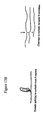
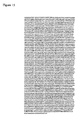
- nucleic acid molecule comprises the nucleic acid sequence encoding the amino acid sequence Ciz1 described in Figures 20A and 20B .
- nucleic acid molecule consists of the nucleic acid sequence which encodes the amino acid sequence Ciz1 described in Figures 20A and 20B .
- polypeptide molecule comprises the amino acid sequence Ciz1 described in Figures 20A and 20B .
- polypeptide molecule consists of the amino acid sequence Ciz1 described in Figures 20A and 20B .
- Said polypeptide may be expressed by a cell, preferably a mammalian cell, or animal and said screening method is a cell-based screening method.
- Said cell may naturally expresses the Ciz 1 polypeptide.
- said cell is transfected with a nucleic acid molecule encoding a Ciz 1 polypeptide (or a variant molecule thereof, found, for example in cancer cell lineages).
- Said agent may be an antagonist of Ciz1 medicated DNA replication.
- said agent may be an agonist of Ciz1 medicated DNA replication.
- said agent is selected from the group consisting of: polypeptide; peptide; aptamer; chemical; antibody; nucleic acid; or polypeptide or nucleotide probe.
- the agent comprises a sequence that is complimentary or of sufficient homology to give specific binding to the target and can be used to detect the level of nucleic acid or protein for diagnostic purposes.
- the agent identified by the method described herein may be a therapeutic agent and can be used for the treatment of disease.
- the agent is an antibody molecule and binds to any of the sequences represented by figures 16 , 17 or 20 .
- said antibody is a monoclonal antibody.
- agent which is an anti-sense nucleic acid molecule which binds to and thereby blocks or inactivates the mRNA encoded by any of the nucleic acid sequences in (i) above.
- said agent is an RNAi molecule and comprises two complementary strands of RNA (a sense strand and an antisense strand) annealed to each other to form a double stranded RNA molecule.
- the RNAi molecule is derived from the exonic sequence of the Ciz1 gene or from another over-lapping gene.
- Unspliced mRNA may be targetted with RNAi to inhibit production of the spliced variant or the spliced variant mRNA may be ablated without affecting the non-variant mRNA
- Said peptide may be a modified peptide.
- modified amino acids include, by way of example and not by way of limitation, 4-hydroxyproline, 5-hydroxylysine, N 6 -acetytlysine, N 6 -methyllysine, N 6 ,N 6 -dimethyllysine, N 6 ,N 6 ,N 6 -trimethyllysine, cyclohexyalanine, D-amino acids, omithine.
- Other modifications include amino acids with a C 2 , C 3 or C 4 alkyl R group optionally substituted by 1, 2 or 3 substituents selected from halo (eg F, Br, I), hydroxy or C 1 -C 4 alkoxy.
- said peptide is modified by acetylation and/or amidation.
- the polypeptides or peptides may be modified by cyclisation. Cyclisation is known in the art, (see Scott et al Chem Biol (2001), 8:801-815 ; Gellerman et al J. Peptide Res (2001), 57: 277-291 ; Dutta et al J. Peptide Res (2000), 8: 398-412 ; Ngoka and Gross J Amer Soc Mass Spec (1999), 10:360-363 ) .
- a vector as a delivery means for, for example, an antisense or an RNAi molecule which inhibits Ciz1 or variants thereof and thereby allows the targetting of cells expressing the protein to be targeted.
- a viral vector may be used as delivery means.
- the vectors including the expression cassette is adapted for eukaryotic gene expression.
- said adaptation includes, by example and not by way of limitation, the provision of transcription control sequences (promoter sequences) which mediate cell/tissue specific expression.
- promoter sequences may be cell/tissue specific, inducible or constitutive.
- Promoter elements typically also include so called TATA box and RNA polymerase initiation selection sequences which function to select a site of transcription initiation. These sequences also bind polypeptides which function, inter alia , to facilitate transcription initiation selection by RNA polymerase.
- Adaptations also include the provision of selectable markers and autonomous replication sequences which both facilitate the maintenance of said vector in either the eukaryotic cell or prokaryotic host.
- Vectors which are maintained autonomously are referred to as episomal vectors.
- Further adaptations which facilitate the expression of vector encoded genes include the provision of transcription termination sequences.
- a diagnostic method for the identification of proliferative disorders comprising detecting the presence or expression of the Ciz1 gene, Ciz1 splice variants and mutations in the genomic or protein sequence thererof.
- the diagnostic method of the invention may provide for a quantitative measure of Ciz1 RNA or protein variants in a sample.
- Said pharmaceutical may comprise an agent described herein in combination or association with a pharmaceutically acceptable carrier, excipient or diluent.
- said pharmaceutical is for oral or topical administration or for administration by injection.
- the pharmaceutical is administered as an aerosol.
- an agent described herein for the manufacture of a medicament for use in the treatment of proliferative disease.
- said proliferative disease is cancer.
- said cancer is a paediatric cancer and is selected from the group consisting of; retinoblastoma, neuroblastoma, Burkitt lymphoma, medulloblastoma, Ewings Sarcoma family tumours (ESFTs).
- the cancer is a carcinoma, adenocarcinoma, lymphoma or leukemia.
- the disease is liver, lung or skin cancer or metastasis.
- Ciz1 amino acid sequence and protein structure in rational drug design and the use of Ciz1 nucleotide and amino acid sequences thereof or variants thereof for screening chemical libraries for agents that specifically bind to Ciz1.
- kits comprising a diagnostic, prognostic or therapeutic agent identified by the method described herein.
- an array based sequencing chip is used for the detection of altered Ciz1.
- Ciz1 We have exploited a polyclonal antibody (antibody V1) that was raised against recombinant human Cdc6 (Coverley et al., 2000; Stoeber et al., 1998; Williams et al., 1998) to identify and study an unknown antigen whose behaviour correlates with initiation of DNA replication in vitro.
- the antigen has an apparent Mr of 100kDa (called p85) and is readily detectable in extracts from 3T3 cells ( Fig. 1A ).
- DNA synthesis can be activated in cell-free replication experiments using 'replication competent' late G1 phase nuclei, G1 extracts, and recombinant cyclin A-cdk2. Under these conditions nuclei will incorporate labelled nucleotides into nascent DNA, in a manner strictly dependent on the concentration of active protein kinase ( Fig. 1B ). Above and below the optimum concentration no initiation of DNA replication takes place. However, other events occur which inversely correlate with initiation (Coverley et al., 2002). Here we use activation of DNA synthesis ( Fig. 1B ), and Mcm2 phosphorylation (which results in increased mobility, Fig. 1C ), to calibrate the effects of recombinant cyclin A-cdk2 in cell-free replication experiments, and correlate the behaviour of p85 with activation of DNA synthesis.
- Ciz1 One encoded mouse Cdc6, while the other encoded 716 amino acids of the murine homologue of human Ciz1 (Mitsui et al., 1999).
- Full-length human and mouse Ciz1 have approximately 70% overall homology at the amino-acid level, with greatest (>80%) homology in the N and C terminal regions.
- Ciz1 is conserved among vertebrates as homologues exist in rat and fugu, but no proteins with a high degree of homology or similar domain structure could be identified in lower eukaryotes, raising the possibility that Ciz1 evolved to perform a specialised role in vertebrate development.
- Ciz1 in tumorigenesis, but does not demonstrate a role in DNA replication or recognise the importance of Ciz1 splice variant expression.
- Multple Ciz1 isoforms The predicted mouse Ciz1 open reading frame and a cDNA derived from a mouse mammary tumour library (BC018483) contain three regions that are not present in our embryonic clone (AJ575057), hereafter referred to as ECiz1 ( Fig. 2A ). The three variable regions in ECiz1 appear to be the result of alternative splicing of exons 2/3, 6 and 8 ( Fig. 2B ). Mouse melanoma clone AK089986 lacks two of the same three regions as ECiz1 ( Fig.
- a fourth sequence block derived from exons 3/4 is absent from Ciz1 transcripts derived from mouse ES cells, and from exon 4 in mouse primordial germ cells ( fig. 7 ).
- Human Ciz1 is also alternatively spliced at the RNA level to yield transcripts that exclude combinations of the same four sequence blocks as mouse Ciz1 (see below).
- all known variations in mouse Ciz1 cDNAs have close human parallels, some of which are identical at the amino-acid level. This suggests that the different Ciz1 isoforms have functional significance.
- a fifth variable regions (not yet observed in the mouse) is alternatively spliced in human Ciz1 transcripts derived mainly from carcinomas.
- Ciz1 lacking the alternatively spliced exons
- fig. 7 only Ciz1 from fully developed neonatal heart shows no alternative splicing, while all embryonic cell types contain alternatively spliced forms.
- the only complete Ciz1 cDNAs in public databases human or mouse
- the only ones derived from embryonic sources are alternatively spliced. Therefore, Ciz1 splice variant expression appears to occur preferentially in cell types that are not yet fully differentiated.
- Ciz1 cDNAs from paediatric cancers are also alternatively spliced (see below). This lead us to the hypothesis that failure to express the appropriate Ciz1 isoform at the right point in development leads to inappropriately regulated Ciz1 activity. This could contribute to unscheduled proliferation and cellular transformation.
- ECiz1 stimulates DNA replication in vitro Upon exposure to cytosolic extract from S phase cells, late G1 phase nuclei initiate DNA replication and begin synthesizing nascent DNA (Krude et al., 1997). We used this cell-free assay to test the effect of ECiz1, and derived recombinant fragments, on DNA synthesis ( Fig. 3 ). Full-length ECiz1 protein consistently increased the number of nuclei that replicated in vitro, from 30%(+/-0.9%) to 46% (+/- 5.5%), which suggests that Ciz1 is limiting for initiation in S phase extracts ( Fig. 3A ).
- ECiz1 is the first protein to have this property that was not already known to be involved in the replication process.
- the positive effect of recombinant ECiz1 on cell-free initiation argues that endogenous Ciz1 plays a positive role in DNA replication in mammalian cells.
- Ciz1 Down regulation of ECiz1 involves threonines 191/192 Ciz1 is likely to be a phosphoprotein in vivo since it contains numerous putative phosphorylation sites, and it displays altered mobility when 3T3 cell extracts are treated with lambda phosphatase (not shown).
- Murine Ciz1 contains two RXL cyclin binding motifs and five putative cdk-phosphorylation sites, which are present in all known variants. Four of these are located in the N-terminal fragment of ECiz1 that contains in vitro replication activity (see below), and one is adjacent to the site at which exon 6 is alternatively spliced to exclude a short DSSSQ (SEQ ID NO: 1) sequence motif ( Fig. 2A , C ).
- Ciz1 activity is normally down regulated by modification at this site.
- Ciz1 In vitro replication activity resides in the N-terminus Ciz1 possesses several C-terminal features that may anchor the protein within the nucleus. The matrin 3 domain suggests interaction with the nuclear matrix and the three zinc-fingers imply interaction with nucleic acids. Indeed, recent evidence suggests that human Ciz1 binds DNA in a weakly sequence specific manner (Warder and Keherley, 2003). To determine whether C-terminal domains are important for ECiz1 replication activity we divided the protein into two fragments ( Fig. 2D ). Nterm442 (which contains the NLS, two conserved cdk sites, one zinc finger and all known sites where variable splicing has been observed) stimulates initiation to a similar extent and at the same concentration as ECiz1 ( Fig.
- the matrin 3 domain, one of the cyclin-dependent kinase phosphorylation sites and two of the zinc-fingers are not required for the DNA replication activity of ECiz1, when assayed in vitro. It should be noted however that this analysis measures ECiz1 activity in trans under conditions where the consequences of mis-localisation are unlikely to be detected. Therefore, it remains possible that the matrin 3 domain and zinc fingers act in vivo to direct Ciz1 activity to specific sites in the nucleus and thus limit the scope of Ciz1 activity.
- Endogenous Ciz1 Antibody V1 recognises Cdc6 as well as p85-Ciz1 ( Fig. 1A ), so it is not suitable for immuno-fluorescence experiments aimed at visualizing the sub-cellular localization of endogenous Ciz1.
- purified Nterm442 is recognised by anti-Ciz1 antibodies 1793 and 1794 in western blots, but it is also recognised by antibody V1 ( Fig. 4A ), supporting the conclusion that p85(p100) is indeed Ciz1.
- the 125kDa band recognized by antibody 1793 in mouse and human cells resolves into three Ciz1-related bands during high-resolution electrophoresis of material derived from non-transformed human cells (Wi38-see later), and mouse cells (NIH3T3-not shown). This may be the result of post-translational modification of the Ciz1 protein or of alternative splicing of the Ciz1 transcript.
- Ciz1 Anti-Ciz1 1793 was used to visualise the sub-cellular distribution of Ciz1 protein (p85 and p125) in 3T3 cells ( Fig. 5A ), and in HeLa cells (not shown). In both cell types 1793 reacted with a nuclear-specific antigen, and this was blocked by inclusion of recombinant Nterm442 fragment ( Fig. 5B ). Unlike Cdc6, which is shown for comparison ( Fig. 5A ), Ciz1 is clearly detectable in all 3T3 cells in this cycling population. Therefore Ciz1 is present in the nucleus throughout interphase, although minor variations in quantity, or isoform would not be detected by this method. After detergent treatment overall nuclear Ciz1 staining was reduced in all nuclei, which suggests that Ciz1 is present in the nucleus as both a soluble fraction and also bound to insoluble nuclear structures.
- Ciz1 speckles show a similar size range and distribution as replication 'foci' or 'factories', the sites at which DNA synthesis takes place in S phase.
- PCNA foci are less abundant than Ciz1 foci, but they are almost all co-incident with Ciz1 ( Fig.
- Ciz1 is also present at sites that don't contain PCNA ( Fig. 5D ), and unlike PCNA, Ciz1 foci persist throughout interphase ( Fig. 5A ).
- Ciz1 marks the positions in the nucleus at which PCNA-containing replication factories are able to form in S phase, but that not all of these sites are used at the same time. It remains to be determined whether different Ciz1 foci become active sites of DNA replication at different times in S phase, or whether other nuclear activities also occur at sites where Ciz1 is bound. Indeed, at this stage it also remains possible that the 100 kDa form and the 125 kDa variants of Ciz1 have different activities, and that they reside at nuclear sites with different functions.
- Ciz1 is essential for cell proliferation So far we have shown that the behaviour of p85 (p100)-Ciz1 correlates with initiation of DNA replication in cell-free assays, that recombinant Ciz1 stimulates the frequency of initiation, and that Ciz1 resides at the same nuclear sites as the DNA replication machinery. However, these data do not show that Ciz1 has an essential function in proliferating cells.
- RNA interference RNA interference
- RNAi RNA interference
- target sequences within Ciz1 were chosen (see Fig. 2A ) and short interfering (si) RNA molecules were produced in vitro. When applied to cells, all four Ciz1 siRNA's restricted growth ( Fig.
- Ciz1 depletion was required for cell proliferation and are consistent with a primary function in DNA replication.
- Ciz1 siRNAs could be a secondary consequence of a general disruption of nuclear function. Therefore, we looked in more detail at a range of other replication proteins whose levels are regulated in a cell cycle dependant manner, to ask whether depleted cells arrest randomly, or accumulate at a particular point.
- Mcm complex proteins assemble at replication origins in late G1, in a Cdc6-dependent manner. Sometime later, DNA polymerases and their accessory factors (including PCNA) become bound to chromatin and origins are activated. This is associated with nuclear export and proteolysis of the majority of Cdc6 and, as DNA synthesis proceeds, gradual displacement of the Mcm complex from chromatin (Bell and Dutta, 2002).
- PCNA protein-binding of the Mcm complex proteins
- Ciz1 is a novel component of DNA replication factories, and they show that Ciz1 plays a positive role in the mammalian cell-cycle, acting to promote initiation of DNA replication.
- Ciz1 is required during a late stage in the initiation process after pre-replication complex formation.
- p85 (p100)-Ciz1 antigen accumulates in nuclei exposed to cyclin A-cdk2 concentrations that activate DNA synthesis, implying that Ciz1 functions during this step rather than during earlier replication complex assembly steps (Coverley et al., 2002).
- Second, functional studies with late G1 nuclei show that recombinant ECiz1 increases the number of nuclei that incorporate labeled nucleotides in vitro. Therefore, Ciz1 must be active in a step that converts nuclei that are poised to begin DNA synthesis into ones that are actively synthesizing DNA.
- RNA interference studies point to a Ciz1-dependent step after Mcm complex formation and after PCNA has become assembled onto DNA, but before these proteins are displaced. These distinct lines of investigation lead to strikingly similar conclusions about the point of action of Ciz1 placing it in the later stages of initiation.
- Ciz1 is essential for cell proliferation, and that targeting Ciz1 is a viable strategy to restrain proliferation.
- the alternatively spliced forms of Ciz1 that we observe in various cancers means that Ciz1 could be targeted in a selective way to restrain proliferation in a subset of cells within a population.
- the present invention also provides for the use of junction sequences created in Ciz1 transcripts and proteins when alternatively spliced sequences are not present, as a diagnostic marker, prognostic indicator or therapeutic target.
- Ciz1 is localized to the nucleus RT-PCR analysis across potentially variable exons suggest that 3T3 cells predominantly express full-length Ciz1, so our immuno-localization work on endogenous Ciz1 ( Fig. 5 ) does not necessarily reflect the behavior of ECiz1, which lacks several sequence blocks and possibly therefore information that is used to localize the protein.
- enhanced GFP tagged constructs were transfected into 3T3 cells ( fig. 8A ), and microinjected into mouse pro-nuclei ( fig. 8B ).
- Ciz1 and ECiz1 were exclusively nuclear, while a control construct expressing GFP alone was present in the nucleus and the cytoplasm.
- GFP-Ciz1 and GFP-ECiz1 were both visible in live cells as sub-nuclear foci, similar to replication foci seen in fixed cells by immuno-fluorescence. Thus, the three sequence blocks that are absent from ECiz1 do not appear to contribute to the nuclear localization of Ciz1.
- C-terminal domains anchor Ciz1 to nuclear structures As described above, the difference between Ciz1 and ECiz1 N-term is masked when C-terminal domains are also present ( fig. 8A ). Furthermore the C-terminal fragment alone directs GFP tag to chromatin, forming an irregular pattern that is not as spotty (focal) as Ciz1 or ECiz1, but which remains attached to chromosomes during mitosis ( fig. 8D ). This suggests that C-terminal domains are involved in immobilizing Ciz1 on a structural framework in the nucleus. Notably, cells transiently transfected with C-terminal fragment continued to divide resulting in gradual dilution of green fluorescence.
- Ectopic Ciz1 promotes premature entry to S phase
- the S phase fraction in transfected cells green was compared to the S phase fraction in untransfected cells, by labelling with BrdU at various intervals.
- long labelling windows including 0-22 hours ( fig. 8E ), 0-12 hours and 0-7 hours (not shown), consistently more of the Ciz1 and ECiz1 transfected cells were engaged in DNA synthesis, compared to untransfected cells. This suggests that Ciz1 and ECiz1 have a positive effect on the G1-S transition, promoting unscheduled entry to S phase. Similar results were obtained with 3T3 cell populations that were densely plated before transfection.
- Ciz1 and ECiz1 have two effects on S phase in cultured cells. They promote DNA replication, but this results in slow or aborted DNA synthesis.
- Clones with altered proliferation potential We also monitored transfected populations of 3T3 cells over a three week time period. In cells transfected with the GFP-Nterm442 or the non-alternatively spliced equivalent and maintained under selection with G418, large foci containing hundreds of cells were observed ( fig. 9A ). These clusters contained large numbers of GFP expressing cells, demonstrating that over-expression of the N-terminal portion of ECiz1 (in which replication activity resides) is not lethal, and suggesting that over-expression leads to altered proliferation phenotype, compared to untransfected cells, including loss of contact inhibition and failure to form a monolayer. This Ciz1-dependent altered behaviour could contribute to tumour formation. A similar truncated version of mouse Ciz1, lacking putative chromatin interaction domains was previously isolated from a mouse melanoma ( fig. 2 ).
- Ciz1 cDNAs in public databases As mentioned above human Ciz1 is alternatively spliced at the RNA level to yield transcripts that lack three of the same exons as mouse embryonic Ciz1. Seven human Ciz1 cDNAs have been recorded in public databases ( fig. 10 ), submitted by Mitsui et al (1999), Warder and Keherly (2003) and large-scale genome analysis projects (NIH-MGC project, NEDO human cDNA sequencing project). Only one is derived from normal adult tissue, and this contains all predicted exons (AB030835).
- the rest are derived from embryonic cells (AK027287), or notably from four different types of paediatric cancer (medulloblastoma, AF159025, AF0234161, retinoblastoma, AK023978, neuroblastoma, BC004119 and burkitt lymphoma, BC021163).
- the embryonic form and the cancer derived forms lack sequence blocks from the same three regions as our embryonic mouse clone, and from a fourth region which corresponds to exon 4. Therefore, the limited data suggests that alternatively spliced forms are more prevalent early in development. This correlation has not previously been noted in the scientific literature.
- the presence of alternatively spliced Ciz1 in paediatric cancers raises the possibility that Ciz1 mis-splicing might be linked to inappropriate cell proliferation.
- one of the variable exons encodes a short conserved DSSSQ sequence motif that is absent in mouse ECiz1 and in a human medulloblastoma. This is directly adjacent to the consensus cdk phosphorylation site that we have shown to be involved in regulation of ECiz1 function.
- Conditional inclusion of the DSSSQ sequence might make Ciz1 the subject of regulation by the ATM/ATR family of protein kinases, which phosphorylate proteins at SQ sequences, thereby restraining Ciz1 initiation function in response to DNA damage.
- Ciz1 expressed sequence tags
- ESTs expressed sequence tags
- Hs.23476 human Ciz1
- Ciz1 variants were also seen in this EST data set and are recorded here.
- the four sequence blocks that we previously reported to be alternatively spliced in human and mouse Ciz1 ( Fig. 2 ) were observed in the EST sequences, as well as a previously undetected variant that lacks the exon 14 derived sequence VEEELCKQ. All of these recurrently variant sequence blocks are bounded by appropriate splice sites.
- a sixth variable sequence block was identified in one carcinoma derived library, caused by inclusion of.
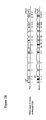
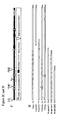
- ESTs are grouped according to the cell type from which they were derived with the primary divisions occurring between neoplastic cells of adult, childhood or embryonic origin. ESTs from normal tissue of embryonic or adult origin are included for comparison. EST-derived Ciz1 protein maps are shown in fig. 11A-E and the alternatively spliced exons summarized in fig. 11F .
- Ciz1 Three sequence blocks in the N-terminal end of human Ciz1 are absent in transcripts from medulloblastomas and neuroblastoma ( fig. 11A ), and occasionally absent from Ciz1 transcripts from other cancers.
- Paediatric cancer-associated alternatively spliced sequences are from exons 2/3 (at least two versions), exon 4 and exon 6.
- Exon 8 variants in which one or more copies of a Q-rich degenerate repeat are absent have been noted in transcripts derived from normal cells (of embryonic or adult neural origin) and from various cancers. Alternative splicing in this region could produce Ciz1 with inappropriate activity, therefore exon 8 variant expression, or occurance of point mutations which influence splicing in this region, might be useful as diagnostic or prognostic markers in cancer.
- the alternatively spliced degenerate repeats in exon 8 are detailed below and summarised in fig. 11F .
- the second variant sequence block is due to inappropriate inclusion of extra sequence in transcripts from the epidermoid carcinoma library (MGC102).
- Ciz1 proteins are potential targets for selective inhibition of cell proliferation in a wide range of different cancers.
- the remaining non-variant sequences are potential targets for non-selective inhibition of cell proliferation.
- Ciz1 In addition to splicing variations, other non-typical Ciz1 transcripts were found to preferentially occur in some cancers. In Rhabdomyosarcomas Ciz1 is prematurely terminated leading to a predicted protein that lacks C-terminal nuclear binding domains. This could lead to inappropriate DNA replication and might therefore be a therapeutic target or marker in this type of cancer.
- Ciz1 variant expression was investigated in 6 Ewings Sarcoma family tumour cell lines (ESFTs) and two neuroblastoma cell lines, using RTPCR with primer sets that span three regions of known Ciz1 variability ( fig. 12A ). This analysis showed that the pattern of Ciz1 variant expression is different in ESFT cells compared to neuroblastoma cells compared to non-transformed cells, but apparently very similar within sets of cell lines from the same tumour. Therefore, Ciz1 variant expression could have prognostic or diagnostic potential for these cancers. Minor variations within a set of lines from the same tumour type could have prognostic value.
- Ciz1 RT-PCR products were most abundant in reactions carried out with RNA samples from cancer cell lines, compared to controls (Wi38, HEK293, NIH3T3 cells, and primary human osteoblasts). This is consistent with increased expression of Ciz1 variants in tumours.
- Ciz1 is mis-regulated in a wide range of human cancers.
- Ciz1 could be useful as a diagnostic or prognostic marker.
- pGEX-ECiz1 Bacterial expression pGEX based bacterial expression constructs (Amersham) were used to produce ECiz1 proteins for in vitro analysis.
- pGEX-ECiz1 was generated by inserting a 2.3kb SmaI-XbaI (blunt ended) fragment from clone L into the SmaI site of pGEX-6P-3.
- pGEX-Nterm442 was generated by inserting the 1.35kb Xmal-Xhol fragment into Xmal-Xhol digested pGEX-6P-3, and pGEX-Cterm274 by inserting the 0.95kb Xhol fragment into Xhol digested pGEX-6P-3.
- pGEX-T(191/2)A was generated from pGEX-ECiz1 by site directed mutagenesis (Stratagene Quikchange) using primers AACCCCCTCTTCCGCCGCCCCCAATCGCAAGA (SEQ ID NO: 5) and TCTTGCGATTGGGGGCGGCGGAAGAGGGGGTT (SEQ ID NO: 6).
- pGEX-T(293)A was generated from pGEX-ECiz1 using primers AAGCAGACACAGGCCCCGGATCGGCTGCCT (SEQ ID NO: 7) and AGGCAGCCGATCCGGGGCCTGTGTCTGCTT (SEQ ID NO: 8). Integrity and reading frame of all clones were sequence verified.
- Ciz1, Ciz1 fragments and point mutants were produced in BL21-pLysS (Stratagene) as glutathione S-transferase-tagged protein. This was purified from sonicated and cleared bacterial lysates by binding to glutathione sepharose 4B (Amersham). Recombinant protein was eluted by cleavage from the GST tag using precision protease (as recommended by the manufacturer, Amersham), into buffer (50mM Tris-HC pH 7.0, 150mM NaCl, 1mM DTT). This yielded protein preparations between 0.2 and 2.0 mg/ml.
- Anti-Ciz1 antibodies Rabbit polyclonal antibody V1 (Coverley et al., 2000; Stoeber et al., 1998; Williams et al., 1998) was raised against an internal fragment of bacterially expressed human Cdc6 corresponding to amino-acids 145-360, and affinity purified by standard procedures (Harlow and Lane, 1988). This antibody reacts strongly with endogenous p100-Ciz1 and also with ECiz1 Nterm442 fragment. Alignment of Nterm442 with Cdc6 amino-acids 145-360 suggest that the shared epitope could be at 294-298 or 304-312 in mouse Ciz1.
- Nterm442 was used to generate two Ciz1-specific polyclonal anti-sera designated 1793 and 1794 (Abcam). 1793 has been used routinely in the experiments described here. Its specificity was verified by reciprocal immuno-precipitation and western blot analysis with antibody V, by inclusion of Nterm 442 (25 ⁇ g/ml in antibody buffer, 10mg/ml BSA, 0.02% SDS, 0.1% Triton X100 in PBS), which blocked reactivity with endogenous epitopes, and by siRNA-mediated depletion of Ciz1 that specifically reduced 1793 nuclear staining.
- Immunoprecipitation Asynchronousy growing 3T3 cells were washed in PBS, rinsed in extraction buffer (20mM Hepes pH7.8, 5mM potassium acetate, 0.5mM magnesium chloride) supplemented with EDTA-free protease inhibitor cocktail (Roche) and scrape harvested as for replication extracts. Cells were lysed with 0.1 % Triton X 100 and the detergent resistant pellet fraction extracted with 0.3M NaCl in extraction buffer. 5 ⁇ l of 1793 or 2 ⁇ l of antibody V were used per 100 ⁇ l of extract and incubated for 1 hour at 4°C.
- Antigen-antibody complexes were extracted with 100 ⁇ l of protein G-sepharose (Sigma) and beads were washed five times with 50mM Tris pH 7.8, 1 mM EDTA, 0.1% NP40, 150mM NaCl. Complexes were boiled in loading buffer (100mM DTT, 2% SDS, 60mM Tris pH6.8, 0.001% bromophenol blue) and resolved by 6.5% SDS-polyacrylamide gel electrophoresis.
- Immuno-fluorescence Cells were grown on coverslips and fixed in 4% paraformaldehyde, with or without brief pre-exposure to 0.05% Triton X100 in PBS. Endogenous Ciz1 was detected with 1793 serum diluted 1/2000 in antibody buffer following standard procedures. Mcm3 was detected with monoclonal antibody sc9850 (1/1000), Cdc6 with monoclonal sc9964 (1/100) and PCNA with monoclonal antibody PC10 (1/100, all Santa Cruz Biotechnology). Co-localisation analysis of dual stained fluorescent confocal images was carried out as described (Rubbi and Milner, 2000; van Steensel et al., 1996).
- Cell synchrony Mouse 3T3 cells were synchronized by release from quiescence as previously described (Coverley et al., 2002). Nuclei prepared from cells harvested 17 hours after release (referred to as 'late-G1') were used in all cell-free replication experiments described here. This yielded populations containing S phase nuclei, replication competent late G1 nuclei and unresponsive early G1/G0 nuclei, in varying proportions. Recipient, mid-G1 3T3 extracts were prepared at 15 hours (these typically contain approximately 5% S phase cells). The series of cell-free replication experiments described here required large amounts of standardized extract, therefore HeLa cells were used because they are easily synchronized in bulk. S phase HeLa extracts were prepared from cells released for two hours from two sequential thymidine-induced S phase blocks, as described (Krude et al., 1997).
- each preparation of synchronized G1 phase nuclei is tested so that the proportion of nuclei that are already in S phase is established ('%S').
- This nuclei are incubated in an extract that is incapable of inducing initiation of DNA synthesis (from mid-G1 phase cells harvested 15 hours after release from quiescence), but that will efficiently support elongation DNA synthesis from origins that were initiated in vivo.
- the elongating fraction of nuclei incorporates labeled nucleotides efficiently during in vitro initiation assays but is uninformative. Routinely this fraction is pre-established and subtracted from the raw data. Synchronized populations in which 20% or less are in S phase are used for initiation assays.
- RNA interference Endogenous Ciz1 was targeted in proliferating NIH3T3 cells using in vitro transcribed siRNAs (Ambion Silencer kit), directed against four regions of mouse Ciz1.
- Oligonucleotide sequences that were used to generate siRNAs are AAGCACAGTCACAGGAGCAGACCTGT (SEQ ID NO: 9) CTC and AATCTGCTCCTGTGACTGTGCCCTGTCTC (SEQ ID NO: 10)for siRNA 4, AATCTGTCAC AAGTTCTACGACCTGTCTC (SEQ ID NO: 11) and AATCGTAGAACTTGTGACAGACCTGTCTCTC (SEQ ID NO: 12) for siRNA 8, AATCGCAAGG ATTCTTCTTCTCCTGTCTCTC (SEQ ID NO: 13) and AAAGAAGAAGAA TCCTTGCGACCTGTCTCTC (SEQ ID NO: 14) for siRNA 9, and AATCTGCAGCAGTTCTTTCCCCCTGTCTCTC (SEQ ID NO: 15)
- Ciz1 Target sequences that are distributed throughout the Ciz1 transcript were chosen based on low secondary structure predictions and on location within exons that are consistently expressed in all known forms of Ciz1 (sequences 4, 8, 11), with the exception of one (siRNA 9) that is known to be alternatively spliced. Negative controls were untreated, mock treated (transfection reagents but no siRNA) and cells treated with GAPDH siRNA (Ambion). Cy3 labelled siRNAs (Ambion) were used to estimate transfection efficiency, which was found to be greater than 95%. RNA interference experiments were performed in 24 well format starting with 2x10 4 cells per well in 500 ⁇ l of medium (DMEM with glutamax supplemented with 4% FCS).
- siRNA's were added 12 hours after plating using oligofectamine reagent for delivery (Invitrogen). Unless stated otherwise, siRNAs were used in pairs (at 2nM total concentration in medium), as two doses with the second dose delivered in fresh medium 24 hours after the first. Results were assessed at 48 hours after first exposure, by counting cell number, S phase labelling, and immuno-staining. Northern blots were performed on RNAs isolated from cells treated for 24 hours with a single dose of siRNA, in reactions that were scaled up 5 fold.
- Ciz1 transfected cells were also maintained under selection with 50 ⁇ g/ml G418, in standard culture medium (DMEM Glutamax plus 10% fetal calf serum) for up to a month, yielding cell populations with altered morphology.
- standard culture medium DMEM Glutamax plus 10% fetal calf serum
- Ciz1 unigene cluster we have analysed most (all paediatric cancers, prostate and lung carcinomas, leukemias and lymphomas and a wide range of non-diseased tissues). Some were not mapped because they are extremely short reads or yielded very short amino-acid sequences upon translation, and for a small number we detected no homology to the Ciz1 coding sequence. A small number of ESTs were excluded from the analysis because of multiple frameshifts that produced stretches of homology in all three frames, with no indication of the reading frame used in vivo. These were all from cancer derived material, usually adenocarcinomas.
- Ciz1 isoform expression RNA was isolated using trizol reagent following recommended procedures, DNAse treated and reverse transcribed using random hexamers and superscript II, then amplified with Ciz1 specific primers: -
Landscapes
- Health & Medical Sciences (AREA)
- Life Sciences & Earth Sciences (AREA)
- Chemical & Material Sciences (AREA)
- Engineering & Computer Science (AREA)
- Immunology (AREA)
- Organic Chemistry (AREA)
- Molecular Biology (AREA)
- General Health & Medical Sciences (AREA)
- Hematology (AREA)
- Medicinal Chemistry (AREA)
- Urology & Nephrology (AREA)
- Biomedical Technology (AREA)
- Analytical Chemistry (AREA)
- Biochemistry (AREA)
- Proteomics, Peptides & Aminoacids (AREA)
- Microbiology (AREA)
- Biotechnology (AREA)
- Physics & Mathematics (AREA)
- Pathology (AREA)
- Zoology (AREA)
- Genetics & Genomics (AREA)
- Cell Biology (AREA)
- Food Science & Technology (AREA)
- General Physics & Mathematics (AREA)
- Biophysics (AREA)
- Wood Science & Technology (AREA)
- General Chemical & Material Sciences (AREA)
- Animal Behavior & Ethology (AREA)
- Public Health (AREA)
- Veterinary Medicine (AREA)
- Nuclear Medicine, Radiotherapy & Molecular Imaging (AREA)
- Pharmacology & Pharmacy (AREA)
- Chemical Kinetics & Catalysis (AREA)
- Bioinformatics & Cheminformatics (AREA)
- Gastroenterology & Hepatology (AREA)
- Oncology (AREA)
- Toxicology (AREA)
- General Engineering & Computer Science (AREA)
- Medicines That Contain Protein Lipid Enzymes And Other Medicines (AREA)
- Pharmaceuticals Containing Other Organic And Inorganic Compounds (AREA)
Claims (9)
- Procédé de diagnostic in vitro pour l'identification d'un trouble prolifératif, le procédé comprenant la détection de la présence ou l'expression d'un variant d'épissage de Ciz1, le procédé permettant une mesure quantitative d'un variant de protéine Ciz1 dans un échantillon d'un sujet, et le variant de protéine étant une séquence de protéine de variant d'épissage humaine dans laquelle la séquence :(a) QQLQQLQQQOLOQQQLQQQQLLQLQQLLQQSPP ou
MFSQQQQQQLQQQQQQLQQLQQQQLQQQQLQQQQLLQLQQLLQQSPPQA est absente ;(b) GLDQFAMPPATYDTAGLTMPTATL est absente ;(c) DSSSQ est absente ;(d) PQVQPQAHSQPPRQVQLQLQKQVOTQTY;ou Y est absente ; ou
 (e) VEEELCKQ est absente.
 - Procédé de diagnostic in vitro pour l'identification d'un trouble prolifératif, le procédé comprenant la détection de la présence ou l'expression d'un variant d'épissage de Cizl, le procédé permettant une mesure quantitative d'un variant d'ARN de Cizl dans un échantillon d'un sujet, et le variant d'ARN Ciz1 étant une séquence d'ARN de variant d'épissage humaine dans laquelle la séquence :(a)ou
 est absente ;
 (b)est absente ;
 (c) AGGATTCTTCTTCTC est absente ;(d)ou
 ou
ou est absebte , iy
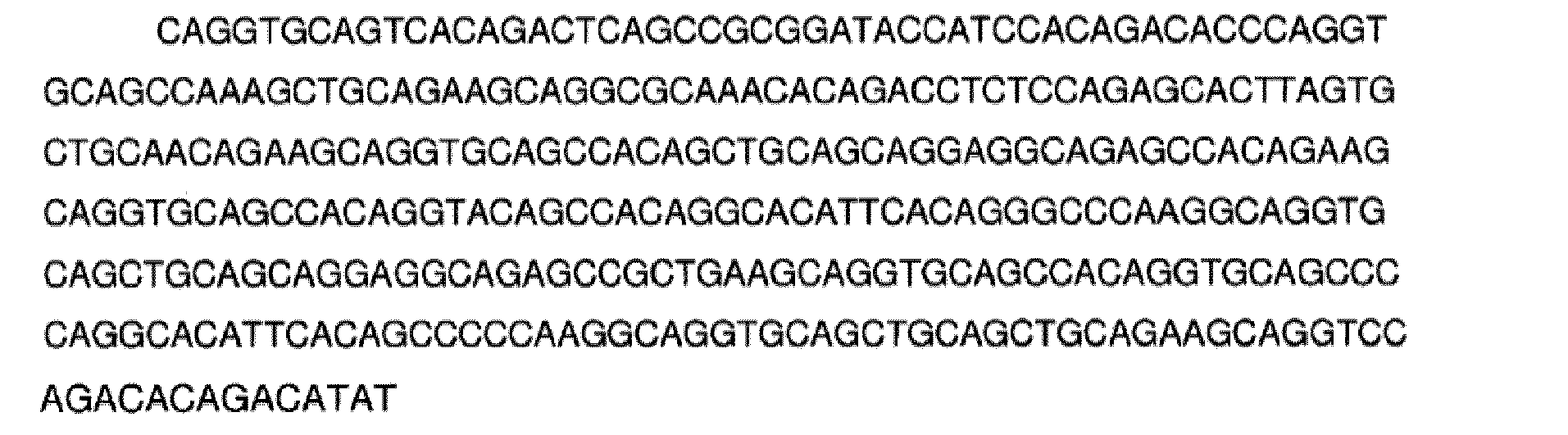 (e)GTTGAGGAGGAACTCTGCAAGCAG est absente.
 - Procédé de la revendication 1 ou la revendication 2, dans lequel le trouble prolifératif est un cancer.
- Procédé de la revendication 3, dans lequel le cancer est un cancer pédiatrique choisi dans le groupe constitué de tumeurs de la famille des rétinoblastome, neuroblastome, lymphome de Burkett, médulloblastome et sarcome d'Ewing.
- Procédé de la revendication 3, dans lequel le cancer est un carcinome, un adénocarcinome, un lymphome ou une leucémie.
- Procédé de la revendication 3, dans lequel le cancer est un cancer du foie, du poumon ou de la peau.
- Procédé de la revendication 1 ou la revendication 2, caractérisé en ce que le procédé de diagnostic comprend une ou plusieurs des étapes suivantes :(a) mise en contact de l'échantillon avec un agent qui se lie spécifiquement à un polypeptide ayant une activité Cizl et mesure de la liaison de l'agent au polypeptide dans l'échantillon ;(b) utilisation de la PCR par transcription inverse ou la PCR en temps réel pour surveiller l'expression d'isoforme de Cizl et mesurer les taux d'expression ;(c) mesurer la présence de mutations d'acide nucléique ou d'acide aminé sur la base de propriétés conformationnelles modifiées de la molécule.
- Procédé de la revendication 7, dans lequel l'agent qui se lie spécifiquement à un polypeptide ayant une activité Cizl est un anticorps anti-Ciz1.
- Procédé de la revendication 8, dans lequel l'anticorps est un anticorps monoclonal.
Applications Claiming Priority (2)
| Application Number | Priority Date | Filing Date | Title |
|---|---|---|---|
| GBGB0228337.2A GB0228337D0 (en) | 2002-12-05 | 2002-12-05 | Replication protein |
| EP03782605A EP1570268B1 (fr) | 2002-12-05 | 2003-12-05 | Protéine de réplicationN CIZ1 |
Related Parent Applications (2)
| Application Number | Title | Priority Date | Filing Date |
|---|---|---|---|
| EP03782605.4 Division | 2003-12-05 | ||
| EP03782605A Division EP1570268B1 (fr) | 2002-12-05 | 2003-12-05 | Protéine de réplicationN CIZ1 |
Publications (2)
| Publication Number | Publication Date |
|---|---|
| EP2316966A1 EP2316966A1 (fr) | 2011-05-04 |
| EP2316966B1 true EP2316966B1 (fr) | 2015-09-16 |
Family
ID=9949091
Family Applications (2)
| Application Number | Title | Priority Date | Filing Date |
|---|---|---|---|
| EP10075508.1A Expired - Lifetime EP2316966B1 (fr) | 2002-12-05 | 2003-12-05 | Protéine de réplication CIZ1 |
| EP03782605A Expired - Lifetime EP1570268B1 (fr) | 2002-12-05 | 2003-12-05 | Protéine de réplicationN CIZ1 |
Family Applications After (1)
| Application Number | Title | Priority Date | Filing Date |
|---|---|---|---|
| EP03782605A Expired - Lifetime EP1570268B1 (fr) | 2002-12-05 | 2003-12-05 | Protéine de réplicationN CIZ1 |
Country Status (12)
| Country | Link |
|---|---|
| US (3) | US7833702B2 (fr) |
| EP (2) | EP2316966B1 (fr) |
| JP (1) | JP2006508659A (fr) |
| CN (1) | CN1720442A (fr) |
| AT (1) | ATE534902T1 (fr) |
| AU (1) | AU2003290240B2 (fr) |
| CA (1) | CA2507403C (fr) |
| ES (2) | ES2556704T3 (fr) |
| GB (1) | GB0228337D0 (fr) |
| HU (1) | HUE028241T2 (fr) |
| MX (1) | MXPA05006034A (fr) |
| WO (1) | WO2004051269A2 (fr) |
Families Citing this family (12)
| Publication number | Priority date | Publication date | Assignee | Title |
|---|---|---|---|---|
| GB0228337D0 (en) * | 2002-12-05 | 2003-01-08 | Yorkshire Cancer Res Campaign | Replication protein |
| MX2010003371A (es) | 2007-09-28 | 2010-05-05 | Intrexon Corp | Constructos interruptores genicos terapeuticos y biorreactores para la expresion de moleculas bioterapeuticas y usos de los mismos. |
| JP2009159869A (ja) | 2007-12-28 | 2009-07-23 | Univ Of Occupational & Environmental Health Japan | 癌細胞増殖阻害方法、増殖阻害剤及びスクリーニング方法 |
| GB0901837D0 (en) * | 2009-02-05 | 2009-03-11 | Cizzle Biotechnology Ltd | Cancer diagnosis and treatment |
| CN103328500B (zh) * | 2010-08-04 | 2018-01-26 | 西兹尔生物技术有限公司 | 用于癌症的诊断和治疗的方法和化合物 |
| CN103421886B (zh) * | 2012-05-21 | 2018-10-12 | 上海吉凯基因化学技术有限公司 | Ciz1基因的用途及其相关药物 |
| WO2017057567A1 (fr) * | 2015-10-02 | 2017-04-06 | 株式会社村田製作所 | Module amplificateur de puissance, circuit frontal, et dispositif de communications |
| GB201518466D0 (en) | 2015-10-19 | 2015-12-02 | Cizzle Biotechnology Ltd | Use |
| US11041848B2 (en) * | 2016-01-19 | 2021-06-22 | The University Of Tokyo | Method and system for cell collection based on information regarding change over time |
| CN109694411A (zh) * | 2017-10-21 | 2019-04-30 | 蔡胜和 | 抗-ciz1抗体 |
| WO2019079914A1 (fr) * | 2017-10-23 | 2019-05-02 | 蔡胜和 | Anticorps anti-ciz1 |
| CN108796083B (zh) * | 2018-06-25 | 2021-03-19 | 山东大学 | Ciz1作为诊治舌体血管瘤的分子标记物的用途 |
Family Cites Families (6)
| Publication number | Priority date | Publication date | Assignee | Title |
|---|---|---|---|---|
| WO2000058473A2 (fr) * | 1999-03-31 | 2000-10-05 | Curagen Corporation | Acides nucleiques comprenant des phases de lecture ouverte codant des polypeptides; «orfx» |
| CA2402563A1 (fr) * | 1999-12-23 | 2001-07-26 | Hyseq, Inc. | Nouveaux acides nucleiques et polypeptides |
| EP1266001A2 (fr) * | 2000-03-13 | 2002-12-18 | Incyte Genomics, Inc. | Facteurs de transcription |
| WO2001070979A2 (fr) * | 2000-03-21 | 2001-09-27 | Millennium Pharmaceuticals, Inc. | Nouveaux genes, compositions, trousses et methodes d'identification, de verification, de prevention et de traitement du cancer des ovaires |
| GB0228337D0 (en) * | 2002-12-05 | 2003-01-08 | Yorkshire Cancer Res Campaign | Replication protein |
| NL2003837C2 (en) * | 2008-11-19 | 2010-08-05 | Rijk Zwaan Zaadteelt En Zaadhandel Bv | Resistance to post harvest deterioration in cucumber. |
-
2002
- 2002-12-05 GB GBGB0228337.2A patent/GB0228337D0/en not_active Ceased
-
2003
- 2003-12-05 EP EP10075508.1A patent/EP2316966B1/fr not_active Expired - Lifetime
- 2003-12-05 JP JP2004556556A patent/JP2006508659A/ja active Pending
- 2003-12-05 HU HUE10075508A patent/HUE028241T2/en unknown
- 2003-12-05 MX MXPA05006034A patent/MXPA05006034A/es active IP Right Grant
- 2003-12-05 WO PCT/GB2003/005334 patent/WO2004051269A2/fr not_active Ceased
- 2003-12-05 ES ES10075508.1T patent/ES2556704T3/es not_active Expired - Lifetime
- 2003-12-05 CN CNA2003801052554A patent/CN1720442A/zh active Pending
- 2003-12-05 US US10/537,228 patent/US7833702B2/en active Active
- 2003-12-05 AU AU2003290240A patent/AU2003290240B2/en not_active Expired
- 2003-12-05 ES ES03782605T patent/ES2376746T3/es not_active Expired - Lifetime
- 2003-12-05 AT AT03782605T patent/ATE534902T1/de active
- 2003-12-05 CA CA2507403A patent/CA2507403C/fr not_active Expired - Lifetime
- 2003-12-05 EP EP03782605A patent/EP1570268B1/fr not_active Expired - Lifetime
-
2010
- 2010-09-22 US US12/888,238 patent/US20110070591A1/en not_active Abandoned
-
2015
- 2015-02-05 US US14/615,045 patent/US9541555B2/en not_active Expired - Lifetime
Non-Patent Citations (2)
| Title |
|---|
| FOX STEPHEN B ET AL: "Normal human tissues, in addition to some tumors, express multiple different CD44 isoforms", CANCER RESEARCH, vol. 54, no. 16, 1994, pages 4539 - 4546, ISSN: 0008-5472 * |
| KOVACS TUNDE ET AL: "All three splice variants of the human sarco/endoplasmic reticulum Ca2+-ATPase 3 gene are translated to proteins: A study of their co-expression in platelets and lymphoid cells", BIOCHEMICAL JOURNAL, vol. 358, no. 3, 15 September 2001 (2001-09-15), pages 559 - 568, ISSN: 0264-6021 * |
Also Published As
| Publication number | Publication date |
|---|---|
| ES2376746T3 (es) | 2012-03-16 |
| CN1720442A (zh) | 2006-01-11 |
| US7833702B2 (en) | 2010-11-16 |
| WO2004051269A2 (fr) | 2004-06-17 |
| EP1570268B1 (fr) | 2011-11-23 |
| CA2507403C (fr) | 2015-01-20 |
| ES2556704T3 (es) | 2016-01-19 |
| US9541555B2 (en) | 2017-01-10 |
| US20160011200A1 (en) | 2016-01-14 |
| AU2003290240A1 (en) | 2004-06-23 |
| HUE028241T2 (en) | 2016-12-28 |
| WO2004051269A3 (fr) | 2004-10-28 |
| AU2003290240B2 (en) | 2012-06-14 |
| EP2316966A1 (fr) | 2011-05-04 |
| ATE534902T1 (de) | 2011-12-15 |
| JP2006508659A (ja) | 2006-03-16 |
| CA2507403A1 (fr) | 2004-06-17 |
| US20060155113A1 (en) | 2006-07-13 |
| MXPA05006034A (es) | 2006-01-27 |
| US20110070591A1 (en) | 2011-03-24 |
| GB0228337D0 (en) | 2003-01-08 |
| EP1570268A2 (fr) | 2005-09-07 |
Similar Documents
| Publication | Publication Date | Title |
|---|---|---|
| US9541555B2 (en) | Replication protein | |
| CN108271364A (zh) | 用于降解错误折叠的蛋白质的组合物和方法 | |
| US20040132120A1 (en) | Cell regulatory genes, encoded products, and uses related thereto | |
| US20020037286A1 (en) | Methods for altering T cell and macrophage activation | |
| US11291706B2 (en) | Methods for identification, assessment, prevention, and treatment of metabolic disorders using Slit2 | |
| US6586577B2 (en) | Telomere repeat binding factors and diagnostic and therapeutic use thereof | |
| US5905146A (en) | DNA binding protein S1-3 | |
| AU733874B2 (en) | Novel CREBa isoform | |
| US20060063152A1 (en) | Novel gene and protein encoded by the gene | |
| EP1064373A2 (fr) | Identification de facteurs regulant l'interaction entre des proteines g heterotrimeres et des proteines g monomeres | |
| WO1999041376A9 (fr) | Complexes proteiques de retinoblastome et proteines interagissant avec le retinoblastome | |
| US20040106148A1 (en) | Polypeptides | |
| JP2004537295A (ja) | 核酸結合タンパク質 | |
| WO2002020786A2 (fr) | Nouveaux composes et procedes | |
| JP2005512531A (ja) | 核酸結合タンパク質 | |
| US7309783B2 (en) | Mammalian early developmental regulator gene | |
| US20040053210A1 (en) | Genetic demonstration of requirement for nkx6.1, nkx2.2 and nkx6.2 in ventral neuron generation | |
| JP2005504509A (ja) | 核酸関連タンパク質 | |
| JPH10234378A (ja) | ミオシン軽鎖結合サブユニット類縁タンパク質およびその遺伝子 | |
| Chen | Biochemical and functional characterization of the GSG (GRP33, Sam68, GLD-1) domain | |
| Tchernev | Characterization of the Chediak-Higashi syndrome gene in human and mouse | |
| JP2002078493A (ja) | 細胞増殖及び遺伝子発現制御に関わる新規遺伝子とその蛋白質 | |
| AU3291799A (en) | Retinoblastoma protein complexes and retinoblastoma interacting proteins |
Legal Events
| Date | Code | Title | Description |
|---|---|---|---|
| PUAI | Public reference made under article 153(3) epc to a published international application that has entered the european phase |
Free format text: ORIGINAL CODE: 0009012 |
|
| 17P | Request for examination filed |
Effective date: 20101021 |
|
| AC | Divisional application: reference to earlier application |
Ref document number: 1570268 Country of ref document: EP Kind code of ref document: P |
|
| AK | Designated contracting states |
Kind code of ref document: A1 Designated state(s): AT BE BG CH CY CZ DE DK EE ES FI FR GB GR HU IE IT LI LU MC NL PT RO SE SI SK TR |
|
| 17Q | First examination report despatched |
Effective date: 20121004 |
|
| GRAP | Despatch of communication of intention to grant a patent |
Free format text: ORIGINAL CODE: EPIDOSNIGR1 |
|
| INTG | Intention to grant announced |
Effective date: 20150325 |
|
| RIC1 | Information provided on ipc code assigned before grant |
Ipc: G01N 33/566 20060101ALI20150316BHEP Ipc: C12N 15/113 20100101ALI20150316BHEP Ipc: C12Q 1/68 20060101AFI20150316BHEP Ipc: G01N 33/53 20060101ALI20150316BHEP |
|
| GRAS | Grant fee paid |
Free format text: ORIGINAL CODE: EPIDOSNIGR3 |
|
| GRAA | (expected) grant |
Free format text: ORIGINAL CODE: 0009210 |
|
| AC | Divisional application: reference to earlier application |
Ref document number: 1570268 Country of ref document: EP Kind code of ref document: P |
|
| AK | Designated contracting states |
Kind code of ref document: B1 Designated state(s): AT BE BG CH CY CZ DE DK EE ES FI FR GB GR HU IE IT LI LU MC NL PT RO SE SI SK TR |
|
| REG | Reference to a national code |
Ref country code: GB Ref legal event code: FG4D |
|
| REG | Reference to a national code |
Ref country code: CH Ref legal event code: EP |
|
| REG | Reference to a national code |
Ref country code: IE Ref legal event code: FG4D |
|
| REG | Reference to a national code |
Ref country code: AT Ref legal event code: REF Ref document number: 749880 Country of ref document: AT Kind code of ref document: T Effective date: 20151015 |
|
| REG | Reference to a national code |
Ref country code: DE Ref legal event code: R096 Ref document number: 60348066 Country of ref document: DE |
|
| REG | Reference to a national code |
Ref country code: FR Ref legal event code: PLFP Year of fee payment: 13 |
|
| REG | Reference to a national code |
Ref country code: ES Ref legal event code: FG2A Ref document number: 2556704 Country of ref document: ES Kind code of ref document: T3 Effective date: 20160119 |
|
| REG | Reference to a national code |
Ref country code: SE Ref legal event code: TRGR |
|
| PG25 | Lapsed in a contracting state [announced via postgrant information from national office to epo] |
Ref country code: GR Free format text: LAPSE BECAUSE OF FAILURE TO SUBMIT A TRANSLATION OF THE DESCRIPTION OR TO PAY THE FEE WITHIN THE PRESCRIBED TIME-LIMIT Effective date: 20151217 |
|
| REG | Reference to a national code |
Ref country code: NL Ref legal event code: FP |
|
| PG25 | Lapsed in a contracting state [announced via postgrant information from national office to epo] |
Ref country code: SK Free format text: LAPSE BECAUSE OF FAILURE TO SUBMIT A TRANSLATION OF THE DESCRIPTION OR TO PAY THE FEE WITHIN THE PRESCRIBED TIME-LIMIT Effective date: 20150916 Ref country code: EE Free format text: LAPSE BECAUSE OF FAILURE TO SUBMIT A TRANSLATION OF THE DESCRIPTION OR TO PAY THE FEE WITHIN THE PRESCRIBED TIME-LIMIT Effective date: 20150916 Ref country code: CZ Free format text: LAPSE BECAUSE OF FAILURE TO SUBMIT A TRANSLATION OF THE DESCRIPTION OR TO PAY THE FEE WITHIN THE PRESCRIBED TIME-LIMIT Effective date: 20150916 |
|
| PG25 | Lapsed in a contracting state [announced via postgrant information from national office to epo] |
Ref country code: PT Free format text: LAPSE BECAUSE OF FAILURE TO SUBMIT A TRANSLATION OF THE DESCRIPTION OR TO PAY THE FEE WITHIN THE PRESCRIBED TIME-LIMIT Effective date: 20160118 Ref country code: RO Free format text: LAPSE BECAUSE OF FAILURE TO SUBMIT A TRANSLATION OF THE DESCRIPTION OR TO PAY THE FEE WITHIN THE PRESCRIBED TIME-LIMIT Effective date: 20150916 |
|
| REG | Reference to a national code |
Ref country code: DE Ref legal event code: R097 Ref document number: 60348066 Country of ref document: DE |
|
| PLBE | No opposition filed within time limit |
Free format text: ORIGINAL CODE: 0009261 |
|
| STAA | Information on the status of an ep patent application or granted ep patent |
Free format text: STATUS: NO OPPOSITION FILED WITHIN TIME LIMIT |
|
| PG25 | Lapsed in a contracting state [announced via postgrant information from national office to epo] |
Ref country code: MC Free format text: LAPSE BECAUSE OF FAILURE TO SUBMIT A TRANSLATION OF THE DESCRIPTION OR TO PAY THE FEE WITHIN THE PRESCRIBED TIME-LIMIT Effective date: 20150916 Ref country code: LU Free format text: LAPSE BECAUSE OF FAILURE TO SUBMIT A TRANSLATION OF THE DESCRIPTION OR TO PAY THE FEE WITHIN THE PRESCRIBED TIME-LIMIT Effective date: 20151205 |
|
| 26N | No opposition filed |
Effective date: 20160617 |
|
| PG25 | Lapsed in a contracting state [announced via postgrant information from national office to epo] |
Ref country code: DK Free format text: LAPSE BECAUSE OF FAILURE TO SUBMIT A TRANSLATION OF THE DESCRIPTION OR TO PAY THE FEE WITHIN THE PRESCRIBED TIME-LIMIT Effective date: 20150916 |
|
| PG25 | Lapsed in a contracting state [announced via postgrant information from national office to epo] |
Ref country code: SI Free format text: LAPSE BECAUSE OF FAILURE TO SUBMIT A TRANSLATION OF THE DESCRIPTION OR TO PAY THE FEE WITHIN THE PRESCRIBED TIME-LIMIT Effective date: 20150916 |
|
| REG | Reference to a national code |
Ref country code: HU Ref legal event code: AG4A Ref document number: E028241 Country of ref document: HU |
|
| REG | Reference to a national code |
Ref country code: FR Ref legal event code: PLFP Year of fee payment: 14 |
|
| PGFP | Annual fee paid to national office [announced via postgrant information from national office to epo] |
Ref country code: FI Payment date: 20170309 Year of fee payment: 14 Ref country code: NL Payment date: 20170227 Year of fee payment: 14 Ref country code: SE Payment date: 20170213 Year of fee payment: 14 |
|
| PG25 | Lapsed in a contracting state [announced via postgrant information from national office to epo] |
Ref country code: BG Free format text: LAPSE BECAUSE OF FAILURE TO SUBMIT A TRANSLATION OF THE DESCRIPTION OR TO PAY THE FEE WITHIN THE PRESCRIBED TIME-LIMIT Effective date: 20150916 |
|
| PGFP | Annual fee paid to national office [announced via postgrant information from national office to epo] |
Ref country code: IE Payment date: 20170309 Year of fee payment: 14 Ref country code: BE Payment date: 20170313 Year of fee payment: 14 Ref country code: HU Payment date: 20170228 Year of fee payment: 14 Ref country code: AT Payment date: 20170227 Year of fee payment: 14 |
|
| PG25 | Lapsed in a contracting state [announced via postgrant information from national office to epo] |
Ref country code: CY Free format text: LAPSE BECAUSE OF FAILURE TO SUBMIT A TRANSLATION OF THE DESCRIPTION OR TO PAY THE FEE WITHIN THE PRESCRIBED TIME-LIMIT Effective date: 20150916 |
|
| PGFP | Annual fee paid to national office [announced via postgrant information from national office to epo] |
Ref country code: TR Payment date: 20170227 Year of fee payment: 14 |
|
| REG | Reference to a national code |
Ref country code: FR Ref legal event code: PLFP Year of fee payment: 15 |
|
| REG | Reference to a national code |
Ref country code: AT Ref legal event code: UEP Ref document number: 749880 Country of ref document: AT Kind code of ref document: T Effective date: 20150916 |
|
| PG25 | Lapsed in a contracting state [announced via postgrant information from national office to epo] |
Ref country code: FI Free format text: LAPSE BECAUSE OF NON-PAYMENT OF DUE FEES Effective date: 20171205 |
|
| REG | Reference to a national code |
Ref country code: NL Ref legal event code: MM Effective date: 20180101 |
|
| REG | Reference to a national code |
Ref country code: AT Ref legal event code: MM01 Ref document number: 749880 Country of ref document: AT Kind code of ref document: T Effective date: 20171205 |
|
| PG25 | Lapsed in a contracting state [announced via postgrant information from national office to epo] |
Ref country code: SE Free format text: LAPSE BECAUSE OF NON-PAYMENT OF DUE FEES Effective date: 20171206 |
|
| REG | Reference to a national code |
Ref country code: IE Ref legal event code: MM4A |
|
| PG25 | Lapsed in a contracting state [announced via postgrant information from national office to epo] |
Ref country code: NL Free format text: LAPSE BECAUSE OF NON-PAYMENT OF DUE FEES Effective date: 20180101 |
|
| REG | Reference to a national code |
Ref country code: BE Ref legal event code: FP Effective date: 20151210 Ref country code: BE Ref legal event code: MM Effective date: 20171231 |
|
| PG25 | Lapsed in a contracting state [announced via postgrant information from national office to epo] |
Ref country code: IE Free format text: LAPSE BECAUSE OF NON-PAYMENT OF DUE FEES Effective date: 20171205 Ref country code: HU Free format text: LAPSE BECAUSE OF NON-PAYMENT OF DUE FEES Effective date: 20171206 |
|
| PG25 | Lapsed in a contracting state [announced via postgrant information from national office to epo] |
Ref country code: AT Free format text: LAPSE BECAUSE OF NON-PAYMENT OF DUE FEES Effective date: 20171205 Ref country code: BE Free format text: LAPSE BECAUSE OF NON-PAYMENT OF DUE FEES Effective date: 20171231 |
|
| REG | Reference to a national code |
Ref country code: DE Ref legal event code: R082 Ref document number: 60348066 Country of ref document: DE Representative=s name: D YOUNG & CO LLP, DE |
|
| PG25 | Lapsed in a contracting state [announced via postgrant information from national office to epo] |
Ref country code: TR Free format text: LAPSE BECAUSE OF NON-PAYMENT OF DUE FEES Effective date: 20171205 |
|
| PGFP | Annual fee paid to national office [announced via postgrant information from national office to epo] |
Ref country code: GB Payment date: 20221223 Year of fee payment: 20 Ref country code: FR Payment date: 20221222 Year of fee payment: 20 Ref country code: DE Payment date: 20221213 Year of fee payment: 20 |
|
| PGFP | Annual fee paid to national office [announced via postgrant information from national office to epo] |
Ref country code: ES Payment date: 20230227 Year of fee payment: 20 Ref country code: CH Payment date: 20221213 Year of fee payment: 20 |
|
| PGFP | Annual fee paid to national office [announced via postgrant information from national office to epo] |
Ref country code: IT Payment date: 20221227 Year of fee payment: 20 |
|
| REG | Reference to a national code |
Ref country code: DE Ref legal event code: R071 Ref document number: 60348066 Country of ref document: DE |
|
| REG | Reference to a national code |
Ref country code: CH Ref legal event code: PL |
|
| REG | Reference to a national code |
Ref country code: GB Ref legal event code: PE20 Expiry date: 20231204 |
|
| REG | Reference to a national code |
Ref country code: ES Ref legal event code: FD2A Effective date: 20240102 |
|
| PG25 | Lapsed in a contracting state [announced via postgrant information from national office to epo] |
Ref country code: GB Free format text: LAPSE BECAUSE OF EXPIRATION OF PROTECTION Effective date: 20231204 |
|
| PG25 | Lapsed in a contracting state [announced via postgrant information from national office to epo] |
Ref country code: ES Free format text: LAPSE BECAUSE OF EXPIRATION OF PROTECTION Effective date: 20231206 |
|
| PG25 | Lapsed in a contracting state [announced via postgrant information from national office to epo] |
Ref country code: GB Free format text: LAPSE BECAUSE OF EXPIRATION OF PROTECTION Effective date: 20231204 Ref country code: ES Free format text: LAPSE BECAUSE OF EXPIRATION OF PROTECTION Effective date: 20231206 |