EP2332037B1 - Redundantes array aus unabhängigen platten und entsprechende verfahren - Google Patents
Redundantes array aus unabhängigen platten und entsprechende verfahren Download PDFInfo
- Publication number
- EP2332037B1 EP2332037B1 EP09816761.2A EP09816761A EP2332037B1 EP 2332037 B1 EP2332037 B1 EP 2332037B1 EP 09816761 A EP09816761 A EP 09816761A EP 2332037 B1 EP2332037 B1 EP 2332037B1
- Authority
- EP
- European Patent Office
- Prior art keywords
- data
- storage
- stripes
- encryption
- disks
- Prior art date
- Legal status (The legal status is an assumption and is not a legal conclusion. Google has not performed a legal analysis and makes no representation as to the accuracy of the status listed.)
- Not-in-force
Links
Images

Classifications
-
- G—PHYSICS
- G06—COMPUTING OR CALCULATING; COUNTING
- G06F—ELECTRIC DIGITAL DATA PROCESSING
- G06F11/00—Error detection; Error correction; Monitoring
- G06F11/07—Responding to the occurrence of a fault, e.g. fault tolerance
- G06F11/08—Error detection or correction by redundancy in data representation, e.g. by using checking codes
- G06F11/10—Adding special bits or symbols to the coded information, e.g. parity check, casting out 9's or 11's
- G06F11/1076—Parity data used in redundant arrays of independent storages, e.g. in RAID systems
-
- G—PHYSICS
- G06—COMPUTING OR CALCULATING; COUNTING
- G06F—ELECTRIC DIGITAL DATA PROCESSING
- G06F21/00—Security arrangements for protecting computers, components thereof, programs or data against unauthorised activity
- G06F21/70—Protecting specific internal or peripheral components, in which the protection of a component leads to protection of the entire computer
- G06F21/78—Protecting specific internal or peripheral components, in which the protection of a component leads to protection of the entire computer to assure secure storage of data
- G06F21/80—Protecting specific internal or peripheral components, in which the protection of a component leads to protection of the entire computer to assure secure storage of data in storage media based on magnetic or optical technology, e.g. disks with sectors
-
- G—PHYSICS
- G06—COMPUTING OR CALCULATING; COUNTING
- G06F—ELECTRIC DIGITAL DATA PROCESSING
- G06F2221/00—Indexing scheme relating to security arrangements for protecting computers, components thereof, programs or data against unauthorised activity
- G06F2221/21—Indexing scheme relating to G06F21/00 and subgroups addressing additional information or applications relating to security arrangements for protecting computers, components thereof, programs or data against unauthorised activity
- G06F2221/2107—File encryption
Definitions
- This disclosure relates to redundant array of independent disks (RAID)-related operations.
- a user data block and associated parity information are encrypted (using a uniform encryption scheme) and striped across all of the disks in the RAID. If a stripe of user data is modified, all of the other user data and parity stripes associated with the modified user data stripe are decrypted, and then used to calculate a new parity stripe to be associated with the modified user data stripe. This decryption of the other user data and parity stripes in the data writing process reduces the speed and efficiency of the data writing process.
- each disk in the RAID includes both user data stripes and parity information. Accordingly, conflict/contention issues may arise if two RAID operations are concurrently executed that involve accessing parity information and user data, respectively, in a single respective disk. This may reduce efficiency and performance of the RAID.
- Prior art document US2006/0053308-A1 discloses a storage device consisting of multiple solid state memory devices and a memory controller.
- the memory devices are configured as a redundant array, such as a RAID memory array.
- the memory controller performs data encryption to provide secured access to the array.
- Prior art document US2008/0168304-A1 discloses an apparatus for data storage with progressive redundant array of independent drives (RAID) comprising a storage request receiver module, a striping module, a parity-mirror module, and a parity progression module.
- RAID redundant array of independent drives
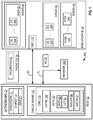
- host 10 may comprise circuit board 102 and motherboard 32.
- Motherboard 32 may comprise one or more host processors 12.
- Each of the host processors 12 may be coupled (e.g., via a respective not shown segment of a proprietary bus) to a chipset 14.
- Each of the one or more host processors 12 may comprise, for example, a respective Intel® CoreTM 2 VProTM microprocessor that is commercially available from the Assignee of the subject application.
- a "processor” means circuitry capable of performing, at least in part, one or more arithmetic and/or logical operations.
- each of the host processors 12 may comprise, for example, a respective microprocessor that is manufactured and/or commercially available from a source other than the Assignee of the subject application, without departing from this embodiment.
- Chipset 14 may comprise a not shown memory controller hub that may couple one or more host processors 12, a system memory 21 and a not shown user interface system to each other and to a not shown bus system.
- Chipset 14 may comprise one or more integrated circuit chips selected from, for example, one or more integrated circuit chipsets available from the Assignee of the subject application (e.g., memory controller hub and I/O controller hub chipsets), although one or more other integrated circuit chips may also, or alternatively be used, without departing from this embodiment.
- the not shown user interface system may comprise, e.g., a keyboard, pointing device, and display system that may permit a human user to input commands to, and monitor the operation of, system 100.
- the not shown bus system may comprise one or more buses that may comply with the bus protocol described in Peripheral Component Interconnect (PCI) ExpressTM Base Specification Revision 1.0, published July 22, 2002, available from the PCI Special Interest Group, Portland, Oregon, U.S.A .
- PCI Peripheral Component Interconnect
- the bus may comprise other types of bus systems, without departing from this embodiment.
- Controller circuit card 102 in host 10 may be communicatively coupled to RAID storage 28 via links 50, and may control the operation of storage 28.
- RAID storage 28 may comprise a plurality of mass storage disks 60, 62, and/or 64.
- the RAID level that may be implemented in RAID storage 28 may vary without departing from embodiments described herein.
- the number of mass storage disks comprised in disks 60, 62, and/or 64 may vary so as to permit the number of such disks to be at least sufficient to implement the RAID level so implemented in RAID storage 28.
- storage may mean one or more apparatus into, and/or from which, data may be stored and/or retrieved, respectively.
- mass storage and “mass storage device” may be used interchangeably to mean storage capable of non-volatile storage of data.
- disk mass storage disk
- mass storage disk device may be used interchangeably to mean mass storage that comprises one or more disks and/or one or more platters, and/or one or more surfaces to and/or on which data may stored and/or from which data may be retrieved.
- a mass storage disk may include, without limitation, one or more non-volatile magnetic and/or optical disk storage devices, such as, one or more hard disk devices.
- circuitry may comprise, for example, singly or in any combination, analog circuitry, digital circuitry, hardwired circuitry, programmable circuitry, state machine circuitry, and/or memory that may comprise program instructions that may be executed by programmable circuitry.
- Controller circuit card 102 may comprise operative circuitry 118.
- Operative circuitry 118 may comprise storage I/O controller 120 and memory 122.
- Processors 12, system memory 21, and chipset 14 may be comprised in a single circuit board, such as, for example, system motherboard 32.
- Motherboard 32 also may comprise the not shown bus system and a not shown bus card slot.
- Card 102 may include a not shown bus connector that may be capable of being electrically and mechanically coupled to the bus card slot that may be comprised in the motherboard 32. When the bus connector of card 102 is so coupled to the bus card slot comprised in motherboard 32, operative circuitry 118 may become communicatively coupled to mother board 32.
- controller card 102 may not be comprised in card 102, but instead, may be comprised in other structures, systems, and/or devices. These other structures, systems, and/or devices may be, for example, comprised in motherboard 32 (e.g., as part of host processor 12 and/or chipset 14). Alternatively or additionally, some or all of the circuitry comprised in host processor 12, chipset 14, and/or circuitry 118 may be comprised in one or more integrated circuits (not shown) that may be comprised in, for example, one or more (not shown) integrated circuit chips.
- One or more machine-readable program instructions may be stored in computer-readable memory 122 and/or 21. In operation of system 100, these instructions may be accessed and executed by controller 120 and/or one or more host processors 12. When executed by controller 120 and/or one or more host processors 12, these one or more instructions may result in controller 120, operative circuitry 118, host processor 12, and/or card 102 performing the operations described herein as being performed by controller 120, operative circuitry 118, host processor 12, and/or card 102.
- these one or more instructions may result in data 55, one or more RAID instructions 57, one or more RAID descriptors 59, data 55, and/or one or more look up tables (LUT) 82 being stored in memory 122.
- data 55, one or more instructions 57, one or more descriptors 59, and/or one or more LUT 82 may stored, in whole or in part, in memory 21.
- Computer-readable memory 21 and 122 may each comprise one or more of the following types of memories: semiconductor firmware memory, programmable memory, non-volatile memory, read only memory, electrically programmable memory, random access memory, static random access memory, flash memory, magnetic disk memory, optical disk memory, and/or other or later-developed computer-readable memory.
- RAID 28 may comprise operative circuitry 118' whose construction may conform, in whole or in part, the construction of circuitry 118.
- Circuitry 118' may be communicatively coupled via one or more links 50 to circuit board 102 and circuitry 118.
- One or more machine-readable program instructions may be stored in computer-readable memory (not shown) in circuitry 118'. In operation of system 100, these instructions may be accessed and executed by a not shown controller in circuitry 118'. When executed by this not shown controller in circuitry 118', these one or more instructions may result in this not shown controller 120 and/or operative circuitry 118' performing the operations described herein as being performed by this not shown controller and/or operative circuitry 118'.
- One or more communication links 50 may be compatible with one or more communication protocols, and circuitry 118 in host 10 may exchange data and/or commands with circuitry 118' in RAID 28 via links 50, in accordance with these one or more communication protocols.
- one or more links 50 may be compatible with, and the respective operative circuitry 118 may exchange data and/or commands with RAID 28 in accordance with, e.g., an Ethernet protocol, Transmission Control Protocol/Internet Protocol (TCP/IP) protocol, Small Computer Systems Interface (SCSI) protocol, and/or Internet Small Computer Systems Interface (iSCSI) protocol.
- TCP/IP Transmission Control Protocol/Internet Protocol
- SCSI Small Computer Systems Interface
- iSCSI Internet Small Computer Systems Interface
- the Ethernet protocol utilized in system 100 may comply or be compatible with the protocol described in Institute of Electrical and Electronics Engineers, Inc. (IEEE) Std. 802.3, 2000 Edition, published on Oct. 20, 2000.
- the TCP/IP protocol utilized in system 100 may comply or be compatible with the protocols described in Internet Engineering Task Force (IETF) Request For Comments (RFC) 791 and 793, published September 1981.
- the SCSI protocol that may be utilized in system 100 may be compatible with the protocol described in American National Standards Institute (ANSI) Small Computer Systems Interface-2 (SCSI-2) ANSI X3.131-1994 Specification.
- the iSCSI protocol that may be utilized in system 100 may be compatible with the protocol described in IETF RFC 3720, published April 2004, and/or other and/or later-developed versions of this protocol.
- IETF RFC 3720 published April 2004, and/or other and/or later-developed versions of this protocol.
- many different communication protocols may be used for such data and/or command exchange without departing from this embodiment.
- System 100 also may comprise one or more communication links 70 that may communicatively couple one or more networks 160 to operative circuitry 118 such that circuitry 118 may be capable of receiving one or more network data streams 72 via one or more links 70.
- One or more links 70 may comply or be compatible with one or more communication protocols with which one or more links 50 may comply or be compatible. Alternatively or additionally, one or more links 70 may comply with other and/or additional communication protocols.
- controller 120 and/or processor 12 may signal circuitry 118. This may result in circuitry 118 generating, at least in part, at least one access request 52 that may involve RAID storage 28, as illustrated by operation 302 in Figure 3 .
- at least one request 52 may request accessing of one or more blocks of data (e.g., data 55).
- a "block" of data may comprise one or more portions of data, such as, for example, one or more fixed and/or pre-defined length segments and/or units of data.
- Circuitry 118 may issue, at least in part, at least one packet 54 to RAID storage 28 via one or more links 50.
- One or more packets 54 may comprise, at least in part, one or more requests 52.
- a "packet” may comprise one or more symbols and/or values.
- "accessing" data may comprise one or more operations that involve and/or manipulate data, such as, for example, reading and/or writing data.
- circuitry 118' may receive, at least in part, at least one packet 54. This may result, at least in part, in circuitry 118' receiving, at least in part, at least one request 52, as illustrated by operation 304 in Figure 3 .
- circuitry 118' may access, in accordance at least in part with the at least one request 52, an encryption and/or parity information (PI) associated with the data 55 in storage 28.
- this encryption may comprise an encryption of at least one portion of the data 55 and/or PI associated with the data 55.
- This PI may be generated based at least in part upon the data 55, and may be used to regenerate and/or reconstruct, at least in part, the data 55, based at least in part upon RAID PI generation and/or data recovery techniques.
- PI may be generated, at least in part, using and/or in accordance, at least in part, with one or more of the following: one or more XOR calculations, one or more Reed-Solomon techniques, and/or other and/or additional syndrome calculation techniques.
- This encryption may be stored in encrypted disk stripes in storage 28 such that the data 55 may be unrecoverable based solely upon a remaining unencrypted portion of the data 55 and the PI stored in storage 28. Alternatively or additionally, this encryption may be stored in one or more respective disk stripes. The number of the disk stripes may be determined based at least in part upon one or more encryption levels, if any, associated with one or more characteristics of the data 55.
- circuitry 118' may generate, based at least in part upon data 55 and in accordance at least in part with the particular RAID level implemented in RAID 28, one or more respective disk stripes 30A ... 30N of encryption 85, one or more respective unencrypted disk stripes 32A ... 32N, and one or more PI disk stripes 34A ... 34N.
- circuitry 118 in host 10 may generate, at least in part, the encrypted disk stripes and/or PI, and may communicate them (e.g., as part of one or more requests 52), at least in part, to circuitry 118' in RAID 28.
- Circuitry 118' may store one or more disk stripes 30A ... 30N in one or more respective disks 60 in RAID 28; circuitry 118' may store one or more disk stripes 32A ... 32N in one or more respective disks 62 in RAID 28; and circuitry 118' may store one or more PI disk stripes 34A ... 34N in one or more respective disks 64 in RAID 28.
- 30N in encryption 85 may be selected such that, depending upon and/or as result, at least in part, of the particular RAID level implemented in RAID 28, the one or more encrypted disk stripes 30A ... 30N (and, therefore, also data block 55) cannot be recovered (e.g., cannot be reconstructed and/or regenerated) based solely upon (e.g., using) conventional RAID techniques, the remaining one or more unencrypted disk stripes 32A...32N, and the one or more PI disk stripes 34A ... 34N.
- the number of encrypted stripes 30A ... 30N (and, therefore, also the number of respective disks 60 in which stripes 30A ...
- 30N may be stored) is at least greater by 1 (i.e., unity) than the maximum number of disk stripes that can be recovered using only conventional RAID techniques, the remaining one or more unencrypted disk stripes 32A . .. 32N, and the one or more PI disk stripes 34A ... 34N.
- RAID 28 implements a single exclusive-OR (XOR) syndrome
- the number of encrypted disk stripes 30A ... 30N (and respective disks comprised in disks 60) may be greater than or equal to two.
- RAID 28 implements a double XOR syndrome (and/or other and/or additional RAID technique whereby two disks in RAID 28 may be recovered in event of failure of the two disks) then the number of encrypted disk stripes 30A ... 30N (and respective disks comprised in disks 60) may be greater than or equal to three.
- the first stripe and/or every alternating stripe (and/or any combination of stripes, for example, determined, at least in part, by a human user) comprised in the total number of data (e.g., non-PI) stripes generated based at least in part upon data 55 may be encrypted and comprised in encryption 85.
- one or more PI stripes 34A ... 34N may be unencrypted, and may be stored in one or more disks 64 in a rotating fashion (e.g., in accordance, at least in part, with a modulo calculation based at least in part upon the total number of disks in RAID 28 in which unencrypted data and/or PI are stored) so as to disburse as evenly as practicable among one or more disks 64 the total number of PI stripes within the one or more disks 64.
- One or more disks 64 may only store unencrypted data and/or unencrypted PI. Thus, one or more disks 64 may be different from one or more disks 60.
- one or more disks 62 may (but are not required to) comprise one or more disks 64.
- this may increase the speed with which a write operation in RAID 28 may be carried out, especially if that operation involves modification of one of the data stripes 30A ... 30N and/or 32A ... 32N previously stored in RAID 28, since the reading of old PI associated with the data stripe to be modified (e.g., for use in generating new PI that reflects the modified data stripe) may not involve decrypting the old PI or encrypting the new PI.
- the write operation involves modifying stripe 32A
- the one or more (old) PI stripes 34A ...
- the new one or more PI stripes may be written to one or more disks 64 in such a way as to replace (e.g., overwrite) one or more PI stripes 34A ... 34N without having to encrypt the one or more new PI stripes.
- the read operation may be performed without having to decrypt the one or more data stripes 32A ... 32N (and/or depending upon the implementation one or more stripes 34A ... 34N) being read.
- this may improve the speed with which such a read operation may be performed compared to what might be the case if all of the data stripes (including stripes 32A ... 32N) in RAID 28 were encrypted.
- the total number of disks comprised in disks 60, 62, and 64 may be equal to eight, and the RAID 28 may implement a single XOR syndrome.
- the number of stripes comprised in one or more encrypted disk stripes 30A ... 30N (and therefore also the number of disks comprised in one or more disks 60) may be equal to two, and the total number of stripes comprised in one or more unencrypted disk stripes 32A ... 32N and one or more PI stripes 34A ... 34N (and therefore also the total number of disks comprised in disks 62 and 64) may be equal to six.
- data 55 may be comprised in data stripes 30A ... 30N and 32A ...
- PI stripe 34A a single PI stripe (e.g., stripe 34A) comprised in one or more stripes 34A... 34N.
- the disk in which the PI stripe may be located may be calculated by circuitry 118' based at least in part upon the data stripes.
- the number of one or more encrypted disk stripes 30A ... 30N in encryption 85 may be determined, at least in part, based at least in part upon one or more encryption levels, if any, that may be associated with one or more characteristics of data 55.
- one or more instructions 57, one or more descriptors 59, and/or LUT 82 may be generated, at least in part, and/or stored, at least in part, by circuitry 118, controller 120, and/or one or more processors 12 in memory 122 (and/or memory 21) based at least in part upon one more user-defined and/or pre-defined preferences that may associate, at least in part, one or more characteristics of the data 55 with one or more encryption levels that may be indicated, at least in part, by one or more instructions 57 and/or one or more descriptors 59, and these associations may be reflected, embodied, and/or indicated, at least in part, in LUT 82.
- These one or more characteristics may comprise, for example, whether the data 55 is from a secure channel (e.g., one or more links 70 may be or comprise one or more secure (e.g., encrypted) channels), whether one or more respective file types comprises, at least in part, the data 55, whether the data 55 is from, at least in part, a respective network stream (e.g., network stream 72), and/or whether the data 55 satisfies, at least in part, one or more (e.g., other and/or additional) user-defined and/or pre-defined criteria.
- These one or more characteristics may be associated, at least in part, with one or more encryption levels to be used in connection with data 55.
- these one or more characteristics may be associated, at least in part, with one or more respective encryption levels.
- These one or more encryption levels may be associated with, specify, and/or indicate, at least in part, numbers of encrypted stripes to be used in storing, at least in part, data 55 in RAID 28, and/or with types of encryption methodologies to be used in generating, at least in part, encrypted stripes 30A . .. 30N.
- LUT 82 may associate, at least in part, these one or more characteristics with one or more instructions 57 and/or one or more descriptors 59 that may indicate (and/or implement) the one or more encryption levels associated, at least in part, with these one or more characteristics, and/or with the one or more encryption levels themselves.
- controller 120, circuitry 118, and/or one or more processors 12 may generate, at least in part, one or more requests 52 based, at least in part upon the associations and/or one or more encryption levels associated, at least in part, with (and/or as indicated, at least in part, in LUT 82, one or more instructions 57, and/or one or more descriptors 59) the one or more characteristics of the data 55.
- circuitry 118' may access the encryption 85 and/or PI 34A ... 34N in accordance with the one or more requests 52.
- controller 120, circuitry 118, and/or one or more processors 12 may determine, at least in part, based at least in part upon the information in LUT 82, one or more instructions 57, and/or one or more descriptors 59, one or more encryption levels associated, at least in part, with one or more characteristics of data 55. If the access involves a write operation, controller 120, circuitry 118, and/or one or more processors 12 may generate, at least in part, one or more encrypted data stripes 30A ... 30N, one or more unencrypted data stripes 32A ... 32N, and/or one or more parity stripes 34A ...
- the encryption 34N based upon data 55 and the RAID level implemented in RAID 28, in accordance with these one or more encryption levels associated, at least in part, with the data 55 (e.g., such that the number of stripes 30A ... 30N is equal to the disk stripe number associated with the one or more encryption levels and/or the encryption 85 reflects, at least in part, the one or more encryption methodologies associated, at least in part, with the one or more encryption levels).
- Controller 120, circuitry 118, and/or one or more processors 12 may then generate, at least in part, and issue, at least in part, to circuitry 118' one or more requests 52 that may request, at least in part, that these one or more encrypted disk stripes 30A ...30N, one or more unencrypted disk stripes 32A...32N, and one or more parity stripes 34A...34N be written, at least in part, into one or more disks 60, one or more disks 62, and one or more disks 64, respectively.
- circuitry 118' may write these one or more encrypted disk stripes 30A ...
- circuitry 118' may generate, at least in part, the encryption 85 and/or one or more PI stripes 34A...34N based, at least in part, upon the unencrypted versions of the one or more disk stripes 30A ... 30N, and the one or more unencrypted disk stripes 32A . .. 32N (e.g., issued to circuitry 118' in one or more requests 52).
- the one or more encryption levels associated, at least in part, with the data 55 may indicate, at least in part, that the data 55 is not to be encrypted.
- encryption 85 essentially may be eliminated and stripes 30A ... 30N may comprise unencrypted data stripes of data 55.
- the data 55 as stored in RAID 28, may be unencrypted.
- encryption 85 essentially may be eliminated and stripes 30A...30N may comprise unencrypted data stripes of data 55.
- the one or more instructions 57 and/or one or more descriptors 59 may include, at least in part, one or more reserved fields to specify and/or indicate, at least in part, the one or more encryption levels associated with the data 55; this may enhance compatibility with legacy RAID systems and/or software.
- the one or more encryption levels that may be associated with, at least in part, the one or more characteristics of the data 55 may indicate, at least in part, that one or more data stripes 30A ... 30N are to comprise a relatively lower level of encryption (and commensurately, security), by comprising only a single encrypted data stripe (e.g., stripe 30A).
- one or more data stripes 30A ... 30N may comprise a relatively higher level of encryption (and commensurately, security), by comprising a plurality (two, three, or more) encrypted data stripes.
- the one or more encryption levels that may be associated with the one or more characteristics of the data 55, as well as, the one or more characteristics themselves may be modified, for example, by a human user via the not shown user interface.
- the particular nature, characteristics, sensitivity and/or importance of data 55 may be used as criteria for selecting the encryption level (and also therefore, the security) of the data 55; this may increase the utility of this embodiment compared to the prior art.
- the above features of this embodiment may permit the human user to select the balance that is to be struck between data security and RAID performance.
- one or more encryption levels that may be associated with the one or more characteristics of data 55 may indicate, at least in part, that one or more PI stripes 34A ...
- both one or more PI stripes 34A ... 34N and all of the data stripes 30A ... 30N and 32A ... 32N may be encrypted and comprised in encryption 85.
- PI stripes 34A ... 34N may comprise respective copies of PI.
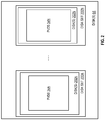
- one or more disks 64 may comprise a plurality of disk sets 200A ... 200N that each may include one or more respective disks 202A ... 202N.
- a first disk set 200A and a second disk set 200N in the plurality of disk sets 200A ... 200N may be mutually disjoint from each other, and may comprise one or more disks 202A and one or more disks 202N, respectively.
- One or more disks 202A may include a respective disk that may store a respective PI stripe 34A that may have been generated, at least in part, based at least in part upon data 55, and data 55 may be capable of being reconstructed, at least in part, based at least in part upon the PI stripe 34A.
- One or more disks 202N may include a single respective disk that may store a respective PI stripe 34N.
- PI stripe 34N may be a copy of PI stripe 34A.
- the respective copies 34A and 34N of PI may be stored in respective corresponding physical and/or logical address spaces and/or ranges of disks 202A and 202N, respectively. That is, the respective address space and/or range in which PI stripe 34A may be stored in disk 202A may be numerically the same as the respective address space and/or range in which PI stripe 34N may be stored in disk 202N.
- the first set of disks 200A may comprise a plurality of disks (e.g., that may be comprised in whole or in part in, for example, one or more disks 62 and/or 60) that may store both data segments (e.g., data stripes) and PI segments (e.g., PI stripes) associated with the data segments.
- One or more disks 202N may store only respective copies of the PI segments (e.g., respective copies of the PI stripes stored in disk set 200A), but may not store any data segments (e.g., may not store any data stripes).
- RAID 28 may implement a RAID level greater than three.
- circuitry 118' may access the encryption 85 and/or PI 34A ... 34N in accordance with the one or more requests 52. For example, if the access involves a write operation and none of the stripes of data 55 have previously been written into RAID 28, controller 120, circuitry 118, and/or one or more processors 12 may generate, at least in part, one or more encrypted data stripes 30A ... 30N, one or more unencrypted data stripes 32A ... 32N, and/or parity stripes 34A ...
- Controller 120, circuitry 118, and/or one or more processors 12 may then generate, at least in part, and issue, at least in part, to circuitry 118' one or more requests 52 that may request, at least in part, that these one or more encrypted disk stripes 30A ... 30N, one or more unencrypted disk stripes 32A ... 32N, and parity stripes 34A ... 34N be written, at least in part, into one or more disks 60, one or more disks 62, and disks 64, respectively.
- circuitry 118' may write these one or more encrypted disk stripes 30A ...
- circuitry 118' may generate, at least in part, the encryption 85 and/or PI stripes 34A ... 34N based, at least in part, upon the unencrypted versions of the one or more disk stripes 30A ... 30N, and the one or more unencrypted disk stripes 32A ... 32N (e.g., issued to circuitry 118' in one or more requests 52) in such a way as to implement the foregoing features of this variation.
- circuitry 118 may generate, at least in part, and issue, at least in part, to circuitry 118' one or more requests 52 that may request, at least in part, that these one or more data stripes 32A and parity stripes 34A ... 34N be written, at least in part, into one or more disks 62 and disks 64, respectively.
- circuitry 118' may write these one or more disk stripes 32A and parity stripes 34A ...
- circuitry 118' may read (and decrypt as necessary) one or more stripes 30A ... 30N, one or more stripes 32A ... 32N (except the new stripe being written), and one of the two PI stripes 34A ... 34N (e.g., stripe 34N), and may generate, at least in part, a new PI stripe based at least in part upon the thus read stripes and the new data stripe to be written into RAID 28.
- circuitry 118' may select one of the disks 202A, 202N from which to read the one of the two respective copies of the PI stripes 34A, 34N based at least in part upon whether disk 202A or 202N is being presently accessed, e.g., as a result, at least in part, of another access request.
- circuitry 118' may access (e.g., read) the other copy 34N of this PI stripe 34A that is stored in disk 202N, or vice versa, depending upon which of the two disks 202A, 202N is currently being accessed as a result of this other request. After determining the new PI, circuitry 118' may write this new PI into both PI stripes 34A and 34N (e.g., the current PI stored in stripes 34A and 34N may be overwritten with this new PI).
- At least one disk is provided to store only a copy of PI, and another copy of that PI is stored in one or more disks in which data stripes are also stored.
- this may reduce conflict/contention issues, and may improve efficiency and performance of the RAID 28 in this variation, compared to the prior art.
- an apparatus may include circuitry to generate, at least in part, and/or receive, at least in part, at least one access request involving a redundant array of independent disks (RAID) storage.
- the storage may be capable of accessing, in response, at least in part, to the at least one request an encryption and/or PI.
- the encryption may be of at least one portion of the data and/or the PI.
- the encryption may be stored in (1) encrypted disk stripes in the storage such that the data is unrecoverable based solely upon remaining unencrypted portion of the data and the PI stored in the storage, and/or (2) one or more respective disk stripes having a number that is determined based at least in part upon one or more encryption levels, if any, associated with at least one characteristic of the data.
- the circuitry may be capable of generating, at least in part, and/or receiving at least in part, at least one request to access data in the RAID storage.
- the storage may store a first copy of PI and a second copy of the PI.
- the data may be capable of being reconstructed, at least in part, based at least in part upon the PI.
- the first copy may be stored in a first disk of a first disk set and the second copy may be stored in a second disk of a second disk set.
- the first set may be disjoint from the second set.
- the storage in response at least in part to the at least one request, may read either the first copy or the second copy based at least in part upon whether the first disk is being accessed as a result, at least in part, of another request.
Landscapes
- Engineering & Computer Science (AREA)
- Theoretical Computer Science (AREA)
- Computer Security & Cryptography (AREA)
- Computer Hardware Design (AREA)
- Physics & Mathematics (AREA)
- General Engineering & Computer Science (AREA)
- General Physics & Mathematics (AREA)
- Software Systems (AREA)
- Quality & Reliability (AREA)
- Storage Device Security (AREA)
- Signal Processing For Digital Recording And Reproducing (AREA)
Claims (13)
- System, aufweisend:ein redundantes Array aus unabhängigen "RAID"-Speicherplatten (28); undSchaltungen (118), die konfiguriert sind zum:a) Erstellen einer Zugriffsanforderung (52) für Daten (55) unter Einbezug des Speichers (28), wobei der Speicher (28) zum Zugreifen, in Reaktion auf die Anforderung (52), auf eine Verschlüsselungs- oder Paritätsinformation, die mit den Daten (55) assoziiert ist, geeignet ist, wobei die Verschlüsselungsinformation ein Anteil von Daten ist, die im Speicher (28) gespeichert sind, wobei die Verschlüsselungsinformation einen der folgenden Unterabsätze b) und c) erfüllt:b) die Verschlüsselungsinformation ist in einer Anzahl von verschlüsselten Plattenstreifen (30A - 30N) im Speicher (28) gespeichert, die um Eins größer als eine maximale Anzahl von Plattenstreifen ist, die wiederhergestellt werden können, sodass die Daten basierend lediglich auf einem restlichen unverschlüsselten Anteil der Daten (32A - 32N) oder der Paritätsinformation (34A - 34N), die im Speicher (28) gespeichert ist, nicht wiederherstellbar sind;c) die Verschlüsselungsinformation ist in einem oder mehr jeweiligen Plattenstreifen (30A - 30N) mit einer Anzahl gespeichert, die basierend auf einer oder mehr Verschlüsselungsebenen bestimmt wird, welche mit einem oder mehr Kennzeichen der Daten (55) assoziiert sind, wobei die Verschlüsselungsebenen durch eines von folgendem angezeigt werden: eine Anweisung (57); und einen RAID-Deskriptor (59);d) Empfangen der Anforderung, wobei:die Verschlüsselungsinformation den Unterabsatz b) erfüllt;der Speicher (28) ein Syndrom implementiert, bei dem zwei Platten wiederhergestellt werden können;die verschlüsselten Plattenstreifen (30A - 30N) mindestens drei jeweilige Streifen aufweisen, die jeweils in mindestens drei jeweiligen Platten (60) im Speicher gespeichert sind; unddie Paritätsinformation (34A - 34N), wie sie im Speicher (28) gespeichert ist, unverschlüsselt ist und in anderen Platten (64) im Speicher (28) aufgeteilt ist, die sich von den mindestens drei jeweiligen Platten (60) unterscheiden.
- System nach Anspruch 1, wobei:
wenn keine Verschlüsselungsebene mit dem einen oder mehr Kennzeichen assoziiert ist, die Daten, wie sie im Speicher (28) gespeichert sind, unverschlüsselt sind. - System nach Anspruch 1, wobei:
das eine oder mehr Kennzeichen eines des folgenden aufweisen:
ob die Daten von einem sicheren Kanal, einem jeweiligen Netzwerk-Stream sind, ob ein jeweiliger Dateityp die Daten aufweist; und ob die Daten ein oder mehr benutzerdefinierte Kriterien erfüllen. - System nach Anspruch 3, wobei:
die Verschlüsselungsinformation sowohl die Daten als auch die Paritätsinformation (34A - 34N) aufweist. - System nach Anspruch 1, wobei:
eine Schaltungskarte (102) die Schaltungen (118) aufweist. - System nach Anspruch 1, wobei der Speicher (28) eine erste Kopie von Paritätsinformation und eine zweite Kopie der Paritätsinformation speichert, die Daten basierend auf der Paritätsinformation wiederhergestellt werden können, die erste Kopie in einer ersten Platte eines ersten Plattensatzes gespeichert wird und die zweite Kopie in einer zweiten Platte eines zweiten Plattensatzes gespeichert wird, der erste Plattensatz unzusammenhängend mit dem zweiten Plattensatz ist, der Speicher, in Reaktion auf die Anforderung, zum Auslesen von einer der ersten Kopie und der zweiten Kopie basierend darauf, ob auf die erste Platte infolge einer anderen Anforderung zugegriffen wird, dient.
- System nach Anspruch 6, wobei:die eine Anforderung eine Schreibanforderung zum Schreiben der Daten in den Speicher aufweist;der Speicher (28), in Reaktion auf die eine Anforderung außerdem zum Errechnen neuer Paritätsinformation und zum Ersetzen der ersten Kopie und der zweiten Kopie durch jeweilige Kopien der neuen Paritätsinformation dient.
- System nach Anspruch 6, wobei:
der erste Satz mehrere Platten zum Speichern von Datensegmenten und Paritätssegmenten, die mit den Datensegmenten assoziiert sind, aufweist; und der zweite Satz eine oder mehr Platten zum Speichern nur von Kopien der Parität aufweist. - System nach Anspruch 6, wobei:
das RAID eine RAID-Ebene von größer als drei implementiert. - Computerprogramm, das maschinenlesbare Anweisungen aufweist, die, wenn sie durch einen oder mehr Prozessoren ausgeführt werden, in den folgenden Vorgängen resultieren, aufweisend:a) Erstellen einer Zugriffsanforderung (52) für Daten (55) unter Einbezug eines redundanten Arrays aus unabhängigen "RAID"-Speicherplatten (28), wobei der Speicher (28) zum Zugreifen, in Reaktion auf die Anforderung (52), auf eine Verschlüsselungs- oder Paritätsinformation, die mit den Daten (55) assoziiert ist, geeignet ist, wobei die Verschlüsselungsinformation ein Anteil der Daten ist, wobei die Verschlüsselungsinformation einen der folgenden Unterabsätze b) und c) erfüllt:b) die Verschlüsselungsinformation ist in einer Anzahl von verschlüsselten Plattenstreifen (30A - 30N) im Speicher (28) gespeichert, die um Eins größer als eine maximale Anzahl von Plattenstreifen ist, die wiederhergestellt werden können, sodass die Daten basierend lediglich auf einem restlichen unverschlüsselten Anteil der Daten (32A - 32N) oder der Paritätsinformation (34A - 34N), die im Speicher (28) gespeichert ist, nicht wiederherstellbar sind;c) die Verschlüsselungsinformation ist in einem oder mehr jeweiligen Plattenstreifen (30A - 30N) mit einer Anzahl gespeichert, die basierend auf einer oder mehr Verschlüsselungsebenen bestimmt wird, welche mit einem oder mehr Kennzeichen der Daten assoziiert sind, wobei die Verschlüsselungsebenen durch eines von folgendem angezeigt werden: eine Anweisung (57); und einen RAID-Deskriptor (59); wobei:die Verschlüsselungsinformation den Unterabsatz b) erfüllt;der Speicher (28) ein Syndrom implementiert, bei dem zwei Platten wiederhergestellt werden können;die verschlüsselten Plattenstreifen (30A - 30N) mindestens drei jeweilige Streifen aufweisen, die jeweils in mindestens drei jeweiligen Platten (60) im Speicher (28) gespeichert sind; unddie Paritätsinformation (34A - 34N), wie sie im Speicher (28) gespeichert ist, unverschlüsselt ist und in anderen Platten (64) im Speicher (28) aufgeteilt ist, die sich von den mindestens drei jeweiligen Platten (60) unterscheiden.
- Computerprogramm nach Anspruch 10, wobei:
wenn keine Verschlüsselungsebene mit dem einen oder mehr Kennzeichen assoziiert ist, die Daten, wie sie im Speicher (28) gespeichert sind, unverschlüsselt sind. - Computerprogramm nach Anspruch 10, wobei:
das eine oder mehr Kennzeichen eines des folgenden aufweisen:
ob die Daten von einem sicheren Kanal, einem jeweiligen Netzwerk-Stream sind, ob ein jeweiliger Dateityp die Daten aufweist; und ob die Daten ein oder mehr benutzerdefinierte Kriterien erfüllen. - Computerprogramm nach Anspruch 12, wobei:
die Verschlüsselungsinformation sowohl die Daten als auch die Paritätsinformation (34A - 34N) aufweist.
Applications Claiming Priority (2)
| Application Number | Priority Date | Filing Date | Title |
|---|---|---|---|
| US12/240,776 US8074039B2 (en) | 2008-09-29 | 2008-09-29 | Redundant array of independent disks-related operations |
| PCT/US2009/057869 WO2010036654A2 (en) | 2008-09-29 | 2009-09-22 | Redundant array of independent disks-related operations |
Publications (3)
| Publication Number | Publication Date |
|---|---|
| EP2332037A2 EP2332037A2 (de) | 2011-06-15 |
| EP2332037A4 EP2332037A4 (de) | 2013-09-11 |
| EP2332037B1 true EP2332037B1 (de) | 2019-06-05 |
Family
ID=42058919
Family Applications (1)
| Application Number | Title | Priority Date | Filing Date |
|---|---|---|---|
| EP09816761.2A Not-in-force EP2332037B1 (de) | 2008-09-29 | 2009-09-22 | Redundantes array aus unabhängigen platten und entsprechende verfahren |
Country Status (4)
| Country | Link |
|---|---|
| US (1) | US8074039B2 (de) |
| EP (1) | EP2332037B1 (de) |
| CN (1) | CN102165407B (de) |
| WO (1) | WO2010036654A2 (de) |
Families Citing this family (10)
| Publication number | Priority date | Publication date | Assignee | Title |
|---|---|---|---|---|
| US8074039B2 (en) | 2008-09-29 | 2011-12-06 | Intel Corporation | Redundant array of independent disks-related operations |
| US8140865B2 (en) * | 2009-02-06 | 2012-03-20 | International Business Machines Corporation | Pre-configuring of encryption bands on a disk for use in a plurality of array configurations |
| US10621021B2 (en) * | 2013-02-05 | 2020-04-14 | Pure Storage, Inc. | Using dispersed data structures to point to slice or date source replicas |
| US10481835B2 (en) * | 2014-10-09 | 2019-11-19 | Netapp, Inc. | Methods and systems for dynamic hashing in caching sub-systems |
| CN105701424B (zh) * | 2014-11-29 | 2018-11-06 | 华为技术有限公司 | 一种创建存储单元的方法和控制器 |
| US10778429B1 (en) * | 2015-12-03 | 2020-09-15 | Amazon Technologies, Inc. | Storage of cryptographic information |
| CN109725831B (zh) * | 2017-10-27 | 2022-06-10 | 伊姆西Ip控股有限责任公司 | 管理存储系统的方法、系统和计算机可读介质 |
| CN111858130B (zh) * | 2019-04-29 | 2024-09-13 | 伊姆西Ip控股有限责任公司 | 用于拆分盘集的方法、设备和计算机程序产品 |
| CN112800493B (zh) * | 2021-02-07 | 2025-04-22 | 联想(北京)有限公司 | 一种信息处理方法及设备 |
| CN116027991B (zh) * | 2023-03-29 | 2023-09-19 | 苏州浪潮智能科技有限公司 | Raid阵列管理方法、装置、raid卡及存储介质 |
Family Cites Families (10)
| Publication number | Priority date | Publication date | Assignee | Title |
|---|---|---|---|---|
| US20010044879A1 (en) * | 2000-02-18 | 2001-11-22 | Moulton Gregory Hagan | System and method for distributed management of data storage |
| US7165154B2 (en) | 2002-03-18 | 2007-01-16 | Net Integration Technologies Inc. | System and method for data backup |
| US7320052B2 (en) | 2003-02-10 | 2008-01-15 | Intel Corporation | Methods and apparatus for providing seamless file system encryption and redundant array of independent disks from a pre-boot environment into a firmware interface aware operating system |
| US7562230B2 (en) | 2003-10-14 | 2009-07-14 | Intel Corporation | Data security |
| US20060053308A1 (en) * | 2004-09-08 | 2006-03-09 | Raidy 2 Go Ltd. | Secured redundant memory subsystem |
| US20060195704A1 (en) | 2005-01-27 | 2006-08-31 | Hewlett-Packard Development Company, L.P. | Disk array encryption element |
| US7725765B2 (en) | 2006-09-29 | 2010-05-25 | Hitachi, Ltd. | Method and apparatus for encryption with RAID in storage system |
| US9734086B2 (en) * | 2006-12-06 | 2017-08-15 | Sandisk Technologies Llc | Apparatus, system, and method for a device shared between multiple independent hosts |
| JP2008234052A (ja) | 2007-03-16 | 2008-10-02 | Hitachi Ltd | ストレージ装置 |
| US8074039B2 (en) | 2008-09-29 | 2011-12-06 | Intel Corporation | Redundant array of independent disks-related operations |
-
2008
- 2008-09-29 US US12/240,776 patent/US8074039B2/en not_active Expired - Fee Related
-
2009
- 2009-09-22 CN CN200980137696.XA patent/CN102165407B/zh not_active Expired - Fee Related
- 2009-09-22 EP EP09816761.2A patent/EP2332037B1/de not_active Not-in-force
- 2009-09-22 WO PCT/US2009/057869 patent/WO2010036654A2/en not_active Ceased
Non-Patent Citations (1)
| Title |
|---|
| None * |
Also Published As
| Publication number | Publication date |
|---|---|
| WO2010036654A3 (en) | 2010-06-17 |
| EP2332037A4 (de) | 2013-09-11 |
| WO2010036654A2 (en) | 2010-04-01 |
| CN102165407B (zh) | 2014-03-12 |
| US20100083039A1 (en) | 2010-04-01 |
| US8074039B2 (en) | 2011-12-06 |
| EP2332037A2 (de) | 2011-06-15 |
| CN102165407A (zh) | 2011-08-24 |
Similar Documents
| Publication | Publication Date | Title |
|---|---|---|
| EP2332037B1 (de) | Redundantes array aus unabhängigen platten und entsprechende verfahren | |
| US8127150B2 (en) | Data security | |
| EP3716071B1 (de) | Kombinierte sichere message authentication codes (mac) und vorrichtungskorrektur unter verwendung von verschlüsselter parität mit mehrfachschlüsseldomänen | |
| CN104252426B (zh) | 利用自加密驱动器加密盘驱动器上的数据的方法和系统 | |
| US8621241B1 (en) | Storage and recovery of cryptographic key identifiers | |
| US8489893B2 (en) | Encryption key rotation messages written and observed by storage controllers via storage media | |
| US8422677B2 (en) | Storage virtualization apparatus comprising encryption functions | |
| US8161222B1 (en) | Method and system and apparatus for use in data storage | |
| US8583984B2 (en) | Method and apparatus for increasing data reliability for raid operations | |
| US9652408B2 (en) | System and method for providing data integrity | |
| EP2803012B1 (de) | Verwendung von busschnittstellen einer speichersteuerung zur sicheren datenübertragung zwischen speichervorrichtungen und hosts | |
| US9032218B2 (en) | Key rotation for encrypted storage media using a mirrored volume revive operation | |
| US20060053308A1 (en) | Secured redundant memory subsystem | |
| JP2007265409A (ja) | コンピュータ実施方法、データ処理システム、およびコンピュータ・プログラム(アモルファスraid) | |
| US8943328B2 (en) | Key rotation for encrypted storage media | |
| US20060112267A1 (en) | Trusted platform storage controller | |
| US10268814B1 (en) | Providing secure access to digital storage devices | |
| AU2008275360A1 (en) | System and method for processing data for data security | |
| Cheng et al. | FlashFox: a secret-sharing approach to securing data deletion for Flash-based SSD | |
| US12032492B2 (en) | Method of operating storage device and method of operating storage system using the same | |
| Chencinski et al. | Flash storage integration in the IBM System z EC12 I/O drawer |
Legal Events
| Date | Code | Title | Description |
|---|---|---|---|
| PUAI | Public reference made under article 153(3) epc to a published international application that has entered the european phase |
Free format text: ORIGINAL CODE: 0009012 |
|
| 17P | Request for examination filed |
Effective date: 20110221 |
|
| AK | Designated contracting states |
Kind code of ref document: A2 Designated state(s): AT BE BG CH CY CZ DE DK EE ES FI FR GB GR HR HU IE IS IT LI LT LU LV MC MK MT NL NO PL PT RO SE SI SK SM TR |
|
| AX | Request for extension of the european patent |
Extension state: AL BA RS |
|
| DAX | Request for extension of the european patent (deleted) | ||
| A4 | Supplementary search report drawn up and despatched |
Effective date: 20130809 |
|
| RIC1 | Information provided on ipc code assigned before grant |
Ipc: G06F 21/00 20130101AFI20130805BHEP Ipc: G06F 9/06 20060101ALI20130805BHEP Ipc: G06F 11/10 20060101ALI20130805BHEP |
|
| 17Q | First examination report despatched |
Effective date: 20130827 |
|
| REG | Reference to a national code |
Ref country code: DE Ref legal event code: R079 Ref document number: 602009058655 Country of ref document: DE Free format text: PREVIOUS MAIN CLASS: G06F0003060000 Ipc: G06F0021800000 |
|
| RIC1 | Information provided on ipc code assigned before grant |
Ipc: G06F 11/10 20060101ALI20181002BHEP Ipc: G06F 21/80 20130101AFI20181002BHEP |
|
| GRAP | Despatch of communication of intention to grant a patent |
Free format text: ORIGINAL CODE: EPIDOSNIGR1 |
|
| STAA | Information on the status of an ep patent application or granted ep patent |
Free format text: STATUS: GRANT OF PATENT IS INTENDED |
|
| INTG | Intention to grant announced |
Effective date: 20190102 |
|
| RIC1 | Information provided on ipc code assigned before grant |
Ipc: G06F 11/10 20060101ALI20181002BHEP Ipc: G06F 21/80 20130101AFI20181002BHEP |
|
| GRAS | Grant fee paid |
Free format text: ORIGINAL CODE: EPIDOSNIGR3 |
|
| GRAA | (expected) grant |
Free format text: ORIGINAL CODE: 0009210 |
|
| STAA | Information on the status of an ep patent application or granted ep patent |
Free format text: STATUS: THE PATENT HAS BEEN GRANTED |
|
| AK | Designated contracting states |
Kind code of ref document: B1 Designated state(s): AT BE BG CH CY CZ DE DK EE ES FI FR GB GR HR HU IE IS IT LI LT LU LV MC MK MT NL NO PL PT RO SE SI SK SM TR |
|
| REG | Reference to a national code |
Ref country code: GB Ref legal event code: FG4D |
|
| REG | Reference to a national code |
Ref country code: CH Ref legal event code: EP |
|
| REG | Reference to a national code |
Ref country code: AT Ref legal event code: REF Ref document number: 1140730 Country of ref document: AT Kind code of ref document: T Effective date: 20190615 |
|
| REG | Reference to a national code |
Ref country code: DE Ref legal event code: R096 Ref document number: 602009058655 Country of ref document: DE |
|
| REG | Reference to a national code |
Ref country code: IE Ref legal event code: FG4D |
|
| REG | Reference to a national code |
Ref country code: NL Ref legal event code: FP |
|
| REG | Reference to a national code |
Ref country code: LT Ref legal event code: MG4D |
|
| PG25 | Lapsed in a contracting state [announced via postgrant information from national office to epo] |
Ref country code: ES Free format text: LAPSE BECAUSE OF FAILURE TO SUBMIT A TRANSLATION OF THE DESCRIPTION OR TO PAY THE FEE WITHIN THE PRESCRIBED TIME-LIMIT Effective date: 20190605 Ref country code: LT Free format text: LAPSE BECAUSE OF FAILURE TO SUBMIT A TRANSLATION OF THE DESCRIPTION OR TO PAY THE FEE WITHIN THE PRESCRIBED TIME-LIMIT Effective date: 20190605 Ref country code: NO Free format text: LAPSE BECAUSE OF FAILURE TO SUBMIT A TRANSLATION OF THE DESCRIPTION OR TO PAY THE FEE WITHIN THE PRESCRIBED TIME-LIMIT Effective date: 20190905 Ref country code: HR Free format text: LAPSE BECAUSE OF FAILURE TO SUBMIT A TRANSLATION OF THE DESCRIPTION OR TO PAY THE FEE WITHIN THE PRESCRIBED TIME-LIMIT Effective date: 20190605 Ref country code: SE Free format text: LAPSE BECAUSE OF FAILURE TO SUBMIT A TRANSLATION OF THE DESCRIPTION OR TO PAY THE FEE WITHIN THE PRESCRIBED TIME-LIMIT Effective date: 20190605 Ref country code: FI Free format text: LAPSE BECAUSE OF FAILURE TO SUBMIT A TRANSLATION OF THE DESCRIPTION OR TO PAY THE FEE WITHIN THE PRESCRIBED TIME-LIMIT Effective date: 20190605 |
|
| PG25 | Lapsed in a contracting state [announced via postgrant information from national office to epo] |
Ref country code: LV Free format text: LAPSE BECAUSE OF FAILURE TO SUBMIT A TRANSLATION OF THE DESCRIPTION OR TO PAY THE FEE WITHIN THE PRESCRIBED TIME-LIMIT Effective date: 20190605 Ref country code: GR Free format text: LAPSE BECAUSE OF FAILURE TO SUBMIT A TRANSLATION OF THE DESCRIPTION OR TO PAY THE FEE WITHIN THE PRESCRIBED TIME-LIMIT Effective date: 20190906 Ref country code: BG Free format text: LAPSE BECAUSE OF FAILURE TO SUBMIT A TRANSLATION OF THE DESCRIPTION OR TO PAY THE FEE WITHIN THE PRESCRIBED TIME-LIMIT Effective date: 20190905 |
|
| REG | Reference to a national code |
Ref country code: AT Ref legal event code: MK05 Ref document number: 1140730 Country of ref document: AT Kind code of ref document: T Effective date: 20190605 |
|
| PG25 | Lapsed in a contracting state [announced via postgrant information from national office to epo] |
Ref country code: PT Free format text: LAPSE BECAUSE OF FAILURE TO SUBMIT A TRANSLATION OF THE DESCRIPTION OR TO PAY THE FEE WITHIN THE PRESCRIBED TIME-LIMIT Effective date: 20191007 Ref country code: CZ Free format text: LAPSE BECAUSE OF FAILURE TO SUBMIT A TRANSLATION OF THE DESCRIPTION OR TO PAY THE FEE WITHIN THE PRESCRIBED TIME-LIMIT Effective date: 20190605 Ref country code: SK Free format text: LAPSE BECAUSE OF FAILURE TO SUBMIT A TRANSLATION OF THE DESCRIPTION OR TO PAY THE FEE WITHIN THE PRESCRIBED TIME-LIMIT Effective date: 20190605 Ref country code: RO Free format text: LAPSE BECAUSE OF FAILURE TO SUBMIT A TRANSLATION OF THE DESCRIPTION OR TO PAY THE FEE WITHIN THE PRESCRIBED TIME-LIMIT Effective date: 20190605 Ref country code: AT Free format text: LAPSE BECAUSE OF FAILURE TO SUBMIT A TRANSLATION OF THE DESCRIPTION OR TO PAY THE FEE WITHIN THE PRESCRIBED TIME-LIMIT Effective date: 20190605 Ref country code: EE Free format text: LAPSE BECAUSE OF FAILURE TO SUBMIT A TRANSLATION OF THE DESCRIPTION OR TO PAY THE FEE WITHIN THE PRESCRIBED TIME-LIMIT Effective date: 20190605 |
|
| PG25 | Lapsed in a contracting state [announced via postgrant information from national office to epo] |
Ref country code: IS Free format text: LAPSE BECAUSE OF FAILURE TO SUBMIT A TRANSLATION OF THE DESCRIPTION OR TO PAY THE FEE WITHIN THE PRESCRIBED TIME-LIMIT Effective date: 20191005 Ref country code: SM Free format text: LAPSE BECAUSE OF FAILURE TO SUBMIT A TRANSLATION OF THE DESCRIPTION OR TO PAY THE FEE WITHIN THE PRESCRIBED TIME-LIMIT Effective date: 20190605 Ref country code: IT Free format text: LAPSE BECAUSE OF FAILURE TO SUBMIT A TRANSLATION OF THE DESCRIPTION OR TO PAY THE FEE WITHIN THE PRESCRIBED TIME-LIMIT Effective date: 20190605 |
|
| REG | Reference to a national code |
Ref country code: DE Ref legal event code: R097 Ref document number: 602009058655 Country of ref document: DE |
|
| PG25 | Lapsed in a contracting state [announced via postgrant information from national office to epo] |
Ref country code: TR Free format text: LAPSE BECAUSE OF FAILURE TO SUBMIT A TRANSLATION OF THE DESCRIPTION OR TO PAY THE FEE WITHIN THE PRESCRIBED TIME-LIMIT Effective date: 20190605 |
|
| PLBE | No opposition filed within time limit |
Free format text: ORIGINAL CODE: 0009261 |
|
| STAA | Information on the status of an ep patent application or granted ep patent |
Free format text: STATUS: NO OPPOSITION FILED WITHIN TIME LIMIT |
|
| PG25 | Lapsed in a contracting state [announced via postgrant information from national office to epo] |
Ref country code: PL Free format text: LAPSE BECAUSE OF FAILURE TO SUBMIT A TRANSLATION OF THE DESCRIPTION OR TO PAY THE FEE WITHIN THE PRESCRIBED TIME-LIMIT Effective date: 20190605 Ref country code: DK Free format text: LAPSE BECAUSE OF FAILURE TO SUBMIT A TRANSLATION OF THE DESCRIPTION OR TO PAY THE FEE WITHIN THE PRESCRIBED TIME-LIMIT Effective date: 20190605 |
|
| 26N | No opposition filed |
Effective date: 20200306 |
|
| PG25 | Lapsed in a contracting state [announced via postgrant information from national office to epo] |
Ref country code: MC Free format text: LAPSE BECAUSE OF FAILURE TO SUBMIT A TRANSLATION OF THE DESCRIPTION OR TO PAY THE FEE WITHIN THE PRESCRIBED TIME-LIMIT Effective date: 20190605 Ref country code: SI Free format text: LAPSE BECAUSE OF FAILURE TO SUBMIT A TRANSLATION OF THE DESCRIPTION OR TO PAY THE FEE WITHIN THE PRESCRIBED TIME-LIMIT Effective date: 20190605 |
|
| REG | Reference to a national code |
Ref country code: CH Ref legal event code: PL |
|
| PG25 | Lapsed in a contracting state [announced via postgrant information from national office to epo] |
Ref country code: IE Free format text: LAPSE BECAUSE OF NON-PAYMENT OF DUE FEES Effective date: 20190922 Ref country code: LU Free format text: LAPSE BECAUSE OF NON-PAYMENT OF DUE FEES Effective date: 20190922 Ref country code: CH Free format text: LAPSE BECAUSE OF NON-PAYMENT OF DUE FEES Effective date: 20190930 Ref country code: LI Free format text: LAPSE BECAUSE OF NON-PAYMENT OF DUE FEES Effective date: 20190930 |
|
| REG | Reference to a national code |
Ref country code: BE Ref legal event code: MM Effective date: 20190930 |
|
| PG25 | Lapsed in a contracting state [announced via postgrant information from national office to epo] |
Ref country code: BE Free format text: LAPSE BECAUSE OF NON-PAYMENT OF DUE FEES Effective date: 20190930 |
|
| PG25 | Lapsed in a contracting state [announced via postgrant information from national office to epo] |
Ref country code: FR Free format text: LAPSE BECAUSE OF NON-PAYMENT OF DUE FEES Effective date: 20190930 |
|
| PGFP | Annual fee paid to national office [announced via postgrant information from national office to epo] |
Ref country code: DE Payment date: 20200909 Year of fee payment: 12 Ref country code: NL Payment date: 20200915 Year of fee payment: 12 Ref country code: GB Payment date: 20200909 Year of fee payment: 12 |
|
| PG25 | Lapsed in a contracting state [announced via postgrant information from national office to epo] |
Ref country code: CY Free format text: LAPSE BECAUSE OF FAILURE TO SUBMIT A TRANSLATION OF THE DESCRIPTION OR TO PAY THE FEE WITHIN THE PRESCRIBED TIME-LIMIT Effective date: 20190605 |
|
| PG25 | Lapsed in a contracting state [announced via postgrant information from national office to epo] |
Ref country code: HU Free format text: LAPSE BECAUSE OF FAILURE TO SUBMIT A TRANSLATION OF THE DESCRIPTION OR TO PAY THE FEE WITHIN THE PRESCRIBED TIME-LIMIT; INVALID AB INITIO Effective date: 20090922 Ref country code: MT Free format text: LAPSE BECAUSE OF FAILURE TO SUBMIT A TRANSLATION OF THE DESCRIPTION OR TO PAY THE FEE WITHIN THE PRESCRIBED TIME-LIMIT Effective date: 20190605 |
|
| REG | Reference to a national code |
Ref country code: DE Ref legal event code: R119 Ref document number: 602009058655 Country of ref document: DE |
|
| REG | Reference to a national code |
Ref country code: NL Ref legal event code: MM Effective date: 20211001 |
|
| GBPC | Gb: european patent ceased through non-payment of renewal fee |
Effective date: 20210922 |
|
| PG25 | Lapsed in a contracting state [announced via postgrant information from national office to epo] |
Ref country code: NL Free format text: LAPSE BECAUSE OF NON-PAYMENT OF DUE FEES Effective date: 20211001 Ref country code: MK Free format text: LAPSE BECAUSE OF FAILURE TO SUBMIT A TRANSLATION OF THE DESCRIPTION OR TO PAY THE FEE WITHIN THE PRESCRIBED TIME-LIMIT Effective date: 20190605 |
|
| PG25 | Lapsed in a contracting state [announced via postgrant information from national office to epo] |
Ref country code: GB Free format text: LAPSE BECAUSE OF NON-PAYMENT OF DUE FEES Effective date: 20210922 Ref country code: DE Free format text: LAPSE BECAUSE OF NON-PAYMENT OF DUE FEES Effective date: 20220401 |