EP2332521A1 - Probiotische Mikroorganismen als Aktivsubstanzen gegen Veränderungen der Hautmikrostruktur - Google Patents
Probiotische Mikroorganismen als Aktivsubstanzen gegen Veränderungen der Hautmikrostruktur Download PDFInfo
- Publication number
- EP2332521A1 EP2332521A1 EP10194035A EP10194035A EP2332521A1 EP 2332521 A1 EP2332521 A1 EP 2332521A1 EP 10194035 A EP10194035 A EP 10194035A EP 10194035 A EP10194035 A EP 10194035A EP 2332521 A1 EP2332521 A1 EP 2332521A1
- Authority
- EP
- European Patent Office
- Prior art keywords
- skin
- microrelief
- probiotic microorganism
- use according
- composition
- Prior art date
- Legal status (The legal status is an assumption and is not a legal conclusion. Google has not performed a legal analysis and makes no representation as to the accuracy of the status listed.)
- Withdrawn
Links
Images


Classifications
-
- A—HUMAN NECESSITIES
- A61—MEDICAL OR VETERINARY SCIENCE; HYGIENE
- A61K—PREPARATIONS FOR MEDICAL, DENTAL OR TOILETRY PURPOSES
- A61K8/00—Cosmetics or similar toiletry preparations
- A61K8/18—Cosmetics or similar toiletry preparations characterised by the composition
- A61K8/96—Cosmetics or similar toiletry preparations characterised by the composition containing materials, or derivatives thereof of undetermined constitution
- A61K8/99—Cosmetics or similar toiletry preparations characterised by the composition containing materials, or derivatives thereof of undetermined constitution from microorganisms other than algae or fungi, e.g. protozoa or bacteria
-
- A—HUMAN NECESSITIES
- A61—MEDICAL OR VETERINARY SCIENCE; HYGIENE
- A61K—PREPARATIONS FOR MEDICAL, DENTAL OR TOILETRY PURPOSES
- A61K8/00—Cosmetics or similar toiletry preparations
- A61K8/02—Cosmetics or similar toiletry preparations characterised by special physical form
- A61K8/0216—Solid or semisolid forms
- A61K8/0229—Sticks
-
- A—HUMAN NECESSITIES
- A61—MEDICAL OR VETERINARY SCIENCE; HYGIENE
- A61K—PREPARATIONS FOR MEDICAL, DENTAL OR TOILETRY PURPOSES
- A61K8/00—Cosmetics or similar toiletry preparations
- A61K8/18—Cosmetics or similar toiletry preparations characterised by the composition
- A61K8/96—Cosmetics or similar toiletry preparations characterised by the composition containing materials, or derivatives thereof of undetermined constitution
- A61K8/97—Cosmetics or similar toiletry preparations characterised by the composition containing materials, or derivatives thereof of undetermined constitution from algae, fungi, lichens or plants; from derivatives thereof
- A61K8/9728—Fungi, e.g. yeasts
-
- A—HUMAN NECESSITIES
- A61—MEDICAL OR VETERINARY SCIENCE; HYGIENE
- A61P—SPECIFIC THERAPEUTIC ACTIVITY OF CHEMICAL COMPOUNDS OR MEDICINAL PREPARATIONS
- A61P17/00—Drugs for dermatological disorders
-
- A—HUMAN NECESSITIES
- A61—MEDICAL OR VETERINARY SCIENCE; HYGIENE
- A61Q—SPECIFIC USE OF COSMETICS OR SIMILAR TOILETRY PREPARATIONS
- A61Q19/00—Preparations for care of the skin
- A61Q19/08—Anti-ageing preparations
-
- A—HUMAN NECESSITIES
- A61—MEDICAL OR VETERINARY SCIENCE; HYGIENE
- A61K—PREPARATIONS FOR MEDICAL, DENTAL OR TOILETRY PURPOSES
- A61K2800/00—Properties of cosmetic compositions or active ingredients thereof or formulation aids used therein and process related aspects
- A61K2800/80—Process related aspects concerning the preparation of the cosmetic composition or the storage or application thereof
- A61K2800/92—Oral administration
Definitions
- the present invention relates to the use of probiotic microorganisms to smooth the skin, especially the skin of the face.
- the invention relates to the use of a probiotic microorganism, in particular of the genus Lactobacillus sp., As an asset that is useful for treating and / or preventing an alteration of the microrelief. Also, the invention has for one object a method for smoothing the microrelief of the skin.
- the surface of human skin is not smooth. It presents a relief resulting in fine lines, distinct from the wrinkles, observable with a magnifying glass in the child and the naked eye in the old man. These fine lines or furrows intersect so as to form structures of polygonal shapes, namely the microrelief of the skin.
- the number and depth of the grooves constituting the microrelief of the skin can be affected by many external or internal factors. Extrinsic factors include exposure to the sun, exposure to changes in temperature and humidity, or exposure to pollutants. Intrinsic factors affecting skin microrelief include stress, fatigue, hormonal changes, dehydration of the epidermis or impaired skin barrier function, or even aging. These extrinsic and intrinsic factors tend to increase the number and the depth of the grooves of the microrelief.
- WO 2007/112996 discloses a composition for smoothing the microrelief of the skin, comprising various plant-derived active ingredients, such as genistein, resveratrol, or beta-carotene, formulated in a fermented milk product such as Nestlé LC1 yogurt.
- WO 2006/104730 describes a dietary supplement comprising a probiotic microorganism to improve the appearance of the skin, and prevent skin signs particularly related to age, such as the appearance of wrinkles or a rough appearance.
- US 2008/206211 proposes the use of a culture medium conditioned by bacteria to treat dehydration or aging of the skin.
- the object of the present invention is to satisfy these needs.
- the present invention relates to a cosmetic use of at least one probiotic microorganism, in particular of the genus Lactobacillus s ⁇ ., As an asset that is useful for treating and / or preventing an alteration of the microrelief of the skin.
- the inventors have observed that the administration of an effective amount, especially orally, of a probiotic microorganism, in particular of the genus Lactobacillus sp., In particular Lactobacillus paracasei, and more particularly Lactobacillus paracasei ST11, made it possible to significantly reduce the number and depth of the microrelief grooves, and increase the density in corner / cm2.
- the skin microrelief alterations considered by the present invention are not related to age, and in particular are not signs of skin aging.
- probiotic microorganisms advantageously makes it possible to reinforce the barrier properties and functions of the skin, thereby promoting the integrity of the skin, and the preservation of its microrelief.
- a use according to the invention makes it possible to optimize the assimilation of the nutrients brought by the diet to the level of the intestinal mucosa and to promote the supply of nutrients essential for cell metabolism.
- the synthesis of the various functional and structural elements of the skin is thus favored, allowing the maintenance of cutaneous homeostasis and reduction of alterations of the skin microrelief, or even a smoothing of the skin.
- a use in accordance with the invention makes it possible to restore and maintain the hydration and the barrier function of the skin, as well as the underlying tissues, thus favoring the reduction of the depth of the grooves of the microrelief of the skin. skin and reducing the visibility of the skin.
- a probiotic microorganism that is suitable for the invention is not associated with at least one active ingredient chosen from whole milk, skimmed milk, teavigo, genistein, resveratrol, ⁇ -carotene, food oil ROPUFA '30' n-3, and mixtures thereof.
- a probiotic microorganism that is suitable for the invention is not associated with a mixture comprising whole milk, skimmed milk, teavigo, genistein, resveratrol, ⁇ -carotene, and food oil ROPUFA'30'n-3.
- a probiotic microorganism suitable for the invention is distinct from a Lactobacillus johnsonii (or acidophilus ).
- the subject of the present invention is also a cosmetic method for preventing and / or treating the alteration of the skin microrelief comprising the administration of at least one probiotic microorganism, in particular of the genus Lactobacillus sp. , in particular as defined below.
- the term "skin” is intended to denote the entire epidermis of an individual, in particular a human being, and more particularly the skin of the neckline, neck and face, and especially the skin of the face.
- the present invention aims to reduce the number of grooves of the microrelief of the skin, and / or reduce the depth of the grooves of the microrelief of the skin.
- the object of the present invention is to increase the density in corners / cm 2 of the skin.
- a groove, or thin line, of the microrelief of the skin has a maximum depth of 55 microns.
- a skin groove with a depth greater than 55 ⁇ m can be described as a wrinkle (55 to 110 ⁇ m) or a wrinkle (greater than 110 ⁇ m).
- the structures of the microrelief of the skin considered in the invention have a depth of not more than 55 ⁇ m.
- the grooves or fine lines intersect and form structures of polygonal shapes, characteristic of the microrelief of the skin, and are distinct from the wrinkles or fine lines of the skin. These structures define corners, whose presence in high numbers is characteristic of healthy skin, smooth and especially young.
- the presence and visibility of the grooves or fine lines of the skin micro-relief considered in the present invention may be accentuated by various extrinsic or intrinsic factors, such as exposure to temperature or humidity variations, exposure to the sun or UV, exposure to cold, exposure to pollutants, exposure to stress or fatigue, or exposure to hormonal changes.
- the presence or visibility of the microrelief folds in the skin may also be affected by the degree of hydration of the underlying skin or tissues.
- the presence of a weakly marked microrelief is a sign of good skin health, including good hydration and homeostasis properties and barrier functions well regulated.
- probiotic microorganism and in particular of the genus Lactobacillus sp., Advantageously makes it possible to prevent, treat or reverse the deleterious effects of these extrinsic or intrinsic factors on the microrelief of the skin.
- the microrelief considered in the present invention is advantageously the microrelief of the skin of the face.
- a probiotic microorganism that is suitable for the invention may be administered orally, topically or parenterally, and in particular orally.
- An implementation of a microorganism according to the invention is necessarily in an effective amount, i.e. an amount allowing the probiotic microorganism to manifest its active properties with regard to alterations of skin microrelief to prevent and / or treat.
- the term "prevent” means to reduce at least in part the risk of manifestation of a given phenomenon, i.e. in the present invention an alteration of the microrelief of the skin.
- the partial decrease implies that the risk remains but to a lesser degree than before the implementation of the invention.
- probiotic microorganism means a living microorganism which, when consumed in an adequate quantity, has a positive effect on the health of its host (" FAO / WHO Expert Consultation on Evaluation of Health and Nutritional Properties of Probiotics in Food Including Powder Milk with Live Lactic Acid Bacteria, 6 October 2001 And which can in particular improve the intestinal microbial balance.
- a probiotic microorganism according to the invention may be used in an isolated or purified form, that is to say unmixed with one or more compounds that may be associated with it. (s) in his home environment.
- a probiotic microorganism according to the invention can be used in a living, semi-active, inactivated or dead form.
- a probiotic microorganism may advantageously be used in inactivated or dead form.
- a probiotic microorganism administered topically can be advantageously used in inactivated or dead form.
- An orally administered probiotic microorganism may be advantageously used in living form.
- an "inactivated" microorganism is a microorganism that is no longer able, temporarily or permanently, to form colonies in cultures.
- a "dead” microorganism is a microorganism which is no longer capable, definitively, of forming colonies in cultures.
- Dead or inactivated microorganisms may have intact or broken cell membranes.
- the term “inactivated” also refers to extracts and lysates of microorganisms as detailed below. Obtaining dead or inactivated microorganisms can be carried out by any method known to those skilled in the art.
- the probiotic microorganisms used according to the invention are at least partly inactivated or dead.
- a preparation of probiotic microorganisms according to the invention comprising at least 80%, in particular at least 85%, more particularly at least 90%, or even at least 95%, or at least 99% of inactivated or dead probiotic microorganisms expressed in relation to all non-living probiotic microorganisms inactivated in the initial preparation before being subjected to an inactivation process or to killing the microorganisms.
- the inactivation or mortality rate obtained depends on the conditions of application of the method used which are adjusted by those skilled in the art according to the rate of inactivation or mortality to be obtained.
- the invention comprises the implementation of a preparation comprising 100% of inactivated or dead probiotic microorganisms.
- An inactivated probiotic microorganism suitable for the invention may be prepared by irradiation, thermal inactivation or lyophilization of a microorganism preparation. These methods are known to those skilled in the art.
- inactivation of probiotic microorganisms by irradiation may include gamma, X-ray, UV, heat, or depression.
- the type of treatment, the intensity, the dose and the exposure time are adjusted by those skilled in the art according to the quantity and the nature of the probiotic microorganisms to be inactivated.
- a probiotic microorganism that is suitable for the invention is used in an inactivated form obtained by irradiation, in particular gamma irradiation.
- the inactivation by lyophilization can be carried out by any method known in the art.
- probiotic microorganisms inactivated by lyophilization can be re-cultured.
- the thermal inactivation can be carried out by incubating the probiotic microorganisms of the invention for a prolonged period of time, for example at least two hours, at 170 ° C.
- the thermal inactivation can also be performed by autoclaving by subjecting the probiotic microorganisms to the invention at a temperature of 121 ° C for at least 20 minutes and at an atmospheric pressure of 2 bar.
- the thermal inactivation can be carried out by subjecting the probiotic microorganisms to a freezing temperature for an extended period of time.
- a probiotic microorganism according to the invention may be used in whole form, that is to say substantially in its native form, or in the form of disintegrated extracts or lysates of suspensions comprising fractions and / or metabolites of this microorganism.
- the term "metabolite” refers to any substance derived from the metabolism of microorganisms, and in particular secreted by the microorganisms considered according to the invention and also having an efficacy for the treatment and / or prevention of alterations of the microrelief of the skin.
- the term "fraction” more particularly denotes a fragment of said microorganism and has an efficacy for the treatment and / or prevention of alterations of the skin microrelief by analogy with said whole microorganism.
- An extract or lysate suitable for the invention may be prepared from the probiotic microorganisms at the end of the growth phase.
- a probiotic microorganism that is suitable for the invention can be used in the form of a lysate.
- a lysate in the sense of the invention commonly refers to a material obtained at the end of the destruction or dissolution of biological cells by a phenomenon called cell lysis thus causing the release of intracellular biological constituents naturally contained in the cells of the microorganism in question.
- lysate is used interchangeably to designate the entirety of the lysate obtained by lysis of the microorganism concerned or only a fraction thereof.
- the lysate used is therefore formed in all or part of the intracellular biological constituents and constituents of the cell walls and membranes.
- a lysate used for the invention may be the entire lysate obtained by lysis of the microorganism concerned.
- This cell lysis can be accomplished by various technologies, such as, for example, osmotic shock, thermal shock, ultrasound, or mechanical stress of the centrifugation type.
- this lysate can be obtained according to the technology described in the patent US 4,464,362 , and in particular according to the following protocol.
- a lysate of the invention can be obtained by ultrasonic disintegration of a medium comprising probiotic microorganisms in suspension to release cytoplasmic fractions, cell wall fragments and metabolism products. Then all components in their natural distribution are then stabilized in a weakly acidic aqueous solution.
- a microorganism, an extract or a lysate can be used in various forms, such as a solution, a culture supernatant, a powder, optionally lyophilized, or a concentrate.
- a probiotic microorganism that is suitable for the invention may be chosen from Lactobacillus sp., Bifidobacterium sp., Cocci, yeasts, sporulated bacteria, and mixtures thereof.
- it may be a probiotic microorganism selected from Lactobacillus sp., Sporolactobacillus sp., Enterococcus sp., Lactococcus sp., Bacillus sp., Streptococcus sp., Pediococcus sp., Leuconostoc sp. or Bififobacterium sp., and in particular selected from Lactobacillus sp., Bifidobacterium sp., and mixtures thereof.
- probiotic microorganisms examples include Bifidobacterium adolescentis, B. animalis, B. bifidum, B. breve, B. lactis, B. longum, B. infantis, B. pseudocatenulatum, Lactobacillus acidophilus NCFB 1748, L. paracasei, L. amylovorus, L. casei ( Shirota ), L. rhamnosus strain GG, L. brevis, L. crispatus, L. bulgaricus, L. delbrueckii subsp. lactis, L. fermentum, L. helveticus, L. gallinarum, L. gasseri, L.
- probiotic microorganisms that are suitable for the invention, it is advantageous to mention Bifidobacterium bifidum, B. infantis, B. longum, Lactobacillus acidophilus, L. alimentarius, L. casei subsp. casei, L. casei sirota, L. paracasei, L. curvatus, L. delbruckii subsp. lactis, L. gasseri, L. johnsonii, L. reuteri, L. rhamnosus ( Lactobacillus GG), L. sake, Lactococcus lactis, Streptococcus thermophilus, Staphylococcus carnosus, S. xylosus, and mixtures thereof.
- probiotic microorganisms that are suitable for the invention include Lactobacillusjohnsonii or acidophilus, L. reuteri, L. rhamnosus, L. paracasei, L. casei, L. alimentarius, L. curvatus, L. delbruckii subsp. lactis, L. gasseri, L. sake, Bifidobacterium bifidum, B. breve, B. longum, B. animalis, B. lactis, B. infantis, B. adolescentis, B. pseudocatenulatum, and mixtures thereof.
- the species which are particularly suitable for the invention are Lactobacillus johnsonii, L. paracasei and Bifidobacterium adolescentis, B. longum respectively deposited according to the Budapest Treaty with the Institut Pasteur (28 rue du Dondel Roux, F-75024 Paris cedex 15). 30/06/92, 12/01/99, 15/04/99 and 15/04/99 under the following designations CNCM I-1225, CNCM I-2116, CNCM I-2168 and CNCM I-2170, and the genus Bifidobacterium lactis (Bb 12) (ATCC27536) or Bifidobacterium longum (BB536).
- the strain of Bifidobacterium lactis (ATCC27536) can be obtained from Hansen (Hansen A / S, 10-12 Boege Alle, PO Box 407, DK-2970 Hoersholm, Denmark).
- a microorganism that is suitable for the invention may be a probiotic microorganism with lactic acid, which produces lactic acid by fermentation of the sugar.
- a probiotic microorganism that is suitable for the invention, for example topically or orally, and especially orally, may in particular be a microorganism of the genus Lactobacillus sp.
- a microorganism of the genus Lactobacillus sp. suitable for the invention may be chosen from Lactobacillus johnsonii, L. acidophilus, L. reuteri, L. paracasei, L. casei, and mixtures thereof.
- a microorganism that is suitable for the invention may be chosen from Lactobacillus paracasei, L. johnsonii, L. acidophilus, and mixtures thereof.
- a microorganism that is suitable for the invention may be a Lactobacillus paracasei.
- a microorganism that is suitable for the invention may in particular be the strain Lactobacillus paracasei ST11 deposited according to the Budapest Treaty at the Institut Pasteur (28 rue du Dondel Roux, F-75024 Paris cedex 15) on 30/06/92 under the designation CNCM I-2116.
- a probiotic microorganism that is suitable for the invention is used orally, parenterally or topically.
- Parenteral means a route other than the oral and topical routes.
- a parenteral route suitable for the invention may be, for example, the nasal route.
- a probiotic microorganism that is suitable for the invention is used topically.
- the topical route advantageously makes it possible to obtain a local action with regard to the desired effect.
- a probiotic microorganism that is suitable for the invention is used orally or parenterally, and in particular orally.
- the oral route or the parenteral route advantageously make it possible to obtain a global action with regard to the desired effect.
- a microorganism of the invention may be formulated in a composition in an amount of at least 0.0001% expressed by dry weight, in particular in a proportion of 0.0001 to 30%, in particular in a proportion of 0.001 to 20% or more. in particular in a proportion of from 0.01 to 15% by weight, in particular from 0.1 to 10% by weight, and especially from 1% to 5% by weight relative to the total weight of the composition containing it.
- a composition according to the invention intended to be administered orally may comprise, for living microorganisms, from 10 3 to 10 15 cfu / g, in particular from 10 5 to 10 15 cfu / g and more particularly from 10 7 to 10 12 cfu / g live microorganisms per gram of composition or equivalent doses calculated for inactivated or dead microorganisms or for microorganism fractions or metabolites produced.
- the concentration of the microorganism and / or fraction and / or corresponding metabolite may be adjusted to correspond to doses, expressed in microorganism equivalent, ranging from 5 ⁇ 10 5 to 10 13 cfu / day. and in particular from 10 8 to 10 11 cfu / d.
- a composition for topical application according to the invention may generally comprise from 0.0001% to 30% by weight of microorganisms per gram of composition, in particular in the range of 0.001 to 20% and more particularly in the proportion of 0.01 to 15%. % by weight, in particular from 0.1 to 10% by weight, and especially from 1% to 5% by weight of microorganisms relative to the total weight of the composition containing it.
- microorganisms in inactivated or even dead form, especially in the form of an extract or a lysate.
- a microorganism may also be included in a composition in the form of cellular component moieties or in the form of metabolites, particularly in the form of a lysate.
- the microorganism (s), metabolite (s) or fraction (s) can also be introduced in the form of a freeze-dried powder, a culture supernatant and / or the where appropriate in a concentrated form.
- the contents of metabolites in the compositions correspond substantially to the contents that may be produced by October 3 to October 15 cfu, particularly October 5 to October 15 cfu, more particularly October 7 to October 12 cfu of living microorganisms per gram of composition.
- the expression of the amount of metabolites or fractions of a microorganism in "cfu", or of dead microorganisms, is intended to designate the quantity of this microorganism used for the preparation of the metabolites or fractions of this microorganism.
- a probiotic microorganism that is suitable for the invention is advantageously formulated in a composition that can be in any galenical form normally available for the chosen mode of administration.
- composition according to the invention comprises a physiologically or pharmaceutically acceptable medium.
- a composition according to the invention may be administered orally, parenterally, in particular subcutaneously or intradermally, or topically.
- composition of the invention may be administered topically.
- a composition topically according to the invention may advantageously be formulated in any dosage form suitable for the care of the skin and mucous membranes and may be in the form of ointment, creams, milks, ointments , powders, soaked swabs, solutions, gels, sprays, lotions, or suspensions. They may also be in the form of microspheres or nanospheres or lipid or polymeric vesicles or polymeric patches and hydrogels allowing controlled release. These compositions topically can be in either anhydrous form or in aqueous form according to the dermocosmetic indication.
- compositions intended for topical administration may be an aqueous, hydroalcoholic or oily solution, a solution or a dispersion of the lotion or serum type, a liquid or semi-liquid consistency emulsion of the milk type, obtained by dispersion of a phase in a water phase (O / W) or vice versa (W / O), a suspension or an emulsion, of soft, semi-solid or solid consistency, of the cream type or of the aqueous or anhydrous gel type, a multiple emulsion (E / H / E or H / E / H), a microemulsion, a nanoemulsion, a microcapsule preparation, a microparticle preparation, or an ionic and / or nonionic type vesicular dispersion, or a wax / aqueous phase dispersion .
- a topical composition may be in the form of a solution, cream, gel, emulsion, foam or aerosol composition containing a propellant.
- a topical composition may also be in the form of a transdermal system allowing active or passive release of the active (s) by transdermia, for example patch or gel patch (hydrogel ).
- compositions are prepared according to the usual methods.
- a composition according to the invention may constitute a composition for treating or caring for the skin or scalp, or a sunscreen or artificial tanning composition, or a product for cleaning or removing the skin, a deodorant product or even a perfuming compound.
- Such a composition may then be unstained or weakly colored, and may optionally contain additional cosmetic or dermatological active agents, in particular as indicated below. It can then be used as a skin or lip care base, for example in the form of a lip balm, protecting the lips from cold and / or sun and / or wind, as a day care cream. or at night for the skin of the face and / or the body.
- It may also be in the form of shampoo treatment or not, dye or not, or conditioner.
- a composition according to the invention may also constitute a colored cosmetic composition and in particular a composition for making up the skin and / or the mucous membranes, in particular such a composition may be a foundation, a blush, a blush or an eyeshadow. , a concealer compound in a stick, a lipstick or a lip gloss, optionally having care or treatment properties.
- a colored makeup composition (beige or green) intended to correct the color of the complexion.
- a composition administered topically may in particular constitute a cream for cleaning, protection, treatment or care, a lotion, a gel or a mousse for the care of the skin, such as a cleaning or disinfecting lotion, a composition for the bath or a deodorant composition.
- a composition according to the invention may also consist of a solid preparation constituting a soap or a cleaning cake.
- the proportion of the fatty phase can range from 5 to 80% by weight, and preferably from 10 to 50% by weight relative to the total weight of the composition.
- the oils, emulsifiers and co-emulsifiers used in the composition in emulsion form are chosen from those conventionally used in the cosmetics and / or dermatological field.
- the emulsifier and the co-emulsifier may be present in the composition in a proportion ranging from 0.3 to 30% by weight, and preferably from 0.5 to 20% by weight relative to the total weight of the composition. .
- the fatty phase may represent more than 90% of the total weight of the composition.
- the dosage forms dedicated to topical administration may also contain adjuvants which are usual in the cosmetic, pharmaceutical and / or dermatological field, such as hydrophilic or lipophilic gelling agents, hydrophilic or lipophilic active agents, preservatives, antioxidants, solvents, perfumes, fillers, filters, odor absorbers and dyestuffs.
- adjuvants which are usual in the cosmetic, pharmaceutical and / or dermatological field, such as hydrophilic or lipophilic gelling agents, hydrophilic or lipophilic active agents, preservatives, antioxidants, solvents, perfumes, fillers, filters, odor absorbers and dyestuffs.
- the amounts of these various adjuvants are those conventionally used in the field considered, and for example from 0.01 to 20% of the total weight of the composition.
- These adjuvants depending on their nature, can be introduced into the fatty phase and / or into the aqueous phase.
- Fats which can be used in the invention include mineral oils such as, for example, hydrogenated polyisobutene and petrolatum oil, vegetable oils such as, for example, a liquid fraction of shea butter, sunflower oil and apricot kernels, animal oils such as perhydrosqualene, synthetic oils including Purcellin oil, isopropyl myristate and ethyl hexyl palmitate, unsaturated fatty acids and fluorinated oils, for example perfluoropolyethers. It is also possible to use fatty alcohols, fatty acids such as, for example, stearic acid and, for example, waxes such as paraffin wax, carnauba wax and beeswax. It is also possible to use silicone compounds such as silicone oils and, for example, cyclomethicone and dimethicone, waxes, resins and silicone gums.
- mineral oils such as, for example, hydrogenated polyisobutene and petrolatum oil
- vegetable oils such as, for example, a
- emulsifiers used in the invention there may be mentioned for example glycerol stearate, polysorbate 60, the mixture of cetylstearyl alcohol / oxyethylenated cetylstearyl alcohol with 33 moles of ethylene oxide sold under the name Sinnowax AO ® by the company Henkel , the mixture of PEG-6 / PEG-32 / glycol stearate mixture sold under the name Tefose ® 63 by Gattefosse, PPG-3 myristyl ether, silicone emulsifiers such as cetyl dimethicone copolyol and sorbitan monostearate or tristearate, PEG-40 stearate, oxyethylenated sorbitan monostearate (200E).
- glycerol stearate polysorbate 60
- cetylstearyl alcohol / oxyethylenated cetylstearyl alcohol with 33 moles of ethylene oxide sold under the name
- composition of the invention may also advantageously contain a thermal and / or mineral water, in particular chosen from Vittel water, the waters of the Vichy basin and Roche Posay water.
- hydrophilic gelling agents As hydrophilic gelling agents, mention may be made of carboxylic polymers such as carbomer, acrylic copolymers such as copolymers of acrylates / alkyl acrylates, polyacrylamides and in particular the polyacrylamide mixture C 13-14 Isoparaffine and Laureth-7 sold under the name Sepigel 305 ® by the company SEPPIC, polysaccharides such as cellulose derivatives such as hydroxyalkylcelluloses, and in particular hydroxypropylcellulose and hydroxyethylcellulose, natural gums such as guar, carob and xanthan and clays.
- carboxylic polymers such as carbomer, acrylic copolymers such as copolymers of acrylates / alkyl acrylates, polyacrylamides and in particular the polyacrylamide mixture C 13-14 Isoparaffine and Laureth-7 sold under the name Sepigel 305 ® by the company SEPPIC
- polysaccharides such as cellulose derivatives such as hydroxy
- lipophilic gelling agents mention may be made of modified clays such as bentones, metal salts of fatty acids such as aluminum stearates and hydrophobic silica, or else ethylcellulose and polyethylene.
- composition according to the invention for oral administration the use of an ingestible support is preferred.
- the unmanageable support may be of various nature depending on the type of composition considered.
- suitable foodstuffs are tablets, capsules or lozenges, suspensions, oral supplements in dry form and oral supplements in liquid form.
- composition for the oral route is meant, for example, nutritional, nutraceutical, cosmeceutical or pharmaceutical compositions comprising at least one probiotic microorganism according to the invention.
- oral compositions according to the invention can be carried out by any usual method known to those skilled in the art to produce oral solutions, dragees, capsules, gels, emulsions, swallowing tablets or chewable, capsules, especially soft or hard capsules, dissolving granules, syrups, solid or liquid foods and hydrogels allowing controlled release
- a probiotic microorganism according to the invention can be incorporated into all forms of food supplements or fortified foods, for example food bars, or compacted powders or not.
- the powders can be diluted with water, in soda, dairy products or soy derivatives, or incorporated into food bars.
- a composition according to the invention administered orally can be formulated in the form of dragees, capsules, gels, emulsions, tablets, capsules, hydrogels, food bars, powders. , compacted or not, suspensions or liquid solutions, confectionery, fermented milks, fermented cheeses, chewing gum, toothpaste or spray solutions.
- the oral compositions may be in anhydrous form or in aqueous form according to the dermocosmetic indication.
- a probiotic microorganism of the invention may also be formulated with the excipients and components customary for such oral compositions or food supplements, namely in particular fatty and / or aqueous components, humectants, thickeners, preservatives, texture agents. , flavor and / or coating, antioxidants, preservatives.
- composition of the invention will be a cosmetic, dermatological or pharmaceutical composition.
- the composition according to the invention may be a food composition for human consumption.
- This may include, in particular, whole nutritional foods, beverages, mineral waters, soups, dietary supplements and substitute foods, nutritional bars, confectionery, fermented or non-fermented milk products yogurts, milk-based powders, enteral nutrition products, children's and / or infants' compositions, fermented and non-fermented cereal products, ice cream, chocolate, coffee, "culinary" products such as mayonnaise, tomato puree, or seasonings for salads.
- composition according to the invention may also be intended for animals, in particular for domestic animals, such as cats and dogs, and may be formulated as food or feed supplements for animals.
- a probiotic microorganism that is suitable for the invention can be used parenterally, in particular subcutaneously or intradermally.
- a probiotic microorganism that is suitable for the invention may be packaged in the form of an aqueous or non-aqueous sterile isotonic solution, in the form of a dispersion, suspension or emulsion prepared, if appropriate, just before administration, from a sterile powder, for example lyophilized, which is then reconstituted in the form of a sterile injectable solution or a dispersion at the time of its use.
- sterile is meant to qualify a formulation capable of ensuring the required safety for intraepidermal and / or intradermal and / or subcutaneous administration.
- composition suitable for the invention may comprise any excipient usually used in the field of sterile injectable solutions.
- composition of the invention parenterally can be carried out by any injection technique suitable for intraepidermal and / or intradermal and / or subcutaneous injection.
- administration can be carried out by means of a needle usually used to perform an intraepidermal injection and / or intradermal and / or subcutaneous, suitable for mesotherapy.
- a probiotic microorganism according to the invention may advantageously be used in combination with an additional active ingredient, in particular a cosmetic or pharmaceutical ingredient.
- such additional active ingredient, cosmetic or pharmaceutical may be intended to exert a cosmetic, care or hygiene effect on the skin, the hair, the eyelashes, the hairs and / or the scalp, and preferentially on the skin .
- the additional active agents are chosen by those skilled in the art so that they do not harm the effect of the probiotic microorganisms of the invention.
- an additional asset that is suitable for the invention may be chosen from active agents intended to reinforce the cutaneous barrier.
- proteins or protein hydrolysates, amino acids, polyols, especially C 2 -C 10 polyols, such as glycerin, sorbitol, may be used more particularly as hydrophilic additional active agents.
- polyols especially C 2 -C 10 polyols, such as glycerin, sorbitol
- hydrophilic additional active agents such as butylene glycol and polyethylene glycol, urea, allantoin, sugars and sugar derivatives, water-soluble vitamins, starch, bacterial or plant extracts such as Aloe vera.
- retinol and its derivatives
- tocopherol vitamin E
- ceramides essential oils and unsaponifiables (tocotrienol, sesamin, gamma oryzanol, phytosterols, squalenes, waxes, terpenes).
- vitamins A, C, D, E, PP and group B in particular B5, B6 and B8.
- beta-carotene beta-carotene, lycopene, lutein, zeazanthin and astaxanthin are preferably selected.
- the minerals and trace elements particularly used are zinc, calcium, magnesium, copper, iron, iodine, manganese, selenium, chromium (III).
- polyphenols of grape, tea, olive, cocoa, coffee, apple, blueberry, elderberry, strawberry, cranberry, and onion are particularly suitable.
- isoflavones are retained in the free or glycosylated form, such as genistein, daidzein, glycitein or lignans, in particular those of flax and schizandra chinensis.
- amino acids suitable for the invention may be taurine, threonine, cysteine, tryptophan or methionine, or peptides and proteins containing them.
- lipids belonging to the group of oils containing monounsaturated and polyunsaturated fatty acids such as oleic acid, linoleic acid, alpha-linolenic acid, and the acid, may be chosen from the lipids that are suitable for the invention.
- composition intended for oral administration may further comprise at least one nutritional active agent chosen from lycopene, vitamin C, vitamin E and polyphenol compounds.
- the invention relates to a cosmetic method for preventing and / or treating an alteration of the skin microrelief in an individual in need comprising at least one step of administration in said individual of at least one probiotic microorganism, especially of the genus Lactobacillus sp.
- a method that is suitable for the invention may comprise a step of observing a reduction of the alteration of the microrelief, or even an improvement of the skin microrelief.
- a method according to the invention can be implemented, in particular, topically by administering a topical cosmetic and / or dermatological composition as defined above.
- a method of the invention comprises the topical application, may comprise the application of a composition comprising at least one probiotic microorganism according to the invention, for example in the form of a mask, on the skin.
- Such administration can be carried out according to the usual techniques of use of these compositions.
- it may consist of the application of creams, gels, serums, lotions on the skin or mucous membranes.
- a topical cosmetic process according to the invention may be carried out daily, for example, for example for a single administration per day or for administration twice a day, for example once in the morning and once. the evening.
- a topical cosmetic process according to the invention may be carried out over a period of time varying from one week to several weeks, or even several months, this period being able to be repeated after periods of non-treatment for several months or even several months. years.
- topical administration of a probiotic microorganism according to the invention may be repeated, for example, 2 to 3 times a day, or more, and generally over a prolonged period of at least 4 weeks, even 4 to 15 weeks, with one or more periods of interruption if necessary.
- a cosmetic process according to the invention can be carried out orally, in particular by administering a food composition as defined above.
- An effective amount of microorganism may be administered in a single dose per day or in divided doses over the day, for example two to three times daily.
- An oral cosmetic process may be carried out over a period of time ranging from one week to several weeks, or even several months, this period being able to be repeated after periods of non-treatment, for several months or even several years.
- the oral administration of a probiotic microorganism according to the invention may be carried out at the rate of, for example, 3 times a day more, generally over a prolonged period of at least 4 weeks, or even 4 at 15 weeks, including or not one or more periods of interruption or being repeated after a period of interruption.
- the ingredients are mixed, before they are shaped, in the order and under conditions easily determined by those skilled in the art.
- compositions of the invention are adjusted by those skilled in the art so as not to substantially affect the properties required for the compositions of the invention.
- the effect of a food supplement comprising Lactobacillus paracasei ST11 on the cutaneous microrelief was determined by performing a monocentric, comparative, controlled, randomized, and double-blind study on 2 parallel groups of 33 subjects: dietary supplement ( ST11 group) vs placebo (placebo group).
- the measurements on the cutaneous microrelief were carried out using a SKIN CHIP ® and by ultrasound.
- the subjects selected for the study are male, healthy, over 60 years old, presenting at the beginning of the study (D0) a grade of 4 to 5 with Densiscore ® , and, a priori, low consumption of fermented products. (less than 125g / day).
- the dietary supplement was formulated as a powder comprising Lactobacillus paracasei NCC 2461 (ST11) living at the total dose of 10 9 cfu and maltodextrin.
- the powder is dispersed or dissolved in an oral liquid, preferably water.
- the placebo was formulated as a powder comprising only maltodextrin.
- the powder is dispersed or dissolved in an oral liquid, preferably water.
- the treatment was administered once a day for 61 days.
- the measurements were made D-42 (pre-inclusion), D0, D1, D2, D3, D4, D5, D29, D30, D31, D32, D33, D57, D58, D59, D60 and D61.
- the surface of the replica was illuminated in grazing light at 35 ° to generate drop shadows which were then observed using a CCD camera, connected to a computer system.
- the studied field was 1 cm 2 .
- the digital image obtained was analyzed in gray levels to obtain the various parameters characterizing the relief of the cutaneous surface.
- the parameters studied using the QUANTIRIDES ® - MONADERM software were the total wrinkled surface, the number and the average depth of the grooves of the skin microrelief.
- the maximum depth of the microrelief grooves was set at 55 ⁇ m.
- the minimum area of a furrow to be taken into account was arbitrarily set at 0.03 mm 2 .
- the SKIN CHIP ® consists of an array of ST Microelectronics sensors (256 * 360 to 500 dpi) measuring the electrical permittivity. This property depends on the skin / sensor distance and conduction properties of the skin, particularly its hydration. Each sensor of the matrix gives an information coded on 8 bits (0 to 255) which, converted into gray level, constitutes an image, allowing to visualize the texture and the micro-relief of the skin (black pixels: surface of the probe in contact with the skin; white pixels: probe distant from the skin (bottom of a groove of the microrelief)).
- Silicone polymer fingerprints were made at the corner of the eye at the start of the study and at each measurement time, then studied in Skin Image Analyzer ® (SIA ® ).
- the maximum depth of the microrelief grooves was set at 55 ⁇ m.
- the overall microrelief is evaluated by measuring the corner density parameter or the number of corners / cm 2 .
- This parameter represents the number of crossing of the primary thin lines between them per cm 2 and is indicative of the orientation of the fine lines of the microrelief.
- a high value of this parameter is characteristic of a young looking, smooth and healthy skin.
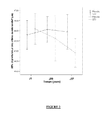
- the number of corners / cm 2 increases significantly over time only for individuals in the ST11 group, whereas in individuals in the placebo group no significant variation is observed.
- Cream for the care of the face % in weight Arachidyl behenyl alcohol / arachidylglucoside 3.00 isohexadecane 7.00 Powder of Lactobacillus paracasei ST11 5.00 Glycerin 2.00 Extract of Vitreoscilla filiformis 3.00 BHT 0.05 Methylated POB 0.10 POB probyl 0.05 Water qs 100
- compositions for the oral route are provided.
- One to three of these capsules can be taken daily.
- This type of dragee can be taken 1 to 3 times a day.
- This type of dragee can be taken 1 to 3 times a day.
Landscapes
- Health & Medical Sciences (AREA)
- Life Sciences & Earth Sciences (AREA)
- Veterinary Medicine (AREA)
- Public Health (AREA)
- General Health & Medical Sciences (AREA)
- Animal Behavior & Ethology (AREA)
- Birds (AREA)
- Epidemiology (AREA)
- Engineering & Computer Science (AREA)
- Biotechnology (AREA)
- Mycology (AREA)
- Microbiology (AREA)
- Dermatology (AREA)
- Gerontology & Geriatric Medicine (AREA)
- Tropical Medicine & Parasitology (AREA)
- Botany (AREA)
- General Chemical & Material Sciences (AREA)
- Bioinformatics & Cheminformatics (AREA)
- Chemical & Material Sciences (AREA)
- Chemical Kinetics & Catalysis (AREA)
- Medicinal Chemistry (AREA)
- Pharmacology & Pharmacy (AREA)
- Organic Chemistry (AREA)
- Nuclear Medicine, Radiotherapy & Molecular Imaging (AREA)
- Cosmetics (AREA)
- Medicines Containing Material From Animals Or Micro-Organisms (AREA)
Applications Claiming Priority (1)
| Application Number | Priority Date | Filing Date | Title |
|---|---|---|---|
| FR0958745A FR2953407B1 (fr) | 2009-12-08 | 2009-12-08 | Microorganismes probiotiques a titre d'actif contre les alterations du microrelief |
Publications (1)
| Publication Number | Publication Date |
|---|---|
| EP2332521A1 true EP2332521A1 (de) | 2011-06-15 |
Family
ID=42562521
Family Applications (2)
| Application Number | Title | Priority Date | Filing Date |
|---|---|---|---|
| EP10807666A Withdrawn EP2509581A1 (de) | 2009-12-08 | 2010-12-07 | Probiotische mikroorganismen als wirkstoffe gegen veränderungen des hautmikroreliefs |
| EP10194035A Withdrawn EP2332521A1 (de) | 2009-12-08 | 2010-12-07 | Probiotische Mikroorganismen als Aktivsubstanzen gegen Veränderungen der Hautmikrostruktur |
Family Applications Before (1)
| Application Number | Title | Priority Date | Filing Date |
|---|---|---|---|
| EP10807666A Withdrawn EP2509581A1 (de) | 2009-12-08 | 2010-12-07 | Probiotische mikroorganismen als wirkstoffe gegen veränderungen des hautmikroreliefs |
Country Status (10)
| Country | Link |
|---|---|
| US (1) | US20120294841A1 (de) |
| EP (2) | EP2509581A1 (de) |
| JP (1) | JP2013512947A (de) |
| KR (1) | KR20120116429A (de) |
| CN (1) | CN102762194A (de) |
| BR (1) | BR112012013720A2 (de) |
| FR (1) | FR2953407B1 (de) |
| MX (1) | MX2012006629A (de) |
| SG (1) | SG181510A1 (de) |
| WO (1) | WO2011070509A1 (de) |
Cited By (3)
| Publication number | Priority date | Publication date | Assignee | Title |
|---|---|---|---|---|
| WO2017220525A1 (en) * | 2016-06-21 | 2017-12-28 | Yun NV | Dermatological preparations for maintaining and/or restoring healthy skin microbiota |
| EP3199036A4 (de) * | 2014-09-23 | 2018-05-02 | Korea Institute of Oriental Medicine | Zusammensetzung mit tyndallisierten toten lactobacilluszellen als wirkstoff zur hautbefeuchtung oder faltenverbesserung |
| WO2019197672A1 (fr) | 2018-04-13 | 2019-10-17 | Danstar Ferment Ag | Utilisation de bactéries probiotiques à titre d'actif procurant un effet tenseur cutané |
Families Citing this family (12)
| Publication number | Priority date | Publication date | Assignee | Title |
|---|---|---|---|---|
| CA2863568A1 (en) | 2012-02-14 | 2013-08-22 | The Procter & Gamble Company | Topical use of a skin-commensal prebiotic agent and compositions containing the same |
| US20150093462A1 (en) * | 2013-09-30 | 2015-04-02 | Elc Management Llc | Watery Lotion Skin Care Compositions And Methods |
| WO2017173240A1 (en) | 2016-03-31 | 2017-10-05 | Gojo Industries, Inc. | Antimicrobial peptide stimulating cleansing composition |
| EP3436041B1 (de) | 2016-03-31 | 2023-05-24 | Gojo Industries, Inc. | Zusammensetzung zur desinfektion, enthaltend einen probiotischen/prebiotischen bestandteil |
| AU2017240064B8 (en) | 2016-03-31 | 2021-11-11 | Gojo Industries, Inc. | Antimicrobial peptide stimulating sanitizing composition |
| ES2657665B1 (es) * | 2016-09-05 | 2018-12-17 | Pedro Jose DE LA FUENTE BLASCO | Productos para la salud con probióticos inactivados y uso de dichos productos |
| JP2020500860A (ja) | 2016-11-23 | 2020-01-16 | ゴジョ・インダストリーズ・インコーポレイテッド | プロバイオティック/プレバイオティックな有効成分を含む消毒薬組成物 |
| EP3666341B1 (de) | 2018-12-14 | 2022-03-23 | DWI - Leibniz-Institut für Interaktive Materialien e.V. | Topische formulierung in form eines pflasters, verband oder pflaster mit probiotischen bakterien und verwendung davon in einem verfahren zur behandlung oder vorbeugung von hauterkrankungen |
| CN110066749A (zh) * | 2019-04-25 | 2019-07-30 | 杭州师范大学 | 一种微生物复合菌制剂及其应用 |
| FR3097559B1 (fr) * | 2019-06-24 | 2021-06-25 | Oreal | Méthode de diagnostic de dégradations esthétiques de la peau |
| CN116999374B (zh) * | 2023-01-19 | 2024-10-11 | 花安堂生物科技集团有限公司 | 青春双歧杆菌牛奶发酵物,含其产品及其制备和应用 |
| CN117645945B (zh) * | 2023-11-07 | 2025-12-12 | 江南大学 | 一株同时改善女性私护健康和皮肤衰老的约氏乳杆菌 |
Citations (12)
| Publication number | Priority date | Publication date | Assignee | Title |
|---|---|---|---|---|
| US4464362A (en) | 1980-06-27 | 1984-08-07 | Estee Lauder Inc. | Topical skin repair composition |
| FR2718752A1 (fr) * | 1994-04-15 | 1995-10-20 | World Trust Investment Sa | Préparations à base de lactosérum fermenté et leurs utilisations. |
| EP1344528A1 (de) * | 2000-12-19 | 2003-09-17 | Kabushiki Kaisha Yakult Honsha | Externe hautpräparate und verfahren zu ihrer herstellung |
| EP1593382A1 (de) * | 2000-10-06 | 2005-11-09 | Société des Produits Nestlé S.A. | Verwendung von probiotische Milchsäure-produzierende Bakterien zur Beeinflüssung des Immunsystems der Haut |
| EP1609463A1 (de) * | 2004-06-23 | 2005-12-28 | L'oreal | Verfahren und Zusammensetzungen zur Verhütung und/oder zur Behandlung von empfindlicher und/oder trockener Haut |
| WO2006000992A1 (en) * | 2004-06-23 | 2006-01-05 | L'oreal | Method and compositions useful for preventing and/or treating sensitive and/or dry skin |
| WO2006104730A1 (en) | 2005-03-29 | 2006-10-05 | The Procter & Gamble Company | Use of an orally administered dietary supplement for regulating the cosmetic appearance of human keratinous tissue |
| WO2006110631A1 (en) * | 2005-04-08 | 2006-10-19 | The Procter & Gamble Company | Methods of use of orally administered probiotic bifidobacteria for human beauty benefits |
| WO2007112996A2 (en) | 2006-03-31 | 2007-10-11 | Dsm Ip Assets B.V. | Novel use of compounds and combinations of compunds for improving the physical appearance |
| US20080206211A1 (en) | 2007-02-26 | 2008-08-28 | L'oreal | Composition containing a cell culture medium |
| EP2050434A1 (de) * | 2006-08-10 | 2009-04-22 | House Wellness Foods Corporation | Feuchtigkeitsspendendes mittel |
| WO2010013179A1 (en) * | 2008-07-29 | 2010-02-04 | L'oreal | Cosmetic use of microorganisms for the treatment of oily skin |
Family Cites Families (6)
| Publication number | Priority date | Publication date | Assignee | Title |
|---|---|---|---|---|
| BRPI0516437A (pt) * | 2004-10-04 | 2008-09-02 | Oreal E Nestec S A L | utilização de uma quantidade eficaz de pelo menos um microorganismo, processo de tratamento cosmético, composição cosmética e/ou dermatológica e composição para absorção oral |
| US20070154500A1 (en) * | 2005-12-21 | 2007-07-05 | L'oreal | Composition containing concave particles and a dispersant, processes and uses |
| US20080159970A1 (en) * | 2006-12-20 | 2008-07-03 | L'oreal | Kit comprising silicone compounds and a cosmetic and/or dermatological active agent |
| FR2917969B1 (fr) * | 2007-06-26 | 2010-12-10 | Oreal | Utilisation cosmetique d'un derive d'acide imido-percarboxylique a titre d'agent desquamant |
| CA2697735C (en) * | 2007-09-04 | 2014-02-18 | L'oreal | Use of a combination of hesperidin and of a microorganism for influencing the barrier function of the skin |
| FR2953408B1 (fr) * | 2009-12-08 | 2013-02-08 | Oreal | Microorganismes probiotiques a titre d'actif pour l'eclat du teint de la peau |
-
2009
- 2009-12-08 FR FR0958745A patent/FR2953407B1/fr not_active Expired - Fee Related
-
2010
- 2010-12-07 MX MX2012006629A patent/MX2012006629A/es not_active Application Discontinuation
- 2010-12-07 CN CN201080063388XA patent/CN102762194A/zh active Pending
- 2010-12-07 BR BR112012013720A patent/BR112012013720A2/pt not_active IP Right Cessation
- 2010-12-07 WO PCT/IB2010/055630 patent/WO2011070509A1/en not_active Ceased
- 2010-12-07 EP EP10807666A patent/EP2509581A1/de not_active Withdrawn
- 2010-12-07 EP EP10194035A patent/EP2332521A1/de not_active Withdrawn
- 2010-12-07 KR KR1020127017441A patent/KR20120116429A/ko not_active Withdrawn
- 2010-12-07 SG SG2012041158A patent/SG181510A1/en unknown
- 2010-12-07 JP JP2012542668A patent/JP2013512947A/ja not_active Withdrawn
- 2010-12-07 US US13/514,824 patent/US20120294841A1/en not_active Abandoned
Patent Citations (12)
| Publication number | Priority date | Publication date | Assignee | Title |
|---|---|---|---|---|
| US4464362A (en) | 1980-06-27 | 1984-08-07 | Estee Lauder Inc. | Topical skin repair composition |
| FR2718752A1 (fr) * | 1994-04-15 | 1995-10-20 | World Trust Investment Sa | Préparations à base de lactosérum fermenté et leurs utilisations. |
| EP1593382A1 (de) * | 2000-10-06 | 2005-11-09 | Société des Produits Nestlé S.A. | Verwendung von probiotische Milchsäure-produzierende Bakterien zur Beeinflüssung des Immunsystems der Haut |
| EP1344528A1 (de) * | 2000-12-19 | 2003-09-17 | Kabushiki Kaisha Yakult Honsha | Externe hautpräparate und verfahren zu ihrer herstellung |
| EP1609463A1 (de) * | 2004-06-23 | 2005-12-28 | L'oreal | Verfahren und Zusammensetzungen zur Verhütung und/oder zur Behandlung von empfindlicher und/oder trockener Haut |
| WO2006000992A1 (en) * | 2004-06-23 | 2006-01-05 | L'oreal | Method and compositions useful for preventing and/or treating sensitive and/or dry skin |
| WO2006104730A1 (en) | 2005-03-29 | 2006-10-05 | The Procter & Gamble Company | Use of an orally administered dietary supplement for regulating the cosmetic appearance of human keratinous tissue |
| WO2006110631A1 (en) * | 2005-04-08 | 2006-10-19 | The Procter & Gamble Company | Methods of use of orally administered probiotic bifidobacteria for human beauty benefits |
| WO2007112996A2 (en) | 2006-03-31 | 2007-10-11 | Dsm Ip Assets B.V. | Novel use of compounds and combinations of compunds for improving the physical appearance |
| EP2050434A1 (de) * | 2006-08-10 | 2009-04-22 | House Wellness Foods Corporation | Feuchtigkeitsspendendes mittel |
| US20080206211A1 (en) | 2007-02-26 | 2008-08-28 | L'oreal | Composition containing a cell culture medium |
| WO2010013179A1 (en) * | 2008-07-29 | 2010-02-04 | L'oreal | Cosmetic use of microorganisms for the treatment of oily skin |
Non-Patent Citations (1)
| Title |
|---|
| JOINT FAO/WHO EXPERT CONSULTATION ON EVALUATION OF HEALTH AND NUTRITIONAL PROPERTIES OF PROBIOTIC IN FOOD INCLUDING POWDER MILK WITH LIVE LACTIC ACID BACTERIA, 6 October 2001 (2001-10-06) |
Cited By (4)
| Publication number | Priority date | Publication date | Assignee | Title |
|---|---|---|---|---|
| EP3199036A4 (de) * | 2014-09-23 | 2018-05-02 | Korea Institute of Oriental Medicine | Zusammensetzung mit tyndallisierten toten lactobacilluszellen als wirkstoff zur hautbefeuchtung oder faltenverbesserung |
| WO2017220525A1 (en) * | 2016-06-21 | 2017-12-28 | Yun NV | Dermatological preparations for maintaining and/or restoring healthy skin microbiota |
| BE1024425B1 (nl) * | 2016-06-21 | 2018-02-20 | Yun NV | Dermatologische preparaten voor het onderhouden en/of herstellen van een gezonde huidmicrobiota |
| WO2019197672A1 (fr) | 2018-04-13 | 2019-10-17 | Danstar Ferment Ag | Utilisation de bactéries probiotiques à titre d'actif procurant un effet tenseur cutané |
Also Published As
| Publication number | Publication date |
|---|---|
| EP2509581A1 (de) | 2012-10-17 |
| JP2013512947A (ja) | 2013-04-18 |
| WO2011070509A1 (en) | 2011-06-16 |
| KR20120116429A (ko) | 2012-10-22 |
| FR2953407A1 (fr) | 2011-06-10 |
| BR112012013720A2 (pt) | 2017-04-04 |
| FR2953407B1 (fr) | 2013-06-14 |
| MX2012006629A (es) | 2012-07-10 |
| CN102762194A (zh) | 2012-10-31 |
| US20120294841A1 (en) | 2012-11-22 |
| SG181510A1 (en) | 2012-07-30 |
Similar Documents
| Publication | Publication Date | Title |
|---|---|---|
| EP2332520B1 (de) | Lactobacillus paracasei zur Behandlung von Altersflecken und / oder melasma | |
| EP2332521A1 (de) | Probiotische Mikroorganismen als Aktivsubstanzen gegen Veränderungen der Hautmikrostruktur | |
| EP1609463B1 (de) | Verfahren und Zusammensetzungen zur Verhütung und/oder zur Behandlung von empfindlicher und/oder trockener Haut | |
| EP2033628B1 (de) | Kosmetischer Einsatz eines Lysats einer Bifidobakteriengattung zur Behandlung von Trockenheit der Haut | |
| EP2033627B1 (de) | Einsatz eines Lysats einer Bifidobakteriengattung zur Behandlung von sensiblen Hauttypen | |
| WO2006037922A1 (fr) | Composition cosmetique et/ou dermatologique pour peaux sensibles | |
| FR2889057A1 (fr) | Composition cosmetique et/ou dermatologique pour la prevention et/ou le traitement des peaux sensibles ou seches | |
| WO2009141544A2 (fr) | Utilisation d'un extrait de baie, et plus particulierement de wolfberry, pour le traitement de la secheresse des matieres keratiniques | |
| FR2959128A1 (fr) | Utilisation cosmetique d'un lysat de bifidobacterium species pour le traitement des odeurs corporelles | |
| FR2876029A1 (fr) | Composition cosmetique et/ou dermatologique pour peaux sensibles. | |
| EP1642570A1 (de) | Kosmetische oder dermatologische Zusammensetzung gegen trockene und/oder empfindliche Haut | |
| FR2920301A1 (fr) | Utilisation d'une association hesperidine et microogansime pour le traitement de la secheresse des matieres keratiniques. | |
| EP1731137A1 (de) | Kosmetische oder dermatologische Zusammensetzung gegen trockene und/oder empfindliche Haut | |
| FR2945944A1 (fr) | Procede cosmetique de traitement des etats pelliculaires comprenant l'administration d'un microorganisme probiotique et d'un actif antipelliculaire | |
| FR2938429A1 (fr) | Utilisation cosmetique de microorganisme(s) pour le traitement des desordres du cuir chevelu | |
| CA2522717C (fr) | Composition cosmetique et/ou dermatologique pour peaux sensibles | |
| EP1932510A1 (de) | Génération d'eau à partir d'air en utilisant l'énergie solaire et une unité de réfrigération d'adsorption | |
| HK1178068A (en) | Probiotic microorganisms as active agents against changes in the skin's microrelief | |
| HK1178085A (en) | Probiotic microorganisms as active agents for enhancing the radiance of the skin's complexion | |
| FR2999930A1 (fr) | Utilisation de microorganismes probiotiques comme agent favorisant la synthese de melanine |
Legal Events
| Date | Code | Title | Description |
|---|---|---|---|
| PUAI | Public reference made under article 153(3) epc to a published international application that has entered the european phase |
Free format text: ORIGINAL CODE: 0009012 |
|
| 17P | Request for examination filed |
Effective date: 20101207 |
|
| AK | Designated contracting states |
Kind code of ref document: A1 Designated state(s): AL AT BE BG CH CY CZ DE DK EE ES FI FR GB GR HR HU IE IS IT LI LT LU LV MC MK MT NL NO PL PT RO RS SE SI SK SM TR |
|
| AX | Request for extension of the european patent |
Extension state: BA ME |
|
| STAA | Information on the status of an ep patent application or granted ep patent |
Free format text: STATUS: THE APPLICATION IS DEEMED TO BE WITHDRAWN |
|
| 18D | Application deemed to be withdrawn |
Effective date: 20140729 |