EP2338995A2 - Double hélice d'ARN d'interférence possédant des extrémités franches et des modifications en 3' - Google Patents
Double hélice d'ARN d'interférence possédant des extrémités franches et des modifications en 3' Download PDFInfo
- Publication number
- EP2338995A2 EP2338995A2 EP10184568A EP10184568A EP2338995A2 EP 2338995 A2 EP2338995 A2 EP 2338995A2 EP 10184568 A EP10184568 A EP 10184568A EP 10184568 A EP10184568 A EP 10184568A EP 2338995 A2 EP2338995 A2 EP 2338995A2
- Authority
- EP
- European Patent Office
- Prior art keywords
- double
- stranded rna
- aryl
- alkyl
- gene
- Prior art date
- Legal status (The legal status is an assumption and is not a legal conclusion. Google has not performed a legal analysis and makes no representation as to the accuracy of the status listed.)
- Withdrawn
Links
Images

Classifications
-
- C—CHEMISTRY; METALLURGY
- C12—BIOCHEMISTRY; BEER; SPIRITS; WINE; VINEGAR; MICROBIOLOGY; ENZYMOLOGY; MUTATION OR GENETIC ENGINEERING
- C12N—MICROORGANISMS OR ENZYMES; COMPOSITIONS THEREOF; PROPAGATING, PRESERVING, OR MAINTAINING MICROORGANISMS; MUTATION OR GENETIC ENGINEERING; CULTURE MEDIA
- C12N15/00—Mutation or genetic engineering; DNA or RNA concerning genetic engineering, vectors, e.g. plasmids, or their isolation, preparation or purification; Use of hosts therefor
- C12N15/09—Recombinant DNA-technology
- C12N15/11—DNA or RNA fragments; Modified forms thereof; Non-coding nucleic acids having a biological activity
- C12N15/111—General methods applicable to biologically active non-coding nucleic acids
-
- C—CHEMISTRY; METALLURGY
- C12—BIOCHEMISTRY; BEER; SPIRITS; WINE; VINEGAR; MICROBIOLOGY; ENZYMOLOGY; MUTATION OR GENETIC ENGINEERING
- C12N—MICROORGANISMS OR ENZYMES; COMPOSITIONS THEREOF; PROPAGATING, PRESERVING, OR MAINTAINING MICROORGANISMS; MUTATION OR GENETIC ENGINEERING; CULTURE MEDIA
- C12N15/00—Mutation or genetic engineering; DNA or RNA concerning genetic engineering, vectors, e.g. plasmids, or their isolation, preparation or purification; Use of hosts therefor
- C12N15/09—Recombinant DNA-technology
- C12N15/11—DNA or RNA fragments; Modified forms thereof; Non-coding nucleic acids having a biological activity
-
- A—HUMAN NECESSITIES
- A61—MEDICAL OR VETERINARY SCIENCE; HYGIENE
- A61K—PREPARATIONS FOR MEDICAL, DENTAL OR TOILETRY PURPOSES
- A61K48/00—Medicinal preparations containing genetic material which is inserted into cells of the living body to treat genetic diseases; Gene therapy
-
- A—HUMAN NECESSITIES
- A61—MEDICAL OR VETERINARY SCIENCE; HYGIENE
- A61P—SPECIFIC THERAPEUTIC ACTIVITY OF CHEMICAL COMPOUNDS OR MEDICINAL PREPARATIONS
- A61P31/00—Antiinfectives, i.e. antibiotics, antiseptics, chemotherapeutics
-
- A—HUMAN NECESSITIES
- A61—MEDICAL OR VETERINARY SCIENCE; HYGIENE
- A61P—SPECIFIC THERAPEUTIC ACTIVITY OF CHEMICAL COMPOUNDS OR MEDICINAL PREPARATIONS
- A61P31/00—Antiinfectives, i.e. antibiotics, antiseptics, chemotherapeutics
- A61P31/04—Antibacterial agents
-
- A—HUMAN NECESSITIES
- A61—MEDICAL OR VETERINARY SCIENCE; HYGIENE
- A61P—SPECIFIC THERAPEUTIC ACTIVITY OF CHEMICAL COMPOUNDS OR MEDICINAL PREPARATIONS
- A61P31/00—Antiinfectives, i.e. antibiotics, antiseptics, chemotherapeutics
- A61P31/12—Antivirals
-
- A—HUMAN NECESSITIES
- A61—MEDICAL OR VETERINARY SCIENCE; HYGIENE
- A61P—SPECIFIC THERAPEUTIC ACTIVITY OF CHEMICAL COMPOUNDS OR MEDICINAL PREPARATIONS
- A61P35/00—Antineoplastic agents
-
- A—HUMAN NECESSITIES
- A61—MEDICAL OR VETERINARY SCIENCE; HYGIENE
- A61P—SPECIFIC THERAPEUTIC ACTIVITY OF CHEMICAL COMPOUNDS OR MEDICINAL PREPARATIONS
- A61P43/00—Drugs for specific purposes, not provided for in groups A61P1/00-A61P41/00
-
- C—CHEMISTRY; METALLURGY
- C12—BIOCHEMISTRY; BEER; SPIRITS; WINE; VINEGAR; MICROBIOLOGY; ENZYMOLOGY; MUTATION OR GENETIC ENGINEERING
- C12N—MICROORGANISMS OR ENZYMES; COMPOSITIONS THEREOF; PROPAGATING, PRESERVING, OR MAINTAINING MICROORGANISMS; MUTATION OR GENETIC ENGINEERING; CULTURE MEDIA
- C12N2310/00—Structure or type of the nucleic acid
- C12N2310/10—Type of nucleic acid
- C12N2310/14—Type of nucleic acid interfering nucleic acids [NA]
-
- C—CHEMISTRY; METALLURGY
- C12—BIOCHEMISTRY; BEER; SPIRITS; WINE; VINEGAR; MICROBIOLOGY; ENZYMOLOGY; MUTATION OR GENETIC ENGINEERING
- C12N—MICROORGANISMS OR ENZYMES; COMPOSITIONS THEREOF; PROPAGATING, PRESERVING, OR MAINTAINING MICROORGANISMS; MUTATION OR GENETIC ENGINEERING; CULTURE MEDIA
- C12N2310/00—Structure or type of the nucleic acid
- C12N2310/30—Chemical structure
- C12N2310/31—Chemical structure of the backbone
- C12N2310/311—Phosphotriesters
-
- C—CHEMISTRY; METALLURGY
- C12—BIOCHEMISTRY; BEER; SPIRITS; WINE; VINEGAR; MICROBIOLOGY; ENZYMOLOGY; MUTATION OR GENETIC ENGINEERING
- C12N—MICROORGANISMS OR ENZYMES; COMPOSITIONS THEREOF; PROPAGATING, PRESERVING, OR MAINTAINING MICROORGANISMS; MUTATION OR GENETIC ENGINEERING; CULTURE MEDIA
- C12N2310/00—Structure or type of the nucleic acid
- C12N2310/30—Chemical structure
- C12N2310/31—Chemical structure of the backbone
- C12N2310/315—Phosphorothioates
-
- C—CHEMISTRY; METALLURGY
- C12—BIOCHEMISTRY; BEER; SPIRITS; WINE; VINEGAR; MICROBIOLOGY; ENZYMOLOGY; MUTATION OR GENETIC ENGINEERING
- C12N—MICROORGANISMS OR ENZYMES; COMPOSITIONS THEREOF; PROPAGATING, PRESERVING, OR MAINTAINING MICROORGANISMS; MUTATION OR GENETIC ENGINEERING; CULTURE MEDIA
- C12N2310/00—Structure or type of the nucleic acid
- C12N2310/30—Chemical structure
- C12N2310/32—Chemical structure of the sugar
- C12N2310/321—2'-O-R Modification
-
- C—CHEMISTRY; METALLURGY
- C12—BIOCHEMISTRY; BEER; SPIRITS; WINE; VINEGAR; MICROBIOLOGY; ENZYMOLOGY; MUTATION OR GENETIC ENGINEERING
- C12N—MICROORGANISMS OR ENZYMES; COMPOSITIONS THEREOF; PROPAGATING, PRESERVING, OR MAINTAINING MICROORGANISMS; MUTATION OR GENETIC ENGINEERING; CULTURE MEDIA
- C12N2310/00—Structure or type of the nucleic acid
- C12N2310/30—Chemical structure
- C12N2310/32—Chemical structure of the sugar
- C12N2310/322—2'-R Modification
-
- C—CHEMISTRY; METALLURGY
- C12—BIOCHEMISTRY; BEER; SPIRITS; WINE; VINEGAR; MICROBIOLOGY; ENZYMOLOGY; MUTATION OR GENETIC ENGINEERING
- C12N—MICROORGANISMS OR ENZYMES; COMPOSITIONS THEREOF; PROPAGATING, PRESERVING, OR MAINTAINING MICROORGANISMS; MUTATION OR GENETIC ENGINEERING; CULTURE MEDIA
- C12N2310/00—Structure or type of the nucleic acid
- C12N2310/30—Chemical structure
- C12N2310/33—Chemical structure of the base
- C12N2310/332—Abasic residue
-
- C—CHEMISTRY; METALLURGY
- C12—BIOCHEMISTRY; BEER; SPIRITS; WINE; VINEGAR; MICROBIOLOGY; ENZYMOLOGY; MUTATION OR GENETIC ENGINEERING
- C12N—MICROORGANISMS OR ENZYMES; COMPOSITIONS THEREOF; PROPAGATING, PRESERVING, OR MAINTAINING MICROORGANISMS; MUTATION OR GENETIC ENGINEERING; CULTURE MEDIA
- C12N2320/00—Applications; Uses
- C12N2320/50—Methods for regulating/modulating their activity
- C12N2320/51—Methods for regulating/modulating their activity modulating the chemical stability, e.g. nuclease-resistance
-
- C—CHEMISTRY; METALLURGY
- C12—BIOCHEMISTRY; BEER; SPIRITS; WINE; VINEGAR; MICROBIOLOGY; ENZYMOLOGY; MUTATION OR GENETIC ENGINEERING
- C12N—MICROORGANISMS OR ENZYMES; COMPOSITIONS THEREOF; PROPAGATING, PRESERVING, OR MAINTAINING MICROORGANISMS; MUTATION OR GENETIC ENGINEERING; CULTURE MEDIA
- C12N2330/00—Production
- C12N2330/30—Production chemically synthesised
Definitions
- the invention relates to selective inhibition of target genes using double-stranded RNA and provides compounds useful for this purpose.
- Short RNA duplexes have been shown to be the effective guides that mediate RNA interference in many in vitro and in vivo models (Hamilton et al. 1999, Zamore et al., 2000, Caplen et al., 2001, Elbashir et al., 2001, Yang et al., 2000). Most commonly, synthetic siRNA duplexes are designed such as a stretch of 19 contiguous ribonucleotide base-pairs is flanked with 2-3 unpaired nucleotides at the 3'-end of each strand ("overhangs").
- This 21-nt siRNA species has been found to be generated during DICER-mediated cleavage of long ds-RNA in mammalian and non-mammalian systems (Bernstein et al., 2001, Ketting et al., 2001).
- This particular 21-mer siRNA format has been firstly selected from a drosophila melanogaster model and then highlighted regarding its efficiency (Elbashir et al. 2001). Consequently, the major part of today's studies applying synthetic siRNAs as gene inhibitors is relying on this "wildtype" 21-mer siRNA derivative.
- For the overhangs usually 2'-deoxynucleotides are used, notably for cost reasons but also with regard to a potential protection against intracellular nuclease activity.
- the present invention now provides a new and inventive format for double-stranded RNA (“dsRNA”) mediating RNAi.
- dsRNA double-stranded RNA
- the blunt-ended siRNAs in accordance with the present invention overcome disadvantages of the synthetic siRNAs with 3'-overhangs which are currently used in the art.
- the present invention provides double-stranded RNA with at least one blunt end comprising at least one 3'-end of formula: wherein
- the present invention is based on the surprising finding that synthetic double-stranded RNA (dsRNA) molecules with at least one blunt end comprising a certain type of chemical modification efficiently mediate RNA interference.
- dsRNA double-stranded RNA
- the dsRNAs according to the present invention are particularly useful for high-throughput approaches using siRNAs due to their simplified synthetic procedure, such as for instance the use of a universal solid support.
- the present invention relates to double-stranded RNA with at least one blunt end comprising at least one 3'-end of the formula: wherein
- R 1 and R 2 may also form a cyclic structure, e.g. a carbocyclic or heterocyclic ring, the ring structure preferably having from 3 to 7 members.
- Z is one or more abasic nucleoside, preferable ribonucleoside, moieties.
- the nucleoside moieties may be linked for instance by a phosphodiester or a phosphorothioate group.
- R 1 is OH.
- R 1 and R 2 together comprise from 1 to 24 C-atoms more preferably from 1 to 12, or from 2 to 10 and most preferably from 1 to 8 or from 2 to 6.
- R 1 and R 2 are independently OH, lower alkyl, lower aryl, lower alkyl-aryl, lower aryl-alkyl, where lower alkyl, lower aryl, lower alkyl-aryl, lower aryl-alkyl can be substituted by additional heteroatoms and functional groups as defined above.
- R 1 and R 2 are not both OH.
- lower' in connection with organic radicals or compounds means a compound or radical which may be branched or unbranched with up to and including 7 carbon atoms, preferably 1-4 carbon atoms.
- Lower alkyl represents, for example, methyl, ethyl, n-propyl, isopropyl, n-butyl, sec-butyl, tert-butyl, n-pentyl and branched pentyl, n-hexyl and branched hexyl.
- the present invention relates to double-stranded RNA with at least one blunt end comprising at least one 3'-end of the formula:
- R 3 is OH.
- R 3 and R 4 respectively, together comprise from 1 to 24 C-atoms more preferably from 1 to 12, or from 2 to 10 and most preferably from 1 to 8 or from 2 to 6.
- R 3 is lower alkyl, lower aryl, lower alkyl-aryl, lower aryl-alkyl, where lower alkyl, lower aryl, lower alkyl-aryl, lower aryl-alkyl can be substituted by additional heteroatoms and functional groups as defined above and
- R 4 is, independently lower alkyl, lower aryl, lower alkyl-aryl, lower aryl-alkyl, where lower alkyl, lower aryl, lower alkyl-aryl, lower aryl-alkyl can be substituted by additional heteroatoms and functional groups as defined above.
- the present invention relates to double-stranded RNA with at least one blunt end comprising at least one 3'-end of the formula:
- R 5 and R 6 together comprise from 1 to 24 C-atoms more preferably from 1 to 12 or from 2 to 10 and most preferably from 1 to 6 or from 2 to 6.
- R 5 and R 6 are independently lower alkyl, lower aryl, lower alkyl-aryl, lower aryl-alkyl, where lower alkyl, lower aryl, lower alkyl-aryl, lower aryl-alkyl can be substituted by additional heteroatoms and functional groups as defined above.
- R 5 and R 6 are not both H.
- the invention relates to a double-stranded RNA with at least one blunt end comprising at least one 3'-end of formula: wherein
- R 1 is OH.
- the double-stranded RNA comprises a region of 15 to 30 nucleotides complementary to a target gene.
- R 1 and R 2 are independently OH, NH 2 , SH, lower alkyl, lower aryl, lower alkyl-aryl, lower aryl-alkyl, where lower alkyl, lower aryl, lower alkyl-aryl, lower aryl-alkyl can be substituted by additional heteroatoms and functional groups, preferably a heteroatom selected from the group of N, O or S or a functional group selected from the group OH, NH 2 , SH, carboxylic acid or ester; or, R 1 and R 2 may be of formula Y-Z where Y is O, N, S, B and Z is alkyl, aryl, alkyl-aryl, aryl-alkyl, where alkyl, aryl, alkyl-aryl, aryl-alkyl can be substituted by additional heteroatoms, preferably a heteroatom selected from the group of N, O, or S, provided that not both R 1 and R 2
- R 1 is OH and R 2 comprises from 1 to 24 C-atoms.
- the RNA comprises two blunt ends.
- Z is one or more abasic nucleosides.
- the invention relates to a method for the inhibition of a target gene comprising introducing into a cell a dsRNA according to any of above embodiments of the double-stranded RNA.
- the target gene is a pathogen-associated gene, a viral gene or an oncogene.
- the invention relates to a kit comprising reagents for inhibiting expression of a target gene in a cell, wherein said kit comprises dsRNA according to any of the above embodiments of the double-stranded RNA into a cell and a means for introduction of a dsRNA into a cell in an amount sufficient to inhibit expression of the target gene.
- the invention relates to a pharmaceutical composition
- a pharmaceutical composition comprising an effective amount of at least one dsRNA according to any of the above embodiments of the double-stranded RNA for the inhibition of a target gene.
- the invention relates to a method for identifying and/or characterizing pharmacological agents acting on at least one target protein comprising: contacting a eukaryotic cell capable of expressing at least one endogenous gene coding for the protein(s) of interest with
- the invention relates to the use of a double stranded RNA according to any of the above embodiments for the inhibition of a target gene.
- the RNA molecules of the present invention will have at least at least one strand comprising a 3'-ends of the formula I, II or III.
- both strands of the double-stranded RNA comprise 3'-ends comprising a group of the formula I, II or III.
- the RNA molecules of the present invention will further have at least one blunt end, preferably two blunt ends.
- the RNA molecules of the present invention are blunt ended on both sides and both ends comprise 3'-ends of the formula I, II or III.
- RNA molecules in accordance with the present invention will have at least a partially double-stranded character
- they are fully double-stranded. They may be composed of two separate strands, but may also be composed of one strand forming a hairpin loop.
- the RNA molecules of the present invention are composed of two separate strands which are fully double-stranded comprising at least one, preferably two, blunt ends.
- RNA molecules according to the present invention mediate RNA interference ("RNAi").
- RNAi is well known in the art and is commonly understood to mean the inhibition of one or more target genes in a cell by dsRNA with a region which is complementary to the target gene.
- Various assays are known in the art to test dsRNA for its ability to mediate RNAi (see for instance Elbashir et al., Methods 26 (2002), 199-213 ).
- the effect of the dsRNA according to the present invention on gene expression will typically result in expression of the target gene being inhibited by at least 10%, 33%, 50%, 90%, 95% or 99% when compared to a cell not treated with the RNA molecules according to the present invention.
- RNA molecules in accordance with the present invention comprise a double-stranded region which is substantially identical to a region of the mRNA of the target gene. Particularly preferred is a region with 100% identity to the corresponding sequence of the target gene. However, the region may also contain one or two mismatches as compared to the corresponding region of the target gene.
- the present invention includes RNA molecules which target more than one gene. In a preferred embodiment, the RNA molecules of the present invention specifically target one given gene. In order to only target the desired mRNA, the siRNA reagent should have 100% homology to the target mRNA and at least 2 mismatched nucleotides to all other genes present in the cell or organism.
- RNAi reagent Another factor affecting the efficiency of the RNAi reagent is the target region of the target gene. The region of a target gene effective for inhibition by the RNAi reagent may be determined by experimentation. Most preferred mRNA target region would be the coding region.
- untranslated regions particularly the 3'-UTR, splice junctions.
- transfection assays as described in Elbashir S.M. et al, 2001 EMBO J., 20, 6877-6888 may be performed for this purpose.
- a number of other suitable assays and methods exist in the art which are well known to a person skilled in the art.
- the length of the complementary region of the RNA molecules in accordance with the present invention is preferably from 10 to 100 nucleotides, more preferably 15 to 50 nucleotides, even more preferably 17 to 30 nucleotides and most preferably 19 to 25 nucleotides.
- the RNA molecules in accordance with the present invention consist of short dsRNA molecules having a length from 15 to 50 nucleotides, more preferably 17 to 30 nucleotides and most preferably 19 to 25 nucleotides.
- the 3' end of the dsRNA according to the present invention confer a high in vivo stability in serum or in growth medium for cell cultures.
- the dsRNA according to the present invention does not require additional stabilization against nuclease degradation as is common in the art, for instance, by adding a 3'-overhang of 2 or 3 deoxynucleotides.
- the dsRNA according to the present invention may also contain at least one modified or non-natural ribonucleotide. Preferred modifications are include, but are not limited to modifications at the 2' position of the sugar moiety, such as for instance 2'-O--(2-methoxyethyl) or 2'-MOE) ( Martin et al., Helv. Chim.
- the dsRNA molecules may be prepared by a method comprising the steps:
- the present invention provides methods for the inhibition of a target gene comprising introducing into a cell dsRNA according to the present invention, which is capable of inhibiting at least one target gene by RNAi. Also, more than one species of dsRNA, which are each specific for another target region, may be introduce into a cell at the same time or sequentially.
- the dsRNA according to the present invention can be introduced into a cell by various standard methods in genetic engineering, including physical methods, for example, simple diffusion, by injection of a solution containing the nucleic acid, bombardment by particles covered by the nucleic acid, soaking the cell or organism in a solution of the nucleic acid, lipofection or electroporation of cell membranes in the presence of the nucleic acid.
- a particularly preferred method for delivering nucleic acids is the use of lipofection.
- the cells are subsequently maintained under conditions under which RNAi occurs. It will be readily apparent to the skilled artisan under what conditions a given cell line is maintained in order that RNAi occurs.
- This method for the inhibition of a target gene can be used therapeutically (e.g. for knocking down a gene overexpressed in a particular disease) or for research (e.g. examine function of a gene or validate targets for drug discovery).
- the gene function is completely eliminated by this method, i.e. knock-out cells for a particular gene can be generated by this method.
- the cell may be a plant or an animal cell.
- the cell is a mammalian cell, more preferably a human cell.
- the type and source of the cell is not critical for the invention, thus the invention includes for instance cells from the inner cell mass, extraembryonic ectoderm or embryonic stem cells, totipotent or pluripotent, dividing or non-dividing, parenchyma or epithelium, immortalized or transformed, or the like.
- the cell may be a stem cell or a differentiated cell.
- Cell types that are differentiated include without limitation adipocytes, fibroblasts, myocytes, cardiomyocytes, endothelium, dendritic cells, neurons, glia, mast cells, blood cells and leukocytes (e.g., erythrocytes, megakaryotes, lymphocytes, such as B, T and natural killer cells, macrophages, neutrophils, eosinophils, basophils, platelets, granulocytes), epithelial cells, keratinocytes, chondrocytes, osteoblasts, osteoclasts, hepatocytes, and cells of the endocrine or exocrine glands, as well as sensory cells.
- leukocytes e.g., erythrocytes, megakaryotes, lymphocytes, such as B, T and natural killer cells, macrophages, neutrophils, eosinophils, basophils, platelets, granulocytes
- epithelial cells ker
- dsRNA according to the present invention is used for the identification of gene function in an organism wherein the activity of a target gene of previously unknown function is inhibited.
- functional genomics would envision determining the function of uncharacterized genes by employing the dsRNA according to the present invention to reduce the amount and/or alter the timing of target gene activity.
- the dsRNA according to the present invention could be used in determining potential targets for pharmaceuticals, understanding normal and pathological events associated with development, determining signaling pathways responsible for postnatal deve!opment/aging, and the like.
- the increasing speed of acquiring nucleotide sequence information from genomic and expressed gene sources, including the human genome can be coupled with the invention to determine gene function in mammalian systems, in particular in human cell culture systems.
- RNA molecules according to the present invention that are capable of inhibiting a given target gene can be placed into individual wells positioned on a microtiter plate as an ordered array. Subsequently, intact cells in each well can be assayed for any changes or modifications in behavior or development due to inhibition of target gene activity or by proteomic, genomics and standard molecular biology techniques. Thus, the function of the target gene can be assayed from the effects it has on the cell when gene activity is inhibited.
- the target gene can be a cellular gene, an endogenous gene, a pathogen-associated gene, a viral gene or an oncogene.
- transcription factors and developmental genes e.g., adhesion molecules, cyclin kinase inhibitors, Wnt family members, Pax family members, Winged helix family members, Hox family members, cytokines/lymphokines and their receptors, growth/differentiation factors and their receptors, neurotransmitters and their receptors
- oncogenes e.g., ABLI, BCLI, BCL2, BCL6, CBFA2, CBL, CSFIR, ERBA, ERBB, ERBB2, ETSI, ETV6, FGR, FOS, FYN, HCR, HRAS, JUN, KRAS, LCK, LYN,
- a gene derived from any pathogen may be targeted for inhibition.
- the gene could cause immunosuppression of the host directly or be essential for replication of the pathogen, transmission of the pathogen, or maintenance of the infection.
- Cells at risk for infection by a pathogen or already infected cells such as cells infected by human immunodeficiency virus (HIV) infections, influenza infections, malaria, hepatitis, plasmodium, cytomegalovirus, herpes simplex virus, and foot and mouth disease virus may be targeted for treatment by introduction of RNA according to the invention.
- HIV human immunodeficiency virus
- the target gene might be a pathogen or host gene responsible for entry of a pathogen into its host, drug metabolism by the pathogen or host, replication or integration of the pathogen's genome, establishment or spread of an infection in the host, or assembly of the next generation of pathogen.
- Methods of prophylaxis i.e., prevention or decreased risk of infection
- reduction in the frequency or severity of symptoms associated with infection can be envisioned.
- the invention further provides a method for identifying and/or characterizing pharmacological agents acting on at least one target protein comprising: contacting a eukaryotic cell, preferably a mammalian cell, more preferably a human cell capable of expressing at least one endogenous gene coding for the protein(s) of interest with (a) at least one dsRNA molecule according to the present invention, which is capable of inhibiting the expression of the gene(s) encoding the protein(s) of interest and (b) a test substance or a collection of test substances wherein pharmacological properties of said test substance or said collection are to be identified and/or characterized.
- the cells might be concomitantly or sequentially contacted with the dsRNA and the compound(s) to be tested, the order in which the cells are contacted with the dsRNA and the compound(s) is of not crucial.
- the cells further comprise at least one exogeneous nucleic acid coding for variant or mutated form of the protein(s) of interest, wherein the expression of said exogenous nucleic acid is less inhibited by said dsRNA.
- the invention also provides a kit comprising reagents for inhibiting expression of a target gene in a cell, wherein said kit comprises dsRNA according to the present invention.
- the kit comprises at least one of the reagents necessary to carry out the in vitro or in vivo introduction of the dsRNA according to the present invention to test samples or subjects.
- such kits also comprise instructions detailing the procedures by which the kit components are to be used.
- compositions and formulations which include dsRNA according to the present invention which is capable of inhibiting at least one target gene by RNAi.
- the pharmaceutical compositions may also contain more than one species of dsRNA which are each specific for another target region.
- the pharmaceutical compositions of the present invention may be administered in a number of ways depending upon whether local or systemic treatment is desired and upon the area to be treated. Administration may be topical (including ophthalmic and to mucous membranes including vaginal and rectal delivery), pulmonary, e.g., by inhalation or insufflation of powders or aerosols, including by nebulizer; intratracheal, intranasal, epidermal and transdermal), oral or parenteral. Parenteral administration includes intravenous, intraarterial, subcutaneous, intraperitoneal or intramuscular injection or infusion; or intracranial, e.g., intrathecal or intraventricular, administration.
- compositions of the present invention may be formulated into any of many possible dosage forms such as, but not limited to, tablets, capsules, liquid syrups, soft gels, suppositories, and enemas.
- the compositions of the present invention may also be formulated as suspensions in aqueous, non-aqueous or mixed media.
- Aqueous suspensions may further contain substances which increase the viscosity of the suspension including, for example, sodium carboxymethylcellulose, sorbitol and/or dextran.
- the suspension may also contain stabilizers.
- the pharmaceutical composition may be provided as a salt and can be formed with many acids, including but not limited to, hydrochloric, sulfuric, acetic, lactic, tartaric, malic, succinic, etc.
- Salts tend to be more soluble in aqueous or other protonic solvents than are the corresponding free base forms.
- the preferred preparation may be a lyophilized powder which may contain any or all of the following: 1-50 mM histidine, 0. 1%-2% sucrose, and 2-7% mannitol, at a pH range of 4.5 to 5.5, that is combined with buffer prior to use.
- Therapeutic efficacy and toxicity may be determined by standard pharmaceutical procedures in cell cultures or experimental animals, e.g., ED50 (the dose therapeutically effective in 50% of the population) and LD50 (the dose lethal to 50% of the population).
- the dose ratio between toxic and therapeutic effects is the therapeutic index, and it can be expressed as the ratio, LD50/ED50.
- Pharmaceutical compositions that exhibit large therapeutic indices are preferred.
- the data obtained from cell culture assays and animal studies is used in formulating a range of dosage for human use.
- the dosage contained in such compositions is preferably within a range of circulating concentrations that include the ED50 with little or no toxicity.
- the dosage varies within this range depending upon the dosage form employed, sensitivity of the patient, and the route of administration. Normal dosage amounts may vary from 0.1 to 100,000 micrograms, up to a total dose of about 1 g, depending upon the route of administration.
- Guidance as to particular dosages and methods of delivery is provided in the literature and generally available to practitioners in the art. Those skilled in the art will employ different formulations for nucleotides than for proteins or their inhibitors. Similarly, delivery of polynucleotides or polypeptides will be specific to particular cells, conditions, locations, etc.
- Modified synthetic oligoribonucleotides described in this invention can be prepared using standard TOM-phosphoramidite chemistry on ABI394 or Expedite/Moss Synthesizers (Applied Biosystems). Phosphoramidites are dissolved in acetonitrile at 0.05 M concentration (0.2M on OligoPilot II), coupling is made by activation of phosphoramidites by a 0.2 M solution of benzimidazolium triflate in acetonitrile. Coupling times are usually comprised between 3-6 minutes. A first capping is made using standard capping reagents..
- Oxidation is made by a 0.1 M iodine solution in THF/Pyridine/Water (77:20:3) or 0.5M t-butylhydroxyperoxide (Fluka) in dichloromethane for two minutes. A second capping is performed after oxidation. Oligonucleotide growing chains are detritylated for the next coupling by 2% dichloroacetic acid in dichloromethane or dichloroethane. After completion of the sequences the support-bound compounds are cleaved and deprotected as "Trityl-on" by a Methylamine solution (41% aqueous methylamine/33% ethanolic methylamine 1:1 v/v) at 35°C for 6 h.
- Methylamine solution 41% aqueous methylamine/33% ethanolic methylamine 1:1 v/v
- Oligonucleotide sequences are listed in Table 1: NickName Target Antisense strand Sense strand siRNA 8646 p2x3 C3-8646 p2x3 phosphate-8646 p2x3 abasic-8646 p2x3 siRNA 8549 luc siRNA-10557 GAPDH MM siRNA-10559 GAPDH C3-10569 GAPDH MM C3-10571 GAPDH siRNA2 hGAPDH siRNA2 MM hGAPDH C3-siRNA2 hGAPDH C3-siRNA2 MM hGAPDH OH-siRNA hGAPDH P2-siRNA hGAPDH N: RNA, n: 2'-methoxyethyl ribonucleoside, dN: deoxyribonucleoside, ab: abasic ribonucleoside, p: phosphate, s: phosphorothioate, C3: hydroxyprop
- Oligofectamine and other cell culture reagents are obtained from Life Technologies, GibcoBRL, now Invitrogen, Gaithersburg, MD). JetPEI is purchased from Polyplus-Transfection (Illkirch, France).
- CHO-K1 Chinese hamster ovary cells
- ATCC CCL61 American Type Culture Collection, Rockville, MD
- recombinant rat P2X 3 are generated as described ( Hemmings et al., NAR 31 (2003), 2117-2126 ).
- CHO cells are cultured in minimal essential medium (MEM- ⁇ ) supplemented with 10% (v/v) FBS, 2 mM glutamine in a 5% CO 2 -humidifed chamber.
- HeLa cells are cultured in Dubelco's modified essential medium (DMEM 41965) supplemented with 10% (v/v) FBS, 2 mM glutamine in a 5% CO 2 -humidifed chamber.
- DMEM 41965 Dubelco's modified essential medium
- Oligonucleotide synthesis Oligoribonucleotides are purchased at Qiagen or synthesized using TOM-phosphoramidite chemistry, as described by the manufacturer (Qiagen) and purified by RP-HPLC. 3'-hydroxypropylphosphate oligoribonucleotides are synthesized on solid support LM-17 (loading: 14 ⁇ mol/g). Oligonucleotide chain elongation, cleavage from the support, deprotection and purification are identical to that 21-mer oligoribonucleotides having two deoxynucleotides as 3'-overhangs. Purity is assessed by capillary gel electrophoresis.
- dsRNA double-stranded RNA
- Oligonucleotide sequences that are used in this report are listed in Table 1 and are characterized by electrospray mass spectroscopy.
- Cationic lipid-oligonucleotide (Oligofectamine) and polymer-oligonucleotide (jetPEI) mixtures are prepared immediately prior to transfection as previously described. Eighteen hours before transfection, 4x10 4 cells are plated into 24-well plates in a volume of 0.5 ml MEM- ⁇ for CHO cells or 0.5 ml DMEM for HeLa cells (both supplemented with 10% (v/v) FBS, 2 mM glutamine) per well. Prior to the transfection, growth medium is removed from the cells and replaced with 500 ⁇ l of OptiMEM and 100 ⁇ l of the transfecting reagent/oligonucleotide mixture. Plates are incubated at 37° in a humidified 5% CO2 incubator. After 4 hrs, 60 ⁇ l of FBS are added to each well, and the incubation was prolonged for 20h.
- Oligofectamine lipid-oligonucleotide
- jetPEI polymer-oligonucleotide
- RNA harvesting and Real-Time quantitative PCR mRNA analysis Total RNA is isolated 24 h after oligonucleotide transfection with the RNeasy 96 kit (Qiagen, Chatsworth, CA) according to the manufacturer's protocol. The RNA samples are mixed with reagents from the Reverse Transcriptase Q-PCR mastermix kit (Eurogentec) and run according to the included protocol.
- a CHO cell-line expressing the rat P2X 3 purino-receptor is used to compare the relative activity of different mRNA inhibitors such as first and second generation oligonucleotides (ASO) as well as short interfering RNAs.
- ASO first and second generation oligonucleotides
- Use of linear PEI as "universal" transfection reagent allows to perform head-to-head comparisons between these various gene expression inhibitors.
- the siRNA sequence was selected from an optimal ASO sequence previously characterized ( Dorn et al., Antisense & Nucleic Acid Drug Development 11 (2001): 165-174 ), is designed to target the P2X3 coding sequence and has been shown to efficiently and selectively down-regulate P2X3 expression at the molecular level, as demonstrated by Q-RT-PCR, immunodetection and functional assay.
- As positive control we use the siRNA sequence having two target-complementary 2'-MOE modified overhangs, linked together via a phosphorothioate internucleosidic bond.
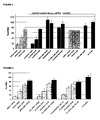
- the siRNAs are transfected into CHO cells using JetPEI at a N/P ratio of 5. mRNA levels are assessed by RT-Q-PCR 24 hours after transfection. As shown in Fig. 2 , a decrease in the GAPDH mRNA level is detected in CHO cells with comparable level of down-regulation for all three compounds.
- the blunt-ended 19bp siRNA having a 3'-hydroxypropylphosphate ribonucleotide shows the same efficacy in inhibiting P2X 3 mRNA as the "wild-type" 21-mer siRNA.
- siRNA targeting an endogenous gene we now apply a similar format modification to siRNA targeting an endogenous gene and design a siRNA sequence targeting the Chinese hamster GAPDH mRNA in a way that it is also specific and fully homolog to the human GAPDH gene.
- RT-Q-PCR analysis of the chinese hamster GAPDH mRNA level shows an equivalent mRNA down-regulation for the two compounds, although down-regulation is slightly more pronounced in the case of a "wild-type" siRNA at high concentrations.
- both compounds showed exactly the same mRNA inhibition.
- siRNA sequence targeting the human GAPDH mRNA open reading frame are designed. Both blunt-ended and wild-type siRNAs silence the human GAPDH in HeLa cells with the same level of target down-regulation ( Figure. 3 ).
- both blunt-ended 3'-hydroxy and 3'-phosphate siRNAs lead to a similar level of targeted GAPDH mRNA down-regulation in HeLa cells as the wild-type 21-mer siRNA, with a high selectivity as compared to the three nt mismatch controls.
Landscapes
- Health & Medical Sciences (AREA)
- Life Sciences & Earth Sciences (AREA)
- Engineering & Computer Science (AREA)
- Genetics & Genomics (AREA)
- Chemical & Material Sciences (AREA)
- Biomedical Technology (AREA)
- Organic Chemistry (AREA)
- General Health & Medical Sciences (AREA)
- Biotechnology (AREA)
- Molecular Biology (AREA)
- Bioinformatics & Cheminformatics (AREA)
- Pharmacology & Pharmacy (AREA)
- General Engineering & Computer Science (AREA)
- Public Health (AREA)
- Veterinary Medicine (AREA)
- Zoology (AREA)
- Medicinal Chemistry (AREA)
- Wood Science & Technology (AREA)
- Animal Behavior & Ethology (AREA)
- General Chemical & Material Sciences (AREA)
- Nuclear Medicine, Radiotherapy & Molecular Imaging (AREA)
- Chemical Kinetics & Catalysis (AREA)
- Biochemistry (AREA)
- Communicable Diseases (AREA)
- Physics & Mathematics (AREA)
- Plant Pathology (AREA)
- Microbiology (AREA)
- Biophysics (AREA)
- Oncology (AREA)
- Epidemiology (AREA)
- Virology (AREA)
- Pharmaceuticals Containing Other Organic And Inorganic Compounds (AREA)
- Medicines That Contain Protein Lipid Enzymes And Other Medicines (AREA)
- Saccharide Compounds (AREA)
- Investigating Or Analysing Biological Materials (AREA)
- Apparatus For Disinfection Or Sterilisation (AREA)
- Measuring Or Testing Involving Enzymes Or Micro-Organisms (AREA)
- Organic Low-Molecular-Weight Compounds And Preparation Thereof (AREA)
Applications Claiming Priority (2)
| Application Number | Priority Date | Filing Date | Title |
|---|---|---|---|
| US49851403P | 2003-08-28 | 2003-08-28 | |
| EP04764573A EP1660657A1 (fr) | 2003-08-28 | 2004-08-27 | Double helice d'arn d'interference possedant des extremites franches et des modifications en 3' |
Related Parent Applications (1)
| Application Number | Title | Priority Date | Filing Date |
|---|---|---|---|
| EP04764573.4 Division | 2004-08-27 |
Publications (2)
| Publication Number | Publication Date |
|---|---|
| EP2338995A2 true EP2338995A2 (fr) | 2011-06-29 |
| EP2338995A3 EP2338995A3 (fr) | 2012-01-11 |
Family
ID=34272687
Family Applications (3)
| Application Number | Title | Priority Date | Filing Date |
|---|---|---|---|
| EP10184568A Withdrawn EP2338995A3 (fr) | 2003-08-28 | 2004-08-27 | Double hélice d'ARN d'interférence possédant des extrémités franches et des modifications en 3' |
| EP04764573A Ceased EP1660657A1 (fr) | 2003-08-28 | 2004-08-27 | Double helice d'arn d'interference possedant des extremites franches et des modifications en 3' |
| EP12151831A Withdrawn EP2489737A1 (fr) | 2003-08-28 | 2004-08-27 | Duplexe ARN interférent disposant d'extrémités franches et modifications 3' |
Family Applications After (2)
| Application Number | Title | Priority Date | Filing Date |
|---|---|---|---|
| EP04764573A Ceased EP1660657A1 (fr) | 2003-08-28 | 2004-08-27 | Double helice d'arn d'interference possedant des extremites franches et des modifications en 3' |
| EP12151831A Withdrawn EP2489737A1 (fr) | 2003-08-28 | 2004-08-27 | Duplexe ARN interférent disposant d'extrémités franches et modifications 3' |
Country Status (21)
| Country | Link |
|---|---|
| US (2) | US20070203084A1 (fr) |
| EP (3) | EP2338995A3 (fr) |
| JP (2) | JP2007503803A (fr) |
| KR (3) | KR101059315B1 (fr) |
| CN (2) | CN1845993B (fr) |
| AU (1) | AU2004269150C1 (fr) |
| BR (1) | BRPI0413146A (fr) |
| CA (1) | CA2536333C (fr) |
| CO (1) | CO5680494A2 (fr) |
| EC (1) | ECSP066388A (fr) |
| IL (1) | IL173565A (fr) |
| IS (1) | IS8358A (fr) |
| MA (1) | MA28029A1 (fr) |
| MX (1) | MXPA06002216A (fr) |
| NO (1) | NO20061345L (fr) |
| NZ (1) | NZ545360A (fr) |
| RU (2) | RU2399671C2 (fr) |
| SG (1) | SG152279A1 (fr) |
| TN (1) | TNSN06065A1 (fr) |
| WO (1) | WO2005021749A1 (fr) |
| ZA (1) | ZA200601003B (fr) |
Families Citing this family (63)
| Publication number | Priority date | Publication date | Assignee | Title |
|---|---|---|---|---|
| CN1845993B (zh) | 2003-08-28 | 2010-06-23 | 诺瓦提斯公司 | 具有平端和3'修饰的干扰rna双链体 |
| GB0608838D0 (en) | 2006-05-04 | 2006-06-14 | Novartis Ag | Organic compounds |
| AU2007310982A1 (en) * | 2006-10-18 | 2008-04-24 | Marina Biotech, Inc. | Nicked or gapped nucleic acid molecules and uses thereof |
| JP4900943B2 (ja) * | 2006-12-25 | 2012-03-21 | 独立行政法人産業技術総合研究所 | ヌクレアーゼ耐性及びrna干渉効果に優れた修飾型二本鎖rna |
| EP2319926B1 (fr) | 2007-07-05 | 2016-08-31 | Arrowhead Research Corporation | ARNDB pour le traitement de l'infection virale |
| US20110020368A1 (en) | 2008-03-25 | 2011-01-27 | Nancy Hynes | Treating cancer by down-regulating frizzled-4 and/or frizzled-1 |
| EP2405920A1 (fr) | 2009-03-06 | 2012-01-18 | Novartis Forschungsstiftung, Zweigniederlassung Friedrich Miescher Institute For Biomedical Research | Nouvelle thérapie contre l'anxiété |
| EP2241323A1 (fr) | 2009-04-14 | 2010-10-20 | Novartis Forschungsstiftung, Zweigniederlassung Friedrich Miescher Institute For Biomedical Research | Tenascine-W et cancers du cerveau |
| EP2292266A1 (fr) | 2009-08-27 | 2011-03-09 | Novartis Forschungsstiftung, Zweigniederlassung | Traitement du cancer en modulant la copine III |
| EP2480573A1 (fr) | 2009-09-22 | 2012-08-01 | Novartis Forschungsstiftung, Zweigniederlassung Friedrich Miescher Institute For Biomedical Research | Traitement du cancer par modulation de mex-3 |
| WO2011045352A2 (fr) | 2009-10-15 | 2011-04-21 | Novartis Forschungsstiftung | Tyrosine kinase de la rate et cancers du cerveau |
| CA2781896C (fr) | 2009-12-09 | 2021-03-30 | Nitto Denko Corporation | Modulation de l'expression de hsp47 |
| MX339050B (es) | 2009-12-18 | 2016-05-09 | Novartis Ag | Composiciones organicas para tratar las enfermedades relacionadas con hsf1. |
| WO2011076807A2 (fr) | 2009-12-23 | 2011-06-30 | Novartis Ag | Lipides, compositions lipidiques, et procédés d'utilisation associés |
| MX2012009318A (es) | 2010-02-10 | 2012-09-07 | Novartis Ag | Metodos y compuestos para el crecimiento muscular. |
| US20130004519A1 (en) | 2010-03-05 | 2013-01-03 | Ruth Chiquet-Ehrismann | Smoci, tenascin-c and brain cancers |
| EP2561076A1 (fr) | 2010-04-19 | 2013-02-27 | Novartis Forschungsstiftung, Zweigniederlassung Friedrich Miescher Institute For Biomedical Research | Modulation de xrn1 |
| WO2011133876A2 (fr) * | 2010-04-22 | 2011-10-27 | Alnylam Pharmaceuticals, Inc. | Oligonucléotides comprenant des nucléosides acycliques et abasiques, et analogues |
| CA3098080A1 (fr) | 2010-04-23 | 2011-10-27 | Arrowhead Research Corporation | Compositions organiques pour traiter des maladies associees a beta-enac |
| US20130089538A1 (en) | 2010-06-10 | 2013-04-11 | Novartis Forschungsstiftung, Zweigniederlassung Friedrich Miescher Institute forBiomedical Researh | Treating cancer by modulating mammalian sterile 20-like kinase 3 |
| EP2717911A1 (fr) | 2011-06-06 | 2014-04-16 | Novartis Forschungsstiftung, Zweigniederlassung | Protéine tyrosine phosphatase de type non-récepteur 11 (ptpn11), et cancer du sein triple négatif |
| CN108531505A (zh) * | 2011-07-18 | 2018-09-14 | 德福根有限公司 | 在昆虫害虫中下调基因表达 |
| US20160032284A1 (en) | 2011-09-02 | 2016-02-04 | Arrowhead Research Corportation | Organic compositions to treat hsf1-related diseases |
| US20140294732A1 (en) | 2011-11-08 | 2014-10-02 | Novartis Forschungsstiftung, Zweigniederlassung, Friedrich Miescher Institute | Early diagnostic of neurodegenerative diseases |
| WO2013068431A1 (fr) | 2011-11-08 | 2013-05-16 | Novartis Forschungsstiftung, Zweigniederlassung, Friedrich Miescher Institute For Biomedical Research | Traitement inédit contre les maladies neurodégénératives |
| US20140343128A1 (en) | 2011-11-15 | 2014-11-20 | Novartis Ag | Combination of a phosphoinositide 3-kinase inhibitor and a modulator of the Janus Kinase 2 - Signal Transducer and Activator of Transcription 5 pathway |
| WO2013102825A1 (fr) | 2012-01-02 | 2013-07-11 | Novartis Ag | Cdcp1 et cancer du sein |
| BR112014016870A2 (pt) | 2012-01-09 | 2017-06-27 | Huesken Dieter | composições orgânicas para tratar doenças relacionadas com beta-catenina |
| US20150266961A1 (en) | 2012-03-29 | 2015-09-24 | Novartis Forschungsstiftung, Zweigniederlassung, Fridrich Miescher Institute | Inhibition of interleukin-8 and/or its receptor cxcr1 in the treatment of her2/her3-overexpressing breast cancer |
| CN104583406A (zh) | 2012-05-02 | 2015-04-29 | 诺华股份有限公司 | 治疗kras相关疾病的有机组合物 |
| CN108148838B (zh) * | 2012-05-22 | 2026-07-31 | 奥利克斯医药有限公司 | 具有细胞内穿透能力的诱导rna干扰的核酸分子及用途 |
| WO2014001482A1 (fr) | 2012-06-29 | 2014-01-03 | Novartis Forschungsstiftung, Zweigniererlassung, Friedrich Miescher Institute For Biomedical Research | Traitement de maladies par modulation d'un isoforme spécifique de mkl-1 |
| US20150184154A1 (en) | 2012-07-05 | 2015-07-02 | Novartis Forschungsstiftung, Zweigniederlassung Friedrich Miescher Institute For Biomedical Resear | New treatment for neurodegenerative diseases |
| US20150224190A1 (en) | 2012-07-06 | 2015-08-13 | Mohamed Bentires-Alj | Combination of a phosphoinositide 3-kinase inhibitor and an inhibitor of the IL-8/CXCR interaction |
| HK1214301A1 (zh) | 2013-02-28 | 2016-07-22 | 箭头研究公司 | 治療epas1相關疾病的有機組合物 |
| KR102144777B1 (ko) * | 2013-06-19 | 2020-08-18 | 제이더블유중외제약 주식회사 | 결정형 메로페넴 삼수화물의 제조방법 |
| US20160178610A1 (en) | 2013-08-07 | 2016-06-23 | Friedrich Miescher Institute For Biomedical Research | New screening method for the treatment Friedreich's ataxia |
| WO2015051366A2 (fr) | 2013-10-04 | 2015-04-09 | Novartis Ag | Formats inédits pour composés organiques utilisables en interférence arn |
| WO2015050871A2 (fr) | 2013-10-04 | 2015-04-09 | Novartis Ag | Composés organiques destinés au traitement du virus de l'hépatite b |
| EP3722277A3 (fr) | 2013-10-04 | 2021-01-20 | Novartis AG | 3 embouts pour des agents arni utilisés dans l'arn |
| WO2015051044A2 (fr) | 2013-10-04 | 2015-04-09 | Novartis Ag | Formats inédits pour composés organiques utiisables en interférence arn |
| WO2015051135A2 (fr) | 2013-10-04 | 2015-04-09 | Novartis Ag | Compositions organiques destinées au traitement de maladies associées à l'hepcidine |
| KR101696704B1 (ko) * | 2013-12-17 | 2017-01-16 | 주식회사 인코드젠 | 오프-타겟을 막기 위해 변형된 rna 간섭 유도 핵산 및 그 용도 |
| EP3154579A1 (fr) | 2014-06-13 | 2017-04-19 | Friedrich Miescher Institute for Biomedical Research | Nouveau traitement dirigé contre le virus de la grippe |
| US20170165261A1 (en) | 2014-07-01 | 2017-06-15 | Brian Arthur Hemmings | Combination of a brafv600e inhibitor and mertk inhibitor to treat melanoma |
| EP3736334A1 (fr) | 2014-07-16 | 2020-11-11 | Arrowhead Pharmaceuticals, Inc. | Compositions d'arni pour le traitement de pathologies liées à l'apoc3 |
| CN106794141B (zh) | 2014-07-16 | 2021-05-28 | 诺华股份有限公司 | 将核酸包封在脂质纳米粒主体中的方法 |
| WO2016038550A1 (fr) | 2014-09-11 | 2016-03-17 | Novartis Ag | Inhibition de prmt5 dans le traitement de maladies liées à une déficience en mtap |
| WO2016046768A1 (fr) | 2014-09-24 | 2016-03-31 | Friedrich Miescher Institute For Biomedical Research | Lats et cancer du sein |
| EP3227446A1 (fr) | 2014-12-01 | 2017-10-11 | Novartis AG | Compositions et méthodes pour le diagnostic et le traitement du cancer de la prostate |
| EP3302525A2 (fr) | 2015-06-05 | 2018-04-11 | Novartis AG | Méthodes et compositions permettant de diagnostiquer, traiter et surveiller le traitement de troubles associés à une déficience en shank3 |
| US20180348224A1 (en) | 2015-10-28 | 2018-12-06 | Friedrich Miescher Institute For Biomedical Resear Ch | Tenascin-w and biliary tract cancers |
| KR20250112919A (ko) | 2015-12-21 | 2025-07-24 | 노파르티스 아게 | 타우 발현을 감소시키기 위한 조성물 및 방법 |
| US9721645B1 (en) | 2016-01-29 | 2017-08-01 | Taiwan Semiconductor Manufacturing Company, Ltd. | SRAM arrays and methods of manufacturing same |
| WO2018047148A1 (fr) | 2016-09-12 | 2018-03-15 | Novartis Ag | Composés pour inhibition du miarn |
| WO2018083606A1 (fr) | 2016-11-01 | 2018-05-11 | Novartis Ag | Procédés et compositions pour améliorer l'édition de gènes |
| EP4085919A3 (fr) | 2017-07-21 | 2023-02-08 | Novartis AG | Compositions et procédés permettant de traiter un cancer |
| SG11201912178VA (en) | 2017-09-11 | 2020-01-30 | Arrowhead Pharmaceuticals Inc | Rnai agents and compositions for inhibiting expression of apolipoprotein c-iii (apoc3) |
| US20210123016A1 (en) | 2018-05-02 | 2021-04-29 | Novartis Ag | Regulators of human pluripotent stem cells and uses thereof |
| KR20210113273A (ko) | 2019-01-09 | 2021-09-15 | 애로우헤드 파마슈티컬스 인코포레이티드 | HIF-2 알파 (EPAS1)의 발현을 억제하기 위한 RNAi 작용제, 그의 조성물, 및 사용 방법 |
| TW202440941A (zh) | 2022-12-20 | 2024-10-16 | 瑞士商諾華公司 | 核酸連接方法 |
| TW202440911A (zh) | 2022-12-20 | 2024-10-16 | 瑞士商諾華公司 | 工程化連接酶及其用途 |
| WO2025262452A1 (fr) | 2024-06-18 | 2025-12-26 | Novartis Ag | Procédé de ligature d'acide nucléique |
Family Cites Families (43)
| Publication number | Priority date | Publication date | Assignee | Title |
|---|---|---|---|---|
| WO1991006556A1 (fr) | 1989-10-24 | 1991-05-16 | Gilead Sciences, Inc. | Oligonucleotides modifies en position 2' |
| US6399754B1 (en) | 1991-12-24 | 2002-06-04 | Isis Pharmaceuticals, Inc. | Sugar modified oligonucleotides |
| US6005087A (en) | 1995-06-06 | 1999-12-21 | Isis Pharmaceuticals, Inc. | 2'-modified oligonucleotides |
| US5670633A (en) | 1990-01-11 | 1997-09-23 | Isis Pharmaceuticals, Inc. | Sugar modified oligonucleotides that detect and modulate gene expression |
| US6033909A (en) | 1992-01-22 | 2000-03-07 | Hoechst Aktiengesellschaft | Oligonucleotide analogs, their preparation and use |
| NZ245720A (en) | 1992-01-22 | 1995-12-21 | Hoechst Ag | Oligonucleotide analogues; use as gene expression inhibitor or dna probe |
| US5981501A (en) | 1995-06-07 | 1999-11-09 | Inex Pharmaceuticals Corp. | Methods for encapsulating plasmids in lipid bilayers |
| JP4335310B2 (ja) | 1995-06-07 | 2009-09-30 | ザ ユニバーシティ オブ ブリティッシュ コロンビア | 疎水性脂質−核酸複合中間体を通して調製される脂質−核酸粒子、及び遺伝子移送のための使用 |
| US5998203A (en) * | 1996-04-16 | 1999-12-07 | Ribozyme Pharmaceuticals, Inc. | Enzymatic nucleic acids containing 5'-and/or 3'-cap structures |
| US5898031A (en) | 1996-06-06 | 1999-04-27 | Isis Pharmaceuticals, Inc. | Oligoribonucleotides for cleaving RNA |
| CA2289702C (fr) | 1997-05-14 | 2008-02-19 | Inex Pharmaceuticals Corp. | Encapsulation hautement efficace d'agents therapeutiques charges dans des vesicules lipidiques |
| RU2217161C2 (ru) * | 1997-08-26 | 2003-11-27 | Сосьете Де Консей Де Решерш Э Д'Аппликасьон Сьентифик (С.К.Р.А.С.) | Способ лечения вирусного гепатита |
| US6506559B1 (en) | 1997-12-23 | 2003-01-14 | Carnegie Institute Of Washington | Genetic inhibition by double-stranded RNA |
| US6211349B1 (en) | 1998-12-30 | 2001-04-03 | Oligos Etc., Inc. | Protonated/acidified nucleic acids and methods of use |
| AU776150B2 (en) | 1999-01-28 | 2004-08-26 | Medical College Of Georgia Research Institute, Inc. | Composition and method for (in vivo) and (in vitro) attenuation of gene expression using double stranded RNA |
| DE19956568A1 (de) | 1999-01-30 | 2000-08-17 | Roland Kreutzer | Verfahren und Medikament zur Hemmung der Expression eines vorgegebenen Gens |
| GB9927444D0 (en) | 1999-11-19 | 2000-01-19 | Cancer Res Campaign Tech | Inhibiting gene expression |
| DE10160151A1 (de) | 2001-01-09 | 2003-06-26 | Ribopharma Ag | Verfahren zur Hemmung der Expression eines vorgegebenen Zielgens |
| WO2003070918A2 (fr) * | 2002-02-20 | 2003-08-28 | Ribozyme Pharmaceuticals, Incorporated | Inhibition mediee par interference arn d'une expression genique faisant appel a des acides nucleiques interferants courts chimiquement modifies (sina) |
| US8202979B2 (en) | 2002-02-20 | 2012-06-19 | Sirna Therapeutics, Inc. | RNA interference mediated inhibition of gene expression using chemically modified short interfering nucleic acid |
| US20050233329A1 (en) | 2002-02-20 | 2005-10-20 | Sirna Therapeutics, Inc. | Inhibition of gene expression using duplex forming oligonucleotides |
| KR20080023768A (ko) | 2000-03-30 | 2008-03-14 | 화이트헤드 인스티튜트 포 바이오메디칼 리서치 | Rna 간섭의 rna 서열 특이적인 매개체 |
| US20030190635A1 (en) | 2002-02-20 | 2003-10-09 | Mcswiggen James A. | RNA interference mediated treatment of Alzheimer's disease using short interfering RNA |
| CN100523215C (zh) | 2000-12-01 | 2009-08-05 | 马普科技促进协会 | 介导rna干涉的小rna分子 |
| US20020132257A1 (en) | 2001-01-31 | 2002-09-19 | Tony Giordano | Use of post-transcriptional gene silencing for identifying nucleic acid sequences that modulate the function of a cell |
| EP1386004A4 (fr) | 2001-04-05 | 2005-02-16 | Ribozyme Pharm Inc | Modulation de l'expression genique associee a la proliferation inflammatoire et a la croissance de neurites, par des procedes faisant intervenir l'acide nucleique |
| EP1627061B1 (fr) | 2001-05-18 | 2009-08-12 | Sirna Therapeutics, Inc. | Interference arn a mediation assuree par l'inhibition de genes au moyen de petit acide nucleique interferent (ansi) modifie chimiquement |
| US20070032441A1 (en) | 2001-05-18 | 2007-02-08 | Sirna Therapeutics, Inc. | Rna interference mediated inhibition of gene expression using chemically modified short interfering nucleic acid (sina) |
| US20030175950A1 (en) | 2001-05-29 | 2003-09-18 | Mcswiggen James A. | RNA interference mediated inhibition of HIV gene expression using short interfering RNA |
| US20040019001A1 (en) | 2002-02-20 | 2004-01-29 | Mcswiggen James A. | RNA interference mediated inhibition of protein typrosine phosphatase-1B (PTP-1B) gene expression using short interfering RNA |
| JP2005500025A (ja) * | 2001-05-29 | 2005-01-06 | サーナ・セラピューティクス・インコーポレイテッド | 女性生殖疾病及び状態の核酸に基づく調節 |
| US20090247606A1 (en) | 2001-08-28 | 2009-10-01 | Sirna Therapeutics, Inc. | RNA Interference Mediated Inhibition of Adenosine A1 Receptor (ADORA1) Gene Expression Using Short Interfering Nucleic Acid (siNA) |
| US8258288B2 (en) | 2002-02-20 | 2012-09-04 | Sirna Therapeutics, Inc. | RNA interference mediated inhibition of respiratory syncytial virus (RSV) expression using short interfering nucleic acid (siNA) |
| EP1432724A4 (fr) | 2002-02-20 | 2006-02-01 | Sirna Therapeutics Inc | Inhibition a mediation par interference d'arn de genes de map kinase |
| ES2389024T3 (es) * | 2002-08-05 | 2012-10-22 | Silence Therapeutics Aktiengesellschaft | Moléculas de RNA interferentes de extremos romos |
| EP1857547B2 (fr) * | 2002-08-05 | 2020-12-02 | Silence Therapeutics GmbH | Autres nouvelles formes d'ARN interférants |
| EP1608733B1 (fr) * | 2003-04-02 | 2011-12-07 | Dharmacon, Inc. | Polynucleotides modifies utilisables pour l'interference arn |
| US20070270360A1 (en) * | 2003-04-15 | 2007-11-22 | Sirna Therapeutics, Inc. | Rna Interference Mediated Inhibition of Severe Acute Respiratory Syndrome (Sars) Gene Expression Using Short Interfering Nucleic Acid |
| EP2669377A3 (fr) | 2003-04-17 | 2015-10-14 | Alnylam Pharmaceuticals Inc. | Agents iARN modifiés |
| WO2005009346A2 (fr) | 2003-06-24 | 2005-02-03 | Mirus Corporation | Inhibition d'une fonction genique par distribution in vivo d'inhibiteurs d'expression genique a base de polynucleotides dans des cellules mammiferes |
| CN1845993B (zh) | 2003-08-28 | 2010-06-23 | 诺瓦提斯公司 | 具有平端和3'修饰的干扰rna双链体 |
| EP1765847A4 (fr) | 2004-05-27 | 2010-10-20 | Alnylam Pharmaceuticals Inc | Acide ribonucleique double brin resistant aux nucleases |
| GB0608838D0 (en) | 2006-05-04 | 2006-06-14 | Novartis Ag | Organic compounds |
-
2004
- 2004-08-27 CN CN2004800249803A patent/CN1845993B/zh not_active Expired - Lifetime
- 2004-08-27 EP EP10184568A patent/EP2338995A3/fr not_active Withdrawn
- 2004-08-27 JP JP2006524342A patent/JP2007503803A/ja active Pending
- 2004-08-27 RU RU2006109547/13A patent/RU2399671C2/ru not_active IP Right Cessation
- 2004-08-27 EP EP04764573A patent/EP1660657A1/fr not_active Ceased
- 2004-08-27 CA CA2536333A patent/CA2536333C/fr not_active Expired - Lifetime
- 2004-08-27 US US10/569,927 patent/US20070203084A1/en not_active Abandoned
- 2004-08-27 KR KR1020087007645A patent/KR101059315B1/ko not_active Expired - Fee Related
- 2004-08-27 KR KR1020117000474A patent/KR20110007263A/ko not_active Ceased
- 2004-08-27 CN CN2010101678324A patent/CN101914533B/zh not_active Expired - Fee Related
- 2004-08-27 AU AU2004269150A patent/AU2004269150C1/en not_active Expired
- 2004-08-27 EP EP12151831A patent/EP2489737A1/fr not_active Withdrawn
- 2004-08-27 SG SG200902906-7A patent/SG152279A1/en unknown
- 2004-08-27 MX MXPA06002216A patent/MXPA06002216A/es active IP Right Grant
- 2004-08-27 NZ NZ545360A patent/NZ545360A/en not_active IP Right Cessation
- 2004-08-27 WO PCT/EP2004/009599 patent/WO2005021749A1/fr not_active Ceased
- 2004-08-27 BR BRPI0413146-0A patent/BRPI0413146A/pt not_active IP Right Cessation
- 2004-08-27 KR KR1020067004048A patent/KR20060087531A/ko not_active Ceased
-
2006
- 2006-02-03 ZA ZA200601003A patent/ZA200601003B/en unknown
- 2006-02-06 IL IL173565A patent/IL173565A/en active IP Right Grant
- 2006-02-22 EC EC2006006388A patent/ECSP066388A/es unknown
- 2006-02-27 TN TNP2006000065A patent/TNSN06065A1/en unknown
- 2006-03-08 MA MA28861A patent/MA28029A1/fr unknown
- 2006-03-17 IS IS8358A patent/IS8358A/is unknown
- 2006-03-21 CO CO06027688A patent/CO5680494A2/es not_active Application Discontinuation
- 2006-03-24 NO NO20061345A patent/NO20061345L/no not_active Application Discontinuation
-
2008
- 2008-12-18 US US12/338,601 patent/US8097716B2/en not_active Expired - Lifetime
-
2010
- 2010-05-14 RU RU2010119292/10A patent/RU2010119292A/ru not_active Application Discontinuation
- 2010-08-26 JP JP2010189117A patent/JP2011160796A/ja active Pending
Non-Patent Citations (6)
| Title |
|---|
| DORN ET AL., ANTISENSE & NUCLEIC ACID DRUG DEVELOPMENT, vol. 11, 2001, pages 165 - 174 |
| ELBASHIR ET AL., METHODS, vol. 26, 2002, pages 199 - 213 |
| ELBASHIR S.M. ET AL., EMBO J., vol. 20, 2001, pages 6877 - 6888 |
| GRIBSKOV; DEVEREUX: "Sequence Analysis Primer", 1991, STOCKTON PRESS |
| HEMMINGS ET AL., NAR, vol. 31, 2003, pages 2117 - 2126 |
| MARTIN ET AL., HELV. CHIM. ACTA, vol. 78, 1995, pages 486 - 504 |
Also Published As
Similar Documents
| Publication | Publication Date | Title |
|---|---|---|
| CA2536333C (fr) | Double helice d'arn d'interference possedant des extremites franches et des modifications en 3' | |
| US8993746B2 (en) | Nuclease resistant double-stranded ribonucleic acid | |
| JP5243789B2 (ja) | 二本鎖rnaによる遺伝子発現の特異的阻害のための方法及び組成物 | |
| EP2521783B1 (fr) | Composés oligonucléotidiques comprenant des débords non nucléotidiques | |
| JP2010525813A (ja) | 二本鎖rnaによる遺伝子発現の特異的阻害のための、方法及び組成物 | |
| US20060135453A1 (en) | Down-regulation of target-gene with pei/single-stranded oligoribonucleotide complexes | |
| HK1171046A (en) | Interfering rna duplex having blunt-ends and 3'-modifications | |
| HK1165431A (en) | Nuclease resistant double-stranded ribonucleic acid |
Legal Events
| Date | Code | Title | Description |
|---|---|---|---|
| PUAI | Public reference made under article 153(3) epc to a published international application that has entered the european phase |
Free format text: ORIGINAL CODE: 0009012 |
|
| AC | Divisional application: reference to earlier application |
Ref document number: 1660657 Country of ref document: EP Kind code of ref document: P |
|
| AK | Designated contracting states |
Kind code of ref document: A2 Designated state(s): AT BE BG CH CY CZ DE DK EE ES FI FR GB GR HU IE IT LI LU MC NL PL PT RO SE SI SK TR |
|
| AX | Request for extension of the european patent |
Extension state: HR LT LV |
|
| PUAL | Search report despatched |
Free format text: ORIGINAL CODE: 0009013 |
|
| RIC1 | Information provided on ipc code assigned before grant |
Ipc: A61K 48/00 20060101ALI20111125BHEP Ipc: C12N 15/11 20060101AFI20111125BHEP |
|
| AK | Designated contracting states |
Kind code of ref document: A3 Designated state(s): AT BE BG CH CY CZ DE DK EE ES FI FR GB GR HU IE IT LI LU MC NL PL PT RO SE SI SK TR |
|
| AX | Request for extension of the european patent |
Extension state: HR LT LV |
|
| 17P | Request for examination filed |
Effective date: 20120711 |
|
| STAA | Information on the status of an ep patent application or granted ep patent |
Free format text: STATUS: THE APPLICATION IS DEEMED TO BE WITHDRAWN |
|
| 18D | Application deemed to be withdrawn |
Effective date: 20120712 |