EP2340018B1 - Polymère insoluble dans l'eau : revêtement de film à base d'amidon pour cibler le colon - Google Patents
Polymère insoluble dans l'eau : revêtement de film à base d'amidon pour cibler le colon Download PDFInfo
- Publication number
- EP2340018B1 EP2340018B1 EP09740698A EP09740698A EP2340018B1 EP 2340018 B1 EP2340018 B1 EP 2340018B1 EP 09740698 A EP09740698 A EP 09740698A EP 09740698 A EP09740698 A EP 09740698A EP 2340018 B1 EP2340018 B1 EP 2340018B1
- Authority
- EP
- European Patent Office
- Prior art keywords
- starch
- controlled release
- dosage form
- ethylcellulose
- release delivery
- Prior art date
- Legal status (The legal status is an assumption and is not a legal conclusion. Google has not performed a legal analysis and makes no representation as to the accuracy of the status listed.)
- Active
Links
Images










Classifications
-
- A—HUMAN NECESSITIES
- A61—MEDICAL OR VETERINARY SCIENCE; HYGIENE
- A61K—PREPARATIONS FOR MEDICAL, DENTAL OR TOILETRY PURPOSES
- A61K9/00—Medicinal preparations characterised by special physical form
- A61K9/0012—Galenical forms characterised by the site of application
- A61K9/0053—Mouth and digestive tract, i.e. intraoral and peroral administration
-
- A—HUMAN NECESSITIES
- A61—MEDICAL OR VETERINARY SCIENCE; HYGIENE
- A61K—PREPARATIONS FOR MEDICAL, DENTAL OR TOILETRY PURPOSES
- A61K47/00—Medicinal preparations characterised by the non-active ingredients used, e.g. carriers or inert additives; Targeting or modifying agents chemically bound to the active ingredient
- A61K47/30—Macromolecular organic or inorganic compounds, e.g. inorganic polyphosphates
- A61K47/36—Polysaccharides; Derivatives thereof, e.g. gums, starch, alginate, dextrin, hyaluronic acid, chitosan, inulin, agar or pectin
-
- A—HUMAN NECESSITIES
- A61—MEDICAL OR VETERINARY SCIENCE; HYGIENE
- A61K—PREPARATIONS FOR MEDICAL, DENTAL OR TOILETRY PURPOSES
- A61K9/00—Medicinal preparations characterised by special physical form
- A61K9/20—Pills, tablets, discs, rods
- A61K9/28—Dragees; Coated pills or tablets, e.g. with film or compression coating
- A61K9/2806—Coating materials
- A61K9/282—Organic compounds, e.g. fats
- A61K9/2826—Sugars or sugar alcohols, e.g. sucrose; Derivatives thereof
-
- A—HUMAN NECESSITIES
- A61—MEDICAL OR VETERINARY SCIENCE; HYGIENE
- A61K—PREPARATIONS FOR MEDICAL, DENTAL OR TOILETRY PURPOSES
- A61K9/00—Medicinal preparations characterised by special physical form
- A61K9/20—Pills, tablets, discs, rods
- A61K9/28—Dragees; Coated pills or tablets, e.g. with film or compression coating
- A61K9/2806—Coating materials
- A61K9/2833—Organic macromolecular compounds
- A61K9/284—Organic macromolecular compounds obtained by reactions only involving carbon-to-carbon unsaturated bonds, e.g. polyvinyl pyrrolidone
- A61K9/2846—Poly(meth)acrylates
-
- A—HUMAN NECESSITIES
- A61—MEDICAL OR VETERINARY SCIENCE; HYGIENE
- A61P—SPECIFIC THERAPEUTIC ACTIVITY OF CHEMICAL COMPOUNDS OR MEDICINAL PREPARATIONS
- A61P1/00—Drugs for disorders of the alimentary tract or the digestive system
-
- A—HUMAN NECESSITIES
- A61—MEDICAL OR VETERINARY SCIENCE; HYGIENE
- A61P—SPECIFIC THERAPEUTIC ACTIVITY OF CHEMICAL COMPOUNDS OR MEDICINAL PREPARATIONS
- A61P1/00—Drugs for disorders of the alimentary tract or the digestive system
- A61P1/04—Drugs for disorders of the alimentary tract or the digestive system for ulcers, gastritis or reflux esophagitis, e.g. antacids, inhibitors of acid secretion, mucosal protectants
Definitions
- the present invention relates to a dosage form for the controlled delivery of active ingredient(s).
- the present invention also relates to the use and method for making the same.
- Colon targeting can be very helpful for many pharmaco-therapies, including the treatment of inflammatory bowel diseases, such as Crohn's Disease (CD) and Ulcerative Colitis (UC).
- CD Crohn's Disease
- UC Ulcerative Colitis
- a locally acting drug is orally administered using a conventional pharmaceutical dosage form, the latter rapidly dissolves in the contents of the stomach, the drug is released and likely to be absorbed into the blood stream. This leads to elevated systemic drug concentrations and, thus, an increased risk of undesired side effects and at the same time to low drug concentrations at the site of action in the colon, resulting in poor therapeutic efficiency.
- These restrictions can be overcome if drug release is suppressed in the stomach and small intestine and time-controlled in the colon.
- This type of site-specific drug delivery to the colon might also offer an interesting opportunity for protein and peptide drugs to get absorbed into the systemic circulation upon oral administration.
- the drug can for instance be embedded within a polymeric matrix former, or can be drug-loaded tablets or pellets such as spherical beads, approximately 0.5-1 mm in diameter; or can be coated with a polymeric film.
- GIT gastro intestinal tract
- the permeability of the polymeric networks for the drug should be low, whereas the macromolecular barriers must become permeable once the colon is reached.
- This increase in drug permeability of the polymeric networks at the site of action might be induced by : (i) a change in the pH of the contents of the GIT, (ii) a change in the quality and/or quantity of enzymes along the GIT, or (iii) significant structural changes within the dosage form occurring after a pre-determined lag-time (e.g. crack formation in poorly permeable film coatings providing pulsatile drug release patterns)."' Alternatively, drug release might already start in the stomach and continue throughout the GIT, at a rate that is sufficiently low to assure that drug is still inside the dosage form once the colon is reached.
- US2005220861A An attempt to solve the problem of colon targeting is disclosed in US2005220861A that relates to a controlled release formulation for delivery of prednisolone sodium metasulphobenzoate.
- the formulation comprises prednisolone sodium metasulphobenzoate surrounded by a coating comprising glassy amylose, ethyl cellulose and dibutyl sebacate, wherein the ratio of amylose to ethyl cellulose is from (1:3.5) to (1:4.5) and wherein the amylose is corn or maize amylose.
- the system described in the present invention is adapted to the disease state of patients.
- the disease state can significantly affect the quality and quantity of the enzyme secreting microflora in the gastro intestinal tract. This is particularly true for the microflora in the colon of patients suffering from inflammatory bowel diseases: the quality and quantity of the enzymes present in the colon of a patient can, thus, significantly vary from those in a healthy subject. Consequently, the performance of this type of drug delivery systems can significantly be affected by the disease state. Systems that are based on the preferential degradation by enzymes which are not present in sufficient concentrations in the disease sate in the colon of the patient fail.
- the present invention reports for the first time on dosage forms allowing for controlled delivery of active ingredient under pathophysiological conditions: in feces of patients suffering from inflammatory bowel diseases. Thus, the performance of these dosage forms is assured under the given pathophysiological conditions in vivo. This is decisive for the success and safety of the treatment.
- US6534549 relates to a method for producing a controlled release composition
- a controlled release composition comprising a mixture of a substantially water-insoluble film-forming polymer and amylose in a solvent system comprising (1) water and (2) a water-miscible organic solvent which on its own is capable of dissolving the film-forming polymer is contacted with an active material and the resulting composition dried.
- the composition is particularly suitable for delivering therapeutic agents to the colon.
- that disclosure addresses drug delivery systems prepared using an organic solvent. This is not the case in the present invention.
- the use of organic solvents implies several concerns, including toxicity and environmental concerns as well as explosion hazards.
- amylose implies the extraction of this polymer and its stabilization.
- Amylose is extracted from starch after an hydrolysis and a purification step. This process is complex and difficultly usable at an industrial level. This formulation doesn't take into account the drug release kinetics for patients suffering from inflammatory bowel diseases. It has to be pointed out that the types and amounts of bacteria present in the colon of inflammatory bowel disease patients can significantly differ from those in healthy subjects. Thus, the types and amounts of enzymes secreted by these bacteria and being in contact with the drug delivery system can significantly differ. Consequently, the performance of the drug delivery system can significantly differ.
- An object of the present invention is to provide a delivery dosage form to control the rate and extent of delivery of an active ingredient, for example, without limitation, an active pharmaceutical ingredient, biological, chemical, nutraceutical, agricultural or nutritional active ingredients.
- Another object of the present invention is to provide new polymeric film coatings that allow for site-specific drug targeting to the colon and that may be used for patients suffering from inflammatory bowel diseases as well as for patients with a healthy colon.
- a further object of the present invention is to provide new polymeric film coatings having a sufficient mechanical stability to withstand the shear stress they are exposed to in the upper GIT (due to the gastro intestinal motility) and to withstand the potentially significant hydrostatic pressure developed within the dosage forms due to water penetration into the systems upon contact with aqueous media. Indeed, with known polymer coatings, the problem of accidental crack formation can result in premature drug release through water-filled channels.
- a further object of the present invention is to provide new polymeric film coatings adjustable to the specific needs of a particular type of drug treatment e.g, osmotic activity of the drug and administered dose.
- the present invention provides a controlled release delivery dosage form for controlled release of an active ingredient, comprising an active ingredient coated in a polymeric mixture of:
- the controlled release dosage form is an oral formulation and has a gastric resistance.
- the controlled release pharmaceutical dosage form is in a solid, liquid or semi-liquid form.
- the controlled release pharmaceutical dosage form is a solid dispersion.
- the polymeric mixture is an intimate mix of the water insoluble polymer and the starch composition, said starch does noto form particulates in the water insoluble polymer.
- the polymeric mixture of the controlled release delivery dosage form is a coating mixture, the controlled release delivery dosage form comprising a core, the active ingredient being dispersed or dissolved in the core and/or in the coating mixture.
- the starch composition:water insoluble polymer ratio in the controlled release delivery dosage form is between 1:2 and 1:8, preferentially 1:3 to 1:6, and more preferentially 1:4 to 1:5.
- the starch composition has a starch content of at least 50%, preferably of between 70 to 100% more preferably 70 to 100%, still more preferably between 90 to 100%.
- the starch composition exhibits an amylose content of between 20 and 45%, preferentially an amylose content of between 25 and 44%, more preferentially of between 32 and 40%, this percentage being expressed in dry weight with respect to the dry weight of starch present in said composition.
- the starch composition comprises at least one legume or cereal starch.
- the legume is selected from the group consisting of pea, bean, broad bean and horse bean.
- the legume is a plant, for example a variety of pea or of horse bean, giving seeds comprising at least 25%, preferably at least 40%, by weight of starch (dry/dry).
- the legume starch is a granular legume starch.
- the legume is pea.
- Pea starch granules have two particularities. The first one is large granule diameter, larger than for example corn starch granules, improving the granule's surface area and thus contacts with water and micro flora enzymes in the colon.
- pea starch granules have a high swollen ability improving their surface area thus granules granules digestibility and consequently the active ingredient release in the colon.
- the legume starch is a native legume starch.
- this starch content of the starch composition is greater than 90% (dry/dry). It can in particular be greater than 95%, preferentially greater than 98%.
- the modified starch is preferably stabilized.
- the chemical treatments which are particularly well suited to the preparation of a film-forming composition, are the "stabilizing" treatments. Common stabilization modifications may be accomplished by esterifying or etherifying some of the hydroxyl groups along the starch chain.
- said modified starch is hydroxypropylated and/or acetylated; it being possible for these treatments optionally to be supplemented by a fluidification that is a chemical or enzymatic hydrolysis treatment.
- said modified starch is fluidification-treated, for example by acid treatment.
- the starch composition according to the invention thus advantageously comprises at least one stabilized starch and preferably a hydroxypropylated starch exhibiting a degree of substitution (DS) of at most 0.2.
- DS is understood to mean, in the present invention, the mean number of hydroxypropyl groups per 10 anhydroglucose units. This mean number is determined by the standard analytical methods well known to a person skilled in the art.
- the starch composition may additionally comprise at least one indigestible polysaccharide selected from the group consisting of xylooligosaccharides, inulin, oligofructoses, fructo-oligosacharides (FOS), lactulose, galactomannan and suitable hydrolysates thereof, indigestible polydextrose, indigestible dextrin and partial hydrolysates thereof, trans-galacto-oligosaccharides (GOS), xylo-oligosaccharides (XOS), acemannan, lentinan or beta-glucan and partial hydrolysates thereof, polysaccharides-K (PSK), and indigestible maltodextrin and partial hydrolysates thereof, preferably an indigestible dextrin or an indigestible maltodextrin.
- indigestible polysaccharide selected from the group consisting of xylooligosaccharides, inulin, oligofructo
- an indigestible maltodextrin or indigestible dextrin having between 15 and 35% of 1->6 glucoside linkages, a reducing sugar content of less than 20%, a polymolecularity index of less than 5 and a number-average molecular mass Mn at most equal to 4500 g/mol.
- all or some of the said indigestible maltodextrins are hydrogenated.
- the core has a coating level of 5% to 30%, preferably of 10% to 20%.
- the polymeric mixture comprises a plasticizer.
- the plasticizer content is between 25% to 30% w/w referred to the water insoluble polymer content.
- the water insoluble polymer is selected from the group consisting of ethyl cellulose, cellulose derivatives, acrylic and/or methacrylic ester polymers, polymers or copolymers of acrylate or methacrylate polyvinyl esters, starch derivatives, polyvinyl acetates, polyacrylic acid esters, butadiene styrene copolymers methacrylate ester copolymers, cellulose acetate phtalate, polyvinyl acetate phtalate, shellac, methacrylic acid copolymers, cellulose acetate trimellitate, hydroxypropyl methylcellulose phtalate, zein, starch acetate.
- the plasticizer is a water soluble plasticizer.
- the water soluble plasticizer is selected from the group consisting of polyols (glycerin, propylene glycol, polyethylene glycols), organic esters (phtalate esters, dibutyl sebacate, citrate esters, triacetin), oils/glycerides (castor oil, acetylated monoglycerides, fractionated coconut oil), soya lecithin alone or as a mixture with one another.
- the controlled release delivery dosage form is a multiparticulate dosage form.
- the present invention also provides a method for preparing a controlled release delivery dosage form for controlled release of an active ingredient in the colon of patients having a colonic microflora imbalance oror in the colon of healthy subjects, as claimed in claims 1 to 12, said method comprising:
- the step of coating the active ingredient is a coating step of a corecore, the active ingredient being dispersed or dissolved in the core and/or the step of coating the active ingredient is a step of dispersing or dissolving the active ingredient in the polymeric mixture.
- the conditions in the gastro intestinal tract of patients suffering from inflammatory bowel diseases can significantly differ from those in a healthy subject.
- the intra- and inter-individual variability can be substantial with respect to the pH of the GIT contents, types and concentrations of enzyme-secreting bacteria as well as to the transit times within the various GIT segments.
- considerable amounts of bifidobacteria are generally present in the colon of healthy subjects and are able to degrade complex polysaccharides due to multiple extracellular glycosidases.
- the site-specific drug delivery system must be adapted to the conditions given in the patients' colon.
- polymeric film coatings might be used that are degraded by enzymes, which are present in the feces of Crohn's Disease and Ulcerative Colitis patients in sufficient amounts.
- type(s) of polymers fulfills these pre-requisites.
- Table 1 Concentrations of bacteria [log CFU/g] in the investigated fecal samples of healthy subjects and inflammatory bowel disease patients.
- Table 2 Effects of the type of polysaccharide blended with ethylcellulose and of the polysaccharide: ethylcellulose blend ratio on the mechanical properties of thin films in the dry state at room temperature.
- Table 3 Dissolution media used to simulate the gradual increase in pH along the GIT.
- the term "active ingredient”, “drug” or “pharmacologically active ingredient” or any other similar term means any chemical or biological material or compound suitable for administration by the methods previously known in the art and/or by the methods taught in the present invention, that induces a desired biological or pharmacological effect, which may include but is not limited to (1) having a prophylactic effect on the organism and preventing an undesired biological effect such as preventing an infection, (2) alleviating a condition caused by a disease, for example, alleviating pain or inflammation caused as a result of disease, and/or (3) either alleviating, reducing, or completely eliminating the disease from the organism.
- the effect may be local, such as providing for a local anaesthetic effect, or it may be systemic.
- Cold microflora imbalance also called Dysbiosis or dysbacteriosis is intended to mean, in the present invention, microbial imbalances as in quality and in quantity in the gastrointestinal tract. This phenomenon is reflected by the quality and quantity of the enzymes present in the colon. Particularly, this altered microflora is observed in the colon of patients suffering from inflammatory bowel diseases, such as Crohn's Disease (CD) and Ulcerative Colitis (UC).
- CD Crohn's Disease
- UC Ulcerative Colitis
- controlled release delivery means that the release of the active ingredient out of the dosage form is controlled with respect to time or with respect to the site of delivery.
- modified starch should be understood broadly, this expression refers for instance to reticulated or acetylated or hydroxypropylated, or more generally to esterification or etherification starch.
- coat is used herein to encompass coatings for solid supports and also capsules enclosing fluids and/or solids and the term “coated” is used similarly.
- water insoluble polymer should be understood broadly, this expression refers to polymers that do not completely dissolve in water, such as for example ethyl cellulose, certain starch derivatives or acrylic acid/methacrylic acid derivatives.
- indigestible polysaccharides refers to saccharides which are not or only partially digested in the intestine by the action of acids or digestive enzymes present in the human upper digestive tract (small intestine and stomach) but which are at least partially fermented by the human intestinal flora.
- Indigestible water-soluble polysaccharides that may be employed in preferred embodiments of the invention are xylooligosaccharides, inulin, oligofructoses, fructo-oligosacharides (FOS), lactulose, galactomannan and suitable hydrolysates thereof, indigestible polydextrose, indigestible dextrins and partial hydrolysates thereof, trans-galacto-oligosaccharides (GOS), xylo-oligosaccharides (XOS), acemannans, lentinans or beta-glucans and partial hydrolysates thereof, polysaccharides-K (PSK), and indigestible maltodextrins and partial hydrolysates thereof.
- xylooligosaccharides inulin, oligofructoses, fructo-oligosacharides (FOS), lactulose, galactomannan and suitable hydrolysates thereof, indigestible polydext
- Polysaccharide-K is also known as polysaccharide-Krestin (PSK) in Japan, and as polysaccharide-peptide (PS-P) in China. Both have the same chemical and structural characteristics.
- PSK is a proteoglycan found in the polypore fungus Trametes versicolor and contains approximately 35% carbohydrate (91% beta-glucan), 35% protein and the remainders are free residues such as sugars, amino acids and moisture.
- PSK is a mixture of polysaccharides covalently linked to various peptides with an average molecular weight of 100 kilodaltons.
- the polysaccharide component is in a class of beta-glucans which comprise of glucopyranose units. Structural analysis showed that PSK has a 1, 4-glucan configuration as the main glucoside portion with branches at positions 3 and 6 at a frequency of one branch per several residual groups of 1 - 4 bonds.
- cereal is intended to mean, in the present invention, any plant belonging to the Gramineae, preferably wheat, rice, rye, oats, barley, corn, sorghum and millets.
- leg is intended to mean, in the present invention, any plant belonging to the Caesalpinaceae, Mimosaceae or Papilionaceae families and in particular any plant belonging to the Papilionaceae family, such as, for example, pea, bean, broad bean, horse bean, lentil, alfalfa, clover or lupin.
- starch derivative means a starch that has been enzymatically or chemically treated.
- the “coating level” means the difference in weight between uncoated and coated cores that is the weight gain in percentage.
- pea in this instance is considered in its broadest sense and includes in particular:
- mutant varieties are in particular those referred to as “mutants r”, “mutants rb”, “mutants rug 3” , mutants rug 4" , “mutants rug 5" and “mutants lam” as described in the paper by C-L Heydley et al. entitled “Developing Novel Pea Starches”, Proceedings of the Symposium of the Industrial Biochemistry and Biotechnology Group of the Biochemical Society, 1996, pp. 77-87 .
- leg starch is understood to mean any composition extracted, this being the case in whatever way, from a legume as defined hereinabove and having a starch content of greater than 40%, preferably of greater than 50% and more preferably still of greater than 75%, these percentages being expressed in dry weight with respect to the dry weight of said composition.
- starches naturally exhibiting an amylose content within the range selected according to the invention.
- the starch resulting from legumes may be suitable.
- this legume starch exhibits an amylose content of less than 45%, more specifically of between 20 20 and 45%, preferably of between 25 and 44%, and more preferably still of between 32 and 40%.
- ingestible maltodextrin means maltodextrin containing indigestible glucosidic linkages conferring on those maltodextrins additional properties identical to dietetic fibers such as "branched maltodextrins".
- branched maltodextrins is intended to mean the ingestible maltodextrins described in patent EP 1 006 128 , of which the applicant company is the proprietor.
- said branched maltodextrins have a reducing sugar content of between 2% and 5%, and a number-average molecular mass Mn of between 2000 and 3000 g/mol.
- the branched maltodextrins have a total fiber content of greater than or equal to 50% on a dry basis, determined according to AOAC method No. 2001-03 (2001).
- the invention provides novel polymeric film coatings for colon targeting which are adapted to the disease state of the patients suffering from inflammatory bowel diseases.
- Novel polymeric films according to the invention serve as substrates for colonic bacteria for healthy patients as for patients suffering from inflammatory bowel diseases and are likely to exhibit beneficial effects on the ecosystem of the GIT of the patients.
- the polymeric film is specially adapted to the conditions at the target site, also in the disease state and able to deliver pharmacologically active ingredients specifically to the colon.
- BMD Branched maltodextrin
- BMD Branched maltodextrin [a branched maltodextrin with non digestible glycoside linkages: ⁇ -1,2 and ⁇ -1,3, NUTRIOSE® FB 06 Roquette Frées]
- Peas starch granular pea starch N-735) (35% amylose), a pregelatinized hydroxypropyl pea starch (PS HP-PG) (LYCOAT® RS 780), a maltodextrin (MD) (GLUCIDEX® 1, Roquette Frdoubtedly), EURYLON® 7 A-PG (an acetylated and pregelatinized high amylose maize starch (70% amylose) (Roquette Freres, Lestrem, France), EURYLON® 6 A- PG (an acetylated and pregelatinized high amylose maize starch) (60% amylose) (Roquette Freres, Lestrem, France) and EURYLON® 6
- Thin polymeric films were prepared by casting blends of different types of aqueous polysaccharides and aqueous ethylcellulose dispersion into Teflon moulds and subsequent drying for 1 d at 60°C.
- the water soluble polysaccharide was dissolved in purified water (5% w/w) and blended with plasticized ethylcellulose dispersion (25% TEC, overnight stirring; 15% w/w polymer content) at a ratio of 1:3 (polymer: polymer w:w). The mixture was stirred for 6h prior to casting.
- the thickness of the films was measured using a thickness gauge (Minitest 600; Erichsen, Hemer, Germany). The mean thickness of all films was in the range of 300-340 ⁇ m. The water uptake and dry mass loss kinetics were measured gravimetrically upon exposure to:
- Culture medium was prepared by dissolving 1.5 g beef extract, 3 g yeast extract, 5 g tryptone, 2.5 g NaCl and 0.3 g L-cysteine hydrochloride hydrate in 1 L distilled water (pH 7.0 ⁇ 0.2) and subsequent sterilization in an autoclave. Feces of patients with Crohn's Disease or Ulcerative Colitis as well as feces of healthy subjects were diluted 1:200 with cysteinated Ringer solution; 2.5 mL of this suspension was diluted with culture medium to 100 mL. Film pieces of 1.5 x 5 cm were placed into 120 mL glass containers filled with 100 mL pre-heated medium, followed by horizontal shaking at 37°C (GFL 3033, Deutschen für Labortechnik, Burgwedel, Germany).
- fecal samples were diluted 1:10 with cysteinated Ringer solution. Eight further tenfold dilutions in cysteinated Ringer solution were prepared and 0.1 mL of each dilution was plated onto non-selective, modified Columbia blood agar (for total cultivable counts) and on McConkey agar (being selective for enterobacteria).
- Columbia blood agar plates were incubated during 1 week at 37°C under anaerobic conditions (5 % CO2, 10 % H2, 85% N2). Colonies were outnumbered; predominant colonies subcultured and identified based on phenotypic identification criteria. 25 McConkey agar plates were incubated during 48 h at 37°C in air. The colonies were outnumbered and identified using the API 20E system (BioMerieux, Balme-les-Grottes, France). Counts were expressed as log CFU/g (Colony Forming Units per gram) of fresh feces.
- the permeability of a polymeric system for a drug strongly depends on its water content and dry mass, which determine the density and mobility of the macromolecules. For instance, in dry hydroxypropyl methylcellulose (HPMC)-based matrix tablets the apparent diffusion coefficient of a drug approaches zero, whereas in a completely hydrated HPMC gel diffusivities can be reached, which are in the same order of magnitude as in aqueous solutions. With increasing water content the macromolecular mobility significantly increases and, thus, the free volume available for diffusion. In some systems, the polymer undergoes a glassy-to-rubbery phase transition as soon as a critical water content is reached. This leads to a significant, stepwise increase in polymer and drug mobility.
- HPMC dry hydroxypropyl methylcellulose
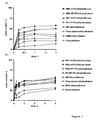
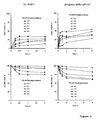
- FIGS 1a and 1b show the water uptake kinetics of thin films consisting of various types of polysaccharide: polysaccharide ethylcellulose blends in 0.1 N HCl and phosphate buffer pH 6.8, respectively.
- the presence of ethylcellulose in all films allows avoiding premature dissolution in the upper GIT.
- the investigated polysaccharides are all water-soluble and aim at providing the sensitivity of the coatings' drug permeability to the surrounding environment: Once the colon is reached, the polysaccharides are to be enzymatically degraded and drug release to be started.
- polysaccharide polysaccharide ethylcellulose blend ratio in Figure 1 is constant: 1:3.
- the ideal film coating allowing for colon targeting should take up only small amounts of water at a low rate in both media in order to prevent premature drug release in the upper GIT.
- blends of ethylcellulose and BMD or peas starch are most promising for this purpose.
- Plasticized ethylcellulose films without water-soluble polysaccharide take up only minor amounts of water (empty circles).
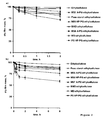
- the ideal film looses only minor amounts of dry mass at a low rate (or no mass at all), assuring dense polymeric networks which are poorly permeable for the incorporated drug under these conditions.
- the dry mass loss of peas starch- and BMD-containing films is very low, even after up to 8 h exposure to these release media.
- the observed decrease in dry mass can at least partially be attributed to the leaching of the water-soluble plasticizer triethyl citrate (TEC, used to plasticize the aqueous ethylcellulose dispersion) into the bulk fluid.
- TEC water-soluble plasticizer triethyl citrate
- parts of the water-soluble polysaccharide might leach out of the films.
- the permeability of intact ethylcellulose films is known to be very low for many drugs, which can at least partially be attributed to the low water-uptake rates and extents of these systems. For this reason, intact ethylcellulose films are also used as moisture protective coatings.
- pancreatic enzymes can degrade certain polysaccharides and, thus, potentially induce significant mass loss and water uptake under in vivo conditions, resulting in increased film permeability for the drug.
- pancreatin mixture containing amylase, protease and lipase
- an extract from rat intestine containing amylase, sucrase, isomaltase and glucosidase
- Figure 3 phosphate buffer pH 6.8
- the polymeric film coatings should become permeable for the drug. This can for instance be induced by (partial) enzymatic degradation.
- the concentrations of certain enzymes are much higher in the colon than in the upper GIT. This includes enzymes, which are produced by the natural microflora of the colon (this part of the GIT contains much more bacteria than the stomach and small intestine).
- great caution must be paid when using this type of colon targeting approach, because the microflora of patients suffering from inflammatory bowel diseases can be significantly different from the microflora of healthy subjects.
- the drug delivery system must be adapted to the disease state of the patient.
- Table 1 shows for instance the concentrations of the bacteria determined in the fecal samples of the healthy subjects as well as of the Crohn's Disease and Ulcerative Colitis patients included in this study. Importantly, there were significant differences, in particular with respect to the concentrations of Bifidobacterium (being able to degrade complex polysaccharides due to multiple extracellular glycosidases) and Escherichia coli, which where present at much higher concentrations in the feces of healthy subjects compared to the feces of the inflammatory bowel disease patients. In contrast, the fecal samples of the Crohn's Disease and Ulcerative Colitis patients contained lactose negative E.
- films based on ethylcellulose: BMD and ethylcellulose: peas starch show significant water uptake and dry mass loss upon exposure to the feces of Crohn's Disease patients, Ulcerative Colitis patients as well as of healthy subjects.
- other types of polymer blends look promising with respect to the presented films' water uptake and dry mass loss behaviour upon exposure to fecal samples (or even more appropriate than ethylcellulose: BMD and ethylcellulose: peas starch blends).
- these systems already take up considerable amounts of water and remarkably loose in dry mass upon contact with media simulating the contents of the upper GIT ( Figures 1 and 2 ).
- novel polymeric film coatings identified for colon targeting are composed of water insoluble polymer: polysaccharide particularly ethylcellulose: BMD, ethylcellulose: pea starch, ethylcellulose: MD, ethylcellulose: EURYLON® 6 A- PG, ethylcellulose: EURYLON® 6 HP-PG and ethylcellulose: EURYLON® 7 A-PG blends, which are adapted to the disease state of the patients.
- low water uptake and dry mass loss rates and extents in media simulating the contents of the upper GIT can be combined with elevated water uptake and dry weight loss upon contact with feces from inflammatory bowel disease patients.
- Pregelatinized hydroxypropyl pea starch PS HP-PG (LYCOAT® RS 780, Roquette Fromme), EURYLON® 7 A-PG (an acetylated and pregelatinized high amylose maize starch (70%amylose)) (Roquette Freres, Lestrem, France), EURYLON® 6 A-PG (an acetylated and pregelatinized high amylose maize starch (60%amylose)) (Roquette Freres, Lestrem, France) and EURYLON® 6 HP-PG (a hydroxypropylated and pregelatinized high amylose maize starch (60%amylose)) (Roquette Freres, Lestrem, France); aqueous ethylcellulose dispersion (Aquacoat ECD 30; FMC Biopolymer, Philadelphia, USA); triethylcitrate (TEC; Morflex, Greensboro, USA).
- Thin polymeric films were prepared by casting blends of different types of polysaccharides and aqueous ethylcellulose dispersion into Teflon moulds and subsequent drying for 1 d at 60°C.
- the water soluble polysaccharide was dissolved in purified water (5% w/w, in the case of EURYLON® 7 A-PG, EURYLON® 6 A-PG and EURYLON® 6 HP-PG in hot water), blended with plasticized aqueous ethylcellulose dispersion (25.0, 27.5 or 30.0% w/w TEC, referred to the ethylcellulose contentovernight stirring; 15% w/w polymer content) at a ratio of 1:2, 1:3, 1:4, 1:5 (polymer:polymer w:w), as indicated.
- the mixtures were stirred for 6 h prior to casting.
- the thickness of the films was measured using a thickness gauge (Minitest 600; Erichsen, Hemer, Germany). The mean thickness of all films was in the range of 300-340 ⁇ m.
- the water uptake and dry mass loss kinetics of the films were measured gravimetrically upon exposure to 0.1 M HCl and phosphate buffer pH 6.8 (USP 30) as follows: Pieces of 1.5 ⁇ 5 cm were placed into 120 mL plastic containers filled with 100 mL pre-heated medium, followed by horizontal shaking at 37°C (80 rpm, GFL 3033; Deutschen fuer Labortechnik, Burgwedel, Germany). At predetermined time points samples were withdrawn, excess water removed, the films accurately weighed (wet mass) and dried to constant weight at 60°C (dry mass).
- AUC is the area under the load versus displacement curve and V the volume of the film located in the die cavity of the film holder.
- PS HP-PG ethylcellulose blends
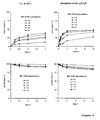
- Figure 6 shows the gravimetrically determined water uptake and dry mass loss kinetics of thin films consisting of different types of PS HP-PG: ethylcellulose blends upon exposure to 0.1 M HCl and phosphate buffer pH 6.8, respectively.
- PS HP-PG is a pregelatinized modified starch.
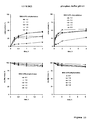
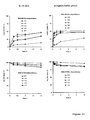
- the resulting extent and rate of the water penetration into the systems significantly increased when increasing the polysaccharide: ethylcellulose ratio from 1:5 to 1:2 ( Figure 12 , top row). This can again be attributed to the higher hydrophilicity of the polysaccharide compared to ethylcellulose.
- EURYLON® 6 A- PG is an acetylated and pregelatinized high amylose maize starch (60% amylose) (Roquette Freres, Lestrem, France), and EURYLON® 6 HP-PG a hydroxypropylated and pregelatinized high amylose maize starch (60%amylose) (Roquette Freres, Lestrem, France).
- Peas starch N-735 peas starch; Roquette Freres, Lestrem, France
- Thin, free films were prepared by casting blends of peas starch and aqueous ethylcellulose dispersion (plasticized with 25 % TEC) onto Teflon moulds and subsequent controlled drying (1 d at 60° C).
- Peas starch was dispersed in purified water at 65-75° C (5 % w/w).
- Aqueous ethylcellulose dispersion (15 % w/w solids content) was plasticized for 24 h with 25 % TEC (w/w, referred to the solids content of the dispersion).
- peas starch and ethylcellulose dispersions were blended at room temperature at the following ratios: 1:2, 1:3, 1:4 and 1:5 (polymer:polymer, w:w). The mixtures were stirred for 6 h prior to casting.
- the thickness of the films was measured using a thickness gauge (Minitest 600; Erichsen, Hemer, Germany). The mean thickness of all films was in the range of 300-340 ⁇ m.
- the water uptake and dry mass loss kinetics of the films were measured gravimetrically upon exposure to: (i) simulated gastric fluid (0.1 M HCl), and (ii) simulated intestinal fluid [phosphate buffer pH 6.8 (USP 32)] at 37 °C as follows: Pieces of 1.5 cm ⁇ 5 cm were placed into 120 mL plastic containers filled with 100 mL pre-heated medium, followed by horizontal shaking at 37 °C (80 rpm, GFL 3033; Deutschen fuer Labortechnik, Burgwedel, Germany). At predetermined time points samples were withdrawn, excess water removed, the films accurately weighed (wet mass) and dried to constant weight at 60 °C (dry mass).
- the mechanical properties of the films were determined using a texture analyzer (TAXT.Plus; Winopal Anlagens company, Ahnsbeck, Germany) and the puncture test in the dry state and upon exposure to 0.1 M HCl and phosphate buffer pH 6.8 (in the wet state).
- the puncture probe (spherical end: 5 mm diameter) was fixed on the load cell (5 kg), and driven downward with a cross-head speed of 0.1 mm/s to the center of the film holder's hole.
- Puncture strength at break F A where F is the load required to puncture the film and A the cross-sectional area of the edge of the film located in the path.
- % elongation break R 2 + D 2 - R R ⁇ 100 %
- AUC is the area under the load versus displacement curve and V the volume of the film located in the die cavity of the film holder.
- Drug (5-amino salicylic acid, 5-ASA) loaded pellet starter cores (diameter: 0.7-1.0 mm; 60 % 5-ASA, 32 % microcrystalline cellulose, 4 % bentonite, 4 % PVP) were prepared by extrusion and subsequent spheronisation as follows: The respective powders were blended in a high speed granulator (Gral 10; Collette, Antwerp, Belgium) and purified water was added until a homogeneous mass was obtained (41 g of water for 100 g of powder blend). The wetted mixture was passed through a cylinder extruder (SK M/R, holes: 1 mm diameter, 3 mm thickness, rotation speed: 96 rpm; Alexanderwerk, Remscheid, Germany).
- SK M/R cylinder extruder
- the extrudates were subsequently spheronised at 520 rpm for 2 min (Spheroniser Model 15; Calveva, Dorset, UK) and dried in a fluidized bed (ST 15; Aeromatic, Muttenz, Switzerland) at 40 °C for 30 min. The size fraction 0.7-1.0 mm was obtained by sieving.
- These drug loaded starter cores were then coated in a fluidized bed coater, equipped with a Wurster insert (Strea 1; Aeromatic-Fielder, Bubendorf, Switzerland) with different peas starch: ethylcellulose blends until a weight gain of 5, 10, 15 or 20 % (w/w) was achieved.
- the samples were agitated (50 rpm) at 37 °C under anaerobic conditions (5 % CO2, 10 % H2, 85 % N2).
- Culture medium was prepared by dissolving 1.5 g beef extract, 3 g yeast extract, 5 g tryptone, 2.5 g NaCl and 0.3 g L-cysteine hydrochloride hydrate in 1 L distilled water (pH 7.0 ⁇ 0.2) and subsequent sterilization in an autoclave.
- Feces of patients suffering from Crohn's disease or ulcerative colitis were diluted 1:200 with cysteinated Ringer solution; 2.5 mL of this suspension was diluted with culture medium to 100 mL.
- Drug release was measured from freshly prepared pellets (if not otherwise stated), as well as from pellets stored for 1 year at room temperature (23 ⁇ 2 °C) and ambient relative humidity (55 ⁇ 5 %) in open glass vials.
- a polymeric film coating allowing for site specific drug delivery to the colon should effectively suppress drug release in the upper part of the gastro intestinal tract: the stomach and the small intestine.
- the film coating (which surrounds the drug reservoir) should be poorly permeable for the drug upon exposure to media simulating the contents of these organs (in order to avoid premature drug release and subsequent absorption into the blood stream). If a polymeric film coating takes up significant amounts of water or looses considerable amounts of dry mass upon exposure to a bulk fluid, its permeability for drug molecules can be expected to remarkably increase [].
- Figure 15 shows the experimentally measured dry mass loss kinetics of various peas starch: ethylcellulose films upon exposure to: (a) 0.1 M HCl, and (b) phosphate buffer pH 6.8.
- the dry mass loss rate and extent slightly increased with increasing peas starch content, because this polysaccharide significantly swells upon contact with water and, thus, facilitates the leaching of water-soluble film compounds (e.g., of the water-soluble plasticizer TEC []) into the surrounding bulk fluid.
- water-soluble film compounds e.g., of the water-soluble plasticizer TEC []
- the lowest mass loss was observed with peas starch-free films, irrespective of the type of medium. This can be attributed to the fact that ethylcellulose is poorly swellable and permeable upon contact with aqueous media. It effectively hinders the leaching of water-soluble compounds.
- ethylcellulose films are very promising with respect to the potential use of these films as barrier membranes hindering drug release in stomach and small intestine. If required, the film thickness and/or ethylcellulose contents might be increased. However, care should be taken that sufficient amounts of peas starch are present in the coatings, because this compound is intended to induce the onset of drug release in the colon (being degraded by enzymes secreted from colonic bacteria.
- polymeric film coatings aiming at site specific drug delivery to the colon should provide a sufficient mechanical stability: Due to the physiological motility of the stomach and small intestine, mechanical stress is exerted onto the coated dosage forms. If the film coatings are fragile, crack formation occurs and the drug is rapidly released through water-filled channels.
- ethylcellulose blends a texture analyzer and the puncture test were used.
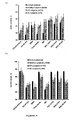
- Figure 16 shows the: (a) puncture strength at break, (b) % elongation at break, and (c) energy required to break thin polymeric films in the dry state.
- the mechanical stability of the films significantly increased with increasing ethylcellulose content.
- all values are relatively high, suggesting that film coatings with a common thickness can withstand the mechanical stress experienced within the gastro intestinal tract in vivo.
- pellets coated with peas starch: ethylcellulose 1:4 at a coating level of 15 and 20 % have been selected for further studies.
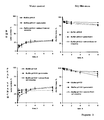
- Figure 20a shows the experimentally measured release of 5-amino salicylic acid from pellets coated with peas starch: ethylcellulose 1:4 at a coating level of 15 and 20 % (w/w) into: (i) 0.1 M HCl for 2 h, followed by (ii) phosphate buffer pH 6.8 for 9 h, and (c) culture medium inoculated with fecal samples from inflammatory bowel disease patients for 10 h (solid curves). For reasons of comparison, also drug release upon exposure to culture medium free of feces is illustrated (dotted curves).
- Figure 20b shows the observed drug release rate from the same types of pellets as shown in Figure 20a upon exposure to: 0.1 M HCl (for 2 h), phosphate buffer pH 6.8 (for 9 h) and culture medium inoculated with Bifidobacterium (for 10 h). Comparing Figures 20a and 20b , it becomes obvious that culture medium inoculated with Bifidobacterium shows a promising potential as substitute for fresh fecal samples from IBD patients, in particular for routine applications (such as quality controls during large scale production).
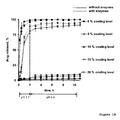
- FIG. 21 shows the drug release kinetics from pellets coated with peas starch: ethylcellulose 1:4 at a coating level of 10, 15 and 15 % (as indicated) before and after 1 year storage in open glass vials (solid and dotted curves).
- the systems were exposed to 0.1 M HCl for 2 h, and subsequently to phosphate buffer pH 6.8 for 9 h. As it can be seen, the release rate remained unaltered during long term storage.
- pellets coated with peas starch: ethylcellulose 1:2, 1:3 and 1:5 at a coating level of 10, 15 and 20 % (data not shown).
- the proposed drug delivery systems are long term stable.
- Peas starch ethylcellulose-based film coatings have been proposed with a highly promising potential for site specific drug delivery to the colon: Drug release from coated pellets can effectively be suppressed in media simulating the contents of the stomach and small intestine. But once the devices come into contact with fecal samples, drug release sets on and is time-controlled, due to the partial degradation of the peas starch by enzymes secreted from bacteria present in the colon of inflammatory bowel disease patients. Thus, this type of advanced delivery systems allows avoiding premature drug release in the upper gastro intestinal tract (and subsequent absorption into the blood stream), whiling assuring that the drug is released at the site of action. Consequently, undesired side effects in the rest of the human body can be expected to be minimized, while the therapeutic effects of the drug are likely to be optimized.
- TNBS 2,4,6-Trinitrobenzene sulfonic acid
- TNBS 2,4,6-Trinitrobenzene sulfonic acid
- BMD NUTRIOSE® FB 06; Roquette Freres, Lestrem, France
- Peas starch N-735 peas starch; Roquette Freres, Lestrem, France
- aqueous ethylcellulose dispersion Aquacoat ECD 30; FMC Biopolymer, Philadelphia, USA
- TEC triethylcitrate
- 5-aminosalicylic acid (5-ASA; Sigma-Aldrich, Isle d'Abeau Chesnes, France
- microcrystalline cellulose Avicel PH 101; FMC Biopolymer, Brussels, Belgium
- polyvinylpyrrolidone PVP, Povidone K 30
- 5-Amino salicylic acid (5-ASA) loaded pellet starter cores (diameter: 0.7-1.0 mm; 60 % 5-ASA, 32 % microcrystalline cellulose, 4 % bentonite, 4 % PVP) were prepared by extrusion and subsequent spheronisation as follows: The respective powders were blended in a high speed granulator (Gral 10; Collette, Antwerp, Belgium) and purified water was added until a homogeneous mass was obtained (41 g of water for 100 g of powder blend). The wetted mixture was passed through a cylinder extruder (SK M/R, holes: 1 mm diameter, 3 mm thickness, rotation speed: 96 rpm; Alexanderwerk, Remscheid, Germany).
- the extrudates were subsequently spheronised at 520 rpm for 2 min (Spheroniser Model 15; Calveva, Dorset, UK) and dried in a fluidized bed (ST 15; Aeromatic, Muttenz, Switzerland) at 40 °C for 30 min.
- the size fraction 0.7-1.0 mm was obtained by sieving.
- the obtained drug loaded starter cores were subsequently coated in a fluidized bed coater, equipped with a Wurster insert (Strea 1; Aeromatic-Fielder, Bubendorf, Switzerland) with BMD: ethylcellulose 1:4 blends (BMD:EC coated pellets) or with peas starch: ethylcellulose 1:2 blends (peas starch:EC coated pellets) until a weight gain of 15 % (w/w) (BMD:EC coated pellets) or 20 % (w/w) (peas starch: EC coated pellets) was achieved.
- BMD ethylcellulose 1:4 blends
- peas starch ethylcellulose 1:2 blends
- BMD was dissolved in purified water (5 % w/w), blended with plasticized aqueous ethylcellulose dispersion (25 % TEC, overnight stirring; 15 % w/w polymer content) at a ratio of 1:4 (w/w, based on the non-plasticized polymer dry mass) and stirred for 6 h prior to coating.
- the drug-loaded pellet cores were coated in a fluidized bed coater equipped with a Wurster insert (Strea 1; Aeromatic-Fielder, Bubendorf, Switzerland) until a weight gain of 15 % (w/w) was achieved.
- Peas starch was dispersed in purified water at 65-75° C (5 % w/w). Aqueous ethylcellulose dispersion (15 % w/w solids content) was plasticized for 24 h with 25 % TEC (w/w, referred to the solids content of the dispersion). The peas starch and ethylcellulose dispersions were blended at room temperature at the following ratio: 1:2 (polymer: polymer, w:w). The mixture was stirred for 6 h prior to coating.
- the drug-loaded pellet cores were coated in a fluidized bed coater equipped with a Wurster insert (Strea 1; Aeromatic-Fielder, Bubendorf, Switzerland) until a weight gain of 20 % (w/w) was achieved.
- mice Male Wistar rats (250 g) were used for the in vivo study, which was conducted in accredited establishment at the Institut Pasteur de Lille (A 35009), according to governmental guidelines (86/609/CEE). Four animals were housed per cage, all rats had free access to tap water.
- colitis was induced as follows: The rats were anesthetized for 90-120 min using pentobarbital (40 mg/kg) and received an intrarectal administration of TNBS (250 ⁇ l, 20 mg/rat) dissolved in a 1:1 mixture of an aqueous 0.9% NaCl solution with 100% ethanol. Control rats (negative control) received an intrarectal administration of the vehicle only (1:1 mixture of an aqueous 0.9% NaCl solution with 100% ethanol). Animals were sacrificed 3 days after intrarectal TNBS or vehicle administration (day 6).
- Macroscopic and histological indications of colitis were evaluated blindly by two investigators.
- a colon specimen located precisely 4 cm above the anal canal was used for histological evaluation according to the Ameho criteria. This grading on a scale from 0 to 6 takes into account the degree of inflammation infiltrate, the presence of erosion, ulceration, or necrosis, and the depth and surface extension of lesions.
- TNBS-induced colitis is improved by the treatment with BMD: ethylcellulose coated pellets and peas starch: ethylcellulose coated pellets.
- BMD ethylcellulose coated pellets
- peas starch ethylcellulose coated pellets
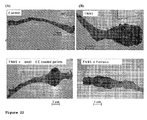
- ethylcellulose coated pellets reduced the inflammatory lesions which consisted of smaller polymorphic inflammatory infiltrates, limited edema and small focal necrosis lesions ( Figure 24 ). Thickening of the colon wall, with a predominant inflammatory infiltrate in the lamina intestinal, and necrosis extending deeply into the muscular and serosal layer are evident in the case of treatment with TNBS, TNBS and Pentasa® pellets and TNBS and Asacol® pellets.
- Table 1 Healthy subjects Crohn's Disease Ulcerative Colitis Number 10 11 5 Mean age 40 +/-15 32+/-12 36+/-20 Mean total counts [log UFC/g] 9.88+/-0,48 9.15+/-1.30 9.88+/-0.57 Number of strains 28 34 14 Mean 2.8 3.1 2.8 Anaerobes Bacteroides 9 10 3 Prevotella 2 2 2 Fusobacterium 3 3 2 Veillonella 0 0 1 Clostridium 0 5 1 Bifidobacterium 9 3 1 Other Gram + rods 3 2 2 Gram + cocci 1 2 0 Aerobes Enterobacteria 1 3 2 Escherichia coli 1 2 1 Citrobacter freundii 0 2 1 Lactobacillus 0 2 0 Streptococcus 0 2 0 Mean counts McConkey agar 6.30+/-1.19 7.16+/-1.48 8.01+/-1.06 Number
Landscapes
- Health & Medical Sciences (AREA)
- Chemical & Material Sciences (AREA)
- Pharmacology & Pharmacy (AREA)
- Veterinary Medicine (AREA)
- Public Health (AREA)
- General Health & Medical Sciences (AREA)
- Medicinal Chemistry (AREA)
- Animal Behavior & Ethology (AREA)
- Life Sciences & Earth Sciences (AREA)
- Epidemiology (AREA)
- Bioinformatics & Cheminformatics (AREA)
- Engineering & Computer Science (AREA)
- Nutrition Science (AREA)
- Physiology (AREA)
- Organic Chemistry (AREA)
- Nuclear Medicine, Radiotherapy & Molecular Imaging (AREA)
- General Chemical & Material Sciences (AREA)
- Chemical Kinetics & Catalysis (AREA)
- Inorganic Chemistry (AREA)
- Medicinal Preparation (AREA)
- Pharmaceuticals Containing Other Organic And Inorganic Compounds (AREA)
- Medicines That Contain Protein Lipid Enzymes And Other Medicines (AREA)
Abstract
Claims (13)
- Forme galénique pour délivrance à libération contrôlée pour la libération contrôlée d'un ingrédient actif, comprenant un ingrédient actif enrobé dans un mélange polymère de:o au moins un polymère insoluble dans l'eau eto une composition d'amidon comprenant un composant choisi dans le groupe consistant en un amidon ayant une teneur en amylose entre 25 et 45%, un amidon modifié ayant une teneur en amylose entre 50 et 80% et un amidon de légumineuse.
- Forme galénique pour délivrance à libération contrôlée selon la revendication 1, comprenant un noyau, l'ingrédient actif étant dispersé ou dissous dans le noyau.
- Forme galénique pour délivrance à libération contrôlée selon la revendication 1 ou 2, où le rapport composition d'amidon: polymère insoluble dans l'eau est entre 1:2 et 1:8.
- Forme galénique pour délivrance à libération contrôlée selon l'une quelconque des revendications 1 à 3, où la composition d'amidon présente une teneur en amylose entre 25 et 45%, ce pourcentage étant exprimé en poids sec par rapport au poids sec d'amidon présent dans ladite composition.
- Forme galénique pour délivrance à libération contrôlée selon l'une quelconque des revendications 1 à 4, où la composition d'amidon comprend au moins un amidon de légumineuse ou de céréale.
- Forme galénique pour délivrance à libération contrôlée selon l'une quelconque des revendications 1 à 5, où la composition d'amidon comprend au moins un amidon modifié, ledit amidon modifié étant stabilisé.
- Forme galénique pour délivrance à libération contrôlée selon les revendications 2 à 6, où le noyau a un niveau d'enrobage de 5% à 30%.
- Forme galénique pour délivrance à libération contrôlée selon la revendication 7, où le noyau a un niveau d'enrobage de 10% à 20%.
- Forme galénique pour délivrance à libération contrôlée selon l'une quelconque des revendications 1 à 8, où le mélange polymère comprend un plastifiant, de préférence en une teneur entre 25% et 30% p/p par rapport à la teneur en polymère insoluble dans l'eau.
- Forme galénique pour délivrance à libération contrôlée selon l'une quelconque des revendications 1 à 9, où le polymère insoluble dans l'eau est choisi dans le groupe consistant en les polymères d'esters acryliques et/ou méthacryliques, les polymères ou copolymères de polyvinylesters acrylates ou méthacrylates, les poly(acétates de vinyle), les poly(esters d'acide acrylique), et les copolymères butadiène styrène copolymères d'esters méthacrylates, l'éthylcellulose, l'acétate phtalate de cellulose, le poly(acétate phtalate de vinyle), la gomme laque, les copolymères d'acide méthacrylique, l'acétate trimellitate de cellulose, le phtalate d'hydroxypropylméthylcellulose, la zéine, l'acétate d'amidon.
- Forme galénique pour délivrance à libération contrôlée selon la revendication 9 ou la revendication 10, où le plastifiant est un plastifiant soluble dans l'eau, le plastifiant étant de préférence choisi dans le groupe consistant en les polyols, les esters organiques, les huiles ou les glycérides, la lécithine de soja, seuls ou en mélange entre eux.
- Forme galénique pour délivrance à libération contrôlée selon l'une quelconque des revendications 1 à 11, où ladite forme galénique pour délivrance à libération contrôlée est une forme galénique multiparticulaire.
- Procédé pour préparer une forme galénique pour délivrance à libération contrôlée pour la libération contrôlée d'un ingrédient actif dans le côlon de patients ayant un déséquilibre de la microflore intestinale ou dans le côlon de sujets en bonne santé, selon les revendications 1 à 12, ledit procédé comprenant:o la formation d'un mélange polymère de:• au moins un polymère insoluble dans l'eau et• une composition d'amidon comprenant au moins un composant choisi dans le groupe consistant en un amidon ayant une teneur en amylose entre 25 et 45%, un amidon modifié ayant une teneur en amylose entre 50 et 80% et un amidon de légumineuse,o l'enrobage dudit ingrédient actif dans le mélange polymère.
Priority Applications (1)
| Application Number | Priority Date | Filing Date | Title |
|---|---|---|---|
| EP09740698A EP2340018B1 (fr) | 2008-10-27 | 2009-10-27 | Polymère insoluble dans l'eau : revêtement de film à base d'amidon pour cibler le colon |
Applications Claiming Priority (3)
| Application Number | Priority Date | Filing Date | Title |
|---|---|---|---|
| EP08305740.6A EP2179727B1 (fr) | 2008-10-27 | 2008-10-27 | Polymère insoluble dans l'eau : revêtements de film à base de dérivés d'amidon modifié pour cibler le colon |
| EP09740698A EP2340018B1 (fr) | 2008-10-27 | 2009-10-27 | Polymère insoluble dans l'eau : revêtement de film à base d'amidon pour cibler le colon |
| PCT/EP2009/064166 WO2010049433A2 (fr) | 2008-10-27 | 2009-10-27 | Polymère insoluble dans l’eau : revêtement de film à base d’amidon pour cibler le colon |
Publications (2)
| Publication Number | Publication Date |
|---|---|
| EP2340018A2 EP2340018A2 (fr) | 2011-07-06 |
| EP2340018B1 true EP2340018B1 (fr) | 2012-07-25 |
Family
ID=40933275
Family Applications (3)
| Application Number | Title | Priority Date | Filing Date |
|---|---|---|---|
| EP08305740.6A Active EP2179727B1 (fr) | 2008-10-27 | 2008-10-27 | Polymère insoluble dans l'eau : revêtements de film à base de dérivés d'amidon modifié pour cibler le colon |
| EP09740698A Active EP2340018B1 (fr) | 2008-10-27 | 2009-10-27 | Polymère insoluble dans l'eau : revêtement de film à base d'amidon pour cibler le colon |
| EP09748748.2A Active EP2340019B2 (fr) | 2008-10-27 | 2009-10-27 | Polymere insoluble dans l'eau : revetements en film polysaccharidique solubles dans l'eau et non digerables pour un ciblage du colon |
Family Applications Before (1)
| Application Number | Title | Priority Date | Filing Date |
|---|---|---|---|
| EP08305740.6A Active EP2179727B1 (fr) | 2008-10-27 | 2008-10-27 | Polymère insoluble dans l'eau : revêtements de film à base de dérivés d'amidon modifié pour cibler le colon |
Family Applications After (1)
| Application Number | Title | Priority Date | Filing Date |
|---|---|---|---|
| EP09748748.2A Active EP2340019B2 (fr) | 2008-10-27 | 2009-10-27 | Polymere insoluble dans l'eau : revetements en film polysaccharidique solubles dans l'eau et non digerables pour un ciblage du colon |
Country Status (6)
| Country | Link |
|---|---|
| US (2) | US9107819B2 (fr) |
| EP (3) | EP2179727B1 (fr) |
| JP (2) | JP5685542B2 (fr) |
| CN (2) | CN102196807B (fr) |
| ES (3) | ES2425762T3 (fr) |
| WO (2) | WO2010049432A1 (fr) |
Cited By (1)
| Publication number | Priority date | Publication date | Assignee | Title |
|---|---|---|---|---|
| RU2748311C1 (ru) * | 2020-01-29 | 2021-05-21 | Общество с ограниченной ответственностью "ФармЭко" | Фармацевтическая композиция, содержащая твердые дисперсии аморфного кладрибина и фармацевтически приемлемый водорастворимый носитель |
Families Citing this family (23)
| Publication number | Priority date | Publication date | Assignee | Title |
|---|---|---|---|---|
| CA2882048C (fr) | 2006-02-03 | 2020-03-24 | Opko Renal, Llc | Traitement de l'insuffisance et de la deficience de vitamine d avec de la 25-hydroxyvitamine d2 et de la 25-hydroxyvitamine d3 |
| HUE037309T2 (hu) | 2006-06-21 | 2018-08-28 | Opko Ireland Global Holdings Ltd | Terápia D-vitamin telítési szer alkalmazásával és D-vitamin hormon helyettesítõ szer |
| WO2009047644A2 (fr) | 2007-04-25 | 2009-04-16 | Cytochroma Inc. | Procédé de traitement d'une insuffisance et d'une carence en vitamine d |
| ES2401205T3 (es) | 2007-04-25 | 2013-04-17 | Cytochroma Inc. | Composiciones de orales de liberación controlada que comprende un compuesto de vitamina D y un soporte céreo |
| KR101685031B1 (ko) | 2008-04-02 | 2016-12-09 | 사이토크로마 인코포레이티드 | 비타민 d 결핍 및 관련 장애에 유용한 방법, 조성물, 용도 및 키트 |
| ES2425762T3 (es) * | 2008-10-27 | 2013-10-17 | Roquette Freres | Polímero insoluble en agua: revestimientos de película a base de derivados de almidón modificado para la liberación dirigida al colon |
| FR2954700B1 (fr) * | 2009-12-24 | 2012-02-03 | Roquette Freres | Utilisation de polysaccharides dans le traitement du stress et de l'anxiete |
| CN103037902A (zh) | 2010-03-29 | 2013-04-10 | 赛特克罗公司 | 用于降低甲状旁腺水平的方法和组合物 |
| EP2386297A1 (fr) * | 2010-04-28 | 2011-11-16 | Roquette Frères | Non digérable polymère : Revêtements basé sur d'acetate d'amidon pour cibler le colon |
| EP2446877A1 (fr) * | 2010-10-29 | 2012-05-02 | Roquette Frères | Matrice à base de dérivés d'amidon modifié pour cibler le côlon |
| KR101847947B1 (ko) | 2013-03-15 | 2018-05-28 | 옵코 아이피 홀딩스 Ⅱ 인코포레이티드 | 안정화되고 변형된 비타민 d 방출 제형 |
| US10220047B2 (en) | 2014-08-07 | 2019-03-05 | Opko Ireland Global Holdings, Ltd. | Adjunctive therapy with 25-hydroxyvitamin D and articles therefor |
| US20160376329A1 (en) * | 2015-06-27 | 2016-12-29 | Pedro Brito Correia | Glucoprotein for Stimulation of the Immunological System |
| EP4596045A3 (fr) | 2016-03-28 | 2025-10-15 | EirGen Pharma Ltd. | Procédés de traitement de la vitamine d |
| US11491232B2 (en) | 2017-03-30 | 2022-11-08 | Fruithy Holdings Limited | Lactuloside compounds and preparation and use thereof |
| WO2019142799A1 (fr) | 2018-01-18 | 2019-07-25 | 学校法人慶應義塾 | Gélule pour traiter une colite ulcéreuse |
| FR3080042B1 (fr) * | 2018-04-17 | 2020-12-04 | Roquette Freres | Systeme filmogene a effet barriere, notamment anti-pollution atmospherique, d'origine naturelle et d'usage dans les cosmetiques |
| EP3628310A1 (fr) * | 2018-09-25 | 2020-04-01 | Synbias Pharma AG | Composition pharmaceutique comprenant des dispersions solides de cladribine amorphe et support hydrosoluble pharmaceutiquement acceptable |
| KR20220102620A (ko) * | 2019-11-22 | 2022-07-20 | 호케트프레르 | 저-소화성 콩과 식물 전분 |
| CN111617262B (zh) * | 2020-05-21 | 2021-05-25 | 华南理工大学 | 一种淀粉基结肠靶向控释晶体包合物及其制备方法 |
| WO2023154547A1 (fr) * | 2022-02-14 | 2023-08-17 | Axial Therapeutics, Inc. | Administration de médicament ciblant le côlon |
| CN114848832B (zh) * | 2022-04-22 | 2023-12-01 | 华南理工大学 | 一种调控l细胞分泌glp-1的结肠靶向控释递送系统和应用 |
| WO2024184378A1 (fr) | 2023-03-07 | 2024-09-12 | Universite De Lille | Revêtement de film pour le ciblage du côlon |
Family Cites Families (20)
| Publication number | Priority date | Publication date | Assignee | Title |
|---|---|---|---|---|
| GB8926639D0 (en) * | 1989-11-24 | 1990-01-17 | Agricultural & Food Res | Delayed release formulations |
| JP2006219502A (ja) | 1994-04-22 | 2006-08-24 | Astellas Pharma Inc | 結腸特異的薬物放出システム |
| US5830884A (en) * | 1995-01-18 | 1998-11-03 | National Starch And Chemical Investment Holding Corporation | Pharmaceutical products containing thermally-inhibited starches |
| US6231888B1 (en) * | 1996-01-18 | 2001-05-15 | Perio Products Ltd. | Local delivery of non steroidal anti inflammatory drugs (NSAIDS) to the colon as a treatment for colonic polyps |
| US5840332A (en) * | 1996-01-18 | 1998-11-24 | Perio Products Ltd. | Gastrointestinal drug delivery system |
| BR9815240A (pt) * | 1997-10-09 | 2001-10-30 | Perio Prod Ltd | Sistema de fornecimento de medicamentogastrointestinal de liberação total retardada |
| GB9722426D0 (en) | 1997-10-23 | 1997-12-24 | Univ London Pharmacy | Controlled release formulations |
| FR2786773B1 (fr) | 1998-12-03 | 2002-03-08 | Univ Paris Curie | Proteines d'enveloppe, methodes et utilisations |
| FR2786775B1 (fr) * | 1998-12-04 | 2001-02-16 | Roquette Freres | Maltodextrines branchees et leur procede de preparation |
| US6632451B2 (en) * | 1999-06-04 | 2003-10-14 | Dexcel Pharma Technologies Ltd. | Delayed total release two pulse gastrointestinal drug delivery system |
| US6607748B1 (en) * | 2000-06-29 | 2003-08-19 | Vincent Lenaerts | Cross-linked high amylose starch for use in controlled-release pharmaceutical formulations and processes for its manufacture |
| WO2002085415A1 (fr) * | 2001-04-17 | 2002-10-31 | Biomatrix, Inc | Produits enrobes de sucres non digestibles et procede associe |
| AU2003202550A1 (en) * | 2002-01-09 | 2003-07-24 | Ucb, S.A. | Pharmaceutical formulations with modified release |
| GB0203421D0 (en) | 2002-02-13 | 2002-04-03 | Alizyme Therapeutics Ltd | Composition |
| FR2884422B1 (fr) * | 2005-04-18 | 2008-04-11 | Roquette Freres | Composition anti-inflammatoire de l'intestin comprenant des maltodextrines branchees |
| GB0607534D0 (en) * | 2006-04-13 | 2006-05-24 | Univ London Pharmacy | Colonic drug delivery formulation |
| US20090285863A1 (en) | 2006-07-27 | 2009-11-19 | Gisela Fridrun Podczeck | Coating Composition Comprising Starch |
| US20080057086A1 (en) † | 2006-09-01 | 2008-03-06 | Pharmion Corporation | Colon-targeted oral formulations of cytidine analogs |
| ES2425762T3 (es) * | 2008-10-27 | 2013-10-17 | Roquette Freres | Polímero insoluble en agua: revestimientos de película a base de derivados de almidón modificado para la liberación dirigida al colon |
| EP2386297A1 (fr) * | 2010-04-28 | 2011-11-16 | Roquette Frères | Non digérable polymère : Revêtements basé sur d'acetate d'amidon pour cibler le colon |
-
2008
- 2008-10-27 ES ES08305740T patent/ES2425762T3/es active Active
- 2008-10-27 EP EP08305740.6A patent/EP2179727B1/fr active Active
-
2009
- 2009-10-27 ES ES09740698T patent/ES2391876T3/es active Active
- 2009-10-27 CN CN200980143691.8A patent/CN102196807B/zh active Active
- 2009-10-27 EP EP09740698A patent/EP2340018B1/fr active Active
- 2009-10-27 EP EP09748748.2A patent/EP2340019B2/fr active Active
- 2009-10-27 WO PCT/EP2009/064165 patent/WO2010049432A1/fr not_active Ceased
- 2009-10-27 CN CN200980143690.3A patent/CN102196806B/zh active Active
- 2009-10-27 US US13/126,236 patent/US9107819B2/en active Active
- 2009-10-27 JP JP2011532670A patent/JP5685542B2/ja active Active
- 2009-10-27 JP JP2011532669A patent/JP5697598B2/ja active Active
- 2009-10-27 WO PCT/EP2009/064166 patent/WO2010049433A2/fr not_active Ceased
- 2009-10-27 ES ES09748748.2T patent/ES2415747T5/es active Active
- 2009-10-27 US US13/126,212 patent/US20110200680A1/en not_active Abandoned
Cited By (1)
| Publication number | Priority date | Publication date | Assignee | Title |
|---|---|---|---|---|
| RU2748311C1 (ru) * | 2020-01-29 | 2021-05-21 | Общество с ограниченной ответственностью "ФармЭко" | Фармацевтическая композиция, содержащая твердые дисперсии аморфного кладрибина и фармацевтически приемлемый водорастворимый носитель |
Also Published As
| Publication number | Publication date |
|---|---|
| CN102196806B (zh) | 2014-10-22 |
| JP5697598B2 (ja) | 2015-04-08 |
| JP5685542B2 (ja) | 2015-03-18 |
| CN102196807A (zh) | 2011-09-21 |
| EP2340019A1 (fr) | 2011-07-06 |
| ES2415747T5 (es) | 2018-03-28 |
| CN102196806A (zh) | 2011-09-21 |
| EP2340018A2 (fr) | 2011-07-06 |
| CN102196807B (zh) | 2015-06-03 |
| WO2010049433A3 (fr) | 2010-12-23 |
| EP2340019B2 (fr) | 2017-12-06 |
| ES2391876T3 (es) | 2012-11-30 |
| WO2010049433A2 (fr) | 2010-05-06 |
| US20110256230A1 (en) | 2011-10-20 |
| EP2179727B1 (fr) | 2013-05-29 |
| JP2012506849A (ja) | 2012-03-22 |
| EP2340019B1 (fr) | 2013-03-27 |
| EP2179727A1 (fr) | 2010-04-28 |
| JP2012506850A (ja) | 2012-03-22 |
| WO2010049432A1 (fr) | 2010-05-06 |
| US20110200680A1 (en) | 2011-08-18 |
| US9107819B2 (en) | 2015-08-18 |
| ES2425762T3 (es) | 2013-10-17 |
| ES2415747T3 (es) | 2013-07-26 |
Similar Documents
| Publication | Publication Date | Title |
|---|---|---|
| EP2340019B1 (fr) | Polymere insoluble dans l'eau : revetements en film polysaccharidique solubles dans l'eau et non digerables pour un ciblage du colon | |
| Rubinstein | Approaches and opportunities in colon-specific drug delivery | |
| JP5176017B2 (ja) | 結腸薬物送達製剤 | |
| EP0882449A1 (fr) | Capsule à libération prolongée et procédé de sa fabiraction | |
| Hirsch et al. | Lauroyldextran and crosslinked galactomannan as coating materials for site-specific drug delivery to the colon | |
| EP2563342B1 (fr) | Non digérable polymère : Revêtements basé sur d'acetate d'amidon pour cibler le colon | |
| Thakur et al. | Natural and synthetic polymers for colon targeted drug delivery | |
| US20130202691A1 (en) | Modified starch derivative-based matrix for colon targeting | |
| Karrout et al. | Enzymatically activated coated multiparticulates containing theophylline for colon targeting | |
| CN112770730B (zh) | 受控的药物释放制剂 | |
| WO2023166225A1 (fr) | Formulations d'enzyme digestive | |
| HK40031887A (en) | Colonic drug delivery formulation | |
| HK1128627B (en) | Colonic drug delivery formulation | |
| NZ767015B2 (en) | Colonic drug delivery formulation |
Legal Events
| Date | Code | Title | Description |
|---|---|---|---|
| PUAI | Public reference made under article 153(3) epc to a published international application that has entered the european phase |
Free format text: ORIGINAL CODE: 0009012 |
|
| 17P | Request for examination filed |
Effective date: 20110330 |
|
| AK | Designated contracting states |
Kind code of ref document: A2 Designated state(s): AT BE BG CH CY CZ DE DK EE ES FI FR GB GR HR HU IE IS IT LI LT LU LV MC MK MT NL NO PL PT RO SE SI SK SM TR |
|
| AX | Request for extension of the european patent |
Extension state: AL BA RS |
|
| DAX | Request for extension of the european patent (deleted) | ||
| GRAP | Despatch of communication of intention to grant a patent |
Free format text: ORIGINAL CODE: EPIDOSNIGR1 |
|
| TPAC | Observations filed by third parties |
Free format text: ORIGINAL CODE: EPIDOSNTIPA |
|
| GRAS | Grant fee paid |
Free format text: ORIGINAL CODE: EPIDOSNIGR3 |
|
| GRAA | (expected) grant |
Free format text: ORIGINAL CODE: 0009210 |
|
| AK | Designated contracting states |
Kind code of ref document: B1 Designated state(s): AT BE BG CH CY CZ DE DK EE ES FI FR GB GR HR HU IE IS IT LI LT LU LV MC MK MT NL NO PL PT RO SE SI SK SM TR |
|
| REG | Reference to a national code |
Ref country code: GB Ref legal event code: FG4D |
|
| REG | Reference to a national code |
Ref country code: CH Ref legal event code: EP |
|
| REG | Reference to a national code |
Ref country code: AT Ref legal event code: REF Ref document number: 567412 Country of ref document: AT Kind code of ref document: T Effective date: 20120815 Ref country code: IE Ref legal event code: FG4D |
|
| REG | Reference to a national code |
Ref country code: DE Ref legal event code: R096 Ref document number: 602009008518 Country of ref document: DE Effective date: 20120920 |
|
| REG | Reference to a national code |
Ref country code: ES Ref legal event code: FG2A Ref document number: 2391876 Country of ref document: ES Kind code of ref document: T3 Effective date: 20121130 |
|
| REG | Reference to a national code |
Ref country code: NL Ref legal event code: VDEP Effective date: 20120725 |
|
| REG | Reference to a national code |
Ref country code: AT Ref legal event code: MK05 Ref document number: 567412 Country of ref document: AT Kind code of ref document: T Effective date: 20120725 |
|
| REG | Reference to a national code |
Ref country code: LT Ref legal event code: MG4D Effective date: 20120725 |
|
| PG25 | Lapsed in a contracting state [announced via postgrant information from national office to epo] |
Ref country code: FI Free format text: LAPSE BECAUSE OF FAILURE TO SUBMIT A TRANSLATION OF THE DESCRIPTION OR TO PAY THE FEE WITHIN THE PRESCRIBED TIME-LIMIT Effective date: 20120725 Ref country code: LT Free format text: LAPSE BECAUSE OF FAILURE TO SUBMIT A TRANSLATION OF THE DESCRIPTION OR TO PAY THE FEE WITHIN THE PRESCRIBED TIME-LIMIT Effective date: 20120725 Ref country code: NO Free format text: LAPSE BECAUSE OF FAILURE TO SUBMIT A TRANSLATION OF THE DESCRIPTION OR TO PAY THE FEE WITHIN THE PRESCRIBED TIME-LIMIT Effective date: 20121025 Ref country code: BE Free format text: LAPSE BECAUSE OF FAILURE TO SUBMIT A TRANSLATION OF THE DESCRIPTION OR TO PAY THE FEE WITHIN THE PRESCRIBED TIME-LIMIT Effective date: 20120725 Ref country code: CY Free format text: LAPSE BECAUSE OF FAILURE TO SUBMIT A TRANSLATION OF THE DESCRIPTION OR TO PAY THE FEE WITHIN THE PRESCRIBED TIME-LIMIT Effective date: 20120725 Ref country code: HR Free format text: LAPSE BECAUSE OF FAILURE TO SUBMIT A TRANSLATION OF THE DESCRIPTION OR TO PAY THE FEE WITHIN THE PRESCRIBED TIME-LIMIT Effective date: 20120725 Ref country code: IS Free format text: LAPSE BECAUSE OF FAILURE TO SUBMIT A TRANSLATION OF THE DESCRIPTION OR TO PAY THE FEE WITHIN THE PRESCRIBED TIME-LIMIT Effective date: 20121125 Ref country code: AT Free format text: LAPSE BECAUSE OF FAILURE TO SUBMIT A TRANSLATION OF THE DESCRIPTION OR TO PAY THE FEE WITHIN THE PRESCRIBED TIME-LIMIT Effective date: 20120725 |
|
| PG25 | Lapsed in a contracting state [announced via postgrant information from national office to epo] |
Ref country code: SE Free format text: LAPSE BECAUSE OF FAILURE TO SUBMIT A TRANSLATION OF THE DESCRIPTION OR TO PAY THE FEE WITHIN THE PRESCRIBED TIME-LIMIT Effective date: 20120725 Ref country code: PL Free format text: LAPSE BECAUSE OF FAILURE TO SUBMIT A TRANSLATION OF THE DESCRIPTION OR TO PAY THE FEE WITHIN THE PRESCRIBED TIME-LIMIT Effective date: 20120725 Ref country code: GR Free format text: LAPSE BECAUSE OF FAILURE TO SUBMIT A TRANSLATION OF THE DESCRIPTION OR TO PAY THE FEE WITHIN THE PRESCRIBED TIME-LIMIT Effective date: 20121026 Ref country code: SI Free format text: LAPSE BECAUSE OF FAILURE TO SUBMIT A TRANSLATION OF THE DESCRIPTION OR TO PAY THE FEE WITHIN THE PRESCRIBED TIME-LIMIT Effective date: 20120725 Ref country code: PT Free format text: LAPSE BECAUSE OF FAILURE TO SUBMIT A TRANSLATION OF THE DESCRIPTION OR TO PAY THE FEE WITHIN THE PRESCRIBED TIME-LIMIT Effective date: 20121126 Ref country code: LV Free format text: LAPSE BECAUSE OF FAILURE TO SUBMIT A TRANSLATION OF THE DESCRIPTION OR TO PAY THE FEE WITHIN THE PRESCRIBED TIME-LIMIT Effective date: 20120725 |
|
| PG25 | Lapsed in a contracting state [announced via postgrant information from national office to epo] |
Ref country code: NL Free format text: LAPSE BECAUSE OF FAILURE TO SUBMIT A TRANSLATION OF THE DESCRIPTION OR TO PAY THE FEE WITHIN THE PRESCRIBED TIME-LIMIT Effective date: 20120725 |
|
| PG25 | Lapsed in a contracting state [announced via postgrant information from national office to epo] |
Ref country code: DK Free format text: LAPSE BECAUSE OF FAILURE TO SUBMIT A TRANSLATION OF THE DESCRIPTION OR TO PAY THE FEE WITHIN THE PRESCRIBED TIME-LIMIT Effective date: 20120725 Ref country code: RO Free format text: LAPSE BECAUSE OF FAILURE TO SUBMIT A TRANSLATION OF THE DESCRIPTION OR TO PAY THE FEE WITHIN THE PRESCRIBED TIME-LIMIT Effective date: 20120725 Ref country code: CZ Free format text: LAPSE BECAUSE OF FAILURE TO SUBMIT A TRANSLATION OF THE DESCRIPTION OR TO PAY THE FEE WITHIN THE PRESCRIBED TIME-LIMIT Effective date: 20120725 Ref country code: EE Free format text: LAPSE BECAUSE OF FAILURE TO SUBMIT A TRANSLATION OF THE DESCRIPTION OR TO PAY THE FEE WITHIN THE PRESCRIBED TIME-LIMIT Effective date: 20120725 |
|
| PG25 | Lapsed in a contracting state [announced via postgrant information from national office to epo] |
Ref country code: SK Free format text: LAPSE BECAUSE OF FAILURE TO SUBMIT A TRANSLATION OF THE DESCRIPTION OR TO PAY THE FEE WITHIN THE PRESCRIBED TIME-LIMIT Effective date: 20120725 Ref country code: MC Free format text: LAPSE BECAUSE OF NON-PAYMENT OF DUE FEES Effective date: 20121031 |
|
| PLBE | No opposition filed within time limit |
Free format text: ORIGINAL CODE: 0009261 |
|
| STAA | Information on the status of an ep patent application or granted ep patent |
Free format text: STATUS: NO OPPOSITION FILED WITHIN TIME LIMIT |
|
| 26N | No opposition filed |
Effective date: 20130426 |
|
| PG25 | Lapsed in a contracting state [announced via postgrant information from national office to epo] |
Ref country code: BG Free format text: LAPSE BECAUSE OF FAILURE TO SUBMIT A TRANSLATION OF THE DESCRIPTION OR TO PAY THE FEE WITHIN THE PRESCRIBED TIME-LIMIT Effective date: 20121025 |
|
| REG | Reference to a national code |
Ref country code: IE Ref legal event code: MM4A |
|
| REG | Reference to a national code |
Ref country code: DE Ref legal event code: R097 Ref document number: 602009008518 Country of ref document: DE Effective date: 20130426 |
|
| PG25 | Lapsed in a contracting state [announced via postgrant information from national office to epo] |
Ref country code: IE Free format text: LAPSE BECAUSE OF NON-PAYMENT OF DUE FEES Effective date: 20121027 |
|
| PG25 | Lapsed in a contracting state [announced via postgrant information from national office to epo] |
Ref country code: MT Free format text: LAPSE BECAUSE OF FAILURE TO SUBMIT A TRANSLATION OF THE DESCRIPTION OR TO PAY THE FEE WITHIN THE PRESCRIBED TIME-LIMIT Effective date: 20120725 |
|
| PG25 | Lapsed in a contracting state [announced via postgrant information from national office to epo] |
Ref country code: TR Free format text: LAPSE BECAUSE OF FAILURE TO SUBMIT A TRANSLATION OF THE DESCRIPTION OR TO PAY THE FEE WITHIN THE PRESCRIBED TIME-LIMIT Effective date: 20120725 |
|
| PG25 | Lapsed in a contracting state [announced via postgrant information from national office to epo] |
Ref country code: SM Free format text: LAPSE BECAUSE OF FAILURE TO SUBMIT A TRANSLATION OF THE DESCRIPTION OR TO PAY THE FEE WITHIN THE PRESCRIBED TIME-LIMIT Effective date: 20120725 Ref country code: LU Free format text: LAPSE BECAUSE OF NON-PAYMENT OF DUE FEES Effective date: 20121027 |
|
| REG | Reference to a national code |
Ref country code: CH Ref legal event code: PL |
|
| PG25 | Lapsed in a contracting state [announced via postgrant information from national office to epo] |
Ref country code: CH Free format text: LAPSE BECAUSE OF NON-PAYMENT OF DUE FEES Effective date: 20131031 Ref country code: LI Free format text: LAPSE BECAUSE OF NON-PAYMENT OF DUE FEES Effective date: 20131031 Ref country code: HU Free format text: LAPSE BECAUSE OF FAILURE TO SUBMIT A TRANSLATION OF THE DESCRIPTION OR TO PAY THE FEE WITHIN THE PRESCRIBED TIME-LIMIT Effective date: 20091027 |
|
| PG25 | Lapsed in a contracting state [announced via postgrant information from national office to epo] |
Ref country code: MK Free format text: LAPSE BECAUSE OF FAILURE TO SUBMIT A TRANSLATION OF THE DESCRIPTION OR TO PAY THE FEE WITHIN THE PRESCRIBED TIME-LIMIT Effective date: 20120725 |
|
| REG | Reference to a national code |
Ref country code: FR Ref legal event code: PLFP Year of fee payment: 7 |
|
| REG | Reference to a national code |
Ref country code: FR Ref legal event code: PLFP Year of fee payment: 8 |
|
| REG | Reference to a national code |
Ref country code: FR Ref legal event code: PLFP Year of fee payment: 9 |
|
| REG | Reference to a national code |
Ref country code: FR Ref legal event code: PLFP Year of fee payment: 10 |
|
| PGFP | Annual fee paid to national office [announced via postgrant information from national office to epo] |
Ref country code: DE Payment date: 20251029 Year of fee payment: 17 |
|
| PGFP | Annual fee paid to national office [announced via postgrant information from national office to epo] |
Ref country code: GB Payment date: 20251027 Year of fee payment: 17 |
|
| PGFP | Annual fee paid to national office [announced via postgrant information from national office to epo] |
Ref country code: IT Payment date: 20251021 Year of fee payment: 17 |
|
| PGFP | Annual fee paid to national office [announced via postgrant information from national office to epo] |
Ref country code: FR Payment date: 20251027 Year of fee payment: 17 |
|
| PGFP | Annual fee paid to national office [announced via postgrant information from national office to epo] |
Ref country code: ES Payment date: 20251103 Year of fee payment: 17 |