EP2343080B1 - COMPOSITION PHARMACEUTIQUE DESTINÉE À TRAITER DES MALADIES DES OS COMPRENANT UNE PROTÉINE COMPRENANT UN DOMAINE EXTRACELLULAIRE RICHE EN CYSTÉINE DE TYPE Frizzled1, Frizzled2 ET Frizzled7 et Fc PROTÉINE - Google Patents
COMPOSITION PHARMACEUTIQUE DESTINÉE À TRAITER DES MALADIES DES OS COMPRENANT UNE PROTÉINE COMPRENANT UN DOMAINE EXTRACELLULAIRE RICHE EN CYSTÉINE DE TYPE Frizzled1, Frizzled2 ET Frizzled7 et Fc PROTÉINE Download PDFInfo
- Publication number
- EP2343080B1 EP2343080B1 EP09817788.4A EP09817788A EP2343080B1 EP 2343080 B1 EP2343080 B1 EP 2343080B1 EP 09817788 A EP09817788 A EP 09817788A EP 2343080 B1 EP2343080 B1 EP 2343080B1
- Authority
- EP
- European Patent Office
- Prior art keywords
- mice
- bone
- hfcm
- protein
- mouse
- Prior art date
- Legal status (The legal status is an assumption and is not a legal conclusion. Google has not performed a legal analysis and makes no representation as to the accuracy of the status listed.)
- Active
Links
Images






Classifications
-
- A—HUMAN NECESSITIES
- A61—MEDICAL OR VETERINARY SCIENCE; HYGIENE
- A61K—PREPARATIONS FOR MEDICAL, DENTAL OR TOILETRY PURPOSES
- A61K38/00—Medicinal preparations containing peptides
- A61K38/16—Peptides having more than 20 amino acids; Gastrins; Somatostatins; Melanotropins; Derivatives thereof
- A61K38/17—Peptides having more than 20 amino acids; Gastrins; Somatostatins; Melanotropins; Derivatives thereof from animals; from humans
- A61K38/177—Receptors; Cell surface antigens; Cell surface determinants
-
- A—HUMAN NECESSITIES
- A01—AGRICULTURE; FORESTRY; ANIMAL HUSBANDRY; HUNTING; TRAPPING; FISHING
- A01K—ANIMAL HUSBANDRY; AVICULTURE; APICULTURE; PISCICULTURE; FISHING; REARING OR BREEDING ANIMALS, NOT OTHERWISE PROVIDED FOR; NEW BREEDS OF ANIMALS
- A01K67/00—Rearing or breeding animals, not otherwise provided for; New or modified breeds of animals
- A01K67/027—New or modified breeds of vertebrates
-
- A—HUMAN NECESSITIES
- A01—AGRICULTURE; FORESTRY; ANIMAL HUSBANDRY; HUNTING; TRAPPING; FISHING
- A01K—ANIMAL HUSBANDRY; AVICULTURE; APICULTURE; PISCICULTURE; FISHING; REARING OR BREEDING ANIMALS, NOT OTHERWISE PROVIDED FOR; NEW BREEDS OF ANIMALS
- A01K67/00—Rearing or breeding animals, not otherwise provided for; New or modified breeds of animals
- A01K67/027—New or modified breeds of vertebrates
- A01K67/0271—Chimeric vertebrates, e.g. comprising exogenous cells
-
- A—HUMAN NECESSITIES
- A61—MEDICAL OR VETERINARY SCIENCE; HYGIENE
- A61K—PREPARATIONS FOR MEDICAL, DENTAL OR TOILETRY PURPOSES
- A61K31/00—Medicinal preparations containing organic active ingredients
- A61K31/70—Carbohydrates; Sugars; Derivatives thereof
- A61K31/7088—Compounds having three or more nucleosides or nucleotides
-
- A—HUMAN NECESSITIES
- A61—MEDICAL OR VETERINARY SCIENCE; HYGIENE
- A61K—PREPARATIONS FOR MEDICAL, DENTAL OR TOILETRY PURPOSES
- A61K38/00—Medicinal preparations containing peptides
- A61K38/16—Peptides having more than 20 amino acids; Gastrins; Somatostatins; Melanotropins; Derivatives thereof
- A61K38/17—Peptides having more than 20 amino acids; Gastrins; Somatostatins; Melanotropins; Derivatives thereof from animals; from humans
- A61K38/1703—Peptides having more than 20 amino acids; Gastrins; Somatostatins; Melanotropins; Derivatives thereof from animals; from humans from vertebrates
- A61K38/1709—Peptides having more than 20 amino acids; Gastrins; Somatostatins; Melanotropins; Derivatives thereof from animals; from humans from vertebrates from mammals
-
- A—HUMAN NECESSITIES
- A61—MEDICAL OR VETERINARY SCIENCE; HYGIENE
- A61K—PREPARATIONS FOR MEDICAL, DENTAL OR TOILETRY PURPOSES
- A61K39/00—Medicinal preparations containing antigens or antibodies
- A61K39/395—Antibodies; Immunoglobulins; Immune serum, e.g. antilymphocytic serum
- A61K39/39533—Antibodies; Immunoglobulins; Immune serum, e.g. antilymphocytic serum against materials from animals
- A61K39/3955—Antibodies; Immunoglobulins; Immune serum, e.g. antilymphocytic serum against materials from animals against proteinaceous materials, e.g. enzymes, hormones, lymphokines
-
- A—HUMAN NECESSITIES
- A61—MEDICAL OR VETERINARY SCIENCE; HYGIENE
- A61K—PREPARATIONS FOR MEDICAL, DENTAL OR TOILETRY PURPOSES
- A61K45/00—Medicinal preparations containing active ingredients not provided for in groups A61K31/00 - A61K41/00
- A61K45/06—Mixtures of active ingredients without chemical characterisation, e.g. antiphlogistics and cardiaca
-
- A—HUMAN NECESSITIES
- A61—MEDICAL OR VETERINARY SCIENCE; HYGIENE
- A61K—PREPARATIONS FOR MEDICAL, DENTAL OR TOILETRY PURPOSES
- A61K47/00—Medicinal preparations characterised by the non-active ingredients used, e.g. carriers or inert additives; Targeting or modifying agents chemically bound to the active ingredient
- A61K47/50—Medicinal preparations characterised by the non-active ingredients used, e.g. carriers or inert additives; Targeting or modifying agents chemically bound to the active ingredient the non-active ingredient being chemically bound to the active ingredient, e.g. polymer-drug conjugates
- A61K47/51—Medicinal preparations characterised by the non-active ingredients used, e.g. carriers or inert additives; Targeting or modifying agents chemically bound to the active ingredient the non-active ingredient being chemically bound to the active ingredient, e.g. polymer-drug conjugates the non-active ingredient being a modifying agent
- A61K47/56—Medicinal preparations characterised by the non-active ingredients used, e.g. carriers or inert additives; Targeting or modifying agents chemically bound to the active ingredient the non-active ingredient being chemically bound to the active ingredient, e.g. polymer-drug conjugates the non-active ingredient being a modifying agent the modifying agent being an organic macromolecular compound, e.g. an oligomeric, polymeric or dendrimeric molecule
- A61K47/59—Medicinal preparations characterised by the non-active ingredients used, e.g. carriers or inert additives; Targeting or modifying agents chemically bound to the active ingredient the non-active ingredient being chemically bound to the active ingredient, e.g. polymer-drug conjugates the non-active ingredient being a modifying agent the modifying agent being an organic macromolecular compound, e.g. an oligomeric, polymeric or dendrimeric molecule obtained otherwise than by reactions only involving carbon-to-carbon unsaturated bonds, e.g. polyureas or polyurethanes
- A61K47/60—Medicinal preparations characterised by the non-active ingredients used, e.g. carriers or inert additives; Targeting or modifying agents chemically bound to the active ingredient the non-active ingredient being chemically bound to the active ingredient, e.g. polymer-drug conjugates the non-active ingredient being a modifying agent the modifying agent being an organic macromolecular compound, e.g. an oligomeric, polymeric or dendrimeric molecule obtained otherwise than by reactions only involving carbon-to-carbon unsaturated bonds, e.g. polyureas or polyurethanes the organic macromolecular compound being a polyoxyalkylene oligomer, polymer or dendrimer, e.g. PEG, PPG, PEO or polyglycerol
-
- A—HUMAN NECESSITIES
- A61—MEDICAL OR VETERINARY SCIENCE; HYGIENE
- A61K—PREPARATIONS FOR MEDICAL, DENTAL OR TOILETRY PURPOSES
- A61K47/00—Medicinal preparations characterised by the non-active ingredients used, e.g. carriers or inert additives; Targeting or modifying agents chemically bound to the active ingredient
- A61K47/50—Medicinal preparations characterised by the non-active ingredients used, e.g. carriers or inert additives; Targeting or modifying agents chemically bound to the active ingredient the non-active ingredient being chemically bound to the active ingredient, e.g. polymer-drug conjugates
- A61K47/51—Medicinal preparations characterised by the non-active ingredients used, e.g. carriers or inert additives; Targeting or modifying agents chemically bound to the active ingredient the non-active ingredient being chemically bound to the active ingredient, e.g. polymer-drug conjugates the non-active ingredient being a modifying agent
- A61K47/68—Medicinal preparations characterised by the non-active ingredients used, e.g. carriers or inert additives; Targeting or modifying agents chemically bound to the active ingredient the non-active ingredient being chemically bound to the active ingredient, e.g. polymer-drug conjugates the non-active ingredient being a modifying agent the modifying agent being an antibody, an immunoglobulin or a fragment thereof, e.g. an Fc-fragment
- A61K47/6835—Medicinal preparations characterised by the non-active ingredients used, e.g. carriers or inert additives; Targeting or modifying agents chemically bound to the active ingredient the non-active ingredient being chemically bound to the active ingredient, e.g. polymer-drug conjugates the non-active ingredient being a modifying agent the modifying agent being an antibody, an immunoglobulin or a fragment thereof, e.g. an Fc-fragment the modifying agent being an antibody or an immunoglobulin bearing at least one antigen-binding site
-
- A—HUMAN NECESSITIES
- A61—MEDICAL OR VETERINARY SCIENCE; HYGIENE
- A61P—SPECIFIC THERAPEUTIC ACTIVITY OF CHEMICAL COMPOUNDS OR MEDICINAL PREPARATIONS
- A61P19/00—Drugs for skeletal disorders
- A61P19/02—Drugs for skeletal disorders for joint disorders, e.g. arthritis, arthrosis
-
- A—HUMAN NECESSITIES
- A61—MEDICAL OR VETERINARY SCIENCE; HYGIENE
- A61P—SPECIFIC THERAPEUTIC ACTIVITY OF CHEMICAL COMPOUNDS OR MEDICINAL PREPARATIONS
- A61P19/00—Drugs for skeletal disorders
- A61P19/08—Drugs for skeletal disorders for bone diseases, e.g. rachitism, Paget's disease
-
- A—HUMAN NECESSITIES
- A61—MEDICAL OR VETERINARY SCIENCE; HYGIENE
- A61P—SPECIFIC THERAPEUTIC ACTIVITY OF CHEMICAL COMPOUNDS OR MEDICINAL PREPARATIONS
- A61P19/00—Drugs for skeletal disorders
- A61P19/08—Drugs for skeletal disorders for bone diseases, e.g. rachitism, Paget's disease
- A61P19/10—Drugs for skeletal disorders for bone diseases, e.g. rachitism, Paget's disease for osteoporosis
-
- A—HUMAN NECESSITIES
- A61—MEDICAL OR VETERINARY SCIENCE; HYGIENE
- A61P—SPECIFIC THERAPEUTIC ACTIVITY OF CHEMICAL COMPOUNDS OR MEDICINAL PREPARATIONS
- A61P29/00—Non-central analgesic, antipyretic or antiinflammatory agents, e.g. antirheumatic agents; Non-steroidal antiinflammatory drugs [NSAID]
-
- A—HUMAN NECESSITIES
- A61—MEDICAL OR VETERINARY SCIENCE; HYGIENE
- A61P—SPECIFIC THERAPEUTIC ACTIVITY OF CHEMICAL COMPOUNDS OR MEDICINAL PREPARATIONS
- A61P35/00—Antineoplastic agents
-
- C—CHEMISTRY; METALLURGY
- C07—ORGANIC CHEMISTRY
- C07K—PEPTIDES
- C07K14/00—Peptides having more than 20 amino acids; Gastrins; Somatostatins; Melanotropins; Derivatives thereof
- C07K14/435—Peptides having more than 20 amino acids; Gastrins; Somatostatins; Melanotropins; Derivatives thereof from animals; from humans
- C07K14/705—Receptors; Cell surface antigens; Cell surface determinants
- C07K14/72—Receptors; Cell surface antigens; Cell surface determinants for hormones
- C07K14/723—G protein coupled receptor, e.g. TSHR-thyrotropin-receptor, LH/hCG receptor, FSH receptor
-
- A—HUMAN NECESSITIES
- A01—AGRICULTURE; FORESTRY; ANIMAL HUSBANDRY; HUNTING; TRAPPING; FISHING
- A01K—ANIMAL HUSBANDRY; AVICULTURE; APICULTURE; PISCICULTURE; FISHING; REARING OR BREEDING ANIMALS, NOT OTHERWISE PROVIDED FOR; NEW BREEDS OF ANIMALS
- A01K2207/00—Modified animals
- A01K2207/12—Animals modified by administration of exogenous cells
-
- A—HUMAN NECESSITIES
- A01—AGRICULTURE; FORESTRY; ANIMAL HUSBANDRY; HUNTING; TRAPPING; FISHING
- A01K—ANIMAL HUSBANDRY; AVICULTURE; APICULTURE; PISCICULTURE; FISHING; REARING OR BREEDING ANIMALS, NOT OTHERWISE PROVIDED FOR; NEW BREEDS OF ANIMALS
- A01K2207/00—Modified animals
- A01K2207/30—Animals modified by surgical methods
-
- A—HUMAN NECESSITIES
- A01—AGRICULTURE; FORESTRY; ANIMAL HUSBANDRY; HUNTING; TRAPPING; FISHING
- A01K—ANIMAL HUSBANDRY; AVICULTURE; APICULTURE; PISCICULTURE; FISHING; REARING OR BREEDING ANIMALS, NOT OTHERWISE PROVIDED FOR; NEW BREEDS OF ANIMALS
- A01K2217/00—Genetically modified animals
- A01K2217/07—Animals genetically altered by homologous recombination
- A01K2217/072—Animals genetically altered by homologous recombination maintaining or altering function, i.e. knock in
-
- A—HUMAN NECESSITIES
- A01—AGRICULTURE; FORESTRY; ANIMAL HUSBANDRY; HUNTING; TRAPPING; FISHING
- A01K—ANIMAL HUSBANDRY; AVICULTURE; APICULTURE; PISCICULTURE; FISHING; REARING OR BREEDING ANIMALS, NOT OTHERWISE PROVIDED FOR; NEW BREEDS OF ANIMALS
- A01K2227/00—Animals characterised by species
- A01K2227/10—Mammal
- A01K2227/105—Murine
-
- A—HUMAN NECESSITIES
- A01—AGRICULTURE; FORESTRY; ANIMAL HUSBANDRY; HUNTING; TRAPPING; FISHING
- A01K—ANIMAL HUSBANDRY; AVICULTURE; APICULTURE; PISCICULTURE; FISHING; REARING OR BREEDING ANIMALS, NOT OTHERWISE PROVIDED FOR; NEW BREEDS OF ANIMALS
- A01K2267/00—Animals characterised by purpose
- A01K2267/03—Animal model, e.g. for test or diseases
- A01K2267/035—Animal model for multifactorial diseases
-
- A—HUMAN NECESSITIES
- A61—MEDICAL OR VETERINARY SCIENCE; HYGIENE
- A61K—PREPARATIONS FOR MEDICAL, DENTAL OR TOILETRY PURPOSES
- A61K48/00—Medicinal preparations containing genetic material which is inserted into cells of the living body to treat genetic diseases; Gene therapy
-
- C—CHEMISTRY; METALLURGY
- C07—ORGANIC CHEMISTRY
- C07K—PEPTIDES
- C07K2319/00—Fusion polypeptide
- C07K2319/30—Non-immunoglobulin-derived peptide or protein having an immunoglobulin constant or Fc region, or a fragment thereof, attached thereto
Definitions
- the present invention relates to a novel application of a therapeutic agent for a bone disease comprising a protein comprising the extracellular cysteine-rich domain of Frizzled 1, Frizzled 2, or Frizzled 7, which is known as a Wnt ligand receptor protein, or a mutant of the domain.
- Osteoporosis i.e., a pathological condition where bone mass is reduced while the rate of the amount of the bone matrix to the amount of the mineralized bone matrix is held
- primary osteoporosis a pathological condition where bone mass is reduced while the rate of the amount of the bone matrix to the amount of the mineralized bone matrix is held
- the former type is a pathological condition heretofore referred to as postmenopausal osteoporosis or senile osteoporosis.
- the latter type is a pathological condition caused by changes in bone metabolism resulting from other diseases, and such osteoporosis is classified based on the cause thereof, such as osteoporosis caused by endocrine, nutritional/metabolic, inflammatory, immobile, drug-induced, hematologic, congenital, or other diseases.
- examples of causes for secondary osteoporosis include: endocrine causes, such as hyperparathyreosis, hyperthyreosis, hypogonadism, Cushing's syndrome, somatotropin deficiency, diabetes, Addison's disease, and calcitonin deficiency; nutritional/metabolic causes, such as chronic degenerative diseases, emaciation, serious liver diseases (primary biliary cirrhosis, in particular), gastric resection, scorbutus, malabsorption syndrome (including celiac disease), hypophosphatemia, chronic renal disease, hypercalciuria, hemochromatosis, amyloidosis, mast cell tumor, ingestion of excess sodium, insufficient calcium intake, and hypervitaminosis D or A; inflammatory causes, such as articular rheumatism, periarticular bone disease (elevated bone resorption induced by proinflammatory cytokines), and sarcoidosis; immobility-related causes, such as
- bone diseases resulting from osteoarthritis, articular rheumatism, malignant tumors, or renal diseases are specifically regarded as bone diseases that impose serious influences at the societal level, in addition to primary osteoporosis.
- Osteoarthritis develops most often in locomotor regions.
- the number of patients afflicted therewith is said to be 10,000,000 in Japan, and it has been deduced that the number of patients will keep increasing as the aging of society advances.
- Advanced articular disorders are treated via artificial joint replacement; however, radical treatment of moderate or milder symptoms has not yet been reported ( Nampei, A. & Hashimoto, J., The Bone, 22, 3, 109-113, 2008 ).
- Articular rheumatism is a chronic and progressive inflammatory disease characterized mainly by multiple arthritis. Articular synovial proliferation gradually causes infiltration of cartilage or bones in the vicinity thereof, and articular rheumatism often leads to destruction and deformation of joints. It has been reported that treatment with the use of an antirheumatic drug (methotrexate) cannot sufficiently inhibit the progress of joint destruction, and a biological agent targeting a tumor necrosis factor (TNF) ⁇ produces significant effects of inhibiting joint destruction. Thus, it is considered to be a revolutionary agent.
- an antirheumatic drug metalhotrexate
- TNF tumor necrosis factor
- tuberculosis extrapulmonary tuberculosis
- Pneumocystis pneumonia or the like when using such agent is an issue of concern ( Soen, S., The Bone, 22, 3, 103-107, 2008 ).
- Bone diseases involved in malignant tumors include hypercalcemia and bone metastasis related to malignant tumors.
- Hypercalcemia causes loss of appetite and diuresis, and it causes dehydration and renal failure caused thereby.
- Bone metastasis is often observed in patients with breast cancer, prostate cancer, or lung cancer, in particular. While bone metastasis is hardly ever fatal by itself, it causes bone ache, pathologic fracture, neuroparalysis, or the like. It thus often significantly deteriorate patients' QOL, and bone metastasis control is a critical objective in clinical settings ( Takahashi, S., The Bone, 22, 3, 115-120, 2008 ).
- These bone diseases related to malignant tumors are treated with the use of bisphosphonate preparations, although the problem of side effects has been pointed out.
- renal osteodystrophy a pathological condition of bone damage caused by renal tissue damage.
- Bone disease experienced by kidney dialysis patients are mainly caused by secondary hyperparathyreosis.
- PTH parathyroid hormone
- fibrous ostitis high bone turnover
- bone aplasia low bone turnover
- fibrous ostitis When fibrous ostitis advances, collagen fibers are irregularly formed, such fibers are mineralized as non-crystalline calcium phosphate, and woven bone is then formed. This enhances bone formation, although the bone becomes easily fracturable.
- Basic treatment of fibrous ostitis involves inhibition of parathyroid hormone secretion, which mainly entails calcium ingestion and administration of active vitamin D.
- CKD chronic kidney disease
- various regulations such as restrictions on food or water intake
- hypercalcemia also becomes an issue of concern.
- extreme caution such as via the monitoring of renal functions (i.e., serum creatinine level) and serum calcium level, is always required.
- Bone aplasia develops because of prolonged use and excessive administration of active vitamin D preparations or suppression of parathyroid hormone after parathyroidectomy (PTX).
- PTX parathyroid hormone after parathyroidectomy
- the rate of fractures associated with bone aplasia is higher than that associated with fibrous ostitis, and it induces hypercalcemia or mineralization of blood vessels or other soft tissues. Thus, adequate treatment techniques have been desired.
- a pathological condition of bone aplasia is low bone turnover in which bone resorption and bone formation are inhibited, and there is no established treatment technique at present ( Daugirdas, J. T., et al., Rinsho Toseki Handbook (Handbook of Dialysis), Fourth Edition, Medical Sciences International, Ltd., Japan, 2009 ).
- Hyperphosphatemia or hypercalcemia caused by lowered capacity of the bone for phosphorus or calcium intake (low-turnover metabolic bone) or lowered storage capacity (high-turnover metabolic bone) is considered to be a cause of ectopic (vascular) mineralization.
- Cardiovascular complications account for 40% or more of the deaths of patients with chronic renal failures, and dialysis patients in particular, and arteriosclerosis involving vascular mineralization has drawn attention as a serious pathological condition. Treatment of mineralization of advanced lesions in patients with chronic renal failures remains difficult at present and the prognosis thereof is poor ( Fujiu, A. et al., Rinsho Toseki (the Japanese Journal of Clinical Dialysis), 24, 43-50, Nihon Medical Center, Japan, 2008 ).
- calcitonin, bisphosphonate, and the like are used as agents that inhibit the bone resorption activity of osteoclasts.
- Calcitonin is known to bind to a calcitonin receptor expressed on the osteoclast surface to inactivate osteoclasts, and it is used for treatment of not only osteoporosis but also hypercalcemia, Paget's disease of bone, and the like in clinical settings.
- calcitonin receptor expression is reported to be down-regulated by calcitonin administration ( Wada, S., et al., Mebio, 25, 8, 89-95, 2008 ; and Wada, S. & Yasuda, S., Clin.
- Bisphosphonate exhibits potent bone resorption inhibitory activity, and amino-containing bisphosphonates, such as andronate and risedronate, are major therapeutic agents for osteoporosis in Japan.
- Such bisphosphonate preparations inhibit farnesyl diphosphate synthase, block lipid protein prenylation, and induce inhibition of bone-resorption functions and osteoclast apoptosis ( Nakamura, T., The Bone, 22, 3, 147-151, 2008 ).
- the FDA warned of crises of severe skeletal, articular, or muscular pain in 2008 as problems of bisphosphonate preparations.
- osteohalisteresis and rachitis are known as bone diseases induced by selective inhibition of mineralization, unlike osteoporosis.
- a bone is formed by mineralization of a matrix layer comprising collagen or the like via hydroxyapatite deposition.
- Osteohalisteresis is a pathological condition in which such mineralization is blocked and osteoids increase, and it is referred to as rachitis if developed during childhood.
- Symptoms include bone and joint pains, such as chiropodalgia, arthralgia, lumbago, and backache, which lead to gait impairment and to a state in which bone is easily fractured.
- bone is tissue that is always regulated by the balance between osteoblast functions and osteoclast functions and remodeled. In order to achieve tough bone that is more resistant to fracture, accordingly, a mere increase in bone mass may not be sufficient.
- hereditary diseases such as osteopetrosis ( Horiuchi A., CLINICIAN, 47, 401-404, 2000 ), Paget's disease of bone ( Daroszewska, A., & Ralston, S.
- factors that determine bone strength from the viewpoint of mechanisms of materials include form-related factors, such as connectivity of cancellous bones, thickness of cortical bones, porosity, and cross-sectional moment, and qualitative factors, such as mineralization or bone fatigue, in addition to quantitative factors represented by bone density ( Mori S., CLINICIAN, 49, 621-626, 2002 ). Therefore, development of agents useful for improving bone strength, in addition to increasing bone mass, has been awaited for the purpose of treatment of primary osteoporosis and secondary osteoporosis.
- form-related factors such as connectivity of cancellous bones, thickness of cortical bones, porosity, and cross-sectional moment
- qualitative factors such as mineralization or bone fatigue
- Wnt is a secreted glycoprotein that has been lipid-modified by palmitic acid having a molecular weight of about 40,000, and 19 types thereof are considered to be present in mammalian animals.
- Wnt receptors 10 types of seven-transmembrane receptors (i.e., Frizzled receptors) and two types of single-transmembrane receptors (i.e., LRP5/6 receptors) have been reported ( Tamai, K., et al., Nature, 407, 530-535, 2000 ).
- a region referred to as a cysteine-rich domain (CRD) containing conserved 10 cysteine residues is present in an extracellular region of the Frizzled receptor family molecule to which Wnt is considered to bind.
- the region from the cysteine residue located closest to the N-terminus to the cysteine residue located closest to the C-terminus of such 10 cysteine residues may be exclusively designated as a CRD ( Masiakowski, P. & Yancopoulos, G. D., Curr. Biol. 8, R407, 1998 ), or a region comprising such 10 cysteine residues and sequences each located closer to the C- or N-terminus may be designated as a CRD (R & D systems).
- CRDs were reported to have homodimer structures based on crystal structural analysis using a CRD of mouse Frizzled 8 ( Dann, C. E., et al., Nature, 412, 86-90, 2001 ).
- Wnt signaling pathways are considered to exist: a canonical-Wnt signaling pathway; a non-canonical Wnt signaling pathway, which is a PCP (planar cell polarity) pathway mediated by a small G-binding protein; and a Ca 2+ pathway mediated by a trimeric G protein.
- PCP planar cell polarity pathway mediated by a small G-binding protein
- Ca 2+ pathway mediated by a trimeric G protein.
- Bone-metabolism-related research on the canonical-Wnt signaling pathway is the most advanced, and Wnt is considered to promote bone formation ( Rawadi, G. & Roman-Roman, S., Expert Opin. Ther. Targets, 9, 5, 1063-1077, 2005 ). Therefore
- Sclerostin was recognized as a BMP antagonist at first; however, it was reported to be a factor that would directly bind to LRP5/6 to inhibit the signaling pathway in research conducted later ( Semenov, M., et al., J. B. C., 280, 29, 26770-26775, 2005 ). A significant increase was observed in bone density in a Sclerostin-knockout mouse ( Li, X., et al., J. Bone Miner. Res., 23, 860-869, 2008 ). At present, a Sclerostin-neutralizing antibody is undergoing phase I trials in Europe and the United States of America (AMG785, Amgen & UCB), and the future development thereof has drawn attention.
- AMG785, Amgen & UCB Amgen & UCB
- a DKK1 (Dickkopf-1)-neutralizing antibody that is known as another canonical-Wnt signal inhibitor was prepared, inhibition of lowered bone density was observed in an SCID mouse into which multiple myeloma (MM) cells had been transplanted ( Yaccoby, S., Blood., 109, 2106-2111, 2007 ), and clinical trials using a neutralizing antibody (BHQ880, Novartis) have been conducted.
- MM myeloma
- sFRP soluble frizzled-related protein
- Frizzled 7 has been identified as a receptor that binds to a Wnt ligand and transmits signlas thereof ( Wang, Y., et al., J. B. C., 271, 8, 4468-4476, 1996 ; and Huang, H-C., & Klein, P. S., Genome Biology, 5, 234, 1-7, 2004 ).
- the amino acid sequence of the human Frizzled 7 extracellular cysteine-rich domain (when a region from the cysteine residue located closest to the N-terminus to the cysteine residue located closest to the C-terminus of such 10 conserved cysteine residues is exclusively designated as a CRD) is completely identical to that of the mouse Frizzled 7 extracellular cysteine-rich domain (i.e., there is no difference between species). Involvement thereof with generation and differentiation of individual organisms ( Wheeler, G. N., Current Biology, 10, 849-852, 2000 ) and involvement thereof with liver cell multiplication ( Matsumoto, K., et al., Dev. Biol., 319, 2, 234-247, 2008 ) have been reported.
- tissue the lung or kidney
- tissue other than those of the brain and the liver via expression analysis of human fetal tissue and potent expression in the skeletal muscle and relatively potent expression in the heart, weak expression in the brain, the placenta, and the kidney; and no expression in the lung, the liver, the pancreas, the spleen, the thymic gland, the prostate, the testicle, the ovary, the small intestine, or the large intestine via expression analysis of adult human-derived tissue ( Sagara, N., et al., B. B. R. C., 252, 117-122, 1998 ).
- An extracellular cysteine-rich domain that is a soluble receptor of the Frizzled receptor is considered to bind to Wnt and inhibit functions thereof. It is reported by an in vitro experimentation system that a fusion product of the Frizzled 7 extracellular cysteine-rich domain (comprising a region from the cysteine residue located closest to the N-terminus to the cysteine residue located closest to the C-terminus of the conserved 10 cysteine residues and sequences each located closer to the C- or N-terminus) and Fc (R & D Systems) inhibits stabilization of cytoplasmic ⁇ -catenin by Wnt3a ( Kemp, C. R., et al., Dev. Dynanics, 236, 2011-2019, 2007 ).
- Frizzled 7 Since the expression level of Frizzled 7 is elevated in cancer cells, it has drawn attention as a target molecule for tumor treatment ( WO 2008/031009 ; and Merle, P., et al., J. Hepatol., 43, 5, 854-862, 2005 ).
- colon cancer cells into which a vector that expresses a Frizzled 7 extracellular domain has been introduced for example, growth thereof was inhibited to a greater extent in a xenograft tumor cell transplantation model compared with colon cancer cells into which a control vector had been introduced ( Vincan, E., et al., Differentiation, 73, 142-153, 2005 ). This suggests the possibility that Frizzled 7 would be a target of drug discovery for tumor treatment.
- Frizzled 1 and Frizzled 2 have been reported as molecules having particularly high primary sequence homology with Frizzled 7 in the extracellular cysteine-rich domain (when a region from the cysteine residue located closest to the N-terminus to the cysteine residue located closest to the C-terminus of the conserved 10 cysteine residues is exclusively designated as a CRD, Daroszewska, A., & Ralston, S. H., Nature Clinical Practice Rheumatology, 2, 270-277, 2006 ).
- the amino acid homologies of Frizzled 7 in the cysteine rich domain (when a region from the cysteine residue located closest to the N-terminus to the cysteine residue located closest to the C-terminus of the conserved 10 cysteine residues is exclusively designated as a CRD) of such molecule to Frizzled 1 and Frizzled 2 are 91% and 93% respectively in humans and mice. That is, such amino acid sequence homology is very high.
- Frizzled 1 and Frizzled 2 do not show differences between mouse-derived and human-derived amino acid sequences in the cysteine rich domain (when a region from the cysteine residue located closest to the N-terminus to the cysteine residue located closest to the C-terminus of the conserved 10 cysteine residues is exclusively designated as a CRD); i.e., such sequences are 100% consistent with each other.
- Frizzled 7 it is reported that both Frizzled 1 and Frizzled 2 interact with Wnt and Frizzled 1 interacts with Wnt3a to protect the hippocampal neuron from being destroyed by amyloid ⁇ peptide ( Chacon, M. A., et al., J. Cell Physiol., 217, 215-227, 2008 ).
- Frizzled 1 expression patterns potent expression in the heart, the placenta, the lung, the kidney, the pancreas, the prostate, and the ovary observed via expression analysis of adult human-derived tissue and potent expression in the lung and the kidney observed via expression analysis of fetus-derived tissue have been reported ( Sagara, N., et al., B. B. R.
- Frizzled 1 would not cause any changes in the phenotype of the Frizzled 1 gene-disrupted mouse (Deltagen, Inc., "NIH initiative supporting placement of Deltagen, Inc.
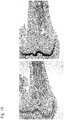
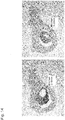
- the present inventors have now prepared a mouse overexpressing a fusion protein, which comprises Frizzled 1, Frizzled 2, or Frizzled 7 extracellular cysteine-rich domain, and Fc, and discovered based on overexpression of the fusion of a protein, which comprises the Frizzled 7 extracellular cysteine-rich domain, and Fc the following: whitening of the femur, whitening of the sternum, whitening and hardening of the cranium, whitening and hardening of the spondylus, and hardening of the costa; the increased femoral cancellous bone and the increased sternal cancellous bone via observation of H&E stained pathological sections; increased tibial bone density via X-ray photography; increases in the tibial bone volume/tissue volume, the mineral apposition rate, the mineralization surface, and the bone formation rate via bone morphometry; the increased maximum load of femur via bone strength assays; the increased bone volume/tissue volume, increased trabecular thickness, increased
- a fusion protein which comprises the Frizzled 1, Frizzled 2, or Frizzled 7 extracellular cysteine-rich domain, and Fc, as a recombinant protein.
- the present inventors have now discovered via administration of the obtained recombinant fusion protein, which comprises the Frizzled 7 extracellular cysteine-rich domain, and Fc to a mouse: whitening of the femur, whitening of the cranium, whitening of the sternum, and a tendency of thickening node; the thickened femoral diaphyseal wall via observation of H&E stained pathological sections; and increased bone volume/tissue volume in the secondary cancellous bone at the tibial metaphysis via bone morphometry.
- the present inventors have also discovered via administration of the obtained recombinant fusion protein of a protein, which comprises the Frizzled 7 extracellular cysteine-rich domain: whitening of the femur, whitening of the sternum, whitening and hardening of the cranium, hardening of the costa, and hardening of the spondylus, and Fc to an ovariectomized mouse (OVX); the thickened femoral diaphyseal wall via observation of H&E stained pathological sections; the increased cortical bone cross-sectional area of the femur via 2D micro CT; and the increased maximum load of femur via bone strength assays.
- OVX ovariectomized mouse
- the present inventors have now administered the obtained recombinant fusion protein of a protein, which comprises a minimum CRD sequence comprising the amino acid sequence from N-terminal side cysteine-1 to C-terminal side cysteine-10 in the Frizzled 7 extracellular cysteine-rich domain to a mouse.
- the present inventors have now discovered the increased maximum load of femur via bone strength assays and the increased bone volume/tissue volume, the increased trabecular thickness, the increased trabecular number, the decreased trabecular separation, and the decreased trabecular spacing of the tibia via bone structural analysis.
- the present inventors have now administered the obtained reombinant fusion protein of a protein, which comprises the Frizzled 1 extracellular cysteine-rich domain, and Fc to a mouse and observed that whitening and epiphyseal hypertrophy of the femur, whitening of the sternum, whitening and hardening of the cranium, and hardening of the costa had occurred.
- a therapeutic agent for a bone disease comprising, as an active ingredient, a protein comprising the Frizzled 1, Frizzled 2, or Frizzled 7 extracellular cysteine-rich domain or a mutant thereof can be provided as a novel therapeutic agent for a bone disease resulting from osteoporosis, arthritis, or malignant tumors.
- the present invention is defined by the claims. Specifically, the present invention includes the following features.
- the present invention can increase bone mass, bone density, and/or bone strength. Accordingly, a disease involving lowering of bone mass, bone density, and/or bone strength, such as a bone disease resulting from osteoporosis, osteoarthritis, articular rheumatism, malignant tumors, or other diseases and various bone diseases or disorders associated therewith can be treated without causing side effects.
- a disease involving lowering of bone mass, bone density, and/or bone strength such as a bone disease resulting from osteoporosis, osteoarthritis, articular rheumatism, malignant tumors, or other diseases and various bone diseases or disorders associated therewith can be treated without causing side effects.
- the present invention provides a pharmaceutical composition for treatment of a bone disease comprising, as an active ingredient, a protein which comprises an extracellular cysteine-rich domain derived from the Frizzled receptor selected from the group consisting of mammalian animal-derived Frizzled 1, Frizzled 2, and Frizzled 7 and having activity of increasing bone mass, bone density, and/or bone strength or a mutant thereof having a 85% or higher sequence identity to the amino acid sequence of said domain and having activity of increasing bone mass, bone density, and/or bone strength, or a vector comprising a nucleic acid encoding said protein.
- a protein which comprises an extracellular cysteine-rich domain derived from the Frizzled receptor selected from the group consisting of mammalian animal-derived Frizzled 1, Frizzled 2, and Frizzled 7 and having activity of increasing bone mass, bone density, and/or bone strength or a mutant thereof having a 85% or higher sequence identity to the amino acid sequence of said domain and having activity of increasing bone mass, bone density, and/or bone strength, or a
- the present invention is based on the finding of that a fragment comprising an extracellular cysteine-rich domain in the extracellular region protein of a Frizzled receptor has a function of increasing the bone mass, bone density, and/or bone strength of a mammalian animal.
- the present inventors have now prepared a mouse expressing the Frizzled extracellular cysteine-rich domain from mouse ES cells by a knock-in technique or administered a recombinant fusion protein of a protein, which comprises the Frizzled extracellular cysteine-rich domain, and Fc to a mouse.
- the present inventors have now discovered that, surprisingly, the effects of the extracellular cysteine-rich domain for increasing the bone mass, bone density, and/or bone strength were bone-specific and such effects were not influential at all or substantially not influential on other tissue or organs; i.e., no side effects were observed.
- the extracellular cysteine-rich domain of the Frizzled receptor had been considered to bind to Wnt, which is a ligand of the receptor and associated with bone morphogenesis, and inhibit the functions of the domain, as described in the "Background Art" above. Thus, such domain was not deduced to be involved in bone growth acceleration.
- the extracellular cysteine-rich domain of Frizzled 7 is reported to be particularly effective for inhibiting proliferation of tumors such as colon cancer and it has drawn attention as the target of drug discovery for cancer treatment.
- the extracellular cysteine-rich domain of a Frizzled receptor has novel useful functions of specifically and promotively increasing the bone mass, bone density, and/or bone strength.
- the pharmaceutical composition of the present invention can be used for treatment of a bone disease aimed at increasing the bone mass, bone density, and/or bone strength at a bone site.
- the Frizzled receptor of the present invention is mammalian animal-derived Frizzled 1, Frizzled 2, or Frizzled 7.
- Such receptor has particularly high identity of the extracellular cysteine-rich domain (hereafter, it is occasionally referred to as "CRD") among ten types of Frizzled receptors whose ligands are Wnt.
- CRD extracellular cysteine-rich domain
- Identity of the amino acid sequences comprising N-terminal side cysteine-1 to C-terminal side cysteine-10 between CRDs of such receptors is 93% between a CRD of Frizzled 7 and a CRD of Frizzled 2 and 91% between a CRD of Frizzled 7 and a CRD of Frizzled 1, in the case of the human- and mouse-derived sequences.
- Frizzled 7 (also referred to as "FZD7”) is isolated from, for example, human, mouse, Rhesus monkey, red junglefowl, zebrafish, or Xenopus, and sequence information is open to the public.
- the origin of the Frizzled 7 protein or a nucleic acid encoding the same is not limited, and it is preferably derived from, for example, a mammalian animal, such as a primate including a human and a rodent including mouse.
- Sequence information of human- or mouse-derived Frizzled 7 is registered under, for example, Accession Number: MM_003507.1 or NP_003498.1 in the case of human Frizzled 7, or Accession Number: NM_008057.1, NP_032083.1, NM_008057.2, NP_032083.2, NM_008057.3, or NP_032083.3 in the case of mouse Frizzled 7, with the GenBank (NCBI, U.S.A.).
- amino acid sequences of the extracellular region proteins of human and mouse Frizzled 7 are as follows.
- the underlined portion represents a sequence comprising N-terminal side cysteine-1 to C-terminal side cysteine-10, which is the minimal CRD region (SEQ ID NO: 21).
- Frizzled 1 (also referred to as "FZD1”) is isolated from, for example, human, mouse, rat, red junglefowl, or Xenopus, and sequence information is open to the public.
- the origin of the Frizzled 1 protein or a nucleic acid encoding the same is not limited, and it is preferably derived from, for example, a mammalian animal, such as a primate including a human and a rodent including mouse.
- Sequence information of human- or mouse-derived Frizzled 1 is registered under, for example, Accession Number: NM_003505.1 or NP_003496.1 in the case of human Frizzled 1, or Accession Number: NM_021457.1, NP_067432.1, NM_021457.2, NP_067432.2, or NM_021457.3 in the case of mouse FZD1, with the GenBank.
- amino acid sequences of the extracellular region proteins of human and mouse Frizzled 1 are as follows.
- the underlined portion represents a sequence spanning from the 1st cysteine residue on the N-terminal side to the 10th cystein residue on the C-terminal side, which portion is the minimal CRD region (SEQ ID NO: 24).
- the amino acid sequence of this region of a human is identical to that of a mouse.
- Frizzled 2 (also referred to as "FZD2”) is isolated from, for example, human, mouse, rat, or Xenopus, and sequence information is open to the public.
- the origin of the Frizzled 2 protein or a nucleic acid encoding the same is not limited, and it is preferably derived from, for example, a mammalian animal, such as a primate including a human and a rodent including mouse.
- Sequence information of human- or mouse-derived Frizzled 2 is registered under, for example, Accession Number: NM_001466.1, NM_001466.2, or NP_001457.1 in the case of human Frizzled 2, or Accession Number: NM_020510.1, NM_020510.2, NP_065256.1 in the case of mouse FZD2, with the GenBank.
- the underlined portion represents a sequence spanning from the 1st cysteine residue on the N-terminal side to the 10th cystein residue on the C-terminal side, which portion is the minimal CRD region (SEQ ID NO: 26).
- extracellular cysteine-rich domain refers to a protein which comprises at least an amino acid sequence spanning the 1st cysteine residue on the N-terminal side to the 10th cysteine residue in the extracellular region protein of the Frizzled receptor selected from the group consisting of mammalian animal-derived Frizzled 1, Frizzled 2, and Frizzled 7 and which is capable of increasing the bone mass, bone density and/or bone strength of a mammalian animal.
- the extracellular cysteine-rich domain may be composed of a minimum CRD sequence spanning from the 1st cysteine residue on the N-terminal side to the 10th cysteine residue in the extracellular region protein of the Frizzled receptor, or alternatively that any foreign sequence may be added to the N- and/or C-terminus of the minimum CRD sequence, provided that the resulting sequence has an ability to increase the bone mass, bone density, and/or bone strength.
- foreign sequence may refer to, for example, a sequence derived from any foreign protein unrelated to the extracellular region protein of the Frizzled receptor, an artificial sequence, or a sequence derived from a portion of the extracellular region protein of a foreign Frizzled receptor other than the minimum CRD sequence.
- the extracellular cysteine-rich domain is a protein which comprises an amino acid sequence comprising at least the amino acid sequence spanning from the 1st cysteine residue on the N-terminal side to the 10th cystein residue in the extracellular region protein of the Frizzled receptor selected from the group consisting of mammalian animal-derived Frizzled 1, Frizzled 2, and Frizzled 7 and which is capable of increasing the bone mass, bone density, and/or bone strength of a mammalian animal.
- the expression “comprising at least” as used herein means that the minimum sequence consists of the amino acid sequence spanning the 1st cystein residue on the N-terminal side to the 10th cysteine residue in the extracellular region protein of the Frizzled receptor, and a sequence derived from the extracellular region protein of the Frizzled receptor of the same species may be adequately extended and comprised at the N-terminus and/or C-terminus of the minimum sequence. Accordingly, the extracellular cysteine-rich domain can comprise any amino acid sequence spanning from the aforementioned minimum CRD sequence to the maximum CRD sequence of the extracellular region protein of the Frizzled receptor.
- examples of mammalian animals include, but are not limited to, primates, livestock animals, rodents, ungulates, and pet animals.
- Preferable mammalian animals are humans and mice. Mice are important since they have the amino acid sequence of the extracellular cysteine-rich domain (CRD); specifically, the minimum CRD sequence spanning from the 1st cystein residue on the N-terminal side to the 10th cystein residue on the C-terminal side is identical to a human-derived sequence.
- CRD extracellular cysteine-rich domain
- a preferable CRD is a protein which comprises an amino acid sequence comprising at least the amino acid sequence spanning from the 1st cystein residue on the N-terminal side to the 10th cysteine residue in the extracellular region protein of the Frizzled receptor selected from the group consisting of human- or mouse-derived Frizzled 7, Frizzled 1, and Frizzled 2 (SEQ ID NO: 21, 24, or 26) and which has an ability to increase the bone mass, bone density, and/or bone strength of a mammalian animal.
- another preferable CRD is a protein which comprises an amino acid sequence comprising at least the amino acid sequence spanning the 1 st cystein residue on the N-terminal side to the 10th cystein residue (as shown in SEQ ID NO: 21, 24, or 26) in the amino acid sequence (as shown in SEQ ID NO: 19, 20, 22, 23, or 25, resepctively) of the extracellular region protein of the Frizzled receptor selected from the group consisting of human- or mouse-derived Frizzled 7, Frizzled 1, and Frizzled 2 and which has an ability to increase the bone mass, bone density, and/or bone strength of a mammalian animal.
- an increase in "the bone mass, bone density, and/or bone strength” involves at least the increased cancellous bone, the thickened and proliferated diaphysis, or the increased maximum load, for example.
- the extracellular cysteine-rich domain of the present invention includes a mutant of the extracellular cysteine-rich domain described in the section of ⁇ Extracellular cysteine-rich domain of Frizzled receptor> above.
- Such mutant may be a naturally-occuring or artificial mutant, which comprises an amino acid sequence comprising a substitution(s), deletion(s), or addition(s) of one or more (preferably one or several) amino acids in the amino acid sequence of the extracellular cysteine-rich domain, or comprises an amino acid sequence having 80% or higher, preferably 85% or higher, and more preferably 90% or higher, such as 93% or higher, 95% or higher, 97% or higher, 98% or higher, or 99% or higher identity with the amino acid sequence of the extracellular cysteine-rich domain, and which has an ability to increase the bone mass, bone density, and/or bone strength.
- the mutant comprises an amino acid sequence comprising a substitution(s), deletion(s), or addition(s) of one or more (preferably one or several) amino acids in the amino acid sequence as shown in SEQ ID NO: 21, 24 or 26, 19, 20, 22, 23, or 25, or comprises an amino acid sequence having 80% or higher, preferably 85% or higher, and more preferably 90% or higher, such as 93% or higher, 95% or higher, 97% or higher, 98% or higher, or 99% or higher identity with the amino acid sequence as shown in SEQ ID NO: 21, 24 or 26, 19, 20, 22, 23, or 25, and the mutant has an ability to increase the bone mass, bone density, and/or bone strength.
- identity refers to a degree of coincidence between two amino acid sequences (or nucleotide sequences) that are aligned to maximize the number of identical amino acid residues (or the number of identical nucleotides). Specifically, the identity is represented by a percentage (%) of the number of identical amino acid residues (or the number of identical nucleotides) relative to the total number of amino acid residues (or the total number of nucleotides).
- Proteins having 80% or higher, and preferably 85% or higher sequence identity can be screened for by accessing, for example, the sequence databases of NCBI (U.S.A.) or EMBL (Europe) and utilizing a sequence homology search program, such as BLAST or FASTA (e.g., Altschul, S. F. et al., 1990, J. Mol. Biol. 15:403-410 ; Karlin, S. and Altschul S. F., 1990, Proc. Natl. Acad. Sci., U.S.A., 87: 2264-2268 ).
- BLAST or FASTA e.g., Altschul, S. F. et al., 1990, J. Mol. Biol. 15:403-410 ; Karlin, S. and Altschul S. F., 1990, Proc. Natl. Acad. Sci., U.S.A., 87: 2264-2268 .
- BLAST a sequence is divided into words of a fixed length, similar fragments are screened for in the word unit, such fragments are extended toward the both directions to maximize the similarity, local alignment is performed, and the aligned sequences are bound in the end to perform the final alignment.
- FASTA continuously coincide sequence fragments are screened for at a high speed, fragments exhibiting high similarity are selectively subjected to local alignment, the fragments are bound to each other in the end while gaps are taken into consideration to perform alignment.
- amino acid residues other than 10 cysteine residues in the sequence spanning the 1st cystein residue on the N-terminal side to the 10th cysteine resideu on the C-terminal side of the extracellular region protein of the Frizzled receptor be exclusively subjected to a mutation of substitution, deletion, or addition, natural disulfide bonds be not destructed, and a natural conformation be substantially maintained. If a natural disulfide bond(s) in the extracellular cysteine-rich domain is destructed and an inherent conformation is altered, the protein domain may disadvantageously lose or significantly reduce the ability of increasing the bone mass, bone density, and/or bone strength.
- a preferable mutagenesis technique is a site-directed mutagenesis utilizing PCR involving the use of primers synthesized based on the known sequence of the extracellular cysteine-rich domain (including a complementary mutant sequence) (e.g., Kunkel et al., Proc. Natl. Acad. Sci., U.S.A., 1985, 82: 488-492 ; F. M. Ausubel et al., Short Protocols in Molecular Biology, 1995, John Wiley & Sons ; J. Sambrook et al., Molecular Cloning: A Laboratory Manual, 2nd ed., 1989, Cold Spring Harbor Laboratory Press ). Since mutagenesis kits are commercially available (e.g., Takara Shuzo Co., Ltd.), mutation can be introduced with the use of such kits in accordance with the instructions.
- the method of Kunkel comprises using a plasmid containing DNA encoding the extracellular cysteine-rich domain as a template, annealing a primer having a phosphorylated 5' terminus with T4 DNA polynucleotide kinase (including a complementary mutant sequence) to the template, synthesizing DNA, ligating the terminuses with the aid of T4 DNA ligase, and purifying DNA containing mutation of interest.
- T4 DNA polynucleotide kinase including a complementary mutant sequence
- the mutation includes a substitution, a deletion, an addition, an insertion, or combinations thereof.
- Substitution may be conservative or non-conservative.
- Conservative substitution is preferable in order to substantially refrain from altering the conformation of a protein of the extracellular cysteine-rich domain.
- the term "conservative substitution” refers to substitution across amino acids having similar structural properties (e.g., a branch state or aromaticity), electric properties (e.g., acidic or basic properties), and chemical and physical properties (e.g., polar or hydrophobic properties).
- Examples of branched amino acids include valine, leucine, and isoleucine.
- aromatic amino acids include tyrosine, tryptophan, phenylalanine, and histidine.
- acidic amino acids include glutamic acid and aspartic acid.
- Examples of basic amino acids include lysine, arginine, and histidine.
- Examples of polar amino acids include serine, threonine, glutamine, asparagine, tyrosine, cysteine, glycine, and proline.
- Examples of hydrophobic amino acids include alanine, valine, leucine, isoleucine, and methionine.
- Deletion involves loss of one or a plurality of amino acid residues.
- Addition involves binding of one or a plurality of amino acid residues to the protein N- or C-terminus.
- Insertion involves binding of one or a plurality of amino acid residues to the inside of a protein. Deletion and insertion can be performed, provided that a protein conformation of the extracellular cysteine-rich domain is not substantially changed.
- the number of amino acid residues that can be subjected to deletion or insertion is preferably limited to about 1 to 5.
- an active ingredient of the pharmaceutical composition of the present invention is a protein comprising an extracellular cysteine-rich domain derived from the Frizzled receptor selected from the group consisting of mammalian animal-derived Frizzled 1, Frizzled 2, and Frizzled 7 and having activity of increasing bone mass, bone density, and/or bone strength or a mutant thereof having 85% or higher sequence identity to the amino acid sequence of such domain and having activity of increasing bone mass, bone density, and/or bone strength.
- the extracellular cysteine-rich domain or a mutant thereof may comprise a foreign peptide, polypeptide, or protein bound or fused to the N- or C-terminus of such domain or a mutant thereof via an adequate peptide linker (e.g., 1 to 20 amino acid residues), where needed.
- an adequate peptide linker e.g. 1 to 20 amino acid residues
- preferable foreign proteins include the mammalian animal-derived immunoglobulin Fc protein and a mutant thereof. Since a rejection reaction may take place upon administration of such foreign protein in an organism, it may be preferable that a protein inherent to a mammalian animal to which such protein is to be administered be used as the foreign protein, in order to avoid such rejection as much as possible.
- a preferable Fc protein is a human immunoglobulin Fc protein from the viewpoint of application thereof to a human.
- immunoglobulin classes and subclasses include, but are not limited to, IgG, IgD, IgE, IgM, IgA, IgG1, IgG2, IgG2a, IgG2b, IgG2c, IgG3, IgG4, IgA1, and IgA2.
- Use of a human immunoglobulin class and subclass is preferable if the protein is applied to a human.
- the Fc protein can improve stability of the extracellular cysteine-rich domain or a mutant thereof in vivo.
- biological activity such as antibody dependent cellular cytotoxicity (ADCC) and/or complement dependent cytotoxicity (CDC)
- ADCC antibody dependent cellular cytotoxicity
- CDC complement dependent cytotoxicity
- Such mutation is amino acid substitution of, for example, 1 to 10, preferably 1 to 5, and more preferably 1 to 3 amino acid residues in the amino acid sequence of the mammalian animal-derived Fc protein.
- Arbitrary amino acid substitution reduces ADCC and/or CDC activity.
- a specific example is substitution as described in Example 1 below.
- Fc protein is a human IgG1 Fc mutant comprising the amino acid sequence as shown in SEQ ID NO: 4.
- An Fc protein may bound to an N- or C-terminal site of the extracellular cysteine-rich domain or a mutant thereof, with the C-terminal site being preferable.
- Fc fusion protein examples include proteins comprising amino acid sequences as shown in SEQ ID NOs: 27 to 31 below.
- the underlined portion represents a protein comprising the extracellular cysteine-rich domain and the non-underlined portion represents a human IgG1 Fc mutant protein.
- the extracellular cysteine-rich domain in the amino acid sequence as shown in any of SEQ ID NOs: 27 to 31 is derived from the extracellular region protein of the Frizzled 7, Frizzled 1, or Frizzled 2 receptor, and the amino acid sequence of such domain may include mutation as described in the above ⁇ Mutant of extracellular cysteine-rich domain>, provided that it has the capacity for increasing the bone mass, bone density, and/or bone strength.
- a protein comprising the extracellular cysteine-rich domain or a mutant thereof is not always required to bind or fuse to a foreign peptide, polypeptide, or protein.
- the protein of the present invention may be a fragment of the extracellular region protein of the Frizzled 1, 2, or 7 receptor comprising the aforementioned extracellular cysteine-rich domain.
- Such fragment may include a mutation as described in the above ⁇ Mutant of extracellular cysteine-rich domain>, provided that the mutant has the capacity for increasing the bone mass, bone density, and/or bone strength.
- the protein comprising the extracellular cysteine-rich domain or a mutant thereof according to the present invention can be prepared via a gene recombination technique common in the art. Briefly, such protein preparation comprises preparing DNA encoding the protein of the present invention, constructing an expression vector comprising the DNA, transforming or transfecting prokaryotic or eukaryotic cells with the use of such vector, and recovering a target recombinant protein from the cultured cells. Protein purification can be carried out by employing common protein purification techniques, such as ammonium sulfate precipitation, organic solvent precipitation, dialysis, electrophoresis, chromatofocusing, gel filtration chromatography, ion exchange chromatography, affinity chromatography, and HPLC, in adequate combination.
- common protein purification techniques such as ammonium sulfate precipitation, organic solvent precipitation, dialysis, electrophoresis, chromatofocusing, gel filtration chromatography, ion exchange chromatography, affinity chromatography, and HPLC, in
- the protein comprising the extracellular cysteine-rich domain or a mutant thereof according to the present invention may be chemically modified.
- chemical modification techniques include, but are not limited to, glycosylation, pegylation (PEG), acetylation, amidation, and phosphorylation. Particularly preferable chemical modification techniques are glycosylation and pegylation.
- pegylation refers to binding of one or a plurality of polyethylene glycol (PEG) molecules to, for example, an amino acid residue, such as an N-terminal amino group of a protein or a ⁇ -amino group of lysine (Lys).
- PEG polyethylene glycol
- a PEG molecule is bound to a free amino group of an amino acid.
- An average molecular weight of PEG can be in the range of, but is not limited to, about 3,000 to about 50,000.
- PEG can be bound to a protein by introducing an active group, such as a carboxyl, formyl (aldehyde), N-hydroxysuccinimide ester, amino, thiol, or maleimide group, to a terminus of PEG and allowing such group to react with a group of a protein, such as an amino, carboxyl, thiol, or hydroxyl group.
- an active group such as a carboxyl, formyl (aldehyde), N-hydroxysuccinimide ester, amino, thiol, or maleimide group
- glycosylation refers to binding of a carbohydrate chain (i.e., a sugar chain) to an asparagine, serine, or threonine residue of a protein.
- glycosylation takes place upon recognition of an Asn-X-Thr/Ser sequence (wherein X represents an amino acid residue other than Pro).
- Asn-X-Thr/Ser sequence wherein X represents an amino acid residue other than Pro.
- a nucleic acid encoding a recombinant protein is expressed in an eukaryotic cell (e.g., an yeast, animal, or plant cell) via genetic recombination to cause glycosylation of a recombinant protein.
- an eukaryotic cell e.g., an yeast, animal, or plant cell
- a sugar chain structure is not particularly limited, and it is considered to differ depending on a type of a cell selected for expression.
- a human-derived cell an yeast cell capable of synthesizing a human sugar chain, a Chinese hamster ovary (CHO) cell, or the like can be used.
- acetylation or amidation be mainly carried out at the protein Nor C-terminus.
- Such reaction can be carried out with the use of, for example, an alcohol, such as aliphatic alcohol or fatty acid, or a carboxylic acid.
- the number of carbon atoms in the alkyl moiety is, for example, about 1 to 20; however, conditions in terms of water-solubility and avirulence need to be satisfied.
- An example of an active ingredient of the composition of the present invention is a vector comprising a nucleic acid encoding a protein comprising the extracellular cysteine-rich domain or a mutant thereof.
- nucleic acid refers to both DNA and RNA, wherein DNA encompasses genomic DNA and cDNA, and RNA encompasses mRNA.
- the extracellular cysteine-rich domain, the mutant thereof, and the protein comprising the same, including the fusion protein with the Fc protein, are as described in the above sections ⁇ Extracellular cysteine-rich domain of Frizzled receptor>, ⁇ Mutant of extracellular cysteine-rich domain>, and ⁇ Protein comprising an extracellular cysteine-rich domain or a mutant thereof>, and all descriptions made in such sections are employed herein. Accordingly, the term "nucleic acid" used in the present invention encompasses the nucleic acid encoding a protein comprising the extracellular cysteine-rich domain or a mutant thereof specifically described above.
- nucleic acids include nucleic acids encoding amino acid sequences comprising at least CRD minimal sequences comprising amino acid sequences composed of a region from N-terminal side cysteine-1 to C-terminal side cysteine-10 (SEQ ID NOs: 21, 24, and 26) derived from the amino acid sequences comprising the extracellular region protein of mouse Frizzled 7, Frizzled 1, and Frizzled 2 (SEQ ID NOs: 20, 23, and 25) and the extracellular region protein of human Frizzled 7, Frizzled 1, and Frizzled 2 (SEQ ID NOs: 19, 22, and 25).
- nucleotide sequence encoding a signal sequence be further included.
- signal sequences include a signal sequence derived from a Frizzled receptor protein, a signal sequence derived from human CD33, a signal sequence derived from human serum albumin, and a signal sequence derived from human preprotrypsin.
- nucleotide sequences encoding protein precursors of the extracellular domains of mouse- and human-derived Frizzled 7, Frizzled 1, and Frizzled 2 are provided below.
- Underlined portions indicate nucleotide sequences encoding signal sequences and non-underlined portions indicate nucleotide sequences encoding mature sequences of extracellular region proteins.
- nucleic acid used in the present invention encompasses a nucleic acid encoding a fusion protein of a protein comprising the extracellular cysteine-rich domain of the Frizzled receptor or a mutant thereof and the foreign protein defined above.
- a preferable example of the foreign protein is a mammalian animal-derived immunoglobulin Fc protein, with a human Fc protein being particularly preferable. It is preferable that such foreign protein be introduced so as to reduce or lose biological activity (ADCC and CDC in particular).
- An example of a nucleotide sequence encoding a mutant human IgG1-derived Fc protein is shown in SEQ ID NO: 3.
- nucleotide sequences encoding fusion proteins of the mutant human IgG1-derived Fc proteins underlined portions
- proteins comprising the extracellular cysteine-rich domains of the mouse- or human-derived Frizzled 7, 1, and 2 receptors are shown below.
- nucleotide sequences encoding amino acid sequences of the cysteine rich domains (CRDs) spanning from the 1st cysteine residue on the N-terminal side to the 10th cysteine residue of the mouse- and human-derived Frizzled 7, Frizzled 1, and Frizzled 2 extracellular region proteins are shown below.
- nucleotide sequences encoding the fusion proteins described above further include nucleotide sequences encoding signal sequences.
- signal sequences include human protein-derived signal sequences, such as human Frizzled 1, 2, and 7-derived signal sequences, human CD33-derived signal sequences, human serum albumin-derived signal sequences, and human preprotrypsin-derived signal sequences.
- Homologs of nucleic acids encoding the proteins can be obtained from cDNA libraries prepared from cells or tissues that are known to express genes derived from mammalian animals other than humans and mice via well-known techniques involving the use of primers or probes prepared based on cDNAs synthesized from mRNAs encoding the human- and mouse-derived Frizzled 7, 1, and 2 genes. Examples of such techniques include PCR and hybridization (e.g., Southern or Northern hybridization).
- PCR stands for a polymerase chain reaction, which involves about 25 to 40 cycles of a reaction cycle comprising a denaturing process for dessociating double-stranded DNA into single-stranded DNA (about 94°C to 96°C for about 30 seconds to 1 minute), an annealing process for binding a primer to template single-stranded DNA (about 55°C to 68°C for about 30 seconds to 1 minute), and an extension process for extending a DNA strand (about 72°C for about 30 seconds to 1 minute).
- a pre-heating process can be carried out at about 94°C to 95°C for about 5 to 12 minutes prior to the denaturing process and another extension reaction can be carried out at 72°C for about 7 to 15 minutes after the final cycle of the extension process.
- PCR is carried out using a commercially available thermal cycler in a PCR buffer containing, for example, thermostable DNA polymerase (e.g., AmpliTaq Gold® (Applied Biosystems)), MgCl 2 , and dNTP (e.g., dATP, dGTP, dCTP, or dTTP) in the presence of sense and antisense primers (size: about 17 to 30 bases, preferably 20 to 25 bases) and template DNA.
- Amplified DNA can be separated and purified via agarose gel electrophoresis (ethidium bromide staining).
- Hybridization is a technique comprising forming a double strand with an about 20 to 100 bases or longer label probe and detecting a target nucleic acid.
- hybridization can be generally carried out under stringent conditions. Under stringent conditions, for example, hybridiztion is carried out in the presence of about 1 to 5 x SSC at room temperature to about 40°C, and washing is then carried out in the presence of about 0.1 to 1 x SSC and 0.1% SDS at about 45°C to 65°C.
- the term "1 x SSC” used herein refers to a solution comprising 150 mM NaCl and 15 mM Na-citrate (pH 7.0). Under such conditions, nucleic acids having sequence identity of 80% or higher, and preferably 85% or higher, can be detected.
- the nucleic acid is inserted into a vector, and the resulting vector is used for the production of a protein as an active ingredient of the pharmaceutical composition of the present invention, or such vector is formulated into and used for a pharmaceutical composition.
- vectors include plasmid, phage, and virus vectors.
- plasmid vectors include, but are not limited to, E . coli -derived plasmid (e.g., pRSET, pTZ19R, pBR322, pBR325, pUC118, and pUC119), Bacillus subtilis -derived plasmid (e.g., pUB110 and pTP5), yeast-derived plasmid (e.g., YEp13, YEp24, and YCp50), and Ti plasmid vectors.
- An example of a phage vector is a ⁇ phage vector.
- virus vectors include animal virus vectors, such as retrovirus, vaccinia virus, lentivirus, adenovirus, and adeno-associated virus vectors, and insect virus vectors, such as a baculovirus vector.
- a vector may comprise a polylinker or multicloning site to incorporate target DNA, and it can comprise several control elements to express target DNA.
- control elements include promoters, enhancers, poly A addition signals, replication origins, selection markers, ribosome binding sequences, and terminators.
- selection markers include drug-resistant genes (e.g., neomycin-resistant genes, ampicillin-resistant genes, kanamycin-resistant genes, and puromycin-resistant genes) and auxotrophic complementary genes (e.g., dihydrofolate reductase (DHFR) genes, HIS3 genes, LEU2 genes, and URA3 genes).
- drug-resistant genes e.g., neomycin-resistant genes, ampicillin-resistant genes, kanamycin-resistant genes, and puromycin-resistant genes
- auxotrophic complementary genes e.g., dihydrofolate reductase (DHFR) genes, HIS3 genes, LEU2 genes, and URA3 genes.
- DHFR dihydrofolate reductase
- host cells include, but are not limited to: bacteria of the genus Escherichia such as E. coli, the genus Bacillus such as Bacillus subtilis, and the genus Pseudomonas such as Pseudomonas putida ; yeast of the genus Saccharomyces such as Saccharomyces cerevisae and Schizosaccharomydces pombe, the genus Candida, and the genus Pichia ; animal cells, such as CHO, COS, HEK293, NIH3T3, and NS0; insect cells, such as Sf9 and Sf21; and plant cells.
- promoters include trp promoters, lac promoters, and P L or P R promoters.
- promoters include gall promoters, gal10 promoters, heat shock protein promoters, MF ⁇ 1 promoters, PHO5 promoters, PGK promoters, GAP promoters, ADH promoters, and AOX1 promoters.
- promoters include SR ⁇ promoters, SV40 promoters, LTR promoters, CMV promoters, human CMV early gene promoters, adenovirus late promoters, vaccinia virus 7.5K promoters, metallothionein promoters, and polyhedral promoters.
- promoters include CaMV promoters and TMV promoters.
- transformation or transfection techniques include electroporation, the spheroplast method, the lithium acetate method, the calcium phosphate method, the agrobacterium method, the virus infection method, the liposome method, microinjection, the gene gun method, and lipofection method.
- the transformed host cells are cultured under the conditions that are suitable for types of bacteria, yeast, animal cells, or plant cells, and target proteins are recovered from the cells or the culture solution.
- Microorganisms are cultured with the use of a medium containing carbon sources, nitrogen sources, inorganic salts, and the like assimilable by microorganisms.
- carbon sources that can be used include carbohydrates, such as glucose, fructose, sucrose, and starch, organic acids, such as acetic acid and propionic acid, and alcohols, such as ethanol and propanol.
- nitrogen sources that can be used include ammonium salts of inorganic acids or organic acids, such as ammonia, ammonium chloride, ammonium sulfate, ammonium acetate, and ammonium phosphate, peptone, meat extract, and corn steep liquor.
- inorganic substances examples include monopotassium phosphate, dipotassium phosphate, magnesium phosphate, magnesium sulfate, sodium chloride, ferrous sulfate, manganese sulfate, copper sulfate, and calcium carbonate.
- Animal cell culture involves the use of a medium prepared by adding fetal calf serum (FCS) or the like to a basal medium such as DMEM or RPMI 1640 medium.
- FCS fetal calf serum
- target proteins can be recovered via common protein purification techniques, such as ammonium sulfate precipitation, organic solvent precipitation, dialysis, electrophoresis, chromatofocusing, gel filtration chromatography, ion exchange chromatography, affinity chromatography, or HPLC.
- common protein purification techniques such as ammonium sulfate precipitation, organic solvent precipitation, dialysis, electrophoresis, chromatofocusing, gel filtration chromatography, ion exchange chromatography, affinity chromatography, or HPLC.
- a vector that is not incorporated into the subject's genome and is a virus or non-virus vector capable of infecting cells but is unreplicable is preferable.
- examples of such vector include an adeno-associated virus vector and an adenovirus vector.
- Such vector can contain a promoter, an enhancer, a polyadenylation site, a selection marker, and a reporter gene.
- virus vectors include vectors described in J. Virol. 67:5911-5921, 1993 , Human Gene Therapy 5: 717-729, 1994 , Gene Therapy 1: 51-58, 1994 , Human Gene Therapy 5: 793-801, 1994 , and Gene Therapy 1:165-169, 1994 and modified vectors thereof.
- non-virus vectors include human artificial chromosome vectors that are composed of a chromosome fragment comprising human chromosome-derived centromere and telomere.
- human chromosome fragments include, but are not particularly limited to, a human chromosome 14 fragment and a human chromosome 21 fragment (e.g., JP Patent Publication (saihyo) No. 2004-031385 A and JP Patent Publication (kokai) No. 2007-295860 A ).
- the nucleic acid defined above is inserted into the vector and the resulting vector is administered to the bone of the subject.
- the vector is introduced into the bone tissue or cell sampled from the subject and the resultant is then returned to the bone of the subject.
- the vector can be administered to the subject.
- the present invention further provides a composition for treating a bone disease comprising, as an active ingredient, a protein comprising the extracellular cysteine-rich domain of the Frizzled 1, Frizzled 2, or Frizzled 7 receptor or a mutant thereof, or a vector comprising a nucleic acid encoding the protein.
- the present invention also provides a method for treating a bone disease comprising administering such composition to a mammalian animal.
- the bone disease refers to a disease that involves lowering of bone mass, bone density, and/or bone strength.
- the bone disease include osteoporosis, osteoarthritis, articular rheumatism, malignant tumors [e.g., osteoclastoma, osteosarcoma, and multiple myeloma (wherein the following is known with respect to multiple myeloma: Bone pain resulting from multiple myeloma often occurs in the spinal cord and in the costa and it is occasionally worsened by exercise. If the pain is persistent at the same region, pathologic fracture may have occurred. When a lesion exists on the spine, spinal cord compression may occur.
- IL-6 is released by the multiplied tumor cells.
- IL-6 is also known as a factor that activates osteoclasts (OAF: osteoclast activating factor), and osteoclasts activated by IL-6 absorb and destroy the bone. If the bone invaded with multiple myeloma is radiographed, accordingly, the bone seems to have holes (i.e., "punched-out" resorptive lesions).
- bone destruction leads to an elevated blood calcium level, which causes hypercalcemia and various symptoms resulting therefrom)], bone diseases resulting from hypercalcemia, Paget's disease of bone, osteopetrosis, Camurati-engelmann's disease, arthropathy, primary hyperthyreosis, osteopenia, osteoporosis, osteohalisteresis, rachitis, traumatic bone fracture, or fatigue bone fracture, and various bone diseases or disorders associated therewith.
- Osteoporosis encompasses primary osteoporosis and secondary osteoporosis.
- Examples of primary osteoporosis include postmenopausal osteoporosis and senile osteoporosis, and examples of causal diseases of secondary osteoporosis include endocrine diseases (e.g., hyperparathyreosis, hyperthyreosis, hypogonadism, Cushing's syndrome, somatotropin deficiency, diabetes, Addison's disease, and calcitonin deficiency), nutritional/metabolic diseases [e.g., chronic degenerative diseases, emaciation, serious liver diseases (primary biliary cirrhosis, in particular), gastric resection, scorbutus, malabsorption syndrome (including celiac disease), hypophosphatemia, chronic renal disease, hypercalciuria, hemochromatosis, amyloidosis, mast cell tumor, ingestion of excess sodium, insufficient calcium intake, and hypervitaminosis D and A], inflammatory diseases [e.g., articular rheumatism, periarticular bone
- Bone loss is a serious side effect of such treatment techniques
- methotrexate heparin, warfarin, anticonvulsant agent, lithium, and tamoxifen
- blood diseases e.g., multiple myeloma, lymphoma, leukaemia, hemophilia, and chronic hemolytic disease
- congenital diseases e.g., dysosteogenesis, Marfan's syndrome, Kleinfelter's syndrome, congenital erythropoetic porphyria, and cystic fibrosis
- diseases resulting from other diseases e.g., a chronic obstructive lung disease, hepatic failure, renal disease, articular rheumatism, pregnancy, hyperoxemia, and HIV infection].
- bone disease also refers to a bone disease caused via selective inhibition of a mineralization process, and an example thereof is rachitis.
- the composition of the present invention When the composition of the present invention is administered to a mammalian animal with a bone disease, preferably a mammalian animal with a disease involving lowering of bone mass, bone density, and/or bone strength, the composition specifically acts on the bone site to increase bone mass, bone density, and/or bone strength, which at least enables increase in the cancellous bone and thickning and proliferation of the diaphysis. Since the composition of the present invention is bone-specific, advantageously, it would develp no or substantially no side effects in other tissue.
- the dosage form of the composition of the present invention is not limited, and it can be an oral or parenteral preparation.
- the preparation may comprise other therapeutic agents for bone diseases, in addition to the active ingredients of the present invention.
- therapeutic agents include, but are not limited to, calcium preparations (e.g., calcium L-aspartate, calcium gluconate, and calcium lactate), active vitamin D 3 preparations (e.g., alfacalcidol and calcitriol), female hormone preparations (e.g., estriol and conjugated estrogen), calcitonin preparations (e.g., salmon calcitonin and elcatonin), vitamin K preparations (e.g., menatetrenone), bisphosphonate preparations (e.g., disodium etidronate, alendronate sodium hydrate, and sodium risedronate hydrate), selective estrogen receptor modulators (e.g, raloxifene hydrochloride), ipriflavone, and
- the other therapeutic agents can be administered in combination with the composition of the present invention simultaneously or continuously to a mammalian animal in accordance with the therapeutic regimen made by the primary doctor.
- the term "continuously” used herein refers that the other therapeutic agent may be administered after the composition of the present invention is administered or the composition of the present invention may be administered after the other therapeutic agent is administered. That is, the timings of administration for such agents are separated.
- the term “simultaneously” refers that the composition of the present invention is administered simultaneously with the other therapeutic agent. In such a case, the other therapeutic agent may be incorporated into the composition of the present invention to constitute a single preparation.
- a preferable form is a parenteral preparation and examples thereof include, but are not limited to, a preparation for intravenous administration, a preparation for intramuscular administration, a preparation for intraperitoneal administration, a preparation for subcutaneous administration, and a preparation for local administration.
- Local administration includes direct administration to an injured, fractured, or damaged bone, such as the lesion, including the cranial bone, the femur, the sternum, the spondylus, and the costa.
- the preparation may be administered in the form of a preparation for transplantation prepared by incorporating an active ingredient into an artificial bone component, such as hydroxyapatite.
- preparations for parenteral administrations include injection preparations, drops, suppositories, percutaneous absorbent preparations, liposomes, and nanoparticle-encapsulated preparations.
- oral preparations include tablets, pills, granules, capsules, powders, solutions, suspensions, controlled-release preparations, and enteric coated preparations.
- the composition can contain pharmaceutically acceptable excipients, carriers such as diluents, and additives.
- Examples of carriers include physiological saline, glycerol, ethanol, almond oil, vegetable oil, sucrose, starch, and lactose.
- additives include binders (e.g., pregelatinized corn starch, hydroxypropyl methylcellulose, and polyvinyl pyrrolidone), lubricants (e.g., magnesium stearate, talc, and silica), dispersants (e.g., polyvinyl pyrrolidone and corn starch), suspensions (e.g., talc and gum Arabic), emulsifiers (e.g., lecithin and gum Arabic), disintegrators (e.g., potato starch, sodium starch glycolate, and crospovidone), buffers (e.g., phosphate, acetate, citrate, and Tris salt), antioxidants (e.g., ascorbic acid and tocopherol), preservatives (e.g., sorbic acid, methyl p-hydroxybenzoate, and propyl p-hydroxybenzoate), isotonic agents (e.g., sodium chloride), and stabilizers (e.g.
- Enteric preparations can include, for example, a polymer(s) such as hydroxypropyl methylcellulose phthalate, a copolymer of methacrylic acid-methyl methacrylate, a copolymer of methacrylic acid-ethyl acrylate, and hydroxypropyl acetate succinate.
- a polymer(s) such as hydroxypropyl methylcellulose phthalate, a copolymer of methacrylic acid-methyl methacrylate, a copolymer of methacrylic acid-ethyl acrylate, and hydroxypropyl acetate succinate.
- the dose of the pharmaceutical preparation should be adequately determined in accordance with the age, sex, body weight, and symptoms of the patient, the administration route, and other conditions. For example, it is from about 0.1 ⁇ g/kg to 100 mg/kg per day per adult, and preferably from about 1 ⁇ g/kg to 10 mg/kg, although the dose is not limited to such range.
- the pharmaceutical preparation may be administered daily during treatment, and it may be administered at intervals of several days, two weeks, or one month.
- Another active ingredient of the present invention is a vector comprising a nucleic acid encoding an extracellular cysteine-rich domain of the Frizzled 7, Frizzled 1, or Frizzled 2 receptor or a mutant thereof.
- the vector can be administered in the same manner as in the case of a technique or procedure employed for gene therapy.
- the vector may be directly administered to a subject (i.e., by the in vivo method).
- the vector may be introduced into a cell sampled from a subject, a transformed cell expressing the target Frizzled extracellular cysteine-rich domain may be selected, and the selected cell may then be administered to a subject (i.e., by the ex vivo method).
- Examples of gene delivery means that can be employed for administering a vector to a target tissue or cell include a colloidal dispersion system, a liposome-induced system, and an artificial viral envelope.
- Examples of delivery means that can be employed include a macromolecule complex, nanocapsules, microspheres, beads, oil-in-water emulsions, micells, mixed micells, and liposomes.
- Direct vector administration can be carried out via, for example, intravenous injection (including drops), intramuscular injection, intraperitoneal injection, or subcutaneous injection.
- a vector can be introduced into a cell (i.e., transformation) via a general gene introduction technique, such as the calcium phosphate method, the DEAE-dextran method, electroporation, or lipofection.
- the amount of the vector or transformant used varies depending on the administration route, the administration frequency, and a subject type. Such amount can be adequately determined in accordance with a technique common in the art.
- the present invention was discovered through a B-cell-specific expression knock-in chimeric mouse used for analyzing the in vivo functions of the extracellular cysteine-rich domain of the Frizzled 7, Frizzled 1, or Frizzled 2 receptor and a method for producing the same.
- a knock-in chimeric mouse expressing a Frizzled 7, Frizzled 1, or Frizzled 2 extracellular cysteine-rich domain preferably a knock-in chimeric mouse expressing a fusion protein of a Frizzled 7, Frizzled 1, or Frizzled 2 extracellular cysteine-rich domain and Fc
- an established technique for example, WO 2006/78072 .
- a secretory signal sequence of Frizzled 7, Frizzled 1, or Frizzled 2 is substituted with the secretory signal sequence of the mouse Ig ⁇ gene.
- a knock-in chimeric mouse expressing a human or mouse Frizzled 7, Frizzled 1, or Frizzled 2 extracellular cysteine-rich domain or a fusion protein of a human or mouse Frizzled 7, Frizzled 1, or Frizzled 2 extracellular cysteine-rich domain and hFcm, and a control chimeric mouse prepared with the use of ES cells into which a foreign cDNA expression unit has not been inserted or only the hFcm expression unit has been exclusively inserted can be subjected to, for example, pathologic analysis of tissue, immunohistochemical analysis, biochemical examination of serum samples, or assay of blood cell components to identify changes resulting from the expression of the Frizzled 7, Frizzled 1, or Frizzled 2 extracellular cysteine-rich domain.
- Example 2 (2-1) whitening of the femur, whitening of the sternum, whitening and hardening of the cranium, whitening and hardening of the spondylus, and hardening of the costa were more significantly observed in Example 2 (2-1) as phenotypes specific for a knock-in chimeric mouse expressing a mouse Frizzled 7 extracellular cysteine-rich domain compared with the control chimeric mouse.
- the increased femoral cancellous bone and the increased sternal cancellous bone were observed via observation of hematoxylin-eosin (H&E)-stained pathological sections in Example 2 (2-2).
- the increased tibial bone density was observed via X-ray photography of the tibia in Example 2 (2-3).
- the increased tibial bone volume/tissue volume was observed in Example 13 (13-2-2).
- the increased mineral apposition rate, the increased mineralization surface, and the increased bone formation rate of the tibia were observed in Example 13 (13-2-4).
- the increased maximum load of femur was observed in Example 13 (13-3).
- the increased bone volume/tissue volume, the increased trabecular thickness, the increased trabecular number, the decreased trabecular separation, and the decreased trabecular spacing in the cancellous bone region of the proximal tibial metaphysis were observed in Example 13 (13-4).
- Example 14 whitening of the femur, whitening of the sternum, whitening and hardening of the cranium, and hardening of the costa were more significantly observed in Example 14 (14-2) and (14-5) as phenotypes specific for a knock-in chimeric mouse expressing a human Frizzled 7 extracellular cysteine-rich domain compared with the control chimeric mouse.
- the increased maximum load of femur was observed in Example 14 (14-3).
- the increased bone volume/tissue volume, the increased trabecular thickness, the increased trabecular number, the decreased trabecular separation, and the decreased trabecular spacing in the cancellous bone region of the distal femoral metaphysis were observed in Example 14 (14-4).
- Example 14 (14-6), the increased femoral cancellous bone, the thickened femoral diaphyseal wall, and the increased sternal cancellous bone were observed via observation of H&E stained pathological sections.
- Example 5 and 16 whitening of the femur, whitening of the sternum, whitening and hardening of the cranium, hardening of the spondylus, and hardening of the costa were observed in Example 5 (5-1) as phenotypes specific for a knock-in chimeric mouse expressing a Frizzled 1 extracellular cysteine-rich domain.
- the increased tibial bone density was observed via X-ray photography of the tibia in Example 5 (5-2).
- Example 16 The thickened femoral diaphyseal wall, the increased femoral cancellous bone, and the increased sternal cancellous bone were observed via observation of H&E stained pathological sections in Example 5 (5-4).
- the increased tibial bone volume/tissue volume was observed in Example 16 (16-2-2).
- the increases in a mineral apposition rate, a mineralization surface, and a bone formation rate of the tibia were observed in Example 16 (16-2-4).
- the increased maximum load of femur was observed in Example 16 (16-3).
- Example 16 The increased bone volume/tissue volume, the increased trabecular thickness, the increased trabecular number, the decreased trabecular separation, and the decreased trabecular spacing in the cancellous bone region of the distal femoral metaphysis were observed in Example 16 (16-4).
- Example 10 and 19 whitening of the femur, whitening of the sternum, whitening and hardening of the cranium, hardening of the spondylus, and hardening of the costa were observed in Example 10 (10-1) as phenotypes specific for a knock-in chimeric mouse expressing a Frizzled 2 extracellular cysteine-rich domain.
- Example 19 The thickened femoral diaphyseal wall was observed via observation of H&E stained pathological sections in Example 10 (10-2).
- the increased tibial bone volume/tissue volume was observed in Example 19 (19-4-2).
- the increased mineral apposition rate, the increased mineralization surface, and the increased bone formation rate of the tibia were observed in Example 19 (19-4-4).
- the decreased osteoclast number and the decreased osteoclast surface were observed in Example 19-4-5.
- the increased maximum load of femur was observed in Example 19 (19-5).
- a knock-in chimeric mouse expressing a Frizzled 7, Frizzled 1, or Frizzled 2 extracellular cysteine-rich domain or a fusion protein of the Frizzled 7, Frizzled 1, or Frizzled 2 extracellular cysteine-rich domain and hFcm can be prepared in accordance with an established method (for example, WO 2006/78072 ).
- nucleic acid inserted in the knock-in ES cell-derived cells i.e., the Frizzled 7, Frizzled 1, or Frizzled 2 extracellular cysteine-rich domain or a fusion protein of the Frizzled 7, Frizzled 1, or Frizzled 2 extracellular cysteine-rich domain and hFcm
- RT-PCR involving the use of RNA derived from the cell of interest
- Northern blotting enzyme-linked immunosorbent assay (ELISA) using an antibody against the Frizzled 7, Frizzled 1, or Frizzled 2 extracellular cysteine-rich domain or hFcm, or Western blotting.
- ELISA enzyme-linked immunosorbent assay
- Frizzled 7, Frizzled 1, or Frizzled 2 is denoted by FZD7, FZD1, or FZD2, respectively.
- a pUSmFZD7crd-hFcm KI vector was prepared from mouse FZD7-cDNA (a 1,719-bp sequence comprising a region from an initiation codon to a termination codon, SEQ ID NO: 1) and human IgG1 Fc mutant-cDNA (a 702-bp sequence comprising a region from a linker sequence to a termination codon inserted to bind to the FZD7 extracellular cysteine-rich domain, SEQ ID NO: 3).
- the mouse FZD7 signal sequence, a CRD (the c ystein- r ich- d omain), and a region located downstream of a CRD comprising the 7-transmembrane domain in SEQ ID NO: 1 are marked by a single underline, a solid box, and a double underline, respectively, based on the information regarding the GenBank Accession Numbers: NM_008057.2 and NP_032083.2.
- SEQ ID NO: 1 The amino acid sequence encoded by SEQ ID NO: 1 (572 amino acids, SEQ ID NO: 2) is shown below.
- SEQ ID NOs: 3 and 4 show the cDNA sequence and the amino acid sequence of the human IgG1-derived Fc mutant (hFcm).
- a cDNA region and the amino acid sequence region (amino acids from the N-terminus before and after mutation, L ⁇ A, L ⁇ E, G ⁇ A) with lowered ADCC activity mutated based on known information ( Tawara, T., et al., J. Immunology, 180, 2294-2298, 2008 ; Gross, J.
- the 116th residue from the N-terminus of the sequence as shown in SEQ ID NO: 4 can be mutated from A to S in order to decrease the CDC activity, based on known information ( Gross, J. A., et al., Immunity, 15, 289-302, 2001 ).
- SEQ ID NO: 3 The amino acid sequence encoded by SEQ ID NO: 3 (233 amino acids, SEQ ID NO: 4) is shown below.
- a polynucleotide sequence comprising a region from the initiation codon to the termination codon of the pUSmFZD7crd-hFcm KI vector expression unit (SEQ ID NO: 5; a 1,462-bp sequence comprising a mouse Ig ⁇ signal sequence containing an intron region substituted with the mouse FZD7 signal sequence (a region marked by a single underline) and a mouse FZD7crd-hFcm sequence downstream thereof.
- a region marked by a solid box represents a mouse Frizzled 7 extracellular cysteine-rich domain
- a region marked by a double underline represents hFcm
- the amino acid sequence encoded by the cDNA SEQ ID NO: 6; a sequence composed of 406 amino acids; a region marked by a single underline represents a mouse Ig ⁇ signal sequence, a region marked by a solid box represents a mouse Frizzled 7 extracellular cysteine-rich domain, and a region marked by a double underline represents hFcm
- Control chimeric mice used in Examples 2, 13, 14, 16, 17, and 19 below were prepared in accordance with the method described in the examples of WO 2006/78072 .
- mice prepared in Example 1 were subjected to necropsy at age of 16 weeks, and the spleen, the liver, the kidney, the adrenal gland, the stomach, the small intestine, the appendix, the large intestine, the pancreas, the mesenteric lymph node, the female/male reproductive organ, the thymic gland, the lung, the heart, the brain, the muscle, the skin, the femur, the sternum, the cranium, the spondylus, and the costa were observed.
- whitening of the femur, whitening of the sternum, whitening and hardening of the cranium, whitening and hardening of the spondylus, and hardening of the costa may have been induced by overexpression of the mouse FZD7 extracellular cysteine-rich domain-human Fc mutant fusion constructs.
- the fusion protein of the mouse FZD7 extracellular cysteine-rich domain and the human Fc mutant existing in the blood sera of 16-week-old USmFZD7crd-hFcm KI chimeric mice (14 female mice and 6 male mice) was detected via ELISA.
- a test sample or a control sample (Recombinant Mouse Frizzled-7/Fc Chimera, R & D Systems, Product Number: 198-FZ) was applied to a 96-well plate (Maxi Soap, Corning) on which anti-Human IgG ( ⁇ -Chain Specific, SIGMA, Product Number: 13382) has been immobilized, incubation was carried out at room temperature for 30 minutes, the plate was washed three times with T-PBS(-), peroxidase-labelled antibodies (anti-Human IgG (Fc fragment) peroxidase conjugates developed in goat, Product Number: A0170, SIGMA) were added, and incubation was then carried out at room temperature for 30 minutes.
- the plate was washed four times with T-PBS(-), a color was developed using a Sumilon peroxidase color-developing kit (Product Number: ML-1120T, Sumitomo Bakelite Co. Ltd.), and the absorbance at 450 nm was assayed to determine the concentration in the serum.
- a Sumilon peroxidase color-developing kit Product Number: ML-1120T, Sumitomo Bakelite Co. Ltd.
- the average concentration among 14 female mice was 201.7 ⁇ g/ml, that among 6 male mice was 168.4 ⁇ g/ml, and the concentrations assayed with the use of the serum samples obtained from 5 female control mice and a male control mouse were lower than the detection limit.
- Serum samples obtained from 16-week-old USmFZD7crd-hFcm KI chimeric mice and control chimeric mice were subjected to Western analysis using human IgG-recognizing rabbit polyclonal antibodies.
- samples used for Western analysis 50 ⁇ l of serum samples were applied to Protein G columns (resin volume: about 100 ⁇ l, GE Healthcare) in advance, nonspecific adsorbates were removed, and 1.25 ⁇ l of serum samples and 2.5 ⁇ l equivalent of resin were used as samples to be analyzed.
- a main band specific for the USmFZD7crd-hFcm KI chimeric mice was detected at around 60 kDa under reducing conditions ( Fig. 5 ).
- the molecular weight determined via this analysis was larger than that deduced based only on the amino acid sequence (42.8 kDa under reducing conditions); however, the fusion protein of interest comprised 3 each of N-linked and O-linked glycosylation prediction sites, which indicates an increased molecular weight via glycosylation.
- a pUShFZD7crd-hFcm KI vector was prepared from human FZD7-cDNA (SEQ ID NO: 7) and human IgG1 Fc mutant-cDNA (SEQ ID NO: 3) in accordance with the method described in Example 1.
- the human FZD7 signal sequence, CRD, and a region located downstream of a CRD comprising the 7-transmembrane domain in SEQ ID NO: 7 are marked by a single underline, a solid box, and a double underline, respectively, based on the information regarding the GenBank Accession Numbers: NM_003507.1 and NP_003498.1.
- SEQ ID NO: 7 The amino acid sequence encoded by SEQ ID NO: 7 (574 amino acids, SEQ ID NO: 8) is shown below.
- a polynucleotide sequence comprising a region from the initiation codon to the termination codon of the pUShFZD7crd-hFcm KI vector expression unit (SEQ ID NO: 9; a 1,462-bp sequence comprising a mouse Ig ⁇ signal sequence containing an intron region (a region marked by a single underline) substituted with the human FZD7 signal sequence and the human FZD7crd-hFcm sequence located downstream thereof; wherein the region marked by a solid box represents the human Frizzled 7 extracellular cysteine-rich domain and the region marked by a double underline represents hFcm) and the amino acid sequence encoded by the cDNA (SEQ ID NO: 10; a sequence comprising 406 amino acids; wherein the region marked by a single underline represents the mouse Ig ⁇ signal sequence, the region marked by a solid box represents the human Frizzled 7 extracellular cysteine-rich domain, and the region marked by a double underline represents hFcm
- the UShFZD7crd-hFcm KI chimeric mice expressing a fusion protein of the human Frizzled 7 extracellular cysteine-rich domain and human Fcm in a B-cell-specific manner are prepared with the use of the pUShFZD7crd-hFcm KI vector in accordance with the method described in the examples of WO 2006/78072 .
- Control chimeric mice into which no foreign cDNA expression unit has been inserted are prepared in accordance with the method described in the examples of WO 2006/78072 .
- a pUSmFZD1crd-hFcm KI vector was prepared from mouse FZD1-cDNA (a 1,929-bp sequence comprising a region from an initiation codon to a termination codon; SEQ ID NO: 11) and human IgG1 Fc mutant-cDNA (SEQ ID NO: 3) in accordance with the method described in Example 1.
- the mouse FZD1 signal sequence, a CRD (the cystein-rich-domain), and a region located downstream of a CRD comprising the 7-transmembrane domain in SEQ ID NO: 11 are marked by a single underline, a solid box, and a double underline, respectively, based on the information regarding the GenBank Accession Numbers: NM_021457.2 and NP_067432.2.
- SEQ ID NO: 11 The amino acid sequence encoded by SEQ ID NO: 11 (642 amino acids, SEQ ID NO: 12) is shown below.
- a polynucleotide sequence comprising a region from the initiation codon to the termination codon of the pUSmFZD1crd-hFcm KI vector expression unit (SEQ ID NO: 13; a 1,534-bp sequence comprising a mouse Ig ⁇ signal sequence containing an intron region (a region marked by a single underline) substituted with the mouse FZD1 signal sequence and the mouse FZD1crd-hFcm sequence located downstream thereof; wherein the region marked by a solid box represents the mouse Frizzled 1 extracellular cysteine-rich domain and the region marked by a double underline represents hFcm) and the amino acid sequence encoded by the cDNA (SEQ ID NO: 14; 430 amino acids; wherein the region marked by a single underline represents the mouse Ig ⁇ signal sequence, the region marked by a solid box represents the mouse Frizzled 1 extracellular cysteine-rich domain, and the region marked by a double underline represents hFcm) are shown below.
- the USmFZD1crd-hFcm KI chimeric mice expressing a fusion protein of the mouse Frizzled 1 extracellular cysteine-rich domain and human Fcm in a B-cell-specific manner are prepared with the use of the pUSmFZD1crd-hFcm KI vector in accordance with the method described in the examples of WO 2006/78072 .
- control chimeric mice used in Example 5 below were prepared in accordance with the method described in the examples of WO 2006/78072 .
- mice prepared in Example 4 were subjected to necropsy at age of 16 weeks, and the spleen, the liver, the kidney, the adrenal gland, the stomach, the small intestine, the appendix, the large intestine, the pancreas, the mesenteric lymph node, the female/male reproductive organ, the thymic gland, the lung, the heart, the brain, the muscle, the skin, the femur, the sternum, the cranium, the spondylus, and the costa were observed.
- a test sample or a control sample (Recombinant Mouse Frizzled-7/Fc Chimera, R & D Systems, Product Number: 198-FZ; notes: this assay system is a sandwich ELISA system involving the use of an antibody recognizing an Fc region, and use of the mouse Frizzled-7/Fc chimera as a control sample is not considered problematic if expression could be confirmed) was applied to a 96-well plate (Maxi Soap, Corning) on which anti-Human IgG ( ⁇ -Chain Specific, SIGMA, Product Number: I3382) has been immobilized, incubation was carried out at room temperature for 30 minutes, the plate was washed three times with T-PBS(-), peroxidase-labelled antibodies (anti-Human IgG (Fc fragment) peroxidase conjugates developed in goat,
- the plate was washed four times with T-PBS(-), a color was developed using a Sumilon peroxidase color-developing kit (Product Number: ML-1120T, Sumitomo Bakelite Co. Ltd.), and the absorbance at 450 nm was assayed to determine the concentration in the serum.
- a Sumilon peroxidase color-developing kit Product Number: ML-1120T, Sumitomo Bakelite Co. Ltd.
- the average concentration among 17 female mice was 298.4 ⁇ g/ml, that among 3 male mice was 308.8 ⁇ g/ml (both values are references), and the concentrations assayed with the use of the serum samples obtained from 5 female control mice and a male control mouse were lower than the detection limit.
- a pUShFZD7crd-hFcm KI vector was prepared from human FZD1-cDNA (SEQ ID NO: 15) and human IgG1 Fc mutant-cDNA(SEQ ID NO: 3) in accordance with the method described in Example 1.
- the human FZD1 signal sequence, a CRD (the c ystein- r ich- d omain), and a region located downstream of a CRD comprising the 7-transmembrane domain in SEQ ID NO: 15 are marked by a single underline, a solid box, and a double underline, respectively, based on the information regarding the GenBank Accession Numbers: NM_003505.1 and NP_003496.1.
- SEQ ID NO: 15 The amino acid sequence encoded by SEQ ID NO: 15 (574 amino acids, SEQ ID NO: 16) is shown below.
- a polynucleotide sequence comprising a region from the initiation codon to the termination codon of the pUShFZD1crd-hFcm KI vector expression unit (SEQ ID NO: 17; a 1,546-bp sequence comprising a mouse Ig ⁇ signal sequence containing an intron region (a region marked by a single underline) substituted with the human FZD1 signal sequence and the human FZD1crd-hFcm sequence located downstream thereof; wherein the region marked by a solid box represents the human Frizzled 1 extracellular cysteine-rich domain and the region marked by a double underline represents hFcm) and the amino acid sequence encoded by the cDNA (SEQ ID NO: 18; a sequence comprising 434 amino acids; wherein the region marked by a single underline represents the mouse Ig ⁇ signal sequence, the region marked by a solid box represents the human Frizzled 1 extracellular cysteine-rich domain, and the region marked by a double underline represents hFcm
- the UShFZD1crd-hFcm KI chimeric mice expressing a fusion protein of the human Frizzled 1 extracellular cysteine-rich domain and human Fcm in a B-cell-specific manner are prepared with the use of the pUShFZD1crd-hFcm KI vector in accordance with the method described in the examples of WO 2006/78072 .
- Control chimeric mice into which no foreign cDNA expression unit has been inserted are prepared in accordance with the method described in the examples of WO 2006/78072 .
- V5S Sense oligo DNA having the BamHI, Nhel, and SalI sites at the 5' terminus and the XhoI site at the 3' terminus (a V5 tag and a stop codon) and corresponding antisense oligo DNA (V5AS) were synthesized.
- Oligo DNA synthesized above was introduced into the BamHI-XhoI site on the pLN1 vector described in the report of Kakeda et al. (Gene Ther., 12, 852-856, 2005 ) to construct the pLNIV5 vector.
- a reaction solution was prepared using Prime STAR HS DNA Polymerase (Takara Bio Inc., Japan) in accordance with the instructions, 10 pmol each primers shown in SEQ ID NOs: 52 and 53 and mouse FZD7 cDNA (SEQ ID NO: 1) as a template were added to 50 ⁇ l of the reaction solution, the resultant was incubated at 98°C for 1 minute, an amplification cycle of 98°C for 10 seconds, 57°C for 5 seconds, and 72°C for 2 minutes was repeated 20 times, and the resulting 594-bp amplified fragment was separated and recovered with 0.8% gel.
- the amplified fragment (BamHI mFZD7crd hFcm) was recovered from the gel using the QIAquick Gel Extraction Kit (Qiagen, Japan) in accordance with the instructions.
- a reaction solution was prepared using Prime STAR HS DNA Polymerase (Takara Bio Inc., Japan) in accordance with the instructions, 10 pmol each primers shown in SEQ ID NOs: 54 and 55 and hFcm cDNA (SEQ ID NO: 3) as a template were added to 50 ⁇ l of the reaction solution, the resultant was incubated at 98°C for 1 minute, an amplification cycle of 98°C for 10 seconds, 57°C for 5 seconds, and 72°C for 2 minutes was repeated 20 times, and the resulting 712-bp amplified fragment was separated and recovered with 0.8% gel.
- the amplified fragment (hFcm SalI) was recovered from the gel using the QIAquick Gel Extraction Kit (Qiagen, Japan) in accordance with the instructions.
- the amplified DNA fragments obtained via the two above PCR procedures (i.e., BamHI mFZD7 hFcm and hFcm SalI) were added to the PrimeSTAR buffer to bring the total amount to 100 ⁇ l, the solution was heated at 1004°C for 10 minutes, and the temperature was reduced to room temperature, followed by annealing of the hFcm region.
- the PCR-amplified fragment recovered in Example 7-1-2 was digested with the BamHI and SalI restriction enzymes (Roche Diagnostics, K. K., Japan), and the resultant was separated and recovered with 0.8% agarose gel.
- the enzyme-treated fragment was recovered from the gel using the QIAquick Gel Extraction Extraction Kit (Qiagen, Japan) in accordance with the instructions.
- the obtained enzyme-treated fragment was introduced into the BamHI-SalI site of the pLNIV5 vector prepared in Example 7-1-1 to construct the mFZD7crd-hFcm recombinant expression vector ( Fig. 12 ).
- a polynucleotide sequence (1,257 bp, SEQ ID NO: 56) comprising a region from the initiation codon to the termination codon of mFZD7crd-hFcm recombinant cDNA and the amino acid sequence (418 amino acids, SEQ ID NO: 57) comprising a signal sequence of mFZD7-hFcm encoded by the cDNA are shown below.
- an underlined portion represents the mouse FZD7 signal sequence.
- the mFZD7crd-hFcm recombinant expression vector obtained in Example 7-1-3 was introduced into E. coli DH5 ⁇ , and DNA was prepared from the transformant using a plasmid purification kit (Qiagen plasmid Maxi kit, Qiagen, Japan).
- FreeStyle 293F cells (Invitrogen Japan K. K.) are cultured in FreeStyle 293 expression medium (Invitrogen Japan K. K.) at 37°C in the presence of 5% CO 2 at 125 rpm to reach a cell density of 2 ⁇ 10 5 to 3 ⁇ 10 6 cells/ml.
- a solution comprising 35 ml of the Opti-MEM I reduced serum medium (Invitrogen Japan K. K.) added to 1 mg of the expression vector and a solution comprising 33.7 ml of the Opti-MEM I reduced serum medium added to 1.3 ml of the 293 fectin transfection reagent (Invitrogen Japan K.
- the supernatant of the culture solution obtained in Example 7-2-2 was recovered, filtered through a 0.22 ⁇ m filter (0.22 ⁇ m GP Express Membrane 500ml, Millipore, Japan), and then cooled to 4°C.
- the acidic buffer used is 1 liter of a solution comprising 3.895 g of citrate monohydrate (Nakalai Tesque, Inc., Japan), 0.38 g of trisodium citrate (Wako Pure Chemical Industries, Ltd., Japan), and 2.92 g of sodium chloride (Junsei Chemical Co., Ltd., Japan) dissolved in water.
- the neutralizing buffer used is 1 liter of a solution comprising 13.1 g of sodium dihydrogen phosphate dihydrate (Kanto Chemical Co., Inc., Japan) and 41.5 g of disodium hydrogen phosphate dodecahydrate (Wako Pure Chemical Industries, Ltd., Japan) dissolved in water.
- the pretreated culture supernatant (1 liter) was applied to a PBS-equilibrated protein G column (Hi Trap Protein G HP, 5 ml, GEHealthcare Bio-Sciences Corp., Japan). Thereafter, the column was washed with 25 ml or more PBS, then with 25 ml or more buffer prepared by adding NaCl to PBS to bring the NaCl concentration to 1.85 M, and with 30 ml of PBS again. After the completion of the washing procedure, 25 ml of acidic buffer was added to the column, and the target protein was recovered. The target protein was neutralized with a neutralizing buffer immediately after it was recovered. AKTAexplorer 10s (GE Healthcare Bio-Sciences Corp, Japan) was used in the separation and purification procedure. Endotoxin was removed before use.
- AKTAexplorer 10s GE Healthcare Bio-Sciences Corp, Japan
- the purified authentic sample obtained in Example 7-3-2 was concentrated using an ultrafilter membrane VIVASPIN20 10,000 MWCO PES (Sartorius Stedim Japan K. K., Japan). Thereafter, the buffer in the sample was substituted with PBS using NAP-25 Columns (GE Healthcare Bio-Sciences Corp, Japan). After the completion of the concentration and substitution procedure, the resultant was filtered through a 0.22 ⁇ m filter (Millex GV, Millipore, Japan).
- the mFZD7crd-hFcm recombinant was administered to mice in order to evaluate physiological effects thereof on bone tissue.
- the mFZD7crd-hFcm recombinant is a protein comprising the human antibody Fc region
- the possibility of suppression of activity of the mFZD7crd-hFcm recombinant upon production of the neutralizing antibody in the body resulting from administration was considered.
- fully human antibody-producing mice JP Patent No. 3523245 ) were used for the administration experiment in order to reduce a risk for the production of neutralizing antibodies.
- mice were introduced and naturalized at age of 3 weeks, 1 ⁇ l of the blood was sampled from the caudal vein at age of 4 weeks, the blood was dispensed in a 96-well plate (Nunc ImmunoplateII 96 Maxi Soap 442404, Thermo Fisher Scientific K. K., Japan) on which the anti-human IgG ( ⁇ -chain specific) goat antibodies (Product Number: I3382, Sigma-Aldrich Japan K.
- mice in which human antibody production was observed in the blood were divided into groups based on body weights at age of 6 weeks on the previous day of the initiation of administration (i.e., day 1).
- the mFZD7crd-hFcm recombinant was diluted with PBS to adjust a protein concentration to 5 mg/ml, and the resultant was administered into the caudal veins of mice of the mFZD7crd-hFcm recombinant test group in amounts of 200 ⁇ l per mouse once every 10 days (seven times in total).
- a non-treatment group was designated.
- the day of the initial administration was designated as day 0, the recombinant was administered to the caudal vein every 10 days up to day 60 (seven times in total), and mice were subjected to necropsy on day 68.
- Tissues were sampled from the right femur, sternum, and the like at necropsy, the tissue samples were soaked and fixed in a 10% neutral buffered formalin solution (Wako Pure Chemical Industries, Ltd., Japan), the tissue samples were demineralized, H&E samples were prepared, and the maximum diaphyseal wall thickness at a site 50% away from the proximal end of the femur was measured.
- mice The femurs, sternums, and craniums of 4 mice to which the mFZD7crd-hFcm recombinants had been administered in Example 8-2 were observed at necropsy.
- whitening of the femur, whitening of the sternum, whitening of the cranium, whitening of the sternum, and a tendency of thickening node were observed as characteristic changes in mice to which the mFZD7crd-hFcm recombinants had been administered.
- the number of mice exhibiting changes is described below.
- Tibial tissues were sampled at necropsy, samples of undemineralized tibial sections were prepared, and the resulting samples were subjected to toluidine blue staining.
- the tibia samples were embedded in GMA (glycolmethacrylate) resin in advance.
- GMA glycolmethacrylate
- the metaphyseal secondary cancellous bones of the obtained samples of undemineralized sections were subjected to measurement of the bone volume/tissue volume (BV/TV) as the structural parameter.
- BV/TV bone volume/tissue volume
- a pUSmFZD2crd-hFcm KI vector was prepared from mouse FZD2-cDNA (a 1,713-bp sequence comprising a region from an initiation codon to a termination codon, SEQ ID NO: 58) and human IgG1 Fc mutant-cDNA (SEQ ID NO: 3) in accordance with the method described in Example 1.
- the mouse FZD2 signal sequence, a CRD (the cystein-rich-domain), and a region located downstream of a CRD comprising the 7-transmembrane domain in SEQ ID NO: 58 are marked by a single underline, a solid box, and a double underline, respectively, based on the information regarding the GenBank Accession Numbers: NM_020510.2 and NP_065256.1.
- SEQ ID NO: 58 The amino acid sequence encoded by SEQ ID NO: 58 (570 amino acids, SEQ ID NO: 59) is shown below.
- a polynucleotide sequence comprising a region from the initiation codon to the termination codon of the pUSmFZD2crd-hFcm KI vector expression unit (SEQ ID NO: 60; a 1,423-bp sequence comprising a mouse Ig ⁇ signal sequence containing an intron region (a region marked by a single underline) substituted with the mouse FZD2 signal sequence and the mouse FZD2crd-hFcm sequence located downstream thereof; wherein the region marked by a solid box represents the mouse Frizzled 2 extracellular cysteine-rich domain, and the region marked by a double underline represents hFcm) and the amino acid sequence encoded by the cDNA (SEQ ID NO: 61; a sequence comprising 393 amino acids; wherein the region marked by a single underline represents the mouse Ig ⁇ signal sequence, the region marked by a solid box represents the mouse Frizzled 2 extracellular cysteine-rich domain, and the region marked by a double underline represents h
- the USmFZD2crd-hFcm KI chimeric mice expressing a fusion protein of the mouse FZD2 extracellular cysteine-rich domain and human Fcm in a B-cell-specific manner are prepared with the use of the pUSmFZD2crd-hFcm KI vector in accordance with the method described in the Examples of WO 2006/78072 .
- the USmFZD2crd-hFcm KI chimeric mouse is substantially identical to the UShFZD2crd-hFcm KI chimeric mouse expressing a fusion protein of the human FZD2 extracellular cysteine-rich domain and human Fcm.
- control chimeric mice used in Example 10 were prepared in accordance with the method described in Example 11 of WO 2006/78072 .
- mice prepared in Example 9 were subjected to necropsy at age of 16 weeks, and the spleen, the liver, the kidney, the adrenal gland, the stomach, the small intestine, the appendix, the large intestine, the pancreas, the mesenteric lymph node, the female/male reproductive organ, the thymic gland, the lung, the heart, the brain, the muscle, the skin, the femur, the sternum, the cranium, the spondylus, and the costa were observed.
- Example 8-2 the maximum diaphyseal wall thickness at sites 30%, 50%, and 80% away from the proximal end of the femur was measured.
- Diaphyseal wall thickness of samples obtained from 6 control mice and from 12 USmFZD2crd-hFcm KI chimeric mice were measured at necropsy.
- the maximum diaphyseal wall thickness at a site 50% away from the proximal end and the minimum diaphyseal wall thickness at a site 30% away therefrom were larger than those of control samples (Table 4).
- the recombinant mFZD1crd-hFcm expression vector was constructed using the PCR primers shown in SEQ ID NOs: 54, 55, 62, and 63 and, as templates, mouse Fzd1 cDNA (SEQ ID NO: 11) and hFcm cDNA (SEQ ID NO: 3) ( Fig. 13 ).
- a polynucleotide sequence comprising a region from the initiation codon to the termination codon of recombinant mFZD1crd-hFcm cDNA (1,446 bp, SEQ ID NO: 64) and an amino acid sequence comprising a signal sequence of mFZD1-hFcm encoded by the cDNA (481 amino acids, SEQ ID NO: 65) are shown below.
- SEQ ID NOs: 64 and 65 the underlined portion represents the signal sequence of mouse FZD1.
- the recombinant mFZD1crd-hFcm expression vector obtained in Example 11-1 was introduced into E. coli DH5 ⁇ , and DNA was prepared from the transformant cells using a plasmid purification kit (Qiagen plasmid Maxi kit; Qiagen, Japan).
- FreeStyle 293F cells (Invitrogen, Japan) are cultured in FreeStyle 293 expression medium (Invitrogen, Japan) at 37°C in the presence of 5% CO 2 at 125 rpm to reach a cell density of 2 x 10 5 to 3 x 10 6 cells/ml.
- Opti PRO SFM Invitrogen, Japan
- PEI polyethylenimine
- the supernatant of the culture solution obtained in Example 11-2-2 was recovered, the supernatant was filtered through a 0.22 ⁇ m filter (0.22 ⁇ m GP Express Membrane 500 ml; Millipore, Japan) and then cooled to 4°C (in a cold room).
- the acidic buffer used is 1 liter of a solution comprising 3.895 g of citrate monohydrate (Nakalai Tesque, Inc., Japan, MW: 210.14), 0.38 g of trisodium citrate (Wako Pure Chemical Industries, Ltd., Japan, MW: 258.07), and 2.92 g of sodium chloride (Junsei Chemical Co., Ltd., Japan, MW: 58.44) dissolved in Milli-Q water.
- the neutralizing buffer used is 1 liter of a solution comprising 13.1 g of sodium dihydrogen phosphate dihydrate (Kanto Chemical Co., Inc., MW: 156.01), 41.5 g of disodium hydrogen phosphate dodecahydrate (Wako Pure Chemical Industries, Ltd., Japan, MW: 358.14), and 8.77 g of sodium chloride (Junsei Chemical Co., Ltd., MW: 58.44) dissolved in Milli-Q water.
- the pretreated culture supernatant (1 liter) was applied to a protein G column (Hi Trap Protein G HP, 5 ml, GE Healthcare Bio-Sciences Corp., Japan) equilibrated with PBS (Dulecco's phosphate buffered saline, SIGMA). Thereafter, the column was washed with 25 ml or more PBS, then with 25 ml or more buffer prepared by adding NaCl to PBS to bring the NaCl concentration to 1.85 M, and with 30 ml of PBS again. After the completion of the washing procedure, 25 ml of acidic buffer was added to the column, and the target protein was recovered. The target protein was neutralized with a neutralizing buffer immediately after it was recovered. AKTAexplorer 10s (GE Healthcare Bio-Sciences Corp, Japan) was used in the separation and purification procedure. Endotoxin was removed before use.
- PBS Dulecco's phosphate buffered saline
- the purified authentic sample obtained in Example 11-3-2 was concentrated using an ultrafilter membrane VIVASPIN20 10,000 MWCO PES (Sartorius Stedim Japan K. K., Japan). Thereafter, the buffer in the sample was substituted with PBS using NAP-25 Columns (GE Healthcare Bio-Sciences Corp, Japan). After the completion of the concentration and substitution procedures, the resultanting solution was filtered through a 0.22 ⁇ m filter (Millex GV; Millipore, Japan).
- Example 8-3 the recombinant mFZD1crd-hFcm obtained in Example 11-3 was administered to mice in order to evaluate physiological effects thereof on bone tissue.
- the recombinant mFZD1crd-hFcm is a protein comprising the human antibody Fc region
- the possibility of suppression of activity of the recombinant mFZD1crd-hFcm upon production of the neutralizing antibody in the body resulting from administration was considered.
- homozygotes 97 KD mice, CLEA Japan, Inc., Proc. Natl. Acad.
- mice obtained via back-crossing of the immunoglobulin ⁇ chain gene knockout mice lacking functional B lymphocytes and producing no antibodies into the MCH (ICR) strain (CLEA Japan, Inc.) were used. Mice were divided into groups based on body weights at age of 5 weeks on the previous day of the initiation of administration (i.e., day-1).
- the recombinant mFZD1crd-hFcm was diluted with PBS to adjust a protein concentration to 5 mg/ml, and then administered into the tail veins of mice of the recombinant mFZD1crd-hFcm test group in amounts of 200 ⁇ l per mouse once every 10 days (seven times in total).
- a non-treatment group was designated.
- the day of the initial administration was designated as day 0, the recombinant was administered to the tail vein every 10 days up to day 60 (seven times in total), and mice were subjected to necropsy on day 70.
- mice The femurs, sternums, and craniums of 5 mice to which the recombinant mFZD1crd-hFcm had been administered were observed at necropsy.
- whitening and epiphyseal hypertrophy of the femur, whitening of the sternum, whitening and hardening of the cranium, and hardening of the costa were observed as characteristic changes in mice to which the recombinant mFZD1crd-hFcm had been administered compared with the control mice.
- the number of mice exhibiting changes is described below.
- the concentrations of the fusions of the mouse FZD7 extracellular cysteine-rich domains and the human Fc mutants in the serum samples of the 4-week-old USmFZD7crd-hFcm KI chimeric mice (6 female mice), the 4-week-old control mice (6 female mice), the 8-week-old USmFZD7crd-hFcm KI chimeric mice (6 female mice), the 8-week-old control mice (6 female mice), the 16-week-old USmFZD7crd-hFcm KI chimeric mice (6 female mice and 6 male mice), and the 16-week-old control mice (6 female mice and 5 male mice) prepared in accordance with the method described in Example 1 were detected via ELISA by the method described in Example 2. Mice were raised while humidity, temperature, and light conditions were kept constant (temperature: 22°C; humidity: 55%; and 12 hours light and 12 hours darkness) where they were allowed to freely eat feeds (CE-2, CLEA Japan, Inc.).
- the average concentration among the 4-week-old female USmFZD7crd-hFcm KI chimeric mice was found to be 61.2 ⁇ g/ml, that among the 8-week-old female mice was found to be 220.4 ⁇ g/ml, that among the 16-week-old female mice was found to be 277.4 ⁇ g/ml, that among the 16-week-old male mice was found to be 253.3 ⁇ g/ml, and the concentrations in all control mice were lower than the detection limit.
- calcein Product Number: 340-00433, Dojindo Laboratories, Japan
- 2% sodium bicarbonate solution Product Number: 37116-00, Kanto Chemical Co., Inc., Japan
- the prepared calcein solution (a calcium chelator) was administered subcutaneously at a dose of 16 mg/kg prior to necropsy.
- calcein was administered 3 days and 1 day before necropsy.
- necropsy at age of 8 weeks and 16 weeks calcein was administered 6 days and 1 day before necropsy.
- Tibiae were sampled from 4-, 8-, and 16-week-old mice at necropsy, samples of undemineralized tibial sections were prepared, and the samples were then subjected to toluidine blue staining (TB staining), alkaline phosphatase staining (ALP staining), and tartrate-resistant acid phosphatase staining (TRAP staining).
- TB staining toluidine blue staining
- ALP staining alkaline phosphatase staining
- TRIP staining tartrate-resistant acid phosphatase staining
- the tibia samples were embedded in GMA (glycolmethacrylate) resin in advance.
- the metaphyseal secondary cancellous bones of the obtained samples of undemineralized sections were subjected to measurement of the bone volume/tissue volume as the bone structure parameter (BV/TV), the osteoblast number/bone perimeter as the bone formation parameter (Ob.N/B.Pm), the osteoblast surface /bone surface (Ob.S/BS), the osteoid volume/bone volume (OV/BV), the mineral apposition rate (MAR), the mineralization surface/bone surface (MS/BS), the bone formation rate/bone surface (BFR/BS), the osteoclast number/bone perimeter as the bone absorption parameter (0c.N/B.Pm), and the osteoclast surface/bone surface (Oc.S/BS).
- BV/TV bone structure parameter
- the osteoblast number/bone perimeter as the bone formation parameter
- Ob.S/BS osteoblast surface /bone surface
- OV/BV the osteoid volume/bone volume
- MAR mineral apposition rate
- MS/BS mineralization surface/bone surface
- BFR/BS bone formation
- tibia samples obtained from 5 male control mice and 6 male USmFZD7crd-hFcm KI chimeric mice subjected to necropsy at age of 16 weeks were subjected to measurement of the bone volume/tissue volume.
- the bone volume/tissue volume of the group of USmFZD7crd-hFcm KI chimeric mice was found to have been increased compared with that of the control group (with a significant difference).
- the tibia samples obtained from 6 female control mice and 6 female USmFZD7crd-hFcm KI chimeric mice subjected to necropsy at ages of 4, 8, and 16 weeks were subjected to measurement of the osteoblast number/bone perimeter, the osteoblast surface/bone surface, and the osteoid volume/bone volume.
- the osteoblast number/bone perimeter and the osteoid volume/bone volume were found to be likely to decrease in the group of USmFZD7crd-hFcm KI chimeric mice at ages of 4 weeks and 8 weeks compared with the control group.
- osteoblast number/bone perimeter and the osteoid volume/bone volume in the secondary cancellous bone of the tibial metaphyseal end may not be substantially influenced or somewhat suppressed by overexpression of the fusion protein of mouse FZD7 extracellular cysteine-rich domain and human Fc mutant at young age. There was substantially no difference in terms of the osteoblast surface/bone surface between the recombinant mice and the control mice at ages of 4, 8, and 16 weeks.
- the femur samples were obtained at necropsy and subjected to a three-point bending test.
- the span of the support points was set as 6 mm, and a load was applied at the midpoint of the span to measure the maximum load (N).
- the left tibia samples were obtained at necropsy, and the internal structure of the cancellous bone region of the proximal tibial metaphysis was observed using a high-resolution microfocus X-ray CT scanner (micro-CT, Scan Xmate-L090, Comscantecno Co., Ltd., Japan) and the analytic software (TRY 3D-BON, Ratoc System Engineering Co., Ltd., Japan) in a non-invasive manner.
- the bone volume/tissue volume (BV/TV), the trabecular thickness (Tb. Th), the trabecular number (Tb. N), the trabecular separation (Tb. Sp), and the trabecular spacing (Tb. Spac) were measured.
- the average concentration among the 8-week-old female mice was found to be 244.0 ⁇ g/ml, that among the 8-week-old male mice was found to be 190.2 ⁇ g/ml, that among the 12-week-old male mice was found to be 208.1 ⁇ g/ml, and the concentrations assayed with the use of the serum samples obtained from control mice were lower than the detection limit.
- the chimeric mice prepared in Example 3 (6 female mice and 6 male mice) were subjected to necropsy at age of 8 weeks, and the spleen, the femur, the sternum, the cranium, the spondylus, and the costa were observed.
- whitening of the femur, whitening of the sternum, whitening and hardening of the cranium, and a certain degree of hardening of the costa were observed as characteristic changes in the UShFZD7crd-hFcm KI chimeric mice compared with the control mice (6 female mice and 6 male mice).
- spleen enlargement was observed in the UShFZD7crd-hFcm KI chimeric mice. The number of mice exhibiting changes is described below.
- the femur samples were obtained at necropsy and subjected to a three-point bending test.
- the span of the support points was set as 6 mm, and a load was applied at the midpoint of the span to measure the maximum load (N).
- the femur samples were obtained at necropsy, and the internal structure of the cancellous bone region of the distal femoral metaphysis was observed using a high-resolution microfocus X-ray CT scanner (micro-CT, Scan Xmate-L090, Comscantecno Co., Ltd.) and the analytic software (TRY 3D-BON, Ratoc System Engineering Co., Ltd.) in a non-invasive manner.
- the bone volume/tissue volume (BV/TV), the trabecular thickness (Tb. Th), the trabecular number (Tb. N), the trabecular separation (Tb. Sp), and the trabecular spacing (Tb. Spac) were measured.
- the chimeric mice prepared in Example 3 were subjected to necropsy (6 male mice) at age of 12 weeks, and the spleen, the femur, the sternum, the cranium, the spondylus, and the costa were observed.
- whitening of the femur, whitening of the sternum, whitening and hardening of the cranium, and a certain degree of hardening of the spondylus were observed as characteristic changes in the UShFZD7crd-hFcm KI chimeric mice compared with the control mice (6 male mice).
- a certain degree of tendency of spleenlargement was observed in the UShFZD7crd-hFcm KI chimeric mice. The number of mice exhibiting changes is described below.
- ovariectomized (OVX) mouse models were prepared. Since the recombinant mFZD7crd-hFcm is a protein comprising the human antibody Fc region, the possibility of suppressing the activity of recombinant mFZD7crd-hFcm upon production of the neutralizing antibody in the body resulting from administration was considered. In order to reduce a risk of production of the neutralizing antibody, accordingly, homozygotes ( 97 KD mice, CLEA Japan, Inc., Proc. Natl. Acad.
- the recombinant mFZD7crd-hFcm was administered to the OVX mouse models prepared in Example 15-1 one week after the surgical operation in order to evaluate the efficacy of the recombinant mFZD7crd-hFcm in treatment of osteoporosis.
- a bisphosphonate preparation (risedronate, Wako Pure Chemical Industries, Ltd., Product Number: 572-27451) was used for comparison, in addition to the recombinant mFZD7crd-hFcm, and a group to which both the recombinant mFZD7crd-hFcm and risedronate would be administered was further designated.
- the day at which administration was initiated was designated as day 0, and necropsy was carried out at day 69 and day 70.
- the recombinant mFZD7crd-hFcm was administered into the caudal veins (IV) in amounts of 1 mg/dose once every 10 days (seven times in total).
- Risedronate was administered subcutaneously (SC) in amounts of 5 ⁇ g/kg/dose three times in a week (30 times in total).
- Groups were designated as follows: a group subjected to sham operation without administration of a test substance (i.e., the sham/non-treatment group); a group subjected to OVX and administration of risedronate (i.e., the OVX/risedronate group); a group subjected to sham operation and administration of risedronate (i.e., the sham/risedronate group); a group subjected to OVX and administration of the recombinant mFZD7crd-hFcm (i.e., the OVX/mFZD7crd-hFcm group); a group subjected to sham operation and administration of the recombinant znFZD7crd-hFcm (i.e., the sham/mFZD7crd-hFcm group); a group subjected to OVX and administration of the recombinant mFZD7cr
- mice described in Example 15-2 were subjected to necropsy on day 69 and day 70, the femur, the sternum, the cranium, the costa, the spondylus, the spleen, and the uterus were observed.
- the sham/risedronate group, the OVX/mFZD7crd-hFcm group, the sham/mFZD7crd-hFcm group, and the OVX/mFZD7crd-hFcm/risedronate group exhibited characteristic changes in terms of whitening of the femur, whitening of the sternum, whitening and hardening of the cranium, hardening of the costa, and hardening of the spondylus (except for the sham/risedronate group) compared with the sham/non-treatment group.
- mice exhibiting a certain degree of blackening in the spleen increased in the sham/mFZD7crd-hFcm group. Uterine involution was observed in the OVX/risedronate group, the OVX/mFZD7crd-hFcm group, the OVX/mFZD7crd-hFcm/risedronate group, and the OVX/non-treatment group.
- the number of mice exhibing changes in the aforementioned organs is described below.
- Example 15-2-2 the right femur was sampled from each mouse, soaked and fixed in a 10% neutral buffered formalin solution (Wako Pure Chemical Industries, Ltd., Japan), and cut into round sections at sites 30% and 50% away from the proximal end to prepare H&E samples with lengthwise end surfaces. Changes in the cancellous bones at the ends were observed, and the maximum diaphyseal wall thickness at a site 30% away from the proximal end and the maximum/minimum diaphyseal wall thickness at a site 50% away from the proximal end were measured.
- the average minimum diaphyseal wall thickness at a site 30% away from the proximal end and the average maximum/minimum diaphyseal wall thickness at a site 50% away from the proximal end of the sham/mFZD7crd-hFcm group increased compared with the sham/non-treatment group.
- the average minimum diaphyseal wall thickness at a site 30% away from the proximal end and the average maximum/minimum diaphyseal wall thickness at a site 50% away from the proximal end of the OVX/mFZD7crd-hFcm group increased.
- the average maximum diaphyseal wall thickness at a site 50% away was equivalent to that of a group of normal control mice (i.e., the sham/non-treatment group), and the average minimum diaphyseal wall thickness at a site 30% away from the end and the average minimum diaphyseal wall thickness at a site 50% away from the end were found to be larger than those of the sham/non-treatment group (Table 14).
- Table 14 OVX non-treatment-OVX treatment/ risedronate administration recombinant administration no recombinant administration Minimum diaphyseal wall thickness at site 30% away from proximal end (mm) Average Maximum diaphyseal wall thickness at site 50% away from proximal end (mm) Average Minimum diaphyseal wall thickness at site 50% away from proximal end (mm) Average Sham/risedronate group vs Sham/non-treatment group 0.22/0.21 0.43/0.43 0.2/0.19 Sham/mFZD7crd-hFcm group vs Sham/non-treatment group 0.25/0.21 0.47/0.43 0.22/0.19 OVX/risedronate group vs OVX/non-treatment group 0.21/0.19 0.41/0.37 0.19/0.17 OVX/mFZD7crd-hFcm group vs OVX/non-treatment group 0.24/0.19 0.43/0.37 0.22/0.17 OVX
- the right femur was sampled from each mouse at necropsy conducted in Example 15-2-2, a site 50% away from the proximal end was subjected to 2D micro-CT photographing ( Fig. 18 ), and the cross-sectional area of the cortical bone at a site 50% away from the proximal end was measured (the number of mice subjected to measurement: 10 mice of each group).
- the average of the sham/mFZD7crd-hFcm group increased.
- the average of the OVX/mFZD7crd-hFcm group also increased.
- the average was found to be larger than that of the group of normal control mice (i.e., the sham/non-treatment group).
- the right femur was sampled from each mouse at necropsy conducted in Example 15-2-2, and a three-point bending test was carried out (the number of mice subjected to measurement: 10 mice of each group).
- the span of the support points was set as 6 mm, and a load was applied at the midpoint of the span to measure the maximum load (N).
- the average of the sham/mFZD7crd-hFcm group increased.
- the average of the OVX/mFZD7crd-hFcm group increased.
- Tibiae were sampled at necropsy, samples of undemineralized tibial sections were prepared, and the samples were then subjected to toluidine blue staining (TB staining), alkaline phosphatase staining (ALP staining), and tartrate-resistant acid phosphatase staining (TRAP staining).
- TB staining toluidine blue staining
- ALP staining alkaline phosphatase staining
- TRIP staining tartrate-resistant acid phosphatase staining
- the tibia samples were embedded in advance.
- the metaphyseal secondary cancellous bones of the obtained samples of undemineralized sections were subjected to measurement of the bone volume/tissue volume as the bone structure parameter (BV/TV), the osteoblast number/bone perimeter as the bone formation parameter (Ob.N/B.Pm), the osteoblast surface/bone surface (Ob.S/BS), the osteoid/bone volume (OV/BV), the mineral apposition rate (MAR), the mineralization surface/bone surface (MS/BS), the bone formation rate/bone surface (BFR/BS), the osteoclast number/bone perimeter as the bone absorption parameter (Oc.N/B.Pm), and the osteoclast surface/bone surface (Oc.S/BS).
- BV/TV bone structure parameter
- the osteoblast number/bone perimeter as the bone formation parameter
- Ob.S/BS osteoblast surface/bone surface
- OV/BV the osteoid/bone volume
- MAR mineral apposition rate
- MS/BS mineralization surface/bone surface
- BFR/BS bone formation rate/bone
- tibia samples obtained from 5 male control mice and 6 male USmFZD1crd-hFcm KI chimeric mice subjected to necropsy were subjected to measurement of the bone volume/tissue volume.
- the bone volume/tissue volume of the group of USmFZD1crd-hFcm KI chimeric mice was found to have increased compared with that of the control group.
- the results demonstrate the possibility that increased bone volume/tissue volume in the secondary cancellous bone of the tibial metaphyseal end was induced by overexpression of the fusion protein of mouse FZD1 extracellular cysteine-rich domain and human Fc mutant in male mice as well as in female mice (Table 16).
- the tibia samples obtained from 6 female control mice and 6 female USmFZD1crd-hFcm KI chimeric mice subjected to necropsy were subjected to measurement of the osteoblast number/bone perimeter, the osteoblast surface/bone surface, and the osteoid volume/bone volume. As a result, substantially no differences were observed between the chimeric mice and the control mice.
- tibia samples obtained from 5 male control mice and 6 male USmFZD1crd-hFcm KI chimeric mice subjected to necropsy were subjected to measurement of the osteoblast number/bone perimeter, the osteoblast surface/bone surface, and the osteoid volume/bone volume.
- substantially no differences were observed between the chimeric mice and the control mice. This indicates that male mice would not be influenced by overexpression of the fusion protein of mouse FZD1 extracellular cysteine-rich domain and human Fc mutant as with the case of female mice (Table 17).
- Table 18 Age/sex/transgene Mineral apposition rate (MAR) Average Mineralization surface/bone surface (MS/BS) Average Bone formation rate/bone surface (BFR/BS) Average 15W ⁇ USmFZD1crd-hFcm KI/16W control 1.4/1.2 21.2/17.1 10.7/7.9 15W ⁇ USmFZD1crd-hFcm KI/16W control 1.1/0.9 17.5/11.3 7.5/3.8
- the values of the chimeric mice were substantially equivalent to those of the control mice. This indicates that the osteoclast number/bone perimeter and the osteoclast surface/bone surface of the secondary cancellous bone of the tibial metaphyseal end may not be substantially influenced by overexpression of the fusion protein of mouse FZD1 extracellular cysteine-rich domain and human Fc mutant.
- the femur samples were obtained at necropsy and subjected to a three-point bending test.
- the span of the support points was set as 6 mm, and a load was applied at the midpoint of the span to measure the maximum load (N).
- the femur samples were obtained at necropsy, and the internal structure of the cancellous bone region of the distal femoral metaphysis was observed using a high-resolution microfocus X-ray CT scanner (micro-CT, Scan Xmate-L090, Comscantecno Co., Ltd., Japan) and the analytic software (TRY 3D-BON, Ratoc System Engineering Co., Ltd., Japan) in a non-invasive manner.
- the bone volume/tissue volume (BV/TV), the trabecular thickness (Tb. Th), the trabecular number (Tb. N), the trabecular separation (Tb. Sp), and trabecular spacing (Tb. Spac) were measured.
- the average concentration among the 8-week-old female mice was found to be 525.5 ⁇ g/ml, that among the 8-week-old male mice was found to be 492.8 ⁇ g/ml, that among the 12-week-old male mice was found to be 452.8 ⁇ g/ml, and the concentrations assayed with the use of the serum samples obtained from all control mice were lower than the detection limit.
- the chimeric mice prepared in Example 6 were subjected to necropsy at age of 8 weeks (6 female mice and 6 male mice), and the spleen, the femur, the sternum, the cranium, the spondylus, and the costa were observed.
- whitening of the femur, whitening of the sternum, whitening and hardening of the cranium, and hardening of the costa were observed as characteristic changes in the UShFZD1crd-hFcm KI chimeric mice compared with the control mice.
- a certain degree of spleenlargement was observed in the UShFZD1crd-hFcm KI chimeric mice. The number of mice exhibiting changes is described below.
- the femur samples were obtained at necropsy and subjected to a three-point bending test.
- the span of the support points was set as 6 mm, and a load was applied at the midpoint of the span to measure the maximum load (N).
- the femur samples were obtained at necropsy, and the internal structure of the cancellous bone region of the distal femoral metaphysis was observed using a high-resolution microfocus X-ray CT scanner (micro-CT, Scan Xmate-L090, Comscantecno Co., Ltd., Japan) and the analytic software (TRY 3D-BON, Ratoc System Engineering Co., Ltd., Japan) in a non-invasive manner.
- the bone volume/tissue volume (BV/TV), the trabecular thickness (Tb. Th), the trabecular number (Tb. N), the trabecular separation (Tb. Sp), and the trabecular spacing (Tb. Spac) were measured.
- the chimeric mice prepared in Example 6 (6 male mice) were subjected to necropsy at age of 12 weeks, and the spleen, the femur, the sternum, the cranium, the spondylus, and the costa were observed.
- whitening of the femur, whitening of the sternum, whitening and hardening of the cranium, and a certain degree of hardening of the costa were observed as characteristic changes in the UShFZD1crd-hFcm KI chimeric mice compared with the control mice (6 male mice). The number of mice exhibiting changes is described below.
- the increased cancellous bone was observed in all the 6 UShFZD1crd-hFcm KI chimeric mice subjected to necropsy compared with 6 control mice. Further, transected sections obtained from 3 femoral sites (i.e., sites 30%, 50%, and 80% away from the proximal end) were subjected to measurement of the diaphyseal wall thickness. As a result, the average minimum wall thickness at a site 30% away from the proximal end and the average maximum wall thickness at a site 50% away from the proximal end were found to be larger than those of the control group ( Figs. 19 and 20 , Table 24).
- the calvarial thickness of the cranium and the bone strength of the femur obtained from the mice to which the mFZD1crd-hFcm recombinant had been administered were measured.
- Toluidine blue-stained cranium samples were prepared, and the calvarial thickness ( ⁇ m) of the outer surface of the cranium to the parietal temporal suture (the squamous border) was measured while excluding the areas 0.6 mm each to the right and the left of the sagittal suture.
- the femur samples were obtained at necropsy and subjected to a three-point bending test.
- the span of the support points was set as 6 mm, and a load was applied at the midpoint of the span to measure the maximum load (N).
- the concentration of the fusion protein of mouse FZD2 extracellular cysteine-rich domain and human Fc mutant existing in the serum samples of the 16-week-old USmFZD2crd-hFcm KI chimeric mice (6 female mice and 6 male mice) prepared in accordance with the method described in Example 2 was detected via ELISA. Mice were raised while humidity, temperature, and light conditions were kept constant (temperature: 22°C; humidity: 55%; and 12 hours light and 12 hours darkness) where they were allowed to freely eat feeds (CE-2, CLEA Japan, Inc.).
- the average concentration among the 16-week-old female USmFZD2crd-hFcm KI chimeric mice was found to be 31.5 ⁇ g/ml, that among the 16-week-old male mice was found to be 26.2 ⁇ g/ml, and the concentrations assayed with the use of control mice (6 female mice and 6 male mice) were lower than the detection limit.
- Tibiae were sampled at necropsy, the samples of undemineralized tibial sections were prepared, and the samples were then subjected to toluidine blue staining (TB staining), alkaline phosphatase staining (ALP staining), and tartrate-resistant acid phosphatase staining (TRAP staining).
- TB staining toluidine blue staining
- ALP staining alkaline phosphatase staining
- TRIP staining tartrate-resistant acid phosphatase staining
- the tibia samples were embedded in advance.
- the metaphyseal secondary cancellous bones of the obtained samples of undemineralized sections were subjected to measurement of the bone volume/tissue volume as the bone structure parameter (BV/TV), the osteoblast number/bone perimeter as the bone formation parameter (Ob.N/B.Pm), the osteoblast surface/bone surface (Ob.S/BS), the osteoid/bone volume (OV/BV), the mineral apposition rate (MAR), the mineralization surface/bone surface (MS/BS), the bone formation rate/bone surface (BFR/BS), the osteoclast number/bone perimeter as the bone absorption parameter (Oc.N/B.Pm), and the osteoclast surface/bone surface (Oc.S/BS).
- BV/TV bone structure parameter
- the osteoblast number/bone perimeter as the bone formation parameter
- Ob.S/BS osteoblast surface/bone surface
- OV/BV the osteoid/bone volume
- MAR mineral apposition rate
- MS/BS mineralization surface/bone surface
- BFR/BS bone formation rate/bone
- tibia samples obtained from 5 male control mice and 4 male USmFZD2crd-hFcm KI chimeric mice subjected to necropsy were subjected to measurement of the bone volume/tissue volume.
- the bone volume/tissue volume of the group of USmFZD2crd-hFcm KI chimeric mice was found to have increased compared with that of the control group.
- the results demonstrate the possibility that increased bone volume/tissue volume in the secondary cancellous bone of the tibial metaphyseal end was induced by overexpression of the mouse FZD2 extracellular cysteine-rich domain-human Fc mutant fusion constructs in male mice as well as in female mice (Table 25).
- the osteoblast number/bone perimeter, the osteoblast surface/bone surface, and the osteoid/bone volume were measured using the tibia samples obtained from 6 female control mice and 3 female USmFZD2crd-hFcm KI chimeric mice subjected to necropsy. As a result, substantially no differences were observed between the chimeric mice and the control mice.
- the osteoblast number/bone perimeter, the osteoblast surface/bone surface, and the osteoid/bone volume were measured using the tibia samples obtained from 5 male control mice and 4 male USmFZD2crd-hFcm KI chimeric mice subjected to necropsy. As a result, substantially no differences were observed between the chimeric mice and the control mice. This indicates that male mice would not be influenced by overexpression of the fusion protein of mouse FZD2 extracellular cysteine-rich domain and human Fc mutant as with the case of female mice (Table 26).
- the femur samples were obtained at necropsy and subjected to a three-point bending test.
- the span of the support points was set as 6 mm, and a load was applied at the midpoint of the span to measure the maximum load (N).
- the femur samples were obtained at necropsy, and the internal structure of the cancellous bone region of the distal femoral metaphysis was observed using a high-resolution microfocus X-ray CT scanner (micro-CT, Scan Xmate-L090, Comscantecno Co., Ltd., Japan) and the analytic software (TRY 3D-BON, Ratoc System Engineering Co., Ltd., Japan) in a non-invasive manner.
- the bone volume/tissue volume (BV/TV), the trabecular thickness (Tb. Th), the trabecular number (Tb. N), the trabecular separation (Tb. Sp), and trabecular spacing (Tb. Spac) were measured.
- the average bone volume/tissue volume, trabecular thickness, and trabecular number were found to have increased, and the average trabecular separation and trabecular spacing were found to have decreased in the group of USmFZD2crd-hFcm KI chimeric mice compared with the control group.
- the recombinant mFZD2crd-hFcm expression vector was constructed using the PCR primers shown in SEQ ID NOs: 54, 66, 67, and 68 and, as templates, mouse FZD2 cDNA(SEQ ID NO: 58) and hFcm cDNA(SEQ ID NO: 3) in accordance with the method described in Example 7-1 ( Fig. 23 ).
- V5S Sense oligo DNA having the BamHI, NheI, and SalI sites at the 5' terminus and the XhoI site at the 3' terminus (a V5 tag and a stop codon) and corresponding antisense oligo DNA (V5AS) were synthesized.
- Oligo DNA synthesized above was introduced into the BamHI-XhoI site on the pLN1 vector described in the report of Kakeda et al. (Gene Ther., 12, 852-856, 2005 ) to construct the pLN1V5 vector.
- a reaction solution was prepared using Prime STAR HS DNA Polymerase (Takara Bio Inc., Japan) in accordance with the instructions, 10 pmol each primers shown in SEQ ID NOs: 66 and 67 and mouse FZD2 cDNA (SEQ ID NO: 58) as a template were added to 50 ⁇ l of the reaction solution, the resultant was incubated at 98°C for 1 minute, an amplification cycle of 98°C for 10 seconds, 62°C for 5 seconds, and 72°C for 40 seconds was repeated 30 times, and the resulting 543-bp amplified fragment was separated and recovered with 0.8% gel.
- the amplified fragment (BamHI mFZD2crd hFcm) was recovered from the gel using the QIAquick Gel Extraction Kit (Qiagen, Japan) in accordance with the instructions.
- a reaction solution was prepared using Prime STAR HS DNA Polymerase (Takara Bio Inc., Japan) in accordance with the instructions, 10 pmol each primers shown in SEQ ID NOs: 54 and 68 and hFcm cDNA (SEQ ID NO: 3) as a template were added to 50 ⁇ l of the reaction solution, the resultant was incubated at 98°C for 1 minute, an amplification cycle of 98°C for 10 seconds, 62°C for 5 seconds, and 72°C for 40 seconds was repeated 30 times, and the resulting 718-bp amplified fragment was separated and recovered with 0.8% gel.
- the amplified fragment (hFcm NotI) was recovered from the gel using the QIAquick Gel Extraction Kit (Qiagen, Japan) in accordance with the instructions.
- the amplified DNA fragments obtained via the two above PCR procedures (i.e., BamHI mFZD2 hFcm and hFcm NotI) were added in amounts of 10 ⁇ l each, the solution was heated at 100°C for 3 minutes, and the temperature was lowered to room temperature, followed by annealing of the hFcm region.
- each primers shown in SEQ ID NOs: 66 and 68 were added, an extension reaction was carried out at 72°C for 5 minutes, the resultant was heated at 98°C for 1 minute, an amplification cycle of 98°C for 10 seconds, 62°C for 5 seconds, and 72°C for 1 minutes was repeated 30 times, and the resulting 1,240-bp amplified fragment was separated and recovered with 0.8% gel.
- the amplified fragment was recovered from the gel using the QIAquick Gel Extraction Kit (Qiagen, Japan) in accordance with the instructions.
- the PCR-amplified fragment recovered in Example 20-1-2 was digested with the BamHI and NotI restriction enzymes (Roche Diagnostics, K. K., Japan), and the resultant was separated and recovered with 0.8% agarose gel.
- the enzyme-treated fragment was recovered from the gel using the QIAquick Gel Extraction Extraction Kit (Qiagen, Japan) in accordance with the instructions.
- the NotI site was added to the pLN1V5 vector prepared in Example 20-1-1 to prepare another vector, and the obtained enzyme-treated fragment was introduced into the BamHI ⁇ NotI site of the resulting vector to construct the mFZD2crd-hFcm recombinant expression vector ( Fig. 23 ).
- a polynucleotide sequence (1206bp, SEQ ID NO: 69) comprising a region from the initiation codon to the termination codon of cDNA of the recombinant mFZD2crd-hFcm and an amino acid sequence (401 amino acids, SEQ ID NO: 70) comprising the signal sequence of mFZD2-hFcm encoded by the cDNA are shown below.
- SEQ ID NOs: 69 and 70 the underlined portion represents the mouse FZD2 signal sequence.
- the recombinant mFZD2crd-hFcm expression vector obtained in Example 20-1-3 was introduced into E . coli DH5 ⁇ , and DNA was prepared from the transformant cells using a plasmid purification kit (Qiagen plasmid Maxi kit, Qiagen, Japan).
- FreeStyle CHO-S cells (Invitrogen, Japan) were cultured in FreeStyle CHO expression medium (Invitrogen, Japan) at 37°C in the presence of 5% CO 2 at 125 rpm to reach a cell density of 1 ⁇ 10 5 to 4 ⁇ 10 6 cells/ml.
- Opti PRO SFM Invitrogen, Japan
- Opti PRO SFM Invitrogen, Japan
- PI polyethyleneimine
- the acidic buffer used is 1 liter of a solution comprising 3.43 g of citrate monohydrate (Nakalai Tesque, Inc., Japan, MW: 210.14), 0.90 g of trisodium citrate (Wako Pure Chemical Industries, Ltd., MW: 258.07), and 8.77 g of sodium chloride (Junsei Chemical Co., Ltd., MW: 58.44) dissolved in Milli-Q water.
- the neutralizing buffer used is 1 liter of a solution comprising 13.1 g of sodium dihydrogen phosphate dihydrate (Kanto Chemical Co., Inc., MW: 156.01), 41.5 g of disodium hydrogen phosphate dodecahydrate (Wako Pure Chemical Industries, Ltd., MW: 358.14), and 8.77 g of sodium chloride (Junsei Chemical Co., Ltd., MW: 58.44) dissolved in Milli-Q water.
- the pretreated culture supernatant (1 liter) was applied to a protein A column (Hi Trap Protein A HP, 5 ml, GE Healthcare Bio-Sciences Corp., Japan) equilibrated with PBS (Dulecco's phosphate buffered saline, SIGMA). Thereafter, the column was washed with 25 ml or more PBS, and the column was washed again with 30 ml of PBS. After the completion of the washing procedure, 25 ml of acidic buffer was added to the column, and the target protein was recovered. AKTAexplorer 10s (GE Healthcare Bio-Sciences Corp, Japan) was used in the separation and purification procedure. Endotoxin was removed before use.
- PBS Dulecco's phosphate buffered saline
- the recombinant mFZD7c10-hFcm expression vector was constructed using the PCR primers shown in SEQ ID NOs: 55 and 71 and, as templates, mouse FZD7 cDNA (SEQ ID NO: 1) and hFcm cDNA (SEQ ID NO: 3) in accordance with the method described in Example 7-1 ( Fig. 24 ).
- V5S Sense oligo DNA having the BamHI, NheI, and SalI sites at the 5' terminus and the XhoI site at the 3' terminus (a V5 tag and a stop codon) and corresponding antisense oligo DNA (V5AS) were synthesized.
- Oligo DNA synthesized above was introduced into the BamHI-XhoI site on the pLN1 vector described in the article of Kakeda et al. (Gene Ther., 12, 852-856, 2005 ) to construct the pLN1V5 vector.
- a reaction solution was prepared using Prime STAR HS DNA Polymerase (Takara Bio Inc., Japan) in accordance with the instructions, 10 pmol each primers shown in SEQ ID NOs: 71 and 55 and, as a template, the fusion DNA construct encoding the fusion protein of mouse Igk signal sequence, Frizzled 7 mouse CRD, and mutant human IgG1-derived Fc protein prepared in accordance with the method described in Example 1 were added to 50 ⁇ l of the reaction solution, the mixture was incubated at 98°C for 10 seconds, an amplification cycle of 98°C for 10 seconds, 57°C for 5 seconds, and 72°C for 2 minutes was repeated 20 times, and the resulting 1,367-bp amplified fragment was separated and recovered with 0.8% gel.
- the amplified fragment (BamHI mFZD7c10hFcm SalI) was recovered from the gel using the QIAquick Gel Extraction Kit (Qiagen, Japan) in accordance with the instructions.
- the PCR-amplified fragment recovered in Example 21-1-2 was digested with the BamHI and SalI restriction enzymes (Roche Diagnostics, Japan), and the resultant was separated and recovered with 0.8% agarose gel.
- the enzyme-treated fragment was recovered from the gel using the QIAquick Gel Extraction Kit (Qiagen, Japan) in accordance with the instructions.
- the obtained enzyme-treated fragment was introduced into the BamHI ⁇ SalI site of the pLN1V5 vector prepared in Example 21-1-1 to construct the mFZD7c10-hFcm recombinant expression vector ( Fig. 24 ).
- polynucleotide sequence (1339bp, SEQ ID NO: 72) comprising a region from the initiation codon to the termination codon of cDNA of the recombinant mFZD7c10-hFcm, and the amino acid sequence (365 amino acids, SEQ ID NO: 73) comprising the mouse Igk signal sequence encoded by the cDNA, are shown below.
- the underlined portion represents the mouse Igk signal sequence
- the region marked by the solid box represents the cysteine-rich domain comprising N-terminal cysteine 1 to cysteine 10 of the mouse Frizzled 7 extracellular region protein (the minimum CRD region)
- the region marked by the double underline represents hFcm.
- the recombinant mFZD7c10-hFcm expression vector obtained in Example 21-1-3 was introduced into E. coli DH5 ⁇ , and DNA was prepared from the transformant using a plasmid purification kit (Qiagen plasmid Maxi kit, Qiagen, Japan).
- FreeStyle 293F cells (Invitrogen Japan K. K.) are cultured in FreeStyle 293 expression medium (Invitrogen Japan K. K.) at 37°C in the presence of 5% CO 2 at 125 rpm to reach a cell density of 2 ⁇ 10 5 to 3 ⁇ 10 6 cells/ml.
- 35 ml of the Opti-MEM I reduced serum medium (Invitrogen, Japan) was added to 1 mg of the expression vector
- 33.7 ml of the Opti-MEM I reduced serum medium (Invitrogen, Japan) was added to 1.3 ml of the 293 fectin transfection reagent (Invitrogen, Japan), and the resulting solutions were incubated at room temperature for 5 minutes.
- the acidic buffer used is 1 liter of a solution comprising 3.895 g of citrate monohydrate (Nakalai Tesque, Inc., Japan, MW: 210.14), 0.38 g of trisodium citrate (Wako Pure Chemical Industries, Ltd., MW: 258.07), and 8.77 g of sodium chloride (Junsei Chemical Co., Ltd., MW: 58.44) dissolved in Milli-Q water.
- the neutralizing buffer used is 1 liter of a solution comprising 13.1 g of sodium dihydrogen phosphate dihydrate (Kanto Chemical Co., Inc., MW: 156.01), 41.5 g of disodium hydrogen phosphate dodecahydrate (Wako Pure Chemical Industries, Ltd., MW: 358.14), and 8.77 g of sodium chloride (Junsei Chemical Co., Ltd., MW: 58.44) dissolved in Milli-Q water.
- the pretreated culture supernatant (1 liter) was applied to a protein G column (Hi Trap Protein G HP, 5 ml, GE Healthcare Bio-Sciences Corp., Japan) equilibrated with PBS (Dulecco's phosphate buffered saline, SIGMA). Thereafter, the column was washed with 25 ml or more PBS, the column was then washed with 25 ml or more buffer prepared by adding NaCl to PBS to bring the NaCl concentration to 1.85 mol/l, and the column was washed again with 30 ml of PBS. After the completion of the washing procedure, 25 ml of acidic buffer was added to the column, and the target protein was recovered. The target protein was neutralized immediately after recovery with the use of a neutralizing buffer. AKTAexplorer 10s (GE Healthcare Bio-Sciences Corp, Japan) was used in the separation and purification procedure. Endotoxin was removed before use.
- PBS Dulecco's phosphate buffered sa
- the recombinant mFZD7c10-hFcm was administered to mice. Since the recombinant mFZD7c10-hFcm is a protein comprising the human antibody Fc region, the possibility of suppressing the activity of the recombinant mFZD7c10-hFcm upon production of the neutralizing antibody in the body resulting from administration was considered. In order to reduce a risk of production of the neutralizing antibody, accordingly, the homozygote (the 97 KD mouse, CLEA Japan, Inc., Proc. Natl. Acad.
- mice obtained via back-crossing of the immunoglobulin ⁇ chain gene knockout mice lacking functional B lymphocytes and producing no antibodies into the MCH (ICR) strain (CLEA Japan, Inc.) was used for the administration experiment.
- ICR MCH
- mice were raised while humidity, temperature, and light conditions were kept constant (temperature: 22°C; humidity: 55%; 12 hours of light and 12 hours of darkness) where they were allowed to freely eat feeds (CE-2, CLEA Japan, Inc.).
- Mice were divided into four groups (each group consisting of 5 mice) based on body weights at age of 6 weeks on the previous day of the initiation of administration (i.e., day-1).
- the recombinant mFZD7c10-hFcm was diluted with PBS to adjust the protein concentration to 5 mg/ml, and the resultant was cryopreserved, the cryopreserved product was thawed at the time of use, and the resulting solution was administered through the caudal vein to the group of the mFZD7c10-hFcm recombinant administration in amounts of 200 ⁇ l per mouse at 1 mg/dose once every 10 days (7 times in total) (q10d7).
- a control group a non-treatment group was designated.
- the day of the initial administration was designated as day 0, the recombinant protein was administered to the caudal vein every 10 days up to day 60 (seven times in total), and all mice were subjected to necropsy on day 70.
- the right femur samples were obtained at necropsy and subjected to a three-point bending test.
- the span of the support points was set as 6 mm, and a load was applied at the midpoint of the span to measure the maximum load (N).
- the left tibia samples were obtained at necropsy, and the internal structure of the cancellous bone region of the proximal tibial metaphysis was observed using a high-resolution microfocus X-ray CT scanner (micro-CT, Scan Xmate-L090, Comscantecno Co., Ltd., Japan) and the analytic software (TRY 3D-BON, Ratoc System Engineering Co., Ltd., Japan) in a non-invasive manner.
- the bone volume/tissue volume (BV/TV), the trabecular thickness. (Tb. Th), the trabecular number (Tb. N), the trabecular separation (Tb. Sp), and trabecular spacing (Tb. Spac) were measured ( Fig. 25 ).
- the internal structure of the cancellous bone of the tibia samples obtained from 5 control mice and 5 mice to which the mFZD7c10-hFcm recombinant had been administered was observed via micro CT.
- the average bone volume/tissue volume, trabecular thickness, and trabecular number were found to have increased, and the average trabecular separation and trabecular spacing were found to have decreased in the group of mice to which the recombinant mFZD7c10-hFcm had been administered compared with the control group.
- the present invention can increase bone mass, bone density, and/or bone strength. Accordingly, bone diseases resulting from osteoporosis, osteoarthritis, articular rheumatism, or malignant tumors, and various diseases and disorders associated therewith can be treated without causing side effects.
Landscapes
- Health & Medical Sciences (AREA)
- Life Sciences & Earth Sciences (AREA)
- Chemical & Material Sciences (AREA)
- Animal Behavior & Ethology (AREA)
- Medicinal Chemistry (AREA)
- General Health & Medical Sciences (AREA)
- Veterinary Medicine (AREA)
- Pharmacology & Pharmacy (AREA)
- Public Health (AREA)
- Bioinformatics & Cheminformatics (AREA)
- Engineering & Computer Science (AREA)
- Epidemiology (AREA)
- Immunology (AREA)
- Organic Chemistry (AREA)
- Zoology (AREA)
- Physical Education & Sports Medicine (AREA)
- Environmental Sciences (AREA)
- Rheumatology (AREA)
- Nuclear Medicine, Radiotherapy & Molecular Imaging (AREA)
- General Chemical & Material Sciences (AREA)
- Chemical Kinetics & Catalysis (AREA)
- Cell Biology (AREA)
- Proteomics, Peptides & Aminoacids (AREA)
- Gastroenterology & Hepatology (AREA)
- Orthopedic Medicine & Surgery (AREA)
- Molecular Biology (AREA)
- Animal Husbandry (AREA)
- Biodiversity & Conservation Biology (AREA)
- Endocrinology (AREA)
- Biophysics (AREA)
- Biochemistry (AREA)
- Genetics & Genomics (AREA)
- Toxicology (AREA)
- Marine Sciences & Fisheries (AREA)
- Microbiology (AREA)
- Mycology (AREA)
- Pain & Pain Management (AREA)
- Medicines That Contain Protein Lipid Enzymes And Other Medicines (AREA)
- Peptides Or Proteins (AREA)
- Medicinal Preparation (AREA)
Claims (16)
- Composition pharmaceutique destinée à traiter une maladie des os, la composition comprenant, en tant qu'ingrédient actif,a) une protéine comprenant un domaine extracellulaire riche en cystéine, provenant d'un récepteur de type Frizzled sélectionné parmi le groupe composé de Frizzled 1, Frizzled 2 et Frizzled 7 d'origine animale mammifère, et qui présente une activité d'augmentation de la masse osseuse, de la densité osseuse et/ou de la solidité osseuse, ou un mutant du domaine ayant une identité de séquence supérieure ou égale à 85% de la séquence d'acides aminés du domaine, et présentant une activité d'augmentation de la masse osseuse, de la densité osseuse et/ou de la solidité osseuse, oub) un vecteur comprenant un acide nucléique codant la protéine,dans laquelle la protéine est une protéine de fusion du domaine extracellulaire riche en cystéine, ou d'un mutant de celle-ci, et de la protéine Fc d'une hémoglobine d'origine animale mammifère, ou d'un mutant de celle-ci, dans laquelle le mutant de la protéine Fc porte une mutation permettant la suppression, la diminution ou la perte de la cytotoxicité dépendante des anticorps (ADCC) et/ou de la cytotoxicité dépendant du complément (CDC) de la protéine Fc, et dans laquelle l'acide nucléique codant la protéine est un acide nucléique codant la protéine de fusion.
- Composition à utiliser selon la revendication 1, dans laquelle la protéine est modifiée chimiquement.
- Composition à utiliser selon la revendication 2, dans laquelle la modification chimique est une liaison d'une ou d'une pluralité de molécules de polyéthylèneglycol.
- Composition à utiliser selon la revendication 2, dans laquelle la modification chimique est une liaison d'une chaîne glucidique.
- Composition à utiliser selon l'une quelconque des revendications 1 à 4, dans laquelle la protéine comprend un fragment d'une protéine de zone extracellulaire du récepteur Frizzled, lequel fragment comprend le domaine extracellulaire riche en cystéine.
- Composition à utiliser selon l'une quelconque des revendications 1 à 5, dans laquelle la protéine est une protéine recombinante.
- Composition à utiliser selon l'une quelconque des revendications 1 à 6, dans laquelle le domaine extracellulaire riche en cystéine comprend une séquence d'acides aminés comprenant au moins la séquence d'acides aminés allant du 1er résidu cystéine du côté N-terminal au 10e résidu cystéine dans la séquence d'acides aminés de la protéine de zone extracellulaire du récepteur Frizzled.
- Composition à utiliser selon l'une quelconque des revendications 5 à 7, dans laquelle la protéine de zone extracellulaire comprend la séquence d'acides aminés SEQ ID N° 19, 20, 22, 23 ou 25.
- Composition à utiliser selon l'une quelconque des revendications 1 à 8, dans laquelle la protéine comprenant le domaine extracellulaire riche en cystéine comprend une protéine comprenant la séquence d'acides aminés allant du 1er résidu cystéine du côté N-terminal au 10e résidu cystéine, comme indiqué dans la SEQ ID N° 21, 24 ou 26.
- Composition à utiliser selon l'une quelconque des revendications 1 à 9, dans laquelle l'acide nucléique codant une protéine comprenant le domaine extracellulaire riche en cystéine comprend une séquence nucléotidique comme indiqué dans l'une quelconque des SEQ ID N°44 à 49.
- Composition à utiliser selon l'une quelconque des revendications 1 à 10, dans laquelle le mutant de la protéine Fc comprend la séquence d'acides aminés SEQ ID N° 4.
- Composition à utiliser selon l'une quelconque des revendications 1 à 10, dans laquelle l'acide nucléique codant le mutant de la protéine Fc comprend la séquence nucléotidique SEQ ID N° 3.
- Composition à utiliser selon l'une quelconque des revendications 1 à 10, dans laquelle la protéine de fusion comprend la séquence d'acides aminés comme indiqué dans l'une des SEQ ID N° 27 à 31.
- Composition à utiliser selon l'une quelconque des revendications 1 à 10, dans laquelle l'acide nucléique codant la protéine de fusion comprend la séquence nucléotidique comme indiqué dans l'une des SEQ ID N° 38 à 43.
- Composition à utiliser selon l'une quelconque des revendications 1 à 14, dans laquelle l'animal mammifère est un être humain.
- Composition à utiliser selon l'une quelconque des revendications 1 à 15, dans laquelle la maladie des os s'accompagne d'une diminution de la masse osseuse, de la densité osseuse et/ou de la solidité osseuse.
Applications Claiming Priority (3)
| Application Number | Priority Date | Filing Date | Title |
|---|---|---|---|
| JP2008255804 | 2008-09-30 | ||
| JP2009131449 | 2009-05-29 | ||
| PCT/JP2009/066996 WO2010038756A1 (fr) | 2008-09-30 | 2009-09-30 | COMPOSITION PHARMACEUTIQUE DESTINÉE À TRAITER DES MALADIES DES OS COMPRENANT UNE PROTÉINE COMPRENANT UN DOMAINE EXTRACELLULAIRE RICHE EN CYSTÉINE DE TYPE Frizzled1, Frizzled2 ET Frizzled7 |
Publications (3)
| Publication Number | Publication Date |
|---|---|
| EP2343080A1 EP2343080A1 (fr) | 2011-07-13 |
| EP2343080A4 EP2343080A4 (fr) | 2012-10-03 |
| EP2343080B1 true EP2343080B1 (fr) | 2017-11-08 |
Family
ID=42073517
Family Applications (1)
| Application Number | Title | Priority Date | Filing Date |
|---|---|---|---|
| EP09817788.4A Active EP2343080B1 (fr) | 2008-09-30 | 2009-09-30 | COMPOSITION PHARMACEUTIQUE DESTINÉE À TRAITER DES MALADIES DES OS COMPRENANT UNE PROTÉINE COMPRENANT UN DOMAINE EXTRACELLULAIRE RICHE EN CYSTÉINE DE TYPE Frizzled1, Frizzled2 ET Frizzled7 et Fc PROTÉINE |
Country Status (4)
| Country | Link |
|---|---|
| US (3) | US20110237514A1 (fr) |
| EP (1) | EP2343080B1 (fr) |
| JP (2) | JP5727226B2 (fr) |
| WO (1) | WO2010038756A1 (fr) |
Families Citing this family (12)
| Publication number | Priority date | Publication date | Assignee | Title |
|---|---|---|---|---|
| US7723477B2 (en) | 2005-10-31 | 2010-05-25 | Oncomed Pharmaceuticals, Inc. | Compositions and methods for inhibiting Wnt-dependent solid tumor cell growth |
| EP2511298B1 (fr) | 2005-10-31 | 2019-01-16 | Oncomed Pharmaceuticals, Inc. | Compositions et procédés pour le traitement du cancer utilisant des recepteurs FZD humains |
| TWI506037B (zh) | 2008-09-26 | 2015-11-01 | Oncomed Pharm Inc | 捲曲結合劑類及彼等之用途 |
| TWI535445B (zh) | 2010-01-12 | 2016-06-01 | 安可美德藥物股份有限公司 | Wnt拮抗劑及治療和篩選方法 |
| WO2011123785A2 (fr) | 2010-04-01 | 2011-10-06 | Oncomed Pharmaceuticals, Inc. | Agents de liaison aux récepteurs frizzled et leurs utilisations |
| US9428560B2 (en) | 2011-06-21 | 2016-08-30 | Kyowa Hakko Kirin Co., Ltd | Protein comprising truncated form of extracellular region protein of Frizzled 2, and pharmaceutical composition for treating bone diseases which comprises said protein |
| EP2911691B1 (fr) | 2012-10-23 | 2018-10-10 | OncoMed Pharmaceuticals, Inc. | Méthodes de traitement de tumeurs neuro-endocrines à l'aide d'agents liants de parcours wnt |
| JP2016510411A (ja) | 2013-02-04 | 2016-04-07 | オンコメッド ファーマシューティカルズ インコーポレイテッド | Wnt経路インヒビターによる処置の方法およびモニタリング |
| US9168300B2 (en) | 2013-03-14 | 2015-10-27 | Oncomed Pharmaceuticals, Inc. | MET-binding agents and uses thereof |
| WO2016205566A1 (fr) * | 2015-06-16 | 2016-12-22 | The Regents Of The University Of California | Anticorps spécifiques anti-fzd7 et vaccins pour traiter le cancer et réguler la fonction de cellules souches |
| JP2019010002A (ja) * | 2015-11-13 | 2019-01-24 | 協和発酵キリン株式会社 | 軟骨組織塊及びその製造方法、並びに幹細胞から軟骨組織塊を誘導するための培地 |
| US20200270570A1 (en) * | 2016-01-28 | 2020-08-27 | The Board Of Trustees Of The Leland Stanford Junior University | Wnt compositions and methods for serum-free synthesis |
Family Cites Families (12)
| Publication number | Priority date | Publication date | Assignee | Title |
|---|---|---|---|---|
| IL155977A0 (en) | 2000-11-30 | 2003-12-23 | Medarex Inc | Transgenic transchromosomal rodents for making human antibodies |
| US7713526B2 (en) * | 2001-05-01 | 2010-05-11 | The Regents Of The University Of California | Wnt and frizzled receptors as targets for immunotherapy in head and neck squamous cell carcinomas |
| EA010594B1 (ru) * | 2001-05-24 | 2008-10-30 | Займодженетикс, Инк. | Слитые белки taci-иммуноглобулина |
| JP4086558B2 (ja) | 2002-06-21 | 2008-05-14 | 三洋電機株式会社 | 半導体装置およびその製造方法 |
| AU2003300776A1 (en) * | 2002-09-09 | 2004-05-25 | Omeros Corporation | G protein coupled receptors and uses thereof |
| JPWO2006078072A1 (ja) | 2005-01-21 | 2008-06-19 | キリンファーマ株式会社 | キメラ非ヒト動物およびその使用 |
| US20070072239A1 (en) * | 2005-09-26 | 2007-03-29 | Wyeth | Pharmaceutical compositions and methods of using secreted frizzled related protein |
| US7723477B2 (en) * | 2005-10-31 | 2010-05-25 | Oncomed Pharmaceuticals, Inc. | Compositions and methods for inhibiting Wnt-dependent solid tumor cell growth |
| JP4895100B2 (ja) | 2006-05-01 | 2012-03-14 | 国立大学法人鳥取大学 | 内在遺伝子を含まないヒト人工染色体ベクター |
| CL2007002609A1 (es) * | 2006-09-08 | 2008-04-18 | Genentech Inc | Antagonista de wnt que comprende un componente del dominio frizzled y un dominio fc; secuencia de acidos nucleicos que lo codifica; composicion que lo comprende; y su uso para tratar trastornos de proliferacion celular. |
| US7842709B2 (en) | 2006-09-08 | 2010-11-30 | Ore Pharmaceuticals Inc. | Method for treating inflammatory diseases of the digestive tract |
| WO2008061013A2 (fr) | 2006-11-10 | 2008-05-22 | Amgen Inc. | Diagnostic et thérapie basés sur des anticorps |
-
2009
- 2009-09-30 EP EP09817788.4A patent/EP2343080B1/fr active Active
- 2009-09-30 US US13/121,637 patent/US20110237514A1/en not_active Abandoned
- 2009-09-30 WO PCT/JP2009/066996 patent/WO2010038756A1/fr not_active Ceased
- 2009-09-30 JP JP2010531867A patent/JP5727226B2/ja active Active
-
2013
- 2013-04-24 US US13/869,083 patent/US9700594B2/en active Active
-
2015
- 2015-01-06 JP JP2015001114A patent/JP2015070854A/ja active Pending
-
2017
- 2017-05-31 US US15/609,575 patent/US10646544B2/en active Active
Non-Patent Citations (1)
| Title |
|---|
| None * |
Also Published As
| Publication number | Publication date |
|---|---|
| US20170266255A1 (en) | 2017-09-21 |
| JPWO2010038756A1 (ja) | 2012-03-01 |
| EP2343080A4 (fr) | 2012-10-03 |
| US20110237514A1 (en) | 2011-09-29 |
| US9700594B2 (en) | 2017-07-11 |
| WO2010038756A1 (fr) | 2010-04-08 |
| JP5727226B2 (ja) | 2015-06-03 |
| US20130230520A1 (en) | 2013-09-05 |
| US10646544B2 (en) | 2020-05-12 |
| EP2343080A1 (fr) | 2011-07-13 |
| JP2015070854A (ja) | 2015-04-16 |
Similar Documents
| Publication | Publication Date | Title |
|---|---|---|
| US10646544B2 (en) | Pharmaceutical composition for treating bone diseases which comprises protein comprising Frizzled 1, Frizzled 2 or Frizzled 7 extracellular cysteine-rich domain | |
| AU2019232838B2 (en) | Methods and compositions based on ALK1 antagonists for modulating angiogenesis and pericyte coverage | |
| US20220127330A1 (en) | Bmp-alk3 antagonists and uses for promoting bone growth | |
| JP2021151266A (ja) | アクチビン−ActRIIaアンタゴニストおよび骨成長を促進するための使用 | |
| US9452197B2 (en) | Antagonists of BMP9, BMP10, ALK1 and other ALK1 ligands, and uses thereof | |
| US20220017600A1 (en) | Methods and compositions for modulating angiogenesis and pericyte composition | |
| CN116134049A (zh) | 变体actriib蛋白及其用途 | |
| CA2724525A1 (fr) | Antagonistes de bmp9 et bmp10, alk1 et autres ligands alk1, et leurs utilisations | |
| AU2019222887B2 (en) | Activin-ActRIIa antagonists and uses for promoting bone growth | |
| EP2725101B1 (fr) | Protéine comprenant une forme tronquée d'une protéine à domaine extracellulaire de frizzled 2, et composition pharmaceutique pour le traitement de maladies osseuses qui comprend ladite protéine | |
| AU2017203993B2 (en) | Activin-ActRIIa antagonists and uses for promoting bone growth | |
| WO2011093470A1 (fr) | Composition pharmaceutique pour le traitement de maladies osseuses, qui contient une protéine comprenant le domaine extracellulaire du récepteur 1b de la protéine morphogénétique osseuse (bmpr1b) ou son mutant |
Legal Events
| Date | Code | Title | Description |
|---|---|---|---|
| PUAI | Public reference made under article 153(3) epc to a published international application that has entered the european phase |
Free format text: ORIGINAL CODE: 0009012 |
|
| 17P | Request for examination filed |
Effective date: 20110429 |
|
| AK | Designated contracting states |
Kind code of ref document: A1 Designated state(s): AT BE BG CH CY CZ DE DK EE ES FI FR GB GR HR HU IE IS IT LI LT LU LV MC MK MT NL NO PL PT RO SE SI SK SM TR |
|
| AX | Request for extension of the european patent |
Extension state: AL BA RS |
|
| DAX | Request for extension of the european patent (deleted) | ||
| A4 | Supplementary search report drawn up and despatched |
Effective date: 20120904 |
|
| RIC1 | Information provided on ipc code assigned before grant |
Ipc: A61P 19/10 20060101ALI20120829BHEP Ipc: A61K 47/48 20060101ALI20120829BHEP Ipc: A61P 19/08 20060101ALI20120829BHEP Ipc: A61K 48/00 20060101ALI20120829BHEP Ipc: A61K 38/00 20060101AFI20120829BHEP |
|
| 17Q | First examination report despatched |
Effective date: 20150317 |
|
| GRAP | Despatch of communication of intention to grant a patent |
Free format text: ORIGINAL CODE: EPIDOSNIGR1 |
|
| INTG | Intention to grant announced |
Effective date: 20161004 |
|
| GRAJ | Information related to disapproval of communication of intention to grant by the applicant or resumption of examination proceedings by the epo deleted |
Free format text: ORIGINAL CODE: EPIDOSDIGR1 |
|
| GRAP | Despatch of communication of intention to grant a patent |
Free format text: ORIGINAL CODE: EPIDOSNIGR1 |
|
| INTC | Intention to grant announced (deleted) | ||
| RIC1 | Information provided on ipc code assigned before grant |
Ipc: A61P 19/08 20060101ALI20170216BHEP Ipc: A61K 38/00 20060101AFI20170216BHEP Ipc: A61P 19/10 20060101ALI20170216BHEP Ipc: A61K 48/00 20060101ALI20170216BHEP |
|
| INTG | Intention to grant announced |
Effective date: 20170317 |
|
| GRAS | Grant fee paid |
Free format text: ORIGINAL CODE: EPIDOSNIGR3 |
|
| GRAJ | Information related to disapproval of communication of intention to grant by the applicant or resumption of examination proceedings by the epo deleted |
Free format text: ORIGINAL CODE: EPIDOSDIGR1 |
|
| GRAL | Information related to payment of fee for publishing/printing deleted |
Free format text: ORIGINAL CODE: EPIDOSDIGR3 |
|
| INTC | Intention to grant announced (deleted) | ||
| RIN1 | Information on inventor provided before grant (corrected) |
Inventor name: KAKITANI, MAKOTO Inventor name: TOMIZUKA, KAZUMA |
|
| GRAR | Information related to intention to grant a patent recorded |
Free format text: ORIGINAL CODE: EPIDOSNIGR71 |
|
| GRAA | (expected) grant |
Free format text: ORIGINAL CODE: 0009210 |
|
| INTG | Intention to grant announced |
Effective date: 20170927 |
|
| AK | Designated contracting states |
Kind code of ref document: B1 Designated state(s): AT BE BG CH CY CZ DE DK EE ES FI FR GB GR HR HU IE IS IT LI LT LU LV MC MK MT NL NO PL PT RO SE SI SK SM TR |
|
| REG | Reference to a national code |
Ref country code: GB Ref legal event code: FG4D |
|
| REG | Reference to a national code |
Ref country code: CH Ref legal event code: EP Ref country code: AT Ref legal event code: REF Ref document number: 943499 Country of ref document: AT Kind code of ref document: T Effective date: 20171115 |
|
| REG | Reference to a national code |
Ref country code: IE Ref legal event code: FG4D |
|
| REG | Reference to a national code |
Ref country code: DE Ref legal event code: R096 Ref document number: 602009049300 Country of ref document: DE |
|
| REG | Reference to a national code |
Ref country code: NL Ref legal event code: MP Effective date: 20171108 |
|
| REG | Reference to a national code |
Ref country code: LT Ref legal event code: MG4D |
|
| REG | Reference to a national code |
Ref country code: AT Ref legal event code: MK05 Ref document number: 943499 Country of ref document: AT Kind code of ref document: T Effective date: 20171108 |
|
| PG25 | Lapsed in a contracting state [announced via postgrant information from national office to epo] |
Ref country code: ES Free format text: LAPSE BECAUSE OF FAILURE TO SUBMIT A TRANSLATION OF THE DESCRIPTION OR TO PAY THE FEE WITHIN THE PRESCRIBED TIME-LIMIT Effective date: 20171108 Ref country code: LT Free format text: LAPSE BECAUSE OF FAILURE TO SUBMIT A TRANSLATION OF THE DESCRIPTION OR TO PAY THE FEE WITHIN THE PRESCRIBED TIME-LIMIT Effective date: 20171108 Ref country code: NO Free format text: LAPSE BECAUSE OF FAILURE TO SUBMIT A TRANSLATION OF THE DESCRIPTION OR TO PAY THE FEE WITHIN THE PRESCRIBED TIME-LIMIT Effective date: 20180208 Ref country code: NL Free format text: LAPSE BECAUSE OF FAILURE TO SUBMIT A TRANSLATION OF THE DESCRIPTION OR TO PAY THE FEE WITHIN THE PRESCRIBED TIME-LIMIT Effective date: 20171108 Ref country code: SE Free format text: LAPSE BECAUSE OF FAILURE TO SUBMIT A TRANSLATION OF THE DESCRIPTION OR TO PAY THE FEE WITHIN THE PRESCRIBED TIME-LIMIT Effective date: 20171108 Ref country code: FI Free format text: LAPSE BECAUSE OF FAILURE TO SUBMIT A TRANSLATION OF THE DESCRIPTION OR TO PAY THE FEE WITHIN THE PRESCRIBED TIME-LIMIT Effective date: 20171108 |
|
| PG25 | Lapsed in a contracting state [announced via postgrant information from national office to epo] |
Ref country code: BG Free format text: LAPSE BECAUSE OF FAILURE TO SUBMIT A TRANSLATION OF THE DESCRIPTION OR TO PAY THE FEE WITHIN THE PRESCRIBED TIME-LIMIT Effective date: 20180208 Ref country code: AT Free format text: LAPSE BECAUSE OF FAILURE TO SUBMIT A TRANSLATION OF THE DESCRIPTION OR TO PAY THE FEE WITHIN THE PRESCRIBED TIME-LIMIT Effective date: 20171108 Ref country code: IS Free format text: LAPSE BECAUSE OF FAILURE TO SUBMIT A TRANSLATION OF THE DESCRIPTION OR TO PAY THE FEE WITHIN THE PRESCRIBED TIME-LIMIT Effective date: 20180308 Ref country code: HR Free format text: LAPSE BECAUSE OF FAILURE TO SUBMIT A TRANSLATION OF THE DESCRIPTION OR TO PAY THE FEE WITHIN THE PRESCRIBED TIME-LIMIT Effective date: 20171108 Ref country code: LV Free format text: LAPSE BECAUSE OF FAILURE TO SUBMIT A TRANSLATION OF THE DESCRIPTION OR TO PAY THE FEE WITHIN THE PRESCRIBED TIME-LIMIT Effective date: 20171108 Ref country code: GR Free format text: LAPSE BECAUSE OF FAILURE TO SUBMIT A TRANSLATION OF THE DESCRIPTION OR TO PAY THE FEE WITHIN THE PRESCRIBED TIME-LIMIT Effective date: 20180209 |
|
| PG25 | Lapsed in a contracting state [announced via postgrant information from national office to epo] |
Ref country code: CY Free format text: LAPSE BECAUSE OF FAILURE TO SUBMIT A TRANSLATION OF THE DESCRIPTION OR TO PAY THE FEE WITHIN THE PRESCRIBED TIME-LIMIT Effective date: 20171108 Ref country code: EE Free format text: LAPSE BECAUSE OF FAILURE TO SUBMIT A TRANSLATION OF THE DESCRIPTION OR TO PAY THE FEE WITHIN THE PRESCRIBED TIME-LIMIT Effective date: 20171108 Ref country code: DK Free format text: LAPSE BECAUSE OF FAILURE TO SUBMIT A TRANSLATION OF THE DESCRIPTION OR TO PAY THE FEE WITHIN THE PRESCRIBED TIME-LIMIT Effective date: 20171108 Ref country code: SK Free format text: LAPSE BECAUSE OF FAILURE TO SUBMIT A TRANSLATION OF THE DESCRIPTION OR TO PAY THE FEE WITHIN THE PRESCRIBED TIME-LIMIT Effective date: 20171108 Ref country code: CZ Free format text: LAPSE BECAUSE OF FAILURE TO SUBMIT A TRANSLATION OF THE DESCRIPTION OR TO PAY THE FEE WITHIN THE PRESCRIBED TIME-LIMIT Effective date: 20171108 |
|
| REG | Reference to a national code |
Ref country code: DE Ref legal event code: R097 Ref document number: 602009049300 Country of ref document: DE |
|
| PG25 | Lapsed in a contracting state [announced via postgrant information from national office to epo] |
Ref country code: PL Free format text: LAPSE BECAUSE OF FAILURE TO SUBMIT A TRANSLATION OF THE DESCRIPTION OR TO PAY THE FEE WITHIN THE PRESCRIBED TIME-LIMIT Effective date: 20171108 Ref country code: IT Free format text: LAPSE BECAUSE OF FAILURE TO SUBMIT A TRANSLATION OF THE DESCRIPTION OR TO PAY THE FEE WITHIN THE PRESCRIBED TIME-LIMIT Effective date: 20171108 Ref country code: RO Free format text: LAPSE BECAUSE OF FAILURE TO SUBMIT A TRANSLATION OF THE DESCRIPTION OR TO PAY THE FEE WITHIN THE PRESCRIBED TIME-LIMIT Effective date: 20171108 Ref country code: SM Free format text: LAPSE BECAUSE OF FAILURE TO SUBMIT A TRANSLATION OF THE DESCRIPTION OR TO PAY THE FEE WITHIN THE PRESCRIBED TIME-LIMIT Effective date: 20171108 |
|
| PLBE | No opposition filed within time limit |
Free format text: ORIGINAL CODE: 0009261 |
|
| STAA | Information on the status of an ep patent application or granted ep patent |
Free format text: STATUS: NO OPPOSITION FILED WITHIN TIME LIMIT |
|
| REG | Reference to a national code |
Ref country code: FR Ref legal event code: PLFP Year of fee payment: 10 |
|
| 26N | No opposition filed |
Effective date: 20180809 |
|
| PG25 | Lapsed in a contracting state [announced via postgrant information from national office to epo] |
Ref country code: SI Free format text: LAPSE BECAUSE OF FAILURE TO SUBMIT A TRANSLATION OF THE DESCRIPTION OR TO PAY THE FEE WITHIN THE PRESCRIBED TIME-LIMIT Effective date: 20171108 |
|
| PG25 | Lapsed in a contracting state [announced via postgrant information from national office to epo] |
Ref country code: MC Free format text: LAPSE BECAUSE OF FAILURE TO SUBMIT A TRANSLATION OF THE DESCRIPTION OR TO PAY THE FEE WITHIN THE PRESCRIBED TIME-LIMIT Effective date: 20171108 |
|
| REG | Reference to a national code |
Ref country code: CH Ref legal event code: PL |
|
| REG | Reference to a national code |
Ref country code: BE Ref legal event code: MM Effective date: 20180930 |
|
| REG | Reference to a national code |
Ref country code: IE Ref legal event code: MM4A |
|
| PG25 | Lapsed in a contracting state [announced via postgrant information from national office to epo] |
Ref country code: LU Free format text: LAPSE BECAUSE OF NON-PAYMENT OF DUE FEES Effective date: 20180930 |
|
| PG25 | Lapsed in a contracting state [announced via postgrant information from national office to epo] |
Ref country code: IE Free format text: LAPSE BECAUSE OF NON-PAYMENT OF DUE FEES Effective date: 20180930 |
|
| PG25 | Lapsed in a contracting state [announced via postgrant information from national office to epo] |
Ref country code: CH Free format text: LAPSE BECAUSE OF NON-PAYMENT OF DUE FEES Effective date: 20180930 Ref country code: LI Free format text: LAPSE BECAUSE OF NON-PAYMENT OF DUE FEES Effective date: 20180930 Ref country code: BE Free format text: LAPSE BECAUSE OF NON-PAYMENT OF DUE FEES Effective date: 20180930 |
|
| REG | Reference to a national code |
Ref country code: DE Ref legal event code: R082 Ref document number: 602009049300 Country of ref document: DE Representative=s name: HOFFMANN - EITLE PATENT- UND RECHTSANWAELTE PA, DE Ref country code: DE Ref legal event code: R081 Ref document number: 602009049300 Country of ref document: DE Owner name: KYOWA KIRIN CO., LTD., JP Free format text: FORMER OWNER: KYOWA HAKKO KIRIN CO., LTD., TOKYO, JP |
|
| PG25 | Lapsed in a contracting state [announced via postgrant information from national office to epo] |
Ref country code: MT Free format text: LAPSE BECAUSE OF NON-PAYMENT OF DUE FEES Effective date: 20180930 |
|
| PG25 | Lapsed in a contracting state [announced via postgrant information from national office to epo] |
Ref country code: TR Free format text: LAPSE BECAUSE OF FAILURE TO SUBMIT A TRANSLATION OF THE DESCRIPTION OR TO PAY THE FEE WITHIN THE PRESCRIBED TIME-LIMIT Effective date: 20171108 |
|
| PG25 | Lapsed in a contracting state [announced via postgrant information from national office to epo] |
Ref country code: HU Free format text: LAPSE BECAUSE OF FAILURE TO SUBMIT A TRANSLATION OF THE DESCRIPTION OR TO PAY THE FEE WITHIN THE PRESCRIBED TIME-LIMIT; INVALID AB INITIO Effective date: 20090930 Ref country code: PT Free format text: LAPSE BECAUSE OF FAILURE TO SUBMIT A TRANSLATION OF THE DESCRIPTION OR TO PAY THE FEE WITHIN THE PRESCRIBED TIME-LIMIT Effective date: 20171108 |
|
| PG25 | Lapsed in a contracting state [announced via postgrant information from national office to epo] |
Ref country code: MK Free format text: LAPSE BECAUSE OF NON-PAYMENT OF DUE FEES Effective date: 20171108 |
|
| P01 | Opt-out of the competence of the unified patent court (upc) registered |
Effective date: 20230522 |
|
| PGFP | Annual fee paid to national office [announced via postgrant information from national office to epo] |
Ref country code: DE Payment date: 20250805 Year of fee payment: 17 |
|
| PGFP | Annual fee paid to national office [announced via postgrant information from national office to epo] |
Ref country code: GB Payment date: 20250807 Year of fee payment: 17 |
|
| PGFP | Annual fee paid to national office [announced via postgrant information from national office to epo] |
Ref country code: FR Payment date: 20250808 Year of fee payment: 17 |