EP2345729A2 - Verfahren zur Erhöhung des gesamten oder löslichen Kohlenhydratgehalts oder der Süße eines endogenen Kohlenhydrat durch die Katalysierung der Umwandlung eines endogenen Zuckers in einen Fremdzucker - Google Patents
Verfahren zur Erhöhung des gesamten oder löslichen Kohlenhydratgehalts oder der Süße eines endogenen Kohlenhydrat durch die Katalysierung der Umwandlung eines endogenen Zuckers in einen Fremdzucker Download PDFInfo
- Publication number
- EP2345729A2 EP2345729A2 EP10184971A EP10184971A EP2345729A2 EP 2345729 A2 EP2345729 A2 EP 2345729A2 EP 10184971 A EP10184971 A EP 10184971A EP 10184971 A EP10184971 A EP 10184971A EP 2345729 A2 EP2345729 A2 EP 2345729A2
- Authority
- EP
- European Patent Office
- Prior art keywords
- plant
- sugar
- sucrose
- transgenic plant
- cell
- Prior art date
- Legal status (The legal status is an assumption and is not a legal conclusion. Google has not performed a legal analysis and makes no representation as to the accuracy of the status listed.)
- Withdrawn
Links
Images










Classifications
-
- C—CHEMISTRY; METALLURGY
- C12—BIOCHEMISTRY; BEER; SPIRITS; WINE; VINEGAR; MICROBIOLOGY; ENZYMOLOGY; MUTATION OR GENETIC ENGINEERING
- C12N—MICROORGANISMS OR ENZYMES; COMPOSITIONS THEREOF; PROPAGATING, PRESERVING, OR MAINTAINING MICROORGANISMS; MUTATION OR GENETIC ENGINEERING; CULTURE MEDIA
- C12N9/00—Enzymes; Proenzymes; Compositions thereof; Processes for preparing, activating, inhibiting, separating or purifying enzymes
- C12N9/90—Isomerases (5.)
-
- C—CHEMISTRY; METALLURGY
- C12—BIOCHEMISTRY; BEER; SPIRITS; WINE; VINEGAR; MICROBIOLOGY; ENZYMOLOGY; MUTATION OR GENETIC ENGINEERING
- C12N—MICROORGANISMS OR ENZYMES; COMPOSITIONS THEREOF; PROPAGATING, PRESERVING, OR MAINTAINING MICROORGANISMS; MUTATION OR GENETIC ENGINEERING; CULTURE MEDIA
- C12N15/00—Mutation or genetic engineering; DNA or RNA concerning genetic engineering, vectors, e.g. plasmids, or their isolation, preparation or purification; Use of hosts therefor
- C12N15/09—Recombinant DNA-technology
- C12N15/63—Introduction of foreign genetic material using vectors; Vectors; Use of hosts therefor; Regulation of expression
- C12N15/79—Vectors or expression systems specially adapted for eukaryotic hosts
- C12N15/82—Vectors or expression systems specially adapted for eukaryotic hosts for plant cells, e.g. plant artificial chromosomes (PACs)
- C12N15/8241—Phenotypically and genetically modified plants via recombinant DNA technology
- C12N15/8242—Phenotypically and genetically modified plants via recombinant DNA technology with non-agronomic quality (output) traits, e.g. for industrial processing; Value added, non-agronomic traits
- C12N15/8243—Phenotypically and genetically modified plants via recombinant DNA technology with non-agronomic quality (output) traits, e.g. for industrial processing; Value added, non-agronomic traits involving biosynthetic or metabolic pathways, i.e. metabolic engineering, e.g. nicotine, caffeine
- C12N15/8245—Phenotypically and genetically modified plants via recombinant DNA technology with non-agronomic quality (output) traits, e.g. for industrial processing; Value added, non-agronomic traits involving biosynthetic or metabolic pathways, i.e. metabolic engineering, e.g. nicotine, caffeine involving modified carbohydrate or sugar alcohol metabolism, e.g. starch biosynthesis
- C12N15/8246—Non-starch polysaccharides, e.g. cellulose, fructans, levans
-
- Y—GENERAL TAGGING OF NEW TECHNOLOGICAL DEVELOPMENTS; GENERAL TAGGING OF CROSS-SECTIONAL TECHNOLOGIES SPANNING OVER SEVERAL SECTIONS OF THE IPC; TECHNICAL SUBJECTS COVERED BY FORMER USPC CROSS-REFERENCE ART COLLECTIONS [XRACs] AND DIGESTS
- Y02—TECHNOLOGIES OR APPLICATIONS FOR MITIGATION OR ADAPTATION AGAINST CLIMATE CHANGE
- Y02E—REDUCTION OF GREENHOUSE GAS [GHG] EMISSIONS, RELATED TO ENERGY GENERATION, TRANSMISSION OR DISTRIBUTION
- Y02E50/00—Technologies for the production of fuel of non-fossil origin
- Y02E50/10—Biofuels, e.g. bio-diesel
Definitions
- THIS INVENTION relates generally to methods for increasing the yield of a compound produced by an organism. More particularly, the present invention relates to methods for increasing the total or soluble carbohydrate content or sweetness or increasing the content of an endogenous carbohydrate of a plant tissue by producing a sugar-metabolizing enzyme that catalyzes the conversion of an endogenous sugar (one that is normally produced in the plant) to an alien sugar (one that is not normally produced in the plant at the same developmental stage). The invention also relates to plants and plant parts that produce a sugar-metabolizing enzyme to yield an alien sugar, with the consequence of higher total fermentable carbohydrate content, and to fermentable carbohydrates and other products derived therefrom.
- Plants are the primary source of renewable bioenergy, biomaterials and feedstocks for industrial biotransformations.
- the yield and concentration of desired sugars in plants are key determinants of the technical and economic feasibility of downstream industrial processes.
- the metabolic networks of plants for biosynthesis of sugars show substantial internal buffering and redundancy, with the consequence that alteration to a key gene in metabolism of a sugar commonly results in no useful change to the harvestable yield of the sugar (Moore, 1995; Nguyen-Quoc and Foyer, 2001; Fernie et al., 2002).
- sucrose breakdown ascid invertase
- Sucrose isomerases are enzymes produced by organisms including various microbes, with the capability to convert the disaccharide sucrose into isomers such as isomaltulose (palatinose) or trehalulose. Sucrose isomerases vary in their properties including the disaccharide reaction products, the proportion of monosaccharides such as glucose and fructose in the reaction products, the kinetic properties of the enzymes, the optimal reaction conditions, and the sensitivity of the enzyme to variations from the optimal conditions (Veronese and Perlot, 1999).
- Sucrose is the major intermediary in carbon flux between source (photosynthetic) tissues and sink (growth and storage) tissues within plants, and it is the primary storage product in certain plants such as sugarcane and sugarbeet.
- source photosynthetic
- sink growth and storage
- sucrose isomerase genes expression of introduced sucrose isomerase genes in plants can result in the conversion of sucrose to an isomer such as isomaltulose, and it has been envisaged that this conversion could be beneficial for the industrial production of the isomer.
- the emphasis has been towards the high-level or complete conversion of sucrose to the isomer as a desired industrial product (Birch and Wu, 2002; Börnke et al., 2002b), or as a precursor for in planta conversion to derived industrial materials (Kunz et al., 2002).
- sucrose isomerase transgene expression is harmful to plant development and yield, causing severe growth abnormalities, reduced starch content, and reduced soluble carbohydrate content (Börnke et al., 2002a, b).
- sucrose isomerase enzyme especially a highly efficient sucrose isomerase such as UQ68J
- a plant species such as sugarcane that accumulates sucrose as the stored carbohydrate
- sucrose isomerase targeting the introduced sucrose isomerase to the sucrose storage compartment, for example the large vacuole of sucrose storage parenchyma within the mature culm in the case of sugarcane.
- isomaltulose is not metabolized in plants
- the present inventors hypothesized that, in contrast to sucrose, it might not be subject to 'futile cycles' of degradation and synthesis in the mature storage tissues, which have the potential to decrease storage efficiency and harvestable yield. Therefore, the inventors' approach was designed to achieve higher yields of soluble carbohydrates and fermentable carbohydrates in the modified plants, in contrast with the reduction of these yields reported from previous approaches. Consistent with this hypothesis, it was found that isomaltulose concentrations above 500 mM in juice can be achieved in sugarcane, by expressing a sucrose isomerase (e.g., the highly efficient sucrose isomerase UQ68J), targeted to the sucrose storage vacuoles in mature stem parenchyma. This exceeds the total stored carbohydrate content obtained from unmodified sugarcane, and it may be accomplished without commensurable reduction in the content of endogenous sugars, resulting in a much higher total soluble sugar content in the modified lines.
- Plants have highly adapted sensors and transporters for sucrose, but it is generally considered that these sucrose sensors and transporters are not able to respond in the same way to isomers such as isomaltulose (Loreti et al., 2000; Sinha et a/., 2002).
- isomers such as isomaltulose (Loreti et al., 2000; Sinha et a/., 2002).
- plants are unable to metabolize some isomers such as isomaltulose as a source of carbon and energy (Sinha et al., 2002).
- the isomers can elicit changes in the patterns of cellular gene expression and modify the activities of certain enzymes involved in sucrose metabolism or in signal-transduction cascades in plants (Fernie et al., 2001; Sinha et al., 2002).
- the present inventors Based on consideration of the differential capacity of plants to sense sucrose versus related compounds such as isomaltulose, the present inventors conceived another approach to achieve increased yields of endogenous sugars in plants by appropriate expression of an introduced sucrose isomerase. This contrasts with the intent of previously explored strategies (to produce plants for the harvest of isomaltulose or derivatives of isomaltulose), and with their outcome (plants with reduced yields of endogenous carbohydrates). Because the signaling and control mechanisms that operate on plant metabolism are incompletely understood, the present inventors undertook substantial experimentation to determine a scope of conditions yielding their desired industrial outcome (plants with increased yields of endogenous carbohydrates).
- the total carbohydrate content or sweetness of the sink tissue is increased by targeting the sugar-metabolizing enzyme to a sub-cellular compartment of the plant cells, which is used for sugar storage.
- the sugar-metabolizing enzyme is suitably present in the sub-cellular compartment at a level or functional activity that results in substantial conversion, which is generally at least about 20% but typically at least about 40% and more usually at least about 60% conversion, of the endogenous sugar to the alien sugar.
- this substantial conversion occurs within tissues that have substantially ceased cell division and cell expansion and that are functional for carbohydrate storage.
- the substantial conversion does not occur within tissues undergoing cell division and/or cell expansion contributing to plant growth.
- the sub-cellular compartment is suitably a compartment that stores sugar, typically the vacuole or the vacuole and the apoplasmic space.
- the alien sugar is accumulated without commensurable reduction in the content of endogenous sugars or carbohydrates.
- the plant cells that function as carbon sinks include cells in non-photosynthetic tissues or organs and storage tissues or organs, such as roots, tubers, culms, fruits or seeds as well as non photosynthetic cells of source organs such leaves.
- the plant is typically a plant whose sink tissues have economic value affected by sugar content.
- Such plants include species which produce vegetables and fruit of commercial importance, as well as species which are harvested for the extraction of sucrose and other sugars, including sugarcane and sugar beet.
- the endogenous sugar and alien sugars are suitably selected from monosaccharides, oligosaccharides, and sugar derivatives including sugar alcohols, sugar acids, amino sugars and other variants such as deoxy sugars, methyl sugars and the like.
- the endogenous sugar is sucrose and the alien sugar is selected from isomaltulose and trehalulose.
- the sugar-metabolizing enzyme is typically a sucrose isomerase.
- the invention provides methods of producing a plant having sink tissue which has an increased content of an endogenous carbohydrate as compared to a corresponding sink tissue of a control plant. These methods generally comprise selecting a transgenic plant with the desired endogenous carbohydrate content from a plurality of transgenic plants which comprise in their nucleome a polynucleotide that is operably connected to a transcriptional control element and that encodes a sugar-metabolizing enzyme that catalyzes the conversion of an endogenous sugar of the plant to an alien sugar.
- the transgenic plant is selected on the basis that it produces the sugar-metabolizing enzyme at a level or functional activity so that the content of the endogenous carbohydrate of the sink tissue of the transgenic plant is increased as compared to that of the corresponding sink tissue of the control plant.
- the invention provides a transgenic plant cell which has an increased total carbohydrate content or an increased content of an endogenous carbohydrate as compared to a control plant cell, as defined herein.
- the nucleome of the transgenic plant cell comprises a transcriptional control element operably connected to a polynucleotide that encodes a sugar-metabolizing enzyme.
- the sugar-metabolizing enzyme catalyzes the conversion of an endogenous sugar of the plant cell to an alien sugar.
- the sugar-metabolizing enzyme is produced at a level or functional activity so that the total carbohydrate content or the content of the endogenous carbohydrate of the transgenic plant cell is increased as compared to that of the control plant cell.
- the invention provides a transgenic plant having a sink tissue which has an increased total carbohydrate content or sweetness or an increased content of an endogenous carbohydrate as compared to a corresponding sink tissue of a control plant as defined herein.
- the transgenic plant comprises cells which comprise in their nucleome a polynucleotide that encodes a sugar-metabolizing enzyme catalyzing the conversion of an endogenous sugar of the plant to an alien sugar.
- the polynucleotide is operably connected to a transcriptional control element that is functional in the plant cells.
- the sugar-metabolizing enzyme is produced at a level or functional activity so that the total carbohydrate content or sweetness or the content of the endogenous carbohydrate of the sink tissue of the transgenic plant is increased as compared to that of the corresponding sink tissue of the control plant.
- the invention provides a transgenic plant sink tissue which has an increased total carbohydrate content or sweetness or an increased content of an endogenous carbohydrate as compared to control plant sink tissue as defined herein.
- the transgenic plant sink tissue comprises cells which comprise in their nucleome a polynucleotide that encodes a sugar-metabolizing enzyme catalyzing the conversion of an endogenous sugar of the plant to an alien sugar.
- the polynucleotide is operably connected to a transcriptional control element that is functional in at least some of the plant cells.
- the sugar-metabolizing enzyme is produced in source and/or sink tissues of the plant at a level or functional activity so that the total carbohydrate content or sweetness or the content of the endogenous carbohydrate of the transgenic sink tissue is increased as compared to that of the control plant sink tissue.
- the sink tissue is selected from fruit, seeds, culms, tubers and roots.
- Still another aspect of the invention provides total carbohydrates or endogenous carbohydrates harvested from a plant or sink tissue as broadly described above.
- the carbohydrates are selected from simple sugars including sucrose, glucose and fructose.
- a process of producing a product by fermentation which generally comprises fermenting carbohydrates, which are substrates for fermentation and which are harvested from a plant or sink tissue as broadly described above.
- the fermentation product produced by this process suitably comprises one or more of ethanol, acetic acid, lactic acid, carbon dioxide, or other products produced by fermentation upon substrates comprising carbohydrates harvested from a plant or sink tissue as broadly described above.
- the present invention provides methods for producing in a plant an alien sugar that is not endogenously produced in the plant at the same developmental stage as an endogenous sugar.
- These methods generally comprise comprising delivering to a sub-cellular compartment used for sugar storage in cells of the plant a sugar-metabolizing enzyme that catalyzes the conversion of the endogenous sugar to the alien sugar.
- the sub-cellular compartment is selected from the vacuole or apoplasmic space.
- the sugar-metabolizing enzyme is delivered to the sub-cellular compartments at a level or functional activity that results in a substantial increase in total sugar content, which is generally at least about 10% but preferably at least about 50% and more preferably at least about 100% above the endogenous sugar content of a corresponding unmodified plant.
- the alien sugar is accumulated without commensurable reduction in the content of endogenous sugars or carbohydrates.
- the invention provides a transgenic plant having a sink tissue that comprises an alien sugar as defined herein.
- the transgenic plant comprises cells which comprise in their nucleome a polynucleotide that encodes a sugar-metabolizing enzyme catalyzing the conversion of an endogenous sugar of the plant to the alien sugar and that is operably connected to a transcriptional control element that is functional in the plant cells, whereby the sugar-metabolizing enzyme comprises a targeting signal that targets the enzyme to a sub-cellular compartment used for sugar storage in cells of the plant.
- the present invention broadly encompasses the expression within an organism of an introduced gene resulting in the partial conversion of a substrate endogenous compound that is normally sensed by the organism into a product compound that is not perceived in an equivalent manner within the organism, with the effect that metabolic flows are altered, resulting in the accumulation of higher yields of desired endogenous compounds.
- the present inventors have also discovered a novel promoter whose sequence is set forth in SEQ ID NO:10, which can direct stem-specific gene expression in plants (e.g., monocotyledonous, especially graminaceous monocotyledonous plants such as sugarcane).
- This promoter confers a useful pattern of expression not obtained using previously tested promoters, and it differs structurally from those promoters in several elements, including absence of a region whose sequence is set forth in SEQ ID NO:20.
- the present invention provides in another aspect an isolated DNA molecule comprising a nucleotide sequence that corresponds or is complementary to the sequence set forth in SEQ ID NO:10 or to a biologically active portion thereof, or to a variant of these that displays at least about 93, 94, 95, 96, 97, 98, 99% sequence identity to the sequence set forth in SEQ ID NO:10.
- the variant lacks SEQ ID NO:20 and hybridizes to the sequence set forth in SEQ ID NO:10 under at least medium stringency conditions.
- the chimeric DNA construct further comprises a 3' non-translated sequence that is operably linked to the foreign or endogenous DNA sequence and that functions in plant cells to terminate transcription and/or to cause addition of a polyadenylated nucleotide sequence to the 3' end of a transcribed RNA sequence.
- the foreign or endogenous DNA sequence is foreign or endogenous with respect to the plant cell in which it is or will be introduced.
- the foreign or endogenous DNA sequence encodes a structural or regulatory protein, or alternatively, a transcript capable of modulating expression of a corresponding target gene.
- the transcript comprises an antisense RNA or a ribozyme or other transcribed region aimed at downregulation of expression of the corresponding target gene.
- the other transcribed region may comprise a sense transcript aimed at sense suppression (co-suppression) of the corresponding target gene.
- the invention contemplates a method for producing transformed plant cells, comprising introducing into regenerable plant cells a chimeric DNA construct as broadly described above so as to yield transformed plant cells and identifying or selecting transformed plant cells.
- the present invention provides a transformed plant cell containing a chimeric DNA construct as broadly described above.
- the invention provides a method for selecting stable genetic transformants from transformed plant cells, comprising introducing into regenerable plant cells a chimeric DNA construct as broadly described above so as to yield transformed plant cells and identifying or selecting a transformed plant cell line from the transformed plant cells.
- the regenerable cells may be regenerable dicotyledonous plant cells but are usually monocotyledonous plant cells such as regenerable graminaceous monocotyledonous plant cells.
- the expression of the chimeric DNA construct in the transformed cells imparts a phenotypic characteristic to the transformed cells.
- the invention contemplates a method for producing a differentiated transgenic plant, comprising introducing a chimeric DNA construct as broadly described above into regenerable plant cells so as to yield regenerable transformed cells, identifying or selecting a population of transformed cells, and regenerating a differentiated transgenic plant from the population.
- the expression of the chimeric DNA construct renders the differentiated transgenic plant identifiable over the corresponding non-transgenic plant.
- the present invention provides a differentiated transgenic plant comprising plant cells containing a chimeric DNA construct as broadly described above. The chimeric DNA construct is transmitted through a complete cycle of the differentiated transgenic plant to its progeny so that it is expressed by the progeny plants.
- the invention also provides seed, other plant parts, tissue, and progeny plants derived from the differentiated transgenic plant.
- Figure 1 is a graphical representation showing capillary electrophoresis of the soluble sugars of leaf (# 3), stem (internode #12) and young root tissues from a Q117 control plant or plants from transgenic lines pUbi68J1.2, pUbi14S2.36 and pUbiErw2.1.
- the sampled plants were 6 months old with 12 to 13 nodes.
- the transgenic lines were first vegetative generation from callus. Peaks are: 1 sucrose, 2 isomaltulose, 3 fructose and 4 glucose.
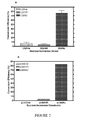
- Figure 2 is a graphical representation showing the conversion efficiency of different sucrose isomerase genes in E. coli (A) and stems of transgenic sugarcanes (B). Conversion efficiency is defined as isomaltulose / (sucrose + isomaltulose) * 100. Results in A are means with standard errors from three replicate cultures. Results in B are maximum stem conversion efficiencies from 11 lines of pUbiErw, 11 lines of pUbi14S and 9 lines of pUbi68J. The sampled sugarcanes were 6 months old with 12 to 15 nodes, in their first vegetative generation from callus.
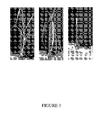
- Figure 3 is photographic representation of six-month-old representative plants of three phenotypic classes in sugarcane lines transformed using pUbi68J. Left: Normal (pUbi68J2.36). Middle: Weak Midrib (pUbi68J1.2). Right: Stunted (pUbi68J2.22). The plants were first vegetative generation from callus.
- Figure 4 is a photographic representation showing northern blot analysis of total RNA from sugarcane leaves and stems. The sampled plants were 6 months old with 12 to 15 nodes, in their first vegetative generation from callus. Top shows the hybridized band probed with UQ68J sucrose isomerase cDNA, the molecular size is about 1700 bp. Bottom shows the total RNA loading by the ethidium bromide staining of large and small rRNA subunits. Lane 1. pUbi68J2.22 internodes 3-4. Lane 2. pUbi68J2.22 leaf number 1-2. Lane 3. pUbi68J2.36 internodes 3-4. Lane 4. pUbi68J2.36 leaf number 1-2. Lane 5. pUbi68J1.2 internodes 3-4. Lane 6. pUbi68J1.2 leaf number 1-2. Lane 7. Q117 control internodes 3-4. Lane 8. Q117 control leaf number 1-2.
- Figure 5 is a graphical representation showing high efficiency of conversion from sucrose into isomaltulose in the stem, leaves and roots of transgenic line pUbi68J2.22.
- the sampled plants were 6 months old with 12 nodes, in their first vegetative generation from callus.
- Figure 6 is a graphical representation showing sucrose accumulation in transgenic pUbi68J2.36 and Q117 control sugarcane plants. The sampled plants were 6 months old with 15 nodes, in their first vegetative generation from callus.
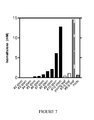
- Figure 7 is a graphical representation showing isomaltulose accumulation in stem and leaf tissues of transgenic line pUbi68J2.36 The sampled plants were 6 months old with 15 nodes, in their first vegetative generation from callus.
- Figure 8 is a graphical representation showing total soluble sugar concentration (glucose equivalents) in transgenic pUbi68J2.36 and Q117 control sugarcane plants. The sampled plants were 6 months old with 15 nodes, in their first vegetative generation from callus.
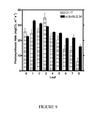
- Figure 9 is a graphical representation showing photosynthetic CO 2 fixation rates in leaves of transgenic line pUbi68J2.36 and Q117 control sugarcane plants. The plants were 4 months old and were morphologically indistinguishable. The plants of transgenic pUbi68J2.136 line were the third vegetative generation (from stem cuttings) after regeneration. Results are means with standard errors from 3 replicate plants.
- Figure 10 is a graphical representation showing chlorophyll concentration in leaves of transgenic line pUbi68J2.36 and Q117 control sugarcane plants. The plants were 4 months old and were morphologically indistinguishable. The plants of transgenic pUbi68J2.136 line were the third vegetative generation (from stem cuttings) after regeneration. Results are means with standard errors from 3 replicate plants.
- Figure 11 is a graphical representation showing chlorophyll a/b ratios in leaves of transgenic line pUbi68J2.36 and Q117 control sugarcane plants. The plants were 4 months old and were morphologically indistinguishable. The plants of transgenic pUbi68J2.136 line were the third vegetative generation (from stem cuttings) after regeneration. Results are means with standard errors from 3 replicate plants.
- Figure 12 is a graphical representation showing photosynthetic electron transport rates measured from chlorophyll fluorescence at various light intensities in leaves of transgenic line pUbi68J2.36 and Q117 control sugarcane plants. The plants were 4 months old and were morphologically indistinguishable. The plants of transgenic pUbi68J2.136 line were the third vegetative generation (from stem cuttings) after regeneration. Results are means with standard errors from 3 replicate plants.
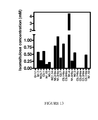
- Figure 13 is a graphical representation showing isomaltulose concentrations in roots of different transgenic lines with vacuole-targeted sucrose isomerase, and the Q117 control. Roots were harvested from two-eye sets of sugarcane that had been wrapped with damp tissue and placed at 28 °C for 7 days.
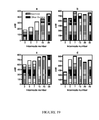
- Figure 14 is a graphical representation showing isomaltulose concentrations in leaves of transgenic line pU3ZERsN68J3.2 (with vacuole-targeted sucrose isomerase). The plants were 8 months old with 21 internodes and were morphologically indistinguishable from the Q117 control. The transgenic plant was the second vegetative generation (from stem cuttings) after regeneration.
- an "intron” is a region of DNA or RNA that is generally spliced out from the primary transcript RNA and is not present in the mature mRNA molecule.
- immuno-interactive includes reference to any interaction, reaction, or other form of association between molecules and in particular where one of the molecules is, or mimics, a component of the immune system.
- marker gene is meant a gene that imparts a distinct phenotype to cells expressing the marker gene and thus allows such transformed cells to be distinguished from cells that do not have the marker.
- a selectable marker gene confers a trait for which one can 'select' based on resistance to a selective agent (e.g., a herbicide, antibiotic, radiation, heat, or other treatment damaging to untransformed cells).
- a screenable marker gene confers a trait that one can identify through observation or testing, i.e., by 'screening' (e.g., ⁇ -glucuronidase, luciferase, or other enzyme activity not present in untransformed cells).
- nucleome is meant the total nucleic acid complement and includes the genome, extrachromosomal nucleic acid molecules and all RNA molecules such as mRNA, heterogenous nuclear RNA (hnRNA), small nuclear RNA (snRNA), small nucleolar RNA (snoRNA), small cytoplasmic RNA (scRNA), ribosomal RNA (rRNA), translational control RNA (tcRNA), transfer RNA (tRNA), eRNA, messenger-RNA-interfering complementary RNA (micRNA) or interference RNA (iRNA), chloroplast or plastid RNA (cpRNA) and mitochondrial RNA (mtRNA).
- mRNA mitochondrial RNA
- operably linked refers to a linkage of polynucleotide elements in a functional relationship.
- a nucleic acid sequence is "operably linked” when it is placed into a functional relationship with another nucleic acid sequence.
- a promoter or enhancer is operably linked to a coding sequence if it affects the transcription of the coding sequence.
- Operably linked means that the nucleic acid sequences being linked are typically contiguous and, where necessary to join two protein coding regions, contiguous and in reading frame.
- a coding sequence is "operably linked to" another coding sequence when RNA polymerase will transcribe the two coding sequences into a single mRNA, which is then translated into a single polypeptide having amino acids derived from both coding sequences.
- the coding sequences need not be contiguous to one another so long as the expressed sequences are ultimately processed to produce the desired protein.
- "Operably linking" a promoter to a transcribable polynucleotide means placing the transcribable polynucleotide (e.g., protein-encoding polynucleotide or other transcript) under the regulatory control of a promoter, which then controls the transcription and optionally translation of that polynucleotide.
- a promoter or variant thereof In the construction of heterologous promoter/structural gene combinations, it is generally preferred to position a promoter or variant thereof at a distance from the transcription start site of the transcribable polynucleotide, which is approximately the same as the distance between that promoter and the gene it controls in its natural setting; i.e., the gene from which the promoter is derived. As is known in the art, some variation in this distance can be accommodated without loss of function.
- a regulatory sequence element e.g., an operator, enhancer etc
- plant and “differentiated plant” refer to a whole plant or plant part containing differentiated plant cell types, tissues and/or organ systems. Plantlets and seeds are also included within the meaning of the foregoing terms. Plants included in the invention are any plants amenable to transformation techniques, including angiosperms, gymnosperms, monocotyledons and dicotyledons.
- plant tissue is meant differentiated and undifferentiated tissue derived from roots, shoots, fruits, tubers, pollen, seeds, tumor tissue, such as crown galls, and various forms of aggregations of plant cells in culture, such as embryos and calluses.
- polynucleotide variant and “variant” and the like refer to polynucleotides displaying substantial sequence identity with a reference polynucleotide sequence or polynucleotides that hybridise with a reference sequence under stringent conditions that are defined hereinafter. These terms also encompass polynucleotides that are distinguished from a reference polynucleotide by the addition, deletion or substitution of at least one nucleotide. Accordingly, the terms “polynucleotide variant” and “variant” include polynucleotides in which one or more nucleotides have been added or deleted, or replaced with different nucleotides.
- polynucleotide or “nucleic acid” as used herein designates mRNA, RNA, cRNA, cDNA or DNA.
- the term typically refers to oligonucleotides greater than 30 nucleotides in length.
- Polypeptide “peptide” and “protein” are used interchangeably herein to refer to a polymer of amino acid residues and to variants and synthetic analogues of the same. Thus, these terms apply to amino acid polymers in which one or more amino acid residues is a synthetic non-naturally occurring amino acid, such as a chemical analogue of a corresponding naturally occurring amino acid, as well as to naturally-occurring amino acid polymers.
- Promoter is used herein in its broadest sense and includes a region of DNA, generally upstream (5') of the mRNA encoding region, which controls the initiation and level of transcription.
- Reference herein to a "promoter” is to be taken in its broadest context and includes the transcriptional regulatory sequences of a classical genomic gene, including a TATA box and CCAAT box sequences, as well as additional regulatory elements (i.e., upstream activating sequences, enhancers and silencers) that alter gene expression in response to developmental and/or environmental stimuli, or in a tissue-specific or cell-type-specific manner.
- a promoter is usually, but not necessarily, positioned upstream or 5', of a structural gene, the expression of which it regulates.
- the regulatory elements comprising a promoter are usually positioned within 2 kb of the start site of transcription of the gene. Promoters according to the invention may contain additional specific regulatory elements, located more distal to the start site to further enhance expression in a cell, and/or to alter the timing or inducibility of expression of a structural gene to which it is operably connected.
- Constant promoter refers to a promoter that directs expression of an operably linked transcribable sequence in many or all tissues of a plant.
- sink tissue-specific promoter is meant a promoter that preferentially directs expression of an operably linked transcribable sequence in the sink tissue of a plant (e.g., fruit tissues, root tissue, tuber tissue, seed tissue, culm tissue or sink leaf tissue) as compared to expression in other tissues of the plant, including source tissues (e.g., leaf).
- references to describe sequence relationships between two or more polynucleotides or polypeptides include “reference sequence”, “comparison window”, “sequence identity”, “percentage of sequence identity” and “substantial identity”.
- a “reference sequence” is at least 12 but frequently 15 to 18 and often at least 25 monomer units, inclusive of nucleotides and amino acid residues, in length.
- two polynucleotides may each comprise (1) a sequence (i.e., only a portion of the complete polynucleotide sequence) that is similar between the two polynucleotides, and (2) a sequence that is divergent between the two polynucleotides
- sequence comparisons between two (or more) polynucleotides are typically performed by comparing sequences of the two polynucleotides over a "comparison window" to identify and compare local regions of sequence similarity.
- a “comparison window” refers to a conceptual segment of at least 50 contiguous positions, usually about 50 to about 100, more usually about 100 to about 150 in which a sequence is compared to a reference sequence of the same number of contiguous positions after the two sequences are optimally aligned.
- the comparison window may comprise additions or deletions (i.e., gaps) of about 20% or less as compared to the reference sequence (which does not comprise additions or deletions) for optimal alignment of the two sequences.
- Optimal alignment of sequences for aligning a comparison window may be conducted by computerized implementations of algorithms (GAP, BESTFIT, FASTA, and TFASTA in the Wisconsin Genetics Software Package Release 7.0, Genetics Computer Group, 575 Science Drive Madison, WI, USA) or by inspection and the best alignment (i.e., resulting in the highest percentage homology over the comparison window) generated by any of the various methods selected.
- GAP Garnier et al.
- BESTFIT Pearson FASTA
- FASTA Pearson's Alignment of sequences
- TFASTA Pearson's Alignment of Altschul et al.
- a detailed discussion of sequence analysis can be found in Unit 19.3 of Ausubel et al., "Current Protocols in Molecular Biology", John Wiley & Sons Inc, 1994-1998, Chapter 15 .
- sequence identity and “identity” are used interchangeably herein to refer to the extent that sequences are identical on a nucleotide-by-nucleotide basis or an amino acid-by-amino acid basis over a window of comparison.
- a "percentage of sequence identity” is calculated by comparing two optimally aligned sequences over the window of comparison, determining the number of positions at which the identical nucleic acid base (e.g., A, T, C, G, I) or the identical amino acid residue (e.g., Ala, Pro, Ser, Thr, Gly, Val, Leu, Ile, Phe, Tyr, Trp, Lys, Arg, His, Asp, Glu, Asn, Gln, Cys and Met) occurs in both sequences to yield the number of matched positions, dividing the number of matched positions by the total number of positions in the window of comparison (i.e., the window size), and multiplying the result by 100 to yield the percentage of sequence identity.
- the identical nucleic acid base e.g., A, T, C, G, I
- the identical amino acid residue e.g., Ala, Pro, Ser, Thr, Gly, Val, Leu, Ile, Phe, Tyr, Trp, Lys,
- sink cell and “sink tissue” as used herein, refer to cells, tissues or organs which at the time of harvest comprise organic carbon that has entered the cells by net inflow in a form other than carbon dioxide.
- sink tissues include all non-photosynthetic tissues, as well as photosynthetic tissues with a net inflow of organic carbon fixed by other photosynthetic cells or otherwise obtained from the surrounding medium or environment by means other than direct fixation of carbon dioxide.
- sucrose erythrose, threose, erythrulose
- pentoses e.g.
- ribose arabinose, xylose, lyxose, ribulose, xylulose
- hexoses e.g., allose, altrose, glucose, mannose, gulose, idose, galactose, talose, psicose, fructose, sorbose, tagatose
- longer molecules such as sedoheptulose or mannoheptulose
- oligosaccharides formed by linking together of several monosaccharide units through glycosidic bonds; including disaccharides (e.g., maltose, lactose, gentibiose, melibiose, trehalose, sophorose, primoverose, rutinose, sucrose, isomaltulose, trehalulose, turanose, maltulose, leucrose) and longer oligomers such as raffinose, melezitose, be
- transformation means alteration of the genotype of an organism, for example a bacterium or a plant, by the introduction of a foreign or endogenous nucleic acid.
- transformant is meant an organism so altered.
- transgenic refers to a genetically modified plant in which the endogenous genome is supplemented or modified by the random or site-directed integration, or stable maintenance in a replicable non-integrated form, of an introduced foreign or exogenous gene or sequence.
- transgene is meant a gene or sequence that is introduced into a plant.
- vector is meant a nucleic acid molecule, preferably a DNA molecule derived, for example, from a plasmid, bacteriophage, or plant virus, into which a nucleic acid sequence may be inserted or cloned.
- a vector preferably contains one or more unique restriction sites and may be capable of autonomous replication in a defined host cell including a target cell or tissue or a progenitor cell or tissue thereof, or be integrable with the genome of the defined host such that the cloned sequence is reproducible.
- a vector system may comprise a single vector or plasmid, two or more vectors or plasmids, which together contain the total DNA to be introduced into the genome of the host cell, or a transposon.
- the choice of the vector will typically depend on the compatibility of the vector with the cell into which the vector is to be introduced.
- the vector may also include a selection marker such as an antibiotic resistance gene that can be used for selection of suitable transformants. Examples of such resistance genes are well known to those of skill in the art.
- the present invention is predicated in part on the discovery that expression of an exogenous or foreign sugar-metabolizing enzyme, such as a sucrose isomerase, in a plant (e.g., sugarcane), resulting in conversion of a proportion of cellular sucrose to isomaltulose (an alien sugar that is not normally produced in the plant), can result in substantially higher total carbohydrate concentrations in the sucrose storage tissues of the plant.
- an exogenous or foreign sugar-metabolizing enzyme such as a sucrose isomerase
- the inventors consider that such specific alterations at the cellular level can alter source-sink relationships at the whole plant level, resulting in higher accumulation of carbohydrates in sink tissues through a combination of effects on synthesis in source tissues, transport between source and sink tissues, and turnover or storage within the sink tissues.
- the present invention provides novel methods for modifying the total carbohydrate content or sweetness of the sink tissue of a plant.
- the methods generally comprise producing in the plant a sugar-metabolizing enzyme that catalyzes the conversion of an endogenous sugar of the plant to an alien sugar that is not normally produced in the plant at the same developmental stage.
- the sugar-metabolizing enzyme is produced at a level or functional activity that increases the carbohydrate content or sweetness of the sink tissue as compared to that of the corresponding sink tissue of a control plant, which does not produce the enzyme.
- the sugar-metabolizing enzyme is produced in the plant cells by expression of a polynucleotide that encodes the enzyme.
- the total carbohydrate content or sweetness or the endogenous carbohydrate content of the sink tissue is increased by producing the sugar-metabolizing enzyme in cells of the plant at a level or functional activity that results in partial conversion of the endogenous sugar to the alien sugar.
- the sugar-metabolizing enzyme is suitably active in the cytosol or distributed between the cytosol and other cellular compartments involved in sugar storage and/or transport.
- less than about 30%, 20% or 15%, and suitably less than about 10%, 9%, 8%, 7%, 6%, 5%, 4%, 3%, 2% or 1% conversion of the endogenous sugar to the alien sugar achieves an increase in the soluble carbohydrate content or sweetness of the sink tissue.
- the alien sugar is accumulated without commensurable reduction in the content of endogenous sugars or carbohydrates.
- modification of the total carbohydrate content or sweetness or the endogenous carbohydrate content of sink tissue is achieved by modulating the level of conversion of the endogenous sugar to the alien sugar.
- This conversion may be accomplished in tissues throughout the plant, for example using a constitutive promoter to drive expression of a sequence that codes for a sugar-metabolizing enzyme.
- it may be accomplished in source tissues, in transport tissues or in sink tissues using a tissue-specific or developmentally regulated promoter.
- a plurality of transformants may be selected, and screened for those with a favorable level and/or specificity of transgene expression arising from influences of endogenous sequences in the vicinity of the transgene integration site.
- a favorable level and pattern of transgene expression is one which results in a substantial increase in soluble carbohydrate content or sweetness of the tissues intended for harvest. This may be detected by simple testing of transformants at about the developmental stage intended for harvest, for example using the method in Example 9.
- the level of expression of the coding sequence can be modulated post-transcriptionally, by using sequences within the transcribed gene ( cis RNA sequences) or by using separately transcribed sequences ( trans RNA sequences) that affect the processing or stability of the mRNA encoding the sugar-metabolizing enzyme.
- cis RNA sequences may alter the secondary structure of the untranslated leader or include out-of-frame start codons or sub-optimal start codon context or rare codon usage to control translation rate; or they may include sequences with some similarity to intron splice sites or polyadenylation signals that result in errors in RNA processing or reduced mRNA stability.
- trans RNA sequences include co-expressed antisense molecules or ribozymes that interfere with or inhibit the expression.
- RNA molecules of about 21 to about 23 nucleotides which direct cleavage of specific mRNA to which they correspond, as for example described by Tuschl et al. in U.S. Patent Application No. 20020086356 , can be utilized for mediating RNAi to thereby modulate the expression of the enzyme coding sequence.
- the level of conversion of the endogenous sugar to the alien sugar is modulated by using sugar-metabolizing enzymes of different functional activities. This may arise from differences in the specific activities or stabilities of the enzymes in the cellular compartment where the sugar conversion is accomplished.
- the activity of a sugar-metabolizing enzyme that is used for the conversion of the endogenous sugar to the alien sugar is at least about 10%, 20%, 30%, 40%, 50%, 60%, 70%, 80% or 90%, or even at least about 100%, 200%, 300%, 400%, 500%, 600%, 700%, 800%, 900% or 1000% higher, or at least about 10%, 20%, 30% 40%, 50%, 60%, 70%, 80%, 90%, 92%, 94%, 96%, 97%, 98% or 99%, or even at least about 99.5%, 99.9%, 99.95%, 99.99%, 99.995% or 99.999% lower than that of a reference enzyme.
- Sugar-metabolizing enzymes of different activities may be naturally occurring or may be obtained by synthetic or recombinant means, for example, by modification of the catalytic site or any other site (e.g., substrate-binding site, co-factor binding site) of a reference or parent enzyme.
- the modification is achieved by the substitution, addition or deletion of at least one amino acid in the sequence of parent enzyme using for example rational or established methods of mutagenesis or combinatorial chemistries, as are known in the art.
- Variant sugar-metabolizing enzymes may comprise conservative amino acid substitutions.
- a "conservative amino acid substitution” is one in which the amino acid residue is replaced with an amino acid residue having a similar side chain. Families of amino acid residues having similar side chains have been defined in the art.
- amino acids with basic side chains e.g., lysine, arginine, histidine
- acidic side chains e.g., aspartic acid, glutamic acid
- uncharged polar side chains e.g., glycine, asparagine, glutamine, serine, threonine, tyrosine, cysteine
- nonpolar side chains e.g., alanine, valine, leucine, isoleucine, proline, phenylalanine, methionine, tryptophan
- beta-branched side chains e.g., threonine, valine, isoleucine
- aromatic side chains e.g., tyrosine, phenylalanine, tryptophan, histidine
- an amino acid residue in a parent enzyme is suitably replaced with another amino acid residue from the same side chain family.
- mutations can be introduced randomly along all or part of a polynucleotide that codes for the reference enzyme, such as by saturation mutagenesis, and the resultant mutants can be screened for enzyme activity to identify mutants with a different activity than the parent enzyme.
- the enzymes of interest may be tested for relative activity for example using the method in Example 2, modified by incubation of the crude or purified enzyme preparations before and/or during the assay in conditions resembling the plant cellular compartment where the sugar conversion is to be accomplished, as an additional test of stability and specific activity under these conditions.
- the level of and location of conversion of the endogenous sugar to the alien sugar is modulated by using a sugar-metabolizing enzyme directed into different functional subcellular compartments.
- the activity is directed to the cytosol as a primary metabolic compartment. This may be achieved by expression of a nuclear gene, resulting in the synthesis within the cytosol of a form of the enzyme with no signal sequences for transport to other cellular compartments.
- the activity is directed to a storage compartment such as the vacuole, or to a storage and transport compartment such as the extracellular (apoplasmic) space, by including within the sequence of the enzyme a signal for transport of the enzyme from the cytosol to the desired cellular compartment.
- Certain signal sequences can result in the distribution of enzyme activity between two or more cellular compartments (Small et al., 1998).
- the NTPP signal described in Example 4 (SEQ ID NO: 7) directs proteins efficiently to the sugarcane vacuole
- the CTPP signal described in Example 5 (SEQ ID NO: 8 plus SEQ ID NO: 9) can result in the distribution of proteins between the cytosol and the secretory pathway (comprising the vacuole, endomembrane system and apoplasm) in sugarcane (Gnanasambandam and Birch 2004).
- the amount of substrate available to the sugar-metabolizing enzyme may depend on the plant species which is the subject of the modification (including mutants within a species), the tissue type where expression occurs, the subcellular location of expression and on the stage of development of a particular plant.
- the stability of the introduced protein may also depend on the amount of the substrate. However, it is considered that any optimization, which may be required in such an event, is achievable using routine methods including those described above.
- the endogenous sugars produced by different plants may differ and as such an endogenous sugar of one plant may be an alien sugar of another. Thus, it is essential to determine which sugars are endogenously produced by a chosen plant to thereby deduce which sugars are alien to the plant and the type of sugar-metabolizing enzyme(s) that could be useful for producing an alien sugar in the plant.
- the types of sugars endogenously produced by plants can be determined using methods well known to persons of skill in the art. These methods include separation of sugars or sugar derivatives by electrophoresis or chromatography (including paper chromatography, thin layer chromatography, gas chromatography, gas-liquid chromatography and high-performance liquid chromatography) techniques.
- the separated components are typically identified by comparison of separation profiles with standards of known identity, or by analytical techniques such as mass spectrometry and nuclear magnetic resonance spectroscopy.
- analytical techniques such as mass spectrometry and nuclear magnetic resonance spectroscopy.
- Example 9 Robinson 1980, The Organic Constituents of Higher Plants, Cordus Press, North Amherst, USA ; Adams et al. 1999, Anal. Biochem. 266:77-84 ; Veronese and Perlot 1999, Enz. Microbial Tech. 24:263-269 ; Hendrix and Salvucci 2001, J. Insect Physiol. 47:423-432 ; Thompson et al. 2001, Carbohydrate Res. 331:149-161 ; and references cited therein.
- the sugar-metabolizing enzyme may catalyze a reaction selected from an oxidation reaction, a reduction reaction, a dehydrogenation reaction, a hydrogenation reaction, an isomerization, a conjugation reaction including, but not limited to, acetylation, carboxylation, glucuronidation, glycine conjugation, methylation (O-, N-, or S-linked), phosphorylation and sulfate conjugation and a hydrolytic reaction.
- the endogenous and alien sugars are suitably selected from monosaccharides, oligosaccharides, sugar alcohols, sugar acids, amino sugars and other variants such as deoxy sugars, methyl sugars and the like.
- Oligosaccharides which are formed by linking together two or more monosaccharide units through glycosidic bonds, may be selected from disaccharides (e.g., maltose, lactose, gentibiose, melibiose, trehalose, sophorose, primoverose, rutinose, sucrose, isomaltulose, trehalulose, turanose, maltulose, leucrose) and longer oligomers such as raffinose, melezitose, bemisiose or stachyose.
- sugar alcohols include, but are not limited to, erythritol, ribitol, mannitol, sorbitol).
- Non-limiting examples of sugar acids include gluconic acid, glucaric acid, glucuronic acid.
- Non-limiting examples of amino sugars include glucosamine, galactosamine.
- Endogenous or alien sugars may also be selected from other variants such as deoxy sugars and methyl sugars, some of which may be converted into sugars or other sugar derivatives described above by the action of a plant metabolic pathway.
- the alien sugar is an isomer of the endogenous sugar.
- the endogenous sugar is sucrose and the sugar-metabolizing enzyme is a sucrose isomerase, which converts the sucrose by isomerization to an alien sugar selected from isomaltulose and trehalulose.
- partial conversion of an endogenous sugar to an alien sugar by a sugar-metabolizing enzyme in a plant increases the total carbohydrate content or sweetness of the plant or a harvested portion of the plant as compared to that of the corresponding tissue of a control plant, which does not produce the enzyme.
- Exemplary carbohydrates include, but are not limited to, simple sugars such as glucose, fructose and sucrose as well as certain soluble polymers, and other soluble cell components.
- the method produces sink tissue having increased carbon as soluble carbohydrates, as an increased ratio of soluble carbohydrates per unit weight of sink tissue, as compared to that measured in control plant cells. Carbohydrates can be assayed using standard protocols known to persons skilled in the art.
- the sugar-metabolizing enzyme is produced in the plant cells by expression of a foreign or exogenous polynucleotide that encodes the enzyme.
- the foreign or exogenous polynucleotide is operably connected to a transcriptional control element in a nucleic acid construct.
- the transcriptional control element suitably includes a promoter, and optionally a cis -acting sequence, each of which are functional in the plant cells.
- the construct includes one or both of a 3' non-translated sequence and a marker gene.
- the transcriptional control element is a tissue-specific promoter.
- tissue-specific promoter For example, in providing for expression of the sugar-metabolizing enzymes, for various reasons one may wish to limit the expression of these enzymes to plant cells which function as carbon sinks. Towards this end, one can identify useful transcriptional initiation regions that provide for expression preferentially in specific tissue types, such as roots, tubers, seeds or fruit. These sequences may be identified from cDNA libraries using differential screening techniques, for example, or may be derived from sequences known in the literature.
- sucrose concentration increases from 8 to 12 days after pollination and then drops more than ten fold 28 days after pollination ( Tsai et al., 1970, Plant Phys. 46: 299-306 ). Additionally, sucrose concentration in soybean seed changes significantly during development as raffinose saccharides content increases dramatically, 53 days after anthesis ( Amuti, 1977, Phytochemistry 16: 529-532 ). In pea seed, sucrose content falls dramatically with continued development ( Holl and Vose, Can. 1980, J. Plant Sci. 60: 1109-1114 ).
- the nucleic acid construct of the present invention can comprise a 3' non-translated sequence.
- a 3' non-translated sequence refers to that portion of a gene comprising a DNA segment that contains a polyadenylation signal and any other regulatory signals capable of effecting mRNA processing or gene expression.
- the polyadenylation signal is characterized by effecting the addition of polyadenylic acid tracts to the 3' end of the mRNA precursor.
- Polyadenylation signals are commonly recognized by the presence of homology to the canonical form 5' AATAAA-3' although variations are not uncommon.
- leader sequences include those that comprise sequences selected to direct optimum expression of the foreign or endogenous DNA sequence.
- leader sequences include a preferred consensus sequence which can increase or maintain mRNA stability and prevent inappropriate initiation of translation as for example described by Joshi (1987, Nucl. Acid Res., 15:6643 ).
- other leader sequences e.g., the leader sequence of RTBV, have a high degree of secondary structure that is expected to decrease mRNA stability and/or decrease translation of the mRNA.
- targeting sequences may be employed to target the enzyme encoded by the foreign or exogenous polynucleotide to an intracellular compartment within plant cells or to the extracellular environment.
- a nucleic acid sequence encoding a transit or signal peptide sequence may be operably linked to a sequence that encodes a chosen enzyme of the subject invention such that, when translated, the transit or signal peptide can transport the enzyme to a particular intracellular or extracellular destination, and can then be optionally post-translationally removed.
- Transit or signal peptides act by facilitating the transport of proteins through intracellular membranes, e.g., endoplasmic reticulum, vacuole, vesicle, plastid, mitochondrial and plasmalemma membranes.
- the targeting sequence can direct a desired protein to a particular organelle such as a vacuole or a plastid (e.g., a chloroplast), rather than to the cytosol.
- the nucleic acid construct of the invention can further comprise a plastid transit peptide-encoding nucleic acid sequence operably linked between a promoter region and the foreign or exogenous polynucleotide.
- a plastid transit peptide-encoding nucleic acid sequence operably linked between a promoter region and the foreign or exogenous polynucleotide.
- sucrose i.e., an endogenous sugar stored in sink tissue cells is converted to isomaltulose and/or trehalulose (i.e., an alien sugar) via introduction of a bacterial sucrose isomerase gene with a sink tissue specific promoter and cytosol localization regulatory sequences.
- the inventors chose the cytosol for expression of the sucrose isomerase gene because it is a key cellular compartment involved in many elements of intermediary metabolism and in the flux of many metabolites.
- they chose the vacuole as a location for sucrose isomerase activity because it is the primary storage compartment for sugars in plants such as sugarcane.
- the nucleic acid construct of the invention can be introduced into a vector, such as a plasmid.
- Plasmid vectors include additional nucleic acid sequences that provide for easy selection, amplification, and transformation of the expression cassette in prokaryotic and eukaryotic cells, e.g., pUC-derived vectors, pSK-derived vectors, pGEM-derived vectors, pSP-derived vectors, or pBS-derived vectors.
- Additional nucleic acid sequences include origins of replication to provide for autonomous replication of the vector, selectable marker genes, preferably encoding antibiotic or herbicide resistance, unique multiple cloning sites providing for multiple sites to insert nucleic acid sequences or genes encoded in the nucleic acid construct, and sequences that enhance transformation of prokaryotic and eukaryotic (especially plant) cells.
- the integrational elements should preferably contain a sufficient number of nucleic acids, such as 100 to 1,500 base pairs, preferably 400 to 1,500 base pairs, and most preferably 800 to 1,500 base pairs, which are highly homologous with the corresponding target sequence to enhance the probability of homologous recombination.
- the integrational elements may be any sequence that is homologous with the target sequence in the genome of the host cell.
- the integrational elements may be non-encoding or encoding nucleic acid sequences.
- the vector may further comprise an origin of replication enabling the vector to replicate autonomously in a host cell such as a bacterial cell.
- bacterial origins of replication are the origins of replication of plasmids pBR322, pUC19, pACYC177, and pACYC184 permitting replication in E. coli, and pUB110, pE194, pTA1060, and pAM ⁇ 1 permitting replication in Bacillus.
- the origin of replication may be one having a mutation to make its function temperature-sensitive in a Bacillus cell (see, e.g., Ehrlich, 1978, Proc. Natl. Acad. Sci. USA 75:1433 ).
- the nucleic acid construct desirably comprises a selectable or screenable marker gene as, or in addition to, the foreign or exogenous polynucleotide.
- a selectable or screenable marker gene as, or in addition to, the foreign or exogenous polynucleotide.
- the actual choice of a marker is not crucial as long as it is functional ( i.e., selective) in combination with the plant cells of choice.
- the marker gene and the foreign or exogenous polynucleotide of interest do not have to be linked, since co-transformation of unlinked genes as, for example, described in U.S. Pat. No. 4,399,216 is also an efficient process in plant transformation.
- selectable or screenable marker genes include genes that encode a "secretable marker” whose secretion can be detected as a means of identifying or selecting for transformed cells. Examples include markers that encode a secretable antigen that can be identified by antibody interaction, or secretable enzymes that can be detected by their catalytic activity.
- Secretable proteins include, but are not restricted to, proteins that are inserted or trapped in the cell wall (e.g., proteins that include a leader sequence such as that found in the expression unit of extensin or tobacco PR-S); small, diffusible proteins detectable, e.g. by ELISA; and small active enzymes detectable in extracellular solution (e.g., ⁇ -amylase, ⁇ -lactamase, phosphinothricin acetyltransferase).
- bacterial selectable markers are the dal genes from Bacillus subtilis or Bacillus licheniformis, or markers that confer antibiotic resistance such as ampicillin, kanamycin, erythromycin, chloramphenicol or tetracycline resistance.
- exemplary selectable markers for selection of plant transformants include, but are not limited to, a hyg gene which encodes hygromycin B resistance; a neomycin phosphotransferase ( neo ) gene conferring resistance to kanamycin, paromomycin, G418 and the like as, for example, described by Potrykus et al. (1985, Mol. Gen. Genet.
- EPSPS 5-enolshikimate-3-phosphate synthase
- a bar gene conferring resistance against bialaphos as, for example, described in WO91/02071 ; a nitrilase gene such as bxn from Klebsiella ozaenae which confers resistance to bromoxynil ( Stalker et al., 1988, Science, 242:419 ); a dihydrofolate reductase (DHFR) gene conferring resistance to methotrexate ( Thillet et al., 1988, J. Biol.
- DHFR dihydrofolate reductase
- acetolactate synthase gene which confers resistance to imidazolinone, sulfonylurea or other ALS-inhibiting chemicals ( EP-A-154 204 ); a mutated anthranilate synthase gene that confers resistance to 5-methyl tryptophan; or a dalapon dehalogenase gene that confers resistance to the herbicide.
- ALS acetolactate synthase gene
- EP-A-154 204 a mutant acetolactate synthase gene that confers resistance to imidazolinone, sulfonylurea or other ALS-inhibiting chemicals
- a mutated anthranilate synthase gene that confers resistance to 5-methyl tryptophan
- dalapon dehalogenase gene that confers resistance to the herbicide.
- Preferred screenable markers include, but are not limited to, a uidA gene encoding a ⁇ -glucuronidase (GUS) enzyme for which various chromogenic substrates are known; a ⁇ -galactosidase gene encoding an enzyme for which chromogenic substrates are known; an aequorin gene ( Prasher et al., 1985, Biochem. Biophys. Res.
- both dicotyledonous and monocotyledonous plants that are amenable to transformation, can be modified by introducing a nucleic acid construct according to the invention into a recipient cell and growing a new plant that harbors and expresses a polynucleotide according to the invention.
- the Agrobacterium harbors a binary Ti plasmid system.
- a binary system comprises (1) a first Ti plasmid having a virulence region essential for the introduction of transfer DNA (T-DNA) into plants, and (2) a chimeric plasmid.
- the chimeric plasmid contains at least one border region of the T-DNA region of a wild-type Ti plasmid flanking the nucleic acid to be transferred.
- Binary Ti plasmid systems have been shown effective to transform plant cells as, for example, described by De Framond (1983, Biotechnology, 1:262 ) and Hoekema et al. (1983, Nature, 303:179 ). Such a binary system is preferred inter alia because it does not require integration into the Ti plasmid in Agrobacterium.
- Methods involving the use of Agrobacterium include, but are not limited to: (a) co-cultivation of Agrobacterium with cultured isolated protoplasts; (b) transformation of plant cells or tissues with Agrobacterium; or (c) transformation of seeds, apices or meristems with Agrobacterium.
- Ti plasmid Rice and corn, which are monocots, have been shown to be susceptible to transformation by Agrobacterium as well. However, many other important monocot crop plants, including oats, sorghum, millet, and rye, have not yet been successfully transformed using Agrobacterium-mediated transformation.
- the Ti plasmid may be manipulated in the future to act as a vector for these other monocot plants. Additionally, using the Ti plasmid as a model system, it may be possible to artificially construct transformation vectors for these plants. Ti plasmids might also be introduced into monocot plants by artificial methods such as microinjection, or fusion between monocot protoplasts and bacterial spheroplasts containing the T-region, which can then be integrated into the plant nuclear DNA.
- the chimeric construct may be introduced using root-inducing (Ri) plasmids of Agrobacterium as vectors.
- Cauliflower mosaic virus may also be used as a vector for introducing of exogenous nucleic acids into plant cells ( U.S. Pat. No. 4,407,956 ).
- CaMV DNA genome is inserted into a parent bacterial plasmid creating a recombinant DNA molecule that can be propagated in bacteria.
- the recombinant plasmid again may be cloned and further modified by introduction of the desired nucleic acid sequence.
- the modified viral portion of the recombinant plasmid is then excised from the parent bacterial plasmid, and used to inoculate the plant cells or plants.
- the nucleic acid construct can also be introduced into plant cells by electroporation as, for example, described by Fromm et al. (1985, Proc. Natl. Acad. Sci., U.S.A, 82:5824 ) and Shimamoto et al. (1989, Nature 338:274-276 ).
- plant protoplasts are electroporated in the presence of vectors or nucleic acids containing the relevant nucleic acid sequences. Electrical impulses of high field strength reversibly permeabilize membranes allowing the introduction of nucleic acids. Electroporated plant protoplasts reform the cell wall, divide and form a plant callus.
- nucleic acid constructs Another method for introducing the nucleic acid construct into a plant cell is high velocity ballistic penetration by small particles (also known as particle bombardment or microprojectile bombardment) with the nucleic acid to be introduced contained either within the matrix of small beads or particles, or on the surface thereof as, for example described by Klein et al. (1987, Nature 327:70 ). Although typically only a single introduction of a new nucleic acid sequence is required, this method particularly provides for multiple introductions.
- small particles also known as particle bombardment or microprojectile bombardment
- the nucleic acid construct can be introduced into a plant cell by contacting the plant cell using mechanical or chemical means.
- a nucleic acid can be mechanically transferred by microinjection directly into plant cells by use of micropipettes.
- a nucleic acid may be transferred into the plant cell by using polyethylene glycol which forms a precipitation complex with genetic material that is taken up by the cell.
- a combination of different techniques may be employed to enhance the efficiency of the transformation process, e.g., bombardment with Agrobacterium coated microparticles ( EP-A-486234 ) or microprojectile bombardment to induce wounding followed by co-cultivation with Agrobacterium ( EP-A-486233 ).
- the present invention also provides a promoter sequence for stem-specific expression of chimeric or heterologous genes in plants, especially in monocotyledonous plants, and more especially in graminaceous monocotyledonous plants, which comprises the sequence set forth in SEQ ID NO:10.
- This promoter sequence is also referred to herein as the P67B promoter.
- the invention also contemplates biologically active portions of SEQ ID NO:10 as well as polynucleotide sequence variants thereof. Those of skill in the art will understand that a biologically active portion or fragment of a promoter sequence, when fused to a particular gene and introduced into a plant cell, causes expression of the gene at a level higher than is possible in the absence of such fragment.
- One or more biologically active portions may be included in a promoter according to the present invention, for instance one or more motifs may be coupled to a "minimal" promoter. Such motifs may confer P67B promoter function on a promoter, such as suitability for enhanced performance in the stems of monocotyledonous plants and especially of graminaceous monocotyledonous plants, illustrative examples of which include sugarcane, rice, wheat, sorghum, barley, rye, maize and the like.
- the activity of a promoter can be determined by methods well known in the art. For example, the level of promoter activity is quantifiable by assessment of the amount of mRNA produced by transcription from the promoter or by assessment of the amount of protein product produced by translation of mRNA produced by transcription from the promoter.
- the amount of a specific mRNA present in an expression system may be determined for example using specific oligonucleotides which are able to hybridize with the mRNA and which are labeled or may be used in a specific amplification reaction such as PCR.
- Use of a reporter gene facilitates determination of promoter activity by reference to protein production.
- Non-limiting methods for assessing promoter activity are disclosed by Medberry et al. (1992, Plant Cell 4:185 ; 1993, The Plant J. 3:619 ), Sambrook et al. (1989, supra ) and McPherson et al. (U.S. Patent No. 5,164,316 ).
- the present invention also contemplates promoter variants that are substantially complementary to a reference promoter of the invention.
- these promoter variants will comprise regions that show suitably at least 90, 91, 92, 93, 94, 95, 96, 97, 98 or 99% sequence identity over a reference polynucleotide sequence of identical size ( "comparison window” ) or when compared to an aligned sequence in which the alignment is performed by a computer homology program known in the art. What constitutes suitable variants may be determined by conventional techniques.
- a polynucleotides according to SEQ ID NO:10 can be mutated using random mutagenesis (e.g., transposon mutagenesis), oligonucleotide-mediated (or site-directed) mutagenesis, PCR mutagenesis and cassette mutagenesis of an earlier prepared variant or non-variant version of an isolated natural promoter according to the invention, according to standard protocols known to persons of skill in the art.
- promoter sequence variants may be prepared according to the following procedure:
- nucleic acid extract from a suitable organism, which is suitably a monocot, and preferably a graminaceous monocot such as sugarcane;
- Suitable nucleic acid amplification techniques are well known to the skilled addressee, and include polymerase chain reaction (PCR) as for example described in Ausubel et al. (supra); strand displacement amplification (SDA) as for example described in U.S. Patent No 5,422,252 ; rolling circle replication (RCR) as for example described in Liu et al., (1996, J. Am. Chem. Soc.
- PCR polymerase chain reaction
- SDA strand displacement amplification
- RCR rolling circle replication
- NASBA nucleic acid sequence-based amplification
- ribozyme cleavage sites within any potential RNA target are initially identified by scanning the target molecule for ribozyme cleavage sites which include the following sequences, GUA, GUU and GUC. Once identified, short RNA sequences of between 15 and 20 ribonucleotides corresponding to the region of the target gene containing the cleavage site may be evaluated for predicted structural features such as secondary structure that may render the oligonucleotide sequence unsuitable.
- ribozymes When employed, ribozymes may be selected from the group consisting of hammerhead ribozymes, axehead ribozymes, newt satellite ribozymes, Tetrahymena ribozymes and RNAse P, and are designed according to methods known in the art based on the sequence of the target gene (for instance, see U.S. Pat. No. 5,741,679 ). The suitability of candidate targets may also be evaluated by testing their accessibility to hybridisation with complementary oligonucleotides, using ribonuclease protection assays.
- the transcript is an RNA molecule that mediates RNA interference (RNAi) of a target gene or gene transcript.
- RNAi refers to interference with or destruction of the product of a target gene by introducing a single stranded, and typically a double stranded RNA (dsRNA), which is homologous to the transcript of a target gene.
- dsRNA double stranded RNA
- dsRNA per se and especially dsRNA-producing constructs corresponding to at least a portion of a target gene may be used to decrease its level and/or functional activity.
- RNAi-mediated inhibition of gene expression may be accomplished using any of the techniques reported in the art, for instance by transfecting a nucleic acid construct encoding a stem-loop or hairpin RNA structure into the genome of the target cell, or by expressing a transfected nucleic acid construct having homology for a target gene from between convergent promoters, or as a head to head or tail to tail duplication from behind a single promoter. Any similar construct may be used so long as it produces a single RNA having the ability to fold back on itself and produce a dsRNA, or so long as it produces two separate RNA transcripts which then anneal to form a dsRNA having homology to a target gene.
- RNAi-encoding nucleic acids can vary in the level of homology they contain toward the target gene transcript, i.e ., with dsRNAs of 100 to 200 base pairs having at least about 85% homology with the target gene, and longer dsRNAs, i.e., 300 to 100 base pairs, having at least about 75% homology to the target gene.
- the promoter used to express the dsRNA-forming construct may be any type of promoter if the resulting dsRNA is specific for a gene product in the cell lineage targeted for destruction.
- the promoter may be lineage specific in that it is only expressed in cells of a particular development lineage. This might be advantageous where some overlap in homology is observed with a gene that is expressed in a non-targeted cell lineage.
- the promoter may also be inducible by externally controlled factors, or by intracellular environmental factors.
- a product conferring insect resistance e.g. crystal toxin protein of Bacillus thuringiensis
- a product conferring viral resistance e.g. viral coat protein
- a product conferring fungal resistance e.g. chitinase, ⁇ -1,3-glucanase or phytoalexins
- a product altering sucrose metabolism e.g. invertase or sucrose synthase
- a gene encoding valuable pharmaceuticals e.g. antibiotics, secondary metabolites, pharmaceutical peptides or vaccines.
- the foreign or endogenous DNA sequence includes, but is not limited to, DNA from plant genes, and non-plant genes such as those from bacteria, yeasts, animals or viruses. Moreover, it is within the scope of the invention to isolate a foreign or endogenous DNA sequence from a given plant genotype, and to subsequently introduce multiple copies of that sequence into the same genotype, e.g., to enhance production of a given gene product.
- the introduced DNA can include modified genes, portions of genes, or chimeric genes, including genes from the same or different plant genotype.
- Exemplary agronomic properties encoded by the foreign or endogenous DNA sequence include, but are not limited to: traits that are beneficial to the grower such as resistance to water deficit, pest resistance or tolerance, herbicide resistance or tolerance, disease resistance or tolerance (e.g., resistance to viruses or fungal pathogens), stress tolerance (increased salt tolerance) and improved food content or increased yields; traits that are beneficial to the consumer of the horticultural produce harvested from the plant such as improved nutritive content in human food or animal feed; or beneficial to the food processor such as improved processing traits.
- traits that are beneficial to the grower such as resistance to water deficit, pest resistance or tolerance, herbicide resistance or tolerance, disease resistance or tolerance (e.g., resistance to viruses or fungal pathogens), stress tolerance (increased salt tolerance) and improved food content or increased yields
- traits that are beneficial to the consumer of the horticultural produce harvested from the plant such as improved nutritive content in human food or animal feed
- beneficial to the food processor such as improved processing traits.
- the transgenic plants containing the promoter of the invention are generally grown for the use of their grain, fruit and other plant parts, including stalks, husks, vegetative parts, and the like in human or animal foods including use as part of animal silage or for ornamental purposes.
- chemical constituents of crops are extracted for foods or industrial use and transgenic plants may be created which have enhanced or modified levels of such components.
- the isolated promoter sequence of the invention may also find use in the commercial manufacture of proteins or other compounds, where the compound of interest is extracted or purified from plant parts, seeds, and the like.
- proteins or compounds include, but are not limited to, immunogenic molecules for use in vaccines, cytokines and hormones.
- Cells or tissue from the plants may also be cultured, grown in vitro, or fermented to manufacture such molecules.
- transgenic plants containing the isolated promoter sequence of the invention may also be used in commercial breeding programs, or may be crossed or bred to plants of related crop species. Improvements encoded by the foreign or endogenous DNA sequence may be transferred, e.g., from cells of one plant species to cells of another plant species, e.g., by protoplast fusion.
- the transgenic plants containing the isolated promoter sequence of the invention may have many uses in research or breeding, including creation of new mutant plants through insertional mutagenesis, in order to identify beneficial mutants that might later be created by traditional mutation and selection.
- An example would be the introduction of a recombinant DNA sequence encoding a transposable element that may be used for generating genetic variation or the introduction of unique "signature sequences" or other marker sequences which can be used to identify proprietary lines or varieties.
- the methods used to regenerate transformed cells into differentiated plants are not critical to this invention, and any method suitable for a target plant can be employed. Normally, a plant cell is regenerated to obtain a whole plant following a transformation process.
- Transformation can be performed in the context of organ or plant part regeneration as, for example, described in Methods in Enzymology, Vol. 118 and Klee et al. (1987, Annual Review of Plant Physiology, 38:467 ), which are incorporated herein by reference.
- leaf disk-transformation-regeneration method Utilizing the leaf disk-transformation-regeneration method of Horsch et al. (1985, Science, 227:1229 , incorporated herein by reference), disks are cultured on selective media, followed by shoot formation in about 2-4 weeks. Shoots that develop are excised from calli and transplanted to appropriate root-inducing selective medium. Rooted plantlets are transplanted to soil as soon as possible after roots appear. The plantlets can be repotted as required, until reaching maturity.
- the mature transgenic plants can be self-crossed to produce a homozygous inbred plant.
- the inbred plant produces seed containing the newly introduced foreign gene(s). These seeds can be grown to produce plants that would produce the selected phenotype, e.g., early flowering.
- transgenic plants that contain and express a given sugar-metabolizing enzyme transgene are compared to control plants.
- transgenic plants are selected by measurement of enzyme activity in a sink tissue selected, for example, from tuber, fruit and/or root.
- the sugar-metabolizing enzyme activity may be periodically measured from various stages of growth through senescence and compared to that of control plants. Plants or plant parts having increased or decreased enzyme activity compared to controls at one or more periods are selected.
- the activity can be compared to one or more other traits including enzyme type, transcription control element type, translation initiation type, termination region type, transgene copy number, transgene insertion and placement.
- sucrose isomerase genes UQErw Erwinia rhapontici
- UQ14S UQ68J
- Three pairs of primers were designed for subcloning the three sucrose isomerase (SI) genes into expression vector pET 24b (Novagen). By PCR, non-coding regions and leader sequences were deleted and an artificial start codon was incorporated.
- Each forward primer 1) includes a start codon, 2) creates a plant-like context for the translation start, 3) incorporates a BamHI restriction site for easily cloning and matching the open reading frame of the gene.
- Each reverse primer incorporates a Kpn I restriction site and includes a stop codon.
- High fidelity DNA polymerase pfu (Stratagene) was used for PCR.
- the PCR products were directly cloned into vector pCR ® 2.1 using the TOPOTMTA Cloning ® Kit (Invitrogen).
- the three sucrose isomerase genes in the pCR ® 2.1 vector were excised and cloned into pGEM®-3Zf(+) then into pET 24b (Novagen) for expression in E . coli strain BL21(DE3).
- the Ubi promoter from the maize ubi-1 gene ( Christensen and Quail, 1996, Transgen. Res. 5, 213-218 ) was employed.
- the inserts of different SI genes from the pET 24b vectors (Example 1) were further cloned between the Ubi promoter and the Agrobacterium nos polyadenylation region ( Bevan et al., 1983, Nature 304, 184-187 ) in plasmid vector pU3Z, to construct pU3ZErw, pU3Z14S or pU3Z68J plasmids.
- a vector with Ubi promoter, 21 amino acid sporamin ER leader peptide, 16 amino acid sporamin NTPP vacuole targeting signal peptide, MGUS reporter gene, and Agrobacterium nos polyadenylation region was partially digested with restriction enzymes of Nco I and Sac I , and the resulting fragment comprising the vector backbone with Ubi promoter, ER leader peptide and NTPP was purified by gel electrophoresis.
- Forward primer with a 5' Bgl II restriction site (gt a gat ct C GCA ACG AAT ATA CAA AAG TCC G)
- reverse primer with a 5' Sac I restriction site (aa g agc TC A GTT CAG CTT ATA GAT CCC)
- reverse primer His-tagged with a 5' SacI restriction site (aa g agc TC A GTG GTG GTG GTG GTG GTG GTG GTT CAG CTT ATA GAT CCC) were designed for amplification of the UQ68J SI gene without the periplasmic leader sequence.
- the UQ68J SI gene in pET24b vector was used as DNA template.
- High fidelity Pfu DNA polymerase (Stratagene) was employed in a PCR reaction, with the forward primer and one of the reverse primers.
- the PCR products were directly cloned into vector pCR ® 2.1 using the TOPOTMTA Cloning ® Kit (Invitrogen).
- the insert was excised from the pCR ® 2.1 vector at the Bgl II site and Sac I site and purified by gel electrophoresis.
- Forward single chain of oligo (GAT Ggt cga aac tcc agt a) and reverse single chain oligo (ca gct ttg agg tca tCA TG ) were designed to form a linker with Nco I and Bgl II overhangs.
- a mixture of 5 ⁇ L of each oligo at 500 ⁇ M was heated at 95 °C for 5 minutes then cooled to room temperature over 3 hours.
- the vector, insert and linker were ligated and transferred into E. coli Top 10 competent cells (Invitrogen).
- Forward primer with a Bgl II restriction site (gt a gat ct C GCA ACG AAT ATA CAA AAG TCC G), reverse primer with 21 bp encoding 7 amino acid (GLLVDTM) vacuole targeting signal with a Sac I restriction site ( g agc TC A CAT AGT ATC GAC TAA GAG ACC GTT CAG CTT ATA GAT CC) and reverse primer encoding His-tagged GLLVDTM with a Sac I restriction site ( g agc TC A GTG GTG GTG GTG GTG GTG GTG CAT AGT ATC GAC TAA GAG ACC GTT CAG CTT ATA GAT CC) were designed for amplification of the UQ68J SI gene without the periplasmic leader sequence.
- the UQ68J SI gene in pET24b vector was used as DNA template.
- High fidelity Pfu DNA polymerase (Stratagene) was employed in a PCR reaction, with the forward primer and one of the reverse primers.
- the PCR products were directly cloned into vector pCR ® 2.1 using the TOPOTMTA Cloning ® Kit (Invitrogen).
- the insert was excised from the pCR ® 2.1 vector at the Bgl II site and Sac I site and purified by gel electrophoresis.
- the 68J SI tailed with CTPP was ligated into the intermediate vector, downstream from the ER leader peptide.
- the ligation products were transferred into Top 10 (Invitrogen) competent cells.
- the resulting plasmid was digested with restriction enzymes Bam HI and Sac I and the insert was recovered for ligation.
- the ER-68J-CTPP fragment from the intermediate vector was ligated into pU3Z vector between the Bam HI and Sac I sites.
- the ligation products were transferred into Top 10 competent cells.
- Plasmid construct pU3ZERc68JC prepared in Example 5 was digested by Bgl II and Sac I. The UQ68J SI gene fragment tailed with CTPP was recovered for ligation.
- a forward primer (tg g agc tc g atg gga ggt get cg) with a Sac I restriction site and a reverse primer (at g g at cc t gta cta gtt atg gca gct ac) with a Bam HI restriction site were designed to amplify potential promoter homologues using genomic DNA from sugarcane cultivar Q117 as template. Total genomic DNA was isolated from young Q117 leaves according to Wu et al. (2000, Plant Journal, 22: 495-502 ) with some modifications.
- the resulting vector - with pGEM ® 3Zf(+) backbone, promoter 67B, multiple cloning site and Agrobacterium nos polyadenylation region - was digested with Bam HI and Kpn I , and recovered for ligation.
- the UQ68J SI gene was ligated between promoter 67B and the polyadenylation region in the intermediate vector to complete p67B68J, which was transferred into Top 10 competent cells.
- Forward primer and reverse primer were the same as those for cloning of promoter 67B in Example 7.
- the 67A promoter in p67AGUS (Birch & Potier, 2000) was used as DNA template.
- High fidelity Pfu DNA polymerase (Stratagene) was employed in PCR reaction.
- the PCR products were directly cloned into vector pCR ® 2.1 using the TOPOTMTA Cloning ® Kit (Invitrogen).
- Promoter 67A was excised from the pCR ® 2.1 vector at the Bam HI site and Sac I site and recovered for ligation.
- Plasmid p67B68J prepared in Example 9 was partially digested by Bam HI and Sac I. The fragment comprising the vector backbone with UQ68J SI gene and the Agrobacterium nos polyadenylation region was recovered for ligation.
- Promoter 67A was ligated into the vector upstream of the UQ68J SI gene.
- the ligation products were transformed into Top 10 competent cells.
- Plasmids with the SI genes (pU3ZErw, pU3Z14S, pU3Z68J, pUERsN68J, pUERsN68J-His, pUERc68JC, pUERc68JC-His, pUERsN68JC, p67A68J or p67B68J) and the aphA construct pEmuKN (as a selectable marker) were isolated by alkaline extraction, and dissolved in TE buffer. Plasmid intactness and absence of genomic DNA or RNA were checked by gel electrophoresis and concentration was measured by spectrophotometry.
- Ubi - sucrose isomerase (UbiSI) gene construct and selectable marker construct were co-precipitated onto tungsten microprojectiles and introduced into sugarcane callus, followed by selection for transformed callus, and regeneration of transgenic plants, essentially as described previously (Bower et al., 1996; Birch, 2000).
- the tungsten was then allowed to settle for 5 minutes on ice, before removal of 100 ⁇ L of supernatant and resuspension of the tungsten by running the tube base across a tube rack. Suspensions were used within 15 minutes, at a load of 4 ⁇ L/bombardment, with resuspension of the particles immediately before removal of each aliquot. Assuming the entire DNA is precipitated during the reaction, this is equivalent to 1.3 ⁇ g DNA/bombardment, on 667 ⁇ g tungsten/bombardment.
- Embryogenic callus from sugarcane cultivar Q117 was used for bombardment. Particles were accelerated by direct entrainment in a helium gas pulse, through the constriction of a syringe filter holder into the target callus in a vacuum chamber. The tissue was osmotically conditioned for four hours before and after bombardment. After 48 hours recovery on solid medium without antibiotics, the bombarded callus was transferred to medium with 45 mg/L Geneticin® for selection, callus development and plant regeneration.
- Sugarcane cultivar Q117 and its transgenic lines expressing the SI gene were grown in 20 cm diameter pots containing UC potting mix B (1 m -1 sand, 0.5 m -1 peat and 12.45 kg of fertilizer mix comprising by weight 12 parts 'blood and bone' : 2 parts potassium nitrate : 1 part potassium sulfate : 12 parts superphosphate : 20 parts dolomite : 12 parts hydrated lime : 6 parts gypsum : 2.4 parts 'micromax'); in a containment glasshouse under natural light intensity, at 28 °C with watering twice a day.
- UC potting mix B (1 m -1 sand, 0.5 m -1 peat and 12.45 kg of fertilizer mix comprising by weight 12 parts 'blood and bone' : 2 parts potassium nitrate : 1 part potassium sulfate : 12 parts superphosphate : 20 parts dolomite : 12 parts hydrated lime : 6 parts gypsum :
- the columns were preconditioned by rinsing with one volume of methanol, followed by one volume of water.
- Bacterial culture supernatant (from example 2) was diluted 150-fold using sterile Milli-Q (SMQ) water, then 1 mL of the diluted supernatant was passed through SAX and SCX columns and the unadsorbed eluate was collected in a 1.5 mL tube.
- SMQ sterile Milli-Q
- the filtrate was collected as the fluid from extracellular spaces.
- the samples were centrifuged at 1,500 x g for 5 minutes at 4 °C and the filtrate was discarded.
- the samples were then frozen in liquid nitrogen and warmed to room temperature to disrupt cell membranes, and centrifuged at 10,000 x g for 10 minutes at 4 °C.
- This filtrate was collected as intracellular fluid.
- Both intra- and extra-cellular fluids were heated at 100 °C for 5 minutes after collection and centrifuged at 15,000 x g for 10 minutes to remove insoluble material. The supernatant was diluted 1,000-fold using sterile Milli-Q water, and analyzed by HPLC-E.
- Leaf chlorophyll fresh weight, dry weight and water content measurements
- Sugarcane leaves and attached nodes were numbered from top to bottom, assigning the leaf with the top visible dewlap number 1. Measurements were made on at least three replicate plants per line. For each replication of chlorophyll or weight measurement, four discs were taken using a 5 mm diameter hole punch, from the leaf blade at 1/10 leaf length from the dewlap. The four discs were put into a preweighed 1.5 mL microcentrifuge tube, which was immediately weighed and placed into liquid nitrogen.
- Chlorophyll b (mM) 22.10 A 647 - 5.26 A 664
- genes may be introduced to achieve the partial conversion of a substrate compound that is normally sensed by the organism into a product compound that is not perceived in an equivalent manner within the organism, with the effect that metabolic flows are altered, resulting in the accumulation of higher yields of desired compounds.
- Chlorophyll content and electron transport rates were also higher in the transgenic line, and again the difference was greater in the older leaves ( Figure 10 ). Chlorophyll a/b ratio in Q117 control leaves was similar or higher than in the transgenic line in most leaves ( Figure 11 ). Electron transport rates of photosystem II measured by chlorophyll fluorescence partially reflected the difference in photosynthetic efficiency between the transgenic and control plants, with a higher light response curve for most leaves of the line pUbi68J2.36 as compared to the Q117 control ( Figure 12 ).
- Isomaltulose was not detected in leaves or roots of transgenic lines positive in PCR tests for the introduced SI gene driven by P67A or P67B. It was detected at low concentrations ( ⁇ 3 mM) in mature stem tissues of 3/9 tested P67A-SI lines and 8/18 P67B-SI lines, all of which showed normal growth and development. All isomaltulose-negative lines and eight of the eleven isomaltulose-positive lines had similar total sugar contents in mature internodes to the Q117 control. Three lines with SI driven by the 67B promoter (P67B68J1.5, P67B68J2.5 and P67B68J2.6) accumulated sugar levels about 1.8 times the level in the Q117 control.
Landscapes
- Health & Medical Sciences (AREA)
- Life Sciences & Earth Sciences (AREA)
- Genetics & Genomics (AREA)
- Engineering & Computer Science (AREA)
- Chemical & Material Sciences (AREA)
- Zoology (AREA)
- Organic Chemistry (AREA)
- Bioinformatics & Cheminformatics (AREA)
- Biotechnology (AREA)
- Molecular Biology (AREA)
- Wood Science & Technology (AREA)
- General Engineering & Computer Science (AREA)
- Biomedical Technology (AREA)
- Nutrition Science (AREA)
- Biochemistry (AREA)
- General Health & Medical Sciences (AREA)
- Microbiology (AREA)
- Medicinal Chemistry (AREA)
- Cell Biology (AREA)
- Physics & Mathematics (AREA)
- Biophysics (AREA)
- Plant Pathology (AREA)
- Breeding Of Plants And Reproduction By Means Of Culturing (AREA)
- Micro-Organisms Or Cultivation Processes Thereof (AREA)
- Preparation Of Compounds By Using Micro-Organisms (AREA)
- Seasonings (AREA)
Applications Claiming Priority (2)
| Application Number | Priority Date | Filing Date | Title |
|---|---|---|---|
| AU2003902253A AU2003902253A0 (en) | 2003-05-12 | 2003-05-12 | Method for increasing product yield |
| EP04732254A EP1623031A4 (de) | 2003-05-12 | 2004-05-12 | Verfahren zur erhöhung des gesamt- oder löslichen kohlenhydratgehalts oder der süsse eines endogenen kohlenhydrats durch katalyse der umwandlung eines endogenen zuckers in einen fremdzucker |
Related Parent Applications (1)
| Application Number | Title | Priority Date | Filing Date |
|---|---|---|---|
| EP04732254.0 Division | 2004-05-12 |
Publications (2)
| Publication Number | Publication Date |
|---|---|
| EP2345729A2 true EP2345729A2 (de) | 2011-07-20 |
| EP2345729A3 EP2345729A3 (de) | 2011-08-31 |
Family
ID=31501123
Family Applications (4)
| Application Number | Title | Priority Date | Filing Date |
|---|---|---|---|
| EP10184961.0A Expired - Lifetime EP2348116B1 (de) | 2003-05-12 | 2004-05-12 | Verfahren zur Erhöhung des gesamten oder löslichen Kohlenhydratgehalts oder der Süße eines endogenen Kohlenhydrat durch die Katalysierung der Umwandlung eines endogenen Zuckers in einen Fremdzucker |
| EP04732254A Withdrawn EP1623031A4 (de) | 2003-05-12 | 2004-05-12 | Verfahren zur erhöhung des gesamt- oder löslichen kohlenhydratgehalts oder der süsse eines endogenen kohlenhydrats durch katalyse der umwandlung eines endogenen zuckers in einen fremdzucker |
| EP10184971A Withdrawn EP2345729A3 (de) | 2003-05-12 | 2004-05-12 | Verfahren zur Erhöhung des gesamten oder löslichen Kohlenhydratgehalts oder der Süße eines endogenen Kohlenhydrat durch die Katalysierung der Umwandlung eines endogenen Zuckers in einen Fremdzucker |
| EP10184969A Withdrawn EP2354231A1 (de) | 2003-05-12 | 2004-05-12 | Verfahren zur Erhöhung des gesamten oder löslichen Kohlenhydratgehalts oder der Süße eines endogenen Kohlenhydrat durch die Katalysierung der Umwandlung eines endogenen Zuckers in einen Fremdzucker |
Family Applications Before (2)
| Application Number | Title | Priority Date | Filing Date |
|---|---|---|---|
| EP10184961.0A Expired - Lifetime EP2348116B1 (de) | 2003-05-12 | 2004-05-12 | Verfahren zur Erhöhung des gesamten oder löslichen Kohlenhydratgehalts oder der Süße eines endogenen Kohlenhydrat durch die Katalysierung der Umwandlung eines endogenen Zuckers in einen Fremdzucker |
| EP04732254A Withdrawn EP1623031A4 (de) | 2003-05-12 | 2004-05-12 | Verfahren zur erhöhung des gesamt- oder löslichen kohlenhydratgehalts oder der süsse eines endogenen kohlenhydrats durch katalyse der umwandlung eines endogenen zuckers in einen fremdzucker |
Family Applications After (1)
| Application Number | Title | Priority Date | Filing Date |
|---|---|---|---|
| EP10184969A Withdrawn EP2354231A1 (de) | 2003-05-12 | 2004-05-12 | Verfahren zur Erhöhung des gesamten oder löslichen Kohlenhydratgehalts oder der Süße eines endogenen Kohlenhydrat durch die Katalysierung der Umwandlung eines endogenen Zuckers in einen Fremdzucker |
Country Status (14)
| Country | Link |
|---|---|
| US (4) | US7655836B2 (de) |
| EP (4) | EP2348116B1 (de) |
| JP (1) | JP2006525797A (de) |
| CN (1) | CN1788085B (de) |
| AP (1) | AP2005003436A0 (de) |
| AU (3) | AU2003902253A0 (de) |
| BR (1) | BRPI0410132A (de) |
| EA (1) | EA008669B1 (de) |
| EC (1) | ECSP056157A (de) |
| EG (1) | EG24519A (de) |
| MA (1) | MA27839A1 (de) |
| MX (1) | MXPA05011812A (de) |
| WO (1) | WO2004099403A1 (de) |
| ZA (1) | ZA200508717B (de) |
Families Citing this family (25)
| Publication number | Priority date | Publication date | Assignee | Title |
|---|---|---|---|---|
| EP1672075A1 (de) | 2004-12-17 | 2006-06-21 | Bayer CropScience GmbH | Transformierte Pflanzen, die Dextransucrase exprimieren und eine veränderte Stärke synthetisieren |
| CA2594053A1 (en) * | 2004-12-24 | 2006-06-29 | Anne Rae | Vacuole targeting peptide and nucleic acid |
| WO2008002445A2 (en) * | 2006-06-23 | 2008-01-03 | Daniel Nadel | Method of producing sugar and ethanol from inflorescence-deficient corn plants |
| MX2010012952A (es) * | 2008-06-11 | 2010-12-15 | Syngenta Participations Ag | Composiciones y metodos para producir carbohidratos fermentables en plantas. |
| WO2010006338A2 (en) * | 2008-07-11 | 2010-01-14 | Rutgers University | Compositions and methods for biofuel crops |
| RU2380885C1 (ru) * | 2008-09-25 | 2010-02-10 | Федеральное государственное образовательное учреждение высшего профессионального образования "Горский государственный аграрный университет" | Способ отбора растений клевера с повышенным содержанием сахаров |
| WO2010066743A2 (en) | 2008-12-11 | 2010-06-17 | Dsm Ip Assets B.V. | Fermentation of isomaltulose |
| BRPI1014646A2 (pt) * | 2009-06-22 | 2015-08-25 | Bp Corp North America Inc | Métodos para preparar e para fermentar carga de alimentação, para aumentar a quantidade de etanol, e para aumentar a eficiência de produção de etanol. |
| WO2011028987A2 (en) * | 2009-09-03 | 2011-03-10 | University Of Tennessee Research Foundation | Methods of improving nutritional value of plants |
| SG10201504733XA (en) * | 2010-07-12 | 2015-07-30 | Univ Gent | Metabolically engineered organisms for the production of added value bio-products |
| BR112013022058A2 (pt) * | 2011-03-03 | 2016-11-29 | Targeted Growth Inc | vetor de expressão, método para aumentar peso da semente e/ou número de semente médio em planta, planta transgênica, semente, fruto, pólen, óvulo ou parte de qualquer uma de planta transgênica, população de planta geneticamente relacionada e culturas de tecido |
| WO2013033369A2 (en) * | 2011-08-31 | 2013-03-07 | Tyton Biosciences | Engineered plant biomass for biodiesel and bioethanol production |
| US20170035011A1 (en) * | 2015-08-06 | 2017-02-09 | Weyerhaeuser Nr Company | Methods of improving germination of plant embryos |
| KR101944104B1 (ko) * | 2017-06-02 | 2019-01-30 | 주식회사 삼양사 | 마이크로박테리움 속 균주 및 이를 이용한 사이코스 생산방법 |
| KR102329311B1 (ko) * | 2018-09-28 | 2021-11-23 | 씨제이제일제당 주식회사 | 신규 과당-4-에피머화 효소 및 이를 이용한 타가토스의 제조 방법 |
| US12052970B2 (en) * | 2018-10-16 | 2024-08-06 | The State Of Israel, Ministry Of Agriculture & Rural Development, Agricultural Research Organization | Tomato plant producing fruits with modified sugar content |
| CN110801048B (zh) * | 2019-12-02 | 2021-09-28 | 中国烟草总公司郑州烟草研究院 | 海藻糖在烟叶烘烤过程中作为淀粉代谢过程中信号分子的应用 |
| US11552614B2 (en) | 2019-12-03 | 2023-01-10 | Skyworks Solutions, Inc. | Laterally excited bulk wave device with acoustic mirrors |
| US11463065B2 (en) | 2019-12-03 | 2022-10-04 | Skyworks Solutions, Inc. | Laterally excited bulk wave device with acoustic mirror |
| US20220321088A1 (en) | 2021-03-31 | 2022-10-06 | Skyworks Solutions, Inc. | Acoustic wave device with double side acoustic mirror |
| US12615033B2 (en) | 2021-10-04 | 2026-04-28 | Skyworks Solutions, Inc. | Stacked single mirror acoustic wave device and double mirror acoustic wave device |
| US12531541B2 (en) | 2021-10-05 | 2026-01-20 | Skyworks Solutions, Inc. | Stacked structure with multiple acoustic wave devices |
| CN114085824B (zh) * | 2021-12-08 | 2023-02-24 | 广西科学院 | 一种蔗糖异构酶突变体及其构建方法与应用及一种重组表达载体和重组菌 |
| CN114287312A (zh) * | 2021-12-29 | 2022-04-08 | 广西中烟工业有限责任公司 | 一种烤烟育苗基质及采用该基质的湿润育苗方法 |
| CN116429935A (zh) * | 2023-04-11 | 2023-07-14 | 福建中烟工业有限责任公司 | 一种检测烟草中纤维素的含量的方法 |
Citations (31)
| Publication number | Priority date | Publication date | Assignee | Title |
|---|---|---|---|---|
| US4399216A (en) | 1980-02-25 | 1983-08-16 | The Trustees Of Columbia University | Processes for inserting DNA into eucaryotic cells and for producing proteinaceous materials |
| US4407956A (en) | 1981-03-13 | 1983-10-04 | The Regents Of The University Of California | Cloned cauliflower mosaic virus DNA as a plant vehicle |
| EP0154204A2 (de) | 1984-03-06 | 1985-09-11 | Mgi Pharma, Inc. | Herbizide Resistenz in Pflanzen |
| WO1987005327A1 (en) | 1986-02-27 | 1987-09-11 | The General Hospital Corporation | Plant cells resistant to herbicidal glutamine synthetase inhibitors |
| EP0256223A1 (de) | 1986-05-19 | 1988-02-24 | Ciba-Geigy Ag | Herbizid-tolerante Pflanzen, enthaltend ein Glutathion-S-Transferase-Gen |
| EP0275957A2 (de) | 1987-01-21 | 1988-07-27 | Hoechst Aktiengesellschaft | In Pflanzen wirksames Resistenzgen gegen Phosphinothricin und seine Verwendung |
| US4962028A (en) | 1986-07-09 | 1990-10-09 | Dna Plant Technology Corporation | Plant promotors |
| WO1991002071A2 (en) | 1989-08-09 | 1991-02-21 | Dekalb Plant Genetics | Methods and compositions for the production of stably transformed, fertile monocot plants and cells thereof |
| US5004863A (en) | 1986-12-03 | 1991-04-02 | Agracetus | Genetic engineering of cotton plants and lines |
| WO1991013992A1 (en) | 1990-03-16 | 1991-09-19 | Advanced Technologies (Cambridge) Ltd. | Plant promoter |
| WO1992001813A1 (en) | 1990-07-25 | 1992-02-06 | Syngene, Inc. | Circular extension for generating multiple nucleic acid complements |
| EP0486233A2 (de) | 1990-11-14 | 1992-05-20 | Pioneer Hi-Bred International, Inc. | Pflanzentransformationverfahren durch Verwendung von Agrobakterium-Arten |
| EP0486234A2 (de) | 1990-11-14 | 1992-05-20 | Pioneer Hi-Bred International, Inc. | Pflanzentransformationsverfahren durch Verwendung von Agrobacteriumarten |
| US5164316A (en) | 1987-01-13 | 1992-11-17 | The University Of British Columbia | DNA construct for enhancing the efficiency of transcription |
| WO1993006710A1 (en) | 1991-10-04 | 1993-04-15 | North Carolina State University | Pathogen-resistant transgenic plants |
| US5290924A (en) | 1987-02-06 | 1994-03-01 | Last David I | Recombinant promoter for gene expression in monocotyledonous plants |
| US5422252A (en) | 1993-06-04 | 1995-06-06 | Becton, Dickinson And Company | Simultaneous amplification of multiple targets |
| WO1995020047A2 (de) | 1994-01-19 | 1995-07-27 | Südzucker Aktiengesellschaft Mannheim/Ochsenfurt | Herstellung von akariogenen zuckerersatzstoffen |
| DE4414185C1 (de) | 1994-01-19 | 1995-09-07 | Suedzucker Ag | Saccharose-Isomerase und Herstellung von akariogenen Zuckerersatzstoffen |
| US5459252A (en) | 1991-01-31 | 1995-10-17 | North Carolina State University | Root specific gene promoter |
| WO1997019193A2 (en) | 1995-11-21 | 1997-05-29 | Yale University | Unimolecular segment amplification and detection |
| US5741679A (en) | 1992-12-04 | 1998-04-21 | Innovir Laboratories, Inc. | Regulatable nucleic acid therapeutic and methods of use thereof |
| WO2001018211A1 (en) | 1999-09-02 | 2001-03-15 | The University Of Queensland | Sugarcane plant promoters to express heterologous nucleic acids |
| WO2001059135A1 (de) | 2000-02-14 | 2001-08-16 | IPK Institut für Pflanzengenetik und Kulturpflanzenforschung | Verfahren zur beeinflussung der pollenentwicklung durch veränderung des saccharosestoffwechsels |
| WO2001059136A1 (de) | 2000-02-14 | 2001-08-16 | IPK Institut für Pflanzengenetik und Kulturpflanzenforschung | Produktion nicht-kariogener zucker in transgenen pflanzen |
| WO2002018603A1 (en) | 2000-08-29 | 2002-03-07 | The University Of Queensland | Isomaltulose synthase |
| AU8160901A (en) | 2000-08-29 | 2002-03-13 | Univ Queensland | Isomaltulose synthase |
| DE10047286A1 (de) | 2000-09-20 | 2002-04-04 | Suedzucker Ag | Isomalt produzierende transgene Pflanze |
| US20020086356A1 (en) | 2000-03-30 | 2002-07-04 | Whitehead Institute For Biomedical Research | RNA sequence-specific mediators of RNA interference |
| US20030087416A1 (en) | 1994-01-19 | 2003-05-08 | Sudzucker Aktiengesellschaft | Preparation of acariogenic sugar substitutes |
| US9302480B2 (en) | 2013-08-09 | 2016-04-05 | Seiko Epson Corporation | Liquid ejecting head and liquid ejecting apparatus |
Family Cites Families (16)
| Publication number | Priority date | Publication date | Assignee | Title |
|---|---|---|---|---|
| BE595534A (de) | 1959-10-02 | |||
| AU531852B2 (en) * | 1979-10-17 | 1983-09-08 | Hayes, F.W. | Production of ethanol from sugar cane |
| US5773691A (en) | 1992-03-19 | 1998-06-30 | E. I. Du Pont De Nemours And Company | Chimeric genes and methods for increasing the lysine and threonine content of the seeds of plants |
| PL178789B1 (pl) * | 1992-12-28 | 2000-06-30 | Stichting Scheikundig Onderzoe | Sposób otrzymywania roślin transgenicznych, konstrukt DNA do tworzenia roślin transgenicznych, komórka rośliny transgenicznej oraz sposób otrzymywania fruktanów |
| BR9408286A (pt) * | 1993-11-09 | 1997-08-26 | Du Pont | Construção de DNA recombinante planta método de produção de frutose método de produção de dextran método de produção de alternan planta de batata método de aumento de níveis de fructan nas plantas semente e planta de soja |
| US5750869A (en) * | 1995-01-15 | 1998-05-12 | Calgene, Inc. | Soluble solids modification using sucrose phosphate synthase encoding sequences |
| DE19523560A1 (de) * | 1995-06-28 | 1997-01-02 | Suedzucker Ag | Saccharose-Stoffwechsel-Mutanten |
| DE19617687C2 (de) * | 1996-05-03 | 2000-11-16 | Suedzucker Ag | Verfahren zur Herstellung transgener, Inulin erzeugender Pflanzen |
| AUPO759397A0 (en) * | 1997-06-26 | 1997-07-24 | Bureau Of Sugar Experiment Stations | Plant and viral promoters |
| EP0952222A1 (de) * | 1998-04-17 | 1999-10-27 | Centrum Voor Plantenveredelings- En Reproduktieonderzoek (Cpro-Dlo) | Transgene Pflanzen mit einem modifizierten Inulin produzierendem Profil |
| AU6906400A (en) * | 1999-08-19 | 2001-03-19 | Tate And Lyle Industries, Limited | Sugar cane membrane filtration process |
| DE10045113A1 (de) | 2000-02-14 | 2001-08-16 | Ipk Inst Fuer Pflanzengenetik | Verfahren zur Beeinflussung der Pollenentwicklung durch Veränderung des Saccharosestoffwechsels |
| JP2003523203A (ja) * | 2000-02-15 | 2003-08-05 | インスティテュート・オブ・モレキュラー・アグロバイオロジー | Klebsiella属の細菌単離体およびそれから単離されたイソマルツロース・シンターゼ遺伝子 |
| WO2003000854A2 (en) * | 2001-06-25 | 2003-01-03 | Ses Europe N.V./S.A. | Double fructan beets |
| AU2003246353A1 (en) * | 2002-07-04 | 2004-01-23 | Sungene Gmbh And Co. Kgaa | Methods for obtaining pathogen resistance in plants |
| US7572950B2 (en) * | 2002-07-04 | 2009-08-11 | Sungene Gmbh & Co. Kgaa | Methods for obtaining pathogen resistance in plants |
-
2003
- 2003-05-12 AU AU2003902253A patent/AU2003902253A0/en not_active Abandoned
-
2004
- 2004-05-12 US US10/845,059 patent/US7655836B2/en not_active Expired - Fee Related
- 2004-05-12 BR BRPI0410132-4A patent/BRPI0410132A/pt not_active IP Right Cessation
- 2004-05-12 EA EA200501783A patent/EA008669B1/ru not_active IP Right Cessation
- 2004-05-12 EP EP10184961.0A patent/EP2348116B1/de not_active Expired - Lifetime
- 2004-05-12 EP EP04732254A patent/EP1623031A4/de not_active Withdrawn
- 2004-05-12 WO PCT/AU2004/000622 patent/WO2004099403A1/en not_active Ceased
- 2004-05-12 EP EP10184971A patent/EP2345729A3/de not_active Withdrawn
- 2004-05-12 CN CN2004800129445A patent/CN1788085B/zh not_active Expired - Fee Related
- 2004-05-12 JP JP2006504038A patent/JP2006525797A/ja active Pending
- 2004-05-12 EP EP10184969A patent/EP2354231A1/de not_active Withdrawn
- 2004-05-12 AU AU2004236282A patent/AU2004236282B2/en not_active Ceased
- 2004-05-12 AP AP2005003436A patent/AP2005003436A0/xx unknown
- 2004-05-12 MX MXPA05011812A patent/MXPA05011812A/es active IP Right Grant
-
2005
- 2005-10-27 ZA ZA2005/08717A patent/ZA200508717B/en unknown
- 2005-11-07 EG EGNA2005000701 patent/EG24519A/xx active
- 2005-11-10 MA MA28597A patent/MA27839A1/fr unknown
- 2005-11-11 EC EC2005006157A patent/ECSP056157A/es unknown
-
2006
- 2006-10-11 US US11/580,270 patent/US20080229455A1/en not_active Abandoned
- 2006-10-11 US US11/580,211 patent/US20070094751A1/en not_active Abandoned
- 2006-10-11 US US11/580,205 patent/US8022269B2/en not_active Expired - Fee Related
-
2010
- 2010-03-24 AU AU2010201183A patent/AU2010201183B2/en not_active Ceased
Patent Citations (42)
| Publication number | Priority date | Publication date | Assignee | Title |
|---|---|---|---|---|
| US4399216A (en) | 1980-02-25 | 1983-08-16 | The Trustees Of Columbia University | Processes for inserting DNA into eucaryotic cells and for producing proteinaceous materials |
| US4407956A (en) | 1981-03-13 | 1983-10-04 | The Regents Of The University Of California | Cloned cauliflower mosaic virus DNA as a plant vehicle |
| EP0154204A2 (de) | 1984-03-06 | 1985-09-11 | Mgi Pharma, Inc. | Herbizide Resistenz in Pflanzen |
| WO1987005327A1 (en) | 1986-02-27 | 1987-09-11 | The General Hospital Corporation | Plant cells resistant to herbicidal glutamine synthetase inhibitors |
| EP0256223A1 (de) | 1986-05-19 | 1988-02-24 | Ciba-Geigy Ag | Herbizid-tolerante Pflanzen, enthaltend ein Glutathion-S-Transferase-Gen |
| US4962028A (en) | 1986-07-09 | 1990-10-09 | Dna Plant Technology Corporation | Plant promotors |
| US5004863A (en) | 1986-12-03 | 1991-04-02 | Agracetus | Genetic engineering of cotton plants and lines |
| US5004863B1 (de) | 1986-12-03 | 1992-12-08 | Agracetus | |
| US5004863B2 (en) | 1986-12-03 | 2000-10-17 | Agracetus | Genetic engineering of cotton plants and lines |
| US5164316A (en) | 1987-01-13 | 1992-11-17 | The University Of British Columbia | DNA construct for enhancing the efficiency of transcription |
| EP0275957A2 (de) | 1987-01-21 | 1988-07-27 | Hoechst Aktiengesellschaft | In Pflanzen wirksames Resistenzgen gegen Phosphinothricin und seine Verwendung |
| US5290924A (en) | 1987-02-06 | 1994-03-01 | Last David I | Recombinant promoter for gene expression in monocotyledonous plants |
| WO1991002071A2 (en) | 1989-08-09 | 1991-02-21 | Dekalb Plant Genetics | Methods and compositions for the production of stably transformed, fertile monocot plants and cells thereof |
| WO1991013992A1 (en) | 1990-03-16 | 1991-09-19 | Advanced Technologies (Cambridge) Ltd. | Plant promoter |
| WO1992001813A1 (en) | 1990-07-25 | 1992-02-06 | Syngene, Inc. | Circular extension for generating multiple nucleic acid complements |
| EP0486233A2 (de) | 1990-11-14 | 1992-05-20 | Pioneer Hi-Bred International, Inc. | Pflanzentransformationverfahren durch Verwendung von Agrobakterium-Arten |
| EP0486234A2 (de) | 1990-11-14 | 1992-05-20 | Pioneer Hi-Bred International, Inc. | Pflanzentransformationsverfahren durch Verwendung von Agrobacteriumarten |
| US5459252A (en) | 1991-01-31 | 1995-10-17 | North Carolina State University | Root specific gene promoter |
| WO1993006710A1 (en) | 1991-10-04 | 1993-04-15 | North Carolina State University | Pathogen-resistant transgenic plants |
| US5741679A (en) | 1992-12-04 | 1998-04-21 | Innovir Laboratories, Inc. | Regulatable nucleic acid therapeutic and methods of use thereof |
| US5422252A (en) | 1993-06-04 | 1995-06-06 | Becton, Dickinson And Company | Simultaneous amplification of multiple targets |
| US20030087416A1 (en) | 1994-01-19 | 2003-05-08 | Sudzucker Aktiengesellschaft | Preparation of acariogenic sugar substitutes |
| WO1995020047A2 (de) | 1994-01-19 | 1995-07-27 | Südzucker Aktiengesellschaft Mannheim/Ochsenfurt | Herstellung von akariogenen zuckerersatzstoffen |
| US5786140A (en) | 1994-01-19 | 1998-07-28 | Sudzucker Aktiengesellschaft Mannheim/Ochsenfurt | DNA's encoding sucrose isomerase and palatinase |
| US5985622A (en) | 1994-01-19 | 1999-11-16 | Sudzucker Aktiengesellschaft | Preparation of acariogenic sugar substitutes |
| DE4414185C1 (de) | 1994-01-19 | 1995-09-07 | Suedzucker Ag | Saccharose-Isomerase und Herstellung von akariogenen Zuckerersatzstoffen |
| AU688848B2 (en) | 1994-01-19 | 1998-03-19 | Sudzucker Aktiengesellschaft | Production of acariogenic sugar substitutes |
| US20030207437A1 (en) | 1994-01-19 | 2003-11-06 | Sudzucker Aktiengesellschaft | Preparation of acariogenic sugar substitutes |
| US20030203468A1 (en) | 1994-01-19 | 2003-10-30 | Sudzucker Aktiengesellschaft | Preparation of acariogenic sugar substitutes |
| WO1997019193A2 (en) | 1995-11-21 | 1997-05-29 | Yale University | Unimolecular segment amplification and detection |
| WO2001018211A1 (en) | 1999-09-02 | 2001-03-15 | The University Of Queensland | Sugarcane plant promoters to express heterologous nucleic acids |
| WO2001059136A1 (de) | 2000-02-14 | 2001-08-16 | IPK Institut für Pflanzengenetik und Kulturpflanzenforschung | Produktion nicht-kariogener zucker in transgenen pflanzen |
| WO2001059135A1 (de) | 2000-02-14 | 2001-08-16 | IPK Institut für Pflanzengenetik und Kulturpflanzenforschung | Verfahren zur beeinflussung der pollenentwicklung durch veränderung des saccharosestoffwechsels |
| US20020086356A1 (en) | 2000-03-30 | 2002-07-04 | Whitehead Institute For Biomedical Research | RNA sequence-specific mediators of RNA interference |
| AU8160901A (en) | 2000-08-29 | 2002-03-13 | Univ Queensland | Isomaltulose synthase |
| WO2002018603A1 (en) | 2000-08-29 | 2002-03-07 | The University Of Queensland | Isomaltulose synthase |
| US20040005589A1 (en) | 2000-08-29 | 2004-01-08 | Birch Robert George | Isomaltulose synthases, polynucleotides encoding them and uses therefor |
| DE10047286A1 (de) | 2000-09-20 | 2002-04-04 | Suedzucker Ag | Isomalt produzierende transgene Pflanze |
| WO2002027003A1 (de) | 2000-09-20 | 2002-04-04 | Südzucker Aktiengesellschaft | Isomalt produzierende transgene pflanze |
| AU7639801A (en) | 2000-09-20 | 2002-04-08 | Suedzucker Ag | Transgenic plants which produce isomalt |
| US20040064851A1 (en) | 2000-09-20 | 2004-04-01 | Markwart Kunz | Transgenic plants which produce isomalt |
| US9302480B2 (en) | 2013-08-09 | 2016-04-05 | Seiko Epson Corporation | Liquid ejecting head and liquid ejecting apparatus |
Non-Patent Citations (110)
| Title |
|---|
| "Current Protocols in Molecular Biology", 1989, JOHN WILEY & SONS, pages: 6.3.1 - 6.3.6 |
| "Current Protocols in Molecular Biology", 1990, NEW YORK: JOHN WILEY AND SONS |
| ADAMS ET AL., ANAL. BIOCHEM., vol. 266, 1999, pages 77 - 84 |
| ALTSCHUL ET AL., NUCL. ACIDS RES., vol. 25, 1997, pages 3389 |
| AMUTI, PHYTOCHEMISTRY, vol. 16, 1977, pages 529 - 532 |
| AN, METHODS IN ENZYMOLOGY, vol. 153, 1987, pages 292 |
| AUSUBEL ET AL.: "Current Protocols in Molecular Biology", 1994, JOHN WILEY & SONS INC |
| BARKER, PLANT MOL. BIOL., vol. 2, 1983, pages 235 - 350 |
| BECHTOLD ET AL., C.R. ACAD. SCI. PARIS, vol. 316, 1993, pages 1194 |
| BEVAN ET AL., NATURE, vol. 304, 1983, pages 184 - 187 |
| BEVAN MW; FLAVELL RB; CHILTON M-D: "A chimaeric antibiotic resistance gene as a selectable marker for plant cell transformation", NATURE, vol. 304, 1983, pages 184 - 187 |
| BEVAN, NUCL. ACID RES., vol. 11, 1983, pages 369 |
| BIRCH RG: "Plant transformation: problems and strategies for practical application", ANNU. REV. PLANT PHYSIOL. PLANT MOLEC. BIOL., vol. 48, 1997, pages 297 - 326 |
| BIRCH, ANNU. REV. PLANT PHYSIOL. PLANT MO|EC BIOL., vol. 48, 1997, pages 297 - 326 |
| BORNKE F; HAJIREZAEI M; HEINEKE D; MELZER M; HERBERS K; SONNEWALD U: "High-level production of the non-cariogenic sucrose isomer palatinose in transgenic tobacco plants strongly impairs development", PLANTA, vol. 214, 2002, pages 356 - 364 |
| BORNKE F; HAJIREZAEI M; SONNEWALD U: "Potato tubers as bioreactors for palatinose production", J. BIOTECHNOL., vol. 96, 2002, pages 119 - 124 |
| BOTHA FC; SAWYER BJB; BIRCH RG: "Proceedings of the International Society of Sugarcane Technologists XXIV Congress, Brisbane", vol. II, September 2001, article "Sucrose metabolism in the culm of transgenic sugarcane with reduced soluble acid invertase activity", pages: 588 - 591 |
| BOWER ET AL., MOLECULAR BREEDING, vol. 2, 1996, pages 239 - 249 |
| BOWER R; ELLIOTT AR; POTIER BAM; BIRCH RG: "High-efficiency, microprojectile-mediated cotransformation of sugarcane, using visible or selectable markers", MOLEC. BREED., vol. 2, 1996, pages 239 - 249 |
| BRADFORD M: "A rapid and sensitive method for the quantification of microgram quantities of protein using the principle of protein-dye binding", ANAL. BIOCHEM., vol. 72, 1976, pages 248 - 254 |
| BUGOS RC; CHIANG VL; ZHANG XH; CAMPBELL ER; PODILA GK; CAMPBELL WH: "RNA isolation from plant tissues recalcitrant to extraction in guanidine", BIOTECHNIQUES, vol. 19, 1995, pages 734 - 737 |
| CALLIS ET AL., GENES DEVELOP., vol. II, 1987 |
| CHRISTENSEN AH; QUAIL PH: "Ubiquitin promoter-based vectors for high-level expression of selectable and/or screenable marker genes in monocotyledonous plants", TRANSGEN. RES., vol. 5, 1996, pages 213 - 218 |
| CHRISTENSEN; QUAIL, TRANSGEN. RES., vol. 5, 1996, pages 213 - 218 |
| CORTINA C; CULIANEZ-MACIA FA: "Tomato transformation and transgenic plant production", PLANT CELL TISSUE AND ORGAN CULTURE, vol. 76, 2004, pages 269 - 275 |
| DE FRAMOND, BIOTECHNOLOGY, vol. 1, 1983, pages 262 |
| DEIKMAN ET AL., EMBO J., vol. 2, 1988, pages 3315 - 3320 |
| DELLAPENNA ET AL., PLANT CELL, vol. 1, 1989, pages 53 - 63 |
| DELLAPORTA ET AL., CHROMOSOME STRUCTURE AND FUNCTION, 1988, pages 263 - 282 |
| DEMUTH K; JORDENING HJ; BUCHHOLZ K: "Oligosaccharide synthesis by dextransucrase: new unconventional acceptors", CARBOHYDRATE RESEARCH, vol. 337, 2002, pages 1811 - 1820 |
| EHRLICH, PROC. NATL. ACAD. SCI. USA, vol. 75, 1978, pages 1433 |
| FERNIE AR; WILLMITZER L; TRETHEWEY RN: "Sucrose to starch: a transition in molecular plant physiology", TRENDS IN PLANT SCIENCE, vol. 7, 2002, pages 35 - 41 |
| FERNIE, AR; ROESSNER, U; GEIGENBERGER, P: "The sucrose analog palatinose leads to a stimulation of sucrose degradation and starch synthesis when supplied to discs of growing potato tubers", PLANT PHYSIOL., vol. 125, 2001, pages 1967 - 1977 |
| FROMM ET AL., PROC. NAT| ACAD. SCI., U.S.A, vol. 82, 1985, pages 5824 |
| GALLIE ET AL., THE PLANT CELL, vol. 1, 1989, pages 301 |
| GANAPATHI TR; HIGGS NS; BALINT-KURTI PJ; ARNTZEN CJ; MAY GD; VAN ECK JM: "Agrobacterium-mediated transformation of embryogenic cell suspensions of the banana cultivar Rasthali (AAB)", PLANT CELL REPORTS, vol. 20, 2001, pages 157 - 162 |
| GARFINKEL, CELL, vol. 27, 1983, pages 143 - 153 |
| GNANASAMBANDAM A; BIRCH RG: "Efficient developmental mis-targeting by the sporamin NTPP vacuolar signal to plastids in young leaves of sugarcane and Arabidopsis", PLANT CELL REPORTS SUBMITTED, 2004 |
| GORDON-KAMM, PLANT CELL, vol. 2, 1990, pages 603 - 618 |
| GRAAN T; ORT DR: "Quantitation of the rapid electron donors to P700, the functional plastoquinone pool, and the ratio of the photosystems in spinach chloroplasts", 1. BIOD. CHEM., vol. 259, 1984, pages 14003 - 14010 |
| GRANT JE; THOMSON LMJ; PITHER-JOYCE MD; DALE TM; COOPER PA: "Influence of Agrobacterium tumefaciens strain on the production of transgenic peas (Pisum sativum L.)", PLANT CELL REPORTS, vol. 21, 2003, pages 1207 - 1210 |
| GREVE, J. MOL. APPL. GENET., vol. 1, 1983, pages 499 - 511 |
| HANSOM S; BOWER R; ZHANG L; POTIER B; ELLIOTT A; BASNAYAKE S; CORDEIRO G; HOGARTH DM; COX M; BERDING N: "Regulation of transgene expression in sugarcane", IN PROCEEDINGS OF THE INTERNATIONAL SOCIETY OF SUGARCANE TECHNOLOGISTS XXIII CONGRESS, February 1999 (1999-02-01), pages 278 - 290 |
| HEIJNE ET AL., EUR. J. BIOCHEM., vol. 180, 1989, pages 535 |
| HENDRIX; SALVUCCI, J. INSECT PHYSIOL, vol. 47, 2001, pages 423 - 432 |
| HERMANN SR; HARDING RM; DALE JL: "The banana actin 1 promoter drives near- constitutive transgene expression in vegetative tissues of banana (Musa spp.)", PLANT CELL REPORTS, vol. 20, 2001, pages 525 - 530 |
| HINCHEE ET AL., BIOTECH., vol. 6, 1988, pages 915 |
| HOEKEMA ET AL., NATURE, vol. 303, 1983, pages 179 |
| HOLL; VOSE; CAN., J. PLANT SCI., vol. 60, 1980, pages 1109 - 1114 |
| HORSCH ET AL., SCIENCE, vol. 227, 1985, pages 1229 |
| IKUTA ET AL., BIOTECH., vol. 8, 1990, pages 241 |
| JEOUNG JM; KRISHNAVENI S; MUTHUKRISHNAN S; TRICK HN; LIANG GH: "Optimization of sorghum transformation parameters using genes for green fluorescent protein and beta- glucuronidase as visual markers", HEREDITAS, vol. 137, 2002, pages 20 - 28 |
| JOERSBO M; MIKKELSEN JD; BRUNSTEDT J: "Relationship between promoter strength and transformation frequencies using mannose selection for the production of transgenic sugar beet", MOLECULAR BREEDING, vol. 6, 2000, pages 207 - 213 |
| JOSHI, NUCL. ACID RES., vol. 15, 1987, pages 6643 |
| KATZ, J. GEN. MICROBIOL., vol. 129, 1983, pages 2703 |
| KEEGSTRA ET AL., ANN. REV. PLANT PHYSIOL. PLANT MOL. BIOD., vol. 40, 1989, pages 471 |
| KLEE ET AL., ANNUAL REVIEW OF PLANT PHYSIOLOGY, vol. 38, 1987, pages 467 |
| KLEIN ET AL., NATURE, vol. 327, 1987, pages 70 |
| LAEMMLI UK: "Cleavage of structural proteins during the assembly of the head of bacteriophage T4", NATURE, vol. 227, 1970, pages 680 - 685 |
| LEE, PLANT MOL. BIOL., vol. 13, 1989, pages 21 - 30 |
| LESSARD PA; KULAVEERASINGAM H; YORK GM; STRONG A; SINSKEY AJ: "Manipulating gene expression for the metabolic engineering of plants", METABOLIC ENGINEERING, vol. 4, 2002, pages 67 - 79 |
| LIU, J. AM. CHEM. SOC., vol. 118, 1996, pages 1587 - 1594 |
| LORETI E; ALPI A; PERATA P: "Glucose and disaccharide-sensing mechanisms modulate the expression of alpha-amylase in barley embryos", PLANT PHYSIOL., vol. 123, 2000, pages 939 - 948 |
| MARTIN MT; CRUCES MA; ALCALDE M; PLOU FJ; BERNABE M; BALLESTEROS A: "Synthesis of maltooligosyl fructofuranosides catalyzed by immobilized cyclodextrin glucosyltransferase using starch as donor", TETRAHEDRON, vol. 60, 2004, pages 529 - 534 |
| MATZKE AJM; MATZKE MA: "Position effects and epigenetic silencing of plant transgenes", CURRENT OPINION IN PLANT BIOLOGY, vol. 1, 1998, pages 142 - 148 |
| MEDBERRY ET AL., PLANT CELL, vol. 4, 1992, pages 185 |
| METHODS IN ENZYMOLOGY, vol. 118 |
| MOORE PH: "Temporal and spatial regulation of sucrose accumulation in the sugarcane stem", AUSTRALIAN JOURNAL OF PLANT PHYSIOLOGY, vol. 22, 1995, pages 661 - 679 |
| NGUYEN-QUOC B; FOYER CH: "A role for 'futile cycles' involving invertase and sucrose synthase in sucrose metabolism of tomato fruit", JOURNAL OF EXPERIMENTAL BOTANY, vol. 52, 2001, pages 881 - 889 |
| NIEDZ, PLANT CELL REPORTS, vol. 14, 1995, pages 403 |
| OW ET AL., SCIENCE, vol. 234, 1986, pages 856 |
| PARK HE; PARK NH; KIM MJ; LEE TH; LEE HG; YANG JY; CHA J: "Enzymatic synthesis of fructosyl oligosaccharides by levansucrase from Microbacterium laevaniformans ATCC 15953", ENZYME AND MICROBIAL TECHNOLOGY, vol. 32, 2003, pages 820 - 827 |
| PEACH C; VELTEN J: "Transgene expression variability (position effect) of CAT and GUS reporter genes driven by linked divergent T-DNA promoters", PLANT MOLECULAR BIOLOGY, vol. 17, 1991, pages 49 - 60 |
| PLASTERK; KETTING, CURRENT OPINION IN GENETICS AND DEV., vol. 10, 2000, pages 562 - 67 |
| PLOU FJ; MARTIN MT; DE SEGURA AG; ALCALDE M; BALLESTEROS A: "Glucosyltransferases acting on starch or sucrose for the synthesis of oligosaccharides", CANADIAN JOURNAL OF CHEMISTRY-REVUE CANADIENNE DE CHIMIE, vol. 80, 2002, pages 743 - 752 |
| POLOWICK PL; VANDENBERG A; MAHON JD: "Field assessment of outcrossing from transgenic pea (Pisum sativum L.) plants", TRANSGENIC RESEARCH, vol. 11, 2002, pages 515 - 519 |
| POTRYKUS ET AL., MOL. GEN. GENET., vol. 199, 1985, pages 183 |
| PRASHER, BIOCHEM. BIOPHYS. RES. COMM., vol. 126, 1985, pages 1259 |
| ROBINSON: "The Organic Constituents of Higher Plants", CORDUS PRESS, NORTH AMHERST, USA, 1980 |
| SAHA BC: "Purification and characterization of a novel mannitol dehydrogenase from Lactobacillus intermedius", BIOTECHNOLOGY PROGRESS, vol. 20, 2004, pages 537 - 542 |
| SALOMON, EMBO J., vol. 3, 1984, pages 141 - 146 |
| SAMBROOK J; RUSSELL DW: "Molecular Cloning: A Laboratory Manual", 2001, NEW YORK: COLD SPRING HARBOR LABORATORY PRESS |
| SCHAFFER, PHYTOCHEMISTRY, vol. 26, 1987, pages 1883 - 1887 |
| SHIMAMOTO ET AL., NATURE, vol. 338, 1989, pages 274 - 276 |
| SINHA AK; HOFMANN MG; ROMER U; KOCKENBERGER W; ELLING L; ROITSCH T: "Metabolizable and non-metabolizable sugars activate different signal transduction pathways in tomato", PLANT PHYSIOL., vol. 128, 2002, pages 1480 - 1489 |
| SMALL I; WINTZ H; AKASHI K; MIREAU H: "Two birds with one stone: genes that encode products targeted to two or more compartments", PLANT MOLECULAR BIOLOGY, vol. 38, 1998, pages 265 - 277 |
| SOOKNANAN, BIOTECHNIQUES, vol. 17, 1994, pages 1077 - 1080 |
| STALKER ET AL., SCIENCE, vol. 242, 1988, pages 419 |
| SUTCLIFFE, PROC. NATL. ACAD. SCI. USA, vol. 75, 1978, pages 3737 |
| TADESSE Y; SAGI L; SWENNEN R; JACOBS M: "Optimisation of transformation conditions and production of transgenic sorghum (Sorghum bicolor) via microparticle bombardment", PLANT CELL TISSUE AND ORGAN CULTURE, vol. 75, 2003, pages 1 - 18 |
| THE PLANT J., vol. 3, pages 619 |
| THILLET ET AL., J. BIOL. CHEM., vol. 263, 1988, pages 12500 |
| THOMPSON ET AL., CARBOHYDRATE RES., vol. 331, 2001, pages 149 - 161 |
| TSAI, PLANT PHYS., vol. 46, 1970, pages 299 - 306 |
| TYAGI, PROC. NATL. ACAD. SCI. USA, vol. 93, 1996, pages 5395 - 5400 |
| VAN DER VEEN BA; POTOCKI-VERONESE G; ALBENNE C; JOUCLA G; MONSAN P; REMAUD-SIMEON M: "Combinatorial engineering to enhance amylosucrase performance: construction, selection, and screening of variant libraries for increased activity", FEBS LETTERS, vol. 560, 2004, pages 91 - 97 |
| VASIL ET AL., PLANT PHYSIOL., vol. 91, 1989, pages 5175 |
| VASIL, BIO/TECHNOL., vol. 8, 1990, pages 429 - 434 |
| VERONESE T; PERLOT P: "Mechanism of sucrose conversion by the sucrose isomerase of Serratia plymuthica ATCC 15928", ENZYME. MICROB. TECHNOL., vol. 24, 1999, pages 263 - 269 |
| VERONESE; PERLOT, ENZ. MICROBIAL TECH., vol. 24, 1999, pages 263 - 269 |
| VIDAL JR; KIKKERT JR; WALLACE PG; REISCH BI: "High-efficiency biolistic co- transformation and regeneration of 'Chardonnay' (Vitis vinifera L.) containing npt-II and antimicrobial peptide genes", PLANT CELL REPORTS, vol. 22, 2003, pages 252 - 260 |
| VITALE A; RAIKHEL NV: "What do proteins need to reach different vacuoles?", TRENDS IN PLANT SCIENCE, vol. 4, 1999, pages 149 - 155 |
| VOGEL ET AL.: "Fermentation and Biochemical Engineering Handbook: Principles, Process Design, and Equipment", 1996, NOYES PUBLICATIONS |
| WU ET AL., PLANT JOURNAL, vol. 22, 2000, pages 495 - 502 |
| WU L; BIRCH RG: "Characterisation of Pantoea dispersa UQ68J: producer of a highly efficient sucrose isomerase for isomaltulose biosynthesis", JOURNAL OF APPLIED MICROBIOLOGY, 2004 |
| WU L; JOSHI CP; CHIANG VL: "A xylem-specific cellulose synthase gene from aspen (Populus tremuloides) is responsive to mechanical stress", PLANT JOURNAL, vol. 22, 2000, pages 495 - 502 |
| ZHANG CL; CHEN DF; MCCORMAC AC; SCOTT NW; ELLIOTT MC; SLATER A: "Use of the GFP reporter as a vital marker for Agrobacterium-mediated transformation of sugar beet (Beta vulgaris L.)", MOLECULAR BIOTECHNOLOGY, vol. 17, 2001, pages 109 - 117 |
| ZHANG S; WILLIAMS-CARRIER R; LEMAUX PG: "Transformation of recalcitrant maize elite inbreds using in vitro shoot meristematic cultures induced from germinated seedlings", PLANT CELL REPORTS, vol. 21, 2002, pages 263 - 270 |
| ZHIFANG G; LOESCHER WH: "Expression of a celery mannose 6-phosphate reductase in Arabidopsis thaliana enhances salt tolerance and induces biosynthesis of both mannitol and a glucosyl-mannitol dimer", PLANT CELL AND ENVIRONMENT, vol. 26, 2003, pages 275 - 283 |
| ZUKOWSKY ET AL., PROC. NATL. ACAD. SCI. USA, vol. 80, 1983, pages 1101 |
Also Published As
| Publication number | Publication date |
|---|---|
| EP2348116A2 (de) | 2011-07-27 |
| AP2005003436A0 (en) | 2005-12-31 |
| WO2004099403A8 (en) | 2004-12-23 |
| AU2004236282A1 (en) | 2004-11-18 |
| EP1623031A1 (de) | 2006-02-08 |
| ECSP056157A (es) | 2006-04-19 |
| EP2348116B1 (de) | 2015-07-15 |
| ZA200508717B (en) | 2015-08-26 |
| BRPI0410132A (pt) | 2006-05-16 |
| EA200501783A1 (ru) | 2006-04-28 |
| EP1623031A4 (de) | 2007-03-14 |
| MA27839A1 (fr) | 2006-04-03 |
| AU2003902253A0 (en) | 2003-05-29 |
| CN1788085A (zh) | 2006-06-14 |
| EP2348116A3 (de) | 2011-08-24 |
| EA008669B1 (ru) | 2007-06-29 |
| EP2354231A1 (de) | 2011-08-10 |
| EP2345729A3 (de) | 2011-08-31 |
| AU2010201183B2 (en) | 2012-12-06 |
| JP2006525797A (ja) | 2006-11-16 |
| US8022269B2 (en) | 2011-09-20 |
| AU2004236282B2 (en) | 2009-12-24 |
| WO2004099403A1 (en) | 2004-11-18 |
| MXPA05011812A (es) | 2006-03-30 |
| US20070094751A1 (en) | 2007-04-26 |
| CN1788085B (zh) | 2013-12-25 |
| AU2010201183A1 (en) | 2010-04-15 |
| US20070240240A1 (en) | 2007-10-11 |
| EG24519A (en) | 2009-08-19 |
| US20080229455A1 (en) | 2008-09-18 |
| US20050005323A1 (en) | 2005-01-06 |
| US7655836B2 (en) | 2010-02-02 |
Similar Documents
| Publication | Publication Date | Title |
|---|---|---|
| AU2010201183B2 (en) | A method of increasing the total or soluble carbohydrate content or sweetness of an endogenous carbohydrate by catalysing the conversion of an endogenous sugar to an alien sugar | |
| EP1867724B1 (de) | Herstellung von ß-Glucosidase, Hemicellulase and Ligninase in transgenen Pflanzen mit Cellulase E1 und FLC | |
| US7423195B2 (en) | Transgenic plants containing ligninase and cellulase which degrade lignin and cellulose to fermentable sugars | |
| US9018447B2 (en) | Methods for increasing starch content in plants | |
| HUT75075A (en) | Transgenic fructan accumulating crops and methods for their production | |
| EP2294205A1 (de) | Zusammensetzungen und verfahren zur herstellung fermentierbarer kohlenhydrate in pflanzen | |
| US20090061492A1 (en) | Method for producing biodiesel | |
| CN102405291A (zh) | 用于增加植物穗轴中的淀粉含量的方法 | |
| JPH05236971A (ja) | 習性及び収量において変更されたトランスジェニック植物を作製するプラスミド | |
| TWI534265B (zh) | 用於操縱植物之光合細胞中果聚糖生合成之方法、基因建構體及基因轉殖植物細胞 | |
| US20120054914A1 (en) | High starch accumulation in plants |
Legal Events
| Date | Code | Title | Description |
|---|---|---|---|
| PUAI | Public reference made under article 153(3) epc to a published international application that has entered the european phase |
Free format text: ORIGINAL CODE: 0009012 |
|
| AC | Divisional application: reference to earlier application |
Ref document number: 1623031 Country of ref document: EP Kind code of ref document: P |
|
| AK | Designated contracting states |
Kind code of ref document: A2 Designated state(s): AT BE BG CH CY CZ DE DK EE ES FI FR GB GR HU IE IT LI LU MC NL PL PT RO SE SI SK TR |
|
| PUAL | Search report despatched |
Free format text: ORIGINAL CODE: 0009013 |
|
| AK | Designated contracting states |
Kind code of ref document: A3 Designated state(s): AT BE BG CH CY CZ DE DK EE ES FI FR GB GR HU IE IT LI LU MC NL PL PT RO SE SI SK TR |
|
| RIC1 | Information provided on ipc code assigned before grant |
Ipc: C12N 9/90 20060101ALI20110726BHEP Ipc: C12N 15/82 20060101AFI20110726BHEP |
|
| STAA | Information on the status of an ep patent application or granted ep patent |
Free format text: STATUS: THE APPLICATION IS DEEMED TO BE WITHDRAWN |
|
| 18D | Application deemed to be withdrawn |
Effective date: 20120301 |